Your cruise
MSC Bellissima · 10-night Asia round trip from Tokyo
Apr 1 – Apr 11 · 10 nights ·
Day 1 Tokyo (board) · Day 2 at sea · Day 3 Onomichi · Day 4 Kagoshima · Day 5 Jeju Island South Korea · Day 6 SASEBO · Day 7 at sea · Day 8–9 Kobe · Day 10 at sea · Day 11 Tokyo (step off)
What you do Glide across six breathtaking suspension bridges linking the islands of the Seto Inland Sea on one of the world's great cycling routes. A private guide sets your pace, revealing fishing villages, citrus groves, and turquoise straits most visitors never slow down to see.
What to expect You set off from Onomichi harbour, cross the iconic Onomichi-Ōshima strait by ferry, then pedal suspension bridge after bridge above glittering azure water. Your guide narrates the history of the Murakami sea lords who once ruled these straits. Island stopovers include Ikuchijima's Kosanji Temple gardens and a lunch of fresh-caught fish at a port-side restaurant. The final bridge crossing delivers a panorama of dozens of pine-clad islands dissolving into the horizon — a view that stops conversation entirely.
Good to know Book the private guided option directly; the rental-only counter is walk-up. The full Shimanami route is 70 km — guides tailor distance to your group. Onomichi port is a 5-minute walk from the Giant store. Allow 7–8 hours; confirm all-aboard time before departure.
Versus the ship tour A private guide calibrates the route to your fitness and curiosity — pausing at hidden shrines, ordering citrus soft-serve at a family-run stand, and choosing the bridges for the golden-hour light. No fixed pace, no bus, just you and the Inland Sea.
book direct with Giant Onomichi (Giant Loop Onomichi Store — official Shimanami Kaido cycle centre) → · the full guide →
What you do Wander the ancient stone-paved path threading 25 hillside temples above Onomichi's rooftops — one of Japan's most atmospheric town walks. A nationally licensed private guide unlocks the stories, rituals, and hidden gardens most visitors walk straight past.
What to expect The walk begins at the eastern end of town, rising through narrow alleys where cats nap on moss-covered walls and neighbourhood shrines are wedged between wooden townhouses. At Senkoji Temple the panoramic deck frames the entire Seto Inland Sea, a view that has drawn Japanese poets and filmmakers for centuries. Your guide explains the esoteric Buddhist iconography in each hall and points out details — a stone lantern donated by a 17th-century merchant, a bell cast the year Tokugawa unified Japan — that bring the history viscerally to life. The descent through the 'Cat Alley' lane ends with matcha at a machiya teahouse below.
Good to know Email booking@j-g-a.org to arrange; advance booking of at least one week recommended. Wear comfortable flat shoes — the path is stone-paved but uneven. Port to trailhead is a short taxi ride. Morning start recommended for cooler temperatures and softer light.
Versus the ship tour A nationally licensed guide personalises the route, pausing at the temples that match your interests — Zen meditation halls, incense-filled treasure rooms, moss-carpeted graves of poets — rather than following a fixed itinerary at a group pace.
book direct with Japan Guide Association — Onomichi Private Tours → · the full guide →
What you do Ascend to Onomichi's iconic hilltop park aboard the historic Senkoji Ropeway, then explore the temple complex and its Edo-era garden with a private guide who reveals the layers of art, myth, and poetry woven into every stone. The panorama of islands below is unforgettable.
What to expect The vintage cable car lifts you through pine forest to a ridge where the full sweep of the Seto Inland Sea unfolds — dozens of islands floating in hazy blue light. Senkoji Temple itself dates to the 9th century and houses a flame said to have burned continuously since its founding. The surrounding park is a curated arrangement of stone lanterns, maple groves, and viewing pavilions that transforms with each season. A guided walk along the ridge path reveals lesser-visited secondary shrines and the exact bench where the novelist Shiga Naoya wrote his masterwork 'A Dark Night's Passing.'
Good to know Ropeway base station is a 10-minute walk from Onomichi port via the shopping arcade. Last ropeway down departs approximately 17:30 — confirm against your all-aboard time. The hilltop is breezy even in summer; bring a light layer. Combine naturally with the Temple Walk for a full-day itinerary.
Versus the ship tour Rather than a quick lookout stop, a private guide structures the visit around Senkoji Temple's art collection, the Bansui-en garden (rarely entered by independent visitors), and the exact viewpoints where famous directors — Ozu, Ōbayashi — framed their landmark scenes.
book direct with Senkoji Ropeway (Onomichi City Tourism) → · the full guide →
What you do Board a sightseeing vessel and glide through the 300-metre-wide Onomichi Suido strait, the historic waterway separating the city from Mukaishima Island. The compact, mirror-flat channel frames old merchant townhouses, fishing boats, and hillside temples in a scene unchanged for centuries.
What to expect The cruise departs from inside the Onomichi Waterfront Building and traces the straight at a leisurely pace, allowing you to photograph the skyline of stacked temples, the rusting hulls of fishing trawlers, and the pine-covered hill at a perspective only the water provides. Commentary (in Japanese with English materials available) covers the strait's role in the Murakami pirates' domain and the Meiji-era shipping boom that built Onomichi's elegant merchant quarter. The short crossing to Mukaishima by ferry is included, allowing a brief walk through the island's unhurried citrus-growing village before returning.
Good to know Departures from Higashigoshocho, Onomichi City, inside the Waterfront Building — a 5-minute walk from the cruise pier. Confirm current schedule directly at dive-hiroshima.com; cruises run seasonally. Excellent as a standalone morning experience before the Temple Walk.
Versus the ship tour The intimate scale of the Onomichi Suido — narrow enough to see faces on both banks — makes this a fundamentally different experience from open-sea cruising. The operator's expert narration connects the strait's history as a vital Edo-period trade route to the living town you see on either shore.
book direct with Onomichi Suido Cruise (Dive! Hiroshima) → · the full guide →
What you do Explore Onomichi's extraordinary legacy as Japan's favourite cinematic city — the streets that inspired directors Yasujiro Ozu and Nobuhiko Ōbayashi — with a specialist guide through the Onomichi Motion Picture Museum and the preserved machiya merchant quarter.
What to expect Your guide leads you through the museum's collection of original film posters, props, and archive footage before stepping outside to walk the actual shooting locations embedded in the living town. The covered shotengai shopping arcade, the stone steps behind Saikokuji Temple, and the hill-top overlook all appear on screen — and on your walk. Woven through the cinema narrative is the story of Onomichi's Meiji-era merchants: the money changers, sake brewers, and shipping agents whose elegant wooden townhouses still line the lower streets. The experience finishes with coffee at a machiya café converted from a 100-year-old merchant house.
Good to know Book the private guide via j-g-a.org at least one week in advance; museum entry is separate and walk-up. The museum and machiya quarter are both within 10 minutes' walk of the port. Ideal for the afternoon when the slanted light hits the narrow lanes — and still comfortably done before all-aboard.
Versus the ship tour Onomichi's film heritage is invisible without context — the specific alleys, stairwells, and temple gates that appear in Ōbayashi's celebrated 'Tora-san' and 'Toilet Tsuka' films, or the slope that opened Ozu's 'Tokyo Story.' A specialist guide turns a pleasant town walk into a genuine cinephile pilgrimage.
book direct with Onomichi Motion Picture Museum (Hiroshima Prefectural Art Museum group) → · the full guide →
What you do Discover why Onomichi ramen — a dark soy broth enriched with pork back fat, served in a bowl barely wider than an Inland Sea fishing skiff — is one of Japan's most iconic regional dishes. A private food guide takes you beyond the tourist queue to the producers, the market, and the legendary bowls.
What to expect The morning begins at Onomichi's working harbour-front market, where your guide introduces the vendors selling live sea bream, hand-pressed sesame oil, and Onomichi-grown citrus. You then visit a third-generation soy-sauce brewery whose dark, rich output forms the backbone of the town's famous broth. Lunch is the main event: a curated tasting across two or three of Onomichi's most celebrated ramen-ya — comparing the precise balance of pork fat, soy, and dried fish that makes each bowl distinctive. The guide contextualises ramen as a post-war comfort food that grew into a civic identity, connecting dish to landscape to history.
Good to know Book via gowithguide.com specifying Onomichi food focus; arrange at least 1–2 weeks ahead. Morning departures best align with market hours. All locations are within easy walking distance of the port — no transport needed. Alert your guide to any dietary restrictions when booking.
Versus the ship tour A private local guide navigates you past the tourist-facing noodle shops to the ramen-ya that locals actually queue for, the covered morning market where fishermen sell the Inland Sea catch, and the artisan soy-sauce producer in the backstreets — access and conversation that simply don't happen on a group format.
book direct with GoWithGuide — Onomichi Local Food & Culture Guides → · the full guide →
What you do Explore Tokyo's most iconic districts — Asakusa, Shibuya, Shinjuku and the Imperial Palace — guided by a nationally licensed, multilingual expert on an entirely private itinerary tailored to you. This is Tokyo at your pace, through a connoisseur's eyes.
What to expect Your guide meets you at the terminal and whisks you into Tokyo's layered world: the incense haze of Sensō-ji, the electric scramble at Shibuya Crossing, the raked gravel calm of Imperial Palace East Gardens. Lunch is arranged at a chef-selected restaurant befitting your taste. The day is a seamless private narrative rather than a checklist, ending with enough time to return comfortably before all-aboard.
Good to know Book well in advance — licensed private guides are in high demand. Confirm your ship's all-aboard time so your guide can plan the return; Tokyo International Cruise Terminal (Ariake) is roughly 30–40 min by taxi or direct Yurikamome rail from central Tokyo.
Versus the ship tour A nationally licensed guide — not a megaphone-and-flag group leader — curates every hour around your interests, from Sensō-ji temple rituals at dawn to an omakase lunch in a hidden alley. The group is yours alone, pace is entirely flexible, and the depth of cultural insight is unmatched.
book direct with Japan Guide Association (JGA) – Official Licensed Guides → · the full guide →
What you do Ascend the world's second-tallest structure to 634 metres for a panorama stretching from Mount Fuji to Tokyo Bay. On a clear day the view is simply one of the great urban spectacles on earth.
What to expect A high-speed elevator whisks you to the Tembo Deck at 350 m in under 60 seconds. A second ascent takes you to the Tembo Galleria, a glass-walled spiral walkway at 450 m where the floor disappears beneath your feet over the Tokyo skyline. The adjacent Solamachi shopping and dining complex adds a refined post-visit option before heading back.
Good to know Pre-purchase timed-entry tickets online — they sell out days ahead, especially on weekends. From Tokyo International Cruise Terminal, take the Yurikamome line to Asakusa, then the Tobu Skytree Line — allow 50 min total. Allow 2 hrs for both decks. Confirm weather forecast: Mount Fuji views require clear skies.
Versus the ship tour Skip the intermediary and book direct on the official site for guaranteed timed-entry tickets — the queue for walk-ups can swallow an hour. Pairing both decks gives you the full 634-metre summit glass-floored walkway, a genuinely vertiginous bucket-list moment inaccessible on a standard visit.
book direct with Tokyo Skytree (Official) → · the full guide →
What you do Step inside teamLab Borderless — the world's most visited single-artist museum — where thousands of laser projections dissolve boundaries between art and visitor. There are no maps; every room is a living, breathing, bucket-list spectacle.
What to expect You wander freely through interconnected rooms where waterfalls, forests, and koi ponds exist entirely as light and projection — and shift when you touch them. The 'Athletic Forest' zone challenges the body as much as the mind. No two visits are identical; the art evolves in real time. Budget at least two hours, though most guests lose track of time entirely.
Good to know The new Azabudai Hills venue is a taxi/subway ride from the cruise terminal — allow 40 min. Wear comfortable shoes (some zones involve steps and uneven surfaces). Timed-entry tickets are date- and time-specific; book the earliest slot to leave the afternoon free for other stops. Avoid white clothing as projections can stain perception.
Versus the ship tour teamLab Borderless is the most talked-about cultural experience in Tokyo and tickets routinely sell out weeks ahead — direct booking guarantees your slot. The experience is entirely self-paced and intimate in scale despite the venue's size; no group itinerary can replicate the personal sense of wonder as the art responds to your movement.
book direct with teamLab Borderless Tokyo (Official) → · the full guide →
What you do Explore the legendary Tsukiji Outer Market with a private chef guide who navigates the stalls, sources the finest morning catch, and explains the art of Edomae sushi — ending at a reserved counter for an unforgettable omakase breakfast.
What to expect The morning begins in the alley labyrinth of Tsukiji Outer Market as vendors arrange glistening tuna, sea urchin, and seasonal shellfish. Your chef-guide explains provenance, seasonality, and the knife traditions behind each cut. A tamagoyaki (rolled omelette) master lets you watch the craft up close. The tour culminates at a reserved sushi counter where the chef orders on your behalf — a succession of impossibly fresh nigiri paired with explanations of each piece.
Good to know Tsukiji Outer Market is most vibrant 7–10 am; an early start is essential and pairs well with an early all-aboard schedule. The market is approximately 30 min by taxi from Tokyo International Cruise Terminal. Confirm any dietary restrictions with Context Travel at booking. Sturdy shoes are advised — the alleys are narrow and sometimes wet.
Versus the ship tour Context Travel pairs you with a culinary scholar or professional chef — not a generic guide — for an intellectually rich deep-dive into Japan's seafood culture. The private format means you linger at the stalls that captivate you, taste what the guide selects, and sit down to sushi chosen that morning, not a set tourist menu.
book direct with Context Travel Tokyo – Expert-Led Food Tours → · the full guide →
What you do Walk the ancient cedar-forested approach to Tokyo's most sacred Shinto shrine, then emerge into Harajuku's kaleidoscopic street culture — a single morning that captures the full spiritual and creative soul of Tokyo.
What to expect The 700-metre forested gravel path to Meiji Jingu feels remote despite being at the heart of 14-million-person Tokyo — a genuine hush descends. Your guide explains the daily rituals, points out the sake-barrel wall offered by French wineries, and arranges a quiet moment at the inner shrine. The short walk to Harajuku delivers the visual shock of kawaii fashion and the understated elegance of Omotesandō boutiques — Dior, Louis Vuitton, and local ateliers alike.
Good to know Shoulders and knees should be covered or a scarf carried for the shrine approach. From the cruise terminal, take the Yurikamome to Shimbashi then JR Yamanote Line to Harajuku — approx. 50 min. The combined experience takes 3–4 hours; pairs perfectly with a lunch reservation on Omotesandō. Book your GoWithGuide guide at least 2 weeks ahead.
Versus the ship tour A private local guide from GoWithGuide provides personal context for Shinto ritual — the purification ceremony, the prayer technique, the symbolism of the torii gate — that transforms a walk through a forest into a deeply moving cultural encounter. The segue into Harajuku's Takeshita Street and Omotesandō's luxury flagship stores is seamlessly curated.
book direct with GoWithGuide – Private Tokyo Local Guides → · the full guide →
What you do Ascend the beloved iron icon of Tokyo at golden hour for the exclusive Diamond Tour — access to both the Main Deck at 150 m and the Top Deck at 250 m, limited to just 70 guests per day. A sunset over the Tokyo skyline from here is a memory for life.
What to expect Tokyo Tower glows tangerine and crimson at dusk — a deliberate nod to the Eiffel Tower's evening palette — and from the glass-floor panels of the Top Deck, the city grid fans out to Tokyo Bay and beyond. The Diamond Tour guide explains the tower's 1958 construction story and its role as Tokyo's emotional heartbeat. The lounge offers premium refreshments as the city lights ignite below you.
Good to know Book online the moment your itinerary is confirmed — the 70-person cap sells out fast, especially on weekends and holidays. Tokyo Tower is in Minato, roughly 40 min by taxi from the cruise terminal. Plan to arrive at least 30 min before your slot. A sunset slot (approximately 5–6 pm) is spectacular but confirm your ship's all-aboard time allows for it.
Versus the ship tour The Diamond Tour's 70-person daily cap makes this one of the most exclusive urban viewpoints in Asia. Unlike the open-access main deck, the Top Deck tour includes a dedicated lounge, unhurried time at each level, and a guide — transforming a landmark tick into a genuinely rarefied experience.
book direct with Tokyo Tower (Official) → · the full guide →
What you do Glide across six breathtaking suspension bridges linking the islands of the Seto Inland Sea on one of the world's great cycling routes. A private guide sets your pace, revealing fishing villages, citrus groves, and turquoise straits most visitors never slow down to see.
What to expect You set off from Onomichi harbour, cross the iconic Onomichi-Ōshima strait by ferry, then pedal suspension bridge after bridge above glittering azure water. Your guide narrates the history of the Murakami sea lords who once ruled these straits. Island stopovers include Ikuchijima's Kosanji Temple gardens and a lunch of fresh-caught fish at a port-side restaurant. The final bridge crossing delivers a panorama of dozens of pine-clad islands dissolving into the horizon — a view that stops conversation entirely.
Good to know Book the private guided option directly; the rental-only counter is walk-up. The full Shimanami route is 70 km — guides tailor distance to your group. Onomichi port is a 5-minute walk from the Giant store. Allow 7–8 hours; confirm all-aboard time before departure.
Versus the ship tour A private guide calibrates the route to your fitness and curiosity — pausing at hidden shrines, ordering citrus soft-serve at a family-run stand, and choosing the bridges for the golden-hour light. No fixed pace, no bus, just you and the Inland Sea.
book direct with Giant Onomichi (Giant Loop Onomichi Store — official Shimanami Kaido cycle centre) → · the full guide →
What you do Wander the ancient stone-paved path threading 25 hillside temples above Onomichi's rooftops — one of Japan's most atmospheric town walks. A nationally licensed private guide unlocks the stories, rituals, and hidden gardens most visitors walk straight past.
What to expect The walk begins at the eastern end of town, rising through narrow alleys where cats nap on moss-covered walls and neighbourhood shrines are wedged between wooden townhouses. At Senkoji Temple the panoramic deck frames the entire Seto Inland Sea, a view that has drawn Japanese poets and filmmakers for centuries. Your guide explains the esoteric Buddhist iconography in each hall and points out details — a stone lantern donated by a 17th-century merchant, a bell cast the year Tokugawa unified Japan — that bring the history viscerally to life. The descent through the 'Cat Alley' lane ends with matcha at a machiya teahouse below.
Good to know Email booking@j-g-a.org to arrange; advance booking of at least one week recommended. Wear comfortable flat shoes — the path is stone-paved but uneven. Port to trailhead is a short taxi ride. Morning start recommended for cooler temperatures and softer light.
Versus the ship tour A nationally licensed guide personalises the route, pausing at the temples that match your interests — Zen meditation halls, incense-filled treasure rooms, moss-carpeted graves of poets — rather than following a fixed itinerary at a group pace.
book direct with Japan Guide Association — Onomichi Private Tours → · the full guide →
What you do Ascend to Onomichi's iconic hilltop park aboard the historic Senkoji Ropeway, then explore the temple complex and its Edo-era garden with a private guide who reveals the layers of art, myth, and poetry woven into every stone. The panorama of islands below is unforgettable.
What to expect The vintage cable car lifts you through pine forest to a ridge where the full sweep of the Seto Inland Sea unfolds — dozens of islands floating in hazy blue light. Senkoji Temple itself dates to the 9th century and houses a flame said to have burned continuously since its founding. The surrounding park is a curated arrangement of stone lanterns, maple groves, and viewing pavilions that transforms with each season. A guided walk along the ridge path reveals lesser-visited secondary shrines and the exact bench where the novelist Shiga Naoya wrote his masterwork 'A Dark Night's Passing.'
Good to know Ropeway base station is a 10-minute walk from Onomichi port via the shopping arcade. Last ropeway down departs approximately 17:30 — confirm against your all-aboard time. The hilltop is breezy even in summer; bring a light layer. Combine naturally with the Temple Walk for a full-day itinerary.
Versus the ship tour Rather than a quick lookout stop, a private guide structures the visit around Senkoji Temple's art collection, the Bansui-en garden (rarely entered by independent visitors), and the exact viewpoints where famous directors — Ozu, Ōbayashi — framed their landmark scenes.
book direct with Senkoji Ropeway (Onomichi City Tourism) → · the full guide →
What you do Board a sightseeing vessel and glide through the 300-metre-wide Onomichi Suido strait, the historic waterway separating the city from Mukaishima Island. The compact, mirror-flat channel frames old merchant townhouses, fishing boats, and hillside temples in a scene unchanged for centuries.
What to expect The cruise departs from inside the Onomichi Waterfront Building and traces the straight at a leisurely pace, allowing you to photograph the skyline of stacked temples, the rusting hulls of fishing trawlers, and the pine-covered hill at a perspective only the water provides. Commentary (in Japanese with English materials available) covers the strait's role in the Murakami pirates' domain and the Meiji-era shipping boom that built Onomichi's elegant merchant quarter. The short crossing to Mukaishima by ferry is included, allowing a brief walk through the island's unhurried citrus-growing village before returning.
Good to know Departures from Higashigoshocho, Onomichi City, inside the Waterfront Building — a 5-minute walk from the cruise pier. Confirm current schedule directly at dive-hiroshima.com; cruises run seasonally. Excellent as a standalone morning experience before the Temple Walk.
Versus the ship tour The intimate scale of the Onomichi Suido — narrow enough to see faces on both banks — makes this a fundamentally different experience from open-sea cruising. The operator's expert narration connects the strait's history as a vital Edo-period trade route to the living town you see on either shore.
book direct with Onomichi Suido Cruise (Dive! Hiroshima) → · the full guide →
What you do Explore Onomichi's extraordinary legacy as Japan's favourite cinematic city — the streets that inspired directors Yasujiro Ozu and Nobuhiko Ōbayashi — with a specialist guide through the Onomichi Motion Picture Museum and the preserved machiya merchant quarter.
What to expect Your guide leads you through the museum's collection of original film posters, props, and archive footage before stepping outside to walk the actual shooting locations embedded in the living town. The covered shotengai shopping arcade, the stone steps behind Saikokuji Temple, and the hill-top overlook all appear on screen — and on your walk. Woven through the cinema narrative is the story of Onomichi's Meiji-era merchants: the money changers, sake brewers, and shipping agents whose elegant wooden townhouses still line the lower streets. The experience finishes with coffee at a machiya café converted from a 100-year-old merchant house.
Good to know Book the private guide via j-g-a.org at least one week in advance; museum entry is separate and walk-up. The museum and machiya quarter are both within 10 minutes' walk of the port. Ideal for the afternoon when the slanted light hits the narrow lanes — and still comfortably done before all-aboard.
Versus the ship tour Onomichi's film heritage is invisible without context — the specific alleys, stairwells, and temple gates that appear in Ōbayashi's celebrated 'Tora-san' and 'Toilet Tsuka' films, or the slope that opened Ozu's 'Tokyo Story.' A specialist guide turns a pleasant town walk into a genuine cinephile pilgrimage.
book direct with Onomichi Motion Picture Museum (Hiroshima Prefectural Art Museum group) → · the full guide →
What you do Discover why Onomichi ramen — a dark soy broth enriched with pork back fat, served in a bowl barely wider than an Inland Sea fishing skiff — is one of Japan's most iconic regional dishes. A private food guide takes you beyond the tourist queue to the producers, the market, and the legendary bowls.
What to expect The morning begins at Onomichi's working harbour-front market, where your guide introduces the vendors selling live sea bream, hand-pressed sesame oil, and Onomichi-grown citrus. You then visit a third-generation soy-sauce brewery whose dark, rich output forms the backbone of the town's famous broth. Lunch is the main event: a curated tasting across two or three of Onomichi's most celebrated ramen-ya — comparing the precise balance of pork fat, soy, and dried fish that makes each bowl distinctive. The guide contextualises ramen as a post-war comfort food that grew into a civic identity, connecting dish to landscape to history.
Good to know Book via gowithguide.com specifying Onomichi food focus; arrange at least 1–2 weeks ahead. Morning departures best align with market hours. All locations are within easy walking distance of the port — no transport needed. Alert your guide to any dietary restrictions when booking.
Versus the ship tour A private local guide navigates you past the tourist-facing noodle shops to the ramen-ya that locals actually queue for, the covered morning market where fishermen sell the Inland Sea catch, and the artisan soy-sauce producer in the backstreets — access and conversation that simply don't happen on a group format.
book direct with GoWithGuide — Onomichi Local Food & Culture Guides → · the full guide →
What you do Cross Kagoshima Bay by private ferry to Japan's most active volcano, Sakurajima. Walk the ancient lava fields, stand at the Arimura Lava Observatory, and witness raw volcanic power up close — a bucket-list encounter with living geology.
What to expect The 15-minute ferry crossing delivers your first jaw-dropping view: Sakurajima's cone looming over the bay, often trailing a plume of ash. Your guide leads you through the eerie, obsidian-black lava fields that buried an entire village in 1914. At the Arimura Lava Observatory, panoramic views stretch back across the water to Kagoshima city. End at one of the rim viewpoints for an intimate encounter with an actively rumbling crater.
Good to know Ferries run every 15 minutes from Kagoshima Port (5-min walk from the cruise pier); first departure ~06:30. Pre-book your private guide well in advance for port days. Allow 4–5 hours; confirm your all-aboard time and build in a 45-minute buffer for the return ferry.
Versus the ship tour A licensed private guide tailors every stop — from hidden lava trails to the best ash-cloud viewpoints — at a pace no group tour can match, with a vehicle waiting dockside the moment you disembark.
book direct with GoWithGuide Kagoshima Private Tours → · the full guide →
What you do Explore the stunning 17th-century seaside estate of the Shimadzu clan — feudal lords of Satsuma — with Sakurajima as your dramatic garden backdrop. A masterpiece of Japanese landscape design and aristocratic history.
What to expect Enter through the ancient stone torii and step into a landscape unchanged for 350 years, with Sakurajima's volcanic cone perfectly framed across the bay — the garden was deliberately designed to 'borrow' the volcano as a scenic element. Wander moss-covered paths past koi-filled streams, plum orchards and a 19th-century Shoko Shuseikan industrial complex (a UNESCO World Heritage site). The villa interior reveals lacquerwork, ceramics and personal artefacts of the Shimadzu lords. Your guide brings alive the dramatic Satsuma role in Japan's Meiji Restoration.
Good to know Sengan-en is 5 km north of the cruise pier; a taxi takes ~10 minutes (approx. JPY 1,200). Book timed villa entry online in advance. Allow 2–3 hours; easily combined with a Sakurajima morning for a full-day itinerary.
Versus the ship tour An expert private guide decodes the Shimadzu clan's extraordinary legacy — from Satsuma porcelain to secret 19th-century Westernisation — weaving history into every stone lantern and sculpted pine, far beyond a self-guided stroll.
What you do Journey south through the Satsuma countryside to Chiran — Japan's finest intact samurai town — then pay solemn respects at the Chiran Peace Museum, home to the world's most significant collection of kamikaze pilot artefacts and letters.
What to expect Seven centuries of samurai culture are preserved along Chiran's 700-metre main street, where seven immaculate clan gardens (all registered Special Places of Scenic Beauty) cascade behind white-walled residences. Your guide interprets the dry-stone garden compositions — each a microcosm of Japanese aesthetics. At the Peace Museum, personal letters, photographs and flight suits of the young tokko (special attack) pilots create a profoundly affecting experience; your guide provides essential historical context. The drive through tea fields and cedar forests is scenic in its own right.
Good to know Approximately 50–60 minutes each way from the cruise pier by private vehicle. Chiran gardens open at 09:00; Peace Museum at 09:00. Allow 4–5 hours total. Pre-arrange pickup at the pier and confirm return timing against your all-aboard.
Versus the ship tour Chiran is 40 km from port — a private vehicle is the only dignified way to arrive. A knowledgeable guide contextualises the samurai gardens and the museum's deeply moving exhibits with nuance that a group setting cannot provide.
book direct with GoWithGuide Kagoshima Private Tours → · the full guide →
What you do Surrender to one of Japan's most extraordinary wellness rituals — being buried to the neck in naturally geothermally heated black volcanic sand on the shores of Ibusuki, followed by a refined kaiseki lunch showcasing Kagoshima's black pork and local seafood.
What to expect Ibusuki sits at the southern tip of the Satsuma Peninsula, 50 km from Kagoshima, where geothermal heat warms the beach sand to a perfect 50–55°C. Attendants in traditional dress shovel the fine black sand over your prone body; the warmth penetrates deep into muscles and joints within minutes. The sensation is extraordinarily restorative — a natural onsen unlike any other. Afterwards, a light outdoor shower and the ryokan baths refresh you completely before a beautifully presented kaiseki meal showcasing Kagoshima kurobuta (black Berkshire pork) and locally caught sea bream.
Good to know Approximately 60–70 minutes from the cruise pier by private car. Saraku opens at 08:30; arrive early to avoid midday queues. Bring a change of undergarments; sand gets everywhere. Allow 4–5 hours including lunch. Book the kaiseki restaurant and private vehicle well in advance.
Versus the ship tour Arriving by private car at your chosen time means you bypass crowds and move directly to the beachside bath house. Pairing it with a genuine kaiseki lunch — not a tourist set meal — elevates the day into a full sensory immersion in Satsuma culture.
What you do Discover why Kagoshima's Satsuma warriors were the hidden engine of modern Japan at this world-class, theatrical museum — featuring life-size dioramas, a dramatic wax-figure show and rare Meiji-era artefacts, guided in depth by a licensed local expert.
What to expect Set inside a lovingly restored castle complex in central Kagoshima, the Reimeikan traces the Satsuma domain's extraordinary role in overthrowing the Tokugawa shogunate and launching Japan's modernisation. Life-size wax recreations of the key Meiji figures — Saigo Takamori, Okubo Toshimichi and Kuroda Kiyotaka — are staged in immersive, theatrically lit scenes. The robotic diorama show is surprisingly moving. Your private guide layers context onto every exhibit, from Satsuma's secret overseas student missions to the blood-soaked Seinan War of 1877.
Good to know Located in central Kagoshima, 10 minutes by tram from the port (JPY 170 single, or JPY 1,300 for the CUTE all-day pass). Open Tue–Sun 09:00–18:00. Allow 2–2.5 hours. An ideal half-day option that pairs beautifully with a Sengan-en visit in the afternoon.
Versus the ship tour The museum's centrepiece — a fully staged, dramatically lit theatrical recreation of Saigo Takamori's final stand — is incomprehensible without a guide who can name every figure and explain why Satsuma's rebellion reshaped Japan. A private expert turns spectacle into story.
book direct with Reimeikan / Kagoshima Prefectural Museum of Culture (official) → · the full guide →
What you do Ascend the forested hill of Shiroyama — site of Saigo Takamori's last stand — for the finest panorama in Kagoshima: city, bay, and the smoking cone of Sakurajima at dawn. Follow with an intimate private Satsuma tea ceremony in a hillside garden.
What to expect The forested trail to Shiroyama's 107-metre summit takes just 20 minutes and passes the cave where the Meiji rebel hero Saigo Takamori made his final stand in 1877 — your guide narrates this poignant story as you climb. At the top, the observation deck reveals a sweeping 270-degree panorama: Kagoshima's terracotta rooftops, the glittering arc of the bay, and Sakurajima dramatically punctuating the horizon, often releasing lazy plumes of ash at first light. Descend to a private hillside garden where a practitioner of Urasenke-style tea ceremony prepares matcha with locally grown Satsuma leaves, served with seasonal wagashi confections.
Good to know Shiroyama is a 20-minute walk or 5-minute taxi from the cruise pier. The observation deck is accessible 24/7. Aim for a 07:00–08:00 arrival for the best light and minimal crowds. Pre-book the tea ceremony host with your guide at the time of reservation. Best as a morning excursion before the day warms up.
Versus the ship tour Dawn on Shiroyama — before tour buses and day-trippers arrive — offers an utterly serene, crowd-free encounter with one of Japan's most photogenic volcano-and-city panoramas. The private tea ceremony is conducted by a local practitioner, not a tourist-facing stage performance.
book direct with GoWithGuide Kagoshima Private Tours → · the full guide →
What you do Ascend the UNESCO-listed volcanic tuff cone of Seongsan Ilchulbong — Jeju's crown jewel — to stand on the rim of a 100,000-year-old crater with panoramic views of the East China Sea. This is Jeju's single most iconic image, and seeing it in person is transformative.
What to expect Your guide leads a manageable 30-minute ascent up 99-metre Seongsan through lush pathways to the vast green crater bowl at the summit — one of nature's great amphitheatres. At the base, watch haenyeo (female free-divers) surface with their catch in a centuries-old tradition unique to Jeju. The surrounding golden coastline and turquoise sea stretch to the horizon in every direction. Descent is equally scenic, with time to explore the charming village at the foot of the peak.
Good to know Seongsan is on Jeju's east coast — approximately 1 hour from Jeju Port by vehicle. The climb takes ~30 min up and down; wear comfortable shoes. The East Course small-group tour departs from port/hotel, runs 8–9 hours, and returns well before typical all-aboard times — confirm your ship's schedule and book directly with Core Travel.
Versus the ship tour Small-group format (max ~10 guests) with a licensed English-speaking local guide who explains the volcanic geology and haenyeo culture at the base — intimate, unhurried, and deeply educational in a way a large coach tour simply cannot replicate.
book direct with Core Travel Jeju (corejeju.com) → · the full guide →
What you do Stand at the summit of South Korea's highest peak — the dormant shield volcano Hallasan (1,950 m) — and gaze down into its emerald crater lake, Baengnokdam. A once-in-a-lifetime ascent through ancient forest and cloud, this is as close to the heart of Jeju as you can get.
What to expect The Seongpanak trail (9.6 km one-way) winds through subalpine forest draped in morning mist, past volcanic rock formations and seasonal wildflowers. The reward is Baengnokdam crater lake shimmering at the summit — a view of extraordinary stillness. Your private guide ensures you are well-paced, well-hydrated, and back at the trailhead on time. The return journey through Hallasan National Park feels like emerging from another world entirely.
Good to know The full Seongpanak trail to the summit and back takes approximately 8–9 hours; a fit pace is required. The park has strict cut-off entry times — your guide manages all timing. Wear proper hiking footwear, pack layers (it is cool and often misty at the summit), and book your private guide well in advance for cruise-day slots.
Versus the ship tour A vetted, private local guide tailors the pace entirely to your group — resting where you wish, explaining the UNESCO-listed ecology, and ensuring you reach the summit with time to savour the view rather than racing a coach schedule.
book direct with ToursByLocals Jeju Private Guides → · the full guide →
What you do Step into the extraordinary world of Jeju's haenyeo — the UNESCO-intangible-heritage female free-divers who have harvested the sea for 1,500 years — at the Haenyeo Museum and a live diving performance. An encounter with one of the world's most remarkable living traditions.
What to expect Begin at the dedicated Haenyeo Museum in Seongsan-eup, where exhibits trace the haenyeo lineage from subsistence divers to UNESCO icons — their suits, tools, and haunting diving songs preserved with care. Step outside for a live diving performance where elderly haenyeo, some in their 70s and 80s, dive to extraordinary depths without tanks. Your guide translates their personal stories and answers every question at an unhurried pace. A genuinely humbling, privilege-of-travel moment.
Good to know The Haenyeo Museum (entry ~KRW 1,100) is in Gujwa-eup on the east coast, approx. 1 hour from Jeju Port. Live diving performances run at set times — your guide coordinates arrival to catch a show. Combined with Seongsan Ilchulbong on the South or East Course day tour for a full UNESCO sweep.
Versus the ship tour A small group of no more than ~10 guests with a locally expert guide who contextualises the haenyeo's matriarchal society, their breath-hold diving techniques, and why their culture is globally unique — far beyond what a signboard or audio guide conveys.
book direct with Core Travel Jeju (corejeju.com) → · the full guide →
What you do Descend into Manjanggul — one of the world's longest and most spectacular lava tubes, stretching 13 km beneath Jeju, and a UNESCO World Natural Heritage site. Walking its cathedral-like chambers, past lava stalactites and a 7.6-metre lava column, is primordially awe-inspiring.
What to expect A 1 km section of the tube is open to visitors, and the scale is extraordinary — ceilings soar to 30 metres, the walls ripple with ancient lava flow marks, and the temperature drops to a refreshing 11°C year-round. Your guide points out the rare lava formations — bridges, shelves, and the iconic lava column at the far end, the world's largest. The dim lighting and cathedral silence make this an almost sacred experience. Combine with nearby Seongsan on the East Course for a full-day UNESCO double.
Good to know Manjanggul is in Gimnyeong-ri, northeast Jeju, ~50 minutes from port. Wear a light jacket (cave is 11°C regardless of season) and flat shoes — the cave floor is uneven. Entry to Manjanggul is KRW 4,000 (~USD 3) independently; included in the Core Travel East Course tour price. Book the tour in advance.
Versus the ship tour With a knowledgeable small-group guide, the geological story of Manjanggul — how flowing lava carved this living underground river channel — comes alive in vivid detail, transforming a walk through a cave into a meditation on deep time and volcanic power.
book direct with Core Travel Jeju (corejeju.com) → · the full guide →
What you do Walk the raw southern coastline past Daepo Jusangjeolli — a breathtaking colonnade of hexagonal basalt columns sculpted by the sea — then witness Jeongbang Waterfall, the only waterfall in Asia that plunges directly into the ocean. Jeju's geological drama at its most theatrical.
What to expect Arriving at Jusangjeolli on Jeju's south coast, you face a jaw-dropping wall of perfectly formed hexagonal basalt columns rising from crashing surf — the result of volcanic lava meeting the sea. Your guide explains the slow geological magic that created them. A short drive brings you to Jeongbang Waterfall, cascading 23 metres directly into the sea below in a spectacle that genuinely has no parallel on earth. The sea mist, the roar, and the sheer cliffside setting make it unforgettable. Add Cheonjiyeon Falls and Seogwipo's coastal Olle trail for a complete south coast afternoon.
Good to know Both sites are near Seogwipo on the south coast, 40–50 minutes from Jeju Port. Jeongbang Waterfall entry is KRW 2,000 (~USD 1.50); Jusangjeolli entry is KRW 2,000 — minimal costs best bundled into a private day itinerary. The coastal paths can be slippery; wear sturdy, non-slip shoes.
Versus the ship tour A private guide allows you to linger at each location at your own pace — to photograph the columns in golden-hour light, to feel the sea spray from Jeongbang up close — without the tyranny of a large group's schedule.
book direct with ToursByLocals Jeju Private Guides → · the full guide →
What you do Wander Jeju's rolling emerald tea fields at the O'Sulloc Tea Estate — the finest green tea farm in Korea — then visit the acclaimed O'Sulloc Tea Museum to master the art of Korean tea ceremony in surroundings of quiet, breathtaking beauty.
What to expect The O'Sulloc estate in Seogwipo's Andeok Valley unfolds as a vast carpet of vivid green tea rows framed by Hallasan's volcanic silhouette — one of Jeju's great photographic vistas. Inside the airy, beautifully designed museum, trace 1,200 years of Korean tea culture through artisan ceramics, historical artefacts, and interactive exhibits. Then settle into a guided tasting — from light, grassy sejak to rich matcha-style malcha — paired with exquisite jeju green-tea confections. The on-site INNISFREE Jeju House adds a luxurious botanical skincare dimension for those inclined.
Good to know O'Sulloc is in Andeok-myeon, western Jeju, approximately 45–60 minutes from Jeju Port. Museum entry is free; allow 1–2 hours. Best combined with nearby Hallim Park (volcanic lava caves and botanical gardens) or Hyeopjae Beach for a full western Jeju private day. No advance booking required for the museum itself — arrange your private transport/guide in advance.
Versus the ship tour A private guide takes you at a genuinely leisurely pace through the tea fields, explains the single-estate cultivation philosophy of Amorepacific's O'Sulloc brand, and curates a tasting of rare teas — a sensory and cultural experience that rewards slow, unhurried attention.
book direct with ToursByLocals Jeju Private Guides → · the full guide →
What you do Drift through the labyrinth of 208 pine-cloaked islets of Kujukushima (Nine-Nine Islands) National Park on a private vessel as the sky ignites at dusk. This UNESCO-class seascape — one of Japan's most scenic — is bucket-list sailing at its finest.
What to expect Board a private or boutique cruise vessel directly from Sasebo's Pearl Sea Resort pier. Your captain navigates the impossibly blue channels between 208 listed islands, some barely large enough for a single pine. Seabirds dive alongside the hull as you round hidden coves. Sunset departures paint the water in shades of amber and rose — a shot no photographer forgets.
Good to know Pearl Sea Resort pier is about 20 min by taxi from Sasebo cruise terminal. Pre-book private charters at least 2 weeks ahead. Typical cruise duration is 50–90 min; sunset departures align well with most all-aboard times — confirm your ship's schedule. Light layers recommended on the water.
Versus the ship tour A private or small-group vessel means you linger at the most photogenic channels, set the pace, and sip cold Nagasaki craft beer as the light turns golden — no loudspeaker commentary, no crowds.
book direct with Sasebo99 Travel (Official Nagasaki Tourism) → · the full guide →
What you do Step inside a meticulously recreated 17th-century Dutch palace and its Versailles-scale gardens at Japan's most extraordinary theme resort. A private guide unlocks the art collections, windmill promenades, and illuminated canals for an experience far beyond the public admission.
What to expect Stroll baroque canal-lined streets, Dutch gabled townhouses, and century-old tulip meadows transplanted wholesale from the Netherlands to Kyushu. A private English-speaking guide covers the remarkable history of Dutch-Japan trade and the extraordinary engineering behind the resort. Wind down with a tasting of Dutch Gouda and Nagasaki craft gin at a canalside café inside the grounds.
Good to know Huis Ten Bosch is 15 min from Sasebo cruise terminal by taxi or the Huis Ten Bosch direct bus (JR Huis Ten Bosch Station). Book VIP experiences directly on the official site. Allow 4–5 hours minimum. Confirm all-aboard time — the resort is very close to port.
Versus the ship tour A private guide and VIP access gives you the palace interiors, curated Dutch art, and rose garden routes that general visitors never reach — plus the freedom to linger over a canal-side Dutch lunch with wine.
book direct with Huis Ten Bosch (Official) → · the full guide →
What you do Peel back the layers of one of Japan's most strategically significant port cities — from Meiji-era naval architecture to WWII relics and today's living US-Japan naval alliance — guided by a local historian on a private, bespoke walk.
What to expect Begin at the historic harbor front with panoramic views of JMSDF warships at anchor — a sight unique to Sasebo. Wind through the Yonkacho and Sannkacho covered shopping arcades, pausing at the legendary Sasebo Burger joints (a direct legacy of the US naval presence). Visit the solemn Miuracho Catholic Church, then the Maritime Self-Defense Force Sasebo Museum for Japan's most candid naval history exhibits.
Good to know Tours depart from Sasebo Station area — 10 min walk or short taxi from the cruise pier. Reservations required well in advance; English-language slots are limited. The 3–4 hour format leaves ample time before all-aboard. Wear comfortable walking shoes; some cobbled lanes involved.
Versus the ship tour This is a truly local, expert-led private experience — your guide grew up in Sasebo, speaks English, and takes you into lanes and stories that no bus tour touches, including the atmospheric Yonkacho arcade and the Miuracho Catholic Church hidden in plain sight.
book direct with Sasebo99 Travel (Official Nagasaki Tourism) → · the full guide →
What you do Chase the most breathtaking aerial views in all of Kyushu — the 360° panoramas of the Kujukushima archipelago from Tenkaiho Observatory, then the softer, painterly vistas from Yumihari Park — all at your own pace in a private chauffeured vehicle.
What to expect Your private English-speaking guide collects you dockside and rides with you to Tenkaiho, whose summit deck delivers a jaw-dropping 360° sweep over the 208 islands of Kujukushima — an image that defines the Nagasaki coast. Continue to Yumihari Park, where terraced viewpoints frame a different, more intimate island tableau. En route, stop at a local artisan's workshop for Sasebo's famous pottery.
Good to know Both observatories are 20–30 min from the cruise pier by car. A private vehicle is essential — public transport is limited. Book your guide through GoWithGuide with at least 2 weeks' notice. Half-day format (4 hrs) fits comfortably within most port schedules. Layers recommended as summits are breezy.
Versus the ship tour A private guide and chauffeured car means you arrive at Tenkaiho at golden hour or just as morning mist lifts from the islands — the one shot that separates a great photo from an extraordinary one. No fixed schedule, no group waiting.
book direct with GoWithGuide Japan (Private Local Guides) → · the full guide →
What you do Immerse yourself in the extraordinary marine biodiversity of the Kujukushima archipelago at UMIKIRARA — one of Kyushu's most beautifully designed aquariums — with a private marine biologist-style guided experience through its jellyfish galleries and coral tanks.
What to expect Enter through the luminous jellyfish 'moon jellies' dome — one of the most serene aquatic displays in Japan. A knowledgeable English-speaking guide walks you through the deep-sea tanks, the outdoor tidal pools, and the Kujukushima ecosystem exhibit. Finish on the waterside terrace with a direct view over the island-studded bay you've just learned about. An ideal pairing with a Kujukushima boat cruise.
Good to know Located at Pearl Sea Resort, approximately 20 min by taxi from Sasebo cruise terminal. Admission is year-round; private guide add-on should be pre-booked via the official site or through a local guide platform. Allow 2 hours. Easily combined with the Kujukushima cruise in a single half-day outing.
Versus the ship tour Combining the aquarium with a private expert interpreter transforms a sightseeing tick into a genuine marine encounter — you understand what you're seeing, from the bioluminescent jellyfish to the rare Kujukushima-endemic species, in a setting of genuine architectural beauty.
book direct with Kujukushima Aquarium UMIKIRARA (Official) → · the full guide →
What you do Taste the most delicious and historically fascinating fast food in Japan — the legendary Sasebo Burger, born from the US naval base canteen in the 1950s — then follow your local host into the old covered arcades for Nagasaki craft sake and regional small plates.
What to expect Start with the backstory: your guide explains how American sailors in the 1950s handed Japanese cooks US-style burger recipes, spawning a unique culinary tradition found nowhere else in Japan. You'll taste two or three of the best versions — thick, hand-formed, served fresh to order — at iconic local spots. Then weave into the covered arcades for cold Nagasaki draft beer, Goto Islands' camembert, and a final plate of champon noodles at a family-run counter that's been open for decades.
Good to know Tours depart within easy walking distance of the cruise terminal — the Yonkacho arcade is 10 min on foot. Book with Japan Shore Excursions in advance to secure an English-speaking local host. A 3-hour format is ideal. Inform your host of dietary needs; vegetarian alternatives are available. Best enjoyed at a leisurely lunch pace.
Versus the ship tour Your private local host takes you to the original, long-standing Sasebo Burger institutions beloved by locals — not tourist traps — and navigates the Yonkacho arcade's hidden izakayas for Nagasaki kampachi sashimi and shochu pairings that no standard itinerary ever reaches.
book direct with Japan Shore Excursions (Local Kyushu Operators) → · the full guide →
What you do Soar above the city on a glass gondola to Japan's largest herb garden, 400 m above Kobe. Wander scented terraces with sweeping bay views — a sensory masterpiece that is genuinely bucket-list.
What to expect Board the Shin-Kobe Ropeway just minutes from the city centre and glide up through forested hillsides to the Sky Terrace. The garden unfolds across 14 themed zones — lavender, rose, chamomile — with open-air cafés and a fountain plaza. On clear days the view encompasses Osaka Bay, the Akashi Bridge, and the Kii Peninsula. Descend at your own pace, stopping at Nunobiki Falls, one of Japan's three great waterfalls, on the short forest walk below.
Good to know Shin-Kobe Station (ropeway base) is a 10-min taxi from the cruise pier — budget JPY 1,500–2,000. First gondola departs 09:30; last descent is typically 17:00. No pre-booking required, but weekday mornings are quietest. Allow 2–3 hours total; easily back well before all-aboard.
Versus the ship tour Self-paced exploration at Japan's largest rooftop herb garden — no group herding, just you, the perfumed terraces, and a panoramic bay view that stretches to Awaji Island. The glass gondola ascent alone is a photographer's dream.
What you do Sit counter-side at Kobe's legendary Mouriya Honten as a white-gloved chef sears certified Kobe beef A5 Tajima Wagyu on an iron plate before you. This is the single most iconic culinary rite in Japan's gourmet capital.
What to expect Mouriya Honten sits in the heart of the Kitano district, a 15-minute taxi from the pier. The teppanyaki counter accommodates small parties, creating an almost private dining atmosphere at lunch. Your chef presents the certified Tajima Wagyu certificate before preparing courses of sashimi, Wagyu sirloin and fillet, seasonal vegetables, rice and miso — a slow, reverent ritual. The marbling, the sizzle, the first melt-on-the-tongue bite: unmistakably bucket-list.
Good to know Reserve a minimum 48 hours in advance via the website's reservation form — lunch seatings at 11:30 and 13:00. Lunch courses are more cruise-friendly than dinner. Taxi from pier approximately JPY 1,500–2,000 each way; allow 90 min for the full teppanyaki experience. Smart-casual dress appropriate.
Versus the ship tour Counter seating means an intimate, theatre-like performance by a master chef — each cut of certified Kobe beef is seared to order, not pre-plated for a crowd. The lineage of this restaurant stretches back to 1885, making it the authority on authentic Kobe beef.
book direct with Mouriya Honten Kobe (Official) → · the full guide →
What you do Explore Kitano Hill's preserved 19th-century foreign merchant villas — Dutch, British, Danish, French — with a government-licensed private guide who unlocks the stories behind Japan's most cosmopolitan neighbourhood.
What to expect Stroll Kitano-cho's leafy cobbled lanes, pausing at the iconic Weathercock House (Kazamidori-no-Yakata) and the Ben-the-House for rare interior views of original Meiji-era furnishings. Your guide weaves the story of Kobe's Open Port era — the silk traders, the sake barons, the foreign concession. A short detour to Ikuta Shrine, one of Japan's oldest, caps the cultural immersion before a gentle downhill walk back toward the harbour.
Good to know Arrange the guide in advance via the J-G-A website — specify 'Kitano & Harbour' 4-hour itinerary. Meeting point flexible: pier or Kitano-cho. Allow time for the uphill walk (15 min) or take a taxi to Kitano (JPY 1,200). Combination tickets for multiple ijinkan available at the first house.
Versus the ship tour A nationally licensed, multilingual guide tailors the pace entirely to your party — no fixed group or rushing. Private access to interiors means unhurried time in rooms where 19th-century diplomats once lived, with historical context unavailable from a placard.
book direct with Japan Guide Association – Kobe Licensed Guides (Official) → · the full guide →
What you do Step inside Kobe's celebrated Nada sake district at Hakutsuru's 270-year-old brewery museum, dressed as a traditional kura. Taste premium junmai daiginjo in a tasting room where clarity of craft meets centuries of heritage.
What to expect The museum occupies a beautifully preserved Edo-period kura in the Sumiyoshi Honmachi district of Nada — Japan's most celebrated sake-producing region. Life-size dioramas and original equipment tell the story of Nada's 'miyamizu' spring water, the secret behind its world-class sake. The tasting salon pours current premium expressions alongside classic labels. The surrounding Nada streets are quiet and photogenic — a world away from the tourist strip.
Good to know A 15-min taxi or 20-min train from the cruise pier (Hanshin line, Sumiyoshi Station). Museum hours 09:30–16:30, closed Mondays. No pre-booking required for the general visit; free entry makes it one of Kobe's finest-value cultural stops. Pair with the Kobe Port Tower for a full-day itinerary.
Versus the ship tour A rare walk through an authentic, still-operating historic kura — genuine wooden vats, koji rooms, and brewing tools unchanged for centuries. The guided interior tour and complimentary tastings of award-winning Hakutsuru junmai daiginjo make this a connoisseur's destination, not a tourist box-tick.
book direct with Hakutsuru Sake Brewery Museum (Official) → · the full guide →
What you do Ascend Kobe's beloved lattice-red Port Tower for a 360° panorama over the harbour, then stroll the waterfront garden of Meriken Park — the defining postcard view of this elegant city, steps from the pier.
What to expect The newly renovated Kobe Port Tower reopened in 2023 with a dramatically upgraded interior — a spiralling promenade of observation floors culminating in an open rooftop deck at 108 m. The views sweep across the harbour to Awaji Island and inland to the Rokko Mountains. Descend to Meriken Park's waterfront promenade, where the preserved earthquake-damaged quay offers a poignant and beautifully framed memorial. The adjacent Kobe Maritime Museum rounds out an elegant, walkable morning.
Good to know Literally a 5-minute walk from the cruise terminal at Port Island — the most convenient bucket-list stop of the entire call. Open 09:00–21:00. No advance booking required; tickets purchased at the tower. Allow 1.5–2 hours for tower + park stroll. An ideal first or last stop around your other excursions.
Versus the ship tour Post-renovation, the tower now features a rooftop open-air deck and a premium sky lounge — an elevated, unhurried vantage point that transforms the familiar harbour view into something genuinely special. Meriken Park surrounds it with sculptural art and the evocative Great Hanshin Earthquake Memorial.
book direct with Kobe Port Tower (Official) → · the full guide →
What you do Trek through a forested gorge just minutes from the city centre to reach Nunobiki Falls — one of Japan's three great historical waterfalls — on a peaceful, crowd-free trail that feels worlds away from urban Japan.
What to expect The trail begins at Shin-Kobe Station (a 10-min taxi from the pier) and ascends gently through a lush gorge to the four-tiered Nunobiki Falls. The largest drop — Onodaki — thunders 43 m into a clear pool and was revered by the imperial court for over 1,000 years. Continue uphill through the Nunobiki reservoir forest to the ropeway mid-station and ascend to the Herb Gardens for panoramic harbour views, creating a natural loop. The entire circuit takes 2–3 hours at a leisurely luxury pace.
Good to know Start early — the forest is coolest and most magical before 10:00. Trail is well-marked and accessible for moderately fit walkers; wear comfortable walking shoes. Take the ropeway down from the Herb Garden station (JPY 900) to save your knees and add a scenic gondola descent. Taxi from pier to Shin-Kobe approx JPY 1,500.
Versus the ship tour No admission gates, no tour coach, no timed entry — just a moss-draped stone path rising through ancient cedar to a cascade immortalised in Heian-era poetry. The contrast of raw nature against a glittering harbour city below is uniquely Kobe and entirely off the beaten tourist track.
book direct with Kobe City Tourism (Nunobiki Falls Self-Guided Trail – Official) → · the full guide →
Before you sail · near Tokyo
Fly in at least a day early — every seasoned cruiser does, so a delay never costs you the ship. This is what is worth that day within reach of the port.
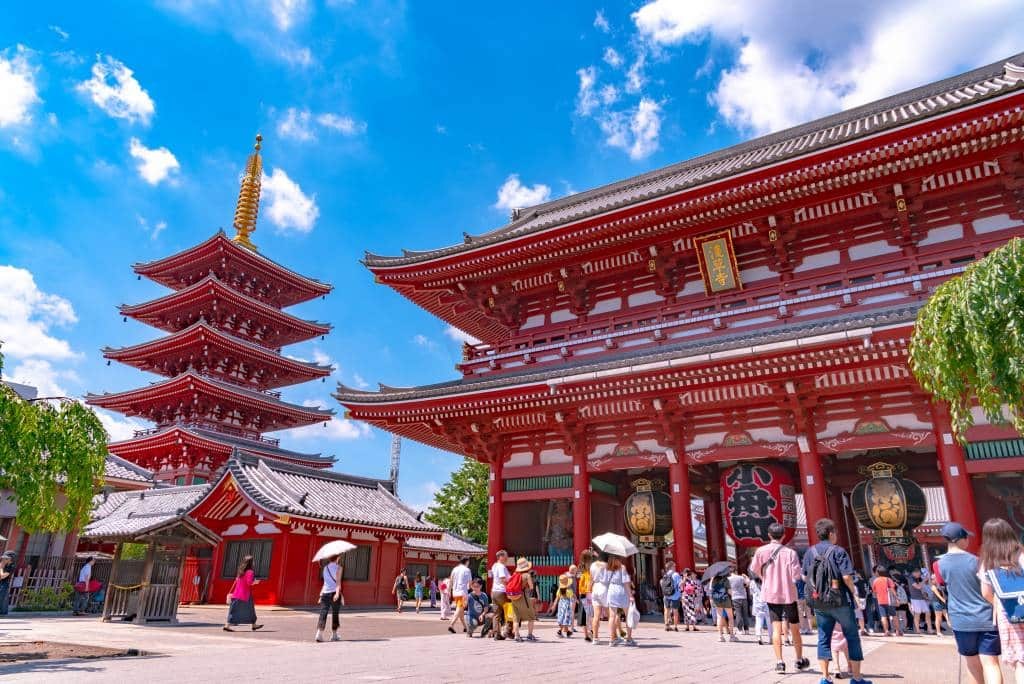 6 mi from TokyoSenso-ji Temple
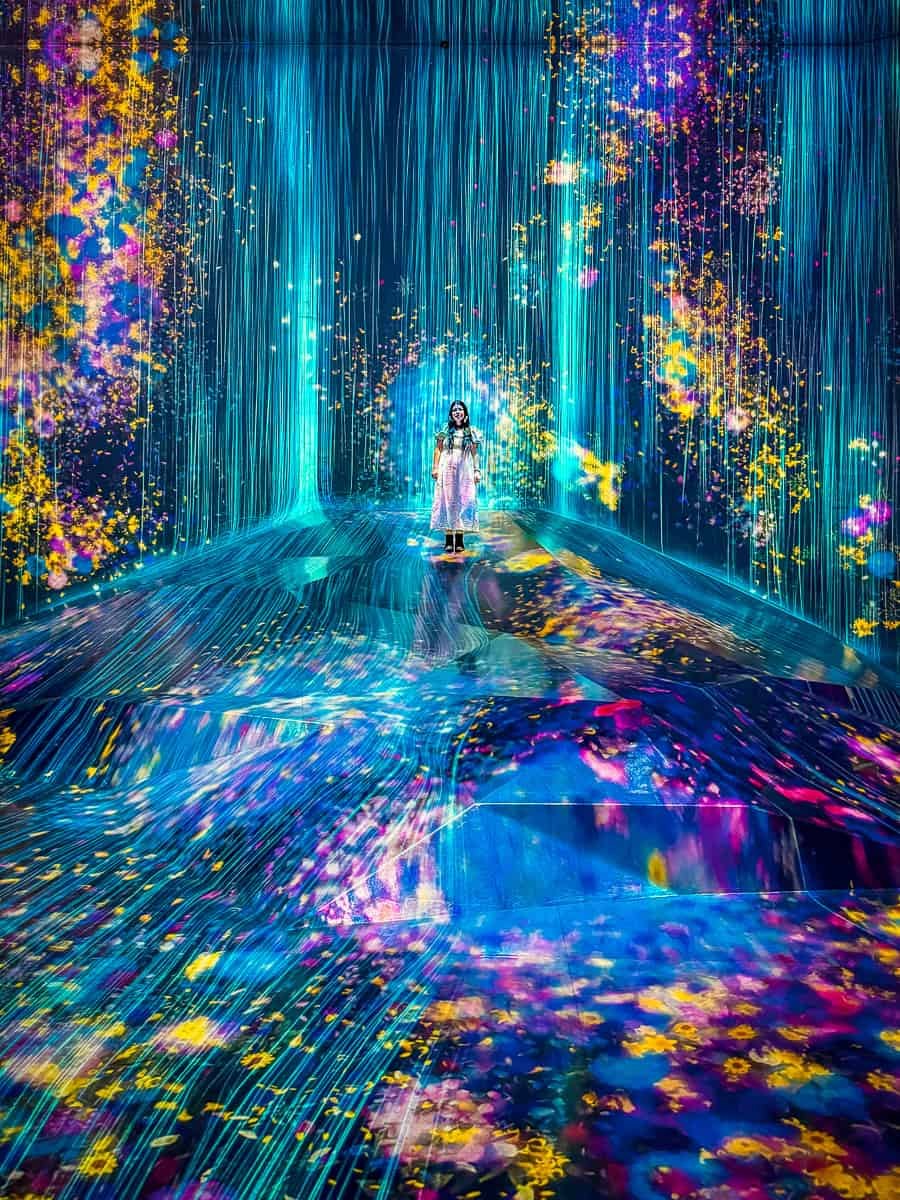 0 mi from TokyoteamLab Borderless
 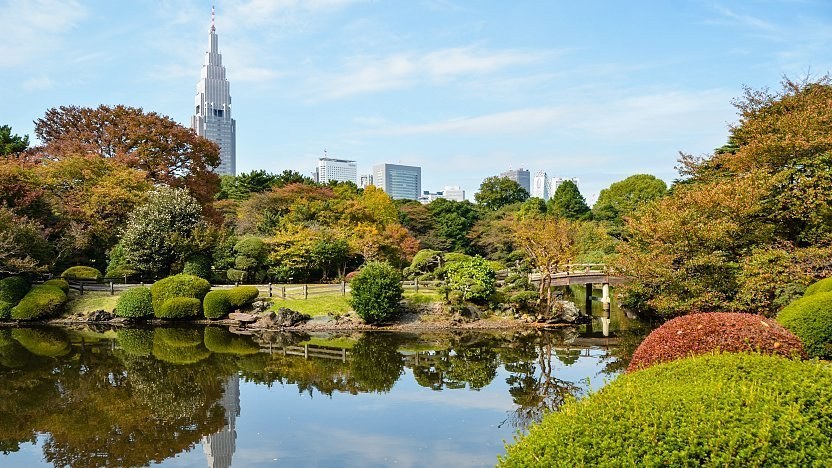 39 mi from Tokyo · land adventureTokyo's Secret Layers: Samurai Houses, Sunrise Crossings & Sake
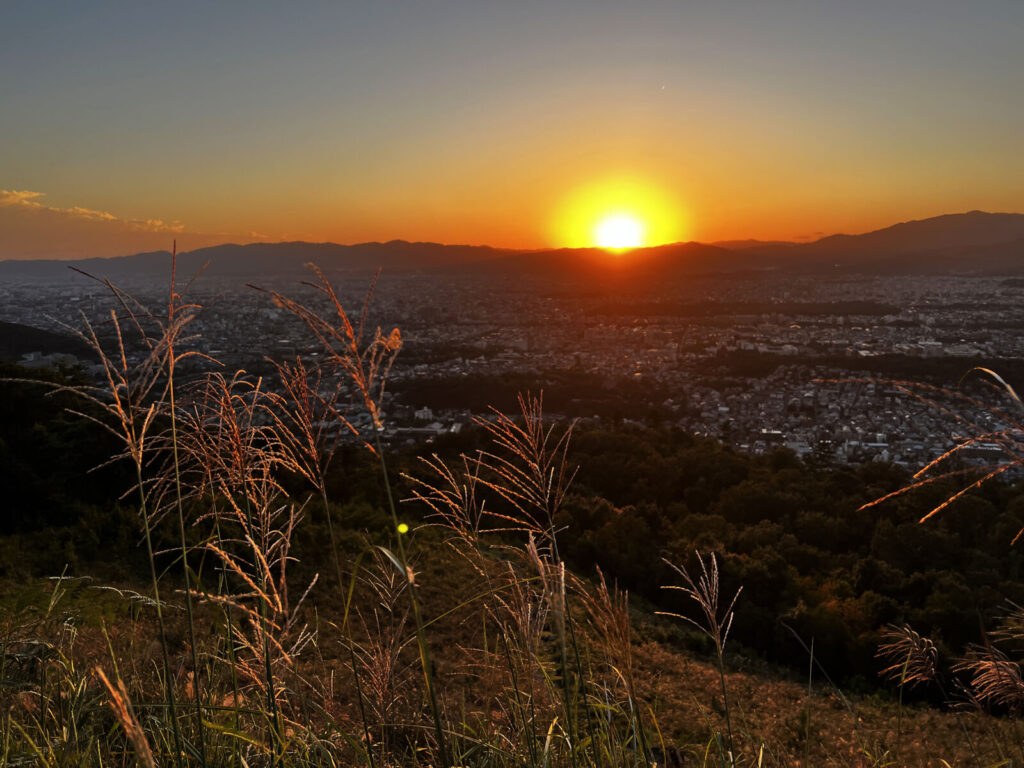 266 mi from Tokyo · land adventureKyoto After Dark: Firelight, Forest Paths & Ancient Craft
 The same trip, elevated
The same gateway on a more luxurious line — lead-in fare per person, same fare as booking direct.