Your cruise
MSC Seaview · 27-night Mediterranean cruise, Buenos Aires to Naples
Mar 4 – Mar 31 · 27 nights ·
Day 1 Buenos Aires (board) · Day 2–3 at sea · Day 4 Santos (Sao Paulo) · Day 5 Rio de Janeiro · Day 6–7 at sea · Day 8 Maceio · Day 9–12 at sea · Day 13 Mindelo · Day 14–15 at sea · Day 16 Funchal · Day 17 at sea · Day 18 Lisbon · Day 19–20 at sea · Day 21 Tangier · Day 22 Malaga · Day 23 at sea · Day 24 Palma de Mallorca · Day 25 Barcelona · Day 26 Marseille · Day 27 Genoa · Day 28 Naples (step off)
What you do A bespoke, private full-day immersion into Santos — its gilded Coffee Exchange, the panoramic peak of Monte Serrat, and the world's longest beachfront garden — at your own pace with a vetted local expert.
What to expect Your private guide meets you at the pier and whisks you through Santos in a chauffeured vehicle. The Museu do Café dazzles with its original 1922 trading floor — stained glass, gilded balconies, and rich espresso tastings. You ascend Monte Serrat by funicular for sweeping coastal panoramas, then stroll the 5.3 km beachfront garden at Orla e Jardins da Praia. The day closes with fresh seafood at a waterfront restaurant of your guide's choosing.
Good to know Santos port is compact; your guide meets you dockside. Pre-book well in advance — private guides fill up fast on busy port days. Confirm all-aboard time with your guide to build in comfortable return buffer.
book direct with Tours by Locals – Santos Private Guides → · the full guide →
What you do Step inside the breathtaking 1922 Bolsa Oficial do Café — Brazil's legendary coffee exchange — for a private guided tour of its stained-glass masterpiece and an expert cupping of Santos's finest single-origin coffees.
What to expect You enter a Belle Époque palace where fortunes were once made in minutes — the trading floor's vaulted ceiling and painted glass panels glow with filtered light. Your private guide narrates the rise of Santos as the world's largest coffee export port while you stand at the original mahogany desks. The tasting session that follows pairs single-origin Santos coffees with traditional Brazilian sweets. A visit to the rooftop terrace reveals the old port warehouses stretching to the waterfront.
Good to know The museum is a 10-minute taxi or rideshare from the cruise terminal. Open Tuesday–Sunday; confirm hours ahead. The tasting bar serves coffee continuously — arrive before the midday tour bus rush for a quieter experience.
book direct with Museu do Café (official) → · the full guide →
What you do Ride the century-old funicular railway to the summit of Monte Serrat for breathtaking 360° views over Santos, the Atlantic, and the Serra do Mar — crowned by a historic hilltop sanctuary that has watched over sailors for centuries.
What to expect The antique funicular creaks and sways as it hauls you up the forested hillside, revealing tantalising glimpses of Santos's terracotta rooftops and the blue Atlantic below. At the summit, the whitewashed Nossa Senhora do Monte Serrat sanctuary offers a moment of quiet reflection amid stunning scenery. The 360° panorama takes in the port, Guarujá island, and the Serra do Mar. Pair the ascent with a ride on the historic Linha Turística de Bonde tram through the city centre below.
Good to know The funicular operates daily; aim for mid-morning to avoid midday heat and haze. It's a short taxi ride from the port. Combining this with the Coffee Museum makes for a perfect half-day independently, leaving afternoons free for the beach garden or seafood lunch.
book direct with Linha Turística de Bonde & Monte Serrat (official Santos city service) → · the full guide →
What you do Enter the world's only museum dedicated to Pelé — the greatest footballer of all time — in the city where he made his legend, with a private guide to bring every trophy, jersey, and photograph to vivid life.
What to expect You walk through a beautifully curated space tracing Pelé's journey from barefoot child in Bauru to three-time World Cup winner and global ambassador. Original match jerseys, golden boots, and personal correspondence fill glass cases while rare footage plays on looping screens. Your guide draws connections between Santos FC's golden era and Brazilian cultural identity. A short walk or taxi brings you to the historic Vila Belmiro stadium for an optional stadium tour.
Good to know The museum is centrally located in downtown Santos, a short taxi from the pier. Open Tuesday–Sunday. Combine with a stop at the Coffee Museum — they are within easy walking distance of each other — to make the most of your port day downtown.
What you do Wander through one of Brazil's finest botanical collections at the Orquidário Municipal — over 600 orchid species, native Atlantic Forest fauna, and resident parrots — a serene, fragrant escape from the city.
What to expect You enter a lush canopy of palms and bromeliads, the air thick with fragrance, as orchids in every conceivable colour cascade from trellises and tree trunks. A resident botanist guide points out rare Cattleya and Laelia hybrids alongside Atlantic Forest natives that took decades to cultivate. Resident parrots, tortoises, and occasional monkeys move freely through the grounds. The garden's tranquil interior is a world away from the port bustle — a genuinely restorative hour or two.
Good to know A 15-minute taxi from the pier. Best visited in the morning when light filters through the canopy and wildlife is most active. Combine with the adjacent beachfront garden for a relaxed, nature-focused port day. Open daily.
book direct with Orquidário Municipal de Santos (official) → · the full guide →
What you do Escape to the gorgeous beaches of Guarujá island — Santos's glamorous neighbour — for a private chauffeured day of powder-white sand, crystalline Atlantic water, and a long seafood lunch at a renowned beachfront restaurant.
What to expect Your private vehicle and guide collect you at the pier and head to the Guarujá ferry crossing — a scenic 10-minute water passage with views of the Santos port channel. Praia de Enseada stretches before you in a wide arc of golden sand lapped by warm Atlantic water. After swimming and sunbathing, your guide escorts you to a handpicked beachfront restaurant for grilled fish, moqueca, and chilled caipirinhas. A scenic coastal drive back through Santos rounds out the afternoon before your return to the ship.
Good to know The ferry to Guarujá runs frequently and takes around 10 minutes. Pre-book your private guide to ensure a vehicle meets you at the pier. Confirm all-aboard time carefully — build in at least 90 minutes' return buffer given ferry and traffic variables.
book direct with TourHQ Santos – Private Local Guides → · the full guide →
What you do Step inside one of the world's top five opera houses, where gilded tiers, a sky-blue ceiling and acoustics second to none have awed audiences since 1908. A private guided tour reveals backstage secrets before you take your seat for a world-class performance.
What to expect Your bilingual expert guide leads you through the ornate foyers, the seven-tier auditorium dripping in red velvet and gold leaf, and the vast underground workshops where set designers and seamstresses craft every production by hand. You'll hear fascinating stories of the divas, scandals and triumphant premieres that shaped Argentina's cultural identity. In the evening, take your premium seat and let a world-class company perform beneath the magnificent painted dome. The standing ovation will give you goosebumps.
Good to know Book guided tours and performance tickets directly on the official website well in advance — top performances sell out months ahead. The theatre is a 20-minute taxi or Uber from the Puerto Madero cruise terminal. Check all-aboard time carefully; a daytime tour works easily for a port day, while an evening performance suits overnight calls.
book direct with Teatro Colón (official) → · the full guide →
What you do Learn the languid drama of the tango with a private maestro before a gourmet Argentine dinner and a world-class milonga show at Buenos Aires' most storied venue. This is tango as a living art form, not a tourist spectacle.
What to expect Arrive early for a private or semi-private tango lesson in a mirrored studio, where a professional dancer breaks down the embrace, the pause, the pivoting drama of each step. The colonial-stone main hall fills with candlelight as a full orchestra of bandoneons, violins and piano strikes up the first compás. Six to eight elite dancers command the floor in a two-hour show of classic and contemporary tango, followed by a three-course asado-inspired dinner with premium Malbec. The intimacy of the venue means every table has a front-row feel.
Good to know Book dinner + show directly on the website; request a private lesson by emailing the venue. The San Telmo location is a 15-minute taxi from the cruise terminal. Evening shows suit overnight or late-departure port calls — confirm all-aboard time before booking.
book direct with El Viejo Almacén (official) → · the full guide →
What you do Wander the marble city of the dead alongside a local historian who unlocks the stories of Argentina's oligarchs, generals and one legendary First Lady. Continue into elegant Palermo for boutique-lined streets and a table at a celebrated wine bar.
What to expect Your guide meets you at the ornate entrance to Recoleta Cemetery and navigates its labyrinthine avenues of mausoleums — grand neo-Gothic chapels and Art Deco tombs jostling for eternity. You'll pause at Evita Perón's understated tomb and hear the full, complex story that Hollywood simplified. Strolling into Palermo, the city transforms: jacaranda-shaded streets, independent design boutiques, and a curated stop at a wine bar for an Argentine varietal tasting paired with local charcuterie. The pace is entirely yours — nothing is rushed.
Good to know Book directly on the BuenosTours website and specify private if you prefer a solo-group experience. Wear comfortable walking shoes; the cemetery's cobblestone lanes are uneven. The route is roughly 4–5 hours and easily completed before a late-afternoon all-aboard.
What you do Lose yourself in the kaleidoscopic corrugated-iron streetscape of Caminito before weaving through the cobblestoned artisan stalls and tango buskers of San Telmo's legendary Sunday fair — curated with a private guide who knows every back alley.
What to expect You arrive at Caminito as the morning light floods the vivid zigzag of zinc facades — Maria positions you for the photographs that don't appear on postcards. She introduces you to local artists selling in the street-level galleries and explains how this working-class barrio became Argentina's most painted neighbourhood. In San Telmo, the Sunday fair's hundreds of stalls overflow with silverwork, Art Deco porcelain and vintage leather; Maria steers you away from tourist trinkets to the antique dealers serious collectors frequent. The tour ends with a cortado and medialunas at a corner café that has served the neighbourhood for decades.
Good to know The Sunday San Telmo Fair operates 10:00–17:00 — this excursion is best on Sundays. Book directly via the Go Ask a Local website. La Boca has a concentrated tourist zone; staying with a local guide is both the safest and richest way to explore. Allow 4–5 hours; taxis back to the cruise terminal take approximately 15 minutes.
book direct with Go Ask a Local – Maria's Private Buenos Aires Tours → · the full guide →
What you do Escape the city entirely on a private launch into the Paraná Delta — an Amazonian labyrinth of willow-shaded waterways, weekend villas and rowing clubs just 30 km from the capital. Lunch aboard or at a delta restaurant as the current does the work.
What to expect A private transfer north from Puerto Madero delivers you to the Tigre waterfront in under an hour. Your boat glides into channels shaded by ceibo trees and trailing willows, past brightly painted weekend houses accessible only by water. The captain points out native birds — kingfishers, herons, monk parakeets — as you drift deeper into the labyrinth. Lunch at a riverside restaurant means grilled river fish, provoleta and cold Torrontés as speedboats and kayakers pass in the dappled light. The return journey offers a completely different perspective of the channels as the afternoon light turns amber.
Good to know The Tigre Delta excursion takes approximately 6–7 hours return including transfer; confirm all-aboard time before booking. Apply sunscreen and bring a light layer — the delta breeze on the water can be cool even in summer. Book the private boat option directly by contacting Shore Excursions Group or a local Tigre operator for the most exclusive experience.
book direct with Shore Excursions Group – Tigre Delta & River Cruise → · the full guide →
What you do Ride out to a working Pampas estancia for a full-day immersion in gaucho culture: watch expert horsemen perform, try a polo lesson, and feast on a traditional wood-fired asado with unlimited Malbec beneath an open sky.
What to expect A private transfer (approx. 90 minutes) delivers you through the flat, endless horizon of the Pampas to La Mimosa's white-painted colonial ranch house. Gauchos in traditional bombachas and berets demonstrate horsemanship with staggering precision, and guests are warmly invited to ride alongside. A polo introduction on gentle horses is led by an estancia instructor. The centrepiece is the asado: whole ribs, chorizo, morcilla and sweetbreads char-grilled over quebracho embers, served with chimichurri, salads and flowing Malbec at long communal tables. The afternoon slows to the rhythm of the Pampas — folk music, mate, and the longest horizon you've ever seen.
Good to know Transfer to La Mimosa takes approximately 90 minutes each way — this is a full-day excursion best suited to port days with a late-evening all-aboard. Book directly on the La Mimosa website and arrange private transfers through your concierge for maximum comfort. Wear closed-toe shoes for riding; bring sunscreen and a hat.
book direct with Estancia La Mimosa (official) → · the full guide →
What you do A bespoke, private full-day immersion into Santos — its gilded Coffee Exchange, the panoramic peak of Monte Serrat, and the world's longest beachfront garden — at your own pace with a vetted local expert.
What to expect Your private guide meets you at the pier and whisks you through Santos in a chauffeured vehicle. The Museu do Café dazzles with its original 1922 trading floor — stained glass, gilded balconies, and rich espresso tastings. You ascend Monte Serrat by funicular for sweeping coastal panoramas, then stroll the 5.3 km beachfront garden at Orla e Jardins da Praia. The day closes with fresh seafood at a waterfront restaurant of your guide's choosing.
Good to know Santos port is compact; your guide meets you dockside. Pre-book well in advance — private guides fill up fast on busy port days. Confirm all-aboard time with your guide to build in comfortable return buffer.
book direct with Tours by Locals – Santos Private Guides → · the full guide →
What you do Step inside the breathtaking 1922 Bolsa Oficial do Café — Brazil's legendary coffee exchange — for a private guided tour of its stained-glass masterpiece and an expert cupping of Santos's finest single-origin coffees.
What to expect You enter a Belle Époque palace where fortunes were once made in minutes — the trading floor's vaulted ceiling and painted glass panels glow with filtered light. Your private guide narrates the rise of Santos as the world's largest coffee export port while you stand at the original mahogany desks. The tasting session that follows pairs single-origin Santos coffees with traditional Brazilian sweets. A visit to the rooftop terrace reveals the old port warehouses stretching to the waterfront.
Good to know The museum is a 10-minute taxi or rideshare from the cruise terminal. Open Tuesday–Sunday; confirm hours ahead. The tasting bar serves coffee continuously — arrive before the midday tour bus rush for a quieter experience.
book direct with Museu do Café (official) → · the full guide →
What you do Ride the century-old funicular railway to the summit of Monte Serrat for breathtaking 360° views over Santos, the Atlantic, and the Serra do Mar — crowned by a historic hilltop sanctuary that has watched over sailors for centuries.
What to expect The antique funicular creaks and sways as it hauls you up the forested hillside, revealing tantalising glimpses of Santos's terracotta rooftops and the blue Atlantic below. At the summit, the whitewashed Nossa Senhora do Monte Serrat sanctuary offers a moment of quiet reflection amid stunning scenery. The 360° panorama takes in the port, Guarujá island, and the Serra do Mar. Pair the ascent with a ride on the historic Linha Turística de Bonde tram through the city centre below.
Good to know The funicular operates daily; aim for mid-morning to avoid midday heat and haze. It's a short taxi ride from the port. Combining this with the Coffee Museum makes for a perfect half-day independently, leaving afternoons free for the beach garden or seafood lunch.
book direct with Linha Turística de Bonde & Monte Serrat (official Santos city service) → · the full guide →
What you do Enter the world's only museum dedicated to Pelé — the greatest footballer of all time — in the city where he made his legend, with a private guide to bring every trophy, jersey, and photograph to vivid life.
What to expect You walk through a beautifully curated space tracing Pelé's journey from barefoot child in Bauru to three-time World Cup winner and global ambassador. Original match jerseys, golden boots, and personal correspondence fill glass cases while rare footage plays on looping screens. Your guide draws connections between Santos FC's golden era and Brazilian cultural identity. A short walk or taxi brings you to the historic Vila Belmiro stadium for an optional stadium tour.
Good to know The museum is centrally located in downtown Santos, a short taxi from the pier. Open Tuesday–Sunday. Combine with a stop at the Coffee Museum — they are within easy walking distance of each other — to make the most of your port day downtown.
What you do Wander through one of Brazil's finest botanical collections at the Orquidário Municipal — over 600 orchid species, native Atlantic Forest fauna, and resident parrots — a serene, fragrant escape from the city.
What to expect You enter a lush canopy of palms and bromeliads, the air thick with fragrance, as orchids in every conceivable colour cascade from trellises and tree trunks. A resident botanist guide points out rare Cattleya and Laelia hybrids alongside Atlantic Forest natives that took decades to cultivate. Resident parrots, tortoises, and occasional monkeys move freely through the grounds. The garden's tranquil interior is a world away from the port bustle — a genuinely restorative hour or two.
Good to know A 15-minute taxi from the pier. Best visited in the morning when light filters through the canopy and wildlife is most active. Combine with the adjacent beachfront garden for a relaxed, nature-focused port day. Open daily.
book direct with Orquidário Municipal de Santos (official) → · the full guide →
What you do Escape to the gorgeous beaches of Guarujá island — Santos's glamorous neighbour — for a private chauffeured day of powder-white sand, crystalline Atlantic water, and a long seafood lunch at a renowned beachfront restaurant.
What to expect Your private vehicle and guide collect you at the pier and head to the Guarujá ferry crossing — a scenic 10-minute water passage with views of the Santos port channel. Praia de Enseada stretches before you in a wide arc of golden sand lapped by warm Atlantic water. After swimming and sunbathing, your guide escorts you to a handpicked beachfront restaurant for grilled fish, moqueca, and chilled caipirinhas. A scenic coastal drive back through Santos rounds out the afternoon before your return to the ship.
Good to know The ferry to Guarujá runs frequently and takes around 10 minutes. Pre-book your private guide to ensure a vehicle meets you at the pier. Confirm all-aboard time carefully — build in at least 90 minutes' return buffer given ferry and traffic variables.
book direct with TourHQ Santos – Private Local Guides → · the full guide →
What you do Rio's three crown jewels — Christ the Redeemer, Sugarloaf Mountain, and the Selarón Steps — in a single, seamlessly paced private day. A licensed local expert curates every moment, from sunrise crowds to golden-hour cable car rides.
What to expect Your private air-conditioned vehicle collects you at the cruise terminal and whisks you to the iconic Selarón Steps, where the artist Jorge Selarón's 215 mosaic-tiled risers cascade down Lapa in a blaze of colour. From there, ascend Corcovado by rack railway to stand at the feet of the 38-metre Cristo Redentor as the city unfolds 710 metres below. The afternoon belongs to Sugarloaf, riding two consecutive gondolas to the 396-metre summit for a panorama that takes in Guanabara Bay, Copacabana, and the Atlantic horizon. Lunch at a curated local restaurant is included, and your guide personally adjusts the itinerary around your all-aboard time.
Good to know Pre-book well in advance — private days fill up fast in peak season (Dec–Mar). Confirm your all-aboard time with the guide at booking so the schedule is built around it. Christ the Redeemer tickets should be pre-purchased online to skip the booth queue. Comfortable walking shoes essential; the steps at Corcovado are steep.
What you do Trade the tourist rack railway for a lush 90-minute jungle trail through Tijuca Forest, arriving at Cristo Redentor breathless and triumphant — before the day-trippers arrive. One of Rio's great bucket-list physical experiences.
What to expect Your expert naturalist guide meets you at the port and transfers you to Parque Lage, a neo-romantic 19th-century estate at the forest's edge. The trail climbs steadily through dense canopy — strangler figs, bromeliads, and the calls of toucans accompany your ascent. At the summit, the outstretched arms of Cristo Redentor frame a 360-degree panorama: Guanabara Bay glittering to the east, Ipanema and Copacabana arcing south, and the Tijuca massif rolling away to the west. The descent is by rack railway, so your legs get the reward without the repeat effort.
Good to know Moderate fitness required — ~4 km uphill on uneven forest paths. Departs early morning (07:00 recommended) to beat both heat and crowds; confirm timing against your all-aboard. Wear trail shoes, bring a light rain layer, water, and sunscreen. Trail can be muddy after rain.
book direct with Do Brazil Right – Shore Excursions → · the full guide →
What you do Ascend Sugarloaf by gondola as the sun melts into the Atlantic and Rio's lights begin to glitter below — with a private guide, reserved cable car access, and chilled champagne on the summit. Simply one of the most spectacular sunsets on Earth.
What to expect Your private vehicle collects you from the pier and drives the scenic bayside road to Praia Vermelha, where the cable car base station sits against a dramatic granite wall. The first gondola glides to Morro da Urca (215 m) for cocktails on an open-air terrace with views of Botafogo Bay. The second gondola carries you to the Sugarloaf summit itself, where your guide points out every landmark — the twin humps of the Two Brothers, the long sweep of Ipanema beach, and the Cristo Redentor glowing on Corcovado opposite. As darkness falls, Rio transforms into a carpet of lights stretching to the horizon.
Good to know Sunset timing shifts seasonally — confirm exact departure time with your guide against your all-aboard (typically 17:30–18:30 ascent works for most ships). Pre-purchase cable car tickets online at bondinho.com.br to skip queues. Light jacket recommended at the summit — the Atlantic breeze picks up after dark.
book direct with Rio Private Guide – Alan Denis → · the full guide →
What you do Plunge into the world's largest urban rainforest on an open-top 4×4 Jeep, hunting hidden waterfalls, rare orchids, and monkeys in the canopy above Rio's skyline. Thrilling, beautiful, and utterly unlike any city tour.
What to expect The Jeep departs the port and within 20 minutes you're deep in Tijuca National Park — 32 square kilometres of restored Atlantic rainforest that once covered the entire city. Your naturalist driver-guide navigates steep cobbled tracks to the Cascatinha Taunay waterfall, where you can swim in a cool natural pool. The trail continues to the Vista Chinesa pagoda, an incongruous 1920s belvedere perched above the south zone with jaw-dropping views of Lagoa Rodrigo de Freitas and the beaches beyond. Look up: squirrel monkeys and toucans are reliable sightings year-round.
Good to know Half-day format (4 hrs) makes it very manageable against an all-aboard. Bring insect repellent, swimwear if you want to dip at the waterfall, and a light layer. Jeep seats are open-air — sunscreen essential. Available year-round but forest is most dramatic and green after rain.
book direct with Do Brazil Right – Shore Excursions → · the full guide →
What you do Explore the birthplace of samba and the heart of Afro-Brazilian heritage — the Saúde docklands 'Pequena África', the Valongo Wharf UNESCO site, and the bohemian arches of Lapa — with a cultural historian as your guide.
What to expect Your expert cultural guide leads you from the port through the revitalised Saúde neighbourhood — Rio's 'Little Africa' — where the Valongo Wharf, the largest disembarkation point for enslaved Africans in the Americas, is now a haunting and essential UNESCO World Heritage Site. The route winds through Gamboa to the Praça Mauá waterfront plaza, past the Museum of Tomorrow, then south into the Lapa arches district, where the Selarón Steps cascade down in their famous mosaic splendour. At every turn your guide connects architecture, music, and history — from candomblé to capoeira — with the living culture of modern Rio.
Good to know Entirely walkable — flat terrain, approximately 5 km total. Wear comfortable shoes and light, breathable clothing. Best done in the morning before heat peaks. The Selarón Steps are at the end of the route — a natural finale. Confirm all-aboard time with guide; the 4-hour format leaves a comfortable buffer.
What you do Walk the hallowed turf, dressing rooms, and players' tunnel of Maracanã — South America's most iconic football cathedral — with a private guide who unlocks areas closed to the public, and a lifetime of stories about the Maracanazo, Pelé, and the 2014 World Cup.
What to expect Your guide meets you at the port and transfers you directly to the Zona Norte neighbourhood where Maracanã rises like a concrete colosseum. Inside, the private route takes you through the players' dressing rooms (still bearing the scent of decades of drama), the athletes' tunnel where legends have walked, and out onto the pitch itself — 78,000 seats surrounding you in silence. Your guide narrates defining moments: the 1950 World Cup 'Maracanazo' defeat, Pelé's 1,000th goal, and the stadium's reinvention for 2014. A visit to the onsite Hall of Fame and the club merchandise boutique rounds out a deeply Rio experience.
Good to know Tours run most mornings when no match is scheduled — verify match schedule before booking as stadium access changes on game days. Allow 2.5–3 hours including transfer from port. The stadium is a 20-minute drive from the cruise terminal. Combine with a lunch stop in the Santa Teresa neighbourhood on the return for a perfect half-day.
book direct with Tours by Locals – Rio de Janeiro Private Guides → · the full guide →
What you do Sail a traditional wooden jangada to Gunga Beach, one of Brazil's most breathtaking stretches of coast — where palm-fringed dunes meet turquoise lagoon. A bucket-list private escape into unspoiled Alagoas nature.
What to expect Board a classic timber jangada at the river mouth and glide across the glassy Roteiro River to Gunga's legendary white-sand bar. Swim in warm, calm waters framed by swaying coconut palms and emerald mangroves. A local guide narrates the ecology and culture of this protected coastal strip. Lunch at a beachside palapa with freshly grilled seafood rounds out an unforgettable day.
Good to know Full-day excursion; depart Maceió port by 9 AM to allow ample time before all-aboard. Pre-book directly with Luck Receptivo to secure private jangada and guide. Bring reef-safe sunscreen — UV is intense on the open water.
What you do At low tide, vibrant natural reef pools emerge just 2 km off Pajuçara Beach — a UNESCO-recognised phenomenon unique to Maceió. A private jangada at golden hour transforms this into pure magic.
What to expect Step aboard a hand-crafted jangada and drift out to Pajuçara's famous reef pools as the tide recedes. Knee-deep crystal water reveals kaleidoscopic corals and tropical fish — snorkel or simply stand in nature's own infinity pool. Your guide shares the history of Maceió's jangadeiros fishing culture. At sunset, the horizon blazes orange and pink as you sail back — a view that belongs on every travel bucket list.
Good to know Timing is entirely tide-dependent — pools are best 2 hrs either side of low tide. Gregtur will confirm the optimal departure window for your port day. Book in advance with tide date for your specific call; allow 3–4 hrs total. Jangada dock is a short taxi or walk from the cruise terminal.
What you do Journey north along the Coconut Coast to São Miguel dos Milagres — a tiny, achingly beautiful village of turquoise bays and traditional fishing communities. Rated among Brazil's finest hidden beaches, accessible by private transfer with an expert local guide.
What to expect Your guide collects you at the port and heads north through swaying coconut groves and Alagoas farmland to this almost car-free fishing village. Arrive to crystalline, shallow bays virtually untouched by mass tourism. Glide by motor canoe to reef-lined pools teeming with reef fish and starfish. Meet local artisans and sample traditional tapioca and coconut delicacies. Return via the coastal road, with stops at panoramic viewpoints over the Coral Coast.
Good to know Approx. 2.5 hrs each way from Maceió port — ideally suited to port days with a 7 PM or later all-aboard. Pre-book private transport with Gregtur well in advance. Carry BRL cash for local purchases and tipping.
What you do Head south to Francês Beach — Alagoas's most celebrated stretch of coast, where natural reef barriers create sheltered, emerald-green pools perfect for snorkelling. A quintessential Northeastern Brazil beach experience at its most spectacular.
What to expect The 30-minute scenic drive south delivers you to a crescent of ivory sand backed by rustling palms, lapped by water so green it glows. Step into the natural reef pools — calm, warm, and teeming with tropical fish — with a snorkel guide pointing out highlights. Barracas (beach huts) serve chilled coconuts, grilled lobster, and ice-cold Skol. The afternoon light on the reef is extraordinary; time your departure for the late afternoon golden hour.
Good to know Approx. 30 min from port by private transfer. Low tide reveals the best pool snorkelling — check tide tables with your operator. Book private transfer and optional reef boat trip in advance. Reef shoes recommended.
What you do Explore the colourful colonial heart of Maceió — from the pastel-façaded Catedral Metropolitana to the vibrant Mercado do Artesanato — with a knowledgeable bilingual guide who brings Alagoas's layered history vividly to life.
What to expect Begin at the Praça Dom Pedro II, Maceió's elegant civic heart, where your guide decodes the city's history as a 19th-century sugarcane port. Walk to the Catedral Nossa Senhora dos Prazeres, a striking neoclassical cathedral framing the old city skyline. The Mercado do Artesanato de Maceió is a sensory feast: hand-embroidered linens, vivid lacework, woodcarvings, and Alagoas's distinctive wicker-weaving — your guide introduces you directly to the artisans. End with a tasting of caldo de cana (fresh sugarcane juice) and tapioca crepes at a historic boteco.
Good to know The Mercado is at its most atmospheric before noon. A morning half-day tour (depart port 8:30 AM) leaves the afternoon free for beach time. BRL cash is essential for artisan purchases — ATMs near the market. Wear comfortable walking shoes; the old centre has uneven cobblestones.
What you do Drive the legendary Coconut Coast north of Maceió to Ipioca — a wild, windswept beach of dramatic cliffs, natural pools, and swaying palms, rated 4.5 stars by thousands of visitors. A private escape into Alagoas at its most cinematic.
What to expect Head north along the Costa dos Coqueiros, a palm-lined coastal highway that feels like a film set. Arrive at Ipioca's rugged cliffs, where red laterite rock plunges to turquoise Atlantic waters and natural rock pools shimmer with marine life. Swim, snorkel, or simply absorb the view from a clifftop palapa with a cold caipirinha in hand. Your guide sources the freshest local catch for a leisurely lunch at a family-run barraca — grilled robalo (snook) and moqueca (coconut fish stew) are the house specialities. The journey back traces the coastline through fishing villages at dusk.
Good to know Approx. 30–40 min north of Maceió port by private vehicle. Best visited at mid-to-low tide for pool access. Full-day format recommended — depart 9 AM, return by 4:30 PM. Pre-book with Gregtur for English-speaking private guide and air-conditioned vehicle.
What you do A private, chauffeur-guided full-day journey across São Vicente's dramatic contrasts — colonial Mindelo streetscapes, the lunar moonscape of Calhau, Monte Verde's summit, and hidden fishing villages. The island's soul, distilled into one extraordinary day.
What to expect Your private guide collects you at the pier and sweeps you through Mindelo's pastel-hued centre before climbing the switchbacks to Monte Verde, the island's highest point at 750 m, where the Atlantic sprawls in every direction. You descend into the raw, volcanic badlands framing Calhau beach — otherworldly and almost entirely untouched. A visit to the tiny fishing hamlet of São Pedro, where sea turtles patrol shallow turquoise waters, rounds out a genuinely cinematic day. Lunch is taken at a locally loved restaurant chosen by your guide.
Good to know Full-day tours run approximately 6–8 hours, comfortably within the typical all-aboard window. Pre-book directly via the Facebook page or WhatsApp contact listed. Confirm your ship's departure time when booking so the guide calibrates the return.
What you do Trek to the windswept 750 m summit of Monte Verde — São Vicente's volcanic crown — for a 360° panorama spanning ocean, desert plains, and distant Santo Antão island. One of the Atlantic's most dramatic viewpoints, earned on foot.
What to expect The trail begins in the cooler morning air, winding through scrubby vegetation and exposed lava ridges as the city of Mindelo shrinks below. At the summit, on clear days, the silhouette of Santo Antão rises from the sea like a mirage — a shot that defines any Cape Verde visit. Your guide shares the legend of Monte Verde as a navigation landmark for trans-Atlantic sailors for centuries. The descent follows an alternate ridge trail, offering entirely new perspectives on the island's patchwork of green valleys and golden desert.
Good to know Allow approximately 3–4 hours round-trip including transfer. Wear sturdy walking shoes and bring sun protection — the ridge is fully exposed. Book directly and confirm the morning slot to allow a comfortable return to port. Light layers recommended as summit winds can be brisk even in summer.
What you do Walk in the footsteps of the 'Barefoot Diva' — a deeply personal journey through the streets, haunts, and museum of Cape Verde's most celebrated soul, Cesária Évora, brought alive by a guide steeped in morna music tradition.
What to expect The tour opens at the Núcleo Museológico Cesária Évora, a lovingly curated museum inside her former family home, filled with personal photographs, costumes, gold records, and instruments. Your guide — often a morna musician themselves — recounts her rise from Mindelo's backstreet taverns to the concert halls of Paris. You then walk to the People's Palace (Palácio do Povo), the colonial landmark that anchors the city's cultural identity, and through the atmospheric backstreets where Cesária performed as a young woman. The tour closes with a live morna performance at a local venue over a glass of Cape Verdean punch.
Good to know Duration approximately 4 hours. The museum is a short walk from the cruise pier. Book in advance as small-group slots fill quickly on port days. Afternoon departures allow the live music finale — confirm scheduling when booking.
book direct with Nucleo Museologico Cesaria Evora (Official Museum) → · the full guide →
What you do Slip into the crystalline shallows of São Pedro bay and share the water with graceful sea turtles in one of the Atlantic's most reliable turtle-encounter sites. A rare, intimate wildlife moment just minutes from Mindelo.
What to expect A short transfer south along São Vicente's coast brings you to the sheltered arc of São Pedro, a village beach beloved by windsurfers and, more importantly, resident loggerhead and green sea turtles that feed in the bay year-round. Your guide briefs the group on respectful wildlife interaction before you wade in — within minutes, turtles glide past with serene indifference to your presence. The water is warm, calm, and brilliantly clear, making this accessible even for novice snorkellers. After the swim, the bay's palms and soft sand invite a leisurely dry-off before the return to port.
Good to know Duration approximately 3 hours including transfer. All snorkel equipment provided. No experience necessary. Book early on port call days — this is the island's most sought-after water experience. Transfer departs from Mindelo port; confirm exact meeting point at booking.
book direct with Atlantur Viagens e Turismo → · the full guide →
What you do As the heat softens and Mindelo's lantern-lit plazas fill with music, join a curated evening walk through the city's finest cachupa kitchens, rum bars, and live morna venues — a sensory immersion into Cape Verde's vibrant nocturnal soul.
What to expect The tour begins at Praça Nova as the square fills with locals, and your guide leads you through the illuminated colonial streetscape past the Torre de Belém replica and the African Market's evening traders. First stop is a family kitchen renowned for cachupa rica — the slow-cooked corn and bean stew that is Cape Verde's culinary heartbeat — paired with local Strela beer. A grogue (sugar-cane rum) tasting at a specialist bar follows, before the evening peaks at a live morna session in a candlelit venue where the music physically aches with saudade. A perfect, unhurried finale to any port day.
Good to know Evening departure — confirm your ship's all-aboard time carefully; this tour suits later departure ships. Duration approximately 3–3.5 hours. Group size strictly limited. Comfortable walking shoes and a light layer for the evening breeze recommended. Book directly well in advance of your port call date.
book direct with Atlantur Viagens e Turismo → · the full guide →
What you do Board the inter-island ferry from Mindelo to Cape Verde's most breathtaking island, Santo Antão, and hike the legendary Ribeira Grande valley — a UNESCO-recognised landscape of cathedral gorges, lush terraces, and ancient stone paths.
What to expect The 35-minute ferry crossing from Porto Novo delivers you to an island that feels geographically and emotionally worlds apart from São Vicente — fertile, mountainous, and jaw-dropping. Your private guide navigates the winding road to Paul Valley, where ancient cobbled levada trails thread between banana groves, papaya trees, and terraced plots cultivated for centuries. The trek descends through Ribeira Grande's gorge walls, which rise hundreds of metres on both sides, to the Atlantic coast, where fishermen haul in their morning catch. A local lunch of fresh fish, grilled octopus, and catchupa at a hillside restaurant is the perfect punctuation before the return ferry.
Good to know This is a full-day excursion of approximately 8 hours — essential to confirm your ship's departure time is late enough (typically 18:00 or later). Ferry schedules are twice daily; your operator books the appropriate crossings. Moderate fitness required for the trail. Pre-book well in advance as ferry capacity is limited on port call days.
book direct with Atlantur Viagens e Turismo → · the full guide →
What you do Trek the legendary high-altitude trail linking Madeira's two highest peaks above the clouds. One of Europe's most dramatic mountain walks — raw volcanic terrain, sweeping Atlantic panoramas, and total wilderness at 1,800 m.
What to expect A private 4WD picks you up at the port and climbs into the clouds to Pico do Arieiro (1,818 m). Your guide leads you along the sculpted lava ridge, through tunnels carved into the rock face, to the island's highest point at Pico Ruivo. The views — layers of cloud below, endless Atlantic above — are unlike anywhere else in Europe. A warm local lunch is arranged in a mountain village before your return descent.
Good to know The walk is 9 km one-way and takes 4–5 hours; weather can change rapidly, so a certified guide is essential. Book at least 2 weeks ahead as small-group slots fill fast. All-aboard is typically 18:00; a half-day version returns comfortably by 16:00.
What you do Glide up by cable car to the dazzling Monte Palace tropical garden, then hurtle back down through cobbled streets in a hand-steered wicker toboggan — Madeira's most exhilarating and quintessentially local tradition.
What to expect The Teleférico glides smoothly over red-roofed quintas and banana groves to Monte village. Spend an hour exploring Monte Palace's tiered gardens — Japanese pagodas, African sculptures, and sweeping Funchal bay views. Then two white-suited 'carreiros' guide your wicker basket-sled down 2 km of steep cobbled lanes at exhilarating speed — a tradition unchanged since 1850. Finish with a bica and pastel de nata at a Monte café before strolling back down.
Good to know Cable car opens at 09:00; go early on port days. The toboggan ends in Livramento, a short taxi back to the waterfront. Allow 3 hours total. Pre-book the cable car online to skip queues.
book direct with Teleféricos da Madeira (official) → · the full guide →
What you do Madeira sits on one of the world's most biodiverse whale migration corridors. Sail aboard a premium vessel with marine biologist guides in search of sperm whales, pilot whales, and acrobatic Atlantic spotted dolphins.
What to expect Depart Funchal marina aboard a sleek catamaran equipped with underwater microphones to detect whale song. Your marine biologist narrates every sighting — sperm whales are resident year-round, while Bryde's whales, bottlenose, and spotted dolphins make regular appearances. Chilled Madeiran wine and local snacks are served on the return leg as the volcanic cliffs of the island's south coast glow in the afternoon light. Rated #1 wildlife experience in Madeira on Tripadvisor.
Good to know Tours depart at 09:00 and 14:00, each lasting approximately 3 hours — either slot returns well before a typical 18:00 all-aboard. Booking directly guarantees best availability; reserve 1–2 weeks in advance for port days. Sea-sickness tablets recommended for sensitive guests.
book direct with VipDolphins Madeira (official) → · the full guide →
What you do Step inside one of the world's great fortified wine estates — a 200-year-old merchant lodge in the heart of Funchal — for a private tasting masterclass led by a dedicated sommelier. The only way to truly understand Madeira wine.
What to expect Pass through the cobbled courtyard of the Adegas de São Francisco into centuries of winemaking history. Your sommelier leads you through sun-drenched lofts where Madeira wine undergoes its unique estufagem heating process. The tasting progresses from a crisp 5-year Sercial to a complex, caramel-laced 15-year Malmsey. Private bookings include back-vintage library wines unavailable on the standard tour. The lodge shop offers bottles to take back aboard.
Good to know The lodge is a 10-minute walk from the cruise pier — no transfers needed. Standard tours run daily; private masterclasses must be arranged 48 hours in advance via the website. Allow 90 minutes for the premium experience. Closed Sundays.
book direct with Blandy's Wine Lodge (official) → · the full guide →
What you do Escape the crowds on a private 4WD expedition through Madeira's dramatic interior — ancient laurel forest, secret levada paths, clifftop villages, and viewpoints that no coach tour can reach.
What to expect Your guide collects you dockside in an open-top 4WD and heads north through the UNESCO-listed Laurisilva forest — a primeval laurel jungle that has survived since the Tertiary era and drips with ferns and mosses. Stops include the vertiginous Balcões viewpoint, a walk along an irrigation levada channel through the mountains, the colourful terraced village of Santana, and the dramatic sea cliffs at Ponta de São Lourenço. Lunch is at a local quinta restaurant, wine included. Return to port by 17:30.
Good to know Full-day runs 08:30–17:30 — confirm your all-aboard time before booking. Private bookings are entirely flexible on duration. Layers essential; the north of the island is significantly cooler and often misty. Book directly via email or phone for private group pricing.
What you do Uncover 600 years of Atlantic trading history in Funchal's cobbled old quarter, finishing at the legendary Farmers' Market — a riot of exotic tropical fruits, endemic island flowers, and espadarte swordfish. Pure Madeira, unfiltered.
What to expect Begin at the 15th-century Sé Cathedral, one of Portugal's finest Manueline monuments, before weaving through the cobbled Zona Velha (Old Town). Your guide explains the hand-painted tile murals adorning every doorway — a living outdoor gallery created by local artists. At Mercado dos Lavradores, you taste a custard-apple, handle a bird-of-paradise flower, and watch fishermen unload scabbardfish that will be on restaurant tables by noon. End with a tasting of regional poncha at a historic bar.
Good to know The market is at its most vibrant 08:00–13:00 Friday and Saturday — try to schedule your port call accordingly. The circuit is 3–4 hours and entirely walkable from the cruise pier (15 minutes on foot). Private guides on ToursByLocals are vetted locals; select a guide with history or culinary specialist credentials for the richest experience.
book direct with ToursByLocals – Funchal Private Guides → · the full guide →
What you do Climb to the candy-colored Pena Palace, a Romanticist fairytale castle floating on a forested peak above Sintra, then stand at Cabo da Roca, the westernmost cliff of continental Europe, before the seaside polish of Cascais. It's a UNESCO-listed day you physically cannot do from Lisbon's center on foot, and the single experience a first-timer most regrets skipping. The guided van solves Sintra's brutal timed-entry queues and, critically, guarantees you back to the ship.
What to expect You'll ascend into the forested hills above Sintra to explore the candy-colored Pena Palace, a Romanticist fairytale castle perched on a peak with sweeping views across the landscape. From there, the van carries you to Cabo da Roca, the windswept westernmost cliff of continental Europe, where you can stand at the edge and take in the Atlantic. You'll finish in the seaside polish of Cascais before returning to the ship, completing a full arc of Sintra's dramatic geography in a single morning and afternoon—a journey impossible to accomplish on foot from Lisbon's center.
Good to know This 8-hour small-group van tour includes Pena Palace timed-entry tickets and Lisbon pickup/return from the pier, eliminating the brutal entry queues that plague independent visitors. Book this operator specifically because they guarantee return to the ship; the cruise line's own coach options run 5–7 hours at nearly double the price. Depart early enough to be back well before your ship's evening departure, and bring layers and comfortable walking shoes for steep palace grounds and coastal winds.
What you do Lisbon was built to be seen from its river, and a small boat delivers the money shot: the red 25 de Abril Bridge (the city's Golden Gate twin), the Cristo Rei statue on the far bank, Belem Tower and the pastel hills tumbling to the water. Two relaxed hours with a drink in hand is the perfect bookend before sailaway. Pick the sunset departure if your ship leaves late.
What to expect You'll board a small boat at the riverside dock near the city center and spend two hours on the water, drink in hand, as Lisbon unfolds in front of you. The route showcases the red 25 de Abril Bridge—Lisbon's iconic rival to the Golden Gate—then glides past the historic Belem Tower and the Christ the King statue (Cristo Rei) rising from the far bank. Pastel-colored hills tumble down to the waterline, and the boat's intimate scale delivers the views that made Lisbon built to be seen from its river. If your ship departs in the evening, the sunset tour transforms the same skyline into burnished gold and rose.
Good to know The dock sits right in town, minimizing back-to-ship risk; plan for a 2-hour cruise within a 6–8 hour port window, leaving time to return before sailaway. Book direct with Tagus Cruises (€38–€45 per person, depending on day or sunset slot) rather than through the ship's add-ons (which cost €73–€100), saving €30–€55 per person for the same experience. The tour is fully inclusive—skipper, drinks, and taxes are built in—and runs on fixed daily departures; reserve ahead to secure your preferred time slot, especially if timing a sunset departure with your ship's schedule.
What you do Alfama is the medieval Moorish heart of Lisbon, a tangle of staircases, laundry-strung alleys and miradouro viewpoints far too steep to cover on foot in a port-day window. An open electric tuk-tuk hauls you up to Castelo de Sao Jorge, Portas do Sol and Santa Luzia for the iconic red-roof-and-river panoramas. The cruise dock literally sits at the foot of Alfama, so this is the lowest-risk, walk-off-and-go option of the day.
What to expect You'll board an open electric tuk-tuk at the cruise dock—no shuttle, no fuss—and climb the steep medieval alleys of Alfama as the vehicle winds through a tangle of laundry-strung staircases and narrow cobbled streets. The route hauls you up to three iconic miradouro (viewpoint) stops: Castelo de Sao Jorge, Portas do Sol, and Santa Luzia, each delivering panoramic shots of Lisbon's signature red rooftops spilling down to the river. At each vantage, you'll have time to photo and breathe the sea-salt air before the tuk-tuk descends back through the Moorish quarter to the dock. The whole rhythm unfolds in 1–2 hours depending on which tour you choose, leaving you with hours to explore Belem or the city on foot.
Good to know The cruise dock sits at Alfama's literal foot, so you walk off the ship and onto a tuk-tuk—book direct with Tuk On Me (operator RNAAT 485/2014 registered with Turismo de Portugal) to lock in €15–€30 per person rather than the ship's €104.99 coach. In a 6–8 hour port window, the 1–2 hour tuk-tuk tour leaves ample buffer time; simply confirm your return time with the driver to ensure you're back at the dock with 30+ minutes before all-aboard. Wear comfortable shoes for the few steps between tuk-tuk stops, bring sunscreen and a hat for the open-air exposure at each viewpoint, and have small euro bills or a card ready for the operator if paying on-site rather than pre-booking.
What you do Portuguese food is a bucket-list draw in its own right, and a small-group walk is the fastest way to taste the canon: bacalhau (salt cod), petiscos (Portuguese tapas), a bifana pork sandwich, regional cheeses and a shot of sour-cherry ginjinha, learning the city through its makers. This operator works real everyday neighborhoods like Campo de Ourique and Mouraria rather than tourist traps, capped at 12 people. Best for travelers who want depth over a checklist.
What to expect You'll join a small group of no more than 12 people for a walking tour through authentic Lisbon neighborhoods—Campo de Ourique and Mouraria—guided by local food experts who know the real makers and spots. The tour flows as a series of tastings and stops: bacalhau (salt cod), petiscos (Portuguese tapas), a bifana pork sandwich, regional cheeses, and a shot of sour-cherry ginjinha, with drinks included throughout. Rather than hitting tourist checkboxes, you're learning the city's food culture through the people who've shaped it, moving at a conversational pace through working neighborhoods. The whole experience runs 3 to 3.5 hours—intimate, depth-focused, and flavored with real Lisbon rhythm.
Good to know This tour costs ~$76 per person and is offered by Taste of Lisboa Food Tours; book directly with the operator rather than through the cruise line to lock in the small-group cap and local-neighborhood routing. Plan for a 3–3.5 hour excursion, leaving you a comfortable 2.5–3 hour buffer to return to the ship within a typical 6–8 hour port window. Wear comfortable walking shoes suitable for navigating neighborhood streets, and bring cash or confirm card acceptance at each stop, as smaller vendors may have payment limitations. No special advance preparation is needed beyond booking, though arriving 10–15 minutes early at the meeting point in central Lisbon helps you settle in before the group departs.
book direct with Taste of Lisboa Food Tours → · the full guide →
What you do Step inside Tangier's living history on a private guided tour of the Kasbah, labyrinthine Medina, and the only US National Historic Landmark on foreign soil. An intimate, expert-led journey through the city's legendary cosmopolitan soul.
What to expect Your licensed private guide meets you portside and leads you up through the Medina's ancient souks to the 15th-century Kasbah and its museum of Moroccan arts. You'll then visit the Tangier American Legation — a stunning Andalusian palace and the USA's first diplomatic property abroad — before descending through the storied Petit Socco square. The pace is entirely yours: linger, photograph, and absorb the extraordinary layering of Arab, Berber, Jewish, and European cultures that define Tangier.
Good to know Book directly at tangier-private-tours.com well in advance — private guides fill fast on port days. The Kasbah Museum entrance is approx. MAD 20 extra. All-aboard is typically 6–7 hours after docking; a private half-day tour comfortably fits within 4–5 hours. Wear comfortable walking shoes; Medina streets are cobbled and steep.
book direct with Tangier Private Tours (tangier-private-tours.com) → · the full guide →
What you do Escape to Morocco's most photogenic mountain town — a maze of indigo-washed alleys draped in bougainvillea. This private day trip from Tangier is a once-in-a-lifetime visual and cultural immersion in the Rif Mountains.
What to expect A luxury private transfer whisks you through the dramatic Rif Mountain landscape to Chefchaouen — roughly 2 hours each way. Your guide leads you through the electric-blue Medina, past the Plaza Uta el-Hammam and its 15th-century kasbah, into artisan-lined lanes selling hand-woven wool and argan products. You'll have ample time to photograph the legendary blue-washed stairways, sample local Rif cuisine at a quality restaurant, and browse the vibrant weekly market if timing aligns. The return journey offers a scenic mountain sunset back to port.
Good to know This is a full-day excursion — typically 9–10 hours. Confirm your ship's all-aboard time carefully; this works best with a late-evening departure. Book private transfer well in advance. Entrance to the Chefchaouen Kasbah is approx. MAD 10. Bring cash (dirhams) for artisan purchases.
book direct with Tangier Private Tours (tangier-private-tours.com) → · the full guide →
What you do Stand at the dramatic meeting point of the Atlantic and Mediterranean, descend into the mythical Caves of Hercules, and ride a camel along a wild Atlantic beach. Tangier's most iconic coastal experience, done privately and at leisure.
What to expect Your guide drives you through the lush Perdicaris forest to Cap Spartel — the northwesternmost tip of mainland Africa — where the historic lighthouse presides over one of the world's great meeting-of-seas views. You descend into the Caves of Hercules, ancient sea-carved chambers steeped in Phoenician, Roman, and mythological history, where the Atlantic light through the famous 'Africa-shaped' aperture is simply magical. A camel ride along the wild Atlantic beach follows, a genuinely extraordinary moment on Africa's edge. Return via the scenic coastal corniche.
Good to know Hercules Caves admission is approx. EUR 8 per person, payable on site — bring cash. Camel ride is typically included in private tour price; confirm when booking. Cap Spartel is 14 km from port — easily reached in 20 minutes by private car. A half-day excursion comfortably fits a 4-hour window. Best light for photography is mid-morning.
book direct with Tangier Private Tours (tangier-private-tours.com) → · the full guide →
What you do The definitive, unhurried immersion in Tangier's legendary history — from its ancient Kasbah and Phoenician roots to the clifftop café where the Rolling Stones and the Beats once held court. A VIP full-day private journey through layers of empire and bohemia.
What to expect Your licensed guide begins at the Grand Socco, Tangier's historic meeting point of old and new, before plunging into the Medina's sensory labyrinth of spice stalls, leather workshops, and silver filigree jewellers. The Kasbah's panoramic terrace reveals sweeping views across the Strait of Gibraltar to the Spanish coast — on clear days, Europe feels touchably close. A visit to Café Hafa, the legendary clifftop terraced institution founded in 1921 with its UNESCO-celebrated sea views, is the perfect mid-tour pause over traditional Moroccan mint tea. The afternoon includes the St. Andrew's Church — an extraordinary fusion of Gothic and Islamic architecture — and the Mendoubia Gardens.
Good to know Book through GetYourGuide for transparent pricing; confirm private option at checkout for a premium experience. The Grand Tour typically runs 4–6 hours. Café Hafa is cash-only; bring small dirhams. Wear light, breathable layers — Tangier can be warm and the Medina involves significant walking. Grand Socco is a 10-minute walk or short taxi from the port.
book direct with GetYourGuide – Tangier Grand Tour (local licensed operators) → · the full guide →
What you do Discover Asilah, Morocco's most elegant whitewashed coastal town — a Portuguese-walled Medina adorned with world-class murals, elite galleries, and an achingly beautiful Atlantic rampart walk. The most refined and underrated day trip from Tangier.
What to expect A private luxury transfer takes you 45 km south along Morocco's gorgeous Atlantic coast to Asilah — a fortified town of dazzling whitewashed walls built by the Portuguese in the 15th century. Your guide walks you through the stunning rampart-encircled Medina, past vivid open-air murals left by the renowned Asilah Festival artists, to the clifftop Raissouni Palace terrace with its postcard Atlantic views. Time is yours to browse the exceptional artisan boutiques — leather, ceramics, Berber jewellery — and take lunch at one of the seafront restaurants serving the freshest grilled Atlantic fish in Morocco. A beach camel ride at Cap Spartel is easily combined on the return.
Good to know Asilah is approx. 45 minutes from Tangier port by private car. Combine with a Cap Spartel stop on the return for an exceptional full-day itinerary. Best visited on a Friday or Saturday when the weekly market adds colour. Bring dirhams for artisan shopping; cards rarely accepted in boutiques. Confirm all-aboard time — full day itinerary needs 7–8 hours.
book direct with Tangier Private Tours (tangier-private-tours.com) → · the full guide →
What you do Escape into Tangier's extraordinary secret: a lush, wild cork-oak and eucalyptus forest reserve tumbling down to the Strait of Gibraltar, teeming with Barbary macaques and rare birds. A refined, private nature experience far from the port crowds.
What to expect Just 5 km from the port, Parc Perdicaris (rated 4.5 on Tripadvisor) is a hauntingly beautiful nature reserve protecting a rare Atlantic forest of cork oak, wild olive, and giant cacti, home to Barbary macaques, Egyptian mongooses, and over 100 bird species. Your private guide leads you along shaded forest trails to dramatic clifftop viewpoints over the Strait, recounting the extraordinary 1904 Perdicaris kidnapping that brought US gunboats to Tangier. A luxury Moroccan picnic — pastilla, fresh fruit, Moroccan pastries, and mint tea — is laid out in a forest clearing, making this a sensory counterpoint to the city's intensity. Easily combined with Cap Spartel, just 3 km further west.
Good to know Park entry is approx. MAD 20 per person; a private guide is essential to find the best viewpoints and wildlife spots. Best visited in the morning for birdwatching. A half-day excursion (3–4 hours) easily combined with Cap Spartel and Hercules Caves for a superb full coastal morning. Wear closed walking shoes; forest paths can be uneven. Advance booking essential.
book direct with Tangier Private Tours (tangier-private-tours.com) → · the full guide →
What you do Drive ~2 hours inland to the Alhambra, the UNESCO-listed Moorish palace-city that is the single most famous monument in Spain: the honeycombed Nasrid Palaces, the Court of the Lions, and the water-gardens of the Generalife terraced above Granada. A licensed guide walks you through the skip-the-line Nasrid entry (the tickets that sell out weeks ahead and are capacity-controlled by the half-hour), then you get free time in Granada's old town. This is the regret-if-you-miss-it day trip from Malaga.
What to expect You'll spend roughly two hours in an air-conditioned coach traveling inland from Málaga to Granada, then enter the Alhambra with a skip-the-line guide who navigates you through the honeycombed Nasrid Palaces and the iconic Court of the Lions before you explore the terraced water-gardens of the Generalife at your own pace. After the guided palace tour, you'll have free time to wander Granada's atmospheric old town—wandering narrow streets, browsing local shops, or grabbing tapas—before the coach returns you to the port. The rhythm is structured (guided palace tour in the morning, unstructured afternoon) with a full 10–11 hours allocated, giving you real breathing room to absorb both the monument and the city.
Good to know The skip-the-line Nasrid Palaces entry ticket (EUR 23 extra, ~$25) must be pre-booked weeks ahead and is capacity-controlled by half-hour time slots—don't assume walk-up availability. Port pickup and drop-off are included, and the operator guarantees 100% on-time return with no charge if the ship doesn't dock, so you're protected on timing. Bring comfortable walking shoes, sunscreen, and a hat: the palace interiors are cool but the Generalife gardens and Granada's old town are open-air and can be hot. Book your excursion directly with Spain Day Tours rather than through the cruise line to save $90–150 per person compared to ship-sold Alhambra tours.
book direct with Spain Day Tours (Malaga shore-excursion specialist, port pickup/drop-off) → · the full guide →
What you do Walk the boardwalk bolted to a vertical cliff face 100 meters above the Guadalhorce gorge -- once dubbed the most dangerous path in the world, now safely rebuilt into a one-way, ~3-hour, 7.7km clifftop traverse through the El Chorro canyon. It is the marquee adrenaline experience of Andalusia and the photo a thrill-seeker pictures when they think of inland Malaga. Children under 8 cannot enter; bring ID.
What to expect You'll depart the Malaga port and travel 58km inland through Andalusian countryside (roughly 1.5 hours each way) to arrive at El Chorro canyon. Once there, you'll join the one-way boardwalk bolted directly to a near-vertical cliff face 100 meters above the Guadalhorce gorge, traversing 7.7km of clifftop switchbacks through narrowing canyon walls over approximately 3 hours. The walkway—once infamously branded the world's most dangerous path—now feels secure and rebuilt, yet the exposure and soaring views remain visceral and unforgettable. By day's end you'll reverse the journey back to port, consuming your entire port day but delivering the singular adrenaline landmark of inland Malaga.
Good to know Book a guaranteed round-trip shuttle package (EUR 60–80) from a cruise operator or the official ticket office to lock in your on-time return to ship; the 1.5-hour each-way commute leaves zero margin for missing sail-away. Reserve entry tickets (EUR 10–18) weeks ahead, as they sell out regularly. Bring your passport or ID (required for entry), wear sturdy hiking shoes and sun protection, and confirm your shuttle departure time before boarding the tender—treat the return buffer as sacred, since missing the ship carries infinitely more risk than the reconstructed cliff itself. A full-day independent package (guides + transport) costs ~€77–81 per person versus ~€190 via cruise line.
book direct with Caminito del Rey official ticket office (UTE Caminito del Rey) → · the full guide →
What you do Climb Malaga's signature sight: a hilltop fortress-palace of horseshoe arches, courtyards, fountains and terraced gardens, crowned by the Gibralfaro castle ramparts with a 360-degree panorama over the city, the port and the Mediterranean. It is the one image a first-timer pictures when they think of Malaga, and it is a flat ~15-20 minute walk from the cruise terminal -- the perfect low-risk anchor for a port day. Buy at the gate, the ticket machines, or the official site on arrival.
What to expect From the cruise terminal, a flat 15–20 minute walk brings you to the Alcazaba's gates, where you'll climb through a fortress-palace of horseshoe arches, fountains, and terraced gardens layered up the hillside. If you continue to the Gibralfaro castle ramparts at the summit, you'll stand under 360-degree views of Malaga's city, port, and Mediterranean shoreline—the iconic image that defines the destination. The rhythm is self-paced: wander the courtyards and gardens, rest on terraces, take time at the top, then walk back down; budget 2–3 hours total, all on foot, with no guides or fixed schedules to follow.
Good to know Buy tickets on arrival at the gate, ticket machines, or the official website (EUR 7 for Alcazaba alone, EUR 10 for both Alcazaba + Gibralfaro); free entry every Sunday from 14:00 onward if your port day lands there. Summer hours are 9:00–20:00 (last entry 19:00), winter 9:00–18:00, so plan your walk to leave the ship by mid-morning in an 8-hour port window, giving you 2–3 hours inside, 45 minutes for transit to and from the terminal, and a safe 2-hour buffer to return before all-aboard. Bring water and comfortable walking shoes, as the climb to Gibralfaro is steady uphill terrain; no advance booking is needed for self-guided entry.
book direct with Alcazaba y Castillo de Gibralfaro (official municipal ticket office, Ayuntamiento de Malaga) → · the full guide →
What you do Andalusia is the cradle of flamenco, and Kelipe -- a working flamenco school and arts center open since 2001 -- is Malaga's most respected room for the genuine article: an intimate 90-minute show of live cante, guitar and improvised dance (full soleá and bulerías), not a tourist 'greatest hits' revue. Seeing flamenco performed in its homeland, steps from the Alcazaba, is a bucket-list cultural moment. Best for ships with a late departure or an overnight in port, since shows start at 20:00.
What to expect You'll have the afternoon and early evening free to explore Malaga's center on foot—wander the historic streets, visit the nearby Alcazaba, or grab a leisurely coffee before heading to Kelipe Centro de Arte Flamenco. At 19:30, you'll take your seat in an intimate 90-minute room where live cante (singing), guitar, and improvised dance unfold without artifice—full soleá and bulerías performed by working artists in their own school, not a polished tourist revue. The show runs 20:00–21:30, and one drink is included; the energy is concentrated and authentic, a cultural moment grounded in Andalusian tradition steps from the ancient Alcazaba.
Good to know Book your ticket directly on Kelipe's website ahead of time (€35 adults, €25 ages 13–18, €15 ages 4–12, one drink included); shows run Wednesday–Sunday, doors at 19:30. The venue is walkable from Malaga's city center and port—allow 15–20 minutes on foot from the pier. This excursion only works if your ship has a late departure or stays overnight; if you disembark at your scheduled time in the late afternoon or early evening, you'll miss the 20:00 start. Bring comfortable walking shoes for the afternoon and dress as you would for an evening cultural event; the venue is casual but genuine.
book direct with Kelipe Centro de Arte Flamenco (independent venue/school, book direct) → · the full guide →
What you do A guided 3.5-hour crawl through the walkable old town and the historic Atarazanas market, eating Malaga's regional signatures with a local insider -- fried pescaito, hand-cut Iberian ham, and the syrupy DO Malaga sweet Moscatel and Pedro Ximenez wines poured in family-run bars. It is the most efficient way to actually taste Andalusia on a tight port day instead of guessing at a menu, all within easy walking distance of the ship.
What to expect Your guide leads you on foot through Malaga's walkable old town and the historic Atarazanas market, stopping at family-run bars and bodegas for regional Andalusian tastings: fried pescaito, hand-cut Iberian ham, and the syrupy DO Malaga sweet wines (Moscatel and Pedro Ximenez) poured by locals. The 3.5-hour rhythm alternates between market exploration and intimate stops where you taste rather than order, letting you absorb the rhythm of how Malagueños actually eat and drink without the guesswork of a menu. This is the most efficient way to genuinely taste Andalusia on a port day while staying within easy walking distance of your ship.
Good to know Book direct on Spain Food Sherpas' site (no cruise-line aggregator) to save $45–50 per person versus ship-sold equivalents; the tour runs daily most days at 3.5 hours (EUR 73, ~$80 pp) and departs from the operator's meeting point near the old town, walkable from the pier. Plan for a 6–7 hour window shore-side to account for transit, the full tour, and a safety buffer back to the ship; bring comfortable walking shoes and small cash for any additional drinks, and note that this is a guided crawl where you taste at curated stops rather than a self-guided wander where drinks cost just a couple of euros.
book direct with Spain Food Sherpas (Malaga local operator since 2014, book direct) → · the full guide →
What you do Palma's defining sight: a colossal Gothic sandstone cathedral right on the waterfront, with one of the world's largest rose windows that throws a famous color-and-light show across the nave (Gaudi reworked the interior). The seasonal rooftop terrace tour (May-Oct, ~215 steps) walks you out among the flying buttresses and bells with the whole Bay of Palma spread below — the first-timer's signature Palma photo. It's a flat 10-15 min walk from the cruise shuttle drop.
What to expect You walk 10–15 minutes from the cruise shuttle drop straight to the waterfront cathedral, its colossal Gothic sandstone facade dominating the harbor view. Inside, Gaudí's reworked interior unfolds beneath one of the world's largest rose windows, which bathes the nave in a famous color-and-light show. If you've booked the rooftop terraces tour, you climb ~215 steps out among the flying buttresses and bells, with the entire Bay of Palma spreading below in that signature first-timer's photograph. A leisurely pace—cathedral interior plus rooftop—takes 1.5–2 hours total.
Good to know Book the rooftop terrace tour (EUR 20–30, May–Oct only) on the Cathedral of Mallorca's official website before sailing; summer slots sell out 2–3 weeks ahead. Standard cathedral admission alone is EUR 10 (plus museum access). The round trip walk from pier to cathedral and back is 20–30 minutes; allow 2–3 hours total for a full visit, leaving a comfortable 2-hour buffer before all-aboard. Bring water, sunscreen, and comfortable shoes for the 215 rooftop steps; the terraces are exposed, so dress for strong Mediterranean sun and occasional wind off the bay.
book direct with Cathedral of Mallorca (Catedral de Mallorca / La Seu) → · the full guide →
What you do Mallorca's most celebrated cavern near Porto Cristo: a vast illuminated forest of stalactites that opens onto Lake Martel, one of the largest underground lakes on earth. Every visit includes a live classical concert played by musicians on lantern-lit boats gliding across the water in the dark, then your own short boat ride. It's genuinely unlike anything else in the Med.
What to expect You'll journey to Porto Cristo on Mallorca's east coast to enter a cathedral of stone—a vast cavern ringed with illuminated stalactites that descend like a petrified forest. The experience pivots on an unforgettable moment: classical musicians glide across Lake Martel, one of earth's largest underground lakes, performing by lantern light while you watch from the cavern floor in near-total darkness. After their concert, you board your own small boat for a short float across the glassy black water, surrounded by the otherworldly glow of the cave's own geology. It is genuinely unlike anything else in the Mediterranean.
Good to know The cave is 1+ hour each way from Palma's port by taxi or transfer (EUR130–160 round trip split among your group, or ~EUR48–60pp via an independent transfer tour like No Frills); book entry online up to 30 days ahead to secure your time slot and lock in the EUR18 door price (~$20 adult). Budget 6–8 hours total: travel time both ways plus 45–60 minutes inside the cave itself. Bring a light jacket or sweater—underground caves run cool year-round. Skip the ship's tour ($89–108pp) unless you cannot gather a group for independent transport; the EUR18 entry fee means the ship charges ~5x markup, and even with a private transfer you'll save ~$40 per person.
What you do The signature scenic ride Mallorca is famous for: a polished-wood electric train running since 1912, climbing north out of Palma through almond and olive groves, 13 tunnels and the Serra de Tramuntana mountains into the orange-grove valley of Soller in about an hour. Connect to the open-sided vintage tram that rattles down to seaside Port de Soller. It boards at Plaza de Espana, a short taxi from the pier.
What to expect You'll board the polished-wood electric train at Plaza de Espana and climb north for roughly an hour through a dramatic landscape of almond and olive groves, threading through 13 mountain tunnels as you ascend toward the Serra de Tramuntana peaks. The train opens into the bright orange-grove valley of Soller, where you'll switch to an open-sided vintage tram—a delightful rattle downhill toward the glittering Mediterranean. After time to explore Port de Soller's seaside charm and perhaps a café break, you'll reverse the journey: tram back up, train back down through the tunnels into Palma. The rhythm is unhurried and picturesque, with natural breaks built in for photos and wandering.
Good to know Buy tickets online up to 7 days ahead to secure your preferred departure, ideally an early morning slot to maximize your Soller dwell time within a 6–8 hour port window. Take a taxi from the cruise pier to Plaza de Espana (a short ride), allowing 15–20 minutes to clear the ship and reach the station. The round-trip train alone takes roughly 2 hours; add 45 minutes for the tram and 1.5–2 hours in Port de Soller for a comfortable margin back to the ship. Off-peak pricing (EUR32, ~$35) may offer savings if your schedule allows; the combo ticket for train + Port de Soller tram is EUR40 (~$43).
book direct with Ferrocarril de Soller (Tren de Soller) → · the full guide →
What you do The Serra de Tramuntana is a UNESCO World Heritage landscape, and this is the classic Mallorca road trip a first-timer regrets skipping: Valldemossa (the honey-stone village where Chopin and George Sand wintered), the artists' clifftop hamlet of Deia, and citrus-scented Soller, strung along a dramatic coastal mountain road. A private guide with door-to-door Palma pickup makes the whole loop port-day-safe.
What to expect You'll be picked up at the pier or your hotel and driven into the Serra de Tramuntana, a UNESCO World Heritage landscape, beginning in Valldemossa—the honey-stone village where Chopin and George Sand once wintered. From there you'll wind a dramatic coastal mountain road to Deia, a clifftop artists' hamlet, then descend to citrus-scented Soller where the road flattens and the pace eases. The excursion strings these three villages together in one classic Mallorca loop, moving at your own rhythm in a private vehicle rather than jostling 40 others on a coach.
Good to know The excursion runs 6–6.5 hours total; book the private operator (not the ship's coach option) only if your ship guarantees return time, since you cannot afford delays on this length of tour. Door-to-door Palma pickup from the pier means no separate transport hassle, but confirm your exact pickup time and location with Premier Tours Mallorca the morning of departure. Optional lunch costs an additional €30 and should be arranged ahead. Bring sun protection and comfortable walking shoes for village exploration, and plan to be back at the pier with at least a 30–45 minute buffer before all-aboard.
book direct with Premier Tours Mallorca → · the full guide →
What you do Mallorca's turquoise coves and glass-clear water are the reason many people come, and the easiest way to reach them is by sea. This small-group sailing catamaran (max 12) departs La Lonja marina, a short walk from the cruise area — welcome drink, Mallorcan tapas, snorkel gear and SUP boards included — with swim stops in coves like Portals Vells that you can't reach on foot. A relaxed, scenic counterpoint to the city sights.
What to expect After a short walk from the cruise pier to La Lonja marina, you'll board an intimate catamaran with no more than 12 guests. The four-hour sail drifts you through Mallorca's turquoise coves with a welcome drink in hand and Mallorcan tapas to graze on—the boat becomes a floating social space as much as a vessel. The rhythm centers on swim and snorkel stops at secluded spots like Portals Vells, unreachable by foot, where you'll slip into glass-clear water with included snorkel gear or paddle out on a SUP board. It's a leisurely, scenic counterpoint to city exploration—more floating than rushing.
Good to know Book directly with SailPalma by Omare Yachting to confirm the exact rate (~$70–120 pp) and your back-aboard time before committing. The marina is a short walk from the cruise area, but allow buffer time to locate La Lonja and be on the boat 15 minutes early. A four-hour sail fits comfortably into a typical 6–8 hour port window; confirm your ship's all-aboard time and plan for at least 30–45 minutes to return to the pier. Bring reef-safe sunscreen, a light layer for the wind at sea, and a water shoe or sandal—snorkel gear and SUP boards are supplied.
book direct with SailPalma by Omare Yachting → · the full guide →
What you do A 14th-century hilltop fortress (begun 1300 by King Jaume II) that's unique in Spain for being entirely circular, ringed by a moat on a pine-covered hill above the bay. The rooftop walkway gives arguably the best panorama in Palma — old town, cathedral and harbor laid out below — and the inner two-tier arcaded courtyard is a striking medieval set piece. Cheap, quick (60-90 min), and a short taxi from the port.
What to expect You'll taxi up a pine-covered hill to a strikingly circular 14th-century fortress ringed by a moat, then climb to the rooftop walkway where the panorama unfolds: the old town, the cathedral, and the entire bay spread below. The inner courtyard—a two-tier arcaded medieval space—is a striking photogenic set piece worth lingering in. The visit itself is intimate and self-paced, rarely crowded, taking 60–90 minutes total. Finish at the City History Museum inside the castle to deepen the context before heading back to port.
Good to know Taxi from the cruise pier costs EUR 12–15 each way; the EUR 4 adult ticket requires no advance booking. Plan to leave the ship 3–3.5 hours before all-aboard to give yourself 90 minutes on-site plus travel buffer—the round trip taxi time is roughly 30–40 minutes total. Bring comfortable walking shoes for the hill and stairs, sunscreen for the rooftop, and small change or a card for the ticket window. Free admission on Sunday afternoons (EU citizens pay EUR 2 year-round), so timing your port day accordingly is a money-saver if available.
What you do Step inside the most famous unfinished building on earth, where Gaudi's stone forest of columns explodes into a kaleidoscope of stained-glass light that moves across the floor through the day. Add the tower ticket to ride the lift up a spire and walk back down the dizzying spiral stair with the city at your feet. Buy a strict timed entry slot, go early in your port window, and you'll beat both the queue and the midday glare.
What to expect You'll enter Gaudí's masterpiece and encounter a forest of soaring stone columns that dissolve into kaleidoscopic stained-glass light, shifting across the basilica floor as the sun moves through the day. If you book tower access, you'll ride the lift up a spire and descend the dizzying spiral staircase with Barcelona spreading below you. The unfinished vastness—both earthbound and dreamlike—fills the space in a way photographs cannot capture, and the audioguide walks you through every sculptural detail as you move through the nave.
Good to know Book a strict timed entry slot directly from the official Basilica de la Sagrada Familia site before your port day and go early in your window to beat both queues and harsh midday glare. Basic entry (EUR 26) includes the audioguide app; add EUR 10 for tower access (EUR 36 total) if you want the climb. Get there by taxi, metro, or ship-organized transport—the official tickets skip the reseller markup and save you $40–130 per person versus ship packages. Allow 2–3 hours inside the basilica itself, plus buffer time for entry and return, leaving at least 30–45 minutes to get back to the pier before all-aboard.
book direct with Basilica de la Sagrada Familia (official) → · the full guide →
What you do Ride out of the city to the serrated, otherworldly rock massif of Montserrat, ride the rack railway up the cliff face, and stand before the Black Madonna in the Benedictine basilica. If your day lands on a weekday you may catch the Escolania boys' choir, one of Europe's oldest. A guided coach handles the logistics and the timing so you are not gambling your ship's all-aboard on Spanish regional rail.
What to expect You'll depart Barcelona Nord by guided coach around 9:00am and ride into the otherworldly rock massif of Montserrat, where jagged peaks rise like a serrated fortress. At the foot of the cliffs, you'll board the rack railway that climbs the steep face, delivering you to the Benedictine basilica where the Black Madonna awaits in her shrine. A guide walks you through the sacred basilica, and if your excursion lands on a weekday, you may catch the Escolania boys' choir—one of Europe's oldest—singing in the morning service. The return coach departs mid-afternoon, arriving back at the port by around 4:15pm, giving you time to decompress before all-aboard.
Good to know Book the EUR 68.40 online rate with Catalunya Bus Turistic (Barcelona Turisme) well ahead to lock savings over cruise-line pricing ($25–185 cheaper per person). Confirm your ship's all-aboard time before booking—this ~7.25-hour excursion ends mid-afternoon, and the guided coach is your guaranteed return to port, so no gambling on Spanish regional rail. Wear sturdy walking shoes and bring layers, as the monastery sits at altitude and morning temperatures vary; the rack railway is steep but brief. Meet at Barcelona Nord bus station; your operator handles all transport and timing from city to mountain and back to the pier.
book direct with Catalunya Bus Turistic (Barcelona Turisme) → · the full guide →
What you do Climb to Gaudi's fairytale hillside park where the famous serpentine bench snakes in broken-tile mosaic around a terrace with the whole city and the sea spread below. The gingerbread gatehouses, the mosaic lizard fountain and the columned Hypostyle Hall make this the most photographed open-air Gaudi work in Barcelona. Book a timed slot for the Monumental Zone and arrive within your 30-minute entry grace window.
What to expect You'll arrive at Park Güell's Monumental Zone within a timed 30-minute entry window and climb the hillside into Gaudí's dreamlike landscape of gingerbread gatehouses and winding mosaic pathways. The iconic serpentine bench—snaking in broken-tile mosaics—curves around a terrace with sweeping views of Barcelona and the sea below, a photographer's paradise at every turn. You'll wander through the columned Hypostyle Hall and encounter the whimsical mosaic lizard fountain, experiencing the most photographed open-air Gaudí work in the city. The rhythm builds from initial climb to breathless overlook moment, then the slower, meditative wandering among the ceramic-clad structures and panoramic terraces.
Good to know Book your timed slot for the Monumental Zone well ahead (€18pp includes all Gaudí works and terraces, VAT included). Budget a taxi or bus both ways from the pier—the site is uphill and slightly off the metro—and plan to spend 1.5–2 hours at the park itself, leaving 2–3 hours total for transport buffers in a 6–8 hour port window. Arrive at the pier-side transport with at least 90 minutes before your ship departure to clear the security buffer. Bring sun protection and comfortable climbing shoes; if Sagrada Familia is also on your list, prioritize that cathedral over this one due to time constraints.
book direct with Park Guell (official, Barcelona City Council) → · the full guide →
What you do Slip out of the old harbor under sail on a real catamaran and see Barcelona's skyline, the Barceloneta beaches and the working port from the water, with a full bar aboard if you want a vermouth in hand. It is the rare port-day activity that starts steps from where most ships dock, so there is almost no travel time eating into your clock. Quiet, scenic, and an easy reset between the heavier Gaudi and mountain days.
What to expect You slip out of Port Vell under sail on a real catamaran, watching Barcelona's skyline recede as you glide past the Barceloneta beaches and the working harbor—all from the water, in the rare quiet that comes when most port-goers are queuing for cable cars. The 1.5-hour sail (or longer for Jazz options) unfolds at the pace of the breeze, with an onboard bar letting you nurse a vermouth while the city rises behind you. This is atmosphere and scenery: the kind of reset day that earns its place *between* the heavier Gaudi museum runs and mountain climbs, not as a standalone centerpiece.
Good to know The catamaran departs directly from Colon/Port Vell—steps from where most cruise ships dock—so there is almost no travel time; you can be aboard within 10–15 minutes of leaving the ship. Book the 1.5-hour Catamaran Sail & Skyline (EUR 18.50pp) or upgrade to Jazz & Chill Out (EUR 22.50pp) or Sunset Jazz (EUR 28pp) directly with Catamaran Orsom to save 50–80% versus ship-sold harbor alternatives. Plan to return well within a 6–8 hour port window, leaving ample buffer for any delays; bring sunscreen, sunglasses, and a light layer for wind on the water, and confirm departure times when booking to align with your ship's all-aboard.
What you do Drive into the Penedes vineyards, taste across varieties at the Torreblanca winery, then get hands-on at ArtCava to riddle and cork your own bottle of cava to take home as the rare souvenir you actually made. It is Spain's sparkling-wine heartland and a genuine craft experience rather than a pour-and-go tasting. A real port-day alternative to another church or museum.
What to expect You'll board a coach at Barcelona Nord around 9:00am and drive into the Penedes vineyards, Spain's sparkling-wine heartland, for a vineyard walk and guided tasting across varieties at Torreblanca winery. From there, you'll move to ArtCava for a hands-on workshop where you'll ridge and cork your own bottle of cava—a genuine craft experience, not a pour-and-go tasting—before heading back to the pier by approximately 2:15pm with a bottle you've made yourself as your souvenir.
Good to know The entire excursion runs ~5.25 hours round-trip, departing Barcelona Nord and returning early afternoon, which fits comfortably within most all-aboard windows—but confirm your sailing time and treat the coach's return as your hard deadline. Price is EUR 104pp online (EUR 116 regular) and includes round-trip coach, vineyard walk, tastings at two wineries, the guided ArtCava tour, your make-your-own-cava workshop, and the bottle to take home. Book online in advance to lock in the EUR 104 rate rather than pay the regular price at the port. Bring comfortable walking shoes for the vineyard and ArtCava, stay hydrated between tastings, and allow 15–20 minutes buffer time to clear the coach and return to your ship.
book direct with Catalunya Bus Turistic (Barcelona Turisme) → · the full guide →
What you do Walk the famous La Boqueria market with a chef, then cook a real Catalan paella and a couple of tapas by hand before sitting down to eat what you made with sangria in hand. It's three hours, minutes off La Rambla, and a low-stress way to take Barcelona home in your hands rather than your camera roll. The near-port safety net if a long mountain or vineyard run feels too tight against your all-aboard.
What to expect You'll start at La Boqueria market with a chef guide introducing the vibrant produce and Catalan ingredients, then move to the kitchen to roll up your sleeves and cook a real paella and two tapas by hand under instruction. The rhythm flows from market sensory overload—color, noise, vendors—to focused, measured cooking where you learn technique in a small group. After three hours of chopping, stirring, and tasting, you sit down to eat what you've made with sangria in hand, transforming the morning's market finds into your own meal.
Good to know Sessions run at 10:30, 13:00, 16:00, and 18:45; a 10:30 start gives you a full 6+ hours back on ship before evening all-aboard, while the 13:00 slot works if your port window is shorter. The venue is central, just minutes off La Rambla near Liceu metro—walkable from the pier or a quick taxi, with minimal coach risk. Book ahead through Cook & Taste to secure your time slot and session; the EUR 72 price includes all instruction, equipment, recipes, and beverages, so there are no surprise costs. Plan to return to the ship by your all-aboard time with a 30–45 minute buffer built in; the class ends by its scheduled time (e.g., 13:45 for the 10:30 session), leaving you a safe window to walk or cab back to the pier.
book direct with Cook & Taste (Barcelona Cooking Classes) → · the full guide →
What you do Walk off the ship to Quai des Belges and board a National-Park-authorized boat that threads the 12-mile wall of blinding-white limestone cliffs plunging into fjord-like turquoise inlets: Sormiou, Morgiou, Sugiton, En-Vau, Port-Pin and Port-Miou. This is the one signature landscape Marseille is built around, and the boat departs the Vieux-Port itself, so there is no need to bus over to Cassis first. On a warm port day, pick the version with a swim stop and float in a cove no road reaches.
What to expect You walk straight off the ship to Quai des Belges and board a National-Park-authorized boat that launches directly from the Vieux-Port into one of Europe's most stunning seascapes. For the next three to three-and-a-half hours, you glide beneath a 12-mile chain of blinding-white limestone cliffs plunging into fjord-like turquoise inlets—Sormiou, Morgiou, Sugiton, En-Vau, Port-Pin, and Port-Miou—with panoramic deck commentary unfolding the geology and history. On warm days, the summer "Calanques & Baignade" version anchors in a pristine cove reachable only by water, where you float in crystalline turquoise that no road can touch.
Good to know Book Icard Maritime directly at the pier rather than through the cruise line—you'll pay €33–40 ($36–44) instead of $130–170, saving $90+ per person while skipping a Cassis coach transfer. The 3h15 and 3h30 cruises depart Quai des Belges (a five-minute walk from most ships) multiple times daily; confirm the final return slot leaves at least 90 minutes before your ship's all-aboard time. Bring sunscreen, a hat, and a swimsuit if opting for the baignade version; no need to book ahead—just show up at the departure quay and purchase tickets on-site.
book direct with Icard Maritime (Croisieres Marseille Calanques) → · the full guide →
What you do The gold-crowned Neo-Byzantine basilica 'La Bonne Mere' crowns the city's highest point at 162m, its Virgin statue the very symbol of Marseille you see from the sea sailing in. The open tourist train leaves the Vieux-Port, runs the seafront corniche past Vallon des Auffes and the Palais du Pharo, then grinds up to the summit for the definitive 360 panorama over the Old Port, the islands and Chateau d'If, with a ~20-min stop at the top. The steep climb on foot would eat half your port-day energy; the train is the smart cruiser move and the basilica itself is free to enter.
What to expect You board the open-air tourist train at Vieux-Port near Quai des Belges and glide past the seafront corniche, with views of Vallon des Auffes and the Palais du Pharo unfolding as you travel. The train then climbs steeply to the 162-meter summit where Notre-Dame de la Garde—the gold-crowned Neo-Byzantine basilica and Marseille's iconic symbol—crowns the highest point of the city. You'll have roughly 20 minutes at the summit to explore the basilica (free entry) and soak in the definitive 360-degree panorama: the Old Port, the islands, and Château d'If spread below you. The entire loop takes the physical toll out of what would otherwise be an exhausting uphill walk, letting you conserve energy for other port activities.
Good to know The €10 Circuit 1 ticket ($11 pp) departs directly from Vieux-Port near Quai des Belges—no need to book ahead, just walk over from the pier and queue; the journey and summit stop total roughly 45 minutes to 1 hour. Plan this excursion early in your port day (aim for the first 2–3 hours) to avoid afternoon crowds and ensure a comfortable buffer back to the ship. Bring water and sunscreen; the open train offers no shade and the summit stop is fully exposed. If you want historical context the train won't provide, pair this with a quick read on Notre-Dame's backstory beforehand, or combine it with a guided e-bike tour for deeper narrative.
book direct with Le Petit Train de Marseille → · the full guide →
What you do A 20-minute ferry from the Old Port lands you on the 16th-century island fortress made immortal as the inescapable prison in Dumas's 'The Count of Monte Cristo.' Walk the cells, the ramparts and the dungeon, then turn around for the one view you get nowhere else: Marseille and Notre-Dame seen from the open water. The fast, frequent ferry leaves straight from the Vieux-Port, making this a tidy half-day even on a short call.
What to expect You board the Frioul If Express ferry directly from the Vieux-Port—a brisk 20-minute crossing—and step onto a 16th-century island fortress that Dumas immortalized as the inescapable prison in *The Count of Monte Cristo*. Once ashore, you move at your own pace through the stark cells, walk the ramparts, and descend into the dungeon, each space thick with literary and historical weight. The payoff arrives when you turn toward the water: a view of Marseille and Notre-Dame receding across the open Mediterranean that you cannot get from anywhere else. The ferry rhythm is tight and frequent, making this a cleanly contained half-day even if your ship's call is short.
Good to know Depart the pier directly to Quai des Belges at the Vieux-Port (walk-on, no pre-booking required); confirm you board the Frioul If Express, as two competing ferry operators dock there with different timetables. Factor in €10.80–16.20 for the round-trip ferry plus €6 fortress entry (~$19–25 total pp), and note that the fortress closes mid-afternoon—check the last return departure and build in a 30-minute buffer before that boat to avoid being stranded. Bring sun protection and wear sturdy shoes for uneven rampart surfaces; the island has minimal facilities, so eat or drink before you go.
What you do For a single 6-8 hour port day this is the best 'see everything' move: one electric-bike loop strings together the Vieux-Port fish market, the lace-concrete MuCEM and Fort Saint-Jean, the Major cathedral, the ochre lanes of Le Panier, the Palais du Pharo, the seafront corniche and Vallon des Auffes, and the hard climb to Notre-Dame de la Garde, which the e-bike motor flattens to nothing. A local guide gives the context a self-guided wander misses, and the group caps at eight. It is the most efficient way to compress the whole bucket list into one very Marseillais experience.
What to expect Your morning departs from the Fada Bike Cafe near the Old Port on a guided e-bike loop through Marseille's essential sights: you'll glide through the Vieux-Port fish market and ochre lanes of Le Panier, visit the striking concrete MuCEM and Fort Saint-Jean, explore the Major cathedral, ride the seafront corniche and intimate Vallon des Auffes, then cruise up to Notre-Dame de la Garde—where the e-bike motor flattens what would be a brutal climb into an effortless ascent. A licensed local guide strings these landmarks together with context and stories, keeping your group intimate at just eight riders, so you absorb far more than a self-guided wander or a 40-person coach tour ever could.
Good to know The 3.5-hour, 23 km tour fits comfortably into a 6–8 hour port day; book directly with Fada Bike Cafe to secure your spot and confirm departure time from the cafe, a short walk from the Old Port pier. The ~€49 price includes the e-bike, helmet, and guide, so budget only for lunch or café stops. Allow a 90-minute buffer before all-aboard to account for the ride back to port and any unforeseen delays; the e-bike and guided pace are leisurely enough that you won't feel rushed, but maritime schedules demand respect.
book direct with Fada Bike Cafe, Tours & Rentals → · the full guide →
What you do If the Old Port boats are sold out or you'd rather pair the cliffs with the pastel fishing town of Cassis, take the bus or train out and buy a walk-up Calanques boat ticket at the harbor. The local boatmen's cooperative runs short circuits past 3 to 9 calanques (En-Vau, Port-Pin, Port-Miou and more) from 45 minutes to 2+ hours, and you can wander Cassis's quay before or after. It's a flexible, no-reservation fallback that still delivers the signature turquoise-cove scenery.
What to expect You'll take the M8 bus or train from central Marseille out to the pastel-painted fishing village of Cassis, where you walk directly to the harbor and join a walk-up boat tour. From there, a local boatman steers you through a circuit of 3–9 crystalline turquoise calanques—narrow limestone coves with names like En-Vau and Port-Pin—the boat cutting past dramatic cliff faces and rocky inlets for 45 minutes to 2+ hours depending on your ticket. Between or after the boat ride, you wander Cassis's waterfront quay, browsing the shuttered houses and harborside cafés before making the return journey back to the ship.
Good to know Plan for a 6–8 hour window: budget 30–45 minutes each way for the M8 bus (~€6) or train plus connection, 45 minutes to 2+ hours on the water, and 30–60 minutes to explore Cassis village. Walk-up boat tickets (€19–33 per person) are sold directly at the Cassis harbor by the local cooperative—no advance booking required, but availability is not guaranteed during peak hours. Plan a generous 90–120 minute return buffer to get back to the ship, as this DIY route involves two transfers with no guarantee of quick connections; on a tight port call, the ship-organized Cassis excursion or direct Old Port boats are lower-risk options. Bring euros for the bus, boat ticket, and harbor cafés, and wear slip-on shoes and a hat for sun exposure on the water.
What you do Walk 10-15 minutes from your berth to the Porto Antico ferry kiosk by Renzo Piano's Biosfera and board a real Genoese ferry line that glides 70 minutes down the Riviera past Camogli and San Fruttuoso to Portofino's pastel, superyacht-studded harbor -- the postcard image of coastal Italy. Arriving by sea is the most beautiful possible approach, and you can add the boat-or-hike-only San Fruttuoso abbey on the same route. Last return boats leave Portofino around 4:50pm, so it fits a port day with margin -- but confirm your ship's all-aboard against that schedule before you commit.
What to expect A 10–15 minute walk from your berth leads to the Porto Antico ferry kiosk beside Renzo Piano's Biosfera, where you board a genuine Genoese ferry line for a 70-minute glide down the Riviera. The boat drifts past the picturesque villages of Camogli and San Fruttuoso, offering unfolding coastal views before arriving in Portofino's iconic harbor—pastel-painted buildings, superyachts, and the Mediterranean in postcard perfection. Arriving by sea gives you the most beautiful possible approach to this legendary destination. The return journey reverses the scenic route, with the last boat departing Portofino around 4:50pm.
Good to know Depart Porto Antico around 9:00am (seasonal, March–October) and plan your full port day against a 4:50pm last return boat—confirm your ship's all-aboard time before committing, and build in at least 30–45 minutes buffer to make it back safely. The round-trip ferry costs roughly €26–28pp ($28–30) to Portofino, a fraction of the ship's €130–180pp coach excursion, giving you full control of your schedule. You can combine the ferry with a hike or boat-only visit to the San Fruttuoso abbey (€24 round-trip to that stop; abbey entry is a separate small ticket). Wear comfortable walking shoes, bring sun protection and a light layer for the sea breeze, and have euros or a card ready at the kiosk—no advance booking required, but arriving by 8:45am secures a spot on the 9:00am departure.
What you do Pesto alla Genovese was invented in this city in the 1500s, and hand-grinding Ligurian basil, pine nuts and olive oil in a marble mortar is Genoa's defining edible ritual. In Enrica Monzani's home kitchen -- a licensed Ligurian culinary leader and cookbook author -- you make fresh pasta and pesto by hand (focaccia and focaccia di Recco on the baking class), then sit down to eat exactly what you cooked on the terrace. You leave knowing the genuine recipe, not a tourist approximation.
What to expect You arrive at Enrica Monzani's home kitchen in Genoa and roll up your sleeves to hand-grind Ligurian basil, pine nuts, and olive oil in a marble mortar—the authentic ritual that birthed pesto alla Genovese in the 1500s. Over 3.5 hours, you shape fresh pasta by hand, craft pesto from scratch, and optionally browse the local market for ingredients. The class culminates on the terrace where you sit down to eat exactly what you cooked, tasting genuine recipes rather than tourist approximations. You leave with both a full meal and the knowledge to recreate it at home.
Good to know Book direct by email with A Small Kitchen in Genoa (Enrica Monzani) well ahead—spaces are small and private. The 3.5-hour class fits comfortably into a 6–8 hour port window if you depart the ship within the first hour; allow 30–45 minutes buffer to return by tender before all-aboard. Wear casual, kitchen-ready clothes you don't mind getting flour on, and bring comfortable walking shoes if you opt for the market visit. Pricing ranges from EUR 160–200 (~$172–215) depending on the menu chosen; confirm exact timing and directions from the pier when you book.
book direct with A Small Kitchen in Genoa (Enrica Monzani) → · the full guide →
What you do Italy's largest aquarium and one of Europe's biggest -- 12,000+ animals across ~600 species, housed in Renzo Piano's iconic ship-shaped pavilion right on the Porto Antico waterfront. It's the single attraction Genoa is most famous for, it's self-guided and pace-flexible, and it sits a flat 10-15 minute walk from the cruise berth. This is your low-risk, near-port safety net: no transfers, fixed price, and you're never far from the ship.
What to expect You'll walk 10–15 minutes flat through Porto Antico to reach Renzo Piano's striking ship-shaped pavilion, where a self-guided path unfolds through 12,000+ animals across roughly 600 species—schools of rays gliding overhead, massive tanks of Mediterranean fish, and intimate chambers of seahorses and jellyfish. The pacing is entirely yours: linger in front of a tank for five minutes or twenty, circle back to favorites, and spend as long as you want absorbing the scale and detail that make this Italy's flagship aquarium. The indoor, climate-controlled environment means you move at leisure without time pressure, and the iconic architecture itself—Piano's ship design reflected in the waterfront setting—frames each viewing moment. You'll typically spend 90 minutes to 3 hours inside, then reverse the 15-minute walk back to your berth, never far from the ship.
Good to know Book entry online in advance (EUR 26–33 at gate, EUR 36 for flexible annual pass) and save $30–55 per person versus the ship's $60–90 markup. Depart the pier within the first 2–3 hours of your port window to allow a comfortable 90-minute to 2-hour aquarium visit plus return buffer; the walk is straightforward and flat, with no transfers needed. Bring only light clothing and perhaps a camera—the aquarium is indoors and climate-controlled, and there's no complex logistics or guides to coordinate. No advance booking is strictly required if you're willing to pay gate price, but online purchase guarantees entry and locks in the lowest rate.
book direct with Acquario di Genova (Costa Edutainment) → · the full guide →
What you do The Galata is the largest maritime museum in the Mediterranean -- fitting for the birthplace of Columbus and a once-mighty seafaring republic -- but the unmissable hook is outside on the water: the Nazario Sauro S-518, an actual decommissioned submarine moored as the museum's waterfront. You climb down inside and walk the real boat compartment by compartment, not a model. It's deeply on-theme for a cruise traveler and sits right on the Porto Antico, steps from the ship.
What to expect You walk straight from the pier into the Porto Antico and enter the Galata Maritime Museum, where you move at your own pace through galleries celebrating Mediterranean seafaring history. The real experience waits outside: you descend a gangway into the Nazario Sauro S-518, a decommissioned WWII submarine, and walk the actual cramped compartments—torpedo room, control center, crew quarters—for roughly 20-25 minutes, imagining the lives of submariners in a vessel that feels authentically confined. After surfacing, you can spend as long as you'd like in the museum's indoor exhibits, which pair perfectly with the submarine context. It's a self-contained, walkable loop that never feels rushed and keeps you steps from your ship the entire time.
Good to know Book your combined ticket (€19 adults, ~$21) directly online at Galata Museo del Mare before arrival to skip queues; add the €1 smartphone audio guide for deeper context as you move through the museum. The walk from your berth to the Porto Antico is 5–10 minutes on flat ground with clear signage, so you can leave the ship 4–5 hours into port and still have 2–3 hours to explore comfortably. Plan to be back aboard 30 minutes before all-aboard time; the submarine is outdoors and weather-dependent (no cover while boarding), so check conditions and dress accordingly. Bring comfortable shoes for uneven decking around the waterfront, and note that the submarine's interior is genuinely narrow—not recommended if you have mobility limitations or claustrophobia.
book direct with Galata Museo del Mare (Mu.MA) → · the full guide →
What you do The five rainbow fishing villages of Monterosso, Vernazza, Corniglia, Manarola and Riomaggiore -- stacked on UNESCO cliffs above the sea -- are arguably the most photographed coastline in Italy and a textbook bucket-list item. On a tight port day you do NOT want to gamble on DIY regional trains: a licensed local guide-driver (Enrica's A Small Kitchen team runs small-group/private Cinque Terre days) builds the whole day around your ship's all-aboard time and gets you back. This is the ambitious 'spend your one big day here' option.
What to expect You'll spend the day island-hopping across five UNESCO-cliffside villages—Monterosso, Vernazzo, Corniglia, Manarola, and Riomaggiore—each stacked vertically above the sea with the kind of pastel architecture that dominates Italy's most-photographed coastlines. Your licensed local guide-driver (Enrica's A Small Kitchen team) choreographs the whole rhythm around your ship's all-aboard time, steering you through the villages, arranging train or boat passes between them, and managing entries so you're not left guessing at station queues. Expect a mix of walking the steep village streets, pausing at viewpoints for the postcard shots, and moving between towns by regional train or coastal boats—the day has real momentum built in. You're back at the pier with guaranteed buffer time; there's no gambling on regional train schedules.
Good to know Book by email directly with A Small Kitchen before sailing to confirm your per-person rate, group size, and exact pickup time from the Genoa port; confirm which train/boat passes and village entries are included vs. extra. Your guide-driver picks you up at the pier (timing locked to your ship's schedule) and typically returns you 90–120 minutes before all-aboard to give you a real safety margin. Bring comfortable walking shoes, sun protection, and small cash for any village vendors or meals not covered in the package; the villages have limited ATMs. Train and boat passes between the five villages are often not included in the ~€140–200 base price, so clarify what's covered and budget an extra €15–30pp for transport within Cinque Terre.
book direct with A Small Kitchen in Genoa (licensed guide-driver day) → · the full guide →
What you do Walk the stone streets of a complete Roman city flash-frozen by Vesuvius in 79 AD: the forum, frescoed villas, the brothel, and the haunting plaster casts of the dead. This is the single reason this port exists, and a licensed archaeologist is what turns acres of rubble into a vivid murder-mystery of the ancient world. Pompeii is ~30-40 min from the terminal by direct Circumvesuviana train or transfer, so it fits a 6-8 hr window with margin; the 2-hr guided slot leaves time for the train both ways.
What to expect You'll walk the stone streets of Pompeii as they were in 79 AD—through the forum, past frescoed villas, the brothel, and the haunting plaster casts of bodies caught mid-life when Vesuvius erupted. Your licensed archaeologist guide transforms acres of rubble into a vivid forensic narrative, making the ancient world click into place over two focused hours. The group stays small (max 20 people), and if you're 10 or more, everyone gets a headset so even the back rows catch every detail. You'll move at the pace of someone who understands what you're seeing, not rushing—the difference between walking through a ruin and reading a murder mystery written in stone.
Good to know Book directly on Askos's FareHarbor site and meet at Porta Marina Superiore; the Pompeii Express skip-the-line ticket is included in the €49.50 price, saving you entry fees. Allow 30–40 minutes by direct Circumvesuviana train each way from the terminal (~€3 return), plus the 2-hour guided tour, leaving comfortable margin in a 6–8 hour port window. Your only logistical job is booking the train or arranging a private transfer yourself—the ship's Pompeii tours cost $100–160 pp for the same archaeologist experience, making direct booking roughly half the price and worth the self-transfer effort. Build in at least a 30-minute buffer before all-aboard; trains are frequent and reliable, but the walk back to the pier matters.
What you do Climb the only active volcano on mainland Europe and look straight down into the steaming crater, with the whole Bay of Naples spread out behind you. Pair it with Pompeii and you see the killer and its victim in a single day -- the definitive Naples story. The walk from the bus drop-off to the crater rim is a moderate 20-40 min on a well-graded gravel path; entry is a fixed timed slot that genuinely sells out.
What to expect You'll shuttle from Ercolano or Pompeii up the volcanic slope to the Parco Nazionale del Vesuvio trailhead, then walk a moderate 20–40 minutes on a well-graded gravel path toward the crater rim. As you climb, the Bay of Naples spreads out behind you; when you reach the rim at your assigned timed slot, you'll stand on the edge and gaze straight down into the steaming crater of mainland Europe's only active volcano. The view backward anchors the entire Naples story—the killer and its victim in one frame, Vesuvius and the cities it buried now visible in a single glance.
Good to know Pre-booking on the official Vivaticket system is COMPULSORY—slots cap at 60 people per 10 minutes and routinely sell out; do not rely on gate sales. The EUR 10 official Gran Cono crater-trail ticket plus booking fee (~EUR 11.68 total) is far cheaper than ship bundled excursions at $150+, but add ~EUR 22 for the shuttle from Ercolano/Pompeii station. Plan arrival at your assigned timed slot with at least 2–3 hours buffer before all-aboard; shuttle transit and the 20–40 minute walk must fit within a realistic 6–8 hour port window. Wear sturdy shoes suitable for gravel paths and bring water and sun protection—the crater rim is fully exposed.
book direct with Parco Nazionale del Vesuvio (official ticket via Vivaticket) → · the full guide →
What you do Circle the Bay's glamour island by boat -- past the towering Faraglioni rock stacks, with swim stops in impossibly blue water -- then slip into the Blue Grotto, a sea cave where light refracts through an underwater opening to glow electric blue. It's a genuine once-in-a-lifetime sight, plus free time in Capri town. Honest caveat: the Grotto is the most weather-dependent thing on this list and can close on rough seas; tours run from Sorrento (hydrofoil from Naples), so this is a fuller-day commitment with a tighter return.
What to expect You'll board a small boat from Sorrento (accessible by hydrofoil from Naples) and cruise the Bay of Naples past the dramatic Faraglioni rock stacks rising from impossibly blue water, with planned swim stops to snorkel in those electric-colored seas. The journey culminates in a slip into the Blue Grotto, a sea cave where refracted light transforms the water into an otherworldly glow—a sight rarely forgotten. After the grotto, you'll have free time to explore the charming piazzas and boutiques of Capri town before returning. The rhythm is unhurried but full: roughly 7–8 hours door-to-door, with the boat's English-speaking skipper setting the pace and prosecco or soft drinks on hand.
Good to know Depart early enough to catch the hydrofoil from Naples to Sorrento (book this leg yourself or confirm timing with MBS directly), as the excursion is a full-day commitment with a tight return window to your ship. Budget EUR 18 for Blue Grotto entry and EUR 15 for an assistance fee—both paid on-site upon arrival, not upfront. Book directly through mbsblucharter.com rather than third-party portals: you'll save roughly EUR 50 per person compared to capri.com or cruise-line intermediaries. Essential caveat: the Blue Grotto closes on rough seas, so confirm weather and grotto access 24 hours before departure; bring a light layer, reef-safe sunscreen, and a waterproof phone pouch for snorkel stops.
What you do Ride one of the world's most spectacular roads: cliffside hairpins above the Tyrrhenian Sea, the pastel cascade of Positano, the cathedral square of Amalfi, the gardens of Ravello. A licensed local driver who specializes in cruisers is the right way to do this independently -- they guarantee you back to the ship on time, which the public SITA bus cannot. Best for travelers who prize scenery and photo stops over deep on-foot exploration, since road time is significant.
What to expect Your private driver collects you from the Naples pier in a comfortable vehicle and navigates the Amalfi Coast's famous cliffside hairpins—a white-knuckle ribbon of road hugging the Tyrrhenian Sea—stopping as you choose in pastel-tiered Positano for photos, the cathedral square of Amalfi for wandering, and the terraced gardens of Ravello for views that justify every hairpin turn. Road time is substantial, so the rhythm favors scenic pauses and photo stops over lengthy on-foot exploration; you're trading deep walking for the thrill of one of the world's most visually spectacular drives, with a licensed local specialist handling every curve. The day unfolds at your pace: pick villages, pick lunch spots, linger where the light is best—then your driver guarantees you back at the ship on time, a promise the public SITA buses cannot make.
Good to know Book directly with AmalfiDriver.com (Josef, +39 338 545 3310 or booking@amalfidriver.com) well ahead of your Naples port day; a full-day (8-hour) private vehicle runs approximately €600–750 (~$90–130 per person for a family or small group), split among your party. Expect pickup within 30–45 minutes of your pier arrival; budget your return to the ship with a 90-minute buffer before departure to account for Naples traffic. Bring sun protection, comfortable walking shoes for the village stops (though less critical than on a hiking excursion), and cash or cards for lunch and café stops—the operator handles only the car and driving. Explicitly confirm the on-time-return guarantee when you book; this cruise-specialist operator's promise to land you back on schedule is the competitive edge over cheaper or ad-hoc options.
book direct with AmalfiDriver.com (Taurino Transfer Tour) → · the full guide →
What you do Drop 40 meters beneath the chaos of the old city into 2,400 years of hidden Naples: Greco-Roman aqueducts and cisterns, a buried Roman theater, and WWII bomb shelters, explored by narrow candle-lit passages. It's the city's signature 'secret,' completely weather-proof, and pairs perfectly with a pizza lunch above ground. Fully walkable from the port -- no transfer, no train, hard to mess up your all-aboard time.
What to expect You descend 40 meters into candlelit passages beneath Naples' old city, moving through 2,400 years of layered history: Greco-Roman aqueducts and cisterns that still hold their original stone, a buried Roman theater emerging from the dark, and concrete WWII bomb shelters where locals sheltered during air raids. The roughly 90-minute guided walk is fully navigable—narrow but walkable—and afterward you resurface into the modern chaos of the centro storico, ideally heading straight to a nearby pizzeria while the underground air still clings to your clothes. It's completely weather-proof, so rain or scorching sun above ground doesn't matter; the temperature below stays stable year-round.
Good to know Book directly with Associazione Napoli Sotterranea (official state concession No. 2524) rather than street resellers, as other "underground" tickets offer inferior or duplicate routes; departures run roughly hourly in English and Italian, so you can flexibly slip away from the pier for a 90-minute visit and still have time for lunch and shopping. The meeting point—Piazza San Gaetano 68-69, Via dei Tribunali, beside Basilica di San Paolo Maggiore—is a five-minute walk from the cruise port with zero transfers or trains needed. At ~EUR 15 per person, plan for a 2.5–3 hour total absence from the ship (visit + walk back + buffer), leaving you 3–4 hours for the surface city if your port window is 6–8 hours; wear comfortable, flat shoes suitable for narrow stone passages and carry a light layer, as the underground is cool and damp even in summer.
book direct with Associazione Napoli Sotterranea (official, Concession No. 2524) → · the full guide →
What you do Naples invented pizza, and this is the one place on Earth you can eat a true wood-fired Margherita in the city UNESCO honored for the art of the 'pizzaiuolo.' A local guide leads a crawl through the UNESCO historic center -- Piazza Bellini, Piazza Dante, family-run Pizzeria Attanasio -- with six-plus pizza styles and drinks along the way. Zero transfer, fully walkable from the port: the highest-reward, lowest-logistics option for cruisers who want to stay in the city.
What to expect You'll walk through the UNESCO-designated historic center of Naples with a local guide, moving between family-run pizzerias and piazzas—Piazza Bellini, Piazza Dante, Pizzeria Attanasio—stopping to eat and drink your way through six-plus authentic wood-fired pizza styles. Between stops, you're immersed in the streets where pizza was invented, learning the tradition of the 'pizzaiuolo' while tasting each pie fresh from the oven. Along the way you'll drink two cocktails (limoncello spritz and classic spritz) plus wine or beer and finish with chocolate dessert—this is a full seated meal, not a tasting crawl. The entire experience is fully walkable from the port with zero transfers, keeping logistics simple and time in the city unbroken.
Good to know The standard departure is 5:00 pm, so confirm this clears your all-aboard time before booking—if your ship's final boarding is tight, choose the cruise line's daytime food tour instead. The tour is 3.5 hours, meaning you'll return to the port around 8:30 pm; plan your port day accordingly and allow buffer time for the walk back to the pier. Direct booking is required through Eating Europe's website, not the ship; groups max out at 12 people, so book early if traveling with others. Bring only what you need (light wallet, phone, comfortable walking shoes) since you'll be navigating narrow historic streets and stopping frequently to eat and drink.
Before you sail · near Buenos Aires
Fly in at least a day early — every seasoned cruiser does, so a delay never costs you the ship. This is what is worth that day within reach of the port.
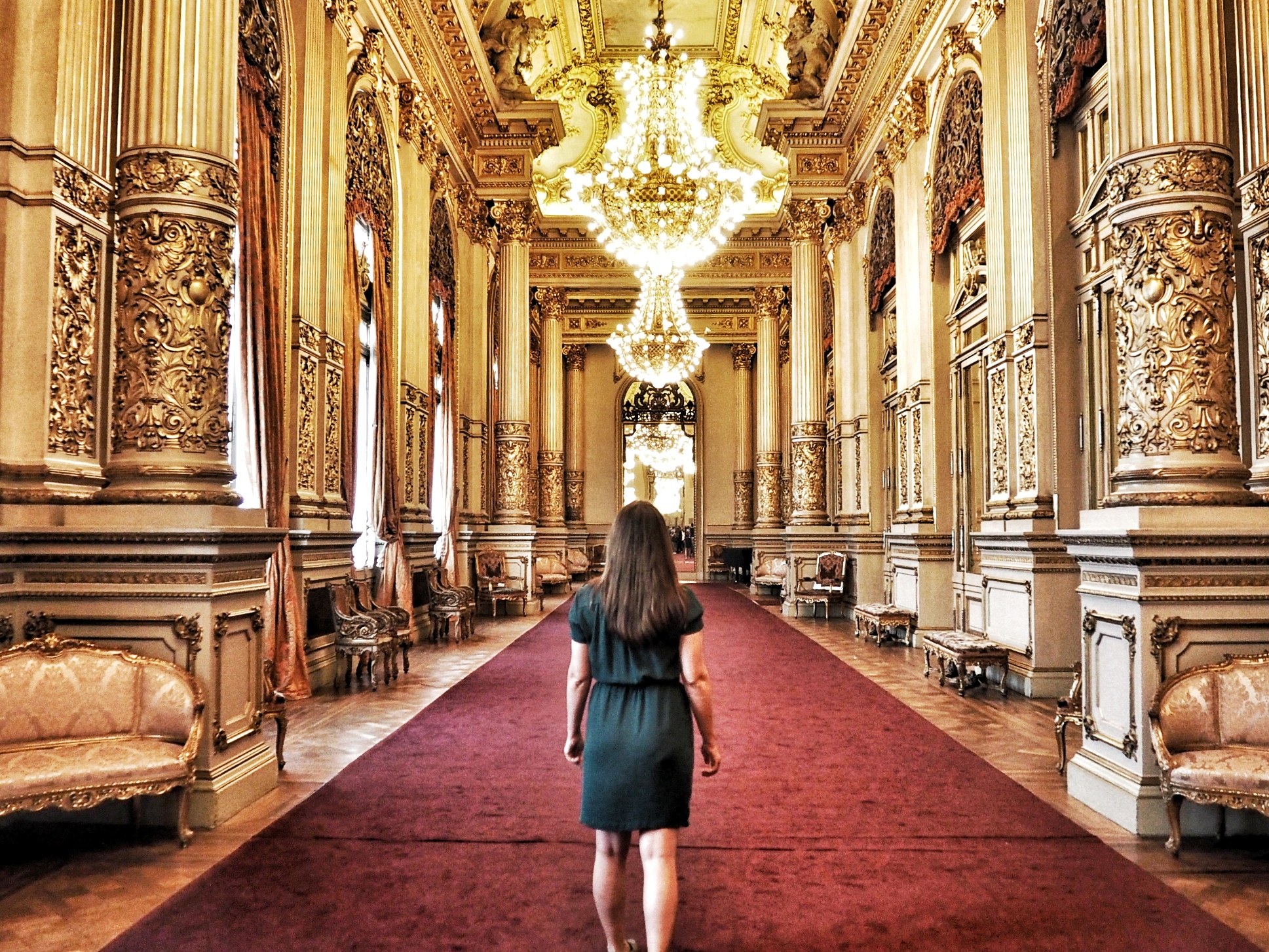 0 mi from Buenos AiresTeatro Colón
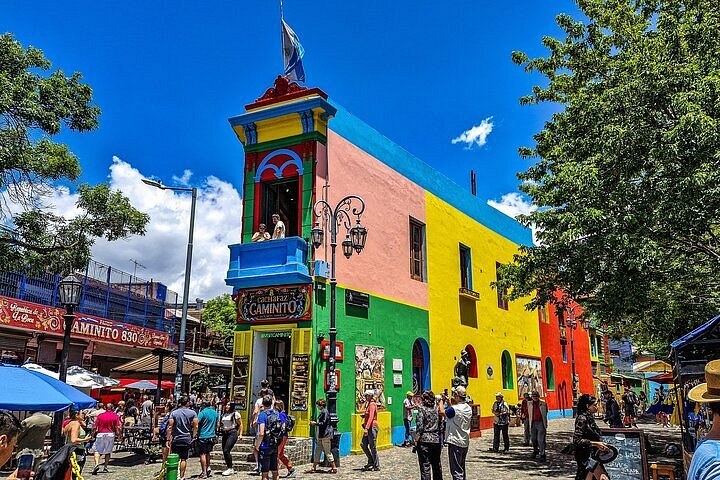 0 mi from Buenos AiresLa Boca (Caminito & Street Art Circuit)
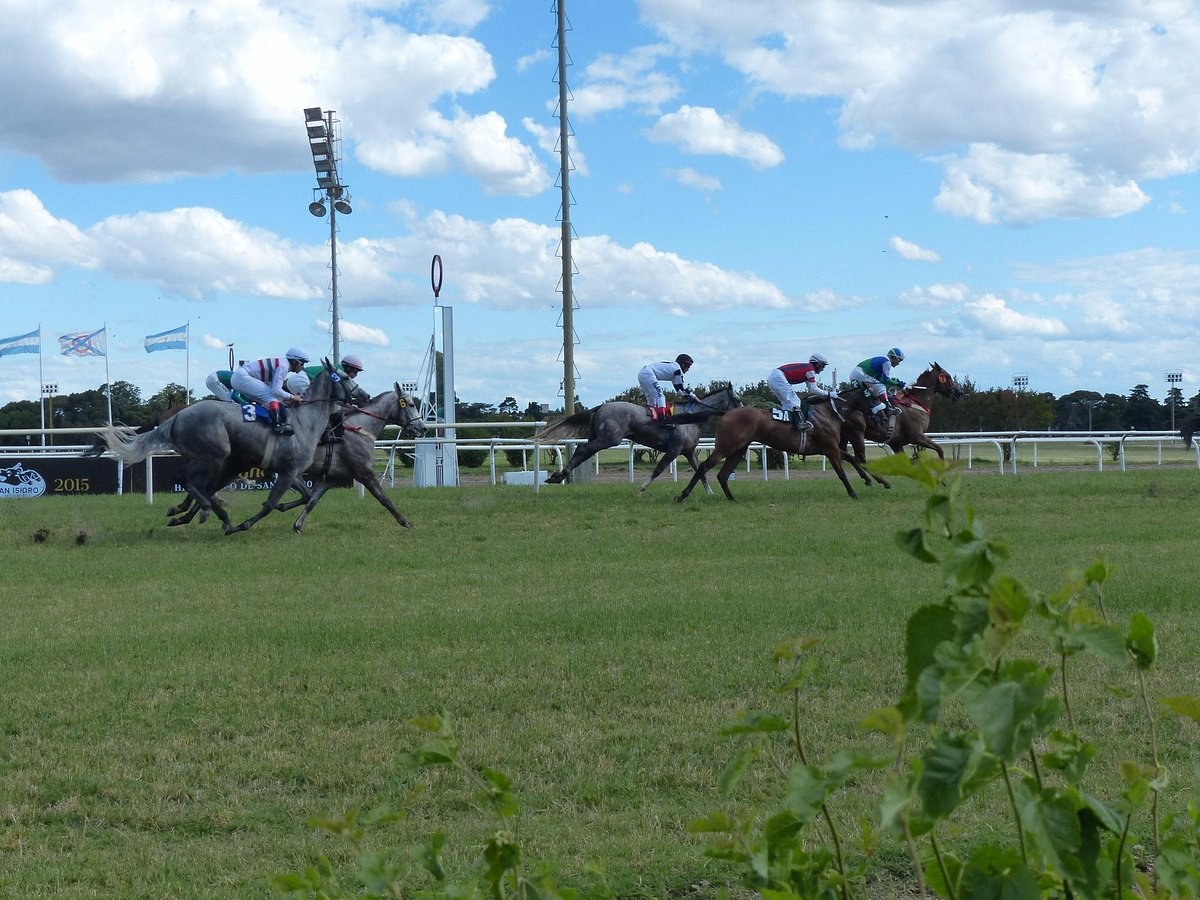 4 mi from Buenos Aires · land adventureBuenos Aires: Tango, Gauchos, and the Grand Colón Stage
After you step off · near Naples
You end in a different port — stay on, and add what is within reach before you fly home.
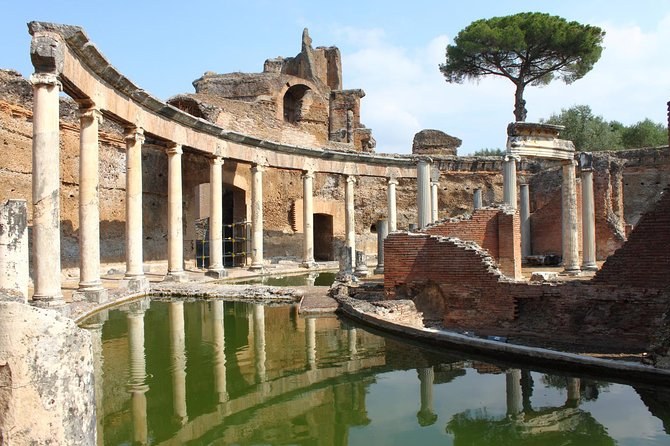 108 mi from NaplesVilla d'Este Archaeological Excavations (Hadrian's Villa)
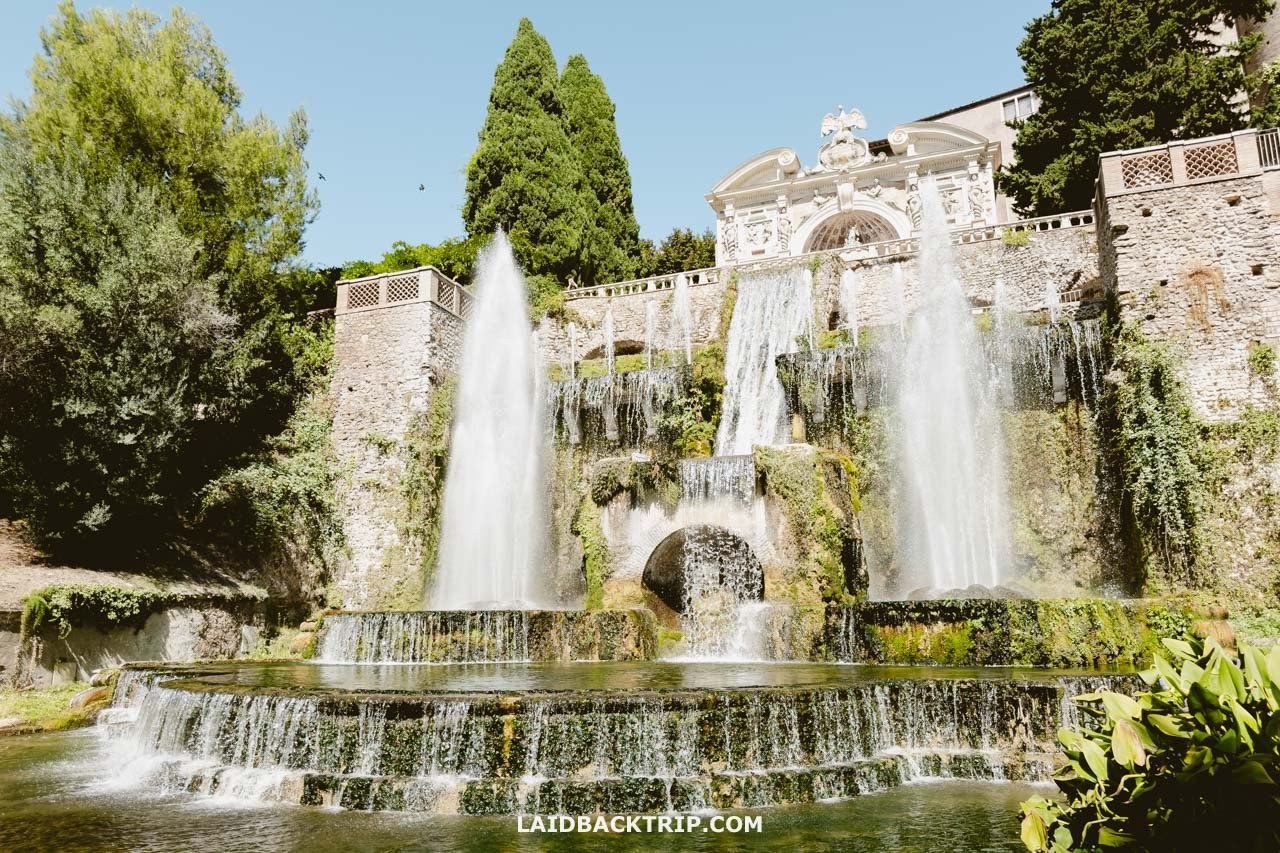 108 mi from NaplesVilla d'Este Tivoli
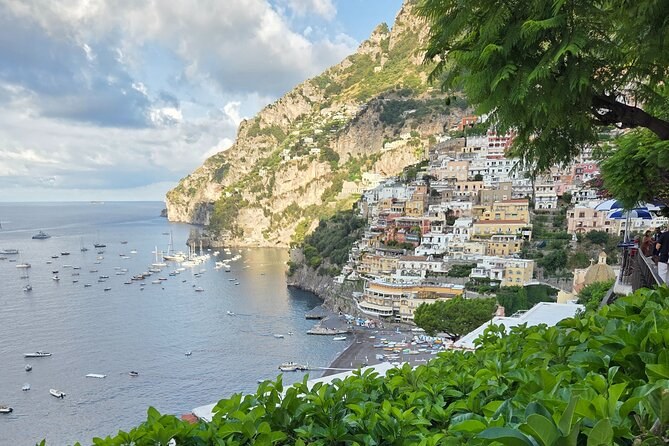 3 mi from Naples · land adventurePositano by Sea Cave and Cliff Path: A Luxury Amalfi Coast Immersion
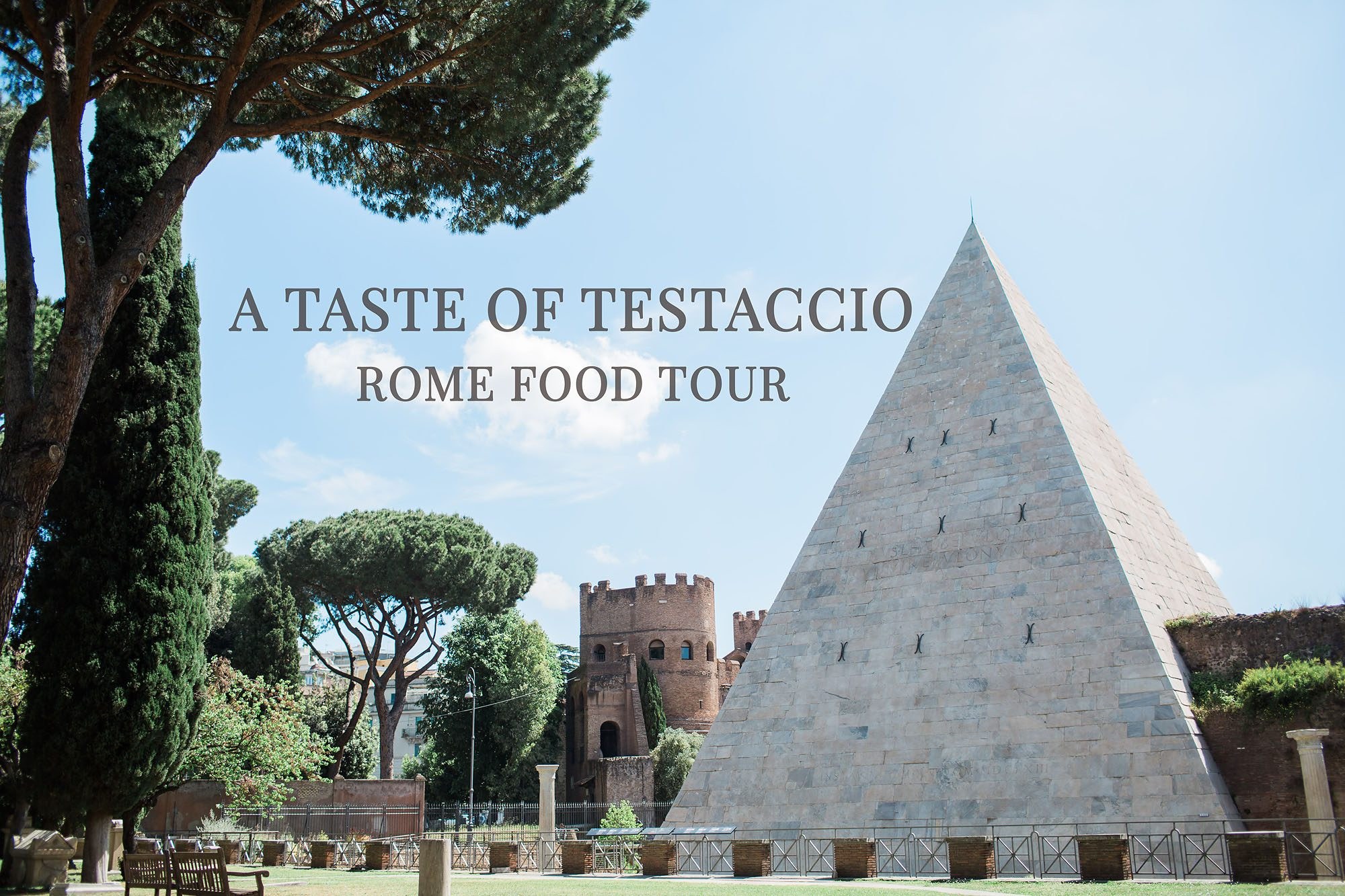 124 mi from Naples · land adventureRome Beyond the Colosseum: Catacombs, Castelli Wine, and Candlelit Piazzas
The same trip, elevated
The same gateway on a more luxurious line — lead-in fare per person, same fare as booking direct.