Your cruise
Oceania Marina · 23-night Mediterranean cruise, Miami to Trieste
Mar 25 – Apr 17 · 23 nights ·
Day 1 Miami (board) · Day 2–7 at sea · Day 8 Ponta Delgada · Day 9–10 at sea · Day 11 Seville · Day 12 Cartagena · Day 13 Barcelona · Day 14 Marseille · Day 15 Villefranche · Day 16 Florence · Day 17 Civitavecchia (Rome) · Day 18 Amalfi · Day 19 Messina · Day 20 Corfu · Day 21 Kotor · Day 22 Dubrovnik · Day 23 Split · Day 24 Trieste (step off)
What you do Stand on the rim of a dormant volcano gazing down at twin crater lakes — one emerald, one sapphire — on a private Jeep safari across São Miguel's wildest landscapes. This is the Azores' single most iconic image, earned on your own terms.
What to expect Your private driver-guide collects you dockside and heads west through volcanic farmland to the Sete Cidades caldera. You descend into the crater to walk the isthmus between the blue and green lakes before climbing to the north-coast miradouros for Atlantic panoramas. The return route weaves through hydrangea-lined lanes and the black-sand beach at Mosteiros, arriving back well before all-aboard.
Good to know Sete Cidades is 45 minutes from port; allow a full-day booking (6–7 hrs) to do it justice. Pre-book in advance — private vehicles fill quickly on port days. Confirm your all-aboard time with your guide at pick-up.
Versus the ship tour A fully private vehicle and certified local guide means you linger at the Miradouro da Boca do Inferno as long as you wish — no group herding, no rushed photo stop. Off-road tracks reach viewpoints inaccessible to coach tours, placing you above the clouds on the caldera rim.
book direct with Azores Private Tours (official) → · the full guide →
What you do Sail deep Atlantic waters with cetacean biologists who spot whales from clifftop vigias (ancient lookout towers) before radioing your captain — the same method Azorean whalers used for centuries. Sperm whales, bottlenose dolphins, and loggerhead turtles share these seas.
What to expect Board at the Ponta Delgada marina and head south into the deep-water channel that makes São Miguel one of the world's top cetacean hotspots. A shore-based vigia radios GPS coordinates the moment a sperm whale surfaces. You drift quietly alongside as it breathes and flukes before a deep dive. Bottlenose and common dolphins typically bow-ride on the return. A full debrief with the biologist rounds out the experience.
Good to know Morning departures (8:30 am, ~3 hrs) leave the afternoon free for the city. Book the zodiac 'small group' option for the most intimate experience. Marina is a 10-minute walk from the cruise terminal. Futurismo offers a free rebooking if whales are not sighted.
Versus the ship tour Futurismo's marine biologists — not generalist tour guides — lead every departure. The vigia spotter system means near-certain sightings year-round, and small-boat departures (max 12 pax on zodiac option) allow intimate encounters that rigid-hull inflatables simply cannot match from a coach-tour beach.
book direct with Futurismo Azores Adventures (official) → · the full guide →
What you do Descend into the Furnas caldera where the earth bubbles and steams, taste the legendary cozido das Furnas slow-cooked underground in volcanic heat, then unwind in a private thermal circuit as dusk settles over the crater. A complete sensory immersion into Azorean volcanic life.
What to expect A private driver takes you east through volcanic ridgelines to the Furnas caldera floor, stopping at the fumarole field where geysers hiss beside the lakeside chapel. Lunch is the iconic cozido: a rich stew of meats and root vegetables excavated after hours of geothermal cooking. Afterwards, slip into the amber thermal waters of the Terra Nostra garden pool, surrounded by ancient tree ferns. The drive back at golden hour along the south coast is spectacular.
Good to know Furnas is 50 minutes from port; plan a full day (7 hrs minimum). Terra Nostra pool is best visited late afternoon when coach groups have left. Book the restaurant for the cozido at least 48 hrs ahead — it sells out. Bring a swimsuit and flip-flops in your day bag.
Versus the ship tour The Terra Nostra's iconic iron-rich thermal pool — set inside a 200-year-old botanical garden of tree ferns and Japanese camellias — is open to day visitors but feels utterly exclusive at dusk. Combining the geysers, a geothermal lunch, and the pool in one seamless private-car day is the gold standard Furnas experience.
book direct with Terra Nostra Garden Hotel – Termas (official) → · the full guide →
What you do Trek down into the crater of São Miguel's most pristine volcanic lake — Lagoa do Fogo, the 'Lake of Fire' — a protected nature reserve where no hotels, no roads, and no crowds intrude. Vivid turquoise water ringed by cloud-forest ridges makes this the island's most breathtaking inland revelation.
What to expect Your certified guide meets you dockside and transfers you to the crater rim trailhead. The descent winds through endemic laurisilva cloud forest — mossy, fragrant, and alive with birds — before opening onto the glassy lake shore. The guide shares deep knowledge of volcanic geology and Azorean endemic flora. The ascent back rewards with panoramic views of both coastlines. Total guided experience runs approximately 4–5 hours.
Good to know Wear sturdy hiking shoes and bring a waterproof layer — cloud can roll in fast. Half-day morning departures are back at the port by early afternoon, well ahead of typical all-aboard times. Groups are capped at 8; book well in advance on port-call days.
Versus the ship tour Expert mountain guides with deep botanical and geological knowledge lead groups of no more than eight, descending the rarely-trodden northern trail to the lake shore — a route that requires a guide permit. This is not a roadside viewpoint stop; it is a real wilderness descent to water's edge.
book direct with Azores Trail Run & Trekking (official) → · the full guide →
What you do Step into the Victorian glass greenhouses of the Arruda plantation — the last family growing Azorean ananas the traditional 18-month way — for an intimate guided tour and a tasting of the world's most painstakingly cultivated pineapple. A rare, quietly extraordinary local ritual.
What to expect The plantation is a 15-minute taxi ride from the port, tucked into the western outskirts of Ponta Delgada. Your guide leads you through rows of low pineapple plants under original Victorian glass, explaining the smoke-ripening and hand-cultivation process in fascinating detail. The tasting reveals why Azorean ananas — intensely sweet, floral, almost wine-like — bears no resemblance to the supermarket fruit. Pair it with local licor de ananás for the full experience.
Good to know Opening hours: Mon–Fri 9 am–12:30 pm & 2–5:30 pm; Sat 9 am–12:30 pm. Call or email ahead for a private guided slot rather than a walk-in visit. Only 15 minutes from the cruise terminal by taxi (approx. EUR 8 one-way). Easy to combine with a Ponta Delgada city walk.
Versus the ship tour The Arruda family has been growing Azorean pineapples since 1895 using an entirely traditional method — 18 months of greenhouse cultivation with smoke-ripening. A private or small-group guided visit with a family representative goes far beyond a market stall sample, placing you inside a living piece of Azorean agricultural heritage.
What you do Weave through the basalt-cobbled streets of Ponta Delgada's UNESCO-listed historic centre with a local food expert, grazing on hand-selected Azorean cheeses, smoked sausages, passionfruit liqueur, and alcatra at family-run tascas invisible to the tourist trail.
What to expect The tour begins at the Portas da Cidade — Ponta Delgada's iconic baroque gates — and meanders through the covered Mercado da Graça, past the azulejo-tiled facades of the Convent of Nossa Senhora da Esperança, and into the city's working-class neighbourhood tascas. You'll taste at least six distinct local products including Azorean butter, São Jorge cheese, chouriço, and the local passion-fruit liqueur. A leisurely 2.5–3 hours leaves plenty of time for independent exploration.
Good to know The cruise terminal is a 10-minute walk to the starting point at Portas da Cidade — no transfer needed. Tours typically run at 10 am; confirm the departure meets your all-aboard window. Wear comfortable walking shoes; the old-town streets are cobblestoned throughout.
Versus the ship tour A maximum of 10 guests per departure ensures genuine access to the tiny, family-run spots that define authentic Azorean food culture — producers, cheesemongers, and market traders who simply don't serve large groups. The expert guide contextualises every bite within the island's volcanic terroir and seafaring history.
book direct with Ponta Delgada Walking Food Tour – GetYourGuide (local operator: Azores Food Stories) → · the full guide →
What you do Glide out onto Biscayne Bay aboard a double-decker boat for a fully-narrated 90-minute loop past the downtown skyline, Fisher Island and the palm-studded mansions of Star Island, with the captain calling out celebrity-owned homes tied to names like Gloria Estefan and Shaquille O'Neal. It departs from Bayside Marketplace, minutes from PortMiami, so you're on the water almost as soon as you step off the ship. This is the postcard Miami-from-the-water image first-timers come for, and the short run leaves the rest of the day wide open.
What to expect You board a double-decker vessel at Bayside Marketplace and spend 90 minutes gliding across Biscayne Bay while a bilingual narrator points out downtown Miami's skyline, Fisher Island, and the iconic palm-lined mansions of Star Island—including celebrity homes tied to Gloria Estefan and Shaquille O'Neal. The climate-controlled interior and open-air upper deck let you choose your vantage; many guests spend the voyage shifting between both to capture the postcard Miami-from-the-water views. The captain's real-time commentary transforms what could be a passive boat ride into a guided tour of architectural and cultural landmarks. By trip's end, you've absorbed the essential Miami skyline and still have most of your port day free.
Good to know Arrive at Miamarina (401 Biscayne Blvd, Bayside Marketplace) 30–45 minutes early to check in; the site sits only minutes from PortMiami, so budget 10–15 minutes walking from the cruise terminal. The 90-minute cruise fits easily into a 6–8 hour port window, leaving you 4+ hours for lunch or additional exploring. Bring cash if you want onboard drinks from the mojito bar, and wear sunscreen or a hat since the open-air upper deck offers full sun exposure. Book this excursion direct through Miami Skyline Cruises rather than your cruise line to save ~$23 per person versus the bundled ship price.
Versus the ship tour Direct wins big. The cruise line sells the bay sightseeing piece bundled around ~$51 per person (and up to $114 in airboat combos). The exact same Millionaire's Row bay cruise is $28 direct here, roughly $23 per person saved with no aggregator markup.
What you do Skim across the open sawgrass on an airboat hunting for wild alligators, herons and egrets in the one truly world-unique landscape on Miami's doorstep. Back on land your ticket adds an alligator/wildlife show, a jungle trail and observation exhibits, so it fills a real chunk of the day. This is the South Florida moment cruisers most regret skipping, run by an authorized Everglades National Park concession operating since 1968.
What to expect You'll skiff across open sawgrass on a 30–40 minute airboat hunt for wild alligators, herons, and egrets in the Everglades' one-of-a-kind landscape. Once back on land, you'll step into a live alligator and wildlife show, then explore a jungle trail and observation exhibits—a full immersion into South Florida's most iconic ecosystem. The day pulses between adrenaline on the water and intimate wildlife encounters on foot, filling a substantial chunk of your port time with the authentic Everglades moment most cruisers regret missing.
Good to know Plan 5–6 hours door-to-door; the park sits 45 minutes west of port with no public transit, so book a private driver or rideshare before you go and budget $60–$90 round-trip (direct booking beats the ship's price only if you split transportation among 3–4 people). Secure a driver who guarantees your return time to avoid missing the ship, and confirm your rideshare pickup well before your airboat slot to avoid delay on the way back. Bring sunscreen, a hat, and closed-toe shoes for the boat and jungle trail; water shoes or sandals that won't fly off in the wind are ideal.
Versus the ship tour Mixed. On the ride alone, direct ($49) beats Carnival's $64.99 airboat. BUT the ship's price includes round-trip transport; book direct and you must add a rideshare/car each way (the park is 45 min out with no transit). Budget about $60-$90 round-trip in rideshare on top, so direct only wins if you split a car among 3-4 people. PORT-DAY FLAG: plan ~5-6 hrs door-to-door; use a private driver who guarantees you back to the ship.
book direct with Everglades Safari Park → · the full guide →
What you do Most visitors never realize there's a national park snorkeling reef right at Miami's edge. Sail out over the northernmost Florida Keys reefs to drift among tropical fish, rays and sea turtles in turquoise shallows, with a guide teaching the park's habitats and history. The Coconut Grove departure keeps you closer to the port than the Homestead trips, making it the port-day-friendly way to get one genuine on-the-water adventure.
What to expect You'll depart from Dinner Key Marina in Coconut Grove and sail out over the northernmost Florida Keys reefs, where you'll drift among tropical fish, rays, and sea turtles in turquoise shallows while a guide interprets the park's habitats and marine life. The 3.5-hour experience includes your choice of reef, shipwreck, or mangrove snorkel sites—each revealing a different slice of Biscayne National Park's ecosystem. Most of the action happens in the water; expect calm instruction-based snorkeling rather than a rushed tour, with time to orient yourself to the underwater landscape before exploring freely. You'll return to Coconut Grove with the salt still on your skin and a genuine national park experience—not a cruise-line bay jaunt—under your belt.
Good to know Book directly with the Biscayne National Park Institute (not through an aggregator) to secure the 3.5-hour Snorkeling from Coconut Grove trip at $115 per person—this duration and departure point are designed to fit a port day, with transfers included. Plan for 3.5 hours on the water plus 1–1.5 hours for transfers from the cruise pier to Dinner Key Marina, leaving you a comfortable buffer for a typical 6–8 hour port window; skip the full-day option unless snorkeling is your only priority. Bring reef-safe sunscreen, a rash guard or lightweight cover-up, a towel, and water shoes or reef booties; the park and operator will provide snorkel gear but confirm ahead if you need prescription mask options. Return timing is tight on a short port day, so confirm the exact departure time when booking and plan to be back at the pier with 30–45 minutes to spare.
Versus the ship tour No true ship equivalent. The cruise lines don't sell an in-park national-park reef snorkel from Miami at all, their water tours top out at bay sightseeing and airboat combos. This is the one signature snorkel here, and the only way to do it is direct with the park's own concessionaire. PORT-DAY FLAG: the 3.5-hr trip plus transfers fits a port day; skip the 6-hr full-day option unless this is your only outing.
book direct with Biscayne National Park Institute → · the full guide →
What you do Eat your way through the cultural heart of Cuban Miami: a real Cuban sandwich, a jolt of cafecito and a mojito, while you watch cigars hand-rolled and dominoes slammed down in Maximo Gomez Park. A guide threads the history of exile, music and food through every stop along Calle Ocho. The tastings add up to a full meal plus drinks, an immersive, distinctly-Miami experience you can't replicate anywhere else, and it's an easy ride from the port.
What to expect Your guide escorts you through the vibrant streets of Calle Ocho, stopping to taste authentic Cuban sandwiches, croquetas, and pastries that build into a full meal—all while live music and the clatter of dominoes frame the scene at Maximo Gomez Park. You'll watch cigar rollers at work, their hands moving with practiced precision, before pausing for shots of cafecito and sipping a mojito at a neighborhood spot where locals gather. The walk threads Miami's Cuban exile history and food culture through each block, turning lunch into an immersive lesson on why this neighborhood is the real heart of Cuban America. Roughly 2.5 to 3 hours of steady walking and tasting, paced to savor both the food and the stories.
Good to know Book directly with Miami Culinary Tours (not the cruise line) to save $60+ per person—tours run roughly $69 versus $132+ through the ship. Calle Ocho is an easy, short ride from the port, so plan to depart within an hour of disembark and return comfortably 30–45 minutes before all-aboard. Bring small cash for tips and incidentals, wear comfortable walking shoes, and eat lightly before departure since the tastings amount to a full meal. Confirm your exact tour time and departure point with the operator when booking, as walking tours run on tight schedules and late arrivals will cost you stops.
Versus the ship tour Direct wins decisively. The cruise line charges $132+ for its Little Havana/mojito outing (and private versions run $162). The same Calle Ocho food-and-culture walk with the original operator is ~$69 direct, well over $60 per person saved.
What you do Tour the most opulent historic estate in Miami: an early-20th-century Italian Renaissance-style villa built as industrialist James Deering's winter home, with lavishly furnished rooms opening onto formal European gardens that run down to Biscayne Bay. A National Historic Landmark and one of the city's most photogenic spots, it's self-paced and close to the port near Coconut Grove, so it slots neatly into a half-day on shore.
What to expect You'll arrive at an early-20th-century Italian Renaissance villa—James Deering's former winter palace—where lavishly appointed rooms open directly onto formal European gardens that descend to Biscayne Bay, giving you a tangible sense of early-Miami opulence. The self-paced experience lets you linger in ornate interiors or photograph the manicured grounds at your own tempo. A short walk from Coconut Grove and the port itself, the estate unfolds as a series of intimate spaces rather than a sprawling museum; you'll move between decorated rooms and out onto the bayfront gardens in a natural rhythm. This is a half-day anchor—intimate, photogenic, and complete within 2–3 hours if you're deliberate.
Good to know Book timed-entry tickets direct on Vizcaya's official site before you dock to guarantee your preferred window and avoid queues. The estate sits close to the port near Coconut Grove, making it walkable or a quick taxi ride—buying direct at $25 per adult cuts the cruise-line markup entirely and gives you full control over timing. Plan for 2–3 hours on-site within your 6–8 hour port window, leaving a solid 90-minute buffer before all-aboard. Bring sunscreen and comfortable shoes for the gardens; there's no air conditioning between outdoor rooms, so dress for tropical sun.
Versus the ship tour Direct is the only sensible route. Cruise lines rarely package Vizcaya, and when a city tour drives past it you'd still pay $35-$70 for sightseeing that may not include entry. At $25 booked direct you control your own timing and skip the bus markup entirely.
book direct with Vizcaya Museum and Gardens → · the full guide →
What you do Walk the world's largest concentration of 1920s-40s Art Deco architecture with a guide from the nonprofit that literally saved and landmarked the district. Over two hours along Ocean Drive you learn to actually read the pastel hotels and neon instead of just photographing them, ending right in the heart of South Beach for lunch and beach time. It's the low-risk, easy-to-reach alternate if the bay, Everglades or reef don't fit your day.
What to expect You'll spend two immersive hours walking Ocean Drive with a trained guide from the Miami Design Preservation League—the nonprofit that saved these buildings—learning to decode the geometric patterns, pastel façades, and neon signage of the world's largest Art Deco district instead of just snapping photos. The walk moves at a contemplative pace through 1920s-40s hotels and landmarks, ending at the Art Deco Museum before you're released into the heart of South Beach for lunch, shopping, and beach time. The rhythm feels like a masterclass rather than a tourist blur: you're stationary for observation, walking short blocks for transition, absorbing stories that transform what you see into architecture you actually understand. This is the substance play—manageable distance, genuine expertise, and the flexibility to linger at the beach afterward or grab food on your own terms.
Good to know The 10:30am daily departure from the Art Deco Welcome Center (1001 Ocean Drive) gives you a tight but workable 6–7 hour window: book a rideshare from the port now (15–20 minutes, ~$15–20 each way), arrive by 10:15am, walk until 12:30pm, then own your afternoon. Plan to be back at the pier by 5:30–6pm for a typical evening departure, leaving 3+ hours of buffer for beach/lunch, transit back, and security. Bring sunscreen, comfortable walking shoes, and a light layer—you're outside for two straight hours on exposed Ocean Drive. Book direct through MDPL online ($35 adults, $30 seniors/students/veterans with ID); no need to pre-book the walk itself, but confirming your rideshare timing the morning of prevents last-minute scrambling.
Versus the ship tour Direct wins on substance and price. The ship's Miami city/hop-on tour is $69.99 and just rolls past the district; this definitive 2-hour guided Deco walk from the people who landmarked it is $35 direct, half the cost and far more depth, though you arrange your own ride to South Beach (short rideshare from the port).
book direct with Miami Design Preservation League (MDPL) → · the full guide →
What you do Stand on the rim of a dormant volcano gazing down at twin crater lakes — one emerald, one sapphire — on a private Jeep safari across São Miguel's wildest landscapes. This is the Azores' single most iconic image, earned on your own terms.
What to expect Your private driver-guide collects you dockside and heads west through volcanic farmland to the Sete Cidades caldera. You descend into the crater to walk the isthmus between the blue and green lakes before climbing to the north-coast miradouros for Atlantic panoramas. The return route weaves through hydrangea-lined lanes and the black-sand beach at Mosteiros, arriving back well before all-aboard.
Good to know Sete Cidades is 45 minutes from port; allow a full-day booking (6–7 hrs) to do it justice. Pre-book in advance — private vehicles fill quickly on port days. Confirm your all-aboard time with your guide at pick-up.
Versus the ship tour A fully private vehicle and certified local guide means you linger at the Miradouro da Boca do Inferno as long as you wish — no group herding, no rushed photo stop. Off-road tracks reach viewpoints inaccessible to coach tours, placing you above the clouds on the caldera rim.
book direct with Azores Private Tours (official) → · the full guide →
What you do Sail deep Atlantic waters with cetacean biologists who spot whales from clifftop vigias (ancient lookout towers) before radioing your captain — the same method Azorean whalers used for centuries. Sperm whales, bottlenose dolphins, and loggerhead turtles share these seas.
What to expect Board at the Ponta Delgada marina and head south into the deep-water channel that makes São Miguel one of the world's top cetacean hotspots. A shore-based vigia radios GPS coordinates the moment a sperm whale surfaces. You drift quietly alongside as it breathes and flukes before a deep dive. Bottlenose and common dolphins typically bow-ride on the return. A full debrief with the biologist rounds out the experience.
Good to know Morning departures (8:30 am, ~3 hrs) leave the afternoon free for the city. Book the zodiac 'small group' option for the most intimate experience. Marina is a 10-minute walk from the cruise terminal. Futurismo offers a free rebooking if whales are not sighted.
Versus the ship tour Futurismo's marine biologists — not generalist tour guides — lead every departure. The vigia spotter system means near-certain sightings year-round, and small-boat departures (max 12 pax on zodiac option) allow intimate encounters that rigid-hull inflatables simply cannot match from a coach-tour beach.
book direct with Futurismo Azores Adventures (official) → · the full guide →
What you do Descend into the Furnas caldera where the earth bubbles and steams, taste the legendary cozido das Furnas slow-cooked underground in volcanic heat, then unwind in a private thermal circuit as dusk settles over the crater. A complete sensory immersion into Azorean volcanic life.
What to expect A private driver takes you east through volcanic ridgelines to the Furnas caldera floor, stopping at the fumarole field where geysers hiss beside the lakeside chapel. Lunch is the iconic cozido: a rich stew of meats and root vegetables excavated after hours of geothermal cooking. Afterwards, slip into the amber thermal waters of the Terra Nostra garden pool, surrounded by ancient tree ferns. The drive back at golden hour along the south coast is spectacular.
Good to know Furnas is 50 minutes from port; plan a full day (7 hrs minimum). Terra Nostra pool is best visited late afternoon when coach groups have left. Book the restaurant for the cozido at least 48 hrs ahead — it sells out. Bring a swimsuit and flip-flops in your day bag.
Versus the ship tour The Terra Nostra's iconic iron-rich thermal pool — set inside a 200-year-old botanical garden of tree ferns and Japanese camellias — is open to day visitors but feels utterly exclusive at dusk. Combining the geysers, a geothermal lunch, and the pool in one seamless private-car day is the gold standard Furnas experience.
book direct with Terra Nostra Garden Hotel – Termas (official) → · the full guide →
What you do Trek down into the crater of São Miguel's most pristine volcanic lake — Lagoa do Fogo, the 'Lake of Fire' — a protected nature reserve where no hotels, no roads, and no crowds intrude. Vivid turquoise water ringed by cloud-forest ridges makes this the island's most breathtaking inland revelation.
What to expect Your certified guide meets you dockside and transfers you to the crater rim trailhead. The descent winds through endemic laurisilva cloud forest — mossy, fragrant, and alive with birds — before opening onto the glassy lake shore. The guide shares deep knowledge of volcanic geology and Azorean endemic flora. The ascent back rewards with panoramic views of both coastlines. Total guided experience runs approximately 4–5 hours.
Good to know Wear sturdy hiking shoes and bring a waterproof layer — cloud can roll in fast. Half-day morning departures are back at the port by early afternoon, well ahead of typical all-aboard times. Groups are capped at 8; book well in advance on port-call days.
Versus the ship tour Expert mountain guides with deep botanical and geological knowledge lead groups of no more than eight, descending the rarely-trodden northern trail to the lake shore — a route that requires a guide permit. This is not a roadside viewpoint stop; it is a real wilderness descent to water's edge.
book direct with Azores Trail Run & Trekking (official) → · the full guide →
What you do Step into the Victorian glass greenhouses of the Arruda plantation — the last family growing Azorean ananas the traditional 18-month way — for an intimate guided tour and a tasting of the world's most painstakingly cultivated pineapple. A rare, quietly extraordinary local ritual.
What to expect The plantation is a 15-minute taxi ride from the port, tucked into the western outskirts of Ponta Delgada. Your guide leads you through rows of low pineapple plants under original Victorian glass, explaining the smoke-ripening and hand-cultivation process in fascinating detail. The tasting reveals why Azorean ananas — intensely sweet, floral, almost wine-like — bears no resemblance to the supermarket fruit. Pair it with local licor de ananás for the full experience.
Good to know Opening hours: Mon–Fri 9 am–12:30 pm & 2–5:30 pm; Sat 9 am–12:30 pm. Call or email ahead for a private guided slot rather than a walk-in visit. Only 15 minutes from the cruise terminal by taxi (approx. EUR 8 one-way). Easy to combine with a Ponta Delgada city walk.
Versus the ship tour The Arruda family has been growing Azorean pineapples since 1895 using an entirely traditional method — 18 months of greenhouse cultivation with smoke-ripening. A private or small-group guided visit with a family representative goes far beyond a market stall sample, placing you inside a living piece of Azorean agricultural heritage.
What you do Weave through the basalt-cobbled streets of Ponta Delgada's UNESCO-listed historic centre with a local food expert, grazing on hand-selected Azorean cheeses, smoked sausages, passionfruit liqueur, and alcatra at family-run tascas invisible to the tourist trail.
What to expect The tour begins at the Portas da Cidade — Ponta Delgada's iconic baroque gates — and meanders through the covered Mercado da Graça, past the azulejo-tiled facades of the Convent of Nossa Senhora da Esperança, and into the city's working-class neighbourhood tascas. You'll taste at least six distinct local products including Azorean butter, São Jorge cheese, chouriço, and the local passion-fruit liqueur. A leisurely 2.5–3 hours leaves plenty of time for independent exploration.
Good to know The cruise terminal is a 10-minute walk to the starting point at Portas da Cidade — no transfer needed. Tours typically run at 10 am; confirm the departure meets your all-aboard window. Wear comfortable walking shoes; the old-town streets are cobblestoned throughout.
Versus the ship tour A maximum of 10 guests per departure ensures genuine access to the tiny, family-run spots that define authentic Azorean food culture — producers, cheesemongers, and market traders who simply don't serve large groups. The expert guide contextualises every bite within the island's volcanic terroir and seafaring history.
book direct with Ponta Delgada Walking Food Tour – GetYourGuide (local operator: Azores Food Stories) → · the full guide →
What you do Step inside one of the world's greatest royal palaces — still an official royal residence — with a private official guide who unlocks its labyrinthine Mudéjar halls, hidden gardens, and seven centuries of royal intrigue. An absolute bucket-list crown jewel of Andalusia.
What to expect Your private guide meets you at the Puerta del León and leads you through the Patio de las Doncellas, the opulent Salón de Embajadores, and the terraced gardens where peacocks roam freely. Hidden corners — the Baños de Doña María de Padilla, the secret garden pavilions — are revealed at your own rhythm. The guide contextualises centuries of conquests, dynasties, and architectural layering that self-guided visitors simply miss. Finish in the sun-drenched upper royal apartments for views over the orange-tree courtyards below.
Good to know Pre-book the guide AND timed-entry tickets well in advance — Alcázar slots sell out weeks ahead, especially on port days. Cadiz port is ~1.5 hrs each way to Seville; aim for a 08:00 departure to clear the morning crowds. Confirm your ship's all-aboard time before booking a return slot.
Versus the ship tour A licensed, expert private guide — fluent in the palace's layered Islamic, Gothic, and Renaissance stories — gives you unhurried, personalised access to rooms and gardens that large groups race past. The pace is entirely yours.
book direct with The Magic of Seville – Private Tours → · the full guide →
What you do Climb the mighty Giralda — a former 12th-century Moorish minaret — to gaze over Seville's golden roofscape, then descend into the world's largest Gothic cathedral to stand before Columbus's tomb. Utterly unmissable and visually staggering.
What to expect You ascend the Giralda's 35 brick ramps — no steps, by Moorish design — emerging onto the bell-tower terrace for a 360° panorama over the Alcázar, the River Guadalquivir, and the city's terracotta sea. Inside the cathedral, gilded altarpieces of staggering scale dwarf the faithful. The Treasury and Sacristy house Zurbarán and Murillo masterworks rarely highlighted on standard visits. The guide concludes at the tomb of Christopher Columbus, carried aloft by four royal heralds — a deeply moving finale.
Good to know Timed slots disappear fast on peak port days; book the earliest morning slot available. The cathedral is a 10-min walk from the Alcázar — combine both in a single morning. Dress code enforced: shoulders and knees covered.
Versus the ship tour Booking direct through the cathedral's official platform guarantees your timed-entry slot and the lowest available price — no intermediary markup. Opt for the official guided tour for expert art-historical commentary inside the sacristy and royal chapels.
book direct with Catedraldesevilla Official Tickets (Servitickets) → · the full guide →
What you do Cross the Guadalquivir into Triana — the gritty, soulful neighbourhood that gave flamenco to the world — and witness an intimate tablao performance by professional artists in a venue holding fewer than 50 guests. Raw, spine-tingling, and deeply authentic.
What to expect Your guide walks you across the Isabel II bridge into Triana, narrating the quarter's Romani heritage and its role in forging flamenco from Moorish, Jewish, and Andalusian roots. The performance seats you so close you see the dancer's expression shift with each compás. A guitarist, singer, and two dancers take turns leading — the duende (untranslatable 'spirit') rises as the show builds. Post-show, the guide points you toward Triana's famous ceramic tile workshops and a glass of manzanilla at a local bar.
Good to know Evening tablao shows are most atmospheric but may conflict with all-aboard times — confirm a matinée or late-afternoon performance. Book early as small venues fill quickly. Triana is a 20-min walk or short taxi from Santa Justa station.
Versus the ship tour A small, private-feeling tablao in Triana — the artform's historic birthplace — offers a profoundly different emotional register to hotel-stage shows. The proximity to the performers (feet stamping inches away, guitar resonating in your chest) is simply irreplaceable.
book direct with Sevilla Official Tours (local official guides network) → · the full guide →
What you do Glide across the sweeping azulejo-tiled canals of Plaza de España by rowboat, then wind through the jasmine-scented lanes of the old Jewish Quarter with a private official guide who brings the neighbourhood's layered history vividly to life.
What to expect The tour opens at the semicircular Plaza de España, a jaw-dropping 1929 Exposition masterpiece of brick, azulejo tile alcoves, and bridged canals — each alcove representing a Spanish province. Your guide rows you gently across the moat as morning light turns the tilework gold. The itinerary then threads through the Santa Cruz labyrinth: whitewashed walls dripping with bougainvillea, hidden courtyards, the 14th-century Callejón del Agua. The guide reveals the neighbourhood's transformation from a medieval Jewish aljama, through expulsion, to today's most coveted address. Orange trees line every lane and the scent is extraordinary.
Good to know Plaza de España is a 15-min taxi from Santa Justa station. Combine this tour as a relaxed afternoon complement to a morning Alcázar/Cathedral visit. Wear comfortable walking shoes — cobblestones throughout.
Versus the ship tour A private guide shapes the narrative entirely around your interests — whether Renaissance architecture, Moorish urban planning, or the filming locations of Star Wars and Game of Thrones — at a civilised, unhurried pace.
book direct with The Magic of Seville – Private Tours → · the full guide →
What you do Board a boutique river cruiser on the Guadalquivir — the river that made Seville the gateway to the New World — and drift past the Torre del Oro, the Triana waterfront, and the historic bullfighting arena for a cinematic, feet-up perspective of the city.
What to expect Boarding at the Paseo de Cristóbal Colón quayside, the cruiser slips past the 13th-century Torre del Oro (Tower of Gold), named for the gilded azulejos that once covered it. Commentary traces Seville's role as monopoly port for all Spanish trade with the Americas. The Triana waterfront slides by — ceramic workshops, fishermen's bars, the bridge where gypsies once camped. Rounding the bend, the cathedral's Gothic mass and the Giralda dominate the skyline. Sunset departures turn the river copper-pink and are particularly magnificent.
Good to know Cruises depart regularly throughout the day; check the timetable against your all-aboard time — a 60-min cruise is easily slotted before or after a morning monuments visit. The quay is walkable from the Alcázar and cathedral. Book online in advance to guarantee a spot.
Versus the ship tour The Guadalquivir framed Seville's golden age of exploration — every galleon loaded with New World silver departed from this very quay. Seeing the skyline from the water, with the Torre del Oro glowing at dusk, is the most evocative view the city offers.
What you do Trail an official Seville food guide through the tapas bars of El Arenal and Triana, sampling jamón ibérico, Moorish-spiced cazuelas, and chilled fino sherry at bars where tourists rarely tread. The most delicious two hours Seville can offer.
What to expect The walk begins in El Arenal with a glass of chilled manzanilla and a plate of jamón cortado to order at a marble-topped bar established in the 1930s. The guide leads you to a tile-faced neighbourhood bodega for montaditos (small open sandwiches) topped with Iberian pork loin and roasted peppers. A mid-point stop at a back-street freiduría delivers crispy pescaíto frito — the city's beloved fried fish tradition — straight from the pan. The finale is a tableside tasting of three Jerez sherries, from bone-dry fino to rich, nutty oloroso, paired with aged Manchego. You will leave unable to look at an airport tapas bar the same way again.
Good to know Tours run at lunchtime (13:00) and are perfectly timed for a post-monuments afternoon slot. Group sizes are capped at 10 — book well ahead on port-call days. Inform the operator of any dietary requirements at booking; they accommodate with grace. Bodeguita Romero (Harinas 10, Seville) is also a celebrated standalone stop worth building time for.
Versus the ship tour Devour Tours' guides are trained food journalists and culinary historians — they explain the Moorish spice routes, the sherry DO classifications, and the social ritual of the tapeo with genuine depth, pairing every bite with context that transforms eating into understanding.
book direct with Devour Seville Food Tours → · the full guide →
What you do Cartagena's first-century-BC Roman theatre lay hidden under the old town until 1988, and the only way in is a brilliant architectural sequence designed by Pritzker laureate Rafael Moneo: you pass through the Palacio Pascual de Riquelme, descend past Carthaginian and Roman strata, then emerge into the vast tiered cavea that once seated 6,000. It is the single most unmissable thing in the city and a five-minute walk from the pier. Few Roman theatres in the world are entered through a museum that tells the full layered story of the stone before you stand in it.
What to expect Allow 60-90 minutes for the full route through the museum's two buildings, the connecting tunnel under Calle Comedias, and out into the theatre itself. Interpretation is excellent and bilingual, with recovered marble, statuary and the reconstructed scaenae frons columns. The cavea is open-air and the pale stone throws heat, so morning light is kinder and better for photos. Wear proper shoes for the worn steps.
Good to know From the cruise terminal walk to Plaza del Ayuntamiento at the foot of Calle Mayor; the museum entrance is right there, about 400 m. Buy online or at the desk; queues are short outside July-August. Easily done independently with hours to spare against any all-aboard. Official tourist guides enter free, so a private guide adds no ticket cost.
Versus the ship tour Cruise lines fold the theatre into a guided 'Roman Cartagena' walking tour at roughly EUR 50-80 per person. The site itself is EUR 7 and a five-minute stroll from the ship, so booking direct is the clear winner; the only thing the ship adds is a guide's narration, which a EUR 7 audio guide or a private guide (below) replaces for a fraction of the group-tour price.
book direct with Museo del Teatro Romano de Cartagena (official) → · the full guide →
What you do Beyond the theatre, Cartagena hides one of Europe's largest urban Roman archaeological parks at Cerro del Molinete, 26,000 sq m where you walk original Roman streets past the Forum, the thermal baths, the banqueting Atrium with surviving wall paintings, and a rare Sanctuary of Isis. Paired with the Punic Wall, this is the only place in Spain telling the Carthaginian-to-Roman story on its own ground. A licensed local guide turns scattered ruins into the living capital of Hannibal's Iberia and Augustus's Carthago Nova.
What to expect The Molinete museum's three floors of 300-plus artefacts set up the open-air park, where elevated walkways let you look down on streets, mosaics and the baths. It is genuinely atmospheric and far quieter than the theatre. A good guide ties Molinete, the Punic Wall and the Decumanus together into one walk of about two hours, mostly flat with some ramps. Shade is limited, so carry water in summer.
Good to know All sites are within the compact old town, 5-10 minutes on foot from the pier. Pre-book a licensed guide in advance (Cartagena's official guide association or a reputable operator such as Mediterranean Cartagena Tours); confirm they hold the regional guide licence so they enter the monuments free. Comfortably finished within a half-day port call.
Versus the ship tour The ship's archaeology-focused walking tours run about EUR 60-80 per person. For a couple or a family a privately hired licensed guide at ~EUR 130 plus EUR 10 of tickets each often costs less per head and is infinitely more flexible on pace and depth; book direct. The ship only earns its markup here for solo travellers who want company.
book direct with Cartagena Puerto de Culturas (official site & ticketing) + a licensed private guide → · the full guide →
What you do Cartagena is one of the Mediterranean's great natural war harbours, ringed by coastal batteries, and the most evocative way to feel that is the official harbour boat out to the Fuerte de Navidad, a beautifully restored 1860s casemated fort guarding the harbour mouth. You cruise past the Spanish Navy arsenal and the gun batteries on the headlands, then disembark to walk the bunkers, handle a period cannon and stand on the terrace where the whole bay opens beneath you. It is the city's military soul, reachable only by water.
What to expect The boat moves at an easy 2.5 knots with multilingual narration, passing castles, lighthouses, the Navy arsenal and the cruise terminal itself from the water. At the fort you get roughly 45 minutes to explore casemates, an interactive artillery display and the panoramic terrace before the return leg. The whole round trip with the fort visit runs about 1.5-2 hours. Sea conditions inside the sheltered bay are usually calm.
Good to know The departure quay on Gisbert Street is a 3-4 minute walk from the cruise terminal. Sailings are roughly hourly in summer (11:00-19:30) and reduced off-season, so check the day's timetable on arrival and reserve via reservas@puertoculturas.com or +34 968 500 093 if your call is short. Confirm a return slot that clears your all-aboard with margin.
Versus the ship tour Cruise-line 'panoramic harbour cruise' excursions are typically EUR 50-70 per person for essentially this same bay loop with commentary. The official boat at EUR 10 including fort entry is one of the best-value bucket-list experiences in any Spanish port; book direct without hesitation.
book direct with Cartagena Puerto de Culturas - Barco Turístico (official) → · the full guide →
What you do When Cartagena's mining wealth peaked around 1900, architect Víctor Beltrí lined Calle Mayor with riotous Art Nouveau facades, and walking it is like strolling a small Barcelona: the Gran Hotel, the Casino, Casa Cervantes, Casa Maestre and the Palacio Aguirre. Pair the architecture with a guided tapas crawl through the historic bars for the region's catch and the famed huerta de Europa produce, and you have the city's living present rather than only its Roman past. This is the elegant, sensory side of Cartagena most cruisers miss.
What to expect Calle Mayor is pedestrianised and flat, an easy 1-2 hour amble past the showpiece facades, with the Gran Hotel's corner dome the standout. A good tapas tour threads emblematic bars near San Francisco square for things like local prawns, marinated fish and the Murcian michirones, paired with Jumilla or Bullas wines. Pace is leisurely and social. Midday is liveliest; some bars rest mid-afternoon.
Good to know Everything is within the old town, a few minutes from the pier; no transport needed. Pick up the free modernista route map at the City Hall tourist office on arrival. Pre-book the tapas tour as small-group slots sell out on cruise days, and confirm the finish time against all-aboard. Cartagena lunches start late by northern standards, so an early-afternoon slot suits a port call best.
Versus the ship tour The ship's 'Taste of Tapas' style tours run roughly EUR 70-90 per person. A direct-booked local gastronomy walk at EUR 45-60 covers the same modernista landmarks with better food stops and smaller groups; book direct. If you only want the architecture, do it free and self-guided and spend the savings on a long lunch.
book direct with Local licensed gastronomy operator (e.g. the Cartagena guided tapas & modernista walk) - book the official tour direct → · the full guide →
What you do The hill above the old town has been fortified since Roman times, and the medieval Castillo de la Concepción crowns it inside the green Parque Torres. A glass-fronted panoramic lift saves the 45-metre climb and delivers you to the single best viewpoint in Cartagena: the Roman theatre below, the modernista rooftops, the Navy arsenal and the whole amphitheatre of the bay laid out at once. It is the photograph that explains why every empire wanted this harbour.
What to expect The panoramic lift rises in a minute from Gisbert Street to a footbridge into Parque Torres, where peacocks roam the gardens. The castle keep houses a compact Interpretation Centre on the city's 13-century military story, with preserved Roman cisterns and capitals. Most visitors spend 45-60 minutes including time on the ramparts for the views. The terraces are open and breezy, ideal near sunset if your ship sails late.
Good to know The lift's lower station on Gisbert Street is a few minutes from the cruise terminal and sits right beside the harbour-boat quay, so the two pair perfectly in one outing. Buy the combined lift-plus-castle ticket. The walk down through the park back to the old town is pleasant and downhill if you'd rather not lift both ways.
Versus the ship tour This is rarely sold as a standalone ship excursion; when bundled into a city tour the lift and castle are a minor add-on to a EUR 50-80 package. Independently it is EUR 6 and a short walk, so there is no reason not to do it direct. No remote-access or timing argument favours the ship here.
book direct with Cartagena Puerto de Culturas - Castillo de la Concepción & Ascensor Panorámico (official) → · the full guide →
What you do Forty minutes north-east of the port lies the Mar Menor, the largest saltwater lagoon in Europe, a warm shallow inland sea fringed by the La Manga sandbar and the wetlands of San Pedro del Pinatar, where for centuries people have coated themselves in the mineral-rich mud said to ease aches and skin. Floating in water so dense and calm it feels otherworldly, with flamingos in the nearby salt pans, is a genuinely different Spanish coast from the cruise-port bustle. It is the one bucket-list experience here that the distance makes worth a ship excursion.
What to expect Expect about 40 minutes each way by road, then time at La Manga's twin seafronts or at the Lo Pagán / San Pedro del Pinatar salt-marsh boardwalks for the mud baths and birdlife. The lagoon water is bath-warm, very shallow and extraordinarily buoyant; the grey mud is smeared on, dried in the sun, then rinsed in the sea. Bring a swimsuit you don't mind staining and water shoes for the muddy shallows. Note the lagoon has faced ecological stress in recent years, so conditions vary by season.
Good to know Because of the drive and tight cruise timing, this is the one excursion to pre-book rather than improvise. If going independent, arrange a private driver-guide in advance and build in a generous return buffer; do not attempt it by taxi-and-hope on a short call. Pack a towel, sun protection and a change of clothes, and combine with the Roman theatre on the way back as the ship itinerary does.
Versus the ship tour This is the honest exception to the book-direct rule. The Mar Menor is 40 minutes out with no quick public-transport link from the pier, so the ship's coach handles the distance and, crucially, guarantees you are back before all-aboard. Take the ship tour for peace of mind, or hire a private licensed driver-guide direct if you want flexibility and there are 3-4 of you to share the car. Either way the transport markup is genuinely earned here.
book direct with Norwegian Cruise Line (and most lines) - 'La Manga & Roman Theatre' shore excursion, or a private licensed driver-guide → · the full guide →
What you do Step inside the most famous unfinished building on earth, where Gaudi's stone forest of columns explodes into a kaleidoscope of stained-glass light that moves across the floor through the day. Add the tower ticket to ride the lift up a spire and walk back down the dizzying spiral stair with the city at your feet. Buy a strict timed entry slot, go early in your port window, and you'll beat both the queue and the midday glare.
What to expect You'll enter Gaudí's masterpiece and encounter a forest of soaring stone columns that dissolve into kaleidoscopic stained-glass light, shifting across the basilica floor as the sun moves through the day. If you book tower access, you'll ride the lift up a spire and descend the dizzying spiral staircase with Barcelona spreading below you. The unfinished vastness—both earthbound and dreamlike—fills the space in a way photographs cannot capture, and the audioguide walks you through every sculptural detail as you move through the nave.
Good to know Book a strict timed entry slot directly from the official Basilica de la Sagrada Familia site before your port day and go early in your window to beat both queues and harsh midday glare. Basic entry (EUR 26) includes the audioguide app; add EUR 10 for tower access (EUR 36 total) if you want the climb. Get there by taxi, metro, or ship-organized transport—the official tickets skip the reseller markup and save you $40–130 per person versus ship packages. Allow 2–3 hours inside the basilica itself, plus buffer time for entry and return, leaving at least 30–45 minutes to get back to the pier before all-aboard.
Versus the ship tour Direct wins overwhelmingly. The ship charges $75-170pp for guided/skip-line Sagrada Familia + Park Guell combos; the official tower ticket is ~$40pp and the basic ~$28pp. Same building, same skip-the-queue timed entry, for a fraction of the price. You save roughly $40-130pp and keep the audioguide. The only thing the ship adds is a bus and a guide reciting what the EUR 26 audioguide already tells you.
book direct with Basilica de la Sagrada Familia (official) → · the full guide →
What you do Ride out of the city to the serrated, otherworldly rock massif of Montserrat, ride the rack railway up the cliff face, and stand before the Black Madonna in the Benedictine basilica. If your day lands on a weekday you may catch the Escolania boys' choir, one of Europe's oldest. A guided coach handles the logistics and the timing so you are not gambling your ship's all-aboard on Spanish regional rail.
What to expect You'll depart Barcelona Nord by guided coach around 9:00am and ride into the otherworldly rock massif of Montserrat, where jagged peaks rise like a serrated fortress. At the foot of the cliffs, you'll board the rack railway that climbs the steep face, delivering you to the Benedictine basilica where the Black Madonna awaits in her shrine. A guide walks you through the sacred basilica, and if your excursion lands on a weekday, you may catch the Escolania boys' choir—one of Europe's oldest—singing in the morning service. The return coach departs mid-afternoon, arriving back at the port by around 4:15pm, giving you time to decompress before all-aboard.
Good to know Book the EUR 68.40 online rate with Catalunya Bus Turistic (Barcelona Turisme) well ahead to lock savings over cruise-line pricing ($25–185 cheaper per person). Confirm your ship's all-aboard time before booking—this ~7.25-hour excursion ends mid-afternoon, and the guided coach is your guaranteed return to port, so no gambling on Spanish regional rail. Wear sturdy walking shoes and bring layers, as the monastery sits at altitude and morning temperatures vary; the rack railway is steep but brief. Meet at Barcelona Nord bus station; your operator handles all transport and timing from city to mountain and back to the pier.
Versus the ship tour Direct wins clearly. Cruise-line Montserrat tours run $98-149pp and one premium-line passenger reported $259pp; this licensed multi-year operator delivers the same mountain, basilica and museum for ~$74pp, saving $25-185pp. PORT-DAY FLAG: this is a half-day, ~7.25hr round trip ending mid-afternoon, so confirm it lands inside your all-aboard. If you want the absolute floor and can self-navigate, the official Tot Montserrat ticket (EUR 71.50, adds the cable-car/lunch buffet and all funiculars) does it DIY by train, but you lose the guide and the guaranteed coach back to the port.
book direct with Catalunya Bus Turistic (Barcelona Turisme) → · the full guide →
What you do Climb to Gaudi's fairytale hillside park where the famous serpentine bench snakes in broken-tile mosaic around a terrace with the whole city and the sea spread below. The gingerbread gatehouses, the mosaic lizard fountain and the columned Hypostyle Hall make this the most photographed open-air Gaudi work in Barcelona. Book a timed slot for the Monumental Zone and arrive within your 30-minute entry grace window.
What to expect You'll arrive at Park Güell's Monumental Zone within a timed 30-minute entry window and climb the hillside into Gaudí's dreamlike landscape of gingerbread gatehouses and winding mosaic pathways. The iconic serpentine bench—snaking in broken-tile mosaics—curves around a terrace with sweeping views of Barcelona and the sea below, a photographer's paradise at every turn. You'll wander through the columned Hypostyle Hall and encounter the whimsical mosaic lizard fountain, experiencing the most photographed open-air Gaudí work in the city. The rhythm builds from initial climb to breathless overlook moment, then the slower, meditative wandering among the ceramic-clad structures and panoramic terraces.
Good to know Book your timed slot for the Monumental Zone well ahead (€18pp includes all Gaudí works and terraces, VAT included). Budget a taxi or bus both ways from the pier—the site is uphill and slightly off the metro—and plan to spend 1.5–2 hours at the park itself, leaving 2–3 hours total for transport buffers in a 6–8 hour port window. Arrive at the pier-side transport with at least 90 minutes before your ship departure to clear the security buffer. Bring sun protection and comfortable climbing shoes; if Sagrada Familia is also on your list, prioritize that cathedral over this one due to time constraints.
Versus the ship tour Direct wins big. The ship folds Park Guell into Gaudi tours priced $75-170pp; the official monument ticket is ~$20pp. Even adding a EUR 13 taxi up the hill you are far under the ship rate, saving $50-150pp. Honest caveat: it's uphill and a bit off the metro, so budget a taxi/bus each way and a firm timed slot. If you only have time for one Gaudi stop, prioritize Sagrada Familia over this one.
book direct with Park Guell (official, Barcelona City Council) → · the full guide →
What you do Slip out of the old harbor under sail on a real catamaran and see Barcelona's skyline, the Barceloneta beaches and the working port from the water, with a full bar aboard if you want a vermouth in hand. It is the rare port-day activity that starts steps from where most ships dock, so there is almost no travel time eating into your clock. Quiet, scenic, and an easy reset between the heavier Gaudi and mountain days.
What to expect You slip out of Port Vell under sail on a real catamaran, watching Barcelona's skyline recede as you glide past the Barceloneta beaches and the working harbor—all from the water, in the rare quiet that comes when most port-goers are queuing for cable cars. The 1.5-hour sail (or longer for Jazz options) unfolds at the pace of the breeze, with an onboard bar letting you nurse a vermouth while the city rises behind you. This is atmosphere and scenery: the kind of reset day that earns its place *between* the heavier Gaudi museum runs and mountain climbs, not as a standalone centerpiece.
Good to know The catamaran departs directly from Colon/Port Vell—steps from where most cruise ships dock—so there is almost no travel time; you can be aboard within 10–15 minutes of leaving the ship. Book the 1.5-hour Catamaran Sail & Skyline (EUR 18.50pp) or upgrade to Jazz & Chill Out (EUR 22.50pp) or Sunset Jazz (EUR 28pp) directly with Catamaran Orsom to save 50–80% versus ship-sold harbor alternatives. Plan to return well within a 6–8 hour port window, leaving ample buffer for any delays; bring sunscreen, sunglasses, and a light layer for wind on the water, and confirm departure times when booking to align with your ship's all-aboard.
Versus the ship tour Direct wins, roughly half price. Ship-sold harbor sails run $60-80pp and multi-element 'land/sea/air' packages hit $214pp; ORSOM's direct sail is ~$20-31pp, a $40-180pp saving. It departs right at Port Vell so you skip the bus shuffle. Honest note: this is scenery and atmosphere, not a bucket-list 'must,' so slot it only after you've locked the marquee sights.
What you do Drive into the Penedes vineyards, taste across varieties at the Torreblanca winery, then get hands-on at ArtCava to riddle and cork your own bottle of cava to take home as the rare souvenir you actually made. It is Spain's sparkling-wine heartland and a genuine craft experience rather than a pour-and-go tasting. A real port-day alternative to another church or museum.
What to expect You'll board a coach at Barcelona Nord around 9:00am and drive into the Penedes vineyards, Spain's sparkling-wine heartland, for a vineyard walk and guided tasting across varieties at Torreblanca winery. From there, you'll move to ArtCava for a hands-on workshop where you'll ridge and cork your own bottle of cava—a genuine craft experience, not a pour-and-go tasting—before heading back to the pier by approximately 2:15pm with a bottle you've made yourself as your souvenir.
Good to know The entire excursion runs ~5.25 hours round-trip, departing Barcelona Nord and returning early afternoon, which fits comfortably within most all-aboard windows—but confirm your sailing time and treat the coach's return as your hard deadline. Price is EUR 104pp online (EUR 116 regular) and includes round-trip coach, vineyard walk, tastings at two wineries, the guided ArtCava tour, your make-your-own-cava workshop, and the bottle to take home. Book online in advance to lock in the EUR 104 rate rather than pay the regular price at the port. Bring comfortable walking shoes for the vineyard and ArtCava, stay hydrated between tastings, and allow 15–20 minutes buffer time to clear the coach and return to your ship.
Versus the ship tour Direct wins, ~$75-80pp. The cruise line's Cava + tapas + vineyard and Familia Torres winery tours run $186-195pp; this is ~$113pp for two wineries plus a hands-on workshop and a bottle, a saving of about $75pp. PORT-DAY FLAG: ~5.25hr round trip returning early afternoon, comfortably inside most all-aboards, but confirm against your sailing time and treat the coach's return as your hard deadline.
book direct with Catalunya Bus Turistic (Barcelona Turisme) → · the full guide →
What you do Walk the famous La Boqueria market with a chef, then cook a real Catalan paella and a couple of tapas by hand before sitting down to eat what you made with sangria in hand. It's three hours, minutes off La Rambla, and a low-stress way to take Barcelona home in your hands rather than your camera roll. The near-port safety net if a long mountain or vineyard run feels too tight against your all-aboard.
What to expect You'll start at La Boqueria market with a chef guide introducing the vibrant produce and Catalan ingredients, then move to the kitchen to roll up your sleeves and cook a real paella and two tapas by hand under instruction. The rhythm flows from market sensory overload—color, noise, vendors—to focused, measured cooking where you learn technique in a small group. After three hours of chopping, stirring, and tasting, you sit down to eat what you've made with sangria in hand, transforming the morning's market finds into your own meal.
Good to know Sessions run at 10:30, 13:00, 16:00, and 18:45; a 10:30 start gives you a full 6+ hours back on ship before evening all-aboard, while the 13:00 slot works if your port window is shorter. The venue is central, just minutes off La Rambla near Liceu metro—walkable from the pier or a quick taxi, with minimal coach risk. Book ahead through Cook & Taste to secure your time slot and session; the EUR 72 price includes all instruction, equipment, recipes, and beverages, so there are no surprise costs. Plan to return to the ship by your all-aboard time with a 30–45 minute buffer built in; the class ends by its scheduled time (e.g., 13:45 for the 10:30 session), leaving you a safe window to walk or cab back to the pier.
Versus the ship tour Direct wins, $50-115pp. The ship's tapas/food/wine tours run $128-195pp; this hands-on class is ~$79pp, a $50-115pp saving, and you actually cook rather than just follow a guide between bars. As a safety-net it is unbeatable for the clock: it's central, short, and books in fixed time slots, so you can pick the session that fits your remaining port hours with zero coach risk.
book direct with Cook & Taste (Barcelona Cooking Classes) → · the full guide →
What you do Walk off the ship to Quai des Belges and board a National-Park-authorized boat that threads the 12-mile wall of blinding-white limestone cliffs plunging into fjord-like turquoise inlets: Sormiou, Morgiou, Sugiton, En-Vau, Port-Pin and Port-Miou. This is the one signature landscape Marseille is built around, and the boat departs the Vieux-Port itself, so there is no need to bus over to Cassis first. On a warm port day, pick the version with a swim stop and float in a cove no road reaches.
What to expect You walk straight off the ship to Quai des Belges and board a National-Park-authorized boat that launches directly from the Vieux-Port into one of Europe's most stunning seascapes. For the next three to three-and-a-half hours, you glide beneath a 12-mile chain of blinding-white limestone cliffs plunging into fjord-like turquoise inlets—Sormiou, Morgiou, Sugiton, En-Vau, Port-Pin, and Port-Miou—with panoramic deck commentary unfolding the geology and history. On warm days, the summer "Calanques & Baignade" version anchors in a pristine cove reachable only by water, where you float in crystalline turquoise that no road can touch.
Good to know Book Icard Maritime directly at the pier rather than through the cruise line—you'll pay €33–40 ($36–44) instead of $130–170, saving $90+ per person while skipping a Cassis coach transfer. The 3h15 and 3h30 cruises depart Quai des Belges (a five-minute walk from most ships) multiple times daily; confirm the final return slot leaves at least 90 minutes before your ship's all-aboard time. Bring sunscreen, a hat, and a swimsuit if opting for the baignade version; no need to book ahead—just show up at the departure quay and purchase tickets on-site.
Versus the ship tour Biggest markup of the day, direct wins decisively. The cruise line's Cassis/Calanques boat excursion runs $130-170 pp (RCI's was reported at $133) for essentially this same boat ride after a coach transfer to Cassis. Booking Icard direct from the Old Port is ~$36-44 pp: you save roughly $90-130 per person AND skip the Cassis bus. Just confirm the last return slot leaves you 90+ min of margin before all-aboard.
book direct with Icard Maritime (Croisieres Marseille Calanques) → · the full guide →
What you do The gold-crowned Neo-Byzantine basilica 'La Bonne Mere' crowns the city's highest point at 162m, its Virgin statue the very symbol of Marseille you see from the sea sailing in. The open tourist train leaves the Vieux-Port, runs the seafront corniche past Vallon des Auffes and the Palais du Pharo, then grinds up to the summit for the definitive 360 panorama over the Old Port, the islands and Chateau d'If, with a ~20-min stop at the top. The steep climb on foot would eat half your port-day energy; the train is the smart cruiser move and the basilica itself is free to enter.
What to expect You board the open-air tourist train at Vieux-Port near Quai des Belges and glide past the seafront corniche, with views of Vallon des Auffes and the Palais du Pharo unfolding as you travel. The train then climbs steeply to the 162-meter summit where Notre-Dame de la Garde—the gold-crowned Neo-Byzantine basilica and Marseille's iconic symbol—crowns the highest point of the city. You'll have roughly 20 minutes at the summit to explore the basilica (free entry) and soak in the definitive 360-degree panorama: the Old Port, the islands, and Château d'If spread below you. The entire loop takes the physical toll out of what would otherwise be an exhausting uphill walk, letting you conserve energy for other port activities.
Good to know The €10 Circuit 1 ticket ($11 pp) departs directly from Vieux-Port near Quai des Belges—no need to book ahead, just walk over from the pier and queue; the journey and summit stop total roughly 45 minutes to 1 hour. Plan this excursion early in your port day (aim for the first 2–3 hours) to avoid afternoon crowds and ensure a comfortable buffer back to the ship. Bring water and sunscreen; the open train offers no shade and the summit stop is fully exposed. If you want historical context the train won't provide, pair this with a quick read on Notre-Dame's backstory beforehand, or combine it with a guided e-bike tour for deeper narrative.
Versus the ship tour Direct wins big. The ship's 'Marseille & Notre-Dame de la Garde' coach excursion is $90-120 pp, and it is mostly charging you for a bus to a free church. The Euro 10 tourist train (or local bus 60 for a couple euros) gets you the same basilica and the corniche drive for a fraction of the price, saving ~$80-110 pp. Only downside vs the ship: no live guide narration, so read up first or pair it with the e-bike tour.
book direct with Le Petit Train de Marseille → · the full guide →
What you do A 20-minute ferry from the Old Port lands you on the 16th-century island fortress made immortal as the inescapable prison in Dumas's 'The Count of Monte Cristo.' Walk the cells, the ramparts and the dungeon, then turn around for the one view you get nowhere else: Marseille and Notre-Dame seen from the open water. The fast, frequent ferry leaves straight from the Vieux-Port, making this a tidy half-day even on a short call.
What to expect You board the Frioul If Express ferry directly from the Vieux-Port—a brisk 20-minute crossing—and step onto a 16th-century island fortress that Dumas immortalized as the inescapable prison in *The Count of Monte Cristo*. Once ashore, you move at your own pace through the stark cells, walk the ramparts, and descend into the dungeon, each space thick with literary and historical weight. The payoff arrives when you turn toward the water: a view of Marseille and Notre-Dame receding across the open Mediterranean that you cannot get from anywhere else. The ferry rhythm is tight and frequent, making this a cleanly contained half-day even if your ship's call is short.
Good to know Depart the pier directly to Quai des Belges at the Vieux-Port (walk-on, no pre-booking required); confirm you board the Frioul If Express, as two competing ferry operators dock there with different timetables. Factor in €10.80–16.20 for the round-trip ferry plus €6 fortress entry (~$19–25 total pp), and note that the fortress closes mid-afternoon—check the last return departure and build in a 30-minute buffer before that boat to avoid being stranded. Bring sun protection and wear sturdy shoes for uneven rampart surfaces; the island has minimal facilities, so eat or drink before you go.
Versus the ship tour Direct is the only sane way, the cruise lines rarely package this well and a guided version isn't worth it for a self-explanatory island. All-in you're at ~$19-25 pp. Heads-up: two competing ferry companies dock at the Old Port with different boats and timetables, so confirm you're on the Frioul If Express vessel and note the last return time, the fortress closes mid-afternoon and you do not want to miss the boat back.
What you do For a single 6-8 hour port day this is the best 'see everything' move: one electric-bike loop strings together the Vieux-Port fish market, the lace-concrete MuCEM and Fort Saint-Jean, the Major cathedral, the ochre lanes of Le Panier, the Palais du Pharo, the seafront corniche and Vallon des Auffes, and the hard climb to Notre-Dame de la Garde, which the e-bike motor flattens to nothing. A local guide gives the context a self-guided wander misses, and the group caps at eight. It is the most efficient way to compress the whole bucket list into one very Marseillais experience.
What to expect Your morning departs from the Fada Bike Cafe near the Old Port on a guided e-bike loop through Marseille's essential sights: you'll glide through the Vieux-Port fish market and ochre lanes of Le Panier, visit the striking concrete MuCEM and Fort Saint-Jean, explore the Major cathedral, ride the seafront corniche and intimate Vallon des Auffes, then cruise up to Notre-Dame de la Garde—where the e-bike motor flattens what would be a brutal climb into an effortless ascent. A licensed local guide strings these landmarks together with context and stories, keeping your group intimate at just eight riders, so you absorb far more than a self-guided wander or a 40-person coach tour ever could.
Good to know The 3.5-hour, 23 km tour fits comfortably into a 6–8 hour port day; book directly with Fada Bike Cafe to secure your spot and confirm departure time from the cafe, a short walk from the Old Port pier. The ~€49 price includes the e-bike, helmet, and guide, so budget only for lunch or café stops. Allow a 90-minute buffer before all-aboard to account for the ride back to port and any unforeseen delays; the e-bike and guided pace are leisurely enough that you won't feel rushed, but maritime schedules demand respect.
Versus the ship tour Direct wins on both price and quality. The ship's half-day 'Marseille City Highlights' walking tour is $80-110 pp and covers far less ground on foot. Fada's ~$53 e-bike loop is cheaper, reaches Notre-Dame and the corniche the walking tour can't, and keeps you in a group of 8 instead of a coach of 40, saving ~$30-55 pp for a markedly better experience.
book direct with Fada Bike Cafe, Tours & Rentals → · the full guide →
What you do If the Old Port boats are sold out or you'd rather pair the cliffs with the pastel fishing town of Cassis, take the bus or train out and buy a walk-up Calanques boat ticket at the harbor. The local boatmen's cooperative runs short circuits past 3 to 9 calanques (En-Vau, Port-Pin, Port-Miou and more) from 45 minutes to 2+ hours, and you can wander Cassis's quay before or after. It's a flexible, no-reservation fallback that still delivers the signature turquoise-cove scenery.
What to expect You'll take the M8 bus or train from central Marseille out to the pastel-painted fishing village of Cassis, where you walk directly to the harbor and join a walk-up boat tour. From there, a local boatman steers you through a circuit of 3–9 crystalline turquoise calanques—narrow limestone coves with names like En-Vau and Port-Pin—the boat cutting past dramatic cliff faces and rocky inlets for 45 minutes to 2+ hours depending on your ticket. Between or after the boat ride, you wander Cassis's waterfront quay, browsing the shuttered houses and harborside cafés before making the return journey back to the ship.
Good to know Plan for a 6–8 hour window: budget 30–45 minutes each way for the M8 bus (~€6) or train plus connection, 45 minutes to 2+ hours on the water, and 30–60 minutes to explore Cassis village. Walk-up boat tickets (€19–33 per person) are sold directly at the Cassis harbor by the local cooperative—no advance booking required, but availability is not guaranteed during peak hours. Plan a generous 90–120 minute return buffer to get back to the ship, as this DIY route involves two transfers with no guarantee of quick connections; on a tight port call, the ship-organized Cassis excursion or direct Old Port boats are lower-risk options. Bring euros for the bus, boat ticket, and harbor cafés, and wear slip-on shoes and a hat for sun exposure on the water.
Versus the ship tour Direct wins on price; the ship's Cassis/Calanques excursion is $130-170 pp. Buying the ~$21-36 boat ticket at the dock plus a ~$6 bus saves ~$90-130 pp. BUT be honest about the trade-off: this is the DIY route with two transfers and no guaranteed return, so on a tight port call the ship-organized version (or the direct Old-Port boat above) is the lower-risk choice. Use this as your backup, not your first pick, and leave generous margin to get back to the ship.
What you do A chauffeured private half-day sweeping through the eagle's-nest village of Eze, the gilded Principality of Monaco, and the legendary Casino Square of Monte Carlo — the French Riviera's greatest hits in one seamless, unhurried arc.
What to expect Your private guide collects you directly at the Villefranche pier and whisks you up the Grande Corniche to Eze, a vertiginous medieval village draped in bougainvillea 427 metres above the sea. After wandering its cobbled lanes and the panoramic Jardin Exotique, you descend to Monaco for the Prince's Palace square, the harbour bristling with superyachts, and the marble opulence of Casino Square in Monte Carlo. The return follows the Lower Corniche with breathtaking coastal views at every bend.
Good to know Book well in advance during peak summer — private vehicles fill fast. Confirm all-aboard time with the ship and ask Ophorus to plan a 45-minute buffer; the port is a short taxi or tender ride. Comfortable walking shoes essential for Eze's steep cobblestones.
Versus the ship tour Fully private vehicle and guide means you linger as long as you like in Eze's medieval lanes and Monaco's harbour — no fixed group pace, no waiting. Your guide customises commentary to your interests, whether that's perfumery, architecture, or royal history.
book direct with Ophorus Private Shore Excursions → · the full guide →
What you do Glide by private boat along the most dramatic stretch of Riviera coastline to the mythical Mala Caves — crystalline grottos accessible only from the sea — and snorkel the turquoise shallows beneath Cap d'Ail's limestone cliffs.
What to expect Depart Villefranche's gorgeous deep-water bay aboard a sleek motorised vessel, hugging the coastline past Cap Ferrat's Belle Époque villas. At the Mala Caves, natural light refracts through the water into shades of jade and sapphire — snorkel gear provided to explore at your own pace. Back on deck, the crew serves chilled rosé as you drift back past the pastel fishing houses of Villefranche's old port. The whole experience feels like a private charter at a fraction of the price.
Good to know Departs from Villefranche beach, a 5-minute walk from the pier tender landing. Bring reef-safe sunscreen, a towel, and a dry bag for valuables. Morning departures have the calmest seas and best light in the caves. Pre-book online — this tour sells out weeks ahead in July and August.
Versus the ship tour Small-boat intimacy — groups capped at 12 — means you anchor directly at the cave mouth, slip into water of extraordinary clarity, and enjoy Champagne on deck with no crowds. The skipper knows secret inlets the big tenders never reach.
book direct with GetYourGuide (local operator: Riviera Boat Tours) → · the full guide →
What you do Step inside one of the most extravagant private estates ever built on the Riviera — the rose-pink Villa Ephrussi de Rothschild on Cap Ferrat — and explore nine themed gardens cascading down to the sea on both sides of the peninsula.
What to expect A short taxi ride (10 minutes) from Villefranche delivers you to one of the peninsula's crown jewels: a Venetian-Florentine palazzo built by Béatrice de Rothschild between 1905 and 1912. Inside, original Sèvres porcelain, Fragonard paintings, and Flemish tapestries fill room after gilded room. Outside, nine distinct gardens — French formal, Florentine, Japanese, Provençal, and more — terrace down toward St-Jean-Cap-Ferrat village. The fountain garden 'dances' to classical music every 20 minutes: pure theatre. The tearoom overlooking the bay is perfect for a champagne break.
Good to know Open daily; pre-purchase timed-entry tickets on the official website to avoid queues. Allow 2–2.5 hours. Combine with a stroll down to Cap Ferrat village (15 min on foot) for lunch before returning to Villefranche. Taxis back are plentiful from the village stand.
Versus the ship tour Self-paced, direct-entry access to a property that rivals any palace on the Côte d'Azur. Arrive early, before the main visitor rush, and you'll have the fountain gardens — set to music on the hour — almost entirely to yourself.
book direct with Villa Ephrussi de Rothschild (official) → · the full guide →
What you do Uncover 700 years of layered history in Villefranche's ochre-and-coral old town — including the hauntingly medieval Rue Obscure, the citadel bastions, and Cocteau's intimate chapel — guided by a passionate local expert.
What to expect Begin at the 16th-century Citadel of Saint-Elme, whose honey-stone ramparts plunge straight into the bay, then wind through alleyways painted in terracotta, sienna, and gold toward the narrow, barrel-vaulted Rue Obscure — so dark and ancient it served as an air-raid shelter in WWII. The tour continues to the tiny Chapelle Saint-Pierre, where Jean Cocteau painted every wall in 1957, a jewel-box of surrealist devotion. End on the quayside with a guide recommendation for the best table for a Niçoise lunch.
Good to know The official town-guided tours run April–October; private options through local guide networks (ToursByLocals, tourHQ) allow full flexibility. Villefranche old town is immediately walkable from the tender/pier landing — no transport needed. Wear flat shoes; the Rue Obscure and citadel ramps are uneven stone.
Versus the ship tour A local guide who grew up here unlocks hidden courtyards, fishermen's lore, and the stories behind every painted façade — context that no audio guide or generic group tour can replicate. The Rue Obscure, a fully vaulted medieval street dating to 1295, is unmissable.
book direct with Explorenicecotedazur.com (Official Villefranche Town Tours) → · the full guide →
What you do The definitive Riviera sweep in a single polished day — Nice's sun-drenched Promenade and old town, medieval Eze perched above the clouds, and Monaco's harbour and Casino Square — in a premium small group with an expert guide.
What to expect The day opens in Nice, strolling the legendary Promenade des Anglais before plunging into the kaleidoscopic Cours Saleya flower market and the labyrinthine Baroque lanes of Vieux-Nice. After lunch (own account, guide recommends the best spots), the coach climbs to Eze village for its perfumeries, cactus garden, and jaw-dropping coastal panorama. The afternoon finale is Monaco: the Palace square, the harbour of superyachts, and the Casino's gilded façade at its golden-hour best. Return to Villefranche pier in time for all-aboard.
Good to know Departs from and returns to the Villefranche cruise pier — confirm departure time at booking. A full day means an early start; wear layers as Eze is noticeably cooler than the coast. Comfortable, flat shoes are essential; the Monaco Casino exterior is free to photograph but entry requires smart dress and a cover charge.
Versus the ship tour Groups are capped small for genuine guide access — you hear every word, ask every question. The pace is designed for curious, discerning travellers: real time at each stop, not a fleeting photo opportunity.
book direct with Viator (local operator: French Riviera Shore Excursion specialist) → · the full guide →
What you do Take command of your own private motorboat and circumnavigate the legendary Cap Ferrat peninsula — discovering secret coves, the villas of royalty and rock stars, and the clearest water on the entire Côte d'Azur.
What to expect After a brief on-dock briefing, you cast off from Villefranche's picturesque harbour into one of the deepest natural bays in the Mediterranean. Hug the coastline south toward Cap Ferrat, cutting the engine in a hidden cove for a swim in pellucid blue-green water before the sheer white limestone cliffs. Round the cap to spot the Belle Époque palaces of the ultra-wealthy, then cross to Beaulieu-sur-Mer for a café stop before looping back. Seabirds, sea bream flickering below the hull, and the scent of pine and salt — genuinely unforgettable.
Good to know No boating licence required for small electric or low-powered craft; larger speedboats require an EU boating certificate. Book the boat for the morning (08:30–13:00) to return comfortably before all-aboard. Bring swimwear, reef-safe sunscreen, and a cooler bag with snacks. Boats depart directly from the old port, 5 minutes on foot from the tender landing.
Versus the ship tour Total freedom — anchor wherever you like, swim in an unnamed turquoise cove, drift past the Rothschild and King Leopold villas with no schedule. This is the ultimate luxury: the entire coastline as your private playground.
book direct with Location de Bateaux Villefranche (local boat hire, Villefranche port) → · the full guide →
What you do Step inside the world's greatest Renaissance art collection with a private expert guide who unlocks the stories behind Botticelli, Leonardo, and Michelangelo. Skip every queue and experience the Uffizi at a discerning, unhurried pace.
What to expect Your guide meets you at the Uffizi's private entrance and leads you through masterpieces including Botticelli's Birth of Venus and Primavera, Caravaggio's shadowy dramas, and Raphael's luminous portraits. The narrative goes deep into Renaissance patronage, politics, and technique — context that transforms paintings into stories. With a small private group, you choose the pace and can ask anything. The exit drops you onto the Piazzale degli Uffizi steps for a perfect Arno view.
Good to know Florence is about 80 km from Livorno cruise port — allow 1.5 hrs each way by private transfer. Pre-book the private transfer and museum entry simultaneously; last entry must be at least 2.5 hrs before your all-aboard time. The Uffizi is closed on Mondays.
Versus the ship tour A licensed art historian leads a fully private group — no strangers, no rushing — with pre-booked priority access that bypasses queues entirely, and the flexibility to linger in front of the works that move you most.
book direct with Avventure Bellissime (Tours Italy) → · the full guide →
What you do Ascend Brunelleschi's impossible dome — the engineering marvel that defined the Renaissance — and emerge 463 steps later above the Florence skyline. One of the most visceral, bucket-list moments in all of Italy.
What to expect Begin at the Baptistery's gilded bronze doors — Michelangelo called them the 'Gates of Paradise' — before stepping inside the cathedral to tilt your head back at the Last Judgment fresco ringing the dome's interior. The climb winds through narrow double-shell passages Brunelleschi designed in 1420, with jaw-dropping close-up views of the frescoes before you emerge onto the lantern balcony. The 360° panorama of Florence's terracotta rooftops, the Arno, and the Tuscan hills is utterly unforgettable.
Good to know Timed-entry slots for the Dome sell out weeks in advance — book the moment your itinerary is confirmed. The PassePartout ticket covers the Baptistery, Museum, and Santa Reparata as well. Wear comfortable shoes; the spiral staircase is narrow. The Baptistery is a short walk from the Dome.
Versus the ship tour Booking direct with the official Opera di Santa Maria del Fiore secures a timed entry slot to the Dome — the single most in-demand ticket in Florence — ensuring you ascend at the exact window that fits your port day, with no wasted waiting time.
book direct with Opera di Santa Maria del Fiore (Official Duomo) → · the full guide →
What you do Stand before Michelangelo's David — the most celebrated sculpture in Western art — with a private guide who reveals what tourist crowds miss entirely. An intimate, deeply moving experience that justifies the voyage.
What to expect Pre-booked timed entry means you walk straight past the queue into the Accademia's barrel-vaulted Tribune, where David presides at the far end — the theatre of the approach is intentional and breathtaking. Your guide walks you around the full 360°, explaining the impossible technical feat of carving a 5-metre figure from a single 'ruined' block, and points to the details — the oversized hands, the taut neck veins — that signal imminent action. The unfinished 'Prisoners' lining the corridor provide unforgettable context: figures struggling to emerge from marble, as if Michelangelo left them as a philosophical statement.
Good to know The Accademia is closed on Mondays. Entry tickets must be pre-booked separately at tickets.uffizi.it; timed slots go fast in high season. Combine with Uffizi or the Duomo for a full Florence art day — the two are a 10-minute walk apart.
Versus the ship tour Silvia Segoni is a licensed Florentine guide whose deep specialism in Renaissance sculpture transforms a visit to the David from a photo stop into a life-changing encounter. Completely private, at your own pace, with intellectual depth that group tours cannot match.
book direct with Silvia Segoni — Unconventional Florence Private Guide → · the full guide →
What you do The ultimate Tuscany port day: a private chauffeured tour that takes in Florence's Renaissance heart and Pisa's miraculous Campo dei Miracoli — two UNESCO World Heritage Sites in one extraordinary day.
What to expect Your private driver collects you dockside at Livorno and heads first to Pisa, arriving before the day-tripper crowds to see the Leaning Tower, the Duomo, and the ethereally beautiful Baptistery on the emerald lawn of the Campo dei Miracoli. Then it's on to Florence for a curated walk: Piazza della Signoria, Ponte Vecchio's medieval goldsmith shops, and the Duomo's façade, with time to enter a gallery of your choice. A stop for a proper Florentine lunch — ribollita, bistecca, Chianti Classico — is woven into the day at your guide's trusted local trattoria.
Good to know This is a full-day excursion — depart Livorno by 8:00 am and return by 6:00 pm. Confirm your all-aboard time before booking. All transfers are door-to-port, so there is zero risk of missing the ship. Pre-book Leaning Tower of Pisa entry (opapisa.it) if you wish to climb it.
Versus the ship tour A fully private vehicle and licensed local expert means your group sets the pace, chooses the stops, and is never absorbed into a large coach. The itinerary is tailored to your interests on the day — a luxury impossible in any group setting.
book direct with Avventure Bellissime (Tours Italy) → · the full guide →
What you do Explore Florence's fortress-palace with a private guide through its secret corridors, then climb the medieval tower for a rooftop panorama that rivals the Duomo. The insider Medici experience that most visitors never discover.
What to expect Your licensed guide opens the door to Palazzo Vecchio's lesser-known story: the secret studiolo of Francesco I, the hidden staircase behind a painted wall panel, and the Medici's private apartments that were deliberately concealed from public view. The Salone dei Cinquecento — the vast hall decorated with Vasari's battle frescoes — is among the grandest interior spaces in Italy. The tower climb (200 steps) delivers a sensational close-up view over Piazza della Signoria and across the Florentine roofline, all the way to Fiesole's hills. Descend into the Piazza to admire the outdoor sculpture gallery — including a copy of David — at your leisure.
Good to know Palazzo Vecchio is open daily; the tower has restricted capacity so pre-book. Located in Piazza della Signoria, it is perfectly positioned as part of a broader Florence walking day. Combine with a Uffizi visit just steps away.
Versus the ship tour The 'Secret Passages' route — through hidden staircases and concealed rooms used by the Medici — is only accessible with a pre-booked private guide, making this an experience entirely unavailable to independent walk-in visitors.
What you do Escape Florence for the vine-covered hills of Chianti Classico — a private estate visit with barrel-cellar tour, extra-virgin olive oil tasting, and a long Tuscan lunch paired with outstanding estate-bottled wines.
What to expect Your private vehicle glides through the postcard scenery of the Chianti Classico DOCG zone — cypress avenues, golden wheat fields, ancient stone farmhouses — to arrive at a storied estate where Sangiovese vines have been cultivated for generations. A guided cellar walk reveals the craft behind Chianti Classico, Riserva, and Gran Selezione designations, with comparative tastings straight from the barrel and bottle. The estate's olive press produces some of Tuscany's finest DOP extra-virgin oil, tasted alongside house-made bruschetta. Lunch is a leisurely, convivial affair: house-cured salumi, fresh pici pasta, and slow-roasted meats, paired with three or four estate wines. You leave with a very different understanding of — and palate for — Tuscany.
Good to know Half-day from Florence or full-day from Livorno port. If departing from Livorno, combine with a morning in Florence and head to Chianti for the afternoon. Confirm return timing against your all-aboard. Guests should advise dietary restrictions at booking; the estate accommodates gracefully.
Versus the ship tour Access to a working family-owned Chianti Classico estate — not a tourist facility — where the winemaker or estate owner personally hosts the tasting. Small private groups only, with a sit-down multi-course Tuscan lunch and wines chosen to match each dish.
book direct with Avventure Bellissime (Tours Italy) → · the full guide →
What you do This is the definitive Rome bucket-list day: Michelangelo's Sistine Chapel ceiling and Last Judgment, the Vatican Museums, St. Peter's Square, plus the Colosseum and Roman Forum — all in one 9-hour private run from the pier. Your driver collects you ship-side in a Mercedes and the 'privilege' skip-the-line tickets to both the Vatican and Colosseum mean you walk past the 2-hour queues that would otherwise eat your port day. Note this is a private-driver tour, not a guided one: you explore the interiors at your own pace (audio guides sold inside).
What to expect A private Mercedes collects you pier-side at Civitavecchia and you begin a 9-hour immersion in Rome's iconic landmarks, moving at your own pace rather than a group's rhythm. You skip past the 2-hour queues at the Vatican Museums to explore Michelangelo's Sistine Chapel ceiling and Last Judgment, then wander St. Peter's Square (basilica entry is free but has its own queue). After lunch flexibility, you drive to the Colosseum and Roman Forum, again with skip-the-line privilege tickets that let you move straight inside while standard visitors wait. Throughout, your private driver and personal vehicle—not a 50-person bus—keep you on your schedule, though you explore each site's interiors independently with optional audio guides available for purchase.
Good to know The full excursion runs 9 hours; plan to depart the pier by 8:00 AM at the latest to ensure a comfortable return before your ship's evening departure. Your private driver meets you ship-side at Civitavecchia—confirm the exact return-time guarantee and buffer window when booking, as this operator runs cruisers daily but you'll want that back-to-ship safety net in writing. Bring comfortable walking shoes, sunscreen, and cash or cards for lunch and optional audio guides inside the museums (not included in the EUR 187.50 price). Book skip-the-line tickets in advance as part of your package; they're your main time-saver advantage over the cruise line's group tours, which run $220–$320 per person for the same sites.
Versus the ship tour Direct wins decisively. The cruise lines' marquee 'Best of Rome / Ultimate Rome' Vatican+Colosseum day runs $220-$320 pp, and on premium lines higher — this private, skip-the-line equivalent is ~$205 pp with your own vehicle and no 50-person bus. You save roughly $50-$120 per person and skip the group-pace bottleneck. The one thing the ship guarantees that you're trading away: a step-on licensed guide inside the sites and a back-to-ship promise (this operator runs cruisers daily but confirm the return-time guarantee when booking).
book direct with Discovery Guided Tours → · the full guide →
What you do The reason cruise lines stop here at all: a private deluxe vehicle whisks you from the pier to the Trevi Fountain, Pantheon, Spanish Steps, Piazza Navona, St. Peter's Square and the Colosseum, dropping you as close as Rome's traffic limits allow at each. It's the maximize-a-tight-window play — a first-timer who sails past Rome without standing at the Trevi would genuinely regret it. Be clear-eyed: this is a driver, not a licensed guide, so it's exterior views, photo stops and walk-up landmarks, no museum interiors.
What to expect Your driver collects you pier-side at 8:00 AM in a private deluxe vehicle and begins threading Rome's narrow streets, stopping at the Trevi Fountain, Pantheon, Spanish Steps, Piazza Navona, St. Peter's Square, and Colosseum views—you step out, snap photos, walk up to the exteriors and iconic squares, then move on. This is drive-and-stroll geography, not museum interiors: you'll see Rome's greatest hits from street level and courtyard vistas, with your driver dropping you as close as traffic allows at each landmark. The rhythm is constant but unhurried—a masterclass in first-timer coverage, punctuated by photo moments and the low hum of rolling between sites. You're back at the pier by 5:00–5:30 PM, having touched eight of Rome's most recognizable monuments without boarding a 50-seat coach.
Good to know Pickup is pier-side at 8:00 AM sharp with return by 5:00–5:30 PM, giving you roughly 8 hours door-to-door; factor in Rome's traffic and the driver will optimize stops, so expect less than 30 minutes at each landmark unless you request longer. No entrance tickets, meals, or guide services are included—this is a driver-only arrangement, so museum and basilica interiors are on your own dime and time; bring cash and book ahead if you want to step inside St. Peter's or the Colosseum. All tolls, parking, and taxes are covered in the quoted price (EUR 650–750 per vehicle for up to 7 guests, ~EUR 107–163 per person), and the driver speaks English. Book directly with RomeCabs in advance; a solo traveler or couple may find the ship's motorcoach tour or Trenitalia train equally priced or cheaper per head, so confirm group size before committing.
Versus the ship tour Direct wins on access, ties or beats on price depending on group size. The ship's guided 'City in a Day / Panoramic Rome' coach tour is $110-$170 pp; split a EUR 650-750 car across 4-7 people and you land around $115-$175 pp with door-to-landmark drops a 50-seat bus can't do. For a solo or couple it's a wash on price — but you get a private car and your own timing. If you only want a cheap motorcoach drop-and-roam, the ship's 'Rome On Your Own' transfer ($60-100 pp) or the Trenitalia train (~$11 RT) is far cheaper than any private car — say so and don't overpay for a driver you don't need.
What you do For travelers who've already 'done' central Rome, this is the equally unforgettable alternative: Villa d'Este's 51 fountains, 64 waterfalls and 220 basins — all gravity-fed, not a single pump — paired with Emperor Hadrian's sprawling 2nd-century imperial estate. An expert private guide actually walks the gardens and ruins with you, and the crowds are a fraction of the Vatican's. A 9-hour day, pier to pier.
What to expect You'll spend the morning and early afternoon in two staggered acts: first, Villa d'Este's terraced Renaissance gardens, where your expert guide walks you through cascading fountains, 220 basins, and 64 waterfalls—all fed by gravity alone, no pumps needed—then a private car transfer inland to Emperor Hadrian's 2nd-century sprawl, where crumbling villas, temples, and theaters unfold across 30 acres of archaeological theatre. The rhythm is unhurried; you're with a licensed English-speaking expert, not herded through a coach crowd, so you'll actually absorb the history and architecture as you walk. By late afternoon, your driver returns you to the Civitavecchia pier, completing the 9-hour door-to-door arc.
Good to know Pickup from Civitavecchia pier is included; plan for a private car departure roughly 3–4 hours after ship arrival to allow for disembarkation and meet your guide. Both villas are outdoor, terraced sites with significant walking and uneven ground—wear comfortable shoes and bring sun protection and water. Book at least 48–72 hours ahead; the price (EUR 869 minimum, ~$475 per couple) drops per person as group size grows, and slots are limited to preserve the "expert guide + small party" promise. Confirm your ship's all-aboard time with the concierge and allow a 30–45-minute buffer before boarding to account for Civitavecchia pier return traffic.
Versus the ship tour Mixed verdict, lean ship for small parties. The cruise lines' 'Beauty of Tivoli / Villa d'Este' countryside tour runs $150-$260 pp and other independents (Discovery Guided Tours) sell a Tivoli day from ~$115 pp — so this premium private option is meaningfully pricier per head for a couple (~$475 pp). What you're buying is a genuine licensed guide actually leading you through both UNESCO sites and a private car, versus a coach. If budget is the driver, the ship tour or a cheaper shared independent is the honest call; book this only if private + expert-guided is the point.
book direct with Through Eternity Tours → · the full guide →
What you do Walk intact ancient streets, an amphitheater, taverns, bath-house mosaics and three-story Roman apartment blocks at the buried port city of Ostia Antica — the marquee 'lost Roman city' with a fraction of Rome's crowds. It's far closer to Civitavecchia than the actual Pompeii (which is impractical from this port), and this private full-day pairs it with the Etruscan necropolis at Cerveteri. Pier-side Mercedes pickup, full day, back in time for the ship.
What to expect You'll be picked up pier-side in a private deluxe Mercedes and driven to Ostia Antica, where you'll walk intact ancient streets lined with taverns, bath houses, and remarkably preserved three-story Roman apartment blocks, culminating at the amphitheater — a far less crowded alternative to Pompeii. The day then pivots to Cerveteri's Etruscan necropolis, where you explore burial sites and artifacts from Rome's pre-imperial neighbors. Throughout, you're moving at your own pace in private transport rather than herded with a group, though your driver handles logistics rather than narrating the ruins themselves. The rhythm is unhurried full-day immersion: ancient streets in the morning, a site transition at midday, and Etruscan tombs in the afternoon, returning to the pier in time to reboard.
Good to know Book ahead with Stefano Rome Tours and confirm pier pickup timing to ensure you clear the ship's all-aboard (driver will know the buffer). Entrance tickets to both Ostia Antica and Cerveteri are not included in the EUR 590 vehicle fee—budget ~EUR 18 per site and purchase at the gate or ahead online to save time. Bring a robust audio guide app (like the official Ostia Antica app) or printed site guide, since the driver is not a licensed in-site interpreter. With a full day in the field, wear comfortable walking shoes, sunscreen, and a hat; both sites are largely open-air and can be hot, especially in summer months.
Versus the ship tour Direct wins, with a caveat. Most ships barely offer Ostia Antica, and comparable 'scenic/ruins' ship days run $150-$260 pp — splitting EUR 590 across 4-7 people lands at ~$90-$160 pp plus ~EUR 18 site tickets. You get a near-empty Roman city and a private car well under the ship's countryside price. Trade-off: it's a driver, not a step-on guide inside the ruins, so bring a good audio guide or app if you want the narration the ship's guided tour would include.
What you do Skip the 1.5-hour each-way push to Rome and explore the port town nearly every cruiser blows past: Michelangelo's harbor fortress (Forte Michelangelo), one of Italy's largest open-air markets, fresh Tyrrhenian seafood and the seafront Pirgo promenade. A relaxed small-group walk with local tastings along the way — the low-stress, low-risk safety net when you want to be steps from the ship.
What to expect You'll join a small-group walk that begins steps from the pier and moves at a leisurely pace through Civitavecchia's historic center, anchored by visits to the Renaissance Forte Michelangelo and one of Italy's largest open-air markets alive with local vendors and produce. Along the way, you'll pause for fresh Tyrrhenian seafood tastings and other local bites, absorbing the rhythm of a working port town most cruisers skip. The walk concludes on the waterfront Pirgo promenade, where you'll have absorbed three hours of culture and flavor without the fatigue of a long coach transfer. It's the opposite of the Rome sprint—an immersive, low-pressure exploration of the places locals actually go.
Good to know The entire excursion unfolds within walking distance of your ship, so there's zero transfer time and minimal risk of running late; plan for the three-hour guided walk to fit comfortably in a 6–8 hour port window. Book ahead through DriverInRome to secure your spot in a small group, and wear comfortable walking shoes—you'll be on foot the whole time through cobblestone streets and market areas. Bring cash (EUR) for any additional purchases at the market or for tips, and check departure times with the operator to give yourself at least an hour buffer before all-aboard. The price of approximately EUR 75 per person (€82 USD) includes all tastings, so budget only for optional extras and gratuity.
Versus the ship tour No real ship equivalent, and that's the point. Cruise lines don't sell a Civitavecchia-town tour because they want you on the $60-320 Rome excursions — so this isn't a price-beat, it's a different (and far cheaper) day for travelers who don't want a 3-hour round-trip. At ~$82 pp with food included and zero risk of missing the ship, it's the honest pick for repeat Italy visitors, slow-pace travelers, or anyone who'd rather not gamble a tight Rome turnaround. If it's your first time in Italy, though, do Rome — this is the alternate, not the headline.
What you do Slip away from the crowds aboard a private 40hp speedboat and discover the Amalfi Coast as it was meant to be seen — from the shimmering Tyrrhenian Sea. Glide past sea caves, hidden grottos, and the pastel cliffs of Positano in absolute privacy.
What to expect Your skipper departs directly from Amalfi's port and threads the boat along sheer limestone cliffs the coastal road never reveals. Sea caves glow turquoise as you idle inside them; the captain cuts the engine so the silence is total. You anchor in a private cove for a swim before cruising into Positano's crescent harbour for a gelato stop. The return leg at speed, with the cliffs lit gold, is genuinely breathtaking.
Good to know Book directly via toursofamalficoast.com and request a morning departure (9–10 am) to beat summer chop and secure calmer waters. Confirm your all-aboard time with the ship and allow 30 minutes' buffer; the boat docks steps from the tender pier. Sunscreen, a hat, and a light layer are essential.
Versus the ship tour Fully private charter — your own vessel, your own pace, no strangers. Stop to swim off hidden rocks, duck into emerald sea caves, and anchor below Positano for a golden-hour aperitivo. This is the Amalfi Coast experience money truly can buy.
What you do Walk the legendary Sentiero degli Dei — the Path of the Gods — a cliff-edge trail suspended between sky and sea with views that reduce even seasoned travellers to silence. Led by an expert local guide, this is the single most iconic hour of walking in all of southern Italy.
What to expect The trail begins high above Bomerano and follows an ancient mule path along sheer terraced cliffs, with Positano, Li Galli islands, and Capri laid out beneath you like a painting. Your guide shares the mythology, the medieval history of the spice trade, and the names of the wildflowers underfoot. The path descends into Nocelle, where a family-run terrace serves cold limoncello and local bruschetta. A private minibus returns you to Amalfi in time for all-aboard.
Good to know The trail is moderate — approximately 7.8 km with 500 m descent. Wear proper walking shoes; trainers are acceptable but hiking boots preferred. Book well in advance (April–October fills fast). Confirm the ship's all-aboard time: allow 1.5 hours from Nocelle back to port.
Versus the ship tour Maximum six travellers per group means the guide becomes your personal storyteller, adjusting pace and pausing at every viewpoint without a crowd behind you. The trail itself is UNESCO-listed territory — no bus can access it, no larger group can replicate the intimacy.
What you do Ascend to Ravello — perched 350 m above the sea — and stand on the Terrace of Infinity at Villa Cimbrone, the view that Greta Garbo called the most beautiful in the world. A private guide unlocks the gardens and the history of this aristocratic hilltop town in complete exclusivity.
What to expect Rosa meets you at Amalfi's port and travels with you by private car up the serpentine road to Ravello. Villa Cimbrone's rose garden unfolds in tiers of stone busts and bougainvillea before arriving at the famous belvedere — a sheer drop to the cobalt sea below. You also visit Villa Rufolo, whose Arabic-Norman cloister inspired Wagner's Parsifal. Lunch at a Michelin-recommended trattoria overlooking the valley is included in customised itineraries.
Good to know Villa Cimbrone entry is approximately EUR 7 per person (pay on-site). Ravello is reached by a 25-minute drive from Amalfi — traffic on the SS163 can extend this; depart by 9 am to be safe. Wear comfortable flat shoes; Ravello's lanes are cobbled. Book Rosa at least 3 weeks ahead — she fills quickly.
Versus the ship tour Rosa specialises in intimate groups of 4–7, bringing scholarly knowledge of Ravello's literary and musical heritage — Wagner composed here, D.H. Lawrence wrote here. You move at a connoisseur's pace, lingering where others rush.
book direct with ToursByLocals — Rosa C., Private Amalfi Guide → · the full guide →
What you do Explore the soaring Arab-Norman Amalfi Cathedral — one of southern Italy's most magnificent — then step inside a working 13th-century paper mill that once supplied the entire Mediterranean world. A private local expert weaves together the Republic of Amalfi's extraordinary maritime history.
What to expect You begin at the foot of Amalfi's famous 62-step staircase leading to the cathedral's striped bell tower; your guide narrates the Moorish and Byzantine influences woven into the façade. Inside, the crypt houses the relics of St Andrew the Apostle in extraordinary baroque splendour. A short walk through the medieval lanes leads to the Valle dei Mulini — the Valley of the Mills — where the Museo della Carta still makes paper by hand using 800-year-old methods. You leave carrying a sheet you made yourself.
Good to know The museum is a 15-minute walk from the port through the old town. Both sites open from 10 am; arriving at opening avoids coach groups. The entire experience is walkable from the tender dock — no transport needed. Ideal as a half-day option that pairs well with a leisurely lunch on the waterfront afterwards.
Versus the ship tour With a private guide you bypass the queues, enter the cathedral's crypt of St Andrew before the tourist rush, and gain access to the paper mill's live demonstration — a hands-on craft experience unavailable to group tours.
book direct with ToursByLocals — Rosa C., Private Amalfi Guide → · the full guide →
What you do Ride in a chauffeured Mercedes minivan to Positano — the most photogenic village on earth — for private boutique shopping, a swim at Spiaggia Grande, and a guided limoncello tasting at a family distillery using Sfusato Amalfitano lemons grown on the cliffs above you.
What to expect Your driver navigates the legendary corniche road — cliffs plunging to the sea on one side, lemon groves on the other — with a running commentary on every village you pass. In Positano, you have unrushed time to browse the iconic hand-painted ceramics, the bespoke sandal-makers of Via del Brigantino, and the linen boutiques that dress the world's best-dressed. A local limoncello family welcomes you into their terrace factory; you taste three expressions alongside local pastries. The afternoon is yours for a swim at the famous black-sand beach.
Good to know Positano is approximately 18 km west of Amalfi — allow 30–45 minutes each way depending on summer traffic. Depart no later than 9 am to secure maximum time in town and beach. The return road can be slow in peak season; confirm your all-aboard time and build in a 45-minute buffer. Book the private van at least 2 weeks in advance in July and August.
Versus the ship tour A private, air-conditioned Mercedes van means no shared coach, no fixed schedule, and a driver-guide who knows the back entrances to Positano's best ceramicists and the family limoncello producers who don't advertise to tourists.
What you do Walk the ghost streets of the ancient city buried by Vesuvius in 79 AD, guided by a practising archaeologist who brings the bakeries, brothels, and bathhouses back to vivid life. Skip every queue with pre-booked priority access — this is one of the most astonishing sites on the planet.
What to expect Your expert guide meets you in Amalfi and travels with you by private minivan to Pompeii (approximately 50 minutes). Priority entry bypasses the main queue entirely; you're inside the excavations while larger groups are still waiting. The archaeologist walks you through the Forum, the House of the Faun with its Alexander mosaic, and the haunting plaster casts of Vesuvius's victims. The final stop — the Villa of the Mysteries with its astonishing Dionysian initiation frescoes — is the most complete ancient painted room in existence. Return transfer to Amalfi included.
Good to know Pre-booking is essential — skip-the-line slots sell out weeks ahead in peak season. The site involves approximately 3 km of walking on uneven stone; wear flat, closed-toe shoes. Carry water (summer temperatures inside the excavations exceed 35°C). Depart Amalfi by 8:30 am to return comfortably before all-aboard; the excursion is timed precisely for cruise schedules.
Versus the ship tour An archaeologist-led group of never more than eight means you access restricted areas — including the Villa of the Mysteries' intact frescoes — that standard tours skip entirely. The depth of knowledge transforms ruins into a living Roman city.
What you do Climb to the 3rd-century BC Teatro Antico, carved into the hillside so its broken stage columns frame Etna's smoking cone and the Ionian Sea behind them — the single most photographed view in Sicily and the reason cruise lines stop in Messina at all. Reach it fully independently: ~45-60 min train from Messina Centrale (a flat 10-15 min walk from the pier) to Taormina-Giardini, then the local bus or ASM cable car up the cliff. Buy a timed entry ticket on the official park site to skip the queue, and leave time to walk Corso Umberto to the Piazza IX Aprile terrace.
What to expect Walk flat to Messina Centrale (10–15 min) and board a regional train to Taormina-Giardini (45–60 min), watching the Ionian coast unfold through the windows. From the station, ride the ASM cable car or local bus up the cliff to the ancient hilltop town, then climb into the 3rd-century BC Teatro Antico—a Greek amphitheatre carved into the mountainside where broken stage columns perfectly frame Mount Etna's smoking cone and the sea beyond, the single most photographed view in Sicily. Spend your middle hours walking the elegant Corso Umberto through town and lingering on the Piazza IX Aprile terrace for the same iconic vistas before reversing the journey back to the pier.
Good to know Buy a timed entry ticket (€14 adults, free under 18, €5 EU 18–25) on the official Parco Archeologico di Naxos e Taormina website before departure to skip queues; the site is open 9:00–16:00 daily. Plan for a 6–7 hour window: 10–15 min walk to the train station + 45–60 min train + cable car/bus + 2–3 hours exploring the theatre and town + reverse travel = roughly 5–6 hours, leaving a 1–2 hour buffer to dress, return to the pier, and re-board. Round-trip train costs €10–16; bring small cash or a card accepted in Italy, and wear comfortable shoes for the steep Taormina hillside and the theatre's ancient stone steps. Skip the cruise line's coached tours (€80–160) unless anxious about the train; this DIY route costs ~€30 total and delivers the same iconic experience.
Versus the ship tour Huge DIY win. The theatre ticket is €14 and the round-trip regional train is ~10-16 euro, so the whole marquee day runs ~$30 self-guided. The ship's 'Taormina On Your Own' coach transfer (free time, no guide, no theatre entry) is $80-110 pp, and its guided 'Best of Taormina' is $120-160 pp — roughly 4-10x the train-plus-ticket cost for the same sight. Only book the ship's version if you're anxious about the train and want the guaranteed coach back to the pier.
book direct with Parco Archeologico di Naxos e Taormina (official ticket office) → · the full guide →
What you do Stand on the smoking flanks of Europe's most active volcano: a Land Rover collects you at the Messina cruise terminal and grinds across old and new lava flows and ancient forest before you helmet up, flick on a flashlight and walk into a genuine lava cave. It's the visceral, hands-on counterpart to Taormina's man-made wonder — far more memorable than viewing Etna from a coach window, and the natural-wonder bucket-list moment of the whole port.
What to expect A Land Rover collects you directly at Messina cruise terminal and climbs across raw volcanic terrain—weaving through old and new lava flows and ancient forests before you arrive at Mount Etna's flanks. You'll helmet up, switch on a flashlight, and enter an authentic lava cave on foot, exploring the tunnels created by Europe's most active volcano. The experience unfolds as a visceral, hands-on journey across smoking slopes and through geological time, culminating in roughly 45 minutes of easy hiking and genuine cave immersion—far more intimate than viewing Etna from a coach window.
Good to know The full excursion runs 6–7 hours all-inclusive (round-trip pickup, guide, 4x4, helmet, flashlight, cave entry), with lunch not included—pack a snack. Book directly with Go-Etna and request written confirmation of the all-aboard time to ensure the operator commits to your ship's departure schedule. The small-group 4x4 format saves $55–120 per person versus the ship's larger coach tour while delivering superior access to the lava. Allow a 1–2 hour buffer before final ship departure when scheduling your return pickup time.
Versus the ship tour Direct wins on both price and intimacy. The ship's flagship full-day 'Mt. Etna & Taormina' combo runs $199-265 pp in a big coach group; Go-Etna's dedicated 4x4 with port pickup is ~$145 pp, saving roughly $55-120 pp while putting you on the lava in a small vehicle instead of a 50-seat bus. Confirm the all-aboard time when you book and ask them to commit to it in writing.
book direct with Go-Etna (Etna 4x4 Excursions) → · the full guide →
What you do A pilgrimage for any film lover: a minivan runs you from the pier into the medieval hilltop hamlets of Savoca and Forza d'Agro, which stood in for 'Corleone' in Coppola's trilogy. You sit at Bar Vitelli where Michael asks for Apollonia's hand, ride a three-wheeled Ape Calessino through Savoca's lanes, and — distinctively — go inside the privately owned Castello degli Schiavi, the Corleone residence that only a handful of operators are permitted to enter.
What to expect Your minivan departs the pier and climbs into the Sicilian hills toward the medieval stone villages of Savoca and Forza d'Agro, the actual film sets where Coppola shot scenes from *The Godfather* trilogy. You'll stop at Bar Vitelli to sit where Michael proposed to Apollonia, then ride a three-wheeled Ape Calessino through Savoca's narrow lanes before entering Castello degli Schiavi—the privately owned palace that served as the Corleone compound and is accessible only to a select few tour operators. The day unfolds as a blend of film pilgrimage and immersion in authentic medieval hillside hamlets, with a licensed English guide contextualizing each location.
Good to know Book directly with Sicily Active (not through your cruise line) to guarantee access to Castello degli Schiavi's interior; the standard ship version typically excludes the castle. The full excursion runs 8 hours including pier pickup and drop-off, with a stated safety-margin return well before all-aboard. Minivan capacity is small (minimum 4 passengers), so book ahead; the Ape Calessino ride through Savoca's tight streets requires reasonable mobility and comfort in tight spaces. Wear comfortable walking shoes for steep village lanes and bring sun protection and water—the hilltop locations offer limited shade.
Versus the ship tour This one is close — book direct for the access, not the price. Cruise lines (e.g. NCL) sell a Savoca/Forza d'Agro 'Godfather' coach tour in a similar band, but the standard ship version typically does NOT include going inside Castello degli Schiavi. Sicily Active's €169 buys the palace interior, the Ape ride and a max-flexible small group, with a stated safety-margin return before all-aboard. If you only want the villages and not the castle, the ship's group tour may edge it on raw cost.
What you do Glide around Isola Bella, the WWF-reserve islet known as the 'Pearl of the Ionian,' on a small boat capped at 12 guests — nosing into the Blue Grotto and Lovers' Cave, drink in hand, with a swim stop in glassy turquoise water under the Taormina cliffs. It's the relaxed, postcard counterpoint to a culture-heavy day and an easy add-on after a morning at the Greek Theatre, since it leaves from Giardini Naxos right below town.
What to expect You'll board a small boat (max 12 guests) at Giardini Naxos and spend roughly two hours gliding around Isola Bella, the protected WWF-reserve islet, nuzzling into the Blue Grotto and Lovers' Cave with a drink in hand. The rhythm is leisurely: navigate the sea caves, then drop anchor in glassy turquoise water beneath the Taormina cliffs for a swim stop where you can float under the dramatic limestone face. This is postcard-perfect relaxation, designed as the aesthetic counterweight to a heavier cultural morning—no rushing, no crowds beyond your small group, just the gentle rock of the boat and the Ionian light.
Good to know Departures run every hour from 10:00–18:00 March through November, so you can pair a morning at Taormina's Greek Theatre with a 14:00–16:00 boat slot and still make your ship. Get from the pier to Giardini Naxos by local train (cheap, direct, ~10 min downhill from town), and meet the operator at their departure point near Restaurant La Sirena; book the €25 pp boat segment locally rather than through the ship to save dramatically. Plan a 60–90 minute buffer back to the pier post-swim to account for the train journey and shower time—you'll be wet and sun-soaked.
Versus the ship tour Direct is dramatically cheaper. The ship's bundled 'Taormina by Land & Sea / Isola Bella' combo is $160-200 pp; booked locally the boat segment alone is just €25 pp, which you pair with the cheap train down to Giardini Naxos. You lose the ship's coach hand-holding, so this is best for confident DIY travelers — but on price it isn't close.
What you do If you'd rather not leave Messina, build your day around 12:00 noon in Piazza Duomo, a few minutes' walk from the pier. The Cathedral bell tower holds the largest mechanical-astronomical clock in the world (Ungerer of Strasbourg, 1933): on the stroke of noon a golden lion roars, a bronze rooster crows and flaps, and tiers of gilded figures wheel into a 12-minute spectacle set to Schubert's Ave Maria. Watch it free from the square, then climb inside to see the gears and a rooftop view over the Strait.
What to expect Walk straight from the cruise pier to Piazza Duomo in a few minutes and position yourself in the square by 11:45 a.m. to secure a good vantage point. At noon, watch the world's largest mechanical-astronomical clock spring to life: a golden lion roars, a bronze rooster crows and flaps its wings, and gilded figures wheel through a 12-minute spectacle choreographed to Schubert's Ave Maria. After the show concludes, climb the bell tower (€5 pp) to see the intricate gear mechanisms up close and enjoy a rooftop view across the Strait of Messina, or combine the tower with the Cathedral Treasury (€7.50) for deeper historical context.
Good to know The entire excursion is a zero-risk, near-port itinerary: the cathedral and noon show are a 5-minute walk from the cruise terminal, and you can return to the ship within minutes if needed. Arrive at the square by 11:45 a.m.—the free outdoor show requires no tickets or advance booking, but crowds gather quickly. Plan 30–45 minutes for the tower climb and gears viewing, or up to 90 minutes if adding the Treasury visit. Bring comfortable walking shoes, sunscreen, and a camera; no advance reservations are necessary for the free noon show, though groups may contact MessinArte directly if seeking a paid guide narration.
Versus the ship tour Skip the ship tour here. Cruise lines sell a 2.5-3 hr 'Messina City Highlights / Walking' tour at $60-90 pp, but the cathedral, the noon clock show and the lungomare are all an easy stroll from the dock and cost nothing to nothing-much. This is the zero-risk, can't-miss-the-ship fallback — pay a guide only if you specifically want the narration.
book direct with MessinArte soc. coop. (Cathedral bell tower & treasury) → · the full guide →
What you do Climb into a small 9-seat speedboat and skim the emerald cliffs of Paleokastritsa, Corfu's most celebrated coastline, nosing into the glowing Blue Caves and sea grottoes before swim stops at Paradise and Yali beaches. Cliffs, a 13th-century clifftop monastery overhead, and water so clear it looks lit from below — this is the island's single most photogenic stretch of sea. Two hours on the water; pair with a port taxi to fit a 6-8 hr window.
What to expect You'll board a sleek 9-seat speedboat and glide along Paleokastritsa's emerald cliffs for roughly two hours, with the 13th-century clifftop monastery framing the skyline overhead. The boat noses directly into the glowing Blue Caves and hidden sea grottoes—the water so clear it appears to glow from within—before the skipper drops anchor at Paradise and Yali beaches for swim stops where you can slip straight into the crystalline water. Between the cave passages and beach swims, you'll have plenty of time to photograph Corfu's most celebrated and photogenic coastline. The experience feels intimate and unhurried in a small boat rather than crowded into a wooden tour barge.
Good to know Book a departure time (10:00, 12:30, 15:00, or sunset) that allows 2 hours on the water plus a port taxi transfer each way—doable within a 6–8 hour window if you arrange transport immediately upon disembarking. The operator charges only €50 (~$54) per adult versus $104–166 on the cruise line's Paleokastritsa trip, but you must budget separately for a taxi from the pier to the speedboat dock. Bring swimwear, sunscreen, and a waterproof camera or phone case; the onboard shower and WC are basic but available if needed. Confirm your departure time and meet the operator on time, as this is a small private-feel boat with no backup tour slots.
Versus the ship tour Direct wins big. The cruise line's Paleokastritsa caves boat trip runs $104-166; Vive Corfu's private-feel speedboat into the same caves is ~$54 — roughly $50-110 less per person, in a 9-seat boat instead of a packed wooden tour barge. Honest caveat: if you only want the cave glimpse and not the swim, a walk-up wooden cave boat at Paleokastritsa beach is ~15 EUR ($16) — cheapest of all, but you'd need your own transport to the beach and there's no guaranteed seat.
What you do Walk the largest living medieval town in Greece: a UNESCO-listed warren of Venetian 'kantounia' lanes opening onto the French-built Liston arcade and the Spianada, the biggest square in the Balkans. Duck into the gold-and-silver St. Spyridon church holding the island's patron saint, then climb the Venetian Old Fortress on its sea-promontory for the postcard panorama back over the red roofs. The port is ~2 miles out; the #15 bus or a short taxi drops you in the heart of it.
What to expect You'll walk into a time-locked Venetian maze: narrow 'kantounia' lanes suddenly open onto the grand French-built Liston arcade and the Spianada—the Balkans' largest square. Step inside the glittering St. Spyridon church to see the relics of the island's patron saint gleaming in gold and silver. Climb the stone ramparts of the Venetian Old Fortress perched on its sea-promontory for postcard views back over the terracotta roofs and harbour. It's intimate, flat, and walkable in 2–3 hours, with no queues or crowds.
Good to know The port sits ~2 miles from the Old Town; catch the #15 bus or a 10-minute taxi to drop you in the heart of it. Most visitors skip guides entirely and self-navigate the compact, well-signposted lanes for free; if you want local history, Corfu Walking Tours offers a 2-hour cultural walk for ~EUR 35–50 (about half the ship's tour desk price). Old Fortress entry is EUR 6–10, paid at the gate. Budget 3–4 hours total to enjoy the town and fortress; allow 45 minutes to taxi back and clear the pier before all-aboard.
Versus the ship tour The honest answer: skip the tour desk entirely. The ship sells a Corfu Old Town walking tour for $79-99; the Old Town is compact, signposted and a flat 10-minute taxi from the pier, so most first-timers do it free and self-guided. If you want a licensed local guide for the history, Corfu Walking Tours is ~$40-55 — still about half the ship's price and not a bus-herd of 40.
What you do Stand at the tip of the Kanoni peninsula for the single most-photographed scene on Corfu: the tiny whitewashed 17th-century Vlacherna Monastery on its own islet at the end of a slim stone causeway, with cypress-covered Mouse Island (Pontikonisi) and its 13th-century chapel floating just beyond. Walk the causeway to the monastery for free, and a little shuttle boat ferries across to Mouse Island in about five minutes. It's only ~20 minutes from the port — an easy, low-risk independent stop.
What to expect You'll arrive at Kanoni's viewpoint and find yourself face-to-face with Corfu's most iconic postcard scene: the whitewashed 17th-century Vlacherna Monastery perched on its own islet, connected by a narrow stone causeway you can walk across for free. From there, a short shuttle boat ferries you out across calm blue water to Mouse Island in about five minutes, where a 13th-century chapel sits among cypress trees—a journey that feels suspended between sky and sea. The rhythm is unhurried: wander the monastery, take your photos, ferry out and back, then either taxi straight back to port or extend the morning into Old Town or an olive-grove tasting with a private guide. It's a low-intensity, high-reward stop that reads in photographs as though you've traveled far deeper into Greece than you actually have.
Good to know From the port, a taxi to Kanoni costs EUR 10–15 each way and takes roughly 20 minutes—budget 45 minutes to an hour round-trip for transport alone. The causeway walk and monastery are free; Mouse Island shuttle runs a few euros. If booking a private half-day through The Corfu Experience (€80–130 pp), include Old Town and oil tasting, and request pickup directly from your ship—this compresses your logistics and undercuts the ship's longer panoramic coach tour. Plan to depart port 2–2.5 hours into your port day and return by the 4–5 hour mark, leaving a safe 90-minute buffer before all-aboard.
Versus the ship tour Both directions matter. As a standalone view, do it yourself by taxi for the price of the fare — the ship folds Kanoni into a $79-139 panoramic bus tour where you get a brief photo stop. But if you want a guided half-day that also covers Old Town and a tasting with port pickup, The Corfu Experience's private tour (~$80-130) undercuts the ship's panoramic coach and you're in a private car, not a 40-seat bus.
What you do Sail south from Corfu to its sister islands: into the dramatic Ipapanti and Ahai sea caves of Paxos, a long swim stop off Antipaxos in some of the most luminous turquoise water in Greece, and free time in the pretty harbor village of Gaios. The boat leaves straight from the main Port of Corfu, so cruise passengers can walk on independently. This is the definitive Ionian-blue bucket-list day — but it's a full 9 hours, only viable on a long port call.
What to expect Depart Corfu Main Port at 08:20 and sail south to Paxos, entering the cathedral-like Ipapanti and Ahai sea caves—dramatic rock formations rising straight from the Ionian. You'll swim in luminous turquoise water off Antipaxos, one of the clearest bathing stops in Greece, with time to float and drift in the mineral-bright shallows. The rhythm then shifts to the pretty harbor village of Gaios for free time to explore tavernas, cafés, and waterfront shops. Return to port by 18:00, nine hours of island-hopping with an onboard multilingual guide and two cave-entry fees included.
Good to know This is a 9-hour commitment (08:20–18:00), so only book if your ship's all-aboard time is safely after 18:30; confirm the return time the morning of departure since it's an independent day cruise with no ship-side buffer. Walk straight from Corfu Main Port to the Ionian Cruises vessel—no coach transfer needed, though one is available for EUR 8 extra. Bring swimwear, sunscreen, a towel, and water; the boat provides the guide and cave access, but you'll want cash or cards for lunch and drinks in Gaios. Since this is a local operator, double-check your ship's phone number the night before so you can call if the boat runs late—you are entirely responsible for getting back in time.
Versus the ship tour Direct and cheap, with a clock warning. No cruise line sells this exact southern-islands day at a comparable price — Ionian Cruises departs the port itself at ~$49, and it's the biggest, longest-running local fleet. The catch: 08:20-18:00 is a 9-hour commitment. ONLY book this if your ship's all-aboard is comfortably after 18:30, and confirm the return time the day-of; a day cruise is independent, so there's no ship to hold the gangway for you.
What you do Thread the UNESCO Old Town's open market and family-run shops on a small-group tasting walk built around the flavors that make Corfu distinct from mainland Greece — above all the kumquat, the little citrus turned into liqueur and sweets you'll find nowhere else in Greece quite like this. Along the way: spinach-and-cheese pies, olive oil and honey, traditional butter pudding, halva and a Corfiot meze with ouzo, each stop chosen for its community story. It doubles as a cultural walk, so you get the Old Town and the island's taste in one outing.
What to expect You'll thread the UNESCO-listed Old Town's narrow streets and open market with your English-speaking local guide and up to 7 other guests, stopping at family-run shops to taste kumquat liqueur and sweets—the island's signature flavor you won't find elsewhere in Greece. At each stop you'll discover the community story: spinach-and-cheese pies, single-estate olive oils, local honey, traditional butter pudding, halva, and a Corfiot meze paired with ouzo. The rhythm alternates between walking and lingering—sensory pauses in intimate, heritage-listed shops rather than a rushed circuit. Over 2.5 hours, the Old Town's layered history and Corfu's distinct culinary identity unfold side by side.
Good to know Corfu Walking Tours operates this excursion daily; book ahead to secure a spot in the small semi-private group, as the 2.5-hour window fills quickly. The walk departs from the Old Town (a short walk or taxi ride from the cruise pier); plan to be back at the ship 30–45 minutes before departure to account for any delays. Wear comfortable walking shoes suitable for uneven Old Town cobblestones and narrow lanes, and bring a small bag if you plan to purchase kumquat liqueur or local products at the shops. The EUR 90 price includes all listed tastings; no additional spending is required during the tour itself.
Versus the ship tour The rare case where the gap is small. Old Town food-tasting walks run high on both sides — the ship's tasting/food tour is $87-139, and quality independent food walks land ~$97-125. So you're saving modestly (and getting a max-8 group instead of a larger ship party) rather than slashing the price. If saving money is the priority, do a free self-guided Old Town walk and buy kumquat liqueur at a market shop yourself; book this only if you specifically want a guided tasting.
What you do Corfu's most famous palace is the 1890 neoclassical summer villa of Empress Elisabeth ('Sissi') of Austria, set on a hill ~10 km south of the Old Town with the celebrated 'Dying Achilles' statue and gardens sweeping out over the Ionian. It's the classic first-timer marquee — but see the big caveat before you commit a half-day. Reachable by taxi or local bus as a short add-on rather than a destination in itself right now.
What to expect You'll take a taxi or hop the green local bus south from the Old Town, arriving at the hilltop palace within 15–20 minutes to explore the celebrated Imperial Gardens and the iconic 'Dying Achilles' statue overlooking the Ionian Sea. The palace itself—a neoclassical 1890 Austro-Hungarian retreat of Empress Sissi—remains closed for restoration with no confirmed reopening, so you're walking the grounds and exterior with sweeping views rather than touring interiors. Most visitors spend 45 minutes to an hour here before heading back to town, making this a quick, scenic add-on rather than a full half-day commitment. It's the marquee Corfu landmark, but best treated as a low-risk supplement to exploring the Old Town itself.
Good to know Gardens entry costs around EUR 8 per adult (roughly $9) at the gate; hours are daily 08:00–16:00. Taxi from the port runs EUR 25–35 round trip, or take the local green bus from the Old Town for less. Verify the palace interior is actually open before booking any ship excursion claiming "Achilleion Palace" tours (the flagship ship tours at $99–159 sell the same gardens-only experience)—independent operators run identical Old Town + gardens combos for EUR 46–75, making a DIY approach far cheaper. Build in at least 2–2.5 hours total (transit, entry, walk-around, return) to stay comfortably ahead of all-aboard.
Versus the ship tour Use this as the low-risk alternate, not the headliner. IMPORTANT 2026 CAVEAT: the palace interior has been closed for restoration since 2021 with no confirmed reopening date — currently only the Imperial Gardens, exterior and statues are open. The ship's flagship 'Achilleion & Corfu Town' tour ($99-159) is the single most-sold Corfu excursion, but it's selling you a palace whose inside you can't enter; independent operators run the same gardens-plus-Old-Town combo for ~$46-75. Verify the interior is actually open before paying anyone for it — otherwise treat it as a quick EUR 8 gardens stop, not a half-day.
book direct with Achilleion Palace (state museum) → · the full guide →
What you do Hike the ~1,350 ancient stone steps that zig-zag up the mountainside to the fortress at roughly 1,200 ft, where the whole red-roofed UNESCO Old Town and the fjord-like bay open up beneath you. This is THE iconic Kotor image and the single thing first-timers most regret skipping. The trailhead is inside the walled town a few minutes from the ship, so it's fully independent of the cruise line; allow 1.5-2.5 hrs round trip and go early to beat the heat and crowds.
What to expect You'll walk straight out of the pier through the UNESCO Old Town's cobbled streets toward the North Gate, where the ancient stone staircase suddenly reveals itself—1,350 steps zig-zagging steeply up the mountainside. As you climb, the red-roofed town shrinks beneath you and the fjord-like bay opens wider with each switchback, the final push rewarding you with the San Giovanni Fortress at roughly 1,200 feet, where the entire Kotor landscape spreads below in one breathtaking vista. The descent mirrors the ascent in reverse, and the whole circuit—climb, rest at the fortress, descent—flows naturally over 1.5 to 2.5 hours depending on your pace and photography stops.
Good to know Start within the first 90 minutes of docking to beat the heat and crowds on the exposed staircase; the trailhead sits just 5 minutes from the ship inside the walled town, with no booking needed—simply pay 8–15 EUR at the official municipal booths near the North Gate or behind St. Mary's church when you arrive. Bring plenty of water, sunscreen, and sturdy shoes with good grip for the stone steps, and plan to be back at the pier with a comfortable 30-minute buffer before all-aboard. Skip the cruise line's Old Town walking tours ($72–74, which don't even include the walls) and handle this entirely on your own for $9–17 total, walking directly from the ship with no intermediaries.
Versus the ship tour The ship's Old Town walking tours run $72-74 and DON'T even include the wall climb. The walls are a pay-at-the-gate $9-17 do-it-yourself climb 5 minutes from the pier, so there's nothing to book and nothing the cruise line can sell you here. Direct wins outright: save the full $72+ and just walk over.
book direct with Kotor City Walls / San Giovanni Fortress (official municipal ticket booths in the Old Town) → · the full guide →
What you do A fast open-boat run down Boka Bay to swim inside the Blue Cave (Plava Spilja), where sunlight refracts up through the water into an electric glow, with a stop at the islet church of Our Lady of the Rocks. It's the marquee on-water experience of the bay and fits a port-day window easily. Book the early slot to leave buffer before all-aboard.
What to expect You'll board a speedboat at the Central Park dock and make a fast, open-air run down Boka Bay toward the Blue Cave (Plava Spilja), where you'll slip into the grotto and swim in water that glows with an electric blue refracted light from the sun—the signature moment of the bay. From there, the boat carries you to the islet church of Our Lady of the Rocks for a second stop, then completes the circuit with a pass-by of the submarine base. The full loop runs 3 hours, with the rhythm of transit punctuated by two distinct water stops and the maritime scenery of the bay as your constant backdrop.
Good to know Book the early excursion slot to give yourself a comfortable buffer before all-aboard; the 3-hour duration fits easily into a 6–8-hour port day. The dock is a 5-minute walk from the cruise terminal, so you can time your departure independently without waiting for a ship shuttle. Bring swimwear under your clothes, reef shoes or water sandals, sunscreen, and a towel; safety gear is provided. Book directly with Montenegro Submarine ($49 per person) rather than through the ship ($89–100) to save $40–50 per person while controlling your own schedule.
Versus the ship tour The ship sells the identical Blue Cave run for $89-100. This Kotor-based operator does the same route, 3 min from the terminal, for $49 -- you save roughly $40-50 per person and depart on your own schedule.
What you do Cruise up the bay to Perast, the most beautiful Baroque village on Boka -- a car-free waterfront of Venetian palazzos -- then hop the short boat out to Our Lady of the Rocks, a man-made island church built by sailors over centuries and lined with votive silver tablets. It's the bay's signature culture-over-swimming outing and a gentler, lower-risk alternative to the full Blue Cave run, with a short, near-port itinerary that's easy to fit before all-aboard.
What to expect You depart from Njegoseva 34 in the Old Town and cruise up the Bay of Kotor to Perast, a car-free waterfront village of honey-colored Venetian palazzos rising from the Adriatic. Once there, you have time to wander the narrow streets and absorb the Baroque architecture before a short boat hop takes you out to Our Lady of the Rocks, a man-made island church where centuries of seafaring tradition manifest in glimmering votive silver tablets lining the walls. The rhythm is unhurried—boat, village stroll, island visit, boat back—making it feel less like a checklist and more like a local's afternoon discovery.
Good to know The entire excursion runs ~3 hours, easily fitting into a 6–8 hour port day; depart early to avoid a tight turnaround. The departure point is walking distance from the Old Town pier, but confirm exact directions with Sea Stars when you book (small groups up to 12 mean you can call ahead). Budget ~3 EUR in cash for island-church entry, paid on-site. Book direct with Sea Stars rather than through the ship—you'll pay $22–35 per person instead of $100–112, saving $70–90 and gaining flexibility with a local licensed skipper.
Versus the ship tour The ship charges $100 (by land) or $112 (by sea) for this same Perast / Our Lady of the Rocks visit. Booked direct it's a ~$22-35 boat trip -- you save roughly $70-90 per person for an experience that's a short hop from the pier.
What you do Paddle the glassy, mountain-walled bay at water level -- past the village of Muo, hidden swim coves and old stone churches -- the most active, low-key-adventurous way to feel the fjord-like setting Kotor is famous for. No experience needed, launches minutes from the Old Town, and easily fits a half-day port window for travelers who'd rather be on the water under their own power than packed into a tour boat.
What to expect You'll launch from the Kotor waterfront minutes from the Old Town and paddle at water level through the glassy, mountain-walled bay—the fjord-like setting Kotor is famous for—passing the village of Muo, hidden swim coves, and old stone churches. The rhythm is deliberate and active: you control the pace under your own power, spotting details and choosing where to linger that a motorboat simply won't allow. No experience is needed; a local guide can lead the way for the full immersion, or go self-guided if you prefer total freedom. It's a low-key adventure that feels intimate with the landscape rather than rushed through it.
Good to know The $44 guided trip or ~$11 self-guided rental fits easily into a half-day port window (6–8 hours); plan 2–3 hours on the water and account for a buffer to return to the pier well before all-aboard. Both options include kayak, paddle, and safety gear provided at launch. Book the guided tour ahead if possible to secure a local guide and avoid wait times during peak cruise arrivals. Wear water shoes or sandals you can paddle in, bring sun protection and a light layer, and expect to get wet—though the protected bay conditions are calm and forgiving for beginners.
Versus the ship tour Cruise lines rarely offer a true small-group kayak here -- their water excursions are the $89-100 motorboat runs. At $44 direct this is a different, more active experience the ship doesn't really replicate, and it's cheaper than the ship's boat tours to boot.
What you do The definitive 'see the real Montenegro in one day' loop: up the famous 25-hairpin serpentine for the most dramatic bay panorama in the country, into Lovcen National Park, the old royal capital Cetinje, and the birthplace village of Njegusi for farm-smoked prsut, cheese and rakija. Best for travelers who want mountains, history and a culinary stop over the water -- but it's a long inland day, so this is for ports with a late all-aboard only.
What to expect You'll ascend the famous 25-hairpin serpentine road with jaw-dropping views of Kotor Bay unfolding beneath you, then enter Lovcen National Park to explore Montenegro's dramatic mountain landscape. From there, the tour routes through Cetinje, the old royal capital, before descending into Njegusi—a birthplace village where you'll taste farm-smoked prsut, local cheese, and rakija in their source. The rhythm is mountains-to-history-to-table: a full sensory loop through inland Montenegro that brings the country's geography, heritage, and culinary tradition into sharp focus in a single day.
Good to know Departs Kotor Old Town at 9:00 AM and returns around 7:30 PM (roughly 13 hours total), so book only if your ship's all-aboard is significantly later and the operator guarantees return timing to the pier. Budget ~$18 cash for park and mausoleum entries plus ~€20 for lunch, which are not included in the $76 per-person tour price. Mini-bus transport and English guide are included, as is a Lake Skadar boat ride. This is an inland mountain day—not a casual excursion—so wear sturdy shoes, bring sun protection, and confirm your ship's evening schedule before committing.
Versus the ship tour TIME WARNING: this tour returns ~7:30 PM (up to 13 hrs) -- only book it if your ship's all-aboard is well after that, and use an operator that guarantees you back to the ship. On price the ship charges $59 for a partial version and $120+ for the full day; this direct full-day is ~$76, saving $40+ on the comparable flagship tour while covering more ground.
book direct with 360 Monte (Gray Line Montenegro) → · the full guide →
What you do Step inside the fairy-tale Castello di Miramare perched above the Adriatic, where Archduke Maximilian built his doomed imperial dream. A vetted local guide unlocks the castle's opulent rooms and tragic Habsburg story in a group of no more than 10.
What to expect Your guide meets you at the castle gate and escorts you through the sumptuous royal apartments, each room frozen in 19th-century imperial splendour. The sea-view terraces and romantic English garden surrounding the promontory reward unhurried exploration. You'll hear the extraordinary, melancholy tale of Maximilian and Carlota — ambition, madness, and execution — brought vividly to life. The cliff-top setting above the crystalline Adriatic is one of the most photogenic moments on the entire Adriatic coast.
Good to know Miramare is 8 km from the cruise terminal — take a taxi (≈15 min, EUR 15–20) or the city bus No. 36. Pre-book your small-group slot directly; timed-entry tickets sell out on busy port days. Allow 2.5–3 hrs total including travel. All-aboard friendly on a morning docking.
Versus the ship tour A multilingual expert guide leads a maximum of 10 guests — no crowds, no rush — revealing the private apartments, the throne room, and the poignant story of Maximilian's ill-fated Mexican empire at a genuinely leisurely luxury pace.
book direct with Trieste Tickets (official local operator) → · the full guide →
What you do Board a private train deep into the world's most spectacular karst cave system, then scale the cliff to a Renaissance castle built into a sheer rock face. This cross-border day trip to Slovenia is pure bucket-list theatre.
What to expect A vintage electric train whisks you 2 km into the illuminated underworld of Postojna — 24 km of stalactite cathedrals, vast concert halls, and a living olm (the 'human fish') vivarium. Just 9 km away, Predjama Castle clings impossibly to a 123-metre cliff, its secret tunnel system and outlaw-knight legend utterly captivating. The Slovenian countryside drive through the Karst plateau, dotted with vineyards and medieval villages, adds scenic beauty to the journey. A full-day experience that feels like two countries, two worlds.
Good to know Postojna is 50 km from Trieste port (approx. 50 min by private transfer or rental car). Pre-purchase combination tickets online — they include skip-the-queue access. Allow a full 7–8 hrs; confirm all-aboard time before booking. Wear layers — the cave is 10°C year-round.
Versus the ship tour Booking direct with the official Postojna Cave Park gives you the freedom to time your cave train departure, linger in Predjama Castle's extraordinary cliff-side chambers, and avoid the large-coach bottlenecks — a genuinely independent, unhurried itinerary.
book direct with Postojna Cave Park (official operator) → · the full guide →
What you do Drift on an iconic pletna wooden boat to the island church on emerald Lake Bled, then explore Ljubljana's baroque old town with a private local guide. Two UNESCO-worthy destinations in one glorious full day.
What to expect Your private driver-guide collects you dockside and heads into Slovenia's Julian Alps, arriving at Lake Bled's impossibly blue glacial waters. A hand-rowed pletna boat ferries you to the baroque Pilgrimage Church of the Assumption on the lake's tiny island — ring the wishing bell and savour the silence. After lunch (your guide knows the best konoba), Ljubljana reveals its pastel old town, dragon bridge, and lively riverside market. The return drive through the vine-striped Karst is a quiet, scenic finale.
Good to know Lake Bled is approx. 90 km from Trieste port (1 hr 20 min). This is a long day — 9–10 hrs — so confirm your ship's all-aboard time carefully. Private vehicle means flexible timing. Book your guide well in advance for summer port days.
Versus the ship tour A dedicated private guide and vehicle means the itinerary bends entirely to your wishes — linger longer at Bled, take the funicular up to the castle, choose your Ljubljana lunch spot — with none of the compromise of a shared coach.
book direct with ToursByLocals – Trieste Private Guides → · the full guide →
What you do Descend into the Guinness-certified world's largest tourist cave, just 20 minutes from the port — a colossal cathedral of stalactites that dwarfs St Peter's Basilica. An unforgettable, utterly manageable half-day wonder.
What to expect Stone steps descend 80 metres into a single cavern so vast its ceiling vanishes into darkness above you — the main hall is 98 m high, 167 m long, and home to two of the world's most sensitive seismograph pendulums. Expert guides illuminate the science of stalactite formation and the cave's role as a natural laboratory. The Karst plateau above offers a dramatic, otherworldly landscape of sinkholes and limestone scrub worth a short walk after your visit. Back in Trieste with hours to spare for an espresso on Piazza Unità d'Italia.
Good to know Located in Borgo Grotta Gigante, 13 km from port (20 min by taxi, ≈EUR 20). Guided tours run every 30 min; private tours must be pre-booked. Wear sturdy shoes and a light layer (cave stays at 11°C). Perfect half-day option leaving your afternoon free for Trieste's waterfront.
Versus the ship tour The cave sits on the wild Karst plateau just outside Trieste — no long coach journey required. Booking a private guided visit through the official operator secures an expert speleologist guide who narrates the geology and folklore in intimate detail, unavailable on standard group entries.
book direct with Grotta Gigante (official operator) → · the full guide →
What you do Trace Trieste's extraordinary layered identity — Roman, Byzantine, Habsburg, and literary — on a private walking tour with a vetted local historian, from the Roman theatre to the hilltop cathedral where civilisations literally overlap.
What to expect Begin at the atmospheric Piazza Unità d'Italia, Europe's largest sea-facing square, before climbing to the hilltop of San Giusto where a Roman basilica, a medieval castle, and a Venetian-era cathedral occupy the same windswept summit. Your guide brings alive Trieste's golden age as the Habsburg Empire's only seaport — the coffee-house culture, the Jewish merchants, the poets. A detour through the Cavana district uncovers crumbling Venetian alleyways, a functioning Roman theatre embedded in modern buildings, and the Grande Canal lined with Neoclassical palazzi. The city's melancholy beauty — half-Italian, half-Mitteleuropean — is unlike anywhere else in Italy.
Good to know Entirely walkable from the cruise terminal — no transfer needed. A 3-hr private tour fits comfortably within any docking window. Wear comfortable walking shoes; San Giusto hill involves some steep steps. Book the private format for a personalised literary or culinary focus.
Versus the ship tour A private local historian sets the pace entirely to yours — ducking into the espresso bars where James Joyce wrote Ulysses, pausing at the Roman forum ruins, and revealing the hidden Cavana quarter's layers of Venetian and Habsburg architecture that a hurried group tour skims past.
book direct with GetYourGuide – Official Private Trieste Walking Tours → · the full guide →
What you do Wind through the UNESCO-listed Prosecco Hills of the Karst plateau to a secret osmizza — a family farmhouse open by law only a few weeks a year — for estate wines, prosciutto, and Karst cheeses poured by the growers themselves.
What to expect Your driver-guide picks you up at the port and climbs into the wild Karst limestone plateau, where the wind-sculpted bora landscape gives way to rows of Vitovska and Terrano vines. At the osmizza, you sit at rough wooden tables in a stone-walled cellar, pouring unlabelled house wine alongside platters of cured meats, hard cheeses, and pickled vegetables — exactly as Triestines have done for 500 years. The guide narrates the Karst's unique terroir, the Habsburg origins of the osmizza law, and the difference between Collio, Carso, and Friuli DOC wines. Return via the scenic Prosecco Hills viewpoint for the iconic vine-terrace panorama above the Adriatic.
Good to know Osmizza locations change weekly — only a local guide knows which is open on your port day. Half-day (4 hrs) fits comfortably within a standard docking window. Includes private vehicle; wine and food at the osmizza typically costs EUR 10–15 pp cash. Book the private tour format and confirm the osmizza visit when reserving.
Versus the ship tour An osmizza is not a restaurant — it's a licensed farmhouse cellar, open by ancient Habsburg law only when producers hang an ivy branch above the door to signal the wine is ready. A private guide who knows which osmizza is open on the day of your visit is the only way to experience this genuinely local, non-touristy ritual.
book direct with ToursByLocals – Trieste Private Guides → · the full guide →
Before you sail · near Miami
Fly in at least a day early — every seasoned cruiser does, so a delay never costs you the ship. This is what is worth that day within reach of the port.
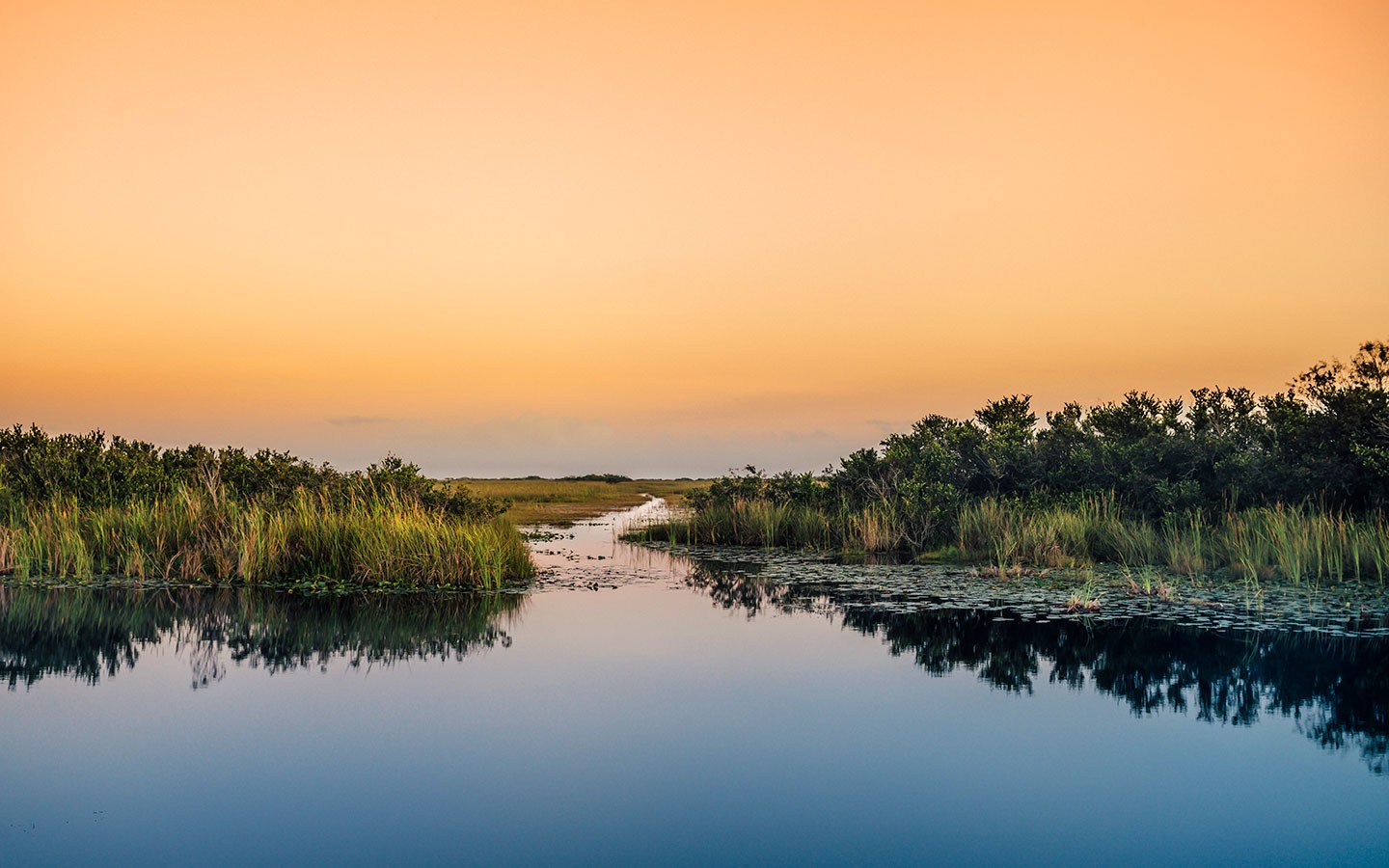 43 mi from MiamiThe Everglades National Park
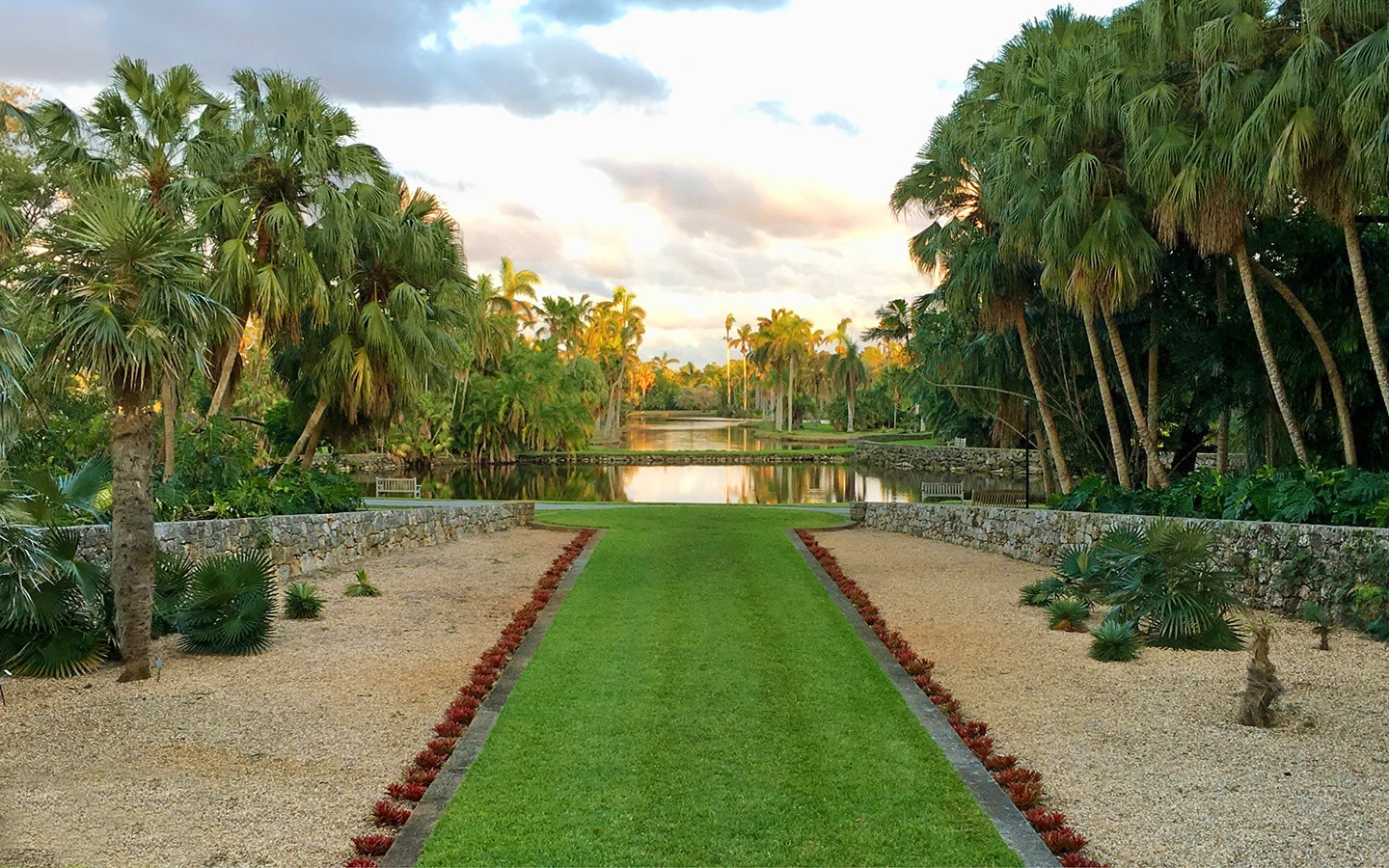 10 mi from MiamiFairchild Tropical Botanic Garden
  6 mi from Miami · land adventureMiami Beach: Art, Everglades & Cuban Soul at a Smart Price
 129 mi from Miami · land adventureSalt Air & Secrets: A Key West Road Trip Worth Lingering Over
 After you step off · near Trieste
You end in a different port — stay on, and add what is within reach before you fly home.