Your cruise
Seven Seas Grandeur · 10-night Mediterranean round trip from Lisbon
Apr 28 – May 8 · 10 nights ·
Day 1–2 Lisbon (board) · Day 3 Willis Island · Day 4–5 Santander · Day 6–7 Bordeaux · Day 8–9 Bilbao · Day 10 Willis Island · Day 11 Lisbon (step off)
What you do Board a rigid inflatable Zodiac for a close-up circumnavigation of one of the Coral Sea's most remote specks of land. Drift alongside vast nesting colonies of red-footed boobies, frigatebirds and brown noddies — a wildlife spectacle almost no traveller on earth ever witnesses.
What to expect Your Zodiac departs the ship's swim platform and skirts the island's entire coastline at water level, giving you eye-to-eye encounters with seabird colonies that number in the tens of thousands. The guide pauses the engine so you can hear the cacophony of calls and photograph birds in undisturbed flight. Shallow coral gardens glow electric beneath the hull as you round each headland. The round trip typically takes 90–120 minutes, leaving ample buffer before all-aboard.
Good to know Pre-book directly via email well in advance — this is a tender-only island and Zodiac capacity is strictly capped. Wear non-marking soles, bring a hat and reef-safe sunscreen. Confirm your ship's all-aboard time and allow 30 minutes' return buffer.
Versus the ship tour An intimate, expert-led small-group Zodiac — never more than 12 guests — means you can idle silently within metres of nesting birds and low reef outcrops that larger vessels simply cannot access, guided by a marine biologist who narrates every species in real time.
What you do Slip beneath the surface of some of the least-dived water on the planet — the Coral Sea surrounding Willis Island, hundreds of kilometres from the nearest coast. Visibility regularly exceeds 30 metres, revealing walls of hard coral, reef sharks, giant trevally and undisturbed sea-turtle feeding grounds.
What to expect Guests kit up in a purpose-equipped dive room and giant-stride into waters of extraordinary clarity. The reef structures here are pristine — no bleaching, no crowds — and the sheer biomass of pelagic life reflects the island's status as a protected marine reserve. Drift snorkelling across shallow coral plateaus, you are likely to encounter hawksbill turtles grazing, schools of chevron barracuda and the flash of a reef whaler in the blue. Safety divers and guides remain in the water throughout.
Good to know Swimming competency is required; full snorkel equipment is provided. Confirm landing and in-water permissions with the Australian Bureau of Meteorology station keeper in advance — access can be subject to weather and conservation protocols. Bring a rash vest for UV protection.
Versus the ship tour Mike Ball operates the definitive liveaboard expeditions to the Coral Sea's outer reefs, with certified dive guides who have logged thousands of hours specifically on these formations. Group size is tightly managed, and every dive brief is site-specific — the antithesis of a mass-market snorkel.
book direct with Mike Ball Dive Expeditions (Townsville/Cairns — Coral Sea specialists) → · the full guide →
What you do Step ashore — one of only a handful of visitors ever permitted — and receive a private briefing inside Australia's most remote operational weather station. The data collected here has guided cyclone warnings across Queensland for over a century; it is a living piece of scientific history.
What to expect After a short Zodiac transfer to the beach, you walk across the coral-rubble islet — the entire thing is barely 400 metres across — to the weatherboard station compound. The duty meteorologist explains the island's role in tracking Coral Sea cyclogenesis, shows you the instrument arrays and balloon launch facilities, and fields questions with refreshing candour. The sense of absolute remoteness — no roads, no shops, just science and sea — is profoundly affecting. Visits are brief (30–45 minutes) out of respect for operations.
Good to know Landing is at the discretion of BOM and sea conditions; it is never guaranteed. Wear closed shoes for the coral-rubble foreshore. Do not touch or enter any instrument enclosures. This is one of cruising's rarest privileges — treat it accordingly.
Versus the ship tour Landing on Willis Island is granted to very few vessels per year and always requires advance coordination with the BOM. The briefing is delivered by the station's resident meteorologist — one of Australia's most isolated postings — lending an authenticity and depth no third-party guide could replicate.
What you do Join a dedicated marine naturalist on a slow, deliberate circuit of Willis Island's offshore waters — prime habitat for dwarf minke whales, spinner dolphins, red-tailed tropicbirds and occasional whale sharks. This is expedition-grade wildlife observation in one of Earth's most intact marine environments.
What to expect The excursion runs in the calm conditions that typically prevail in the lee of the island, with the naturalist briefing the group on cetacean behaviour before departure. Spinner dolphins frequently bow-ride the vessel's wake, while tropicbirds trace lazy arcs overhead trailing their extraordinary white tail streamers. In season (June–September), dwarf minke whales approach curious vessels with remarkable boldness. The naturalist's running identification and ecological commentary transforms an already astonishing scene into a masterclass in Coral Sea ecology.
Good to know Bring image-stabilised binoculars if you own them — loaner binoculars are available but limited. A polarised lens filter dramatically improves underwater wildlife sighting from the deck. Morning cruises yield the best light and the calmest seas.
Versus the ship tour Coral Expeditions' marine naturalists carry years of Coral Sea field experience and use hydrophones and binoculars to locate and interpret marine megafauna well beyond what a casual deck scan achieves. Groups are capped at 20, ensuring every guest has unobstructed sightlines and personalised commentary.
book direct with Coral Expeditions (Australia's premium expedition cruise specialist) → · the full guide →
What you do Combine world-class snorkelling with a dedicated underwater photography tuition session led by a professional marine photographer. The pellucid, undisturbed waters around Willis Island provide a studio backdrop that professionals travel half a year to reach — and you are already here.
What to expect After a 20-minute on-deck briefing covering exposure, buoyancy control for photography and coral-safe positioning, the group enters the water with the lead photographer. Each participant is given real-time feedback via underwater slates and post-dive screen reviews. The reef here hosts nudibranchs, juvenile turtles and extraordinary soft-coral detail that rewards close, patient framing. By the final dive, guests leave with a curated set of images that would pass muster in any travel magazine.
Good to know Bring your own mirrorless or compact camera with an underwater housing if possible; hire housings are limited. Basic snorkel competency required. Maximum group size of 6 is strictly enforced — book your place the moment you board the ship.
Versus the ship tour A professional marine photographer leads groups of no more than six, providing personalised composition coaching in real time — in the water, beside you. The combination of tuition and a location almost nobody else will ever photograph makes every frame genuinely irreplaceable.
What you do Rise before the rest of the ship and join an ornithologist-guide for a dawn landing on Willis Island — arguably the most exclusive birdwatching address in the Southern Hemisphere. The island hosts one of Australia's largest documented seabird colonies, and first light is when it erupts into extraordinary life.
What to expect The Zodiac lands on the coral-rubble beach just as the sky softens to indigo. Within seconds, frigatebirds begin their courtship displays, inflating scarlet throat pouches while brown boobies jostle on nesting scrapes metres from your feet. The ornithologist narrates the scene with infectious expertise, calling species by name as they lift and wheel overhead in their thousands. The island's absolute silence — broken only by wind and wings — produces a meditative quality that experienced travellers consistently describe as one of cruising's most affecting moments.
Good to know Landing is subject to BOM approval and sea-state — pre-register your interest at the expedition desk on day one of the voyage. Wear dark, non-reflective clothing to avoid disturbing nesting birds. Carry a long lens (200mm+ equivalent) for perched-bird shots. Soft-soled shoes protect both the coral-rubble substrate and your footing.
Versus the ship tour A qualified ornithologist leads a structured census-style walk, naming every species, explaining colony dynamics and pointing out nesting behaviours that an untrained eye would miss entirely. The pre-sunrise timing means you experience the island in its rawest, most atmospheric state — long before the day-trippers (there are none) arrive.
book direct with Coral Expeditions (Australia's premium expedition cruise specialist) → · the full guide →
What you do Climb to the candy-colored Pena Palace, a Romanticist fairytale castle floating on a forested peak above Sintra, then stand at Cabo da Roca, the westernmost cliff of continental Europe, before the seaside polish of Cascais. It's a UNESCO-listed day you physically cannot do from Lisbon's center on foot, and the single experience a first-timer most regrets skipping. The guided van solves Sintra's brutal timed-entry queues and, critically, guarantees you back to the ship.
What to expect You'll ascend into the forested hills above Sintra to explore the candy-colored Pena Palace, a Romanticist fairytale castle perched on a peak with sweeping views across the landscape. From there, the van carries you to Cabo da Roca, the windswept westernmost cliff of continental Europe, where you can stand at the edge and take in the Atlantic. You'll finish in the seaside polish of Cascais before returning to the ship, completing a full arc of Sintra's dramatic geography in a single morning and afternoon—a journey impossible to accomplish on foot from Lisbon's center.
Good to know This 8-hour small-group van tour includes Pena Palace timed-entry tickets and Lisbon pickup/return from the pier, eliminating the brutal entry queues that plague independent visitors. Book this operator specifically because they guarantee return to the ship; the cruise line's own coach options run 5–7 hours at nearly double the price. Depart early enough to be back well before your ship's evening departure, and bring layers and comfortable walking shoes for steep palace grounds and coastal winds.
Versus the ship tour The ship's 5-hr Sintra/Cascais coach is $129.99 and the 7-hr lunch version is $174.99. Direct is ~$88 in a small van vs a full coach, saving roughly $40-$85 per person AND skipping the entry-queue problem. This is a 8-hour mainland item: only book it on a standard call if your ship is in port well past mid-afternoon, and use this operator specifically because it guarantees the return.
What you do Lisbon was built to be seen from its river, and a small boat delivers the money shot: the red 25 de Abril Bridge (the city's Golden Gate twin), the Cristo Rei statue on the far bank, Belem Tower and the pastel hills tumbling to the water. Two relaxed hours with a drink in hand is the perfect bookend before sailaway. Pick the sunset departure if your ship leaves late.
What to expect You'll board a small boat at the riverside dock near the city center and spend two hours on the water, drink in hand, as Lisbon unfolds in front of you. The route showcases the red 25 de Abril Bridge—Lisbon's iconic rival to the Golden Gate—then glides past the historic Belem Tower and the Christ the King statue (Cristo Rei) rising from the far bank. Pastel-colored hills tumble down to the waterline, and the boat's intimate scale delivers the views that made Lisbon built to be seen from its river. If your ship departs in the evening, the sunset tour transforms the same skyline into burnished gold and rose.
Good to know The dock sits right in town, minimizing back-to-ship risk; plan for a 2-hour cruise within a 6–8 hour port window, leaving time to return before sailaway. Book direct with Tagus Cruises (€38–€45 per person, depending on day or sunset slot) rather than through the ship's add-ons (which cost €73–€100), saving €30–€55 per person for the same experience. The tour is fully inclusive—skipper, drinks, and taxes are built in—and runs on fixed daily departures; reserve ahead to secure your preferred time slot, especially if timing a sunset departure with your ship's schedule.
Versus the ship tour This is the single biggest markup gap at Lisbon. Cruise-line river/sunset water add-ons run ~$80-$110 per person; booking direct at ~$41-$49 saves roughly $40-$60 each for the same skyline. Direct wins decisively. The only edge the ship has is a back-to-ship guarantee, but the dock is right in town, so the risk is minimal.
What you do Alfama is the medieval Moorish heart of Lisbon, a tangle of staircases, laundry-strung alleys and miradouro viewpoints far too steep to cover on foot in a port-day window. An open electric tuk-tuk hauls you up to Castelo de Sao Jorge, Portas do Sol and Santa Luzia for the iconic red-roof-and-river panoramas. The cruise dock literally sits at the foot of Alfama, so this is the lowest-risk, walk-off-and-go option of the day.
What to expect You'll board an open electric tuk-tuk at the cruise dock—no shuttle, no fuss—and climb the steep medieval alleys of Alfama as the vehicle winds through a tangle of laundry-strung staircases and narrow cobbled streets. The route hauls you up to three iconic miradouro (viewpoint) stops: Castelo de Sao Jorge, Portas do Sol, and Santa Luzia, each delivering panoramic shots of Lisbon's signature red rooftops spilling down to the river. At each vantage, you'll have time to photo and breathe the sea-salt air before the tuk-tuk descends back through the Moorish quarter to the dock. The whole rhythm unfolds in 1–2 hours depending on which tour you choose, leaving you with hours to explore Belem or the city on foot.
Good to know The cruise dock sits at Alfama's literal foot, so you walk off the ship and onto a tuk-tuk—book direct with Tuk On Me (operator RNAAT 485/2014 registered with Turismo de Portugal) to lock in €15–€30 per person rather than the ship's €104.99 coach. In a 6–8 hour port window, the 1–2 hour tuk-tuk tour leaves ample buffer time; simply confirm your return time with the driver to ensure you're back at the dock with 30+ minutes before all-aboard. Wear comfortable shoes for the few steps between tuk-tuk stops, bring sunscreen and a hat for the open-air exposure at each viewpoint, and have small euro bills or a card ready for the operator if paying on-site rather than pre-booking.
Versus the ship tour The ship's 3.5-hr Panoramic Lisbon & Belem coach is $104.99. A focused Alfama/viewpoints tuk-tuk at $16-$32 covers the most photogenic, hardest-to-walk part of the city for a fraction of that. Direct wins on price and access. Fair caveat: the ship coach also tacks on Belem, so if Belem is a must-see for you, pair this tuk-tuk with a short ride or walk out there yourself.
What you do Portuguese food is a bucket-list draw in its own right, and a small-group walk is the fastest way to taste the canon: bacalhau (salt cod), petiscos (Portuguese tapas), a bifana pork sandwich, regional cheeses and a shot of sour-cherry ginjinha, learning the city through its makers. This operator works real everyday neighborhoods like Campo de Ourique and Mouraria rather than tourist traps, capped at 12 people. Best for travelers who want depth over a checklist.
What to expect You'll join a small group of no more than 12 people for a walking tour through authentic Lisbon neighborhoods—Campo de Ourique and Mouraria—guided by local food experts who know the real makers and spots. The tour flows as a series of tastings and stops: bacalhau (salt cod), petiscos (Portuguese tapas), a bifana pork sandwich, regional cheeses, and a shot of sour-cherry ginjinha, with drinks included throughout. Rather than hitting tourist checkboxes, you're learning the city's food culture through the people who've shaped it, moving at a conversational pace through working neighborhoods. The whole experience runs 3 to 3.5 hours—intimate, depth-focused, and flavored with real Lisbon rhythm.
Good to know This tour costs ~$76 per person and is offered by Taste of Lisboa Food Tours; book directly with the operator rather than through the cruise line to lock in the small-group cap and local-neighborhood routing. Plan for a 3–3.5 hour excursion, leaving you a comfortable 2.5–3 hour buffer to return to the ship within a typical 6–8 hour port window. Wear comfortable walking shoes suitable for navigating neighborhood streets, and bring cash or confirm card acceptance at each stop, as smaller vendors may have payment limitations. No special advance preparation is needed beyond booking, though arriving 10–15 minutes early at the meeting point in central Lisbon helps you settle in before the group departs.
Versus the ship tour Cruise-line tapas/Fado evenings run ~$70-$100 per person. Direct here is ~$76 for a genuinely local, small-capped walk, so it's roughly even on price but you get a max-12 group in real neighborhoods instead of a tour-bus crowd. Honest call: if you only want a quick cheap taste, a $23-$30 highlights snack-and-wine walk on a marketplace site beats both this and the ship on price; this card is the depth pick, not the budget one.
book direct with Taste of Lisboa Food Tours → · the full guide →
What you do Board a rigid inflatable Zodiac for a close-up circumnavigation of one of the Coral Sea's most remote specks of land. Drift alongside vast nesting colonies of red-footed boobies, frigatebirds and brown noddies — a wildlife spectacle almost no traveller on earth ever witnesses.
What to expect Your Zodiac departs the ship's swim platform and skirts the island's entire coastline at water level, giving you eye-to-eye encounters with seabird colonies that number in the tens of thousands. The guide pauses the engine so you can hear the cacophony of calls and photograph birds in undisturbed flight. Shallow coral gardens glow electric beneath the hull as you round each headland. The round trip typically takes 90–120 minutes, leaving ample buffer before all-aboard.
Good to know Pre-book directly via email well in advance — this is a tender-only island and Zodiac capacity is strictly capped. Wear non-marking soles, bring a hat and reef-safe sunscreen. Confirm your ship's all-aboard time and allow 30 minutes' return buffer.
Versus the ship tour An intimate, expert-led small-group Zodiac — never more than 12 guests — means you can idle silently within metres of nesting birds and low reef outcrops that larger vessels simply cannot access, guided by a marine biologist who narrates every species in real time.
What you do Slip beneath the surface of some of the least-dived water on the planet — the Coral Sea surrounding Willis Island, hundreds of kilometres from the nearest coast. Visibility regularly exceeds 30 metres, revealing walls of hard coral, reef sharks, giant trevally and undisturbed sea-turtle feeding grounds.
What to expect Guests kit up in a purpose-equipped dive room and giant-stride into waters of extraordinary clarity. The reef structures here are pristine — no bleaching, no crowds — and the sheer biomass of pelagic life reflects the island's status as a protected marine reserve. Drift snorkelling across shallow coral plateaus, you are likely to encounter hawksbill turtles grazing, schools of chevron barracuda and the flash of a reef whaler in the blue. Safety divers and guides remain in the water throughout.
Good to know Swimming competency is required; full snorkel equipment is provided. Confirm landing and in-water permissions with the Australian Bureau of Meteorology station keeper in advance — access can be subject to weather and conservation protocols. Bring a rash vest for UV protection.
Versus the ship tour Mike Ball operates the definitive liveaboard expeditions to the Coral Sea's outer reefs, with certified dive guides who have logged thousands of hours specifically on these formations. Group size is tightly managed, and every dive brief is site-specific — the antithesis of a mass-market snorkel.
book direct with Mike Ball Dive Expeditions (Townsville/Cairns — Coral Sea specialists) → · the full guide →
What you do Step ashore — one of only a handful of visitors ever permitted — and receive a private briefing inside Australia's most remote operational weather station. The data collected here has guided cyclone warnings across Queensland for over a century; it is a living piece of scientific history.
What to expect After a short Zodiac transfer to the beach, you walk across the coral-rubble islet — the entire thing is barely 400 metres across — to the weatherboard station compound. The duty meteorologist explains the island's role in tracking Coral Sea cyclogenesis, shows you the instrument arrays and balloon launch facilities, and fields questions with refreshing candour. The sense of absolute remoteness — no roads, no shops, just science and sea — is profoundly affecting. Visits are brief (30–45 minutes) out of respect for operations.
Good to know Landing is at the discretion of BOM and sea conditions; it is never guaranteed. Wear closed shoes for the coral-rubble foreshore. Do not touch or enter any instrument enclosures. This is one of cruising's rarest privileges — treat it accordingly.
Versus the ship tour Landing on Willis Island is granted to very few vessels per year and always requires advance coordination with the BOM. The briefing is delivered by the station's resident meteorologist — one of Australia's most isolated postings — lending an authenticity and depth no third-party guide could replicate.
What you do Join a dedicated marine naturalist on a slow, deliberate circuit of Willis Island's offshore waters — prime habitat for dwarf minke whales, spinner dolphins, red-tailed tropicbirds and occasional whale sharks. This is expedition-grade wildlife observation in one of Earth's most intact marine environments.
What to expect The excursion runs in the calm conditions that typically prevail in the lee of the island, with the naturalist briefing the group on cetacean behaviour before departure. Spinner dolphins frequently bow-ride the vessel's wake, while tropicbirds trace lazy arcs overhead trailing their extraordinary white tail streamers. In season (June–September), dwarf minke whales approach curious vessels with remarkable boldness. The naturalist's running identification and ecological commentary transforms an already astonishing scene into a masterclass in Coral Sea ecology.
Good to know Bring image-stabilised binoculars if you own them — loaner binoculars are available but limited. A polarised lens filter dramatically improves underwater wildlife sighting from the deck. Morning cruises yield the best light and the calmest seas.
Versus the ship tour Coral Expeditions' marine naturalists carry years of Coral Sea field experience and use hydrophones and binoculars to locate and interpret marine megafauna well beyond what a casual deck scan achieves. Groups are capped at 20, ensuring every guest has unobstructed sightlines and personalised commentary.
book direct with Coral Expeditions (Australia's premium expedition cruise specialist) → · the full guide →
What you do Combine world-class snorkelling with a dedicated underwater photography tuition session led by a professional marine photographer. The pellucid, undisturbed waters around Willis Island provide a studio backdrop that professionals travel half a year to reach — and you are already here.
What to expect After a 20-minute on-deck briefing covering exposure, buoyancy control for photography and coral-safe positioning, the group enters the water with the lead photographer. Each participant is given real-time feedback via underwater slates and post-dive screen reviews. The reef here hosts nudibranchs, juvenile turtles and extraordinary soft-coral detail that rewards close, patient framing. By the final dive, guests leave with a curated set of images that would pass muster in any travel magazine.
Good to know Bring your own mirrorless or compact camera with an underwater housing if possible; hire housings are limited. Basic snorkel competency required. Maximum group size of 6 is strictly enforced — book your place the moment you board the ship.
Versus the ship tour A professional marine photographer leads groups of no more than six, providing personalised composition coaching in real time — in the water, beside you. The combination of tuition and a location almost nobody else will ever photograph makes every frame genuinely irreplaceable.
What you do Rise before the rest of the ship and join an ornithologist-guide for a dawn landing on Willis Island — arguably the most exclusive birdwatching address in the Southern Hemisphere. The island hosts one of Australia's largest documented seabird colonies, and first light is when it erupts into extraordinary life.
What to expect The Zodiac lands on the coral-rubble beach just as the sky softens to indigo. Within seconds, frigatebirds begin their courtship displays, inflating scarlet throat pouches while brown boobies jostle on nesting scrapes metres from your feet. The ornithologist narrates the scene with infectious expertise, calling species by name as they lift and wheel overhead in their thousands. The island's absolute silence — broken only by wind and wings — produces a meditative quality that experienced travellers consistently describe as one of cruising's most affecting moments.
Good to know Landing is subject to BOM approval and sea-state — pre-register your interest at the expedition desk on day one of the voyage. Wear dark, non-reflective clothing to avoid disturbing nesting birds. Carry a long lens (200mm+ equivalent) for perched-bird shots. Soft-soled shoes protect both the coral-rubble substrate and your footing.
Versus the ship tour A qualified ornithologist leads a structured census-style walk, naming every species, explaining colony dynamics and pointing out nesting behaviours that an untrained eye would miss entirely. The pre-sunrise timing means you experience the island in its rawest, most atmospheric state — long before the day-trippers (there are none) arrive.
book direct with Coral Expeditions (Australia's premium expedition cruise specialist) → · the full guide →
What you do Descend into the Neolithic wonder of Altamira — the 'Sistine Chapel of prehistory' — then wander the cobbled perfection of Santillana del Mar, Spain's most beautiful medieval village. A private half-day that spans 15,000 years of human story.
What to expect Your private guide meets you at the Santander cruise pier and drives 30 minutes west to the Altamira Neocave, where bison, deer and hands painted 15,000 years ago glow overhead in near-perfect replica. You then stroll Santillana del Mar's honey-stone streets, unchanged since the 15th century, ending at a private tasting of Cantabrian cheeses in a local creamery. Back aboard with time to spare.
Good to know Pre-book the Neocave timed entry at culturaydeporte.gob.es well in advance — slots sell out. Santillana del Mar is 30 min from Santander; allow 4–5 hours total. Confirm all-aboard time and build in a 60-min buffer.
Versus the ship tour Access to the official Neocave replica — identical in scale and colour to the sealed original — is timed and limited; a private guide ensures expert paleolithic context no group tour can match, plus unhurried time in medieval Santillana del Mar.
What you do Step inside one of Europe's most breathtaking contemporary art museums — Renzo Piano's disc-shaped Centro Botín — on a private guided visit that unlocks the collection, the architecture and the panoramic bay terrace most visitors never find. A pure luxury cultural moment steps from the port.
What to expect The Centro Botín sits dramatically cantilevered over the harbour, its 270,000 disc-shaped ceramic tiles shimmering in Atlantic light. Inside, your private guide decodes the architecture and the rotating contemporary exhibitions with genuine expertise. Ascend to the open terrace for a postcard panorama of the bay and Magdalena Peninsula — the best single viewpoint in the city. Finish with a coffee at the museum's waterfront café.
Good to know The Centro Botín is a 10-minute walk from the cruise terminal along Paseo de Pereda — no transfer needed. Book private guided slots directly at centrobotin.org. Closed Mondays; verify on arrival date. Allow 2–2.5 hours.
Versus the ship tour An expert local art historian guides you through the Piano-designed building and its curated exhibitions at your own pace — small group, no queues, with exclusive access to the rooftop terrace overlooking the Bay of Santander.
book direct with Centro Botín (official) → · the full guide →
What you do The Peninsula de La Magdalena is Santander's crown jewel — a dramatic headland of clifftop gardens, royal architecture and sweeping Atlantic views. A private expert-led tour reveals the intimate story of the Spanish royal family's summer retreat that shaped modern Santander.
What to expect Your guide leads you through the manicured gardens of the peninsula, pausing at the clifftop mirador where the Cantabrian Sea crashes below on three sides. The Magdalena Palace — built for King Alfonso XIII in 1912 — reveals its Belle Époque interiors and the regal summers that turned Santander into northern Spain's most fashionable resort. A stroll past the resident sea lions and red deer adds an unexpected wildlife flourish before you descend to the bay beach below.
Good to know The peninsula is a 25-minute walk or short taxi from the cruise pier. Official Saturday tours depart at 11am (free contribution); other days EUR 8. Pre-book private slots via turismo.santander.es or tourhq.com. Allow 2.5–3 hours.
Versus the ship tour An official local historian guide brings alive the palace's royal summers, the Alfonso XIII connection and the marine biology station — depth and anecdote that a self-guided walk simply cannot replicate. The peninsula's mini-zoo and clifftop mirador are included at a leisurely private pace.
book direct with Turismo Santander Official Guided Visits → · the full guide →
What you do Santander sits just 90 minutes from Frank Gehry's titanium masterpiece in Bilbao — one of the world's most iconic buildings and home to a world-class modern art collection. A private chauffeured day allows you to experience the Guggenheim and Bilbao's celebrated pintxos scene in full luxury.
What to expect Your personal guide and private vehicle collect you at the pier and head east along the Cantabrian coast to Bilbao. At the Guggenheim, titanium scales ripple in the morning light as you enter one of the world's great contemporary art collections — your guide providing expert art-historical context throughout. Lunch follows in Bilbao's Casco Viejo, where a curated pintxos crawl through the city's best bars showcases the full Basque flavour. A scenic coastal return ensures you're back well before all-aboard.
Good to know Pre-book Guggenheim timed entry at guggenheim-bilbao.eus (EUR 18 adults). Journey is approx 90 min each way. A full day — depart by 8:30am, return by 6pm — is essential. Confirm all-aboard time carefully; this excursion requires an early start.
Versus the ship tour A private, door-to-door chauffeured experience means you set the pace inside the Guggenheim, linger over Basque pintxos in the old town, and return to the pier on your schedule — no waiting for others, no rushed commentary.
book direct with ToursByLocals — Private Santander to Bilbao Guggenheim Day Tour → · the full guide →
What you do Santander's Mercado de la Esperanza is one of northern Spain's great food markets — a cast-iron 1904 cathedral of anchovies, aged cheeses, wild mushrooms and fresh seafood. A private chef-led market tour and hands-on cooking session transforms it into an unforgettable culinary experience.
What to expect You arrive at the Mercado de la Esperanza as the stallholders set up their finest produce — gleaming anchovies from Santoña, Picón Bejes-Tresviso blue cheese, wild-caught seafood. Your chef-guide introduces you to the vendors by name, translating the produce and the passion behind it. A short transfer to a private kitchen follows, where you prepare a classic Cantabrian menu — sobao pasiego, anchoa a la plancha — before sitting down to eat your work. A glass of local white Albariño seals the moment.
Good to know The Mercado de la Esperanza is a 15-minute walk from the cruise pier in the city centre. Markets are liveliest before noon — plan to start by 9:30am. Book private gastronomy experiences in advance via tourhq.com. Allow 3–4 hours for the full experience.
Versus the ship tour A private Cantabrian chef guides you through the market's legendary anchovy stalls and cheese vendors, then leads a hands-on session preparing classic regional dishes — the kind of immersive, flavour-first morning that defines luxury slow travel.
book direct with Turismo Santander / Local Gastronomy Experts via TourHQ Santander → · the full guide →
What you do Follow Santander's grandest coastal promenade from the peninsula to the twin crescents of El Sardinero — the Belle Époque resort beach that once rivalled Biarritz — finishing in the clifftop Jardines de Piquío for panoramic Atlantic views. Best experienced with a private local guide who tells the glamorous story behind the architecture.
What to expect Your guide leads you along the Paseo de Pereda waterfront, past the flower-filled Jardines de Pereda and up through the elegant Ensanche to El Sardinero's twin beaches — wide, golden and backed by century-old villas. The route continues to Jardines de Piquío, a sculpted clifftop garden where the Cantabrian Sea stretches unbroken to the horizon. A pause for Santander's famous ice cream — a local obsession since the 19th century — is non-negotiable. The walk returns via the casino promenade as the city comes to life for lunch.
Good to know This is a 5–6 km walk on good paths — comfortable walking shoes are recommended. Total time: 3–3.5 hours. Official guided walks depart from Turismo Santander at scheduled times; book in advance at turismo.santander.es. Taxis back to the pier from El Sardinero take 10 minutes and cost approx EUR 8–10.
Versus the ship tour This private walking experience is entirely at your pace — your guide weaves the story of Santander's royal resort heyday, its grand casino and the artists it attracted, with time to stop for the city's legendary ice cream (mantecado) and a clifftop aperitivo at the Piquío mirador.
book direct with Turismo Santander Official Guided Visits → · the full guide →
What you do Journey into the UNESCO-listed village of Saint-Émilion and taste coveted Grand Cru Classé wines inside private château cellars with an expert sommelier guide — a genuinely bucket-list afternoon in the world's most storied wine country.
What to expect Your small group winds through vine-draped hillsides to arrive at classified Saint-Émilion estates, where the winemaker or estate host walks you through the terroir, barrel room, and their philosophy before pouring four to six exceptional vintages. Lunch is often arranged at a stone-walled château table. The medieval village itself — a labyrinth of golden limestone lanes, underground catacombs, and a monolithic church carved into the rock — deserves an hour of wandering before or after. The entire day feels curated, unhurried, and deeply personal.
Good to know Saint-Émilion is approximately 45 minutes by car from Bordeaux port. Book at least 4–6 weeks ahead for private departures. Confirm your all-aboard time (typically 18:00–19:00) and ensure you depart the estate by 16:30. Pre-booking directly with Bordeaux Wine Trails allows full itinerary flexibility.
Versus the ship tour Bordeaux Wine Trails is led by local expert guides who gain private access to family-owned estates rarely open to large groups — unhurried cellar tours, barrel tastings, and personal conversations with winemakers that no bus tour can replicate.
What you do Drive the legendary D2 'Route des Châteaux' through the Médoc, entering the gates of First and Second Growth estates for private tastings — the definitive Bordeaux wine pilgrimage, and utterly unmissable for any serious wine lover.
What to expect The morning opens with a scenic drive north along the Gironde estuary, the vines of the Médoc rolling past your window in perfectly ordered rows. You'll enter two or three château properties where an estate guide leads you through vine-to-bottle story, underground vat rooms, and an intimate seated tasting of three to five classified wines per château. The names on the labels — Mouton, Latour, Léoville — are ones you've read about for years; standing in the chai breathing in barrel-aged Cabernet brings them fully to life. Return to port with time to spare and a well-curated wine selection to ship home.
Good to know The Médoc is 30–60 minutes north of Bordeaux port depending on the château. Half-day tours typically return by 13:00; full-day by 17:00 — well inside any 18:00 all-aboard. Book directly with À La Française; private minibus rates include hotel or port pickup.
Versus the ship tour À La Française limits groups to a genuine small-group experience in a minibus, granting access to prestigious Classified Growths — Pauillac, Margaux, Saint-Julien — that large coaches simply cannot enter. The pace is yours; tastings are never rushed.
book direct with À La Française – Bordeaux Small-Group Wine Tours → · the full guide →
What you do Explore the world's greatest wine civilisation museum inside Bordeaux's iconic wave-shaped landmark, then ascend to the 8th-floor Belvédère for a panoramic glass of fine Bordeaux — a sensory, architectural, and cultural triple hit.
What to expect The Cité du Vin is a shape-shifting architectural marvel on the Garonne's banks — its gold-and-glass form evoking swirling wine in a glass. Inside, 20 themed interactive stations take you from ancient Egypt's wine jars to the Napa Valley, with multi-sensory displays, documentary films, and a spectacular wine-map room. Allow two hours for the full journey before ascending to the glass-walled Belvédère, where your complimentary tasting of a selected wine frames a 360° view of Bordeaux's skyline and river. The museum café and wine shop are excellent for a refined midday pause.
Good to know La Cité du Vin is a 20-minute walk or short taxi/tram ride from the cruise terminal. Tram line B stops directly outside. Pre-purchase tickets on the official website to guarantee entry and skip queues. Open daily from 10:00; plan 2.5–3 hours total.
Versus the ship tour Book skip-the-line tickets directly through the official site and arrive at opening for a crowd-free, self-paced immersion. The Belvédère panorama over the Garonne at golden hour is one of the most photographed moments in Bordeaux — and entirely at your own leisure.
What you do Step inside a vast wartime submarine base transformed into Europe's largest digital art centre — monumental projections of Klimt, Cézanne, or Monet cascading across 12,000 m² of dark water and concrete for a truly otherworldly experience.
What to expect The former German submarine pens of Bordeaux — vast, brutalist, and eerily beautiful — have been reinvented by Culturespaces as a digital art basilica. The main show projects the complete works of a major artist (past editions: Klimt, Monet, Cézanne, Banksy) across walls, floor, and the black mirror of still water below, with music composed to match. The scale is staggering: projections climb 8 metres above reflections that double them. A second, smaller 'Aquarium Numérique' experience runs concurrently. Budget 90 minutes minimum; many visitors stay for two full cycles of the show.
Good to know Bassins de Lumières is located in the Bacalan district, a 5-minute taxi ride or 25-minute walk from the cruise dock. Book tickets online in advance as peak sessions sell out. Check the current exhibition programme on the official site before you go.
Versus the ship tour This is one of Europe's most extraordinary cultural spaces and demands to be experienced without a group schedule. Arriving independently lets you linger inside the cathedral-like bunker as the immersive soundscape and light show wash over you at a contemplative, personal pace.
book direct with Bassins de Lumières (Official – Culturespaces) → · the full guide →
What you do Walk the golden 18th-century streetscape of UNESCO-listed Bordeaux with a vetted private guide — tracing Place de la Bourse, the Miroir d'Eau, Saint-André Cathedral, and the Golden Triangle at your own pace with real insider commentary.
What to expect Your guide meets you dockside or at a central landmark and leads you through Bordeaux's World Heritage streetscape: the theatrical colonnades of Place de la Bourse mirrored in the 3,450 m² Miroir d'Eau; the soaring Gothic nave of Cathédrale Saint-André; the intimate Place du Parlement with its Baroque mansions; and the elegant boutiques of the Quartier des Chartrons. Stories range from Montaigne and Montesquieu to the wine négociants who built this city's fortune. The pace is entirely yours, with time for a café stop and a glass of Bordeaux blanc at a local bar. A stop at the Marché des Capucins can be included for a sensory morning market experience.
Good to know Tours by Locals vets all guides independently; browse Bordeaux profiles and read reviews before booking. Most tours begin at the cruise dock or Place de la Bourse (5-minute taxi). Book at least 1–2 weeks ahead. 3-hour tours fit comfortably within any port day.
Versus the ship tour Every tour is one-on-one with a vetted Bordelais local — a private conversation about the city's mercantile grandeur, slave-trade history, Belle Époque theatre, and contemporary food scene that no script-reading guide can offer. The itinerary bends entirely to your interests.
book direct with Tours by Locals – Bordeaux Private Guides → · the full guide →
What you do Taste Grand Cru Classé de Graves wines at Château Pape Clément — one of the world's oldest continuously producing wine estates, founded in 1300, just 10 minutes from Bordeaux city — a rare blend of history, architecture, and exceptional viticulture.
What to expect The estate's ornate iron gates open onto manicured gardens and a turreted manor where the tour begins with the extraordinary founding story: these vines were planted by Bertrand de Goth, who became Pope Clement V in 1305. A château guide leads you through the barrel cellars, the sculptural chai, and the sensory room before settling you at an oak table for a structured tasting of Grand Cru Classé de Graves reds and the estate's rare white. The prestige experience adds aged vertical vintages and a private reception room. The estate's epicurean shop allows you to take bottles home, beautifully gift-wrapped.
Good to know Château Pape Clément is in Pessac, approximately 10–12 minutes by taxi from the Bordeaux cruise terminal — the closest Grand Cru to port. Book estate tours directly on the château website; prestige tasting slots are limited. Excellent for half a morning, leaving the afternoon free for the city.
Versus the ship tour Pape Clément is the only Grand Cru Classé estate reachable by taxi in under 15 minutes from the Bordeaux cruise terminal — no long coach ride required. The estate's lavish château gardens, working cooperage, and cellar library of rare back-vintages make this a full sensory luxury experience.
book direct with Château Pape Clément (Official) → · the full guide →
What you do Step inside Frank Gehry's titanium masterpiece with a private expert guide who unlocks the stories behind the world's most celebrated contemporary art museum. The outdoor sculptures — Koons' 'Puppy' and Bourgeois' 'Maman' — are as unmissable as the galleries within.
What to expect Your guide meets you at the titanium curves of the riverfront facade and leads you through the permanent collection's crown jewels — Richard Serra's immersive 'The Matter of Time' steel corridors, Rothko's colour fields, and rotating blockbuster temporary exhibitions. Outside, you circle the building to experience it as sculpture: the floral 'Puppy', the brooding spider 'Maman', and the fire-breathing 'Tulips'. Allow at least two hours inside; the museum café overlooking the Nervión is perfect for a post-tour coffee.
Good to know The Guggenheim is a 10-min taxi from the Getxo/Bilbao port tender point. Pre-book timed entry online — weekends and summer sell out. Museum closed Mondays (except July–Aug & holidays). All-aboard is typically early evening, giving ample time for a 3–4 hr visit.
Versus the ship tour A private certified art historian guide means you move at your own pace, linger on the works that move you, and gain context no audio guide can replicate — from Gehry's architectural genius to the Basque identity woven through the collection.
book direct with Guggenheim Museum Bilbao (official) → · the full guide →
What you do Follow the rugged Basque coastline to the sea stack of Gaztelugatxe — 'Dragonstone' from Game of Thrones — then on to the sacred estuary town of Mundaka and Pablo Picasso's immortalised town of Guernica. This is the Basque soul in a single day.
What to expect The morning begins with the serpentine coastal road to Gaztelugatxe, where 241 stone steps wind to a Romanesque hermitage perched above crashing Atlantic waves — the view is simply jaw-dropping and unmistakably Game of Thrones. From there, the fishing village of Mundaka sits at the mouth of Europe's finest left-hand surf break, a natural UNESCO Biosphere. The afternoon is devoted to Guernica: the Basque parliament's 'sacred oak', the moving Peace Museum, and the reproduction of Picasso's mural that makes the horrors of 1937 viscerally real. Your guide contextualises Basque identity and history throughout.
Good to know Gaztelugatxe requires a pre-booked free access permit in peak season (Jun–Sep) — your guide arranges this. Full day runs 8–9 hrs; comfortable walking shoes essential for 241 steps. This is the single most-reviewed Bilbao shore excursion on Cruise Critic.
Versus the ship tour A private chauffeur-guide means you set the pace: linger on the hermitage steps at Gaztelugatxe as the crowds thin, walk Mundaka's harbour at your leisure, and spend real time in Guernica's Peace Museum — not just a photo stop.
book direct with Food Tours Bilbao (Private Guide & Chauffeur) → · the full guide →
What you do Cross into the sun-drenched La Rioja Alavesa wine country — just 90 minutes from Bilbao — for a private tour of a celebrated bodega, barrel-room tastings of Reserva and Gran Reserva Riojas, and a leisurely wander through the walled medieval village of Laguardia.
What to expect Your private chauffeur-guide whisks you south through the Basque hills into the ochre vineyards of Rioja Alavesa, arriving at a family-owned bodega where the winemaker walks you through the estate, fermentation vats, and age-darkened barriquerias. A seated tasting of three to five wines — paired with local cheeses and charcuterie — follows. After lunch, the medieval walled town of Laguardia reveals its secrets: a 12th-century church, underground bodega tunnels carved beneath the houses, and panoramic views over the vine-striped plains to the Sierra Cantabria. The return drive follows the scenic river gorge.
Good to know Bodega visits are appointment-only and must be reserved in advance — your guide handles all logistics. The round trip is approx. 3 hrs driving; allow 6–7 hrs total. Ideal for wine lovers who want depth over breadth. Check all-aboard time and confirm departure by mid-afternoon.
Versus the ship tour Access to boutique, appointment-only bodegas — not the mass-tourism wineries — means you taste with the winemaker, not a tour group. Laguardia's underground wine caves and rooftop views of the Ebro plain are a world apart from a standard wine-and-coach excursion.
book direct with Food Tours Bilbao (Private Guide & Chauffeur) → · the full guide →
What you do Ride the world's oldest transporter bridge — a UNESCO World Heritage Site — across the Nervión estuary, then retreat to a hillside Txakoli bodega for a private tasting of the Basque Country's electric, mineral white wine poured with theatrical flair.
What to expect Built in 1893, the Vizcaya Bridge at Portugalete is an engineering marvel: a gondola suspended from a high iron lattice carries cars and pedestrians across the estuary in 90 seconds. You can also walk the soaring high catwalk for extraordinary views of the Basque coastline and Bilbao's industrial heritage. From there, a short drive into the green hills of Getxo brings you to a boutique Txakoli estate, where the winemaker demonstrates the traditional high-pour technique that aerates the wine into a sparkling, tangy sip — the definitive Basque aperitif. Pair with pintxos on the estate terrace.
Good to know The Vizcaya Bridge is in Portugalete, 12 km from central Bilbao — take a taxi or the Metro Line 1 to Areeta (20 min). Combine both stops in a relaxed half-day (3–4 hrs), leaving time for the Guggenheim or Casco Viejo in the afternoon. The catwalk is not suitable for guests with vertigo.
Versus the ship tour The combination of the gondola crossing and the vertiginous high-level catwalk walk — plus a genuine estate Txakoli tasting poured from a height to oxygenate the wine — is an authentic, unhurried Basque experience you can only do independently.
What you do Travel the spectacular Basque coast east to San Sebastián — arguably Spain's most beautiful city — then on to the fortified fishing village of Hondarribia and the birthplace of Juan Sebastián Elcano, who completed the first circumnavigation of the globe.
What to expect The day opens with San Sebastián's theatrical La Concha bay — one of Europe's great urban beaches — before diving into the tangle of the Parte Vieja old town, where Michelin-starred chefs started their careers at hole-in-the-wall pintxos bars. Your guide steers you past the neo-Gothic cathedral, the Belle Époque Kursaal, and the fish auction house on the harbour. After a leisurely lunch, the drive continues to Hondarribia: a colour-washed fishing port with a 10th-century castle and a Basque-French border atmosphere. The final stop, Getaria, is a tiny clifftop village with the Cristóbal Balenciaga Museum and outstanding grilled fish over open coals.
Good to know San Sebastián is 100 km east of Bilbao (approx. 1 hr 15 min each way). This is a full-day excursion — plan 9–10 hrs. Pre-check your vessel's all-aboard time carefully. The Balenciaga Museum in Getaria (EUR 10) should be pre-booked. Comfortable flat shoes strongly recommended for cobblestone old towns.
Versus the ship tour A private guide means you can linger on La Concha beach, duck into whichever pintxos bar catches your eye in the Parte Vieja, or slow down in Hondarribia's medieval quarter — entirely on your schedule, not a group's.
book direct with Food Tours Bilbao (Private Guide & Chauffeur) → · the full guide →
What you do Plunge into Bilbao's atmospheric medieval quarter with a private expert food guide, bar-hopping through the Siete Calles (Seven Streets) for the city's finest pintxos — the Basque answer to tapas — paired with local Txakoli, cider, and aged Rioja.
What to expect The tour begins at the ornate iron-and-glass La Ribera Market, the largest covered market in Europe, where your guide introduces you to the ingredients that define Basque cuisine: salt cod, Idiazabal cheese, Gernika peppers, and anchovies from the Cantabrian Sea. You then weave through the Casco Viejo's medieval lanes, stopping at four to six hand-picked bars for a pintxo and a glass at each — the variety is extraordinary, from classic tortilla to avant-garde foie with Pedro Ximénez reduction. The guide contextualises every bite with Basque cultural history, finishing at a terrace on Plaza Nueva for a final Txakoli toast.
Good to know The Casco Viejo is a 15-min taxi from the port. Tours run late morning or at midday to coincide with the Basque pintxos culture (bars are at their best 12:00–15:00). Confirm dietary requirements when booking. Allow 3 hrs; easily combined with a Guggenheim visit in the afternoon before all-aboard.
Versus the ship tour Your private guide has personal relationships with the best pintxos bars — the family-run counters heaped with gilda skewers, salt-cod croquetas, and foie pintxos — meaning you skip the tourist traps and eat exactly where Bilbaínos eat.
Before you sail · near Lisbon
Fly in at least a day early — every seasoned cruiser does, so a delay never costs you the ship. This is what is worth that day within reach of the port.
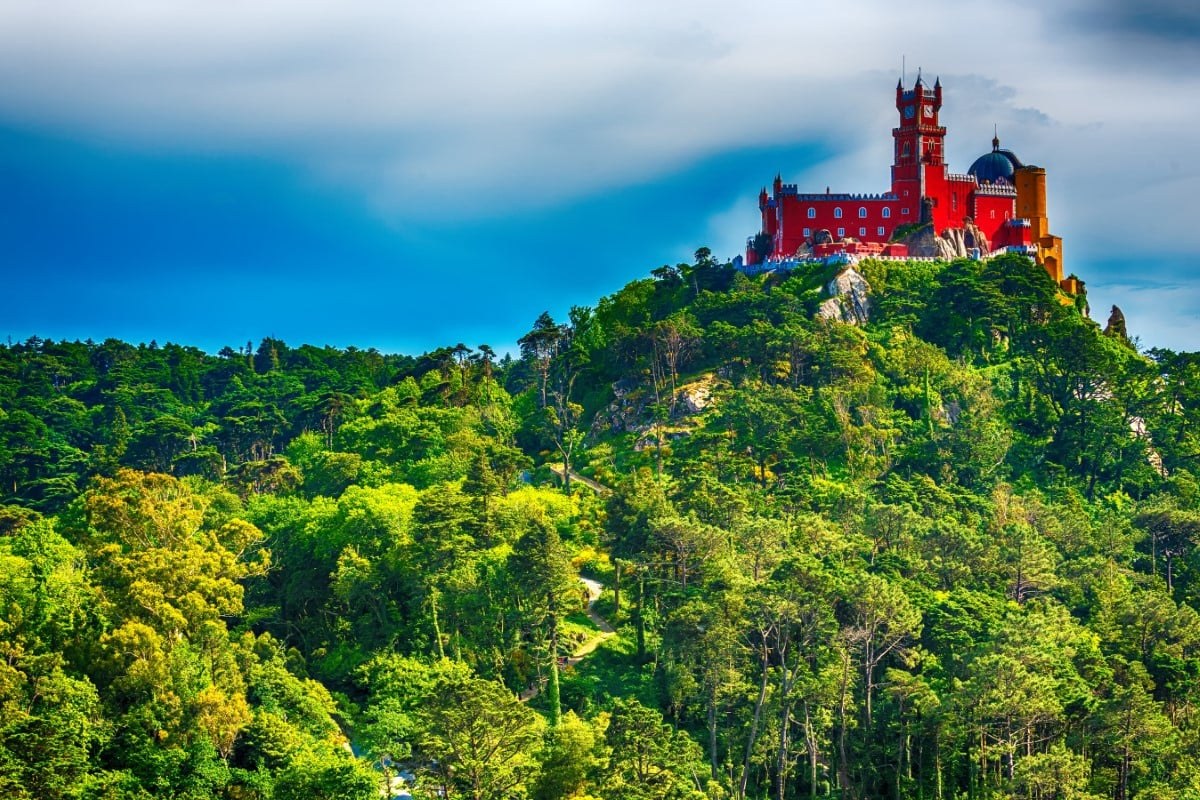 14 mi from LisbonSintra Day Trip - Pena Palace
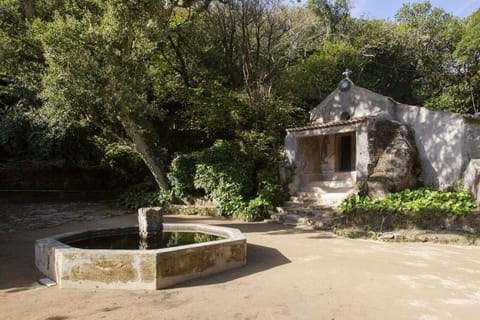 13 mi from LisbonConvent of the Capuchos Cork Lining & Underground Network
 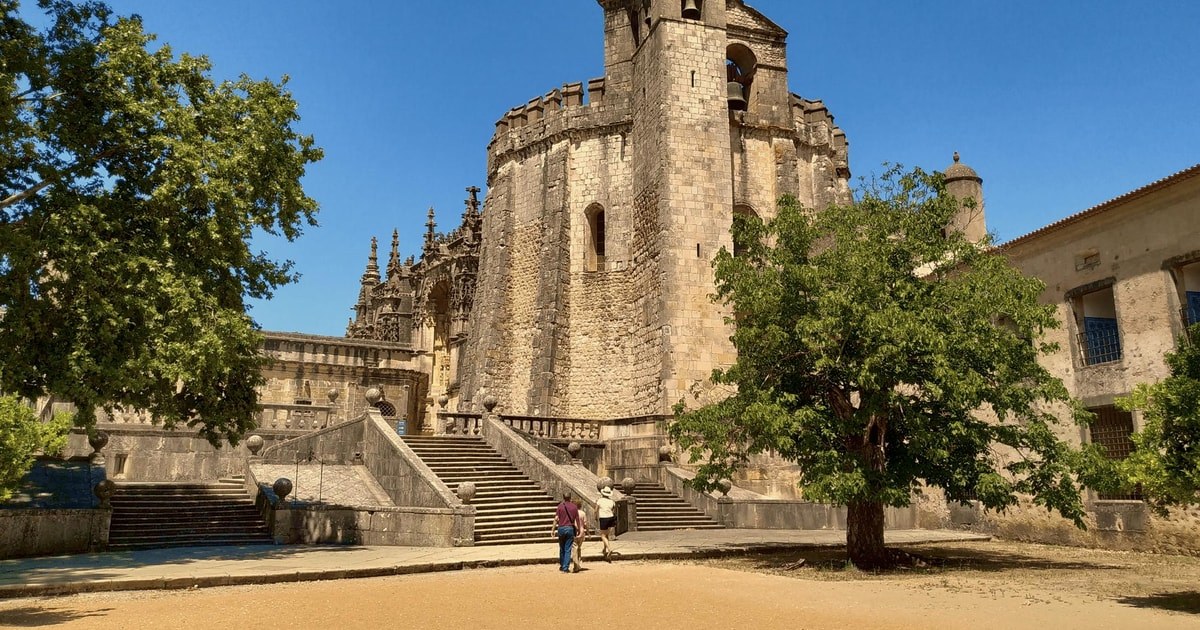 4 mi from Lisbon · land adventureTemplar Stone, Atlantic Cliffs, and Pastel Custard in Lisbon
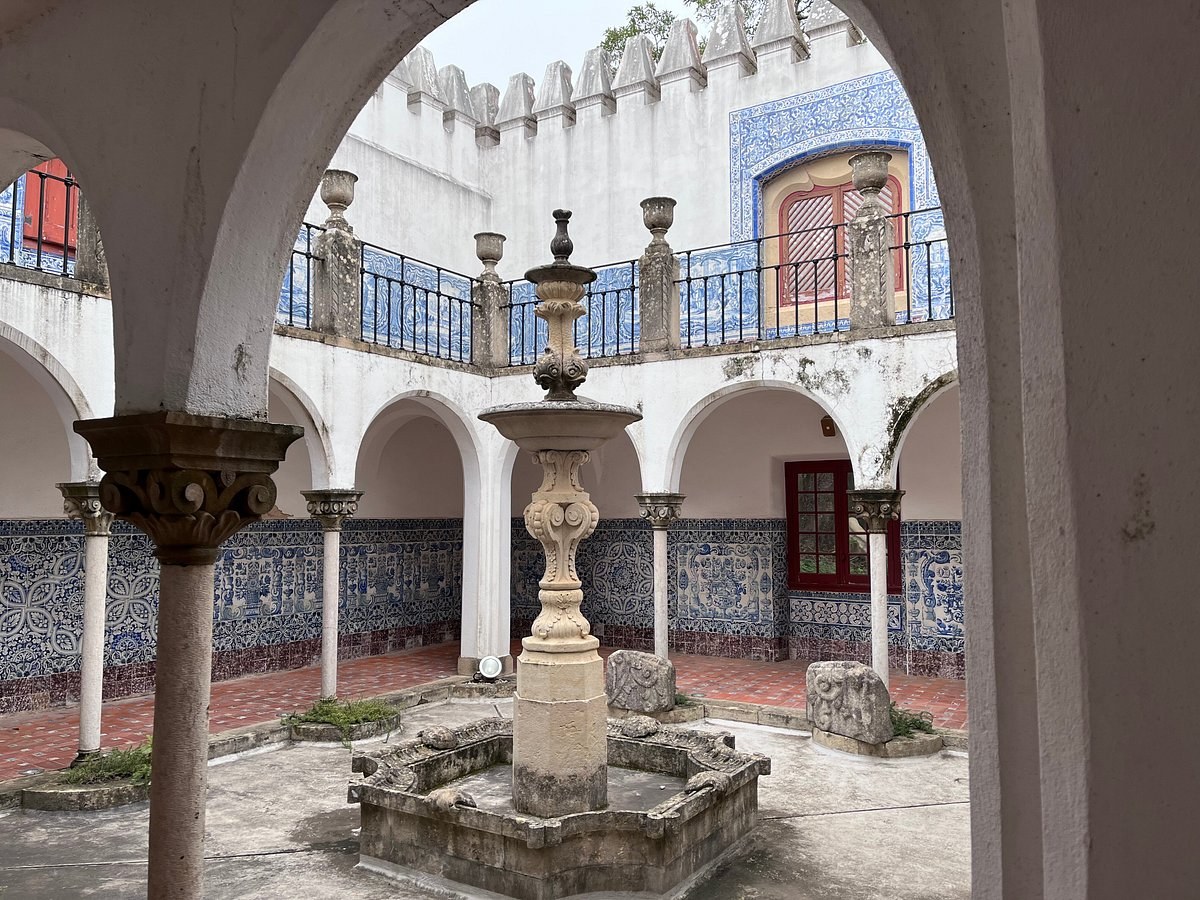 4 mi from Lisbon · land adventureSintra's Forests, Palaces & Coast: A Portuguese Masterpiece
 176 mi from Lisbon · land adventureSalt, Sand and Natural Wine: The Aveiro Coast Done Right