Your cruise
Seven Seas Splendor · 12-night Northern Europe round trip from Southampton
Jun 15 – Jun 27 · 12 nights ·
Day 1 Southampton (board) · Day 2 Willis Island · Day 3 Leith/Edinburgh · Day 4 Invergordon · Day 5 Scrabster · Day 6 Ullapool · Day 7 Willis Island · Day 8 Belfast · Day 9 Liverpool · Day 10 Dun Laoghaire · Day 11 Waterford · Day 12 Willis Island · Day 13 Southampton (step off)
What you do Board a rigid inflatable Zodiac for a close-up circumnavigation of one of the Coral Sea's most remote specks of land. Drift alongside vast nesting colonies of red-footed boobies, frigatebirds and brown noddies — a wildlife spectacle almost no traveller on earth ever witnesses.
What to expect Your Zodiac departs the ship's swim platform and skirts the island's entire coastline at water level, giving you eye-to-eye encounters with seabird colonies that number in the tens of thousands. The guide pauses the engine so you can hear the cacophony of calls and photograph birds in undisturbed flight. Shallow coral gardens glow electric beneath the hull as you round each headland. The round trip typically takes 90–120 minutes, leaving ample buffer before all-aboard.
Good to know Pre-book directly via email well in advance — this is a tender-only island and Zodiac capacity is strictly capped. Wear non-marking soles, bring a hat and reef-safe sunscreen. Confirm your ship's all-aboard time and allow 30 minutes' return buffer.
Versus the ship tour An intimate, expert-led small-group Zodiac — never more than 12 guests — means you can idle silently within metres of nesting birds and low reef outcrops that larger vessels simply cannot access, guided by a marine biologist who narrates every species in real time.
What you do Slip beneath the surface of some of the least-dived water on the planet — the Coral Sea surrounding Willis Island, hundreds of kilometres from the nearest coast. Visibility regularly exceeds 30 metres, revealing walls of hard coral, reef sharks, giant trevally and undisturbed sea-turtle feeding grounds.
What to expect Guests kit up in a purpose-equipped dive room and giant-stride into waters of extraordinary clarity. The reef structures here are pristine — no bleaching, no crowds — and the sheer biomass of pelagic life reflects the island's status as a protected marine reserve. Drift snorkelling across shallow coral plateaus, you are likely to encounter hawksbill turtles grazing, schools of chevron barracuda and the flash of a reef whaler in the blue. Safety divers and guides remain in the water throughout.
Good to know Swimming competency is required; full snorkel equipment is provided. Confirm landing and in-water permissions with the Australian Bureau of Meteorology station keeper in advance — access can be subject to weather and conservation protocols. Bring a rash vest for UV protection.
Versus the ship tour Mike Ball operates the definitive liveaboard expeditions to the Coral Sea's outer reefs, with certified dive guides who have logged thousands of hours specifically on these formations. Group size is tightly managed, and every dive brief is site-specific — the antithesis of a mass-market snorkel.
book direct with Mike Ball Dive Expeditions (Townsville/Cairns — Coral Sea specialists) → · the full guide →
What you do Step ashore — one of only a handful of visitors ever permitted — and receive a private briefing inside Australia's most remote operational weather station. The data collected here has guided cyclone warnings across Queensland for over a century; it is a living piece of scientific history.
What to expect After a short Zodiac transfer to the beach, you walk across the coral-rubble islet — the entire thing is barely 400 metres across — to the weatherboard station compound. The duty meteorologist explains the island's role in tracking Coral Sea cyclogenesis, shows you the instrument arrays and balloon launch facilities, and fields questions with refreshing candour. The sense of absolute remoteness — no roads, no shops, just science and sea — is profoundly affecting. Visits are brief (30–45 minutes) out of respect for operations.
Good to know Landing is at the discretion of BOM and sea conditions; it is never guaranteed. Wear closed shoes for the coral-rubble foreshore. Do not touch or enter any instrument enclosures. This is one of cruising's rarest privileges — treat it accordingly.
Versus the ship tour Landing on Willis Island is granted to very few vessels per year and always requires advance coordination with the BOM. The briefing is delivered by the station's resident meteorologist — one of Australia's most isolated postings — lending an authenticity and depth no third-party guide could replicate.
What you do Join a dedicated marine naturalist on a slow, deliberate circuit of Willis Island's offshore waters — prime habitat for dwarf minke whales, spinner dolphins, red-tailed tropicbirds and occasional whale sharks. This is expedition-grade wildlife observation in one of Earth's most intact marine environments.
What to expect The excursion runs in the calm conditions that typically prevail in the lee of the island, with the naturalist briefing the group on cetacean behaviour before departure. Spinner dolphins frequently bow-ride the vessel's wake, while tropicbirds trace lazy arcs overhead trailing their extraordinary white tail streamers. In season (June–September), dwarf minke whales approach curious vessels with remarkable boldness. The naturalist's running identification and ecological commentary transforms an already astonishing scene into a masterclass in Coral Sea ecology.
Good to know Bring image-stabilised binoculars if you own them — loaner binoculars are available but limited. A polarised lens filter dramatically improves underwater wildlife sighting from the deck. Morning cruises yield the best light and the calmest seas.
Versus the ship tour Coral Expeditions' marine naturalists carry years of Coral Sea field experience and use hydrophones and binoculars to locate and interpret marine megafauna well beyond what a casual deck scan achieves. Groups are capped at 20, ensuring every guest has unobstructed sightlines and personalised commentary.
book direct with Coral Expeditions (Australia's premium expedition cruise specialist) → · the full guide →
What you do Combine world-class snorkelling with a dedicated underwater photography tuition session led by a professional marine photographer. The pellucid, undisturbed waters around Willis Island provide a studio backdrop that professionals travel half a year to reach — and you are already here.
What to expect After a 20-minute on-deck briefing covering exposure, buoyancy control for photography and coral-safe positioning, the group enters the water with the lead photographer. Each participant is given real-time feedback via underwater slates and post-dive screen reviews. The reef here hosts nudibranchs, juvenile turtles and extraordinary soft-coral detail that rewards close, patient framing. By the final dive, guests leave with a curated set of images that would pass muster in any travel magazine.
Good to know Bring your own mirrorless or compact camera with an underwater housing if possible; hire housings are limited. Basic snorkel competency required. Maximum group size of 6 is strictly enforced — book your place the moment you board the ship.
Versus the ship tour A professional marine photographer leads groups of no more than six, providing personalised composition coaching in real time — in the water, beside you. The combination of tuition and a location almost nobody else will ever photograph makes every frame genuinely irreplaceable.
What you do Rise before the rest of the ship and join an ornithologist-guide for a dawn landing on Willis Island — arguably the most exclusive birdwatching address in the Southern Hemisphere. The island hosts one of Australia's largest documented seabird colonies, and first light is when it erupts into extraordinary life.
What to expect The Zodiac lands on the coral-rubble beach just as the sky softens to indigo. Within seconds, frigatebirds begin their courtship displays, inflating scarlet throat pouches while brown boobies jostle on nesting scrapes metres from your feet. The ornithologist narrates the scene with infectious expertise, calling species by name as they lift and wheel overhead in their thousands. The island's absolute silence — broken only by wind and wings — produces a meditative quality that experienced travellers consistently describe as one of cruising's most affecting moments.
Good to know Landing is subject to BOM approval and sea-state — pre-register your interest at the expedition desk on day one of the voyage. Wear dark, non-reflective clothing to avoid disturbing nesting birds. Carry a long lens (200mm+ equivalent) for perched-bird shots. Soft-soled shoes protect both the coral-rubble substrate and your footing.
Versus the ship tour A qualified ornithologist leads a structured census-style walk, naming every species, explaining colony dynamics and pointing out nesting behaviours that an untrained eye would miss entirely. The pre-sunrise timing means you experience the island in its rawest, most atmospheric state — long before the day-trippers (there are none) arrive.
book direct with Coral Expeditions (Australia's premium expedition cruise specialist) → · the full guide →
What you do Just over an hour from the ship, walk up to the 5,000-year-old stone circle that is the most iconic prehistoric monument on Earth, then drive to Salisbury to stand before one of only four surviving 1215 originals of Magna Carta beneath Britain's tallest cathedral spire. This is the textbook Southampton port day and the single thing a first-timer would most regret skipping. English Heritage entry is timed-ticket only, so a direct operator who pre-books your slot and paces the day to your all-aboard time is what actually gets you inside.
What to expect You'll depart Southampton and drive just over an hour to Stonehenge, where you walk directly up to the 5,000-year-old stone circle—the most iconic prehistoric monument on Earth—with a guided perspective on this timeless landmark. From there, it's a short drive to Salisbury Cathedral, where you stand beneath Britain's tallest spire to view one of only four surviving original 1215 Magna Carta documents, a moment of profound historical weight. The pace is calibrated throughout to your all-aboard time, and your private vehicle with driver-guide ensures you move at your own rhythm rather than waiting for a 40-person coach to reassemble. You'll return to the ship with both major entries completed, the cultural textbook Southampton port day checked off.
Good to know English Heritage entry to Stonehenge is timed-ticket only; Southampton Tours pre-books your slot as part of the package, which is essential to guarantee access on busy days. The 6-hour tour window fits comfortably within a standard 8-hour port day, with your driver-guide coordinating return timing to your ship's all-aboard. Groups of 4–7 will pay £145–£199 per person (roughly $185–$203) with both entries and air-conditioned transport included; book ahead directly with Southampton Tours rather than through the ship's 40-person coach if your group meets the minimum. The operator offers a formal cruise-return guarantee in writing—they cover next-port travel if you ever miss the ship, providing peace of mind on timing.
Versus the ship tour Direct wins clearly. The ship's Stonehenge & Salisbury coach tour runs $179-$229/pp, and you share a 40-person bus on its schedule. Here a group of 6-7 pays roughly $185-$203/pp for a private vehicle with both entries included and a written get-you-back guarantee. Solo or as a couple the ship coach is actually the better value, so this card is for groups of 4 or more.
What you do An entire UNESCO World Heritage city built around Britain's only natural hot springs, where you walk the same Roman baths still fed by steaming spring water, beneath honey-stone Georgian crescents straight out of Jane Austen and Bridgerton. Many rank it the most beautiful city in England. It is a longer day (~1.5 hrs each way) so an operator who paces the drive to your all-aboard time matters.
What to expect You'll drive roughly 1.5 hours inland to arrive in Bath's honey-stone heart, where you'll walk the Roman Baths—an ancient complex still fed by steaming natural hot springs—before ascending into Georgian crescents and terraces that look lifted from a Jane Austen novel. The city unfolds at a human pace: Roman history underfoot, Regency elegance overhead, and those iconic honey-coloured stone facades that have made Bath consistently ranked as England's most beautiful city. Your driver-guide controls the rhythm of the day, pacing the route and your time away from the pier so you make your all-aboard window without stress.
Good to know Confirm your ship's all-aboard time before booking—the Bath + Stonehenge 8-hour combo is tighter than the Bath + Cotswolds option, and a 1.5-hour return drive means no margin for error. Book the Roman Baths entry (~£28/$36) directly once you've secured your tour, as it's not bundled into the operator fee. Your private driver and vehicle are included in the ~$190–$250/pp cost, making this far cheaper and more flexible than ship-run premium combos at $300–$400+/pp. Factor 3 hours minimum for Bath itself (Roman Baths + walking the crescents), leaving 1.5 hours on each end for driving, ensuring you're back at the pier with a comfortable buffer before all-aboard.
Versus the ship tour Direct wins on access and pacing. Bath is rarely sold as a standalone ship excursion from Southampton and when bundled into premium full-day combos it runs $300-$400+/pp. A private Bath day at ~$190/pp plus your own Roman Baths ticket is both cheaper and far more flexible. Mind the 8-hour length: confirm your ship's all-aboard before booking the Stonehenge combo version.
What you do Southampton IS the Titanic's home port: she sailed from Berth 44 on 10 April 1912, and most of the crew who died were Sotonians. This award-winning guided walk leaves on foot right from Town Quay by the cruise terminals (no coach) and threads the White Star Line offices, the Grapes pub where firemen famously missed the sailing, and the memorials. For anyone who knows the story, walking the actual streets where it happened is moving and almost free on a tight port day.
What to expect You step off the gangway at Town Quay and begin walking immediately—no coach, no waiting—threading through Southampton's historic streets with your guide. You'll stand at the White Star Line offices where the Titanic's fate was managed, visit the Grapes pub where firemen fatefully missed the 10 April 1912 sailing, and pause at memorials dedicated to the local crew who perished. The walking route is intimate and grounded: you're tracing the actual streets where the story unfolded, hearing period details and crew narratives as you move through the port district. Over roughly two hours, the rhythm builds from administrative sites to human moments, ending with a deeper understanding of why this ship's story belongs so deeply to Southampton.
Good to know Book ahead online via Walsh Tours (use code DIRECT for 10% off) and choose either the 10:00am or 2:30pm departure; both fit comfortably within a 6–8 hour port day, leaving a 90-minute buffer before all-aboard. The tour departs directly from Town Quay beside the cruise terminal—no transport needed—and costs £16/pp (~$20), making it easy to return to the ship in time. Bring comfortable walking shoes and a camera; the tour includes photography privileges and offers pub/tavern discounts along the route. At roughly two hours, this excursion is one of the shortest and closest to the ship you can book, ideal if you're timing a tight turnaround or prefer to stay near your gangway.
Versus the ship tour Direct wins overwhelmingly. The ship's Southampton/Winchester city tour runs $80-$130/pp for a coach panoramic. This is the actual Titanic story, on foot, from beside your gangway, for about $20/pp. The only thing the ship adds is a bus seat you do not need here, since the whole walk starts at the terminal.
book direct with Walsh Tours (guide Brian Walsh) → · the full guide →
What you do Southampton's own backyard wilderness: a 1,000-year-old royal hunting forest created by William the Conqueror, where wild ponies, deer and cattle roam free across heath and ancient oak, just minutes from the ship. The most quintessentially English countryside on a short port day, with a stop at Beaulieu on the river. Ideal for travelers who would rather see living landscape and free-roaming animals than monuments.
What to expect Your private coach departs the Southampton pier and within minutes enters the New Forest—William the Conqueror's ancient 1,000-year-old hunting domain—where wild ponies, deer, and cattle move freely across open heath and gnarled oak woodland. You'll spend the heart of the day immersed in this living landscape, observing free-roaming animals in their natural habitat, the rhythms of the English countryside unfolding at ground level rather than behind glass. A stop at Beaulieu on the river gives you a chance to step out and experience the waterside setting before the journey continues. The day winds down with a drive to Salisbury Cathedral (entry included), a chance to view one of England's finest Gothic monuments, before your driver-guide returns you to the ship with time built in for a safe turnaround.
Good to know Departures run on your group's schedule from the Southampton pier, with 6–8 hour tours giving you roughly 4–5 hours in the New Forest itself and 1–2 hours at Salisbury Cathedral; book the Beaulieu Motor Museum or Palace House in advance if those interest you, as they're separate admissions. Your private vehicle picks you up directly from the cruise terminal—no waiting for a coach—so factor in only a 15-minute buffer before the posted return time. Dress in layers and bring waterproof jackets; the New Forest is exposed moorland where weather changes quickly and there's no shelter while spotting wildlife. The cruise-return guarantee means if your ship departs early, the operator covers your transport back, so you can book with confidence even on a tight port schedule.
Versus the ship tour Direct wins for groups. The ship's New Forest & Beaulieu scenic coach runs $130-$200/pp on its own schedule. A private vehicle at ~$134-$152/pp for 6-7 people undercuts that and adds Salisbury. As a solo traveler the per-head private price climbs, so the ship coach is the smarter buy for one or two; this card shines at 4+.
What you do The definitive Titanic museum, opened in 2012 for the disaster's centenary and built around the city's own loss. Its interactive 'Southampton's Titanic Story' uses real passenger and crew records, a vast working model of the ship, and the actual disaster-inquiry courtroom. Walkable from the port and the perfect rainy-day or short-window option that pairs with the Titanic walk to complete the story the city is famous for.
What to expect You walk out of the terminal and head straight into Southampton's city center—a 15–20 minute stroll that itself becomes part of the journey. Once inside SeaCity Museum, you're immersed in interactive stations built around real passenger and crew records, a sprawling working model of the Titanic, and the actual courtroom from the disaster inquiry, each exhibit drawing you deeper into the human story of the ship and the city that built and lost it. The rhythm is unhurried and self-paced; there's no coach departure window or strict schedule, so you move through at your own speed, lingering over the objects and stories that grip you. You exit with the definitive Titanic narrative, especially Southampton's own role—and you're minutes from the port the entire time.
Good to know In a 6–8 hour port day, allocate 2–2.5 hours for the museum itself, plus 30–40 minutes round-trip walking and buffer time, keeping you safely back at the ship 1.5–2 hours before departure. The museum sits at the Civic Centre, a walkable 15–20 minutes from the terminals, or take a short cab (£5–10) if time or mobility is tight. Admission is £14.50/adult (student and senior discounts available) and includes both the main Titanic exhibition and Southampton Stories; no advance booking is typically required, but arrive early in your port window to avoid any midday crowds. Dress for British weather and wear comfortable walking shoes—this is fundamentally a walk-and-explore day with zero risk of missing the ship.
Versus the ship tour Direct wins, and it is your low-risk safety net. The ship's city/panoramic tour is $80-$130/pp; here you self-walk to a world-class Titanic museum for about $18.50. No coach, no schedule, no risk of missing the ship since you are minutes from the port. The one thing the ship buys is transport you do not need for a near-port museum.
book direct with SeaCity Museum (Southampton City Council) → · the full guide →
What you do Board a rigid inflatable Zodiac for a close-up circumnavigation of one of the Coral Sea's most remote specks of land. Drift alongside vast nesting colonies of red-footed boobies, frigatebirds and brown noddies — a wildlife spectacle almost no traveller on earth ever witnesses.
What to expect Your Zodiac departs the ship's swim platform and skirts the island's entire coastline at water level, giving you eye-to-eye encounters with seabird colonies that number in the tens of thousands. The guide pauses the engine so you can hear the cacophony of calls and photograph birds in undisturbed flight. Shallow coral gardens glow electric beneath the hull as you round each headland. The round trip typically takes 90–120 minutes, leaving ample buffer before all-aboard.
Good to know Pre-book directly via email well in advance — this is a tender-only island and Zodiac capacity is strictly capped. Wear non-marking soles, bring a hat and reef-safe sunscreen. Confirm your ship's all-aboard time and allow 30 minutes' return buffer.
Versus the ship tour An intimate, expert-led small-group Zodiac — never more than 12 guests — means you can idle silently within metres of nesting birds and low reef outcrops that larger vessels simply cannot access, guided by a marine biologist who narrates every species in real time.
What you do Slip beneath the surface of some of the least-dived water on the planet — the Coral Sea surrounding Willis Island, hundreds of kilometres from the nearest coast. Visibility regularly exceeds 30 metres, revealing walls of hard coral, reef sharks, giant trevally and undisturbed sea-turtle feeding grounds.
What to expect Guests kit up in a purpose-equipped dive room and giant-stride into waters of extraordinary clarity. The reef structures here are pristine — no bleaching, no crowds — and the sheer biomass of pelagic life reflects the island's status as a protected marine reserve. Drift snorkelling across shallow coral plateaus, you are likely to encounter hawksbill turtles grazing, schools of chevron barracuda and the flash of a reef whaler in the blue. Safety divers and guides remain in the water throughout.
Good to know Swimming competency is required; full snorkel equipment is provided. Confirm landing and in-water permissions with the Australian Bureau of Meteorology station keeper in advance — access can be subject to weather and conservation protocols. Bring a rash vest for UV protection.
Versus the ship tour Mike Ball operates the definitive liveaboard expeditions to the Coral Sea's outer reefs, with certified dive guides who have logged thousands of hours specifically on these formations. Group size is tightly managed, and every dive brief is site-specific — the antithesis of a mass-market snorkel.
book direct with Mike Ball Dive Expeditions (Townsville/Cairns — Coral Sea specialists) → · the full guide →
What you do Step ashore — one of only a handful of visitors ever permitted — and receive a private briefing inside Australia's most remote operational weather station. The data collected here has guided cyclone warnings across Queensland for over a century; it is a living piece of scientific history.
What to expect After a short Zodiac transfer to the beach, you walk across the coral-rubble islet — the entire thing is barely 400 metres across — to the weatherboard station compound. The duty meteorologist explains the island's role in tracking Coral Sea cyclogenesis, shows you the instrument arrays and balloon launch facilities, and fields questions with refreshing candour. The sense of absolute remoteness — no roads, no shops, just science and sea — is profoundly affecting. Visits are brief (30–45 minutes) out of respect for operations.
Good to know Landing is at the discretion of BOM and sea conditions; it is never guaranteed. Wear closed shoes for the coral-rubble foreshore. Do not touch or enter any instrument enclosures. This is one of cruising's rarest privileges — treat it accordingly.
Versus the ship tour Landing on Willis Island is granted to very few vessels per year and always requires advance coordination with the BOM. The briefing is delivered by the station's resident meteorologist — one of Australia's most isolated postings — lending an authenticity and depth no third-party guide could replicate.
What you do Join a dedicated marine naturalist on a slow, deliberate circuit of Willis Island's offshore waters — prime habitat for dwarf minke whales, spinner dolphins, red-tailed tropicbirds and occasional whale sharks. This is expedition-grade wildlife observation in one of Earth's most intact marine environments.
What to expect The excursion runs in the calm conditions that typically prevail in the lee of the island, with the naturalist briefing the group on cetacean behaviour before departure. Spinner dolphins frequently bow-ride the vessel's wake, while tropicbirds trace lazy arcs overhead trailing their extraordinary white tail streamers. In season (June–September), dwarf minke whales approach curious vessels with remarkable boldness. The naturalist's running identification and ecological commentary transforms an already astonishing scene into a masterclass in Coral Sea ecology.
Good to know Bring image-stabilised binoculars if you own them — loaner binoculars are available but limited. A polarised lens filter dramatically improves underwater wildlife sighting from the deck. Morning cruises yield the best light and the calmest seas.
Versus the ship tour Coral Expeditions' marine naturalists carry years of Coral Sea field experience and use hydrophones and binoculars to locate and interpret marine megafauna well beyond what a casual deck scan achieves. Groups are capped at 20, ensuring every guest has unobstructed sightlines and personalised commentary.
book direct with Coral Expeditions (Australia's premium expedition cruise specialist) → · the full guide →
What you do Combine world-class snorkelling with a dedicated underwater photography tuition session led by a professional marine photographer. The pellucid, undisturbed waters around Willis Island provide a studio backdrop that professionals travel half a year to reach — and you are already here.
What to expect After a 20-minute on-deck briefing covering exposure, buoyancy control for photography and coral-safe positioning, the group enters the water with the lead photographer. Each participant is given real-time feedback via underwater slates and post-dive screen reviews. The reef here hosts nudibranchs, juvenile turtles and extraordinary soft-coral detail that rewards close, patient framing. By the final dive, guests leave with a curated set of images that would pass muster in any travel magazine.
Good to know Bring your own mirrorless or compact camera with an underwater housing if possible; hire housings are limited. Basic snorkel competency required. Maximum group size of 6 is strictly enforced — book your place the moment you board the ship.
Versus the ship tour A professional marine photographer leads groups of no more than six, providing personalised composition coaching in real time — in the water, beside you. The combination of tuition and a location almost nobody else will ever photograph makes every frame genuinely irreplaceable.
What you do Rise before the rest of the ship and join an ornithologist-guide for a dawn landing on Willis Island — arguably the most exclusive birdwatching address in the Southern Hemisphere. The island hosts one of Australia's largest documented seabird colonies, and first light is when it erupts into extraordinary life.
What to expect The Zodiac lands on the coral-rubble beach just as the sky softens to indigo. Within seconds, frigatebirds begin their courtship displays, inflating scarlet throat pouches while brown boobies jostle on nesting scrapes metres from your feet. The ornithologist narrates the scene with infectious expertise, calling species by name as they lift and wheel overhead in their thousands. The island's absolute silence — broken only by wind and wings — produces a meditative quality that experienced travellers consistently describe as one of cruising's most affecting moments.
Good to know Landing is subject to BOM approval and sea-state — pre-register your interest at the expedition desk on day one of the voyage. Wear dark, non-reflective clothing to avoid disturbing nesting birds. Carry a long lens (200mm+ equivalent) for perched-bird shots. Soft-soled shoes protect both the coral-rubble substrate and your footing.
Versus the ship tour A qualified ornithologist leads a structured census-style walk, naming every species, explaining colony dynamics and pointing out nesting behaviours that an untrained eye would miss entirely. The pre-sunrise timing means you experience the island in its rawest, most atmospheric state — long before the day-trippers (there are none) arrive.
book direct with Coral Expeditions (Australia's premium expedition cruise specialist) → · the full guide →
What you do Stand inside Scotland's most iconic fortress, see the Stone of Destiny and dazzling Crown Jewels, then walk the Royal Mile with a private expert guide. A living millennium of Scottish history, all in one extraordinary morning.
What to expect Your guide collects you dockside at Leith and whisks you to the Castle Esplanade, where the fortress rises on its volcanic crag above the city. Inside, you'll explore the Great Hall, St Margaret's Chapel (Edinburgh's oldest building), and the Crown Room housing the Stone of Destiny and Crown Jewels of Scotland. Descend through centuries of cobbled history along the Royal Mile, pausing at closes and kirks your guide knows intimately. Return transfer to the ship is timed precisely to your all-aboard.
Good to know Edinburgh Castle is a 25-minute drive from Leith; book the private transfer to avoid taxi queues. Pre-book castle tickets directly at edinburghcastle.scot to skip ticket lines. Allow at least 3.5–4 hours total. Confirm all-aboard time with your guide on the day.
Versus the ship tour A private, door-to-door luxury vehicle from the cruise pier with a dedicated guide means no queues, no crowds, and total flexibility — linger over the Honours of Scotland as long as you wish, then descend the Royal Mile at your own pace.
book direct with Experienced Tours – Port of Leith Private Shore Excursions → · the full guide →
What you do Step aboard the Queen's beloved floating palace — the Royal Yacht Britannia — moored just minutes from your cruise ship in Leith. Walk the State Rooms, the Sun Lounge, and the royal bedchambers in extraordinary intimate detail.
What to expect Board via the same gangway used by five decades of royal guests and world leaders, audio guide in hand. The self-guided tour reveals the Working Deck engine rooms, the Admiral's Quarters, the State Dining Room where Churchill and Mandela once dined, and the intimate royal family sitting rooms — touching in their simplicity. The on-board Royal Deck Tea Room serves champagne afternoon tea with panoramic views over the Forth. The entire experience feels personal and unhurried.
Good to know Located at Ocean Terminal, Leith — approximately 10 minutes by taxi from the cruise berth. Open daily; last entry 3:30 pm. Pre-book afternoon tea well in advance as it sells out. Allow 2–3 hours for the full experience.
Versus the ship tour Britannia is walkable from the cruise terminal — no bus required. Book the exclusive Royal Deck Tea Room afternoon tea in advance for a truly luxurious, unhurried experience that transforms a museum visit into a royal occasion.
book direct with Royal Yacht Britannia (Official) → · the full guide →
What you do Descend beneath the Royal Mile into a labyrinth of 17th-century streets, homes, and plague-era tenements sealed underground for 300 years. Guided by costumed storytellers, this is Edinburgh's most atmospheric and spine-tingling hidden world.
What to expect Your costumed guide leads you through a series of atmospheric underground closes — alleyways and rooms frozen in time since the 1600s — bringing to life the plague, the merchants, the children, and the secrets buried beneath the city's feet. The stonework, low ceilings, and eerie silence create an immersive experience unlike any conventional museum. Exclusive evening bookings add candlelight, rare archive access, and extended storytelling. Emerging back onto the Royal Mile, Edinburgh feels permanently transformed.
Good to know Located on the Royal Mile, a short walk from Edinburgh Castle — combine both on the same excursion. Pre-booking is essential; timed entry slots fill weeks in advance. Not suitable for guests with severe mobility issues. Allow 75 minutes for the standard tour, 2+ hours for the exclusive experience.
Versus the ship tour The exclusive evening experience offers a private atmospheric descent with a specialist guide, candlelit storytelling, and access to normally closed sections — a genuinely rare encounter with Edinburgh's hidden history that no standard group tour can replicate.
book direct with The Real Mary King's Close (Official) → · the full guide →
What you do Immerse yourself in the world of Scotch whisky at the iconic Experience on the Royal Mile — from a sensory 'ghost of whisky past' barrel ride to a tutored nosing and tasting of the finest single malts. The ultimate dram for connoisseurs.
What to expect Begin with an immersive barrel-ride journey through Scotch whisky's 500-year history before your Ambassador guides you through a curated flight of the four whisky regions — Highlands, Lowlands, Speyside, and Islay. The Platinum experience extends into private tastings from rare expressions, with expert commentary on nose, palate, and finish. The on-site Amber Restaurant pairs seasonal Scottish cuisine with whisky flights, making for a perfectly rounded afternoon.
Good to know Located at the top of the Royal Mile, adjacent to Edinburgh Castle — combine both in a half-day. Leith to Royal Mile is approximately 25 minutes by taxi. Pre-book the Platinum masterclass well in advance. Allow 2 hours for the Gold/Platinum experience. Excellent gift shop for taking home rare bottles.
Versus the ship tour The Platinum private masterclass is led by a Scotch Whisky Ambassador in an intimate setting, with access to the world's largest Scotch whisky collection (over 3,500 bottles). No blended tourist drams — this is single-malt education at its finest.
book direct with The Scotch Whisky Experience (Official) → · the full guide →
What you do Conquer the ancient volcanic summit of Arthur's Seat — Edinburgh's wild mountain in the city — with a private guide who weaves geology, myth, and Jacobite history into every step. The 360° panorama over the city, the Firth of Forth, and beyond is breathtaking.
What to expect Your guide meets you at the base of Holyrood Park, where 350 million years of volcanic geology meet Edinburgh's skyline. The ascent via the Salisbury Crags ridge reveals increasingly spectacular vistas over the Old Town, Arthur's Seat looming above. At the 251-metre summit, the panorama stretches from the Bass Rock to the Pentland Hills, the Firth of Forth shimmering below. Your guide's geological and historical storytelling transforms what looks like a simple hill walk into a genuinely memorable adventure.
Good to know Holyrood Park is a 20-minute taxi from Leith. Wear comfortable walking shoes and a windproof layer — the summit can be breezy even in summer. The full round trip is approximately 2.5–3 hours. Combine with a visit to the adjacent Palace of Holyroodhouse for a full day.
Versus the ship tour A private guide tailors the ascent to your pace and fitness level, choosing the most dramatic route via the Salisbury Crags for jaw-dropping views — and times the summit for the golden hour light that no fixed-departure group tour can guarantee.
book direct with Go Scotland Tours – Walking Tours Edinburgh → · the full guide →
What you do Explore Leith's remarkable transformation from Scotland's great trading port to one of Europe's most celebrated food and culture neighbourhoods — led by local expert Paul on a vivid, story-rich walk from the docks to the Shore. Taste, discover, and fall in love.
What to expect Starting at the cruise pier, Paul walks you along The Shore — Leith's historic waterfront — past 17th-century merchant houses, the old Customs House, and Trinity House, pausing to reveal the port's extraordinary role in Scotland's trading history. The route winds through the craft distillery and brewery quarter, with tastings at artisan producers, before arriving at the neighbourhood's celebrated restaurant strip where Michelin stars cluster alongside legendary seafood shacks. Paul's local knowledge turns every unremarkable corner into a revelation.
Good to know This tour departs directly from the cruise pier — no transfer needed. Allow 2.5–3 hours. Confirm food allergy requirements with the operator at booking. Wear comfortable walking shoes; the route is mostly flat. Perfect as a morning warm-up before heading up to Edinburgh Castle in the afternoon.
Versus the ship tour Led by local Leith guide Paul — who has lived and breathed this neighbourhood for decades — this is an insider's journey through hidden closes, warehouse conversions, and Michelin-starred dining streets that no coach excursion ever reaches.
book direct with Go Scotland Tours – Leith Walking Tour → · the full guide →
What you do Cruise the legendary dark waters of Loch Ness by private boat, then explore the dramatic 13th-century ruins of Urquhart Castle on its cliff-edge perch. The most iconic Highland experience, done at a pace worthy of discerning travelers.
What to expect Your private driver navigates the sweeping A82 along Loch Ness's western shore, a jaw-dropping road with water views at every turn. At Urquhart Castle, a short Jacobite Cruises boat excursion on the loch is optional — scanning for the famous silhouette. The ruined towers of the castle frame one of Scotland's most photographed panoramas. Return through the Black Isle in time for all-aboard.
Good to know Urquhart Castle is 65 miles from Invergordon — allow 1.5 hrs each way. Pre-book castle entry online to skip queues. Confirm all-aboard time and build in 30 min buffer. Jacobite Cruises (jacobite.co.uk) runs 1-hr loch cruises for GBP 16 adult if desired.
Versus the ship tour A private chauffeur-guided transfer means no waiting and completely flexible pace — linger at the castle ramparts or pause for Scotch whisky en route, entirely on your terms.
book direct with Urquhart Castle (Historic Environment Scotland) → · the full guide →
What you do Stand on the haunting moor where Scotland's fate was sealed in 1746, guided by a specialist historian. Then step 4,000 years further back at the mystical Clava Cairns stone circle — two of the most emotionally powerful sites in Britain on one extraordinary day.
What to expect The award-winning NTS visitor centre immerses you in the Jacobite Rising before you step onto the moor itself, where clan grave markers still bear their names. Your guide brings the chaos of the 40-minute battle alive with forensic detail. Clava Cairns, just minutes away, is a perfectly preserved Bronze Age burial site of eerie quiet beauty — almost always crowd-free. The contrast of two civilizations, millennia apart, is unforgettable.
Good to know Culloden is 28 miles from Invergordon — about 40 mins by car. Combine easily in a half-day, leaving time for Inverness or Cawdor Castle. Pre-book NTS entry. Local expert guides can be arranged via Inverness-based Highland guides (visitinvernesslochness.com).
Versus the ship tour A specialist historian guide transforms Culloden from a battlefield walk into a deeply personal narrative — clan stories, tactical maps, and the emotional weight of individual graves that a self-guided visit simply cannot replicate.
book direct with Culloden Battlefield (National Trust for Scotland) → · the full guide →
What you do Marvel at the turreted grandeur of Dunrobin, Scotland's largest northern castle, with its 189 rooms, French-formal gardens, and live falconry displays. Sitting directly above the sea just 45 minutes north of port, this is the closest bucket-list castle to the ship.
What to expect The castle rises like a Loire château above its immaculate parterre gardens and the Dornoch Firth beyond. State rooms display Meissen porcelain, Louis XV furniture, and big-game trophies that speak to centuries of aristocratic excess. The falconry demonstration in the gardens is theatrical and surprisingly moving — birds of prey launched at speed over manicured hedgerows. Allow time to explore the private museum of Sutherland estate artefacts.
Good to know Only 45 miles north of Invergordon — one of the easiest high-reward excursions from port. Falconry shows run at 11:30 and 14:00 (check dunrobincastle.co.uk for seasonal schedule). Open April–October. Easy half-day, leaving afternoon free.
Versus the ship tour Dunrobin's intimate scale means even on busy days the gilded state rooms never feel crowded. The falconry display — hawks launched over the topiary gardens against a sea backdrop — is a moment you will not forget.
book direct with Dunrobin Castle & Gardens → · the full guide →
What you do Go behind the scenes at one of the Highlands' most prestigious single malt distilleries — Glen Ord (Diageo's hidden gem) or the ultra-luxurious Dalmore — for a private VIP tour and tutored tasting of rare expressions. The definitive Highland luxury experience.
What to expect Dalmore sits dramatically on the Cromarty Firth just 14 miles from port — one of Scotland's most beautifully located distilleries. The VIP experience takes you through the copper stills, bonded warehouses, and into a private tasting of 12, 18, and rare 25-year expressions. Your host explains the unique stag-crest heritage and sherry-cask maturation philosophy. Finish with a bespoke bottling option — your name on a bottle of single malt to take home.
Good to know Dalmore is 14 miles from Invergordon — approx 20 mins. Pre-book VIP experiences directly via thedalmore.com well in advance; they are limited. Glen Ord (malts.com) is 18 miles away and excellent as an alternative or second stop. Distilleries have on-site shops for bottle purchases.
Versus the ship tour Private and small-group VIP tasting sessions at Dalmore allow access to aged expressions and limited releases unavailable anywhere else — poured by a brand ambassador in the distillery's own atmospheric tasting room.
What you do Venture deep into Britain's largest national park on a private wildlife safari, scanning for red deer, osprey, red squirrel, and the rare Scottish wildcat across ancient Caledonian pine forest and open moorland. Raw Highland wilderness, utterly unspoiled.
What to expect Your expert guide drives a high-clearance 4WD into open moorland above the tree line, stopping at hides and viewpoints known only to local specialists. Binoculars and spotting scopes are provided — red kites, ospreys, and golden eagles are regular sightings. The silence and scale of the Cairngorm plateau is humbling. A picnic lunch in a pine-forest clearing, with no other visitors in sight, completes an immersion in truly wild Scotland.
Good to know Highland Safaris (Perthshire-based) can arrange meet-and-greet from Invergordon. Allow a full day for Cairngorms — approx 90 mins drive. Best wildlife hours are early morning; coordinate with all-aboard time carefully. Layered clothing essential year-round.
Versus the ship tour A dedicated wildlife guide with specialist optics, decades of field knowledge, and a private 4WD takes you to locations and elevations that standard tours never reach — the chance of seeing a red deer stag at close quarters is genuinely high.
What you do Explore the enchanting 14th-century Cawdor Castle — immortalised by Shakespeare as Macbeth's stronghold — set within three extraordinary private gardens. One of Scotland's most beautifully lived-in castles, still owned by the Cawdor family.
What to expect The castle's interior is a delight of Flemish tapestries, ancient weapons, and family portraits punctuated by witty hand-written commentary from the late Earl — unexpectedly charming and completely unlike a typical stately home. The Flower Garden, Walled Garden, and Wild Garden each have a distinct character; the latter a woodland walk of primroses and burn-side paths. The legendary hawthorn tree growing in the castle's dungeon — the reason, legend says, Cawdor was built — is a genuine curiosity. Finish with tea in the castle tearoom.
Good to know Cawdor is 32 miles from Invergordon — about 50 mins. Pairs beautifully with Culloden (10 miles apart) for a full Highland history day. Open May–October; confirm dates at cawdorcastle.com. No pre-booking required for entry but private driver should be arranged in advance.
Versus the ship tour Unlike state-run heritage sites, Cawdor is privately owned and deeply personal — the family's eccentrically decorated rooms, sardonic wall plaques, and immaculate walled garden create a sense of being a privileged guest rather than a tourist.
book direct with Cawdor Castle & Gardens → · the full guide →
What you do Sail to Orkney on the morning NorthLink ferry, then explore Skara Brae, the Ring of Brodgar, and Kirkwall's St Magnus Cathedral with a private local guide. A UNESCO-level day that redefines ancient history.
What to expect The NorthLink ferry departs Scrabster at 08:45, arriving Stromness in about 90 minutes. Your private guide meets you dockside and takes you to Skara Brae's remarkably preserved stone-age village, the stone circles of Brodgar and Stenness, and Kirkwall's magnificent Norse cathedral. The ferry returns in the afternoon, timing perfectly with all-aboard. Pre-booking Skara Brae tickets on the Historic Environment Scotland website is essential.
Good to know Ferry departs 08:45, returns ~17:30 — verify against your ship's all-aboard time. Book Skara Brae tickets in advance at historicenvironment.scot. Wildabout Orkney private tours should be booked weeks ahead in season. Bring layers; Orkney weather is famously changeable.
Versus the ship tour Wildabout Orkney's expert archaeologist-guides grant intimate, unhurried access to 5,000-year-old Neolithic sites — including Skara Brae, which must be pre-booked — in a small private group with no coach crowds, offering scholarly depth impossible on a large tour.
What you do Visit the beloved Highland home of HM Queen Elizabeth The Queen Mother — the Castle of Mey — with its walled gardens and sea views over the Pentland Firth, on a private chauffeured tour of Caithness. A royal landmark unlike anywhere else in Scotland.
What to expect Your private guide collects you at the pier and whisks you along the dramatic north coast to the Castle of Mey, the only private residence ever purchased and restored by a member of the Royal Family. Explore the beautifully maintained walled gardens and the castle's personal royal interiors. The guide weaves in the history of Caithness, pointing out sea stacks and Pictish heritage along the coast road. The pace is entirely yours.
Good to know Castle of Mey is typically open May–late September; confirm dates at castleofmey.org.uk. The castle is about 12 miles east of Scrabster. Book your private transfer well in advance. Pre-purchase castle entry at castleofmey.org.uk to skip queues.
Versus the ship tour A private chauffeured experience means you linger in the walled gardens at your own pace, hear intimate royal stories from a local guide, and combine the castle with other Caithness gems — no fixed coach schedule, no crowds.
book direct with Caithness Horizons / Local Private Hire via RobbieMac Tours → · the full guide →
What you do Stand at Britain's most dramatic coastal edge: Duncansby Head's soaring sea stacks and razor-edged geo formations, followed by the iconic John o' Groats signpost. A private guided drive along the very top of the British mainland.
What to expect Your driver-guide heads east along the Caithness coast, stopping at clifftops with staggering views over the Pentland Firth to Orkney. At Duncansby Head, a short walk leads to arguably Scotland's most spectacular sea-stack vista — towering sandstone needles rising from a churning sea. John o' Groats provides the classic 'top of Britain' photo moment. The return journey can include Castle of Mey or Thurso's Caithness heritage, entirely at your discretion.
Good to know The walk to Duncansby sea stacks is about 1 mile round-trip on a coastal path — wear sturdy shoes. The tour is approximately 9 hours; confirm your ship's all-aboard before booking. Private group pricing covers up to 4 passengers; larger groups require a second vehicle.
Versus the ship tour This private tour allows an unhurried clifftop walk to the sea stacks at Duncansby — the true photographic highlight that most visitors miss entirely — rather than just a stop at the busy signpost. The guide calibrates the pace to your group, adding hidden viewpoints along the way.
book direct with Top of the Highlands Private Tours (via GetYourGuide direct operator) → · the full guide →
What you do Drive to the true northernmost point of mainland Britain — a windswept headland where Robert Stevenson's lighthouse surveys the Pentland Firth and, on clear days, the Orkney Islands. Raw, elemental, and profoundly remote.
What to expect Your private guide drives you through Dunnet Bay — one of Scotland's finest beaches — and up onto Dunnet Head, where the 1831 Robert Stevenson lighthouse stands sentinel over the ferocious Pentland Firth. In summer, the clifftops are alive with puffins, guillemots, and razorbills nesting mere metres from the path. On a clear day, Orkney is visible across the water. The guide contextualises the extraordinary geography and history of this overlooked headland.
Good to know Dunnet Head is about 10 miles east of Scrabster — an easy half-day excursion that pairs well with a Thurso town visit. Puffins are present approximately May–July. The headland road is single-track; private vehicle access is far preferable to a coach. Book Little Scottish Treasures well in advance for summer sailings.
Versus the ship tour Little Scottish Treasures' award-winning private guides bring the geology, seabird colonies (puffins in season), and Stevenson lighthouse heritage to vivid life — turning what could be a windswept drive into a genuinely moving encounter with the edge of Britain.
book direct with Little Scottish Treasures Private Guided Tours → · the full guide →
What you do Lace up and walk straight from the pier along wild cliffside paths to the Holburn Head Lighthouse, perched above the crashing Pentland Firth — no transfer needed, pure Highland coastal drama on your own doorstep.
What to expect The well-trodden coastal path from Scrabster Pier to Holburn Head Lighthouse is approximately 2 miles round-trip, taking 60–90 minutes at a leisurely pace. The route hugs dramatic sea cliffs above the churning Pentland Firth, with sweeping views toward Dunnet Head and Orkney. The lighthouse itself is a handsome historic structure and the clifftop wildflowers in summer are extraordinary. Return to the pier with time to browse Scrabster harbour and watch fishing boats unload the day's catch.
Good to know Wear sturdy walking shoes and a windproof layer — the Pentland Firth creates its own fierce microclimate even on fair days. The path is well-defined but can be muddy. This excursion is perfectly timed for passengers who want guaranteed return well before all-aboard. No pre-booking needed.
Versus the ship tour The beauty of this walk is total independence: you leave the ship, turn left, and within minutes you are alone on dramatic cliffs above one of Europe's most powerful tidal straits. No guide, no bus, no schedule — just raw Scottish coastal scenery at your own pace.
book direct with Self-guided (Scrabster Pier departure) — no booking required → · the full guide →
What you do Visit Old Pulteney — the 'Maritime Malt' — in Wick, one of Scotland's most characterful and northerly single malts, shaped by Atlantic sea air and a fierce fishing heritage. A private distillery experience for serious whisky lovers.
What to expect A private transfer (approx. 20 minutes from Scrabster) brings you to the harbour town of Wick and the Old Pulteney distillery, where a knowledgeable guide leads you through the production process from malting to barrel maturation in Atlantic sea-air warehouses. The premium tasting session includes expressions across different ages and cask finishes, with expert commentary pairing the whisky's character to Wick's extraordinary maritime past. The distillery shop stocks rare bottlings unavailable elsewhere.
Good to know Pre-book the Premium Tasting Experience directly at oldpulteney.com — standard tours can sell out in peak season. Arrange private transport from Scrabster to Wick (approx. GBP 80–100 return via a local taxi or private hire). Wick is about 17 miles from Scrabster; allow 4–5 hours total for transport plus the distillery experience. Confirm your all-aboard time carefully.
Versus the ship tour Old Pulteney is a working distillery steeped in the history of Wick's herring-fishing boom — an intimate, authentic experience far removed from the polished 'whisky tourism' of better-known distilleries. The maritime influence on the spirit is palpable and the guides are genuine enthusiasts who share the real story of this remarkable community.
book direct with Old Pulteney Distillery (official) → · the full guide →
What you do A private, chauffeured journey through the North West Highlands UNESCO Global Geopark, culminating at the haunting ruins of Ardvreck Castle on Loch Assynt. Ancient geology, epic Highland vistas, and a 16th-century castle reflected in still water — utterly unforgettable.
What to expect Your private guide collects you at the pier and begins with a panoramic sweep around Ullapool before heading deep into the North West Highlands UNESCO Global Geopark, where Torridonian sandstone mountains rise from some of the oldest rock on Earth. The ruined towers of Ardvreck Castle emerge dramatically from the shore of Loch Assynt, a setting that has captivated artists and explorers for centuries. Your guide weaves in the castle's turbulent clan history — the betrayal of the Marquess of Montrose among the darkest chapters — before returning you comfortably to the ship with time to spare.
Good to know Book directly with Inverness Tours well in advance of your cruise date, as private vehicles are limited. Confirm your ship's all-aboard time with the operator so the itinerary is timed precisely. Layered clothing and waterproofs recommended regardless of forecast.
Versus the ship tour Fully private, door-to-door service in an air-conditioned vehicle with a knowledgeable local guide who tailors the pace and stops entirely to your group — no coaches, no crowds, no compromises.
What you do Board a small expedition vessel from Ullapool's pier and sail into the pristine archipelago of the Summer Isles. Scan for dolphins, minke whales, puffins, and grey seals against a backdrop of cloud-draped Highland peaks — Scotland's wildlife at its most raw and accessible.
What to expect Departing directly from Ullapool's working fishing harbour, the boat weaves through the mouth of Loch Broom into open Atlantic waters flanked by the Beinn Mòr Coigach massif. The Summer Isles are a designated Special Area of Conservation — expect grey seals hauled out on skerries, gannet plunge-diving overhead, and on lucky days, a minke whale breaking the surface. The skipper narrates the natural and human history of these once-inhabited islands, including the abandoned settlement on Tanera Mòr, Scotland's last privately owned post office island. Landings on Tanera Mòr are possible on select sailings.
Good to know Boats depart from Ullapool pier — a short walk from where cruise tenders land. Sailings are weather-dependent; book early and confirm the morning of. Bring a windproof layer and binoculars. Allow 2.5–3 hours; confirm scheduling fits your all-aboard time.
Versus the ship tour Small-boat intimacy means you are close to the water and the wildlife, with a skipper whose knowledge of these waters spans decades. The Summer Isles are inaccessible to larger vessels — this is genuinely exclusive territory.
What you do Stand on a Victorian suspension bridge above one of Britain's finest box canyons, then sweep south to the blush-pink sands of Gruinard Bay for a coastal panorama that defines the Highlands. A private half-day of geological drama and wild coastal beauty.
What to expect The drive south from Ullapool through Wester Ross is itself a revelation — single-track roads threading between sea lochs and ancient Caledonian pine remnants. Corrieshalloch Gorge, a National Nature Reserve, opens up with near-vertical walls of Lewisian gneiss plunging to the thundering Falls of Measach below; the original Victorian suspension bridge, built in 1874, sways gently underfoot for a theatrical thrill. The tour then winds to Gruinard Bay, whose pale pink quartzite sands feel entirely private against an azure bay. Your guide explains the bay's extraordinary WWII history — it was used for anthrax testing and only decontaminated in 1987.
Good to know The gorge path involves steps and can be slippery — wear sturdy footwear. This is a half-day tour, leaving ample time before all-aboard. Book directly with Inverness Tours and specify your ship's departure time when reserving.
Versus the ship tour Private vehicle and guide means unhurried time at each location — linger on the bridge over the 60-metre gorge, or sit quietly on Gruinard Bay's deserted pink sands, without a tour group in sight.
What you do Explore one of the world's great gardens — a lush, sub-tropical oasis of Himalayan rhododendrons, Chilean fire trees, and New Zealand tree ferns on the shore of Loch Ewe, at the same latitude as Moscow. An otherworldly masterpiece created from bare Highland rock.
What to expect The garden occupies a sheltered peninsula on the shores of Loch Ewe, warmed by the Gulf Stream against all Highland logic. Osgood Mackenzie began creating it from bare rock and moorland in 1862; today its woodland walks reveal Giant Himalayan lilies, tree ferns from the southern hemisphere, and rare rhododendrons ablaze with colour from April through June. The lochside setting frames every vista with water and mountain, and the restored 19th-century walled kitchen garden is a horticultural gem. An NTS garden guide can be arranged to walk with small groups for deeper botanical insight.
Good to know Inverewe is approximately one hour's drive south of Ullapool — arrange private transport (Inverness Tours or similar) to combine with another Wester Ross stop. Allow 1.5–2 hours in the garden. Check NTS opening times for your date at nts.org.uk. Peak bloom: May–June.
Versus the ship tour Arriving by private car rather than coach lets you spend as long as you wish among the 2,500 plant species, explore hidden pathways, and take a private guided tour of the walled garden with an NTS ranger — an intimate experience impossible in a large group.
book direct with National Trust for Scotland – Inverewe Garden → · the full guide →
What you do Delve into Ullapool's fascinating story with a private, expert-led walk through the planned fishing village, from the 1788 British Fisheries Society grid streets to the harbour where Loch Broom herring fleets once anchored. Intimate, unhurried, and full of Highland character.
What to expect Ullapool was purpose-built in 1788 as a model fishing village by the British Fisheries Society, and its grid of whitewashed cottages retains that Georgian clarity to this day. Your guide brings the town vividly to life — the Lochbroom herring boom, the Clearances that emptied surrounding glens and filled the emigrant ships, the Cold War-era 'Klondykers' (factory ships from the Soviet bloc) that once moored in the harbour. The tour takes in the award-winning Ullapool Museum, the pier, and hidden corners the independent visitor walks straight past. Finish at a harbour-side café for a dram and further conversation with your guide.
Good to know Tours depart from Ullapool pier — ideal for cruise passengers. Duration approximately 2 hours, keeping you well within all-aboard. Book directly at ullapooltours.com and specify your ship's arrival time. Flat, accessible route suitable for most fitness levels.
Versus the ship tour A true local expert leads the tour — this is not a generic walking route but a curated, story-rich private experience shaped around your group's interests, with the freedom to linger where curiosity takes you.
What you do The grandest sweep of Wester Ross by private vehicle: ruined clan castles, deserted white-sand beaches, and jaw-dropping coastal panoramas across to the Outer Hebrides. The quintessential Highland bucket-list day, curated entirely for your group.
What to expect This full-day private tour begins with a panoramic circuit of Ullapool itself before heading into the coastal grandeur of Wester Ross — a landscape of Torridonian mountains, sea lochs, and Atlantic beaches that rivals anything in Europe. Highlights include Ardvreck Castle's atmospheric lochside ruins, sweeping white-sand beaches backed by machair meadows, and elevated viewpoints across the Minch to the silhouettes of Lewis and Harris on clear days. Your guide navigates single-track roads with ease, sharing stories of clan warfare, clearances, and the geological forces that sculpted this ancient landscape over 3 billion years.
Good to know This is a full-day commitment — confirm your ship's all-aboard time with the operator before booking so the route is timed precisely. Inverness Tours will collect you directly from the pier. Wear layers and waterproofs; conditions change rapidly in the Highlands. Book as far in advance as possible.
Versus the ship tour Private vehicle, local expert guide, and a fully flexible itinerary shaped to your group's pace — stops are yours to choose, linger, and photograph at leisure, with no other passengers sharing the experience.
What you do Stand on 40,000 interlocking basalt columns plunging into the North Atlantic — Northern Ireland's only UNESCO World Heritage Site. A private chauffeured tour along the breathtaking Antrim Coast Road makes this the definitive bucket-list day from Belfast.
What to expect Your private guide collects you directly from Belfast Port in a premium vehicle and whisks you up the stunning Antrim Coastal Road, pausing at Dark Hedges and Carrick-a-Rede Rope Bridge before arriving at the Giant's Causeway. With no group itinerary to follow, you can linger on the colonnade rocks at low tide, walk the cliff-top path for panoramic Atlantic views, and dive deep into the volcanic mythology with your guide. The return journey winds through the Glens of Antrim, with stops tailored entirely to your interests.
Good to know Full day: typically 8–9 hours. Pre-book well in advance — private vehicles fill up fast on port days. Confirm your all-aboard time and share it with your driver; Belfast Causeway Tours are experienced with cruise schedules and guarantee port returns.
Versus the ship tour Fully private, chauffeured in a luxury vehicle with a dedicated local expert guide — your pace, your stops, no group waiting. Includes hidden coastal viewpoints and Carrick-a-Rede Rope Bridge at your leisure.
book direct with Belfast Causeway Tours → · the full guide →
What you do Walk the very slipways where RMS Titanic was built and step inside the world's largest Titanic museum for an immersive, nine-gallery journey through her design, launch, and fateful maiden voyage. With a private guide, every exhibit comes alive.
What to expect Titanic Belfast sits on the exact footprint of the shipyard where she was constructed, and the building itself — its four prow-shaped facades echoing the hull — is architectural theatre before you've even entered. Inside, you descend through nine world-class galleries spanning the Belfast industrial boom, the ship's construction via a dramatic 'ride' through the slipways, the opulent interiors, and the haunting wreck footage. A private guide weaves personal stories of the 3,000 Belfast workers who built her, making this far more than a museum visit — it becomes a story of a city.
Good to know Titanic Belfast is roughly 10–15 minutes from Belfast Port by taxi. Allow 2.5–3 hours minimum. Book entry tickets directly on the official website to avoid sold-out dates; arrange your private guide separately through the museum's group bookings team. Located right in the Titanic Quarter.
Versus the ship tour Combine official priority-entry tickets with a pre-booked private expert guide for a deeply personal experience — no queues, no crowds, and the freedom to dwell in the galleries that move you most.
book direct with Titanic Belfast (official) → · the full guide →
What you do Northern Ireland was the primary filming location for Game of Thrones, and this landmark studio experience — housed in the original Linen Mill Studios in Banbridge — holds the world's largest collection of original costumes, sets, and props from the series.
What to expect Set in the actual studios where HBO filmed for a decade, the tour takes you through vast, atmospheric set recreations — the smoke-filled Great Hall, the chilling Night's Watch headquarters, and the towering Iron Throne room. Original costumes for Daenerys, Cersei, and Jon Snow are displayed in forensic detail, and interactive stations let you try a crossbow, sit the Iron Throne, and handle authentic props. The depth of craft on display is staggering; this is as much about the artistry of storytelling as it is fan service.
Good to know Banbridge is approximately 30 miles south of Belfast Port — allow 45 minutes each way by private transfer. Timed entry tickets MUST be pre-booked on the official website; walk-ups are not accepted. A half-day excursion: 3–4 hours on site. Factor travel time carefully against your all-aboard.
Versus the ship tour Timed entry keeps crowd density genuinely low — you walk through Iron Throne rooms, the Great Hall of Dragonstone, and original costume vaults without the crush of a theme park. An unmissable pilgrimage for any fan of the series.
book direct with Game of Thrones Studio Tour (official) → · the full guide →
What you do Explore the Falls Road and Shankill Road murals with a local guide who lived through The Troubles — an intimate, frank, and deeply human exploration of Belfast's divided past and remarkable present-day peace. Utterly unique to this city.
What to expect Your guide leads you on foot through the working-class neighbourhoods of West Belfast, past towering painted murals that serve as open-air political manifestos, memorials, and peace declarations. You'll cross through the Peace Gates in the 'Peace Wall' — the still-standing barrier dividing communities — and hear unfiltered perspectives from both the Nationalist and Unionist traditions. The conversation is candid, nuanced, and deeply respectful; you leave with a far richer understanding of modern Ireland and the fragile, hard-won peace that underpins it.
Good to know The Falls and Shankill Roads are roughly 15–20 minutes from Belfast Port by taxi. Tours typically run 2–3 hours — highly manageable within a port day. Private tours can be arranged to match your exact schedule. No prior knowledge of Irish history required — guides pitch the narrative to your group.
Versus the ship tour Guides are locals with first-hand connection to the communities on both sides of the Peace Wall — their personal testimony transforms a walk among murals into one of the most emotionally powerful experiences in Europe.
What you do Step inside Belfast's magnificent Baroque Revival City Hall for an expert-guided tour of its grand marble chambers, then lose yourself in the vibrant Victorian iron-and-glass St George's Market — one of the finest covered markets in Europe.
What to expect The guided tour of City Hall takes you through ornate council chambers, the Great Hall with its soaring stained-glass windows, and the poignant Titanic memorial garden — your guide bringing to life Belfast's transformation from industrial powerhouse to vibrant European capital. A short stroll away, St George's Market (operating since 1604 and a listed building itself) delivers a symphony of local artisan produce, fresh seafood, handcrafted goods, and live traditional music on Saturdays and Sundays. It is the city's true social heartbeat and an unmissable sensory experience.
Good to know City Hall is a 20-minute walk or 10-minute taxi from Belfast Port — perfectly central. Guided City Hall tours run at set times; check belfastcity.gov.uk and pre-book to guarantee your slot. St George's Market operates Fri–Sun (best on Saturday and Sunday mornings). A superb half-day combination leaving the afternoon free.
Versus the ship tour A beautifully curated half-day in the heart of Belfast's city centre — superb architecture, compelling civic history, and the sensory pleasure of a world-class artisan market, all walkable and entirely at your own luxury pace.
book direct with Belfast City Council – City Hall Tours (official) → · the full guide →
What you do Hike to the volcanic basalt summit of Cave Hill — the dramatic natural crown above Belfast — for a sweeping panorama over the city, Belfast Lough, and the Antrim Hills. The profile that inspired Jonathan Swift's Gulliver's Travels lies beneath your feet.
What to expect The trail from Belfast Castle (a fine Neo-Norman landmark worth a brief stop en route) climbs steadily through ancient woodland before opening onto open basalt moorland with increasingly dramatic views. At the summit — McArt's Fort, an Iron Age promontory fort — Belfast Lough stretches to the Irish Sea, the city grid lies below, and on clear days Scotland's Mull of Kintyre is visible across the water. The hike takes 2–3 hours return and requires comfortable walking shoes; the reward is a perspective on Belfast that few visitors ever earn.
Good to know Belfast Castle (the trailhead) is approximately 15–20 minutes by taxi from Belfast Port. The round trip is roughly 5–6 km with 200m elevation gain — moderate fitness required. Go early to beat midday visitors and maximise clear-sky views. Check weather forecasts the morning of your port call; the summit can be misty in low cloud.
Versus the ship tour Raw, wild, and completely free of tourist infrastructure — Cave Hill offers the rare gift of genuine solitude above a European capital. The view from McArt's Fort (Napoleon's Nose) is one of the most spectacular urban panoramas in the British Isles.
book direct with Visit Belfast (official destination guide & self-guided trails) → · the full guide →
What you do Venture into the wild Wicklow Mountains to the glacial valley of Glendalough, where a 6th-century monastic city rises from mirrored lakes. A private guide brings the ancient landscape and Ireland's spiritual heritage to vivid life.
What to expect Your guide collects you at the pier and winds south through the Sally Gap, the most dramatic mountain pass in Leinster. At Glendalough, you walk the monastic city with commentary that weaves early Christian history, Celtic mythology, and geology. There is time to hike the lakeside boardwalk for reflections of St Kevin's Church in still water. The return can include a stop at a Wicklow village pub for a proper Irish lunch.
Good to know Glendalough is approx. 1 hr 15 min from Dún Laoghaire. A full day is 6–7 hrs; confirm all-aboard time with your ship and communicate it to the operator. Pre-book well in advance — private vehicles are limited. Comfortable walking shoes and a waterproof layer are essential.
Versus the ship tour Entirely private, door-to-door from Dún Laoghaire port, with a dedicated expert guide and a pace entirely your own — lingering at Upper and Lower Lake, the Round Tower, and hidden valley trails that a group coach never reaches.
book direct with Experienced Tours Ireland → · the full guide →
What you do Stand before Ireland's greatest treasure — the illuminated Book of Kells — inside the magnificent Long Room of Trinity College Dublin, home to 200,000 ancient texts. With a private guide, the experience transcends a standard visit.
What to expect The DART train from Dún Laoghaire to Pearse Station takes just 18 minutes — one of Ireland's great city approaches. Your guide meets you at the college gates and leads you through the cobbled Front Square before entering the Old Library. The Long Room's towering oak galleries and 2,000-year-old marble busts are genuinely breathtaking. Allow time afterward for a coffee in the Fellow's Square or a stroll through Merrion Square.
Good to know Book timed-entry tickets directly on the Trinity website well in advance — they sell out weeks ahead in summer. The DART from Dún Laoghaire pier takes 18 min (EUR 3.75 each way). Allow 3–4 hrs total. The exhibition is indoors and weather-proof.
Versus the ship tour Pre-booking your timed-entry ticket guarantees access without queuing; paired with a private Trinity-accredited guide, you receive scholarly context on the 9th-century manuscript's iconography, the Long Room's barrel-vaulted splendour, and the college's 430-year history.
book direct with Trinity College Dublin (Official) → · the full guide →
What you do Explore one of Europe's greatest garden estates — 47 acres of Italianate terraces, Japanese gardens, and sculpted parkland with the Wicklow Mountains as a backdrop — then visit Ireland's highest waterfall, just 6 km away.
What to expect The drive south through County Wicklow unfolds into wooded demesne lanes and then the grand sweep of Powerscourt's entrance. The terraced gardens descend toward a Triton pool with Sugar Loaf Mountain behind — one of the most photographed vistas in Ireland. The walled kitchen garden and the rose garden reward slow exploration. Powerscourt Waterfall, a 121-metre plunge through ancient oak woodland, is a short drive and utterly tranquil.
Good to know Powerscourt is approx. 30 min from Dún Laoghaire by private car. Half-day excursion (gardens + waterfall) is comfortably 4–5 hrs. The estate's café is excellent for lunch. Pre-purchase garden tickets on the Powerscourt website to save time at the gate.
Versus the ship tour The estate is uncrowded mid-morning; arriving privately lets you set your own pace across all four garden zones, take tea in the award-winning Avoca café inside the 18th-century mansion, and include the waterfall as a second stop — a combination that time-pressed group tours rarely achieve.
book direct with Powerscourt Estate (Official) → · the full guide →
What you do Trace the 265-year story of Arthur Guinness inside the world's most visited beverage experience — a seven-storey atrium built inside the original 1904 fermentation vessel — crowned by a 360° panoramic pour at the Gravity Bar.
What to expect The Storehouse is a 35-minute taxi or Luas tram ride from Dún Laoghaire. You move through floors dedicated to water, barley, hops, and yeast before reaching the cooperage and advertising archive — genuinely fascinating even for non-beer drinkers. The Gravity Bar delivers an unbroken 360° panorama of Dublin with your pint in hand. The Connoisseur session is capped at a small number of guests for an unhurried, immersive experience.
Good to know Book the Connoisseur or Gravity Bar Exclusive experiences directly on the Guinness Storehouse website well in advance — these sell out. Allow 2.5–3 hrs total. The Luas Red Line (Heuston direction) from Connolly connects, or take a taxi/rideshare (approx. EUR 25–30 from Dún Laoghaire).
Versus the ship tour The Connoisseur Experience is a small-group, expert-led tutored tasting with a Guinness-trained host who walks you through the raw ingredients, brewing science, and the sensory ritual of the perfect pint — a world apart from a self-guided walk-through.
What you do Begin your morning inside the Martello tower where James Joyce opened Ulysses, then walk the legendary East Pier with a literary guide, taking in the harbour, Killiney Bay, and the soul of the Irish Riviera.
What to expect The Martello tower at Sandycove is compact, intimate, and loaded with atmosphere — first editions, manuscripts, and Joyce's personal effects fill the round stone room. Your guide then leads you along the East Pier, one of the great Victorian promenades, with views across to Howth Head and the Dublin Mountains. The pier walk returns past Dún Laoghaire's colourful sailing club and the National Maritime Museum, with time for a scoop from Teddy's Ice Cream — a local institution since 1950.
Good to know The Tower is a 10-min walk from the pier along the coastal path. Confirm opening hours directly with the museum — seasonal variations apply. The full walk and tower visit is 2.5–3 hrs, easily completed before a midday all-aboard. No special footwear needed; the pier is paved.
Versus the ship tour The Tower is a five-minute stroll from the pier — no transfer required — making this the most spontaneous yet genuinely literary bucket-list experience in port. A private guide unlocks the Joycean symbolism of the tower room, the rooftop view over Dublin Bay, and the costal path that inspired the opening of one of literature's greatest novels.
book direct with James Joyce Tower & Museum (Official) → · the full guide →
What you do Discover Ireland's seafaring soul inside a magnificent 1837 Mariners' Church, housing the optic from the Baily Lighthouse and artefacts spanning Viking trade routes to Transatlantic crossings — all in a strikingly beautiful space.
What to expect The museum occupies a gloriously intact Victorian church just a 10-minute walk from the pier. The centrepiece is the Baily Lighthouse optic — a towering, prismatic Fresnel lens that once guided ships into Dublin Bay. Exhibits range from a Napoleonic longboat to artefacts from the ill-fated German submarine U-19. The curator's commentary on Ireland's relationship with the sea — emigration, trade, and rescue — is moving and memorable. A visit pairs beautifully with the coastal walk and James Joyce Tower.
Good to know Located on Haigh Terrace, Dún Laoghaire — a 10-min walk from the pier. Contact the museum directly to arrange a private guided session (mariner.ie). Allow 1.5–2 hrs. The museum is entirely within reach for passengers with a late-morning or afternoon all-aboard.
Versus the ship tour A pre-arranged private guided session with one of the museum's expert curators transforms a local gem into an extraordinary encounter — personal storytelling, hands-on access to the enormous Baily Optic, and the chance to hear tales of Irish maritime history that never make the mainstream tourist trail.
book direct with National Maritime Museum of Ireland (Official) → · the full guide →
What you do Step behind the velvet rope at the world's most celebrated crystal house for an exclusive private tour. Watch master craftspeople transform molten glass into heirloom pieces — blowing, cutting, and engraving by hand — then browse the showroom for a piece that's uniquely yours.
What to expect Your private guide leads you through the working factory floor where you'll witness every stage of the crystal-making process up close — glassblowers shaping incandescent orbs, cutters etching intricate patterns by hand, and engravers signing each piece. The intimacy of a private group means you can linger, ask questions, and truly absorb the artistry. Afterwards, browse the flagship showroom — the world's largest Waterford Crystal retail collection — for a bespoke keepsake. Engraving and personalisation services are available on site.
Good to know Pre-book the private tour directly by contacting houseofwaterford.com well in advance — private slots are limited and popular on port days. The factory is a short 10-minute walk from the cruise berth on the quays. Allow 1.5–2 hours. Check the all-aboard time carefully; the city centre location makes this very manageable.
Versus the ship tour The private tour grants exclusive floor access with a dedicated crystal expert — no crowds, no rush — and includes insider commentary on centuries-old techniques unavailable on any standard visit. You leave with a deeply personal connection to Ireland's most iconic luxury craft.
book direct with House of Waterford Crystal (official) → · the full guide →
What you do Strap on a VR headset and be transported to 914 AD as a Viking warrior defending Waterford — Ireland's oldest city — in this multi-award-winning immersive experience. Cutting-edge technology brings the Norse founders of 'Vadrefjord' to vivid, thundering life.
What to expect Donning VR headsets, you become a Viking settler navigating the streets of 10th-century Waterford — hearing Norse battle cries, watching longships arrive, and making decisions that shaped a city. The experience is expertly narrated and blends archaeology with cinematic storytelling. After the VR journey, the wider exhibition features authentic Viking artefacts and interactive displays that deepen the context. The whole experience sits inside the Viking Triangle, Waterford's compact medieval quarter.
Good to know Located in the Viking Triangle, a 10–15 minute walk from the port. Combine with the Medieval Museum and Reginald's Tower next door for a full morning in the Triangle. Pre-booking online is recommended on busy port days. Allow 45–60 minutes for the VR experience alone.
Versus the ship tour This is the only Viking virtual-reality experience of its kind in Ireland — a fully immersive, technology-driven journey that places you inside the founding moment of Europe's oldest Viking settlement. It's visceral, surprising, and completely unlike any museum walkthrough.
book direct with Waterford Treasures / King of the Vikings (official) → · the full guide →
What you do Join an expert local historian for the definitive walking tour of the Viking Triangle — Waterford's medieval heart — taking in Reginald's Tower, the Medieval Museum, and the Bishop's Palace in one seamless, story-rich journey through 1,100 years of Irish history.
What to expect Your guide weaves you through cobbled Viking-era streets, pausing at Reginald's Tower — Ireland's oldest civic building, dating to 1003 AD — before entering the Medieval Museum to stand before the Great Charter Roll and the 15th-century Mayor's Sword. The Bishop's Palace reveals Waterford's Georgian golden age through priceless silverware and portraits. Each stop is brought to life with narrative flair that spans Viking raiders, Norman lords, and Georgian merchants. The pace is relaxed and immersive — this is history you feel rather than read.
Good to know The Viking Triangle is 10–15 minutes' walk from the cruise berth. The Freedom of Waterford Ticket is the best-value way to experience all three museums. Allow 2–2.5 hours for the full tour. Pre-book the walking tour slot at waterfordtreasures.com to guarantee your place on busy port days.
Versus the ship tour The Epic Walking Tour is led by Waterford Treasures' own specialist guides — the people who curate these collections — delivering scholarly depth and local storytelling that no generic city tour can match. The Freedom Ticket also unlocks the Medieval Museum's Royal Sword and the Bishop's Palace's Georgian treasures.
book direct with Waterford Treasures (official) → · the full guide →
What you do Explore one of Ireland's greatest privately-owned estates — Curraghmore, home of the Marquess of Waterford — with access to its magnificent formal gardens, ancient woodlands, and a remarkable shell house built by Lady Catherine Power in the 1750s.
What to expect Drive through parkland that has barely changed in centuries to reach the magnificent forecourt of Curraghmore House, set against the River Clodiagh. Wander formal gardens framed by centuries-old yew hedges and herbaceous borders, then descend into the woods to discover the shell house — a baroque fantasy of seashells, mirrors, and stone, entirely encrusted by hand by Lady Catherine herself. The estate's scale and silence feel genuinely removed from the modern world. Wildlife — red squirrels, herons, and otters — frequent the riverside walks.
Good to know Curraghmore is approximately 20km west of Waterford city — hire a private car or taxi for the round trip (approx. 25 minutes each way). Check the estate's seasonal opening days at curraghmoreehouse.ie before your port call, as it is not open every day. Allow 2–2.5 hours on the estate. Book a private car to control your return time relative to all-aboard.
Versus the ship tour Curraghmore is a living, breathing aristocratic estate — still the private home of the de la Poer Beresford family after 800 years — offering an authenticity and grandeur that no 'heritage attraction' can replicate. The shell-encrusted grotto alone is an extraordinary, rarely-seen Irish treasure.
What you do Climb to the lantern room of Hook Lighthouse — over 800 years old and the oldest operational lighthouse in the world — for panoramic views of the Celtic Sea and a guided tour through its medieval tower. An utterly singular piece of maritime history.
What to expect Expert guides lead you up the spiral staircase through the lighthouse's 13th-century Norman tower — each floor revealing original medieval stonework, keeper's quarters, and the mechanics of the light itself. At the lantern room, the panorama sweeps across the estuary to the Saltee Islands and the open Atlantic. The surrounding headland is a dramatic landscape of wave-sculpted rock, tidal pools, and seabirds. The visitor centre below explores the lighthouse's incredible 800-year story of wrecks, rescues, and keeper families.
Good to know Hook Head is approximately 55km from Waterford city — allow 50 minutes by private car or taxi each way. Pre-book guided tour slots at hookheritage.ie, particularly in summer. Allow 1.5 hours at the lighthouse itself. A private car hire is strongly recommended to control timing against your all-aboard. Combine with a stop at Duncannon Fort en route if time allows.
Versus the ship tour Standing at the tip of the Hook Peninsula, this working lighthouse has guided mariners since the 5th century — the very light that helped ships navigate to Waterford long before your vessel's GPS existed. The guided ascent through its medieval vaulted chambers is a genuinely rare architectural and maritime experience.
book direct with Hook Lighthouse (official) → · the full guide →
What you do Paddle through ancient sea caves and dramatic volcanic rock formations along the Copper Coast — a UNESCO Global Geopark — on a small-group guided kayaking adventure. This is Ireland's wild Atlantic geology at its most spectacular, experienced from the water.
What to expect Your RNLI-trained guide introduces you to sit-on-top sea kayaks — no experience necessary — before leading the group out along a coastline of copper-red cliffs, crashing swell, and black basalt sea arches. Ducking into caves where waves echo and light filters through cracks in the rock overhead is genuinely otherworldly. The Copper Coast's UNESCO status reflects its global geological significance — your guide interprets the volcanic history as you paddle. Seal colonies, guillemots, and occasional dolphins frequently join the journey.
Good to know The Copper Coast is approximately 25–35km southwest of Waterford — hire a private car or taxi to Dunmore East or the Copper Coast launch point (approx. 30 minutes). Book directly with the operator well in advance, as small-group slots fill quickly on cruise port days. The 3-hour session requires comfortable timing against all-aboard — plan to depart early. All equipment is provided; wear clothes you don't mind getting wet.
Versus the ship tour A small-group (typically 6–10 persons) expert-led sea kayak expedition into caves and coves that are inaccessible by land or larger boat — an intimate encounter with one of Europe's most geologically extraordinary coastlines. The Copper Coast's 460-million-year-old volcanic cliffs are the real drama here, and you're inside them.
book direct with Dunmore Adventure (official) → · the full guide →
Before you sail · near Southampton
Fly in at least a day early — every seasoned cruiser does, so a delay never costs you the ship. This is what is worth that day within reach of the port.
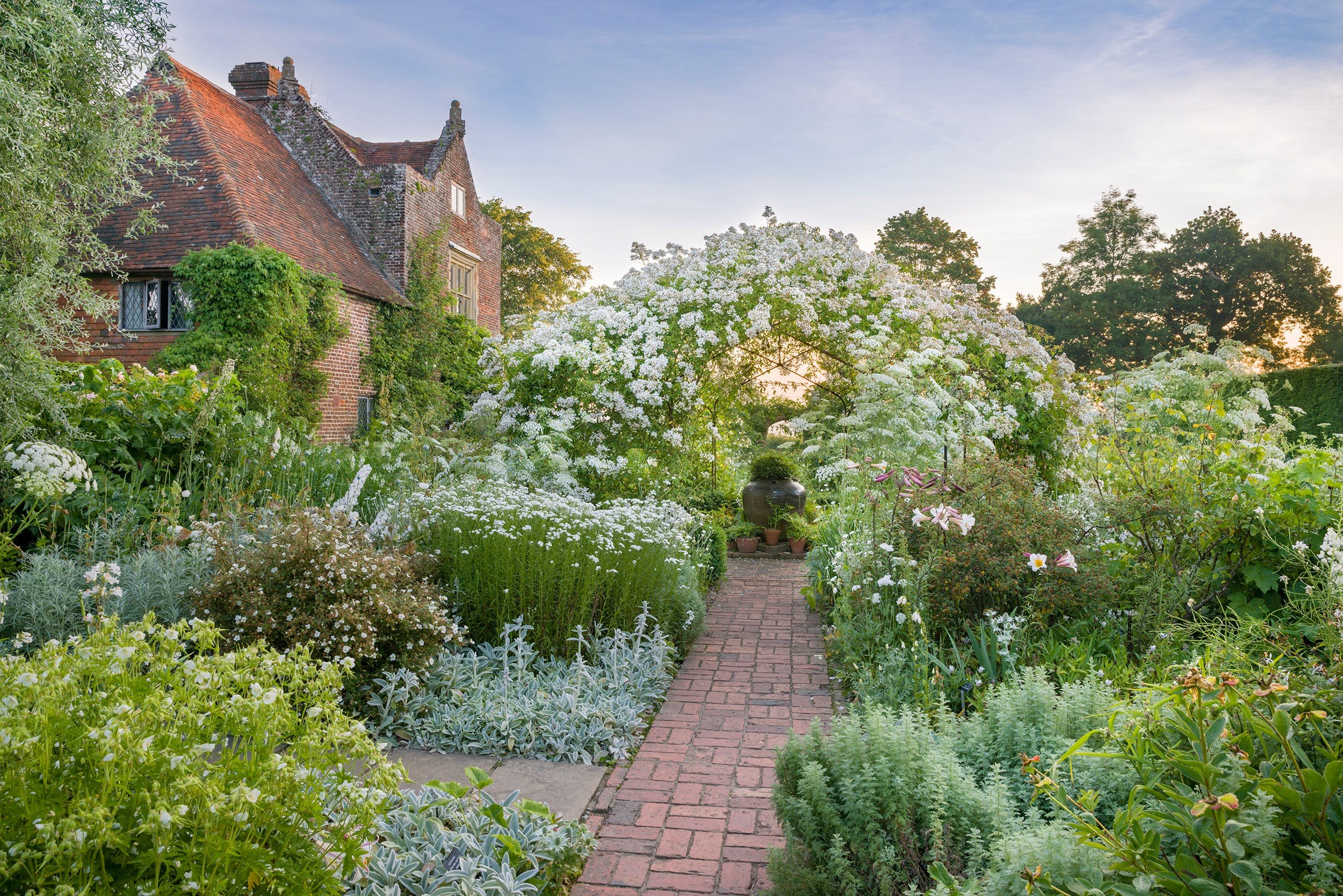 87 mi from SouthamptonSissinghurst Castle Garden: Room-by-Room Garden Design Masterclass
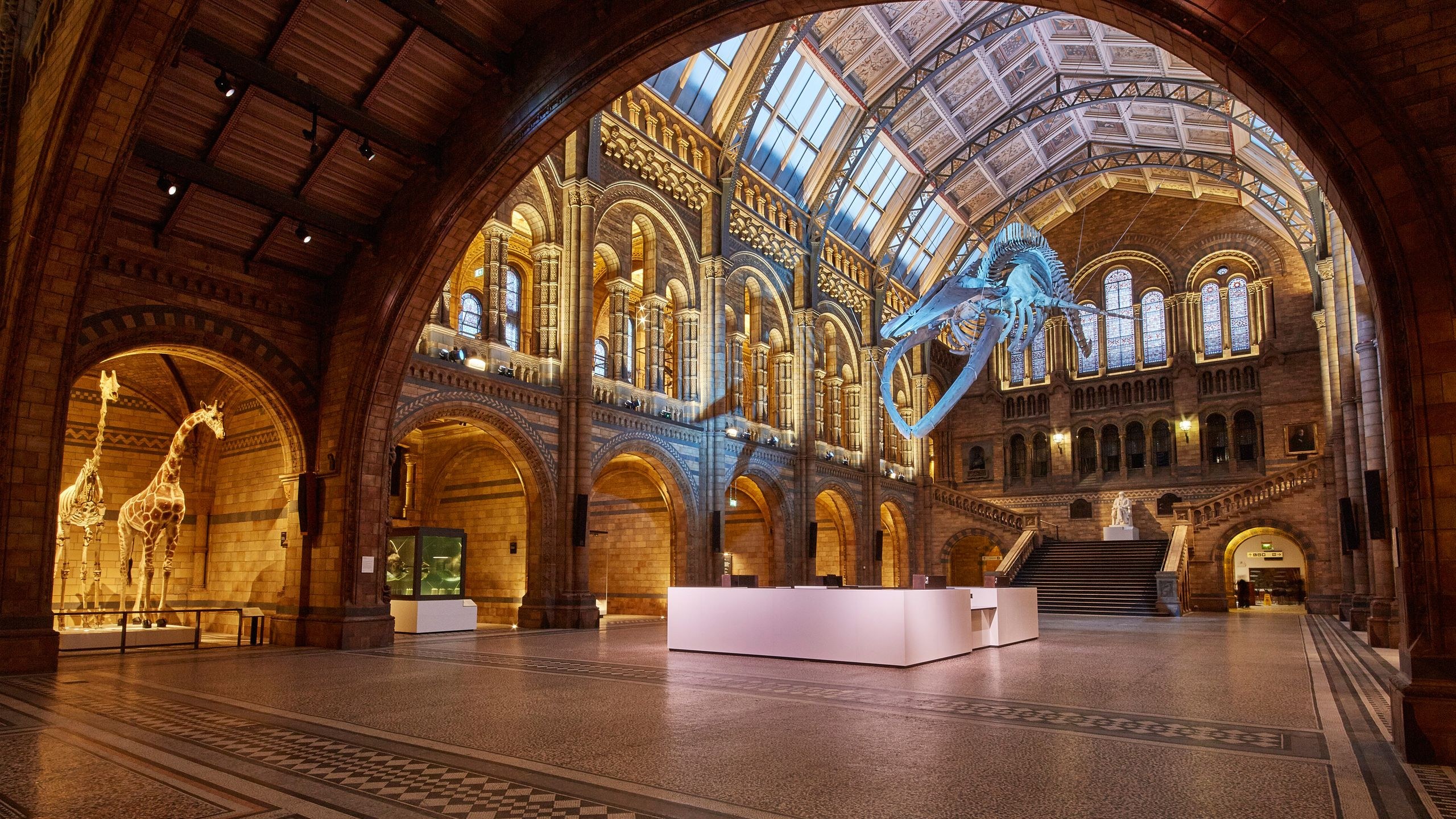 67 mi from SouthamptonNatural History Museum
 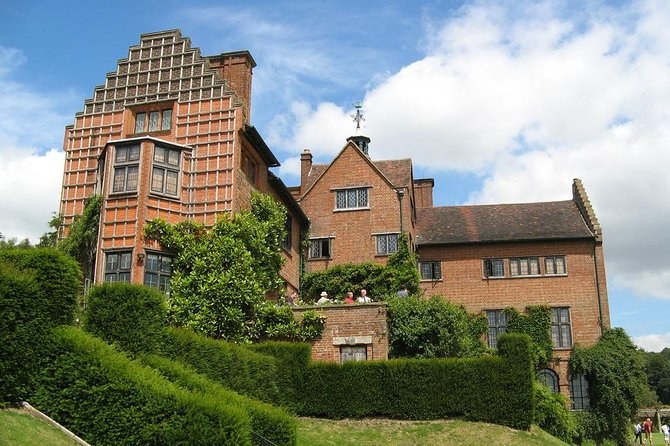 57 mi from Southampton · land adventureChurchill's Kent, Glyndebourne at Dusk & London's Secret Side
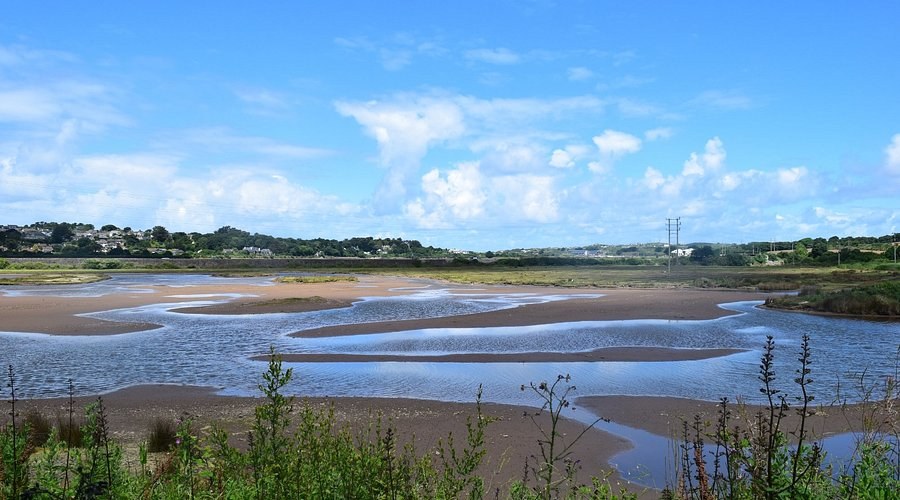 57 mi from Southampton · land adventureCornwall's Wild Coast: Tin Mines, Tidal Castles & Beach Bars
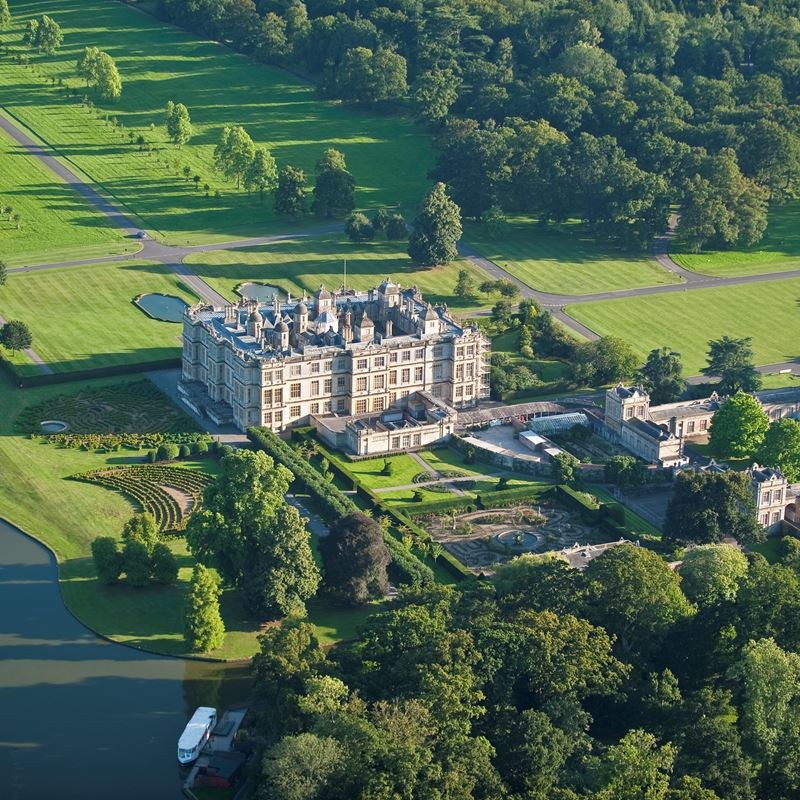 66 mi from Southampton · land adventureGeorgian Bath, Wild Somerset: Limestone, Lions and Lock Flights