Your cruise
Spectrum of the Seas · 8-night Asia cruise, Tokyo to Shanghai
Mar 23 – Mar 31 · 8 nights ·
Day 1 Tokyo (board) · Day 2 at sea · Day 3 Shimizu · Day 4 at sea · Day 5 SASEBO · Day 6 Jeju Island South Korea · Day 7 Busan (Kyongju) · Day 8 at sea · Day 9 Shanghai (step off)
What you do A bespoke private full-day journey to Japan's most iconic landscape — Mt. Fuji and the volcanic wonders of Hakone. Your licensed guide collects you dockside for an unhurried, deeply personal encounter with Japan's sacred peak.
What to expect Your guide meets you directly at Shimizu Port and escorts you in a private vehicle through the Fuji Five Lakes region, stopping at the most photogenic viewpoints of the sacred volcano. You'll visit the torii gate of Hakone Shrine rising from Lake Ashi before exploring the sulphurous steam vents of Owakudani. The pace is entirely yours — a genuine luxury rarely available on group excursions. Every detail, from entry tickets to insider commentary on Shinto traditions, is handled for you.
Good to know Book well in advance — private guides fill quickly on cruise call days. Confirm your ship's all-aboard time with your guide (typically 17:00–18:00); the tour is designed to return you with ample time. Fuji visibility is weather-dependent; a morning departure maximises clear views before afternoon cloud build-up.
Versus the ship tour Fully private vehicle and nationally-licensed multilingual guide tailored entirely to your group — no fixed itinerary, no shared coach, and the flexibility to linger at Fuji viewpoints or Hakone Shrine as long as you wish.
book direct with Japan Guide Agency (J-G-A) → · the full guide →
What you do Glide across mirror-calm Lake Ashi with Mt. Fuji as your backdrop, pass beneath Hakone Shrine's iconic water torii, then feel the earth's raw power at Owakudani's steaming volcanic vents. A quintessential Japan bucket-list day.
What to expect Depart Shimizu Port and ascend into the Hakone caldera, where the air cools and the landscape shifts to cedar forests and steaming vents. At Owakudani, try the legendary black eggs (kuro-tamago) said to add seven years to your life, cooked in the sulphurous springs. A scenic ropeway or sightseeing cruise on Lake Ashi brings you face-to-face with Hakone Shrine's red torii rising from the water — one of Japan's most photographed moments. Your guide ensures you understand the deep spiritual significance of this UNESCO-recognised landscape.
Good to know Owakudani access can be restricted during elevated volcanic activity — your operator will have an alternative plan. Lake Ashi cruises and ropeway tickets are typically included; confirm at booking. Allow a 2–2.5 hour return transfer from Hakone to Shimizu Port.
Versus the ship tour Small-group atmosphere with an expert local guide who weaves Shinto spirituality, volcanic geology, and samurai history into every stop — giving profound context that transforms sightseeing into genuine understanding.
book direct with Japan Shore Excursions → · the full guide →
What you do Ascend to Japan's most ornate Toshogu Shrine — a National Treasure perched atop Mt. Kunozan overlooking Suruga Bay — via a dramatic 1,159-step staircase or scenic ropeway. This is Ieyasu Tokugawa's first resting place, and it is breathtaking.
What to expect The ropeway glides up over forested slopes to reveal sweeping panoramas of Suruga Bay and, on clear days, the full cone of Mt. Fuji beyond. The shrine complex itself is a masterpiece of Momoyama-era architecture — vivid vermilion lacquer, intricate wood carvings, and gilded gates that rival Nikko's famous Toshogu. Inside the treasure museum, Ieyasu's personal armour and artefacts offer a direct line to the samurai age. The descent by stairs through towering cryptomeria forest is a meditative, unforgettable finale.
Good to know Shimizu Station is the nearest hub; combine with a private guide for context. The ropeway closes periodically for maintenance — check ahead. The shrine is just 20–30 minutes from the port by taxi, making it ideal even on a tighter schedule. Wear comfortable shoes for the steps.
Versus the ship tour Arriving independently or with a private guide means you experience the shrine at your own pace — pausing in the incense-hazed silence of its gilded halls, far removed from the rush of timed group visits.
book direct with Kunozan Toshogu Shrine (Official) → · the full guide →
What you do Walk Japan's longest pedestrian suspension bridge — 400 metres of heart-stopping views over Mt. Fuji — then decompress in Shuzenji, Izu's most elegant ancient hot-spring town. Drama and serenity in one extraordinary day.
What to expect The Mishima Skywalk bridge sways gently 70 metres above a river gorge, with Fuji's perfect cone framed ahead of you on clear days — a photograph you will show for the rest of your life. From there, your journey continues to Shuzenji, a hot-spring town that has drawn Zen monks, poets, and nobility for over 1,200 years. Stroll the willow-lined Katsura River, visit the ancient Shuzenji Temple, and enjoy a private kaiseki lunch or onsen footbath at a traditional ryokan. The bamboo grove path is a serene, Instagram-worthy finale.
Good to know Shuzenji is approximately 60–70 minutes from Shimizu Port by private vehicle. Book a private guide to connect both experiences seamlessly and ensure you return to port comfortably. Mishima Skywalk can be busy on weekends — a morning start is strongly advised.
Versus the ship tour The pairing of Mishima Skywalk's adrenaline-laced bridge walk with the refined tranquility of Shuzenji's bamboo groves and ryokan culture is a contrast no standard itinerary offers — curated specifically for discerning travellers.
book direct with Japan Shore Excursions → · the full guide →
What you do Trace the journey of Mt. Fuji's ancient snowmelt from the ethereal curtain of Shiraito Falls — a UNESCO World Heritage site — to the crystal-clear sacred springs of Oshino Hakkai. Nature at its most transcendent, just beyond Fuji's skirts.
What to expect Shiraito Falls cascades in a 150-metre-wide lace curtain of crystalline water — not from a river above, but directly from Fuji's volcanic rock, filtered over centuries through the mountain's ancient lava layers. The sound and sight are otherworldly. From there, Oshino Hakkai's eight ponds each shimmer with impossibly clear Fuji snowmelt, the mountain reflected in their glassy surfaces. Local artisans and food stalls offer Fuji-region delicacies, and your guide provides deep cultural context about Japan's reverence for this living volcano.
Good to know Both sites are approximately 75–90 minutes from Shimizu Port by private vehicle. Shiraito Falls is a short walk from the car park; Oshino Hakkai is flat and easy. Book early morning departures to coincide with the clearest Fuji views. Confirm your all-aboard time when booking — guides here are accustomed to cruise schedules.
Versus the ship tour Small-group or private expert-led access to two of Fuji's most spiritually significant natural sites, with a guide who articulates the profound cultural relationship between Japan and its sacred mountain.
book direct with GetYourGuide (local licensed operator) → · the full guide →
What you do Stand atop Nihondaira — the summit voted Japan's most beautiful viewpoint — and look out over Suruga Bay, Mt. Fuji, and the Izu Peninsula, then walk the ancient pine grove of Miho-no-Matsubara, a UNESCO World Heritage shore of ethereal beauty.
What to expect The Nihondaira Yume Terrace's dramatic cantilevered observation deck delivers a 360-degree panorama that stops even seasoned travellers in their tracks — Fuji to the north, the Pacific to the south, and Shimizu's bay sparkling below. A short ropeway descends to Kunozan Toshogu Shrine if time allows. Then your driver takes you to Miho-no-Matsubara, where 30,000 ancient pine trees line a curved white-sand shore, the air scented with salt and resin. Mt. Fuji rises above the blue bay beyond the pines — the scene immortalised in countless woodblock prints by Hokusai and Hiroshige.
Good to know Both sites are within 20–40 minutes of Shimizu Port, making this ideal for half-day or flexible itineraries. Miho-no-Matsubara is a UNESCO World Heritage component of the 'Fujisan' inscription — bring a camera and allow time to walk its full length. The Yume Terrace is best visited early morning before haze develops.
Versus the ship tour Combining two UNESCO and nationally treasured sites within easy reach of the port — with a guide who brings to life the legend of the celestial maiden (tennyo) said to have danced beneath Miho's pines — makes this a culturally rich, uniquely local experience.
book direct with Japan Shore Excursions → · the full guide →
What you do Explore Tokyo's most iconic districts — Asakusa, Shibuya, Shinjuku and the Imperial Palace — guided by a nationally licensed, multilingual expert on an entirely private itinerary tailored to you. This is Tokyo at your pace, through a connoisseur's eyes.
What to expect Your guide meets you at the terminal and whisks you into Tokyo's layered world: the incense haze of Sensō-ji, the electric scramble at Shibuya Crossing, the raked gravel calm of Imperial Palace East Gardens. Lunch is arranged at a chef-selected restaurant befitting your taste. The day is a seamless private narrative rather than a checklist, ending with enough time to return comfortably before all-aboard.
Good to know Book well in advance — licensed private guides are in high demand. Confirm your ship's all-aboard time so your guide can plan the return; Tokyo International Cruise Terminal (Ariake) is roughly 30–40 min by taxi or direct Yurikamome rail from central Tokyo.
Versus the ship tour A nationally licensed guide — not a megaphone-and-flag group leader — curates every hour around your interests, from Sensō-ji temple rituals at dawn to an omakase lunch in a hidden alley. The group is yours alone, pace is entirely flexible, and the depth of cultural insight is unmatched.
book direct with Japan Guide Association (JGA) – Official Licensed Guides → · the full guide →
What you do Ascend the world's second-tallest structure to 634 metres for a panorama stretching from Mount Fuji to Tokyo Bay. On a clear day the view is simply one of the great urban spectacles on earth.
What to expect A high-speed elevator whisks you to the Tembo Deck at 350 m in under 60 seconds. A second ascent takes you to the Tembo Galleria, a glass-walled spiral walkway at 450 m where the floor disappears beneath your feet over the Tokyo skyline. The adjacent Solamachi shopping and dining complex adds a refined post-visit option before heading back.
Good to know Pre-purchase timed-entry tickets online — they sell out days ahead, especially on weekends. From Tokyo International Cruise Terminal, take the Yurikamome line to Asakusa, then the Tobu Skytree Line — allow 50 min total. Allow 2 hrs for both decks. Confirm weather forecast: Mount Fuji views require clear skies.
Versus the ship tour Skip the intermediary and book direct on the official site for guaranteed timed-entry tickets — the queue for walk-ups can swallow an hour. Pairing both decks gives you the full 634-metre summit glass-floored walkway, a genuinely vertiginous bucket-list moment inaccessible on a standard visit.
book direct with Tokyo Skytree (Official) → · the full guide →
What you do Step inside teamLab Borderless — the world's most visited single-artist museum — where thousands of laser projections dissolve boundaries between art and visitor. There are no maps; every room is a living, breathing, bucket-list spectacle.
What to expect You wander freely through interconnected rooms where waterfalls, forests, and koi ponds exist entirely as light and projection — and shift when you touch them. The 'Athletic Forest' zone challenges the body as much as the mind. No two visits are identical; the art evolves in real time. Budget at least two hours, though most guests lose track of time entirely.
Good to know The new Azabudai Hills venue is a taxi/subway ride from the cruise terminal — allow 40 min. Wear comfortable shoes (some zones involve steps and uneven surfaces). Timed-entry tickets are date- and time-specific; book the earliest slot to leave the afternoon free for other stops. Avoid white clothing as projections can stain perception.
Versus the ship tour teamLab Borderless is the most talked-about cultural experience in Tokyo and tickets routinely sell out weeks ahead — direct booking guarantees your slot. The experience is entirely self-paced and intimate in scale despite the venue's size; no group itinerary can replicate the personal sense of wonder as the art responds to your movement.
book direct with teamLab Borderless Tokyo (Official) → · the full guide →
What you do Explore the legendary Tsukiji Outer Market with a private chef guide who navigates the stalls, sources the finest morning catch, and explains the art of Edomae sushi — ending at a reserved counter for an unforgettable omakase breakfast.
What to expect The morning begins in the alley labyrinth of Tsukiji Outer Market as vendors arrange glistening tuna, sea urchin, and seasonal shellfish. Your chef-guide explains provenance, seasonality, and the knife traditions behind each cut. A tamagoyaki (rolled omelette) master lets you watch the craft up close. The tour culminates at a reserved sushi counter where the chef orders on your behalf — a succession of impossibly fresh nigiri paired with explanations of each piece.
Good to know Tsukiji Outer Market is most vibrant 7–10 am; an early start is essential and pairs well with an early all-aboard schedule. The market is approximately 30 min by taxi from Tokyo International Cruise Terminal. Confirm any dietary restrictions with Context Travel at booking. Sturdy shoes are advised — the alleys are narrow and sometimes wet.
Versus the ship tour Context Travel pairs you with a culinary scholar or professional chef — not a generic guide — for an intellectually rich deep-dive into Japan's seafood culture. The private format means you linger at the stalls that captivate you, taste what the guide selects, and sit down to sushi chosen that morning, not a set tourist menu.
book direct with Context Travel Tokyo – Expert-Led Food Tours → · the full guide →
What you do Walk the ancient cedar-forested approach to Tokyo's most sacred Shinto shrine, then emerge into Harajuku's kaleidoscopic street culture — a single morning that captures the full spiritual and creative soul of Tokyo.
What to expect The 700-metre forested gravel path to Meiji Jingu feels remote despite being at the heart of 14-million-person Tokyo — a genuine hush descends. Your guide explains the daily rituals, points out the sake-barrel wall offered by French wineries, and arranges a quiet moment at the inner shrine. The short walk to Harajuku delivers the visual shock of kawaii fashion and the understated elegance of Omotesandō boutiques — Dior, Louis Vuitton, and local ateliers alike.
Good to know Shoulders and knees should be covered or a scarf carried for the shrine approach. From the cruise terminal, take the Yurikamome to Shimbashi then JR Yamanote Line to Harajuku — approx. 50 min. The combined experience takes 3–4 hours; pairs perfectly with a lunch reservation on Omotesandō. Book your GoWithGuide guide at least 2 weeks ahead.
Versus the ship tour A private local guide from GoWithGuide provides personal context for Shinto ritual — the purification ceremony, the prayer technique, the symbolism of the torii gate — that transforms a walk through a forest into a deeply moving cultural encounter. The segue into Harajuku's Takeshita Street and Omotesandō's luxury flagship stores is seamlessly curated.
book direct with GoWithGuide – Private Tokyo Local Guides → · the full guide →
What you do Ascend the beloved iron icon of Tokyo at golden hour for the exclusive Diamond Tour — access to both the Main Deck at 150 m and the Top Deck at 250 m, limited to just 70 guests per day. A sunset over the Tokyo skyline from here is a memory for life.
What to expect Tokyo Tower glows tangerine and crimson at dusk — a deliberate nod to the Eiffel Tower's evening palette — and from the glass-floor panels of the Top Deck, the city grid fans out to Tokyo Bay and beyond. The Diamond Tour guide explains the tower's 1958 construction story and its role as Tokyo's emotional heartbeat. The lounge offers premium refreshments as the city lights ignite below you.
Good to know Book online the moment your itinerary is confirmed — the 70-person cap sells out fast, especially on weekends and holidays. Tokyo Tower is in Minato, roughly 40 min by taxi from the cruise terminal. Plan to arrive at least 30 min before your slot. A sunset slot (approximately 5–6 pm) is spectacular but confirm your ship's all-aboard time allows for it.
Versus the ship tour The Diamond Tour's 70-person daily cap makes this one of the most exclusive urban viewpoints in Asia. Unlike the open-access main deck, the Top Deck tour includes a dedicated lounge, unhurried time at each level, and a guide — transforming a landmark tick into a genuinely rarefied experience.
book direct with Tokyo Tower (Official) → · the full guide →
What you do A bespoke private full-day journey to Japan's most iconic landscape — Mt. Fuji and the volcanic wonders of Hakone. Your licensed guide collects you dockside for an unhurried, deeply personal encounter with Japan's sacred peak.
What to expect Your guide meets you directly at Shimizu Port and escorts you in a private vehicle through the Fuji Five Lakes region, stopping at the most photogenic viewpoints of the sacred volcano. You'll visit the torii gate of Hakone Shrine rising from Lake Ashi before exploring the sulphurous steam vents of Owakudani. The pace is entirely yours — a genuine luxury rarely available on group excursions. Every detail, from entry tickets to insider commentary on Shinto traditions, is handled for you.
Good to know Book well in advance — private guides fill quickly on cruise call days. Confirm your ship's all-aboard time with your guide (typically 17:00–18:00); the tour is designed to return you with ample time. Fuji visibility is weather-dependent; a morning departure maximises clear views before afternoon cloud build-up.
Versus the ship tour Fully private vehicle and nationally-licensed multilingual guide tailored entirely to your group — no fixed itinerary, no shared coach, and the flexibility to linger at Fuji viewpoints or Hakone Shrine as long as you wish.
book direct with Japan Guide Agency (J-G-A) → · the full guide →
What you do Glide across mirror-calm Lake Ashi with Mt. Fuji as your backdrop, pass beneath Hakone Shrine's iconic water torii, then feel the earth's raw power at Owakudani's steaming volcanic vents. A quintessential Japan bucket-list day.
What to expect Depart Shimizu Port and ascend into the Hakone caldera, where the air cools and the landscape shifts to cedar forests and steaming vents. At Owakudani, try the legendary black eggs (kuro-tamago) said to add seven years to your life, cooked in the sulphurous springs. A scenic ropeway or sightseeing cruise on Lake Ashi brings you face-to-face with Hakone Shrine's red torii rising from the water — one of Japan's most photographed moments. Your guide ensures you understand the deep spiritual significance of this UNESCO-recognised landscape.
Good to know Owakudani access can be restricted during elevated volcanic activity — your operator will have an alternative plan. Lake Ashi cruises and ropeway tickets are typically included; confirm at booking. Allow a 2–2.5 hour return transfer from Hakone to Shimizu Port.
Versus the ship tour Small-group atmosphere with an expert local guide who weaves Shinto spirituality, volcanic geology, and samurai history into every stop — giving profound context that transforms sightseeing into genuine understanding.
book direct with Japan Shore Excursions → · the full guide →
What you do Ascend to Japan's most ornate Toshogu Shrine — a National Treasure perched atop Mt. Kunozan overlooking Suruga Bay — via a dramatic 1,159-step staircase or scenic ropeway. This is Ieyasu Tokugawa's first resting place, and it is breathtaking.
What to expect The ropeway glides up over forested slopes to reveal sweeping panoramas of Suruga Bay and, on clear days, the full cone of Mt. Fuji beyond. The shrine complex itself is a masterpiece of Momoyama-era architecture — vivid vermilion lacquer, intricate wood carvings, and gilded gates that rival Nikko's famous Toshogu. Inside the treasure museum, Ieyasu's personal armour and artefacts offer a direct line to the samurai age. The descent by stairs through towering cryptomeria forest is a meditative, unforgettable finale.
Good to know Shimizu Station is the nearest hub; combine with a private guide for context. The ropeway closes periodically for maintenance — check ahead. The shrine is just 20–30 minutes from the port by taxi, making it ideal even on a tighter schedule. Wear comfortable shoes for the steps.
Versus the ship tour Arriving independently or with a private guide means you experience the shrine at your own pace — pausing in the incense-hazed silence of its gilded halls, far removed from the rush of timed group visits.
book direct with Kunozan Toshogu Shrine (Official) → · the full guide →
What you do Walk Japan's longest pedestrian suspension bridge — 400 metres of heart-stopping views over Mt. Fuji — then decompress in Shuzenji, Izu's most elegant ancient hot-spring town. Drama and serenity in one extraordinary day.
What to expect The Mishima Skywalk bridge sways gently 70 metres above a river gorge, with Fuji's perfect cone framed ahead of you on clear days — a photograph you will show for the rest of your life. From there, your journey continues to Shuzenji, a hot-spring town that has drawn Zen monks, poets, and nobility for over 1,200 years. Stroll the willow-lined Katsura River, visit the ancient Shuzenji Temple, and enjoy a private kaiseki lunch or onsen footbath at a traditional ryokan. The bamboo grove path is a serene, Instagram-worthy finale.
Good to know Shuzenji is approximately 60–70 minutes from Shimizu Port by private vehicle. Book a private guide to connect both experiences seamlessly and ensure you return to port comfortably. Mishima Skywalk can be busy on weekends — a morning start is strongly advised.
Versus the ship tour The pairing of Mishima Skywalk's adrenaline-laced bridge walk with the refined tranquility of Shuzenji's bamboo groves and ryokan culture is a contrast no standard itinerary offers — curated specifically for discerning travellers.
book direct with Japan Shore Excursions → · the full guide →
What you do Trace the journey of Mt. Fuji's ancient snowmelt from the ethereal curtain of Shiraito Falls — a UNESCO World Heritage site — to the crystal-clear sacred springs of Oshino Hakkai. Nature at its most transcendent, just beyond Fuji's skirts.
What to expect Shiraito Falls cascades in a 150-metre-wide lace curtain of crystalline water — not from a river above, but directly from Fuji's volcanic rock, filtered over centuries through the mountain's ancient lava layers. The sound and sight are otherworldly. From there, Oshino Hakkai's eight ponds each shimmer with impossibly clear Fuji snowmelt, the mountain reflected in their glassy surfaces. Local artisans and food stalls offer Fuji-region delicacies, and your guide provides deep cultural context about Japan's reverence for this living volcano.
Good to know Both sites are approximately 75–90 minutes from Shimizu Port by private vehicle. Shiraito Falls is a short walk from the car park; Oshino Hakkai is flat and easy. Book early morning departures to coincide with the clearest Fuji views. Confirm your all-aboard time when booking — guides here are accustomed to cruise schedules.
Versus the ship tour Small-group or private expert-led access to two of Fuji's most spiritually significant natural sites, with a guide who articulates the profound cultural relationship between Japan and its sacred mountain.
book direct with GetYourGuide (local licensed operator) → · the full guide →
What you do Stand atop Nihondaira — the summit voted Japan's most beautiful viewpoint — and look out over Suruga Bay, Mt. Fuji, and the Izu Peninsula, then walk the ancient pine grove of Miho-no-Matsubara, a UNESCO World Heritage shore of ethereal beauty.
What to expect The Nihondaira Yume Terrace's dramatic cantilevered observation deck delivers a 360-degree panorama that stops even seasoned travellers in their tracks — Fuji to the north, the Pacific to the south, and Shimizu's bay sparkling below. A short ropeway descends to Kunozan Toshogu Shrine if time allows. Then your driver takes you to Miho-no-Matsubara, where 30,000 ancient pine trees line a curved white-sand shore, the air scented with salt and resin. Mt. Fuji rises above the blue bay beyond the pines — the scene immortalised in countless woodblock prints by Hokusai and Hiroshige.
Good to know Both sites are within 20–40 minutes of Shimizu Port, making this ideal for half-day or flexible itineraries. Miho-no-Matsubara is a UNESCO World Heritage component of the 'Fujisan' inscription — bring a camera and allow time to walk its full length. The Yume Terrace is best visited early morning before haze develops.
Versus the ship tour Combining two UNESCO and nationally treasured sites within easy reach of the port — with a guide who brings to life the legend of the celestial maiden (tennyo) said to have danced beneath Miho's pines — makes this a culturally rich, uniquely local experience.
book direct with Japan Shore Excursions → · the full guide →
What you do Drift through the labyrinth of 208 pine-cloaked islets of Kujukushima (Nine-Nine Islands) National Park on a private vessel as the sky ignites at dusk. This UNESCO-class seascape — one of Japan's most scenic — is bucket-list sailing at its finest.
What to expect Board a private or boutique cruise vessel directly from Sasebo's Pearl Sea Resort pier. Your captain navigates the impossibly blue channels between 208 listed islands, some barely large enough for a single pine. Seabirds dive alongside the hull as you round hidden coves. Sunset departures paint the water in shades of amber and rose — a shot no photographer forgets.
Good to know Pearl Sea Resort pier is about 20 min by taxi from Sasebo cruise terminal. Pre-book private charters at least 2 weeks ahead. Typical cruise duration is 50–90 min; sunset departures align well with most all-aboard times — confirm your ship's schedule. Light layers recommended on the water.
Versus the ship tour A private or small-group vessel means you linger at the most photogenic channels, set the pace, and sip cold Nagasaki craft beer as the light turns golden — no loudspeaker commentary, no crowds.
book direct with Sasebo99 Travel (Official Nagasaki Tourism) → · the full guide →
What you do Step inside a meticulously recreated 17th-century Dutch palace and its Versailles-scale gardens at Japan's most extraordinary theme resort. A private guide unlocks the art collections, windmill promenades, and illuminated canals for an experience far beyond the public admission.
What to expect Stroll baroque canal-lined streets, Dutch gabled townhouses, and century-old tulip meadows transplanted wholesale from the Netherlands to Kyushu. A private English-speaking guide covers the remarkable history of Dutch-Japan trade and the extraordinary engineering behind the resort. Wind down with a tasting of Dutch Gouda and Nagasaki craft gin at a canalside café inside the grounds.
Good to know Huis Ten Bosch is 15 min from Sasebo cruise terminal by taxi or the Huis Ten Bosch direct bus (JR Huis Ten Bosch Station). Book VIP experiences directly on the official site. Allow 4–5 hours minimum. Confirm all-aboard time — the resort is very close to port.
Versus the ship tour A private guide and VIP access gives you the palace interiors, curated Dutch art, and rose garden routes that general visitors never reach — plus the freedom to linger over a canal-side Dutch lunch with wine.
book direct with Huis Ten Bosch (Official) → · the full guide →
What you do Peel back the layers of one of Japan's most strategically significant port cities — from Meiji-era naval architecture to WWII relics and today's living US-Japan naval alliance — guided by a local historian on a private, bespoke walk.
What to expect Begin at the historic harbor front with panoramic views of JMSDF warships at anchor — a sight unique to Sasebo. Wind through the Yonkacho and Sannkacho covered shopping arcades, pausing at the legendary Sasebo Burger joints (a direct legacy of the US naval presence). Visit the solemn Miuracho Catholic Church, then the Maritime Self-Defense Force Sasebo Museum for Japan's most candid naval history exhibits.
Good to know Tours depart from Sasebo Station area — 10 min walk or short taxi from the cruise pier. Reservations required well in advance; English-language slots are limited. The 3–4 hour format leaves ample time before all-aboard. Wear comfortable walking shoes; some cobbled lanes involved.
Versus the ship tour This is a truly local, expert-led private experience — your guide grew up in Sasebo, speaks English, and takes you into lanes and stories that no bus tour touches, including the atmospheric Yonkacho arcade and the Miuracho Catholic Church hidden in plain sight.
book direct with Sasebo99 Travel (Official Nagasaki Tourism) → · the full guide →
What you do Chase the most breathtaking aerial views in all of Kyushu — the 360° panoramas of the Kujukushima archipelago from Tenkaiho Observatory, then the softer, painterly vistas from Yumihari Park — all at your own pace in a private chauffeured vehicle.
What to expect Your private English-speaking guide collects you dockside and rides with you to Tenkaiho, whose summit deck delivers a jaw-dropping 360° sweep over the 208 islands of Kujukushima — an image that defines the Nagasaki coast. Continue to Yumihari Park, where terraced viewpoints frame a different, more intimate island tableau. En route, stop at a local artisan's workshop for Sasebo's famous pottery.
Good to know Both observatories are 20–30 min from the cruise pier by car. A private vehicle is essential — public transport is limited. Book your guide through GoWithGuide with at least 2 weeks' notice. Half-day format (4 hrs) fits comfortably within most port schedules. Layers recommended as summits are breezy.
Versus the ship tour A private guide and chauffeured car means you arrive at Tenkaiho at golden hour or just as morning mist lifts from the islands — the one shot that separates a great photo from an extraordinary one. No fixed schedule, no group waiting.
book direct with GoWithGuide Japan (Private Local Guides) → · the full guide →
What you do Immerse yourself in the extraordinary marine biodiversity of the Kujukushima archipelago at UMIKIRARA — one of Kyushu's most beautifully designed aquariums — with a private marine biologist-style guided experience through its jellyfish galleries and coral tanks.
What to expect Enter through the luminous jellyfish 'moon jellies' dome — one of the most serene aquatic displays in Japan. A knowledgeable English-speaking guide walks you through the deep-sea tanks, the outdoor tidal pools, and the Kujukushima ecosystem exhibit. Finish on the waterside terrace with a direct view over the island-studded bay you've just learned about. An ideal pairing with a Kujukushima boat cruise.
Good to know Located at Pearl Sea Resort, approximately 20 min by taxi from Sasebo cruise terminal. Admission is year-round; private guide add-on should be pre-booked via the official site or through a local guide platform. Allow 2 hours. Easily combined with the Kujukushima cruise in a single half-day outing.
Versus the ship tour Combining the aquarium with a private expert interpreter transforms a sightseeing tick into a genuine marine encounter — you understand what you're seeing, from the bioluminescent jellyfish to the rare Kujukushima-endemic species, in a setting of genuine architectural beauty.
book direct with Kujukushima Aquarium UMIKIRARA (Official) → · the full guide →
What you do Taste the most delicious and historically fascinating fast food in Japan — the legendary Sasebo Burger, born from the US naval base canteen in the 1950s — then follow your local host into the old covered arcades for Nagasaki craft sake and regional small plates.
What to expect Start with the backstory: your guide explains how American sailors in the 1950s handed Japanese cooks US-style burger recipes, spawning a unique culinary tradition found nowhere else in Japan. You'll taste two or three of the best versions — thick, hand-formed, served fresh to order — at iconic local spots. Then weave into the covered arcades for cold Nagasaki draft beer, Goto Islands' camembert, and a final plate of champon noodles at a family-run counter that's been open for decades.
Good to know Tours depart within easy walking distance of the cruise terminal — the Yonkacho arcade is 10 min on foot. Book with Japan Shore Excursions in advance to secure an English-speaking local host. A 3-hour format is ideal. Inform your host of dietary needs; vegetarian alternatives are available. Best enjoyed at a leisurely lunch pace.
Versus the ship tour Your private local host takes you to the original, long-standing Sasebo Burger institutions beloved by locals — not tourist traps — and navigates the Yonkacho arcade's hidden izakayas for Nagasaki kampachi sashimi and shochu pairings that no standard itinerary ever reaches.
book direct with Japan Shore Excursions (Local Kyushu Operators) → · the full guide →
What you do Ascend the UNESCO-listed volcanic tuff cone of Seongsan Ilchulbong — Jeju's crown jewel — to stand on the rim of a 100,000-year-old crater with panoramic views of the East China Sea. This is Jeju's single most iconic image, and seeing it in person is transformative.
What to expect Your guide leads a manageable 30-minute ascent up 99-metre Seongsan through lush pathways to the vast green crater bowl at the summit — one of nature's great amphitheatres. At the base, watch haenyeo (female free-divers) surface with their catch in a centuries-old tradition unique to Jeju. The surrounding golden coastline and turquoise sea stretch to the horizon in every direction. Descent is equally scenic, with time to explore the charming village at the foot of the peak.
Good to know Seongsan is on Jeju's east coast — approximately 1 hour from Jeju Port by vehicle. The climb takes ~30 min up and down; wear comfortable shoes. The East Course small-group tour departs from port/hotel, runs 8–9 hours, and returns well before typical all-aboard times — confirm your ship's schedule and book directly with Core Travel.
Versus the ship tour Small-group format (max ~10 guests) with a licensed English-speaking local guide who explains the volcanic geology and haenyeo culture at the base — intimate, unhurried, and deeply educational in a way a large coach tour simply cannot replicate.
book direct with Core Travel Jeju (corejeju.com) → · the full guide →
What you do Stand at the summit of South Korea's highest peak — the dormant shield volcano Hallasan (1,950 m) — and gaze down into its emerald crater lake, Baengnokdam. A once-in-a-lifetime ascent through ancient forest and cloud, this is as close to the heart of Jeju as you can get.
What to expect The Seongpanak trail (9.6 km one-way) winds through subalpine forest draped in morning mist, past volcanic rock formations and seasonal wildflowers. The reward is Baengnokdam crater lake shimmering at the summit — a view of extraordinary stillness. Your private guide ensures you are well-paced, well-hydrated, and back at the trailhead on time. The return journey through Hallasan National Park feels like emerging from another world entirely.
Good to know The full Seongpanak trail to the summit and back takes approximately 8–9 hours; a fit pace is required. The park has strict cut-off entry times — your guide manages all timing. Wear proper hiking footwear, pack layers (it is cool and often misty at the summit), and book your private guide well in advance for cruise-day slots.
Versus the ship tour A vetted, private local guide tailors the pace entirely to your group — resting where you wish, explaining the UNESCO-listed ecology, and ensuring you reach the summit with time to savour the view rather than racing a coach schedule.
book direct with ToursByLocals Jeju Private Guides → · the full guide →
What you do Step into the extraordinary world of Jeju's haenyeo — the UNESCO-intangible-heritage female free-divers who have harvested the sea for 1,500 years — at the Haenyeo Museum and a live diving performance. An encounter with one of the world's most remarkable living traditions.
What to expect Begin at the dedicated Haenyeo Museum in Seongsan-eup, where exhibits trace the haenyeo lineage from subsistence divers to UNESCO icons — their suits, tools, and haunting diving songs preserved with care. Step outside for a live diving performance where elderly haenyeo, some in their 70s and 80s, dive to extraordinary depths without tanks. Your guide translates their personal stories and answers every question at an unhurried pace. A genuinely humbling, privilege-of-travel moment.
Good to know The Haenyeo Museum (entry ~KRW 1,100) is in Gujwa-eup on the east coast, approx. 1 hour from Jeju Port. Live diving performances run at set times — your guide coordinates arrival to catch a show. Combined with Seongsan Ilchulbong on the South or East Course day tour for a full UNESCO sweep.
Versus the ship tour A small group of no more than ~10 guests with a locally expert guide who contextualises the haenyeo's matriarchal society, their breath-hold diving techniques, and why their culture is globally unique — far beyond what a signboard or audio guide conveys.
book direct with Core Travel Jeju (corejeju.com) → · the full guide →
What you do Descend into Manjanggul — one of the world's longest and most spectacular lava tubes, stretching 13 km beneath Jeju, and a UNESCO World Natural Heritage site. Walking its cathedral-like chambers, past lava stalactites and a 7.6-metre lava column, is primordially awe-inspiring.
What to expect A 1 km section of the tube is open to visitors, and the scale is extraordinary — ceilings soar to 30 metres, the walls ripple with ancient lava flow marks, and the temperature drops to a refreshing 11°C year-round. Your guide points out the rare lava formations — bridges, shelves, and the iconic lava column at the far end, the world's largest. The dim lighting and cathedral silence make this an almost sacred experience. Combine with nearby Seongsan on the East Course for a full-day UNESCO double.
Good to know Manjanggul is in Gimnyeong-ri, northeast Jeju, ~50 minutes from port. Wear a light jacket (cave is 11°C regardless of season) and flat shoes — the cave floor is uneven. Entry to Manjanggul is KRW 4,000 (~USD 3) independently; included in the Core Travel East Course tour price. Book the tour in advance.
Versus the ship tour With a knowledgeable small-group guide, the geological story of Manjanggul — how flowing lava carved this living underground river channel — comes alive in vivid detail, transforming a walk through a cave into a meditation on deep time and volcanic power.
book direct with Core Travel Jeju (corejeju.com) → · the full guide →
What you do Walk the raw southern coastline past Daepo Jusangjeolli — a breathtaking colonnade of hexagonal basalt columns sculpted by the sea — then witness Jeongbang Waterfall, the only waterfall in Asia that plunges directly into the ocean. Jeju's geological drama at its most theatrical.
What to expect Arriving at Jusangjeolli on Jeju's south coast, you face a jaw-dropping wall of perfectly formed hexagonal basalt columns rising from crashing surf — the result of volcanic lava meeting the sea. Your guide explains the slow geological magic that created them. A short drive brings you to Jeongbang Waterfall, cascading 23 metres directly into the sea below in a spectacle that genuinely has no parallel on earth. The sea mist, the roar, and the sheer cliffside setting make it unforgettable. Add Cheonjiyeon Falls and Seogwipo's coastal Olle trail for a complete south coast afternoon.
Good to know Both sites are near Seogwipo on the south coast, 40–50 minutes from Jeju Port. Jeongbang Waterfall entry is KRW 2,000 (~USD 1.50); Jusangjeolli entry is KRW 2,000 — minimal costs best bundled into a private day itinerary. The coastal paths can be slippery; wear sturdy, non-slip shoes.
Versus the ship tour A private guide allows you to linger at each location at your own pace — to photograph the columns in golden-hour light, to feel the sea spray from Jeongbang up close — without the tyranny of a large group's schedule.
book direct with ToursByLocals Jeju Private Guides → · the full guide →
What you do Wander Jeju's rolling emerald tea fields at the O'Sulloc Tea Estate — the finest green tea farm in Korea — then visit the acclaimed O'Sulloc Tea Museum to master the art of Korean tea ceremony in surroundings of quiet, breathtaking beauty.
What to expect The O'Sulloc estate in Seogwipo's Andeok Valley unfolds as a vast carpet of vivid green tea rows framed by Hallasan's volcanic silhouette — one of Jeju's great photographic vistas. Inside the airy, beautifully designed museum, trace 1,200 years of Korean tea culture through artisan ceramics, historical artefacts, and interactive exhibits. Then settle into a guided tasting — from light, grassy sejak to rich matcha-style malcha — paired with exquisite jeju green-tea confections. The on-site INNISFREE Jeju House adds a luxurious botanical skincare dimension for those inclined.
Good to know O'Sulloc is in Andeok-myeon, western Jeju, approximately 45–60 minutes from Jeju Port. Museum entry is free; allow 1–2 hours. Best combined with nearby Hallim Park (volcanic lava caves and botanical gardens) or Hyeopjae Beach for a full western Jeju private day. No advance booking required for the museum itself — arrange your private transport/guide in advance.
Versus the ship tour A private guide takes you at a genuinely leisurely pace through the tea fields, explains the single-estate cultivation philosophy of Amorepacific's O'Sulloc brand, and curates a tasting of rare teas — a sensory and cultural experience that rewards slow, unhurried attention.
book direct with ToursByLocals Jeju Private Guides → · the full guide →
What you do Journey to Korea's ancient capital — the 'museum without walls' — exploring royal Silla tombs, Bulguksa Temple, and the Seokguram Grotto in total privacy. A bucket-list immersion into 1,000 years of dynasty, art, and spiritual wonder.
What to expect Your guide collects you from the port and drives through rolling hills to Gyeongju, once the radiant capital of the Silla Kingdom. Stand inside Bulguksa Temple's stone pagodas — a masterwork of Buddhist architecture — then ascend to the Seokguram Grotto, where a granite Buddha gazes serenely over the East Sea. Stroll the Daereungwon Royal Tomb Park, a dreamlike landscape of grassy burial mounds, before visiting Cheomseongdae, Asia's oldest surviving observatory. The pace is unhurried, the storytelling rich, and every stop feels genuinely discovered.
Good to know Gyeongju is 1.5 hours from Busan port — confirm your all-aboard time and choose the earliest departure. Pre-book directly; the tour departs daily and sells out in peak season. Allow a full 8–9 hours for the complete itinerary.
Versus the ship tour Small-group departures capped for an intimate experience, led by expert English-speaking local guides who go deep into dynastic history — with unhurried time at each UNESCO site rather than a rushed group sweep.
What you do Visit Busan's most dramatic coastal temple — Haedong Yonggungsa — built directly on seaside cliffs above crashing waves, then unwind on legendary Haeundae Beach. A singular fusion of spiritual grandeur and Korea's most glamorous shoreline.
What to expect Step through stone dragon gates as Haedong Yonggungsa Temple reveals itself perched on wave-lashed granite — one of Korea's only coastal Buddhist temples, and breathtakingly photogenic at any hour. Your guide explains the 600-year-old history and the rituals still practised here daily. Continue to Haeundae Beach, Busan's iconic 1.5 km crescent of white sand framed by a glittering high-rise skyline, for a leisurely stroll, fresh seafood at the nearby market, and a panoramic coffee stop. The afternoon is yours to savour at whatever pace feels right.
Good to know The temple is busiest mid-morning; aim to arrive before 10 am for the best light and fewer visitors. Haeundae is 30 minutes from port by private car. Comfortable walking shoes essential — temple steps are steep and uneven.
Versus the ship tour A licensed local expert curates the pacing — sunrise light at the temple, private transport between sites, and genuine insider commentary on Korean Buddhist tradition that no large-group format can replicate.
What you do Wander Busan's 'Machu Picchu of Korea' — the pastel-painted hillside labyrinth of Gamcheon Culture Village — then dive into the raw theatre of Jagalchi Fish Market, Korea's largest. Colour, creativity, and culinary adventure in one unforgettable morning.
What to expect Gamcheon was born from a 1950s refugee settlement that artists and community groups transformed into a warren of vivid murals, sculpture, and tiny galleries spilling down a hillside above the harbour — it rewards slow, curious wandering. Your guide leads you to the best viewpoints and quieter corners before the day-trip crowds arrive. Then it's down to Jagalchi, a vast covered market buzzing with halmeoni (grandmothers) in rubber aprons, tanks of live octopus, and the salty perfume of the sea. Sample freshly shucked oysters, watch the expert filleting, and choose your own catch for a same-table lunch upstairs.
Good to know Gamcheon is a 15-minute taxi ride from port; arrive early (before 9:30 am) for the best light and quiet lanes. The market is open from 5 am daily — a morning visit is ideal. Wear comfortable shoes; the village involves significant uphill walking.
Versus the ship tour A private local guide navigates the village's hidden alleys and rooftop murals that no map reveals, then negotiates the market's vendors on your behalf — ensuring genuine tastings and zero tourist-trap moments.
book direct with GoWithGuide – Local Busan Expert → · the full guide →
What you do Glide above the East Sea in a sky-blue glass capsule on the Haeundae Blueline Park — the most Instagrammable 4.8 km coastal rail in Korea. Transparent cabins float over cliffs and turquoise water for views that stop time.
What to expect Board your glass Sky Capsule at Mipo Station and glide south along a clifftop rail line, hovering above dramatic rocky coastline and brilliant blue water with the city skyline dissolving behind you. The 30-minute ride passes hidden coves, fishing villages, and pine-forested bluffs inaccessible by road. Disembark at Cheongsapo — a charming traditional fishing port with twin lighthouses — for coffee and fresh donut-shaped hotteok from a harbourside stall. Return via the vintage-style Beach Train for a completely different coastal perspective. Tickets book out weeks ahead in peak season.
Good to know Pre-book Sky Capsule tickets online well in advance — they sell out fast, especially on weekends. The park is 30 minutes from port by taxi. Allow 2–3 hours for the full experience including time at Cheongsapo. Last capsule is early evening.
Versus the ship tour The Sky Capsule is a private four-seat glass pod — no guides, no crowds, just your group suspended above the sea. An utterly unique Korean experience that exists nowhere else on earth.
book direct with Haeundae Blueline Park (Official) → · the full guide →
What you do Ascend Mount Toham to Bulguksa — Korea's most revered Buddhist temple complex and a UNESCO World Heritage Site — then discover the Seokguram Grotto's sublime stone Buddha above the clouds. The spiritual and artistic pinnacle of Korean civilisation.
What to expect Bulguksa's stone staircases — the Cheongungyo and Baegungyo bridges — have been photographed a million times, yet nothing prepares you for the hush of the inner courtyard at first light, where two treasured pagodas face each other across polished granite. Your licensed guide unpacks eight centuries of Silla-era symbolism encoded in every carved lotus and bronze bell. Then wind up through birch forest to Seokguram, where a perfectly proportioned granite Buddha sits inside a domed grotto — positioned to greet the first rays of the rising sun over the East Sea. It is one of the most quietly moving sights in all of Asia.
Good to know Bulguksa is 1.5 hours from Busan port — essential to confirm your all-aboard time. A private guide is strongly recommended to decode the UNESCO significance. Combine with a Gyeongju half-day for maximum depth. Temple open daily from 7 am.
Versus the ship tour Arriving independently with a private guide means lingering in the Blue Bridge courtyard at dawn, before tour groups arrive — a moment of genuinely rare serenity at one of Asia's most iconic sacred sites.
What you do The definitive Busan day in a maximum six-person group — Gamcheon, the coastal temples, Gwangalli Beach, and a panoramic sky-high finale — led by an expert local who treats every stop as a genuine discovery. The perfect introduction to Korea's second city.
What to expect Begin in the colourful alleys of Gamcheon Culture Village before the crowds arrive, your guide narrating its remarkable community art story. Continue to the cliff-top Haedong Yonggungsa Sea Temple, then sweep along the coast to the shimmering arc of Gwangalli Beach with its steel-cable bridge views. A fresh seafood lunch at a locally loved restaurant follows, then ascend to BUSAN X the SKY — one of Korea's highest observation decks — for a 360° panorama across the harbour, mountains, and coastline. Your guide is available throughout for questions, restaurant recommendations, and spontaneous detours.
Good to know Maximum 6 guests ensures a genuinely private feel — book well ahead as these spots go fast. Full-day tours run 8–9 hours; confirm your all-aboard time before booking. Pickup directly from the cruise terminal available on request.
Versus the ship tour Capped at six guests — genuinely small-group — with a licensed local guide who adapts the itinerary to your pace and interests, pausing at viewpoints and markets that larger groups simply bypass.
book direct with GoWithGuide – Local Busan Expert → · the full guide →
What you do Shanghai's most iconic mile, the Bund, transforms at dusk into one of the world's great spectacles. A private guide leads you along the floodlit promenade as Pudong's towers ignite across the Huangpu River — bucket-list Shanghai at its most cinematic.
What to expect Your guide meets you and whisks you along the 1.5 km Bund promenade past the neoclassical HSBC building and the Customs House, timing arrival at the riverfront rail for the exact moment the Pudong skyline lights up. Cross on the historic ferry for a Lujiazui-side view of the Bund in reverse — a perspective most visitors never get. End with a nightcap recommendation at a Bund rooftop bar before your private transfer back to port.
Good to know Sunset times vary by season — confirm departure time with Jenny's so you arrive 45 minutes before dusk. The cruise terminal at Wusongkou is roughly 40 minutes by car from the Bund; factor that into your all-aboard window. Pre-book at least two weeks ahead for private vehicle inclusion.
Versus the ship tour Fully private, certified English-speaking guide, unhurried pace — linger for the golden hour and stay until the neon skyline is in full blaze. Personalised commentary on Shanghai's colonial banking history, hidden art deco details, and the modern Pudong story.
book direct with Jenny's Shanghai Tours → · the full guide →
What you do Soar to the 118th floor of the world's second-tallest building for a vertiginous 360° panorama that spans the entire Yangtze Delta. On a clear day the view from 546 m is utterly otherworldly — a must for any discerning visitor to Shanghai.
What to expect Ride the record-breaking elevator to the sky lobby, then step onto the glass-floored observation gallery to look straight down onto the Shanghai World Financial Center and Jin Mao Tower below you. Interactive exhibits chronicle Shanghai's vertical ambition across three decades. On clear mornings visibility stretches to Suzhou; afternoon light turns the Huangpu River to hammered gold.
Good to know Pre-book timed tickets online to avoid walk-up waits. Wusongkou cruise terminal is ~50 minutes from Lujiazui by car or Metro Line 6 + Line 2; allow 3 hours minimum including transit. Combine with a Pudong riverside walk back to the ferry crossing for maximum impact.
Versus the ship tour Skip the queues with pre-booked timed entry. The ascent takes just 55 seconds in the world's fastest double-deck lift — pair it with a private guide for full architectural and city-planning context. The twisting glass façade and the "cloud" atrium are design masterpieces in their own right.
What you do Step inside a sublime Ming Dynasty sanctuary hidden within the city's buzzing heart. Rockeries, koi ponds, latticed pavilions, and 400-year-old ginkgo trees make Yu Garden one of China's most exquisite classical gardens — pure bucket-list when explored privately.
What to expect Enter through the dragon-crested walls into six distinct garden courtyards, each a miniature universe of classical Chinese design. Your guide narrates the garden's turbulent history from 16th-century mandarin retreat to wartime refuge. Afterwards, weave through the Yuyuan Bazaar's timber-framed lanes to a century-old dim sum house for xiaolongbao before returning to port.
Good to know Yu Garden is busiest 10am–2pm; request an early-morning start (opens 9am) for a serene experience. Allow 30–40 minutes transit from Wusongkou Cruise Terminal. Book the private guide in advance; garden entry tickets can be purchased on arrival but fast-track options are available via the official WeChat mini-program.
Versus the ship tour A certified private guide decodes the Taoist symbolism of every rock formation and moon gate — layers of meaning invisible to the untutored eye. Pace is entirely yours: linger over the Exquisite Jade Rock, then venture into the surrounding Old City Bazaar lanes for soup dumplings and handmade crafts.
book direct with Jenny's Shanghai Tours → · the full guide →
What you do Drift through 1,700 years of history on a private gondola along willow-draped canals, stone-arch bridges, and Ming-Qing Dynasty merchant houses just 40 km from Shanghai. Zhujiajiao is China's most atmospheric water town — and infinitely more tranquil than the city.
What to expect Glide beneath 36 stone arch bridges on a wooden gondola poled by a local boatman, passing women washing vegetables at the water's edge and incense drifting from canal-side temples. Walk the cobbled Xijing Street market for hand-pulled rice cakes and ink-stone carvings. Visit the magnificent 5-span Fangsheng Bridge, the grandest in the region, for a panoramic view of the entire townscape.
Good to know Zhujiajiao is ~60–70 minutes by private car from Wusongkou. A half-day (morning) excursion is tightest; a full-day is ideal — confirm your all-aboard time and book accordingly. Gondola rides sell out by late morning on weekends; pre-arrange through your guide.
Versus the ship tour A private car and certified English-speaking guide means you arrive before the day-tripper crowds, take a leisurely gondola through back canals the tour buses never reach, and choose your own lunch setting — perhaps a courtyard teahouse overlooking the Fangsheng Bridge.
book direct with Jenny's Shanghai Tours → · the full guide →
What you do Shanghai's most seductive neighborhood — leafy plane-tree avenues, 1920s art deco villas, and a world-class dining scene — comes alive on a private walking tour through the Former French Concession, capped with a reserved table at a celebrated Michelin-recognized restaurant.
What to expect Stroll Wukang Road, named one of the world's great urban streets, past the Normandie Building and celebrity villas converted into boutique concept stores. Duck into Tianzifang's labyrinthe of shikumen alleyways for artisan chocolatiers and independent galleries. Your guide reserves a coveted lunch table at a Xintiandi-area Michelin-listed restaurant for signature Shanghainese red-braised pork and crab roe tofu.
Good to know The French Concession is ~45 minutes from Wusongkou by private car or Metro Line 6 + Line 1. Request lunch reservation details when booking your guide — top tables need 2–3 weeks' notice. Tianzifang is best explored before noon; afternoons get crowded.
Versus the ship tour An expert local guide with deep roots in Shanghai's food and architecture scenes takes you off the tourist track: into a 1930s villa courtyard, through the Tianzifang laneway artisan quarter, and to a restaurant table most visitors can't get. Bespoke, unhurried, and deeply local.
book direct with Tours by Locals – Shanghai → · the full guide →
What you do Two of China's most revered Buddhist sanctuaries in a single private half-day — the ancient Longhua Pagoda rising above its peach-blossom gardens, and the Jade Buddha Temple housing two breathtaking Burmese jade Buddhas carved from a single stone. Spiritual, beautiful, and utterly authentic.
What to expect Begin at Longhua Temple (3rd century AD), Shanghai's oldest and largest, where monks in saffron robes tend incense coils and the seven-storey pagoda casts long shadows over blooming gardens. Your guide explains the significance of the 100-bell ceremony unique to Longhua. Continue to the Jade Buddha Temple to stand before the 1.9-metre seated Buddha, its serene face carved from a single piece of Burmese jade — one of the most revered objects in Chinese Buddhism.
Good to know Dress modestly (shoulders and knees covered) for both temples; scarves available at the gate. Longhua is ~50 minutes from Wusongkou; Jade Buddha Temple a further 20 minutes. Morning visits (before 10am) are quietest and most atmospheric. Pre-book with China Shore Excursion to secure private vehicle and timed entry.
Versus the ship tour A specialist guide provides rare contextual depth on Chan Buddhism, temple ritual, and the contrast between Shanghai's hyper-modern skyline and its centuries-old devotional life. Private vehicle, no fixed group schedule, entrance at the contemplative morning hour before crowds arrive.
Before you sail · near Tokyo
Fly in at least a day early — every seasoned cruiser does, so a delay never costs you the ship. This is what is worth that day within reach of the port.
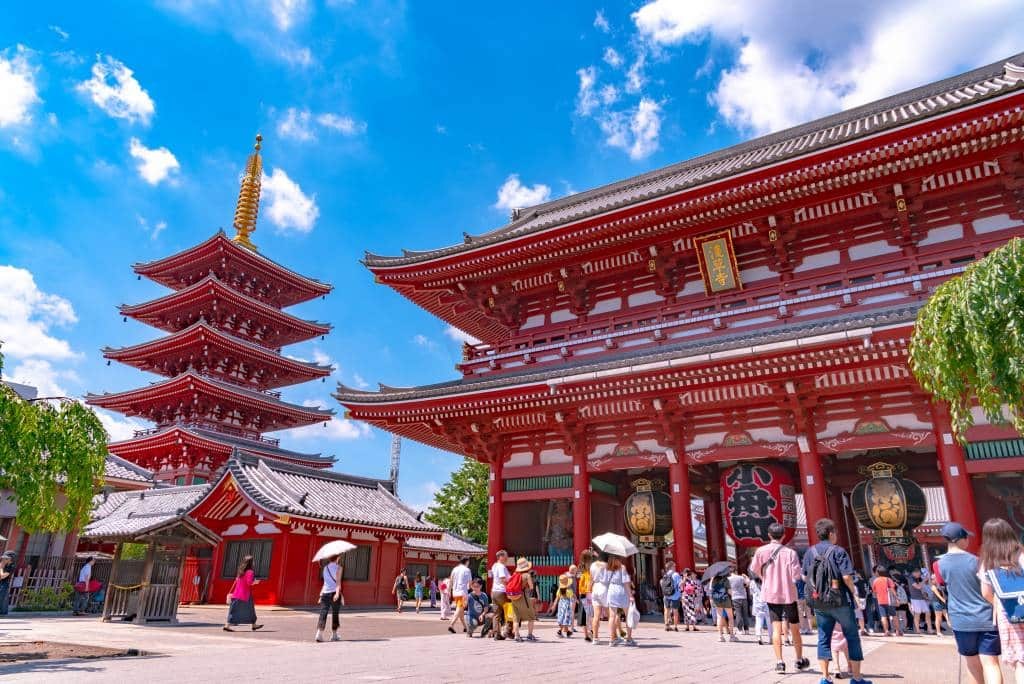 6 mi from TokyoSenso-ji Temple
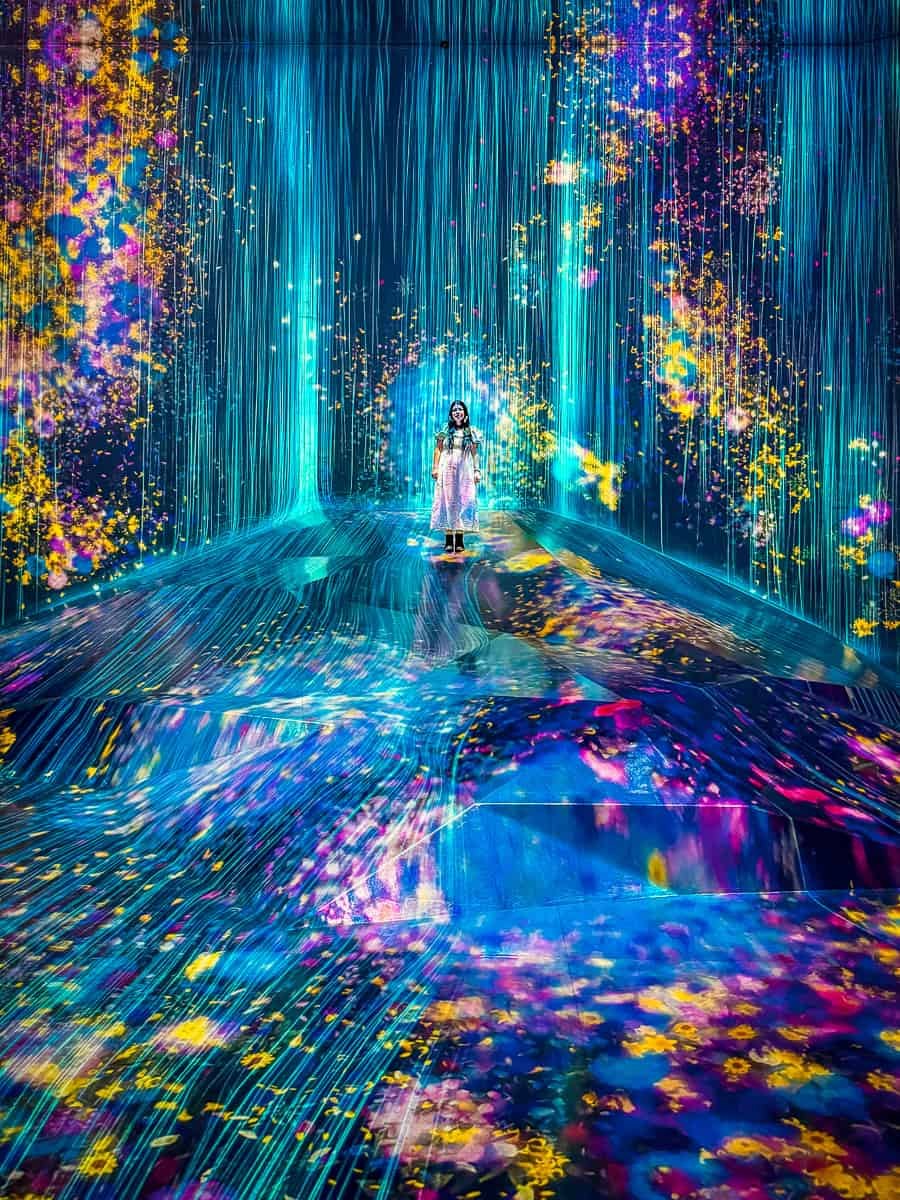 0 mi from TokyoteamLab Borderless
 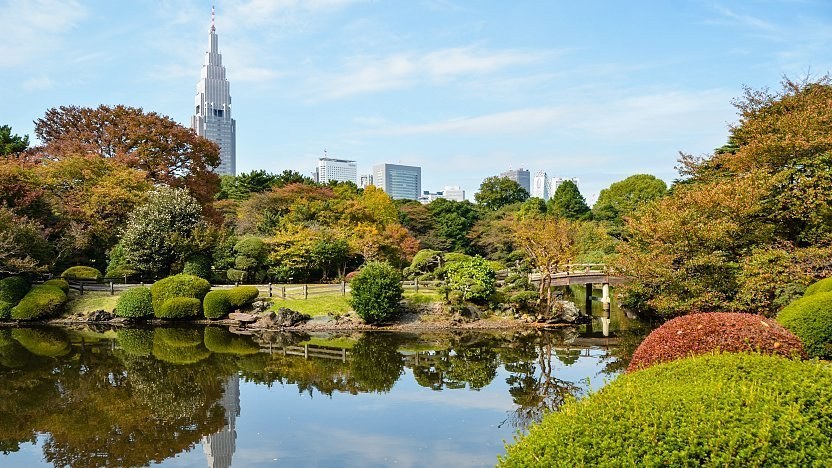 39 mi from Tokyo · land adventureTokyo's Secret Layers: Samurai Houses, Sunrise Crossings & Sake
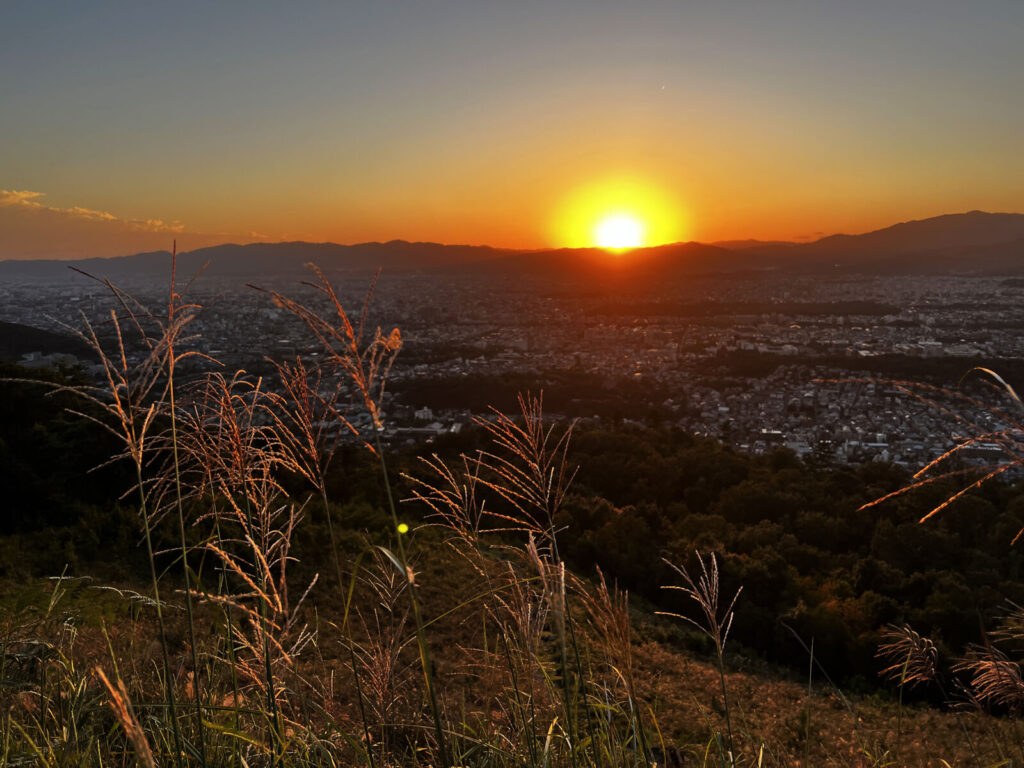 266 mi from Tokyo · land adventureKyoto After Dark: Firelight, Forest Paths & Ancient Craft
 The same trip, elevated
The same gateway on a more luxurious line — lead-in fare per person, same fare as booking direct.