Your cruise
Sun Princess · 14-night Mediterranean cruise, Barcelona to Piraeus (Athens)
Apr 16 – Apr 30 · 14 nights ·
Day 1 Barcelona (board) · Day 2 Palma de Mallorca · Day 3 Marseille · Day 4 Genoa · Day 5 Ajaccio · Day 6–7 La Spezia (Cinque Terre) · Day 8 Civitavecchia (Rome) · Day 9 Naples · Day 10 Sicily · Day 11 at sea · Day 12 Chania · Day 13 Kusadasi (Ephesus) · Day 14 Mykonos · Day 15 Piraeus (Athens) (step off)
What you do Palma's defining sight: a colossal Gothic sandstone cathedral right on the waterfront, with one of the world's largest rose windows that throws a famous color-and-light show across the nave (Gaudi reworked the interior). The seasonal rooftop terrace tour (May-Oct, ~215 steps) walks you out among the flying buttresses and bells with the whole Bay of Palma spread below — the first-timer's signature Palma photo. It's a flat 10-15 min walk from the cruise shuttle drop.
What to expect You walk 10–15 minutes from the cruise shuttle drop straight to the waterfront cathedral, its colossal Gothic sandstone facade dominating the harbor view. Inside, Gaudí's reworked interior unfolds beneath one of the world's largest rose windows, which bathes the nave in a famous color-and-light show. If you've booked the rooftop terraces tour, you climb ~215 steps out among the flying buttresses and bells, with the entire Bay of Palma spreading below in that signature first-timer's photograph. A leisurely pace—cathedral interior plus rooftop—takes 1.5–2 hours total.
Good to know Book the rooftop terrace tour (EUR 20–30, May–Oct only) on the Cathedral of Mallorca's official website before sailing; summer slots sell out 2–3 weeks ahead. Standard cathedral admission alone is EUR 10 (plus museum access). The round trip walk from pier to cathedral and back is 20–30 minutes; allow 2–3 hours total for a full visit, leaving a comfortable 2-hour buffer before all-aboard. Bring water, sunscreen, and comfortable shoes for the 215 rooftop steps; the terraces are exposed, so dress for strong Mediterranean sun and occasional wind off the bay.
Versus the ship tour The ship's 'City of Palma' coach+walk tour runs $70-85 pp and mostly drops you at this same cathedral. Walk it yourself in 15 min and pay EUR10-30 direct — you save ~$50-70 pp and get the rooftop the bus tour skips. Direct wins decisively.
book direct with Cathedral of Mallorca (Catedral de Mallorca / La Seu) → · the full guide →
What you do Mallorca's most celebrated cavern near Porto Cristo: a vast illuminated forest of stalactites that opens onto Lake Martel, one of the largest underground lakes on earth. Every visit includes a live classical concert played by musicians on lantern-lit boats gliding across the water in the dark, then your own short boat ride. It's genuinely unlike anything else in the Med.
What to expect You'll journey to Porto Cristo on Mallorca's east coast to enter a cathedral of stone—a vast cavern ringed with illuminated stalactites that descend like a petrified forest. The experience pivots on an unforgettable moment: classical musicians glide across Lake Martel, one of earth's largest underground lakes, performing by lantern light while you watch from the cavern floor in near-total darkness. After their concert, you board your own small boat for a short float across the glassy black water, surrounded by the otherworldly glow of the cave's own geology. It is genuinely unlike anything else in the Mediterranean.
Good to know The cave is 1+ hour each way from Palma's port by taxi or transfer (EUR130–160 round trip split among your group, or ~EUR48–60pp via an independent transfer tour like No Frills); book entry online up to 30 days ahead to secure your time slot and lock in the EUR18 door price (~$20 adult). Budget 6–8 hours total: travel time both ways plus 45–60 minutes inside the cave itself. Bring a light jacket or sweater—underground caves run cool year-round. Skip the ship's tour ($89–108pp) unless you cannot gather a group for independent transport; the EUR18 entry fee means the ship charges ~5x markup, and even with a private transfer you'll save ~$40 per person.
Versus the ship tour The ship's 'Caves of Drach' tour is $89-108 pp; the cave door price is only EUR18 (~$20), so the ship charges ~5x. BUT the cave is ~1 hr+ each way on the east coast — factor a taxi/transfer (~EUR130-160 round trip split among your group, or ~EUR48-60 pp on an independent transfer tour like No Frills). Net: independent transfer tour still beats the ship by ~$40 pp; only take the ship version if you can't assemble a group and want the back-to-ship guarantee for a far-side-of-the-island drive.
What you do The signature scenic ride Mallorca is famous for: a polished-wood electric train running since 1912, climbing north out of Palma through almond and olive groves, 13 tunnels and the Serra de Tramuntana mountains into the orange-grove valley of Soller in about an hour. Connect to the open-sided vintage tram that rattles down to seaside Port de Soller. It boards at Plaza de Espana, a short taxi from the pier.
What to expect You'll board the polished-wood electric train at Plaza de Espana and climb north for roughly an hour through a dramatic landscape of almond and olive groves, threading through 13 mountain tunnels as you ascend toward the Serra de Tramuntana peaks. The train opens into the bright orange-grove valley of Soller, where you'll switch to an open-sided vintage tram—a delightful rattle downhill toward the glittering Mediterranean. After time to explore Port de Soller's seaside charm and perhaps a café break, you'll reverse the journey: tram back up, train back down through the tunnels into Palma. The rhythm is unhurried and picturesque, with natural breaks built in for photos and wandering.
Good to know Buy tickets online up to 7 days ahead to secure your preferred departure, ideally an early morning slot to maximize your Soller dwell time within a 6–8 hour port window. Take a taxi from the cruise pier to Plaza de Espana (a short ride), allowing 15–20 minutes to clear the ship and reach the station. The round-trip train alone takes roughly 2 hours; add 45 minutes for the tram and 1.5–2 hours in Port de Soller for a comfortable margin back to the ship. Off-peak pricing (EUR32, ~$35) may offer savings if your schedule allows; the combo ticket for train + Port de Soller tram is EUR40 (~$43).
Versus the ship tour The ship's 'Island Tour by Train, Tram & Boat' is $149-172 pp. Doing the train+tram tickets yourself is ~EUR40 (~$43) — roughly 4x cheaper, saving ~$110-130 pp. The only thing the ship buys you is a guaranteed return; with an early start the DIY round trip has ample margin. Direct/DIY wins big.
book direct with Ferrocarril de Soller (Tren de Soller) → · the full guide →
What you do The Serra de Tramuntana is a UNESCO World Heritage landscape, and this is the classic Mallorca road trip a first-timer regrets skipping: Valldemossa (the honey-stone village where Chopin and George Sand wintered), the artists' clifftop hamlet of Deia, and citrus-scented Soller, strung along a dramatic coastal mountain road. A private guide with door-to-door Palma pickup makes the whole loop port-day-safe.
What to expect You'll be picked up at the pier or your hotel and driven into the Serra de Tramuntana, a UNESCO World Heritage landscape, beginning in Valldemossa—the honey-stone village where Chopin and George Sand once wintered. From there you'll wind a dramatic coastal mountain road to Deia, a clifftop artists' hamlet, then descend to citrus-scented Soller where the road flattens and the pace eases. The excursion strings these three villages together in one classic Mallorca loop, moving at your own rhythm in a private vehicle rather than jostling 40 others on a coach.
Good to know The excursion runs 6–6.5 hours total; book the private operator (not the ship's coach option) only if your ship guarantees return time, since you cannot afford delays on this length of tour. Door-to-door Palma pickup from the pier means no separate transport hassle, but confirm your exact pickup time and location with Premier Tours Mallorca the morning of departure. Optional lunch costs an additional €30 and should be arranged ahead. Bring sun protection and comfortable walking shoes for village exploration, and plan to be back at the pier with at least a 30–45 minute buffer before all-aboard.
Versus the ship tour The ship's premium 'Exclusive Soller and Valldemossa' runs up to $169 pp and its basic version $60 pp. This private door-to-door tour (~$180 pp solo, ~$145 in a group of 4) is at rough parity with the ship's premium tour but gets you a private vehicle and your own pace instead of a 40-seat coach. Honest call: if you're price-sensitive and don't mind a coach, the ship's $60 mid-tier version is the value play here — this card wins on experience, not on dollars.
book direct with Premier Tours Mallorca → · the full guide →
What you do Mallorca's turquoise coves and glass-clear water are the reason many people come, and the easiest way to reach them is by sea. This small-group sailing catamaran (max 12) departs La Lonja marina, a short walk from the cruise area — welcome drink, Mallorcan tapas, snorkel gear and SUP boards included — with swim stops in coves like Portals Vells that you can't reach on foot. A relaxed, scenic counterpoint to the city sights.
What to expect After a short walk from the cruise pier to La Lonja marina, you'll board an intimate catamaran with no more than 12 guests. The four-hour sail drifts you through Mallorca's turquoise coves with a welcome drink in hand and Mallorcan tapas to graze on—the boat becomes a floating social space as much as a vessel. The rhythm centers on swim and snorkel stops at secluded spots like Portals Vells, unreachable by foot, where you'll slip into glass-clear water with included snorkel gear or paddle out on a SUP board. It's a leisurely, scenic counterpoint to city exploration—more floating than rushing.
Good to know Book directly with SailPalma by Omare Yachting to confirm the exact rate (~$70–120 pp) and your back-aboard time before committing. The marina is a short walk from the cruise area, but allow buffer time to locate La Lonja and be on the boat 15 minutes early. A four-hour sail fits comfortably into a typical 6–8 hour port window; confirm your ship's all-aboard time and plan for at least 30–45 minutes to return to the pier. Bring reef-safe sunscreen, a light layer for the wind at sea, and a water shoe or sandal—snorkel gear and SUP boards are supplied.
Versus the ship tour The ship's 'Catamaran Coastal Cruise & Swim' is $90-130 pp on a large packed boat. This direct small-group sail (max 12) lands at roughly $70-120 pp — similar-to-cheaper price but far fewer people and food/SUP included. Direct wins on both price and quality; confirm the exact rate and your back-aboard timing when you book direct.
book direct with SailPalma by Omare Yachting → · the full guide →
What you do A 14th-century hilltop fortress (begun 1300 by King Jaume II) that's unique in Spain for being entirely circular, ringed by a moat on a pine-covered hill above the bay. The rooftop walkway gives arguably the best panorama in Palma — old town, cathedral and harbor laid out below — and the inner two-tier arcaded courtyard is a striking medieval set piece. Cheap, quick (60-90 min), and a short taxi from the port.
What to expect You'll taxi up a pine-covered hill to a strikingly circular 14th-century fortress ringed by a moat, then climb to the rooftop walkway where the panorama unfolds: the old town, the cathedral, and the entire bay spread below. The inner courtyard—a two-tier arcaded medieval space—is a striking photogenic set piece worth lingering in. The visit itself is intimate and self-paced, rarely crowded, taking 60–90 minutes total. Finish at the City History Museum inside the castle to deepen the context before heading back to port.
Good to know Taxi from the cruise pier costs EUR 12–15 each way; the EUR 4 adult ticket requires no advance booking. Plan to leave the ship 3–3.5 hours before all-aboard to give yourself 90 minutes on-site plus travel buffer—the round trip taxi time is roughly 30–40 minutes total. Bring comfortable walking shoes for the hill and stairs, sunscreen for the rooftop, and small change or a card for the ticket window. Free admission on Sunday afternoons (EU citizens pay EUR 2 year-round), so timing your port day accordingly is a money-saver if available.
Versus the ship tour No ship tour sells this as a standalone — it usually appears only as a brief photo-stop on a $70-85 pp coach tour. Self-driving by taxi (~EUR12-15 each way) plus a EUR4 ticket is the low-risk, near-port safety net if you want a marquee view and the cathedral on the same day without committing to a long mainland excursion. Direct/DIY wins overwhelmingly.
What you do Step inside the most famous unfinished building on earth, where Gaudi's stone forest of columns explodes into a kaleidoscope of stained-glass light that moves across the floor through the day. Add the tower ticket to ride the lift up a spire and walk back down the dizzying spiral stair with the city at your feet. Buy a strict timed entry slot, go early in your port window, and you'll beat both the queue and the midday glare.
What to expect You'll enter Gaudí's masterpiece and encounter a forest of soaring stone columns that dissolve into kaleidoscopic stained-glass light, shifting across the basilica floor as the sun moves through the day. If you book tower access, you'll ride the lift up a spire and descend the dizzying spiral staircase with Barcelona spreading below you. The unfinished vastness—both earthbound and dreamlike—fills the space in a way photographs cannot capture, and the audioguide walks you through every sculptural detail as you move through the nave.
Good to know Book a strict timed entry slot directly from the official Basilica de la Sagrada Familia site before your port day and go early in your window to beat both queues and harsh midday glare. Basic entry (EUR 26) includes the audioguide app; add EUR 10 for tower access (EUR 36 total) if you want the climb. Get there by taxi, metro, or ship-organized transport—the official tickets skip the reseller markup and save you $40–130 per person versus ship packages. Allow 2–3 hours inside the basilica itself, plus buffer time for entry and return, leaving at least 30–45 minutes to get back to the pier before all-aboard.
Versus the ship tour Direct wins overwhelmingly. The ship charges $75-170pp for guided/skip-line Sagrada Familia + Park Guell combos; the official tower ticket is ~$40pp and the basic ~$28pp. Same building, same skip-the-queue timed entry, for a fraction of the price. You save roughly $40-130pp and keep the audioguide. The only thing the ship adds is a bus and a guide reciting what the EUR 26 audioguide already tells you.
book direct with Basilica de la Sagrada Familia (official) → · the full guide →
What you do Ride out of the city to the serrated, otherworldly rock massif of Montserrat, ride the rack railway up the cliff face, and stand before the Black Madonna in the Benedictine basilica. If your day lands on a weekday you may catch the Escolania boys' choir, one of Europe's oldest. A guided coach handles the logistics and the timing so you are not gambling your ship's all-aboard on Spanish regional rail.
What to expect You'll depart Barcelona Nord by guided coach around 9:00am and ride into the otherworldly rock massif of Montserrat, where jagged peaks rise like a serrated fortress. At the foot of the cliffs, you'll board the rack railway that climbs the steep face, delivering you to the Benedictine basilica where the Black Madonna awaits in her shrine. A guide walks you through the sacred basilica, and if your excursion lands on a weekday, you may catch the Escolania boys' choir—one of Europe's oldest—singing in the morning service. The return coach departs mid-afternoon, arriving back at the port by around 4:15pm, giving you time to decompress before all-aboard.
Good to know Book the EUR 68.40 online rate with Catalunya Bus Turistic (Barcelona Turisme) well ahead to lock savings over cruise-line pricing ($25–185 cheaper per person). Confirm your ship's all-aboard time before booking—this ~7.25-hour excursion ends mid-afternoon, and the guided coach is your guaranteed return to port, so no gambling on Spanish regional rail. Wear sturdy walking shoes and bring layers, as the monastery sits at altitude and morning temperatures vary; the rack railway is steep but brief. Meet at Barcelona Nord bus station; your operator handles all transport and timing from city to mountain and back to the pier.
Versus the ship tour Direct wins clearly. Cruise-line Montserrat tours run $98-149pp and one premium-line passenger reported $259pp; this licensed multi-year operator delivers the same mountain, basilica and museum for ~$74pp, saving $25-185pp. PORT-DAY FLAG: this is a half-day, ~7.25hr round trip ending mid-afternoon, so confirm it lands inside your all-aboard. If you want the absolute floor and can self-navigate, the official Tot Montserrat ticket (EUR 71.50, adds the cable-car/lunch buffet and all funiculars) does it DIY by train, but you lose the guide and the guaranteed coach back to the port.
book direct with Catalunya Bus Turistic (Barcelona Turisme) → · the full guide →
What you do Climb to Gaudi's fairytale hillside park where the famous serpentine bench snakes in broken-tile mosaic around a terrace with the whole city and the sea spread below. The gingerbread gatehouses, the mosaic lizard fountain and the columned Hypostyle Hall make this the most photographed open-air Gaudi work in Barcelona. Book a timed slot for the Monumental Zone and arrive within your 30-minute entry grace window.
What to expect You'll arrive at Park Güell's Monumental Zone within a timed 30-minute entry window and climb the hillside into Gaudí's dreamlike landscape of gingerbread gatehouses and winding mosaic pathways. The iconic serpentine bench—snaking in broken-tile mosaics—curves around a terrace with sweeping views of Barcelona and the sea below, a photographer's paradise at every turn. You'll wander through the columned Hypostyle Hall and encounter the whimsical mosaic lizard fountain, experiencing the most photographed open-air Gaudí work in the city. The rhythm builds from initial climb to breathless overlook moment, then the slower, meditative wandering among the ceramic-clad structures and panoramic terraces.
Good to know Book your timed slot for the Monumental Zone well ahead (€18pp includes all Gaudí works and terraces, VAT included). Budget a taxi or bus both ways from the pier—the site is uphill and slightly off the metro—and plan to spend 1.5–2 hours at the park itself, leaving 2–3 hours total for transport buffers in a 6–8 hour port window. Arrive at the pier-side transport with at least 90 minutes before your ship departure to clear the security buffer. Bring sun protection and comfortable climbing shoes; if Sagrada Familia is also on your list, prioritize that cathedral over this one due to time constraints.
Versus the ship tour Direct wins big. The ship folds Park Guell into Gaudi tours priced $75-170pp; the official monument ticket is ~$20pp. Even adding a EUR 13 taxi up the hill you are far under the ship rate, saving $50-150pp. Honest caveat: it's uphill and a bit off the metro, so budget a taxi/bus each way and a firm timed slot. If you only have time for one Gaudi stop, prioritize Sagrada Familia over this one.
book direct with Park Guell (official, Barcelona City Council) → · the full guide →
What you do Slip out of the old harbor under sail on a real catamaran and see Barcelona's skyline, the Barceloneta beaches and the working port from the water, with a full bar aboard if you want a vermouth in hand. It is the rare port-day activity that starts steps from where most ships dock, so there is almost no travel time eating into your clock. Quiet, scenic, and an easy reset between the heavier Gaudi and mountain days.
What to expect You slip out of Port Vell under sail on a real catamaran, watching Barcelona's skyline recede as you glide past the Barceloneta beaches and the working harbor—all from the water, in the rare quiet that comes when most port-goers are queuing for cable cars. The 1.5-hour sail (or longer for Jazz options) unfolds at the pace of the breeze, with an onboard bar letting you nurse a vermouth while the city rises behind you. This is atmosphere and scenery: the kind of reset day that earns its place *between* the heavier Gaudi museum runs and mountain climbs, not as a standalone centerpiece.
Good to know The catamaran departs directly from Colon/Port Vell—steps from where most cruise ships dock—so there is almost no travel time; you can be aboard within 10–15 minutes of leaving the ship. Book the 1.5-hour Catamaran Sail & Skyline (EUR 18.50pp) or upgrade to Jazz & Chill Out (EUR 22.50pp) or Sunset Jazz (EUR 28pp) directly with Catamaran Orsom to save 50–80% versus ship-sold harbor alternatives. Plan to return well within a 6–8 hour port window, leaving ample buffer for any delays; bring sunscreen, sunglasses, and a light layer for wind on the water, and confirm departure times when booking to align with your ship's all-aboard.
Versus the ship tour Direct wins, roughly half price. Ship-sold harbor sails run $60-80pp and multi-element 'land/sea/air' packages hit $214pp; ORSOM's direct sail is ~$20-31pp, a $40-180pp saving. It departs right at Port Vell so you skip the bus shuffle. Honest note: this is scenery and atmosphere, not a bucket-list 'must,' so slot it only after you've locked the marquee sights.
What you do Drive into the Penedes vineyards, taste across varieties at the Torreblanca winery, then get hands-on at ArtCava to riddle and cork your own bottle of cava to take home as the rare souvenir you actually made. It is Spain's sparkling-wine heartland and a genuine craft experience rather than a pour-and-go tasting. A real port-day alternative to another church or museum.
What to expect You'll board a coach at Barcelona Nord around 9:00am and drive into the Penedes vineyards, Spain's sparkling-wine heartland, for a vineyard walk and guided tasting across varieties at Torreblanca winery. From there, you'll move to ArtCava for a hands-on workshop where you'll ridge and cork your own bottle of cava—a genuine craft experience, not a pour-and-go tasting—before heading back to the pier by approximately 2:15pm with a bottle you've made yourself as your souvenir.
Good to know The entire excursion runs ~5.25 hours round-trip, departing Barcelona Nord and returning early afternoon, which fits comfortably within most all-aboard windows—but confirm your sailing time and treat the coach's return as your hard deadline. Price is EUR 104pp online (EUR 116 regular) and includes round-trip coach, vineyard walk, tastings at two wineries, the guided ArtCava tour, your make-your-own-cava workshop, and the bottle to take home. Book online in advance to lock in the EUR 104 rate rather than pay the regular price at the port. Bring comfortable walking shoes for the vineyard and ArtCava, stay hydrated between tastings, and allow 15–20 minutes buffer time to clear the coach and return to your ship.
Versus the ship tour Direct wins, ~$75-80pp. The cruise line's Cava + tapas + vineyard and Familia Torres winery tours run $186-195pp; this is ~$113pp for two wineries plus a hands-on workshop and a bottle, a saving of about $75pp. PORT-DAY FLAG: ~5.25hr round trip returning early afternoon, comfortably inside most all-aboards, but confirm against your sailing time and treat the coach's return as your hard deadline.
book direct with Catalunya Bus Turistic (Barcelona Turisme) → · the full guide →
What you do Walk the famous La Boqueria market with a chef, then cook a real Catalan paella and a couple of tapas by hand before sitting down to eat what you made with sangria in hand. It's three hours, minutes off La Rambla, and a low-stress way to take Barcelona home in your hands rather than your camera roll. The near-port safety net if a long mountain or vineyard run feels too tight against your all-aboard.
What to expect You'll start at La Boqueria market with a chef guide introducing the vibrant produce and Catalan ingredients, then move to the kitchen to roll up your sleeves and cook a real paella and two tapas by hand under instruction. The rhythm flows from market sensory overload—color, noise, vendors—to focused, measured cooking where you learn technique in a small group. After three hours of chopping, stirring, and tasting, you sit down to eat what you've made with sangria in hand, transforming the morning's market finds into your own meal.
Good to know Sessions run at 10:30, 13:00, 16:00, and 18:45; a 10:30 start gives you a full 6+ hours back on ship before evening all-aboard, while the 13:00 slot works if your port window is shorter. The venue is central, just minutes off La Rambla near Liceu metro—walkable from the pier or a quick taxi, with minimal coach risk. Book ahead through Cook & Taste to secure your time slot and session; the EUR 72 price includes all instruction, equipment, recipes, and beverages, so there are no surprise costs. Plan to return to the ship by your all-aboard time with a 30–45 minute buffer built in; the class ends by its scheduled time (e.g., 13:45 for the 10:30 session), leaving you a safe window to walk or cab back to the pier.
Versus the ship tour Direct wins, $50-115pp. The ship's tapas/food/wine tours run $128-195pp; this hands-on class is ~$79pp, a $50-115pp saving, and you actually cook rather than just follow a guide between bars. As a safety-net it is unbeatable for the clock: it's central, short, and books in fixed time slots, so you can pick the session that fits your remaining port hours with zero coach risk.
book direct with Cook & Taste (Barcelona Cooking Classes) → · the full guide →
What you do Palma's defining sight: a colossal Gothic sandstone cathedral right on the waterfront, with one of the world's largest rose windows that throws a famous color-and-light show across the nave (Gaudi reworked the interior). The seasonal rooftop terrace tour (May-Oct, ~215 steps) walks you out among the flying buttresses and bells with the whole Bay of Palma spread below — the first-timer's signature Palma photo. It's a flat 10-15 min walk from the cruise shuttle drop.
What to expect You walk 10–15 minutes from the cruise shuttle drop straight to the waterfront cathedral, its colossal Gothic sandstone facade dominating the harbor view. Inside, Gaudí's reworked interior unfolds beneath one of the world's largest rose windows, which bathes the nave in a famous color-and-light show. If you've booked the rooftop terraces tour, you climb ~215 steps out among the flying buttresses and bells, with the entire Bay of Palma spreading below in that signature first-timer's photograph. A leisurely pace—cathedral interior plus rooftop—takes 1.5–2 hours total.
Good to know Book the rooftop terrace tour (EUR 20–30, May–Oct only) on the Cathedral of Mallorca's official website before sailing; summer slots sell out 2–3 weeks ahead. Standard cathedral admission alone is EUR 10 (plus museum access). The round trip walk from pier to cathedral and back is 20–30 minutes; allow 2–3 hours total for a full visit, leaving a comfortable 2-hour buffer before all-aboard. Bring water, sunscreen, and comfortable shoes for the 215 rooftop steps; the terraces are exposed, so dress for strong Mediterranean sun and occasional wind off the bay.
Versus the ship tour The ship's 'City of Palma' coach+walk tour runs $70-85 pp and mostly drops you at this same cathedral. Walk it yourself in 15 min and pay EUR10-30 direct — you save ~$50-70 pp and get the rooftop the bus tour skips. Direct wins decisively.
book direct with Cathedral of Mallorca (Catedral de Mallorca / La Seu) → · the full guide →
What you do Mallorca's most celebrated cavern near Porto Cristo: a vast illuminated forest of stalactites that opens onto Lake Martel, one of the largest underground lakes on earth. Every visit includes a live classical concert played by musicians on lantern-lit boats gliding across the water in the dark, then your own short boat ride. It's genuinely unlike anything else in the Med.
What to expect You'll journey to Porto Cristo on Mallorca's east coast to enter a cathedral of stone—a vast cavern ringed with illuminated stalactites that descend like a petrified forest. The experience pivots on an unforgettable moment: classical musicians glide across Lake Martel, one of earth's largest underground lakes, performing by lantern light while you watch from the cavern floor in near-total darkness. After their concert, you board your own small boat for a short float across the glassy black water, surrounded by the otherworldly glow of the cave's own geology. It is genuinely unlike anything else in the Mediterranean.
Good to know The cave is 1+ hour each way from Palma's port by taxi or transfer (EUR130–160 round trip split among your group, or ~EUR48–60pp via an independent transfer tour like No Frills); book entry online up to 30 days ahead to secure your time slot and lock in the EUR18 door price (~$20 adult). Budget 6–8 hours total: travel time both ways plus 45–60 minutes inside the cave itself. Bring a light jacket or sweater—underground caves run cool year-round. Skip the ship's tour ($89–108pp) unless you cannot gather a group for independent transport; the EUR18 entry fee means the ship charges ~5x markup, and even with a private transfer you'll save ~$40 per person.
Versus the ship tour The ship's 'Caves of Drach' tour is $89-108 pp; the cave door price is only EUR18 (~$20), so the ship charges ~5x. BUT the cave is ~1 hr+ each way on the east coast — factor a taxi/transfer (~EUR130-160 round trip split among your group, or ~EUR48-60 pp on an independent transfer tour like No Frills). Net: independent transfer tour still beats the ship by ~$40 pp; only take the ship version if you can't assemble a group and want the back-to-ship guarantee for a far-side-of-the-island drive.
What you do The signature scenic ride Mallorca is famous for: a polished-wood electric train running since 1912, climbing north out of Palma through almond and olive groves, 13 tunnels and the Serra de Tramuntana mountains into the orange-grove valley of Soller in about an hour. Connect to the open-sided vintage tram that rattles down to seaside Port de Soller. It boards at Plaza de Espana, a short taxi from the pier.
What to expect You'll board the polished-wood electric train at Plaza de Espana and climb north for roughly an hour through a dramatic landscape of almond and olive groves, threading through 13 mountain tunnels as you ascend toward the Serra de Tramuntana peaks. The train opens into the bright orange-grove valley of Soller, where you'll switch to an open-sided vintage tram—a delightful rattle downhill toward the glittering Mediterranean. After time to explore Port de Soller's seaside charm and perhaps a café break, you'll reverse the journey: tram back up, train back down through the tunnels into Palma. The rhythm is unhurried and picturesque, with natural breaks built in for photos and wandering.
Good to know Buy tickets online up to 7 days ahead to secure your preferred departure, ideally an early morning slot to maximize your Soller dwell time within a 6–8 hour port window. Take a taxi from the cruise pier to Plaza de Espana (a short ride), allowing 15–20 minutes to clear the ship and reach the station. The round-trip train alone takes roughly 2 hours; add 45 minutes for the tram and 1.5–2 hours in Port de Soller for a comfortable margin back to the ship. Off-peak pricing (EUR32, ~$35) may offer savings if your schedule allows; the combo ticket for train + Port de Soller tram is EUR40 (~$43).
Versus the ship tour The ship's 'Island Tour by Train, Tram & Boat' is $149-172 pp. Doing the train+tram tickets yourself is ~EUR40 (~$43) — roughly 4x cheaper, saving ~$110-130 pp. The only thing the ship buys you is a guaranteed return; with an early start the DIY round trip has ample margin. Direct/DIY wins big.
book direct with Ferrocarril de Soller (Tren de Soller) → · the full guide →
What you do The Serra de Tramuntana is a UNESCO World Heritage landscape, and this is the classic Mallorca road trip a first-timer regrets skipping: Valldemossa (the honey-stone village where Chopin and George Sand wintered), the artists' clifftop hamlet of Deia, and citrus-scented Soller, strung along a dramatic coastal mountain road. A private guide with door-to-door Palma pickup makes the whole loop port-day-safe.
What to expect You'll be picked up at the pier or your hotel and driven into the Serra de Tramuntana, a UNESCO World Heritage landscape, beginning in Valldemossa—the honey-stone village where Chopin and George Sand once wintered. From there you'll wind a dramatic coastal mountain road to Deia, a clifftop artists' hamlet, then descend to citrus-scented Soller where the road flattens and the pace eases. The excursion strings these three villages together in one classic Mallorca loop, moving at your own rhythm in a private vehicle rather than jostling 40 others on a coach.
Good to know The excursion runs 6–6.5 hours total; book the private operator (not the ship's coach option) only if your ship guarantees return time, since you cannot afford delays on this length of tour. Door-to-door Palma pickup from the pier means no separate transport hassle, but confirm your exact pickup time and location with Premier Tours Mallorca the morning of departure. Optional lunch costs an additional €30 and should be arranged ahead. Bring sun protection and comfortable walking shoes for village exploration, and plan to be back at the pier with at least a 30–45 minute buffer before all-aboard.
Versus the ship tour The ship's premium 'Exclusive Soller and Valldemossa' runs up to $169 pp and its basic version $60 pp. This private door-to-door tour (~$180 pp solo, ~$145 in a group of 4) is at rough parity with the ship's premium tour but gets you a private vehicle and your own pace instead of a 40-seat coach. Honest call: if you're price-sensitive and don't mind a coach, the ship's $60 mid-tier version is the value play here — this card wins on experience, not on dollars.
book direct with Premier Tours Mallorca → · the full guide →
What you do Mallorca's turquoise coves and glass-clear water are the reason many people come, and the easiest way to reach them is by sea. This small-group sailing catamaran (max 12) departs La Lonja marina, a short walk from the cruise area — welcome drink, Mallorcan tapas, snorkel gear and SUP boards included — with swim stops in coves like Portals Vells that you can't reach on foot. A relaxed, scenic counterpoint to the city sights.
What to expect After a short walk from the cruise pier to La Lonja marina, you'll board an intimate catamaran with no more than 12 guests. The four-hour sail drifts you through Mallorca's turquoise coves with a welcome drink in hand and Mallorcan tapas to graze on—the boat becomes a floating social space as much as a vessel. The rhythm centers on swim and snorkel stops at secluded spots like Portals Vells, unreachable by foot, where you'll slip into glass-clear water with included snorkel gear or paddle out on a SUP board. It's a leisurely, scenic counterpoint to city exploration—more floating than rushing.
Good to know Book directly with SailPalma by Omare Yachting to confirm the exact rate (~$70–120 pp) and your back-aboard time before committing. The marina is a short walk from the cruise area, but allow buffer time to locate La Lonja and be on the boat 15 minutes early. A four-hour sail fits comfortably into a typical 6–8 hour port window; confirm your ship's all-aboard time and plan for at least 30–45 minutes to return to the pier. Bring reef-safe sunscreen, a light layer for the wind at sea, and a water shoe or sandal—snorkel gear and SUP boards are supplied.
Versus the ship tour The ship's 'Catamaran Coastal Cruise & Swim' is $90-130 pp on a large packed boat. This direct small-group sail (max 12) lands at roughly $70-120 pp — similar-to-cheaper price but far fewer people and food/SUP included. Direct wins on both price and quality; confirm the exact rate and your back-aboard timing when you book direct.
book direct with SailPalma by Omare Yachting → · the full guide →
What you do A 14th-century hilltop fortress (begun 1300 by King Jaume II) that's unique in Spain for being entirely circular, ringed by a moat on a pine-covered hill above the bay. The rooftop walkway gives arguably the best panorama in Palma — old town, cathedral and harbor laid out below — and the inner two-tier arcaded courtyard is a striking medieval set piece. Cheap, quick (60-90 min), and a short taxi from the port.
What to expect You'll taxi up a pine-covered hill to a strikingly circular 14th-century fortress ringed by a moat, then climb to the rooftop walkway where the panorama unfolds: the old town, the cathedral, and the entire bay spread below. The inner courtyard—a two-tier arcaded medieval space—is a striking photogenic set piece worth lingering in. The visit itself is intimate and self-paced, rarely crowded, taking 60–90 minutes total. Finish at the City History Museum inside the castle to deepen the context before heading back to port.
Good to know Taxi from the cruise pier costs EUR 12–15 each way; the EUR 4 adult ticket requires no advance booking. Plan to leave the ship 3–3.5 hours before all-aboard to give yourself 90 minutes on-site plus travel buffer—the round trip taxi time is roughly 30–40 minutes total. Bring comfortable walking shoes for the hill and stairs, sunscreen for the rooftop, and small change or a card for the ticket window. Free admission on Sunday afternoons (EU citizens pay EUR 2 year-round), so timing your port day accordingly is a money-saver if available.
Versus the ship tour No ship tour sells this as a standalone — it usually appears only as a brief photo-stop on a $70-85 pp coach tour. Self-driving by taxi (~EUR12-15 each way) plus a EUR4 ticket is the low-risk, near-port safety net if you want a marquee view and the cathedral on the same day without committing to a long mainland excursion. Direct/DIY wins overwhelmingly.
What you do Walk off the ship to Quai des Belges and board a National-Park-authorized boat that threads the 12-mile wall of blinding-white limestone cliffs plunging into fjord-like turquoise inlets: Sormiou, Morgiou, Sugiton, En-Vau, Port-Pin and Port-Miou. This is the one signature landscape Marseille is built around, and the boat departs the Vieux-Port itself, so there is no need to bus over to Cassis first. On a warm port day, pick the version with a swim stop and float in a cove no road reaches.
What to expect You walk straight off the ship to Quai des Belges and board a National-Park-authorized boat that launches directly from the Vieux-Port into one of Europe's most stunning seascapes. For the next three to three-and-a-half hours, you glide beneath a 12-mile chain of blinding-white limestone cliffs plunging into fjord-like turquoise inlets—Sormiou, Morgiou, Sugiton, En-Vau, Port-Pin, and Port-Miou—with panoramic deck commentary unfolding the geology and history. On warm days, the summer "Calanques & Baignade" version anchors in a pristine cove reachable only by water, where you float in crystalline turquoise that no road can touch.
Good to know Book Icard Maritime directly at the pier rather than through the cruise line—you'll pay €33–40 ($36–44) instead of $130–170, saving $90+ per person while skipping a Cassis coach transfer. The 3h15 and 3h30 cruises depart Quai des Belges (a five-minute walk from most ships) multiple times daily; confirm the final return slot leaves at least 90 minutes before your ship's all-aboard time. Bring sunscreen, a hat, and a swimsuit if opting for the baignade version; no need to book ahead—just show up at the departure quay and purchase tickets on-site.
Versus the ship tour Biggest markup of the day, direct wins decisively. The cruise line's Cassis/Calanques boat excursion runs $130-170 pp (RCI's was reported at $133) for essentially this same boat ride after a coach transfer to Cassis. Booking Icard direct from the Old Port is ~$36-44 pp: you save roughly $90-130 per person AND skip the Cassis bus. Just confirm the last return slot leaves you 90+ min of margin before all-aboard.
book direct with Icard Maritime (Croisieres Marseille Calanques) → · the full guide →
What you do The gold-crowned Neo-Byzantine basilica 'La Bonne Mere' crowns the city's highest point at 162m, its Virgin statue the very symbol of Marseille you see from the sea sailing in. The open tourist train leaves the Vieux-Port, runs the seafront corniche past Vallon des Auffes and the Palais du Pharo, then grinds up to the summit for the definitive 360 panorama over the Old Port, the islands and Chateau d'If, with a ~20-min stop at the top. The steep climb on foot would eat half your port-day energy; the train is the smart cruiser move and the basilica itself is free to enter.
What to expect You board the open-air tourist train at Vieux-Port near Quai des Belges and glide past the seafront corniche, with views of Vallon des Auffes and the Palais du Pharo unfolding as you travel. The train then climbs steeply to the 162-meter summit where Notre-Dame de la Garde—the gold-crowned Neo-Byzantine basilica and Marseille's iconic symbol—crowns the highest point of the city. You'll have roughly 20 minutes at the summit to explore the basilica (free entry) and soak in the definitive 360-degree panorama: the Old Port, the islands, and Château d'If spread below you. The entire loop takes the physical toll out of what would otherwise be an exhausting uphill walk, letting you conserve energy for other port activities.
Good to know The €10 Circuit 1 ticket ($11 pp) departs directly from Vieux-Port near Quai des Belges—no need to book ahead, just walk over from the pier and queue; the journey and summit stop total roughly 45 minutes to 1 hour. Plan this excursion early in your port day (aim for the first 2–3 hours) to avoid afternoon crowds and ensure a comfortable buffer back to the ship. Bring water and sunscreen; the open train offers no shade and the summit stop is fully exposed. If you want historical context the train won't provide, pair this with a quick read on Notre-Dame's backstory beforehand, or combine it with a guided e-bike tour for deeper narrative.
Versus the ship tour Direct wins big. The ship's 'Marseille & Notre-Dame de la Garde' coach excursion is $90-120 pp, and it is mostly charging you for a bus to a free church. The Euro 10 tourist train (or local bus 60 for a couple euros) gets you the same basilica and the corniche drive for a fraction of the price, saving ~$80-110 pp. Only downside vs the ship: no live guide narration, so read up first or pair it with the e-bike tour.
book direct with Le Petit Train de Marseille → · the full guide →
What you do A 20-minute ferry from the Old Port lands you on the 16th-century island fortress made immortal as the inescapable prison in Dumas's 'The Count of Monte Cristo.' Walk the cells, the ramparts and the dungeon, then turn around for the one view you get nowhere else: Marseille and Notre-Dame seen from the open water. The fast, frequent ferry leaves straight from the Vieux-Port, making this a tidy half-day even on a short call.
What to expect You board the Frioul If Express ferry directly from the Vieux-Port—a brisk 20-minute crossing—and step onto a 16th-century island fortress that Dumas immortalized as the inescapable prison in *The Count of Monte Cristo*. Once ashore, you move at your own pace through the stark cells, walk the ramparts, and descend into the dungeon, each space thick with literary and historical weight. The payoff arrives when you turn toward the water: a view of Marseille and Notre-Dame receding across the open Mediterranean that you cannot get from anywhere else. The ferry rhythm is tight and frequent, making this a cleanly contained half-day even if your ship's call is short.
Good to know Depart the pier directly to Quai des Belges at the Vieux-Port (walk-on, no pre-booking required); confirm you board the Frioul If Express, as two competing ferry operators dock there with different timetables. Factor in €10.80–16.20 for the round-trip ferry plus €6 fortress entry (~$19–25 total pp), and note that the fortress closes mid-afternoon—check the last return departure and build in a 30-minute buffer before that boat to avoid being stranded. Bring sun protection and wear sturdy shoes for uneven rampart surfaces; the island has minimal facilities, so eat or drink before you go.
Versus the ship tour Direct is the only sane way, the cruise lines rarely package this well and a guided version isn't worth it for a self-explanatory island. All-in you're at ~$19-25 pp. Heads-up: two competing ferry companies dock at the Old Port with different boats and timetables, so confirm you're on the Frioul If Express vessel and note the last return time, the fortress closes mid-afternoon and you do not want to miss the boat back.
What you do For a single 6-8 hour port day this is the best 'see everything' move: one electric-bike loop strings together the Vieux-Port fish market, the lace-concrete MuCEM and Fort Saint-Jean, the Major cathedral, the ochre lanes of Le Panier, the Palais du Pharo, the seafront corniche and Vallon des Auffes, and the hard climb to Notre-Dame de la Garde, which the e-bike motor flattens to nothing. A local guide gives the context a self-guided wander misses, and the group caps at eight. It is the most efficient way to compress the whole bucket list into one very Marseillais experience.
What to expect Your morning departs from the Fada Bike Cafe near the Old Port on a guided e-bike loop through Marseille's essential sights: you'll glide through the Vieux-Port fish market and ochre lanes of Le Panier, visit the striking concrete MuCEM and Fort Saint-Jean, explore the Major cathedral, ride the seafront corniche and intimate Vallon des Auffes, then cruise up to Notre-Dame de la Garde—where the e-bike motor flattens what would be a brutal climb into an effortless ascent. A licensed local guide strings these landmarks together with context and stories, keeping your group intimate at just eight riders, so you absorb far more than a self-guided wander or a 40-person coach tour ever could.
Good to know The 3.5-hour, 23 km tour fits comfortably into a 6–8 hour port day; book directly with Fada Bike Cafe to secure your spot and confirm departure time from the cafe, a short walk from the Old Port pier. The ~€49 price includes the e-bike, helmet, and guide, so budget only for lunch or café stops. Allow a 90-minute buffer before all-aboard to account for the ride back to port and any unforeseen delays; the e-bike and guided pace are leisurely enough that you won't feel rushed, but maritime schedules demand respect.
Versus the ship tour Direct wins on both price and quality. The ship's half-day 'Marseille City Highlights' walking tour is $80-110 pp and covers far less ground on foot. Fada's ~$53 e-bike loop is cheaper, reaches Notre-Dame and the corniche the walking tour can't, and keeps you in a group of 8 instead of a coach of 40, saving ~$30-55 pp for a markedly better experience.
book direct with Fada Bike Cafe, Tours & Rentals → · the full guide →
What you do If the Old Port boats are sold out or you'd rather pair the cliffs with the pastel fishing town of Cassis, take the bus or train out and buy a walk-up Calanques boat ticket at the harbor. The local boatmen's cooperative runs short circuits past 3 to 9 calanques (En-Vau, Port-Pin, Port-Miou and more) from 45 minutes to 2+ hours, and you can wander Cassis's quay before or after. It's a flexible, no-reservation fallback that still delivers the signature turquoise-cove scenery.
What to expect You'll take the M8 bus or train from central Marseille out to the pastel-painted fishing village of Cassis, where you walk directly to the harbor and join a walk-up boat tour. From there, a local boatman steers you through a circuit of 3–9 crystalline turquoise calanques—narrow limestone coves with names like En-Vau and Port-Pin—the boat cutting past dramatic cliff faces and rocky inlets for 45 minutes to 2+ hours depending on your ticket. Between or after the boat ride, you wander Cassis's waterfront quay, browsing the shuttered houses and harborside cafés before making the return journey back to the ship.
Good to know Plan for a 6–8 hour window: budget 30–45 minutes each way for the M8 bus (~€6) or train plus connection, 45 minutes to 2+ hours on the water, and 30–60 minutes to explore Cassis village. Walk-up boat tickets (€19–33 per person) are sold directly at the Cassis harbor by the local cooperative—no advance booking required, but availability is not guaranteed during peak hours. Plan a generous 90–120 minute return buffer to get back to the ship, as this DIY route involves two transfers with no guarantee of quick connections; on a tight port call, the ship-organized Cassis excursion or direct Old Port boats are lower-risk options. Bring euros for the bus, boat ticket, and harbor cafés, and wear slip-on shoes and a hat for sun exposure on the water.
Versus the ship tour Direct wins on price; the ship's Cassis/Calanques excursion is $130-170 pp. Buying the ~$21-36 boat ticket at the dock plus a ~$6 bus saves ~$90-130 pp. BUT be honest about the trade-off: this is the DIY route with two transfers and no guaranteed return, so on a tight port call the ship-organized version (or the direct Old-Port boat above) is the lower-risk choice. Use this as your backup, not your first pick, and leave generous margin to get back to the ship.
What you do Walk 10-15 minutes from your berth to the Porto Antico ferry kiosk by Renzo Piano's Biosfera and board a real Genoese ferry line that glides 70 minutes down the Riviera past Camogli and San Fruttuoso to Portofino's pastel, superyacht-studded harbor -- the postcard image of coastal Italy. Arriving by sea is the most beautiful possible approach, and you can add the boat-or-hike-only San Fruttuoso abbey on the same route. Last return boats leave Portofino around 4:50pm, so it fits a port day with margin -- but confirm your ship's all-aboard against that schedule before you commit.
What to expect A 10–15 minute walk from your berth leads to the Porto Antico ferry kiosk beside Renzo Piano's Biosfera, where you board a genuine Genoese ferry line for a 70-minute glide down the Riviera. The boat drifts past the picturesque villages of Camogli and San Fruttuoso, offering unfolding coastal views before arriving in Portofino's iconic harbor—pastel-painted buildings, superyachts, and the Mediterranean in postcard perfection. Arriving by sea gives you the most beautiful possible approach to this legendary destination. The return journey reverses the scenic route, with the last boat departing Portofino around 4:50pm.
Good to know Depart Porto Antico around 9:00am (seasonal, March–October) and plan your full port day against a 4:50pm last return boat—confirm your ship's all-aboard time before committing, and build in at least 30–45 minutes buffer to make it back safely. The round-trip ferry costs roughly €26–28pp ($28–30) to Portofino, a fraction of the ship's €130–180pp coach excursion, giving you full control of your schedule. You can combine the ferry with a hike or boat-only visit to the San Fruttuoso abbey (€24 round-trip to that stop; abbey entry is a separate small ticket). Wear comfortable walking shoes, bring sun protection and a light layer for the sea breeze, and have euros or a card ready at the kiosk—no advance booking required, but arriving by 8:45am secures a spot on the 9:00am departure.
Versus the ship tour DIRECT WINS BIG. The ship's Portofino & Santa Margherita coach excursion runs $130-180pp; the direct ferry is ~$28pp round-trip -- you save roughly $100-150 per person AND arrive the scenic way by water instead of by bus. The only thing the ship buys you is a guaranteed-back-to-the-vessel guarantee; here YOU own the clock, so build in buffer against that ~4:50pm last boat.
What you do Pesto alla Genovese was invented in this city in the 1500s, and hand-grinding Ligurian basil, pine nuts and olive oil in a marble mortar is Genoa's defining edible ritual. In Enrica Monzani's home kitchen -- a licensed Ligurian culinary leader and cookbook author -- you make fresh pasta and pesto by hand (focaccia and focaccia di Recco on the baking class), then sit down to eat exactly what you cooked on the terrace. You leave knowing the genuine recipe, not a tourist approximation.
What to expect You arrive at Enrica Monzani's home kitchen in Genoa and roll up your sleeves to hand-grind Ligurian basil, pine nuts, and olive oil in a marble mortar—the authentic ritual that birthed pesto alla Genovese in the 1500s. Over 3.5 hours, you shape fresh pasta by hand, craft pesto from scratch, and optionally browse the local market for ingredients. The class culminates on the terrace where you sit down to eat exactly what you cooked, tasting genuine recipes rather than tourist approximations. You leave with both a full meal and the knowledge to recreate it at home.
Good to know Book direct by email with A Small Kitchen in Genoa (Enrica Monzani) well ahead—spaces are small and private. The 3.5-hour class fits comfortably into a 6–8 hour port window if you depart the ship within the first hour; allow 30–45 minutes buffer to return by tender before all-aboard. Wear casual, kitchen-ready clothes you don't mind getting flour on, and bring comfortable walking shoes if you opt for the market visit. Pricing ranges from EUR 160–200 (~$172–215) depending on the menu chosen; confirm exact timing and directions from the pier when you book.
Versus the ship tour ROUGHLY EVEN ON PRICE -- BUT DIRECT WINS ON QUALITY. The ship's 'Taste of Genoa' cooking/tasting runs $100-140pp, modestly cheaper on the sticker. For the extra ~$30-70 you get a tiny private class in a real local's kitchen instead of a 30-person demo, and the flexibility to book direct. If you only want a cheap nibble, the ship or a few-euro DIY focaccia tasting beats both -- this card is for someone who wants to actually cook.
book direct with A Small Kitchen in Genoa (Enrica Monzani) → · the full guide →
What you do Italy's largest aquarium and one of Europe's biggest -- 12,000+ animals across ~600 species, housed in Renzo Piano's iconic ship-shaped pavilion right on the Porto Antico waterfront. It's the single attraction Genoa is most famous for, it's self-guided and pace-flexible, and it sits a flat 10-15 minute walk from the cruise berth. This is your low-risk, near-port safety net: no transfers, fixed price, and you're never far from the ship.
What to expect You'll walk 10–15 minutes flat through Porto Antico to reach Renzo Piano's striking ship-shaped pavilion, where a self-guided path unfolds through 12,000+ animals across roughly 600 species—schools of rays gliding overhead, massive tanks of Mediterranean fish, and intimate chambers of seahorses and jellyfish. The pacing is entirely yours: linger in front of a tank for five minutes or twenty, circle back to favorites, and spend as long as you want absorbing the scale and detail that make this Italy's flagship aquarium. The indoor, climate-controlled environment means you move at leisure without time pressure, and the iconic architecture itself—Piano's ship design reflected in the waterfront setting—frames each viewing moment. You'll typically spend 90 minutes to 3 hours inside, then reverse the 15-minute walk back to your berth, never far from the ship.
Good to know Book entry online in advance (EUR 26–33 at gate, EUR 36 for flexible annual pass) and save $30–55 per person versus the ship's $60–90 markup. Depart the pier within the first 2–3 hours of your port window to allow a comfortable 90-minute to 2-hour aquarium visit plus return buffer; the walk is straightforward and flat, with no transfers needed. Bring only light clothing and perhaps a camera—the aquarium is indoors and climate-controlled, and there's no complex logistics or guides to coordinate. No advance booking is strictly required if you're willing to pay gate price, but online purchase guarantees entry and locks in the lowest rate.
Versus the ship tour DIRECT WINS. The ship sells aquarium entry as a $60-90pp excursion; a gate ticket booked direct is ~$28-36pp -- you save roughly $30-55 per person for the identical experience, on a 10-minute walk you'd make anyway. The ship adds nothing but a markup and a guided escort you don't need for a self-paced indoor attraction.
book direct with Acquario di Genova (Costa Edutainment) → · the full guide →
What you do The Galata is the largest maritime museum in the Mediterranean -- fitting for the birthplace of Columbus and a once-mighty seafaring republic -- but the unmissable hook is outside on the water: the Nazario Sauro S-518, an actual decommissioned submarine moored as the museum's waterfront. You climb down inside and walk the real boat compartment by compartment, not a model. It's deeply on-theme for a cruise traveler and sits right on the Porto Antico, steps from the ship.
What to expect You walk straight from the pier into the Porto Antico and enter the Galata Maritime Museum, where you move at your own pace through galleries celebrating Mediterranean seafaring history. The real experience waits outside: you descend a gangway into the Nazario Sauro S-518, a decommissioned WWII submarine, and walk the actual cramped compartments—torpedo room, control center, crew quarters—for roughly 20-25 minutes, imagining the lives of submariners in a vessel that feels authentically confined. After surfacing, you can spend as long as you'd like in the museum's indoor exhibits, which pair perfectly with the submarine context. It's a self-contained, walkable loop that never feels rushed and keeps you steps from your ship the entire time.
Good to know Book your combined ticket (€19 adults, ~$21) directly online at Galata Museo del Mare before arrival to skip queues; add the €1 smartphone audio guide for deeper context as you move through the museum. The walk from your berth to the Porto Antico is 5–10 minutes on flat ground with clear signage, so you can leave the ship 4–5 hours into port and still have 2–3 hours to explore comfortably. Plan to be back aboard 30 minutes before all-aboard time; the submarine is outdoors and weather-dependent (no cover while boarding), so check conditions and dress accordingly. Bring comfortable shoes for uneven decking around the waterfront, and note that the submarine's interior is genuinely narrow—not recommended if you have mobility limitations or claustrophobia.
Versus the ship tour DIRECT WINS, AND SHIPS RARELY OFFER IT. Cruise lines seldom sell this specific submarine experience, so booking direct is usually your only route -- and at ~$21pp all-in it's one of the best-value marquee things you can do in Genoa. Walkable from the berth, fixed price, no transfer risk.
book direct with Galata Museo del Mare (Mu.MA) → · the full guide →
What you do The five rainbow fishing villages of Monterosso, Vernazza, Corniglia, Manarola and Riomaggiore -- stacked on UNESCO cliffs above the sea -- are arguably the most photographed coastline in Italy and a textbook bucket-list item. On a tight port day you do NOT want to gamble on DIY regional trains: a licensed local guide-driver (Enrica's A Small Kitchen team runs small-group/private Cinque Terre days) builds the whole day around your ship's all-aboard time and gets you back. This is the ambitious 'spend your one big day here' option.
What to expect You'll spend the day island-hopping across five UNESCO-cliffside villages—Monterosso, Vernazzo, Corniglia, Manarola, and Riomaggiore—each stacked vertically above the sea with the kind of pastel architecture that dominates Italy's most-photographed coastlines. Your licensed local guide-driver (Enrica's A Small Kitchen team) choreographs the whole rhythm around your ship's all-aboard time, steering you through the villages, arranging train or boat passes between them, and managing entries so you're not left guessing at station queues. Expect a mix of walking the steep village streets, pausing at viewpoints for the postcard shots, and moving between towns by regional train or coastal boats—the day has real momentum built in. You're back at the pier with guaranteed buffer time; there's no gambling on regional train schedules.
Good to know Book by email directly with A Small Kitchen before sailing to confirm your per-person rate, group size, and exact pickup time from the Genoa port; confirm which train/boat passes and village entries are included vs. extra. Your guide-driver picks you up at the pier (timing locked to your ship's schedule) and typically returns you 90–120 minutes before all-aboard to give you a real safety margin. Bring comfortable walking shoes, sun protection, and small cash for any village vendors or meals not covered in the package; the villages have limited ATMs. Train and boat passes between the five villages are often not included in the ~€140–200 base price, so clarify what's covered and budget an extra €15–30pp for transport within Cinque Terre.
Versus the ship tour MIXED -- READ THE TRADE. The ship's Cinque Terre excursion is $180-250pp; a private licensed guide-driver at ~$150-220pp is similar-to-cheaper with a far smaller group and a guaranteed-return promise tied to your ship. Pure DIY by train is only ~$30-40pp but carries real all-aboard risk on a long mainland day -- if you're confident and budget-driven, DIY wins on price; if you want the safety net for the same money as the ship, go direct private.
book direct with A Small Kitchen in Genoa (licensed guide-driver day) → · the full guide →
What you do Pierce the turquoise Gulf of Ajaccio aboard a private speedboat to the wild Sanguinaires archipelago and the legendary Calanques de Piana — Corsica's most jaw-dropping seascape. This is the definitive coastal experience, seen as nature intended: from the water.
What to expect Depart Ajaccio harbour and race past the Sanguinaires archipelago's rust-red granite towers, stopping for a swim in an isolated turquoise cove. The speedboat then powers north toward the rose-pink cliffs of the Calanques de Piana, a UNESCO World Heritage landscape. Your guide narrates Corsican geology, legend, and marine life as osprey wheel overhead. The return leg skirts the Citadel and the Tino Rossi waterfront — the full panorama of Ajaccio seen from the sea.
Good to know Departures typically from the Vieux Port (Ajaccio port), steps from the cruise pier. Full-day tours run 6–7 hours; half-day options available. Pre-book directly with Ajaccio Vision as summer slots fill weeks in advance. Confirm all-aboard time and allow 30 min buffer.
Versus the ship tour A private or semi-rigid small-group speedboat hugs sea cliffs and hidden coves that no large vessel can reach — you anchor in secret bays, swim in gin-clear water, and photograph the Torra di a Parata lighthouse at golden hour, entirely at your own pace.
book direct with Ajaccio Vision (Visit Corsica Official Operator) → · the full guide →
What you do Dine inside a granite grotto on the Corsican hillside where a young Napoleon Bonaparte once played — a candlelit Corsican feast of charcuterie, chestnut polenta, and local AOC wines beneath the stars. Bucket-list history meets extraordinary gastronomy.
What to expect A local guide leads you into the fragrant maquis scrubland above Ajaccio to the granite cave that Bonaparte family lore immortalised as Napoleon's childhood hideaway. As the sun dips over the Gulf, the cave is lit by lanterns and you settle into a long, convivial Corsican table. Dishes are hyper-local: wild boar figatellu, brocciu cheese, chestnut beer, and aged Nielluccio red. The guide weaves stories of Napoleon's Corsican roots throughout the meal.
Good to know Usually an evening experience; confirm timing carefully against your ship's all-aboard. The cave is a short drive or taxi from the port (~15 min). Wear comfortable walking shoes and a light layer — the maquis is breezy after sunset. Book well in advance for summer sailings.
Versus the ship tour This intimate small-group experience — capped at a handful of guests — combines a genuine historic site with a curated Corsican meal prepared by a local host, creating a living, sensory connection to the island that no standard sightseeing tour can replicate.
book direct with Expedia Experiences / Local Corsican Operator (Napoleon's Cave Experience) → · the full guide →
What you do Enter one of France's most underrated art museums with a private art-historian guide — Cardinal Fesch's staggering haul of Flemish, Dutch, and Italian Old Masters, including works by Botticelli, Titian, and Bellini, housed in Napoleon's uncle's neoclassical palace.
What to expect You move through gilded rooms of the Second Empire palace as your guide traces Cardinal Fesch's extraordinary life as diplomat, cardinal, and obsessive collector. Highlights include an early Botticelli Madonna, a luminous Bellini portrait, and an entire gallery of Napoleonic iconography that places Corsica at the very centre of European history. The pace is leisurely — no crowds, no rushing — leaving time to linger before a canvas. The palace's neoclassical courtyard makes a beautiful final stop.
Good to know The museum is a 10-minute walk from the cruise port along Rue Cardinal Fesch. Book the official guided tour directly with Ajaccio Tourisme. Tuesday closures apply — confirm on booking. Allow 2.5 hours total including independent browsing after the guided session.
Versus the ship tour An official art-historian guide unlocks context that a self-guided visit cannot — the political intrigue behind Fesch's collecting obsession, the Napoleon family portraits, and the hidden gems overshadowed by the headline works. Intimate, unhurried, and deeply cultured.
book direct with Ajaccio Tourisme (Official Guided Tours) → · the full guide →
What you do A private vehicle and expert local guide whisk you along Corsica's most spectacular coastal road to the Calanques de Piana and Scandola UNESCO Nature Reserve — two of the Mediterranean's greatest natural wonders in a single, seamlessly curated day.
What to expect Your private air-conditioned vehicle collects you dockside and heads north along the coastal corniche, the Gulf of Porto unfolding in shades of cobalt. At Piana your guide leads you along clifftop paths between the otherworldly red-granite pillars — each formation named, each legend told. A terrace lunch in the village square features Corsican charcuterie and a rosé from the Nielluccio grape. The afternoon is spent at viewpoints over the Scandola Reserve, Europe's first UNESCO marine reserve, its volcanic cliffs plunging into improbably clear water.
Good to know Full-day (approximately 7–8 hours); confirm your ship's all-aboard time at booking. Your guide picks you up and drops you at the pier. The route involves some walking on uneven cliff paths — sturdy footwear essential. Pre-book as private guides are in high demand June–September.
Versus the ship tour Every stop is yours alone to decide — your guide adapts the route to your interests, pausing at panoramic belvederes the crowds miss, arranging a village lunch in Piana, and timing the Calanques light for photography. Total flexibility, zero compromise.
book direct with Tours by Locals – Ajaccio Private Guides → · the full guide →
What you do Walk the cobbled streets of Ajaccio with an official historian guide — visiting Napoleon's birthplace, the Cathedral where he was baptised, Place Foch, and the labyrinthine old quarter — the most intimate way to absorb the city's extraordinary Napoleonic soul.
What to expect The tour opens at the Maison Bonaparte — Napoleon's actual birthplace, now a national museum — where you walk the very rooms in which Europe's most consequential general was born and raised. The guide then leads you through Place Foch to the statue of Napoleon dressed as a Roman emperor, past the Cathedral of Notre-Dame de l'Assomption where he was baptised, and into the fragrant, narrow lanes of the Genoese old town. The session closes on Rue Cardinal Fesch, perfectly positioned for independent exploration of boutiques and espresso bars.
Good to know Tours depart from the Ajaccio Tourism Office — a short 5-minute walk from the cruise pier. The 2-hour tour fits comfortably within any port call. Maison Bonaparte charges a separate entry fee (~EUR 7); pre-book the guided tour online or directly at the tourism office. Morning tours avoid midday heat.
Versus the ship tour The official city historian brings an insider's depth — personal anecdotes about the Bonaparte family, the political tensions of 18th-century Corsica, and the hidden architectural details on every facade that even knowledgeable visitors walk straight past.
book direct with Ajaccio Tourisme (Official Guided Tours) → · the full guide →
What you do Taste your way through the island's soul — chestnut honey, wild boar charcuterie, aged brocciu cheese, and Corsican AOC wines — on a private gourmet tour of Ajaccio's market and artisan producers with a passionate local food guide.
What to expect The morning begins at the Marché du Cours Napoléon, Ajaccio's vibrant covered market, where your guide navigates the stalls — selecting the finest lonzu (smoked loin), prisuttu (cured ham), and brocciu frais. You move to a specialist wine merchant for a guided tasting of Patrimonio and Ajaccio AOC whites and reds, learning why Corsican terroir produces flavours found nowhere else in France. The tour concludes with a sit-down dégustation at a trusted address on Rue Cardinal Fesch — Corsican cheese board, fig preserve, and a glass of Cap Corse aperitif.
Good to know Market is most vibrant 8am–1pm — ideal for morning port calls. The entire experience is within easy walking distance of the cruise pier. Confirm your private itinerary with your Guydeez guide in advance so tastings are pre-arranged. A cooler bag for purchases is recommended.
Versus the ship tour Your private local guide has relationships with the stallholders and artisan producers — you taste things that aren't on public display, hear the family stories behind the charcuterie, and leave with a curated selection of Corsican products chosen specifically for travelling well.
book direct with Guydeez – Private Custom Tour with Local Guide (Ajaccio) → · the full guide →
What you do A fully private, door-to-dock experience combining a scenic minivan transfer with a classic wooden ferryboat gliding past all five cliff-hugging villages. The ultimate unhurried way to absorb Cinque Terre's colour and drama in one golden day.
What to expect Your private driver-guide collects you steps from the ship and whisks you by air-conditioned minivan to the first village. You then board a traditional ferryboat to drift along the coastline, stopping at Riomaggiore, Manarola, Vernazza, and Monterosso. Each village stop is timed around you — linger over a glass of Sciacchetrà at a harbour-front enoteca or pick up locally made pesto without clock-watching. Return transfer to the ship is included, keeping all-aboard stress firmly at bay.
Good to know Book well in advance in peak season (May–Sep); private groups sell out weeks ahead. Ferryboat service can be weather-dependent — the operator will adapt the itinerary. Allow a full day; confirm the exact all-aboard time with the operator when booking.
Versus the ship tour Fully private — just your group, a dedicated English-speaking guide, and a minivan that picks up directly at the cruise terminal. The ferryboat leg gives you the only perspective of Cinque Terre that hikers never see: the sheer painted cliffs from the sea.
What you do Walk the jewel villages of Vernazza and Manarola with a local expert guide, uncovering medieval watchtowers, secret viewpoints, and the living culture of Ligurian fishing life. Widely regarded as the two most photogenic villages in all of Italy.
What to expect Begin in Vernazza, arguably the most stunning of the five villages, climbing to the Doria Castle belvedere for a panorama that stops conversations mid-sentence. Descend through cobblestone lanes to the little harbour for an espresso at a seafront café. Travel by train to Manarola — one stop, three minutes — and wind along the main caruggio to the famous clifftop viewpoint above the marina, painted houses tumbling into the turquoise sea below. Your guide weaves in the history of the Cinque Terre National Park, the terraced viticulture, and the anchovy-fishing traditions that shaped this coastline.
Good to know Wear comfortable flat-soled shoes; some cobbled lanes are steep. Trains run every 20–30 min and the Cinque Terre Train Card (EUR 17.30/adult, 1-day) covers all inter-village journeys. Book at least 2 weeks ahead for summer dates.
Versus the ship tour Led by Umberto Cattani — a professional licensed guide and Cinque Terre native — this is pure insider knowledge: the hidden belvedere above Vernazza's castle that crowds never find, the best hour to visit Manarola for that iconic sunset-palette photograph, and the trattorias reserved for locals.
book direct with CTTours – Cinque Terre Private Tours (Umberto Cattani) → · the full guide →
What you do Trek the legendary Sentiero Azzurro — Cinque Terre's iconic coastal Blue Trail — with an expert naturalist guide. Dramatic clifftop paths, wild macchia, and postcard sea views stitch all five villages together in one unforgettable traverse.
What to expect Set out early from Riomaggiore and follow the cliff-edge path northward, the Ligurian Sea shimmering hundreds of metres below. The trail between Corniglia and Vernazza is among the most breathtaking in the Mediterranean — fragrant with rosemary and sea salt, punctuated by ancient dry-stone walls draped in cactus and wild capers. Your guide paces the group to allow time in each village: a focaccia stop in Corniglia, a swim break at Monterosso's sandy beach. The Train Card ensures a comfortable return by rail when legs are ready to rest.
Good to know Some trail sections (notably Riomaggiore–Manarola Via dell'Amore) may require advance timed-entry booking; check the park website before departure. Wear proper hiking shoes and carry water. The full traverse is approximately 12 km; a guide can tailor a shorter section if preferred. Cards purchased online at cinqueterre.eu.com.
Versus the ship tour Access to the Sentiero Azzurro requires the official Cinque Terre Card issued by the National Park — this is the authentic, park-managed experience, not a repackaged product. A park-approved naturalist guide reveals the endemic flora, terraced vineyard history, and the ecology of this UNESCO World Heritage coastline.
book direct with Cinque Terre National Park (Official) → · the full guide →
What you do An elegantly paced private tour from La Spezia cruise port combining train travel, a scenic boat ride along the Riviera di Levante, and free time to savour the villages at leisure — with a dedicated guide managing every logistics detail.
What to expect Your private guide meets you at the La Spezia cruise terminal and leads you to the regional train for a short scenic ride to Riomaggiore. Explore the marina and the colourful stacked houses before boarding a classic wooden ferryboat that glides up the coast past Manarola and Corniglia. Disembark at Vernazza for a guided walk to the castle lookout and time for lunch at a harbour trattoria. The guide handles all tickets and connections, and ensures you return to the ship with time to spare.
Good to know Boat services are seasonal (typically Apr–Oct) and weather-dependent; the operator will substitute a train leg if needed. Trains from La Spezia Centrale to Riomaggiore take approximately 12 minutes. Pre-book online; private tours require at least 48 hours' notice.
Versus the ship tour The tour is built specifically for cruise passengers — the guide times every village visit and boat departure against your all-aboard, so you never feel rushed. The inclusion of a boat ride adds a cinematic dimension: Cinque Terre seen from the water, its pastel towers rising above sea cliffs, is the image that defines the Italian Riviera.
What you do Spend a morning in the kitchen of a Ligurian chef, hand-crafting the region's three legendary sauces — pesto Genovese, salsa di noci, and trofie al pesto — using fragrant local basil, olive oil, and Ligurian pine nuts. A hands-on, delicious immersion.
What to expect Conveniently hosted near the La Spezia port, the class begins with a market walk to select the day's ingredients — ultra-fragrant Ligurian basil, aged Parmigiano, and extra-virgin olive oil cold-pressed from local Taggiasca olives. Back in the kitchen, the chef guides you through pounding pesto by hand in the traditional marble mortar, rolling trofie pasta, and preparing a focaccia al formaggio. The session concludes with a convivial lunch at a laid table, local white wine flowing freely. You return to the ship with a full stomach, a new skill, and a jar of your own pesto.
Good to know Classes typically run 3–4 hours, comfortably fitting a morning port call. Confirm start time aligns with your all-aboard; the cooking school is within 15 minutes of the cruise terminal. Small groups of 6–10 ensure personal attention. Book at least one week in advance.
Versus the ship tour A small-group or private kitchen experience with a professional Ligurian cook — not a demonstration, but a true hands-on class where you use a marble mortar and pestle as generations have before you. You sit down to eat what you've made, paired with regional Vermentino, and leave with the recipe and a jar of your own pesto.
book direct with Bella Italia Tour – Cooking Classes from La Spezia → · the full guide →
What you do Board a private motor yacht and cruise the storied Gulf of Poets to the UNESCO-listed village of Portovenere, the sea caves of Lord Byron, and the island of Palmaria — the Cinque Terre coast's most exclusive and least-crowded alternative.
What to expect Your private captain navigates out of La Spezia harbour into the glittering Gulf of Poets, the Apuan Alps snow-capped on the horizon. Drop anchor off Palmaria for a private swim in crystalline water before cruising to Portovenere's extraordinary coloured tower-houses, stacked like dominoes along the promontory. Walk to the Church of San Pietro — perched on a wind-scoured headland above crashing surf — then descend to the harbour for grilled branzino and Ligurian white wine at a seafront restaurant. The captain returns you to La Spezia with the timing you choose.
Good to know Charter the vessel directly through Navigazione Golfo dei Poeti or arrange a private motor boat via the La Spezia harbour office. Budget travellers can take the public ferry (EUR 12 return) and do Portovenere independently — but the private charter is the luxury choice. Portovenere is approximately 20 minutes by boat from La Spezia.
Versus the ship tour Portovenere is where poets — Byron, Shelley, D.H. Lawrence — sought inspiration, and it remains serenely uncrowded compared to the Cinque Terre villages. A private charter means you set the pace: swim in the sapphire water off Palmaria Island, explore the sea cave (Grotta Arpaia) that Byron reportedly swam to, and arrive at Portovenere's striped medieval church of San Pietro when the tour buses have gone.
book direct with Navigazione Golfo dei Poeti (Ferry & Charter – La Spezia) → · the full guide →
What you do This is the definitive Rome bucket-list day: Michelangelo's Sistine Chapel ceiling and Last Judgment, the Vatican Museums, St. Peter's Square, plus the Colosseum and Roman Forum — all in one 9-hour private run from the pier. Your driver collects you ship-side in a Mercedes and the 'privilege' skip-the-line tickets to both the Vatican and Colosseum mean you walk past the 2-hour queues that would otherwise eat your port day. Note this is a private-driver tour, not a guided one: you explore the interiors at your own pace (audio guides sold inside).
What to expect A private Mercedes collects you pier-side at Civitavecchia and you begin a 9-hour immersion in Rome's iconic landmarks, moving at your own pace rather than a group's rhythm. You skip past the 2-hour queues at the Vatican Museums to explore Michelangelo's Sistine Chapel ceiling and Last Judgment, then wander St. Peter's Square (basilica entry is free but has its own queue). After lunch flexibility, you drive to the Colosseum and Roman Forum, again with skip-the-line privilege tickets that let you move straight inside while standard visitors wait. Throughout, your private driver and personal vehicle—not a 50-person bus—keep you on your schedule, though you explore each site's interiors independently with optional audio guides available for purchase.
Good to know The full excursion runs 9 hours; plan to depart the pier by 8:00 AM at the latest to ensure a comfortable return before your ship's evening departure. Your private driver meets you ship-side at Civitavecchia—confirm the exact return-time guarantee and buffer window when booking, as this operator runs cruisers daily but you'll want that back-to-ship safety net in writing. Bring comfortable walking shoes, sunscreen, and cash or cards for lunch and optional audio guides inside the museums (not included in the EUR 187.50 price). Book skip-the-line tickets in advance as part of your package; they're your main time-saver advantage over the cruise line's group tours, which run $220–$320 per person for the same sites.
Versus the ship tour Direct wins decisively. The cruise lines' marquee 'Best of Rome / Ultimate Rome' Vatican+Colosseum day runs $220-$320 pp, and on premium lines higher — this private, skip-the-line equivalent is ~$205 pp with your own vehicle and no 50-person bus. You save roughly $50-$120 per person and skip the group-pace bottleneck. The one thing the ship guarantees that you're trading away: a step-on licensed guide inside the sites and a back-to-ship promise (this operator runs cruisers daily but confirm the return-time guarantee when booking).
book direct with Discovery Guided Tours → · the full guide →
What you do The reason cruise lines stop here at all: a private deluxe vehicle whisks you from the pier to the Trevi Fountain, Pantheon, Spanish Steps, Piazza Navona, St. Peter's Square and the Colosseum, dropping you as close as Rome's traffic limits allow at each. It's the maximize-a-tight-window play — a first-timer who sails past Rome without standing at the Trevi would genuinely regret it. Be clear-eyed: this is a driver, not a licensed guide, so it's exterior views, photo stops and walk-up landmarks, no museum interiors.
What to expect Your driver collects you pier-side at 8:00 AM in a private deluxe vehicle and begins threading Rome's narrow streets, stopping at the Trevi Fountain, Pantheon, Spanish Steps, Piazza Navona, St. Peter's Square, and Colosseum views—you step out, snap photos, walk up to the exteriors and iconic squares, then move on. This is drive-and-stroll geography, not museum interiors: you'll see Rome's greatest hits from street level and courtyard vistas, with your driver dropping you as close as traffic allows at each landmark. The rhythm is constant but unhurried—a masterclass in first-timer coverage, punctuated by photo moments and the low hum of rolling between sites. You're back at the pier by 5:00–5:30 PM, having touched eight of Rome's most recognizable monuments without boarding a 50-seat coach.
Good to know Pickup is pier-side at 8:00 AM sharp with return by 5:00–5:30 PM, giving you roughly 8 hours door-to-door; factor in Rome's traffic and the driver will optimize stops, so expect less than 30 minutes at each landmark unless you request longer. No entrance tickets, meals, or guide services are included—this is a driver-only arrangement, so museum and basilica interiors are on your own dime and time; bring cash and book ahead if you want to step inside St. Peter's or the Colosseum. All tolls, parking, and taxes are covered in the quoted price (EUR 650–750 per vehicle for up to 7 guests, ~EUR 107–163 per person), and the driver speaks English. Book directly with RomeCabs in advance; a solo traveler or couple may find the ship's motorcoach tour or Trenitalia train equally priced or cheaper per head, so confirm group size before committing.
Versus the ship tour Direct wins on access, ties or beats on price depending on group size. The ship's guided 'City in a Day / Panoramic Rome' coach tour is $110-$170 pp; split a EUR 650-750 car across 4-7 people and you land around $115-$175 pp with door-to-landmark drops a 50-seat bus can't do. For a solo or couple it's a wash on price — but you get a private car and your own timing. If you only want a cheap motorcoach drop-and-roam, the ship's 'Rome On Your Own' transfer ($60-100 pp) or the Trenitalia train (~$11 RT) is far cheaper than any private car — say so and don't overpay for a driver you don't need.
What you do For travelers who've already 'done' central Rome, this is the equally unforgettable alternative: Villa d'Este's 51 fountains, 64 waterfalls and 220 basins — all gravity-fed, not a single pump — paired with Emperor Hadrian's sprawling 2nd-century imperial estate. An expert private guide actually walks the gardens and ruins with you, and the crowds are a fraction of the Vatican's. A 9-hour day, pier to pier.
What to expect You'll spend the morning and early afternoon in two staggered acts: first, Villa d'Este's terraced Renaissance gardens, where your expert guide walks you through cascading fountains, 220 basins, and 64 waterfalls—all fed by gravity alone, no pumps needed—then a private car transfer inland to Emperor Hadrian's 2nd-century sprawl, where crumbling villas, temples, and theaters unfold across 30 acres of archaeological theatre. The rhythm is unhurried; you're with a licensed English-speaking expert, not herded through a coach crowd, so you'll actually absorb the history and architecture as you walk. By late afternoon, your driver returns you to the Civitavecchia pier, completing the 9-hour door-to-door arc.
Good to know Pickup from Civitavecchia pier is included; plan for a private car departure roughly 3–4 hours after ship arrival to allow for disembarkation and meet your guide. Both villas are outdoor, terraced sites with significant walking and uneven ground—wear comfortable shoes and bring sun protection and water. Book at least 48–72 hours ahead; the price (EUR 869 minimum, ~$475 per couple) drops per person as group size grows, and slots are limited to preserve the "expert guide + small party" promise. Confirm your ship's all-aboard time with the concierge and allow a 30–45-minute buffer before boarding to account for Civitavecchia pier return traffic.
Versus the ship tour Mixed verdict, lean ship for small parties. The cruise lines' 'Beauty of Tivoli / Villa d'Este' countryside tour runs $150-$260 pp and other independents (Discovery Guided Tours) sell a Tivoli day from ~$115 pp — so this premium private option is meaningfully pricier per head for a couple (~$475 pp). What you're buying is a genuine licensed guide actually leading you through both UNESCO sites and a private car, versus a coach. If budget is the driver, the ship tour or a cheaper shared independent is the honest call; book this only if private + expert-guided is the point.
book direct with Through Eternity Tours → · the full guide →
What you do Walk intact ancient streets, an amphitheater, taverns, bath-house mosaics and three-story Roman apartment blocks at the buried port city of Ostia Antica — the marquee 'lost Roman city' with a fraction of Rome's crowds. It's far closer to Civitavecchia than the actual Pompeii (which is impractical from this port), and this private full-day pairs it with the Etruscan necropolis at Cerveteri. Pier-side Mercedes pickup, full day, back in time for the ship.
What to expect You'll be picked up pier-side in a private deluxe Mercedes and driven to Ostia Antica, where you'll walk intact ancient streets lined with taverns, bath houses, and remarkably preserved three-story Roman apartment blocks, culminating at the amphitheater — a far less crowded alternative to Pompeii. The day then pivots to Cerveteri's Etruscan necropolis, where you explore burial sites and artifacts from Rome's pre-imperial neighbors. Throughout, you're moving at your own pace in private transport rather than herded with a group, though your driver handles logistics rather than narrating the ruins themselves. The rhythm is unhurried full-day immersion: ancient streets in the morning, a site transition at midday, and Etruscan tombs in the afternoon, returning to the pier in time to reboard.
Good to know Book ahead with Stefano Rome Tours and confirm pier pickup timing to ensure you clear the ship's all-aboard (driver will know the buffer). Entrance tickets to both Ostia Antica and Cerveteri are not included in the EUR 590 vehicle fee—budget ~EUR 18 per site and purchase at the gate or ahead online to save time. Bring a robust audio guide app (like the official Ostia Antica app) or printed site guide, since the driver is not a licensed in-site interpreter. With a full day in the field, wear comfortable walking shoes, sunscreen, and a hat; both sites are largely open-air and can be hot, especially in summer months.
Versus the ship tour Direct wins, with a caveat. Most ships barely offer Ostia Antica, and comparable 'scenic/ruins' ship days run $150-$260 pp — splitting EUR 590 across 4-7 people lands at ~$90-$160 pp plus ~EUR 18 site tickets. You get a near-empty Roman city and a private car well under the ship's countryside price. Trade-off: it's a driver, not a step-on guide inside the ruins, so bring a good audio guide or app if you want the narration the ship's guided tour would include.
What you do Skip the 1.5-hour each-way push to Rome and explore the port town nearly every cruiser blows past: Michelangelo's harbor fortress (Forte Michelangelo), one of Italy's largest open-air markets, fresh Tyrrhenian seafood and the seafront Pirgo promenade. A relaxed small-group walk with local tastings along the way — the low-stress, low-risk safety net when you want to be steps from the ship.
What to expect You'll join a small-group walk that begins steps from the pier and moves at a leisurely pace through Civitavecchia's historic center, anchored by visits to the Renaissance Forte Michelangelo and one of Italy's largest open-air markets alive with local vendors and produce. Along the way, you'll pause for fresh Tyrrhenian seafood tastings and other local bites, absorbing the rhythm of a working port town most cruisers skip. The walk concludes on the waterfront Pirgo promenade, where you'll have absorbed three hours of culture and flavor without the fatigue of a long coach transfer. It's the opposite of the Rome sprint—an immersive, low-pressure exploration of the places locals actually go.
Good to know The entire excursion unfolds within walking distance of your ship, so there's zero transfer time and minimal risk of running late; plan for the three-hour guided walk to fit comfortably in a 6–8 hour port window. Book ahead through DriverInRome to secure your spot in a small group, and wear comfortable walking shoes—you'll be on foot the whole time through cobblestone streets and market areas. Bring cash (EUR) for any additional purchases at the market or for tips, and check departure times with the operator to give yourself at least an hour buffer before all-aboard. The price of approximately EUR 75 per person (€82 USD) includes all tastings, so budget only for optional extras and gratuity.
Versus the ship tour No real ship equivalent, and that's the point. Cruise lines don't sell a Civitavecchia-town tour because they want you on the $60-320 Rome excursions — so this isn't a price-beat, it's a different (and far cheaper) day for travelers who don't want a 3-hour round-trip. At ~$82 pp with food included and zero risk of missing the ship, it's the honest pick for repeat Italy visitors, slow-pace travelers, or anyone who'd rather not gamble a tight Rome turnaround. If it's your first time in Italy, though, do Rome — this is the alternate, not the headline.
What you do Walk the stone streets of a complete Roman city flash-frozen by Vesuvius in 79 AD: the forum, frescoed villas, the brothel, and the haunting plaster casts of the dead. This is the single reason this port exists, and a licensed archaeologist is what turns acres of rubble into a vivid murder-mystery of the ancient world. Pompeii is ~30-40 min from the terminal by direct Circumvesuviana train or transfer, so it fits a 6-8 hr window with margin; the 2-hr guided slot leaves time for the train both ways.
What to expect You'll walk the stone streets of Pompeii as they were in 79 AD—through the forum, past frescoed villas, the brothel, and the haunting plaster casts of bodies caught mid-life when Vesuvius erupted. Your licensed archaeologist guide transforms acres of rubble into a vivid forensic narrative, making the ancient world click into place over two focused hours. The group stays small (max 20 people), and if you're 10 or more, everyone gets a headset so even the back rows catch every detail. You'll move at the pace of someone who understands what you're seeing, not rushing—the difference between walking through a ruin and reading a murder mystery written in stone.
Good to know Book directly on Askos's FareHarbor site and meet at Porta Marina Superiore; the Pompeii Express skip-the-line ticket is included in the €49.50 price, saving you entry fees. Allow 30–40 minutes by direct Circumvesuviana train each way from the terminal (~€3 return), plus the 2-hour guided tour, leaving comfortable margin in a 6–8 hour port window. Your only logistical job is booking the train or arranging a private transfer yourself—the ship's Pompeii tours cost $100–160 pp for the same archaeologist experience, making direct booking roughly half the price and worth the self-transfer effort. Build in at least a 30-minute buffer before all-aboard; trains are frequent and reliable, but the walk back to the pier matters.
Versus the ship tour Direct wins big. The cruise line's guided Pompeii tour runs $100-160 pp; Askos delivers the same licensed-archaeologist, skip-the-line experience for ~$54 all-in -- roughly half. Even the ship's no-guide 'Pompeii on your own' transfer is $60-80 and still makes you pay the ~EUR 18 entry separately. Only catch: you arrange your own train/transfer (~EUR 3 each way), which is the trade for saving $50-100 per person.
What you do Climb the only active volcano on mainland Europe and look straight down into the steaming crater, with the whole Bay of Naples spread out behind you. Pair it with Pompeii and you see the killer and its victim in a single day -- the definitive Naples story. The walk from the bus drop-off to the crater rim is a moderate 20-40 min on a well-graded gravel path; entry is a fixed timed slot that genuinely sells out.
What to expect You'll shuttle from Ercolano or Pompeii up the volcanic slope to the Parco Nazionale del Vesuvio trailhead, then walk a moderate 20–40 minutes on a well-graded gravel path toward the crater rim. As you climb, the Bay of Naples spreads out behind you; when you reach the rim at your assigned timed slot, you'll stand on the edge and gaze straight down into the steaming crater of mainland Europe's only active volcano. The view backward anchors the entire Naples story—the killer and its victim in one frame, Vesuvius and the cities it buried now visible in a single glance.
Good to know Pre-booking on the official Vivaticket system is COMPULSORY—slots cap at 60 people per 10 minutes and routinely sell out; do not rely on gate sales. The EUR 10 official Gran Cono crater-trail ticket plus booking fee (~EUR 11.68 total) is far cheaper than ship bundled excursions at $150+, but add ~EUR 22 for the shuttle from Ercolano/Pompeii station. Plan arrival at your assigned timed slot with at least 2–3 hours buffer before all-aboard; shuttle transit and the 20–40 minute walk must fit within a realistic 6–8 hour port window. Wear sturdy shoes suitable for gravel paths and bring water and sun protection—the crater rim is fully exposed.
Versus the ship tour No real ship equivalent sells Vesuvius alone -- it's bundled into $150+ combo drives. Buying the EUR 10 official timed ticket direct and adding a ~EUR 22 shuttle is the cheapest serious bucket-list item at this port. Critical: book on the National Park's official Vivaticket system in advance, NOT at the gate -- slots cap at 60 people per 10 minutes and routinely sell out.
book direct with Parco Nazionale del Vesuvio (official ticket via Vivaticket) → · the full guide →
What you do Circle the Bay's glamour island by boat -- past the towering Faraglioni rock stacks, with swim stops in impossibly blue water -- then slip into the Blue Grotto, a sea cave where light refracts through an underwater opening to glow electric blue. It's a genuine once-in-a-lifetime sight, plus free time in Capri town. Honest caveat: the Grotto is the most weather-dependent thing on this list and can close on rough seas; tours run from Sorrento (hydrofoil from Naples), so this is a fuller-day commitment with a tighter return.
What to expect You'll board a small boat from Sorrento (accessible by hydrofoil from Naples) and cruise the Bay of Naples past the dramatic Faraglioni rock stacks rising from impossibly blue water, with planned swim stops to snorkel in those electric-colored seas. The journey culminates in a slip into the Blue Grotto, a sea cave where refracted light transforms the water into an otherworldly glow—a sight rarely forgotten. After the grotto, you'll have free time to explore the charming piazzas and boutiques of Capri town before returning. The rhythm is unhurried but full: roughly 7–8 hours door-to-door, with the boat's English-speaking skipper setting the pace and prosecco or soft drinks on hand.
Good to know Depart early enough to catch the hydrofoil from Naples to Sorrento (book this leg yourself or confirm timing with MBS directly), as the excursion is a full-day commitment with a tight return window to your ship. Budget EUR 18 for Blue Grotto entry and EUR 15 for an assistance fee—both paid on-site upon arrival, not upfront. Book directly through mbsblucharter.com rather than third-party portals: you'll save roughly EUR 50 per person compared to capri.com or cruise-line intermediaries. Essential caveat: the Blue Grotto closes on rough seas, so confirm weather and grotto access 24 hours before departure; bring a light layer, reef-safe sunscreen, and a waterproof phone pouch for snorkel stops.
Versus the ship tour Direct wins, and booking the operator's own page beats the middleman too. The cruise line's Capri boat excursion is $160-260 pp; MBS direct is ~$108 + ~$36 in on-site fees. Worth noting: the SAME MBS tour is listed at EUR 151 on the capri.com booking portal -- going to mbsblucharter.com directly saves ~EUR 50 per person over the portal price.
What you do Ride one of the world's most spectacular roads: cliffside hairpins above the Tyrrhenian Sea, the pastel cascade of Positano, the cathedral square of Amalfi, the gardens of Ravello. A licensed local driver who specializes in cruisers is the right way to do this independently -- they guarantee you back to the ship on time, which the public SITA bus cannot. Best for travelers who prize scenery and photo stops over deep on-foot exploration, since road time is significant.
What to expect Your private driver collects you from the Naples pier in a comfortable vehicle and navigates the Amalfi Coast's famous cliffside hairpins—a white-knuckle ribbon of road hugging the Tyrrhenian Sea—stopping as you choose in pastel-tiered Positano for photos, the cathedral square of Amalfi for wandering, and the terraced gardens of Ravello for views that justify every hairpin turn. Road time is substantial, so the rhythm favors scenic pauses and photo stops over lengthy on-foot exploration; you're trading deep walking for the thrill of one of the world's most visually spectacular drives, with a licensed local specialist handling every curve. The day unfolds at your pace: pick villages, pick lunch spots, linger where the light is best—then your driver guarantees you back at the ship on time, a promise the public SITA buses cannot make.
Good to know Book directly with AmalfiDriver.com (Josef, +39 338 545 3310 or booking@amalfidriver.com) well ahead of your Naples port day; a full-day (8-hour) private vehicle runs approximately €600–750 (~$90–130 per person for a family or small group), split among your party. Expect pickup within 30–45 minutes of your pier arrival; budget your return to the ship with a 90-minute buffer before departure to account for Naples traffic. Bring sun protection, comfortable walking shoes for the village stops (though less critical than on a hiking excursion), and cash or cards for lunch and café stops—the operator handles only the car and driving. Explicitly confirm the on-time-return guarantee when you book; this cruise-specialist operator's promise to land you back on schedule is the competitive edge over cheaper or ad-hoc options.
Versus the ship tour Direct wins on both price and flexibility. The ship's Amalfi/Sorrento panoramic drive is $150-250 pp on a big motorcoach; a private car split across 4 people lands near $90-130 pp and goes where YOU want. Use a cruise-specialist operator that explicitly guarantees the on-time return -- that on-time promise is the whole reason to pay for private over the bus on a port day.
book direct with AmalfiDriver.com (Taurino Transfer Tour) → · the full guide →
What you do Drop 40 meters beneath the chaos of the old city into 2,400 years of hidden Naples: Greco-Roman aqueducts and cisterns, a buried Roman theater, and WWII bomb shelters, explored by narrow candle-lit passages. It's the city's signature 'secret,' completely weather-proof, and pairs perfectly with a pizza lunch above ground. Fully walkable from the port -- no transfer, no train, hard to mess up your all-aboard time.
What to expect You descend 40 meters into candlelit passages beneath Naples' old city, moving through 2,400 years of layered history: Greco-Roman aqueducts and cisterns that still hold their original stone, a buried Roman theater emerging from the dark, and concrete WWII bomb shelters where locals sheltered during air raids. The roughly 90-minute guided walk is fully navigable—narrow but walkable—and afterward you resurface into the modern chaos of the centro storico, ideally heading straight to a nearby pizzeria while the underground air still clings to your clothes. It's completely weather-proof, so rain or scorching sun above ground doesn't matter; the temperature below stays stable year-round.
Good to know Book directly with Associazione Napoli Sotterranea (official state concession No. 2524) rather than street resellers, as other "underground" tickets offer inferior or duplicate routes; departures run roughly hourly in English and Italian, so you can flexibly slip away from the pier for a 90-minute visit and still have time for lunch and shopping. The meeting point—Piazza San Gaetano 68-69, Via dei Tribunali, beside Basilica di San Paolo Maggiore—is a five-minute walk from the cruise port with zero transfers or trains needed. At ~EUR 15 per person, plan for a 2.5–3 hour total absence from the ship (visit + walk back + buffer), leaving you 3–4 hours for the surface city if your port window is 6–8 hours; wear comfortable, flat shoes suitable for narrow stone passages and carry a light layer, as the underground is cool and damp even in summer.
Versus the ship tour This is your low-risk safety net, not a ship line item -- cruise excursions don't sell it, so the only comparison is to look-alikes on the street. Several other 'underground' tickets resell a different or inferior route; book the OFFICIAL Associazione Napoli Sotterranea (state concession No. 2524) on the URL above. At ~$16 and a five-minute walk from the ship, it's the most foolproof culture hit in Naples.
book direct with Associazione Napoli Sotterranea (official, Concession No. 2524) → · the full guide →
What you do Naples invented pizza, and this is the one place on Earth you can eat a true wood-fired Margherita in the city UNESCO honored for the art of the 'pizzaiuolo.' A local guide leads a crawl through the UNESCO historic center -- Piazza Bellini, Piazza Dante, family-run Pizzeria Attanasio -- with six-plus pizza styles and drinks along the way. Zero transfer, fully walkable from the port: the highest-reward, lowest-logistics option for cruisers who want to stay in the city.
What to expect You'll walk through the UNESCO-designated historic center of Naples with a local guide, moving between family-run pizzerias and piazzas—Piazza Bellini, Piazza Dante, Pizzeria Attanasio—stopping to eat and drink your way through six-plus authentic wood-fired pizza styles. Between stops, you're immersed in the streets where pizza was invented, learning the tradition of the 'pizzaiuolo' while tasting each pie fresh from the oven. Along the way you'll drink two cocktails (limoncello spritz and classic spritz) plus wine or beer and finish with chocolate dessert—this is a full seated meal, not a tasting crawl. The entire experience is fully walkable from the port with zero transfers, keeping logistics simple and time in the city unbroken.
Good to know The standard departure is 5:00 pm, so confirm this clears your all-aboard time before booking—if your ship's final boarding is tight, choose the cruise line's daytime food tour instead. The tour is 3.5 hours, meaning you'll return to the port around 8:30 pm; plan your port day accordingly and allow buffer time for the walk back to the pier. Direct booking is required through Eating Europe's website, not the ship; groups max out at 12 people, so book early if traveling with others. Bring only what you need (light wallet, phone, comfortable walking shoes) since you'll be navigating narrow historic streets and stopping frequently to eat and drink.
Versus the ship tour Roughly a wash on price, with direct winning on authenticity. The cruise line's food/wine experience is ~$90-150 pp (Carnival's verified at $99.99); Eating Europe is ~$75 for a real guided meal through the actual birthplace. ONE WARNING that overrides the savings: the standard departure is 5:00 pm -- only book if that clears your all-aboard time, otherwise take the ship's daytime food tour or skip it.
What you do Ride the cable car and a 4x4 up Europe's tallest active volcano to craters near the summit, guided by a volcanologist-trained expert.
What to expect You'll board the cable car through shifting volcanic landscapes, then transfer to a rugged 4x4 for the ascent toward 3,000 meters. Guides point out fumaroles, lava fields from different eruption years, and lunar-like terrain. At the top, the silence and scale of the crater rim is genuinely humbling. Weather can close the summit route with little notice, so guides always have a compelling backup itinerary among the lower craters.
Good to know Full excursion runs 5-6 hours from Catania or Taormina port calls; book the earliest available slot to protect against afternoon cloud cover, and wear proper hiking boots — none are rented on site.
Versus the ship tour Small groups of no more than 8, led by certified volcanic guides who read the mountain's mood that day and adjust the route for the best crater access.
book direct with Funivia dell'Etna (official) → · the full guide →
What you do Wander the ancient Greek Theater's clifftop views of Etna, then glide by private boat along the Isola Bella coastline to hidden grottoes.
What to expect You'll walk the marble seats of the 3rd-century BC theater with Etna smoking in the distance, then descend to a private boat waiting at Isola Bella's pebble beach. The skipper threads through sea caves and quiet coves inaccessible on foot, stopping for a swim if the sea cooperates. Corso Umberto's boutiques and granita bars round out the morning at an unhurried pace.
Good to know From Messina, allow 3.5-4 hours total; request the earliest theater entry (8:30am) to beat both heat and crowds, and confirm swim stops in advance since sea conditions vary.
Versus the ship tour A private driver-guide takes you straight to Taormina's best vantage points before coach groups arrive, then a private skipper works the coastline at your pace.
book direct with Sicily Routes (official local operator) → · the full guide →
What you do Walk among the best-preserved Doric temples outside Greece itself, timed at dawn or golden hour with an archaeologist guide.
What to expect You'll walk the ridge past the Temple of Juno, Temple of Concordia, and Temple of Heracles as the light turns the honey-colored stone gold. Your guide explains how the 5th-century BC Greek colonists engineered these temples to outlast empires. The almond and olive groves surrounding the ruins add to the sense of stepping into antiquity. Few other visitors are present if timed at opening.
Good to know Requires an early departure from port (Agrigento is roughly 2 hours from Palermo cruise terminal); pre-book the archaeologist guide separately from park tickets, and bring sun protection as there's little shade.
Versus the ship tour A private archaeologist unlocks the temples' construction secrets and mythology, and the early timing means you'll have the Temple of Concordia nearly to yourself.
What you do Explore Palermo's Arab-Norman UNESCO sites and Cappella Palatina's gold mosaics, then taste your way through Ballarò market with a local food expert.
What to expect You'll stand beneath the glittering Byzantine mosaics of the Cappella Palatina, then wander the Norman Palace's grounds before diving into the chaos and color of Ballarò market. Your guide will have you sampling panelle, arancine, and fresh-cut fruit straight from the vendors, translating the market's shouted banter along the way. The contrast between sacred stillness and street energy is Palermo distilled into three hours.
Good to know Palermo's cruise terminal is a short walk to the historic center; markets are liveliest and coolest in the morning, so book the earliest available slot.
Versus the ship tour A Palermo native guide navigates you past the queues into the Cappella Palatina and leads you through market stalls most visitors would walk straight past.
book direct with Experience Sicily (official local operator) → · the full guide →
What you do Wade and swim through the black volcanic-rock canyon carved by the Alcantara River, framed by dramatic basalt columns.
What to expect After a lift down into the gorge, you'll suit up in waders and step into the icy, crystal-clear river. The basalt columns rise in hexagonal formations on either side, a geological curiosity that feels almost designed. Guides point out swimming holes and the best angles for photos as you make your way upstream. It's a refreshing, active contrast to the region's temple-and-town circuit.
Good to know Best reached via private transfer from Taormina/Messina (about 45 minutes); water is cold year-round, so book the waders package rather than going in swimwear alone.
Versus the ship tour This is a proper adventure, not a photo stop — a guide leads you into the gorge itself for a cold, exhilarating wade beneath geometric lava-rock walls formed 300,000 years ago.
book direct with Parco Fluviale dell'Alcantara (official park) → · the full guide →
What you do Visit Cefalù's Norman cathedral and medieval old town, then continue into the Madonie hills for a private tasting at a family wine estate.
What to expect You'll begin under the golden Christ Pantocrator mosaic inside Cefalù's 12th-century cathedral, then wander the fishermen's quarter and its washhouse before heading inland. The road climbs into the Madonie mountains, greener and quieter than the coast, ending at a small family-run estate. There, you'll taste Nero d'Avola and local whites paired with cheese and bread, hosted by the winemakers themselves.
Good to know Full day from Palermo port (Cefalù is about 1 hour by car); confirm the winery visit in advance as family estates often host by appointment only.
Versus the ship tour A driver-guide who knows the Madonie family winemakers personally arranges a seated tasting on their terrace, not a tour-bus stop, overlooking terraced vineyards.
book direct with You Me and Sicily (official local operator) → · the full guide →
What you do Descend 16km through Europe's longest gorge — a cathedral of soaring limestone walls, wild flowers, and the iconic Iron Gates narrows. A private guide turns this into a masterclass in Cretan wilderness.
What to expect You descend from the Omalos plateau at 1,230m into a gorge carved over millennia, flanked by 600m cliffs. The Iron Gates narrows — just 3m wide — are genuinely jaw-dropping. The trail exits at Agia Roumeli on the Libyan Sea, where a cold Mythos awaits before a scenic ferry ride. Your private guide manages logistics, pace and picnic provisions so every moment is effortless.
Good to know The gorge is open May–October. The hike takes 5–7 hours; allow a full day. Pre-book the private guide well in advance of your port call. Check all-aboard time — the ferry and return transfer must be coordinated precisely. Wear proper hiking footwear; the trail is rocky.
Versus the ship tour A private-guide-only experience means your pace, your stops, your story — no herds, no megaphones. Your guide reads the gorge like a local, revealing flora, geology and mythology that group tours simply skip.
What you do Wade into the legendary rose-tinted lagoon of Elafonissi — one of Europe's most extraordinary beaches — on a private chauffeured transfer that spares you every logistical headache.
What to expect The 75km drive southwest from Chania winds through the White Mountains and olive-grove villages, a scenic journey in itself. The beach is a shallow pink-and-white sandbar dissolving into a warm lagoon — surreal and photogenic beyond imagination. Your chauffeur manages return timing to port so you linger as long as possible. En route, stop at a family-run kafeneion for Cretan coffee and loukoumades.
Good to know Journey time is approx. 90 min each way — build in 3–4 hours at the beach. Coordinate return with your all-aboard time; a 16:00 all-aboard is tight. Sunscreen and a hat are essential. Pre-book your private vehicle well ahead — summer slots fill quickly.
Versus the ship tour Arriving in a private vehicle means you reach Elafonissi before the day-tour coaches, experiencing the blush-pink sands and turquoise shallows in near-solitude — a privilege unavailable on any shared excursion.
What you do Walk Chania's impossibly romantic Venetian harbour, lighthouse and minareted lanes with a vetted local expert who weaves 5,000 years of Minoan, Venetian and Ottoman history into every cobblestone.
What to expect Start at the iconic lighthouse at the harbour mouth as fishing boats bob in the morning calm. Explore the Venetian arsenals, the domed Küçük Hasan Mosque and the Municipal Market's fragrant stalls. Weave through Splantzia quarter's mulberry-shaded square and the handcrafted-knife workshops of Sifakas Street. Your guide ends the walk at a carefully chosen taverna for a Cretan mezze tasting.
Good to know Souda port is 7km from Chania Old Town — arrange a taxi or private transfer (approx. EUR 15–20 each way). The walk covers uneven cobblestones; comfortable flat shoes are a must. 3–4 hours is ideal. No pre-booking required for the harbour itself, but book your guide at least 2 weeks ahead.
Versus the ship tour Fully private, set at your pace, routed around your curiosity — no set script, no group waiting. Your local guide unlocks hidden courtyards, family-run leather workshops on Sifaka Street, and the Etz Hayyim Synagogue that group tours rush past.
book direct with Tours by Locals – Chania → · the full guide →
What you do Board a private skippered yacht and spend an afternoon sailing the sapphire waters off the Chania coast — snorkelling secluded coves, swimming off wild beaches, and toasting sunset with Cretan wine.
What to expect The skipper navigates west from Chania harbour towards the wild, roadless bays of the Rodopou Peninsula — waters of an impossible electric blue rarely touched by mass tourism. Drop anchor in a hidden cove for a long, lazy snorkel among sea bream and octopus. The crew prepares a Cretan mezze on deck as you sail back at golden hour, the White Mountains glowing pink on the horizon.
Good to know Chania Dive Center operates pick-up from Souda port — confirm logistics when booking. Half-day charters run approximately 4 hours; ideal for afternoon port calls. Pre-book at least 3–4 weeks ahead in summer. Bring reef-safe sunscreen and a light layer for the return sail.
Versus the ship tour A fully private skippered charter — your itinerary, your coves, your pace. Port pick-up included, meaning zero stress from quayside to open sea. The crew brings chilled wine, fresh fruit and snorkel gear; you bring only your sense of adventure.
What you do Journey deep into the Cretan countryside on a private food odyssey — olive groves, family dairies, mountain villages and a feast of authentic dishes that tell the story of the world's most studied diet.
What to expect Leave the coastal tourist trail behind and drive into the hinterland of Apokoronas or the Akrotiri peninsula. Taste freshly pressed extra-virgin olive oil poured over warm bread, sample aged graviera cheese straight from the barrel, and sip raki with the maker. Lunch is a slow, multi-course affair at a family taverna invisible to guidebooks. Your guide contextualises every bite — from Minoan food ritual to the modern Mediterranean diet.
Good to know Full day runs 7–8 hours; confirm all-aboard time when booking. Private vehicle departs from Souda port or Chania Old Town — specify at booking. Vegetarian and dietary needs accommodated with advance notice. Book at least 3 weeks ahead; Maria at Diktynna Travel is highly recommended by in-the-know travellers.
Versus the ship tour A private tour with a specialist local guide who pre-arranges access to family-run producers — a fourth-generation olive mill, a shepherds' cheese cave, a village grandmother's kitchen. This is not a restaurant tour; it is an immersion into living Cretan food culture.
What you do Explore the breathtaking ruins of Aptera — a Minoan-era city overlooking Souda Bay — then visit the frescoed Byzantine monasteries of the Akrotiri peninsula, guided by a private Cretan historian.
What to expect Aptera was continuously inhabited from 1600 BC to 700 AD — your guide brings this layered timeline to vivid life among its marble columns, giant cisterns and clifftop theatre. The drive continues across the wild Akrotiri peninsula to the 17th-century Agia Triada Monastery, its honey-coloured façade gleaming against the blue sky. At Gouverneto, descend a gorge path to a cave-chapel carved from living rock and a ruined Byzantine monastery on the sea cliff. Pure, moving antiquity.
Good to know Souda port is just 3km from Aptera — an ideal first stop before continuing to Akrotiri. Allow 5–6 hours total. Aptera is open daily; entry approx. EUR 8. Monastery dress code: covered shoulders and knees required. Gouverneto gorge descent is steep — wear sturdy shoes. Pre-book guide at least 2 weeks ahead.
Versus the ship tour A private historian-guide grants unhurried access to Aptera's Roman cisterns, Minoan walls and Ottoman fort, with panoramic views over Souda Bay — then whisks you to the living medieval monasteries of Gouverneto and Agia Triada that most visitors never find.
What you do Walk the marble streets of one of antiquity's greatest cities — Library of Celsus, Great Theatre, Temple of Artemis — then ascend to the sacred House of the Virgin Mary, all at your own pace with a licensed private guide.
What to expect Your guide meets you dockside in Kusadasi and escorts you directly into Ephesus before the crowds peak. You'll stroll Curetes Street, enter the awe-inspiring Library of Celsus, and take in the 25,000-seat Great Theatre where St. Paul once preached. The Terrace Houses — Roman mansions with intact frescoes and mosaics under a climate-controlled canopy — are a genuine highlight rarely given enough time on group tours. The morning closes with a serene visit to the hilltop Shrine of the Virgin Mary, where pilgrims have prayed for two millennia.
Good to know Pre-book Terrace Houses separately (EUR 15 pp) — they sell out. Kusadasi port is roughly 3 km from the city centre; transfer is included with most private operators. Confirm your all-aboard time and share it with your guide — they pride themselves on guaranteed returns.
Versus the ship tour A dedicated licensed guide crafts the itinerary entirely around your group — no queuing behind dozens of strangers, no rushed schedule. You linger at the Library of Celsus or the Terrace Houses as long as you wish, and the guide's scholarly depth turns stones into stories.
book direct with Ephesus Travel Guide – Private Ephesus Tours → · the full guide →
What you do Step inside the UNESCO-listed 'Houses on the Slope' — Roman aristocratic villas with floor mosaics, wall frescoes and underfloor heating still intact — with a specialist archaeologist guide for an immersive, unhurried experience.
What to expect The Terrace Houses are a city within the city: six lavish Roman dwellings excavated and covered by a vast modern shelter that lets you walk elevated walkways over intact living rooms, bathing chambers and Byzantine chapels. Your specialist guide reads the frescoes like an open book, pointing out Greco-Roman mythology scenes and ancient graffiti. Light filters theatrically through the canopy, making every photograph extraordinary. You emerge back onto Curetes Street with a far deeper understanding of who actually lived in ancient Ephesus.
Good to know Tickets for the Terrace Houses must be purchased in addition to the main Ephesus ticket; buy both online in advance to avoid queues at the gate. Wear comfortable, flat-soled shoes — the marble walkways can be uneven. Allow at least 90 minutes inside the houses alone.
Versus the ship tour Most visitors spend only minutes in the Terrace Houses because their guide must keep the group moving. A private archaeologist-led session means you examine each room, understand whose home it was, and truly absorb the extraordinary preservation — a bucket-list encounter that demands time.
What you do Join top-rated local expert Levent Solmaz for a bespoke full-day private tour blending Ephesus' ancient grandeur with Kusadasi's Ottoman castle, authentic bazaar, and a Turkish lunch at a family restaurant — the true luxury of insider access.
What to expect Levent greets you at the pier and the day unfolds on your terms: the grandeur of ancient Ephesus, the intimate spirituality of the House of the Virgin Mary, then a wander through Kusadasi's pigeon island castle and the bustling covered bazaar. Lunch is at a carefully chosen local restaurant — expect slow-braised lamb, fresh meze and strong Turkish tea. Levent's storytelling is vivid and scholarly without being academic, making 2,000 years feel immediate and personal.
Good to know Book well in advance — Levent is in high demand during cruise season (April–October). Share your ship's all-aboard time; he guarantees port return. Pre-tour email correspondence to customise the itinerary is part of the service.
Versus the ship tour Levent is consistently rated one of the finest guides in the Aegean — responsive, deeply knowledgeable and personally invested in every guest's experience. The itinerary is yours to shape, and his local relationships open doors — and restaurants — most visitors never find.
book direct with Ephesus Private Tour Guide – Levent Solmaz (TripAdvisor verified) → · the full guide →
What you do Seek out the ghostly single column of one of the Seven Wonders of the Ancient World, then follow St. John's footsteps to his hilltop basilica in charming Selçuk — a deeply moving morning beyond the main Ephesus circuit.
What to expect The Temple of Artemis, once four times the size of the Parthenon, now stands as a single haunting column rising from a marshy field — a poetic, meditative site that rewards quiet contemplation. A short drive uphill brings you to the Byzantine Basilica of St. John, built over the apostle's tomb, where sweeping views of the Selçuk plain unfold below. A stroll through Selçuk's traditional market — figs, olives, handwoven textiles — completes the morning before your private transfer back to port.
Good to know Combine this with an afternoon at Ephesus main site for a full-day itinerary. Selçuk is 3 km from Ephesus — easily done by private vehicle. Early morning is best to avoid heat and crowds at both sites.
Versus the ship tour These two landmarks are frequently skipped or rushed on standard itineraries, yet they are among the most historically resonant sites in the Christian and classical worlds. A private half-day lets you approach both slowly, with context, and explore Selçuk's authentic market town atmosphere.
book direct with Ephesus Travel Guide – Private Ephesus Tours → · the full guide →
What you do Surrender to the centuries-old Ottoman hammam ritual — full-body marble steam, kese exfoliation and foam massage — at one of Kusadasi's finest historic bath houses, emerging renewed before reboarding.
What to expect You enter through a domed stone antechamber and change into a traditional pestemal (cotton wrap) before being led into the warm marble central hall. The tellak (bath attendant) works systematically — steam opens the pores, the kese mitt sloughs away layers of skin, then a cascade of soapy foam and firm massage loosens every joint. The final cool-water rinse is electric. You emerge onto a marble slab for tea and rest, glowing and utterly relaxed — the perfect counterpoint to a morning at ancient ruins.
Good to know Most Kusadasi hammams are within 10 minutes' walk of the pier. Book a 90-minute slot to avoid rushing. Wear or bring a swimsuit underneath; towels and pestemal are provided. Avoid heavy meals immediately before. This pairs beautifully as an afternoon experience after a morning at Ephesus.
Versus the ship tour A hammam is not a spa add-on — it is a living cultural institution practiced in Turkey for 600 years. The combination of heated marble, vigorous scrubbing and skilled massage is transformative, and doing it in a genuine Ottoman-era bath house rather than a hotel spa is the authentic version.
book direct with Kusadasi Kaleiçi Hamamı (local hammam operators in Kusadasi old town) → · the full guide →
What you do Escape to the enchanting hilltop village of Şirince — a Greek-Ottoman gem of whitewashed houses and vine-draped terraces — for private wine tasting, artisan fruit wines, fresh mezze and hand-embroidered treasures.
What to expect The 8 km drive into the hills rewards you with a village that feels like a film set: cobbled lanes, Ottoman-Greek houses draped in bougainvillea, and the smell of baking bread. Local producers offer tastings of peach, pomegranate, blackberry and grape wines — sweet, unusual and utterly regional. Lunch at a terrace taverna means dolma stuffed with herbs, grilled village cheese, lamb köfte and fresh-baked bread. Artisan embroidery, olive oil soaps and handmade ceramics make for meaningful gifts. Return to Kusadasi port with plenty of time to spare.
Good to know Şirince is 8 km from Selçuk and about 30 km from Kusadasi port — allow 35–40 minutes each way by private vehicle. Combine with a morning at Ephesus for a complete full-day itinerary. Village gets busy by 11am in peak season — arrive by 9:30am for the best experience.
Versus the ship tour Şirince is one of the most atmospheric villages in the Aegean and frequently missed by cruise passengers focused solely on Ephesus. A private driver-guide means you arrive when the village is quiet, linger at the family wineries that have made fruit wines for generations, and leave before the day-tripper coaches arrive.
book direct with Turkey Travel Tours – Ephesus & Şirince Private Tours → · the full guide →
What you do A 30-minute boat from the Old Port lands you on uninhabited Delos, an entire UNESCO World Heritage island that is one vast archaeological site -- the mythological birthplace of Apollo and the sacred heart of the ancient Cyclades. You walk the Terrace of the Lions, mosaic-floored merchant villas, the theatre and temples with the Aegean all around, led by a certified archaeologist on a wireless headset. This is the single regret-if-you-miss-it thing in Mykonos, and the ~10:00 departure returning ~13:30 fits a port window with margin.
What to expect A 30-minute boat ride from Mykonos's Old Port delivers you to the uninhabited island of Delos, where you step directly into an open-air museum spanning temples, the iconic Terrace of the Lions, and mosaic-floored merchant villas—all set against the Aegean backdrop. Your certified archaeologist guide, reachable via wireless headset, walks you through the birthplace of Apollo and the sacred heart of the ancient Cyclades, making the scattered stone and marble come alive with myth and trade-route history. The rhythm is unhurried: excavated streets reveal theatres and sanctuaries in layers, with time to linger at the most striking mosaics and sculptures. You return by approximately 13:30, leaving the afternoon for Mykonos town or the ship.
Good to know Depart around 10:00 from the Old Port to fit comfortably within a typical 6–8 hour port window with a safety margin back to the ship. Book directly with Delos Tours (not the ship's concierge desk) for €79 adult tickets—a savings of roughly $49 per person versus the ship's €134 option, and the certified guide justifies the cost over a DIY boat-only visit. The round-trip boat and UNESCO site entry with museum access and skip-the-line access are all included; bring sun protection, water, and comfortable walking shoes for uneven archaeological terrain. Plan to be back at the Old Port by 13:30, allowing 45 minutes to return to the ship before a typical 14:00–14:30 departure buffer.
Versus the ship tour The ship charges $134 for the same guided Delos boat (its private version up to $225). Book direct for ~$85 -- a ~$49/head saving -- or DIY the round-trip boat + entry for ~EUR 45 if you skip the guide. Direct wins clearly; the guide is genuinely worth it here, so the guided direct ticket is the call.
book direct with Delos Tours (Passenger Vessels of Mykonos-Delos JV) → · the full guide →
What you do A half-day catamaran (roughly 09:30-14:30) that swims and snorkels the empty turquoise coves of uninhabited Rhenia, sails scenically past Delos with captain commentary, and serves a cooked lunch on deck. Semi-private (small group) keeps the deep-blue Cycladic sailing-day feeling that no land tour delivers, with port pickup included. This is the quintessential Greek-islands-on-the-water day if you'd rather sail and swim than walk ruins.
What to expect You'll board a semi-private catamaran at 09:30 for a half-day sailing adventure across the Cycladic waters. The boat glides scenically past the ancient ruins of Delos while the captain shares its history, then anchors in the turquoise coves of uninhabited Rhenia for swimming and snorkeling in crystalline water—far from the crowds at Mykonos's shore beaches. Around midday, the crew serves a cooked lunch on deck as you sail back, giving you the deep-blue Greek-islands-on-the-water experience that land tours simply cannot match. You'll return to port by 14:30, having swum pristine waters and absorbed the rhythm of a traditional sailing day.
Good to know Departure is 09:30, so plan port pickup from the pier (transfer included) with a buffer of at least 30 minutes before departure to reach the operator's location in Mykonos town. The half-day duration wraps by 14:30, giving you a 6–8 hour window and a comfortable margin before the ship's all-aboard; confirm exact return time with the operator. Bring swimwear, a towel, sunscreen, and water shoes for rocky cove entry; a waterproof bag for valuables is practical since you'll be in the water. Email Mykonos Dolphin directly to verify the specifics of lunch and any open-bar inclusions, as these details vary by boat size (Lagoon 38/40 at €120 or Lagoon 44 at €140 per person).
Versus the ship tour The ship's South Coast Cruise is $147 and stays on the south beaches; this direct semi-private adds Rhenia swimming and a Delos sail-by for ~$130 -- about $17 cheaper with more inclusions. Confirm lunch/open-bar specifics by email, since the site lists them per-boat. Direct wins on both price and access.
book direct with Mykonos Dolphin (Dolphin Navigation) → · the full guide →
What you do Mykonos's south coast is the famous beach scene -- Paradise and Super Paradise's legendary party sands, the calmer golden bays of Elia and Agrari -- and the scenic local way to reach them is the little wooden caiques, not a road taxi. One flat all-day pass hops you boat-to-boat between Ornos, Platis Gialos, Paraga, Paradise, Super Paradise, Agrari and Elia, boarding every 10-15 minutes with no booking needed. Base yourself at the Platis Gialos dock (easy bus from town).
What to expect You'll arrive at the Platis Gialos dock via a short local bus ride from town and board one of Mykonos's iconic wooden caiques—small, characterful water taxis that have ferried island-goers since 1968. With your all-day pass, you become the architect of your own beach day: hop on every 10-15 minutes to island-hop between seven legendary south-coast stops, from the party sands of Paradise and Super Paradise to the serene golden bays of Elia and Agrari. Each caique crossing is brief and scenic, letting you spend as little or as long as you want at each beach—working your way through multiple swimming spots, tavernas, and coastal moods all in one day. The rhythm is entirely yours: swim, move, explore, repeat, with no tour guide clock dictating when you leave.
Good to know Catch a local bus from the ship's town drop-off to Platis Gialos dock (the main hub and easiest boarding point) and buy your EUR 20 all-day pass directly at the pier—no advance booking needed. Plan to depart the dock with at least 90 minutes before all-aboard to account for the return bus ride and any final swim. Bring cash (euros) for the pass, sunscreen, a lightweight cover-up, and a waterproof bag, as the wooden boats are open-air and direct sun exposure is relentless between stops. The caiques run on local rhythm, so confirm the last return departure from your final beach to avoid cutting the buffer too close.
Versus the ship tour The ship's town-plus-beach combo runs $78 and pins you to one beach on its clock. At ~$22 for unlimited beach-hopping all day, the water taxi is the highest-value experience at this port by a wide margin -- direct wins overwhelmingly. The only catch is you arrange your own bus to the dock.
book direct with Mykonos Sea Transfer (the island's original sea-taxi family, since 1968) → · the full guide →
What you do Out in Ano Mera, VIOMA is Mykonos's organic farm-and-vineyard (since 1994), where you sit among vine-covered fields for a guided tasting of the house wines paired with aged Gruyere, olives and bread. A free guided vineyard walk at 14:15 takes you through the aromatic gardens, wood-fired oven house and animal pens before the tasting. It's the calm, rooted, food-and-wine counterpoint to the beach-club scene.
What to expect You'll head out to Ano Mera and step into a working Cycladic vineyard where the pace slows immediately—walk through aromatic gardens and past the wood-fired oven house and animal pens on a guided tour at 14:15, then settle among the vine-covered fields for a guided tasting of three house wines paired with aged Gruyere, olives, and bread. The experience is rooted and unhurried, a deliberate contrast to Mykonos's beach-club energy. You're tasting wines in the place they're grown, with the vines and the terroir physically around you.
Good to know VIOMA is open May–October except Wednesdays, 12:00–17:00; call or book ahead to confirm the per-person tasting price and secure your spot. Arrange a taxi from the pier to Ano Mera (roughly 15–20 minutes); plan to arrive by 14:00 to join the guided vineyard walk at 14:15, then allow 90 minutes for the tasting and meze. Budget 5–6 hours total if using SeaBus + self-guided town exploration to round out your port day, leaving a 2-hour buffer before all-aboard. For larger groups (up to 6), private farm tours are available from EUR 100—confirm when you call.
Versus the ship tour The ship's Walking Tour with Wine Tasting is $175 (private cooking version up to $276) -- a free town walk plus a ~EUR 22 tasting, marked up hard. Book the VIOMA tasting direct and the same wine experience lands well under $100/head; pair it with the free SeaBus + self-guided Chora and you replicate the whole ship tour for roughly half. Direct wins, but call ahead to lock the price and a taxi out to Ano Mera.
book direct with Mykonos Vioma Organic Farm → · the full guide →
What you do The irreducible Mykonos that lives on every postcard -- the 16th-century Kato Mili windmills on the hill, the colorful overhanging houses of Little Venice, the sculptural white Panagia Paraportiani church, and the bougainvillea maze of Chora. From the Tourlos cruise terminal the SeaBus drops you at the Old Port in about 8-12 minutes, and the wandering itself is free. This is the low-risk near-port fallback that fits any clock and never leaves you stranded from the ship.
What to expect You'll ride the SeaBus from Tourlos cruise terminal to Mykonos's Old Port in 8-12 minutes, arriving in the heart of Chora. From there, the wandering is yours: climb toward the iconic Kato Mili windmills on the hill, lose yourself in the narrow whitewashed lanes lined with bougainvillea, pause at the sculptural white Panagia Paraportiani church, and absorb the candy-colored overhanging houses of Little Venice that define every postcard image of the island. The rhythm is entirely self-directed—there are no admission fees to Chora itself, so you move at your own pace, lingering where the light hits or the mood strikes.
Good to know The SeaBus departs every 15 minutes on ship arrival and costs just EUR 2 (~$2.20) each way, making a round trip roughly EUR 4; budget 4-5 hours total to explore Chora without rushing, leaving comfortable buffer time to catch a return bus back to Tourlos before all-aboard. Wear sturdy walking shoes for the steep hill to the windmills and narrow, uneven Venetian streets; bring sun protection and water, as the white stone reflects intense midday heat and there's little shade in the maze. Skip the ship's $57 Old Town walking tour—you'll see the same landmarks independently for a fraction of the cost, and a guide adds negligible value in a town with no paid entry and straightforward navigation.
Versus the ship tour The ship's Old Town walking tour is $57 for a town that has no admission and sits a short SeaBus hop from the pier. A guide adds little here -- skip it: take the EUR 2 SeaBus and wander for free, or add the VIOMA tasting above. This is the rare card where independent isn't just cheaper, it's effectively free; the ship's only edge is a guided narration most first-timers won't miss.
What you do Climb the Sacred Rock with a licensed Athens guide and stand beneath the Parthenon, the single most iconic monument of Western civilization, while the marble turns into the living story of Pericles, Athena and the birth of democracy. Skip-the-line entry is the whole game on a port day, sparing you the brutal midday ticket queue. Pair it with the Bernard Tschumi-designed Acropolis Museum at the foot of the hill, where the original Caryatids and Parthenon frieze sit under glass with the temple in view.
What to expect You arrive at the Acropolis via a 30–45 minute metro or taxi ride from Piraeus and walk straight past the ticket queues with your skip-the-line pass—a critical edge on a port day. Your licensed guide leads you up the Sacred Rock, the marble facades shifting beneath your feet as the Parthenon rises above you, the physical anchor of Western democracy. You stand beneath the temple while its architects, Athena's priests, and Pericles become tangible; the tour typically runs 2–2.5 hours on the hill. If time permits, descend to the Bernard Tschumi-designed Acropolis Museum at the foot, where the original Caryatids and Parthenon frieze rest under glass with the temple framed in the window behind them—the monument visible from the artifact's own display case.
Good to know Book your skip-the-line guided tour (EUR 110–119 all-in) or self-guided entry (EUR 30 site pass only) in advance to lock pace and avoid midday queues. From Piraeus, allow 45 minutes each way by taxi (EUR ~30) or metro; budget 2.5–3 hours on the Acropolis itself, plus museum time if included, leaving a 1.5–2 hour safety buffer before all-aboard. Wear sun protection and comfortable shoes on marble stone; bring water and consider a light jacket if museum time is planned. Confirm your tour operator's meeting point and boarding time the evening before to eliminate port-day confusion.
Versus the ship tour DIRECT WINS. The ship's 'Acropolis & Plaka' half-day runs ~$159.99 pp (Carnival; RCI/Celebrity $150-180). A guided skip-the-line tour books direct at ~$110-119 all-in, and a self-guided half-day (taxi ~EUR 30 each way + EUR 30 entry) lands under $70. Savings of roughly $40-50 pp guided, ~$90 if you DIY the entry and just want the rock.
What you do Drive the turquoise Athens Riviera south to the very tip of Attica, where a gleaming white 5th-century-BC Doric temple stands on a cliff dropping straight into the Aegean. Lord Byron carved his name into a column here; the columns framing the open sea are one of Greece's signature images and the best 'escape the city crowds' move that still fits a half-day. About 4 hours door to door.
What to expect You drive south along the turquoise Athens Riviera, the coastal sprawl gradually giving way to open sea views as you approach the tip of Attica. At Cape Sounion, a gleaming white 5th-century-BC Doric temple materializes on a cliff edge, its columns framing a sheer drop into the Aegean—the view that inspired Lord Byron to carve his name into the stone. You'll have time to walk among those iconic columns, absorb the wind and the signature Greek light, and understand why this is the escape-the-city move that doesn't require a full day. The whole experience moves door-to-door in approximately 4 hours, with the bulk of time at the temple itself.
Good to know Book transfers direct with Athens Walking Tours (~EUR 46 pp) and add temple entry separately (~EUR 10) to avoid cruise-line bundling that inflates the cost to $209–240 for a half-day outing. Aim for a departure within the first 2 hours of your port window to secure the 4-hour round trip plus buffer time before all-aboard. Temple entry is not included in transfer pricing, so bring cash or be prepared to purchase on-site. The coastal drive means no special gear required, but bring sunscreen and a hat—you'll be exposed on the cliff top, with few shade options at the temple itself.
Versus the ship tour DIRECT WINS BIG. Cruise lines almost never sell Sounion standalone, burying it inside a $209-240 full-day package. Booked direct the coastal half-day is ~$61 all-in (group versions elsewhere ~$77). If your ship only offers it bundled, you're paying a $130+ premium for the convenience of one bus.
What you do Trade marble and crowds for the Aegean blue: a half-day catamaran along the Athens Riviera and Saronic coast with swim-and-snorkel stops, a meal and wine aboard. Boats leave from Alimos and Flisvos marinas close to Piraeus, making this the rare genuinely premium on-the-water experience that comfortably fits a port-day clock. Pick an operator that guarantees you back before all-aboard.
What to expect You'll board a semi-private catamaran at Alimos or Flisvos marina—a short ride from Piraeus—and spend your half-day gliding along the Aegean's brilliant blue coastline, pausing at protected swim-and-snorkel spots where the water is clear and calm. Between swims, you'll lounge on deck with wine and a meal included, absorbing the Athens Riviera and Saronic coast views at a pace only a small catamaran allows. Unlike the ship's mega-boat island circuit, this is genuinely intimate: no crowds, no forced itinerary, just the rhythm of the sea. You'll be back at the pier with time to spare before all-aboard.
Good to know Departures are half-day sails (check your operator's exact schedule to confirm return time fits your ship's all-aboard). Alimos and Flisvos marinas are close to Piraeus but you'll need a quick taxi or arranged transfer from the port—factor 15–20 minutes each way. Book semi-private slots ahead, especially June–August, as they fill quickly and pricing rises (EUR 125–135 pp depending on season). Bring reef-safe sunscreen, water shoes, and a light layer; snorkel gear is provided, and meal + wine are aboard.
Versus the ship tour DIRECT-ONLY niche. Cruise lines rarely offer a small-catamaran sail here; their on-water option is the big Saronic island bus-boat. At ~$135 pp semi-private this is a premium experience, not a savings play, but it's the only way to get the relaxed Aegean-blue day, and it beats the ship's ~$180-200 mega-boat island cruise on quality if not headline price.
What you do Thread the historic Plaka backstreets into the roaring Varvakios Agora meat-and-fish market, stopping for spanakopita, loukoumades, Greek coffee, cheeses, olive oil, honey and wine. Repeatedly rated among Europe's best culinary experiences, it delivers the flavors-and-neighborhood immersion a first-timer remembers as vividly as the ruins, all on foot in the old town. ~4 hrs, small group, tastings included.
What to expect You'll spend roughly 4 hours threading through the narrow, winding backstreets of historic Plaka on foot, pausing at local favorites for spanakopita, loukoumades, Greek coffee, and tastings of cheeses, olive oil, honey, and wine. The real anchor is the Varvakios Agora—the roaring central meat-and-fish market—where vendors call out their wares and you'll sample directly in the chaos of neighborhood commerce. Rather than stand-and-listen, you move continuously through old-town streets, tasting as you go, absorbing the rhythm of daily Athenian life in a small group setting. It's the kind of immersive, on-foot culinary walk that stays vivid in memory alongside the ruins.
Good to know Book directly with Athens Walks before the port day to secure your spot in the small group and confirm start time—all tastings are included in the ~$75 pp price, so no hidden costs. Plan on a 4-hour window starting within 1–2 hours of disembark to leave a comfortable buffer (the Plaka walk is entirely walkable from Piraeus pier, though confirm exact meeting point when you book). Wear comfortable walking shoes and bring a small daypack or crossbody bag for any purchases or water; the market and Plaka streets are pedestrian-only and shaded, but summer heat can build. Return to the pier with at least 90 minutes before all-aboard to account for the walk back and any lingering in the market.
Versus the ship tour DIRECT WINS. The ship's food/wine tour runs ~$134.99 pp (Carnival) and independent group food walks elsewhere run $135-183. This direct small-group market-and-Plaka walk at ~$75 pp undercuts the ship by roughly $60 for a far more authentic, on-foot experience. (If you only want a quick pour, a basic Piraeus wine tasting is ~$30-35 and beats everything on price alone.)
What you do Three classic Saronic Gulf islands in one day, including car-free, donkey-and-cobblestone Hydra, one of the most photogenic harbors in Greece. Swimming, Greek music and a buffet lunch aboard deliver the 'Greek islands' taste without flying to the Cyclades. CLOCK WARNING: this is an ~11-hour day departing ~08:15 from Piraeus, so it only works if your ship has a very long call or overnights, and only with an operator that guarantees you back to the ship.
What to expect You'll depart Piraeus around 08:15 on a full-day voyage across the Saronic Gulf, visiting three islands in succession: first the car-free, donkey-cobbled harbor of Hydra, one of Greece's most photogenic ports, where narrow whitewashed streets climb steeply from the waterfront; then Poros, where you'll have time to explore; and finally Aegina. The day anchors around a leisurely Greek buffet lunch served aboard the boat, punctuated by swimming stops and live Greek music that delivers the classic island experience without the flight to the Cyclades. You'll return to Piraeus in late afternoon, having absorbed the full sensory rhythm of island life—water, light, local flavor, and Greek hospitality—all from a single excursion boat.
Good to know This is an ~11-hour commitment departing ~08:15, so it only works if your ship has a very long port call or overnight stay; on a standard 8-hour call, the risk of missing the ship outweighs the ~$40–70 savings versus booking through your cruise line. Book ahead with Athens One Day Cruise (direct ~EUR 131/$142 pp with lunch, versus ship ~$179–199) or confirm your operator guarantees return to the pier with time to spare. Bring sun protection, swimwear, and cash for any extras; wear comfortable walking shoes for Hydra's steep cobblestones. The departure point is directly from Piraeus; allow buffer time to clear the pier and reach the boat dock, and verify exact embarkation details with your chosen operator 24 hours before.
Versus the ship tour DIRECT WINS on price, SHIP WINS on safety. Booked direct this is ~$142 pp with lunch (some local operators ~$99-130) versus the ship's ~$179-199 for the identical boat and islands - a ~$40-70 saving. BUT on a standard port call the 11-hour runtime risks missing the ship; if you're not overnighting, the cruise line's version (or skipping it) is the safer call despite the markup.
What you do The low-risk fallback if a long excursion feels too tight: a fixed-fare taxi or the metro straight to the Acropolis, self-guided entry to the Parthenon, then an easy downhill wander through Plaka's old-town lanes. No tour commitment, no fixed return time, and you control exactly when you head back to Piraeus, which is the safest play for a short port call.
What to expect You'll take a fixed-fare taxi or the metro from Piraeus straight to the Acropolis, where you'll climb through the ancient Parthenon and surrounding monuments at your own pace with a self-guided audio tool or printed map. From the summit, you'll head downhill into Plaka's narrow, winding old-town lanes—a maze of tavernas, neoclassical townhouses, and small shops—wandering for as long as you'd like before strolling back to the port on your own timeline. The whole rhythm is yours: no group delays, no narrated patter, just you, 2,500-year-old stone, and the freedom to linger or move on whenever you choose.
Good to know For a 6–8 hour port call, budget ~45 minutes each way for transit (taxi or metro), 2–2.5 hours at the Acropolis, and 1.5–2 hours wandering Plaka, leaving a 60–90 minute buffer to return to Piraeus before all-aboard. Book your taxi in advance or use the metro (€4 round trip); Acropolis entry is €30 (expect a queue, especially mid-morning). Wear comfortable walking shoes, bring water, and download a self-guided audio app or grab a printed site map beforehand. Plan to be back at the pier at least an hour before your ship's departure time—this is not a ship-sponsored excursion, so you alone are responsible for making the sailing.
Versus the ship tour DIRECT WINS on price and flexibility. The ship's escorted Acropolis & Plaka half-day is ~$159.99 pp; doing it yourself is ~$50-70 pp and you keep full control of your return time. Trade-off: no guide narration and you carry your own clock - acceptable for the Acropolis, which is straightforward to navigate solo.
book direct with Athens Half-Day Sightseeing (Athens Walking Tours - audio/self-guided) → · the full guide →
Before you sail · near Barcelona
Fly in at least a day early — every seasoned cruiser does, so a delay never costs you the ship. This is what is worth that day within reach of the port.
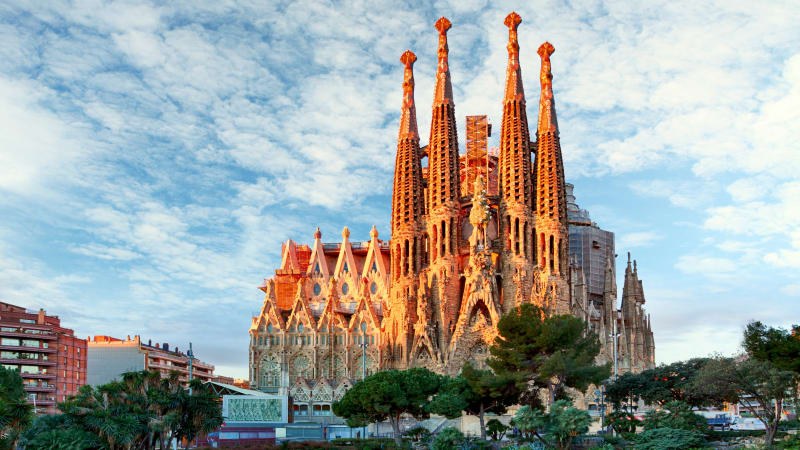 1 mi from BarcelonaSagrada Família
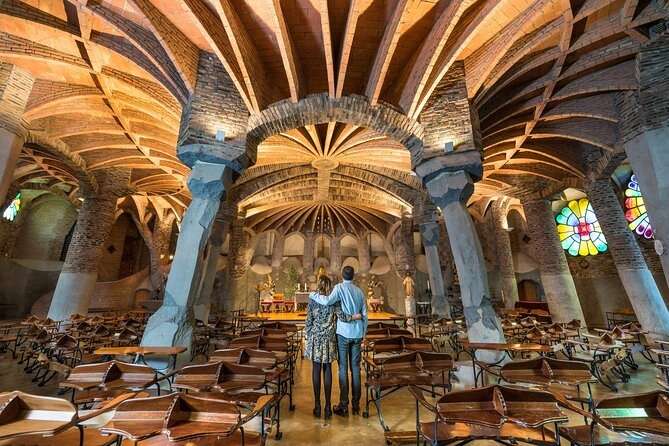 7 mi from BarcelonaColònia Güell Church (Crypt) & Modernist Industrial Site
 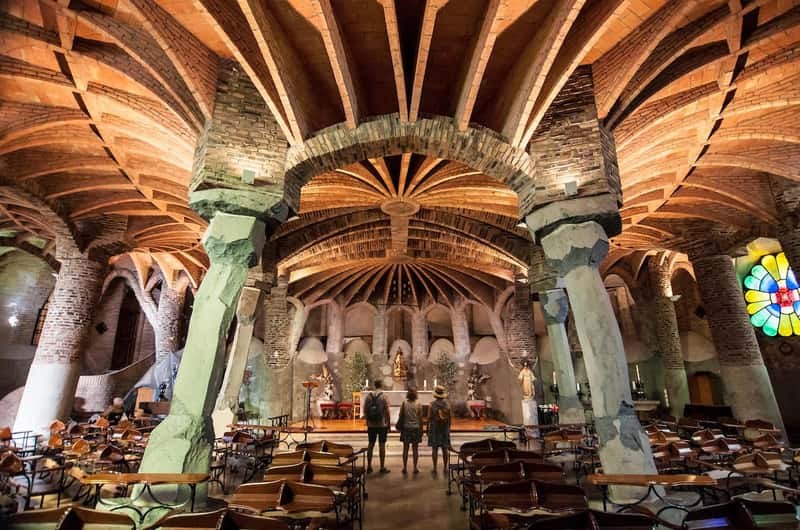 8 mi from Barcelona · land adventureBarcelona Beyond the Crowds: Gaudí, Galician Seafood & Montserrat
 210 mi from Barcelona · land adventureProvence by the Senses: Lavender, Truffles, and Roman Stone
 After you step off · near Athens
You end in a different port — stay on, and add what is within reach before you fly home.

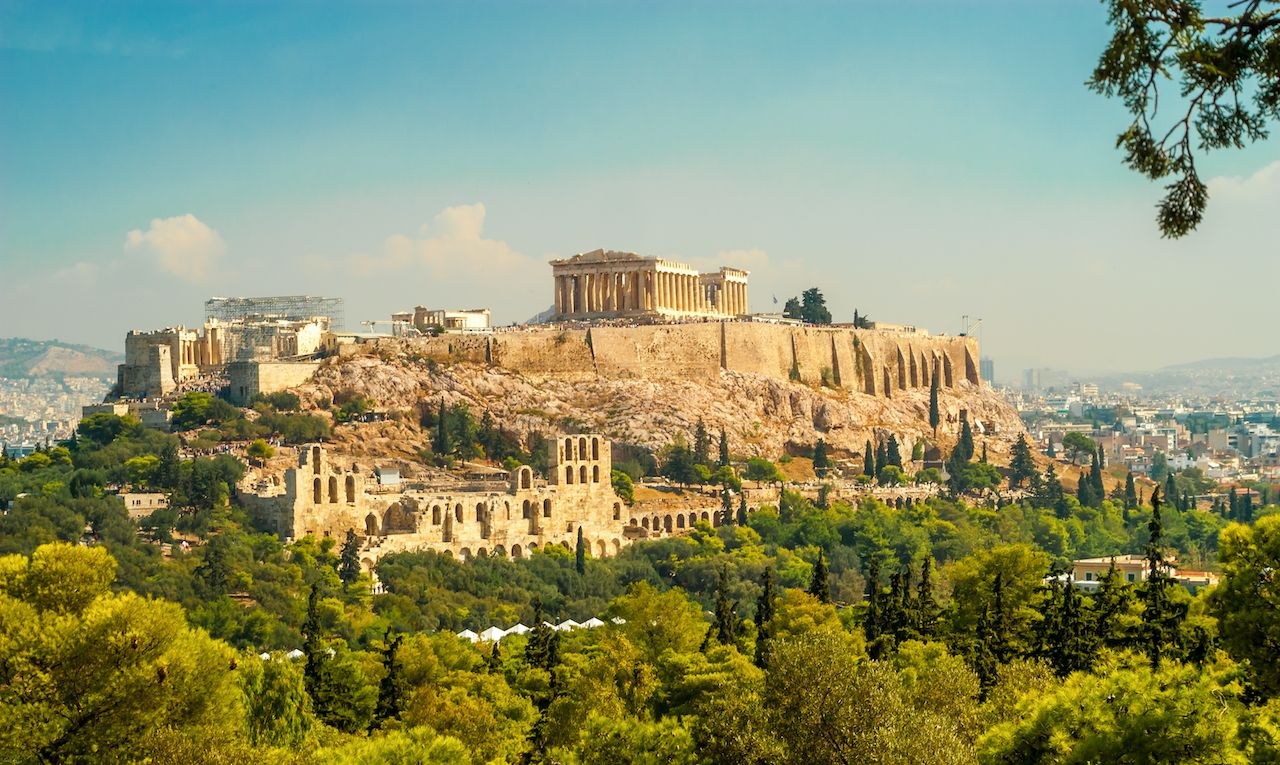
The same trip, elevated
The same gateway on a more luxurious line — lead-in fare per person, same fare as booking direct.