Your cruise
AmaVenita · 14-night Europe cruise, Basel to Amsterdam
Feb 18 – Mar 4 · 14 nights ·
Day 1 Basel (board) · Day 2 Breisach am Rhein · Day 3 Strasbourg · Day 4 Ludwigshafen am Rhein · Day 5 Rudesheim am Rhein · Day 5 Lahnstein · Day 6 at sea · Day 6 Dusseldorf · Day 7 Utrecht · Day 7–8 Amsterdam · Day 9 Utrecht · Day 9 Amsterdam · Day 10 Hellevoetsluis · Day 11 Gent · Day 12 Brussels · Day 13 Antwerpen · Day 14 Dordrecht · Day 15 Amsterdam (step off)
What you do Cross the Rhine into France for the single most famous thing you can do from Breisach: Colmar's pastel half-timbered houses and flower-draped canals ('La Petite Venise'), strung together with the storybook wine-route villages of Eguisheim, Riquewihr and Kaysersberg. A private driver-guide meets you at the gangway, watches the all-aboard clock, and lets you skip the coach-herd — this is the fairytale-Alsace day a first-timer would regret trading for a generic bus.
What to expect Your private driver-guide meets you at the Breisach gangway and whisks you across the Rhine into Alsace, starting in Colmar where pastel half-timbered houses line flower-draped canals in La Petite Venise—no coach herds, just your group moving at your own pace. From there you drift through three storybook wine villages: Eguisheim, Riquewihr, and Kaysersberg, each a step deeper into fairytale Alsace, with time to wander, shop, photograph, and explore. Your driver watches the all-aboard clock throughout, so you're never rushed and always back with a buffer. The rhythm is intimate and flexible—village stops, Colmar's canal walks, and vineyard scenery stitched together without the constraint of a fixed bus schedule.
Good to know Your private minivan departs the Breisach dock on a schedule timed to your ship's all-aboard; plan on a full 6–8 hour window for the complete Colmar & villages circuit. Pickup is dock-side and drop-off returns you to the same spot, eliminating any tender or transportation uncertainty. Lunch and wine tastings in the villages are not included and should be booked or budgeted separately. Wear comfortable walking shoes, bring a camera, and confirm your excursion booking in advance with Ophorus Tours—for groups of 2 or more, the per-person cost (~$38–$58 depending on party size) undercuts the ship's per-person rate decisively.
Versus the ship tour Direct wins decisively for any group of 2+. The ship's Colmar coach tour runs ~$99-$169 PER PERSON; Ophorus is ~$230 for the whole van. A party of 2 already roughly breaks even, and a group of 4 pays ~$58/pp vs ~$130/pp on the ship — and you get three villages plus Colmar, not just Colmar. If you're a solo traveler, the ship's per-person price is actually the cheaper way to reach Colmar.
What you do A 12th-century pink-sandstone fortress dramatically rebuilt for Kaiser Wilhelm II, perched on a ridge with drawbridges, ramparts, a great keep and a 360-degree sweep over the vineyards to the Black Forest. It's the most cinematic 'real medieval castle' moment in the region, and pairing it with Colmar and a wine-route village on one private full-day is the marquee France-and-castles combination this port can offer.
What to expect You'll start with a private-van pickup at the Breisach dock and cross into Alsace for an immersive day across three distinct stops: first the fairytale wine-route village of Riquewihr with its half-timbered streets, then the larger medieval town of Colmar to wander and lunch, and finally the showstopper—Château du Haut-Koenigsbourg, a 12th-century pink-sandstone fortress rebuilt for Kaiser Wilhelm II that crowns a ridge with drawbridges, ramparts, and a keep offering 360-degree views over vineyards to the Black Forest. You control how long you linger at the castle itself, unlike a coach tour, and the full routing delivers the quintessential France-and-castles experience this port can offer.
Good to know This is a full-day mainland excursion crossing an international border, so book the Ophorus Alsace Highlights private routing in advance and insist on guaranteed back-to-ship timing—allow a 6–8 hour window and confirm the operator's commitment to get you back for your ship's departure. Bring your passport; castle admission (~€12 per adult) is paid at the gate, not included in the €155/group tour price. Wear comfortable walking shoes for village exploration and the castle grounds, and pack sunscreen and water for exposed ridge-top exposure. A group of four splits costs to roughly €54 per person all-in (tour + admission), versus €130+ per person on a comparable ship-sold coach tour.
Versus the ship tour Lines rarely sell Haut-Koenigsbourg standalone — it's usually bundled into a $99-$169/pp coach. Doing it privately via Ophorus is ~$165/group + ~$13/pp admission, so a group of 4 pays ~$54/pp all-in vs ~$130/pp on a comparable ship tour, and you control the castle dwell time. Note this is a long mainland day across an international border: insist on the operator's guaranteed back-to-ship timing.
book direct with Ophorus Tours (Alsace Highlights private excursion; castle admission paid on site) → · the full guide →
What you do The iconic reason most lines stop at Breisach: a dock-to-dock private day into the real Schwarzwald with Triberg's 163m cascades (Germany's highest waterfalls outside the Alps), an authentic cuckoo-clock workshop, and a slice of genuine Schwarzwälder Kirschtorte in its homeland. Run by native-German, Black-Forest-Park-certified guides who meet you at the ship and bring you back — the quintessential 'I went into the real Black Forest' day.
What to expect Your guide meets you at the Breisach dock and drives your small group straight into the genuine Black Forest. First stop: Triberg's 163-meter cascades—Germany's highest waterfalls outside the Alps—where you walk among misty drops and dense forest canopy. Next, you step into an authentic cuckoo-clock workshop to watch craftspeople at their benches, then settle into a café with a slice of Schwarzwälder Kirschtorte in its birthplace, tasting why this cake defines the region. The rhythm is unhurried: nature, craft, tradition, taste—then your guide brings you back to the ship with time to spare.
Good to know Book your private group price directly with Simone (Black Forest Tours) before committing; confirm whether it beats the ship's full-day upgrade rate for your party size. Plan for a 6-hour minimum; the full-day option gives you more breathing room between stops. Wear waterproof shoes or boots for the waterfall walk and bring a light rain layer—you'll be under spray and among forest mist. Entry to Triberg Waterfalls is ~€9 (~$10) per person; the cuckoo-clock workshop is free to browse, and Schwarzwälder Kirschtorte is ordered à la carte at the café—budget accordingly and confirm all extras are settled before you depart the dock.
Versus the ship tour The ship's short ~4-hr Black Forest drive is often the INCLUDED tour ($0) — if you only want a taste, take it. The full-day upgrade runs ~$99-$159/pp on board. Going private with Simone gets you a customizable small-group day and a real guide for roughly the same per-person money at 4+ guests, with no coach of 40. Confirm her group price before booking; if it lands above the ship's full-day rate for your party size, the ship is the better value.
book direct with Black Forest Tours (owner: Simone) → · the full guide →
What you do Breisach sits right on the edge of the volcanic Kaiserstuhl, Germany's warmest, sunniest growing area and a Spätburgunder (Pinot Noir) powerhouse. Taste world-class Pinot among the terraced volcanic vineyards a 10-minute drive from the gangway, led by the region's official, history-versed local guides with a cellar stop at an Ihringen estate — a distinctly-here experience you cannot replicate anywhere else on a Rhine itinerary.
What to expect You board a short 10-minute drive inland to the volcanic slopes of Kaiserstuhl, where a licensed local guide leads you through terraced vineyards in Germany's warmest, sunniest growing region. You'll walk among the vines that produce world-class Spätburgunder (Pinot Noir), learning the volcanic terroir's history and influence on the wine's character. The excursion culminates at a cellar stop at an Ihringen estate—typically Dr. Heger or a Winzergenossenschaft co-op—where you taste premium Pinot flights (€15–25 per person) in the working winery itself. The half-day rhythm is unhurried and intimate, built around the region's signature varietal rather than a generic tasting menu.
Good to know The guided half-day runs ~3–4 hours from the Breisach gangway; book directly with Freiburg Kultour or via your cruise line to secure an official licensed guide and cellar slot. A party of 4 pays roughly €50–65 per person all-in (guide + tasting), versus €110+ per person for onboard wine excursions—and you'll need to return with a 30–45 minute buffer before all-aboard. Wear comfortable walking shoes for the terraced vineyard slopes, bring sun protection (the region lives up to its sunny reputation), and book your tasting flights ahead if visiting during peak season; a walk-in alternative at the Badischer Winzerkeller in Breisach town itself costs only €10–15 if you prefer to skip the guide.
Versus the ship tour Direct wins. The ship's wine option (Geldermann Sekt cellar or an Alsace wine day) runs ~$79-$149/pp. Freiburg Kultour's guide is ~$145 for the whole group plus ~$15-30/pp for the pours, so a party of 4 pays ~$50-65/pp all-in vs ~$110+/pp on board — and you taste the region's signature volcanic Pinot rather than a generic flight. A walk-in tasting at the Badischer Winzerkeller in Breisach itself is only ~EUR 10-15 if you skip the guide entirely.
book direct with Freiburg Kultour (official licensed guides) + Winzergenossenschaft Ihringen for the cellar/tasting → · the full guide →
What you do Float up Germany's longest circulating cable car for 20 minutes to the 1,284m Schauinsland summit, where on a clear day the panorama opens across the Black Forest to the Rhine plain, the Vosges and even the Alps. It's the easy 'top of the Black Forest' payoff a valley-level tour can only hint at, and it pairs naturally with a half-day in Freiburg just below.
What to expect You'll descend from your ship at Breisach and board a regional train toward Freiburg, then transfer to tram and bus to reach the Schauinslandbahn's valley station nestled below the Black Forest canopy. The 20-minute cable car ascent unfolds as a gentle float upward, the view expanding from forested ridges to the Rhine plain stretching below. At 1,284m, you emerge onto the Schauinsland summit where the panorama opens across the Black Forest, the Alsatian Vosges, and—on a clear day—the Alps distant on the horizon. The return cable car descent mirrors the journey down, delivering you back to the valley with plenty of daylight and time to reverse the transit chain to your ship.
Good to know Allow 3–3.5 hours total for the excursion (30 min train, 20 min ascent, summit time, 20 min descent, 30 min return transit), leaving a comfortable 2.5–3 hour buffer before all-aboard in a 6–8 hour port window. Regional trains run frequently enough that you won't need to book ahead, but confirm the tram/bus connection at Freiburg station upon arrival. Cost is minimal—EUR 15 for the cable car round-trip plus a few euros for train and tram—so carry small bills and coins. Wear layers and bring a camera; summit weather can shift rapidly, and visibility determines whether you see the Alps, so avoid this excursion if morning fog or rain is forecast.
Versus the ship tour No real ship equivalent — scenic/summit views are usually buried inside a $69-$109/pp coach add-on. Doing it yourself is EUR 15 plus a few euros of train/tram, so well under $30/pp total for the marquee panorama. The only catch is logistics: it's DIY public transit, so build in margin and don't attempt it on a short port day with an early all-aboard.
book direct with Schauinslandbahn (operated by VAG Freiburg) → · the full guide →
What you do You don't need a bus for this one: a five-minute climb up the Münsterberg rock right above the dock reaches the Romanesque-Gothic St. Stephen's Minster (12th-13th c.) with its celebrated medieval frescoes and a Martin Schongauer mural, plus a cathedral-square terrace sweeping over the Rhine, the river island, France and the Black Forest. For a first-timer with limited time or an early all-aboard, it's the highest-reward, no-risk way to feel the medieval-frontier character of the town itself.
What to expect Step off the gangway and climb the Münsterberg rock for five minutes to reach the soaring Romanesque-Gothic St. Stephen's Minster, where 12th- and 13th-century frescoes and a Martin Schongauer mural anchor you in medieval history. Pause in the cathedral square to absorb the panoramic sweep of the Rhine valley, the river island, the Alsatian frontier, and the Black Forest beyond—this is the heartland view that defines Breisach's character. Wander the old town's medieval streets at your own pace, or join an official guided walk to deepen the stories behind the architecture and riverside fortifications. The entire rhythm—climb, cathedral, terrace, stroll—unfolds in under an hour, leaving you time to rest at a riverside café before the all-aboard.
Good to know The cathedral and Münsterberg viewpoint are free and lie just a 5-minute walk directly from the ship, making this ideal for a tight all-aboard window or inclement weather. A self-guided digital town tour (~€5.99) extends your exploration if desired, while official guided old-town walks are bookable through Touristik Breisach am Rhein at modest group rates—reserve ahead if you want a guide. With a standard 6–8-hour port call, you can easily complete the cathedral and panorama in 45 minutes and still have 5–6 hours to explore the old town, eat, or simply sit; plan a minimum 30-minute return-to-ship buffer. Bring comfortable walking shoes for the rock climb and cobblestones, and a camera or phone for the Rhine vistas—no special gear or advance bookings are required for the core experience.
Versus the ship tour This is the safety-net alternate and a near-total win on price. Some lines include the Breisach walk free; where it's sold it's ~$45-$60/pp for a 2-hr guided stroll. The cathedral and panorama are free and self-guided in under an hour — keep this in your back pocket if a mainland tour falls through, weather turns, or you simply want a low-stress port day steps from the gangway.
book direct with Touristik Breisach am Rhein (official tourist office) — self-guided & guided walks → · the full guide →
What you do Seal your clothes and phone inside a fish-shaped dry bag, slip into the Rhine upstream by the Tinguely Museum, and let the strong current carry you a gentle ~3 km past the red-sandstone Minster and the Old Town to the Johanniterbrücke. It's the quintessential Basel summer ritual locals do after work, and no other European city lets you swim through its historic core like this. Only do it as a confident swimmer with at least one buddy; the current is fast.
What to expect You'll walk to Basel Tourist Information at Stadtcasino to collect or rent your Wickelfisch—a fish-shaped dry bag that seals your clothes and phone—then make your way upstream to the Tinguely Museum and slip into the Rhine. The current sweeps you gently downstream for roughly 3 kilometers past the medieval red-sandstone Minster and the colorful facades of the Old Town, a view most visitors never see. You float suspended in the cool water, watching historic spires and bridges slide past at the river's pace, until you drift toward the Johanniterbrücke where you exit and recover your gear. It's the quintessential Basel summer ritual—intimate, meditative, and entirely unique to this city.
Good to know Rent or buy your Wickelfisch at Stadtcasino (open Jun–Sep) at least an hour before your swim to avoid queues; the rental costs roughly $12/day with a refundable deposit. Plan a 4–5 hour window from the Schifflände dock: 15 minutes to Stadtcasino, 30 minutes to the Tinguely entry point, 30 minutes of drift time, plus 15 minutes to walk back to the dock from Johanniterbrücke. Bring a buddy and confirm you're a confident swimmer—the Rhine's current is fast and non-negotiable. Pack a small towel and secure any valuables; the Wickelfisch holds phones and essentials, but nothing else needs to float with you.
Versus the ship tour No cruise line sells this, and none ever will -- it's the single most talk-worthy thing you can do in Basel and it costs about $12. Direct wins by default; there is no ship equivalent. Just confirm it back to the boat: the drift ends at Johanniterbrücke, a 15-min walk from the Schifflände dock.
book direct with Wickelfisch AG (rentals via Basel Tourist Information at Stadtcasino, Jun-Sep) → · the full guide →
What you do The red-sandstone Gothic-Romanesque Minster is Basel's defining landmark. Climb the 250 steps up St. George's or St. Martin's tower for a sweeping panorama over the Old Town rooftops, the curving Rhine, and across into both Germany and France. Below, the free Pfalz terrace behind the cathedral is the city's postcard viewpoint, and cathedral entry itself is free.
What to expect You'll start with your ship's included city walk, which typically stops at the cathedral threshold to set the scene—red sandstone Gothic-Romanesque beauty, centuries of history—then splits off. From there, you climb either St. George's or St. Martin's tower: 250 steps up a narrow spiral staircase, each step bringing the views larger until you emerge onto a high terrace overlooking Basel's Old Town rooftops, the Rhine's lazy curve below, and the rolling landscape of Germany and France spreading across the horizon. After catching your breath and taking in the panorama, you can descend and linger on the free Pfalz terrace behind the cathedral—the city's famous postcard viewpoint—before a flat, easy walk of roughly a mile back to the dock.
Good to know The tower climb takes about 10 minutes and costs ~$7 (CHF 6 adult), but tower entry closes roughly 30 minutes before the cathedral itself, so plan your ascent for mid-day to avoid a last-minute squeeze. The dock to Minster is a flat, walkable mile—no shuttle needed unless you prefer one—giving you flexibility to do the ship's included walk first, climb independently after, and still have comfortable breathing room before all-aboard. Bring comfortable walking shoes and small change (CHF preferred for tower admission, though some vendors take cards). The climb requires a minimum of two people, so pair up with another passenger or your travel companion before you start.
Versus the ship tour Most lines fold the Minster into their INCLUDED city walk, but the guided walk usually stops at the cathedral door and skips the paid tower climb. Going up yourself is $7 and 10 minutes -- so do the included ship walk for context, then climb the tower on your own afterward. Don't pay a line $75-95 for an a-la-carte 'city walk' just to reach this; it's a flat, walkable mile from the dock.
book direct with Basler Münster (Münsterbauverein / parish) → · the full guide →
What you do Routinely ranked among the best small museums on earth: a Renzo Piano glass pavilion set among century-old trees and water-lily ponds (echoing the Monets hung inside), holding 400+ masterworks by Picasso, Cézanne, Monet, Rothko and Giacometti, plus a rotating blockbuster show. For an art-loving cruiser it's the one Basel-area collection you'd most regret skipping, and it's open 365 days a year. Budget ~2-3 hours including the 10-minute tram each way.
What to expect You'll ride the free tram 6 for roughly 10 minutes into Riehen, arriving at a serene Renzo Piano glass pavilion nestled among century-old trees and water-lily ponds that mirror the Monets inside. Once through the doors, you're face-to-face with over 400 masterworks—Picasso, Cézanne, Monet, Rothko, Giacometti—arranged in light-flooded galleries that feel less like a museum than a pilgrimage. Between the permanent collection and rotating blockbuster exhibition, plan 2–3 hours to move at a pace that honors the art. The park itself—with its water features and mature landscaping—becomes part of the contemplative experience, a living frame around world-class modern art.
Good to know Get your free BaselCard from the ship if you're an overnight guest, which covers the round-trip tram 6 fare; without it, budget about $5–6 each way. The museum is open 365 days a year, so no closure risk, and ticket prices drop to CHF 20 (roughly $22) all day Tuesday if your port timing allows. Allocate 4–5 hours total port time (10 min tram each way, 2–3 hours in the collection, plus buffer for queues or a café pause); aim to leave the ship within the first two hours to ensure a comfortable return. Bring comfortable shoes and a light layer, as the glass pavilion and surrounding park expose you to weather; no advance booking required, but early morning visit beats afternoon crowds in peak season.
Versus the ship tour Lines almost never offer Beyeler as an excursion, so there's no direct dollar match -- but it's the rare 'museum' that's a genuine marquee, not a skippable town gallery. At ~$28 self-guided it beats any generic art-themed optional, and the tram is free with your overnight BaselCard. Only worth it if you actually love modern art; otherwise spend the day on the river.
book direct with Fondation Beyeler (Beyeler Museum AG), Riehen → · the full guide →
What you do A once-in-a-trip pilgrimage for design and architecture lovers: a single open campus just over the German border holding buildings by Frank Gehry, Zaha Hadid, Tadao Ando, SANAA, Herzog & de Meuron and Álvaro Siza, plus Carsten Höller's 30 m spiral-slide viewing tower. Nowhere else can you walk between this many architectural icons in one afternoon. Take the guided architecture tour to actually get inside the landmark structures.
What to expect You'll take bus 55 from Claraplatz (roughly 20 minutes) across the German border to Weil am Rhein, stepping onto a single open campus where you walk between architectural masterworks by Gehry, Hadid, Ando, Herzog & de Meuron, and others—a sequence of landmark structures impossible to experience anywhere else in one afternoon. Inside the Design Museum and Schaudepot, you'll encounter the stories behind these iconic buildings, their materials and concepts revealed through curated collections. The optional 2-hour guided architecture tour gets you inside the landmark structures themselves, moving from one sculptural vision to the next. Between tours, you can ride Carsten Höller's 30-meter spiral-slide viewing tower for free, descending with a view of the entire campus below.
Good to know The trip requires 5–6 hours minimum to justify the journey; book the 2-hr architecture tour in advance to secure entry into buildings and avoid gaps in your schedule. Pay your own bus 55 fare from Claraplatz (roughly €2–3 each way)—your Basel transit pass doesn't cover German territory. Plan to leave the ship by early afternoon to allow a comfortable return by evening; aim to be back at the pier 45 minutes before all-aboard. Bring comfortable walking shoes, a light layer for the open campus in cool weather, and consider packing a small bag—the campus is spread out and there's limited shelter between buildings.
Versus the ship tour No river line runs this, so direct is the only way. Important: it's in GERMANY, so your free Basel transit pass does NOT cover the trip -- pay the bus 55 fare or taxi over. Genuinely niche; skip it unless design is your thing, in which case nothing on the ship's menu comes close.
book direct with Vitra Design Museum (Weil am Rhein, Germany) → · the full guide →
What you do The relaxed, sit-down counterpoint to the Rhine swim: a local-run boat from the Schifflände dock by the Mittlere Brücke glides past the Old Town houses, the Minster and the futuristic Roche towers on a city-and-harbour loop, or runs a longer trip up to medieval Rheinfelden through a working lock. It's the easiest low-effort way to see Basel's whole riverfront comfortably in a couple of hours, and the dock is steps from where most river ships tie up.
What to expect You board a classic Basel riverboat at the nearby Schifflände dock—just steps from where your ship ties up—and settle in for a leisurely 2-hour glide through the heart of the city. The boat drifts past the timber-framed Old Town mansions lining the riverbank, passes under the iconic Mittlere Brücke, and glides beneath the soaring Gothic spire of the Minster. On longer itineraries, you'll navigate through a working lock en route to the medieval village of Rheinfelden, experiencing the Rhine's industrial pulse alongside its romantic architecture. It's low-effort sightseeing: no walking required, no rushing—just watching Basel unfold from the water.
Good to know The dock is a 5-minute walk from your ship at the Schifflände, making this one of the easiest turnarounds for a standard 6–8 hour port day; book either the city/port loop (about 1.5–2 hours) or the longer Basel-Rheinfelden lock cruise (approximately 2–3 hours) directly with Basler Personenschifffahrt to save $25–40 per person versus cruise-line packages. Bring the BaselCard if offered by your line (25% discount available) and wear layers, as river breezes can cool quickly even in warm months. Because the boat departs and returns from the same dock near your ship, you have a generous safety buffer; plan to be back at the Schifflände 30 minutes before all-aboard.
Versus the ship tour When a line tacks on a short Basel sightseeing-boat add-on it runs ~$40-60 pp; booking BPG directly is ~$18 -- roughly a $25-40 saving per person for the same river view, dropping to ~$13 with the BaselCard discount. Low-risk near-port safety-net: it leaves and returns at the Schifflände, so you're never far from your ship.
What you do A charming Basel institution: wooden ferries with no motor, strung from an overhead cable and driven purely by the river current as the ferryman angles a rudder. The Münster ferry ('Leu') gives the single best on-the-water view of the red-sandstone cathedral rising off the bank. It's under two francs, runs all day, and is the most authentically local way to touch the Rhine in five minutes flat.
What to expect You'll walk from the pier into Basel's Old Town, find your way to the Münster ferry dock, and step aboard the Leu—a wooden cable ferry with no motor. As you push off, the Rhine's current does the work while the ferryman tilts the rudder to angle across; in five minutes of gentle drift, you'll have an unobstructed view of the cathedral's red-sandstone walls rising sheer from the opposite bank, one of the finest vantage points on the water. You can linger on deck, photograph, or simply stand in the current's rhythm—then either cross back or continue exploring the far bank before returning to the ship.
Good to know The ferry runs all day with no booking required; pay the ferryman onboard (CHF 1.60 adults, CHF 0.80 children). Factor 45–60 minutes door-to-door from the pier to the Leu dock, plus 5–10 minutes on the water, leaving comfortable buffer time in a 6–8 hour port window. Bring cash in Swiss francs or euros; no card readers are posted. Pair this with a free Pfalz-terrace walk on either bank above the cathedral for a complete local experience without booking ahead.
Versus the ship tour Here the cheap option flat-out wins -- this is a sub-$2 experience no excursion desk can improve on, and you don't need the boat cruise to feel the river. If you only want a quick, photogenic, genuinely-local Rhine moment between Old Town sights, take the Leu instead of paying for any add-on. Pair it with a free Pfalz-terrace stroll above the cathedral.
book direct with Fähri-Verein Basel (four ferries: Wild Maa, Leu, Vogel Gryff, Ueli) → · the full guide →
What you do Cross the Rhine into France for the single most famous thing you can do from Breisach: Colmar's pastel half-timbered houses and flower-draped canals ('La Petite Venise'), strung together with the storybook wine-route villages of Eguisheim, Riquewihr and Kaysersberg. A private driver-guide meets you at the gangway, watches the all-aboard clock, and lets you skip the coach-herd — this is the fairytale-Alsace day a first-timer would regret trading for a generic bus.
What to expect Your private driver-guide meets you at the Breisach gangway and whisks you across the Rhine into Alsace, starting in Colmar where pastel half-timbered houses line flower-draped canals in La Petite Venise—no coach herds, just your group moving at your own pace. From there you drift through three storybook wine villages: Eguisheim, Riquewihr, and Kaysersberg, each a step deeper into fairytale Alsace, with time to wander, shop, photograph, and explore. Your driver watches the all-aboard clock throughout, so you're never rushed and always back with a buffer. The rhythm is intimate and flexible—village stops, Colmar's canal walks, and vineyard scenery stitched together without the constraint of a fixed bus schedule.
Good to know Your private minivan departs the Breisach dock on a schedule timed to your ship's all-aboard; plan on a full 6–8 hour window for the complete Colmar & villages circuit. Pickup is dock-side and drop-off returns you to the same spot, eliminating any tender or transportation uncertainty. Lunch and wine tastings in the villages are not included and should be booked or budgeted separately. Wear comfortable walking shoes, bring a camera, and confirm your excursion booking in advance with Ophorus Tours—for groups of 2 or more, the per-person cost (~$38–$58 depending on party size) undercuts the ship's per-person rate decisively.
Versus the ship tour Direct wins decisively for any group of 2+. The ship's Colmar coach tour runs ~$99-$169 PER PERSON; Ophorus is ~$230 for the whole van. A party of 2 already roughly breaks even, and a group of 4 pays ~$58/pp vs ~$130/pp on the ship — and you get three villages plus Colmar, not just Colmar. If you're a solo traveler, the ship's per-person price is actually the cheaper way to reach Colmar.
What you do A 12th-century pink-sandstone fortress dramatically rebuilt for Kaiser Wilhelm II, perched on a ridge with drawbridges, ramparts, a great keep and a 360-degree sweep over the vineyards to the Black Forest. It's the most cinematic 'real medieval castle' moment in the region, and pairing it with Colmar and a wine-route village on one private full-day is the marquee France-and-castles combination this port can offer.
What to expect You'll start with a private-van pickup at the Breisach dock and cross into Alsace for an immersive day across three distinct stops: first the fairytale wine-route village of Riquewihr with its half-timbered streets, then the larger medieval town of Colmar to wander and lunch, and finally the showstopper—Château du Haut-Koenigsbourg, a 12th-century pink-sandstone fortress rebuilt for Kaiser Wilhelm II that crowns a ridge with drawbridges, ramparts, and a keep offering 360-degree views over vineyards to the Black Forest. You control how long you linger at the castle itself, unlike a coach tour, and the full routing delivers the quintessential France-and-castles experience this port can offer.
Good to know This is a full-day mainland excursion crossing an international border, so book the Ophorus Alsace Highlights private routing in advance and insist on guaranteed back-to-ship timing—allow a 6–8 hour window and confirm the operator's commitment to get you back for your ship's departure. Bring your passport; castle admission (~€12 per adult) is paid at the gate, not included in the €155/group tour price. Wear comfortable walking shoes for village exploration and the castle grounds, and pack sunscreen and water for exposed ridge-top exposure. A group of four splits costs to roughly €54 per person all-in (tour + admission), versus €130+ per person on a comparable ship-sold coach tour.
Versus the ship tour Lines rarely sell Haut-Koenigsbourg standalone — it's usually bundled into a $99-$169/pp coach. Doing it privately via Ophorus is ~$165/group + ~$13/pp admission, so a group of 4 pays ~$54/pp all-in vs ~$130/pp on a comparable ship tour, and you control the castle dwell time. Note this is a long mainland day across an international border: insist on the operator's guaranteed back-to-ship timing.
book direct with Ophorus Tours (Alsace Highlights private excursion; castle admission paid on site) → · the full guide →
What you do The iconic reason most lines stop at Breisach: a dock-to-dock private day into the real Schwarzwald with Triberg's 163m cascades (Germany's highest waterfalls outside the Alps), an authentic cuckoo-clock workshop, and a slice of genuine Schwarzwälder Kirschtorte in its homeland. Run by native-German, Black-Forest-Park-certified guides who meet you at the ship and bring you back — the quintessential 'I went into the real Black Forest' day.
What to expect Your guide meets you at the Breisach dock and drives your small group straight into the genuine Black Forest. First stop: Triberg's 163-meter cascades—Germany's highest waterfalls outside the Alps—where you walk among misty drops and dense forest canopy. Next, you step into an authentic cuckoo-clock workshop to watch craftspeople at their benches, then settle into a café with a slice of Schwarzwälder Kirschtorte in its birthplace, tasting why this cake defines the region. The rhythm is unhurried: nature, craft, tradition, taste—then your guide brings you back to the ship with time to spare.
Good to know Book your private group price directly with Simone (Black Forest Tours) before committing; confirm whether it beats the ship's full-day upgrade rate for your party size. Plan for a 6-hour minimum; the full-day option gives you more breathing room between stops. Wear waterproof shoes or boots for the waterfall walk and bring a light rain layer—you'll be under spray and among forest mist. Entry to Triberg Waterfalls is ~€9 (~$10) per person; the cuckoo-clock workshop is free to browse, and Schwarzwälder Kirschtorte is ordered à la carte at the café—budget accordingly and confirm all extras are settled before you depart the dock.
Versus the ship tour The ship's short ~4-hr Black Forest drive is often the INCLUDED tour ($0) — if you only want a taste, take it. The full-day upgrade runs ~$99-$159/pp on board. Going private with Simone gets you a customizable small-group day and a real guide for roughly the same per-person money at 4+ guests, with no coach of 40. Confirm her group price before booking; if it lands above the ship's full-day rate for your party size, the ship is the better value.
book direct with Black Forest Tours (owner: Simone) → · the full guide →
What you do Breisach sits right on the edge of the volcanic Kaiserstuhl, Germany's warmest, sunniest growing area and a Spätburgunder (Pinot Noir) powerhouse. Taste world-class Pinot among the terraced volcanic vineyards a 10-minute drive from the gangway, led by the region's official, history-versed local guides with a cellar stop at an Ihringen estate — a distinctly-here experience you cannot replicate anywhere else on a Rhine itinerary.
What to expect You board a short 10-minute drive inland to the volcanic slopes of Kaiserstuhl, where a licensed local guide leads you through terraced vineyards in Germany's warmest, sunniest growing region. You'll walk among the vines that produce world-class Spätburgunder (Pinot Noir), learning the volcanic terroir's history and influence on the wine's character. The excursion culminates at a cellar stop at an Ihringen estate—typically Dr. Heger or a Winzergenossenschaft co-op—where you taste premium Pinot flights (€15–25 per person) in the working winery itself. The half-day rhythm is unhurried and intimate, built around the region's signature varietal rather than a generic tasting menu.
Good to know The guided half-day runs ~3–4 hours from the Breisach gangway; book directly with Freiburg Kultour or via your cruise line to secure an official licensed guide and cellar slot. A party of 4 pays roughly €50–65 per person all-in (guide + tasting), versus €110+ per person for onboard wine excursions—and you'll need to return with a 30–45 minute buffer before all-aboard. Wear comfortable walking shoes for the terraced vineyard slopes, bring sun protection (the region lives up to its sunny reputation), and book your tasting flights ahead if visiting during peak season; a walk-in alternative at the Badischer Winzerkeller in Breisach town itself costs only €10–15 if you prefer to skip the guide.
Versus the ship tour Direct wins. The ship's wine option (Geldermann Sekt cellar or an Alsace wine day) runs ~$79-$149/pp. Freiburg Kultour's guide is ~$145 for the whole group plus ~$15-30/pp for the pours, so a party of 4 pays ~$50-65/pp all-in vs ~$110+/pp on board — and you taste the region's signature volcanic Pinot rather than a generic flight. A walk-in tasting at the Badischer Winzerkeller in Breisach itself is only ~EUR 10-15 if you skip the guide entirely.
book direct with Freiburg Kultour (official licensed guides) + Winzergenossenschaft Ihringen for the cellar/tasting → · the full guide →
What you do Float up Germany's longest circulating cable car for 20 minutes to the 1,284m Schauinsland summit, where on a clear day the panorama opens across the Black Forest to the Rhine plain, the Vosges and even the Alps. It's the easy 'top of the Black Forest' payoff a valley-level tour can only hint at, and it pairs naturally with a half-day in Freiburg just below.
What to expect You'll descend from your ship at Breisach and board a regional train toward Freiburg, then transfer to tram and bus to reach the Schauinslandbahn's valley station nestled below the Black Forest canopy. The 20-minute cable car ascent unfolds as a gentle float upward, the view expanding from forested ridges to the Rhine plain stretching below. At 1,284m, you emerge onto the Schauinsland summit where the panorama opens across the Black Forest, the Alsatian Vosges, and—on a clear day—the Alps distant on the horizon. The return cable car descent mirrors the journey down, delivering you back to the valley with plenty of daylight and time to reverse the transit chain to your ship.
Good to know Allow 3–3.5 hours total for the excursion (30 min train, 20 min ascent, summit time, 20 min descent, 30 min return transit), leaving a comfortable 2.5–3 hour buffer before all-aboard in a 6–8 hour port window. Regional trains run frequently enough that you won't need to book ahead, but confirm the tram/bus connection at Freiburg station upon arrival. Cost is minimal—EUR 15 for the cable car round-trip plus a few euros for train and tram—so carry small bills and coins. Wear layers and bring a camera; summit weather can shift rapidly, and visibility determines whether you see the Alps, so avoid this excursion if morning fog or rain is forecast.
Versus the ship tour No real ship equivalent — scenic/summit views are usually buried inside a $69-$109/pp coach add-on. Doing it yourself is EUR 15 plus a few euros of train/tram, so well under $30/pp total for the marquee panorama. The only catch is logistics: it's DIY public transit, so build in margin and don't attempt it on a short port day with an early all-aboard.
book direct with Schauinslandbahn (operated by VAG Freiburg) → · the full guide →
What you do You don't need a bus for this one: a five-minute climb up the Münsterberg rock right above the dock reaches the Romanesque-Gothic St. Stephen's Minster (12th-13th c.) with its celebrated medieval frescoes and a Martin Schongauer mural, plus a cathedral-square terrace sweeping over the Rhine, the river island, France and the Black Forest. For a first-timer with limited time or an early all-aboard, it's the highest-reward, no-risk way to feel the medieval-frontier character of the town itself.
What to expect Step off the gangway and climb the Münsterberg rock for five minutes to reach the soaring Romanesque-Gothic St. Stephen's Minster, where 12th- and 13th-century frescoes and a Martin Schongauer mural anchor you in medieval history. Pause in the cathedral square to absorb the panoramic sweep of the Rhine valley, the river island, the Alsatian frontier, and the Black Forest beyond—this is the heartland view that defines Breisach's character. Wander the old town's medieval streets at your own pace, or join an official guided walk to deepen the stories behind the architecture and riverside fortifications. The entire rhythm—climb, cathedral, terrace, stroll—unfolds in under an hour, leaving you time to rest at a riverside café before the all-aboard.
Good to know The cathedral and Münsterberg viewpoint are free and lie just a 5-minute walk directly from the ship, making this ideal for a tight all-aboard window or inclement weather. A self-guided digital town tour (~€5.99) extends your exploration if desired, while official guided old-town walks are bookable through Touristik Breisach am Rhein at modest group rates—reserve ahead if you want a guide. With a standard 6–8-hour port call, you can easily complete the cathedral and panorama in 45 minutes and still have 5–6 hours to explore the old town, eat, or simply sit; plan a minimum 30-minute return-to-ship buffer. Bring comfortable walking shoes for the rock climb and cobblestones, and a camera or phone for the Rhine vistas—no special gear or advance bookings are required for the core experience.
Versus the ship tour This is the safety-net alternate and a near-total win on price. Some lines include the Breisach walk free; where it's sold it's ~$45-$60/pp for a 2-hr guided stroll. The cathedral and panorama are free and self-guided in under an hour — keep this in your back pocket if a mainland tour falls through, weather turns, or you simply want a low-stress port day steps from the gangway.
book direct with Touristik Breisach am Rhein (official tourist office) — self-guided & guided walks → · the full guide →
What you do Haul yourself up 332 sandstone steps of the world's onetime tallest building to the spire platform, 66 meters over a sea of red rooftops, the Ill canals, the Vosges and — on a clear day — the Black Forest. Down in the nave, time your visit for the 12:30pm show when the 16th-century Astronomical Clock's gilded figures, apostles and crowing rooster wheel into motion. This is the defining image of Alsace and the one thing a first-timer would genuinely regret skipping.
What to expect You'll climb 332 sandstone steps up the spire platform of Strasbourg Cathedral, emerging 66 meters above a sea of red rooftops with sweeping views of the Ill canals, Vosges mountains, and—on clear days—the Black Forest. Down in the nave, time your visit for the 12:30pm show when gilded apostles and a mechanical rooster wheel into motion on the 16th-century Astronomical Clock, a defining image of Alsace. The cathedral's nave itself is free to wander, so you can linger in the soaring Gothic interior before or after the spire ascent. This is a self-paced excursion that rewards you with both physical exhilaration and centuries of craftsmanship in one landmark.
Good to know Buy your tower platform ticket (EUR 8) at the south-side tower entrance on a walk-up basis; the 12:30pm Astronomical Clock show requires no reservation but book your spire climb early in your port window (timed-entry limits apply in peak summer). Plan roughly 90 minutes total (30–45 min climb, rest for the clock show and cathedral wander), leaving you a comfortable buffer to return to the ship within a 6–8 hour port call. The cathedral is directly accessible from Strasbourg's city center with no shuttle required; bring comfortable walking shoes for the spiral staircase and dress for exposure at the platform, as the 66-meter height offers no wind protection.
Versus the ship tour Direct wins, decisively. The ship's included walking tour parks you OUTSIDE the cathedral and the spire climb is not part of it; lines that add cathedral access bundle it into $50-90 'extended' or culinary walks. Going on your own costs about $9 all-in and the platform/clock are walk-up — you pocket roughly $40-80 versus the upsell and keep your own clock. Only caveat: the spire has timed-entry limits in peak summer, so go early.
book direct with Cathedrale Notre-Dame de Strasbourg (Fondation de l'Oeuvre Notre-Dame) → · the full guide →
What you do Glide the Ill's canals past the flower-draped, timber-framed tanners' houses of La Petite France, slip through the Ponts Couverts and the Vauban dam lock, then loop out to the monumental Neustadt and the glassy European Parliament. The whole Grande Ile is a UNESCO World Heritage site and this is the most time-efficient way to see its postcard heart, with a 12-language audioguide narrating as you go. Boats leave from Place du Marche aux Poissons, about 150m behind the cathedral.
What to expect You'll board a Batorama boat at Place du Marche aux Poissons and glide through the flower-draped, timber-framed streets of La Petite France, drifting past the tanners' houses that line the Ill's canals. The boat slips through the covered bridges (Ponts Couverts) and the Vauban dam lock, then loops out to reveal the monumental Neustadt district and the glassy European Parliament building. A 12-language audioguide narrates the entire UNESCO Grande Ile throughout your 45–70 minutes on the water, keeping the rhythm leisurely and immersive without requiring a guide.
Good to know The dock at Place du Marche aux Poissons sits about 150m behind the cathedral—walk straight from the pier to avoid paying the ~$40–60 cruise-line markup and save $20–40 per person on the identical tour. Buy tickets directly at the pontoon for most departures (no advance booking required); the 70-minute full tour costs EUR 16.20–17.20 with audioguide included. Plan 90 minutes total (tour plus walk to/from the dock) and allow at least 45 minutes buffer before all-aboard to account for navigation back to the ship.
Versus the ship tour Direct wins big — and it's literally the same operator the ships use. Cruise lines either bundle the canal cruise into an included panoramic or resell it as a ~$40-60 optional 'panoramic by boat.' Walking up to the Batorama dock yourself is about $19 for the full 70-minute loop, saving roughly $20-40 per person for the identical boat. No advance booking needed for most departures; buy at the pontoon.
What you do Trade the city for the fairy-tale countryside Strasbourg is the gateway to: Colmar's canal-laced 'Little Venice,' the perfectly preserved medieval ramparts of Riquewihr (the village that inspired Beauty and the Beast), and the mountaintop Haut-Koenigsbourg Castle with sweeping views over the Rhine plain and Vosges. You'll taste Riesling and Gewurztraminer in vineyard cellars between the half-timbered, geranium-hung villages. This is the marquee 'best of Alsace' day if your ship is in port long enough.
What to expect You'll depart in a intimate Mercedes minivan (max 8 passengers) from the Strasbourg Tourism Office and wind into the Alsatian wine country, arriving first in Colmar to wander the canal-laced streets of "Little Venice" and the half-timbered villages that inspired Beauty and the Beast. Next comes Riquewihr, a perfectly preserved medieval walled village where you'll descend into vineyard cellars to taste Riesling and Gewurztraminer directly from producers. The day crescendos atop Haut-Koenigsbourg Castle with sweeping views stretching across the Rhine plain to the Vosges mountains—a dramatic vantage over the entire region you've just explored. Throughout, your small group moves at a human pace, tasting wines between villages rather than sitting on a tour coach.
Good to know This is a full 8-hour excursion, so only book if your ship is docked 9+ hours minimum; confirm Ophorus's return-to-ship time in writing to guarantee a safety buffer before departure. The minivan departs from 17 Place de la Cathedrale (Strasbourg Tourism Office), roughly a 10–15 minute walk from the cruise pier—arrive early to confirm pickup. At ~$149–175 per person, the price undercuts the ship's Wine Route coach tours by $50–130 while delivering the same anchor sights in a far more intimate group. Haut-Koenigsbourg Castle entry is included; bring comfortable walking shoes, sunscreen, and a light jacket, as you'll be moving between villages and climbing the castle grounds.
Versus the ship tour Direct wins on both price AND quality of trip. The ship's full-day Wine Route / Black Forest optional runs $150-300/person, typically on a big coach; Ophorus delivers the same anchor sights in a max-8 minivan from ~$149, often $50-130 cheaper while being far more intimate. THE CATCH — this is an 8-hour day: only book it if your ship is docked 9+ hours, and confirm Ophorus's return time guarantees you back to the dock with a buffer. If you're in port under 8 hours, take the half-day card below instead.
What you do The smart pick when port time is tight: in about four hours you'll wind down the Wine Route to the cobbled, geranium-draped lanes of Obernai and a couple of tiny Grand Cru vineyard villages, walking the ramparts and tasting Alsace's flagship Rieslings and Gewurztraminers straight from the cellar. A local driver-guide handles the back-road logistics so you get the scenery and the wine without surrendering your whole day. A right-sized taste of the countryside that still gets you back to the ship with margin.
What to expect Your local driver-guide meets you and leads a compact group (max 8 passengers) down back roads into the Wine Route's quietest corners—first the medieval town of Obernai, where you walk the charming cobbled lanes draped in geraniums and flanked by ancient ramparts, then venture into tiny Grand Cru vineyard villages like Mittelbergheim and Barr/Andlau. At each stop the rhythm alternates between village exploration on foot and cellar tastings poured straight from the barrel, where you sample Alsace's signature Rieslings and Gewürztraminer in their source. The whole arc unfolds over roughly four hours, leaving you with genuine countryside immersion and wine knowledge without the all-day commitment.
Good to know Book ahead through Ophorus to secure your spot and confirm the exact return time to the pier—critical for tight port windows. Pickup happens at your hotel or the tourist office rather than the dock, so factor in 10–15 minutes to arrange transport from the ship or meet your group near the terminal. At ~€55–80 per person (roughly $60–86 USD), this four-hour excursion fits comfortably within a 6–8 hour port day and costs a fraction of the cruise line's full-day countryside tours; arrive back at the ship with at least 30–45 minutes buffer before all-aboard. Wear comfortable walking shoes for cobblestone lanes and rampart paths, and bring a light jacket as Alsatian weather can shift; sunscreen and a camera are standard.
Versus the ship tour Direct wins clearly. Cruise lines rarely offer a true half-day wine option — it's usually the $150-300 full-day or nothing — so this fills the gap for a tight port day at roughly $60-86, a fraction of the ship's countryside price. At ~4 hours it's the low-risk way to reach the vineyards without the 8-hour exposure of the full Wine Route day; still confirm the return time before you commit.
What you do Eat your way through one of France's great food regions on a 3.5-hour small-group crawl of the old town: crisp tarte flambee, charcuterie and Munster cheese, choucroute, and kougelhopf and bredele for something sweet, all washed down with Alsace wines and a local beer inside the winstubs — the cozy timber-beamed wine taverns where Strasbourgeois actually eat. It doubles as a guided walk through La Petite France, so you grasp why the region is famous while you're tasting it.
What to expect You'll spend 3.5 hours walking through La Petite France's timber-beamed streets, stopping inside cozy winstubs where locals eat to taste crisp tarte flambee, sliced charcuterie and Munster cheese, hearty choucroute, and sweet kougelhopf and bredele. Between tastings, your guide reveals why Alsace earned its food-region reputation—the architecture, the wine heritage, the craft—so the flavors make sense as you experience them. Alsace wines and a local beer flow throughout the small-group crawl (max 12 people), creating an intimate, unhurried rhythm rather than a rushed tick-box tour.
Good to know Book ahead—small-group dates fill quickly—and confirm a start time that gets you back to the pier with a comfortable buffer before all-aboard (the 3.5-hour window leaves time in a standard 6–8 hour port day, but don't book the last departure). Confirm walking pace and distance with the operator when you book, and bring comfortable shoes and an appetite; the tastings are substantial and meant to stack across multiple winstubs. At roughly $93–115 per person, this independent walk undercuts Viking and Avalon ship optionals by $140–200 per person while delivering the same caliber of food, wine, and guided heritage experience.
Versus the ship tour Direct wins by a wide margin. Viking's 'Taste of Alsace' and Avalon's 'Culinary Walk' are premium optionals at $250-300/person; this independent food walk delivers a comparable spread of tastings and winstub stops for around $93-115 — roughly $140-200 less per person. At 3.5 hours it fits a normal port day with room to spare. The one honest note: book ahead, as small-group dates fill, and confirm a start time that lands you back well before all-aboard.
book direct with Do Eat Better Experience → · the full guide →
What you do Ascend to the legendary ruins of Heidelberg Castle for sweeping Rhine Valley panoramas, then wander the cobbled Altstadt with a private expert historian. One of Germany's most romantic landscapes, distilled into a bespoke morning.
What to expect A private car or minivan whisks you the 13 miles to Heidelberg in under 30 minutes. Your historian-guide leads you through the castle's sandstone courtyards and the famed Heidelberg Tun — the world's largest wine barrel. Descend via the funicular into the Altstadt for a stroll along the Hauptstraße and across the Karl-Theodor Bridge, with its Baroque bridge gate framing the castle above. The afternoon is yours to linger over Kaffee und Kuchen at a terrace café before a relaxed return.
Good to know Heidelberg Castle charges EUR 9 adults for grounds + funicular; pre-book online to skip queues (heidelberg-marketing.de). Ludwigshafen all-aboard times are typically early evening — a half-day tour returns comfortably by 3 pm. Private car/van transfer is essential; trains run but add unnecessary complexity for a luxury experience.
Versus the ship tour Fully private group — your pace, your questions, your story. No headset herds, no rushing past the Großes Fass wine vat. Your guide crafts the narrative around your group's interests, from Romantic-era poetry to Palatinate politics.
book direct with GetYourGuide (local private guide, Heidelberg) → · the full guide →
What you do Drive into the Pfalz — Germany's sunniest, most seductive wine corridor — for a private estate tasting of Riesling, Spätburgunder, and rare Gewürztraminer poured by the winemaker. The Palatinate is the Rhine's best-kept vinous secret.
What to expect A 25-minute scenic drive through the Haardt foothills deposits you at the estate's historic winery in Wachenheim. Your English-speaking guide walks you through the barrel cellar, explaining biodynamic viticulture and the Pfalz's unique sandstone terroir. Four to six wines are poured — expect an aged Riesling Spätlese that stops conversation cold. The tasting concludes in the estate's elegant salon where you can purchase bottles to take aboard. On the drive back, the Weinstraße villages of Deidesheim and Neustadt shimmer with half-timbered charm.
Good to know Pre-book the private cellar tour directly via the estate website or by email (info@buerklin-wolf.de). The estate is 18 miles from Ludwigshafen — 30 minutes by private car. Arrange a luxury taxi or hire car from Ludwigshafen Hauptbahnhof. Comfortable walking shoes recommended for cobblestone cellar floors.
Versus the ship tour Access to one of Germany's most decorated biodynamic grand-cru estates — Bürklin-Wolf has farmed since 1597. A private cellar walk with a family estate guide, tasting barrel samples alongside bottled Grand Crus, is a world away from a generic group wine tour.
What you do Stand inside the largest Romanesque cathedral on earth — a UNESCO World Heritage Site — then walk across the road to climb inside a Boeing 747 and marvel at an actual Space Shuttle. Speyer delivers two of Germany's most jaw-dropping experiences in one day.
What to expect Speyer sits just 12 miles south of Ludwigshafen — a 20-minute private transfer. Begin at the Kaiserdom: descend into the Imperial Crypt where four Holy Roman Emperors are entombed in eerie, candlelit grandeur. Cross the Altstadt on foot to the Technik Museum where you board a real Antonov AN-22, walk through the Buran Space Shuttle, and peer into the cockpit of a Cold War submarine. The museum's rooftop 747 observation deck offers panoramic Rhine plain views. Lunch at the Museum's café or at one of Speyer's excellent Altstadt restaurants.
Good to know Museum opens at 9 am daily; allow 2.5–3 hours for a full visit. Add the IMAX dome for EUR 5.50 extra (book at the desk on arrival). Speyer Cathedral is a 10-minute walk from the museum — do the Cathedral first, then the museum. Return transfer to Ludwigshafen leaves ample time before all-aboard.
Versus the ship tour The combination of imperial crypt and aerospace spectacle is uniquely Speyer — and the Technik Museum's full-fuselage Space Shuttle Buran is one of only two surviving examples in the world. A private or small-group format means unhurried time in both, at your own contemplative pace.
book direct with Technik Museum Speyer (official) → · the full guide →
What you do Explore one of Europe's largest Baroque palaces — Mannheim's 450-room Residenzschloss — then unravel the famous grid-street city with a private guide who decodes its unique numbered-and-lettered urban puzzle. Mannheim is Ludwigshafen's dazzling twin, steps from the pier.
What to expect Cross the Rhine Bridge on foot or by tram and enter the monumental Schloss courtyard, used today by Mannheim University but open for guided tours through its state apartments and historical museum. Your private guide then navigates the grid city — here streets have numbers and letters instead of names, a Baroque urban planning marvel — pausing at the Water Tower and the elegant Friedrichsplatz. Conclude with a glass of Sekt at one of Mannheim's sophisticated Jugendstil-era café terraces before a leisurely stroll back to the ship.
Good to know Book the private guided tour directly through Mannheim Tourist Information (visit-mannheim.de/en). The Schloss guided tour runs at set times — check the schedule and pre-book. Wear comfortable shoes; the grid city is best explored on foot. Tram line 6 from Ludwigshafen Mitte crosses the Rhine in under 10 minutes.
Versus the ship tour Mannheim is directly across the Rhine — reachable by tram in 8 minutes — yet few visitors explore its extraordinary Baroque Schloss or its world-class Reiss-Engelhorn museum complex. A private guide unlocks stories of the Elector Palatine's court and Mozart's childhood visits to this very palace.
book direct with Reiss-Engelhorn-Museen / Mannheim Tourist Information (official guided tours) → · the full guide →
What you do Walk the Philosophenweg — the legendary hillside path above Heidelberg adored by Goethe, Hegel, and Brahms — as golden afternoon light bathes the castle ruins across the Neckar. Germany's oldest university city at its most sublime and unhurried.
What to expect From the Altstadt, cross the Old Bridge and ascend the Schlangenweg's stone-stepped serpentine path to the Philosophenweg ridge. The panorama — castle, red-roofed Altstadt, Neckar meandering between wooded hills — is arguably the finest view in Germany. Your guide recounts the Romantic poets and philosophers who walked this exact path seeking inspiration. Descend through the Studentenkarzer (Student Jail) where 19th-century students served their punishments with pride, then toast the evening in a candlelit Heidelberg wine tavern.
Good to know The Philosophenweg ascent involves ~100 steps — comfortable footwear is essential. This excursion suits a late-afternoon departure from the ship (3 pm onwards) for golden-hour light on the castle. Pre-book private tours via heidelberg-marketing.de. Heidelberg is 13 miles from Ludwigshafen; taxi or hire car takes 25 minutes.
Versus the ship tour The Philosophenweg is a 2-km ridgeline path requiring a short climb — most group tours skip it entirely in favour of the Altstadt. A private expert guide makes it the centrepiece, weaving in the Romantic-era philosophy and poetry that made Heidelberg Europe's most celebrated university town.
book direct with Heidelberg Marketing GmbH (official city guided tours) → · the full guide →
What you do Experience Ludwigshafen's world-class museum of modern and contemporary art with an exclusive private curator-led tour through Picasso, Miró, Léger, and a dazzling Miró-designed ceramic facade. A true insider art encounter steps from the river.
What to expect A 5-minute taxi ride from the cruise pier delivers you to the museum's striking facade, entirely clad in a monumental Joan Miró and Josef Llorens Artigas ceramic mural — 100 metres of hand-painted earthenware, a masterpiece in itself. Inside, your curator moves through the permanent collection chronologically, pausing on key Cubist canvases and the rare Concrete Art holdings. A highlight is the intimate room of Paul Klee works, given context through personal anecdotes from the collection's acquisition history. Conclude with a coffee in the museum's sunlit courtyard before a leisurely riverside walk back to the ship.
Good to know Contact the museum directly at info@wilhelmhack.museum to arrange a private English-language curator tour — these must be booked at least 2 weeks in advance. Standard opening hours: Tue–Sun 11 am–6 pm (Fri until 8 pm). The museum is within walking distance of the Rhine promenade — ideal as a first or last excursion of the day.
Versus the ship tour The Wilhelm Hack holds one of Germany's finest Cubist and Constructivist collections — Picasso ceramics, Léger tapestries, Paul Klee drawings — yet it is blissfully uncrowded. A private curator tour grants access to works in storage and conservation insight unavailable to any standard visitor.
book direct with Wilhelm Hack Museum (official) → · the full guide →
What you do Step into an open two-seat gondola right at the edge of town and glide for about ten minutes directly over the terraced Riesling slopes to the colossal 1883 Niederwald Monument, with its giant Germania statue. At the top you get the defining panorama of the Rheingau: Rüdesheim below, the Rhine bending past Bingen, and the Nahe confluence. This is the one experience a first-timer with a single port day cannot skip.
What to expect You walk five minutes from the cruise landing into Rüdesheim's town edge, step into an open two-seat gondola, and ascend gently for ten minutes suspended directly over the terraced Riesling vineyards. As you rise, the Rhine valley unfolds beneath you—Rüdesheim recedes below, the river curves past Bingen, and the Nahe confluence comes into view. You arrive at the 1883 Niederwald Monument to encounter the colossal Germania statue and the defining panorama of the Rheingau: the full bend of the Rhine, the patchwork slopes, and the town as a miniature below. The descent mirrors the ascent, giving you time to absorb the view both directions.
Good to know The station is a 5-minute walk from the cruise pier with no transfer needed; plan 30–45 minutes round-trip on the gondola itself, leaving ample time to linger at the monument. Buy your EUR 12 (~$13) round-trip ticket on-site—no advance booking required. Allocate 90 minutes total from pier to return for a relaxed pace, or compress it to 60 minutes if you're confident on timing; allow a 30-minute buffer before all-aboard. Wear comfortable walking shoes for the pier-to-station walk and bring a camera or phone for the panorama at the top; the open gondola exposes you to wind and weather, so a light jacket is wise even in mild conditions.
Versus the ship tour Direct wins decisively. Some lines fold the gondola into a guided 'wine country' optional priced up to ~$50 a head; here you walk on for ~$13 and keep your own clock. Even where the line includes the gondola free, you lose nothing by doing it independently and can linger at the monument as long as you like.
book direct with Rüdesheimer Seilbahn GmbH (Seilbahn Rüdesheim) → · the full guide →
What you do The deluxe loop that strings together the three best ways to see the Rheingau in one ticket: ride the cable car up over the vineyards to the Niederwald Monument, walk the wooded ridge path, then drop down the open chairlift into the red-wine village of Assmannshausen, and finish with a relaxed Rhine boat cruise back to Rüdesheim. It is a half-day of nonstop postcard scenery with three distinct vantage points on the valley.
What to expect You begin at the cable car station and glide upward over terraced vineyards to the Niederwald Monument, where expansive valley views reward you at the summit. From there, a wooded ridge path connects you to the open chairlift descent into Assmannshausen, the picturesque red-wine village nestled below, with views shifting from forest canopy to riverside rooftops as you drop down. The excursion concludes with a leisurely Rhine boat cruise drifting back downriver to Rüdesheim, letting you absorb the landscape from water level. Three distinct vantage points—mountain top, forest trail, and riverboat—string together roughly 2.5 to 3 hours of unbroken postcard scenery.
Good to know Purchase the Ring-Ticket directly at the Rüdesheimer Seilbahn cable-car station (EUR 24) rather than through the ship to cut costs in half and avoid guide markup; the route is self-evident. Plan 2.5–3 hours total, allowing a 6–8 hour port window to be safe, and build in at least 45 minutes back-to-ship buffer before all-aboard. The chairlift descent is open-air, so dress for exposed weather and bring layers; sturdy walking shoes are essential for the ridge path. No advance booking is required; simply walk to the cable-car station and purchase your Ring-Ticket on the spot.
Versus the ship tour Direct is about half price. Lines sell this same combination as a guided Niederwald 'Ring Tour' optional in the $40-60 range; buying the Ring-Ticket yourself at the cable-car station is ~$26 for the identical gondola, chairlift, and boat. The only thing you forgo is a guide, and the route is self-evident.
book direct with Rüdesheimer Seilbahn GmbH (Ring-Ticket) → · the full guide →
What you do Rüdesheim sits at the mouth of the most castle-dense stretch of river on earth, and this round-trip from the town quay is the no-transfer way to see it. In about 90 minutes you sail past Burg Rheinstein and Burg Reichenstein on their crags, the romantic Ehrenfels ruin in the vineyards, and the storybook Mäuseturm (Mouse Tower) marooned on its little island. It is the exact 'Rhine castles' image a first-timer pictures, and the boat leaves steps from the ship.
What to expect You board a small passenger boat steps from the Rüdesheim quay and settle in for a 90-minute round-trip cruise through the castle-studded Upper Middle Rhine Valley. The boat navigates past dramatic fortified crags holding Burg Rheinstein and Burg Reichenstein, glides by the romantic Ehrenfels ruin nestled in vineyards, and points out the storybook Mäuseturm (Mouse Tower) standing alone on its island—the quintessential Rhine castles panorama unfolds steadily as you move downriver and back. This is the "no-transfer" way to see the densest concentration of castles on earth, with the classic romantic Rhine image delivered from the water itself. The entire experience is intimate, unrushed, and returns you directly to where you started.
Good to know The Bingen-Rüdesheimer Schifffahrtsgesellschaft operates the Burgenfahrt departure from the town quay, which sits a few steps from the ship's landing—walk straight off the pier and you're there; no shuttle needed. Book either at the quay itself on arrival or ahead via the operator's website; tickets run approximately EUR 20 (~$22) per adult. The round-trip takes roughly 90 minutes, easily fitting into a typical 6–8 hour port window; allow 2.5–3 hours total including embarkation and return buffer to the ship. Note this is a short castle loop, not the longer Loreley run, so confirm your ship's itinerary doesn't already include a similar gorge cruise under sail before booking.
Versus the ship tour Direct wins on price and flexibility. Lines bundle a scenic Rhine-gorge boat segment into the day or sell a short version in the $30-60 range; the local Bingen-Rüdesheimer Burgenfahrt is ~$22 and departs right by the dock. Note this is a short castle loop, not the longer Loreley run, so if your itinerary already cruises the gorge under sail, you may not need it.
What you do Inside a 15th-century half-timbered manor just above the Drosselgasse sits one of the world's largest collections of self-playing instruments: 400-plus orchestrions, automatic pianos, music boxes, and mechanical curiosities. The 45-minute guided tour is the opposite of a roped-off museum, the guide actually fires the machines up and lets them play, room by room. It is the town's most beloved indoor attraction and your rain-or-shine safety net two minutes from the dock.
What to expect You'll walk straight up from the Drosselgasse into a 15th-century half-timbered manor and step into a living sound archive: room after room, your guide fires up antique orchestrions, automatic pianos, music boxes, and mechanical oddities from a collection of 400-plus instruments. Each machine whirs, tinkles, or thunders to life, filling the Brömserhof's creaking halls with layer upon layer of mechanical melody. The 45-minute guided tour moves at a steady pace through the cabinet's treasures, with demonstrations that let you hear—not just see—how these self-playing instruments worked in their heyday. You emerge into daylight having experienced one of the world's largest collections of automata in the hands of someone who actually knows how to play them.
Good to know The museum sits just two minutes from the dock at the top of the Drosselgasse; buy your ticket directly at the counter (€11, or roughly $12) rather than through the ship, which markups this excursion to $30–45. Tours run 10:00–17:00 and are offered in nine languages—arrive by 16:15 latest to catch a 45-minute slot and be back aboard before all-aboard. Plan 90 minutes total (15 min walk up, 45 min tour, 15 min walk down); allow extra buffer time if you browse the gift shops or Drosselgasse on the way back. Bring comfortable shoes and a small bag; no advance booking needed if you arrive early in the port day.
Versus the ship tour Direct wins big. Lines sell this as a guided rainy-day excursion at roughly $30-45 a head; you simply walk up from the Drosselgasse and buy the guided tour for ~$12. Same museum, same guided demonstration, a third of the price and on your own schedule.
book direct with Siegfrieds Mechanisches Musikkabinett → · the full guide →
What you do Asbach Uralt is the German brandy, and its original distillery in the heart of town is where the famous flaming Rüdesheimer Kaffee gets its kick. The roughly one-hour guided experience walks you through the distilling process and a short film, then sits you down for a guided tasting of two brandies and a liqueur. It is the most substantial 'maker' experience in Rüdesheim and ties the town's spirit story together in one stop.
What to expect You'll start with a guided walk through the Asbach distillery's production floor, observing the traditional brandy-making process firsthand, then settle in for a short informational film that tells the story of how this spirit became the soul of the iconic flaming Rüdesheimer Kaffee. The experience culminates in a seated tasting where you'll sample two distinct brandies and a liqueur, learning the flavor profiles and heritage behind each pour. From arrival to departure, the entire guided tour and tasting runs roughly one hour, leaving you time to explore the town's wine taverns or shop before returning to port.
Good to know Scheduled guided tours fill up and are largely pre-booked, so confirm your slot fits your port day well in advance—don't assume walk-in availability. If independent timing doesn't align with your shore window, the ship's escorted excursion ($40–55) guarantees a confirmed English-language slot and coordinated transport, which is worth the premium if you have limited hours ashore. The Asbach Visitor Center is in the heart of town and accessible directly from the pier; budget roughly 30–45 minutes of travel and return time depending on port logistics. Book ahead directly with the center or confirm through your ship's excursion desk to lock in a time that leaves a comfortable buffer before all-aboard.
Versus the ship tour Direct wins on price when you can get a slot: lines sell the same visitor-center tour and tasting as a spirits excursion in the $40-55 range versus ~$34 direct. The honest catch is availability, the ship excursion guarantees you a confirmed guided English slot and the transfer timing; if independent guided tours don't line up with your few hours ashore, the ship's version is the lower-risk way to actually do it.
book direct with Asbach Besucher Center und Weindestillerie → · the full guide →
What you do Step inside one of Europe's most breathtaking medieval castles, never conquered in 700 years. A private expert guide unlocks the family apartments, armory, and treasury — a bucket-list moment in the Rhine-Mosel highlands.
What to expect A private transfer winds through the Mosel forest before Eltz Castle materialises like something from a Brothers Grimm tale, rising from the treetops on its rocky spur. Your specialist guide leads you through eight centuries of the Eltz family's unbroken history — suits of armour, original Renaissance furnishings, and a treasury of golden goblets that draws gasps. The atmosphere is intimate: narrow spiral staircases, candlelit corridors, and inner courtyards that tour groups hurry past. You leave with a sense of genuine privilege, having seen one of Germany's most beloved castles at a contemplative luxury pace.
Good to know Pre-book the official guide directly via burg-eltz.de. The castle is a 15-min walk from the car park — sturdy footwear advised. Allow 3–4 hrs return from Lahnstein; check all-aboard time and arrange a private driver.
Versus the ship tour Access to the treasury and private chambers with a dedicated expert who knows every stone — at a pace that lets you savour the silence of this untouched gem, 14 miles from Lahnstein.
book direct with Burg Eltz (Official Castle Administration) → · the full guide →
What you do Tour the sole Rhine castle never destroyed or rebuilt, perched 150 metres above the river at Braubach — 3.8 miles from Lahnstein. Its original medieval rooms, weapons hall, and torture chamber are staggeringly authentic.
What to expect A short scenic transfer from Lahnstein brings you to Braubach, from where a steep cobbled path climbs to Marksburg's gatehouse — the anticipation is part of the magic. Inside, the guided tour moves through a herb garden used since the 12th century, a genuine medieval great hall, a knights' armoury bristling with original weapons, and one of Germany's best-preserved castle kitchens. The Rhine panorama from the battlements is spectacular, with the gorge stretching in both directions. Unlike reconstructed castles, every room here is the real thing — layers of history you can practically touch.
Good to know Marksburg is 3.8 miles from the ship — a short taxi or private car transfer. Tours run regularly; the castle can be busy mid-morning, so aim for a 09:00 departure for a quieter experience. Allow 2–2.5 hrs including transfer.
Versus the ship tour The only intact medieval castle on the Middle Rhine, with original interiors frozen in time — a UNESCO World Heritage site that rewards the historically curious traveller who wants authentic, not reconstructed.
book direct with Deutsche Burgenvereinigung – Marksburg (Official) → · the full guide →
What you do Glide over the confluence of the Rhine and Mosel in a gondola, then explore one of Europe's largest preserved fortresses. The panoramic views of the Deutsches Eck and the twin river valleys are simply unmissable.
What to expect The cable car departs from the banks of the Rhine in central Koblenz, gliding silently 130 metres above the water as the Deutsches Eck monument — where the Rhine and Mosel merge — unfolds beneath your feet. At the summit, Ehrenbreitstein Fortress crowns a sheer cliff with 40 acres of bastions, ramparts, and museum galleries tracing 3,500 years of history. The views from the walls are genuinely extraordinary — a 360-degree canvas of river, forest, and vineyard. On the return gondola ride, the late afternoon light on the Rhine valley is the sort of moment travellers remember for decades.
Good to know Koblenz is 3 miles from Lahnstein — 10 mins by taxi or private car. Buy the combo ticket at the cable car base station. Visit before 11:00 or after 15:00 to avoid peak crowds. Allow 2.5–3 hrs total.
Versus the ship tour The gondola crossing delivers a one-of-a-kind aerial perspective over the Deutsches Eck — Germany's iconic river confluence — before revealing a vast Napoleonic fortress with commanding views that stretch across three states.
book direct with Seilbahn Koblenz (Official Koblenz Cable Car) → · the full guide →
What you do Perched dramatically above the Lahn's confluence with the Rhine, 13th-century Lahneck Castle is Lahnstein's own crown jewel — offering richly furnished neo-Gothic interiors and one of the most romantic river panoramas in the Rhineland.
What to expect A short uphill walk or private car transfer from the pier brings you to Lahneck's imposing gatehouse, where a knowledgeable guide introduces the castle's medieval origins and its 19th-century romantic restoration. Inside, vaulted halls display period armour, tapestries, and family heirlooms in an atmosphere that is genuinely lived-in rather than museum-sterile. The highlight is the castle terrace: vineyards cascade below, the Rhine bends through the gorge, and Stolzenfels Castle glows on the opposite bank. Being this close to the ship and yet feeling so transported is part of the magic.
Good to know Lahneck Castle is walking distance (uphill, ~15 mins) or a 5-min taxi from the pier — the most convenient bucket-list excursion of the day. Pre-book a guided tour via burg-lahneck.de. Open April–October; check seasonal hours.
Versus the ship tour The castle is privately owned and still lived in — a rare intimacy. The guided tour reveals personal family collections and a rooftop terrace with a sweeping view over the Rhine-Lahn confluence that no photograph does justice to.
What you do Drift through the UNESCO Middle Rhine Gorge past 40+ castles, the Lorelei rock, and terraced vineyards on a private or small-group cruise — the most iconic perspective on the most celebrated river landscape in Germany.
What to expect KD's classic white river steamers depart from directly alongside the cruise pier at Oberlahnstein, making this effortlessly accessible. As the gorge narrows, a parade of fortress silhouettes appears one after another — Stolzenfels, Marksburg, Katz, Maus, and the great Rheinfels — each with its own legend and era. The Lorelei slate cliff rises 130 metres from the river's edge, where Rhine mythology says a siren once lured sailors to their doom. On the sun deck with a chilled glass of local Spätburgunder, the landscape feels cinematic — and entirely, timelessly German.
Good to know Board at Oberlahnstein quay — steps from the ship. Check KD's current timetable at k-d.com and confirm return sailing times against your all-aboard. Upstream journeys (south) are slower and more scenic; plan accordingly.
Versus the ship tour Boarding directly at Oberlahnstein quay, you travel the gorge at the river's own pace — unhurried, open-decked, with a glass of Riesling in hand and nothing between you and the castles but the morning air.
book direct with Cologne-Düsseldorfer (KD River Cruises) – Oberlahnstein → · the full guide →
What you do Wander the medieval lanes of Oberlahnstein's remarkably preserved old town — half-timbered guild houses, the Wenceslas Chapel, and the 14th-century Martinsburg — then settle into a local Weinstube for a curated tasting of Rhineland Rieslings.
What to expect The old town of Oberlahnstein is one of the best-preserved medieval streetscapes on the Middle Rhine, with the 14th-century Martinsburg tollhouse guarding the riverside and the intimate Wenceslas Chapel — a Gothic jewel — tucked just steps from the waterfront. A local guide brings the guild history, the tollgate wars, and the Lahn-Rhine trade routes vividly to life. The walk culminates in a riverside Weinstube where the winemaker pours Mittelrhein Rieslings and a robust Spätburgunder — wines grown on the steep slate slopes visible from your glass. The entire experience is on your doorstep and deeply, authentically local.
Good to know Book a guided town walk in advance via lahnstein.de or arrange through the Tourist-Information office near the pier. The Wenceslas Chapel has limited opening hours — confirm before visiting. Excellent option for a half-day that leaves time for a second excursion.
Versus the ship tour This is Lahnstein itself — the town right outside your gangway — explored with genuine depth: a 700-year-old Gothic chapel, a fortified Rhine tollgate, and a private wine cellar tasting that most passengers never find.
What you do Become an Altbier connoisseur in just two hours, moving through five legendary microbreweries in Düsseldorf's animated Altstadt. This intimate, expert-led safari is the most authentic liquid journey through Germany's most spirited old town.
What to expect Your guide meets you at the Schlossturm, the historic gateway to the Altstadt, and leads you on a gentle stroll between five working craft breweries. At each stop the copper-brown Altbier is poured straight from wooden casks by white-aproned Köbes (traditional servers). You'll learn the centuries-old brewing traditions, taste food pairings, and understand why Düsseldorfers regard their Altbier with fierce, almost religious pride. The tour ends in a cosy brewpub where you can linger over a final round at your own pace.
Good to know Pre-book directly online or via Visit Düsseldorf's hotline — walk-ins are rarely accommodated. The Altstadt is a 10–15 minute taxi or tram ride from the cruise dock; allow a 30-minute buffer before all-aboard. Wear comfortable shoes; cobblestones abound.
Versus the ship tour A knowledgeable local guide leads a small, convivial group through the back-street breweries that mass tourism never reaches — Zum Uerige, Füchschen, Schumacher and beyond — with insider stories, pourings at the bar, and zero waiting in line.
book direct with Visit Düsseldorf (Official City Tours) → · the full guide →
What you do Explore Düsseldorf's most ravishing secret — the 18th-century Elector's pleasure palace set within one of the most breathtaking Baroque park landscapes in the Rhineland. A private guide unlocks the gilded state apartments and sweeping formal gardens.
What to expect A chauffeur-driven transfer delivers you to the pink-and-white Rococo masterpiece on the southern Rhine, where a palace expert meets you at the gates. You'll glide through powder-blue and gold staterooms, the hunting chamber, and the intimate private chapel, hearing tales of Elector Carl Theodor's extravagant court life. The formal French gardens, with their mirror-still canals and clipped lime-tree allées, reward a leisurely stroll after the interior tour. The adjoining English landscape park offers a serene finale of ancient oaks and riverside paths.
Good to know Benrath is approximately 12 km south of central Düsseldorf — arrange a private car transfer (30 min) for the most comfortable experience. Book palace entry and guided tour tickets online in advance; weekend slots fill quickly. Allow 3 hours total including transfer time.
Versus the ship tour Access to the rarely-visited Corpus-Museum beneath the palace, private pacing through mirrored state rooms, and unhurried time in the French-formal gardens make this an experience of rarefied calm — a world away from any crowded group itinerary.
book direct with Schloss Benrath (Official) → · the full guide →
What you do Ascend to the top of Düsseldorf's iconic Rhine Tower for panoramic river and city views, then descend into the avant-garde MedienHafen district — a jaw-dropping showcase of architecture by Gehry, Ingenhoven, and beyond.
What to expect A swift lift whisks you to the Rheinturm's glass-walled observation level, where on clear days the Cologne Cathedral is visible to the south and the Ruhr valley stretches north. The tower's famous decimal clock — the world's largest digital clock — ticks away in illuminated glory below your feet. Descending to the MedienHafen, your private architecture guide walks you through the striking Neuer Zollhof complex, pointing out how the three Gehry buildings mirror and distort each other across the waterfront. The district's cutting-edge restaurants and sleek design studios complete the picture of modern Düsseldorf at its most confident.
Good to know Tower tickets can be purchased on-site but pre-booking online avoids queues, especially on weekends. The Rheinturm is a short 10-minute walk from the Altstadt and easily reached on foot or by taxi from the cruise dock. Combine this with an early-afternoon start to leave the rest of the day free.
Versus the ship tour Standing 240.5 m above the Rhine, the tower's observation deck delivers a sweeping panorama unavailable from any street level, while the neighbouring MedienHafen — with Frank Gehry's three sinuous titanium-clad towers — is one of Europe's most dazzling urban regeneration stories, best decoded by an architectural expert.
book direct with Rheinturm Düsseldorf (Official) → · the full guide →
What you do Promenade along the legendary Königsallee — 'the Kö' — Düsseldorf's grand canal-flanked boulevard of flagship luxury boutiques, private ateliers, and gallery-filled arcades. With a personal stylist or cultural guide, this becomes a true insider experience.
What to expect Your private guide strolls you along the tree-shaded promenade bordering the elegant Stadtgraben canal, sharing the colourful history of the boulevard and pointing out architectural gems among the luxury facades. You'll duck into the Kö-Galerie and Sevens arcades where independent designers and jewellers hold court, and pause at the famous fountain where Düsseldorf society has always seen and been seen. For those who wish to shop, your guide can pre-arrange personal shopping appointments in flagship boutiques. The tour concludes with a Kaffee und Kuchen moment at one of the Kö's refined pavement cafés.
Good to know The Königsallee is a 15-minute taxi or U-Bahn ride from the cruise dock. Book your private Withlocals guide at least 48 hours in advance. Most luxury boutiques open by 10:00; plan a morning start to avoid afternoon crowds and to leave time for independent browsing.
Versus the ship tour A one-on-one local expert navigates you past the velvet ropes of the Kö's most exclusive flagship stores — Chanel, Louis Vuitton, Hermès, Bogner — and into the hidden arcades and art galleries that line the canal, revealing why Düsseldorf is Germany's undisputed fashion capital.
book direct with Withlocals Düsseldorf (Private Local Experts) → · the full guide →
What you do Step into the most extraordinary classic-car showroom in Germany — a converted 1897 tram depot now home to over 100 immaculate vintage and collector automobiles. A private expert guide reveals the engineering artistry and history behind each masterpiece.
What to expect The soaring brick rotunda of the former tram depot creates a spectacular setting for over 100 collector vehicles spanning a century of automotive excellence — from gleaming 1930s Mercedes-Benz SSKs to post-war Ferrari Berlinettas and iconic Porsche racing cars. A private guide takes you behind the velvet rope into the working restoration workshops, where white-coated craftsmen are mid-restoration on cars worth millions. The specialist dealers operating within the Remise can arrange viewings of vehicles not on public display. A glass of Sekt in the in-house café among these rolling sculptures is an unforgettable finale.
Good to know The Classic Remise is a 10-minute taxi ride from the city centre. Open Tuesday–Sunday; free general entry means you can browse at leisure, but pre-arrange a private guide for the full behind-the-scenes experience. Ideal for a morning visit before the Königsallee in the afternoon.
Versus the ship tour Rated 4.6 stars by nearly 1,200 visitors, this is Düsseldorf's best-kept luxury secret: a cathedral of automotive culture where you can admire — and potentially commission — Ferraris, Bentleys, and pre-war Mercedes in the intimate atmosphere of a working restoration atelier, not a museum.
What you do Glide along the storied River Rhine aboard a private or small-group river cruise, watching Düsseldorf's skyline, the MedienHafen, and the Rheinturm drift past in golden afternoon light — the most cinematic perspective the city can offer.
What to expect You board at the historic Burgplatz landing stage in the heart of the Altstadt, stepping onto a well-appointed river vessel as the crew casts off into the wide, swift-flowing Rhine. The city's most famous silhouettes glide past — the Rheinturm needle, Gehry's titanium curves, and the spires of the Altstadt — while a drinks selection of Rhenish wines and Altbier is served on deck. As the cruise turns and heads south, the landscape softens into willow-lined banks and peaceful meadows. Returning upstream as the late-afternoon light turns golden, the city skyline is at its most photogenic and breathtaking.
Good to know The Burgplatz landing stage is a 10-minute walk from the Altstadt and easily reached by taxi from the cruise dock. Scheduled public cruises depart regularly; private charters require at least 48 hours' notice. Check all-aboard time carefully — allow 45 minutes return to the ship after disembarkation.
Versus the ship tour A private charter allows you to set your own pace, choose your deck position, and enjoy drinks service as Düsseldorf's dramatic riverside panorama unfolds — the Altstadt, the futuristic MedienHafen, Schloss Benrath in the distance — without a single crowd to interrupt the moment.
What you do Ascend the Netherlands' tallest medieval tower with an expert guide, pausing at hidden levels to hear 800 years of history before emerging to panoramic rooftop views over Utrecht's terracotta skyline.
What to expect Your guide leads you through 465 steps and five distinct levels, each revealing a new chapter: Romanesque foundations, Gothic stonework, and the great 15th-century bells. At the summit, a 360° panorama stretches from Amsterdam on clear days. The descent winds through the narrow medieval staircase, with the guide narrating the tower's role as Utrecht's spiritual and civic heart for eight centuries.
Good to know Book timed guided tours directly on the Domtoren website well in advance — slots fill fast in summer. The climb is strenuous (465 steps, no lift); wear comfortable shoes. Allow 75 minutes. Utrecht city centre is approximately 30–40 minutes by train from Rotterdam's cruise terminal; Utrecht Centraal station is a 10-minute walk from the tower.
Versus the ship tour A fully guided ascent with a certified tower guide who unlocks every intermediate level — the bell chamber, the clock mechanism room, and the open gallery — giving privileged architectural and historic context unavailable on a self-guided visit.
book direct with Domtoren Utrecht (official) → · the full guide →
What you do Descend beneath Domplein square into 2,000 years of layered history — Roman fort, medieval church complex, and wartime shelters — guided by an illuminated interactive torch that brings the ruins to life.
What to expect Armed with your personal illuminated torch, you navigate the underground ruins of a Roman castellum, a succession of medieval cathedrals, and a WWII air-raid shelter — all preserved exactly where they were found. The spatial storytelling is exceptional: projections and soundscapes animate each era. Groups are kept intimate, ensuring an unhurried, atmospheric exploration. The experience lasts approximately 50 minutes and concludes back at Domplein, steps from the Dom Tower.
Good to know Pre-book timed entry on the DOMunder website — essential in peak season. Temperature underground is around 12°C year-round; bring or wear a light layer. Physically accessible via lift. Pairs perfectly with a Dom Tower climb for a full above-and-below Utrecht day.
Versus the ship tour An immersive, technology-led archaeological journey beneath one of Europe's most historically dense city squares — access that feels genuinely exclusive, with theatrical lighting and narration that no surface-level city walk can replicate.
book direct with DOMunder Utrecht (official) → · the full guide →
What you do Step inside the De Stijl icon that changed architecture forever — a UNESCO World Heritage house where Gerrit Rietveld's radical 1924 design still functions exactly as conceived, guided by a specialist from the Centraal Museum.
What to expect A specialist guide walks you through the revolutionary open-plan interior, demonstrating how the sliding and folding partitions transform the entire upper floor from one open space into four rooms in seconds. Every element — the built-in furniture, the asymmetric façade, the rooftop terrace — is original or faithfully restored. The guide contextualises Rietveld's friendship with Truus Schröder and their shared utopian philosophy, connecting the house to the broader De Stijl movement of Mondrian and Van Doesburg.
Good to know Timed tickets MUST be reserved in advance on the official website — walk-ups are almost never accepted. The house is a 15-minute tram or taxi ride from Utrecht Centraal. Allow 90 minutes including travel. Visit on the way back to the station after a morning in the city centre.
Versus the ship tour Access is strictly controlled by timed ticket — only a handful of visitors enter at any one time, making this one of the most intimate UNESCO World Heritage experiences in the Netherlands. The moveable walls, primary-colour furniture, and corner windows must be seen in person to be believed.
book direct with Rietveld Schröder House (official) → · the full guide →
What you do Explore the Netherlands' largest and most theatrical castle — a turreted, moated 14th-century pile magnificently restored in 1892 — set within romantic English-style parkland just 20 minutes from Utrecht.
What to expect The restored interiors are staggeringly lavish: silk-hung state rooms, a baronial great hall, Delftware collections, and private apartments still used by the Van Zuylen family. The guided interior tour (available in English) reveals the extraordinary story of Baron Étienne van Zuylen, who funded the entire village's relocation to make way for the park. Outside, the French and English gardens, medieval moat, and peacock-dotted grounds invite a long, unhurried promenade.
Good to know Combine with an Utrecht city morning — De Haar is 20 minutes by taxi or bus 127 from Utrecht Centraal. Book timed castle entry online. The castle is closed on Mondays. Allow at least 2.5 hours on-site. Check your ship's all-aboard time carefully; a morning city visit plus afternoon castle is comfortably achievable.
Versus the ship tour De Haar is the ultimate Dutch fantasy castle — genuinely furnished with Gobelin tapestries, medieval armour, and Gilded Age opulence — and is consistently overlooked in favour of Amsterdam's museums. Arriving independently means exploring at your own aristocratic pace, lingering in the formal rose gardens and moat-side terraces without a group itinerary.
book direct with Kasteel de Haar (official) → · the full guide →
What you do Discover Utrecht's medieval canals, secret hofjes (almshouse courtyards), and university quarter on a bespoke private walking tour led by a passionate local guide — the city revealed as insiders know it.
What to expect Lucas leads you along the Oudegracht's double-decker canal — Utrecht's most distinctive feature, with its unique cellar-level wharves now housing galleries and wine bars — through the medieval cathedral quarter and into secluded hofjes invisible to the casual visitor. His storytelling spans Roman origins to the present-day student-city renaissance. The tour can include a coffee stop at a canal-side terrace or a browse through the atmospheric covered market, all woven seamlessly into the narrative.
Good to know Book directly via localtourutrecht.nl well ahead of your port day. Private tours can be tailored from 2 to 4 hours. Confirm your all-aboard time with the guide so the tour is structured accordingly. Flat, mostly paved terrain — comfortable for most mobility levels. Utrecht Centraal is the logical starting/ending point.
Versus the ship tour A fully private, 100% customisable tour with a dedicated local expert — Lucas tailors every route to your interests, whether that's architecture, food markets, Dutch Golden Age history, or hidden neighbourhood gems. The pace, the depth, and the off-script detours are impossible on any group itinerary.
book direct with Local Tour Utrecht – Lucas → · the full guide →
What you do Enter a world of magnificent self-playing musical machines — street organs, automata, and orchestrions — in Utrecht's medieval Buurkerk, brought to life by expert demonstrators in one of Europe's most joyful and unique museums.
What to expect Your expert guide activates each instrument in turn: a gilded Louis XV carillon that fills the nave with baroque melodies, a 19th-century fairground organ whose percussion and pipes create a full orchestral sound, and rare musical automata that have charmed European royalty. The Buurkerk's architecture is itself magnificent — the instruments are displayed within a working medieval church interior. The atmosphere is simultaneously scholarly and exuberantly fun, making it as rewarding for connoisseurs as for first-time visitors.
Good to know Admission includes a guided 45-minute demonstrator tour — check tour times on arrival or book in advance online. The museum is a 12-minute walk from Utrecht Centraal station, steps from the Oudegracht canal. Allow 90 minutes total. An ideal pairing with a canal-side lunch before or after.
Versus the ship tour The Speelklok is an experience unlike anything else in the Netherlands — a sensory spectacle of whirring, chiming, and dancing mechanical music that fills the soaring Gothic nave of a 13th-century church. The guided demonstration tour brings the instruments to life in a way that is utterly impossible to replicate from a catalogue or screen.
book direct with Museum Speelklok (official) → · the full guide →
What you do Step through the actual swinging bookcase into the cramped, blacked-out rooms where Anne Frank, her family and four others hid for two years before betrayal. You climb the same steep stairs, see Anne's movie-star magazine clippings still pinned to her bedroom wall, and stand in the very space she wrote the diary in - the single most emotionally powerful 90 minutes anywhere in Amsterdam, and the one site a first-timer regrets missing forever.
What to expect You enter the Anne Frank House through the front door and then step through the actual swinging bookcase that once concealed the hiding place, descending into the cramped, light-blocked rooms where eight people sheltered for two years. You climb the same steep wooden stairs Anne climbed daily, passing her bedroom where her movie-star magazine clippings still cling to the walls, and arrive in the small back room where she wrote her diary—the intimate, confining space that makes the historical weight suddenly visceral. The visit unfolds over 90 minutes of close quarters and emotional intensity, with the physical reality of the hiding place far more powerful than any photograph or film.
Good to know Tickets are released only online every Tuesday at 10am CET for visits exactly six weeks later, and slots sell out quickly—you must book directly at the official annefrank.org the moment your six-week window opens, as the ship cannot secure group slots and lookalike resale sites charge double or deliver nothing. The visit runs 1–1.5 hours, so plan for a 3–4 hour excursion window from the pier including transit time; get there early on port day to avoid the afternoon crowds that build by mid-afternoon. Book any optional 30-minute intro program when you purchase tickets to deepen your understanding of the historical context before entering.
Versus the ship tour Tickets are individual-only, online-only (never sold at the door), released every Tuesday 10am CET for a visit exactly six weeks later. The ship cannot get you a guaranteed group slot here - so direct booking isn't just cheaper, it's the ONLY way in. Book the instant the window opens and use the real annefrank.org; lookalike scam-resale URLs charge double for the same seat or sell nothing.
book direct with Anne Frank House (Anne Frank Stichting) → · the full guide →
What you do Glide the UNESCO-listed 17th-century canal ring on a vintage 1928 electric saloon boat - not a crowded glass-roof barge - with a storytelling local captain narrating the gabled merchant houses, leaning facades, houseboats and 1,500 bridges. Seeing Amsterdam from the water is THE thing the city is famous for, and a small open boat lets you actually hear the stories and slip down canals the big barges can't enter.
What to expect You'll board a intimate 1928 vintage electric saloon boat—never a crowded glass-roofed barge—and glide for 90 minutes through Amsterdam's UNESCO-listed 17th-century canal ring with a local captain who narrates the architecture, history, and waterside life as you pass gabled merchant houses, leaning facades, historic houseboats, and slip under 1,500 bridges. The small boat's open design lets you actually hear the stories and access narrow side canals the mass barges can't fit through, giving you intimate angles on the city that make canal-side Amsterdam real rather than scenic. You'll see why "the water" is what Amsterdam is famous for, moving at the rhythm of the city itself instead of a tour-bus schedule.
Good to know The 90-minute cruise departs from Captain Dave Amsterdam's direct booking site (not the ship); plan to leave the pier 90 minutes before your booked time to allow for transit to the canal dock, with a 45-minute buffer before all-aboard. The early-morning option (EUR 39) includes coffee, tea, and sugar bread; the standard daytime cruise (EUR 42) includes drinks—both max 12 guests, so book directly on their site in advance rather than assuming walk-up availability. Wear layers and bring a camera; Amsterdam's canal breezes cut cooler than on-deck, and the open-boat format means you'll want to move around to find sun or shelter.
Versus the ship tour Direct wins big. The ship sells the canal-boat portion at an effective ~$40-$90/pp - and that's the crowded mass barge. A plain 1-hour walk-up barge is just ~$20 (Stromma/Lovers/Blue Boat leave constantly from Centraal), so if you only want the view, skip the ship and walk up to save 50-75%. For the bucket-list version - tiny historic boat, real local captain - Captain Dave at $46 still beats or matches the ship and is a far better experience.
book direct with Captain Dave Amsterdam → · the full guide →
What you do Pedal an e-bike out of the city through the green polder lowlands of Waterland to Zaanse Schans, where working 17th/18th-century windmills still turn over the river and artisans demo wooden clog-carving and farmhouse cheese-making. It's a double bucket-list hit - the postcard image of Holland plus the iconic 'Dutch travel by bike' experience - all led by a local guide and done comfortably in a half day.
What to expect You'll pedal an e-bike out of Amsterdam's city streets into the serene green polder landscape of Waterland, gliding smoothly through quintessential Dutch countryside before arriving at Zaanse Schans, where 17th and 18th-century windmills still turn over the river in the iconic postcard image of Holland. There you'll watch artisans carve wooden clogs and demonstrate traditional farmhouse cheese-making—dual bucket-list moments—all guided by a local expert who navigates the route and brings the landscape to life. The e-bike does the legwork, making the half-day feel unhurried and immersive rather than rushed, and you'll experience what makes cycling so central to Dutch identity without the fitness barrier of a muscle-powered bike. It's a half-day rhythm: depart, ride, arrive, explore, return—comfortable and compact.
Good to know Book directly with Mike's Bike Tours Amsterdam (operating since 1997) to secure the morning slot and confirm it returns you with a safe margin before all-aboard; the operator will specify exact departure and return times needed for your ship. The tour costs ~€42 including e-bike, guide, ferry, and windmill-village entry, with an additional ~€17.50 site fee (spring 2026 onwards), totaling ~€60–€65 all-in. Wear comfortable clothes and closed-toe shoes suitable for cycling; bring sunscreen and a light layer since the polder winds can be cool even on clear days. Plan for a 6-hour window from pier to pier, departing within 2–3 hours of port arrival to ensure a full experience and safe return buffer before departure.
Versus the ship tour Direct wins. The ship's 'Windmills & Edam' / 'Zaanse Schans, Volendam & Marken' half-day runs ~$125-$160/pp on a coach. The e-bike version direct lands near ~$46 plus the ~$19 site fee (~$65 all-in) - roughly half - and you get the cycling experience the bus tour can't. Cheapest of all if you skip the guide: DIY by train (Centraal to Zaandijk Zaanse Schans, ~17 min, ~EUR 6 each way). Pick a guaranteed-return-time operator since this leaves the port area.
book direct with Mike's Bike Tours Amsterdam → · the full guide →
What you do Tour the original 1867 Heineken brewery on the Amstel - the exact spot this globally famous beer was born - on a self-paced, hands-on journey through the brewing heritage, the immersive motion 'Brew Ride' simulator, tastings, and a rooftop bar overlooking the city. A relaxed, fun, crowd-pleasing port-day icon that pairs perfectly with a canal stroll afterward.
What to expect You'll enter the original 1867 Heineken brewery on the Amstel at your timed slot and move at your own pace through the brewing heritage exhibits, then climb into the immersive motion 'Brew Ride' simulator for a visceral take on the brewing process. Beer tastings punctuate the journey, and if you've booked the rooftop upgrade, you'll finish with a drink in hand overlooking Amsterdam's cityscape. The whole experience unfolds over roughly two hours, giving you time to either linger over another beer or head straight out to pair it with a leisurely canal stroll before returning to the ship.
Good to know Book your timed ticket ahead online during cruise season—it sells out by midday—either direct at Heineken Experience's own site (~€24.95–€29.95) or avoid ship resellers. The brewery is walkable from Amsterdam's port, though confirm the exact pier-to-venue distance with your port agent; allow 15–20 minutes each way plus buffer time. With a 6–8 hour port window, a 2-hour tour leaves comfortable breathing room for transit, a pre-tour coffee, and a 30+ minute canal-side wind-down before heading back; aim to be back at the pier 30 minutes before all-aboard. The experience is fun and photogenic but brand-focused rather than a must-see landmark, so slot it as an add-on around your bigger port plans, not your sole commitment.
Versus the ship tour Direct or nothing - the ship rarely sells this, so booking it yourself at ~$27-$33 is the move (no reseller markup possible). Honest caveat: it's a brand attraction, not a regret-if-you-miss-it landmark, so slot it as a fun add-on around your canal cruise, not your one big port-day commitment. Buy the timed ticket ahead in cruise season; it sells out midday.
What you do Cycle the canals, bridges, Jordaan lanes and Vondelpark with a local guide on the world's premier cycling city's own terms - rolling past the Anne Frank House, Rijksmuseum and hidden courtyards while covering far more ground than walking. It's the most authentic, lowest-stress way to 'get' Amsterdam when you have one port day and don't want to gamble on timed-ticket queues.
What to expect You'll roll through Amsterdam's network of canals and bridges on two wheels with a local guide, pedaling past iconic landmarks—the Anne Frank House, Rijksmuseum, and hidden Jordaan courtyards—at a pace that covers far more ground than walking. The rhythm alternates between gliding along waterfront paths and weaving through narrow lanes, with the guide pointing out the city's authentic character rather than rushing between museum queues. You'll loop through Vondelpark and take in the layered architecture of the city's golden-age buildings reflected in the water. Over ~2.5 hours, you'll experience Amsterdam on its own terms—as locals do—rather than from a coach window.
Good to know Tours depart multiple times daily from the city center near the cruise terminal, a short tram or walk from the pier, allowing you flexibility within a typical 6–8 hour port window; book directly with Mike's Bike Tours Amsterdam (operating since 1997) to secure your spot and bike. The EUR ~37 cost includes the guided tour, bike rental, and local guide—no hidden fees or separate museum-ticket gambles. Plan to return to the ship with at least 90 minutes buffer before all-aboard, giving you time to walk or tram back unhurried. Wear comfortable clothes and flat shoes (cycling in Amsterdam is relaxed), bring a light layer for weather changes, and note that helmets are typically provided or available—confirm when booking if you prefer your own.
Versus the ship tour Direct wins, and it's the safe fallback. The ship's coach 'Panoramic Amsterdam' city orientation runs ~$130-$160/pp (often bundled with a barge cruise); this guided bike tour delivers more of the real city for ~$40 and keeps you a short tram/walk from the ship. If museum tickets sold out before your sailing, this is the no-regret way to still see the headline sights honestly and cheaply.
book direct with Mike's Bike Tours Amsterdam → · the full guide →
What you do Step into a meticulously recreated WWII-era Dutch village at Historyland, where costumed actors, period vehicles and authentic interiors make history viscerally real. A private guided evening unlocks the full drama of wartime Netherlands.
What to expect Wander cobblestone streets frozen in the 1940s, flanked by period-dressed inhabitants going about wartime daily life. Inspect authentic military vehicles, enter furnished period homes, and engage directly with expert historical interpreters. The scale of the recreation — an entire village — is genuinely jaw-dropping and unlike any museum experience in Europe. Private arrangements include a dedicated English-speaking historian guide who contextualises the Dutch wartime experience with personal family stories.
Good to know Historyland is approximately 10 minutes by taxi from the Hellevoetsluis cruise berth. Book private group access directly with the operator well in advance; general opening hours are typically Thursday–Sunday. Confirm all-aboard time before choosing an evening slot — standard port departures are usually early evening.
Versus the ship tour A private after-hours arrangement bypasses all day-visitor crowds and grants exclusive access to the living-history zones — actors perform for your group alone, and the period atmosphere is undiluted and deeply immersive.
book direct with Historyland Hellevoetsluis (official) → · the full guide →
What you do Descend into the Jan Blanken Dry Dock — a UNESCO-listed marvel of 18th-century naval engineering — with a private expert guide who brings the Dutch Golden Age of maritime power to vivid life. This is engineering history at its most awe-inspiring.
What to expect Your guide leads you through the fortified naval complex, once the operational heart of the Dutch Admiralty of the Maze, before descending into the vast stone dock where 18th-century ships of the line were hauled for repair. The engineering ingenuity of Jan Blanken's design, still intact after 220 years, is explained in compelling detail. You'll also explore the surrounding historic fortifications, powder magazines and arsenal buildings that formed one of the most formidable naval bases in Europe. The combination of scale, silence and historical weight is profoundly moving.
Good to know The dry dock is a 5-minute walk from the town centre and roughly 15 minutes from the cruise berth by taxi. Wear sturdy, flat shoes — surfaces inside the dock are uneven. Pre-arrange the private guide directly with the Vestingwerken foundation; English-speaking guides are available on request.
Versus the ship tour Private expert-led access into the dock chamber itself — standing metres below the waterline in a structure that once cradled the warships of the Dutch Republic — is an experience of extraordinary intimacy with naval history that no group tour replicates.
What you do Board the magnificent 19th-century ironclad ram ship De Buffel in Rotterdam — one of the world's best-preserved Victorian warships — for a private guided exploration from engine room to lavishly appointed captain's quarters. An unmissable maritime jewel.
What to expect Rotterdam is a 40-minute drive from Hellevoetsluis, and the Buffel awaits in the heart of the city's historic harbour. Your private guide unlocks the ship deck by deck, revealing the contrast between the spartan iron gun deck — where crew lived in brutal proximity — and the extraordinary opulence of the captain's private quarters, complete with gilded mirrors and velvet upholstery. The engine room, with its original compound steam machinery, is a cathedral of Victorian engineering. The surrounding Maritiem Museum collection, housing 500 years of Dutch seafaring artefacts, rounds out an exceptional half-day.
Good to know Arrange a private taxi or luxury transfer from the Hellevoetsluis berth to Rotterdam (approx. 40 min each way). The Maritiem Museum is open Tuesday–Sunday. Book private guided experiences directly with the museum education department well ahead of your port call. Allow at least 3 hours aboard and in the museum to do it justice.
Versus the ship tour A private arrangement grants exclusive access to areas not open on standard visits, including the ornate captain's saloon with its original mahogany fittings — a level of intimacy with a Victorian warship that is exceptionally rare worldwide.
book direct with Maritiem Museum Rotterdam (official) → · the full guide →
What you do A chauffeured private tour sweeps you through the quintessential Dutch polder landscape to Kinderdijk — 19 UNESCO-listed windmills reflected in mirror-still canals — with a local expert who reveals the ingenious water-management genius behind this extraordinary living monument.
What to expect Your private vehicle collects you at the port and heads north through the flat, luminous Dutch countryside, passing dike-top roads and grazing cattle before the first windmills appear on the horizon. At Kinderdijk, your guide walks you along the canal towpaths, explaining the 700-year battle against the sea that shaped the Netherlands. The interiors of a working mill are opened for your inspection, revealing the extraordinary craftsmanship within. The return route can be tailored to include Dordrecht's historic quayside or the Delta Works sea-barrier — one of the modern world's great engineering feats.
Good to know Kinderdijk is approximately 30 minutes by private vehicle from Hellevoetsluis. Book well in advance with Guided Tour Holland, specifying your all-aboard time. Kinderdijk entry tickets (EUR 12 adult) should be pre-purchased online via kinderdijk.nl to avoid queues at peak times. The windmill interiors have low beams — not suitable for those with significant mobility restrictions.
Versus the ship tour A fully private chauffeured itinerary means you arrive at Kinderdijk before the main visitor wave, linger at the windmills that move you most, and travel at your own pace through the polders — with a knowledgeable local guide providing cultural and engineering context unavailable on any group excursion.
book direct with Guided Tour Holland (official) → · the full guide →
What you do The National Fire Brigade Museum (Nationaal Brandweermuseum) in Hellevoetsluis holds one of Europe's finest collections of historic fire-fighting apparatus — horse-drawn pumps, gleaming brass helmets and restored vehicles spanning four centuries. A private curator-led tour transforms this into a sensational luxury experience.
What to expect Your private curator meets you at the door and takes you on a chronological journey through four centuries of fire-fighting history, from leather bucket brigades to the first motorised appliances. Highlights include a collection of extraordinary 17th and 18th-century hand-pumped engines, some in their original livery, and a gallery of ceremonial helmets and uniforms that speak to the civic pride of Dutch fire brigades. The behind-the-scenes workshop visit reveals ongoing restoration work on vehicles of museum-grade rarity. The curator's personal anecdotes and technical knowledge elevate this far beyond a standard gallery experience.
Good to know The museum is located in the historic naval quarter of Hellevoetsluis, a 10-minute walk or 5-minute taxi from the cruise berth. It is typically open Wednesday–Sunday; private tours outside normal hours can be arranged on request. Contact the museum directly to arrange English-language curator sessions — give at least 2 weeks' notice.
Versus the ship tour A curator-led private tour opens the conservation workshops and reserve collections not shown to the general public — a behind-the-scenes encounter with priceless antique apparatus and the untold stories of the men who operated them.
book direct with Nationaal Brandweermuseum Hellevoetsluis (official) → · the full guide →
What you do Stand face-to-face with the van Eyck brothers' 'Adoration of the Mystic Lamb' — one of the most important paintings in Western art — in St. Bavo's Cathedral with a private art historian who unlocks its century-spanning secrets.
What to expect Your private guide meets you at St. Bavo's Cathedral portico and leads you through the soaring Gothic nave before focusing on the restored Mystic Lamb panels in the dedicated crypt chapel. The guide decodes the iconography, the theft history, and the decade-long restoration panel by panel. You'll also explore the cathedral's treasure room and Rubens altarpiece at your own pace. The session closes with a quiet moment in the nave — a luxury rarely afforded in group tours.
Good to know St. Bavo's Cathedral is a 10-minute walk from Ghent-Sint-Pieters station; a taxi from the cruise dock takes ~20 minutes. Pre-book your guide well in advance — top private guides fill quickly. Allow 3 hours and confirm your all-aboard time before booking.
Versus the ship tour A private art historian guides you through the altarpiece panels in intimate detail — no group shuffling, no time limit, just you and one of humanity's greatest masterpieces with a scholar who has studied it for years.
book direct with ToursbyLocals – Ghent Private Guides → · the full guide →
What you do Explore Ghent's magnificent 12th-century Castle of the Counts with a private licensed guide who brings its turbulent medieval history to life — battlements, torture chambers, and sweeping canal panoramas included.
What to expect Your guide collects you at the castle drawbridge and navigates you through the fortified gatehouse, the Count's great hall, and the eerie dungeon complex. A visio guide tablet (included in entry) supplements your expert narration with 18 atmospheric videos. Climb to the open battlements for one of Ghent's most dramatic rooftop views across the medieval canal network. The guide closes the visit with a walk along the Graslei and Korenlei quays — the postcard heart of the city.
Good to know Gravensteen is a 25-minute taxi ride from the cruise terminal. Book official tickets online in advance to skip queues; arrange a licensed private guide separately through the Visit Gent tourism office or ToursbyLocals. Wear comfortable shoes — cobblestones and steep spiral staircases throughout.
Versus the ship tour Access the castle's rooftop battlements and the rarely-lingered-over weapon and torture museum with a private medieval historian — the depth of storytelling and unhurried pace transform a sightseeing tick into a genuine time-travel experience.
book direct with Visit Gent – Historische Huizen Gent (official castle operator) → · the full guide →
What you do Glide along Ghent's luminous medieval waterways on a private canal boat, then continue on foot through cobbled guild-house lanes with an expert local guide — the definitive Ghent experience, entirely at your pace.
What to expect Board your private wooden canal boat at the Graslei quay, where your bilingual guide narrates the city's Flemish trading empire as you drift past the iconic guild façades reflected in the water. After disembarking, the walking portion winds through the Patershol quarter's medieval lanes, past Saint Nicholas' Church, the towering Belfry, and into the convivial Friday Market square. The guide shares insider knowledge of hidden courtyards and beguinage gardens that most visitors never find. The tour finishes with a recommendation for the finest Belgian beer café in the neighbourhood.
Good to know Boat departures from Graslei quay run approximately every 20 minutes; private charters require advance booking. The walk covers roughly 3 km on uneven cobblestones — flat shoes strongly advised. Ghent is 25–30 minutes from the cruise terminal by taxi.
Versus the ship tour A private charter means no waiting, no crowds, and a guide who narrates the guildhalls, Gravensteen ramparts, and hidden almshouse gardens from the water — perspectives simply impossible on foot or in a group.
What you do Ascend Ghent's UNESCO-listed medieval Belfry — guardian of the city's liberties since 1313 — by private lift and staircase with a local historian, emerging to a 360° rooftop panorama over Flanders' finest skyline.
What to expect Enter through the medieval gatehouse and ascend via a combination of lift and spiral staircase, pausing at the treasury room where the city's ancient charter of liberties is displayed. Your guide narrates the bell-ringing traditions and the Belfry's role in Ghent's proud resistance against both Habsburg and French rule. At the top, the city unfolds in every direction — three church towers in a single frame, a view described by travellers for 700 years. The descent winds past the carillon chamber, where 54 bells hang in extraordinary silence.
Good to know The Belfry is steps from Saint Nicholas' Church and the Ghent City Hall — easily combined in a single morning. Book entry tickets online to avoid queues; arrange a private guide through the Visit Gent tourist office. Allow 2 hours total. Comfortable, flat-heeled footwear essential for the spiral stairs.
Versus the ship tour Your private historian contextualises the Belfry's role as the symbol of Flemish civic freedom — the dragon weathervane, the Triomfante bell, the charter room — before the panorama reveals why Ghent was once the second-largest city north of the Alps.
What you do Discover Ghent's finest culinary and artistic traditions on a private, expert-led tasting journey — from bean-to-bar chocolate ateliers and historic brewery cellars to a cubeldon sweet-shop beloved by locals for over a century.
What to expect Your host leads you through the Vrijdagmarkt market quarter and into a working artisan chocolate atelier where you taste single-origin pralines alongside a chocolatier. The route continues to a traditional Flemish tavern for a tutored tasting of regional ales — including the complex Ghent amber — paired with aged Flemish cheese. A stop at a historic cuberdon cart introduces you to the city's most beloved sweet, sold from the same corner for generations. The tour concludes with a glass of jenever at a brown café unchanged since the 19th century.
Good to know Tours depart from a central Ghent meeting point; your host confirms the exact location on booking. Dietary requirements (vegetarian, gluten-free) accommodated with advance notice. Allow 3 hours; plan to finish at least 90 minutes before all-aboard. Taxis back to the ship take 25–30 minutes.
Versus the ship tour A passionate local host — often a chef, food writer, or brewmaster — guides you to establishments tourists rarely find: family-run chocolate workshops, a centuries-old jenever distillery, and market stalls selling Ghent's iconic cuberdons (raspberry-filled cone sweets). No roped-off tourist counters; just genuine local hospitality.
book direct with WithLocals – Ghent Private Food Experiences → · the full guide →
What you do Journey from Ghent to UNESCO-listed Bruges — the perfectly preserved 'Venice of the North' — by private chauffeured transfer, with a specialist guide for a boat cruise on the medieval canals and a curated walking tour of its finest landmarks.
What to expect Your chauffeured vehicle collects you in Ghent and delivers you to Bruges' historic centre in under 40 minutes. Your guide opens the day at the Markt square before the tour buses arrive, then leads you to the Basilica of the Holy Blood for its remarkable 12th-century reliquary. A private canal boat glides you past weeping willows and swan-filled waterways, with narration on Bruges' medieval wool-trading empire. The afternoon is yours to explore the Groeningemuseum's Flemish Primitive masterpieces or browse independent lace and chocolate boutiques at leisure before your private return to Ghent.
Good to know Bruges is approximately 55 km from Ghent — around 35–40 minutes by private car. Confirm your cruise all-aboard time before booking; a full day in Bruges requires an early departure from the ship (by 8:30 AM ideally). The guide pre-books all timed entries to avoid queues. Return transfer time to the ship must be factored carefully.
Versus the ship tour A private car and dedicated expert guide means you arrive in Bruges before the day-trippers, access the Basilica of the Holy Blood and Groeningemuseum without queues, and have a local who curates the experience entirely around your interests — not a fixed itinerary.
book direct with GoWithGuide – Belgium Private Day Tours → · the full guide →
What you do Step into two of Europe's most perfectly preserved medieval cities on a private full-day journey. Glide along Bruges' mirror-still canals and lose yourself in Ghent's floodlit Gothic skyline — a bucket-list double that defines Flanders.
What to expect Your private guide collects you and whisks you first to Bruges, the 'Venice of the North,' for a morning canal boat glide past medieval guild-houses and a wander through the Burg Square. After lunch at a Michelin-recommended brasserie, you continue to Ghent to climb the Gravensteen castle ramparts and take in the famous triptych panorama of the three towers. The day finishes with a private transfer back to port well before all-aboard.
Good to know Brussels to Bruges is ~1 hr by road; full day runs 9 hrs. Pre-book your canal boat slot in Bruges (Bruges Boat Tours, EUR 12 pp) as queues form quickly in season. Confirm pick-up point from Zeebrugge or Brussels city port with the guide at booking.
Versus the ship tour Entirely private with a vetted local guide who sets the pace to yours — no queues, no crowds, no compromise. Linger over a canal boat ride in Bruges and savour a Ghent craft beer where locals drink, not tourists.
book direct with ToursByLocals – Private Brussels & Flanders Guides → · the full guide →
What you do Unlock the golden heart of Brussels — the UNESCO-listed Grand Place — and its hidden Baroque backstreets with a private professional guide. This is the definitive way to read one of Europe's most theatrical city squares.
What to expect Begin at the Grand Place at opening hour when morning light turns the guild-houses gold, then step inside the Brussels City Hall for its soaring Gothic hall and painted chambers. Your guide navigates the Galeries Royales Saint-Hubert — Europe's oldest shopping arcade — before steering you to the Manneken Pis and its lesser-known companion statues. Conclude with a private chocolate tasting at a master chocolatier in the Sablon quarter.
Good to know City Hall tours (EUR 15 adult / EUR 8 senior) run Tues–Sun; pre-book via brussels.be. Grand Place itself is free to enter at any time. The Sablon chocolate belt is a 10-min walk from the Grand Place. Allow 3–4 hours; easy walk for all fitness levels.
Versus the ship tour A single expert guide, focused entirely on your group, at your own pace — with access to the gilded Brussels City Hall interior (EUR 15 adult entry), medieval guild-house stories, and the cobblestoned Îlot Sacré lanes the crowds never find.
book direct with ToursByLocals – Private Brussels & Flanders Guides → · the full guide →
What you do Stand on the exact ridge where Napoleon's Imperial Guard made its last charge at the Battle of Waterloo. A private historian-guide brings the 1815 carnage to life across the original battlefield terrain — utterly unmissable for history lovers.
What to expect Drive the 20 km south of Brussels to Waterloo with your private guide narrating the strategic build-up en route. Ascend the Lion's Mound for a panoramic view of the entire battlefield, then descend to the state-of-the-art Memorial 1815 museum for its immersive 4D film. Walk the sunken road of Ohain where thousands fell, and visit Wellington's former headquarters at Le Caillou. The guide weaves personal soldier accounts into every stop.
Good to know Memorial 1815 adult entry EUR 18 (EUR 36 Brussels Discovery pass also covers the Atomium). Journey is 25 min from Brussels city centre. Allow 4–5 hours. Outdoor terrain can be muddy — sturdy footwear strongly recommended. Easy day-return before all-aboard.
Versus the ship tour Your private guide is a dedicated Napoleonic-era specialist who walks you across the actual ground of each charge and counter-charge — no scripted bus commentary, just standing in the mud where history turned.
book direct with ToursByLocals – Private Brussels & Flanders Guides → · the full guide →
What you do Ascend the gleaming steel spheres of Brussels' most iconic structure and survey the whole continent in miniature next door at Mini-Europe. An otherworldly afternoon that blends 1950s Atomic Age wonder with 350 scale-model landmarks.
What to expect Ride the original 1958 World's Fair escalators through the interconnected steel spheres of the Atomium, pausing at exhibitions tracing Belgium's design heritage before reaching the panoramic top sphere restaurant for a coffee above Brussels' rooftops. Cross the plaza to Mini-Europe, where 350 scale monuments — from the Acropolis to Big Ben — fill a beautifully landscaped 2.5-hectare park. The combination takes around 3 hours at a leisurely luxury pace.
Good to know Located in the Laeken district, 15 min from Brussels centre by taxi or metro (Line 6, Atomium stop). Book Atomium timed-entry online at atomium.be to secure your preferred slot. Top-sphere café has limited seats — arrive early. Combine with a visit to the Royal Greenhouses of Laeken if open (spring only).
Versus the ship tour The Brussels Discovery pass (EUR 64.95) unlocks skip-the-line entry to the Atomium and Mini-Europe plus a panoramic café experience in the top sphere — all at your own pace, with no group herding.
What you do Follow the Western Front through the Ypres Salient — Passchendaele, Tyne Cot Cemetery, and the Last Post at the Menin Gate — with a private battlefield historian. One of the most emotionally profound journeys in all of Europe.
What to expect Drive west from Brussels through the flat Flemish landscape your guide transforms into a living map of the 1914–18 front. At Tyne Cot, the world's largest Commonwealth War Cemetery, your guide identifies individual stories among the 11,956 headstones. The In Flanders Fields Museum in Ypres provides a visceral multimedia immersion into the soldier's experience. The day concludes at the Menin Gate for the nightly Last Post ceremony — a bugle tribute sounded every evening since 1928, never missed.
Good to know Ypres is ~1.5 hrs west of Brussels. Last Post sounds at 20:00 sharp — time your all-aboard carefully. In Flanders Fields Museum entry EUR 12 adult. Full day runs 9–10 hrs; book well in advance as private battlefield guides fill quickly. Dress for changeable Belgian weather.
Versus the ship tour A private WWI specialist guide calibrates depth and pace to your group — lingering at the graves that move you, skipping the tourist bottlenecks — for a day that feels profoundly personal rather than processed.
book direct with ToursByLocals – Private Brussels & Flanders Guides → · the full guide →
What you do Plunge into Belgium's two greatest obsessions — world-class chocolate and complex Trappist ales — guided by artisan producers in the cobblestoned Sablon and Îlot Sacré quarters. The ultimate edible souvenir of Brussels.
What to expect Your private guide leads you through the marble-floored Galeries Royales Saint-Hubert to Maison Dandoy for a legendary Brussels waffle warm from the iron, then into the Sablon antiques quarter to a master chocolatier for a hands-on praline tasting workshop. The afternoon pivots to beer at the legendary Delirium Café near the Grand Place, where your guide navigates a curated flight of Trappist and Lambic ales with expert pairing notes. Leave with recipes, producers' cards, and a very happy palate.
Good to know All within walking distance of the Grand Place — no transport needed. Praline workshop at Maison Dandoy can be pre-booked separately (EUR 30 pp approx). Delirium Café opens from noon. Allow 3–4 hours; ideal for a half-day port call. Excellent option to combine with the Grand Place walking tour in the morning.
Versus the ship tour Small-group or entirely private format means your guide takes you behind the counter at a 4th-generation maître chocolatier and into a specialist Belgian beer café with 2,000+ labels — experiences unavailable to any large group tour.
book direct with ToursByLocals – Private Brussels Food & Culture Guides → · the full guide →
What you do Explore Belgium's breathtaking Art Nouveau legacy on a private half-day tour, tracing the genius of Victor Horta across Antwerp and Brussels. A true bucket-list immersion into architectural masterpieces most visitors walk right past.
What to expect Your expert local guide meets you at the port and whisks you by private car through Antwerp's Art Nouveau quarter before heading to Brussels to stand inside Horta's own townhouse — now a UNESCO World Heritage museum. You'll learn to 'read' the organic lines, natural light manipulation, and craftsmanship that made Horta a revolutionary. The tour ends with a curated café stop in a period-perfect brasserie before your return to the ship.
Good to know Half-day format (approx. 4–5 hours) fits comfortably within a typical all-aboard window. Pre-book your specific guide well in advance — private guides fill fast on popular port days. Horta Museum entry (Brussels) is EUR 10 per person and worth adding. Confirm all-aboard time with your guide at the outset.
Versus the ship tour Entirely private, pace tailored to your fascination — your guide unlocks the stories behind sinuous ironwork, stained glass, and whiplash facades that define one of Europe's most underrated art movements. No crowds, no clock-watching.
book direct with Tours by Locals – Belgium Private Guides → · the full guide →
What you do Combine Antwerp's golden-age grandeur with a private journey to Bruges — Belgium's most enchanting medieval city — and seal it with a hands-on tasting at a master chocolatier. This is the definitive Belgian day, done in luxury.
What to expect Depart the Antwerp cruise terminal in a private vehicle, pausing at the Grote Markt and the cathedral before the scenic drive to Bruges. Walk the cobbled lanes of Bruges with your guide, gliding along the Rozenhoedkaai canal before settling into a private chocolate tasting session with a local maître chocolatier who explains single-origin cacao, tempering, and Belgian tradition. You leave with a bespoke box of handmade pralines and an education no supermarket could provide.
Good to know Full-day excursion (approx. 7–8 hours). Pre-book the chocolate tasting component separately to guarantee your slot — artisan ateliers have limited capacity. Bruges is 1.5 hours from Antwerp; factor this into all-aboard timing. Wear comfortable walking shoes for Bruges's cobblestones.
Versus the ship tour A completely bespoke private tour — your guide adapts the itinerary to your interests, lingers where you linger, and sources chocolate experiences at artisan ateliers rather than tourist shops. Small-group exclusivity means genuine conversations and real local insight.
book direct with GoWithGuide – Antwerp Private Guides → · the full guide →
What you do Unravel Antwerp's layered history — from the mythic giant Druon Antigoon to Spanish rule, Baroque masters, and diamond-trading dynasties — on a private guided walk through the city's atmospheric historic core.
What to expect Beginning at the cruise terminal — already inside the historic city — your guide leads you through the Grote Markt with its gabled guild houses and the Brabo Fountain legend, into the soaring Cathedral of Our Lady (housing two Rubens masterpieces), and through the medieval 'Vleeshuis' meat hall. Hidden Baroque courtyards, the beguiling Cogels-Osylei neighbourhood, and the story of Antwerp's explosive mercantile rise in the 16th century come alive with expert narration. The walk closes at a traditional estaminet for a local Bolleke ale.
Good to know Duration: 2.5–3 hours — ideal for passengers who want to see the city without a full-day commitment. No transport needed — the entire experience is on foot from the port. Cathedral entry is EUR 8 per person; book this in advance online to avoid queues. Flat, paved terrain throughout.
Versus the ship tour Entirely private and on-foot — you set the pace, ask the questions, and explore the alleyways and hidden courtyards that group tours skip entirely. Your guide is a passionate local historian, not a script-reader.
book direct with GoWithGuide – Antwerp Private Guides → · the full guide →
What you do Step inside the world's only printing works on UNESCO's Memory of the World register — the Plantin-Moretus Museum — for an expert-led private visit that brings 16th-century publishing, cartography, and humanism vividly to life.
What to expect The Plantin-Moretus is a patrician merchant's home, printing workshop, and archive rolled into one UNESCO-listed complex. Your private guide navigates you through room after room of rare manuscripts, hand-press demonstrations, and Renaissance furniture, explaining how Christophe Plantin's press shaped the intellectual map of Europe. The building itself — with its intimate courtyard, gilded leather walls, and 16th-century garden — is as remarkable as its contents. A genuinely rare cultural experience even for well-travelled guests.
Good to know Book private guided visits directly with the museum well ahead of your port call. Standard opening hours are Tuesday–Sunday 10:00–17:00; confirm availability for your date. Located a 15-minute walk or short taxi from the cruise terminal. Allow 1.5–2 hours for a thorough visit. Closed Mondays.
Versus the ship tour This is one of the world's most extraordinary interiors — original Gutenberg printing presses, Rubens portraits, and a library unchanged since the 1600s — experienced with a specialist curator rather than a general guide, in a pace that lets you truly absorb it.
book direct with Plantin-Moretus Museum (Official) → · the full guide →
What you do Experience Antwerp's extraordinary Port — the second-largest in Europe — alongside its iconic city landmarks on a VIP private minivan tour led by a specialist port and city guide. Scale, industry, and beauty in perfect contrast.
What to expect Your private guide and minivan collect you dockside and sweep through the operational port — passing the iconic Lillo area, the petrochemical complex, and the historic quays where Flemish merchants once traded with the world. The tour pivots to the city, taking in the MAS (Museum aan de Stroom) rooftop panorama, the Zurenborg Art Nouveau district, Central Station's cathedral-like interior, and the Grote Markt. Commentary is rich with economic history, maritime lore, and contemporary Antwerp culture. An ideal full overview for first-time visitors.
Good to know Duration: approx. 4 hours. Private vehicle means door-to-door from the cruise terminal — no logistics to manage. Ideal for guests who want maximum coverage in a single elegant sweep. MAS rooftop is free and open daily; the museum interior is EUR 12 if you wish to enter. Book well in advance for peak summer port days.
Versus the ship tour The port of Antwerp is one of the great spectacles of European industry — container cranes, oil refineries, and historic quays stretching for kilometres — best absorbed from a private vehicle with a guide who knows its every story. Combines seamlessly with city highlights in one efficient, luxurious loop.
book direct with GoWithGuide – Antwerp Private Guides → · the full guide →
What you do Discover why Belgium is the world's greatest beer nation on a private walk through Antwerp's characterful cafés and hidden brew culture, guided by a certified beer sommelier with five expertly curated tastings included.
What to expect Your certified beer sommelier navigates you through Antwerp's historic café culture, pausing at five carefully chosen establishments to taste from the extraordinary spectrum of Belgian brewing — Trappist ales, spontaneously fermented lambics, complex dark abbey beers, and local Bolleke. Each tasting is accompanied by expert explanation of ingredients, provenance, and food pairing tradition. An official BeerWalk glass is yours to keep. The walk weaves through atmospheric medieval streets, adding architecture and local lore between pours.
Good to know Duration: approx. 2.5–3 hours — excellent for an afternoon after independent sightseeing. All tastings are included in the ticket price; the BeerWalk glass is a souvenir. Sensible food beforehand is strongly advised. The walk is on flat, paved streets entirely within the historic centre, close to the cruise terminal. Book early — popular with serious travellers and groups.
Versus the ship tour Led by a certified beer expert who sources access to legendary brown cafés and specialist beer bars that tourists rarely find — this is not a pub crawl, it is a serious cultural and gastronomic education delivered with wit and warmth in some of Antwerp's most atmospheric interiors.
book direct with BeerWalk Antwerp (Official) → · the full guide →
What you do Glide by water to the UNESCO-listed Kinderdijk windmills — 19 iconic 18th-century giants still standing in perfect formation. A private guide unlocks the human story behind Holland's greatest feat of water engineering.
What to expect The WaterShuttle skims across the waterways, delivering you to a landscape that looks painted rather than real. Your guide leads you along the dike between the mills, explaining how the Dutch literally built a country from the sea. Step inside one of the restored miller's cottages to see how families lived and worked inside these giants. The return cruise at golden hour is, simply, the shot of a lifetime.
Good to know Kinderdijk is ~20 km from Dordrecht; the WaterShuttle departs from Rotterdam (30 min by rail from Dordrecht) — allow 5–6 hrs total. Pre-book entry tickets and the shuttle online; the site is extremely popular in summer. Confirm all-aboard time and add 90 min buffer.
Versus the ship tour A private guide gives you the run of the site before the day-tour crowds arrive — intimate access inside a working windmill and unhurried time on the dike paths that selfie-seekers sprint past.
What you do Paddle silently into the Biesbosch, one of Europe's last freshwater tidal wildernesses, on a privately guided canoe expedition through reed-lined channels teeming with beaver, kingfisher, and osprey.
What to expect You launch from the Biesbosch Center on the edge of Dordrecht and immediately leave the city behind. Your guide points out beaver-gnawed willows, marsh harrier thermals, and the subtle signs of a landscape that breathes with the tide. Channels grow narrower and quieter the deeper you go, punctuated by the electric flash of a kingfisher. End with coffee and Dutch apple cake at the waterside centre.
Good to know The Biesbosch Center is a short taxi or cycle from the cruise dock — under 10 min. Half-day tours (3–4 hrs) fit comfortably within a port day. Book the private guide package directly; life jacket and route map included. No prior kayaking experience required.
Versus the ship tour A private naturalist guide reads the tidal rhythms and takes you down unmarked channels that open onto secret bays — a level of stillness and wildlife immersion impossible on any group boat tour.
What you do Dordrecht is the oldest city in Holland — its medieval merchant lanes, hidden almshouses, and waterfront fortifications tell a story most visitors never hear. A private local expert unlocks it all at your own pace.
What to expect Begin at the Groothoofd city gate where the three rivers meet in a panorama that once made Dordrecht the richest toll port in northern Europe. Wind through the Voorstraat — Holland's longest historic shopping street — pausing at the 17th-century Stadhuis and the intimate Hof van Nederland courtyard. Your guide conjures the merchants, painters, and revolutionaries who shaped a nation here. Finish with a canal-side stroopwafel and a story you will dine out on for years.
Good to know The ship docks within easy walking distance of the old town centre. 2-hr tour fits comfortably in a port day; can be extended to 3 hrs with canal boat finale. Book at least 2 weeks ahead for the private format. Comfortable, flat walking shoes recommended.
Versus the ship tour Entirely private, paced to your curiosity — your guide tailors the narrative to your interests, from Golden Age art to Dordrecht's pivotal role in Dutch independence, slipping into courtyards and alleyways no group tour ever finds.
What you do Ascend the medieval tower of Dordrecht's great Gothic church for a sweeping delta panorama, then go behind the scenes with the carillonneur for a private lesson on Holland's most resonant instrument.
What to expect The Grote Kerk looms over Dordrecht's skyline as it has since the 14th century, and climbing its tower reveals a panorama of four rivers, windmills, and the green swell of the Biesbosch. After descending, the carillonneur meets you in the belfry to demonstrate — and let you play — the 49-bell carillon, one of the finest in the Netherlands. The resonance at close range is physically felt as much as heard. Stroll the atmospheric church interior before you leave.
Good to know A 5-minute walk from the cruise dock. Pre-arrange the private carillon experience by contacting the church directly via their website. Open daily; tower access may be seasonal — confirm ahead. Allow 90 min total.
Versus the ship tour The tower climb alone is not bucket-list — it is the private time with the resident carillonneur, letting you play a 500-year-old instrument above the city's rooftops, that elevates this to once-in-a-lifetime.
What you do Dordrecht birthed Aelbert Cuyp and Albert Cuyp — immerse yourself in centuries of Dutch Golden Age masterworks at the Dordrechts Museum, then cross the courtyard to the Hof van Nederland, cradle of the Dutch Republic.
What to expect The Dordrechts Museum occupies a beautifully restored 18th-century building and displays Cuyp's luminous cattle landscapes alongside Rembrandt-school portraits and contemporary Dutch work. A short walk brings you to Hof van Nederland, where the Union of Utrecht was signed in 1579 — the founding act of the Dutch Republic. Elegant period rooms and an engrossing permanent exhibition explain how a small merchant city changed the political map of the world. End with lunch at the museum café.
Good to know Both museums are in the historic centre, under 10 min walk from the dock. The Day Ticket must be purchased at either venue or booked via the Dordrechts Museum website. Allow 3 hrs for both. Check seasonal opening times before visiting.
Versus the ship tour The combined Day Ticket gives exclusive access to both institutions at your own unhurried pace — a deeply curated art and history experience in buildings most travellers simply walk past.
book direct with Dordrechts Museum (Official) → · the full guide →
What you do Drift through Dordrecht's medieval harbour network aboard a private open boat — the only way to truly read this island city's extraordinary layering of waterways, merchant façades, and fortified quays.
What to expect Your skipper manoeuvres effortlessly through Voorstraatshaven and Wolwevershaven, the twin historic inner harbours framed by 17th-century merchant houses. The boat slips under low bridges into quieter reaches where herons stand sentinel and houseboats overflow with geraniums. Your captain points out the city gate, the old weigh house, and the waterline that marked catastrophic flood years. A chilled glass of Dutch jenever or sparkling wine on deck as you glide back to the quay is the perfect close.
Good to know Departures are from the historic inner harbour, steps from the cruise dock. Pre-book the private charter at least a week ahead in peak season (May–Sept). A 1-hr cruise fits any port schedule; extend to 1.5 hrs for a more leisurely pace. Light layers recommended even in summer.
Versus the ship tour A private charter means the captain narrates at your tempo, pauses where you want, and navigates the narrower inner channels — the ones that reveal Dordrecht's best-kept façades and tucked-away boatyards.
Before you sail · near Basel
Fly in at least a day early — every seasoned cruiser does, so a delay never costs you the ship. This is what is worth that day within reach of the port.
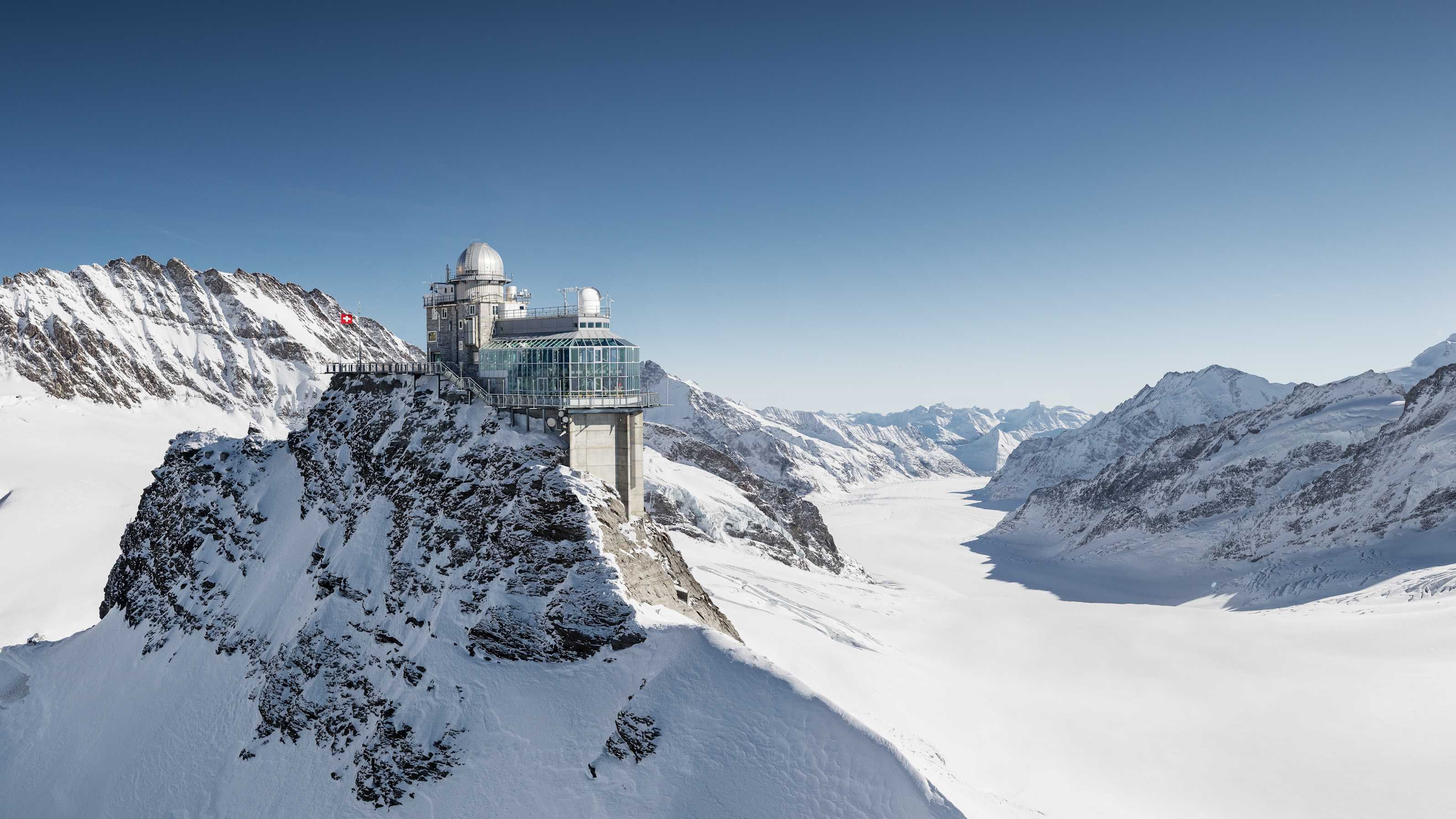 62 mi from BaselJungfraujoch - Top of Europe
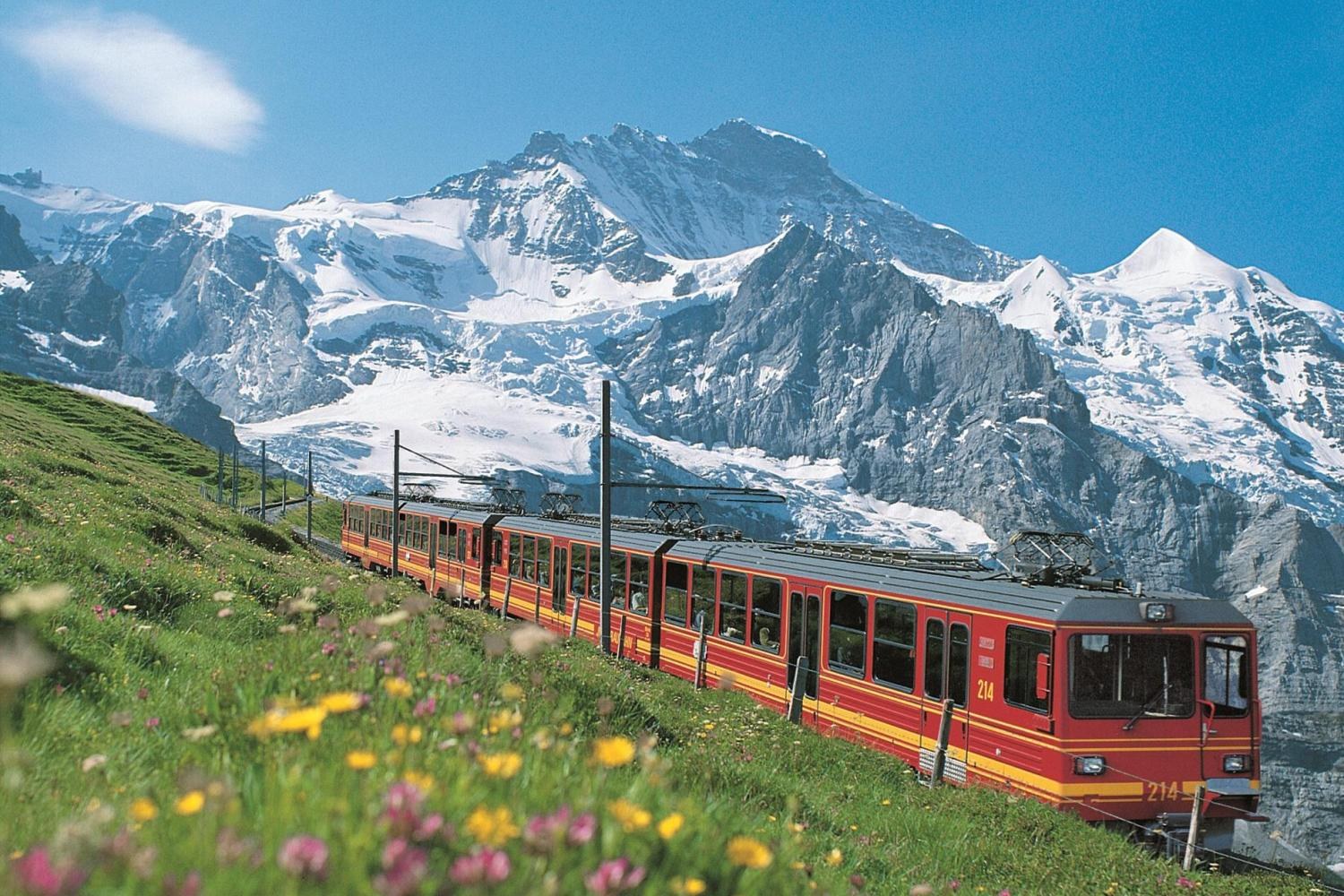 48 mi from BaselJungfraujoch Day Trip
  46 mi from Basel · land adventureLucerne: Alpine Culture, Sacred Art & a Lake Worth Crossing
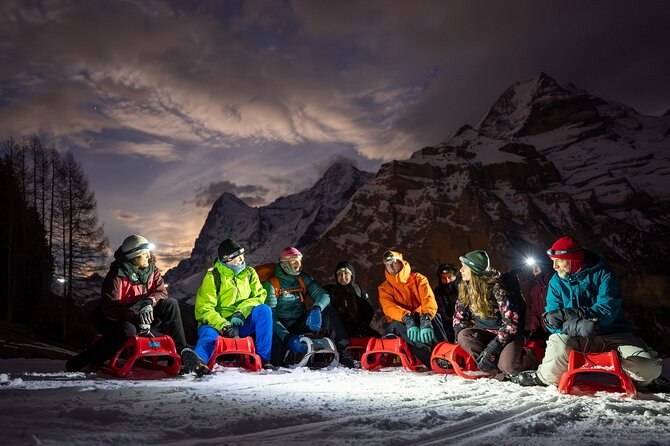 46 mi from Basel · land adventureInterlaken Between Two Lakes: Alps, Cliffs, and Fondue Above the Clouds
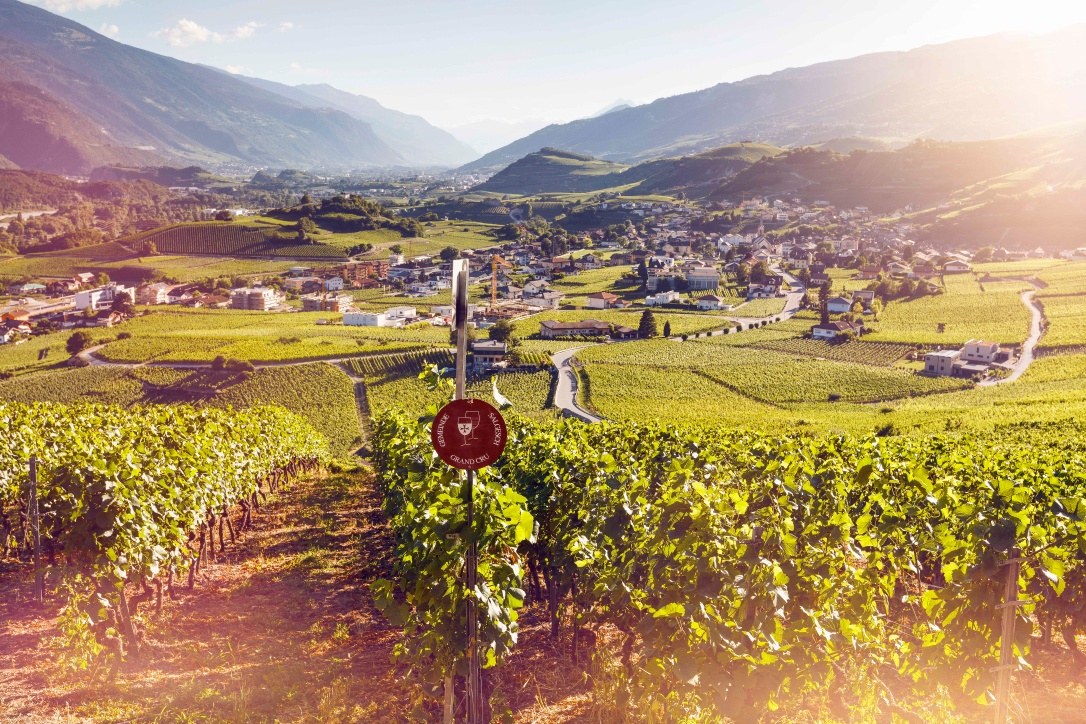 46 mi from Basel · land adventureMatterhorn at Your Feet: A Zermatt Guide Worth Its Altitude
 After you step off · near Amsterdam
You end in a different port — stay on, and add what is within reach before you fly home.