Your cruise
MSC Magnifica · 12-night Mediterranean cruise, Civitavecchia (Rome) to Warnemunde
May 5 – May 17 · 12 nights ·
Day 1 Civitavecchia (Rome) (board) · Day 2 Genoa · Day 3 Marseille · Day 4 Tarragona · Day 5–6 at sea · Day 7 La Coruna · Day 8 Bilbao · Day 9 La Rochelle · Day 10 Brest · Day 11–12 at sea · Day 13 Warnemunde (step off)
What you do Walk 10-15 minutes from your berth to the Porto Antico ferry kiosk by Renzo Piano's Biosfera and board a real Genoese ferry line that glides 70 minutes down the Riviera past Camogli and San Fruttuoso to Portofino's pastel, superyacht-studded harbor -- the postcard image of coastal Italy. Arriving by sea is the most beautiful possible approach, and you can add the boat-or-hike-only San Fruttuoso abbey on the same route. Last return boats leave Portofino around 4:50pm, so it fits a port day with margin -- but confirm your ship's all-aboard against that schedule before you commit.
What to expect A 10–15 minute walk from your berth leads to the Porto Antico ferry kiosk beside Renzo Piano's Biosfera, where you board a genuine Genoese ferry line for a 70-minute glide down the Riviera. The boat drifts past the picturesque villages of Camogli and San Fruttuoso, offering unfolding coastal views before arriving in Portofino's iconic harbor—pastel-painted buildings, superyachts, and the Mediterranean in postcard perfection. Arriving by sea gives you the most beautiful possible approach to this legendary destination. The return journey reverses the scenic route, with the last boat departing Portofino around 4:50pm.
Good to know Depart Porto Antico around 9:00am (seasonal, March–October) and plan your full port day against a 4:50pm last return boat—confirm your ship's all-aboard time before committing, and build in at least 30–45 minutes buffer to make it back safely. The round-trip ferry costs roughly €26–28pp ($28–30) to Portofino, a fraction of the ship's €130–180pp coach excursion, giving you full control of your schedule. You can combine the ferry with a hike or boat-only visit to the San Fruttuoso abbey (€24 round-trip to that stop; abbey entry is a separate small ticket). Wear comfortable walking shoes, bring sun protection and a light layer for the sea breeze, and have euros or a card ready at the kiosk—no advance booking required, but arriving by 8:45am secures a spot on the 9:00am departure.
Versus the ship tour DIRECT WINS BIG. The ship's Portofino & Santa Margherita coach excursion runs $130-180pp; the direct ferry is ~$28pp round-trip -- you save roughly $100-150 per person AND arrive the scenic way by water instead of by bus. The only thing the ship buys you is a guaranteed-back-to-the-vessel guarantee; here YOU own the clock, so build in buffer against that ~4:50pm last boat.
What you do Pesto alla Genovese was invented in this city in the 1500s, and hand-grinding Ligurian basil, pine nuts and olive oil in a marble mortar is Genoa's defining edible ritual. In Enrica Monzani's home kitchen -- a licensed Ligurian culinary leader and cookbook author -- you make fresh pasta and pesto by hand (focaccia and focaccia di Recco on the baking class), then sit down to eat exactly what you cooked on the terrace. You leave knowing the genuine recipe, not a tourist approximation.
What to expect You arrive at Enrica Monzani's home kitchen in Genoa and roll up your sleeves to hand-grind Ligurian basil, pine nuts, and olive oil in a marble mortar—the authentic ritual that birthed pesto alla Genovese in the 1500s. Over 3.5 hours, you shape fresh pasta by hand, craft pesto from scratch, and optionally browse the local market for ingredients. The class culminates on the terrace where you sit down to eat exactly what you cooked, tasting genuine recipes rather than tourist approximations. You leave with both a full meal and the knowledge to recreate it at home.
Good to know Book direct by email with A Small Kitchen in Genoa (Enrica Monzani) well ahead—spaces are small and private. The 3.5-hour class fits comfortably into a 6–8 hour port window if you depart the ship within the first hour; allow 30–45 minutes buffer to return by tender before all-aboard. Wear casual, kitchen-ready clothes you don't mind getting flour on, and bring comfortable walking shoes if you opt for the market visit. Pricing ranges from EUR 160–200 (~$172–215) depending on the menu chosen; confirm exact timing and directions from the pier when you book.
Versus the ship tour ROUGHLY EVEN ON PRICE -- BUT DIRECT WINS ON QUALITY. The ship's 'Taste of Genoa' cooking/tasting runs $100-140pp, modestly cheaper on the sticker. For the extra ~$30-70 you get a tiny private class in a real local's kitchen instead of a 30-person demo, and the flexibility to book direct. If you only want a cheap nibble, the ship or a few-euro DIY focaccia tasting beats both -- this card is for someone who wants to actually cook.
book direct with A Small Kitchen in Genoa (Enrica Monzani) → · the full guide →
What you do Italy's largest aquarium and one of Europe's biggest -- 12,000+ animals across ~600 species, housed in Renzo Piano's iconic ship-shaped pavilion right on the Porto Antico waterfront. It's the single attraction Genoa is most famous for, it's self-guided and pace-flexible, and it sits a flat 10-15 minute walk from the cruise berth. This is your low-risk, near-port safety net: no transfers, fixed price, and you're never far from the ship.
What to expect You'll walk 10–15 minutes flat through Porto Antico to reach Renzo Piano's striking ship-shaped pavilion, where a self-guided path unfolds through 12,000+ animals across roughly 600 species—schools of rays gliding overhead, massive tanks of Mediterranean fish, and intimate chambers of seahorses and jellyfish. The pacing is entirely yours: linger in front of a tank for five minutes or twenty, circle back to favorites, and spend as long as you want absorbing the scale and detail that make this Italy's flagship aquarium. The indoor, climate-controlled environment means you move at leisure without time pressure, and the iconic architecture itself—Piano's ship design reflected in the waterfront setting—frames each viewing moment. You'll typically spend 90 minutes to 3 hours inside, then reverse the 15-minute walk back to your berth, never far from the ship.
Good to know Book entry online in advance (EUR 26–33 at gate, EUR 36 for flexible annual pass) and save $30–55 per person versus the ship's $60–90 markup. Depart the pier within the first 2–3 hours of your port window to allow a comfortable 90-minute to 2-hour aquarium visit plus return buffer; the walk is straightforward and flat, with no transfers needed. Bring only light clothing and perhaps a camera—the aquarium is indoors and climate-controlled, and there's no complex logistics or guides to coordinate. No advance booking is strictly required if you're willing to pay gate price, but online purchase guarantees entry and locks in the lowest rate.
Versus the ship tour DIRECT WINS. The ship sells aquarium entry as a $60-90pp excursion; a gate ticket booked direct is ~$28-36pp -- you save roughly $30-55 per person for the identical experience, on a 10-minute walk you'd make anyway. The ship adds nothing but a markup and a guided escort you don't need for a self-paced indoor attraction.
book direct with Acquario di Genova (Costa Edutainment) → · the full guide →
What you do The Galata is the largest maritime museum in the Mediterranean -- fitting for the birthplace of Columbus and a once-mighty seafaring republic -- but the unmissable hook is outside on the water: the Nazario Sauro S-518, an actual decommissioned submarine moored as the museum's waterfront. You climb down inside and walk the real boat compartment by compartment, not a model. It's deeply on-theme for a cruise traveler and sits right on the Porto Antico, steps from the ship.
What to expect You walk straight from the pier into the Porto Antico and enter the Galata Maritime Museum, where you move at your own pace through galleries celebrating Mediterranean seafaring history. The real experience waits outside: you descend a gangway into the Nazario Sauro S-518, a decommissioned WWII submarine, and walk the actual cramped compartments—torpedo room, control center, crew quarters—for roughly 20-25 minutes, imagining the lives of submariners in a vessel that feels authentically confined. After surfacing, you can spend as long as you'd like in the museum's indoor exhibits, which pair perfectly with the submarine context. It's a self-contained, walkable loop that never feels rushed and keeps you steps from your ship the entire time.
Good to know Book your combined ticket (€19 adults, ~$21) directly online at Galata Museo del Mare before arrival to skip queues; add the €1 smartphone audio guide for deeper context as you move through the museum. The walk from your berth to the Porto Antico is 5–10 minutes on flat ground with clear signage, so you can leave the ship 4–5 hours into port and still have 2–3 hours to explore comfortably. Plan to be back aboard 30 minutes before all-aboard time; the submarine is outdoors and weather-dependent (no cover while boarding), so check conditions and dress accordingly. Bring comfortable shoes for uneven decking around the waterfront, and note that the submarine's interior is genuinely narrow—not recommended if you have mobility limitations or claustrophobia.
Versus the ship tour DIRECT WINS, AND SHIPS RARELY OFFER IT. Cruise lines seldom sell this specific submarine experience, so booking direct is usually your only route -- and at ~$21pp all-in it's one of the best-value marquee things you can do in Genoa. Walkable from the berth, fixed price, no transfer risk.
book direct with Galata Museo del Mare (Mu.MA) → · the full guide →
What you do The five rainbow fishing villages of Monterosso, Vernazza, Corniglia, Manarola and Riomaggiore -- stacked on UNESCO cliffs above the sea -- are arguably the most photographed coastline in Italy and a textbook bucket-list item. On a tight port day you do NOT want to gamble on DIY regional trains: a licensed local guide-driver (Enrica's A Small Kitchen team runs small-group/private Cinque Terre days) builds the whole day around your ship's all-aboard time and gets you back. This is the ambitious 'spend your one big day here' option.
What to expect You'll spend the day island-hopping across five UNESCO-cliffside villages—Monterosso, Vernazzo, Corniglia, Manarola, and Riomaggiore—each stacked vertically above the sea with the kind of pastel architecture that dominates Italy's most-photographed coastlines. Your licensed local guide-driver (Enrica's A Small Kitchen team) choreographs the whole rhythm around your ship's all-aboard time, steering you through the villages, arranging train or boat passes between them, and managing entries so you're not left guessing at station queues. Expect a mix of walking the steep village streets, pausing at viewpoints for the postcard shots, and moving between towns by regional train or coastal boats—the day has real momentum built in. You're back at the pier with guaranteed buffer time; there's no gambling on regional train schedules.
Good to know Book by email directly with A Small Kitchen before sailing to confirm your per-person rate, group size, and exact pickup time from the Genoa port; confirm which train/boat passes and village entries are included vs. extra. Your guide-driver picks you up at the pier (timing locked to your ship's schedule) and typically returns you 90–120 minutes before all-aboard to give you a real safety margin. Bring comfortable walking shoes, sun protection, and small cash for any village vendors or meals not covered in the package; the villages have limited ATMs. Train and boat passes between the five villages are often not included in the ~€140–200 base price, so clarify what's covered and budget an extra €15–30pp for transport within Cinque Terre.
Versus the ship tour MIXED -- READ THE TRADE. The ship's Cinque Terre excursion is $180-250pp; a private licensed guide-driver at ~$150-220pp is similar-to-cheaper with a far smaller group and a guaranteed-return promise tied to your ship. Pure DIY by train is only ~$30-40pp but carries real all-aboard risk on a long mainland day -- if you're confident and budget-driven, DIY wins on price; if you want the safety net for the same money as the ship, go direct private.
book direct with A Small Kitchen in Genoa (licensed guide-driver day) → · the full guide →
What you do This is the definitive Rome bucket-list day: Michelangelo's Sistine Chapel ceiling and Last Judgment, the Vatican Museums, St. Peter's Square, plus the Colosseum and Roman Forum — all in one 9-hour private run from the pier. Your driver collects you ship-side in a Mercedes and the 'privilege' skip-the-line tickets to both the Vatican and Colosseum mean you walk past the 2-hour queues that would otherwise eat your port day. Note this is a private-driver tour, not a guided one: you explore the interiors at your own pace (audio guides sold inside).
What to expect A private Mercedes collects you pier-side at Civitavecchia and you begin a 9-hour immersion in Rome's iconic landmarks, moving at your own pace rather than a group's rhythm. You skip past the 2-hour queues at the Vatican Museums to explore Michelangelo's Sistine Chapel ceiling and Last Judgment, then wander St. Peter's Square (basilica entry is free but has its own queue). After lunch flexibility, you drive to the Colosseum and Roman Forum, again with skip-the-line privilege tickets that let you move straight inside while standard visitors wait. Throughout, your private driver and personal vehicle—not a 50-person bus—keep you on your schedule, though you explore each site's interiors independently with optional audio guides available for purchase.
Good to know The full excursion runs 9 hours; plan to depart the pier by 8:00 AM at the latest to ensure a comfortable return before your ship's evening departure. Your private driver meets you ship-side at Civitavecchia—confirm the exact return-time guarantee and buffer window when booking, as this operator runs cruisers daily but you'll want that back-to-ship safety net in writing. Bring comfortable walking shoes, sunscreen, and cash or cards for lunch and optional audio guides inside the museums (not included in the EUR 187.50 price). Book skip-the-line tickets in advance as part of your package; they're your main time-saver advantage over the cruise line's group tours, which run $220–$320 per person for the same sites.
Versus the ship tour Direct wins decisively. The cruise lines' marquee 'Best of Rome / Ultimate Rome' Vatican+Colosseum day runs $220-$320 pp, and on premium lines higher — this private, skip-the-line equivalent is ~$205 pp with your own vehicle and no 50-person bus. You save roughly $50-$120 per person and skip the group-pace bottleneck. The one thing the ship guarantees that you're trading away: a step-on licensed guide inside the sites and a back-to-ship promise (this operator runs cruisers daily but confirm the return-time guarantee when booking).
book direct with Discovery Guided Tours → · the full guide →
What you do The reason cruise lines stop here at all: a private deluxe vehicle whisks you from the pier to the Trevi Fountain, Pantheon, Spanish Steps, Piazza Navona, St. Peter's Square and the Colosseum, dropping you as close as Rome's traffic limits allow at each. It's the maximize-a-tight-window play — a first-timer who sails past Rome without standing at the Trevi would genuinely regret it. Be clear-eyed: this is a driver, not a licensed guide, so it's exterior views, photo stops and walk-up landmarks, no museum interiors.
What to expect Your driver collects you pier-side at 8:00 AM in a private deluxe vehicle and begins threading Rome's narrow streets, stopping at the Trevi Fountain, Pantheon, Spanish Steps, Piazza Navona, St. Peter's Square, and Colosseum views—you step out, snap photos, walk up to the exteriors and iconic squares, then move on. This is drive-and-stroll geography, not museum interiors: you'll see Rome's greatest hits from street level and courtyard vistas, with your driver dropping you as close as traffic allows at each landmark. The rhythm is constant but unhurried—a masterclass in first-timer coverage, punctuated by photo moments and the low hum of rolling between sites. You're back at the pier by 5:00–5:30 PM, having touched eight of Rome's most recognizable monuments without boarding a 50-seat coach.
Good to know Pickup is pier-side at 8:00 AM sharp with return by 5:00–5:30 PM, giving you roughly 8 hours door-to-door; factor in Rome's traffic and the driver will optimize stops, so expect less than 30 minutes at each landmark unless you request longer. No entrance tickets, meals, or guide services are included—this is a driver-only arrangement, so museum and basilica interiors are on your own dime and time; bring cash and book ahead if you want to step inside St. Peter's or the Colosseum. All tolls, parking, and taxes are covered in the quoted price (EUR 650–750 per vehicle for up to 7 guests, ~EUR 107–163 per person), and the driver speaks English. Book directly with RomeCabs in advance; a solo traveler or couple may find the ship's motorcoach tour or Trenitalia train equally priced or cheaper per head, so confirm group size before committing.
Versus the ship tour Direct wins on access, ties or beats on price depending on group size. The ship's guided 'City in a Day / Panoramic Rome' coach tour is $110-$170 pp; split a EUR 650-750 car across 4-7 people and you land around $115-$175 pp with door-to-landmark drops a 50-seat bus can't do. For a solo or couple it's a wash on price — but you get a private car and your own timing. If you only want a cheap motorcoach drop-and-roam, the ship's 'Rome On Your Own' transfer ($60-100 pp) or the Trenitalia train (~$11 RT) is far cheaper than any private car — say so and don't overpay for a driver you don't need.
What you do For travelers who've already 'done' central Rome, this is the equally unforgettable alternative: Villa d'Este's 51 fountains, 64 waterfalls and 220 basins — all gravity-fed, not a single pump — paired with Emperor Hadrian's sprawling 2nd-century imperial estate. An expert private guide actually walks the gardens and ruins with you, and the crowds are a fraction of the Vatican's. A 9-hour day, pier to pier.
What to expect You'll spend the morning and early afternoon in two staggered acts: first, Villa d'Este's terraced Renaissance gardens, where your expert guide walks you through cascading fountains, 220 basins, and 64 waterfalls—all fed by gravity alone, no pumps needed—then a private car transfer inland to Emperor Hadrian's 2nd-century sprawl, where crumbling villas, temples, and theaters unfold across 30 acres of archaeological theatre. The rhythm is unhurried; you're with a licensed English-speaking expert, not herded through a coach crowd, so you'll actually absorb the history and architecture as you walk. By late afternoon, your driver returns you to the Civitavecchia pier, completing the 9-hour door-to-door arc.
Good to know Pickup from Civitavecchia pier is included; plan for a private car departure roughly 3–4 hours after ship arrival to allow for disembarkation and meet your guide. Both villas are outdoor, terraced sites with significant walking and uneven ground—wear comfortable shoes and bring sun protection and water. Book at least 48–72 hours ahead; the price (EUR 869 minimum, ~$475 per couple) drops per person as group size grows, and slots are limited to preserve the "expert guide + small party" promise. Confirm your ship's all-aboard time with the concierge and allow a 30–45-minute buffer before boarding to account for Civitavecchia pier return traffic.
Versus the ship tour Mixed verdict, lean ship for small parties. The cruise lines' 'Beauty of Tivoli / Villa d'Este' countryside tour runs $150-$260 pp and other independents (Discovery Guided Tours) sell a Tivoli day from ~$115 pp — so this premium private option is meaningfully pricier per head for a couple (~$475 pp). What you're buying is a genuine licensed guide actually leading you through both UNESCO sites and a private car, versus a coach. If budget is the driver, the ship tour or a cheaper shared independent is the honest call; book this only if private + expert-guided is the point.
book direct with Through Eternity Tours → · the full guide →
What you do Walk intact ancient streets, an amphitheater, taverns, bath-house mosaics and three-story Roman apartment blocks at the buried port city of Ostia Antica — the marquee 'lost Roman city' with a fraction of Rome's crowds. It's far closer to Civitavecchia than the actual Pompeii (which is impractical from this port), and this private full-day pairs it with the Etruscan necropolis at Cerveteri. Pier-side Mercedes pickup, full day, back in time for the ship.
What to expect You'll be picked up pier-side in a private deluxe Mercedes and driven to Ostia Antica, where you'll walk intact ancient streets lined with taverns, bath houses, and remarkably preserved three-story Roman apartment blocks, culminating at the amphitheater — a far less crowded alternative to Pompeii. The day then pivots to Cerveteri's Etruscan necropolis, where you explore burial sites and artifacts from Rome's pre-imperial neighbors. Throughout, you're moving at your own pace in private transport rather than herded with a group, though your driver handles logistics rather than narrating the ruins themselves. The rhythm is unhurried full-day immersion: ancient streets in the morning, a site transition at midday, and Etruscan tombs in the afternoon, returning to the pier in time to reboard.
Good to know Book ahead with Stefano Rome Tours and confirm pier pickup timing to ensure you clear the ship's all-aboard (driver will know the buffer). Entrance tickets to both Ostia Antica and Cerveteri are not included in the EUR 590 vehicle fee—budget ~EUR 18 per site and purchase at the gate or ahead online to save time. Bring a robust audio guide app (like the official Ostia Antica app) or printed site guide, since the driver is not a licensed in-site interpreter. With a full day in the field, wear comfortable walking shoes, sunscreen, and a hat; both sites are largely open-air and can be hot, especially in summer months.
Versus the ship tour Direct wins, with a caveat. Most ships barely offer Ostia Antica, and comparable 'scenic/ruins' ship days run $150-$260 pp — splitting EUR 590 across 4-7 people lands at ~$90-$160 pp plus ~EUR 18 site tickets. You get a near-empty Roman city and a private car well under the ship's countryside price. Trade-off: it's a driver, not a step-on guide inside the ruins, so bring a good audio guide or app if you want the narration the ship's guided tour would include.
What you do Skip the 1.5-hour each-way push to Rome and explore the port town nearly every cruiser blows past: Michelangelo's harbor fortress (Forte Michelangelo), one of Italy's largest open-air markets, fresh Tyrrhenian seafood and the seafront Pirgo promenade. A relaxed small-group walk with local tastings along the way — the low-stress, low-risk safety net when you want to be steps from the ship.
What to expect You'll join a small-group walk that begins steps from the pier and moves at a leisurely pace through Civitavecchia's historic center, anchored by visits to the Renaissance Forte Michelangelo and one of Italy's largest open-air markets alive with local vendors and produce. Along the way, you'll pause for fresh Tyrrhenian seafood tastings and other local bites, absorbing the rhythm of a working port town most cruisers skip. The walk concludes on the waterfront Pirgo promenade, where you'll have absorbed three hours of culture and flavor without the fatigue of a long coach transfer. It's the opposite of the Rome sprint—an immersive, low-pressure exploration of the places locals actually go.
Good to know The entire excursion unfolds within walking distance of your ship, so there's zero transfer time and minimal risk of running late; plan for the three-hour guided walk to fit comfortably in a 6–8 hour port window. Book ahead through DriverInRome to secure your spot in a small group, and wear comfortable walking shoes—you'll be on foot the whole time through cobblestone streets and market areas. Bring cash (EUR) for any additional purchases at the market or for tips, and check departure times with the operator to give yourself at least an hour buffer before all-aboard. The price of approximately EUR 75 per person (€82 USD) includes all tastings, so budget only for optional extras and gratuity.
Versus the ship tour No real ship equivalent, and that's the point. Cruise lines don't sell a Civitavecchia-town tour because they want you on the $60-320 Rome excursions — so this isn't a price-beat, it's a different (and far cheaper) day for travelers who don't want a 3-hour round-trip. At ~$82 pp with food included and zero risk of missing the ship, it's the honest pick for repeat Italy visitors, slow-pace travelers, or anyone who'd rather not gamble a tight Rome turnaround. If it's your first time in Italy, though, do Rome — this is the alternate, not the headline.
What you do Walk 10-15 minutes from your berth to the Porto Antico ferry kiosk by Renzo Piano's Biosfera and board a real Genoese ferry line that glides 70 minutes down the Riviera past Camogli and San Fruttuoso to Portofino's pastel, superyacht-studded harbor -- the postcard image of coastal Italy. Arriving by sea is the most beautiful possible approach, and you can add the boat-or-hike-only San Fruttuoso abbey on the same route. Last return boats leave Portofino around 4:50pm, so it fits a port day with margin -- but confirm your ship's all-aboard against that schedule before you commit.
What to expect A 10–15 minute walk from your berth leads to the Porto Antico ferry kiosk beside Renzo Piano's Biosfera, where you board a genuine Genoese ferry line for a 70-minute glide down the Riviera. The boat drifts past the picturesque villages of Camogli and San Fruttuoso, offering unfolding coastal views before arriving in Portofino's iconic harbor—pastel-painted buildings, superyachts, and the Mediterranean in postcard perfection. Arriving by sea gives you the most beautiful possible approach to this legendary destination. The return journey reverses the scenic route, with the last boat departing Portofino around 4:50pm.
Good to know Depart Porto Antico around 9:00am (seasonal, March–October) and plan your full port day against a 4:50pm last return boat—confirm your ship's all-aboard time before committing, and build in at least 30–45 minutes buffer to make it back safely. The round-trip ferry costs roughly €26–28pp ($28–30) to Portofino, a fraction of the ship's €130–180pp coach excursion, giving you full control of your schedule. You can combine the ferry with a hike or boat-only visit to the San Fruttuoso abbey (€24 round-trip to that stop; abbey entry is a separate small ticket). Wear comfortable walking shoes, bring sun protection and a light layer for the sea breeze, and have euros or a card ready at the kiosk—no advance booking required, but arriving by 8:45am secures a spot on the 9:00am departure.
Versus the ship tour DIRECT WINS BIG. The ship's Portofino & Santa Margherita coach excursion runs $130-180pp; the direct ferry is ~$28pp round-trip -- you save roughly $100-150 per person AND arrive the scenic way by water instead of by bus. The only thing the ship buys you is a guaranteed-back-to-the-vessel guarantee; here YOU own the clock, so build in buffer against that ~4:50pm last boat.
What you do Pesto alla Genovese was invented in this city in the 1500s, and hand-grinding Ligurian basil, pine nuts and olive oil in a marble mortar is Genoa's defining edible ritual. In Enrica Monzani's home kitchen -- a licensed Ligurian culinary leader and cookbook author -- you make fresh pasta and pesto by hand (focaccia and focaccia di Recco on the baking class), then sit down to eat exactly what you cooked on the terrace. You leave knowing the genuine recipe, not a tourist approximation.
What to expect You arrive at Enrica Monzani's home kitchen in Genoa and roll up your sleeves to hand-grind Ligurian basil, pine nuts, and olive oil in a marble mortar—the authentic ritual that birthed pesto alla Genovese in the 1500s. Over 3.5 hours, you shape fresh pasta by hand, craft pesto from scratch, and optionally browse the local market for ingredients. The class culminates on the terrace where you sit down to eat exactly what you cooked, tasting genuine recipes rather than tourist approximations. You leave with both a full meal and the knowledge to recreate it at home.
Good to know Book direct by email with A Small Kitchen in Genoa (Enrica Monzani) well ahead—spaces are small and private. The 3.5-hour class fits comfortably into a 6–8 hour port window if you depart the ship within the first hour; allow 30–45 minutes buffer to return by tender before all-aboard. Wear casual, kitchen-ready clothes you don't mind getting flour on, and bring comfortable walking shoes if you opt for the market visit. Pricing ranges from EUR 160–200 (~$172–215) depending on the menu chosen; confirm exact timing and directions from the pier when you book.
Versus the ship tour ROUGHLY EVEN ON PRICE -- BUT DIRECT WINS ON QUALITY. The ship's 'Taste of Genoa' cooking/tasting runs $100-140pp, modestly cheaper on the sticker. For the extra ~$30-70 you get a tiny private class in a real local's kitchen instead of a 30-person demo, and the flexibility to book direct. If you only want a cheap nibble, the ship or a few-euro DIY focaccia tasting beats both -- this card is for someone who wants to actually cook.
book direct with A Small Kitchen in Genoa (Enrica Monzani) → · the full guide →
What you do Italy's largest aquarium and one of Europe's biggest -- 12,000+ animals across ~600 species, housed in Renzo Piano's iconic ship-shaped pavilion right on the Porto Antico waterfront. It's the single attraction Genoa is most famous for, it's self-guided and pace-flexible, and it sits a flat 10-15 minute walk from the cruise berth. This is your low-risk, near-port safety net: no transfers, fixed price, and you're never far from the ship.
What to expect You'll walk 10–15 minutes flat through Porto Antico to reach Renzo Piano's striking ship-shaped pavilion, where a self-guided path unfolds through 12,000+ animals across roughly 600 species—schools of rays gliding overhead, massive tanks of Mediterranean fish, and intimate chambers of seahorses and jellyfish. The pacing is entirely yours: linger in front of a tank for five minutes or twenty, circle back to favorites, and spend as long as you want absorbing the scale and detail that make this Italy's flagship aquarium. The indoor, climate-controlled environment means you move at leisure without time pressure, and the iconic architecture itself—Piano's ship design reflected in the waterfront setting—frames each viewing moment. You'll typically spend 90 minutes to 3 hours inside, then reverse the 15-minute walk back to your berth, never far from the ship.
Good to know Book entry online in advance (EUR 26–33 at gate, EUR 36 for flexible annual pass) and save $30–55 per person versus the ship's $60–90 markup. Depart the pier within the first 2–3 hours of your port window to allow a comfortable 90-minute to 2-hour aquarium visit plus return buffer; the walk is straightforward and flat, with no transfers needed. Bring only light clothing and perhaps a camera—the aquarium is indoors and climate-controlled, and there's no complex logistics or guides to coordinate. No advance booking is strictly required if you're willing to pay gate price, but online purchase guarantees entry and locks in the lowest rate.
Versus the ship tour DIRECT WINS. The ship sells aquarium entry as a $60-90pp excursion; a gate ticket booked direct is ~$28-36pp -- you save roughly $30-55 per person for the identical experience, on a 10-minute walk you'd make anyway. The ship adds nothing but a markup and a guided escort you don't need for a self-paced indoor attraction.
book direct with Acquario di Genova (Costa Edutainment) → · the full guide →
What you do The Galata is the largest maritime museum in the Mediterranean -- fitting for the birthplace of Columbus and a once-mighty seafaring republic -- but the unmissable hook is outside on the water: the Nazario Sauro S-518, an actual decommissioned submarine moored as the museum's waterfront. You climb down inside and walk the real boat compartment by compartment, not a model. It's deeply on-theme for a cruise traveler and sits right on the Porto Antico, steps from the ship.
What to expect You walk straight from the pier into the Porto Antico and enter the Galata Maritime Museum, where you move at your own pace through galleries celebrating Mediterranean seafaring history. The real experience waits outside: you descend a gangway into the Nazario Sauro S-518, a decommissioned WWII submarine, and walk the actual cramped compartments—torpedo room, control center, crew quarters—for roughly 20-25 minutes, imagining the lives of submariners in a vessel that feels authentically confined. After surfacing, you can spend as long as you'd like in the museum's indoor exhibits, which pair perfectly with the submarine context. It's a self-contained, walkable loop that never feels rushed and keeps you steps from your ship the entire time.
Good to know Book your combined ticket (€19 adults, ~$21) directly online at Galata Museo del Mare before arrival to skip queues; add the €1 smartphone audio guide for deeper context as you move through the museum. The walk from your berth to the Porto Antico is 5–10 minutes on flat ground with clear signage, so you can leave the ship 4–5 hours into port and still have 2–3 hours to explore comfortably. Plan to be back aboard 30 minutes before all-aboard time; the submarine is outdoors and weather-dependent (no cover while boarding), so check conditions and dress accordingly. Bring comfortable shoes for uneven decking around the waterfront, and note that the submarine's interior is genuinely narrow—not recommended if you have mobility limitations or claustrophobia.
Versus the ship tour DIRECT WINS, AND SHIPS RARELY OFFER IT. Cruise lines seldom sell this specific submarine experience, so booking direct is usually your only route -- and at ~$21pp all-in it's one of the best-value marquee things you can do in Genoa. Walkable from the berth, fixed price, no transfer risk.
book direct with Galata Museo del Mare (Mu.MA) → · the full guide →
What you do The five rainbow fishing villages of Monterosso, Vernazza, Corniglia, Manarola and Riomaggiore -- stacked on UNESCO cliffs above the sea -- are arguably the most photographed coastline in Italy and a textbook bucket-list item. On a tight port day you do NOT want to gamble on DIY regional trains: a licensed local guide-driver (Enrica's A Small Kitchen team runs small-group/private Cinque Terre days) builds the whole day around your ship's all-aboard time and gets you back. This is the ambitious 'spend your one big day here' option.
What to expect You'll spend the day island-hopping across five UNESCO-cliffside villages—Monterosso, Vernazzo, Corniglia, Manarola, and Riomaggiore—each stacked vertically above the sea with the kind of pastel architecture that dominates Italy's most-photographed coastlines. Your licensed local guide-driver (Enrica's A Small Kitchen team) choreographs the whole rhythm around your ship's all-aboard time, steering you through the villages, arranging train or boat passes between them, and managing entries so you're not left guessing at station queues. Expect a mix of walking the steep village streets, pausing at viewpoints for the postcard shots, and moving between towns by regional train or coastal boats—the day has real momentum built in. You're back at the pier with guaranteed buffer time; there's no gambling on regional train schedules.
Good to know Book by email directly with A Small Kitchen before sailing to confirm your per-person rate, group size, and exact pickup time from the Genoa port; confirm which train/boat passes and village entries are included vs. extra. Your guide-driver picks you up at the pier (timing locked to your ship's schedule) and typically returns you 90–120 minutes before all-aboard to give you a real safety margin. Bring comfortable walking shoes, sun protection, and small cash for any village vendors or meals not covered in the package; the villages have limited ATMs. Train and boat passes between the five villages are often not included in the ~€140–200 base price, so clarify what's covered and budget an extra €15–30pp for transport within Cinque Terre.
Versus the ship tour MIXED -- READ THE TRADE. The ship's Cinque Terre excursion is $180-250pp; a private licensed guide-driver at ~$150-220pp is similar-to-cheaper with a far smaller group and a guaranteed-return promise tied to your ship. Pure DIY by train is only ~$30-40pp but carries real all-aboard risk on a long mainland day -- if you're confident and budget-driven, DIY wins on price; if you want the safety net for the same money as the ship, go direct private.
book direct with A Small Kitchen in Genoa (licensed guide-driver day) → · the full guide →
What you do Walk off the ship to Quai des Belges and board a National-Park-authorized boat that threads the 12-mile wall of blinding-white limestone cliffs plunging into fjord-like turquoise inlets: Sormiou, Morgiou, Sugiton, En-Vau, Port-Pin and Port-Miou. This is the one signature landscape Marseille is built around, and the boat departs the Vieux-Port itself, so there is no need to bus over to Cassis first. On a warm port day, pick the version with a swim stop and float in a cove no road reaches.
What to expect You walk straight off the ship to Quai des Belges and board a National-Park-authorized boat that launches directly from the Vieux-Port into one of Europe's most stunning seascapes. For the next three to three-and-a-half hours, you glide beneath a 12-mile chain of blinding-white limestone cliffs plunging into fjord-like turquoise inlets—Sormiou, Morgiou, Sugiton, En-Vau, Port-Pin, and Port-Miou—with panoramic deck commentary unfolding the geology and history. On warm days, the summer "Calanques & Baignade" version anchors in a pristine cove reachable only by water, where you float in crystalline turquoise that no road can touch.
Good to know Book Icard Maritime directly at the pier rather than through the cruise line—you'll pay €33–40 ($36–44) instead of $130–170, saving $90+ per person while skipping a Cassis coach transfer. The 3h15 and 3h30 cruises depart Quai des Belges (a five-minute walk from most ships) multiple times daily; confirm the final return slot leaves at least 90 minutes before your ship's all-aboard time. Bring sunscreen, a hat, and a swimsuit if opting for the baignade version; no need to book ahead—just show up at the departure quay and purchase tickets on-site.
Versus the ship tour Biggest markup of the day, direct wins decisively. The cruise line's Cassis/Calanques boat excursion runs $130-170 pp (RCI's was reported at $133) for essentially this same boat ride after a coach transfer to Cassis. Booking Icard direct from the Old Port is ~$36-44 pp: you save roughly $90-130 per person AND skip the Cassis bus. Just confirm the last return slot leaves you 90+ min of margin before all-aboard.
book direct with Icard Maritime (Croisieres Marseille Calanques) → · the full guide →
What you do The gold-crowned Neo-Byzantine basilica 'La Bonne Mere' crowns the city's highest point at 162m, its Virgin statue the very symbol of Marseille you see from the sea sailing in. The open tourist train leaves the Vieux-Port, runs the seafront corniche past Vallon des Auffes and the Palais du Pharo, then grinds up to the summit for the definitive 360 panorama over the Old Port, the islands and Chateau d'If, with a ~20-min stop at the top. The steep climb on foot would eat half your port-day energy; the train is the smart cruiser move and the basilica itself is free to enter.
What to expect You board the open-air tourist train at Vieux-Port near Quai des Belges and glide past the seafront corniche, with views of Vallon des Auffes and the Palais du Pharo unfolding as you travel. The train then climbs steeply to the 162-meter summit where Notre-Dame de la Garde—the gold-crowned Neo-Byzantine basilica and Marseille's iconic symbol—crowns the highest point of the city. You'll have roughly 20 minutes at the summit to explore the basilica (free entry) and soak in the definitive 360-degree panorama: the Old Port, the islands, and Château d'If spread below you. The entire loop takes the physical toll out of what would otherwise be an exhausting uphill walk, letting you conserve energy for other port activities.
Good to know The €10 Circuit 1 ticket ($11 pp) departs directly from Vieux-Port near Quai des Belges—no need to book ahead, just walk over from the pier and queue; the journey and summit stop total roughly 45 minutes to 1 hour. Plan this excursion early in your port day (aim for the first 2–3 hours) to avoid afternoon crowds and ensure a comfortable buffer back to the ship. Bring water and sunscreen; the open train offers no shade and the summit stop is fully exposed. If you want historical context the train won't provide, pair this with a quick read on Notre-Dame's backstory beforehand, or combine it with a guided e-bike tour for deeper narrative.
Versus the ship tour Direct wins big. The ship's 'Marseille & Notre-Dame de la Garde' coach excursion is $90-120 pp, and it is mostly charging you for a bus to a free church. The Euro 10 tourist train (or local bus 60 for a couple euros) gets you the same basilica and the corniche drive for a fraction of the price, saving ~$80-110 pp. Only downside vs the ship: no live guide narration, so read up first or pair it with the e-bike tour.
book direct with Le Petit Train de Marseille → · the full guide →
What you do A 20-minute ferry from the Old Port lands you on the 16th-century island fortress made immortal as the inescapable prison in Dumas's 'The Count of Monte Cristo.' Walk the cells, the ramparts and the dungeon, then turn around for the one view you get nowhere else: Marseille and Notre-Dame seen from the open water. The fast, frequent ferry leaves straight from the Vieux-Port, making this a tidy half-day even on a short call.
What to expect You board the Frioul If Express ferry directly from the Vieux-Port—a brisk 20-minute crossing—and step onto a 16th-century island fortress that Dumas immortalized as the inescapable prison in *The Count of Monte Cristo*. Once ashore, you move at your own pace through the stark cells, walk the ramparts, and descend into the dungeon, each space thick with literary and historical weight. The payoff arrives when you turn toward the water: a view of Marseille and Notre-Dame receding across the open Mediterranean that you cannot get from anywhere else. The ferry rhythm is tight and frequent, making this a cleanly contained half-day even if your ship's call is short.
Good to know Depart the pier directly to Quai des Belges at the Vieux-Port (walk-on, no pre-booking required); confirm you board the Frioul If Express, as two competing ferry operators dock there with different timetables. Factor in €10.80–16.20 for the round-trip ferry plus €6 fortress entry (~$19–25 total pp), and note that the fortress closes mid-afternoon—check the last return departure and build in a 30-minute buffer before that boat to avoid being stranded. Bring sun protection and wear sturdy shoes for uneven rampart surfaces; the island has minimal facilities, so eat or drink before you go.
Versus the ship tour Direct is the only sane way, the cruise lines rarely package this well and a guided version isn't worth it for a self-explanatory island. All-in you're at ~$19-25 pp. Heads-up: two competing ferry companies dock at the Old Port with different boats and timetables, so confirm you're on the Frioul If Express vessel and note the last return time, the fortress closes mid-afternoon and you do not want to miss the boat back.
What you do For a single 6-8 hour port day this is the best 'see everything' move: one electric-bike loop strings together the Vieux-Port fish market, the lace-concrete MuCEM and Fort Saint-Jean, the Major cathedral, the ochre lanes of Le Panier, the Palais du Pharo, the seafront corniche and Vallon des Auffes, and the hard climb to Notre-Dame de la Garde, which the e-bike motor flattens to nothing. A local guide gives the context a self-guided wander misses, and the group caps at eight. It is the most efficient way to compress the whole bucket list into one very Marseillais experience.
What to expect Your morning departs from the Fada Bike Cafe near the Old Port on a guided e-bike loop through Marseille's essential sights: you'll glide through the Vieux-Port fish market and ochre lanes of Le Panier, visit the striking concrete MuCEM and Fort Saint-Jean, explore the Major cathedral, ride the seafront corniche and intimate Vallon des Auffes, then cruise up to Notre-Dame de la Garde—where the e-bike motor flattens what would be a brutal climb into an effortless ascent. A licensed local guide strings these landmarks together with context and stories, keeping your group intimate at just eight riders, so you absorb far more than a self-guided wander or a 40-person coach tour ever could.
Good to know The 3.5-hour, 23 km tour fits comfortably into a 6–8 hour port day; book directly with Fada Bike Cafe to secure your spot and confirm departure time from the cafe, a short walk from the Old Port pier. The ~€49 price includes the e-bike, helmet, and guide, so budget only for lunch or café stops. Allow a 90-minute buffer before all-aboard to account for the ride back to port and any unforeseen delays; the e-bike and guided pace are leisurely enough that you won't feel rushed, but maritime schedules demand respect.
Versus the ship tour Direct wins on both price and quality. The ship's half-day 'Marseille City Highlights' walking tour is $80-110 pp and covers far less ground on foot. Fada's ~$53 e-bike loop is cheaper, reaches Notre-Dame and the corniche the walking tour can't, and keeps you in a group of 8 instead of a coach of 40, saving ~$30-55 pp for a markedly better experience.
book direct with Fada Bike Cafe, Tours & Rentals → · the full guide →
What you do If the Old Port boats are sold out or you'd rather pair the cliffs with the pastel fishing town of Cassis, take the bus or train out and buy a walk-up Calanques boat ticket at the harbor. The local boatmen's cooperative runs short circuits past 3 to 9 calanques (En-Vau, Port-Pin, Port-Miou and more) from 45 minutes to 2+ hours, and you can wander Cassis's quay before or after. It's a flexible, no-reservation fallback that still delivers the signature turquoise-cove scenery.
What to expect You'll take the M8 bus or train from central Marseille out to the pastel-painted fishing village of Cassis, where you walk directly to the harbor and join a walk-up boat tour. From there, a local boatman steers you through a circuit of 3–9 crystalline turquoise calanques—narrow limestone coves with names like En-Vau and Port-Pin—the boat cutting past dramatic cliff faces and rocky inlets for 45 minutes to 2+ hours depending on your ticket. Between or after the boat ride, you wander Cassis's waterfront quay, browsing the shuttered houses and harborside cafés before making the return journey back to the ship.
Good to know Plan for a 6–8 hour window: budget 30–45 minutes each way for the M8 bus (~€6) or train plus connection, 45 minutes to 2+ hours on the water, and 30–60 minutes to explore Cassis village. Walk-up boat tickets (€19–33 per person) are sold directly at the Cassis harbor by the local cooperative—no advance booking required, but availability is not guaranteed during peak hours. Plan a generous 90–120 minute return buffer to get back to the ship, as this DIY route involves two transfers with no guarantee of quick connections; on a tight port call, the ship-organized Cassis excursion or direct Old Port boats are lower-risk options. Bring euros for the bus, boat ticket, and harbor cafés, and wear slip-on shoes and a hat for sun exposure on the water.
Versus the ship tour Direct wins on price; the ship's Cassis/Calanques excursion is $130-170 pp. Buying the ~$21-36 boat ticket at the dock plus a ~$6 bus saves ~$90-130 pp. BUT be honest about the trade-off: this is the DIY route with two transfers and no guaranteed return, so on a tight port call the ship-organized version (or the direct Old-Port boat above) is the lower-risk choice. Use this as your backup, not your first pick, and leave generous margin to get back to the ship.
What you do Walk the UNESCO World Heritage ruins of ancient Tarraco — Amphitheatre, Roman Circus, and Forum — with a licensed private guide who brings two millennia of history to vivid life on an exclusive, fully bespoke half-day.
What to expect Your guide meets you near the port and leads you through the Amphitheatre's arena floor, where gladiators once fought with the Mediterranean as a backdrop. You descend into the vaulted passages of the Roman Circus — one of the best-preserved in the world — then cross to the Provincial Forum's monumental plaza. Every site is interpreted with scholarly precision and genuine passion, making the stones speak.
Good to know All three monuments are within walking distance of the cruise pier (10–15 min on foot or a short taxi). Pre-book your private guide directly via the Itinere platform; slots fill fast on port days. Allow 4 hours to do justice to all three sites, leaving comfortable time before all-aboard.
Versus the ship tour A licensed expert guide who tailors depth and pace entirely to your group — no queues, no crowds, no fixed script. You linger where the story grips you, moving fluidly between monuments that most visitors only skim.
book direct with Itinere Tarragona (Turisme de Tarragona official guided tours) → · the full guide →
What you do Stand beneath the soaring two-tiered arches of the 'Devil's Bridge' — a 2,000-year-old Roman aqueduct rising 27 metres above the gorge — on a private guided visit to one of Spain's most dramatic ancient structures.
What to expect A short private transfer brings you to a forest clearing where the aqueduct suddenly fills the sky — the scale is genuinely jaw-dropping. Your guide explains how Roman engineers carried fresh water 25 km from the River Gaià to supply ancient Tarraco. You walk the shaded path alongside its base, then climb for panoramic views across the pine canopy. The sense of solitude and grandeur here is rare.
Good to know The site is free to enter; cost is in guiding and transfer. Combine with the city ruins for a full Roman day. Wear comfortable walking shoes — the path is uneven. Confirm your return transfer time carefully against the ship's all-aboard.
Versus the ship tour This is not a site you stumble upon — it sits 4 km north of the city, away from the port-day crowds, and a knowledgeable guide transforms it from a photogenic ruin into a masterclass in Roman hydraulic engineering that you will never forget.
book direct with Itinere Tarragona (Turisme de Tarragona official guided tours) → · the full guide →
What you do Explore the magnificent 12th-century Catedral de Tarragona — a sublime transition from Romanesque to Gothic — including its serene arcaded cloister and treasure-filled Diocesan Museum, ideally with a private expert guide.
What to expect You enter through a Romanesque portal into a soaring nave where centuries of Catalan history are etched in stone and stained glass. The cloister garden, with its slender columns and carved menagerie of animals, is one of the most peaceful spaces in Spain. The treasury displays gold reliquaries, Gothic tapestries, and a remarkable Roman marble sarcophagus. The hilltop location also offers sweeping views over the city's rooftops toward the sea.
Good to know Book tickets online in advance via the official cathedral website to avoid queues on busy port days. The Cathedral is a 15–20 minute walk uphill from the pier, or a short taxi ride. Allow 90 minutes minimum. Dress modestly — shoulders and knees must be covered.
Versus the ship tour The Cathedral's official visit combines the main nave, the extraordinarily beautiful cloister — with its carved capitals and resident peacocks — and a museum housing medieval altarpieces and Roman-era sarcophagi. A private guide unlocks the symbolism and layered history in a way a self-guided visit simply cannot.
book direct with Catedral de Tarragona (official) → · the full guide →
What you do Combine a private walking tour of Roman Tarragona with a journey inland to the Priorat or Camp de Tarragona wine country, tasting exceptional local vermouth and DO Tarragona wines with a passionate local expert.
What to expect Your private guide leads you through the Roman quarter before whisking you to a family-run vermouth bar or local bodega where the Camp de Tarragona's celebrated vermouth is poured straight from the barrel. You learn why this region is the birthplace of Spanish vermouth culture, sample local charcuterie and olives alongside, and if time permits, explore the Modernista architecture of nearby Reus, birthplace of Gaudí. The pace is entirely yours.
Good to know Book your private guide in advance via ToursbyLocals; specify your interest in wine and food for a tailored itinerary. This excursion works best as a 4–5 hour experience. Confirm logistics carefully against your ship's all-aboard time, as Reus is 15 km from the port.
Versus the ship tour A fully private, customisable experience led by a vetted local who curates the tastings and sites to your personal interests — never rushed, never generic. You taste vermouth the way Tarragona locals have for generations, in the company of a guide who knows the producers personally.
book direct with ToursbyLocals Tarragona (vetted private local guides) → · the full guide →
What you do Stroll Tarragona's legendary clifftop Balcony of the Mediterranean — the most dramatic sea-view promenade in Catalonia — then follow the Passatge Arqueològic along the ancient Roman walls for a perfectly paced private walking experience.
What to expect You begin at the Balcó del Mediterrani, where the Mediterranean opens up in a panorama that has stopped travellers in their tracks for centuries — the amphitheatre ruins sit directly below, framed by the glittering sea. Your guide then leads you along the Passatge Arqueològic, a garden walkway threading between two rings of wall — the inner Roman and the outer medieval — lined with sculpture and ancient towers. The experience is simultaneously dramatic and utterly serene.
Good to know Both sites are within easy walking distance of the cruise terminal (15–20 min on foot, mostly uphill). Best experienced in the morning before the midday heat. Combine with the Cathedral for a full cultural half-day. Comfortable walking shoes and sun protection are essential.
Versus the ship tour This itinerary is the local insider's Tarragona — the sweep of the coastline from the Balcó, the secret garden path between the Roman and medieval walls, the unhurried pace that lets you photograph, reflect, and genuinely absorb the scenery. A private guide adds the human stories layered into every stone.
book direct with Itinere Tarragona (Turisme de Tarragona official guided tours) → · the full guide →
What you do Escape the port in a private chauffeured vehicle along the wild Cap Roig headland and the golden Costa Daurada coastline — dramatic limestone cliffs, hidden coves, and panoramic sea views on a completely exclusive excursion.
What to expect Your private driver-guide collects you at the pier and heads south along a coastline of extraordinary beauty — rugged limestone headlands plunging into turquoise water, with the scent of pine and salt in the air. At Cap Roig, you step out for clifftop panoramas that stretch to the horizon. The guide points out hidden beaches accessible only on foot, and if the schedule allows, you stop at a clifftop viewpoint bar for a glass of chilled cava with the sea below you. The return trip follows the golden-sand bays of the Costa Daurada.
Good to know Book in advance via ToursbyLocals and specify Cap Roig and coastal scenery as your priority. A 3–4 hour private excursion is ideal. Coordinate pickup and drop-off at the cruise pier, and build in a generous buffer before all-aboard given the driving distances involved.
Versus the ship tour This is Tarragona's most spectacular natural scenery, explored at your own pace in a private vehicle with a knowledgeable local guide — no group coach, no fixed stops, no compromises. You choose when to linger, when to photograph, and when to find a quiet cove for a moment of complete Mediterranean bliss.
book direct with ToursbyLocals Tarragona (vetted private local guides) → · the full guide →
What you do Walk the cobblestones of one of Christianity's holiest cities with your own expert local guide. Stand beneath the gilded Baroque altar of the Cathedral, explore the Portico of Glory, and feel the electric atmosphere of the Pilgrim's Square — bucket-list by any measure.
What to expect Your private guide meets you at the pier and whisks you the 75 km inland to Santiago de Compostela in a premium vehicle. You'll enter the Cathedral of Santiago de Compostela ahead of the crowds, witnessing the iconic Botafumeiro incense-burner ritual if timing aligns with the Pilgrim's Mass. Afternoon is yours to explore the Archbishop's Palace, the medieval market squares, and atmospheric tapas bars before a relaxed return to the ship.
Good to know Santiago is ~75 km / 1 hr from the port. Full day runs roughly 8 hrs — confirm all-aboard time and build in 30 min buffer. Pre-book the guide at least 2 weeks ahead; private slots fill fast in summer. Cathedral entry is free; museum access ~EUR 12 extra.
Versus the ship tour Fully private vehicle and licensed guide means you linger where you choose — inside the Cathedral at the Pilgrim's embrace ceremony, down hidden medieval laneways, over a long Galician lunch with local wines — no group queues, no megaphone, no rush.
book direct with ToursByLocals – La Coruña Local Guides → · the full guide →
What you do Climb the world's only functioning Roman lighthouse — a UNESCO World Heritage Site dating to the 2nd century AD — for 360° Atlantic panoramas. The surrounding Celtic sculpture park adds mythic drama to an already extraordinary ascent.
What to expect The 55-metre climb up the restored Roman core reveals successive layers of history: original Roman masonry, 18th-century restoration, and finally the lantern room with sweeping views across the Costa da Morte. The surrounding Monte dos Bicos sculpture park showcases giant Celtic stone carvings, a Viking-ship monument, and a Galician rose of the winds labyrinth — all free to explore. Allow 1.5–2 hrs for the full experience.
Good to know The Tower is a 15-min taxi ride or 25-min walk from the cruise pier along the coastal promenade. It opens at 10:00 (check seasonal hours). Arrive first thing for the best light and fewest visitors. Comfortable walking shoes essential for the cobbled spiral.
Versus the ship tour Walking directly into a 1,900-year-old working lighthouse — still guiding ships through these same Atlantic waters — is a singular, unhurried experience best savoured at your own pace at opening time, before day-tripper crowds arrive.
What you do Discover the Cidade Vella with a licensed local historian — from the Romanesque Church of Santiago to the iconic glass-galleried façades of Avenida da Mariña. Intimate, unhurried, and shaped entirely around your interests.
What to expect Begin at the medieval Puerta de Aires, threading through the labyrinthine lanes of the Old Town past the twin Romanesque churches of Santiago and Santa María del Campo. Your guide decodes the famous glazed white galería balconies — A Coruña's architectural fingerprint — as you emerge onto the sweeping Avenida da Mariña seafront. End with a coffee and a pastry at a historic café the tourists haven't found yet.
Good to know Meeting point is typically at the cruise terminal or Praza de María Pita (confirm with operator on booking). Tour is 2 hours — very manageable well within any all-aboard window. Book at least 48 hrs ahead for private slot. Flat terrain, suitable for most fitness levels.
Versus the ship tour A private licensed historian — not a generic guide — means every story is tailored: Galician independence, the Battle of Elviña, the unique galerías architecture found nowhere else on earth. You stop, linger, and ask questions at will.
book direct with VisitACity – Private La Coruña Walking Tours → · the full guide →
What you do Escape into Galicia's emerald wine country on a bespoke private tour of the Rías Baixas DO — vineyards, coastal fishing villages, and Albariño straight from the estate. A masterclass in Galician terroir matched to the wild Atlantic coast.
What to expect Your private guide drives you south into the heart of the Rías Baixas, stopping at a small family-owned Albariño bodega for a cellar tour and seated tasting of three to four estate wines. A second stop at a coastal village — think whitewashed granite, fishing boats, eucalyptus forests — delivers the sensory poetry of Galicia. Return includes a scenic coastal drive along the ría with commentary on Galician culture and cuisine.
Good to know Journey is approx. 1–1.5 hrs each way from the pier; confirm all-aboard time and plan for a 5-hr excursion minimum. Wine tastings are included; estate-bottle purchases available. Book 2+ weeks in advance — private routes are customised per group.
Versus the ship tour Direct access to boutique estate cellars that don't open to tour groups — small-production Albariño poured by the winemaker, paired with local cheeses and percebes (barnacles), in a setting of granite vineyards terraced above ria estuaries.
book direct with ToursByLocals – La Coruña Local Guides → · the full guide →
What you do Soar above A Coruña on the clifftop gardens of Monte de San Pedro, reached by a dramatic glass-and-steel elevator from sea level. The 360° panorama — coastline, city, harbour, and open Atlantic — is the finest urban viewpoint in Galicia.
What to expect The panoramic elevator ascends through the hillside to manicured clifftop gardens with sculpture installations, a café terrace, and sweeping 360° vistas. On clear days you can see Cape Finisterre — the ancient 'end of the world' — on the horizon. The park is lightly visited on weekday mornings, giving an almost private feel. Pair with a stroll along the Paseo Marítimo back toward the Old Town for a perfect half-day.
Good to know A 10-min taxi from the pier. Park opens from 09:00; elevator hours vary seasonally — check the Concello website. Best visited mid-morning for the clearest light. Combine with the Tower of Hercules (nearby) for a full coastal panorama morning.
Versus the ship tour The sense of floating above the city — ship, harbour, and the endless Costa da Morte unfolding below — is one of those effortless, jaw-dropping moments that costs almost nothing and delivers everything. Combine with a picnic from the local market for a genuinely luxurious slow morning.
What you do Explore A Coruña's 16th-century sea fortress — now the Archaeological and Maritime Museum — then ride a VIP private tuk-tuk along the harbour for a perfectly paced, cinematic introduction to the city. History, water, and Galician character all at once.
What to expect Begin inside the Castelo de San Antón, a star-shaped fortress built by Philip II, whose dungeon walls once held Galician independence heroes. The on-site museum displays Roman gold torques, pre-Celtic treasures, and Armada artefacts. Then your private tuk-tuk collects you for a 2-hour coastal circuit: the glass-galleried Mariña, the fishing quarter of Monte Alto, the Riazor beach esplanade, and Praza de María Pita — Galicia's grandest square — with commentary throughout.
Good to know The Castelo is a flat 15-min walk from the pier along the harbour front. Book the tuk-tuk tour in advance as VIP slots are limited. This combination works beautifully as a half-day (3–4 hrs total), leaving the afternoon free for lunch and independent exploration.
Versus the ship tour The tuk-tuk format means you glide along the seafront, through the Old Town, and past the galleried façades at a speed set by you — stopping for photos, stepping out to explore, with your personal driver-guide narrating Galician history and local secrets.
book direct with Expedia Local Expert A Coruña – VIP Tuk-Tuk Tours → · the full guide →
What you do Step inside Frank Gehry's titanium masterpiece with a private expert guide who unlocks the stories behind the world's most celebrated contemporary art museum. The outdoor sculptures — Koons' 'Puppy' and Bourgeois' 'Maman' — are as unmissable as the galleries within.
What to expect Your guide meets you at the titanium curves of the riverfront facade and leads you through the permanent collection's crown jewels — Richard Serra's immersive 'The Matter of Time' steel corridors, Rothko's colour fields, and rotating blockbuster temporary exhibitions. Outside, you circle the building to experience it as sculpture: the floral 'Puppy', the brooding spider 'Maman', and the fire-breathing 'Tulips'. Allow at least two hours inside; the museum café overlooking the Nervión is perfect for a post-tour coffee.
Good to know The Guggenheim is a 10-min taxi from the Getxo/Bilbao port tender point. Pre-book timed entry online — weekends and summer sell out. Museum closed Mondays (except July–Aug & holidays). All-aboard is typically early evening, giving ample time for a 3–4 hr visit.
Versus the ship tour A private certified art historian guide means you move at your own pace, linger on the works that move you, and gain context no audio guide can replicate — from Gehry's architectural genius to the Basque identity woven through the collection.
book direct with Guggenheim Museum Bilbao (official) → · the full guide →
What you do Follow the rugged Basque coastline to the sea stack of Gaztelugatxe — 'Dragonstone' from Game of Thrones — then on to the sacred estuary town of Mundaka and Pablo Picasso's immortalised town of Guernica. This is the Basque soul in a single day.
What to expect The morning begins with the serpentine coastal road to Gaztelugatxe, where 241 stone steps wind to a Romanesque hermitage perched above crashing Atlantic waves — the view is simply jaw-dropping and unmistakably Game of Thrones. From there, the fishing village of Mundaka sits at the mouth of Europe's finest left-hand surf break, a natural UNESCO Biosphere. The afternoon is devoted to Guernica: the Basque parliament's 'sacred oak', the moving Peace Museum, and the reproduction of Picasso's mural that makes the horrors of 1937 viscerally real. Your guide contextualises Basque identity and history throughout.
Good to know Gaztelugatxe requires a pre-booked free access permit in peak season (Jun–Sep) — your guide arranges this. Full day runs 8–9 hrs; comfortable walking shoes essential for 241 steps. This is the single most-reviewed Bilbao shore excursion on Cruise Critic.
Versus the ship tour A private chauffeur-guide means you set the pace: linger on the hermitage steps at Gaztelugatxe as the crowds thin, walk Mundaka's harbour at your leisure, and spend real time in Guernica's Peace Museum — not just a photo stop.
book direct with Food Tours Bilbao (Private Guide & Chauffeur) → · the full guide →
What you do Cross into the sun-drenched La Rioja Alavesa wine country — just 90 minutes from Bilbao — for a private tour of a celebrated bodega, barrel-room tastings of Reserva and Gran Reserva Riojas, and a leisurely wander through the walled medieval village of Laguardia.
What to expect Your private chauffeur-guide whisks you south through the Basque hills into the ochre vineyards of Rioja Alavesa, arriving at a family-owned bodega where the winemaker walks you through the estate, fermentation vats, and age-darkened barriquerias. A seated tasting of three to five wines — paired with local cheeses and charcuterie — follows. After lunch, the medieval walled town of Laguardia reveals its secrets: a 12th-century church, underground bodega tunnels carved beneath the houses, and panoramic views over the vine-striped plains to the Sierra Cantabria. The return drive follows the scenic river gorge.
Good to know Bodega visits are appointment-only and must be reserved in advance — your guide handles all logistics. The round trip is approx. 3 hrs driving; allow 6–7 hrs total. Ideal for wine lovers who want depth over breadth. Check all-aboard time and confirm departure by mid-afternoon.
Versus the ship tour Access to boutique, appointment-only bodegas — not the mass-tourism wineries — means you taste with the winemaker, not a tour group. Laguardia's underground wine caves and rooftop views of the Ebro plain are a world apart from a standard wine-and-coach excursion.
book direct with Food Tours Bilbao (Private Guide & Chauffeur) → · the full guide →
What you do Ride the world's oldest transporter bridge — a UNESCO World Heritage Site — across the Nervión estuary, then retreat to a hillside Txakoli bodega for a private tasting of the Basque Country's electric, mineral white wine poured with theatrical flair.
What to expect Built in 1893, the Vizcaya Bridge at Portugalete is an engineering marvel: a gondola suspended from a high iron lattice carries cars and pedestrians across the estuary in 90 seconds. You can also walk the soaring high catwalk for extraordinary views of the Basque coastline and Bilbao's industrial heritage. From there, a short drive into the green hills of Getxo brings you to a boutique Txakoli estate, where the winemaker demonstrates the traditional high-pour technique that aerates the wine into a sparkling, tangy sip — the definitive Basque aperitif. Pair with pintxos on the estate terrace.
Good to know The Vizcaya Bridge is in Portugalete, 12 km from central Bilbao — take a taxi or the Metro Line 1 to Areeta (20 min). Combine both stops in a relaxed half-day (3–4 hrs), leaving time for the Guggenheim or Casco Viejo in the afternoon. The catwalk is not suitable for guests with vertigo.
Versus the ship tour The combination of the gondola crossing and the vertiginous high-level catwalk walk — plus a genuine estate Txakoli tasting poured from a height to oxygenate the wine — is an authentic, unhurried Basque experience you can only do independently.
What you do Travel the spectacular Basque coast east to San Sebastián — arguably Spain's most beautiful city — then on to the fortified fishing village of Hondarribia and the birthplace of Juan Sebastián Elcano, who completed the first circumnavigation of the globe.
What to expect The day opens with San Sebastián's theatrical La Concha bay — one of Europe's great urban beaches — before diving into the tangle of the Parte Vieja old town, where Michelin-starred chefs started their careers at hole-in-the-wall pintxos bars. Your guide steers you past the neo-Gothic cathedral, the Belle Époque Kursaal, and the fish auction house on the harbour. After a leisurely lunch, the drive continues to Hondarribia: a colour-washed fishing port with a 10th-century castle and a Basque-French border atmosphere. The final stop, Getaria, is a tiny clifftop village with the Cristóbal Balenciaga Museum and outstanding grilled fish over open coals.
Good to know San Sebastián is 100 km east of Bilbao (approx. 1 hr 15 min each way). This is a full-day excursion — plan 9–10 hrs. Pre-check your vessel's all-aboard time carefully. The Balenciaga Museum in Getaria (EUR 10) should be pre-booked. Comfortable flat shoes strongly recommended for cobblestone old towns.
Versus the ship tour A private guide means you can linger on La Concha beach, duck into whichever pintxos bar catches your eye in the Parte Vieja, or slow down in Hondarribia's medieval quarter — entirely on your schedule, not a group's.
book direct with Food Tours Bilbao (Private Guide & Chauffeur) → · the full guide →
What you do Plunge into Bilbao's atmospheric medieval quarter with a private expert food guide, bar-hopping through the Siete Calles (Seven Streets) for the city's finest pintxos — the Basque answer to tapas — paired with local Txakoli, cider, and aged Rioja.
What to expect The tour begins at the ornate iron-and-glass La Ribera Market, the largest covered market in Europe, where your guide introduces you to the ingredients that define Basque cuisine: salt cod, Idiazabal cheese, Gernika peppers, and anchovies from the Cantabrian Sea. You then weave through the Casco Viejo's medieval lanes, stopping at four to six hand-picked bars for a pintxo and a glass at each — the variety is extraordinary, from classic tortilla to avant-garde foie with Pedro Ximénez reduction. The guide contextualises every bite with Basque cultural history, finishing at a terrace on Plaza Nueva for a final Txakoli toast.
Good to know The Casco Viejo is a 15-min taxi from the port. Tours run late morning or at midday to coincide with the Basque pintxos culture (bars are at their best 12:00–15:00). Confirm dietary requirements when booking. Allow 3 hrs; easily combined with a Guggenheim visit in the afternoon before all-aboard.
Versus the ship tour Your private guide has personal relationships with the best pintxos bars — the family-run counters heaped with gilda skewers, salt-cod croquetas, and foie pintxos — meaning you skip the tourist traps and eat exactly where Bilbaínos eat.
What you do Unlock La Rochelle's soul with a private local expert — medieval towers, arcaded streets, Huguenot heritage and hidden courtyards at your own pace. Utterly personal and completely unhurried.
What to expect Your private guide meets you at the port or Vieux Port and leads you through La Rochelle's labyrinth of medieval arcades, past the iconic Chain Tower and Tour Saint-Nicolas, and into quiet squares the crowds rarely find. Deep storytelling covers the Wars of Religion, the city's role in New World trade, and the drama of the 1627 siege. The pace is entirely yours — linger over architecture, duck into a fromagerie, or pause for coffee beneath the stone arcades. Duration and focus are agreed in advance so every minute counts.
Good to know Book well in advance for port days as private guides fill fast. A 3–4 hour tour fits comfortably within a typical port call. Confirm your all-aboard time with your guide at the start so they can pace accordingly.
Versus the ship tour A fully bespoke itinerary shaped around YOUR interests — no fixed script, no strangers, no rushing past the details that matter. Your guide adapts in real time, lingering wherever you wish.
book direct with ToursByLocals – La Rochelle Private Guides → · the full guide →
What you do Climb all three medieval sentinel towers that guard La Rochelle's Vieux Port — each with dizzying Atlantic panoramas and centuries of intrigue locked into their stone walls. A trilogy of bucket-list views.
What to expect The Tour de la Chaîne and Tour Saint-Nicolas once held the great iron chain that sealed the harbour mouth against enemy ships — you can stand on the very ramparts where it was anchored. The Tour de la Lanterne, tallest of the three, served as both lighthouse and prison; graffiti carved by English and Dutch sailors in the 17th century covers the upper chamber walls. Views from the top sweep across the Île de Ré bridge, the Île d'Oléron, and the open Atlantic. Allow 2–3 hours to do all three justice.
Good to know Towers are open daily; book online to avoid queues. Wear comfortable shoes — stairs are steep and narrow. Located right on the Vieux Port, a short taxi or water-taxi ride from La Pallice cruise terminal.
Versus the ship tour Access all three iconic towers at your own rhythm — no group herding, no time pressure. The Lantern Tower's 162 steps reward you with the finest rooftop panorama of the Charente-Maritime coast.
book direct with Towers of La Rochelle (official) → · the full guide →
What you do Sail out to the legendary Fort Boyard — the 19th-century mid-ocean fortress rising straight from the Atlantic, immortalised by television and centuries of legend. An utterly unique maritime spectacle.
What to expect You board a purpose-built excursion vessel in La Rochelle's Vieux Port and head out into the open Pertuis d'Antioche — the stretch of Atlantic that separates the mainland from the Île d'Oléron. Fort Boyard looms out of the water like a stone ship, an oval citadel with no harbour, no beach, and no land in sight. Your guide narrates the fort's improbable construction saga (1804–1866), its failed military career, and its cult-TV afterlife. The boat circles the entire structure for 360° photography before returning. A 5-hour version including sailing on a tall ship is also available for an even more immersive experience.
Good to know Departures from Vieux Port La Rochelle; confirm exact departure point when booking. The 2-hour boat trip fits most port-day schedules; the 5-hour sailing version requires an early start — check all-aboard time carefully. Sea conditions can be choppy; not recommended for severe motion-sickness sufferers.
Versus the ship tour A dedicated guided maritime excursion with expert narration on the fort's extraordinary engineering history — built over 20 years, never used as intended, and still uninhabited today. The close-up approach by sea is dramatic beyond words.
book direct with Inter-Îles (official ferry & excursion operator) → · the full guide →
What you do Journey inland to Cognac — the world capital of fine brandy — and the Roman-era city of Saintes, with a small-group of fellow connoisseurs and an expert English-speaking guide. Culture, history, and exceptional tasting in one day.
What to expect Your guide collects you directly at the cruise terminal and heads east through the Charente vineyards, arriving at a storied Cognac maison for a private cellar tour and a curated tasting of VS, VSOP, and XO expressions. Lunch in Cognac's elegant old town follows before you continue to Saintes, one of France's finest Roman cities, to explore the 1st-century amphitheatre and triumphal arch. The return journey winds through sunflower fields and Romanesque villages. Groups are intentionally intimate — expect genuine engagement, not a commentary treadmill.
Good to know Ophorus builds itineraries around your ship's schedule and guarantees port return. Pre-book as small-group places sell out on popular port days. Private departures give full flexibility on pacing and maison choice.
Versus the ship tour Ophorus specialises exclusively in cruise-port departures and guarantees return before all-aboard. Small groups of 8 or fewer mean genuine maison access, unhurried tastings, and real conversation with a Cognac cellar master — a world away from mass tourism.
book direct with Ophorus Shore Excursions → · the full guide →
What you do Cross the Île de Ré bridge to France's most chic Atlantic island — whitewashed villages, salt marshes, oyster beds and 100 km of cycling paths. A private half-day of pure, unhurried island life.
What to expect Your guide leads you from Saint-Martin-de-Ré — the island's fortified capital, a UNESCO Vauban site — along flat coastal paths fringed by wild hollyhocks and Atlantic light. You pass the vineyards that produce Pineau des Charentes, pause at a salt-panner's hut for a tasting of hand-harvested fleur de sel, and cycle into the medieval lanes of Ars-en-Ré for a café stop beneath centuries-old plane trees. The pace is conversational and entirely adjustable. Return to La Rochelle by taxi or pre-arranged transfer with plenty of time to spare.
Good to know The Île de Ré bridge is 3 km from central La Rochelle — arrange a taxi from the cruise terminal. Cycling is flat and easy on dedicated paths; no fitness level concerns. Confirm a return transfer or taxi in advance as buses are infrequent on port days.
Versus the ship tour Île de Ré rewards slow exploration — the salt-panner villages of Loix and Ars-en-Ré, the Fort de la Prée ramparts, the donkeys in striped trousers. A private or small-group guided ride lets you stop, taste, photograph, and simply be — impossible in a coach.
What you do Glide by flat-bottomed boat through the Marais Poitevin — a vast, emerald-canopied wetland of poplar-lined waterways nicknamed 'Green Venice'. One of France's most surreal and beautiful landscapes, virtually unknown to international visitors.
What to expect Ophorus collects you at the terminal and drives north through the Vendée to the village of Coulon — the 'capital' of Green Venice. Here you board a traditional flat-bottomed *plate* for a guided punt through the innermost canals, where the tree canopy meets overhead and the water turns an otherworldly jade green. Your local boatman identifies kingfishers, grey herons, and marsh orchids while explaining how monks first drained this medieval wetland. After the boat ride, explore Coulon's ancient church and sample local *mogettes* (white beans with butter) at a riverside restaurant before your return to port. It is a pastoral, meditative, entirely un-touristy experience.
Good to know Journey time from La Rochelle is approximately 1 hour each way — ideal for a full port day. Ophorus manages all timing against your all-aboard requirement. Wear light layers; the canopy keeps temperatures cool even in summer. Pre-booking essential — private departures guarantee your schedule.
Versus the ship tour The Marais Poitevin lies 60 km north of La Rochelle and is almost never featured in mainstream itineraries — making this a genuinely exclusive discovery. Private punts glide through tunnels of overhanging ash and alder in near-silence; wildlife sightings are virtually guaranteed.
book direct with Ophorus Shore Excursions – Marais Poitevin Private Tour → · the full guide →
What you do Step into the soul of Brittany on a private guided day through Quimper's medieval cathedral quarter and the UNESCO-listed stone village of Locronan — two of France's most photogenic historic destinations in a single immersive journey.
What to expect Your private guide meets you dockside and whisks you inland to Quimper, Brittany's cultural capital, where you wander the half-timbered old town and admire the soaring twin spires of Saint-Corentin Cathedral. From there, the road winds to Locronan — a village so authentically medieval it has been used as a film set — where time genuinely feels suspended. Your guide weaves in the Celtic legends, Breton identity, and artisan traditions that make this corner of France unlike any other. The return journey is timed precisely to your all-aboard, with no stress.
Good to know Pre-book directly with Ophorus well in advance — private departures fill fast on busy port days. The excursion is fully customisable in duration. Confirm your ship's all-aboard time when booking so Ophorus can tailor the schedule.
Versus the ship tour Fully private, door-to-port service with a dedicated expert guide — your pace, your itinerary, zero crowds. Locronan's cobbled granite square is one of the most perfectly preserved medieval villages in all of France, and arriving privately means you experience it before the masses.
book direct with Ophorus Private Shore Excursions → · the full guide →
What you do Explore one of France's oldest military fortresses — Brest's medieval Château — and its world-class National Maritime Museum with a private expert guide, unlocking 1,700 years of naval history and panoramic harbour views that few visitors truly understand.
What to expect You begin at the château's stone gatehouse, one of the few structures to survive WWII's devastating bombing of Brest, immediately setting the scene for a city rebuilt from ruins. Inside, the National Maritime Museum dazzles with figureheads, scale ship models, navigational instruments, and the story of France's greatest naval port. Your guide leads you to the rampart walkways for sweeping views over the Penfeld river, the vast commercial port, and the iconic Pont de Recouvrance — Europe's largest lift bridge. The experience closes with a stroll along the Cours Dajot promenade, the perfect vantage point over the Roadstead of Brest.
Good to know The castle is a 10-minute walk from the cruise terminal — easily managed independently, but the private guide transforms it. Museum standard entry is EUR 8 per adult; confirm combined private guide rates directly with Bellidays. Closed Tuesdays.
Versus the ship tour A private local historian brings the castle's extraordinary layered past to life — from Roman foundations through Louis XIV's military engineers to Napoleon's fleet — with expert context you simply cannot get from an audio guide or group tour.
book direct with Bellidays Brittany Shore Excursions → · the full guide →
What you do Combine the perfectly preserved medieval village of Locronan with the dramatic Atlantic cliffs and emerald coves of the Crozon Peninsula — Brittany's most spectacular coastal landscape — on an exclusive private guided excursion from the port.
What to expect Departing the port privately, you arrive first in Locronan's fairy-tale granite square — a perfectly intact Renaissance townscape surrounded by artisan studios and crêperies. Then the road dips south-west to the Crozon Peninsula, where the Pointe de Pen-Hir delivers one of the most jaw-dropping cliff panoramas on the Atlantic coast, with the Tas de Pois rock stacks rising from the surf far below. Your guide shares the peninsula's rich history — from Gaulish tribes to the Resistance memorial — as you pause at secluded viewpoints. The drive back along the Rade de Brest estuary provides a cinematic finale before returning to the ship.
Good to know This excursion covers significant ground — wear comfortable walking shoes and bring a windproof layer even in summer. Confirm morning departure to allow full exploration and a comfortable return before all-aboard. Bellidays tailors duration to your port schedule.
Versus the ship tour The Crozon Peninsula is one of Europe's great undiscovered coastal wildernesses — a Natura 2000 protected headland of towering sea cliffs, wild beaches, and prehistoric megaliths. A private guide ensures you reach viewpoints and hidden coves that group tours bypass entirely.
book direct with Bellidays Brittany Shore Excursions → · the full guide →
What you do Immerse yourself in one of Europe's most ambitious marine science centres — Océanopolis — where three spectacular pavilions take you from the tropical coral reefs of the Indo-Pacific to the icy depths of a polar ecosystem, all within Brest's own harbour.
What to expect Three vast pavilions unfold a journey across the world's oceans: the Temperate Pavilion explores the rich marine biodiversity of Brittany's own waters with floor-to-ceiling tanks of native species; the Tropical Pavilion dazzles with kaleidoscopic coral reef ecosystems and sharks gliding overhead; the Polar Pavilion delivers an encounter with sub-Antarctic penguins and the stark beauty of polar seas. Live demonstrations, immersive multimedia, and behind-the-scenes research encounters make this as intellectually stimulating as it is visually spectacular. Allow at least three hours to do it justice.
Good to know Océanopolis is a 10-minute taxi or bus ride from the cruise terminal (Port de Commerce). Book timed entry tickets online in advance to avoid queues — popular on cruise days. Open daily from 10:00; check seasonal hours on the official website. Ample time to visit and return for a 17:00 all-aboard.
Versus the ship tour Océanopolis is not an aquarium — it is a genuine ocean research and discovery centre with living exhibits on a scale that rivals anything in Europe. The polar pavilion alone, home to penguins and Arctic marine life, is an extraordinary encounter found nowhere else in Atlantic France.
book direct with Océanopolis (Official) → · the full guide →
What you do Follow in Paul Gauguin's footsteps through Pont-Aven — the village that inspired a revolution in modern art — then discover Quimper's legendary faïence pottery workshops on a private, expert-guided cultural immersion from Brest.
What to expect Your private guide collects you at the pier and heads south to Pont-Aven, a luminous riverside village of mills and galleries whose golden light drew Gauguin and a generation of avant-garde painters in the 1880s. The Musée de Pont-Aven holds original works from the Pont-Aven School, and your guide contextualises the artistic revolution that unfolded here. Onward to Quimper — Brittany's artistic and spiritual capital — where a private visit to a working faïence pottery atelier reveals the hand-painted craft behind the region's iconic blue-and-white ceramics, a tradition dating to 1690. The medieval old town and twin-spired cathedral complete a day of rare cultural depth.
Good to know Pont-Aven Museum adult entry is approximately EUR 6. Faïence atelier visits should be pre-arranged via Bellidays. Comfortable walking shoes recommended for Quimper's cobblestones. Confirm your port schedule to allow the full circuit — approximately 7 hours.
Versus the ship tour This is Brittany's finest art-and-culture pairing: the riverside village where Gauguin, Émile Bernard, and the Post-Impressionist school were born, combined with a private atelier visit to one of Quimper's working faïence studios — an experience inaccessible on a standard group tour.
book direct with Bellidays Brittany Shore Excursions → · the full guide →
What you do See Brest — France's greatest Atlantic naval port — as it was always meant to be seen: from the water. A guided small-group sea tour reveals the military harbour, the Penfeld arsenal, the iconic Pont de Recouvrance, and the Rade de Brest from an entirely new perspective.
What to expect Boarding at the historic Port de Plaisance du Moulin Blanc, your expert guide narrates as the boat threads through Brest's layered maritime world: the vast commercial roadstead where Napoleon assembled his Atlantic fleet, the towering Pont de Recouvrance (Europe's largest bascule bridge) rising against the sky, and the heavily guarded Penfeld naval base where France's nuclear submarine fleet rests at dock. The Rade de Brest opens to reveal one of the finest natural anchorages in Europe, ringed by the Crozon Peninsula headlands. A compact, high-impact experience perfectly suited to a port day, returning well within two hours.
Good to know Tours depart from Port de Plaisance du Moulin Blanc — approximately 15 minutes by taxi from the cruise terminal. Book via the official Brest tourism office or the GetYourGuide listing anchored to the official operator. Dress in wind-resistant layers; the Rade de Brest is open Atlantic even in summer. Runs approximately 1 hour.
Versus the ship tour Access to Brest's working naval harbour from the water is genuinely rare — the perspective of the arsenal, the château ramparts, and the extraordinary lift bridge from the Rade de Brest is a view that defines the city's identity and is simply impossible to appreciate from land.
book direct with Brest Métropole Tourisme (Official Tourism Office) → · the full guide →
What you do A chauffeured private day in Berlin — Brandenburg Gate, the Reichstag, Checkpoint Charlie, and the Holocaust Memorial — with a local expert guiding every step. This is the definitive bucket-list reason Warnemünde exists as a cruise port.
What to expect Your private driver collects you dockside and whisks you 2.5 hours to the German capital in comfort. On arrival, a specialist guide walks you through the Brandenburg Gate, the sobering Holocaust Memorial, Checkpoint Charlie, and Museum Island at your own tempo. Lunch is taken at a restaurant of your guide's local choosing — no tourist traps. The return transfer is timed precisely so you're aboard well before all-aboard.
Good to know Berlin is ~2.5 hrs each way; budget 10–11 hours total. Pre-book well in advance — private vehicles fill up fast on busy port days. Confirm your ship's all-aboard time with the operator at booking so the return is built into your itinerary.
Versus the ship tour Fully private vehicle and dedicated local expert mean you set the pace, linger where you choose, and avoid the choreographed herding of large groups. Your guide tailors the narrative — Cold War, WWII, reunification — to your interests.
What you do Fairy-tale Schwerin Castle — Germany's most photogenic palace, set on its own island — paired with the cobbled grandeur of Schwerin's Old Town, all in a private chauffeured tour just 90 minutes from port.
What to expect A private vehicle meets you at the pier and drives you south through the Mecklenburg lake district to Schwerin, arriving at the neo-Gothic palace that inspired a thousand fairy tales. Inside, gilded state rooms and priceless tapestries unfold with your expert guide. The afternoon takes you into Schwerin's charming marketplace and cathedral before a relaxed return to the ship.
Good to know Schwerin Palace entry is approximately EUR 8.50 per adult (payable on site). Allow 6–7 hours total. A much more relaxed pace than the Berlin run — ideal for travelers who prefer atmosphere over distance.
Versus the ship tour Far closer to port than Berlin, Schwerin delivers storybook imagery — turrets, lake reflections, formal gardens — without the marathon travel day. A private guide gives you the full dynastic and artistic context of this UNESCO-nominated palace.
What you do Discover the Hanseatic queen of the Baltic — Lübeck's UNESCO World Heritage brick-gothic skyline, the iconic Holstentor gate, marzipan heritage, and labyrinthine merchant alleyways — on a private expert-led day from the port.
What to expect Your driver collects you at the pier for the scenic hour-and-a-half drive west to Lübeck. A local guide leads you through the Holstentor, across the seven-spired skyline, and into the atmospheric Gänge — the ancient merchants' alleyways. A tasting stop at Niederegger, the city's legendary 200-year-old marzipan house, is a highlight before you browse the St. Mary's Church and Thomas Mann quarter. The return is timed comfortably for all-aboard.
Good to know Lübeck is approx. 1.5 hrs from Warnemünde. Niederegger café is open daily; no reservation needed for a tasting visit. Combined with Schwerin, this can be a dual-destination private day — confirm with the operator.
Versus the ship tour Lübeck rewards slow exploration — hidden courtyards, Buddenbrooks' house, artisan marzipan shops — that only a private, unhurried guide can deliver. You're not shuffled past; you're immersed.
What you do Scale the 1898 red-brick lighthouse for panoramic Baltic views, then wander the flower-decked Alter Strom canal — fishermen's cottages, seafood shacks, and swaying trawlers — in the prettiest port village on the German Baltic coast.
What to expect The lighthouse stands at the tip of the promenade where the Warnow meets the open Baltic — 31 metres of red brick with a tight spiral staircase rewarded by sweeping 360° views over sea and shoreline. Descending, you fold into the Alter Strom: a narrow canal lined with pastel fishing houses converted into oyster bars, smoked-fish stalls, and artisan boutiques. Afternoon light on the water here is extraordinary. The white-sand Strand Warnemünde beach stretches just beyond — bring a towel.
Good to know The lighthouse is a 10-minute walk from the cruise terminal. It opens seasonally (typically 10:00–17:00); check opening times on arrival. This self-guided experience pairs perfectly with a morning before a shore excursion departs or an afternoon return.
Versus the ship tour This is Warnemünde at its most authentic — no coach, no itinerary, just the salt air, the creak of wooden boats, and one of the best lighthouse panoramas on the Baltic. Supremely elegant in its simplicity.
What you do Glide the Warnow River on a private harbour cruise past Rostock's Hanseatic waterfront, then delve into the 13th-century Old Town on foot — St. Mary's Church, the Neuer Markt, and hidden university quarter included.
What to expect A scenic 20-minute S-Bahn ride connects Warnemünde to central Rostock, making this entirely self-sufficient. Board a Weisse Flotte vessel at the Stadthafen quay for a 30-minute cruise along the river, camera ready for tugboats, tall ships, and the old crane skyline. Ashore, the medieval Kröpeliner Strasse pedestrian boulevard leads you to the soaring 14th-century Marienkirche, home to a working astronomical clock with a 100-year calendar. Café stops in the university quarter round out a leisurely morning.
Good to know S-Bahn (S1) runs every 30 mins between Warnemünde and Rostock Hbf; journey ~20 mins, tickets approx. EUR 2.10 each way. Allow 5–6 hours. Marienkirche is open daily; no entry fee for self-guided visits. Harbour cruises run hourly from the Stadthafen quay.
Versus the ship tour The Warnow cruise gives you the industrial and maritime scale of the port from the water — a perspective no walking tour can match — before a human-scale wander through one of Germany's best-preserved Brick Gothic city centres.
What you do The legendary local full-day shore tour — Baltic seaside villages, Mecklenburg countryside, a working farm, smoked fish, and craft schnapps — led by a guide whose intimate regional knowledge is unmatched. The insider's Warnemünde day.
What to expect This curated full-day tour threads through the underexplored Mecklenburg countryside — thatched fishing villages, oak-lined country lanes, and salt-meadow landscapes that most visitors never reach. Your guide weaves together local history, Baltic ecology, and cultural curiosities with a warmth and depth that rewards curious, discerning travellers. A smoked-fish lunch at a traditional Räucherei (smokehouse) and a tasting of regional Kräuterlikör (herbal schnapps) anchor the experience in genuine local flavour. Groups are kept small — intimate, never impersonal.
Good to know Book well ahead — this tour is consistently the first to sell out on busy port days. Departure is from the cruise terminal. Confirm your exact all-aboard time at booking so the guide can guarantee a timely return. Flat, comfortable footwear recommended; no strenuous walking involved.
Versus the ship tour Championed by Rick Steves travellers and seasoned cruise veterans as the single best tour available from this port — small group, deep local knowledge, authentic food stops, and a pace that feels like travelling with a well-connected friend rather than a tourist operation.
Before you sail · near Rome
Fly in at least a day early — every seasoned cruiser does, so a delay never costs you the ship. This is what is worth that day within reach of the port.
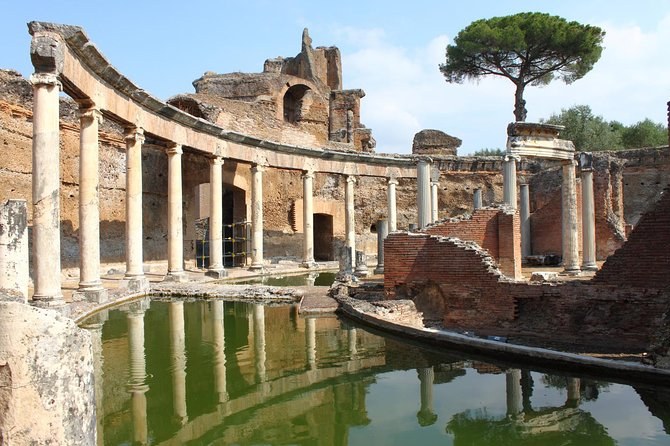
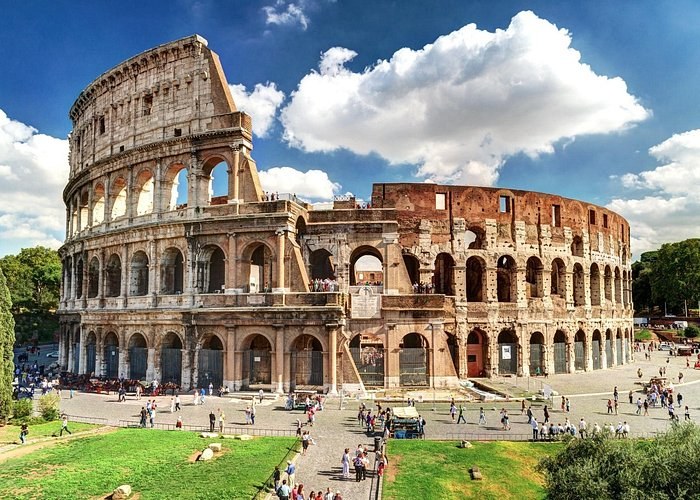
After you step off · near Warnemunde
You end in a different port — stay on, and add what is within reach before you fly home.
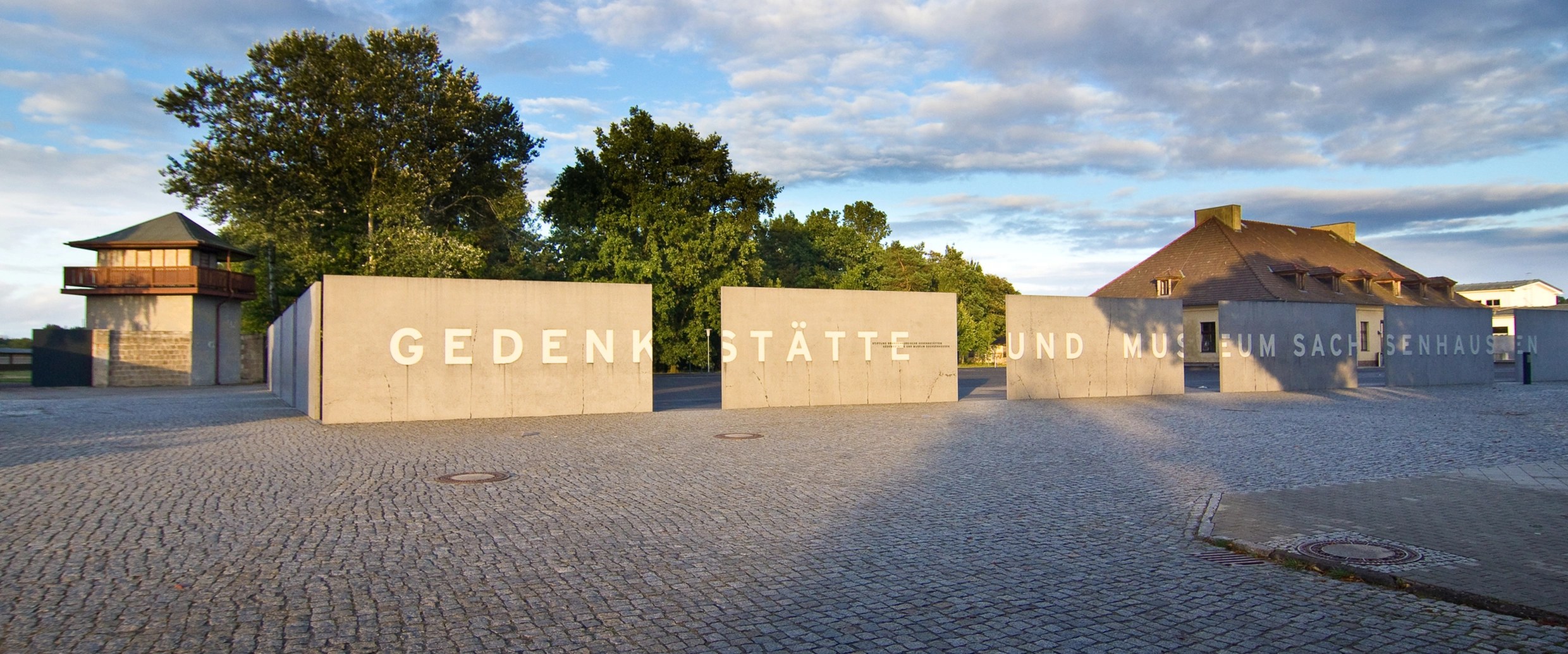 127 mi from WarnemundeSachsenhausen Memorial (30 mins south)
 127 mi from WarnemundeMemorial to the Murdered Jews of Europe
 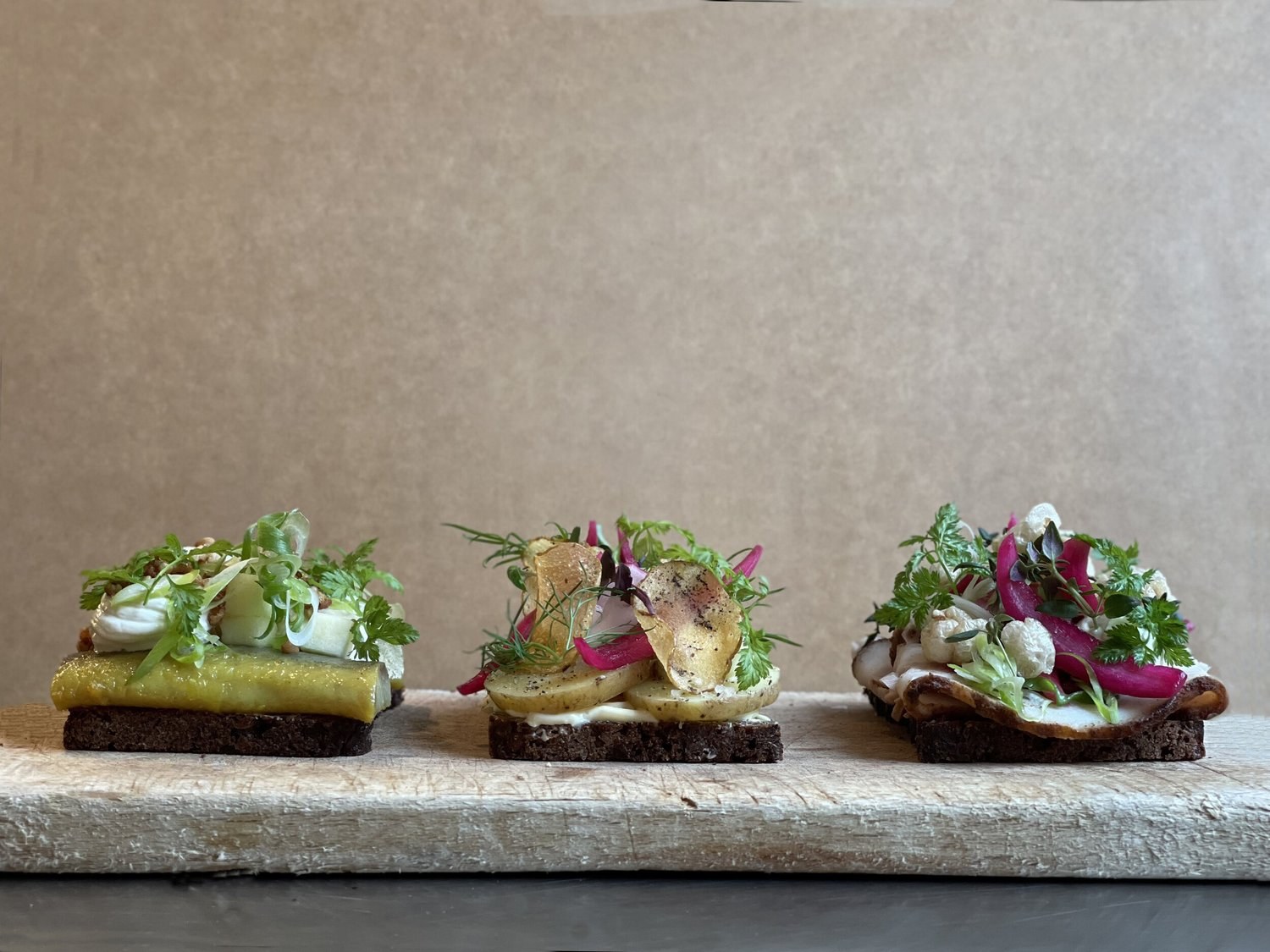 102 mi from Warnemunde · land adventureCopenhagen's Royal Canals, Underground Art & Nordic Feasts
 138 mi from Warnemunde · land adventureBerlin's Underground, Untold, and Unforgettable: An Adventure Guide
 The same trip, elevated
The same gateway on a more luxurious line — lead-in fare per person, same fare as booking direct.