Your cruise
Seven Seas Grandeur · 12-night Caribbean round trip from Miami
Mar 20 – Apr 1 · 12 nights ·
Day 1 Miami (board) · Day 2 Willis Island · Day 3 Puerto Plata · Day 4 Cayo Levantado · Day 5 San Juan · Day 6 Gustavia · Day 7 Roseau · Day 8 Pointe-a-Pitre · Day 9 Port of Basseterre · Day 10 Tortola · Day 11–12 Willis Island · Day 13 Miami (step off)
What you do Board a rigid inflatable Zodiac for a close-up circumnavigation of one of the Coral Sea's most remote specks of land. Drift alongside vast nesting colonies of red-footed boobies, frigatebirds and brown noddies — a wildlife spectacle almost no traveller on earth ever witnesses.
What to expect Your Zodiac departs the ship's swim platform and skirts the island's entire coastline at water level, giving you eye-to-eye encounters with seabird colonies that number in the tens of thousands. The guide pauses the engine so you can hear the cacophony of calls and photograph birds in undisturbed flight. Shallow coral gardens glow electric beneath the hull as you round each headland. The round trip typically takes 90–120 minutes, leaving ample buffer before all-aboard.
Good to know Pre-book directly via email well in advance — this is a tender-only island and Zodiac capacity is strictly capped. Wear non-marking soles, bring a hat and reef-safe sunscreen. Confirm your ship's all-aboard time and allow 30 minutes' return buffer.
Versus the ship tour An intimate, expert-led small-group Zodiac — never more than 12 guests — means you can idle silently within metres of nesting birds and low reef outcrops that larger vessels simply cannot access, guided by a marine biologist who narrates every species in real time.
What you do Slip beneath the surface of some of the least-dived water on the planet — the Coral Sea surrounding Willis Island, hundreds of kilometres from the nearest coast. Visibility regularly exceeds 30 metres, revealing walls of hard coral, reef sharks, giant trevally and undisturbed sea-turtle feeding grounds.
What to expect Guests kit up in a purpose-equipped dive room and giant-stride into waters of extraordinary clarity. The reef structures here are pristine — no bleaching, no crowds — and the sheer biomass of pelagic life reflects the island's status as a protected marine reserve. Drift snorkelling across shallow coral plateaus, you are likely to encounter hawksbill turtles grazing, schools of chevron barracuda and the flash of a reef whaler in the blue. Safety divers and guides remain in the water throughout.
Good to know Swimming competency is required; full snorkel equipment is provided. Confirm landing and in-water permissions with the Australian Bureau of Meteorology station keeper in advance — access can be subject to weather and conservation protocols. Bring a rash vest for UV protection.
Versus the ship tour Mike Ball operates the definitive liveaboard expeditions to the Coral Sea's outer reefs, with certified dive guides who have logged thousands of hours specifically on these formations. Group size is tightly managed, and every dive brief is site-specific — the antithesis of a mass-market snorkel.
book direct with Mike Ball Dive Expeditions (Townsville/Cairns — Coral Sea specialists) → · the full guide →
What you do Step ashore — one of only a handful of visitors ever permitted — and receive a private briefing inside Australia's most remote operational weather station. The data collected here has guided cyclone warnings across Queensland for over a century; it is a living piece of scientific history.
What to expect After a short Zodiac transfer to the beach, you walk across the coral-rubble islet — the entire thing is barely 400 metres across — to the weatherboard station compound. The duty meteorologist explains the island's role in tracking Coral Sea cyclogenesis, shows you the instrument arrays and balloon launch facilities, and fields questions with refreshing candour. The sense of absolute remoteness — no roads, no shops, just science and sea — is profoundly affecting. Visits are brief (30–45 minutes) out of respect for operations.
Good to know Landing is at the discretion of BOM and sea conditions; it is never guaranteed. Wear closed shoes for the coral-rubble foreshore. Do not touch or enter any instrument enclosures. This is one of cruising's rarest privileges — treat it accordingly.
Versus the ship tour Landing on Willis Island is granted to very few vessels per year and always requires advance coordination with the BOM. The briefing is delivered by the station's resident meteorologist — one of Australia's most isolated postings — lending an authenticity and depth no third-party guide could replicate.
What you do Join a dedicated marine naturalist on a slow, deliberate circuit of Willis Island's offshore waters — prime habitat for dwarf minke whales, spinner dolphins, red-tailed tropicbirds and occasional whale sharks. This is expedition-grade wildlife observation in one of Earth's most intact marine environments.
What to expect The excursion runs in the calm conditions that typically prevail in the lee of the island, with the naturalist briefing the group on cetacean behaviour before departure. Spinner dolphins frequently bow-ride the vessel's wake, while tropicbirds trace lazy arcs overhead trailing their extraordinary white tail streamers. In season (June–September), dwarf minke whales approach curious vessels with remarkable boldness. The naturalist's running identification and ecological commentary transforms an already astonishing scene into a masterclass in Coral Sea ecology.
Good to know Bring image-stabilised binoculars if you own them — loaner binoculars are available but limited. A polarised lens filter dramatically improves underwater wildlife sighting from the deck. Morning cruises yield the best light and the calmest seas.
Versus the ship tour Coral Expeditions' marine naturalists carry years of Coral Sea field experience and use hydrophones and binoculars to locate and interpret marine megafauna well beyond what a casual deck scan achieves. Groups are capped at 20, ensuring every guest has unobstructed sightlines and personalised commentary.
book direct with Coral Expeditions (Australia's premium expedition cruise specialist) → · the full guide →
What you do Combine world-class snorkelling with a dedicated underwater photography tuition session led by a professional marine photographer. The pellucid, undisturbed waters around Willis Island provide a studio backdrop that professionals travel half a year to reach — and you are already here.
What to expect After a 20-minute on-deck briefing covering exposure, buoyancy control for photography and coral-safe positioning, the group enters the water with the lead photographer. Each participant is given real-time feedback via underwater slates and post-dive screen reviews. The reef here hosts nudibranchs, juvenile turtles and extraordinary soft-coral detail that rewards close, patient framing. By the final dive, guests leave with a curated set of images that would pass muster in any travel magazine.
Good to know Bring your own mirrorless or compact camera with an underwater housing if possible; hire housings are limited. Basic snorkel competency required. Maximum group size of 6 is strictly enforced — book your place the moment you board the ship.
Versus the ship tour A professional marine photographer leads groups of no more than six, providing personalised composition coaching in real time — in the water, beside you. The combination of tuition and a location almost nobody else will ever photograph makes every frame genuinely irreplaceable.
What you do Rise before the rest of the ship and join an ornithologist-guide for a dawn landing on Willis Island — arguably the most exclusive birdwatching address in the Southern Hemisphere. The island hosts one of Australia's largest documented seabird colonies, and first light is when it erupts into extraordinary life.
What to expect The Zodiac lands on the coral-rubble beach just as the sky softens to indigo. Within seconds, frigatebirds begin their courtship displays, inflating scarlet throat pouches while brown boobies jostle on nesting scrapes metres from your feet. The ornithologist narrates the scene with infectious expertise, calling species by name as they lift and wheel overhead in their thousands. The island's absolute silence — broken only by wind and wings — produces a meditative quality that experienced travellers consistently describe as one of cruising's most affecting moments.
Good to know Landing is subject to BOM approval and sea-state — pre-register your interest at the expedition desk on day one of the voyage. Wear dark, non-reflective clothing to avoid disturbing nesting birds. Carry a long lens (200mm+ equivalent) for perched-bird shots. Soft-soled shoes protect both the coral-rubble substrate and your footing.
Versus the ship tour A qualified ornithologist leads a structured census-style walk, naming every species, explaining colony dynamics and pointing out nesting behaviours that an untrained eye would miss entirely. The pre-sunrise timing means you experience the island in its rawest, most atmospheric state — long before the day-trippers (there are none) arrive.
book direct with Coral Expeditions (Australia's premium expedition cruise specialist) → · the full guide →
What you do Glide out onto Biscayne Bay aboard a double-decker boat for a fully-narrated 90-minute loop past the downtown skyline, Fisher Island and the palm-studded mansions of Star Island, with the captain calling out celebrity-owned homes tied to names like Gloria Estefan and Shaquille O'Neal. It departs from Bayside Marketplace, minutes from PortMiami, so you're on the water almost as soon as you step off the ship. This is the postcard Miami-from-the-water image first-timers come for, and the short run leaves the rest of the day wide open.
What to expect You board a double-decker vessel at Bayside Marketplace and spend 90 minutes gliding across Biscayne Bay while a bilingual narrator points out downtown Miami's skyline, Fisher Island, and the iconic palm-lined mansions of Star Island—including celebrity homes tied to Gloria Estefan and Shaquille O'Neal. The climate-controlled interior and open-air upper deck let you choose your vantage; many guests spend the voyage shifting between both to capture the postcard Miami-from-the-water views. The captain's real-time commentary transforms what could be a passive boat ride into a guided tour of architectural and cultural landmarks. By trip's end, you've absorbed the essential Miami skyline and still have most of your port day free.
Good to know Arrive at Miamarina (401 Biscayne Blvd, Bayside Marketplace) 30–45 minutes early to check in; the site sits only minutes from PortMiami, so budget 10–15 minutes walking from the cruise terminal. The 90-minute cruise fits easily into a 6–8 hour port window, leaving you 4+ hours for lunch or additional exploring. Bring cash if you want onboard drinks from the mojito bar, and wear sunscreen or a hat since the open-air upper deck offers full sun exposure. Book this excursion direct through Miami Skyline Cruises rather than your cruise line to save ~$23 per person versus the bundled ship price.
Versus the ship tour Direct wins big. The cruise line sells the bay sightseeing piece bundled around ~$51 per person (and up to $114 in airboat combos). The exact same Millionaire's Row bay cruise is $28 direct here, roughly $23 per person saved with no aggregator markup.
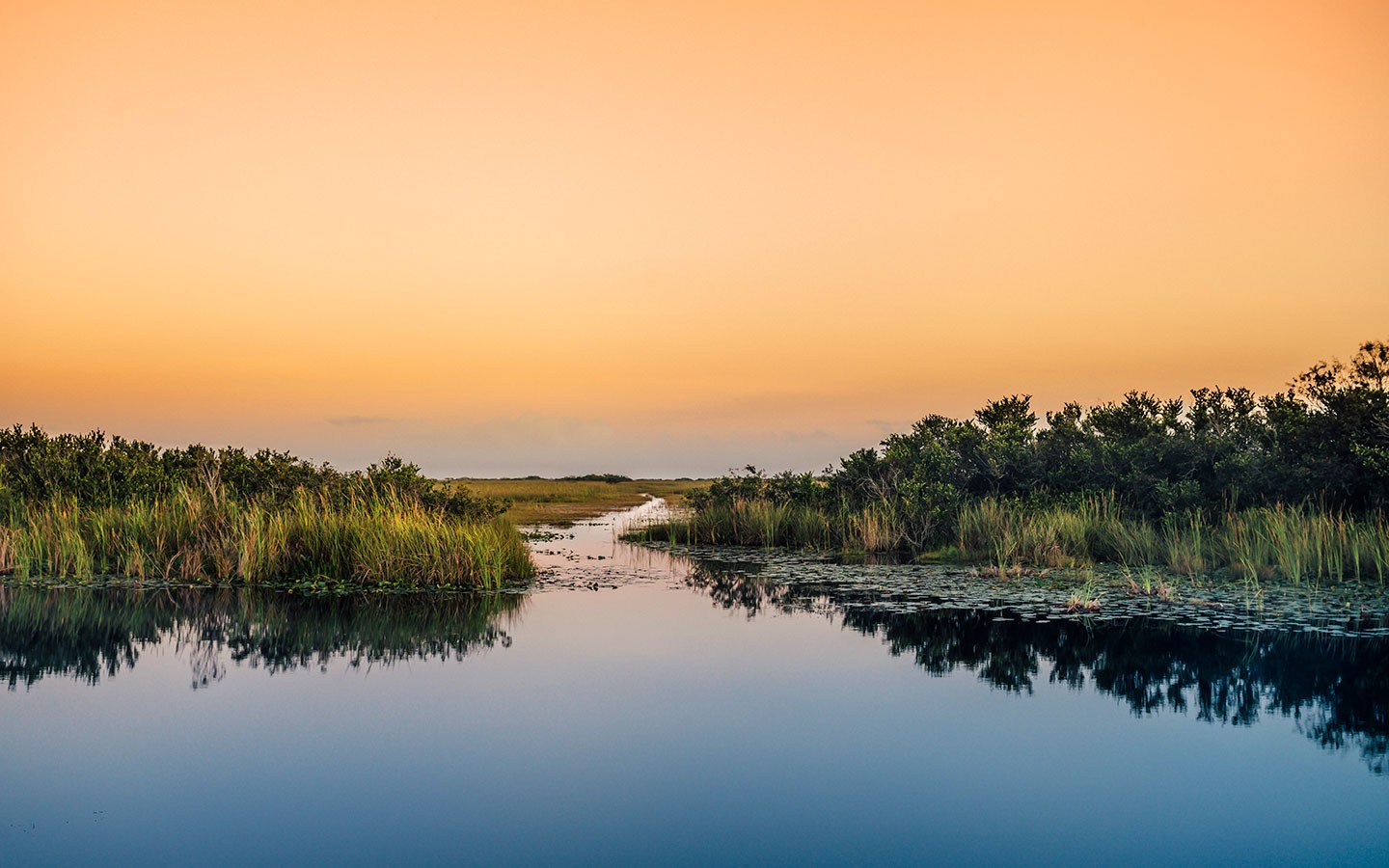
What you do Skim across the open sawgrass on an airboat hunting for wild alligators, herons and egrets in the one truly world-unique landscape on Miami's doorstep. Back on land your ticket adds an alligator/wildlife show, a jungle trail and observation exhibits, so it fills a real chunk of the day. This is the South Florida moment cruisers most regret skipping, run by an authorized Everglades National Park concession operating since 1968.
What to expect You'll skiff across open sawgrass on a 30–40 minute airboat hunt for wild alligators, herons, and egrets in the Everglades' one-of-a-kind landscape. Once back on land, you'll step into a live alligator and wildlife show, then explore a jungle trail and observation exhibits—a full immersion into South Florida's most iconic ecosystem. The day pulses between adrenaline on the water and intimate wildlife encounters on foot, filling a substantial chunk of your port time with the authentic Everglades moment most cruisers regret missing.
Good to know Plan 5–6 hours door-to-door; the park sits 45 minutes west of port with no public transit, so book a private driver or rideshare before you go and budget $60–$90 round-trip (direct booking beats the ship's price only if you split transportation among 3–4 people). Secure a driver who guarantees your return time to avoid missing the ship, and confirm your rideshare pickup well before your airboat slot to avoid delay on the way back. Bring sunscreen, a hat, and closed-toe shoes for the boat and jungle trail; water shoes or sandals that won't fly off in the wind are ideal.
Versus the ship tour Mixed. On the ride alone, direct ($49) beats Carnival's $64.99 airboat. BUT the ship's price includes round-trip transport; book direct and you must add a rideshare/car each way (the park is 45 min out with no transit). Budget about $60-$90 round-trip in rideshare on top, so direct only wins if you split a car among 3-4 people. PORT-DAY FLAG: plan ~5-6 hrs door-to-door; use a private driver who guarantees you back to the ship.
book direct with Everglades Safari Park → · the full guide →
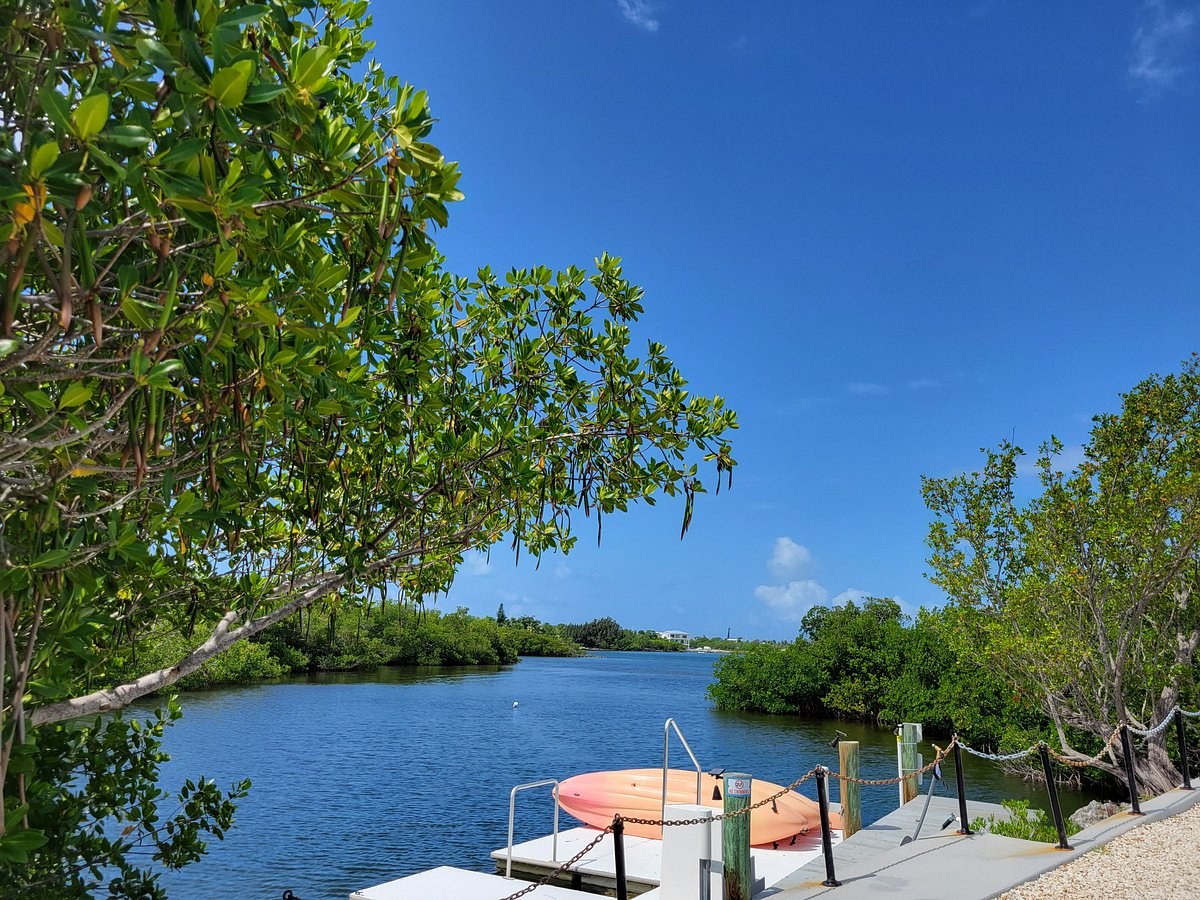
What you do Most visitors never realize there's a national park snorkeling reef right at Miami's edge. Sail out over the northernmost Florida Keys reefs to drift among tropical fish, rays and sea turtles in turquoise shallows, with a guide teaching the park's habitats and history. The Coconut Grove departure keeps you closer to the port than the Homestead trips, making it the port-day-friendly way to get one genuine on-the-water adventure.
What to expect You'll depart from Dinner Key Marina in Coconut Grove and sail out over the northernmost Florida Keys reefs, where you'll drift among tropical fish, rays, and sea turtles in turquoise shallows while a guide interprets the park's habitats and marine life. The 3.5-hour experience includes your choice of reef, shipwreck, or mangrove snorkel sites—each revealing a different slice of Biscayne National Park's ecosystem. Most of the action happens in the water; expect calm instruction-based snorkeling rather than a rushed tour, with time to orient yourself to the underwater landscape before exploring freely. You'll return to Coconut Grove with the salt still on your skin and a genuine national park experience—not a cruise-line bay jaunt—under your belt.
Good to know Book directly with the Biscayne National Park Institute (not through an aggregator) to secure the 3.5-hour Snorkeling from Coconut Grove trip at $115 per person—this duration and departure point are designed to fit a port day, with transfers included. Plan for 3.5 hours on the water plus 1–1.5 hours for transfers from the cruise pier to Dinner Key Marina, leaving you a comfortable buffer for a typical 6–8 hour port window; skip the full-day option unless snorkeling is your only priority. Bring reef-safe sunscreen, a rash guard or lightweight cover-up, a towel, and water shoes or reef booties; the park and operator will provide snorkel gear but confirm ahead if you need prescription mask options. Return timing is tight on a short port day, so confirm the exact departure time when booking and plan to be back at the pier with 30–45 minutes to spare.
Versus the ship tour No true ship equivalent. The cruise lines don't sell an in-park national-park reef snorkel from Miami at all, their water tours top out at bay sightseeing and airboat combos. This is the one signature snorkel here, and the only way to do it is direct with the park's own concessionaire. PORT-DAY FLAG: the 3.5-hr trip plus transfers fits a port day; skip the 6-hr full-day option unless this is your only outing.
book direct with Biscayne National Park Institute → · the full guide →
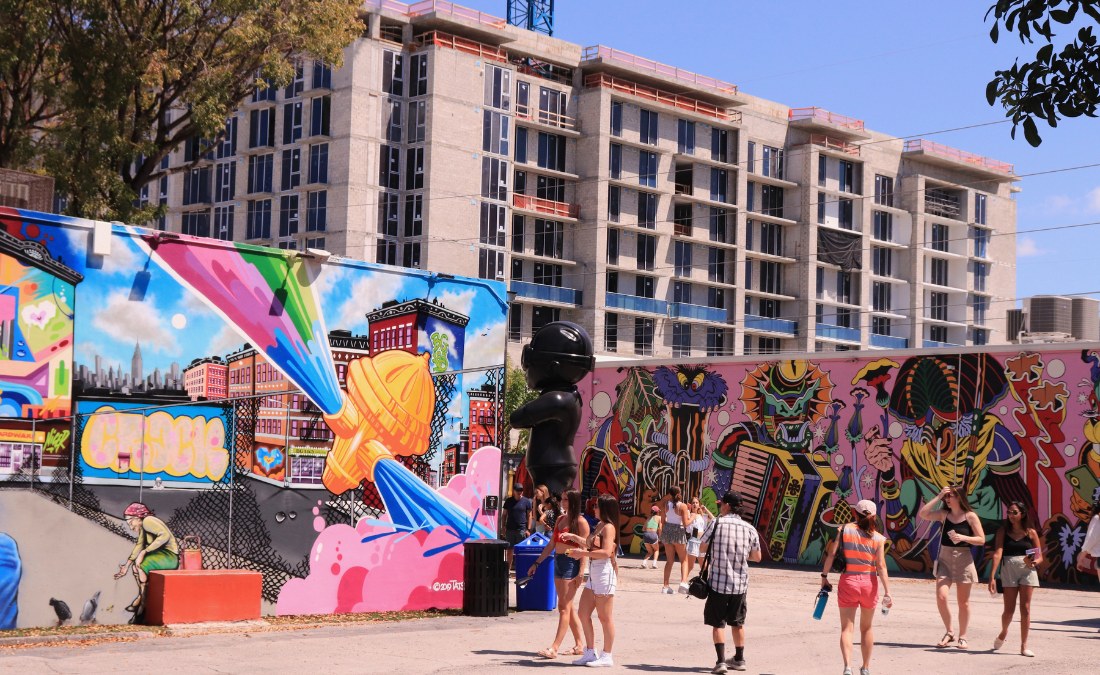
What you do Eat your way through the cultural heart of Cuban Miami: a real Cuban sandwich, a jolt of cafecito and a mojito, while you watch cigars hand-rolled and dominoes slammed down in Maximo Gomez Park. A guide threads the history of exile, music and food through every stop along Calle Ocho. The tastings add up to a full meal plus drinks, an immersive, distinctly-Miami experience you can't replicate anywhere else, and it's an easy ride from the port.
What to expect Your guide escorts you through the vibrant streets of Calle Ocho, stopping to taste authentic Cuban sandwiches, croquetas, and pastries that build into a full meal—all while live music and the clatter of dominoes frame the scene at Maximo Gomez Park. You'll watch cigar rollers at work, their hands moving with practiced precision, before pausing for shots of cafecito and sipping a mojito at a neighborhood spot where locals gather. The walk threads Miami's Cuban exile history and food culture through each block, turning lunch into an immersive lesson on why this neighborhood is the real heart of Cuban America. Roughly 2.5 to 3 hours of steady walking and tasting, paced to savor both the food and the stories.
Good to know Book directly with Miami Culinary Tours (not the cruise line) to save $60+ per person—tours run roughly $69 versus $132+ through the ship. Calle Ocho is an easy, short ride from the port, so plan to depart within an hour of disembark and return comfortably 30–45 minutes before all-aboard. Bring small cash for tips and incidentals, wear comfortable walking shoes, and eat lightly before departure since the tastings amount to a full meal. Confirm your exact tour time and departure point with the operator when booking, as walking tours run on tight schedules and late arrivals will cost you stops.
Versus the ship tour Direct wins decisively. The cruise line charges $132+ for its Little Havana/mojito outing (and private versions run $162). The same Calle Ocho food-and-culture walk with the original operator is ~$69 direct, well over $60 per person saved.
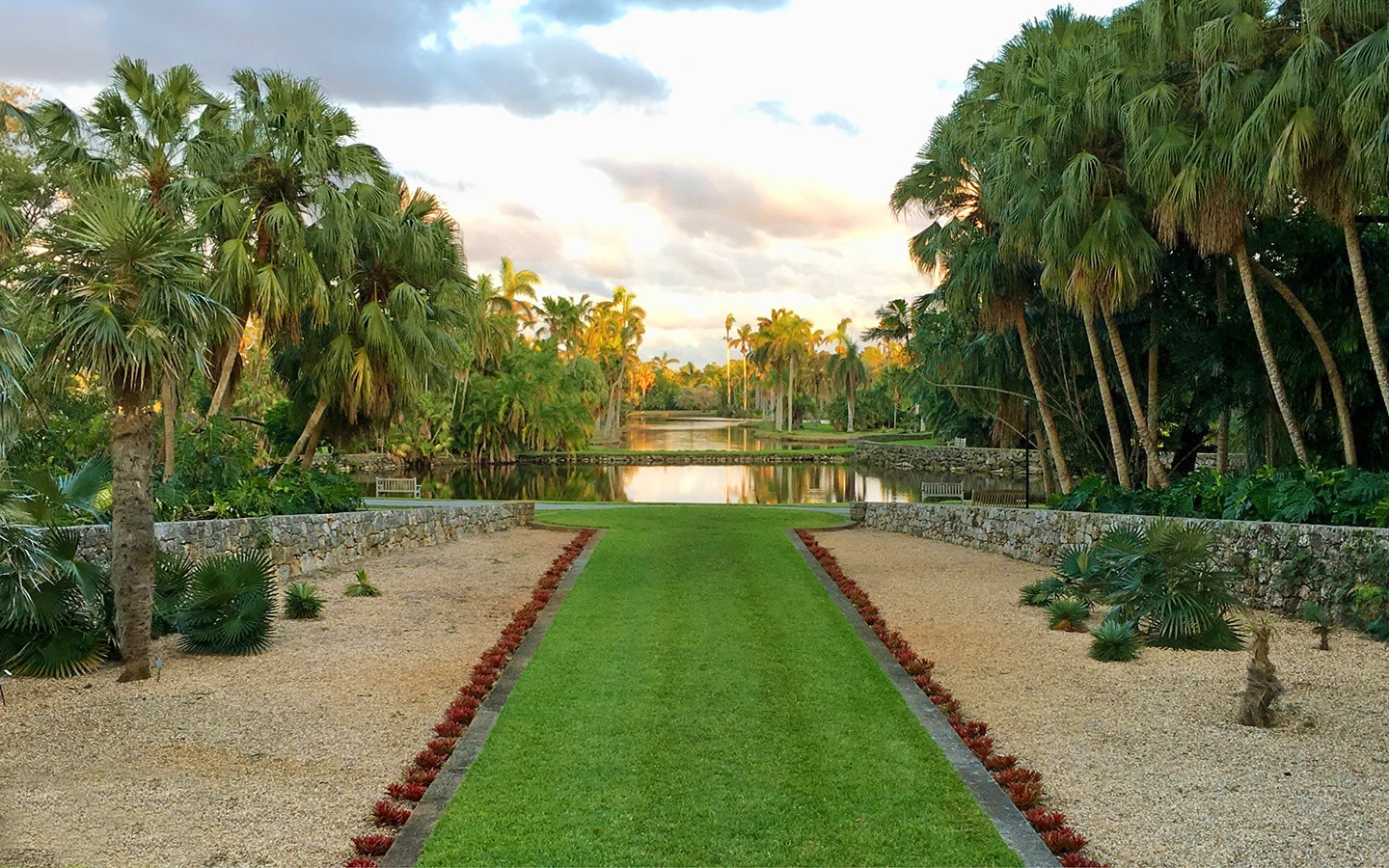
What you do Tour the most opulent historic estate in Miami: an early-20th-century Italian Renaissance-style villa built as industrialist James Deering's winter home, with lavishly furnished rooms opening onto formal European gardens that run down to Biscayne Bay. A National Historic Landmark and one of the city's most photogenic spots, it's self-paced and close to the port near Coconut Grove, so it slots neatly into a half-day on shore.
What to expect You'll arrive at an early-20th-century Italian Renaissance villa—James Deering's former winter palace—where lavishly appointed rooms open directly onto formal European gardens that descend to Biscayne Bay, giving you a tangible sense of early-Miami opulence. The self-paced experience lets you linger in ornate interiors or photograph the manicured grounds at your own tempo. A short walk from Coconut Grove and the port itself, the estate unfolds as a series of intimate spaces rather than a sprawling museum; you'll move between decorated rooms and out onto the bayfront gardens in a natural rhythm. This is a half-day anchor—intimate, photogenic, and complete within 2–3 hours if you're deliberate.
Good to know Book timed-entry tickets direct on Vizcaya's official site before you dock to guarantee your preferred window and avoid queues. The estate sits close to the port near Coconut Grove, making it walkable or a quick taxi ride—buying direct at $25 per adult cuts the cruise-line markup entirely and gives you full control over timing. Plan for 2–3 hours on-site within your 6–8 hour port window, leaving a solid 90-minute buffer before all-aboard. Bring sunscreen and comfortable shoes for the gardens; there's no air conditioning between outdoor rooms, so dress for tropical sun.
Versus the ship tour Direct is the only sensible route. Cruise lines rarely package Vizcaya, and when a city tour drives past it you'd still pay $35-$70 for sightseeing that may not include entry. At $25 booked direct you control your own timing and skip the bus markup entirely.
book direct with Vizcaya Museum and Gardens → · the full guide →
What you do Walk the world's largest concentration of 1920s-40s Art Deco architecture with a guide from the nonprofit that literally saved and landmarked the district. Over two hours along Ocean Drive you learn to actually read the pastel hotels and neon instead of just photographing them, ending right in the heart of South Beach for lunch and beach time. It's the low-risk, easy-to-reach alternate if the bay, Everglades or reef don't fit your day.
What to expect You'll spend two immersive hours walking Ocean Drive with a trained guide from the Miami Design Preservation League—the nonprofit that saved these buildings—learning to decode the geometric patterns, pastel façades, and neon signage of the world's largest Art Deco district instead of just snapping photos. The walk moves at a contemplative pace through 1920s-40s hotels and landmarks, ending at the Art Deco Museum before you're released into the heart of South Beach for lunch, shopping, and beach time. The rhythm feels like a masterclass rather than a tourist blur: you're stationary for observation, walking short blocks for transition, absorbing stories that transform what you see into architecture you actually understand. This is the substance play—manageable distance, genuine expertise, and the flexibility to linger at the beach afterward or grab food on your own terms.
Good to know The 10:30am daily departure from the Art Deco Welcome Center (1001 Ocean Drive) gives you a tight but workable 6–7 hour window: book a rideshare from the port now (15–20 minutes, ~$15–20 each way), arrive by 10:15am, walk until 12:30pm, then own your afternoon. Plan to be back at the pier by 5:30–6pm for a typical evening departure, leaving 3+ hours of buffer for beach/lunch, transit back, and security. Bring sunscreen, comfortable walking shoes, and a light layer—you're outside for two straight hours on exposed Ocean Drive. Book direct through MDPL online ($35 adults, $30 seniors/students/veterans with ID); no need to pre-book the walk itself, but confirming your rideshare timing the morning of prevents last-minute scrambling.
Versus the ship tour Direct wins on substance and price. The ship's Miami city/hop-on tour is $69.99 and just rolls past the district; this definitive 2-hour guided Deco walk from the people who landmarked it is $35 direct, half the cost and far more depth, though you arrange your own ride to South Beach (short rideshare from the port).
book direct with Miami Design Preservation League (MDPL) → · the full guide →
What you do Board a rigid inflatable Zodiac for a close-up circumnavigation of one of the Coral Sea's most remote specks of land. Drift alongside vast nesting colonies of red-footed boobies, frigatebirds and brown noddies — a wildlife spectacle almost no traveller on earth ever witnesses.
What to expect Your Zodiac departs the ship's swim platform and skirts the island's entire coastline at water level, giving you eye-to-eye encounters with seabird colonies that number in the tens of thousands. The guide pauses the engine so you can hear the cacophony of calls and photograph birds in undisturbed flight. Shallow coral gardens glow electric beneath the hull as you round each headland. The round trip typically takes 90–120 minutes, leaving ample buffer before all-aboard.
Good to know Pre-book directly via email well in advance — this is a tender-only island and Zodiac capacity is strictly capped. Wear non-marking soles, bring a hat and reef-safe sunscreen. Confirm your ship's all-aboard time and allow 30 minutes' return buffer.
Versus the ship tour An intimate, expert-led small-group Zodiac — never more than 12 guests — means you can idle silently within metres of nesting birds and low reef outcrops that larger vessels simply cannot access, guided by a marine biologist who narrates every species in real time.
What you do Slip beneath the surface of some of the least-dived water on the planet — the Coral Sea surrounding Willis Island, hundreds of kilometres from the nearest coast. Visibility regularly exceeds 30 metres, revealing walls of hard coral, reef sharks, giant trevally and undisturbed sea-turtle feeding grounds.
What to expect Guests kit up in a purpose-equipped dive room and giant-stride into waters of extraordinary clarity. The reef structures here are pristine — no bleaching, no crowds — and the sheer biomass of pelagic life reflects the island's status as a protected marine reserve. Drift snorkelling across shallow coral plateaus, you are likely to encounter hawksbill turtles grazing, schools of chevron barracuda and the flash of a reef whaler in the blue. Safety divers and guides remain in the water throughout.
Good to know Swimming competency is required; full snorkel equipment is provided. Confirm landing and in-water permissions with the Australian Bureau of Meteorology station keeper in advance — access can be subject to weather and conservation protocols. Bring a rash vest for UV protection.
Versus the ship tour Mike Ball operates the definitive liveaboard expeditions to the Coral Sea's outer reefs, with certified dive guides who have logged thousands of hours specifically on these formations. Group size is tightly managed, and every dive brief is site-specific — the antithesis of a mass-market snorkel.
book direct with Mike Ball Dive Expeditions (Townsville/Cairns — Coral Sea specialists) → · the full guide →
What you do Step ashore — one of only a handful of visitors ever permitted — and receive a private briefing inside Australia's most remote operational weather station. The data collected here has guided cyclone warnings across Queensland for over a century; it is a living piece of scientific history.
What to expect After a short Zodiac transfer to the beach, you walk across the coral-rubble islet — the entire thing is barely 400 metres across — to the weatherboard station compound. The duty meteorologist explains the island's role in tracking Coral Sea cyclogenesis, shows you the instrument arrays and balloon launch facilities, and fields questions with refreshing candour. The sense of absolute remoteness — no roads, no shops, just science and sea — is profoundly affecting. Visits are brief (30–45 minutes) out of respect for operations.
Good to know Landing is at the discretion of BOM and sea conditions; it is never guaranteed. Wear closed shoes for the coral-rubble foreshore. Do not touch or enter any instrument enclosures. This is one of cruising's rarest privileges — treat it accordingly.
Versus the ship tour Landing on Willis Island is granted to very few vessels per year and always requires advance coordination with the BOM. The briefing is delivered by the station's resident meteorologist — one of Australia's most isolated postings — lending an authenticity and depth no third-party guide could replicate.
What you do Join a dedicated marine naturalist on a slow, deliberate circuit of Willis Island's offshore waters — prime habitat for dwarf minke whales, spinner dolphins, red-tailed tropicbirds and occasional whale sharks. This is expedition-grade wildlife observation in one of Earth's most intact marine environments.
What to expect The excursion runs in the calm conditions that typically prevail in the lee of the island, with the naturalist briefing the group on cetacean behaviour before departure. Spinner dolphins frequently bow-ride the vessel's wake, while tropicbirds trace lazy arcs overhead trailing their extraordinary white tail streamers. In season (June–September), dwarf minke whales approach curious vessels with remarkable boldness. The naturalist's running identification and ecological commentary transforms an already astonishing scene into a masterclass in Coral Sea ecology.
Good to know Bring image-stabilised binoculars if you own them — loaner binoculars are available but limited. A polarised lens filter dramatically improves underwater wildlife sighting from the deck. Morning cruises yield the best light and the calmest seas.
Versus the ship tour Coral Expeditions' marine naturalists carry years of Coral Sea field experience and use hydrophones and binoculars to locate and interpret marine megafauna well beyond what a casual deck scan achieves. Groups are capped at 20, ensuring every guest has unobstructed sightlines and personalised commentary.
book direct with Coral Expeditions (Australia's premium expedition cruise specialist) → · the full guide →
What you do Combine world-class snorkelling with a dedicated underwater photography tuition session led by a professional marine photographer. The pellucid, undisturbed waters around Willis Island provide a studio backdrop that professionals travel half a year to reach — and you are already here.
What to expect After a 20-minute on-deck briefing covering exposure, buoyancy control for photography and coral-safe positioning, the group enters the water with the lead photographer. Each participant is given real-time feedback via underwater slates and post-dive screen reviews. The reef here hosts nudibranchs, juvenile turtles and extraordinary soft-coral detail that rewards close, patient framing. By the final dive, guests leave with a curated set of images that would pass muster in any travel magazine.
Good to know Bring your own mirrorless or compact camera with an underwater housing if possible; hire housings are limited. Basic snorkel competency required. Maximum group size of 6 is strictly enforced — book your place the moment you board the ship.
Versus the ship tour A professional marine photographer leads groups of no more than six, providing personalised composition coaching in real time — in the water, beside you. The combination of tuition and a location almost nobody else will ever photograph makes every frame genuinely irreplaceable.
What you do Rise before the rest of the ship and join an ornithologist-guide for a dawn landing on Willis Island — arguably the most exclusive birdwatching address in the Southern Hemisphere. The island hosts one of Australia's largest documented seabird colonies, and first light is when it erupts into extraordinary life.
What to expect The Zodiac lands on the coral-rubble beach just as the sky softens to indigo. Within seconds, frigatebirds begin their courtship displays, inflating scarlet throat pouches while brown boobies jostle on nesting scrapes metres from your feet. The ornithologist narrates the scene with infectious expertise, calling species by name as they lift and wheel overhead in their thousands. The island's absolute silence — broken only by wind and wings — produces a meditative quality that experienced travellers consistently describe as one of cruising's most affecting moments.
Good to know Landing is subject to BOM approval and sea-state — pre-register your interest at the expedition desk on day one of the voyage. Wear dark, non-reflective clothing to avoid disturbing nesting birds. Carry a long lens (200mm+ equivalent) for perched-bird shots. Soft-soled shoes protect both the coral-rubble substrate and your footing.
Versus the ship tour A qualified ornithologist leads a structured census-style walk, naming every species, explaining colony dynamics and pointing out nesting behaviours that an untrained eye would miss entirely. The pre-sunrise timing means you experience the island in its rawest, most atmospheric state — long before the day-trippers (there are none) arrive.
book direct with Coral Expeditions (Australia's premium expedition cruise specialist) → · the full guide →
What you do Climb a jungle canyon north of Puerto Plata and then descend it the wild way — leaping off limestone ledges (some up to 25 feet) and sliding down natural water chutes into turquoise plunge pools, all the way down the full 27-waterfall circuit. Most cruise tours only do the first 7 falls; doing all 27 with the official park guides is the genuine bucket-list version and the single most thrilling thing on the north coast. Helmets and life jackets are mandatory and included, and you can always take the wooden stairs around any jump that intimidates you.
What to expect After a 30-40 minute uphill hike through humid rainforest you reach the top of the canyon, then work back down by jumping, sliding and swimming pool-to-pool with guides spotting every leap. The water is cool and clear, the rock is smooth from centuries of flow, and the energy is pure adrenaline punctuated by quiet jungle stretches. Expect to be in the water 1.5-2 hours; you'll be soaked, exhilarated, and a little bruised. Strong swimmers and reasonably fit travelers get the most out of the full 27.
Good to know Go on the first morning slot (park opens 8:30am) to beat the crowds and heat; it's ~45 minutes from either pier. Wear closed-toe shoes that can get soaked and leave valuables on the ship — phones get wet. Pre-book your transfer and confirm the full-27 option specifically, since many packages quietly cap at 7 or 12. Allow a comfortable buffer before all-aboard; this is the one excursion where running late is a real risk.
Versus the ship tour Carnival's 'Waterfalls of Damajagua - Adrenaline Adventure' runs USD 89.99/adult (about USD 80/child) and only covers the lower section of falls. Booking the park entry direct plus a private transfer typically lands around USD 55-70 per person all-in for the full 27 and a smaller group. Honest verdict: book direct for the price, the complete circuit, and the early slot — but if your ship is the only one in port for a short call and you want a guaranteed back-to-ship cushion, the ship tour's timing safety net is defensible.
book direct with 27 Waterfalls of Damajagua / Damajagua Monument (official park ticket office) → · the full guide →
What you do Ride the only aerial cable car in the Caribbean — reopened in April 2026 with brand-new Swiss-engineered panoramic-glass cabins — up to the 2,600-foot summit of Pico Isabel de Torres. At the top, a Christ the Redeemer statue (a smaller echo of Rio's) presides over a botanical garden of 15,000 native plants and a 360-degree view sweeping from the Atlantic and Puerto Plata's red rooftops to the green northern cordillera. On a clear morning you can see all the way to Sosua and, some days, Tortuga Island.
What to expect The glide up takes about 8-10 minutes and is smooth and quiet, with the view opening dramatically as you clear the tree line. Up top it's noticeably cooler and often misty; you'll wander shaded garden paths, the Christ statue plaza, and several railed viewpoints. Crowds spike when a ship empties at once, so timing matters. Allow about 1-1.5 hours at the summit.
Good to know Go early before midday haze rolls in and before the lunchtime crush; last ascent is around 4:30pm. The standalone official website domain has been unreliable/parked recently, so book at the base-station ticket window or via a reputable local operator rather than chasing the .com. Bring a light layer — the summit can be breezy and damp — and cash for the ticket booth.
Versus the ship tour Ship 'city tour with cable car' combos typically run USD 60-90/person and bundle the fort and old town with it. The cable car itself is so inexpensive direct that a private taxi doing cable car + old town + fort beats the ship tour on both price and pace for most couples. Verdict: book direct — the markup here buys you nothing the summit doesn't already give for USD 16.
book direct with Teleferico de Puerto Plata (official cable car, on-site ticket office) → · the full guide →
What you do Charter a private sailing catamaran out of Sosua Beach and cruise the calm, clear north-coast water to the protected reefs of Sosua Bay, anchoring over coral gardens thick with tropical fish for snorkeling straight off the boat. Because it's a private charter, it's your group only — your music, your pace, the trampoline nets and water slide all to yourselves — which is the luxury upgrade over the packed party boats. It's the most relaxed, indulgent way to spend a port day on the water here.
What to expect You'll board at Sosua Beach (about 20-25 minutes east of the piers), sail west then east along the coast with one or two reef stops, and have crew handle gear and spotting. The bay is sheltered so the water is usually flat and friendly to nervous swimmers. Between snorkel stops it's lounging on the nets with a cold Presidente in hand. The reefs are healthy and the visibility is good on calm days.
Good to know Confirm a morning departure (9am shift) to leave a safe cushion before all-aboard, since Sosua is a short drive from the port. Book and pay the deposit in advance and arrange a private transfer to Sosua Beach. Reef-safe sunscreen only; bring an underwater camera. Sosua is not a cruise-pier walk-up, so a pre-arranged charter is the only way to do this on a port day.
Versus the ship tour Cruise-line shared snorkel/beach-break boat tours run roughly USD 70-110/person on a crowded shared vessel. A private charter split among a family or group of friends lands in the same per-head range but you get the whole boat. Verdict: book direct for any group of 6+ — it's better value AND a genuinely private, higher-end experience; the ship's shared boat only wins for a solo traveler or couple unwilling to charter.
book direct with Sosua Catamaran & Yacht Rentals (direct operator) → · the full guide →
What you do Explore the Caribbean's largest concentration of Gilded-Age Victorian architecture on foot, threading the pastel gingerbread mansions around Independence Square before reaching the 16th-century Fortaleza San Felipe — the oldest fort in the New World, built to fend off pirates and later used as a prison. Cap it at the Amber Museum, a restored Victorian mansion holding one of the world's finest collections of Dominican amber, including rare pieces with prehistoric insects frozen inside (the very amber that inspired Jurassic Park). It's the cultural and historic heart of the city, all walkable from Taino Bay.
What to expect Flat, easy walking on cobbled and paved streets past Central Park's cathedral, the photogenic 'Umbrella Street,' and rows of restored merchant houses. The fort sits on a small headland with cannons, dungeons and breezy harbor views; allow 30-45 minutes there. The amber museum is compact but genuinely world-class — plan 30-40 minutes. The whole loop is a relaxed half-day.
Good to know From Taino Bay you can walk into the old town in 10-15 minutes; from Amber Cove take a taxi (~USD 15-25). Mornings are cooler for walking. Bring small USD bills for entry booths. If buying amber jewelry, buy at the museum or a reputable named shop — street 'amber' is often plastic or copal.
Versus the ship tour Ship 'historic city tour' excursions run USD 50-80/person. Taino Bay is within walking distance of the old town and fort, so a couple can do this essentially for the price of entry fees, or hire a licensed local guide for richer storytelling and still beat the ship price. Verdict: book direct or self-guide — the ship tour's only real advantage is from Amber Cove, which is a 15-20 minute drive out.
book direct with Fortaleza San Felipe (official monument) & Museo del Ámbar Dominicano (official amber museum) → · the full guide →
What you do Puerto Plata is the birthplace and home of Brugal, the rum brand poured all over the island, and the Brugal Rum Center is the official visitor facility where guides walk you through the journey from sugarcane to bottle and finish with a guided tasting. For a more boutique, history-steeped alternative, the Macorix House of Rum sits inside the historic Vinicola del Norte distillery in town. Either way, sipping aged Dominican rum at its source — not in a duty-free shop — is the authentic taste of the region.
What to expect The Brugal tour is short (about 30 minutes) and viewed from a gangway over the production floor, finishing with samples and a shop selling aged expressions at near-wholesale prices. The Macorix experience is more intimate and storytelling-driven inside a characterful old distillery. Both are easy, low-effort, and pair naturally with the old town and fort. Expect a relaxed, convivial tasting rather than a long industrial tour.
Good to know Check current opening hours — the Brugal center closes midday for lunch and isn't open every day. It's easiest to fold this into a private taxi city tour alongside the fort, museum and cable car. Buy your bottles here for the best aged-rum selection and price, and pace your tasting if you're driving onward to other stops.
Versus the ship tour There usually isn't a dedicated ship rum-tour; rum tasting is bundled into city tours at USD 50-80/person. Booking the rum center direct (or adding it to a private taxi city loop) costs a few dollars plus whatever bottles you buy. Verdict: book direct — this is a low-cost, high-authenticity stop the cruise line can't beat on value.
book direct with Brugal Rum Center (official brand visitor center) → · the full guide →
What you do Just minutes from the piers at Cofresi, Ocean World is a marine park built for hands-on encounters — a deep-water dolphin swim, a sea-lion show, a walk-through tropical bird aviary and a stingray and reef-shark lagoon. The dolphin swim, with hugging, kissing, feeding and a dorsal-fin ride, is the headline draw and an easy bucket-list thrill for families who want guaranteed close-up wildlife on a short port day. It's polished, weatherproof, and close enough to leave a generous back-to-ship buffer.
What to expect The park is compact and well-run; the dolphin swim itself is about 30 minutes in-water with roughly 20 minutes of structured interaction in a clean saltwater lagoon. Around it you can catch the sea-lion and bird shows, snorkel the reef aquarium, and have a buffet lunch. It's family-friendly and very accessible — minimal walking, lots of shade. Expect a touristy but genuinely fun, photo-heavy experience.
Good to know Reserve the dolphin swim well in advance — spots are limited and cruise-day demand is high. It's about 10-15 minutes from Amber Cove and Taino Bay by taxi. Bring a swimsuit, towel and a waterproof camera (park photographers also sell shots). Confirm the park is open on your call day (it typically closes Mondays).
Versus the ship tour Cruise lines (Carnival, Royal Caribbean, NCL) sell Ocean World dolphin packages at roughly USD 130-200+/person bundling transfers, park admission and the dolphin program. Booking the park and dolphin program direct plus a short taxi typically saves USD 30-60/person. Verdict: book direct on price — but because dolphin slots are capacity-limited and sell out, the ship tour's guaranteed reservation and transfer is a fair reason to pay the markup if you're set on the in-water swim.
book direct with Ocean World Adventure Park (official) → · the full guide →
What you do Climb through Castillo San Felipe del Morro, the 16th-century Spanish citadel jutting into the Atlantic with its ring of sentry-box garitas and a vast kite-flying esplanade -- the single signature image of San Juan, a UNESCO World Heritage site steps from the pier. Your $10 ticket also gets you into the larger Castillo San Cristobal for 24 hours, so you can pair the two forts with a self-guided wander of the blue-cobblestoned colonial streets and city walls. Open 9am-6pm (last entry 5pm), cashless entry.
What to expect You'll walk directly from the pier into the 16th-century Castillo San Felipe del Morro, climbing through its iconic sentry-box garitas and exploring the vast esplanade where locals fly kites against Atlantic views—the signature postcard image of San Juan. Your $10 ticket unlocks both El Morro and the larger Castillo San Cristobal for 24 hours, so most visitors pair a 90-minute fort crawl with a self-guided wander of the blue-cobblestoned colonial streets and restored city walls, soaking in the UNESCO World Heritage atmosphere steps from where you docked. The rhythm is unhurried: climb, photograph, stroll the old town's narrow plazas and colorful facades, grab lunch at a local café, then loop back. The whole experience—both forts plus wandering—typically fills a relaxed 4–5 hours.
Good to know The site opens at 9am and stops last entry at 5pm; book your pier departure time accordingly to allow a full 4–5 hours ashore (6–8 hour port windows are ideal). El Morro sits a literal 5-minute walk from the cruise terminal, and entry is cashless, so bring a card or mobile payment; the $10 adult ticket covers both forts for 24 hours, making a second-day visit possible if you're in port overnight. Wear comfortable walking shoes, sunscreen, and a hat—the esplanade and city walls offer little shade—and bring water. If you want a guided experience instead of self-guided, hire a licensed walking guide (~$31/person) rather than paying the ship's ~$119 tour for the same forts and streets.
Versus the ship tour Direct wins by a landslide. The ship's guided 'San Juan City Tour' runs ~$92-$119/person (Carnival's verified at $118.99); you get the exact same forts and streets, a 5-minute walk from the pier, for a $10 ticket -- roughly a $100/person saving. If you want a guide, a private licensed walking guide is ~$31/person, still a third of the ship price.
book direct with San Juan National Historic Site (U.S. National Park Service) → · the full guide →
What you do Puerto Rico is the rum capital of the world and Bacardi is its global icon -- and you reach the world's largest premium rum distillery the fun way, riding the cheap Catano public ferry straight across the bay from Pier 2 (about a 20-minute crossing). Pick your depth: the story-driven Legacy Tour with a welcome cocktail, a hands-on Mixology Class, or a seated four-rum tasting. Quick to reach, flexible duration, and easily the most port-day-friendly marquee experience -- just book your time slot online in advance.
What to expect You'll walk from Pier 2 to the Catano ferry terminal and enjoy a breezy 20-minute crossing across San Juan Bay with views of the waterfront and coastline. Once at Casa BACARDI, you'll move through the world's largest premium rum distillery—touring colonial-era buildings, learning the heritage story, and exploring the production process. Your experience deepens based on your choice: the Legacy Tour includes a welcome cocktail; the Mixology Class puts you behind the bar crafting drinks; or the Rum Tasting offers a seated four-rum flight with expert guidance. Most excursions finish within 2-3 hours, leaving you time to explore Old San Juan's colorful streets or relax before returning to the ship.
Good to know Book your time slot online in advance—tours fill quickly on port days. The round-trip Catano ferry costs only $1-$3 per person and departs every 15-20 minutes from near the pier; the 20-minute crossing is straightforward and well-marked. Plan for 3-4 hours total (ferry + tour + return), leaving a 2-3 hour buffer before all-aboard. Bring sun protection, wear comfortable walking shoes for the distillery grounds, and have small bills handy for the ferry; the Legacy Tour ($40) and Mixology/Tasting options ($80) offer far better value than cruise-line packages bundling unnecessary bus tours.
Versus the ship tour Direct wins. Cruise-line Bacardi excursions run ~$80-$100+/person and bundle in a bus 'city sightseeing' filler you don't need. Book the Legacy Tour direct for $40 plus a couple dollars of ferry and you save ~$40-$60/person, while choosing your own pace and slot.
book direct with Casa BACARDI Puerto Rico (Bacardi) → · the full guide →
What you do El Yunque is the only tropical rainforest in the U.S. National Forest system -- misty peaks, cascading waterfalls, natural rock waterslides and cool river pools you can actually swim in, about an hour from the pier. A guided half-day puts roughly 3 hours on the forest floor and fits comfortably inside a normal 6-8 hr port day. Round-trip transport, park entrance, life jackets/helmets for the water spots and water are all included.
What to expect After a roughly one-hour drive from the pier, you'll step into the mist of El Yunque, the only tropical rainforest in the U.S. National Forest system, where a guide leads you across about three hours on the forest floor past misty peaks and cascading waterfalls. You'll strip down for natural rock waterslides and swim in cool river pools (life jackets and helmets provided), alternating between the sensory overload of the jungle and the pure relief of cold water. The rhythm is steady but unhurried—hike, pause to absorb the canopy, splash, breathe—designed to fit snugly inside a standard 6–8 hour port day without feeling rushed.
Good to know Round-trip transport and park entrance are included in the $89 price; departing immediately after tendering and returning well before all-aboard (verify the operator's guarantee) keeps you safe within the port window. Bring water shoes or sandals that won't slip on wet rocks, a towel, and a waterproof bag for phone/wallet; the guide and included water cover basics, but sun protection and a change of clothes are on you. At $89 with hotel transport (or $75 self-driven), you save roughly $14 per person versus Carnival's $102.99 ship tour—the real value is escaping the massive cruise-ship bus rather than the dollar difference.
Versus the ship tour Close to a wash -- book direct mainly for the smaller group, not big savings. Carnival's El Yunque tour is $102.99, so direct at $89 saves ~$14/person; quality independent half-days range ~$45-$120. The real upgrade is escaping a packed cruise-ship bus, not the price. Use an operator that guarantees you back to the ship before all-aboard.
What you do The classic Caribbean postcard day: sail a 65-ft catamaran out to an uninhabited cay of powder-white sand, turquoise shallows and a living reef in the Cordillera Reefs Nature Reserve. Open bar (pina coladas, local beer), buffet lunch, a water slide and snorkel gear are all included, run by Puerto Rico's longest-operating catamaran company (since 1994). Note the clock: it's a 6-hr trip departing Fajardo (~1 hr drive from the pier), so it realistically needs a long port day with an early start or an overnight -- confirm against your ship's all-aboard.
What to expect You'll board a 65-foot catamaran in Fajardo for a sail into the Cordillera Reefs Nature Reserve, where powder-white sand and turquoise shallows rim Icacos Island—an uninhabited cay that looks like a Caribbean postcard. Once anchored, you'll slip into your snorkel gear to explore a living reef system, then surface for an open bar (pina coladas, local beer) and a buffet lunch on deck. A water slide off the boat's platform caps the afternoon before the sail back to port, completing a full immersion in classic Caribbean rhythm.
Good to know The round-trip is 6 hours with a ~1-hour drive from the San Juan pier to Fajardo, so you'll need either a long port day with an early departure or an overnight—confirm your ship's all-aboard time before booking. Secure San Juan round-trip transport separately if the operator doesn't include it; factor 2–2.5 hours for ground travel each way. Bring reef-safe sunscreen, a towel, and a change of dry clothes; snorkel gear is provided but your own mask and fins ensure comfort. Book directly with East Island Excursions ($135/adult, $115/child plus 11.5% tax and $3 DRNA fee) rather than the ship's catamaran option for both price savings and a longer-established vessel.
Versus the ship tour Direct wins on price and quality. The ship's catamaran sail & snorkel runs ~$147-$150/person; booking East Island direct at $135 saves ~$15 and puts you on a longer-established boat. If your port day is short, the cheaper honest play is a $0-entry DIY snorkel at Escambron Beach, a ~10-min taxi from the pier -- skip the open-water sail entirely rather than risk the all-aboard.
book direct with East Island Excursions → · the full guide →
What you do Puerto Rico holds some of the brightest bioluminescent water on Earth: paddle a mangrove channel into Laguna Grande in Fajardo and every stroke ignites a blue-green glow from millions of dinoflagellates -- a genuine once-in-a-lifetime natural wonder. It's a ~2-hr night tour with seasonal check-ins between 5:45 and 8:45pm, about an hour's drive east of the pier. CRUISER CAVEAT: because it runs after dark, it only fits an overnight San Juan call or a pre/post-cruise stay -- and San Juan is a major home port, so many guests do overnight.
What to expect You'll drive roughly an hour east to Fajardo and check in between 5:45–8:45pm for your guided night paddle through mangrove channels into Laguna Grande. As your kayak cuts through the water, each stroke ignites a brilliant blue-green glow from millions of dinoflagellates, creating a living light show beneath your paddle. Over the roughly 2-hour tour, you'll witness one of Earth's brightest bioluminescent displays in real time—a genuine once-in-a-lifetime natural phenomenon where the water itself seems to come alive with every movement.
Good to know This excursion only works for overnight San Juan calls or pre/post-cruise stays since tours run after dark; plan your departure around your check-in window (5:45–8:45pm) and build in an hour's round-trip drive time plus a 30–45 minute buffer to return safely to the ship. There is no shuttle service from the pier, so arrange a rental car, taxi, or Uber in advance—factoring in traffic and return time is critical for an overnight port. Bring a light jacket or sweater for the evening boat, secure any loose items, and wear closed-toe shoes suitable for water; book directly with Kayaking Puerto Rico or call ahead to confirm availability and your specific check-in time.
Versus the ship tour No fair ship comparison -- cruise lines rarely offer the bio bay on a same-day call because it's after dark, so this is an overnight-only, book-direct experience. At $70/person it's one of the best value bucket-list items on the island. Las Tortugas Adventures is an equally reputable direct alternative if dates are sold out.
What you do The low-risk, in-city water option for cruisers who can't reach the far-east bio bay or Icacos: glide a transparent glass-bottom kayak over the seagrass and artificial reefs of Condado Lagoon, spotting sea stars, diving pelicans and the occasional manatee with the city skyline behind you. It's only ~1.5 hrs, right in San Juan with no long drive, and morning departures beat both the heat and the crowds. The single most port-day-proof way to get on the water here.
What to expect You'll board a transparent glass-bottom kayak and glide across the shallow seagrass beds and artificial reefs of Condado Lagoon, spotting sea stars, watching diving pelicans, and if you're lucky, catching sight of a manatee—all with San Juan's skyline framing the scene behind you. The pace is leisurely and guided, designed for cruisers of varying water confidence. The entire experience runs roughly 1.5 hours, keeping you close enough to port that you can be back aboard with time to spare. It's the most accessible way to get on the water during a San Juan port day without a long drive or high-risk logistics.
Good to know Book directly with Glow Kayak Puerto Rico (roughly $49–$59 per person) to avoid ship markup—this tour doesn't run through your cruise line. Morning departures are ideal: they beat both the heat and crowds, and the short 1.5-hour duration means you can depart within 90 minutes of tendering ashore and still have a comfortable 2+ hour buffer before all-aboard. The tour departs from Condado Lagoon, a short ride from the cruise pier (confirm exact transport details with the operator when booking). Bring reef-safe sunscreen, a towel, and water; wear quick-dry clothes and secure any electronics.
Versus the ship tour Direct only -- ships don't sell this in-city clear-kayak trip, so there's no markup to fight. At ~$49-$59 it's the cheapest, lowest-risk on-the-water experience in the bunch and the smart fallback when a short call rules out Fajardo's catamaran or bio-bay drives. Night Kayak from the Condado Ocean Club runs a comparable clear-kayak tour if you prefer.
book direct with Glow Kayak Puerto Rico → · the full guide →
What you do Cruise every curve of St. Barts' 21 sq km in a chic open-top convertible Mini Moke — from Gustavia's red-roofed harbor to the salt ponds of Salines, hidden fishing villages, and the emerald heights above Colombier. The island's full palette in one unforgettable morning.
What to expect Pick up your convertible Moke steps from the Gustavia pier and follow a curated route through St. Jean's turquoise bay, the salt marshes at Gouverneur, and the scenic ridge road above Colombier — arguably the best vista on the island. Villages like Corossol and Lorient reveal the island's authentic Norman-Creole heritage, far from the boutique strip. Return at your own pace, with time to browse rue de la République before all-aboard.
Good to know Book directly at voy12.com well in advance — Mokes sell out on port days. The full loop takes approximately 2.5–3 hours; all-aboard is typically 5–6 hours after docking, leaving ample time. Driving is on the right; an international licence is accepted.
Versus the ship tour Self-driven in a classic open-top Mini Moke, you set the pace — stop for a swim at Salines, pause for a photo at Lorient, or linger over a rosé at a hillside café. No group timeline, no waiting — just you, the breeze, and the most stylish island in the Caribbean.
book direct with Ferry Voyager – St. Barths Tours → · the full guide →
What you do Sail by private catamaran to Anse Colombier — St. Barts' most beautiful and famously road-inaccessible beach, once the playground of David Rockefeller — for champagne-on-anchor, snorkelling on pristine coral, and total privacy. The ultimate luxury St. Barts moment.
What to expect Depart Gustavia harbour and round the dramatic northwestern headland, watching the island's volcanic ridgeline rise above you. Anchor in the protected cove at Colombier — turquoise water over white sand, ringed by cactus-studded cliffs. Snorkel gear is provided; expect sea turtles, barracuda, and fan corals. The crew serves chilled Champagne and local snacks on deck before the sail back to Gustavia.
Good to know Depart from the Gustavia public dock; transfers are not required. A half-day charter comfortably fits within a standard port call. Book well ahead for peak season (December–April). Bring reef-safe sunscreen, a hat, and a cover-up — shade on the water is limited.
Versus the ship tour Colombier is accessible only by boat or a steep 30-minute coastal hike — no roads, no crowds, no beach vendors. A private charter means the vessel, the itinerary, and the pace are entirely yours: drop anchor, snorkel the crystal-clear cove, and sip Champagne on the trampoline netting as the superyachts drift past.
book direct with Boomerang St. Barths (Private Charter) → · the full guide →
What you do Climb to the twin sentinels of Gustavia's colonial past — the cannon-lined ramparts of Fort Karl and the candy-striped lighthouse — for sweeping 360° views over the harbour, the superyacht-dotted bay, and the surrounding islets. St. Barts' history and its most spectacular panorama, combined.
What to expect Ascend the short path above Gustavia's waterfront to Fort Karl, where cannons still point seaward and the walls frame a postcard view of the harbour below. Continue to the restored lighthouse for a 360° panorama stretching to St. Martin and Saba on clear days. A knowledgeable local guide contextualises the island's unique history as a Swedish colony — the only Caribbean island ever governed by Sweden — and its Norman-Creole cultural roots.
Good to know Both sites are within easy walking distance (10–15 min on foot) of the Gustavia cruise dock — no taxi required. Morning light is best for photography. Wear comfortable walking shoes; the path is paved but steep in sections. Combine with a stop at the St. Barth Municipal Museum (free) on the harbour at the base of the hill.
Versus the ship tour Both sites are a short uphill walk from the Gustavia pier — no transfer required — and free to explore independently. Yet the story they tell (Swedish colonial rule, Napoleonic-era fortifications, and the island's improbable French-Swedish-Creole heritage) is best unlocked with a local guide who brings the cannon emplacements and 18th-century ramparts to vivid life.
book direct with St. Barth Tourism Office (self-guided / Office du Tourisme de Saint-Barthélemy) → · the full guide →
What you do Spend your port day at St. Jean Beach — St. Barts' most vibrant and scenic stretch of sand, split by the Eden Rock headland and framed by the legendary airstrip — with a premium beach club day pass covering sunbeds, watersports, and a long rosé lunch. The quintessential St. Barts afternoon.
What to expect Settle onto a plush sunbed on the soft sand of St. Jean, with the translucent turquoise bay stretching before you and the Eden Rock headland rising dramatically to one side. Watch light aircraft skim the rooftops on their final approach — a bona-fide bucket-list spectacle — while you sip chilled Rémy Martin cocktails. SUP boards, snorkel gear, and windsurfing lessons are bookable on the beach. Linger over grilled whole fish or lobster at the beachside restaurant before a leisurely taxi back to the ship.
Good to know Taxi from Gustavia harbour to St. Jean takes approx. 10 minutes; agree a return time with your driver (EUR 10–15 each way). Day pass sunbeds should be pre-booked directly — they go fast on days when multiple ships are in port. Allow 30 minutes' buffer for the return trip to Gustavia before all-aboard.
Versus the ship tour St. Jean is only a 10-minute taxi ride from Gustavia, but feels worlds away — a chic crescent of golden sand where local St. Barts life mixes effortlessly with the yachting crowd. Tom Beach's beach club is intimate, stylish, and beloved by in-the-know visitors for its unpretentious luxury: great music, excellent food, and unobstructed views of low-flying aircraft on approach to Gustaf III Airport.
What you do Step inside Gustavia's most exceptional private gallery — Kalinas & Tainos — where museum-grade pre-Columbian artefacts, rare Caribbean antiques, and contemporary island art are curated with the eye of a collector. A deeply personal, beautifully unexpected cultural encounter steps from the harbour.
What to expect Tucked into a colonial-era building on Gustavia's main street, the gallery is an extraordinary cabinet of curiosities: pre-Columbian ceramic vessels, carved zemis, colonial-era maps of the Lesser Antilles, and contemporary paintings by local Caribbean artists. The owner is renowned for their warmth and encyclopaedic knowledge — this is as much a private audience as a gallery visit. Serious collectors will find pieces unavailable anywhere else in the Caribbean.
Good to know Located on the Gustavia waterfront — a 2-minute walk from the cruise pier. Open during standard Gustavia shopping hours (approx. 9:00–12:30 and 14:00–17:00, Mon–Sat; always confirm ahead). No reservation required, but a private appointment for serious collectors can be arranged. Bring a tote bag — you may well leave with something extraordinary.
Versus the ship tour Rated 4.7 out of 5 with 56 reviews and consistently cited as one of the most surprising discoveries in Gustavia, this gallery offers something no tour bus stops for: a genuine conversation with the owner-curator about the indigenous Kalinago and Taíno peoples of the Caribbean, and a collection of pre-Columbian objects that would not look out of place in a Paris ethnographic museum.
book direct with Kalinas & Tainos Gallery → · the full guide →
What you do Walk ten minutes from the Gustavia pier to Shell Beach — a uniquely beautiful cove carpeted entirely in pearlescent shells, backed by the iconic La Plage beach bar — for crystalline snorkelling, a Champagne lunch, and the kind of Instagram-proof beauty that defines St. Barts. No taxi, no transfer, no waiting.
What to expect Stroll through Gustavia's charming back streets past the Swedish-era wall and Fort Oscar to reach this sheltered cove, where the seafloor glitters with millions of tiny shells. The water is calm and gin-clear, ideal for snorkelling (gear available to hire nearby). Settle in at La Plage for a long lunch — the whole grilled fish, lobster, and tuna tartare are house specialities — and watch the superyachts drift in and out of the harbour entrance. This is the effortless, unhurried pace that makes St. Barts the most coveted island in the Caribbean.
Good to know A 10-minute walk from the Gustavia pier along the waterfront — no transport needed. Arrive early to secure a sunbed at La Plage (no pre-booking for walk-ins; private reservations recommended in high season). Snorkelling is best in the morning before afternoon winds pick up. Easy to self-time: the walk back to the ship takes under 15 minutes.
Versus the ship tour Shell Beach is the only beach on St. Barts within walking distance of the cruise pier — and its remarkable carpet of naturally occurring shells makes it unlike any beach in the Caribbean. La Plage is the beach bar of choice for the Gustavia yachting set: impeccable lobster salads, cold rosé, and an effortlessly chic crowd, all without leaving the immediate harbour area.
What you do Conquer Dominica's legendary Boiling Lake — the world's second-largest boiling lake — on a guided full-day volcanic hike through the Valley of Desolation. Raw, primordial, and utterly bucket-list.
What to expect The 7–8 hour round-trip hike ascends through ancient rainforest, along ridge-lines with panoramic views, and into the surreal Valley of Desolation with its hissing vents and sulfur pools. The reward is the cloud-wreathed Boiling Lake itself — a churning, grey-blue cauldron of superheated water. Your guide provides deep insight into Dominica's volcanic geology and endemic flora throughout. Pack serious stamina: this is a challenging 14 km trail with steep sections that demands proper hiking shoes.
Good to know Allow a full day — depart by 7 AM to return well before all-aboard. Pre-book with a licensed guide; solo hiking is not permitted. Bring plenty of water, energy snacks, and layers. The trailhead is at Titou Gorge, approx. 45 min from Roseau by taxi.
Versus the ship tour Expert local naturalist guides lead small groups through steaming fumaroles and the eerie Valley of Desolation — an immersive volcanic wilderness experience that rewards only those willing to earn the view.
What you do Swim through a mystical river gorge to a hidden waterfall, stand between twin jungle falls, then snorkel volcanic bubbles at Champagne Reef — three of Dominica's greatest natural wonders in one private day.
What to expect Titou Gorge begins with a bracing swim through a narrow, cathedral-like slot canyon filled with emerald water, culminating at a thundering hidden waterfall — an almost otherworldly moment. Trafalgar Falls presents twin cascades tumbling into warm mineral pools perfect for soaking. At Champagne Reef, volcanic vents release warm bubbles directly beneath you as you snorkel through vibrant coral gardens — a sensation unlike any other reef on earth. Seacat weaves local ecology, folklore, and plant medicine stories throughout the journey.
Good to know Book directly via Facebook message or WhatsApp well in advance of your port call. Bring a dry bag, swimwear, and reef-safe sunscreen. The full circuit takes 5–6 hours; ensure you are back in Roseau with at least 90 minutes to spare before all-aboard.
Versus the ship tour Seacat Lugay is one of Dominica's most lauded local experts, crafting a deeply personal narrative around each site — guests experience the gorge, falls, and reef at a leisurely pace with no crowds and full flexibility.
What you do Dominica is one of the world's only year-round sperm whale habitats. Board a purpose-fitted catamaran with marine biologists for an intimate encounter with giants in their natural deep-water canyon.
What to expect Dominica's deep submarine trench just offshore is one of the Caribbean's most productive cetacean corridors. The catamaran departs from the Cabrits or Roseau waterfront and typically locates resident sperm whale pods within 30 minutes — these extraordinary mammals dive to 1,000 metres and return to the surface right alongside the boat. Spinner dolphins frequently surf the bow wave en route. On-board naturalists narrate behaviour in real time and capture photo-ID data for ongoing research. Chilled drinks and snorkelling stops round out the 3–4 hour excursion.
Good to know Sperm whales are present year-round; humpbacks peak November–March. Depart by 8–9 AM for the calmest seas. Book direct via the Anchorage Hotel website. Motion-sensitive travellers should take precautions; the offshore channel can be choppy. Returns well within standard port hours.
Versus the ship tour Anchorage's biologist-led departures carry strict small-group limits and adhere to responsible wildlife guidelines, offering prolonged, unhurried encounters with sperm whales, spinner dolphins, and humpbacks that mass-market vessels simply cannot replicate.
What you do Venture into Dominica's UNESCO World Heritage rainforest to the jewel-like Emerald Pool — a hidden grotto waterfall of extraordinary beauty — on a private guided nature walk through primary jungle.
What to expect The drive into the Morne Trois Pitons National Park is itself a spectacle — ascending through layers of tropical forest as the coast disappears behind a green curtain. The trail to Emerald Pool winds through towering canopy draped in bromeliads and tree ferns, alive with the calls of Sisserou and Jaco parrots — both found only in Dominica. The Emerald Pool itself is a perfectly circular grotto where a waterfall cascades into turquoise water beneath a natural rock arch — you can swim beneath the falls. Your guide interprets the ecology of this extraordinary UNESCO-listed landscape throughout.
Good to know National Park entry fee: XCD 5 (approx. USD 2) payable at the trailhead. The round-trip walk is approx. 45 minutes of easy-moderate trail — suitable for most fitness levels. Wear light layers; the cloud forest is cooler than the coast. Pre-book private departures directly with Ken's.
Versus the ship tour Ken's guides are among the island's most knowledgeable naturalists, identifying endemic birds, medicinal plants, and ancient trees along routes carefully timed to avoid group congestion — giving private guests exclusive quiet time at the pool.
What you do Float through Dominica's ancient rainforest on an exhilarating guided river tube safari — navigating rapids, swimming holes, and canyon walls draped in jungle on the island's most thrilling freshwater adventure.
What to expect Kitted out with helmet, life vest, and inflatable tube, you enter the river at a secluded jungle put-in and immediately feel the pull of the current through cool, crystal-clear water. The route navigates a series of gentle rapids, deep swimming holes, and awe-inspiring canyon sections where volcanic rock walls tower overhead draped in moss and fern. Guides point out native wildlife — from crayfish in the shallows to parrots overhead — and ensure the pace suits every member of the group. The finale is a natural rock slide that drops you into a deep pool to rapturous applause.
Good to know The full experience runs approximately 3 hours including transfers from Roseau. Minimum age is typically 6; no prior experience necessary. Wear swimwear and secure footwear (water shoes ideal). Book directly via the Wacky Rollers website and confirm your cruise ship's all-aboard time when reserving.
Versus the ship tour Wacky Rollers pioneered river tubing in Dominica and limits group sizes to ensure a personal, unhurried experience — their guides double as expert naturalists who narrate the rainforest ecosystem as you drift through it.
What you do Explore Dominica's vibrant, authentic capital on a private 2-hour walking tour — from the colonial Old Market to the Botanical Gardens, Roseau Cathedral, and the island's extraordinary living Creole culture.
What to expect Roseau is one of the Caribbean's most authentic capitals — small, walkable, and alive with colour, texture, and local character. Your private guide leads you through the lively Saturday market (or its quieter weekday version), past gingerbread-fretwork colonial buildings, into the extraordinary 40-acre Botanical Gardens where an ancient African tulip tree crushed a school bus during Hurricane David in 1979 — left in place as a living memorial. The 18th-century Cathedral of Our Lady of Fair Haven rewards with its stained-glass windows and layered history. Throughout, your guide shares Creole proverbs, tastes of local fruit, and stories that no guidebook captures.
Good to know Depart directly from the Roseau cruise pier — no transfer needed. The 2-hour format fits comfortably within any port call. Pre-book your specific guide via the Tours by Locals platform and confirm your preferred start time after docking. Wear comfortable walking shoes; Roseau's streets are hilly and occasionally cobbled.
Versus the ship tour A vetted local expert crafts the itinerary around your interests — whether that is architecture, botany, food markets, or Creole history — delivering a genuinely personal and unhurried portrait of a Caribbean capital still gloriously untouched by mass tourism.
book direct with Tours by Locals – Dominica Private Guides → · the full guide →
What you do Step behind the scenes of the beloved BBC series at its real Caribbean filming locations, then wander the lush Deshaies Botanical Garden. A cult bucket-list moment for fans and culture lovers alike — vibrant, immersive, and utterly unique to Guadeloupe.
What to expect Your local guide whisks you northwest to Deshaies village, the on-screen 'Saint Marie,' pointing out Catherine's Bar, the police station, and waterfront scenes as you walk the actual sets. You then glide into the Botanical Garden, a 2.5-hectare Eden of hibiscus, exotic birds, and giant Victoria water lilies. The return journey hugs the scenic coast road, giving you sweeping Caribbean views before heading back to Pointe-à-Pitre. The whole experience runs 6–7 hours, timed precisely around your all-aboard.
Good to know Tour duration is ~6.5 hours — confirm your ship's all-aboard time and book directly with Karukera to ensure the schedule fits. Groups are kept small, so advance booking is essential. Wear light clothing and comfortable walking shoes; the botanical garden paths are shaded but uneven in places.
Versus the ship tour Expert local guides who know every filming nook personally lead this small-group tour, offering insider access and stories no generic itinerary can match — perfectly paced for discerning travelers who want depth over box-ticking.
What you do Guided by a WSET Level 2-certified spirits expert, journey into the soul of Guadeloupe's legendary agricultural rum heritage. From cane field to glass, this is the definitive luxury rum experience in the French Caribbean.
What to expect The route leads to one of Guadeloupe's celebrated rhum agricole distilleries — where fresh-pressed sugarcane juice, not molasses, is the hallmark — with your certified guide decoding the nuances of each vintage. You'll taste through a curated flight, learning to distinguish terroir and barrel influence with the confidence of an insider. The small group size means you can linger, ask questions, and discover bottles unavailable in any duty-free shop. The experience concludes with time to purchase directly from the source.
Good to know Book directly with Karukera and specify the private/small-group option for the most exclusive experience. Distillery visits typically last 3–4 hours, leaving time to combine with a Pointe-à-Pitre city stop. Closed-toe shoes recommended; not suitable for guests who cannot consume alcohol.
Versus the ship tour Your guide holds a WSET Level 2 certification in spirits — a rare and genuine credential that transforms distillery visits into a masterclass. Tasting notes, production secrets, and unscripted access to the distiller make this a connoisseur's experience.
What you do The definitive island sweep: Pointe-à-Pitre's colonial old town, remote island hideaways, and a finale on powdery white Caribbean sand. Seven hours of curated Guadeloupe in one seamless, expert-led journey.
What to expect Starting at the cruise pier, your guide leads you through Pointe-à-Pitre's colorful market streets, past the iconic Memorial ACTe footbridge and the ornate Musée Schoelcher, before heading into Guadeloupe's wild interior. Remote 'îlets' and mangrove-fringed coastlines give way to a long, uncrowded beach where you can swim in turquoise water and sip fresh coconut. The 6.5-hour tour is structured precisely around port timings, with a relaxed pace that never feels rushed. You return to the ship refreshed and genuinely acquainted with the island.
Good to know Duration is 6.5 hours from dock return — verify your all-aboard and book early as small groups fill fast. Bring a beach bag, reef-safe sunscreen, and euros for local vendors. The tour departs directly from the cruise terminal area.
Versus the ship tour Karukera's guides are passionate locals who reveal off-the-beaten-track stops and hidden beaches that mass-market itineraries simply don't visit — giving you an authentic, unhurried sense of place rather than a checklist.
What you do Explore Guadeloupe's most powerful landmark — the Memorial ACTe, the world's largest museum dedicated to the memory of slavery — then walk the living history of colonial Pointe-à-Pitre with a private local expert.
What to expect Your private guide meets you steps from the ship and leads you first to the Memorial ACTe, a striking contemporary building built on the site of a former sugar factory — its permanent collection is harrowing, beautiful, and unmissable. From there, the tour weaves through Place de la Victoire, the shaded central square lined with sandbox trees planted after the 1802 battle, past the flamboyant Musée Schoelcher dedicated to the abolitionist Victor Schoelcher, and through the bustling covered market. Creole architecture, street art frescos, and the Kiosque à musique all feature, each brought alive with genuine cultural context. The experience is as emotional as it is visually stunning.
Good to know Book your private guide well in advance — independent local guides are in high demand on port days. Memorial ACTe entry is approximately EUR 15 per adult (pay on-site). Allow 3–4 hours; combine with a beach or rum excursion for a full day. Closed on Mondays.
Versus the ship tour A private guide means the itinerary, depth, and pace are entirely yours. Judy's insider knowledge of Guadeloupe's Creole culture, history, and language transforms landmarks into living stories — the Memorial ACTe in particular demands this kind of thoughtful, unhurried attention.
book direct with ToursByLocals – Judy T. (Private Guide, Pointe-à-Pitre) → · the full guide →
What you do Glide through the Grand Cul-de-Sac Marin — a UNESCO Biosphere Reserve — by private boat, threading mangrove channels, snorkelling crystalline lagoons, and landing on deserted islets. The most spectacular 4 hours in Guadeloupe.
What to expect Departing from a local marina near Pointe-à-Pitre, your skipper and naturalist guide navigate the labyrinthine mangrove channels of the Grand Cul-de-Sac Marin, explaining the ecosystem's role as nursery for Guadeloupe's marine life. The boat anchors at a pristine coral reef for a snorkelling stop teeming with tropical fish, sea turtles, and rays. A short landing on a deserted sandy îlet follows — the kind of private-island moment that exists only in Caribbean dreams. The return journey offers golden-hour views across the lagoon toward Basse-Terre's volcanic peaks.
Good to know 4-hour duration fits most port calls comfortably — confirm departure times against your all-aboard. Bring a dry bag, snorkelling mask if you have your own, reef-safe sunscreen, and a light cover-up. Private boat charters offer the most exclusive experience; book directly and specify group size.
Versus the ship tour Access to the protected UNESCO lagoon by small, nimble boat means you reach shallow snorkelling spots and islet beaches that larger vessels cannot — a genuinely exclusive natural encounter, not a crowded catamaran ride.
What you do Drive to Guadeloupe's dramatic eastern tip — the rugged, wind-sculpted Pointe des Châteaux — then unwind on the postcard-perfect white sands of Sainte-Anne. Grande-Terre's most breathtaking contrasts in one unforgettable day.
What to expect The tour heads east along Grande-Terre's southern coast, passing through sugarcane plantations and colourful fishing villages before arriving at Pointe des Châteaux — a wild limestone headland battered by Atlantic surf on one side and placid Caribbean blue on the other. A cross-topped hilltop offers a panorama that stretches to Antigua on a clear day. The afternoon shifts to Sainte-Anne, where a curving crescent of white sand and turquoise shallows invites swimming and relaxation. Local Creole snacks may be enjoyed at a seaside spot before the scenic drive back to the port. The pace is unhurried throughout.
Good to know Allow 6–7 hours for the full experience — ideal for ships with a late afternoon all-aboard. Wear comfortable walking shoes for the rocky headland path at Pointe des Châteaux, and pack your swimwear for Sainte-Anne. Sunscreen and a hat are essential; the headland is fully exposed.
Versus the ship tour Karukera's small groups and local guides take you to the headland at the right time of day for the light — and know the quieter beach approaches at Sainte-Anne that most visitors miss entirely, ensuring a luxuriously uncrowded experience.
What you do Conquer St. Kitts' dormant volcano and peer into its lush, mist-shrouded crater — a 3,792-ft ascent through pristine rainforest that rewards with the most breathtaking panoramic views in the Caribbean.
What to expect Your certified guide leads you through dense tropical rainforest canopy alive with vervet monkeys and exotic birdlife before the terrain steepens toward the crater rim. Using ropes on the final descent, you peer down into the otherworldly green bowl of the caldera — a moment of pure awe. The hike takes approximately 5–6 hours round-trip, demanding but achievable for fit travellers. Guides share deep knowledge of Kittitian ecology, history, and folklore throughout the journey.
Good to know Departs early morning — arrange a 7:00–7:30 AM start to return comfortably before all-aboard. Wear sturdy hiking shoes, bring 2L of water and light layers. Pre-book directly by phone or email; group sizes are kept small. Trail is on the northwest of the island, approx. 30-min taxi from Port Zante.
Versus the ship tour Expert local naturalist guides who know every tree, bird, and geological secret of the volcano — a deeply personal, small-group ascent with rope-assisted crater access unavailable on larger group tours.
What you do Explore the 'Gibraltar of the West Indies' — a UNESCO World Heritage Site perched 800 ft above the Caribbean — with a private guide who brings three centuries of colonial history dramatically to life.
What to expect Your private vehicle winds up through verdant hills to this extraordinary 18th-century hilltop citadel, where the views alone — sweeping across St. Kitts, Nevis, Saba, and beyond — justify the trip. A knowledgeable local guide walks you through restored barracks, a museum of artefacts, and the massive fort walls that withstood fierce naval bombardments. The site is rarely crowded and the atmosphere is profoundly atmospheric, especially in the golden morning light. Allow 2–2.5 hours on-site.
Good to know Located on the northwest coast, about 45 minutes from Port Zante by private car. Combine with a stop at Romney Manor & Caribelle Batik next door for a full cultural morning. Wear comfortable walking shoes; the grounds involve uneven stone paths. Easily back by mid-afternoon all-aboard.
Versus the ship tour A private driver-guide means you set the pace — lingering at the cannon battlements, savoring views of five neighbouring islands, and getting the real unscripted stories of slave labour, British-French battles, and Caribbean independence.
book direct with Brimstone Hill Fortress National Park Society (Official) → · the full guide →
What you do Ride the last remaining narrow-gauge railway in the Caribbean — a double-decker, open-air journey circling the island's entire coastline past cane fields, rainforest ridges, and turquoise sea.
What to expect The gleaming double-decker train departs from Needsmust Station and traces the historic sugar plantation route around the entire island, hugging cliffs above crashing Atlantic waves before curving inland through the fragrant green cane valley. Steel pan music and a live choral group serenade you as narration details the island's colonial sugar heritage. Cold drinks, local snacks, and spectacular light make this a truly cinematic Caribbean experience. The full narrated loop takes approximately 3.5 hours.
Good to know Departs from Needsmust Station — a short taxi from Port Zante. Pre-booking is essential for upper-deck seats, which sell out fast on busy ship days. The railway typically operates on a schedule tied to cruise ship arrivals; confirm departure times directly when booking. Comfortable clothing and sunscreen recommended.
Versus the ship tour The upper open-air deck — reserved for those who book direct and early — delivers unobstructed 360° panoramas, complimentary rum punch and local refreshments, and live vocal entertainment from Kittitian performers in an intimate setting.
book direct with St. Kitts Scenic Railway (Official) → · the full guide →
What you do Glide south on a private catamaran to the dazzling twin bays of Cockleshell and Banana Bay — St. Kitts' most spectacular shoreline — for world-class snorkelling, Caribbean swimming, and sundowner rum punch with Nevis on the horizon.
What to expect You board a sleek catamaran just steps from Port Zante, sails unfurling as the volcanic silhouette of St. Kitts frames the sky. The boat anchors at a prime reef where technicolour parrotfish, sergeant majors, and sea turtles are regular companions. After snorkelling, you beach at Cockleshell Bay — consistently rated among the Caribbean's most beautiful — for a swim and rum punch with Nevis floating dreamily across the strait. The return sail is pure Caribbean bliss: sun-warmed deck, open bar, and cool trade winds.
Good to know Departs directly from Port Zante marina — no taxi required. Half-day tours typically run 9 AM–1 PM or 10 AM–2 PM; confirm timing for your ship's all-aboard. Snorkel gear provided. Book directly with Blue Water Safaris well in advance for private or small-group charter options. Bring waterproof sunscreen and a light cover-up.
Versus the ship tour A small-group or private charter means you anchor exactly where the reef is most vibrant, spend as long as you like in the water, and have the crew's full attention — no 60-person crowd, no rush.
book direct with Blue Water Safaris St. Kitts (Official) → · the full guide →
What you do Discover St. Kitts through the eyes of a beloved local expert on a fully private, bespoke island tour — from colonial Basseterre's pastel streets to secret viewpoints, rum distilleries, and off-the-beaten-path cultural gems.
What to expect Annie or one of her expert local guides collects you at the cruise pier and weaves through Basseterre's Independence Square, the Georgian-era Treasury Building, and the colourful Central Market before heading into the island's interior. You'll stop at a local rum shop to taste the island spirit, pause at panoramic hillside viewpoints that tourists rarely find, and hear fascinating stories of Kittitian culture, Carnival, and everyday island life. The pace is entirely yours — this is St. Kitts as its residents experience it, not as a checklist. Groups are intentionally tiny.
Good to know Pickup directly from Port Zante cruise pier. Tours run approximately 3 hours — very manageable for any all-aboard time. Book in advance by phone (+1-869-668-5425) or via the website; private tour option gives you complete flexibility to customise stops. Ideal for curious, culturally minded travellers who prefer insight over spectacle.
Versus the ship tour Annie's deeply personal, storytelling-led approach transforms a sightseeing tour into a genuine cultural encounter — you visit places large operators skip, meet real locals, and leave with a true understanding of Kittitian life and history.
book direct with Annie's Caribbean Tours → · the full guide →
What you do Step inside a 17th-century sugar plantation great house turned living artisan studio, where master craftspeople hand-print batik silks amid one of the Caribbean's most enchanting tropical gardens — including a 400-year-old Saman tree.
What to expect Set in lush hills near Old Road Town, Romney Manor is one of the most atmospheric spots in the Eastern Caribbean — a beautifully restored plantation house surrounded by 6 acres of terraced rainforest gardens filled with rare tropical plants, hummingbirds, and the extraordinary 400-year-old Saman tree. Inside the open studio, you watch master craftspeople apply the ancient Javanese art of batik to Sea Island cotton using hot wax and layered dyes, creating vivid Caribbean designs. The resulting pieces are genuinely collectible works of art to bring home. Pair beautifully with a morning visit to Brimstone Hill Fortress nearby.
Good to know Located on the northwest coast near Old Road Town, approximately 40 minutes from Port Zante — a private taxi or driver is recommended for flexibility. No entry fee for the grounds and studio; purchases support local artisans directly. Allow 1–1.5 hours. Combine with Brimstone Hill Fortress for a full-day cultural itinerary. Most taxis from Port Zante know Romney Manor well.
Versus the ship tour A self-paced visit to this intimate estate — far from the coach-tour rush — lets you watch the entire wax-resist dyeing process up close, speak directly with the artisans, and wander the extraordinary garden in genuine tranquility.
book direct with Caribelle Batik at Romney Manor (Official) → · the full guide →
What you do Sail to the legendary Soggy Dollar Bar — birthplace of the Painkiller cocktail — then anchor off pristine Sandy Spit for snorkelling and a swim. Pure Caribbean bucket-list magic on a six-hour private charter.
What to expect Your day begins at Road Town dock, where you board a sleek powerboat or catamaran and skim across the Sir Francis Drake Channel toward Jost Van Dyke. At Sandy Spit you drop anchor in crystal-clear turquoise water for snorkelling and a proper Caribbean swim. The afternoon is spent at the world-famous Soggy Dollar Bar — cash your first Painkiller rum cocktail by swimming ashore just as sailors have done for decades. The return journey offers open-water views of the BVI's outer islands as the sun begins its descent.
Good to know Tour duration is approximately 6 hours — confirm your all-aboard time and allow a 30-minute buffer. Book directly with Chillout Charters BVI and request the cruise-ship departure time package. Bring reef-safe sunscreen, a dry bag, and cash (USD) for the Soggy Dollar.
Versus the ship tour A fully private or intimate small-group sail keeps the pace entirely yours — linger at the Soggy Dollar, wade ashore to Sandy Spit, snorkel off the bow. No crowded coach, no ticking clock until you choose.
What you do Journey by private powerboat to Virgin Gorda's iconic Baths — a cathedral of ancient granite boulders, sea-carved grottoes, and luminous tidal pools. One of the Caribbean's most arresting geological wonders, best experienced before the day-tripper crowds arrive.
What to expect A high-performance powerboat departs Road Town and crosses the Sir Francis Drake Channel to Virgin Gorda's southern tip in under an hour. You wade ashore and pick your way through a labyrinth of enormous volcanic boulders, discovering hidden sea pools and caverns lit by shafts of tropical light. Your captain holds the boat in a private anchorage while you explore at leisure — there is no rush, no group to keep pace with. After The Baths, many charters stop at a secluded snorkelling spot on the return passage.
Good to know The Baths require a short swim from the dinghy or wade from the beach — water shoes are strongly recommended. The NPS charges a small USD $3 beach access fee payable on site. Book directly with Chillout Charters and confirm cruise all-aboard time; the round trip is typically 5–6 hours.
Versus the ship tour Arriving by private powerboat means you reach The Baths ahead of the midday surge, with a knowledgeable captain who knows exactly where to anchor for the most dramatic entry into the boulder grottos.
What you do Ascend to the highest point in the BVI — 1,716 ft above the Caribbean — through ancient mahogany rainforest draped in hanging vines and alive with birdsong. A rare, crowd-free escape into untouched wilderness minutes from the cruise pier.
What to expect Your private guide collects you dockside and drives up into Tortola's verdant interior, the road narrowing as palms give way to towering mahogany and stranger figs. The main trail winds through one of the last stands of original Caribbean rainforest in the BVI, with interpretive stops at centuries-old trees and native flora. At the summit ridge, the view stretches across the Sir Francis Drake Channel to St. John, St. Thomas, and a scatter of outer islands. The descent follows a quieter path, often passing flowering bromeliads and tree ferns rarely seen at sea level.
Good to know Wear closed-toe trail shoes and light moisture-wicking clothing. The hike itself is 1–2 hours at a relaxed pace; total excursion with transport is approximately 3 hours. Book directly with Stoutt's and confirm departure against your all-aboard time — the park entrance is a 20-minute drive from Road Town.
Versus the ship tour A private guide with deep local knowledge of the island's ecology and history transforms this hike into a genuine immersion — identifying endemic orchids, tracing old plantation paths, and pausing at panoramic viewpoints over both the Atlantic and Caribbean.
What you do Step inside the 18th-century Callwood Rum Distillery — one of the oldest operating pot-still distilleries in the Caribbean — then weave through local markets and heritage rum bars on a private foodie journey through Tortola's creole soul.
What to expect The tour begins at the Callwood Distillery in Cane Garden Bay, a working copper pot-still operation unchanged in its fundamentals since the 1700s. Your guide walks you through the fermentation vats of locally grown sugarcane and molasses, then pours a straight measure of aged rum directly from the barrel — raw, unfiltered, and extraordinary. The route continues through Cane Garden Bay village to sample local craft beers, saltfish johnnycakes, and roti from trusted family kitchens. The return journey traces the ridge road above Road Town for sweeping views over the harbour.
Good to know Callwood is a working distillery, not a tourist attraction, so private access is the only way to experience it properly. Wear comfortable walking shoes; cobblestones can be slippery. Total duration approximately 3.5–4 hours. Book directly with Stoutt's well in advance, particularly on busy port days.
Versus the ship tour This is a private, locally guided experience led by someone who grew up on the island — opening doors at Callwood that a group tour simply cannot, with tastings poured from barrels that have sat undisturbed since the colonial era.
What you do Descend on the RMS Rhone — a 310-ft Royal Mail Ship sunk in an 1867 hurricane and rated among the Top 10 wreck dives in the world. An underwater cathedral of encrusted iron, swarming with marine life, accessible only by boat from Tortola.
What to expect The powerboat ride south along Tortola's coast to Salt Island takes roughly 30 minutes, passing Norman Island and Peter Island en route. At the wreck site, your divemaster briefs the group on the Rhone's dramatic sinking story before descending to the stern section (80 ft) and the shallower bow (30 ft) — each teeming with glassy sweepers, French angelfish, and hawksbill turtles threading through the encrusted rigging. The wreck's enormous propeller and intact porthole windows are highlights no wreck diver forgets. A surface interval on the boat allows time to debrief, snack, and surface-snorkel the shallower sections.
Good to know Open Water certification required; Advanced recommended for the deeper stern section. Bring your certification card. Total excursion is approximately 4–5 hours. The RMS Rhone is a protected BVI National Park — no touching or collecting. Book directly and confirm all-aboard clearance well ahead of your cruise date.
Versus the ship tour Diving the Rhone with a specialist local operator means small groups, expert BVI-certified divemasters who know every hull section, and the flexibility to linger in the hauntingly beautiful bow section rather than following a rigid group timeline.
What you do Uncover Tortola's layered story — from Arawak settlements and sugar plantation ruins to British colonial forts and vibrant Afro-Caribbean culture — on a deeply personal private tour led by a BVI-born historian and storyteller.
What to expect The tour opens at Road Town's centuries-old Sunday Morning Well and moves through the historic quarter, where your guide traces the island's story from pre-Columbian Ciboney peoples through the sugar plantation era to Emancipation. You visit the remains of a colonial sugar mill and great house, standing amid cane fields that once drove the Atlantic economy. The route climbs to Fort Recovery — a 17th-century Dutch fortification with panoramic harbour views — before descending to a local rum shop for a cold Painkiller and conversation about modern BVI identity. Every stop is anchored by genuine scholarship and personal narrative.
Good to know Duration is approximately 3–4 hours, making it comfortably compatible with most port calls. Wear comfortable walking shoes; some sites involve uneven ground. Book directly with Caribbean Historical Tours and provide your all-aboard time at booking so the itinerary can be tailored accordingly.
Versus the ship tour Born-and-raised BVI guides bring personal family histories, archival photographs, and access to plantation-era ruins not on any standard itinerary — this is living history, not a rehearsed script.
book direct with Caribbean Historical Tours, LLC → · the full guide →
Before you sail · near Miami
Fly in at least a day early — every seasoned cruiser does, so a delay never costs you the ship. This is what is worth that day within reach of the port.