Your cruise
Seven Seas Mariner · 21-night Mediterranean cruise, Cape Town to Lisbon
Apr 28 – May 19 · 21 nights ·
Day 1 Cape Town (board) · Day 2 Willis Island · Day 3 Walvis Bay · Day 4–5 Willis Island · Day 6 Luanda · Day 7 Willis Island · Day 8 Principe Island · Day 9 Willis Island · Day 10 Abidjan · Day 11–13 Willis Island · Day 14 Banjul · Day 15 Willis Island · Day 16 Mindelo · Day 17–18 Willis Island · Day 19 Santa Cruz de Tenerife · Day 20 Funchal · Day 21 Willis Island · Day 22 Lisbon (step off)
What you do Board a rigid inflatable Zodiac for a close-up circumnavigation of one of the Coral Sea's most remote specks of land. Drift alongside vast nesting colonies of red-footed boobies, frigatebirds and brown noddies — a wildlife spectacle almost no traveller on earth ever witnesses.
What to expect Your Zodiac departs the ship's swim platform and skirts the island's entire coastline at water level, giving you eye-to-eye encounters with seabird colonies that number in the tens of thousands. The guide pauses the engine so you can hear the cacophony of calls and photograph birds in undisturbed flight. Shallow coral gardens glow electric beneath the hull as you round each headland. The round trip typically takes 90–120 minutes, leaving ample buffer before all-aboard.
Good to know Pre-book directly via email well in advance — this is a tender-only island and Zodiac capacity is strictly capped. Wear non-marking soles, bring a hat and reef-safe sunscreen. Confirm your ship's all-aboard time and allow 30 minutes' return buffer.
Versus the ship tour An intimate, expert-led small-group Zodiac — never more than 12 guests — means you can idle silently within metres of nesting birds and low reef outcrops that larger vessels simply cannot access, guided by a marine biologist who narrates every species in real time.
What you do Slip beneath the surface of some of the least-dived water on the planet — the Coral Sea surrounding Willis Island, hundreds of kilometres from the nearest coast. Visibility regularly exceeds 30 metres, revealing walls of hard coral, reef sharks, giant trevally and undisturbed sea-turtle feeding grounds.
What to expect Guests kit up in a purpose-equipped dive room and giant-stride into waters of extraordinary clarity. The reef structures here are pristine — no bleaching, no crowds — and the sheer biomass of pelagic life reflects the island's status as a protected marine reserve. Drift snorkelling across shallow coral plateaus, you are likely to encounter hawksbill turtles grazing, schools of chevron barracuda and the flash of a reef whaler in the blue. Safety divers and guides remain in the water throughout.
Good to know Swimming competency is required; full snorkel equipment is provided. Confirm landing and in-water permissions with the Australian Bureau of Meteorology station keeper in advance — access can be subject to weather and conservation protocols. Bring a rash vest for UV protection.
Versus the ship tour Mike Ball operates the definitive liveaboard expeditions to the Coral Sea's outer reefs, with certified dive guides who have logged thousands of hours specifically on these formations. Group size is tightly managed, and every dive brief is site-specific — the antithesis of a mass-market snorkel.
book direct with Mike Ball Dive Expeditions (Townsville/Cairns — Coral Sea specialists) → · the full guide →
What you do Step ashore — one of only a handful of visitors ever permitted — and receive a private briefing inside Australia's most remote operational weather station. The data collected here has guided cyclone warnings across Queensland for over a century; it is a living piece of scientific history.
What to expect After a short Zodiac transfer to the beach, you walk across the coral-rubble islet — the entire thing is barely 400 metres across — to the weatherboard station compound. The duty meteorologist explains the island's role in tracking Coral Sea cyclogenesis, shows you the instrument arrays and balloon launch facilities, and fields questions with refreshing candour. The sense of absolute remoteness — no roads, no shops, just science and sea — is profoundly affecting. Visits are brief (30–45 minutes) out of respect for operations.
Good to know Landing is at the discretion of BOM and sea conditions; it is never guaranteed. Wear closed shoes for the coral-rubble foreshore. Do not touch or enter any instrument enclosures. This is one of cruising's rarest privileges — treat it accordingly.
Versus the ship tour Landing on Willis Island is granted to very few vessels per year and always requires advance coordination with the BOM. The briefing is delivered by the station's resident meteorologist — one of Australia's most isolated postings — lending an authenticity and depth no third-party guide could replicate.
What you do Join a dedicated marine naturalist on a slow, deliberate circuit of Willis Island's offshore waters — prime habitat for dwarf minke whales, spinner dolphins, red-tailed tropicbirds and occasional whale sharks. This is expedition-grade wildlife observation in one of Earth's most intact marine environments.
What to expect The excursion runs in the calm conditions that typically prevail in the lee of the island, with the naturalist briefing the group on cetacean behaviour before departure. Spinner dolphins frequently bow-ride the vessel's wake, while tropicbirds trace lazy arcs overhead trailing their extraordinary white tail streamers. In season (June–September), dwarf minke whales approach curious vessels with remarkable boldness. The naturalist's running identification and ecological commentary transforms an already astonishing scene into a masterclass in Coral Sea ecology.
Good to know Bring image-stabilised binoculars if you own them — loaner binoculars are available but limited. A polarised lens filter dramatically improves underwater wildlife sighting from the deck. Morning cruises yield the best light and the calmest seas.
Versus the ship tour Coral Expeditions' marine naturalists carry years of Coral Sea field experience and use hydrophones and binoculars to locate and interpret marine megafauna well beyond what a casual deck scan achieves. Groups are capped at 20, ensuring every guest has unobstructed sightlines and personalised commentary.
book direct with Coral Expeditions (Australia's premium expedition cruise specialist) → · the full guide →
What you do Combine world-class snorkelling with a dedicated underwater photography tuition session led by a professional marine photographer. The pellucid, undisturbed waters around Willis Island provide a studio backdrop that professionals travel half a year to reach — and you are already here.
What to expect After a 20-minute on-deck briefing covering exposure, buoyancy control for photography and coral-safe positioning, the group enters the water with the lead photographer. Each participant is given real-time feedback via underwater slates and post-dive screen reviews. The reef here hosts nudibranchs, juvenile turtles and extraordinary soft-coral detail that rewards close, patient framing. By the final dive, guests leave with a curated set of images that would pass muster in any travel magazine.
Good to know Bring your own mirrorless or compact camera with an underwater housing if possible; hire housings are limited. Basic snorkel competency required. Maximum group size of 6 is strictly enforced — book your place the moment you board the ship.
Versus the ship tour A professional marine photographer leads groups of no more than six, providing personalised composition coaching in real time — in the water, beside you. The combination of tuition and a location almost nobody else will ever photograph makes every frame genuinely irreplaceable.
What you do Rise before the rest of the ship and join an ornithologist-guide for a dawn landing on Willis Island — arguably the most exclusive birdwatching address in the Southern Hemisphere. The island hosts one of Australia's largest documented seabird colonies, and first light is when it erupts into extraordinary life.
What to expect The Zodiac lands on the coral-rubble beach just as the sky softens to indigo. Within seconds, frigatebirds begin their courtship displays, inflating scarlet throat pouches while brown boobies jostle on nesting scrapes metres from your feet. The ornithologist narrates the scene with infectious expertise, calling species by name as they lift and wheel overhead in their thousands. The island's absolute silence — broken only by wind and wings — produces a meditative quality that experienced travellers consistently describe as one of cruising's most affecting moments.
Good to know Landing is subject to BOM approval and sea-state — pre-register your interest at the expedition desk on day one of the voyage. Wear dark, non-reflective clothing to avoid disturbing nesting birds. Carry a long lens (200mm+ equivalent) for perched-bird shots. Soft-soled shoes protect both the coral-rubble substrate and your footing.
Versus the ship tour A qualified ornithologist leads a structured census-style walk, naming every species, explaining colony dynamics and pointing out nesting behaviours that an untrained eye would miss entirely. The pre-sunrise timing means you experience the island in its rawest, most atmospheric state — long before the day-trippers (there are none) arrive.
book direct with Coral Expeditions (Australia's premium expedition cruise specialist) → · the full guide →
What you do Ascend one of the Seven Natural Wonders of the World with a private guide, ride the revolving cable car, and survey 1,000 km of coastline from the summit plateau. This is Cape Town's defining bucket-list moment.
What to expect Your guide collects you portside and drives via the scenic lower cable station approach. At the top, spend up to 90 minutes exploring the plateau's lunar rock formations and indigenous proteas, with Table Bay and Robben Island spread below. The revolving cable car provides 360° views on the descent. The whole experience is unhurried and entirely at your own pace.
Good to know Cable car operates weather-permitting — confirm on the morning. Book cable car tickets at tablemountain.net to avoid queues. Allow 3–4 hours total. The V&A Waterfront is a short drive back to port.
Versus the ship tour A private guide tailors the summit walk to your pace, shares the geology, fynbos ecology, and panoramic lore that a group tour rushes past — and knows exactly when to position you for the iconic Atlantic-and-City shot.
book direct with Cape Town Tour Guide (official private guide service) → · the full guide →
What you do Cross Table Bay to the island where Nelson Mandela was imprisoned for 18 years. A former political prisoner leads you through the maximum-security cellblock — one of the most profoundly moving experiences on the planet.
What to expect The 30-minute ferry departs the V&A Waterfront (a 10-minute walk from the cruise terminal) and crosses to the island. A bus tour covers the island's lime quarry and political exile sites before an ex-prisoner leads the cellblock tour, pausing at Nelson Mandela's actual cell. The emotional resonance is unlike anywhere else in Africa. The return ferry gives views of the full Cape Town mountain backdrop.
Good to know Ferries depart at set times (09:00, 11:00, 13:00); pre-book well in advance as tours sell out weeks ahead, especially on cruise days. Total duration is approximately 3.5 hours. Confirm your ship's all-aboard time — the 09:00 departure is safest.
Versus the ship tour The guides here are survivors, not historians — their personal testimony in Mandela's cell block transforms a museum visit into a living, breathing witness to the triumph of the human spirit.
book direct with Robben Island Museum (official operator) → · the full guide →
What you do A full-day private odyssey along one of the world's great coastal drives — Chapman's Peak, the Cape of Good Hope, and a penguin colony at Boulders Beach. This is the definitive Cape Town bucket-list route.
What to expect Depart the V&A Waterfront and wind south along the Atlantic Seaboard past Clifton's white-sand coves. Chapman's Peak Drive — a cliff-carved corniche — delivers jaw-dropping ocean panoramas. At Cape Point, hike to the lighthouse perch where two oceans meet. Then on to Simon's Town's Boulders Beach, where 3,000 African penguins waddle within arm's reach. The return leg traces the False Bay coastline through charming fishing villages.
Good to know Full-day tour — allow 8–9 hours. Cape Point entry is additional. Pre-book Boulders Beach (SANParks) online. Depart by 08:00 to make the most of the light and return comfortably before all-aboard.
Versus the ship tour Private vehicle means you linger at Chapman's Peak as long as the light is golden, skip the crowds at Boulders Beach, and stop spontaneously at Kalk Bay Harbour for a freshly grilled fish lunch — a pace no group coach can match.
book direct with Cape Town Tour Guide (official private guide service) → · the full guide →
What you do Journey 45 minutes into the Cape Winelands' UNESCO-listed landscape of oak-lined streets, Cape Dutch manor houses, and world-class Chenin Blanc and Pinotage estates — a sensory masterpiece for the discerning palate.
What to expect Your driver-guide whisks you through the Helshoogte Pass into Stellenbosch, where whitewashed Cape Dutch gables frame centuries of viticulture. Visit two to three handpicked estates — perhaps Meerlust, Rust en Vrede, or Delaire Graff — for tutored tastings of benchmark South African wines. Pair with artisan cheeseboards or a light estate lunch. The drive through vine-quilted valleys is as intoxicating as the wine itself.
Good to know A half-day tour (5 hours) fits comfortably within a port call. Pre-book estate tastings directly to secure a slot — Delaire Graff and Rust en Vrede are particularly sought-after. Stellenbosch is 50 km from the cruise terminal.
Versus the ship tour A private guide accesses first-growth estates not open to bus groups — think cellar-door tastings with the winemaker present, shaded terraces overlooking the Drakenstein Mountains, and itineraries built entirely around your wine preferences.
book direct with Cape Town Tour Guide (official private guide service) → · the full guide →
What you do The smartest independent way to see Cape Town's iconic landmarks — from the V&A Waterfront and Bo-Kaap to Kirstenbosch Gardens — with a premium combo ticket that includes the Table Mountain cable car ascent.
What to expect Buses depart the V&A Waterfront (a 10-minute walk from the cruise terminal) every 20 minutes on two routes covering 26 stops. The premium open-top double-decker comes with audio commentary in 16 languages. Hop off at the lower cable station for the Table Mountain ascent included in your combo ticket, then reboard for the Camps Bay and Sea Point route back. The Bo-Kaap stop delivers some of Cape Town's most photogenic streetscapes.
Good to know Buy tickets online in advance at citysightseeing.co.za to skip the queue. Cable car is weather-dependent — check the morning of. A full loop without stopping takes 2.5 hours; plan 5–6 hours for 4–5 hop-offs. Buses run until approximately 17:00.
Versus the ship tour Complete freedom to set your own agenda — step off at Bo-Kaap's cobblestoned rainbow houses for as long as you wish, linger over the Company's Garden's squirrels and roses, or spend an extra hour at Kirstenbosch. No fixed itinerary, no waiting for others.
book direct with City Sightseeing Cape Town (official operator) → · the full guide →
What you do Face the ocean's apex predator from inside a submerged cage off the world's most celebrated Great White hotspot, Dyer Island — a raw, adrenaline-charged bucket-list encounter that redefines your relationship with the sea.
What to expect A 2-hour transfer from Cape Town brings you to the small fishing harbour of Gansbaai. After a marine biologist briefing aboard a purpose-built shark vessel, you anchor at Shark Alley — a narrow channel between Dyer Island and Geyser Rock, home to 60,000 Cape fur seals. Wetsuits on, the cage is lowered, and Great Whites glide past within metres. Even observers on deck experience extraordinary close encounters. A warm lunch and debrief complete the expedition.
Good to know Full-day commitment: depart port by 06:00, return by 17:00 — verify against your ship's all-aboard time. Transfer from Cape Town adds ~2 hours each way. Pre-book directly with Marine Dynamics as capacity is strictly limited. No diving experience required; cage diving is surface-level.
Versus the ship tour Marine Dynamics is the scientific and conservation leader in Gansbaai — a team of researchers and marine biologists who turn the boat briefing into a masterclass on Great White behaviour, shark ID, and ocean ecology. The 45-person maximum boat keeps the experience intimate.
book direct with Marine Dynamics Shark Tours (official operator) → · the full guide →
What you do Board a rigid inflatable Zodiac for a close-up circumnavigation of one of the Coral Sea's most remote specks of land. Drift alongside vast nesting colonies of red-footed boobies, frigatebirds and brown noddies — a wildlife spectacle almost no traveller on earth ever witnesses.
What to expect Your Zodiac departs the ship's swim platform and skirts the island's entire coastline at water level, giving you eye-to-eye encounters with seabird colonies that number in the tens of thousands. The guide pauses the engine so you can hear the cacophony of calls and photograph birds in undisturbed flight. Shallow coral gardens glow electric beneath the hull as you round each headland. The round trip typically takes 90–120 minutes, leaving ample buffer before all-aboard.
Good to know Pre-book directly via email well in advance — this is a tender-only island and Zodiac capacity is strictly capped. Wear non-marking soles, bring a hat and reef-safe sunscreen. Confirm your ship's all-aboard time and allow 30 minutes' return buffer.
Versus the ship tour An intimate, expert-led small-group Zodiac — never more than 12 guests — means you can idle silently within metres of nesting birds and low reef outcrops that larger vessels simply cannot access, guided by a marine biologist who narrates every species in real time.
What you do Slip beneath the surface of some of the least-dived water on the planet — the Coral Sea surrounding Willis Island, hundreds of kilometres from the nearest coast. Visibility regularly exceeds 30 metres, revealing walls of hard coral, reef sharks, giant trevally and undisturbed sea-turtle feeding grounds.
What to expect Guests kit up in a purpose-equipped dive room and giant-stride into waters of extraordinary clarity. The reef structures here are pristine — no bleaching, no crowds — and the sheer biomass of pelagic life reflects the island's status as a protected marine reserve. Drift snorkelling across shallow coral plateaus, you are likely to encounter hawksbill turtles grazing, schools of chevron barracuda and the flash of a reef whaler in the blue. Safety divers and guides remain in the water throughout.
Good to know Swimming competency is required; full snorkel equipment is provided. Confirm landing and in-water permissions with the Australian Bureau of Meteorology station keeper in advance — access can be subject to weather and conservation protocols. Bring a rash vest for UV protection.
Versus the ship tour Mike Ball operates the definitive liveaboard expeditions to the Coral Sea's outer reefs, with certified dive guides who have logged thousands of hours specifically on these formations. Group size is tightly managed, and every dive brief is site-specific — the antithesis of a mass-market snorkel.
book direct with Mike Ball Dive Expeditions (Townsville/Cairns — Coral Sea specialists) → · the full guide →
What you do Step ashore — one of only a handful of visitors ever permitted — and receive a private briefing inside Australia's most remote operational weather station. The data collected here has guided cyclone warnings across Queensland for over a century; it is a living piece of scientific history.
What to expect After a short Zodiac transfer to the beach, you walk across the coral-rubble islet — the entire thing is barely 400 metres across — to the weatherboard station compound. The duty meteorologist explains the island's role in tracking Coral Sea cyclogenesis, shows you the instrument arrays and balloon launch facilities, and fields questions with refreshing candour. The sense of absolute remoteness — no roads, no shops, just science and sea — is profoundly affecting. Visits are brief (30–45 minutes) out of respect for operations.
Good to know Landing is at the discretion of BOM and sea conditions; it is never guaranteed. Wear closed shoes for the coral-rubble foreshore. Do not touch or enter any instrument enclosures. This is one of cruising's rarest privileges — treat it accordingly.
Versus the ship tour Landing on Willis Island is granted to very few vessels per year and always requires advance coordination with the BOM. The briefing is delivered by the station's resident meteorologist — one of Australia's most isolated postings — lending an authenticity and depth no third-party guide could replicate.
What you do Join a dedicated marine naturalist on a slow, deliberate circuit of Willis Island's offshore waters — prime habitat for dwarf minke whales, spinner dolphins, red-tailed tropicbirds and occasional whale sharks. This is expedition-grade wildlife observation in one of Earth's most intact marine environments.
What to expect The excursion runs in the calm conditions that typically prevail in the lee of the island, with the naturalist briefing the group on cetacean behaviour before departure. Spinner dolphins frequently bow-ride the vessel's wake, while tropicbirds trace lazy arcs overhead trailing their extraordinary white tail streamers. In season (June–September), dwarf minke whales approach curious vessels with remarkable boldness. The naturalist's running identification and ecological commentary transforms an already astonishing scene into a masterclass in Coral Sea ecology.
Good to know Bring image-stabilised binoculars if you own them — loaner binoculars are available but limited. A polarised lens filter dramatically improves underwater wildlife sighting from the deck. Morning cruises yield the best light and the calmest seas.
Versus the ship tour Coral Expeditions' marine naturalists carry years of Coral Sea field experience and use hydrophones and binoculars to locate and interpret marine megafauna well beyond what a casual deck scan achieves. Groups are capped at 20, ensuring every guest has unobstructed sightlines and personalised commentary.
book direct with Coral Expeditions (Australia's premium expedition cruise specialist) → · the full guide →
What you do Combine world-class snorkelling with a dedicated underwater photography tuition session led by a professional marine photographer. The pellucid, undisturbed waters around Willis Island provide a studio backdrop that professionals travel half a year to reach — and you are already here.
What to expect After a 20-minute on-deck briefing covering exposure, buoyancy control for photography and coral-safe positioning, the group enters the water with the lead photographer. Each participant is given real-time feedback via underwater slates and post-dive screen reviews. The reef here hosts nudibranchs, juvenile turtles and extraordinary soft-coral detail that rewards close, patient framing. By the final dive, guests leave with a curated set of images that would pass muster in any travel magazine.
Good to know Bring your own mirrorless or compact camera with an underwater housing if possible; hire housings are limited. Basic snorkel competency required. Maximum group size of 6 is strictly enforced — book your place the moment you board the ship.
Versus the ship tour A professional marine photographer leads groups of no more than six, providing personalised composition coaching in real time — in the water, beside you. The combination of tuition and a location almost nobody else will ever photograph makes every frame genuinely irreplaceable.
What you do Rise before the rest of the ship and join an ornithologist-guide for a dawn landing on Willis Island — arguably the most exclusive birdwatching address in the Southern Hemisphere. The island hosts one of Australia's largest documented seabird colonies, and first light is when it erupts into extraordinary life.
What to expect The Zodiac lands on the coral-rubble beach just as the sky softens to indigo. Within seconds, frigatebirds begin their courtship displays, inflating scarlet throat pouches while brown boobies jostle on nesting scrapes metres from your feet. The ornithologist narrates the scene with infectious expertise, calling species by name as they lift and wheel overhead in their thousands. The island's absolute silence — broken only by wind and wings — produces a meditative quality that experienced travellers consistently describe as one of cruising's most affecting moments.
Good to know Landing is subject to BOM approval and sea-state — pre-register your interest at the expedition desk on day one of the voyage. Wear dark, non-reflective clothing to avoid disturbing nesting birds. Carry a long lens (200mm+ equivalent) for perched-bird shots. Soft-soled shoes protect both the coral-rubble substrate and your footing.
Versus the ship tour A qualified ornithologist leads a structured census-style walk, naming every species, explaining colony dynamics and pointing out nesting behaviours that an untrained eye would miss entirely. The pre-sunrise timing means you experience the island in its rawest, most atmospheric state — long before the day-trippers (there are none) arrive.
book direct with Coral Expeditions (Australia's premium expedition cruise specialist) → · the full guide →
What you do Plunge into one of Africa's most surreal landscapes where 100-metre Namib dunes collapse directly into the Atlantic surf. A private 4x4 takes you deep into Sandwich Harbour, a UNESCO-listed wetland with no roads, no crowds — just you and the raw edge of the world.
What to expect Your private 4x4 deflates its tyres at the beach and powers over shifting dune faces that drop sheer into the ocean — a spectacle found nowhere else on Earth. The guide interprets the Benguela Current ecosystem, the endemic Welwitschia plants, and the birdlife of the lagoon. A gourmet picnic with local snacks and cold drinks is served on a dune with panoramic views. You return to port along the shore just as the golden-hour light ignites the sand.
Good to know Tours depart from the cruise terminal and take approximately 4–5 hours; confirm your ship's all-aboard time and request early-departure slots. Pre-book directly to secure the private vehicle. Bring a windproof layer — the sea breeze on the dunes is fierce.
Versus the ship tour Fully private vehicle with an expert desert ecologist guide; the pace is entirely yours — linger on a dune crest for champagne sundowners while flamingos feed in the shallows below.
book direct with Alter Action Sandwich Harbour Tours → · the full guide →
What you do Board a sleek catamaran to encounter Namibia's Marine Big 5 — Cape fur seals, bottlenose dolphins, leatherback turtles, African penguins, and flamingos — all within Walvis Bay's extraordinary lagoon. Oysters and sparkling wine are served as the wildlife comes to you.
What to expect The catamaran glides out of Walvis Bay harbour into the Benguela Current-rich lagoon, one of Africa's most productive marine ecosystems. Thousands of Cape fur seals loll on the jetty pontoons and often haul themselves onto the boat's stern. Oysters are shucked fresh from local beds and paired with Namibian sparkling wine mid-cruise. Bottlenose dolphins frequently surf the bow wave just metres from where you stand.
Good to know Cruises run approximately 2.5–3 hours and depart from Walvis Bay Waterfront — a short taxi ride from the cruise terminal. Book the morning departure to maximise dolphin activity. Dress in layers; the Benguela Current keeps the bay brisk even on sunny days.
Versus the ship tour A small-vessel, intimate experience where wild dolphins bow-ride alongside and Cape fur seals clamber aboard the swim platform — wildlife encounters of startling closeness that feel genuinely unscripted.
What you do Paddle a sea kayak alongside 80,000 Cape fur seals at Pelican Point, where a Victorian-era lighthouse stands guard over a bone-white beach strewn with shipwreck ribs. This is the most intimate way to meet Namibia's marine wildlife — eye-to-eye at water level.
What to expect After a short transfer along the Walvis Bay spit, you launch your tandem sea kayak into the calm inner lagoon. Within minutes, inquisitive juvenile seals bob around your paddle blades, occasionally leaping clean over the bow. Your guide narrates the ecology of the Benguela upwelling and points out flamingo flocks feeding in the shallows nearby. The paddle rounds Pelican Point itself, where the 1910 lighthouse and skeletal shipwreck frames make for extraordinary photographs.
Good to know No kayaking experience necessary; the lagoon is sheltered and calm. The excursion runs approximately 2.5 hours. Combine it with an afternoon Sandwich Harbour 4x4 for the ultimate dual-landscape day — operators on both sides support the combo. Wear a swimsuit under your clothes; curious seals will splash you.
Versus the ship tour A maximum small-group experience led by a qualified sea-kayak guide; you are in the water with the seals, not looking down at them from a boat deck, and the lighthouse at the tip of the spit is accessible only by kayak or foot.
What you do Step into Namibia's most atmospheric colonial-era town — a place of German-Wilhelmine architecture, crisp ocean air, and extraordinary dune-backed streets. A private guided tour unlocks the hidden history of this improbable desert port, from German colonial rule to the uranium-boom present.
What to expect Your private guide collects you dockside and drives the coast road to Swakopmund, narrating the astonishing story of how Germany built a functioning colonial port in the middle of the world's oldest desert. The walk through the town centre takes in the Kaiserliches Bezirksgericht (the Old German courthouse), the Lighthouse, the Kristall Galerie, and the landmark Hotel Swakopmund. Lunch at a quayside restaurant — local yellowtail or Namibian oysters — is built into the itinerary. The return skirts the vast salt pans, often pink with flamingos.
Good to know Walvis Bay to Swakopmund is approximately 30 km (30-minute drive). Allow 4–5 hours minimum; confirm the all-aboard time before booking. The Kristall Galerie houses the world's largest known single quartz crystal cluster — entry is NAD 50 (~USD 3). Book private transfer in advance to guarantee port pick-up.
Versus the ship tour A private, unhurried drive from Walvis Bay (30 min) with a local expert who grew up here; the guide opens doors — the Swakopmund Museum's colonial-era artefacts, the jetty at sunset, the local fishmonger for fresh smoked fish — that a group tour rushes past.
What you do Watch the Namib go molten gold as the sun drops behind 100-metre dunes inches from the open Atlantic — one of the most dramatic sunsets on the planet, enjoyed with chilled champagne on a private dune crest with your own guide and vehicle.
What to expect Departing Walvis Bay mid-afternoon, the 4x4 tackles the tidal beach corridor as the light softens to amber. The guide reads the dune faces like a pilot, climbing to a private vantage point above the surf line just as the sun descends. Sundowners are served from a cool-box while flamingos glow pink in the lagoon below. The return drive by starlight — the Milky Way ablaze over the Namib — is an experience unto itself.
Good to know Sunset timing varies by season; confirm departure time against your ship's all-aboard. This tour is only viable if your ship overnights or has a late (post-20:00) departure from Walvis Bay — verify with the bridge before booking. A warm layer is essential after sunset on the dunes.
Versus the ship tour The sunset departure means virtually no other visitors in the reserve; your guide positions the vehicle on the highest accessible dune face for a 360° horizon — Atlantic west, Namib south, lagoon flamingos north — with chilled Namibian sparkling wine and local charcuterie.
book direct with Alter Action Sandwich Harbour Tours → · the full guide →
What you do The Walvis Bay Lagoon hosts the largest congregation of greater and lesser flamingos in southern Africa — up to 150,000 birds turning the shallows cerise. A specialist bird guide leads an intimate small-group exploration of this Ramsar-listed wetland, the ecological crown jewel of the Namibian coast.
What to expect The guide drives the levee roads between the industrial salt pans and the tidal lagoon, where vast flamingo flocks feed in the pink-tinged brine. A short kayak section allows you to drift soundlessly to within metres of roosting birds; the silence is broken only by the collective murmur of 50,000 wingbeats. The guide identifies species with a spotting scope — from chestnut-banded plovers to Damara terns — and explains the extraordinary Benguela ecosystem that sustains this abundance. Fresh Namibian oysters and local sparkling wine conclude the morning at the lagoon edge.
Good to know Morning departures (07:00–08:00) are essential for flamingo feeding activity and the best photographic light. The excursion runs approximately 3 hours. Wear neutral-coloured clothing; bright colours disturb the birds. Long lens cameras (200mm+) are highly recommended. Bookings fill fast — reserve well before your cruise date.
Versus the ship tour A certified ornithologist-guide leads a maximum six-guest group through restricted-access sections of the lagoon, using a low-profile vehicle and kayaks to approach flamingo flocks without disturbance — intimate, silent, and utterly unlike any boat-from-a-distance experience.
book direct with Eco Marine Kayak Tours → · the full guide →
What you do Embark on a private full-day safari to Angola's flagship national park, 75 km south of Luanda. Spot elephants, zebras, buffalo and rare giant sable antelope across a vast wilderness that is one of Africa's great conservation comeback stories.
What to expect Your private 4×4 departs Luanda's port at dawn, crossing the Kwanza River by ferry into Kissama. Spend the morning game-driving through miombo woodland and open savannah, scanning for elephants, eland and hippos along river banks. A gourmet bush picnic is served in the shade before an afternoon of deeper exploration. Your guide returns you to port with time to spare before all-aboard.
Good to know The park is roughly a 90-minute drive from the cruise terminal. Pre-book the private vehicle to guarantee your slot — walk-in access is unreliable. Allow at least 8 hours in port; confirm your ship's all-aboard time and communicate it to the operator at booking. Bring high-SPF sunscreen, binoculars and a zoom lens.
Versus the ship tour A fully private vehicle and guide means you set the pace — lingering at waterholes, tracking on foot-accessible trails, and experiencing the park with none of the crowd. Expert naturalist guides unlock the ecological story behind Angola's rewilding project, which reintroduced wildlife from South Africa and Zimbabwe.
What you do Paddle and cruise the legendary Kwanza River — Angola's longest waterway — through papyrus-lined channels, past fishing villages and beneath cathedral-canopy forest. A bucket-list blend of adventure, wildlife and authentic Angolan riverside culture.
What to expect Transfer to Calumbo, where traditional wooden boats and optional kayaks await on the Kwanza's calm upper reaches. Glide through narrow papyrus channels alive with birdlife, stopping to visit a riverside fishing community for a taste of freshly smoked catfish and palm wine. The experience closes with a sundowner aboard a larger vessel as the African sun melts into the river. Return transfer to the cruise terminal is included.
Good to know The Calumbo departure point is approximately 40 minutes from the port. Book the half-day morning session to comfortably clear all-aboard. Lightweight, quick-dry clothing and water shoes are strongly recommended. Bring insect repellent for the papyrus sections.
Versus the ship tour Small-group format — never more than eight guests — ensures intimate river access that large boats simply cannot achieve. Your bilingual guide is a certified naturalist who narrates the river's role in Angolan history and points out kingfishers, fish eagles and crocodiles from a position of safe proximity.
book direct with FindMyExcursions – Kwanza River (local expert operator) → · the full guide →
What you do Step inside Angola's most storied colonial fortress — built by the Portuguese in 1576 — for a private, expert-guided tour of Luanda's dramatic founding story. Pair it with a walk through Cidade Alta, the elevated old city, for panoramic bay views and hidden architectural gems.
What to expect Your guide meets you dockside and escorts you up to the Fortress of São Miguel, now home to the Museum of the Armed Forces. Wander the ramparts where Portuguese cannons once defended Atlantic trade routes, hearing tales of the slave trade, independence and modern Angola. Continue into Cidade Alta for Independence Square, the Agostinho Neto Mausoleum and the ornate Palácio de Ferro. The tour closes with espresso at a terrace café overlooking the bay before a smooth return to port.
Good to know The fortress is approximately 15 minutes by car from the cruise terminal. A private vehicle is included. Allow 4–5 hours. Some areas of the fortress require modest dress — covered shoulders and knees — bring a lightweight layer. Pre-book at least two weeks ahead, as private guide slots fill quickly on port days.
Versus the ship tour A hand-picked local historian guide — not a generalist driver — delivers the kind of layered storytelling that transforms colonial stonework into a living narrative. Private access means you linger in the fortress's cannon terraces and climb to the highest rampart for an unobstructed panorama over the Bay of Luanda.
book direct with ToursByLocals – Luanda Private Guides → · the full guide →
What you do The narrow Ilha de Luanda peninsula — a ribbon of white sand separating the bay from the Atlantic — is where Luanda's elite eat, sail and unwind. A private half-day of fresh lobster, Angolan craft beer and hammock time on the city's most glamorous strip.
What to expect Your private driver crosses the causeway to Ilha, stopping first at the lively Roque Santeiro promenade to absorb the local rhythm. A pre-reserved table at a top-tier seafood terrace restaurant awaits — expect grilled lobster, piri-piri prawns and Angolan mussels. After lunch, retreat to a quiet beach section with arranged sun loungers. Your guide then whisks you back through the Marginal waterfront boulevard to port, with time for a stroll along Avenida 4 de Fevereiro.
Good to know Ilha is a 10-minute drive from the port across the causeway. Book the morning departure to capture both lunch and beach time before all-aboard. Bring swimwear, sunscreen and cash in Angolan Kwanza (AOA) for tips — USD is widely accepted at restaurants. Pre-book the restaurant table through your operator.
Versus the ship tour Rather than a coach stop for a photo, this is a lingering private table at one of Ilha's lauded seafood restaurants, with a guide who knows the owners, secures the best terrace seats and curates the menu around the morning's catch. Time on a private stretch of beach with sun loungers and cold drinks is included.
book direct with GetYourGuide – Luanda Full-Day Tour (local operator) → · the full guide →
What you do From the eerie rusted hulks of Shipwreck Beach to the otherworldly lunar landscape of the Viewpoint of the Moon (Miradouro da Lua), this is Luanda's most cinematically dramatic private drive — a full-day sweep of the capital's most iconic and least-visited extremes.
What to expect Depart the port heading north to the atmospheric Ship Graveyard, where skeletal hulls of decommissioned vessels lean dramatically into the Atlantic breakers — an utterly unique landscape. Your photographer-friendly guide allows ample time before heading south through Luanda's Marginal waterfront and into the rust-red badlands of the Miradouro da Lua, where eroded sandstone pillars cascade to the sea. The return route passes the National Slavery Museum for an optional 30-minute cultural stop. You are back at the port with time to freshen up before all-aboard.
Good to know The full loop covers roughly 100 km and takes 9–10 hours; confirm your all-aboard time with the operator before booking. Mobile ticket accepted — no printing needed. The Miradouro da Lua path can be uneven; wear sturdy flat shoes. Camera batteries should be fully charged — both sites are exceptionally photogenic.
Versus the ship tour The Miradouro da Lua — 40 km south of the city — is a UNESCO-tentative site of eroded ochre cliffs that look lifted from a science-fiction film set; virtually no independent traveller reaches it on a port day. The Ship Graveyard at the northern tip offers rusted Cold War-era vessels half-submerged in surf — extraordinary for photographers. A single private vehicle links both in one seamless arc.
book direct with Viator – Full-Day Luanda Tour (local expert operator) → · the full guide →
What you do Two of Luanda's most remarkable and undervisited museums — the Museu da Moeda (a 17th-century coin and monetary history museum) and the deeply moving National Slavery Museum — in a private, expert-guided half-day that reveals Angola's profound and complex Atlantic history.
What to expect Begin at the Museu da Moeda, housed in a beautifully restored colonial building, where centuries of Angolan monetary history — from cowrie shells to Portuguese escudos — are displayed in elegant galleries. Your guide animates the economic machinery of the Atlantic slave trade through the artefacts. Transfer to the National Slavery Museum, set above the original slave pens, for an experience that is both sobering and profoundly illuminating. The morning closes with a private coffee and debrief at a nearby café before your driver returns you to the port.
Good to know Both museums are within 20 minutes of the cruise terminal by private car. The half-day format (4–5 hours) fits comfortably around most all-aboard times. Dress modestly — the Slavery Museum in particular commands a respectful tone. Pre-book your private guide slot as English-speaking specialist guides are limited in Luanda.
Versus the ship tour A specialist cultural guide — fluent in both the Portuguese colonial archive and Angolan oral tradition — contextualises these collections in ways a standard audio guide never could. The Slavery Museum, built on the original slave-holding site, is one of the most significant Atlantic history sites in sub-Saharan Africa and is rarely featured on mainstream itineraries.
book direct with GetYourGuide – Museu da Moeda Luanda → · the full guide →
What you do Plunge into the ancient UNESCO-recognised rainforest of Obô Natural Park with a private naturalist guide. Spot endemic birds, rare orchids and dramatic volcanic plugs on trails few visitors ever walk — pure bucket-list wilderness.
What to expect Your guide — a local expert who knows every birdsong — leads you through cathedral-canopy rainforest on narrow endemic trails. Highlights include the Newton's fiscal, the Príncipe sunbird and giant tree-ferns dripping with humidity. You'll pause at volcanic rock formations and secluded viewpoints overlooking the Atlantic before emerging, exhilarated, at a chilled drinks station back at the lodge.
Good to know Pre-book directly with HBD at least 2 weeks ahead — capacity is strictly limited. The park trailhead is a 20-minute 4WD transfer from Santo António port. Allow a full half-day (4–5 hrs); confirm all-aboard time before departure.
Versus the ship tour Fully private or micro-group (2–6 guests) with a dedicated naturalist; no crowds, your own pace, and deep access into protected forest corridors that large groups cannot enter.
What you do Glide along Príncipe's untouched Atlantic coastline by private boat to legendary Banana Beach — consistently rated the island's most beautiful stretch of sand — with snorkelling, a chilled beach picnic and volcanic sea-arch scenery.
What to expect You board a sleek private launch in Santo António harbour and trace the island's dramatic coastline, passing sea-caves carved into black basalt cliffs. The boat anchors off Banana Beach — a sweeping arc of golden sand backed by jungle — for swimming and snorkelling over pristine coral. A picnic of local fruit, fresh-caught fish and chilled wine is served on the beach before a scenic return cruise.
Good to know Book at least 10 days ahead via See Wild Travels' website. Snorkelling equipment is included. Banana Beach is approx. 40 mins by boat from port. Factor in all-aboard time — a 5-hour tour is tightly managed but perfectly feasible for most port calls.
Versus the ship tour A boutique, small-group boat experience that lands you on beaches accessible ONLY by sea — no roads, no coaches, no crowds. The pace is yours: linger as long as you wish on each shore.
book direct with See Wild Travels Ltd (Príncipe island operations) → · the full guide →
What you do Join a private conservation-led night walk on Príncipe's remote beaches to witness nesting sea turtles — one of West Africa's most extraordinary wildlife encounters. Access is controlled and numbers are tiny, making this a genuine once-in-a-lifetime moment.
What to expect After dark a 4WD collects you from port for a short drive to a protected nesting beach. Your conservation guide — who monitors these turtles year-round — leads the group in total silence along the shoreline. When a turtle is located, you crouch in the sand as she excavates her nest and lays eggs under a sky full of equatorial stars. The return journey includes a short briefing on HBD's turtle-tagging programme.
Good to know Seasonal (principal nesting: October–March). Must be pre-booked weeks in advance; numbers are capped at 4–6 guests. Confirm ship's overnight schedule — this excursion requires the ship to be in port after dusk. Bring insect repellent and closed shoes.
Versus the ship tour Strictly limited to a handful of guests per night under the supervision of a marine conservation officer. You are escorted in silence — torches off — to within metres of nesting leatherbacks and hawksbills. This is not a show; it is wild nature at its most raw.
What you do Step inside the atmospheric ruins of Príncipe's Portuguese-era roças — grand plantation estates now reclaimed by jungle — with a private local historian. This is the island's haunting colonial story told with depth, empathy and extraordinary access.
What to expect Your guide collects you in a private 4WD from Santo António and drives into the island's interior, where crumbling plantation mansions, chapel ruins and workers' quarters are being gently reclaimed by tropical vegetation. At Roça Sundy — where Einstein's theory of relativity was confirmed in 1919 — the guide narrates both the scientific and deeply human history of the estate. Coffee and freshly harvested cacao are tasted in situ.
Good to know Book private guide via tourHQ at least 2 weeks ahead. Wear comfortable walking shoes; interiors can be uneven. Roça Sundy is approx. 45 mins from port. A half-day (4 hrs) comfortably covers 2–3 roças with time to spare before all-aboard.
Versus the ship tour A private, narrative-rich experience guided by a local expert who grew up on the island and whose family history is intertwined with the roças. The depth of storytelling and off-road access to ruins not on any signposted trail is unmatched.
book direct with Conversant Traveller / Local Príncipe Guide Network (via tourHQ) → · the full guide →
What you do Cast off from Santo António on a private sportfishing charter into the extraordinarily rich waters of the Gulf of Guinea — renowned for blue marlin, wahoo and giant yellowfin tuna. One of the world's most underrated big-game fishing grounds.
What to expect You board a well-equipped game fishing boat at dawn and head offshore to the seamounts that concentrate bait and predators in remarkable numbers. The captain and mate rig trolling lures and live bait as the volcanic silhouette of Príncipe fades astern. Strikes come fast in these untouched waters — blue marlin exceeding 200 kg have been caught and released here. Cold drinks, fresh fruit and light snacks are served throughout.
Good to know Pre-book directly with HBD; charters depart 06:30. Half-day (4 hrs) is well-suited to a port call. Confirm all-aboard time before booking — allow a 30-min buffer. All rods, reels and terminal tackle are provided; just bring sunscreen and sea-legs.
Versus the ship tour A fully private charter on a purpose-built sportfishing vessel with an experienced local captain and first mate who know the precise seamounts and drop-offs. Catch-and-release philosophy; the experience is the trophy.
What you do Discover Príncipe's beating cultural heart on a private walking tour of charming colonial Santo António, culminating at the acclaimed Kaxí Tetuga Museum — a 5-star rated community space celebrating Príncipense identity, art and biodiversity.
What to expect Your private guide leads you through Santo António's pastel-painted colonial streetscape, explaining the island's layered Portuguese, African and creole heritage at each landmark — the old cathedral, the colonial governor's residence, the bustling covered market. At Kaxí Tetuga — the island's finest cultural institution — you explore beautifully curated exhibits on endemic wildlife, traditional music, and the island's cacao heritage, with passionate staff on hand to answer every question.
Good to know The museum is a short walk from the cruise tender landing in Santo António — no transport required. Plan 3 hrs for the combined walk and museum visit. Pre-arrange a private guide via tourHQ or HBD Príncipe concierge. The museum may have variable opening hours; confirm in advance.
Versus the ship tour An intimate, community-curated experience. The museum is run by Príncipenses for Príncipenses — every exhibit, artefact and artwork reflects an insider perspective on the island's unique creole culture that no generic tour can replicate.
book direct with Kaxí Tetuga Museum (official) → · the full guide →
What you do Stand inside the world's largest basilica — a gilded, air-conditioned marvel rising from the Ivorian savanna. A private guide unlocks the rooftop terraces and papal suite that most visitors never see, making this a genuine once-in-a-lifetime encounter.
What to expect A three-hour drive from the port brings you to Yamoussoukro, where Félix Houphouët-Boigny's extraordinary basilica — consecrated by Pope John Paul II — looms into view. Your guide narrates the political ambition and spiritual grandeur behind the structure as you explore its 7,400 square metres of Italian stained glass and its subterranean crypts. The scale is almost incomprehensible from inside; standing beneath the 158-metre dome in near-silence is quietly overwhelming. The return drive allows time to observe the transition from lagoon city to savanna heartland.
Good to know The round-trip drive is roughly 3 hours each way from the port; allow a full day (8–9 hours total). Pre-book directly with Ashanti, confirming your all-aboard time so the itinerary is timed precisely. Smart-casual dress required inside the basilica; shoulders and knees must be covered.
Versus the ship tour Fully private vehicle and expert Anglophone guide, with privileged access to the stained-glass nave, dome terraces, and the rarely-visited papal apartments — at your own unhurried pace.
What you do Wander the sun-bleached arcades of Grand Bassam — Ivory Coast's first colonial capital and a UNESCO World Heritage Site — then unwind on its legendary palm-fringed Atlantic beach. History, architecture, and West African coastal life in one seamless half-day.
What to expect The 45-minute drive east from Abidjan delivers you to the atmospheric Ancien Bassam quarter, where pastel-painted colonial facades, a haunting cemetery, and the Musée National du Costume tell the story of Ivory Coast's colonial and independence eras. Your guide introduces you to the weavers and woodcarvers who have made their studios in the old merchant houses. After the historical circuit, you cross to the beach village side for a leisurely lunch of fresh grilled barracuda at one of the chic beachfront restaurants. The afternoon light on the white-sand Atlantic shore, with fishermen drawing in nets in the distance, is postcard-perfect.
Good to know Grand Bassam is approximately 40 km from the Abidjan port — about 45–60 minutes by private car. A full-day booking comfortably fits within a standard port call; confirm your all-aboard time with your guide at the outset. Sunscreen, a hat, and a light cover-up for the museum are recommended.
Versus the ship tour A private car and a knowledgeable local guide mean you linger in the historic quarter's crumbling French-colonial mansions, meet resident artisans, and choose your own beach club — no group itinerary to follow.
book direct with GetYourGuide (Abidjan City & Grand Bassam Private Tour) → · the full guide →
What you do Discover why Abidjan is called 'the Paris of West Africa' — from the glittering skyline of Le Plateau to the pulsating market streets of Treichville. A private expert guide reveals the city's contradictions, creativity, and warmth in a single unforgettable morning.
What to expect Begin in Le Plateau, Abidjan's gleaming business district, where modernist towers and the striking St. Paul's Cathedral — designed by Aldo Spirito with its soaring sculptural facade — set a tone of architectural ambition. Cross the lagoon bridge into Treichville, the historic beating heart of Ivorian popular culture, where the covered market overflows with indigo-dyed textiles, kola nuts, and carved masks. Your guide narrates the city's extraordinary post-independence boom years and its resilient cultural renaissance. End with an optional stop at the craft village of La Pyramide for high-quality Ivorian souvenirs.
Good to know This tour operates from the Abidjan cruise terminal and is easily timed for a half-day port call. Book a private car (not shared group) for the most flexible experience. Carry small CFA Franc notes if you wish to make market purchases; your guide can advise on fair pricing.
Versus the ship tour Entirely private, at your own tempo — your guide adapts the route to your interests, whether that's architecture, street food, contemporary art, or artisan craft, with no fixed group timetable.
book direct with GetYourGuide (Abidjan City Tour – Private Car) → · the full guide →
What you do Step into the world's second-largest urban primary rainforest — a UNESCO-listed green cathedral just minutes from Abidjan's skyscrapers. Expert naturalist guides lead you through ancient hardwood canopy alive with monkeys, hornbills, and rare forest flora.
What to expect Just 8 km from the city centre, Banco's 3,000 hectares of primary rainforest feel impossibly remote. Your naturalist guide leads you along shaded trails where Diana monkeys crash through the canopy overhead and great blue turacos blaze between the fig trees. The forest floor is a pharmacy of traditional medicinal plants, each with a story your guide brings vividly to life. Crossing the small Banco River on foot, you pass the famous 'laundry village' where Abidjan's historic open-air washing tradition continues — a remarkable social tableau inside a national park.
Good to know Banco is a 20-minute drive from the port — ideal for a half-day excursion that still leaves time for lunch in Abidjan. Wear closed-toe shoes and light long trousers; bring insect repellent. Entry fees are included when pre-arranged with a private operator. The trails are gentle and suitable for most fitness levels.
Versus the ship tour A private naturalist guide — rather than a general city driver — leads you deep into trails rarely walked by visitors, with the time and expertise to identify wildlife, medicinal plants, and the remarkable ecology of a primary forest surviving inside a megacity.
What you do Dive into the bold, aromatic soul of Ivorian cuisine — from a guided market foray selecting fresh plantain, smoked fish, and attiéké, to a hands-on cook-along and a decadent lunch at a legendary local maquis restaurant. West Africa's most vibrant food culture, on a plate.
What to expect Your morning begins at a neighbourhood market where your guide introduces the staples of Ivorian cooking: cassava, plantain, palm nut, fresh lagoon fish, and the fierce piment d'Abidjan. A short drive brings you to a local kitchen where you participate in preparing aloco (fried plantain), kedjenou (slow-cooked chicken), and the national dish, attiéké poisson braisé. The aromas alone are transformative. Lunch is taken at a celebrated maquis under a mango tree, where cold Bock beer or fresh ginger juice accompanies a lavish spread — the kind of meal Abidjanais return to week after week.
Good to know This half-day experience is well suited to a port call, running approximately 4–5 hours. Pre-book with Ashanti specifying any dietary restrictions. The market portion involves some walking on uneven surfaces; comfortable flat shoes are recommended. All food is freshly prepared and hygiene standards are closely managed by your operator.
Versus the ship tour A private culinary experience led by a local food expert — not a generic sightseeing guide — who opens doors to family-run kitchens and the authentic maquis (open-air restaurants) that form the true social fabric of Abidjan life.
What you do Glide across the shimmering Ébrié Lagoon — Abidjan's liquid soul — on a private chartered boat as the city's skyline turns gold at dusk. Isolated fishing villages, stilted communities, and the dramatic Plateau towers reflected in calm water: an Abidjan panorama like no other.
What to expect Departing from a private jetty near the port, your sleek chartered craft moves out across the Ébrié Lagoon, the vast coastal lagoon system that defines Abidjan's geography and character. Your guide narrates the history of the city as its extraordinary skyline — Africa's most dramatic outside South Africa — rises behind you. The route winds past the stilted fishing community of Adjouffou, where daily life unfolds on wooden platforms above the water, and past mangrove channels alive with kingfishers. Cold Côtes de Provence rosé or fresh coconut water is served as you drift into the golden hour, the Plateau towers blazing copper against the equatorial sky.
Good to know Schedule this as a late-afternoon excursion for the best light; confirm exact timing against your ship's all-aboard with Ashanti at booking. The lagoon is sheltered and calm — suitable for all guests. Light layers are recommended as the breeze on the water can be refreshing. Private charters can be arranged for 2–12 guests.
Versus the ship tour An entirely private boat charter — just your group, a knowledgeable skipper-guide, and 30 km of open lagoon — with the flexibility to stop at a floating village, watch pirogue fishermen at work, and time your return perfectly to the port.
What you do Sail the River Gambia to UNESCO-listed Kunta Kinteh Island — the haunting slave fort that inspired Alex Haley's 'Roots.' A deeply moving, once-in-a-lifetime encounter with the transatlantic slave trade's human story.
What to expect Board a private river boat from Banjul and glide upriver past mangroves and fishing pirogues to Kunta Kinteh Island. A certified heritage guide leads you through the ruined Portuguese and British fort, the slave holding cells, and the poignant memorial site. The return journey includes a stop at the riverine village of Albreda, where you meet local griot storytellers. Expect quiet reflection, extraordinary narrative, and panoramic river views.
Good to know The island is a full-day commitment — depart by 8 am to allow comfortable return before all-aboard. Pre-book directly with Arch-Tours to secure a private boat; river crossings depend on tides so morning departures are essential. Wear light, breathable layers and bring sun protection for the open boat.
Versus the ship tour Arch-Tours is a Gambian-owned, internationally certified operator whose expert heritage guides deliver deeply personal, scholarly context on the slave trade and the Kinte clan — a level of emotional and historical depth impossible in a large-group setting.
book direct with Arch-Tours Gambia (Gambian-owned, internationally certified) → · the full guide →
What you do Cross into Senegal for a private open-vehicle safari through Fathala Reserve — white rhinos, giraffes, buffaloes, and rare western Derby elands roaming free on 6,000 hectares of West African bush. Utterly bucket-list.
What to expect A private 4×4 transfers you south across The Gambia–Senegal border (ensure your passport is onboard) into Fathala's vast reserve. Your resident naturalist guide tracks rhino, giraffe, buffalo, and antelope at a leisurely, expert pace. A bush lunch beneath acacia shade is a signature moment. The late-afternoon golden light on the savanna is extraordinary for photography.
Good to know A valid passport is required for the Senegal border crossing — confirm this with your guide at booking. Allow a full day: depart by 7:30 am for maximum wildlife activity at dawn. Book the private vehicle option for the most exclusive experience; confirm with the reserve directly for current private rates.
Versus the ship tour Fathala is one of the only places in West Africa where you can encounter white rhinos in the wild. A private vehicle means your guide sets the pace entirely around your sightings — no timed stops, no crowds, just you and the bush.
book direct with Fathala Wildlife Reserve (official) → · the full guide →
What you do Explore Makasutu — 'Sacred Forest' in Mandinka — a 1,000-acre private forest reserve of palms, mangroves, and ancient woodland. Encounter Gambian wildlife, traditional Jola ceremonies, and a landscape unchanged for centuries.
What to expect Glide by dugout canoe through mirror-still mangrove creeks before disembarking to walk shaded forest trails with your expert guide. Vervet monkeys and monitor lizards are regular companions. A traditional Jola cultural demonstration — drumming, dancing, and palm-wine tapping — is performed intimately for your group. Sundowner refreshments by the river complete the experience.
Good to know Located near Brikama, roughly 30–40 minutes from Banjul port by private transfer. Half-day format fits comfortably within a port call; depart by 9 am. Closed-toe shoes recommended for forest trails. Pre-book a private guide to bypass any group queues and receive the full ceremonial experience.
Versus the ship tour Makasutu is a truly private wilderness — not a national park but an intimate, family-managed reserve near Brikama. A private guide adjusts the trail to your interests, from birding (over 180 species recorded) to cultural ceremony, at a pace that feels like personal discovery.
book direct with Makasutu Culture Forest (official) → · the full guide →
What you do A curated private tour of Banjul's landmark sites: the triumphal Arch 22 gateway, the National Museum's colonial and pre-colonial collections, and the sacred Kachikally Crocodile Pool, alive with Nile crocodiles and Mandinka ritual.
What to expect Your private air-conditioned vehicle collects you dockside. Arch 22 offers panoramic views over Banjul from its rooftop platform — your guide explains the 1994 coup it commemorates with candid local perspective. The National Museum's exhibits span the Senegambian stone circles to British colonial rule. At Kachikally, you may touch a sacred crocodile — a potent Mandinka fertility blessing that few visitors elsewhere in the world can claim.
Good to know This half-day tour (3–4 hours) fits easily within most port calls. Arch 22 tower access requires a small additional fee — factor this in. Albert Market is a natural add-on for the finale; Arch-Tours can arrange this on request. Smart-casual dress is respectful at the crocodile pool shrine.
Versus the ship tour Arch-Tours' certified Gambian guides are storytellers first — they weave the political history of Arch 22, the ethnographic depth of the National Museum, and the living spiritual tradition of Kachikally into a seamless narrative that transforms sightseeing into genuine cultural understanding.
book direct with Arch-Tours Gambia (Gambian-owned, internationally certified) → · the full guide →
What you do Cruise the River Gambia by private boat to spot wild hippos at close range, then visit the Chimpanzee Rehabilitation Project on River Gambia National Park islands — the only place in West Africa to see chimps reintroduced to wild island habitats.
What to expect Depart Banjul's waterfront at dawn on a private river craft, the mist still lifting off the water. Your naturalist guide identifies hippo family groups in shallow river bends — extraordinary for photography at close range from the water. At the chimp sanctuary islands, rescued and rehabilitated chimpanzees range freely; guides explain each animal's history and the conservation programme in detail. Return upriver as the light turns golden.
Good to know This is a full-day excursion — essential to depart by 7 am. The national park is upstream and requires approximately 2–3 hours' river travel; confirm current access and permits with the operator at booking. Bring binoculars, a telephoto lens, and reef-safe insect repellent. Park entry fees are included in most private packages — confirm when booking.
Versus the ship tour The Chimpanzee Rehabilitation Project is a conservation-led encounter — not a zoo or park attraction. A private boat means you linger at hippo pods and chimp islands on your own schedule, guided by a naturalist with intimate knowledge of individual animals and their stories.
book direct with Gambia Experience / River Gambia National Park (official) → · the full guide →
What you do Journey south along the Atlantic coast to Tanji — Africa's busiest artisanal fishing beach — then retreat to a pristine stretch of Paradise Beach for a private, unhurried afternoon on one of West Africa's most spectacular shorelines.
What to expect Your private guide leads you through Tanji's fishing beach at peak activity — hundreds of brightly painted pirogues returning with the morning catch, women smoking fish over open fires, pelicans jostling for scraps in extraordinary numbers. A visit to Tanji Bird Reserve adds scarlet bee-eaters and kingfishers to the itinerary. Paradise Beach delivers a long, empty Atlantic strand for a private lunch, a swim, and the kind of unhurried stillness that is genuinely rare.
Good to know Located approximately 30 km south of Banjul — 45 minutes by private vehicle. A half-day version (fishing village and beach only) returns comfortably by mid-afternoon; add the bird reserve for a full day. Tanji is most vivid between 8–11 am when boats return. Wear light layers; the Atlantic breeze is deceptive and sunburn is quick.
Versus the ship tour A private Tours By Locals guide means you move through Tanji's vivid, chaotic fishing beach entirely at your own pace — no timed group stops. The transition from raw, working Africa to the deserted, palm-fringed Paradise Beach is a contrast that genuinely stays with you.
book direct with Tours By Locals – Gambia Expert Guides (official) → · the full guide →
What you do A private, chauffeur-guided full-day journey across São Vicente's dramatic contrasts — colonial Mindelo streetscapes, the lunar moonscape of Calhau, Monte Verde's summit, and hidden fishing villages. The island's soul, distilled into one extraordinary day.
What to expect Your private guide collects you at the pier and sweeps you through Mindelo's pastel-hued centre before climbing the switchbacks to Monte Verde, the island's highest point at 750 m, where the Atlantic sprawls in every direction. You descend into the raw, volcanic badlands framing Calhau beach — otherworldly and almost entirely untouched. A visit to the tiny fishing hamlet of São Pedro, where sea turtles patrol shallow turquoise waters, rounds out a genuinely cinematic day. Lunch is taken at a locally loved restaurant chosen by your guide.
Good to know Full-day tours run approximately 6–8 hours, comfortably within the typical all-aboard window. Pre-book directly via the Facebook page or WhatsApp contact listed. Confirm your ship's departure time when booking so the guide calibrates the return.
Versus the ship tour An intimate private vehicle and local guide means the itinerary bends entirely to you — linger at Monte Verde's panorama, detour to a fisherman's cove, or stop for grogue at a village distillery. No crowds, no fixed pace, just pure São Vicente.
What you do Trek to the windswept 750 m summit of Monte Verde — São Vicente's volcanic crown — for a 360° panorama spanning ocean, desert plains, and distant Santo Antão island. One of the Atlantic's most dramatic viewpoints, earned on foot.
What to expect The trail begins in the cooler morning air, winding through scrubby vegetation and exposed lava ridges as the city of Mindelo shrinks below. At the summit, on clear days, the silhouette of Santo Antão rises from the sea like a mirage — a shot that defines any Cape Verde visit. Your guide shares the legend of Monte Verde as a navigation landmark for trans-Atlantic sailors for centuries. The descent follows an alternate ridge trail, offering entirely new perspectives on the island's patchwork of green valleys and golden desert.
Good to know Allow approximately 3–4 hours round-trip including transfer. Wear sturdy walking shoes and bring sun protection — the ridge is fully exposed. Book directly and confirm the morning slot to allow a comfortable return to port. Light layers recommended as summit winds can be brisk even in summer.
Versus the ship tour A small-group ascent with a knowledgeable local naturalist who narrates the island's volcanic geology, endemic flora, and the cultural significance of the mountain to Mindelenses — layers a large coach transfer simply cannot offer.
What you do Walk in the footsteps of the 'Barefoot Diva' — a deeply personal journey through the streets, haunts, and museum of Cape Verde's most celebrated soul, Cesária Évora, brought alive by a guide steeped in morna music tradition.
What to expect The tour opens at the Núcleo Museológico Cesária Évora, a lovingly curated museum inside her former family home, filled with personal photographs, costumes, gold records, and instruments. Your guide — often a morna musician themselves — recounts her rise from Mindelo's backstreet taverns to the concert halls of Paris. You then walk to the People's Palace (Palácio do Povo), the colonial landmark that anchors the city's cultural identity, and through the atmospheric backstreets where Cesária performed as a young woman. The tour closes with a live morna performance at a local venue over a glass of Cape Verdean punch.
Good to know Duration approximately 4 hours. The museum is a short walk from the cruise pier. Book in advance as small-group slots fill quickly on port days. Afternoon departures allow the live music finale — confirm scheduling when booking.
Versus the ship tour Morna — Cape Verde's melancholic, UNESCO-listed musical soul — is not background noise here; it is the entire story. A local music-specialist guide connects Cesária's biography to the living culture of Mindelo's bars and plazas in a way that is genuinely moving.
book direct with Nucleo Museologico Cesaria Evora (Official Museum) → · the full guide →
What you do Slip into the crystalline shallows of São Pedro bay and share the water with graceful sea turtles in one of the Atlantic's most reliable turtle-encounter sites. A rare, intimate wildlife moment just minutes from Mindelo.
What to expect A short transfer south along São Vicente's coast brings you to the sheltered arc of São Pedro, a village beach beloved by windsurfers and, more importantly, resident loggerhead and green sea turtles that feed in the bay year-round. Your guide briefs the group on respectful wildlife interaction before you wade in — within minutes, turtles glide past with serene indifference to your presence. The water is warm, calm, and brilliantly clear, making this accessible even for novice snorkellers. After the swim, the bay's palms and soft sand invite a leisurely dry-off before the return to port.
Good to know Duration approximately 3 hours including transfer. All snorkel equipment provided. No experience necessary. Book early on port call days — this is the island's most sought-after water experience. Transfer departs from Mindelo port; confirm exact meeting point at booking.
Versus the ship tour Small groups of no more than 8 guests per session ensure minimal disturbance to the turtles and maximum personal time in the water — a conservation-conscious experience that feels genuinely wild rather than performative.
book direct with Atlantur Viagens e Turismo → · the full guide →
What you do As the heat softens and Mindelo's lantern-lit plazas fill with music, join a curated evening walk through the city's finest cachupa kitchens, rum bars, and live morna venues — a sensory immersion into Cape Verde's vibrant nocturnal soul.
What to expect The tour begins at Praça Nova as the square fills with locals, and your guide leads you through the illuminated colonial streetscape past the Torre de Belém replica and the African Market's evening traders. First stop is a family kitchen renowned for cachupa rica — the slow-cooked corn and bean stew that is Cape Verde's culinary heartbeat — paired with local Strela beer. A grogue (sugar-cane rum) tasting at a specialist bar follows, before the evening peaks at a live morna session in a candlelit venue where the music physically aches with saudade. A perfect, unhurried finale to any port day.
Good to know Evening departure — confirm your ship's all-aboard time carefully; this tour suits later departure ships. Duration approximately 3–3.5 hours. Group size strictly limited. Comfortable walking shoes and a light layer for the evening breeze recommended. Book directly well in advance of your port call date.
Versus the ship tour An evening ashore in Mindelo is one of the great hidden gifts of a Cape Verde port call. This small-group walk — led by a local food and culture specialist — unlocks restaurants and bars that most visitors never find, with tastings pre-arranged and tables secured.
book direct with Atlantur Viagens e Turismo → · the full guide →
What you do Board the inter-island ferry from Mindelo to Cape Verde's most breathtaking island, Santo Antão, and hike the legendary Ribeira Grande valley — a UNESCO-recognised landscape of cathedral gorges, lush terraces, and ancient stone paths.
What to expect The 35-minute ferry crossing from Porto Novo delivers you to an island that feels geographically and emotionally worlds apart from São Vicente — fertile, mountainous, and jaw-dropping. Your private guide navigates the winding road to Paul Valley, where ancient cobbled levada trails thread between banana groves, papaya trees, and terraced plots cultivated for centuries. The trek descends through Ribeira Grande's gorge walls, which rise hundreds of metres on both sides, to the Atlantic coast, where fishermen haul in their morning catch. A local lunch of fresh fish, grilled octopus, and catchupa at a hillside restaurant is the perfect punctuation before the return ferry.
Good to know This is a full-day excursion of approximately 8 hours — essential to confirm your ship's departure time is late enough (typically 18:00 or later). Ferry schedules are twice daily; your operator books the appropriate crossings. Moderate fitness required for the trail. Pre-book well in advance as ferry capacity is limited on port call days.
Versus the ship tour Santo Antão's interior is one of the Atlantic islands' last great wild landscapes — dramatic beyond expectation and almost entirely unvisited by cruise passengers. A private guided crossing and expert local trekking guide transforms this into a bucket-list expedition rather than a simple day trip.
book direct with Atlantur Viagens e Turismo → · the full guide →
What you do Ascend Spain's highest peak through a UNESCO World Heritage volcanic landscape, riding the Teide cable car to 3,555 m for panoramic views across all seven Canary Islands. An absolute bucket-list spectacle of raw, otherworldly beauty.
What to expect The ascent winds through pine forests and stark lava fields before reaching the Cañadas caldera — an alien plateau of red and ochre rock. The cable car lifts you above the clouds to the crater rim at 3,555 m, where the views on a clear day stretch to Morocco. With a summit permit you walk the final 200 m to the true peak — a moment few visitors ever reach. Allow a full morning; altitude can be felt, so take it slowly.
Good to know Cable car tickets and summit permits MUST be pre-booked online — they sell out days/weeks ahead. The drive from Santa Cruz port is ~1 h each way. All-aboard times typically allow a full day; confirm yours and hire a private driver or taxi for flexibility. Wear layers — it is cold and windy at altitude even in summer.
Versus the ship tour Book the cable car + optional summit permit directly with the official park operator for guaranteed timed access — slots sell out weeks in advance. A private vehicle transfer from the port lets you linger at the Roques de García formations and La Tarta viewpoint at your own pace, with no group to rush you.
What you do Plunge into one of Europe's last primeval laurisilva forests — a UNESCO Biosphere Reserve of mist-draped ravines and Guanche-era trails just 30 minutes from the port. An intimate, expert-led private hike through living prehistory.
What to expect Your guide drives you up into the Macizo de Anaga massif, where ancient dragon trees and tree-heathers drip with mossy silence. Trails wind between hamlets of whitewashed houses that appear unchanged for centuries. Dramatic mirador viewpoints open onto jagged ridgelines plunging into the Atlantic. The return journey passes through the charming fishing village of San Andrés, with time to admire Playa de las Teresitas if you wish.
Good to know Book well in advance to secure your preferred date. The park is only ~30 min from the cruise terminal — ideal even on shorter port calls. Wear sturdy walking shoes and bring a light waterproof layer; the forest canopy can be damp. Confirm all-aboard time with your guide so they build in a buffer.
Versus the ship tour A certified private local guide collects you directly from the port, tailors the route to your fitness level, and narrates the park's geology, endemic flora, and Guanche heritage — knowledge impossible to replicate in a large coach group. No fixed pace, no strangers.
book direct with ToursByLocals — John R. (Santa Cruz de Tenerife private guide) → · the full guide →
What you do The channel between Tenerife and La Gomera is one of the world's premier cetacean corridors — home to resident pilot whales and bottlenose dolphins year-round. A private luxury catamaran delivers an intimate encounter that feels like the ocean belongs to you.
What to expect You depart from the sheltered marina, heading into the deep blue channel where pilot whales are spotted on the vast majority of trips. The crew are marine-biology trained and maintain respectful distances in line with Canarian law. Dolphins frequently bow-ride alongside the hull. Between sightings there is time to snorkel over volcanic rock gardens or simply recline on the deck with a chilled glass of wine as Teide rises behind you.
Good to know Los Cristianos is approximately 1 h from Santa Cruz port by taxi or car — factor this into your day. Half-day charters (3–4 h on the water) comfortably fit most port schedules. Book the charter at least 2–3 weeks ahead. Confirm all-aboard time with your charter captain before departure.
Versus the ship tour Fully private charter means the captain adjusts the itinerary to wherever the cetaceans are — no crowd, no timetable. Snorkelling gear, paddleboards, and a catered lunch or tapas spread are typically included, turning a wildlife excursion into a full luxury sea day.
What you do The aristocratic town of La Orotava is Tenerife's most beautiful colonial gem — cobbled streets, baroque mansions and breath-taking views of the Orotava Valley and Teide. A private guided journey through the island's golden interior and north coast.
What to expect The drive north from Santa Cruz sweeps through the Esperanza forest and then descends into the lush Orotava Valley, where the scale of the banana and flower plantations is staggering. In town, a local guide leads you through the Casa de los Balcones, its carved wooden balconies an icon of Canarian architecture. The Hijuela del Botánico garden offers a moment of shaded tranquility. The journey back via the Mirador Humboldt offers arguably the finest vista on the island.
Good to know La Orotava is approximately 45 min–1 h from the Santa Cruz terminal. A full-day private tour comfortably covers the town, the viewpoints, and a leisurely lunch in a local restaurant. Confirm return timing with your guide to ensure you are back at the terminal with ample time before all-aboard.
Versus the ship tour Your private local guide unlocks the hidden courtyards of La Orotava's noble houses — interiors rarely seen on group tours — and adapts every stop to your interests, from artisan lace-making workshops to the 16th-century Church of the Conception.
book direct with Withlocals — Private Tour Guides Santa Cruz de Tenerife → · the full guide →
What you do Explore three of Santa Cruz's finest architectural and cultural landmarks on foot — Santiago Calatrava's swooping Auditorio, the vibrant colonial Mercado de Nuestra Señora de África, and the extraordinary Palmetum botanical garden. A sophisticated half-day in a city often overlooked.
What to expect Begin at the Auditorio — its white concrete shell is most dramatic in morning light and it is less than 10 minutes' walk from the cruise terminal. Head north to the Mercado de África, a covered colonial market buzzing with islanders buying tropical fruit, fresh fish, and artisan cheeses; the flower hall below is a riot of colour and scent. Finish at the Palmetum, a landscaped garden on reclaimed land housing one of the world's most complete palm collections, with lagoon views and shaded benches.
Good to know All three sites are within easy walking distance of each other and the cruise terminal — this excursion requires no transport. The market is most lively on Saturday mornings. Palmetum opens daily; arrive early to avoid midday heat. Allow 3–4 h total. A private city guide can be hired through Withlocals or ToursByLocals for added depth.
Versus the ship tour Walking these three landmarks independently — or with a private guide from the port — gives you a genuinely unhurried morning: lingering over exotic palms from five continents, bargaining for saffron and Mojo Rojo at the market's spice stalls, and photographing the Auditorio's wave-like silhouette against the Atlantic light.
book direct with Jardín Botánico del Palmetum (official) & Mercado de Nuestra Señora de África → · the full guide →
What you do Step inside the finest museum in the Canary Islands, housed in a stunning 18th-century former civil hospital, to encounter the island's pre-Hispanic Guanche culture through remarkable mummies, ceramics and astronomical artefacts. A deeply moving and scholarly experience.
What to expect The permanent galleries trace Tenerife's natural history from its volcanic origins through its pre-Hispanic Guanche civilisation, displaying naturally mummified bodies, painted skulls, and finely incised pottery that speak to a sophisticated people erased by the Spanish conquest. The natural history wing showcases the extraordinary biodiversity of the Canary Islands — endemic species found nowhere else on Earth. The courtyard of the 18th-century building is a serene, photogenic retreat from the city.
Good to know MUNA is a 15-minute walk from the cruise terminal or a short taxi ride. Open Tue–Sun; confirm hours before your visit. Tickets can be purchased online via the official Volcano Teide ticketing platform. Allow 2–3 h for a thorough visit. Pair with the nearby Plaza de España and a coffee on the terrace for a perfect late-morning ashore.
Versus the ship tour MUNA holds the most important collection of Guanche mummies and funerary objects in the world — artefacts you simply cannot encounter anywhere else. The museum's scale and scholarship reward a slow, self-guided visit; the colonial building itself is a listed treasure. Pre-booking a private guide through the museum or ToursByLocals elevates this into a genuinely profound cultural encounter.
book direct with Museo de Naturaleza y Arqueología (MUNA) — official → · the full guide →
What you do Trek the legendary high-altitude trail linking Madeira's two highest peaks above the clouds. One of Europe's most dramatic mountain walks — raw volcanic terrain, sweeping Atlantic panoramas, and total wilderness at 1,800 m.
What to expect A private 4WD picks you up at the port and climbs into the clouds to Pico do Arieiro (1,818 m). Your guide leads you along the sculpted lava ridge, through tunnels carved into the rock face, to the island's highest point at Pico Ruivo. The views — layers of cloud below, endless Atlantic above — are unlike anywhere else in Europe. A warm local lunch is arranged in a mountain village before your return descent.
Good to know The walk is 9 km one-way and takes 4–5 hours; weather can change rapidly, so a certified guide is essential. Book at least 2 weeks ahead as small-group slots fill fast. All-aboard is typically 18:00; a half-day version returns comfortably by 16:00.
Versus the ship tour Small groups of no more than 8 with a native-born mountain guide who reads the weather windows perfectly — you depart at dawn to catch the cloud inversion and have the ridge to yourselves before day-trippers arrive.
What you do Glide up by cable car to the dazzling Monte Palace tropical garden, then hurtle back down through cobbled streets in a hand-steered wicker toboggan — Madeira's most exhilarating and quintessentially local tradition.
What to expect The Teleférico glides smoothly over red-roofed quintas and banana groves to Monte village. Spend an hour exploring Monte Palace's tiered gardens — Japanese pagodas, African sculptures, and sweeping Funchal bay views. Then two white-suited 'carreiros' guide your wicker basket-sled down 2 km of steep cobbled lanes at exhilarating speed — a tradition unchanged since 1850. Finish with a bica and pastel de nata at a Monte café before strolling back down.
Good to know Cable car opens at 09:00; go early on port days. The toboggan ends in Livramento, a short taxi back to the waterfront. Allow 3 hours total. Pre-book the cable car online to skip queues.
Versus the ship tour Book the first cable car of the morning to arrive at Monte Palace gardens before the crowds, linger among 100,000 exotic plants and hand-painted azulejo panels, and take the toboggan run on your own schedule — a completely self-directed, unhurried luxury experience.
book direct with Teleféricos da Madeira (official) → · the full guide →
What you do Madeira sits on one of the world's most biodiverse whale migration corridors. Sail aboard a premium vessel with marine biologist guides in search of sperm whales, pilot whales, and acrobatic Atlantic spotted dolphins.
What to expect Depart Funchal marina aboard a sleek catamaran equipped with underwater microphones to detect whale song. Your marine biologist narrates every sighting — sperm whales are resident year-round, while Bryde's whales, bottlenose, and spotted dolphins make regular appearances. Chilled Madeiran wine and local snacks are served on the return leg as the volcanic cliffs of the island's south coast glow in the afternoon light. Rated #1 wildlife experience in Madeira on Tripadvisor.
Good to know Tours depart at 09:00 and 14:00, each lasting approximately 3 hours — either slot returns well before a typical 18:00 all-aboard. Booking directly guarantees best availability; reserve 1–2 weeks in advance for port days. Sea-sickness tablets recommended for sensitive guests.
Versus the ship tour VipDolphins operates purpose-built catamarans with on-board marine biologists and real-time hydrophone listening equipment — sightings are guided by science, not luck, and encounters are genuinely intimate with small passenger numbers.
book direct with VipDolphins Madeira (official) → · the full guide →
What you do Step inside one of the world's great fortified wine estates — a 200-year-old merchant lodge in the heart of Funchal — for a private tasting masterclass led by a dedicated sommelier. The only way to truly understand Madeira wine.
What to expect Pass through the cobbled courtyard of the Adegas de São Francisco into centuries of winemaking history. Your sommelier leads you through sun-drenched lofts where Madeira wine undergoes its unique estufagem heating process. The tasting progresses from a crisp 5-year Sercial to a complex, caramel-laced 15-year Malmsey. Private bookings include back-vintage library wines unavailable on the standard tour. The lodge shop offers bottles to take back aboard.
Good to know The lodge is a 10-minute walk from the cruise pier — no transfers needed. Standard tours run daily; private masterclasses must be arranged 48 hours in advance via the website. Allow 90 minutes for the premium experience. Closed Sundays.
Versus the ship tour A private booking gains you exclusive access to the atmospheric 17th-century lodge, barrel-ageing cellars, and a sommelier-guided flight of rare vintage Madeiran wines — an experience reserved for serious collectors and connoisseurs.
book direct with Blandy's Wine Lodge (official) → · the full guide →
What you do Escape the crowds on a private 4WD expedition through Madeira's dramatic interior — ancient laurel forest, secret levada paths, clifftop villages, and viewpoints that no coach tour can reach.
What to expect Your guide collects you dockside in an open-top 4WD and heads north through the UNESCO-listed Laurisilva forest — a primeval laurel jungle that has survived since the Tertiary era and drips with ferns and mosses. Stops include the vertiginous Balcões viewpoint, a walk along an irrigation levada channel through the mountains, the colourful terraced village of Santana, and the dramatic sea cliffs at Ponta de São Lourenço. Lunch is at a local quinta restaurant, wine included. Return to port by 17:30.
Good to know Full-day runs 08:30–17:30 — confirm your all-aboard time before booking. Private bookings are entirely flexible on duration. Layers essential; the north of the island is significantly cooler and often misty. Book directly via email or phone for private group pricing.
Versus the ship tour A private Jeep safari with a native Madeiran guide means the itinerary bends entirely to your interests — linger at a miradouro, wade a levada channel, or stop spontaneously at a hillside adega for poncha. No fixed stops, no microphone commentary, no waiting.
What you do Uncover 600 years of Atlantic trading history in Funchal's cobbled old quarter, finishing at the legendary Farmers' Market — a riot of exotic tropical fruits, endemic island flowers, and espadarte swordfish. Pure Madeira, unfiltered.
What to expect Begin at the 15th-century Sé Cathedral, one of Portugal's finest Manueline monuments, before weaving through the cobbled Zona Velha (Old Town). Your guide explains the hand-painted tile murals adorning every doorway — a living outdoor gallery created by local artists. At Mercado dos Lavradores, you taste a custard-apple, handle a bird-of-paradise flower, and watch fishermen unload scabbardfish that will be on restaurant tables by noon. End with a tasting of regional poncha at a historic bar.
Good to know The market is at its most vibrant 08:00–13:00 Friday and Saturday — try to schedule your port call accordingly. The circuit is 3–4 hours and entirely walkable from the cruise pier (15 minutes on foot). Private guides on ToursByLocals are vetted locals; select a guide with history or culinary specialist credentials for the richest experience.
Versus the ship tour A dedicated local historian-guide leads at a genuinely unhurried pace — into the Sé Cathedral's Manueline interior, along the hand-painted azulejo alleyways of Rua de Santa Maria, and into the market's fish hall where few tourists venture. Stories, context, and insider access that no group tour provides.
book direct with ToursByLocals – Funchal Private Guides → · the full guide →
What you do Climb to the candy-colored Pena Palace, a Romanticist fairytale castle floating on a forested peak above Sintra, then stand at Cabo da Roca, the westernmost cliff of continental Europe, before the seaside polish of Cascais. It's a UNESCO-listed day you physically cannot do from Lisbon's center on foot, and the single experience a first-timer most regrets skipping. The guided van solves Sintra's brutal timed-entry queues and, critically, guarantees you back to the ship.
What to expect You'll ascend into the forested hills above Sintra to explore the candy-colored Pena Palace, a Romanticist fairytale castle perched on a peak with sweeping views across the landscape. From there, the van carries you to Cabo da Roca, the windswept westernmost cliff of continental Europe, where you can stand at the edge and take in the Atlantic. You'll finish in the seaside polish of Cascais before returning to the ship, completing a full arc of Sintra's dramatic geography in a single morning and afternoon—a journey impossible to accomplish on foot from Lisbon's center.
Good to know This 8-hour small-group van tour includes Pena Palace timed-entry tickets and Lisbon pickup/return from the pier, eliminating the brutal entry queues that plague independent visitors. Book this operator specifically because they guarantee return to the ship; the cruise line's own coach options run 5–7 hours at nearly double the price. Depart early enough to be back well before your ship's evening departure, and bring layers and comfortable walking shoes for steep palace grounds and coastal winds.
Versus the ship tour The ship's 5-hr Sintra/Cascais coach is $129.99 and the 7-hr lunch version is $174.99. Direct is ~$88 in a small van vs a full coach, saving roughly $40-$85 per person AND skipping the entry-queue problem. This is a 8-hour mainland item: only book it on a standard call if your ship is in port well past mid-afternoon, and use this operator specifically because it guarantees the return.
What you do Lisbon was built to be seen from its river, and a small boat delivers the money shot: the red 25 de Abril Bridge (the city's Golden Gate twin), the Cristo Rei statue on the far bank, Belem Tower and the pastel hills tumbling to the water. Two relaxed hours with a drink in hand is the perfect bookend before sailaway. Pick the sunset departure if your ship leaves late.
What to expect You'll board a small boat at the riverside dock near the city center and spend two hours on the water, drink in hand, as Lisbon unfolds in front of you. The route showcases the red 25 de Abril Bridge—Lisbon's iconic rival to the Golden Gate—then glides past the historic Belem Tower and the Christ the King statue (Cristo Rei) rising from the far bank. Pastel-colored hills tumble down to the waterline, and the boat's intimate scale delivers the views that made Lisbon built to be seen from its river. If your ship departs in the evening, the sunset tour transforms the same skyline into burnished gold and rose.
Good to know The dock sits right in town, minimizing back-to-ship risk; plan for a 2-hour cruise within a 6–8 hour port window, leaving time to return before sailaway. Book direct with Tagus Cruises (€38–€45 per person, depending on day or sunset slot) rather than through the ship's add-ons (which cost €73–€100), saving €30–€55 per person for the same experience. The tour is fully inclusive—skipper, drinks, and taxes are built in—and runs on fixed daily departures; reserve ahead to secure your preferred time slot, especially if timing a sunset departure with your ship's schedule.
Versus the ship tour This is the single biggest markup gap at Lisbon. Cruise-line river/sunset water add-ons run ~$80-$110 per person; booking direct at ~$41-$49 saves roughly $40-$60 each for the same skyline. Direct wins decisively. The only edge the ship has is a back-to-ship guarantee, but the dock is right in town, so the risk is minimal.
What you do Alfama is the medieval Moorish heart of Lisbon, a tangle of staircases, laundry-strung alleys and miradouro viewpoints far too steep to cover on foot in a port-day window. An open electric tuk-tuk hauls you up to Castelo de Sao Jorge, Portas do Sol and Santa Luzia for the iconic red-roof-and-river panoramas. The cruise dock literally sits at the foot of Alfama, so this is the lowest-risk, walk-off-and-go option of the day.
What to expect You'll board an open electric tuk-tuk at the cruise dock—no shuttle, no fuss—and climb the steep medieval alleys of Alfama as the vehicle winds through a tangle of laundry-strung staircases and narrow cobbled streets. The route hauls you up to three iconic miradouro (viewpoint) stops: Castelo de Sao Jorge, Portas do Sol, and Santa Luzia, each delivering panoramic shots of Lisbon's signature red rooftops spilling down to the river. At each vantage, you'll have time to photo and breathe the sea-salt air before the tuk-tuk descends back through the Moorish quarter to the dock. The whole rhythm unfolds in 1–2 hours depending on which tour you choose, leaving you with hours to explore Belem or the city on foot.
Good to know The cruise dock sits at Alfama's literal foot, so you walk off the ship and onto a tuk-tuk—book direct with Tuk On Me (operator RNAAT 485/2014 registered with Turismo de Portugal) to lock in €15–€30 per person rather than the ship's €104.99 coach. In a 6–8 hour port window, the 1–2 hour tuk-tuk tour leaves ample buffer time; simply confirm your return time with the driver to ensure you're back at the dock with 30+ minutes before all-aboard. Wear comfortable shoes for the few steps between tuk-tuk stops, bring sunscreen and a hat for the open-air exposure at each viewpoint, and have small euro bills or a card ready for the operator if paying on-site rather than pre-booking.
Versus the ship tour The ship's 3.5-hr Panoramic Lisbon & Belem coach is $104.99. A focused Alfama/viewpoints tuk-tuk at $16-$32 covers the most photogenic, hardest-to-walk part of the city for a fraction of that. Direct wins on price and access. Fair caveat: the ship coach also tacks on Belem, so if Belem is a must-see for you, pair this tuk-tuk with a short ride or walk out there yourself.
What you do Portuguese food is a bucket-list draw in its own right, and a small-group walk is the fastest way to taste the canon: bacalhau (salt cod), petiscos (Portuguese tapas), a bifana pork sandwich, regional cheeses and a shot of sour-cherry ginjinha, learning the city through its makers. This operator works real everyday neighborhoods like Campo de Ourique and Mouraria rather than tourist traps, capped at 12 people. Best for travelers who want depth over a checklist.
What to expect You'll join a small group of no more than 12 people for a walking tour through authentic Lisbon neighborhoods—Campo de Ourique and Mouraria—guided by local food experts who know the real makers and spots. The tour flows as a series of tastings and stops: bacalhau (salt cod), petiscos (Portuguese tapas), a bifana pork sandwich, regional cheeses, and a shot of sour-cherry ginjinha, with drinks included throughout. Rather than hitting tourist checkboxes, you're learning the city's food culture through the people who've shaped it, moving at a conversational pace through working neighborhoods. The whole experience runs 3 to 3.5 hours—intimate, depth-focused, and flavored with real Lisbon rhythm.
Good to know This tour costs ~$76 per person and is offered by Taste of Lisboa Food Tours; book directly with the operator rather than through the cruise line to lock in the small-group cap and local-neighborhood routing. Plan for a 3–3.5 hour excursion, leaving you a comfortable 2.5–3 hour buffer to return to the ship within a typical 6–8 hour port window. Wear comfortable walking shoes suitable for navigating neighborhood streets, and bring cash or confirm card acceptance at each stop, as smaller vendors may have payment limitations. No special advance preparation is needed beyond booking, though arriving 10–15 minutes early at the meeting point in central Lisbon helps you settle in before the group departs.
Versus the ship tour Cruise-line tapas/Fado evenings run ~$70-$100 per person. Direct here is ~$76 for a genuinely local, small-capped walk, so it's roughly even on price but you get a max-12 group in real neighborhoods instead of a tour-bus crowd. Honest call: if you only want a quick cheap taste, a $23-$30 highlights snack-and-wine walk on a marketplace site beats both this and the ship on price; this card is the depth pick, not the budget one.
book direct with Taste of Lisboa Food Tours → · the full guide →
Before you sail · near Cape Town
Fly in at least a day early — every seasoned cruiser does, so a delay never costs you the ship. This is what is worth that day within reach of the port.
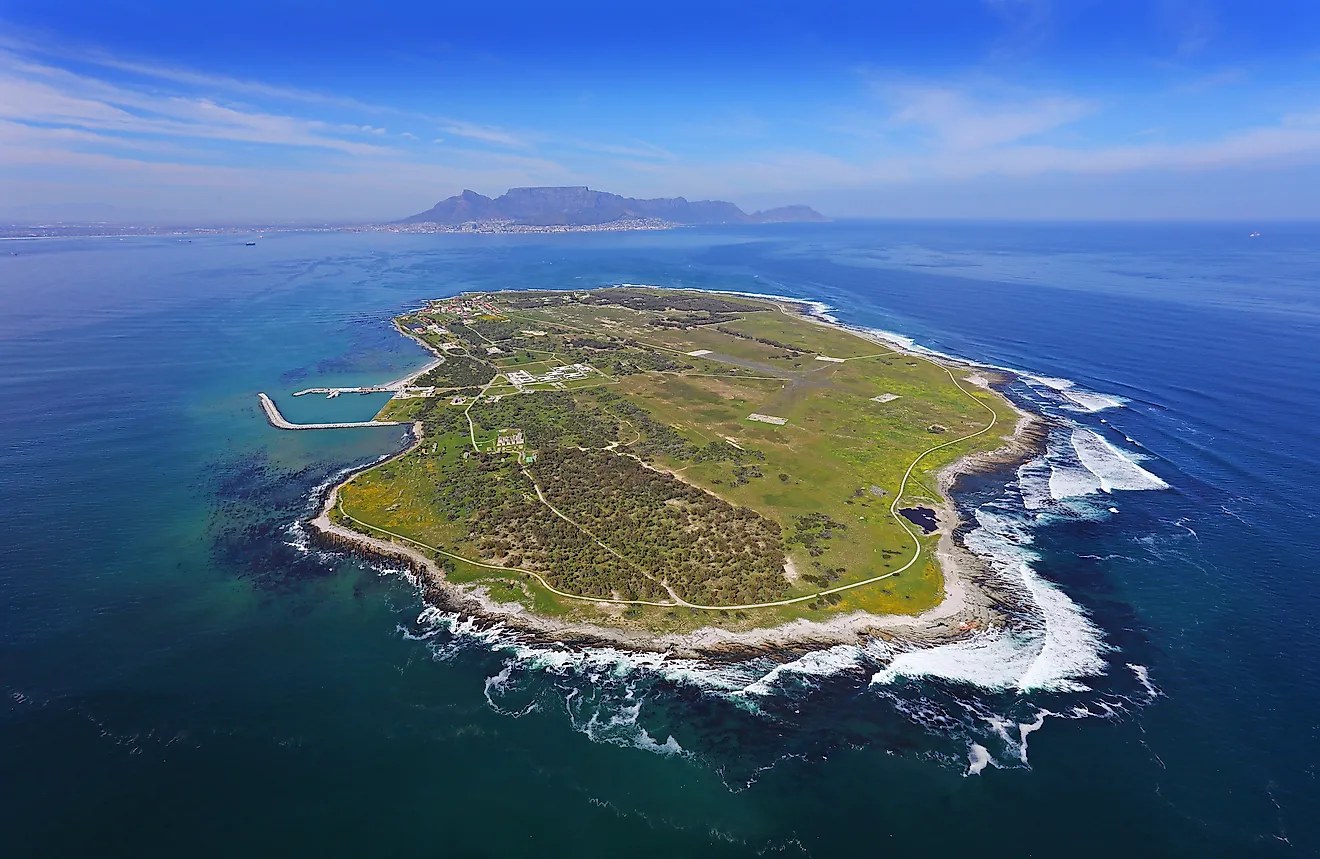 0 mi from Cape TownRobben Island Museum
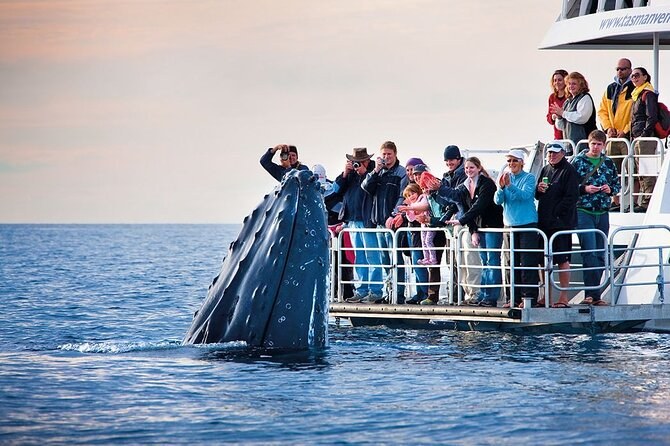 0 mi from Cape TownHermanus Whale Watching Tour
 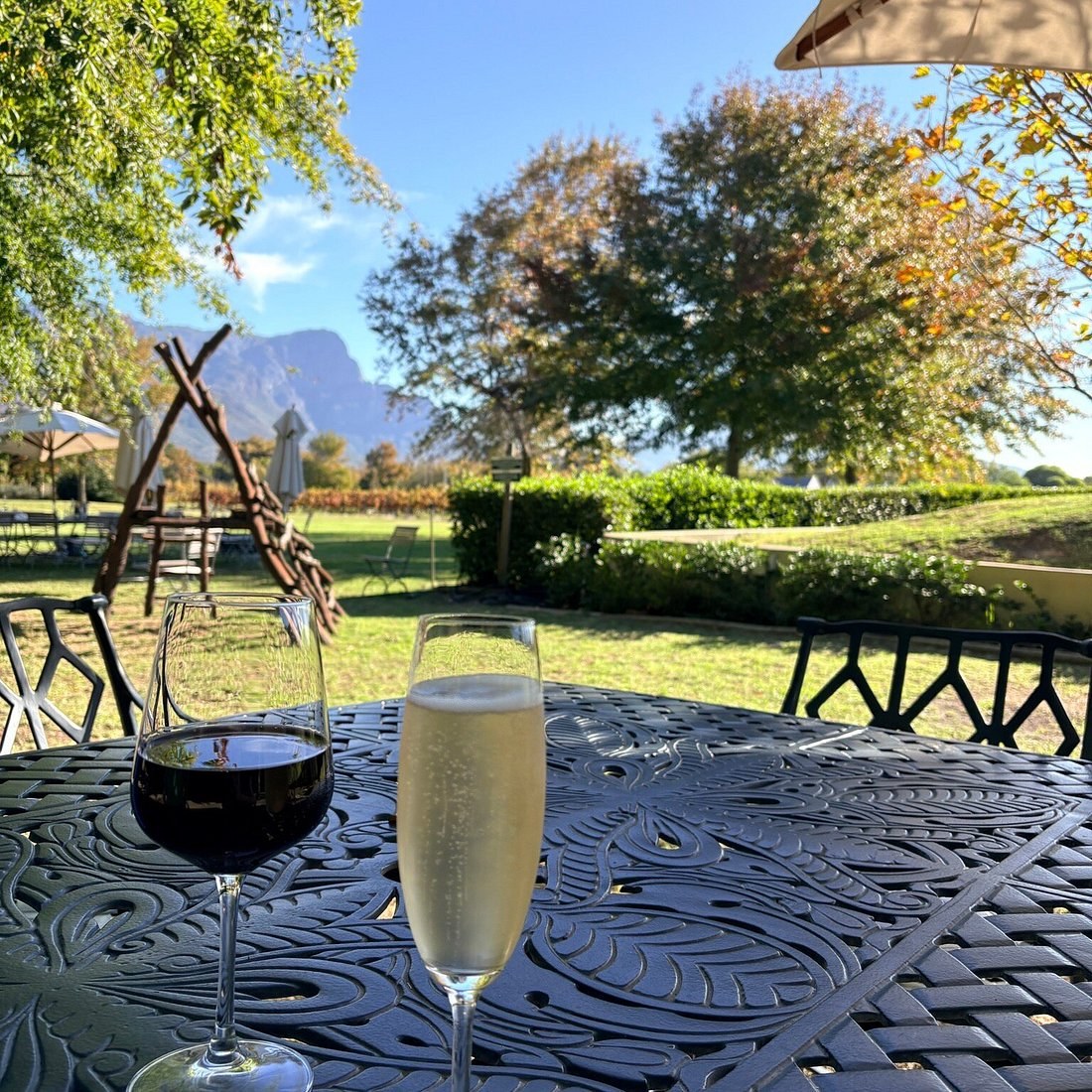 11 mi from Cape Town · land adventureStellenbosch & Beyond: Wine, Wilderness, and the Cape's Best Tables
 After you step off · near Lisbon
You end in a different port — stay on, and add what is within reach before you fly home.
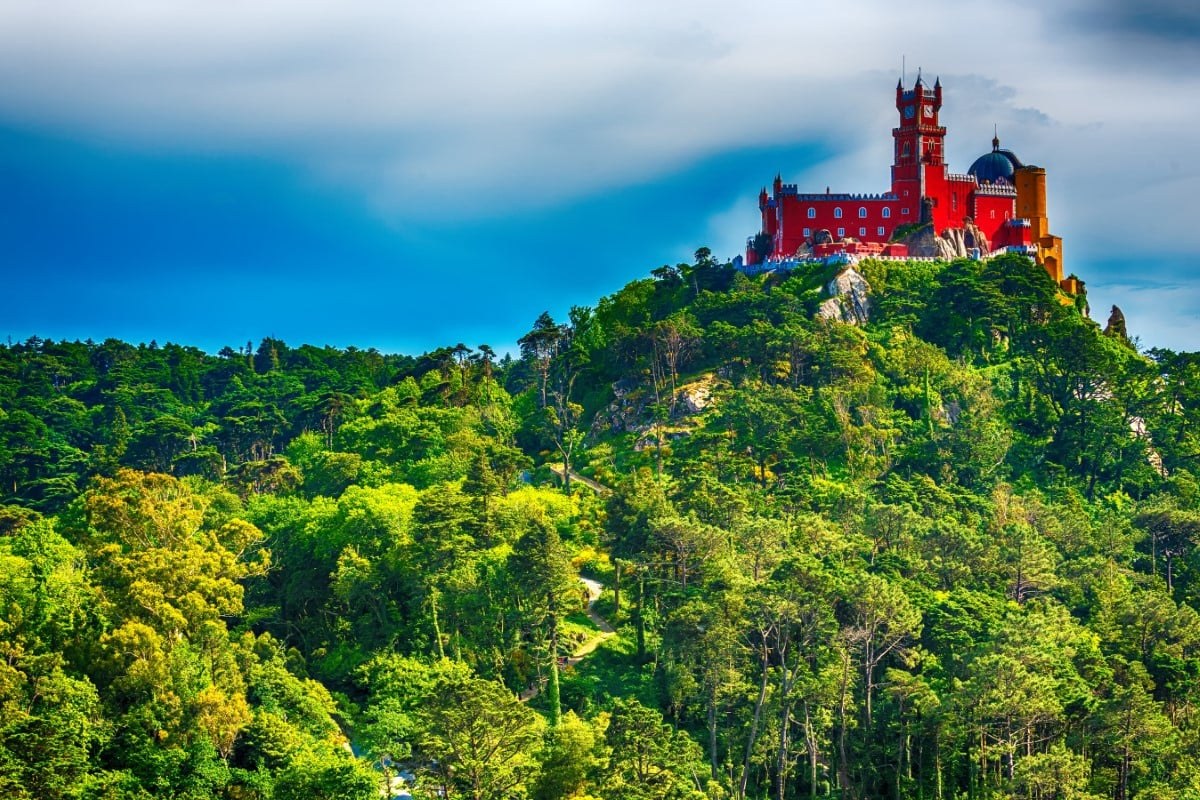 14 mi from LisbonSintra Day Trip - Pena Palace
 13 mi from LisbonConvent of the Capuchos Cork Lining & Underground Network
  4 mi from Lisbon · land adventureTemplar Stone, Atlantic Cliffs, and Pastel Custard in Lisbon
 4 mi from Lisbon · land adventureSintra's Forests, Palaces & Coast: A Portuguese Masterpiece