Your cruise
Seven Seas Mariner · 16-night Northern Europe cruise, Reykjavik to Southampton
Jul 14 – Jul 30 · 16 nights ·
Day 1 Reykjavik (board) · Day 2–3 Willis Island · Day 4 Nuuk · Day 5 Paamiut (Frederickshaab) · Day 6–9 Willis Island · Day 10 Greenock (Glasgow) · Day 11 Greencastle · Day 12 Dun Laoghaire · Day 13 Liverpool · Day 14 Bangor · Day 15 Cobh (Cork) · Day 16 Willis Island · Day 17 Southampton (step off)
What you do Board a rigid inflatable Zodiac for a close-up circumnavigation of one of the Coral Sea's most remote specks of land. Drift alongside vast nesting colonies of red-footed boobies, frigatebirds and brown noddies — a wildlife spectacle almost no traveller on earth ever witnesses.
What to expect Your Zodiac departs the ship's swim platform and skirts the island's entire coastline at water level, giving you eye-to-eye encounters with seabird colonies that number in the tens of thousands. The guide pauses the engine so you can hear the cacophony of calls and photograph birds in undisturbed flight. Shallow coral gardens glow electric beneath the hull as you round each headland. The round trip typically takes 90–120 minutes, leaving ample buffer before all-aboard.
Good to know Pre-book directly via email well in advance — this is a tender-only island and Zodiac capacity is strictly capped. Wear non-marking soles, bring a hat and reef-safe sunscreen. Confirm your ship's all-aboard time and allow 30 minutes' return buffer.
Versus the ship tour An intimate, expert-led small-group Zodiac — never more than 12 guests — means you can idle silently within metres of nesting birds and low reef outcrops that larger vessels simply cannot access, guided by a marine biologist who narrates every species in real time.
What you do Slip beneath the surface of some of the least-dived water on the planet — the Coral Sea surrounding Willis Island, hundreds of kilometres from the nearest coast. Visibility regularly exceeds 30 metres, revealing walls of hard coral, reef sharks, giant trevally and undisturbed sea-turtle feeding grounds.
What to expect Guests kit up in a purpose-equipped dive room and giant-stride into waters of extraordinary clarity. The reef structures here are pristine — no bleaching, no crowds — and the sheer biomass of pelagic life reflects the island's status as a protected marine reserve. Drift snorkelling across shallow coral plateaus, you are likely to encounter hawksbill turtles grazing, schools of chevron barracuda and the flash of a reef whaler in the blue. Safety divers and guides remain in the water throughout.
Good to know Swimming competency is required; full snorkel equipment is provided. Confirm landing and in-water permissions with the Australian Bureau of Meteorology station keeper in advance — access can be subject to weather and conservation protocols. Bring a rash vest for UV protection.
Versus the ship tour Mike Ball operates the definitive liveaboard expeditions to the Coral Sea's outer reefs, with certified dive guides who have logged thousands of hours specifically on these formations. Group size is tightly managed, and every dive brief is site-specific — the antithesis of a mass-market snorkel.
book direct with Mike Ball Dive Expeditions (Townsville/Cairns — Coral Sea specialists) → · the full guide →
What you do Step ashore — one of only a handful of visitors ever permitted — and receive a private briefing inside Australia's most remote operational weather station. The data collected here has guided cyclone warnings across Queensland for over a century; it is a living piece of scientific history.
What to expect After a short Zodiac transfer to the beach, you walk across the coral-rubble islet — the entire thing is barely 400 metres across — to the weatherboard station compound. The duty meteorologist explains the island's role in tracking Coral Sea cyclogenesis, shows you the instrument arrays and balloon launch facilities, and fields questions with refreshing candour. The sense of absolute remoteness — no roads, no shops, just science and sea — is profoundly affecting. Visits are brief (30–45 minutes) out of respect for operations.
Good to know Landing is at the discretion of BOM and sea conditions; it is never guaranteed. Wear closed shoes for the coral-rubble foreshore. Do not touch or enter any instrument enclosures. This is one of cruising's rarest privileges — treat it accordingly.
Versus the ship tour Landing on Willis Island is granted to very few vessels per year and always requires advance coordination with the BOM. The briefing is delivered by the station's resident meteorologist — one of Australia's most isolated postings — lending an authenticity and depth no third-party guide could replicate.
What you do Join a dedicated marine naturalist on a slow, deliberate circuit of Willis Island's offshore waters — prime habitat for dwarf minke whales, spinner dolphins, red-tailed tropicbirds and occasional whale sharks. This is expedition-grade wildlife observation in one of Earth's most intact marine environments.
What to expect The excursion runs in the calm conditions that typically prevail in the lee of the island, with the naturalist briefing the group on cetacean behaviour before departure. Spinner dolphins frequently bow-ride the vessel's wake, while tropicbirds trace lazy arcs overhead trailing their extraordinary white tail streamers. In season (June–September), dwarf minke whales approach curious vessels with remarkable boldness. The naturalist's running identification and ecological commentary transforms an already astonishing scene into a masterclass in Coral Sea ecology.
Good to know Bring image-stabilised binoculars if you own them — loaner binoculars are available but limited. A polarised lens filter dramatically improves underwater wildlife sighting from the deck. Morning cruises yield the best light and the calmest seas.
Versus the ship tour Coral Expeditions' marine naturalists carry years of Coral Sea field experience and use hydrophones and binoculars to locate and interpret marine megafauna well beyond what a casual deck scan achieves. Groups are capped at 20, ensuring every guest has unobstructed sightlines and personalised commentary.
book direct with Coral Expeditions (Australia's premium expedition cruise specialist) → · the full guide →
What you do Combine world-class snorkelling with a dedicated underwater photography tuition session led by a professional marine photographer. The pellucid, undisturbed waters around Willis Island provide a studio backdrop that professionals travel half a year to reach — and you are already here.
What to expect After a 20-minute on-deck briefing covering exposure, buoyancy control for photography and coral-safe positioning, the group enters the water with the lead photographer. Each participant is given real-time feedback via underwater slates and post-dive screen reviews. The reef here hosts nudibranchs, juvenile turtles and extraordinary soft-coral detail that rewards close, patient framing. By the final dive, guests leave with a curated set of images that would pass muster in any travel magazine.
Good to know Bring your own mirrorless or compact camera with an underwater housing if possible; hire housings are limited. Basic snorkel competency required. Maximum group size of 6 is strictly enforced — book your place the moment you board the ship.
Versus the ship tour A professional marine photographer leads groups of no more than six, providing personalised composition coaching in real time — in the water, beside you. The combination of tuition and a location almost nobody else will ever photograph makes every frame genuinely irreplaceable.
What you do Rise before the rest of the ship and join an ornithologist-guide for a dawn landing on Willis Island — arguably the most exclusive birdwatching address in the Southern Hemisphere. The island hosts one of Australia's largest documented seabird colonies, and first light is when it erupts into extraordinary life.
What to expect The Zodiac lands on the coral-rubble beach just as the sky softens to indigo. Within seconds, frigatebirds begin their courtship displays, inflating scarlet throat pouches while brown boobies jostle on nesting scrapes metres from your feet. The ornithologist narrates the scene with infectious expertise, calling species by name as they lift and wheel overhead in their thousands. The island's absolute silence — broken only by wind and wings — produces a meditative quality that experienced travellers consistently describe as one of cruising's most affecting moments.
Good to know Landing is subject to BOM approval and sea-state — pre-register your interest at the expedition desk on day one of the voyage. Wear dark, non-reflective clothing to avoid disturbing nesting birds. Carry a long lens (200mm+ equivalent) for perched-bird shots. Soft-soled shoes protect both the coral-rubble substrate and your footing.
Versus the ship tour A qualified ornithologist leads a structured census-style walk, naming every species, explaining colony dynamics and pointing out nesting behaviours that an untrained eye would miss entirely. The pre-sunrise timing means you experience the island in its rawest, most atmospheric state — long before the day-trippers (there are none) arrive.
book direct with Coral Expeditions (Australia's premium expedition cruise specialist) → · the full guide →
What you do Descend 120 metres into a dormant volcano's magma chamber — one of the only places on Earth where you can stand inside a volcano. A raw, otherworldly bucket-list moment found nowhere else on the planet.
What to expect A guided hike across a lava field leads to the cable lift platform at the volcano's lip. You descend slowly into a chamber vast enough to fit the Statue of Liberty, its walls streaked with mineral colours left by cooling magma millennia ago. Expert volcanologist guides explain the geological story surrounding you. The ascent back to the surface feels like returning from another world.
Good to know The tour operates May through October only — confirm your port date falls within this window. Pre-booking is essential as daily capacity is strictly limited. The hike to the lift is approximately 3 km each way over uneven lava fields; sturdy walking shoes are required. Allow a full day: total experience runs 6–7 hours from Reykjavik.
Versus the ship tour Only a handful of visitors are permitted inside the volcano each day, making this an extraordinarily rare and intimate encounter with Iceland's volcanic soul. The open cable lift descent into a cathedral-sized magma chamber — painted in vivid reds, purples and golds — is a moment no photograph fully captures.
book direct with Reykjavik Excursions (RE) → · the full guide →
What you do Soak in Iceland's iconic milky-blue geothermal waters surrounded by black lava fields, with silica mud masks and mineral-rich steam — a sensory ritual unlike any other on Earth.
What to expect You arrive to find steam rising from vivid turquoise water set against a stark black lava landscape — the contrast is visually arresting and deeply calming. Premium packages include a silica mud mask, algae mask, and a SKJÓL ritual wrap delivered poolside by attendants. The Lava Restaurant, perched on the lagoon's edge, serves refined New Nordic cuisine mid-soak. The thermal waters stay at a constant 37–39°C year-round.
Good to know The Blue Lagoon is located 45 minutes from Reykjavik near Keflavik — confirm your all-aboard time allows at least 5 hours ashore. Pre-booking a specific timed entry is mandatory; walk-ins are not accepted. Direct booking online at bluelagoon.com secures the best time slots. Pack a hair tie, as the silica minerals can tangle hair.
Versus the ship tour Booking the Premium or Signature entry — with private in-water massage add-ons, algae face masks, and Lava Restaurant dining — transforms the Blue Lagoon from a tourist tick into a genuine luxury wellness ritual. Early-morning time slots, bookable direct, offer near-solitude in the waters before the day crowds arrive.
book direct with Blue Lagoon Iceland (official) → · the full guide →
What you do Iceland's legendary Golden Circle links tectonic plate rift valleys, a thundering waterfall, and a geyser that erupts every 5 minutes — the country's single most iconic route, all within reach of Reykjavik.
What to expect Þingvellir National Park reveals a dramatic rift valley that is also the birthplace of the world's oldest parliament. At the Geysir geothermal area, Strokkur erupts with a satisfying roar every 5–8 minutes, shooting boiling water 20–30 metres skyward. Gullfoss waterfall thunders down two cascading tiers into a glacial canyon, often wreathed in rainbow mist. A knowledgeable local guide weaves geology, Norse mythology, and Icelandic history through every stop.
Good to know The full circuit is approximately 8–9 hours — verify your port's all-aboard allows sufficient time. Private tours should be pre-booked through icelandpersonaltours.is for full flexibility. Layers are essential regardless of season; Gullfoss is notoriously windswept. The Silfra snorkelling add-on requires a dry-suit briefing and minimum comfort in water.
Versus the ship tour Opt for a private guided Golden Circle with Iceland Personal Tours for a fully bespoke pace — lingering at Þingvellir's tectonic rift where you can walk between the North American and Eurasian plates, or snorkelling the crystal-clear Silfra fissure as an add-on. No fixed-schedule coach stops; your guide shapes the day around your interests.
book direct with Reykjavik Excursions (RE) → · the full guide →
What you do Skim Faxaflói Bay at speed on a rigid inflatable Zodiac for an exhilarating close-encounter whale-watching safari — minke whales, humpbacks, and white-beaked dolphins are the prize.
What to expect Kitted out in a full flotation survival suit, you board the sleek Zodiac at the Old Harbour and race out into Faxaflói Bay. The guide — a marine biologist or trained naturalist — scans for blows and dorsal fins, positioning the boat for intimate observations without disturbing the animals. Minke whales are sighted on roughly 90% of summer sailings; humpbacks appear with increasing frequency. The return sprint back across the bay in the Arctic wind is a genuine adrenaline finale.
Good to know Tours depart multiple times daily and last approximately 2.5 hours — ideal for cruise schedules. The Old Harbour departure point is a 10-minute walk from the main cruise terminal. Pre-book online at specialtours.is to secure a Zodiac slot, which fills quickly in summer. The survival suits make this comfortable even in cold or wet weather.
Versus the ship tour The Express Zodiac departures carry a maximum of 12 passengers and depart from Reykjavik's Old Harbour — minutes from the cruise pier. The small vessel gets close to wildlife in ways a large whale-watching boat simply cannot, and the sheer speed and spray of the Zodiac between sightings is a thrill in itself. All guests receive full survival-suit outfitting.
book direct with Special Tours Iceland (official) → · the full guide →
What you do Soak in a dramatic infinity-edge geothermal lagoon where the water appears to merge with the North Atlantic horizon — then complete the seven-step Skjól ritual for a full Icelandic wellness experience.
What to expect The centrepiece is a vast 70-metre infinity pool where 38–40°C geothermal water flows over a dramatic edge toward the open ocean. The Skjól ritual guides you through a cold freshwater plunge pool, a dry Finnish sauna, a fog steam room, and a mineral body scrub applied in the cave-like mist chamber. The on-site Smakk Bar serves Icelandic craft beers, small plates, and aquavit — perfect post-ritual. The entire experience is calm, curated, and deeply restorative.
Good to know Sky Lagoon is located in Kársnes Harbour, approximately 7 km (15 minutes) from the Reykjavik cruise pier by taxi or rideshare. Pre-book a timed entry at skylagoon.com — the Sky package includes the full Skjól ritual and is strongly recommended over basic entry. Allow 2–3 hours minimum; 4 hours is ideal. Towels and robes are provided with all packages.
Versus the ship tour Sky Lagoon is newer, more architecturally refined, and deliberately less crowded than older geothermal facilities. The seven-step ritual — geothermal pool, cold plunge, sauna, steam, body scrub, and the iconic infinity edge — is a complete sensory journey. The location, perched on a rocky oceanfront promontory, delivers panoramic views of the Atlantic and, on clear days, the Snæfellsjökull glacier across the water.
What you do Explore Reykjavik's colourful Old Town, soaring Hallgrímskirkja church, and the glass-faceted Harpa Concert Hall with a private local guide — punctuated by stops for iconic Icelandic hot dogs, skyr, and New Nordic bites.
What to expect The walk threads through Reykjavik's painted corrugated-iron old town, past the Sun Voyager sculpture on the waterfront, up the sloping spine of Skólavörðustígur street to the soaring rocket-like silhouette of Hallgrímskirkja. The church tower offers a panoramic view over the city's colourful rooftops and out to the mountains and sea. Harpa Concert Hall's shimmering honeycomb glass facade — designed by Henning Larsen and Olafur Eliasson — is a jaw-dropping finale. Food stops are woven throughout at the guide's personally vetted spots.
Good to know The cruise pier is within easy walking distance of the Old Town — no transfers needed. Half-day tours run 3–4 hours, comfortably fitting most port schedules. Pre-book through yourfriendinreykjavik.com with your port date; the team is highly responsive and can customise around dietary preferences or specific interests. Hallgrímskirkja tower access costs approximately ISK 1,000 (~USD 7) extra, paid on site — well worth it.
Versus the ship tour Your Friend in Reykjavik pairs you with a passionate local expert — not a script-reading guide — who tailors the route to your interests, whether that's architecture, street art, Viking history, or the city's booming food scene. The unhurried, private format means you linger over a lamb soup at Matur og Drykkur, pick up a cinnamon bun still warm from Brauð & Co, and have genuine conversations about modern Icelandic life.
book direct with Your Friend in Reykjavik (official) → · the full guide →
What you do Board a rigid inflatable Zodiac for a close-up circumnavigation of one of the Coral Sea's most remote specks of land. Drift alongside vast nesting colonies of red-footed boobies, frigatebirds and brown noddies — a wildlife spectacle almost no traveller on earth ever witnesses.
What to expect Your Zodiac departs the ship's swim platform and skirts the island's entire coastline at water level, giving you eye-to-eye encounters with seabird colonies that number in the tens of thousands. The guide pauses the engine so you can hear the cacophony of calls and photograph birds in undisturbed flight. Shallow coral gardens glow electric beneath the hull as you round each headland. The round trip typically takes 90–120 minutes, leaving ample buffer before all-aboard.
Good to know Pre-book directly via email well in advance — this is a tender-only island and Zodiac capacity is strictly capped. Wear non-marking soles, bring a hat and reef-safe sunscreen. Confirm your ship's all-aboard time and allow 30 minutes' return buffer.
Versus the ship tour An intimate, expert-led small-group Zodiac — never more than 12 guests — means you can idle silently within metres of nesting birds and low reef outcrops that larger vessels simply cannot access, guided by a marine biologist who narrates every species in real time.
What you do Slip beneath the surface of some of the least-dived water on the planet — the Coral Sea surrounding Willis Island, hundreds of kilometres from the nearest coast. Visibility regularly exceeds 30 metres, revealing walls of hard coral, reef sharks, giant trevally and undisturbed sea-turtle feeding grounds.
What to expect Guests kit up in a purpose-equipped dive room and giant-stride into waters of extraordinary clarity. The reef structures here are pristine — no bleaching, no crowds — and the sheer biomass of pelagic life reflects the island's status as a protected marine reserve. Drift snorkelling across shallow coral plateaus, you are likely to encounter hawksbill turtles grazing, schools of chevron barracuda and the flash of a reef whaler in the blue. Safety divers and guides remain in the water throughout.
Good to know Swimming competency is required; full snorkel equipment is provided. Confirm landing and in-water permissions with the Australian Bureau of Meteorology station keeper in advance — access can be subject to weather and conservation protocols. Bring a rash vest for UV protection.
Versus the ship tour Mike Ball operates the definitive liveaboard expeditions to the Coral Sea's outer reefs, with certified dive guides who have logged thousands of hours specifically on these formations. Group size is tightly managed, and every dive brief is site-specific — the antithesis of a mass-market snorkel.
book direct with Mike Ball Dive Expeditions (Townsville/Cairns — Coral Sea specialists) → · the full guide →
What you do Step ashore — one of only a handful of visitors ever permitted — and receive a private briefing inside Australia's most remote operational weather station. The data collected here has guided cyclone warnings across Queensland for over a century; it is a living piece of scientific history.
What to expect After a short Zodiac transfer to the beach, you walk across the coral-rubble islet — the entire thing is barely 400 metres across — to the weatherboard station compound. The duty meteorologist explains the island's role in tracking Coral Sea cyclogenesis, shows you the instrument arrays and balloon launch facilities, and fields questions with refreshing candour. The sense of absolute remoteness — no roads, no shops, just science and sea — is profoundly affecting. Visits are brief (30–45 minutes) out of respect for operations.
Good to know Landing is at the discretion of BOM and sea conditions; it is never guaranteed. Wear closed shoes for the coral-rubble foreshore. Do not touch or enter any instrument enclosures. This is one of cruising's rarest privileges — treat it accordingly.
Versus the ship tour Landing on Willis Island is granted to very few vessels per year and always requires advance coordination with the BOM. The briefing is delivered by the station's resident meteorologist — one of Australia's most isolated postings — lending an authenticity and depth no third-party guide could replicate.
What you do Join a dedicated marine naturalist on a slow, deliberate circuit of Willis Island's offshore waters — prime habitat for dwarf minke whales, spinner dolphins, red-tailed tropicbirds and occasional whale sharks. This is expedition-grade wildlife observation in one of Earth's most intact marine environments.
What to expect The excursion runs in the calm conditions that typically prevail in the lee of the island, with the naturalist briefing the group on cetacean behaviour before departure. Spinner dolphins frequently bow-ride the vessel's wake, while tropicbirds trace lazy arcs overhead trailing their extraordinary white tail streamers. In season (June–September), dwarf minke whales approach curious vessels with remarkable boldness. The naturalist's running identification and ecological commentary transforms an already astonishing scene into a masterclass in Coral Sea ecology.
Good to know Bring image-stabilised binoculars if you own them — loaner binoculars are available but limited. A polarised lens filter dramatically improves underwater wildlife sighting from the deck. Morning cruises yield the best light and the calmest seas.
Versus the ship tour Coral Expeditions' marine naturalists carry years of Coral Sea field experience and use hydrophones and binoculars to locate and interpret marine megafauna well beyond what a casual deck scan achieves. Groups are capped at 20, ensuring every guest has unobstructed sightlines and personalised commentary.
book direct with Coral Expeditions (Australia's premium expedition cruise specialist) → · the full guide →
What you do Combine world-class snorkelling with a dedicated underwater photography tuition session led by a professional marine photographer. The pellucid, undisturbed waters around Willis Island provide a studio backdrop that professionals travel half a year to reach — and you are already here.
What to expect After a 20-minute on-deck briefing covering exposure, buoyancy control for photography and coral-safe positioning, the group enters the water with the lead photographer. Each participant is given real-time feedback via underwater slates and post-dive screen reviews. The reef here hosts nudibranchs, juvenile turtles and extraordinary soft-coral detail that rewards close, patient framing. By the final dive, guests leave with a curated set of images that would pass muster in any travel magazine.
Good to know Bring your own mirrorless or compact camera with an underwater housing if possible; hire housings are limited. Basic snorkel competency required. Maximum group size of 6 is strictly enforced — book your place the moment you board the ship.
Versus the ship tour A professional marine photographer leads groups of no more than six, providing personalised composition coaching in real time — in the water, beside you. The combination of tuition and a location almost nobody else will ever photograph makes every frame genuinely irreplaceable.
What you do Rise before the rest of the ship and join an ornithologist-guide for a dawn landing on Willis Island — arguably the most exclusive birdwatching address in the Southern Hemisphere. The island hosts one of Australia's largest documented seabird colonies, and first light is when it erupts into extraordinary life.
What to expect The Zodiac lands on the coral-rubble beach just as the sky softens to indigo. Within seconds, frigatebirds begin their courtship displays, inflating scarlet throat pouches while brown boobies jostle on nesting scrapes metres from your feet. The ornithologist narrates the scene with infectious expertise, calling species by name as they lift and wheel overhead in their thousands. The island's absolute silence — broken only by wind and wings — produces a meditative quality that experienced travellers consistently describe as one of cruising's most affecting moments.
Good to know Landing is subject to BOM approval and sea-state — pre-register your interest at the expedition desk on day one of the voyage. Wear dark, non-reflective clothing to avoid disturbing nesting birds. Carry a long lens (200mm+ equivalent) for perched-bird shots. Soft-soled shoes protect both the coral-rubble substrate and your footing.
Versus the ship tour A qualified ornithologist leads a structured census-style walk, naming every species, explaining colony dynamics and pointing out nesting behaviours that an untrained eye would miss entirely. The pre-sunrise timing means you experience the island in its rawest, most atmospheric state — long before the day-trippers (there are none) arrive.
book direct with Coral Expeditions (Australia's premium expedition cruise specialist) → · the full guide →
What you do Glide through Nuuk's dramatic icefjord aboard a private vessel, threading past cathedral-sized icebergs calved from the Greenland Ice Sheet. A breathtaking, utterly remote wilderness experience unlike anywhere on earth.
What to expect Depart the colonial harbour on a well-equipped expedition boat, your knowledgeable local guide narrating the glaciology and Inuit relationship with this frozen landscape. The fjord narrows as walls of luminous blue-white ice tower overhead, with only the crack of calving glaciers breaking the silence. Wildlife sightings — humpback whales, Arctic seabirds, even the occasional polar fox on the shoreline — are common in season. Hot drinks and local snacks are served as you drift among the bergs.
Good to know Pre-book directly as private and small-group slots fill fast. Tour typically runs 3–4 hours; confirm departure time against your all-aboard. Dress in windproof, waterproof layers — the fjord is dramatically colder than the town. Nuuk has a long port day (8 AM–11 PM), so timing is very flexible.
Versus the ship tour Small-group or private charter means you linger at the most spectacular bergs, drift in near-silence, and have the icefjord almost entirely to yourselves — a pace and intimacy impossible on a larger vessel.
What you do Journey by boat to the hauntingly beautiful deserted island settlement of Qoornoq, a ghost village framed by fjords, wildflowers, and icebergs. One of Greenland's most evocative and seldom-visited shore experiences.
What to expect The boat ride through Nuuk's outer fjord system is itself spectacular, threading between drifting ice and granite peaks. Landing on Qoornoq, you explore the colourful wooden houses and old church of a settlement once populated by Greenlandic hunters and fishermen. Your guide recounts the island's layered history — Inuit, colonial Danish, and modern Greenlandic — with rare insight. After the walk, enjoy a traditional Greenlandic coffee and snack in one of the restored wooden houses.
Good to know Wear sturdy, waterproof footwear — the terrain is uneven and can be wet. Tours run approximately 3–4 hours; well within Nuuk's long port window. Book directly in advance, especially in peak summer season (July–August).
Versus the ship tour Access is by small boat only, ensuring an exclusive, unhurried landing on an island where the last permanent residents left decades ago — your guide brings the ghost village vividly back to life with first-hand Arctic history.
What you do An intimate guided walk through Nuuk's storied Colonial Harbour, the National Museum, and Katuaq Cultural Centre — anchored by a curated tasting of authentic Greenlandic cuisine. Culture, history, and flavour in one seamless experience.
What to expect Begin at the iconic Katuaq Cultural Centre — its wave-shaped facade a masterpiece of Arctic architecture — before strolling to the UNESCO-recognised Colonial Harbour, where 18th-century painted wooden houses cluster around the waterfront. The National Museum of Greenland reveals extraordinary mummified Qilakitsoq finds, ancient kayaks, and Inuit artefacts collected over centuries. The tour culminates in a curated Greenlandic tasting: expect mattak (whale skin), dried musk ox, and perhaps a warming Greenlandic coffee.
Good to know The 3-hour tour is perfectly paced for a morning start, leaving your afternoon free for the fjord. Pre-book: group sizes are intentionally limited. Comfortable walking shoes required; most surfaces are paved or well-maintained paths.
Versus the ship tour Led by a passionate local expert in groups deliberately kept small, this tour goes beyond the surface — your guide's personal connection to Greenlandic culture unlocks stories, flavours, and perspectives no self-guided visit can replicate.
What you do Board a sturdy, heated closed boat for a private-feel fjord safari through Nuuk's wild outer archipelago — tracking humpback whales, harp seals, and colossal drifting icebergs. Greenland's Arctic wildlife at its most accessible.
What to expect From Nuuk's harbour you push out into the vast Nuuk Fjord system — the world's second-longest fjord complex — with a guide whose wildlife knowledge is encyclopaedic. Harp and ringed seals bask on ice floes, while humpback whales are a regular summer sighting. The boat weaves between icebergs of every hue, from brilliant white to deep glacial blue, as your guide explains the science and Inuit lore of this frozen world. Hot drinks are served throughout.
Good to know Runs approximately 2–3 hours; ideal as a morning or early-afternoon excursion. The closed boat means no specialist clothing required, but a warm jacket is still recommended. Book directly in advance.
Versus the ship tour The enclosed, heated cabin means all-weather comfort, while the small group size allows the captain to divert instantly to wherever wildlife activity is most dramatic — a flexibility simply not possible on larger excursion vessels.
What you do Venture beyond Nuuk to the edge of the Greenland Ice Cap — the world's second-largest body of ice — and set foot on a frozen wilderness that covers 80% of the island. A once-in-a-lifetime encounter with planetary-scale nature.
What to expect A scenic overland transfer (and in some variations, a helicopter or small aircraft leg) delivers you to the edge of the ice sheet, where the transition from tundra to infinite white is a profound, almost otherworldly moment. Your guide explains glaciology, climate science, and the ancient Inuit knowledge of ice travel, making the experience as intellectually rich as it is visually staggering. You'll walk on the ice itself — crunching across a surface that is in places over 3 kilometres deep. The return journey passes through the striking Arctic tundra landscape surrounding Nuuk.
Good to know Nuuk's 8 AM–11 PM port window makes this full-day adventure feasible. Advance booking is essential; confirm logistics (transport type, duration) directly with the operator. Warm, layered clothing and waterproof boots are mandatory — your operator will advise on a full kit list.
Versus the ship tour Expert-led private or very small-group access to the ice cap interior, with a qualified Arctic guide who tailors the experience to your pace — whether you want to hike further onto the ice or simply absorb the staggering silence and scale.
What you do Paddle a sea kayak through Nuuk's glassy fjord waters as the Arctic sun dips low, illuminating drifting icebergs in extraordinary golden light. An intimate, meditative encounter with Greenland's wilderness that stays with you forever.
What to expect Your certified Arctic guide fits you with a dry suit and runs a thorough safety and paddling briefing before launching into the fjord's sheltered waters — accessible and welcoming for beginners and experienced kayakers alike. The low Arctic sun casts long golden shadows across bergs the size of houses, their underwater portions glowing turquoise beneath you. Harbour seals often follow curiously alongside, and the only sound is your paddle and the occasional deep crack of ice. On return, warm drinks and a debrief around the harbour complete the evening.
Good to know Nuuk's late all-aboard (11 PM) makes an evening kayak session uniquely possible — a truly extraordinary use of Arctic summer light. No prior kayaking experience necessary. Dry suits are provided. Book well ahead as evening slots are extremely popular in peak season.
Versus the ship tour Groups are kept deliberately tiny — typically four to eight paddlers — ensuring a silent, unhurried experience where you set your own pace alongside a certified Arctic guide, drifting within touching distance of ice formations most visitors only see from a boat deck.
What you do Trek ancient coastal trails along the breathtaking Kuannersooq Fjord, scanning the skies for Greenland's iconic white-tailed eagles and the waters for breaching whales. A bucket-list Arctic wildlife encounter in one of the world's most remote landscapes.
What to expect Your expert local naturalist guide leads you along sweeping fjord-side trails with panoramic views of ice-flecked waters and dramatic cliffs. The route follows paths used by Greenlandic hunters for centuries, adding a layer of living history to every step. White-tailed eagles are a near-certain sighting; humpback and minke whales are frequently spotted from the elevated trail sections. The air is electric with Arctic clarity — a sensory experience unlike anywhere else on Earth.
Good to know Arrange in advance via Visit Greenland or confirm with the local guide network on arrival — guides meet ships at the dock. Wear layered, waterproof clothing and sturdy boots. Allow 2–2.5 hours; well within typical Paamiut all-aboard windows. Binoculars are essential — bring your own or request a loaner.
Versus the ship tour Small-group or private guiding means you move at the pace of the wildlife — pausing for as long as you like when an eagle soars overhead or a minke whale surfaces in the fjord below. No crowds, no hurry.
book direct with Visit Greenland / Local Paamiut Guide Network → · the full guide →
What you do Board a private rigid inflatable boat and carve through the mirror-still waters of Paamiut's fjord system, weaving between drifting icebergs and towering basalt cliffs. This is Greenland at its most primal and most beautiful — a genuine once-in-a-lifetime moment.
What to expect Suited up in a provided flotation suit, you'll skim across the Paamiut fjord with a knowledgeable local skipper who reads the ice like a navigator-poet. The boat threads between icebergs of ethereal blue and white, pausing so you can absorb the silence — broken only by the crack and groan of calving ice. Seals often bob curiously alongside, and the surrounding peaks are dusted with snow even in summer. The sheer scale of the landscape viewed from water level is humbling.
Good to know Flotation suits are provided; dress warmly underneath regardless of air temperature — the wind chill on the water is significant. Excursion runs approximately 1.5–2 hours. Confirm with the local operator through Visit Greenland before your voyage; bring a waterproof camera or a dry bag for your phone.
Versus the ship tour A private or semi-private RIB lets your skipper manoeuvre right up to iceberg faces and hidden inlets that larger vessels simply cannot reach — for extraordinary close-up photography and an intimate encounter with the Arctic.
book direct with Visit Greenland / Local Paamiut Boat Operator → · the full guide →
What you do Step inside the striking yellow museum at the heart of Paamiut and immerse yourself in millennia of Greenlandic Inuit history, from ancient hunting tools to intricately restored traditional garments. For the intellectually curious traveller, this is the cultural soul of the settlement.
What to expect The museum's intimate scale belies the richness of its collection: restored kayaks, traditional clothing sewn from seal and caribou hide, and exhibits tracing the arc of Inuit civilisation across West Greenland. A curator-led private session reveals the stories behind individual artefacts — the human lives woven into each object. The yellow main building sits in a charming town-centre setting, and the staff are remarkably welcoming of genuinely curious visitors. Budget an unhurried hour to absorb it properly.
Good to know Opening hours align with most ship calls — verify in advance via Visit Greenland. Combines naturally with the heritage walk to Fredens Church (a two-minute stroll away). Photography is generally permitted; ask upon entry. A perfect first stop to contextualise everything else you'll see ashore.
Versus the ship tour Arrange a private guided session with one of the museum's curators — an experience that grants privileged access to items not always on open display and a deeply personal account of Greenlandic history, far beyond what a standard group tour can offer.
book direct with Paamiut Museum (official) → · the full guide →
What you do Strike out into the raw Arctic wilderness above Paamiut on a guided summit hike, earning jaw-dropping aerial views of the fjord, open ocean, and the icescape beyond. This is Greenland hiking at its most rewarding — vast, silent, and utterly untouched.
What to expect The trails above Paamiut rise quickly through tundra carpeted in Arctic wildflowers — crowberry, Arctic heather, and dwarf willow — before opening onto ridgelines with staggering 360-degree views. On clear days (frequent in summer) you can see far out over the Labrador Sea. The guide points out edible plants, ancient stone fox traps, and the likely perches of nesting eagles. The physical effort is real but deeply rewarding; the summit silence is something you will not forget.
Good to know Best April–October; midsummer offers near-24-hour daylight for extraordinary golden light. Wear layered technical clothing and proper ankle-support hiking boots. Allow 2.5–3 hours for a full summit experience; confirm timing against your ship's all-aboard with the guide. Bring water, snacks, and sun protection.
Versus the ship tour A private guide selects the trail to match your fitness level and interests, moving entirely at your pace with no group constraints — allowing lingering stops for photography, wildlife spotting, or simply sitting in the silence of the Arctic.
book direct with Visit Greenland / Local Paamiut Guide Network → · the full guide →
What you do Join an intimate small-group boat excursion into the whale-rich waters surrounding Paamiut, where humpback, minke, and fin whales feed in the nutrient-dense Arctic seas. Few destinations on Earth offer this calibre of cetacean encounter from a cruise port.
What to expect Setting out from Paamiut's harbour on a small, manoeuvrable vessel, you scan the glassy fjord waters with your naturalist skipper — a local who has read these seas their entire life. Humpbacks frequently breach and fluke-dive within extraordinary proximity; minkes ghost alongside the hull. The surrounding landscape of snow-streaked peaks and drifting bergy bits frames every sighting in a composition that no wildlife photographer could stage. Expect pure, unscripted Arctic drama.
Good to know Season runs June–September, with July–August offering peak whale activity. Wear windproof, waterproof layers and bring motion sickness remedy if needed — fjord conditions can be choppy. Excursion runs approximately 2 hours; confirm against all-aboard. Book as far in advance as possible as local boat capacity is very limited.
Versus the ship tour Small local boats carry only a handful of guests, allowing the skipper to position quietly and respectfully near whale activity without the disturbance of a larger vessel — for longer, closer, and more meaningful encounters.
book direct with Visit Greenland / Local Paamiut Boat Operator → · the full guide →
What you do A bespoke, chauffeured journey through Scotland's most dramatic Highland scenery — sweeping glens, mirror-still lochs, and ancient castles — in a private luxury vehicle with an expert local guide. The ultimate way to experience Scotland's soul in a single day.
What to expect Your guide meets you dockside at Greenock Ocean Terminal and whisks you north into the Highlands in a premium, air-conditioned vehicle. Dramatic glen vistas, mirror-still lochs, and ruined castles unfold at your own pace — you choose where to linger. Expect rich storytelling about Clan history, Jacobite risings, and the raw geology that sculpted this landscape. A private picnic or a stop at a characterful local inn can be arranged on request.
Good to know Pre-book directly with Discover Scotland Tours well in advance for 2026 sailings; they are Greenock-specialists and will time the return to your all-aboard. Confirm your ship's departure time at booking.
Versus the ship tour Fully private vehicle, your own itinerary pace, and a passionate local guide who knows every hidden viewpoint and back road — no coach crowds, no fixed stops, no rushing.
book direct with Discover Scotland Tours → · the full guide →
What you do Scotland's most iconic triple-act in one private day: the shimmering bonnie banks of Loch Lomond, the wild heart of the Trossachs National Park, and the fortress-crown of Stirling Castle, gateway to the Highlands. Unmissable and achingly beautiful.
What to expect Depart Greenock and climb quickly into the Highlands as Loch Lomond's 24-mile stretch of silver water comes into view — stop for photos and a loch-side stroll. Wind through the Trossachs, Rob Roy MacGregor country, before arriving at Stirling Castle, where your guide brings the Stewart monarchs vividly to life. The castle's Great Hall and the views over the Forth Valley from the ramparts are genuinely breath-taking. Return in comfort with time to spare before all-aboard.
Good to know Stirling Castle entry is approximately GBP 19.50 per adult (Historic Environment Scotland) — confirm if included or payable on arrival. Book directly with Go Scotland Tours and share your ship's all-aboard time.
Versus the ship tour Small-group or fully private format with a dedicated driver-guide; the pace is leisurely, with genuine freedom to linger on the loch shore or explore the castle battlements rather than being funnelled through in minutes.
What you do Perched on the Highland Line between two climates, Glengoyne is arguably Scotland's most scenic distillery — and its unpeated, unhurried single malts are among the most approachable and complex. A guided masterclass here is a whisky-lover's bucket-list moment.
What to expect Glengoyne sits just 14 miles north of Glasgow, making it perfectly placed for a half-day detour from Greenock. Your distillery ambassador leads you through the traditional pot stills and explains why Glengoyne's unique air-dried barley and slow distillation produce such fruit-forward, elegant drams. The Masterclass takes you beyond the standard tour into private warehouse tastings — comparing expressions straight from the cask. Combine with a Loch Lomond drive for a full luxury day.
Good to know Pre-book the Masterclass directly on glengoyne.com as spaces are strictly limited. Pair with a private transfer from Greenock (approx. 1 hr each way) — arrange with Serca Tours or Discover Scotland Tours. Leave ample time for the return to port.
Versus the ship tour A genuinely expert-led, intimate tasting experience at the source — nosing and comparing rare casks in the actual warehouse where the whisky was born, guided by a distillery ambassador rather than a generalist guide.
book direct with Glengoyne Distillery (official) → · the full guide →
What you do Glasgow is one of Europe's great unsung cities — a Victorian powerhouse of jaw-dropping architecture, world-class galleries, and fierce civic pride. A private guided walk through its layered neighbourhoods is a revelation for first-timers and return visitors alike.
What to expect A 30-minute train from Greenock (or private transfer) delivers you to the heart of Glasgow. Your local guide leads you through Glasgow Cathedral and the Gothic drama of the Necropolis on its hill above the city, then down into the Merchant City's grand Victorian streetscapes. The Kelvingrove Art Gallery — free to enter and astonishing in its collections — can anchor a West End segment. Finish with a Glasgow institution lunch: oysters and a dram, or a legendary pie from a market stall, entirely your call.
Good to know Kelvingrove Art Gallery & Museum is free entry. Glasgow Queen Street rail from Greenock Central takes approx. 35 mins. Book your local guide through toursbylocals.com well ahead and share your all-aboard time — they will build the itinerary around it.
Versus the ship tour A vetted, passionate local expert sets the pace entirely around your interests — Mackintosh architecture, the Merchant City, the Necropolis, street murals — with no fixed script and no group of 40 strangers.
book direct with Tours by Locals — Greenock/Glasgow Local Guides → · the full guide →
What you do Three of Scotland's most spectacular man-made icons in one extraordinary day — the 30-metre mythical horse-head sculptures of The Kelpies, the engineering marvel of the Falkirk Wheel boat-lift, and the battlements of Stirling Castle. Genuinely unlike anything else on earth.
What to expect Your private driver-guide collects you steps from the gangway and heads east through Scotland's Central Belt. The Kelpies at Helix Park are even more staggering in person — at 30 metres, they are the world's largest equine sculptures, glinting steel against open sky. The Falkirk Wheel, rotating a 600-tonne gondola of water in a single arc, is a feat of audacious engineering. Stirling Castle crowns the day with panoramic views across the Forth Valley and rich Jacobite and Stewart history brought to life by your guide.
Good to know The Kelpies are free to view from outside; interior tours approx. GBP 5.95 pp. Falkirk Wheel boat-trip approx. GBP 15.50 pp. Stirling Castle approx. GBP 19.50 pp. Book Serca Tours well in advance — being port-adjacent they are popular with cruise travellers.
Versus the ship tour Serca Tours are based right beside Greenock Ocean Terminal — hyper-local expertise, a completely bespoke itinerary, and the flexibility to add or drop stops on the day with no fuss.
What you do Slip aboard a small vessel and glide across the glassy surface of Loch Lomond, landing on one of its ancient, wooded islands — a landscape so hauntingly beautiful it inspired Scotland's best-loved song. This is Scotland from the water, utterly serene and unforgettable.
What to expect Combine a private transfer from Greenock (approx. 45 mins) with a small-group or private boat cruise departing from Balloch or Tarbet. Glide past the wooded islands of Inchmurrin and Inchcailloch, watching for red kites, ospreys, and red squirrels in the canopy. Land on an island for a shoreside walk, then drift back across the loch as the Ben Lomond massif reflects in the water around you. The stillness and scale of the loch — 24 miles long and the largest in Great Britain by surface area — is humbling and beautiful in equal measure.
Good to know Check Cruise Loch Lomond's 2026 timetable for departure points (Balloch, Luss, Tarbet) and book the island cruise directly. Combine with a private transfer from Greenock arranged through Discover Scotland Tours or Serca Tours for a seamless luxury day. Confirm all-aboard with your transfer driver.
Versus the ship tour A small, atmospheric boat and a skipper who knows every island, every osprey nest and every hidden bay — the loch from the water is a completely different and deeply intimate experience from the shoreside viewpoint.
What you do A private, expert-led circumnavigation of Ireland's largest peninsula — Malin Head, Grianan of Aileach, sea cliffs and hidden coves — all at your own pace. The ultimate sweep of Donegal's wild Atlantic edge.
What to expect Your guide collects you at Greencastle Harbour and immediately the landscape opens into rolling Donegal moorland. At Malin Head, the Atlantic crashes against ancient rock and the silence is profound. The 5th-century ring-fort of Grianan of Aileach crowns a drumlin with 360° views into three counties. Lunch at a local seafood restaurant is unhurried before the drive back along the Foyle estuary at golden hour.
Good to know Book well in advance as private vehicles are limited. Full-day tours run 7–8 hours — confirm your ship's all-aboard time and build in a 90-minute buffer. Pre-book directly by email or phone via the operator's website.
Versus the ship tour A dedicated local guide shapes the day entirely around your interests — stopping for photography at Malin Head (Ireland's most northerly point), descending into the Grianan of Aileach hill-fort, and lunching at a hand-picked seafood restaurant. No fixed coach stops, no crowds.
What you do Step inside a 14th-century Anglo-Norman fortress overlooking Lough Foyle, then explore Ireland's maritime heritage in the neighbouring museum — all with a private local historian as your guide.
What to expect Your private guide meets you steps from the pier at the 14th-century Greencastle Fort, one of the best-preserved Anglo-Norman castles in Ireland. You walk the curtain walls above Lough Foyle with commentary on Viking raids, the Gaelic chieftains and the Plantation era. The adjacent Inishowen Maritime Museum houses rare navigation instruments, a Breeches Buoy rescue display and a remarkable collection of Armada artefacts recovered from the Donegal coast. The combination of castle ruin and maritime story, guided one-to-one, is deeply immersive.
Good to know The museum and fort are literally at the harbour — ideal if you want a rich half-day that leaves the afternoon free. Contact the museum directly to arrange private guided access. Check seasonal opening hours before sailing.
Versus the ship tour Walking distance from the pier with a private historian — no coach transfer, no group. The fort and museum are operated by passionate local custodians who open stories and artefacts that simply aren't available on a group tour.
book direct with Inishowen Maritime Museum & Planetarium (official) → · the full guide →
What you do Board a private charter vessel on Lough Foyle — one of Europe's great estuaries — to seek out the resident common seal colony, bottlenose dolphins and rare seabirds in their natural habitat. A truly intimate wildlife encounter.
What to expect The charter departs Greencastle Harbour and glides into the calm waters of Lough Foyle, one of Ireland's most important estuarine habitats. Common seals lounge on sandbanks just metres from the bow. Gannets plunge offshore, and if conditions allow, the skipper heads toward open water where dolphins are regularly spotted. The return journey skirts the Magilligan shore with views back to the Antrim hills.
Good to know Departures are tide and weather dependent — confirm 48 hours before port call. Bring binoculars, a warm layer (the Foyle estuary is bracing even in summer) and waterproof shoes. Pre-book directly by phone or online form.
Versus the ship tour A small private vessel means you drift silently close to seal haul-outs and adjust the route according to sightings. The skipper doubles as naturalist — this is patient, unhurried wildlife watching with genuine expertise, not a sightseeing commentary.
book direct with Lough Foyle Ferry & Charter (official local operator) → · the full guide →
What you do Derry's 17th-century city walls — the finest intact in Ireland — are your stage for a private walkthrough of centuries of history: sieges, Plantation, Civil Rights and the Troubles. One of Europe's most emotionally powerful urban experiences.
What to expect You walk the entire circuit of the 17th-century walls — one mile of intact ramparts overlooking the Bogside, the Guildhall and the Peace Bridge. At the Free Derry Corner and the Museum of Free Derry, your guide contextualises the Civil Rights era and Bloody Sunday with personal and historical precision. The Peace Bridge crossing offers a symbolic close to a tour that is both intellectually and emotionally profound.
Good to know Derry is approximately 25 km from Greencastle — arrange private transfer or taxi (approx. EUR 35–50 each way) to allow maximum time on the walls. The full experience including transfer fits comfortably within a port day. Pre-book the private tour directly on the operator's website.
Versus the ship tour Martin McCrossan's guides are native Derry storytellers — historians and former residents who lived through the events they describe. A private booking means the narrative is tailored to your depth of interest, with unhurried stops and genuine local insight unavailable on a group coach.
What you do Pull up a chair at Greencastle's celebrated harbour-front restaurant for a multi-course seafood lunch built entirely around the morning's catch — landed just metres away. The freshest Donegal crab, oysters and Atlantic salmon, with Irish soda bread baked that morning.
What to expect The dining room looks directly over the working harbour and across Lough Foyle to County Antrim. Starters of Donegal Bay oysters or smoked salmon pâté give way to whole plaice, Foyle crab claws or the catch-of-the-day according to the fleet's haul. Irish soda bread arrives warm from the kitchen. Service is warm, unpretentious and deeply knowledgeable about provenance. This is Irish coastal food at its honest, glorious best.
Good to know Walk straight off the ship — it is that close. Reservations strongly recommended, especially on days when multiple ships call. Book directly via the Kealy's website or phone. Lunch service typically runs 12:30–15:00; confirm current hours when booking.
Versus the ship tour Kealy's is a multi-award-winning institution, run by the same family for decades and renowned across Ireland — James and Maria Kealy source directly from Greencastle's fishing fleet. The restaurant is steps from the pier, meaning you could be eating crab landed that morning within 10 minutes of leaving the ship.
What you do Board the short passenger ferry across Lough Foyle to Magilligan Point in Northern Ireland, then journey onward to the UNESCO Giant's Causeway — all from your cruise port, no coach required for the crossing.
What to expect The little ferry casts off from Greencastle Harbour with views of the 14th-century fort above you and the Antrim hills ahead. On the Magilligan shore, your pre-arranged private driver whisks you south along the Causeway Coastal Route — Mussenden Temple, Downhill Demesne and then the extraordinary basalt columns of the Giant's Causeway at the World Heritage Site. The return ferry in late afternoon frames the Donegal mountains in the setting light.
Good to know Ferry runs seasonally (typically April–September); confirm schedule and book crossing in advance at loughfoyleferry.com. Arrange the Northern Ireland private transfer independently before sailing — recommended operators include local Coleraine or Limavady taxi firms. Allow at least 6 hours for the full Causeway day; check your all-aboard time carefully.
Versus the ship tour The ferry crossing itself is a bucket-list moment — a 10-minute voyage across one of Ireland's great loughs with mountains on both shores. Combining it with a private car and guide on the Northern Ireland side gives you the Causeway in a self-directed, unhurried way that a group excursion never can.
book direct with Lough Foyle Ferry (official) → · the full guide →
What you do Venture into the wild Wicklow Mountains to the glacial valley of Glendalough, where a 6th-century monastic city rises from mirrored lakes. A private guide brings the ancient landscape and Ireland's spiritual heritage to vivid life.
What to expect Your guide collects you at the pier and winds south through the Sally Gap, the most dramatic mountain pass in Leinster. At Glendalough, you walk the monastic city with commentary that weaves early Christian history, Celtic mythology, and geology. There is time to hike the lakeside boardwalk for reflections of St Kevin's Church in still water. The return can include a stop at a Wicklow village pub for a proper Irish lunch.
Good to know Glendalough is approx. 1 hr 15 min from Dún Laoghaire. A full day is 6–7 hrs; confirm all-aboard time with your ship and communicate it to the operator. Pre-book well in advance — private vehicles are limited. Comfortable walking shoes and a waterproof layer are essential.
Versus the ship tour Entirely private, door-to-door from Dún Laoghaire port, with a dedicated expert guide and a pace entirely your own — lingering at Upper and Lower Lake, the Round Tower, and hidden valley trails that a group coach never reaches.
book direct with Experienced Tours Ireland → · the full guide →
What you do Stand before Ireland's greatest treasure — the illuminated Book of Kells — inside the magnificent Long Room of Trinity College Dublin, home to 200,000 ancient texts. With a private guide, the experience transcends a standard visit.
What to expect The DART train from Dún Laoghaire to Pearse Station takes just 18 minutes — one of Ireland's great city approaches. Your guide meets you at the college gates and leads you through the cobbled Front Square before entering the Old Library. The Long Room's towering oak galleries and 2,000-year-old marble busts are genuinely breathtaking. Allow time afterward for a coffee in the Fellow's Square or a stroll through Merrion Square.
Good to know Book timed-entry tickets directly on the Trinity website well in advance — they sell out weeks ahead in summer. The DART from Dún Laoghaire pier takes 18 min (EUR 3.75 each way). Allow 3–4 hrs total. The exhibition is indoors and weather-proof.
Versus the ship tour Pre-booking your timed-entry ticket guarantees access without queuing; paired with a private Trinity-accredited guide, you receive scholarly context on the 9th-century manuscript's iconography, the Long Room's barrel-vaulted splendour, and the college's 430-year history.
book direct with Trinity College Dublin (Official) → · the full guide →
What you do Explore one of Europe's greatest garden estates — 47 acres of Italianate terraces, Japanese gardens, and sculpted parkland with the Wicklow Mountains as a backdrop — then visit Ireland's highest waterfall, just 6 km away.
What to expect The drive south through County Wicklow unfolds into wooded demesne lanes and then the grand sweep of Powerscourt's entrance. The terraced gardens descend toward a Triton pool with Sugar Loaf Mountain behind — one of the most photographed vistas in Ireland. The walled kitchen garden and the rose garden reward slow exploration. Powerscourt Waterfall, a 121-metre plunge through ancient oak woodland, is a short drive and utterly tranquil.
Good to know Powerscourt is approx. 30 min from Dún Laoghaire by private car. Half-day excursion (gardens + waterfall) is comfortably 4–5 hrs. The estate's café is excellent for lunch. Pre-purchase garden tickets on the Powerscourt website to save time at the gate.
Versus the ship tour The estate is uncrowded mid-morning; arriving privately lets you set your own pace across all four garden zones, take tea in the award-winning Avoca café inside the 18th-century mansion, and include the waterfall as a second stop — a combination that time-pressed group tours rarely achieve.
book direct with Powerscourt Estate (Official) → · the full guide →
What you do Trace the 265-year story of Arthur Guinness inside the world's most visited beverage experience — a seven-storey atrium built inside the original 1904 fermentation vessel — crowned by a 360° panoramic pour at the Gravity Bar.
What to expect The Storehouse is a 35-minute taxi or Luas tram ride from Dún Laoghaire. You move through floors dedicated to water, barley, hops, and yeast before reaching the cooperage and advertising archive — genuinely fascinating even for non-beer drinkers. The Gravity Bar delivers an unbroken 360° panorama of Dublin with your pint in hand. The Connoisseur session is capped at a small number of guests for an unhurried, immersive experience.
Good to know Book the Connoisseur or Gravity Bar Exclusive experiences directly on the Guinness Storehouse website well in advance — these sell out. Allow 2.5–3 hrs total. The Luas Red Line (Heuston direction) from Connolly connects, or take a taxi/rideshare (approx. EUR 25–30 from Dún Laoghaire).
Versus the ship tour The Connoisseur Experience is a small-group, expert-led tutored tasting with a Guinness-trained host who walks you through the raw ingredients, brewing science, and the sensory ritual of the perfect pint — a world apart from a self-guided walk-through.
What you do Begin your morning inside the Martello tower where James Joyce opened Ulysses, then walk the legendary East Pier with a literary guide, taking in the harbour, Killiney Bay, and the soul of the Irish Riviera.
What to expect The Martello tower at Sandycove is compact, intimate, and loaded with atmosphere — first editions, manuscripts, and Joyce's personal effects fill the round stone room. Your guide then leads you along the East Pier, one of the great Victorian promenades, with views across to Howth Head and the Dublin Mountains. The pier walk returns past Dún Laoghaire's colourful sailing club and the National Maritime Museum, with time for a scoop from Teddy's Ice Cream — a local institution since 1950.
Good to know The Tower is a 10-min walk from the pier along the coastal path. Confirm opening hours directly with the museum — seasonal variations apply. The full walk and tower visit is 2.5–3 hrs, easily completed before a midday all-aboard. No special footwear needed; the pier is paved.
Versus the ship tour The Tower is a five-minute stroll from the pier — no transfer required — making this the most spontaneous yet genuinely literary bucket-list experience in port. A private guide unlocks the Joycean symbolism of the tower room, the rooftop view over Dublin Bay, and the costal path that inspired the opening of one of literature's greatest novels.
book direct with James Joyce Tower & Museum (Official) → · the full guide →
What you do Discover Ireland's seafaring soul inside a magnificent 1837 Mariners' Church, housing the optic from the Baily Lighthouse and artefacts spanning Viking trade routes to Transatlantic crossings — all in a strikingly beautiful space.
What to expect The museum occupies a gloriously intact Victorian church just a 10-minute walk from the pier. The centrepiece is the Baily Lighthouse optic — a towering, prismatic Fresnel lens that once guided ships into Dublin Bay. Exhibits range from a Napoleonic longboat to artefacts from the ill-fated German submarine U-19. The curator's commentary on Ireland's relationship with the sea — emigration, trade, and rescue — is moving and memorable. A visit pairs beautifully with the coastal walk and James Joyce Tower.
Good to know Located on Haigh Terrace, Dún Laoghaire — a 10-min walk from the pier. Contact the museum directly to arrange a private guided session (mariner.ie). Allow 1.5–2 hrs. The museum is entirely within reach for passengers with a late-morning or afternoon all-aboard.
Versus the ship tour A pre-arranged private guided session with one of the museum's expert curators transforms a local gem into an extraordinary encounter — personal storytelling, hands-on access to the enormous Baily Optic, and the chance to hear tales of Irish maritime history that never make the mainstream tourist trail.
book direct with National Maritime Museum of Ireland (Official) → · the full guide →
What you do Stand in the very terminal where 123 third-class passengers last touched Irish soil before boarding the Titanic. This immersive, award-winning experience is Cobh's most emotionally resonant bucket-list moment — part theatre, part archive, entirely unforgettable.
What to expect You are assigned a real Titanic passenger's identity at the door and follow their story through beautifully curated galleries, original emigration records and dramatic audio-visual recreations. The restored White Star Line ticketing hall is spine-tingling in its authenticity. Guides are deeply knowledgeable historians who answer every question with depth and nuance. The adjacent waterfront, where tenders departed for the ship, is steps away — the view across Cork Harbour completes the experience.
Good to know The Heritage Centre is a five-minute walk from the Cobh cruise terminal — no transfer needed. Open daily 9:30am–5:30pm (last admission 4:30pm). Pre-book online to secure entry; popular on port days. Allow 90 minutes minimum. Well clear of any typical all-aboard time.
Versus the ship tour The restored Victorian Queenstown Station is the authentic embarkation point itself — no recreation, no replica. A dedicated expert guide brings individual passenger stories to life with original artefacts and archive footage in the actual rooms where history unfolded.
book direct with Cobh Heritage Centre (Titanic Experience Cobh) → · the full guide →
What you do Cross Cork Harbour by ferry to a 1,300-year-old island fortress that was once the world's largest prison — Ireland's answer to Alcatraz. Spike Island's layered military, monastic and penal history makes it one of Ireland's most compelling and least-crowded heritage experiences.
What to expect The 15-minute ferry crossing from Cobh Pier already frames the island's dramatic silhouette against the harbour. On arrival, a guided tour takes you through the 18th-century Fort Mitchel, the forbidding Victorian prison wings and the medieval monastic ruins at the island's heart. The panoramic views back to Cobh and St Colman's Cathedral are among the finest in southern Ireland. Guides share visceral stories of the Great Famine deportees who passed through these walls.
Good to know Ferry departs from Cobh Town Pier — a 10-minute walk or 3-minute taxi from the cruise berth. Ferries run regularly; pre-book tickets directly on the Spike Island website to avoid sellouts on busy port days. A 3-hour round trip fits comfortably within most port schedules. Wear layers — the island is exposed to Atlantic winds.
Versus the ship tour Access is strictly by timed ferry from Cobh Pier, keeping visitor numbers intimate. Expert island guides lead small groups through star-shaped fortifications, solitary confinement cells and panoramic harbour battlements — layers of history that simply cannot be rushed.
What you do A masterfully curated full-day private tour sweeping through Ireland's greatest hits: the ancient battlements of Blarney Castle, the colourful Victorian streets of Cork City and the UNESCO-nominated waterfront of Cobh — all at your own pace with a dedicated expert driver-guide.
What to expect Your guide collects you directly at the pier in a premium vehicle and sets the tone with insider commentary from the first mile. At Blarney, you'll have time to kiss the legendary Stone of Eloquence, wander the Poison Garden and explore the castle's dramatic battlements. A stop in Cork's English Market — one of Europe's finest covered food markets — is a sensory highlight. The optional Jameson Distillery experience at Midleton adds a masterclass in Irish whiskey craft before returning to Cobh.
Good to know Pickup is directly from the Cobh or Cork cruise terminal. Tour duration is approximately 7–8 hours — confirm all-aboard time when booking so the guide can plan accordingly. Blarney Castle entry (approx. EUR 20 adult) is typically additional; confirm inclusions when booking. Pre-book well in advance as small-group departures fill quickly.
Versus the ship tour Elegant Irish Tours operates in genuine small groups — never a coach-load — with professional driver-guides who adapt pace and emphasis to their guests' interests. The Jameson Distillery at Midleton option adds a world-class whiskey tasting that elevates the day to a full luxury itinerary.
What you do Just 15 minutes from Cobh, Fota Wildlife Park lets you walk freely among cheetahs, giraffes, ring-tailed lemurs and kangaroos in open, barrier-free habitats — one of Europe's most progressive and exhilarating wildlife parks, set on a stunning island estate.
What to expect You arrive to find cheetahs sunning themselves mere metres away, ostrich wandering the open plains habitat and colonies of ring-tailed lemurs tumbling through the trees overhead. The park's breeding programmes for endangered species give every visit genuine conservation gravitas. The adjacent Fota House — a Regency mansion — and its arboretum are worth exploring if time allows. The parklands are beautifully landscaped and a genuine pleasure to stroll at leisure.
Good to know Fota Island is served directly by Cork suburban rail from Cobh — a scenic 12-minute train journey, with trains running approximately every 30–60 minutes (Irish Rail; approx. EUR 4–6 return). Alternatively, a taxi from Cobh takes 15 minutes. Allow 3–4 hours for the park. Pre-book tickets online to skip queues. Comfortable walking shoes essential.
Versus the ship tour Fota's open-habitat philosophy means animals roam freely around you — no cages, no glass barriers. The park's island setting on the Great Island of Cork, surrounded by the Fota Estate's heritage woodland, gives the experience a grandeur and intimacy impossible to replicate in a zoo setting.
What you do Soaring above Cobh's pastel-painted terraces, St Colman's Cathedral is one of Ireland's great Gothic masterpieces — home to the largest carillon of bells in Ireland (49 bells) and staggering views over Cork Harbour from its terrace. An unmissable, steps-from-the-ship cultural moment.
What to expect The climb up Cathedral Hill through Cobh's colourful Victorian terraces is itself a photographic journey — this is the iconic postcard view of Ireland. Inside, the scale of the vaulted nave, the intricacy of the stained glass and the warmth of the local community create a deeply atmospheric visit. The carved stone choir stalls and Connemara marble altar are exceptional examples of Irish craftsmanship. On the terrace outside, the panorama across Cork Harbour — ships, islands, rolling hills — is simply breathtaking.
Good to know A 10-minute walk uphill from the cruise terminal — sturdy footwear recommended. The cathedral is open daily; carillon recitals typically take place on Sundays and at key feast days. Allow 45–60 minutes. Combine naturally with the Titanic Experience (downhill, 5 minutes away) for a richly layered Cobh morning.
Versus the ship tour The cathedral's sheer architectural drama — French Gothic in the grand Victorian tradition, built over 47 years — and its position commanding the entire harbour make it a visual and spiritual anchor of the Cobh experience. The carillon recitals (seasonal) are a genuinely rare musical event.
What you do Board a traditional boat to circle Ballycotton Lighthouse — one of Ireland's most dramatically positioned black-towered lights — perched on a sheer sea cliff island off East Cork. A raw, exhilarating coastal experience that connects you to Ireland's seafaring soul.
What to expect The journey from Ballycotton village pier takes you past rugged sea stacks, seabird colonies and the sweeping bay that inspired generations of East Cork fishermen. The lighthouse itself, black-towered and brooding against the Atlantic sky, is one of the most photogenic structures on the Irish coast. Knowledgeable local skippers share stories of shipwrecks, lighthouse keepers' lives and the maritime folklore of the region. On calmer days, the clarity of the water and the calls of gannets and guillemots overhead create an experience of rare natural serenity.
Good to know Ballycotton village is approximately 40 minutes by taxi or private car from Cobh — allow for transfer time in your port day planning. Tours are weather-dependent and run seasonally (typically April–September); pre-book directly and confirm availability. A round trip including transfers and the boat experience fits within a 5–6 hour window. Pair with lunch at a Ballycotton seafood restaurant for a perfect East Cork half-day.
Versus the ship tour This is one of Ireland's most remote and rarely visited lighthouses, accessible only by boat to a tiny uninhabited island. The intimacy of a small boat, the drama of the cliff-face approach and the wild beauty of the East Cork coastline make this a genuine off-the-beaten-path luxury experience.
What you do Just over an hour from the ship, walk up to the 5,000-year-old stone circle that is the most iconic prehistoric monument on Earth, then drive to Salisbury to stand before one of only four surviving 1215 originals of Magna Carta beneath Britain's tallest cathedral spire. This is the textbook Southampton port day and the single thing a first-timer would most regret skipping. English Heritage entry is timed-ticket only, so a direct operator who pre-books your slot and paces the day to your all-aboard time is what actually gets you inside.
What to expect You'll depart Southampton and drive just over an hour to Stonehenge, where you walk directly up to the 5,000-year-old stone circle—the most iconic prehistoric monument on Earth—with a guided perspective on this timeless landmark. From there, it's a short drive to Salisbury Cathedral, where you stand beneath Britain's tallest spire to view one of only four surviving original 1215 Magna Carta documents, a moment of profound historical weight. The pace is calibrated throughout to your all-aboard time, and your private vehicle with driver-guide ensures you move at your own rhythm rather than waiting for a 40-person coach to reassemble. You'll return to the ship with both major entries completed, the cultural textbook Southampton port day checked off.
Good to know English Heritage entry to Stonehenge is timed-ticket only; Southampton Tours pre-books your slot as part of the package, which is essential to guarantee access on busy days. The 6-hour tour window fits comfortably within a standard 8-hour port day, with your driver-guide coordinating return timing to your ship's all-aboard. Groups of 4–7 will pay £145–£199 per person (roughly $185–$203) with both entries and air-conditioned transport included; book ahead directly with Southampton Tours rather than through the ship's 40-person coach if your group meets the minimum. The operator offers a formal cruise-return guarantee in writing—they cover next-port travel if you ever miss the ship, providing peace of mind on timing.
Versus the ship tour Direct wins clearly. The ship's Stonehenge & Salisbury coach tour runs $179-$229/pp, and you share a 40-person bus on its schedule. Here a group of 6-7 pays roughly $185-$203/pp for a private vehicle with both entries included and a written get-you-back guarantee. Solo or as a couple the ship coach is actually the better value, so this card is for groups of 4 or more.
What you do An entire UNESCO World Heritage city built around Britain's only natural hot springs, where you walk the same Roman baths still fed by steaming spring water, beneath honey-stone Georgian crescents straight out of Jane Austen and Bridgerton. Many rank it the most beautiful city in England. It is a longer day (~1.5 hrs each way) so an operator who paces the drive to your all-aboard time matters.
What to expect You'll drive roughly 1.5 hours inland to arrive in Bath's honey-stone heart, where you'll walk the Roman Baths—an ancient complex still fed by steaming natural hot springs—before ascending into Georgian crescents and terraces that look lifted from a Jane Austen novel. The city unfolds at a human pace: Roman history underfoot, Regency elegance overhead, and those iconic honey-coloured stone facades that have made Bath consistently ranked as England's most beautiful city. Your driver-guide controls the rhythm of the day, pacing the route and your time away from the pier so you make your all-aboard window without stress.
Good to know Confirm your ship's all-aboard time before booking—the Bath + Stonehenge 8-hour combo is tighter than the Bath + Cotswolds option, and a 1.5-hour return drive means no margin for error. Book the Roman Baths entry (~£28/$36) directly once you've secured your tour, as it's not bundled into the operator fee. Your private driver and vehicle are included in the ~$190–$250/pp cost, making this far cheaper and more flexible than ship-run premium combos at $300–$400+/pp. Factor 3 hours minimum for Bath itself (Roman Baths + walking the crescents), leaving 1.5 hours on each end for driving, ensuring you're back at the pier with a comfortable buffer before all-aboard.
Versus the ship tour Direct wins on access and pacing. Bath is rarely sold as a standalone ship excursion from Southampton and when bundled into premium full-day combos it runs $300-$400+/pp. A private Bath day at ~$190/pp plus your own Roman Baths ticket is both cheaper and far more flexible. Mind the 8-hour length: confirm your ship's all-aboard before booking the Stonehenge combo version.
What you do Southampton IS the Titanic's home port: she sailed from Berth 44 on 10 April 1912, and most of the crew who died were Sotonians. This award-winning guided walk leaves on foot right from Town Quay by the cruise terminals (no coach) and threads the White Star Line offices, the Grapes pub where firemen famously missed the sailing, and the memorials. For anyone who knows the story, walking the actual streets where it happened is moving and almost free on a tight port day.
What to expect You step off the gangway at Town Quay and begin walking immediately—no coach, no waiting—threading through Southampton's historic streets with your guide. You'll stand at the White Star Line offices where the Titanic's fate was managed, visit the Grapes pub where firemen fatefully missed the 10 April 1912 sailing, and pause at memorials dedicated to the local crew who perished. The walking route is intimate and grounded: you're tracing the actual streets where the story unfolded, hearing period details and crew narratives as you move through the port district. Over roughly two hours, the rhythm builds from administrative sites to human moments, ending with a deeper understanding of why this ship's story belongs so deeply to Southampton.
Good to know Book ahead online via Walsh Tours (use code DIRECT for 10% off) and choose either the 10:00am or 2:30pm departure; both fit comfortably within a 6–8 hour port day, leaving a 90-minute buffer before all-aboard. The tour departs directly from Town Quay beside the cruise terminal—no transport needed—and costs £16/pp (~$20), making it easy to return to the ship in time. Bring comfortable walking shoes and a camera; the tour includes photography privileges and offers pub/tavern discounts along the route. At roughly two hours, this excursion is one of the shortest and closest to the ship you can book, ideal if you're timing a tight turnaround or prefer to stay near your gangway.
Versus the ship tour Direct wins overwhelmingly. The ship's Southampton/Winchester city tour runs $80-$130/pp for a coach panoramic. This is the actual Titanic story, on foot, from beside your gangway, for about $20/pp. The only thing the ship adds is a bus seat you do not need here, since the whole walk starts at the terminal.
book direct with Walsh Tours (guide Brian Walsh) → · the full guide →
What you do Southampton's own backyard wilderness: a 1,000-year-old royal hunting forest created by William the Conqueror, where wild ponies, deer and cattle roam free across heath and ancient oak, just minutes from the ship. The most quintessentially English countryside on a short port day, with a stop at Beaulieu on the river. Ideal for travelers who would rather see living landscape and free-roaming animals than monuments.
What to expect Your private coach departs the Southampton pier and within minutes enters the New Forest—William the Conqueror's ancient 1,000-year-old hunting domain—where wild ponies, deer, and cattle move freely across open heath and gnarled oak woodland. You'll spend the heart of the day immersed in this living landscape, observing free-roaming animals in their natural habitat, the rhythms of the English countryside unfolding at ground level rather than behind glass. A stop at Beaulieu on the river gives you a chance to step out and experience the waterside setting before the journey continues. The day winds down with a drive to Salisbury Cathedral (entry included), a chance to view one of England's finest Gothic monuments, before your driver-guide returns you to the ship with time built in for a safe turnaround.
Good to know Departures run on your group's schedule from the Southampton pier, with 6–8 hour tours giving you roughly 4–5 hours in the New Forest itself and 1–2 hours at Salisbury Cathedral; book the Beaulieu Motor Museum or Palace House in advance if those interest you, as they're separate admissions. Your private vehicle picks you up directly from the cruise terminal—no waiting for a coach—so factor in only a 15-minute buffer before the posted return time. Dress in layers and bring waterproof jackets; the New Forest is exposed moorland where weather changes quickly and there's no shelter while spotting wildlife. The cruise-return guarantee means if your ship departs early, the operator covers your transport back, so you can book with confidence even on a tight port schedule.
Versus the ship tour Direct wins for groups. The ship's New Forest & Beaulieu scenic coach runs $130-$200/pp on its own schedule. A private vehicle at ~$134-$152/pp for 6-7 people undercuts that and adds Salisbury. As a solo traveler the per-head private price climbs, so the ship coach is the smarter buy for one or two; this card shines at 4+.
What you do The definitive Titanic museum, opened in 2012 for the disaster's centenary and built around the city's own loss. Its interactive 'Southampton's Titanic Story' uses real passenger and crew records, a vast working model of the ship, and the actual disaster-inquiry courtroom. Walkable from the port and the perfect rainy-day or short-window option that pairs with the Titanic walk to complete the story the city is famous for.
What to expect You walk out of the terminal and head straight into Southampton's city center—a 15–20 minute stroll that itself becomes part of the journey. Once inside SeaCity Museum, you're immersed in interactive stations built around real passenger and crew records, a sprawling working model of the Titanic, and the actual courtroom from the disaster inquiry, each exhibit drawing you deeper into the human story of the ship and the city that built and lost it. The rhythm is unhurried and self-paced; there's no coach departure window or strict schedule, so you move through at your own speed, lingering over the objects and stories that grip you. You exit with the definitive Titanic narrative, especially Southampton's own role—and you're minutes from the port the entire time.
Good to know In a 6–8 hour port day, allocate 2–2.5 hours for the museum itself, plus 30–40 minutes round-trip walking and buffer time, keeping you safely back at the ship 1.5–2 hours before departure. The museum sits at the Civic Centre, a walkable 15–20 minutes from the terminals, or take a short cab (£5–10) if time or mobility is tight. Admission is £14.50/adult (student and senior discounts available) and includes both the main Titanic exhibition and Southampton Stories; no advance booking is typically required, but arrive early in your port window to avoid any midday crowds. Dress for British weather and wear comfortable walking shoes—this is fundamentally a walk-and-explore day with zero risk of missing the ship.
Versus the ship tour Direct wins, and it is your low-risk safety net. The ship's city/panoramic tour is $80-$130/pp; here you self-walk to a world-class Titanic museum for about $18.50. No coach, no schedule, no risk of missing the ship since you are minutes from the port. The one thing the ship buys is transport you do not need for a near-port museum.
book direct with SeaCity Museum (Southampton City Council) → · the full guide →
Before you sail · near Reykjavik
Fly in at least a day early — every seasoned cruiser does, so a delay never costs you the ship. This is what is worth that day within reach of the port.
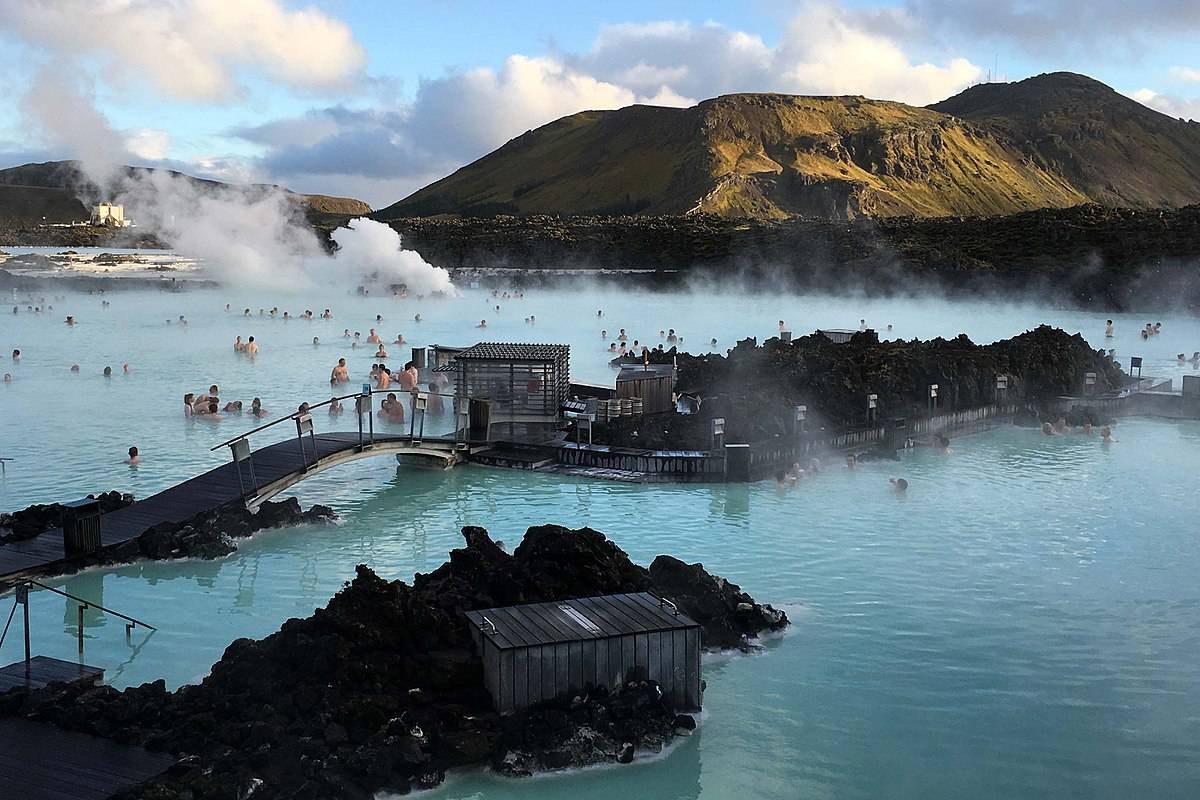 0 mi from ReykjavikBlue Lagoon
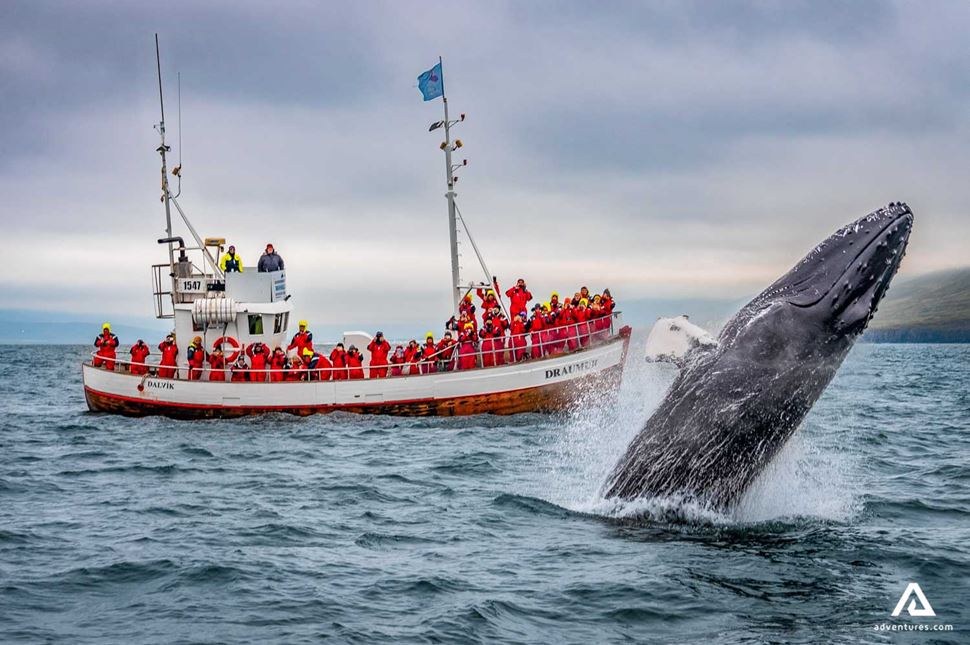 2 mi from ReykjavikWhale Watching Tours
 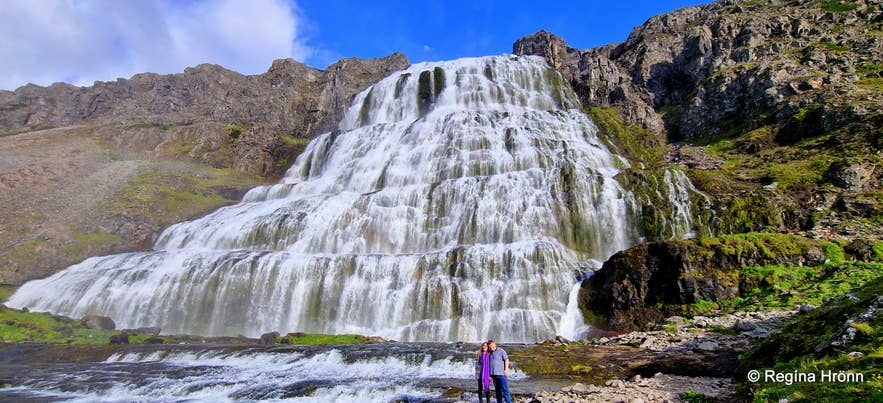 24 mi from Reykjavik · land adventureFire, Ice & the Edge of Europe: A Reykjavik Adventure Guide
 After you step off · near Southampton
You end in a different port — stay on, and add what is within reach before you fly home.
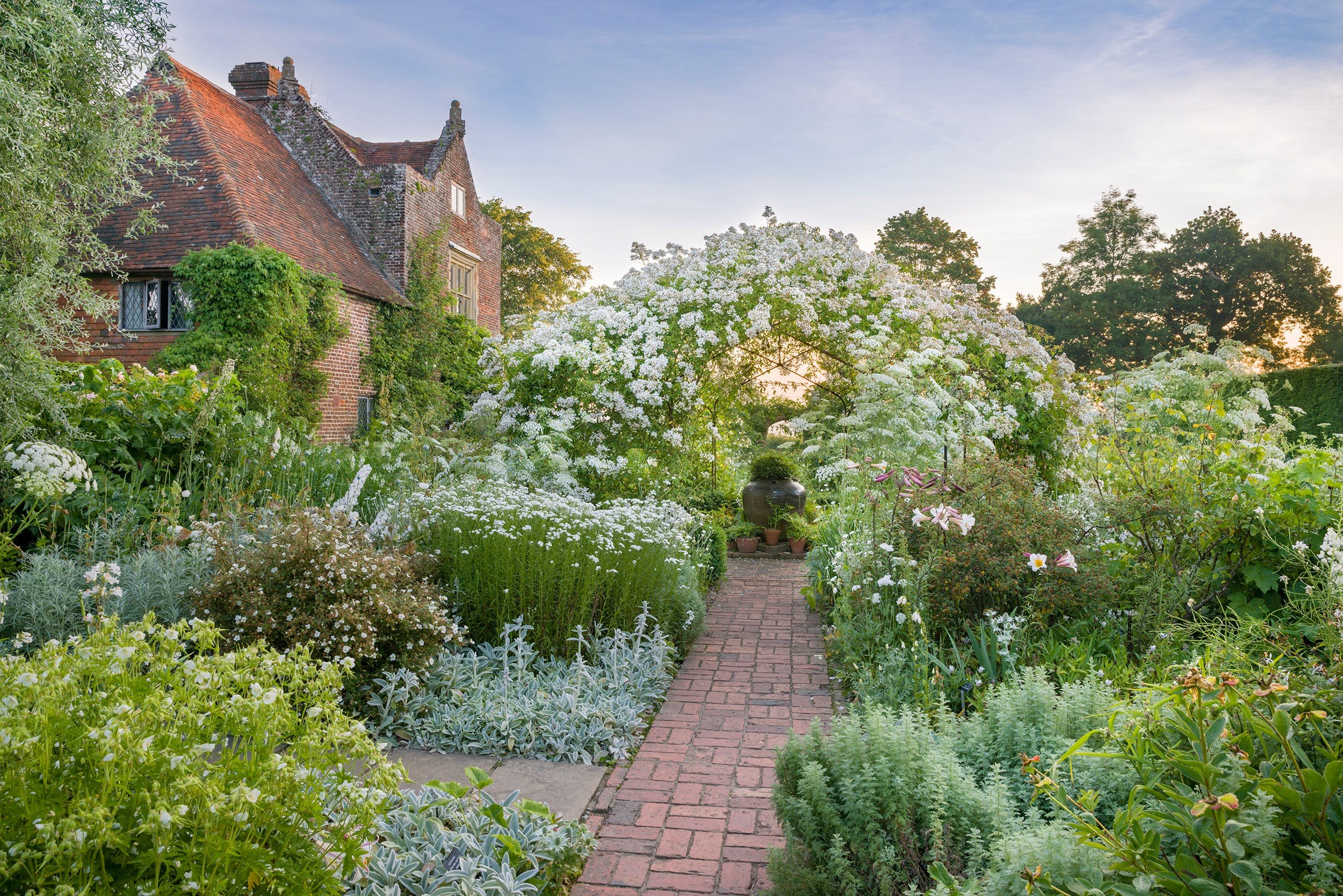 87 mi from SouthamptonSissinghurst Castle Garden: Room-by-Room Garden Design Masterclass
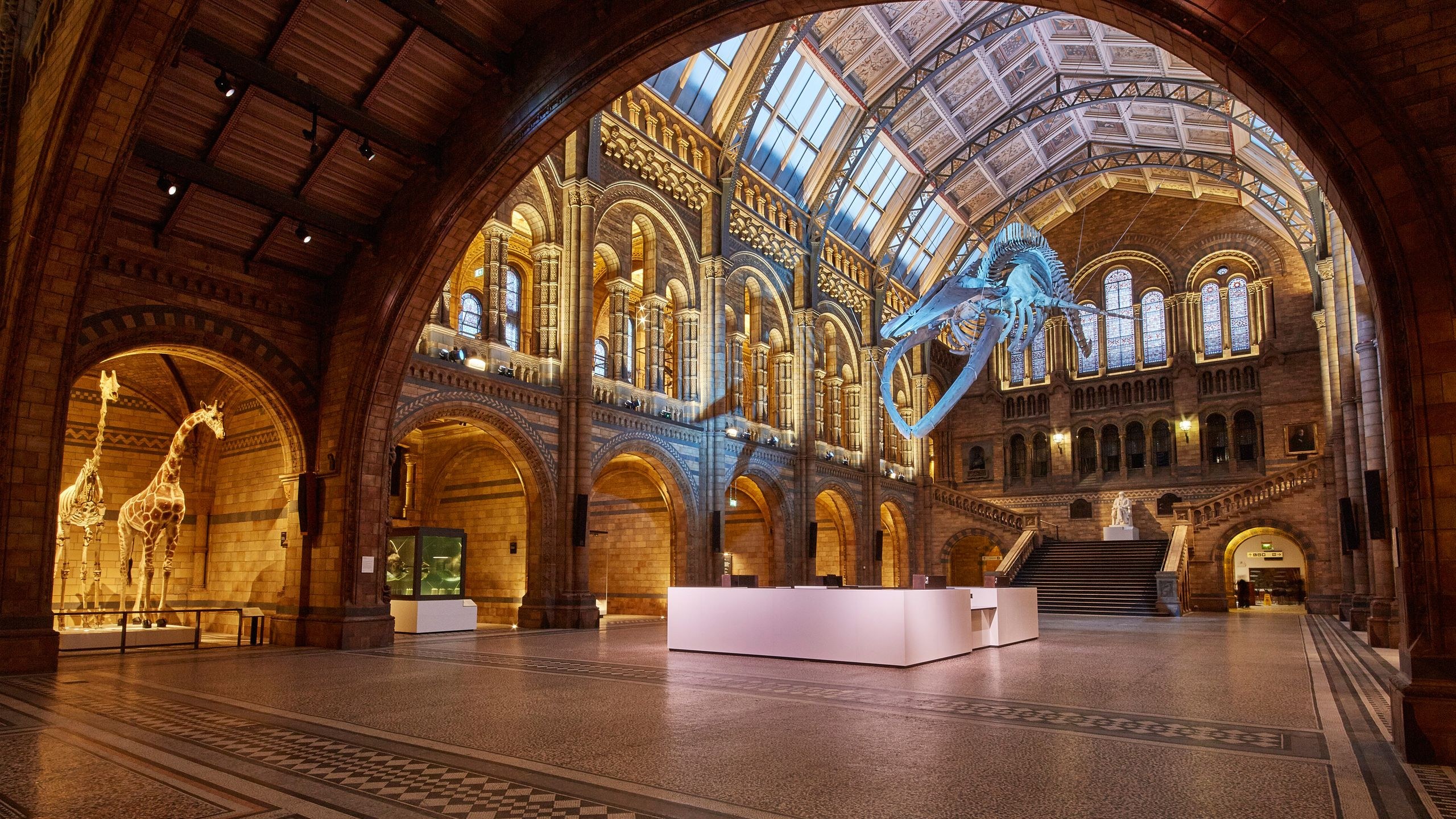 67 mi from SouthamptonNatural History Museum
 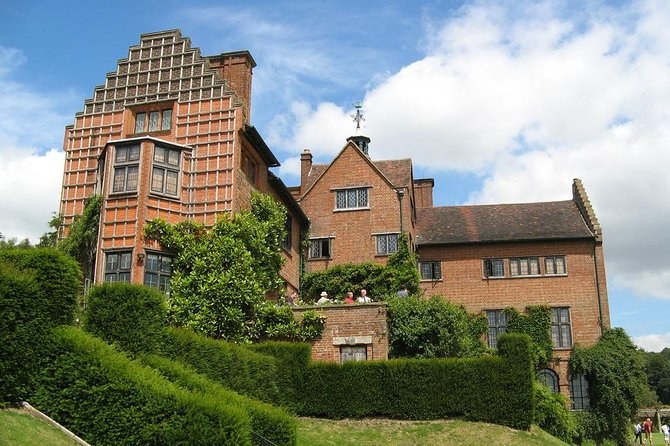 57 mi from Southampton · land adventureChurchill's Kent, Glyndebourne at Dusk & London's Secret Side
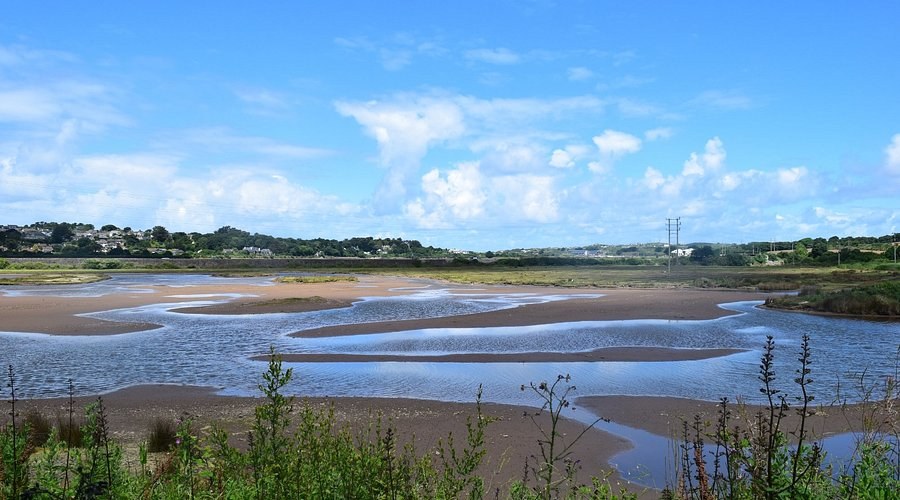 57 mi from Southampton · land adventureCornwall's Wild Coast: Tin Mines, Tidal Castles & Beach Bars