Your cruise
Silver Nova · 7-night Mediterranean round trip from Piraeus (Athens)
Oct 19 – Oct 26 · 7 nights ·
Day 1 Piraeus (Athens) (board) · Day 2 Gythion · Day 3 Katakolon (Olympia) · Day 4 Souda Bay · Day 5 Santorini (Thira) · Day 6 Bodrum · Day 7 at sea · Day 8 Piraeus (Athens) (step off)
What you do Glide by wooden punt through a labyrinth of illuminated stalactite caverns flooded by a prehistoric river — one of Europe's most dramatic underground spectacles. A true bucket-list wonder of the Southern Peloponnese.
What to expect A private vehicle collects you from the port and winds through the wild Mani landscape to Vlychada. You board a flat-bottomed punt and are poled through corridors of rose-pink and ivory stalactites reflected in perfectly still water — 40 minutes of pure awe. A 10-minute walk brings you back to daylight through a separate gallery. En route, your guide narrates the deep Mani history of blood feuds, tower villages, and Byzantine survival.
Good to know Pre-book as cave entry tickets are strictly capacity-controlled — walk-ins are routinely turned away in season. Allow 3.5–4 hours total from port. All-aboard is typically early evening; a morning departure is strongly advised.
Versus the ship tour Fully private transfer and guide so you arrive early — before the day-tripper rush — and linger as long as permitted. Your guide contextualises the Neolithic human remains found here, transforming a scenic boat ride into a profound archaeological encounter.
What you do Stand inside a real, UNESCO-listed Byzantine ghost city clinging to a Taygetos mountainside, then walk the agora of ancient Sparta — two lost civilisations in a single extraordinary day from port.
What to expect Departing port by luxury coach, you reach Sparta in under an hour to view the archaeological site and museum before heading uphill to Mystras. The fortified Byzantine capital — abandoned in 1832 — cascades down a rocky spur: intact frescoed churches, a despot's palace, and sweeping views of the Evrotas valley reward every step. A leisurely lunch break in a local taverna is included before the return drive along the dramatic Laconian coast.
Good to know 6-hour tour; wear sturdy, flat shoes — Mystras involves steep cobbled paths. Book well in advance in peak season (May–September). All-aboard comfortably met with 30+ minutes to spare.
Versus the ship tour Skip-the-line entry is pre-secured, and the group caps at 16 — meaning you wander Mystras's frescoed palace-churches and cobbled lanes at your own contemplative pace, not shuffled through in a crowd. The guide specialises in Byzantine art history, making the faded frescoes inside the Pantanassa Convent come alive.
book direct with Greek Travelling (Semi-Private Shore Excursions) → · the full guide →
What you do Penetrate the brooding Deep Mani — Greece's most untamed peninsula — on a private guided tour past mediaeval tower-house fortresses, cliff-edge chapels, and electric-blue coves that most visitors never reach.
What to expect Your guide collects you at the tender pier and heads south into the Mani heartland, where every village is a stone fortress and the landscape turns lunar. You visit the atmospheric ghost-village of Vathia with its cluster of 18th-century tower-houses, pause at panoramic capes above the sea, and explore tiny frescoed churches that have stood for a millennium. The return route follows the eastern coast, offering entirely different light and seascape.
Good to know Half- or full-day versions available; the full day (6–7 hrs) is strongly recommended for genuine immersion. Roads are narrow and winding — those prone to motion sickness should sit up front. Pre-book private transfer directly with operator.
Versus the ship tour A private or semi-private vehicle means spontaneous stops at roadside Byzantine chapels, a tasting of locally-pressed Mani olive oil, and unhurried time in the tower-village of Vathia — a place that rewards slow wandering, not rushed photo stops.
book direct with Olympic Traveller (Private Shore Tours, Gythion) → · the full guide →
What you do Cross the causeway to a medieval Byzantine fortress-town marooned on a sea rock — car-free, honey-stoned, and barely changed since the 13th century. One of Greece's most intoxicating hidden treasures.
What to expect The 90-minute drive east along the Laconian coast is itself scenic, tracing olive groves and Byzantine chapels. At Monemvasia you pass through the single narrow gate into the lower town: bougainvillea-draped lanes, Venetian mansions, and the magnificent domed Cathedral of Christ in Chains. Your guide leads you up to the haunting upper acropolis — roofless Byzantine churches and Venetian ramparts with a 360° sea panorama. Optional lunch at a renowned castle-town restaurant rounds off the morning.
Good to know Allow 6 hours minimum; flat shoes are essential — the upper town path is steep loose stone. Pre-book private tour; the Monemvasia causeway road can be busy in high summer. Confirm all-aboard time with ship before booking a full-day version.
Versus the ship tour A private vehicle and an expert local guide mean you arrive ahead of day-trippers, climb to the dramatically ruined upper town at your own pace, and linger over lunch at a terrace restaurant with views of the open Aegean — an experience impossible to rush or replicate on a group coach.
book direct with Niki Olympic Tours (Private Shore Excursions, Gythion) → · the full guide →
What you do Walk the pine-shaded causeway to the islet where Paris and Helen of Troy are said to have spent their first night — then stroll Gythion's Venetian-era paralia for aperitivo with a lighthouse view. Effortlessly elegant and self-guided.
What to expect A five-minute stroll from the tender pier leads across the causeway to Marathonisi, a pine-cloaked islet barely 300m across. The 18th-century Tzanetakis Tower houses a small but absorbing museum of local history. You circumnavigate the island on a shaded path, passing the lighthouse at its tip before returning to the promenade. The pastel-painted neoclassical facades of the Paralia — Gythion's main seafront — are best photographed in the late-afternoon light, with kafeneions ready for an Assyrtiko or a Mani olive-oil tasting.
Good to know Easily combined with a visit to the Ancient Theatre of Gythion (free entry, 10-min walk). No pre-booking needed. Nearest taxi rank is at the harbour square for any onward trip. Allow 2–3 hrs total.
Versus the ship tour Completely independent, unhurried, and free of group dynamics — you set the pace entirely. The combination of mythological resonance, a working lighthouse, the Tzanetakis Tower museum, and one of Greece's most photogenic waterfronts makes this the perfect golden-hour finale to any port day.
book direct with Gythion Municipality (self-guided; Archaeological Museum of Kranae Island on-site) → · the full guide →
What you do Sink into a sun-lounger on Gythion's finest sandy beach, then sit down to a guided tasting of PDO Mani olive oil and local honey — among Greece's most acclaimed artisan produce — at a family estate minutes from shore.
What to expect Just 2km from the tender pier, Mavrovouni's kilometre-long arc of sand and shallow turquoise water is among the finest beaches in Laconia — well-serviced with sun-beds and clear water warm enough for swimming from May to October. After a leisurely beach break, your driver takes you inland for a private visit to a Mani olive grove and press, where the family explains the ancient cultivation of the Koroneiki olive and pours their cold-pressed oil alongside aged local wine and preserved olives. A deeply flavoured, sensory farewell to the Peloponnese.
Good to know Beach towels and sunscreen essential. Book the olive estate visit in advance through Private Shore Trips to confirm family host availability. The beach is walkable from the tender dock if you prefer full independence; combine with the estate visit for the full luxury experience.
Versus the ship tour A private vehicle and English-speaking guide take you directly to Mavrovouni's quietest stretch, then on to a small family olive estate where you taste single-varietal Koroneiki oils and local thyme honey with warm sourdough — an intimate, sensory experience unavailable on any group itinerary.
book direct with Private Shore Trips (Customised Gythion Shore Excursions) → · the full guide →
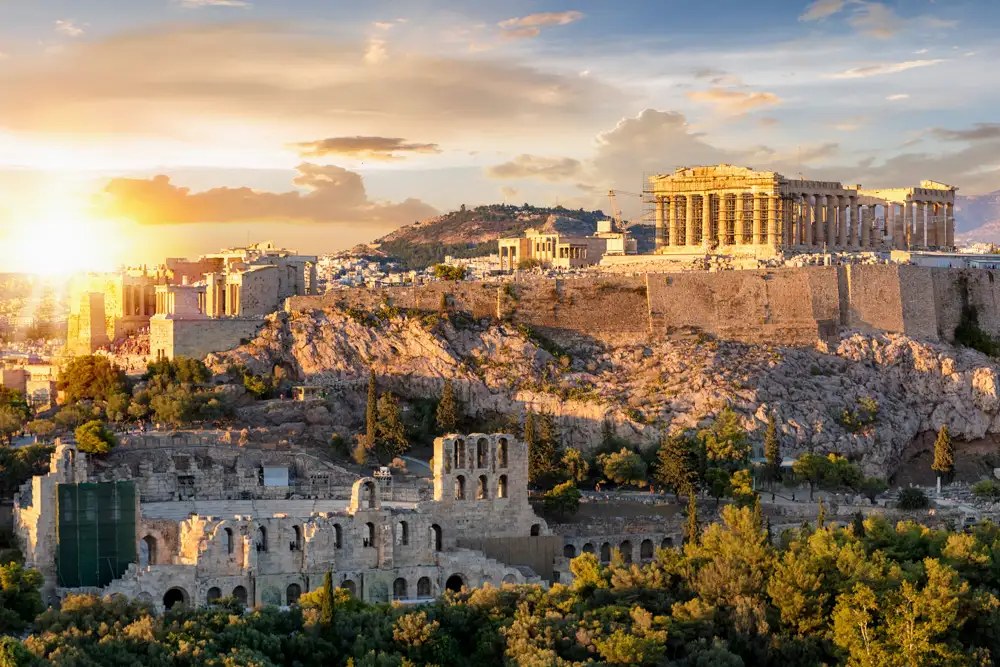
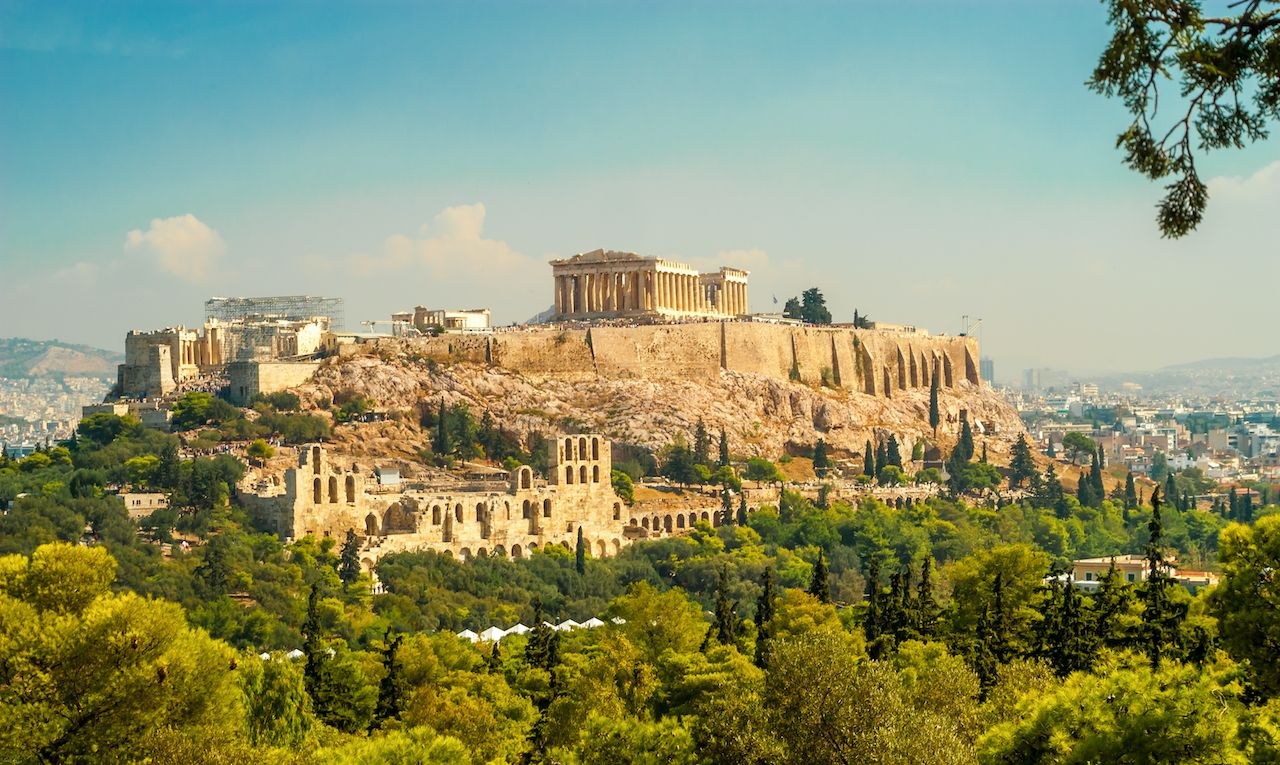
What you do Climb the Sacred Rock with a licensed Athens guide and stand beneath the Parthenon, the single most iconic monument of Western civilization, while the marble turns into the living story of Pericles, Athena and the birth of democracy. Skip-the-line entry is the whole game on a port day, sparing you the brutal midday ticket queue. Pair it with the Bernard Tschumi-designed Acropolis Museum at the foot of the hill, where the original Caryatids and Parthenon frieze sit under glass with the temple in view.
What to expect You arrive at the Acropolis via a 30–45 minute metro or taxi ride from Piraeus and walk straight past the ticket queues with your skip-the-line pass—a critical edge on a port day. Your licensed guide leads you up the Sacred Rock, the marble facades shifting beneath your feet as the Parthenon rises above you, the physical anchor of Western democracy. You stand beneath the temple while its architects, Athena's priests, and Pericles become tangible; the tour typically runs 2–2.5 hours on the hill. If time permits, descend to the Bernard Tschumi-designed Acropolis Museum at the foot, where the original Caryatids and Parthenon frieze rest under glass with the temple framed in the window behind them—the monument visible from the artifact's own display case.
Good to know Book your skip-the-line guided tour (EUR 110–119 all-in) or self-guided entry (EUR 30 site pass only) in advance to lock pace and avoid midday queues. From Piraeus, allow 45 minutes each way by taxi (EUR ~30) or metro; budget 2.5–3 hours on the Acropolis itself, plus museum time if included, leaving a 1.5–2 hour safety buffer before all-aboard. Wear sun protection and comfortable shoes on marble stone; bring water and consider a light jacket if museum time is planned. Confirm your tour operator's meeting point and boarding time the evening before to eliminate port-day confusion.
Versus the ship tour DIRECT WINS. The ship's 'Acropolis & Plaka' half-day runs ~$159.99 pp (Carnival; RCI/Celebrity $150-180). A guided skip-the-line tour books direct at ~$110-119 all-in, and a self-guided half-day (taxi ~EUR 30 each way + EUR 30 entry) lands under $70. Savings of roughly $40-50 pp guided, ~$90 if you DIY the entry and just want the rock.
What you do Drive the turquoise Athens Riviera south to the very tip of Attica, where a gleaming white 5th-century-BC Doric temple stands on a cliff dropping straight into the Aegean. Lord Byron carved his name into a column here; the columns framing the open sea are one of Greece's signature images and the best 'escape the city crowds' move that still fits a half-day. About 4 hours door to door.
What to expect You drive south along the turquoise Athens Riviera, the coastal sprawl gradually giving way to open sea views as you approach the tip of Attica. At Cape Sounion, a gleaming white 5th-century-BC Doric temple materializes on a cliff edge, its columns framing a sheer drop into the Aegean—the view that inspired Lord Byron to carve his name into the stone. You'll have time to walk among those iconic columns, absorb the wind and the signature Greek light, and understand why this is the escape-the-city move that doesn't require a full day. The whole experience moves door-to-door in approximately 4 hours, with the bulk of time at the temple itself.
Good to know Book transfers direct with Athens Walking Tours (~EUR 46 pp) and add temple entry separately (~EUR 10) to avoid cruise-line bundling that inflates the cost to $209–240 for a half-day outing. Aim for a departure within the first 2 hours of your port window to secure the 4-hour round trip plus buffer time before all-aboard. Temple entry is not included in transfer pricing, so bring cash or be prepared to purchase on-site. The coastal drive means no special gear required, but bring sunscreen and a hat—you'll be exposed on the cliff top, with few shade options at the temple itself.
Versus the ship tour DIRECT WINS BIG. Cruise lines almost never sell Sounion standalone, burying it inside a $209-240 full-day package. Booked direct the coastal half-day is ~$61 all-in (group versions elsewhere ~$77). If your ship only offers it bundled, you're paying a $130+ premium for the convenience of one bus.
What you do Trade marble and crowds for the Aegean blue: a half-day catamaran along the Athens Riviera and Saronic coast with swim-and-snorkel stops, a meal and wine aboard. Boats leave from Alimos and Flisvos marinas close to Piraeus, making this the rare genuinely premium on-the-water experience that comfortably fits a port-day clock. Pick an operator that guarantees you back before all-aboard.
What to expect You'll board a semi-private catamaran at Alimos or Flisvos marina—a short ride from Piraeus—and spend your half-day gliding along the Aegean's brilliant blue coastline, pausing at protected swim-and-snorkel spots where the water is clear and calm. Between swims, you'll lounge on deck with wine and a meal included, absorbing the Athens Riviera and Saronic coast views at a pace only a small catamaran allows. Unlike the ship's mega-boat island circuit, this is genuinely intimate: no crowds, no forced itinerary, just the rhythm of the sea. You'll be back at the pier with time to spare before all-aboard.
Good to know Departures are half-day sails (check your operator's exact schedule to confirm return time fits your ship's all-aboard). Alimos and Flisvos marinas are close to Piraeus but you'll need a quick taxi or arranged transfer from the port—factor 15–20 minutes each way. Book semi-private slots ahead, especially June–August, as they fill quickly and pricing rises (EUR 125–135 pp depending on season). Bring reef-safe sunscreen, water shoes, and a light layer; snorkel gear is provided, and meal + wine are aboard.
Versus the ship tour DIRECT-ONLY niche. Cruise lines rarely offer a small-catamaran sail here; their on-water option is the big Saronic island bus-boat. At ~$135 pp semi-private this is a premium experience, not a savings play, but it's the only way to get the relaxed Aegean-blue day, and it beats the ship's ~$180-200 mega-boat island cruise on quality if not headline price.
What you do Thread the historic Plaka backstreets into the roaring Varvakios Agora meat-and-fish market, stopping for spanakopita, loukoumades, Greek coffee, cheeses, olive oil, honey and wine. Repeatedly rated among Europe's best culinary experiences, it delivers the flavors-and-neighborhood immersion a first-timer remembers as vividly as the ruins, all on foot in the old town. ~4 hrs, small group, tastings included.
What to expect You'll spend roughly 4 hours threading through the narrow, winding backstreets of historic Plaka on foot, pausing at local favorites for spanakopita, loukoumades, Greek coffee, and tastings of cheeses, olive oil, honey, and wine. The real anchor is the Varvakios Agora—the roaring central meat-and-fish market—where vendors call out their wares and you'll sample directly in the chaos of neighborhood commerce. Rather than stand-and-listen, you move continuously through old-town streets, tasting as you go, absorbing the rhythm of daily Athenian life in a small group setting. It's the kind of immersive, on-foot culinary walk that stays vivid in memory alongside the ruins.
Good to know Book directly with Athens Walks before the port day to secure your spot in the small group and confirm start time—all tastings are included in the ~$75 pp price, so no hidden costs. Plan on a 4-hour window starting within 1–2 hours of disembark to leave a comfortable buffer (the Plaka walk is entirely walkable from Piraeus pier, though confirm exact meeting point when you book). Wear comfortable walking shoes and bring a small daypack or crossbody bag for any purchases or water; the market and Plaka streets are pedestrian-only and shaded, but summer heat can build. Return to the pier with at least 90 minutes before all-aboard to account for the walk back and any lingering in the market.
Versus the ship tour DIRECT WINS. The ship's food/wine tour runs ~$134.99 pp (Carnival) and independent group food walks elsewhere run $135-183. This direct small-group market-and-Plaka walk at ~$75 pp undercuts the ship by roughly $60 for a far more authentic, on-foot experience. (If you only want a quick pour, a basic Piraeus wine tasting is ~$30-35 and beats everything on price alone.)
What you do Three classic Saronic Gulf islands in one day, including car-free, donkey-and-cobblestone Hydra, one of the most photogenic harbors in Greece. Swimming, Greek music and a buffet lunch aboard deliver the 'Greek islands' taste without flying to the Cyclades. CLOCK WARNING: this is an ~11-hour day departing ~08:15 from Piraeus, so it only works if your ship has a very long call or overnights, and only with an operator that guarantees you back to the ship.
What to expect You'll depart Piraeus around 08:15 on a full-day voyage across the Saronic Gulf, visiting three islands in succession: first the car-free, donkey-cobbled harbor of Hydra, one of Greece's most photogenic ports, where narrow whitewashed streets climb steeply from the waterfront; then Poros, where you'll have time to explore; and finally Aegina. The day anchors around a leisurely Greek buffet lunch served aboard the boat, punctuated by swimming stops and live Greek music that delivers the classic island experience without the flight to the Cyclades. You'll return to Piraeus in late afternoon, having absorbed the full sensory rhythm of island life—water, light, local flavor, and Greek hospitality—all from a single excursion boat.
Good to know This is an ~11-hour commitment departing ~08:15, so it only works if your ship has a very long port call or overnight stay; on a standard 8-hour call, the risk of missing the ship outweighs the ~$40–70 savings versus booking through your cruise line. Book ahead with Athens One Day Cruise (direct ~EUR 131/$142 pp with lunch, versus ship ~$179–199) or confirm your operator guarantees return to the pier with time to spare. Bring sun protection, swimwear, and cash for any extras; wear comfortable walking shoes for Hydra's steep cobblestones. The departure point is directly from Piraeus; allow buffer time to clear the pier and reach the boat dock, and verify exact embarkation details with your chosen operator 24 hours before.
Versus the ship tour DIRECT WINS on price, SHIP WINS on safety. Booked direct this is ~$142 pp with lunch (some local operators ~$99-130) versus the ship's ~$179-199 for the identical boat and islands - a ~$40-70 saving. BUT on a standard port call the 11-hour runtime risks missing the ship; if you're not overnighting, the cruise line's version (or skipping it) is the safer call despite the markup.
What you do The low-risk fallback if a long excursion feels too tight: a fixed-fare taxi or the metro straight to the Acropolis, self-guided entry to the Parthenon, then an easy downhill wander through Plaka's old-town lanes. No tour commitment, no fixed return time, and you control exactly when you head back to Piraeus, which is the safest play for a short port call.
What to expect You'll take a fixed-fare taxi or the metro from Piraeus straight to the Acropolis, where you'll climb through the ancient Parthenon and surrounding monuments at your own pace with a self-guided audio tool or printed map. From the summit, you'll head downhill into Plaka's narrow, winding old-town lanes—a maze of tavernas, neoclassical townhouses, and small shops—wandering for as long as you'd like before strolling back to the port on your own timeline. The whole rhythm is yours: no group delays, no narrated patter, just you, 2,500-year-old stone, and the freedom to linger or move on whenever you choose.
Good to know For a 6–8 hour port call, budget ~45 minutes each way for transit (taxi or metro), 2–2.5 hours at the Acropolis, and 1.5–2 hours wandering Plaka, leaving a 60–90 minute buffer to return to Piraeus before all-aboard. Book your taxi in advance or use the metro (€4 round trip); Acropolis entry is €30 (expect a queue, especially mid-morning). Wear comfortable walking shoes, bring water, and download a self-guided audio app or grab a printed site map beforehand. Plan to be back at the pier at least an hour before your ship's departure time—this is not a ship-sponsored excursion, so you alone are responsible for making the sailing.
Versus the ship tour DIRECT WINS on price and flexibility. The ship's escorted Acropolis & Plaka half-day is ~$159.99 pp; doing it yourself is ~$50-70 pp and you keep full control of your return time. Trade-off: no guide narration and you carry your own clock - acceptable for the Acropolis, which is straightforward to navigate solo.
book direct with Athens Half-Day Sightseeing (Athens Walking Tours - audio/self-guided) → · the full guide →
What you do Glide by wooden punt through a labyrinth of illuminated stalactite caverns flooded by a prehistoric river — one of Europe's most dramatic underground spectacles. A true bucket-list wonder of the Southern Peloponnese.
What to expect A private vehicle collects you from the port and winds through the wild Mani landscape to Vlychada. You board a flat-bottomed punt and are poled through corridors of rose-pink and ivory stalactites reflected in perfectly still water — 40 minutes of pure awe. A 10-minute walk brings you back to daylight through a separate gallery. En route, your guide narrates the deep Mani history of blood feuds, tower villages, and Byzantine survival.
Good to know Pre-book as cave entry tickets are strictly capacity-controlled — walk-ins are routinely turned away in season. Allow 3.5–4 hours total from port. All-aboard is typically early evening; a morning departure is strongly advised.
Versus the ship tour Fully private transfer and guide so you arrive early — before the day-tripper rush — and linger as long as permitted. Your guide contextualises the Neolithic human remains found here, transforming a scenic boat ride into a profound archaeological encounter.
What you do Stand inside a real, UNESCO-listed Byzantine ghost city clinging to a Taygetos mountainside, then walk the agora of ancient Sparta — two lost civilisations in a single extraordinary day from port.
What to expect Departing port by luxury coach, you reach Sparta in under an hour to view the archaeological site and museum before heading uphill to Mystras. The fortified Byzantine capital — abandoned in 1832 — cascades down a rocky spur: intact frescoed churches, a despot's palace, and sweeping views of the Evrotas valley reward every step. A leisurely lunch break in a local taverna is included before the return drive along the dramatic Laconian coast.
Good to know 6-hour tour; wear sturdy, flat shoes — Mystras involves steep cobbled paths. Book well in advance in peak season (May–September). All-aboard comfortably met with 30+ minutes to spare.
Versus the ship tour Skip-the-line entry is pre-secured, and the group caps at 16 — meaning you wander Mystras's frescoed palace-churches and cobbled lanes at your own contemplative pace, not shuffled through in a crowd. The guide specialises in Byzantine art history, making the faded frescoes inside the Pantanassa Convent come alive.
book direct with Greek Travelling (Semi-Private Shore Excursions) → · the full guide →
What you do Penetrate the brooding Deep Mani — Greece's most untamed peninsula — on a private guided tour past mediaeval tower-house fortresses, cliff-edge chapels, and electric-blue coves that most visitors never reach.
What to expect Your guide collects you at the tender pier and heads south into the Mani heartland, where every village is a stone fortress and the landscape turns lunar. You visit the atmospheric ghost-village of Vathia with its cluster of 18th-century tower-houses, pause at panoramic capes above the sea, and explore tiny frescoed churches that have stood for a millennium. The return route follows the eastern coast, offering entirely different light and seascape.
Good to know Half- or full-day versions available; the full day (6–7 hrs) is strongly recommended for genuine immersion. Roads are narrow and winding — those prone to motion sickness should sit up front. Pre-book private transfer directly with operator.
Versus the ship tour A private or semi-private vehicle means spontaneous stops at roadside Byzantine chapels, a tasting of locally-pressed Mani olive oil, and unhurried time in the tower-village of Vathia — a place that rewards slow wandering, not rushed photo stops.
book direct with Olympic Traveller (Private Shore Tours, Gythion) → · the full guide →
What you do Cross the causeway to a medieval Byzantine fortress-town marooned on a sea rock — car-free, honey-stoned, and barely changed since the 13th century. One of Greece's most intoxicating hidden treasures.
What to expect The 90-minute drive east along the Laconian coast is itself scenic, tracing olive groves and Byzantine chapels. At Monemvasia you pass through the single narrow gate into the lower town: bougainvillea-draped lanes, Venetian mansions, and the magnificent domed Cathedral of Christ in Chains. Your guide leads you up to the haunting upper acropolis — roofless Byzantine churches and Venetian ramparts with a 360° sea panorama. Optional lunch at a renowned castle-town restaurant rounds off the morning.
Good to know Allow 6 hours minimum; flat shoes are essential — the upper town path is steep loose stone. Pre-book private tour; the Monemvasia causeway road can be busy in high summer. Confirm all-aboard time with ship before booking a full-day version.
Versus the ship tour A private vehicle and an expert local guide mean you arrive ahead of day-trippers, climb to the dramatically ruined upper town at your own pace, and linger over lunch at a terrace restaurant with views of the open Aegean — an experience impossible to rush or replicate on a group coach.
book direct with Niki Olympic Tours (Private Shore Excursions, Gythion) → · the full guide →
What you do Walk the pine-shaded causeway to the islet where Paris and Helen of Troy are said to have spent their first night — then stroll Gythion's Venetian-era paralia for aperitivo with a lighthouse view. Effortlessly elegant and self-guided.
What to expect A five-minute stroll from the tender pier leads across the causeway to Marathonisi, a pine-cloaked islet barely 300m across. The 18th-century Tzanetakis Tower houses a small but absorbing museum of local history. You circumnavigate the island on a shaded path, passing the lighthouse at its tip before returning to the promenade. The pastel-painted neoclassical facades of the Paralia — Gythion's main seafront — are best photographed in the late-afternoon light, with kafeneions ready for an Assyrtiko or a Mani olive-oil tasting.
Good to know Easily combined with a visit to the Ancient Theatre of Gythion (free entry, 10-min walk). No pre-booking needed. Nearest taxi rank is at the harbour square for any onward trip. Allow 2–3 hrs total.
Versus the ship tour Completely independent, unhurried, and free of group dynamics — you set the pace entirely. The combination of mythological resonance, a working lighthouse, the Tzanetakis Tower museum, and one of Greece's most photogenic waterfronts makes this the perfect golden-hour finale to any port day.
book direct with Gythion Municipality (self-guided; Archaeological Museum of Kranae Island on-site) → · the full guide →
What you do Sink into a sun-lounger on Gythion's finest sandy beach, then sit down to a guided tasting of PDO Mani olive oil and local honey — among Greece's most acclaimed artisan produce — at a family estate minutes from shore.
What to expect Just 2km from the tender pier, Mavrovouni's kilometre-long arc of sand and shallow turquoise water is among the finest beaches in Laconia — well-serviced with sun-beds and clear water warm enough for swimming from May to October. After a leisurely beach break, your driver takes you inland for a private visit to a Mani olive grove and press, where the family explains the ancient cultivation of the Koroneiki olive and pours their cold-pressed oil alongside aged local wine and preserved olives. A deeply flavoured, sensory farewell to the Peloponnese.
Good to know Beach towels and sunscreen essential. Book the olive estate visit in advance through Private Shore Trips to confirm family host availability. The beach is walkable from the tender dock if you prefer full independence; combine with the estate visit for the full luxury experience.
Versus the ship tour A private vehicle and English-speaking guide take you directly to Mavrovouni's quietest stretch, then on to a small family olive estate where you taste single-varietal Koroneiki oils and local thyme honey with warm sourdough — an intimate, sensory experience unavailable on any group itinerary.
book direct with Private Shore Trips (Customised Gythion Shore Excursions) → · the full guide →
What you do Walk the sacred ground where the ancient Games were born, guided by a vetted local expert at your own pace. Stand in the original stadium, explore the Temple of Zeus, and unlock stories no audio guide can tell.
What to expect Your licensed local guide meets you at the port or the site entrance and leads you through the Archaeological Site and Museum of Ancient Olympia with skip-the-line access. You'll stand inside the original 5th-century BC stadium, explore the colossal Temple of Zeus, and view the peerless statue of Hermes of Praxiteles in the museum. The tour moves entirely at your pace — linger where you wish, ask every question that comes to mind, and enjoy a deeply personal connection with one of the ancient world's most sacred places.
Good to know Ancient Olympia is a 35–45 min drive from Katakolon port. Book well in advance for summer sailings as top guides fill quickly. Typical all-aboard times allow for 4–5 hours at the site comfortably; confirm your ship's schedule with your guide when booking. Entrance tickets (EUR 20 pp, combined site & museum) are paid separately on arrival.
Versus the ship tour Fully bespoke itinerary shaped entirely around your interests — no fixed script, no crowded coach, no rush. Your private guide adjusts the depth, pace, and focus to you, turning a sightseeing stop into a genuine scholarly encounter with antiquity.
book direct with ToursByLocals – Private Olympia Guides → · the full guide →
What you do A premium semi-private tour (maximum 25 guests) of Ancient Olympia with skip-the-line tickets included and an official licensed guide — the gold standard for those who want expert depth without going fully private.
What to expect Round-trip transfers from Katakolon port are included, making this seamlessly simple from the moment you step ashore. Your official licensed guide escorts you through the Archaeological Site — the Altis sanctuary, the ruins of the Temple of Hera, the Philippeion, and the ancient stadium — before moving into the outstanding Archaeological Museum to see the Hermes of Praxiteles and the breathtaking Zeus pediment sculptures. The intimate group size means genuine two-way dialogue with your guide throughout. A polished, comprehensive, fuss-free Olympia experience.
Good to know Skip-the-line tickets are pre-included — simply show up. Round-trip transfers from port are bundled in the price. Pre-book online as departures on busy port days sell out. Tour duration is approximately 5 hours, well within standard all-aboard windows.
Versus the ship tour Groups capped at just 25 people ensure an intimate, conversational experience with your guide — far removed from the mass-tour atmosphere. All-inclusive pricing with skip-the-line tickets means zero queuing and zero logistical faff on port day.
What you do Journey into the heart of the Peloponnese olive groves for an immersive agrotourism experience — tasting estate olive oil, local honey, and regional wine amid the ancient landscape that has nourished Greece for millennia.
What to expect After departing Katakolon, your small group is taken to a traditional Peloponnese estate where you'll tour the olive groves and production facilities, learning the art of cold-press extra-virgin olive oil from producers whose families have worked this land for generations. A guided tasting of olive oils, local thyme honey, and regional wines follows — paired with artisan breads and regional produce. The tour combines Ancient Olympia highlights with this authentic agrotourism dimension, giving the day both cultural and gastronomic richness. Approximately 5.5 hours total.
Good to know Departs from Katakolon port; max 19 persons so early booking is essential. Wear comfortable walking shoes for both the estate and the archaeological site. Check the tour's current departure schedule against your ship's all-aboard time when booking.
Versus the ship tour Capped at just 19 participants, this intimate small-group experience takes you off the tourist trail and onto a working estate — a rare sensory encounter with Peloponnesian food culture that most visitors entirely miss.
What you do Explore over 300 fully working reconstructions of ancient Greek machines — from Archimedes' screw to the Antikythera mechanism — in Katakolon's extraordinary, walkable museum. A jaw-dropping intellectual adventure steps from the port.
What to expect Step inside the Museum of Ancient Greek Technology and encounter a world where ancient ingenuity comes to life: functioning reconstructions of automata, musical instruments, astronomical devices, war machines, and domestic tools — all built to the exact ancient specifications documented by Hero of Alexandria, Archimedes, and Ktesibios. Rated 4.7 on TripAdvisor with over 240 reviews, it consistently surprises even seasoned travellers. The adjacent Museum of Ancient Greek Musical Instruments (also rated 4.5) is a perfect companion visit. Both museums together take around 1.5–2 hours and are an effortless, deeply rewarding port-day experience.
Good to know Located right in Katakolon village — a 5-minute walk from the cruise pier, no transfer needed. Open daily during cruise season. A private guided session can be arranged for small groups by contacting the museum directly. Ideal pairing: visit the museum in the morning, then take the scenic TRAINOSE heritage railway to Olympia (departures from Katakolon station).
Versus the ship tour This world-class museum is literally a 5-minute walk from the dock and requires no transfer — yet it contains one of the most intellectually dazzling collections in Greece. Its interactive, working reconstructions make it unlike any other museum experience in the Mediterranean.
book direct with Museum of Ancient Greek Technology (Kostas Kotsanas Museum) → · the full guide →
What you do Board the historic narrow-gauge railway directly from Katakolon port and ride through the olive-grove-carpeted Peloponnese countryside to Ancient Olympia — a scenic, romantic, and utterly unhurried way to reach one of the ancient world's great sites.
What to expect The narrow-gauge Katakolon–Pyrgos–Olympia railway is a living piece of Greek railway heritage, winding through the fertile western Peloponnese with views of olive groves, citrus orchards, and traditional villages. The journey to Olympia takes approximately 45–55 minutes and deposits you close to the archaeological site. Spend several hours exploring the ruins and museum at your own pace before boarding the return service. The leisurely rhythm of train travel gives the day an unhurried, exploratory feel that sets it apart entirely from a coach excursion.
Good to know The station is a short walk from the Katakolon cruise pier. Check the current seasonal timetable carefully — services are limited and coordinating return trains with your ship's all-aboard time is essential. Confirm schedules at the station or via Hellenic Train's website before sailing. Combine with a private licensed guide at the site for maximum depth.
Versus the ship tour Arriving at Olympia by the heritage railway — through rolling groves and quiet villages — is a poetic contrast to arriving by coach. It's one of the most atmospheric and distinctive ways to experience the Peloponnese landscape, beloved by independent travellers in the know.
book direct with Hellenic Train (TRAINOSE) – Katakolon–Pyrgos–Olympia Line → · the full guide →
What you do A rich 5.5-hour guided immersion combining Ancient Olympia's archaeological highlights with a curated tasting of the region's finest honey, wine, and olive oil — direct from the producers in the Peloponnese heartland.
What to expect The tour opens with a guided visit to the Archaeological Site and Museum of Ancient Olympia, covering the sacred Altis precinct, the iconic stadium, and the museum's masterworks. The experience then transitions to a local estate for guided tastings of the region's celebrated products: cold-pressed extra-virgin olive oil from century-old trees, raw thyme and wildflower honeys, and estate-bottled Peloponnese wines. Knowledgeable local guides contextualise each product within the history and geography of the region, making the tasting as educational as it is pleasurable. Duration approximately 5.5 hours.
Good to know At USD 80 all-inclusive this is excellent value for a full-day guided experience with tastings. Book in advance via Expedia's activities portal to secure your place. Comfortable flat shoes recommended for the archaeological site. Duration of 5.5 hours fits comfortably within most Katakolon all-aboard windows — always verify against your specific ship schedule.
Versus the ship tour This all-inclusive format removes every logistical headache — transfers, tastings, and guidance in a single price. The agrotourism element takes guests into a side of the Peloponnese that pure archaeological tours never reach: the living landscape of Greek food production.
book direct with Expedia Local Experiences – Olympia Agrotourism Tour → · the full guide →
What you do Sail to Crete's most breathtaking lagoon — Balos — where turquoise shallows meet pink-sand shores, then explore the Venetian fortress on wild Gramvousa Island. A private boat gives you the lagoon before the crowds arrive.
What to expect Your private guide collects you at Souda port and transfers you to the Gramvousa ferry terminal or a private boat departure point. The approach to Balos from the water is genuinely jaw-dropping — a sweep of milky turquoise that photographs cannot do justice. You'll have dedicated time to swim in the shallows, then climb to the ruined Venetian castle on Gramvousa for panoramic Aegean views. Return transfers are timed precisely to your all-aboard call.
Good to know Pre-book directly with Proper Cretan Guide at least 2–3 weeks ahead — this is the most sought-after excursion from Souda. The return journey from Balos takes roughly 90 minutes by road, so confirm your ship's all-aboard time when booking. Wear reef-safe sunscreen; the lagoon is a protected natural monument.
Versus the ship tour Fully private, tailored departure timed to your ship's schedule, with a knowledgeable local guide and a guaranteed all-aboard return — so you linger at the lagoon at your own pace rather than moving with a crowd.
book direct with Proper Cretan Guide (Souda Cruise Port Shore Excursions) → · the full guide →
What you do Step inside two millennia of Cretan history in a single private morning: the vast, rarely-crowded ancient city of Aptera and the haunting Venetian-Ottoman fortress rising from Souda Bay itself. An expert archaeologist guide brings both sites to life.
What to expect Aptera sits on a dramatic plateau overlooking Souda Bay — Roman cisterns, a Minoan palace complex, an intact Byzantine monastery and sweeping views of the very bay your ship is anchored in. Your guide contextualises layers of civilisation that most visitors simply walk past. From there, a short transfer brings you to the water's edge for views across to the fortified Souda Island, one of the last outposts to fall to the Ottomans in all of Crete. The pace is unhurried and completely in your hands.
Good to know Aptera Archaeological Site is open daily; admission is approximately EUR 8 per person. The Souda Island fortress is only visible from the waterfront (no public landings), so plan for a scenic viewpoint stop. Wear comfortable walking shoes — the plateau terrain is uneven. Both sites are within 15 minutes of Souda port.
Versus the ship tour A private, expert-led experience with a certified local archaeologist — not a generalist guide — ensuring the stories of ancient Minoan, Roman and Byzantine Aptera are told with real depth and intimacy.
book direct with Proper Cretan Guide (Souda Cruise Port Shore Excursions) → · the full guide →
What you do Wander the labyrinthine lanes of one of Greece's most beautiful old towns — Venetian arsenals, an Ottoman lighthouse, a covered market — then settle into a harbourfront table for a long Cretan lunch. All with a local expert, entirely at your own pace.
What to expect Chania is only 10–15 minutes from Souda port, making it the most naturally accessible destination from your ship. A private guide walks you through the Venetian harbour quarter, into the 1913 municipal market, past the Mosque of the Janissaries, and through the Jewish quarter of Evraïki. The old harbour itself — with its lighthouse, restored arsenals and bobbing caïques — is genuinely one of the Mediterranean's great urban waterscapes. Lunch is at a handpicked harbourfront taverna focusing on local Cretan produce.
Good to know Chania is walkable from the taxi rank at Souda port (taxis approx. EUR 15 one-way) but a private guide with transfer is far preferable for timing. The covered market closes around 14:00, so a morning start is ideal. The harbour is busiest midday — early arrival or late afternoon light is best for photography.
Versus the ship tour Genuinely private — your guide, your group, your itinerary. You decide how long to linger in the covered agora, which kafeneion to duck into, and where to sit for lunch. No flags, no headsets, no forty-person crocodile.
book direct with Proper Cretan Guide (Souda Cruise Port Shore Excursions) → · the full guide →
What you do Pay solemn, unhurried tribute at one of the Mediterranean's most moving Allied war cemeteries — 1,527 Commonwealth servicemen who fell in the 1941 Battle of Crete, set against the shimmering blue of Souda Bay. Profoundly quiet; profoundly affecting.
What to expect Set among cypress trees on the shore of Souda Bay, this immaculately maintained CWGC cemetery holds the graves of British, Australian, New Zealand and other Allied soldiers who died during the fierce ten-day Battle of Crete in May 1941. The register at the entrance allows you to search for individual names. The silence, the view across the bay and the sheer youth of the men commemorated make this a genuinely moving experience. Pair it with a visit to the nearby ancient ruins of Aptera for a half-day of exceptional depth.
Good to know The cemetery is a five-minute taxi ride (approx. EUR 8–10) from Souda port and opens daily during daylight hours — no booking required. Dress respectfully. A private guide can be added through Proper Cretan Guide if you want the full military-history context of the 1941 campaign. It pairs seamlessly with the Aptera ruins for a deeply rewarding half-day.
Versus the ship tour The cemetery is just five minutes from the port — a rare opportunity to experience something of real historical weight, completely independently and at your own pace, without a guide or a group if you prefer quiet reflection.
book direct with Commonwealth War Graves Commission – Souda Bay War Cemetery → · the full guide →
What you do Board a classic sailing vessel for a leisurely coastal cruise along Crete's north coast, anchoring for swimming in clear Aegean water before sitting down to a freshly prepared Cretan mezze with local wine — effortlessly elegant and unhurried.
What to expect You'll join a small group aboard a well-appointed traditional sailing vessel departing from the Rethymno or Chania coast. The skipper navigates along dramatic sea-cliff scenery before dropping anchor in a sheltered cove for swimming and snorkelling. A Cretan-inspired mezze lunch — dakos, fresh fish, local cheeses, olives, wine and soft drinks — is served on deck as you drift in the afternoon sun. The return sail offers golden-hour views of the White Mountains above Crete's coastline.
Good to know Pre-book online well in advance — small-group departures fill quickly in season. Confirm the departure marina is reachable from Souda within your ship's port day (Chania-area departures are easiest). Bring a towel, reef-safe sunscreen and a change of clothes. Check all-aboard times carefully before selecting morning versus afternoon departures.
Versus the ship tour Small-group format — typically no more than 12 guests — means this feels genuinely intimate rather than a floating bus tour. The included Cretan meal and open bar are served at anchor in a secluded bay, not at a quayside taverna with hundreds of others.
book direct with Rethymno Sailing (via GetYourGuide direct operator listing) → · the full guide →
What you do Venture into the sun-baked interior of western Crete — whitewashed mountain villages, a working Orthodox monastery and a family-run olive estate — for an immersive taste of Cretan life that the coast never reveals.
What to expect Your guide drives you up into the Apokoronas hinterland, stopping at a traditional stone-built village where elderly locals still gather at the kafeneion. A visit to an active Orthodox monastery — likely Moni Gouverneto or a similarly ancient foundation — offers extraordinary frescoes and utter stillness. The centrepiece is a picnic lunch at a family olive grove: home-pressed extra-virgin oil, aged graviera cheese, honey from the estate's hives, rustic bread and local wine, eaten under ancient olive trees. The contrast with the cruise port is total.
Good to know Modest dress (covered shoulders and knees) is required for the monastery — your guide will advise in advance. The interior of Crete is noticeably cooler and windier than the coast; bring a light layer. This excursion works beautifully as a morning tour, leaving afternoons free for Chania's harbour. Book directly with Proper Cretan Guide to secure cruise-timed pickup from Souda.
Versus the ship tour Access to working family estates and monastery interiors is arranged personally by the local guide — these are not tourist-trail stops but genuine introductions to Cretan producers and religious communities that treat visitors as guests.
book direct with Proper Cretan Guide (Souda Cruise Port Shore Excursions) → · the full guide →
What you do Sail the volcanic caldera on a 5-hour semi-private catamaran, the single most iconic way to see Santorini, gliding past the multicolored Red and White beaches before anchoring to swim in the warm sulfur hot springs off Palea Kameni. A fresh BBQ lunch with local Assyrtiko wine is served on deck while the whitewashed cliff-top villages tower 300m above you. This is the angle the island is famous for and the experience first-timers most regret skipping.
What to expect You'll board a semi-private catamaran and sail directly into Santorini's volcanic caldera, gliding past the striking Red and White beaches before anchoring in the warm sulfur hot springs off Palea Kameni for a refreshing swim. As you float in the mineral-rich waters, the whitewashed cliff-top villages loom 300 meters above, framing the iconic postcard view the island is famous for. A fresh BBQ lunch is served on deck with local Assyrtiko wine and drinks, allowing you to experience this dramatic landscape from the water—the angle most first-timers regret missing. The full experience unfolds over 5 hours, combining sailing, swimming, and dining into a seamless rhythm of discovery.
Good to know Book directly with Spiridakos Sailing Cruises (family-run since 1986) to secure the EUR 100–140 per-person rate and semi-private boat; the cruise line's equivalent offering costs $148–$297 per person. The 5-hour excursion fits comfortably within a standard 6–8 hour port window, though you'll need transportation from the pier to the boat departure point—confirm logistics with the operator when booking. Bring swimwear, sun protection, and a towel; the hot springs are swimmable year-round. Book ahead directly rather than through the ship to lock in savings of $40–$145 per person and ensure a smaller group experience.
Versus the ship tour Direct wins big. The cruise line's half-day catamaran runs $148-$297 per person (the premium 'Delightful Half Day Sail' is ~$297) for the same product. Booking Spiridakos direct saves roughly $40-$145 per person, and you get a semi-private boat instead of the ship's larger group.
book direct with Spiridakos Sailing Cruises → · the full guide →
What you do Santorini IS a volcano, and this is the only way to stand on it. A traditional wooden caique departs the Old Port (right below the tender pier) for the still-active crater island of Nea Kameni, where you hike about 90 minutes across steaming red-black lava fields to the summit craters, then sail to Palea Kameni to swim in the iron-rich warm hot springs. It is the lowest-cost, highest-payoff marquee experience on the island and the easiest to slot into a port day.
What to expect You'll board a traditional wooden caique from the Old Port—just steps below the tender pier—and sail to the still-active volcano island of Nea Kameni. There, you'll hike roughly 90 minutes across steaming red-black lava fields to reach the summit craters, walking on the volcano itself and witnessing its raw, otherworldly geology up close. After descending, the boat sails to Palea Kameni, where you'll swim in warm, iron-rich hot springs that feel almost medicinal, turning the excursion from a geological marvel into a complete sensory experience. The entire outing takes about 3 hours, leaving plenty of daylight and margin to return to the ship.
Good to know The caiques depart directly from Fira's Old Port, eliminating the need for a tender or long transfer—critical on a 6–8 hour port day—and Caldera's Boats has been running this route since 1968, so timing is reliable. Book the tour in advance online or grab a spot at the pier if you want to avoid ship-tour markup (~$20–40 per person saved). Wear sturdy, closed-toe hiking boots for the lava-field walk, bring reef-safe sunscreen and a towel for the springs, and plan to be back aboard at least 45 minutes before all-aboard; the low price and proximity to the port make this the safest high-payoff volcano experience if you're wary of committing to a longer inland adventure.
Versus the ship tour This is the closest-priced category, so be honest: the ship's volcano-and-hot-springs boat tour is ~$70-$82 per person, only modestly above the ~$40-$60 all-in you'll pay direct. You still save ~$20-$40 per person booking direct, and because it leaves from the Old Port directly under the tender pier it doubles as the safe, near-port option if you don't want to commit to a long inland tour.
book direct with Caldera's Boats (Santorini Sea Excursions) → · the full guide →
What you do Widely called the best single thing to do on Santorini: a clifftop path tracing the caldera rim from Fira through Imerovigli to Oia, with nonstop postcard views of the blue water 300m below and the white, blue-domed villages. Take the official cable car up from the Old Port, then hike 2.5-4 hours to Oia and finish at the Venetian castle ruins overlooking Ammoudi Bay, the marquee village a first-timer would most regret missing. Best for ships arriving early, to beat the heat and crowds; catch the KTEL public bus back to Fira.
What to expect You'll ascend the caldera via the official cable car from the Old Port—a scenic 4-minute ride gaining 300 meters—then step onto the clifftop path that becomes your view corridor for the next 2.5 to 4 hours. The trail traces the rim from Fira through Imerovigli to Oia, delivering nonstop panoramas of brilliant blue water plunging below white and blue-domed villages that look lifted from a postcard. You'll finish at Oia's Venetian castle ruins overlooking Ammoudi Bay, the marquee village most first-timers regret missing, before catching the KTEL public bus back down to Fira and the port.
Good to know Board early if your ship allows and take the cable car up by mid-morning to beat the crowds and heat; budget 2.5 to 4 hours for the hike itself plus 30–45 minutes for the cable car and bus transit each way. The KTEL bus from Oia back to Fira runs regularly and costs ~EUR 2.20 each way; confirm the schedule at the Oia terminal and allow a 90-minute buffer before all-aboard. Bring sun protection, a hat, sturdy walking shoes for the uneven rim path, and enough water for a mountain hike—there are few facilities on the trail itself.
Versus the ship tour Direct wins overwhelmingly. The cruise line's 'Oia & Fira on your own' transfer is $60-$80 per person to deliver you to the same villages. Riding the cable car and KTEL bus yourself does it for ~$15, saving ~$45-$65 per person, and the rim hike itself, the real attraction, is something no ship tour includes.
book direct with Santorini Cable Car (Municipality of Thera, official operator) → · the full guide →
What you do Walk through a Bronze Age Minoan town buried and preserved under volcanic ash by the cataclysmic ~1600 BC eruption that carved the caldera, often called the 'Greek Pompeii' and tied to the Atlantis legend. Elevated ramps take you over three-story buildings, paved streets, and an ancient drainage system beneath a vast protective roof. This is the deep-history counterpart to the island's scenery and the strongest choice for first-timers who want substance beyond the viewpoints.
What to expect You enter the Bronze Age Minoan town of Akrotiri through a vast protective roof, then walk elevated ramps over three-story buildings, paved streets, and an ancient drainage system—all preserved under volcanic ash from the ~1600 BC eruption that carved Santorini's caldera. The rhythm is unhurried: you move at your own pace through rooms and courtyards, reading the physicality of domestic and commercial life from 3,600 years ago, then ascend to street level to grasp the town's urban layout. The scale is intimate compared to classical Greek sites, and the preservation is startling—frescoes, pottery shards, and architectural detail emerge from the pumice as if the eruption happened yesterday. This is archaeology as visceral experience, not just viewpoints.
Good to know From the pier, take the KTEL bus from Fira (you'll need to change buses at Fira town center; budget 45–60 minutes total for the journey and under €5 cost). Admission is ~€12 per person; hire a licensed guide at the gate for ~€10 if you want context, or self-guide with a site map. Plan 2–3 hours on-site to move through the excavation thoughtfully, and allow 90 minutes to return to the ship (bus journey plus buffer). Bring comfortable walking shoes, sun protection, and water—there is minimal shade under the protective roof structure, and the site involves steady climbing and descending of ramps.
Versus the ship tour Direct wins massively. The cruise line's guided Akrotiri + Oia coach tour runs $130-$185 per person; the actual gate ticket is $13 and a licensed guide at the entrance adds ~$11. Self-guiding the entry plus bus saves roughly $100-$160 per person. If you want a guide and seamless transport, weigh that the ship's all-in convenience may be worth it for the group that doesn't want to navigate the bus change at Fira.
book direct with Hellenic Ministry of Culture (official archaeological site) → · the full guide →
What you do Santorini is one of the world's most distinctive wine regions: ungrafted Assyrtiko vines coiled into ground-level baskets in volcanic ash, yielding a mineral, salt-edged white found nowhere else. Santo Wines, the island's largest co-operative (est. 1911), sits on the caldera rim near Pyrgos with arguably the best view-with-a-glass on Santorini. Book a tasting flight or short guided cellar tour online and you have the definitive Santorini food-and-drink experience, easily inside a port window.
What to expect You'll arrive at Santo Wines perched on the caldera rim with one of Santorini's most commanding views—volcanic cliffs dropping to the Aegean stretched across your tasting table. A guided cellar tour walks you through the island's legendary ungrafted Assyrtiko vines, coiled into ground-level baskets in volcanic ash, before you settle into a flight of 2–6 mineral, salt-edged whites that taste of nowhere else on earth. The rhythm is unhurried: 45–90 minutes on the terrace or in the cool cellar, wine in hand, the Caldera filling the horizon as you taste and linger over the only Santorini experience that matters.
Good to know Book your tasting flight or guided tour directly online at Santo Wines (€18–55 per person) rather than through the ship ($120–175 for the identical experience plus Oia). From the pier, take a taxi or local bus to Santo Wines near Pyrgos—budget 15–20 minutes and a handful of euros, or join a shared 3-winery tour (~$75–110) if you want transport bundled. Plan to spend 2–3 hours total (including transit), leaving a 90-minute buffer before all-aboard; bring sunscreen, a light layer for the cellar, and book ahead in high season to secure your preferred time slot.
Versus the ship tour Direct wins clearly. The cruise line's winery-plus-Oia combo runs $120-$175 per person; the identical winery costs ~EUR 18-55 walk-in/online. Even adding a taxi or bus, you save $60-$100 per person booking direct. (If you specifically want transport plus multiple wineries bundled, a shared independent 3-winery tour at ~$75-$110 still beats the ship.)
What you do Only for ships that overnight or stay late, this is the bucket-list finale: an evening sail from Ammoudi, the harbor below Oia, cruising the caldera as the cliffs glow gold, anchoring at the hot springs and Red/White beaches, then watching Santorini's legendary sunset from the water over a fresh-fish and meat BBQ, Greek mezze, and local wine. Departing from Oia rather than the main port gives the best sunset vantage of any cruise option.
What to expect You'll descend to Ammoudi harbor below Oia and board a semi-private sailing vessel for a 5-hour evening voyage across Santorini's caldera. The sail unfolds in stages: anchoring at the hot springs and Red/White beaches for swimming and exploration, then positioning on the water as the towering cliffs shift from white to burnished gold. As the sun dips toward the horizon, you'll gather on deck with fresh-grilled fish and meat, Greek mezze, and local wine flowing freely—the legendary Santorini sunset framed by your vantage point on the water, unobstructed and intimate.
Good to know This excursion requires your ship to remain in port through sunset; book only if your itinerary confirms a late departure or overnight stay—early-morning departures will cost you the entire payoff. Ammoudi lies below Oia, so factor 15–20 minutes for descent from the pier and transport; arrange this detail with the operator or your concierge beforehand to avoid last-minute confusion. Allow a 90-minute buffer before all-aboard to account for the return journey uphill and any tender delays. Bring sunscreen, a light layer for evening sea breezes, and swimwear for the beach stops; the open bar is included, so plan accordingly for the evening sail.
Versus the ship tour Direct wins, but only book this if your ship is in port past sunset, otherwise you'll miss the gold. The cruise line's evening 'Beautiful Santorini Sunset Cruise' is ~$148 per person; Sunset Oia delivers a longer semi-private sail with dinner and open bar from ~$105, saving up to ~$40 per person, and from the superior Oia sunset side. For an early-departure ship this is the wrong card, take the daytime catamaran instead.
book direct with Sunset Oia Sailing Cruises → · the full guide →
What you do Sail the legendary turquoise coast aboard a traditional Turkish gulet, anchoring in secret coves for swimming, fresh mezze lunches, and sundowners. This is Bodrum at its most iconic and unhurried — a floating private sanctuary on the Aegean.
What to expect Step aboard a lovingly maintained traditional timber gulet at Bodrum Harbour and glide past the Castle of St. Peter as you head for turquoise waters. Your skipper navigates to secluded bays — think crystalline coves inaccessible by road — where you swim off the stern in perfect solitude. A spread of Turkish mezze, grilled fish, and chilled local wine arrives on deck as you drift. The afternoon fades slowly, with no schedule except your own.
Good to know Most half-day charters return 2–3 hours before all-aboard, making timing comfortable. Pre-book well in advance in summer — private gulets fill fast. Bring sunscreen, a hat, and a sarong; the operator supplies towels and snorkelling gear.
Versus the ship tour A fully private charter means your own itinerary, your own pace, and no strangers on deck — just your party, a professional skipper, and some of the most dazzling coastline in the Mediterranean.
What you do Go deep into the Castle of St. Peter — one of the finest Crusader fortresses in the world — with a private expert guide unlocking the secrets of its legendary Museum of Underwater Archaeology. Shipwrecks, Bronze Age treasures, and medieval towers await.
What to expect Your guide meets you dockside and leads you along Bodrum's waterfront to the imposing 15th-century Castle of St. Peter, rising dramatically over the bay. Inside, the Museum of Underwater Archaeology houses one of the world's most remarkable collections — the cargo of a 3,300-year-old shipwreck, Mycenaean gold jewellery, and amphora-lined halls. Tower by tower, your guide brings medieval and ancient history to vivid life with stories no audio guide can replicate. The castle's battlements offer sweeping views over the marina and the Aegean.
Good to know The castle is a short 10-minute walk from the cruise pier. Book e-tickets in advance at bodrum-museum.com (EUR 20) to skip ticket queues. Allow 2.5–3 hours; pair with a waterfront lunch before returning to port.
Versus the ship tour A dedicated private expert guide means you linger over what fascinates you — the Bronze Age Uluburun shipwreck gallery, the Glass Wreck Hall — without being swept along by a crowd. Rare depth and genuine scholarship.
book direct with Turco Travel (Bodrum Private Tours) → · the full guide →
What you do Stand on the foundations of one of the Seven Wonders of the Ancient World — the Mausoleum of Halicarnassus — guided by a specialist archaeologist who reveals what few visitors ever discover. A rare encounter with antiquity at its most monumental.
What to expect Built in 350 BC for the Persian satrap Mausolus, this tomb was so magnificent it gave the world the word 'mausoleum.' Your expert guide walks you through the excavation site, explaining how the four greatest sculptors of antiquity decorated its friezes — fragments of which are displayed in situ. The guide uses detailed reconstruction imagery to help you visualise the 45-metre pyramid-topped tomb in its full glory. The site is a 10-minute walk or short taxi ride from the pier, making it perfectly manageable as a standalone morning excursion.
Good to know Combine with the Castle and Museum for a full ancient-history day ashore. The site is compact but intellectually rich — allow 1.5 hours. Wear comfortable shoes and a sun hat; there is little shade on site.
Versus the ship tour A private specialist guide — not a generalist — brings the lost monument back to life with reconstruction illustrations, historical context, and access to the on-site museum fragments that most visitors walk past.
book direct with ToursByLocals (Bodrum Local Expert Guides) → · the full guide →
What you do Explore Bodrum's bougainvillea-draped lanes, traditional whitewashed quarters, and vibrant bazaar with a hand-picked local guide who knows every corner — from hidden meyhanes to the workshop of a master sandal-maker. The authentic Bodrum most tourists never find.
What to expect Begin at the harbour's edge, where fishermen still mend nets beneath the castle walls, then weave into the Carsi market district — a sensory tangle of spice stalls, hand-dyed textiles, and copper lanterns. Your guide leads you through the old Greek and Turkish quarters, where bougainvillea cascades over ancient stone walls and local artisans work in open doorways. Stop for a glass of çay with a local potter, browse the Bodrum windmills for panoramic views, and finish with a tasting of gözleme and fresh pomegranate juice at a family-run café.
Good to know The tour starts at the cruise pier — no transfers needed. Fully flexible duration (2–4 hours); the guide will tailor stops to your interests. Wear comfortable walking shoes; Bodrum's streets are cobbled and hilly in parts.
Versus the ship tour This is a 100% private, fully tailored experience with a local who lives and breathes Bodrum — not a scripted route, but a genuine insider itinerary shaped around your interests, whether art, architecture, craft, or cuisine.
What you do Escape to the wild, uninhabited shores of Orak Island — Bodrum's most dramatic snorkelling destination — on a small-group boat excursion departing Halikarnas Harbour. Crystalline waters, vibrant marine life, and sheer limestone cliffs make this a true Aegean adventure.
What to expect Depart Halikarnas Harbour at 11:00 AM, heading south-east past the peninsula's dramatic headlands to Orak Island's untouched shores. Anchor in a glittering turquoise cove where visibility reaches 20 metres — snorkel over sea urchins, octopus, and schools of gilt-head bream. The boat moves to two or three different bays throughout the day, each more secluded than the last. A freshly prepared Turkish lunch of grilled fish, salad, and watermelon is served on board as you drift in paradise.
Good to know Departs at 11:00 AM — confirm departure time against your ship's all-aboard as some itineraries dock early. The harbour is a 10-minute taxi from the cruise pier. Pre-book to secure a spot; summer departures sell out quickly. Bring a waterproof camera.
Versus the ship tour Orak Island's secluded coves are only accessible by boat, making this a genuine escape from the crowds — the snorkelling over underwater rock formations and through translucent channels is among the best in the entire Aegean region.
book direct with Bayside & Tora Boat Trips (Halikarnas Harbour, Bodrum) → · the full guide →
What you do Journey into the rolling hills behind Bodrum to a boutique Turkish vineyard, where locally grown grapes produce remarkable Aegean wines — savoured alongside a lavish farm-to-table lunch with sweeping countryside views. Turkey's wine culture, beautifully revealed.
What to expect Your private guide collects you from the pier and drives into the Bodrum peninsula's fragrant interior, where olive groves and grapevines cloak the hillsides. At the boutique vineyard, the winemaker walks you through the cellar explaining the unique terroir of the Aegean coast before guiding a curated tasting of four to six local varietals — including indigenous grapes like Sultaniye and Çalkarası. A beautifully laid lunch follows: slow-roasted lamb, stuffed vine leaves, local cheeses, and seasonal vegetables, all produced within walking distance of your table. The return journey passes through a traditional village, arriving back in ample time before all-aboard.
Good to know Allow 4–5 hours for the full experience. Vineyards are 20–35 minutes from the pier by car — private transport is included with a ToursByLocals booking. Confirm the specific vineyard and seasonal menu when booking; summer harvest season (Sept–Oct) is the most spectacular time to visit.
Versus the ship tour A private vineyard lunch — not a group coach tour — means a relaxed, convivial table, personalised wine guidance, and genuine access to producers who share the story of Turkey's ancient winemaking traditions in their own landscape.
book direct with ToursByLocals (Bodrum Private Food & Wine Experts) → · the full guide →
Before you sail · near Athens
Fly in at least a day early — every seasoned cruiser does, so a delay never costs you the ship. This is what is worth that day within reach of the port.
After you step off · near Athens
You end in a different port — stay on, and add what is within reach before you fly home.