Your cruise
Silver Wind · 10-night Northern Europe cruise, Belfast to Leith/Edinburgh
Jun 12 – Jun 22 · 10 nights ·
Day 1 Belfast (board) · Day 2 Port St Mary · Day 3 Mackinac Island · Day 4 Iona · Day 4 Treshnish Isles · Day 5 St. Kilda · Day 5 at sea · Day 6 Shiant Islands · Day 6 Loch Ewe · Day 7 Kirkwall · Day 8 Torshavn · Day 9 Fair Isle · Day 10 Isle Of May · Day 11 Leith/Edinburgh (step off)
What you do Stand on 40,000 interlocking basalt columns plunging into the North Atlantic — Northern Ireland's only UNESCO World Heritage Site. A private chauffeured tour along the breathtaking Antrim Coast Road makes this the definitive bucket-list day from Belfast.
What to expect Your private guide collects you directly from Belfast Port in a premium vehicle and whisks you up the stunning Antrim Coastal Road, pausing at Dark Hedges and Carrick-a-Rede Rope Bridge before arriving at the Giant's Causeway. With no group itinerary to follow, you can linger on the colonnade rocks at low tide, walk the cliff-top path for panoramic Atlantic views, and dive deep into the volcanic mythology with your guide. The return journey winds through the Glens of Antrim, with stops tailored entirely to your interests.
Good to know Full day: typically 8–9 hours. Pre-book well in advance — private vehicles fill up fast on port days. Confirm your all-aboard time and share it with your driver; Belfast Causeway Tours are experienced with cruise schedules and guarantee port returns.
Versus the ship tour Fully private, chauffeured in a luxury vehicle with a dedicated local expert guide — your pace, your stops, no group waiting. Includes hidden coastal viewpoints and Carrick-a-Rede Rope Bridge at your leisure.
book direct with Belfast Causeway Tours → · the full guide →
What you do Walk the very slipways where RMS Titanic was built and step inside the world's largest Titanic museum for an immersive, nine-gallery journey through her design, launch, and fateful maiden voyage. With a private guide, every exhibit comes alive.
What to expect Titanic Belfast sits on the exact footprint of the shipyard where she was constructed, and the building itself — its four prow-shaped facades echoing the hull — is architectural theatre before you've even entered. Inside, you descend through nine world-class galleries spanning the Belfast industrial boom, the ship's construction via a dramatic 'ride' through the slipways, the opulent interiors, and the haunting wreck footage. A private guide weaves personal stories of the 3,000 Belfast workers who built her, making this far more than a museum visit — it becomes a story of a city.
Good to know Titanic Belfast is roughly 10–15 minutes from Belfast Port by taxi. Allow 2.5–3 hours minimum. Book entry tickets directly on the official website to avoid sold-out dates; arrange your private guide separately through the museum's group bookings team. Located right in the Titanic Quarter.
Versus the ship tour Combine official priority-entry tickets with a pre-booked private expert guide for a deeply personal experience — no queues, no crowds, and the freedom to dwell in the galleries that move you most.
book direct with Titanic Belfast (official) → · the full guide →
What you do Northern Ireland was the primary filming location for Game of Thrones, and this landmark studio experience — housed in the original Linen Mill Studios in Banbridge — holds the world's largest collection of original costumes, sets, and props from the series.
What to expect Set in the actual studios where HBO filmed for a decade, the tour takes you through vast, atmospheric set recreations — the smoke-filled Great Hall, the chilling Night's Watch headquarters, and the towering Iron Throne room. Original costumes for Daenerys, Cersei, and Jon Snow are displayed in forensic detail, and interactive stations let you try a crossbow, sit the Iron Throne, and handle authentic props. The depth of craft on display is staggering; this is as much about the artistry of storytelling as it is fan service.
Good to know Banbridge is approximately 30 miles south of Belfast Port — allow 45 minutes each way by private transfer. Timed entry tickets MUST be pre-booked on the official website; walk-ups are not accepted. A half-day excursion: 3–4 hours on site. Factor travel time carefully against your all-aboard.
Versus the ship tour Timed entry keeps crowd density genuinely low — you walk through Iron Throne rooms, the Great Hall of Dragonstone, and original costume vaults without the crush of a theme park. An unmissable pilgrimage for any fan of the series.
book direct with Game of Thrones Studio Tour (official) → · the full guide →
What you do Explore the Falls Road and Shankill Road murals with a local guide who lived through The Troubles — an intimate, frank, and deeply human exploration of Belfast's divided past and remarkable present-day peace. Utterly unique to this city.
What to expect Your guide leads you on foot through the working-class neighbourhoods of West Belfast, past towering painted murals that serve as open-air political manifestos, memorials, and peace declarations. You'll cross through the Peace Gates in the 'Peace Wall' — the still-standing barrier dividing communities — and hear unfiltered perspectives from both the Nationalist and Unionist traditions. The conversation is candid, nuanced, and deeply respectful; you leave with a far richer understanding of modern Ireland and the fragile, hard-won peace that underpins it.
Good to know The Falls and Shankill Roads are roughly 15–20 minutes from Belfast Port by taxi. Tours typically run 2–3 hours — highly manageable within a port day. Private tours can be arranged to match your exact schedule. No prior knowledge of Irish history required — guides pitch the narrative to your group.
Versus the ship tour Guides are locals with first-hand connection to the communities on both sides of the Peace Wall — their personal testimony transforms a walk among murals into one of the most emotionally powerful experiences in Europe.
What you do Step inside Belfast's magnificent Baroque Revival City Hall for an expert-guided tour of its grand marble chambers, then lose yourself in the vibrant Victorian iron-and-glass St George's Market — one of the finest covered markets in Europe.
What to expect The guided tour of City Hall takes you through ornate council chambers, the Great Hall with its soaring stained-glass windows, and the poignant Titanic memorial garden — your guide bringing to life Belfast's transformation from industrial powerhouse to vibrant European capital. A short stroll away, St George's Market (operating since 1604 and a listed building itself) delivers a symphony of local artisan produce, fresh seafood, handcrafted goods, and live traditional music on Saturdays and Sundays. It is the city's true social heartbeat and an unmissable sensory experience.
Good to know City Hall is a 20-minute walk or 10-minute taxi from Belfast Port — perfectly central. Guided City Hall tours run at set times; check belfastcity.gov.uk and pre-book to guarantee your slot. St George's Market operates Fri–Sun (best on Saturday and Sunday mornings). A superb half-day combination leaving the afternoon free.
Versus the ship tour A beautifully curated half-day in the heart of Belfast's city centre — superb architecture, compelling civic history, and the sensory pleasure of a world-class artisan market, all walkable and entirely at your own luxury pace.
book direct with Belfast City Council – City Hall Tours (official) → · the full guide →
What you do Hike to the volcanic basalt summit of Cave Hill — the dramatic natural crown above Belfast — for a sweeping panorama over the city, Belfast Lough, and the Antrim Hills. The profile that inspired Jonathan Swift's Gulliver's Travels lies beneath your feet.
What to expect The trail from Belfast Castle (a fine Neo-Norman landmark worth a brief stop en route) climbs steadily through ancient woodland before opening onto open basalt moorland with increasingly dramatic views. At the summit — McArt's Fort, an Iron Age promontory fort — Belfast Lough stretches to the Irish Sea, the city grid lies below, and on clear days Scotland's Mull of Kintyre is visible across the water. The hike takes 2–3 hours return and requires comfortable walking shoes; the reward is a perspective on Belfast that few visitors ever earn.
Good to know Belfast Castle (the trailhead) is approximately 15–20 minutes by taxi from Belfast Port. The round trip is roughly 5–6 km with 200m elevation gain — moderate fitness required. Go early to beat midday visitors and maximise clear-sky views. Check weather forecasts the morning of your port call; the summit can be misty in low cloud.
Versus the ship tour Raw, wild, and completely free of tourist infrastructure — Cave Hill offers the rare gift of genuine solitude above a European capital. The view from McArt's Fort (Napoleon's Nose) is one of the most spectacular urban panoramas in the British Isles.
book direct with Visit Belfast (official destination guide & self-guided trails) → · the full guide →
What you do Stand on 40,000 interlocking basalt columns plunging into the North Atlantic — Northern Ireland's only UNESCO World Heritage Site. A private chauffeured tour along the breathtaking Antrim Coast Road makes this the definitive bucket-list day from Belfast.
What to expect Your private guide collects you directly from Belfast Port in a premium vehicle and whisks you up the stunning Antrim Coastal Road, pausing at Dark Hedges and Carrick-a-Rede Rope Bridge before arriving at the Giant's Causeway. With no group itinerary to follow, you can linger on the colonnade rocks at low tide, walk the cliff-top path for panoramic Atlantic views, and dive deep into the volcanic mythology with your guide. The return journey winds through the Glens of Antrim, with stops tailored entirely to your interests.
Good to know Full day: typically 8–9 hours. Pre-book well in advance — private vehicles fill up fast on port days. Confirm your all-aboard time and share it with your driver; Belfast Causeway Tours are experienced with cruise schedules and guarantee port returns.
Versus the ship tour Fully private, chauffeured in a luxury vehicle with a dedicated local expert guide — your pace, your stops, no group waiting. Includes hidden coastal viewpoints and Carrick-a-Rede Rope Bridge at your leisure.
book direct with Belfast Causeway Tours → · the full guide →
What you do Walk the very slipways where RMS Titanic was built and step inside the world's largest Titanic museum for an immersive, nine-gallery journey through her design, launch, and fateful maiden voyage. With a private guide, every exhibit comes alive.
What to expect Titanic Belfast sits on the exact footprint of the shipyard where she was constructed, and the building itself — its four prow-shaped facades echoing the hull — is architectural theatre before you've even entered. Inside, you descend through nine world-class galleries spanning the Belfast industrial boom, the ship's construction via a dramatic 'ride' through the slipways, the opulent interiors, and the haunting wreck footage. A private guide weaves personal stories of the 3,000 Belfast workers who built her, making this far more than a museum visit — it becomes a story of a city.
Good to know Titanic Belfast is roughly 10–15 minutes from Belfast Port by taxi. Allow 2.5–3 hours minimum. Book entry tickets directly on the official website to avoid sold-out dates; arrange your private guide separately through the museum's group bookings team. Located right in the Titanic Quarter.
Versus the ship tour Combine official priority-entry tickets with a pre-booked private expert guide for a deeply personal experience — no queues, no crowds, and the freedom to dwell in the galleries that move you most.
book direct with Titanic Belfast (official) → · the full guide →
What you do Northern Ireland was the primary filming location for Game of Thrones, and this landmark studio experience — housed in the original Linen Mill Studios in Banbridge — holds the world's largest collection of original costumes, sets, and props from the series.
What to expect Set in the actual studios where HBO filmed for a decade, the tour takes you through vast, atmospheric set recreations — the smoke-filled Great Hall, the chilling Night's Watch headquarters, and the towering Iron Throne room. Original costumes for Daenerys, Cersei, and Jon Snow are displayed in forensic detail, and interactive stations let you try a crossbow, sit the Iron Throne, and handle authentic props. The depth of craft on display is staggering; this is as much about the artistry of storytelling as it is fan service.
Good to know Banbridge is approximately 30 miles south of Belfast Port — allow 45 minutes each way by private transfer. Timed entry tickets MUST be pre-booked on the official website; walk-ups are not accepted. A half-day excursion: 3–4 hours on site. Factor travel time carefully against your all-aboard.
Versus the ship tour Timed entry keeps crowd density genuinely low — you walk through Iron Throne rooms, the Great Hall of Dragonstone, and original costume vaults without the crush of a theme park. An unmissable pilgrimage for any fan of the series.
book direct with Game of Thrones Studio Tour (official) → · the full guide →
What you do Explore the Falls Road and Shankill Road murals with a local guide who lived through The Troubles — an intimate, frank, and deeply human exploration of Belfast's divided past and remarkable present-day peace. Utterly unique to this city.
What to expect Your guide leads you on foot through the working-class neighbourhoods of West Belfast, past towering painted murals that serve as open-air political manifestos, memorials, and peace declarations. You'll cross through the Peace Gates in the 'Peace Wall' — the still-standing barrier dividing communities — and hear unfiltered perspectives from both the Nationalist and Unionist traditions. The conversation is candid, nuanced, and deeply respectful; you leave with a far richer understanding of modern Ireland and the fragile, hard-won peace that underpins it.
Good to know The Falls and Shankill Roads are roughly 15–20 minutes from Belfast Port by taxi. Tours typically run 2–3 hours — highly manageable within a port day. Private tours can be arranged to match your exact schedule. No prior knowledge of Irish history required — guides pitch the narrative to your group.
Versus the ship tour Guides are locals with first-hand connection to the communities on both sides of the Peace Wall — their personal testimony transforms a walk among murals into one of the most emotionally powerful experiences in Europe.
What you do Step inside Belfast's magnificent Baroque Revival City Hall for an expert-guided tour of its grand marble chambers, then lose yourself in the vibrant Victorian iron-and-glass St George's Market — one of the finest covered markets in Europe.
What to expect The guided tour of City Hall takes you through ornate council chambers, the Great Hall with its soaring stained-glass windows, and the poignant Titanic memorial garden — your guide bringing to life Belfast's transformation from industrial powerhouse to vibrant European capital. A short stroll away, St George's Market (operating since 1604 and a listed building itself) delivers a symphony of local artisan produce, fresh seafood, handcrafted goods, and live traditional music on Saturdays and Sundays. It is the city's true social heartbeat and an unmissable sensory experience.
Good to know City Hall is a 20-minute walk or 10-minute taxi from Belfast Port — perfectly central. Guided City Hall tours run at set times; check belfastcity.gov.uk and pre-book to guarantee your slot. St George's Market operates Fri–Sun (best on Saturday and Sunday mornings). A superb half-day combination leaving the afternoon free.
Versus the ship tour A beautifully curated half-day in the heart of Belfast's city centre — superb architecture, compelling civic history, and the sensory pleasure of a world-class artisan market, all walkable and entirely at your own luxury pace.
book direct with Belfast City Council – City Hall Tours (official) → · the full guide →
What you do Hike to the volcanic basalt summit of Cave Hill — the dramatic natural crown above Belfast — for a sweeping panorama over the city, Belfast Lough, and the Antrim Hills. The profile that inspired Jonathan Swift's Gulliver's Travels lies beneath your feet.
What to expect The trail from Belfast Castle (a fine Neo-Norman landmark worth a brief stop en route) climbs steadily through ancient woodland before opening onto open basalt moorland with increasingly dramatic views. At the summit — McArt's Fort, an Iron Age promontory fort — Belfast Lough stretches to the Irish Sea, the city grid lies below, and on clear days Scotland's Mull of Kintyre is visible across the water. The hike takes 2–3 hours return and requires comfortable walking shoes; the reward is a perspective on Belfast that few visitors ever earn.
Good to know Belfast Castle (the trailhead) is approximately 15–20 minutes by taxi from Belfast Port. The round trip is roughly 5–6 km with 200m elevation gain — moderate fitness required. Go early to beat midday visitors and maximise clear-sky views. Check weather forecasts the morning of your port call; the summit can be misty in low cloud.
Versus the ship tour Raw, wild, and completely free of tourist infrastructure — Cave Hill offers the rare gift of genuine solitude above a European capital. The view from McArt's Fort (Napoleon's Nose) is one of the most spectacular urban panoramas in the British Isles.
book direct with Visit Belfast (official destination guide & self-guided trails) → · the full guide →
What you do Step onto the island that changed Western civilisation — Iona Abbey, founded by St Columba in 563 AD. A private expert guide unlocks the spiritual and historical depth of this sacred site in a way no self-guided visit can match.
What to expect Your personal guide meets you at the Fionnphort ferry point on Mull and accompanies you across on the five-minute crossing to Iona. At the Abbey, you explore the restored Norman nave, the exquisite Romanesque cloister garden, and the ancient burial ground of Scottish kings including Macbeth. The guide weaves together Columban monasticism, the Viking raids, and the island's extraordinary influence on European Christianity. Quiet corners of the Abbey — the infirmary chapel, the medieval high crosses — are brought to life with scholarship and passion.
Good to know Pre-book the private guide well in advance, especially in summer. Historic Environment Scotland charges a separate abbey entry fee (approx. GBP 9 adult). The Fionnphort–Iona ferry is a short hop. Confirm all-aboard time and allow 30 minutes' buffer for the ferry return and transfer back to the ship.
Versus the ship tour A fully private guide dedicated solely to your party, moving at your own pace through the cloisters, the Street of the Dead, and the medieval tomb slabs — no queues, no crowds, and a depth of storytelling unavailable on any group tour.
book direct with Experienced Tours Scotland → · the full guide →
What you do Walk the sacred landscape of Iona with a local resident guide who knows every standing stone, white-sand bay, and hidden corner of this tiny but mythically resonant island. A pilgrimage walk designed around your pace and passions.
What to expect Jana crafts each walk to the group's interests — spiritual pilgrimage, Hebridean wildlife, geology, or Celtic history. You may traverse the spine of Dùn Ì, Iona's modest but panoramic hill summit, for views across to Staffa and the Treshnish Isles. The famous white-marble beach on the south coast, the Hermit's Cell ruins, and the ancient Augustinian Nunnery each reveal a layer of the island's 1,500-year story. Jana's storytelling is warm, deeply informed, and genuinely moving.
Good to know Contact Jana directly via the welcometoiona.com listing to discuss your group size, abilities, and interests. Wear sturdy footwear — Iona's terrain ranges from machair grassland to rocky headlands. Allow a full 3–4 hours on the island to do the walk justice. The Fionnphort ferry runs regularly; factor in transfer time from the ship's tender port on Mull.
Versus the ship tour Jana is a Iona resident — she lives and breathes the island's rhythms, folklore, and ecology. Her tailor-made walks take you beyond the Abbey to sites most visitors never find, with an intimacy and authenticity that only a true local can provide.
book direct with Iona Guided Tours (Jana McLellan) → · the full guide →
What you do Cruise by private or small charter boat to the uninhabited isle of Staffa and step inside Fingal's Cave — a cathedral of hexagonal basalt columns rising from the Atlantic that inspired Mendelssohn's famous Hebrides Overture. One of Scotland's most jaw-dropping natural wonders.
What to expect The crossing from Fionnphort takes roughly 30 minutes through the open Hebridean sea, with grey seals often hauled out on the rocks as you approach. Landing on Staffa (weather permitting), you walk along the lower colonnade path to the mouth of Fingal's Cave, where the booming resonance of waves in the volcanic chamber is genuinely otherworldly. The clifftop above hosts one of Scotland's most accessible Atlantic puffin colonies in summer (May–July). The return journey skirts the dramatic sea-stack coastline of Mull.
Good to know Sailings are weather-dependent — the Atlantic can be unpredictable. Book directly with Staffa Tours/Gordon Grant Marine well in advance for summer departures. Wear warm, windproof layers even in July. Cave landing is not always possible in heavy swell; the boat circles the island as an alternative. Confirm all-aboard time carefully — allow generous buffer.
Versus the ship tour A small, specialist wildlife and nature boat that approaches Staffa from the sea, giving you time to explore the cave interior and the clifftop puffin colony at your own pace — an experience defined by the raw power of the Atlantic and the unearthly geometry of the basalt pillars.
book direct with Staffa Tours (Gordon Grant Marine) → · the full guide →
What you do For the discerning traveller who wants Iona woven into the grand arc of the Scottish Highlands and Islands — Discover Scotland Tours offers expertly guided small-group journeys from Edinburgh or Glasgow that include Iona as their spiritual centrepiece.
What to expect The 4- or 6-day tour winds through the dramatic landscapes of Argyll and the Inner Hebrides, crossing to Mull via Oban and onwards to Iona by ferry. Your guide contextualises each destination within Scottish history — from the Jacobite risings to the Clearances — before the quiet sanctity of Iona brings the journey to an emotional crescendo. Accommodation is in characterful Highland hotels and island guesthouses. Group sizes are intentionally small to preserve the quality of experience.
Good to know Ideal for cruise passengers with a pre- or post-cruise land extension; not a same-day shore excursion. Contact Discover Scotland Tours directly to discuss scheduling around your cruise dates. Advance booking is strongly recommended. All tours depart from Edinburgh or Glasgow.
Versus the ship tour These are premium small-group tours with expert guide-drivers who have spent careers interpreting Scottish history, landscape, and culture. The unhurried pace and curated itinerary allow for a depth of engagement — at Iona, at Glencoe, at Eilean Donan — that transforms a scenic drive into a genuine education.
book direct with Discover Scotland Tours → · the full guide →
What you do Commission a fully bespoke private day tour with Macleod Heilan Tours — a local expert operation celebrated on TripAdvisor — combining the drama of Mull's mountain and coastal roads with the transcendent calm of Iona in one extraordinary private itinerary.
What to expect Your guide collects you at the port and immediately the drama begins: the single-track road across Mull passes through Ross of Mull moorland, with red deer, golden eagles, and white-tailed sea eagles all plausible sightings. At Fionnphort, you cross to Iona on the small passenger ferry and explore at your chosen depth — Abbey, nunnery, beaches, hilltop, or all of the above. Your guide's local knowledge and flexibility make this a genuinely personal experience rather than a fixed itinerary.
Good to know Pre-arrange a precise pick-up point and time relative to your tender schedule. Full-day private tours should be booked weeks in advance in peak season. Confirm all-aboard time with the guide at the start of the day — they are experienced with cruise passengers and plan accordingly. Bring layers; Hebridean weather is famously changeable.
Versus the ship tour Entirely private — your vehicle, your guide, your schedule. Macleod Heilan Tours is run by a local with deep knowledge of Mull and Iona; the itinerary is shaped around your interests on the day, from wildlife spotting to whisky, geology to photography.
What you do Paddle the translucent turquoise waters surrounding Iona by sea kayak — exploring sea caves, spotting seals and otters, and experiencing the island's magical coastline from a perspective that walkers and ferry passengers never see.
What to expect Full safety briefing, wetsuit, and equipment are provided by your certified guide at the Iona or Fionnphort launch point. Beginners are warmly welcomed — the sheltered bays around Iona make it an ideal introduction to sea kayaking. You paddle the western shore past the iconic white-sand beaches, dip into sculpted sea caves in the pink granite cliffs, and drift alongside curious Atlantic grey seals. The guide narrates the coastal geology and wildlife throughout. On a calm summer day, the water colour is Caribbean-clear.
Good to know Book directly with Clearwater Paddling and confirm availability for your port day well in advance. Half-day tours fit comfortably within a standard ship call, but confirm all-aboard time with the operator. No prior kayaking experience needed. Minimum age typically 12+. Wetsuit and buoyancy aid provided; bring a change of clothes and a dry bag for valuables.
Versus the ship tour A small-group, expert-guided water experience that transforms Iona's coastline into an intimate adventure — gliding past the marble quarry beach, into sea caves, and around the headlands where grey seals lounge on sun-warmed rocks. The pace is unhurried, the access unique.
book direct with Clearwater Paddling (Mull & Iona) → · the full guide →
What you do Land on Lunga and sit at arm's length from thousands of nesting puffins who show no fear of people. It's the single most magical wildlife encounter in Scotland.
What to expect You transfer from the tour boat to a small inflatable to land on Lunga's shingle beach. A short walk up the headland puts you right beside puffin burrows, with guillemots, razorbills and kittiwakes wheeling below on the sea stacks. Guides linger to help you get the classic low-angle puffin shot and explain the colony's breeding cycle. Weather and swell permitting, this is the highlight most passengers remember years later.
Good to know Runs April–July only, when puffins are ashore; landing depends on sea conditions and is never guaranteed. Wear sturdy shoes and waterproofs, and confirm return timing against your ship's all-aboard well in advance.
Versus the ship tour Small-boat landing craft, expert skipper-naturalists who know the colony's rhythms, and two unhurried hours on the clifftop rather than a fleeting photo pass
What you do Sail into the cove of Staffa to walk the hexagonal basalt causeway into Fingal's Cave, the natural cathedral that inspired Mendelssohn and Turner.
What to expect The boat noses into a sheltered bay beneath towering columnar basalt cliffs. You disembark onto a rock platform and walk along a walkway of naturally hexagonal columns into the cave mouth, where the sea booms and echoes exactly as the Romantic composers described. Above, a short clifftop path gives views back over Mull and the Treshnish chain. It's combined in one outing with the Lunga puffin landing for a full day on the water.
Good to know The causeway walk is uneven and can be slippery with spray; not ideal for limited mobility. Departures are weather-dependent, so build in slack before your ship's departure.
Versus the ship tour A small open boat gets close enough to feel the cave's acoustics and swell before you even step ashore, and the hour on the island is enough to walk the causeway without a crowd crush
What you do Charter a private skippered boat from Oban to explore the Treshnish Isles and Staffa on your own schedule, with no fixed group or fixed itinerary.
What to expect Your own boat and driver-guide depart Oban directly for the isles, timed around tides and wildlife rather than a shared sailing schedule. You can request extra time ashore, a slower pass along the sea-cliffs for eagles and seals, or a detour to Iona. The intimacy of a private charter means no jostling for the gunwale rail when the puffins appear.
Good to know Book well ahead in summer — small operators have limited private-charter capacity. Confirm pickup logistics from the port to Oban if your ship doesn't call there directly.
Versus the ship tour A dedicated skipper-guide, a private vessel, and the freedom to linger longer at Lunga or skip Staffa entirely if the puffins are the point
book direct with Little Scottish Treasures → · the full guide →
What you do Join a small-group live-aboard style day sail through the Treshnish Isles, Staffa and Iona, tailored on the day to sea eagles, seals or whatever wildlife is showing.
What to expect Aboard a comfortable small vessel, you cruise at a relaxed pace between the isles, with the skipper narrating geology, folklore and wildlife as they appear. Requests are genuinely accommodated — asking for extra time watching a sea eagle nest or a whisky tasting on deck is normal here. The scale of the boat means you're never more than a few steps from the rail.
Good to know Best requested in advance if you have a specific wildlife or whisky interest, as the skipper builds the day around passenger requests. Check exact departure point relative to your cruise port.
Versus the ship tour A skipper who genuinely adjusts course for sea eagles or a passing minke whale, and a boat small enough to nose right up to the cliffs rather than follow a scripted stop list
book direct with St Hilda Sea Adventures → · the full guide →
What you do Walk the ancient abbey and burial ground on Iona, founded by St Columba in 563 AD, still one of Scotland's most contemplative places.
What to expect A short ferry hop from Fionnphort lands you on Iona, where a five-minute walk brings you to the restored abbey church and cloisters. Inside, early medieval carved stones and the reconstructed St John's Cross sit largely unbothered by crowds outside peak midday hours. The island's single-track road and machair coastline reward a slow wander beyond the abbey walls.
Good to know Best combined with an early Staffa/Treshnish sailing that stops at Iona, or visited separately via the Fionnphort ferry; time it for morning before day-trippers arrive from Oban.
Versus the ship tour Off the main wildlife-boat circuit, so a short detour here buys near-solitude among 1,400-year-old carved crosses and the graves of Scottish kings
book direct with Iona Abbey (Historic Environment Scotland) → · the full guide →
What you do A fast, small-group RIB run along the wilder Treshnish coastline focused on white-tailed sea eagles, grey seals and dramatic sea caves, away from the main puffin-tour crowds.
What to expect The RIB threads close to sea cliffs and skerries where grey seals haul out and Britain's largest bird of prey, the reintroduced white-tailed sea eagle, is regularly spotted overhead. The pace is brisk and the group small, so the skipper can divert quickly when eagles are sighted. It's a rawer, more adrenaline-driven alternative to the standard puffin-and-cave circuit.
Good to know Wear warm waterproof layers — RIBs are exposed and fast. Not recommended for those with back issues; check trip length against your ship's departure time.
Versus the ship tour An open RIB with a wildlife-focused skipper who chases sightings rather than a fixed stop list, giving genuine eagle and seal encounters most day-trippers miss
book direct with Staffa Tours (RIB wildlife option) → · the full guide →
What you do Set sail for the most remote inhabited archipelago in Britain — a dual UNESCO World Heritage Site abandoned in 1930. Land on Hirta, explore the ghostly Village Street, and stand inside a blackhouse unchanged for centuries. Profoundly moving and utterly unrepeatable.
What to expect The RIB or small vessel crosses the open Atlantic to Hirta, the main island of the archipelago, in around 2–3 hours from Harris or North Uist. On landing you walk the haunting Village Street, peer into 1,000-year-old stone cleits, and visit the small museum in the factor's house. A licenced NTS ranger accompanies every group, capping numbers so the experience never feels crowded. The return crossing often rewards with Atlantic puffins, gannets, and if fortune smiles, dolphins riding your bow-wave.
Good to know Voyages depart from Leverburgh (Harris) or Uig (Skye) — check which departure point aligns with your port call. The crossing is weather-dependent; the operator will advise. Book 6–12 months ahead as permits and berths sell out fast. Confirm your ship's all-aboard time against the voyage duration (typically 12–14 hours round-trip) before booking.
Versus the ship tour Kilda Cruises holds a National Trust for Scotland landing licence — without it, you cannot step ashore. Their expert naturalist guides give you intimate, unhurried access to the cleits, the Factor's House, and the SSSI seabird cliffs that few humans on earth will ever stand on.
book direct with Kilda Cruises (NTS Licensed Operator) → · the full guide →
What you do Charter a crewed sailing or motor yacht to anchor overnight in Village Bay — the only way to experience St. Kilda after the day-trip boats have gone. As dusk falls and the Soay sheep wander the deserted village, you have the world's edge to yourselves.
What to expect Your crewed charter departs from a Hebridean port and sails west into open Atlantic waters, arriving in the dramatic bowl of Village Bay as day-trippers depart. The evening belongs entirely to you: walk the Village Street in golden light, watch thousands of puffins wheel overhead, and dine aboard with fresh Scottish seafood as the stars emerge over Conachair — the highest sea-cliff in the UK. The following morning allows an unhurried second landing before the sail back through the Western Isles.
Good to know Requires coordination with your cruise itinerary — best suited to passengers with a full free day or two in the Outer Hebrides. Weather windows to St. Kilda are narrow; your skipper monitors conditions and may adjust routing. NTS landing permits are required and must be arranged by the operator in advance. Enquire 9–12 months ahead for peak summer availability.
Versus the ship tour A private crewed charter is the only mechanism that allows an overnight anchorage in Village Bay, giving you sunset and sunrise on Hirta — a perspective granted to almost nobody. Your skipper and NTS-permitted guide tailor the pace entirely to your group.
What you do Board a high-powered RIB and circumnavigate the sea-stacks of St. Kilda at water level, eye-to-eye with the world's largest Atlantic gannet colony and over a million puffins in breeding season. An unrivalled wildlife spectacle on the edge of Europe.
What to expect Kitted out in a dry suit and safety gear, you rocket westward across the Minch and Atlantic approaches, the RIB skimming swells as the extraordinary outline of Hirta rises from the ocean. The skipper and wildlife guide bring you close to sheer 400-metre cliffs alive with fulmars, razorbills, guillemots, and the unforgettable theatre of 60,000 gannet pairs on Stac Lee. Depending on weather and permit, you may land on Hirta before the exhilarating return crossing.
Good to know Departures from Leverburgh, Harris — confirm travel time from your port of call. Dry suits are provided; wear warm base layers. The RIB ride is exhilarating but physically active — not suited to those with significant mobility limitations. Book well in advance for July–August puffin peak season. Always confirm all-aboard time with a 1-hour buffer for weather delays.
Versus the ship tour Sea Harris specialises in St. Kilda RIB expeditions from Harris, bringing you within metres of Stac Lee and Stac an Armin — the volcanic sea-stacks that host the gannet colonies — in a small, fast, nimble craft that larger vessels simply cannot access.
book direct with Sea Harris (RIB Wildlife Tours) → · the full guide →
What you do Visit an authentic Harris Tweed weaver at their home loom shed in the Outer Hebrides — still the only place on earth where genuine Harris Tweed can legally be made. Witness the extraordinary craft up close, then commission a bespoke length of cloth to be woven in your chosen colours.
What to expect Your private guide collects you and drives through the dramatic Harris landscape to a crofter-weaver's home, where the rhythmic clack of a Hattersley loom fills a small shed attached to the house. The weaver walks you through the entire process — from dyed Hebridean wool skeins to the finished, orb-stamped cloth — and invites you to try the treadle yourself. You may select a colour palette and pattern for a bespoke metre or two of cloth to be posted to you once woven. The experience closes at the Harris Tweed Hebrides mill in Shawbost for a behind-the-scenes tour.
Good to know Best paired with a port call at Stornoway or Tarbert, Harris — both within easy driving distance of working weavers. Allow 3–4 hours. Bespoke commissions take 4–8 weeks to complete and can be shipped internationally. Contact Harris Tweed Hebrides directly to arrange a private weaver visit, as these are not listed as standard retail experiences.
Versus the ship tour Access is arranged directly with the mill and an independent weaver, placing you inside a working croft loom shed — an intimate, one-family encounter rather than a group demonstration. The weaver's knowledge of dyeing, warping, and orb-certification is encyclopaedic and entirely personal.
book direct with Harris Tweed Hebrides (Weaver Experience) → · the full guide →
What you do Stand at the centre of Callanish — the Outer Hebrides' answer to Stonehenge, yet 1,000 years older and far less visited. A private archaeologist guide unlocks the lunar alignment secrets and Neolithic ritual landscape of one of Europe's most extraordinary prehistoric monuments.
What to expect Your private guide meets you at the stones — ideally in the early morning before coach parties arrive — and begins with the astonishing fact that these 13-metre-tall gneiss monoliths were erected around 2900 BCE, older than the pyramids. You walk the cruciform avenue, enter the central burial cairn, and hear the still-debated theory that the monument tracks the 18.6-year lunar cycle as the moon 'dances' along the horizon. The guide then drives you to the overlooked satellite circles of Callanish II and III, where you often stand utterly alone in a landscape unchanged for five millennia.
Good to know Callanish is on the Isle of Lewis, approximately 25 km from Stornoway — easily reached by private taxi or hire car from the port. The standing stones themselves are freely accessible at all times; the visitor centre (with exhibition and café) charges a small entry fee. Arrange your private archaeologist guide in advance through Archaeology Scotland or a specialist Hebridean guiding service. Allow 4–5 hours including travel.
Versus the ship tour A privately commissioned archaeologist guide — rather than a generalist driver-guide — transforms Callanish from a photo stop into a profound experience. The lunar major standstill alignment, the chambered cairn at the centre, and the surrounding satellite sites (Callanish II, III, and XIII) are all covered at a pace dictated by your curiosity alone.
What you do Climb Conachair — the highest point of St. Kilda and the tallest sea-cliff face in the UK — with a licensed NTS ranger on Hirta. The panorama from the summit encompasses the entire archipelago, the open Atlantic, and on clear days, the distant smudge of the Outer Hebrides 65 km east.
What to expect From the Village Bay landing, your NTS ranger leads a steady 2-hour ascent over Ruabhal and up to the Conachair plateau, the path passing through enormous colonies of fulmar and puffin as the island falls away below you. At the summit, the 430-metre northern cliffs plunge vertically into the churning Atlantic — a visceral, wind-scoured moment of pure wilderness. The ranger narrates both the geological drama and the extraordinary human story of the community that survived here for 4,000 years until its evacuation in 1930. Descent returns via the Gleann Mòr valley, passing ancient cleits and the remains of the Amazon's house.
Good to know The ascent is moderate — approximately 430 m of elevation gain on clear paths — but weather on St. Kilda can change rapidly; layered waterproofs and sturdy footwear are essential. The hike is included within a licensed landing day voyage (book via Kilda Cruises or Sea Harris). Confirm fitness requirements with your operator. All-aboard timing is critical — build in a 2-hour buffer for any weather-related vessel delays on the return crossing.
Versus the ship tour Access to Conachair is only possible via a licenced NTS landing — and the ranger-guided ascent is offered to small groups only, ensuring you experience the summit in near-solitude. This is one of the genuinely hardest-to-reach summit views in the entire British Isles.
book direct with National Trust for Scotland (St. Kilda Ranger Service) → · the full guide →
What you do A small-boat, expert-led wildlife safari on Loch Ewe itself — sea eagles, otters, seals and porpoises with a naturalist who knows every skerry.
What to expect You board a small open boat directly from the shore near Poolewe with a local skipper-naturalist who has spent a lifetime on this loch. Expect slow, quiet drifting past seal colonies and sea eagle nesting cliffs, with running commentary on the wartime convoy history visible in the landscape. Groups are capped small so everyone gets binoculars-in-hand access, not a distant view over other passengers' heads.
Good to know Book the private slot in advance — weather-dependent, so morning departures are held for the best light and calmest water; allow 2.5-3 hours including transfer time back to the pier.
Versus the ship tour This is a working social enterprise using tiny boats that can nose into inlets a coach tour never reaches, timed to the tide and light rather than a fixed bus schedule.
What you do An exotic sub-tropical garden thriving on this Highland latitude thanks to the Gulf Stream — walked at opening hour with a National Trust head gardener before the coach parties arrive.
What to expect You walk the woodland and walled garden paths with a horticulturist who can explain exactly how Osgood Mackenzie coaxed Himalayan and Chilean plants to flourish on this exposed Highland shore. The dawn light over Loch Ewe through the palms is genuinely startling. You finish at the walled garden's kitchen beds, tasting whatever is in season.
Good to know Call NTS ahead of the visit to arrange the private early-access slot; standard opening is 10am and the car park fills quickly in season.
Versus the ship tour Arranged early access before general opening means empty paths through palms and rhododendrons that are normally thick with day-trippers by mid-morning.
book direct with National Trust for Scotland - Inverewe Garden → · the full guide →
What you do The little museum at Aultbea telling the extraordinary story of the WWII Arctic convoys that assembled in this loch — visited with a guide steeped in the archive, not a plaque-reading crowd.
What to expect You sit with photographs, ship logs and personal letters in a modest building that punches far above its size, hearing firsthand accounts of the brutal Arctic run to Murmansk. The guide can point out from the window exactly where the convoys anchored in Loch Ewe before departure. It's quiet, moving, and unlike anywhere else on this coast.
Good to know Museum has limited opening days — confirm ahead and request the private session; combine with a walk to the wartime gun emplacements nearby.
Versus the ship tour A volunteer historian gives you the unfiltered, personal version of events — men who sailed from this exact water into Arctic convoys few people have heard of — rather than a rushed group pass-through.
book direct with Russian Arctic Convoy Museum → · the full guide →
What you do The only distillery in Scotland still making whisky by an older, near-vanished traditional method — a small, informative tour and tasting with the people who run it.
What to expect You walk through a working, unglamorous still house where the process is explained hands-on by whoever is running it that day, often the owner. The tasting afterward covers cask samples you won't find bottled elsewhere. It's intimate by necessity — the place is small — which is exactly its appeal.
Good to know Call ahead to request the private tasting add-on and confirm tour times, as staff numbers are limited and it can close for production days.
Versus the ship tour This is a genuinely rare production method explained by the actual distillers, not a polished visitor-centre script — the kind of thing whisky people specifically travel here for.
What you do A private driver-guide takes you along the wild coast road past Gruinard Bay's pink sands and out to the lighthouse at Rubha Reidh, the real Wester Ross most passengers never see.
What to expect You drive at your own pace along cliff-hugging roads with stops at empty beaches, the Gruinard headland, and finally the lighthouse at Rubha Reidh looking toward Skye. Your guide narrates geology, clan history and the landscape's role in the war effort. There is no queue, no script, and no other coach in sight most of the day.
Good to know Book well ahead of your call date — single-track roads mean this needs a full day, so time it against your all-aboard carefully with the operator.
Versus the ship tour A private vehicle and guide let you stop wherever the light or the geology demands, on single-track roads a coach physically cannot take.
What you do A dramatic mile-deep gorge and waterfall roughly 45 minutes from the loch, walked with a Trust ranger who knows its geology and folklore rather than rushed across the suspension bridge alone.
What to expect You walk boardwalk trails through birch woodland to viewpoints over a 60-metre waterfall plunging into a mile-long gorge, with your guide pointing out geological detail and local stories along the way. The suspension bridge crossing is genuinely vertigo-inducing in the best way. It's short enough to pair easily with another stop on the way back to the ship.
Good to know Arrange the ranger walk ahead of time; the free car park is small and fills fast, so an early or late-morning slot works best against ship timing.
Versus the ship tour A ranger walk gets you the safe viewpoints away from the crowded bridge selfie spot and explains the gorge's formation and the Falls of Measach properly.
book direct with National Trust for Scotland - Corrieshalloch Gorge → · the full guide →
What you do Walk the 5,000-year-old stone circle of the Ring of Brodgar and step inside Skara Brae, Europe's most complete Neolithic village — a UNESCO World Heritage landscape older than Stonehenge and the Pyramids.
What to expect Your guide collects you dockside and drives you across the Mainland's sweeping moorland to the Ring of Brodgar, where 27 of the original 60 standing stones still pierce the skyline above the lochs. Next comes the Stones of Stenness — Orkney's oldest standing stones — before descending into Skara Brae's flagstone-furnished rooms, untouched beneath sand dunes for millennia. The narrative woven by your guide connects Neolithic society, landscape, and legend in a way that makes the stones feel alive.
Good to know Skara Brae is 8 miles from Kirkwall — allow 30–40 minutes drive. Pre-book your HES entry online to skip queues. A half-day tour comfortably fits inside a typical 8-hour port call; confirm all-aboard time before booking. Orkney Uncovered tours should be reserved at least 2 weeks in advance in peak summer.
Versus the ship tour A private vehicle and expert local guide means you linger at Brodgar at dawn light before coach groups arrive, and your guide unlocks context no audio wand can match — from megalithic astronomy to Viking rune carvings on the stones.
book direct with Orkney Uncovered (local private guiding specialists) → · the full guide →
What you do Discover the astonishing Italian Chapel on Lamb Holm — a Nissen hut transformed by Italian POWs into a baroque jewel, with one of Orkney's most moving human stories layered behind every brushstroke.
What to expect The drive south crosses the Churchill Barriers, the wartime causeways whose concrete blocks still bristle from the sea, testament to WWII's grip on these islands. Arriving at Lamb Holm, the chapel's ornate trompe-l'œil facade belies its corrugated iron shell. Step inside and the illusion is complete: wrought-iron rood screen, painted marble, a Madonna gazing down in silence. Your guide shares the improbable story of how Italian prisoners, far from home, channelled homesickness into this act of beauty. Time to reflect is built into the visit.
Good to know Lamb Holm is roughly 7 miles south of Kirkwall — a 15-minute drive. The chapel can be busy mid-morning; private departure at 8:30 am allows a near-empty interior. Combine with a stop on the Barriers for panoramic seascape photography. Confirm all-aboard before booking.
Versus the ship tour Small-group or private pacing lets you sit quietly inside the chapel — a meditative rarity — while your guide tells the story of Domenico Chiocchetti's devotion. No hustle, no queues, no timed exit.
What you do Highland Park is one of the world's most celebrated single malts, distilled on the same Kirkwall hillside since 1798. A private warehouse experience grants access to maturing casks that never appear in public tastings.
What to expect The distillery is a 10-minute walk from the pier — a remarkable luxury in a port world. You are guided through malting floors perfumed with Orkney heather-peat, past copper pot stills polished to a mirror finish, and into the cathedral-dark warehouse where casks breathe for decades. At the private tasting table, a knowledgeable host pours expressions spanning age, wood, and finish — drams unavailable in any shop. The pace is entirely yours: unhurried, intimate, and genuinely educational.
Good to know Highland Park is walkable from the cruise terminal (approx. 1 mile / 20 min on foot, or a short taxi). Book the Ultimate Cask Experience directly by phone or email — it fills weeks in advance during summer. Allow 2–2.5 hours. Designated-driver or non-drinker companions are warmly welcomed.
Versus the ship tour The Ultimate Cask Experience is not available on any group itinerary — it grants private warehouse entry, tasting direct from the cask with a master distiller guide, and access to limited-release expressions poured nowhere else on earth.
book direct with Highland Park Distillery (official) → · the full guide →
What you do Stand inside St Magnus Cathedral — 900 years old, built by Norse earls, and radiant in red and yellow Orkney sandstone — with an expert guide who unlocks Viking sagas, Reformation scars, and buried saints.
What to expect The cathedral rises above Kirkwall's flagstone lanes like a Norse dream in stone, its twin-towered facade unchanged since the 12th century. Inside, the nave glows amber and rose as light filters through sandstone columns, and the bones of St Magnus himself rest in a sealed pillar — confirmed by forensic excavation. Your guide navigates the interplay of Norse mythology, early Christian martyrdom, and the surprisingly intact medieval fabric with a depth that turns a church visit into a pilgrimage. The building's acoustic perfection makes even a whispered anecdote feel resonant.
Good to know The cathedral is a 10-minute walk from the pier, in the heart of Kirkwall. Open Monday–Saturday; private group tours should be arranged in advance via the cathedral office. Combine with a stroll through the Bishop's Palace ruins next door (HES entry GBP 6). Easily done in 1.5–2 hours.
Versus the ship tour A private booking with a cathedral specialist — historian or theologian — opens areas closed to the public: the triforium gallery, the bishop's vault, and the remarkable collection of pre-Reformation grave slabs rarely seen by visitors.
book direct with St Magnus Cathedral (official guided tours) → · the full guide →
What you do Paddle sea caves, stacks, and seal-fringed skerries along Orkney's dramatic coastline with expert instructors — a perspective of these islands that no road or boat can replicate.
What to expect After a thorough briefing and equipment fitting, you slip your kayak into waters that have carved Orkney's coast for millennia. The guides lead you through natural arches in the sandstone cliffs, past colonies of grey seals lounging on low skerries, and — with luck — under the gaze of a white-tailed eagle riding the thermals above the headland. The pace is exploratory, never hurried, and the guides share a naturalist's knowledge of the marine ecosystem with every paddle stroke. The perspective from water level, looking back at the islands' raw clifftops, is genuinely breathtaking.
Good to know Suitable for beginners — no prior kayaking experience required; full wetsuits and equipment provided. Tours depart from Orkney's coast (transport from Kirkwall pier can be arranged). Book directly and confirm port call timing; 3-hour tours fit well within a standard port day. Minimum age typically 14; confirm when booking.
Versus the ship tour Groups are capped at 8 paddlers, guides are British Canoeing qualified with deep local knowledge of tides and wildlife, and the route is tailored daily to conditions — meaning you see the seals, the stacks, and the sea arches that larger vessels can never reach.
What you do Sail to the clifftop colonies of the Orkney Islands — home to puffins, gannets, hen harriers, and the UK's most accessible short-eared owls — guided by an ornithologist who knows every nesting ledge.
What to expect Your naturalist guide collects you from the pier in a comfortable, small vehicle and heads for the RSPB reserves and sea cliffs that make Orkney one of Britain's premier wildlife destinations. Binoculars and a spotting scope are provided as you scan for hen harriers quartering the heather, Arctic skuas in dive-bombing pursuit, and — the undoubted highlight — puffins emerging from their burrows just feet from the clifftop path. The guide's commentary ranges from bird behaviour to the island ecology that sustains these extraordinary populations, and the small group means every question is answered fully.
Good to know Best wildlife encounters June–August when puffins and skuas are in residence. Bring layers — Orkney clifftops are exposed even in summer. Tours depart from Kirkwall pier. Half-day format works well for port calls; full-day options available if the ship's schedule allows an extended stay. Book well in advance for peak-season sailings.
Versus the ship tour Wildabout Orkney's guides are qualified naturalists and Orkney natives who take groups of eight or fewer, using specialist optics and knowing precisely where the short-eared owls hunt and where the puffins emerge at dusk — knowledge that transforms a wildlife drive into a genuine encounter.
What you do Reach the wildest island in the archipelago and walk cliff-edge paths where thousands of Atlantic puffins nest just metres away. A private guide unlocks the raw, elemental Faroe Islands most visitors never reach.
What to expect A ferry crossing to Mykines is followed by a guided hike along dramatic cliff-top trails to the lighthouse peninsula, where puffins, gannets and fulmars nest at arm's length. Your private guide shares the Norse mythology and ecological significance of this UNESCO-candidate island. The return hike gives you unhurried time to photograph the sheer basalt columns and the North Atlantic horizon. Numbers are strictly limited by the island's own visitor quota, making every placement genuinely exclusive.
Good to know The ferry from Sørvágur to Mykines can be cancelled in high winds — a risk inherent to the island. Pre-book the private excursion well before your cruise date as permits are capped. Allow a full day (6–7 hrs from Tórshavn); confirm all-aboard time with your ship before booking.
Versus the ship tour Private guiding keeps your group intimate on narrow cliff paths, and a local expert reads the weather and tides to ensure you reach the lighthouse headland — the money shot few visitors achieve.
book direct with Guide to Faroe Islands (guidetofaroeislands.fo) → · the full guide →
What you do Stand at the edge of the Faroe Islands' most iconic optical illusion — a lake that appears to hang above the open ocean — then watch Bøsdalafossur waterfall thunder directly into the Atlantic far below. This is the single most photographed landscape in the archipelago.
What to expect Your private guide collects you at the pier and transfers you to Vágur island via the sub-sea tunnel. A moderate 5 km return hike across open moorland leads to the elevated lake shore, where the horizon trick becomes viscerally real. At the cliff edge, Bøsdalafossur drops 30 metres straight into Atlantic surf below. Your guide narrates the Viking-age farming history of the valley before a comfortable return drive through the island's classic turf-roofed villages.
Good to know The hike is moderately strenuous on uneven terrain — wear waterproof hiking boots and a windproof layer regardless of forecast. Journey from Tórshavn is roughly 45 minutes each way; plan for a 5–6 hr total excursion. Pre-booking is essential as this route is capacity-controlled.
Versus the ship tour A private vehicle and guide means you set the pace at each viewpoint, linger for golden light, and receive a genuine geological briefing — not a rushed group stop. The hike to the waterfall ledge itself is only possible with a licensed local guide.
book direct with Guide to Faroe Islands (guidetofaroeislands.fo) → · the full guide →
What you do Explore the world's smallest capital at a refined, unhurried pace with a private expert guide — from the Viking-era parliament at Tinganes to Skansin Fortress and the turf-roofed old town lanes. Tórshavn rewards the curious, not the crowds.
What to expect Begin at the medieval Tinganes peninsula, the site of one of the world's oldest functioning parliaments, where 400-year-old red-painted timber warehouses lean over the harbour. Move through winding cobbled alleys to Skansin Fortress with its sweeping harbour views, before visiting Listasavn Føroya (the National Art Gallery) and the striking Nordic House cultural centre. Your guide weaves in the living Faroese language, independence movement and contemporary Nordic design ethos throughout. The tour ends in time for a solo espresso or a browse of local wool and craft shops.
Good to know This tour departs directly from the cruise pier — no transfer needed. The Nordic House and National Art Gallery are closed on Mondays; confirm opening days when booking. Cobblestones require flat, comfortable shoes. Duration: 2.5–3 hrs, well within a typical port day.
Versus the ship tour A private guide tailors the narrative to your interests — Viking law, Norse architecture, Faroese independence culture — and opens doors to artisan studios and the Nordic House that a standard group tour skips entirely.
book direct with Guide to Faroe Islands (guidetofaroeislands.fo) → · the full guide →
What you do Cover the archipelago's most breathtaking panoramas — Gjógv gorge village, Eiðisvatn lake, and the Norðadalsskarð viewpoint — in a single, expertly guided private day tour. This is the grand overview every discerning first-timer deserves.
What to expect A private vehicle whisks you north from Tórshavn into a landscape of impossible green valleys and cascading waterfalls. The natural harbour gorge at Gjógv — a Viking-age boat shelter carved into basalt cliffs — is among the most dramatic village settings in Northern Europe. The ascent to Norðadalsskarð offers a 360° panorama across multiple islands on a clear day. A stop in a traditional Faroese village includes a tasting of locally wind-dried lamb (skerpikjøt) and Faroese craft beer. The return route threads through sub-sea tunnels linking the island chain.
Good to know Full-day tour runs 6–7 hrs; confirm your ship's all-aboard time before booking to allow comfortable return. Packed lunch is typically included — confirm with operator at booking. Layered, waterproof clothing essential year-round. Best suited to April–September sailings for maximum daylight.
Versus the ship tour The private format means your guide adapts the itinerary to light conditions and weather — critical in the Faroes — pausing at viewpoints on your schedule, not a coach timetable.
book direct with Guide to Faroe Islands (guidetofaroeislands.fo) → · the full guide →
What you do Glide by small boat around Nólsoy island, home to one of the world's largest storm petrel colonies and dense puffin burrows on its northern headland. Spotting these charismatic birds from the water, with sheer basalt cliffs as backdrop, is an unmistakable Arctic bucket-list moment.
What to expect Departing directly from Tórshavn harbour, a small, nimble vessel crosses the narrow sound to Nólsoy in under 20 minutes. The boat traces the island's dramatic eastern cliffs, where puffins launch from grass-covered burrows and dive beneath the bow. Your guide provides a running wildlife commentary, identifying seabird species and pointing out Nólsoy's tiny, centuries-old fishing village clinging to the western shore. The 2-hour format is perfectly calibrated for a port day, leaving time to explore Tórshavn on your return.
Good to know Puffins are present May–August; confirm seasonality before booking. Small open boats are exposed to Atlantic wind and spray — bring a warm, waterproof layer and non-slip shoes. Departs from Tórshavn harbour, a short walk from the cruise pier. Book in advance as boats have limited capacity.
Versus the ship tour Small-boat access gets you intimate with the cliff faces and bird colonies in a way no larger vessel can — guides cut the engine to let you drift silently beneath nesting ledges.
book direct with Cruisesheet / Local Faroe Boat Operators (via Cruisesheet listing) → · the full guide →
What you do Cast a line into some of the world's most productive North Atlantic fishing grounds with a seasoned Faroese skipper. Fishing has defined these islands for a thousand years — to do it yourself, in this light and this seascape, is to understand the Faroes at their most elemental.
What to expect Board a traditional Faroese fishing vessel in Tórshavn harbour and head out into the sheltered fjords or deeper Atlantic waters, depending on conditions. Your skipper demonstrates traditional hand-line and rod techniques for cod, pollock, and mackerel while narrating the island's historic dependence on the sea. Catch is typically prepared on board or at a dockside spot — tasting your own fish against this backdrop is a genuinely rare privilege. The intimate group size (typically 2–6 guests) ensures personal attention and a relaxed, convivial atmosphere.
Good to know No fishing experience necessary — all equipment and instruction are provided. Dress in warm, waterproof layers; conditions on the water are cooler than on land. Duration approximately 3–4 hrs; departs from Tórshavn harbour. Confirm all-aboard time before booking to allow comfortable return to ship.
Versus the ship tour A private or small-group charter with a working Faroese fisherman — not a tourist skipper — means genuine technique, local knowledge of the best grounds, and the authentic camaraderie of the islands' most important tradition.
book direct with Guide to Faroe Islands (guidetofaroeislands.fo) → · the full guide →
What you do Step inside one of the world's most celebrated ornithological stations for a private guided session with resident ornithologists. Watch rare migrants being ringed and released in hand — a once-in-a-lifetime encounter on this legendary flyway.
What to expect You are met at the observatory by a resident ornithologist who walks you through the mist-net rides and heligoland traps set across the island. Birds caught overnight — perhaps a Siberian vagrant or a rare Scandinavian warbler — are weighed, measured, ringed, and released directly into your hands. The experience concludes with a tour of the observatory's century-spanning log books and a look at the day's sightings board. The intimacy of the setting, with the Atlantic visible on all sides, is profoundly moving.
Good to know Pre-book directly with the observatory well in advance — ringing sessions depend on migration conditions and researcher availability. The observatory is a short walk from the landing jetty. Allow 2–3 hours. All-aboard timing is tight; confirm session length when booking.
Versus the ship tour Access is strictly limited by the observatory's own schedule and researcher availability — only tiny groups ever witness live ringing up close. The resident ornithologists share decades of field knowledge unavailable anywhere else on earth.
book direct with Fair Isle Bird Observatory → · the full guide →
What you do Meet one of Fair Isle's handful of remaining traditional knitters in their own studio for a private demonstration and the chance to commission a bespoke piece. The island's geometric colour-work patterns are UNESCO-recognised and globally coveted.
What to expect Mati Ventrillon, the island's most internationally celebrated designer-knitter, welcomes guests into her studio overlooking the sea. She explains the historical roots of each motif, demonstrates the two-colour stranded technique on original hand-frames, and walks you through her archive of pattern notebooks. You may handle and try on finished garments, discuss a bespoke commission, and leave with a signed, numbered piece that carries a certificate of Fair Isle provenance. The setting — a working croft with Atlantic light flooding through the windows — is as memorable as the craft itself.
Good to know Contact Mati directly via her website well before your cruise date. Studio visits are by appointment only and limited to small groups of 4–6. The studio is a 10-minute walk from the South Harbour. Allow 1.5–2 hours.
Versus the ship tour Fewer than a dozen traditional knitters remain on the island. A private studio visit is not a craft demonstration but a rare cultural transmission — you are watching a living tradition that has survived on this remote rock for centuries.
What you do Traverse Fair Isle's dramatic sea-cliff edges with a local naturalist guide on a private half-day walk past vast seabird colonies. Puffins, gannets, skuas and guillemots nest within metres of the path in one of Britain's most spectacular wildlife spectacles.
What to expect Your guide meets you at the pier and leads you north along the cliff path to Malcolm's Head and the Sheep Rock viewpoint, pausing at active puffin colonies where birds return to burrows just feet away. Arctic skuas perform their spectacular aerial pursuits overhead while gannets plunge-dive in the waters below. The guide provides high-quality binoculars and a species checklist, and interprets the island's geology and history as you walk. The finale is a panoramic viewpoint over Sheep Rock — one of the most photogenic seascapes in the British Isles.
Good to know Book Shetland Wildlife well in advance; they operate bespoke Fair Isle guiding tied to vessel arrivals. Wear layered waterproofs and sturdy footwear. The walk covers approximately 5–6 km on uneven cliff-top terrain. Allow 3–4 hours. Confirm all-aboard time when booking.
Versus the ship tour Shetland Wildlife's naturalist guides hold deep specialist knowledge of Fair Isle's ecology and can read the cliffs like a map — locating Arctic skua display grounds, pointing out colour-ringed individuals, and timing your arrival at puffin burrows for the best light.
book direct with Shetland Wildlife (official operator) → · the full guide →
What you do Gain rare private access to Fair Isle's North and South Lighthouses — two of Scotland's most remote and historically significant beacons — with a guided tour arranged through the Northern Lighthouse Board. An extraordinary immersion in maritime history at the edge of the world.
What to expect The South Lighthouse, built by the legendary Stevenson family (of Robert Louis Stevenson fame), perches on the island's southern tip above sheer 90-metre cliffs. A private guide walks you through the engine rooms, lens chamber, and keepers' quarters — machinery still gleaming from the age of manned operation. The North Lighthouse offers a contrasting perspective across the Roost, Fair Isle's notorious tidal race. Your guide recounts shipwrecks, the island's wartime role, and the extraordinary lives of the lighthouse families who lived here in total isolation for years at a time.
Good to know Arrange access in advance by contacting the NLB or the NTS Fair Isle ranger (nts.org.uk/visit/places/fair-isle). The two lighthouses are at opposite ends of the island — a vehicle or pony track walk is required. Allow a full half-day. Sturdy footwear essential.
Versus the ship tour Access to the lighthouse interiors is not open to the general public — it requires advance coordination with the Northern Lighthouse Board and is available only to small, pre-arranged groups. This is one of Britain's most exclusive heritage experiences.
book direct with Northern Lighthouse Board (official) → · the full guide →
What you do Join Fair Isle's resident National Trust for Scotland ranger for a private guided walk encompassing the island's geology, Norse heritage, wartime history, and breathtaking landscapes. Entry to NTS lands is free; the depth of knowledge is priceless.
What to expect Your ranger leads you from the South Harbour across the island's central ridge, pausing at the remains of a Norse longhouse, a WWII radar station, and the island's ancient field systems. The views from Ward Hill — Fair Isle's highest point at 217 metres — encompass both coastlines simultaneously on clear days, with Shetland faintly visible to the north. The ranger points out endemic plant species in the island's distinctive limestone heathland and explains the fragile community of just 55 permanent residents who maintain this extraordinary place. The walk concludes near the island's community hall, where you may browse the local craft shop.
Good to know Contact the NTS Fair Isle ranger via nts.org.uk well before your port call. Walks are tailored to group fitness and time available. The terrain is hilly and uneven — robust footwear and waterproofs required. Ward Hill summit adds elevation; request a shorter route if needed. Allow 2.5–3.5 hours.
Versus the ship tour The island ranger lives and breathes Fair Isle year-round, with an intimate knowledge of every croft, ruin, geo (sea inlet), and archaeological site. A private walk unlocks stories and viewpoints no map can reveal.
book direct with National Trust for Scotland – Fair Isle → · the full guide →
What you do Step onto a working Fair Isle croft for a private guided experience tracing the island's sheep-farming and wool heritage from fleece to finished yarn. Meet the native Shetland sheep whose fleece underpins the island's world-famous textile tradition.
What to expect A crofting family welcomes your small group to their working land, introducing you to their native Shetland sheep — a small, hardy, multicoloured breed producing some of the finest natural fibre in Britain. You learn how the annual clip is sorted by colour for natural dyeing, watch a spinning demonstration, and handle raw fleece, singles, and plied yarn. The crofter explains the economics of island life, the NTS stewardship model, and the generational knowledge embedded in every stitch of a Fair Isle pattern. The whole experience is framed by staggering coastal scenery just beyond the dry-stone walls.
Good to know Arrange through the NTS Fair Isle ranger or directly via the island community well in advance of your port call. The experience suits small groups of 2–8. Flat, accessible terrain on croft land. Allow 1.5–2 hours. Combine with the NTS ranger walk for a full-day Fair Isle immersion.
Versus the ship tour With only around 20 working crofts on the entire island, access to a private farm visit is genuinely exclusive. The connection between the native sheep breed, the wool clip, and the world-famous knitwear tradition is explained from the inside — by the people who live it.
book direct with Fair Isle (via NTS Fair Isle community liaison / local croft arrangement) → · the full guide →
What you do Land by rib on Scotland's premier seabird sanctuary and walk cliff-top paths thick with puffins, guillemots and razorbills in season. Few places put you this close to a wild colony without a fence in sight.
What to expect You board a 12-seat rib at Anstruther harbour for a scenic 45-minute crossing across the Firth of Forth, often spotting seals and dolphins en route. Once landed, you have 2-3 hours to wander cliff-top trails past thousands of nesting seabirds, with puffins waddling within feet of the path April-July. There's also a small visitor centre and the ruins of a 12th-century priory to explore.
Good to know Book weeks ahead in peak puffin season (May-July); trips are weather-dependent and can be cancelled at short notice, so don't schedule this for your last possible sailing day. Bring waterproofs for the rib crossing regardless of forecast.
Versus the ship tour A small open rib (not a big tour boat) gets you close to the cliffs on the crossing, then you're free to roam the island's paths at your own pace rather than herded in a group.
book direct with Isle of May Boat Trips (Anstruther) → · the full guide →
What you do Charter the whole boat with a specialist naturalist guide for an unhurried, exclusive landing — no strangers, no fixed schedule, just you, the puffins and an expert who knows every ledge.
What to expect Your chartered rib departs on your schedule from the mainland, with the guide adjusting the route to chase the best wildlife sightings — seals hauled out on skerries, minke whales offshore, or dense puffin activity near the cliffs. On the island, the guide walks with your group at whatever pace you like, pointing out lighthouse history, the priory ruins, and seabird behaviour most day-trippers miss entirely.
Good to know Best value for a family or small group of 6-8 splitting the charter cost; book well ahead as availability is limited and weather windows are tight. Tide and swell conditions dictate exact landing times, so build in flexibility around your ship's all-aboard.
Versus the ship tour This is a private vessel, not a shared trip — you set the pace, linger where the wildlife is best, and have a dedicated guide narrating history and ecology just for your party.
What you do A fast, exhilarating non-landing rib circuit around the island's dramatic cliffs and skerries, ideal if time ashore is tight but you still want the wildlife and the scenery up close.
What to expect The rib skirts the full circumference of the island, weaving close to sea caves, stacks and seal haul-outs that landing trips don't always reach on foot. Guides point out nesting colonies from the water at eye level with the cliffs, a genuinely different vantage from the walking paths above. The pace is brisk and the sea spray is part of the experience.
Good to know Shortest option time-wise, useful if your call is brief — confirm departure point (Anstruther vs North Berwick) matches your transfer logistics. Dress warmly; open ribs are exposed even in summer.
Versus the ship tour No landing formalities or queuing to disembark — you get the coastal wildlife spectacle from the water in a tight window, which suits a shorter call at port.
book direct with Isle of May Boat Trips (Anstruther) → · the full guide →
What you do Skip the crowds and spend an hour wandering the working harbour and stone lanes of Anstruther, the real fishing village gateway to the Isle of May, before or after your boat.
What to expect You wander past working fishing boats, the harbour wall, and independent shops and cafes in a village that still runs on the tides and the catch, not tourism. The Scottish Fisheries Museum sits right on the harbour if you want context on the industry that built these coastal towns. It's unhurried, genuine, and pairs naturally with waiting for your boat departure.
Good to know Time this around your boat trip's departure or return slot rather than as a separate outing; the harbour is small and best appreciated on foot in under an hour.
Versus the ship tour This is the unscripted Fife you'd never see on a brochure stop — a working harbour, not a themed attraction, showing what this coast actually is when the tour boats aren't running.
book direct with Self-guided (Anstruther village, no operator required) → · the full guide →
What you do Join the reserve's own ranger-led walk once ashore for expert context on the seabird colonies, seal populations and the island's centuries of lighthouse and monastic history.
What to expect A ranger or warden walks the group along the main paths, stopping at key colony sites to explain breeding behaviour, population trends, and the island's unusual dual history as both monastery and lighthouse station. You'll see the visitor centre exhibits on the island's ecology and past keepers. It's informal and paced to the group's interest rather than a fixed script.
Good to know Availability of a guided walk depends on which boat operator and sailing you book, and on ranger presence that day — ask when booking your crossing. Combine with free time to explore independently afterward.
Versus the ship tour The reserve rangers are the actual scientists monitoring these colonies — their commentary goes well beyond what any general boat operator's crew can offer.
book direct with NatureScot (Isle of May National Nature Reserve) → · the full guide →
What you do An alternative departure point for Isle of May trips, pairing the crossing with a look at North Berwick's own dramatic coastline and the Scottish Seabird Centre before or after sailing.
What to expect You depart from North Berwick's harbour, passing the striking volcanic plug of the Bass Rock with its own vast gannet colony en route to the Isle of May, effectively doubling the wildlife spectacle in one crossing. Landing time on the island itself mirrors the Anstruther trips. Before or after, the Scottish Seabird Centre's live cameras and exhibits add context if weather curtails the landing.
Good to know Check current sailing schedules as North Berwick departures are seasonal and less frequent than Anstruther; this route suits those also touring East Lothian rather than Fife. Confirm return timing carefully against your ship's departure.
Versus the ship tour North Berwick's crossing is shorter and less crowded than the Anstruther route in peak season, giving you a quieter departure experience with the same island payoff.
book direct with Scottish Seabird Centre boat partners (North Berwick) → · the full guide →
What you do Stand inside Scotland's most iconic fortress, see the Stone of Destiny and dazzling Crown Jewels, then walk the Royal Mile with a private expert guide. A living millennium of Scottish history, all in one extraordinary morning.
What to expect Your guide collects you dockside at Leith and whisks you to the Castle Esplanade, where the fortress rises on its volcanic crag above the city. Inside, you'll explore the Great Hall, St Margaret's Chapel (Edinburgh's oldest building), and the Crown Room housing the Stone of Destiny and Crown Jewels of Scotland. Descend through centuries of cobbled history along the Royal Mile, pausing at closes and kirks your guide knows intimately. Return transfer to the ship is timed precisely to your all-aboard.
Good to know Edinburgh Castle is a 25-minute drive from Leith; book the private transfer to avoid taxi queues. Pre-book castle tickets directly at edinburghcastle.scot to skip ticket lines. Allow at least 3.5–4 hours total. Confirm all-aboard time with your guide on the day.
Versus the ship tour A private, door-to-door luxury vehicle from the cruise pier with a dedicated guide means no queues, no crowds, and total flexibility — linger over the Honours of Scotland as long as you wish, then descend the Royal Mile at your own pace.
book direct with Experienced Tours – Port of Leith Private Shore Excursions → · the full guide →
What you do Step aboard the Queen's beloved floating palace — the Royal Yacht Britannia — moored just minutes from your cruise ship in Leith. Walk the State Rooms, the Sun Lounge, and the royal bedchambers in extraordinary intimate detail.
What to expect Board via the same gangway used by five decades of royal guests and world leaders, audio guide in hand. The self-guided tour reveals the Working Deck engine rooms, the Admiral's Quarters, the State Dining Room where Churchill and Mandela once dined, and the intimate royal family sitting rooms — touching in their simplicity. The on-board Royal Deck Tea Room serves champagne afternoon tea with panoramic views over the Forth. The entire experience feels personal and unhurried.
Good to know Located at Ocean Terminal, Leith — approximately 10 minutes by taxi from the cruise berth. Open daily; last entry 3:30 pm. Pre-book afternoon tea well in advance as it sells out. Allow 2–3 hours for the full experience.
Versus the ship tour Britannia is walkable from the cruise terminal — no bus required. Book the exclusive Royal Deck Tea Room afternoon tea in advance for a truly luxurious, unhurried experience that transforms a museum visit into a royal occasion.
book direct with Royal Yacht Britannia (Official) → · the full guide →
What you do Descend beneath the Royal Mile into a labyrinth of 17th-century streets, homes, and plague-era tenements sealed underground for 300 years. Guided by costumed storytellers, this is Edinburgh's most atmospheric and spine-tingling hidden world.
What to expect Your costumed guide leads you through a series of atmospheric underground closes — alleyways and rooms frozen in time since the 1600s — bringing to life the plague, the merchants, the children, and the secrets buried beneath the city's feet. The stonework, low ceilings, and eerie silence create an immersive experience unlike any conventional museum. Exclusive evening bookings add candlelight, rare archive access, and extended storytelling. Emerging back onto the Royal Mile, Edinburgh feels permanently transformed.
Good to know Located on the Royal Mile, a short walk from Edinburgh Castle — combine both on the same excursion. Pre-booking is essential; timed entry slots fill weeks in advance. Not suitable for guests with severe mobility issues. Allow 75 minutes for the standard tour, 2+ hours for the exclusive experience.
Versus the ship tour The exclusive evening experience offers a private atmospheric descent with a specialist guide, candlelit storytelling, and access to normally closed sections — a genuinely rare encounter with Edinburgh's hidden history that no standard group tour can replicate.
book direct with The Real Mary King's Close (Official) → · the full guide →
What you do Immerse yourself in the world of Scotch whisky at the iconic Experience on the Royal Mile — from a sensory 'ghost of whisky past' barrel ride to a tutored nosing and tasting of the finest single malts. The ultimate dram for connoisseurs.
What to expect Begin with an immersive barrel-ride journey through Scotch whisky's 500-year history before your Ambassador guides you through a curated flight of the four whisky regions — Highlands, Lowlands, Speyside, and Islay. The Platinum experience extends into private tastings from rare expressions, with expert commentary on nose, palate, and finish. The on-site Amber Restaurant pairs seasonal Scottish cuisine with whisky flights, making for a perfectly rounded afternoon.
Good to know Located at the top of the Royal Mile, adjacent to Edinburgh Castle — combine both in a half-day. Leith to Royal Mile is approximately 25 minutes by taxi. Pre-book the Platinum masterclass well in advance. Allow 2 hours for the Gold/Platinum experience. Excellent gift shop for taking home rare bottles.
Versus the ship tour The Platinum private masterclass is led by a Scotch Whisky Ambassador in an intimate setting, with access to the world's largest Scotch whisky collection (over 3,500 bottles). No blended tourist drams — this is single-malt education at its finest.
book direct with The Scotch Whisky Experience (Official) → · the full guide →
What you do Conquer the ancient volcanic summit of Arthur's Seat — Edinburgh's wild mountain in the city — with a private guide who weaves geology, myth, and Jacobite history into every step. The 360° panorama over the city, the Firth of Forth, and beyond is breathtaking.
What to expect Your guide meets you at the base of Holyrood Park, where 350 million years of volcanic geology meet Edinburgh's skyline. The ascent via the Salisbury Crags ridge reveals increasingly spectacular vistas over the Old Town, Arthur's Seat looming above. At the 251-metre summit, the panorama stretches from the Bass Rock to the Pentland Hills, the Firth of Forth shimmering below. Your guide's geological and historical storytelling transforms what looks like a simple hill walk into a genuinely memorable adventure.
Good to know Holyrood Park is a 20-minute taxi from Leith. Wear comfortable walking shoes and a windproof layer — the summit can be breezy even in summer. The full round trip is approximately 2.5–3 hours. Combine with a visit to the adjacent Palace of Holyroodhouse for a full day.
Versus the ship tour A private guide tailors the ascent to your pace and fitness level, choosing the most dramatic route via the Salisbury Crags for jaw-dropping views — and times the summit for the golden hour light that no fixed-departure group tour can guarantee.
book direct with Go Scotland Tours – Walking Tours Edinburgh → · the full guide →
What you do Explore Leith's remarkable transformation from Scotland's great trading port to one of Europe's most celebrated food and culture neighbourhoods — led by local expert Paul on a vivid, story-rich walk from the docks to the Shore. Taste, discover, and fall in love.
What to expect Starting at the cruise pier, Paul walks you along The Shore — Leith's historic waterfront — past 17th-century merchant houses, the old Customs House, and Trinity House, pausing to reveal the port's extraordinary role in Scotland's trading history. The route winds through the craft distillery and brewery quarter, with tastings at artisan producers, before arriving at the neighbourhood's celebrated restaurant strip where Michelin stars cluster alongside legendary seafood shacks. Paul's local knowledge turns every unremarkable corner into a revelation.
Good to know This tour departs directly from the cruise pier — no transfer needed. Allow 2.5–3 hours. Confirm food allergy requirements with the operator at booking. Wear comfortable walking shoes; the route is mostly flat. Perfect as a morning warm-up before heading up to Edinburgh Castle in the afternoon.
Versus the ship tour Led by local Leith guide Paul — who has lived and breathed this neighbourhood for decades — this is an insider's journey through hidden closes, warehouse conversions, and Michelin-starred dining streets that no coach excursion ever reaches.
book direct with Go Scotland Tours – Leith Walking Tour → · the full guide →
Before you sail · near Belfast
Fly in at least a day early — every seasoned cruiser does, so a delay never costs you the ship. This is what is worth that day within reach of the port.
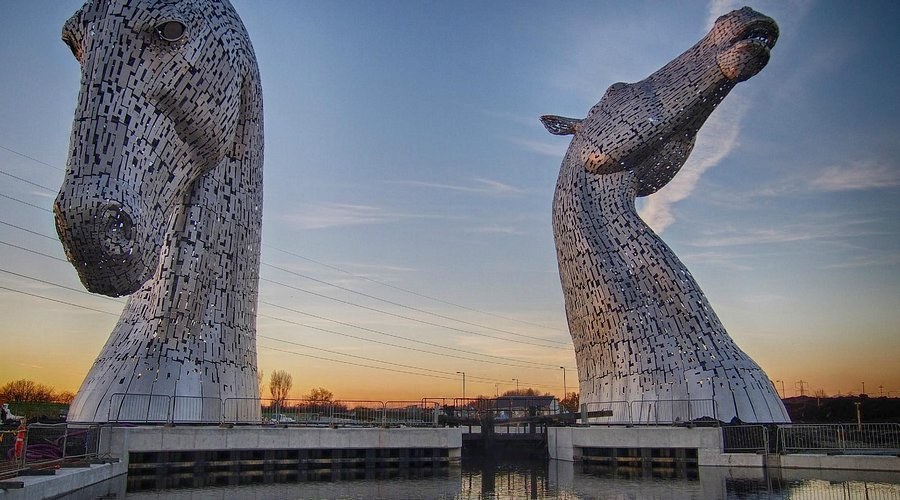 127 mi from BelfastThe Kelpies & Falkirk Wheel (The Helix Park Experience)
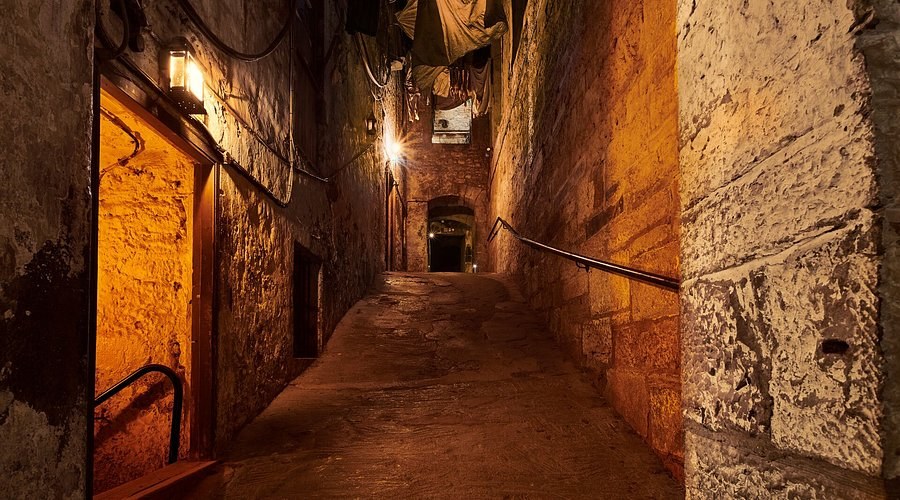 143 mi from BelfastThe Vault at Real Mary King's Close
 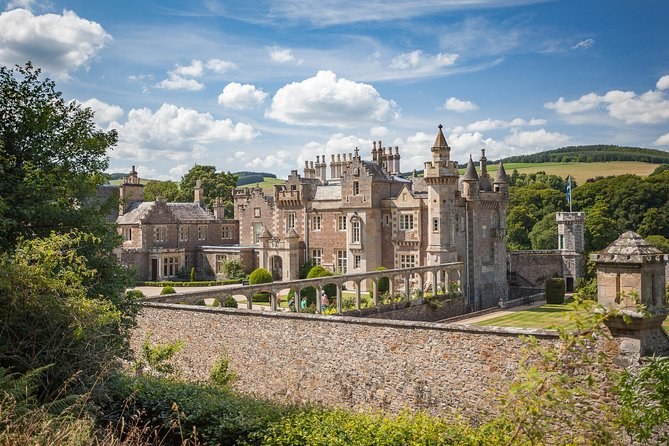 137 mi from Belfast · land adventureEdinburgh's Literary Ghosts, Hilltop Sunsets & Underground Whisky
 259 mi from Belfast · land adventureGeorgian Bath, Wild Somerset: Limestone, Lions and Lock Flights
 After you step off · near Leith/Edinburgh
You end in a different port — stay on, and add what is within reach before you fly home.