Your cruise
Nieuw Amsterdam · 10-night Mediterranean cruise, Trieste to Piraeus (Athens)
May 25 – Jun 4 · 10 nights ·
Day 1–2 Trieste (board) · Day 3 Zadar · Day 4 Korcula · Day 5 Dubrovnik · Day 6 Kotor · Day 6 at sea · Day 7 Kefalonia · Day 8 at sea · Day 9 Santorini (Thira) · Day 10 Nafplion · Day 11 Piraeus (Athens) (step off)
What you do Sail through 89 otherworldly limestone islands of Kornati National Park and anchor in the dramatic cliffs of Telašćica Nature Park. This is Croatia's most spectacular seascape — raw, silent, and utterly bucket-list.
What to expect Depart Zadar's harbour on a sleek wooden or motor yacht and cruise south into the Kornati archipelago, a UNESCO-recognised chain of bare, sculpted islands rising from electric-blue water. Drop anchor at will in secret coves for swimming and snorkelling over Posidonia meadows. Continue to Telašćica to see the sheer 160-metre cliffs and the famous saltwater lake warmed to near-spa temperature. Return with local wine and grilled fish on deck as the sun drops toward the Adriatic.
Good to know Full-day tours run 8–10 hours; confirm all-aboard time and allow 30 minutes to return to the ship. Pre-book a private charter weeks in advance in peak season (July–August). National Park entrance fee ~EUR 17 pp is usually included — confirm when booking.
Versus the ship tour Small-group or fully private charter means you anchor where you choose, swim in turquoise coves in total silence, and spend as long as you like in the salt lake at Telašćica — with no crowds and a skipper who knows every hidden bay.
book direct with Zadar Tourist Board Licensed Excursion Operators → · the full guide →
What you do Walk the legendary boardwalks above and behind sixteen cascading turquoise lakes deep in Croatia's karst interior. Plitvice is a UNESCO World Heritage site and one of Europe's most breathtaking natural wonders — unmissable from Zadar.
What to expect A comfortable 1.5-hour drive through Dalmatian highlands brings you to the park entrance. Your expert guide leads you across the iconic wooden boardwalks suspended just above milky-turquoise water, past Veliki Slap — Croatia's tallest waterfall at 78 metres — and through beech forest alive with birdsong. A short boat ride crosses the largest lake before looping back through the upper terraces. Lunch at a local restaurant near the park is typically included on full-day private tours.
Good to know Round trip from Zadar is ~3 hrs driving; allow a full day (10–11 hrs total). Park entry is EUR 27 pp in peak season (June–Sept) — confirm inclusion. Book private transfers well in advance; this is Croatia's single most visited site.
Versus the ship tour A private or small-group transfer (max 8 guests) means a licensed naturalist guide walks every boardwalk with you, explains the living travertine formations, and keeps you away from the massed tour-bus crowds that flood the site midday.
book direct with Tour Travel & More (Private Zadar Excursions) → · the full guide →
What you do Unravel 3,000 years of layered history — Roman forum, Romanesque cathedrals, Venetian gates and Hitchcock's 'most beautiful sunset' — on a private walk through Zadar's extraordinary peninsula old town.
What to expect Begin at the magnificent Land Gate — Zadar's Venetian triumphal arch — and weave through marble-paved lanes past the 9th-century Church of St Donat, built directly atop Roman columns still visible inside. Your guide reveals the Forum's 2,000-year-old stones, the soaring bell tower of St Anastasia's Cathedral (climb for Adriatic panoramas), and the hidden squares locals love. End at the waterfront promenade where the Sea Organ plays its hauntingly beautiful wind-powered notes and the solar-powered Greeting to the Sun pulses with light.
Good to know The port is a 10-minute walk from the old town gate; no transfers needed. Cathedral tower climb ~EUR 3 extra. Morning start recommended to avoid midday heat. The tour is entirely flexible — tell your guide your interests in advance.
Versus the ship tour A fully private licensed guide tailors the pace, depth, and stories to you — ducking into the medieval church of St Donat, lingering at the Roman Forum, and timing the Sea Organ and Greeting to the Sun at the golden hour that Alfred Hitchcock famously called the world's finest sunset.
book direct with Tour Travel & More (Private Zadar Excursions) → · the full guide →
What you do Glide between the unspoiled islands of Ugljan, Osljak, and Pašman on a premium small-group yacht, snorkelling crystalline Adriatic coves and sipping unlimited local Croatian wine. Pure Dalmatian dolce vita.
What to expect Cast off from Zadar's old harbour and skim across the channel to the green island of Ugljan, stopping at a secluded cove for a first snorkel in gin-clear water over sea grass and colourful wrasse. Continue to tiny Osljak — Croatia's smallest inhabited island — for a stroll through its single village. Anchor again at a sheltered bay off Pašman for a long swim and an unhurried spread of local cheese, prosciutto, and as much Croatian white wine as you care to enjoy. Return to Zadar sun-warmed and deeply relaxed.
Good to know Typically 5–6 hours; confirm exact all-aboard time. Bring reef-safe sunscreen, a hat, and a light cover-up. Snorkelling gear is included; fins available on request. Book 2–3 weeks ahead in July and August.
Versus the ship tour With a maximum of 12 guests on a sleek private-style vessel, you get the intimate pace of a private charter: hidden coves the big boats can't reach, gear provided, and a skipper-guide who pours the local wine and tells you which underwater spot has the clearest vis.
book direct with Zadar Tourist Board Licensed Excursion Operators → · the full guide →
What you do Visit Croatia's oldest royal city — tiny, walled Nin — its miraculous white-sand beach, therapeutic salt pans, and Europe's smallest cathedral, then return through Zadar on an exclusive private tour steeped in early Croatian history.
What to expect Cross the historic stone bridge into walled Nin, a jewel-box island town encircled by glassy lagoons. Your guide walks you through the pre-Romanesque Church of the Holy Cross — 9th century and just 24 metres long, yet precisely aligned with the solstice sun — and the remains of a Roman temple. Wade barefoot through the healing salt-mud of Nin's lagoon, a tradition dating back centuries. Then continue into Zadar's old town for the Roman Forum, St Donat's Church, and the Sea Organ before returning to the ship.
Good to know Nin is 15 km north of Zadar — a 20-minute private transfer. Combine seamlessly with a Zadar old town walk in a single half-day. Bring a swimsuit if you want to try the salt-mud therapy. Allow 5–6 hours total.
Versus the ship tour A private expert guide connects Nin's status as Croatia's first royal city with the Zadar story — context and depth impossible in a group setting — and includes the therapeutic salt-mud lagoon, a stop that larger tours skip entirely.
book direct with Tour Travel & More (Private Zadar & Nin Tour) → · the full guide →
What you do Raft through the stunning limestone gorge of the Zrmanja River — one of Dalmatia's best-kept secrets — where emerald waterfalls, canyon walls, and total wilderness create a once-in-a-lifetime adrenaline experience.
What to expect A scenic 1-hour drive north of Zadar delivers you to the put-in point on the Zrmanja, where your expert river guide fits you with a wetsuit, helmet, and paddle. The river winds through soaring limestone walls draped in greenery, past the famous Bergud waterfall where you can leap into the pool below. Sections of gentle floating alternate with exhilarating small rapids, and the translucent turquoise water reveals the river bed metres below. A barbecue lunch on the canyon bank caps the experience before the drive back to Zadar.
Good to know Suitable for fit adults and teenagers; no prior rafting experience needed. Transfer + activity is approx. 6–7 hours total — check all-aboard time carefully. All equipment (wetsuit, helmet, paddle, life jacket) is included. Minimum age typically 12.
Versus the ship tour A small-group adventure with certified guides means you navigate wild canyon sections and hidden waterfalls entirely off the mass-tourism trail — Zrmanja is consistently rated Croatia's most dramatic river landscape and rarely visited by cruise passengers.
book direct with Zadar Tourist Board Licensed Excursion Operators → · the full guide →
What you do Step inside the fairy-tale Castello di Miramare perched above the Adriatic, where Archduke Maximilian built his doomed imperial dream. A vetted local guide unlocks the castle's opulent rooms and tragic Habsburg story in a group of no more than 10.
What to expect Your guide meets you at the castle gate and escorts you through the sumptuous royal apartments, each room frozen in 19th-century imperial splendour. The sea-view terraces and romantic English garden surrounding the promontory reward unhurried exploration. You'll hear the extraordinary, melancholy tale of Maximilian and Carlota — ambition, madness, and execution — brought vividly to life. The cliff-top setting above the crystalline Adriatic is one of the most photogenic moments on the entire Adriatic coast.
Good to know Miramare is 8 km from the cruise terminal — take a taxi (≈15 min, EUR 15–20) or the city bus No. 36. Pre-book your small-group slot directly; timed-entry tickets sell out on busy port days. Allow 2.5–3 hrs total including travel. All-aboard friendly on a morning docking.
Versus the ship tour A multilingual expert guide leads a maximum of 10 guests — no crowds, no rush — revealing the private apartments, the throne room, and the poignant story of Maximilian's ill-fated Mexican empire at a genuinely leisurely luxury pace.
book direct with Trieste Tickets (official local operator) → · the full guide →
What you do Board a private train deep into the world's most spectacular karst cave system, then scale the cliff to a Renaissance castle built into a sheer rock face. This cross-border day trip to Slovenia is pure bucket-list theatre.
What to expect A vintage electric train whisks you 2 km into the illuminated underworld of Postojna — 24 km of stalactite cathedrals, vast concert halls, and a living olm (the 'human fish') vivarium. Just 9 km away, Predjama Castle clings impossibly to a 123-metre cliff, its secret tunnel system and outlaw-knight legend utterly captivating. The Slovenian countryside drive through the Karst plateau, dotted with vineyards and medieval villages, adds scenic beauty to the journey. A full-day experience that feels like two countries, two worlds.
Good to know Postojna is 50 km from Trieste port (approx. 50 min by private transfer or rental car). Pre-purchase combination tickets online — they include skip-the-queue access. Allow a full 7–8 hrs; confirm all-aboard time before booking. Wear layers — the cave is 10°C year-round.
Versus the ship tour Booking direct with the official Postojna Cave Park gives you the freedom to time your cave train departure, linger in Predjama Castle's extraordinary cliff-side chambers, and avoid the large-coach bottlenecks — a genuinely independent, unhurried itinerary.
book direct with Postojna Cave Park (official operator) → · the full guide →
What you do Drift on an iconic pletna wooden boat to the island church on emerald Lake Bled, then explore Ljubljana's baroque old town with a private local guide. Two UNESCO-worthy destinations in one glorious full day.
What to expect Your private driver-guide collects you dockside and heads into Slovenia's Julian Alps, arriving at Lake Bled's impossibly blue glacial waters. A hand-rowed pletna boat ferries you to the baroque Pilgrimage Church of the Assumption on the lake's tiny island — ring the wishing bell and savour the silence. After lunch (your guide knows the best konoba), Ljubljana reveals its pastel old town, dragon bridge, and lively riverside market. The return drive through the vine-striped Karst is a quiet, scenic finale.
Good to know Lake Bled is approx. 90 km from Trieste port (1 hr 20 min). This is a long day — 9–10 hrs — so confirm your ship's all-aboard time carefully. Private vehicle means flexible timing. Book your guide well in advance for summer port days.
Versus the ship tour A dedicated private guide and vehicle means the itinerary bends entirely to your wishes — linger longer at Bled, take the funicular up to the castle, choose your Ljubljana lunch spot — with none of the compromise of a shared coach.
book direct with ToursByLocals – Trieste Private Guides → · the full guide →
What you do Descend into the Guinness-certified world's largest tourist cave, just 20 minutes from the port — a colossal cathedral of stalactites that dwarfs St Peter's Basilica. An unforgettable, utterly manageable half-day wonder.
What to expect Stone steps descend 80 metres into a single cavern so vast its ceiling vanishes into darkness above you — the main hall is 98 m high, 167 m long, and home to two of the world's most sensitive seismograph pendulums. Expert guides illuminate the science of stalactite formation and the cave's role as a natural laboratory. The Karst plateau above offers a dramatic, otherworldly landscape of sinkholes and limestone scrub worth a short walk after your visit. Back in Trieste with hours to spare for an espresso on Piazza Unità d'Italia.
Good to know Located in Borgo Grotta Gigante, 13 km from port (20 min by taxi, ≈EUR 20). Guided tours run every 30 min; private tours must be pre-booked. Wear sturdy shoes and a light layer (cave stays at 11°C). Perfect half-day option leaving your afternoon free for Trieste's waterfront.
Versus the ship tour The cave sits on the wild Karst plateau just outside Trieste — no long coach journey required. Booking a private guided visit through the official operator secures an expert speleologist guide who narrates the geology and folklore in intimate detail, unavailable on standard group entries.
book direct with Grotta Gigante (official operator) → · the full guide →
What you do Trace Trieste's extraordinary layered identity — Roman, Byzantine, Habsburg, and literary — on a private walking tour with a vetted local historian, from the Roman theatre to the hilltop cathedral where civilisations literally overlap.
What to expect Begin at the atmospheric Piazza Unità d'Italia, Europe's largest sea-facing square, before climbing to the hilltop of San Giusto where a Roman basilica, a medieval castle, and a Venetian-era cathedral occupy the same windswept summit. Your guide brings alive Trieste's golden age as the Habsburg Empire's only seaport — the coffee-house culture, the Jewish merchants, the poets. A detour through the Cavana district uncovers crumbling Venetian alleyways, a functioning Roman theatre embedded in modern buildings, and the Grande Canal lined with Neoclassical palazzi. The city's melancholy beauty — half-Italian, half-Mitteleuropean — is unlike anywhere else in Italy.
Good to know Entirely walkable from the cruise terminal — no transfer needed. A 3-hr private tour fits comfortably within any docking window. Wear comfortable walking shoes; San Giusto hill involves some steep steps. Book the private format for a personalised literary or culinary focus.
Versus the ship tour A private local historian sets the pace entirely to yours — ducking into the espresso bars where James Joyce wrote Ulysses, pausing at the Roman forum ruins, and revealing the hidden Cavana quarter's layers of Venetian and Habsburg architecture that a hurried group tour skims past.
book direct with GetYourGuide – Official Private Trieste Walking Tours → · the full guide →
What you do Wind through the UNESCO-listed Prosecco Hills of the Karst plateau to a secret osmizza — a family farmhouse open by law only a few weeks a year — for estate wines, prosciutto, and Karst cheeses poured by the growers themselves.
What to expect Your driver-guide picks you up at the port and climbs into the wild Karst limestone plateau, where the wind-sculpted bora landscape gives way to rows of Vitovska and Terrano vines. At the osmizza, you sit at rough wooden tables in a stone-walled cellar, pouring unlabelled house wine alongside platters of cured meats, hard cheeses, and pickled vegetables — exactly as Triestines have done for 500 years. The guide narrates the Karst's unique terroir, the Habsburg origins of the osmizza law, and the difference between Collio, Carso, and Friuli DOC wines. Return via the scenic Prosecco Hills viewpoint for the iconic vine-terrace panorama above the Adriatic.
Good to know Osmizza locations change weekly — only a local guide knows which is open on your port day. Half-day (4 hrs) fits comfortably within a standard docking window. Includes private vehicle; wine and food at the osmizza typically costs EUR 10–15 pp cash. Book the private tour format and confirm the osmizza visit when reserving.
Versus the ship tour An osmizza is not a restaurant — it's a licensed farmhouse cellar, open by ancient Habsburg law only when producers hang an ivy branch above the door to signal the wine is ready. A private guide who knows which osmizza is open on the day of your visit is the only way to experience this genuinely local, non-touristy ritual.
book direct with ToursByLocals – Trieste Private Guides → · the full guide →
What you do Sail through 89 otherworldly limestone islands of Kornati National Park and anchor in the dramatic cliffs of Telašćica Nature Park. This is Croatia's most spectacular seascape — raw, silent, and utterly bucket-list.
What to expect Depart Zadar's harbour on a sleek wooden or motor yacht and cruise south into the Kornati archipelago, a UNESCO-recognised chain of bare, sculpted islands rising from electric-blue water. Drop anchor at will in secret coves for swimming and snorkelling over Posidonia meadows. Continue to Telašćica to see the sheer 160-metre cliffs and the famous saltwater lake warmed to near-spa temperature. Return with local wine and grilled fish on deck as the sun drops toward the Adriatic.
Good to know Full-day tours run 8–10 hours; confirm all-aboard time and allow 30 minutes to return to the ship. Pre-book a private charter weeks in advance in peak season (July–August). National Park entrance fee ~EUR 17 pp is usually included — confirm when booking.
Versus the ship tour Small-group or fully private charter means you anchor where you choose, swim in turquoise coves in total silence, and spend as long as you like in the salt lake at Telašćica — with no crowds and a skipper who knows every hidden bay.
book direct with Zadar Tourist Board Licensed Excursion Operators → · the full guide →
What you do Walk the legendary boardwalks above and behind sixteen cascading turquoise lakes deep in Croatia's karst interior. Plitvice is a UNESCO World Heritage site and one of Europe's most breathtaking natural wonders — unmissable from Zadar.
What to expect A comfortable 1.5-hour drive through Dalmatian highlands brings you to the park entrance. Your expert guide leads you across the iconic wooden boardwalks suspended just above milky-turquoise water, past Veliki Slap — Croatia's tallest waterfall at 78 metres — and through beech forest alive with birdsong. A short boat ride crosses the largest lake before looping back through the upper terraces. Lunch at a local restaurant near the park is typically included on full-day private tours.
Good to know Round trip from Zadar is ~3 hrs driving; allow a full day (10–11 hrs total). Park entry is EUR 27 pp in peak season (June–Sept) — confirm inclusion. Book private transfers well in advance; this is Croatia's single most visited site.
Versus the ship tour A private or small-group transfer (max 8 guests) means a licensed naturalist guide walks every boardwalk with you, explains the living travertine formations, and keeps you away from the massed tour-bus crowds that flood the site midday.
book direct with Tour Travel & More (Private Zadar Excursions) → · the full guide →
What you do Unravel 3,000 years of layered history — Roman forum, Romanesque cathedrals, Venetian gates and Hitchcock's 'most beautiful sunset' — on a private walk through Zadar's extraordinary peninsula old town.
What to expect Begin at the magnificent Land Gate — Zadar's Venetian triumphal arch — and weave through marble-paved lanes past the 9th-century Church of St Donat, built directly atop Roman columns still visible inside. Your guide reveals the Forum's 2,000-year-old stones, the soaring bell tower of St Anastasia's Cathedral (climb for Adriatic panoramas), and the hidden squares locals love. End at the waterfront promenade where the Sea Organ plays its hauntingly beautiful wind-powered notes and the solar-powered Greeting to the Sun pulses with light.
Good to know The port is a 10-minute walk from the old town gate; no transfers needed. Cathedral tower climb ~EUR 3 extra. Morning start recommended to avoid midday heat. The tour is entirely flexible — tell your guide your interests in advance.
Versus the ship tour A fully private licensed guide tailors the pace, depth, and stories to you — ducking into the medieval church of St Donat, lingering at the Roman Forum, and timing the Sea Organ and Greeting to the Sun at the golden hour that Alfred Hitchcock famously called the world's finest sunset.
book direct with Tour Travel & More (Private Zadar Excursions) → · the full guide →
What you do Glide between the unspoiled islands of Ugljan, Osljak, and Pašman on a premium small-group yacht, snorkelling crystalline Adriatic coves and sipping unlimited local Croatian wine. Pure Dalmatian dolce vita.
What to expect Cast off from Zadar's old harbour and skim across the channel to the green island of Ugljan, stopping at a secluded cove for a first snorkel in gin-clear water over sea grass and colourful wrasse. Continue to tiny Osljak — Croatia's smallest inhabited island — for a stroll through its single village. Anchor again at a sheltered bay off Pašman for a long swim and an unhurried spread of local cheese, prosciutto, and as much Croatian white wine as you care to enjoy. Return to Zadar sun-warmed and deeply relaxed.
Good to know Typically 5–6 hours; confirm exact all-aboard time. Bring reef-safe sunscreen, a hat, and a light cover-up. Snorkelling gear is included; fins available on request. Book 2–3 weeks ahead in July and August.
Versus the ship tour With a maximum of 12 guests on a sleek private-style vessel, you get the intimate pace of a private charter: hidden coves the big boats can't reach, gear provided, and a skipper-guide who pours the local wine and tells you which underwater spot has the clearest vis.
book direct with Zadar Tourist Board Licensed Excursion Operators → · the full guide →
What you do Visit Croatia's oldest royal city — tiny, walled Nin — its miraculous white-sand beach, therapeutic salt pans, and Europe's smallest cathedral, then return through Zadar on an exclusive private tour steeped in early Croatian history.
What to expect Cross the historic stone bridge into walled Nin, a jewel-box island town encircled by glassy lagoons. Your guide walks you through the pre-Romanesque Church of the Holy Cross — 9th century and just 24 metres long, yet precisely aligned with the solstice sun — and the remains of a Roman temple. Wade barefoot through the healing salt-mud of Nin's lagoon, a tradition dating back centuries. Then continue into Zadar's old town for the Roman Forum, St Donat's Church, and the Sea Organ before returning to the ship.
Good to know Nin is 15 km north of Zadar — a 20-minute private transfer. Combine seamlessly with a Zadar old town walk in a single half-day. Bring a swimsuit if you want to try the salt-mud therapy. Allow 5–6 hours total.
Versus the ship tour A private expert guide connects Nin's status as Croatia's first royal city with the Zadar story — context and depth impossible in a group setting — and includes the therapeutic salt-mud lagoon, a stop that larger tours skip entirely.
book direct with Tour Travel & More (Private Zadar & Nin Tour) → · the full guide →
What you do Raft through the stunning limestone gorge of the Zrmanja River — one of Dalmatia's best-kept secrets — where emerald waterfalls, canyon walls, and total wilderness create a once-in-a-lifetime adrenaline experience.
What to expect A scenic 1-hour drive north of Zadar delivers you to the put-in point on the Zrmanja, where your expert river guide fits you with a wetsuit, helmet, and paddle. The river winds through soaring limestone walls draped in greenery, past the famous Bergud waterfall where you can leap into the pool below. Sections of gentle floating alternate with exhilarating small rapids, and the translucent turquoise water reveals the river bed metres below. A barbecue lunch on the canyon bank caps the experience before the drive back to Zadar.
Good to know Suitable for fit adults and teenagers; no prior rafting experience needed. Transfer + activity is approx. 6–7 hours total — check all-aboard time carefully. All equipment (wetsuit, helmet, paddle, life jacket) is included. Minimum age typically 12.
Versus the ship tour A small-group adventure with certified guides means you navigate wild canyon sections and hidden waterfalls entirely off the mass-tourism trail — Zrmanja is consistently rated Croatia's most dramatic river landscape and rarely visited by cruise passengers.
book direct with Zadar Tourist Board Licensed Excursion Operators → · the full guide →
What you do Step inside Croatia's most perfectly preserved medieval walled town with a licensed local expert. Narrow herringbone-patterned lanes, Gothic palaces, and Marco Polo's alleged birthplace await — unhurried, in private.
What to expect Saša meets you at the town gate and threads you through the famous herringbone street grid — a medieval design to slow sea-borne invaders. You'll stand inside St. Mark's Cathedral with its Tintoretto altarpiece, peer into the Marco Polo House courtyard, and pause on the city walls above the Adriatic for views that have barely changed in 600 years. The tour adapts entirely to your curiosity — linger where you wish, duck into a local konoba for a glass of Pošip white wine, and leave with a genuine understanding of why Korčula is called the 'Little Dubrovnik'.
Good to know Old Town is a 5-minute walk from the main cruise tender/ferry pier — no transport needed. Book directly via TripAdvisor or email in advance as Saša's private slots fill quickly. All-aboard times are typically early evening; a 3-hour private tour fits comfortably.
Versus the ship tour A licensed, multilingual local guide — fluent in English, Spanish & Portuguese — leads you through Stari Grad at a genuinely unhurried pace, unlocking stories of the Venetian fortifications, the Marco Polo legend, and the living fabric of island life that a group tour simply cannot offer.
book direct with Korčula Tours with Saša (Licensed Local Guide) → · the full guide →
What you do Watch the Moreška — a centuries-old battle sword dance unique to Korčula — performed by costumed warriors in a thunderous outdoor spectacle. This living UNESCO-listed tradition is performed nowhere else on Earth.
What to expect Held in the open-air theatre just outside the Old Town walls, the Moreška tells the story of two kings fighting for the hand of a princess — and the full-contact choreography of clashing real swords is electrifying. Dancers in red and black costumes perform seven rounds of escalating intensity, accompanied by a live brass band. The atmosphere — warm Adriatic evening, stone walls glowing amber — is cinematic. Performances run on specific evenings (traditionally Thursdays in summer, with additional dates in peak season); your guide can confirm the schedule for your port day.
Good to know Check the exact performance date for your call date before sailing — performances are confirmed weekly. The theatre is a 5-minute walk from the pier. Arrive 20 minutes early for front-row seats even with a pre-booked ticket. Duration approximately 45 minutes.
Versus the ship tour Tickets booked direct give you priority front-row seating — the difference between watching clashing steel a metre from your face versus straining from the back. The Moreška is performed by the same families who have danced it for generations; this is living heritage, not a tourist show.
book direct with Moreška Cultural Society Korčula (Official) → · the full guide →
What you do Journey 6 km east to Lumbarda — the only place on Earth where the rare indigenous Grk white grape grows — for a private cellar tour and guided tasting of Korčula's celebrated Pošip and Grk wines amid centuries-old stone terraces.
What to expect A short taxi or private transfer drops you in Lumbarda's sun-drenched village, where Bire's fourth-generation family welcomes you into a working stone winery. You'll taste through four to six wines — crisp, mineral Pošip; the rare, full-bodied Grk (a grape that exists only here); and possibly a limited-release reserve. Paired with local prosciutto, sheep's cheese, and olive oil, the tasting is as much a lesson in Dalmatian terroir as it is a pleasure. The vineyard terrace looks back across the bay to Korčula's medieval skyline.
Good to know Arrange a private transfer from the pier (approx. EUR 20 return by taxi) or rent a bicycle for a scenic 30-minute ride. Pre-book the tasting directly via the Bire website to ensure the winemaker is present. Allow 2–2.5 hours; leaves ample time before all-aboard.
Versus the ship tour Bire is one of the island's most respected family estates, producing award-winning Pošip and Grk on sandy soils unlike anything in the Adriatic. A private tasting here — in the family cellar, with the winemaker present — is a genuine oenophile's privilege, not a coach-tour pit stop.
book direct with Bire Winery Lumbarda (Official) → · the full guide →
What you do Tear through Korčula's fragrant pine forests, hidden coves, and hilltop olive groves in a private off-road buggy — stopping for a swim at a secluded beach and a feast of local cheeses, prosciutto, and island wine.
What to expect Your guide hands you the keys to a two-seat off-road buggy and leads a convoy of no more than eight vehicles through the island's lush interior — past ancient dry-stone walls, through olive and fig groves, and up to panoramic hilltop viewpoints over the Pelješac Channel. A stop at a deserted pebble cove for a 30-minute swim is followed by a shaded terrace tasting of local Pošip wine, island prosciutto, and sheep's cheese. The finale is a descent through fragrant macchia scrubland back to the harbour. No off-road experience needed — the guides brief you thoroughly.
Good to know Meeting point is a short walk from the pier; the operator will confirm exact logistics on booking. Wear light, enclosed shoes and bring a swimsuit and towel. Morning departures are cooler and recommended. Duration: approximately 3–3.5 hours.
Versus the ship tour Small-group and fully private departures mean you're navigating pine-scented dirt tracks and cliff-top viewpoints that are simply inaccessible by coach — with a local guide who knows every hidden swimming cove and shepherd's track on the island.
What you do Paddle the crystal-clear Adriatic along Korčula's wild southern coastline in a private or small-group sea kayak, slipping into sea caves and hidden bays that no boat can reach — finishing with wine in a waterfront konoba.
What to expect Launching from the bay just outside the Old Town walls, your guide paddles you south along a coastline of sheer limestone cliffs draped in wild rosemary and sage. You duck into a cathedral-like sea cave, float over turquoise shallows above ancient posidonia meadows, and pull up on a private pebble beach for a swim and snorkel. The guide narrates the island's ecology and history as you glide — pointing out nesting falcons and the distant outline of Hvar on the horizon. The half-day tour ends back at the pier with a cold glass of Pošip at a waterfront table.
Good to know No kayaking experience required — all equipment and a safety briefing are provided. Morning slots (departing 08:00–09:00) offer glass-calm water and softer light for photography. Book private slots well in advance in July–August. Duration: 3.5–4 hours.
Versus the ship tour A certified sea-kayak guide takes you to sea caves, submerged rock arches, and secret swimming beaches that are physically unreachable by motorboat — the coastline from the water is a completely different island. The Cruise Critic community rates this one of Korčula's top shore experiences.
What you do Cross to the Pelješac Peninsula for the ultimate Dalmatian indulgence: plucking live oysters from the Renaissance saltpan waters of Ston, then touring the Dingač wine region — home of Croatia's most celebrated red — with a private sommelier guide.
What to expect A private transfer (arranged by Toni) whisks you across by ferry to the Pelješac Peninsula in under 20 minutes. In Mali Ston — Europe's oldest oyster-farming town — you wade to the wooden racks with the farming family and eat oysters plucked seconds from the sea, chased with chilled Pošip and local mussels. The afternoon pivots to the steep Dingač slopes, where Croatia's only geographically protected red wine grape grows on near-vertical terraces above the sea. A small-estate tasting of Plavac Mali completes a day that is entirely about the flavour of this coastline. Toni calibrates pace and stops entirely to your group.
Good to know The ferry to Orebic departs from the main Korčula pier (foot passengers; approx. EUR 2 each way). Toni handles all logistics including winery access. Confirm all-aboard time before departure — most itineraries allow a 7–8 hour port day, which is ideal for this full experience. Pre-book at least 2 weeks ahead in peak season.
Versus the ship tour Toni is a licensed private guide specialising in gourmet and cultural slow travel — his expertise means you taste oysters directly from the farmer at the Mali Ston estuary, not from a buffet line, and you access small-estate Dingač producers who don't advertise to walk-in visitors.
book direct with Explore Korcula with Toni — Private Tour Guide (ToursByLocals) → · the full guide →
What you do Hike the ~1,350 ancient stone steps that zig-zag up the mountainside to the fortress at roughly 1,200 ft, where the whole red-roofed UNESCO Old Town and the fjord-like bay open up beneath you. This is THE iconic Kotor image and the single thing first-timers most regret skipping. The trailhead is inside the walled town a few minutes from the ship, so it's fully independent of the cruise line; allow 1.5-2.5 hrs round trip and go early to beat the heat and crowds.
What to expect You'll walk straight out of the pier through the UNESCO Old Town's cobbled streets toward the North Gate, where the ancient stone staircase suddenly reveals itself—1,350 steps zig-zagging steeply up the mountainside. As you climb, the red-roofed town shrinks beneath you and the fjord-like bay opens wider with each switchback, the final push rewarding you with the San Giovanni Fortress at roughly 1,200 feet, where the entire Kotor landscape spreads below in one breathtaking vista. The descent mirrors the ascent in reverse, and the whole circuit—climb, rest at the fortress, descent—flows naturally over 1.5 to 2.5 hours depending on your pace and photography stops.
Good to know Start within the first 90 minutes of docking to beat the heat and crowds on the exposed staircase; the trailhead sits just 5 minutes from the ship inside the walled town, with no booking needed—simply pay 8–15 EUR at the official municipal booths near the North Gate or behind St. Mary's church when you arrive. Bring plenty of water, sunscreen, and sturdy shoes with good grip for the stone steps, and plan to be back at the pier with a comfortable 30-minute buffer before all-aboard. Skip the cruise line's Old Town walking tours ($72–74, which don't even include the walls) and handle this entirely on your own for $9–17 total, walking directly from the ship with no intermediaries.
Versus the ship tour The ship's Old Town walking tours run $72-74 and DON'T even include the wall climb. The walls are a pay-at-the-gate $9-17 do-it-yourself climb 5 minutes from the pier, so there's nothing to book and nothing the cruise line can sell you here. Direct wins outright: save the full $72+ and just walk over.
book direct with Kotor City Walls / San Giovanni Fortress (official municipal ticket booths in the Old Town) → · the full guide →
What you do A fast open-boat run down Boka Bay to swim inside the Blue Cave (Plava Spilja), where sunlight refracts up through the water into an electric glow, with a stop at the islet church of Our Lady of the Rocks. It's the marquee on-water experience of the bay and fits a port-day window easily. Book the early slot to leave buffer before all-aboard.
What to expect You'll board a speedboat at the Central Park dock and make a fast, open-air run down Boka Bay toward the Blue Cave (Plava Spilja), where you'll slip into the grotto and swim in water that glows with an electric blue refracted light from the sun—the signature moment of the bay. From there, the boat carries you to the islet church of Our Lady of the Rocks for a second stop, then completes the circuit with a pass-by of the submarine base. The full loop runs 3 hours, with the rhythm of transit punctuated by two distinct water stops and the maritime scenery of the bay as your constant backdrop.
Good to know Book the early excursion slot to give yourself a comfortable buffer before all-aboard; the 3-hour duration fits easily into a 6–8-hour port day. The dock is a 5-minute walk from the cruise terminal, so you can time your departure independently without waiting for a ship shuttle. Bring swimwear under your clothes, reef shoes or water sandals, sunscreen, and a towel; safety gear is provided. Book directly with Montenegro Submarine ($49 per person) rather than through the ship ($89–100) to save $40–50 per person while controlling your own schedule.
Versus the ship tour The ship sells the identical Blue Cave run for $89-100. This Kotor-based operator does the same route, 3 min from the terminal, for $49 -- you save roughly $40-50 per person and depart on your own schedule.
What you do Cruise up the bay to Perast, the most beautiful Baroque village on Boka -- a car-free waterfront of Venetian palazzos -- then hop the short boat out to Our Lady of the Rocks, a man-made island church built by sailors over centuries and lined with votive silver tablets. It's the bay's signature culture-over-swimming outing and a gentler, lower-risk alternative to the full Blue Cave run, with a short, near-port itinerary that's easy to fit before all-aboard.
What to expect You depart from Njegoseva 34 in the Old Town and cruise up the Bay of Kotor to Perast, a car-free waterfront village of honey-colored Venetian palazzos rising from the Adriatic. Once there, you have time to wander the narrow streets and absorb the Baroque architecture before a short boat hop takes you out to Our Lady of the Rocks, a man-made island church where centuries of seafaring tradition manifest in glimmering votive silver tablets lining the walls. The rhythm is unhurried—boat, village stroll, island visit, boat back—making it feel less like a checklist and more like a local's afternoon discovery.
Good to know The entire excursion runs ~3 hours, easily fitting into a 6–8 hour port day; depart early to avoid a tight turnaround. The departure point is walking distance from the Old Town pier, but confirm exact directions with Sea Stars when you book (small groups up to 12 mean you can call ahead). Budget ~3 EUR in cash for island-church entry, paid on-site. Book direct with Sea Stars rather than through the ship—you'll pay $22–35 per person instead of $100–112, saving $70–90 and gaining flexibility with a local licensed skipper.
Versus the ship tour The ship charges $100 (by land) or $112 (by sea) for this same Perast / Our Lady of the Rocks visit. Booked direct it's a ~$22-35 boat trip -- you save roughly $70-90 per person for an experience that's a short hop from the pier.
What you do Paddle the glassy, mountain-walled bay at water level -- past the village of Muo, hidden swim coves and old stone churches -- the most active, low-key-adventurous way to feel the fjord-like setting Kotor is famous for. No experience needed, launches minutes from the Old Town, and easily fits a half-day port window for travelers who'd rather be on the water under their own power than packed into a tour boat.
What to expect You'll launch from the Kotor waterfront minutes from the Old Town and paddle at water level through the glassy, mountain-walled bay—the fjord-like setting Kotor is famous for—passing the village of Muo, hidden swim coves, and old stone churches. The rhythm is deliberate and active: you control the pace under your own power, spotting details and choosing where to linger that a motorboat simply won't allow. No experience is needed; a local guide can lead the way for the full immersion, or go self-guided if you prefer total freedom. It's a low-key adventure that feels intimate with the landscape rather than rushed through it.
Good to know The $44 guided trip or ~$11 self-guided rental fits easily into a half-day port window (6–8 hours); plan 2–3 hours on the water and account for a buffer to return to the pier well before all-aboard. Both options include kayak, paddle, and safety gear provided at launch. Book the guided tour ahead if possible to secure a local guide and avoid wait times during peak cruise arrivals. Wear water shoes or sandals you can paddle in, bring sun protection and a light layer, and expect to get wet—though the protected bay conditions are calm and forgiving for beginners.
Versus the ship tour Cruise lines rarely offer a true small-group kayak here -- their water excursions are the $89-100 motorboat runs. At $44 direct this is a different, more active experience the ship doesn't really replicate, and it's cheaper than the ship's boat tours to boot.
What you do The definitive 'see the real Montenegro in one day' loop: up the famous 25-hairpin serpentine for the most dramatic bay panorama in the country, into Lovcen National Park, the old royal capital Cetinje, and the birthplace village of Njegusi for farm-smoked prsut, cheese and rakija. Best for travelers who want mountains, history and a culinary stop over the water -- but it's a long inland day, so this is for ports with a late all-aboard only.
What to expect You'll ascend the famous 25-hairpin serpentine road with jaw-dropping views of Kotor Bay unfolding beneath you, then enter Lovcen National Park to explore Montenegro's dramatic mountain landscape. From there, the tour routes through Cetinje, the old royal capital, before descending into Njegusi—a birthplace village where you'll taste farm-smoked prsut, local cheese, and rakija in their source. The rhythm is mountains-to-history-to-table: a full sensory loop through inland Montenegro that brings the country's geography, heritage, and culinary tradition into sharp focus in a single day.
Good to know Departs Kotor Old Town at 9:00 AM and returns around 7:30 PM (roughly 13 hours total), so book only if your ship's all-aboard is significantly later and the operator guarantees return timing to the pier. Budget ~$18 cash for park and mausoleum entries plus ~€20 for lunch, which are not included in the $76 per-person tour price. Mini-bus transport and English guide are included, as is a Lake Skadar boat ride. This is an inland mountain day—not a casual excursion—so wear sturdy shoes, bring sun protection, and confirm your ship's evening schedule before committing.
Versus the ship tour TIME WARNING: this tour returns ~7:30 PM (up to 13 hrs) -- only book it if your ship's all-aboard is well after that, and use an operator that guarantees you back to the ship. On price the ship charges $59 for a partial version and $120+ for the full day; this direct full-day is ~$76, saving $40+ on the comparable flagship tour while covering more ground.
book direct with 360 Monte (Gray Line Montenegro) → · the full guide →
What you do Drift by rowboat through Kefalonia's legendary underground sea cave, where a collapsed roof floods the cavern in surreal turquoise light. One of the world's most otherworldly natural wonders — utterly unmissable.
What to expect Your private guide collects you dockside and whisks you north to the Melissani Cave near Sami. You board a traditional wooden rowboat as your oarsman glides you across the sapphire-lit subterranean lake, where shafts of sunlight pierce the collapsed ceiling and paint the water an electric cobalt. The geology is staggering — a tidal sea cave fed by waters that travel underground across the entire island. Your guide weaves in ancient mythology linking the cave to the god Pan, adding a layer of wonder that transforms a scenic moment into a full story.
Good to know Pre-book directly with Kefalonia Tours (kefaloniatours.gr) to guarantee private departure timing. The cave is busiest 11am–2pm; request an early slot. Argostoli's all-aboard is typically 6pm — this excursion fits comfortably in a 5-hour window. Wear non-slip shoes; the cave entrance steps can be wet.
Versus the ship tour A private booking means you arrive at golden hour — before or after the main crowds — with a dedicated local expert who narrates the cave's mythology and geology. Unhurried, intimate, and genuinely awe-inspiring.
What you do Stand at the cliff-edge viewpoint above Myrtos — Greece's most photographed beach — then wind down to the ivory pebbles and luminous cyan sea below. Pair it with enchanting Assos village for a day that defines Kefalonia.
What to expect The dramatic hairpin descent to Myrtos rewards you with one of the Mediterranean's great beach arrivals — a crescent of chalk-white pebbles lapped by water in a dozen shades of blue-green. After a long, unhurried swim, your guide drives the coastal road north to Assos, a tiny peninsula village framed by a ruined Venetian fortress. Lunch at a harbour taverna with fresh catch and local Robola wine is the perfect intermission before the return drive through Kefalonia's wild, cedar-forested interior.
Good to know Book direct at kefaloniaexcursions.com. The Myrtos viewpoint is best before 11am (light and crowds). Bring a beach towel and reef-safe sunscreen. The road to Myrtos has sharp bends — motion-sickness patches recommended for sensitive travellers. Typical full-day duration: 7–8 hours, well within port day.
Versus the ship tour Small expert-led groups mean you linger at Myrtos' viewpoint for the money shot without the bus-tour stampede, and you have genuine free time to swim in waters so clear they look photoshopped. Assos' Venetian castle and pastel harbour are explored at your own leisurely pace.
What you do Two of Kefalonia's greatest natural wonders back-to-back — the cathedral-like Drogarati stalactite cave and the ethereal underground Melissani Lake — on one seamless private excursion. An island highlight reel in half a day.
What to expect Drogarati greets you with a vast, vaulted chamber dripping with 150-million-year-old stalactites and stalagmites — the acoustics are so perfect that Maria Callas once performed here. Your guide explains the seismic history that shaped the cave before you move to nearby Melissani, where a rowboat takes you across an underground tidal lake lit by a hole in the cave's ceiling. The two experiences together form one of the most memorable natural-history double-bills in the entire Ionian. The return to Argostoli takes under 30 minutes.
Good to know Pre-book at kefaloniatours.gr. Combined cave entry is included in the private tour rate. Drogarati maintains a cool 18°C year-round — bring a light layer. Comfortable walking shoes essential for uneven cave paths. Half-day format (5 hrs) allows afternoon leisure time before all-aboard.
Versus the ship tour With a private guide, both caves are framed with genuine geological and mythological context rather than a rushed commentary. You control the pace — spend longer inside Drogarati's vast chamber, which has hosted full orchestral concerts, before gliding onto Melissani's underground lake.
What you do Explore Fiscardo, Kefalonia's only village untouched by the 1953 earthquake, with its Venetian architecture and superyacht harbour. Continue to cliff-top Assos for views that belong on a painting. Quintessential Ionian elegance.
What to expect The scenic drive north passes Kefalonia's rugged spine before the road tumbles into Fiscardo's jewel-like harbour, ringed by 18th-century Venetian mansions painted in faded terracotta and ochre. Your guide walks you through the village's remarkable survival story and the Norman lighthouse ruins on the headland. Lunch is at leisure at the quayside — the grilled fresh fish and chilled Assyrtiko are non-negotiable. The afternoon stop at Assos delivers a postcard panorama of a turquoise bay wrapped around a Venetian fortress peninsula that is as dramatic as anything in Greece.
Good to know Book at kefaloniaexcursions.com. Fiscardo restaurants fill by 1pm in peak season — your guide can recommend and assist with reservations. Wear comfortable walking shoes for cobbled streets. Tour runs approximately 7 hours. Confirm all-aboard time when booking — Argostoli port is roughly 40 min from Fiscardo.
Versus the ship tour The small-group, expert-led format means you discover Fiscardo's back lanes and lesser-known Byzantine chapel — the insider detail that separates a real cultural encounter from a photo-stop tour. Ample time for a long, civilised lunch at one of the harbour's acclaimed seafood restaurants.
What you do A private day cruise along Kefalonia's wild coastline — secret sea caves, deserted swimming coves, and the elegant village of Fiscardo reached by sea as it was always meant to be. The ultimate Ionian luxury afloat.
What to expect Departing Argostoli harbour, your private vessel hugs the rugged northern coastline, pausing at sea-carved grottos where the water shifts from jade to deep sapphire inside the caverns. The captain anchors in secluded bays unreachable by road, perfect for swimming and snorkelling over posidonia meadows teeming with sea life. Arriving in Fiscardo by sea — the superyachts nodding at anchor, the Venetian facades shimmering in the afternoon light — is one of those travel moments that stays with you. The return cruise at golden hour, with Kefalonia's mountains flushing pink, is the finishing touch.
Good to know Book directly at kefaloniantours.com and specify a private boat charter for your group size. Vessels typically accommodate 2–12 guests. Depart early (8–9am) to maximise daylight and secure a Fiscardo anchorage before the afternoon rush. Bring sun protection, a hat, and non-slip deck shoes. Confirm all-aboard logistics — the operator will return you to Argostoli port.
Versus the ship tour A private charter means the itinerary is yours — linger in a hidden cove, snorkel a sea cave, anchor for lunch in Fiscardo's harbour. No shared deck, no fixed schedule, just your group and the Ionian Sea stretching to the horizon.
What you do Descend into the Omala Valley to visit Kefalonia's patron saint monastery and then taste the island's legendary Robola white wine at its source — a deeply local, sensory experience that few cruise visitors ever discover.
What to expect The ornate Monastery of St. Gerasimos, Kefalonia's most venerated religious site, is a place of genuine pilgrimage — your guide explains the island's deep spiritual traditions and the extraordinary annual festival that draws thousands. From there, the valley road leads to the Robola Cooperative Winery, where the crisp, mineral-driven Robola grape thrives at altitude in the rocky Ainos foothills. A guided tasting of the estate's flagship whites — with local cheese and honey accompaniments — is a refined, unhurried hour that any serious food-and-wine traveller will treasure. The drive back through the cedar-scented Ainos National Park is a bonus.
Good to know Book directly at unexplored.gr and request the private cultural and wine itinerary. The monastery requires shoulders and knees to be covered — bring a wrap. Robola Cooperative (robola-kefalonia.gr) is open daily in summer; your guide manages access and tasting arrangements. Half-day format fits neatly into a port day, leaving afternoon time for Argostoli's harbourfront.
Versus the ship tour This is insider Kefalonia — a contemplative monastery visit followed by a winery tasting with a guide who knows the producers personally. Far removed from the standard sightseeing circuit, it delivers the authentic cultural and culinary soul of the island.
What you do Sail the volcanic caldera on a 5-hour semi-private catamaran, the single most iconic way to see Santorini, gliding past the multicolored Red and White beaches before anchoring to swim in the warm sulfur hot springs off Palea Kameni. A fresh BBQ lunch with local Assyrtiko wine is served on deck while the whitewashed cliff-top villages tower 300m above you. This is the angle the island is famous for and the experience first-timers most regret skipping.
What to expect You'll board a semi-private catamaran and sail directly into Santorini's volcanic caldera, gliding past the striking Red and White beaches before anchoring in the warm sulfur hot springs off Palea Kameni for a refreshing swim. As you float in the mineral-rich waters, the whitewashed cliff-top villages loom 300 meters above, framing the iconic postcard view the island is famous for. A fresh BBQ lunch is served on deck with local Assyrtiko wine and drinks, allowing you to experience this dramatic landscape from the water—the angle most first-timers regret missing. The full experience unfolds over 5 hours, combining sailing, swimming, and dining into a seamless rhythm of discovery.
Good to know Book directly with Spiridakos Sailing Cruises (family-run since 1986) to secure the EUR 100–140 per-person rate and semi-private boat; the cruise line's equivalent offering costs $148–$297 per person. The 5-hour excursion fits comfortably within a standard 6–8 hour port window, though you'll need transportation from the pier to the boat departure point—confirm logistics with the operator when booking. Bring swimwear, sun protection, and a towel; the hot springs are swimmable year-round. Book ahead directly rather than through the ship to lock in savings of $40–$145 per person and ensure a smaller group experience.
Versus the ship tour Direct wins big. The cruise line's half-day catamaran runs $148-$297 per person (the premium 'Delightful Half Day Sail' is ~$297) for the same product. Booking Spiridakos direct saves roughly $40-$145 per person, and you get a semi-private boat instead of the ship's larger group.
book direct with Spiridakos Sailing Cruises → · the full guide →
What you do Santorini IS a volcano, and this is the only way to stand on it. A traditional wooden caique departs the Old Port (right below the tender pier) for the still-active crater island of Nea Kameni, where you hike about 90 minutes across steaming red-black lava fields to the summit craters, then sail to Palea Kameni to swim in the iron-rich warm hot springs. It is the lowest-cost, highest-payoff marquee experience on the island and the easiest to slot into a port day.
What to expect You'll board a traditional wooden caique from the Old Port—just steps below the tender pier—and sail to the still-active volcano island of Nea Kameni. There, you'll hike roughly 90 minutes across steaming red-black lava fields to reach the summit craters, walking on the volcano itself and witnessing its raw, otherworldly geology up close. After descending, the boat sails to Palea Kameni, where you'll swim in warm, iron-rich hot springs that feel almost medicinal, turning the excursion from a geological marvel into a complete sensory experience. The entire outing takes about 3 hours, leaving plenty of daylight and margin to return to the ship.
Good to know The caiques depart directly from Fira's Old Port, eliminating the need for a tender or long transfer—critical on a 6–8 hour port day—and Caldera's Boats has been running this route since 1968, so timing is reliable. Book the tour in advance online or grab a spot at the pier if you want to avoid ship-tour markup (~$20–40 per person saved). Wear sturdy, closed-toe hiking boots for the lava-field walk, bring reef-safe sunscreen and a towel for the springs, and plan to be back aboard at least 45 minutes before all-aboard; the low price and proximity to the port make this the safest high-payoff volcano experience if you're wary of committing to a longer inland adventure.
Versus the ship tour This is the closest-priced category, so be honest: the ship's volcano-and-hot-springs boat tour is ~$70-$82 per person, only modestly above the ~$40-$60 all-in you'll pay direct. You still save ~$20-$40 per person booking direct, and because it leaves from the Old Port directly under the tender pier it doubles as the safe, near-port option if you don't want to commit to a long inland tour.
book direct with Caldera's Boats (Santorini Sea Excursions) → · the full guide →
What you do Widely called the best single thing to do on Santorini: a clifftop path tracing the caldera rim from Fira through Imerovigli to Oia, with nonstop postcard views of the blue water 300m below and the white, blue-domed villages. Take the official cable car up from the Old Port, then hike 2.5-4 hours to Oia and finish at the Venetian castle ruins overlooking Ammoudi Bay, the marquee village a first-timer would most regret missing. Best for ships arriving early, to beat the heat and crowds; catch the KTEL public bus back to Fira.
What to expect You'll ascend the caldera via the official cable car from the Old Port—a scenic 4-minute ride gaining 300 meters—then step onto the clifftop path that becomes your view corridor for the next 2.5 to 4 hours. The trail traces the rim from Fira through Imerovigli to Oia, delivering nonstop panoramas of brilliant blue water plunging below white and blue-domed villages that look lifted from a postcard. You'll finish at Oia's Venetian castle ruins overlooking Ammoudi Bay, the marquee village most first-timers regret missing, before catching the KTEL public bus back down to Fira and the port.
Good to know Board early if your ship allows and take the cable car up by mid-morning to beat the crowds and heat; budget 2.5 to 4 hours for the hike itself plus 30–45 minutes for the cable car and bus transit each way. The KTEL bus from Oia back to Fira runs regularly and costs ~EUR 2.20 each way; confirm the schedule at the Oia terminal and allow a 90-minute buffer before all-aboard. Bring sun protection, a hat, sturdy walking shoes for the uneven rim path, and enough water for a mountain hike—there are few facilities on the trail itself.
Versus the ship tour Direct wins overwhelmingly. The cruise line's 'Oia & Fira on your own' transfer is $60-$80 per person to deliver you to the same villages. Riding the cable car and KTEL bus yourself does it for ~$15, saving ~$45-$65 per person, and the rim hike itself, the real attraction, is something no ship tour includes.
book direct with Santorini Cable Car (Municipality of Thera, official operator) → · the full guide →
What you do Walk through a Bronze Age Minoan town buried and preserved under volcanic ash by the cataclysmic ~1600 BC eruption that carved the caldera, often called the 'Greek Pompeii' and tied to the Atlantis legend. Elevated ramps take you over three-story buildings, paved streets, and an ancient drainage system beneath a vast protective roof. This is the deep-history counterpart to the island's scenery and the strongest choice for first-timers who want substance beyond the viewpoints.
What to expect You enter the Bronze Age Minoan town of Akrotiri through a vast protective roof, then walk elevated ramps over three-story buildings, paved streets, and an ancient drainage system—all preserved under volcanic ash from the ~1600 BC eruption that carved Santorini's caldera. The rhythm is unhurried: you move at your own pace through rooms and courtyards, reading the physicality of domestic and commercial life from 3,600 years ago, then ascend to street level to grasp the town's urban layout. The scale is intimate compared to classical Greek sites, and the preservation is startling—frescoes, pottery shards, and architectural detail emerge from the pumice as if the eruption happened yesterday. This is archaeology as visceral experience, not just viewpoints.
Good to know From the pier, take the KTEL bus from Fira (you'll need to change buses at Fira town center; budget 45–60 minutes total for the journey and under €5 cost). Admission is ~€12 per person; hire a licensed guide at the gate for ~€10 if you want context, or self-guide with a site map. Plan 2–3 hours on-site to move through the excavation thoughtfully, and allow 90 minutes to return to the ship (bus journey plus buffer). Bring comfortable walking shoes, sun protection, and water—there is minimal shade under the protective roof structure, and the site involves steady climbing and descending of ramps.
Versus the ship tour Direct wins massively. The cruise line's guided Akrotiri + Oia coach tour runs $130-$185 per person; the actual gate ticket is $13 and a licensed guide at the entrance adds ~$11. Self-guiding the entry plus bus saves roughly $100-$160 per person. If you want a guide and seamless transport, weigh that the ship's all-in convenience may be worth it for the group that doesn't want to navigate the bus change at Fira.
book direct with Hellenic Ministry of Culture (official archaeological site) → · the full guide →
What you do Santorini is one of the world's most distinctive wine regions: ungrafted Assyrtiko vines coiled into ground-level baskets in volcanic ash, yielding a mineral, salt-edged white found nowhere else. Santo Wines, the island's largest co-operative (est. 1911), sits on the caldera rim near Pyrgos with arguably the best view-with-a-glass on Santorini. Book a tasting flight or short guided cellar tour online and you have the definitive Santorini food-and-drink experience, easily inside a port window.
What to expect You'll arrive at Santo Wines perched on the caldera rim with one of Santorini's most commanding views—volcanic cliffs dropping to the Aegean stretched across your tasting table. A guided cellar tour walks you through the island's legendary ungrafted Assyrtiko vines, coiled into ground-level baskets in volcanic ash, before you settle into a flight of 2–6 mineral, salt-edged whites that taste of nowhere else on earth. The rhythm is unhurried: 45–90 minutes on the terrace or in the cool cellar, wine in hand, the Caldera filling the horizon as you taste and linger over the only Santorini experience that matters.
Good to know Book your tasting flight or guided tour directly online at Santo Wines (€18–55 per person) rather than through the ship ($120–175 for the identical experience plus Oia). From the pier, take a taxi or local bus to Santo Wines near Pyrgos—budget 15–20 minutes and a handful of euros, or join a shared 3-winery tour (~$75–110) if you want transport bundled. Plan to spend 2–3 hours total (including transit), leaving a 90-minute buffer before all-aboard; bring sunscreen, a light layer for the cellar, and book ahead in high season to secure your preferred time slot.
Versus the ship tour Direct wins clearly. The cruise line's winery-plus-Oia combo runs $120-$175 per person; the identical winery costs ~EUR 18-55 walk-in/online. Even adding a taxi or bus, you save $60-$100 per person booking direct. (If you specifically want transport plus multiple wineries bundled, a shared independent 3-winery tour at ~$75-$110 still beats the ship.)
What you do Only for ships that overnight or stay late, this is the bucket-list finale: an evening sail from Ammoudi, the harbor below Oia, cruising the caldera as the cliffs glow gold, anchoring at the hot springs and Red/White beaches, then watching Santorini's legendary sunset from the water over a fresh-fish and meat BBQ, Greek mezze, and local wine. Departing from Oia rather than the main port gives the best sunset vantage of any cruise option.
What to expect You'll descend to Ammoudi harbor below Oia and board a semi-private sailing vessel for a 5-hour evening voyage across Santorini's caldera. The sail unfolds in stages: anchoring at the hot springs and Red/White beaches for swimming and exploration, then positioning on the water as the towering cliffs shift from white to burnished gold. As the sun dips toward the horizon, you'll gather on deck with fresh-grilled fish and meat, Greek mezze, and local wine flowing freely—the legendary Santorini sunset framed by your vantage point on the water, unobstructed and intimate.
Good to know This excursion requires your ship to remain in port through sunset; book only if your itinerary confirms a late departure or overnight stay—early-morning departures will cost you the entire payoff. Ammoudi lies below Oia, so factor 15–20 minutes for descent from the pier and transport; arrange this detail with the operator or your concierge beforehand to avoid last-minute confusion. Allow a 90-minute buffer before all-aboard to account for the return journey uphill and any tender delays. Bring sunscreen, a light layer for evening sea breezes, and swimwear for the beach stops; the open bar is included, so plan accordingly for the evening sail.
Versus the ship tour Direct wins, but only book this if your ship is in port past sunset, otherwise you'll miss the gold. The cruise line's evening 'Beautiful Santorini Sunset Cruise' is ~$148 per person; Sunset Oia delivers a longer semi-private sail with dinner and open bar from ~$105, saving up to ~$40 per person, and from the superior Oia sunset side. For an early-departure ship this is the wrong card, take the daytime catamaran instead.
book direct with Sunset Oia Sailing Cruises → · the full guide →
What you do Walk the sacred ground of Agamemnon's citadel with a licensed archaeologist-guide. The Bronze Age walls, the Lion Gate, and the Treasury of Atreus are among the most stirring ancient sites on earth — and a private tour lets you linger without the crowds.
What to expect Your expert guide collects you at the port and drives you 30 minutes to Mycenae, narrating the Argolid landscape en route. Inside the citadel, you descend into the beehive-domed Treasury of Atreus — a feat of engineering that predates the Parthenon by 500 years. The guide brings the Iliad to life at every turn, from the royal grave circles to the secret cistern. Back in Nafplio with time to spare for an espresso on Syntagma Square.
Good to know Mycenae is 30 min from the port. Book private transport through the operator to control your return time. Wear sturdy shoes — the citadel paths are uneven. Site opens 08:00; aim for an early departure to beat midday heat and tour buses.
Versus the ship tour A fully private itinerary with a local licensed guide means you set the pace, ask every question, and stand alone at the Lion Gate while larger groups queue elsewhere.
book direct with Tours Greece – Private Shore Excursions Nafplio → · the full guide →
What you do Climb — or drive — to the Venetian fortress that crowns Nafplio's skyline at 216 m, with sweeping views over the gulf, the old town, and the sea castle of Bourtzi. An icon of the Greek War of Independence and one of the finest baroque military complexes in the Mediterranean.
What to expect The legendary 999 steps (a stiff 20-minute climb) reward you with a fortress sprawling across eight linked bastions, each with its own courtyard and cannon embrasures. Photography is extraordinary — the sweep from the highest bastion takes in the entire Argolic Gulf, the old town's terracotta rooftops, and Bourtzi sitting jewel-like in the water below. The fortress itself held a pivotal role in the 1821 revolution, and the solitary cell of the hero Kolokotronis is still intact. Sunset visit in summer is particularly magical.
Good to know The fortress is a 10-minute walk from the port, or take a taxi to the top gate to save your knees for the interior. Allow 1.5–2 hours. Open daily from 08:00. Purchase tickets on-site or through the official Hellenic Ministry portal.
Versus the ship tour Go independently, on your own timetable, and enjoy the summit with a glass of chilled water and total freedom — no flag to follow, no headcount.
book direct with Hellenic Ministry of Culture – Fortress of Palamidi (official tickets) → · the full guide →
What you do Float across the harbour to the 15th-century Venetian sea castle perched on its own tiny island — one of Greece's most photographed fortresses and a near-mythical silhouette against the Argolic Gulf. Few experiences in the Peloponnese are as romantic or as exclusive.
What to expect The short, scenic crossing takes just five minutes, and the approach to the three-towered castle rising straight from the sea is breathtaking. Once ashore, you explore the Venetian battlements, the inner courtyard, and the cannon terraces that once controlled the entire harbour. The blue-green water surrounding the island invites a quick swim from the rocks on a warm day. Return boats run to your schedule, leaving the rest of your port day free.
Good to know Boat transfers depart from the main harbour quay, a 5-minute walk from the cruise tender/dock. Most boats run 09:00–18:00 in season. The island itself is compact — allow 45–60 min. Combine with a Syntagma Square coffee before or after.
Versus the ship tour Arriving by private or small-group caïque rather than a crowded ferry means you step off the boat to a virtually empty island fortress — the Instagram moment is entirely yours.
book direct with Nafplio Sun Sail Cruises → · the full guide →
What you do Glide over crystal Saronic waters and peer down through the surface at the submerged ruins of the ancient city of Epidaurus — a truly rare, off-the-beaten-track encounter with antiquity that no land tour can replicate.
What to expect After a brief paddle lesson, you launch from a quiet cove and follow your expert guide along the coastline, reading the landscape for the submerged harbour walls and building foundations just beneath the surface. Snorkelling stops let you hover above mosaic floors and column bases in gin-clear water. The guide narrates the history of ancient Epidaurus — not to be confused with the famous theatre — as a once-thriving harbour city swallowed by seismic activity. The return paddle hugs dramatic limestone cliffs dotted with sea caves.
Good to know A 30-minute transfer from Nafplio port is required — arrange a taxi or rental car. Tours typically run in the morning (ideal for calm seas). Moderate fitness required; no kayaking experience necessary. Confirm tour departure time vs. your all-aboard time carefully.
Versus the ship tour A small group of maximum 8 paddlers means genuinely personal guiding, undisturbed snorkelling above submerged ruins, and a sense of discovery that a coach tour simply cannot offer.
book direct with Sea Kayak Epidavros (official operator) → · the full guide →
What you do Stand in the 4th-century BC theatre where a whispered word carries to the very last of its 14,000 seats — widely considered the most perfect ancient theatre in the world. The surrounding Sanctuary of Asklepios is a UNESCO World Heritage Site of rare, unhurried beauty.
What to expect Your guide meets you at the port and accompanies you to Epidaurus (45 min drive), setting the scene with stories of ancient pilgrims who came here to be healed by the god Asklepios. Inside the theatre, the acoustics demonstration is a genuine jaw-dropper — a coin dropped at the orchestra pit is heard clearly at the top tier. You then explore the sanctuary ruins: the abaton (healing dormitory), the tholos rotunda, and the fascinating museum housing original surgical instruments. The pace is entirely yours, with time to sit in the cavea and simply absorb the silence.
Good to know Epidaurus is 45 min from Nafplio port by car. Pre-book your private guide well in advance — licensed Argolid specialists fill quickly. Allow 2.5–3 hours on site. Check your all-aboard time: a morning departure is recommended.
Versus the ship tour A private licensed guide who specialises in the Argolid means you hear the mythology, medicine, and drama of Epidaurus in depth, with the freedom to linger in the *cavea* and try the acoustics yourself — not possible in a timed group.
book direct with Elias Papadopoulos – Licensed Tour Guide, Argolis → · the full guide →
What you do Journey into the Nemea valley — Greece's most celebrated red-wine appellation — for an intimate tasting of the noble Agiorgitiko grape guided by a local oenologist, paired with regional mezedes at an estate winery. Ancient ruins and world-class wine in a single, sun-soaked morning.
What to expect A 40-minute drive through olive groves and orange orchards brings you to the rolling vineyards of Nemea, framed by Mount Kyllini. Your oenologist traces the Agiorgitiko grape from vine to glass, then leads a structured tasting of four to five estate wines, from young rosé to aged single-vineyard reds. Each wine is matched with local charcuterie, olives, and cheese — a true Peloponnesian table. A brief detour to the Temple of Nemean Zeus adds a glorious ancient counterpoint before the drive back to port.
Good to know Nemea is approximately 40–50 min from Nafplio port. Book early: small-group oenologist tours sell out in peak season (May–Oct). Confirm the tour returns with at least 1 hour before all-aboard. A light jacket is wise for cellar visits even in summer.
Versus the ship tour Led by a qualified oenologist — not a generalist driver-guide — this is a proper deep-dive into Nemea's terroir, with access to cellar and barrel room usually reserved for trade visitors, and a convivial table of no more than 8 guests.
book direct with Cruisesheet / Nemea Wine Tour (oenologist-led, from Nafplio) → · the full guide →
What you do Climb the Sacred Rock with a licensed Athens guide and stand beneath the Parthenon, the single most iconic monument of Western civilization, while the marble turns into the living story of Pericles, Athena and the birth of democracy. Skip-the-line entry is the whole game on a port day, sparing you the brutal midday ticket queue. Pair it with the Bernard Tschumi-designed Acropolis Museum at the foot of the hill, where the original Caryatids and Parthenon frieze sit under glass with the temple in view.
What to expect You arrive at the Acropolis via a 30–45 minute metro or taxi ride from Piraeus and walk straight past the ticket queues with your skip-the-line pass—a critical edge on a port day. Your licensed guide leads you up the Sacred Rock, the marble facades shifting beneath your feet as the Parthenon rises above you, the physical anchor of Western democracy. You stand beneath the temple while its architects, Athena's priests, and Pericles become tangible; the tour typically runs 2–2.5 hours on the hill. If time permits, descend to the Bernard Tschumi-designed Acropolis Museum at the foot, where the original Caryatids and Parthenon frieze rest under glass with the temple framed in the window behind them—the monument visible from the artifact's own display case.
Good to know Book your skip-the-line guided tour (EUR 110–119 all-in) or self-guided entry (EUR 30 site pass only) in advance to lock pace and avoid midday queues. From Piraeus, allow 45 minutes each way by taxi (EUR ~30) or metro; budget 2.5–3 hours on the Acropolis itself, plus museum time if included, leaving a 1.5–2 hour safety buffer before all-aboard. Wear sun protection and comfortable shoes on marble stone; bring water and consider a light jacket if museum time is planned. Confirm your tour operator's meeting point and boarding time the evening before to eliminate port-day confusion.
Versus the ship tour DIRECT WINS. The ship's 'Acropolis & Plaka' half-day runs ~$159.99 pp (Carnival; RCI/Celebrity $150-180). A guided skip-the-line tour books direct at ~$110-119 all-in, and a self-guided half-day (taxi ~EUR 30 each way + EUR 30 entry) lands under $70. Savings of roughly $40-50 pp guided, ~$90 if you DIY the entry and just want the rock.
What you do Drive the turquoise Athens Riviera south to the very tip of Attica, where a gleaming white 5th-century-BC Doric temple stands on a cliff dropping straight into the Aegean. Lord Byron carved his name into a column here; the columns framing the open sea are one of Greece's signature images and the best 'escape the city crowds' move that still fits a half-day. About 4 hours door to door.
What to expect You drive south along the turquoise Athens Riviera, the coastal sprawl gradually giving way to open sea views as you approach the tip of Attica. At Cape Sounion, a gleaming white 5th-century-BC Doric temple materializes on a cliff edge, its columns framing a sheer drop into the Aegean—the view that inspired Lord Byron to carve his name into the stone. You'll have time to walk among those iconic columns, absorb the wind and the signature Greek light, and understand why this is the escape-the-city move that doesn't require a full day. The whole experience moves door-to-door in approximately 4 hours, with the bulk of time at the temple itself.
Good to know Book transfers direct with Athens Walking Tours (~EUR 46 pp) and add temple entry separately (~EUR 10) to avoid cruise-line bundling that inflates the cost to $209–240 for a half-day outing. Aim for a departure within the first 2 hours of your port window to secure the 4-hour round trip plus buffer time before all-aboard. Temple entry is not included in transfer pricing, so bring cash or be prepared to purchase on-site. The coastal drive means no special gear required, but bring sunscreen and a hat—you'll be exposed on the cliff top, with few shade options at the temple itself.
Versus the ship tour DIRECT WINS BIG. Cruise lines almost never sell Sounion standalone, burying it inside a $209-240 full-day package. Booked direct the coastal half-day is ~$61 all-in (group versions elsewhere ~$77). If your ship only offers it bundled, you're paying a $130+ premium for the convenience of one bus.
What you do Trade marble and crowds for the Aegean blue: a half-day catamaran along the Athens Riviera and Saronic coast with swim-and-snorkel stops, a meal and wine aboard. Boats leave from Alimos and Flisvos marinas close to Piraeus, making this the rare genuinely premium on-the-water experience that comfortably fits a port-day clock. Pick an operator that guarantees you back before all-aboard.
What to expect You'll board a semi-private catamaran at Alimos or Flisvos marina—a short ride from Piraeus—and spend your half-day gliding along the Aegean's brilliant blue coastline, pausing at protected swim-and-snorkel spots where the water is clear and calm. Between swims, you'll lounge on deck with wine and a meal included, absorbing the Athens Riviera and Saronic coast views at a pace only a small catamaran allows. Unlike the ship's mega-boat island circuit, this is genuinely intimate: no crowds, no forced itinerary, just the rhythm of the sea. You'll be back at the pier with time to spare before all-aboard.
Good to know Departures are half-day sails (check your operator's exact schedule to confirm return time fits your ship's all-aboard). Alimos and Flisvos marinas are close to Piraeus but you'll need a quick taxi or arranged transfer from the port—factor 15–20 minutes each way. Book semi-private slots ahead, especially June–August, as they fill quickly and pricing rises (EUR 125–135 pp depending on season). Bring reef-safe sunscreen, water shoes, and a light layer; snorkel gear is provided, and meal + wine are aboard.
Versus the ship tour DIRECT-ONLY niche. Cruise lines rarely offer a small-catamaran sail here; their on-water option is the big Saronic island bus-boat. At ~$135 pp semi-private this is a premium experience, not a savings play, but it's the only way to get the relaxed Aegean-blue day, and it beats the ship's ~$180-200 mega-boat island cruise on quality if not headline price.
What you do Thread the historic Plaka backstreets into the roaring Varvakios Agora meat-and-fish market, stopping for spanakopita, loukoumades, Greek coffee, cheeses, olive oil, honey and wine. Repeatedly rated among Europe's best culinary experiences, it delivers the flavors-and-neighborhood immersion a first-timer remembers as vividly as the ruins, all on foot in the old town. ~4 hrs, small group, tastings included.
What to expect You'll spend roughly 4 hours threading through the narrow, winding backstreets of historic Plaka on foot, pausing at local favorites for spanakopita, loukoumades, Greek coffee, and tastings of cheeses, olive oil, honey, and wine. The real anchor is the Varvakios Agora—the roaring central meat-and-fish market—where vendors call out their wares and you'll sample directly in the chaos of neighborhood commerce. Rather than stand-and-listen, you move continuously through old-town streets, tasting as you go, absorbing the rhythm of daily Athenian life in a small group setting. It's the kind of immersive, on-foot culinary walk that stays vivid in memory alongside the ruins.
Good to know Book directly with Athens Walks before the port day to secure your spot in the small group and confirm start time—all tastings are included in the ~$75 pp price, so no hidden costs. Plan on a 4-hour window starting within 1–2 hours of disembark to leave a comfortable buffer (the Plaka walk is entirely walkable from Piraeus pier, though confirm exact meeting point when you book). Wear comfortable walking shoes and bring a small daypack or crossbody bag for any purchases or water; the market and Plaka streets are pedestrian-only and shaded, but summer heat can build. Return to the pier with at least 90 minutes before all-aboard to account for the walk back and any lingering in the market.
Versus the ship tour DIRECT WINS. The ship's food/wine tour runs ~$134.99 pp (Carnival) and independent group food walks elsewhere run $135-183. This direct small-group market-and-Plaka walk at ~$75 pp undercuts the ship by roughly $60 for a far more authentic, on-foot experience. (If you only want a quick pour, a basic Piraeus wine tasting is ~$30-35 and beats everything on price alone.)
What you do Three classic Saronic Gulf islands in one day, including car-free, donkey-and-cobblestone Hydra, one of the most photogenic harbors in Greece. Swimming, Greek music and a buffet lunch aboard deliver the 'Greek islands' taste without flying to the Cyclades. CLOCK WARNING: this is an ~11-hour day departing ~08:15 from Piraeus, so it only works if your ship has a very long call or overnights, and only with an operator that guarantees you back to the ship.
What to expect You'll depart Piraeus around 08:15 on a full-day voyage across the Saronic Gulf, visiting three islands in succession: first the car-free, donkey-cobbled harbor of Hydra, one of Greece's most photogenic ports, where narrow whitewashed streets climb steeply from the waterfront; then Poros, where you'll have time to explore; and finally Aegina. The day anchors around a leisurely Greek buffet lunch served aboard the boat, punctuated by swimming stops and live Greek music that delivers the classic island experience without the flight to the Cyclades. You'll return to Piraeus in late afternoon, having absorbed the full sensory rhythm of island life—water, light, local flavor, and Greek hospitality—all from a single excursion boat.
Good to know This is an ~11-hour commitment departing ~08:15, so it only works if your ship has a very long port call or overnight stay; on a standard 8-hour call, the risk of missing the ship outweighs the ~$40–70 savings versus booking through your cruise line. Book ahead with Athens One Day Cruise (direct ~EUR 131/$142 pp with lunch, versus ship ~$179–199) or confirm your operator guarantees return to the pier with time to spare. Bring sun protection, swimwear, and cash for any extras; wear comfortable walking shoes for Hydra's steep cobblestones. The departure point is directly from Piraeus; allow buffer time to clear the pier and reach the boat dock, and verify exact embarkation details with your chosen operator 24 hours before.
Versus the ship tour DIRECT WINS on price, SHIP WINS on safety. Booked direct this is ~$142 pp with lunch (some local operators ~$99-130) versus the ship's ~$179-199 for the identical boat and islands - a ~$40-70 saving. BUT on a standard port call the 11-hour runtime risks missing the ship; if you're not overnighting, the cruise line's version (or skipping it) is the safer call despite the markup.
What you do The low-risk fallback if a long excursion feels too tight: a fixed-fare taxi or the metro straight to the Acropolis, self-guided entry to the Parthenon, then an easy downhill wander through Plaka's old-town lanes. No tour commitment, no fixed return time, and you control exactly when you head back to Piraeus, which is the safest play for a short port call.
What to expect You'll take a fixed-fare taxi or the metro from Piraeus straight to the Acropolis, where you'll climb through the ancient Parthenon and surrounding monuments at your own pace with a self-guided audio tool or printed map. From the summit, you'll head downhill into Plaka's narrow, winding old-town lanes—a maze of tavernas, neoclassical townhouses, and small shops—wandering for as long as you'd like before strolling back to the port on your own timeline. The whole rhythm is yours: no group delays, no narrated patter, just you, 2,500-year-old stone, and the freedom to linger or move on whenever you choose.
Good to know For a 6–8 hour port call, budget ~45 minutes each way for transit (taxi or metro), 2–2.5 hours at the Acropolis, and 1.5–2 hours wandering Plaka, leaving a 60–90 minute buffer to return to Piraeus before all-aboard. Book your taxi in advance or use the metro (€4 round trip); Acropolis entry is €30 (expect a queue, especially mid-morning). Wear comfortable walking shoes, bring water, and download a self-guided audio app or grab a printed site map beforehand. Plan to be back at the pier at least an hour before your ship's departure time—this is not a ship-sponsored excursion, so you alone are responsible for making the sailing.
Versus the ship tour DIRECT WINS on price and flexibility. The ship's escorted Acropolis & Plaka half-day is ~$159.99 pp; doing it yourself is ~$50-70 pp and you keep full control of your return time. Trade-off: no guide narration and you carry your own clock - acceptable for the Acropolis, which is straightforward to navigate solo.
book direct with Athens Half-Day Sightseeing (Athens Walking Tours - audio/self-guided) → · the full guide →
Before you sail · near Trieste
Fly in at least a day early — every seasoned cruiser does, so a delay never costs you the ship. This is what is worth that day within reach of the port.
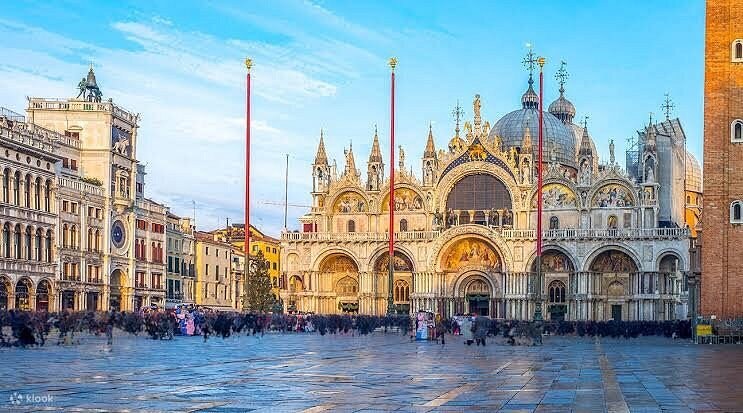 71 mi from TriesteSt. Mark's Basilica
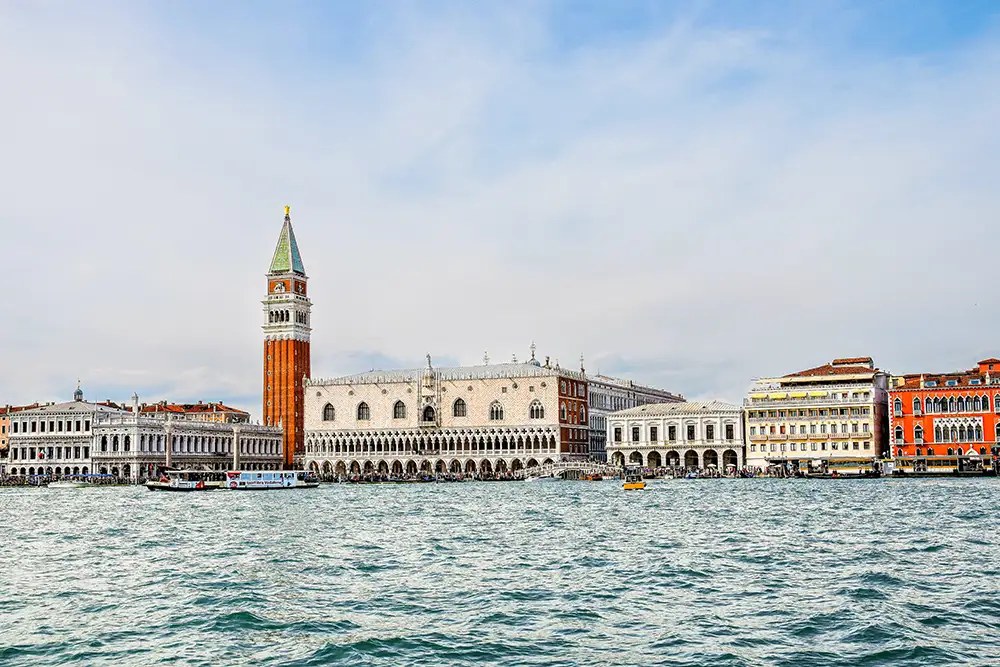 71 mi from TriesteDoge's Palace
 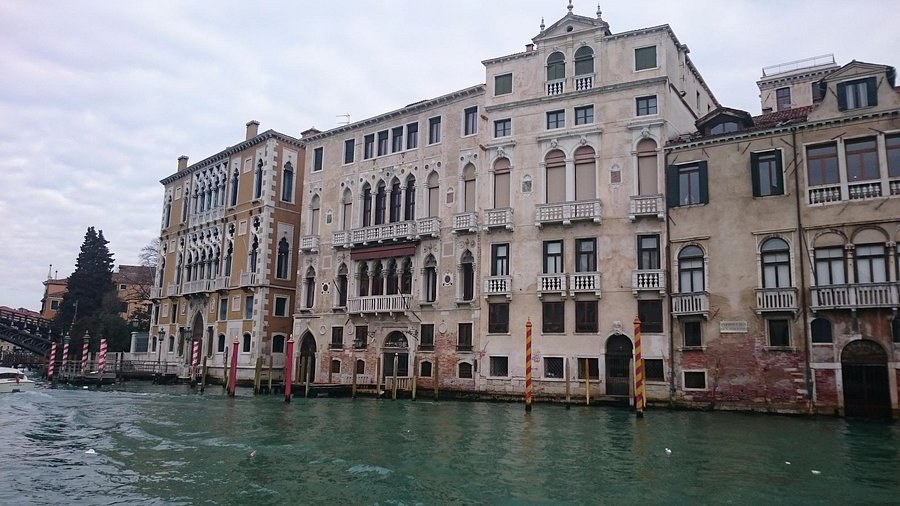 70 mi from Trieste · land adventurePalazzo Doors, Lagoon Vineyards: Venice Beyond the Crowd Line
 153 mi from Trieste · land adventureSalt, Stone and Grüner Veltliner: Salzburg Beyond Mozart
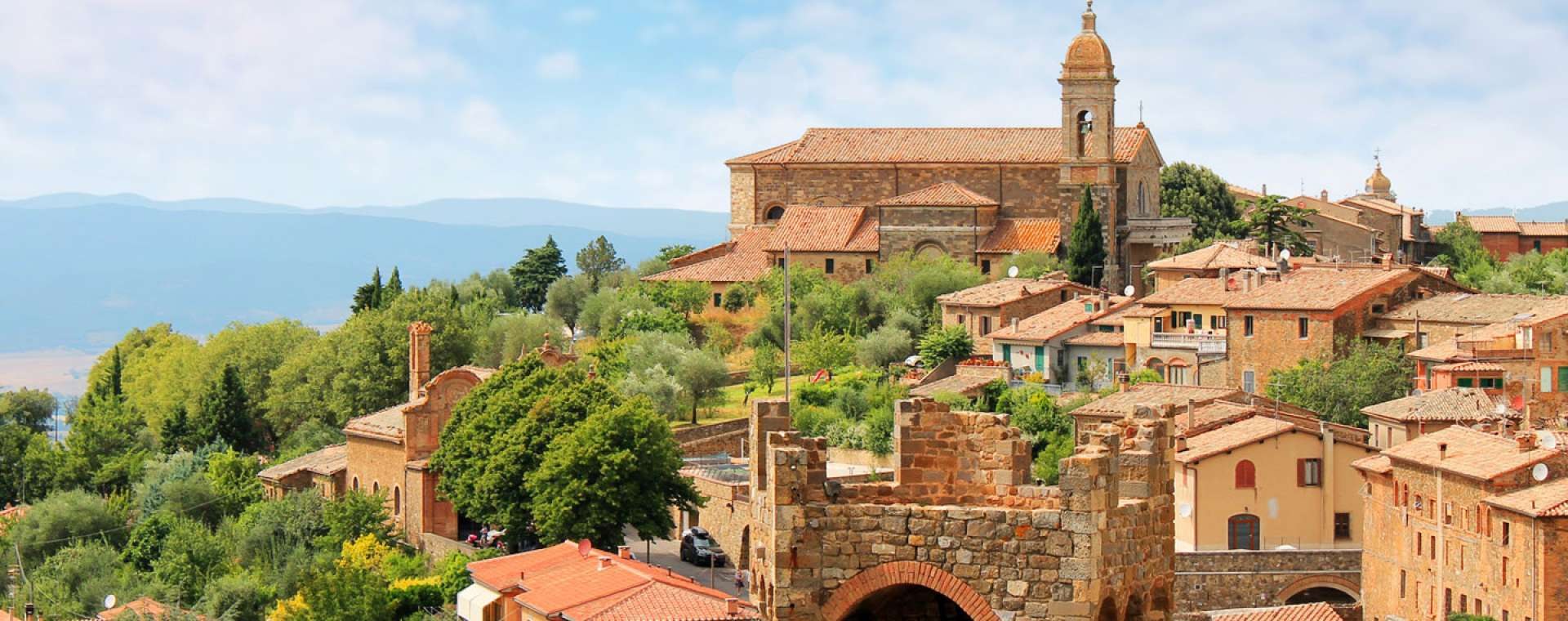 179 mi from Trieste · land adventureFlorence to Val d'Orcia: Wine, Frescoes & Thermal Springs
 After you step off · near Athens
You end in a different port — stay on, and add what is within reach before you fly home.

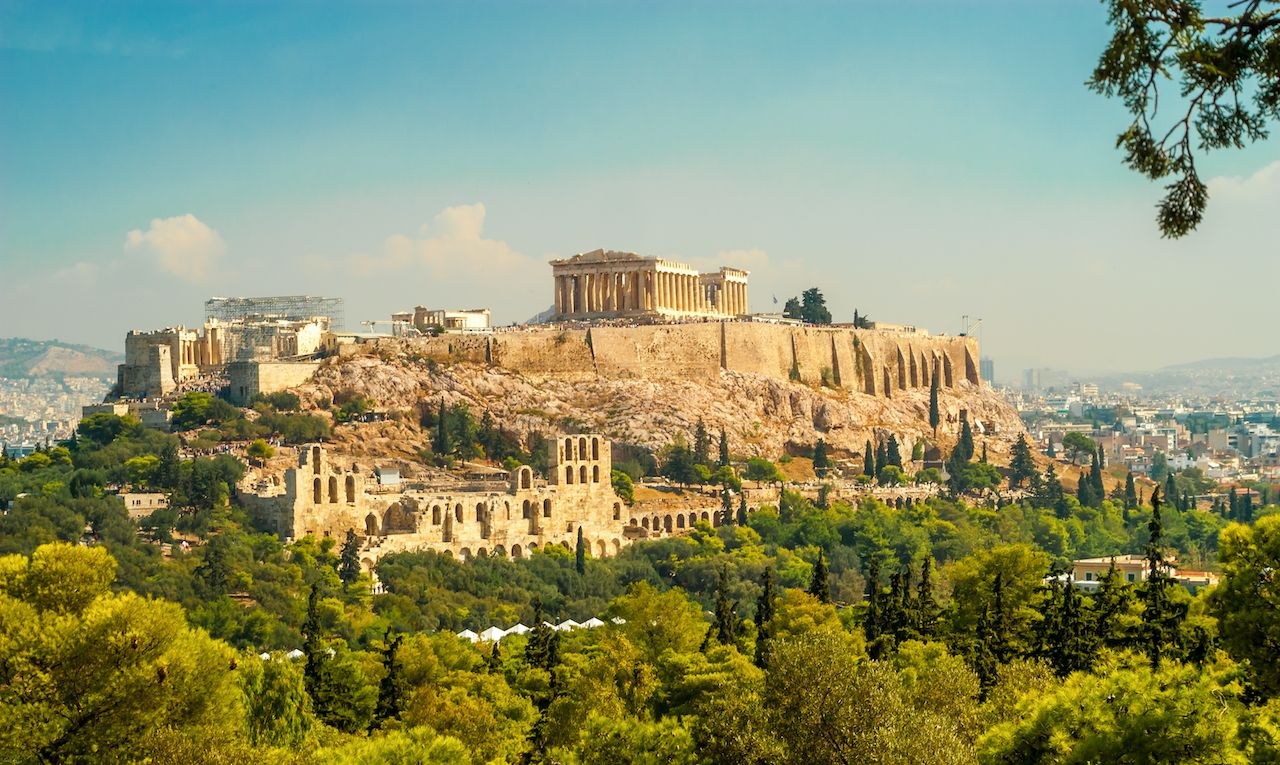
The same trip, elevated
The same gateway on a more luxurious line — lead-in fare per person, same fare as booking direct.