Your cruise
Oceania Allura · 14-night Mediterranean cruise, Barcelona to Istanbul
Jun 22 – Jul 6 · 14 nights ·
Day 1 Barcelona (board) · Day 2 Palma de Mallorca · Day 3 at sea · Day 4 Cagliari · Day 5 La Goulette · Day 6 Valletta · Day 7 at sea · Day 8 Gythion · Day 9 Santorini (Thira) · Day 10 Piraeus (Athens) · Day 11 Kusadasi (Ephesus) · Day 12 Izmir · Day 13 Dikili · Day 14 Canakkale · Day 15 Istanbul (step off)
What you do Palma's defining sight: a colossal Gothic sandstone cathedral right on the waterfront, with one of the world's largest rose windows that throws a famous color-and-light show across the nave (Gaudi reworked the interior). The seasonal rooftop terrace tour (May-Oct, ~215 steps) walks you out among the flying buttresses and bells with the whole Bay of Palma spread below — the first-timer's signature Palma photo. It's a flat 10-15 min walk from the cruise shuttle drop.
What to expect You walk 10–15 minutes from the cruise shuttle drop straight to the waterfront cathedral, its colossal Gothic sandstone facade dominating the harbor view. Inside, Gaudí's reworked interior unfolds beneath one of the world's largest rose windows, which bathes the nave in a famous color-and-light show. If you've booked the rooftop terraces tour, you climb ~215 steps out among the flying buttresses and bells, with the entire Bay of Palma spreading below in that signature first-timer's photograph. A leisurely pace—cathedral interior plus rooftop—takes 1.5–2 hours total.
Good to know Book the rooftop terrace tour (EUR 20–30, May–Oct only) on the Cathedral of Mallorca's official website before sailing; summer slots sell out 2–3 weeks ahead. Standard cathedral admission alone is EUR 10 (plus museum access). The round trip walk from pier to cathedral and back is 20–30 minutes; allow 2–3 hours total for a full visit, leaving a comfortable 2-hour buffer before all-aboard. Bring water, sunscreen, and comfortable shoes for the 215 rooftop steps; the terraces are exposed, so dress for strong Mediterranean sun and occasional wind off the bay.
Versus the ship tour The ship's 'City of Palma' coach+walk tour runs $70-85 pp and mostly drops you at this same cathedral. Walk it yourself in 15 min and pay EUR10-30 direct — you save ~$50-70 pp and get the rooftop the bus tour skips. Direct wins decisively.
book direct with Cathedral of Mallorca (Catedral de Mallorca / La Seu) → · the full guide →
What you do Mallorca's most celebrated cavern near Porto Cristo: a vast illuminated forest of stalactites that opens onto Lake Martel, one of the largest underground lakes on earth. Every visit includes a live classical concert played by musicians on lantern-lit boats gliding across the water in the dark, then your own short boat ride. It's genuinely unlike anything else in the Med.
What to expect You'll journey to Porto Cristo on Mallorca's east coast to enter a cathedral of stone—a vast cavern ringed with illuminated stalactites that descend like a petrified forest. The experience pivots on an unforgettable moment: classical musicians glide across Lake Martel, one of earth's largest underground lakes, performing by lantern light while you watch from the cavern floor in near-total darkness. After their concert, you board your own small boat for a short float across the glassy black water, surrounded by the otherworldly glow of the cave's own geology. It is genuinely unlike anything else in the Mediterranean.
Good to know The cave is 1+ hour each way from Palma's port by taxi or transfer (EUR130–160 round trip split among your group, or ~EUR48–60pp via an independent transfer tour like No Frills); book entry online up to 30 days ahead to secure your time slot and lock in the EUR18 door price (~$20 adult). Budget 6–8 hours total: travel time both ways plus 45–60 minutes inside the cave itself. Bring a light jacket or sweater—underground caves run cool year-round. Skip the ship's tour ($89–108pp) unless you cannot gather a group for independent transport; the EUR18 entry fee means the ship charges ~5x markup, and even with a private transfer you'll save ~$40 per person.
Versus the ship tour The ship's 'Caves of Drach' tour is $89-108 pp; the cave door price is only EUR18 (~$20), so the ship charges ~5x. BUT the cave is ~1 hr+ each way on the east coast — factor a taxi/transfer (~EUR130-160 round trip split among your group, or ~EUR48-60 pp on an independent transfer tour like No Frills). Net: independent transfer tour still beats the ship by ~$40 pp; only take the ship version if you can't assemble a group and want the back-to-ship guarantee for a far-side-of-the-island drive.
What you do The signature scenic ride Mallorca is famous for: a polished-wood electric train running since 1912, climbing north out of Palma through almond and olive groves, 13 tunnels and the Serra de Tramuntana mountains into the orange-grove valley of Soller in about an hour. Connect to the open-sided vintage tram that rattles down to seaside Port de Soller. It boards at Plaza de Espana, a short taxi from the pier.
What to expect You'll board the polished-wood electric train at Plaza de Espana and climb north for roughly an hour through a dramatic landscape of almond and olive groves, threading through 13 mountain tunnels as you ascend toward the Serra de Tramuntana peaks. The train opens into the bright orange-grove valley of Soller, where you'll switch to an open-sided vintage tram—a delightful rattle downhill toward the glittering Mediterranean. After time to explore Port de Soller's seaside charm and perhaps a café break, you'll reverse the journey: tram back up, train back down through the tunnels into Palma. The rhythm is unhurried and picturesque, with natural breaks built in for photos and wandering.
Good to know Buy tickets online up to 7 days ahead to secure your preferred departure, ideally an early morning slot to maximize your Soller dwell time within a 6–8 hour port window. Take a taxi from the cruise pier to Plaza de Espana (a short ride), allowing 15–20 minutes to clear the ship and reach the station. The round-trip train alone takes roughly 2 hours; add 45 minutes for the tram and 1.5–2 hours in Port de Soller for a comfortable margin back to the ship. Off-peak pricing (EUR32, ~$35) may offer savings if your schedule allows; the combo ticket for train + Port de Soller tram is EUR40 (~$43).
Versus the ship tour The ship's 'Island Tour by Train, Tram & Boat' is $149-172 pp. Doing the train+tram tickets yourself is ~EUR40 (~$43) — roughly 4x cheaper, saving ~$110-130 pp. The only thing the ship buys you is a guaranteed return; with an early start the DIY round trip has ample margin. Direct/DIY wins big.
book direct with Ferrocarril de Soller (Tren de Soller) → · the full guide →
What you do The Serra de Tramuntana is a UNESCO World Heritage landscape, and this is the classic Mallorca road trip a first-timer regrets skipping: Valldemossa (the honey-stone village where Chopin and George Sand wintered), the artists' clifftop hamlet of Deia, and citrus-scented Soller, strung along a dramatic coastal mountain road. A private guide with door-to-door Palma pickup makes the whole loop port-day-safe.
What to expect You'll be picked up at the pier or your hotel and driven into the Serra de Tramuntana, a UNESCO World Heritage landscape, beginning in Valldemossa—the honey-stone village where Chopin and George Sand once wintered. From there you'll wind a dramatic coastal mountain road to Deia, a clifftop artists' hamlet, then descend to citrus-scented Soller where the road flattens and the pace eases. The excursion strings these three villages together in one classic Mallorca loop, moving at your own rhythm in a private vehicle rather than jostling 40 others on a coach.
Good to know The excursion runs 6–6.5 hours total; book the private operator (not the ship's coach option) only if your ship guarantees return time, since you cannot afford delays on this length of tour. Door-to-door Palma pickup from the pier means no separate transport hassle, but confirm your exact pickup time and location with Premier Tours Mallorca the morning of departure. Optional lunch costs an additional €30 and should be arranged ahead. Bring sun protection and comfortable walking shoes for village exploration, and plan to be back at the pier with at least a 30–45 minute buffer before all-aboard.
Versus the ship tour The ship's premium 'Exclusive Soller and Valldemossa' runs up to $169 pp and its basic version $60 pp. This private door-to-door tour (~$180 pp solo, ~$145 in a group of 4) is at rough parity with the ship's premium tour but gets you a private vehicle and your own pace instead of a 40-seat coach. Honest call: if you're price-sensitive and don't mind a coach, the ship's $60 mid-tier version is the value play here — this card wins on experience, not on dollars.
book direct with Premier Tours Mallorca → · the full guide →
What you do Mallorca's turquoise coves and glass-clear water are the reason many people come, and the easiest way to reach them is by sea. This small-group sailing catamaran (max 12) departs La Lonja marina, a short walk from the cruise area — welcome drink, Mallorcan tapas, snorkel gear and SUP boards included — with swim stops in coves like Portals Vells that you can't reach on foot. A relaxed, scenic counterpoint to the city sights.
What to expect After a short walk from the cruise pier to La Lonja marina, you'll board an intimate catamaran with no more than 12 guests. The four-hour sail drifts you through Mallorca's turquoise coves with a welcome drink in hand and Mallorcan tapas to graze on—the boat becomes a floating social space as much as a vessel. The rhythm centers on swim and snorkel stops at secluded spots like Portals Vells, unreachable by foot, where you'll slip into glass-clear water with included snorkel gear or paddle out on a SUP board. It's a leisurely, scenic counterpoint to city exploration—more floating than rushing.
Good to know Book directly with SailPalma by Omare Yachting to confirm the exact rate (~$70–120 pp) and your back-aboard time before committing. The marina is a short walk from the cruise area, but allow buffer time to locate La Lonja and be on the boat 15 minutes early. A four-hour sail fits comfortably into a typical 6–8 hour port window; confirm your ship's all-aboard time and plan for at least 30–45 minutes to return to the pier. Bring reef-safe sunscreen, a light layer for the wind at sea, and a water shoe or sandal—snorkel gear and SUP boards are supplied.
Versus the ship tour The ship's 'Catamaran Coastal Cruise & Swim' is $90-130 pp on a large packed boat. This direct small-group sail (max 12) lands at roughly $70-120 pp — similar-to-cheaper price but far fewer people and food/SUP included. Direct wins on both price and quality; confirm the exact rate and your back-aboard timing when you book direct.
book direct with SailPalma by Omare Yachting → · the full guide →
What you do A 14th-century hilltop fortress (begun 1300 by King Jaume II) that's unique in Spain for being entirely circular, ringed by a moat on a pine-covered hill above the bay. The rooftop walkway gives arguably the best panorama in Palma — old town, cathedral and harbor laid out below — and the inner two-tier arcaded courtyard is a striking medieval set piece. Cheap, quick (60-90 min), and a short taxi from the port.
What to expect You'll taxi up a pine-covered hill to a strikingly circular 14th-century fortress ringed by a moat, then climb to the rooftop walkway where the panorama unfolds: the old town, the cathedral, and the entire bay spread below. The inner courtyard—a two-tier arcaded medieval space—is a striking photogenic set piece worth lingering in. The visit itself is intimate and self-paced, rarely crowded, taking 60–90 minutes total. Finish at the City History Museum inside the castle to deepen the context before heading back to port.
Good to know Taxi from the cruise pier costs EUR 12–15 each way; the EUR 4 adult ticket requires no advance booking. Plan to leave the ship 3–3.5 hours before all-aboard to give yourself 90 minutes on-site plus travel buffer—the round trip taxi time is roughly 30–40 minutes total. Bring comfortable walking shoes for the hill and stairs, sunscreen for the rooftop, and small change or a card for the ticket window. Free admission on Sunday afternoons (EU citizens pay EUR 2 year-round), so timing your port day accordingly is a money-saver if available.
Versus the ship tour No ship tour sells this as a standalone — it usually appears only as a brief photo-stop on a $70-85 pp coach tour. Self-driving by taxi (~EUR12-15 each way) plus a EUR4 ticket is the low-risk, near-port safety net if you want a marquee view and the cathedral on the same day without committing to a long mainland excursion. Direct/DIY wins overwhelmingly.
What you do Step inside the most famous unfinished building on earth, where Gaudi's stone forest of columns explodes into a kaleidoscope of stained-glass light that moves across the floor through the day. Add the tower ticket to ride the lift up a spire and walk back down the dizzying spiral stair with the city at your feet. Buy a strict timed entry slot, go early in your port window, and you'll beat both the queue and the midday glare.
What to expect You'll enter Gaudí's masterpiece and encounter a forest of soaring stone columns that dissolve into kaleidoscopic stained-glass light, shifting across the basilica floor as the sun moves through the day. If you book tower access, you'll ride the lift up a spire and descend the dizzying spiral staircase with Barcelona spreading below you. The unfinished vastness—both earthbound and dreamlike—fills the space in a way photographs cannot capture, and the audioguide walks you through every sculptural detail as you move through the nave.
Good to know Book a strict timed entry slot directly from the official Basilica de la Sagrada Familia site before your port day and go early in your window to beat both queues and harsh midday glare. Basic entry (EUR 26) includes the audioguide app; add EUR 10 for tower access (EUR 36 total) if you want the climb. Get there by taxi, metro, or ship-organized transport—the official tickets skip the reseller markup and save you $40–130 per person versus ship packages. Allow 2–3 hours inside the basilica itself, plus buffer time for entry and return, leaving at least 30–45 minutes to get back to the pier before all-aboard.
Versus the ship tour Direct wins overwhelmingly. The ship charges $75-170pp for guided/skip-line Sagrada Familia + Park Guell combos; the official tower ticket is ~$40pp and the basic ~$28pp. Same building, same skip-the-queue timed entry, for a fraction of the price. You save roughly $40-130pp and keep the audioguide. The only thing the ship adds is a bus and a guide reciting what the EUR 26 audioguide already tells you.
book direct with Basilica de la Sagrada Familia (official) → · the full guide →
What you do Ride out of the city to the serrated, otherworldly rock massif of Montserrat, ride the rack railway up the cliff face, and stand before the Black Madonna in the Benedictine basilica. If your day lands on a weekday you may catch the Escolania boys' choir, one of Europe's oldest. A guided coach handles the logistics and the timing so you are not gambling your ship's all-aboard on Spanish regional rail.
What to expect You'll depart Barcelona Nord by guided coach around 9:00am and ride into the otherworldly rock massif of Montserrat, where jagged peaks rise like a serrated fortress. At the foot of the cliffs, you'll board the rack railway that climbs the steep face, delivering you to the Benedictine basilica where the Black Madonna awaits in her shrine. A guide walks you through the sacred basilica, and if your excursion lands on a weekday, you may catch the Escolania boys' choir—one of Europe's oldest—singing in the morning service. The return coach departs mid-afternoon, arriving back at the port by around 4:15pm, giving you time to decompress before all-aboard.
Good to know Book the EUR 68.40 online rate with Catalunya Bus Turistic (Barcelona Turisme) well ahead to lock savings over cruise-line pricing ($25–185 cheaper per person). Confirm your ship's all-aboard time before booking—this ~7.25-hour excursion ends mid-afternoon, and the guided coach is your guaranteed return to port, so no gambling on Spanish regional rail. Wear sturdy walking shoes and bring layers, as the monastery sits at altitude and morning temperatures vary; the rack railway is steep but brief. Meet at Barcelona Nord bus station; your operator handles all transport and timing from city to mountain and back to the pier.
Versus the ship tour Direct wins clearly. Cruise-line Montserrat tours run $98-149pp and one premium-line passenger reported $259pp; this licensed multi-year operator delivers the same mountain, basilica and museum for ~$74pp, saving $25-185pp. PORT-DAY FLAG: this is a half-day, ~7.25hr round trip ending mid-afternoon, so confirm it lands inside your all-aboard. If you want the absolute floor and can self-navigate, the official Tot Montserrat ticket (EUR 71.50, adds the cable-car/lunch buffet and all funiculars) does it DIY by train, but you lose the guide and the guaranteed coach back to the port.
book direct with Catalunya Bus Turistic (Barcelona Turisme) → · the full guide →
What you do Climb to Gaudi's fairytale hillside park where the famous serpentine bench snakes in broken-tile mosaic around a terrace with the whole city and the sea spread below. The gingerbread gatehouses, the mosaic lizard fountain and the columned Hypostyle Hall make this the most photographed open-air Gaudi work in Barcelona. Book a timed slot for the Monumental Zone and arrive within your 30-minute entry grace window.
What to expect You'll arrive at Park Güell's Monumental Zone within a timed 30-minute entry window and climb the hillside into Gaudí's dreamlike landscape of gingerbread gatehouses and winding mosaic pathways. The iconic serpentine bench—snaking in broken-tile mosaics—curves around a terrace with sweeping views of Barcelona and the sea below, a photographer's paradise at every turn. You'll wander through the columned Hypostyle Hall and encounter the whimsical mosaic lizard fountain, experiencing the most photographed open-air Gaudí work in the city. The rhythm builds from initial climb to breathless overlook moment, then the slower, meditative wandering among the ceramic-clad structures and panoramic terraces.
Good to know Book your timed slot for the Monumental Zone well ahead (€18pp includes all Gaudí works and terraces, VAT included). Budget a taxi or bus both ways from the pier—the site is uphill and slightly off the metro—and plan to spend 1.5–2 hours at the park itself, leaving 2–3 hours total for transport buffers in a 6–8 hour port window. Arrive at the pier-side transport with at least 90 minutes before your ship departure to clear the security buffer. Bring sun protection and comfortable climbing shoes; if Sagrada Familia is also on your list, prioritize that cathedral over this one due to time constraints.
Versus the ship tour Direct wins big. The ship folds Park Guell into Gaudi tours priced $75-170pp; the official monument ticket is ~$20pp. Even adding a EUR 13 taxi up the hill you are far under the ship rate, saving $50-150pp. Honest caveat: it's uphill and a bit off the metro, so budget a taxi/bus each way and a firm timed slot. If you only have time for one Gaudi stop, prioritize Sagrada Familia over this one.
book direct with Park Guell (official, Barcelona City Council) → · the full guide →
What you do Slip out of the old harbor under sail on a real catamaran and see Barcelona's skyline, the Barceloneta beaches and the working port from the water, with a full bar aboard if you want a vermouth in hand. It is the rare port-day activity that starts steps from where most ships dock, so there is almost no travel time eating into your clock. Quiet, scenic, and an easy reset between the heavier Gaudi and mountain days.
What to expect You slip out of Port Vell under sail on a real catamaran, watching Barcelona's skyline recede as you glide past the Barceloneta beaches and the working harbor—all from the water, in the rare quiet that comes when most port-goers are queuing for cable cars. The 1.5-hour sail (or longer for Jazz options) unfolds at the pace of the breeze, with an onboard bar letting you nurse a vermouth while the city rises behind you. This is atmosphere and scenery: the kind of reset day that earns its place *between* the heavier Gaudi museum runs and mountain climbs, not as a standalone centerpiece.
Good to know The catamaran departs directly from Colon/Port Vell—steps from where most cruise ships dock—so there is almost no travel time; you can be aboard within 10–15 minutes of leaving the ship. Book the 1.5-hour Catamaran Sail & Skyline (EUR 18.50pp) or upgrade to Jazz & Chill Out (EUR 22.50pp) or Sunset Jazz (EUR 28pp) directly with Catamaran Orsom to save 50–80% versus ship-sold harbor alternatives. Plan to return well within a 6–8 hour port window, leaving ample buffer for any delays; bring sunscreen, sunglasses, and a light layer for wind on the water, and confirm departure times when booking to align with your ship's all-aboard.
Versus the ship tour Direct wins, roughly half price. Ship-sold harbor sails run $60-80pp and multi-element 'land/sea/air' packages hit $214pp; ORSOM's direct sail is ~$20-31pp, a $40-180pp saving. It departs right at Port Vell so you skip the bus shuffle. Honest note: this is scenery and atmosphere, not a bucket-list 'must,' so slot it only after you've locked the marquee sights.
What you do Drive into the Penedes vineyards, taste across varieties at the Torreblanca winery, then get hands-on at ArtCava to riddle and cork your own bottle of cava to take home as the rare souvenir you actually made. It is Spain's sparkling-wine heartland and a genuine craft experience rather than a pour-and-go tasting. A real port-day alternative to another church or museum.
What to expect You'll board a coach at Barcelona Nord around 9:00am and drive into the Penedes vineyards, Spain's sparkling-wine heartland, for a vineyard walk and guided tasting across varieties at Torreblanca winery. From there, you'll move to ArtCava for a hands-on workshop where you'll ridge and cork your own bottle of cava—a genuine craft experience, not a pour-and-go tasting—before heading back to the pier by approximately 2:15pm with a bottle you've made yourself as your souvenir.
Good to know The entire excursion runs ~5.25 hours round-trip, departing Barcelona Nord and returning early afternoon, which fits comfortably within most all-aboard windows—but confirm your sailing time and treat the coach's return as your hard deadline. Price is EUR 104pp online (EUR 116 regular) and includes round-trip coach, vineyard walk, tastings at two wineries, the guided ArtCava tour, your make-your-own-cava workshop, and the bottle to take home. Book online in advance to lock in the EUR 104 rate rather than pay the regular price at the port. Bring comfortable walking shoes for the vineyard and ArtCava, stay hydrated between tastings, and allow 15–20 minutes buffer time to clear the coach and return to your ship.
Versus the ship tour Direct wins, ~$75-80pp. The cruise line's Cava + tapas + vineyard and Familia Torres winery tours run $186-195pp; this is ~$113pp for two wineries plus a hands-on workshop and a bottle, a saving of about $75pp. PORT-DAY FLAG: ~5.25hr round trip returning early afternoon, comfortably inside most all-aboards, but confirm against your sailing time and treat the coach's return as your hard deadline.
book direct with Catalunya Bus Turistic (Barcelona Turisme) → · the full guide →
What you do Walk the famous La Boqueria market with a chef, then cook a real Catalan paella and a couple of tapas by hand before sitting down to eat what you made with sangria in hand. It's three hours, minutes off La Rambla, and a low-stress way to take Barcelona home in your hands rather than your camera roll. The near-port safety net if a long mountain or vineyard run feels too tight against your all-aboard.
What to expect You'll start at La Boqueria market with a chef guide introducing the vibrant produce and Catalan ingredients, then move to the kitchen to roll up your sleeves and cook a real paella and two tapas by hand under instruction. The rhythm flows from market sensory overload—color, noise, vendors—to focused, measured cooking where you learn technique in a small group. After three hours of chopping, stirring, and tasting, you sit down to eat what you've made with sangria in hand, transforming the morning's market finds into your own meal.
Good to know Sessions run at 10:30, 13:00, 16:00, and 18:45; a 10:30 start gives you a full 6+ hours back on ship before evening all-aboard, while the 13:00 slot works if your port window is shorter. The venue is central, just minutes off La Rambla near Liceu metro—walkable from the pier or a quick taxi, with minimal coach risk. Book ahead through Cook & Taste to secure your time slot and session; the EUR 72 price includes all instruction, equipment, recipes, and beverages, so there are no surprise costs. Plan to return to the ship by your all-aboard time with a 30–45 minute buffer built in; the class ends by its scheduled time (e.g., 13:45 for the 10:30 session), leaving you a safe window to walk or cab back to the pier.
Versus the ship tour Direct wins, $50-115pp. The ship's tapas/food/wine tours run $128-195pp; this hands-on class is ~$79pp, a $50-115pp saving, and you actually cook rather than just follow a guide between bars. As a safety-net it is unbeatable for the clock: it's central, short, and books in fixed time slots, so you can pick the session that fits your remaining port hours with zero coach risk.
book direct with Cook & Taste (Barcelona Cooking Classes) → · the full guide →
What you do Palma's defining sight: a colossal Gothic sandstone cathedral right on the waterfront, with one of the world's largest rose windows that throws a famous color-and-light show across the nave (Gaudi reworked the interior). The seasonal rooftop terrace tour (May-Oct, ~215 steps) walks you out among the flying buttresses and bells with the whole Bay of Palma spread below — the first-timer's signature Palma photo. It's a flat 10-15 min walk from the cruise shuttle drop.
What to expect You walk 10–15 minutes from the cruise shuttle drop straight to the waterfront cathedral, its colossal Gothic sandstone facade dominating the harbor view. Inside, Gaudí's reworked interior unfolds beneath one of the world's largest rose windows, which bathes the nave in a famous color-and-light show. If you've booked the rooftop terraces tour, you climb ~215 steps out among the flying buttresses and bells, with the entire Bay of Palma spreading below in that signature first-timer's photograph. A leisurely pace—cathedral interior plus rooftop—takes 1.5–2 hours total.
Good to know Book the rooftop terrace tour (EUR 20–30, May–Oct only) on the Cathedral of Mallorca's official website before sailing; summer slots sell out 2–3 weeks ahead. Standard cathedral admission alone is EUR 10 (plus museum access). The round trip walk from pier to cathedral and back is 20–30 minutes; allow 2–3 hours total for a full visit, leaving a comfortable 2-hour buffer before all-aboard. Bring water, sunscreen, and comfortable shoes for the 215 rooftop steps; the terraces are exposed, so dress for strong Mediterranean sun and occasional wind off the bay.
Versus the ship tour The ship's 'City of Palma' coach+walk tour runs $70-85 pp and mostly drops you at this same cathedral. Walk it yourself in 15 min and pay EUR10-30 direct — you save ~$50-70 pp and get the rooftop the bus tour skips. Direct wins decisively.
book direct with Cathedral of Mallorca (Catedral de Mallorca / La Seu) → · the full guide →
What you do Mallorca's most celebrated cavern near Porto Cristo: a vast illuminated forest of stalactites that opens onto Lake Martel, one of the largest underground lakes on earth. Every visit includes a live classical concert played by musicians on lantern-lit boats gliding across the water in the dark, then your own short boat ride. It's genuinely unlike anything else in the Med.
What to expect You'll journey to Porto Cristo on Mallorca's east coast to enter a cathedral of stone—a vast cavern ringed with illuminated stalactites that descend like a petrified forest. The experience pivots on an unforgettable moment: classical musicians glide across Lake Martel, one of earth's largest underground lakes, performing by lantern light while you watch from the cavern floor in near-total darkness. After their concert, you board your own small boat for a short float across the glassy black water, surrounded by the otherworldly glow of the cave's own geology. It is genuinely unlike anything else in the Mediterranean.
Good to know The cave is 1+ hour each way from Palma's port by taxi or transfer (EUR130–160 round trip split among your group, or ~EUR48–60pp via an independent transfer tour like No Frills); book entry online up to 30 days ahead to secure your time slot and lock in the EUR18 door price (~$20 adult). Budget 6–8 hours total: travel time both ways plus 45–60 minutes inside the cave itself. Bring a light jacket or sweater—underground caves run cool year-round. Skip the ship's tour ($89–108pp) unless you cannot gather a group for independent transport; the EUR18 entry fee means the ship charges ~5x markup, and even with a private transfer you'll save ~$40 per person.
Versus the ship tour The ship's 'Caves of Drach' tour is $89-108 pp; the cave door price is only EUR18 (~$20), so the ship charges ~5x. BUT the cave is ~1 hr+ each way on the east coast — factor a taxi/transfer (~EUR130-160 round trip split among your group, or ~EUR48-60 pp on an independent transfer tour like No Frills). Net: independent transfer tour still beats the ship by ~$40 pp; only take the ship version if you can't assemble a group and want the back-to-ship guarantee for a far-side-of-the-island drive.
What you do The signature scenic ride Mallorca is famous for: a polished-wood electric train running since 1912, climbing north out of Palma through almond and olive groves, 13 tunnels and the Serra de Tramuntana mountains into the orange-grove valley of Soller in about an hour. Connect to the open-sided vintage tram that rattles down to seaside Port de Soller. It boards at Plaza de Espana, a short taxi from the pier.
What to expect You'll board the polished-wood electric train at Plaza de Espana and climb north for roughly an hour through a dramatic landscape of almond and olive groves, threading through 13 mountain tunnels as you ascend toward the Serra de Tramuntana peaks. The train opens into the bright orange-grove valley of Soller, where you'll switch to an open-sided vintage tram—a delightful rattle downhill toward the glittering Mediterranean. After time to explore Port de Soller's seaside charm and perhaps a café break, you'll reverse the journey: tram back up, train back down through the tunnels into Palma. The rhythm is unhurried and picturesque, with natural breaks built in for photos and wandering.
Good to know Buy tickets online up to 7 days ahead to secure your preferred departure, ideally an early morning slot to maximize your Soller dwell time within a 6–8 hour port window. Take a taxi from the cruise pier to Plaza de Espana (a short ride), allowing 15–20 minutes to clear the ship and reach the station. The round-trip train alone takes roughly 2 hours; add 45 minutes for the tram and 1.5–2 hours in Port de Soller for a comfortable margin back to the ship. Off-peak pricing (EUR32, ~$35) may offer savings if your schedule allows; the combo ticket for train + Port de Soller tram is EUR40 (~$43).
Versus the ship tour The ship's 'Island Tour by Train, Tram & Boat' is $149-172 pp. Doing the train+tram tickets yourself is ~EUR40 (~$43) — roughly 4x cheaper, saving ~$110-130 pp. The only thing the ship buys you is a guaranteed return; with an early start the DIY round trip has ample margin. Direct/DIY wins big.
book direct with Ferrocarril de Soller (Tren de Soller) → · the full guide →
What you do The Serra de Tramuntana is a UNESCO World Heritage landscape, and this is the classic Mallorca road trip a first-timer regrets skipping: Valldemossa (the honey-stone village where Chopin and George Sand wintered), the artists' clifftop hamlet of Deia, and citrus-scented Soller, strung along a dramatic coastal mountain road. A private guide with door-to-door Palma pickup makes the whole loop port-day-safe.
What to expect You'll be picked up at the pier or your hotel and driven into the Serra de Tramuntana, a UNESCO World Heritage landscape, beginning in Valldemossa—the honey-stone village where Chopin and George Sand once wintered. From there you'll wind a dramatic coastal mountain road to Deia, a clifftop artists' hamlet, then descend to citrus-scented Soller where the road flattens and the pace eases. The excursion strings these three villages together in one classic Mallorca loop, moving at your own rhythm in a private vehicle rather than jostling 40 others on a coach.
Good to know The excursion runs 6–6.5 hours total; book the private operator (not the ship's coach option) only if your ship guarantees return time, since you cannot afford delays on this length of tour. Door-to-door Palma pickup from the pier means no separate transport hassle, but confirm your exact pickup time and location with Premier Tours Mallorca the morning of departure. Optional lunch costs an additional €30 and should be arranged ahead. Bring sun protection and comfortable walking shoes for village exploration, and plan to be back at the pier with at least a 30–45 minute buffer before all-aboard.
Versus the ship tour The ship's premium 'Exclusive Soller and Valldemossa' runs up to $169 pp and its basic version $60 pp. This private door-to-door tour (~$180 pp solo, ~$145 in a group of 4) is at rough parity with the ship's premium tour but gets you a private vehicle and your own pace instead of a 40-seat coach. Honest call: if you're price-sensitive and don't mind a coach, the ship's $60 mid-tier version is the value play here — this card wins on experience, not on dollars.
book direct with Premier Tours Mallorca → · the full guide →
What you do Mallorca's turquoise coves and glass-clear water are the reason many people come, and the easiest way to reach them is by sea. This small-group sailing catamaran (max 12) departs La Lonja marina, a short walk from the cruise area — welcome drink, Mallorcan tapas, snorkel gear and SUP boards included — with swim stops in coves like Portals Vells that you can't reach on foot. A relaxed, scenic counterpoint to the city sights.
What to expect After a short walk from the cruise pier to La Lonja marina, you'll board an intimate catamaran with no more than 12 guests. The four-hour sail drifts you through Mallorca's turquoise coves with a welcome drink in hand and Mallorcan tapas to graze on—the boat becomes a floating social space as much as a vessel. The rhythm centers on swim and snorkel stops at secluded spots like Portals Vells, unreachable by foot, where you'll slip into glass-clear water with included snorkel gear or paddle out on a SUP board. It's a leisurely, scenic counterpoint to city exploration—more floating than rushing.
Good to know Book directly with SailPalma by Omare Yachting to confirm the exact rate (~$70–120 pp) and your back-aboard time before committing. The marina is a short walk from the cruise area, but allow buffer time to locate La Lonja and be on the boat 15 minutes early. A four-hour sail fits comfortably into a typical 6–8 hour port window; confirm your ship's all-aboard time and plan for at least 30–45 minutes to return to the pier. Bring reef-safe sunscreen, a light layer for the wind at sea, and a water shoe or sandal—snorkel gear and SUP boards are supplied.
Versus the ship tour The ship's 'Catamaran Coastal Cruise & Swim' is $90-130 pp on a large packed boat. This direct small-group sail (max 12) lands at roughly $70-120 pp — similar-to-cheaper price but far fewer people and food/SUP included. Direct wins on both price and quality; confirm the exact rate and your back-aboard timing when you book direct.
book direct with SailPalma by Omare Yachting → · the full guide →
What you do A 14th-century hilltop fortress (begun 1300 by King Jaume II) that's unique in Spain for being entirely circular, ringed by a moat on a pine-covered hill above the bay. The rooftop walkway gives arguably the best panorama in Palma — old town, cathedral and harbor laid out below — and the inner two-tier arcaded courtyard is a striking medieval set piece. Cheap, quick (60-90 min), and a short taxi from the port.
What to expect You'll taxi up a pine-covered hill to a strikingly circular 14th-century fortress ringed by a moat, then climb to the rooftop walkway where the panorama unfolds: the old town, the cathedral, and the entire bay spread below. The inner courtyard—a two-tier arcaded medieval space—is a striking photogenic set piece worth lingering in. The visit itself is intimate and self-paced, rarely crowded, taking 60–90 minutes total. Finish at the City History Museum inside the castle to deepen the context before heading back to port.
Good to know Taxi from the cruise pier costs EUR 12–15 each way; the EUR 4 adult ticket requires no advance booking. Plan to leave the ship 3–3.5 hours before all-aboard to give yourself 90 minutes on-site plus travel buffer—the round trip taxi time is roughly 30–40 minutes total. Bring comfortable walking shoes for the hill and stairs, sunscreen for the rooftop, and small change or a card for the ticket window. Free admission on Sunday afternoons (EU citizens pay EUR 2 year-round), so timing your port day accordingly is a money-saver if available.
Versus the ship tour No ship tour sells this as a standalone — it usually appears only as a brief photo-stop on a $70-85 pp coach tour. Self-driving by taxi (~EUR12-15 each way) plus a EUR4 ticket is the low-risk, near-port safety net if you want a marquee view and the cathedral on the same day without committing to a long mainland excursion. Direct/DIY wins overwhelmingly.
What you do A bespoke private day uniting three of Tunisia's crown jewels — the UNESCO ruins of Carthage, the azure-and-white clifftop village of Sidi Bou Said, and the world's finest Roman mosaic collection at the Bardo. Bucket-list depth, your pace, zero crowds.
What to expect Your private guide meets you dockside and whisks you first to Byrsa Hill, where Punic and Roman Carthage overlap in extraordinary layers of archaeology. After the Carthage Museum's gold jewellery and skeletal finds, you wind up the bougainvillea-draped lanes of Sidi Bou Said for mint tea at the legendary Café des Nattes. The afternoon is devoted to the Bardo — floor-to-ceiling Roman mosaics spanning 3,000 sq m, rivalling any European museum. You return to port relaxed, never rushed.
Good to know Book well ahead for May–October sailings; confirm all-aboard time with your guide before departure. Bardo entry: approx. TND 12 (EUR 3.50) per person; Carthage archaeological pass: TND 15 (EUR 4.50). Private vehicle transfer from La Goulette port is included with a guide booking.
Versus the ship tour Fully private — your guide, your vehicle, your itinerary. Expert local historians provide scholarly depth at each site, with unhurried time at every stop and a reserved table for a traditional Tunisian lunch included.
book direct with TourHQ Tunisia Private Guides (local expert-led) → · the full guide →
What you do Go deep inside the Bardo — home to the world's largest and most spectacular Roman mosaic collection — with a private art-historian guide who decodes mythological scenes and Punic craftsmanship few visitors ever truly understand.
What to expect Set inside a lavish Husainid palace, the Bardo's marble halls are lined floor-to-ceiling with mosaics salvaged from Roman villas across Tunisia — portraits of Virgil, Neptune's chariot, and entire dining-room floors lifted intact. Your guide contextualises each piece within the sweep of Punic, Roman, and early Christian North Africa. Expect a minimum of two absorbing hours, with access to the Punic and Islamic wings most visitors skip. The museum café is an elegant spot for a post-tour espresso.
Good to know The Bardo is roughly 20 minutes from La Goulette by private car. Allow 3–4 hours for a thorough visit. Closed Mondays. Photography is permitted throughout the permanent collection.
Versus the ship tour A private art-history specialist — not a generalist driver — leads you through galleries at a scholar's pace, pausing on individual mosaics to unpack the stories, symbols, and lost civilisations behind them. Strictly intimate: just your group.
book direct with Bardo National Museum (official) + TourHQ Private Guides → · the full guide →
What you do Walk the very ground where Hannibal plotted, Rome razed, and three civilisations left their mark — guided by a private archaeologist or historian who brings the Punic, Roman, and Byzantine layers vividly to life.
What to expect The Baths of Antoninus alone — the largest Roman baths outside Rome, tumbling down to the Gulf of Tunis — justify the visit. Your historian guides you through the haunting Tophet (the ancient Punic child-burial ground), the cliff-edge Roman villas with their intact mosaic floors, and Byrsa Hill's breathtaking panorama over the bay. The Carthage Museum then delivers the artefacts — Punic jewellery, skeletal remains, votive stelae — that complete the picture. It is a place where history feels tactile and urgent.
Good to know Carthage is just 15 minutes from La Goulette port by private car — one of the easiest UNESCO sites from any cruise port in the world. The Antonine Baths are exposed; wear sun protection. Combine with Sidi Bou Said (5 minutes away) for a perfect half-day pairing.
Versus the ship tour Private access to all seven UNESCO sub-sites — Byrsa Hill, the Antonine Baths, the Tophet, the Punic Ports, the Roman Villas, the Amphitheatre, and the Carthage Museum — at your own pace, with expert-level narration unavailable in a group format.
book direct with TourHQ Tunisia Private Guides (local expert-led) → · the full guide →
What you do Wander the cobalt-shuttered lanes of Sidi Bou Said — Paul Klee's muse, Tunisia's most photogenic village — then lose yourself in the labyrinthine Medina of Tunis, a UNESCO-listed medieval souq of perfumers, calligraphers, and master weavers.
What to expect Sidi Bou Said greets you with cascading bougainvillea, whitewashed arches, and the legendary Café des Nattes — the oldest coffeehouse in Tunisia, perched above the bay for a mint-tea ritual that has enchanted artists since the 1920s. Your guide then leads you deep into the Medina's 13th-century fabric: the gold souq, the scent-drenched perfumers' alley, the Zitouna Mosque's grand Aghlabid courtyard. A private door or two — a master perfumer's atelier, a hidden riad — set this apart from any self-guided wander. Lunch at a refined Medina restaurant is easily arranged.
Good to know Dress modestly for the Medina (shoulders and knees covered). Sidi Bou Said is 15 min from port; the Medina of Tunis is 25 min. Allocate at least 4 hours for both. The Medina is busiest midday on weekends.
Versus the ship tour A private cultural guide unlocks the Medina's hidden foundouks (merchant houses), the Zitouna Mosque courtyard, and artisan workshops closed to independent visitors — and paces the day so you have genuine leisure time in Sidi Bou Said rather than a rushed photo stop.
book direct with TourHQ Tunisia Private Guides (local expert-led) → · the full guide →
What you do Board a private or small-group boat directly from La Goulette for a sun-drenched cruise along the Carthaginian coast — swimming in crystal-clear Gulf of Tunis waters, with a generous seafood lunch served on board.
What to expect Your boat slips out of the historic port, rounding the headland to anchor in the translucent waters below the Carthage shoreline. The crew sets out a spread of grilled fish, harissa, brik pastry, and chilled rosé as you swim or snorkel from the stern. The views back to the white dome of Sidi Bou Said and the Roman ruins on the bluffs are simply extraordinary — a perspective on this ancient landscape that no land tour can offer. Return to port in the early afternoon, sunned, fed, and deeply content.
Good to know Confirm departure and return times against your ship's all-aboard. Bring a towel, sunscreen, and swimwear. Private charters offer the most flexibility and can be tailored to include a Sidi Bou Said stop. Book at least 48 hours in advance.
Versus the ship tour Departs directly from La Goulette harbour — no transfers needed — giving you maximum time on the water. Small-group or private format means you anchor where you wish, swim at will, and enjoy a freshly prepared Tunisian seafood lunch at your own unhurried pace.
book direct with GetYourGuide La Goulette Boat Tours (local operator) → · the full guide →
What you do Sail out of La Goulette on a magnificently rigged tall ship or traditional vessel as the North African sun dissolves into the Gulf of Tunis — a cinematic, unforgettable farewell to one of the Mediterranean's most storied ports.
What to expect Boarding at La Goulette's historic quayside, you set sail with a small, convivial group as the afternoon light turns the Gulf of Tunis amber and rose. The vessel — a beautifully rigged tall ship or traditional Tunisian vessel — glides past the Sidi Bou Said cliffs and the Carthage shoreline, crew on hand with cold drinks and Tunisian pastries. The light at this hour is a photographer's dream: the white cube of Sidi Bou Said luminous above the water, the ghost of Carthage visible on the headland. An evening to keep for life.
Good to know Timing varies by season; confirm the cruise departs in time for re-boarding. Ideal as a late-afternoon experience after a morning ashore in Carthage or the Medina. Light jacket advisable after sunset. Book directly to confirm the vessel type and itinerary.
Versus the ship tour A theatrical, intimate experience on a character-filled vessel — rigged sails, timber decks, sweeping bay views — that transforms the act of leaving port into a bucket-list memory. Far from any crowded pool deck: just open sea, golden light, and the skyline of ancient Carthage fading astern.
book direct with GetYourGuide La Goulette (Pirate Ship / Tall Ship operator) → · the full guide →
What you do A 5-10 minute walk from the cruise terminal opens onto the most gob-smacking high-Baroque interior in the Mediterranean: every surface drips carved gold, the floor is a carpet of 400 inlaid-marble knight tombs, and the Oratory holds the only painting Caravaggio ever signed -- the monumental 'Beheading of Saint John the Baptist.' Skipping this is effectively skipping Valletta. Buy the timed ticket online to skip the line; closed Sundays, last admission ~16:15, no flip-flops or sleeveless tops.
What to expect A 5–10 minute walk from the cruise terminal deposits you directly into the Mediterranean's most opulent high-Baroque interior, where every wall surface glows with carved gilt and the floor unfolds as a 400-tomb marble knight cemetery beneath your feet. The Oratory—the cathedral's crown jewel—holds Caravaggio's only signed painting, the monumental 'Beheading of Saint John the Baptist,' a work of such scale and darkness it stops visitors mid-breath. You'll move through the museum galleries and side chapels at your own pace (audio guide included), absorbing gold, frescoed vaults, and religious devotion rendered in stone and paint. Total immersion time is typically 90 minutes to 2.5 hours, depending on your appetite for the collections and crowds.
Good to know Buy your timed-entry ticket online via showshappening.com before the ship docks to skip queues; the cathedral closes Sundays and stops admissions around 16:15, so morning visits are safest. Allow 3–4 hours round-trip including the walk and 90–150 minutes inside; you'll be back aboard with a comfortable buffer in a standard 6–8 hour port window. Dress code: no flip-flops or sleeveless tops (bring a light cover-up). At EUR 15 (~USD 16) per adult with audio guide and Oratory entry included, this self-guided option saves USD 45–75 per person versus the ship's bundled walking tour.
Versus the ship tour The ship sells a 3-4 hr 'Best of Malta'/Valletta walking tour at $60-$90pp that bundles this EUR 15 entry with the free Upper Barrakka Gardens. Buy the cathedral ticket yourself for ~$16 and walk the rest free -- you save roughly $45-$75pp. This is also the low-risk safety net: minutes from the gangway, no transfer risk, back aboard easily.
book direct with St John's Co-Cathedral Foundation (official, books direct via its showshappening.com ticketing) → · the full guide →
What you do Glide beneath the colossal honey-coloured bastions of Valletta and the Three Cities in a brightly painted, gondola-like dghajsa -- a boat design tracing to Phoenician times. The Grand Harbour is one of the world's great natural deep-water harbours and the stage of the 1565 Great Siege; seeing it from the water at the foot of the fortifications, with the Three Cities marina and Fort St Angelo sliding past, is the single image the port is famous for.
What to expect You board a brightly painted dghajsa—a traditional gondola-like boat whose design traces back to Phoenician times—and glide slowly beneath the colossal honey-coloured bastions of Valletta and the Three Cities. The Grand Harbour unfolds around you: Fort St Angelo and the Three Cities marina slide past as you see the very stage of the 1565 Great Siege from the water, at the foot of the fortifications. The ~35-minute private tour captures the single image the port is famous for—the world's great natural deep-water harbour seen from the intimate vantage of a traditional wooden boat, not a modern tour launch. If you extend with the EUR 8 water-taxi crossing, you can drift across to Birgu or Senglea and wander the quieter Three Cities on your own pace.
Good to know Book the dghajsa direct with Grand Harbour Tours Malta (family-run operator based in Senglea) to save ~$20–$50pp versus the ship's 'Two Harbours' cruise, and budget ~EUR 25–28 (~USD 28–31pp) for the full private 35-minute tour, or ~EUR 8pp for the heritage water-taxi crossing alone. The operator is walkable from the cruise pier; confirm exact meeting point and departure time when booking to ensure a 30–45 minute buffer before all-aboard. Wear sun protection and bring cash (EUR preferred) as the family-run operator may not accept cards; the boat is open-air and the harbour crossing takes 35 minutes, so plan accordingly for your 6–8 hour port window.
Versus the ship tour The ship's 'Two Harbours' scenic boat cruise runs $50-$80pp. Booking the same authentic dghajsa direct is ~$28-$31pp -- you save roughly $20-$50pp, get a more iconic traditional boat (not a tour launch), and can tack on the cheap EUR 8 water-taxi to wander the quieter Three Cities on your own.
book direct with Grand Harbour Tours Malta (family-run dghajsa operator, Senglea) → · the full guide →
What you do A small traditional fishing boat threads into a string of natural sea caves on the south coast where sunlight refracts off the white sandy seabed and turns the water an electric, almost luminous blue. It's one of Malta's signature natural wonders; pair the ~20-25 min ride with the clifftop Blue Grotto viewpoint for the classic photo. Go in the morning for the best light and calmest sea -- about 25-30 min from the port, easy to combine with Hagar Qim temples or Marsaxlokk.
What to expect You'll board a small traditional fishing boat and thread into a succession of natural sea caves along Malta's south coast, where sunlight refracts off the white sandy seabed and transforms the water into an almost luminous electric blue—one of Malta's signature sights. The boat ride lasts 20–25 minutes and moves at a gentle pace that lets you absorb the strange, otherworldly light show as it bounces off the cave walls. After returning to the harbor, climb to the clifftop Blue Grotto viewpoint for the classic postcard perspective of the same caves from above. The whole experience unfolds in roughly an hour, leaving time to either relax at the harbor kiosk or combine it with nearby Hagar Qim temples or the Marsaxlokk fishing village.
Good to know Depart the pier early in the morning for the best sunlight and calmest sea conditions; the boat ride takes about 25–30 minutes to reach from the port. Buy tickets on-site at the Wied iz-Zurrieq harbor kiosk in cash only (€10 per adult, €5–6 for children)—do not pre-book, as weather can cancel departures without refund. Allow 2–2.50 euros for a public bus return to the port if doing this independently, and factor in a comfortable 90-minute buffer before ship departure to account for buses and harbor congestion. Bring cash, sunscreen, and a light waterproof layer if sensitive to spray; the boat has no canopy.
Versus the ship tour The ship's 'Blue Grotto & Marsaxlokk' scenic tour is $90-$130pp -- and the heart of it is this exact EUR 10 boat ride reached by a public bus. A $70pp independent group tour exists, but if you're comfortable on the bus (~EUR 2-2.50) the DIY version costs about $13 all-in. Honest flag: weather can cancel the boats, so don't book a no-refund private transfer around it; the ship tour's one merit is it guarantees you back aboard.
book direct with Licensed fishermen's boat co-operative at Wied iz-Zurrieq (tickets at the harbour kiosk) → · the full guide →
What you do Malta's spell-binding former capital is a walled, car-free medieval-and-Baroque hilltown of golden limestone, hushed alleys, and a dramatic bastion belvedere looking out over half the island (the Game of Thrones gate is here too). About 30 min from the port; a local guide unlocks the Knights' history, the cathedral, and neighbouring Rabat with St Paul's Catacombs. Unforgettable in the early evening once the coach crowds clear -- which suits a cruise day perfectly.
What to expect You'll ascend into Malta's former capital through narrow, hushed alleyways of golden limestone, passing the iconic Game of Thrones gate as your guide unlocks centuries of Knights' history within cathedral walls. The rhythm builds toward the dramatic bastion belvedere—a sudden opening where half the island spreads beneath you. You'll drift into neighbouring Rabat to explore St Paul's Catacombs, then drift back through medieval streets that empty of coach crowds by evening, giving you that magical "Silent City" moment the tour is named for. The whole flow is unhurried walking and history, ideally timed for late afternoon when day-trippers thin out.
Good to know From the port, a EUR 2–2.50 public bus reaches Mdina in about 30 minutes; book a local guide like Colour my Travel (€25–35pp) ahead to guarantee unlocked sites and context, or navigate free. Cathedral entry runs about €10, St Paul's Catacombs costs extra, but the walled town itself is free to roam. Plan for 4–5 hours in Mdina and Rabat to avoid rushing the experience, leaving 90 minutes to return to the ship. Wear comfortable walking shoes (medieval streets are cobbled and hilly) and bring water; the ship's guided tour costs nearly triple the DIY approach but includes door-to-door transport if schedule is tight.
Versus the ship tour The ship's 'Silent City'/Mdina & Rabat tour is $79.99-$110pp. A direct local guided walk is ~$27-$38pp (save ~$45-$75pp), or go fully DIY by the EUR 2-2.50 public bus for under $20 since the old town is free to wander. Verdict: clear direct win unless you specifically want door-to-door coach transfer.
book direct with Colour my Travel (award-winning local walking-tour operator) → · the full guide →
What you do Descend into a 5,000-year-old underground temple and necropolis carved out of solid rock -- a UNESCO World Heritage site and one of the rarest things you can do on Earth, including the eerie acoustic 'Oracle Room.' Just outside Valletta in Paola; flat closed shoes required. Only 80 visitors are admitted per day to protect the microclimate, so it is genuinely once-in-a-lifetime.
What to expect You descend into a 5,000-year-old underground temple carved from solid rock, moving through passages and chambers of a UNESCO World Heritage site while the acoustic properties of the "Oracle Room" envelope you in an eerie, almost sacred silence. The Hypogeum functions as both temple and necropolis, and the layered stone walls, shaped entirely by hand millennia ago, create an intimate sense of stepping directly into Neolithic history. With only 80 visitors admitted daily, the experience avoids the crush of mass tourism—you move at a measured pace with a small group, absorbing the raw power of one of Earth's rarest archaeological spaces. Paola lies just outside Valletta, making the journey short, but the psychological weight of standing underground in a 5,000-year-old chamber lingers long after you ascend back into daylight.
Good to know Book immediately once your itinerary is confirmed through Heritage Malta directly (the sole authorised seller); standard admission is EUR 35 per adult, but same-day last-minute tickets (EUR 50) are sold from Fort St Elmo on arrival if advance slots are sold out. Wear flat, closed shoes with good grip, as the carved stone floors can be uneven and damp; the site is climate-controlled to preserve the microclimate, so layers are useful despite the Mediterranean setting. Allow 2–2.5 hours at the site itself, but factor in 30–45 minutes each way for transport from the cruise pier to Paola, plus 30 minutes arrival buffer—aim to depart the ship no more than 5–6 hours before your return time. Do not rely on cruise-line excursions; no ship operator can secure tickets due to the 80-per-day cap, making this a direct-book-only experience.
Versus the ship tour No ship excursion offers the Hypogeum -- the 80-per-day cap makes it impossible to block-book, so this is a direct-only experience with no cruise-line equivalent. The catch is scarcity, not price: tours sell out weeks to months ahead, so reserve the instant your itinerary is fixed, or chase the few same-day last-minute tickets (EUR 50) sold from Fort St Elmo on arrival.
book direct with Heritage Malta (national agency; the ONLY authorised seller -- book direct, never via resellers) → · the full guide →
What you do The Caribbean-in-the-Med: a sheltered cove off tiny Comino with blindingly white sand and surreal turquoise shallows -- the most photographed swim spot in the Maltese islands and the bucket-list snorkel for anyone who wants beach-paradise scenery. A full-fleet day cruise sails you out, anchors for swimming, and brings you back.
What to expect You'll join Captain Morgan Cruises' full-fleet day boat for a scenic sail to tiny Comino, where the ship anchors in the sheltered cove of the Blue Lagoon—a postcard-perfect swim spot with blindingly white sand and surreal turquoise shallows that look more Caribbean than Mediterranean. The rhythm is unhurried: board in Valletta, sail out (long transfer), anchor and swim or snorkel among the most photographed waters in the Maltese islands, then sail back. Bring an underwater camera; this is the bucket-list snorkel stop, and the clarity and color are surreal. Lunch and bar service are available onboard depending on your package tier.
Good to know This excursion requires a long in-port window (8+ hours minimum) because Comino is a lengthy transfer and the lagoon becomes crushingly crowded by midday. Book direct with Captain Morgan (roughly EUR 30–50 / USD 33–55 per person) rather than through the ship's organized tour (USD 120–180pp) for significant savings, but confirm return timing to ensure you're back well before all-aboard. Bring reef-safe sunscreen, a rash guard or wetsuit, and secure any valuables in your cabin; the boat has an onboard bar but limited shade. If your ship's port window is under 8 hours or tight for timing, consider the Grand Harbour dghajsa or Blue Grotto instead, with an operator that guarantees your return before departure.
Versus the ship tour The ship's full-day Gozo/Comino tour is $120-$180pp; a direct Comino day cruise is ~$33-$55pp -- a large saving. But be honest about the clock: Comino is a long transfer and gets crushed at midday, so this only fits ships with a long in-port window (8+ hrs). If your day is tight, take the Grand Harbour dghajsa or Blue Grotto instead, and use an operator that guarantees you back before all-aboard.
What you do Glide by wooden punt through a labyrinth of illuminated stalactite caverns flooded by a prehistoric river — one of Europe's most dramatic underground spectacles. A true bucket-list wonder of the Southern Peloponnese.
What to expect A private vehicle collects you from the port and winds through the wild Mani landscape to Vlychada. You board a flat-bottomed punt and are poled through corridors of rose-pink and ivory stalactites reflected in perfectly still water — 40 minutes of pure awe. A 10-minute walk brings you back to daylight through a separate gallery. En route, your guide narrates the deep Mani history of blood feuds, tower villages, and Byzantine survival.
Good to know Pre-book as cave entry tickets are strictly capacity-controlled — walk-ins are routinely turned away in season. Allow 3.5–4 hours total from port. All-aboard is typically early evening; a morning departure is strongly advised.
Versus the ship tour Fully private transfer and guide so you arrive early — before the day-tripper rush — and linger as long as permitted. Your guide contextualises the Neolithic human remains found here, transforming a scenic boat ride into a profound archaeological encounter.
What you do Stand inside a real, UNESCO-listed Byzantine ghost city clinging to a Taygetos mountainside, then walk the agora of ancient Sparta — two lost civilisations in a single extraordinary day from port.
What to expect Departing port by luxury coach, you reach Sparta in under an hour to view the archaeological site and museum before heading uphill to Mystras. The fortified Byzantine capital — abandoned in 1832 — cascades down a rocky spur: intact frescoed churches, a despot's palace, and sweeping views of the Evrotas valley reward every step. A leisurely lunch break in a local taverna is included before the return drive along the dramatic Laconian coast.
Good to know 6-hour tour; wear sturdy, flat shoes — Mystras involves steep cobbled paths. Book well in advance in peak season (May–September). All-aboard comfortably met with 30+ minutes to spare.
Versus the ship tour Skip-the-line entry is pre-secured, and the group caps at 16 — meaning you wander Mystras's frescoed palace-churches and cobbled lanes at your own contemplative pace, not shuffled through in a crowd. The guide specialises in Byzantine art history, making the faded frescoes inside the Pantanassa Convent come alive.
book direct with Greek Travelling (Semi-Private Shore Excursions) → · the full guide →
What you do Penetrate the brooding Deep Mani — Greece's most untamed peninsula — on a private guided tour past mediaeval tower-house fortresses, cliff-edge chapels, and electric-blue coves that most visitors never reach.
What to expect Your guide collects you at the tender pier and heads south into the Mani heartland, where every village is a stone fortress and the landscape turns lunar. You visit the atmospheric ghost-village of Vathia with its cluster of 18th-century tower-houses, pause at panoramic capes above the sea, and explore tiny frescoed churches that have stood for a millennium. The return route follows the eastern coast, offering entirely different light and seascape.
Good to know Half- or full-day versions available; the full day (6–7 hrs) is strongly recommended for genuine immersion. Roads are narrow and winding — those prone to motion sickness should sit up front. Pre-book private transfer directly with operator.
Versus the ship tour A private or semi-private vehicle means spontaneous stops at roadside Byzantine chapels, a tasting of locally-pressed Mani olive oil, and unhurried time in the tower-village of Vathia — a place that rewards slow wandering, not rushed photo stops.
book direct with Olympic Traveller (Private Shore Tours, Gythion) → · the full guide →
What you do Cross the causeway to a medieval Byzantine fortress-town marooned on a sea rock — car-free, honey-stoned, and barely changed since the 13th century. One of Greece's most intoxicating hidden treasures.
What to expect The 90-minute drive east along the Laconian coast is itself scenic, tracing olive groves and Byzantine chapels. At Monemvasia you pass through the single narrow gate into the lower town: bougainvillea-draped lanes, Venetian mansions, and the magnificent domed Cathedral of Christ in Chains. Your guide leads you up to the haunting upper acropolis — roofless Byzantine churches and Venetian ramparts with a 360° sea panorama. Optional lunch at a renowned castle-town restaurant rounds off the morning.
Good to know Allow 6 hours minimum; flat shoes are essential — the upper town path is steep loose stone. Pre-book private tour; the Monemvasia causeway road can be busy in high summer. Confirm all-aboard time with ship before booking a full-day version.
Versus the ship tour A private vehicle and an expert local guide mean you arrive ahead of day-trippers, climb to the dramatically ruined upper town at your own pace, and linger over lunch at a terrace restaurant with views of the open Aegean — an experience impossible to rush or replicate on a group coach.
book direct with Niki Olympic Tours (Private Shore Excursions, Gythion) → · the full guide →
What you do Walk the pine-shaded causeway to the islet where Paris and Helen of Troy are said to have spent their first night — then stroll Gythion's Venetian-era paralia for aperitivo with a lighthouse view. Effortlessly elegant and self-guided.
What to expect A five-minute stroll from the tender pier leads across the causeway to Marathonisi, a pine-cloaked islet barely 300m across. The 18th-century Tzanetakis Tower houses a small but absorbing museum of local history. You circumnavigate the island on a shaded path, passing the lighthouse at its tip before returning to the promenade. The pastel-painted neoclassical facades of the Paralia — Gythion's main seafront — are best photographed in the late-afternoon light, with kafeneions ready for an Assyrtiko or a Mani olive-oil tasting.
Good to know Easily combined with a visit to the Ancient Theatre of Gythion (free entry, 10-min walk). No pre-booking needed. Nearest taxi rank is at the harbour square for any onward trip. Allow 2–3 hrs total.
Versus the ship tour Completely independent, unhurried, and free of group dynamics — you set the pace entirely. The combination of mythological resonance, a working lighthouse, the Tzanetakis Tower museum, and one of Greece's most photogenic waterfronts makes this the perfect golden-hour finale to any port day.
book direct with Gythion Municipality (self-guided; Archaeological Museum of Kranae Island on-site) → · the full guide →
What you do Sink into a sun-lounger on Gythion's finest sandy beach, then sit down to a guided tasting of PDO Mani olive oil and local honey — among Greece's most acclaimed artisan produce — at a family estate minutes from shore.
What to expect Just 2km from the tender pier, Mavrovouni's kilometre-long arc of sand and shallow turquoise water is among the finest beaches in Laconia — well-serviced with sun-beds and clear water warm enough for swimming from May to October. After a leisurely beach break, your driver takes you inland for a private visit to a Mani olive grove and press, where the family explains the ancient cultivation of the Koroneiki olive and pours their cold-pressed oil alongside aged local wine and preserved olives. A deeply flavoured, sensory farewell to the Peloponnese.
Good to know Beach towels and sunscreen essential. Book the olive estate visit in advance through Private Shore Trips to confirm family host availability. The beach is walkable from the tender dock if you prefer full independence; combine with the estate visit for the full luxury experience.
Versus the ship tour A private vehicle and English-speaking guide take you directly to Mavrovouni's quietest stretch, then on to a small family olive estate where you taste single-varietal Koroneiki oils and local thyme honey with warm sourdough — an intimate, sensory experience unavailable on any group itinerary.
book direct with Private Shore Trips (Customised Gythion Shore Excursions) → · the full guide →
What you do Sail the volcanic caldera on a 5-hour semi-private catamaran, the single most iconic way to see Santorini, gliding past the multicolored Red and White beaches before anchoring to swim in the warm sulfur hot springs off Palea Kameni. A fresh BBQ lunch with local Assyrtiko wine is served on deck while the whitewashed cliff-top villages tower 300m above you. This is the angle the island is famous for and the experience first-timers most regret skipping.
What to expect You'll board a semi-private catamaran and sail directly into Santorini's volcanic caldera, gliding past the striking Red and White beaches before anchoring in the warm sulfur hot springs off Palea Kameni for a refreshing swim. As you float in the mineral-rich waters, the whitewashed cliff-top villages loom 300 meters above, framing the iconic postcard view the island is famous for. A fresh BBQ lunch is served on deck with local Assyrtiko wine and drinks, allowing you to experience this dramatic landscape from the water—the angle most first-timers regret missing. The full experience unfolds over 5 hours, combining sailing, swimming, and dining into a seamless rhythm of discovery.
Good to know Book directly with Spiridakos Sailing Cruises (family-run since 1986) to secure the EUR 100–140 per-person rate and semi-private boat; the cruise line's equivalent offering costs $148–$297 per person. The 5-hour excursion fits comfortably within a standard 6–8 hour port window, though you'll need transportation from the pier to the boat departure point—confirm logistics with the operator when booking. Bring swimwear, sun protection, and a towel; the hot springs are swimmable year-round. Book ahead directly rather than through the ship to lock in savings of $40–$145 per person and ensure a smaller group experience.
Versus the ship tour Direct wins big. The cruise line's half-day catamaran runs $148-$297 per person (the premium 'Delightful Half Day Sail' is ~$297) for the same product. Booking Spiridakos direct saves roughly $40-$145 per person, and you get a semi-private boat instead of the ship's larger group.
book direct with Spiridakos Sailing Cruises → · the full guide →
What you do Santorini IS a volcano, and this is the only way to stand on it. A traditional wooden caique departs the Old Port (right below the tender pier) for the still-active crater island of Nea Kameni, where you hike about 90 minutes across steaming red-black lava fields to the summit craters, then sail to Palea Kameni to swim in the iron-rich warm hot springs. It is the lowest-cost, highest-payoff marquee experience on the island and the easiest to slot into a port day.
What to expect You'll board a traditional wooden caique from the Old Port—just steps below the tender pier—and sail to the still-active volcano island of Nea Kameni. There, you'll hike roughly 90 minutes across steaming red-black lava fields to reach the summit craters, walking on the volcano itself and witnessing its raw, otherworldly geology up close. After descending, the boat sails to Palea Kameni, where you'll swim in warm, iron-rich hot springs that feel almost medicinal, turning the excursion from a geological marvel into a complete sensory experience. The entire outing takes about 3 hours, leaving plenty of daylight and margin to return to the ship.
Good to know The caiques depart directly from Fira's Old Port, eliminating the need for a tender or long transfer—critical on a 6–8 hour port day—and Caldera's Boats has been running this route since 1968, so timing is reliable. Book the tour in advance online or grab a spot at the pier if you want to avoid ship-tour markup (~$20–40 per person saved). Wear sturdy, closed-toe hiking boots for the lava-field walk, bring reef-safe sunscreen and a towel for the springs, and plan to be back aboard at least 45 minutes before all-aboard; the low price and proximity to the port make this the safest high-payoff volcano experience if you're wary of committing to a longer inland adventure.
Versus the ship tour This is the closest-priced category, so be honest: the ship's volcano-and-hot-springs boat tour is ~$70-$82 per person, only modestly above the ~$40-$60 all-in you'll pay direct. You still save ~$20-$40 per person booking direct, and because it leaves from the Old Port directly under the tender pier it doubles as the safe, near-port option if you don't want to commit to a long inland tour.
book direct with Caldera's Boats (Santorini Sea Excursions) → · the full guide →
What you do Widely called the best single thing to do on Santorini: a clifftop path tracing the caldera rim from Fira through Imerovigli to Oia, with nonstop postcard views of the blue water 300m below and the white, blue-domed villages. Take the official cable car up from the Old Port, then hike 2.5-4 hours to Oia and finish at the Venetian castle ruins overlooking Ammoudi Bay, the marquee village a first-timer would most regret missing. Best for ships arriving early, to beat the heat and crowds; catch the KTEL public bus back to Fira.
What to expect You'll ascend the caldera via the official cable car from the Old Port—a scenic 4-minute ride gaining 300 meters—then step onto the clifftop path that becomes your view corridor for the next 2.5 to 4 hours. The trail traces the rim from Fira through Imerovigli to Oia, delivering nonstop panoramas of brilliant blue water plunging below white and blue-domed villages that look lifted from a postcard. You'll finish at Oia's Venetian castle ruins overlooking Ammoudi Bay, the marquee village most first-timers regret missing, before catching the KTEL public bus back down to Fira and the port.
Good to know Board early if your ship allows and take the cable car up by mid-morning to beat the crowds and heat; budget 2.5 to 4 hours for the hike itself plus 30–45 minutes for the cable car and bus transit each way. The KTEL bus from Oia back to Fira runs regularly and costs ~EUR 2.20 each way; confirm the schedule at the Oia terminal and allow a 90-minute buffer before all-aboard. Bring sun protection, a hat, sturdy walking shoes for the uneven rim path, and enough water for a mountain hike—there are few facilities on the trail itself.
Versus the ship tour Direct wins overwhelmingly. The cruise line's 'Oia & Fira on your own' transfer is $60-$80 per person to deliver you to the same villages. Riding the cable car and KTEL bus yourself does it for ~$15, saving ~$45-$65 per person, and the rim hike itself, the real attraction, is something no ship tour includes.
book direct with Santorini Cable Car (Municipality of Thera, official operator) → · the full guide →
What you do Walk through a Bronze Age Minoan town buried and preserved under volcanic ash by the cataclysmic ~1600 BC eruption that carved the caldera, often called the 'Greek Pompeii' and tied to the Atlantis legend. Elevated ramps take you over three-story buildings, paved streets, and an ancient drainage system beneath a vast protective roof. This is the deep-history counterpart to the island's scenery and the strongest choice for first-timers who want substance beyond the viewpoints.
What to expect You enter the Bronze Age Minoan town of Akrotiri through a vast protective roof, then walk elevated ramps over three-story buildings, paved streets, and an ancient drainage system—all preserved under volcanic ash from the ~1600 BC eruption that carved Santorini's caldera. The rhythm is unhurried: you move at your own pace through rooms and courtyards, reading the physicality of domestic and commercial life from 3,600 years ago, then ascend to street level to grasp the town's urban layout. The scale is intimate compared to classical Greek sites, and the preservation is startling—frescoes, pottery shards, and architectural detail emerge from the pumice as if the eruption happened yesterday. This is archaeology as visceral experience, not just viewpoints.
Good to know From the pier, take the KTEL bus from Fira (you'll need to change buses at Fira town center; budget 45–60 minutes total for the journey and under €5 cost). Admission is ~€12 per person; hire a licensed guide at the gate for ~€10 if you want context, or self-guide with a site map. Plan 2–3 hours on-site to move through the excavation thoughtfully, and allow 90 minutes to return to the ship (bus journey plus buffer). Bring comfortable walking shoes, sun protection, and water—there is minimal shade under the protective roof structure, and the site involves steady climbing and descending of ramps.
Versus the ship tour Direct wins massively. The cruise line's guided Akrotiri + Oia coach tour runs $130-$185 per person; the actual gate ticket is $13 and a licensed guide at the entrance adds ~$11. Self-guiding the entry plus bus saves roughly $100-$160 per person. If you want a guide and seamless transport, weigh that the ship's all-in convenience may be worth it for the group that doesn't want to navigate the bus change at Fira.
book direct with Hellenic Ministry of Culture (official archaeological site) → · the full guide →
What you do Santorini is one of the world's most distinctive wine regions: ungrafted Assyrtiko vines coiled into ground-level baskets in volcanic ash, yielding a mineral, salt-edged white found nowhere else. Santo Wines, the island's largest co-operative (est. 1911), sits on the caldera rim near Pyrgos with arguably the best view-with-a-glass on Santorini. Book a tasting flight or short guided cellar tour online and you have the definitive Santorini food-and-drink experience, easily inside a port window.
What to expect You'll arrive at Santo Wines perched on the caldera rim with one of Santorini's most commanding views—volcanic cliffs dropping to the Aegean stretched across your tasting table. A guided cellar tour walks you through the island's legendary ungrafted Assyrtiko vines, coiled into ground-level baskets in volcanic ash, before you settle into a flight of 2–6 mineral, salt-edged whites that taste of nowhere else on earth. The rhythm is unhurried: 45–90 minutes on the terrace or in the cool cellar, wine in hand, the Caldera filling the horizon as you taste and linger over the only Santorini experience that matters.
Good to know Book your tasting flight or guided tour directly online at Santo Wines (€18–55 per person) rather than through the ship ($120–175 for the identical experience plus Oia). From the pier, take a taxi or local bus to Santo Wines near Pyrgos—budget 15–20 minutes and a handful of euros, or join a shared 3-winery tour (~$75–110) if you want transport bundled. Plan to spend 2–3 hours total (including transit), leaving a 90-minute buffer before all-aboard; bring sunscreen, a light layer for the cellar, and book ahead in high season to secure your preferred time slot.
Versus the ship tour Direct wins clearly. The cruise line's winery-plus-Oia combo runs $120-$175 per person; the identical winery costs ~EUR 18-55 walk-in/online. Even adding a taxi or bus, you save $60-$100 per person booking direct. (If you specifically want transport plus multiple wineries bundled, a shared independent 3-winery tour at ~$75-$110 still beats the ship.)
What you do Only for ships that overnight or stay late, this is the bucket-list finale: an evening sail from Ammoudi, the harbor below Oia, cruising the caldera as the cliffs glow gold, anchoring at the hot springs and Red/White beaches, then watching Santorini's legendary sunset from the water over a fresh-fish and meat BBQ, Greek mezze, and local wine. Departing from Oia rather than the main port gives the best sunset vantage of any cruise option.
What to expect You'll descend to Ammoudi harbor below Oia and board a semi-private sailing vessel for a 5-hour evening voyage across Santorini's caldera. The sail unfolds in stages: anchoring at the hot springs and Red/White beaches for swimming and exploration, then positioning on the water as the towering cliffs shift from white to burnished gold. As the sun dips toward the horizon, you'll gather on deck with fresh-grilled fish and meat, Greek mezze, and local wine flowing freely—the legendary Santorini sunset framed by your vantage point on the water, unobstructed and intimate.
Good to know This excursion requires your ship to remain in port through sunset; book only if your itinerary confirms a late departure or overnight stay—early-morning departures will cost you the entire payoff. Ammoudi lies below Oia, so factor 15–20 minutes for descent from the pier and transport; arrange this detail with the operator or your concierge beforehand to avoid last-minute confusion. Allow a 90-minute buffer before all-aboard to account for the return journey uphill and any tender delays. Bring sunscreen, a light layer for evening sea breezes, and swimwear for the beach stops; the open bar is included, so plan accordingly for the evening sail.
Versus the ship tour Direct wins, but only book this if your ship is in port past sunset, otherwise you'll miss the gold. The cruise line's evening 'Beautiful Santorini Sunset Cruise' is ~$148 per person; Sunset Oia delivers a longer semi-private sail with dinner and open bar from ~$105, saving up to ~$40 per person, and from the superior Oia sunset side. For an early-departure ship this is the wrong card, take the daytime catamaran instead.
book direct with Sunset Oia Sailing Cruises → · the full guide →
What you do Climb the Sacred Rock with a licensed Athens guide and stand beneath the Parthenon, the single most iconic monument of Western civilization, while the marble turns into the living story of Pericles, Athena and the birth of democracy. Skip-the-line entry is the whole game on a port day, sparing you the brutal midday ticket queue. Pair it with the Bernard Tschumi-designed Acropolis Museum at the foot of the hill, where the original Caryatids and Parthenon frieze sit under glass with the temple in view.
What to expect You arrive at the Acropolis via a 30–45 minute metro or taxi ride from Piraeus and walk straight past the ticket queues with your skip-the-line pass—a critical edge on a port day. Your licensed guide leads you up the Sacred Rock, the marble facades shifting beneath your feet as the Parthenon rises above you, the physical anchor of Western democracy. You stand beneath the temple while its architects, Athena's priests, and Pericles become tangible; the tour typically runs 2–2.5 hours on the hill. If time permits, descend to the Bernard Tschumi-designed Acropolis Museum at the foot, where the original Caryatids and Parthenon frieze rest under glass with the temple framed in the window behind them—the monument visible from the artifact's own display case.
Good to know Book your skip-the-line guided tour (EUR 110–119 all-in) or self-guided entry (EUR 30 site pass only) in advance to lock pace and avoid midday queues. From Piraeus, allow 45 minutes each way by taxi (EUR ~30) or metro; budget 2.5–3 hours on the Acropolis itself, plus museum time if included, leaving a 1.5–2 hour safety buffer before all-aboard. Wear sun protection and comfortable shoes on marble stone; bring water and consider a light jacket if museum time is planned. Confirm your tour operator's meeting point and boarding time the evening before to eliminate port-day confusion.
Versus the ship tour DIRECT WINS. The ship's 'Acropolis & Plaka' half-day runs ~$159.99 pp (Carnival; RCI/Celebrity $150-180). A guided skip-the-line tour books direct at ~$110-119 all-in, and a self-guided half-day (taxi ~EUR 30 each way + EUR 30 entry) lands under $70. Savings of roughly $40-50 pp guided, ~$90 if you DIY the entry and just want the rock.
What you do Drive the turquoise Athens Riviera south to the very tip of Attica, where a gleaming white 5th-century-BC Doric temple stands on a cliff dropping straight into the Aegean. Lord Byron carved his name into a column here; the columns framing the open sea are one of Greece's signature images and the best 'escape the city crowds' move that still fits a half-day. About 4 hours door to door.
What to expect You drive south along the turquoise Athens Riviera, the coastal sprawl gradually giving way to open sea views as you approach the tip of Attica. At Cape Sounion, a gleaming white 5th-century-BC Doric temple materializes on a cliff edge, its columns framing a sheer drop into the Aegean—the view that inspired Lord Byron to carve his name into the stone. You'll have time to walk among those iconic columns, absorb the wind and the signature Greek light, and understand why this is the escape-the-city move that doesn't require a full day. The whole experience moves door-to-door in approximately 4 hours, with the bulk of time at the temple itself.
Good to know Book transfers direct with Athens Walking Tours (~EUR 46 pp) and add temple entry separately (~EUR 10) to avoid cruise-line bundling that inflates the cost to $209–240 for a half-day outing. Aim for a departure within the first 2 hours of your port window to secure the 4-hour round trip plus buffer time before all-aboard. Temple entry is not included in transfer pricing, so bring cash or be prepared to purchase on-site. The coastal drive means no special gear required, but bring sunscreen and a hat—you'll be exposed on the cliff top, with few shade options at the temple itself.
Versus the ship tour DIRECT WINS BIG. Cruise lines almost never sell Sounion standalone, burying it inside a $209-240 full-day package. Booked direct the coastal half-day is ~$61 all-in (group versions elsewhere ~$77). If your ship only offers it bundled, you're paying a $130+ premium for the convenience of one bus.
What you do Trade marble and crowds for the Aegean blue: a half-day catamaran along the Athens Riviera and Saronic coast with swim-and-snorkel stops, a meal and wine aboard. Boats leave from Alimos and Flisvos marinas close to Piraeus, making this the rare genuinely premium on-the-water experience that comfortably fits a port-day clock. Pick an operator that guarantees you back before all-aboard.
What to expect You'll board a semi-private catamaran at Alimos or Flisvos marina—a short ride from Piraeus—and spend your half-day gliding along the Aegean's brilliant blue coastline, pausing at protected swim-and-snorkel spots where the water is clear and calm. Between swims, you'll lounge on deck with wine and a meal included, absorbing the Athens Riviera and Saronic coast views at a pace only a small catamaran allows. Unlike the ship's mega-boat island circuit, this is genuinely intimate: no crowds, no forced itinerary, just the rhythm of the sea. You'll be back at the pier with time to spare before all-aboard.
Good to know Departures are half-day sails (check your operator's exact schedule to confirm return time fits your ship's all-aboard). Alimos and Flisvos marinas are close to Piraeus but you'll need a quick taxi or arranged transfer from the port—factor 15–20 minutes each way. Book semi-private slots ahead, especially June–August, as they fill quickly and pricing rises (EUR 125–135 pp depending on season). Bring reef-safe sunscreen, water shoes, and a light layer; snorkel gear is provided, and meal + wine are aboard.
Versus the ship tour DIRECT-ONLY niche. Cruise lines rarely offer a small-catamaran sail here; their on-water option is the big Saronic island bus-boat. At ~$135 pp semi-private this is a premium experience, not a savings play, but it's the only way to get the relaxed Aegean-blue day, and it beats the ship's ~$180-200 mega-boat island cruise on quality if not headline price.
What you do Thread the historic Plaka backstreets into the roaring Varvakios Agora meat-and-fish market, stopping for spanakopita, loukoumades, Greek coffee, cheeses, olive oil, honey and wine. Repeatedly rated among Europe's best culinary experiences, it delivers the flavors-and-neighborhood immersion a first-timer remembers as vividly as the ruins, all on foot in the old town. ~4 hrs, small group, tastings included.
What to expect You'll spend roughly 4 hours threading through the narrow, winding backstreets of historic Plaka on foot, pausing at local favorites for spanakopita, loukoumades, Greek coffee, and tastings of cheeses, olive oil, honey, and wine. The real anchor is the Varvakios Agora—the roaring central meat-and-fish market—where vendors call out their wares and you'll sample directly in the chaos of neighborhood commerce. Rather than stand-and-listen, you move continuously through old-town streets, tasting as you go, absorbing the rhythm of daily Athenian life in a small group setting. It's the kind of immersive, on-foot culinary walk that stays vivid in memory alongside the ruins.
Good to know Book directly with Athens Walks before the port day to secure your spot in the small group and confirm start time—all tastings are included in the ~$75 pp price, so no hidden costs. Plan on a 4-hour window starting within 1–2 hours of disembark to leave a comfortable buffer (the Plaka walk is entirely walkable from Piraeus pier, though confirm exact meeting point when you book). Wear comfortable walking shoes and bring a small daypack or crossbody bag for any purchases or water; the market and Plaka streets are pedestrian-only and shaded, but summer heat can build. Return to the pier with at least 90 minutes before all-aboard to account for the walk back and any lingering in the market.
Versus the ship tour DIRECT WINS. The ship's food/wine tour runs ~$134.99 pp (Carnival) and independent group food walks elsewhere run $135-183. This direct small-group market-and-Plaka walk at ~$75 pp undercuts the ship by roughly $60 for a far more authentic, on-foot experience. (If you only want a quick pour, a basic Piraeus wine tasting is ~$30-35 and beats everything on price alone.)
What you do Three classic Saronic Gulf islands in one day, including car-free, donkey-and-cobblestone Hydra, one of the most photogenic harbors in Greece. Swimming, Greek music and a buffet lunch aboard deliver the 'Greek islands' taste without flying to the Cyclades. CLOCK WARNING: this is an ~11-hour day departing ~08:15 from Piraeus, so it only works if your ship has a very long call or overnights, and only with an operator that guarantees you back to the ship.
What to expect You'll depart Piraeus around 08:15 on a full-day voyage across the Saronic Gulf, visiting three islands in succession: first the car-free, donkey-cobbled harbor of Hydra, one of Greece's most photogenic ports, where narrow whitewashed streets climb steeply from the waterfront; then Poros, where you'll have time to explore; and finally Aegina. The day anchors around a leisurely Greek buffet lunch served aboard the boat, punctuated by swimming stops and live Greek music that delivers the classic island experience without the flight to the Cyclades. You'll return to Piraeus in late afternoon, having absorbed the full sensory rhythm of island life—water, light, local flavor, and Greek hospitality—all from a single excursion boat.
Good to know This is an ~11-hour commitment departing ~08:15, so it only works if your ship has a very long port call or overnight stay; on a standard 8-hour call, the risk of missing the ship outweighs the ~$40–70 savings versus booking through your cruise line. Book ahead with Athens One Day Cruise (direct ~EUR 131/$142 pp with lunch, versus ship ~$179–199) or confirm your operator guarantees return to the pier with time to spare. Bring sun protection, swimwear, and cash for any extras; wear comfortable walking shoes for Hydra's steep cobblestones. The departure point is directly from Piraeus; allow buffer time to clear the pier and reach the boat dock, and verify exact embarkation details with your chosen operator 24 hours before.
Versus the ship tour DIRECT WINS on price, SHIP WINS on safety. Booked direct this is ~$142 pp with lunch (some local operators ~$99-130) versus the ship's ~$179-199 for the identical boat and islands - a ~$40-70 saving. BUT on a standard port call the 11-hour runtime risks missing the ship; if you're not overnighting, the cruise line's version (or skipping it) is the safer call despite the markup.
What you do The low-risk fallback if a long excursion feels too tight: a fixed-fare taxi or the metro straight to the Acropolis, self-guided entry to the Parthenon, then an easy downhill wander through Plaka's old-town lanes. No tour commitment, no fixed return time, and you control exactly when you head back to Piraeus, which is the safest play for a short port call.
What to expect You'll take a fixed-fare taxi or the metro from Piraeus straight to the Acropolis, where you'll climb through the ancient Parthenon and surrounding monuments at your own pace with a self-guided audio tool or printed map. From the summit, you'll head downhill into Plaka's narrow, winding old-town lanes—a maze of tavernas, neoclassical townhouses, and small shops—wandering for as long as you'd like before strolling back to the port on your own timeline. The whole rhythm is yours: no group delays, no narrated patter, just you, 2,500-year-old stone, and the freedom to linger or move on whenever you choose.
Good to know For a 6–8 hour port call, budget ~45 minutes each way for transit (taxi or metro), 2–2.5 hours at the Acropolis, and 1.5–2 hours wandering Plaka, leaving a 60–90 minute buffer to return to Piraeus before all-aboard. Book your taxi in advance or use the metro (€4 round trip); Acropolis entry is €30 (expect a queue, especially mid-morning). Wear comfortable walking shoes, bring water, and download a self-guided audio app or grab a printed site map beforehand. Plan to be back at the pier at least an hour before your ship's departure time—this is not a ship-sponsored excursion, so you alone are responsible for making the sailing.
Versus the ship tour DIRECT WINS on price and flexibility. The ship's escorted Acropolis & Plaka half-day is ~$159.99 pp; doing it yourself is ~$50-70 pp and you keep full control of your return time. Trade-off: no guide narration and you carry your own clock - acceptable for the Acropolis, which is straightforward to navigate solo.
book direct with Athens Half-Day Sightseeing (Athens Walking Tours - audio/self-guided) → · the full guide →
What you do Walk the marble streets of one of antiquity's greatest cities — Library of Celsus, Great Theatre, Temple of Artemis — then ascend to the sacred House of the Virgin Mary, all at your own pace with a licensed private guide.
What to expect Your guide meets you dockside in Kusadasi and escorts you directly into Ephesus before the crowds peak. You'll stroll Curetes Street, enter the awe-inspiring Library of Celsus, and take in the 25,000-seat Great Theatre where St. Paul once preached. The Terrace Houses — Roman mansions with intact frescoes and mosaics under a climate-controlled canopy — are a genuine highlight rarely given enough time on group tours. The morning closes with a serene visit to the hilltop Shrine of the Virgin Mary, where pilgrims have prayed for two millennia.
Good to know Pre-book Terrace Houses separately (EUR 15 pp) — they sell out. Kusadasi port is roughly 3 km from the city centre; transfer is included with most private operators. Confirm your all-aboard time and share it with your guide — they pride themselves on guaranteed returns.
Versus the ship tour A dedicated licensed guide crafts the itinerary entirely around your group — no queuing behind dozens of strangers, no rushed schedule. You linger at the Library of Celsus or the Terrace Houses as long as you wish, and the guide's scholarly depth turns stones into stories.
book direct with Ephesus Travel Guide – Private Ephesus Tours → · the full guide →
What you do Step inside the UNESCO-listed 'Houses on the Slope' — Roman aristocratic villas with floor mosaics, wall frescoes and underfloor heating still intact — with a specialist archaeologist guide for an immersive, unhurried experience.
What to expect The Terrace Houses are a city within the city: six lavish Roman dwellings excavated and covered by a vast modern shelter that lets you walk elevated walkways over intact living rooms, bathing chambers and Byzantine chapels. Your specialist guide reads the frescoes like an open book, pointing out Greco-Roman mythology scenes and ancient graffiti. Light filters theatrically through the canopy, making every photograph extraordinary. You emerge back onto Curetes Street with a far deeper understanding of who actually lived in ancient Ephesus.
Good to know Tickets for the Terrace Houses must be purchased in addition to the main Ephesus ticket; buy both online in advance to avoid queues at the gate. Wear comfortable, flat-soled shoes — the marble walkways can be uneven. Allow at least 90 minutes inside the houses alone.
Versus the ship tour Most visitors spend only minutes in the Terrace Houses because their guide must keep the group moving. A private archaeologist-led session means you examine each room, understand whose home it was, and truly absorb the extraordinary preservation — a bucket-list encounter that demands time.
What you do Join top-rated local expert Levent Solmaz for a bespoke full-day private tour blending Ephesus' ancient grandeur with Kusadasi's Ottoman castle, authentic bazaar, and a Turkish lunch at a family restaurant — the true luxury of insider access.
What to expect Levent greets you at the pier and the day unfolds on your terms: the grandeur of ancient Ephesus, the intimate spirituality of the House of the Virgin Mary, then a wander through Kusadasi's pigeon island castle and the bustling covered bazaar. Lunch is at a carefully chosen local restaurant — expect slow-braised lamb, fresh meze and strong Turkish tea. Levent's storytelling is vivid and scholarly without being academic, making 2,000 years feel immediate and personal.
Good to know Book well in advance — Levent is in high demand during cruise season (April–October). Share your ship's all-aboard time; he guarantees port return. Pre-tour email correspondence to customise the itinerary is part of the service.
Versus the ship tour Levent is consistently rated one of the finest guides in the Aegean — responsive, deeply knowledgeable and personally invested in every guest's experience. The itinerary is yours to shape, and his local relationships open doors — and restaurants — most visitors never find.
book direct with Ephesus Private Tour Guide – Levent Solmaz (TripAdvisor verified) → · the full guide →
What you do Seek out the ghostly single column of one of the Seven Wonders of the Ancient World, then follow St. John's footsteps to his hilltop basilica in charming Selçuk — a deeply moving morning beyond the main Ephesus circuit.
What to expect The Temple of Artemis, once four times the size of the Parthenon, now stands as a single haunting column rising from a marshy field — a poetic, meditative site that rewards quiet contemplation. A short drive uphill brings you to the Byzantine Basilica of St. John, built over the apostle's tomb, where sweeping views of the Selçuk plain unfold below. A stroll through Selçuk's traditional market — figs, olives, handwoven textiles — completes the morning before your private transfer back to port.
Good to know Combine this with an afternoon at Ephesus main site for a full-day itinerary. Selçuk is 3 km from Ephesus — easily done by private vehicle. Early morning is best to avoid heat and crowds at both sites.
Versus the ship tour These two landmarks are frequently skipped or rushed on standard itineraries, yet they are among the most historically resonant sites in the Christian and classical worlds. A private half-day lets you approach both slowly, with context, and explore Selçuk's authentic market town atmosphere.
book direct with Ephesus Travel Guide – Private Ephesus Tours → · the full guide →
What you do Surrender to the centuries-old Ottoman hammam ritual — full-body marble steam, kese exfoliation and foam massage — at one of Kusadasi's finest historic bath houses, emerging renewed before reboarding.
What to expect You enter through a domed stone antechamber and change into a traditional pestemal (cotton wrap) before being led into the warm marble central hall. The tellak (bath attendant) works systematically — steam opens the pores, the kese mitt sloughs away layers of skin, then a cascade of soapy foam and firm massage loosens every joint. The final cool-water rinse is electric. You emerge onto a marble slab for tea and rest, glowing and utterly relaxed — the perfect counterpoint to a morning at ancient ruins.
Good to know Most Kusadasi hammams are within 10 minutes' walk of the pier. Book a 90-minute slot to avoid rushing. Wear or bring a swimsuit underneath; towels and pestemal are provided. Avoid heavy meals immediately before. This pairs beautifully as an afternoon experience after a morning at Ephesus.
Versus the ship tour A hammam is not a spa add-on — it is a living cultural institution practiced in Turkey for 600 years. The combination of heated marble, vigorous scrubbing and skilled massage is transformative, and doing it in a genuine Ottoman-era bath house rather than a hotel spa is the authentic version.
book direct with Kusadasi Kaleiçi Hamamı (local hammam operators in Kusadasi old town) → · the full guide →
What you do Escape to the enchanting hilltop village of Şirince — a Greek-Ottoman gem of whitewashed houses and vine-draped terraces — for private wine tasting, artisan fruit wines, fresh mezze and hand-embroidered treasures.
What to expect The 8 km drive into the hills rewards you with a village that feels like a film set: cobbled lanes, Ottoman-Greek houses draped in bougainvillea, and the smell of baking bread. Local producers offer tastings of peach, pomegranate, blackberry and grape wines — sweet, unusual and utterly regional. Lunch at a terrace taverna means dolma stuffed with herbs, grilled village cheese, lamb köfte and fresh-baked bread. Artisan embroidery, olive oil soaps and handmade ceramics make for meaningful gifts. Return to Kusadasi port with plenty of time to spare.
Good to know Şirince is 8 km from Selçuk and about 30 km from Kusadasi port — allow 35–40 minutes each way by private vehicle. Combine with a morning at Ephesus for a complete full-day itinerary. Village gets busy by 11am in peak season — arrive by 9:30am for the best experience.
Versus the ship tour Şirince is one of the most atmospheric villages in the Aegean and frequently missed by cruise passengers focused solely on Ephesus. A private driver-guide means you arrive when the village is quiet, linger at the family wineries that have made fruit wines for generations, and leave before the day-tripper coaches arrive.
book direct with Turkey Travel Tours – Ephesus & Şirince Private Tours → · the full guide →
What you do Walk the marble streets of one of antiquity's greatest cities in complete privacy, then ascend to the sacred hilltop shrine where Mary is believed to have spent her final years. A bucket-list pairing of world-class archaeology and living faith.
What to expect Your expert guide collects you dockside and transfers you in a private air-conditioned vehicle to Ephesus, arriving early to beat the crowds at the Library of Celsus and the Great Theatre. The Terrace Houses — lavishly frescoed Roman villas excavated under a climate-controlled shelter — are included with your guide's expert commentary. You then wind up through fragrant pine forest to the serene Chapel of the Virgin Mary at Meryemana, where even non-pilgrims find the atmosphere profoundly moving. Return transfers to the port are timed precisely to your all-aboard.
Good to know Pre-book well in advance — private slots fill fast in peak season (April–October). All entrance fees are included upfront. Transfer time from Izmir cruise port to Ephesus is approximately 75–80 minutes each way; allow a full 7-hour port day minimum.
Versus the ship tour Fully private — your family or group only, with a licensed archaeologist-guide setting the pace. You linger at the Terrace Houses (the 'Pompeii of Turkey') as long as you wish, and the House of the Virgin Mary visit is arranged outside peak-crowd windows for a genuinely contemplative experience.
book direct with Best of Ephesus (local expert operator) → · the full guide →
What you do A tightly curated small-group Ephesus experience designed specifically around cruise schedules — skip-the-line entry, expert guiding, and a guaranteed return to the ship on time. The essential Aegean bucket-list tick, done properly.
What to expect A knowledgeable local guide meets you at the pier and whisks the group in a comfortable minivan to Ephesus, entering via pre-booked skip-the-line tickets. The two-hour guided walk covers the Hercules Gate, the marble-paved Curetes Street, the iconic Library of Celsus facade, and the 25,000-seat Great Theatre. The guide contextualises Roman daily life with vivid storytelling that brings the ruins to life. Return departure is timed to your vessel's all-aboard with buffer to spare.
Good to know Bring approximately EUR 40 cash for the Ephesus Ancient City entrance fee (and extra if you add the Terrace Houses, approx. EUR 20). Wear comfortable walking shoes — the marble streets are uneven. Book directly on the operator's site to secure a spot on the earliest morning departure.
Versus the ship tour Groups are capped small — never the anonymous bus-tour experience. The skip-the-line access means you arrive at the Library of Celsus and the Terrace Houses ahead of the day-trip crowds, spending quality time at each monument rather than shuffling past them.
book direct with Izmir Shore Excursion (local specialist) → · the full guide →
What you do Plunge into Izmir's labyrinthine 17th-century bazaar quarter with a local culinary expert, tasting your way through spice-scented lanes, hidden meyhanes, and the legendary Boyoz pastry stalls that define this city's identity.
What to expect Your guide meets you steps from the Konak pier and leads you into Kemeralti's Ottoman-era caravanserai, the Kızlarağası Hanı, where silk traders once rested — now a beautifully restored courtyard full of jewellers and tea houses. You sample Izmir's iconic Boyoz pastry warm from the oven, taste olive-oil-drenched mezes, sip dark çay, and explore the spice corridor where saffron, sumac, and dried figs perfume the air. The walk concludes at the waterfront Kordon promenade with views across the Aegean bay — a perfect, unhurried finale before heading back to the ship.
Good to know Kemeralti is a short 5-minute walk or taxi from the Alsancak/Pasaport cruise terminal — no long transfer needed, leaving maximum time in port. Ideal for a half-day excursion. Dietary requirements can be accommodated with advance notice when booking.
Versus the ship tour Entirely private and bespoke — your guide is a genuine local food lover, not a coach-tour leader. The itinerary winds through passages no group bus ever reaches, stopping at family-run stalls and traders whose recipes haven't changed in generations.
book direct with Withlocals Izmir (vetted private local guides) → · the full guide →
What you do Marvel at Pamukkale's cascading white travertine terraces — a UNESCO World Heritage landscape unlike anything else on Earth — then explore the remarkably intact Greco-Roman city of Hierapolis above it. One of Turkey's absolute once-in-a-lifetime sights.
What to expect A chauffeured luxury minivan collects you dockside for the scenic 2.5-hour drive inland through Aegean olive groves and tobacco fields. At Pamukkale, you step barefoot onto the dazzling white calcium terraces, the warm mineral-rich water pooling around your feet — a surreal, other-worldly sensation. Above, the ruined city of Hierapolis reveals a Roman theatre carved into the hillside, a vast necropolis, and the sacred Plutonium (gate to the underworld). Lunch is taken at a terrace restaurant overlooking the white cascades before the return drive to Izmir.
Good to know This is a long day — approximately 10–11 hours including travel. It is best suited to port days with a late all-aboard (18:00 or later). Pre-book your private vehicle and guide to lock in a dawn departure. Bring a bag for your shoes at the terraces; wet feet are part of the experience.
Versus the ship tour The private format means you depart the pier at first light — essential for Pamukkale, where the terraces are at their most ethereal and uncrowded in the early morning. Your archaeologist-guide covers both the geology of the travertines and the sacred history of Hierapolis in genuine depth.
book direct with Izmir Shore Excursion (local specialist) → · the full guide →
What you do Discover the elegant, cosmopolitan soul of Izmir — the 'Pearl of the Aegean' — with a private local guide: the historic elevator tower, bohemian Alsancak quarter, and the iconic waterfront Kordon at golden hour. Often overlooked; completely unforgettable.
What to expect Your guide meets you at the pier and leads you up through Izmir's charming 19th-century Jewish quarter to the Tarihi Asansör — the historic iron elevator that lifts you to a rooftop terrace with sweeping panoramic views over the bay. You then wander into Alsancak, the city's most characterful neighbourhood, lined with restored Belle Époque townhouses, independent galleries, and the finest coffee in town. The afternoon winds down along the Kordon waterfront promenade, where Izmiris stroll, cycle, and sip tea facing a shimmering bay framed by distant mountains.
Good to know This is a port-city excursion — no long transfers required, so it works perfectly for shorter port calls or as a relaxed complement to a morning Ephesus visit. The Asansör rooftop café is an ideal spot for a glass of local Aegean wine. All-aboard timing is easily managed.
Versus the ship tour Izmir itself is one of the most liveable, sophisticated cities on the Aegean — and this private tour reveals why locals are so proud of it. The pace is leisurely and the itinerary entirely flexible: linger over a glass of local wine, browse the antique shops, or simply sit on the Kordon watching the sea.
book direct with Withlocals Izmir (vetted private local guides) → · the full guide →
What you do Tear through Aegean pine forests, olive groves, and coastal tracks above Kusadasi on a guided quad-bike tour — exhilarating, wildly scenic, and completely unlike anything else on offer along this coast. The bucket-list adrenaline option.
What to expect After a thorough safety briefing and a few practice laps, your small group sets off in convoy along purpose-built off-road tracks above Kusadasi, with your guide leading at a pace calibrated to the group's confidence. The terrain shifts from dusty red-earth trails through pine forest to open ridgeline tracks with jaw-dropping views across the turquoise Aegean. Stops are made at scenic viewpoints for photographs and water before the return to the start point. No prior quad-biking experience is necessary — the machines are automatic and straightforward to handle.
Good to know Kusadasi is approximately 90 minutes from Izmir cruise port; this excursion combines well with a brief Ephesus visit earlier in the day if port time allows. Wear clothes you don't mind getting dusty. Closed-toe shoes are required. Minimum age typically 18; some operators allow 16+ with a supervising adult — confirm at booking.
Versus the ship tour Small guided groups only — never a convoy of strangers. The route takes you through landscapes completely invisible from the main tourist trail: hilltop viewpoints over the Aegean, working olive groves, and hidden coastal tracks that deliver genuine Aegean wilderness.
book direct with Shore Excursions Group (Kusadasi adventure operator) → · the full guide →
What you do Ascend the dizzying heights of Pergamon's Acropolis and walk the sacred healing halls of the Asclepion — two UNESCO-calibre sites in one immersive private day. This is ancient Greece and Rome alive in the hills above Bergama.
What to expect Your private guide meets you at the pier and whisks you 30 km south to Bergama in a luxury vehicle. At the Acropolis, a cable car whisks you to one of the ancient world's most dramatic hilltop citadels — theatre carved into a cliff, a 200,000-scroll library, and panoramic Aegean views. The afternoon descends to the Asclepion, ancient medicine's most sacred address, where Galen himself once practiced. En route, a stop in Bergama's atmospheric bazaar lets you browse hand-woven textiles and sip çay.
Good to know Tour runs approximately 6 hours; all-aboard is typically early evening so timing is comfortable. Pre-book private guide well in advance in peak season. Wear comfortable walking shoes — the Acropolis involves uneven stone surfaces and a steep gradient.
Versus the ship tour A licensed archaeologist-guide leads you at your own pace through the near-vertical Theatre, the Temple of Trajan, and the subterranean tunnels of the Asclepion — with private transport, zero crowd pressure, and deep scholarly commentary unavailable on a standard coach tour.
What you do Explore the thunderous Red Basilica — one of the largest Roman temples in Anatolia — then lose yourself in Bergama's labyrinthine Ottoman bazaar streets with a private local guide. History, craft, and flavour distilled into a perfect half-day.
What to expect A private air-conditioned vehicle collects you dockside and delivers you to Bergama in under 40 minutes. The Red Basilica (Kızıl Avlu) looms like a Roman fortress; inside, your guide unravels its extraordinary triple life as pagan temple, Christian basilica, and mosque. A stroll through the covered bazaar follows, where coppersmiths and carpet-weavers work as they have for centuries. Conclude with a traditional Turkish lunch at a family-run lokanta before returning to the pier.
Good to know Half-day format (approx. 4 hours) leaves ample buffer before all-aboard. Entrance to Red Basilica is included in Turkey's Museum Pass (approx. TRY 850). Bergama bazaar is busiest mid-morning — your guide will time the visit for the most atmospheric experience.
Versus the ship tour Small-group private format means unhurried exploration of the Basilica's haunting brick nave and its remarkable conversion from Roman temple to Byzantine church — context most visitors miss entirely. Your guide tailors the old-town walk to your pace.
What you do Drift through the cobblestoned Greek-Ottoman lanes of Cunda Island and the olive-scented waterfront of Ayvalık — the Aegean at its most photogenic and flavour-rich. A private tour with a local guide who knows every hidden terrace and artisan.
What to expect Your private local guide collects you at Dikili port and heads north along a glittering Aegean coastline to Ayvalık, a crumbling-gorgeous town of art galleries, waterfront meyhanes, and the finest local olive oil on earth. A short causeway leads to Cunda (Alibey) Island, where bougainvillea tumbles over the ruins of a 19th-century Greek church and waterfront fish restaurants beckon. Time permitting, the guide detours to the ghost village of Küçükköy for an experience few cruise passengers ever find.
Good to know Journey from Dikili to Ayvalık is approximately 45 minutes by car. The full tour runs 5–6 hours; confirm all-aboard time with your guide at booking. Cunda's seafront restaurants are exceptional for a long, leisurely lunch — budget extra time if dining is a priority.
Versus the ship tour Completely private and custom-paced, this tour ventures beyond the standard itinerary into Küçükköy's timeworn Greek village lanes and the working olive-oil factories that define this coastline's identity — moments of genuine local life rather than curated spectacle.
What you do Board a traditional Turkish gulet for an exclusive private half-day sail along Dikili's turquoise coastline — secluded coves, crystalline swimming stops, and lunch served on deck with the Aegean spread before you.
What to expect Step aboard a lovingly maintained traditional gulet right in Dikili harbour. The crew sets sail south along a coastline of pine-clad headlands and impossibly clear water, dropping anchor in hidden bays for swimming and snorkelling. A spread of fresh meze — stuffed vine leaves, grilled octopus, smoked aubergine — is laid out on the aft deck as you sun yourself. The return sail brings you back to dock with unhurried precision well before all-aboard.
Good to know Charter departs from Dikili marina — a 5-minute walk from the cruise pier. Private charters should be arranged at least 2 weeks in advance in summer. Confirm exact all-aboard time when booking so the captain can plan the route accordingly. Bring reef-safe sunscreen.
Versus the ship tour A fully private charter — your vessel, your timetable, your anchorage. No shared decks, no strangers; just your party gliding into coves that larger boats cannot reach, with a Turkish crew serving cold meze and chilled local wine as the coast drifts past.
book direct with Dikili Tekne Turu Güven Tur → · the full guide →
What you do Stand inside one of the best-preserved Genoese castles on the Turkish Aegean, then wander the sleepy fishing village of Çandarlı — a place of extraordinary charm that almost no cruise passenger ever visits.
What to expect Your private guide drives you 25 minutes south to Çandarlı, arriving at the castle whose four towers have watched over the gulf since the 1300s. Explore the well-preserved battlements, inner halls, and sweeping sea-view terraces at leisure. Below the castle walls, the village's colourful fishing boats and humble tea houses feel genuinely unchanged — a living contrast to the grandeur overhead. Return via the coastal road for views across the entire gulf.
Good to know Çandarlı Castle admission is modest (approx. TRY 100). The excursion runs approximately 3–4 hours, making it an ideal morning half-day. Combine with a Dikili town waterfront stroll for a full, relaxed day well within all-aboard time.
Versus the ship tour This is the road-less-taken from Dikili — a privately guided excursion to a 14th-century Genoese fortress that sits dramatically on the peninsula, almost entirely crowd-free, with a guide who contextualises the extraordinary Genoese-Ottoman history of this stretch of Aegean coast.
What you do Soak in the legendary thermal springs near Bergama — used since antiquity as a healing retreat — then visit the extraordinary submerged Roman spa city of Allianoi, a site of global archaeological significance few travellers ever witness.
What to expect Depart Dikili with your private guide heading inland towards the geothermal belt around Bergama. At the natural thermal springs, warm mineral waters bubble at a soothing 40°C — the same waters that drew Roman emperors and Pergamene royalty. Your guide then takes you to the banks of the Yortanlı reservoir where, depending on the season, the haunting colonnades of Allianoi's Roman baths emerge from the water's edge — an otherworldly, deeply moving sight. Expert commentary connects the dots between Pergamon's famous physician Galen and the healing culture of this entire landscape.
Good to know Allianoi visibility is best in late summer/early autumn when reservoir levels drop — confirm with your operator before booking. Full excursion runs approximately 5–6 hours. Bring a swimsuit for the thermal springs and a light layer for the breezy reservoir walk.
Versus the ship tour This excursion pairs genuine thermal wellness with one of Turkey's most bittersweet archaeological stories — the partially submerged Roman spa complex of Allianoi, whose ancient colonnades and mosaic floors now lie beneath a reservoir, visible only at certain water levels. A private expert guide makes the most of every minute.
What you do Walk the hallowed ground of Anzac Cove, Chunuk Bair, and Lone Pine Cemetery with a dedicated expert guide. This is one of the most emotionally powerful historical sites on earth — a bucket-list pilgrimage for anyone who values courage and sacrifice.
What to expect A short ferry crossing over the Dardanelles delivers you to the Gallipoli Peninsula, where rolling green hills belie the ferocity of the 1915 battles. Your expert historian-guide walks you through Anzac Cove's pebbled shore, the moving rows of Lone Pine Cemetery, and panoramic Chunuk Bair. Kabatepe Museum's vivid dioramas set the campaign in unforgettable context before you return to port.
Good to know The ferry crossing takes about 25 minutes each way; allow a full day (6–8 hours) for justice to the site. Pre-book your private guide to secure availability, as this is the most in-demand excursion from Canakkale. All-aboard times in Canakkale are typically early evening — confirm with your ship and communicate this to your guide when booking.
Versus the ship tour A private guide means you linger at the memorials that move you most, hear deeply personal stories of the 1915 campaign, and avoid the crowds entirely — a contemplative, unhurried pace impossible in a large group.
book direct with Fez Travel – Private Shore Excursion → · the full guide →
What you do Stand inside the legendary walls of Homer's Troy — nine layered cities spanning 4,000 years of civilization. With a private archaeologist-guide, myth and history fuse into one unforgettable encounter at one of the ancient world's most storied sites.
What to expect Just 30 km south of the cruise port, Troy (Truva) sits on a commanding ridge above the Troad plain. Your guide navigates the site's complex excavations, revealing walls, temples, and the legendary Scaean Gate while weaving in the Iliad's dramatic narrative. The on-site museum houses stunning finds — gold jewellery, ceramics and weaponry — that bring Schliemann's excavations to vivid life. The half-day format pairs perfectly with an afternoon in Canakkale's waterfront bazaar.
Good to know Site entry is approximately TRY 500–600 (around USD 15–18); confirm current rate at booking. Troy is a 30-minute drive from the cruise pier — your private guide arranges transfers. Combine with the Canakkale Archaeological Museum for a full-day Troy immersion if time allows.
Versus the ship tour Your private local expert decodes the stratigraphic layers — from Bronze Age Troy II to Hellenistic Troy VIII — in a way no group tour can, pausing at the famous wooden horse replica and the ancient ramp for unhurried photography and genuine discovery.
book direct with Tours by Locals – Private Ancient Troy Half-Day Tour, Canakkale → · the full guide →
What you do The ultimate Canakkale day: ancient Troy in the morning, Gallipoli's ANZAC battlefields in the afternoon — two of the world's most significant historical sites, back to back, with a single expert private guide threading the entire narrative together.
What to expect The day opens at the layered ruins of ancient Troy, where your historian-guide deciphers myth from archaeology among 4,000-year-old walls. After a traditional Turkish lunch, a scenic ferry crossing over the Dardanelles takes you to Gallipoli, where Anzac Cove, Chunuk Bair, and Lone Pine Cemetery deliver profound emotional resonance. The return journey to port as the sun descends over the strait is an image you will carry forever.
Good to know This is a long, full day (10–11 hours); wear comfortable shoes and bring sun protection. Pre-book well in advance — private full-day itineraries sell out fast in port-call season (April–October). Confirm your ship's all-aboard time when booking to ensure a comfortable return buffer.
Versus the ship tour Combining both sites in one private journey — with a guide who links Homer's Bronze Age world to 20th-century warfare across the same legendary strait — creates a depth of understanding that is genuinely transformative.
book direct with Fez Travel – Private Shore Excursion (Troy & Gallipoli) → · the full guide →
What you do Cross the narrowest point of the Dardanelles by private ferry to the Ottoman fortress of Kilitbahir — 'Lock of the Sea' — whose star-shaped towers have guarded the strait since 1463. A dramatic, crowd-free alternative to the region's headline sites.
What to expect The ferry crossing from Canakkale takes just 10 minutes and is a scenic thrill in itself, with warships and tankers threading the legendary strait. Kilitbahir's triple-towered keep and outer walls date to Sultan Mehmed II and were strengthened for WWI — your guide layers Ottoman, Byzantine, and 20th-century history into an absorbing narrative. The village below the fortress is charmingly unhurried, with a handful of waterfront cafés for a perfect çay (tea) break after your exploration.
Good to know Entry to Kilitbahir Castle is approximately TRY 100–150 (around USD 3–5). The ferry departs regularly from Canakkale's central dock and takes 10–15 minutes. This half-day excursion pairs beautifully with a waterfront lunch and bazaar stroll in Canakkale city centre — ideal if you have an early all-aboard.
Versus the ship tour The castle sees a fraction of the visitors of Troy or Gallipoli, meaning your private guide has the battlements entirely to yourself — panoramic views of the Dardanelles, the Canakkale waterfront, and the Aegean beyond are yours in total serenity.
book direct with TourHQ – Private Local Guides, Canakkale → · the full guide →
What you do Discover the story of how a single Ottoman minelayer changed the course of WWI. The Nusret replica and the Canakkale Naval Museum's extraordinary collection reveal the naval campaign of 1915 with museum-quality depth — and near-zero queues.
What to expect The museum's centrepiece is the full-scale replica of the Nusret minelayer, restored to its 1915 configuration and open for boarding — a hauntingly atmospheric experience. Inside, original naval artillery, submarine models, and detailed tactical maps narrate the Allied fleet's catastrophic attempt to force the Dardanelles. The adjacent Çimenlik Castle adds a medieval Ottoman layer to the visit, with cannon emplacements overlooking the strait where history was made.
Good to know The museum is a 10-minute walk from the cruise pier along the waterfront promenade — no transfer required. Open daily; check for seasonal hours. Combine with a stroll to the iconic Trojan Horse statue on the waterfront and a coffee in the charming city centre for a leisurely, culturally rich half-day.
Versus the ship tour The museum sits just minutes from the cruise pier, making it effortlessly port-friendly, yet it is frequently overlooked — a private historian-guide unlocks the full drama of how Nusret's 26 mines sank three Allied battleships on 18 March 1915 and halted the naval assault on Constantinople.
What you do Plunge into the aromas and flavours of Canakkale's ancient bazaar with a private culinary guide — sampling hand-rolled gözleme, local Ezine white cheese, Dardanelles sardines, and freshly brewed Turkish tea in the hidden lanes of the city's most authentic quarter.
What to expect Your guide leads you through the cobbled streets of the old bazaar quarter, introducing you to fourth-generation tradespeople whose families have worked the same stalls for decades. Tastings are generous and genuine — think freshly pressed pomegranate juice, local olive oils, and slow-cooked breakfast pastries. The tour culminates at a waterfront lokanta (tavern) for a traditional Turkish lunch with Dardanelles views, sealing the experience with a glass of raki if desired.
Good to know This is a half-day excursion (3–4 hours) perfectly timed for a late-morning start after arrival, leaving the afternoon free for Troy or the Naval Museum. The bazaar is a short walk from the cruise pier. Inform your guide of any dietary requirements when booking — Turkish cuisine is naturally abundant in vegetarian and seafood options.
Versus the ship tour A private food-and-culture specialist opens doors to family-run stalls and purveyors that tourists never find alone — Ezine's world-class aged sheep's cheese, the waterfront fish market, spice merchants, and the city's beloved künefe pastry shop — all woven into a vivid, spontaneous narrative of daily Aegean-Turkish life.
book direct with Tours by Locals – Private Canakkale Food & Culture Tour → · the full guide →
What you do Stand beneath the largest free-standing dome of the ancient world inside a building that served as the planet's grandest cathedral for 900 years and its grandest mosque for 500 more. A licensed guide unlocks what the average visitor walks past: the 9th-century apse mosaics, the marble Omphalion where Byzantine emperors were crowned, and the layered Christian-and-Islamic iconography that exists nowhere else on earth. This is the single most consequential building in Istanbul and arguably in the eastern Mediterranean.
What to expect Foreign visitors use a dedicated tourist entrance separate from worshippers and pass through mandatory security screening. The main prayer floor is carpeted and partly screened for prayer; tourists are routed to the upper gallery for the famous Deesis and imperial mosaics. Shoulders and knees must be covered and women need a headscarf (free scarves are available at the door). Allow 60-90 minutes inside.
Good to know From Galataport the T1 tram from Tophane reaches Sultanahmet in ~15-20 minutes; Hagia Sophia is a 3-minute walk from the Sultanahmet stop. Buy the timed entry online in advance to avoid the queue. Closed to tourists during the five daily prayer windows and Friday midday prayer, so a licensed guide who times your visit around them is worth it. Comfortably back aboard for any all-aboard after ~16:00.
Versus the ship tour Cruise lines bundle Hagia Sophia into a full-day 'Classic Istanbul' tour at roughly USD 150-200 per person. Booking direct is dramatically cheaper: the EUR 25 entry plus a shared private guide for your party costs a fraction of that, and you skip the 40-person coach. Book direct here unless your ship's tender timing is unusually tight.
book direct with Hagia Sophia Grand Mosque (official ticketing, muze.gen.tr) → · the full guide →
What you do Cruise the only strait on earth that splits a city across two continents, gliding past the marble Dolmabahce Palace, the Ottoman waterfront mansions (yali), the fortress of Rumeli Hisari, and beneath two intercontinental bridges. On a private yacht you set the pace, the route and the soundtrack, with tea or champagne in hand as the minarets of the skyline drift by. Doing this on your own chartered boat rather than a packed 200-seat tour ferry is the difference between a postcard and a memory.
What to expect You board at a marina near the European shore; the captain runs the classic strait route and can pause for photos at the bridges and palaces. Crew serve refreshments; many operators allow you to bring your own champagne or arrange catering. Sunset departures are the prized slot and book out first. Two hours is enough to reach Rumeli Hisari and back at an unhurried pace.
Good to know Confirm the boarding marina relative to Galataport when you book; some launch points are a short taxi from the cruise terminal. Pre-book the exact departure time and request a sunset slot if your ship overnights. Bring layers, the strait is breezy even in summer. Galataport itself sits right at the mouth of the Bosphorus, so transfer times are short.
Versus the ship tour Cruise lines sell a shared Bosphorus 'cruise' as part of a coach tour, typically USD 80-120 per person on a large group boat. For a couple or a family, a private charter direct is a clear luxury upgrade and, split across your party, competitive per head while giving you the whole boat. Book direct.
book direct with Bosphorus Yacht (Zoe Yacht, official) → · the full guide →
What you do Walk the ceremonial spine of imperial Istanbul: the Sultanahmet (Blue) Mosque with its cascade of domes and 20,000 hand-painted Iznik tiles, the ancient Hippodrome where Byzantine chariots once raced around a 3,500-year-old Egyptian obelisk, and then descend into the Basilica Cistern, a sunken sixth-century forest of 336 columns lit like an underground cathedral with two enigmatic Medusa heads at its feet. Three civilizations, Roman, Byzantine and Ottoman, layered within a 10-minute walk.
What to expect The Blue Mosque is an active place of worship: shoes off, modest dress, headscarf for women, and it closes to tourists during the five daily prayers, so timing matters. The Basilica Cistern's atmospheric Night Shift (after 19:30) is the connoisseur's slot, quieter and more theatrically lit, but tickets are sold only same-day at the door. The Hippodrome is open public space between the two.
Good to know All three sit within a few minutes of each other in Sultanahmet, a 15-20 minute tram ride from Galataport via the Tophane T1 stop. Cistern accepts card or Istanbulkart only, no cash. Carry a scarf for the mosque. If your ship overnights, the Cistern Night Shift is a standout; otherwise do the cluster mid-morning before the mosque's midday prayer closure.
Versus the ship tour These exact sites form the backbone of the ship's USD 150-200 'Highlights of Istanbul' coach day. On your own the hard costs are tiny (the mosque is free, the cistern under EUR 40) and the walking distances are minimal, so book direct and pocket the difference. The ship tour only earns its markup if you have a very short port call and want the door-to-door coach.
What you do Walk the seat of Ottoman power for nearly 400 years, set on the point where the Bosphorus meets the Golden Horn. Beyond the four courtyards lie the two rooms that make it bucket-list: the Harem, the labyrinth of tiled private chambers where the sultan, his mother and his concubines lived, and the Imperial Treasury, home to the 86-carat Spoonmaker's Diamond and the emerald-studded Topkapi Dagger. The terrace views over the strait are the finest in the old city.
What to expect The palace is large and the Harem and Treasury draw the longest lines, so go early. Crucially, Topkapi is closed on Tuesdays, a frequent trap for cruise passengers, so check your port day. The Harem requires the combined ticket; don't assume your Museum Pass covers it (it doesn't). Budget 2-3 hours to do it justice.
Good to know Topkapi sits beside Hagia Sophia in Sultanahmet, so pair them in one morning, 15-20 minutes from Galataport by T1 tram. Pre-book the timed combined ticket online to skip the queue. Wear comfortable shoes; the courtyards are cobbled and spread out. Be back at the tram with a buffer for all-aboard.
Versus the ship tour Topkapi is the costliest single entry of the Sultanahmet sites, and ship tours fold it into the same USD 150-200 day. Buying direct at ~EUR 54 with the Harem included is far better value, and a private guide for the palace helps you prioritize in the limited port window. Book direct; only default to the ship tour in a very tight call.
book direct with Topkapi Palace Museum (official ticketing, muze.gen.tr) → · the full guide →
What you do Take the full hammam ritual in a 1556 bathhouse designed by the great Ottoman architect Mimar Sinan and commissioned by Suleiman the Magnificent's queen, Hurrem Sultan, on the ancient site of the Baths of Zeuxippus, steps from Hagia Sophia. You are scrubbed on a heated marble platform (gobektasi) beneath a star-pierced dome, foam-washed, and massaged in a 470-year-old monument. It is the single most sensory, most distinctly Ottoman experience in the city, and a sublime antidote to a day on your feet.
What to expect You're given a pestemal (cotton wrap) and slippers; the ritual moves from the warm dome to the heated marble slab where an attendant performs the kese exfoliation and an olive-oil-soap foam massage, finishing with a rinse and tea in the cool room. Separate men's and women's sections, same-sex attendants. The experience runs roughly 60-90 minutes depending on package. It is touristy but the building and the ritual are genuinely historic.
Good to know Located in Sultanahmet directly between Hagia Sophia and the Blue Mosque, easy to slot after morning sightseeing, 15-20 minutes from Galataport by tram. Book your time slot online in advance, especially on overnight port days. Bring nothing; towels, wrap and slippers are provided. Allow drying/relaxing time before heading back to the ship.
Versus the ship tour Cruise lines rarely offer a historic hammam as a standalone excursion, and when bundled it carries a steep per-person markup over the spa's own rates. Book direct with the bathhouse: you choose your ritual tier and time, and the heritage of this specific Sinan-built hamam is the whole point. There is no equivalent the ship can sell you better.
book direct with Ayasofya Hurrem Sultan Hamami (official) → · the full guide →
What you do Eat your way through Istanbul with the company that wrote the book on its food, tracing the Grand Bazaar and Spice Bazaar and then ferrying across the Bosphorus to the Asian-side market streets of Kadikoy. You meet the masters behind the counters, the kokorec grillers, the pickle makers, the borek bakers, and eat roughly a dozen specialties most cruise passengers never find. Crossing between continents for lunch is a bucket-list flourish only Istanbul can offer.
What to expect Expect a 6-hour-plus walk with a serious eater's pace, plenty of standing and walking, and a small group of fellow food travelers. The route weaves through the Grand Bazaar's 4,000 shops and the Spice Bazaar before a public-ferry hop to Kadikoy's market lanes. You will eat a lot; come hungry and wear walking shoes. Tours sell out, so book well ahead.
Good to know Confirm the meeting point relative to Galataport; the Grand Bazaar end is a short tram ride away. This is a full-day commitment, so it suits an overnight call or a long port day; check it fits inside your all-aboard before booking. Cancel up to 24 hours ahead for a full refund. The Grand Bazaar is closed Sundays, which affects scheduling.
Versus the ship tour Ship 'taste of Istanbul' excursions are large-group, lighter on access, and typically priced USD 120-180 per person. Culinary Backstreets caps groups at seven and delivers genuine local access, so booking direct buys you a smaller, deeper, better experience for a similar or lower price. Book direct.
book direct with Culinary Backstreets (official) → · the full guide →
Before you sail · near Barcelona
Fly in at least a day early — every seasoned cruiser does, so a delay never costs you the ship. This is what is worth that day within reach of the port.
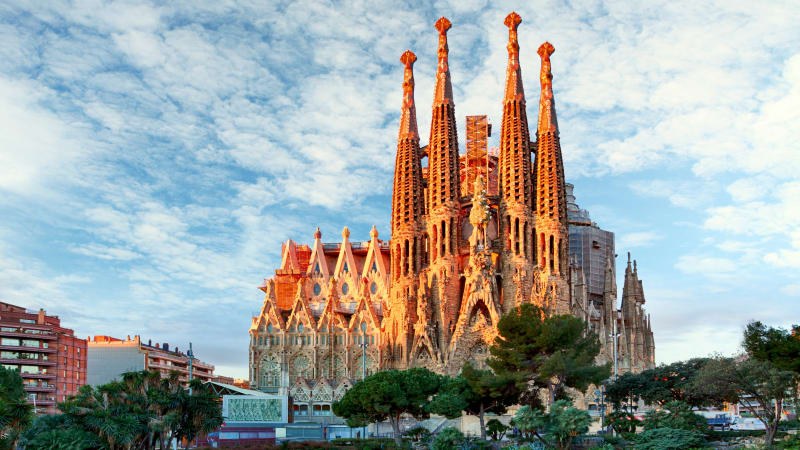 1 mi from BarcelonaSagrada Família
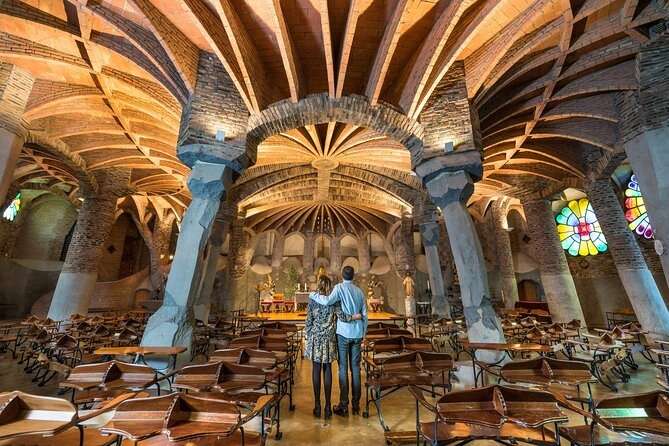 7 mi from BarcelonaColònia Güell Church (Crypt) & Modernist Industrial Site
 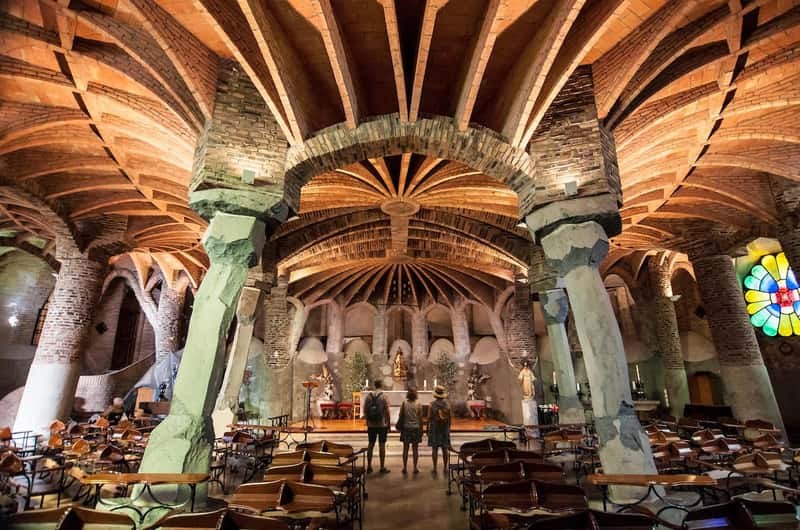 8 mi from Barcelona · land adventureBarcelona Beyond the Crowds: Gaudí, Galician Seafood & Montserrat
 210 mi from Barcelona · land adventureProvence by the Senses: Lavender, Truffles, and Roman Stone
 After you step off · near Istanbul
You end in a different port — stay on, and add what is within reach before you fly home.