Your cruise
Oceania Sirena · 9-night Mediterranean cruise, Civitavecchia (Rome) to Istanbul
May 24 – Jun 2 · 9 nights ·
Day 1 Civitavecchia (Rome) (board) · Day 2 Salerno · Day 3 Messina · Day 4 Syracuse · Day 5 Katakolon (Olympia) · Day 6 Gythion · Day 7 Mykonos · Day 8 Skiathos · Day 9 Canakkale · Day 10 Istanbul (step off)
What you do Glide along the world's most dramatic coastline aboard a private luxury vessel, anchoring at Positano's pastel cliffs, swimming in hidden sea caves, and toasting with Aperol spritz as the Tyrrhenian sun sets. The Amalfi Coast from the water is simply unmissable.
What to expect Step aboard a classic wooden gozzo or sleek motorboat from Salerno's marina and trace the jaw-dropping limestone cliffs of the Amalfi Coast. Your skipper navigates into the Grotta dello Smeraldo, stops at secluded coves for snorkeling, and moors at Positano's beach for a long, unhurried lunch. The return sail at golden hour, with the coast glowing amber, is the defining image of any Italy trip.
Good to know Departs from Salerno's Piazza della Concordia ferry dock, a 10-minute walk from the cruise terminal. Full-day charters run 8–9 hours; half-day options available. Book at least 3–4 weeks ahead in peak season. Confirm all-aboard time and build in 30 minutes' buffer for the return.
Versus the ship tour A fully private or intimate small-group charter means you set the pace — linger in a sea cave, anchor for a swim wherever the water glitters, and dine at a harbourside trattoria in Amalfi on your own schedule, with no crowds and no coach transfers.
book direct with Salerno Incoming (official local boat operator) → · the full guide →
What you do Walk the ghostly streets of Pompeii with a practicing archaeologist after the main crowds have left — an extraordinary, almost cinematic encounter with the Roman world frozen in 79 AD. Limited entry makes this the rarest ticket on the Amalfi circuit.
What to expect A private car or minivan collects you from the cruise pier for the 45-minute drive north. Roberto opens the experience with context at the Forum before moving through the Villa of the Mysteries, the Lupanar, and the House of the Faun — sites often rushed on group tours. He reads original Latin inscriptions aloud and reconstructs daily Roman life with vivid, peer-reviewed detail. You return with a completely different understanding of antiquity.
Good to know Pompeii Archaeological Park tickets must be pre-booked online at pompeiisites.org; timed entry slots sell out weeks ahead. Allow 4–5 hours on site plus 1.5 hours' total transfer. Check all-aboard time carefully — depart the site no later than 2 hours before ship departure.
Versus the ship tour Roberto is a practicing archaeologist and Salerno native — he interprets the frescoes, the graffiti, the plaster casts, and the urban layout at a depth that transforms a visit into genuine scholarship. Private access means you linger where you choose, not where a group flag waves.
book direct with Guides of Italia (Roberto, licensed archaeologist-guide) → · the full guide →
What you do Stand before three of the best-preserved Greek temples on Earth — older and more intact than the Parthenon — then retire to a working buffalo farm for a private mozzarella tasting paired with local wines. This is Campania at its most gloriously uncrowded.
What to expect Your private car heads south along the Tyrrhenian coast to the UNESCO-listed ruins of Paestum, arriving early before the heat and day-trip coaches. Roberto brings the Temple of Neptune (c. 450 BC) to life through myth, politics, and architectural analysis. The National Museum of Paestum, with its stunning Tomb of the Diver fresco, follows. Lunch is a private tour of a Mozzarella di Bufala Campana DOP farm — you watch the cheese pulled by hand and taste it warm with local EVOO, prosciutto di Parma, and Fiano di Avellino.
Good to know Half-day excursion, approximately 5–6 hours total. Pre-book the farm visit separately as availability is limited. Comfortable walking shoes essential — the archaeological site has uneven stone paths. Paestum is in the opposite direction from the Amalfi Coast, so this excursion works best for guests who want to avoid the coast-road traffic entirely.
Versus the ship tour Paestum is only 40 minutes south of Salerno — closer than Pompeii, far less visited, and arguably more beautiful. The private buffalo-farm tasting after the temples is an experience outsiders almost never access, arranged only through well-connected local guides.
book direct with Guides of Italia (Roberto, licensed archaeologist-guide) → · the full guide →
What you do Scale the Lombard-era Castello di Arechi for panoramic views over the Gulf of Salerno, then descend into a medieval old town of Norman cathedrals, ancient apothecary gardens, and poetry-lined alleyways. Salerno's own treasures are shockingly underrated.
What to expect Your guide meets you steps from the pier. The morning begins at the Castello di Arechi, a 8th-century hilltop fortress with sweeping Gulf views, reached by a short taxi or private car. You descend into the labyrinthine old town — through the Arco Catalano, past the Museo della Scuola Medica Salernitana, and into the Giardino della Minerva, a terraced hillside garden of medicinal herbs with Gulf vistas. The Duomo di Salerno (Cathedral of St Matthew) crowns the route, its Byzantine mosaics and Norman bronze doors among southern Italy's finest. A coffee stop at a historic bar on Corso Vittorio Emanuele ends the morning on a perfectly Italian note.
Good to know Meeting point is the cruise terminal or Piazza della Concordia — confirm with your guide at booking. Duration: 3.5–4.5 hours. The Giardino della Minerva charges EUR 3 entry; the Duomo is free. Wear comfortable walking shoes; the old town is hilly and cobbled. This excursion is walkable from the ship, making it the lowest-logistics option on port day.
Versus the ship tour A private local guide unlocks access and narrative that no self-guided walk can match — from the hidden Giardino della Minerva (Europe's first botanical-medical garden, dating to the 11th century) to the jewel-encrusted crypt of Salerno Cathedral, with context woven from the city's remarkable medieval medical school heritage.
book direct with GetYourGuide – Salerno Private Custom Tour with a Local Guide → · the full guide →
What you do Attend a chamber concert in the Villa Rufolo's clifftop gardens — inspiration for Wagner's Parsifal — then walk the ancient Marine Republic of Amalfi and explore its Arab-Norman cathedral. Culture, scenery, and music fused in one extraordinary day.
What to expect A private car winds up the vertiginous corniche to Ravello, 350 metres above the sea, arriving at the 11th-century Villa Rufolo in time to stroll the terraced gardens before the concert begins. Strings and piano carry across the Gulf in the open air — one of Italy's most purely cinematic musical experiences. Afterwards, the car descends to Amalfi for a long lunch of sfogliatella and fresh-caught pesce at a harbourside restaurant, followed by the Cathedral of Sant'Andrea with its gilded Byzantine mosaics and dramatic black-and-white striped façade.
Good to know Concerts at Villa Rufolo typically run June–September; check the schedule at ravelloarts.org and book tickets well in advance as they sell out. Drive time from Salerno to Ravello is approximately 45–60 minutes depending on coastal traffic. Allow at least 6 hours for the full combined experience. Evening concerts require careful checking against all-aboard time — afternoon matinée performances are the safer option for cruise guests.
Versus the ship tour The Ravello Concert Society has staged world-class classical performances on Villa Rufolo's belvedere since 1953 — this is not a tourist show but a serious cultural institution. Pairing it with a private car so you dictate the itinerary, not a bus timetable, turns it into an entirely personal grand-tour moment.
What you do Shop Salerno's Mercato del Carmine with a local chef, then cook a four-course Campanian feast in a private kitchen — from hand-rolled pasta to limoncello semifreddo. Eat what you cook over a long, convivial lunch with local wine pairings.
What to expect Your chef-host meets you at Salerno's covered morning market, guiding you through stalls of San Marzano tomatoes, local provola cheese, fresh anchovies from Cetara, and bundles of wild herbs. Back in the kitchen, you make fresh paccheri pasta from scratch, a slow-cooked ragù napoletano, a traditional caprese with buffalo mozzarella, and a lemon dessert using Amalfi Coast sfusato lemons. The meal is eaten together around the family table with a curated selection of Campanian whites and reds, with the chef narrating the history and lore behind every dish.
Good to know Classes typically run 4–5 hours. The kitchen is a short taxi ride or 15-minute walk from the cruise terminal. Book the private option well ahead for a truly bespoke experience — small-group classes fill quickly in summer. Advise the operator of any dietary restrictions at booking. Ideal for morning port calls where you want to be back aboard by mid-afternoon.
Versus the ship tour A small-group or private cooking class in a Salernitano home kitchen is the most intimate way to understand why Campania — the birthplace of pizza and the Mediterranean diet — is considered Italy's greatest food region. You leave with recipes, full, and genuinely connected to the place.
book direct with GetYourGuide – Salerno Cooking Class → · the full guide →
What you do This is the definitive Rome bucket-list day: Michelangelo's Sistine Chapel ceiling and Last Judgment, the Vatican Museums, St. Peter's Square, plus the Colosseum and Roman Forum — all in one 9-hour private run from the pier. Your driver collects you ship-side in a Mercedes and the 'privilege' skip-the-line tickets to both the Vatican and Colosseum mean you walk past the 2-hour queues that would otherwise eat your port day. Note this is a private-driver tour, not a guided one: you explore the interiors at your own pace (audio guides sold inside).
What to expect A private Mercedes collects you pier-side at Civitavecchia and you begin a 9-hour immersion in Rome's iconic landmarks, moving at your own pace rather than a group's rhythm. You skip past the 2-hour queues at the Vatican Museums to explore Michelangelo's Sistine Chapel ceiling and Last Judgment, then wander St. Peter's Square (basilica entry is free but has its own queue). After lunch flexibility, you drive to the Colosseum and Roman Forum, again with skip-the-line privilege tickets that let you move straight inside while standard visitors wait. Throughout, your private driver and personal vehicle—not a 50-person bus—keep you on your schedule, though you explore each site's interiors independently with optional audio guides available for purchase.
Good to know The full excursion runs 9 hours; plan to depart the pier by 8:00 AM at the latest to ensure a comfortable return before your ship's evening departure. Your private driver meets you ship-side at Civitavecchia—confirm the exact return-time guarantee and buffer window when booking, as this operator runs cruisers daily but you'll want that back-to-ship safety net in writing. Bring comfortable walking shoes, sunscreen, and cash or cards for lunch and optional audio guides inside the museums (not included in the EUR 187.50 price). Book skip-the-line tickets in advance as part of your package; they're your main time-saver advantage over the cruise line's group tours, which run $220–$320 per person for the same sites.
Versus the ship tour Direct wins decisively. The cruise lines' marquee 'Best of Rome / Ultimate Rome' Vatican+Colosseum day runs $220-$320 pp, and on premium lines higher — this private, skip-the-line equivalent is ~$205 pp with your own vehicle and no 50-person bus. You save roughly $50-$120 per person and skip the group-pace bottleneck. The one thing the ship guarantees that you're trading away: a step-on licensed guide inside the sites and a back-to-ship promise (this operator runs cruisers daily but confirm the return-time guarantee when booking).
book direct with Discovery Guided Tours → · the full guide →
What you do The reason cruise lines stop here at all: a private deluxe vehicle whisks you from the pier to the Trevi Fountain, Pantheon, Spanish Steps, Piazza Navona, St. Peter's Square and the Colosseum, dropping you as close as Rome's traffic limits allow at each. It's the maximize-a-tight-window play — a first-timer who sails past Rome without standing at the Trevi would genuinely regret it. Be clear-eyed: this is a driver, not a licensed guide, so it's exterior views, photo stops and walk-up landmarks, no museum interiors.
What to expect Your driver collects you pier-side at 8:00 AM in a private deluxe vehicle and begins threading Rome's narrow streets, stopping at the Trevi Fountain, Pantheon, Spanish Steps, Piazza Navona, St. Peter's Square, and Colosseum views—you step out, snap photos, walk up to the exteriors and iconic squares, then move on. This is drive-and-stroll geography, not museum interiors: you'll see Rome's greatest hits from street level and courtyard vistas, with your driver dropping you as close as traffic allows at each landmark. The rhythm is constant but unhurried—a masterclass in first-timer coverage, punctuated by photo moments and the low hum of rolling between sites. You're back at the pier by 5:00–5:30 PM, having touched eight of Rome's most recognizable monuments without boarding a 50-seat coach.
Good to know Pickup is pier-side at 8:00 AM sharp with return by 5:00–5:30 PM, giving you roughly 8 hours door-to-door; factor in Rome's traffic and the driver will optimize stops, so expect less than 30 minutes at each landmark unless you request longer. No entrance tickets, meals, or guide services are included—this is a driver-only arrangement, so museum and basilica interiors are on your own dime and time; bring cash and book ahead if you want to step inside St. Peter's or the Colosseum. All tolls, parking, and taxes are covered in the quoted price (EUR 650–750 per vehicle for up to 7 guests, ~EUR 107–163 per person), and the driver speaks English. Book directly with RomeCabs in advance; a solo traveler or couple may find the ship's motorcoach tour or Trenitalia train equally priced or cheaper per head, so confirm group size before committing.
Versus the ship tour Direct wins on access, ties or beats on price depending on group size. The ship's guided 'City in a Day / Panoramic Rome' coach tour is $110-$170 pp; split a EUR 650-750 car across 4-7 people and you land around $115-$175 pp with door-to-landmark drops a 50-seat bus can't do. For a solo or couple it's a wash on price — but you get a private car and your own timing. If you only want a cheap motorcoach drop-and-roam, the ship's 'Rome On Your Own' transfer ($60-100 pp) or the Trenitalia train (~$11 RT) is far cheaper than any private car — say so and don't overpay for a driver you don't need.
What you do For travelers who've already 'done' central Rome, this is the equally unforgettable alternative: Villa d'Este's 51 fountains, 64 waterfalls and 220 basins — all gravity-fed, not a single pump — paired with Emperor Hadrian's sprawling 2nd-century imperial estate. An expert private guide actually walks the gardens and ruins with you, and the crowds are a fraction of the Vatican's. A 9-hour day, pier to pier.
What to expect You'll spend the morning and early afternoon in two staggered acts: first, Villa d'Este's terraced Renaissance gardens, where your expert guide walks you through cascading fountains, 220 basins, and 64 waterfalls—all fed by gravity alone, no pumps needed—then a private car transfer inland to Emperor Hadrian's 2nd-century sprawl, where crumbling villas, temples, and theaters unfold across 30 acres of archaeological theatre. The rhythm is unhurried; you're with a licensed English-speaking expert, not herded through a coach crowd, so you'll actually absorb the history and architecture as you walk. By late afternoon, your driver returns you to the Civitavecchia pier, completing the 9-hour door-to-door arc.
Good to know Pickup from Civitavecchia pier is included; plan for a private car departure roughly 3–4 hours after ship arrival to allow for disembarkation and meet your guide. Both villas are outdoor, terraced sites with significant walking and uneven ground—wear comfortable shoes and bring sun protection and water. Book at least 48–72 hours ahead; the price (EUR 869 minimum, ~$475 per couple) drops per person as group size grows, and slots are limited to preserve the "expert guide + small party" promise. Confirm your ship's all-aboard time with the concierge and allow a 30–45-minute buffer before boarding to account for Civitavecchia pier return traffic.
Versus the ship tour Mixed verdict, lean ship for small parties. The cruise lines' 'Beauty of Tivoli / Villa d'Este' countryside tour runs $150-$260 pp and other independents (Discovery Guided Tours) sell a Tivoli day from ~$115 pp — so this premium private option is meaningfully pricier per head for a couple (~$475 pp). What you're buying is a genuine licensed guide actually leading you through both UNESCO sites and a private car, versus a coach. If budget is the driver, the ship tour or a cheaper shared independent is the honest call; book this only if private + expert-guided is the point.
book direct with Through Eternity Tours → · the full guide →
What you do Walk intact ancient streets, an amphitheater, taverns, bath-house mosaics and three-story Roman apartment blocks at the buried port city of Ostia Antica — the marquee 'lost Roman city' with a fraction of Rome's crowds. It's far closer to Civitavecchia than the actual Pompeii (which is impractical from this port), and this private full-day pairs it with the Etruscan necropolis at Cerveteri. Pier-side Mercedes pickup, full day, back in time for the ship.
What to expect You'll be picked up pier-side in a private deluxe Mercedes and driven to Ostia Antica, where you'll walk intact ancient streets lined with taverns, bath houses, and remarkably preserved three-story Roman apartment blocks, culminating at the amphitheater — a far less crowded alternative to Pompeii. The day then pivots to Cerveteri's Etruscan necropolis, where you explore burial sites and artifacts from Rome's pre-imperial neighbors. Throughout, you're moving at your own pace in private transport rather than herded with a group, though your driver handles logistics rather than narrating the ruins themselves. The rhythm is unhurried full-day immersion: ancient streets in the morning, a site transition at midday, and Etruscan tombs in the afternoon, returning to the pier in time to reboard.
Good to know Book ahead with Stefano Rome Tours and confirm pier pickup timing to ensure you clear the ship's all-aboard (driver will know the buffer). Entrance tickets to both Ostia Antica and Cerveteri are not included in the EUR 590 vehicle fee—budget ~EUR 18 per site and purchase at the gate or ahead online to save time. Bring a robust audio guide app (like the official Ostia Antica app) or printed site guide, since the driver is not a licensed in-site interpreter. With a full day in the field, wear comfortable walking shoes, sunscreen, and a hat; both sites are largely open-air and can be hot, especially in summer months.
Versus the ship tour Direct wins, with a caveat. Most ships barely offer Ostia Antica, and comparable 'scenic/ruins' ship days run $150-$260 pp — splitting EUR 590 across 4-7 people lands at ~$90-$160 pp plus ~EUR 18 site tickets. You get a near-empty Roman city and a private car well under the ship's countryside price. Trade-off: it's a driver, not a step-on guide inside the ruins, so bring a good audio guide or app if you want the narration the ship's guided tour would include.
What you do Skip the 1.5-hour each-way push to Rome and explore the port town nearly every cruiser blows past: Michelangelo's harbor fortress (Forte Michelangelo), one of Italy's largest open-air markets, fresh Tyrrhenian seafood and the seafront Pirgo promenade. A relaxed small-group walk with local tastings along the way — the low-stress, low-risk safety net when you want to be steps from the ship.
What to expect You'll join a small-group walk that begins steps from the pier and moves at a leisurely pace through Civitavecchia's historic center, anchored by visits to the Renaissance Forte Michelangelo and one of Italy's largest open-air markets alive with local vendors and produce. Along the way, you'll pause for fresh Tyrrhenian seafood tastings and other local bites, absorbing the rhythm of a working port town most cruisers skip. The walk concludes on the waterfront Pirgo promenade, where you'll have absorbed three hours of culture and flavor without the fatigue of a long coach transfer. It's the opposite of the Rome sprint—an immersive, low-pressure exploration of the places locals actually go.
Good to know The entire excursion unfolds within walking distance of your ship, so there's zero transfer time and minimal risk of running late; plan for the three-hour guided walk to fit comfortably in a 6–8 hour port window. Book ahead through DriverInRome to secure your spot in a small group, and wear comfortable walking shoes—you'll be on foot the whole time through cobblestone streets and market areas. Bring cash (EUR) for any additional purchases at the market or for tips, and check departure times with the operator to give yourself at least an hour buffer before all-aboard. The price of approximately EUR 75 per person (€82 USD) includes all tastings, so budget only for optional extras and gratuity.
Versus the ship tour No real ship equivalent, and that's the point. Cruise lines don't sell a Civitavecchia-town tour because they want you on the $60-320 Rome excursions — so this isn't a price-beat, it's a different (and far cheaper) day for travelers who don't want a 3-hour round-trip. At ~$82 pp with food included and zero risk of missing the ship, it's the honest pick for repeat Italy visitors, slow-pace travelers, or anyone who'd rather not gamble a tight Rome turnaround. If it's your first time in Italy, though, do Rome — this is the alternate, not the headline.
What you do Glide along the world's most dramatic coastline aboard a private luxury vessel, anchoring at Positano's pastel cliffs, swimming in hidden sea caves, and toasting with Aperol spritz as the Tyrrhenian sun sets. The Amalfi Coast from the water is simply unmissable.
What to expect Step aboard a classic wooden gozzo or sleek motorboat from Salerno's marina and trace the jaw-dropping limestone cliffs of the Amalfi Coast. Your skipper navigates into the Grotta dello Smeraldo, stops at secluded coves for snorkeling, and moors at Positano's beach for a long, unhurried lunch. The return sail at golden hour, with the coast glowing amber, is the defining image of any Italy trip.
Good to know Departs from Salerno's Piazza della Concordia ferry dock, a 10-minute walk from the cruise terminal. Full-day charters run 8–9 hours; half-day options available. Book at least 3–4 weeks ahead in peak season. Confirm all-aboard time and build in 30 minutes' buffer for the return.
Versus the ship tour A fully private or intimate small-group charter means you set the pace — linger in a sea cave, anchor for a swim wherever the water glitters, and dine at a harbourside trattoria in Amalfi on your own schedule, with no crowds and no coach transfers.
book direct with Salerno Incoming (official local boat operator) → · the full guide →
What you do Walk the ghostly streets of Pompeii with a practicing archaeologist after the main crowds have left — an extraordinary, almost cinematic encounter with the Roman world frozen in 79 AD. Limited entry makes this the rarest ticket on the Amalfi circuit.
What to expect A private car or minivan collects you from the cruise pier for the 45-minute drive north. Roberto opens the experience with context at the Forum before moving through the Villa of the Mysteries, the Lupanar, and the House of the Faun — sites often rushed on group tours. He reads original Latin inscriptions aloud and reconstructs daily Roman life with vivid, peer-reviewed detail. You return with a completely different understanding of antiquity.
Good to know Pompeii Archaeological Park tickets must be pre-booked online at pompeiisites.org; timed entry slots sell out weeks ahead. Allow 4–5 hours on site plus 1.5 hours' total transfer. Check all-aboard time carefully — depart the site no later than 2 hours before ship departure.
Versus the ship tour Roberto is a practicing archaeologist and Salerno native — he interprets the frescoes, the graffiti, the plaster casts, and the urban layout at a depth that transforms a visit into genuine scholarship. Private access means you linger where you choose, not where a group flag waves.
book direct with Guides of Italia (Roberto, licensed archaeologist-guide) → · the full guide →
What you do Stand before three of the best-preserved Greek temples on Earth — older and more intact than the Parthenon — then retire to a working buffalo farm for a private mozzarella tasting paired with local wines. This is Campania at its most gloriously uncrowded.
What to expect Your private car heads south along the Tyrrhenian coast to the UNESCO-listed ruins of Paestum, arriving early before the heat and day-trip coaches. Roberto brings the Temple of Neptune (c. 450 BC) to life through myth, politics, and architectural analysis. The National Museum of Paestum, with its stunning Tomb of the Diver fresco, follows. Lunch is a private tour of a Mozzarella di Bufala Campana DOP farm — you watch the cheese pulled by hand and taste it warm with local EVOO, prosciutto di Parma, and Fiano di Avellino.
Good to know Half-day excursion, approximately 5–6 hours total. Pre-book the farm visit separately as availability is limited. Comfortable walking shoes essential — the archaeological site has uneven stone paths. Paestum is in the opposite direction from the Amalfi Coast, so this excursion works best for guests who want to avoid the coast-road traffic entirely.
Versus the ship tour Paestum is only 40 minutes south of Salerno — closer than Pompeii, far less visited, and arguably more beautiful. The private buffalo-farm tasting after the temples is an experience outsiders almost never access, arranged only through well-connected local guides.
book direct with Guides of Italia (Roberto, licensed archaeologist-guide) → · the full guide →
What you do Scale the Lombard-era Castello di Arechi for panoramic views over the Gulf of Salerno, then descend into a medieval old town of Norman cathedrals, ancient apothecary gardens, and poetry-lined alleyways. Salerno's own treasures are shockingly underrated.
What to expect Your guide meets you steps from the pier. The morning begins at the Castello di Arechi, a 8th-century hilltop fortress with sweeping Gulf views, reached by a short taxi or private car. You descend into the labyrinthine old town — through the Arco Catalano, past the Museo della Scuola Medica Salernitana, and into the Giardino della Minerva, a terraced hillside garden of medicinal herbs with Gulf vistas. The Duomo di Salerno (Cathedral of St Matthew) crowns the route, its Byzantine mosaics and Norman bronze doors among southern Italy's finest. A coffee stop at a historic bar on Corso Vittorio Emanuele ends the morning on a perfectly Italian note.
Good to know Meeting point is the cruise terminal or Piazza della Concordia — confirm with your guide at booking. Duration: 3.5–4.5 hours. The Giardino della Minerva charges EUR 3 entry; the Duomo is free. Wear comfortable walking shoes; the old town is hilly and cobbled. This excursion is walkable from the ship, making it the lowest-logistics option on port day.
Versus the ship tour A private local guide unlocks access and narrative that no self-guided walk can match — from the hidden Giardino della Minerva (Europe's first botanical-medical garden, dating to the 11th century) to the jewel-encrusted crypt of Salerno Cathedral, with context woven from the city's remarkable medieval medical school heritage.
book direct with GetYourGuide – Salerno Private Custom Tour with a Local Guide → · the full guide →
What you do Attend a chamber concert in the Villa Rufolo's clifftop gardens — inspiration for Wagner's Parsifal — then walk the ancient Marine Republic of Amalfi and explore its Arab-Norman cathedral. Culture, scenery, and music fused in one extraordinary day.
What to expect A private car winds up the vertiginous corniche to Ravello, 350 metres above the sea, arriving at the 11th-century Villa Rufolo in time to stroll the terraced gardens before the concert begins. Strings and piano carry across the Gulf in the open air — one of Italy's most purely cinematic musical experiences. Afterwards, the car descends to Amalfi for a long lunch of sfogliatella and fresh-caught pesce at a harbourside restaurant, followed by the Cathedral of Sant'Andrea with its gilded Byzantine mosaics and dramatic black-and-white striped façade.
Good to know Concerts at Villa Rufolo typically run June–September; check the schedule at ravelloarts.org and book tickets well in advance as they sell out. Drive time from Salerno to Ravello is approximately 45–60 minutes depending on coastal traffic. Allow at least 6 hours for the full combined experience. Evening concerts require careful checking against all-aboard time — afternoon matinée performances are the safer option for cruise guests.
Versus the ship tour The Ravello Concert Society has staged world-class classical performances on Villa Rufolo's belvedere since 1953 — this is not a tourist show but a serious cultural institution. Pairing it with a private car so you dictate the itinerary, not a bus timetable, turns it into an entirely personal grand-tour moment.
What you do Shop Salerno's Mercato del Carmine with a local chef, then cook a four-course Campanian feast in a private kitchen — from hand-rolled pasta to limoncello semifreddo. Eat what you cook over a long, convivial lunch with local wine pairings.
What to expect Your chef-host meets you at Salerno's covered morning market, guiding you through stalls of San Marzano tomatoes, local provola cheese, fresh anchovies from Cetara, and bundles of wild herbs. Back in the kitchen, you make fresh paccheri pasta from scratch, a slow-cooked ragù napoletano, a traditional caprese with buffalo mozzarella, and a lemon dessert using Amalfi Coast sfusato lemons. The meal is eaten together around the family table with a curated selection of Campanian whites and reds, with the chef narrating the history and lore behind every dish.
Good to know Classes typically run 4–5 hours. The kitchen is a short taxi ride or 15-minute walk from the cruise terminal. Book the private option well ahead for a truly bespoke experience — small-group classes fill quickly in summer. Advise the operator of any dietary restrictions at booking. Ideal for morning port calls where you want to be back aboard by mid-afternoon.
Versus the ship tour A small-group or private cooking class in a Salernitano home kitchen is the most intimate way to understand why Campania — the birthplace of pizza and the Mediterranean diet — is considered Italy's greatest food region. You leave with recipes, full, and genuinely connected to the place.
book direct with GetYourGuide – Salerno Cooking Class → · the full guide →
What you do Climb to the 3rd-century BC Teatro Antico, carved into the hillside so its broken stage columns frame Etna's smoking cone and the Ionian Sea behind them — the single most photographed view in Sicily and the reason cruise lines stop in Messina at all. Reach it fully independently: ~45-60 min train from Messina Centrale (a flat 10-15 min walk from the pier) to Taormina-Giardini, then the local bus or ASM cable car up the cliff. Buy a timed entry ticket on the official park site to skip the queue, and leave time to walk Corso Umberto to the Piazza IX Aprile terrace.
What to expect Walk flat to Messina Centrale (10–15 min) and board a regional train to Taormina-Giardini (45–60 min), watching the Ionian coast unfold through the windows. From the station, ride the ASM cable car or local bus up the cliff to the ancient hilltop town, then climb into the 3rd-century BC Teatro Antico—a Greek amphitheatre carved into the mountainside where broken stage columns perfectly frame Mount Etna's smoking cone and the sea beyond, the single most photographed view in Sicily. Spend your middle hours walking the elegant Corso Umberto through town and lingering on the Piazza IX Aprile terrace for the same iconic vistas before reversing the journey back to the pier.
Good to know Buy a timed entry ticket (€14 adults, free under 18, €5 EU 18–25) on the official Parco Archeologico di Naxos e Taormina website before departure to skip queues; the site is open 9:00–16:00 daily. Plan for a 6–7 hour window: 10–15 min walk to the train station + 45–60 min train + cable car/bus + 2–3 hours exploring the theatre and town + reverse travel = roughly 5–6 hours, leaving a 1–2 hour buffer to dress, return to the pier, and re-board. Round-trip train costs €10–16; bring small cash or a card accepted in Italy, and wear comfortable shoes for the steep Taormina hillside and the theatre's ancient stone steps. Skip the cruise line's coached tours (€80–160) unless anxious about the train; this DIY route costs ~€30 total and delivers the same iconic experience.
Versus the ship tour Huge DIY win. The theatre ticket is €14 and the round-trip regional train is ~10-16 euro, so the whole marquee day runs ~$30 self-guided. The ship's 'Taormina On Your Own' coach transfer (free time, no guide, no theatre entry) is $80-110 pp, and its guided 'Best of Taormina' is $120-160 pp — roughly 4-10x the train-plus-ticket cost for the same sight. Only book the ship's version if you're anxious about the train and want the guaranteed coach back to the pier.
book direct with Parco Archeologico di Naxos e Taormina (official ticket office) → · the full guide →
What you do Stand on the smoking flanks of Europe's most active volcano: a Land Rover collects you at the Messina cruise terminal and grinds across old and new lava flows and ancient forest before you helmet up, flick on a flashlight and walk into a genuine lava cave. It's the visceral, hands-on counterpart to Taormina's man-made wonder — far more memorable than viewing Etna from a coach window, and the natural-wonder bucket-list moment of the whole port.
What to expect A Land Rover collects you directly at Messina cruise terminal and climbs across raw volcanic terrain—weaving through old and new lava flows and ancient forests before you arrive at Mount Etna's flanks. You'll helmet up, switch on a flashlight, and enter an authentic lava cave on foot, exploring the tunnels created by Europe's most active volcano. The experience unfolds as a visceral, hands-on journey across smoking slopes and through geological time, culminating in roughly 45 minutes of easy hiking and genuine cave immersion—far more intimate than viewing Etna from a coach window.
Good to know The full excursion runs 6–7 hours all-inclusive (round-trip pickup, guide, 4x4, helmet, flashlight, cave entry), with lunch not included—pack a snack. Book directly with Go-Etna and request written confirmation of the all-aboard time to ensure the operator commits to your ship's departure schedule. The small-group 4x4 format saves $55–120 per person versus the ship's larger coach tour while delivering superior access to the lava. Allow a 1–2 hour buffer before final ship departure when scheduling your return pickup time.
Versus the ship tour Direct wins on both price and intimacy. The ship's flagship full-day 'Mt. Etna & Taormina' combo runs $199-265 pp in a big coach group; Go-Etna's dedicated 4x4 with port pickup is ~$145 pp, saving roughly $55-120 pp while putting you on the lava in a small vehicle instead of a 50-seat bus. Confirm the all-aboard time when you book and ask them to commit to it in writing.
book direct with Go-Etna (Etna 4x4 Excursions) → · the full guide →
What you do A pilgrimage for any film lover: a minivan runs you from the pier into the medieval hilltop hamlets of Savoca and Forza d'Agro, which stood in for 'Corleone' in Coppola's trilogy. You sit at Bar Vitelli where Michael asks for Apollonia's hand, ride a three-wheeled Ape Calessino through Savoca's lanes, and — distinctively — go inside the privately owned Castello degli Schiavi, the Corleone residence that only a handful of operators are permitted to enter.
What to expect Your minivan departs the pier and climbs into the Sicilian hills toward the medieval stone villages of Savoca and Forza d'Agro, the actual film sets where Coppola shot scenes from *The Godfather* trilogy. You'll stop at Bar Vitelli to sit where Michael proposed to Apollonia, then ride a three-wheeled Ape Calessino through Savoca's narrow lanes before entering Castello degli Schiavi—the privately owned palace that served as the Corleone compound and is accessible only to a select few tour operators. The day unfolds as a blend of film pilgrimage and immersion in authentic medieval hillside hamlets, with a licensed English guide contextualizing each location.
Good to know Book directly with Sicily Active (not through your cruise line) to guarantee access to Castello degli Schiavi's interior; the standard ship version typically excludes the castle. The full excursion runs 8 hours including pier pickup and drop-off, with a stated safety-margin return well before all-aboard. Minivan capacity is small (minimum 4 passengers), so book ahead; the Ape Calessino ride through Savoca's tight streets requires reasonable mobility and comfort in tight spaces. Wear comfortable walking shoes for steep village lanes and bring sun protection and water—the hilltop locations offer limited shade.
Versus the ship tour This one is close — book direct for the access, not the price. Cruise lines (e.g. NCL) sell a Savoca/Forza d'Agro 'Godfather' coach tour in a similar band, but the standard ship version typically does NOT include going inside Castello degli Schiavi. Sicily Active's €169 buys the palace interior, the Ape ride and a max-flexible small group, with a stated safety-margin return before all-aboard. If you only want the villages and not the castle, the ship's group tour may edge it on raw cost.
What you do Glide around Isola Bella, the WWF-reserve islet known as the 'Pearl of the Ionian,' on a small boat capped at 12 guests — nosing into the Blue Grotto and Lovers' Cave, drink in hand, with a swim stop in glassy turquoise water under the Taormina cliffs. It's the relaxed, postcard counterpoint to a culture-heavy day and an easy add-on after a morning at the Greek Theatre, since it leaves from Giardini Naxos right below town.
What to expect You'll board a small boat (max 12 guests) at Giardini Naxos and spend roughly two hours gliding around Isola Bella, the protected WWF-reserve islet, nuzzling into the Blue Grotto and Lovers' Cave with a drink in hand. The rhythm is leisurely: navigate the sea caves, then drop anchor in glassy turquoise water beneath the Taormina cliffs for a swim stop where you can float under the dramatic limestone face. This is postcard-perfect relaxation, designed as the aesthetic counterweight to a heavier cultural morning—no rushing, no crowds beyond your small group, just the gentle rock of the boat and the Ionian light.
Good to know Departures run every hour from 10:00–18:00 March through November, so you can pair a morning at Taormina's Greek Theatre with a 14:00–16:00 boat slot and still make your ship. Get from the pier to Giardini Naxos by local train (cheap, direct, ~10 min downhill from town), and meet the operator at their departure point near Restaurant La Sirena; book the €25 pp boat segment locally rather than through the ship to save dramatically. Plan a 60–90 minute buffer back to the pier post-swim to account for the train journey and shower time—you'll be wet and sun-soaked.
Versus the ship tour Direct is dramatically cheaper. The ship's bundled 'Taormina by Land & Sea / Isola Bella' combo is $160-200 pp; booked locally the boat segment alone is just €25 pp, which you pair with the cheap train down to Giardini Naxos. You lose the ship's coach hand-holding, so this is best for confident DIY travelers — but on price it isn't close.
What you do If you'd rather not leave Messina, build your day around 12:00 noon in Piazza Duomo, a few minutes' walk from the pier. The Cathedral bell tower holds the largest mechanical-astronomical clock in the world (Ungerer of Strasbourg, 1933): on the stroke of noon a golden lion roars, a bronze rooster crows and flaps, and tiers of gilded figures wheel into a 12-minute spectacle set to Schubert's Ave Maria. Watch it free from the square, then climb inside to see the gears and a rooftop view over the Strait.
What to expect Walk straight from the cruise pier to Piazza Duomo in a few minutes and position yourself in the square by 11:45 a.m. to secure a good vantage point. At noon, watch the world's largest mechanical-astronomical clock spring to life: a golden lion roars, a bronze rooster crows and flaps its wings, and gilded figures wheel through a 12-minute spectacle choreographed to Schubert's Ave Maria. After the show concludes, climb the bell tower (€5 pp) to see the intricate gear mechanisms up close and enjoy a rooftop view across the Strait of Messina, or combine the tower with the Cathedral Treasury (€7.50) for deeper historical context.
Good to know The entire excursion is a zero-risk, near-port itinerary: the cathedral and noon show are a 5-minute walk from the cruise terminal, and you can return to the ship within minutes if needed. Arrive at the square by 11:45 a.m.—the free outdoor show requires no tickets or advance booking, but crowds gather quickly. Plan 30–45 minutes for the tower climb and gears viewing, or up to 90 minutes if adding the Treasury visit. Bring comfortable walking shoes, sunscreen, and a camera; no advance reservations are necessary for the free noon show, though groups may contact MessinArte directly if seeking a paid guide narration.
Versus the ship tour Skip the ship tour here. Cruise lines sell a 2.5-3 hr 'Messina City Highlights / Walking' tour at $60-90 pp, but the cathedral, the noon clock show and the lungomare are all an easy stroll from the dock and cost nothing to nothing-much. This is the zero-risk, can't-miss-the-ship fallback — pay a guide only if you specifically want the narration.
book direct with MessinArte soc. coop. (Cathedral bell tower & treasury) → · the full guide →
What you do Walk the ancient world's most dramatic Greek stage, descend into the Ear of Dionysus, and stand inside a Roman amphitheatre — all with a specialist archaeologist guiding every step. This is bucket-list antiquity at its most immersive.
What to expect Your guide meets you at the Neapolis gate and leads you through the 5th-century BC Greek Theatre — still used for live performances today — before descending into the Latomie quarries where Athenian prisoners once toiled. The legendary Ear of Dionysus, a 23-metre-high limestone cave, delivers a jaw-dropping acoustic moment when your guide demonstrates its uncanny amplification. The Roman Amphitheatre rounds out a journey spanning nearly a thousand years of civilisation in a single morning.
Good to know The park is a 15-minute taxi ride from the cruise pier (roughly EUR 15). Book your private guide well in advance as top local specialists fill quickly. Allow 2.5–3 hours; combine with Ortigia in the afternoon to make full use of the port day. All-aboard is typically early evening — confirm your ship's schedule.
Versus the ship tour A private archaeologist-guide means you linger inside the Ear of Dionysus long after groups have moved on, hearing whispered acoustics that have astonished visitors since antiquity. The pace is entirely yours.
book direct with Letizia Tour Guide Syracuse (local specialist) → · the full guide →
What you do Wander the ancient island heart of Syracuse — a UNESCO-listed labyrinth of Baroque piazzas, a Greek temple embedded inside a cathedral, and a legendary papyrus spring — with a specialist local guide who brings 2,700 years of history vividly to life.
What to expect The tour opens at the Temple of Apollo, the oldest Greek temple in the Western world, before threading through the baroque grandeur of Piazza del Duomo — widely considered one of Italy's most beautiful squares. Inside the Cathedral, ancient Greek columns rise through the Christian nave in one of architecture's great collisions of eras. A stroll to the Fonte Aretusa, the freshwater spring where papyrus still grows beside the sea, provides a mythological finale that feels genuinely otherworldly.
Good to know Ortigia is walking distance or a short taxi ride from the cruise pier (EUR 10–12). Morning light on the Duomo is spectacular — aim for a 9 am start. Wear comfortable shoes on the cobblestones. The guide can extend the tour to include a Sicilian street-food tasting at the Ortigia market on request.
Versus the ship tour A private guide tailors every stop to your interests — lingering in the golden-lit Cathedral to trace Doric columns swallowed by 7th-century walls, or ducking down sun-dappled caruggi that larger groups never enter.
book direct with Letizia Tour Guide Syracuse (local specialist) → · the full guide →
What you do Glide by private boat along the limestone coastline of Ortigia, slipping through sea caves, swimming in crystalline grottos, and viewing the ancient city from the water — the perspective no walking tour can give you.
What to expect Departing from the Ortigia waterfront, you round the ancient city walls by sea before entering a series of luminous limestone caves that glow turquoise from below. The captain anchors in a private cove for snorkelling over Posidonia meadows teeming with Mediterranean fish. A chilled Sicilian aperitivo — local wine, arancini, and cured meats — is served on deck as you drift back past the golden facades of Ortigia in the afternoon light. The combination of archaeology, swimming, and slow Sicilian living is utterly irresistible.
Good to know Departures are from the Ortigia harbour, approximately EUR 10–12 by taxi from the cruise pier. Confirm all-aboard time carefully — a 4-hour morning departure is advisable to leave buffer time. Bring reef-safe sunscreen and a light cover-up; the limestone caves can have low clearance so flat footwear is recommended.
Versus the ship tour Captain Mirko operates a small, elegant vessel with a maximum of 8 guests, ensuring an intimate, unhurried experience with personalised stops chosen for the day's light and sea conditions.
book direct with Captain Mirko – Syracuse Boat Tours → · the full guide →
What you do Journey 45 minutes south to Noto, the 'Stone Garden' of Sicilian Baroque — an entire city rebuilt in golden limestone after the 1693 earthquake, and one of UNESCO's crown jewels. A private guide unlocks its palaces, convents, and legendary granita bars.
What to expect Your guide meets you at the port and whisks you south through the Val di Noto on a scenic road framed by almond groves and prickly pear. In Noto, the theatrical Corso Vittorio Emanuele unfolds before you — three great churches cascading down a single street of impossible elegance. The ornate balconies of Palazzo Nicolaci, with their grotesque corbels of horses, lions, and mermaids, are one of the Baroque world's great set-pieces. The tour ends with a ritual stop for the finest almond granita in Sicily, made to a century-old recipe.
Good to know 45 minutes each way from Syracuse port by private vehicle. A half-day (4–4.5 hours) is ample and leaves comfortable time before all-aboard. The town is hilly with uneven stone streets — flat supportive shoes are essential. May sees the famous Infiorata flower festival, when the Corso is carpeted in floral artwork; book weeks ahead if your cruise coincides.
Versus the ship tour A private vehicle and local expert means you arrive before the day-trippers, climb the Corso Vittorio Emanuele when the honey-gold facades glow at their warmest, and slip inside palazzi and cloisters that group tours pass by.
book direct with Tourist Italy – Insider Noto Private Tour → · the full guide →
What you do Plunge into Ortigia's vibrant daily market alongside a Sicilian chef, tasting street food, selecting local produce, and uncovering the Arab-Norman culinary heritage that makes Sicilian cuisine unlike any other in Italy.
What to expect The morning begins inside the Ortigia covered market, a sensory riot of blood oranges, swordfish, wild fennel, and the world's finest pistachios laid out under ancient archways. Your guide introduces you to the venditori by name, explaining the Arab-Norman spice routes embedded in every arancino and caponata. A progressive street-food tasting follows — panelle, stigghiola, and cassata siciliana paired with a chilled Nero d'Avola. The tour culminates in a private terrace overlooking the sea for a curated antipasto platter and a final glass of local Etna Bianco.
Good to know The Ortigia market is most vibrant on weekday mornings, peaking before noon — a 9 am start is ideal. Guests with dietary restrictions should notify the guide when booking; the tour is highly customisable. Reach Ortigia by taxi from the pier in 10–12 minutes (approx. EUR 10–12). The 3-hour format fits comfortably within a port day.
Versus the ship tour Your guide is a gastronomic specialist with deep ties to the market vendors — expect tastings that never appear on a menu and access to a baroque palazzo kitchen for an intimate cooking demonstration unavailable to group tours.
book direct with Letizia Tour Guide Syracuse (gastronomic specialist tours) → · the full guide →
What you do Descend into a secret river canyon whose limestone cliffs are honeycombed with over 5,000 Sicel tombs — one of Sicily's most hauntingly beautiful and little-visited ancient landscapes, explored at a leisurely pace with a specialist guide.
What to expect A 40-minute private transfer carries you north-west of Syracuse into the Iblean plateau, where the Valle dell'Anapo suddenly drops away in dramatic terraced cliffs riddled with more than 5,000 Bronze and Iron Age tombs. Your expert guide leads a gentle 2–3km path along the canyon floor, the Anapo river glittering below, pausing at the imposing Anaktoron (prince's palace) and the rock-cut Byzantine oratory with faded frescoes still visible. Wildflowers, golden eagles, and the sheer prehistoric scale of the site make this one of the most moving experiences in all of Sicily. The return transfer takes in a scenic viewpoint over the Iblean countryside.
Good to know Best visited in spring or early autumn when temperatures in the canyon are comfortable and wildflowers are at their peak. Wear sturdy walking shoes — the path has uneven rock sections. Allow approximately 4–4.5 hours total. Confirm the all-aboard time before booking; an early departure of 8:30–9 am is strongly recommended to return with comfortable margin.
Versus the ship tour The Pantalica Necropolis is a UNESCO World Heritage site visited by very few cruise passengers — its remoteness means you may walk for an hour in near-solitude among thousands of Iron Age cliff-cut tombs, a truly rare privilege.
book direct with Tourist Italy – Private Syracuse Region Tours → · the full guide →
What you do Walk the sacred ground where the ancient Games were born, guided by a vetted local expert at your own pace. Stand in the original stadium, explore the Temple of Zeus, and unlock stories no audio guide can tell.
What to expect Your licensed local guide meets you at the port or the site entrance and leads you through the Archaeological Site and Museum of Ancient Olympia with skip-the-line access. You'll stand inside the original 5th-century BC stadium, explore the colossal Temple of Zeus, and view the peerless statue of Hermes of Praxiteles in the museum. The tour moves entirely at your pace — linger where you wish, ask every question that comes to mind, and enjoy a deeply personal connection with one of the ancient world's most sacred places.
Good to know Ancient Olympia is a 35–45 min drive from Katakolon port. Book well in advance for summer sailings as top guides fill quickly. Typical all-aboard times allow for 4–5 hours at the site comfortably; confirm your ship's schedule with your guide when booking. Entrance tickets (EUR 20 pp, combined site & museum) are paid separately on arrival.
Versus the ship tour Fully bespoke itinerary shaped entirely around your interests — no fixed script, no crowded coach, no rush. Your private guide adjusts the depth, pace, and focus to you, turning a sightseeing stop into a genuine scholarly encounter with antiquity.
book direct with ToursByLocals – Private Olympia Guides → · the full guide →
What you do A premium semi-private tour (maximum 25 guests) of Ancient Olympia with skip-the-line tickets included and an official licensed guide — the gold standard for those who want expert depth without going fully private.
What to expect Round-trip transfers from Katakolon port are included, making this seamlessly simple from the moment you step ashore. Your official licensed guide escorts you through the Archaeological Site — the Altis sanctuary, the ruins of the Temple of Hera, the Philippeion, and the ancient stadium — before moving into the outstanding Archaeological Museum to see the Hermes of Praxiteles and the breathtaking Zeus pediment sculptures. The intimate group size means genuine two-way dialogue with your guide throughout. A polished, comprehensive, fuss-free Olympia experience.
Good to know Skip-the-line tickets are pre-included — simply show up. Round-trip transfers from port are bundled in the price. Pre-book online as departures on busy port days sell out. Tour duration is approximately 5 hours, well within standard all-aboard windows.
Versus the ship tour Groups capped at just 25 people ensure an intimate, conversational experience with your guide — far removed from the mass-tour atmosphere. All-inclusive pricing with skip-the-line tickets means zero queuing and zero logistical faff on port day.
What you do Journey into the heart of the Peloponnese olive groves for an immersive agrotourism experience — tasting estate olive oil, local honey, and regional wine amid the ancient landscape that has nourished Greece for millennia.
What to expect After departing Katakolon, your small group is taken to a traditional Peloponnese estate where you'll tour the olive groves and production facilities, learning the art of cold-press extra-virgin olive oil from producers whose families have worked this land for generations. A guided tasting of olive oils, local thyme honey, and regional wines follows — paired with artisan breads and regional produce. The tour combines Ancient Olympia highlights with this authentic agrotourism dimension, giving the day both cultural and gastronomic richness. Approximately 5.5 hours total.
Good to know Departs from Katakolon port; max 19 persons so early booking is essential. Wear comfortable walking shoes for both the estate and the archaeological site. Check the tour's current departure schedule against your ship's all-aboard time when booking.
Versus the ship tour Capped at just 19 participants, this intimate small-group experience takes you off the tourist trail and onto a working estate — a rare sensory encounter with Peloponnesian food culture that most visitors entirely miss.
What you do Explore over 300 fully working reconstructions of ancient Greek machines — from Archimedes' screw to the Antikythera mechanism — in Katakolon's extraordinary, walkable museum. A jaw-dropping intellectual adventure steps from the port.
What to expect Step inside the Museum of Ancient Greek Technology and encounter a world where ancient ingenuity comes to life: functioning reconstructions of automata, musical instruments, astronomical devices, war machines, and domestic tools — all built to the exact ancient specifications documented by Hero of Alexandria, Archimedes, and Ktesibios. Rated 4.7 on TripAdvisor with over 240 reviews, it consistently surprises even seasoned travellers. The adjacent Museum of Ancient Greek Musical Instruments (also rated 4.5) is a perfect companion visit. Both museums together take around 1.5–2 hours and are an effortless, deeply rewarding port-day experience.
Good to know Located right in Katakolon village — a 5-minute walk from the cruise pier, no transfer needed. Open daily during cruise season. A private guided session can be arranged for small groups by contacting the museum directly. Ideal pairing: visit the museum in the morning, then take the scenic TRAINOSE heritage railway to Olympia (departures from Katakolon station).
Versus the ship tour This world-class museum is literally a 5-minute walk from the dock and requires no transfer — yet it contains one of the most intellectually dazzling collections in Greece. Its interactive, working reconstructions make it unlike any other museum experience in the Mediterranean.
book direct with Museum of Ancient Greek Technology (Kostas Kotsanas Museum) → · the full guide →
What you do Board the historic narrow-gauge railway directly from Katakolon port and ride through the olive-grove-carpeted Peloponnese countryside to Ancient Olympia — a scenic, romantic, and utterly unhurried way to reach one of the ancient world's great sites.
What to expect The narrow-gauge Katakolon–Pyrgos–Olympia railway is a living piece of Greek railway heritage, winding through the fertile western Peloponnese with views of olive groves, citrus orchards, and traditional villages. The journey to Olympia takes approximately 45–55 minutes and deposits you close to the archaeological site. Spend several hours exploring the ruins and museum at your own pace before boarding the return service. The leisurely rhythm of train travel gives the day an unhurried, exploratory feel that sets it apart entirely from a coach excursion.
Good to know The station is a short walk from the Katakolon cruise pier. Check the current seasonal timetable carefully — services are limited and coordinating return trains with your ship's all-aboard time is essential. Confirm schedules at the station or via Hellenic Train's website before sailing. Combine with a private licensed guide at the site for maximum depth.
Versus the ship tour Arriving at Olympia by the heritage railway — through rolling groves and quiet villages — is a poetic contrast to arriving by coach. It's one of the most atmospheric and distinctive ways to experience the Peloponnese landscape, beloved by independent travellers in the know.
book direct with Hellenic Train (TRAINOSE) – Katakolon–Pyrgos–Olympia Line → · the full guide →
What you do A rich 5.5-hour guided immersion combining Ancient Olympia's archaeological highlights with a curated tasting of the region's finest honey, wine, and olive oil — direct from the producers in the Peloponnese heartland.
What to expect The tour opens with a guided visit to the Archaeological Site and Museum of Ancient Olympia, covering the sacred Altis precinct, the iconic stadium, and the museum's masterworks. The experience then transitions to a local estate for guided tastings of the region's celebrated products: cold-pressed extra-virgin olive oil from century-old trees, raw thyme and wildflower honeys, and estate-bottled Peloponnese wines. Knowledgeable local guides contextualise each product within the history and geography of the region, making the tasting as educational as it is pleasurable. Duration approximately 5.5 hours.
Good to know At USD 80 all-inclusive this is excellent value for a full-day guided experience with tastings. Book in advance via Expedia's activities portal to secure your place. Comfortable flat shoes recommended for the archaeological site. Duration of 5.5 hours fits comfortably within most Katakolon all-aboard windows — always verify against your specific ship schedule.
Versus the ship tour This all-inclusive format removes every logistical headache — transfers, tastings, and guidance in a single price. The agrotourism element takes guests into a side of the Peloponnese that pure archaeological tours never reach: the living landscape of Greek food production.
book direct with Expedia Local Experiences – Olympia Agrotourism Tour → · the full guide →
What you do Glide by wooden punt through a labyrinth of illuminated stalactite caverns flooded by a prehistoric river — one of Europe's most dramatic underground spectacles. A true bucket-list wonder of the Southern Peloponnese.
What to expect A private vehicle collects you from the port and winds through the wild Mani landscape to Vlychada. You board a flat-bottomed punt and are poled through corridors of rose-pink and ivory stalactites reflected in perfectly still water — 40 minutes of pure awe. A 10-minute walk brings you back to daylight through a separate gallery. En route, your guide narrates the deep Mani history of blood feuds, tower villages, and Byzantine survival.
Good to know Pre-book as cave entry tickets are strictly capacity-controlled — walk-ins are routinely turned away in season. Allow 3.5–4 hours total from port. All-aboard is typically early evening; a morning departure is strongly advised.
Versus the ship tour Fully private transfer and guide so you arrive early — before the day-tripper rush — and linger as long as permitted. Your guide contextualises the Neolithic human remains found here, transforming a scenic boat ride into a profound archaeological encounter.
What you do Stand inside a real, UNESCO-listed Byzantine ghost city clinging to a Taygetos mountainside, then walk the agora of ancient Sparta — two lost civilisations in a single extraordinary day from port.
What to expect Departing port by luxury coach, you reach Sparta in under an hour to view the archaeological site and museum before heading uphill to Mystras. The fortified Byzantine capital — abandoned in 1832 — cascades down a rocky spur: intact frescoed churches, a despot's palace, and sweeping views of the Evrotas valley reward every step. A leisurely lunch break in a local taverna is included before the return drive along the dramatic Laconian coast.
Good to know 6-hour tour; wear sturdy, flat shoes — Mystras involves steep cobbled paths. Book well in advance in peak season (May–September). All-aboard comfortably met with 30+ minutes to spare.
Versus the ship tour Skip-the-line entry is pre-secured, and the group caps at 16 — meaning you wander Mystras's frescoed palace-churches and cobbled lanes at your own contemplative pace, not shuffled through in a crowd. The guide specialises in Byzantine art history, making the faded frescoes inside the Pantanassa Convent come alive.
book direct with Greek Travelling (Semi-Private Shore Excursions) → · the full guide →
What you do Penetrate the brooding Deep Mani — Greece's most untamed peninsula — on a private guided tour past mediaeval tower-house fortresses, cliff-edge chapels, and electric-blue coves that most visitors never reach.
What to expect Your guide collects you at the tender pier and heads south into the Mani heartland, where every village is a stone fortress and the landscape turns lunar. You visit the atmospheric ghost-village of Vathia with its cluster of 18th-century tower-houses, pause at panoramic capes above the sea, and explore tiny frescoed churches that have stood for a millennium. The return route follows the eastern coast, offering entirely different light and seascape.
Good to know Half- or full-day versions available; the full day (6–7 hrs) is strongly recommended for genuine immersion. Roads are narrow and winding — those prone to motion sickness should sit up front. Pre-book private transfer directly with operator.
Versus the ship tour A private or semi-private vehicle means spontaneous stops at roadside Byzantine chapels, a tasting of locally-pressed Mani olive oil, and unhurried time in the tower-village of Vathia — a place that rewards slow wandering, not rushed photo stops.
book direct with Olympic Traveller (Private Shore Tours, Gythion) → · the full guide →
What you do Cross the causeway to a medieval Byzantine fortress-town marooned on a sea rock — car-free, honey-stoned, and barely changed since the 13th century. One of Greece's most intoxicating hidden treasures.
What to expect The 90-minute drive east along the Laconian coast is itself scenic, tracing olive groves and Byzantine chapels. At Monemvasia you pass through the single narrow gate into the lower town: bougainvillea-draped lanes, Venetian mansions, and the magnificent domed Cathedral of Christ in Chains. Your guide leads you up to the haunting upper acropolis — roofless Byzantine churches and Venetian ramparts with a 360° sea panorama. Optional lunch at a renowned castle-town restaurant rounds off the morning.
Good to know Allow 6 hours minimum; flat shoes are essential — the upper town path is steep loose stone. Pre-book private tour; the Monemvasia causeway road can be busy in high summer. Confirm all-aboard time with ship before booking a full-day version.
Versus the ship tour A private vehicle and an expert local guide mean you arrive ahead of day-trippers, climb to the dramatically ruined upper town at your own pace, and linger over lunch at a terrace restaurant with views of the open Aegean — an experience impossible to rush or replicate on a group coach.
book direct with Niki Olympic Tours (Private Shore Excursions, Gythion) → · the full guide →
What you do Walk the pine-shaded causeway to the islet where Paris and Helen of Troy are said to have spent their first night — then stroll Gythion's Venetian-era paralia for aperitivo with a lighthouse view. Effortlessly elegant and self-guided.
What to expect A five-minute stroll from the tender pier leads across the causeway to Marathonisi, a pine-cloaked islet barely 300m across. The 18th-century Tzanetakis Tower houses a small but absorbing museum of local history. You circumnavigate the island on a shaded path, passing the lighthouse at its tip before returning to the promenade. The pastel-painted neoclassical facades of the Paralia — Gythion's main seafront — are best photographed in the late-afternoon light, with kafeneions ready for an Assyrtiko or a Mani olive-oil tasting.
Good to know Easily combined with a visit to the Ancient Theatre of Gythion (free entry, 10-min walk). No pre-booking needed. Nearest taxi rank is at the harbour square for any onward trip. Allow 2–3 hrs total.
Versus the ship tour Completely independent, unhurried, and free of group dynamics — you set the pace entirely. The combination of mythological resonance, a working lighthouse, the Tzanetakis Tower museum, and one of Greece's most photogenic waterfronts makes this the perfect golden-hour finale to any port day.
book direct with Gythion Municipality (self-guided; Archaeological Museum of Kranae Island on-site) → · the full guide →
What you do Sink into a sun-lounger on Gythion's finest sandy beach, then sit down to a guided tasting of PDO Mani olive oil and local honey — among Greece's most acclaimed artisan produce — at a family estate minutes from shore.
What to expect Just 2km from the tender pier, Mavrovouni's kilometre-long arc of sand and shallow turquoise water is among the finest beaches in Laconia — well-serviced with sun-beds and clear water warm enough for swimming from May to October. After a leisurely beach break, your driver takes you inland for a private visit to a Mani olive grove and press, where the family explains the ancient cultivation of the Koroneiki olive and pours their cold-pressed oil alongside aged local wine and preserved olives. A deeply flavoured, sensory farewell to the Peloponnese.
Good to know Beach towels and sunscreen essential. Book the olive estate visit in advance through Private Shore Trips to confirm family host availability. The beach is walkable from the tender dock if you prefer full independence; combine with the estate visit for the full luxury experience.
Versus the ship tour A private vehicle and English-speaking guide take you directly to Mavrovouni's quietest stretch, then on to a small family olive estate where you taste single-varietal Koroneiki oils and local thyme honey with warm sourdough — an intimate, sensory experience unavailable on any group itinerary.
book direct with Private Shore Trips (Customised Gythion Shore Excursions) → · the full guide →
What you do A 30-minute boat from the Old Port lands you on uninhabited Delos, an entire UNESCO World Heritage island that is one vast archaeological site -- the mythological birthplace of Apollo and the sacred heart of the ancient Cyclades. You walk the Terrace of the Lions, mosaic-floored merchant villas, the theatre and temples with the Aegean all around, led by a certified archaeologist on a wireless headset. This is the single regret-if-you-miss-it thing in Mykonos, and the ~10:00 departure returning ~13:30 fits a port window with margin.
What to expect A 30-minute boat ride from Mykonos's Old Port delivers you to the uninhabited island of Delos, where you step directly into an open-air museum spanning temples, the iconic Terrace of the Lions, and mosaic-floored merchant villas—all set against the Aegean backdrop. Your certified archaeologist guide, reachable via wireless headset, walks you through the birthplace of Apollo and the sacred heart of the ancient Cyclades, making the scattered stone and marble come alive with myth and trade-route history. The rhythm is unhurried: excavated streets reveal theatres and sanctuaries in layers, with time to linger at the most striking mosaics and sculptures. You return by approximately 13:30, leaving the afternoon for Mykonos town or the ship.
Good to know Depart around 10:00 from the Old Port to fit comfortably within a typical 6–8 hour port window with a safety margin back to the ship. Book directly with Delos Tours (not the ship's concierge desk) for €79 adult tickets—a savings of roughly $49 per person versus the ship's €134 option, and the certified guide justifies the cost over a DIY boat-only visit. The round-trip boat and UNESCO site entry with museum access and skip-the-line access are all included; bring sun protection, water, and comfortable walking shoes for uneven archaeological terrain. Plan to be back at the Old Port by 13:30, allowing 45 minutes to return to the ship before a typical 14:00–14:30 departure buffer.
Versus the ship tour The ship charges $134 for the same guided Delos boat (its private version up to $225). Book direct for ~$85 -- a ~$49/head saving -- or DIY the round-trip boat + entry for ~EUR 45 if you skip the guide. Direct wins clearly; the guide is genuinely worth it here, so the guided direct ticket is the call.
book direct with Delos Tours (Passenger Vessels of Mykonos-Delos JV) → · the full guide →
What you do A half-day catamaran (roughly 09:30-14:30) that swims and snorkels the empty turquoise coves of uninhabited Rhenia, sails scenically past Delos with captain commentary, and serves a cooked lunch on deck. Semi-private (small group) keeps the deep-blue Cycladic sailing-day feeling that no land tour delivers, with port pickup included. This is the quintessential Greek-islands-on-the-water day if you'd rather sail and swim than walk ruins.
What to expect You'll board a semi-private catamaran at 09:30 for a half-day sailing adventure across the Cycladic waters. The boat glides scenically past the ancient ruins of Delos while the captain shares its history, then anchors in the turquoise coves of uninhabited Rhenia for swimming and snorkeling in crystalline water—far from the crowds at Mykonos's shore beaches. Around midday, the crew serves a cooked lunch on deck as you sail back, giving you the deep-blue Greek-islands-on-the-water experience that land tours simply cannot match. You'll return to port by 14:30, having swum pristine waters and absorbed the rhythm of a traditional sailing day.
Good to know Departure is 09:30, so plan port pickup from the pier (transfer included) with a buffer of at least 30 minutes before departure to reach the operator's location in Mykonos town. The half-day duration wraps by 14:30, giving you a 6–8 hour window and a comfortable margin before the ship's all-aboard; confirm exact return time with the operator. Bring swimwear, a towel, sunscreen, and water shoes for rocky cove entry; a waterproof bag for valuables is practical since you'll be in the water. Email Mykonos Dolphin directly to verify the specifics of lunch and any open-bar inclusions, as these details vary by boat size (Lagoon 38/40 at €120 or Lagoon 44 at €140 per person).
Versus the ship tour The ship's South Coast Cruise is $147 and stays on the south beaches; this direct semi-private adds Rhenia swimming and a Delos sail-by for ~$130 -- about $17 cheaper with more inclusions. Confirm lunch/open-bar specifics by email, since the site lists them per-boat. Direct wins on both price and access.
book direct with Mykonos Dolphin (Dolphin Navigation) → · the full guide →
What you do Mykonos's south coast is the famous beach scene -- Paradise and Super Paradise's legendary party sands, the calmer golden bays of Elia and Agrari -- and the scenic local way to reach them is the little wooden caiques, not a road taxi. One flat all-day pass hops you boat-to-boat between Ornos, Platis Gialos, Paraga, Paradise, Super Paradise, Agrari and Elia, boarding every 10-15 minutes with no booking needed. Base yourself at the Platis Gialos dock (easy bus from town).
What to expect You'll arrive at the Platis Gialos dock via a short local bus ride from town and board one of Mykonos's iconic wooden caiques—small, characterful water taxis that have ferried island-goers since 1968. With your all-day pass, you become the architect of your own beach day: hop on every 10-15 minutes to island-hop between seven legendary south-coast stops, from the party sands of Paradise and Super Paradise to the serene golden bays of Elia and Agrari. Each caique crossing is brief and scenic, letting you spend as little or as long as you want at each beach—working your way through multiple swimming spots, tavernas, and coastal moods all in one day. The rhythm is entirely yours: swim, move, explore, repeat, with no tour guide clock dictating when you leave.
Good to know Catch a local bus from the ship's town drop-off to Platis Gialos dock (the main hub and easiest boarding point) and buy your EUR 20 all-day pass directly at the pier—no advance booking needed. Plan to depart the dock with at least 90 minutes before all-aboard to account for the return bus ride and any final swim. Bring cash (euros) for the pass, sunscreen, a lightweight cover-up, and a waterproof bag, as the wooden boats are open-air and direct sun exposure is relentless between stops. The caiques run on local rhythm, so confirm the last return departure from your final beach to avoid cutting the buffer too close.
Versus the ship tour The ship's town-plus-beach combo runs $78 and pins you to one beach on its clock. At ~$22 for unlimited beach-hopping all day, the water taxi is the highest-value experience at this port by a wide margin -- direct wins overwhelmingly. The only catch is you arrange your own bus to the dock.
book direct with Mykonos Sea Transfer (the island's original sea-taxi family, since 1968) → · the full guide →
What you do Out in Ano Mera, VIOMA is Mykonos's organic farm-and-vineyard (since 1994), where you sit among vine-covered fields for a guided tasting of the house wines paired with aged Gruyere, olives and bread. A free guided vineyard walk at 14:15 takes you through the aromatic gardens, wood-fired oven house and animal pens before the tasting. It's the calm, rooted, food-and-wine counterpoint to the beach-club scene.
What to expect You'll head out to Ano Mera and step into a working Cycladic vineyard where the pace slows immediately—walk through aromatic gardens and past the wood-fired oven house and animal pens on a guided tour at 14:15, then settle among the vine-covered fields for a guided tasting of three house wines paired with aged Gruyere, olives, and bread. The experience is rooted and unhurried, a deliberate contrast to Mykonos's beach-club energy. You're tasting wines in the place they're grown, with the vines and the terroir physically around you.
Good to know VIOMA is open May–October except Wednesdays, 12:00–17:00; call or book ahead to confirm the per-person tasting price and secure your spot. Arrange a taxi from the pier to Ano Mera (roughly 15–20 minutes); plan to arrive by 14:00 to join the guided vineyard walk at 14:15, then allow 90 minutes for the tasting and meze. Budget 5–6 hours total if using SeaBus + self-guided town exploration to round out your port day, leaving a 2-hour buffer before all-aboard. For larger groups (up to 6), private farm tours are available from EUR 100—confirm when you call.
Versus the ship tour The ship's Walking Tour with Wine Tasting is $175 (private cooking version up to $276) -- a free town walk plus a ~EUR 22 tasting, marked up hard. Book the VIOMA tasting direct and the same wine experience lands well under $100/head; pair it with the free SeaBus + self-guided Chora and you replicate the whole ship tour for roughly half. Direct wins, but call ahead to lock the price and a taxi out to Ano Mera.
book direct with Mykonos Vioma Organic Farm → · the full guide →
What you do The irreducible Mykonos that lives on every postcard -- the 16th-century Kato Mili windmills on the hill, the colorful overhanging houses of Little Venice, the sculptural white Panagia Paraportiani church, and the bougainvillea maze of Chora. From the Tourlos cruise terminal the SeaBus drops you at the Old Port in about 8-12 minutes, and the wandering itself is free. This is the low-risk near-port fallback that fits any clock and never leaves you stranded from the ship.
What to expect You'll ride the SeaBus from Tourlos cruise terminal to Mykonos's Old Port in 8-12 minutes, arriving in the heart of Chora. From there, the wandering is yours: climb toward the iconic Kato Mili windmills on the hill, lose yourself in the narrow whitewashed lanes lined with bougainvillea, pause at the sculptural white Panagia Paraportiani church, and absorb the candy-colored overhanging houses of Little Venice that define every postcard image of the island. The rhythm is entirely self-directed—there are no admission fees to Chora itself, so you move at your own pace, lingering where the light hits or the mood strikes.
Good to know The SeaBus departs every 15 minutes on ship arrival and costs just EUR 2 (~$2.20) each way, making a round trip roughly EUR 4; budget 4-5 hours total to explore Chora without rushing, leaving comfortable buffer time to catch a return bus back to Tourlos before all-aboard. Wear sturdy walking shoes for the steep hill to the windmills and narrow, uneven Venetian streets; bring sun protection and water, as the white stone reflects intense midday heat and there's little shade in the maze. Skip the ship's $57 Old Town walking tour—you'll see the same landmarks independently for a fraction of the cost, and a guide adds negligible value in a town with no paid entry and straightforward navigation.
Versus the ship tour The ship's Old Town walking tour is $57 for a town that has no admission and sits a short SeaBus hop from the pier. A guide adds little here -- skip it: take the EUR 2 SeaBus and wander for free, or add the VIOMA tasting above. This is the rare card where independent isn't just cheaper, it's effectively free; the ship's only edge is a guided narration most first-timers won't miss.
What you do Skim across the Aegean on a chartered speedboat to Skiathos's crown jewel — the white-pebbled, turquoise-lapped Lalaria — then duck through the dramatic Blue and Black sea caves. Utterly inaccessible by land, this is Skiathos at its most raw and exclusive.
What to expect Your skipper departs Skiathos Old Port and cuts north along the wild, road-less coastline, pausing at hidden coves en route. At Lalaria the turquoise gradient is literally breath-taking — arch rock framing the horizon, pebbles glowing white underfoot. The cave sequence — Blue, Dark and Skotini — is a natural light show of cobalt and emerald. Return via the Kastro headland ruins for an aerial perspective from the water.
Good to know Half-day charters run 09:00–13:30, comfortably within all-aboard windows. Pre-book at least 2–3 weeks ahead in July–August. Bring a dry bag, reef-safe sunscreen, and light layers — sea spray is part of the magic. Snorkelling masks often provided on request.
Versus the ship tour A fully private speedboat means you arrive at Lalaria before the crowds, linger inside the caves as long as you wish, and set your own itinerary — swimming stops, cliff-side aperitivos, all at your pace with an expert local skipper.
book direct with Skiathos Sailing & Yachting (local direct charter) → · the full guide →
What you do Stand on the clifftop chapel of Agios Ioannis Kastri — the iconic Mamma Mia wedding-scene church — and sail past the medieval ruins of Kastro, all on a curated small-group boat excursion from Skiathos Port. Cinema history meets Byzantine drama above the Aegean.
What to expect The caique rounds the northern tip of the island, revealing Kastro's crumbling ramparts perched 100 m above the sea — once home to 300 churches, now a hauntingly beautiful ruin. The ascent to Agios Ioannis is 100 steps of pure theatre: the view from the chapel terrace is every bit as cinematic as the film. A swim stop in the cove below the chapel follows, crystal water, zero crowds, sheer cliffs all around. Lunch on board features fresh mezze and chilled Greek wine.
Good to know Departures typically at 10:00, returning by 16:00 — check your all-aboard time carefully. The 100-step climb is steep; wear proper sandals or trainers. Book the private gulet option to guarantee an intimate group and flexible timing.
Versus the ship tour Small traditional caique with a maximum of 12 guests; a local guide weaves real Mamma Mia production stories into the history of Kastro's 14th-century citadel — context no mass-market tour delivers.
What you do Ride the island's pine-fringed southern coast in an open-top 4×4, threading between golden beaches, olive groves and lagoon viewpoints from Troulos to Koukounaries — rated among Greece's most beautiful strands — before a private beach lunch at Mandraki.
What to expect The route winds through fragrant Aleppo pine forest to Koukounaries, where a crescent of honey-coloured sand meets water so clear you can count the pebbles at 3 metres depth. Your guide then navigates unpaved tracks to the secluded Mandraki lagoon — a brackish lake backed by the Aegean, beloved by flamingos in season. A private table at a cliffside taverna awaits, with grilled octopus, Greek salad and local Skiathos wine poured generously. The return sweeps past Troulos and Vromolimnos for a final swim.
Good to know Half-day format (09:30–14:00) fits most itineraries; confirm all-aboard before booking afternoon variants. Dusty tracks mean light linen is smarter than white. Advance booking essential — private jeeps are limited on port days.
Versus the ship tour A private jeep means spontaneous stops at viewpoints not on any map, a guide who grew up on the island, and a relaxed Mandraki beach lunch at a family taverna that doesn't cater to groups — a world away from a bus transfer.
What you do Ascend to the 18th-century Evangelistria Monastery — where the first Greek national flag was raised in 1807 — then wind through Skiathos Old Town's Plakes quarter with a local historian, uncovering whitewashed alleys and Aegean-Byzantine stories few visitors ever hear.
What to expect The monastery sits in dense pine woodland above the town, cool and aromatic even in August. Inside, frescoes glow in candlelight and a monk may offer you a shot of tsipouro and a spoon sweet — genuine Aegean hospitality. Back in town, the Plakes neighbourhood reveals neoclassical mansions, the birthplace of novelist Alexandros Papadiamantis, and a working harbour that looks exactly as it did in 1900. The walk ends at a shaded kafeneion for a Greek coffee and almond cake.
Good to know Combined tour runs 09:00–13:00; the monastery is a 20-minute taxi ride from the port. Dress respectfully — shoulders and knees covered for the monastery (wraps usually provided). No booking required for Old Town walks, but private monastery transport must be reserved in advance.
Versus the ship tour A certified local historian leads a maximum of 8 guests, granting access to the monastery's icon collection and the original flag shrine — with academic context and unhurried contemplation that larger groups simply cannot offer.
book direct with Discover Greece – Official Walking Experiences → · the full guide →
What you do Sail just 2 km off Skiathos to the uninhabited islet of Tsougria — translucent shallows, powdery sand and absolute silence — on a private crewed sailing yacht. The Aegean as it existed before tourism, entirely to yourself.
What to expect You cast off from the Old Port under sail, the pine-covered hills of Skiathos receding as the open Aegean opens ahead. Tsougria appears as a brushstroke of silver sand fringed by juniper. Snorkel directly off the boat over posidonia meadows teeming with sea bream and octopus — visibility regularly exceeds 25 metres. A chilled lunch of local cheese, charcuterie, fresh bread and wine is served on deck at anchor. The return sail often catches the afternoon meltemi breeze for an exhilarating close-hauled beat back to port.
Good to know Departure from Old Port at 09:30; back by 13:30 for most all-aboard times. Confirm your ship's schedule before booking. Snorkel equipment, paddleboard and swim platform included. Book 2–3 weeks ahead in peak season — private sailing charters on this island sell out fast.
Versus the ship tour A private crewed sailing yacht — not a packed day-tripper catamaran — so Tsougria's beaches are genuinely yours. The skipper knows every anchorage, drops the hook in the shallowest turquoise pool, and your only soundtrack is wind and water.
book direct with Skiathos Sailing & Yachting (local direct charter) → · the full guide →
What you do Raise a glass at Parissis Winery, Skiathos's only estate winery, tucked into the island's forested interior. A private guided tour of the vineyard and cellar leads to an intimate seated tasting of their rare small-batch wines — accompanied by local honey, cheese and charcuterie.
What to expect A short taxi or jeep ride from the port delivers you to cool cellars carved into the hillside, fragrant with oak and the island's distinctive volcanic soil. The tasting moves through crisp Assyrtiko-style whites, a floral Moschofilero and a rich, pine-tinged red — all estate-bottled. Local honey from hives on the property, aged graviera cheese and island-cured meats accompany each pour. The terrace view over forested hillsides to the Aegean is a fitting finale before the return to port.
Good to know Tastings run 10:00–13:00 and fit comfortably within port hours. Taxis from the Old Port take roughly 15 minutes. Advance reservation strongly recommended for the private tour; walk-ins accepted for the standard tasting when available. Designated-driver or non-drinker options available.
Versus the ship tour Parissis is a genuine family estate producing wines almost unknown outside the Sporades — the winemaker himself often leads private tastings, sharing the story of reviving ancient Skiathos viticulture. This is rare, personal access to something truly local.
book direct with Parissis Winery Skiathos (official estate) → · the full guide →
What you do Walk the hallowed ground of Anzac Cove, Chunuk Bair, and Lone Pine Cemetery with a dedicated expert guide. This is one of the most emotionally powerful historical sites on earth — a bucket-list pilgrimage for anyone who values courage and sacrifice.
What to expect A short ferry crossing over the Dardanelles delivers you to the Gallipoli Peninsula, where rolling green hills belie the ferocity of the 1915 battles. Your expert historian-guide walks you through Anzac Cove's pebbled shore, the moving rows of Lone Pine Cemetery, and panoramic Chunuk Bair. Kabatepe Museum's vivid dioramas set the campaign in unforgettable context before you return to port.
Good to know The ferry crossing takes about 25 minutes each way; allow a full day (6–8 hours) for justice to the site. Pre-book your private guide to secure availability, as this is the most in-demand excursion from Canakkale. All-aboard times in Canakkale are typically early evening — confirm with your ship and communicate this to your guide when booking.
Versus the ship tour A private guide means you linger at the memorials that move you most, hear deeply personal stories of the 1915 campaign, and avoid the crowds entirely — a contemplative, unhurried pace impossible in a large group.
book direct with Fez Travel – Private Shore Excursion → · the full guide →
What you do Stand inside the legendary walls of Homer's Troy — nine layered cities spanning 4,000 years of civilization. With a private archaeologist-guide, myth and history fuse into one unforgettable encounter at one of the ancient world's most storied sites.
What to expect Just 30 km south of the cruise port, Troy (Truva) sits on a commanding ridge above the Troad plain. Your guide navigates the site's complex excavations, revealing walls, temples, and the legendary Scaean Gate while weaving in the Iliad's dramatic narrative. The on-site museum houses stunning finds — gold jewellery, ceramics and weaponry — that bring Schliemann's excavations to vivid life. The half-day format pairs perfectly with an afternoon in Canakkale's waterfront bazaar.
Good to know Site entry is approximately TRY 500–600 (around USD 15–18); confirm current rate at booking. Troy is a 30-minute drive from the cruise pier — your private guide arranges transfers. Combine with the Canakkale Archaeological Museum for a full-day Troy immersion if time allows.
Versus the ship tour Your private local expert decodes the stratigraphic layers — from Bronze Age Troy II to Hellenistic Troy VIII — in a way no group tour can, pausing at the famous wooden horse replica and the ancient ramp for unhurried photography and genuine discovery.
book direct with Tours by Locals – Private Ancient Troy Half-Day Tour, Canakkale → · the full guide →
What you do The ultimate Canakkale day: ancient Troy in the morning, Gallipoli's ANZAC battlefields in the afternoon — two of the world's most significant historical sites, back to back, with a single expert private guide threading the entire narrative together.
What to expect The day opens at the layered ruins of ancient Troy, where your historian-guide deciphers myth from archaeology among 4,000-year-old walls. After a traditional Turkish lunch, a scenic ferry crossing over the Dardanelles takes you to Gallipoli, where Anzac Cove, Chunuk Bair, and Lone Pine Cemetery deliver profound emotional resonance. The return journey to port as the sun descends over the strait is an image you will carry forever.
Good to know This is a long, full day (10–11 hours); wear comfortable shoes and bring sun protection. Pre-book well in advance — private full-day itineraries sell out fast in port-call season (April–October). Confirm your ship's all-aboard time when booking to ensure a comfortable return buffer.
Versus the ship tour Combining both sites in one private journey — with a guide who links Homer's Bronze Age world to 20th-century warfare across the same legendary strait — creates a depth of understanding that is genuinely transformative.
book direct with Fez Travel – Private Shore Excursion (Troy & Gallipoli) → · the full guide →
What you do Cross the narrowest point of the Dardanelles by private ferry to the Ottoman fortress of Kilitbahir — 'Lock of the Sea' — whose star-shaped towers have guarded the strait since 1463. A dramatic, crowd-free alternative to the region's headline sites.
What to expect The ferry crossing from Canakkale takes just 10 minutes and is a scenic thrill in itself, with warships and tankers threading the legendary strait. Kilitbahir's triple-towered keep and outer walls date to Sultan Mehmed II and were strengthened for WWI — your guide layers Ottoman, Byzantine, and 20th-century history into an absorbing narrative. The village below the fortress is charmingly unhurried, with a handful of waterfront cafés for a perfect çay (tea) break after your exploration.
Good to know Entry to Kilitbahir Castle is approximately TRY 100–150 (around USD 3–5). The ferry departs regularly from Canakkale's central dock and takes 10–15 minutes. This half-day excursion pairs beautifully with a waterfront lunch and bazaar stroll in Canakkale city centre — ideal if you have an early all-aboard.
Versus the ship tour The castle sees a fraction of the visitors of Troy or Gallipoli, meaning your private guide has the battlements entirely to yourself — panoramic views of the Dardanelles, the Canakkale waterfront, and the Aegean beyond are yours in total serenity.
book direct with TourHQ – Private Local Guides, Canakkale → · the full guide →
What you do Discover the story of how a single Ottoman minelayer changed the course of WWI. The Nusret replica and the Canakkale Naval Museum's extraordinary collection reveal the naval campaign of 1915 with museum-quality depth — and near-zero queues.
What to expect The museum's centrepiece is the full-scale replica of the Nusret minelayer, restored to its 1915 configuration and open for boarding — a hauntingly atmospheric experience. Inside, original naval artillery, submarine models, and detailed tactical maps narrate the Allied fleet's catastrophic attempt to force the Dardanelles. The adjacent Çimenlik Castle adds a medieval Ottoman layer to the visit, with cannon emplacements overlooking the strait where history was made.
Good to know The museum is a 10-minute walk from the cruise pier along the waterfront promenade — no transfer required. Open daily; check for seasonal hours. Combine with a stroll to the iconic Trojan Horse statue on the waterfront and a coffee in the charming city centre for a leisurely, culturally rich half-day.
Versus the ship tour The museum sits just minutes from the cruise pier, making it effortlessly port-friendly, yet it is frequently overlooked — a private historian-guide unlocks the full drama of how Nusret's 26 mines sank three Allied battleships on 18 March 1915 and halted the naval assault on Constantinople.
What you do Plunge into the aromas and flavours of Canakkale's ancient bazaar with a private culinary guide — sampling hand-rolled gözleme, local Ezine white cheese, Dardanelles sardines, and freshly brewed Turkish tea in the hidden lanes of the city's most authentic quarter.
What to expect Your guide leads you through the cobbled streets of the old bazaar quarter, introducing you to fourth-generation tradespeople whose families have worked the same stalls for decades. Tastings are generous and genuine — think freshly pressed pomegranate juice, local olive oils, and slow-cooked breakfast pastries. The tour culminates at a waterfront lokanta (tavern) for a traditional Turkish lunch with Dardanelles views, sealing the experience with a glass of raki if desired.
Good to know This is a half-day excursion (3–4 hours) perfectly timed for a late-morning start after arrival, leaving the afternoon free for Troy or the Naval Museum. The bazaar is a short walk from the cruise pier. Inform your guide of any dietary requirements when booking — Turkish cuisine is naturally abundant in vegetarian and seafood options.
Versus the ship tour A private food-and-culture specialist opens doors to family-run stalls and purveyors that tourists never find alone — Ezine's world-class aged sheep's cheese, the waterfront fish market, spice merchants, and the city's beloved künefe pastry shop — all woven into a vivid, spontaneous narrative of daily Aegean-Turkish life.
book direct with Tours by Locals – Private Canakkale Food & Culture Tour → · the full guide →
What you do Stand beneath the largest free-standing dome of the ancient world inside a building that served as the planet's grandest cathedral for 900 years and its grandest mosque for 500 more. A licensed guide unlocks what the average visitor walks past: the 9th-century apse mosaics, the marble Omphalion where Byzantine emperors were crowned, and the layered Christian-and-Islamic iconography that exists nowhere else on earth. This is the single most consequential building in Istanbul and arguably in the eastern Mediterranean.
What to expect Foreign visitors use a dedicated tourist entrance separate from worshippers and pass through mandatory security screening. The main prayer floor is carpeted and partly screened for prayer; tourists are routed to the upper gallery for the famous Deesis and imperial mosaics. Shoulders and knees must be covered and women need a headscarf (free scarves are available at the door). Allow 60-90 minutes inside.
Good to know From Galataport the T1 tram from Tophane reaches Sultanahmet in ~15-20 minutes; Hagia Sophia is a 3-minute walk from the Sultanahmet stop. Buy the timed entry online in advance to avoid the queue. Closed to tourists during the five daily prayer windows and Friday midday prayer, so a licensed guide who times your visit around them is worth it. Comfortably back aboard for any all-aboard after ~16:00.
Versus the ship tour Cruise lines bundle Hagia Sophia into a full-day 'Classic Istanbul' tour at roughly USD 150-200 per person. Booking direct is dramatically cheaper: the EUR 25 entry plus a shared private guide for your party costs a fraction of that, and you skip the 40-person coach. Book direct here unless your ship's tender timing is unusually tight.
book direct with Hagia Sophia Grand Mosque (official ticketing, muze.gen.tr) → · the full guide →
What you do Cruise the only strait on earth that splits a city across two continents, gliding past the marble Dolmabahce Palace, the Ottoman waterfront mansions (yali), the fortress of Rumeli Hisari, and beneath two intercontinental bridges. On a private yacht you set the pace, the route and the soundtrack, with tea or champagne in hand as the minarets of the skyline drift by. Doing this on your own chartered boat rather than a packed 200-seat tour ferry is the difference between a postcard and a memory.
What to expect You board at a marina near the European shore; the captain runs the classic strait route and can pause for photos at the bridges and palaces. Crew serve refreshments; many operators allow you to bring your own champagne or arrange catering. Sunset departures are the prized slot and book out first. Two hours is enough to reach Rumeli Hisari and back at an unhurried pace.
Good to know Confirm the boarding marina relative to Galataport when you book; some launch points are a short taxi from the cruise terminal. Pre-book the exact departure time and request a sunset slot if your ship overnights. Bring layers, the strait is breezy even in summer. Galataport itself sits right at the mouth of the Bosphorus, so transfer times are short.
Versus the ship tour Cruise lines sell a shared Bosphorus 'cruise' as part of a coach tour, typically USD 80-120 per person on a large group boat. For a couple or a family, a private charter direct is a clear luxury upgrade and, split across your party, competitive per head while giving you the whole boat. Book direct.
book direct with Bosphorus Yacht (Zoe Yacht, official) → · the full guide →
What you do Walk the ceremonial spine of imperial Istanbul: the Sultanahmet (Blue) Mosque with its cascade of domes and 20,000 hand-painted Iznik tiles, the ancient Hippodrome where Byzantine chariots once raced around a 3,500-year-old Egyptian obelisk, and then descend into the Basilica Cistern, a sunken sixth-century forest of 336 columns lit like an underground cathedral with two enigmatic Medusa heads at its feet. Three civilizations, Roman, Byzantine and Ottoman, layered within a 10-minute walk.
What to expect The Blue Mosque is an active place of worship: shoes off, modest dress, headscarf for women, and it closes to tourists during the five daily prayers, so timing matters. The Basilica Cistern's atmospheric Night Shift (after 19:30) is the connoisseur's slot, quieter and more theatrically lit, but tickets are sold only same-day at the door. The Hippodrome is open public space between the two.
Good to know All three sit within a few minutes of each other in Sultanahmet, a 15-20 minute tram ride from Galataport via the Tophane T1 stop. Cistern accepts card or Istanbulkart only, no cash. Carry a scarf for the mosque. If your ship overnights, the Cistern Night Shift is a standout; otherwise do the cluster mid-morning before the mosque's midday prayer closure.
Versus the ship tour These exact sites form the backbone of the ship's USD 150-200 'Highlights of Istanbul' coach day. On your own the hard costs are tiny (the mosque is free, the cistern under EUR 40) and the walking distances are minimal, so book direct and pocket the difference. The ship tour only earns its markup if you have a very short port call and want the door-to-door coach.
What you do Walk the seat of Ottoman power for nearly 400 years, set on the point where the Bosphorus meets the Golden Horn. Beyond the four courtyards lie the two rooms that make it bucket-list: the Harem, the labyrinth of tiled private chambers where the sultan, his mother and his concubines lived, and the Imperial Treasury, home to the 86-carat Spoonmaker's Diamond and the emerald-studded Topkapi Dagger. The terrace views over the strait are the finest in the old city.
What to expect The palace is large and the Harem and Treasury draw the longest lines, so go early. Crucially, Topkapi is closed on Tuesdays, a frequent trap for cruise passengers, so check your port day. The Harem requires the combined ticket; don't assume your Museum Pass covers it (it doesn't). Budget 2-3 hours to do it justice.
Good to know Topkapi sits beside Hagia Sophia in Sultanahmet, so pair them in one morning, 15-20 minutes from Galataport by T1 tram. Pre-book the timed combined ticket online to skip the queue. Wear comfortable shoes; the courtyards are cobbled and spread out. Be back at the tram with a buffer for all-aboard.
Versus the ship tour Topkapi is the costliest single entry of the Sultanahmet sites, and ship tours fold it into the same USD 150-200 day. Buying direct at ~EUR 54 with the Harem included is far better value, and a private guide for the palace helps you prioritize in the limited port window. Book direct; only default to the ship tour in a very tight call.
book direct with Topkapi Palace Museum (official ticketing, muze.gen.tr) → · the full guide →
What you do Take the full hammam ritual in a 1556 bathhouse designed by the great Ottoman architect Mimar Sinan and commissioned by Suleiman the Magnificent's queen, Hurrem Sultan, on the ancient site of the Baths of Zeuxippus, steps from Hagia Sophia. You are scrubbed on a heated marble platform (gobektasi) beneath a star-pierced dome, foam-washed, and massaged in a 470-year-old monument. It is the single most sensory, most distinctly Ottoman experience in the city, and a sublime antidote to a day on your feet.
What to expect You're given a pestemal (cotton wrap) and slippers; the ritual moves from the warm dome to the heated marble slab where an attendant performs the kese exfoliation and an olive-oil-soap foam massage, finishing with a rinse and tea in the cool room. Separate men's and women's sections, same-sex attendants. The experience runs roughly 60-90 minutes depending on package. It is touristy but the building and the ritual are genuinely historic.
Good to know Located in Sultanahmet directly between Hagia Sophia and the Blue Mosque, easy to slot after morning sightseeing, 15-20 minutes from Galataport by tram. Book your time slot online in advance, especially on overnight port days. Bring nothing; towels, wrap and slippers are provided. Allow drying/relaxing time before heading back to the ship.
Versus the ship tour Cruise lines rarely offer a historic hammam as a standalone excursion, and when bundled it carries a steep per-person markup over the spa's own rates. Book direct with the bathhouse: you choose your ritual tier and time, and the heritage of this specific Sinan-built hamam is the whole point. There is no equivalent the ship can sell you better.
book direct with Ayasofya Hurrem Sultan Hamami (official) → · the full guide →
What you do Eat your way through Istanbul with the company that wrote the book on its food, tracing the Grand Bazaar and Spice Bazaar and then ferrying across the Bosphorus to the Asian-side market streets of Kadikoy. You meet the masters behind the counters, the kokorec grillers, the pickle makers, the borek bakers, and eat roughly a dozen specialties most cruise passengers never find. Crossing between continents for lunch is a bucket-list flourish only Istanbul can offer.
What to expect Expect a 6-hour-plus walk with a serious eater's pace, plenty of standing and walking, and a small group of fellow food travelers. The route weaves through the Grand Bazaar's 4,000 shops and the Spice Bazaar before a public-ferry hop to Kadikoy's market lanes. You will eat a lot; come hungry and wear walking shoes. Tours sell out, so book well ahead.
Good to know Confirm the meeting point relative to Galataport; the Grand Bazaar end is a short tram ride away. This is a full-day commitment, so it suits an overnight call or a long port day; check it fits inside your all-aboard before booking. Cancel up to 24 hours ahead for a full refund. The Grand Bazaar is closed Sundays, which affects scheduling.
Versus the ship tour Ship 'taste of Istanbul' excursions are large-group, lighter on access, and typically priced USD 120-180 per person. Culinary Backstreets caps groups at seven and delivers genuine local access, so booking direct buys you a smaller, deeper, better experience for a similar or lower price. Book direct.
book direct with Culinary Backstreets (official) → · the full guide →
Before you sail · near Rome
Fly in at least a day early — every seasoned cruiser does, so a delay never costs you the ship. This is what is worth that day within reach of the port.
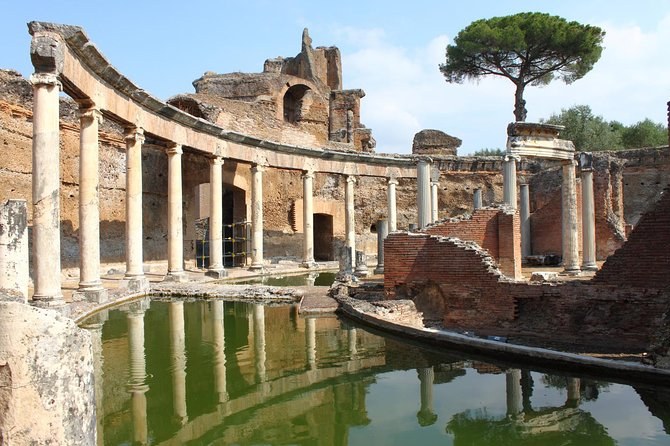
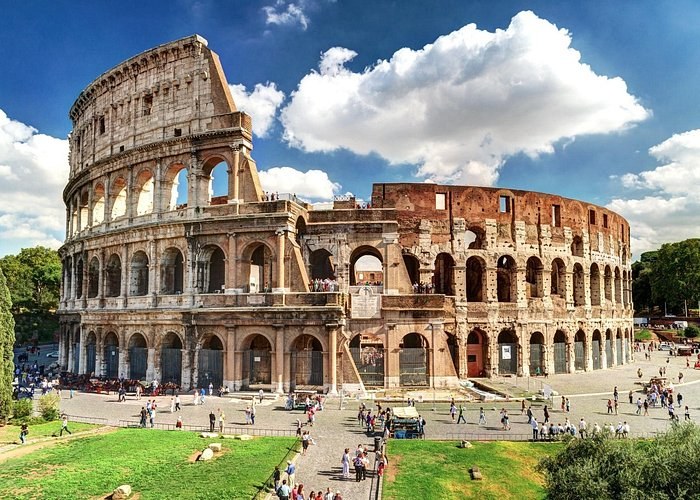
After you step off · near Istanbul
You end in a different port — stay on, and add what is within reach before you fly home.