Your cruise
Queen Mary 2 · 12-night Northern Europe round trip from Southampton
Oct 31 – Nov 12 · 12 nights ·
Day 1 Southampton (board) · Day 2–3 at sea · Day 4 Trondheim · Day 5 at sea · Day 6–7 Tromso · Day 8 at sea · Day 9 Andalsnes · Day 10 Bergen · Day 11–12 at sea · Day 13 Southampton (step off)
What you do Step inside Scandinavia's greatest Gothic cathedral — the ancient coronation church of Norway's kings — with a private guide unlocking its 900-year story. Descend into the Royal Regalia vault, where Norway's crown jewels are displayed in dramatic silence.
What to expect Your expert guide meets you beneath the cathedral's soaring west facade, carved with biblical saints in honey-coloured soapstone. Inside, you trace the pilgrimage route to the silver shrine of St Olav, patron saint of Norway, as afternoon light fractures through restored rose windows. The Regalia vault presents the full Norwegian Crown Jewels — still used for royal ceremonies — in hushed, cathedral-cool chambers. You leave through the archbishop's palace courtyard, with the whole medieval complex to reflect on.
Good to know Nidaros Cathedral is a 15-minute walk from the cruise pier or a 5-minute taxi. Pre-book a licensed private guide through Trondheim For You (trondheimforyou.no) to layer expert narration onto the official ticket. Allow 2–2.5 hours. Cathedral closes by 18:00 in summer — check all-aboard time carefully.
Versus the ship tour A private or small-group guide unlocks hidden iconography, the medieval pilgrimage route and the crypt — layers entirely missed on a self-guided visit. The Regalia vault, housing Norway's actual crown, sceptre and orb, is one of the most emotionally resonant rooms in Scandinavia.
book direct with Nidaros Cathedral (official) → · the full guide →
What you do Explore Trondheim's enchanting old quarter with a hand-picked local guide — cobbled Bakklandet lanes, the iconic Old Town Bridge and the candy-coloured wharfhouses of Nedre Elvehavn. This is the soul of the city, intimate and unhurried.
What to expect You begin at the photogenic Gamle Bybro (Old Town Bridge), its red painted gate towers framing a postcard view of the medieval wharfhouses. Your guide weaves you through Bakklandet's sloping cobblestone streets — one of Norway's best-preserved 18th-century neighbourhoods — stopping at a tiny riverside café for Norwegian pastry and coffee. The route continues past the Nidelva River embankment and the ochre and terracotta merchants' warehouses that once stored goods from across Europe. The final stretch takes in Trondheim's lively market square and the baroque-fronted Royal Residence.
Good to know Meeting point is agreed directly with your guide — typically the Old Town Bridge, a 20-minute walk or 7-minute taxi from the pier. Book well ahead in summer; this boutique operator fills fast. A 2-hour tour is ideal; 3 hours if you want to include Kristiansten Fortress.
Versus the ship tour A genuinely private guide means the pace, the stories and the detours are entirely yours — into the courtyard café your guide has loved for 20 years, across the bridge at the precise golden-hour angle, or lingering in the artisan workshops tucked behind the painted facades.
What you do Walk through 80 authentic historic buildings transplanted from across Trøndelag, spread across a hillside beside a medieval royal fortress. Norway's largest open-air museum brings the Viking age, stave-church era and 19th-century farmsteads vividly to life.
What to expect The hilltop setting alone is spectacular — King Sverre's ruined fortress commands views over Trondheim and the fjord beyond. You wander between original farmhouses, fishing cottages, a rural post office and a dentist's surgery, each period-furnished and many staffed by knowledgeable interpreters in traditional dress. The relocated stave church interior is breathtaking: dark timber, flickering candlelight and medieval carvings. In summer, craftspeople demonstrate blacksmithing, weaving and boat-building in the open courtyards.
Good to know Located 3 km west of the city centre — take a taxi (10 min, approx. NOK 150) or the Gråkallbanen tram from St Olavs gate. Allow 2.5–3 hours minimum. The museum restaurant serves excellent traditional Norwegian lunches — book a table in advance. Open daily in summer from 11:00.
Versus the ship tour The combination of King Sverre's 12th-century stone fortress ruins, a fully furnished stave church and costumed living-history demonstrations creates a multi-sensory Norwegian experience impossible to replicate indoors. A private or small-group guide brings the characters who lived here back to life.
book direct with Sverresborg Trøndelag Folk Museum → · the full guide →
What you do Discover Norway's national museum of musical history inside a Baroque manor house, its collection spanning 2,000 instruments from across five centuries and every corner of the globe. Guided tours end with a live recital performed on the historic instruments — utterly unique.
What to expect The manor sits in landscaped botanical gardens on a peninsula above the Nidelva estuary — one of Trondheim's most beautiful settings. Your guide escorts a small group through chronologically arranged rooms, each showcasing extraordinary instruments: glass harmonicas, enormous barrel organs, Norwegian folk instruments and a concert grand once owned by a 19th-century virtuoso. At each stop, the guide plays — the music filling rooms whose acoustics have changed little in 300 years. The rose garden outside is perfect for a post-tour stroll.
Good to know Guided tours depart at fixed times (check schedule at ringve.no); the 11:00 and 13:00 tours work best for cruise visitors. Allow 2 hours including the gardens. Located 4 km from the pier — taxi recommended (approx. NOK 180, 12 minutes). Book tickets online to guarantee a spot on the guided tour.
Versus the ship tour The guided tour format is mandatory and intimate by design — small groups only, led by a music specialist who plays each instrument as they present it. Hearing a 17th-century harpsichord or a Norwegian Hardanger fiddle performed live in a period manor room is a genuinely rare privilege.
What you do Climb to the 17th-century hilltop fortress that saved Trondheim from Swedish invasion, now perfectly preserved and commanding the finest panoramic views in the city. A private military historian guide unlocks the siege, the cannon batteries and the extraordinary wartime stories.
What to expect The cobbled path up to Kristiansten rewards immediately: from the outer ramparts, the entire city unfolds below — the cathedral spire, the river delta, the fjord and, on clear days, the mountains beyond. Your guide positions you at each cannon tower to narrate the 1718 battle in forensic detail, then leads you inside the round tower keep, unchanged since the 1680s. The eastern bastion offers the single best photograph in Trondheim — city, fjord and fortress wall in one frame. Mornings are best; the light is extraordinary.
Good to know A 25-minute walk from the cruise pier uphill through Bakklandet — the walk itself is scenic. Alternatively, taxi to the base (NOK 120, 8 minutes) and walk the final 10 minutes up. The fortress grounds are always open; interiors open May–September. Combine with a Bakklandet coffee stop on the way back down.
Versus the ship tour The fortress is free and open — but arriving with a specialist guide who brings the 1718 Swedish siege, the WWII German occupation and the execution grounds to vivid life transforms a scenic hilltop into one of the most dramatic historical encounters in Norway.
What you do Board a private vessel and sail the Trondheimsfjord to Munkholmen — an island that has served as monastery, fortress and prison across 1,000 years of Norwegian history. Return with the city skyline and cathedral spire as your backdrop from the water.
What to expect Your private vessel departs from Ravnkloa fish market pier, threading past the colourful harbour and out into the shimmering Trondheimsfjord. On Munkholmen, your guide walks you through the Benedictine monastery foundations (c. 1100), the circular Dutch-built fortress (1658) and the island's 20th-century use as a WWII prisoner camp. The island café serves coffee and open-faced shrimp sandwiches on the terrace facing the mainland. The return crossing at golden hour, with the cathedral and rooftops glowing, is a memory that lingers long after the voyage ends.
Good to know Public ferry departs Ravnkloa (10-minute walk from pier) May–September; first departure 10:00, last return 18:00 — confirm times against all-aboard. For a private charter, contact local operators through Visit Trondheim's recommendations or Trondheim For You. Allow 3 hours total including crossing time. Bring a windproof layer even in summer.
Versus the ship tour Arriving by private charter — rather than the public ferry — means you set your own timetable, linger on the island as long as you wish, and have a skipper who knows the fjord's history intimately. The approach to Munkholmen by water, with Nidaros Cathedral rising behind the city, is among the most cinematic views in Norway.
book direct with Visit Trondheim – Official Tourism (Munkholmen Ferry & Island) → · the full guide →
What you do Just over an hour from the ship, walk up to the 5,000-year-old stone circle that is the most iconic prehistoric monument on Earth, then drive to Salisbury to stand before one of only four surviving 1215 originals of Magna Carta beneath Britain's tallest cathedral spire. This is the textbook Southampton port day and the single thing a first-timer would most regret skipping. English Heritage entry is timed-ticket only, so a direct operator who pre-books your slot and paces the day to your all-aboard time is what actually gets you inside.
What to expect You'll depart Southampton and drive just over an hour to Stonehenge, where you walk directly up to the 5,000-year-old stone circle—the most iconic prehistoric monument on Earth—with a guided perspective on this timeless landmark. From there, it's a short drive to Salisbury Cathedral, where you stand beneath Britain's tallest spire to view one of only four surviving original 1215 Magna Carta documents, a moment of profound historical weight. The pace is calibrated throughout to your all-aboard time, and your private vehicle with driver-guide ensures you move at your own rhythm rather than waiting for a 40-person coach to reassemble. You'll return to the ship with both major entries completed, the cultural textbook Southampton port day checked off.
Good to know English Heritage entry to Stonehenge is timed-ticket only; Southampton Tours pre-books your slot as part of the package, which is essential to guarantee access on busy days. The 6-hour tour window fits comfortably within a standard 8-hour port day, with your driver-guide coordinating return timing to your ship's all-aboard. Groups of 4–7 will pay £145–£199 per person (roughly $185–$203) with both entries and air-conditioned transport included; book ahead directly with Southampton Tours rather than through the ship's 40-person coach if your group meets the minimum. The operator offers a formal cruise-return guarantee in writing—they cover next-port travel if you ever miss the ship, providing peace of mind on timing.
Versus the ship tour Direct wins clearly. The ship's Stonehenge & Salisbury coach tour runs $179-$229/pp, and you share a 40-person bus on its schedule. Here a group of 6-7 pays roughly $185-$203/pp for a private vehicle with both entries included and a written get-you-back guarantee. Solo or as a couple the ship coach is actually the better value, so this card is for groups of 4 or more.
What you do An entire UNESCO World Heritage city built around Britain's only natural hot springs, where you walk the same Roman baths still fed by steaming spring water, beneath honey-stone Georgian crescents straight out of Jane Austen and Bridgerton. Many rank it the most beautiful city in England. It is a longer day (~1.5 hrs each way) so an operator who paces the drive to your all-aboard time matters.
What to expect You'll drive roughly 1.5 hours inland to arrive in Bath's honey-stone heart, where you'll walk the Roman Baths—an ancient complex still fed by steaming natural hot springs—before ascending into Georgian crescents and terraces that look lifted from a Jane Austen novel. The city unfolds at a human pace: Roman history underfoot, Regency elegance overhead, and those iconic honey-coloured stone facades that have made Bath consistently ranked as England's most beautiful city. Your driver-guide controls the rhythm of the day, pacing the route and your time away from the pier so you make your all-aboard window without stress.
Good to know Confirm your ship's all-aboard time before booking—the Bath + Stonehenge 8-hour combo is tighter than the Bath + Cotswolds option, and a 1.5-hour return drive means no margin for error. Book the Roman Baths entry (~£28/$36) directly once you've secured your tour, as it's not bundled into the operator fee. Your private driver and vehicle are included in the ~$190–$250/pp cost, making this far cheaper and more flexible than ship-run premium combos at $300–$400+/pp. Factor 3 hours minimum for Bath itself (Roman Baths + walking the crescents), leaving 1.5 hours on each end for driving, ensuring you're back at the pier with a comfortable buffer before all-aboard.
Versus the ship tour Direct wins on access and pacing. Bath is rarely sold as a standalone ship excursion from Southampton and when bundled into premium full-day combos it runs $300-$400+/pp. A private Bath day at ~$190/pp plus your own Roman Baths ticket is both cheaper and far more flexible. Mind the 8-hour length: confirm your ship's all-aboard before booking the Stonehenge combo version.
What you do Southampton IS the Titanic's home port: she sailed from Berth 44 on 10 April 1912, and most of the crew who died were Sotonians. This award-winning guided walk leaves on foot right from Town Quay by the cruise terminals (no coach) and threads the White Star Line offices, the Grapes pub where firemen famously missed the sailing, and the memorials. For anyone who knows the story, walking the actual streets where it happened is moving and almost free on a tight port day.
What to expect You step off the gangway at Town Quay and begin walking immediately—no coach, no waiting—threading through Southampton's historic streets with your guide. You'll stand at the White Star Line offices where the Titanic's fate was managed, visit the Grapes pub where firemen fatefully missed the 10 April 1912 sailing, and pause at memorials dedicated to the local crew who perished. The walking route is intimate and grounded: you're tracing the actual streets where the story unfolded, hearing period details and crew narratives as you move through the port district. Over roughly two hours, the rhythm builds from administrative sites to human moments, ending with a deeper understanding of why this ship's story belongs so deeply to Southampton.
Good to know Book ahead online via Walsh Tours (use code DIRECT for 10% off) and choose either the 10:00am or 2:30pm departure; both fit comfortably within a 6–8 hour port day, leaving a 90-minute buffer before all-aboard. The tour departs directly from Town Quay beside the cruise terminal—no transport needed—and costs £16/pp (~$20), making it easy to return to the ship in time. Bring comfortable walking shoes and a camera; the tour includes photography privileges and offers pub/tavern discounts along the route. At roughly two hours, this excursion is one of the shortest and closest to the ship you can book, ideal if you're timing a tight turnaround or prefer to stay near your gangway.
Versus the ship tour Direct wins overwhelmingly. The ship's Southampton/Winchester city tour runs $80-$130/pp for a coach panoramic. This is the actual Titanic story, on foot, from beside your gangway, for about $20/pp. The only thing the ship adds is a bus seat you do not need here, since the whole walk starts at the terminal.
book direct with Walsh Tours (guide Brian Walsh) → · the full guide →
What you do Southampton's own backyard wilderness: a 1,000-year-old royal hunting forest created by William the Conqueror, where wild ponies, deer and cattle roam free across heath and ancient oak, just minutes from the ship. The most quintessentially English countryside on a short port day, with a stop at Beaulieu on the river. Ideal for travelers who would rather see living landscape and free-roaming animals than monuments.
What to expect Your private coach departs the Southampton pier and within minutes enters the New Forest—William the Conqueror's ancient 1,000-year-old hunting domain—where wild ponies, deer, and cattle move freely across open heath and gnarled oak woodland. You'll spend the heart of the day immersed in this living landscape, observing free-roaming animals in their natural habitat, the rhythms of the English countryside unfolding at ground level rather than behind glass. A stop at Beaulieu on the river gives you a chance to step out and experience the waterside setting before the journey continues. The day winds down with a drive to Salisbury Cathedral (entry included), a chance to view one of England's finest Gothic monuments, before your driver-guide returns you to the ship with time built in for a safe turnaround.
Good to know Departures run on your group's schedule from the Southampton pier, with 6–8 hour tours giving you roughly 4–5 hours in the New Forest itself and 1–2 hours at Salisbury Cathedral; book the Beaulieu Motor Museum or Palace House in advance if those interest you, as they're separate admissions. Your private vehicle picks you up directly from the cruise terminal—no waiting for a coach—so factor in only a 15-minute buffer before the posted return time. Dress in layers and bring waterproof jackets; the New Forest is exposed moorland where weather changes quickly and there's no shelter while spotting wildlife. The cruise-return guarantee means if your ship departs early, the operator covers your transport back, so you can book with confidence even on a tight port schedule.
Versus the ship tour Direct wins for groups. The ship's New Forest & Beaulieu scenic coach runs $130-$200/pp on its own schedule. A private vehicle at ~$134-$152/pp for 6-7 people undercuts that and adds Salisbury. As a solo traveler the per-head private price climbs, so the ship coach is the smarter buy for one or two; this card shines at 4+.
What you do The definitive Titanic museum, opened in 2012 for the disaster's centenary and built around the city's own loss. Its interactive 'Southampton's Titanic Story' uses real passenger and crew records, a vast working model of the ship, and the actual disaster-inquiry courtroom. Walkable from the port and the perfect rainy-day or short-window option that pairs with the Titanic walk to complete the story the city is famous for.
What to expect You walk out of the terminal and head straight into Southampton's city center—a 15–20 minute stroll that itself becomes part of the journey. Once inside SeaCity Museum, you're immersed in interactive stations built around real passenger and crew records, a sprawling working model of the Titanic, and the actual courtroom from the disaster inquiry, each exhibit drawing you deeper into the human story of the ship and the city that built and lost it. The rhythm is unhurried and self-paced; there's no coach departure window or strict schedule, so you move through at your own speed, lingering over the objects and stories that grip you. You exit with the definitive Titanic narrative, especially Southampton's own role—and you're minutes from the port the entire time.
Good to know In a 6–8 hour port day, allocate 2–2.5 hours for the museum itself, plus 30–40 minutes round-trip walking and buffer time, keeping you safely back at the ship 1.5–2 hours before departure. The museum sits at the Civic Centre, a walkable 15–20 minutes from the terminals, or take a short cab (£5–10) if time or mobility is tight. Admission is £14.50/adult (student and senior discounts available) and includes both the main Titanic exhibition and Southampton Stories; no advance booking is typically required, but arrive early in your port window to avoid any midday crowds. Dress for British weather and wear comfortable walking shoes—this is fundamentally a walk-and-explore day with zero risk of missing the ship.
Versus the ship tour Direct wins, and it is your low-risk safety net. The ship's city/panoramic tour is $80-$130/pp; here you self-walk to a world-class Titanic museum for about $18.50. No coach, no schedule, no risk of missing the ship since you are minutes from the port. The one thing the ship buys is transport you do not need for a near-port museum.
book direct with SeaCity Museum (Southampton City Council) → · the full guide →
What you do Step inside Scandinavia's greatest Gothic cathedral — the ancient coronation church of Norway's kings — with a private guide unlocking its 900-year story. Descend into the Royal Regalia vault, where Norway's crown jewels are displayed in dramatic silence.
What to expect Your expert guide meets you beneath the cathedral's soaring west facade, carved with biblical saints in honey-coloured soapstone. Inside, you trace the pilgrimage route to the silver shrine of St Olav, patron saint of Norway, as afternoon light fractures through restored rose windows. The Regalia vault presents the full Norwegian Crown Jewels — still used for royal ceremonies — in hushed, cathedral-cool chambers. You leave through the archbishop's palace courtyard, with the whole medieval complex to reflect on.
Good to know Nidaros Cathedral is a 15-minute walk from the cruise pier or a 5-minute taxi. Pre-book a licensed private guide through Trondheim For You (trondheimforyou.no) to layer expert narration onto the official ticket. Allow 2–2.5 hours. Cathedral closes by 18:00 in summer — check all-aboard time carefully.
Versus the ship tour A private or small-group guide unlocks hidden iconography, the medieval pilgrimage route and the crypt — layers entirely missed on a self-guided visit. The Regalia vault, housing Norway's actual crown, sceptre and orb, is one of the most emotionally resonant rooms in Scandinavia.
book direct with Nidaros Cathedral (official) → · the full guide →
What you do Explore Trondheim's enchanting old quarter with a hand-picked local guide — cobbled Bakklandet lanes, the iconic Old Town Bridge and the candy-coloured wharfhouses of Nedre Elvehavn. This is the soul of the city, intimate and unhurried.
What to expect You begin at the photogenic Gamle Bybro (Old Town Bridge), its red painted gate towers framing a postcard view of the medieval wharfhouses. Your guide weaves you through Bakklandet's sloping cobblestone streets — one of Norway's best-preserved 18th-century neighbourhoods — stopping at a tiny riverside café for Norwegian pastry and coffee. The route continues past the Nidelva River embankment and the ochre and terracotta merchants' warehouses that once stored goods from across Europe. The final stretch takes in Trondheim's lively market square and the baroque-fronted Royal Residence.
Good to know Meeting point is agreed directly with your guide — typically the Old Town Bridge, a 20-minute walk or 7-minute taxi from the pier. Book well ahead in summer; this boutique operator fills fast. A 2-hour tour is ideal; 3 hours if you want to include Kristiansten Fortress.
Versus the ship tour A genuinely private guide means the pace, the stories and the detours are entirely yours — into the courtyard café your guide has loved for 20 years, across the bridge at the precise golden-hour angle, or lingering in the artisan workshops tucked behind the painted facades.
What you do Walk through 80 authentic historic buildings transplanted from across Trøndelag, spread across a hillside beside a medieval royal fortress. Norway's largest open-air museum brings the Viking age, stave-church era and 19th-century farmsteads vividly to life.
What to expect The hilltop setting alone is spectacular — King Sverre's ruined fortress commands views over Trondheim and the fjord beyond. You wander between original farmhouses, fishing cottages, a rural post office and a dentist's surgery, each period-furnished and many staffed by knowledgeable interpreters in traditional dress. The relocated stave church interior is breathtaking: dark timber, flickering candlelight and medieval carvings. In summer, craftspeople demonstrate blacksmithing, weaving and boat-building in the open courtyards.
Good to know Located 3 km west of the city centre — take a taxi (10 min, approx. NOK 150) or the Gråkallbanen tram from St Olavs gate. Allow 2.5–3 hours minimum. The museum restaurant serves excellent traditional Norwegian lunches — book a table in advance. Open daily in summer from 11:00.
Versus the ship tour The combination of King Sverre's 12th-century stone fortress ruins, a fully furnished stave church and costumed living-history demonstrations creates a multi-sensory Norwegian experience impossible to replicate indoors. A private or small-group guide brings the characters who lived here back to life.
book direct with Sverresborg Trøndelag Folk Museum → · the full guide →
What you do Discover Norway's national museum of musical history inside a Baroque manor house, its collection spanning 2,000 instruments from across five centuries and every corner of the globe. Guided tours end with a live recital performed on the historic instruments — utterly unique.
What to expect The manor sits in landscaped botanical gardens on a peninsula above the Nidelva estuary — one of Trondheim's most beautiful settings. Your guide escorts a small group through chronologically arranged rooms, each showcasing extraordinary instruments: glass harmonicas, enormous barrel organs, Norwegian folk instruments and a concert grand once owned by a 19th-century virtuoso. At each stop, the guide plays — the music filling rooms whose acoustics have changed little in 300 years. The rose garden outside is perfect for a post-tour stroll.
Good to know Guided tours depart at fixed times (check schedule at ringve.no); the 11:00 and 13:00 tours work best for cruise visitors. Allow 2 hours including the gardens. Located 4 km from the pier — taxi recommended (approx. NOK 180, 12 minutes). Book tickets online to guarantee a spot on the guided tour.
Versus the ship tour The guided tour format is mandatory and intimate by design — small groups only, led by a music specialist who plays each instrument as they present it. Hearing a 17th-century harpsichord or a Norwegian Hardanger fiddle performed live in a period manor room is a genuinely rare privilege.
What you do Climb to the 17th-century hilltop fortress that saved Trondheim from Swedish invasion, now perfectly preserved and commanding the finest panoramic views in the city. A private military historian guide unlocks the siege, the cannon batteries and the extraordinary wartime stories.
What to expect The cobbled path up to Kristiansten rewards immediately: from the outer ramparts, the entire city unfolds below — the cathedral spire, the river delta, the fjord and, on clear days, the mountains beyond. Your guide positions you at each cannon tower to narrate the 1718 battle in forensic detail, then leads you inside the round tower keep, unchanged since the 1680s. The eastern bastion offers the single best photograph in Trondheim — city, fjord and fortress wall in one frame. Mornings are best; the light is extraordinary.
Good to know A 25-minute walk from the cruise pier uphill through Bakklandet — the walk itself is scenic. Alternatively, taxi to the base (NOK 120, 8 minutes) and walk the final 10 minutes up. The fortress grounds are always open; interiors open May–September. Combine with a Bakklandet coffee stop on the way back down.
Versus the ship tour The fortress is free and open — but arriving with a specialist guide who brings the 1718 Swedish siege, the WWII German occupation and the execution grounds to vivid life transforms a scenic hilltop into one of the most dramatic historical encounters in Norway.
What you do Board a private vessel and sail the Trondheimsfjord to Munkholmen — an island that has served as monastery, fortress and prison across 1,000 years of Norwegian history. Return with the city skyline and cathedral spire as your backdrop from the water.
What to expect Your private vessel departs from Ravnkloa fish market pier, threading past the colourful harbour and out into the shimmering Trondheimsfjord. On Munkholmen, your guide walks you through the Benedictine monastery foundations (c. 1100), the circular Dutch-built fortress (1658) and the island's 20th-century use as a WWII prisoner camp. The island café serves coffee and open-faced shrimp sandwiches on the terrace facing the mainland. The return crossing at golden hour, with the cathedral and rooftops glowing, is a memory that lingers long after the voyage ends.
Good to know Public ferry departs Ravnkloa (10-minute walk from pier) May–September; first departure 10:00, last return 18:00 — confirm times against all-aboard. For a private charter, contact local operators through Visit Trondheim's recommendations or Trondheim For You. Allow 3 hours total including crossing time. Bring a windproof layer even in summer.
Versus the ship tour Arriving by private charter — rather than the public ferry — means you set your own timetable, linger on the island as long as you wish, and have a skipper who knows the fjord's history intimately. The approach to Munkholmen by water, with Nidaros Cathedral rising behind the city, is among the most cinematic views in Norway.
book direct with Visit Trondheim – Official Tourism (Munkholmen Ferry & Island) → · the full guide →
What you do A dedicated local aurora expert drives you deep into the Arctic wilderness, away from light pollution, to witness the Northern Lights in real-time. This private chase adapts to cloud cover and solar activity — the ultimate bucket-list sky spectacle.
What to expect Your guide picks you up directly from the cruise pier and begins tracking live aurora and weather data. The route is fluid — you may venture inland toward the Lyngen Alps or along quiet fjord roads to escape cloud cover. When the curtains of green and violet finally ignite overhead, you'll have a fire, hot drinks, and total silence around you. Your guide doubles as a skilled photographer, ensuring you leave with images to match the memory.
Good to know Best October–March when darkness is sufficient. Pre-book well in advance as private slots fill quickly. Confirm your all-aboard time with the ship; most tours run 4–6 hours. Warm layered clothing and sturdy boots essential — the operator typically provides thermal suits.
Versus the ship tour A dedicated private vehicle and expert local guide who monitors aurora forecasts in real time, repositioning throughout the night to find the clearest skies — no crowds, no fixed itinerary, just you and the lights.
What you do Take the reins of your own husky sled team and mush through pristine Arctic wilderness outside Tromsø. Feel the raw exhilaration of driving a pack of champion huskies across snow-covered landscapes — a genuine Arctic adventure.
What to expect After a brief but thorough musher's briefing, you take the reins of your own sled — a team of 6–8 eager Alaskan huskies pulling you through a silent, snow-draped Arctic landscape. The sensation of gliding across frozen terrain with only the sound of paws on snow is utterly otherworldly. Experienced guides accompany the group on sleds of their own, providing safety oversight and fascinating insights into the dogs' lives and training. After the run, you're invited to interact with the pack — puppies included — and warm up with hot Arctic berry juice and a light snack.
Good to know Available November through March/April depending on snow conditions. The centre is approximately 50–60 minutes from the cruise pier — factor in travel time against your all-aboard. Book directly on their website; slots are limited. Thermal suits and gloves provided.
Versus the ship tour You are the musher — not a passenger. The small-group format ensures personal attention from expert guides, and the kennel's championship-level dogs are among the finest working huskies in northern Norway.
book direct with Villmarkssenter (Tromsø Wilderness Centre) → · the full guide →
What you do Board a small vessel into the icy Tromsø fjord to haul up traps teeming with colossal Norwegian King Crab. What you catch, you eat — cooked and served aboard with Arctic accompaniments. A true taste of the High North.
What to expect A small, heated vessel departs from central Tromsø harbour and heads into the fjord, where traps are set in the frigid depths. You'll actively help haul the heavy pots to the surface, marvelling at the sheer size of the spiny red giants inside. The crew steams the crab on board, and you feast on freshly cracked legs with butter and warm bread, accompanied by local drinks. The combination of the catch, the cook, and the Arctic seascape makes this an utterly memorable meal.
Good to know Runs year-round; especially dramatic in winter light. Departs from Tromsø harbour, a short walk or taxi from the cruise pier. Duration approximately 2–3 hours — very manageable against all-aboard times. Dress for cold sea air; outerwear often provided.
Versus the ship tour An intimate small-group boat experience where you actively participate in the haul — pulling the traps, handling living King Crab — then dine on your catch with panoramic fjord views. As close to a private charter feel as a shared experience gets.
What you do Soar above the Arctic capital on the Fjernsynsfjellet cable car for jaw-dropping 360° views of fjords, islands and the Lyngen Alps, then cross the iconic Tromsø Bridge to photograph the Arctic Cathedral — Norway's most striking modern church.
What to expect The Fjellheisen gondola whisks you 421 metres above sea level in under four minutes, depositing you on a plateau where the entire Tromsø archipelago fans out below — a mosaic of dark water, white peaks and the colourful wooden city below. In winter, the landscape is monochromatic and otherworldly; in the Midnight Sun months, the light is liquid gold at every hour. After descending, a short drive or taxi across the famous bridge brings you to the Arctic Cathedral (Ishavskatedralen), whose soaring triangular glass mosaic facade is one of Norway's great architectural achievements. Step inside to see Europe's largest stained-glass window.
Good to know Cable car runs daily; check current timetables at fjellheisen.no. Book cable car tickets online to avoid queues. Both sites are easily self-managed from the pier without a guide. Budget 3–4 hours for both. Cathedral is a 10-minute taxi from the pier independently.
Versus the ship tour Total flexibility and freedom — ride up at sunrise or golden hour for the most dramatic Arctic light, linger as long as you wish on the summit plateau, and combine with a self-guided visit to the Cathedral on your own schedule.
book direct with Fjellheisen (Official Tromsø Cable Car) → · the full guide →
What you do Step inside a traditional Sámi lavvu tent in the Arctic wilderness, feed a herd of reindeer by hand, and hear the ancient stories of the indigenous people of the High North from a genuine Sámi host. Profound, intimate and unlike anything else.
What to expect A short transfer from the cruise pier brings you to a snow-covered clearing where a herd of semi-wild reindeer graze freely. Your Sámi host leads you into the circle, placing pellets in your outstretched palm as the animals nuzzle close — surprisingly gentle and completely immersive. Inside the lavvu (conical tent), a central fire crackles as your host shares the history, mythology, and living traditions of the Sámi people — reindeer herding, joik singing, and the seasonal rhythms of life in the Arctic. You'll sip hot bidos (reindeer soup) and leave with a profound sense of connection to one of the world's oldest nomadic cultures.
Good to know Available year-round but magical in winter snow. Transfer from pier included in most packages — confirm when booking. Duration approx. 2–3 hours. Book directly through VisitTromso.no activity platform. Warm, waterproof footwear essential.
Versus the ship tour Hosted by authentic Sámi families on their own land — not a staged show. The intimate group size and direct host interaction create genuine cultural exchange rarely found on larger tours.
book direct with Visit Tromso / Tromsø Lapland (via VisitTromso.no) → · the full guide →
What you do Speed into the Arctic fjords aboard a powerful RIB (rigid inflatable boat) to seek humpback and sperm whales feeding in the nutrient-rich waters off Tromsø — one of the world's most accessible whale-watching destinations. Raw, close-up and breathtaking.
What to expect Suited up in a full float suit and neoprene balaclava, you board a powerful RIB that thunders out of Tromsø harbour into the open fjord system. The skipper-guide — a trained marine naturalist — navigates to the feeding grounds, cutting the engine when a whale is sighted. The silence that follows a surfacing humpback, its vast back rolling and barnacled flukes lifting clear of the ink-black water, is one of the most breathtaking moments nature can offer. Encounters with pods of orca (killer whales) are also possible November through January. The speed, exposure and intimacy of the RIB make this far more visceral than a traditional whale-watch vessel.
Good to know Peak season November–January for humpback and orca; some whale activity year-round. Duration 3–4 hours — check all-aboard carefully and allow buffer time. Full expedition suits provided. Not suitable for those with severe motion sickness. Pre-book directly; winter slots are in high demand.
Versus the ship tour The nimble RIB format means you can approach wildlife zones inaccessible to larger vessels, getting genuinely close to surfacing whales. Immersive full-body exposure to the Arctic marine environment — sea spray, salt air, and open skies — with a marine-specialist guide.
book direct with Tromsø Arctic Explorers → · the full guide →
What you do Conquer Norway's most dramatic ridge walk above Åndalsnes — a 10 km traverse with jaw-dropping panoramas of Romsdalsfjord, the Troll Wall, and a sea of jagged peaks. A private guide ensures a pace and depth that transforms this into a deeply personal alpine memory.
What to expect You are picked up dockside and driven to the Romsdalseggen trailhead. Your private guide leads you along the iconic ridge, pausing at the best vantage points over Romsdalsfjord and the Rauma valley far below. The descent back into Åndalsnes feels triumphant, with the town glittering beneath you. Expect 5–6 hours of hiking on well-marked but exposed mountain terrain.
Good to know Requires a reasonable fitness level and sturdy hiking boots. Check all-aboard time carefully — allow a 30-min buffer. Pre-book at least 10 days in advance, especially in peak summer. Guides carry first aid and full weather gear.
Versus the ship tour A dedicated local mountain guide sets the pace entirely to your fitness level, shares insider geology and folklore, and ensures you have summit moments away from any crowd — the very definition of bucket-list Norway.
book direct with ToursByLocals – Norway Private Guides → · the full guide →
What you do Be chauffeured up the legendary Trollstigen — 11 hairpin bends scaling a near-vertical cliff — then stand beneath Trollveggen, Europe's tallest vertical rock face. This private full-day tour is Norway's most theatrical landscape, experienced entirely on your own terms.
What to expect Your driver-guide collects you at the quay and winds south along the Romsdalen valley, stopping at Trollveggen's base where sheer 1,100-metre walls loom overhead. The ascent of Trollstigen is breathtaking at every bend; the viewing platform at the top reveals the full serpentine road below. The return journey traces the fjord edge with additional photo stops included.
Good to know Trollstigen road typically opens late May and closes in October — confirm seasonal access when booking. The full loop is 4–6 hours; communicate your all-aboard time upfront so the guide plans accordingly.
Versus the ship tour A private vehicle and guide means unhurried stops at Stigfossen Waterfall, the Trollstigen National Tourist Route visitor centre, and Trollveggen — lingering as long as you wish at each, with storytelling that brings Norse troll mythology alive.
book direct with ToursByLocals – Norway Private Guides → · the full guide →
What you do Soar 715 metres above Åndalsnes aboard the Romsdalsgondolen cable car, then walk out onto the Rampestreken viewing platform — a cantilevered steel arrow projecting over the valley that delivers Norway's most vertiginous fjord panorama. Pure, effortless drama.
What to expect The gondola departs from a station a short taxi or walk from the cruise dock, whisking you to the Nesaksla summit in minutes. At the top, the Rampestreken platform cantilevers dramatically over the valley — the photo opportunity alone is worth the trip. You can extend the experience with a short ridge walk toward Romsdalseggen before riding back down. The summit café serves excellent Norwegian waffles and coffee.
Good to know Gondola is a 10–15 minute taxi from the quay. Opens from early morning; last ride down is typically 22:00 in summer. No pre-booking required for individuals, but check gondola operating days as they vary by season. Budget 2–3 hours total.
Versus the ship tour The gondola and the gravity-defying Rampestreken walkway are independently operated attractions — you control your own time at the summit, with a café, the ridge trail option, and unobstructed 360° views of Romsdalsfjord and the Troll Wall.
book direct with Romsdalsgondolen (official) → · the full guide →
What you do Ride one of Europe's most spectacular railway lines — the Rauma Railway — through the Romsdalen valley as it spirals through tunnels, over Kylling Bridge, and past Vermafossen waterfall. A cinematic journey that simply cannot be replicated by road.
What to expect Board at Åndalsnes station (200 metres from the dock) and settle into a window seat as the train climbs the dramatic Romsdalen gorge. The engineering highlights — Kylling Bridge arching over the Rauma River, the helical Stavem Tunnel — unfold one after another. Many passengers ride to Bjorli or Dombås for the mountain scenery, then return in time for all-aboard. The journey is narrated by onboard guides on tourist season departures.
Good to know The station is a 3-minute walk from the cruise dock — supremely convenient. Check the timetable at vy.no for departures; the return journey must clear your all-aboard time. A one-way trip to Bjorli is approximately 1 hr 15 min. Book tickets in advance online to secure seats on busy summer days.
Versus the ship tour The Raumabanen is on UNESCO's tentative heritage list and rated among the world's great train journeys — the spiral tunnels, the stone arch of Kylling Bridge, and Vermafossen's plumes of mist beside the carriage window are genuinely unmissable. It runs directly from Åndalsnes station, steps from the quay.
book direct with Vy (Norwegian State Railways – official Rauma Line) → · the full guide →
What you do Explore Norway's national mountaineering museum — Norsk Tindesenter — a stunning waterfront building chronicling the history of alpine exploration in Romsdalen. Then test your nerve on the indoor climbing and bouldering walls for a hands-on taste of Norway's vertical culture.
What to expect The centre sits right on the Åndalsnes waterfront, a short stroll from the dock. Cinematic films including 'Trollfolk' play in the main theatre, plunging you into Romsdalen's mountaineering legends. Exhibition halls display original gear from pioneering ascents of the Troll Wall. The bouldering wall lets adventurous guests attempt routes alongside local climbers — a remarkable hands-on cultural moment. The café has fine fjord views.
Good to know Walking distance from the cruise quay — no transport needed. Allow 1.5–2.5 hours. Timed entry for the film screenings; check the schedule on arrival. Particularly recommended for combination with the gondola on the same day, as both are within easy reach.
Versus the ship tour Norsk Tindesenter is a world-class institution dedicated entirely to the mountain culture that defines this region — its documentary films, historic equipment, and living connection to active climbers make it a cultural experience as rich as any gallery, with the drama of the fjord as a backdrop.
What you do Glide silently across the mirror-still waters of Romsdalsfjord on a guided kayak tour, with the Seven Sisters mountain peaks and Trollveggen rising dramatically above you. This intimate water-level perspective of Norway's most celebrated mountain scenery is unlike anything seen from land.
What to expect After a brief safety and paddling briefing at the waterfront, you launch onto the fjord and begin tracing the base of the mountain ramparts. Your guide points out climbing routes on Trollveggen and identifies each of the Seven Sisters summits by name and lore. The pace is gentle and social; stops for photography are frequent. All equipment — double kayak, drysuit layers, and PFD — is provided and fitted to you.
Good to know Launching point is the Åndalsnes waterfront, minutes from the dock. The 3-hour format fits comfortably within a typical port call — confirm your all-aboard time and communicate it to the guide. No prior kayaking experience required. Pre-book as small-group slots fill quickly in June–August.
Versus the ship tour Small-group kayak tours keep the group intimate — typically 6–8 paddlers — with a guide who narrates the geology and climbing history of the peaks above. The water-level vantage point of Romsdalen's soaring walls is a perspective that no road or gondola can offer.
What you do Glide deep into the Osterfjord and the dramatic Mostraumen strait — one of Bergen's most iconic natural spectacles. Thundering waterfalls, soaring eagle nests, and mirror-still fjord waters make this the single most unmissable excursion from Bergen.
What to expect You board at the Fisketorget (Fish Market) and sail out through Byfjorden before threading into the Osterfjord's jaw-dropping scenery. The narrows at Mostraumen are dramatic — steep granite walls plunge into dark water while cascades drop from above. Wildlife spotting (white-tailed eagles, seals) is a highlight. The pace is unhurried, allowing long lingering views and photography without the crowds of larger boats.
Good to know Daily departures at 10 am, May through September; the half-day tour runs approximately 4 hours, returning well before typical all-aboard times. Pre-book directly online as departures fill quickly in high season. Warm, waterproof layers essential even in summer.
Versus the ship tour Departing directly from the Bergen Fish Market aboard the classic White Lady, this is a small, intimate vessel — not a mass-market ferry — letting you stand at the bow as you enter the narrow Mostraumen channel, spray on your face, eagles overhead. The naturalist commentary is deeply personal.
What you do Ascend Bergen's beloved mountain by the iconic Fløibanen funicular, then explore the summit trails with a private local expert who reveals the peaks, city panoramas, and forested paths that most visitors never find. Bergen laid entirely at your feet — bucket-list by definition.
What to expect The Fløibanen funicular whisks you 320 metres above sea level in under eight minutes, emerging into a world of spruce forest, rocky outcrops, and sweeping panoramas over the fjord and harbour below. Your private guide leads you beyond the main viewpoint into quieter trails, pointing out local flora, the city's medieval layout from above, and the best photography angles. A stop at the summit café for Norwegian waffles and hot coffee is customary.
Good to know Book the funicular directly at fløibanen.no (NOK 190 adult return); engage Norwegian Guide Service separately for a private guide. Allow a minimum of 3 hours for the full experience. The funicular lower station is a 10-minute walk from the cruise terminal at Skolten or Jekteviken.
Versus the ship tour A private authorized guide transforms this iconic ascent into a genuinely personal experience — hidden viewpoints, forested trails to Skomakerdiket lake, and storytelling about Bergen's seven mountains that a group tour simply cannot match. Your pace, your summit, your morning.
book direct with Norwegian Guide Service (visitBergen official guide partner) → · the full guide →
What you do Step inside Bergen's UNESCO-listed Bryggen wharf with a specialist private guide and the Hanseatic Museum, where 700 years of merchant history comes alive in one of Europe's most atmospheric timber-built streetscapes. Intimate access, scholarly depth, unforgettable.
What to expect Your guide leads you through the creaking, lantern-lit passages of Bryggen's wooden alleyways before entering the museum's extraordinarily preserved merchant quarters — sleeping bunks stacked to the ceiling, counting rooms with original ledgers, and smoky assembly halls. The adjacent Schøtstuene guild rooms reveal the social world of the Hanseatic traders. The contrast between the living city outside and the perfectly frozen interior is genuinely eerie and moving.
Good to know Pre-book directly with the museum for private or guided tours, especially in peak summer months. The museum is a 15-minute walk from the main cruise berths. Allow 2–3 hours for the full Bryggen and museum experience. Combine with a lunch reservation at a Bryggen-side restaurant for a complete cultural immersion.
Versus the ship tour The Hanseatic Museum is the only institution in the world preserving an intact Hanseatic merchant's house in situ, with original 18th-century interiors. A private booking secures exclusive after-hours or small-group access, and a museum specialist — not a generalist guide — narrates the lives of the German merchants who slept, traded, and died within these very walls.
book direct with The Hanseatic Museum and Schøtstuene (MuseumVest official) → · the full guide →
What you do Journey from Bergen into the heart of the Hardangerfjord region aboard the legendary Flåmsbana — consistently ranked among the world's most beautiful rail journeys — descending through cascading waterfalls, wild gorges, and snow-capped peaks to the tiny village of Flåm. Utterly unforgettable.
What to expect The train winds through 20 tunnels and past the thundering Kjosfossen waterfall — where the train pauses for a photography stop and, in summer, a theatrical nøkken folk performance. Descending into the Flåm valley, the scenery shifts from alpine tundra to lush green riverbanks. In Flåm, the tiny Æ waterfront, the Flåm Railway Museum, and the fjordside Ægir Bryggeri (a spectacular Viking-longhouse brewery) reward leisurely exploration.
Good to know Pre-book Flåmsbana tickets well in advance at visitflam.com — the train sells out weeks ahead in summer. A full day is required: Bergen–Myrdal by Bergensbanen (approx. 2 hrs), Myrdal–Flåm by Flåmsbana (1 hr), return same route. Confirm your ship's all-aboard time and allow 30–45 minutes' buffer back to the Bergen terminal.
Versus the ship tour This is one of those journeys that belongs on every serious traveller's lifetime list — 20 km of rack railway descending 863 metres through scenery that simply does not exist anywhere else on Earth. Booked independently, you control your time in Flåm village, choosing a private fjord kayak session, a restaurant lunch, or a quiet walk to the Brekke waterfall on your own terms.
book direct with Vy (Norwegian State Railway) — Flåmsbana official → · the full guide →
What you do Discover two of Bergen's most overlooked treasures on a private half-day: the hauntingly beautiful Fantoft Stave Church — a 12th-century Norse masterpiece — followed by Gamlehaugen, the Norwegian Royal Family's official Bergen residence, surrounded by parkland and fjord views. Rare, refined, and deeply Norwegian.
What to expect Your guide collects you at the pier and drives south to the Fantoft hillside, where the black-tarred stave church rises dramatically from the pine forest — its dragon-head roof finials and carved portals an authentic echo of Viking-age Norway. Next, Gamlehaugen's neo-Gothic manor and its sweeping Nordåsvatnet fjord gardens offer a glimpse of royal Norway at its most graceful. The park is open to the public and the setting is one of the most photogenic in the Bergen region.
Good to know Fantoft Stave Church is open May–September; confirm opening hours directly before visiting. A private vehicle is strongly recommended as public transport is time-consuming. The half-day circuit (3–4 hours) returns to the cruise terminal comfortably before all-aboard. Gamlehaugen's interior is open on selected dates — check visitbergen.com for the current season's schedule.
Versus the ship tour With a private English-speaking driver-guide, you skip all logistics — Fantoft is 6 km from the city centre and impractical without private transport — and gain insider access to the stories behind the church's dramatic 1992 arson and faithful reconstruction, and the royal history of Gamlehaugen's Belle Époque interiors. Intimate, unhurried, and completely tailored.
book direct with Bergen Driver Guide (Romain — authorized private guide & driver) → · the full guide →
What you do Walk inside one of Norway's oldest and best-preserved medieval fortresses — Bergenhus — and the country's oldest church, St. Mary's (Mariakirken), with a specialist private guide at the golden hour when the crowds have gone. Seven centuries of Norwegian power condensed into two hours of pure atmosphere.
What to expect Your guide meets you at the fortress gate and leads you first into Håkon's Hall, whose soaring Gothic interior has witnessed royal banquets from the 1260s to the present day. The adjacent Rosenkrantz Tower climbs through three eras of Norwegian architecture in a single building, emerging at rooftop battlements with sweeping harbour views. A short walk brings you to 12th-century St. Mary's Church — Bergen's oldest building — where Romanesque stone carving, a baroque altarpiece, and extraordinary silence create an experience worlds away from the busy quayside.
Good to know This excursion is ideal for late-afternoon port calls when cruise passengers have largely re-embarked, leaving the fortress peaceful. Håkon's Hall and Rosenkrantz Tower are open May–August (check Bymuseet Bergen for winter hours). Book your private guide at least 2 weeks ahead through Norwegian Guide Service. The fortress is walkable from all Bergen cruise berths.
Versus the ship tour Bergenhus sits at the entrance to Bergen harbour — literally a 5-minute walk from the Skolten cruise terminal — yet most visitors simply photograph it from outside. A private guide unlocks Håkon's Hall (a 13th-century royal banquet hall still used by Norway's royal family) and the Rosenkrantz Tower's rooftop battlements, with expert medieval and WWII history delivered with genuine passion.
book direct with Norwegian Guide Service (visitBergen official guide partner) → · the full guide →
Before you sail · near Southampton
Fly in at least a day early — every seasoned cruiser does, so a delay never costs you the ship. This is what is worth that day within reach of the port.
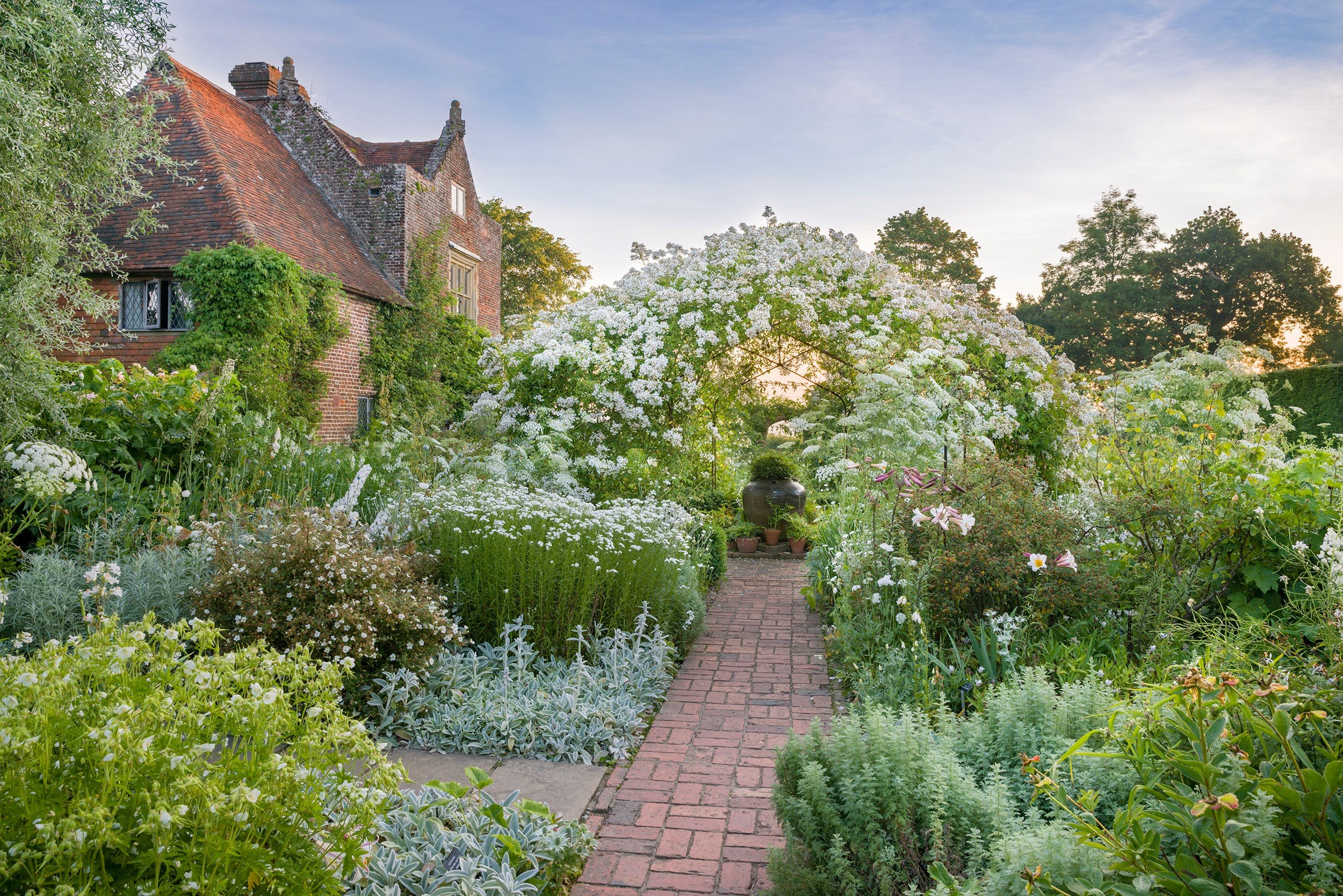 87 mi from SouthamptonSissinghurst Castle Garden: Room-by-Room Garden Design Masterclass
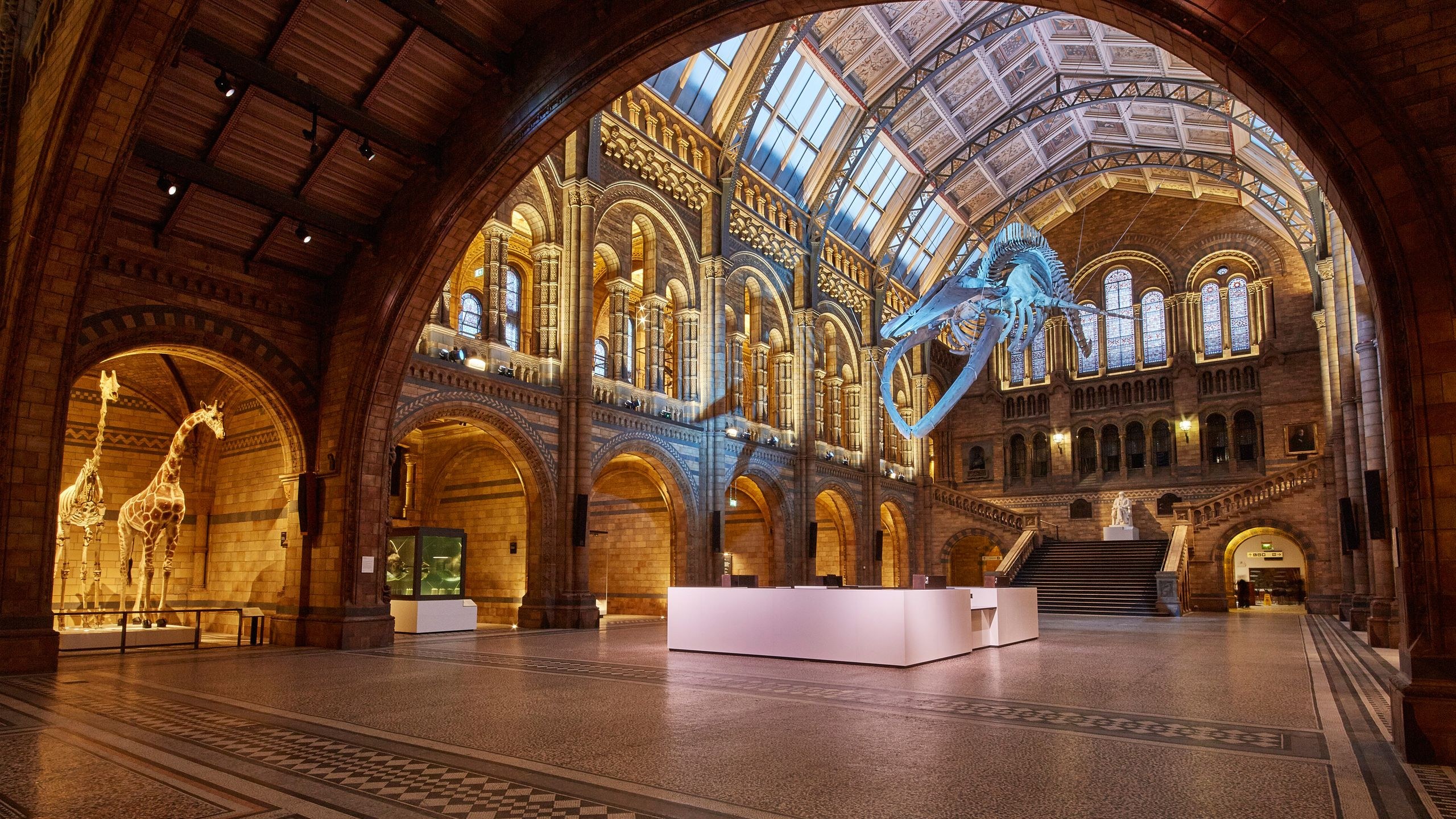 67 mi from SouthamptonNatural History Museum
 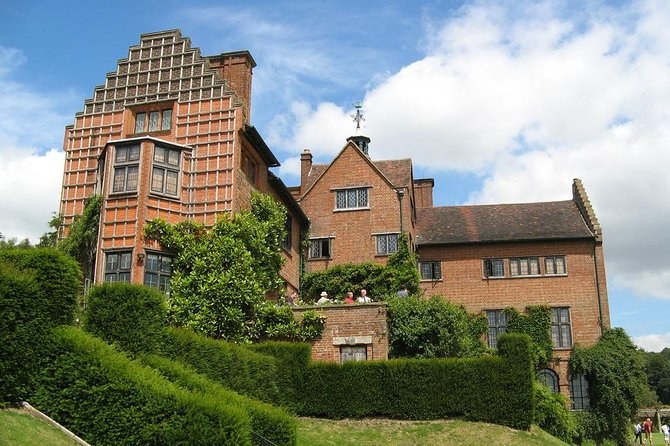 57 mi from Southampton · land adventureChurchill's Kent, Glyndebourne at Dusk & London's Secret Side
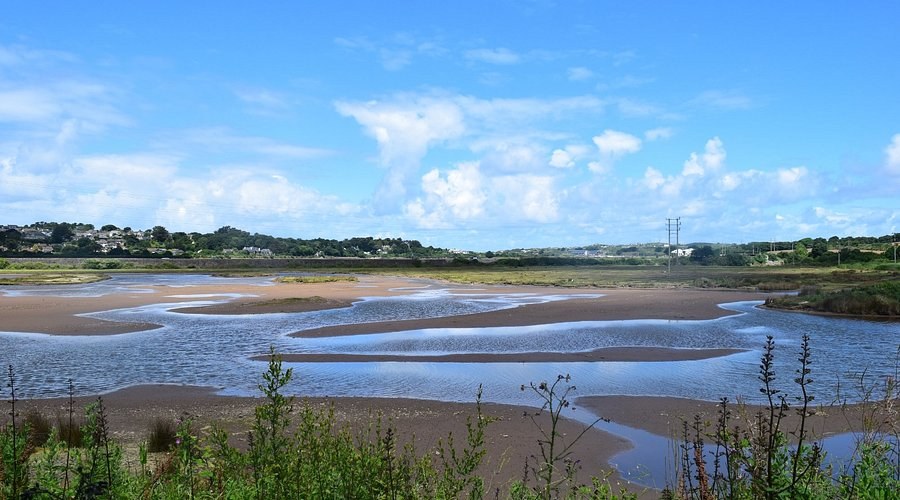 57 mi from Southampton · land adventureCornwall's Wild Coast: Tin Mines, Tidal Castles & Beach Bars
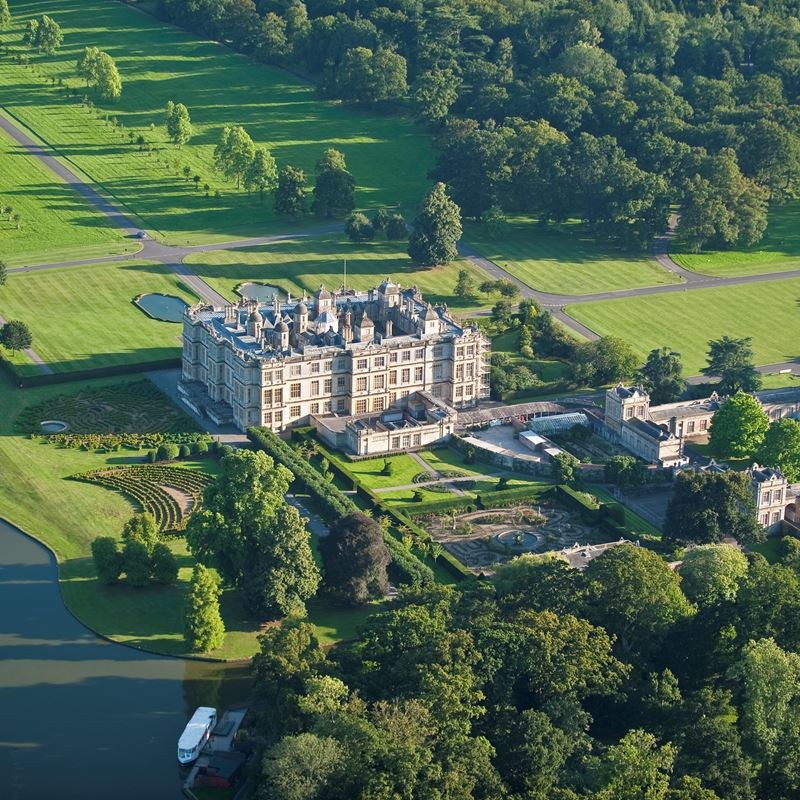 66 mi from Southampton · land adventureGeorgian Bath, Wild Somerset: Limestone, Lions and Lock Flights
 The same trip, elevated
The same gateway on a more luxurious line — lead-in fare per person, same fare as booking direct.