Your cruise
Queen Victoria · 16-night Northern Europe round trip from Southampton
Jun 11 – Jun 27 · 16 nights ·
Day 1 Southampton (board) · Day 2 at sea · Day 3 Skagen · Day 4 Aarhus · Day 5 at sea · Day 6 Stockholm · Day 7 Visby · Day 8 at sea · Day 9 Riga · Day 10 Klaipeda · Day 11 Gdansk · Day 12 at sea · Day 13–14 Copenhagen · Day 15–16 at sea · Day 17 Southampton (step off)
What you do Walk to the very tip of Denmark where the Skagerrak and Kattegat seas visibly clash in swirling currents. One of Scandinavia's most dramatic natural phenomena — you can literally stand with one foot in each sea.
What to expect Your private guide escorts you from the port to Grenen Point, where the two seas visibly collide in turbulent, swirling ridges of water — a sight that photographs cannot fully capture. Board the beloved Sandormen tractor-bus through protected dunes to reach the very tip, then walk the final stretch of golden sand to the point itself. On a clear day, the sea shimmer and the distant silhouette of the Grey Lighthouse behind you create an unforgettable panorama. Your guide shares the geology, folklore, and maritime history that make this corner of Europe genuinely legendary.
Good to know Full refund guaranteed if your ship cannot dock. The walk on the sandbar is flat but sandy — wear comfortable shoes. Allow at least 2.5 hours return from port. Pre-book to secure a private vehicle; slots fill quickly on busy port days.
Versus the ship tour A private guide collects you directly at the cruise pier and takes you at your own pace, lingering at the sandbar's tip and riding the iconic Sandormen tractor-bus through the dunes — no queuing, no fixed group schedule.
book direct with Top Private Tours – Skagen Private Half Day Tour → · the full guide →
What you do Immerse yourself in Denmark's most celebrated artistic movement — the Skagen Painters — inside the museum purpose-built to honour P.S. Krøyer, Anna Ancher, and their circle. The luminous coastal canvases here are bucket-list Scandinavian culture.
What to expect Step into sun-drenched galleries where the Skagen Painters' obsession with Denmark's extraordinary northern light leaps from every canvas — bonfires on the beach, fishermen hauling nets, long midsummer evenings rendered in shimmering gold and blue. The collection spans over 1,800 works and includes the studios of Anna and Michael Ancher. The museum's beautifully landscaped garden contains the graves of several Skagen masters, adding a poignant, personal dimension to the visit. An on-site café with garden terrace makes for a civilised mid-morning pause.
Good to know The museum is a 10-minute taxi or 20-minute walk from the cruise port. Open daily; pre-booking a timed entry or private guided tour is recommended in summer. Allow 1.5–2 hours. Combined visits with Anchers Hus next door are popular — both managed by the same foundation.
Versus the ship tour Visiting independently or with a private guide allows you to spend as long as you wish in front of masterpieces, join an expert curator-led tour, and discover the on-site garden graves of Krøyer and Ancher — intimacy impossible in a large group.
book direct with Skagens Museum (official) → · the full guide →
What you do Explore Scandinavia's largest migrating sand dune — a vast, wind-sculpted desert landscape shifting 15 metres per year across North Jutland. Arriving by private vehicle makes it feel like a private expedition to another world.
What to expect Råbjerg Mile rises some 40 metres and stretches nearly a kilometre wide — a living, breathing desert of pale sand that has been migrating eastward for centuries, swallowing forests and farmsteads in its path. Climbing to the summit rewards you with a 360-degree panorama of heath, forest, and distant sea in every direction. The sheer solitude and otherworldly beauty of the place is profound; on a windy day, the sand streams in golden ribbons across the crests. Your private guide provides the geological and historical context that transforms a beautiful view into a genuinely memorable encounter.
Good to know Wear sturdy, closed shoes — the sand is deep on the climb. Wind can be strong; a light layer is wise. The dune is about 20 km from Skagen port — allow 1 hour minimum at the site. Combine efficiently with a Grenen visit in a half-day private tour.
Versus the ship tour A private door-to-door transfer from the cruise pier (approx. 20 km south) means no coach stops, no waiting — just your group dropped at the dune's base for unhurried exploration of this extraordinary, alien-feeling landscape.
book direct with Top Private Tours – Skagen Private Half Day Tour → · the full guide →
What you do Enter the perfectly preserved home and studio of Anna and Michael Ancher, Denmark's most iconic artistic couple, left almost exactly as it was in their Golden Age heyday. An intimate, deeply moving cultural pilgrimage.
What to expect The butter-yellow house on Markvej is a time capsule: Anna Ancher's studio still holds her easel and pigments; the parlour retains the hand-painted furniture and bohemian clutter of a 19th-century artistic salon. The Anchers were at the heart of the Skagen artist colony that drew painters from across Scandinavia and beyond, and the house breathes that creative energy still. Guided audio tours are excellent, and the garden — where the couple entertained Krøyer, Johansen, and Tuxen — is a lovely place to linger. The combination ticket with Skagens Museum a short walk away makes for a complete, deeply satisfying cultural half-day.
Good to know A 15-minute walk or short taxi from the port. Open May–October; check seasonal hours on the museum website. The house is small — arrive early or late in the port day to avoid any overlap with other visitors. Pre-book combined tickets online.
Versus the ship tour The house receives small numbers at a time, making it an inherently intimate experience — you stand in Anna Ancher's actual studio, surrounded by her brushes, palette, and unfinished canvases, in a way a large-group visit could never replicate.
book direct with Anchers Hus (official – Skagens Museum Foundation) → · the full guide →
What you do Visit the hauntingly beautiful 'Buried Church' — a 14th-century tower rising from the dunes, all that remains of a church swallowed by encroaching sand over centuries. One of Denmark's most surreal and evocative landmarks.
What to expect The lone white tower emerges from rolling dunes like something from a dream — or a cautionary tale. In the 18th century, sand began invading the church so relentlessly that worshippers had to dig their way in; today only the tower survives, and climbing it delivers a sweeping view over dune and sea. The interior displays artefacts from the buried nave and tells the remarkable story of a community's centuries-long battle against the advancing desert. The surrounding dune landscape is hauntingly quiet and photogenic, particularly in the low golden light of a Danish summer afternoon.
Good to know Located about 2 km south of central Skagen — a pleasant 25-minute walk through dune paths, or a short taxi ride. Open daily May–September; the tower climb involves a narrow staircase. Combine naturally with a Råbjerg Mile excursion as both lie south of town.
Versus the ship tour Pairing the church with a knowledgeable private guide transforms what could be a brief photo stop into a rich story of human struggle against nature — the parish that fought the dunes for 200 years before the congregation finally abandoned the nave in 1795.
book direct with Den Tilsandede Kirke – Nationalmuseet (official site) → · the full guide →
What you do Ascend the 46-metre Grey Lighthouse — Denmark's tallest — for a panoramic summit view over the sandscapes of Grenen, the twin seas, and the colourful rooftops of Skagen. A classic, bucket-list Scandinavian coastal moment.
What to expect Built in 1858 and standing 46 metres tall, the Grey Lighthouse is the sentinel of Denmark's northernmost tip, its beam once guiding thousands of vessels through the treacherous meeting point of two seas. The 196-step climb winds through the original cast-iron staircase to an open gallery where the panorama is simply breathtaking — Grenen's curving sand spit below, the two seas streaked with different colours, and on clear days the Swedish coast shimmering on the horizon. The lighthouse keeper's cottage at the base houses a small, well-curated exhibition on the history of North Jutland's seafarers and wreckers. A civilised way to end a port day before returning to the ship.
Good to know Located a 20-minute walk or short taxi ride from port, close to Grenen — combine both in a morning for maximum efficiency. Open daily May–October; the climb requires reasonable fitness (no lift). Wear layers — the gallery at the top is fully exposed to North Sea winds.
Versus the ship tour Visiting under your own steam — or with a private guide — means you choose your moment at the top, staying as long as the view demands, without the time pressure of a large group. On a clear day, Sweden is visible across the Kattegat.
book direct with Skagen Graa Fyr (Fyr og Fyrtårne / official lighthouse site) → · the full guide →
What you do Just over an hour from the ship, walk up to the 5,000-year-old stone circle that is the most iconic prehistoric monument on Earth, then drive to Salisbury to stand before one of only four surviving 1215 originals of Magna Carta beneath Britain's tallest cathedral spire. This is the textbook Southampton port day and the single thing a first-timer would most regret skipping. English Heritage entry is timed-ticket only, so a direct operator who pre-books your slot and paces the day to your all-aboard time is what actually gets you inside.
What to expect You'll depart Southampton and drive just over an hour to Stonehenge, where you walk directly up to the 5,000-year-old stone circle—the most iconic prehistoric monument on Earth—with a guided perspective on this timeless landmark. From there, it's a short drive to Salisbury Cathedral, where you stand beneath Britain's tallest spire to view one of only four surviving original 1215 Magna Carta documents, a moment of profound historical weight. The pace is calibrated throughout to your all-aboard time, and your private vehicle with driver-guide ensures you move at your own rhythm rather than waiting for a 40-person coach to reassemble. You'll return to the ship with both major entries completed, the cultural textbook Southampton port day checked off.
Good to know English Heritage entry to Stonehenge is timed-ticket only; Southampton Tours pre-books your slot as part of the package, which is essential to guarantee access on busy days. The 6-hour tour window fits comfortably within a standard 8-hour port day, with your driver-guide coordinating return timing to your ship's all-aboard. Groups of 4–7 will pay £145–£199 per person (roughly $185–$203) with both entries and air-conditioned transport included; book ahead directly with Southampton Tours rather than through the ship's 40-person coach if your group meets the minimum. The operator offers a formal cruise-return guarantee in writing—they cover next-port travel if you ever miss the ship, providing peace of mind on timing.
Versus the ship tour Direct wins clearly. The ship's Stonehenge & Salisbury coach tour runs $179-$229/pp, and you share a 40-person bus on its schedule. Here a group of 6-7 pays roughly $185-$203/pp for a private vehicle with both entries included and a written get-you-back guarantee. Solo or as a couple the ship coach is actually the better value, so this card is for groups of 4 or more.
What you do An entire UNESCO World Heritage city built around Britain's only natural hot springs, where you walk the same Roman baths still fed by steaming spring water, beneath honey-stone Georgian crescents straight out of Jane Austen and Bridgerton. Many rank it the most beautiful city in England. It is a longer day (~1.5 hrs each way) so an operator who paces the drive to your all-aboard time matters.
What to expect You'll drive roughly 1.5 hours inland to arrive in Bath's honey-stone heart, where you'll walk the Roman Baths—an ancient complex still fed by steaming natural hot springs—before ascending into Georgian crescents and terraces that look lifted from a Jane Austen novel. The city unfolds at a human pace: Roman history underfoot, Regency elegance overhead, and those iconic honey-coloured stone facades that have made Bath consistently ranked as England's most beautiful city. Your driver-guide controls the rhythm of the day, pacing the route and your time away from the pier so you make your all-aboard window without stress.
Good to know Confirm your ship's all-aboard time before booking—the Bath + Stonehenge 8-hour combo is tighter than the Bath + Cotswolds option, and a 1.5-hour return drive means no margin for error. Book the Roman Baths entry (~£28/$36) directly once you've secured your tour, as it's not bundled into the operator fee. Your private driver and vehicle are included in the ~$190–$250/pp cost, making this far cheaper and more flexible than ship-run premium combos at $300–$400+/pp. Factor 3 hours minimum for Bath itself (Roman Baths + walking the crescents), leaving 1.5 hours on each end for driving, ensuring you're back at the pier with a comfortable buffer before all-aboard.
Versus the ship tour Direct wins on access and pacing. Bath is rarely sold as a standalone ship excursion from Southampton and when bundled into premium full-day combos it runs $300-$400+/pp. A private Bath day at ~$190/pp plus your own Roman Baths ticket is both cheaper and far more flexible. Mind the 8-hour length: confirm your ship's all-aboard before booking the Stonehenge combo version.
What you do Southampton IS the Titanic's home port: she sailed from Berth 44 on 10 April 1912, and most of the crew who died were Sotonians. This award-winning guided walk leaves on foot right from Town Quay by the cruise terminals (no coach) and threads the White Star Line offices, the Grapes pub where firemen famously missed the sailing, and the memorials. For anyone who knows the story, walking the actual streets where it happened is moving and almost free on a tight port day.
What to expect You step off the gangway at Town Quay and begin walking immediately—no coach, no waiting—threading through Southampton's historic streets with your guide. You'll stand at the White Star Line offices where the Titanic's fate was managed, visit the Grapes pub where firemen fatefully missed the 10 April 1912 sailing, and pause at memorials dedicated to the local crew who perished. The walking route is intimate and grounded: you're tracing the actual streets where the story unfolded, hearing period details and crew narratives as you move through the port district. Over roughly two hours, the rhythm builds from administrative sites to human moments, ending with a deeper understanding of why this ship's story belongs so deeply to Southampton.
Good to know Book ahead online via Walsh Tours (use code DIRECT for 10% off) and choose either the 10:00am or 2:30pm departure; both fit comfortably within a 6–8 hour port day, leaving a 90-minute buffer before all-aboard. The tour departs directly from Town Quay beside the cruise terminal—no transport needed—and costs £16/pp (~$20), making it easy to return to the ship in time. Bring comfortable walking shoes and a camera; the tour includes photography privileges and offers pub/tavern discounts along the route. At roughly two hours, this excursion is one of the shortest and closest to the ship you can book, ideal if you're timing a tight turnaround or prefer to stay near your gangway.
Versus the ship tour Direct wins overwhelmingly. The ship's Southampton/Winchester city tour runs $80-$130/pp for a coach panoramic. This is the actual Titanic story, on foot, from beside your gangway, for about $20/pp. The only thing the ship adds is a bus seat you do not need here, since the whole walk starts at the terminal.
book direct with Walsh Tours (guide Brian Walsh) → · the full guide →
What you do Southampton's own backyard wilderness: a 1,000-year-old royal hunting forest created by William the Conqueror, where wild ponies, deer and cattle roam free across heath and ancient oak, just minutes from the ship. The most quintessentially English countryside on a short port day, with a stop at Beaulieu on the river. Ideal for travelers who would rather see living landscape and free-roaming animals than monuments.
What to expect Your private coach departs the Southampton pier and within minutes enters the New Forest—William the Conqueror's ancient 1,000-year-old hunting domain—where wild ponies, deer, and cattle move freely across open heath and gnarled oak woodland. You'll spend the heart of the day immersed in this living landscape, observing free-roaming animals in their natural habitat, the rhythms of the English countryside unfolding at ground level rather than behind glass. A stop at Beaulieu on the river gives you a chance to step out and experience the waterside setting before the journey continues. The day winds down with a drive to Salisbury Cathedral (entry included), a chance to view one of England's finest Gothic monuments, before your driver-guide returns you to the ship with time built in for a safe turnaround.
Good to know Departures run on your group's schedule from the Southampton pier, with 6–8 hour tours giving you roughly 4–5 hours in the New Forest itself and 1–2 hours at Salisbury Cathedral; book the Beaulieu Motor Museum or Palace House in advance if those interest you, as they're separate admissions. Your private vehicle picks you up directly from the cruise terminal—no waiting for a coach—so factor in only a 15-minute buffer before the posted return time. Dress in layers and bring waterproof jackets; the New Forest is exposed moorland where weather changes quickly and there's no shelter while spotting wildlife. The cruise-return guarantee means if your ship departs early, the operator covers your transport back, so you can book with confidence even on a tight port schedule.
Versus the ship tour Direct wins for groups. The ship's New Forest & Beaulieu scenic coach runs $130-$200/pp on its own schedule. A private vehicle at ~$134-$152/pp for 6-7 people undercuts that and adds Salisbury. As a solo traveler the per-head private price climbs, so the ship coach is the smarter buy for one or two; this card shines at 4+.
What you do The definitive Titanic museum, opened in 2012 for the disaster's centenary and built around the city's own loss. Its interactive 'Southampton's Titanic Story' uses real passenger and crew records, a vast working model of the ship, and the actual disaster-inquiry courtroom. Walkable from the port and the perfect rainy-day or short-window option that pairs with the Titanic walk to complete the story the city is famous for.
What to expect You walk out of the terminal and head straight into Southampton's city center—a 15–20 minute stroll that itself becomes part of the journey. Once inside SeaCity Museum, you're immersed in interactive stations built around real passenger and crew records, a sprawling working model of the Titanic, and the actual courtroom from the disaster inquiry, each exhibit drawing you deeper into the human story of the ship and the city that built and lost it. The rhythm is unhurried and self-paced; there's no coach departure window or strict schedule, so you move through at your own speed, lingering over the objects and stories that grip you. You exit with the definitive Titanic narrative, especially Southampton's own role—and you're minutes from the port the entire time.
Good to know In a 6–8 hour port day, allocate 2–2.5 hours for the museum itself, plus 30–40 minutes round-trip walking and buffer time, keeping you safely back at the ship 1.5–2 hours before departure. The museum sits at the Civic Centre, a walkable 15–20 minutes from the terminals, or take a short cab (£5–10) if time or mobility is tight. Admission is £14.50/adult (student and senior discounts available) and includes both the main Titanic exhibition and Southampton Stories; no advance booking is typically required, but arrive early in your port window to avoid any midday crowds. Dress for British weather and wear comfortable walking shoes—this is fundamentally a walk-and-explore day with zero risk of missing the ship.
Versus the ship tour Direct wins, and it is your low-risk safety net. The ship's city/panoramic tour is $80-$130/pp; here you self-walk to a world-class Titanic museum for about $18.50. No coach, no schedule, no risk of missing the ship since you are minutes from the port. The one thing the ship buys is transport you do not need for a near-port museum.
book direct with SeaCity Museum (Southampton City Council) → · the full guide →
What you do Walk to the very tip of Denmark where the Skagerrak and Kattegat seas visibly clash in swirling currents. One of Scandinavia's most dramatic natural phenomena — you can literally stand with one foot in each sea.
What to expect Your private guide escorts you from the port to Grenen Point, where the two seas visibly collide in turbulent, swirling ridges of water — a sight that photographs cannot fully capture. Board the beloved Sandormen tractor-bus through protected dunes to reach the very tip, then walk the final stretch of golden sand to the point itself. On a clear day, the sea shimmer and the distant silhouette of the Grey Lighthouse behind you create an unforgettable panorama. Your guide shares the geology, folklore, and maritime history that make this corner of Europe genuinely legendary.
Good to know Full refund guaranteed if your ship cannot dock. The walk on the sandbar is flat but sandy — wear comfortable shoes. Allow at least 2.5 hours return from port. Pre-book to secure a private vehicle; slots fill quickly on busy port days.
Versus the ship tour A private guide collects you directly at the cruise pier and takes you at your own pace, lingering at the sandbar's tip and riding the iconic Sandormen tractor-bus through the dunes — no queuing, no fixed group schedule.
book direct with Top Private Tours – Skagen Private Half Day Tour → · the full guide →
What you do Immerse yourself in Denmark's most celebrated artistic movement — the Skagen Painters — inside the museum purpose-built to honour P.S. Krøyer, Anna Ancher, and their circle. The luminous coastal canvases here are bucket-list Scandinavian culture.
What to expect Step into sun-drenched galleries where the Skagen Painters' obsession with Denmark's extraordinary northern light leaps from every canvas — bonfires on the beach, fishermen hauling nets, long midsummer evenings rendered in shimmering gold and blue. The collection spans over 1,800 works and includes the studios of Anna and Michael Ancher. The museum's beautifully landscaped garden contains the graves of several Skagen masters, adding a poignant, personal dimension to the visit. An on-site café with garden terrace makes for a civilised mid-morning pause.
Good to know The museum is a 10-minute taxi or 20-minute walk from the cruise port. Open daily; pre-booking a timed entry or private guided tour is recommended in summer. Allow 1.5–2 hours. Combined visits with Anchers Hus next door are popular — both managed by the same foundation.
Versus the ship tour Visiting independently or with a private guide allows you to spend as long as you wish in front of masterpieces, join an expert curator-led tour, and discover the on-site garden graves of Krøyer and Ancher — intimacy impossible in a large group.
book direct with Skagens Museum (official) → · the full guide →
What you do Explore Scandinavia's largest migrating sand dune — a vast, wind-sculpted desert landscape shifting 15 metres per year across North Jutland. Arriving by private vehicle makes it feel like a private expedition to another world.
What to expect Råbjerg Mile rises some 40 metres and stretches nearly a kilometre wide — a living, breathing desert of pale sand that has been migrating eastward for centuries, swallowing forests and farmsteads in its path. Climbing to the summit rewards you with a 360-degree panorama of heath, forest, and distant sea in every direction. The sheer solitude and otherworldly beauty of the place is profound; on a windy day, the sand streams in golden ribbons across the crests. Your private guide provides the geological and historical context that transforms a beautiful view into a genuinely memorable encounter.
Good to know Wear sturdy, closed shoes — the sand is deep on the climb. Wind can be strong; a light layer is wise. The dune is about 20 km from Skagen port — allow 1 hour minimum at the site. Combine efficiently with a Grenen visit in a half-day private tour.
Versus the ship tour A private door-to-door transfer from the cruise pier (approx. 20 km south) means no coach stops, no waiting — just your group dropped at the dune's base for unhurried exploration of this extraordinary, alien-feeling landscape.
book direct with Top Private Tours – Skagen Private Half Day Tour → · the full guide →
What you do Enter the perfectly preserved home and studio of Anna and Michael Ancher, Denmark's most iconic artistic couple, left almost exactly as it was in their Golden Age heyday. An intimate, deeply moving cultural pilgrimage.
What to expect The butter-yellow house on Markvej is a time capsule: Anna Ancher's studio still holds her easel and pigments; the parlour retains the hand-painted furniture and bohemian clutter of a 19th-century artistic salon. The Anchers were at the heart of the Skagen artist colony that drew painters from across Scandinavia and beyond, and the house breathes that creative energy still. Guided audio tours are excellent, and the garden — where the couple entertained Krøyer, Johansen, and Tuxen — is a lovely place to linger. The combination ticket with Skagens Museum a short walk away makes for a complete, deeply satisfying cultural half-day.
Good to know A 15-minute walk or short taxi from the port. Open May–October; check seasonal hours on the museum website. The house is small — arrive early or late in the port day to avoid any overlap with other visitors. Pre-book combined tickets online.
Versus the ship tour The house receives small numbers at a time, making it an inherently intimate experience — you stand in Anna Ancher's actual studio, surrounded by her brushes, palette, and unfinished canvases, in a way a large-group visit could never replicate.
book direct with Anchers Hus (official – Skagens Museum Foundation) → · the full guide →
What you do Visit the hauntingly beautiful 'Buried Church' — a 14th-century tower rising from the dunes, all that remains of a church swallowed by encroaching sand over centuries. One of Denmark's most surreal and evocative landmarks.
What to expect The lone white tower emerges from rolling dunes like something from a dream — or a cautionary tale. In the 18th century, sand began invading the church so relentlessly that worshippers had to dig their way in; today only the tower survives, and climbing it delivers a sweeping view over dune and sea. The interior displays artefacts from the buried nave and tells the remarkable story of a community's centuries-long battle against the advancing desert. The surrounding dune landscape is hauntingly quiet and photogenic, particularly in the low golden light of a Danish summer afternoon.
Good to know Located about 2 km south of central Skagen — a pleasant 25-minute walk through dune paths, or a short taxi ride. Open daily May–September; the tower climb involves a narrow staircase. Combine naturally with a Råbjerg Mile excursion as both lie south of town.
Versus the ship tour Pairing the church with a knowledgeable private guide transforms what could be a brief photo stop into a rich story of human struggle against nature — the parish that fought the dunes for 200 years before the congregation finally abandoned the nave in 1795.
book direct with Den Tilsandede Kirke – Nationalmuseet (official site) → · the full guide →
What you do Ascend the 46-metre Grey Lighthouse — Denmark's tallest — for a panoramic summit view over the sandscapes of Grenen, the twin seas, and the colourful rooftops of Skagen. A classic, bucket-list Scandinavian coastal moment.
What to expect Built in 1858 and standing 46 metres tall, the Grey Lighthouse is the sentinel of Denmark's northernmost tip, its beam once guiding thousands of vessels through the treacherous meeting point of two seas. The 196-step climb winds through the original cast-iron staircase to an open gallery where the panorama is simply breathtaking — Grenen's curving sand spit below, the two seas streaked with different colours, and on clear days the Swedish coast shimmering on the horizon. The lighthouse keeper's cottage at the base houses a small, well-curated exhibition on the history of North Jutland's seafarers and wreckers. A civilised way to end a port day before returning to the ship.
Good to know Located a 20-minute walk or short taxi ride from port, close to Grenen — combine both in a morning for maximum efficiency. Open daily May–October; the climb requires reasonable fitness (no lift). Wear layers — the gallery at the top is fully exposed to North Sea winds.
Versus the ship tour Visiting under your own steam — or with a private guide — means you choose your moment at the top, staying as long as the view demands, without the time pressure of a large group. On a clear day, Sweden is visible across the Kattegat.
book direct with Skagen Graa Fyr (Fyr og Fyrtårne / official lighthouse site) → · the full guide →
What you do Step inside one of Scandinavia's greatest art museums and walk through Olafur Eliasson's iconic rainbow panorama skywalk — a bucket-list moment above the Aarhus skyline. A private expert guide unlocks the masterworks floor by floor.
What to expect Your guide meets you at the striking cube-shaped building and leads you through nine levels of Danish and international art, from the haunting 'Boy' sculpture to immersive contemporary installations. The crescendo is the rooftop Your Rainbow Panorama — a 150-metre circular walkway of coloured glass where Aarhus dissolves into spectrum light around you. Afterwards, the museum café serves excellent open-faced smørrebrød with harbour views. Allow a minimum of two hours to do the collection justice.
Good to know ARoS is a 15-minute walk or a short taxi ride from the cruise terminal. Book timed entry online in advance — the rainbow walkway sells out on summer days. The museum closes on Mondays; confirm your port day aligns. All-aboard is typically late afternoon, leaving comfortable time.
Versus the ship tour A private, curator-quality guide means you linger only at what moves you — no group herding — and the rainbow walkway at your own pace at golden hour is simply unforgettable.
book direct with ARoS Aarhus Art Museum (official) → · the full guide →
What you do Walk through 75 authentically relocated historic buildings spanning four centuries of Danish life in the world's finest open-air urban history museum. A private guide brings every cobblestone and craftsman's workshop to vivid life.
What to expect You enter a living Danish town frozen across different eras: half-timbered merchant houses from the 1600s, a Victorian apothecary, a mid-century radio shop complete with period broadcasts. Costumed artisans demonstrate silversmithing, baking, and printing in real workshops. Your expert guide connects the human stories behind each building, making Danish social history feel deeply personal. The bakery sells freshly made pastries — allow yourself one (or three).
Good to know Den Gamle By is a 20-minute walk or 10-minute taxi from the port. Book admission online to skip queues. The site spans 10 acres — wear comfortable shoes. Open daily; mornings are quietest. Allow at least 2.5 hours.
Versus the ship tour A private guide tailors the journey to your passions — whether it's the 1927 Art Deco pharmacy, the 1970s radio shop, or the 18th-century merchant's manor — at a pace no group tour ever allows.
book direct with Den Gamle By – The Old Town Museum (official) → · the full guide →
What you do Journey 10 km south of Aarhus to Denmark's most architecturally stunning museum, where the 2,000-year-old Grauballe Man — Europe's best-preserved bog body — lies alongside immersive Viking Age reconstructions.
What to expect The drive south through forested hills is a pleasure in itself before you approach the museum's extraordinary turf-covered roof, which visitors walk across for panoramic views to the sea. Inside, come face to face with the eerily serene Grauballe Man, a perfectly preserved Iron Age sacrifice. Full-scale Viking longhouses and weaponry recreate the Norse world with cinematic flair. The surrounding Moesgaard Forest offers woodland trails down to a private beach — a perfect post-museum stroll.
Good to know Take a pre-arranged private transfer or Bus 31A from Aarhus city centre (~30 min). Book admission online. Allow 3–3.5 hours including the forest walk. Confirm return time well ahead of all-aboard.
Versus the ship tour The museum's grass-roofed building, designed by Henning Larsen, is itself a work of art — and the depth of the prehistoric and Viking collections surpasses almost any museum in Scandinavia for sheer emotional impact.
book direct with Moesgaard Museum (official) → · the full guide →
What you do A bespoke private walking tour with a passionate local expert weaves through the medieval Latin Quarter, the rainbow-hued Møllestien lane, the Viking Museum underground, and the soaring Aarhus Cathedral — Denmark's longest church.
What to expect Begin in the photogenic Latin Quarter where independent boutiques and bakeries spill onto cobblestone lanes unchanged since medieval times. Duck into the underground Viking Museum beneath Nordea Bank — actual 1,000-year-old street foundations and artefacts discovered during construction. Stroll the legendary Møllestien, Aarhus's most colourful alley of candy-hued cottages draped in roses. End at the magnificent Gothic cathedral, Denmark's longest, whose frescoes span five centuries of Scandinavian faith and art.
Good to know Tours depart from the cruise terminal or any central landmark — confirm start point when booking. The Viking Museum has limited opening hours; your guide will coordinate entry. Flat walking on cobblestones; comfortable shoes essential. Latin Quarter boutiques open from 10:00.
Versus the ship tour Entirely bespoke — your guide shapes the itinerary around your interests, moving at your pace through hidden courtyards and colour-washed alleys that group tours never find time to explore.
book direct with VisitAarhus Official Guide Service → · the full guide →
What you do A private chauffeured drive to the fairy-tale medieval town of Ebeltoft, where a perfectly preserved old town, Denmark's most storied warship, and world-class glass artisans await — a complete Danish coastal idyll in one outing.
What to expect Wind through the Jutland countryside to arrive in Ebeltoft's enchanting medieval centre: crooked half-timbered houses, a working windmill, and one of Denmark's best-preserved old town halls. Board the Frigate Jylland — a magnificent 19th-century wooden warship and veteran of the 1864 naval battle — for a privileged step into Danish maritime history. Visit the Danish Museum of Glass, where master artisans blow extraordinary pieces before your eyes. A harbourfront lunch of fresh Kattegat seafood rounds out a perfect day.
Good to know Ebeltoft is 45 minutes by car from Aarhus port — private transfer is strongly recommended for comfort and timing. The Frigate Jylland (frigatenjylland.dk) charges a separate DKK 130 entry. Book your guide and driver in advance; summer dates fill quickly. Allow 5–6 hours total.
Versus the ship tour A private chauffeur-guide means you linger in Ebeltoft's glassblowing studios and aboard the 19th-century frigate Jylland at your own rhythm — no waiting, no rushing — with a scenic coastal return route through Jutland's rolling hills.
book direct with VisitAarhus Official Guide Service → · the full guide →
What you do Walk freely among hundreds of wild deer in the ancient forest surrounding the Danish Royal Family's summer residence — a serene, utterly unique encounter with nature and monarchy just minutes from the city centre.
What to expect Stroll through ancient beech woodland where red and fallow deer roam freely, grazing calmly beside the footpaths — an almost surreal intimacy with wildlife in a royal setting. On summer days, the Danish flag flies over Marselisborg Palace when the royal family is in residence. After the forest, return to the harbour for a one-hour guided cruise past Aarhus's sleek waterfront architecture, sandy beaches, and the cruise terminal itself — the city looks entirely different from the water. It's a perfect, unhurried half-day that balances nature, history, and beauty.
Good to know The deer park is a 20-minute taxi ride south of port; entry is always free. AROS Cruises departs from the harbour — book in advance at expedia.com or direct via the harbour kiosk. Combine both experiences into a 3–4 hour afternoon loop. Flat, easy terrain in the park; suitable for all fitness levels.
Versus the ship tour The combination of a tranquil royal deer forest — where stags wander within arm's reach — followed by a scenic harbour cruise with a local guide gives you two completely different, genuinely magical perspectives on Aarhus in one unhurried afternoon.
What you do Stand face-to-face with the world's best-preserved 17th-century warship — 98% original timber — aboard an expert-led private tour. An utterly unmissable, jaw-dropping encounter with Swedish imperial history.
What to expect You enter a cathedral-like hall where the 69-metre warship towers six storeys above you, cannons still in their ports. Your private guide decodes every gilded figurehead and forensic reconstruction. Smaller rooms display the sailors' personal belongings — dice, combs, a leather shoe — making the 1628 sinking achingly human. Finish on the upper gallery walkway for a panoramic view of the entire hull.
Good to know The museum is on Djurgården island — a short taxi or ferry from the Stockholm Frihamnen cruise terminal. Pre-book your private guide directly on the museum site; slots fill quickly in summer. Allow 90–120 min inside; well within a typical all-aboard window.
Versus the ship tour A private certified guide means unlimited depth — the ship's carved stern galleries, the haunting human skeletons, and the story of Gustav II Adolf's fatal ambition unfold at your pace with no crowd pressure.
book direct with Vasa Museum (official) → · the full guide →
What you do Glide through 30,000 islands of pine-clad skerries on a private charter, toasting with champagne as seals bask and painted wooden cottages drift past. The definitive Stockholm experience — utterly impossible to replicate on land.
What to expect Your chartered boat departs from the heart of Stockholm, passing under historic bridges and out into the open archipelago water. The skipper navigates to lesser-known outer islands where tourist crowds vanish entirely. Lunch can be arranged aboard using seasonal Swedish ingredients — gravlax, crispbread, västerbotten cheese. The return journey offers golden-hour views of the city skyline rising from the water.
Good to know Strömma operates from Strandvägen quay — about 20 min by taxi from Frihamnen terminal. Arrange your charter directly by phone or email well in advance; private charters require at least 48 hours' notice. Confirm your all-aboard time and build in a 90-min buffer for the return transfer.
Versus the ship tour A fully private vessel — your schedule, your pace, your anchorage. Stop to swim off the stern in a secret bay, step ashore on an uninhabited skerry, or simply drift with a glass of Swedish sparkling wine as the skipper shares local lore.
What you do Wander Stockholm's impossibly photogenic medieval island with a local expert guide who unlocks hidden courtyards, royal secrets, and Viking-era street plans invisible to the casual visitor.
What to expect Begin at the Nobel Prize Museum on Stortorget square, where your scholar-guide frames Stockholm's rise as a Baltic power. Wind through Mårten Trotzigs Gränd — Sweden's narrowest alley at just 90 cm — and into quiet inner courtyards where time stands still. Hear the story of the Stockholm Bloodbath of 1520 on the very cobblestones where it unfolded. End at the Royal Palace's outer courtyard in time for the Changing of the Guard.
Good to know Gamla Stan is a 15-min taxi or metro ride from Frihamnen port. Tours run 2–2.5 hours; book the private option for full flexibility. Nobel Prize Museum adult admission is SEK 160, payable separately on arrival.
Versus the ship tour Context scholars are credentialed historians and architects — not tour-script readers. You explore on foot at an intimate pace, ducking into alleys, handling history, and asking every question you've ever wanted answered about Scandinavian medieval life.
book direct with Context Travel (Stockholm expert-led walks) → · the full guide →
What you do Ascend the iconic Blue Tower for a 360° panorama of Stockholm's waterways, then step inside the Gold Hall where Nobel Prize banquets dazzle with 18 million mosaic tiles — a once-in-a-lifetime civic spectacle.
What to expect Your expert municipal guide leads you through the ceremonial Blue Hall — an open-air courtyard of Venetian-inspired brick — where the Nobel Banquet is held each December. The Golden Hall's Byzantine mosaics depict Swedish history floor to ceiling in shimmering gold leaf. Then climb 106 metres up the tower spiral staircase to emerge onto the open terrace with panoramic views across Lake Mälaren and the Old Town rooftops. On a clear day, the archipelago islands shimmer on the horizon.
Good to know City Hall is on Kungsholmen island — a 10-min taxi from the cruise terminal. Tower tours run only in summer (June–August, 9:00–17:15); the interior guided tour runs year-round. Buy tickets at the City Hall Shop on arrival or book ahead online. Allow 90 min in total.
Versus the ship tour Only guided tours access the frescoed interiors — the Blue Hall, the Gold Hall, and the private council chambers. Tower access is separately ticketed and strictly limited by capacity, rewarding those who pre-book with utterly crowd-free rooftop views.
book direct with Stockholm City Hall (Stadshuset) — official → · the full guide →
What you do Step inside the world's most interactive music museum and live out your ABBA fantasy — record with the band, sit in their original costumes, and understand why this small Nordic nation rewired global pop culture.
What to expect Immersive rooms recreate the Polar Music Studios where Waterloo was born, complete with original mixing desks and handwritten lyrics under glass. A hologram stage lets you perform alongside Agnetha, Björn, Benny, and Anni-Frid in real time. The Costume Hall displays 60+ sequinned stage outfits; the attention to Swedish craftsmanship is extraordinary. The adjacent Swedish Music Hall of Fame places ABBA in the broader story of Swedish pop genius.
Good to know Located on Djurgården, a short taxi or hop-on hop-off boat from Frihamnen terminal. Standard tickets can be purchased at the door, but private evening experiences require advance enquiry via the museum's event team. Allow 2 hours for a thorough visit.
Versus the ship tour The museum's private after-hours booking transforms a world-class exhibition into an exclusive personal concert: the dancefloor and hologram stage are yours alone, with a curator guide unlocking behind-the-scenes archives and original stage costumes.
book direct with ABBA The Museum (official) → · the full guide →
What you do Explore one of the world's premier photography museums in a converted art nouveau harbour building, then indulge in a celebrated Nordic brunch — a sensory pairing of visual art and sustainable gastronomy.
What to expect The neoclassical customs house on Södermalm's waterfront opens onto four floors of changing major exhibitions — past shows have featured Annie Leibovitz, Helmut Newton, and Sebastião Salgado. The curation is fearless and emotionally charged; plan to be moved. The rooftop bistro serves a lavish weekend brunch using hyper-local ingredients with sweeping views over Saltsjön bay. The building's design itself — exposed brick, steel staircases, harbour light pouring in — is a masterpiece.
Good to know Fotografiska is on Södermalm's Stadsgårdshamnen quay — roughly 20 min by taxi from Frihamnen terminal. Pre-book the restaurant, especially on weekends; it fills fast. Admission to the gallery can be purchased at the door. Allow 2–3 hours for gallery plus dining.
Versus the ship tour Fotografiska pairs gallery-grade rotating exhibitions by the world's most provocative photographers with a rooftop restaurant that has earned a cult following for its plant-forward Nordic cuisine — an effortlessly sophisticated half-day for the discerning traveller.
book direct with Fotografiska Stockholm (official) → · the full guide →
What you do Walk the crown jewel of Visby — 3.6 km of UNESCO-listed medieval ramparts, then weave through hauntingly beautiful church ruins frozen in time since the 13th century. A private local expert brings every mossy stone to vivid life.
What to expect Your guide meets you dockside and leads you along the remarkably intact 13th-century ring wall, pausing at its 44 towers for sweeping Baltic views. You then descend into the old town's web of cobbled lanes to stand inside the roofless, rose-covered ruins of Visby's medieval churches — an atmosphere unlike anywhere else in Scandinavia. The pace is leisurely and conversational, never rushed, and the itinerary bends to your curiosity. Expect roughly 2–3 hours of deeply immersive storytelling through one of Europe's greatest medieval time capsules.
Good to know Book well in advance — private guides in Visby fill up quickly on port days. The pier is a short, flat walk into the old town; no transfer needed. Confirm your ship's all-aboard time with your guide so the tour ends comfortably with 30–45 minutes to spare.
Versus the ship tour A fully private, bespoke itinerary paced entirely around you — linger at the ruins of St. Karin or St. Nicolai for as long as you wish, with a vetted local historian who knows stories no guidebook carries.
book direct with ToursByLocals – Visby Private Guides → · the full guide →
What you do Home to the world's largest collection of Viking silver hoards and Gotland's iconic picture stones, Gotlands Museum is among Scandinavia's most extraordinary regional museums. A private guided visit transforms artefacts into living history.
What to expect The museum's crown jewels are its astonishing Viking-age silver hoards — more buried treasure has been found on Gotland than anywhere else on earth — displayed in dramatic vaulted rooms. Carved picture stones dating to 400–1100 AD narrate Norse mythology in striking detail, and the medieval art wing showcases painted wooden sculptures of rare quality. A specialist guide deciphers the iconography and weaves in Gotland's extraordinary trading-empire history. Allow 2 hours minimum; a private session with a guide makes every artefact resonate.
Good to know The museum is a 10-minute walk from the cruise pier through the old town. Pre-book a guided session directly with the museum's education department. Open daily; summer hours are generous. Factor in at least 30 minutes' walk back to the ship after your visit.
Versus the ship tour Skip the crowds and experience the Viking treasure rooms and medieval sculpture hall at your own pace with a museum specialist — the kind of intimate access that turns a collection into a conversation.
book direct with Gotlands Museum (official) → · the full guide →
What you do Descend into one of Sweden's most spectacular limestone cave systems, roughly 11 miles north of Visby, where stalactites, underground rivers, and cathedral-like chambers create an otherworldly spectacle that took 5 million years to form.
What to expect A knowledgeable cave guide leads you through a network of illuminated passages into chambers studded with stalactites and stalagmites sculpted over millennia by an underground stream. The caves maintain a cool, dramatic atmosphere year-round, and the deepest accessible sections feel genuinely remote and awe-inspiring. En route from Visby, the limestone plateau landscape of northern Gotland — juniper plains and ancient windmills — is itself deeply scenic. The guided tour lasts approximately 45–60 minutes underground; combine with a stop at the adjacent Krusmyntagården herb garden for a complete half-day excursion.
Good to know Hire a private driver or taxi from the cruise pier (approx. 20–25 minutes each way) to reach Lummelunda; book in advance on a port day. Wear flat, closed-toe shoes — the path inside is uneven and can be slippery. The caves are cool (around 8°C/46°F) year-round; bring a light layer. Check all-aboard time carefully — allow 3.5–4 hours total for a comfortable return.
Versus the ship tour A rare natural wonder entirely off Visby's beaten tourist path — the underground formations and subterranean river passage are genuinely jaw-dropping, and a small-group guided descent keeps the experience atmospheric and unhurried.
book direct with Lummelunda Grottan (official cave site) → · the full guide →
What you do Wander one of Scandinavia's most romantic botanical gardens, where medieval ruins rise from rose beds and exotic species thrive in Gotland's unusually mild microclimate. Adjoining Almedalen park adds a sweep of Baltic sea views and ancient history.
What to expect Established in 1855, the Botanical Garden is framed by two soaring medieval church ruins — St. Göran and St. Per — that serve as living walls for climbing roses and creeping flora. Over 3,000 plant species flourish here, including rare Mediterranean herbs that take advantage of Gotland's sun-warmed limestone soil. A botanical guide illuminates the extraordinary horticultural story and the medieval ruins that give the garden its theatrical character. Adjoining Almedalen, the old harbour park, offers sweeping views over the Baltic and the medieval silhouette of the city wall — a perfect contemplative finale.
Good to know The garden is a flat, easy 10-minute walk from the pier — ideal after a morning of heavier sightseeing. Peak bloom for roses is typically June–July, perfectly timed for summer Baltic cruises. Entry is free; arrange a private guided walk by contacting the Botanical Society in advance. No strenuous walking required.
Versus the ship tour The garden's unique microclimate nurtures species found nowhere else in Sweden, and its backdrop of roofless medieval ruins draped in climbing roses is one of the most photogenic scenes in all of Scandinavia — best savoured slowly, not as part of a rushing group.
What you do Escape the medieval city walls and explore Gotland's haunting interior — Iron Age farmsteads, Bronze Age burial cairns, sea-stack rock formations called raukar, and flower-carpeted limestone plains that feel utterly timeless and untouched.
What to expect Your private guide collects you dockside and heads out along Gotland's limestone plateau, pausing at Fröjel or Tofta for dramatic raukar sea-stack formations carved by the ancient Baltic. The island's Iron Age ring forts (fornborgar) and Bronze Age stone-ship settings appear seemingly in the middle of flower meadows, lending the landscape a mythic, end-of-the-world quality. Gotland is home to 35 of Sweden's 50 wild orchid species, and in summer the roadsides bloom extravagantly. Your guide tailors the route to your interests — archaeology, nature, photography — and returns you to the pier with time to spare.
Good to know Confirm your preferred focus (nature, archaeology, scenic photography) when booking so the guide can plan the optimal route. A half-day (4 hours) is the sweet spot for a port day. Comfortable walking shoes recommended for stopping at natural sites. Private Shore Trips offers flexible return timing — always align with your ship's all-aboard.
Versus the ship tour A fully private vehicle and guide means you stop exactly where you want — at a Bronze Age cairn, a field of wild orchids, or a deserted beach — without ever being herded back to a coach. The island's ancient landscapes reward those who take time to step out and stand in them.
book direct with Private Shore Trips – Visby Shore Excursions → · the full guide →
What you do Visby's soaring St. Mary's Cathedral — the only medieval church on the island still in active use — anchors a leisurely expert-led walk through the old town's cobbled alleys, merchant houses, and rose-garlanded ruins that earned the city its UNESCO World Heritage status.
What to expect The route begins at the 12th-century Cathedral of St. Mary, whose three distinctive towers preside over the medieval skyline; your guide decodes its Romanesque and Gothic layers and the centuries of Hanseatic wealth that funded its grandeur. From there, the walk winds through Visby's picturesque lanes — Strandgatan, Mellangatan — past Hanseatic warehouses, guild halls, and garden walls dripping with roses in summer. Your guide pauses at the finest surviving ruins — St. Karin, St. Lars — to narrate the catastrophic 1361 Danish conquest that left so much of the city frozen in medieval amber. Finish with a quiet moment in Almedalen park overlooking the Baltic. Total time: approximately 2–2.5 hours.
Good to know The cathedral and old town are within easy walking distance of the pier — no transfer required. Dress modestly for the cathedral (shoulders and knees covered). Pre-book your private guide well ahead of your port call, especially during Medieval Week (early August) when Visby is at its most atmospheric but also its busiest.
Versus the ship tour A private local historian navigates the UNESCO old town's hidden layers — Hanseatic merchant politics, plague-era tragedy, and the extraordinary survival story of the cathedral itself — at a pace and depth that a larger group simply cannot match.
book direct with ToursByLocals – Visby Private Guides → · the full guide →
What you do Sweep through Latvia's 'Switzerland' — medieval castle ruins, the legendary Turaida Rose tomb, and the primeval Gauja River valley — in a private vehicle with a local expert. One of the Baltic's most cinematic landscapes, all to yourself.
What to expect Your private guide collects you at the port and whisks you 50 km east into the Gauja National Park. You explore the red-brick Turaida Castle complex and its museum reserve, descend into the valley for the iconic Gutmanis Cave (Latvia's largest), and take in sweeping views of the meandering Gauja. The return journey passes the charming spa town of Sigulda before you arrive back dockside with time to spare.
Good to know Book well in advance for summer calls; confirm all-aboard time with the guide so the itinerary is tailored accordingly. Full-day trip runs approx. 6–7 hours. Pre-book directly via riga-sightseeing.com. Turaida Museum Reserve open daily 10:00–18:00.
Versus the ship tour A fully private itinerary paced entirely to you — linger at the 13th-century Turaida Castle, walk the valley trails, and hear the folklore of the Turaida Rose from a guide who knows these legends intimately. No commentary-in-a-box, no convoy of coaches.
book direct with Riga-Sightseeing.com (Santa Ogrina, vetted local guide) → · the full guide →
What you do Unlock the world's densest Art Nouveau district and a UNESCO-listed medieval core with a private architectural historian. Riga's staggering 800-plus Jugendstil façades — sphinxes, screaming masks, goddesses — demand an expert eye to truly see.
What to expect Beginning in the Alberta Street corridor, your guide narrates Mikhail Eisenstein's flamboyant masterpieces and explains how Riga became Europe's Art Nouveau capital virtually overnight in the early 1900s. You continue into the medieval core, ducking through guild-hall alleyways and pausing at St. Peter's Church for context on the Hanseatic legacy. The tour concludes at Freedom Monument, leaving you well-oriented for independent exploration before all-aboard.
Good to know Request an architect or art historian guide at booking. Three hours covers both districts comfortably; add a House of the Blackheads entry (approx. USD 12 pp) if desired. Wear comfortable shoes — cobblestones throughout. Port is a short taxi ride to the Old Town start point.
Versus the ship tour Your vetted local guide — an architectural specialist — hand-picks the finest Jugendstil façades on Alberta iela, then leads you through cobblestoned Old Town to the House of the Blackheads and the soaring medieval skyline. The pace is yours; the depth is unmatched.
book direct with ToursByLocals – Private Riga Guides → · the full guide →
What you do Cross into Lithuania to witness the Hill of Crosses — 200,000+ crucifixes on a single mound, one of the world's most otherworldly sacred sites — then return via baroque Jelgava Palace. A day that genuinely defies description.
What to expect Departing the port by private or small-group vehicle, you cross the Latvian–Lithuanian border and arrive at the Hill of Crosses near Šiauliai — where generations of pilgrims have placed crucifixes as acts of faith and political resistance. Your guide shares the site's remarkable history of Soviet bulldozers and nocturnal restoration. On the return, you pause at the grandly baroque Jelgava Palace, now the Latvia University of Agriculture but hauntingly beautiful. The route along the Latvian countryside is scenic and relaxed.
Good to know Ensure your passport is accessible — border crossing required. Round trip is approx. 6–7 hours; confirm departure time against your all-aboard. Hill of Crosses entry is free. Best booked as a private tour for a truly unhurried experience; request via Project Expedition's private tour enquiry.
Versus the ship tour The Hill of Crosses is one of Catholic Europe's most visceral, spiritually charged landscapes, and seeing it with a knowledgeable guide who contextualises its defiant Soviet-era history transforms it from curiosity into a profound, once-in-a-lifetime moment.
book direct with Project Expedition – Deluxe Riga Shore Excursions → · the full guide →
What you do Walk a floating boardwalk above a primeval raised bog — a mirror-still, cloud-reflected wilderness — then promenade through Jūrmala's legendary 19th-century wooden villa resort strip. Latvia's wild and cultured sides in a single, unforgettable day.
What to expect A scenic 45-minute drive west brings you to Kemeri National Park, where a 3.4 km wooden boardwalk winds through the Great Kemeri Bog. The raised bog's eerie beauty — sphagnum moss, amber pools, bog pines — is extraordinary in any season. Afterwards, you descend to the Baltic shore at Jūrmala, a 33 km crescent of white-sand beach fringed by elaborately carved wooden villas and fin-de-siècle sanatoria. A stroll along the pedestrian Jomas iela rounds out the afternoon.
Good to know Wear sturdy, waterproof footwear for the boardwalk. The bog walk is approximately 1.5 hours at a gentle pace. Jūrmala is only 25 km from the port, making return logistics simple. Book private transport for the most flexible day; confirm timing against all-aboard.
Versus the ship tour The Kemeri National Park bog boardwalk is one of Latvia's true natural wonders — a surreal, silent landscape of open-water pools and twisted pines — experienced at a leisurely, contemplative pace far removed from city tourism.
book direct with Project Expedition – Riga Shore Excursions → · the full guide →
What you do Descend into the world's largest market under five repurposed Zeppelin hangars with a private food guide — sampling smoked fish, artisan rye bread, forest honey, and amber-coloured Latvian beer. A UNESCO-heritage foodie experience with serious depth.
What to expect Your private guide meets you and leads you through the five pavilions — fish, meat, dairy, vegetables, and the bazaar — explaining how this Soviet-era institution became a living culinary archive. You taste wild-caught smoked sprats, aged Latvian cheese, forest mushroom pickles, dense Rupjmaize rye bread with butter, and sample local Kvass or a well-chosen Latvian beer. The guide contextualises Latvia's food heritage, from its peasant roots to its modern Slow Food revival.
Good to know Market open daily from 07:00; arrive early for peak atmosphere and the freshest fish. Located a 10-minute taxi from the port. Alert your guide to any dietary restrictions at booking. Combine with a brief Old Town stroll — they are adjacent. Allow 2.5–3 hours total.
Versus the ship tour A private guide who knows every vendor — the elderly woman with the best smoked eel, the bakery with 100-year-old rye recipes — turns Riga Central Market from a sightseeing tick into a genuine, flavour-led immersion in Latvian food culture.
book direct with ToursByLocals – Private Riga Guides → · the full guide →
What you do Glide through Riga's historic canal and along the broad Daugava River aboard a private boat, reading the city's medieval skyline, Art Nouveau rooftops, and 19th-century parks from the water — the only vantage point that ties it all together.
What to expect Boarding near the Old Town, your boat traces the elegant arc of the Riga Canal through the verdant Bastion Hill park — beloved by locals — before emerging onto the wide, muscular Daugava. The guide narrates the city's Hanseatic merchant past and points out key landmarks: the Dome Cathedral, the Swedish Gate, the National Library. The 45–60 minute cruise is supremely relaxed, with the Old Town skyline reflected in the water on a clear Baltic day.
Good to know Standard departures run throughout the day; private charters require advance arrangement directly with the operator. The boarding point is a short walk or taxi from the port. Ideal as a first-hour orientation upon arrival, or a golden-hour finale before returning to ship. Layer up — the river breeze is cool even in summer.
Versus the ship tour Seeing Riga from the water is the city's best-kept secret — the Three Brothers medieval ensemble, the Dome Cathedral towers, and the sweeping riverside promenade reveal an entirely different grandeur. A private charter means your own pace, your own commentary, champagne if you wish.
What you do Journey across the ferry to the Curonian Spit — a razor-thin UNESCO World Heritage peninsula of towering amber sand dunes, ancient fishing villages, and primeval pine forests. Stand atop the Great Dune at Nida and watch two worlds collide: the Curonian Lagoon on one side, the Baltic Sea on the other.
What to expect Your guide meets you dockside and boards the short ferry with you to the Spit. The drive south hugs the lagoon edge, stopping at the Parnidis Dune in Nida — a 52-metre wall of living sand with a monumental sundial at its crest. You'll explore the Thomas Mann Memorial House, stroll cobbled Nida fishing lanes, and taste local smoked fish before returning with time to spare. The light on the lagoon in the afternoon is extraordinary.
Good to know Ferry crossing from Klaipeda to Smiltynė takes ~8 minutes. Allow 6–7 hours for the full Nida run; confirm all-aboard time with your guide upfront. Pre-book well in advance — private vehicles on the Spit require a permit and availability fills fast in season.
Versus the ship tour A fully private vehicle and a vetted local guide mean you linger at the dunes exactly as long as you wish, access quieter viewpoints, and have the story of the Spit told to you personally — no queues, no coach commentary, no compromises on pace.
book direct with ToursByLocals – Klaipeda Private Guides → · the full guide →
What you do Deep in the Lithuanian forest lies a perfectly preserved Soviet-era nuclear missile base — launch pads, bunkers, silos and all — that once held warheads capable of reaching Western Europe. A chilling, utterly unforgettable half-day that exists nowhere else on a Baltic itinerary.
What to expect The drive takes roughly 30 minutes from Klaipeda port into dense forest, where the site emerges without warning — all concrete and camouflage. Your guide walks you through the missile storage tunnels, the command centre, and the eerie open launch pads still pointed skyward. The site is dramatically authentic; nothing has been sanitised for tourists. Decommissioned warhead casings, Soviet-era maps, and declassified briefing documents complete the picture.
Good to know The site is approximately 35 km from Klaipeda; allow 4–5 hours including transfer. Wear comfortable walking shoes — ground is uneven. Confirm availability directly with Nordic Experience and specify your all-aboard time so they can tailor timing accordingly.
Versus the ship tour Access is via private transfer with an expert Cold War historian-guide who brings the bunkers to life with first-hand geopolitical context — far beyond a standard audio tour. Small groups mean you can descend into the actual launch control room and handle period artefacts.
book direct with Nordic Experience Klaipeda Tours → · the full guide →
What you do On the forested dunes of Juodkrantė stands one of the Baltic's most enchanting open-air galleries: over 80 hand-carved wooden sculptures of Lithuanian mythological figures — witches, devils, fairies and giants — hidden among the pines above the lagoon. Surreal, atmospheric, and completely unique.
What to expect After the ferry crossing, you enter the Curonian Spit National Park and wind through Juodkrantė village — famous for its heron and cormorant colony — before ascending the forested Hill of Witches. Each sculpture is a masterwork of chainsaw artistry referencing a specific legend; your guide narrates them with the same drama the stories deserve. The lagoon glitters below through the tree canopy — bring a camera. The pace is leisurely, reflective, and deeply memorable.
Good to know Juodkrantė is 25 km north of Nida, easily combined with a Nida visit for a full-day itinerary. The trail is mostly shaded but the ground is sandy — flat shoes or light trainers are ideal. Morning departures are best to avoid afternoon crowds on the ferry.
Versus the ship tour A small-group or private format with a local guide who knows the folklore behind every carving transforms this from a pleasant woodland walk into a genuine immersion in Lithuanian mythology and Baltic animist tradition — stories that most visitors never hear.
book direct with GetYourGuide – Curonian Spit Day Group Tour (EN) → · the full guide →
What you do Explore the only German-heritage old town in Lithuania — a maze of half-timbered courtyards, Baroque facades, and hidden sculptural treasures like the famous Black Ghost — with a private expert guide, culminating in an intimate amber connoisseur experience at the Amber Queen Museum.
What to expect Your guide begins at Theatre Square, framed by its dramatic statue of Ännchen von Tharau, then weaves through Pilies gatvė's ornate townhouses and the brooding sculpture of the Black Ghost — Klaipeda's beloved mythical protector of sailors. The Castle Museum ruins are visited en route before you step inside the Amber Queen Museum for a curated tasting session of inclusions, jewellery-grade pieces, and cognac-coloured rarities. There is time to purchase direct from the artisans at museum prices.
Good to know Old Town is a 10-minute walk from the cruise terminal — no transfer needed. Allow 3–4 hours for a relaxed private tour. The Amber Queen Museum is best visited on weekdays when the master craftspeople are working. Pre-book your private guide to guarantee English fluency and local expertise.
Versus the ship tour Private pace means you spend as long as you wish in the atmospheric courtyards, hear the full story of Memel (Klaipeda's German past), and receive a personal amber consultation — how to authenticate it, the finest Baltic grades, and the history of the 'Baltic gold' trade — rather than a rushed group walkthrough.
book direct with ToursByLocals – Klaipeda Private Guides → · the full guide →
What you do Lithuania's finest museum lives inside a 19th-century sea fortress on the Curonian Spit — home to dolphins, seals, penguins, and a world-class aquarium. An unmissable spectacle in a jaw-dropping historic setting.
What to expect Set inside a magnificently restored 19th-century sea fortress on the tip of the Curonian Spit, the Lithuanian Sea Museum is the country's most visited attraction — and for excellent reason. Penguins, Baltic seals, a spectacular dolphinarium with resident bottlenose dolphins, and a vast aquarium housing Baltic and tropical species all inhabit the fortress ramparts and moat. The dolphins perform in the open-air pool within the fortress walls — a theatrical setting unlike any standard aquarium. Children and adults alike leave genuinely moved by the closeness of the encounters. Allow at least 2.5 hours to do it justice.
Good to know Take the Smiltynė ferry from the Old Ferry Terminal (5 min, runs every 30 min; passenger ferry is free southbound). The museum is a 10-min walk from the ferry landing. Dolphin shows run at set times — check juru-muziejus.lt for the schedule and pre-book online in peak season. Allow 3 hours total including ferry and walk.
Versus the ship tour Arriving independently gives you the freedom to time the dolphin show, linger at the seal feeding pools, and explore at your own pace — without the choreographed rush of a large coach group. The fortress architecture alone is worth the crossing.
What you do In a palatial 19th-century Neo-Gothic manor set within a vast landscaped botanical park on the Baltic coast, Palanga's Amber Museum houses over 28,000 amber specimens — including extraordinary pieces with 40-million-year-old inclusions. This is amber as high art, housed in surroundings of aristocratic grandeur.
What to expect The 30-minute drive north from Klaipeda delivers you to Palanga, Lithuania's most elegant coastal resort. The Tiškevičiai Palace sits at the end of an avenue of ancient linden trees; inside, amber glows in museum-lit cases — some pieces holding perfectly preserved prehistoric insects, leaves, and even lizards. Your guide interprets the finest specimens and then leads you through the 100-hectare botanical park toward the Baltic shore. Palanga's famous amber beach offers a final, bracing Baltic moment before the return drive.
Good to know Palanga is 28 km north of Klaipeda — approximately 35 minutes by private vehicle. Combine with a Klaipeda Old Town stop on the return for a full-day itinerary. Book your private guide via Nordic Experience and confirm all-aboard time; most cruise calls allow enough time for a 5-hour Palanga excursion.
Versus the ship tour A private guide provides deep curatorial context — the geological story of Baltic amber, the royal courts that prized it, and the science behind the extraordinary insect and plant inclusions — turning a museum visit into a masterclass. The botanical park walk afterwards, with its seafront rose gardens, is a serene luxury conclusion.
book direct with Nordic Experience Klaipeda Tours → · the full guide →
What you do Step inside Malbork Castle — the largest Gothic fortress on Earth and a UNESCO World Heritage Site — on a private guided tour. Vast halls, amber collections, and 700 years of Teutonic Knights history make this unmissable.
What to expect Your private driver and expert guide collect you at the port in Gdynia and whisk you 60 km south to Malbork. Walk the three tiers of the fortress — the Lower, Middle, and Upper Castles — with a licensed historian at your side. Marvel at the medieval amber collection, the Great Refectory, and the dramatic drawbridge views. The return journey is timed precisely to your ship's all-aboard time.
Good to know Pre-book well in advance as private dates fill fast in summer. Full day; allow 5–6 hours including travel. Castle entry is included in most private packages — confirm when booking. Wear comfortable shoes; cobblestones throughout.
Versus the ship tour A dedicated private guide tailors the pace entirely to your group — linger in the Grand Master's Palace, access quieter courtyards before the crowds, and hear stories no audio-guide can tell. No rushed group corridors.
book direct with Tours in Gdansk (toursingdansk.pl) → · the full guide →
What you do Walk Gdańsk's glorious Royal Route with a private licensed guide, climb St. Mary's Basilica tower for panoramic rooftop views, and explore the world's finest Amber Museum. An intimate deep-dive into Baltic Gold and Gothic grandeur.
What to expect Begin on Długa Street (Long Market), tracing the route Polish kings once processed. Duck into the soaring Gothic nave of St. Mary's Basilica — one of the world's largest brick churches — before climbing its 400-year-old tower for sweeping city views. The nearby Amber Museum inside the historic Torture House holds extraordinary carved amber pieces spanning millennia. Your guide weaves in Gdańsk's role as the Hanseatic League's amber capital throughout.
Good to know Port is in Gdynia (~30 min by taxi or train to Gdańsk Old Town; factor into timing). St. Mary's tower has 409 steps — no lift. Book guide at least 1 week ahead. A 3-hour tour comfortably covers all three highlights.
Versus the ship tour A one-on-one certified expert — fluent in English, French, German, and Russian — sets every beat of the itinerary around your interests. Spend longer anywhere you love; skip anything you don't.
book direct with Private-Guides.com — Andrew, Private Guide Gdańsk → · the full guide →
What you do Descend into one of Europe's most powerful WWII museums — underground, immersive, and deeply moving — with a private historian guide. Admission is free; the experience is priceless. Where the war began, told without flinching.
What to expect The museum's dramatic underground galleries unfold chronologically: pre-war Europe, the blitzkrieg, occupation, the Holocaust, resistance movements, and liberation. Authentic artefacts — tanks, aircraft, diaries, personal objects — are exhibited with cinematic staging. Your private guide connects each chapter to Gdańsk specifically, giving the global story a visceral local heartbeat. Allow 2.5–3 hours to do it justice.
Good to know Free timed-entry tickets MUST be booked online in advance at muzeum1939.pl — they sell out weeks ahead in peak season. The museum is a 15-minute walk from the Old Town. Combine with a Westerplatte visit (site of the war's first shots, 20 min by boat) for a full history day.
Versus the ship tour A private expert contextualises exhibits — from the opening shots fired at Westerplatte to the fall of the Iron Curtain — with personal, nuanced narrative. You move at your own pace through the 5,000 sq m underground exhibition without a group.
book direct with Museum of the Second World War (official) + Tours in Gdansk (private guide add-on) → · the full guide →
What you do Discover Sopot — Poland's glamorous Art Nouveau seaside resort — with a private guide: walk Europe's longest wooden pier, stroll the elegant Monte Cassino promenade, and soak up the Baltic Riviera's belle-époque grandeur.
What to expect Your private vehicle sweeps you to Sopot, where the 511-metre timber pier — the longest in the Baltic — stretches dramatically into the sea. Stroll the famous Monte Cassino pedestrian boulevard, lined with Art Nouveau villas, boutique hotels, and pavement restaurants. Your guide shares the resort's colourful history from its Prussian spa heyday through its Jazz Age glamour. Time permitting, enjoy a seaside lunch or a thermal spa stop at one of Sopot's celebrated wellness hotels.
Good to know Sopot is 20 minutes by car from Gdynia port. Pier entry ~PLN 10. Best combined with Gdynia's Modernist Kamienica Quarter for a polished 'Three Cities' half-day. Confirm all-aboard time and leave a 45-min buffer — Nordic Experience specialises in cruise logistics.
Versus the ship tour Nordic Experience crafts the itinerary around your party — combining Sopot's architectural highlights with time to savour the beach, browse amber boutiques, or linger over coffee at a sea-view café. Completely private, completely unhurried.
book direct with Nordic Experience — Gdańsk Private Shore Excursions → · the full guide →
What you do Follow the trail of Solidarity — the movement that ended communism — through the legendary Lenin Shipyard, the European Solidarity Centre, and the iconic Monument to Fallen Shipyard Workers. Profoundly moving and utterly unique to Gdańsk.
What to expect Stand at Gate No. 2 of the Gdańsk Shipyard, where Lech Wałęsa climbed the fence and ignited a revolution in 1980. Enter the European Solidarity Centre (ECS) — a stunning rust-steel museum built on the shipyard grounds — whose exhibits trace the movement from its first strikes to the fall of the Berlin Wall. Your guide personalises each moment, connecting the global political upheaval to the individuals who lived it. The towering Monument to Fallen Shipyard Workers, with its three steel crosses, is deeply affecting up close.
Good to know The ECS is a 20-minute walk or short taxi from Gdańsk Old Town. Combine with the Old Town Royal Route for a full-day private experience. Book ahead in summer; ECS is popular and timed-entry advisable. Wear comfortable walking shoes.
Versus the ship tour A specialist local guide — many of whom have personal or family connections to the Solidarity movement — brings the story alive with first-hand context impossible to replicate in any exhibit. Intimate, emotional, unforgettable.
book direct with Tours in Gdansk (toursingdansk.pl) → · the full guide →
What you do Cruise the extraordinary 19th-century Elbląg Canal — a UNESCO-listed engineering marvel where boats are hauled overland on rail slipways between lakes. One of the world's most astonishing waterway experiences, rarely seen by Western travellers.
What to expect Board a classic canal boat and drift through serene Masurian lakes, forest-fringed channels, and pastoral Polish countryside. The climax is the inclined plane system: your vessel is floated onto a wheeled cradle and pulled — ship and all — up and over a forested hillside on 19th-century rail tracks. It defies belief every time. Expert commentary explains the 1844 engineering genius behind the system. The return journey by private road transfer makes for a perfectly crafted full day.
Good to know Elbląg is approximately 70 km from Gdańsk/Gdynia — allow a full day. The canal cruise itself takes 4–5 hours; book in advance as sailings are seasonal (May–September only). Pair with a private driver for flexible port-to-port logistics. Żegluga Gdańska operate the official scheduled service; private charters can be arranged for exclusive groups.
Versus the ship tour This is one of Europe's great hidden engineering spectacles — five unique inclined planes where entire vessels are physically lifted and lowered over hills. Almost no mainstream itinerary includes it, making it an extraordinary privilege for the curious luxury traveller.
What you do Explore Copenhagen's soul — Nyhavn, Christiansborg, hidden courtyards — with a passionate private guide who tailors every step to you. This is the city as only locals know it: unscripted, unhurried, unforgettable.
What to expect Your guide meets you at the pier and leads you through Nyhavn's candy-coloured townhouses, across the cobbled courtyards of Christiansborg Palace, and into the hidden backstreets of the Latin Quarter. Expect rich storytelling drawn from genuine local knowledge — architecture, royal history, Danish design philosophy, and the best smørrebrød spots. The tour adapts in real time to what captivates you most, making every minute count before all-aboard.
Good to know Book the private tour directly via copenhagenbymie.com well in advance — these slots fill fast in summer. The port (Langelinie or Nordhavn) is a short taxi or rideshare ride to Nyhavn. Tours typically run 2–3 hours, leaving ample time to return to ship.
Versus the ship tour A fully private, bespoke experience led by a deeply knowledgeable local — your pace, your interests, your Copenhagen. No crowds, no scripts, no compromises.
What you do Tour the most magnificent Renaissance castle in Scandinavia, set on three islands in a lake outside Copenhagen. Home to the Museum of National History, its gilded Great Hall and Chapel are utterly breathtaking.
What to expect A 45-minute S-train or private car ride north of Copenhagen delivers you to Hillerød, where Frederiksborg Castle rises from its lake like a fairy tale made stone. Wander through dozens of historically furnished rooms — from the opulent Knights' Hall to the intimate royal chambers — each hung with portraits of Danish monarchs spanning 500 years. The castle's baroque garden, restored to its 1725 layout, is one of Northern Europe's finest formal gardens. The neighbouring town of Hillerød adds a charming lunch stop.
Good to know Allow 4–5 hours round-trip from port. Take the S-train line A from Copenhagen Central Station to Hillerød (approx. 1 hour), or book a private car for comfort. Open daily; booking ahead is recommended in peak season. Check all-aboard time carefully.
Versus the ship tour Arrive at your own pace, linger in the rooms that move you, and explore the formal baroque garden without a group itinerary — this is a genuine royal palace with centuries of Danish history layered into every portrait and tapestry.
What you do See Copenhagen from the water on a private guided harbour cruise past Nyhavn's iconic coloured facades, the Opera House, and the Little Mermaid. The city's architecture is simply stunning from the canals.
What to expect Board at Nyhavn or Gammel Strand and slip beneath the city's iconic low bridges, weaving through canals lined with 17th-century merchants' houses. Your guide narrates the stories behind the Royal Library's 'Black Diamond', the sweeping curves of the Copenhagen Opera House, and the quiet story of the Little Mermaid perched on her harbour rock. On the private charter, you set the agenda — pause for photos, extend a stretch, or request a detour into the inner harbour. It's Copenhagen's best perspective, full stop.
Good to know Canal Tours Copenhagen departs from Nyhavn, a 20-minute walk or short taxi from Langelinie cruise pier. Pre-book the private charter directly via Stromma's website. The Grand Tour runs approx. 1 hour; allow 2.5 hours total including transit.
Versus the ship tour The private charter option delivers an intimate, commentary-rich experience — just your group, gliding beneath low bridges, into hidden canals, and around the harbour at your chosen pace with a knowledgeable skipper.
book direct with Canal Tours Copenhagen (official) → · the full guide →
What you do The seat of Danish democracy and the Royal Family, Christiansborg is one palace where you can climb the free tower, tour the opulent Throne Room, and descend to Viking-age ruins beneath your feet — all in one visit.
What to expect Enter beneath the equestrian statue and take the lift to the free tower for a 360-degree panorama over Copenhagen's copper spires, canals, and the Øresund strait. Descend through the medieval ruins revealing the 12th-century fortress foundations. The Royal Reception Rooms dazzle with monumental tapestries depicting 1,000 years of Danish history, commissioned for the Queen's silver jubilee. A guided tour of the kitchens and stables rounds out a genuinely layered royal visit.
Good to know Book guided tours of the Reception Rooms in advance at denkongeligesamling.dk — slots go quickly in summer. The palace is a 30-minute walk or short taxi from Langelinie pier. Allow 3 hours minimum. The tower is open daily and FREE — never skip it.
Versus the ship tour Christiansborg is the only building in the world housing all three branches of a nation's government, the royal family, AND a supreme court — a living, layered palace with a depth no guided group tour can match. The tower panorama over Copenhagen is unmissable.
book direct with Den Kongelige Samling – Christiansborg Palace (official) → · the full guide →
What you do The garden that inspired Walt Disney, open since 1843 — Tivoli is a living fairytale of illuminated pavilions, world-class restaurants, live music, and just enough theatrical thrill to remind you joy is ageless.
What to expect Step through the wrought-iron gates into a world of manicured gardens, Moorish pavilions, and the scent of roasting almonds. By day, the vintage wooden roller coaster and tranquil lake delight; by evening, 100,000 twinkling lights transform the gardens into pure magic. Dine at one of the park's renowned restaurants — from the legendary Nimb Hotel's brasserie to casual open-air smørrebrød — before catching a free concert at the open-air stage. The atmosphere, whether you're sipping champagne on a terrace or watching the fountain show, is ineffably romantic and sophisticated.
Good to know Tivoli is a 5-minute walk from Copenhagen Central Station, easily reached by taxi or S-train from any cruise pier. Opening hours vary by season — evening sessions (from 18:00) offer the most magical atmosphere. Pre-purchase entry tickets online at tivoli.dk to skip the queue. Check seasonal closure dates (closed Jan–Mar).
Versus the ship tour Tivoli is not a theme park — it's a 180-year-old cultural institution, a garden of lanterns and pantomime, Michelin-starred dining and brass bands, where the city comes to celebrate life. There is nothing else like it on earth.
book direct with Tivoli Gardens (official) → · the full guide →
What you do Dive into the city that rewrote the global food rulebook — from Torvehallerne's artisan stalls to smørrebrød masters and natural wine bars — guided by a local food expert who knows every chef by name.
What to expect Your private guide leads you into Torvehallerne — Copenhagen's stunning covered market — for tastings of smoked fish, seasonal open-faced sandwiches, and Danish craft coffee that will recalibrate your standards. The tour moves through the Meatpacking District (Kødbyen), where butcher-turned-restaurants serve the finest New Nordic small plates, and into a historic smørrebrød restaurant where the craft of the traditional Danish lunch has been elevated to an art form. Expect candid conversations about Danish food philosophy, foraging culture, and why Copenhagen became the world's most exciting culinary capital in barely a decade.
Good to know Book directly with Nordic Insite well in advance — private tours are limited and in high demand from May–September. Torvehallerne is a 20-minute taxi from Langelinie pier. The tour runs approximately 3 hours; build in time for a longer lunch if your all-aboard allows. Communicate any dietary restrictions when booking.
Versus the ship tour A private, expert-led deep-dive into the food culture that produced Noma and a dozen Michelin-starred successors — tasting, learning, and eating like a well-connected local rather than a tourist.
book direct with Nordic Insite – Private Guided Tours Copenhagen → · the full guide →
Before you sail · near Southampton
Fly in at least a day early — every seasoned cruiser does, so a delay never costs you the ship. This is what is worth that day within reach of the port.
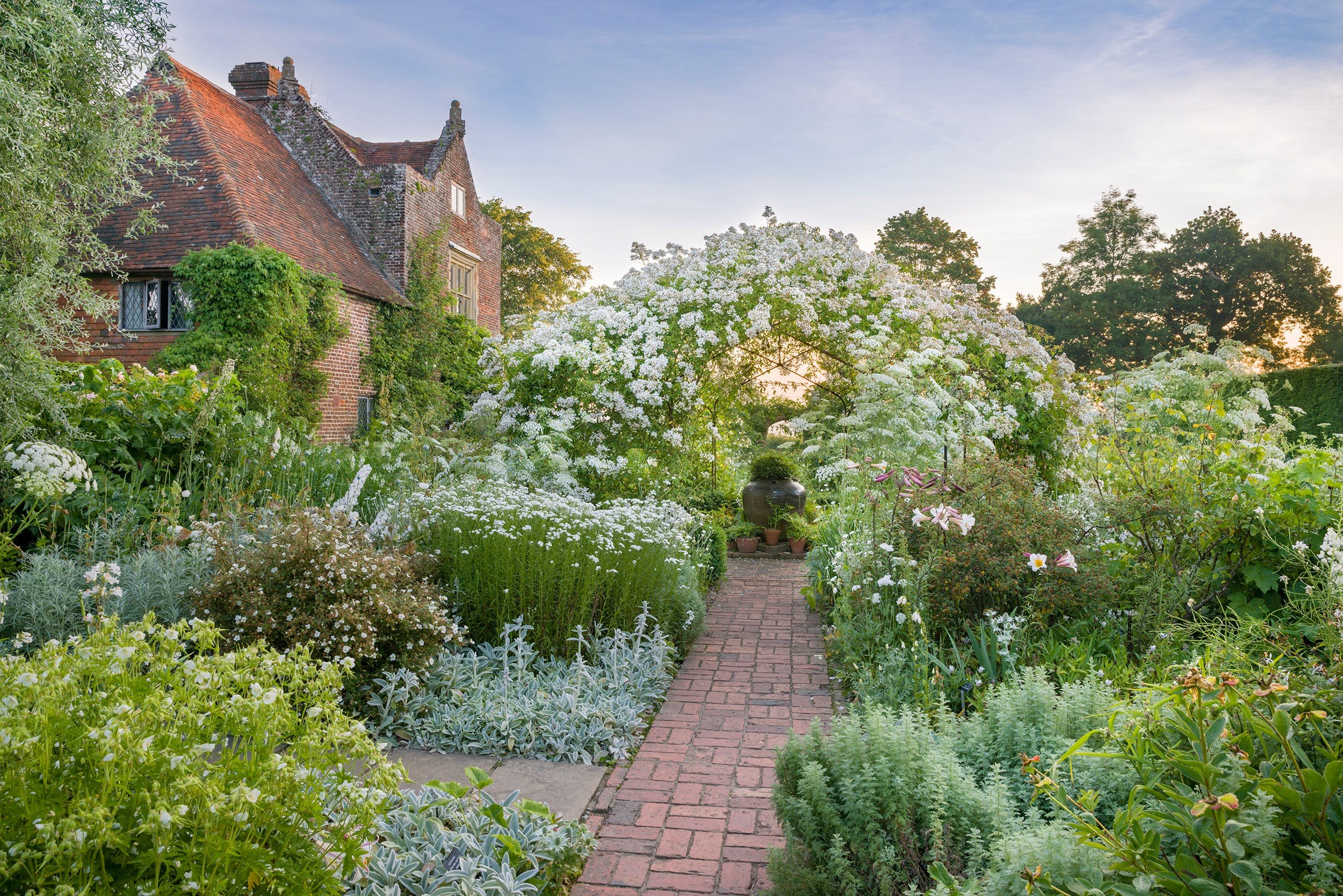 87 mi from SouthamptonSissinghurst Castle Garden: Room-by-Room Garden Design Masterclass
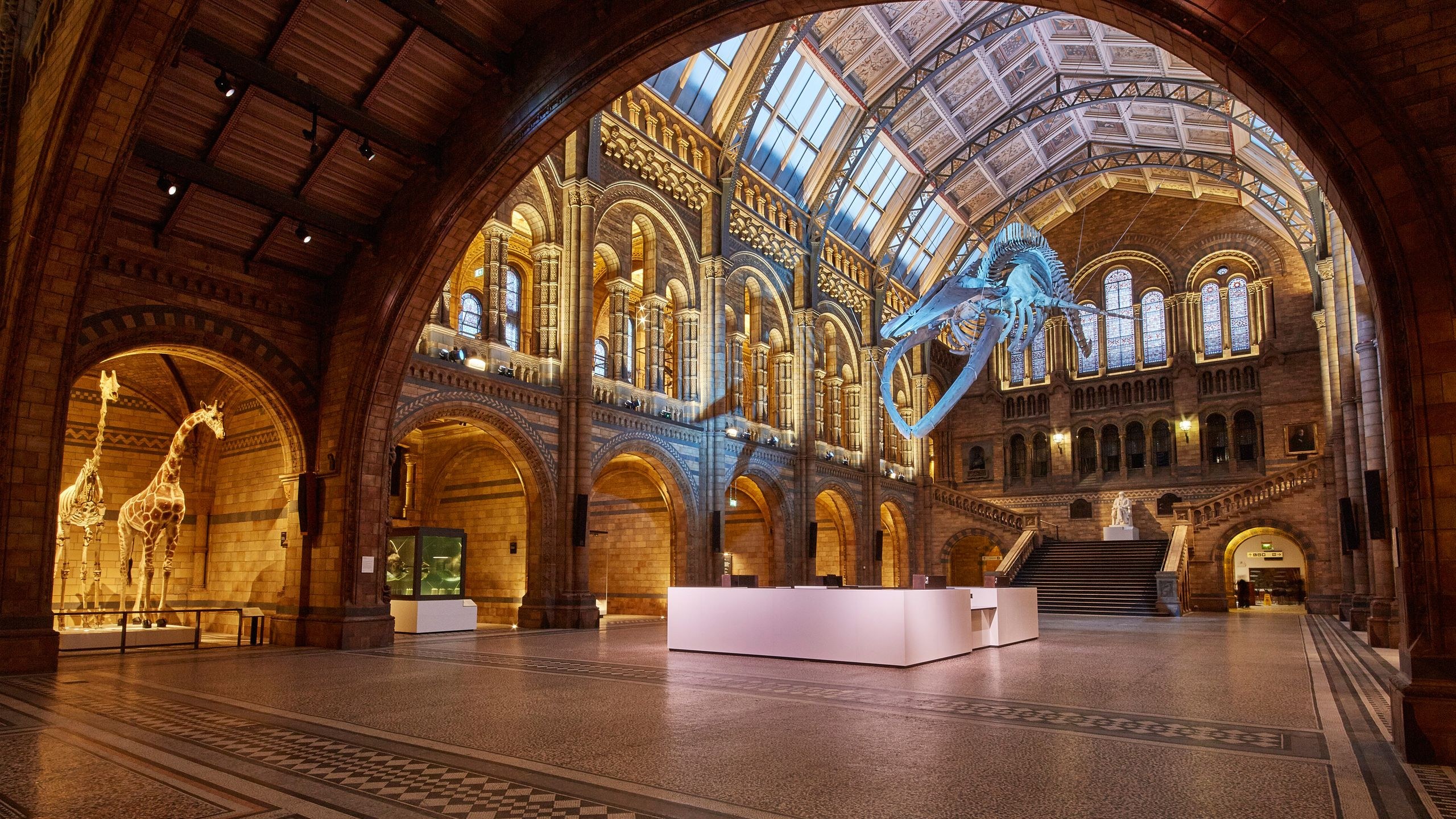 67 mi from SouthamptonNatural History Museum
 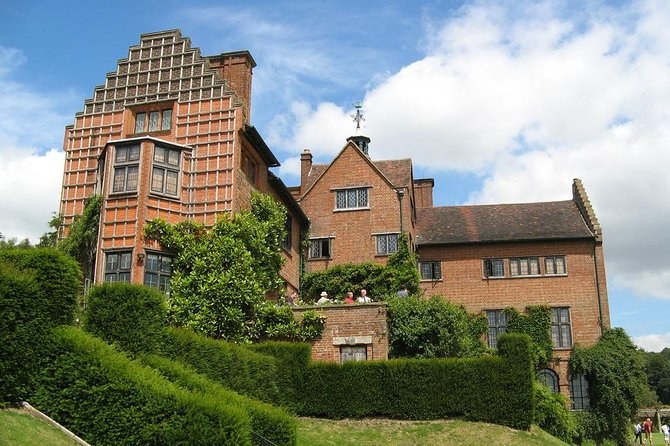 57 mi from Southampton · land adventureChurchill's Kent, Glyndebourne at Dusk & London's Secret Side
 57 mi from Southampton · land adventureCornwall's Wild Coast: Tin Mines, Tidal Castles & Beach Bars
 66 mi from Southampton · land adventureGeorgian Bath, Wild Somerset: Limestone, Lions and Lock Flights
 The same trip, elevated
The same gateway on a more luxurious line — lead-in fare per person, same fare as booking direct.