Your cruise
Spectrum of the Seas · 9-night Asia cruise, Tokyo to Shanghai
May 17 – May 26 · 9 nights ·
Day 1 Tokyo (board) · Day 2 at sea · Day 3 Kagoshima · Day 4 Nagasaki · Day 5 at sea · Day 6–7 Beijing · Day 8–9 at sea · Day 10 Shanghai (step off)
What you do Cross Kagoshima Bay by private ferry to Japan's most active volcano, Sakurajima. Walk the ancient lava fields, stand at the Arimura Lava Observatory, and witness raw volcanic power up close — a bucket-list encounter with living geology.
What to expect The 15-minute ferry crossing delivers your first jaw-dropping view: Sakurajima's cone looming over the bay, often trailing a plume of ash. Your guide leads you through the eerie, obsidian-black lava fields that buried an entire village in 1914. At the Arimura Lava Observatory, panoramic views stretch back across the water to Kagoshima city. End at one of the rim viewpoints for an intimate encounter with an actively rumbling crater.
Good to know Ferries run every 15 minutes from Kagoshima Port (5-min walk from the cruise pier); first departure ~06:30. Pre-book your private guide well in advance for port days. Allow 4–5 hours; confirm your all-aboard time and build in a 45-minute buffer for the return ferry.
Versus the ship tour A licensed private guide tailors every stop — from hidden lava trails to the best ash-cloud viewpoints — at a pace no group tour can match, with a vehicle waiting dockside the moment you disembark.
book direct with GoWithGuide Kagoshima Private Tours → · the full guide →
What you do Explore the stunning 17th-century seaside estate of the Shimadzu clan — feudal lords of Satsuma — with Sakurajima as your dramatic garden backdrop. A masterpiece of Japanese landscape design and aristocratic history.
What to expect Enter through the ancient stone torii and step into a landscape unchanged for 350 years, with Sakurajima's volcanic cone perfectly framed across the bay — the garden was deliberately designed to 'borrow' the volcano as a scenic element. Wander moss-covered paths past koi-filled streams, plum orchards and a 19th-century Shoko Shuseikan industrial complex (a UNESCO World Heritage site). The villa interior reveals lacquerwork, ceramics and personal artefacts of the Shimadzu lords. Your guide brings alive the dramatic Satsuma role in Japan's Meiji Restoration.
Good to know Sengan-en is 5 km north of the cruise pier; a taxi takes ~10 minutes (approx. JPY 1,200). Book timed villa entry online in advance. Allow 2–3 hours; easily combined with a Sakurajima morning for a full-day itinerary.
Versus the ship tour An expert private guide decodes the Shimadzu clan's extraordinary legacy — from Satsuma porcelain to secret 19th-century Westernisation — weaving history into every stone lantern and sculpted pine, far beyond a self-guided stroll.
What you do Journey south through the Satsuma countryside to Chiran — Japan's finest intact samurai town — then pay solemn respects at the Chiran Peace Museum, home to the world's most significant collection of kamikaze pilot artefacts and letters.
What to expect Seven centuries of samurai culture are preserved along Chiran's 700-metre main street, where seven immaculate clan gardens (all registered Special Places of Scenic Beauty) cascade behind white-walled residences. Your guide interprets the dry-stone garden compositions — each a microcosm of Japanese aesthetics. At the Peace Museum, personal letters, photographs and flight suits of the young tokko (special attack) pilots create a profoundly affecting experience; your guide provides essential historical context. The drive through tea fields and cedar forests is scenic in its own right.
Good to know Approximately 50–60 minutes each way from the cruise pier by private vehicle. Chiran gardens open at 09:00; Peace Museum at 09:00. Allow 4–5 hours total. Pre-arrange pickup at the pier and confirm return timing against your all-aboard.
Versus the ship tour Chiran is 40 km from port — a private vehicle is the only dignified way to arrive. A knowledgeable guide contextualises the samurai gardens and the museum's deeply moving exhibits with nuance that a group setting cannot provide.
book direct with GoWithGuide Kagoshima Private Tours → · the full guide →
What you do Surrender to one of Japan's most extraordinary wellness rituals — being buried to the neck in naturally geothermally heated black volcanic sand on the shores of Ibusuki, followed by a refined kaiseki lunch showcasing Kagoshima's black pork and local seafood.
What to expect Ibusuki sits at the southern tip of the Satsuma Peninsula, 50 km from Kagoshima, where geothermal heat warms the beach sand to a perfect 50–55°C. Attendants in traditional dress shovel the fine black sand over your prone body; the warmth penetrates deep into muscles and joints within minutes. The sensation is extraordinarily restorative — a natural onsen unlike any other. Afterwards, a light outdoor shower and the ryokan baths refresh you completely before a beautifully presented kaiseki meal showcasing Kagoshima kurobuta (black Berkshire pork) and locally caught sea bream.
Good to know Approximately 60–70 minutes from the cruise pier by private car. Saraku opens at 08:30; arrive early to avoid midday queues. Bring a change of undergarments; sand gets everywhere. Allow 4–5 hours including lunch. Book the kaiseki restaurant and private vehicle well in advance.
Versus the ship tour Arriving by private car at your chosen time means you bypass crowds and move directly to the beachside bath house. Pairing it with a genuine kaiseki lunch — not a tourist set meal — elevates the day into a full sensory immersion in Satsuma culture.
What you do Discover why Kagoshima's Satsuma warriors were the hidden engine of modern Japan at this world-class, theatrical museum — featuring life-size dioramas, a dramatic wax-figure show and rare Meiji-era artefacts, guided in depth by a licensed local expert.
What to expect Set inside a lovingly restored castle complex in central Kagoshima, the Reimeikan traces the Satsuma domain's extraordinary role in overthrowing the Tokugawa shogunate and launching Japan's modernisation. Life-size wax recreations of the key Meiji figures — Saigo Takamori, Okubo Toshimichi and Kuroda Kiyotaka — are staged in immersive, theatrically lit scenes. The robotic diorama show is surprisingly moving. Your private guide layers context onto every exhibit, from Satsuma's secret overseas student missions to the blood-soaked Seinan War of 1877.
Good to know Located in central Kagoshima, 10 minutes by tram from the port (JPY 170 single, or JPY 1,300 for the CUTE all-day pass). Open Tue–Sun 09:00–18:00. Allow 2–2.5 hours. An ideal half-day option that pairs beautifully with a Sengan-en visit in the afternoon.
Versus the ship tour The museum's centrepiece — a fully staged, dramatically lit theatrical recreation of Saigo Takamori's final stand — is incomprehensible without a guide who can name every figure and explain why Satsuma's rebellion reshaped Japan. A private expert turns spectacle into story.
book direct with Reimeikan / Kagoshima Prefectural Museum of Culture (official) → · the full guide →
What you do Ascend the forested hill of Shiroyama — site of Saigo Takamori's last stand — for the finest panorama in Kagoshima: city, bay, and the smoking cone of Sakurajima at dawn. Follow with an intimate private Satsuma tea ceremony in a hillside garden.
What to expect The forested trail to Shiroyama's 107-metre summit takes just 20 minutes and passes the cave where the Meiji rebel hero Saigo Takamori made his final stand in 1877 — your guide narrates this poignant story as you climb. At the top, the observation deck reveals a sweeping 270-degree panorama: Kagoshima's terracotta rooftops, the glittering arc of the bay, and Sakurajima dramatically punctuating the horizon, often releasing lazy plumes of ash at first light. Descend to a private hillside garden where a practitioner of Urasenke-style tea ceremony prepares matcha with locally grown Satsuma leaves, served with seasonal wagashi confections.
Good to know Shiroyama is a 20-minute walk or 5-minute taxi from the cruise pier. The observation deck is accessible 24/7. Aim for a 07:00–08:00 arrival for the best light and minimal crowds. Pre-book the tea ceremony host with your guide at the time of reservation. Best as a morning excursion before the day warms up.
Versus the ship tour Dawn on Shiroyama — before tour buses and day-trippers arrive — offers an utterly serene, crowd-free encounter with one of Japan's most photogenic volcano-and-city panoramas. The private tea ceremony is conducted by a local practitioner, not a tourist-facing stage performance.
book direct with GoWithGuide Kagoshima Private Tours → · the full guide →
What you do Explore Tokyo's most iconic districts — Asakusa, Shibuya, Shinjuku and the Imperial Palace — guided by a nationally licensed, multilingual expert on an entirely private itinerary tailored to you. This is Tokyo at your pace, through a connoisseur's eyes.
What to expect Your guide meets you at the terminal and whisks you into Tokyo's layered world: the incense haze of Sensō-ji, the electric scramble at Shibuya Crossing, the raked gravel calm of Imperial Palace East Gardens. Lunch is arranged at a chef-selected restaurant befitting your taste. The day is a seamless private narrative rather than a checklist, ending with enough time to return comfortably before all-aboard.
Good to know Book well in advance — licensed private guides are in high demand. Confirm your ship's all-aboard time so your guide can plan the return; Tokyo International Cruise Terminal (Ariake) is roughly 30–40 min by taxi or direct Yurikamome rail from central Tokyo.
Versus the ship tour A nationally licensed guide — not a megaphone-and-flag group leader — curates every hour around your interests, from Sensō-ji temple rituals at dawn to an omakase lunch in a hidden alley. The group is yours alone, pace is entirely flexible, and the depth of cultural insight is unmatched.
book direct with Japan Guide Association (JGA) – Official Licensed Guides → · the full guide →
What you do Ascend the world's second-tallest structure to 634 metres for a panorama stretching from Mount Fuji to Tokyo Bay. On a clear day the view is simply one of the great urban spectacles on earth.
What to expect A high-speed elevator whisks you to the Tembo Deck at 350 m in under 60 seconds. A second ascent takes you to the Tembo Galleria, a glass-walled spiral walkway at 450 m where the floor disappears beneath your feet over the Tokyo skyline. The adjacent Solamachi shopping and dining complex adds a refined post-visit option before heading back.
Good to know Pre-purchase timed-entry tickets online — they sell out days ahead, especially on weekends. From Tokyo International Cruise Terminal, take the Yurikamome line to Asakusa, then the Tobu Skytree Line — allow 50 min total. Allow 2 hrs for both decks. Confirm weather forecast: Mount Fuji views require clear skies.
Versus the ship tour Skip the intermediary and book direct on the official site for guaranteed timed-entry tickets — the queue for walk-ups can swallow an hour. Pairing both decks gives you the full 634-metre summit glass-floored walkway, a genuinely vertiginous bucket-list moment inaccessible on a standard visit.
book direct with Tokyo Skytree (Official) → · the full guide →
What you do Step inside teamLab Borderless — the world's most visited single-artist museum — where thousands of laser projections dissolve boundaries between art and visitor. There are no maps; every room is a living, breathing, bucket-list spectacle.
What to expect You wander freely through interconnected rooms where waterfalls, forests, and koi ponds exist entirely as light and projection — and shift when you touch them. The 'Athletic Forest' zone challenges the body as much as the mind. No two visits are identical; the art evolves in real time. Budget at least two hours, though most guests lose track of time entirely.
Good to know The new Azabudai Hills venue is a taxi/subway ride from the cruise terminal — allow 40 min. Wear comfortable shoes (some zones involve steps and uneven surfaces). Timed-entry tickets are date- and time-specific; book the earliest slot to leave the afternoon free for other stops. Avoid white clothing as projections can stain perception.
Versus the ship tour teamLab Borderless is the most talked-about cultural experience in Tokyo and tickets routinely sell out weeks ahead — direct booking guarantees your slot. The experience is entirely self-paced and intimate in scale despite the venue's size; no group itinerary can replicate the personal sense of wonder as the art responds to your movement.
book direct with teamLab Borderless Tokyo (Official) → · the full guide →
What you do Explore the legendary Tsukiji Outer Market with a private chef guide who navigates the stalls, sources the finest morning catch, and explains the art of Edomae sushi — ending at a reserved counter for an unforgettable omakase breakfast.
What to expect The morning begins in the alley labyrinth of Tsukiji Outer Market as vendors arrange glistening tuna, sea urchin, and seasonal shellfish. Your chef-guide explains provenance, seasonality, and the knife traditions behind each cut. A tamagoyaki (rolled omelette) master lets you watch the craft up close. The tour culminates at a reserved sushi counter where the chef orders on your behalf — a succession of impossibly fresh nigiri paired with explanations of each piece.
Good to know Tsukiji Outer Market is most vibrant 7–10 am; an early start is essential and pairs well with an early all-aboard schedule. The market is approximately 30 min by taxi from Tokyo International Cruise Terminal. Confirm any dietary restrictions with Context Travel at booking. Sturdy shoes are advised — the alleys are narrow and sometimes wet.
Versus the ship tour Context Travel pairs you with a culinary scholar or professional chef — not a generic guide — for an intellectually rich deep-dive into Japan's seafood culture. The private format means you linger at the stalls that captivate you, taste what the guide selects, and sit down to sushi chosen that morning, not a set tourist menu.
book direct with Context Travel Tokyo – Expert-Led Food Tours → · the full guide →
What you do Walk the ancient cedar-forested approach to Tokyo's most sacred Shinto shrine, then emerge into Harajuku's kaleidoscopic street culture — a single morning that captures the full spiritual and creative soul of Tokyo.
What to expect The 700-metre forested gravel path to Meiji Jingu feels remote despite being at the heart of 14-million-person Tokyo — a genuine hush descends. Your guide explains the daily rituals, points out the sake-barrel wall offered by French wineries, and arranges a quiet moment at the inner shrine. The short walk to Harajuku delivers the visual shock of kawaii fashion and the understated elegance of Omotesandō boutiques — Dior, Louis Vuitton, and local ateliers alike.
Good to know Shoulders and knees should be covered or a scarf carried for the shrine approach. From the cruise terminal, take the Yurikamome to Shimbashi then JR Yamanote Line to Harajuku — approx. 50 min. The combined experience takes 3–4 hours; pairs perfectly with a lunch reservation on Omotesandō. Book your GoWithGuide guide at least 2 weeks ahead.
Versus the ship tour A private local guide from GoWithGuide provides personal context for Shinto ritual — the purification ceremony, the prayer technique, the symbolism of the torii gate — that transforms a walk through a forest into a deeply moving cultural encounter. The segue into Harajuku's Takeshita Street and Omotesandō's luxury flagship stores is seamlessly curated.
book direct with GoWithGuide – Private Tokyo Local Guides → · the full guide →
What you do Ascend the beloved iron icon of Tokyo at golden hour for the exclusive Diamond Tour — access to both the Main Deck at 150 m and the Top Deck at 250 m, limited to just 70 guests per day. A sunset over the Tokyo skyline from here is a memory for life.
What to expect Tokyo Tower glows tangerine and crimson at dusk — a deliberate nod to the Eiffel Tower's evening palette — and from the glass-floor panels of the Top Deck, the city grid fans out to Tokyo Bay and beyond. The Diamond Tour guide explains the tower's 1958 construction story and its role as Tokyo's emotional heartbeat. The lounge offers premium refreshments as the city lights ignite below you.
Good to know Book online the moment your itinerary is confirmed — the 70-person cap sells out fast, especially on weekends and holidays. Tokyo Tower is in Minato, roughly 40 min by taxi from the cruise terminal. Plan to arrive at least 30 min before your slot. A sunset slot (approximately 5–6 pm) is spectacular but confirm your ship's all-aboard time allows for it.
Versus the ship tour The Diamond Tour's 70-person daily cap makes this one of the most exclusive urban viewpoints in Asia. Unlike the open-access main deck, the Top Deck tour includes a dedicated lounge, unhurried time at each level, and a guide — transforming a landmark tick into a genuinely rarefied experience.
book direct with Tokyo Tower (Official) → · the full guide →
What you do Cross Kagoshima Bay by private ferry to Japan's most active volcano, Sakurajima. Walk the ancient lava fields, stand at the Arimura Lava Observatory, and witness raw volcanic power up close — a bucket-list encounter with living geology.
What to expect The 15-minute ferry crossing delivers your first jaw-dropping view: Sakurajima's cone looming over the bay, often trailing a plume of ash. Your guide leads you through the eerie, obsidian-black lava fields that buried an entire village in 1914. At the Arimura Lava Observatory, panoramic views stretch back across the water to Kagoshima city. End at one of the rim viewpoints for an intimate encounter with an actively rumbling crater.
Good to know Ferries run every 15 minutes from Kagoshima Port (5-min walk from the cruise pier); first departure ~06:30. Pre-book your private guide well in advance for port days. Allow 4–5 hours; confirm your all-aboard time and build in a 45-minute buffer for the return ferry.
Versus the ship tour A licensed private guide tailors every stop — from hidden lava trails to the best ash-cloud viewpoints — at a pace no group tour can match, with a vehicle waiting dockside the moment you disembark.
book direct with GoWithGuide Kagoshima Private Tours → · the full guide →
What you do Explore the stunning 17th-century seaside estate of the Shimadzu clan — feudal lords of Satsuma — with Sakurajima as your dramatic garden backdrop. A masterpiece of Japanese landscape design and aristocratic history.
What to expect Enter through the ancient stone torii and step into a landscape unchanged for 350 years, with Sakurajima's volcanic cone perfectly framed across the bay — the garden was deliberately designed to 'borrow' the volcano as a scenic element. Wander moss-covered paths past koi-filled streams, plum orchards and a 19th-century Shoko Shuseikan industrial complex (a UNESCO World Heritage site). The villa interior reveals lacquerwork, ceramics and personal artefacts of the Shimadzu lords. Your guide brings alive the dramatic Satsuma role in Japan's Meiji Restoration.
Good to know Sengan-en is 5 km north of the cruise pier; a taxi takes ~10 minutes (approx. JPY 1,200). Book timed villa entry online in advance. Allow 2–3 hours; easily combined with a Sakurajima morning for a full-day itinerary.
Versus the ship tour An expert private guide decodes the Shimadzu clan's extraordinary legacy — from Satsuma porcelain to secret 19th-century Westernisation — weaving history into every stone lantern and sculpted pine, far beyond a self-guided stroll.
What you do Journey south through the Satsuma countryside to Chiran — Japan's finest intact samurai town — then pay solemn respects at the Chiran Peace Museum, home to the world's most significant collection of kamikaze pilot artefacts and letters.
What to expect Seven centuries of samurai culture are preserved along Chiran's 700-metre main street, where seven immaculate clan gardens (all registered Special Places of Scenic Beauty) cascade behind white-walled residences. Your guide interprets the dry-stone garden compositions — each a microcosm of Japanese aesthetics. At the Peace Museum, personal letters, photographs and flight suits of the young tokko (special attack) pilots create a profoundly affecting experience; your guide provides essential historical context. The drive through tea fields and cedar forests is scenic in its own right.
Good to know Approximately 50–60 minutes each way from the cruise pier by private vehicle. Chiran gardens open at 09:00; Peace Museum at 09:00. Allow 4–5 hours total. Pre-arrange pickup at the pier and confirm return timing against your all-aboard.
Versus the ship tour Chiran is 40 km from port — a private vehicle is the only dignified way to arrive. A knowledgeable guide contextualises the samurai gardens and the museum's deeply moving exhibits with nuance that a group setting cannot provide.
book direct with GoWithGuide Kagoshima Private Tours → · the full guide →
What you do Surrender to one of Japan's most extraordinary wellness rituals — being buried to the neck in naturally geothermally heated black volcanic sand on the shores of Ibusuki, followed by a refined kaiseki lunch showcasing Kagoshima's black pork and local seafood.
What to expect Ibusuki sits at the southern tip of the Satsuma Peninsula, 50 km from Kagoshima, where geothermal heat warms the beach sand to a perfect 50–55°C. Attendants in traditional dress shovel the fine black sand over your prone body; the warmth penetrates deep into muscles and joints within minutes. The sensation is extraordinarily restorative — a natural onsen unlike any other. Afterwards, a light outdoor shower and the ryokan baths refresh you completely before a beautifully presented kaiseki meal showcasing Kagoshima kurobuta (black Berkshire pork) and locally caught sea bream.
Good to know Approximately 60–70 minutes from the cruise pier by private car. Saraku opens at 08:30; arrive early to avoid midday queues. Bring a change of undergarments; sand gets everywhere. Allow 4–5 hours including lunch. Book the kaiseki restaurant and private vehicle well in advance.
Versus the ship tour Arriving by private car at your chosen time means you bypass crowds and move directly to the beachside bath house. Pairing it with a genuine kaiseki lunch — not a tourist set meal — elevates the day into a full sensory immersion in Satsuma culture.
What you do Discover why Kagoshima's Satsuma warriors were the hidden engine of modern Japan at this world-class, theatrical museum — featuring life-size dioramas, a dramatic wax-figure show and rare Meiji-era artefacts, guided in depth by a licensed local expert.
What to expect Set inside a lovingly restored castle complex in central Kagoshima, the Reimeikan traces the Satsuma domain's extraordinary role in overthrowing the Tokugawa shogunate and launching Japan's modernisation. Life-size wax recreations of the key Meiji figures — Saigo Takamori, Okubo Toshimichi and Kuroda Kiyotaka — are staged in immersive, theatrically lit scenes. The robotic diorama show is surprisingly moving. Your private guide layers context onto every exhibit, from Satsuma's secret overseas student missions to the blood-soaked Seinan War of 1877.
Good to know Located in central Kagoshima, 10 minutes by tram from the port (JPY 170 single, or JPY 1,300 for the CUTE all-day pass). Open Tue–Sun 09:00–18:00. Allow 2–2.5 hours. An ideal half-day option that pairs beautifully with a Sengan-en visit in the afternoon.
Versus the ship tour The museum's centrepiece — a fully staged, dramatically lit theatrical recreation of Saigo Takamori's final stand — is incomprehensible without a guide who can name every figure and explain why Satsuma's rebellion reshaped Japan. A private expert turns spectacle into story.
book direct with Reimeikan / Kagoshima Prefectural Museum of Culture (official) → · the full guide →
What you do Ascend the forested hill of Shiroyama — site of Saigo Takamori's last stand — for the finest panorama in Kagoshima: city, bay, and the smoking cone of Sakurajima at dawn. Follow with an intimate private Satsuma tea ceremony in a hillside garden.
What to expect The forested trail to Shiroyama's 107-metre summit takes just 20 minutes and passes the cave where the Meiji rebel hero Saigo Takamori made his final stand in 1877 — your guide narrates this poignant story as you climb. At the top, the observation deck reveals a sweeping 270-degree panorama: Kagoshima's terracotta rooftops, the glittering arc of the bay, and Sakurajima dramatically punctuating the horizon, often releasing lazy plumes of ash at first light. Descend to a private hillside garden where a practitioner of Urasenke-style tea ceremony prepares matcha with locally grown Satsuma leaves, served with seasonal wagashi confections.
Good to know Shiroyama is a 20-minute walk or 5-minute taxi from the cruise pier. The observation deck is accessible 24/7. Aim for a 07:00–08:00 arrival for the best light and minimal crowds. Pre-book the tea ceremony host with your guide at the time of reservation. Best as a morning excursion before the day warms up.
Versus the ship tour Dawn on Shiroyama — before tour buses and day-trippers arrive — offers an utterly serene, crowd-free encounter with one of Japan's most photogenic volcano-and-city panoramas. The private tea ceremony is conducted by a local practitioner, not a tourist-facing stage performance.
book direct with GoWithGuide Kagoshima Private Tours → · the full guide →
What you do Step ashore the hauntingly beautiful Hashima Island — 'Battleship Island' — a UNESCO World Heritage Site abandoned since 1974. Walk through crumbling concrete ruins of Japan's first high-rise apartments, once home to 5,000 coal miners, with an expert guide unlocking every ghostly layer of its industrial past.
What to expect A scenic 45-minute ferry from Nagasaki port carries you past the dramatic silhouette of Hashima rising from the East China Sea. Once ashore, a certified guide leads you along permitted walkways through collapsed apartment blocks, the old schoolyard, and the mining infrastructure, narrating the island's extraordinary social history. The sense of frozen time — desks still in classrooms, staircases leading nowhere — is profoundly cinematic. Return sailing offers spectacular panoramic views of the island against the open sea.
Good to know Landings are weather-dependent and can be cancelled at short notice — confirm on the morning of your port call. Book well in advance as permits are strictly limited. The ferry departs from Nagasaki Port (Tokiwa Terminal), a short taxi ride from the cruise pier. Allow 3–4 hours total. Check all-aboard time carefully.
Versus the ship tour A licensed landing guide provides deep historical and architectural context you simply cannot access on a self-guided visit — the permit system means only a handful of licensed operators can bring you ashore, making this a genuinely exclusive encounter with one of the world's most dramatic abandoned sites.
book direct with Yamasa Kaiun (Official Gunkanjima Landing Operator) → · the full guide →
What you do A government-licensed private guide accompanies you through the deeply moving Atomic Bomb Museum and Peace Park — the ground zero of 9 August 1945. Unfiltered, nuanced, and emotionally resonant, this is one of the most significant historical pilgrimages in all of Asia.
What to expect Your guide meets you dockside and escorts you north to Hypocenter Park, where a simple black monolith marks the exact epicentre of the blast. The adjacent Atomic Bomb Museum is a masterpiece of sober, powerful curation — melted glass, charred garments, and survivor photographs are presented with unflinching honesty. A short walk leads to Peace Park and the iconic 9-metre Peace Statue, arms outstretched skyward. Your guide weaves in personal survivor accounts (hibakusha stories) that transform statistics into deeply human narratives.
Good to know The museum and Peace Park are approximately 4 km north of the cruise pier — a short taxi or tram ride (Nagasaki Electric Tramway, Line 1/3 to Matsuyamamachi stop). Mornings are quieter; aim to arrive by 09:00. Allow 3 hours minimum. This is a reflective experience — dress respectfully.
Versus the ship tour A nationally licensed, English-speaking guide provides intimate historical interpretation — survivor testimonies, artefact context, and the profound symbolism of the Peace Statue — at your own reflective pace, with no crowds or time pressure.
book direct with Japan Guide Association – Nagasaki Licensed Guides (J-G-A) → · the full guide →
What you do Ascend 333 metres to the summit of Mt. Inasa — one of Japan's three great night views — for a breathtaking 360° panorama of Nagasaki harbour glittering below. Pair it with a refined kaiseki dinner at a harbourside restaurant for an evening of pure Japanese luxury.
What to expect A short taxi ride from the port brings you to the ropeway base station, where gondolas glide up through forested slopes to the summit. The observation deck wraps around the peak, offering unobstructed views across Nagasaki Harbour, Hashima Island in the distance, and the surrounding green hills. As dusk settles, the city lights bloom below in extraordinary fashion. Descend and transfer to a curated harbourside kaiseki restaurant for a multi-course seasonal dinner featuring local Nagasaki seafood, wagyu, and sake pairings.
Good to know Mt. Inasa is best experienced at sunset/dusk — ideal for ships with an overnight stay or late all-aboard. The ropeway runs until 22:00. Arrange a pre-booked kaiseki table (Nagasaki Grand Hotel or Sakamoto-ya are superb choices) to avoid disappointment. Taxi from port is approximately 15 minutes.
Versus the ship tour The summit observation deck at dusk delivers one of Japan's most celebrated panoramas — the harbour, the islands, and the city lights of Nagasaki curving around the bay in a view that has no equal in Kyushu. Combining this with a private kaiseki dinner makes it an unmissable evening.
What you do Wander through the Western-Japanese architectural masterpiece of Glover Garden — Japan's oldest surviving Western-style building — then step inside the breathtaking Ōura Cathedral, a National Treasure and the only Gothic cathedral in Japan. A private licensed guide brings the Meiji-era stories of Nagasaki's remarkable openness to the world vividly alive.
What to expect Your guide leads you up the hillside terraces of Glover Garden, where 19th-century Scottish merchant Thomas Glover built a home with sweeping harbour views that remain spectacular today. Stone pathways wind past preserved colonial villas housing period artefacts. A short walk downhill brings you to the luminous Gothic façade of Ōura Cathedral, its stained-glass windows casting jewelled light across its interior — consecrated in 1865 and a UNESCO World Heritage Site. The neighbourhood's cobblestone lanes and Dutch-era Dejima trading post complete a walk through 400 years of cosmopolitan history.
Good to know Glover Garden and Ōura Cathedral are a short tram ride (Line 5 to Oura Tenshudo stop) or 10-minute taxi from the port. Both open from 08:00–18:00. Combination discount tickets are available (JPY 1,580 for three heritage sites). Allow 3–4 hours. Comfortable walking shoes are essential — the garden involves gentle but sustained uphill walking.
Versus the ship tour Nagasaki Crew guides are locals trained to specialist level in the city's unique Edo-period and Meiji-era Western heritage — the only guides who can contextualise why this hillside enclave produced Japan's earliest international business dynasties and inspired Puccini's Madama Butterfly.
book direct with Discover Nagasaki – Nagasaki Crew Private Tours → · the full guide →
What you do Explore Japan's oldest and most atmospheric Chinatown — Shinchi — then sit down to Shippoku, Nagasaki's extraordinary fusion banquet cuisine born from centuries of Chinese, Dutch, and Japanese cultural exchange. This is the most distinctive regional dining experience in all of Kyushu.
What to expect Your guide leads you through the vermillion gates of Shinchi Chinatown, the oldest in Japan, where temple incense mingles with the aroma of freshly steamed kakuni manju (braised pork buns) and sizzling chanpon — Nagasaki's beloved noodle soup. Market stalls display Nagasaki castella sponge cake, a Portuguese legacy dating to the 16th century. You then settle into a curated Shippoku banquet — served on a shared round table in the Chinese tradition — with courses including sashimi, braised fish, seasonal vegetables, and sake, a meal that embodies 400 years of Nagasaki's unique cultural openness.
Good to know Shinchi Chinatown is a flat 10-minute walk or short tram ride from the cruise pier. Pre-book your Shippoku table at least a week ahead — Hamakatsu (長崎卓袱料理 浜勝) and Ichiriki are both acclaimed and require reservations. Allow 3–4 hours for guide, market walk, and full Shippoku lunch. The best Shippoku is lunch service — confirm your ship's all-aboard time.
Versus the ship tour A private local food guide unlocks the vendor stalls, hidden dim sum kitchens, and family-run Shippoku restaurants that have no English signage — including the authentic chanpon noodle birthplace and kakuni pork bun masters whose recipes are unchanged for generations.
book direct with GoWithGuide – Nagasaki Private Food & Culture Guides → · the full guide →
What you do A bespoke full-day private tour with a nationally licensed guide weaving together Nagasaki's most iconic and most overlooked treasures — the One-Pillar Torii of Sanno Shrine, the Confucian Sofukuji Temple, the historic Meganebashi spectacle-stone bridge, and a ride on the beloved Nagasaki Electric Tramway through the city's living neighbourhoods.
What to expect Board the charming Nagasaki Electric Tramway — one of Japan's oldest operating tram networks — for a local's journey through the city's historic districts. Your guide leads you to the haunting One-Pillar Torii of Sanno Shrine, one of the few structures to survive the atomic blast and now a powerful symbol of resilience. The ornate Chinese-baroque Sofukuji Temple, founded in 1629, rewards with its lacquered gates and serene courtyards. The iconic Meganebashi ('Spectacles Bridge') — Japan's oldest stone-arch bridge — reflects perfectly in the Nakashima River below. The day closes with elevated harbour views over green tea at a traditional machiya townhouse teahouse.
Good to know The guide meets you at the cruise pier. A day tram pass (JPY 600) is excellent value and an experience in itself. The full-day itinerary can be adjusted to your pace and interests — request your preferences when booking. Allow 6–7 hours. Confirm all-aboard time with your guide at the outset of the day.
Versus the ship tour A nationally licensed guide tailors every hour to your interests — moving at a discerning traveller's pace, skipping queues at lesser-known sites, and revealing the extraordinary layers of Nagasaki's identity as Japan's sole window to the outside world for over 200 years of isolation.
book direct with Japan Guide Association – Nagasaki Licensed Guides (J-G-A) → · the full guide →
What you do Walk a privately guided stretch of the Great Wall at Mutianyu — less crowded, lushly forested, and dramatically preserved. Ascend by cable car, stroll between watchtowers, and descend by toboggan for a moment of pure joy on the world's greatest man-made wonder.
What to expect Your private guide and vehicle collect you at Tianjin Port for the ~2.5-hour scenic drive to Mutianyu. Ride the gondola above a canopy of chestnut trees to reach the Wall, then walk as far as you wish between ancient watchtowers with sweeping valley panoramas. Descend via the famous toboggan run before a leisurely local lunch. Your guide handles every ticket, queue, and detail seamlessly.
Good to know Pre-book at least 7 days ahead — Catherine Lu Tours fills quickly. Mutianyu cable car opens at 08:30; aim to arrive before 10:00 to beat day-trippers. All-aboard from Tianjin is typically 18:00–20:00; a private car returns you on your schedule. Wear comfortable walking shoes and layers.
Versus the ship tour Fully private, bespoke pacing with a deeply knowledgeable local expert — no group rushing, no PA system. You choose your watchtowers, your stops, your lunch. The #1-ranked private tour operator in Beijing with 4,000+ verified reviews.
book direct with Catherine Lu Tours (Beijing) → · the full guide →
What you do Walk the vermillion halls and dragon-paved courtyards of the Forbidden City with a private expert guide, then climb Jingshan Park's Pavilion of Everlasting Spring for the iconic rooftop view across the entire palace complex — the single greatest panorama in Beijing.
What to expect Enter through the Meridian Gate as part of a small private party, weaving through the Outer Court's colossal ceremonial halls and into the intimate Inner Court where emperors actually lived. Your guide decodes hidden symbolism in every dragon carving and glazed tile. From Jingshan Park immediately north, the Pavilion offers a UNESCO-listed skyline that no photograph fully captures. Lunch is at a curated Beijing restaurant serving imperial-style cuisine.
Good to know Forbidden City tickets must be reserved online 3–7 days in advance and are date-specific — your operator handles this. The complex opens at 08:30; morning entry is far less crowded. Allow 3–4 hours inside. Tiananmen Square (free entry) is a natural preamble on the walk in.
Versus the ship tour Private guiding inside the Forbidden City transforms 980 rooms from a sea of rooftops into living imperial theatre — stories of concubines, emperors, and court intrigue told precisely where they unfolded. Tickets must be pre-booked; your guide secures them before you arrive.
book direct with Catherine Lu Tours (Beijing) → · the full guide →
What you do Arrive at the Temple of Heaven at dawn with a private guide and witness Beijing's elders practicing Tai Chi, calligraphy, and traditional opera in the cypress groves — a living ritual that has unfolded here for 600 years — before the tour groups arrive.
What to expect Glide through the South Gate as Beijing stirs, joining locals — not tourists — in the ancient echo-wall gardens. Watch an elderly man practise sword forms beneath 500-year-old cypress trees while another group rehearses Peking Opera arias. Your guide leads you to the Circular Mound Altar at the spiritual heart of the complex, where emperors once communed with Heaven, and explains the precise acoustic and astronomical engineering embedded in every stone. Coffee and light breakfast provided en route.
Good to know Pair this as a morning half-day with the Summer Palace in the afternoon for a full-day private itinerary. Entry ticket tiers vary — the combined ticket (CNY 34) covers all interior halls and is worth every yuan. Gates open at 06:00; aim to enter by 07:00.
Versus the ship tour The early-morning private access to the park grounds — before the site becomes crowded — is what separates this from any group experience. Your guide contextualises the Ming and Qing emperors' Heaven-worship ceremonies with scholarly depth, making the Hall of Prayer for Good Harvests genuinely awe-inspiring.
book direct with Catherine Lu Tours (Beijing) → · the full guide →
What you do Drift across Kunming Lake by traditional wooden dragon boat at the Summer Palace — the Qing Dynasty's lakeside masterpiece — then stroll the Long Corridor's 728-metre painted gallery with a private guide who brings every panel's mythology to life.
What to expect Arrive via the East Palace Gate and begin on the famed Long Corridor, where every beam bears painted scenes from Chinese literature and legend. Your guide pauses at the Marble Boat — Empress Dowager Cixi's famously extravagant folly — for stories of the court's final decadent era. Board a wooden dragon boat for a serene 20-minute crossing of Kunming Lake to the South Lake Island pagoda, with the Western Hills framing the skyline. Lunch is served at a garden restaurant overlooking the lake.
Good to know The Summer Palace is approximately 45 minutes from central Beijing; allow 3–4 hours on site. Dragon boat rides run April–October. The site is large — wear comfortable shoes. Pairs beautifully with a morning visit to the Temple of Heaven.
Versus the ship tour The boat crossing of Kunming Lake — available only when you set your own itinerary — transforms the Summer Palace from a walking tour into an immersive imperial escape. A private guide unlocks the allegorical meaning behind 14,000 painted scenes in the Long Corridor that a self-guided visit entirely misses.
book direct with Catherine Lu Tours (Beijing) → · the full guide →
What you do Navigate Beijing's ancient grey-walled hutong alleyways with a culinary insider — hand-fold dumplings at a family kitchen, slurp hand-pulled noodles at a century-old canteen, sip rare pu-erh at a scholar's teahouse, and finish with Peking Duck carved tableside. Pure, unfiltered Beijing.
What to expect Your guide leads you through the Drum Tower hutong district by foot, ducking under moon gates into courtyards where grandmothers have made dumplings the same way for generations. You roll, pleat, and steam your own jiaozi before eating them. A stop at Mr Shi's Dumplings — legendary in Beijing — offers the city's benchmark for the art form. At a classical teahouse, a tea master walks you through the gongfu ceremony with four rare teas. The finale: a private room at a heritage Peking Duck restaurant, duck carved at your table.
Good to know This tour operates from central Beijing; book your own transfer from Tianjin (approx. 1.5 hrs by high-speed train from Tianjin to Beijing South Station, CNY 55–65 each way). Book the tour at least 5 days ahead. Dietary requirements accommodated with advance notice. Wear comfortable flat shoes for cobblestones.
Versus the ship tour This is Beijing as Beijingers live it — rickshaw lanes that have fed the capital for 700 years, eaten at the pace of a local, not a schedule. Every stop is a working neighbourhood kitchen or family-run teahouse, not a tourist restaurant. The food is the history.
What you do Explore Beijing's spiritual and philosophical soul: incense spiralling in the Lama Temple's gilded halls, contemplative silence in the Confucius Temple's stele forest, then climb the Bell Tower at dusk as the ancient bronze bell rings out across the hutong rooftops — a sound unchanged for six centuries.
What to expect Enter the Yonghe Lama Temple through a haze of juniper incense, where Tibetan monks in saffron robes circle a 26-metre sandalwood Buddha — the world's tallest indoor wooden statue. Cross the narrow lane into the Confucius Temple, where 198 stone stelae record the names of imperial scholars and the ancient cypress trees are older than most European nations. As evening approaches, climb the Bell Tower and stand beside the 63-tonne bronze bell cast in 1420 as it booms across the grey-tiled hutong sea below. Your guide narrates six centuries of Beijing life with every step.
Good to know This tour works best as an afternoon excursion, ideally combined with a morning Great Wall or Forbidden City visit. Transfer from Tianjin by high-speed train (CNY 55–65 each way) or private car. Bell Tower closes at 17:00 (last entry 16:30) — time your arrival carefully. Book at least 5 days in advance.
Versus the ship tour Three of Beijing's most atmospheric and spiritually resonant sites — rarely combined — in a single private afternoon. The Bell Tower's dusk bell-ringing is one of the city's great sensory experiences and almost unknown to first-time visitors focused on the headline monuments.
What you do Shanghai's most iconic mile, the Bund, transforms at dusk into one of the world's great spectacles. A private guide leads you along the floodlit promenade as Pudong's towers ignite across the Huangpu River — bucket-list Shanghai at its most cinematic.
What to expect Your guide meets you and whisks you along the 1.5 km Bund promenade past the neoclassical HSBC building and the Customs House, timing arrival at the riverfront rail for the exact moment the Pudong skyline lights up. Cross on the historic ferry for a Lujiazui-side view of the Bund in reverse — a perspective most visitors never get. End with a nightcap recommendation at a Bund rooftop bar before your private transfer back to port.
Good to know Sunset times vary by season — confirm departure time with Jenny's so you arrive 45 minutes before dusk. The cruise terminal at Wusongkou is roughly 40 minutes by car from the Bund; factor that into your all-aboard window. Pre-book at least two weeks ahead for private vehicle inclusion.
Versus the ship tour Fully private, certified English-speaking guide, unhurried pace — linger for the golden hour and stay until the neon skyline is in full blaze. Personalised commentary on Shanghai's colonial banking history, hidden art deco details, and the modern Pudong story.
book direct with Jenny's Shanghai Tours → · the full guide →
What you do Soar to the 118th floor of the world's second-tallest building for a vertiginous 360° panorama that spans the entire Yangtze Delta. On a clear day the view from 546 m is utterly otherworldly — a must for any discerning visitor to Shanghai.
What to expect Ride the record-breaking elevator to the sky lobby, then step onto the glass-floored observation gallery to look straight down onto the Shanghai World Financial Center and Jin Mao Tower below you. Interactive exhibits chronicle Shanghai's vertical ambition across three decades. On clear mornings visibility stretches to Suzhou; afternoon light turns the Huangpu River to hammered gold.
Good to know Pre-book timed tickets online to avoid walk-up waits. Wusongkou cruise terminal is ~50 minutes from Lujiazui by car or Metro Line 6 + Line 2; allow 3 hours minimum including transit. Combine with a Pudong riverside walk back to the ferry crossing for maximum impact.
Versus the ship tour Skip the queues with pre-booked timed entry. The ascent takes just 55 seconds in the world's fastest double-deck lift — pair it with a private guide for full architectural and city-planning context. The twisting glass façade and the "cloud" atrium are design masterpieces in their own right.
What you do Step inside a sublime Ming Dynasty sanctuary hidden within the city's buzzing heart. Rockeries, koi ponds, latticed pavilions, and 400-year-old ginkgo trees make Yu Garden one of China's most exquisite classical gardens — pure bucket-list when explored privately.
What to expect Enter through the dragon-crested walls into six distinct garden courtyards, each a miniature universe of classical Chinese design. Your guide narrates the garden's turbulent history from 16th-century mandarin retreat to wartime refuge. Afterwards, weave through the Yuyuan Bazaar's timber-framed lanes to a century-old dim sum house for xiaolongbao before returning to port.
Good to know Yu Garden is busiest 10am–2pm; request an early-morning start (opens 9am) for a serene experience. Allow 30–40 minutes transit from Wusongkou Cruise Terminal. Book the private guide in advance; garden entry tickets can be purchased on arrival but fast-track options are available via the official WeChat mini-program.
Versus the ship tour A certified private guide decodes the Taoist symbolism of every rock formation and moon gate — layers of meaning invisible to the untutored eye. Pace is entirely yours: linger over the Exquisite Jade Rock, then venture into the surrounding Old City Bazaar lanes for soup dumplings and handmade crafts.
book direct with Jenny's Shanghai Tours → · the full guide →
What you do Drift through 1,700 years of history on a private gondola along willow-draped canals, stone-arch bridges, and Ming-Qing Dynasty merchant houses just 40 km from Shanghai. Zhujiajiao is China's most atmospheric water town — and infinitely more tranquil than the city.
What to expect Glide beneath 36 stone arch bridges on a wooden gondola poled by a local boatman, passing women washing vegetables at the water's edge and incense drifting from canal-side temples. Walk the cobbled Xijing Street market for hand-pulled rice cakes and ink-stone carvings. Visit the magnificent 5-span Fangsheng Bridge, the grandest in the region, for a panoramic view of the entire townscape.
Good to know Zhujiajiao is ~60–70 minutes by private car from Wusongkou. A half-day (morning) excursion is tightest; a full-day is ideal — confirm your all-aboard time and book accordingly. Gondola rides sell out by late morning on weekends; pre-arrange through your guide.
Versus the ship tour A private car and certified English-speaking guide means you arrive before the day-tripper crowds, take a leisurely gondola through back canals the tour buses never reach, and choose your own lunch setting — perhaps a courtyard teahouse overlooking the Fangsheng Bridge.
book direct with Jenny's Shanghai Tours → · the full guide →
What you do Shanghai's most seductive neighborhood — leafy plane-tree avenues, 1920s art deco villas, and a world-class dining scene — comes alive on a private walking tour through the Former French Concession, capped with a reserved table at a celebrated Michelin-recognized restaurant.
What to expect Stroll Wukang Road, named one of the world's great urban streets, past the Normandie Building and celebrity villas converted into boutique concept stores. Duck into Tianzifang's labyrinthe of shikumen alleyways for artisan chocolatiers and independent galleries. Your guide reserves a coveted lunch table at a Xintiandi-area Michelin-listed restaurant for signature Shanghainese red-braised pork and crab roe tofu.
Good to know The French Concession is ~45 minutes from Wusongkou by private car or Metro Line 6 + Line 1. Request lunch reservation details when booking your guide — top tables need 2–3 weeks' notice. Tianzifang is best explored before noon; afternoons get crowded.
Versus the ship tour An expert local guide with deep roots in Shanghai's food and architecture scenes takes you off the tourist track: into a 1930s villa courtyard, through the Tianzifang laneway artisan quarter, and to a restaurant table most visitors can't get. Bespoke, unhurried, and deeply local.
book direct with Tours by Locals – Shanghai → · the full guide →
What you do Two of China's most revered Buddhist sanctuaries in a single private half-day — the ancient Longhua Pagoda rising above its peach-blossom gardens, and the Jade Buddha Temple housing two breathtaking Burmese jade Buddhas carved from a single stone. Spiritual, beautiful, and utterly authentic.
What to expect Begin at Longhua Temple (3rd century AD), Shanghai's oldest and largest, where monks in saffron robes tend incense coils and the seven-storey pagoda casts long shadows over blooming gardens. Your guide explains the significance of the 100-bell ceremony unique to Longhua. Continue to the Jade Buddha Temple to stand before the 1.9-metre seated Buddha, its serene face carved from a single piece of Burmese jade — one of the most revered objects in Chinese Buddhism.
Good to know Dress modestly (shoulders and knees covered) for both temples; scarves available at the gate. Longhua is ~50 minutes from Wusongkou; Jade Buddha Temple a further 20 minutes. Morning visits (before 10am) are quietest and most atmospheric. Pre-book with China Shore Excursion to secure private vehicle and timed entry.
Versus the ship tour A specialist guide provides rare contextual depth on Chan Buddhism, temple ritual, and the contrast between Shanghai's hyper-modern skyline and its centuries-old devotional life. Private vehicle, no fixed group schedule, entrance at the contemplative morning hour before crowds arrive.
Before you sail · near Tokyo
Fly in at least a day early — every seasoned cruiser does, so a delay never costs you the ship. This is what is worth that day within reach of the port.
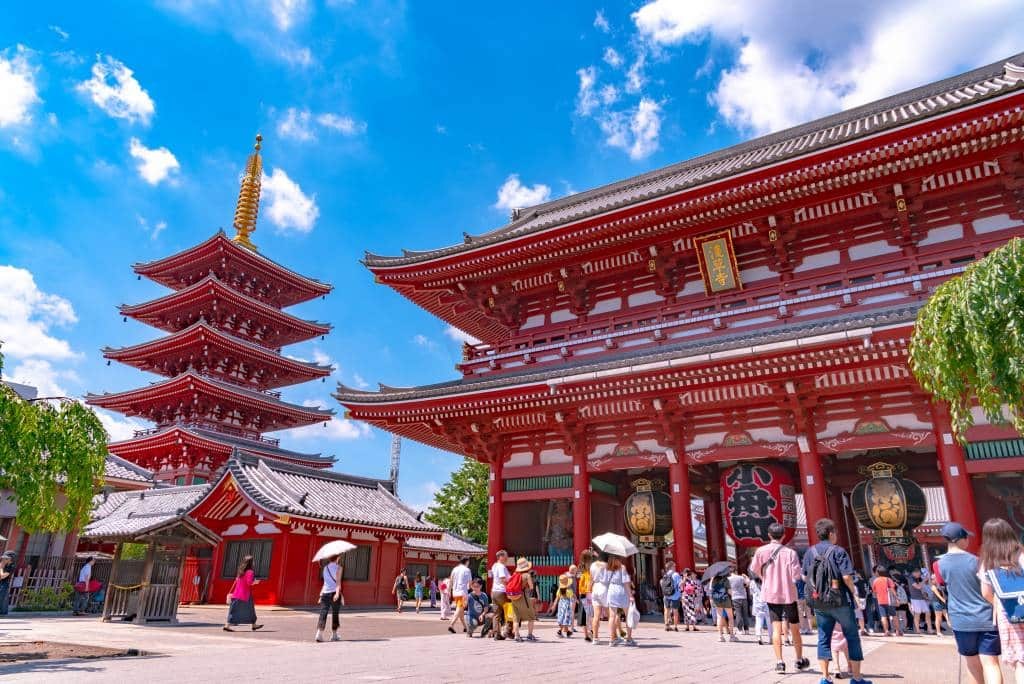 6 mi from TokyoSenso-ji Temple
 0 mi from TokyoteamLab Borderless
 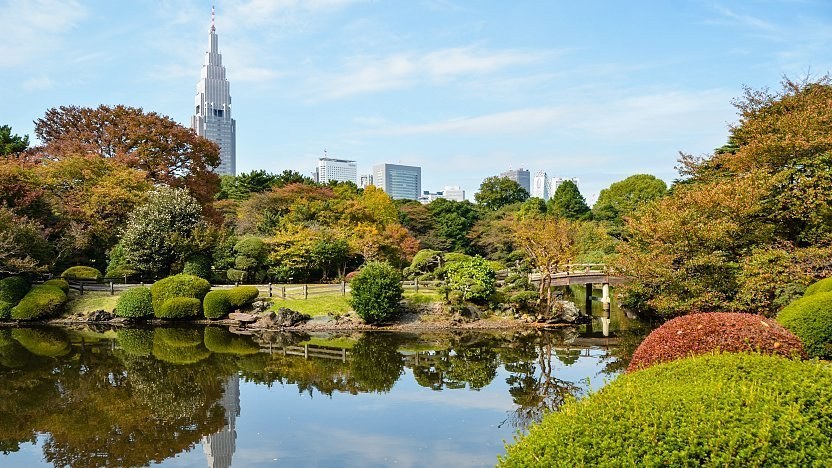 39 mi from Tokyo · land adventureTokyo's Secret Layers: Samurai Houses, Sunrise Crossings & Sake
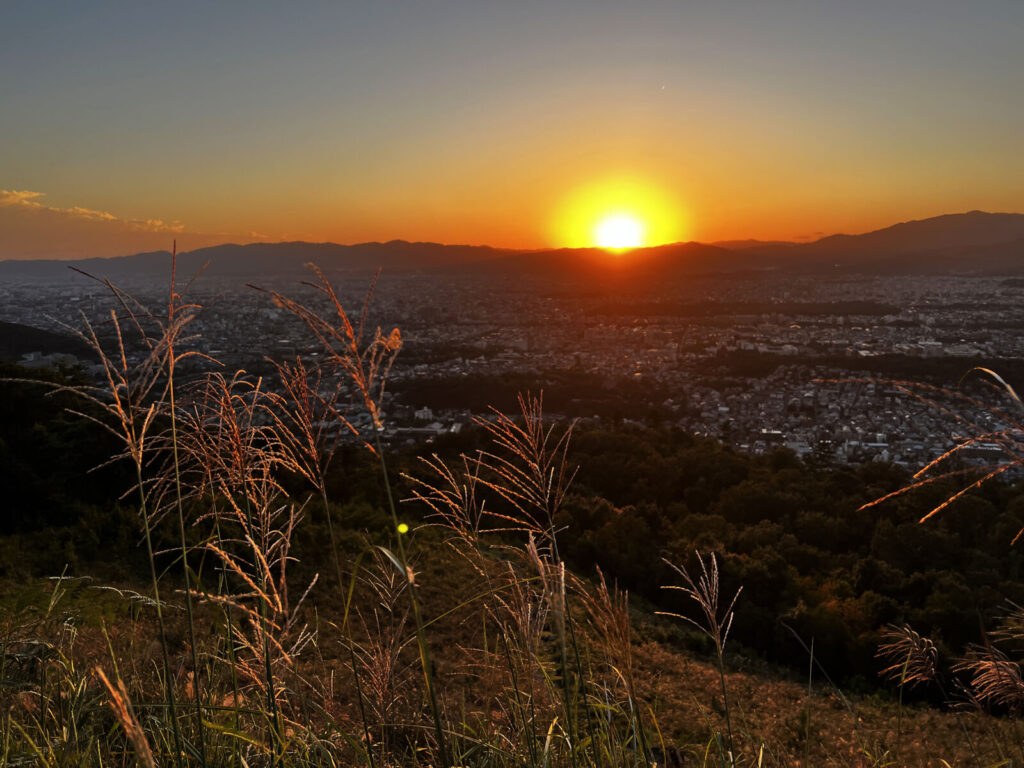 266 mi from Tokyo · land adventureKyoto After Dark: Firelight, Forest Paths & Ancient Craft
 The same trip, elevated
The same gateway on a more luxurious line — lead-in fare per person, same fare as booking direct.