Your cruise
Star Explorer · 7-night Mediterranean cruise, Piraeus (Athens) to Venice
Feb 14 – Feb 22 · 8 nights ·
Day 1 Piraeus (Athens) (board) · Day 2 Delphi · Day 2 Corinth · Day 3–4 Corfu · Day 5 Dubrovnik · Day 6 Zadar · Day 7 Koper · Day 8 Venice (step off)
What you do Walk the Sacred Way with Georgia Hasioti — Delphi's most celebrated licensed guide — through the Sanctuary of Apollo, the Ancient Theatre, and the world-class museum. The navel of the ancient world, unlocked by its finest storyteller.
What to expect Georgia meets you at the site entrance and leads you up the Sacred Way past the Treasury of the Athenians and the Rock of the Sibyl to the Temple of Apollo — the very spot ancient Greeks believed was the centre of the world. Inside the museum, she contextualises the magnificent Charioteer of Delphi and the Sphinx of Naxos as primary sources, not museum labels. The tour is entirely private, paced to your curiosity, with no other groups crowding your sightlines or your questions.
Good to know Delphi archaeological site is a 20-minute drive from Itea port — taxi or pre-arranged driver recommended. Site opens 08:00; arrive early before coach groups. Book Georgia via TripAdvisor message well in advance. Confirm all-aboard time with your ship and allow 30 min return drive to Itea.
book direct with Georgia Hasioti Licensed Guide, Delphi → · the full guide →
What you do A seamless private full-day journey from the port at Itea directly to Ancient Delphi, then on to the stone-cobbled mountain village of Arachova for lunch and boutique shopping — ancient grandeur paired with authentic Greek highland life.
What to expect Your driver-guide collects you dockside at Itea and whisks you up the dramatic mountain road to Delphi's archaeological precinct, narrating the landscape and mythology en route. After a thorough visit to the sanctuary and museum, you continue to Arachova — a clifftop village of tavernas, local wine, hand-woven textiles, and staggering Parnassus views. Lunch is at a village taverna with local lamb and Arachova's prized foritsa cheese. Return to Itea is timed precisely to your ship's schedule.
Good to know Itea is the cruise port for Delphi — transfers are short and straightforward. Arachova is 10 minutes beyond Delphi. Pre-book the private vehicle to guarantee dockside pickup. The combined site + museum ticket (EUR 20) covers both the archaeological precinct and the museum.
book direct with Delphi Tours (delphi-tours.com) → · the full guide →
What you do A skip-the-line private guided tour of the UNESCO-listed Delphi archaeological site and its legendary museum — home to the Bronze Charioteer and the Omphalos Stone — led by a Ministry of Culture–licensed archaeologist-guide.
What to expect A dedicated licensed guide and private air-conditioned vehicle meet you at Itea port. You ascend to the Sanctuary of Apollo along the Sacred Way, pausing at the Athenian Treasury, the Stoa of the Athenians, and the Temple of Apollo's dramatic clifftop platform with views across the olive-silvered Pleistos valley. The afternoon is devoted to the museum's masterpieces, including the life-size Bronze Charioteer — one of antiquity's greatest surviving bronzes. The guide curates the experience around you, not a script.
Good to know Book directly through athensshoreexcursion.com and specify your Itea port call date and all-aboard time. Private tours allow flexible start times — request an early morning start to beat the heat and the crowds. Museum and site are adjacent; combined ticket purchased on arrival or online at hhticket.gr.
book direct with Athens Shore Excursion (athensshoreexcursion.com) → · the full guide →
What you do Hike the full length of the Sacred Way from the sanctuary gates to Delphi's remarkably preserved Ancient Stadium — the highest point of the precinct — where Panhellenic athletes once competed in the Pythian Games with the gods as their audience.
What to expect Departing Itea at dawn, you arrive at the site before the gates fill with day-trippers. Your guide leads you up through the terraces — the Treasury, the theatre, the altar — continuing the steep final ascent to the stadium, carved into the mountain at 570 metres altitude. The 177-metre limestone track is almost entirely intact, and the views across two mountain ranges to the Gulf of Corinth are breathtaking. Descend at leisure, finishing with the museum before the midday crowds arrive.
Good to know Wear sturdy walking shoes — the Sacred Way is cobbled and steep. The stadium is included in the standard EUR 20 combined ticket. Allow at least 3.5 hours for site + museum. Itea is 20 min by car; arrange a private driver for the return to meet your all-aboard deadline.
book direct with Delphi Tours (delphi-tours.com) → · the full guide →
What you do Discover the Sanctuary of Athena Pronaia — the hauntingly beautiful precinct below the main site, anchored by the iconic circular Tholos temple — with a private licenced guide who reveals why ancient pilgrims considered this their first sacred stop at Delphi.
What to expect Georgia walks you down to the Marmaria precinct, below the main sanctuary, where the circular 4th-century BC Tholos rises against a backdrop of olive groves and sheer cliff face — a composition so perfect it has defined the image of Delphi for two centuries. She explains the Tholos's still-debated purpose, the adjacent Temple of Athena, and the Castalian Spring nearby, where pilgrims ritually purified themselves before consulting the Oracle. The atmosphere at this lower sanctuary, especially in early morning light, is quietly overwhelming.
Good to know The Marmaria/Athena Pronaia sanctuary is a short walk from the main Apollo sanctuary — your guide can seamlessly combine both in one visit. The Castalian Spring is en route between the two precincts. Combine with the museum for a complete Delphi experience. Book Georgia well in advance via TripAdvisor.
book direct with Georgia Hasioti Licensed Guide, Delphi → · the full guide →
What you do Escape to Arachova — the dramatic clifftop village draped over Mount Parnassus above Delphi — for a private culinary and cultural afternoon: local wine, aged foritsa cheese, slow-roasted lamb, hand-woven kilims, and views that drop 800 metres to the olive groves below.
What to expect The village clings to a limestone ridge above Delphi, its stone-paved lanes lined with shops selling local Arachova pasta, hand-embroidered textiles, and the prized local red wine. Your private driver drops you at the village square and you explore at leisure — the clocktower lane, the terrace tavernas with panoramic valley views, and the cheese shops where foritsa and formaela are aged on-site. Lunch on a terrace with a carafe of local wine as the valley glitters 800 metres below is one of Greece's great quiet pleasures.
Good to know Arachova is 10 minutes by car above Delphi — ideally combined on the same day after your archaeological visit. Allow 2 hours minimum to do it justice. Shops and tavernas are open midday. Factor Arachova into your overall return-to-Itea timeline; total drive Arachova–Itea is approx. 35 minutes.
book direct with Delphi Tours (delphi-tours.com) → · the full guide →
What you do Climb the Sacred Rock with a licensed Athens guide and stand beneath the Parthenon, the single most iconic monument of Western civilization, while the marble turns into the living story of Pericles, Athena and the birth of democracy. Skip-the-line entry is the whole game on a port day, sparing you the brutal midday ticket queue. Pair it with the Bernard Tschumi-designed Acropolis Museum at the foot of the hill, where the original Caryatids and Parthenon frieze sit under glass with the temple in view.
What to expect You arrive at the Acropolis via a 30–45 minute metro or taxi ride from Piraeus and walk straight past the ticket queues with your skip-the-line pass—a critical edge on a port day. Your licensed guide leads you up the Sacred Rock, the marble facades shifting beneath your feet as the Parthenon rises above you, the physical anchor of Western democracy. You stand beneath the temple while its architects, Athena's priests, and Pericles become tangible; the tour typically runs 2–2.5 hours on the hill. If time permits, descend to the Bernard Tschumi-designed Acropolis Museum at the foot, where the original Caryatids and Parthenon frieze rest under glass with the temple framed in the window behind them—the monument visible from the artifact's own display case.
Good to know Book your skip-the-line guided tour (EUR 110–119 all-in) or self-guided entry (EUR 30 site pass only) in advance to lock pace and avoid midday queues. From Piraeus, allow 45 minutes each way by taxi (EUR ~30) or metro; budget 2.5–3 hours on the Acropolis itself, plus museum time if included, leaving a 1.5–2 hour safety buffer before all-aboard. Wear sun protection and comfortable shoes on marble stone; bring water and consider a light jacket if museum time is planned. Confirm your tour operator's meeting point and boarding time the evening before to eliminate port-day confusion.
What you do Drive the turquoise Athens Riviera south to the very tip of Attica, where a gleaming white 5th-century-BC Doric temple stands on a cliff dropping straight into the Aegean. Lord Byron carved his name into a column here; the columns framing the open sea are one of Greece's signature images and the best 'escape the city crowds' move that still fits a half-day. About 4 hours door to door.
What to expect You drive south along the turquoise Athens Riviera, the coastal sprawl gradually giving way to open sea views as you approach the tip of Attica. At Cape Sounion, a gleaming white 5th-century-BC Doric temple materializes on a cliff edge, its columns framing a sheer drop into the Aegean—the view that inspired Lord Byron to carve his name into the stone. You'll have time to walk among those iconic columns, absorb the wind and the signature Greek light, and understand why this is the escape-the-city move that doesn't require a full day. The whole experience moves door-to-door in approximately 4 hours, with the bulk of time at the temple itself.
Good to know Book transfers direct with Athens Walking Tours (~EUR 46 pp) and add temple entry separately (~EUR 10) to avoid cruise-line bundling that inflates the cost to $209–240 for a half-day outing. Aim for a departure within the first 2 hours of your port window to secure the 4-hour round trip plus buffer time before all-aboard. Temple entry is not included in transfer pricing, so bring cash or be prepared to purchase on-site. The coastal drive means no special gear required, but bring sunscreen and a hat—you'll be exposed on the cliff top, with few shade options at the temple itself.
What you do Trade marble and crowds for the Aegean blue: a half-day catamaran along the Athens Riviera and Saronic coast with swim-and-snorkel stops, a meal and wine aboard. Boats leave from Alimos and Flisvos marinas close to Piraeus, making this the rare genuinely premium on-the-water experience that comfortably fits a port-day clock. Pick an operator that guarantees you back before all-aboard.
What to expect You'll board a semi-private catamaran at Alimos or Flisvos marina—a short ride from Piraeus—and spend your half-day gliding along the Aegean's brilliant blue coastline, pausing at protected swim-and-snorkel spots where the water is clear and calm. Between swims, you'll lounge on deck with wine and a meal included, absorbing the Athens Riviera and Saronic coast views at a pace only a small catamaran allows. Unlike the ship's mega-boat island circuit, this is genuinely intimate: no crowds, no forced itinerary, just the rhythm of the sea. You'll be back at the pier with time to spare before all-aboard.
Good to know Departures are half-day sails (check your operator's exact schedule to confirm return time fits your ship's all-aboard). Alimos and Flisvos marinas are close to Piraeus but you'll need a quick taxi or arranged transfer from the port—factor 15–20 minutes each way. Book semi-private slots ahead, especially June–August, as they fill quickly and pricing rises (EUR 125–135 pp depending on season). Bring reef-safe sunscreen, water shoes, and a light layer; snorkel gear is provided, and meal + wine are aboard.
What you do Thread the historic Plaka backstreets into the roaring Varvakios Agora meat-and-fish market, stopping for spanakopita, loukoumades, Greek coffee, cheeses, olive oil, honey and wine. Repeatedly rated among Europe's best culinary experiences, it delivers the flavors-and-neighborhood immersion a first-timer remembers as vividly as the ruins, all on foot in the old town. ~4 hrs, small group, tastings included.
What to expect You'll spend roughly 4 hours threading through the narrow, winding backstreets of historic Plaka on foot, pausing at local favorites for spanakopita, loukoumades, Greek coffee, and tastings of cheeses, olive oil, honey, and wine. The real anchor is the Varvakios Agora—the roaring central meat-and-fish market—where vendors call out their wares and you'll sample directly in the chaos of neighborhood commerce. Rather than stand-and-listen, you move continuously through old-town streets, tasting as you go, absorbing the rhythm of daily Athenian life in a small group setting. It's the kind of immersive, on-foot culinary walk that stays vivid in memory alongside the ruins.
Good to know Book directly with Athens Walks before the port day to secure your spot in the small group and confirm start time—all tastings are included in the ~$75 pp price, so no hidden costs. Plan on a 4-hour window starting within 1–2 hours of disembark to leave a comfortable buffer (the Plaka walk is entirely walkable from Piraeus pier, though confirm exact meeting point when you book). Wear comfortable walking shoes and bring a small daypack or crossbody bag for any purchases or water; the market and Plaka streets are pedestrian-only and shaded, but summer heat can build. Return to the pier with at least 90 minutes before all-aboard to account for the walk back and any lingering in the market.
What you do Three classic Saronic Gulf islands in one day, including car-free, donkey-and-cobblestone Hydra, one of the most photogenic harbors in Greece. Swimming, Greek music and a buffet lunch aboard deliver the 'Greek islands' taste without flying to the Cyclades. CLOCK WARNING: this is an ~11-hour day departing ~08:15 from Piraeus, so it only works if your ship has a very long call or overnights, and only with an operator that guarantees you back to the ship.
What to expect You'll depart Piraeus around 08:15 on a full-day voyage across the Saronic Gulf, visiting three islands in succession: first the car-free, donkey-cobbled harbor of Hydra, one of Greece's most photogenic ports, where narrow whitewashed streets climb steeply from the waterfront; then Poros, where you'll have time to explore; and finally Aegina. The day anchors around a leisurely Greek buffet lunch served aboard the boat, punctuated by swimming stops and live Greek music that delivers the classic island experience without the flight to the Cyclades. You'll return to Piraeus in late afternoon, having absorbed the full sensory rhythm of island life—water, light, local flavor, and Greek hospitality—all from a single excursion boat.
Good to know This is an ~11-hour commitment departing ~08:15, so it only works if your ship has a very long port call or overnight stay; on a standard 8-hour call, the risk of missing the ship outweighs the ~$40–70 savings versus booking through your cruise line. Book ahead with Athens One Day Cruise (direct ~EUR 131/$142 pp with lunch, versus ship ~$179–199) or confirm your operator guarantees return to the pier with time to spare. Bring sun protection, swimwear, and cash for any extras; wear comfortable walking shoes for Hydra's steep cobblestones. The departure point is directly from Piraeus; allow buffer time to clear the pier and reach the boat dock, and verify exact embarkation details with your chosen operator 24 hours before.
What you do The low-risk fallback if a long excursion feels too tight: a fixed-fare taxi or the metro straight to the Acropolis, self-guided entry to the Parthenon, then an easy downhill wander through Plaka's old-town lanes. No tour commitment, no fixed return time, and you control exactly when you head back to Piraeus, which is the safest play for a short port call.
What to expect You'll take a fixed-fare taxi or the metro from Piraeus straight to the Acropolis, where you'll climb through the ancient Parthenon and surrounding monuments at your own pace with a self-guided audio tool or printed map. From the summit, you'll head downhill into Plaka's narrow, winding old-town lanes—a maze of tavernas, neoclassical townhouses, and small shops—wandering for as long as you'd like before strolling back to the port on your own timeline. The whole rhythm is yours: no group delays, no narrated patter, just you, 2,500-year-old stone, and the freedom to linger or move on whenever you choose.
Good to know For a 6–8 hour port call, budget ~45 minutes each way for transit (taxi or metro), 2–2.5 hours at the Acropolis, and 1.5–2 hours wandering Plaka, leaving a 60–90 minute buffer to return to Piraeus before all-aboard. Book your taxi in advance or use the metro (€4 round trip); Acropolis entry is €30 (expect a queue, especially mid-morning). Wear comfortable walking shoes, bring water, and download a self-guided audio app or grab a printed site map beforehand. Plan to be back at the pier at least an hour before your ship's departure time—this is not a ship-sponsored excursion, so you alone are responsible for making the sailing.
book direct with Athens Half-Day Sightseeing (Athens Walking Tours - audio/self-guided) → · the full guide →
What you do Walk the Sacred Way with Georgia Hasioti — Delphi's most celebrated licensed guide — through the Sanctuary of Apollo, the Ancient Theatre, and the world-class museum. The navel of the ancient world, unlocked by its finest storyteller.
What to expect Georgia meets you at the site entrance and leads you up the Sacred Way past the Treasury of the Athenians and the Rock of the Sibyl to the Temple of Apollo — the very spot ancient Greeks believed was the centre of the world. Inside the museum, she contextualises the magnificent Charioteer of Delphi and the Sphinx of Naxos as primary sources, not museum labels. The tour is entirely private, paced to your curiosity, with no other groups crowding your sightlines or your questions.
Good to know Delphi archaeological site is a 20-minute drive from Itea port — taxi or pre-arranged driver recommended. Site opens 08:00; arrive early before coach groups. Book Georgia via TripAdvisor message well in advance. Confirm all-aboard time with your ship and allow 30 min return drive to Itea.
book direct with Georgia Hasioti Licensed Guide, Delphi → · the full guide →
What you do A seamless private full-day journey from the port at Itea directly to Ancient Delphi, then on to the stone-cobbled mountain village of Arachova for lunch and boutique shopping — ancient grandeur paired with authentic Greek highland life.
What to expect Your driver-guide collects you dockside at Itea and whisks you up the dramatic mountain road to Delphi's archaeological precinct, narrating the landscape and mythology en route. After a thorough visit to the sanctuary and museum, you continue to Arachova — a clifftop village of tavernas, local wine, hand-woven textiles, and staggering Parnassus views. Lunch is at a village taverna with local lamb and Arachova's prized foritsa cheese. Return to Itea is timed precisely to your ship's schedule.
Good to know Itea is the cruise port for Delphi — transfers are short and straightforward. Arachova is 10 minutes beyond Delphi. Pre-book the private vehicle to guarantee dockside pickup. The combined site + museum ticket (EUR 20) covers both the archaeological precinct and the museum.
book direct with Delphi Tours (delphi-tours.com) → · the full guide →
What you do A skip-the-line private guided tour of the UNESCO-listed Delphi archaeological site and its legendary museum — home to the Bronze Charioteer and the Omphalos Stone — led by a Ministry of Culture–licensed archaeologist-guide.
What to expect A dedicated licensed guide and private air-conditioned vehicle meet you at Itea port. You ascend to the Sanctuary of Apollo along the Sacred Way, pausing at the Athenian Treasury, the Stoa of the Athenians, and the Temple of Apollo's dramatic clifftop platform with views across the olive-silvered Pleistos valley. The afternoon is devoted to the museum's masterpieces, including the life-size Bronze Charioteer — one of antiquity's greatest surviving bronzes. The guide curates the experience around you, not a script.
Good to know Book directly through athensshoreexcursion.com and specify your Itea port call date and all-aboard time. Private tours allow flexible start times — request an early morning start to beat the heat and the crowds. Museum and site are adjacent; combined ticket purchased on arrival or online at hhticket.gr.
book direct with Athens Shore Excursion (athensshoreexcursion.com) → · the full guide →
What you do Hike the full length of the Sacred Way from the sanctuary gates to Delphi's remarkably preserved Ancient Stadium — the highest point of the precinct — where Panhellenic athletes once competed in the Pythian Games with the gods as their audience.
What to expect Departing Itea at dawn, you arrive at the site before the gates fill with day-trippers. Your guide leads you up through the terraces — the Treasury, the theatre, the altar — continuing the steep final ascent to the stadium, carved into the mountain at 570 metres altitude. The 177-metre limestone track is almost entirely intact, and the views across two mountain ranges to the Gulf of Corinth are breathtaking. Descend at leisure, finishing with the museum before the midday crowds arrive.
Good to know Wear sturdy walking shoes — the Sacred Way is cobbled and steep. The stadium is included in the standard EUR 20 combined ticket. Allow at least 3.5 hours for site + museum. Itea is 20 min by car; arrange a private driver for the return to meet your all-aboard deadline.
book direct with Delphi Tours (delphi-tours.com) → · the full guide →
What you do Discover the Sanctuary of Athena Pronaia — the hauntingly beautiful precinct below the main site, anchored by the iconic circular Tholos temple — with a private licenced guide who reveals why ancient pilgrims considered this their first sacred stop at Delphi.
What to expect Georgia walks you down to the Marmaria precinct, below the main sanctuary, where the circular 4th-century BC Tholos rises against a backdrop of olive groves and sheer cliff face — a composition so perfect it has defined the image of Delphi for two centuries. She explains the Tholos's still-debated purpose, the adjacent Temple of Athena, and the Castalian Spring nearby, where pilgrims ritually purified themselves before consulting the Oracle. The atmosphere at this lower sanctuary, especially in early morning light, is quietly overwhelming.
Good to know The Marmaria/Athena Pronaia sanctuary is a short walk from the main Apollo sanctuary — your guide can seamlessly combine both in one visit. The Castalian Spring is en route between the two precincts. Combine with the museum for a complete Delphi experience. Book Georgia well in advance via TripAdvisor.
book direct with Georgia Hasioti Licensed Guide, Delphi → · the full guide →
What you do Escape to Arachova — the dramatic clifftop village draped over Mount Parnassus above Delphi — for a private culinary and cultural afternoon: local wine, aged foritsa cheese, slow-roasted lamb, hand-woven kilims, and views that drop 800 metres to the olive groves below.
What to expect The village clings to a limestone ridge above Delphi, its stone-paved lanes lined with shops selling local Arachova pasta, hand-embroidered textiles, and the prized local red wine. Your private driver drops you at the village square and you explore at leisure — the clocktower lane, the terrace tavernas with panoramic valley views, and the cheese shops where foritsa and formaela are aged on-site. Lunch on a terrace with a carafe of local wine as the valley glitters 800 metres below is one of Greece's great quiet pleasures.
Good to know Arachova is 10 minutes by car above Delphi — ideally combined on the same day after your archaeological visit. Allow 2 hours minimum to do it justice. Shops and tavernas are open midday. Factor Arachova into your overall return-to-Itea timeline; total drive Arachova–Itea is approx. 35 minutes.
book direct with Delphi Tours (delphi-tours.com) → · the full guide →
What you do A licensed guide walks you through the greatest medieval fortress in Greece before tour buses arrive, when the light and silence make its scale sink in.
What to expect You drive up the switchback road to 575m as the site opens, well ahead of coach groups still finishing breakfast in Athens. Your guide traces the fortress's changing hands from antiquity through the Ottomans using the actual walls as the text. You wander the upper citadel's chapel ruins and cisterns at your own pace, then descend before the midday heat and crowds arrive.
Good to know Wear real shoes — the terrain is uneven rock and loose gravel. Best done as the very first stop of the day, before Ancient Corinth below, and allow 2-2.5 hours including drive time.
book direct with Olympic Tours (licensed private guiding services) → · the full guide →
What you do Walk the Roman agora, the Fountain of Peirene and the seven surviving Doric columns of Apollo's temple with a private archaeologist-guide as the site unlocks.
What to expect Your guide meets you at the site gate right at opening and threads through the agora before heat and tour groups build. You stand at the Bema, the elevated speaker's platform tied to the Apostle Paul's trial before Gallio, and hear it in context rather than as a footnote. The seven Doric columns of the 6th-century-BC Temple of Apollo anchor the visit, and the small on-site museum rounds it out with sculpture straight from the excavation.
Good to know Site opens 8:00 (winter) or 8:30, closes mid-afternoon — go first, not last. Combine with the Archaeological Museum ticket, included in general admission.
book direct with TourHQ Private Local Guides, Ancient Corinth → · the full guide →
What you do See the 6.4km cut sea-level canal from the sinking road bridge, then actually pass through it on a small chartered boat rather than just photographing it from above.
What to expect You start at the submersible road bridge and watch it lower into the seabed for a passing vessel — a genuinely strange piece of engineering. Then you board a small boat at Isthmia and motor the full length of the canal, walls rising vertically on either side, built in the 1890s on a route Nero himself once tried to dig. It's a 45-60 minute transit, quiet and dramatic in a way no viewing platform captures.
Good to know Canal transits depend on shipping traffic and sea conditions — book with flexibility built in. Time this early or mid-morning; it pairs well before or after Ancient Corinth.
book direct with Corinth Canal Cruises (local canal-transit boat operators, Isthmia harbor) → · the full guide →
What you do Enter the Lion Gate and Grave Circle A of Agamemnon's citadel with a specialist guide who separates Homeric legend from what Schliemann's dig actually found.
What to expect Roughly 90 minutes from Corinth, you pass beneath the famous Lion Gate relief into a Bronze Age citadel that predates classical Greece by a millennium. Your guide walks you through Grave Circle A, where Schliemann found the gold mask he wrongly attributed to Agamemnon, then down into the corbel-vaulted Treasury of Atreus. It's dense, layered history delivered by someone who can field real questions rather than recite a script.
Good to know This is a full-day add-on (6-8 hours total with Corinth) — confirm it fits your ship's all-aboard time before booking. Bring water and a hat; the site has little shade.
book direct with Athens Tours (Viator-affiliated licensed guide network) — Ancient Corinth & Mycenae Private Tour → · the full guide →
What you do Skip the tourist tavernas near the port and taste Agiorgitiko reds in the vineyards of Nemea, with a temple to Zeus as your backdrop.
What to expect You drive south into rolling vine country that most cruise days never reach at all. A host walks you through the estate's Agiorgitiko and Assyrtiko, explaining Nemea's particular terroir and its ancient reputation — the valley is named for the site of Heracles' first labor. Lunch is simple, local, and unhurried: grilled meats, regional cheese, olive oil pressed nearby.
Good to know Best paired as an afternoon stop after a morning at Ancient Corinth/Acrocorinth. Roughly 45 minutes each way from the port — build in drive time against your return.
book direct with Semeli Estate (Nemea, family-run winery) → · the full guide →
What you do Cross the canal to Loutraki, the spa town locals actually go to — a palm-lined promenade, warm mineral springs, and zero cruise crowds.
What to expect A short drive over the canal brings you to a proper Greek resort town with a long palm-fringed seafront where locals walk, swim, and drink coffee. The municipal thermal baths draw on natural mineral springs long reputed for their restorative properties. It's a low-key, restorative hour or two that shows you how Corinthians actually spend a weekend, rather than another checklist ruin.
Good to know Good as a decompression stop after a morning of ruins and heat. The promenade and beach need no booking; the baths are walk-in with modest entry fees.
book direct with Municipal Thermal Baths of Loutraki → · the full guide →
What you do Climb into a small 9-seat speedboat and skim the emerald cliffs of Paleokastritsa, Corfu's most celebrated coastline, nosing into the glowing Blue Caves and sea grottoes before swim stops at Paradise and Yali beaches. Cliffs, a 13th-century clifftop monastery overhead, and water so clear it looks lit from below — this is the island's single most photogenic stretch of sea. Two hours on the water; pair with a port taxi to fit a 6-8 hr window.
What to expect You'll board a sleek 9-seat speedboat and glide along Paleokastritsa's emerald cliffs for roughly two hours, with the 13th-century clifftop monastery framing the skyline overhead. The boat noses directly into the glowing Blue Caves and hidden sea grottoes—the water so clear it appears to glow from within—before the skipper drops anchor at Paradise and Yali beaches for swim stops where you can slip straight into the crystalline water. Between the cave passages and beach swims, you'll have plenty of time to photograph Corfu's most celebrated and photogenic coastline. The experience feels intimate and unhurried in a small boat rather than crowded into a wooden tour barge.
Good to know Book a departure time (10:00, 12:30, 15:00, or sunset) that allows 2 hours on the water plus a port taxi transfer each way—doable within a 6–8 hour window if you arrange transport immediately upon disembarking. The operator charges only €50 (~$54) per adult versus $104–166 on the cruise line's Paleokastritsa trip, but you must budget separately for a taxi from the pier to the speedboat dock. Bring swimwear, sunscreen, and a waterproof camera or phone case; the onboard shower and WC are basic but available if needed. Confirm your departure time and meet the operator on time, as this is a small private-feel boat with no backup tour slots.
What you do Walk the largest living medieval town in Greece: a UNESCO-listed warren of Venetian 'kantounia' lanes opening onto the French-built Liston arcade and the Spianada, the biggest square in the Balkans. Duck into the gold-and-silver St. Spyridon church holding the island's patron saint, then climb the Venetian Old Fortress on its sea-promontory for the postcard panorama back over the red roofs. The port is ~2 miles out; the #15 bus or a short taxi drops you in the heart of it.
What to expect You'll walk into a time-locked Venetian maze: narrow 'kantounia' lanes suddenly open onto the grand French-built Liston arcade and the Spianada—the Balkans' largest square. Step inside the glittering St. Spyridon church to see the relics of the island's patron saint gleaming in gold and silver. Climb the stone ramparts of the Venetian Old Fortress perched on its sea-promontory for postcard views back over the terracotta roofs and harbour. It's intimate, flat, and walkable in 2–3 hours, with no queues or crowds.
Good to know The port sits ~2 miles from the Old Town; catch the #15 bus or a 10-minute taxi to drop you in the heart of it. Most visitors skip guides entirely and self-navigate the compact, well-signposted lanes for free; if you want local history, Corfu Walking Tours offers a 2-hour cultural walk for ~EUR 35–50 (about half the ship's tour desk price). Old Fortress entry is EUR 6–10, paid at the gate. Budget 3–4 hours total to enjoy the town and fortress; allow 45 minutes to taxi back and clear the pier before all-aboard.
What you do Stand at the tip of the Kanoni peninsula for the single most-photographed scene on Corfu: the tiny whitewashed 17th-century Vlacherna Monastery on its own islet at the end of a slim stone causeway, with cypress-covered Mouse Island (Pontikonisi) and its 13th-century chapel floating just beyond. Walk the causeway to the monastery for free, and a little shuttle boat ferries across to Mouse Island in about five minutes. It's only ~20 minutes from the port — an easy, low-risk independent stop.
What to expect You'll arrive at Kanoni's viewpoint and find yourself face-to-face with Corfu's most iconic postcard scene: the whitewashed 17th-century Vlacherna Monastery perched on its own islet, connected by a narrow stone causeway you can walk across for free. From there, a short shuttle boat ferries you out across calm blue water to Mouse Island in about five minutes, where a 13th-century chapel sits among cypress trees—a journey that feels suspended between sky and sea. The rhythm is unhurried: wander the monastery, take your photos, ferry out and back, then either taxi straight back to port or extend the morning into Old Town or an olive-grove tasting with a private guide. It's a low-intensity, high-reward stop that reads in photographs as though you've traveled far deeper into Greece than you actually have.
Good to know From the port, a taxi to Kanoni costs EUR 10–15 each way and takes roughly 20 minutes—budget 45 minutes to an hour round-trip for transport alone. The causeway walk and monastery are free; Mouse Island shuttle runs a few euros. If booking a private half-day through The Corfu Experience (€80–130 pp), include Old Town and oil tasting, and request pickup directly from your ship—this compresses your logistics and undercuts the ship's longer panoramic coach tour. Plan to depart port 2–2.5 hours into your port day and return by the 4–5 hour mark, leaving a safe 90-minute buffer before all-aboard.
What you do Sail south from Corfu to its sister islands: into the dramatic Ipapanti and Ahai sea caves of Paxos, a long swim stop off Antipaxos in some of the most luminous turquoise water in Greece, and free time in the pretty harbor village of Gaios. The boat leaves straight from the main Port of Corfu, so cruise passengers can walk on independently. This is the definitive Ionian-blue bucket-list day — but it's a full 9 hours, only viable on a long port call.
What to expect Depart Corfu Main Port at 08:20 and sail south to Paxos, entering the cathedral-like Ipapanti and Ahai sea caves—dramatic rock formations rising straight from the Ionian. You'll swim in luminous turquoise water off Antipaxos, one of the clearest bathing stops in Greece, with time to float and drift in the mineral-bright shallows. The rhythm then shifts to the pretty harbor village of Gaios for free time to explore tavernas, cafés, and waterfront shops. Return to port by 18:00, nine hours of island-hopping with an onboard multilingual guide and two cave-entry fees included.
Good to know This is a 9-hour commitment (08:20–18:00), so only book if your ship's all-aboard time is safely after 18:30; confirm the return time the morning of departure since it's an independent day cruise with no ship-side buffer. Walk straight from Corfu Main Port to the Ionian Cruises vessel—no coach transfer needed, though one is available for EUR 8 extra. Bring swimwear, sunscreen, a towel, and water; the boat provides the guide and cave access, but you'll want cash or cards for lunch and drinks in Gaios. Since this is a local operator, double-check your ship's phone number the night before so you can call if the boat runs late—you are entirely responsible for getting back in time.
What you do Thread the UNESCO Old Town's open market and family-run shops on a small-group tasting walk built around the flavors that make Corfu distinct from mainland Greece — above all the kumquat, the little citrus turned into liqueur and sweets you'll find nowhere else in Greece quite like this. Along the way: spinach-and-cheese pies, olive oil and honey, traditional butter pudding, halva and a Corfiot meze with ouzo, each stop chosen for its community story. It doubles as a cultural walk, so you get the Old Town and the island's taste in one outing.
What to expect You'll thread the UNESCO-listed Old Town's narrow streets and open market with your English-speaking local guide and up to 7 other guests, stopping at family-run shops to taste kumquat liqueur and sweets—the island's signature flavor you won't find elsewhere in Greece. At each stop you'll discover the community story: spinach-and-cheese pies, single-estate olive oils, local honey, traditional butter pudding, halva, and a Corfiot meze paired with ouzo. The rhythm alternates between walking and lingering—sensory pauses in intimate, heritage-listed shops rather than a rushed circuit. Over 2.5 hours, the Old Town's layered history and Corfu's distinct culinary identity unfold side by side.
Good to know Corfu Walking Tours operates this excursion daily; book ahead to secure a spot in the small semi-private group, as the 2.5-hour window fills quickly. The walk departs from the Old Town (a short walk or taxi ride from the cruise pier); plan to be back at the ship 30–45 minutes before departure to account for any delays. Wear comfortable walking shoes suitable for uneven Old Town cobblestones and narrow lanes, and bring a small bag if you plan to purchase kumquat liqueur or local products at the shops. The EUR 90 price includes all listed tastings; no additional spending is required during the tour itself.
What you do Corfu's most famous palace is the 1890 neoclassical summer villa of Empress Elisabeth ('Sissi') of Austria, set on a hill ~10 km south of the Old Town with the celebrated 'Dying Achilles' statue and gardens sweeping out over the Ionian. It's the classic first-timer marquee — but see the big caveat before you commit a half-day. Reachable by taxi or local bus as a short add-on rather than a destination in itself right now.
What to expect You'll take a taxi or hop the green local bus south from the Old Town, arriving at the hilltop palace within 15–20 minutes to explore the celebrated Imperial Gardens and the iconic 'Dying Achilles' statue overlooking the Ionian Sea. The palace itself—a neoclassical 1890 Austro-Hungarian retreat of Empress Sissi—remains closed for restoration with no confirmed reopening, so you're walking the grounds and exterior with sweeping views rather than touring interiors. Most visitors spend 45 minutes to an hour here before heading back to town, making this a quick, scenic add-on rather than a full half-day commitment. It's the marquee Corfu landmark, but best treated as a low-risk supplement to exploring the Old Town itself.
Good to know Gardens entry costs around EUR 8 per adult (roughly $9) at the gate; hours are daily 08:00–16:00. Taxi from the port runs EUR 25–35 round trip, or take the local green bus from the Old Town for less. Verify the palace interior is actually open before booking any ship excursion claiming "Achilleion Palace" tours (the flagship ship tours at $99–159 sell the same gardens-only experience)—independent operators run identical Old Town + gardens combos for EUR 46–75, making a DIY approach far cheaper. Build in at least 2–2.5 hours total (transit, entry, walk-around, return) to stay comfortably ahead of all-aboard.
book direct with Achilleion Palace (state museum) → · the full guide →
What you do Sail through 89 otherworldly limestone islands of Kornati National Park and anchor in the dramatic cliffs of Telašćica Nature Park. This is Croatia's most spectacular seascape — raw, silent, and utterly bucket-list.
What to expect Depart Zadar's harbour on a sleek wooden or motor yacht and cruise south into the Kornati archipelago, a UNESCO-recognised chain of bare, sculpted islands rising from electric-blue water. Drop anchor at will in secret coves for swimming and snorkelling over Posidonia meadows. Continue to Telašćica to see the sheer 160-metre cliffs and the famous saltwater lake warmed to near-spa temperature. Return with local wine and grilled fish on deck as the sun drops toward the Adriatic.
Good to know Full-day tours run 8–10 hours; confirm all-aboard time and allow 30 minutes to return to the ship. Pre-book a private charter weeks in advance in peak season (July–August). National Park entrance fee ~EUR 17 pp is usually included — confirm when booking.
book direct with Zadar Tourist Board Licensed Excursion Operators → · the full guide →
What you do Walk the legendary boardwalks above and behind sixteen cascading turquoise lakes deep in Croatia's karst interior. Plitvice is a UNESCO World Heritage site and one of Europe's most breathtaking natural wonders — unmissable from Zadar.
What to expect A comfortable 1.5-hour drive through Dalmatian highlands brings you to the park entrance. Your expert guide leads you across the iconic wooden boardwalks suspended just above milky-turquoise water, past Veliki Slap — Croatia's tallest waterfall at 78 metres — and through beech forest alive with birdsong. A short boat ride crosses the largest lake before looping back through the upper terraces. Lunch at a local restaurant near the park is typically included on full-day private tours.
Good to know Round trip from Zadar is ~3 hrs driving; allow a full day (10–11 hrs total). Park entry is EUR 27 pp in peak season (June–Sept) — confirm inclusion. Book private transfers well in advance; this is Croatia's single most visited site.
book direct with Tour Travel & More (Private Zadar Excursions) → · the full guide →
What you do Unravel 3,000 years of layered history — Roman forum, Romanesque cathedrals, Venetian gates and Hitchcock's 'most beautiful sunset' — on a private walk through Zadar's extraordinary peninsula old town.
What to expect Begin at the magnificent Land Gate — Zadar's Venetian triumphal arch — and weave through marble-paved lanes past the 9th-century Church of St Donat, built directly atop Roman columns still visible inside. Your guide reveals the Forum's 2,000-year-old stones, the soaring bell tower of St Anastasia's Cathedral (climb for Adriatic panoramas), and the hidden squares locals love. End at the waterfront promenade where the Sea Organ plays its hauntingly beautiful wind-powered notes and the solar-powered Greeting to the Sun pulses with light.
Good to know The port is a 10-minute walk from the old town gate; no transfers needed. Cathedral tower climb ~EUR 3 extra. Morning start recommended to avoid midday heat. The tour is entirely flexible — tell your guide your interests in advance.
book direct with Tour Travel & More (Private Zadar Excursions) → · the full guide →
What you do Glide between the unspoiled islands of Ugljan, Osljak, and Pašman on a premium small-group yacht, snorkelling crystalline Adriatic coves and sipping unlimited local Croatian wine. Pure Dalmatian dolce vita.
What to expect Cast off from Zadar's old harbour and skim across the channel to the green island of Ugljan, stopping at a secluded cove for a first snorkel in gin-clear water over sea grass and colourful wrasse. Continue to tiny Osljak — Croatia's smallest inhabited island — for a stroll through its single village. Anchor again at a sheltered bay off Pašman for a long swim and an unhurried spread of local cheese, prosciutto, and as much Croatian white wine as you care to enjoy. Return to Zadar sun-warmed and deeply relaxed.
Good to know Typically 5–6 hours; confirm exact all-aboard time. Bring reef-safe sunscreen, a hat, and a light cover-up. Snorkelling gear is included; fins available on request. Book 2–3 weeks ahead in July and August.
book direct with Zadar Tourist Board Licensed Excursion Operators → · the full guide →
What you do Visit Croatia's oldest royal city — tiny, walled Nin — its miraculous white-sand beach, therapeutic salt pans, and Europe's smallest cathedral, then return through Zadar on an exclusive private tour steeped in early Croatian history.
What to expect Cross the historic stone bridge into walled Nin, a jewel-box island town encircled by glassy lagoons. Your guide walks you through the pre-Romanesque Church of the Holy Cross — 9th century and just 24 metres long, yet precisely aligned with the solstice sun — and the remains of a Roman temple. Wade barefoot through the healing salt-mud of Nin's lagoon, a tradition dating back centuries. Then continue into Zadar's old town for the Roman Forum, St Donat's Church, and the Sea Organ before returning to the ship.
Good to know Nin is 15 km north of Zadar — a 20-minute private transfer. Combine seamlessly with a Zadar old town walk in a single half-day. Bring a swimsuit if you want to try the salt-mud therapy. Allow 5–6 hours total.
book direct with Tour Travel & More (Private Zadar & Nin Tour) → · the full guide →
What you do Raft through the stunning limestone gorge of the Zrmanja River — one of Dalmatia's best-kept secrets — where emerald waterfalls, canyon walls, and total wilderness create a once-in-a-lifetime adrenaline experience.
What to expect A scenic 1-hour drive north of Zadar delivers you to the put-in point on the Zrmanja, where your expert river guide fits you with a wetsuit, helmet, and paddle. The river winds through soaring limestone walls draped in greenery, past the famous Bergud waterfall where you can leap into the pool below. Sections of gentle floating alternate with exhilarating small rapids, and the translucent turquoise water reveals the river bed metres below. A barbecue lunch on the canyon bank caps the experience before the drive back to Zadar.
Good to know Suitable for fit adults and teenagers; no prior rafting experience needed. Transfer + activity is approx. 6–7 hours total — check all-aboard time carefully. All equipment (wetsuit, helmet, paddle, life jacket) is included. Minimum age typically 12.
book direct with Zadar Tourist Board Licensed Excursion Operators → · the full guide →
What you do Descend into Europe's most dramatic underground world — 24km of cathedral-like caverns — then stand before Predjama, a medieval castle impossibly built into a clifftop cave. A once-in-a-lifetime double act that defines Slovenia.
What to expect A scenic 45-minute drive through the Karst plateau delivers you to Postojna, where an electric train whisks you deep underground into a glittering labyrinth of galleries. Your expert guide points out the resident olm — the pale, cave-dwelling 'human fish' — before you surface for lunch. The afternoon is spent at Predjama Castle, a 16th-century fortress wedged into a 123-metre cliff face, with secret tunnels and bandit-lord legends at every turn.
Good to know Caves are a constant 8°C — bring a layer. Allow 5–6 hours total; most ships offer an all-aboard of 18:00–19:00, giving comfortable return time. Pre-book your private guide slot well in advance in peak summer.
book direct with Koper Tours (kopertours.eu) → · the full guide →
What you do Iconic emerald-green lake with a fairytale island church, then a stroll through Ljubljana's baroque riverside — Slovenia's two crown jewels in one sweeping private day. Genuinely among the most photogenic landscapes in Europe.
What to expect The two-hour drive northwest into the Julian Alps is a destination in itself, revealing karst gorges and alpine meadows. At Bled, a traditional wooden pletna boat rows you to the island church where you ring the wishing bell. In Ljubljana, your guide navigates the car-free Old Town — dragon bridges, open-air market, and castle funicular — before a leisurely lunch on the Ljubljanica riverbank.
Good to know Ljubljana is approx. 120km from Koper; allow a full 9–10 hours. Traffic through Ljubljana can be heavy in summer afternoons — a private driver allows route flexibility. Confirm all-aboard time with your ship before booking.
book direct with Koper Tours (kopertours.eu) → · the full guide →
What you do Walk suspended bridges over an underground canyon so vast it dwarfs any cathedral — Škocjan's Silent Cave and Murmuring Cave are a UNESCO World Heritage marvel and, for many, the more breathtaking of Slovenia's two great cave systems.
What to expect A knowledgeable park ranger leads you through the Dry Cave's extraordinary stalactite chambers before the path descends dramatically into the Murmuring Cave — a 2km underground canyon with the Reka River roaring 150 metres below. The swinging Hanke Bridge above the gorge is genuinely vertiginous and utterly exhilarating. The tour ends in sunlight via a natural collapsed doline, a finale as theatrical as the caves themselves.
Good to know Tours depart at fixed times (check official site for schedule); cave temperature is 12°C — bring a light jacket. The park is a 45-minute drive from Koper port; combine with a Lipica Stud Farm visit for a full Karst day. Book official entry tickets in advance in July–August.
book direct with Škocjan Caves Park (Official) → · the full guide →
What you do The birthplace of the legendary white Lipizzaner horses — the same bloodline that performs in Vienna — set on a 300-year-old estate in the stony Karst plateau, just 25 minutes from Koper port. An equestrian bucket-list experience with deep Habsburg soul.
What to expect Step into a world of Habsburg splendour as pure-white horses train in an open-air arena framed by ancient oak forest. The guided stable tour reveals the meticulous breeding records dating to 1580 and introduces you to foals at various training stages. If timed with a Classical Riding Show, you witness the choreographed haute école movements — pirouettes, levades, and caprioles — that made Vienna's Spanish Riding School world-famous.
Good to know Check the official website for the Classical Riding Show calendar (shows are not daily). The farm is 25km from Koper — easily paired with Škocjan Caves for a full Karst region day. Book show tickets in advance online; the farm sells out on cruise-port days.
book direct with Kobilarna Lipica (Official Stud Farm) → · the full guide →
What you do Venetian-Gothic architecture spilling down a perfect Adriatic promontory — Piran is arguably the most beautiful small town on the entire northern Adriatic. A private expert-led walk through its labyrinthine medieval streets is the finest way to experience it.
What to expect The 30-minute coastal drive south from Koper already charms, arriving at the tip of Piran's slim peninsula. Your guide leads you through impossibly narrow alleys — impossibly narrow, yet lined with ochre-washed Renaissance facades — to the clifftop Church of St George for panoramic Adriatic views. Tartini Square, one of the most elegant piazzas in Central Europe, is the centrepiece, before a tasting of local Malvazija wine and Piranese prosciutto at a family-run konoba.
Good to know Piran is 30km from Koper port (approx. 30–35 min). Combine with Portorož's salt pans for a full coastal half-day. All-aboard allows a comfortable morning departure. Parking in Piran is restricted — a guided transfer is strongly advisable.
book direct with Koper Tours (kopertours.eu) → · the full guide →
What you do Taste award-winning Refošk and Malvazija wines at Vinakoper's cellars — the finest winery on the Slovenian coast — then walk five minutes to Koper's magnificent Venetian Praetorian Palace and medieval Tito Square. The ultimate port-day luxury for the time-conscious.
What to expect Vinakoper's sommelier-guided tasting showcases the distinctive mineral terroir of Istrian Refošk (a bold, earthy red) alongside the coastal Malvazija — both produced from vines grown on the sun-baked red Karst soil just kilometres away. The premium reserve flight includes aged expressions rarely seen outside Slovenia. After the tasting, your guide walks you through Koper's Old Town — the Byzantine Cathedral of the Assumption, the arcade-lined Praetorian Palace, and the Renaissance Loggia — all within a self-contained UNESCO-worthy quarter.
Good to know Vinakoper is walkable from the port terminal. Book the cellar tour in advance, especially on summer cruise days. Pairing this with a Piran afternoon makes an excellent full-day itinerary. The Koper Old Town walk adds just 1–1.5 hours and requires no transfer.
What you do Step behind the velvet rope into rooms closed to ordinary visitors — the Inquisitors' Chamber, the torture chamber, the Bridge of Sighs from the inside. Venice's power, secrets, and splendour unfold in one extraordinary private tour.
What to expect Your guide leads a small group through the ornate Council of Ten chambers before descending into the infamous Piombi prison beneath the lead roof, where Casanova famously escaped. You cross the Bridge of Sighs from inside — the only visitors who do — looking down onto the canal tourists photograph from below. The tour concludes in the Grand Council Hall, where Tintoretto's Paradise, the world's largest oil painting, fills an entire wall.
Good to know Secret Itineraries tours are capped at ~20 guests and sell out weeks ahead — pre-book online immediately after boarding. The palace is a 15-minute water taxi or vaporetto ride from the cruise terminal (Piazzale Roma or Marittima). All-aboard times vary; confirm with your ship and plan to depart the palace by 90 minutes before all-aboard.
book direct with Palazzo Ducale – Musei Civici Veneziani (official) → · the full guide →
What you do Enter one of the world's most ravishing opera houses — rebuilt three times yet still dripping in gold-leaf and velvet — for a live performance or a privileged guided tour of its storied interior. La Fenice is Venice's soul made audible.
What to expect The gilded, horseshoe-shaped auditorium — destroyed by fire in 1996 and painstakingly restored — seats just 1,000 guests, making every seat intimate. A daytime guided tour reveals the royal box, backstage machinery, and the Archive of Venice's operatic history; an evening performance wraps you in live orchestra, aria, and candlelight reflected off centuries of gold leaf. The house that premiered Verdi's Rigoletto and La Traviata remains one of the most emotionally charged rooms on earth.
Good to know Evening performances are ideal for overnight port calls; daytime tours (approx. 45 min) suit a single-day call — check the schedule at teatrolafenice.it and book tickets directly. La Fenice is a 10-minute water taxi from Piazzale Roma. Smart-casual dress minimum; black tie welcomed for evening performances.
book direct with Fondazione Teatro La Fenice (official) → · the full guide →
What you do Glide across the Venetian Lagoon to Murano's legendary glass furnaces and Burano's riot of candy-coloured fishermen's houses on a fully private boat — no queues, no crowds, your own pace. Two islands, one unforgettable morning on the water.
What to expect Your skipper threads the lagoon past fishing islands and open water before docking at Murano, where a master glassblower at a historic fornace demonstrates the ancient art of Venetian glass — and you may purchase directly from the artisans, bypassing tourist shops entirely. Burano follows: 45 minutes on its wildly photogenic lanes, pastel houses reflected in still canals, perhaps a plate of risotto di gò at a waterfront trattoria. The return journey hugs the northern lagoon, the Venice skyline glittering ahead.
Good to know Book the water taxi directly via motoscafivenezia.it, specifying your cruise terminal (Stazione Marittima or San Basilio). A 4-hour round trip is comfortable; 5 hours gives leisure on both islands. Confirm all-aboard time before booking — lagoon travel is weather-dependent.
What you do The shimmering, Byzantine heart of Venice — 8,000 square metres of gold mosaic ceiling, the Pala d'Oro altarpiece, and the stolen bones of St. Mark himself — seen at your own pace with expert skip-the-line entry. Essential, extraordinary, irreplaceable.
What to expect You step from the chaos of Piazza San Marco into a hushed cavern of candlelight and gold — nearly every surface above you ablaze with mosaic narrative spanning 900 years of Byzantine craftsmanship. The Pala d'Oro, an altarpiece encrusted with 1,927 precious gems and 255 enamel panels, stuns even the most well-travelled guest. Climbing to the Loggia dei Cavalli places you eye-to-eye with the famous gilded bronze horses and rewards you with the most photographed view in Venice: the entire piazza laid out below.
Good to know Shoulders and knees must be covered — carry a scarf. Bags larger than A4 must be checked (free) at the Ateneo San Basso nearby. Timed entry slots sell out days in advance in summer; book the moment your itinerary is confirmed. St. Mark's Square is a 15-min walk or 5-min water taxi from Piazzale Roma.
book direct with Basilica di San Marco (official ticket portal) → · the full guide →
What you do Escape Venice into the rolling UNESCO-listed Conegliano Valdobbiadene hills for a private guided drive through ancient Prosecco estates, cellar tours, and vineyard lunches poured straight from the source. This is Italian la dolce vita at its most authentic.
What to expect A private air-conditioned vehicle collects you at the terminal and ascends into the Valdobbiadene hills, where the vine-draped terraces are so steep they are worked by hand. A family-run producer opens their cantina exclusively for your group — oak-barrel ageing rooms, riddling racks, the cellar cool against the summer heat — before you sit down to a tasting of five or six cuvées alongside local charcuterie and cheese. Lunch at a hilltop agriturismo follows, with panoramic views across the Dolomite foothills. You are back at the terminal well before all-aboard.
Good to know Book via discoveryguidedtours.com specifying your all-aboard time; they specialise in cruise-timed itineraries and monitor ship schedules. The round trip is approximately 2 hrs driving total; allow 5–6 hours door-to-door. Flat, comfortable shoes recommended for cellar floors.
book direct with Discovery Guided Tours Venice → · the full guide →
What you do Peel back the tourist surface of Venice with a private local guide navigating the sestieri most visitors never reach — unmarked campi, Gothic courtyards, the Jewish Ghetto, and bacari where Venetians drink ombra wine at noon. The real Venice, exclusively yours.
What to expect You meet your guide at a quiet campo away from the cruise crowds and immediately step off the map — into Cannaregio's lace-curtained calli, the medieval Jewish Ghetto (the world's oldest, established 1516), and hidden Renaissance courtyards where locals hang laundry above carved stone wellheads. A mid-morning sosta at a standing bacaro introduces you to cicchetti — Venice's answer to tapas — and a glass of local Soave. The tour threads back through Castello and Dorsoduro, revealing architectural details and neighbourhood gossip that no app or audio guide could deliver.
Good to know Private tours are fully customisable — request a focus on art, architecture, food, or history when booking at venicewalksandtours.it. Venice's cobbled calli require comfortable walking shoes; avoid luggage. Tours depart from agreed central meeting points a short vaporetto ride from the cruise terminals.
book direct with Venice Walks & Tours (Lucia – local expert guide) → · the full guide →
Before you sail · near Athens
Fly in at least a day early — every seasoned cruiser does, so a delay never costs you the ship. This is what is worth that day within reach of the port.

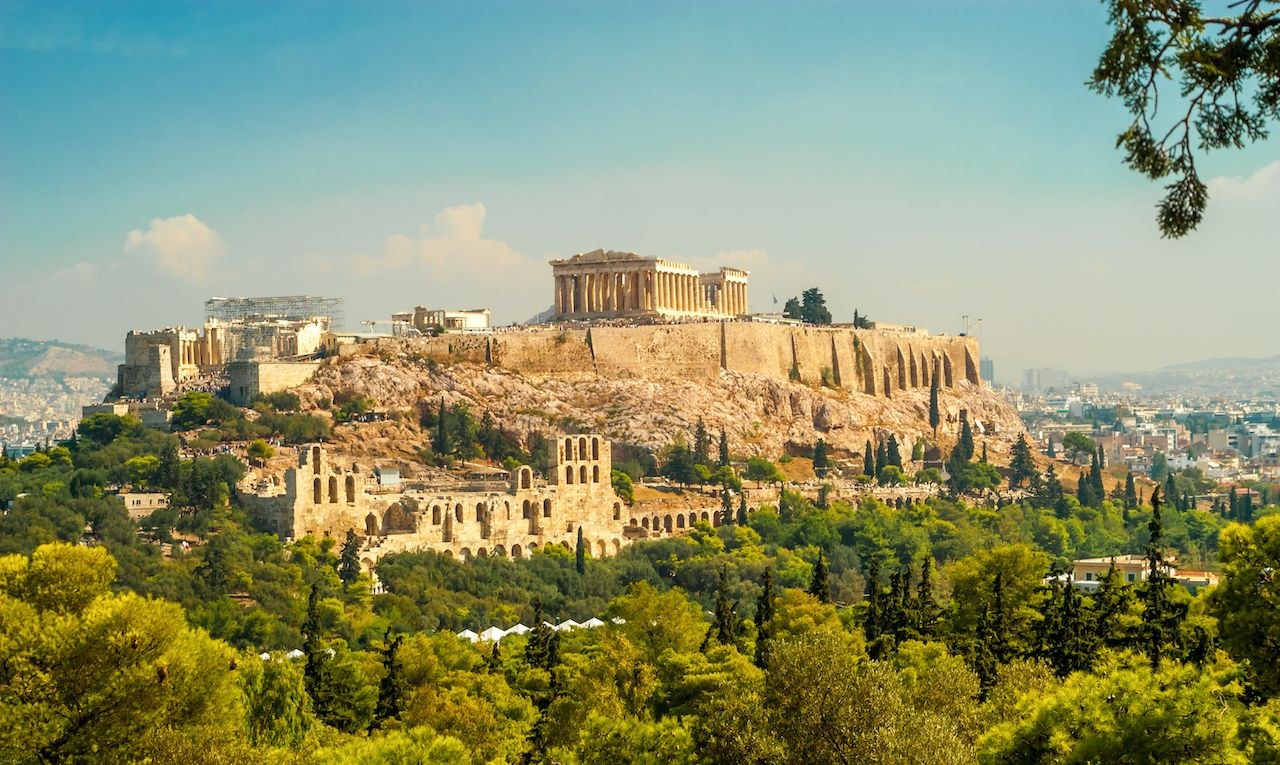
After you step off · near Venice
You end in a different port — stay on, and add what is within reach before you fly home.
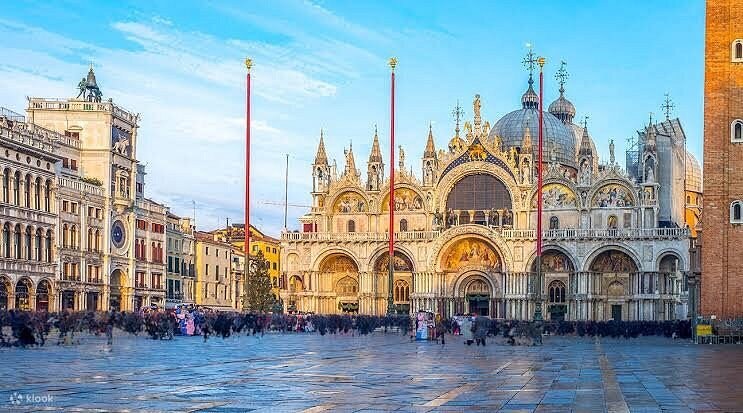 0 mi from VeniceSt. Mark's Basilica
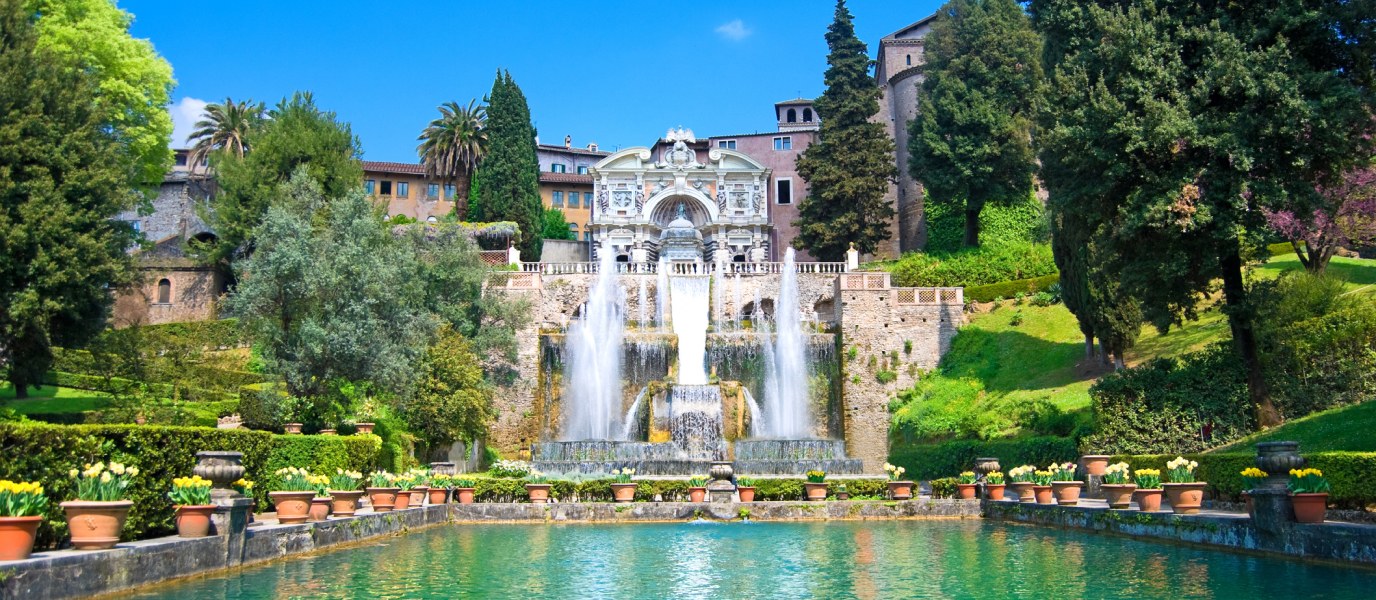 126 mi from VeniceVilla d'Este - Tivoli Fountains & Mannerist Gardens (Day Trip)
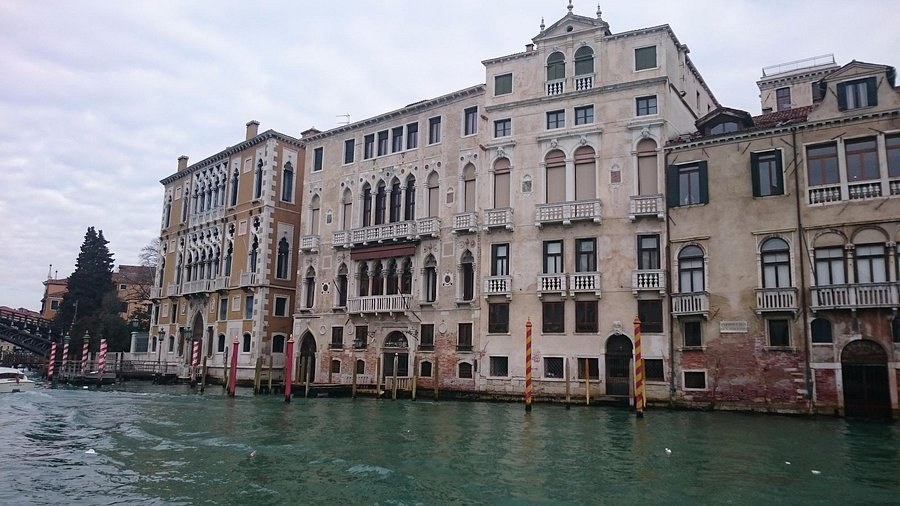 5 mi from Venice · land adventurePalazzo Doors, Lagoon Vineyards: Venice Beyond the Crowd Line
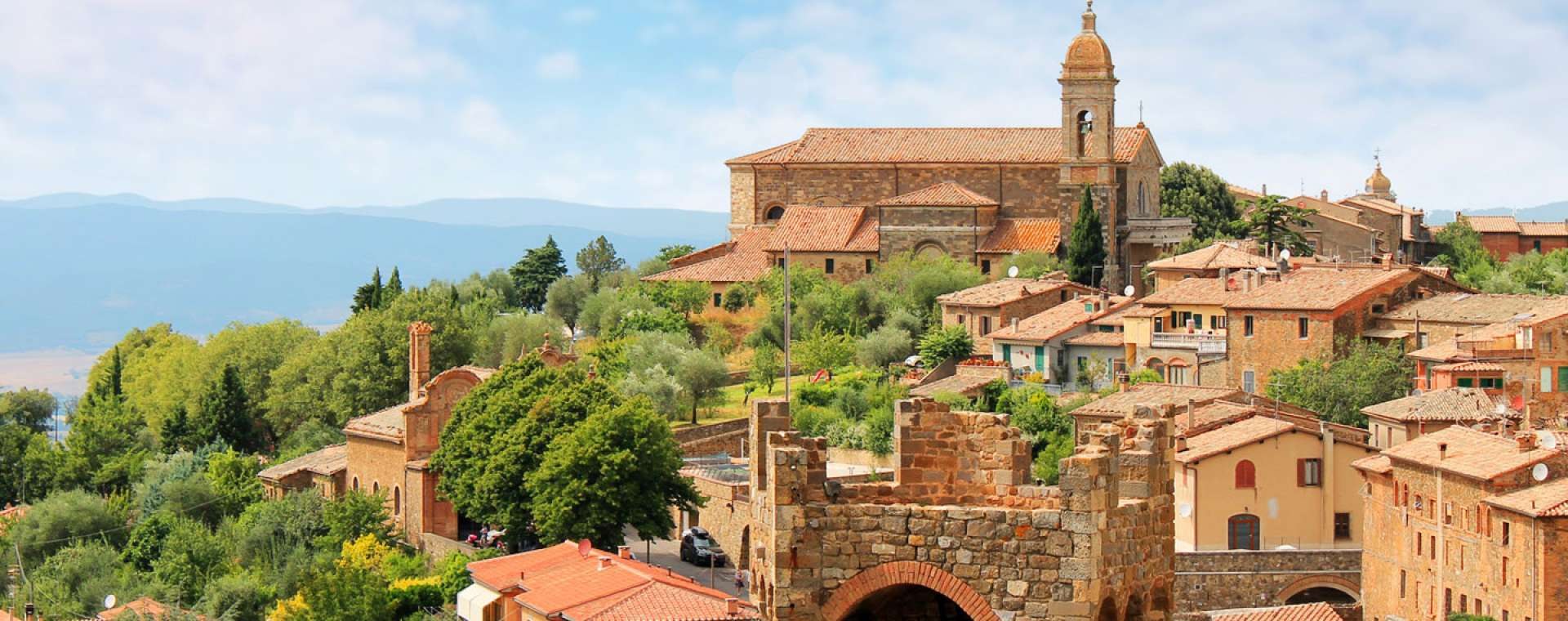 125 mi from Venice · land adventureFlorence to Val d'Orcia: Wine, Frescoes & Thermal Springs