Your cruise
MSC Magnifica · 14-night Northern Europe round trip from Copenhagen
Jun 5 – Jun 19 · 14 nights ·
Day 1 Copenhagen (board) · Day 2 Warnemunde · Day 3 at sea · Day 4 Haugesund · Day 5 Bergen · Day 6 Lyngdal Norway · Day 7 Oslo · Day 8 Copenhagen · Day 9 Warnemunde · Day 10 Gdynia · Day 11 Klaipeda · Day 12 Riga · Day 13 Stockholm · Day 14 at sea · Day 15 Copenhagen (step off)
What you do A chauffeured private day in Berlin — Brandenburg Gate, the Reichstag, Checkpoint Charlie, and the Holocaust Memorial — with a local expert guiding every step. This is the definitive bucket-list reason Warnemünde exists as a cruise port.
What to expect Your private driver collects you dockside and whisks you 2.5 hours to the German capital in comfort. On arrival, a specialist guide walks you through the Brandenburg Gate, the sobering Holocaust Memorial, Checkpoint Charlie, and Museum Island at your own tempo. Lunch is taken at a restaurant of your guide's local choosing — no tourist traps. The return transfer is timed precisely so you're aboard well before all-aboard.
Good to know Berlin is ~2.5 hrs each way; budget 10–11 hours total. Pre-book well in advance — private vehicles fill up fast on busy port days. Confirm your ship's all-aboard time with the operator at booking so the return is built into your itinerary.
Versus the ship tour Fully private vehicle and dedicated local expert mean you set the pace, linger where you choose, and avoid the choreographed herding of large groups. Your guide tailors the narrative — Cold War, WWII, reunification — to your interests.
What you do Fairy-tale Schwerin Castle — Germany's most photogenic palace, set on its own island — paired with the cobbled grandeur of Schwerin's Old Town, all in a private chauffeured tour just 90 minutes from port.
What to expect A private vehicle meets you at the pier and drives you south through the Mecklenburg lake district to Schwerin, arriving at the neo-Gothic palace that inspired a thousand fairy tales. Inside, gilded state rooms and priceless tapestries unfold with your expert guide. The afternoon takes you into Schwerin's charming marketplace and cathedral before a relaxed return to the ship.
Good to know Schwerin Palace entry is approximately EUR 8.50 per adult (payable on site). Allow 6–7 hours total. A much more relaxed pace than the Berlin run — ideal for travelers who prefer atmosphere over distance.
Versus the ship tour Far closer to port than Berlin, Schwerin delivers storybook imagery — turrets, lake reflections, formal gardens — without the marathon travel day. A private guide gives you the full dynastic and artistic context of this UNESCO-nominated palace.
What you do Discover the Hanseatic queen of the Baltic — Lübeck's UNESCO World Heritage brick-gothic skyline, the iconic Holstentor gate, marzipan heritage, and labyrinthine merchant alleyways — on a private expert-led day from the port.
What to expect Your driver collects you at the pier for the scenic hour-and-a-half drive west to Lübeck. A local guide leads you through the Holstentor, across the seven-spired skyline, and into the atmospheric Gänge — the ancient merchants' alleyways. A tasting stop at Niederegger, the city's legendary 200-year-old marzipan house, is a highlight before you browse the St. Mary's Church and Thomas Mann quarter. The return is timed comfortably for all-aboard.
Good to know Lübeck is approx. 1.5 hrs from Warnemünde. Niederegger café is open daily; no reservation needed for a tasting visit. Combined with Schwerin, this can be a dual-destination private day — confirm with the operator.
Versus the ship tour Lübeck rewards slow exploration — hidden courtyards, Buddenbrooks' house, artisan marzipan shops — that only a private, unhurried guide can deliver. You're not shuffled past; you're immersed.
What you do Scale the 1898 red-brick lighthouse for panoramic Baltic views, then wander the flower-decked Alter Strom canal — fishermen's cottages, seafood shacks, and swaying trawlers — in the prettiest port village on the German Baltic coast.
What to expect The lighthouse stands at the tip of the promenade where the Warnow meets the open Baltic — 31 metres of red brick with a tight spiral staircase rewarded by sweeping 360° views over sea and shoreline. Descending, you fold into the Alter Strom: a narrow canal lined with pastel fishing houses converted into oyster bars, smoked-fish stalls, and artisan boutiques. Afternoon light on the water here is extraordinary. The white-sand Strand Warnemünde beach stretches just beyond — bring a towel.
Good to know The lighthouse is a 10-minute walk from the cruise terminal. It opens seasonally (typically 10:00–17:00); check opening times on arrival. This self-guided experience pairs perfectly with a morning before a shore excursion departs or an afternoon return.
Versus the ship tour This is Warnemünde at its most authentic — no coach, no itinerary, just the salt air, the creak of wooden boats, and one of the best lighthouse panoramas on the Baltic. Supremely elegant in its simplicity.
What you do Glide the Warnow River on a private harbour cruise past Rostock's Hanseatic waterfront, then delve into the 13th-century Old Town on foot — St. Mary's Church, the Neuer Markt, and hidden university quarter included.
What to expect A scenic 20-minute S-Bahn ride connects Warnemünde to central Rostock, making this entirely self-sufficient. Board a Weisse Flotte vessel at the Stadthafen quay for a 30-minute cruise along the river, camera ready for tugboats, tall ships, and the old crane skyline. Ashore, the medieval Kröpeliner Strasse pedestrian boulevard leads you to the soaring 14th-century Marienkirche, home to a working astronomical clock with a 100-year calendar. Café stops in the university quarter round out a leisurely morning.
Good to know S-Bahn (S1) runs every 30 mins between Warnemünde and Rostock Hbf; journey ~20 mins, tickets approx. EUR 2.10 each way. Allow 5–6 hours. Marienkirche is open daily; no entry fee for self-guided visits. Harbour cruises run hourly from the Stadthafen quay.
Versus the ship tour The Warnow cruise gives you the industrial and maritime scale of the port from the water — a perspective no walking tour can match — before a human-scale wander through one of Germany's best-preserved Brick Gothic city centres.
What you do The legendary local full-day shore tour — Baltic seaside villages, Mecklenburg countryside, a working farm, smoked fish, and craft schnapps — led by a guide whose intimate regional knowledge is unmatched. The insider's Warnemünde day.
What to expect This curated full-day tour threads through the underexplored Mecklenburg countryside — thatched fishing villages, oak-lined country lanes, and salt-meadow landscapes that most visitors never reach. Your guide weaves together local history, Baltic ecology, and cultural curiosities with a warmth and depth that rewards curious, discerning travellers. A smoked-fish lunch at a traditional Räucherei (smokehouse) and a tasting of regional Kräuterlikör (herbal schnapps) anchor the experience in genuine local flavour. Groups are kept small — intimate, never impersonal.
Good to know Book well ahead — this tour is consistently the first to sell out on busy port days. Departure is from the cruise terminal. Confirm your exact all-aboard time at booking so the guide can guarantee a timely return. Flat, comfortable footwear recommended; no strenuous walking involved.
Versus the ship tour Championed by Rick Steves travellers and seasoned cruise veterans as the single best tour available from this port — small group, deep local knowledge, authentic food stops, and a pace that feels like travelling with a well-connected friend rather than a tourist operation.
What you do Explore Copenhagen's soul — Nyhavn, Christiansborg, hidden courtyards — with a passionate private guide who tailors every step to you. This is the city as only locals know it: unscripted, unhurried, unforgettable.
What to expect Your guide meets you at the pier and leads you through Nyhavn's candy-coloured townhouses, across the cobbled courtyards of Christiansborg Palace, and into the hidden backstreets of the Latin Quarter. Expect rich storytelling drawn from genuine local knowledge — architecture, royal history, Danish design philosophy, and the best smørrebrød spots. The tour adapts in real time to what captivates you most, making every minute count before all-aboard.
Good to know Book the private tour directly via copenhagenbymie.com well in advance — these slots fill fast in summer. The port (Langelinie or Nordhavn) is a short taxi or rideshare ride to Nyhavn. Tours typically run 2–3 hours, leaving ample time to return to ship.
Versus the ship tour A fully private, bespoke experience led by a deeply knowledgeable local — your pace, your interests, your Copenhagen. No crowds, no scripts, no compromises.
What you do Tour the most magnificent Renaissance castle in Scandinavia, set on three islands in a lake outside Copenhagen. Home to the Museum of National History, its gilded Great Hall and Chapel are utterly breathtaking.
What to expect A 45-minute S-train or private car ride north of Copenhagen delivers you to Hillerød, where Frederiksborg Castle rises from its lake like a fairy tale made stone. Wander through dozens of historically furnished rooms — from the opulent Knights' Hall to the intimate royal chambers — each hung with portraits of Danish monarchs spanning 500 years. The castle's baroque garden, restored to its 1725 layout, is one of Northern Europe's finest formal gardens. The neighbouring town of Hillerød adds a charming lunch stop.
Good to know Allow 4–5 hours round-trip from port. Take the S-train line A from Copenhagen Central Station to Hillerød (approx. 1 hour), or book a private car for comfort. Open daily; booking ahead is recommended in peak season. Check all-aboard time carefully.
Versus the ship tour Arrive at your own pace, linger in the rooms that move you, and explore the formal baroque garden without a group itinerary — this is a genuine royal palace with centuries of Danish history layered into every portrait and tapestry.
What you do See Copenhagen from the water on a private guided harbour cruise past Nyhavn's iconic coloured facades, the Opera House, and the Little Mermaid. The city's architecture is simply stunning from the canals.
What to expect Board at Nyhavn or Gammel Strand and slip beneath the city's iconic low bridges, weaving through canals lined with 17th-century merchants' houses. Your guide narrates the stories behind the Royal Library's 'Black Diamond', the sweeping curves of the Copenhagen Opera House, and the quiet story of the Little Mermaid perched on her harbour rock. On the private charter, you set the agenda — pause for photos, extend a stretch, or request a detour into the inner harbour. It's Copenhagen's best perspective, full stop.
Good to know Canal Tours Copenhagen departs from Nyhavn, a 20-minute walk or short taxi from Langelinie cruise pier. Pre-book the private charter directly via Stromma's website. The Grand Tour runs approx. 1 hour; allow 2.5 hours total including transit.
Versus the ship tour The private charter option delivers an intimate, commentary-rich experience — just your group, gliding beneath low bridges, into hidden canals, and around the harbour at your chosen pace with a knowledgeable skipper.
book direct with Canal Tours Copenhagen (official) → · the full guide →
What you do The seat of Danish democracy and the Royal Family, Christiansborg is one palace where you can climb the free tower, tour the opulent Throne Room, and descend to Viking-age ruins beneath your feet — all in one visit.
What to expect Enter beneath the equestrian statue and take the lift to the free tower for a 360-degree panorama over Copenhagen's copper spires, canals, and the Øresund strait. Descend through the medieval ruins revealing the 12th-century fortress foundations. The Royal Reception Rooms dazzle with monumental tapestries depicting 1,000 years of Danish history, commissioned for the Queen's silver jubilee. A guided tour of the kitchens and stables rounds out a genuinely layered royal visit.
Good to know Book guided tours of the Reception Rooms in advance at denkongeligesamling.dk — slots go quickly in summer. The palace is a 30-minute walk or short taxi from Langelinie pier. Allow 3 hours minimum. The tower is open daily and FREE — never skip it.
Versus the ship tour Christiansborg is the only building in the world housing all three branches of a nation's government, the royal family, AND a supreme court — a living, layered palace with a depth no guided group tour can match. The tower panorama over Copenhagen is unmissable.
book direct with Den Kongelige Samling – Christiansborg Palace (official) → · the full guide →
What you do The garden that inspired Walt Disney, open since 1843 — Tivoli is a living fairytale of illuminated pavilions, world-class restaurants, live music, and just enough theatrical thrill to remind you joy is ageless.
What to expect Step through the wrought-iron gates into a world of manicured gardens, Moorish pavilions, and the scent of roasting almonds. By day, the vintage wooden roller coaster and tranquil lake delight; by evening, 100,000 twinkling lights transform the gardens into pure magic. Dine at one of the park's renowned restaurants — from the legendary Nimb Hotel's brasserie to casual open-air smørrebrød — before catching a free concert at the open-air stage. The atmosphere, whether you're sipping champagne on a terrace or watching the fountain show, is ineffably romantic and sophisticated.
Good to know Tivoli is a 5-minute walk from Copenhagen Central Station, easily reached by taxi or S-train from any cruise pier. Opening hours vary by season — evening sessions (from 18:00) offer the most magical atmosphere. Pre-purchase entry tickets online at tivoli.dk to skip the queue. Check seasonal closure dates (closed Jan–Mar).
Versus the ship tour Tivoli is not a theme park — it's a 180-year-old cultural institution, a garden of lanterns and pantomime, Michelin-starred dining and brass bands, where the city comes to celebrate life. There is nothing else like it on earth.
book direct with Tivoli Gardens (official) → · the full guide →
What you do Dive into the city that rewrote the global food rulebook — from Torvehallerne's artisan stalls to smørrebrød masters and natural wine bars — guided by a local food expert who knows every chef by name.
What to expect Your private guide leads you into Torvehallerne — Copenhagen's stunning covered market — for tastings of smoked fish, seasonal open-faced sandwiches, and Danish craft coffee that will recalibrate your standards. The tour moves through the Meatpacking District (Kødbyen), where butcher-turned-restaurants serve the finest New Nordic small plates, and into a historic smørrebrød restaurant where the craft of the traditional Danish lunch has been elevated to an art form. Expect candid conversations about Danish food philosophy, foraging culture, and why Copenhagen became the world's most exciting culinary capital in barely a decade.
Good to know Book directly with Nordic Insite well in advance — private tours are limited and in high demand from May–September. Torvehallerne is a 20-minute taxi from Langelinie pier. The tour runs approximately 3 hours; build in time for a longer lunch if your all-aboard allows. Communicate any dietary restrictions when booking.
Versus the ship tour A private, expert-led deep-dive into the food culture that produced Noma and a dozen Michelin-starred successors — tasting, learning, and eating like a well-connected local rather than a tourist.
book direct with Nordic Insite – Private Guided Tours Copenhagen → · the full guide →
What you do A chauffeured private day in Berlin — Brandenburg Gate, the Reichstag, Checkpoint Charlie, and the Holocaust Memorial — with a local expert guiding every step. This is the definitive bucket-list reason Warnemünde exists as a cruise port.
What to expect Your private driver collects you dockside and whisks you 2.5 hours to the German capital in comfort. On arrival, a specialist guide walks you through the Brandenburg Gate, the sobering Holocaust Memorial, Checkpoint Charlie, and Museum Island at your own tempo. Lunch is taken at a restaurant of your guide's local choosing — no tourist traps. The return transfer is timed precisely so you're aboard well before all-aboard.
Good to know Berlin is ~2.5 hrs each way; budget 10–11 hours total. Pre-book well in advance — private vehicles fill up fast on busy port days. Confirm your ship's all-aboard time with the operator at booking so the return is built into your itinerary.
Versus the ship tour Fully private vehicle and dedicated local expert mean you set the pace, linger where you choose, and avoid the choreographed herding of large groups. Your guide tailors the narrative — Cold War, WWII, reunification — to your interests.
What you do Fairy-tale Schwerin Castle — Germany's most photogenic palace, set on its own island — paired with the cobbled grandeur of Schwerin's Old Town, all in a private chauffeured tour just 90 minutes from port.
What to expect A private vehicle meets you at the pier and drives you south through the Mecklenburg lake district to Schwerin, arriving at the neo-Gothic palace that inspired a thousand fairy tales. Inside, gilded state rooms and priceless tapestries unfold with your expert guide. The afternoon takes you into Schwerin's charming marketplace and cathedral before a relaxed return to the ship.
Good to know Schwerin Palace entry is approximately EUR 8.50 per adult (payable on site). Allow 6–7 hours total. A much more relaxed pace than the Berlin run — ideal for travelers who prefer atmosphere over distance.
Versus the ship tour Far closer to port than Berlin, Schwerin delivers storybook imagery — turrets, lake reflections, formal gardens — without the marathon travel day. A private guide gives you the full dynastic and artistic context of this UNESCO-nominated palace.
What you do Discover the Hanseatic queen of the Baltic — Lübeck's UNESCO World Heritage brick-gothic skyline, the iconic Holstentor gate, marzipan heritage, and labyrinthine merchant alleyways — on a private expert-led day from the port.
What to expect Your driver collects you at the pier for the scenic hour-and-a-half drive west to Lübeck. A local guide leads you through the Holstentor, across the seven-spired skyline, and into the atmospheric Gänge — the ancient merchants' alleyways. A tasting stop at Niederegger, the city's legendary 200-year-old marzipan house, is a highlight before you browse the St. Mary's Church and Thomas Mann quarter. The return is timed comfortably for all-aboard.
Good to know Lübeck is approx. 1.5 hrs from Warnemünde. Niederegger café is open daily; no reservation needed for a tasting visit. Combined with Schwerin, this can be a dual-destination private day — confirm with the operator.
Versus the ship tour Lübeck rewards slow exploration — hidden courtyards, Buddenbrooks' house, artisan marzipan shops — that only a private, unhurried guide can deliver. You're not shuffled past; you're immersed.
What you do Scale the 1898 red-brick lighthouse for panoramic Baltic views, then wander the flower-decked Alter Strom canal — fishermen's cottages, seafood shacks, and swaying trawlers — in the prettiest port village on the German Baltic coast.
What to expect The lighthouse stands at the tip of the promenade where the Warnow meets the open Baltic — 31 metres of red brick with a tight spiral staircase rewarded by sweeping 360° views over sea and shoreline. Descending, you fold into the Alter Strom: a narrow canal lined with pastel fishing houses converted into oyster bars, smoked-fish stalls, and artisan boutiques. Afternoon light on the water here is extraordinary. The white-sand Strand Warnemünde beach stretches just beyond — bring a towel.
Good to know The lighthouse is a 10-minute walk from the cruise terminal. It opens seasonally (typically 10:00–17:00); check opening times on arrival. This self-guided experience pairs perfectly with a morning before a shore excursion departs or an afternoon return.
Versus the ship tour This is Warnemünde at its most authentic — no coach, no itinerary, just the salt air, the creak of wooden boats, and one of the best lighthouse panoramas on the Baltic. Supremely elegant in its simplicity.
What you do Glide the Warnow River on a private harbour cruise past Rostock's Hanseatic waterfront, then delve into the 13th-century Old Town on foot — St. Mary's Church, the Neuer Markt, and hidden university quarter included.
What to expect A scenic 20-minute S-Bahn ride connects Warnemünde to central Rostock, making this entirely self-sufficient. Board a Weisse Flotte vessel at the Stadthafen quay for a 30-minute cruise along the river, camera ready for tugboats, tall ships, and the old crane skyline. Ashore, the medieval Kröpeliner Strasse pedestrian boulevard leads you to the soaring 14th-century Marienkirche, home to a working astronomical clock with a 100-year calendar. Café stops in the university quarter round out a leisurely morning.
Good to know S-Bahn (S1) runs every 30 mins between Warnemünde and Rostock Hbf; journey ~20 mins, tickets approx. EUR 2.10 each way. Allow 5–6 hours. Marienkirche is open daily; no entry fee for self-guided visits. Harbour cruises run hourly from the Stadthafen quay.
Versus the ship tour The Warnow cruise gives you the industrial and maritime scale of the port from the water — a perspective no walking tour can match — before a human-scale wander through one of Germany's best-preserved Brick Gothic city centres.
What you do The legendary local full-day shore tour — Baltic seaside villages, Mecklenburg countryside, a working farm, smoked fish, and craft schnapps — led by a guide whose intimate regional knowledge is unmatched. The insider's Warnemünde day.
What to expect This curated full-day tour threads through the underexplored Mecklenburg countryside — thatched fishing villages, oak-lined country lanes, and salt-meadow landscapes that most visitors never reach. Your guide weaves together local history, Baltic ecology, and cultural curiosities with a warmth and depth that rewards curious, discerning travellers. A smoked-fish lunch at a traditional Räucherei (smokehouse) and a tasting of regional Kräuterlikör (herbal schnapps) anchor the experience in genuine local flavour. Groups are kept small — intimate, never impersonal.
Good to know Book well ahead — this tour is consistently the first to sell out on busy port days. Departure is from the cruise terminal. Confirm your exact all-aboard time at booking so the guide can guarantee a timely return. Flat, comfortable footwear recommended; no strenuous walking involved.
Versus the ship tour Championed by Rick Steves travellers and seasoned cruise veterans as the single best tour available from this port — small group, deep local knowledge, authentic food stops, and a pace that feels like travelling with a well-connected friend rather than a tourist operation.
What you do Tear through the historic Haugesund straits aboard a powerful RIB — the very waters where Norway's name was born. This adrenaline-laced private charter blends Viking legend with raw Nordic coastal beauty in one unforgettable ride.
What to expect Don your dry suit and grip the handles as your expert skipper rockets the RIB out of the harbour and into the island-studded strait that gave Norway its very name. You'll thread between skerries, pass the hallowed Haraldshaugen monument from the water, and feel the Arctic spray as the boat opens up on the open fjord. The guide narrates the founding saga of Harald Fairhair — Norway's first king — with the actual landmarks visible around you. The return leg slows to a cruise past painted boathouses and fishing quays, ending perfectly back at the pier.
Good to know Tours typically run 1.5–2 hours — well within most port calls. Book the private group option directly via the website for a fully tailored itinerary. Waterproof kit is provided; wear warm layers underneath. Confirm your ship's all-aboard time and allow 20 minutes' walk back to the gangway.
Versus the ship tour Fully private or small-group charter customised to your party — your pace, your route, your moment on the open strait. The guides are local experts who weave Norse history into every nautical mile, making this as intellectually rich as it is exhilarating.
book direct with Viking Adventure Haugesund → · the full guide →
What you do Journey deep into Åkrafjorden to stand at the base of Langfoss — Europe's fifth-highest waterfall — as 612 metres of cascading water thunders into the fjord beside you. One of Norway's most dramatic natural spectacles, best savoured at your own pace.
What to expect Your private vehicle winds along the edge of Åkrafjorden, one of the quietest and most pristine fjords in Norway, its glassy water mirroring sheer rock walls rising hundreds of metres above. As you round the final bend, Langfoss appears — an almost supernatural ribbon of white pouring directly into the fjord with no catchment pool, just raw energy meeting salt water. You can walk right to its base, feel the mist on your face, and photograph the falls from angles that remain genuinely uncrowded. The return journey passes traditional Norwegian farmsteads and lookout points your guide knows intimately.
Good to know Full-day excursion of approximately 6–7 hours; confirm departure time relative to your all-aboard. Pre-book at least 48 hours ahead as private vehicles are limited. Wear sturdy waterproof footwear — the path to the waterfall base can be wet. GetYourGuide also lists this tour for reference: getyourguide.com/haugesund-l106137/
Versus the ship tour A private or small-group minibus with a local guide means you linger at Langfoss as long as you wish — no queuing, no herding. The guide shares intimate knowledge of fjord geology, local fishing culture, and hidden viewpoints most visitors never find.
book direct with Viking Adventure Haugesund → · the full guide →
What you do Stand at the very monument marking the birthplace of Norway as a nation — the burial mound of King Harald Fairhair — guided by a private local historian who brings 1,150 years of Viking saga to vivid life. Unmissable for anyone serious about Norse history.
What to expect Your guide meets you dockside and walks you through Haugesund's handsome Haraldsgata street, setting the historical scene before reaching the iconic Haraldshaugen obelisk and burial mound, erected in 1872 to mark the 1,000-year anniversary of Norway's unification. The narrative here is extraordinary — this is the ground zero of an entire nation's identity. Your guide then leads you through the surrounding parkland, pointing out runic symbolism, coastal geography that shaped the fateful sea battle, and connecting Norse mythology to the real political drama of Viking-age Norway. The experience concludes with a walk to a local viewpoint over the strait where Harald's fleet once sailed.
Good to know A 2–3 hour experience, easily completed within a morning port call. The monument is a 15-minute walk from the pier. Book a private guide directly via Viking Adventure's website for a fully tailored itinerary. Wear comfortable walking shoes; the terrain is gentle. The Viking Planet Haugesund interactive museum is nearby and pairs well as a follow-on.
Versus the ship tour A private expert guide — not a generalist — delivers the full saga of the 872 Battle of Hafrsfjord and Harald's unification of Norway in conversational depth, adjusting entirely to your interests and questions. You set the pace; the monument and its surrounding landscape become genuinely immersive, not a photo stop.
book direct with Viking Adventure Haugesund → · the full guide →
What you do Step inside the beautifully restored Dokken herring-oil factory — the engine of Norway's 19th-century wealth — for an exclusive guided experience that reveals how this small coastal city shaped the modern world's fishing industry. Utterly unique and deeply moving.
What to expect The Dokken complex sits right on the waterfront — a beautifully preserved cluster of early-20th-century factory buildings that once processed millions of herring barrels destined for Europe and beyond. Your curator guide opens the industrial halls where original steam machinery still stands, explains the social history of the hundreds of women who worked the lines, and shows archive photographs of a Haugesund waterfront buzzing at the height of the boom. The sensory experience — timber, brine, and machine oil — is unlike any museum you've visited. A tasting of traditional preserved herring rounds out the experience with unexpected elegance.
Good to know Guided tours run hourly on the hour; pre-arrange a private tour by contacting Haugalandmuseet directly for exclusive access. The museum is a 5-minute walk from the cruise terminal. Allow 1.5–2 hours. Pair with a table at a waterfront restaurant on Smedasundet for a perfect half-day.
Versus the ship tour The Dokken is Haugesund's most authentic cultural gem — a living industrial monument with original machinery, authentic smells, and a narrative most visitors completely miss. A private curator-led tour unlocks the archive rooms and restoration areas not on the standard circuit, and connects the herring boom to Norway's broader place in world history.
book direct with Haugalandmuseet / Dokken Museum (official) → · the full guide →
What you do Ascend Haugesund's iconic home mountain with a private local guide for a panoramic summit experience — island archipelagos, fjords, and open North Sea stretching to the horizon in every direction. The finest natural vantage point in the entire region.
What to expect The trail ascends through fragrant Norwegian heathland and smooth glacially-polished rock before the summit plateau opens up in a 360-degree revelation — you can trace the entire island chain of Ryfylke out to the west, peer down into the Karmsundet strait below, and on clear days see all the way to the Hardangerfjord mountains to the east. Your guide identifies the islands, waterways, and distant peaks by name, turning a stunning view into a genuine geographic education. The descent follows a different ridge route, passing through Djupadalen nature reserve, rated 4.6 by visitors as Haugesund's finest outdoor space. The whole experience feels wildly remote yet you're minutes from the pier.
Good to know The hike is approximately 3–4 hours return and rates as moderate — fit walkers will find it comfortable. Sturdy trail shoes or light hiking boots are essential. The trailhead at Djupadalen is a 10-minute taxi from the pier (taxis wait dockside). Book private guide in advance via Viking Adventure; confirm all-aboard time before selecting the summit option versus a shorter Djupadalen loop.
Versus the ship tour A private mountain guide sets the pace entirely to yours — no rushing, no group bottlenecks on the trail. They know the hidden ledges, the best light angles for photography, and the geological story of this ancient coastal massif that deepens the experience far beyond a solo hike.
book direct with Viking Adventure Haugesund → · the full guide →
What you do Explore the immaculately preserved 19th-century white-painted wooden town of Skudeneshavn — one of the most photogenic and historically intact settlements in all of Norway — with a private local expert who knows every cobblestone and sea captain's story.
What to expect A private vehicle whisks you 40 minutes south along the coastal road to the southern tip of Karmøy island, where Skudeneshavn sits in near-perfect preservation — over 170 listed wooden buildings lining narrow cobbled lanes that slope to a picture-perfect harbour. Your guide leads you through the old merchant quarter, past painted warehouses and rose gardens spilling over white picket fences, into the small but deeply atmospheric church and down to the quayside where lobster boats still go out each morning. The scale is intimate, the light is extraordinary, and the absence of large-group tourism here makes every photograph feel like a discovery. A private table at a harbourside café for Norwegian waffles and coffee is the ideal finale.
Good to know Allow 4–5 hours including private transport; confirm this fits comfortably within your port call before booking. The road journey itself is scenic. Book the private option directly via Viking Adventure to include a custom café stop and interior access to listed buildings not available on self-guided walks. Flat cobblestones throughout — suitable for most mobility levels.
Versus the ship tour Skudeneshavn is the kind of place you stumble upon and immediately wish you'd had more time. A private guide with deep local roots opens the town's wooden churches, merchant houses, and hidden garden courtyards — spaces that remain locked to the general visitor — and weaves the herring-trading era into a narrative you'll still be telling friends about years later.
book direct with Viking Adventure Haugesund → · the full guide →
What you do Glide deep into the Osterfjord and the dramatic Mostraumen strait — one of Bergen's most iconic natural spectacles. Thundering waterfalls, soaring eagle nests, and mirror-still fjord waters make this the single most unmissable excursion from Bergen.
What to expect You board at the Fisketorget (Fish Market) and sail out through Byfjorden before threading into the Osterfjord's jaw-dropping scenery. The narrows at Mostraumen are dramatic — steep granite walls plunge into dark water while cascades drop from above. Wildlife spotting (white-tailed eagles, seals) is a highlight. The pace is unhurried, allowing long lingering views and photography without the crowds of larger boats.
Good to know Daily departures at 10 am, May through September; the half-day tour runs approximately 4 hours, returning well before typical all-aboard times. Pre-book directly online as departures fill quickly in high season. Warm, waterproof layers essential even in summer.
Versus the ship tour Departing directly from the Bergen Fish Market aboard the classic White Lady, this is a small, intimate vessel — not a mass-market ferry — letting you stand at the bow as you enter the narrow Mostraumen channel, spray on your face, eagles overhead. The naturalist commentary is deeply personal.
What you do Ascend Bergen's beloved mountain by the iconic Fløibanen funicular, then explore the summit trails with a private local expert who reveals the peaks, city panoramas, and forested paths that most visitors never find. Bergen laid entirely at your feet — bucket-list by definition.
What to expect The Fløibanen funicular whisks you 320 metres above sea level in under eight minutes, emerging into a world of spruce forest, rocky outcrops, and sweeping panoramas over the fjord and harbour below. Your private guide leads you beyond the main viewpoint into quieter trails, pointing out local flora, the city's medieval layout from above, and the best photography angles. A stop at the summit café for Norwegian waffles and hot coffee is customary.
Good to know Book the funicular directly at fløibanen.no (NOK 190 adult return); engage Norwegian Guide Service separately for a private guide. Allow a minimum of 3 hours for the full experience. The funicular lower station is a 10-minute walk from the cruise terminal at Skolten or Jekteviken.
Versus the ship tour A private authorized guide transforms this iconic ascent into a genuinely personal experience — hidden viewpoints, forested trails to Skomakerdiket lake, and storytelling about Bergen's seven mountains that a group tour simply cannot match. Your pace, your summit, your morning.
book direct with Norwegian Guide Service (visitBergen official guide partner) → · the full guide →
What you do Step inside Bergen's UNESCO-listed Bryggen wharf with a specialist private guide and the Hanseatic Museum, where 700 years of merchant history comes alive in one of Europe's most atmospheric timber-built streetscapes. Intimate access, scholarly depth, unforgettable.
What to expect Your guide leads you through the creaking, lantern-lit passages of Bryggen's wooden alleyways before entering the museum's extraordinarily preserved merchant quarters — sleeping bunks stacked to the ceiling, counting rooms with original ledgers, and smoky assembly halls. The adjacent Schøtstuene guild rooms reveal the social world of the Hanseatic traders. The contrast between the living city outside and the perfectly frozen interior is genuinely eerie and moving.
Good to know Pre-book directly with the museum for private or guided tours, especially in peak summer months. The museum is a 15-minute walk from the main cruise berths. Allow 2–3 hours for the full Bryggen and museum experience. Combine with a lunch reservation at a Bryggen-side restaurant for a complete cultural immersion.
Versus the ship tour The Hanseatic Museum is the only institution in the world preserving an intact Hanseatic merchant's house in situ, with original 18th-century interiors. A private booking secures exclusive after-hours or small-group access, and a museum specialist — not a generalist guide — narrates the lives of the German merchants who slept, traded, and died within these very walls.
book direct with The Hanseatic Museum and Schøtstuene (MuseumVest official) → · the full guide →
What you do Journey from Bergen into the heart of the Hardangerfjord region aboard the legendary Flåmsbana — consistently ranked among the world's most beautiful rail journeys — descending through cascading waterfalls, wild gorges, and snow-capped peaks to the tiny village of Flåm. Utterly unforgettable.
What to expect The train winds through 20 tunnels and past the thundering Kjosfossen waterfall — where the train pauses for a photography stop and, in summer, a theatrical nøkken folk performance. Descending into the Flåm valley, the scenery shifts from alpine tundra to lush green riverbanks. In Flåm, the tiny Æ waterfront, the Flåm Railway Museum, and the fjordside Ægir Bryggeri (a spectacular Viking-longhouse brewery) reward leisurely exploration.
Good to know Pre-book Flåmsbana tickets well in advance at visitflam.com — the train sells out weeks ahead in summer. A full day is required: Bergen–Myrdal by Bergensbanen (approx. 2 hrs), Myrdal–Flåm by Flåmsbana (1 hr), return same route. Confirm your ship's all-aboard time and allow 30–45 minutes' buffer back to the Bergen terminal.
Versus the ship tour This is one of those journeys that belongs on every serious traveller's lifetime list — 20 km of rack railway descending 863 metres through scenery that simply does not exist anywhere else on Earth. Booked independently, you control your time in Flåm village, choosing a private fjord kayak session, a restaurant lunch, or a quiet walk to the Brekke waterfall on your own terms.
book direct with Vy (Norwegian State Railway) — Flåmsbana official → · the full guide →
What you do Discover two of Bergen's most overlooked treasures on a private half-day: the hauntingly beautiful Fantoft Stave Church — a 12th-century Norse masterpiece — followed by Gamlehaugen, the Norwegian Royal Family's official Bergen residence, surrounded by parkland and fjord views. Rare, refined, and deeply Norwegian.
What to expect Your guide collects you at the pier and drives south to the Fantoft hillside, where the black-tarred stave church rises dramatically from the pine forest — its dragon-head roof finials and carved portals an authentic echo of Viking-age Norway. Next, Gamlehaugen's neo-Gothic manor and its sweeping Nordåsvatnet fjord gardens offer a glimpse of royal Norway at its most graceful. The park is open to the public and the setting is one of the most photogenic in the Bergen region.
Good to know Fantoft Stave Church is open May–September; confirm opening hours directly before visiting. A private vehicle is strongly recommended as public transport is time-consuming. The half-day circuit (3–4 hours) returns to the cruise terminal comfortably before all-aboard. Gamlehaugen's interior is open on selected dates — check visitbergen.com for the current season's schedule.
Versus the ship tour With a private English-speaking driver-guide, you skip all logistics — Fantoft is 6 km from the city centre and impractical without private transport — and gain insider access to the stories behind the church's dramatic 1992 arson and faithful reconstruction, and the royal history of Gamlehaugen's Belle Époque interiors. Intimate, unhurried, and completely tailored.
book direct with Bergen Driver Guide (Romain — authorized private guide & driver) → · the full guide →
What you do Walk inside one of Norway's oldest and best-preserved medieval fortresses — Bergenhus — and the country's oldest church, St. Mary's (Mariakirken), with a specialist private guide at the golden hour when the crowds have gone. Seven centuries of Norwegian power condensed into two hours of pure atmosphere.
What to expect Your guide meets you at the fortress gate and leads you first into Håkon's Hall, whose soaring Gothic interior has witnessed royal banquets from the 1260s to the present day. The adjacent Rosenkrantz Tower climbs through three eras of Norwegian architecture in a single building, emerging at rooftop battlements with sweeping harbour views. A short walk brings you to 12th-century St. Mary's Church — Bergen's oldest building — where Romanesque stone carving, a baroque altarpiece, and extraordinary silence create an experience worlds away from the busy quayside.
Good to know This excursion is ideal for late-afternoon port calls when cruise passengers have largely re-embarked, leaving the fortress peaceful. Håkon's Hall and Rosenkrantz Tower are open May–August (check Bymuseet Bergen for winter hours). Book your private guide at least 2 weeks ahead through Norwegian Guide Service. The fortress is walkable from all Bergen cruise berths.
Versus the ship tour Bergenhus sits at the entrance to Bergen harbour — literally a 5-minute walk from the Skolten cruise terminal — yet most visitors simply photograph it from outside. A private guide unlocks Håkon's Hall (a 13th-century royal banquet hall still used by Norway's royal family) and the Rosenkrantz Tower's rooftop battlements, with expert medieval and WWII history delivered with genuine passion.
book direct with Norwegian Guide Service (visitBergen official guide partner) → · the full guide →
What you do A 100% personalised private walking tour of Oslo's iconic landmarks and secret corners, guided by a licensed local expert who tailors every step to your interests. The city reveals itself at a pace — and depth — no group tour can match.
What to expect Your guide meets you at the pier and sets the day around your wishlist — grand architecture at the Oslo Opera House, the futuristic Deichman Library, the medieval Akershus Fortress, or whatever moves you. Conversations are candid, pace is leisurely, and detours are encouraged. Expect spontaneous stops at a bakery, a viewpoint, or a local market that only a resident would know about. You leave feeling like a temporary local, not a tourist.
Good to know Book at least 2–3 weeks ahead to secure your preferred guide and date. The tour departs from a central Oslo meeting point, roughly a 15-minute taxi or tram ride from the cruise terminal at Akershus Wharf (Revierkaia). Confirm all-aboard time before booking and allow 45 minutes' return buffer.
Versus the ship tour Fully private, just your group and a licensed Oslo guide — the itinerary bends to your curiosity, not a fixed script. Access to hidden courtyards, insider food stops, and real neighbourhood stories that no coach tour touches.
What you do Step aboard the Fram — the world's strongest wooden ship and the vessel that carried Nansen and Amundsen to the poles. A private guided visit transforms this extraordinary museum from a self-tour into an immersive polar adventure story.
What to expect You board the real Fram, walk her decks, duck into the cramped crew quarters, and feel the scale of what it meant to sail into the unknown pack ice. The museum's immersive polar panoramas and Gjøa (Amundsen's Northwest Passage ship) complete the picture. A knowledgeable guide contextualises every artefact — Nansen's skis, the ship's logbooks, the survival rations. The setting on the Bygdøy Peninsula is serene, a world away from the city bustle.
Good to know Bygdøy is a 20-minute ferry ride from Aker Brygge (City Hall Pier) — the ferry itself is a scenic mini-cruise. The Oslo Pass (NOK 580 / EUR 49 for 24 hrs) covers entry to multiple Bygdøy museums including the Kon-Tiki Museum and Norwegian Museum of Cultural History — excellent value for a full Bygdøy day. Confirm timings for the last return ferry.
Versus the ship tour Standing on the actual deck of the Fram — the ship that reached the furthest north AND furthest south any vessel had sailed — is a genuine once-in-a-lifetime moment. A private or small-group guide brings the heroic age of polar exploration to vivid life in a way audio guides simply cannot.
book direct with Fram Museum (Frammuseet) – Official → · the full guide →
What you do Glide through the stunning Oslofjord on a private or small-group boat charter, taking in the archipelago islands, forested shoreline, and the Oslo skyline from the water — the most cinematic perspective of the Norwegian capital.
What to expect Cast off from the quay just steps from the cruise terminal and within minutes you are weaving between the green islands of the inner Oslofjord — Hovedøya with its medieval monastery ruins, the beaches of Gressholmen, and the dramatic Oscarsborg Fortress where Norway sank the German cruiser Blücher in 1940. Seabirds escort the boat and the air is bracingly fresh. A knowledgeable skipper narrates the history and ecology while you relax on deck with a glass of something Norwegian.
Good to know Båtservice departs from Aker Brygge, a short walk or water-taxi ride from the main cruise quays. Book the private charter well in advance in summer (June–August). For scheduled cruises, the 2-hour fjord tour is the sweet spot — long enough to reach the outer islands, short enough to clear all-aboard comfortably.
Versus the ship tour A private charter puts you on an intimate, unhurried vessel where you set the pace — anchor for a swim, linger at a lighthouse island, or raise a glass as the city skyline turns gold at dusk. The fjord's island archipelago is simply inaccessible without a boat.
What you do Explore the world's largest sculpture park made by a single artist — 212 bronze, granite and cast-iron figures by Gustav Vigeland set in a 80-acre park — with a private art historian guide who unlocks the symbolism and stories behind every piece.
What to expect Walk the grand ceremonial axis from the main gate bridge — lined with 58 bronze figures of intertwined human forms — past the Fountain, up to the towering Monolith of 121 writhing figures, and on to the mesmerising Wheel of Life. Your guide weaves Vigeland's biography, his tumultuous relationship with Oslo city council, and the universal themes of the human life cycle into each stop. The surrounding Frogner neighbourhood, with its elegant early-20th-century apartment buildings and café terraces, makes the perfect conclusion.
Good to know The park is about a 20-minute tram ride (Tram 12) from the city centre, or a 25-minute taxi from the pier. It is open 24 hours year-round and most spectacular in morning light when crowds are thin. Combine with the nearby Oslo City Museum inside Frogner Manor for a deeper dive.
Versus the ship tour Vigeland Park is free and open to all, but the sculptures' layered symbolism — the Monolith, the Angry Boy, the Wheel of Life — demands expert interpretation to become truly moving. A private art-historian guide transforms a pleasant park stroll into a profound, bucket-list encounter with one of Europe's most original artistic visions.
What you do Wander a vast open-air museum of 160 historic Norwegian buildings — including a 12th-century stave church — and experience living demonstrations of Viking-age crafts, traditional costumes, and folk culture, guided by a private specialist.
What to expect Set on the lush Bygdøy Peninsula, the museum's 14-hectare open-air site unfolds across meadows and forest paths. Costumed interpreters demonstrate butter-churning, folk dancing and traditional weaving in period farmsteads. The indoor gallery houses Norway's finest collection of Sami culture, folk art, and the apartment of playwright Henrik Ibsen, reconstructed to the last detail. In summer, a festive atmosphere fills the site with music and craft markets — it feels genuinely alive.
Good to know Reach Bygdøy by the seasonal ferry from Aker Brygge (15 mins) — far more scenic than the bus. Combine with the Fram Museum and Kon-Tiki Museum on the same peninsula for a full Bygdøy cultural day. The Oslo Pass (NOK 580 / EUR 49) covers entry to all three museums and the ferry.
Versus the ship tour The Gol Stave Church alone — a magnificently preserved wooden church from c. 1200 CE, transported plank by plank to the museum — justifies the visit. A private guide brings the context that turns a walk through old buildings into a genuine encounter with a thousand years of Norwegian daily life.
book direct with Norsk Folkemuseum – Official → · the full guide →
What you do Gain rare access to the interior of the Norwegian Royal Palace on an official guided tour, then stroll the ramparts of the medieval Akershus Fortress overlooking the fjord — two of Oslo's most regal and historically charged experiences in one elegant half-day.
What to expect Inside the Palace, official guides lead you through the Council Chamber, the Bird Room, and the mirrored Banquet Hall — all still in active royal use. Stories of King Harald, Queen Sonja, and Norway's constitutional monarchy bring the ceremonial rooms to life. The walk to Akershus Fortress takes you along Karl Johans Gate, Oslo's grand boulevard, past the Storting (Parliament) and the National Theatre. At Akershus, medieval stone towers frame sweeping fjord panoramas — the same view that have guarded Oslo for 700 years.
Good to know Palace tours run late June to mid-August only — check the exact season each year and pre-book on the Royal Court website well in advance as allocations sell out fast. Akershus Fortress is a 10-minute walk from the cruise pier at Revierkaia and makes a perfect warm-up while waiting for a later Palace tour slot. Smart-casual attire is appropriate for the Palace.
Versus the ship tour The Palace opens its doors to guided tours for only a few weeks each summer — a rare, time-limited privilege. Rooms of state draped in silk, royal portraits, and the throne room make this unlike any other Scandinavian palace access. Paired with the medieval Akershus on the waterfront, it is an unbroken narrative of Norwegian power across eight centuries.
book direct with The Royal House of Norway – Official Palace Tours → · the full guide →
What you do Step inside Malbork Castle — the largest medieval fortress on Earth and a UNESCO World Heritage Site — on a private, expert-led journey through 700 years of Teutonic Knight history. Towering red-brick ramparts, gilded chambers, and a private guide who brings the legends to life: this is Poland's single most unmissable day out.
What to expect Your private car or minivan transfers you ~60 km south from Gdynia to Malbork in comfort. Inside the fortress your guide navigates the High, Middle, and Lower Castles with storytelling that textbooks cannot match. The amber museum within the castle walls — holding one of Poland's finest collections — is a highlight not to be rushed. Allow at least 3–4 hours inside before a scenic return.
Good to know Malbork is ~1 hr from Gdynia; depart by 08:30 to enjoy a full visit and return well ahead of all-aboard. Pre-book your private guide and castle tickets together — timed-entry slots sell out in high season. Wear comfortable shoes; cobblestones are uneven throughout.
Versus the ship tour A dedicated private guide — expert in Teutonic history — means you set the pace, linger in the Grand Master's Palace, and skip the coach-group bottlenecks. Agnieszka Syroka (TripAdvisor-rated private guide) is available to lead this route with rare depth and theatre.
book direct with Poland Travel Tours (Gdynia-based private operator) → · the full guide →
What you do Gdańsk's Long Market, the Neptune Fountain, the crane-lined Motława waterfront, and St. Mary's Church — the largest brick Gothic church in the world — are yours to explore at a civilised pace with a private licensed guide. This is the Polish city that changed the world, revealed in full.
What to expect Begin at the Golden Gate and stroll the Royal Way before ducking into St. Mary's — climb the tower for panoramic views over the terracotta rooftops. Your guide steers you to the Artus Court, the medieval crane (Żuraw), and the waterfront for fresh zapiekanka and local craft beer if desired. Afternoons can be tailored: Solidarity Monument and the European Solidarity Centre, or simply more time in the amber workshops of Mariacka Street.
Good to know Gdańsk is 25–30 min from Gdynia port by taxi or SKM commuter train (PLN 5–7). A full-day tour fits comfortably within a typical port call; confirm your all-aboard time and build in 45 min for the return journey. Book the guide at least 2 weeks ahead in summer.
Versus the ship tour Entirely private — just your party and a guide whose knowledge of the Hanseatic League, Solidarity movement, and WWII destruction (and rebirth) of Gdańsk is encyclopaedic. You choose which churches, courtyards, and amber boutiques to linger in; no herding, no headsets.
book direct with Private Tour Guide Agnieszka Syroka – Day Tours (Gdynia/Gdańsk) → · the full guide →
What you do Board two extraordinary ships that survived the Second World War and sailed into legend — the destroyer ORP Błyskawica, the oldest preserved destroyer in the world, and the magnificent tall ship Dar Pomorza, once a globe-circling sail-training vessel. This is maritime history you can touch.
What to expect Step aboard ORP Błyskawica — which famously defended the Isle of Wight during the Blitz — and explore her gun decks, torpedo tubes, and officers' quarters largely intact. Directly alongside, Dar Pomorza's soaring three-masted rigging and gleaming teak decks evoke the golden age of sail. A knowledgeable guide (available to book privately through the museum) turns a self-guided wander into a rich, moving narrative.
Good to know Both ships are a 10–15 min walk from the cruise terminal along the waterfront promenade — no transport needed. Opening times are typically 10:00–17:00; verify before your port day. Combine with the nearby Emigration Museum in Gdynia (rated 4.7 on TripAdvisor) for a full, walk-only cultural morning.
Versus the ship tour Both ships sit right in Gdynia's South Pier, a short walk from the cruise terminal — making this one of the most rewarding port-day experiences that requires no transport at all. The scale and authenticity of these vessels — polished brass, cramped gun turrets, original navigation charts — is something no replica or exhibit can replicate.
What you do Housed in the beautifully restored Art Deco Maritime Station from which millions of Poles emigrated to America and beyond, this is one of the most emotionally powerful museums in all of Poland. Rated 4.7 on TripAdvisor, it reframes the entire 20th century through the prism of a single extraordinary port.
What to expect The building itself is a masterpiece of interwar Modernism — all curved white stucco and nautical lines — and the exhibits inside match it: immersive reconstructions of emigrant ship cabins, thousands of personal letters, photographs, and documents, and a deeply moving narrative that connects the Polish diaspora in Chicago, Buenos Aires, and Sydney back to this single quayside in Gdynia. Allow 90 minutes minimum to do it justice.
Good to know The museum is within easy walking distance (approx. 15 min) of the cruise terminal along the harbour promenade. Combine with the ORP Błyskawica and Dar Pomorza for a full cultural morning without needing a car. Book a private group guide in advance; English-speaking guides are available.
Versus the ship tour This is a world-class museum that most visitors to the region entirely overlook, making it an insider discovery for culturally curious travellers. Private guided visits — bookable through the museum — add extraordinary personal testimonies and archival material not covered by the standard audio guide.
What you do Follow the dramatic forested clifftops of Kępa Redłowska — a nature reserve rated 4.8 on TripAdvisor — down to the historic wooden Orłowo Pier, where fishermen still sell their morning catch and the Baltic stretches silver to the horizon. This is Gdynia's most breathtaking and least-known secret.
What to expect The clifftop reserve rises to 60 metres above the sea, with beech and oak forest threading between the Baltic overlooks — in autumn the foliage and sea light are extraordinary. The descent to Orłowo beach reveals a quieter, more intimate stretch of Baltic coast than the busy Gdynia city beach. At the pier, local fishermen sell smoked fish directly from their boats — a sensory highlight that is entirely authentic and unhurried.
Good to know Orłowo is 4 km south of Gdynia centre; reach it by taxi (10 min, approx. PLN 20–25) or the local commuter rail (SKM, one stop). Wear sturdy walking shoes — the cliff paths can be uneven and occasionally steep. Allow 2.5–3 hours for the full walk and pier visit; easily back to port for all-aboard with time to spare.
Versus the ship tour A private local guide takes you through hidden forest paths above the sea cliffs — trails that no group tour visits — before descending to Orłowo's charming Belle Époque-era wooden pier. The guide knows exactly where to stand for the most cinematic views of the Klif Orłowski and can arrange a fresh-fish lunch at the harbour's best local restaurant.
book direct with Withlocals – Private Local Guides (Gdynia/Tricity) → · the full guide →
What you do Journey across the ferry to the Curonian Spit — a razor-thin UNESCO World Heritage peninsula of towering amber sand dunes, ancient fishing villages, and primeval pine forests. Stand atop the Great Dune at Nida and watch two worlds collide: the Curonian Lagoon on one side, the Baltic Sea on the other.
What to expect Your guide meets you dockside and boards the short ferry with you to the Spit. The drive south hugs the lagoon edge, stopping at the Parnidis Dune in Nida — a 52-metre wall of living sand with a monumental sundial at its crest. You'll explore the Thomas Mann Memorial House, stroll cobbled Nida fishing lanes, and taste local smoked fish before returning with time to spare. The light on the lagoon in the afternoon is extraordinary.
Good to know Ferry crossing from Klaipeda to Smiltynė takes ~8 minutes. Allow 6–7 hours for the full Nida run; confirm all-aboard time with your guide upfront. Pre-book well in advance — private vehicles on the Spit require a permit and availability fills fast in season.
Versus the ship tour A fully private vehicle and a vetted local guide mean you linger at the dunes exactly as long as you wish, access quieter viewpoints, and have the story of the Spit told to you personally — no queues, no coach commentary, no compromises on pace.
book direct with ToursByLocals – Klaipeda Private Guides → · the full guide →
What you do Deep in the Lithuanian forest lies a perfectly preserved Soviet-era nuclear missile base — launch pads, bunkers, silos and all — that once held warheads capable of reaching Western Europe. A chilling, utterly unforgettable half-day that exists nowhere else on a Baltic itinerary.
What to expect The drive takes roughly 30 minutes from Klaipeda port into dense forest, where the site emerges without warning — all concrete and camouflage. Your guide walks you through the missile storage tunnels, the command centre, and the eerie open launch pads still pointed skyward. The site is dramatically authentic; nothing has been sanitised for tourists. Decommissioned warhead casings, Soviet-era maps, and declassified briefing documents complete the picture.
Good to know The site is approximately 35 km from Klaipeda; allow 4–5 hours including transfer. Wear comfortable walking shoes — ground is uneven. Confirm availability directly with Nordic Experience and specify your all-aboard time so they can tailor timing accordingly.
Versus the ship tour Access is via private transfer with an expert Cold War historian-guide who brings the bunkers to life with first-hand geopolitical context — far beyond a standard audio tour. Small groups mean you can descend into the actual launch control room and handle period artefacts.
book direct with Nordic Experience Klaipeda Tours → · the full guide →
What you do On the forested dunes of Juodkrantė stands one of the Baltic's most enchanting open-air galleries: over 80 hand-carved wooden sculptures of Lithuanian mythological figures — witches, devils, fairies and giants — hidden among the pines above the lagoon. Surreal, atmospheric, and completely unique.
What to expect After the ferry crossing, you enter the Curonian Spit National Park and wind through Juodkrantė village — famous for its heron and cormorant colony — before ascending the forested Hill of Witches. Each sculpture is a masterwork of chainsaw artistry referencing a specific legend; your guide narrates them with the same drama the stories deserve. The lagoon glitters below through the tree canopy — bring a camera. The pace is leisurely, reflective, and deeply memorable.
Good to know Juodkrantė is 25 km north of Nida, easily combined with a Nida visit for a full-day itinerary. The trail is mostly shaded but the ground is sandy — flat shoes or light trainers are ideal. Morning departures are best to avoid afternoon crowds on the ferry.
Versus the ship tour A small-group or private format with a local guide who knows the folklore behind every carving transforms this from a pleasant woodland walk into a genuine immersion in Lithuanian mythology and Baltic animist tradition — stories that most visitors never hear.
book direct with GetYourGuide – Curonian Spit Day Group Tour (EN) → · the full guide →
What you do Explore the only German-heritage old town in Lithuania — a maze of half-timbered courtyards, Baroque facades, and hidden sculptural treasures like the famous Black Ghost — with a private expert guide, culminating in an intimate amber connoisseur experience at the Amber Queen Museum.
What to expect Your guide begins at Theatre Square, framed by its dramatic statue of Ännchen von Tharau, then weaves through Pilies gatvė's ornate townhouses and the brooding sculpture of the Black Ghost — Klaipeda's beloved mythical protector of sailors. The Castle Museum ruins are visited en route before you step inside the Amber Queen Museum for a curated tasting session of inclusions, jewellery-grade pieces, and cognac-coloured rarities. There is time to purchase direct from the artisans at museum prices.
Good to know Old Town is a 10-minute walk from the cruise terminal — no transfer needed. Allow 3–4 hours for a relaxed private tour. The Amber Queen Museum is best visited on weekdays when the master craftspeople are working. Pre-book your private guide to guarantee English fluency and local expertise.
Versus the ship tour Private pace means you spend as long as you wish in the atmospheric courtyards, hear the full story of Memel (Klaipeda's German past), and receive a personal amber consultation — how to authenticate it, the finest Baltic grades, and the history of the 'Baltic gold' trade — rather than a rushed group walkthrough.
book direct with ToursByLocals – Klaipeda Private Guides → · the full guide →
What you do Lithuania's finest museum lives inside a 19th-century sea fortress on the Curonian Spit — home to dolphins, seals, penguins, and a world-class aquarium. An unmissable spectacle in a jaw-dropping historic setting.
What to expect Set inside a magnificently restored 19th-century sea fortress on the tip of the Curonian Spit, the Lithuanian Sea Museum is the country's most visited attraction — and for excellent reason. Penguins, Baltic seals, a spectacular dolphinarium with resident bottlenose dolphins, and a vast aquarium housing Baltic and tropical species all inhabit the fortress ramparts and moat. The dolphins perform in the open-air pool within the fortress walls — a theatrical setting unlike any standard aquarium. Children and adults alike leave genuinely moved by the closeness of the encounters. Allow at least 2.5 hours to do it justice.
Good to know Take the Smiltynė ferry from the Old Ferry Terminal (5 min, runs every 30 min; passenger ferry is free southbound). The museum is a 10-min walk from the ferry landing. Dolphin shows run at set times — check juru-muziejus.lt for the schedule and pre-book online in peak season. Allow 3 hours total including ferry and walk.
Versus the ship tour Arriving independently gives you the freedom to time the dolphin show, linger at the seal feeding pools, and explore at your own pace — without the choreographed rush of a large coach group. The fortress architecture alone is worth the crossing.
What you do In a palatial 19th-century Neo-Gothic manor set within a vast landscaped botanical park on the Baltic coast, Palanga's Amber Museum houses over 28,000 amber specimens — including extraordinary pieces with 40-million-year-old inclusions. This is amber as high art, housed in surroundings of aristocratic grandeur.
What to expect The 30-minute drive north from Klaipeda delivers you to Palanga, Lithuania's most elegant coastal resort. The Tiškevičiai Palace sits at the end of an avenue of ancient linden trees; inside, amber glows in museum-lit cases — some pieces holding perfectly preserved prehistoric insects, leaves, and even lizards. Your guide interprets the finest specimens and then leads you through the 100-hectare botanical park toward the Baltic shore. Palanga's famous amber beach offers a final, bracing Baltic moment before the return drive.
Good to know Palanga is 28 km north of Klaipeda — approximately 35 minutes by private vehicle. Combine with a Klaipeda Old Town stop on the return for a full-day itinerary. Book your private guide via Nordic Experience and confirm all-aboard time; most cruise calls allow enough time for a 5-hour Palanga excursion.
Versus the ship tour A private guide provides deep curatorial context — the geological story of Baltic amber, the royal courts that prized it, and the science behind the extraordinary insect and plant inclusions — turning a museum visit into a masterclass. The botanical park walk afterwards, with its seafront rose gardens, is a serene luxury conclusion.
book direct with Nordic Experience Klaipeda Tours → · the full guide →
What you do Sweep through Latvia's 'Switzerland' — medieval castle ruins, the legendary Turaida Rose tomb, and the primeval Gauja River valley — in a private vehicle with a local expert. One of the Baltic's most cinematic landscapes, all to yourself.
What to expect Your private guide collects you at the port and whisks you 50 km east into the Gauja National Park. You explore the red-brick Turaida Castle complex and its museum reserve, descend into the valley for the iconic Gutmanis Cave (Latvia's largest), and take in sweeping views of the meandering Gauja. The return journey passes the charming spa town of Sigulda before you arrive back dockside with time to spare.
Good to know Book well in advance for summer calls; confirm all-aboard time with the guide so the itinerary is tailored accordingly. Full-day trip runs approx. 6–7 hours. Pre-book directly via riga-sightseeing.com. Turaida Museum Reserve open daily 10:00–18:00.
Versus the ship tour A fully private itinerary paced entirely to you — linger at the 13th-century Turaida Castle, walk the valley trails, and hear the folklore of the Turaida Rose from a guide who knows these legends intimately. No commentary-in-a-box, no convoy of coaches.
book direct with Riga-Sightseeing.com (Santa Ogrina, vetted local guide) → · the full guide →
What you do Unlock the world's densest Art Nouveau district and a UNESCO-listed medieval core with a private architectural historian. Riga's staggering 800-plus Jugendstil façades — sphinxes, screaming masks, goddesses — demand an expert eye to truly see.
What to expect Beginning in the Alberta Street corridor, your guide narrates Mikhail Eisenstein's flamboyant masterpieces and explains how Riga became Europe's Art Nouveau capital virtually overnight in the early 1900s. You continue into the medieval core, ducking through guild-hall alleyways and pausing at St. Peter's Church for context on the Hanseatic legacy. The tour concludes at Freedom Monument, leaving you well-oriented for independent exploration before all-aboard.
Good to know Request an architect or art historian guide at booking. Three hours covers both districts comfortably; add a House of the Blackheads entry (approx. USD 12 pp) if desired. Wear comfortable shoes — cobblestones throughout. Port is a short taxi ride to the Old Town start point.
Versus the ship tour Your vetted local guide — an architectural specialist — hand-picks the finest Jugendstil façades on Alberta iela, then leads you through cobblestoned Old Town to the House of the Blackheads and the soaring medieval skyline. The pace is yours; the depth is unmatched.
book direct with ToursByLocals – Private Riga Guides → · the full guide →
What you do Cross into Lithuania to witness the Hill of Crosses — 200,000+ crucifixes on a single mound, one of the world's most otherworldly sacred sites — then return via baroque Jelgava Palace. A day that genuinely defies description.
What to expect Departing the port by private or small-group vehicle, you cross the Latvian–Lithuanian border and arrive at the Hill of Crosses near Šiauliai — where generations of pilgrims have placed crucifixes as acts of faith and political resistance. Your guide shares the site's remarkable history of Soviet bulldozers and nocturnal restoration. On the return, you pause at the grandly baroque Jelgava Palace, now the Latvia University of Agriculture but hauntingly beautiful. The route along the Latvian countryside is scenic and relaxed.
Good to know Ensure your passport is accessible — border crossing required. Round trip is approx. 6–7 hours; confirm departure time against your all-aboard. Hill of Crosses entry is free. Best booked as a private tour for a truly unhurried experience; request via Project Expedition's private tour enquiry.
Versus the ship tour The Hill of Crosses is one of Catholic Europe's most visceral, spiritually charged landscapes, and seeing it with a knowledgeable guide who contextualises its defiant Soviet-era history transforms it from curiosity into a profound, once-in-a-lifetime moment.
book direct with Project Expedition – Deluxe Riga Shore Excursions → · the full guide →
What you do Walk a floating boardwalk above a primeval raised bog — a mirror-still, cloud-reflected wilderness — then promenade through Jūrmala's legendary 19th-century wooden villa resort strip. Latvia's wild and cultured sides in a single, unforgettable day.
What to expect A scenic 45-minute drive west brings you to Kemeri National Park, where a 3.4 km wooden boardwalk winds through the Great Kemeri Bog. The raised bog's eerie beauty — sphagnum moss, amber pools, bog pines — is extraordinary in any season. Afterwards, you descend to the Baltic shore at Jūrmala, a 33 km crescent of white-sand beach fringed by elaborately carved wooden villas and fin-de-siècle sanatoria. A stroll along the pedestrian Jomas iela rounds out the afternoon.
Good to know Wear sturdy, waterproof footwear for the boardwalk. The bog walk is approximately 1.5 hours at a gentle pace. Jūrmala is only 25 km from the port, making return logistics simple. Book private transport for the most flexible day; confirm timing against all-aboard.
Versus the ship tour The Kemeri National Park bog boardwalk is one of Latvia's true natural wonders — a surreal, silent landscape of open-water pools and twisted pines — experienced at a leisurely, contemplative pace far removed from city tourism.
book direct with Project Expedition – Riga Shore Excursions → · the full guide →
What you do Descend into the world's largest market under five repurposed Zeppelin hangars with a private food guide — sampling smoked fish, artisan rye bread, forest honey, and amber-coloured Latvian beer. A UNESCO-heritage foodie experience with serious depth.
What to expect Your private guide meets you and leads you through the five pavilions — fish, meat, dairy, vegetables, and the bazaar — explaining how this Soviet-era institution became a living culinary archive. You taste wild-caught smoked sprats, aged Latvian cheese, forest mushroom pickles, dense Rupjmaize rye bread with butter, and sample local Kvass or a well-chosen Latvian beer. The guide contextualises Latvia's food heritage, from its peasant roots to its modern Slow Food revival.
Good to know Market open daily from 07:00; arrive early for peak atmosphere and the freshest fish. Located a 10-minute taxi from the port. Alert your guide to any dietary restrictions at booking. Combine with a brief Old Town stroll — they are adjacent. Allow 2.5–3 hours total.
Versus the ship tour A private guide who knows every vendor — the elderly woman with the best smoked eel, the bakery with 100-year-old rye recipes — turns Riga Central Market from a sightseeing tick into a genuine, flavour-led immersion in Latvian food culture.
book direct with ToursByLocals – Private Riga Guides → · the full guide →
What you do Glide through Riga's historic canal and along the broad Daugava River aboard a private boat, reading the city's medieval skyline, Art Nouveau rooftops, and 19th-century parks from the water — the only vantage point that ties it all together.
What to expect Boarding near the Old Town, your boat traces the elegant arc of the Riga Canal through the verdant Bastion Hill park — beloved by locals — before emerging onto the wide, muscular Daugava. The guide narrates the city's Hanseatic merchant past and points out key landmarks: the Dome Cathedral, the Swedish Gate, the National Library. The 45–60 minute cruise is supremely relaxed, with the Old Town skyline reflected in the water on a clear Baltic day.
Good to know Standard departures run throughout the day; private charters require advance arrangement directly with the operator. The boarding point is a short walk or taxi from the port. Ideal as a first-hour orientation upon arrival, or a golden-hour finale before returning to ship. Layer up — the river breeze is cool even in summer.
Versus the ship tour Seeing Riga from the water is the city's best-kept secret — the Three Brothers medieval ensemble, the Dome Cathedral towers, and the sweeping riverside promenade reveal an entirely different grandeur. A private charter means your own pace, your own commentary, champagne if you wish.
What you do Stand face-to-face with the world's best-preserved 17th-century warship — 98% original timber — aboard an expert-led private tour. An utterly unmissable, jaw-dropping encounter with Swedish imperial history.
What to expect You enter a cathedral-like hall where the 69-metre warship towers six storeys above you, cannons still in their ports. Your private guide decodes every gilded figurehead and forensic reconstruction. Smaller rooms display the sailors' personal belongings — dice, combs, a leather shoe — making the 1628 sinking achingly human. Finish on the upper gallery walkway for a panoramic view of the entire hull.
Good to know The museum is on Djurgården island — a short taxi or ferry from the Stockholm Frihamnen cruise terminal. Pre-book your private guide directly on the museum site; slots fill quickly in summer. Allow 90–120 min inside; well within a typical all-aboard window.
Versus the ship tour A private certified guide means unlimited depth — the ship's carved stern galleries, the haunting human skeletons, and the story of Gustav II Adolf's fatal ambition unfold at your pace with no crowd pressure.
book direct with Vasa Museum (official) → · the full guide →
What you do Glide through 30,000 islands of pine-clad skerries on a private charter, toasting with champagne as seals bask and painted wooden cottages drift past. The definitive Stockholm experience — utterly impossible to replicate on land.
What to expect Your chartered boat departs from the heart of Stockholm, passing under historic bridges and out into the open archipelago water. The skipper navigates to lesser-known outer islands where tourist crowds vanish entirely. Lunch can be arranged aboard using seasonal Swedish ingredients — gravlax, crispbread, västerbotten cheese. The return journey offers golden-hour views of the city skyline rising from the water.
Good to know Strömma operates from Strandvägen quay — about 20 min by taxi from Frihamnen terminal. Arrange your charter directly by phone or email well in advance; private charters require at least 48 hours' notice. Confirm your all-aboard time and build in a 90-min buffer for the return transfer.
Versus the ship tour A fully private vessel — your schedule, your pace, your anchorage. Stop to swim off the stern in a secret bay, step ashore on an uninhabited skerry, or simply drift with a glass of Swedish sparkling wine as the skipper shares local lore.
What you do Wander Stockholm's impossibly photogenic medieval island with a local expert guide who unlocks hidden courtyards, royal secrets, and Viking-era street plans invisible to the casual visitor.
What to expect Begin at the Nobel Prize Museum on Stortorget square, where your scholar-guide frames Stockholm's rise as a Baltic power. Wind through Mårten Trotzigs Gränd — Sweden's narrowest alley at just 90 cm — and into quiet inner courtyards where time stands still. Hear the story of the Stockholm Bloodbath of 1520 on the very cobblestones where it unfolded. End at the Royal Palace's outer courtyard in time for the Changing of the Guard.
Good to know Gamla Stan is a 15-min taxi or metro ride from Frihamnen port. Tours run 2–2.5 hours; book the private option for full flexibility. Nobel Prize Museum adult admission is SEK 160, payable separately on arrival.
Versus the ship tour Context scholars are credentialed historians and architects — not tour-script readers. You explore on foot at an intimate pace, ducking into alleys, handling history, and asking every question you've ever wanted answered about Scandinavian medieval life.
book direct with Context Travel (Stockholm expert-led walks) → · the full guide →
What you do Ascend the iconic Blue Tower for a 360° panorama of Stockholm's waterways, then step inside the Gold Hall where Nobel Prize banquets dazzle with 18 million mosaic tiles — a once-in-a-lifetime civic spectacle.
What to expect Your expert municipal guide leads you through the ceremonial Blue Hall — an open-air courtyard of Venetian-inspired brick — where the Nobel Banquet is held each December. The Golden Hall's Byzantine mosaics depict Swedish history floor to ceiling in shimmering gold leaf. Then climb 106 metres up the tower spiral staircase to emerge onto the open terrace with panoramic views across Lake Mälaren and the Old Town rooftops. On a clear day, the archipelago islands shimmer on the horizon.
Good to know City Hall is on Kungsholmen island — a 10-min taxi from the cruise terminal. Tower tours run only in summer (June–August, 9:00–17:15); the interior guided tour runs year-round. Buy tickets at the City Hall Shop on arrival or book ahead online. Allow 90 min in total.
Versus the ship tour Only guided tours access the frescoed interiors — the Blue Hall, the Gold Hall, and the private council chambers. Tower access is separately ticketed and strictly limited by capacity, rewarding those who pre-book with utterly crowd-free rooftop views.
book direct with Stockholm City Hall (Stadshuset) — official → · the full guide →
What you do Step inside the world's most interactive music museum and live out your ABBA fantasy — record with the band, sit in their original costumes, and understand why this small Nordic nation rewired global pop culture.
What to expect Immersive rooms recreate the Polar Music Studios where Waterloo was born, complete with original mixing desks and handwritten lyrics under glass. A hologram stage lets you perform alongside Agnetha, Björn, Benny, and Anni-Frid in real time. The Costume Hall displays 60+ sequinned stage outfits; the attention to Swedish craftsmanship is extraordinary. The adjacent Swedish Music Hall of Fame places ABBA in the broader story of Swedish pop genius.
Good to know Located on Djurgården, a short taxi or hop-on hop-off boat from Frihamnen terminal. Standard tickets can be purchased at the door, but private evening experiences require advance enquiry via the museum's event team. Allow 2 hours for a thorough visit.
Versus the ship tour The museum's private after-hours booking transforms a world-class exhibition into an exclusive personal concert: the dancefloor and hologram stage are yours alone, with a curator guide unlocking behind-the-scenes archives and original stage costumes.
book direct with ABBA The Museum (official) → · the full guide →
What you do Explore one of the world's premier photography museums in a converted art nouveau harbour building, then indulge in a celebrated Nordic brunch — a sensory pairing of visual art and sustainable gastronomy.
What to expect The neoclassical customs house on Södermalm's waterfront opens onto four floors of changing major exhibitions — past shows have featured Annie Leibovitz, Helmut Newton, and Sebastião Salgado. The curation is fearless and emotionally charged; plan to be moved. The rooftop bistro serves a lavish weekend brunch using hyper-local ingredients with sweeping views over Saltsjön bay. The building's design itself — exposed brick, steel staircases, harbour light pouring in — is a masterpiece.
Good to know Fotografiska is on Södermalm's Stadsgårdshamnen quay — roughly 20 min by taxi from Frihamnen terminal. Pre-book the restaurant, especially on weekends; it fills fast. Admission to the gallery can be purchased at the door. Allow 2–3 hours for gallery plus dining.
Versus the ship tour Fotografiska pairs gallery-grade rotating exhibitions by the world's most provocative photographers with a rooftop restaurant that has earned a cult following for its plant-forward Nordic cuisine — an effortlessly sophisticated half-day for the discerning traveller.
book direct with Fotografiska Stockholm (official) → · the full guide →
Before you sail · near Copenhagen
Fly in at least a day early — every seasoned cruiser does, so a delay never costs you the ship. This is what is worth that day within reach of the port.
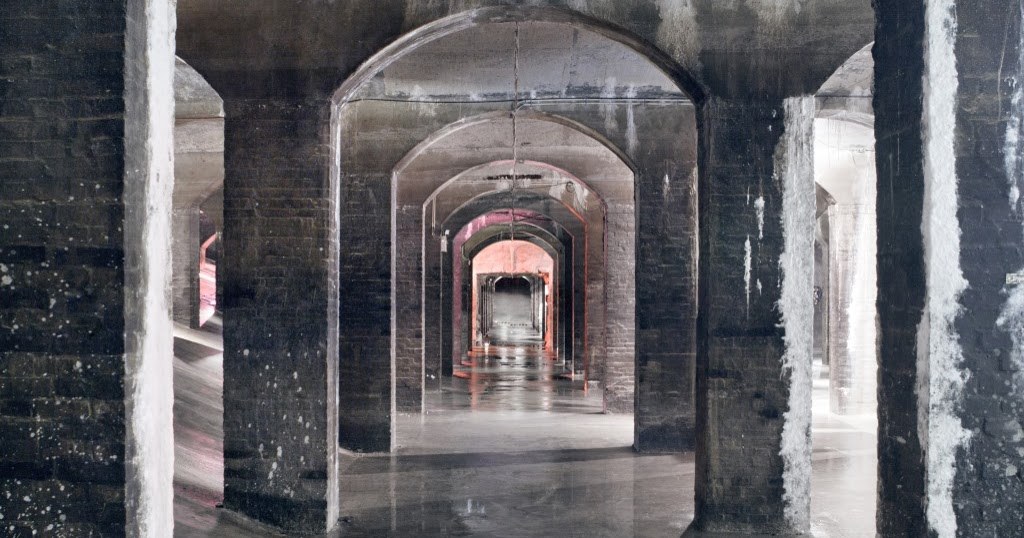 0 mi from CopenhagenCisternerne (The Cisterns) — Underground Art Space
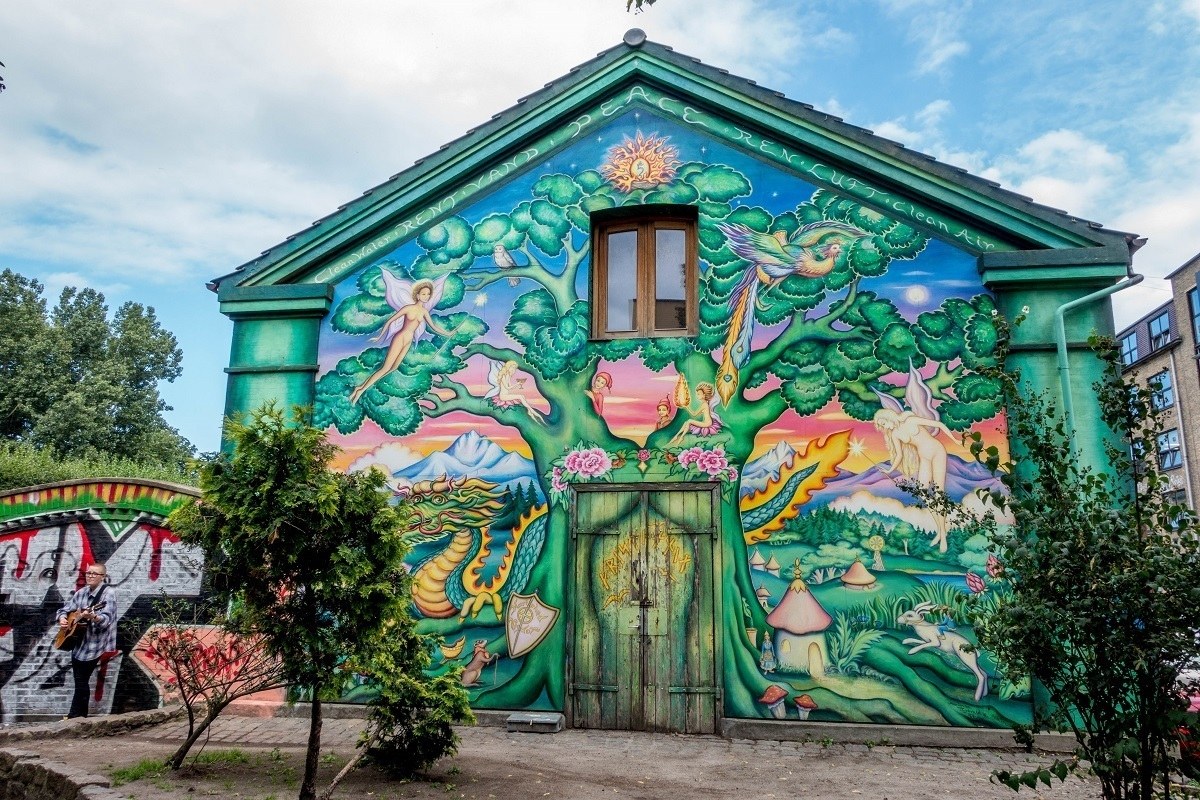 1 mi from CopenhagenFreetown Christiania Guided Tour
 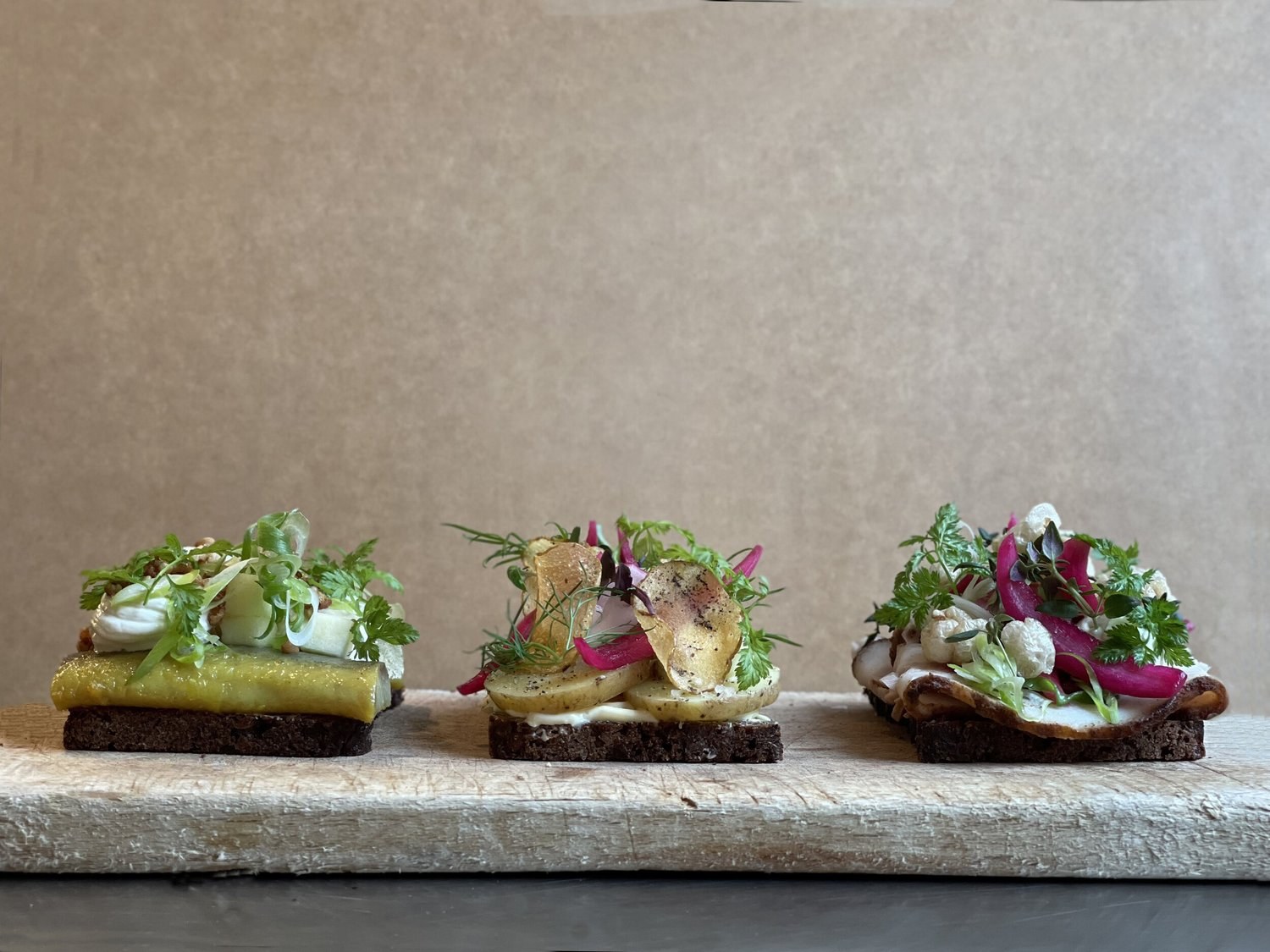 5 mi from Copenhagen · land adventureCopenhagen's Royal Canals, Underground Art & Nordic Feasts
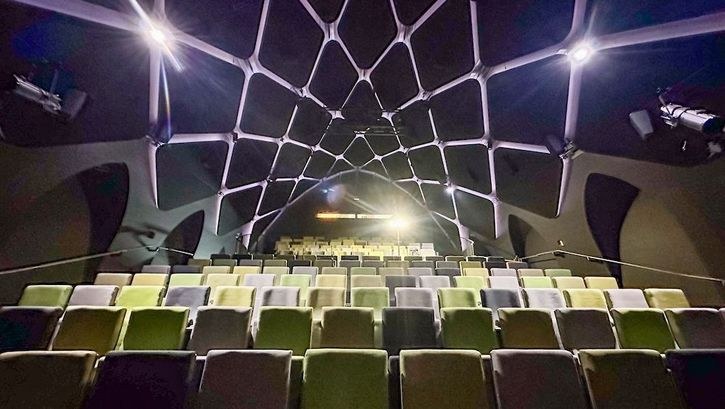 232 mi from Copenhagen · land adventureBerlin's Underground, Untold, and Unforgettable: An Adventure Guide
 The same trip, elevated
The same gateway on a more luxurious line — lead-in fare per person, same fare as booking direct.