Your cruise
Norwegian Jade · 10-night Asia cruise, Tokyo to Hong Kong
Nov 29 – Dec 9 · 10 nights ·
Day 1 Tokyo (board) · Day 2 Shimizu · Day 3 Osaka (Kyoto and Nara) · Day 4 Kochi · Day 5 Hiroshima · Day 6 at sea · Day 7 Okinawa (Naha) · Day 8 Keelung (Taipei) · Day 9 at sea · Day 10–11 Hong Kong (step off)
What you do A bespoke private full-day journey to Japan's most iconic landscape — Mt. Fuji and the volcanic wonders of Hakone. Your licensed guide collects you dockside for an unhurried, deeply personal encounter with Japan's sacred peak.
What to expect Your guide meets you directly at Shimizu Port and escorts you in a private vehicle through the Fuji Five Lakes region, stopping at the most photogenic viewpoints of the sacred volcano. You'll visit the torii gate of Hakone Shrine rising from Lake Ashi before exploring the sulphurous steam vents of Owakudani. The pace is entirely yours — a genuine luxury rarely available on group excursions. Every detail, from entry tickets to insider commentary on Shinto traditions, is handled for you.
Good to know Book well in advance — private guides fill quickly on cruise call days. Confirm your ship's all-aboard time with your guide (typically 17:00–18:00); the tour is designed to return you with ample time. Fuji visibility is weather-dependent; a morning departure maximises clear views before afternoon cloud build-up.
book direct with Japan Guide Agency (J-G-A) → · the full guide →
What you do Glide across mirror-calm Lake Ashi with Mt. Fuji as your backdrop, pass beneath Hakone Shrine's iconic water torii, then feel the earth's raw power at Owakudani's steaming volcanic vents. A quintessential Japan bucket-list day.
What to expect Depart Shimizu Port and ascend into the Hakone caldera, where the air cools and the landscape shifts to cedar forests and steaming vents. At Owakudani, try the legendary black eggs (kuro-tamago) said to add seven years to your life, cooked in the sulphurous springs. A scenic ropeway or sightseeing cruise on Lake Ashi brings you face-to-face with Hakone Shrine's red torii rising from the water — one of Japan's most photographed moments. Your guide ensures you understand the deep spiritual significance of this UNESCO-recognised landscape.
Good to know Owakudani access can be restricted during elevated volcanic activity — your operator will have an alternative plan. Lake Ashi cruises and ropeway tickets are typically included; confirm at booking. Allow a 2–2.5 hour return transfer from Hakone to Shimizu Port.
book direct with Japan Shore Excursions → · the full guide →
What you do Ascend to Japan's most ornate Toshogu Shrine — a National Treasure perched atop Mt. Kunozan overlooking Suruga Bay — via a dramatic 1,159-step staircase or scenic ropeway. This is Ieyasu Tokugawa's first resting place, and it is breathtaking.
What to expect The ropeway glides up over forested slopes to reveal sweeping panoramas of Suruga Bay and, on clear days, the full cone of Mt. Fuji beyond. The shrine complex itself is a masterpiece of Momoyama-era architecture — vivid vermilion lacquer, intricate wood carvings, and gilded gates that rival Nikko's famous Toshogu. Inside the treasure museum, Ieyasu's personal armour and artefacts offer a direct line to the samurai age. The descent by stairs through towering cryptomeria forest is a meditative, unforgettable finale.
Good to know Shimizu Station is the nearest hub; combine with a private guide for context. The ropeway closes periodically for maintenance — check ahead. The shrine is just 20–30 minutes from the port by taxi, making it ideal even on a tighter schedule. Wear comfortable shoes for the steps.
book direct with Kunozan Toshogu Shrine (Official) → · the full guide →
What you do Walk Japan's longest pedestrian suspension bridge — 400 metres of heart-stopping views over Mt. Fuji — then decompress in Shuzenji, Izu's most elegant ancient hot-spring town. Drama and serenity in one extraordinary day.
What to expect The Mishima Skywalk bridge sways gently 70 metres above a river gorge, with Fuji's perfect cone framed ahead of you on clear days — a photograph you will show for the rest of your life. From there, your journey continues to Shuzenji, a hot-spring town that has drawn Zen monks, poets, and nobility for over 1,200 years. Stroll the willow-lined Katsura River, visit the ancient Shuzenji Temple, and enjoy a private kaiseki lunch or onsen footbath at a traditional ryokan. The bamboo grove path is a serene, Instagram-worthy finale.
Good to know Shuzenji is approximately 60–70 minutes from Shimizu Port by private vehicle. Book a private guide to connect both experiences seamlessly and ensure you return to port comfortably. Mishima Skywalk can be busy on weekends — a morning start is strongly advised.
book direct with Japan Shore Excursions → · the full guide →
What you do Trace the journey of Mt. Fuji's ancient snowmelt from the ethereal curtain of Shiraito Falls — a UNESCO World Heritage site — to the crystal-clear sacred springs of Oshino Hakkai. Nature at its most transcendent, just beyond Fuji's skirts.
What to expect Shiraito Falls cascades in a 150-metre-wide lace curtain of crystalline water — not from a river above, but directly from Fuji's volcanic rock, filtered over centuries through the mountain's ancient lava layers. The sound and sight are otherworldly. From there, Oshino Hakkai's eight ponds each shimmer with impossibly clear Fuji snowmelt, the mountain reflected in their glassy surfaces. Local artisans and food stalls offer Fuji-region delicacies, and your guide provides deep cultural context about Japan's reverence for this living volcano.
Good to know Both sites are approximately 75–90 minutes from Shimizu Port by private vehicle. Shiraito Falls is a short walk from the car park; Oshino Hakkai is flat and easy. Book early morning departures to coincide with the clearest Fuji views. Confirm your all-aboard time when booking — guides here are accustomed to cruise schedules.
book direct with GetYourGuide (local licensed operator) → · the full guide →
What you do Stand atop Nihondaira — the summit voted Japan's most beautiful viewpoint — and look out over Suruga Bay, Mt. Fuji, and the Izu Peninsula, then walk the ancient pine grove of Miho-no-Matsubara, a UNESCO World Heritage shore of ethereal beauty.
What to expect The Nihondaira Yume Terrace's dramatic cantilevered observation deck delivers a 360-degree panorama that stops even seasoned travellers in their tracks — Fuji to the north, the Pacific to the south, and Shimizu's bay sparkling below. A short ropeway descends to Kunozan Toshogu Shrine if time allows. Then your driver takes you to Miho-no-Matsubara, where 30,000 ancient pine trees line a curved white-sand shore, the air scented with salt and resin. Mt. Fuji rises above the blue bay beyond the pines — the scene immortalised in countless woodblock prints by Hokusai and Hiroshige.
Good to know Both sites are within 20–40 minutes of Shimizu Port, making this ideal for half-day or flexible itineraries. Miho-no-Matsubara is a UNESCO World Heritage component of the 'Fujisan' inscription — bring a camera and allow time to walk its full length. The Yume Terrace is best visited early morning before haze develops.
book direct with Japan Shore Excursions → · the full guide →
What you do Explore Tokyo's most iconic districts — Asakusa, Shibuya, Shinjuku and the Imperial Palace — guided by a nationally licensed, multilingual expert on an entirely private itinerary tailored to you. This is Tokyo at your pace, through a connoisseur's eyes.
What to expect Your guide meets you at the terminal and whisks you into Tokyo's layered world: the incense haze of Sensō-ji, the electric scramble at Shibuya Crossing, the raked gravel calm of Imperial Palace East Gardens. Lunch is arranged at a chef-selected restaurant befitting your taste. The day is a seamless private narrative rather than a checklist, ending with enough time to return comfortably before all-aboard.
Good to know Book well in advance — licensed private guides are in high demand. Confirm your ship's all-aboard time so your guide can plan the return; Tokyo International Cruise Terminal (Ariake) is roughly 30–40 min by taxi or direct Yurikamome rail from central Tokyo.
book direct with Japan Guide Association (JGA) – Official Licensed Guides → · the full guide →
What you do Ascend the world's second-tallest structure to 634 metres for a panorama stretching from Mount Fuji to Tokyo Bay. On a clear day the view is simply one of the great urban spectacles on earth.
What to expect A high-speed elevator whisks you to the Tembo Deck at 350 m in under 60 seconds. A second ascent takes you to the Tembo Galleria, a glass-walled spiral walkway at 450 m where the floor disappears beneath your feet over the Tokyo skyline. The adjacent Solamachi shopping and dining complex adds a refined post-visit option before heading back.
Good to know Pre-purchase timed-entry tickets online — they sell out days ahead, especially on weekends. From Tokyo International Cruise Terminal, take the Yurikamome line to Asakusa, then the Tobu Skytree Line — allow 50 min total. Allow 2 hrs for both decks. Confirm weather forecast: Mount Fuji views require clear skies.
book direct with Tokyo Skytree (Official) → · the full guide →
What you do Step inside teamLab Borderless — the world's most visited single-artist museum — where thousands of laser projections dissolve boundaries between art and visitor. There are no maps; every room is a living, breathing, bucket-list spectacle.
What to expect You wander freely through interconnected rooms where waterfalls, forests, and koi ponds exist entirely as light and projection — and shift when you touch them. The 'Athletic Forest' zone challenges the body as much as the mind. No two visits are identical; the art evolves in real time. Budget at least two hours, though most guests lose track of time entirely.
Good to know The new Azabudai Hills venue is a taxi/subway ride from the cruise terminal — allow 40 min. Wear comfortable shoes (some zones involve steps and uneven surfaces). Timed-entry tickets are date- and time-specific; book the earliest slot to leave the afternoon free for other stops. Avoid white clothing as projections can stain perception.
book direct with teamLab Borderless Tokyo (Official) → · the full guide →
What you do Explore the legendary Tsukiji Outer Market with a private chef guide who navigates the stalls, sources the finest morning catch, and explains the art of Edomae sushi — ending at a reserved counter for an unforgettable omakase breakfast.
What to expect The morning begins in the alley labyrinth of Tsukiji Outer Market as vendors arrange glistening tuna, sea urchin, and seasonal shellfish. Your chef-guide explains provenance, seasonality, and the knife traditions behind each cut. A tamagoyaki (rolled omelette) master lets you watch the craft up close. The tour culminates at a reserved sushi counter where the chef orders on your behalf — a succession of impossibly fresh nigiri paired with explanations of each piece.
Good to know Tsukiji Outer Market is most vibrant 7–10 am; an early start is essential and pairs well with an early all-aboard schedule. The market is approximately 30 min by taxi from Tokyo International Cruise Terminal. Confirm any dietary restrictions with Context Travel at booking. Sturdy shoes are advised — the alleys are narrow and sometimes wet.
book direct with Context Travel Tokyo – Expert-Led Food Tours → · the full guide →
What you do Walk the ancient cedar-forested approach to Tokyo's most sacred Shinto shrine, then emerge into Harajuku's kaleidoscopic street culture — a single morning that captures the full spiritual and creative soul of Tokyo.
What to expect The 700-metre forested gravel path to Meiji Jingu feels remote despite being at the heart of 14-million-person Tokyo — a genuine hush descends. Your guide explains the daily rituals, points out the sake-barrel wall offered by French wineries, and arranges a quiet moment at the inner shrine. The short walk to Harajuku delivers the visual shock of kawaii fashion and the understated elegance of Omotesandō boutiques — Dior, Louis Vuitton, and local ateliers alike.
Good to know Shoulders and knees should be covered or a scarf carried for the shrine approach. From the cruise terminal, take the Yurikamome to Shimbashi then JR Yamanote Line to Harajuku — approx. 50 min. The combined experience takes 3–4 hours; pairs perfectly with a lunch reservation on Omotesandō. Book your GoWithGuide guide at least 2 weeks ahead.
book direct with GoWithGuide – Private Tokyo Local Guides → · the full guide →
What you do Ascend the beloved iron icon of Tokyo at golden hour for the exclusive Diamond Tour — access to both the Main Deck at 150 m and the Top Deck at 250 m, limited to just 70 guests per day. A sunset over the Tokyo skyline from here is a memory for life.
What to expect Tokyo Tower glows tangerine and crimson at dusk — a deliberate nod to the Eiffel Tower's evening palette — and from the glass-floor panels of the Top Deck, the city grid fans out to Tokyo Bay and beyond. The Diamond Tour guide explains the tower's 1958 construction story and its role as Tokyo's emotional heartbeat. The lounge offers premium refreshments as the city lights ignite below you.
Good to know Book online the moment your itinerary is confirmed — the 70-person cap sells out fast, especially on weekends and holidays. Tokyo Tower is in Minato, roughly 40 min by taxi from the cruise terminal. Plan to arrive at least 30 min before your slot. A sunset slot (approximately 5–6 pm) is spectacular but confirm your ship's all-aboard time allows for it.
book direct with Tokyo Tower (Official) → · the full guide →
What you do A bespoke private full-day journey to Japan's most iconic landscape — Mt. Fuji and the volcanic wonders of Hakone. Your licensed guide collects you dockside for an unhurried, deeply personal encounter with Japan's sacred peak.
What to expect Your guide meets you directly at Shimizu Port and escorts you in a private vehicle through the Fuji Five Lakes region, stopping at the most photogenic viewpoints of the sacred volcano. You'll visit the torii gate of Hakone Shrine rising from Lake Ashi before exploring the sulphurous steam vents of Owakudani. The pace is entirely yours — a genuine luxury rarely available on group excursions. Every detail, from entry tickets to insider commentary on Shinto traditions, is handled for you.
Good to know Book well in advance — private guides fill quickly on cruise call days. Confirm your ship's all-aboard time with your guide (typically 17:00–18:00); the tour is designed to return you with ample time. Fuji visibility is weather-dependent; a morning departure maximises clear views before afternoon cloud build-up.
book direct with Japan Guide Agency (J-G-A) → · the full guide →
What you do Glide across mirror-calm Lake Ashi with Mt. Fuji as your backdrop, pass beneath Hakone Shrine's iconic water torii, then feel the earth's raw power at Owakudani's steaming volcanic vents. A quintessential Japan bucket-list day.
What to expect Depart Shimizu Port and ascend into the Hakone caldera, where the air cools and the landscape shifts to cedar forests and steaming vents. At Owakudani, try the legendary black eggs (kuro-tamago) said to add seven years to your life, cooked in the sulphurous springs. A scenic ropeway or sightseeing cruise on Lake Ashi brings you face-to-face with Hakone Shrine's red torii rising from the water — one of Japan's most photographed moments. Your guide ensures you understand the deep spiritual significance of this UNESCO-recognised landscape.
Good to know Owakudani access can be restricted during elevated volcanic activity — your operator will have an alternative plan. Lake Ashi cruises and ropeway tickets are typically included; confirm at booking. Allow a 2–2.5 hour return transfer from Hakone to Shimizu Port.
book direct with Japan Shore Excursions → · the full guide →
What you do Ascend to Japan's most ornate Toshogu Shrine — a National Treasure perched atop Mt. Kunozan overlooking Suruga Bay — via a dramatic 1,159-step staircase or scenic ropeway. This is Ieyasu Tokugawa's first resting place, and it is breathtaking.
What to expect The ropeway glides up over forested slopes to reveal sweeping panoramas of Suruga Bay and, on clear days, the full cone of Mt. Fuji beyond. The shrine complex itself is a masterpiece of Momoyama-era architecture — vivid vermilion lacquer, intricate wood carvings, and gilded gates that rival Nikko's famous Toshogu. Inside the treasure museum, Ieyasu's personal armour and artefacts offer a direct line to the samurai age. The descent by stairs through towering cryptomeria forest is a meditative, unforgettable finale.
Good to know Shimizu Station is the nearest hub; combine with a private guide for context. The ropeway closes periodically for maintenance — check ahead. The shrine is just 20–30 minutes from the port by taxi, making it ideal even on a tighter schedule. Wear comfortable shoes for the steps.
book direct with Kunozan Toshogu Shrine (Official) → · the full guide →
What you do Walk Japan's longest pedestrian suspension bridge — 400 metres of heart-stopping views over Mt. Fuji — then decompress in Shuzenji, Izu's most elegant ancient hot-spring town. Drama and serenity in one extraordinary day.
What to expect The Mishima Skywalk bridge sways gently 70 metres above a river gorge, with Fuji's perfect cone framed ahead of you on clear days — a photograph you will show for the rest of your life. From there, your journey continues to Shuzenji, a hot-spring town that has drawn Zen monks, poets, and nobility for over 1,200 years. Stroll the willow-lined Katsura River, visit the ancient Shuzenji Temple, and enjoy a private kaiseki lunch or onsen footbath at a traditional ryokan. The bamboo grove path is a serene, Instagram-worthy finale.
Good to know Shuzenji is approximately 60–70 minutes from Shimizu Port by private vehicle. Book a private guide to connect both experiences seamlessly and ensure you return to port comfortably. Mishima Skywalk can be busy on weekends — a morning start is strongly advised.
book direct with Japan Shore Excursions → · the full guide →
What you do Trace the journey of Mt. Fuji's ancient snowmelt from the ethereal curtain of Shiraito Falls — a UNESCO World Heritage site — to the crystal-clear sacred springs of Oshino Hakkai. Nature at its most transcendent, just beyond Fuji's skirts.
What to expect Shiraito Falls cascades in a 150-metre-wide lace curtain of crystalline water — not from a river above, but directly from Fuji's volcanic rock, filtered over centuries through the mountain's ancient lava layers. The sound and sight are otherworldly. From there, Oshino Hakkai's eight ponds each shimmer with impossibly clear Fuji snowmelt, the mountain reflected in their glassy surfaces. Local artisans and food stalls offer Fuji-region delicacies, and your guide provides deep cultural context about Japan's reverence for this living volcano.
Good to know Both sites are approximately 75–90 minutes from Shimizu Port by private vehicle. Shiraito Falls is a short walk from the car park; Oshino Hakkai is flat and easy. Book early morning departures to coincide with the clearest Fuji views. Confirm your all-aboard time when booking — guides here are accustomed to cruise schedules.
book direct with GetYourGuide (local licensed operator) → · the full guide →
What you do Stand atop Nihondaira — the summit voted Japan's most beautiful viewpoint — and look out over Suruga Bay, Mt. Fuji, and the Izu Peninsula, then walk the ancient pine grove of Miho-no-Matsubara, a UNESCO World Heritage shore of ethereal beauty.
What to expect The Nihondaira Yume Terrace's dramatic cantilevered observation deck delivers a 360-degree panorama that stops even seasoned travellers in their tracks — Fuji to the north, the Pacific to the south, and Shimizu's bay sparkling below. A short ropeway descends to Kunozan Toshogu Shrine if time allows. Then your driver takes you to Miho-no-Matsubara, where 30,000 ancient pine trees line a curved white-sand shore, the air scented with salt and resin. Mt. Fuji rises above the blue bay beyond the pines — the scene immortalised in countless woodblock prints by Hokusai and Hiroshige.
Good to know Both sites are within 20–40 minutes of Shimizu Port, making this ideal for half-day or flexible itineraries. Miho-no-Matsubara is a UNESCO World Heritage component of the 'Fujisan' inscription — bring a camera and allow time to walk its full length. The Yume Terrace is best visited early morning before haze develops.
book direct with Japan Shore Excursions → · the full guide →
What you do Walk the sacred mountain of 10,000 vermilion torii gates before the crowds arrive. A private licensed guide leads you through misty forest shrines at the most ethereal hour of the day — a truly bucket-list Kyoto moment.
What to expect Your private, government-licensed guide meets you dockside and transfers you by private vehicle to Fushimi Inari Taisha, arriving as lanterns still glow in the pre-dawn light. You ascend the Senbon Torii tunnels at your own pace, pausing at hidden sub-shrines and fox deity altars draped in offerings. The guide weaves Shinto cosmology and personal storytelling into every step. You descend refreshed with time to spare for the rest of Kyoto.
Good to know Pre-book well in advance for early-morning slots. Allow 3–4 hours for Fushimi Inari alone. Confirm your all-aboard time and request a return window when booking — the operator is experienced with cruise schedules.
book direct with Japan Shore Excursions → · the full guide →
What you do Glide through Kyoto's iconic bamboo cathedral and stroll the UNESCO-listed Zen garden of Tenryu-ji on a fully private tour. The rustling canopy, koi ponds and mountain-framed raked gravel make this one of Japan's most sublime sensory experiences.
What to expect Door-to-door private transfer from Osaka cruise port delivers you to Arashiyama as the morning mist clings to the bamboo. You weave through the grove's emerald tunnels, then enter Tenryu-ji — a 14th-century Zen masterpiece whose 'borrowed scenery' garden frames the Arashiyama mountains. Your guide explains the garden's dry-landscape symbolism before you stroll along the Oi River at leisure. Optional rickshaw ride can be arranged for an extra layer of indulgence.
Good to know Rickshaw rides fill quickly; ask your operator to pre-arrange. The grove is a 75-minute drive from Osaka port — plan departure by 8:00 am for a relaxed morning. Tenryu-ji opens at 8:30 am.
book direct with Japan Shore Excursions → · the full guide →
What you do Command the full sweep of Japan's ancient capitals in a single day: Golden Pavilion, Bamboo Grove, Nara's sacred deer park, and Todai-ji's colossal Buddha — all on your own private itinerary with a licensed expert guide.
What to expect Your guide meets you at the port and whisks you north to Kyoto, where Kinkakuji's gold-leaf reflection shimmers on the mirror pond. The bamboo grove and Fushimi Inari are woven in based on your priorities, before the route sweeps east to Nara. In Nara Park, wild Sika deer bow for rice crackers against the backdrop of Todai-ji, home to Japan's largest bronze Buddha. The guide narrates 1,300 years of capital history with the ease of a storyteller, not a lecturer.
Good to know Confirm all-aboard time upfront — the operator is cruise-savvy and will build a return buffer. All major entry tickets (Kinkakuji, Tenryu-ji, Todai-ji) are typically included; verify at booking. Group size capped at 6 for genuine privacy.
book direct with GetYourGuide (Kyoto/Osaka: Kyoto and Nara Customized Private Guided Tour) → · the full guide →
What you do Spend an immersive half-day in Japan's first permanent capital — feeding sacred free-roaming deer, entering the world's largest wooden building, and uncovering 8th-century imperial history with a government-licensed expert guide.
What to expect A licensed guide meets you with private transport and introduces you to Nara's 1,200 wild Sika deer — designated national treasures — who roam freely through parkland and even bow for shika senbei crackers. Inside Todai-ji's Great Buddha Hall, you stand beneath the 15-metre bronze Daibutsu, one of the most awe-inspiring interiors in Asia. The guide contextualises Nara as Japan's first Buddhist capital, tracing the political intrigue behind each monument. A walk through lantern-hung Kasuga Taisha shrine closes the experience in quiet reverence.
Good to know Osaka to Nara is approx. 45 minutes by private car. Book 6-hour window to allow unhurried exploration. Deer crackers sold at park entrances (approx. JPY 200). Wear comfortable shoes — the park path from gate to Todai-ji is 1 km of gentle gravel.
book direct with Viator (Nara 6hr Private Tour with Government-Licensed Guide) → · the full guide →
What you do Two of Kyoto's most transcendent UNESCO sites back-to-back on a private tour: the gold-leafed temple floating on its mirror lake, and the world's most contemplated Zen rock garden — 15 stones, infinite interpretation.
What to expect Your private driver delivers you to Kinkakuji as morning light ignites the gold-leaf exterior above its still pond — one of the world's great visual moments. Your guide explains how Shogun Ashikaga Yoshimitsu commissioned this paradise as a retirement villa in 1397. The journey continues to Ryoan-ji, where you sit before 15 rocks arranged in raked white gravel, and your guide invites you to find all 15 from any single vantage point (you cannot). The profound silence of the karesansui garden is deeply restorative before returning to port.
Good to know Kinkakuji opens at 9:00 am — arrive early to beat school groups. Both sites are in northwest Kyoto and pair efficiently. Total time from Osaka port: allow 6–7 hours. Request a bilingual guide specialising in Zen Buddhism for maximum depth.
What you do Explore Kyoto's 400-year-old 'Kitchen of Japan' food market with a culinary guide, tasting tofu, pickles, wagashi sweets and dashi broths stall by stall — then sit down to a refined seasonal kaiseki lunch in a Gion machiya townhouse.
What to expect Your private culinary guide meets you in central Kyoto and leads you into the covered lanes of Nishiki Ichiba, where 100+ vendors have traded since the 1600s. You sample house-made yudofu, brine-cured Kyoto-style tsukemono pickles, freshly pounded mochi, and aged Nishiki miso straight from the barrel. The guide weaves food history and Buddhist dietary philosophy throughout. The morning culminates in a quietly spectacular kaiseki lunch — Japan's most refined culinary tradition — served course by seasonal course in a restored Gion machiya.
Good to know Nishiki Market is busiest after 11:00 am; an early start is ideal. Confirm kaiseki restaurant reservation at time of booking — tables in top Gion establishments require advance notice. Wear comfortable walking shoes; the market is pedestrianised. Allow 5–6 hours total from Osaka port.
book direct with Japan Shore Excursions → · the full guide →
What you do A bespoke, fully private full-day journey through Kochi's greatest highlights — Fort Kochi, Mattancherry Palace, spice markets and more — guided by a government-licensed expert who brings the city's layered history to vivid life.
What to expect Your government-licensed guide meets you at the port and whisks you through the atmospheric streets of Fort Kochi, pausing at the iconic Chinese Fishing Nets at their most photogenic hour. You'll explore Mattancherry Palace's stunning Kerala murals, wander the lanes of Jew Town, and browse fragrant spice warehouses that have perfumed this coast for centuries. The pace is entirely yours — linger where you choose, skip what you don't, and enjoy a curated lunch at a heritage restaurant.
Good to know Book directly through Japan Shore Excursions with cruise port pickup included. Confirm all-aboard time with your ship and build in 30 min buffer. Pre-book at least 2 weeks ahead for private guide availability.
book direct with Japan Shore Excursions → · the full guide →
What you do Paddle through the impossibly turquoise waters of Japan's Niyodo River on a small-group stand-up paddleboarding adventure — arguably the most pristine and beautiful river in all of Japan, rated a bucket-list natural wonder.
What to expect Kochi Prefecture, Japan's Shikoku island, is home to the Niyodo River — consistently rated Japan's clearest river, its waters an ethereal shade of aquamarine fed by pristine mountain springs. Your certified guide equips you with a paddle board and leads the small group downstream through forested gorges, past mossy boulders and under cedar canopies. Calm stretches invite you to peer through the glass-clear water to the riverbed below; gentle rapids add a pulse of excitement. A riverside bento lunch and post-paddle onsen option complete the experience.
Good to know The Niyodo River is approximately 60–90 minutes from Kochi Port by private car or taxi — factor in travel time and book an early-morning slot to return comfortably before all-aboard. Book directly via Visit Kochi Japan's official tour portal. Suitable for all fitness levels; no prior SUP experience necessary.
book direct with Visit Kochi Japan – Official Tours → · the full guide →
What you do A fully private, expert-led day uniting Hiroshima's two UNESCO World Heritage sites — the Peace Memorial Park & Atomic Bomb Dome and the iconic floating Torii Gate of Itsukushima Shrine on Miyajima Island. The ultimate bucket-list pairing in a single shore day.
What to expect Your licensed private guide meets you at the port and whisks you first to the Peace Memorial Park, where you linger at the Cenotaph, Children's Peace Monument and the haunting Atomic Bomb Dome at your own pace. A focused visit to the Peace Memorial Museum follows — your guide provides layered historical context that transforms exhibits from information into lived understanding. You then ferry across to Miyajima Island, walking the ancient cedar-lined path to the vermilion Itsukushima Shrine and its legendary floating Torii at the water's edge. The day ends with a quiet moment on the island before your private transfer back to port.
Good to know Full-day tours run approximately 8–9 hours — confirm your ship's all-aboard time and communicate it to Michi Travel at booking to ensure a tailored return schedule. Pre-book as far in advance as possible; private licensed guides fill quickly on port days. Ferry to Miyajima takes ~10 min from Miyajima-guchi; included in most private tour packages. Book direct via michitravel.com.
book direct with Michi Travel Japan (Private Licensed Guides) → · the full guide →
What you do Walk the epicentre of 6 August 1945 with a Hiroshima Peace Volunteer guide through the Park and Museum, then stand face-to-face with the Atomic Bomb Dome — the only structure left standing at the hypocentre. Profoundly moving and utterly irreplaceable.
What to expect Certified Hiroshima Peace Volunteers lead a 90-minute English walking tour of the Peace Memorial Park, pausing at each monument to explain its significance with striking personal anecdotes and historical precision. Inside the museum, the East Building's timeline and West Building's human-scale testimonies — melted watches stopped at 8:15 a.m., a child's scorched tricycle — are given meaning far beyond what signage alone conveys. The reconstructed Atomic Bomb Dome, designated a UNESCO World Heritage Site, is approached last, its skeletal iron dome reflected in the Motoyasu River — a moment of absolute stillness. Allow a minimum of three to four hours for the full experience.
Good to know Peace Volunteer tours depart from the museum front at set times (typically 10:00 & 14:00); no advance booking required but arrive early. Museum opens 08:30 (Mar–Jul & Sep–Nov), 08:00 (Aug). Closed the last Mon of Dec. From the cruise port, take the Hiroshima Electric Railway (tram) to Genbaku-dome-mae — approx. 30–40 min, JPY 190. Allow ample buffer before all-aboard.
book direct with Hiroshima Peace Memorial Museum (Official) → · the full guide →
What you do Ride the ropeway to the summit of sacred Mt. Misen (535 m) for panoramic Seto Inland Sea views, then descend to the water-lapped Itsukushima Shrine and its legendary floating Torii Gate — a single excursion that delivers both spiritual grandeur and breathtaking natural beauty.
What to expect A short JR ferry crossing (included in JR Pass or JPY 180 one-way) brings you to the island, where free-roaming sika deer greet you on the stone-paved lanes. The ropeway whisks you up through dense forest to獅子岩 (Shishi-iwa) Station and a short trail leads to Misen's summit — commanding views across the island-studded Seto Sea reward every step. Back at sea level, Itsukushima Shrine's vermilion corridors appear to float on the tidal flats, and at high tide the great Torii Gate rises from open water in one of Japan's most iconic vistas. Oysters grilled on the waterfront and freshly made momiji-manju (maple-leaf cakes) make the perfect island farewell.
Good to know Check tide tables before departure — the floating Torii effect is best at high tide (check visit-miyajima.com). The ropeway can have queues on busy port days; arrive by 09:00–09:30 to beat the midday rush. From Hiroshima port, take a taxi or tram to Hiroden-Miyajima-guchi and board the JR Ferry (~50 min total travel). Allow at least 5–6 hours on the island. Pre-purchase ropeway tickets online to save time.
book direct with Miyajima Ropeway (Hiroshima Prefecture Official) → · the full guide →
What you do Explore the beautifully restored 16th-century 'Carp Castle' — Hiroshima's feudal centrepiece — with its five-storey keep housing immersive samurai-era exhibits, then ascend to the top floor for sweeping views over the city and distant Inland Sea.
What to expect Originally built in 1589 by feudal lord Mori Terumoto and faithfully reconstructed after 1945, the castle keep contains five floors of absorbing exhibits tracing Hiroshima's samurai heritage — armour, swords, maps and scale models bring the Edo period vividly to life. The top floor observation deck frames the Peace Memorial Park and Chugoku mountains in a single vista that is surprisingly affecting given the city's history. Immediately adjacent, the 400-year-old Shukkei-en strolling garden offers tea-pavilion tranquillity beside a miniature lake — a moment of calm between landmarks. Local volunteers occasionally offer free English commentary at the garden.
Good to know Hiroshima Castle is a 15-minute tram ride (Hiroden Line 9) from Hiroshima Station, or a short taxi from the Peace Park area. Opening hours 09:00–18:00 (Mar–Nov), 09:00–17:00 (Dec–Feb). Combine with Peace Memorial Park for an efficient cultural full morning — they are just 1.5 km apart. No advance booking required; buy tickets at the gate.
book direct with Hiroshima Castle (Official City Museum) → · the full guide →
What you do Learn to make Hiroshima-style okonomiyaki — the city's beloved layered savoury pancake, wildly different from Osaka's version — in a hands-on class at Okonomi-mura, the legendary three-storey 'village' of 25 competing family stalls that has fed locals since 1945.
What to expect Your class begins with a briefing on how Hiroshima-style okonomiyaki differs from all others — the layers of cabbage, pork belly, yakisoba noodles and egg are built on a flat teppan griddle with the precision of a craft. Under a local chef's guidance, you master the technique yourself, flipping and layering until your own perfect version is ready to eat. The class wraps with sake or Japanese craft beer pairing and recommendations for the city's best street-food. Afterwards, Okonomi-mura's atmospheric stalls — each a tiny, smoky theatre of cast-iron — beckon for a second course or a Hiroshima lemon chuhai.
Good to know Classes are small-group (typically 6–10 people) and run in English; book at least 2 weeks ahead as they sell out on port days. Okonomi-mura is in central Hiroshima — a 10-min tram ride from the Peace Park area. The experience takes 2–2.5 hours, making it an ideal complement to a morning at the Peace Memorial. Vegetarian and gluten-free adaptations available on request.
What you do Step inside the beating heart of Hiroshima's greatest industrial legacy on an exclusive factory floor tour at the MAZDA Museum — tracing the brand's rise from near-atomic-bomb destruction to global automotive icon, with live assembly-line access unavailable to the general public.
What to expect Your guided tour (approximately 90 minutes, English available) opens in the heritage showroom where the original three-wheeled Mazda-Go of 1931 stands alongside rotary-engine legends and concept vehicles. You then step onto the Ujina Plant assembly floor — robots and humans working in choreographed precision building the latest models in real time, a spectacle of engineering that even non-car enthusiasts find mesmerising. The tour concludes with the brand's powerful post-war narrative: MAZDA's Ujina plant was one of only a handful of Hiroshima buildings to survive the blast, and the company became a cornerstone of the city's remarkable reconstruction. A visit to the showroom boutique rounds out the experience.
Good to know Reservations are mandatory and must be made in advance via the MAZDA Museum website (mazda.com/en/about/museum/). English tours are offered on select days — check the calendar carefully. The factory is in Fuchu-cho, approximately 20–25 min by taxi from the city centre or Hiroshima port. Photography is restricted on the factory floor. Tours fill weeks in advance on cruise port days; book the moment your itinerary is confirmed.
book direct with MAZDA Motor Corporation (Official Museum Tours) → · the full guide →
What you do Step inside the flame-red fortress that was the seat of the Ryukyu Kingdom for 500 years. A private expert guide unlocks the political intrigues, spiritual ceremonies, and architectural genius of a civilization unlike any other in Asia.
What to expect Ascend the stone-paved approach through successive vermilion gates, each marking a shift in rank and ritual. Inside the Seiden main hall, your guide decodes the Chinese-Japanese-Ryukyuan fusion of lacquerwork, textiles, and royal regalia. The panoramic view over Naha from the castle walls is breathtaking. Allow 2–3 hours for a genuinely immersive visit.
Good to know Shuri Castle is 30 min by taxi from Naha Cruise Terminal (approx. JPY 1,500–2,000). Book your private guide in advance through a licensed Okinawa guide association. Restoration of the Seiden is ongoing after the 2019 fire; outer structures and grounds are fully open. All-aboard is typically 5–6 pm — a morning start is ideal.
book direct with Shuri Castle (Official / Japan Heritage Site) → · the full guide →
What you do The Kerama Islands — a UNESCO-recognized marine sanctuary 35 km offshore — hold some of the clearest waters on Earth (Kerama Blue) and coral gardens teeming with manta rays, sea turtles, and tropical fish. A private boat charter puts you there in complete exclusivity.
What to expect Your charter departs early from Tomari Port, reaching the Kerama Shoto in under an hour. Anchor at Nishibama Beach or the outer reef at Zamami for snorkelling in visibility exceeding 30–40 metres. Hawksbill turtles are virtually guaranteed year-round. On deck between dives, cold Orion beer and a bento lunch from a local shokudo are de rigueur.
Good to know Tomari Port is a 10-minute taxi from Naha Cruise Terminal. Book the charter well in advance — summer months fill fast. Confirm your ship's all-aboard time carefully; the ferry schedule is fixed but a private charter offers full flexibility. Best April–October for calm seas.
book direct with Zamami Village Tourism Association (Official Kerama Operator) → · the full guide →
What you do The Okinawa Churaumi Aquarium is home to the world's largest acrylic panel and one of only a handful of places on Earth housing whale sharks in captivity. Pair it with the dramatic coral-limestone cliffs of Cape Manzamo for an iconic Okinawa half-day.
What to expect The drive north through central Okinawa passes sugarcane fields and traditional red-tiled villages. At Churaumi, the Kuroshio Tank's 7.5-metre-deep acrylic wall frames whale sharks, manta rays, and reef species in a single breathtaking panorama. Cape Manzamo's clifftop path delivers sweeping East China Sea views and the scent of subtropical wild herbs underfoot.
Good to know Allow 90 min drive each way from Naha. A full day ashore (8 am–5 pm) is essential. Hire a private English-speaking driver/guide through a licensed Okinawa guiding service. Pre-purchase aquarium tickets online to skip queues. Smart-casual attire; bring a hat and sunscreen.
book direct with Ocean Expo Park – Churaumi Aquarium (Official) → · the full guide →
What you do Ryukyuan cuisine — shaped by 500 years of trade with China, Japan, and Southeast Asia — is one of Japan's most distinctive food cultures. A private chef-led market tour and hands-on cooking class in a traditional Naha machiya townhouse makes this a deeply personal encounter.
What to expect Begin at Makishi Public Market, Naha's vivid two-story food hall, where your guide navigates the surreal display of purple taro, Okinawan sea grapes (umi-budo), mozuku seaweed, and whole turmeric. Then move to a private kitchen to prepare champuru stir-fry, rafute braised pork belly, and umibudo with ponzu. Sit down to eat what you've made, paired with Okinawan awamori rice spirit.
Good to know Makishi Market is 15 min on foot or 5 min by taxi from Naha Cruise Terminal. Book your private culinary guide at least 2 weeks ahead. Dietary requirements accommodated with advance notice. Session runs approx. 3–4 hours, comfortably fitting a morning ashore.
book direct with Naha City Tsuboya & Makishi Public Market (with licensed private culinary guide) → · the full guide →
What you do Yachimun — Okinawan folk pottery — has been fired in the Tsuboya district of Naha for over 350 years. A private workshop with a master potter offers a hands-on, intimate window into one of Japan's most vibrant regional craft traditions.
What to expect The Tsuboya lane is a living craft district: kilns still smoke, studios open onto the street, and potters throw bowls for daily use. Your private session begins with a brief museum orientation on Ryukyuan glaze traditions (the lion-dog shisa, the bold cobalt-and-cream palette), then moves to a working studio. Throw your own piece on the wheel, glaze it, and arrange to have it shipped home after firing.
Good to know Tsuboya is a 20-minute walk or 5-minute taxi from Naha Cruise Terminal — one of the most walkable excursions from the port. Allow 2.5–3 hours. Wear clothes you don't mind getting clay on. Shipping your finished piece internationally typically costs JPY 2,000–5,000 depending on destination.
What you do Nakagusuku Castle, a hauntingly beautiful UNESCO World Heritage ruin perched above the Pacific, and the vast Gyokusendo stalactite cave system at Okinawa World together reveal 6,000 years of island history in a single magnificent day.
What to expect Begin at Nakagusuku Castle at sunrise — its coral-limestone ramparts glowing orange, the Pacific shimmering below on both sides of the peninsula. Your guide reads the stones: the arrow slits, the sacred utaki grove, the unfinished wall that marks where the kingdom fell. After lunch in a local soba shop, descend into Gyokusendo — 890 metres of illuminated stalactites and underground rivers, the longest cave system in East Asia. Emerge into Okinawa World's traditional village for a private habu-snake show and awamori tasting.
Good to know Both sites are 30–45 min drive from Naha Cruise Terminal. A full day ashore is required; depart no later than 8:30 am. The cave maintains a cool 21°C year-round — bring a light layer. Pre-book your private guide to ensure English-language expertise at both sites.
What you do Wander the lantern-lit stone alleyways of Jiufen — the hillside village that inspired Studio Ghibli's aesthetic — then descend to the surreal golden cascade of the Gold Waterfall. A private car and guide mean your pace, your photos, your Taiwan.
What to expect Your driver meets you dockside at Keelung and whisks you 45 minutes into the mountains to Jiufen, arriving before the midday crowds. Explore the cascading red lantern-strewn alleyways and sip oolong in a clifftop teahouse with panoramic sea views. From there, continue to the ethereal Gold Waterfall at Jinguashi, where mineral-rich waters stain the rocks vivid amber. Finish with a stroll around the haunting ruins of the Crown Prince Chalet before returning to port.
Good to know Allow 6–7 hours; Jiufen is 45 min from Keelung port. Book the teahouse (A-MEI Tea House) in advance on weekends. Confirm all-aboard time with your ship and ask your guide to track it — most private drivers are expert at port timings.
book direct with Taiwan Private Tours (local licensed guide service) → · the full guide →
What you do Home to the world's greatest collection of Chinese imperial art — over 700,000 artifacts — the National Palace Museum is one of Asia's true cultural crown jewels. A private expert guide transforms it from overwhelming to utterly absorbing.
What to expect Your private guide meets you at the museum entrance in Shilin and immediately navigates you past the queues to the Northern Court's most treasured galleries. You'll spend unhurried time with the famous Jadeite Cabbage and marvel at the astronomical precision of Qing-dynasty enamelware. The guide weaves stories of imperial intrigue, wartime evacuation from Beijing, and the cultural stakes of these objects that no audio guide can match. End with a refined lunch at the museum's Palace Café overlooking the classical gardens.
Good to know Keelung to NPM is about 50 min by taxi or private car (approx. TWD 800 one-way). Museum opens at 09:00; book guide at least 1 week ahead. Allow 4.5–5 hours door-to-door. Online ticket booking at npm.gov.tw reduces queuing.
What you do Combine a spectacular helicopter flight over the marble-walled Taroko Gorge with a private guided walk through its jade-green river canyons — one of Asia's most dramatic natural wonders, seen from above and within on the same day.
What to expect An early-morning high-speed train or private car (2.5 hrs) delivers you to Hualien, gateway to Taroko. A short helicopter transfer lifts you above the sheer 1,000-metre marble cliffs and turquoise Liwu River — a jaw-dropping 15-minute panorama. On the valley floor, your naturalist guide leads you through the Shakadang Trail and Swallow Grotto, pointing out marble formations millions of years in the making and sharing the heritage of the Truku aboriginal people. Return by train to Keelung in the late afternoon.
Good to know This is a FULL-DAY commitment — depart port by 07:00, return by 19:00; confirm ship's all-aboard carefully. Book helicopter well in advance (weather cancellations possible; have a backup plan). Taroko Park entry is free. Train: Keelung→Hualien approx. TWD 340.
book direct with Formosa Airlines Helicopter Tours / Taroko National Park licensed guide → · the full guide →
What you do Taiwan is Asia's undisputed street-food capital AND a Michelin destination. This private evening food journey pairs a reservation at a starred or Bib Gourmand restaurant with an insider's tour of Ningxia or Shilin Night Market, guided by a passionate local food expert.
What to expect Your guide meets you in central Taipei and begins with an orientation over freshly brewed oolong at a century-old tea merchant. You're escorted to a pre-booked lunch — perhaps the legendary Din Tai Fung on Xinyi Road for its benchmark xiao long bao, or the innovative tasting menu at RAW by chef André Chiang. As dusk falls, Ningxia Night Market comes alive: oyster vermicelli, pineapple cake sampling, bubble tea at its birthplace, and stinky tofu for the brave. The guide curates every bite with cultural context, history, and perfect Mandarin ordering.
Good to know Keelung to central Taipei is 40 min by Taiwan Railways (TRA) from Keelung Station — very convenient. Evening tours suit ships with late all-aboard; confirm timing. Book Din Tai Fung (Xinyi) or RAW well in advance — weeks ahead in peak season. Tasting Taiwan recommends groups of 2–8.
What you do Soak in the world-renowned radium-rich hot springs of Beitou in a private onsen suite at a Japanese-era luxury ryokan — a rare geothermal phenomenon found in only two places on earth, right on Taipei's doorstep.
What to expect A 40-minute taxi or MRT ride from Keelung delivers you to Beitou, a leafy thermal valley where Japanese colonial spa culture survives beautifully intact. Check into a private tatami-floored suite at Spring City Resort, where milky jade-green spring water flows directly into your stone soaking tub. Between soaks, stroll to the stunning 1913 Beitou Hot Spring Museum — a Hokkaido-style wooden library built over a stream — and browse the preserved Japanese-era Bathhouse District. Emerge glowing for an unhurried lunch of Taiwanese bento at a valley teahouse before returning to port.
Good to know Private suite bookings at Spring City Resort fill fast on weekends — book at least 1–2 weeks ahead online. Keelung to Beitou: ~40 min by taxi (TWD 500–600) or TRA + MRT (TWD 50). Allow 4–5 hours. Bring a swimsuit for public areas; private suites require no swimwear.
What you do Stand amid the alien moonscape of Yehliu Geopark's wind-sculpted sandstone 'mushroom rocks' and Queen's Head formation, then sail the golden-hour waterfront of historic Tamsui — Taiwan's two most photogenic coastal icons in one elegant half-day.
What to expect Departing Keelung port, your private driver heads 30 minutes up the rugged Northeast Coast to Yehliu, where millennia of sea erosion have carved sandstone into extraordinary organic forms. Your guide navigates the restricted inner zone where the Queen's Head and Fairy's Shoe await — dramatic formations most visitors photograph from afar. After Yehliu, the scenic coastal road leads 45 minutes to Tamsui's colonial waterfront: Fort San Domingo (1629), the Customs Officer's House, and the legendary 'a-gei' fish cake at old street vendors. Watch the sun dip behind the mountains over the Tamsui River estuary before your 30-minute return to port.
Good to know Yehliu is just 30 min from Keelung port — the closest bucket-list site to the ship. Arrive at Yehliu before 09:30 to beat crowds. Tamsui Fort entry TWD 80. Easy half-day (4–5 hrs total); suitable for guests who prefer a lighter pace. Pre-book the private car to avoid taxi queues at port.
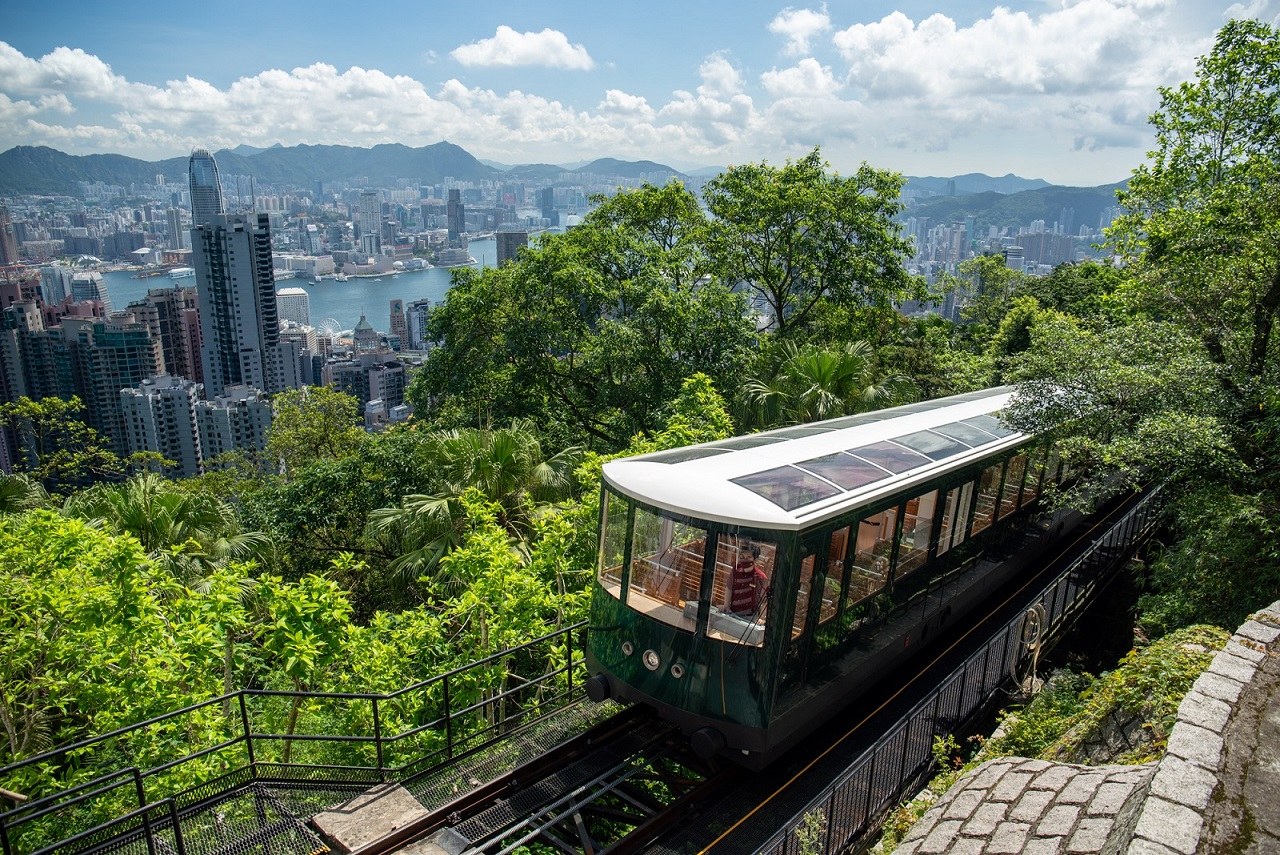
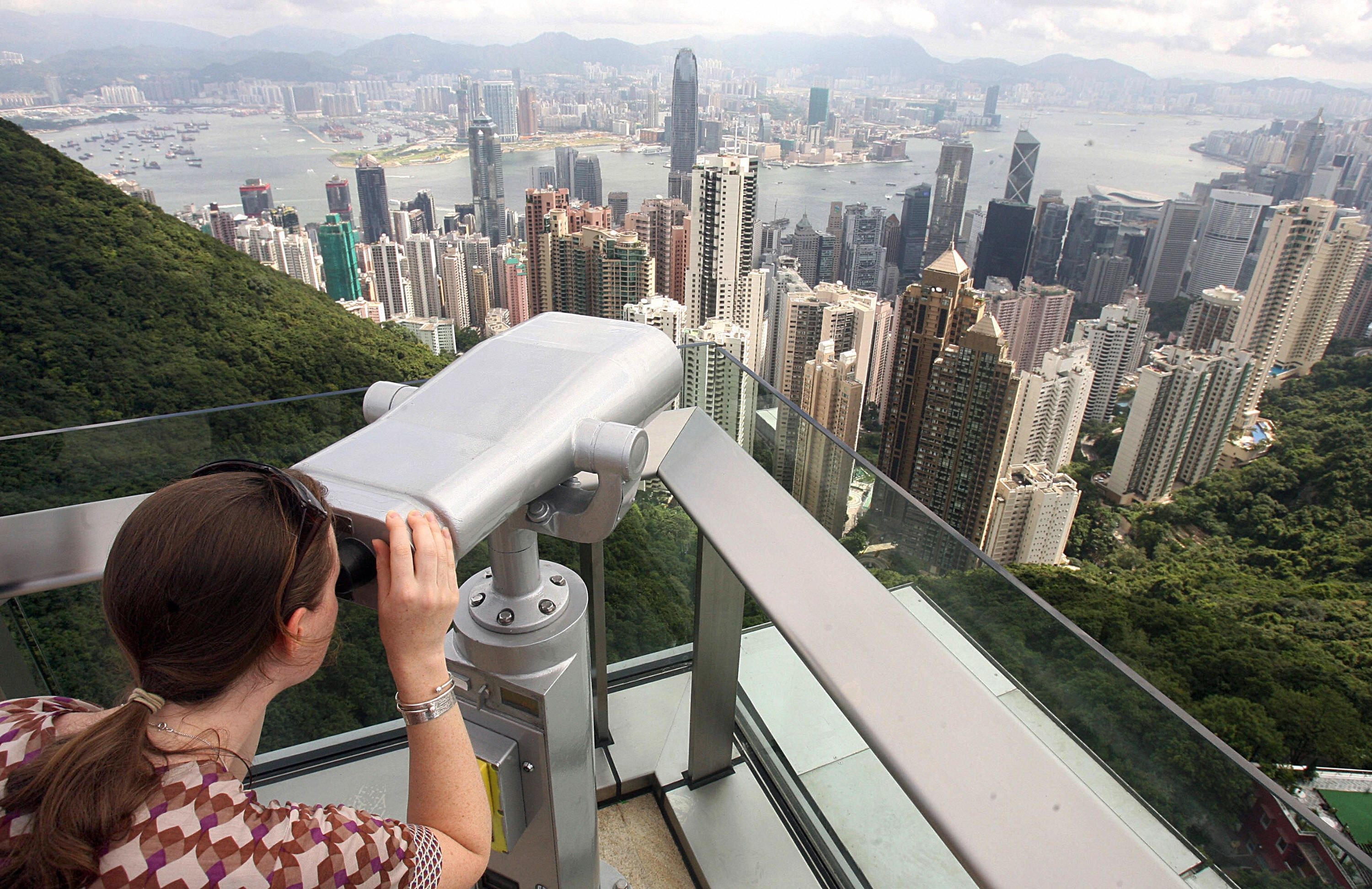
What you do Ride the legendary Peak Tram to Hong Kong's most iconic viewpoint and stand on Sky Terrace 428 as the city's skyline ignites at dusk — a panorama that defines the word 'bucket-list.'
What to expect The 125-year-old funicular climbs at a thrilling 27-degree angle through the Mid-Levels jungle before delivering you to Sky Terrace 428 — the highest viewing platform on the Peak at 428 metres. Victoria Harbour stretches below you in every direction, skyscrapers glinting gold and then neon. Linger for the full colour change from sunset to city-glow before descending to Central for dinner. The Peak Tower complex also houses upscale dining for a post-view sundowner.
Good to know Trams run daily 07:00–23:00; the last return tram is 23:30. Book online in advance to skip the physical ticket queue — walk-up waits can exceed 45 min at peak times. Central Star Ferry pier is a 10-min taxi from the Ocean Terminal (Harbour City), giving you maximum time ashore. Factor ~3 hours return.
book direct with The Peak Tram (Hong Kong & Shanghai Hotels, official) → · the full guide →
What you do Board a traditional Chinese junk decked in teak and lanterns for a private sunset-to-nightfall voyage across Victoria Harbour, watching the world's largest permanent light show paint 44 skyscrapers in laser and neon.
What to expect Step aboard one of Aqua Luna's iconic red-sailed wooden junks at Tsim Sha Tsui for a private voyage timed to the 20-minute Symphony of Lights show (nightly 20:00). The crew serves Champagne and canapés as the Kowloon and Hong Kong Island skylines synchronise in coloured lights and lasers to a soundtrack. After the show, your junk glides close to the Star Ferry crossing for a final iconic photo. The harbour breeze and zero light pollution at water level make the spectacle vastly more immersive than any shoreside vantage.
Good to know Charter departs from Central Pier 9 or Tsim Sha Tsui Pier; confirm your pickup point at booking. All-aboard times at Hong Kong cruise terminals vary — Symphony of Lights starts at 20:00 sharp, so confirm your ship's overnight schedule before booking an evening charter. Minimum 2 hrs ashore after 19:30 recommended.
What you do Journey to Lantau Island by ferry or cable car, climb 268 steps to the world's largest outdoor seated bronze Buddha, then glide through Tai O — Hong Kong's last stilt-house fishing village — on a sampan boat.
What to expect The Ngong Ping 360 gondola soars above emerald ridges before depositing you at the monastery village. At 34 metres, Tian Tan Buddha commands the hilltop with quiet authority — your guide shares the Buddhist symbolism while the incense smoke curls below. The drive to Tai O feels like stepping back a century: weathered stilts over tidal channels, dried seafood hung like garlands, and pink dolphins sometimes spotted on the sampan. A private seafood lunch in the village rounds out an extraordinary day.
Good to know Lantau is ~45 min by ferry from Central Pier 6 or via MTR to Tung Chung for the cable car. Book the Ngong Ping 360 cable car separately in advance at np360.com.hk (HKD 235 standard return adult). The full circuit takes 7–8 hours; confirm all-aboard time before booking. Closed-toe shoes recommended for the 268 Buddha steps.
book direct with Hello! Hong Kong Private Tours (official) → · the full guide →
What you do Let a private expert guide lead you through Kowloon's layered soul — incense-wreathed Wong Tai Sin Temple, the Jade Market, and hidden dai pai dong alleyways for a chef-curated dim sum and roast goose tasting.
What to expect Begin at the ornate Wong Tai Sin Temple, where fortune-tellers have practised their craft for generations and the air is thick with incense sticks. Wind through the Jade Market's covered stalls where connoisseurs tap rings to test quality. Descend into a Sham Shui Po wet market for a sensory awakening of live seafood and exotic spices. The tour climaxes at a neighbourhood roast-goose specialist and a century-old yum cha teahouse where bamboo steamers arrive in towers — dishes chosen by your guide for genuine authenticity.
Good to know Tsim Sha Tsui (Kowloon) is a 5-min walk or free shuttle from Ocean Terminal — ideal for half-day forays. The tour operates rain or shine; bring a compact umbrella. Confirm dietary restrictions in advance. A half-day tour (4 hrs) leaves ample time for independent exploration of Harbour City or a Star Ferry crossing before all-aboard.
book direct with Hong Kong With Stephen Private Tours (official) → · the full guide →
What you do Cross Victoria Harbour on the legendary Star Ferry, then walk the layered colonial heart of Central — the Court of Final Appeal, Pottinger Street, and Man Mo Temple — guided by a private expert historian.
What to expect The Star Ferry crossing itself is a rite of passage — the 7-minute ride with the skyline bearing down is one of travel's great theatrical moments. On Hong Kong Island, your guide leads you through the granite neo-classical buildings of Central, up the steep stone steps of Pottinger Street to Sheung Wan, and into the incense-blackened interior of Man Mo Temple (1847), one of Hong Kong's oldest. Stories of British governors, Chinese merchant dynasties, and wartime resistance unfold at every corner. The walk ends with a glass of chilled Champagne at a rooftop bar overlooking the harbour.
Good to know Star Ferry departs from Tsim Sha Tsui Pier every 6–10 minutes (HKD 3.40 lower deck — collector's experience). The heritage walk covers ~4 km on gentle gradients with rest stops. Allow 4–5 hours total. Wear comfortable walking shoes. This tour can pair beautifully with a Victoria Peak visit in the same day if you have an overnight call.
book direct with Hello! Hong Kong Private Tours (official) → · the full guide →
What you do Glide across two iconic routes on an open-top double-decker — past the neon-lit temples of Wan Chai, the waterfront of Kowloon, and up through Victoria Peak Road — with hop-on, hop-off freedom and a live commentary.
What to expect The red double-deckers cover both Hong Kong Island and Kowloon on colour-coded routes, with 24 stops including the Star Ferry, Man Mo Temple, the Peak, and the Temple Street Night Market. Live English commentary brings context to every neighbourhood. The optional harbour junk cruise can be added for a water-level contrast. The night route (departs ~18:00) transforms the city into a neon dreamscape viewed from above — one of the most photogenic ways to experience Hong Kong after dark.
Good to know Tickets bought online (bigbustours.com) save ~15% vs. at the kiosk. The nearest stop to the Ocean Terminal cruise port is Tsim Sha Tsui (Star Ferry), a 5-min walk. Day tours start ~09:00; night tours ~18:00. A 1-day pass covers both; ideal if your ship has an evening departure. Download the Big Bus app for live bus tracking and stop audio guides.
book direct with Big Bus Tours Hong Kong (official) → · the full guide →
Before you sail · near Tokyo
Fly in at least a day early — every seasoned cruiser does, so a delay never costs you the ship. This is what is worth that day within reach of the port.
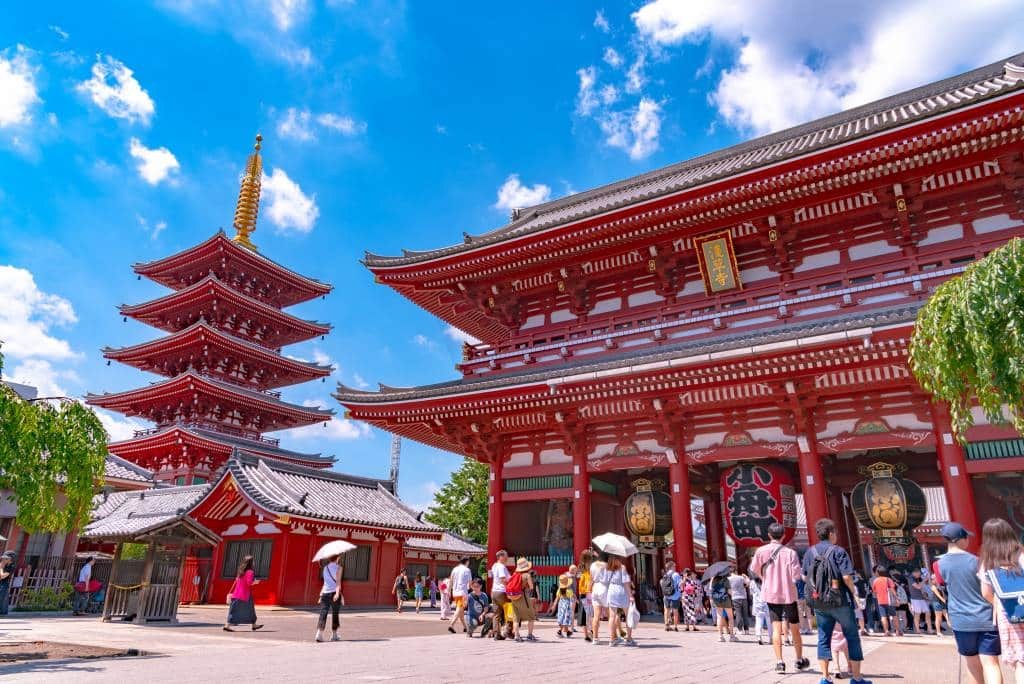 6 mi from TokyoSenso-ji Temple
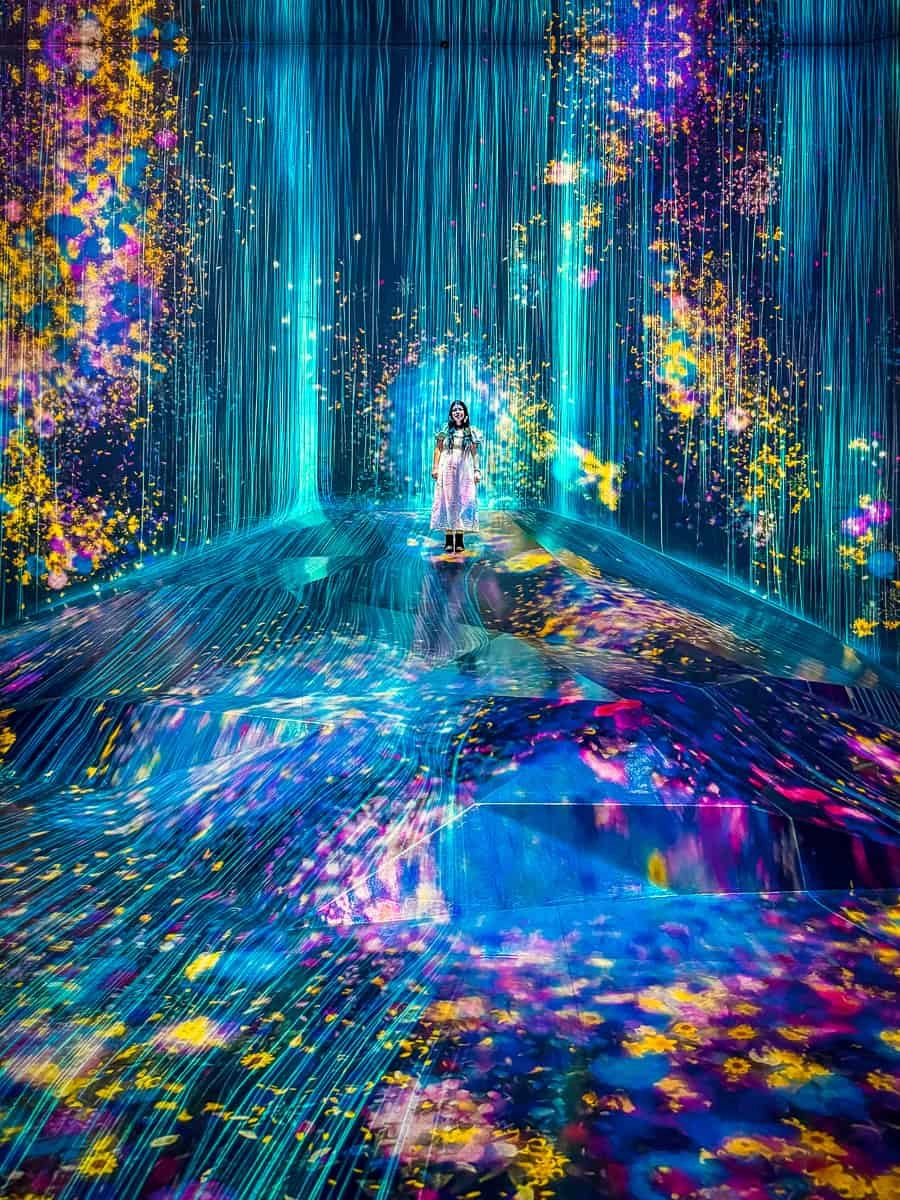 0 mi from TokyoteamLab Borderless
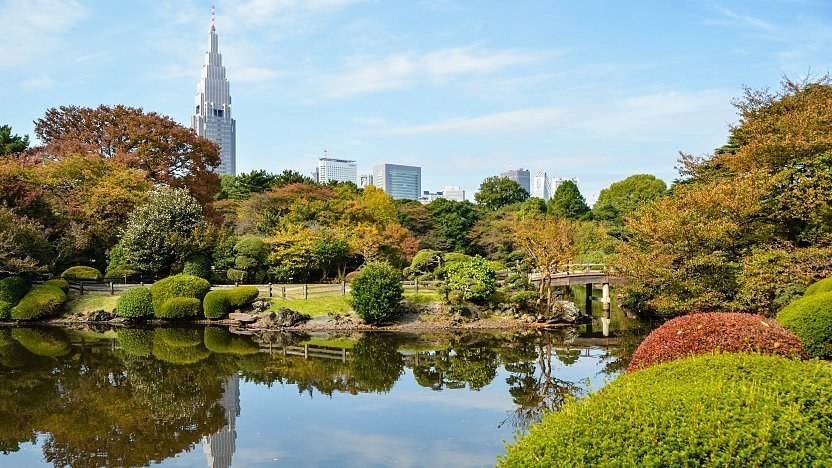 39 mi from Tokyo · land adventureTokyo's Secret Layers: Samurai Houses, Sunrise Crossings & Sake
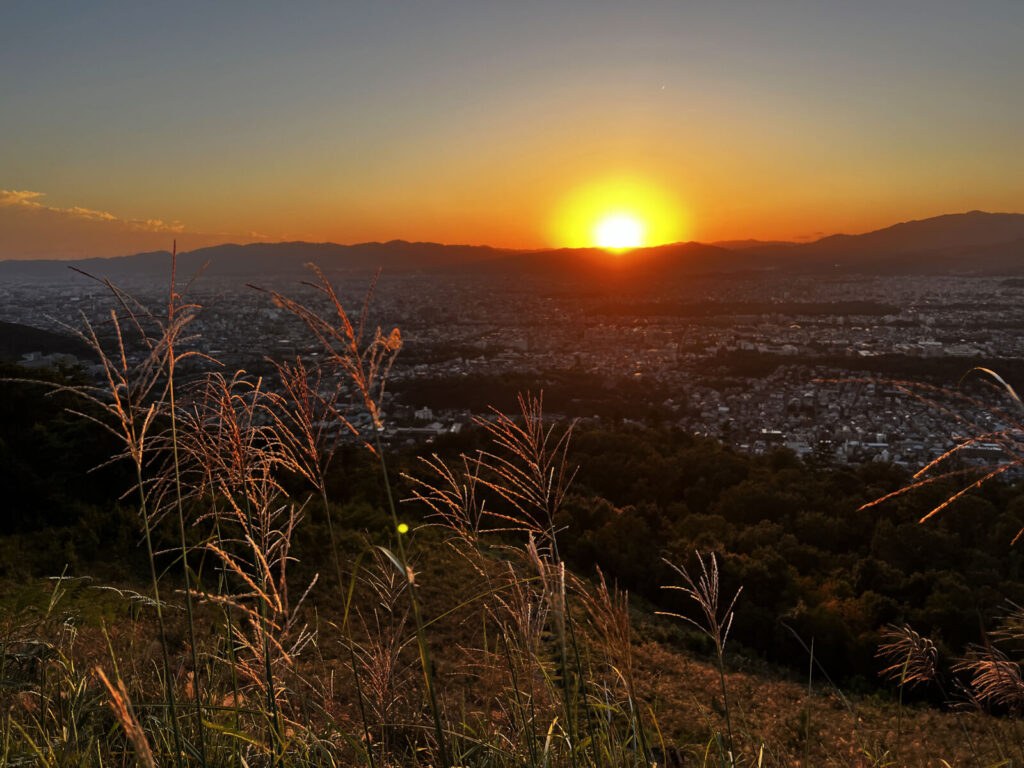 266 mi from Tokyo · land adventureKyoto After Dark: Firelight, Forest Paths & Ancient Craft
After you step off · near Hong Kong
You end in a different port — stay on, and add what is within reach before you fly home.
The same trip, elevated
The same gateway on a more luxurious line — lead-in fare per person, same fare as booking direct.