Your cruise
Seven Seas Splendor · 9-night Mediterranean round trip from Lisbon
Oct 8 – Oct 17 · 9 nights ·
Day 1 Lisbon (board) · Day 2 Willis Island · Day 3 Funchal · Day 4 Santa Cruz de Tenerife · Day 5 Las Palmas · Day 6 Arrecife · Day 7 Agadir · Day 8 Casablanca · Day 9 Willis Island · Day 10 Lisbon (step off)
What you do Board a rigid inflatable Zodiac for a close-up circumnavigation of one of the Coral Sea's most remote specks of land. Drift alongside vast nesting colonies of red-footed boobies, frigatebirds and brown noddies — a wildlife spectacle almost no traveller on earth ever witnesses.
What to expect Your Zodiac departs the ship's swim platform and skirts the island's entire coastline at water level, giving you eye-to-eye encounters with seabird colonies that number in the tens of thousands. The guide pauses the engine so you can hear the cacophony of calls and photograph birds in undisturbed flight. Shallow coral gardens glow electric beneath the hull as you round each headland. The round trip typically takes 90–120 minutes, leaving ample buffer before all-aboard.
Good to know Pre-book directly via email well in advance — this is a tender-only island and Zodiac capacity is strictly capped. Wear non-marking soles, bring a hat and reef-safe sunscreen. Confirm your ship's all-aboard time and allow 30 minutes' return buffer.
Versus the ship tour An intimate, expert-led small-group Zodiac — never more than 12 guests — means you can idle silently within metres of nesting birds and low reef outcrops that larger vessels simply cannot access, guided by a marine biologist who narrates every species in real time.
What you do Slip beneath the surface of some of the least-dived water on the planet — the Coral Sea surrounding Willis Island, hundreds of kilometres from the nearest coast. Visibility regularly exceeds 30 metres, revealing walls of hard coral, reef sharks, giant trevally and undisturbed sea-turtle feeding grounds.
What to expect Guests kit up in a purpose-equipped dive room and giant-stride into waters of extraordinary clarity. The reef structures here are pristine — no bleaching, no crowds — and the sheer biomass of pelagic life reflects the island's status as a protected marine reserve. Drift snorkelling across shallow coral plateaus, you are likely to encounter hawksbill turtles grazing, schools of chevron barracuda and the flash of a reef whaler in the blue. Safety divers and guides remain in the water throughout.
Good to know Swimming competency is required; full snorkel equipment is provided. Confirm landing and in-water permissions with the Australian Bureau of Meteorology station keeper in advance — access can be subject to weather and conservation protocols. Bring a rash vest for UV protection.
Versus the ship tour Mike Ball operates the definitive liveaboard expeditions to the Coral Sea's outer reefs, with certified dive guides who have logged thousands of hours specifically on these formations. Group size is tightly managed, and every dive brief is site-specific — the antithesis of a mass-market snorkel.
book direct with Mike Ball Dive Expeditions (Townsville/Cairns — Coral Sea specialists) → · the full guide →
What you do Step ashore — one of only a handful of visitors ever permitted — and receive a private briefing inside Australia's most remote operational weather station. The data collected here has guided cyclone warnings across Queensland for over a century; it is a living piece of scientific history.
What to expect After a short Zodiac transfer to the beach, you walk across the coral-rubble islet — the entire thing is barely 400 metres across — to the weatherboard station compound. The duty meteorologist explains the island's role in tracking Coral Sea cyclogenesis, shows you the instrument arrays and balloon launch facilities, and fields questions with refreshing candour. The sense of absolute remoteness — no roads, no shops, just science and sea — is profoundly affecting. Visits are brief (30–45 minutes) out of respect for operations.
Good to know Landing is at the discretion of BOM and sea conditions; it is never guaranteed. Wear closed shoes for the coral-rubble foreshore. Do not touch or enter any instrument enclosures. This is one of cruising's rarest privileges — treat it accordingly.
Versus the ship tour Landing on Willis Island is granted to very few vessels per year and always requires advance coordination with the BOM. The briefing is delivered by the station's resident meteorologist — one of Australia's most isolated postings — lending an authenticity and depth no third-party guide could replicate.
What you do Join a dedicated marine naturalist on a slow, deliberate circuit of Willis Island's offshore waters — prime habitat for dwarf minke whales, spinner dolphins, red-tailed tropicbirds and occasional whale sharks. This is expedition-grade wildlife observation in one of Earth's most intact marine environments.
What to expect The excursion runs in the calm conditions that typically prevail in the lee of the island, with the naturalist briefing the group on cetacean behaviour before departure. Spinner dolphins frequently bow-ride the vessel's wake, while tropicbirds trace lazy arcs overhead trailing their extraordinary white tail streamers. In season (June–September), dwarf minke whales approach curious vessels with remarkable boldness. The naturalist's running identification and ecological commentary transforms an already astonishing scene into a masterclass in Coral Sea ecology.
Good to know Bring image-stabilised binoculars if you own them — loaner binoculars are available but limited. A polarised lens filter dramatically improves underwater wildlife sighting from the deck. Morning cruises yield the best light and the calmest seas.
Versus the ship tour Coral Expeditions' marine naturalists carry years of Coral Sea field experience and use hydrophones and binoculars to locate and interpret marine megafauna well beyond what a casual deck scan achieves. Groups are capped at 20, ensuring every guest has unobstructed sightlines and personalised commentary.
book direct with Coral Expeditions (Australia's premium expedition cruise specialist) → · the full guide →
What you do Combine world-class snorkelling with a dedicated underwater photography tuition session led by a professional marine photographer. The pellucid, undisturbed waters around Willis Island provide a studio backdrop that professionals travel half a year to reach — and you are already here.
What to expect After a 20-minute on-deck briefing covering exposure, buoyancy control for photography and coral-safe positioning, the group enters the water with the lead photographer. Each participant is given real-time feedback via underwater slates and post-dive screen reviews. The reef here hosts nudibranchs, juvenile turtles and extraordinary soft-coral detail that rewards close, patient framing. By the final dive, guests leave with a curated set of images that would pass muster in any travel magazine.
Good to know Bring your own mirrorless or compact camera with an underwater housing if possible; hire housings are limited. Basic snorkel competency required. Maximum group size of 6 is strictly enforced — book your place the moment you board the ship.
Versus the ship tour A professional marine photographer leads groups of no more than six, providing personalised composition coaching in real time — in the water, beside you. The combination of tuition and a location almost nobody else will ever photograph makes every frame genuinely irreplaceable.
What you do Rise before the rest of the ship and join an ornithologist-guide for a dawn landing on Willis Island — arguably the most exclusive birdwatching address in the Southern Hemisphere. The island hosts one of Australia's largest documented seabird colonies, and first light is when it erupts into extraordinary life.
What to expect The Zodiac lands on the coral-rubble beach just as the sky softens to indigo. Within seconds, frigatebirds begin their courtship displays, inflating scarlet throat pouches while brown boobies jostle on nesting scrapes metres from your feet. The ornithologist narrates the scene with infectious expertise, calling species by name as they lift and wheel overhead in their thousands. The island's absolute silence — broken only by wind and wings — produces a meditative quality that experienced travellers consistently describe as one of cruising's most affecting moments.
Good to know Landing is subject to BOM approval and sea-state — pre-register your interest at the expedition desk on day one of the voyage. Wear dark, non-reflective clothing to avoid disturbing nesting birds. Carry a long lens (200mm+ equivalent) for perched-bird shots. Soft-soled shoes protect both the coral-rubble substrate and your footing.
Versus the ship tour A qualified ornithologist leads a structured census-style walk, naming every species, explaining colony dynamics and pointing out nesting behaviours that an untrained eye would miss entirely. The pre-sunrise timing means you experience the island in its rawest, most atmospheric state — long before the day-trippers (there are none) arrive.
book direct with Coral Expeditions (Australia's premium expedition cruise specialist) → · the full guide →
What you do Climb to the candy-colored Pena Palace, a Romanticist fairytale castle floating on a forested peak above Sintra, then stand at Cabo da Roca, the westernmost cliff of continental Europe, before the seaside polish of Cascais. It's a UNESCO-listed day you physically cannot do from Lisbon's center on foot, and the single experience a first-timer most regrets skipping. The guided van solves Sintra's brutal timed-entry queues and, critically, guarantees you back to the ship.
What to expect You'll ascend into the forested hills above Sintra to explore the candy-colored Pena Palace, a Romanticist fairytale castle perched on a peak with sweeping views across the landscape. From there, the van carries you to Cabo da Roca, the windswept westernmost cliff of continental Europe, where you can stand at the edge and take in the Atlantic. You'll finish in the seaside polish of Cascais before returning to the ship, completing a full arc of Sintra's dramatic geography in a single morning and afternoon—a journey impossible to accomplish on foot from Lisbon's center.
Good to know This 8-hour small-group van tour includes Pena Palace timed-entry tickets and Lisbon pickup/return from the pier, eliminating the brutal entry queues that plague independent visitors. Book this operator specifically because they guarantee return to the ship; the cruise line's own coach options run 5–7 hours at nearly double the price. Depart early enough to be back well before your ship's evening departure, and bring layers and comfortable walking shoes for steep palace grounds and coastal winds.
Versus the ship tour The ship's 5-hr Sintra/Cascais coach is $129.99 and the 7-hr lunch version is $174.99. Direct is ~$88 in a small van vs a full coach, saving roughly $40-$85 per person AND skipping the entry-queue problem. This is a 8-hour mainland item: only book it on a standard call if your ship is in port well past mid-afternoon, and use this operator specifically because it guarantees the return.
What you do Lisbon was built to be seen from its river, and a small boat delivers the money shot: the red 25 de Abril Bridge (the city's Golden Gate twin), the Cristo Rei statue on the far bank, Belem Tower and the pastel hills tumbling to the water. Two relaxed hours with a drink in hand is the perfect bookend before sailaway. Pick the sunset departure if your ship leaves late.
What to expect You'll board a small boat at the riverside dock near the city center and spend two hours on the water, drink in hand, as Lisbon unfolds in front of you. The route showcases the red 25 de Abril Bridge—Lisbon's iconic rival to the Golden Gate—then glides past the historic Belem Tower and the Christ the King statue (Cristo Rei) rising from the far bank. Pastel-colored hills tumble down to the waterline, and the boat's intimate scale delivers the views that made Lisbon built to be seen from its river. If your ship departs in the evening, the sunset tour transforms the same skyline into burnished gold and rose.
Good to know The dock sits right in town, minimizing back-to-ship risk; plan for a 2-hour cruise within a 6–8 hour port window, leaving time to return before sailaway. Book direct with Tagus Cruises (€38–€45 per person, depending on day or sunset slot) rather than through the ship's add-ons (which cost €73–€100), saving €30–€55 per person for the same experience. The tour is fully inclusive—skipper, drinks, and taxes are built in—and runs on fixed daily departures; reserve ahead to secure your preferred time slot, especially if timing a sunset departure with your ship's schedule.
Versus the ship tour This is the single biggest markup gap at Lisbon. Cruise-line river/sunset water add-ons run ~$80-$110 per person; booking direct at ~$41-$49 saves roughly $40-$60 each for the same skyline. Direct wins decisively. The only edge the ship has is a back-to-ship guarantee, but the dock is right in town, so the risk is minimal.
What you do Alfama is the medieval Moorish heart of Lisbon, a tangle of staircases, laundry-strung alleys and miradouro viewpoints far too steep to cover on foot in a port-day window. An open electric tuk-tuk hauls you up to Castelo de Sao Jorge, Portas do Sol and Santa Luzia for the iconic red-roof-and-river panoramas. The cruise dock literally sits at the foot of Alfama, so this is the lowest-risk, walk-off-and-go option of the day.
What to expect You'll board an open electric tuk-tuk at the cruise dock—no shuttle, no fuss—and climb the steep medieval alleys of Alfama as the vehicle winds through a tangle of laundry-strung staircases and narrow cobbled streets. The route hauls you up to three iconic miradouro (viewpoint) stops: Castelo de Sao Jorge, Portas do Sol, and Santa Luzia, each delivering panoramic shots of Lisbon's signature red rooftops spilling down to the river. At each vantage, you'll have time to photo and breathe the sea-salt air before the tuk-tuk descends back through the Moorish quarter to the dock. The whole rhythm unfolds in 1–2 hours depending on which tour you choose, leaving you with hours to explore Belem or the city on foot.
Good to know The cruise dock sits at Alfama's literal foot, so you walk off the ship and onto a tuk-tuk—book direct with Tuk On Me (operator RNAAT 485/2014 registered with Turismo de Portugal) to lock in €15–€30 per person rather than the ship's €104.99 coach. In a 6–8 hour port window, the 1–2 hour tuk-tuk tour leaves ample buffer time; simply confirm your return time with the driver to ensure you're back at the dock with 30+ minutes before all-aboard. Wear comfortable shoes for the few steps between tuk-tuk stops, bring sunscreen and a hat for the open-air exposure at each viewpoint, and have small euro bills or a card ready for the operator if paying on-site rather than pre-booking.
Versus the ship tour The ship's 3.5-hr Panoramic Lisbon & Belem coach is $104.99. A focused Alfama/viewpoints tuk-tuk at $16-$32 covers the most photogenic, hardest-to-walk part of the city for a fraction of that. Direct wins on price and access. Fair caveat: the ship coach also tacks on Belem, so if Belem is a must-see for you, pair this tuk-tuk with a short ride or walk out there yourself.
What you do Portuguese food is a bucket-list draw in its own right, and a small-group walk is the fastest way to taste the canon: bacalhau (salt cod), petiscos (Portuguese tapas), a bifana pork sandwich, regional cheeses and a shot of sour-cherry ginjinha, learning the city through its makers. This operator works real everyday neighborhoods like Campo de Ourique and Mouraria rather than tourist traps, capped at 12 people. Best for travelers who want depth over a checklist.
What to expect You'll join a small group of no more than 12 people for a walking tour through authentic Lisbon neighborhoods—Campo de Ourique and Mouraria—guided by local food experts who know the real makers and spots. The tour flows as a series of tastings and stops: bacalhau (salt cod), petiscos (Portuguese tapas), a bifana pork sandwich, regional cheeses, and a shot of sour-cherry ginjinha, with drinks included throughout. Rather than hitting tourist checkboxes, you're learning the city's food culture through the people who've shaped it, moving at a conversational pace through working neighborhoods. The whole experience runs 3 to 3.5 hours—intimate, depth-focused, and flavored with real Lisbon rhythm.
Good to know This tour costs ~$76 per person and is offered by Taste of Lisboa Food Tours; book directly with the operator rather than through the cruise line to lock in the small-group cap and local-neighborhood routing. Plan for a 3–3.5 hour excursion, leaving you a comfortable 2.5–3 hour buffer to return to the ship within a typical 6–8 hour port window. Wear comfortable walking shoes suitable for navigating neighborhood streets, and bring cash or confirm card acceptance at each stop, as smaller vendors may have payment limitations. No special advance preparation is needed beyond booking, though arriving 10–15 minutes early at the meeting point in central Lisbon helps you settle in before the group departs.
Versus the ship tour Cruise-line tapas/Fado evenings run ~$70-$100 per person. Direct here is ~$76 for a genuinely local, small-capped walk, so it's roughly even on price but you get a max-12 group in real neighborhoods instead of a tour-bus crowd. Honest call: if you only want a quick cheap taste, a $23-$30 highlights snack-and-wine walk on a marketplace site beats both this and the ship on price; this card is the depth pick, not the budget one.
book direct with Taste of Lisboa Food Tours → · the full guide →
What you do Board a rigid inflatable Zodiac for a close-up circumnavigation of one of the Coral Sea's most remote specks of land. Drift alongside vast nesting colonies of red-footed boobies, frigatebirds and brown noddies — a wildlife spectacle almost no traveller on earth ever witnesses.
What to expect Your Zodiac departs the ship's swim platform and skirts the island's entire coastline at water level, giving you eye-to-eye encounters with seabird colonies that number in the tens of thousands. The guide pauses the engine so you can hear the cacophony of calls and photograph birds in undisturbed flight. Shallow coral gardens glow electric beneath the hull as you round each headland. The round trip typically takes 90–120 minutes, leaving ample buffer before all-aboard.
Good to know Pre-book directly via email well in advance — this is a tender-only island and Zodiac capacity is strictly capped. Wear non-marking soles, bring a hat and reef-safe sunscreen. Confirm your ship's all-aboard time and allow 30 minutes' return buffer.
Versus the ship tour An intimate, expert-led small-group Zodiac — never more than 12 guests — means you can idle silently within metres of nesting birds and low reef outcrops that larger vessels simply cannot access, guided by a marine biologist who narrates every species in real time.
What you do Slip beneath the surface of some of the least-dived water on the planet — the Coral Sea surrounding Willis Island, hundreds of kilometres from the nearest coast. Visibility regularly exceeds 30 metres, revealing walls of hard coral, reef sharks, giant trevally and undisturbed sea-turtle feeding grounds.
What to expect Guests kit up in a purpose-equipped dive room and giant-stride into waters of extraordinary clarity. The reef structures here are pristine — no bleaching, no crowds — and the sheer biomass of pelagic life reflects the island's status as a protected marine reserve. Drift snorkelling across shallow coral plateaus, you are likely to encounter hawksbill turtles grazing, schools of chevron barracuda and the flash of a reef whaler in the blue. Safety divers and guides remain in the water throughout.
Good to know Swimming competency is required; full snorkel equipment is provided. Confirm landing and in-water permissions with the Australian Bureau of Meteorology station keeper in advance — access can be subject to weather and conservation protocols. Bring a rash vest for UV protection.
Versus the ship tour Mike Ball operates the definitive liveaboard expeditions to the Coral Sea's outer reefs, with certified dive guides who have logged thousands of hours specifically on these formations. Group size is tightly managed, and every dive brief is site-specific — the antithesis of a mass-market snorkel.
book direct with Mike Ball Dive Expeditions (Townsville/Cairns — Coral Sea specialists) → · the full guide →
What you do Step ashore — one of only a handful of visitors ever permitted — and receive a private briefing inside Australia's most remote operational weather station. The data collected here has guided cyclone warnings across Queensland for over a century; it is a living piece of scientific history.
What to expect After a short Zodiac transfer to the beach, you walk across the coral-rubble islet — the entire thing is barely 400 metres across — to the weatherboard station compound. The duty meteorologist explains the island's role in tracking Coral Sea cyclogenesis, shows you the instrument arrays and balloon launch facilities, and fields questions with refreshing candour. The sense of absolute remoteness — no roads, no shops, just science and sea — is profoundly affecting. Visits are brief (30–45 minutes) out of respect for operations.
Good to know Landing is at the discretion of BOM and sea conditions; it is never guaranteed. Wear closed shoes for the coral-rubble foreshore. Do not touch or enter any instrument enclosures. This is one of cruising's rarest privileges — treat it accordingly.
Versus the ship tour Landing on Willis Island is granted to very few vessels per year and always requires advance coordination with the BOM. The briefing is delivered by the station's resident meteorologist — one of Australia's most isolated postings — lending an authenticity and depth no third-party guide could replicate.
What you do Join a dedicated marine naturalist on a slow, deliberate circuit of Willis Island's offshore waters — prime habitat for dwarf minke whales, spinner dolphins, red-tailed tropicbirds and occasional whale sharks. This is expedition-grade wildlife observation in one of Earth's most intact marine environments.
What to expect The excursion runs in the calm conditions that typically prevail in the lee of the island, with the naturalist briefing the group on cetacean behaviour before departure. Spinner dolphins frequently bow-ride the vessel's wake, while tropicbirds trace lazy arcs overhead trailing their extraordinary white tail streamers. In season (June–September), dwarf minke whales approach curious vessels with remarkable boldness. The naturalist's running identification and ecological commentary transforms an already astonishing scene into a masterclass in Coral Sea ecology.
Good to know Bring image-stabilised binoculars if you own them — loaner binoculars are available but limited. A polarised lens filter dramatically improves underwater wildlife sighting from the deck. Morning cruises yield the best light and the calmest seas.
Versus the ship tour Coral Expeditions' marine naturalists carry years of Coral Sea field experience and use hydrophones and binoculars to locate and interpret marine megafauna well beyond what a casual deck scan achieves. Groups are capped at 20, ensuring every guest has unobstructed sightlines and personalised commentary.
book direct with Coral Expeditions (Australia's premium expedition cruise specialist) → · the full guide →
What you do Combine world-class snorkelling with a dedicated underwater photography tuition session led by a professional marine photographer. The pellucid, undisturbed waters around Willis Island provide a studio backdrop that professionals travel half a year to reach — and you are already here.
What to expect After a 20-minute on-deck briefing covering exposure, buoyancy control for photography and coral-safe positioning, the group enters the water with the lead photographer. Each participant is given real-time feedback via underwater slates and post-dive screen reviews. The reef here hosts nudibranchs, juvenile turtles and extraordinary soft-coral detail that rewards close, patient framing. By the final dive, guests leave with a curated set of images that would pass muster in any travel magazine.
Good to know Bring your own mirrorless or compact camera with an underwater housing if possible; hire housings are limited. Basic snorkel competency required. Maximum group size of 6 is strictly enforced — book your place the moment you board the ship.
Versus the ship tour A professional marine photographer leads groups of no more than six, providing personalised composition coaching in real time — in the water, beside you. The combination of tuition and a location almost nobody else will ever photograph makes every frame genuinely irreplaceable.
What you do Rise before the rest of the ship and join an ornithologist-guide for a dawn landing on Willis Island — arguably the most exclusive birdwatching address in the Southern Hemisphere. The island hosts one of Australia's largest documented seabird colonies, and first light is when it erupts into extraordinary life.
What to expect The Zodiac lands on the coral-rubble beach just as the sky softens to indigo. Within seconds, frigatebirds begin their courtship displays, inflating scarlet throat pouches while brown boobies jostle on nesting scrapes metres from your feet. The ornithologist narrates the scene with infectious expertise, calling species by name as they lift and wheel overhead in their thousands. The island's absolute silence — broken only by wind and wings — produces a meditative quality that experienced travellers consistently describe as one of cruising's most affecting moments.
Good to know Landing is subject to BOM approval and sea-state — pre-register your interest at the expedition desk on day one of the voyage. Wear dark, non-reflective clothing to avoid disturbing nesting birds. Carry a long lens (200mm+ equivalent) for perched-bird shots. Soft-soled shoes protect both the coral-rubble substrate and your footing.
Versus the ship tour A qualified ornithologist leads a structured census-style walk, naming every species, explaining colony dynamics and pointing out nesting behaviours that an untrained eye would miss entirely. The pre-sunrise timing means you experience the island in its rawest, most atmospheric state — long before the day-trippers (there are none) arrive.
book direct with Coral Expeditions (Australia's premium expedition cruise specialist) → · the full guide →
What you do Trek the legendary high-altitude trail linking Madeira's two highest peaks above the clouds. One of Europe's most dramatic mountain walks — raw volcanic terrain, sweeping Atlantic panoramas, and total wilderness at 1,800 m.
What to expect A private 4WD picks you up at the port and climbs into the clouds to Pico do Arieiro (1,818 m). Your guide leads you along the sculpted lava ridge, through tunnels carved into the rock face, to the island's highest point at Pico Ruivo. The views — layers of cloud below, endless Atlantic above — are unlike anywhere else in Europe. A warm local lunch is arranged in a mountain village before your return descent.
Good to know The walk is 9 km one-way and takes 4–5 hours; weather can change rapidly, so a certified guide is essential. Book at least 2 weeks ahead as small-group slots fill fast. All-aboard is typically 18:00; a half-day version returns comfortably by 16:00.
Versus the ship tour Small groups of no more than 8 with a native-born mountain guide who reads the weather windows perfectly — you depart at dawn to catch the cloud inversion and have the ridge to yourselves before day-trippers arrive.
What you do Glide up by cable car to the dazzling Monte Palace tropical garden, then hurtle back down through cobbled streets in a hand-steered wicker toboggan — Madeira's most exhilarating and quintessentially local tradition.
What to expect The Teleférico glides smoothly over red-roofed quintas and banana groves to Monte village. Spend an hour exploring Monte Palace's tiered gardens — Japanese pagodas, African sculptures, and sweeping Funchal bay views. Then two white-suited 'carreiros' guide your wicker basket-sled down 2 km of steep cobbled lanes at exhilarating speed — a tradition unchanged since 1850. Finish with a bica and pastel de nata at a Monte café before strolling back down.
Good to know Cable car opens at 09:00; go early on port days. The toboggan ends in Livramento, a short taxi back to the waterfront. Allow 3 hours total. Pre-book the cable car online to skip queues.
Versus the ship tour Book the first cable car of the morning to arrive at Monte Palace gardens before the crowds, linger among 100,000 exotic plants and hand-painted azulejo panels, and take the toboggan run on your own schedule — a completely self-directed, unhurried luxury experience.
book direct with Teleféricos da Madeira (official) → · the full guide →
What you do Madeira sits on one of the world's most biodiverse whale migration corridors. Sail aboard a premium vessel with marine biologist guides in search of sperm whales, pilot whales, and acrobatic Atlantic spotted dolphins.
What to expect Depart Funchal marina aboard a sleek catamaran equipped with underwater microphones to detect whale song. Your marine biologist narrates every sighting — sperm whales are resident year-round, while Bryde's whales, bottlenose, and spotted dolphins make regular appearances. Chilled Madeiran wine and local snacks are served on the return leg as the volcanic cliffs of the island's south coast glow in the afternoon light. Rated #1 wildlife experience in Madeira on Tripadvisor.
Good to know Tours depart at 09:00 and 14:00, each lasting approximately 3 hours — either slot returns well before a typical 18:00 all-aboard. Booking directly guarantees best availability; reserve 1–2 weeks in advance for port days. Sea-sickness tablets recommended for sensitive guests.
Versus the ship tour VipDolphins operates purpose-built catamarans with on-board marine biologists and real-time hydrophone listening equipment — sightings are guided by science, not luck, and encounters are genuinely intimate with small passenger numbers.
book direct with VipDolphins Madeira (official) → · the full guide →
What you do Step inside one of the world's great fortified wine estates — a 200-year-old merchant lodge in the heart of Funchal — for a private tasting masterclass led by a dedicated sommelier. The only way to truly understand Madeira wine.
What to expect Pass through the cobbled courtyard of the Adegas de São Francisco into centuries of winemaking history. Your sommelier leads you through sun-drenched lofts where Madeira wine undergoes its unique estufagem heating process. The tasting progresses from a crisp 5-year Sercial to a complex, caramel-laced 15-year Malmsey. Private bookings include back-vintage library wines unavailable on the standard tour. The lodge shop offers bottles to take back aboard.
Good to know The lodge is a 10-minute walk from the cruise pier — no transfers needed. Standard tours run daily; private masterclasses must be arranged 48 hours in advance via the website. Allow 90 minutes for the premium experience. Closed Sundays.
Versus the ship tour A private booking gains you exclusive access to the atmospheric 17th-century lodge, barrel-ageing cellars, and a sommelier-guided flight of rare vintage Madeiran wines — an experience reserved for serious collectors and connoisseurs.
book direct with Blandy's Wine Lodge (official) → · the full guide →
What you do Escape the crowds on a private 4WD expedition through Madeira's dramatic interior — ancient laurel forest, secret levada paths, clifftop villages, and viewpoints that no coach tour can reach.
What to expect Your guide collects you dockside in an open-top 4WD and heads north through the UNESCO-listed Laurisilva forest — a primeval laurel jungle that has survived since the Tertiary era and drips with ferns and mosses. Stops include the vertiginous Balcões viewpoint, a walk along an irrigation levada channel through the mountains, the colourful terraced village of Santana, and the dramatic sea cliffs at Ponta de São Lourenço. Lunch is at a local quinta restaurant, wine included. Return to port by 17:30.
Good to know Full-day runs 08:30–17:30 — confirm your all-aboard time before booking. Private bookings are entirely flexible on duration. Layers essential; the north of the island is significantly cooler and often misty. Book directly via email or phone for private group pricing.
Versus the ship tour A private Jeep safari with a native Madeiran guide means the itinerary bends entirely to your interests — linger at a miradouro, wade a levada channel, or stop spontaneously at a hillside adega for poncha. No fixed stops, no microphone commentary, no waiting.
What you do Uncover 600 years of Atlantic trading history in Funchal's cobbled old quarter, finishing at the legendary Farmers' Market — a riot of exotic tropical fruits, endemic island flowers, and espadarte swordfish. Pure Madeira, unfiltered.
What to expect Begin at the 15th-century Sé Cathedral, one of Portugal's finest Manueline monuments, before weaving through the cobbled Zona Velha (Old Town). Your guide explains the hand-painted tile murals adorning every doorway — a living outdoor gallery created by local artists. At Mercado dos Lavradores, you taste a custard-apple, handle a bird-of-paradise flower, and watch fishermen unload scabbardfish that will be on restaurant tables by noon. End with a tasting of regional poncha at a historic bar.
Good to know The market is at its most vibrant 08:00–13:00 Friday and Saturday — try to schedule your port call accordingly. The circuit is 3–4 hours and entirely walkable from the cruise pier (15 minutes on foot). Private guides on ToursByLocals are vetted locals; select a guide with history or culinary specialist credentials for the richest experience.
Versus the ship tour A dedicated local historian-guide leads at a genuinely unhurried pace — into the Sé Cathedral's Manueline interior, along the hand-painted azulejo alleyways of Rua de Santa Maria, and into the market's fish hall where few tourists venture. Stories, context, and insider access that no group tour provides.
book direct with ToursByLocals – Funchal Private Guides → · the full guide →
What you do Ascend Spain's highest peak through a UNESCO World Heritage volcanic landscape, riding the Teide cable car to 3,555 m for panoramic views across all seven Canary Islands. An absolute bucket-list spectacle of raw, otherworldly beauty.
What to expect The ascent winds through pine forests and stark lava fields before reaching the Cañadas caldera — an alien plateau of red and ochre rock. The cable car lifts you above the clouds to the crater rim at 3,555 m, where the views on a clear day stretch to Morocco. With a summit permit you walk the final 200 m to the true peak — a moment few visitors ever reach. Allow a full morning; altitude can be felt, so take it slowly.
Good to know Cable car tickets and summit permits MUST be pre-booked online — they sell out days/weeks ahead. The drive from Santa Cruz port is ~1 h each way. All-aboard times typically allow a full day; confirm yours and hire a private driver or taxi for flexibility. Wear layers — it is cold and windy at altitude even in summer.
Versus the ship tour Book the cable car + optional summit permit directly with the official park operator for guaranteed timed access — slots sell out weeks in advance. A private vehicle transfer from the port lets you linger at the Roques de García formations and La Tarta viewpoint at your own pace, with no group to rush you.
What you do Plunge into one of Europe's last primeval laurisilva forests — a UNESCO Biosphere Reserve of mist-draped ravines and Guanche-era trails just 30 minutes from the port. An intimate, expert-led private hike through living prehistory.
What to expect Your guide drives you up into the Macizo de Anaga massif, where ancient dragon trees and tree-heathers drip with mossy silence. Trails wind between hamlets of whitewashed houses that appear unchanged for centuries. Dramatic mirador viewpoints open onto jagged ridgelines plunging into the Atlantic. The return journey passes through the charming fishing village of San Andrés, with time to admire Playa de las Teresitas if you wish.
Good to know Book well in advance to secure your preferred date. The park is only ~30 min from the cruise terminal — ideal even on shorter port calls. Wear sturdy walking shoes and bring a light waterproof layer; the forest canopy can be damp. Confirm all-aboard time with your guide so they build in a buffer.
Versus the ship tour A certified private local guide collects you directly from the port, tailors the route to your fitness level, and narrates the park's geology, endemic flora, and Guanche heritage — knowledge impossible to replicate in a large coach group. No fixed pace, no strangers.
book direct with ToursByLocals — John R. (Santa Cruz de Tenerife private guide) → · the full guide →
What you do The channel between Tenerife and La Gomera is one of the world's premier cetacean corridors — home to resident pilot whales and bottlenose dolphins year-round. A private luxury catamaran delivers an intimate encounter that feels like the ocean belongs to you.
What to expect You depart from the sheltered marina, heading into the deep blue channel where pilot whales are spotted on the vast majority of trips. The crew are marine-biology trained and maintain respectful distances in line with Canarian law. Dolphins frequently bow-ride alongside the hull. Between sightings there is time to snorkel over volcanic rock gardens or simply recline on the deck with a chilled glass of wine as Teide rises behind you.
Good to know Los Cristianos is approximately 1 h from Santa Cruz port by taxi or car — factor this into your day. Half-day charters (3–4 h on the water) comfortably fit most port schedules. Book the charter at least 2–3 weeks ahead. Confirm all-aboard time with your charter captain before departure.
Versus the ship tour Fully private charter means the captain adjusts the itinerary to wherever the cetaceans are — no crowd, no timetable. Snorkelling gear, paddleboards, and a catered lunch or tapas spread are typically included, turning a wildlife excursion into a full luxury sea day.
What you do The aristocratic town of La Orotava is Tenerife's most beautiful colonial gem — cobbled streets, baroque mansions and breath-taking views of the Orotava Valley and Teide. A private guided journey through the island's golden interior and north coast.
What to expect The drive north from Santa Cruz sweeps through the Esperanza forest and then descends into the lush Orotava Valley, where the scale of the banana and flower plantations is staggering. In town, a local guide leads you through the Casa de los Balcones, its carved wooden balconies an icon of Canarian architecture. The Hijuela del Botánico garden offers a moment of shaded tranquility. The journey back via the Mirador Humboldt offers arguably the finest vista on the island.
Good to know La Orotava is approximately 45 min–1 h from the Santa Cruz terminal. A full-day private tour comfortably covers the town, the viewpoints, and a leisurely lunch in a local restaurant. Confirm return timing with your guide to ensure you are back at the terminal with ample time before all-aboard.
Versus the ship tour Your private local guide unlocks the hidden courtyards of La Orotava's noble houses — interiors rarely seen on group tours — and adapts every stop to your interests, from artisan lace-making workshops to the 16th-century Church of the Conception.
book direct with Withlocals — Private Tour Guides Santa Cruz de Tenerife → · the full guide →
What you do Explore three of Santa Cruz's finest architectural and cultural landmarks on foot — Santiago Calatrava's swooping Auditorio, the vibrant colonial Mercado de Nuestra Señora de África, and the extraordinary Palmetum botanical garden. A sophisticated half-day in a city often overlooked.
What to expect Begin at the Auditorio — its white concrete shell is most dramatic in morning light and it is less than 10 minutes' walk from the cruise terminal. Head north to the Mercado de África, a covered colonial market buzzing with islanders buying tropical fruit, fresh fish, and artisan cheeses; the flower hall below is a riot of colour and scent. Finish at the Palmetum, a landscaped garden on reclaimed land housing one of the world's most complete palm collections, with lagoon views and shaded benches.
Good to know All three sites are within easy walking distance of each other and the cruise terminal — this excursion requires no transport. The market is most lively on Saturday mornings. Palmetum opens daily; arrive early to avoid midday heat. Allow 3–4 h total. A private city guide can be hired through Withlocals or ToursByLocals for added depth.
Versus the ship tour Walking these three landmarks independently — or with a private guide from the port — gives you a genuinely unhurried morning: lingering over exotic palms from five continents, bargaining for saffron and Mojo Rojo at the market's spice stalls, and photographing the Auditorio's wave-like silhouette against the Atlantic light.
book direct with Jardín Botánico del Palmetum (official) & Mercado de Nuestra Señora de África → · the full guide →
What you do Step inside the finest museum in the Canary Islands, housed in a stunning 18th-century former civil hospital, to encounter the island's pre-Hispanic Guanche culture through remarkable mummies, ceramics and astronomical artefacts. A deeply moving and scholarly experience.
What to expect The permanent galleries trace Tenerife's natural history from its volcanic origins through its pre-Hispanic Guanche civilisation, displaying naturally mummified bodies, painted skulls, and finely incised pottery that speak to a sophisticated people erased by the Spanish conquest. The natural history wing showcases the extraordinary biodiversity of the Canary Islands — endemic species found nowhere else on Earth. The courtyard of the 18th-century building is a serene, photogenic retreat from the city.
Good to know MUNA is a 15-minute walk from the cruise terminal or a short taxi ride. Open Tue–Sun; confirm hours before your visit. Tickets can be purchased online via the official Volcano Teide ticketing platform. Allow 2–3 h for a thorough visit. Pair with the nearby Plaza de España and a coffee on the terrace for a perfect late-morning ashore.
Versus the ship tour MUNA holds the most important collection of Guanche mummies and funerary objects in the world — artefacts you simply cannot encounter anywhere else. The museum's scale and scholarship reward a slow, self-guided visit; the colonial building itself is a listed treasure. Pre-booking a private guide through the museum or ToursByLocals elevates this into a genuinely profound cultural encounter.
book direct with Museo de Naturaleza y Arqueología (MUNA) — official → · the full guide →
What you do Ascend to Gran Canaria's iconic volcanic monolith — a 65-metre basalt needle at 1,813 m — through cloud-forest trails and the achingly pretty village of Tejeda. This is the island's single most dramatic landscape, full stop.
What to expect Your private driver-guide collects you portside and winds south through the dramatic caldera interior, stopping at panoramic miradors before the short hike to Roque Nublo's base. The views sweep from the Atlantic to Teide on a clear day. You return via Tejeda for local wine and almond sweets before a scenic descent back to Las Palmas.
Good to know Pre-book directly with Shore Emotion to secure a private vehicle. The round trip takes 5–6 hours; confirm your ship's all-aboard time and request an adjusted itinerary if needed. Wear sturdy walking shoes and a windproof layer — the summit is brisk even in summer.
Versus the ship tour A private 4×4 expedition means you reach the trailhead before day-trippers arrive, linger as long as you wish at the summit viewpoint, and drop into Tejeda's artisan honey and marzipan shops at your own pace — unhurried, unscripted, and utterly unforgettable.
book direct with Shore Emotion (Private 4×4 Tour) → · the full guide →
What you do Ranked among Europe's finest aquariums, Poema del Mar is an architectural and marine marvel just steps from the port — its centrepiece a 33-million-litre deep-ocean tank inspired by an underwater volcano. A private guide transforms it into an intimate marine biology masterclass.
What to expect Move through immersive biotopes replicating the Canarian coastline, tropical reefs, and open ocean, culminating in the spectacular 8-metre-deep tunnel beneath the main tank. The private guide narrates the conservation mission behind each habitat. Conclude with a coffee at the aquarium's sky-view terrace overlooking the harbour.
Good to know The aquarium is a 5-minute walk from the cruise terminal — ideal if time ashore is limited. Book private guided slots directly via the official website. Open daily; morning slots offer the quietest experience. Allow 2–2.5 hours.
Versus the ship tour Early-access or private-guided entry means you experience the cathedral-like deep-ocean atrium before crowds gather, with a marine biologist on hand to explain the ecosystems — a level of intimacy impossible in a general admission queue.
book direct with Poema del Mar (Official) → · the full guide →
What you do The largest botanical garden in Spain and the finest in the Macaronesian islands — 27 hectares of dragon trees, giant Canarian palms, endemic laurel forest, and cliff-face cactus gardens carved into a ravine. With a private botanist-guide, it becomes a living encyclopedia of island evolution.
What to expect Your guide leads you through the Dragon Tree Forest, the Macaronesian laurel collection, and the spectacular cliff gardens, pausing to explain the unique adaptations of each species. The garden's upper terraces reveal sweeping views across the Guiniguada ravine. The experience is as much philosophy as botany — an intimate meditation on isolation and evolution.
Good to know Located 20 minutes by taxi from the port (approx. EUR 15 each way). Arrange private guided tours via the official website's contact form well in advance. Best visited in the morning before the heat peaks. Wear comfortable walking shoes; the terrain includes steps and slopes.
Versus the ship tour A specialist botanist guide reveals the garden's endemic secrets — plants found nowhere else on Earth — and narrates the 10,000-year story of island colonisation by seed, wind, and wave. The ravine setting is dramatic in any season and virtually unknown to most visitors.
book direct with Jardín Botánico Canario Viera y Clavijo (Official) → · the full guide →
What you do The smartest, most flexible way to cover Las Palmas's greatest hits — from the golden arc of Las Canteras beach and the art nouveau Santa Catalina Park to the UNESCO-listed Vegueta quarter — on a panoramic open-top double-decker with live or audio commentary in multiple languages.
What to expect Board steps from the cruise terminal and ascend to the open-top deck for unobstructed panoramas as you loop through the city's 14 key stops. Hop off at Playa de las Canteras — one of Europe's great urban beaches — for a swim or a seafood lunch, then re-board to continue to Vegueta. The live English-speaking guide on select departures adds rich local colour.
Good to know Book online directly with City Sightseeing for e-ticket access and to guarantee a morning departure. The full loop takes approximately 75 minutes non-stop. The cruise terminal stop is the logical starting and ending point, making it effortless to return for all-aboard.
Versus the ship tour The freedom to hop off at Las Canteras for a swim, linger over lunch at a harbour-front terrace, and re-board at will is the luxury of time — a complete, self-directed exploration of the city's full sweep, from colonial quarter to Atlantic beachfront, on your own schedule.
book direct with City Sightseeing Las Palmas (Official) → · the full guide →
What you do Gran Canaria's wine culture is one of the Atlantic's best-kept secrets — volcanic soils, ancient listán negro vines, and trade-wind-cooled microclimates produce wines of extraordinary character. A private visit to Bodega San Juan, one of the island's most respected producers, is a connoisseur's revelation.
What to expect Your host walks you through the estate's volcanic vineyards before descending into the cellar to explore fermentation and ageing techniques unique to the Canary Islands' appellation. The tasting table features five to seven estate wines, each paired with local Canarian specialities — Flor de Guía cheese, sobrasada, and mojo-dressed bread. The session closes with an exclusive bottle selection for purchase.
Good to know Located approximately 30 minutes from the port; arrange private taxi transfer in advance (approx. EUR 30–40 each way). Contact Bodega San Juan directly to reserve a private session — group sizes are intentionally small. Allow 2.5–3 hours. Confirm all-aboard time before booking and build in comfortable transfer time.
Versus the ship tour An intimate, private cellar tour with the winemaker or estate guide — exploring volcanic terroir, pre-phylloxera vine stocks, and traditional Canarian winemaking — followed by a curated tasting of estate wines paired with local charcuterie and cheeses. This is the island's most authentic sensory experience.
What you do Walk the edge of a still-active volcanic landscape frozen in time since the 1730s eruptions. A private guide unlocks the science, drama, and eerie beauty of Lanzarote's most iconic natural wonder — utterly bucket-list.
What to expect You'll ride through the Montañas del Fuego, where guides pour water into fissures to produce instant geysers of steam — the earth here sits at 400°C just metres below. The 'camel-back' lava fields stretch to the horizon in burnt ochres and blacks, interrupted only by wind-sculpted cinder cones. A specialist naturalist guide narrates 300 years of eruption history and explains how life is slowly, impossibly, reclaiming the rock. The excursion typically pairs with El Golfo green lagoon for a full volcanic circuit.
Good to know Timanfaya is 45 minutes from the port by private vehicle — confirm your all-aboard time and allow 30 minutes' buffer. The park's inner road requires the official coach, but a private guide maximises your free time at the perimeter viewpoints. Book well ahead in high season; spaces are capped.
Versus the ship tour A private or small-group format means you linger at viewpoints others rush past, with an expert guide who decodes the geology and volcanic mythology — no megaphone, no crowds, your own pace through one of Europe's most surreal landscapes.
What you do Descend into a volcanic lava tube transformed by visionary artist César Manrique into one of the world's most extraordinary subterranean concert halls and gardens. A knowledgeable guide brings the artistry and geology to vivid life.
What to expect You descend through a lava tunnel into a cathedral-like cave where a saltwater lagoon harbours the hypnotic Munida iris — the blind, albino crab found nowhere else on earth. The cave opens into Manrique's white-washed garden of tropical plants and black lava, then into a 600-seat concert hall of jaw-dropping beauty carved entirely from volcanic rock. Your guide weaves together Manrique's philosophy of harmonising art and nature with the island's geological story. The ascent takes you through the Casa de los Volcanes science exhibition.
Good to know Jameos del Agua is about 30 minutes north of Arrecife port. Combined tickets with the nearby Cueva de los Verdes offer excellent value. Go early — the albino crabs retreat when the caves get busy. Pre-book your guided slot to guarantee entry.
Versus the ship tour An expert-led private visit lets you arrive at opening before day-trippers flood in, enjoying the albino blind crabs of the underground lagoon and Manrique's breathtaking auditorium in near-silence — a privilege impossible on a rushed group itinerary.
book direct with Centro de Arte, Cultura y Turismo – Jameos del Agua (Official) → · the full guide →
What you do Explore the world's most extraordinary wine landscape — individual vines sheltered in hand-dug volcanic pits across a black lava plain — then taste the crisp, mineral Malvasía whites that grow nowhere else on earth.
What to expect La Geria is one of viticulture's great spectacles: thousands of black volcanic 'zoccos' (crescent walls) dotting the hillside, each sheltering a single vine from Atlantic winds. El Grifo's museum traces 250 years of winemaking on the island, and the guided tasting pairs their flagship Malvasía — honeyed, volcanic, utterly distinctive — with local cheeses and mojo sauces. The bodega's original 18th-century press room is a living piece of Canarian heritage. The drive through the valley alone, framed by Timanfaya's cone, is worth the journey.
Good to know La Geria is about 25 minutes from port. El Grifo's museum and tasting room is open daily; book private tours directly via their website. Combine with a stop at Yaiza village for lunch — the island's prettiest whitewashed square. Allow a minimum of 3 hours for the full experience.
Versus the ship tour A private visit to El Grifo — the Canaries' oldest operating winery — includes a cellar tour with the winemaker, a curated tasting of rare aged expressions, and unhurried time to absorb the UNESCO-recognised landscape that inspired Manrique himself.
book direct with Bodega El Grifo (Lanzarote's oldest winery, est. 1775 – Official) → · the full guide →
What you do Cross to La Graciosa — a pristine, car-free island of white sand dunes, turquoise shallows, and no paved roads — for a day of barefoot luxury that feels like the Atlantic's best-kept secret.
What to expect The fast ferry from Órzola (40 minutes by car from port) drops you in the tiny village of Caleta del Sebo, population 700. From here, hire a bicycle or join a small guided 4x4 excursion to the wildly beautiful Playa de las Conchas on the north shore, framed by the Monte Corona volcano. Fresh grilled fish, Canarian wrinkled potatoes, and mojo verde at a harbourside table is lunch as it should be. The island's emptiness — no hotels beyond small guesthouses, no traffic — is its defining luxury.
Good to know Allow yourself the full port day for this one — factor the 40-minute drive to Órzola, 20-minute ferry each way, plus 5–6 hours on the island. Book the return ferry the moment you arrive to secure your seat. First ferry around 09:00; last return approx. 18:00 — check the Líneas Romero timetable and confirm your ship's all-aboard time before committing.
Versus the ship tour La Graciosa is a protected marine reserve and Spain's newest and least-developed island. The absence of cars, the translucent waters of Playa de las Conchas, and the village's salt-of-the-earth fish restaurants create an escapism that feels genuinely remote — yet it's only 20 minutes by ferry.
book direct with Líneas Romero (Official ferry operator to La Graciosa) → · the full guide →
What you do Board a real certified submarine — not a glass-bottom boat — and descend 30 metres into the Atlantic to drift past volcanic reefs, sea turtles, rays, and technicolour reef fish in climate-controlled comfort.
What to expect You board a tender at Puerto de Naos Marina, which ferries you out to the waiting submarine. Once submerged, the 45-minute dive takes you across a volcanic reef landscape at 20–30 metres, where moray eels lurk in lava crevices, angel sharks rest on sand, and shoals of bream drift past your porthole. The on-board marine biologist commentary (in multiple languages) turns the experience into a masterclass in Atlantic ecosystems. Surface with a glass of cava — this is Lanzarote as seen by almost no one.
Good to know The submarine operates from Playa Blanca marina, about 45 minutes south of Arrecife — arrange private transfers from port. Departures run several times daily; morning slots offer the clearest visibility. Suitable for all ages and non-swimmers. Book directly via the Sub Lanzarote website well in advance as capacity is strictly limited.
Versus the ship tour This is a genuine certified submarine carrying up to 28 passengers with individual porthole seats, diving to depths no snorkel or semi-sub can reach. The volcanic seabed geology — lava formations, black sand valleys — combined with abundant Atlantic marine life makes every dive uniquely spectacular.
What you do Step inside the actual home that César Manrique — Lanzarote's greatest artist and visionary — built within five volcanic bubbles, an architectural masterpiece that defined the island's identity and protected it from overdevelopment.
What to expect You enter through Manrique's 1960s studio, hung with his vibrant abstract canvases that bridge Abstract Expressionism and Canarian identity. The tour descends into the volcanic bubble rooms — each one a different colour, naturally air-conditioned by the lava, with circular windows framing the landscape like paintings. The garden, centred on a pool perched over a lava flow, is one of the Canary Islands' most photographed spaces. The permanent collection includes Miró, Picasso, and Fernández alongside Manrique's own bold, joyful works.
Good to know The Foundation is 15 minutes from Arrecife port in Tahíche — easily reached by taxi or private transfer. Open Monday to Saturday from 10:00; book timed entry online to avoid queues. Pair with a visit to the Cactus Garden (Jardín de Cactus) in Guatiza, another Manrique masterwork, 10 minutes further north, for a complete Manrique day.
Versus the ship tour The Foundation is housed in Manrique's actual live-in studio — five naturally formed lava bubbles interconnected as rooms, each painted in a signature bold colour, opening onto a black lava garden with a pool. A private guide reveals the philosophy, the art, and the man himself in a way no audio guide can replicate.
book direct with Fundación César Manrique (Official) → · the full guide →
What you do Venture into the emerald gorges and natural rock pools of Paradise Valley, a hidden Berber oasis carved into the Anti-Atlas Mountains. Swim under towering palms, meet Amazigh villagers, and lunch on a traditional tagine — Morocco's most breathtaking inland secret.
What to expect A licensed guide collects you at the port and drives through argan-tree groves and Berber villages before the valley reveals itself in a sweep of turquoise pools and pink granite. You swim, hike the terraced banks, and share mint tea with locals. A generous home-cooked lunch of slow-cooked lamb tagine and fresh salads is served under palm canopy. The return journey traces the Atlantic coastline for golden-hour views.
Good to know Full-day tour runs 8–9 hrs; confirm your ship's all-aboard time and request a port-departure pickup. Bring a swimsuit, reef shoes, and sun protection. Pre-book at least 48 hrs ahead — private slots fill fast on port days.
Versus the ship tour Private vehicle and licensed Amazigh guide means you linger at the most photogenic rock pools, eat at a family-run mountain table, and take the scenic back route home — entirely at your own pace with no crowd pressure.
What you do Climb the floodlit ramparts of the 16th-century Kasbah of Agadir Oufella as the Atlantic catches fire below. Walk haunted lanes destroyed by the 1960 earthquake and hear the city's layered story — Berber, Portuguese, and Moroccan — from a licensed local historian.
What to expect Your guide meets you at the Kasbah gate and leads you through the reconstructed medina interior, pausing at the Arabic inscription above the original gate — 'Fear God and honour the King.' The terrace unveils a 180° panorama: the Atlantic, the port, and 10 km of crescent beach. At dusk the ramparts glow amber and the city lights begin to pulse below. The descent winds through argan scrub alive with birdsong.
Good to know The Kasbah is a 15-min taxi or private-car ride from the port (approx. MAD 30–50 each way). Sunset timing varies by season — check civil-twilight time vs your all-aboard. Wear flat, closed shoes; the cobblestones are uneven.
Versus the ship tour A private licensed historian rather than a group leader gives you unhurried access to the earthquake memorial and the panoramic ramparts — most visitors rush past both — plus the story of Agadir's remarkable post-1960 rebirth told by someone whose family lived it.
book direct with Agadir Oufella (official site) → · the full guide →
What you do Race a quad across coastal dunes north of Taghazout as the Saharan light turns gold, then swap wheels for a sandboard and carve the same slopes at speed. The evening closes around a candle-lit Moroccan dinner with live Gnawa music under the stars.
What to expect A 4x4 transfer whisks you north along the coast to the Taghazout dune belt, arriving as the afternoon light goes amber. A certified guide fits your quad helmet and walks you through handling before you set off across the ridgelines. Sandboards are waxed and ready on the steepest face. After the final run, lanterns mark the path to a low Berber tent where harira soup, b'stilla, slow lamb, and pastilla au lait are served course by course. Gnawa musicians close the evening.
Good to know Evening tour typically departs port at 4 pm and returns by 10 pm — verify against your ship's overnight schedule. Closed-toe shoes and long trousers recommended for quad riding. Book at least 3 days ahead; operators confirm port-pickup logistics on booking.
Versus the ship tour Small groups of max 8 guarantee genuine dune space, a personal safety briefing, and the freedom to attempt multiple sandboard runs — plus a sit-down dinner that's a real Moroccan feast, not a buffet.
What you do Surrender to Morocco's oldest wellness ritual: a full black-soap kessa scrub, rose-water steam, and a 60-minute argan-oil massage performed by trained therapists in a marble-tiled hammam setting. Pure, unhurried luxury — the perfect counterpoint to a sea day.
What to expect Your driver collects you dockside and delivers you to a spa where cool zellij tiles and cedar woodwork set the mood immediately. A therapist guides you through the hammam sequence: warm room to open pores, a vigorous kessa exfoliation with savon beldi, a rhassoul clay mask, and finally the argan oil massage on a heated marble slab. Mint tea and Moroccan pastries are served in the relaxation lounge before the return transfer. You leave the port again feeling three years younger.
Good to know The full experience lasts approx. 2.5 hrs including transfers. Bring a swimsuit or hammam shorts (provided if forgotten). Avoid heavy eating immediately before. Book at least 48 hrs ahead so the spa can hold a private slot on port-call day.
Versus the ship tour Private transfer, a dedicated therapist per guest, and a curated menu of argan-based treatments sourced from a women's Amazigh cooperative — an experience that honours Moroccan craft rather than replicate it.
book direct with Pure Morocco Tours (Agadir Luxury Hammam with Transfer) → · the full guide →
What you do Spend a luxurious half-day watching world-class surfers ride Atlantic swells from a cliffside café in Taghazout, then return to Agadir's vast Souk El Had for hand-ground spices, Amazigh jewellery, and argan oil direct from a cooperative.
What to expect Your private guide drives the spectacular coastal road north to Taghazout, stopping at the headland where a small café serves fresh-pressed orange juice and argan amlou (almond-honey dip) while surfers carve the famous Anchor Point break below. After a leisurely lunch of grilled fish at a harbourside restaurant, the afternoon is spent in Souk El Had — 6,000 stalls condensed into a labyrinth of colour, scent, and craft. Your guide negotiates fair prices and translates the stories behind each artisan's work.
Good to know Half-day tour (4–5 hrs) easily fits most port schedules; confirm your all-aboard and the guide will plan backward from it. The souk is busiest and most atmospheric on Sundays. Bring MAD cash for market purchases — most artisan stalls don't take cards.
Versus the ship tour A vetted, English-speaking local guide curates the souk experience — navigating you past tourist traps to the spice merchants and argan cooperatives where producers speak directly to you about their craft.
book direct with ToursByLocals — Agadir Private Guides → · the full guide →
What you do Walk through a lush Andalusian garden where 300 Nile crocodiles bask alongside flamingos and exotic birds, then step into the Medina Polizzi — a hand-built artisan village that is itself a living work of art. Two of Morocco's most unexpected treasures, side by side.
What to expect Your guide opens with the Crocoparc, a surprisingly lush botanical garden where Nile crocodiles lounge on sun-warmed banks and a suspension bridge crosses directly above them — hearts will race. Flamingos, tortoises, and parrots fill the surrounding gardens. The Medina Polizzi next door was built entirely by Moroccan craftsmen using traditional techniques; its painted riads, mosaic fountains, and arched souks feel like a film set, except everything is real and for sale. A mint-tea tasting closes the loop before your return to port.
Good to know Both sites are in northern Agadir, approx. 20 min from the port by private car. Allow 3–4 hrs for a relaxed visit of both. Crocoparc feeding times (usually mid-morning) are the most spectacular — ask your guide to time the visit accordingly. Book the private guide 48 hrs ahead.
Versus the ship tour A private local guide contextualises both sites — the ecological story of sub-Saharan crocodiles in Morocco and the decade-long human labour behind every mosaic tile in the Medina — elevating what could be a tick-box visit into genuine cultural immersion.
book direct with Withlocals — Private Agadir Tours → · the full guide →
What you do Step inside one of the world's great religious monuments with a private licensed guide — then explore the Art Deco boulevards, Royal Palace, and Quartier Habous at your own pace. An intimate, unhurried encounter with Casablanca's layered identity.
What to expect Your private guide meets you portside and whisks you first to the Hassan II Mosque, where official guided access takes you into the breathtaking prayer hall — the world's largest with an ocean-opening floor. From there, wind through the Quartier Habous, a 1930s Moroccan-French new medina of honey-coloured arches and artisan stalls, then sweep past the neo-Moorish facades of Mohammed V Square. The tour wraps in the Corniche, where the Atlantic horizon closes the story perfectly.
Good to know Hassan II Mosque is closed to non-Muslims on Fridays — plan accordingly. Mosque guided tours run roughly 09:00–10:30 and 14:00–15:30; book ahead on the official mosque site (fmh2.ma) to secure your slot. Allow ~5–6 hours total; well within typical all-aboard windows.
Versus the ship tour A vetted local expert shapes the itinerary entirely around your group — no fixed coach stops, no waiting for 40 strangers. You move at a discerning traveller's pace through every neighbourhood, with stories that go far beyond the guidebook.
book direct with Tours By Locals – Casablanca Private Guides → · the full guide →
What you do The Hassan II Mosque rises over the Atlantic on a promontory built for eternity — its 210-metre minaret the tallest on earth. The official guided interior tour is the only way non-Muslims may enter, and it is genuinely unmissable.
What to expect An official foundation guide leads a small group through the vast prayer hall, its retractable roof open to the sky above 25,000 worshippers. Zellige tilework, hand-carved cedarwood, and Italian marble stretch in every direction; the glass floor panels reveal the Atlantic beneath your feet. The tour continues through the hammams, the ablution halls, and the museum-quality lower level. The experience closes with unobstructed views of the sea terrace — the most photogenic spot in Casablanca.
Good to know Tours depart at set times (typically 09:00, 10:00, 11:00, 14:00 & 15:00). Closed Fridays and during prayer times. Modest dress mandatory — shoulders and knees covered; scarves available at the entrance. Book your slot on fmh2.ma well in advance as timed entries sell out. Port to mosque is a ~15-minute taxi ride (approx. MAD 40).
Versus the ship tour Booking direct through the mosque foundation guarantees your timed slot inside the genuine monument, guided by the foundation's own certified historians — the deepest, most authoritative interpretation of this architectural wonder available.
book direct with Fondation de la Mosquée Hassan II (fmh2.ma — Official) → · the full guide →
What you do A private guided culinary walk through the Marché Central, the Habous souks, and hidden neighbourhood kitchens — tasting pastilla, msemen, argan-drizzled dishes, and Moroccan pastries at addresses only locals know. Casablanca on a plate.
What to expect The tour opens at Marché Central, Casablanca's beautiful 1930s covered market, where the guide introduces you to the spice merchants, fishmongers, and olive vendors who set the city's culinary tempo. You then thread through the Quartier Habous — stopping for hot harira soup, almond-stuffed briouat, and honeyed chebakia from family bakeries. A street corner serves the city's best msemen (griddle-fried flatbread) with argan oil and amlou paste. The finale is a glass of Moroccan mint tea with a pastry-maker who learned the craft from his grandfather.
Good to know Best undertaken in the morning when the market is at its freshest. Allow 3–4 hours. Inform your guide of any dietary restrictions at booking. The Marché Central is a short taxi ride from the port (MAD 30–40). The tour ends within easy reach of the port for all-aboard compliance.
Versus the ship tour A private local food guide with deep neighbourhood knowledge — not a set menu at a tourist restaurant, but a curated sequence of stops chosen for quality and authenticity. You eat where Casablancais eat, at a pace that allows conversation with the cooks.
book direct with GoWithGuide – Casablanca Local Food Guides → · the full guide →
What you do Casablanca holds one of the world's finest intact collections of 1920s–1940s Art Deco architecture — a secret rival to Miami's South Beach. A licensed architectural guide decodes this extraordinary streetscape alongside the neo-Moorish Habous quarter.
What to expect Beginning at Mohammed V Square, your guide unveils the neoclassical post office, the Mauresque courthouse, and the sweeping colonnaded facades that have earned Casablanca UNESCO recognition discussions. You move into the Quartier Habous — designed in the 1930s to blend French urban planning with traditional medina architecture — discovering a royal patisserie, a cedar-carved bookbinder, and the Royal Palace's ceremonial gates. The tour closes with an aperitif stop at one of the district's historic café terraces, surveying the cityscape over a glass of freshly squeezed orange juice.
Good to know A morning start (08:30–09:00) avoids midday heat and catches the best light on the pale stone facades. Allow 3–4 hours. Comfortable walking shoes essential — the route covers roughly 4 km on foot. Taxis from the port to Mohammed V Square cost approx. MAD 35–45.
Versus the ship tour A specialist guide with architectural expertise and a genuine passion for Casablanca's Belle Époque and Mauresque layers — the kind of interpretation that turns a walk down a boulevard into a masterclass in colonial history, modernism, and Moroccan identity.
book direct with Typically Morocco Tours (Tripadvisor-verified, official) → · the full guide →
What you do Cruise the sweeping Atlantic Corniche by private car with a local expert — past the sea-facing terraces of Ain Diab, the rock pools of the coastline, and the iconic silhouette of Hassan II Mosque reflected in the ocean. Casablanca's most cinematic vista.
What to expect Your driver-guide collects you from the port and heads straight for the Corniche de Casablanca — a palm-lined seafront boulevard that unfolds like a Moroccan Riviera. You pause at the best vantage point for the Hassan II Mosque framed by ocean spray, then continue to the Ain Diab beach clubs, where Casablanca's stylish set spend their weekends. A stop at a sea-terrace café for fresh seafood brochettes and Moroccan mint tea rounds out the coastal experience before a leisurely return to port.
Good to know Ideal in the afternoon when the western light catches the Atlantic. Allow 3–4 hours. The Corniche is roughly 5 km from the cruise terminal — easily combined with a morning mosque visit. Inform your guide of any café or restaurant preferences and they will pre-arrange a preferred table.
Versus the ship tour A private car and guide means you stop where the light is perfect, linger at your favourite terrace café, and absorb the Atlantic panorama at your own rhythm — with none of the time pressure of a group coach.
book direct with GoWithGuide – Casablanca Private Drivers & Guides → · the full guide →
What you do When Casablanca is your port but Marrakech is on your bucket list — this private full-day transfer makes it possible. The Pink City's labyrinthine medina, intoxicating souks, and the cobalt-blue Majorelle Garden await, just 2.5 hours away by train or private car.
What to expect Depart at dawn by private car for the Atlas foothills road to Marrakech, arriving in time to explore Djemaa el-Fna as the square awakens. Your guide navigates the souk labyrinth — spice stalls, lantern-makers, leatherworkers — then leads you to the cobalt serenity of the Majorelle Garden (entry ~MAD 150). A private rooftop riad lunch follows before a late-afternoon wander through the mellah (Jewish quarter) and the Ben Youssef Medersa. Return to Casablanca in comfortable time for all-aboard.
Good to know Majorelle Garden should be pre-booked online (jardinmajorelle.com) to guarantee entry — it sells out. Depart by 07:00 to maximise time in Marrakech. Return journey is approximately 2.5 hours; verify your all-aboard time and build in a 2-hour buffer. This is a full-day commitment — best for longer port calls (8+ hours in port).
Versus the ship tour A private vehicle and expert guide means no group transfers, no rushed schedules — you decide how long you linger in a souk alley or over a rooftop lunch. This is the unhurried, immersive Marrakech experience that a day-tripper deserves.
book direct with Typically Morocco Tours (Tripadvisor-verified, official) → · the full guide →
Before you sail · near Lisbon
Fly in at least a day early — every seasoned cruiser does, so a delay never costs you the ship. This is what is worth that day within reach of the port.
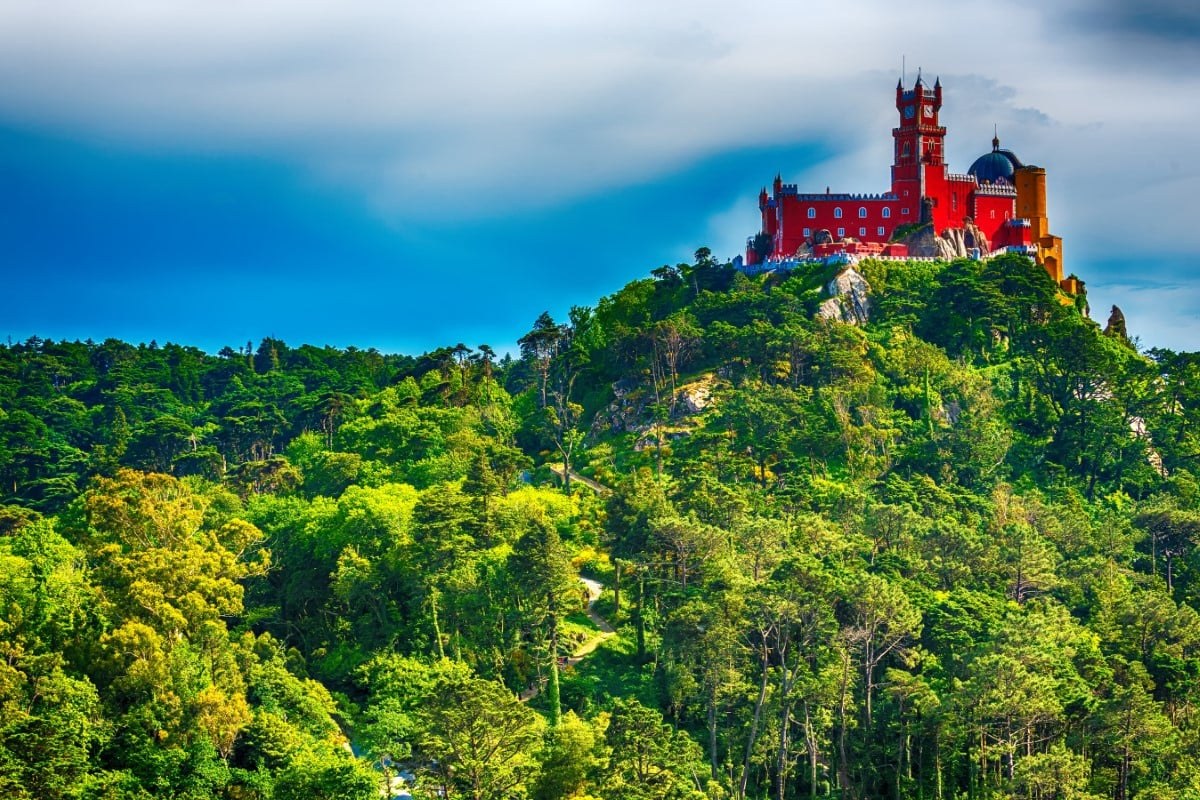 14 mi from LisbonSintra Day Trip - Pena Palace
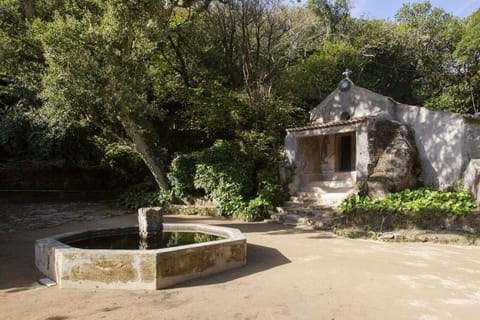 13 mi from LisbonConvent of the Capuchos Cork Lining & Underground Network
 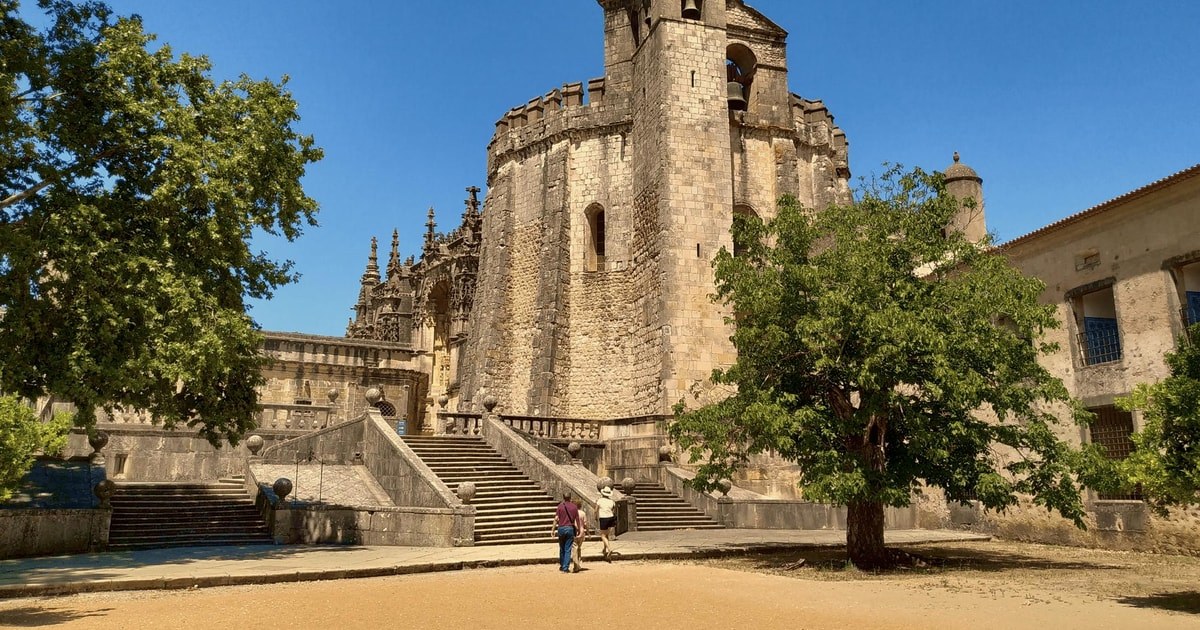 4 mi from Lisbon · land adventureTemplar Stone, Atlantic Cliffs, and Pastel Custard in Lisbon
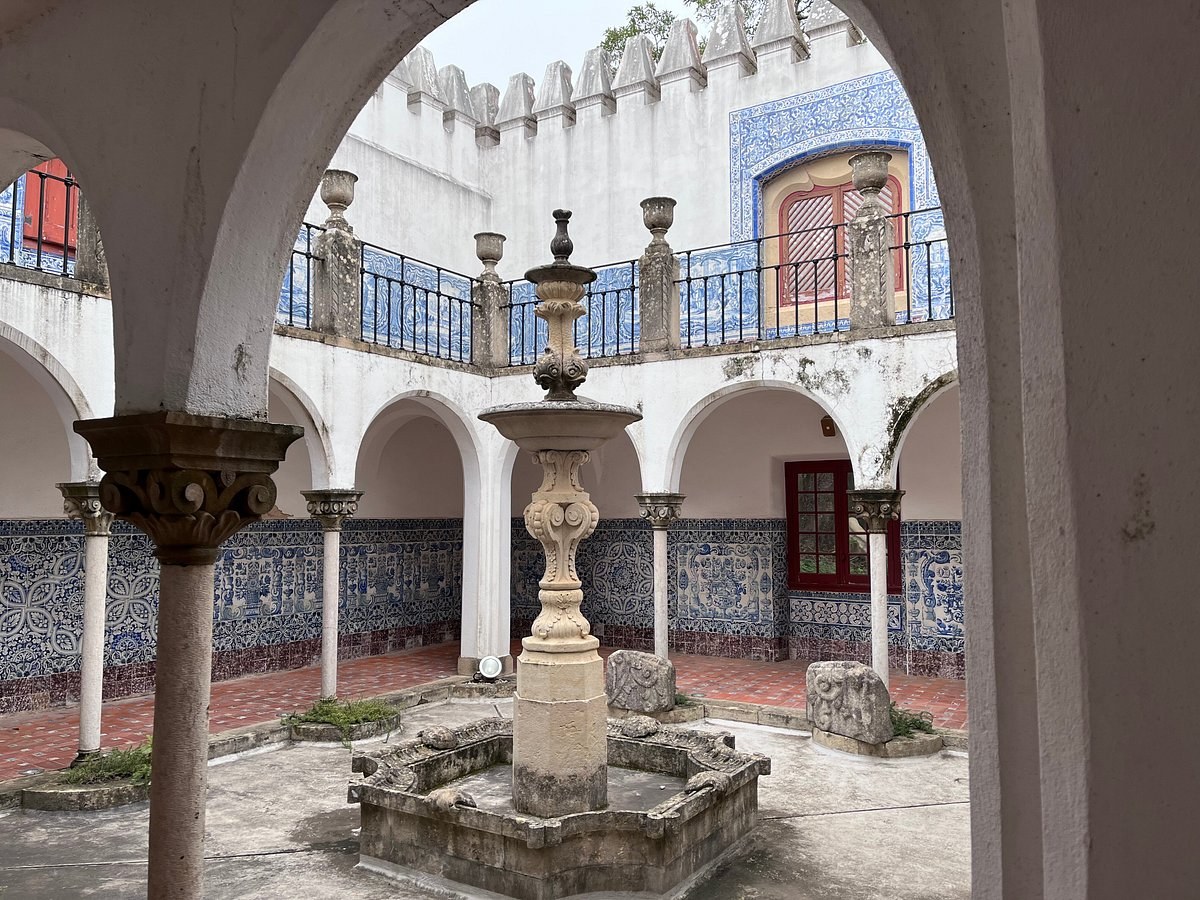 4 mi from Lisbon · land adventureSintra's Forests, Palaces & Coast: A Portuguese Masterpiece
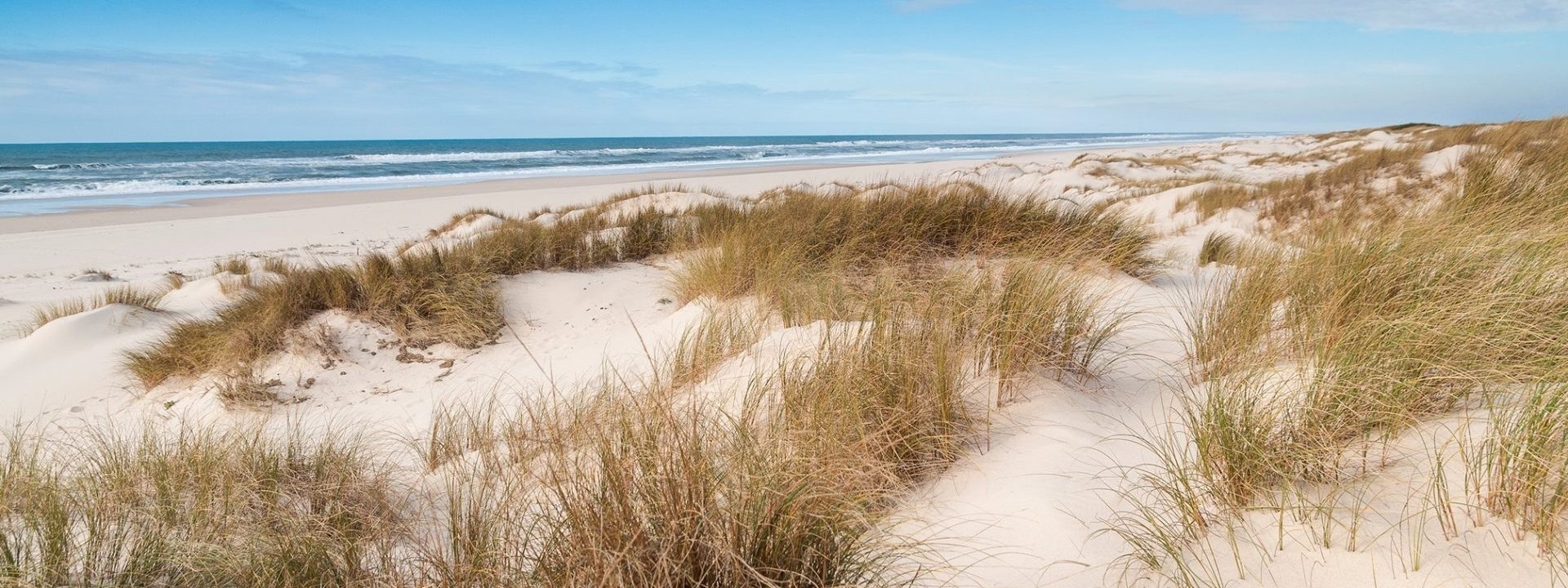 176 mi from Lisbon · land adventureSalt, Sand and Natural Wine: The Aveiro Coast Done Right