Your cruise
Silver Endeavour · 14-night Mediterranean cruise, Dakar to Lisbon
Apr 17 – May 1 · 14 nights ·
Day 1 Dakar (board) · Day 2 at sea · Day 3 Fogo · Day 4 Porto Novo · Day 5–6 at sea · Day 7 Santa Cruz de La Palma · Day 8 San Sebastian · Day 9 Funchal · Day 10 Porto Santo · Day 11 at sea · Day 12 Agadir · Day 13 Safi · Day 14 at sea · Day 15 Lisbon (step off)
What you do Step onto UNESCO-listed Gorée Island, the most haunting and historically significant site in West Africa. Walk through the Door of No Return at the House of Slaves and absorb centuries of human history with a private expert guide.
What to expect Board the government ferry from Dakar's port for the short 20-minute crossing to Gorée. Your private guide leads you through the cobblestone lanes, the Gorée Castle, the History Museum, and finally the House of Slaves — pausing at the Door of No Return for a moment of profound reflection. Afternoons on Gorée are magical: hibiscus-pink colonial facades, cannonball-smooth boulders, and local artists selling work in open courtyards. The island is car-free, gloriously quiet, and utterly unlike anywhere else on earth.
Good to know Ferry departs from the pier adjacent to Dakar cruise terminal — a short walk. Crossings run frequently; the last return ferry is well before any standard all-aboard. Pre-book your private guide in advance; the island can be busy mid-morning. Wear comfortable walking shoes — cobblestones throughout.
Versus the ship tour A private or small-group guide unlocks the island's deeper narrative — from the colourful bougainvillea-draped mansions to the harrowing slave dungeons — at a contemplative pace impossible in a crowd. Your guide brings personal, scholarly context to the Door of No Return that transforms a visit into a genuinely moving, bucket-list experience.
book direct with Teranga Tour Guide (Blek Niang – local expert) → · the full guide →
What you do Ascend the tallest statue in Africa — taller than the Statue of Liberty — for a private guided summit visit and sweeping panoramas across Dakar, the Atlantic, and the Cape Verde Peninsula. An unmissable architectural marvel and cultural statement.
What to expect Rising 49 metres from the top of one of Dakar's twin volcanic hills (Les Mamelles), the bronze monument depicts an African family striding boldly into the future. Your guide interprets the iconography and the political context as you ascend via internal stairs and lift to the crown viewing platform. The 360° view takes in the Atlantic Ocean, the lighthouse of Phare des Mamelles, and Dakar's entire sprawling skyline. On clear days you can see across to Gorée Island. Allow time to photograph the monument from below at the ornamental plaza.
Good to know Located approximately 15 minutes by private car from the cruise terminal. Best visited in the morning for clear skies and cooler temperatures. The climb inside the statue involves narrow stairs — not suitable for those with mobility concerns. Combine with a lunch at the nearby Phare des Mamelles restaurant for a seamless luxury half-day.
Versus the ship tour Pairing an official entry ticket with a pre-arranged private cultural guide means you receive the full ideological and artistic story behind Senegalese President Wade's extraordinary commission — the symbolism, the controversy, and the triumph — rather than a surface-level photo stop. The rooftop panorama at sunset is a true bucket-list moment.
What you do Witness one of nature's most surreal palettes — a bubblegum-pink lake whose salinity rivals the Dead Sea — on a private full-day excursion to Lac Rose. Swim in the hyper-saline waters, meet salt harvesters, and explore a Serer fishing village.
What to expect Your air-conditioned private vehicle collects you at the cruise terminal and heads northeast along the Dakar Peninsula, passing through traditional Lebou fishing villages en route (approx. 45 minutes). At the lake, your guide introduces you to the Serer salt workers who wade chest-deep, their skin coated in shea butter as protection. You can float in the extraordinary saline water yourself — a weightless, otherworldly experience. A freshwater rinse, a traditional lunch of thiéboudienne (Senegalese fish rice) at a lakeside restaurant, and a short walk through the adjacent Serer village complete the day.
Good to know Full-day excursion — confirm your ship's all-aboard time and allow at least 90 minutes for the return drive. The lake's pinkest hues appear in dry season (November–June) when salinity peaks. Bring a swimsuit, sunscreen, and sandals you don't mind getting salty. Do not wear jewellery into the water — high salinity is corrosive.
Versus the ship tour A private full-day transfer ensures you arrive at Lac Rose before the day-tripper crowds turn the shore busy, and your guide connects you with the actual salt harvesters — a community whose traditions stretch back generations. Floating effortlessly in the pink water, surrounded by salt pyramids and baobab trees, is a once-in-a-lifetime image.
book direct with Teranga Tour Guide (Blek Niang – local expert) → · the full guide →
What you do Immerse yourself in Dakar's vibrant creative soul on a private guided walk through the legendary Soumbedioune artisan market and the city's thriving gallery district, meeting master craftspeople and contemporary Senegalese artists in their studios.
What to expect Begin at the Soumbedioune beachside market, where fishermen haul in the morning catch alongside stalls heaped with bronze sculptures, indigo textiles, carved baobab wood, and glittering jewellery. Your guide steers you to the authentic craftspeople — and away from the tourist hustle — explaining the cultural provenance of each tradition. The route continues to Dakar's gallery strip, stopping at the celebrated Sand Painting Gallery (a Dakar institution) and a contemporary art space in the Plateau neighbourhood. Finish with a café touba — Senegal's spiced coffee — at a local terrace café.
Good to know Half-day excursion — easily paired with the African Renaissance Monument for a full day ashore. Market mornings (before noon) are liveliest. Bring CFA francs in small denominations for purchases. Wear light clothing — Dakar's humidity can be high. Your guide will handle any overzealous vendors diplomatically.
Versus the ship tour Your private local guide has personal relationships with the artists and artisans — bypassing the tourist-facing stalls to take you inside working studios where sculptors, sand painters, and weavers create extraordinary pieces. You shop (if you choose) at genuine local prices with cultural context, not from a curated gift shop.
book direct with ToursByLocals – Dakar Local Experts → · the full guide →
What you do Glide silently through the UNESCO Saloum Delta's labyrinthine mangrove channels aboard a traditional wooden pirogue, spotting flamingos, pelicans, and dolphins, then step ashore to walk among the delta's ancient, cathedral-like baobab forests.
What to expect Transfer by private vehicle south from Dakar (approx. 2 hours) to the delta embarkation point, where your hand-crafted wooden pirogue and expert naturalist await. The two-hour cruise weaves through channels flanked by ancient mangrove roots, with sightings of pink-backed pelicans, African spoonbills, and — if the season favours — bottlenose dolphins riding the bow. You step ashore on a shell-mound island (created over millennia by the Serer people) for a guided walk among giant baobabs, some over 800 years old. A fresh seafood lunch at a riverside eco-lodge precedes the return journey.
Good to know This is a full-day excursion (approx. 8 hours including transfers). It is best suited to ships with a late afternoon all-aboard. Confirm departure time with your operator. Bring binoculars, insect repellent, a sun hat, and a light layer for the pirogue. Wildlife sightings are most abundant November–April. Advance booking is essential.
Versus the ship tour The Saloum Delta is one of West Africa's last great wilderness secrets — a private pirogue with a specialist naturalist guide means you slip into channels where larger craft cannot go, arriving at shell-mound islands and mangrove bird rookeries in near-total silence. Lunch at a boutique delta lodge elevates this to a genuine luxury safari experience.
What you do Gain rare privileged access to one of Africa's most important new museums — the Museum of Black Civilisations — with a private curator-led tour through 14,000 square metres of Pan-African art, artefacts, and civilisational heritage spanning 5,000 years.
What to expect Your private vehicle delivers you to the museum's striking circular facade — modelled on a traditional African hut writ monumental — in central Dakar. The curator opens collections across six permanent thematic wings: African origins of humanity, ancient Egyptian civilisation, the trans-Saharan trade world, the Diaspora, resistance and liberation, and contemporary African expression. Highlights include original artefacts repatriated from European collections, rare Dogon ceremonial masks, and an extraordinary photographic archive of 20th-century African independence movements. The visit concludes in the museum's rooftop café with views over Dakar's Plateau.
Good to know Located in the Plateau district, approximately 10 minutes by private car from the cruise terminal. Allow 2–3 hours for a thorough private tour. The museum is air-conditioned throughout — a welcome retreat on hot days. Photography is permitted in most galleries. Advance contact with the museum's education department is recommended to arrange a private curator; allow at least one week's notice.
Versus the ship tour Opened in 2018 and still little-known on international circuits, this pan-African museum rivals the British Museum in ambition and the Smithsonian in scale — but with a fraction of the crowds. A private curator delivers a scholarly yet passionate interpretation of exhibits impossible to access through a standard group visit, from ancient Malian manuscripts to contemporary Afrofuturist installations.
What you do Step onto UNESCO-listed Gorée Island, the most haunting and historically significant site in West Africa. Walk through the Door of No Return at the House of Slaves and absorb centuries of human history with a private expert guide.
What to expect Board the government ferry from Dakar's port for the short 20-minute crossing to Gorée. Your private guide leads you through the cobblestone lanes, the Gorée Castle, the History Museum, and finally the House of Slaves — pausing at the Door of No Return for a moment of profound reflection. Afternoons on Gorée are magical: hibiscus-pink colonial facades, cannonball-smooth boulders, and local artists selling work in open courtyards. The island is car-free, gloriously quiet, and utterly unlike anywhere else on earth.
Good to know Ferry departs from the pier adjacent to Dakar cruise terminal — a short walk. Crossings run frequently; the last return ferry is well before any standard all-aboard. Pre-book your private guide in advance; the island can be busy mid-morning. Wear comfortable walking shoes — cobblestones throughout.
Versus the ship tour A private or small-group guide unlocks the island's deeper narrative — from the colourful bougainvillea-draped mansions to the harrowing slave dungeons — at a contemplative pace impossible in a crowd. Your guide brings personal, scholarly context to the Door of No Return that transforms a visit into a genuinely moving, bucket-list experience.
book direct with Teranga Tour Guide (Blek Niang – local expert) → · the full guide →
What you do Ascend the tallest statue in Africa — taller than the Statue of Liberty — for a private guided summit visit and sweeping panoramas across Dakar, the Atlantic, and the Cape Verde Peninsula. An unmissable architectural marvel and cultural statement.
What to expect Rising 49 metres from the top of one of Dakar's twin volcanic hills (Les Mamelles), the bronze monument depicts an African family striding boldly into the future. Your guide interprets the iconography and the political context as you ascend via internal stairs and lift to the crown viewing platform. The 360° view takes in the Atlantic Ocean, the lighthouse of Phare des Mamelles, and Dakar's entire sprawling skyline. On clear days you can see across to Gorée Island. Allow time to photograph the monument from below at the ornamental plaza.
Good to know Located approximately 15 minutes by private car from the cruise terminal. Best visited in the morning for clear skies and cooler temperatures. The climb inside the statue involves narrow stairs — not suitable for those with mobility concerns. Combine with a lunch at the nearby Phare des Mamelles restaurant for a seamless luxury half-day.
Versus the ship tour Pairing an official entry ticket with a pre-arranged private cultural guide means you receive the full ideological and artistic story behind Senegalese President Wade's extraordinary commission — the symbolism, the controversy, and the triumph — rather than a surface-level photo stop. The rooftop panorama at sunset is a true bucket-list moment.
What you do Witness one of nature's most surreal palettes — a bubblegum-pink lake whose salinity rivals the Dead Sea — on a private full-day excursion to Lac Rose. Swim in the hyper-saline waters, meet salt harvesters, and explore a Serer fishing village.
What to expect Your air-conditioned private vehicle collects you at the cruise terminal and heads northeast along the Dakar Peninsula, passing through traditional Lebou fishing villages en route (approx. 45 minutes). At the lake, your guide introduces you to the Serer salt workers who wade chest-deep, their skin coated in shea butter as protection. You can float in the extraordinary saline water yourself — a weightless, otherworldly experience. A freshwater rinse, a traditional lunch of thiéboudienne (Senegalese fish rice) at a lakeside restaurant, and a short walk through the adjacent Serer village complete the day.
Good to know Full-day excursion — confirm your ship's all-aboard time and allow at least 90 minutes for the return drive. The lake's pinkest hues appear in dry season (November–June) when salinity peaks. Bring a swimsuit, sunscreen, and sandals you don't mind getting salty. Do not wear jewellery into the water — high salinity is corrosive.
Versus the ship tour A private full-day transfer ensures you arrive at Lac Rose before the day-tripper crowds turn the shore busy, and your guide connects you with the actual salt harvesters — a community whose traditions stretch back generations. Floating effortlessly in the pink water, surrounded by salt pyramids and baobab trees, is a once-in-a-lifetime image.
book direct with Teranga Tour Guide (Blek Niang – local expert) → · the full guide →
What you do Immerse yourself in Dakar's vibrant creative soul on a private guided walk through the legendary Soumbedioune artisan market and the city's thriving gallery district, meeting master craftspeople and contemporary Senegalese artists in their studios.
What to expect Begin at the Soumbedioune beachside market, where fishermen haul in the morning catch alongside stalls heaped with bronze sculptures, indigo textiles, carved baobab wood, and glittering jewellery. Your guide steers you to the authentic craftspeople — and away from the tourist hustle — explaining the cultural provenance of each tradition. The route continues to Dakar's gallery strip, stopping at the celebrated Sand Painting Gallery (a Dakar institution) and a contemporary art space in the Plateau neighbourhood. Finish with a café touba — Senegal's spiced coffee — at a local terrace café.
Good to know Half-day excursion — easily paired with the African Renaissance Monument for a full day ashore. Market mornings (before noon) are liveliest. Bring CFA francs in small denominations for purchases. Wear light clothing — Dakar's humidity can be high. Your guide will handle any overzealous vendors diplomatically.
Versus the ship tour Your private local guide has personal relationships with the artists and artisans — bypassing the tourist-facing stalls to take you inside working studios where sculptors, sand painters, and weavers create extraordinary pieces. You shop (if you choose) at genuine local prices with cultural context, not from a curated gift shop.
book direct with ToursByLocals – Dakar Local Experts → · the full guide →
What you do Glide silently through the UNESCO Saloum Delta's labyrinthine mangrove channels aboard a traditional wooden pirogue, spotting flamingos, pelicans, and dolphins, then step ashore to walk among the delta's ancient, cathedral-like baobab forests.
What to expect Transfer by private vehicle south from Dakar (approx. 2 hours) to the delta embarkation point, where your hand-crafted wooden pirogue and expert naturalist await. The two-hour cruise weaves through channels flanked by ancient mangrove roots, with sightings of pink-backed pelicans, African spoonbills, and — if the season favours — bottlenose dolphins riding the bow. You step ashore on a shell-mound island (created over millennia by the Serer people) for a guided walk among giant baobabs, some over 800 years old. A fresh seafood lunch at a riverside eco-lodge precedes the return journey.
Good to know This is a full-day excursion (approx. 8 hours including transfers). It is best suited to ships with a late afternoon all-aboard. Confirm departure time with your operator. Bring binoculars, insect repellent, a sun hat, and a light layer for the pirogue. Wildlife sightings are most abundant November–April. Advance booking is essential.
Versus the ship tour The Saloum Delta is one of West Africa's last great wilderness secrets — a private pirogue with a specialist naturalist guide means you slip into channels where larger craft cannot go, arriving at shell-mound islands and mangrove bird rookeries in near-total silence. Lunch at a boutique delta lodge elevates this to a genuine luxury safari experience.
What you do Gain rare privileged access to one of Africa's most important new museums — the Museum of Black Civilisations — with a private curator-led tour through 14,000 square metres of Pan-African art, artefacts, and civilisational heritage spanning 5,000 years.
What to expect Your private vehicle delivers you to the museum's striking circular facade — modelled on a traditional African hut writ monumental — in central Dakar. The curator opens collections across six permanent thematic wings: African origins of humanity, ancient Egyptian civilisation, the trans-Saharan trade world, the Diaspora, resistance and liberation, and contemporary African expression. Highlights include original artefacts repatriated from European collections, rare Dogon ceremonial masks, and an extraordinary photographic archive of 20th-century African independence movements. The visit concludes in the museum's rooftop café with views over Dakar's Plateau.
Good to know Located in the Plateau district, approximately 10 minutes by private car from the cruise terminal. Allow 2–3 hours for a thorough private tour. The museum is air-conditioned throughout — a welcome retreat on hot days. Photography is permitted in most galleries. Advance contact with the museum's education department is recommended to arrange a private curator; allow at least one week's notice.
Versus the ship tour Opened in 2018 and still little-known on international circuits, this pan-African museum rivals the British Museum in ambition and the Smithsonian in scale — but with a fraction of the crowds. A private curator delivers a scholarly yet passionate interpretation of exhibits impossible to access through a standard group visit, from ancient Malian manuscripts to contemporary Afrofuturist installations.
What you do Descend into the raw, still-steaming aftermath of the 2021 Tajogaite eruption with a licensed local volcanologist guide. Walk across sculpted lava fields and peer into craters that reshaped an entire coastline — a once-in-a-generation landscape unlike anywhere else on Earth.
What to expect Your guide meets you dockside and drives you up into the Cumbre Vieja ridge, where the 2021 eruption buried entire neighbourhoods under metres of black lava. You'll hike the official Tajogaite route, pausing at dramatic viewpoints where rivers of solidified rock meet the Atlantic. The guide narrates the human and geological story with insider detail that no signpost could provide. Groups never exceed 8, so you set the pace and ask every question you have.
Good to know Book directly via the Graja Tours cruise-guest page; they tailor departure times around your ship's all-aboard. Wear sturdy closed-toe shoes and bring sun protection — the lava fields offer zero shade. Pre-booking is essential as availability fills quickly on port days.
Versus the ship tour Graja Tours caps groups at just 8 people, collects you directly from the port, and is led by deeply knowledgeable local naturalist guides — the intimacy and expert interpretation transform a volcano walk into a profound, unrepeatable experience.
book direct with Graja Tours – Hiking on La Palma → · the full guide →
What you do Explore one of the best-preserved Renaissance towns in all of Spain on an exclusive private guided walk through cobblestone streets, hidden squares, and grand colonial balconies. With a certified local expert entirely at your disposal, this is the definitive way to read a city that once rivalled Seville in wealth.
What to expect You'll stroll the elegant Calle O'Daly, dubbed the most beautiful street in the Canary Islands, admiring the carved wooden balconies that define La Palma's architectural soul. The guide unlocks the stories behind the 16th-century Iglesia El Salvador, the Portuguese-influenced facades, and the tucked-away plazas tourists simply walk past. The tour flows naturally from the seafront Avenida Marítima — with its painted balconies — to the cathedral square, weaving history, art, and anecdote together seamlessly. It ends wherever suits you, leaving time to linger at a local café on your own terms.
Good to know The port is a short, flat walk from the historic centre — no transfer needed. Book direct with La Palma Natural and request a start time that gives you at least 2 hours before all-aboard. Comfortable walking shoes advised; cobblestones can be uneven.
Versus the ship tour A certified official guide who devotes the entire experience exclusively to your party — no queuing, no crowd management, just genuine one-on-one storytelling in the streets of a UNESCO-listed townscape at a pace that suits you.
book direct with La Palma Natural – Guided Tours → · the full guide →
What you do La Palma holds the distinction of being one of the world's best stargazing destinations, protected by law as an International Starlight Reserve. Visit the Ojos al Cielo astronomy museum for an expert-guided tour of the island's legendary skies and telescope installations — a genuinely awe-inspiring encounter with the cosmos.
What to expect The museum brings La Palma's world-famous astronomical heritage to life through guided exhibits, scale models of the cosmos, and high-quality telescopic demonstrations. Guides explain why international observatories chose this island's peaks for their most powerful instruments and how the island's strict lighting laws preserve the darkest skies in Europe. Even during daylight hours, solar observation sessions offer a mesmerising look at our own star. It's a deeply enriching, unhurried experience that pairs beautifully with a morning in the historic town.
Good to know The museum is located in Santa Cruz de La Palma itself, making it easily walkable from the cruise terminal. Book tickets in advance via the official channel to guarantee entry on your port day. Allow approximately 1.5–2 hours for the full guided experience.
Versus the ship tour An intimate, expert-narrated experience inside a dedicated astronomy centre — combining science, culture, and the extraordinary clarity of La Palma's protected skies in a way that is utterly unique to this island.
book direct with Ojos al Cielo Museum (Official) → · the full guide →
What you do Disappear into a primeval laurel forest that has survived since the Tertiary era — a UNESCO Biosphere Reserve so lush, so silent, and so otherworldly that it feels like stepping inside a living myth. This is old-growth wilderness of the rarest kind, guided by a local expert who knows every fern and waterfall by name.
What to expect Your guide collects you at the port and drives north along La Palma's dramatic coastline before ascending into the forest of Los Tilos, where moss-draped laurel trees form cathedral-like canopies above crystal streams. You'll walk shaded paths through a landscape essentially unchanged since before the ice ages, spotting endemic Canary Island chaffinches, Bolle's pigeons, and rare ferns at every turn. The guide contextualises the forest's extraordinary ecological significance — and its recent vulnerability — with quiet authority. Emerge refreshed, humbled, and with photographs that don't look real.
Good to know Port pickup is included — essential as Los Tilos is about 25 km north of Santa Cruz. Wear light layers; the forest is noticeably cooler and can be misty. Graja Tours coordinates timing with your ship's schedule, so confirm all-aboard before booking.
Versus the ship tour Maximum 8 guests, port pickup, and a naturalist guide who reads the forest — its endemic birds, its cloud-fed streams, its ancient trees — in a way that turns a walk into a genuine ecological revelation.
book direct with Graja Tours – Hiking on La Palma → · the full guide →
What you do Stand at the rim of one of the largest erosion calderas on the planet — a vertiginous natural amphitheatre 9 km wide and nearly 2,000 m deep, draped in Canarian pine and threaded with silver waterfalls. This private island tour delivers the single most spectacular viewpoint in the entire Canary Islands.
What to expect Your private driver-guide picks you up at the port and winds up through pine-scented switchbacks to the Cumbrecita viewpoint, where the full immensity of the Caldera de Taburiente National Park opens before you without warning. The silence is profound; the scale is almost incomprehensible. Your guide shares the volcanic geology and the caldera's Guanche indigenous heritage while you absorb the panorama at your own pace. On the descent, stops at traditional villages and viewpoints over the Atlantic add further texture to an already extraordinary morning.
Good to know Access to the Cumbrecita viewpoint is restricted and requires timed entry — your guide manages this. Confirm port pickup timing against your all-aboard; the round trip takes approximately 4–5 hours. A light jacket is recommended at altitude even in summer.
Versus the ship tour A private vehicle and guide means you spend as long as you like at the Mirador de la Cumbrecita — no herding, no schedule dictated by others. The caldera view on a clear day is one of the most jaw-dropping sights in all of Atlantic Europe.
book direct with La Palma Transfer & Tours → · the full guide →
What you do Make a private pilgrimage to La Palma's most sacred and magnificent treasure: the 15th-century Sanctuary of Nuestra Señora de las Nieves, housing a breathtaking Flemish silver altarpiece and the beloved statue of the Virgin that presides over the island's faith. Quietly extraordinary, and almost unknown beyond the island.
What to expect Your private guide leads you to the sanctuary set in a lush valley just outside the capital, explaining the island's deep Marian devotion and the extraordinary story of the triptych altarpiece — a Flemish masterwork gifted during La Palma's 16th-century golden age as one of Spain's wealthiest ports. Inside, gilded altars and centuries of votive offerings speak to generations of islanders' faith. The guide then walks you through the surrounding traditional quarter, where whitewashed houses and ancient fig trees complete a scene of rare, unhurried beauty. It is one of those quietly unforgettable encounters that lingers long after the ship has sailed.
Good to know The sanctuary is approximately 2–3 km from the port; your private guide arranges transport. The church is open to visitors but the private guided experience requires pre-booking via ToursByLocals. Dress modestly (covered shoulders and knees) as this is an active place of worship.
Versus the ship tour A private local expert grants you unhurried, personal access to a sanctuary of immense spiritual and artistic importance — one rarely given its due — with the depth of commentary that only a trusted local historian can provide.
book direct with ToursByLocals – Santa Cruz de La Palma Private Guides → · the full guide →
What you do Charter a private boat around the jewel of San Sebastián's bay — Isla de Santa Clara — as the Cantabrian sun melts into the horizon. Watch the city's Belle Époque skyline glow gold from the water, glass of Txakoli in hand.
What to expect Step aboard a sleek private motor launch from the San Sebastián waterfront and glide out into the glittering Bay of La Concha. Your skipper circles Isla de Santa Clara at a leisurely pace, revealing hidden sea caves, dramatic limestone cliffs, and the iconic lighthouse. As dusk falls, the city's Art Nouveau facades shimmer behind you — a scene that belongs on a canvas. Chilled cava and pintxos can be arranged on request for a truly elevated experience.
Good to know Departs from the San Sebastián Paseo Nuevo pier, a 10-min taxi from the cruise terminal. Sunset timings vary by season — book the latest departure slot. Allow 90 minutes round-trip comfortably before all-aboard.
Versus the ship tour A fully private vessel, your own pace and itinerary around the island — sunset timing chosen by you, not a schedule. Champagne-ready, intimate, and unhurried with panoramic 360° views of La Concha Bay.
book direct with Donostia Boat Tours (San Sebastián) → · the full guide →
What you do Dive into the world's most celebrated bar-hopping ritual with a private local expert navigating San Sebastián's labyrinthine Old Town. Pin-perfect pintxos, rare Txakoli pours, and insider tables that tourists never find — this is Basque gastronomy at its most visceral.
What to expect Your guide meets you portside and whisks you into the cobbled heart of Parte Vieja, stopping at five or six legendary bars across two hours of eating and sipping. Each stop is chosen for a signature pintxo — perhaps a gilda skewer at La Mejillonera, or a foie-topped crostini at Bar Zeruko. Txakoli white wine and local cider flow between bites, with your expert narrating the history, the Basque identity, and the culinary philosophy behind each mouthful. The crawl ends at a tucked-away terrace with a final glass and sweeping views of the Río Urumea.
Good to know Old Town is a 10-minute taxi from the port; all-aboard is typically early evening, giving ample time for a 3-hour crawl. Pre-book your private guide directly through the official San Sebastián Tourism portal to secure a certified Basque expert. Confirm dietary restrictions in advance — most bars will adapt.
Versus the ship tour A private certified Basque guide curates the exact bars, orders the rarest seasonal pintxos behind the counter, and translates the culture — no crowded queue, no set menu, pure spontaneity with expert curation.
book direct with San Sebastián Turismo – Official Private Guides → · the full guide →
What you do Paddle the full perimeter of Isla de Santa Clara on a guided small-group sea kayak, weaving through sea arches and stopping at secluded coves inaccessible by larger craft. A wild, intimate encounter with the island's dramatic coastline.
What to expect Launching from a sheltered cove on San Sebastián's waterfront, you'll paddle across the vivid turquoise waters of La Concha Bay toward Santa Clara Island. Your expert guide leads the group through narrow sea arches and past nesting colonies of shearwaters and cormorants. A mid-point landing on the island's sandy beach offers time to swim in crystal-clear water and explore the historic lighthouse path. The return paddle rewards with spectacular views of the Urumea estuary and Parte Vieja rooftops.
Good to know Suitable for beginners — full paddle instruction provided. Wetsuits and equipment included. Runs mornings when sea conditions are calmest. Taxi from cruise terminal to launch point is approximately 10 minutes. Book at least 48 hours ahead in peak season.
Versus the ship tour Maximum eight paddlers per guide — a true small-group ratio — with an expert marine naturalist who explains the island's unique ecosystem, geology, and birdlife. You land on the island's sheltered beach, which larger tour groups cannot access.
book direct with Free Walking Tour San Sebastián / Local Kayak Guide → · the full guide →
What you do Join a small group of no more than eight for the most authentic Basque seasonal ritual: the txotx cider pour at a working sagardotegi in the hills above the city. A thunderous jet of barrel-fresh cider, a four-course farmhouse feast, and a living tradition dating back centuries.
What to expect A minibus collects you in central San Sebastián and winds up into the Basque hillsides to a generations-old sagardotegi. Upon arrival, the txotx ritual begins: a farmhand opens a barrel tap, cider arcs across the room, and guests catch it in wide glasses at arm's length — a skill that takes a taste or two to master. The traditional four-course lunch follows: salt cod omelette, grilled txuleta steak, local cheese with walnuts and quince, and as much cider as you can pour. A guide illuminates the history of Basque cider culture, the apple varieties, and the fermentation process.
Good to know Tours run seasonally (cider season peaks January–April) but can be arranged year-round with slight menu variations. Book well in advance as the 8-person cap fills fast. Transport is included from the city centre; allow roughly 4 hours total. Confirm all-aboard time and allow a 30-minute buffer for the return drive.
Versus the ship tour Capped at just 8 guests and operated by the official city tourism body, this is insider access to a working family cider house — not a staged show. Return transport from the city centre is included, and the guide is a certified local specialist.
book direct with San Sebastián Turismo Official Shop → · the full guide →
What you do San Sebastián's most lauded private guide, Iker Bardaji, delivers a deeply personal journey through Basque culture, architecture, and history — from Monte Urgull's ramparts to the Belle Époque promenade. This is the city as only a passionate insider can reveal it.
What to expect Iker meets you at the port or your chosen landmark and immediately makes San Sebastián feel like a living story rather than a sightseeing checklist. Explore the neo-Gothic Cathedral of the Good Shepherd, the storied alleys of Parte Vieja, and the ramparts of Monte Urgull for panoramic views of La Concha Bay. Iker weaves in Basque language, political history, and contemporary identity with warmth and wit. The walk ends at La Concha promenade — perhaps the most beautiful urban beach in Europe — where Iker leaves you with his personal list of where to eat and drink the rest of the afternoon.
Good to know Book directly via the Tripadvisor profile to confirm availability and agree on a bespoke itinerary. Iker's calendar fills quickly in summer — email well ahead. The tour is entirely on foot across flat to mildly hilly terrain; wear comfortable shoes. Full city access is within a 15-minute taxi of the port.
Versus the ship tour Iker is an independently acclaimed guide with near-perfect reviews for his depth of Basque cultural knowledge and his ability to tailor every tour to the guests' interests — a wholly private, unhurried experience at your own pace.
book direct with Iker Bardaji Private Tour Guide → · the full guide →
What you do Ride the century-old wooden funicular up Monte Igueldo for a jaw-dropping panorama of La Concha Bay, the city, and the emerald Basque coastline — one of the most photographed views in all of Spain. A genuinely timeless, unhurried moment above the city.
What to expect Board the charming antique funicular at the western end of La Concha Beach for a steep, scenic three-minute climb through pines and rocky outcrops. At the summit, the full sweep of La Concha Bay unfolds — the perfect crescent of the beach, the city's Belle Époque skyline, and the open Atlantic beyond. Linger over coffee at the hilltop café while seabirds wheel below you. The vintage lookout tower adds another layer of elevation and drama. Descend at leisure and stroll the La Concha promenade back toward the city.
Good to know The funicular base station is a scenic 25-minute walk along La Concha promenade from the Old Town, or a short taxi from the port. Opening hours vary seasonally — check the official site before sailing. No pre-booking required; simply turn up and pay. Allow 1.5–2 hours for the full experience.
Versus the ship tour The funicular itself is a heritage icon — a 1912 wooden carriage that creaks magnificently up the hillside. At the top, the 360° views of the bay, Isla de Santa Clara, and the infinite Atlantic are genuinely bucket-list. Arrive early morning for golden light and near-empty terraces.
What you do Catch Atlantic waves on Zurriola, the celebrated surf beach of San Sebastián's Gros district, under the personal coaching of a professional Basque surfer. Exhilarating, iconic, and utterly bucket-list on one of Europe's finest urban surf breaks.
What to expect Meet your coach on the golden sands of Zurriola beach, where the rolling swells of the Bay of Biscay create some of the most consistent learner waves on the Atlantic coast. After a thorough beach briefing and warm-up, you'll be riding your first waves within the hour — with your coach in the water alongside you at all times. Between sets, pause to take in the extraordinary backdrop: the Kursaal Congress Centre's glass cubes glinting, the green hills of Ulia behind, and the city's rooftops tumbling to the sea. Post-surf, a cold Estrella Damm at the beach bar is obligatory.
Good to know Zurriola is a 20-min walk from the cruise terminal or a short taxi ride. All equipment (board, full wetsuit) provided. Book the private coaching option for a truly bespoke session. Lessons run year-round; morning slots have the calmest conditions. Check all-aboard time — 2 hours is ample.
Versus the ship tour Pukas is one of Europe's most iconic and respected surf brands, born in San Sebastián. Their coaches are professional-level surfers who tailor instruction to absolute beginners and improvers alike — this is surf culture at its authentic source.
What you do Glide effortlessly along San Sebastián's spectacular coastline on a premium electric bike with a private guide — from the surfer's paradise of Zurriola Beach to the iconic Kursaal glass cubes and the wild cliffs of the Basque corniche. The city's full geography in one exhilarating sweep.
What to expect After a quick bike fitting and safety briefing, you set off along the Río Urumea toward the Kursaal Congress Centre — Rafael Moneo's two luminous glass cubes that define modern San Sebastián. From there, coast along Zurriola Beach, the city's surf beach, where Basque wave riders carve the Atlantic swell. The route continues along clifftop paths with vertiginous sea views before looping back through the Belle Époque Gros neighbourhood and along the La Concha promenade. The e-assist means zero effort on the hills — just pure visual reward.
Good to know E-bikes handle the gentle elevation with ease; suitable for all fitness levels. The port is approximately 2 km from the city centre bike meeting point — a short taxi ride. Book the private option directly with Bicitour for a fully tailored route. Allow 3 hours and confirm your all-aboard time carefully.
Versus the ship tour An e-bike lets you cover the entire coastal circuit — beaches, promenades, clifftop paths, and urban landmarks — at a pace no walking tour can match, while a private guide provides live commentary on Basque surf culture, contemporary architecture, and local life.
What you do Set inside a breathtaking 16th-century Dominican convent fused with a striking modern extension, San Telmo is the Basque Country's premier museum — a profound journey through Basque civilisation, mythology, and world-class contemporary art in one extraordinary building.
What to expect Step through the Renaissance cloister into a world where ancient Basque mythology meets 21st-century installation art. José María Sert's monumental golden murals dominate the former chapel — sweeping, visceral scenes of Basque pastoral and maritime life that rank among Spain's great modern artworks. The permanent collection traces the Basque people's extraordinary history: fishing, ironwork, seafaring, and the origins of the unique Euskara language. The contemporary wing hosts rotating exhibitions of Basque and international artists. The rooftop terrace, accessible via the modern extension, offers a serene view over Parte Vieja's rooftops.
Good to know Located at the edge of Parte Vieja, a 15-minute taxi from the port. Audio guides are available in English and significantly enrich the experience — collect one at the ticket desk. Allow 2–2.5 hours for a meaningful visit. Combine with a pintxos crawl in the adjacent Old Town for a perfect half-day. Pre-purchase tickets online to skip the queue.
Versus the ship tour San Telmo is the only museum in the world dedicated entirely to Basque culture and history, housed in an architectural gem. The cloistered convent walls, José María Sert's epic golden murals, and a cutting-edge contemporary wing make this an experience as visually extraordinary as it is culturally illuminating.
book direct with San Telmo Museoa (Official) → · the full guide →
What you do Trek the legendary high-altitude trail linking Madeira's two highest peaks above the clouds. One of Europe's most dramatic mountain walks — raw volcanic terrain, sweeping Atlantic panoramas, and total wilderness at 1,800 m.
What to expect A private 4WD picks you up at the port and climbs into the clouds to Pico do Arieiro (1,818 m). Your guide leads you along the sculpted lava ridge, through tunnels carved into the rock face, to the island's highest point at Pico Ruivo. The views — layers of cloud below, endless Atlantic above — are unlike anywhere else in Europe. A warm local lunch is arranged in a mountain village before your return descent.
Good to know The walk is 9 km one-way and takes 4–5 hours; weather can change rapidly, so a certified guide is essential. Book at least 2 weeks ahead as small-group slots fill fast. All-aboard is typically 18:00; a half-day version returns comfortably by 16:00.
Versus the ship tour Small groups of no more than 8 with a native-born mountain guide who reads the weather windows perfectly — you depart at dawn to catch the cloud inversion and have the ridge to yourselves before day-trippers arrive.
What you do Glide up by cable car to the dazzling Monte Palace tropical garden, then hurtle back down through cobbled streets in a hand-steered wicker toboggan — Madeira's most exhilarating and quintessentially local tradition.
What to expect The Teleférico glides smoothly over red-roofed quintas and banana groves to Monte village. Spend an hour exploring Monte Palace's tiered gardens — Japanese pagodas, African sculptures, and sweeping Funchal bay views. Then two white-suited 'carreiros' guide your wicker basket-sled down 2 km of steep cobbled lanes at exhilarating speed — a tradition unchanged since 1850. Finish with a bica and pastel de nata at a Monte café before strolling back down.
Good to know Cable car opens at 09:00; go early on port days. The toboggan ends in Livramento, a short taxi back to the waterfront. Allow 3 hours total. Pre-book the cable car online to skip queues.
Versus the ship tour Book the first cable car of the morning to arrive at Monte Palace gardens before the crowds, linger among 100,000 exotic plants and hand-painted azulejo panels, and take the toboggan run on your own schedule — a completely self-directed, unhurried luxury experience.
book direct with Teleféricos da Madeira (official) → · the full guide →
What you do Madeira sits on one of the world's most biodiverse whale migration corridors. Sail aboard a premium vessel with marine biologist guides in search of sperm whales, pilot whales, and acrobatic Atlantic spotted dolphins.
What to expect Depart Funchal marina aboard a sleek catamaran equipped with underwater microphones to detect whale song. Your marine biologist narrates every sighting — sperm whales are resident year-round, while Bryde's whales, bottlenose, and spotted dolphins make regular appearances. Chilled Madeiran wine and local snacks are served on the return leg as the volcanic cliffs of the island's south coast glow in the afternoon light. Rated #1 wildlife experience in Madeira on Tripadvisor.
Good to know Tours depart at 09:00 and 14:00, each lasting approximately 3 hours — either slot returns well before a typical 18:00 all-aboard. Booking directly guarantees best availability; reserve 1–2 weeks in advance for port days. Sea-sickness tablets recommended for sensitive guests.
Versus the ship tour VipDolphins operates purpose-built catamarans with on-board marine biologists and real-time hydrophone listening equipment — sightings are guided by science, not luck, and encounters are genuinely intimate with small passenger numbers.
book direct with VipDolphins Madeira (official) → · the full guide →
What you do Step inside one of the world's great fortified wine estates — a 200-year-old merchant lodge in the heart of Funchal — for a private tasting masterclass led by a dedicated sommelier. The only way to truly understand Madeira wine.
What to expect Pass through the cobbled courtyard of the Adegas de São Francisco into centuries of winemaking history. Your sommelier leads you through sun-drenched lofts where Madeira wine undergoes its unique estufagem heating process. The tasting progresses from a crisp 5-year Sercial to a complex, caramel-laced 15-year Malmsey. Private bookings include back-vintage library wines unavailable on the standard tour. The lodge shop offers bottles to take back aboard.
Good to know The lodge is a 10-minute walk from the cruise pier — no transfers needed. Standard tours run daily; private masterclasses must be arranged 48 hours in advance via the website. Allow 90 minutes for the premium experience. Closed Sundays.
Versus the ship tour A private booking gains you exclusive access to the atmospheric 17th-century lodge, barrel-ageing cellars, and a sommelier-guided flight of rare vintage Madeiran wines — an experience reserved for serious collectors and connoisseurs.
book direct with Blandy's Wine Lodge (official) → · the full guide →
What you do Escape the crowds on a private 4WD expedition through Madeira's dramatic interior — ancient laurel forest, secret levada paths, clifftop villages, and viewpoints that no coach tour can reach.
What to expect Your guide collects you dockside in an open-top 4WD and heads north through the UNESCO-listed Laurisilva forest — a primeval laurel jungle that has survived since the Tertiary era and drips with ferns and mosses. Stops include the vertiginous Balcões viewpoint, a walk along an irrigation levada channel through the mountains, the colourful terraced village of Santana, and the dramatic sea cliffs at Ponta de São Lourenço. Lunch is at a local quinta restaurant, wine included. Return to port by 17:30.
Good to know Full-day runs 08:30–17:30 — confirm your all-aboard time before booking. Private bookings are entirely flexible on duration. Layers essential; the north of the island is significantly cooler and often misty. Book directly via email or phone for private group pricing.
Versus the ship tour A private Jeep safari with a native Madeiran guide means the itinerary bends entirely to your interests — linger at a miradouro, wade a levada channel, or stop spontaneously at a hillside adega for poncha. No fixed stops, no microphone commentary, no waiting.
What you do Uncover 600 years of Atlantic trading history in Funchal's cobbled old quarter, finishing at the legendary Farmers' Market — a riot of exotic tropical fruits, endemic island flowers, and espadarte swordfish. Pure Madeira, unfiltered.
What to expect Begin at the 15th-century Sé Cathedral, one of Portugal's finest Manueline monuments, before weaving through the cobbled Zona Velha (Old Town). Your guide explains the hand-painted tile murals adorning every doorway — a living outdoor gallery created by local artists. At Mercado dos Lavradores, you taste a custard-apple, handle a bird-of-paradise flower, and watch fishermen unload scabbardfish that will be on restaurant tables by noon. End with a tasting of regional poncha at a historic bar.
Good to know The market is at its most vibrant 08:00–13:00 Friday and Saturday — try to schedule your port call accordingly. The circuit is 3–4 hours and entirely walkable from the cruise pier (15 minutes on foot). Private guides on ToursByLocals are vetted locals; select a guide with history or culinary specialist credentials for the richest experience.
Versus the ship tour A dedicated local historian-guide leads at a genuinely unhurried pace — into the Sé Cathedral's Manueline interior, along the hand-painted azulejo alleyways of Rua de Santa Maria, and into the market's fish hall where few tourists venture. Stories, context, and insider access that no group tour provides.
book direct with ToursByLocals – Funchal Private Guides → · the full guide →
What you do Venture into the emerald gorges and natural rock pools of Paradise Valley, a hidden Berber oasis carved into the Anti-Atlas Mountains. Swim under towering palms, meet Amazigh villagers, and lunch on a traditional tagine — Morocco's most breathtaking inland secret.
What to expect A licensed guide collects you at the port and drives through argan-tree groves and Berber villages before the valley reveals itself in a sweep of turquoise pools and pink granite. You swim, hike the terraced banks, and share mint tea with locals. A generous home-cooked lunch of slow-cooked lamb tagine and fresh salads is served under palm canopy. The return journey traces the Atlantic coastline for golden-hour views.
Good to know Full-day tour runs 8–9 hrs; confirm your ship's all-aboard time and request a port-departure pickup. Bring a swimsuit, reef shoes, and sun protection. Pre-book at least 48 hrs ahead — private slots fill fast on port days.
Versus the ship tour Private vehicle and licensed Amazigh guide means you linger at the most photogenic rock pools, eat at a family-run mountain table, and take the scenic back route home — entirely at your own pace with no crowd pressure.
What you do Climb the floodlit ramparts of the 16th-century Kasbah of Agadir Oufella as the Atlantic catches fire below. Walk haunted lanes destroyed by the 1960 earthquake and hear the city's layered story — Berber, Portuguese, and Moroccan — from a licensed local historian.
What to expect Your guide meets you at the Kasbah gate and leads you through the reconstructed medina interior, pausing at the Arabic inscription above the original gate — 'Fear God and honour the King.' The terrace unveils a 180° panorama: the Atlantic, the port, and 10 km of crescent beach. At dusk the ramparts glow amber and the city lights begin to pulse below. The descent winds through argan scrub alive with birdsong.
Good to know The Kasbah is a 15-min taxi or private-car ride from the port (approx. MAD 30–50 each way). Sunset timing varies by season — check civil-twilight time vs your all-aboard. Wear flat, closed shoes; the cobblestones are uneven.
Versus the ship tour A private licensed historian rather than a group leader gives you unhurried access to the earthquake memorial and the panoramic ramparts — most visitors rush past both — plus the story of Agadir's remarkable post-1960 rebirth told by someone whose family lived it.
book direct with Agadir Oufella (official site) → · the full guide →
What you do Race a quad across coastal dunes north of Taghazout as the Saharan light turns gold, then swap wheels for a sandboard and carve the same slopes at speed. The evening closes around a candle-lit Moroccan dinner with live Gnawa music under the stars.
What to expect A 4x4 transfer whisks you north along the coast to the Taghazout dune belt, arriving as the afternoon light goes amber. A certified guide fits your quad helmet and walks you through handling before you set off across the ridgelines. Sandboards are waxed and ready on the steepest face. After the final run, lanterns mark the path to a low Berber tent where harira soup, b'stilla, slow lamb, and pastilla au lait are served course by course. Gnawa musicians close the evening.
Good to know Evening tour typically departs port at 4 pm and returns by 10 pm — verify against your ship's overnight schedule. Closed-toe shoes and long trousers recommended for quad riding. Book at least 3 days ahead; operators confirm port-pickup logistics on booking.
Versus the ship tour Small groups of max 8 guarantee genuine dune space, a personal safety briefing, and the freedom to attempt multiple sandboard runs — plus a sit-down dinner that's a real Moroccan feast, not a buffet.
What you do Surrender to Morocco's oldest wellness ritual: a full black-soap kessa scrub, rose-water steam, and a 60-minute argan-oil massage performed by trained therapists in a marble-tiled hammam setting. Pure, unhurried luxury — the perfect counterpoint to a sea day.
What to expect Your driver collects you dockside and delivers you to a spa where cool zellij tiles and cedar woodwork set the mood immediately. A therapist guides you through the hammam sequence: warm room to open pores, a vigorous kessa exfoliation with savon beldi, a rhassoul clay mask, and finally the argan oil massage on a heated marble slab. Mint tea and Moroccan pastries are served in the relaxation lounge before the return transfer. You leave the port again feeling three years younger.
Good to know The full experience lasts approx. 2.5 hrs including transfers. Bring a swimsuit or hammam shorts (provided if forgotten). Avoid heavy eating immediately before. Book at least 48 hrs ahead so the spa can hold a private slot on port-call day.
Versus the ship tour Private transfer, a dedicated therapist per guest, and a curated menu of argan-based treatments sourced from a women's Amazigh cooperative — an experience that honours Moroccan craft rather than replicate it.
book direct with Pure Morocco Tours (Agadir Luxury Hammam with Transfer) → · the full guide →
What you do Spend a luxurious half-day watching world-class surfers ride Atlantic swells from a cliffside café in Taghazout, then return to Agadir's vast Souk El Had for hand-ground spices, Amazigh jewellery, and argan oil direct from a cooperative.
What to expect Your private guide drives the spectacular coastal road north to Taghazout, stopping at the headland where a small café serves fresh-pressed orange juice and argan amlou (almond-honey dip) while surfers carve the famous Anchor Point break below. After a leisurely lunch of grilled fish at a harbourside restaurant, the afternoon is spent in Souk El Had — 6,000 stalls condensed into a labyrinth of colour, scent, and craft. Your guide negotiates fair prices and translates the stories behind each artisan's work.
Good to know Half-day tour (4–5 hrs) easily fits most port schedules; confirm your all-aboard and the guide will plan backward from it. The souk is busiest and most atmospheric on Sundays. Bring MAD cash for market purchases — most artisan stalls don't take cards.
Versus the ship tour A vetted, English-speaking local guide curates the souk experience — navigating you past tourist traps to the spice merchants and argan cooperatives where producers speak directly to you about their craft.
book direct with ToursByLocals — Agadir Private Guides → · the full guide →
What you do Walk through a lush Andalusian garden where 300 Nile crocodiles bask alongside flamingos and exotic birds, then step into the Medina Polizzi — a hand-built artisan village that is itself a living work of art. Two of Morocco's most unexpected treasures, side by side.
What to expect Your guide opens with the Crocoparc, a surprisingly lush botanical garden where Nile crocodiles lounge on sun-warmed banks and a suspension bridge crosses directly above them — hearts will race. Flamingos, tortoises, and parrots fill the surrounding gardens. The Medina Polizzi next door was built entirely by Moroccan craftsmen using traditional techniques; its painted riads, mosaic fountains, and arched souks feel like a film set, except everything is real and for sale. A mint-tea tasting closes the loop before your return to port.
Good to know Both sites are in northern Agadir, approx. 20 min from the port by private car. Allow 3–4 hrs for a relaxed visit of both. Crocoparc feeding times (usually mid-morning) are the most spectacular — ask your guide to time the visit accordingly. Book the private guide 48 hrs ahead.
Versus the ship tour A private local guide contextualises both sites — the ecological story of sub-Saharan crocodiles in Morocco and the decade-long human labour behind every mosaic tile in the Medina — elevating what could be a tick-box visit into genuine cultural immersion.
book direct with Withlocals — Private Agadir Tours → · the full guide →
What you do Cross the Atlas foothills to Marrakech's medina with a private historian-guide who threads you through souks, palaces, and Jemaa el-Fnaa before the crowds peak.
What to expect You depart Safi early with a private driver-guide, reaching Marrakech in under two hours. The guide walks you through the Bahia Palace, the Saadian Tombs, and the tanneries, timing the souks for the cool morning light, then leaves free time in Jemaa el-Fnaa before the return drive.
Good to know This is a long day (10-11 hours round trip) — confirm your ship's all-aboard time allows it, ideally 8+ hours in port. Book the guide directly at least a week ahead; bring cash dirhams for tips and small purchases.
Versus the ship tour A licensed private guide sets a bespoke pace, choosing which riad courtyards and artisan workshops to linger in rather than herding a coach group through checkpoints.
book direct with TourHQ Private Local Guides – Safi/Marrakech network → · the full guide →
What you do Walk the hillside kilns where Safi's ceramicists have thrown and fired ochre-glazed pottery for generations — a working craft district, not a museum piece.
What to expect You climb the potters' hill above the port, passing open-air kilns stacked with unfired clay and workshops where families have worked for generations. Artisans invite you to watch throwing and hand-painting, and you can commission a piece or buy straight from the source at a fraction of gallery prices.
Good to know Best visited mid-morning when kilns are firing and light is good for photos. It's a 15-20 minute walk or short taxi from the port; go with a guide the first time to navigate respectfully and negotiate fairly.
Versus the ship tour You watch the actual potters at their wheels and kilns, buy direct from the maker, and see a craft tradition still earning its living rather than performing for tour buses.
book direct with Cooperative des Potiers de Safi (artisan cooperative, on-site) → · the full guide →
What you do Explore the 16th-century Portuguese citadel and its ceramics museum with an expert guide who explains Safi's overlooked role as Morocco's Atlantic gateway.
What to expect You walk the ramparts of the Portuguese-built citadel overlooking the harbor, then move into the National Ceramics Museum housed within, where centuries of Safi pottery are displayed. A knowledgeable local guide contextualizes the Portuguese occupation, the Jewish mellah nearby, and how ceramics became Safi's signature export.
Good to know Close to the port, walkable in 20 minutes — ideal if you want a shorter, richer morning rather than a long excursion. Go early to beat the midday heat on the exposed ramparts.
Versus the ship tour A private guide unlocks the fortress's Portuguese colonial history and the museum's ceramics narrative in real depth, at a pace that lets you actually read the objects rather than pass them.
book direct with Kechla Fortress / National Ceramics Museum (official site, Ministry of Culture) → · the full guide →
What you do Drive south along the coast to Essaouira's blue-and-white medina, ramparts, and fishing port — a UNESCO town with none of Marrakech's crush.
What to expect About 90 minutes from Safi, Essaouira opens onto wind-scoured ramparts, a working fishing harbor loud with gulls and grilled sardines, and a medina of art galleries and woodworking shops. You walk the Skala du Port fortifications, browse thuya-wood workshops, and lunch on the harborside catch.
Good to know Round trip is roughly 3-4 hours' driving — plan for a 9+ hour port day. Wind is constant, even in summer; bring a light jacket.
Versus the ship tour A private driver means you choose the pace along the coast road, stop for Argan oil cooperatives run by women's collectives, and wander the ramparts without a group leader's clock.
book direct with Private driver-guides via TourHQ Safi network → · the full guide →
What you do Visit this smaller 18th-century seafront bastion with a guide timed for late afternoon light over the Atlantic — a quiet, uncrowded counterpoint to Safi's bigger sights.
What to expect You climb worn stone stairs to cannon-lined ramparts facing directly onto the Atlantic swell, with the old medina and fishing port spread below. A guide points out the fortress's role defending Safi's harbor and the layered history of Portuguese, Saadian, and Alaouite control.
Good to know Combine easily with the Kechla Fortress visit since both are near the medina; aim for the last two hours before sunset for the best light and near-empty ramparts.
Versus the ship tour Almost no cruise passengers make it here; a private guide timed for late afternoon gives you the ramparts, cannons, and ocean light essentially to yourself.
book direct with Ksar El Bahr (municipal heritage site) → · the full guide →
What you do Follow a Safi native through the working fish market, spice stalls, and medina eateries most cruise visitors never see, tasting grilled sardines and msemen fresh off the griddle.
What to expect You start at Safi's harbor-side fish auction where the day's catch is sold at speed, then wind into the medina's spice and produce souks. Your guide stops at family-run grills and bakeries for sardines, msemen flatbread, and mint tea, explaining ingredients and Safi's fishing economy along the way.
Good to know Go mid-morning when the fish auction is liveliest; wear closed shoes, the market floor can be wet. Cash only for street food purchases.
Versus the ship tour An in-the-know local takes you to the stalls locals actually queue at, not a staged tasting circuit, and translates the market's rhythms and haggling in real time.
book direct with Independent local food guide via TourHQ Safi → · the full guide →
What you do Climb to the candy-colored Pena Palace, a Romanticist fairytale castle floating on a forested peak above Sintra, then stand at Cabo da Roca, the westernmost cliff of continental Europe, before the seaside polish of Cascais. It's a UNESCO-listed day you physically cannot do from Lisbon's center on foot, and the single experience a first-timer most regrets skipping. The guided van solves Sintra's brutal timed-entry queues and, critically, guarantees you back to the ship.
What to expect You'll ascend into the forested hills above Sintra to explore the candy-colored Pena Palace, a Romanticist fairytale castle perched on a peak with sweeping views across the landscape. From there, the van carries you to Cabo da Roca, the windswept westernmost cliff of continental Europe, where you can stand at the edge and take in the Atlantic. You'll finish in the seaside polish of Cascais before returning to the ship, completing a full arc of Sintra's dramatic geography in a single morning and afternoon—a journey impossible to accomplish on foot from Lisbon's center.
Good to know This 8-hour small-group van tour includes Pena Palace timed-entry tickets and Lisbon pickup/return from the pier, eliminating the brutal entry queues that plague independent visitors. Book this operator specifically because they guarantee return to the ship; the cruise line's own coach options run 5–7 hours at nearly double the price. Depart early enough to be back well before your ship's evening departure, and bring layers and comfortable walking shoes for steep palace grounds and coastal winds.
Versus the ship tour The ship's 5-hr Sintra/Cascais coach is $129.99 and the 7-hr lunch version is $174.99. Direct is ~$88 in a small van vs a full coach, saving roughly $40-$85 per person AND skipping the entry-queue problem. This is a 8-hour mainland item: only book it on a standard call if your ship is in port well past mid-afternoon, and use this operator specifically because it guarantees the return.
What you do Lisbon was built to be seen from its river, and a small boat delivers the money shot: the red 25 de Abril Bridge (the city's Golden Gate twin), the Cristo Rei statue on the far bank, Belem Tower and the pastel hills tumbling to the water. Two relaxed hours with a drink in hand is the perfect bookend before sailaway. Pick the sunset departure if your ship leaves late.
What to expect You'll board a small boat at the riverside dock near the city center and spend two hours on the water, drink in hand, as Lisbon unfolds in front of you. The route showcases the red 25 de Abril Bridge—Lisbon's iconic rival to the Golden Gate—then glides past the historic Belem Tower and the Christ the King statue (Cristo Rei) rising from the far bank. Pastel-colored hills tumble down to the waterline, and the boat's intimate scale delivers the views that made Lisbon built to be seen from its river. If your ship departs in the evening, the sunset tour transforms the same skyline into burnished gold and rose.
Good to know The dock sits right in town, minimizing back-to-ship risk; plan for a 2-hour cruise within a 6–8 hour port window, leaving time to return before sailaway. Book direct with Tagus Cruises (€38–€45 per person, depending on day or sunset slot) rather than through the ship's add-ons (which cost €73–€100), saving €30–€55 per person for the same experience. The tour is fully inclusive—skipper, drinks, and taxes are built in—and runs on fixed daily departures; reserve ahead to secure your preferred time slot, especially if timing a sunset departure with your ship's schedule.
Versus the ship tour This is the single biggest markup gap at Lisbon. Cruise-line river/sunset water add-ons run ~$80-$110 per person; booking direct at ~$41-$49 saves roughly $40-$60 each for the same skyline. Direct wins decisively. The only edge the ship has is a back-to-ship guarantee, but the dock is right in town, so the risk is minimal.
What you do Alfama is the medieval Moorish heart of Lisbon, a tangle of staircases, laundry-strung alleys and miradouro viewpoints far too steep to cover on foot in a port-day window. An open electric tuk-tuk hauls you up to Castelo de Sao Jorge, Portas do Sol and Santa Luzia for the iconic red-roof-and-river panoramas. The cruise dock literally sits at the foot of Alfama, so this is the lowest-risk, walk-off-and-go option of the day.
What to expect You'll board an open electric tuk-tuk at the cruise dock—no shuttle, no fuss—and climb the steep medieval alleys of Alfama as the vehicle winds through a tangle of laundry-strung staircases and narrow cobbled streets. The route hauls you up to three iconic miradouro (viewpoint) stops: Castelo de Sao Jorge, Portas do Sol, and Santa Luzia, each delivering panoramic shots of Lisbon's signature red rooftops spilling down to the river. At each vantage, you'll have time to photo and breathe the sea-salt air before the tuk-tuk descends back through the Moorish quarter to the dock. The whole rhythm unfolds in 1–2 hours depending on which tour you choose, leaving you with hours to explore Belem or the city on foot.
Good to know The cruise dock sits at Alfama's literal foot, so you walk off the ship and onto a tuk-tuk—book direct with Tuk On Me (operator RNAAT 485/2014 registered with Turismo de Portugal) to lock in €15–€30 per person rather than the ship's €104.99 coach. In a 6–8 hour port window, the 1–2 hour tuk-tuk tour leaves ample buffer time; simply confirm your return time with the driver to ensure you're back at the dock with 30+ minutes before all-aboard. Wear comfortable shoes for the few steps between tuk-tuk stops, bring sunscreen and a hat for the open-air exposure at each viewpoint, and have small euro bills or a card ready for the operator if paying on-site rather than pre-booking.
Versus the ship tour The ship's 3.5-hr Panoramic Lisbon & Belem coach is $104.99. A focused Alfama/viewpoints tuk-tuk at $16-$32 covers the most photogenic, hardest-to-walk part of the city for a fraction of that. Direct wins on price and access. Fair caveat: the ship coach also tacks on Belem, so if Belem is a must-see for you, pair this tuk-tuk with a short ride or walk out there yourself.
What you do Portuguese food is a bucket-list draw in its own right, and a small-group walk is the fastest way to taste the canon: bacalhau (salt cod), petiscos (Portuguese tapas), a bifana pork sandwich, regional cheeses and a shot of sour-cherry ginjinha, learning the city through its makers. This operator works real everyday neighborhoods like Campo de Ourique and Mouraria rather than tourist traps, capped at 12 people. Best for travelers who want depth over a checklist.
What to expect You'll join a small group of no more than 12 people for a walking tour through authentic Lisbon neighborhoods—Campo de Ourique and Mouraria—guided by local food experts who know the real makers and spots. The tour flows as a series of tastings and stops: bacalhau (salt cod), petiscos (Portuguese tapas), a bifana pork sandwich, regional cheeses, and a shot of sour-cherry ginjinha, with drinks included throughout. Rather than hitting tourist checkboxes, you're learning the city's food culture through the people who've shaped it, moving at a conversational pace through working neighborhoods. The whole experience runs 3 to 3.5 hours—intimate, depth-focused, and flavored with real Lisbon rhythm.
Good to know This tour costs ~$76 per person and is offered by Taste of Lisboa Food Tours; book directly with the operator rather than through the cruise line to lock in the small-group cap and local-neighborhood routing. Plan for a 3–3.5 hour excursion, leaving you a comfortable 2.5–3 hour buffer to return to the ship within a typical 6–8 hour port window. Wear comfortable walking shoes suitable for navigating neighborhood streets, and bring cash or confirm card acceptance at each stop, as smaller vendors may have payment limitations. No special advance preparation is needed beyond booking, though arriving 10–15 minutes early at the meeting point in central Lisbon helps you settle in before the group departs.
Versus the ship tour Cruise-line tapas/Fado evenings run ~$70-$100 per person. Direct here is ~$76 for a genuinely local, small-capped walk, so it's roughly even on price but you get a max-12 group in real neighborhoods instead of a tour-bus crowd. Honest call: if you only want a quick cheap taste, a $23-$30 highlights snack-and-wine walk on a marketplace site beats both this and the ship on price; this card is the depth pick, not the budget one.
book direct with Taste of Lisboa Food Tours → · the full guide →
After you step off · near Lisbon
You end in a different port — stay on, and add what is within reach before you fly home.
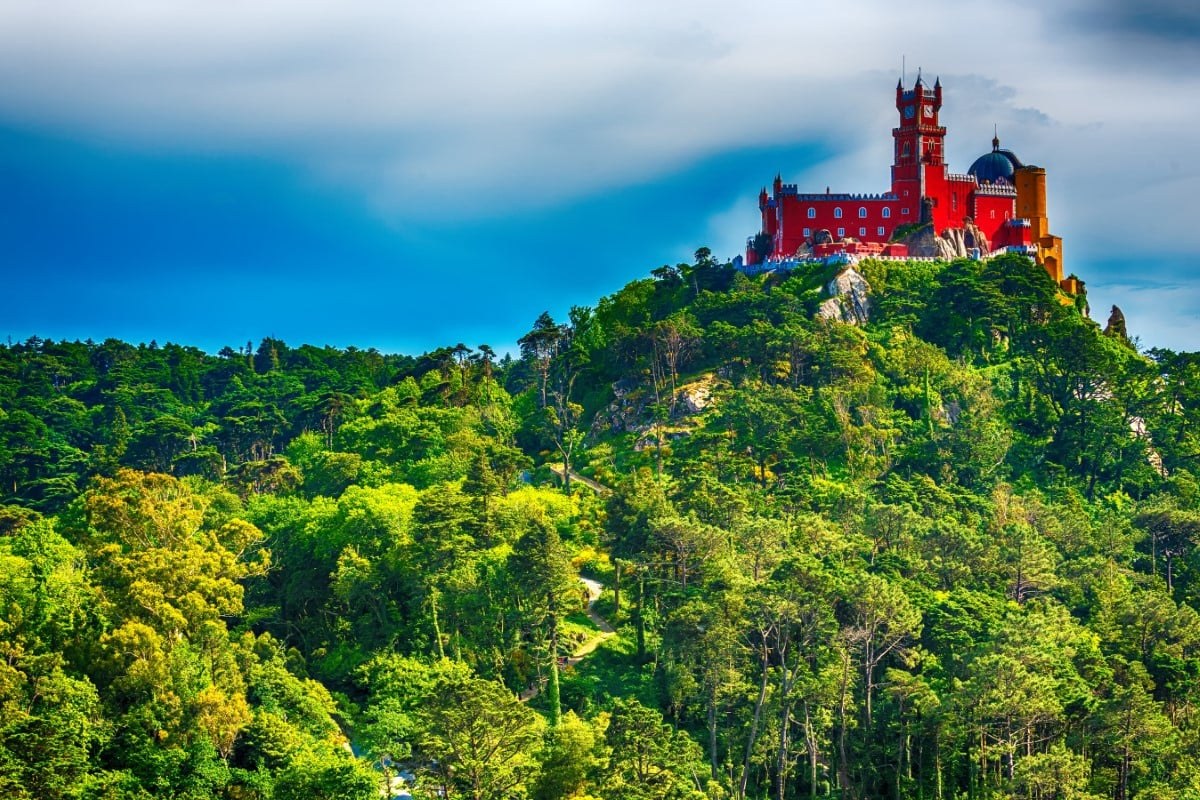 14 mi from LisbonSintra Day Trip - Pena Palace
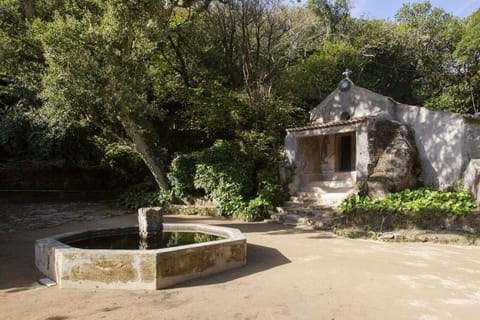 13 mi from LisbonConvent of the Capuchos Cork Lining & Underground Network
 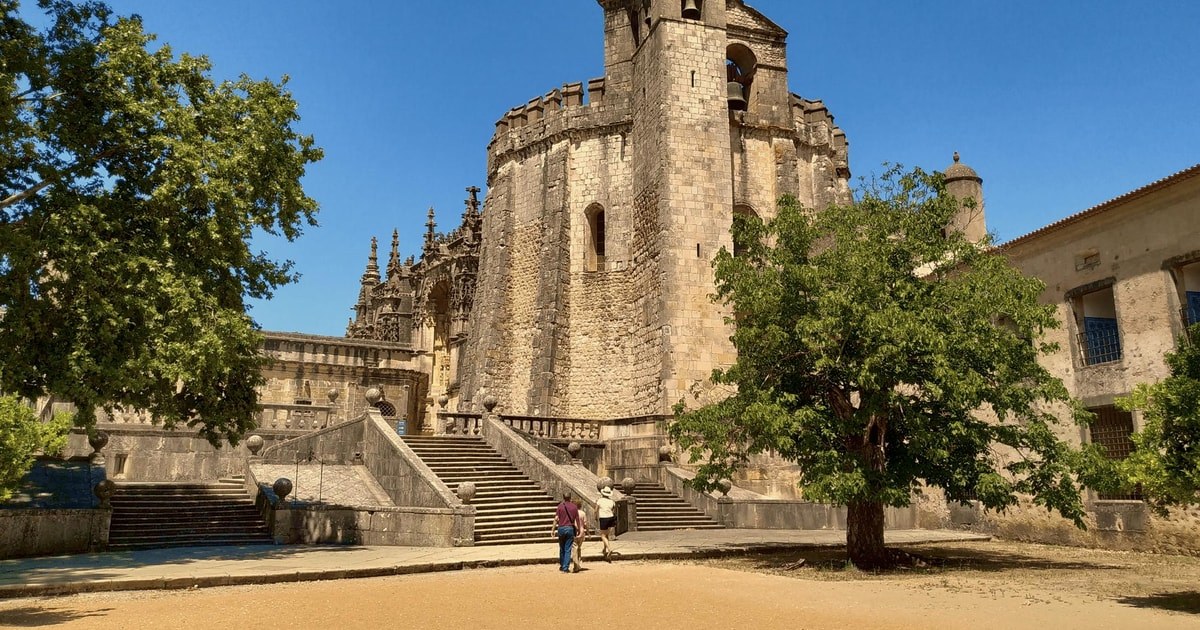 4 mi from Lisbon · land adventureTemplar Stone, Atlantic Cliffs, and Pastel Custard in Lisbon
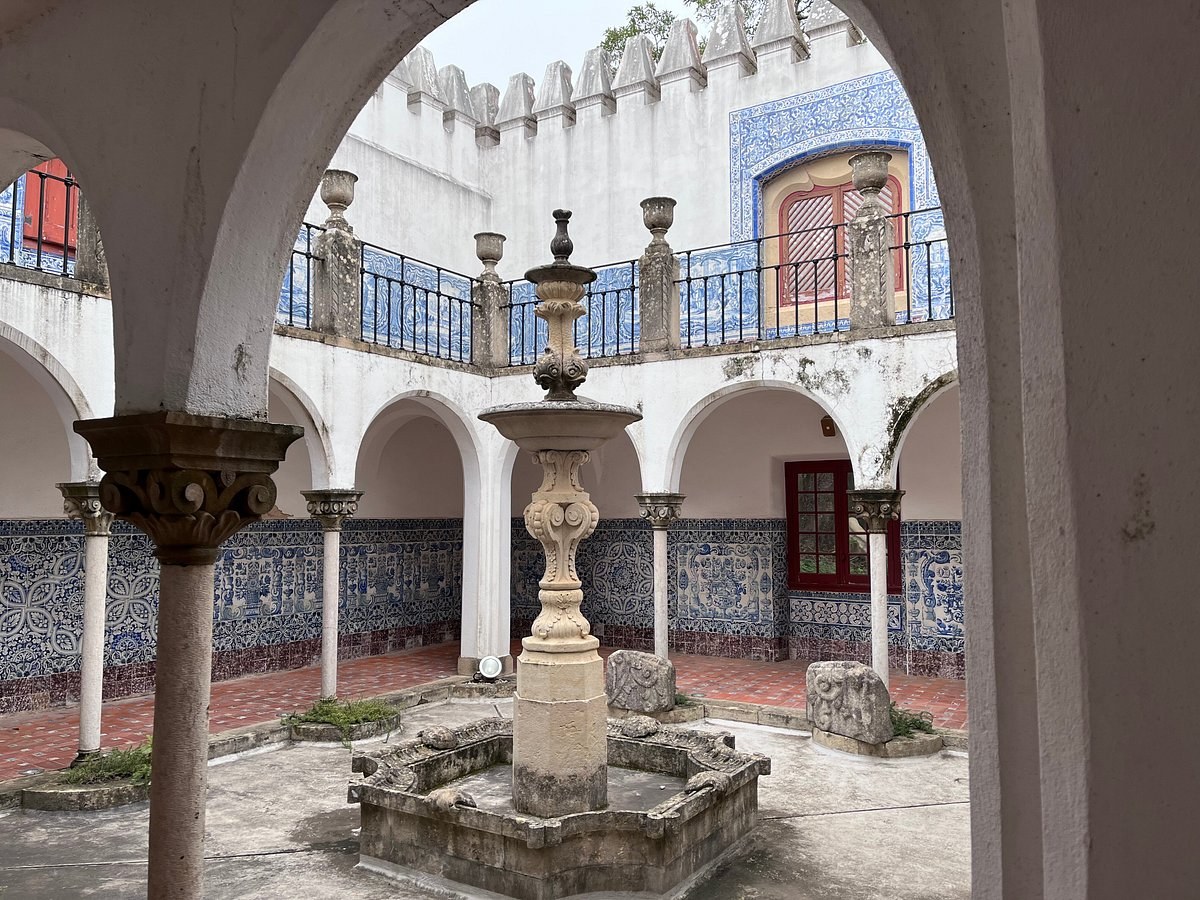 4 mi from Lisbon · land adventureSintra's Forests, Palaces & Coast: A Portuguese Masterpiece