Your cruise
Silver Muse · 14-night Mediterranean cruise, Fusina (Venice) to Lisbon
Oct 7 – Oct 21 · 14 nights ·
Day 1 Fusina (Venice) (board) · Day 2 Piran · Day 3 Zadar · Day 4 Hvar · Day 5 Dubrovnik · Day 6 at sea · Day 7 Taormina · Day 8 Valletta · Day 9 Trapani · Day 10 Cagliari · Day 11 at sea · Day 12 Cartagena · Day 13 Malaga · Day 14 at sea · Day 15 Lisbon (step off)
What you do Descend into Europe's most dramatic underground world — 24km of cathedral-like caverns — then stand before Predjama, a medieval castle impossibly built into a clifftop cave. A once-in-a-lifetime double act that defines Slovenia.
What to expect A scenic 45-minute drive through the Karst plateau delivers you to Postojna, where an electric train whisks you deep underground into a glittering labyrinth of galleries. Your expert guide points out the resident olm — the pale, cave-dwelling 'human fish' — before you surface for lunch. The afternoon is spent at Predjama Castle, a 16th-century fortress wedged into a 123-metre cliff face, with secret tunnels and bandit-lord legends at every turn.
Good to know Caves are a constant 8°C — bring a layer. Allow 5–6 hours total; most ships offer an all-aboard of 18:00–19:00, giving comfortable return time. Pre-book your private guide slot well in advance in peak summer.
book direct with Koper Tours (kopertours.eu) → · the full guide →
What you do Iconic emerald-green lake with a fairytale island church, then a stroll through Ljubljana's baroque riverside — Slovenia's two crown jewels in one sweeping private day. Genuinely among the most photogenic landscapes in Europe.
What to expect The two-hour drive northwest into the Julian Alps is a destination in itself, revealing karst gorges and alpine meadows. At Bled, a traditional wooden pletna boat rows you to the island church where you ring the wishing bell. In Ljubljana, your guide navigates the car-free Old Town — dragon bridges, open-air market, and castle funicular — before a leisurely lunch on the Ljubljanica riverbank.
Good to know Ljubljana is approx. 120km from Koper; allow a full 9–10 hours. Traffic through Ljubljana can be heavy in summer afternoons — a private driver allows route flexibility. Confirm all-aboard time with your ship before booking.
book direct with Koper Tours (kopertours.eu) → · the full guide →
What you do Walk suspended bridges over an underground canyon so vast it dwarfs any cathedral — Škocjan's Silent Cave and Murmuring Cave are a UNESCO World Heritage marvel and, for many, the more breathtaking of Slovenia's two great cave systems.
What to expect A knowledgeable park ranger leads you through the Dry Cave's extraordinary stalactite chambers before the path descends dramatically into the Murmuring Cave — a 2km underground canyon with the Reka River roaring 150 metres below. The swinging Hanke Bridge above the gorge is genuinely vertiginous and utterly exhilarating. The tour ends in sunlight via a natural collapsed doline, a finale as theatrical as the caves themselves.
Good to know Tours depart at fixed times (check official site for schedule); cave temperature is 12°C — bring a light jacket. The park is a 45-minute drive from Koper port; combine with a Lipica Stud Farm visit for a full Karst day. Book official entry tickets in advance in July–August.
book direct with Škocjan Caves Park (Official) → · the full guide →
What you do The birthplace of the legendary white Lipizzaner horses — the same bloodline that performs in Vienna — set on a 300-year-old estate in the stony Karst plateau, just 25 minutes from Koper port. An equestrian bucket-list experience with deep Habsburg soul.
What to expect Step into a world of Habsburg splendour as pure-white horses train in an open-air arena framed by ancient oak forest. The guided stable tour reveals the meticulous breeding records dating to 1580 and introduces you to foals at various training stages. If timed with a Classical Riding Show, you witness the choreographed haute école movements — pirouettes, levades, and caprioles — that made Vienna's Spanish Riding School world-famous.
Good to know Check the official website for the Classical Riding Show calendar (shows are not daily). The farm is 25km from Koper — easily paired with Škocjan Caves for a full Karst region day. Book show tickets in advance online; the farm sells out on cruise-port days.
book direct with Kobilarna Lipica (Official Stud Farm) → · the full guide →
What you do Venetian-Gothic architecture spilling down a perfect Adriatic promontory — Piran is arguably the most beautiful small town on the entire northern Adriatic. A private expert-led walk through its labyrinthine medieval streets is the finest way to experience it.
What to expect The 30-minute coastal drive south from Koper already charms, arriving at the tip of Piran's slim peninsula. Your guide leads you through impossibly narrow alleys — impossibly narrow, yet lined with ochre-washed Renaissance facades — to the clifftop Church of St George for panoramic Adriatic views. Tartini Square, one of the most elegant piazzas in Central Europe, is the centrepiece, before a tasting of local Malvazija wine and Piranese prosciutto at a family-run konoba.
Good to know Piran is 30km from Koper port (approx. 30–35 min). Combine with Portorož's salt pans for a full coastal half-day. All-aboard allows a comfortable morning departure. Parking in Piran is restricted — a guided transfer is strongly advisable.
book direct with Koper Tours (kopertours.eu) → · the full guide →
What you do Taste award-winning Refošk and Malvazija wines at Vinakoper's cellars — the finest winery on the Slovenian coast — then walk five minutes to Koper's magnificent Venetian Praetorian Palace and medieval Tito Square. The ultimate port-day luxury for the time-conscious.
What to expect Vinakoper's sommelier-guided tasting showcases the distinctive mineral terroir of Istrian Refošk (a bold, earthy red) alongside the coastal Malvazija — both produced from vines grown on the sun-baked red Karst soil just kilometres away. The premium reserve flight includes aged expressions rarely seen outside Slovenia. After the tasting, your guide walks you through Koper's Old Town — the Byzantine Cathedral of the Assumption, the arcade-lined Praetorian Palace, and the Renaissance Loggia — all within a self-contained UNESCO-worthy quarter.
Good to know Vinakoper is walkable from the port terminal. Book the cellar tour in advance, especially on summer cruise days. Pairing this with a Piran afternoon makes an excellent full-day itinerary. The Koper Old Town walk adds just 1–1.5 hours and requires no transfer.
What you do Glide through Venice's labyrinthine backwater canals in your own private gondola — the single most iconic, romantic, and irreplaceable way to experience La Serenissima. Your gondolier serenades you through passages no vaporetto can reach.
What to expect Your gondolier, trained for years in the ancient craft, steers you through narrow canals draped in wisteria and washing lines, past gothic palazzos and secret garden walls. You'll drift beneath low stone bridges with barely an inch to spare — a thrill no road or water bus replicates. Depending on your route, you may glide past the back façade of the Rialto market or through the achingly quiet Cannaregio neighbourhood. The 40-minute private experience feels completely unhurried and utterly cinematic.
Good to know Fusina to Venice by ferry is ~20 minutes (Line 16 vaporetto). Book your gondola slot directly via the official association website; golden-hour and evening slots sell out weeks ahead. Allow 2.5–3 hours total from the port, well within most all-aboard windows. Gondolas depart from multiple traghetto stations across the city.
What you do Slip beyond the velvet rope into the Doge's Palace's hidden chambers — the torture rooms, the Council of Ten's secret offices, and the infamous Piombi prison where Casanova made his legendary escape. Reserved for small groups only.
What to expect A specialist museum guide leads your intimate group through a concealed door behind the main hall and into the administrative nerve-centre of the Venetian Republic — rooms dripping with political intrigue. You'll climb into the lead-roofed Piombi prison, where Casanova was held in 1755 before his audacious escape through the roof. The guide narrates trials, torture, and statecraft with theatrical expertise. The perspective from the attic over the Doge's Courtyard is breathtaking and completely private.
Good to know Tours depart at 09:55, 10:45 and 11:35 daily — the 09:55 slot is ideal for Fusina passengers. Ferry from Fusina (Line 16) drops at Zattere; walk or take vaporetto Line 1 to San Zaccaria. Book the Secret Itineraries tour months in advance — it routinely sells out. All-aboard permitting, plan for a 5–6 hour excursion in total.
What you do Enter the golden Basilica di San Marco before the public crowds arrive, guided by a licensed art historian through 8,000 sq metres of Byzantine mosaics, the Pala d'Oro altarpiece, and the Treasury — a privilege unavailable to ordinary visitors.
What to expect You arrive at a private entrance as the morning light catches the gold tessera mosaics above the narthex, igniting them in amber and ochre. Your expert guide narrates Venice's Byzantine obsession, from the theft of St. Mark's relics from Alexandria in 828 AD to the 500-year mosaic project. You'll access the Museo Marciano upstairs for the original bronze horses and a jaw-dropping terrace view over Piazza San Marco — empty and luminous. The Pala d'Oro, encrusted with 1,927 gemstones, is examined up close without the usual scrum.
Good to know Early-access tours typically begin at 07:45–08:15. Fusina ferry (Line 16) reaches Venice in ~20 minutes; a short vaporetto or water-taxi hop to San Marco completes the transfer. Shoulders and knees must be covered — scarves are provided. Book at least 4–6 weeks ahead; private group options available by request directly with the operator.
What you do Board a private water taxi directly from Fusina and spend a bespoke day with a fifth-generation glassblowing maestro on Murano, then cross the lagoon to colour-soaked Burano for handmade lace and the finest seafood risotto of your life.
What to expect Your private launch skims the northern lagoon, arriving at Murano's legendary glassblowing district. Inside the furnace room, a maestro works at 1,400°C, pulling and shaping a molten gather into a swan or vase before your eyes — the heat on your face is visceral. You'll browse the atelier's signed collection at leisure and may commission a personalised piece shipped to your home. Crossing to Burano, the island's improbably vivid houses — cobalt, vermilion, canary yellow — line the fondamenta. Lunch at a lagoon trattoria on seafood straight from the morning catch is an unmissable coda.
Good to know Arrange your private water taxi directly from Terminal Fusina pier; reputable private launch operators include Venezia Taxi Boat (veneziataxiboat.com). Confirm Nason Moretti furnace hours (typically 09:00–17:00, Mon–Fri) and book the maestro demonstration by email in advance. Allow a full day — 7–8 hours — for both islands comfortably. Murano glass purchases can be shipped internationally.
book direct with Vetreria Nason Moretti (Murano — Official Furnace & Atelier) → · the full guide →
What you do Commission a sleek wooden water taxi for an exclusive private cruise the length of the Grand Canal — Venice's liquid main street — past 200 palazzos, beneath the Rialto Bridge, and out to the glittering open lagoon at sunset with Prosecco in hand.
What to expect Your polished wooden launch collects you directly from the Fusina pier and sweeps into the Grand Canal, the driver narrating palazzos — Ca' Rezzonico, Ca' d'Oro, the Peggy Guggenheim — as you wish. You pass beneath the Rialto Bridge with barely a metre to spare on each side, the market stalls vivid above. At sunset, the boat idles in the lagoon basin facing the Salute church as the sky turns rose-gold; a bottle of chilled Prosecco appears. The return to Fusina is timed precisely to your all-aboard.
Good to know Book the private charter directly by email or phone with Consorzio Motoscafi Venezia. Specify your Fusina pier number and all-aboard time so the skipper plans the return precisely. A 2-hour charter covers the full Grand Canal round trip with stops; 3 hours allows island detours. Venetian water taxi fares are metered and regulated — confirm the hourly charter rate in writing before departure.
What you do Step inside Teatro La Fenice — the gilded jewel of European opera, rebuilt twice from ashes — on an expert-guided private tour of its rococo auditorium, royal boxes, and backstage world. If your call aligns with a performance, attend an evening of world-class opera.
What to expect Your art historian guide leads you through the opulent gold-and-crimson horseshoe auditorium, rebuilt in meticulous 18th-century style after the catastrophic 1996 arson fire. You'll see the royal boxes draped in silk, the painted ceiling allegories, and the backstage machinery that raises entire sets from below stage. The guide narrates the house's dramatic history — the fires, the feuds, the world premieres — with the passion of someone who loves opera as much as Venice. If you hold evening performance tickets, nothing rivals the experience of hearing a soprano hit a top C in this intimate, perfectly resonant hall.
Good to know Teatro La Fenice is a 15-minute walk from the San Marco vaporetto stop — easy from the Fusina ferry. Guided tours run throughout the day; book online in advance. For evening performances, check the season schedule on the official website well before your cruise date and book tickets directly — premium seats sell out quickly. Formal or smart attire is expected for performances. Confirm your all-aboard time before booking an evening show.
What you do Unlock Piran's Venetian soul with a private local expert who weaves history, architecture, and Istrian gastronomy into one seamless morning. Narrow limestone alleys, secret viewpoints, and a curated tasting of local wines and olive oils make this the definitive Piran experience.
What to expect Your licensed guide meets you at Tartini Square and leads you through the town's Venetian-Gothic architecture, stopping at St. George's Cathedral for panoramic Adriatic views. You'll weave through Cevljarska ulica's artisan lanes before settling into a curated tasting of Istrian malvasia wines, truffle-laced cheeses, and hand-pressed olive oils. The intimacy of a private format means lingering as long as you like over each discovery. The session closes with a golden-hour stroll along the promenade.
Good to know Piran is ~30 min from the Koper cruise terminal by taxi or pre-arranged private transfer (EUR 25–35 one way). Book the tour at least 48 hours in advance and confirm your ship's all-aboard time so your guide can tailor the itinerary. Comfortable walking shoes essential — the old town is entirely pedestrianised and hilly.
book direct with Slovenia Private Tours → · the full guide →
What you do Scale the medieval ramparts that ring Piran's dramatic hilltop and ascend the bell tower of St. George's Cathedral for the most breathtaking 360° panorama on the Slovenian Adriatic. A living timeline of Venetian conquest, trade, and architecture spreads below you.
What to expect The medieval walls wind around Piran's entire perimeter, offering ever-changing vistas over terracotta rooftops, the shimmering Adriatic, and the distant Istrian hinterland. At the summit, St. George's Cathedral (16th century) commands the skyline; its freestanding campanile — modelled on Venice's own — rewards climbers with a jaw-dropping seascape. The cathedral interior shelters a beautiful baptistry and Baroque altarpieces worth lingering over. Allow a full 90 minutes to do the walls and tower justice.
Good to know The walls are accessed near the top of the old town; follow signs from Tartini Square (15-min walk uphill). The tower can be narrow and steep — not suitable for those with mobility concerns. Check the Portorož–Piran tourist office website for seasonal opening hours. Factor in travel time from Koper port: ~30 min each way.
book direct with Piran Tourist Information Centre (official) → · the full guide →
What you do Step into one of Europe's last working medieval saltpans — a UNESCO-nominated landscape where salt has been harvested by hand for 700 years. Expert naturalist guides reveal an extraordinary wetland teeming with flamingos, avocets, and over 300 bird species alongside the ancient craft of salt production.
What to expect Your certified naturalist guide leads you along the salt dykes of the Lera section, still worked by traditional salt masters using wooden tools unchanged since the 14th century. Binoculars reveal flamingos, greater spotted eagles, and kingfishers in the shallows just metres away. The park's Museum of Salt Making — housed in original salter cottages — tells the story of families who lived and worked here for generations. You'll taste freshly harvested fleur de sel before leaving with a bag of the mineral-rich crystals as a souvenir.
Good to know The saltpans are 8 km south of Piran (15 min by taxi, EUR 15 one way). Pre-book guided tours directly via the park website — they fill quickly in summer. Wear sun protection and breathable clothing; the dykes are fully exposed. The park opens daily; confirm hours online before your port day.
book direct with Sečovlje Salina Nature Park (official) → · the full guide →
What you do See Piran as the Venetians did — from the water. A private skippered boat reveals the town's dramatic silhouette, secluded sea caves, and crystalline Adriatic coves inaccessible on foot. This is Piran at its most cinematic.
What to expect Your skipper departs from Piran Harbour and immediately reveals the town's most photogenic angle: its medieval towers and terracotta roofline rising from the Adriatic like a Venetian postcard. The route follows the Strunjan Cliffs — the only flysch cliffs on the northern Adriatic — before ducking into sea caves that glow with reflected turquoise light. Anchor in a sheltered cove for a swim in pellucid water, then toast the scenery with chilled Slovenian sparkling wine. The return glide into harbour as the sun drops is unforgettable.
Good to know Arrange your private charter through Istranka Tours in advance — summer slots (June–September) book out weeks ahead. Confirm departure and return times carefully against your all-aboard. The boat departs from Piran Harbour (30 min from Koper port); arrange a private transfer from the ship. Bring a light layer — sea breezes can be cool even in summer.
What you do Journey into the world's most spectacular karst underworld — a 24-km network of cathedral caverns, stalagmite forests, and the endemic blind cave olm — then emerge to a fairytale castle embedded in a sheer 123-metre cliff. Slovenia's two crown jewels, in one extraordinary day.
What to expect Your private driver collects you at Koper port and whisks you to Postojna (45 min) in a premium vehicle. Inside, a miniature train carries you deep into a glittering netherworld of 5-million-year-old formations before a walking tour reveals the legendary human fish (Proteus anguinus) in the cave's vivarium. The drive to Predjama Castle (9 km) takes minutes; the castle — built into a yawning cave mouth in 1570 — is one of Europe's most dramatic fortresses, its rooms hiding secret escape tunnels used by the outlaw knight Erasmus. A private picnic or restaurant lunch is arranged en route. You return to Koper with an hour to spare before all-aboard.
Good to know This is a full-day commitment (~7–8 hrs); confirm your ship's all-aboard time before booking. Postojna Cave maintains a constant 8°C — bring a warm layer regardless of season. Pre-book cave entry (included in private tour price) as timed slots sell out fast in high season. Wear comfortable closed-toe shoes.
book direct with Slovenia Private Tours → · the full guide →
What you do Behind the elegant 19th-century façade on Piran Harbour lies one of the Adriatic's finest maritime collections — model ships, antique nautical charts, and Roman amphorae. A private curator-led session transforms this into an intimate masterclass in the sea's civilising role on this coast.
What to expect Housed in two interconnected 18th-century palaces overlooking the harbour, the museum spans three floors of nautical history from Roman times through the age of Venetian domination to the Habsburg era. A private curator walks you through model ships of extraordinary craftsmanship, original navigational instruments, and a haunting collection of figureheads salvaged from wrecked vessels. The salt-making archive — documenting the Sečovlje families whose trade defined this coast for centuries — is a highlight seldom explored in depth. The harbour views from the upper windows are alone worth the visit.
Good to know The museum is a 5-min walk from Tartini Square at the harbour's edge — easy to combine with a self-guided old-town wander. Contact the museum at least one week in advance to arrange a private curator session in English. Standard opening hours: Tue–Sun, 09:00–17:00 (confirm seasonally). Plan ~90 minutes for a private visit.
book direct with Pomorski muzej 'Sergej Mašera' Piran (official) → · the full guide →
What you do Sail through 89 otherworldly limestone islands of Kornati National Park and anchor in the dramatic cliffs of Telašćica Nature Park. This is Croatia's most spectacular seascape — raw, silent, and utterly bucket-list.
What to expect Depart Zadar's harbour on a sleek wooden or motor yacht and cruise south into the Kornati archipelago, a UNESCO-recognised chain of bare, sculpted islands rising from electric-blue water. Drop anchor at will in secret coves for swimming and snorkelling over Posidonia meadows. Continue to Telašćica to see the sheer 160-metre cliffs and the famous saltwater lake warmed to near-spa temperature. Return with local wine and grilled fish on deck as the sun drops toward the Adriatic.
Good to know Full-day tours run 8–10 hours; confirm all-aboard time and allow 30 minutes to return to the ship. Pre-book a private charter weeks in advance in peak season (July–August). National Park entrance fee ~EUR 17 pp is usually included — confirm when booking.
book direct with Zadar Tourist Board Licensed Excursion Operators → · the full guide →
What you do Walk the legendary boardwalks above and behind sixteen cascading turquoise lakes deep in Croatia's karst interior. Plitvice is a UNESCO World Heritage site and one of Europe's most breathtaking natural wonders — unmissable from Zadar.
What to expect A comfortable 1.5-hour drive through Dalmatian highlands brings you to the park entrance. Your expert guide leads you across the iconic wooden boardwalks suspended just above milky-turquoise water, past Veliki Slap — Croatia's tallest waterfall at 78 metres — and through beech forest alive with birdsong. A short boat ride crosses the largest lake before looping back through the upper terraces. Lunch at a local restaurant near the park is typically included on full-day private tours.
Good to know Round trip from Zadar is ~3 hrs driving; allow a full day (10–11 hrs total). Park entry is EUR 27 pp in peak season (June–Sept) — confirm inclusion. Book private transfers well in advance; this is Croatia's single most visited site.
book direct with Tour Travel & More (Private Zadar Excursions) → · the full guide →
What you do Unravel 3,000 years of layered history — Roman forum, Romanesque cathedrals, Venetian gates and Hitchcock's 'most beautiful sunset' — on a private walk through Zadar's extraordinary peninsula old town.
What to expect Begin at the magnificent Land Gate — Zadar's Venetian triumphal arch — and weave through marble-paved lanes past the 9th-century Church of St Donat, built directly atop Roman columns still visible inside. Your guide reveals the Forum's 2,000-year-old stones, the soaring bell tower of St Anastasia's Cathedral (climb for Adriatic panoramas), and the hidden squares locals love. End at the waterfront promenade where the Sea Organ plays its hauntingly beautiful wind-powered notes and the solar-powered Greeting to the Sun pulses with light.
Good to know The port is a 10-minute walk from the old town gate; no transfers needed. Cathedral tower climb ~EUR 3 extra. Morning start recommended to avoid midday heat. The tour is entirely flexible — tell your guide your interests in advance.
book direct with Tour Travel & More (Private Zadar Excursions) → · the full guide →
What you do Glide between the unspoiled islands of Ugljan, Osljak, and Pašman on a premium small-group yacht, snorkelling crystalline Adriatic coves and sipping unlimited local Croatian wine. Pure Dalmatian dolce vita.
What to expect Cast off from Zadar's old harbour and skim across the channel to the green island of Ugljan, stopping at a secluded cove for a first snorkel in gin-clear water over sea grass and colourful wrasse. Continue to tiny Osljak — Croatia's smallest inhabited island — for a stroll through its single village. Anchor again at a sheltered bay off Pašman for a long swim and an unhurried spread of local cheese, prosciutto, and as much Croatian white wine as you care to enjoy. Return to Zadar sun-warmed and deeply relaxed.
Good to know Typically 5–6 hours; confirm exact all-aboard time. Bring reef-safe sunscreen, a hat, and a light cover-up. Snorkelling gear is included; fins available on request. Book 2–3 weeks ahead in July and August.
book direct with Zadar Tourist Board Licensed Excursion Operators → · the full guide →
What you do Visit Croatia's oldest royal city — tiny, walled Nin — its miraculous white-sand beach, therapeutic salt pans, and Europe's smallest cathedral, then return through Zadar on an exclusive private tour steeped in early Croatian history.
What to expect Cross the historic stone bridge into walled Nin, a jewel-box island town encircled by glassy lagoons. Your guide walks you through the pre-Romanesque Church of the Holy Cross — 9th century and just 24 metres long, yet precisely aligned with the solstice sun — and the remains of a Roman temple. Wade barefoot through the healing salt-mud of Nin's lagoon, a tradition dating back centuries. Then continue into Zadar's old town for the Roman Forum, St Donat's Church, and the Sea Organ before returning to the ship.
Good to know Nin is 15 km north of Zadar — a 20-minute private transfer. Combine seamlessly with a Zadar old town walk in a single half-day. Bring a swimsuit if you want to try the salt-mud therapy. Allow 5–6 hours total.
book direct with Tour Travel & More (Private Zadar & Nin Tour) → · the full guide →
What you do Raft through the stunning limestone gorge of the Zrmanja River — one of Dalmatia's best-kept secrets — where emerald waterfalls, canyon walls, and total wilderness create a once-in-a-lifetime adrenaline experience.
What to expect A scenic 1-hour drive north of Zadar delivers you to the put-in point on the Zrmanja, where your expert river guide fits you with a wetsuit, helmet, and paddle. The river winds through soaring limestone walls draped in greenery, past the famous Bergud waterfall where you can leap into the pool below. Sections of gentle floating alternate with exhilarating small rapids, and the translucent turquoise water reveals the river bed metres below. A barbecue lunch on the canyon bank caps the experience before the drive back to Zadar.
Good to know Suitable for fit adults and teenagers; no prior rafting experience needed. Transfer + activity is approx. 6–7 hours total — check all-aboard time carefully. All equipment (wetsuit, helmet, paddle, life jacket) is included. Minimum age typically 12.
book direct with Zadar Tourist Board Licensed Excursion Operators → · the full guide →
What you do Race across the open Adriatic aboard a private speedboat to the electric-blue miracle of Biševo's Blue Cave, then anchor off wild Vis Island for lunch and a swim. A jaw-dropping natural wonder and a UNESCO-protected island in one day.
What to expect Your skipper pilots a sleek speedboat south-west from Hvar harbour, the sea turning an impossible shade of turquoise before you slip into the Blue Cave's shimmering silver-and-violet chamber. Next comes Vis — largely car-free and one of the Adriatic's least-spoiled islands — for a long, lazy lunch of fresh grilled fish and local wine at a konoba. The return crossing at speed, wind in your hair and the Dalmatian coast glittering ahead, is the perfect finale. Your captain doubles as a local guide, sharing stories of each island along the way.
Good to know Book directly with Rent a Boat Hvar well in advance in July–August; Blue Cave entry (included in the tour price) sells out early. Full-day tour runs approximately 8–9 hours — confirm all-aboard time with your ship and allow a buffer. Wear a swimsuit under light clothing and bring reef-safe sunscreen.
What you do Sail the emerald Pakleni archipelago — Hvar's private backyard — aboard an exclusive crewed yacht, dropping anchor in secret coves the tourist boats never find. Crystalline water, pine-scented shores, and a fresh seafood lunch on deck.
What to expect Cast off from Hvar's Venetian-era harbour and weave through the 20-island chain of the Pakleni, each islet more pristine than the last. Your crew drops anchor in a sheltered emerald bay where you can snorkel, paddleboard, or simply float in silence. A freshly prepared Croatian lunch — think octopus salad, grilled sea bass, local Plavac Mali wine — is served on deck with the scent of pine and rosemary drifting off the hills. Afternoons often end at the chic beach club on Palmižana islet before a golden-hour sail back to Hvar.
Good to know Charter duration is flexible (half-day or full-day); confirm well ahead in peak season. Water-taxi service to Pakleni also runs from Hvar's Riva if you prefer an independent afternoon swim — EUR 5 each way. Full-day private charter is comfortably back by all-aboard.
What you do Explore Hvar's medieval streets, hidden courtyards, and 16th-century Fortica fortress with a passionate local guide — no script, no crowds, no selfie sticks. An intimate insider's walk through one of the Adriatic's most beautiful towns.
What to expect Begin at Hvar's magnificent Renaissance Pjaca — one of the largest old-town squares in Dalmatia — before ducking into labyrinthine lanes where 15th-century palaces jostle with fragrant lavender stalls. Your guide reveals the surprisingly cosmopolitan history of this once-powerful Venetian stronghold. The climb to Fortica (Tvrđava Španjola) rewards with a 360° panorama over the harbour, the Pakleni Islands, and the open Adriatic — easily the finest view on the Dalmatian coast. Finish with a curated tasting of local prosciutto and wine in a family-run konoba.
Good to know The fortress climb involves uneven stone steps — wear comfortable, closed-toe shoes. The 3–4 hour tour leaves ample time before all-aboard. Pre-book directly with NoSelfie; private slots fill quickly in summer. Fortica entry is a short additional fee payable on site.
What you do Journey into Hvar's sun-drenched interior to visit boutique family estates producing some of Croatia's most celebrated wines and extra-virgin olive oils. Intimate, unhurried, and utterly delicious.
What to expect Your guide collects you from the harbour and drives into the island's dramatic stone-terraced landscape, olive groves tumbling down to hidden bays. At the first estate, a fourth-generation winemaker pours bold Plavac Mali alongside a spread of local cheese and cured meats. The second stop is an organic olive-oil producer where you learn to taste oil with a professional's nose and palate. The landscapes alone — lavender fields, dry-stone walls, the Adriatic glinting below — are worth the journey. You return to Hvar town with a couple of bottles and a genuine connection to the island's culinary soul.
Good to know Tours run morning to early afternoon, well within typical all-aboard windows. Hvar's steep interior roads require a 4WD transfer, which is included. Pre-book to secure a private slot; group size is capped for an intimate experience. Bring a small cool bag if you plan to purchase bottles.
What you do Dine al fresco beneath ancient olive trees as the sun melts into the Adriatic — a farm-to-table feast of Dalmatian specialities prepared with produce grown metres from your table. The most romantic evening in the entire Dalmatian archipelago.
What to expect As the afternoon heat softens, you're escorted to a hilltop grove where long tables are laid beneath silvery olive canopies with the open sea shimmering below. A Dalmatian slow-food menu unfolds course by course — house-cured fish, wild herb risotto, lamb peka slow-cooked under an iron bell, and honey cake with local fig jam. Each course is paired with the estate's own wines, poured by your host who explains every choice. The last light over the Pakleni Islands as you raise a glass is one of those travel moments that simply cannot be manufactured.
Good to know Check with the operator for evening dinner timing relative to your ship's all-aboard — some ships overnight in Hvar or have a late all-aboard, making this ideal. Private transfer to and from the grove is included. Book well ahead; covers are strictly limited. Dietary requirements happily accommodated with advance notice.
What you do Pedal through the Stari Grad Plain — a 2,400-year-old Greek agricultural landscape and one of Croatia's most treasured UNESCO World Heritage Sites — then cool down with a private wine tasting at a heritage estate. History, beauty, and great wine in one unforgettable morning.
What to expect E-bikes whisk you effortlessly through the geometric patchwork of the Stari Grad Plain, where dry-stone walls (gorice) have divided the same family plots for over two millennia — a feat of agricultural continuity that UNESCO recognised in 2008. Your guide brings the Greek, Roman, and Venetian layers to vivid life as you cycle past fig trees, lavender terraces, and ancient cisterns. A stop at a small family winery tucked into the plain rewards with Bogdanuša, a rare white grape found almost nowhere else on Earth. The full sensory experience — scent of wild herbs, sea breeze, the silence of a landscape unchanged for centuries — is deeply moving.
Good to know Stari Grad is approximately 20 km from Hvar town by road; the operator arranges transfer or can begin the tour from Stari Grad if your ship docks there. Half-day format fits comfortably within most all-aboard windows. E-bikes mean no fitness level is a barrier. Wear light layers — mornings can be breezy even in summer.
What you do Stand inside a 3rd-century BC Greek theatre with a jaw-dropping frame of Mount Etna and the Ionian Sea. One of the world's great views — engineered by the ancients, preserved by time.
What to expect You enter the cavea from the upper tiers, and the panorama stops you in your tracks: the skeletal columns frame an unobstructed view of smoking Etna to the west and the cobalt Ionian to the east. A licensed guide brings the theatre's 2,300-year timeline to life — from Greek dramas to Roman gladiatorial games to Taormina's own 19th-century rediscovery as a Grand Tour destination. Linger in the orchestra pit, where acoustics still carry a whisper to the top row. Allow 90 minutes to do it justice.
Good to know Messina port is 45–50 min by private transfer to Taormina. Teatro Antico opens daily; book timed entry online to avoid sold-out slots in summer. Wear comfortable shoes — the ancient stone steps are uneven. All-aboard is typically 17:30–18:00; a 09:00 entry slot gives you ample time.
book direct with Aditusculture (official ticket & tour operator for Teatro Antico di Taormina) → · the full guide →
What you do Ascend to the summit craters of Europe's highest active volcano — a UNESCO World Heritage site — with a specialist volcanologist. Raw, other-worldly, and utterly unforgettable.
What to expect The drive from Taormina winds through citrus groves and ancient lava fields before the landscape turns lunar above 2,000 metres. Your volcanologist guide leads you across solidified basalt rivers, past steaming fumaroles and up to the rim of the Valle del Bove — a collapse crater the size of a city. The air smells of sulphur; the ground occasionally trembles underfoot. At the 3,340 m summit craters (cable car + 4x4 + walking), the view sweeps from the Aeolian Islands to mainland Calabria.
Good to know Etna is only 1.5 hours from Messina port by private car — an easy half-day. Bring warm layers: summit temperatures can be 15°C cooler than Taormina even in summer. Check volcanic activity status (Etna Experience monitors this daily). Book private departure to guarantee your preferred time slot.
book direct with Etna Experience (official local guiding specialist, Nicolosi) → · the full guide →
What you do Glide by private boat along Taormina's dramatic coastline to the jewel-like nature reserve of Isola Bella, then duck into the luminous sea caves that glow electric blue beneath the cliffs.
What to expect Departing from Mazzarò beach (reached in minutes via the Taormina cable car), your wooden gozzo boat hugs the cliffs as the guide points out centuries-old tuna fishing towers and hidden grottoes. At Isola Bella — Taormina's own 'beautiful island' nature reserve — you anchor in aquamarine shallows and snorkel over volcanic rock formations teeming with sea bream and octopus. The Blue Grotto sea cave floods the hull with an eerie cerulean light that photographers go mad for. Prosecco and local pastries are served on the return.
Good to know The cable car (Funivia di Taormina) runs from Taormina centro down to Mazzarò and takes 5 minutes — buy a return ticket (approx EUR 3.50 each way). Book boat tours in advance in July–August; they sell out fast. Allow 3–4 hours total including cable car time.
book direct with Discover Messina (local shore excursion specialist, Messina port) → · the full guide →
What you do Graze your way through Taormina's medieval lanes with a local food expert — arancini, cannoli, wild-pistachio gelato, local Etna DOC wines and the legendary granita of BamBar. Sicily on a plate.
What to expect Your guide meets you at Porta Messina, the gateway to Corso Umberto, and immediately steers you off the main drag into the back-alley labs where the real food is made. You'll taste sfincione (Sicilian thick-crust pizza), freshly fried arancine, aged Pecorino Siciliano, ricotta-stuffed cannoli piped to order, and a flight of Etna Rosso wines from a tiny volcanic-soil producer. The grand finale: a proper granita con brioche at the iconic BamBar — the only way to end a morning in Taormina.
Good to know Tours typically run 10:00–13:00, well within port hours. Wear comfortable shoes for the medieval cobblestones. Inform the operator of dietary restrictions at booking. Taormina is 45–50 min by private transfer from Messina — aim to depart the ship by 08:30.
What you do A bespoke, door-to-door private tour of Taormina's greatest hits — the Greek Theatre, Piazza IX Aprile, Villa Comunale, Corso Umberto and a private aperitivo terrace — entirely on your schedule.
What to expect Your private guide collects you at the cable car station and leads you through the labyrinthine medieval centre at a leisurely, luxurious pace. You'll step inside the Greek Theatre before the day-trip crowds arrive, then stroll Corso Umberto pausing at the 13th-century Cathedral and the baroque Piazza IX Aprile — arguably Sicily's finest café square, with its panoramic terrace over the sea. Villa Comunale's exotic gardens, planted by an eccentric Victorian duchess, provide a shaded interlude. The tour ends with a private aperitivo recommendation at Hotel Timeo's terrace bar, with Etna glowing in the evening light.
Good to know Book at least 2–3 weeks in advance; top guides fill quickly in summer. Private car from Messina port to Taormina is strongly recommended for seamless transfers — ask your guide to arrange it. Tours by Locals guides are fully vetted and licensed by Italian tourism authorities.
book direct with Tours by Locals (vetted private guides, Taormina) → · the full guide →
What you do Ascend beyond Taormina to the medieval eagle's-nest village of Castelmola — a place so dramatically perched it makes Taormina look flat — for 360° views of Etna, the Ionian and the Strait of Messina.
What to expect From Taormina's Piazza IX Aprile your guide leads you on the scenic footpath (or arranges a private minivan for those who prefer) winding 300 metres upward through terraced almond groves to Castelmola. The village is a handful of medieval lanes, a ruined Norman castle and a handful of bars — including the legendary Caffè San Giorgio, famous for its almond wine, served in a glass that has been refilled by four generations of the same family. From the castle ramparts, on a clear day, you can see the toe of mainland Italy across the Strait. It is one of the most arresting views in the Mediterranean.
Good to know Castelmola is only 5 km from Taormina centro but the road is steep and narrow — a private minivan or the guided footpath (45-minute ascent) are the only sensible options. Combine with the Greek Theatre in the morning for a full-day Taormina experience. Allow 2.5–3 hours for Castelmola alone.
book direct with Withlocals (private local guides, Taormina) → · the full guide →
What you do A 5-10 minute walk from the cruise terminal opens onto the most gob-smacking high-Baroque interior in the Mediterranean: every surface drips carved gold, the floor is a carpet of 400 inlaid-marble knight tombs, and the Oratory holds the only painting Caravaggio ever signed -- the monumental 'Beheading of Saint John the Baptist.' Skipping this is effectively skipping Valletta. Buy the timed ticket online to skip the line; closed Sundays, last admission ~16:15, no flip-flops or sleeveless tops.
What to expect A 5–10 minute walk from the cruise terminal deposits you directly into the Mediterranean's most opulent high-Baroque interior, where every wall surface glows with carved gilt and the floor unfolds as a 400-tomb marble knight cemetery beneath your feet. The Oratory—the cathedral's crown jewel—holds Caravaggio's only signed painting, the monumental 'Beheading of Saint John the Baptist,' a work of such scale and darkness it stops visitors mid-breath. You'll move through the museum galleries and side chapels at your own pace (audio guide included), absorbing gold, frescoed vaults, and religious devotion rendered in stone and paint. Total immersion time is typically 90 minutes to 2.5 hours, depending on your appetite for the collections and crowds.
Good to know Buy your timed-entry ticket online via showshappening.com before the ship docks to skip queues; the cathedral closes Sundays and stops admissions around 16:15, so morning visits are safest. Allow 3–4 hours round-trip including the walk and 90–150 minutes inside; you'll be back aboard with a comfortable buffer in a standard 6–8 hour port window. Dress code: no flip-flops or sleeveless tops (bring a light cover-up). At EUR 15 (~USD 16) per adult with audio guide and Oratory entry included, this self-guided option saves USD 45–75 per person versus the ship's bundled walking tour.
book direct with St John's Co-Cathedral Foundation (official, books direct via its showshappening.com ticketing) → · the full guide →
What you do Glide beneath the colossal honey-coloured bastions of Valletta and the Three Cities in a brightly painted, gondola-like dghajsa -- a boat design tracing to Phoenician times. The Grand Harbour is one of the world's great natural deep-water harbours and the stage of the 1565 Great Siege; seeing it from the water at the foot of the fortifications, with the Three Cities marina and Fort St Angelo sliding past, is the single image the port is famous for.
What to expect You board a brightly painted dghajsa—a traditional gondola-like boat whose design traces back to Phoenician times—and glide slowly beneath the colossal honey-coloured bastions of Valletta and the Three Cities. The Grand Harbour unfolds around you: Fort St Angelo and the Three Cities marina slide past as you see the very stage of the 1565 Great Siege from the water, at the foot of the fortifications. The ~35-minute private tour captures the single image the port is famous for—the world's great natural deep-water harbour seen from the intimate vantage of a traditional wooden boat, not a modern tour launch. If you extend with the EUR 8 water-taxi crossing, you can drift across to Birgu or Senglea and wander the quieter Three Cities on your own pace.
Good to know Book the dghajsa direct with Grand Harbour Tours Malta (family-run operator based in Senglea) to save ~$20–$50pp versus the ship's 'Two Harbours' cruise, and budget ~EUR 25–28 (~USD 28–31pp) for the full private 35-minute tour, or ~EUR 8pp for the heritage water-taxi crossing alone. The operator is walkable from the cruise pier; confirm exact meeting point and departure time when booking to ensure a 30–45 minute buffer before all-aboard. Wear sun protection and bring cash (EUR preferred) as the family-run operator may not accept cards; the boat is open-air and the harbour crossing takes 35 minutes, so plan accordingly for your 6–8 hour port window.
book direct with Grand Harbour Tours Malta (family-run dghajsa operator, Senglea) → · the full guide →
What you do A small traditional fishing boat threads into a string of natural sea caves on the south coast where sunlight refracts off the white sandy seabed and turns the water an electric, almost luminous blue. It's one of Malta's signature natural wonders; pair the ~20-25 min ride with the clifftop Blue Grotto viewpoint for the classic photo. Go in the morning for the best light and calmest sea -- about 25-30 min from the port, easy to combine with Hagar Qim temples or Marsaxlokk.
What to expect You'll board a small traditional fishing boat and thread into a succession of natural sea caves along Malta's south coast, where sunlight refracts off the white sandy seabed and transforms the water into an almost luminous electric blue—one of Malta's signature sights. The boat ride lasts 20–25 minutes and moves at a gentle pace that lets you absorb the strange, otherworldly light show as it bounces off the cave walls. After returning to the harbor, climb to the clifftop Blue Grotto viewpoint for the classic postcard perspective of the same caves from above. The whole experience unfolds in roughly an hour, leaving time to either relax at the harbor kiosk or combine it with nearby Hagar Qim temples or the Marsaxlokk fishing village.
Good to know Depart the pier early in the morning for the best sunlight and calmest sea conditions; the boat ride takes about 25–30 minutes to reach from the port. Buy tickets on-site at the Wied iz-Zurrieq harbor kiosk in cash only (€10 per adult, €5–6 for children)—do not pre-book, as weather can cancel departures without refund. Allow 2–2.50 euros for a public bus return to the port if doing this independently, and factor in a comfortable 90-minute buffer before ship departure to account for buses and harbor congestion. Bring cash, sunscreen, and a light waterproof layer if sensitive to spray; the boat has no canopy.
book direct with Licensed fishermen's boat co-operative at Wied iz-Zurrieq (tickets at the harbour kiosk) → · the full guide →
What you do Malta's spell-binding former capital is a walled, car-free medieval-and-Baroque hilltown of golden limestone, hushed alleys, and a dramatic bastion belvedere looking out over half the island (the Game of Thrones gate is here too). About 30 min from the port; a local guide unlocks the Knights' history, the cathedral, and neighbouring Rabat with St Paul's Catacombs. Unforgettable in the early evening once the coach crowds clear -- which suits a cruise day perfectly.
What to expect You'll ascend into Malta's former capital through narrow, hushed alleyways of golden limestone, passing the iconic Game of Thrones gate as your guide unlocks centuries of Knights' history within cathedral walls. The rhythm builds toward the dramatic bastion belvedere—a sudden opening where half the island spreads beneath you. You'll drift into neighbouring Rabat to explore St Paul's Catacombs, then drift back through medieval streets that empty of coach crowds by evening, giving you that magical "Silent City" moment the tour is named for. The whole flow is unhurried walking and history, ideally timed for late afternoon when day-trippers thin out.
Good to know From the port, a EUR 2–2.50 public bus reaches Mdina in about 30 minutes; book a local guide like Colour my Travel (€25–35pp) ahead to guarantee unlocked sites and context, or navigate free. Cathedral entry runs about €10, St Paul's Catacombs costs extra, but the walled town itself is free to roam. Plan for 4–5 hours in Mdina and Rabat to avoid rushing the experience, leaving 90 minutes to return to the ship. Wear comfortable walking shoes (medieval streets are cobbled and hilly) and bring water; the ship's guided tour costs nearly triple the DIY approach but includes door-to-door transport if schedule is tight.
book direct with Colour my Travel (award-winning local walking-tour operator) → · the full guide →
What you do Descend into a 5,000-year-old underground temple and necropolis carved out of solid rock -- a UNESCO World Heritage site and one of the rarest things you can do on Earth, including the eerie acoustic 'Oracle Room.' Just outside Valletta in Paola; flat closed shoes required. Only 80 visitors are admitted per day to protect the microclimate, so it is genuinely once-in-a-lifetime.
What to expect You descend into a 5,000-year-old underground temple carved from solid rock, moving through passages and chambers of a UNESCO World Heritage site while the acoustic properties of the "Oracle Room" envelope you in an eerie, almost sacred silence. The Hypogeum functions as both temple and necropolis, and the layered stone walls, shaped entirely by hand millennia ago, create an intimate sense of stepping directly into Neolithic history. With only 80 visitors admitted daily, the experience avoids the crush of mass tourism—you move at a measured pace with a small group, absorbing the raw power of one of Earth's rarest archaeological spaces. Paola lies just outside Valletta, making the journey short, but the psychological weight of standing underground in a 5,000-year-old chamber lingers long after you ascend back into daylight.
Good to know Book immediately once your itinerary is confirmed through Heritage Malta directly (the sole authorised seller); standard admission is EUR 35 per adult, but same-day last-minute tickets (EUR 50) are sold from Fort St Elmo on arrival if advance slots are sold out. Wear flat, closed shoes with good grip, as the carved stone floors can be uneven and damp; the site is climate-controlled to preserve the microclimate, so layers are useful despite the Mediterranean setting. Allow 2–2.5 hours at the site itself, but factor in 30–45 minutes each way for transport from the cruise pier to Paola, plus 30 minutes arrival buffer—aim to depart the ship no more than 5–6 hours before your return time. Do not rely on cruise-line excursions; no ship operator can secure tickets due to the 80-per-day cap, making this a direct-book-only experience.
book direct with Heritage Malta (national agency; the ONLY authorised seller -- book direct, never via resellers) → · the full guide →
What you do The Caribbean-in-the-Med: a sheltered cove off tiny Comino with blindingly white sand and surreal turquoise shallows -- the most photographed swim spot in the Maltese islands and the bucket-list snorkel for anyone who wants beach-paradise scenery. A full-fleet day cruise sails you out, anchors for swimming, and brings you back.
What to expect You'll join Captain Morgan Cruises' full-fleet day boat for a scenic sail to tiny Comino, where the ship anchors in the sheltered cove of the Blue Lagoon—a postcard-perfect swim spot with blindingly white sand and surreal turquoise shallows that look more Caribbean than Mediterranean. The rhythm is unhurried: board in Valletta, sail out (long transfer), anchor and swim or snorkel among the most photographed waters in the Maltese islands, then sail back. Bring an underwater camera; this is the bucket-list snorkel stop, and the clarity and color are surreal. Lunch and bar service are available onboard depending on your package tier.
Good to know This excursion requires a long in-port window (8+ hours minimum) because Comino is a lengthy transfer and the lagoon becomes crushingly crowded by midday. Book direct with Captain Morgan (roughly EUR 30–50 / USD 33–55 per person) rather than through the ship's organized tour (USD 120–180pp) for significant savings, but confirm return timing to ensure you're back well before all-aboard. Bring reef-safe sunscreen, a rash guard or wetsuit, and secure any valuables in your cabin; the boat has an onboard bar but limited shade. If your ship's port window is under 8 hours or tight for timing, consider the Grand Harbour dghajsa or Blue Grotto instead, with an operator that guarantees your return before departure.
What you do Ride a cable car 750 metres above the sea to Erice, a perfectly preserved Norman walled town floating above the clouds. Wander cobbled alleys, peer into ancient churches, and drink in views stretching to the Egadi Islands — a bucket-list Sicilian moment.
What to expect Your private driver meets you dockside and whisks you to the Funivia Erice cable car for a vertiginous ascent through the clouds. At the top, a knowledgeable guide leads you through the Castle of Venus, the 14th-century Chiesa Madre, and the Giardino del Balio with its sweeping coastal panorama. Time slows as you duck into a pasticceria for Erice's legendary marzipan sweets, a confection perfected by the local nuns. The return is equally theatrical — the cable car descent at golden hour is unforgettable.
Good to know Erice is 30 minutes from the port by car + cable car. The cable car can close in strong winds — your driver will advise on the day. Book the private transfer in advance; Erice is easily combined with Segesta to fill a full day. Confirm all-aboard time and allow a 45-minute buffer.
book direct with DriverInRome – Trapani Shore Excursions → · the full guide →
What you do Stand inside one of the world's best-preserved Greek temples — 36 columns dating to 430 BC, set in wild Sicilian countryside. Add the hilltop theatre with its staggering valley view and this is antiquity at its most theatrical.
What to expect The 40-minute drive from the port winds through golden hills before the Doric temple appears — unroofed, never completed, and utterly majestic. Your guide explains why it was never finished, making the mystery as compelling as the architecture itself. A short shuttle carries you up to the 3rd-century BC theatre, where the curved stone seating frames a view of Monte Barbaro and the valley below. The acoustics are extraordinary — ask your guide to demonstrate. Linger for photographs as the light shifts across the limestone columns.
Good to know Segesta is 35 km east of Trapani — about 40 minutes each way. Pre-book your private transfer and purchase park tickets at the gate or online. Pairs beautifully with Erice for a full-day itinerary. Wear comfortable walking shoes and bring sun protection.
book direct with DriverInRome – Trapani Shore Excursions → · the full guide →
What you do At 667 acres, Selinunte is the largest archaeological site in Europe — seven Greek temples rising from a clifftop above the sea. A private expert guide transforms a vast, overwhelming site into an intimate narrative of Greek colonialism and Carthaginian drama.
What to expect The hour-long drive south along the Sicilian coast builds anticipation before the acropolis temples emerge spectacularly above the sea. Your guide navigates Temple E — partially re-erected and among Sicily's most photogenic — and the mysterious unfinished Temple G, once one of the largest buildings in the ancient world. The Marinella beach below the site offers a sublime spot for a post-exploration swim. The site's remoteness means it retains an atmosphere of genuine discovery that more-visited ruins have long lost.
Good to know Selinunte is about 1 hour from Trapani port — plan for a full day (6–7 hours total). Depart early to maximise time and avoid midday heat. Book a private guide who is licensed for archaeological sites. Confirm all-aboard with a generous buffer; discuss timing with your driver.
book direct with DriverInRome – Trapani Shore Excursions → · the full guide →
What you do The flamingo-pink salt pans stretching between Trapani and Marsala are one of Sicily's most iconic landscapes. At sunset, the windmills, salt pyramids, and wading flamingos glow amber and rose — a photographer's and gourmand's dream combined.
What to expect A local naturalist leads you along the salinaro trail between the crystalline geometric pools, explaining the annual harvest cycle and the ecology of this protected WWF reserve. Inside the restored windmill-turned-museum, antique wooden machinery and salt-grinding stones tell a story that pre-dates the Romans. Tastings of flavoured salts — including the prized fleur de sel — are laid out on a rustic table. In spring and autumn, greater flamingos wade in the shallows just metres away, completing a scene of extraordinary, quiet beauty.
Good to know The salt pans are just 10–15 minutes from the port — easily combined with a Marsala wine tasting for a half-day itinerary. Sunset timing aligns perfectly with late-afternoon all-aboard times on most itineraries; confirm your ship's schedule. Mosquito repellent is advised in warm months. Flat terrain — suitable for all fitness levels.
book direct with Riserva Naturale Saline di Trapani e Paceco (Legambiente) → · the full guide →
What you do The Egadi Islands — Favignana, Levanzo, and Marettimo — are a protected marine reserve of crystalline turquoise water, Bronze Age cave art, and sea caves accessible only by boat. A private charter delivers you to corners the ferries never reach.
What to expect Your private motorboat departs Trapani harbour and crosses the channel to Favignana in under an hour, arriving at coves of luminous emerald water. Snorkelling gear is on board for exploring the posidonia meadows and shipwreck remnants — this is one of the richest marine sites in the Mediterranean. The captain navigates to Levanzo's sea caves, where a guide recounts the Neolithic and Bronze Age paintings hidden inside. A cold lunch of local tuna, Sicilian capers, and chilled Grillo wine is served at anchor — somewhere perfectly still and perfectly quiet.
Good to know Depart as early as possible — ideally 08:30 — to maximise time and return well before all-aboard. Sea conditions can affect departures; your operator will advise. Bring reef-safe sunscreen, a hat, and a light layer for the crossing. Pre-book the charter well in advance as private boats are limited in peak season (June–September).
What you do Trapani's cuisine is the most North African in all of Italy — fish couscous, busiate pasta with pesto Trapanese, and tuna cured in the Phoenician tradition. A guided food walk through the historic centre with a local culinary expert is the most delicious two hours in Sicily.
What to expect Your licensed local guide meets you at the port and leads you into the baroque Corso Vittorio Emanuele, pausing at the Cattedrale di Trapani and the extraordinary 17th-century Chiesa del Purgatorio, adorned with life-size wooden statues used in the Easter procession. The fish market is a riot of silver swordfish, fresh-caught tuna, and vendors who've known each other for generations. Tastings follow at a storied pastificio (try the busiate with hand-pounded almond-tomato pesto) and a cantine pouring chilled Zibibbo. The walk ends at a harbourfront table with a bowl of fish couscous — the dish that defines this city.
Good to know The fish market is liveliest before 11:00 — morning departures are ideal. The entire walk is within easy walking distance of the port (10 minutes on foot). No transport needed — this is a port-city excursion that needs zero transfer time, making it the safest option for late all-aboard arrivals. Pre-book your guide; Giorgio's calendar fills quickly in summer.
book direct with Guides of Italia – Giorgio, Licensed Driver-Guide Western Sicily → · the full guide →
What you do Cartagena's first-century-BC Roman theatre lay hidden under the old town until 1988, and the only way in is a brilliant architectural sequence designed by Pritzker laureate Rafael Moneo: you pass through the Palacio Pascual de Riquelme, descend past Carthaginian and Roman strata, then emerge into the vast tiered cavea that once seated 6,000. It is the single most unmissable thing in the city and a five-minute walk from the pier. Few Roman theatres in the world are entered through a museum that tells the full layered story of the stone before you stand in it.
What to expect Allow 60-90 minutes for the full route through the museum's two buildings, the connecting tunnel under Calle Comedias, and out into the theatre itself. Interpretation is excellent and bilingual, with recovered marble, statuary and the reconstructed scaenae frons columns. The cavea is open-air and the pale stone throws heat, so morning light is kinder and better for photos. Wear proper shoes for the worn steps.
Good to know From the cruise terminal walk to Plaza del Ayuntamiento at the foot of Calle Mayor; the museum entrance is right there, about 400 m. Buy online or at the desk; queues are short outside July-August. Easily done independently with hours to spare against any all-aboard. Official tourist guides enter free, so a private guide adds no ticket cost.
book direct with Museo del Teatro Romano de Cartagena (official) → · the full guide →
What you do Beyond the theatre, Cartagena hides one of Europe's largest urban Roman archaeological parks at Cerro del Molinete, 26,000 sq m where you walk original Roman streets past the Forum, the thermal baths, the banqueting Atrium with surviving wall paintings, and a rare Sanctuary of Isis. Paired with the Punic Wall, this is the only place in Spain telling the Carthaginian-to-Roman story on its own ground. A licensed local guide turns scattered ruins into the living capital of Hannibal's Iberia and Augustus's Carthago Nova.
What to expect The Molinete museum's three floors of 300-plus artefacts set up the open-air park, where elevated walkways let you look down on streets, mosaics and the baths. It is genuinely atmospheric and far quieter than the theatre. A good guide ties Molinete, the Punic Wall and the Decumanus together into one walk of about two hours, mostly flat with some ramps. Shade is limited, so carry water in summer.
Good to know All sites are within the compact old town, 5-10 minutes on foot from the pier. Pre-book a licensed guide in advance (Cartagena's official guide association or a reputable operator such as Mediterranean Cartagena Tours); confirm they hold the regional guide licence so they enter the monuments free. Comfortably finished within a half-day port call.
book direct with Cartagena Puerto de Culturas (official site & ticketing) + a licensed private guide → · the full guide →
What you do Cartagena is one of the Mediterranean's great natural war harbours, ringed by coastal batteries, and the most evocative way to feel that is the official harbour boat out to the Fuerte de Navidad, a beautifully restored 1860s casemated fort guarding the harbour mouth. You cruise past the Spanish Navy arsenal and the gun batteries on the headlands, then disembark to walk the bunkers, handle a period cannon and stand on the terrace where the whole bay opens beneath you. It is the city's military soul, reachable only by water.
What to expect The boat moves at an easy 2.5 knots with multilingual narration, passing castles, lighthouses, the Navy arsenal and the cruise terminal itself from the water. At the fort you get roughly 45 minutes to explore casemates, an interactive artillery display and the panoramic terrace before the return leg. The whole round trip with the fort visit runs about 1.5-2 hours. Sea conditions inside the sheltered bay are usually calm.
Good to know The departure quay on Gisbert Street is a 3-4 minute walk from the cruise terminal. Sailings are roughly hourly in summer (11:00-19:30) and reduced off-season, so check the day's timetable on arrival and reserve via reservas@puertoculturas.com or +34 968 500 093 if your call is short. Confirm a return slot that clears your all-aboard with margin.
book direct with Cartagena Puerto de Culturas - Barco Turístico (official) → · the full guide →
What you do When Cartagena's mining wealth peaked around 1900, architect Víctor Beltrí lined Calle Mayor with riotous Art Nouveau facades, and walking it is like strolling a small Barcelona: the Gran Hotel, the Casino, Casa Cervantes, Casa Maestre and the Palacio Aguirre. Pair the architecture with a guided tapas crawl through the historic bars for the region's catch and the famed huerta de Europa produce, and you have the city's living present rather than only its Roman past. This is the elegant, sensory side of Cartagena most cruisers miss.
What to expect Calle Mayor is pedestrianised and flat, an easy 1-2 hour amble past the showpiece facades, with the Gran Hotel's corner dome the standout. A good tapas tour threads emblematic bars near San Francisco square for things like local prawns, marinated fish and the Murcian michirones, paired with Jumilla or Bullas wines. Pace is leisurely and social. Midday is liveliest; some bars rest mid-afternoon.
Good to know Everything is within the old town, a few minutes from the pier; no transport needed. Pick up the free modernista route map at the City Hall tourist office on arrival. Pre-book the tapas tour as small-group slots sell out on cruise days, and confirm the finish time against all-aboard. Cartagena lunches start late by northern standards, so an early-afternoon slot suits a port call best.
book direct with Local licensed gastronomy operator (e.g. the Cartagena guided tapas & modernista walk) - book the official tour direct → · the full guide →
What you do The hill above the old town has been fortified since Roman times, and the medieval Castillo de la Concepción crowns it inside the green Parque Torres. A glass-fronted panoramic lift saves the 45-metre climb and delivers you to the single best viewpoint in Cartagena: the Roman theatre below, the modernista rooftops, the Navy arsenal and the whole amphitheatre of the bay laid out at once. It is the photograph that explains why every empire wanted this harbour.
What to expect The panoramic lift rises in a minute from Gisbert Street to a footbridge into Parque Torres, where peacocks roam the gardens. The castle keep houses a compact Interpretation Centre on the city's 13-century military story, with preserved Roman cisterns and capitals. Most visitors spend 45-60 minutes including time on the ramparts for the views. The terraces are open and breezy, ideal near sunset if your ship sails late.
Good to know The lift's lower station on Gisbert Street is a few minutes from the cruise terminal and sits right beside the harbour-boat quay, so the two pair perfectly in one outing. Buy the combined lift-plus-castle ticket. The walk down through the park back to the old town is pleasant and downhill if you'd rather not lift both ways.
book direct with Cartagena Puerto de Culturas - Castillo de la Concepción & Ascensor Panorámico (official) → · the full guide →
What you do Forty minutes north-east of the port lies the Mar Menor, the largest saltwater lagoon in Europe, a warm shallow inland sea fringed by the La Manga sandbar and the wetlands of San Pedro del Pinatar, where for centuries people have coated themselves in the mineral-rich mud said to ease aches and skin. Floating in water so dense and calm it feels otherworldly, with flamingos in the nearby salt pans, is a genuinely different Spanish coast from the cruise-port bustle. It is the one bucket-list experience here that the distance makes worth a ship excursion.
What to expect Expect about 40 minutes each way by road, then time at La Manga's twin seafronts or at the Lo Pagán / San Pedro del Pinatar salt-marsh boardwalks for the mud baths and birdlife. The lagoon water is bath-warm, very shallow and extraordinarily buoyant; the grey mud is smeared on, dried in the sun, then rinsed in the sea. Bring a swimsuit you don't mind staining and water shoes for the muddy shallows. Note the lagoon has faced ecological stress in recent years, so conditions vary by season.
Good to know Because of the drive and tight cruise timing, this is the one excursion to pre-book rather than improvise. If going independent, arrange a private driver-guide in advance and build in a generous return buffer; do not attempt it by taxi-and-hope on a short call. Pack a towel, sun protection and a change of clothes, and combine with the Roman theatre on the way back as the ship itinerary does.
book direct with Norwegian Cruise Line (and most lines) - 'La Manga & Roman Theatre' shore excursion, or a private licensed driver-guide → · the full guide →
What you do Drive ~2 hours inland to the Alhambra, the UNESCO-listed Moorish palace-city that is the single most famous monument in Spain: the honeycombed Nasrid Palaces, the Court of the Lions, and the water-gardens of the Generalife terraced above Granada. A licensed guide walks you through the skip-the-line Nasrid entry (the tickets that sell out weeks ahead and are capacity-controlled by the half-hour), then you get free time in Granada's old town. This is the regret-if-you-miss-it day trip from Malaga.
What to expect You'll spend roughly two hours in an air-conditioned coach traveling inland from Málaga to Granada, then enter the Alhambra with a skip-the-line guide who navigates you through the honeycombed Nasrid Palaces and the iconic Court of the Lions before you explore the terraced water-gardens of the Generalife at your own pace. After the guided palace tour, you'll have free time to wander Granada's atmospheric old town—wandering narrow streets, browsing local shops, or grabbing tapas—before the coach returns you to the port. The rhythm is structured (guided palace tour in the morning, unstructured afternoon) with a full 10–11 hours allocated, giving you real breathing room to absorb both the monument and the city.
Good to know The skip-the-line Nasrid Palaces entry ticket (EUR 23 extra, ~$25) must be pre-booked weeks ahead and is capacity-controlled by half-hour time slots—don't assume walk-up availability. Port pickup and drop-off are included, and the operator guarantees 100% on-time return with no charge if the ship doesn't dock, so you're protected on timing. Bring comfortable walking shoes, sunscreen, and a hat: the palace interiors are cool but the Generalife gardens and Granada's old town are open-air and can be hot. Book your excursion directly with Spain Day Tours rather than through the cruise line to save $90–150 per person compared to ship-sold Alhambra tours.
book direct with Spain Day Tours (Malaga shore-excursion specialist, port pickup/drop-off) → · the full guide →
What you do Walk the boardwalk bolted to a vertical cliff face 100 meters above the Guadalhorce gorge -- once dubbed the most dangerous path in the world, now safely rebuilt into a one-way, ~3-hour, 7.7km clifftop traverse through the El Chorro canyon. It is the marquee adrenaline experience of Andalusia and the photo a thrill-seeker pictures when they think of inland Malaga. Children under 8 cannot enter; bring ID.
What to expect You'll depart the Malaga port and travel 58km inland through Andalusian countryside (roughly 1.5 hours each way) to arrive at El Chorro canyon. Once there, you'll join the one-way boardwalk bolted directly to a near-vertical cliff face 100 meters above the Guadalhorce gorge, traversing 7.7km of clifftop switchbacks through narrowing canyon walls over approximately 3 hours. The walkway—once infamously branded the world's most dangerous path—now feels secure and rebuilt, yet the exposure and soaring views remain visceral and unforgettable. By day's end you'll reverse the journey back to port, consuming your entire port day but delivering the singular adrenaline landmark of inland Malaga.
Good to know Book a guaranteed round-trip shuttle package (EUR 60–80) from a cruise operator or the official ticket office to lock in your on-time return to ship; the 1.5-hour each-way commute leaves zero margin for missing sail-away. Reserve entry tickets (EUR 10–18) weeks ahead, as they sell out regularly. Bring your passport or ID (required for entry), wear sturdy hiking shoes and sun protection, and confirm your shuttle departure time before boarding the tender—treat the return buffer as sacred, since missing the ship carries infinitely more risk than the reconstructed cliff itself. A full-day independent package (guides + transport) costs ~€77–81 per person versus ~€190 via cruise line.
book direct with Caminito del Rey official ticket office (UTE Caminito del Rey) → · the full guide →
What you do Climb Malaga's signature sight: a hilltop fortress-palace of horseshoe arches, courtyards, fountains and terraced gardens, crowned by the Gibralfaro castle ramparts with a 360-degree panorama over the city, the port and the Mediterranean. It is the one image a first-timer pictures when they think of Malaga, and it is a flat ~15-20 minute walk from the cruise terminal -- the perfect low-risk anchor for a port day. Buy at the gate, the ticket machines, or the official site on arrival.
What to expect From the cruise terminal, a flat 15–20 minute walk brings you to the Alcazaba's gates, where you'll climb through a fortress-palace of horseshoe arches, fountains, and terraced gardens layered up the hillside. If you continue to the Gibralfaro castle ramparts at the summit, you'll stand under 360-degree views of Malaga's city, port, and Mediterranean shoreline—the iconic image that defines the destination. The rhythm is self-paced: wander the courtyards and gardens, rest on terraces, take time at the top, then walk back down; budget 2–3 hours total, all on foot, with no guides or fixed schedules to follow.
Good to know Buy tickets on arrival at the gate, ticket machines, or the official website (EUR 7 for Alcazaba alone, EUR 10 for both Alcazaba + Gibralfaro); free entry every Sunday from 14:00 onward if your port day lands there. Summer hours are 9:00–20:00 (last entry 19:00), winter 9:00–18:00, so plan your walk to leave the ship by mid-morning in an 8-hour port window, giving you 2–3 hours inside, 45 minutes for transit to and from the terminal, and a safe 2-hour buffer to return before all-aboard. Bring water and comfortable walking shoes, as the climb to Gibralfaro is steady uphill terrain; no advance booking is needed for self-guided entry.
book direct with Alcazaba y Castillo de Gibralfaro (official municipal ticket office, Ayuntamiento de Malaga) → · the full guide →
What you do Andalusia is the cradle of flamenco, and Kelipe -- a working flamenco school and arts center open since 2001 -- is Malaga's most respected room for the genuine article: an intimate 90-minute show of live cante, guitar and improvised dance (full soleá and bulerías), not a tourist 'greatest hits' revue. Seeing flamenco performed in its homeland, steps from the Alcazaba, is a bucket-list cultural moment. Best for ships with a late departure or an overnight in port, since shows start at 20:00.
What to expect You'll have the afternoon and early evening free to explore Malaga's center on foot—wander the historic streets, visit the nearby Alcazaba, or grab a leisurely coffee before heading to Kelipe Centro de Arte Flamenco. At 19:30, you'll take your seat in an intimate 90-minute room where live cante (singing), guitar, and improvised dance unfold without artifice—full soleá and bulerías performed by working artists in their own school, not a polished tourist revue. The show runs 20:00–21:30, and one drink is included; the energy is concentrated and authentic, a cultural moment grounded in Andalusian tradition steps from the ancient Alcazaba.
Good to know Book your ticket directly on Kelipe's website ahead of time (€35 adults, €25 ages 13–18, €15 ages 4–12, one drink included); shows run Wednesday–Sunday, doors at 19:30. The venue is walkable from Malaga's city center and port—allow 15–20 minutes on foot from the pier. This excursion only works if your ship has a late departure or stays overnight; if you disembark at your scheduled time in the late afternoon or early evening, you'll miss the 20:00 start. Bring comfortable walking shoes for the afternoon and dress as you would for an evening cultural event; the venue is casual but genuine.
book direct with Kelipe Centro de Arte Flamenco (independent venue/school, book direct) → · the full guide →
What you do A guided 3.5-hour crawl through the walkable old town and the historic Atarazanas market, eating Malaga's regional signatures with a local insider -- fried pescaito, hand-cut Iberian ham, and the syrupy DO Malaga sweet Moscatel and Pedro Ximenez wines poured in family-run bars. It is the most efficient way to actually taste Andalusia on a tight port day instead of guessing at a menu, all within easy walking distance of the ship.
What to expect Your guide leads you on foot through Malaga's walkable old town and the historic Atarazanas market, stopping at family-run bars and bodegas for regional Andalusian tastings: fried pescaito, hand-cut Iberian ham, and the syrupy DO Malaga sweet wines (Moscatel and Pedro Ximenez) poured by locals. The 3.5-hour rhythm alternates between market exploration and intimate stops where you taste rather than order, letting you absorb the rhythm of how Malagueños actually eat and drink without the guesswork of a menu. This is the most efficient way to genuinely taste Andalusia on a port day while staying within easy walking distance of your ship.
Good to know Book direct on Spain Food Sherpas' site (no cruise-line aggregator) to save $45–50 per person versus ship-sold equivalents; the tour runs daily most days at 3.5 hours (EUR 73, ~$80 pp) and departs from the operator's meeting point near the old town, walkable from the pier. Plan for a 6–7 hour window shore-side to account for transit, the full tour, and a safety buffer back to the ship; bring comfortable walking shoes and small cash for any additional drinks, and note that this is a guided crawl where you taste at curated stops rather than a self-guided wander where drinks cost just a couple of euros.
book direct with Spain Food Sherpas (Malaga local operator since 2014, book direct) → · the full guide →
What you do Climb to the candy-colored Pena Palace, a Romanticist fairytale castle floating on a forested peak above Sintra, then stand at Cabo da Roca, the westernmost cliff of continental Europe, before the seaside polish of Cascais. It's a UNESCO-listed day you physically cannot do from Lisbon's center on foot, and the single experience a first-timer most regrets skipping. The guided van solves Sintra's brutal timed-entry queues and, critically, guarantees you back to the ship.
What to expect You'll ascend into the forested hills above Sintra to explore the candy-colored Pena Palace, a Romanticist fairytale castle perched on a peak with sweeping views across the landscape. From there, the van carries you to Cabo da Roca, the windswept westernmost cliff of continental Europe, where you can stand at the edge and take in the Atlantic. You'll finish in the seaside polish of Cascais before returning to the ship, completing a full arc of Sintra's dramatic geography in a single morning and afternoon—a journey impossible to accomplish on foot from Lisbon's center.
Good to know This 8-hour small-group van tour includes Pena Palace timed-entry tickets and Lisbon pickup/return from the pier, eliminating the brutal entry queues that plague independent visitors. Book this operator specifically because they guarantee return to the ship; the cruise line's own coach options run 5–7 hours at nearly double the price. Depart early enough to be back well before your ship's evening departure, and bring layers and comfortable walking shoes for steep palace grounds and coastal winds.
What you do Lisbon was built to be seen from its river, and a small boat delivers the money shot: the red 25 de Abril Bridge (the city's Golden Gate twin), the Cristo Rei statue on the far bank, Belem Tower and the pastel hills tumbling to the water. Two relaxed hours with a drink in hand is the perfect bookend before sailaway. Pick the sunset departure if your ship leaves late.
What to expect You'll board a small boat at the riverside dock near the city center and spend two hours on the water, drink in hand, as Lisbon unfolds in front of you. The route showcases the red 25 de Abril Bridge—Lisbon's iconic rival to the Golden Gate—then glides past the historic Belem Tower and the Christ the King statue (Cristo Rei) rising from the far bank. Pastel-colored hills tumble down to the waterline, and the boat's intimate scale delivers the views that made Lisbon built to be seen from its river. If your ship departs in the evening, the sunset tour transforms the same skyline into burnished gold and rose.
Good to know The dock sits right in town, minimizing back-to-ship risk; plan for a 2-hour cruise within a 6–8 hour port window, leaving time to return before sailaway. Book direct with Tagus Cruises (€38–€45 per person, depending on day or sunset slot) rather than through the ship's add-ons (which cost €73–€100), saving €30–€55 per person for the same experience. The tour is fully inclusive—skipper, drinks, and taxes are built in—and runs on fixed daily departures; reserve ahead to secure your preferred time slot, especially if timing a sunset departure with your ship's schedule.
What you do Alfama is the medieval Moorish heart of Lisbon, a tangle of staircases, laundry-strung alleys and miradouro viewpoints far too steep to cover on foot in a port-day window. An open electric tuk-tuk hauls you up to Castelo de Sao Jorge, Portas do Sol and Santa Luzia for the iconic red-roof-and-river panoramas. The cruise dock literally sits at the foot of Alfama, so this is the lowest-risk, walk-off-and-go option of the day.
What to expect You'll board an open electric tuk-tuk at the cruise dock—no shuttle, no fuss—and climb the steep medieval alleys of Alfama as the vehicle winds through a tangle of laundry-strung staircases and narrow cobbled streets. The route hauls you up to three iconic miradouro (viewpoint) stops: Castelo de Sao Jorge, Portas do Sol, and Santa Luzia, each delivering panoramic shots of Lisbon's signature red rooftops spilling down to the river. At each vantage, you'll have time to photo and breathe the sea-salt air before the tuk-tuk descends back through the Moorish quarter to the dock. The whole rhythm unfolds in 1–2 hours depending on which tour you choose, leaving you with hours to explore Belem or the city on foot.
Good to know The cruise dock sits at Alfama's literal foot, so you walk off the ship and onto a tuk-tuk—book direct with Tuk On Me (operator RNAAT 485/2014 registered with Turismo de Portugal) to lock in €15–€30 per person rather than the ship's €104.99 coach. In a 6–8 hour port window, the 1–2 hour tuk-tuk tour leaves ample buffer time; simply confirm your return time with the driver to ensure you're back at the dock with 30+ minutes before all-aboard. Wear comfortable shoes for the few steps between tuk-tuk stops, bring sunscreen and a hat for the open-air exposure at each viewpoint, and have small euro bills or a card ready for the operator if paying on-site rather than pre-booking.
What you do Portuguese food is a bucket-list draw in its own right, and a small-group walk is the fastest way to taste the canon: bacalhau (salt cod), petiscos (Portuguese tapas), a bifana pork sandwich, regional cheeses and a shot of sour-cherry ginjinha, learning the city through its makers. This operator works real everyday neighborhoods like Campo de Ourique and Mouraria rather than tourist traps, capped at 12 people. Best for travelers who want depth over a checklist.
What to expect You'll join a small group of no more than 12 people for a walking tour through authentic Lisbon neighborhoods—Campo de Ourique and Mouraria—guided by local food experts who know the real makers and spots. The tour flows as a series of tastings and stops: bacalhau (salt cod), petiscos (Portuguese tapas), a bifana pork sandwich, regional cheeses, and a shot of sour-cherry ginjinha, with drinks included throughout. Rather than hitting tourist checkboxes, you're learning the city's food culture through the people who've shaped it, moving at a conversational pace through working neighborhoods. The whole experience runs 3 to 3.5 hours—intimate, depth-focused, and flavored with real Lisbon rhythm.
Good to know This tour costs ~$76 per person and is offered by Taste of Lisboa Food Tours; book directly with the operator rather than through the cruise line to lock in the small-group cap and local-neighborhood routing. Plan for a 3–3.5 hour excursion, leaving you a comfortable 2.5–3 hour buffer to return to the ship within a typical 6–8 hour port window. Wear comfortable walking shoes suitable for navigating neighborhood streets, and bring cash or confirm card acceptance at each stop, as smaller vendors may have payment limitations. No special advance preparation is needed beyond booking, though arriving 10–15 minutes early at the meeting point in central Lisbon helps you settle in before the group departs.
book direct with Taste of Lisboa Food Tours → · the full guide →
Before you sail · near Venice
Fly in at least a day early — every seasoned cruiser does, so a delay never costs you the ship. This is what is worth that day within reach of the port.
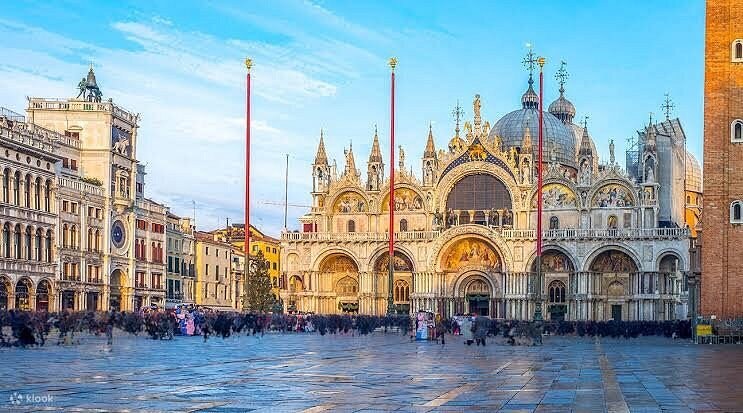 0 mi from VeniceSt. Mark's Basilica
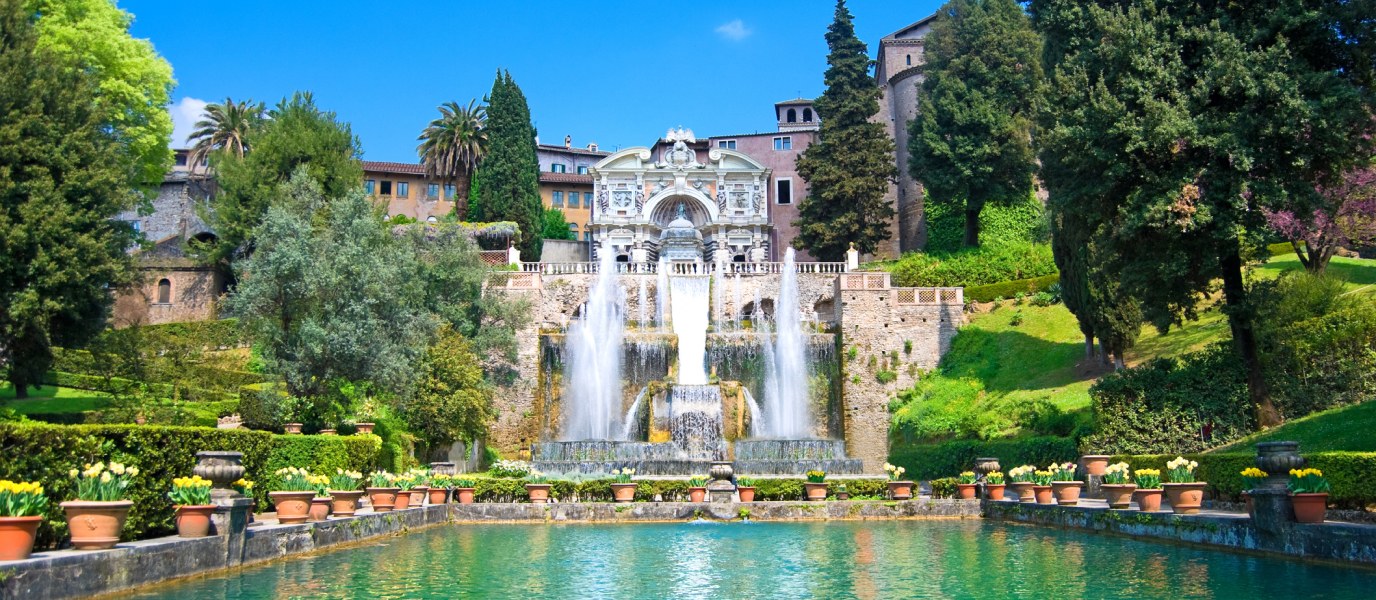 126 mi from VeniceVilla d'Este - Tivoli Fountains & Mannerist Gardens (Day Trip)
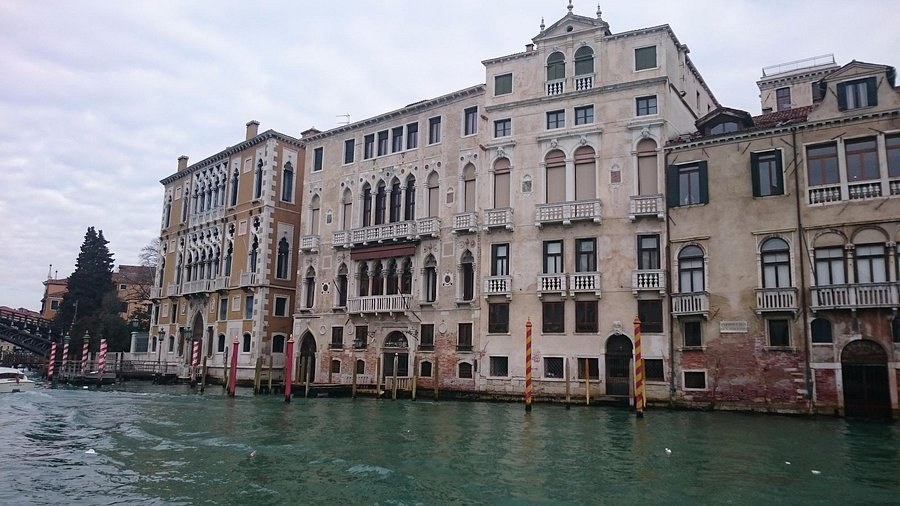 5 mi from Venice · land adventurePalazzo Doors, Lagoon Vineyards: Venice Beyond the Crowd Line
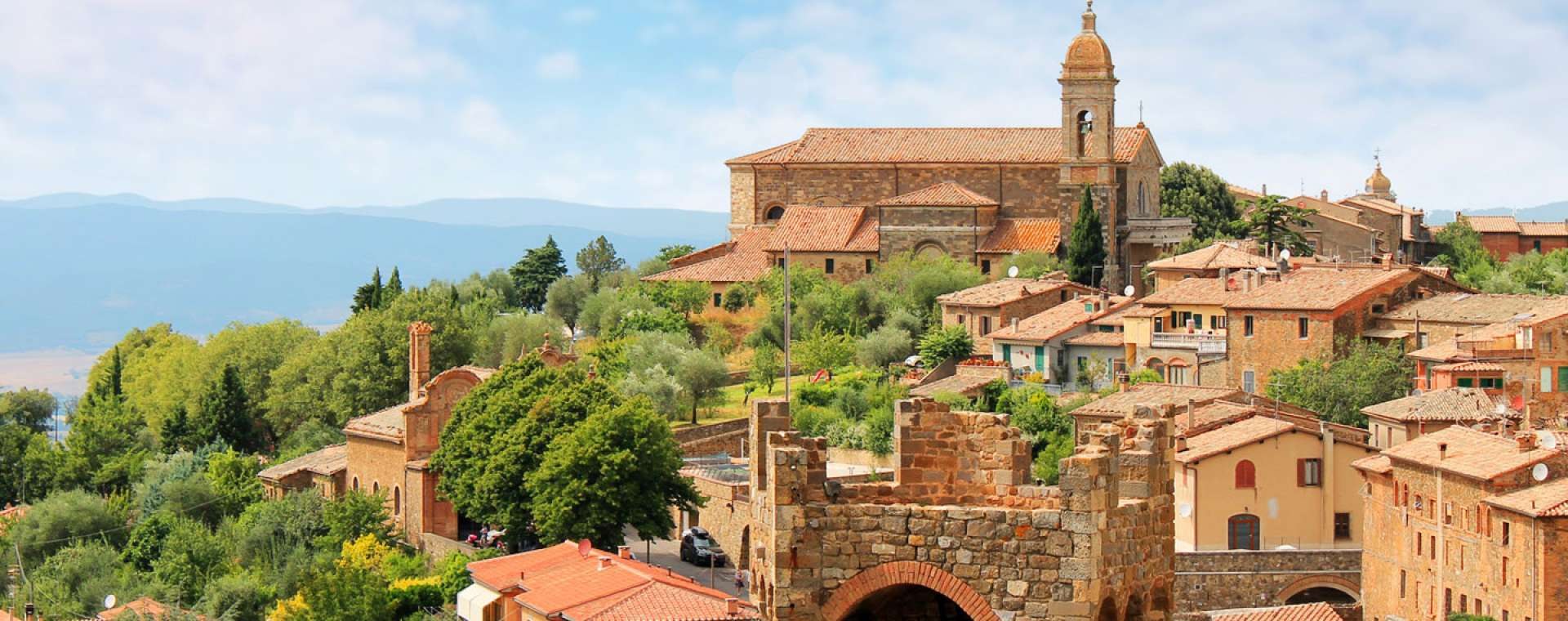 125 mi from Venice · land adventureFlorence to Val d'Orcia: Wine, Frescoes & Thermal Springs
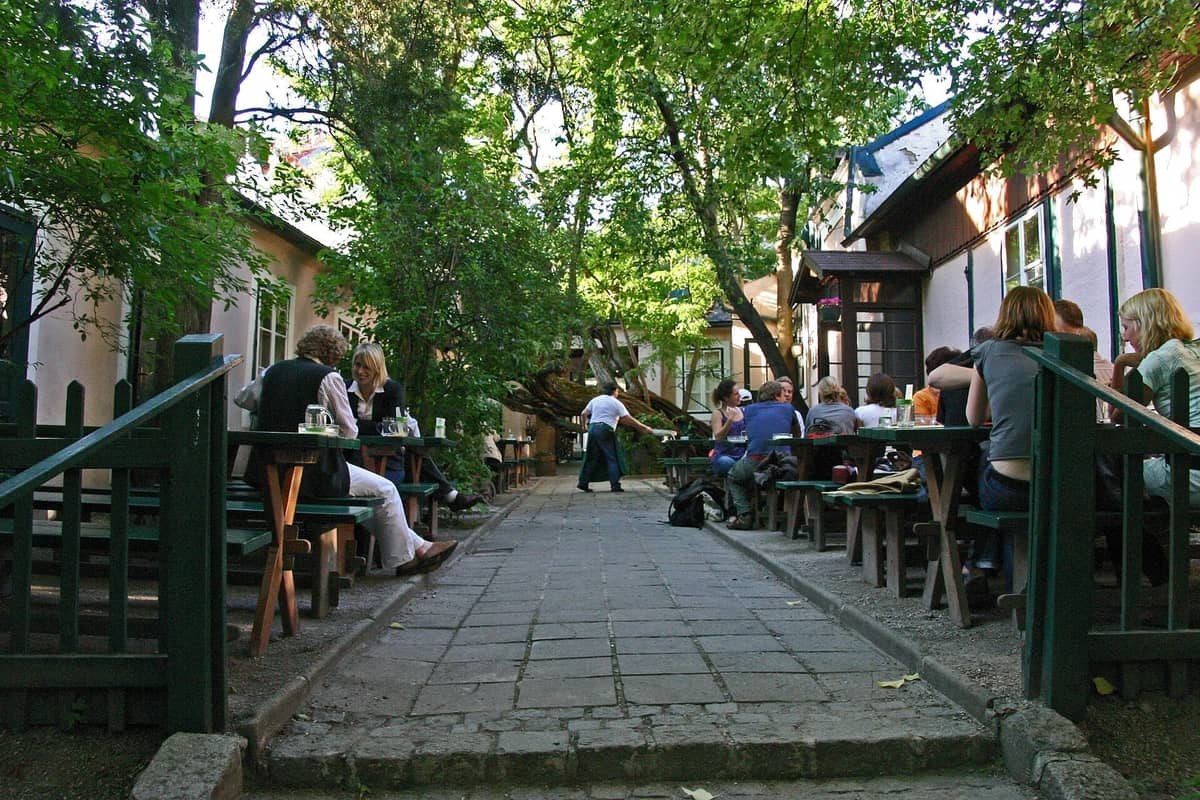 166 mi from Venice · land adventureSalt, Stone and Grüner Veltliner: Salzburg Beyond Mozart
After you step off · near Lisbon
You end in a different port — stay on, and add what is within reach before you fly home.
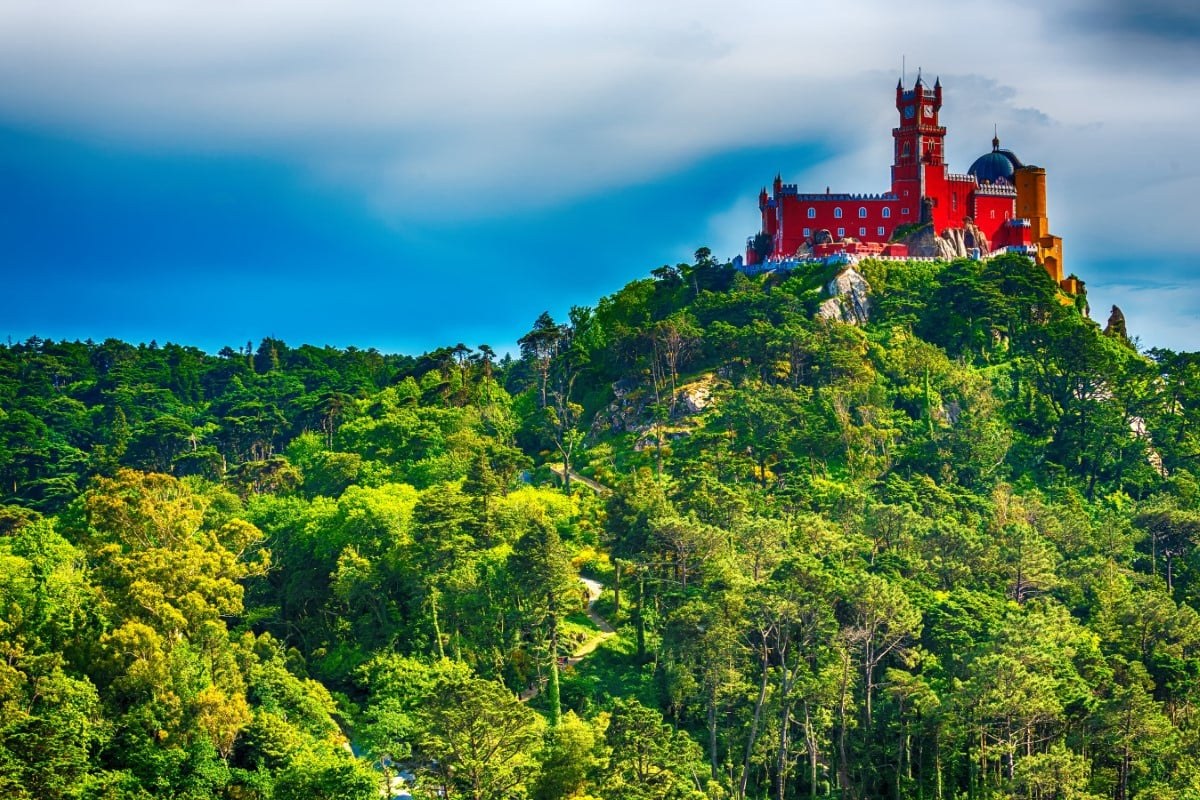 14 mi from LisbonSintra Day Trip - Pena Palace
 13 mi from LisbonConvent of the Capuchos Cork Lining & Underground Network
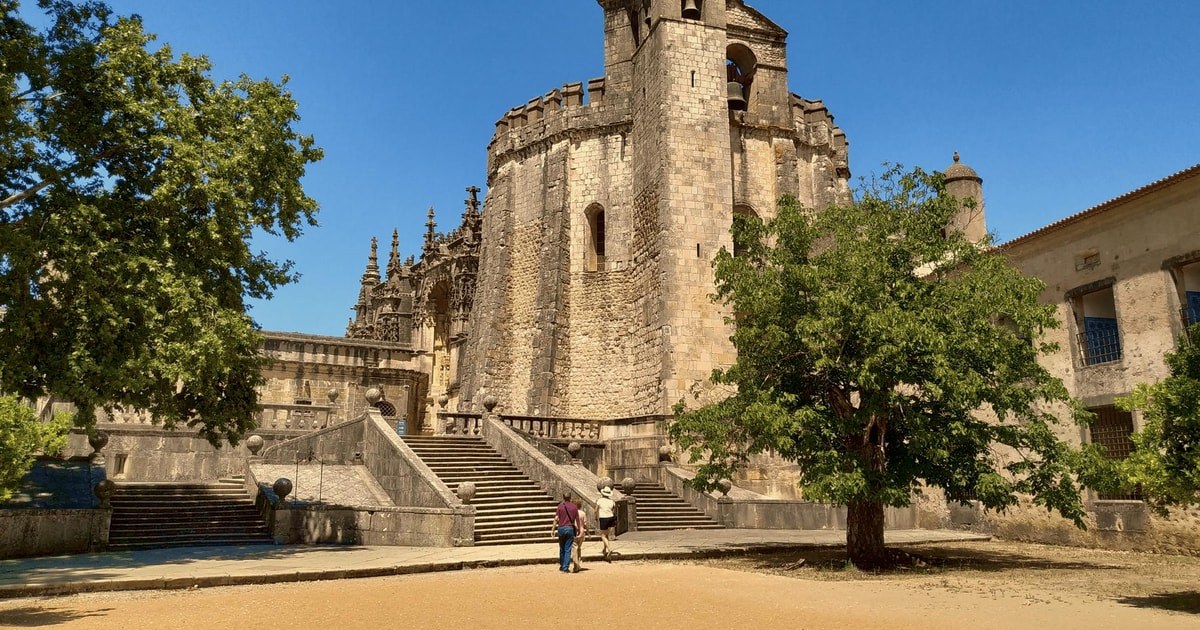 4 mi from Lisbon · land adventureTemplar Stone, Atlantic Cliffs, and Pastel Custard in Lisbon
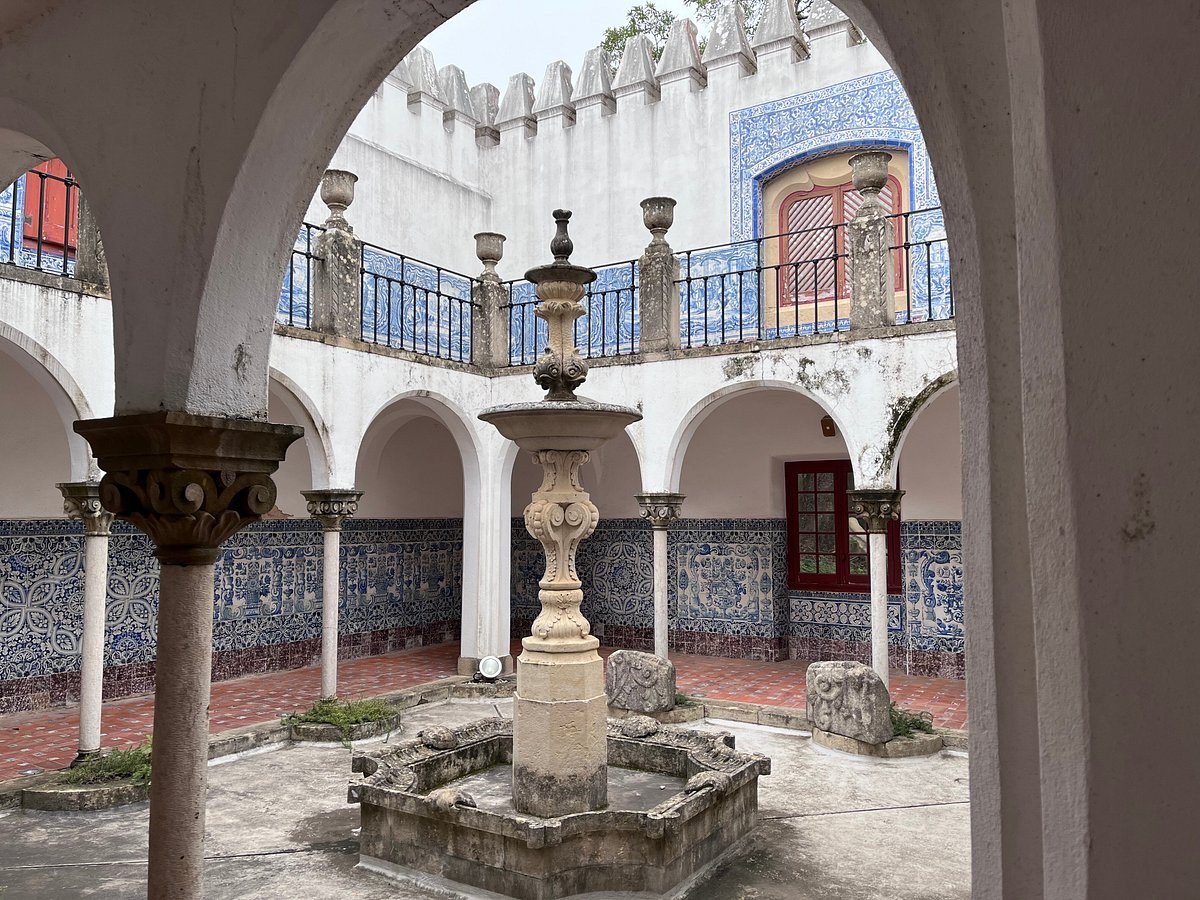 4 mi from Lisbon · land adventureSintra's Forests, Palaces & Coast: A Portuguese Masterpiece