Your cruise
Spectrum of the Seas · 10-night Asia cruise, Shanghai to Tokyo
Oct 11 – Oct 21 · 10 nights ·
Day 1 Shanghai (board) · Day 2 at sea · Day 3 Seoul (Inchon) · Day 4 at sea · Day 5 Sakaiminato · Day 6 at sea · Day 7 Hakodate · Day 8 Sapporo (Muroran/Hokkaido) · Day 9 at sea · Day 10–11 Tokyo (step off)
What you do A bespoke private guided day in Seoul — Gyeongbokgung Palace, Bukchon Hanok Village, and Insadong's artisan lanes — with a certified local expert who tailors every hour to you. The ultimate bucket-list introduction to Korea's 600-year-old capital.
What to expect Your guide meets you dockside at Incheon Port and whisks you to Gyeongbokgung for the Changing of the Royal Guard ceremony before the crowds arrive. You'll stroll the stone-paved alleys of Bukchon, peering over tiled rooftops at a skyline unchanged for centuries. Lunch is a curated royal-court banchan spread at a historic hanok restaurant. The afternoon belongs to Insadong's galleries and Cheonggyecheon Stream before a seamless return to the ship.
Good to know Seoul is roughly 60–90 min from Incheon Port by private car. Confirm all-aboard time with your ship and book a guide who guarantees port drop-off. Pre-book at least 2 weeks in advance; private dates fill quickly on peak cruise days.
Versus the ship tour A fully private itinerary means zero waiting, a guide who speaks your interests, and the freedom to linger inside a candlelit tea house or duck into a hidden calligraphy studio — moments impossible on a coach tour.
book direct with GoWithGuide Korea (certified private local guides) → · the full guide →
What you do Stand inside the Joint Security Area at Panmunjom — one of the world's most charged geopolitical flashpoints — and gaze across the Military Demarcation Line into North Korea. A once-in-a-lifetime encounter with living Cold War history, just 90 minutes from Incheon.
What to expect Departing from Incheon, you pass through checkpoints and into the 4km-wide Demilitarized Zone, visiting the hauntingly quiet 3rd Infiltration Tunnel dug by North Korea in the 1970s. At the JSA, a UN Command soldier escorts you to the iconic blue conference buildings straddling the border — you can literally step across into North Korean territory inside the room. The Dorasan Observatory offers sweeping views of the ghost city of Kijong-dong across the wire. History becomes viscerally, unforgettably real.
Good to know Passport required — no exceptions. Strict dress code enforced (no ripped jeans, sleeveless tops). JSA slots are limited and sell out weeks ahead; book immediately. Must depart Incheon by 07:00 to make JSA entry time; confirm against your ship's all-aboard.
Versus the ship tour The JSA is accessible only via a licensed tour operator with UN Command clearance — there is no independent walk-in access. Small groups (max 45) and expert military historians make this a deeply informed, once-only experience.
What you do Glide along an open-air rail bike track suspended above the Yellow Sea tidal flats of Yeongjong Island — dramatic sea vistas, sea breeze, and a thrillingly unusual way to experience Korea's coastline just minutes from the cruise port.
What to expect You board a four-seat pedal rail car at the station and set off along a dedicated coastal track with unobstructed views of glittering mudflats and distant islands. The 3.5km outbound journey ends at a scenic turnaround with a small observation platform; the return is motor-assisted so no one arrives breathless. Combine with a stop at Eurwangni Beach for a restorative seafood lunch of fresh clams and grilled fish at the waterfront stalls.
Good to know Located on Yeongjong Island — same island as Incheon International Airport, roughly 20 min by taxi from the cruise terminal (approx. KRW 15,000–20,000). Book rail bike slots online in advance as weekend sessions sell out. Ideal as a half-day activity, leaving ample time to return before all-aboard.
Versus the ship tour Yeongjong Island is home port territory — no long transfer needed. The open-air rail bike hugs the coastline at water level, offering sweeping Yellow Sea panoramas and the meditative rhythm of pedalling above the tidal flats: effortlessly memorable.
What you do Explore Korea's only remaining Chinatown — a vivid quarter of painted archways, hand-pulled noodle masters, and century-old treaty-port architecture — then lose yourself in the labyrinthine Sinpo International Market, Korea's oldest indoor market. A sensory feast steps from the pier.
What to expect Stroll through the scarlet and gold Paeiru Gate into a neighbourhood where Chinese and Korean cultures have merged for over 130 years. Lunch at one of the legendary black-bean noodle (jajangmyeon) restaurants whose recipes date to the 1880s. Cross the street into Sinpo Market's covered maze for hotteok (sweet filled pancakes), fresh makgeolli rice wine, and stalls piled with dried seafood. The adjacent Freedom Park and its bronze statues of General MacArthur complete the afternoon with sweeping harbour views.
Good to know Incheon Chinatown is a 10-min taxi ride from the cruise terminal (approx. KRW 8,000–12,000). No advance booking needed for self-guided exploration; for a private food guide, book via GoWithGuide or similar at least one week ahead. Easily achievable in 3–4 hours, ideal for pairing with a morning rail bike or afternoon return.
Versus the ship tour Walking Incheon's Chinatown and Sinpo Market independently — or with a private food guide — puts you in the kitchen doorways, trading stories with 3rd-generation jajangmyeon noodle chefs. This is the authentic, unhurried version of Korean food culture.
book direct with Incheon City Tour (official Incheon Tourism Organisation) → · the full guide →
What you do Escape to Ganghwado, Korea's fifth-largest island and a cradle of civilisation, where prehistoric UNESCO-listed dolmen tombs rise from misty hillsides beside one of Korea's oldest Buddhist temples. A profoundly serene counterpoint to Seoul's electricity.
What to expect Cross the Ganghwa Bridge onto an island where ox-drawn carts once shared roads with royal refugees. The UNESCO Gochang-Hwasun-Ganghwa Dolmen Sites present massive capstone burial monuments framed by rolling green hills — an eerie, atmospheric encounter with Korea's Bronze Age. Jeondeungsa Temple's stone walls and bronze bell, dating to the Goryeo dynasty, invite quiet reflection in a mountain forest. The island's tidal mudflats, visible from the Ganghwa Peace Observatory, offer a final, haunting view toward North Korea across the Han River estuary.
Good to know Ganghwado is approx. 40–50 min by car from Incheon cruise terminal. Pre-book a guided tour to include transport; self-driving is possible but signage is limited in English. Full day recommended — allow 7–8 hours. Confirm all-aboard time and factor in the return transfer.
Versus the ship tour Ganghwado sees a fraction of the tourist traffic of Seoul, yet its Bronze Age dolmen fields (2000 BCE) and the ancient Jeondeungsa Temple — continuously active since 381 AD — offer a depth of Korean history and spirituality that the capital simply cannot replicate.
book direct with Klook Korea – Ganghwa Island Day Tour (local licensed operator) → · the full guide →
What you do Tour Songdo International Business District — one of the world's first purpose-built smart cities, rising from reclaimed land beside Incheon — culminating in a 33rd-floor sky-lounge ascent at G-Tower for dazzling 360° views of the Yellow Sea and Seoul's skyline. The city of the future, today.
What to expect A private guide collects you at the terminal and introduces Songdo's masterplan as the city's canal-laced grid appears on the horizon. Stroll Central Park's waterfront — deliberately modelled on New York's Central Park, with paddle boats and open-air sculpture — before ascending G-Tower's glass-walled observation floor, where floor-to-ceiling windows frame the Incheon Bridge's graceful arc and the Yellow Sea beyond. A curated stop at the Hyundai Premium Outlet Songdo completes the experience for those wishing to take home a piece of Korean luxury design.
Good to know Songdo is only 20–30 min by taxi from the Incheon cruise terminal (approx. KRW 15,000–20,000) — the closest world-class destination to the port. G-Tower is open daily; no ticket required for the observation floor. Ideal as a half-day excursion, easily combined with a morning at Chinatown or Sinpo Market.
Versus the ship tour Songdo is the world's most ambitious urban experiment — a fully sensor-connected, carbon-neutral city built on the sea — and G-Tower's panoramic lounge delivers a perspective on Korea's astonishing 21st-century reinvention that no history tour can match.
What you do Shanghai's most iconic mile, the Bund, transforms at dusk into one of the world's great spectacles. A private guide leads you along the floodlit promenade as Pudong's towers ignite across the Huangpu River — bucket-list Shanghai at its most cinematic.
What to expect Your guide meets you and whisks you along the 1.5 km Bund promenade past the neoclassical HSBC building and the Customs House, timing arrival at the riverfront rail for the exact moment the Pudong skyline lights up. Cross on the historic ferry for a Lujiazui-side view of the Bund in reverse — a perspective most visitors never get. End with a nightcap recommendation at a Bund rooftop bar before your private transfer back to port.
Good to know Sunset times vary by season — confirm departure time with Jenny's so you arrive 45 minutes before dusk. The cruise terminal at Wusongkou is roughly 40 minutes by car from the Bund; factor that into your all-aboard window. Pre-book at least two weeks ahead for private vehicle inclusion.
Versus the ship tour Fully private, certified English-speaking guide, unhurried pace — linger for the golden hour and stay until the neon skyline is in full blaze. Personalised commentary on Shanghai's colonial banking history, hidden art deco details, and the modern Pudong story.
book direct with Jenny's Shanghai Tours → · the full guide →
What you do Soar to the 118th floor of the world's second-tallest building for a vertiginous 360° panorama that spans the entire Yangtze Delta. On a clear day the view from 546 m is utterly otherworldly — a must for any discerning visitor to Shanghai.
What to expect Ride the record-breaking elevator to the sky lobby, then step onto the glass-floored observation gallery to look straight down onto the Shanghai World Financial Center and Jin Mao Tower below you. Interactive exhibits chronicle Shanghai's vertical ambition across three decades. On clear mornings visibility stretches to Suzhou; afternoon light turns the Huangpu River to hammered gold.
Good to know Pre-book timed tickets online to avoid walk-up waits. Wusongkou cruise terminal is ~50 minutes from Lujiazui by car or Metro Line 6 + Line 2; allow 3 hours minimum including transit. Combine with a Pudong riverside walk back to the ferry crossing for maximum impact.
Versus the ship tour Skip the queues with pre-booked timed entry. The ascent takes just 55 seconds in the world's fastest double-deck lift — pair it with a private guide for full architectural and city-planning context. The twisting glass façade and the "cloud" atrium are design masterpieces in their own right.
What you do Step inside a sublime Ming Dynasty sanctuary hidden within the city's buzzing heart. Rockeries, koi ponds, latticed pavilions, and 400-year-old ginkgo trees make Yu Garden one of China's most exquisite classical gardens — pure bucket-list when explored privately.
What to expect Enter through the dragon-crested walls into six distinct garden courtyards, each a miniature universe of classical Chinese design. Your guide narrates the garden's turbulent history from 16th-century mandarin retreat to wartime refuge. Afterwards, weave through the Yuyuan Bazaar's timber-framed lanes to a century-old dim sum house for xiaolongbao before returning to port.
Good to know Yu Garden is busiest 10am–2pm; request an early-morning start (opens 9am) for a serene experience. Allow 30–40 minutes transit from Wusongkou Cruise Terminal. Book the private guide in advance; garden entry tickets can be purchased on arrival but fast-track options are available via the official WeChat mini-program.
Versus the ship tour A certified private guide decodes the Taoist symbolism of every rock formation and moon gate — layers of meaning invisible to the untutored eye. Pace is entirely yours: linger over the Exquisite Jade Rock, then venture into the surrounding Old City Bazaar lanes for soup dumplings and handmade crafts.
book direct with Jenny's Shanghai Tours → · the full guide →
What you do Drift through 1,700 years of history on a private gondola along willow-draped canals, stone-arch bridges, and Ming-Qing Dynasty merchant houses just 40 km from Shanghai. Zhujiajiao is China's most atmospheric water town — and infinitely more tranquil than the city.
What to expect Glide beneath 36 stone arch bridges on a wooden gondola poled by a local boatman, passing women washing vegetables at the water's edge and incense drifting from canal-side temples. Walk the cobbled Xijing Street market for hand-pulled rice cakes and ink-stone carvings. Visit the magnificent 5-span Fangsheng Bridge, the grandest in the region, for a panoramic view of the entire townscape.
Good to know Zhujiajiao is ~60–70 minutes by private car from Wusongkou. A half-day (morning) excursion is tightest; a full-day is ideal — confirm your all-aboard time and book accordingly. Gondola rides sell out by late morning on weekends; pre-arrange through your guide.
Versus the ship tour A private car and certified English-speaking guide means you arrive before the day-tripper crowds, take a leisurely gondola through back canals the tour buses never reach, and choose your own lunch setting — perhaps a courtyard teahouse overlooking the Fangsheng Bridge.
book direct with Jenny's Shanghai Tours → · the full guide →
What you do Shanghai's most seductive neighborhood — leafy plane-tree avenues, 1920s art deco villas, and a world-class dining scene — comes alive on a private walking tour through the Former French Concession, capped with a reserved table at a celebrated Michelin-recognized restaurant.
What to expect Stroll Wukang Road, named one of the world's great urban streets, past the Normandie Building and celebrity villas converted into boutique concept stores. Duck into Tianzifang's labyrinthe of shikumen alleyways for artisan chocolatiers and independent galleries. Your guide reserves a coveted lunch table at a Xintiandi-area Michelin-listed restaurant for signature Shanghainese red-braised pork and crab roe tofu.
Good to know The French Concession is ~45 minutes from Wusongkou by private car or Metro Line 6 + Line 1. Request lunch reservation details when booking your guide — top tables need 2–3 weeks' notice. Tianzifang is best explored before noon; afternoons get crowded.
Versus the ship tour An expert local guide with deep roots in Shanghai's food and architecture scenes takes you off the tourist track: into a 1930s villa courtyard, through the Tianzifang laneway artisan quarter, and to a restaurant table most visitors can't get. Bespoke, unhurried, and deeply local.
book direct with Tours by Locals – Shanghai → · the full guide →
What you do Two of China's most revered Buddhist sanctuaries in a single private half-day — the ancient Longhua Pagoda rising above its peach-blossom gardens, and the Jade Buddha Temple housing two breathtaking Burmese jade Buddhas carved from a single stone. Spiritual, beautiful, and utterly authentic.
What to expect Begin at Longhua Temple (3rd century AD), Shanghai's oldest and largest, where monks in saffron robes tend incense coils and the seven-storey pagoda casts long shadows over blooming gardens. Your guide explains the significance of the 100-bell ceremony unique to Longhua. Continue to the Jade Buddha Temple to stand before the 1.9-metre seated Buddha, its serene face carved from a single piece of Burmese jade — one of the most revered objects in Chinese Buddhism.
Good to know Dress modestly (shoulders and knees covered) for both temples; scarves available at the gate. Longhua is ~50 minutes from Wusongkou; Jade Buddha Temple a further 20 minutes. Morning visits (before 10am) are quietest and most atmospheric. Pre-book with China Shore Excursion to secure private vehicle and timed entry.
Versus the ship tour A specialist guide provides rare contextual depth on Chan Buddhism, temple ritual, and the contrast between Shanghai's hyper-modern skyline and its centuries-old devotional life. Private vehicle, no fixed group schedule, entrance at the contemplative morning hour before crowds arrive.
What you do A bespoke private guided day in Seoul — Gyeongbokgung Palace, Bukchon Hanok Village, and Insadong's artisan lanes — with a certified local expert who tailors every hour to you. The ultimate bucket-list introduction to Korea's 600-year-old capital.
What to expect Your guide meets you dockside at Incheon Port and whisks you to Gyeongbokgung for the Changing of the Royal Guard ceremony before the crowds arrive. You'll stroll the stone-paved alleys of Bukchon, peering over tiled rooftops at a skyline unchanged for centuries. Lunch is a curated royal-court banchan spread at a historic hanok restaurant. The afternoon belongs to Insadong's galleries and Cheonggyecheon Stream before a seamless return to the ship.
Good to know Seoul is roughly 60–90 min from Incheon Port by private car. Confirm all-aboard time with your ship and book a guide who guarantees port drop-off. Pre-book at least 2 weeks in advance; private dates fill quickly on peak cruise days.
Versus the ship tour A fully private itinerary means zero waiting, a guide who speaks your interests, and the freedom to linger inside a candlelit tea house or duck into a hidden calligraphy studio — moments impossible on a coach tour.
book direct with GoWithGuide Korea (certified private local guides) → · the full guide →
What you do Stand inside the Joint Security Area at Panmunjom — one of the world's most charged geopolitical flashpoints — and gaze across the Military Demarcation Line into North Korea. A once-in-a-lifetime encounter with living Cold War history, just 90 minutes from Incheon.
What to expect Departing from Incheon, you pass through checkpoints and into the 4km-wide Demilitarized Zone, visiting the hauntingly quiet 3rd Infiltration Tunnel dug by North Korea in the 1970s. At the JSA, a UN Command soldier escorts you to the iconic blue conference buildings straddling the border — you can literally step across into North Korean territory inside the room. The Dorasan Observatory offers sweeping views of the ghost city of Kijong-dong across the wire. History becomes viscerally, unforgettably real.
Good to know Passport required — no exceptions. Strict dress code enforced (no ripped jeans, sleeveless tops). JSA slots are limited and sell out weeks ahead; book immediately. Must depart Incheon by 07:00 to make JSA entry time; confirm against your ship's all-aboard.
Versus the ship tour The JSA is accessible only via a licensed tour operator with UN Command clearance — there is no independent walk-in access. Small groups (max 45) and expert military historians make this a deeply informed, once-only experience.
What you do Glide along an open-air rail bike track suspended above the Yellow Sea tidal flats of Yeongjong Island — dramatic sea vistas, sea breeze, and a thrillingly unusual way to experience Korea's coastline just minutes from the cruise port.
What to expect You board a four-seat pedal rail car at the station and set off along a dedicated coastal track with unobstructed views of glittering mudflats and distant islands. The 3.5km outbound journey ends at a scenic turnaround with a small observation platform; the return is motor-assisted so no one arrives breathless. Combine with a stop at Eurwangni Beach for a restorative seafood lunch of fresh clams and grilled fish at the waterfront stalls.
Good to know Located on Yeongjong Island — same island as Incheon International Airport, roughly 20 min by taxi from the cruise terminal (approx. KRW 15,000–20,000). Book rail bike slots online in advance as weekend sessions sell out. Ideal as a half-day activity, leaving ample time to return before all-aboard.
Versus the ship tour Yeongjong Island is home port territory — no long transfer needed. The open-air rail bike hugs the coastline at water level, offering sweeping Yellow Sea panoramas and the meditative rhythm of pedalling above the tidal flats: effortlessly memorable.
What you do Explore Korea's only remaining Chinatown — a vivid quarter of painted archways, hand-pulled noodle masters, and century-old treaty-port architecture — then lose yourself in the labyrinthine Sinpo International Market, Korea's oldest indoor market. A sensory feast steps from the pier.
What to expect Stroll through the scarlet and gold Paeiru Gate into a neighbourhood where Chinese and Korean cultures have merged for over 130 years. Lunch at one of the legendary black-bean noodle (jajangmyeon) restaurants whose recipes date to the 1880s. Cross the street into Sinpo Market's covered maze for hotteok (sweet filled pancakes), fresh makgeolli rice wine, and stalls piled with dried seafood. The adjacent Freedom Park and its bronze statues of General MacArthur complete the afternoon with sweeping harbour views.
Good to know Incheon Chinatown is a 10-min taxi ride from the cruise terminal (approx. KRW 8,000–12,000). No advance booking needed for self-guided exploration; for a private food guide, book via GoWithGuide or similar at least one week ahead. Easily achievable in 3–4 hours, ideal for pairing with a morning rail bike or afternoon return.
Versus the ship tour Walking Incheon's Chinatown and Sinpo Market independently — or with a private food guide — puts you in the kitchen doorways, trading stories with 3rd-generation jajangmyeon noodle chefs. This is the authentic, unhurried version of Korean food culture.
book direct with Incheon City Tour (official Incheon Tourism Organisation) → · the full guide →
What you do Escape to Ganghwado, Korea's fifth-largest island and a cradle of civilisation, where prehistoric UNESCO-listed dolmen tombs rise from misty hillsides beside one of Korea's oldest Buddhist temples. A profoundly serene counterpoint to Seoul's electricity.
What to expect Cross the Ganghwa Bridge onto an island where ox-drawn carts once shared roads with royal refugees. The UNESCO Gochang-Hwasun-Ganghwa Dolmen Sites present massive capstone burial monuments framed by rolling green hills — an eerie, atmospheric encounter with Korea's Bronze Age. Jeondeungsa Temple's stone walls and bronze bell, dating to the Goryeo dynasty, invite quiet reflection in a mountain forest. The island's tidal mudflats, visible from the Ganghwa Peace Observatory, offer a final, haunting view toward North Korea across the Han River estuary.
Good to know Ganghwado is approx. 40–50 min by car from Incheon cruise terminal. Pre-book a guided tour to include transport; self-driving is possible but signage is limited in English. Full day recommended — allow 7–8 hours. Confirm all-aboard time and factor in the return transfer.
Versus the ship tour Ganghwado sees a fraction of the tourist traffic of Seoul, yet its Bronze Age dolmen fields (2000 BCE) and the ancient Jeondeungsa Temple — continuously active since 381 AD — offer a depth of Korean history and spirituality that the capital simply cannot replicate.
book direct with Klook Korea – Ganghwa Island Day Tour (local licensed operator) → · the full guide →
What you do Tour Songdo International Business District — one of the world's first purpose-built smart cities, rising from reclaimed land beside Incheon — culminating in a 33rd-floor sky-lounge ascent at G-Tower for dazzling 360° views of the Yellow Sea and Seoul's skyline. The city of the future, today.
What to expect A private guide collects you at the terminal and introduces Songdo's masterplan as the city's canal-laced grid appears on the horizon. Stroll Central Park's waterfront — deliberately modelled on New York's Central Park, with paddle boats and open-air sculpture — before ascending G-Tower's glass-walled observation floor, where floor-to-ceiling windows frame the Incheon Bridge's graceful arc and the Yellow Sea beyond. A curated stop at the Hyundai Premium Outlet Songdo completes the experience for those wishing to take home a piece of Korean luxury design.
Good to know Songdo is only 20–30 min by taxi from the Incheon cruise terminal (approx. KRW 15,000–20,000) — the closest world-class destination to the port. G-Tower is open daily; no ticket required for the observation floor. Ideal as a half-day excursion, easily combined with a morning at Chinatown or Sinpo Market.
Versus the ship tour Songdo is the world's most ambitious urban experiment — a fully sensor-connected, carbon-neutral city built on the sea — and G-Tower's panoramic lounge delivers a perspective on Korea's astonishing 21st-century reinvention that no history tour can match.
What you do Step inside the Adachi Museum of Art, whose living garden has been ranked Japan's finest for 20+ consecutive years. Rotating masterworks of Yokoyama Taikan hang alongside a garden so immaculate it is itself considered a painting.
What to expect The museum is a 60-minute private-transfer drive from port through the San'in countryside. Inside, floor-to-ceiling glass frames each garden vista like a living kakejiku scroll painting — a deliberately engineered perfection. Six distinct garden zones surround a warm-toned main hall filled with works by Yokoyama Taikan, the titan of modern Japanese painting. Allow at least two hours; the tearoom offers matcha with a garden view as a serene finale.
Good to know Book a private transfer from port in advance (Japan Awaits or similar). Museum opens 09:00; aim to arrive by 09:30 for the quietest experience. Last entry is typically 17:00 — confirm all-aboard time before planning return. Pre-purchase entry tickets online to skip any queue.
Versus the ship tour Arrive early — ideally at opening — for near-solitary viewing of Japan's most awarded stroll garden and its priceless Nihonga collection, at your own contemplative pace with no group rush.
book direct with Adachi Museum of Art (official) → · the full guide →
What you do Walk the legendary 800-metre bronze-monster boulevard that inspired Studio Ghibli's aesthetic, then enter the immersive Mizuki Shigeru Memorial Hall — the life story of manga's great supernatural master told in vivid original art.
What to expect Over 177 bronze yokai statues line the seafront promenade, each a character from Shigeru Mizuki's GeGeGe no Kitarō manga series. The Memorial Hall at the far end unfolds his extraordinary life — wartime loss, poverty, obsessive artistry — through original manuscripts, dioramas, and an enormous recreation of his studio. Souvenir shops, yokai-themed cafés and the adjacent Yokai Shrine create a full sensory world. The whole experience rewards 2–3 unhurried hours.
Good to know The Memorial Hall is a 5-minute walk from the cruise pier — no transfer needed. Opens 09:30. Arrive early to beat tour-group volumes mid-morning. The free Yokai Train (JR Sakaiminato Line) runs decorated carriages between the port area and Yonago if you wish to extend the day.
Versus the ship tour Sakaiminato's most iconic experience and the reason the town exists on the cultural map. The Road is free to stroll; the Memorial Hall offers curator-quality storytelling of a beloved national artist — impossible to replicate anywhere else on earth.
book direct with Mizuki Shigeru Memorial Hall (official) → · the full guide →
What you do Cross to Daikonshima island and enter Yuushien, an exquisitely composed Japanese garden famed for 35,000 peonies and rare Ginshu camellia. A private transfer makes this serene masterpiece entirely yours to discover.
What to expect A short drive from port leads to the bridge crossing Lake Nakaumi to Daikonshima. The garden unfolds in a classical Japanese layout around a central pond, with seasonal blooms — peonies from April–May, lotus in summer, brilliant maples in autumn — reflected in still water. The indoor peony hall showcases rare varieties year-round in a jewel-box greenhouse. A traditional teahouse within the garden serves Shimane-grown matcha. Budget a relaxed 90 minutes.
Good to know Arrange a private vehicle from port (approx. 25 minutes each way). Pairs beautifully with a stop at Matsue Castle en route back to port. Opens 09:00. Book your private guide/transfer through Japan Awaits (japanawaits.com) to tailor timing to your all-aboard.
Versus the ship tour Set on a volcanic island in Lake Nakaumi, Yuushien's layered ponds, stone lanterns, and greenhouse of 250 peony varieties deliver a refined, crowd-light garden experience that rewards slow, independent exploration.
book direct with Yuushien Garden (official) → · the full guide →
What you do Climb one of Japan's only surviving original feudal castles — a brooding 1611 black-lacquered fortress — then withdraw to a riverside teahouse for a private, unhurried omoteashi matcha ceremony with a licensed tea master.
What to expect A 45-minute scenic drive through the San'in coast brings you to Matsue, a castle town set between Lake Shinji and Lake Nakaumi. The five-storey tenshu (keep) displays original armour, maps, and samurai weaponry — and the panoramic top floor reveals the entire lake district. Descend to the moat-side Meimei-an, a 250-year-old thatched teahouse, where a tea practitioner guides you through the full ritual with wagashi sweets. The return journey follows the lakeside promenade.
Good to know Allow 7 hours total. Castle entry JPY 680 pp; Meimei-an tea ceremony JPY 510 pp — confirm bundled pricing with your operator. Pre-book private guide transfer to control pace. Castle closes 17:00; confirm all-aboard alignment before booking.
Versus the ship tour Matsue-jo is one of only 12 original castles remaining in Japan — a living artifact. Combining it with an authentic chado ceremony in the castle's own Meimei-an teahouse turns sightseeing into genuine cultural immersion.
book direct with Japan Shore Excursions (official operator, Matsue Castle + Tea Ceremony tour) → · the full guide →
What you do Sakaiminato is Japan's largest matsuba snow-crab port. A guided market tour with a local expert followed by a premium crab lunch at the Fish Center is the most authentic — and delicious — expression of what this port is truly famous for.
What to expect The morning auction at Nakaura Fish Market is a spectacle of glistening hauls — squid, bream, and the prized matsuba crab unloaded straight from the fleet. The adjacent Sakaiminato Fish Center hosts a market hall of vendors selling live and cooked seafood; the restaurant level serves whole steamed matsuba crab with local Shimane sake. Crab season peaks October–March; summer brings fresh ika (squid) in abundance. Budget 2–3 hours for browsing and a leisurely lunch.
Good to know A 5–10-minute walk from the cruise pier. The wholesale auction is typically early morning (06:00–08:00) — worth an early departure from ship. For a guided interpretation of the market with a local expert, add a private guide through GoWithGuide (gowithguide.com). No reservation needed for the retail hall; restaurant lunch may require advance booking in crab season.
Versus the ship tour The wholesale fish market and adjacent retail fish center sit minutes from the pier. This is a walk-in, eat-in, buy-direct engagement with Japan's seafood culture at its most raw and theatrical — no coach, no commentary script.
book direct with Sakaiminato Fish Center (official) → · the full guide →
What you do Journey to the Tottori Sand Dunes — Japan's only vast dune system, rolling 16 km along the Sea of Japan — and visit the world's only permanent sand-sculpture museum, where master sculptors carve entire civilisations from grains.
What to expect The 90-minute drive east along the San'in coast is itself scenic — rugged cliffs, fishing villages, and sea views. At the dunes, wind-carved ridgelines rise 50 metres above the Sea of Japan; you can opt to ride a camel, take a paragliding taster, or simply climb to the highest crest for a panorama that feels nothing like Japan. The adjacent Sand Museum (in season, Nov–Jan closed for re-sculpting) showcases room-sized sand bas-reliefs of world heritage themes by international sculptors. Return via a roadside crab or seafood stop.
Good to know Full day required — confirm all-aboard time carefully; 8 hours is tight but achievable. Sand Museum admission JPY 600–800 pp; camel ride approx. JPY 1,500. Arrange entirely through Japan Awaits for seamless port pickup and guaranteed return timing. Best in spring and autumn for comfortable dune walking.
Versus the ship tour The dunes and Sand Museum together form an utterly unexpected Japan — vast, surreal, and humbling. A private tour allows camel-ride stops, dune climbs at your own pace, and unhurried time in the Sand Museum's colossal sculpted galleries.
book direct with Japan Awaits (private full-day tour operator) → · the full guide →
What you do Ride the Hakodate Ropeway to the summit of Mt. Hakodate for one of Japan's three great night views — a glittering hourglass of city lights between two bays. At 334 m, the 360° panorama is simply breathtaking and utterly bucket-list.
What to expect The gondola whisks you up 334 metres in just three minutes, arriving at a glass-walled observatory perched above the forested peak. As daylight fades, Hakodate's unique hourglass peninsula blazes gold and amber between Tsugaru Strait and Uchiura Bay. The summit also has a café and gift shop should you wish to linger. In autumn, the hillside maples frame the ascent in fiery crimson.
Good to know Ropeway runs daily; last gondola is around 22:00 (seasonal). Allow 90 min round-trip. It's 15 min by taxi from the pier. Pre-book a licensed guide via Japan Guide Association (j-g-a.org) to ensure a private summit experience matched to your ship's all-aboard time.
Versus the ship tour The magic here is timing: a licensed private guide can tailor your ascent to catch the exact moment the city lights ignite at dusk, while the small-group format means no jostling at the observatory rail — just you, the mountain, and one of Japan's most legendary views.
book direct with Hakodate Ropeway (Official) → · the full guide →
What you do Plunge into the legendary Hakodate Asaichi — one of Japan's great morning markets — guided by a local expert who unlocks the finest stalls for live uni, ikura, and hairy crab before the crowds arrive. End with a private omakase bowl that rivals any Michelin table.
What to expect The market opens at 05:00 and by 07:00 the stalls are at peak drama: crab claws waving from iced tanks, fishmongers calling their catch, vendors pressing samples of smoked scallop into your hands. Your guide curates a tasting circuit — squid ink, sea urchin, Hokkaido milk soft-serve — before settling you at a counter for a bespoke seafood rice bowl. Markets wind down by midday so a morning start is essential.
Good to know Market is a 5-min walk or short taxi from most Hakodate berths. Best experienced 07:00–10:00. Book a licensed English-speaking guide in advance; the Japan Shore Excursions team specialises in cruise-ready timing with guaranteed all-aboard returns.
Versus the ship tour A licensed local guide takes you behind the tourist façade to the wholesale-side vendors, introduces you to market elders by name, and steers you to the single best donburi counter — knowledge that only years of local relationships can buy.
book direct with Japan Shore Excursions (Licensed Local Guide) → · the full guide →
What you do Survey Japan's only Western-style star-shaped fortress — scene of the Boshin War's final battle — from the glass-floored Goryokaku Tower, then walk its cherry-blossom-lined moats with a licensed historian guide. A defining chapter of Japanese history made vivid.
What to expect Ascend Goryokaku Tower for a bird's-eye view of the perfect five-pointed star, its geometry still razor-sharp from above. Below, the moated grounds are a masterclass in 19th-century European military architecture transplanted to Japan. Sara leads you across the drawbridge and through the restored magistrate's office, narrating the tragic last stand of the Shinsengumi. In spring the fort's 1,600 cherry trees make this one of Hokkaido's most spectacular hanami sites.
Good to know Tower open daily 09:00–18:00 (to 19:00 in peak season). A 15-min tram ride from the pier on the City Tram (1-Day Pass JPY 800 — worth buying). Combine with nearby Kanemori Red Brick Warehouses for a full half-day. Pre-book your guide at least 2 weeks ahead.
Versus the ship tour Sara, a certified Hakodate Proficiency-tested guide who lived abroad six years, brings the 1869 Battle of Hakodate alive with personal storytelling — pinpointing Hijikata Toshizo's last stand and walking you through the pentagonal ramparts at your own unhurried pace.
book direct with Hakodate Guide Sara (Local Licensed Expert) → · the full guide →
What you do Escape the city entirely on a private guided foray to Onuma Quasi-National Park — a volcanic lake landscape where Mt. Komagatake's reflection shimmers on mirror-still water. Glide by kayak among forested islets in one of Japan's most serene national parks.
What to expect A 50-minute drive north of Hakodate deposits you in a landscape of extraordinary calm: 126 islets scattered across three interconnected lakes, all cast in the shadow of the still-active Mt. Komagatake. Your guide leads a lakeside boardwalk through ancient pines before you board a two-person kayak to explore the quieter western channels, rich with kingfishers and grey herons. Autumn turns the maples copper-gold; spring carpets the banks in cherry blossom.
Good to know Allow a full day: 50 min each way plus 3–4 hrs in the park. Confirm kayak availability seasonally (best May–Oct). Your guide ensures cruise-compatible return timing. Dress in layers — lake temperatures are significantly cooler than the city, especially in the morning.
Versus the ship tour The private format means you set the pace — lingering on a misty lake at sunrise, paddling to a hidden islet for a private picnic, or photographing the volcano's reflection without a single tour bus in sight. This is Hokkaido's raw nature at its most elemental.
book direct with Japan Shore Excursions (Licensed Local Guide) → · the full guide →
What you do Wander Hakodate's 19th-century foreign concession quarter — Orthodox churches, Gothic consulates, and wooden merchant mansions clinging to Mt. Hakodate's slopes — with a licensed guide who unlocks interiors closed to independent visitors.
What to expect The Motomachi hillside is a rare surviving pocket of Meiji-era cosmopolitanism: you'll peer inside the Old British Consulate's rose garden, climb to the vermilion Chinezan Josenji temple with its harbour panorama, and stand inside the onion-domed Hakodate Orthodox Church. Your guide contextualises the mid-19th-century treaty port history that made Hakodate Japan's gateway to the world. The cobblestone slopes and pastel clapboard facades are endlessly photogenic.
Good to know The quarter is walkable in 2–3 hrs with a guide; most sites open 09:00–17:00. Old Public Hall closed Mondays. A 10-min tram ride from the pier. Book a 4- or 6-hour guide slot to combine Motomachi with Goryokaku in a single seamless day.
Versus the ship tour The Japan Guide Association's nationally licensed guides gain access to privately managed interiors — the gilded altar of the Russian Orthodox Church, the restored banquet hall of the Old Public Hall — and can read the kanji plaques and original ledgers that tell the real story of Japan's first open port.
book direct with Japan Guide Association — Hakodate Licensed Guides → · the full guide →
What you do Let a traditional rickshaw (jinrikisha) carry you through Hakodate's most photogenic streets — past red-brick warehouses, tram lines, and seaside promenades — while your puller doubles as an expert local storyteller. A uniquely intimate, beautifully paced way to see the city.
What to expect You recline on a lacquered seat beneath a fringed canopy as your jinrikisha runner navigates the Kanemori Warehouse waterfront, the Motomachi slopes, and the old tram boulevard. The pullers are remarkably well-informed, pointing out architectural curiosities and delivering anecdotes about the Meiji-era merchants who built this city. It's theatrical, intimate, and entirely unlike anything else in Japan's port cities.
Good to know Rickshaws depart from the Kanemori Red Brick Warehouse area, a 5-min walk from the main pier. No advance booking required for short rides, but reserve a 90-min private course ahead for a bespoke itinerary. Operates year-round (weather permitting); best in the golden hour before sunset.
Versus the ship tour Ebisuya's trained rickshaw pullers are passionate local historians who narrate each landmark in English as they run — pausing spontaneously for a harbour shot here, a hidden shrine gate there. The unhurried, street-level perspective reveals details no bus window ever could.
book direct with Ebisuya Rickshaw Hakodate (えびすや) → · the full guide →
What you do A bespoke, chauffeured private day tour from Muroran port straight into the heart of Sapporo — visiting Odori Park, the iconic Clock Tower, and the legendary Nijo seafood market. The ultimate Hokkaido bucket-list day.
What to expect Your private guide collects you dockside at Muroran and whisks you the 90 minutes to Sapporo in a luxury vehicle. Stroll the iconic Odori Park boulevard, photograph the 1878 Clock Tower, and take your time at Nijo Market selecting the freshest uni, crab, and salmon roe — often sampled on the spot. The guide handles all logistics, ensuring you return to port well before all-aboard.
Good to know Muroran to Sapporo is approx. 90 min each way by private car. With a typical 8–10 hour port call, a full day is very achievable. Pre-book directly to lock in your vehicle size and guide. Confirm all-aboard time before departure.
Versus the ship tour Fully private vehicle and dedicated English-speaking guide curated around your pace — no crowds, no fixed group schedule. You choose which markets, gardens, and landmarks to linger at.
book direct with Japan Shore Excursions (Muroran Private Tours) → · the full guide →
What you do Stand on the rim of one of Japan's most dramatic volcanic calderas — the ethereally beautiful Lake Toya, framed by Mount Usu, a still-active volcano. Raw Hokkaido nature at its most breathtaking.
What to expect Depart Muroran port and travel just 40–50 minutes to Lake Toya, a shimmering circular caldera lake considered one of Hokkaido's crown jewels. Ride the Mount Usu ropeway for panoramic views over the lake and volcanic crater (ropeway fare approx. JPY 1,800 per person). Walk the eruption memorial zone where lava froze mid-flow in 2000. On clear days, spy the cone of Mount Yotei across the water. End with a lakeside stroll before returning to port.
Good to know Lake Toya is only ~45 min from Muroran — the closest bucket-list stop on this coastline. Ropeway tickets purchased on arrival. Wear comfortable walking shoes. Ideal even for shorter port calls of 6–7 hours.
Versus the ship tour A private expert guide decodes the living geology of this UNESCO-class landscape — the 2000 eruption lava domes, the caldera islands, and the hot-spring-fed shores — at a pace no group tour can match.
book direct with Japan Shore Excursions (Muroran Private Tours) → · the full guide →
What you do Surrender to the restorative mineral waters of Jozankei Onsen, Sapporo's celebrated mountain hot-spring valley. A deeply luxurious, culturally authentic Japanese wellness ritual.
What to expect Travel by private car from Muroran to Jozankei (approx. 2 hours), nestled deep in a forested mountain valley southwest of Sapporo. At Hotel Milione, change into a yukata robe and descend to the gender-separated indoor and open-air baths fed by sodium chloride-rich geothermal waters prized for skin and muscle recovery. Linger over the gorge views before a light kaiseki lunch (available for an additional fee). Return to port refreshed and utterly serene.
Good to know Pre-book your day-use onsen slot directly with the hotel — demand is high. Arrange private transport via Japan Shore Excursions for door-to-dock convenience. Note: tattoos are not permitted in most onsen facilities. Allow at least 6 hours for a comfortable round trip.
Versus the ship tour Jozankei is a genuine Japanese onsen resort town — not a tourist facility. A day-use soak at a quality riverside ryokan like Hotel Milione gives access to rotenburo (open-air baths) above the Toyohira River gorge, a setting of extraordinary beauty.
book direct with Hotel Milione Jozankei (Day-Use Onsen) → · the full guide →
What you do Walk to the edge of the earth at Cape Chikyu — Muroran's iconic headland where the Pacific Ocean stretches to infinity — then ascend Tokkarisho Lookout for the finest panorama of the bay. Hokkaido's most cinematic coastal views, minutes from the ship.
What to expect Drive just 20 minutes from the port to Cape Chikyu (Cape Earth), where a lighthouse perches on sheer cliffs plunging into the deep Pacific — the curvature of the Earth visibly bending the horizon. Your guide shares why the cape earned its poetic name. Continue to Tokkarisho Lookout, a high terrace over Muroran Bay where the steel Hakucho Bridge and the city's industrial silhouette create an extraordinary landscape of contrasts. In season, spot migrating seabirds riding the thermals below.
Good to know This is the ideal excursion for shorter port calls — both landmarks are within 20–30 minutes of the pier. No pre-booking fees, just confirm vehicle availability in advance. Wear layers; the cape headland is exposed and breezy even in summer.
Versus the ship tour A private guide narrates Muroran's volcanic and maritime heritage at each viewpoint, turning a scenic drive into a genuine story of the land — impossible in a large group setting.
book direct with Japan Shore Excursions (Muroran Private Tours) → · the full guide →
What you do Step into 60 relocated, period-authentic Hokkaido buildings — from Ainu-influenced homesteads to Meiji-era merchant streets — at the extraordinary Historical Village of Hokkaido outside Sapporo. Living history on an epic scale.
What to expect Located 40 minutes from Muroran (by private car) on the outskirts of Sapporo, this is one of Japan's finest open-air architectural museums. Wander authentic relocated structures: a Meiji merchant townhouse, a Shinto shrine, a herring fishery, a railway station, and traditional farmhouses. Horse-drawn trams (in season) carry you between zones. A private English-speaking guide from Japan Shore Excursions contextualises the extraordinary story of Hokkaido's 19th-century Japanese settlement alongside its Ainu indigenous heritage.
Good to know Pair with a Nijo Market lunch in central Sapporo for a full cultural day. Allow 2–2.5 hours inside the village. The site is open year-round (check seasonal hours at the official site). Pre-arrange private transport from Muroran port for a seamless experience.
Versus the ship tour This vast open-air museum spans 54 hectares and is best explored with a knowledgeable private guide who brings the Meiji-era pioneer and Ainu stories to life — turning a walk through old buildings into a deeply moving cultural journey.
book direct with Historical Village of Hokkaido (Kaitaku-no-Mura) → · the full guide →
What you do Explore one of Hokkaido's most atmospheric Shinto shrines — the cedar-canopied Muroran Hachimangu — then walk the city's fascinating industrial waterfront, a rare fusion of sacred Japan and bold 20th-century engineering.
What to expect Begin at Muroran Hachimangu, draped in ancient cedar trees and radiating the quiet power of a working community shrine. Your guide explains the significance of the enshrined deities and the shrine's role in Muroran's seafaring history. Then walk the port promenade beneath the soaring white arch of the Hakucho (White Swan) Bridge, where the industrial harbour frames a tableau unlike anything in tourist-trail Japan. Finish with green-tea wagashi sweets at a local confectioner before returning to the ship, just minutes away.
Good to know This is a port-proximate excursion — ideal as a standalone half-day or as an add-on to a morning return from Lake Toya or Cape Chikyu. No tickets required for the shrine. Dress modestly for the shrine visit. Available even for port calls with early all-aboard times.
Versus the ship tour A local expert guide decodes Shinto ritual — the purification, the ema wish plaques, the seasonal festivals — and then reframes Muroran's steelmaking legacy as a story of national ambition, giving you a portrait of Japan few tourists ever see.
book direct with Japan Shore Excursions (Muroran Private Tours) → · the full guide →
What you do Explore Tokyo's most iconic districts — Asakusa, Shibuya, Shinjuku and the Imperial Palace — guided by a nationally licensed, multilingual expert on an entirely private itinerary tailored to you. This is Tokyo at your pace, through a connoisseur's eyes.
What to expect Your guide meets you at the terminal and whisks you into Tokyo's layered world: the incense haze of Sensō-ji, the electric scramble at Shibuya Crossing, the raked gravel calm of Imperial Palace East Gardens. Lunch is arranged at a chef-selected restaurant befitting your taste. The day is a seamless private narrative rather than a checklist, ending with enough time to return comfortably before all-aboard.
Good to know Book well in advance — licensed private guides are in high demand. Confirm your ship's all-aboard time so your guide can plan the return; Tokyo International Cruise Terminal (Ariake) is roughly 30–40 min by taxi or direct Yurikamome rail from central Tokyo.
Versus the ship tour A nationally licensed guide — not a megaphone-and-flag group leader — curates every hour around your interests, from Sensō-ji temple rituals at dawn to an omakase lunch in a hidden alley. The group is yours alone, pace is entirely flexible, and the depth of cultural insight is unmatched.
book direct with Japan Guide Association (JGA) – Official Licensed Guides → · the full guide →
What you do Ascend the world's second-tallest structure to 634 metres for a panorama stretching from Mount Fuji to Tokyo Bay. On a clear day the view is simply one of the great urban spectacles on earth.
What to expect A high-speed elevator whisks you to the Tembo Deck at 350 m in under 60 seconds. A second ascent takes you to the Tembo Galleria, a glass-walled spiral walkway at 450 m where the floor disappears beneath your feet over the Tokyo skyline. The adjacent Solamachi shopping and dining complex adds a refined post-visit option before heading back.
Good to know Pre-purchase timed-entry tickets online — they sell out days ahead, especially on weekends. From Tokyo International Cruise Terminal, take the Yurikamome line to Asakusa, then the Tobu Skytree Line — allow 50 min total. Allow 2 hrs for both decks. Confirm weather forecast: Mount Fuji views require clear skies.
Versus the ship tour Skip the intermediary and book direct on the official site for guaranteed timed-entry tickets — the queue for walk-ups can swallow an hour. Pairing both decks gives you the full 634-metre summit glass-floored walkway, a genuinely vertiginous bucket-list moment inaccessible on a standard visit.
book direct with Tokyo Skytree (Official) → · the full guide →
What you do Step inside teamLab Borderless — the world's most visited single-artist museum — where thousands of laser projections dissolve boundaries between art and visitor. There are no maps; every room is a living, breathing, bucket-list spectacle.
What to expect You wander freely through interconnected rooms where waterfalls, forests, and koi ponds exist entirely as light and projection — and shift when you touch them. The 'Athletic Forest' zone challenges the body as much as the mind. No two visits are identical; the art evolves in real time. Budget at least two hours, though most guests lose track of time entirely.
Good to know The new Azabudai Hills venue is a taxi/subway ride from the cruise terminal — allow 40 min. Wear comfortable shoes (some zones involve steps and uneven surfaces). Timed-entry tickets are date- and time-specific; book the earliest slot to leave the afternoon free for other stops. Avoid white clothing as projections can stain perception.
Versus the ship tour teamLab Borderless is the most talked-about cultural experience in Tokyo and tickets routinely sell out weeks ahead — direct booking guarantees your slot. The experience is entirely self-paced and intimate in scale despite the venue's size; no group itinerary can replicate the personal sense of wonder as the art responds to your movement.
book direct with teamLab Borderless Tokyo (Official) → · the full guide →
What you do Explore the legendary Tsukiji Outer Market with a private chef guide who navigates the stalls, sources the finest morning catch, and explains the art of Edomae sushi — ending at a reserved counter for an unforgettable omakase breakfast.
What to expect The morning begins in the alley labyrinth of Tsukiji Outer Market as vendors arrange glistening tuna, sea urchin, and seasonal shellfish. Your chef-guide explains provenance, seasonality, and the knife traditions behind each cut. A tamagoyaki (rolled omelette) master lets you watch the craft up close. The tour culminates at a reserved sushi counter where the chef orders on your behalf — a succession of impossibly fresh nigiri paired with explanations of each piece.
Good to know Tsukiji Outer Market is most vibrant 7–10 am; an early start is essential and pairs well with an early all-aboard schedule. The market is approximately 30 min by taxi from Tokyo International Cruise Terminal. Confirm any dietary restrictions with Context Travel at booking. Sturdy shoes are advised — the alleys are narrow and sometimes wet.
Versus the ship tour Context Travel pairs you with a culinary scholar or professional chef — not a generic guide — for an intellectually rich deep-dive into Japan's seafood culture. The private format means you linger at the stalls that captivate you, taste what the guide selects, and sit down to sushi chosen that morning, not a set tourist menu.
book direct with Context Travel Tokyo – Expert-Led Food Tours → · the full guide →
What you do Walk the ancient cedar-forested approach to Tokyo's most sacred Shinto shrine, then emerge into Harajuku's kaleidoscopic street culture — a single morning that captures the full spiritual and creative soul of Tokyo.
What to expect The 700-metre forested gravel path to Meiji Jingu feels remote despite being at the heart of 14-million-person Tokyo — a genuine hush descends. Your guide explains the daily rituals, points out the sake-barrel wall offered by French wineries, and arranges a quiet moment at the inner shrine. The short walk to Harajuku delivers the visual shock of kawaii fashion and the understated elegance of Omotesandō boutiques — Dior, Louis Vuitton, and local ateliers alike.
Good to know Shoulders and knees should be covered or a scarf carried for the shrine approach. From the cruise terminal, take the Yurikamome to Shimbashi then JR Yamanote Line to Harajuku — approx. 50 min. The combined experience takes 3–4 hours; pairs perfectly with a lunch reservation on Omotesandō. Book your GoWithGuide guide at least 2 weeks ahead.
Versus the ship tour A private local guide from GoWithGuide provides personal context for Shinto ritual — the purification ceremony, the prayer technique, the symbolism of the torii gate — that transforms a walk through a forest into a deeply moving cultural encounter. The segue into Harajuku's Takeshita Street and Omotesandō's luxury flagship stores is seamlessly curated.
book direct with GoWithGuide – Private Tokyo Local Guides → · the full guide →
What you do Ascend the beloved iron icon of Tokyo at golden hour for the exclusive Diamond Tour — access to both the Main Deck at 150 m and the Top Deck at 250 m, limited to just 70 guests per day. A sunset over the Tokyo skyline from here is a memory for life.
What to expect Tokyo Tower glows tangerine and crimson at dusk — a deliberate nod to the Eiffel Tower's evening palette — and from the glass-floor panels of the Top Deck, the city grid fans out to Tokyo Bay and beyond. The Diamond Tour guide explains the tower's 1958 construction story and its role as Tokyo's emotional heartbeat. The lounge offers premium refreshments as the city lights ignite below you.
Good to know Book online the moment your itinerary is confirmed — the 70-person cap sells out fast, especially on weekends and holidays. Tokyo Tower is in Minato, roughly 40 min by taxi from the cruise terminal. Plan to arrive at least 30 min before your slot. A sunset slot (approximately 5–6 pm) is spectacular but confirm your ship's all-aboard time allows for it.
Versus the ship tour The Diamond Tour's 70-person daily cap makes this one of the most exclusive urban viewpoints in Asia. Unlike the open-access main deck, the Top Deck tour includes a dedicated lounge, unhurried time at each level, and a guide — transforming a landmark tick into a genuinely rarefied experience.
book direct with Tokyo Tower (Official) → · the full guide →
After you step off · near Tokyo
You end in a different port — stay on, and add what is within reach before you fly home.
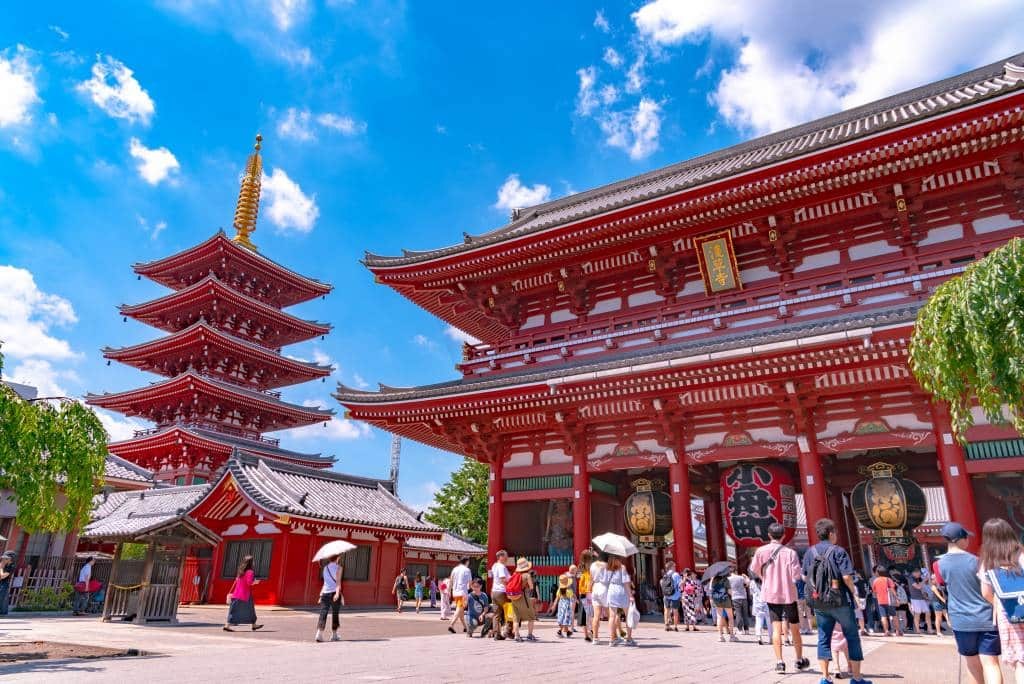 6 mi from TokyoSenso-ji Temple
 0 mi from TokyoteamLab Borderless
 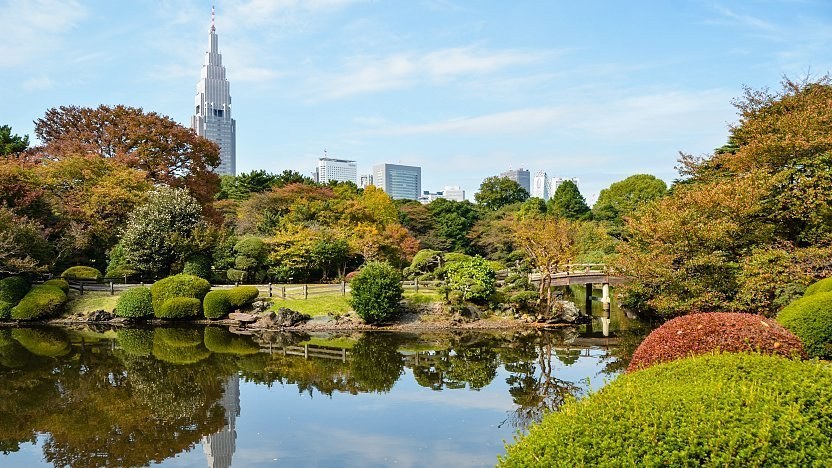 39 mi from Tokyo · land adventureTokyo's Secret Layers: Samurai Houses, Sunrise Crossings & Sake
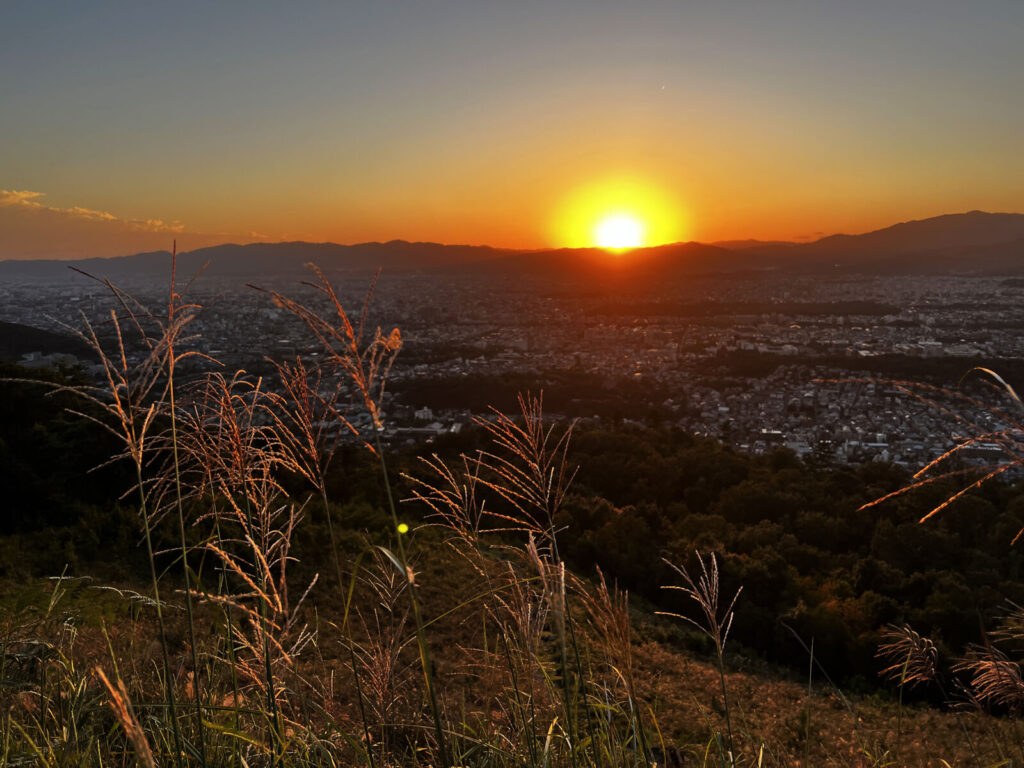 266 mi from Tokyo · land adventureKyoto After Dark: Firelight, Forest Paths & Ancient Craft
 The same trip, elevated
The same gateway on a more luxurious line — lead-in fare per person, same fare as booking direct.