Your cruise
EXPLORA III · 14-night Asia cruise, Shanghai to Tokyo
Mar 15 – Mar 29 · 14 nights ·
Day 1 Shanghai (board) · Day 2 at sea · Day 3 Shimonoseki · Day 4 Kochi · Day 5 Osaka (Kyoto and Nara) · Day 6 Tobruk · Day 7 Tokyo · Day 8 Toba · Day 9 at sea · Day 10 Busan (Kyongju) · Day 11 Phuket · Day 12 Nagasaki · Day 13 at sea · Day 14 Shimizu · Day 15 Tokyo (step off)
What you do A bespoke, private full-day journey through Kitakyushu's greatest highlights — Kokura Castle, Mojiko Retro, and beyond — guided by a government-licensed English-speaking expert at your own pace.
What to expect Your licensed guide meets you dockside and whisks you into Kitakyushu's layered history and culture. Stroll the feudal grandeur of Kokura Castle, wander the Meiji-era European architecture of Mojiko Retro, and discover hidden neighbourhood gems at your own unhurried pace. The guide's deep expertise transforms every stop into a living story — from samurai politics to Japan's industrial renaissance. With a private vehicle, nothing is rushed and nothing is missed.
Good to know Pre-book directly well in advance; private licensed guides fill quickly for cruise days. The 6-hour window comfortably covers the port's top highlights with time to spare before all-aboard. Confirm your ship's docking pier when booking so the guide can plan the pick-up point precisely.
Versus the ship tour Completely private and tailored — your guide focuses solely on your group, adapts the itinerary to your interests, and delivers deep local insight that no group coach tour can match. Air-conditioned private transport and guaranteed all-aboard return included.
book direct with Kitakyushu Government-Licensed Guide (via Japan Shore Excursions) → · the full guide →
What you do Step into Japan's Meiji and Taisho golden age at Moji Port's immaculately preserved retro district — elegant customs houses, former consulates, and atmospheric waterfront promenades that feel utterly cinematic.
What to expect The Mojiko Retro district is one of Japan's finest Meiji-era townscapes, where red-brick customs buildings, an elegant 1914 railway station, and art-nouveau consulates cluster along a cinematic harbour promenade. Your volunteer expert guide brings the architecture to life with stories of foreign merchants, treaty ports, and the industrial ambitions of明治 Japan. Hop aboard the retro-styled sightseeing train, sip coffee in a century-old warehouse café, and photograph the Kanmon Strait with Honshu shimmering in the distance. The atmosphere is utterly unlike anything else in Kyushu.
Good to know Guides operate 10:00 AM – 3:00 PM; arrive early for the best availability. Mojiko Station is easily reached by JR Kagoshima Line from Kokura (approx. 30 min). Factor in the return journey to be safely aboard before all-aboard time.
Versus the ship tour Guides are available exclusively in the Mojiko Retro Area from 10:00 AM to 3:00 PM daily, offering intimate, expert-led walks that reveal the diplomatic and merchant history of this UNESCO-nominated zone in granular, fascinating detail.
book direct with Kitakyushu City Volunteer Guide Service (Mojiko Retro Area) → · the full guide →
What you do Walk beneath cascading tunnels of 150-year-old wisteria in one of Japan's most photographed gardens — a living, fragrant cathedral of violet, pink, and white blooms found nowhere else on earth.
What to expect The Kawachi Wisteria Garden is a privately owned masterpiece featuring over 150 varieties of wisteria, including ancient vines that have been coaxed into soaring archways and tunnels for more than a century. At peak bloom (late April to mid-May), the air is heavy with fragrance and the light filters through layers of violet and white in a scene that defies description. The garden is set into a wooded hillside, lending it a mystical, secluded quality even on busy days. Autumn visits reveal a quieter, moss-and-foliage beauty that many find equally moving.
Good to know Peak season (late April – mid-May) is extremely popular; pre-purchase timed-entry tickets via the official site as soon as they open. The garden is approximately 40 minutes from the cruise port by taxi or private car. Allow at least 1.5–2 hours on site and plan your return carefully against all-aboard time.
Versus the ship tour Entry tickets are strictly limited and timed to prevent overcrowding — securing yours in advance is the only way to guarantee access to the vine tunnels at their peak. The intimacy of the timed entry system means you experience a genuinely serene, uncrowded garden.
book direct with Kitakyushu City Kawachi Fuji Garden (Official) → · the full guide →
What you do Explore the majestic five-story keep of Kokura Castle — one of Kyushu's great samurai fortresses — and its adjoining Zen-style garden, a refined contrast of military power and contemplative beauty.
What to expect Rebuilt in 1959 on original foundations, Kokura Castle's elegant five-story tenshu presides over the city with quiet authority. Inside, beautifully curated exhibits trace the castle's history from its 1602 founding through feudal battles and modern restoration, with panoramic views from the top floor over Kitakyushu and the Kanmon Strait. The adjoining Kokura Castle Japanese Garden is an exquisitely composed Edo-period landscape of koi ponds, stone lanterns, and sculpted pines that rewards slow, meditative exploration. Together, the two sites offer a complete portrait of samurai-era culture and aesthetics.
Good to know Kokura Castle is within walking distance of Kokura Station, approximately 15–20 minutes from the cruise port by taxi. The castle opens at 9:00 AM; arrive early for the quietest experience. Combined ticket is best value; budget 2–3 hours for castle and garden together.
Versus the ship tour Pair the castle with a private licensed guide for a genuinely expert experience — the castle's fascinating history as the seat of the Ogasawara clan and its role in the Meiji Restoration comes alive with context that self-guided visits simply cannot deliver.
book direct with Kokura Castle (Official) → · the full guide →
What you do Descend beneath the Kanmon Strait and walk the only pedestrian tunnel in Japan that crosses under the sea, crossing the legendary border between the islands of Kyushu and Honshu on foot.
What to expect An elevator descends to the tunnel entrance where a clear line on the floor marks the exact boundary between Kyushu and Honshu — a photograph at this spot is obligatory. The tunnel stretches 780 metres beneath the swift-flowing Kanmon Strait, connecting Kitakyushu's Moji district with Shimonoseki in Yamaguchi Prefecture. The walk takes roughly 15–20 minutes one way, with the gentle hum of the strait above you and excellent signage charting the history of this remarkable feat of engineering. Pair it with a stroll along the Shimonoseki waterfront or the famous Karato fish market before returning.
Good to know Pedestrian access is available 6:00 AM – 10:00 PM daily. The Moji entrance is a short taxi ride from the cruise port (combine with a Mojiko Retro visit for maximum efficiency). Wear comfortable shoes; the tunnel is flat but 780 metres each way adds up. Factor in time on the Shimonoseki side if you cross.
Versus the ship tour There is simply no other experience like this in Japan — a 780-metre walk 58 metres beneath the open sea, crossing the boundary between two of Japan's great islands. It is a genuine bucket-list feat that combines history, geography, and the quiet thrill of the extraordinary.
book direct with Kanmon Tunnel Pedestrian Passage (Official) → · the full guide →
What you do Immerse yourself in Japan's extraordinary railway heritage at this world-class museum in Mojiko, home to gleaming historic locomotives, a miniature railway, and a cab-simulator experience unlike anything in the world.
What to expect Housed in the historic 1891 Kyushu Railway head office — a glorious red-brick Meiji building that is itself a national treasure — this museum displays nine magnificently restored locomotives including the iconic D51 steam engine and classic Tsubame express cars once reserved for Japanese royalty. Interactive exhibits allow you to take the driver's seat in a full cab simulator and experience the sensation of piloting a shinkansen. The outdoor miniature railway delights guests of all ages, while scale models and rare archival photography document Japan's astonishing rail ambitions. It sits at the heart of the Mojiko Retro district, making it a natural pairing with a waterfront stroll.
Good to know Open 9:00 AM – 5:00 PM (closed Wednesdays). Located in Mojiko, a 30-minute JR train ride from Kokura Station or a short taxi from the port. Combine with the Mojiko Retro district and Kanmon Tunnel for a full, rich Moji half-day. Pre-book the cab simulator slot on arrival as it fills quickly.
Versus the ship tour This is not a dusty regional museum — it is a beautifully curated, hands-on celebration of the railways that built modern Japan, sited in the original Kyushu Railway headquarters building, a Meiji-era red-brick landmark in its own right. The collection of lovingly restored locomotives is exceptional.
book direct with Kyushu Railway History Museum (Official) → · the full guide →
What you do Shanghai's most iconic mile, the Bund, transforms at dusk into one of the world's great spectacles. A private guide leads you along the floodlit promenade as Pudong's towers ignite across the Huangpu River — bucket-list Shanghai at its most cinematic.
What to expect Your guide meets you and whisks you along the 1.5 km Bund promenade past the neoclassical HSBC building and the Customs House, timing arrival at the riverfront rail for the exact moment the Pudong skyline lights up. Cross on the historic ferry for a Lujiazui-side view of the Bund in reverse — a perspective most visitors never get. End with a nightcap recommendation at a Bund rooftop bar before your private transfer back to port.
Good to know Sunset times vary by season — confirm departure time with Jenny's so you arrive 45 minutes before dusk. The cruise terminal at Wusongkou is roughly 40 minutes by car from the Bund; factor that into your all-aboard window. Pre-book at least two weeks ahead for private vehicle inclusion.
Versus the ship tour Fully private, certified English-speaking guide, unhurried pace — linger for the golden hour and stay until the neon skyline is in full blaze. Personalised commentary on Shanghai's colonial banking history, hidden art deco details, and the modern Pudong story.
book direct with Jenny's Shanghai Tours → · the full guide →
What you do Soar to the 118th floor of the world's second-tallest building for a vertiginous 360° panorama that spans the entire Yangtze Delta. On a clear day the view from 546 m is utterly otherworldly — a must for any discerning visitor to Shanghai.
What to expect Ride the record-breaking elevator to the sky lobby, then step onto the glass-floored observation gallery to look straight down onto the Shanghai World Financial Center and Jin Mao Tower below you. Interactive exhibits chronicle Shanghai's vertical ambition across three decades. On clear mornings visibility stretches to Suzhou; afternoon light turns the Huangpu River to hammered gold.
Good to know Pre-book timed tickets online to avoid walk-up waits. Wusongkou cruise terminal is ~50 minutes from Lujiazui by car or Metro Line 6 + Line 2; allow 3 hours minimum including transit. Combine with a Pudong riverside walk back to the ferry crossing for maximum impact.
Versus the ship tour Skip the queues with pre-booked timed entry. The ascent takes just 55 seconds in the world's fastest double-deck lift — pair it with a private guide for full architectural and city-planning context. The twisting glass façade and the "cloud" atrium are design masterpieces in their own right.
What you do Step inside a sublime Ming Dynasty sanctuary hidden within the city's buzzing heart. Rockeries, koi ponds, latticed pavilions, and 400-year-old ginkgo trees make Yu Garden one of China's most exquisite classical gardens — pure bucket-list when explored privately.
What to expect Enter through the dragon-crested walls into six distinct garden courtyards, each a miniature universe of classical Chinese design. Your guide narrates the garden's turbulent history from 16th-century mandarin retreat to wartime refuge. Afterwards, weave through the Yuyuan Bazaar's timber-framed lanes to a century-old dim sum house for xiaolongbao before returning to port.
Good to know Yu Garden is busiest 10am–2pm; request an early-morning start (opens 9am) for a serene experience. Allow 30–40 minutes transit from Wusongkou Cruise Terminal. Book the private guide in advance; garden entry tickets can be purchased on arrival but fast-track options are available via the official WeChat mini-program.
Versus the ship tour A certified private guide decodes the Taoist symbolism of every rock formation and moon gate — layers of meaning invisible to the untutored eye. Pace is entirely yours: linger over the Exquisite Jade Rock, then venture into the surrounding Old City Bazaar lanes for soup dumplings and handmade crafts.
book direct with Jenny's Shanghai Tours → · the full guide →
What you do Drift through 1,700 years of history on a private gondola along willow-draped canals, stone-arch bridges, and Ming-Qing Dynasty merchant houses just 40 km from Shanghai. Zhujiajiao is China's most atmospheric water town — and infinitely more tranquil than the city.
What to expect Glide beneath 36 stone arch bridges on a wooden gondola poled by a local boatman, passing women washing vegetables at the water's edge and incense drifting from canal-side temples. Walk the cobbled Xijing Street market for hand-pulled rice cakes and ink-stone carvings. Visit the magnificent 5-span Fangsheng Bridge, the grandest in the region, for a panoramic view of the entire townscape.
Good to know Zhujiajiao is ~60–70 minutes by private car from Wusongkou. A half-day (morning) excursion is tightest; a full-day is ideal — confirm your all-aboard time and book accordingly. Gondola rides sell out by late morning on weekends; pre-arrange through your guide.
Versus the ship tour A private car and certified English-speaking guide means you arrive before the day-tripper crowds, take a leisurely gondola through back canals the tour buses never reach, and choose your own lunch setting — perhaps a courtyard teahouse overlooking the Fangsheng Bridge.
book direct with Jenny's Shanghai Tours → · the full guide →
What you do Shanghai's most seductive neighborhood — leafy plane-tree avenues, 1920s art deco villas, and a world-class dining scene — comes alive on a private walking tour through the Former French Concession, capped with a reserved table at a celebrated Michelin-recognized restaurant.
What to expect Stroll Wukang Road, named one of the world's great urban streets, past the Normandie Building and celebrity villas converted into boutique concept stores. Duck into Tianzifang's labyrinthe of shikumen alleyways for artisan chocolatiers and independent galleries. Your guide reserves a coveted lunch table at a Xintiandi-area Michelin-listed restaurant for signature Shanghainese red-braised pork and crab roe tofu.
Good to know The French Concession is ~45 minutes from Wusongkou by private car or Metro Line 6 + Line 1. Request lunch reservation details when booking your guide — top tables need 2–3 weeks' notice. Tianzifang is best explored before noon; afternoons get crowded.
Versus the ship tour An expert local guide with deep roots in Shanghai's food and architecture scenes takes you off the tourist track: into a 1930s villa courtyard, through the Tianzifang laneway artisan quarter, and to a restaurant table most visitors can't get. Bespoke, unhurried, and deeply local.
book direct with Tours by Locals – Shanghai → · the full guide →
What you do Two of China's most revered Buddhist sanctuaries in a single private half-day — the ancient Longhua Pagoda rising above its peach-blossom gardens, and the Jade Buddha Temple housing two breathtaking Burmese jade Buddhas carved from a single stone. Spiritual, beautiful, and utterly authentic.
What to expect Begin at Longhua Temple (3rd century AD), Shanghai's oldest and largest, where monks in saffron robes tend incense coils and the seven-storey pagoda casts long shadows over blooming gardens. Your guide explains the significance of the 100-bell ceremony unique to Longhua. Continue to the Jade Buddha Temple to stand before the 1.9-metre seated Buddha, its serene face carved from a single piece of Burmese jade — one of the most revered objects in Chinese Buddhism.
Good to know Dress modestly (shoulders and knees covered) for both temples; scarves available at the gate. Longhua is ~50 minutes from Wusongkou; Jade Buddha Temple a further 20 minutes. Morning visits (before 10am) are quietest and most atmospheric. Pre-book with China Shore Excursion to secure private vehicle and timed entry.
Versus the ship tour A specialist guide provides rare contextual depth on Chan Buddhism, temple ritual, and the contrast between Shanghai's hyper-modern skyline and its centuries-old devotional life. Private vehicle, no fixed group schedule, entrance at the contemplative morning hour before crowds arrive.
What you do A fully private, government-licensed guided journey spanning two iconic port cities — Shimonoseki and Moji — unlocking samurai history, retro Meiji-era architecture, and the thundering Kanmon Strait in one extraordinary day.
What to expect Your private guide meets you at the pier and whisks you across the Kanmon Strait to Moji Port, a treasure trove of Meiji-era red-brick warehouses, colonnaded avenues, and harbour views. Back in Shimonoseki, the guide navigates you through the Akama Shrine — a vermilion jewel dedicated to the child emperor Antoku — and along the sweeping Kanmon Bridge overlook. The day moves at your pace, with insider commentary turning every site into a story. Lunch at a curated local restaurant is woven naturally into the schedule.
Good to know Book directly and confirm the all-aboard time with your guide at the start — 6-hour tours leave ample buffer. Comfortable walking shoes essential; some Moji sites involve cobbled streets.
Versus the ship tour A bespoke itinerary shaped entirely around your interests, led by a government-licensed English-speaking local expert — unhurried, deeply informed, and tailored to discerning travelers who want more than surface-level sightseeing.
book direct with Japan Shore Excursions → · the full guide →
What you do Dive into Japan's most celebrated seafood market where Shimonoseki's legendary fugu (puffer fish) is served fresh to order — a once-in-a-lifetime culinary ritual just 10 minutes from the pier.
What to expect Karato Market is the undisputed capital of fugu in Japan — Shimonoseki supplies over 80% of the nation's puffer fish, and this market is where the finest specimens are auctioned and sold. On weekends and holidays the market transforms into a buzzing open-air sushi fest, with stalls laden with tuna, sea bream, and the prized blowfish. Savor paper-thin fugu sashimi (tessa) and the collagen-rich fugu skin salad (yubiki) while gazing across the Kanmon Strait to Kyushu. Pair it with a glass of local Yamaguchi sake for a full sensory experience.
Good to know Market is liveliest Fri–Sun and on public holidays (10:00–15:00). A 10-minute taxi from the pier costs approx. JPY 1,000. Pre-book premium fugu kaiseki at adjacent restaurants for an elevated sit-down experience.
Versus the ship tour No middleman, no group queues — you walk the stalls yourself, choosing the freshest cuts directly from the fishermen who landed them that morning, with the freedom to linger over a seasonal sashimi platter beside the open-air waterfront.
book direct with Karato Market (唐戸市場) — Official Market → · the full guide →
What you do Chase one of Japan's most photogenic panoramas — a 1.7 km emerald-water causeway linking Tsunoshima Island to the mainland — on a private chauffeur-guided excursion to Yamaguchi's hidden coastal gem.
What to expect The drive north from Shimonoseki reveals increasingly dramatic Sea of Japan coastline before the Tsunoshima Ohashi Bridge — consistently ranked among Japan's most beautiful — comes into view, its white concrete arc floating above water that shifts from jade to deep turquoise. On the island, a short walk leads to the 1876 Tsunoshima Lighthouse perched on volcanic rock, offering sweeping 360° views across the Korean Strait. The island's beaches are famously clear, and a private stop for photographs at the bridge's viewing point is the defining Instagram moment of any Shimonoseki call. Return via a coastal scenic route.
Good to know Approximately 60–70 km from port (about 75 min each way). Best light is mid-morning. Confirm departure time allows at least 90 minutes on island. Wear wind-appropriate layers — the clifftop is exposed.
Versus the ship tour A fully private vehicle and guide means you stop for photographs exactly when the light is perfect, linger at the lighthouse bluff, and have the island's quieter corners entirely to yourselves.
book direct with Japan Shore Excursions → · the full guide →
What you do Encounter the world's largest collection of live fugu and walk through a tunnel beneath circling sharks at Kaikyokan — Shimonoseki's landmark aquarium built into the dramatic Kanmon Strait shoreline.
What to expect Step into the Kanmon Strait Tunnel Tank and watch rays and sharks glide overhead as container ships thunder past above on the water outside — a surreal juxtaposition of the natural and maritime worlds. The fugu gallery showcases dozens of species of puffer fish in elaborate species-specific tanks, from the thumbnail-sized to the basketball-sized, their inflated forms absurdly majestic. The penguin zone and Irrawaddy dolphin pool delight at every age, while the panoramic observation deck frames one of Japan's busiest sea lanes against the Kyushu hills. Allow two to three hours to do it proper justice.
Good to know 15-minute walk or 5-minute taxi from the pier. Opens 09:30 daily. Arrive early on port days to beat any group visits. The rooftop terrace is an exceptional spot to watch the Kanmon Strait traffic over a coffee.
Versus the ship tour Kaikyokan is the only aquarium in the world to dedicate an entire gallery to live fugu in all their species diversity — a genuinely rare and otherworldly marine spectacle that no other port can offer.
book direct with Kaikyokan (海響館) — Official Aquarium → · the full guide →
What you do Step inside one of Japan's most poignant and visually arresting shrines — built to appease the spirit of an eight-year-old emperor — with a private guide who brings the epic Battle of Dan-no-ura to vivid life.
What to expect Akama Shrine blazes in vermilion and white against the Kanmon Strait, its ornate Momoyama-style gate reflected in the jade water below — a photograph that alone justifies the detour. Your private guide recounts the 1185 Battle of Dan-no-ura, the decisive naval clash that ended the Genpei War and saw the Taira (Heike) clan perish with the infant Emperor Antoku. The shrine's seven stone lanterns and the moss-softened graves of Heike warriors are deeply atmospheric. The guide also decodes the legend of Hoichi the Earless — one of Japan's greatest ghost stories — which unfolds within these very walls.
Good to know 10-minute taxi from the pier (approx. JPY 900). Combine with Karato Market for a perfect morning — both sit within easy walking distance of each other along the waterfront. Book guide well in advance of port day.
Versus the ship tour A government-licensed private guide transforms this shrine from a beautiful landmark into a living history lesson — decoding the Noh masks, the Heike clan graves, and the legendary blind biwa monk Hoichi in ways a self-guided visit simply cannot.
book direct with Japan Guide Agency (Private Licensed Guides) → · the full guide →
What you do Descend 58 meters beneath the Kanmon Strait and walk across the invisible line where Honshu meets Kyushu — one of the world's most extraordinary pedestrian crossings, timed perfectly for a luxury port stop.
What to expect An elevator drops you beneath the strait's surface to a 780-metre tunnel that connects Honshu (Shimonoseki) to Kyushu (Kitakyushu) entirely on foot. At the midpoint, a painted line on the floor marks the prefectural boundary — one foot in Yamaguchi, one foot in Fukuoka — where every visitor stops for the obligatory photograph. The tunnel is cool, quiet, and strikingly well-lit, its curved white walls carrying a gentle hum of the shipping lanes above. Emerge in Kitakyushu and explore the retro Mojiko district before returning on foot or by ferry. The whole crossing takes under 20 minutes each way.
Good to know Tunnel entrance is 15 min on foot or 8 min by taxi from the pier. Open 06:00–22:00 daily. Combine with a Mojiko Retro district stroll on the Kyushu side for a seamless half-day. Bring a light jacket — the tunnel is noticeably cooler than outside.
Versus the ship tour The sheer audacity of the experience — walking under an active international shipping lane to set foot on a different island of Japan — is the definition of bucket-list. Nothing else in world cruising offers this for twenty yen.
book direct with Kanmon Tunnel for Pedestrians — Official (Shimonoseki City) → · the full guide →
What you do A bespoke, fully private full-day journey through Kochi's greatest highlights — Fort Kochi, Mattancherry Palace, spice markets and more — guided by a government-licensed expert who brings the city's layered history to vivid life.
What to expect Your government-licensed guide meets you at the port and whisks you through the atmospheric streets of Fort Kochi, pausing at the iconic Chinese Fishing Nets at their most photogenic hour. You'll explore Mattancherry Palace's stunning Kerala murals, wander the lanes of Jew Town, and browse fragrant spice warehouses that have perfumed this coast for centuries. The pace is entirely yours — linger where you choose, skip what you don't, and enjoy a curated lunch at a heritage restaurant.
Good to know Book directly through Japan Shore Excursions with cruise port pickup included. Confirm all-aboard time with your ship and build in 30 min buffer. Pre-book at least 2 weeks ahead for private guide availability.
Versus the ship tour Entirely private, self-paced, and tailored to your interests — a licensed local expert navigates you beyond the tourist circuit to hidden laneways, authentic tea stalls, and stories no group tour has time to tell.
book direct with Japan Shore Excursions → · the full guide →
What you do Paddle through the impossibly turquoise waters of Japan's Niyodo River on a small-group stand-up paddleboarding adventure — arguably the most pristine and beautiful river in all of Japan, rated a bucket-list natural wonder.
What to expect Kochi Prefecture, Japan's Shikoku island, is home to the Niyodo River — consistently rated Japan's clearest river, its waters an ethereal shade of aquamarine fed by pristine mountain springs. Your certified guide equips you with a paddle board and leads the small group downstream through forested gorges, past mossy boulders and under cedar canopies. Calm stretches invite you to peer through the glass-clear water to the riverbed below; gentle rapids add a pulse of excitement. A riverside bento lunch and post-paddle onsen option complete the experience.
Good to know The Niyodo River is approximately 60–90 minutes from Kochi Port by private car or taxi — factor in travel time and book an early-morning slot to return comfortably before all-aboard. Book directly via Visit Kochi Japan's official tour portal. Suitable for all fitness levels; no prior SUP experience necessary.
Versus the ship tour The Niyodo's water clarity is legendary — a vivid, mineral-rich blue-green that must be seen to be believed — and a small-group SUP tour lets you float through ancient cedar forests and limestone gorges in near-perfect solitude.
book direct with Visit Kochi Japan – Official Tours → · the full guide →
What you do Walk the sacred mountain of 10,000 vermilion torii gates before the crowds arrive. A private licensed guide leads you through misty forest shrines at the most ethereal hour of the day — a truly bucket-list Kyoto moment.
What to expect Your private, government-licensed guide meets you dockside and transfers you by private vehicle to Fushimi Inari Taisha, arriving as lanterns still glow in the pre-dawn light. You ascend the Senbon Torii tunnels at your own pace, pausing at hidden sub-shrines and fox deity altars draped in offerings. The guide weaves Shinto cosmology and personal storytelling into every step. You descend refreshed with time to spare for the rest of Kyoto.
Good to know Pre-book well in advance for early-morning slots. Allow 3–4 hours for Fushimi Inari alone. Confirm your all-aboard time and request a return window when booking — the operator is experienced with cruise schedules.
Versus the ship tour A private guide tailors the pace entirely to your group, departing early enough from Osaka port to reach Fushimi Inari before mass tourism descends — an access and atmosphere that a large coach simply cannot replicate.
book direct with Japan Shore Excursions → · the full guide →
What you do Glide through Kyoto's iconic bamboo cathedral and stroll the UNESCO-listed Zen garden of Tenryu-ji on a fully private tour. The rustling canopy, koi ponds and mountain-framed raked gravel make this one of Japan's most sublime sensory experiences.
What to expect Door-to-door private transfer from Osaka cruise port delivers you to Arashiyama as the morning mist clings to the bamboo. You weave through the grove's emerald tunnels, then enter Tenryu-ji — a 14th-century Zen masterpiece whose 'borrowed scenery' garden frames the Arashiyama mountains. Your guide explains the garden's dry-landscape symbolism before you stroll along the Oi River at leisure. Optional rickshaw ride can be arranged for an extra layer of indulgence.
Good to know Rickshaw rides fill quickly; ask your operator to pre-arrange. The grove is a 75-minute drive from Osaka port — plan departure by 8:00 am for a relaxed morning. Tenryu-ji opens at 8:30 am.
Versus the ship tour A private vehicle and guide mean you arrive at the grove before tour buses, walk at a contemplative pace, and linger in Tenryu-ji's garden without a schedule. The guide's knowledge of Rinzai Zen philosophy transforms a walk into a meditation.
book direct with Japan Shore Excursions → · the full guide →
What you do Command the full sweep of Japan's ancient capitals in a single day: Golden Pavilion, Bamboo Grove, Nara's sacred deer park, and Todai-ji's colossal Buddha — all on your own private itinerary with a licensed expert guide.
What to expect Your guide meets you at the port and whisks you north to Kyoto, where Kinkakuji's gold-leaf reflection shimmers on the mirror pond. The bamboo grove and Fushimi Inari are woven in based on your priorities, before the route sweeps east to Nara. In Nara Park, wild Sika deer bow for rice crackers against the backdrop of Todai-ji, home to Japan's largest bronze Buddha. The guide narrates 1,300 years of capital history with the ease of a storyteller, not a lecturer.
Good to know Confirm all-aboard time upfront — the operator is cruise-savvy and will build a return buffer. All major entry tickets (Kinkakuji, Tenryu-ji, Todai-ji) are typically included; verify at booking. Group size capped at 6 for genuine privacy.
Versus the ship tour Fully customisable itinerary, private vehicle, and a single expert guide who knows your preferences before you step ashore. You choose the sites, the sequence, and the pace — no fixed stops, no strangers, no rush.
book direct with GetYourGuide (Kyoto/Osaka: Kyoto and Nara Customized Private Guided Tour) → · the full guide →
What you do Spend an immersive half-day in Japan's first permanent capital — feeding sacred free-roaming deer, entering the world's largest wooden building, and uncovering 8th-century imperial history with a government-licensed expert guide.
What to expect A licensed guide meets you with private transport and introduces you to Nara's 1,200 wild Sika deer — designated national treasures — who roam freely through parkland and even bow for shika senbei crackers. Inside Todai-ji's Great Buddha Hall, you stand beneath the 15-metre bronze Daibutsu, one of the most awe-inspiring interiors in Asia. The guide contextualises Nara as Japan's first Buddhist capital, tracing the political intrigue behind each monument. A walk through lantern-hung Kasuga Taisha shrine closes the experience in quiet reverence.
Good to know Osaka to Nara is approx. 45 minutes by private car. Book 6-hour window to allow unhurried exploration. Deer crackers sold at park entrances (approx. JPY 200). Wear comfortable shoes — the park path from gate to Todai-ji is 1 km of gentle gravel.
Versus the ship tour Government-licensed guides carry the deepest accreditation in Japan's tourism system. This private format lets you linger at Kasuga Taisha's lantern-lined pathways or Isuien Garden without a clock ticking — a depth of access large groups simply cannot achieve.
book direct with Viator (Nara 6hr Private Tour with Government-Licensed Guide) → · the full guide →
What you do Two of Kyoto's most transcendent UNESCO sites back-to-back on a private tour: the gold-leafed temple floating on its mirror lake, and the world's most contemplated Zen rock garden — 15 stones, infinite interpretation.
What to expect Your private driver delivers you to Kinkakuji as morning light ignites the gold-leaf exterior above its still pond — one of the world's great visual moments. Your guide explains how Shogun Ashikaga Yoshimitsu commissioned this paradise as a retirement villa in 1397. The journey continues to Ryoan-ji, where you sit before 15 rocks arranged in raked white gravel, and your guide invites you to find all 15 from any single vantage point (you cannot). The profound silence of the karesansui garden is deeply restorative before returning to port.
Good to know Kinkakuji opens at 9:00 am — arrive early to beat school groups. Both sites are in northwest Kyoto and pair efficiently. Total time from Osaka port: allow 6–7 hours. Request a bilingual guide specialising in Zen Buddhism for maximum depth.
Versus the ship tour A private expert guide gives each site the dedicated time it deserves, explaining the Muromachi-era shogun's vision for Kinkakuji and the unresolved mystery of Ryoan-ji's rock arrangement — conversations impossible in a 40-person coach.
What you do Explore Kyoto's 400-year-old 'Kitchen of Japan' food market with a culinary guide, tasting tofu, pickles, wagashi sweets and dashi broths stall by stall — then sit down to a refined seasonal kaiseki lunch in a Gion machiya townhouse.
What to expect Your private culinary guide meets you in central Kyoto and leads you into the covered lanes of Nishiki Ichiba, where 100+ vendors have traded since the 1600s. You sample house-made yudofu, brine-cured Kyoto-style tsukemono pickles, freshly pounded mochi, and aged Nishiki miso straight from the barrel. The guide weaves food history and Buddhist dietary philosophy throughout. The morning culminates in a quietly spectacular kaiseki lunch — Japan's most refined culinary tradition — served course by seasonal course in a restored Gion machiya.
Good to know Nishiki Market is busiest after 11:00 am; an early start is ideal. Confirm kaiseki restaurant reservation at time of booking — tables in top Gion establishments require advance notice. Wear comfortable walking shoes; the market is pedestrianised. Allow 5–6 hours total from Osaka port.
Versus the ship tour A food-specialist guide unlocks vendors who don't speak English, translates centuries-old preservation techniques, and has a reserved table at a Gion kaiseki restaurant that requires introduction — a genuine insider experience unavailable to independent visitors.
book direct with Japan Shore Excursions → · the full guide →
What you do Walk the immaculate rows of the Commonwealth War Cemetery at first light with a battlefield historian. A profoundly moving, uncrowded hour that explains why Tobruk mattered.
What to expect You arrive as the gates open, light low and golden across white headstones. The guide, a career battlefield historian, threads personal soldier stories through the wider siege narrative. You'll have the grounds essentially to yourselves. It closes with a quiet reflection point overlooking the harbour the garrison once defended.
Good to know Best done first thing before ship excursions arrive; wear closed shoes for gravel paths; return transfer to port takes about 20 minutes.
Versus the ship tour A specialist historian walks you row by row at dawn, before heat and crowds, tying names on stone to the actual siege lines you'll see later in the day
book direct with Commonwealth War Graves Commission (site) with Western Desert Battlefield Tours guide → · the full guide →
What you do A private full-morning drive through the Gazala line, Ras el Medauar, and the perimeter defenses with an expert guide who reconstructs the 1941 siege on the ground.
What to expect You'll travel by 4x4 out past the town into open desert scattered with wrecked tanks and trench lines, the guide narrating troop movements against the actual terrain. Stops include Italian and German positions as well as the Australian defensive perimeter. It's raw, quiet, and unmistakably historic ground.
Good to know Requires advance visa/passport registration (6 months validity); confirm pickup time against your ship's all-aboard, as this can run 4-5 hours.
Versus the ship tour Access to remote perimeter positions and rusting armor most visitors never reach, guided by historians who've spent decades tracing these exact lines
book direct with Western Desert Battlefield Tours → · the full guide →
What you do Snorkel the shallow wartime wrecks scattered in Tobruk's harbour waters, a rarely-dived slice of WWII history beneath clear Mediterranean water.
What to expect A short boat ride out into the harbour brings you above the outlines of sunken supply ships and landing craft. The water is calm and clear enough to see hull structure from the surface. Your guide points out identifiable sections and shares the story of how each vessel was lost.
Good to know Weather-dependent; bring your own mask if you prefer familiarity with fit; morning conditions are calmest.
Versus the ship tour A small private boat out to wrecks almost never visited by outside travelers, with a guide who knows exactly which hull sections and depths are safe and worthwhile
book direct with Local Tobruk dive guide (arranged via Tours Libya) → · the full guide →
What you do Wander the old harbour quarter and market streets with a local guide, seeing the town as residents actually live it rather than as a battlefield backdrop.
What to expect You'll walk narrow lanes near the old Italian-built harbour buildings, pausing at a working market and a tea house where your guide is clearly a familiar face. It's unpolished and real, offering a sense of daily Libyan life that contrasts sharply with the battlefield sites. Expect curious, warm interactions rather than staged performances.
Good to know Modest dress recommended; cash in Libyan dinar useful for small market purchases; best in cooler morning hours.
Versus the ship tour Time with a local who can navigate conversations, tea houses, and market stalls that a solo visitor simply cannot access comfortably
book direct with Local Tobruk guide (arranged via Tours Libya) → · the full guide →
What you do A private detour to the lesser-visited airfield ruins and the Knightsbridge battle box, seen by almost no cruise passengers.
What to expect The vehicle leaves paved roads for hard-packed desert tracks, arriving at scattered airfield ruins and the remains of a fortified box position. Your guide explains the armored battles that swept through here in 1942. There are no signs, fences, or other visitors, just open desert and history underfoot.
Good to know Only sensible as an add-on to the main battlefield day; sturdy footwear and sun protection essential; confirm return timing carefully against ship departure.
Versus the ship tour Genuinely off the standard circuit, reached only with a guide who knows the unmarked tracks and has permissions worked out over years
book direct with Western Desert Battlefield Tours → · the full guide →
What you do A focused, unhurried visit through the memorial's collection of uniforms, letters, and artifacts with a curator who adds context no placard can.
What to expect You'll move slowly through small rooms of personal effects, faded photographs, and salvaged equipment while your guide fills gaps the displays leave open. It's compact but dense, best absorbed at a deliberate pace rather than rushed through. Expect a quiet, contemplative atmosphere.
Good to know Pairs naturally with the dawn cemetery visit earlier in the day; opening hours can be irregular, so confirm the day before if possible.
Versus the ship tour A one-on-one walkthrough with someone who can translate the museum's Arabic and Italian-language material and share stories behind specific objects
book direct with Tobruk Memorial (local museum staff guide) → · the full guide →
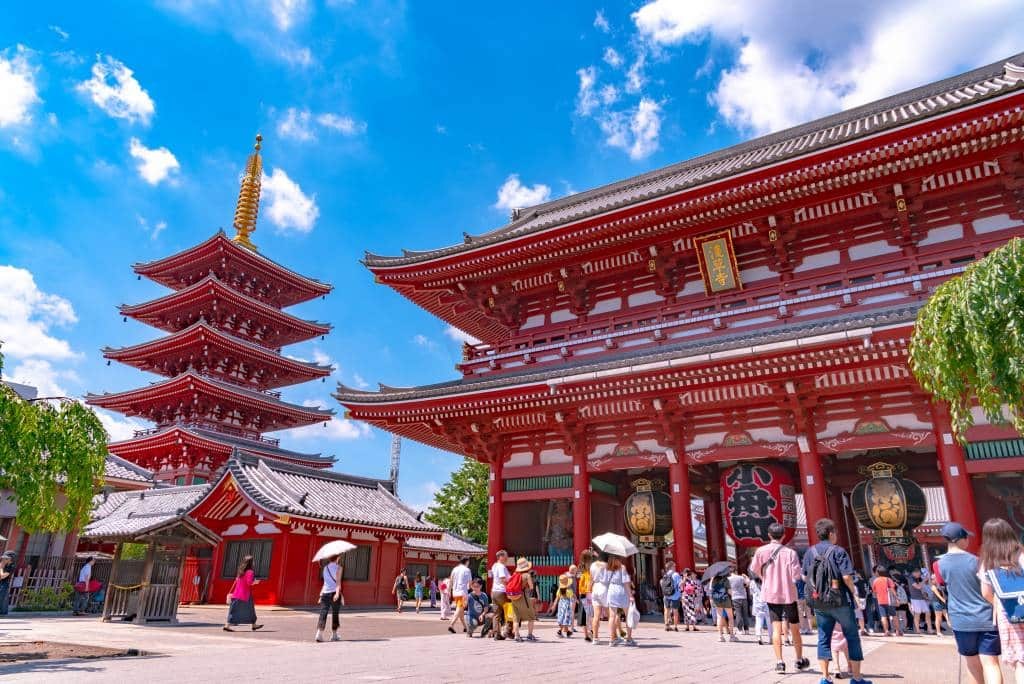
What you do Explore Tokyo's most iconic districts — Asakusa, Shibuya, Shinjuku and the Imperial Palace — guided by a nationally licensed, multilingual expert on an entirely private itinerary tailored to you. This is Tokyo at your pace, through a connoisseur's eyes.
What to expect Your guide meets you at the terminal and whisks you into Tokyo's layered world: the incense haze of Sensō-ji, the electric scramble at Shibuya Crossing, the raked gravel calm of Imperial Palace East Gardens. Lunch is arranged at a chef-selected restaurant befitting your taste. The day is a seamless private narrative rather than a checklist, ending with enough time to return comfortably before all-aboard.
Good to know Book well in advance — licensed private guides are in high demand. Confirm your ship's all-aboard time so your guide can plan the return; Tokyo International Cruise Terminal (Ariake) is roughly 30–40 min by taxi or direct Yurikamome rail from central Tokyo.
Versus the ship tour A nationally licensed guide — not a megaphone-and-flag group leader — curates every hour around your interests, from Sensō-ji temple rituals at dawn to an omakase lunch in a hidden alley. The group is yours alone, pace is entirely flexible, and the depth of cultural insight is unmatched.
book direct with Japan Guide Association (JGA) – Official Licensed Guides → · the full guide →
What you do Ascend the world's second-tallest structure to 634 metres for a panorama stretching from Mount Fuji to Tokyo Bay. On a clear day the view is simply one of the great urban spectacles on earth.
What to expect A high-speed elevator whisks you to the Tembo Deck at 350 m in under 60 seconds. A second ascent takes you to the Tembo Galleria, a glass-walled spiral walkway at 450 m where the floor disappears beneath your feet over the Tokyo skyline. The adjacent Solamachi shopping and dining complex adds a refined post-visit option before heading back.
Good to know Pre-purchase timed-entry tickets online — they sell out days ahead, especially on weekends. From Tokyo International Cruise Terminal, take the Yurikamome line to Asakusa, then the Tobu Skytree Line — allow 50 min total. Allow 2 hrs for both decks. Confirm weather forecast: Mount Fuji views require clear skies.
Versus the ship tour Skip the intermediary and book direct on the official site for guaranteed timed-entry tickets — the queue for walk-ups can swallow an hour. Pairing both decks gives you the full 634-metre summit glass-floored walkway, a genuinely vertiginous bucket-list moment inaccessible on a standard visit.
book direct with Tokyo Skytree (Official) → · the full guide →
What you do Step inside teamLab Borderless — the world's most visited single-artist museum — where thousands of laser projections dissolve boundaries between art and visitor. There are no maps; every room is a living, breathing, bucket-list spectacle.
What to expect You wander freely through interconnected rooms where waterfalls, forests, and koi ponds exist entirely as light and projection — and shift when you touch them. The 'Athletic Forest' zone challenges the body as much as the mind. No two visits are identical; the art evolves in real time. Budget at least two hours, though most guests lose track of time entirely.
Good to know The new Azabudai Hills venue is a taxi/subway ride from the cruise terminal — allow 40 min. Wear comfortable shoes (some zones involve steps and uneven surfaces). Timed-entry tickets are date- and time-specific; book the earliest slot to leave the afternoon free for other stops. Avoid white clothing as projections can stain perception.
Versus the ship tour teamLab Borderless is the most talked-about cultural experience in Tokyo and tickets routinely sell out weeks ahead — direct booking guarantees your slot. The experience is entirely self-paced and intimate in scale despite the venue's size; no group itinerary can replicate the personal sense of wonder as the art responds to your movement.
book direct with teamLab Borderless Tokyo (Official) → · the full guide →
What you do Explore the legendary Tsukiji Outer Market with a private chef guide who navigates the stalls, sources the finest morning catch, and explains the art of Edomae sushi — ending at a reserved counter for an unforgettable omakase breakfast.
What to expect The morning begins in the alley labyrinth of Tsukiji Outer Market as vendors arrange glistening tuna, sea urchin, and seasonal shellfish. Your chef-guide explains provenance, seasonality, and the knife traditions behind each cut. A tamagoyaki (rolled omelette) master lets you watch the craft up close. The tour culminates at a reserved sushi counter where the chef orders on your behalf — a succession of impossibly fresh nigiri paired with explanations of each piece.
Good to know Tsukiji Outer Market is most vibrant 7–10 am; an early start is essential and pairs well with an early all-aboard schedule. The market is approximately 30 min by taxi from Tokyo International Cruise Terminal. Confirm any dietary restrictions with Context Travel at booking. Sturdy shoes are advised — the alleys are narrow and sometimes wet.
Versus the ship tour Context Travel pairs you with a culinary scholar or professional chef — not a generic guide — for an intellectually rich deep-dive into Japan's seafood culture. The private format means you linger at the stalls that captivate you, taste what the guide selects, and sit down to sushi chosen that morning, not a set tourist menu.
book direct with Context Travel Tokyo – Expert-Led Food Tours → · the full guide →
What you do Walk the ancient cedar-forested approach to Tokyo's most sacred Shinto shrine, then emerge into Harajuku's kaleidoscopic street culture — a single morning that captures the full spiritual and creative soul of Tokyo.
What to expect The 700-metre forested gravel path to Meiji Jingu feels remote despite being at the heart of 14-million-person Tokyo — a genuine hush descends. Your guide explains the daily rituals, points out the sake-barrel wall offered by French wineries, and arranges a quiet moment at the inner shrine. The short walk to Harajuku delivers the visual shock of kawaii fashion and the understated elegance of Omotesandō boutiques — Dior, Louis Vuitton, and local ateliers alike.
Good to know Shoulders and knees should be covered or a scarf carried for the shrine approach. From the cruise terminal, take the Yurikamome to Shimbashi then JR Yamanote Line to Harajuku — approx. 50 min. The combined experience takes 3–4 hours; pairs perfectly with a lunch reservation on Omotesandō. Book your GoWithGuide guide at least 2 weeks ahead.
Versus the ship tour A private local guide from GoWithGuide provides personal context for Shinto ritual — the purification ceremony, the prayer technique, the symbolism of the torii gate — that transforms a walk through a forest into a deeply moving cultural encounter. The segue into Harajuku's Takeshita Street and Omotesandō's luxury flagship stores is seamlessly curated.
book direct with GoWithGuide – Private Tokyo Local Guides → · the full guide →
What you do Ascend the beloved iron icon of Tokyo at golden hour for the exclusive Diamond Tour — access to both the Main Deck at 150 m and the Top Deck at 250 m, limited to just 70 guests per day. A sunset over the Tokyo skyline from here is a memory for life.
What to expect Tokyo Tower glows tangerine and crimson at dusk — a deliberate nod to the Eiffel Tower's evening palette — and from the glass-floor panels of the Top Deck, the city grid fans out to Tokyo Bay and beyond. The Diamond Tour guide explains the tower's 1958 construction story and its role as Tokyo's emotional heartbeat. The lounge offers premium refreshments as the city lights ignite below you.
Good to know Book online the moment your itinerary is confirmed — the 70-person cap sells out fast, especially on weekends and holidays. Tokyo Tower is in Minato, roughly 40 min by taxi from the cruise terminal. Plan to arrive at least 30 min before your slot. A sunset slot (approximately 5–6 pm) is spectacular but confirm your ship's all-aboard time allows for it.
Versus the ship tour The Diamond Tour's 70-person daily cap makes this one of the most exclusive urban viewpoints in Asia. Unlike the open-access main deck, the Top Deck tour includes a dedicated lounge, unhurried time at each level, and a guide — transforming a landmark tick into a genuinely rarefied experience.
book direct with Tokyo Tower (Official) → · the full guide →
What you do Journey to Korea's ancient capital — the 'museum without walls' — exploring royal Silla tombs, Bulguksa Temple, and the Seokguram Grotto in total privacy. A bucket-list immersion into 1,000 years of dynasty, art, and spiritual wonder.
What to expect Your guide collects you from the port and drives through rolling hills to Gyeongju, once the radiant capital of the Silla Kingdom. Stand inside Bulguksa Temple's stone pagodas — a masterwork of Buddhist architecture — then ascend to the Seokguram Grotto, where a granite Buddha gazes serenely over the East Sea. Stroll the Daereungwon Royal Tomb Park, a dreamlike landscape of grassy burial mounds, before visiting Cheomseongdae, Asia's oldest surviving observatory. The pace is unhurried, the storytelling rich, and every stop feels genuinely discovered.
Good to know Gyeongju is 1.5 hours from Busan port — confirm your all-aboard time and choose the earliest departure. Pre-book directly; the tour departs daily and sells out in peak season. Allow a full 8–9 hours for the complete itinerary.
Versus the ship tour Small-group departures capped for an intimate experience, led by expert English-speaking local guides who go deep into dynastic history — with unhurried time at each UNESCO site rather than a rushed group sweep.
What you do Visit Busan's most dramatic coastal temple — Haedong Yonggungsa — built directly on seaside cliffs above crashing waves, then unwind on legendary Haeundae Beach. A singular fusion of spiritual grandeur and Korea's most glamorous shoreline.
What to expect Step through stone dragon gates as Haedong Yonggungsa Temple reveals itself perched on wave-lashed granite — one of Korea's only coastal Buddhist temples, and breathtakingly photogenic at any hour. Your guide explains the 600-year-old history and the rituals still practised here daily. Continue to Haeundae Beach, Busan's iconic 1.5 km crescent of white sand framed by a glittering high-rise skyline, for a leisurely stroll, fresh seafood at the nearby market, and a panoramic coffee stop. The afternoon is yours to savour at whatever pace feels right.
Good to know The temple is busiest mid-morning; aim to arrive before 10 am for the best light and fewer visitors. Haeundae is 30 minutes from port by private car. Comfortable walking shoes essential — temple steps are steep and uneven.
Versus the ship tour A licensed local expert curates the pacing — sunrise light at the temple, private transport between sites, and genuine insider commentary on Korean Buddhist tradition that no large-group format can replicate.
What you do Wander Busan's 'Machu Picchu of Korea' — the pastel-painted hillside labyrinth of Gamcheon Culture Village — then dive into the raw theatre of Jagalchi Fish Market, Korea's largest. Colour, creativity, and culinary adventure in one unforgettable morning.
What to expect Gamcheon was born from a 1950s refugee settlement that artists and community groups transformed into a warren of vivid murals, sculpture, and tiny galleries spilling down a hillside above the harbour — it rewards slow, curious wandering. Your guide leads you to the best viewpoints and quieter corners before the day-trip crowds arrive. Then it's down to Jagalchi, a vast covered market buzzing with halmeoni (grandmothers) in rubber aprons, tanks of live octopus, and the salty perfume of the sea. Sample freshly shucked oysters, watch the expert filleting, and choose your own catch for a same-table lunch upstairs.
Good to know Gamcheon is a 15-minute taxi ride from port; arrive early (before 9:30 am) for the best light and quiet lanes. The market is open from 5 am daily — a morning visit is ideal. Wear comfortable shoes; the village involves significant uphill walking.
Versus the ship tour A private local guide navigates the village's hidden alleys and rooftop murals that no map reveals, then negotiates the market's vendors on your behalf — ensuring genuine tastings and zero tourist-trap moments.
book direct with GoWithGuide – Local Busan Expert → · the full guide →
What you do Glide above the East Sea in a sky-blue glass capsule on the Haeundae Blueline Park — the most Instagrammable 4.8 km coastal rail in Korea. Transparent cabins float over cliffs and turquoise water for views that stop time.
What to expect Board your glass Sky Capsule at Mipo Station and glide south along a clifftop rail line, hovering above dramatic rocky coastline and brilliant blue water with the city skyline dissolving behind you. The 30-minute ride passes hidden coves, fishing villages, and pine-forested bluffs inaccessible by road. Disembark at Cheongsapo — a charming traditional fishing port with twin lighthouses — for coffee and fresh donut-shaped hotteok from a harbourside stall. Return via the vintage-style Beach Train for a completely different coastal perspective. Tickets book out weeks ahead in peak season.
Good to know Pre-book Sky Capsule tickets online well in advance — they sell out fast, especially on weekends. The park is 30 minutes from port by taxi. Allow 2–3 hours for the full experience including time at Cheongsapo. Last capsule is early evening.
Versus the ship tour The Sky Capsule is a private four-seat glass pod — no guides, no crowds, just your group suspended above the sea. An utterly unique Korean experience that exists nowhere else on earth.
book direct with Haeundae Blueline Park (Official) → · the full guide →
What you do Ascend Mount Toham to Bulguksa — Korea's most revered Buddhist temple complex and a UNESCO World Heritage Site — then discover the Seokguram Grotto's sublime stone Buddha above the clouds. The spiritual and artistic pinnacle of Korean civilisation.
What to expect Bulguksa's stone staircases — the Cheongungyo and Baegungyo bridges — have been photographed a million times, yet nothing prepares you for the hush of the inner courtyard at first light, where two treasured pagodas face each other across polished granite. Your licensed guide unpacks eight centuries of Silla-era symbolism encoded in every carved lotus and bronze bell. Then wind up through birch forest to Seokguram, where a perfectly proportioned granite Buddha sits inside a domed grotto — positioned to greet the first rays of the rising sun over the East Sea. It is one of the most quietly moving sights in all of Asia.
Good to know Bulguksa is 1.5 hours from Busan port — essential to confirm your all-aboard time. A private guide is strongly recommended to decode the UNESCO significance. Combine with a Gyeongju half-day for maximum depth. Temple open daily from 7 am.
Versus the ship tour Arriving independently with a private guide means lingering in the Blue Bridge courtyard at dawn, before tour groups arrive — a moment of genuinely rare serenity at one of Asia's most iconic sacred sites.
What you do The definitive Busan day in a maximum six-person group — Gamcheon, the coastal temples, Gwangalli Beach, and a panoramic sky-high finale — led by an expert local who treats every stop as a genuine discovery. The perfect introduction to Korea's second city.
What to expect Begin in the colourful alleys of Gamcheon Culture Village before the crowds arrive, your guide narrating its remarkable community art story. Continue to the cliff-top Haedong Yonggungsa Sea Temple, then sweep along the coast to the shimmering arc of Gwangalli Beach with its steel-cable bridge views. A fresh seafood lunch at a locally loved restaurant follows, then ascend to BUSAN X the SKY — one of Korea's highest observation decks — for a 360° panorama across the harbour, mountains, and coastline. Your guide is available throughout for questions, restaurant recommendations, and spontaneous detours.
Good to know Maximum 6 guests ensures a genuinely private feel — book well ahead as these spots go fast. Full-day tours run 8–9 hours; confirm your all-aboard time before booking. Pickup directly from the cruise terminal available on request.
Versus the ship tour Capped at six guests — genuinely small-group — with a licensed local guide who adapts the itinerary to your pace and interests, pausing at viewpoints and markets that larger groups simply bypass.
book direct with GoWithGuide – Local Busan Expert → · the full guide →
What you do Glide by longtail through cathedral limestone karsts, paddle a sea kayak into hidden hongs (cave lagoons), and stand on the iconic island made famous by The Man with the Golden Gun. This is Phuket's most dramatic natural spectacle.
What to expect Depart by speedboat from Ao Por Pier into Phang Nga Bay, where more than 40 limestone islands erupt from glassy green water. Your sea-kayak guide paddles you through low-ceilinged sea caves into perfectly enclosed lagoons invisible from outside. After Ko Tapu (James Bond Island) and a floating village lunch, you drift home through golden-hour karsts. The light in the late afternoon turns the cliffs amber — have your camera ready.
Good to know Journey time from Phuket: ~1.5 hrs each way by speedboat. Full-day tours run 8 hrs; confirm all-aboard time and allow a 30-min buffer. Pre-book the private charter well in advance — it sells out. Wear quick-dry clothing and reef-safe sunscreen.
Versus the ship tour Small-group and private charter options keep the experience intimate — your own longtail, a certified sea-kayak guide, and the freedom to linger inside dripping hongs while crowds are elsewhere. The private format means you set the pace through one of Southeast Asia's most surreal seascapes.
What you do Race across the Andaman Sea to the powdered-sugar crescent of Maya Bay — the filming location of The Beach — then snorkel kaleidoscopic reefs off Bamboo Island. This is Thailand's most iconic island-hopping experience.
What to expect Skim past sheer karst walls to Phi Phi Leh, where Maya Bay's turquoise waters are framed by 100-metre cliffs. Snorkel with reef fish over vivid coral at Phi Phi Don and Bamboo Island before a fresh seafood lunch on a quiet beach. The speedboat's range means you tick off sites that slower boats never reach. Crystal-clear visibility (10–25 m) makes every dip genuinely spectacular.
Good to know Depart from Chalong Pier or Ao Por Pier — roughly 45–60 min from Patong. Full day runs 7–8 hrs. Maya Bay has timed-entry restrictions; your operator handles permits. Book the private charter early in high season (Nov–Apr). Bring motion-sickness tablets if prone — the open-sea crossing is lively.
Versus the ship tour A private speedboat charter means you arrive at Maya Bay at dawn — before the day-trip fleets — when the bay is near-empty and the cliffs glow in morning light. Small-group departures keep snorkel sites uncrowded and allow longer time in the water at the best reefs.
What you do The Similan Islands rank among the world's top-ten dive destinations — granite boulders, manta rays, whale sharks, and 30-metre visibility. A luxury day-trip by catamaran delivers this UNESCO-listed marine park to non-divers and seasoned divers alike.
What to expect Board a luxury catamaran at Tab Lamu Pier (2 hrs north of Phuket) and sail to the Similan archipelago, open October–May. Two to three snorkel or dive stops reveal staghorn coral gardens, hawksbill turtles, and schools of barracuda. Above water, the islands' white-quartz beaches backed by monsoon-sculpted boulders are straight out of a travel poster. Gourmet Thai lunch is served on deck as the boat repositions between sites.
Good to know The Similans are only open Oct–May; verify your cruise date. Transfer from Phuket to Tab Lamu Pier is ~90 min — factor this into all-aboard planning. Full day is 10–11 hrs; this is a full-port-day commitment. Non-swimmers can join for snorkelling with a flotation vest.
Versus the ship tour Smaller departures mean you share dive sites with far fewer guests — critical in a protected marine park where crowd control determines wildlife encounters. Expert PADI dive guides offer personalised attention whether you're on a first Discover Scuba dive or clocking your fiftieth logged dive.
What you do Stand before Phuket's 45-metre alabaster Big Buddha as panoramic views sweep over jungle and Andaman sea, then explore Wat Chalong — the island's grandest and most spiritually active temple. A private guide transforms both icons into living culture.
What to expect Your private air-conditioned vehicle collects you at the pier and winds up into the Nakkerd Hills to the Big Buddha, where the views alone justify the journey. At Wat Chalong your guide decodes the temple's ornate shrines, relics, and incense ceremonies with the kind of context no audio guide can match. The half-day format leaves the afternoon free for the beach or Old Town. Dress modestly — sarongs are provided at both sites.
Good to know Half-day runs ~4 hrs, comfortably inside a typical port call. Shoulders and knees must be covered; the operator supplies wraps. Pre-book the private vehicle; the guide is a native Phuketian. Morning departure (8 am) gives the coolest temperatures and emptiest sites.
Versus the ship tour A vetted local expert leads you off the tourist script — explaining Buddhist ritual in real time, introducing you to monks, and timing the visit to Big Buddha for the serene early-morning or late-afternoon light when the hilltop belongs almost entirely to you.
What you do Wander lanes of pastel shophouses built by Chinese tin-mining dynasties, taste century-old Peranakan recipes still made in family kitchens, and photograph facades that have starred in international fashion shoots. Phuket's Old Town is Thailand's best-kept architectural secret.
What to expect The walk begins on Thalang Road, where art-deco mansions in faded saffron and sage blue line up for a kilometre. Your guide narrates the Chinese-Portuguese fusion that shaped Phuket's food and architecture over 200 years. Eight to ten tastings weave through covered markets and temple courtyards, finishing with a freshly brewed local kopi (coffee) in a 1920s coffee shop still run by the founding family. An hour of free exploration is built into the end of the tour.
Good to know Old Town is 30–40 min by private taxi from Chalong Pier / Patong. Morning tours (8–10 am) catch the golden light on the facades and cooler temperatures. Wear comfortable walking shoes — cobblestone laneways are uneven. This tour pairs perfectly with the Big Buddha/Wat Chalong excursion for a full-day private itinerary.
Versus the ship tour A local food expert leads you to family-run shophouses and hole-in-the-wall kitchens invisible to independent visitors — think 80-year-old Hokkien noodle stalls, freshly pressed sugarcane juice, and Mee Hokkien that has appeared in zero travel guides. Private pace means lingering wherever the light or the flavour demands.
What you do Wade into a jungle river to bathe rescued elephants alongside their mahouts — no riding, no performance, pure connection. Phuket's leading ethical sanctuary is among Southeast Asia's most moving wildlife encounters.
What to expect A resort-style jungle camp in the hills above Phuket is home to a multi-generational herd of rescued working elephants. You feed them tropical fruit, learn their individual stories from their mahout, and follow the family down to the river for an exuberant mud-and-water bath. A traditional Thai lunch is served in the open-air pavilion overlooking the jungle. Departure is in small air-conditioned minivans with hotel or pier pick-up included.
Good to know Half-day runs ~4 hrs including transfers. Morning sessions (8 am pick-up) are cooler and better for photography. Wear old clothes you don't mind muddying. Closed-toe shoes recommended for the river walk. Book directly on the sanctuary's website to ensure proceeds support elephant welfare, not third-party commission.
Versus the ship tour Groups are kept to a maximum of eight guests per mahout family, so your time with the elephants is genuinely unhurried and personal. The sanctuary's no-riding, no-bullhook policy is independently verified — the elephants are free to interact (or not) entirely on their own terms, which makes every moment feel earned rather than staged.
book direct with Elephant Jungle Sanctuary Phuket → · the full guide →
What you do Step ashore the hauntingly beautiful Hashima Island — 'Battleship Island' — a UNESCO World Heritage Site abandoned since 1974. Walk through crumbling concrete ruins of Japan's first high-rise apartments, once home to 5,000 coal miners, with an expert guide unlocking every ghostly layer of its industrial past.
What to expect A scenic 45-minute ferry from Nagasaki port carries you past the dramatic silhouette of Hashima rising from the East China Sea. Once ashore, a certified guide leads you along permitted walkways through collapsed apartment blocks, the old schoolyard, and the mining infrastructure, narrating the island's extraordinary social history. The sense of frozen time — desks still in classrooms, staircases leading nowhere — is profoundly cinematic. Return sailing offers spectacular panoramic views of the island against the open sea.
Good to know Landings are weather-dependent and can be cancelled at short notice — confirm on the morning of your port call. Book well in advance as permits are strictly limited. The ferry departs from Nagasaki Port (Tokiwa Terminal), a short taxi ride from the cruise pier. Allow 3–4 hours total. Check all-aboard time carefully.
Versus the ship tour A licensed landing guide provides deep historical and architectural context you simply cannot access on a self-guided visit — the permit system means only a handful of licensed operators can bring you ashore, making this a genuinely exclusive encounter with one of the world's most dramatic abandoned sites.
book direct with Yamasa Kaiun (Official Gunkanjima Landing Operator) → · the full guide →
What you do A government-licensed private guide accompanies you through the deeply moving Atomic Bomb Museum and Peace Park — the ground zero of 9 August 1945. Unfiltered, nuanced, and emotionally resonant, this is one of the most significant historical pilgrimages in all of Asia.
What to expect Your guide meets you dockside and escorts you north to Hypocenter Park, where a simple black monolith marks the exact epicentre of the blast. The adjacent Atomic Bomb Museum is a masterpiece of sober, powerful curation — melted glass, charred garments, and survivor photographs are presented with unflinching honesty. A short walk leads to Peace Park and the iconic 9-metre Peace Statue, arms outstretched skyward. Your guide weaves in personal survivor accounts (hibakusha stories) that transform statistics into deeply human narratives.
Good to know The museum and Peace Park are approximately 4 km north of the cruise pier — a short taxi or tram ride (Nagasaki Electric Tramway, Line 1/3 to Matsuyamamachi stop). Mornings are quieter; aim to arrive by 09:00. Allow 3 hours minimum. This is a reflective experience — dress respectfully.
Versus the ship tour A nationally licensed, English-speaking guide provides intimate historical interpretation — survivor testimonies, artefact context, and the profound symbolism of the Peace Statue — at your own reflective pace, with no crowds or time pressure.
book direct with Japan Guide Association – Nagasaki Licensed Guides (J-G-A) → · the full guide →
What you do Ascend 333 metres to the summit of Mt. Inasa — one of Japan's three great night views — for a breathtaking 360° panorama of Nagasaki harbour glittering below. Pair it with a refined kaiseki dinner at a harbourside restaurant for an evening of pure Japanese luxury.
What to expect A short taxi ride from the port brings you to the ropeway base station, where gondolas glide up through forested slopes to the summit. The observation deck wraps around the peak, offering unobstructed views across Nagasaki Harbour, Hashima Island in the distance, and the surrounding green hills. As dusk settles, the city lights bloom below in extraordinary fashion. Descend and transfer to a curated harbourside kaiseki restaurant for a multi-course seasonal dinner featuring local Nagasaki seafood, wagyu, and sake pairings.
Good to know Mt. Inasa is best experienced at sunset/dusk — ideal for ships with an overnight stay or late all-aboard. The ropeway runs until 22:00. Arrange a pre-booked kaiseki table (Nagasaki Grand Hotel or Sakamoto-ya are superb choices) to avoid disappointment. Taxi from port is approximately 15 minutes.
Versus the ship tour The summit observation deck at dusk delivers one of Japan's most celebrated panoramas — the harbour, the islands, and the city lights of Nagasaki curving around the bay in a view that has no equal in Kyushu. Combining this with a private kaiseki dinner makes it an unmissable evening.
What you do Wander through the Western-Japanese architectural masterpiece of Glover Garden — Japan's oldest surviving Western-style building — then step inside the breathtaking Ōura Cathedral, a National Treasure and the only Gothic cathedral in Japan. A private licensed guide brings the Meiji-era stories of Nagasaki's remarkable openness to the world vividly alive.
What to expect Your guide leads you up the hillside terraces of Glover Garden, where 19th-century Scottish merchant Thomas Glover built a home with sweeping harbour views that remain spectacular today. Stone pathways wind past preserved colonial villas housing period artefacts. A short walk downhill brings you to the luminous Gothic façade of Ōura Cathedral, its stained-glass windows casting jewelled light across its interior — consecrated in 1865 and a UNESCO World Heritage Site. The neighbourhood's cobblestone lanes and Dutch-era Dejima trading post complete a walk through 400 years of cosmopolitan history.
Good to know Glover Garden and Ōura Cathedral are a short tram ride (Line 5 to Oura Tenshudo stop) or 10-minute taxi from the port. Both open from 08:00–18:00. Combination discount tickets are available (JPY 1,580 for three heritage sites). Allow 3–4 hours. Comfortable walking shoes are essential — the garden involves gentle but sustained uphill walking.
Versus the ship tour Nagasaki Crew guides are locals trained to specialist level in the city's unique Edo-period and Meiji-era Western heritage — the only guides who can contextualise why this hillside enclave produced Japan's earliest international business dynasties and inspired Puccini's Madama Butterfly.
book direct with Discover Nagasaki – Nagasaki Crew Private Tours → · the full guide →
What you do Explore Japan's oldest and most atmospheric Chinatown — Shinchi — then sit down to Shippoku, Nagasaki's extraordinary fusion banquet cuisine born from centuries of Chinese, Dutch, and Japanese cultural exchange. This is the most distinctive regional dining experience in all of Kyushu.
What to expect Your guide leads you through the vermillion gates of Shinchi Chinatown, the oldest in Japan, where temple incense mingles with the aroma of freshly steamed kakuni manju (braised pork buns) and sizzling chanpon — Nagasaki's beloved noodle soup. Market stalls display Nagasaki castella sponge cake, a Portuguese legacy dating to the 16th century. You then settle into a curated Shippoku banquet — served on a shared round table in the Chinese tradition — with courses including sashimi, braised fish, seasonal vegetables, and sake, a meal that embodies 400 years of Nagasaki's unique cultural openness.
Good to know Shinchi Chinatown is a flat 10-minute walk or short tram ride from the cruise pier. Pre-book your Shippoku table at least a week ahead — Hamakatsu (長崎卓袱料理 浜勝) and Ichiriki are both acclaimed and require reservations. Allow 3–4 hours for guide, market walk, and full Shippoku lunch. The best Shippoku is lunch service — confirm your ship's all-aboard time.
Versus the ship tour A private local food guide unlocks the vendor stalls, hidden dim sum kitchens, and family-run Shippoku restaurants that have no English signage — including the authentic chanpon noodle birthplace and kakuni pork bun masters whose recipes are unchanged for generations.
book direct with GoWithGuide – Nagasaki Private Food & Culture Guides → · the full guide →
What you do A bespoke full-day private tour with a nationally licensed guide weaving together Nagasaki's most iconic and most overlooked treasures — the One-Pillar Torii of Sanno Shrine, the Confucian Sofukuji Temple, the historic Meganebashi spectacle-stone bridge, and a ride on the beloved Nagasaki Electric Tramway through the city's living neighbourhoods.
What to expect Board the charming Nagasaki Electric Tramway — one of Japan's oldest operating tram networks — for a local's journey through the city's historic districts. Your guide leads you to the haunting One-Pillar Torii of Sanno Shrine, one of the few structures to survive the atomic blast and now a powerful symbol of resilience. The ornate Chinese-baroque Sofukuji Temple, founded in 1629, rewards with its lacquered gates and serene courtyards. The iconic Meganebashi ('Spectacles Bridge') — Japan's oldest stone-arch bridge — reflects perfectly in the Nakashima River below. The day closes with elevated harbour views over green tea at a traditional machiya townhouse teahouse.
Good to know The guide meets you at the cruise pier. A day tram pass (JPY 600) is excellent value and an experience in itself. The full-day itinerary can be adjusted to your pace and interests — request your preferences when booking. Allow 6–7 hours. Confirm all-aboard time with your guide at the outset of the day.
Versus the ship tour A nationally licensed guide tailors every hour to your interests — moving at a discerning traveller's pace, skipping queues at lesser-known sites, and revealing the extraordinary layers of Nagasaki's identity as Japan's sole window to the outside world for over 200 years of isolation.
book direct with Japan Guide Association – Nagasaki Licensed Guides (J-G-A) → · the full guide →
What you do A bespoke private full-day journey to Japan's most iconic landscape — Mt. Fuji and the volcanic wonders of Hakone. Your licensed guide collects you dockside for an unhurried, deeply personal encounter with Japan's sacred peak.
What to expect Your guide meets you directly at Shimizu Port and escorts you in a private vehicle through the Fuji Five Lakes region, stopping at the most photogenic viewpoints of the sacred volcano. You'll visit the torii gate of Hakone Shrine rising from Lake Ashi before exploring the sulphurous steam vents of Owakudani. The pace is entirely yours — a genuine luxury rarely available on group excursions. Every detail, from entry tickets to insider commentary on Shinto traditions, is handled for you.
Good to know Book well in advance — private guides fill quickly on cruise call days. Confirm your ship's all-aboard time with your guide (typically 17:00–18:00); the tour is designed to return you with ample time. Fuji visibility is weather-dependent; a morning departure maximises clear views before afternoon cloud build-up.
Versus the ship tour Fully private vehicle and nationally-licensed multilingual guide tailored entirely to your group — no fixed itinerary, no shared coach, and the flexibility to linger at Fuji viewpoints or Hakone Shrine as long as you wish.
book direct with Japan Guide Agency (J-G-A) → · the full guide →
What you do Glide across mirror-calm Lake Ashi with Mt. Fuji as your backdrop, pass beneath Hakone Shrine's iconic water torii, then feel the earth's raw power at Owakudani's steaming volcanic vents. A quintessential Japan bucket-list day.
What to expect Depart Shimizu Port and ascend into the Hakone caldera, where the air cools and the landscape shifts to cedar forests and steaming vents. At Owakudani, try the legendary black eggs (kuro-tamago) said to add seven years to your life, cooked in the sulphurous springs. A scenic ropeway or sightseeing cruise on Lake Ashi brings you face-to-face with Hakone Shrine's red torii rising from the water — one of Japan's most photographed moments. Your guide ensures you understand the deep spiritual significance of this UNESCO-recognised landscape.
Good to know Owakudani access can be restricted during elevated volcanic activity — your operator will have an alternative plan. Lake Ashi cruises and ropeway tickets are typically included; confirm at booking. Allow a 2–2.5 hour return transfer from Hakone to Shimizu Port.
Versus the ship tour Small-group atmosphere with an expert local guide who weaves Shinto spirituality, volcanic geology, and samurai history into every stop — giving profound context that transforms sightseeing into genuine understanding.
book direct with Japan Shore Excursions → · the full guide →
What you do Ascend to Japan's most ornate Toshogu Shrine — a National Treasure perched atop Mt. Kunozan overlooking Suruga Bay — via a dramatic 1,159-step staircase or scenic ropeway. This is Ieyasu Tokugawa's first resting place, and it is breathtaking.
What to expect The ropeway glides up over forested slopes to reveal sweeping panoramas of Suruga Bay and, on clear days, the full cone of Mt. Fuji beyond. The shrine complex itself is a masterpiece of Momoyama-era architecture — vivid vermilion lacquer, intricate wood carvings, and gilded gates that rival Nikko's famous Toshogu. Inside the treasure museum, Ieyasu's personal armour and artefacts offer a direct line to the samurai age. The descent by stairs through towering cryptomeria forest is a meditative, unforgettable finale.
Good to know Shimizu Station is the nearest hub; combine with a private guide for context. The ropeway closes periodically for maintenance — check ahead. The shrine is just 20–30 minutes from the port by taxi, making it ideal even on a tighter schedule. Wear comfortable shoes for the steps.
Versus the ship tour Arriving independently or with a private guide means you experience the shrine at your own pace — pausing in the incense-hazed silence of its gilded halls, far removed from the rush of timed group visits.
book direct with Kunozan Toshogu Shrine (Official) → · the full guide →
What you do Walk Japan's longest pedestrian suspension bridge — 400 metres of heart-stopping views over Mt. Fuji — then decompress in Shuzenji, Izu's most elegant ancient hot-spring town. Drama and serenity in one extraordinary day.
What to expect The Mishima Skywalk bridge sways gently 70 metres above a river gorge, with Fuji's perfect cone framed ahead of you on clear days — a photograph you will show for the rest of your life. From there, your journey continues to Shuzenji, a hot-spring town that has drawn Zen monks, poets, and nobility for over 1,200 years. Stroll the willow-lined Katsura River, visit the ancient Shuzenji Temple, and enjoy a private kaiseki lunch or onsen footbath at a traditional ryokan. The bamboo grove path is a serene, Instagram-worthy finale.
Good to know Shuzenji is approximately 60–70 minutes from Shimizu Port by private vehicle. Book a private guide to connect both experiences seamlessly and ensure you return to port comfortably. Mishima Skywalk can be busy on weekends — a morning start is strongly advised.
Versus the ship tour The pairing of Mishima Skywalk's adrenaline-laced bridge walk with the refined tranquility of Shuzenji's bamboo groves and ryokan culture is a contrast no standard itinerary offers — curated specifically for discerning travellers.
book direct with Japan Shore Excursions → · the full guide →
What you do Trace the journey of Mt. Fuji's ancient snowmelt from the ethereal curtain of Shiraito Falls — a UNESCO World Heritage site — to the crystal-clear sacred springs of Oshino Hakkai. Nature at its most transcendent, just beyond Fuji's skirts.
What to expect Shiraito Falls cascades in a 150-metre-wide lace curtain of crystalline water — not from a river above, but directly from Fuji's volcanic rock, filtered over centuries through the mountain's ancient lava layers. The sound and sight are otherworldly. From there, Oshino Hakkai's eight ponds each shimmer with impossibly clear Fuji snowmelt, the mountain reflected in their glassy surfaces. Local artisans and food stalls offer Fuji-region delicacies, and your guide provides deep cultural context about Japan's reverence for this living volcano.
Good to know Both sites are approximately 75–90 minutes from Shimizu Port by private vehicle. Shiraito Falls is a short walk from the car park; Oshino Hakkai is flat and easy. Book early morning departures to coincide with the clearest Fuji views. Confirm your all-aboard time when booking — guides here are accustomed to cruise schedules.
Versus the ship tour Small-group or private expert-led access to two of Fuji's most spiritually significant natural sites, with a guide who articulates the profound cultural relationship between Japan and its sacred mountain.
book direct with GetYourGuide (local licensed operator) → · the full guide →
What you do Stand atop Nihondaira — the summit voted Japan's most beautiful viewpoint — and look out over Suruga Bay, Mt. Fuji, and the Izu Peninsula, then walk the ancient pine grove of Miho-no-Matsubara, a UNESCO World Heritage shore of ethereal beauty.
What to expect The Nihondaira Yume Terrace's dramatic cantilevered observation deck delivers a 360-degree panorama that stops even seasoned travellers in their tracks — Fuji to the north, the Pacific to the south, and Shimizu's bay sparkling below. A short ropeway descends to Kunozan Toshogu Shrine if time allows. Then your driver takes you to Miho-no-Matsubara, where 30,000 ancient pine trees line a curved white-sand shore, the air scented with salt and resin. Mt. Fuji rises above the blue bay beyond the pines — the scene immortalised in countless woodblock prints by Hokusai and Hiroshige.
Good to know Both sites are within 20–40 minutes of Shimizu Port, making this ideal for half-day or flexible itineraries. Miho-no-Matsubara is a UNESCO World Heritage component of the 'Fujisan' inscription — bring a camera and allow time to walk its full length. The Yume Terrace is best visited early morning before haze develops.
Versus the ship tour Combining two UNESCO and nationally treasured sites within easy reach of the port — with a guide who brings to life the legend of the celestial maiden (tennyo) said to have danced beneath Miho's pines — makes this a culturally rich, uniquely local experience.
book direct with Japan Shore Excursions → · the full guide →
After you step off · near Tokyo
You end in a different port — stay on, and add what is within reach before you fly home.