Your cruise
Westerdam · 13-night Asia round trip from Tokyo
Oct 11 – Oct 24 · 13 nights ·
Day 1 Tokyo (board) · Day 2 Omaezaki · Day 3 Kobe · Day 4 Kochi · Day 5 at sea · Day 6 Fukuoka · Day 7 Sokcho · Day 8 at sea · Day 9 Kanazawa · Day 10 Sakata · Day 11 Hakodate · Day 12 Miyako · Day 13 at sea · Day 14 Tokyo (step off)
What you do Chase Japan's most iconic silhouette from the lush tea terraces of Shizuoka — with Fuji framed between rows of vivid green bushes, it's one of the country's most breathtaking panoramas. A private car and English-speaking local guide keep the pace entirely yours.
What to expect Your guide meets you portside and whisks you inland into the rolling tea-covered hills of Shizuoka, where fog clings to terraced rows at dawn and the air smells of fresh-cut green tea. You'll pause at a family-run tea farm for a private picking and tasting session, then continue toward a Fuji viewpoint chosen by your guide for the best angle of the day. The return journey can include a stop at a local sake brewery or roadside seafood market — your call. You're back at the ship with time to spare, relaxed and unhurried.
Good to know Book at least 3–4 weeks ahead as private cars fill quickly on port days. Confirm your ship's all-aboard time with your guide so the return is stress-free. Best visibility for Fuji is on clear mornings — ask your guide about seasonal conditions.
Versus the ship tour Fully private vehicle and handpicked local guide; itinerary shaped around your interests, with stops at working tea estates for a guided tasting session unavailable on group tours.
What you do Ascend the spiral staircase of Omaezaki's 19th-century lighthouse — one of Japan's original Western-style beacons — to a 360° panorama where the Pacific stretches to infinity and Fuji floats on the horizon. The dramatic cape walk below is equally unforgettable.
What to expect The Omaezaki Lighthouse, built in 1874, is one of Japan's 16 'Registered Heritage Lighthouses' and sits on a dramatic volcanic headland where the Pacific and Enshunada seas converge. Your guide leads you up the original cast-iron spiral staircase to the lantern room, where the view on a clear day takes in the sweep of Suruga Bay and, to the north, the snow-capped cone of Fuji. Below, the cape's grassy bluffs are laced with walking paths past wildflowers and seabirds. The whole experience feels remote and exclusive, even though the port is just minutes away.
Good to know The lighthouse is a 10-minute drive or a 30-minute scenic walk from the port. It opens at 9:00 AM. Wear comfortable shoes for the cape trail. Combine this with a fresh seafood lunch at the nearby Minato Park market for a perfect half-day.
Versus the ship tour A private expert guide narrates the lighthouse's Meiji-era history and navigates the hidden cape trails — perspectives and stories you simply won't get on a crowded coach transfer.
book direct with Japan Shore Excursions → · the full guide →
What you do Step inside one of Japan's few authentic reconstructed feudal castles, then wander the immaculate Zen garden of a 700-year-old temple — Kakegawa is a living samurai town just 30 minutes from port and utterly unhurried by mass tourism.
What to expect Kakegawa Castle looms over its old castle town much as it did in the Edo period — a striking three-story keep with original-style wooden interiors, samurai armour displays, and panoramic views from the top floor. Your guide brings the Tokugawa-era history to life as you explore at leisure. From there, a short walk leads to Saionji Temple's immaculate moss garden, where raked gravel and sculpted pines create a scene of pure contemplative beauty. A stroll through the preserved castle-town streets — with their lacquerware shops and matcha cafés — rounds out the morning before a relaxed return to port.
Good to know Kakegawa is 30–40 minutes by car from Omaezaki port. Allow 3–4 hours for the full town experience. The castle and garden are at their most photogenic in late March (cherry blossom) and November (autumn foliage) — confirm seasonal highlights with your guide.
Versus the ship tour Private car and specialist cultural guide means you move at your own pace through the castle keep, tea-ceremony rooms, and garden — no queue, no crowd, just Japan as it was meant to be experienced.
What you do Immerse yourself in Shizuoka's living Zen culture with a private guide — chanting sutras in a centuries-old temple, practicing the meditative art of the Japanese tea ceremony, and exploring the markets that feed the local fishing community.
What to expect Your morning begins at a local Zen temple where a resident monk guides you through a brief seated meditation and sutra chant — the resonance of wooden floors and incense smoke makes this profoundly moving. Next, a tea master leads you through the full choreography of the Japanese tea ceremony in a traditional tatami room, explaining each gesture's meaning before you prepare and drink your own bowl of ceremonial matcha. The guide then walks you through Omaezaki's lively fishing market, where the morning's catch is laid out and local fishermen are happy to chat (with translation). You leave with a deeper understanding of how spirituality and daily life intertwine in coastal Japan.
Good to know Wear socks without holes for the tatami tea room. The temple visit works best early morning — confirm your port arrival time so the guide can schedule accordingly. This tour pairs beautifully with the Omaezaki Lighthouse walk as a full-day combination.
Versus the ship tour Access to a working temple not open to general tour groups, and a tea ceremony hosted by a practising master — intimate, unhurried, and deeply authentic in a way that a coach-group visit cannot replicate.
book direct with Japan Shore Excursions → · the full guide →
What you do Suruga Bay is the source of Japan's most prized seafood — tiny sakura shrimp fished nowhere else on earth, and mountains of fresh shirasu (whitebait). A private foodie tour unlocks the dockside market and a chef-curated lunch that cruise passengers rarely discover.
What to expect Begin at Omaezaki Minato Park's bustling fish market, where your guide introduces you to vendors hauling in the morning's sakura shrimp — a delicate, translucent pink crustacean found only in Suruga Bay's deep, cold waters and eaten raw or lightly dried. You'll taste as you tour, sampling fresh shirasu on warm rice, grilled mackerel fresh off the boat, and the famous dried sakura shrimp that locals scatter over almost everything. Lunch is a private omakase meal at a dockside restaurant chosen by your guide, where the chef builds courses around whatever was pulled from the water that morning, paired with a local Shizuoka sake. Pure, seasonal, unforgettable.
Good to know Sakura shrimp season peaks in spring (March–June) and autumn (Oct–Dec) — ask your guide about availability. The market is most vibrant in the morning; schedule this tour early in your port day. Advise your guide of any shellfish allergies well in advance.
Versus the ship tour Your private guide has relationships with the market vendors and a local chef who sources directly from the boats — the omakase-style lunch features seasonal catches that no fixed-menu group tour can match.
book direct with Japan Shore Excursions → · the full guide →
What you do Paddle the wild volcanic coastline of Cape Omaezaki — one of Japan's most important loggerhead sea turtle nesting sites — with an expert naturalist guide who reads the water and the wildlife with equal skill. Japan's Pacific coast, without the crowds.
What to expect Suited up and briefed at the water's edge, you'll launch your sea kayak into the clear Pacific swells of Suruga Bay and begin tracing the rugged volcanic sea cliffs of the Omaezaki cape. Your naturalist guide points out nesting beach sites used by loggerhead turtles — one of the densest nesting populations in the North Pacific — and, if the season is right, you may spot juveniles surfacing to breathe just metres from your kayak. The cliffs are alive with seabirds, the water is gin-clear over kelp beds, and the lighthouse watches over you from the headland above. A truly wild, meditative experience.
Good to know Turtle sightings are most likely May–August (nesting season) and September (hatchlings). The tour requires moderate fitness — no kayaking experience needed, but participants should be comfortable on the water. Allow 3 hours including briefing and gear-up. Confirm all-aboard time with your guide before departure.
Versus the ship tour A small group of just six paddlers with a marine naturalist who knows exactly where turtles surface and feed along the cape — an intimate wildlife encounter from sea level that no coach or walking tour can replicate.
What you do Explore Tokyo's most iconic districts — Asakusa, Shibuya, Shinjuku and the Imperial Palace — guided by a nationally licensed, multilingual expert on an entirely private itinerary tailored to you. This is Tokyo at your pace, through a connoisseur's eyes.
What to expect Your guide meets you at the terminal and whisks you into Tokyo's layered world: the incense haze of Sensō-ji, the electric scramble at Shibuya Crossing, the raked gravel calm of Imperial Palace East Gardens. Lunch is arranged at a chef-selected restaurant befitting your taste. The day is a seamless private narrative rather than a checklist, ending with enough time to return comfortably before all-aboard.
Good to know Book well in advance — licensed private guides are in high demand. Confirm your ship's all-aboard time so your guide can plan the return; Tokyo International Cruise Terminal (Ariake) is roughly 30–40 min by taxi or direct Yurikamome rail from central Tokyo.
Versus the ship tour A nationally licensed guide — not a megaphone-and-flag group leader — curates every hour around your interests, from Sensō-ji temple rituals at dawn to an omakase lunch in a hidden alley. The group is yours alone, pace is entirely flexible, and the depth of cultural insight is unmatched.
book direct with Japan Guide Association (JGA) – Official Licensed Guides → · the full guide →
What you do Ascend the world's second-tallest structure to 634 metres for a panorama stretching from Mount Fuji to Tokyo Bay. On a clear day the view is simply one of the great urban spectacles on earth.
What to expect A high-speed elevator whisks you to the Tembo Deck at 350 m in under 60 seconds. A second ascent takes you to the Tembo Galleria, a glass-walled spiral walkway at 450 m where the floor disappears beneath your feet over the Tokyo skyline. The adjacent Solamachi shopping and dining complex adds a refined post-visit option before heading back.
Good to know Pre-purchase timed-entry tickets online — they sell out days ahead, especially on weekends. From Tokyo International Cruise Terminal, take the Yurikamome line to Asakusa, then the Tobu Skytree Line — allow 50 min total. Allow 2 hrs for both decks. Confirm weather forecast: Mount Fuji views require clear skies.
Versus the ship tour Skip the intermediary and book direct on the official site for guaranteed timed-entry tickets — the queue for walk-ups can swallow an hour. Pairing both decks gives you the full 634-metre summit glass-floored walkway, a genuinely vertiginous bucket-list moment inaccessible on a standard visit.
book direct with Tokyo Skytree (Official) → · the full guide →
What you do Step inside teamLab Borderless — the world's most visited single-artist museum — where thousands of laser projections dissolve boundaries between art and visitor. There are no maps; every room is a living, breathing, bucket-list spectacle.
What to expect You wander freely through interconnected rooms where waterfalls, forests, and koi ponds exist entirely as light and projection — and shift when you touch them. The 'Athletic Forest' zone challenges the body as much as the mind. No two visits are identical; the art evolves in real time. Budget at least two hours, though most guests lose track of time entirely.
Good to know The new Azabudai Hills venue is a taxi/subway ride from the cruise terminal — allow 40 min. Wear comfortable shoes (some zones involve steps and uneven surfaces). Timed-entry tickets are date- and time-specific; book the earliest slot to leave the afternoon free for other stops. Avoid white clothing as projections can stain perception.
Versus the ship tour teamLab Borderless is the most talked-about cultural experience in Tokyo and tickets routinely sell out weeks ahead — direct booking guarantees your slot. The experience is entirely self-paced and intimate in scale despite the venue's size; no group itinerary can replicate the personal sense of wonder as the art responds to your movement.
book direct with teamLab Borderless Tokyo (Official) → · the full guide →
What you do Explore the legendary Tsukiji Outer Market with a private chef guide who navigates the stalls, sources the finest morning catch, and explains the art of Edomae sushi — ending at a reserved counter for an unforgettable omakase breakfast.
What to expect The morning begins in the alley labyrinth of Tsukiji Outer Market as vendors arrange glistening tuna, sea urchin, and seasonal shellfish. Your chef-guide explains provenance, seasonality, and the knife traditions behind each cut. A tamagoyaki (rolled omelette) master lets you watch the craft up close. The tour culminates at a reserved sushi counter where the chef orders on your behalf — a succession of impossibly fresh nigiri paired with explanations of each piece.
Good to know Tsukiji Outer Market is most vibrant 7–10 am; an early start is essential and pairs well with an early all-aboard schedule. The market is approximately 30 min by taxi from Tokyo International Cruise Terminal. Confirm any dietary restrictions with Context Travel at booking. Sturdy shoes are advised — the alleys are narrow and sometimes wet.
Versus the ship tour Context Travel pairs you with a culinary scholar or professional chef — not a generic guide — for an intellectually rich deep-dive into Japan's seafood culture. The private format means you linger at the stalls that captivate you, taste what the guide selects, and sit down to sushi chosen that morning, not a set tourist menu.
book direct with Context Travel Tokyo – Expert-Led Food Tours → · the full guide →
What you do Walk the ancient cedar-forested approach to Tokyo's most sacred Shinto shrine, then emerge into Harajuku's kaleidoscopic street culture — a single morning that captures the full spiritual and creative soul of Tokyo.
What to expect The 700-metre forested gravel path to Meiji Jingu feels remote despite being at the heart of 14-million-person Tokyo — a genuine hush descends. Your guide explains the daily rituals, points out the sake-barrel wall offered by French wineries, and arranges a quiet moment at the inner shrine. The short walk to Harajuku delivers the visual shock of kawaii fashion and the understated elegance of Omotesandō boutiques — Dior, Louis Vuitton, and local ateliers alike.
Good to know Shoulders and knees should be covered or a scarf carried for the shrine approach. From the cruise terminal, take the Yurikamome to Shimbashi then JR Yamanote Line to Harajuku — approx. 50 min. The combined experience takes 3–4 hours; pairs perfectly with a lunch reservation on Omotesandō. Book your GoWithGuide guide at least 2 weeks ahead.
Versus the ship tour A private local guide from GoWithGuide provides personal context for Shinto ritual — the purification ceremony, the prayer technique, the symbolism of the torii gate — that transforms a walk through a forest into a deeply moving cultural encounter. The segue into Harajuku's Takeshita Street and Omotesandō's luxury flagship stores is seamlessly curated.
book direct with GoWithGuide – Private Tokyo Local Guides → · the full guide →
What you do Ascend the beloved iron icon of Tokyo at golden hour for the exclusive Diamond Tour — access to both the Main Deck at 150 m and the Top Deck at 250 m, limited to just 70 guests per day. A sunset over the Tokyo skyline from here is a memory for life.
What to expect Tokyo Tower glows tangerine and crimson at dusk — a deliberate nod to the Eiffel Tower's evening palette — and from the glass-floor panels of the Top Deck, the city grid fans out to Tokyo Bay and beyond. The Diamond Tour guide explains the tower's 1958 construction story and its role as Tokyo's emotional heartbeat. The lounge offers premium refreshments as the city lights ignite below you.
Good to know Book online the moment your itinerary is confirmed — the 70-person cap sells out fast, especially on weekends and holidays. Tokyo Tower is in Minato, roughly 40 min by taxi from the cruise terminal. Plan to arrive at least 30 min before your slot. A sunset slot (approximately 5–6 pm) is spectacular but confirm your ship's all-aboard time allows for it.
Versus the ship tour The Diamond Tour's 70-person daily cap makes this one of the most exclusive urban viewpoints in Asia. Unlike the open-access main deck, the Top Deck tour includes a dedicated lounge, unhurried time at each level, and a guide — transforming a landmark tick into a genuinely rarefied experience.
book direct with Tokyo Tower (Official) → · the full guide →
What you do Chase Japan's most iconic silhouette from the lush tea terraces of Shizuoka — with Fuji framed between rows of vivid green bushes, it's one of the country's most breathtaking panoramas. A private car and English-speaking local guide keep the pace entirely yours.
What to expect Your guide meets you portside and whisks you inland into the rolling tea-covered hills of Shizuoka, where fog clings to terraced rows at dawn and the air smells of fresh-cut green tea. You'll pause at a family-run tea farm for a private picking and tasting session, then continue toward a Fuji viewpoint chosen by your guide for the best angle of the day. The return journey can include a stop at a local sake brewery or roadside seafood market — your call. You're back at the ship with time to spare, relaxed and unhurried.
Good to know Book at least 3–4 weeks ahead as private cars fill quickly on port days. Confirm your ship's all-aboard time with your guide so the return is stress-free. Best visibility for Fuji is on clear mornings — ask your guide about seasonal conditions.
Versus the ship tour Fully private vehicle and handpicked local guide; itinerary shaped around your interests, with stops at working tea estates for a guided tasting session unavailable on group tours.
What you do Ascend the spiral staircase of Omaezaki's 19th-century lighthouse — one of Japan's original Western-style beacons — to a 360° panorama where the Pacific stretches to infinity and Fuji floats on the horizon. The dramatic cape walk below is equally unforgettable.
What to expect The Omaezaki Lighthouse, built in 1874, is one of Japan's 16 'Registered Heritage Lighthouses' and sits on a dramatic volcanic headland where the Pacific and Enshunada seas converge. Your guide leads you up the original cast-iron spiral staircase to the lantern room, where the view on a clear day takes in the sweep of Suruga Bay and, to the north, the snow-capped cone of Fuji. Below, the cape's grassy bluffs are laced with walking paths past wildflowers and seabirds. The whole experience feels remote and exclusive, even though the port is just minutes away.
Good to know The lighthouse is a 10-minute drive or a 30-minute scenic walk from the port. It opens at 9:00 AM. Wear comfortable shoes for the cape trail. Combine this with a fresh seafood lunch at the nearby Minato Park market for a perfect half-day.
Versus the ship tour A private expert guide narrates the lighthouse's Meiji-era history and navigates the hidden cape trails — perspectives and stories you simply won't get on a crowded coach transfer.
book direct with Japan Shore Excursions → · the full guide →
What you do Step inside one of Japan's few authentic reconstructed feudal castles, then wander the immaculate Zen garden of a 700-year-old temple — Kakegawa is a living samurai town just 30 minutes from port and utterly unhurried by mass tourism.
What to expect Kakegawa Castle looms over its old castle town much as it did in the Edo period — a striking three-story keep with original-style wooden interiors, samurai armour displays, and panoramic views from the top floor. Your guide brings the Tokugawa-era history to life as you explore at leisure. From there, a short walk leads to Saionji Temple's immaculate moss garden, where raked gravel and sculpted pines create a scene of pure contemplative beauty. A stroll through the preserved castle-town streets — with their lacquerware shops and matcha cafés — rounds out the morning before a relaxed return to port.
Good to know Kakegawa is 30–40 minutes by car from Omaezaki port. Allow 3–4 hours for the full town experience. The castle and garden are at their most photogenic in late March (cherry blossom) and November (autumn foliage) — confirm seasonal highlights with your guide.
Versus the ship tour Private car and specialist cultural guide means you move at your own pace through the castle keep, tea-ceremony rooms, and garden — no queue, no crowd, just Japan as it was meant to be experienced.
What you do Immerse yourself in Shizuoka's living Zen culture with a private guide — chanting sutras in a centuries-old temple, practicing the meditative art of the Japanese tea ceremony, and exploring the markets that feed the local fishing community.
What to expect Your morning begins at a local Zen temple where a resident monk guides you through a brief seated meditation and sutra chant — the resonance of wooden floors and incense smoke makes this profoundly moving. Next, a tea master leads you through the full choreography of the Japanese tea ceremony in a traditional tatami room, explaining each gesture's meaning before you prepare and drink your own bowl of ceremonial matcha. The guide then walks you through Omaezaki's lively fishing market, where the morning's catch is laid out and local fishermen are happy to chat (with translation). You leave with a deeper understanding of how spirituality and daily life intertwine in coastal Japan.
Good to know Wear socks without holes for the tatami tea room. The temple visit works best early morning — confirm your port arrival time so the guide can schedule accordingly. This tour pairs beautifully with the Omaezaki Lighthouse walk as a full-day combination.
Versus the ship tour Access to a working temple not open to general tour groups, and a tea ceremony hosted by a practising master — intimate, unhurried, and deeply authentic in a way that a coach-group visit cannot replicate.
book direct with Japan Shore Excursions → · the full guide →
What you do Suruga Bay is the source of Japan's most prized seafood — tiny sakura shrimp fished nowhere else on earth, and mountains of fresh shirasu (whitebait). A private foodie tour unlocks the dockside market and a chef-curated lunch that cruise passengers rarely discover.
What to expect Begin at Omaezaki Minato Park's bustling fish market, where your guide introduces you to vendors hauling in the morning's sakura shrimp — a delicate, translucent pink crustacean found only in Suruga Bay's deep, cold waters and eaten raw or lightly dried. You'll taste as you tour, sampling fresh shirasu on warm rice, grilled mackerel fresh off the boat, and the famous dried sakura shrimp that locals scatter over almost everything. Lunch is a private omakase meal at a dockside restaurant chosen by your guide, where the chef builds courses around whatever was pulled from the water that morning, paired with a local Shizuoka sake. Pure, seasonal, unforgettable.
Good to know Sakura shrimp season peaks in spring (March–June) and autumn (Oct–Dec) — ask your guide about availability. The market is most vibrant in the morning; schedule this tour early in your port day. Advise your guide of any shellfish allergies well in advance.
Versus the ship tour Your private guide has relationships with the market vendors and a local chef who sources directly from the boats — the omakase-style lunch features seasonal catches that no fixed-menu group tour can match.
book direct with Japan Shore Excursions → · the full guide →
What you do Paddle the wild volcanic coastline of Cape Omaezaki — one of Japan's most important loggerhead sea turtle nesting sites — with an expert naturalist guide who reads the water and the wildlife with equal skill. Japan's Pacific coast, without the crowds.
What to expect Suited up and briefed at the water's edge, you'll launch your sea kayak into the clear Pacific swells of Suruga Bay and begin tracing the rugged volcanic sea cliffs of the Omaezaki cape. Your naturalist guide points out nesting beach sites used by loggerhead turtles — one of the densest nesting populations in the North Pacific — and, if the season is right, you may spot juveniles surfacing to breathe just metres from your kayak. The cliffs are alive with seabirds, the water is gin-clear over kelp beds, and the lighthouse watches over you from the headland above. A truly wild, meditative experience.
Good to know Turtle sightings are most likely May–August (nesting season) and September (hatchlings). The tour requires moderate fitness — no kayaking experience needed, but participants should be comfortable on the water. Allow 3 hours including briefing and gear-up. Confirm all-aboard time with your guide before departure.
Versus the ship tour A small group of just six paddlers with a marine naturalist who knows exactly where turtles surface and feed along the cape — an intimate wildlife encounter from sea level that no coach or walking tour can replicate.
What you do Soar above the city on a glass gondola to Japan's largest herb garden, 400 m above Kobe. Wander scented terraces with sweeping bay views — a sensory masterpiece that is genuinely bucket-list.
What to expect Board the Shin-Kobe Ropeway just minutes from the city centre and glide up through forested hillsides to the Sky Terrace. The garden unfolds across 14 themed zones — lavender, rose, chamomile — with open-air cafés and a fountain plaza. On clear days the view encompasses Osaka Bay, the Akashi Bridge, and the Kii Peninsula. Descend at your own pace, stopping at Nunobiki Falls, one of Japan's three great waterfalls, on the short forest walk below.
Good to know Shin-Kobe Station (ropeway base) is a 10-min taxi from the cruise pier — budget JPY 1,500–2,000. First gondola departs 09:30; last descent is typically 17:00. No pre-booking required, but weekday mornings are quietest. Allow 2–3 hours total; easily back well before all-aboard.
Versus the ship tour Self-paced exploration at Japan's largest rooftop herb garden — no group herding, just you, the perfumed terraces, and a panoramic bay view that stretches to Awaji Island. The glass gondola ascent alone is a photographer's dream.
What you do Sit counter-side at Kobe's legendary Mouriya Honten as a white-gloved chef sears certified Kobe beef A5 Tajima Wagyu on an iron plate before you. This is the single most iconic culinary rite in Japan's gourmet capital.
What to expect Mouriya Honten sits in the heart of the Kitano district, a 15-minute taxi from the pier. The teppanyaki counter accommodates small parties, creating an almost private dining atmosphere at lunch. Your chef presents the certified Tajima Wagyu certificate before preparing courses of sashimi, Wagyu sirloin and fillet, seasonal vegetables, rice and miso — a slow, reverent ritual. The marbling, the sizzle, the first melt-on-the-tongue bite: unmistakably bucket-list.
Good to know Reserve a minimum 48 hours in advance via the website's reservation form — lunch seatings at 11:30 and 13:00. Lunch courses are more cruise-friendly than dinner. Taxi from pier approximately JPY 1,500–2,000 each way; allow 90 min for the full teppanyaki experience. Smart-casual dress appropriate.
Versus the ship tour Counter seating means an intimate, theatre-like performance by a master chef — each cut of certified Kobe beef is seared to order, not pre-plated for a crowd. The lineage of this restaurant stretches back to 1885, making it the authority on authentic Kobe beef.
book direct with Mouriya Honten Kobe (Official) → · the full guide →
What you do Explore Kitano Hill's preserved 19th-century foreign merchant villas — Dutch, British, Danish, French — with a government-licensed private guide who unlocks the stories behind Japan's most cosmopolitan neighbourhood.
What to expect Stroll Kitano-cho's leafy cobbled lanes, pausing at the iconic Weathercock House (Kazamidori-no-Yakata) and the Ben-the-House for rare interior views of original Meiji-era furnishings. Your guide weaves the story of Kobe's Open Port era — the silk traders, the sake barons, the foreign concession. A short detour to Ikuta Shrine, one of Japan's oldest, caps the cultural immersion before a gentle downhill walk back toward the harbour.
Good to know Arrange the guide in advance via the J-G-A website — specify 'Kitano & Harbour' 4-hour itinerary. Meeting point flexible: pier or Kitano-cho. Allow time for the uphill walk (15 min) or take a taxi to Kitano (JPY 1,200). Combination tickets for multiple ijinkan available at the first house.
Versus the ship tour A nationally licensed, multilingual guide tailors the pace entirely to your party — no fixed group or rushing. Private access to interiors means unhurried time in rooms where 19th-century diplomats once lived, with historical context unavailable from a placard.
book direct with Japan Guide Association – Kobe Licensed Guides (Official) → · the full guide →
What you do Step inside Kobe's celebrated Nada sake district at Hakutsuru's 270-year-old brewery museum, dressed as a traditional kura. Taste premium junmai daiginjo in a tasting room where clarity of craft meets centuries of heritage.
What to expect The museum occupies a beautifully preserved Edo-period kura in the Sumiyoshi Honmachi district of Nada — Japan's most celebrated sake-producing region. Life-size dioramas and original equipment tell the story of Nada's 'miyamizu' spring water, the secret behind its world-class sake. The tasting salon pours current premium expressions alongside classic labels. The surrounding Nada streets are quiet and photogenic — a world away from the tourist strip.
Good to know A 15-min taxi or 20-min train from the cruise pier (Hanshin line, Sumiyoshi Station). Museum hours 09:30–16:30, closed Mondays. No pre-booking required for the general visit; free entry makes it one of Kobe's finest-value cultural stops. Pair with the Kobe Port Tower for a full-day itinerary.
Versus the ship tour A rare walk through an authentic, still-operating historic kura — genuine wooden vats, koji rooms, and brewing tools unchanged for centuries. The guided interior tour and complimentary tastings of award-winning Hakutsuru junmai daiginjo make this a connoisseur's destination, not a tourist box-tick.
book direct with Hakutsuru Sake Brewery Museum (Official) → · the full guide →
What you do Ascend Kobe's beloved lattice-red Port Tower for a 360° panorama over the harbour, then stroll the waterfront garden of Meriken Park — the defining postcard view of this elegant city, steps from the pier.
What to expect The newly renovated Kobe Port Tower reopened in 2023 with a dramatically upgraded interior — a spiralling promenade of observation floors culminating in an open rooftop deck at 108 m. The views sweep across the harbour to Awaji Island and inland to the Rokko Mountains. Descend to Meriken Park's waterfront promenade, where the preserved earthquake-damaged quay offers a poignant and beautifully framed memorial. The adjacent Kobe Maritime Museum rounds out an elegant, walkable morning.
Good to know Literally a 5-minute walk from the cruise terminal at Port Island — the most convenient bucket-list stop of the entire call. Open 09:00–21:00. No advance booking required; tickets purchased at the tower. Allow 1.5–2 hours for tower + park stroll. An ideal first or last stop around your other excursions.
Versus the ship tour Post-renovation, the tower now features a rooftop open-air deck and a premium sky lounge — an elevated, unhurried vantage point that transforms the familiar harbour view into something genuinely special. Meriken Park surrounds it with sculptural art and the evocative Great Hanshin Earthquake Memorial.
book direct with Kobe Port Tower (Official) → · the full guide →
What you do Trek through a forested gorge just minutes from the city centre to reach Nunobiki Falls — one of Japan's three great historical waterfalls — on a peaceful, crowd-free trail that feels worlds away from urban Japan.
What to expect The trail begins at Shin-Kobe Station (a 10-min taxi from the pier) and ascends gently through a lush gorge to the four-tiered Nunobiki Falls. The largest drop — Onodaki — thunders 43 m into a clear pool and was revered by the imperial court for over 1,000 years. Continue uphill through the Nunobiki reservoir forest to the ropeway mid-station and ascend to the Herb Gardens for panoramic harbour views, creating a natural loop. The entire circuit takes 2–3 hours at a leisurely luxury pace.
Good to know Start early — the forest is coolest and most magical before 10:00. Trail is well-marked and accessible for moderately fit walkers; wear comfortable walking shoes. Take the ropeway down from the Herb Garden station (JPY 900) to save your knees and add a scenic gondola descent. Taxi from pier to Shin-Kobe approx JPY 1,500.
Versus the ship tour No admission gates, no tour coach, no timed entry — just a moss-draped stone path rising through ancient cedar to a cascade immortalised in Heian-era poetry. The contrast of raw nature against a glittering harbour city below is uniquely Kobe and entirely off the beaten tourist track.
book direct with Kobe City Tourism (Nunobiki Falls Self-Guided Trail – Official) → · the full guide →
What you do A bespoke, fully private full-day journey through Kochi's greatest highlights — Fort Kochi, Mattancherry Palace, spice markets and more — guided by a government-licensed expert who brings the city's layered history to vivid life.
What to expect Your government-licensed guide meets you at the port and whisks you through the atmospheric streets of Fort Kochi, pausing at the iconic Chinese Fishing Nets at their most photogenic hour. You'll explore Mattancherry Palace's stunning Kerala murals, wander the lanes of Jew Town, and browse fragrant spice warehouses that have perfumed this coast for centuries. The pace is entirely yours — linger where you choose, skip what you don't, and enjoy a curated lunch at a heritage restaurant.
Good to know Book directly through Japan Shore Excursions with cruise port pickup included. Confirm all-aboard time with your ship and build in 30 min buffer. Pre-book at least 2 weeks ahead for private guide availability.
Versus the ship tour Entirely private, self-paced, and tailored to your interests — a licensed local expert navigates you beyond the tourist circuit to hidden laneways, authentic tea stalls, and stories no group tour has time to tell.
book direct with Japan Shore Excursions → · the full guide →
What you do Paddle through the impossibly turquoise waters of Japan's Niyodo River on a small-group stand-up paddleboarding adventure — arguably the most pristine and beautiful river in all of Japan, rated a bucket-list natural wonder.
What to expect Kochi Prefecture, Japan's Shikoku island, is home to the Niyodo River — consistently rated Japan's clearest river, its waters an ethereal shade of aquamarine fed by pristine mountain springs. Your certified guide equips you with a paddle board and leads the small group downstream through forested gorges, past mossy boulders and under cedar canopies. Calm stretches invite you to peer through the glass-clear water to the riverbed below; gentle rapids add a pulse of excitement. A riverside bento lunch and post-paddle onsen option complete the experience.
Good to know The Niyodo River is approximately 60–90 minutes from Kochi Port by private car or taxi — factor in travel time and book an early-morning slot to return comfortably before all-aboard. Book directly via Visit Kochi Japan's official tour portal. Suitable for all fitness levels; no prior SUP experience necessary.
Versus the ship tour The Niyodo's water clarity is legendary — a vivid, mineral-rich blue-green that must be seen to be believed — and a small-group SUP tour lets you float through ancient cedar forests and limestone gorges in near-perfect solitude.
book direct with Visit Kochi Japan – Official Tours → · the full guide →
What you do Step into one of Kyushu's most revered Shinto shrines, dedicated to the god of learning, surrounded by 6,000 plum trees and 1,200 years of living ritual. A bucket-list immersion into the spiritual soul of Japan.
What to expect Your guide meets you portside and transfers you 25 minutes to Dazaifu, where you'll walk the iconic covered approach lined with specialty shops and taste the legendary umegae mochi (plum rice cake). Inside the shrine grounds you'll observe priests performing morning purification rites and cross the three sacred bridges representing past, present, and future. Quiet corners of the plum grove offer moments of meditative stillness rarely found by independent visitors.
Good to know Dazaifu is 25–30 min by private car from Hakata Port. Pre-book the guide at least 48 hours in advance. Shrine entry is free; budget JPY 300–500 for ritual omamori charms. Confirm your all-aboard time and allow 30 min buffer for the return transfer.
Versus the ship tour A private English-speaking guide unlocks the shrine's inner sanctums, explains the sacred plum-blossom lore of Sugawara no Michizane, and times your visit to avoid peak crowds — a depth of cultural storytelling impossible in a large group.
book direct with Japan Shore Excursions → · the full guide →
What you do Join a local culinary expert after dusk along Nakasu or Tenjin's legendary open-air yatai stalls — Fukuoka's UNESCO-shortlisted street dining tradition — for the city's most iconic flavours: tonkotsu ramen, mentaiko, and yakitori cooked over binchōtan charcoal.
What to expect The evening begins with a stroll along the Naka River lantern-lit bank before your guide seats your small group at a hand-picked yatai — barely eight seats per stall. You'll slurp Hakata's signature rich pork-bone broth ramen, sample house-made mentaiko (spiced pollock roe) on grilled rice balls, and toast with cold Kirin draft as the city hums around you. Subsequent stalls reveal yakitori, motsunabe (offal hot pot), and seasonal specials chosen by the chef that evening.
Good to know Yatai open from approximately 18:00; coordinate with your ship's overnight or late all-aboard schedule. Private transfers from the port take 15–20 min. Alert your guide to any dietary restrictions at least 48 hours ahead. Book well in advance for weekend sailings.
Versus the ship tour Your guide is a passionate local food specialist who handpicks the most authentic yatai counters, introduces you to the owners by name, and explains the culinary philosophy behind each dish — an insider intimacy that transforms eating into cultural storytelling.
What you do Escape to a car-free island paradise just 10 minutes by ferry from Fukuoka, blanketed in seasonal wildflowers — cosmos, poppies, and hydrangeas — with panoramic views across Hakata Bay that feel worlds away from the city.
What to expect The short ferry crossing from Meinohama port already delivers spectacular bay views before you've arrived. On the island, a gentle uphill walk or rental bicycle carries you through a living tapestry of seasonal blooms maintained across 10 hectares of terraced hillside. A clifftop lookout over the Genkai Sea is the undisputed highlight — wind, salt air, and silence. The island's small farm-to-table café serves fresh seafood bowls using the morning's catch from local fishermen.
Good to know Take the subway from Hakata to Meinohama Station (approx. 20 min), then a short bus to the ferry terminal. Ferries run every 30 min. Flower peaks: cosmos (Oct–Nov), poppies (Apr–May), hydrangeas (Jun–Jul) — check the island's seasonal calendar before visiting. Allow 3–4 hours total; straightforward return to port.
Versus the ship tour The island's unhurried pace, ever-changing flower fields, and sweeping coastal vistas reward those who linger — renting a bicycle to explore secluded coves and hilltop viewpoints that larger itineraries simply skip.
book direct with Nokonoshima Island Park (Official) → · the full guide →
What you do Within Fukuoka's most beautiful park — built on the moat of the ancient Fukuoka Castle — a meticulously restored Japanese garden offers a private tea ceremony performed by a kimono-clad tea master amid moss, stone lanterns, and a koi-filled pond.
What to expect Your guide leads you through the castle ruins and across the park's lake-island bridges before entering the Japanese Garden (JPY 250 admission). Inside the teahouse, you kneel on tatami as the tea master whisks matcha to a luminous green froth, narrating the wabi-sabi philosophy that underpins every movement. Afterwards, stroll the strolling garden — its seasons marked by cherry blossom, iris, and autumn maple — and explore the adjacent Maizuru Castle tower ruins for sweeping city views.
Good to know Ohori Park is 20 min by taxi or subway from Hakata Port. Japanese Garden open 09:00–17:00 (closed Mon). Wear comfortable shoes and be prepared to kneel briefly on tatami. Pre-book the full experience at least 72 hours ahead; private slots fill quickly on port days.
Versus the ship tour A private setting within the garden's inner teahouse — reserved exclusively for your party — means unhurried immersion in chado (the Way of Tea) with a practiced host who explains each gesture, utensil, and bowl's history, free from the noise of tour groups.
book direct with Japan Shore Excursions → · the full guide →
What you do Ascend Japan's tallest seaside tower — 234 metres of mirrored glass glittering above Hakata Bay — for a 360° sunset panorama stretching from the Genkai Sea to the Kyushu mountains, then stroll the elegant Momochi waterfront below.
What to expect The exterior lift whisks you to the 123-metre observation deck in under a minute, revealing an unbroken panorama of Hakata Bay, the port, and on clear days the distant Korean Peninsula. Interactive displays trace Fukuoka's history as Japan's ancient gateway to Asia. Descend to Momochi Seaside Park for a leisurely waterfront walk past the Hawks Town district, ending with a craft beer or Kyushu-distilled shochu at one of the park's waterside bars.
Good to know Fukuoka Tower is a 10-min taxi ride from Hakata Port. Open daily 09:30–22:00 (last entry 21:30). Sunset times vary by season — check in advance and arrive 30 min before golden hour for the best light. Entry tickets can be purchased on arrival; no advance booking required.
Versus the ship tour Timing your ascent to the golden hour before sunset transforms the observation deck into a luminous experience — the Bay glowing copper, the city lights beginning to flicker — a photographer's and romanticist's pinnacle moment that rewards those who plan the timing carefully.
book direct with Fukuoka Tower (Official) → · the full guide →
What you do Drift through the lantern-hung waterways of Yanagawa — the 'Venice of Kyushu' — aboard a flat-bottomed donko boat poled by a singing ferryman, then feast on unaju (lacquered eel over rice), the town's celebrated culinary pride.
What to expect A 60-minute private-hire or scheduled donko boat glides you through 470 km of interconnected Edo-period canals, past samurai garden walls, shrine torii gates, and draping willows, while your boatman narrates the town's history with cheerful pride. Disembarking in the historic centre, you'll explore the Ohana Villa — a feudal lord's exquisite garden estate — before settling into a riverside kaiseki restaurant for Yanagawa's signature seiro-mushi eel, steamed over rice in a traditional cedar box. The return journey to Fukuoka by private car or express train takes just 50–60 minutes.
Good to know Yanagawa is 60 min from Hakata by Nishitetsu express train (approx. JPY 930 each way) or 50 min by private car. Boat cruises depart continuously 09:00–16:00. Book the Ohana Villa garden entry (JPY 1,000) separately at the gate. Allow a full half-day; confirm your all-aboard time before scheduling the return.
Versus the ship tour The ferryman's lilting songs echo off centuries-old stone walls as willow branches trail the water's surface — an utterly serene, slow-travel experience that reveals a Japan unchanged for 400 years, best savoured without a schedule.
book direct with Yanagawa Sightseeing Development (Official) → · the full guide →
What you do Explore South Korea's most dramatic alpine landscape on a private guided journey through Seoraksan — ancient granite peaks, Sinheungsa Temple, and Korea's finest mountain air. A true bucket-list encounter with raw, UNESCO-recognised wilderness.
What to expect Your private bilingual guide meets you dockside and whisks you straight into Seoraksan National Park, bypassing the day-tripper chaos. You'll trek to Sinheungsa Temple — a stunning 7th-century Buddhist sanctuary ringed by towering peaks — then push toward the dramatic granite columns of Ulsanbawi Rock if fitness allows. Lunch is taken at a mountain restaurant favoured by locals, featuring the region's celebrated dakgalbi (spicy chicken) or mountain herbs. The return journey offers scenic coastal views as Sokcho's dramatic skyline comes into view from the mountain road.
Good to know Book directly through Shore Excursions Group well in advance — this is the port's most in-demand private experience. Wear sturdy walking shoes; the trails are well-maintained but uneven. Allow at least 6–7 hours. The operator coordinates timing with your vessel's all-aboard.
Versus the ship tour Fully private vehicle and guide dedicated entirely to your group — your pace, your trail choices, your lunch spot. No crowded motor-coach. Your guide tailors the hike to your fitness, maximising every minute in the park before all-aboard.
book direct with Shore Excursions Group → · the full guide →
What you do Conquer the legendary six-pinnacle granite crown of Seoraksan on a private guided trek to Ulsanbawi Rock — one of Korea's most iconic and visually spectacular hikes. The panoramic views over the East Sea are simply unforgettable.
What to expect Starting from the national park entrance, your private guide leads you up the well-marked but exhilarating trail to Ulsanbawi's six towering granite spires, rising 873 m above sea level. The ascent winds through fragrant pine forest and past ancient Buddhist shrines etched into the rock face. At the summit platform, 360° views of Seoraksan's ridgelines and the glittering East Sea coast leave even seasoned travellers speechless. After descending, you'll restore with a steaming bowl of samgyetang — whole chicken slow-braised in ginseng broth — a restorative Korean classic served at a traditional restaurant.
Good to know Allow 5–6 hours for the round-trip hike (approx. 4 km each way). Best suited to travellers with a moderate-to-good fitness level. Pre-book as private slots fill quickly. Confirm your vessel's all-aboard time with the operator at booking — they are experienced with cruise port logistics.
Versus the ship tour An expert private mountain guide leads you at your own rhythm — no group waiting, no rushed turnarounds. The inclusion of an authentic post-hike Korean chicken soup (samgyetang) lunch is a deeply local touch that elevates this beyond sightseeing into genuine cultural immersion.
book direct with Viator (Private Mt. Seorak National Park Tour) → · the full guide →
What you do Step onto the tensest frontier on earth — the Demilitarized Zone dividing North and South Korea — on a private guided tour designed specifically for cruise travellers docking at Sokcho. Rare, sobering, and utterly unmissable.
What to expect Departing directly from Sokcho port, your private vehicle heads north toward the DMZ — the heavily fortified 4 km-wide buffer zone that has divided the Korean peninsula since 1953. Your expert guide provides rich historical and geopolitical context as you approach the restricted zone. At the front-line observation post, binoculars reveal North Korean villages, guard posts, and the utterly still landscape beyond the wire — a sight that never loses its power. The visit typically includes the Unification Observatory and related museum exhibits, offering a nuanced, human portrait of a divided nation.
Good to know Passport required for DMZ entry — do not forget it. The DMZ is approximately 50 km from Sokcho port. Allow 5–6 hours total. This tour is specifically offered for cruise travellers from Sokcho and is timed to all-aboard. Book well ahead; capacity is controlled by military permit.
Versus the ship tour This itinerary is engineered around your cruise schedule — the operator tracks your vessel's all-aboard and guarantees return. A private vehicle and specialist guide means you spend maximum time at the observation post and unification park, not in a motor-coach queue.
book direct with Visit A City / Local Sokcho DMZ Tour Operator → · the full guide →
What you do Glide above the ancient peaks of Seoraksan on the iconic Seorak Cable Car, then find Korea's legendary 'rocking stone' — a 5-tonne boulder that wobbles at a touch yet has never fallen. Dramatic scenery, zero strenuous hiking required.
What to expect The eight-minute cable car ascent lifts you 1,100 m above sea level, the valley floor dropping away beneath you to reveal a sea of jagged granite ridgelines stretching to the horizon. At the upper station, a short rocky walk leads to Heundeulbawi — a 5-tonne boulder perched impossibly on a cliff edge that has been 'rocking' for centuries. Nearby, a Buddhist hermitage clings to the cliff face, offering a meditative moment amid the drama. On clear days, the East Sea shimmers on one side and the park's interior peaks layer endlessly on the other.
Good to know Cable car operates daily; queues build quickly after 10 am — arrive early. Sokcho port is approximately 12 km from the cable car base; taxis and private transfers are readily available (approx. KRW 15,000–20,000 one-way). Combined with a market visit, this is an excellent half-day itinerary. Allow 2.5–3 hours total.
Versus the ship tour The cable car ascent is accessible to all fitness levels yet delivers the same breathtaking alpine panorama as a full-day hike — making it an exceptional choice for those who want Seoraksan's grandeur without the exertion. Pair with a private guide for full context on the geology and Buddhist heritage.
What you do Plunge into Sokcho's legendary Jungang Market — the beating culinary heart of Korea's East Sea coast — on a private guided tasting tour led by a local food expert. Graze on live squid, odeng fish cake, and freshly grilled flatfish steps from the boats that caught them.
What to expect Sokcho's Jungang (Central) Market is one of Korea's most vibrant coastal food markets, its lanes piled with the freshest haul from the East Sea — live abalone, king crab, snow crab, and the famed Sokcho flatfish (gajami). Your guide introduces you to odeng (fish cake skewers) simmering in fragrant broth, freshly grilled hairtail fish, and the local speciality of Abai sausage — a smoky, chewy delicacy brought to Sokcho by North Korean refugees. You'll also cross on the hand-pulled Gaetbae cable ferry to nearby Abai Village, a poignant community with a remarkable culinary story. The market is a 10-minute taxi ride from the cruise terminal.
Good to know The market is most alive in the morning — aim to arrive by 9–10 am for the freshest produce and most authentic atmosphere. Wear comfortable shoes; the lanes are narrow and lively. Cash (Korean Won) is useful for smaller vendors. The Gaetbae ferry costs approximately KRW 500 and is a charming experience in itself.
Versus the ship tour A local food guide navigates you past the tourist stalls to the vendors that Sokcho residents actually use — the raw squid stalls, the grandmothers pressing sundae (Korean blood sausage), the auntie ladling out naengmyeon. No script, pure discovery.
book direct with Shore Excursions Group → · the full guide →
What you do Greet dawn from Yeonggeumjeong Pavilion — a jewel-box traditional gazebo perched directly above the East Sea — then walk the pine-shaded coastal trail to the historic Sokcho Lighthouse. One of Korea's most quietly spectacular morning rituals.
What to expect Yeonggeumjeong Pavilion sits on a rocky promontory at Sokcho Beach, its elegant curved eaves framing the horizon like a painted scroll — at sunrise, the sky turns molten gold and pink behind fishing boats returning from their night haul. Your private guide explains the Joseon-era tradition of poets and scholars gathering here to compose verse at dawn. From the pavilion, a pine-lined coastal path leads uphill to Sokcho Lighthouse, a century-old white beacon perched above dramatic sea cliffs where the views extend north toward the DMZ coastline. The return stroll along Sokcho Beach — with fresh Americano in hand from a cliffside café — is the perfect way to ease into a port day.
Good to know Best experienced on arrival morning if your vessel docks early; the pavilion is a 15-minute taxi ride from the cruise terminal. Showaround connects you directly with vetted local guides — message your preferred guide in advance to confirm availability and tailor the itinerary. Dress in layers; the East Sea coast can be breezy at dawn even in summer.
Versus the ship tour A private local guide brings the cultural and historical depth that transforms a pretty morning walk into a meaningful encounter — stories of the Korean War, the fishing families of Sokcho, and the Buddhist tradition of greeting the first light. Intimate, unhurried, and genuinely local.
book direct with Showaround (Local Private Sokcho Guide) → · the full guide →
What you do A bespoke, private full-day immersion into Kanazawa's feudal soul — Kenrokuen Garden, the Nagamachi Samurai District, and the golden lantern-lit Higashi Chaya geisha quarter — guided by an award-winning local expert at your own pace.
What to expect Your guide meets you directly at the port or your chosen start point and tailors the route to your interests from the first step. Kenrokuen unfolds at a meditative pace — moss, stone lanterns, and seasonal colour — before the tour winds through the earthen-walled lanes of the Nagamachi Samurai District. The afternoon takes you into the preserved wooden machiya teahouses of Higashi Chaya, where your guide unlocks context no signboard can offer. Transfers, commentary, and honest local recommendations for lunch are all woven in seamlessly.
Good to know Pre-book well in advance — private slots fill quickly. Kanazawa Port (Kanazawa Futo) is approximately 30–40 minutes by taxi or arranged transfer from the city centre. Confirm all-aboard time with the ship and build in a 90-minute buffer for the return journey to port.
Versus the ship tour Entirely private — your guide, your pace, your curiosity. No queues, no compromises, and deeply personalised storytelling from an award-winning operator with over a decade guiding discerning visitors through Kanazawa's layers.
book direct with Kanazawa Tours (Private Guided Tours) → · the full guide →
What you do Step into one of Japan's three great gardens at its most magical — dawn light, near-empty paths, and a licensed guide to reveal 300 years of Maeda clan artistry across six landscape principles of perfection.
What to expect Kenrokuen's six defining attributes — spaciousness, seclusion, artifice, antiquity, abundant water, and panoramic views — reveal themselves in sequence as your guide narrates the garden's 300-year evolution. You'll linger at the iconic Kotoji stone lantern reflected in Kasumiga-ike Pond, trace the centuries-old irrigation channel, and discover corners most visitors rush past. In spring, cherry blossoms crown the paths; in winter, yukitsuri rope sculptures protect the pine trees in a visual that defines Japan. The pace is entirely yours.
Good to know Garden opens at 07:00 (early morning hours operate seasonally — confirm dates). Arrive by 07:30 to beat group arrivals. Pre-book your licensed guide via GoWithGuide; Kenrokuen entry is pay-at-gate. Taxi from port to garden takes approx. 35 minutes.
Versus the ship tour A Government-Licensed Guide provides scholarly depth on the Maeda lords, seasonal plantings, and hidden symbolism that transforms a garden walk into a profound cultural encounter — intimate, unhurried, and entirely private.
book direct with Kenrokuen Garden (Official) via GoWithGuide private licensed guides → · the full guide →
What you do Work alongside a master artisan in Kanazawa's centuries-old Kaga Yuzen silk-dyeing tradition — one of Japan's most refined textile arts — in a private atelier session reserved for a handful of guests at most.
What to expect Your private guide escorts you into a working Kaga Yuzen atelier in the heart of Kanazawa, where a master dyer explains the five characteristic hues and meticulous resist-dyeing technique that have defined the art for over 300 years. You'll try your hand at painting a silk handkerchief under direct instruction — a focused, unhurried creative ritual. The session is bookended by context from your guide on how the Maeda clan's patronage made Kanazawa Japan's greatest craft city outside Kyoto. Your finished piece is wrapped and ready to travel home.
Good to know Wear clothes you don't mind staining lightly. Session duration approx. 1.5–2 hours within a full private day tour. Pre-book the full private tour package through Michi Travel Japan well ahead of your port call. Port to city centre by taxi approx. 30–40 minutes.
Versus the ship tour Exclusive atelier access to a living craft practised by fewer and fewer masters — your guide facilitates authentic, hands-on participation rather than observation, producing a keepsake piece that money cannot buy in any shop.
book direct with Michi Travel Japan (Private Guided Tours, Kanazawa) → · the full guide →
What you do Kanazawa is Japan's undisputed seafood capital outside Hokkaido — this small-group gourmet walk through the historic Omicho Market and Higashi Chaya geisha district lets you eat, sip, and discover exactly why locals are so proud of their city.
What to expect Your guide leads you through the labyrinthine stalls of Omicho — Kanazawa's 'kitchen' since the Edo period — introducing the vendors behind the day's sea bream, snow crab, and gold-leaf-dusted wagashi sweets. You'll taste as you walk: fresh oysters, steamed crab claw, local sake, and hand-rolled sushi at a counter that hasn't changed in decades. The walk then transitions into Higashi Chaya's atmospheric wooden streetscape, where your guide decodes the world of the geiko (geisha) and steers you into a tea-ceremony room for a ceremonial matcha and sweet pairing. The entire experience moves at a convivial, unhurried rhythm.
Good to know Tour duration approx. 3–4 hours. Confirm departure point — most operators meet at or near Kanazawa Station, a 35-minute taxi from port. Dietary requirements (shellfish allergies in particular) must be flagged at booking. Book at least 2 weeks ahead; morning departures recommended to catch the market at its freshest.
Versus the ship tour Small-group maximum of 8 means genuine conversation with market vendors, spontaneous tastings of seasonal catches, and the freedom to linger over a cup of Kanazawa's prized Kaga-bocha roasted tea in a centuries-old teahouse lane.
book direct with Japan Shore Excursions (Kanazawa Cultural Food Tour) → · the full guide →
What you do Escape the city on this private full-day drive up the wild Noto Peninsula — UNESCO-recognised satoyama farmscapes, crashing Sea of Japan cliffs, and a visit to Wajima's legendary morning market and lacquerware workshops.
What to expect A private, English-speaking guide-driver collects you from port and heads north along the rugged Noto coastline, pausing at the extraordinary Senmaida — over a thousand tiny rice paddies cascading to the sea, listed among Japan's most beautiful rural landscapes. Wajima's 1,000-year-old morning market fills a street with local farmers and artisans; your guide introduces you to a Wajima-nuri lacquer workshop where the 124-stage production process is still carried out by hand. The return journey traces the peninsula's inner coast through thatched-roof hamlets and roadside oyster shacks. This is Japan entirely off the tourist trail.
Good to know Full day: approx. 9–10 hours. This excursion requires an early start — confirm all-aboard time carefully and build in 60–90 minutes return buffer. Private vehicle departs from port directly. Pre-book weeks in advance; this is the most popular private excursion from Kanazawa and availability is limited.
Versus the ship tour Entirely private vehicle and guide, stopping wherever the landscape demands — the Senmaida terraced rice paddies at the cliff's edge, a family lacquer atelier in Wajima, and viewpoints no coach tour ever reaches.
book direct with Kanazawa Tours – Noto Peninsula Private Day Tour → · the full guide →
What you do Kanazawa's architectural icon — a perfectly circular, glass-walled museum — houses some of the most playful and profound contemporary art in Japan, best experienced with a private guide who unlocks the conceptual depth behind its landmark installations.
What to expect The museum's SANAA-designed circular building is itself a work of art — no front, no back, every wall transparent, the city and gallery in constant dialogue. Your guide navigates you through Leandro Erlich's celebrated 'The Swimming Pool' (the installation you can look up through from below), James Turrell's light rooms, and the rotating contemporary collection with fluent curatorial commentary. The surrounding free-access zones — outdoor installations, reflecting pools, the rooftop — are woven into the tour. It is an experience that rewards curiosity and rewards it handsomely.
Good to know Museum opens at 10:00; weekday morning visits are quietest. Pre-book timed-entry tickets for the collection online via the official museum site. Private guide booked separately via GoWithGuide. Museum is a 10-minute walk from Kanazawa Station (35 minutes by taxi from port). Allow 2–3 hours minimum.
Versus the ship tour A private, English-speaking art specialist guides you beyond the famous 'swimming pool' installation into the museum's rotating collection with the context, anecdotes, and conceptual framing that transforms it from impressive to unforgettable.
book direct with 21st Century Museum of Contemporary Art, Kanazawa (Official) / GoWithGuide private guide → · the full guide →
What you do Ascend sacred Mount Haguro with a government-licensed English-speaking guide, walk the ancient 2,446-stone steps beneath towering cryptomeria cedars, and explore the spiritual heart of Yamagata's Three Holy Mountains — a living pilgrimage site unchanged for 1,400 years.
What to expect Your guide meets you portside and transfers you to Tsuruoka, gateway to Dewa-Sanzan. You climb the moss-draped stone stairway to Sanjin Gosaiden, one of Japan's largest thatched-roof shrines, pausing at the 600-year-old five-storey pagoda. Lunch features Shojin ryori — the meditative Buddhist cuisine of the mountain monks. The afternoon sweeps through Tsuruoka's samurai districts and cultural museums before a relaxed return to port.
Good to know Tour runs approximately 10 hours — confirm your ship's all-aboard time before booking. Private pickup is available directly from Sakata port. Book well in advance as licensed English-speaking guides in this region are limited.
Versus the ship tour A private, licensed local guide calibrates every stop to your pace — no crowds, no script. The credential matters: government-licensed guides unlock context and access that transforms a hike into a genuine pilgrimage encounter.
book direct with GetYourGuide (Tsuruoka & Dewa-Sanzan Private Tour with Licensed Guide) → · the full guide →
What you do Spend a full day with a government-licensed local guide unravelling Sakata's extraordinary mercantile past — from the iconic Sankyo-Soko rice storehouses to the palatial Homma family estate — in a completely private, unhurried itinerary shaped around your interests.
What to expect Begin at the atmospheric Sankyo-Soko, three hulking 300-year-old rice storehouses draped in snow-white plaster that once made Sakata the richest port in Edo-era Japan. Move on to the Homma Museum of Art and its immaculate garden, a testament to the merchant family whose wealth rivalled the shogunate's. Stroll Hiyoriyama Park above the Sea of Japan, then visit the lively Sakata Port Market for a celebrated maguro-don tuna rice bowl. Your guide weaves historical narrative through every stop, making the city's golden age vivid and personal.
Good to know Have Japanese Yen on hand for local transportation; exact costs are agreed with your guide after booking. Request confirmation of all-aboard compatibility when enquiring. Pre-booking is essential — private licensed guides fill quickly on cruise days.
Versus the ship tour Fully private — your guide, your pace, your questions answered in depth. A government license guarantees authoritative historical and cultural knowledge that transforms every site from a photo stop into a genuine discovery.
book direct with Tripadvisor Experiences (Sakata Full-Day Private Trip with Government-Licensed Guide) → · the full guide →
What you do Sakata's most celebrated landmarks — the Sankyo-Soko storehouses, Homma Museum gardens, Somaro geisha house, and the harbour market — curated into a polished six-hour small-group tour that captures the city's merchant grandeur and living cultural traditions.
What to expect The tour opens at the iconic Sankyo-Soko, where a knowledgeable local guide brings to life the era when Sakata's rice merchants outshone feudal lords. The Homma family residence and its scroll-garden reveal a level of private wealth almost unimaginable in Edo Japan. At Somaro, the city's last active ochaya (geisha teahouse), you may catch a live Maiko dance performance — a fleeting, exquisite privilege. The tour closes at the bustling port market, where a fresh tuna bowl makes the perfect farewell to the city.
Good to know Duration is 6 hours — fits comfortably within most Sakata port calls. Pickup and drop-off at the cruise pier is included. Secure your spot with a USD 100 deposit; flexible booking options are available. Book at least 2–3 weeks ahead for port-day availability.
Versus the ship tour Small-group intimacy means genuine interaction at each site rather than a convoy experience. Japan Shore Excursions specialises exclusively in cruise-port itineraries, so every minute is calibrated to your ship's schedule.
book direct with Japan Shore Excursions → · the full guide →
What you do Glide through the ancient cryptomeria forests and rice-paddy valleys of Yamagata's sacred Dewa-Sanzan region on an electric bike, reaching viewpoints and hidden shrines that buses never reach — a thrilling, eco-luxe way to experience Japan's most atmospheric pilgrimage landscape.
What to expect Fitted with a high-quality electric bike and a detailed route briefing, you set off into the forested approach to Mount Haguro along quiet rural lanes. The e-assist lets you climb effortlessly to elevated viewpoints over the Shonai Plain and Sea of Japan. Your guide pauses at key torii gates and moss-carpeted stone markers, narrating the centuries of mountain worship that shaped this landscape. The return leg drops through terraced rice fields, golden or vivid green depending on season, for an unforgettable final approach to Sakata.
Good to know Confirm current availability and pricing directly via Cruisesheet's Sakata port page. Suitable for moderate fitness; e-assist makes it accessible for most guests. Allow at least 4–5 hours. Bring layers — the forested mountain trails are cool even in summer.
Versus the ship tour Two wheels open the landscape in a way no coach ever can — spontaneous stops at moss-covered stone lanterns, paddy-field panoramas, and roadside shrine gates that larger groups pass by. The e-bike format makes the terrain effortless, keeping the focus on wonder rather than exertion.
book direct with Cruisesheet / Local Yamagata E-Bike Operator → · the full guide →
What you do Don a hand-selected yukata and explore Sakata's Meiji-era splendour with a private English-speaking interpreter — an immersive collaboration with the Homma Museum of Art that lets you experience the city exactly as its cultured merchant class once did.
What to expect Your interpreter-guide meets you at Sakata Station or port and escorts you to be dressed in a seasonal yukata selected to complement your colouring and the day's weather. You walk the grounds of the Homma Museum of Art and its celebrated garden in full traditional dress — a genuinely moving aesthetic experience. The guide narrates the Homma family's astonishing rise: merchant patrons who hosted daimyo, collected national treasures, and shaped the city's identity. The afternoon extends to the Sankyo-Soko storehouses and a private sake tasting, rounding off with a moment of pure Sakata atmosphere at Hiyoriyama Park.
Good to know Pre-booking is essential — this experience requires coordination with the Homma Museum and yukata preparation. Confirm all-aboard time with The Hidden Japan team; they are experienced in cruise-day scheduling. Comfortable walking shoes recommended under the yukata.
Versus the ship tour This is the only Sakata experience built around a private collaboration with the Homma Museum itself — giving you behind-the-scenes context, yukata dressing by local experts, and the singular pleasure of strolling a Meiji merchant garden dressed as its original patrons.
What you do A fully bespoke four-hour private tour with a multilingual guide who handles every reservation and logistics on your behalf — the ultimate flexible, luxury way to experience Sakata's storehouses, sake, seafood market, and geisha culture on your own terms.
What to expect After a pre-tour consultation, your guide meets you portside and steers you through whichever combination of Sakata's highlights resonates most — perhaps the sake cellars beneath the Sankyo-Soko, a private table at a celebrated local kappo restaurant for a maguro-don, or a quiet viewing of the Maiko performance at Somaro. Restaurant and venue reservations made within the tour window are handled entirely by your guide. Every hour is optimised so you return to port relaxed, satisfied, and with no logistics stress whatsoever.
Good to know Four hours fits neatly into afternoon or morning port calls; discuss your ship's schedule with Japan Awaits at enquiry. Venue reservations must fall within tour hours. Book at least one week ahead for custom itinerary preparation; further ahead for special requests such as Maiko viewings or brewery private access.
Versus the ship tour Complete itinerary freedom: you choose the sites, Japan Awaits handles the bookings, reservations, and on-the-ground logistics. For discerning travellers who know what they want — a specific sake brewery, an audience with a Maiko, a particular restaurant — this is the only option that truly delivers.
What you do Ride the Hakodate Ropeway to the summit of Mt. Hakodate for one of Japan's three great night views — a glittering hourglass of city lights between two bays. At 334 m, the 360° panorama is simply breathtaking and utterly bucket-list.
What to expect The gondola whisks you up 334 metres in just three minutes, arriving at a glass-walled observatory perched above the forested peak. As daylight fades, Hakodate's unique hourglass peninsula blazes gold and amber between Tsugaru Strait and Uchiura Bay. The summit also has a café and gift shop should you wish to linger. In autumn, the hillside maples frame the ascent in fiery crimson.
Good to know Ropeway runs daily; last gondola is around 22:00 (seasonal). Allow 90 min round-trip. It's 15 min by taxi from the pier. Pre-book a licensed guide via Japan Guide Association (j-g-a.org) to ensure a private summit experience matched to your ship's all-aboard time.
Versus the ship tour The magic here is timing: a licensed private guide can tailor your ascent to catch the exact moment the city lights ignite at dusk, while the small-group format means no jostling at the observatory rail — just you, the mountain, and one of Japan's most legendary views.
book direct with Hakodate Ropeway (Official) → · the full guide →
What you do Plunge into the legendary Hakodate Asaichi — one of Japan's great morning markets — guided by a local expert who unlocks the finest stalls for live uni, ikura, and hairy crab before the crowds arrive. End with a private omakase bowl that rivals any Michelin table.
What to expect The market opens at 05:00 and by 07:00 the stalls are at peak drama: crab claws waving from iced tanks, fishmongers calling their catch, vendors pressing samples of smoked scallop into your hands. Your guide curates a tasting circuit — squid ink, sea urchin, Hokkaido milk soft-serve — before settling you at a counter for a bespoke seafood rice bowl. Markets wind down by midday so a morning start is essential.
Good to know Market is a 5-min walk or short taxi from most Hakodate berths. Best experienced 07:00–10:00. Book a licensed English-speaking guide in advance; the Japan Shore Excursions team specialises in cruise-ready timing with guaranteed all-aboard returns.
Versus the ship tour A licensed local guide takes you behind the tourist façade to the wholesale-side vendors, introduces you to market elders by name, and steers you to the single best donburi counter — knowledge that only years of local relationships can buy.
book direct with Japan Shore Excursions (Licensed Local Guide) → · the full guide →
What you do Survey Japan's only Western-style star-shaped fortress — scene of the Boshin War's final battle — from the glass-floored Goryokaku Tower, then walk its cherry-blossom-lined moats with a licensed historian guide. A defining chapter of Japanese history made vivid.
What to expect Ascend Goryokaku Tower for a bird's-eye view of the perfect five-pointed star, its geometry still razor-sharp from above. Below, the moated grounds are a masterclass in 19th-century European military architecture transplanted to Japan. Sara leads you across the drawbridge and through the restored magistrate's office, narrating the tragic last stand of the Shinsengumi. In spring the fort's 1,600 cherry trees make this one of Hokkaido's most spectacular hanami sites.
Good to know Tower open daily 09:00–18:00 (to 19:00 in peak season). A 15-min tram ride from the pier on the City Tram (1-Day Pass JPY 800 — worth buying). Combine with nearby Kanemori Red Brick Warehouses for a full half-day. Pre-book your guide at least 2 weeks ahead.
Versus the ship tour Sara, a certified Hakodate Proficiency-tested guide who lived abroad six years, brings the 1869 Battle of Hakodate alive with personal storytelling — pinpointing Hijikata Toshizo's last stand and walking you through the pentagonal ramparts at your own unhurried pace.
book direct with Hakodate Guide Sara (Local Licensed Expert) → · the full guide →
What you do Escape the city entirely on a private guided foray to Onuma Quasi-National Park — a volcanic lake landscape where Mt. Komagatake's reflection shimmers on mirror-still water. Glide by kayak among forested islets in one of Japan's most serene national parks.
What to expect A 50-minute drive north of Hakodate deposits you in a landscape of extraordinary calm: 126 islets scattered across three interconnected lakes, all cast in the shadow of the still-active Mt. Komagatake. Your guide leads a lakeside boardwalk through ancient pines before you board a two-person kayak to explore the quieter western channels, rich with kingfishers and grey herons. Autumn turns the maples copper-gold; spring carpets the banks in cherry blossom.
Good to know Allow a full day: 50 min each way plus 3–4 hrs in the park. Confirm kayak availability seasonally (best May–Oct). Your guide ensures cruise-compatible return timing. Dress in layers — lake temperatures are significantly cooler than the city, especially in the morning.
Versus the ship tour The private format means you set the pace — lingering on a misty lake at sunrise, paddling to a hidden islet for a private picnic, or photographing the volcano's reflection without a single tour bus in sight. This is Hokkaido's raw nature at its most elemental.
book direct with Japan Shore Excursions (Licensed Local Guide) → · the full guide →
What you do Wander Hakodate's 19th-century foreign concession quarter — Orthodox churches, Gothic consulates, and wooden merchant mansions clinging to Mt. Hakodate's slopes — with a licensed guide who unlocks interiors closed to independent visitors.
What to expect The Motomachi hillside is a rare surviving pocket of Meiji-era cosmopolitanism: you'll peer inside the Old British Consulate's rose garden, climb to the vermilion Chinezan Josenji temple with its harbour panorama, and stand inside the onion-domed Hakodate Orthodox Church. Your guide contextualises the mid-19th-century treaty port history that made Hakodate Japan's gateway to the world. The cobblestone slopes and pastel clapboard facades are endlessly photogenic.
Good to know The quarter is walkable in 2–3 hrs with a guide; most sites open 09:00–17:00. Old Public Hall closed Mondays. A 10-min tram ride from the pier. Book a 4- or 6-hour guide slot to combine Motomachi with Goryokaku in a single seamless day.
Versus the ship tour The Japan Guide Association's nationally licensed guides gain access to privately managed interiors — the gilded altar of the Russian Orthodox Church, the restored banquet hall of the Old Public Hall — and can read the kanji plaques and original ledgers that tell the real story of Japan's first open port.
book direct with Japan Guide Association — Hakodate Licensed Guides → · the full guide →
What you do Let a traditional rickshaw (jinrikisha) carry you through Hakodate's most photogenic streets — past red-brick warehouses, tram lines, and seaside promenades — while your puller doubles as an expert local storyteller. A uniquely intimate, beautifully paced way to see the city.
What to expect You recline on a lacquered seat beneath a fringed canopy as your jinrikisha runner navigates the Kanemori Warehouse waterfront, the Motomachi slopes, and the old tram boulevard. The pullers are remarkably well-informed, pointing out architectural curiosities and delivering anecdotes about the Meiji-era merchants who built this city. It's theatrical, intimate, and entirely unlike anything else in Japan's port cities.
Good to know Rickshaws depart from the Kanemori Red Brick Warehouse area, a 5-min walk from the main pier. No advance booking required for short rides, but reserve a 90-min private course ahead for a bespoke itinerary. Operates year-round (weather permitting); best in the golden hour before sunset.
Versus the ship tour Ebisuya's trained rickshaw pullers are passionate local historians who narrate each landmark in English as they run — pausing spontaneously for a harbour shot here, a hidden shrine gate there. The unhurried, street-level perspective reveals details no bus window ever could.
book direct with Ebisuya Rickshaw Hakodate (えびすや) → · the full guide →
Before you sail · near Tokyo
Fly in at least a day early — every seasoned cruiser does, so a delay never costs you the ship. This is what is worth that day within reach of the port.
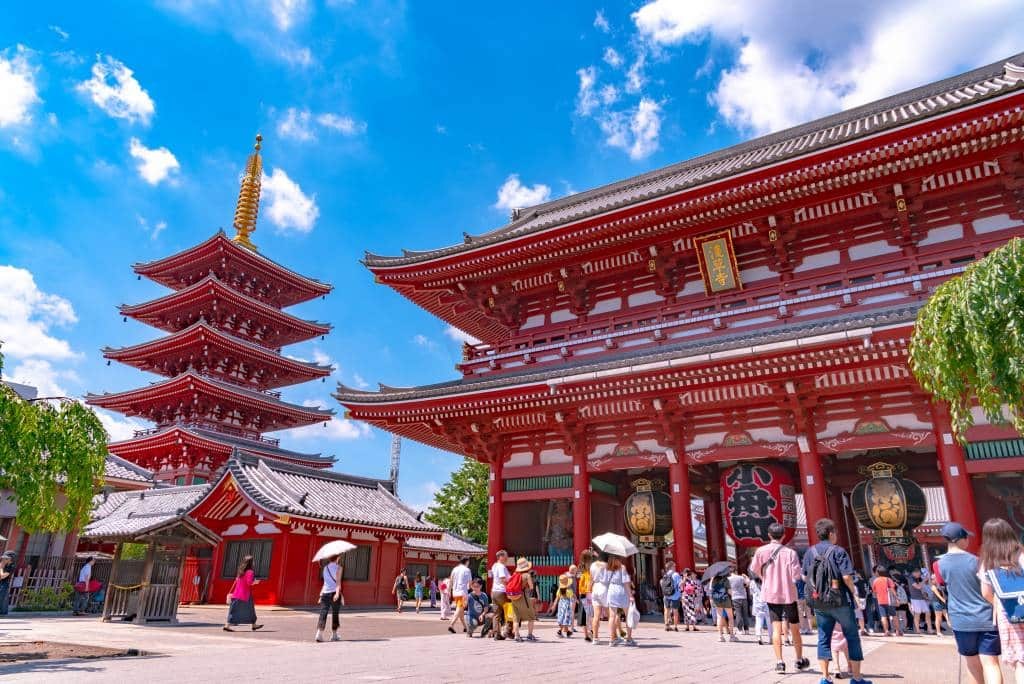 6 mi from TokyoSenso-ji Temple
 0 mi from TokyoteamLab Borderless
 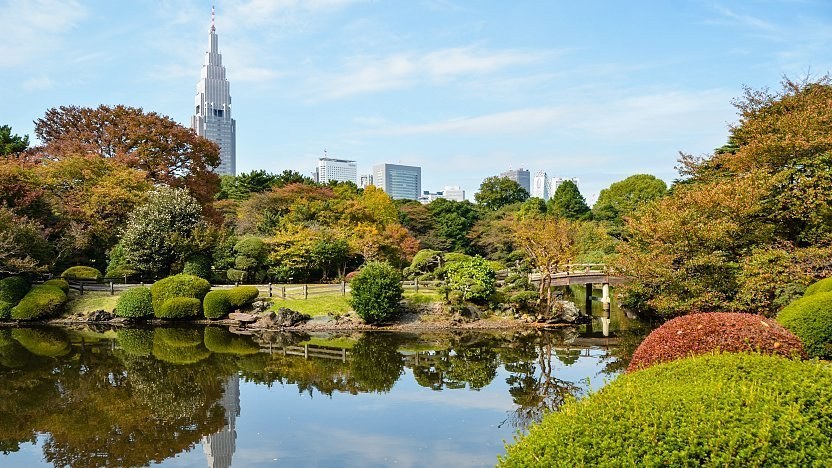 39 mi from Tokyo · land adventureTokyo's Secret Layers: Samurai Houses, Sunrise Crossings & Sake
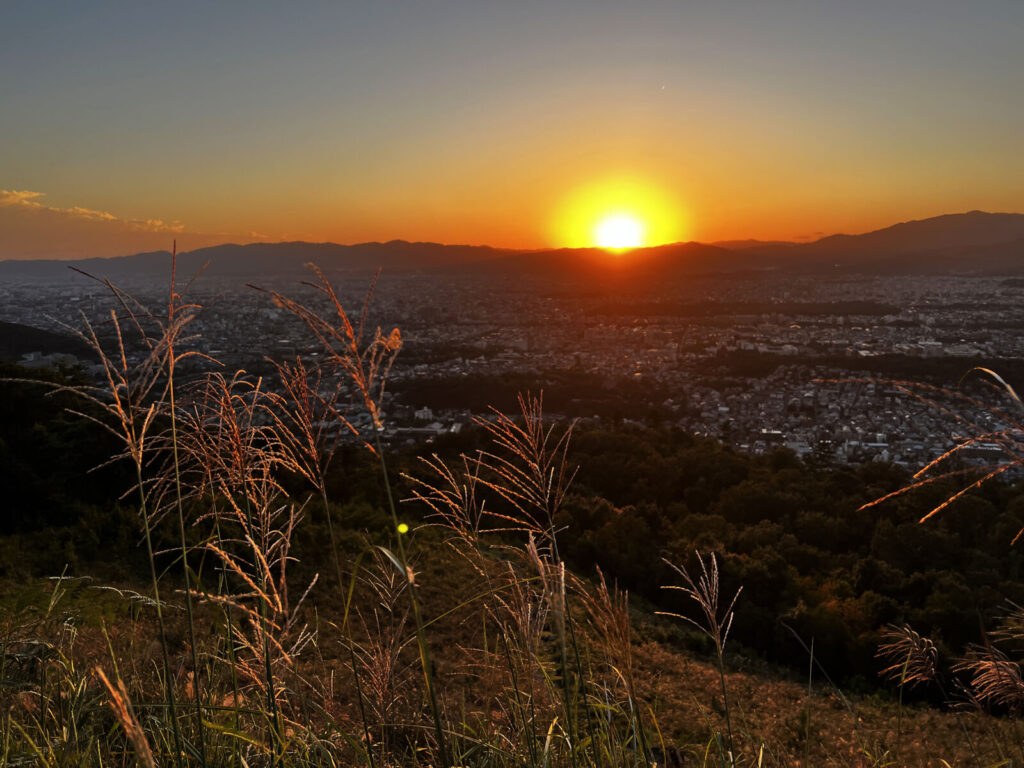 266 mi from Tokyo · land adventureKyoto After Dark: Firelight, Forest Paths & Ancient Craft
 The same trip, elevated
The same gateway on a more luxurious line — lead-in fare per person, same fare as booking direct.