Your cruise
Celebrity Solstice · 12-night Asia round trip from Yokohama
Mar 16 – Mar 28 · 12 nights ·
Day 1 Yokohama (board) · Day 2 Nagoya · Day 3 at sea · Day 4 Kobe · Day 5 Osaka (Kyoto and Nara) · Day 5 Kobe · Day 6 at sea · Day 7 Okinawa (Naha) · Day 8 at sea · Day 9 Jeju Island South Korea · Day 10 Kumamoto · Day 11 at sea · Day 12 Shimizu · Day 13 Yokohama (step off)
What you do Step inside one of Japan's most storied fortresses and its painstakingly restored Honmaru Palace — a gilded masterpiece unseen by most visitors. Gold tiger-fish finials glint above you as expert guides reveal four centuries of samurai power.
What to expect Your guide leads you through the outer moat and into the castle grounds, pausing at the towering stone ramparts built by Tokugawa Ieyasu's allied lords in 1610. Inside Honmaru Palace, you walk shoeless across gleaming cypress floors beneath ceiling paintings of tigers and leopards by Kano school masters. The castle tower's top floor delivers a panoramic sweep over greater Nagoya, and your guide contextualises the entire Owari Tokugawa dynasty with stories unavailable in any guidebook.
Good to know Nagoya Castle is approximately 30–40 min by taxi or subway from Nagoya Port. Pre-arrange a licensed guide through JNTO or GoWithGuide. Allow 2.5–3 hrs. Check all-aboard time and depart the castle no later than 90 min before sailing.
Versus the ship tour A private licensed guide grants intimate, unhurried access to the Honmaru Palace tatami chambers and painted fusuma screens — areas that group tours rush past. The free official guided tour at 12:30 from the Main Gate is a hidden gem for independent visitors.
book direct with Nagoya Castle Official (City of Nagoya) → · the full guide →
What you do Walk the ancient cryptomeria forest paths of Japan's second most sacred Shinto shrine, home to the legendary Kusanagi sword — one of the three Imperial Treasures. A private guide unlocks ceremonies and symbolism invisible to the uninitiated eye.
What to expect You enter beneath a towering stone torii and immediately the city noise fades into a canopy of 1,000-year-old camphor trees. Your guide explains the shrine's 1,900-year history and walks you past the Treasure Museum housing over 4,000 artefacts. If timing aligns, you may witness a morning Shinto ritual procession in full ceremonial dress — a genuinely rare privilege. The tranquil Kakugyoen garden within the grounds is a perfect final pause.
Good to know Atsuta Jingu is about 20 min by taxi from Nagoya Port or direct on the Meijo subway line. Dress modestly. An early arrival (before 9 am) ensures the serenest atmosphere. Half-day tour fits comfortably within most port calls.
Versus the ship tour A dedicated private guide — many of whom specialise in Shinto tradition — leads you through lesser-visited inner precincts, explains purification rituals at the temizuya, and interprets the deeply layered symbolism of one of Japan's oldest power centres, all at a contemplative, unhurried pace.
book direct with GoWithGuide – Nagoya Private Guides → · the full guide →
What you do Explore the birthplace of Toyota in a private expert-led tour of the world's finest automotive manufacturing museum — from hand-loom textile machines to the robots that build today's Lexus. An unmissable pilgrimage for anyone who appreciates precision and design.
What to expect Your private guide meets you dockside and whisks you to the brick-clad 1911 factory where Sakichi Toyoda's automatic loom quietly launched a global empire. Working looms clatter magnificently in the textile hall before you cross into the automotive wing, tracing prototype engines, concept vehicles, and the kanban production philosophy that changed manufacturing forever. The guide's insider commentary transforms exhibits from displays into a living industrial epic.
Good to know The museum is in Nishi Ward, about 30–40 min from Nagoya Port. Book the private shore excursion package directly with Japan Shore Excursions to include door-to-door transfer. Allow 3–4 hrs at the museum alone; pair with the Railway Park if your port call exceeds 8 hrs.
Versus the ship tour The 'Nagoya Gearhead Dream Tour' is a private automotive adventure (6–7 hours) that pairs the Toyota Commemorative Museum with the SCMaglev & Railway Park — curated for discerning enthusiasts who want depth, context, and zero rushing.
book direct with Japan Shore Excursions → · the full guide →
What you do Experience Japan's most electrifying sport from premium reserved seats at the Nagoya Tournament — held each July at IG Arena — with an expert guide decoding centuries of ritual, rank, and raw power happening just metres away.
What to expect You arrive at IG Arena to the hypnotic sounds of the yobidashi announcer calling wrestlers by name. Your guide explains the significance of the shimenawa rope, the salt-throwing purification, and why certain wrestlers command reverential silence. Bouts escalate in prestige through the afternoon, culminating in the yokozuna grand champions' matches under deafening applause. The atmosphere — part religious ceremony, part primal combat — is unlike anything else in world sport.
Good to know The Nagoya Grand Sumo Tournament runs annually in July (approx. July 12–26). Verify your cruise port date aligns with tournament dates before booking. Book directly with Sunrise Tours well in advance — premium seats sell out quickly. IG Arena is approximately 20–25 min from Nagoya Port by taxi.
Versus the ship tour Sunrise Tours' official package includes premium reserved seating and a dedicated English-speaking guide who decodes the pre-bout rituals, the gyoji referee's calls, and the hierarchy of the dohyo — context that transforms watching into genuinely understanding one of Japan's oldest living traditions.
What you do Discover the century-old Noritake factory estate — a lush urban park housing elegant museums, a working craft centre, and a shop of museum-grade porcelain. A private guide and hands-on painting session make this a truly refined, one-of-a-kind luxury keepsake experience.
What to expect You enter the handsome red-brick former factory campus, now a verdant garden estate in the heart of Nagoya. The Craft Center lets you watch master painters apply gold and enamel to bone-china blanks with extraordinary delicacy. Your own painting session — guided by a studio artisan — yields a personalised piece fired and ready to collect or shipped to your cabin. The museum galleries display rare Noritake pieces dating to 1904, rivalling the finest European porcelain collections.
Good to know Noritake Garden is 35–45 min by taxi from Nagoya Port, or accessible via Sakurayama subway line. Pre-book the craft experience online or via your guide as slots are limited. Allow 2.5–3 hrs total. Shop purchases can be beautifully gift-boxed for travel.
Versus the ship tour Unlike any standard city tour, this is an immersive encounter with one of Japan's most prestigious luxury craft traditions. A private guide contextualises Noritake's 120-year story — supplying the Imperial Household and the world's finest hotels — while you paint your own piece to take home.
book direct with Noritake Garden (Official) → · the full guide →
What you do Plunge into Nagoya's most vibrant neighbourhood — a dazzling collision of a 700-year-old Buddhist temple, 1,200 covered-arcade shops, and the city's most adventurous street food — guided by a private local expert who knows every hidden stall.
What to expect Your guide opens with incense and temple bells at Osu Kannon, one of Japan's three great Kannon temples, before plunging you into the covered shotengai arcades. Stalls burst with vintage kimono, handmade ceramics, retro electronics, and cosplay boutiques. Food stops are expertly chosen: a legendary miso-nikomi udon shop, a tebasaki stand that has been frying Nagoya-style wings for 50 years, and a kissaten (old-school coffee shop) for the city's iconic ogura cream toast. The energy is infectious, the flavours unforgettable.
Good to know Osu is approximately 25–35 min from Nagoya Port by taxi or via Tsuruma subway line to Osu Kannon Station. Best experienced mid-morning when stalls are fully open. Wear comfortable shoes for cobblestones and arcade walking. Allow 3 hrs minimum.
Versus the ship tour A private local guide curates a personalised route through the arcades — sourcing Nagoya's famed miso-katsu, tebasaki chicken wings, and ogura toast from the actual vendors the city loves, not tourist traps. This is Nagoya off-script, at your own pace.
book direct with Japan Shore Excursions → · the full guide →
What you do A bespoke, private guided day through Tokyo's most iconic districts — Shibuya, Asakusa, Shinjuku, and Tsukiji — at your own pace, with a vetted local expert anticipating your every interest. This is Tokyo unscripted and unhurried.
What to expect Your guide meets you dockside at Yokohama and whisks you to Tokyo by express train or private vehicle. Stroll through the lantern-lit Nakamise shopping street leading to Senso-ji Temple in Asakusa, then contrast it with the electric pulse of Shibuya Crossing. Lunch is arranged at a chef-selected restaurant — perhaps a standing sushi counter at Tsukiji Outer Market. The afternoon is yours: Shinjuku's golden-hour skyline, a Harajuku detour, or a sake tasting in a centuries-old izakaya.
Good to know Tokyo is roughly 30–40 minutes from Yokohama by train or 60–75 minutes by car. Confirm your all-aboard time before booking and build in a 90-minute buffer for the return journey. Pre-book well in advance — popular guides fill quickly, especially on weekends and holidays.
Versus the ship tour Completely private — just your group and a government-licensed, English-speaking local guide. Itinerary is shaped around your interests, with no waiting for a group of 40 and no rushed photo stops. You arrive at each landmark when the crowds are thinnest.
book direct with ToursByLocals – Yokohama/Tokyo Private Guides → · the full guide →
What you do Stand before the 13th-century Great Buddha of Kamakura — a 13-metre bronze colossus meditating serenely in the open air — then lose yourself in the moss-draped Zen gardens of Engaku-ji and Hase-dera. Ancient Japan, perfectly preserved, just 45 minutes from port.
What to expect Depart Yokohama for Kamakura along the coast, arriving at the serene Kotoku-in temple complex before the mid-morning crowds. Your guide narrates the Great Buddha's storied past as you circle its vast bronze form and, optionally, step inside. Move on to Hase-dera, where a hillside terrace reveals sweeping Pacific views above thousands of small Jizo statues. The afternoon brings a quiet walk through Engaku-ji's forested grounds, where monks have trained since 1282. Return with time to spare for a stroll along Kamakura's Komachi Street.
Good to know Kamakura is approximately 45–60 minutes from Yokohama by car or direct train. Allow a full 6–7 hours for a comfortable, unhurried visit. Wear comfortable walking shoes — temple grounds involve uneven stone paths and moderate inclines.
Versus the ship tour Private, expert-led experience with a government-licensed guide who contextualises 800 years of samurai history, Buddhist philosophy, and Zen culture with genuine depth — not a rehearsed commentary delivered to a bus full of strangers.
book direct with Japan Shore Excursions (Local Expert-Led Private Tours) → · the full guide →
What you do Ride a traditional wooden pirate ship across the ethereal caldera lake of Hakone with Mt. Fuji as your backdrop, then ascend via ropeway above sulphurous volcanic vents. Japan's most iconic landscape, experienced in complete luxury and privacy.
What to expect A private, air-conditioned vehicle collects you at the cruise terminal for the scenic 90-minute drive into the Hakone volcanic zone. Your first stop is the Owakudani geothermal valley — steam billowing from black-egg vendors against a lunar landscape. A ropeway glide brings you above the caldera as Fuji emerges (cloud-willing) on the horizon. Board the vintage lake steamer across Ashi, disembarking at a traditional ryokan terrace for a kaiseki-inspired lunch with a mountain backdrop. The Hakone Open-Air Museum rounds out the afternoon with Picassos and Rodins set against cedar-clad hillsides.
Good to know Mt. Fuji is clearest in autumn and winter — plan accordingly. Build in at least 8 hours for this excursion, with a firm return buffer for all-aboard. Ropeway can close in high winds; your guide will have contingency routes. Book as early as possible.
Versus the ship tour Private vehicle and guide throughout, meaning you leave when you want and linger where the view is most breathtaking. On clear days, your guide knows exactly which vantage point — Owakudani, Lake Ashi, Hakone Open-Air Museum — offers the most dramatic Fuji reveal.
book direct with Japan Shore Excursions (Local Expert-Led Private Tours) → · the full guide →
What you do Soar to the 69th floor of Yokohama Landmark Tower — Japan's second-tallest building — for a 360° panorama stretching from the Bay to Mt. Fuji on a clear day. Then explore the architecturally stunning Minato Mirai waterfront at your own glamorous pace.
What to expect Step into the soaring atrium of Landmark Tower and board the wind-whispering express elevator to the Sky Garden. The 69th-floor wraparound deck delivers utterly clear views of Tokyo Bay, the Yokohama port skyline, and — on crystalline autumn days — the snow-capped cone of Mt. Fuji. Descend and stroll along the Minato Mirai promenade: the glittering Cosmo Clock 21 Ferris wheel, the Red Brick Warehouse (converted into upscale boutiques and dining), and Osanbashi Pier, where you can look back at your very own cruise ship framed by the harbour. Lunch at one of the many fine waterfront restaurants completes the scene.
Good to know Landmark Tower is a 15–20 minute walk or a 5-minute taxi from the Osanbashi cruise terminal. The Sky Garden opens at 10:00am (11:00am Mondays). No pre-booking required, but arrive early to beat midday queues. Perfect half-day excursion; pair with Chinatown for a full day.
Versus the ship tour The Sky Garden is the highest observation deck in the Kanto region and one of Japan's fastest elevators (750m/min) delivers you to the top in 40 seconds flat. Walk from the cruise terminal in under 20 minutes — no transfers, no group tours needed for this one.
book direct with Yokohama Landmark Tower Sky Garden (Official) → · the full guide →
What you do Plunge into Japan's largest and most vibrant Chinatown — 600+ restaurants and shops packed into 10 atmospheric blocks — then retreat to the sublime Meiji-era Sankeien Garden, where historic pagodas and tea pavilions mirror in still ornamental ponds.
What to expect Your guide leads you through the iconic Zeniarai Benten torii gate arch into Chinatown's labyrinth of red lanterns, bakeries perfumed with char siu, and century-old apothecaries. Lunch is a guided feast — steamed XO dumplings, Peking duck, and hand-pulled noodles across a curated sequence of the neighbourhood's most respected kitchens. A short taxi ride delivers you to Sankeien, Yokohama's hidden masterpiece: 17.5 hectares of pond gardens, bamboo groves, and six National Treasures in transplanted historic buildings. End with a matcha ceremony in the garden's teahouse.
Good to know Chinatown is 15 minutes by taxi or 25 minutes on foot from Osanbashi Pier. Sankeien Garden (10 min taxi from Chinatown) is open 9:00am–5:00pm daily. Pre-book your guide via GoWithGuide to secure a specialist in culinary or cultural history. Comfortable flat shoes strongly recommended.
Versus the ship tour A private local guide navigates you past the tourist-facing dim sum facades and into the authentic back-lane kitchens and specialist tea merchants that most visitors never find. At Sankeien, your guide contextualises each relocated Edo-period structure with the story of the silk merchant who built this private paradise.
book direct with GoWithGuide – Yokohama Private Local Guides → · the full guide →
What you do Create your own bespoke cup of instant noodles — choosing broth, toppings, and custom-illustrated packaging — at the world's most delicious museum, a love letter to the invention that changed how the world eats. Quirky, interactive, and quintessentially Japanese.
What to expect Enter the spaceship-like museum designed to honour Momofuku Ando's 1958 invention of instant noodles — a moment that genuinely altered culinary history. The centrepiece is the My Cup Noodles Factory, where you decorate a blank cup, choose from four soup bases (chicken, seafood, soy sauce, or tonkotsu), and customise with four toppings from 12 options — then watch it sealed and shrink-wrapped before your eyes. The Noodles Bazaar food hall offers ramen from eight Asian countries. The Chicken Ramen Factory allows you to hand-make noodles from wheat flour, just as Ando did in his backyard shed.
Good to know The museum is a 7-minute walk from Minato Mirai station or 20 minutes on foot from Osanbashi terminal. Open 10:00am–6:00pm; closed Tuesdays. The My Cup Noodles Factory workshop can sell out — reserve your slot online or arrive right at opening. Allow 2–3 hours total; ideal as part of a Minato Mirai half-day.
Versus the ship tour This is one of Yokohama's most uniquely Japanese experiences — participatory, playful, and utterly unlike anything else. It pairs beautifully with Landmark Tower or Chinatown as part of a curated Minato Mirai afternoon, and the workshop gives you a genuine made-in-Japan souvenir to carry aboard.
book direct with Cup Noodles Museum Yokohama (Official – Nissin Food Products) → · the full guide →
What you do Step inside one of Japan's most storied fortresses and its painstakingly restored Honmaru Palace — a gilded masterpiece unseen by most visitors. Gold tiger-fish finials glint above you as expert guides reveal four centuries of samurai power.
What to expect Your guide leads you through the outer moat and into the castle grounds, pausing at the towering stone ramparts built by Tokugawa Ieyasu's allied lords in 1610. Inside Honmaru Palace, you walk shoeless across gleaming cypress floors beneath ceiling paintings of tigers and leopards by Kano school masters. The castle tower's top floor delivers a panoramic sweep over greater Nagoya, and your guide contextualises the entire Owari Tokugawa dynasty with stories unavailable in any guidebook.
Good to know Nagoya Castle is approximately 30–40 min by taxi or subway from Nagoya Port. Pre-arrange a licensed guide through JNTO or GoWithGuide. Allow 2.5–3 hrs. Check all-aboard time and depart the castle no later than 90 min before sailing.
Versus the ship tour A private licensed guide grants intimate, unhurried access to the Honmaru Palace tatami chambers and painted fusuma screens — areas that group tours rush past. The free official guided tour at 12:30 from the Main Gate is a hidden gem for independent visitors.
book direct with Nagoya Castle Official (City of Nagoya) → · the full guide →
What you do Walk the ancient cryptomeria forest paths of Japan's second most sacred Shinto shrine, home to the legendary Kusanagi sword — one of the three Imperial Treasures. A private guide unlocks ceremonies and symbolism invisible to the uninitiated eye.
What to expect You enter beneath a towering stone torii and immediately the city noise fades into a canopy of 1,000-year-old camphor trees. Your guide explains the shrine's 1,900-year history and walks you past the Treasure Museum housing over 4,000 artefacts. If timing aligns, you may witness a morning Shinto ritual procession in full ceremonial dress — a genuinely rare privilege. The tranquil Kakugyoen garden within the grounds is a perfect final pause.
Good to know Atsuta Jingu is about 20 min by taxi from Nagoya Port or direct on the Meijo subway line. Dress modestly. An early arrival (before 9 am) ensures the serenest atmosphere. Half-day tour fits comfortably within most port calls.
Versus the ship tour A dedicated private guide — many of whom specialise in Shinto tradition — leads you through lesser-visited inner precincts, explains purification rituals at the temizuya, and interprets the deeply layered symbolism of one of Japan's oldest power centres, all at a contemplative, unhurried pace.
book direct with GoWithGuide – Nagoya Private Guides → · the full guide →
What you do Explore the birthplace of Toyota in a private expert-led tour of the world's finest automotive manufacturing museum — from hand-loom textile machines to the robots that build today's Lexus. An unmissable pilgrimage for anyone who appreciates precision and design.
What to expect Your private guide meets you dockside and whisks you to the brick-clad 1911 factory where Sakichi Toyoda's automatic loom quietly launched a global empire. Working looms clatter magnificently in the textile hall before you cross into the automotive wing, tracing prototype engines, concept vehicles, and the kanban production philosophy that changed manufacturing forever. The guide's insider commentary transforms exhibits from displays into a living industrial epic.
Good to know The museum is in Nishi Ward, about 30–40 min from Nagoya Port. Book the private shore excursion package directly with Japan Shore Excursions to include door-to-door transfer. Allow 3–4 hrs at the museum alone; pair with the Railway Park if your port call exceeds 8 hrs.
Versus the ship tour The 'Nagoya Gearhead Dream Tour' is a private automotive adventure (6–7 hours) that pairs the Toyota Commemorative Museum with the SCMaglev & Railway Park — curated for discerning enthusiasts who want depth, context, and zero rushing.
book direct with Japan Shore Excursions → · the full guide →
What you do Experience Japan's most electrifying sport from premium reserved seats at the Nagoya Tournament — held each July at IG Arena — with an expert guide decoding centuries of ritual, rank, and raw power happening just metres away.
What to expect You arrive at IG Arena to the hypnotic sounds of the yobidashi announcer calling wrestlers by name. Your guide explains the significance of the shimenawa rope, the salt-throwing purification, and why certain wrestlers command reverential silence. Bouts escalate in prestige through the afternoon, culminating in the yokozuna grand champions' matches under deafening applause. The atmosphere — part religious ceremony, part primal combat — is unlike anything else in world sport.
Good to know The Nagoya Grand Sumo Tournament runs annually in July (approx. July 12–26). Verify your cruise port date aligns with tournament dates before booking. Book directly with Sunrise Tours well in advance — premium seats sell out quickly. IG Arena is approximately 20–25 min from Nagoya Port by taxi.
Versus the ship tour Sunrise Tours' official package includes premium reserved seating and a dedicated English-speaking guide who decodes the pre-bout rituals, the gyoji referee's calls, and the hierarchy of the dohyo — context that transforms watching into genuinely understanding one of Japan's oldest living traditions.
What you do Discover the century-old Noritake factory estate — a lush urban park housing elegant museums, a working craft centre, and a shop of museum-grade porcelain. A private guide and hands-on painting session make this a truly refined, one-of-a-kind luxury keepsake experience.
What to expect You enter the handsome red-brick former factory campus, now a verdant garden estate in the heart of Nagoya. The Craft Center lets you watch master painters apply gold and enamel to bone-china blanks with extraordinary delicacy. Your own painting session — guided by a studio artisan — yields a personalised piece fired and ready to collect or shipped to your cabin. The museum galleries display rare Noritake pieces dating to 1904, rivalling the finest European porcelain collections.
Good to know Noritake Garden is 35–45 min by taxi from Nagoya Port, or accessible via Sakurayama subway line. Pre-book the craft experience online or via your guide as slots are limited. Allow 2.5–3 hrs total. Shop purchases can be beautifully gift-boxed for travel.
Versus the ship tour Unlike any standard city tour, this is an immersive encounter with one of Japan's most prestigious luxury craft traditions. A private guide contextualises Noritake's 120-year story — supplying the Imperial Household and the world's finest hotels — while you paint your own piece to take home.
book direct with Noritake Garden (Official) → · the full guide →
What you do Plunge into Nagoya's most vibrant neighbourhood — a dazzling collision of a 700-year-old Buddhist temple, 1,200 covered-arcade shops, and the city's most adventurous street food — guided by a private local expert who knows every hidden stall.
What to expect Your guide opens with incense and temple bells at Osu Kannon, one of Japan's three great Kannon temples, before plunging you into the covered shotengai arcades. Stalls burst with vintage kimono, handmade ceramics, retro electronics, and cosplay boutiques. Food stops are expertly chosen: a legendary miso-nikomi udon shop, a tebasaki stand that has been frying Nagoya-style wings for 50 years, and a kissaten (old-school coffee shop) for the city's iconic ogura cream toast. The energy is infectious, the flavours unforgettable.
Good to know Osu is approximately 25–35 min from Nagoya Port by taxi or via Tsuruma subway line to Osu Kannon Station. Best experienced mid-morning when stalls are fully open. Wear comfortable shoes for cobblestones and arcade walking. Allow 3 hrs minimum.
Versus the ship tour A private local guide curates a personalised route through the arcades — sourcing Nagoya's famed miso-katsu, tebasaki chicken wings, and ogura toast from the actual vendors the city loves, not tourist traps. This is Nagoya off-script, at your own pace.
book direct with Japan Shore Excursions → · the full guide →
What you do Soar above the city on a glass gondola to Japan's largest herb garden, 400 m above Kobe. Wander scented terraces with sweeping bay views — a sensory masterpiece that is genuinely bucket-list.
What to expect Board the Shin-Kobe Ropeway just minutes from the city centre and glide up through forested hillsides to the Sky Terrace. The garden unfolds across 14 themed zones — lavender, rose, chamomile — with open-air cafés and a fountain plaza. On clear days the view encompasses Osaka Bay, the Akashi Bridge, and the Kii Peninsula. Descend at your own pace, stopping at Nunobiki Falls, one of Japan's three great waterfalls, on the short forest walk below.
Good to know Shin-Kobe Station (ropeway base) is a 10-min taxi from the cruise pier — budget JPY 1,500–2,000. First gondola departs 09:30; last descent is typically 17:00. No pre-booking required, but weekday mornings are quietest. Allow 2–3 hours total; easily back well before all-aboard.
Versus the ship tour Self-paced exploration at Japan's largest rooftop herb garden — no group herding, just you, the perfumed terraces, and a panoramic bay view that stretches to Awaji Island. The glass gondola ascent alone is a photographer's dream.
What you do Sit counter-side at Kobe's legendary Mouriya Honten as a white-gloved chef sears certified Kobe beef A5 Tajima Wagyu on an iron plate before you. This is the single most iconic culinary rite in Japan's gourmet capital.
What to expect Mouriya Honten sits in the heart of the Kitano district, a 15-minute taxi from the pier. The teppanyaki counter accommodates small parties, creating an almost private dining atmosphere at lunch. Your chef presents the certified Tajima Wagyu certificate before preparing courses of sashimi, Wagyu sirloin and fillet, seasonal vegetables, rice and miso — a slow, reverent ritual. The marbling, the sizzle, the first melt-on-the-tongue bite: unmistakably bucket-list.
Good to know Reserve a minimum 48 hours in advance via the website's reservation form — lunch seatings at 11:30 and 13:00. Lunch courses are more cruise-friendly than dinner. Taxi from pier approximately JPY 1,500–2,000 each way; allow 90 min for the full teppanyaki experience. Smart-casual dress appropriate.
Versus the ship tour Counter seating means an intimate, theatre-like performance by a master chef — each cut of certified Kobe beef is seared to order, not pre-plated for a crowd. The lineage of this restaurant stretches back to 1885, making it the authority on authentic Kobe beef.
book direct with Mouriya Honten Kobe (Official) → · the full guide →
What you do Explore Kitano Hill's preserved 19th-century foreign merchant villas — Dutch, British, Danish, French — with a government-licensed private guide who unlocks the stories behind Japan's most cosmopolitan neighbourhood.
What to expect Stroll Kitano-cho's leafy cobbled lanes, pausing at the iconic Weathercock House (Kazamidori-no-Yakata) and the Ben-the-House for rare interior views of original Meiji-era furnishings. Your guide weaves the story of Kobe's Open Port era — the silk traders, the sake barons, the foreign concession. A short detour to Ikuta Shrine, one of Japan's oldest, caps the cultural immersion before a gentle downhill walk back toward the harbour.
Good to know Arrange the guide in advance via the J-G-A website — specify 'Kitano & Harbour' 4-hour itinerary. Meeting point flexible: pier or Kitano-cho. Allow time for the uphill walk (15 min) or take a taxi to Kitano (JPY 1,200). Combination tickets for multiple ijinkan available at the first house.
Versus the ship tour A nationally licensed, multilingual guide tailors the pace entirely to your party — no fixed group or rushing. Private access to interiors means unhurried time in rooms where 19th-century diplomats once lived, with historical context unavailable from a placard.
book direct with Japan Guide Association – Kobe Licensed Guides (Official) → · the full guide →
What you do Step inside Kobe's celebrated Nada sake district at Hakutsuru's 270-year-old brewery museum, dressed as a traditional kura. Taste premium junmai daiginjo in a tasting room where clarity of craft meets centuries of heritage.
What to expect The museum occupies a beautifully preserved Edo-period kura in the Sumiyoshi Honmachi district of Nada — Japan's most celebrated sake-producing region. Life-size dioramas and original equipment tell the story of Nada's 'miyamizu' spring water, the secret behind its world-class sake. The tasting salon pours current premium expressions alongside classic labels. The surrounding Nada streets are quiet and photogenic — a world away from the tourist strip.
Good to know A 15-min taxi or 20-min train from the cruise pier (Hanshin line, Sumiyoshi Station). Museum hours 09:30–16:30, closed Mondays. No pre-booking required for the general visit; free entry makes it one of Kobe's finest-value cultural stops. Pair with the Kobe Port Tower for a full-day itinerary.
Versus the ship tour A rare walk through an authentic, still-operating historic kura — genuine wooden vats, koji rooms, and brewing tools unchanged for centuries. The guided interior tour and complimentary tastings of award-winning Hakutsuru junmai daiginjo make this a connoisseur's destination, not a tourist box-tick.
book direct with Hakutsuru Sake Brewery Museum (Official) → · the full guide →
What you do Ascend Kobe's beloved lattice-red Port Tower for a 360° panorama over the harbour, then stroll the waterfront garden of Meriken Park — the defining postcard view of this elegant city, steps from the pier.
What to expect The newly renovated Kobe Port Tower reopened in 2023 with a dramatically upgraded interior — a spiralling promenade of observation floors culminating in an open rooftop deck at 108 m. The views sweep across the harbour to Awaji Island and inland to the Rokko Mountains. Descend to Meriken Park's waterfront promenade, where the preserved earthquake-damaged quay offers a poignant and beautifully framed memorial. The adjacent Kobe Maritime Museum rounds out an elegant, walkable morning.
Good to know Literally a 5-minute walk from the cruise terminal at Port Island — the most convenient bucket-list stop of the entire call. Open 09:00–21:00. No advance booking required; tickets purchased at the tower. Allow 1.5–2 hours for tower + park stroll. An ideal first or last stop around your other excursions.
Versus the ship tour Post-renovation, the tower now features a rooftop open-air deck and a premium sky lounge — an elevated, unhurried vantage point that transforms the familiar harbour view into something genuinely special. Meriken Park surrounds it with sculptural art and the evocative Great Hanshin Earthquake Memorial.
book direct with Kobe Port Tower (Official) → · the full guide →
What you do Trek through a forested gorge just minutes from the city centre to reach Nunobiki Falls — one of Japan's three great historical waterfalls — on a peaceful, crowd-free trail that feels worlds away from urban Japan.
What to expect The trail begins at Shin-Kobe Station (a 10-min taxi from the pier) and ascends gently through a lush gorge to the four-tiered Nunobiki Falls. The largest drop — Onodaki — thunders 43 m into a clear pool and was revered by the imperial court for over 1,000 years. Continue uphill through the Nunobiki reservoir forest to the ropeway mid-station and ascend to the Herb Gardens for panoramic harbour views, creating a natural loop. The entire circuit takes 2–3 hours at a leisurely luxury pace.
Good to know Start early — the forest is coolest and most magical before 10:00. Trail is well-marked and accessible for moderately fit walkers; wear comfortable walking shoes. Take the ropeway down from the Herb Garden station (JPY 900) to save your knees and add a scenic gondola descent. Taxi from pier to Shin-Kobe approx JPY 1,500.
Versus the ship tour No admission gates, no tour coach, no timed entry — just a moss-draped stone path rising through ancient cedar to a cascade immortalised in Heian-era poetry. The contrast of raw nature against a glittering harbour city below is uniquely Kobe and entirely off the beaten tourist track.
book direct with Kobe City Tourism (Nunobiki Falls Self-Guided Trail – Official) → · the full guide →
What you do Walk the sacred mountain of 10,000 vermilion torii gates before the crowds arrive. A private licensed guide leads you through misty forest shrines at the most ethereal hour of the day — a truly bucket-list Kyoto moment.
What to expect Your private, government-licensed guide meets you dockside and transfers you by private vehicle to Fushimi Inari Taisha, arriving as lanterns still glow in the pre-dawn light. You ascend the Senbon Torii tunnels at your own pace, pausing at hidden sub-shrines and fox deity altars draped in offerings. The guide weaves Shinto cosmology and personal storytelling into every step. You descend refreshed with time to spare for the rest of Kyoto.
Good to know Pre-book well in advance for early-morning slots. Allow 3–4 hours for Fushimi Inari alone. Confirm your all-aboard time and request a return window when booking — the operator is experienced with cruise schedules.
Versus the ship tour A private guide tailors the pace entirely to your group, departing early enough from Osaka port to reach Fushimi Inari before mass tourism descends — an access and atmosphere that a large coach simply cannot replicate.
book direct with Japan Shore Excursions → · the full guide →
What you do Glide through Kyoto's iconic bamboo cathedral and stroll the UNESCO-listed Zen garden of Tenryu-ji on a fully private tour. The rustling canopy, koi ponds and mountain-framed raked gravel make this one of Japan's most sublime sensory experiences.
What to expect Door-to-door private transfer from Osaka cruise port delivers you to Arashiyama as the morning mist clings to the bamboo. You weave through the grove's emerald tunnels, then enter Tenryu-ji — a 14th-century Zen masterpiece whose 'borrowed scenery' garden frames the Arashiyama mountains. Your guide explains the garden's dry-landscape symbolism before you stroll along the Oi River at leisure. Optional rickshaw ride can be arranged for an extra layer of indulgence.
Good to know Rickshaw rides fill quickly; ask your operator to pre-arrange. The grove is a 75-minute drive from Osaka port — plan departure by 8:00 am for a relaxed morning. Tenryu-ji opens at 8:30 am.
Versus the ship tour A private vehicle and guide mean you arrive at the grove before tour buses, walk at a contemplative pace, and linger in Tenryu-ji's garden without a schedule. The guide's knowledge of Rinzai Zen philosophy transforms a walk into a meditation.
book direct with Japan Shore Excursions → · the full guide →
What you do Command the full sweep of Japan's ancient capitals in a single day: Golden Pavilion, Bamboo Grove, Nara's sacred deer park, and Todai-ji's colossal Buddha — all on your own private itinerary with a licensed expert guide.
What to expect Your guide meets you at the port and whisks you north to Kyoto, where Kinkakuji's gold-leaf reflection shimmers on the mirror pond. The bamboo grove and Fushimi Inari are woven in based on your priorities, before the route sweeps east to Nara. In Nara Park, wild Sika deer bow for rice crackers against the backdrop of Todai-ji, home to Japan's largest bronze Buddha. The guide narrates 1,300 years of capital history with the ease of a storyteller, not a lecturer.
Good to know Confirm all-aboard time upfront — the operator is cruise-savvy and will build a return buffer. All major entry tickets (Kinkakuji, Tenryu-ji, Todai-ji) are typically included; verify at booking. Group size capped at 6 for genuine privacy.
Versus the ship tour Fully customisable itinerary, private vehicle, and a single expert guide who knows your preferences before you step ashore. You choose the sites, the sequence, and the pace — no fixed stops, no strangers, no rush.
book direct with GetYourGuide (Kyoto/Osaka: Kyoto and Nara Customized Private Guided Tour) → · the full guide →
What you do Spend an immersive half-day in Japan's first permanent capital — feeding sacred free-roaming deer, entering the world's largest wooden building, and uncovering 8th-century imperial history with a government-licensed expert guide.
What to expect A licensed guide meets you with private transport and introduces you to Nara's 1,200 wild Sika deer — designated national treasures — who roam freely through parkland and even bow for shika senbei crackers. Inside Todai-ji's Great Buddha Hall, you stand beneath the 15-metre bronze Daibutsu, one of the most awe-inspiring interiors in Asia. The guide contextualises Nara as Japan's first Buddhist capital, tracing the political intrigue behind each monument. A walk through lantern-hung Kasuga Taisha shrine closes the experience in quiet reverence.
Good to know Osaka to Nara is approx. 45 minutes by private car. Book 6-hour window to allow unhurried exploration. Deer crackers sold at park entrances (approx. JPY 200). Wear comfortable shoes — the park path from gate to Todai-ji is 1 km of gentle gravel.
Versus the ship tour Government-licensed guides carry the deepest accreditation in Japan's tourism system. This private format lets you linger at Kasuga Taisha's lantern-lined pathways or Isuien Garden without a clock ticking — a depth of access large groups simply cannot achieve.
book direct with Viator (Nara 6hr Private Tour with Government-Licensed Guide) → · the full guide →
What you do Two of Kyoto's most transcendent UNESCO sites back-to-back on a private tour: the gold-leafed temple floating on its mirror lake, and the world's most contemplated Zen rock garden — 15 stones, infinite interpretation.
What to expect Your private driver delivers you to Kinkakuji as morning light ignites the gold-leaf exterior above its still pond — one of the world's great visual moments. Your guide explains how Shogun Ashikaga Yoshimitsu commissioned this paradise as a retirement villa in 1397. The journey continues to Ryoan-ji, where you sit before 15 rocks arranged in raked white gravel, and your guide invites you to find all 15 from any single vantage point (you cannot). The profound silence of the karesansui garden is deeply restorative before returning to port.
Good to know Kinkakuji opens at 9:00 am — arrive early to beat school groups. Both sites are in northwest Kyoto and pair efficiently. Total time from Osaka port: allow 6–7 hours. Request a bilingual guide specialising in Zen Buddhism for maximum depth.
Versus the ship tour A private expert guide gives each site the dedicated time it deserves, explaining the Muromachi-era shogun's vision for Kinkakuji and the unresolved mystery of Ryoan-ji's rock arrangement — conversations impossible in a 40-person coach.
What you do Explore Kyoto's 400-year-old 'Kitchen of Japan' food market with a culinary guide, tasting tofu, pickles, wagashi sweets and dashi broths stall by stall — then sit down to a refined seasonal kaiseki lunch in a Gion machiya townhouse.
What to expect Your private culinary guide meets you in central Kyoto and leads you into the covered lanes of Nishiki Ichiba, where 100+ vendors have traded since the 1600s. You sample house-made yudofu, brine-cured Kyoto-style tsukemono pickles, freshly pounded mochi, and aged Nishiki miso straight from the barrel. The guide weaves food history and Buddhist dietary philosophy throughout. The morning culminates in a quietly spectacular kaiseki lunch — Japan's most refined culinary tradition — served course by seasonal course in a restored Gion machiya.
Good to know Nishiki Market is busiest after 11:00 am; an early start is ideal. Confirm kaiseki restaurant reservation at time of booking — tables in top Gion establishments require advance notice. Wear comfortable walking shoes; the market is pedestrianised. Allow 5–6 hours total from Osaka port.
Versus the ship tour A food-specialist guide unlocks vendors who don't speak English, translates centuries-old preservation techniques, and has a reserved table at a Gion kaiseki restaurant that requires introduction — a genuine insider experience unavailable to independent visitors.
book direct with Japan Shore Excursions → · the full guide →
What you do Step inside the flame-red fortress that was the seat of the Ryukyu Kingdom for 500 years. A private expert guide unlocks the political intrigues, spiritual ceremonies, and architectural genius of a civilization unlike any other in Asia.
What to expect Ascend the stone-paved approach through successive vermilion gates, each marking a shift in rank and ritual. Inside the Seiden main hall, your guide decodes the Chinese-Japanese-Ryukyuan fusion of lacquerwork, textiles, and royal regalia. The panoramic view over Naha from the castle walls is breathtaking. Allow 2–3 hours for a genuinely immersive visit.
Good to know Shuri Castle is 30 min by taxi from Naha Cruise Terminal (approx. JPY 1,500–2,000). Book your private guide in advance through a licensed Okinawa guide association. Restoration of the Seiden is ongoing after the 2019 fire; outer structures and grounds are fully open. All-aboard is typically 5–6 pm — a morning start is ideal.
Versus the ship tour A private licensed Ryukyuan-history guide provides depth impossible in a group setting — including access to inner sanctuaries, ceremonial explanation of the Seiden throne room, and unhurried time in the garden courtyards before crowds arrive.
book direct with Shuri Castle (Official / Japan Heritage Site) → · the full guide →
What you do The Kerama Islands — a UNESCO-recognized marine sanctuary 35 km offshore — hold some of the clearest waters on Earth (Kerama Blue) and coral gardens teeming with manta rays, sea turtles, and tropical fish. A private boat charter puts you there in complete exclusivity.
What to expect Your charter departs early from Tomari Port, reaching the Kerama Shoto in under an hour. Anchor at Nishibama Beach or the outer reef at Zamami for snorkelling in visibility exceeding 30–40 metres. Hawksbill turtles are virtually guaranteed year-round. On deck between dives, cold Orion beer and a bento lunch from a local shokudo are de rigueur.
Good to know Tomari Port is a 10-minute taxi from Naha Cruise Terminal. Book the charter well in advance — summer months fill fast. Confirm your ship's all-aboard time carefully; the ferry schedule is fixed but a private charter offers full flexibility. Best April–October for calm seas.
Versus the ship tour A private charter means you choose your reefs, stay as long as you like, and avoid the snorkel-tour flotillas entirely. The boat crew are Kerama-born marine experts who know every coral head and turtle cleaning station by name.
book direct with Zamami Village Tourism Association (Official Kerama Operator) → · the full guide →
What you do The Okinawa Churaumi Aquarium is home to the world's largest acrylic panel and one of only a handful of places on Earth housing whale sharks in captivity. Pair it with the dramatic coral-limestone cliffs of Cape Manzamo for an iconic Okinawa half-day.
What to expect The drive north through central Okinawa passes sugarcane fields and traditional red-tiled villages. At Churaumi, the Kuroshio Tank's 7.5-metre-deep acrylic wall frames whale sharks, manta rays, and reef species in a single breathtaking panorama. Cape Manzamo's clifftop path delivers sweeping East China Sea views and the scent of subtropical wild herbs underfoot.
Good to know Allow 90 min drive each way from Naha. A full day ashore (8 am–5 pm) is essential. Hire a private English-speaking driver/guide through a licensed Okinawa guiding service. Pre-purchase aquarium tickets online to skip queues. Smart-casual attire; bring a hat and sunscreen.
Versus the ship tour Arriving with a private driver means you reach Churaumi at opening — whale shark feeding (11 am & 3 pm) without the tour-bus crowds — and linger at Cape Manzamo for the golden-hour light on those iconic elephant-trunk cliffs.
book direct with Ocean Expo Park – Churaumi Aquarium (Official) → · the full guide →
What you do Ryukyuan cuisine — shaped by 500 years of trade with China, Japan, and Southeast Asia — is one of Japan's most distinctive food cultures. A private chef-led market tour and hands-on cooking class in a traditional Naha machiya townhouse makes this a deeply personal encounter.
What to expect Begin at Makishi Public Market, Naha's vivid two-story food hall, where your guide navigates the surreal display of purple taro, Okinawan sea grapes (umi-budo), mozuku seaweed, and whole turmeric. Then move to a private kitchen to prepare champuru stir-fry, rafute braised pork belly, and umibudo with ponzu. Sit down to eat what you've made, paired with Okinawan awamori rice spirit.
Good to know Makishi Market is 15 min on foot or 5 min by taxi from Naha Cruise Terminal. Book your private culinary guide at least 2 weeks ahead. Dietary requirements accommodated with advance notice. Session runs approx. 3–4 hours, comfortably fitting a morning ashore.
Versus the ship tour This is an intimate, hands-on session — never more than 6 guests — led by a chef fluent in the medicinal philosophy behind Ryukyuan 'nuchi gusui' (food as medicine). You cook, you eat, you understand the culture.
book direct with Naha City Tsuboya & Makishi Public Market (with licensed private culinary guide) → · the full guide →
What you do Yachimun — Okinawan folk pottery — has been fired in the Tsuboya district of Naha for over 350 years. A private workshop with a master potter offers a hands-on, intimate window into one of Japan's most vibrant regional craft traditions.
What to expect The Tsuboya lane is a living craft district: kilns still smoke, studios open onto the street, and potters throw bowls for daily use. Your private session begins with a brief museum orientation on Ryukyuan glaze traditions (the lion-dog shisa, the bold cobalt-and-cream palette), then moves to a working studio. Throw your own piece on the wheel, glaze it, and arrange to have it shipped home after firing.
Good to know Tsuboya is a 20-minute walk or 5-minute taxi from Naha Cruise Terminal — one of the most walkable excursions from the port. Allow 2.5–3 hours. Wear clothes you don't mind getting clay on. Shipping your finished piece internationally typically costs JPY 2,000–5,000 depending on destination.
Versus the ship tour Working one-on-one (or in a pair) with a fourth-generation Tsuboya potter — not a demonstration, but genuine hands-on instruction — and walking the cobbled kiln lane where craftspeople have worked for centuries is an irreplaceable cultural memory.
What you do Nakagusuku Castle, a hauntingly beautiful UNESCO World Heritage ruin perched above the Pacific, and the vast Gyokusendo stalactite cave system at Okinawa World together reveal 6,000 years of island history in a single magnificent day.
What to expect Begin at Nakagusuku Castle at sunrise — its coral-limestone ramparts glowing orange, the Pacific shimmering below on both sides of the peninsula. Your guide reads the stones: the arrow slits, the sacred utaki grove, the unfinished wall that marks where the kingdom fell. After lunch in a local soba shop, descend into Gyokusendo — 890 metres of illuminated stalactites and underground rivers, the longest cave system in East Asia. Emerge into Okinawa World's traditional village for a private habu-snake show and awamori tasting.
Good to know Both sites are 30–45 min drive from Naha Cruise Terminal. A full day ashore is required; depart no later than 8:30 am. The cave maintains a cool 21°C year-round — bring a light layer. Pre-book your private guide to ensure English-language expertise at both sites.
Versus the ship tour A private guide connects the dots between prehistoric cave dwellers, the Ryukyuan lords who built these stone walls, and the living craftspeople at Okinawa World — turning what could be a tick-box tour into a coherent, moving narrative.
What you do Ascend the UNESCO-listed volcanic tuff cone of Seongsan Ilchulbong — Jeju's crown jewel — to stand on the rim of a 100,000-year-old crater with panoramic views of the East China Sea. This is Jeju's single most iconic image, and seeing it in person is transformative.
What to expect Your guide leads a manageable 30-minute ascent up 99-metre Seongsan through lush pathways to the vast green crater bowl at the summit — one of nature's great amphitheatres. At the base, watch haenyeo (female free-divers) surface with their catch in a centuries-old tradition unique to Jeju. The surrounding golden coastline and turquoise sea stretch to the horizon in every direction. Descent is equally scenic, with time to explore the charming village at the foot of the peak.
Good to know Seongsan is on Jeju's east coast — approximately 1 hour from Jeju Port by vehicle. The climb takes ~30 min up and down; wear comfortable shoes. The East Course small-group tour departs from port/hotel, runs 8–9 hours, and returns well before typical all-aboard times — confirm your ship's schedule and book directly with Core Travel.
Versus the ship tour Small-group format (max ~10 guests) with a licensed English-speaking local guide who explains the volcanic geology and haenyeo culture at the base — intimate, unhurried, and deeply educational in a way a large coach tour simply cannot replicate.
book direct with Core Travel Jeju (corejeju.com) → · the full guide →
What you do Stand at the summit of South Korea's highest peak — the dormant shield volcano Hallasan (1,950 m) — and gaze down into its emerald crater lake, Baengnokdam. A once-in-a-lifetime ascent through ancient forest and cloud, this is as close to the heart of Jeju as you can get.
What to expect The Seongpanak trail (9.6 km one-way) winds through subalpine forest draped in morning mist, past volcanic rock formations and seasonal wildflowers. The reward is Baengnokdam crater lake shimmering at the summit — a view of extraordinary stillness. Your private guide ensures you are well-paced, well-hydrated, and back at the trailhead on time. The return journey through Hallasan National Park feels like emerging from another world entirely.
Good to know The full Seongpanak trail to the summit and back takes approximately 8–9 hours; a fit pace is required. The park has strict cut-off entry times — your guide manages all timing. Wear proper hiking footwear, pack layers (it is cool and often misty at the summit), and book your private guide well in advance for cruise-day slots.
Versus the ship tour A vetted, private local guide tailors the pace entirely to your group — resting where you wish, explaining the UNESCO-listed ecology, and ensuring you reach the summit with time to savour the view rather than racing a coach schedule.
book direct with ToursByLocals Jeju Private Guides → · the full guide →
What you do Step into the extraordinary world of Jeju's haenyeo — the UNESCO-intangible-heritage female free-divers who have harvested the sea for 1,500 years — at the Haenyeo Museum and a live diving performance. An encounter with one of the world's most remarkable living traditions.
What to expect Begin at the dedicated Haenyeo Museum in Seongsan-eup, where exhibits trace the haenyeo lineage from subsistence divers to UNESCO icons — their suits, tools, and haunting diving songs preserved with care. Step outside for a live diving performance where elderly haenyeo, some in their 70s and 80s, dive to extraordinary depths without tanks. Your guide translates their personal stories and answers every question at an unhurried pace. A genuinely humbling, privilege-of-travel moment.
Good to know The Haenyeo Museum (entry ~KRW 1,100) is in Gujwa-eup on the east coast, approx. 1 hour from Jeju Port. Live diving performances run at set times — your guide coordinates arrival to catch a show. Combined with Seongsan Ilchulbong on the South or East Course day tour for a full UNESCO sweep.
Versus the ship tour A small group of no more than ~10 guests with a locally expert guide who contextualises the haenyeo's matriarchal society, their breath-hold diving techniques, and why their culture is globally unique — far beyond what a signboard or audio guide conveys.
book direct with Core Travel Jeju (corejeju.com) → · the full guide →
What you do Descend into Manjanggul — one of the world's longest and most spectacular lava tubes, stretching 13 km beneath Jeju, and a UNESCO World Natural Heritage site. Walking its cathedral-like chambers, past lava stalactites and a 7.6-metre lava column, is primordially awe-inspiring.
What to expect A 1 km section of the tube is open to visitors, and the scale is extraordinary — ceilings soar to 30 metres, the walls ripple with ancient lava flow marks, and the temperature drops to a refreshing 11°C year-round. Your guide points out the rare lava formations — bridges, shelves, and the iconic lava column at the far end, the world's largest. The dim lighting and cathedral silence make this an almost sacred experience. Combine with nearby Seongsan on the East Course for a full-day UNESCO double.
Good to know Manjanggul is in Gimnyeong-ri, northeast Jeju, ~50 minutes from port. Wear a light jacket (cave is 11°C regardless of season) and flat shoes — the cave floor is uneven. Entry to Manjanggul is KRW 4,000 (~USD 3) independently; included in the Core Travel East Course tour price. Book the tour in advance.
Versus the ship tour With a knowledgeable small-group guide, the geological story of Manjanggul — how flowing lava carved this living underground river channel — comes alive in vivid detail, transforming a walk through a cave into a meditation on deep time and volcanic power.
book direct with Core Travel Jeju (corejeju.com) → · the full guide →
What you do Walk the raw southern coastline past Daepo Jusangjeolli — a breathtaking colonnade of hexagonal basalt columns sculpted by the sea — then witness Jeongbang Waterfall, the only waterfall in Asia that plunges directly into the ocean. Jeju's geological drama at its most theatrical.
What to expect Arriving at Jusangjeolli on Jeju's south coast, you face a jaw-dropping wall of perfectly formed hexagonal basalt columns rising from crashing surf — the result of volcanic lava meeting the sea. Your guide explains the slow geological magic that created them. A short drive brings you to Jeongbang Waterfall, cascading 23 metres directly into the sea below in a spectacle that genuinely has no parallel on earth. The sea mist, the roar, and the sheer cliffside setting make it unforgettable. Add Cheonjiyeon Falls and Seogwipo's coastal Olle trail for a complete south coast afternoon.
Good to know Both sites are near Seogwipo on the south coast, 40–50 minutes from Jeju Port. Jeongbang Waterfall entry is KRW 2,000 (~USD 1.50); Jusangjeolli entry is KRW 2,000 — minimal costs best bundled into a private day itinerary. The coastal paths can be slippery; wear sturdy, non-slip shoes.
Versus the ship tour A private guide allows you to linger at each location at your own pace — to photograph the columns in golden-hour light, to feel the sea spray from Jeongbang up close — without the tyranny of a large group's schedule.
book direct with ToursByLocals Jeju Private Guides → · the full guide →
What you do Wander Jeju's rolling emerald tea fields at the O'Sulloc Tea Estate — the finest green tea farm in Korea — then visit the acclaimed O'Sulloc Tea Museum to master the art of Korean tea ceremony in surroundings of quiet, breathtaking beauty.
What to expect The O'Sulloc estate in Seogwipo's Andeok Valley unfolds as a vast carpet of vivid green tea rows framed by Hallasan's volcanic silhouette — one of Jeju's great photographic vistas. Inside the airy, beautifully designed museum, trace 1,200 years of Korean tea culture through artisan ceramics, historical artefacts, and interactive exhibits. Then settle into a guided tasting — from light, grassy sejak to rich matcha-style malcha — paired with exquisite jeju green-tea confections. The on-site INNISFREE Jeju House adds a luxurious botanical skincare dimension for those inclined.
Good to know O'Sulloc is in Andeok-myeon, western Jeju, approximately 45–60 minutes from Jeju Port. Museum entry is free; allow 1–2 hours. Best combined with nearby Hallim Park (volcanic lava caves and botanical gardens) or Hyeopjae Beach for a full western Jeju private day. No advance booking required for the museum itself — arrange your private transport/guide in advance.
Versus the ship tour A private guide takes you at a genuinely leisurely pace through the tea fields, explains the single-estate cultivation philosophy of Amorepacific's O'Sulloc brand, and curates a tasting of rare teas — a sensory and cultural experience that rewards slow, unhurried attention.
book direct with ToursByLocals Jeju Private Guides → · the full guide →
What you do Step inside one of Japan's three great castles with a private, government-licensed guide who brings 400 years of samurai history to vivid life. The post-earthquake restoration story alone is extraordinary — a bucket-list immersion in feudal Japan.
What to expect Your guide meets you at the port and whisks you to Kumamoto Castle — the crown jewel of Kyushu. You'll walk the stone-paved approach past the iconic ishigaki walls, ascend the tenshu (main keep) for panoramic city views, and hear stories of the 1877 Satsuma Rebellion that tested these very ramparts. The pace is entirely yours: linger over the lacquered armour displays, photograph the cherry-blossom forecourt, and descend into the rebuilt underground passages.
Good to know The castle is roughly 30 minutes from Kumamoto Port by taxi or private transfer. Pre-book your guide at least two weeks ahead — small-group slots fill fast. The main keep is fully accessible by elevator. Confirm your ship's all-aboard time and allow 30–40 minutes return travel.
Versus the ship tour Maximum group size of 6 with a native English-speaking professional guide means unhurried access, insider commentary on the castle's dramatic 2016 earthquake damage and ongoing reconstruction, and total flexibility to linger in the keeps or hidden baileys that larger groups rush past.
book direct with Explore Kumamoto (private licensed guide) → · the full guide →
What you do Stand on the rim of one of the world's largest active calderas, peer into the ethereal turquoise crater of Nakadake, and traverse a lunar landscape unlike anywhere on earth. Mount Aso is the defining Kyushu experience — raw, majestic, and unforgettable.
What to expect You're collected from the port in a private vehicle and driven 90 minutes into the heart of Aso National Park, the caldera walls rising around you like a lost world. At the volcano, you'll walk the crater rim boardwalk above the billowing sulphurous vents, visit the Aso Volcano Museum for dramatic geological context, and take in the sweeping Kusasenri grassland — a serene volcanic meadow ringed by peaks. Lunch is typically at a local Aso-area restaurant serving wagyu from cattle raised on the caldera floor.
Good to know Crater access is weather- and gas-level dependent; your guide monitors official JMA alerts and will arrange the best alternative viewpoint if the rim closes. Full-day tours typically depart by 8 am to ensure return before all-aboard. Sturdy walking shoes and a windproof layer are essential — the rim is significantly cooler than the city.
Versus the ship tour A fully private vehicle and guide means you set the schedule — arriving early to beat tour-bus crowds at the crater, diverting to hidden viewpoints over the vast caldera, and spending as long as you wish at the steaming Nakadake vent. The guide's deep geological and cultural knowledge of Aso's living volcanic ecosystem elevates this far beyond a standard volcano visit.
book direct with GoWithGuide – Kumamoto Private Guide → · the full guide →
What you do Walk through one of Japan's finest Edo-period stroll gardens — a miniature landscape of 53 post-station scenes from the Tokaido Road — then settle into a traditional machiai teahouse for a private ura-senke tea ceremony. Tranquillity at its most refined.
What to expect Your guide escorts you through the arched gateway into a world of perfectly manicured azalea mounds, a central lake reflecting the symbolic Mount Fuji cone, and ancient lanterns half-hidden in bamboo groves. You'll take the slow, contemplative circuit of the pond, learning how each landscape element represents a station on the great Edo-era road. Afterwards, you remove your shoes, kneel on tatami in the lakeside teahouse, and watch a certified tea master prepare matcha in the centuries-old tradition.
Good to know The garden is about 25 minutes from the port via private car. Morning visits (before 9 am) offer the best light and fewest visitors — align with your ship's departure time accordingly. The teahouse ceremony requires a reservation; your guide handles this. Wear easy-to-remove footwear for the teahouse.
Versus the ship tour Arriving early with a private guide means you experience the raked gravel and sculpted pine reflections before the crowds arrive — the garden is completely different at first light. Your guide contextualises each miniature 'station' of the Tokaido landscape, and the in-garden teahouse offers a genuinely private, unhurried matcha ceremony that most visitors entirely miss.
book direct with Explore Kumamoto (private licensed guide) → · the full guide →
What you do Ride Japan's most celebrated rapid river — the Kumagawa, ranked among the country's top three clear streams — through ancient gorges of cedar and rock. Combine with a refined kaiseki-style lunch in a riverside ryokan for the perfect balance of adventure and luxury.
What to expect Your private driver takes you southwest from the port to Hitoyoshi, a castle town cradled by mountains. You board a traditional flat-bottomed rifle boat, your boatman steering and poling with extraordinary skill through swirling rapids and glassy pools flanked by cedar forests. The ~60-minute float offers dramatic gorge scenery and occasional glimpses of kingfishers and cormorants. Afterwards, your ryokan lunch unfolds across multiple lacquer-ware courses: local river fish, Higo beef, and seasonal pickles.
Good to know Hitoyoshi is approximately 75 minutes from Kumamoto Port — budget a full day. Pre-book both the boat and ryokan lunch well in advance, especially April–November. Waterproof layer recommended; the boatman may splash at the rapids. Confirm boat operation status if visiting after heavy rain.
Versus the ship tour The Kumagawa's emerald waters and sheer gorge walls deliver a visual drama that defines Kyushu's wild interior. Opting for a private vehicle transfer and small-group boat rather than a packed tour bus means you absorb the forest silence and crystalline water at your leisure, and a riverside ryokan lunch turns a thrilling ride into a full cultural and sensory experience.
What you do Step into a faithfully reconstructed Edo-period castle town right at the gates of Kumamoto Castle, where artisan workshops, tatami restaurants, and theatrical samurai demonstrations bring feudal Japan to life. A vivid, multi-sensory journey through the Higo domain.
What to expect Wander a broad, cobblestoned street of low-eaved machiya townhouses, each housing a different craft or culinary tradition of the Higo clan. Try your hand at shuriken-throwing under expert tutelage, watch a lacquer artist hand-paint traditional Higo inlay work, then settle into a dark-beamed restaurant for a Kumamoto set meal featuring basashi (horse sashimi) and local karashi renkon (lotus root). The complex adjoins the castle moat, making a combined visit effortless.
Good to know Located right at Kumamoto Castle's Ninomaru Plaza — 30 minutes from the port. Open daily; most workshops run without reservation but the samurai armour experience benefits from advance booking. Best combined with the castle itself for a full-morning immersion before an afternoon departure.
Versus the ship tour Unlike a static museum, Johsaien is a living, working townscape where you can throw shuriken with a real instructor, dress in rented samurai armour for a castle-gate photograph, taste Kumamoto's celebrated Higo wagyu and horse-meat specialities, and browse lacquerware produced by resident artisans — all at your own pace with a private guide who knows the best hidden workshops.
What you do Glide by rowboat beneath the basalt columns of Takachiho Gorge, where Amano-Yasugawara cave marks the birthplace of Japanese mythology, then visit the ethereal Takachiho Shrine for a private Yokagura sacred dance performance. Japan's most mythological landscape.
What to expect Your private car climbs into the mist-wreathed mountains east of Kumamoto, arriving at Takachiho as morning light catches the 17-metre Manai waterfall cascading into the gorge. You row beneath overhanging hexagonal basalt columns in near-silence, the water a deep jade green. At Amano-Yasugawara, you cross a stone bridge into a vast cave filled with thousands of piled stone towers — an otherworldly, profoundly peaceful space. The afternoon brings Takachiho Shrine, its ancient cedar canopy and the possibility of watching masked Yokagura dancers re-enact the creation of Japan.
Good to know Takachiho is approximately 2 hours from Kumamoto Port — this is a full-day commitment; confirm all-aboard allows a late-afternoon return. Rowboats can be pre-booked via the Takachiho Tourism Association; your guide will handle logistics. The gorge walk itself is free. Pack comfortable walking shoes and a camera with a wide-angle lens for the gorge columns.
Versus the ship tour Takachiho sits across the prefectural border in Miyazaki — an area most cruise itineraries never reach. A private full-day transfer with a licensed guide gives you early gorge access (rowboats queue quickly after 9 am), unhurried time at the cave shrine draped in millions of prayer stones, and exclusive flexibility to catch the nightly Yokagura dance if the ship schedule allows an evening all-aboard.
book direct with GoWithGuide – Kumamoto Private Guide → · the full guide →
What you do A bespoke private full-day journey to Japan's most iconic landscape — Mt. Fuji and the volcanic wonders of Hakone. Your licensed guide collects you dockside for an unhurried, deeply personal encounter with Japan's sacred peak.
What to expect Your guide meets you directly at Shimizu Port and escorts you in a private vehicle through the Fuji Five Lakes region, stopping at the most photogenic viewpoints of the sacred volcano. You'll visit the torii gate of Hakone Shrine rising from Lake Ashi before exploring the sulphurous steam vents of Owakudani. The pace is entirely yours — a genuine luxury rarely available on group excursions. Every detail, from entry tickets to insider commentary on Shinto traditions, is handled for you.
Good to know Book well in advance — private guides fill quickly on cruise call days. Confirm your ship's all-aboard time with your guide (typically 17:00–18:00); the tour is designed to return you with ample time. Fuji visibility is weather-dependent; a morning departure maximises clear views before afternoon cloud build-up.
Versus the ship tour Fully private vehicle and nationally-licensed multilingual guide tailored entirely to your group — no fixed itinerary, no shared coach, and the flexibility to linger at Fuji viewpoints or Hakone Shrine as long as you wish.
book direct with Japan Guide Agency (J-G-A) → · the full guide →
What you do Glide across mirror-calm Lake Ashi with Mt. Fuji as your backdrop, pass beneath Hakone Shrine's iconic water torii, then feel the earth's raw power at Owakudani's steaming volcanic vents. A quintessential Japan bucket-list day.
What to expect Depart Shimizu Port and ascend into the Hakone caldera, where the air cools and the landscape shifts to cedar forests and steaming vents. At Owakudani, try the legendary black eggs (kuro-tamago) said to add seven years to your life, cooked in the sulphurous springs. A scenic ropeway or sightseeing cruise on Lake Ashi brings you face-to-face with Hakone Shrine's red torii rising from the water — one of Japan's most photographed moments. Your guide ensures you understand the deep spiritual significance of this UNESCO-recognised landscape.
Good to know Owakudani access can be restricted during elevated volcanic activity — your operator will have an alternative plan. Lake Ashi cruises and ropeway tickets are typically included; confirm at booking. Allow a 2–2.5 hour return transfer from Hakone to Shimizu Port.
Versus the ship tour Small-group atmosphere with an expert local guide who weaves Shinto spirituality, volcanic geology, and samurai history into every stop — giving profound context that transforms sightseeing into genuine understanding.
book direct with Japan Shore Excursions → · the full guide →
What you do Ascend to Japan's most ornate Toshogu Shrine — a National Treasure perched atop Mt. Kunozan overlooking Suruga Bay — via a dramatic 1,159-step staircase or scenic ropeway. This is Ieyasu Tokugawa's first resting place, and it is breathtaking.
What to expect The ropeway glides up over forested slopes to reveal sweeping panoramas of Suruga Bay and, on clear days, the full cone of Mt. Fuji beyond. The shrine complex itself is a masterpiece of Momoyama-era architecture — vivid vermilion lacquer, intricate wood carvings, and gilded gates that rival Nikko's famous Toshogu. Inside the treasure museum, Ieyasu's personal armour and artefacts offer a direct line to the samurai age. The descent by stairs through towering cryptomeria forest is a meditative, unforgettable finale.
Good to know Shimizu Station is the nearest hub; combine with a private guide for context. The ropeway closes periodically for maintenance — check ahead. The shrine is just 20–30 minutes from the port by taxi, making it ideal even on a tighter schedule. Wear comfortable shoes for the steps.
Versus the ship tour Arriving independently or with a private guide means you experience the shrine at your own pace — pausing in the incense-hazed silence of its gilded halls, far removed from the rush of timed group visits.
book direct with Kunozan Toshogu Shrine (Official) → · the full guide →
What you do Walk Japan's longest pedestrian suspension bridge — 400 metres of heart-stopping views over Mt. Fuji — then decompress in Shuzenji, Izu's most elegant ancient hot-spring town. Drama and serenity in one extraordinary day.
What to expect The Mishima Skywalk bridge sways gently 70 metres above a river gorge, with Fuji's perfect cone framed ahead of you on clear days — a photograph you will show for the rest of your life. From there, your journey continues to Shuzenji, a hot-spring town that has drawn Zen monks, poets, and nobility for over 1,200 years. Stroll the willow-lined Katsura River, visit the ancient Shuzenji Temple, and enjoy a private kaiseki lunch or onsen footbath at a traditional ryokan. The bamboo grove path is a serene, Instagram-worthy finale.
Good to know Shuzenji is approximately 60–70 minutes from Shimizu Port by private vehicle. Book a private guide to connect both experiences seamlessly and ensure you return to port comfortably. Mishima Skywalk can be busy on weekends — a morning start is strongly advised.
Versus the ship tour The pairing of Mishima Skywalk's adrenaline-laced bridge walk with the refined tranquility of Shuzenji's bamboo groves and ryokan culture is a contrast no standard itinerary offers — curated specifically for discerning travellers.
book direct with Japan Shore Excursions → · the full guide →
What you do Trace the journey of Mt. Fuji's ancient snowmelt from the ethereal curtain of Shiraito Falls — a UNESCO World Heritage site — to the crystal-clear sacred springs of Oshino Hakkai. Nature at its most transcendent, just beyond Fuji's skirts.
What to expect Shiraito Falls cascades in a 150-metre-wide lace curtain of crystalline water — not from a river above, but directly from Fuji's volcanic rock, filtered over centuries through the mountain's ancient lava layers. The sound and sight are otherworldly. From there, Oshino Hakkai's eight ponds each shimmer with impossibly clear Fuji snowmelt, the mountain reflected in their glassy surfaces. Local artisans and food stalls offer Fuji-region delicacies, and your guide provides deep cultural context about Japan's reverence for this living volcano.
Good to know Both sites are approximately 75–90 minutes from Shimizu Port by private vehicle. Shiraito Falls is a short walk from the car park; Oshino Hakkai is flat and easy. Book early morning departures to coincide with the clearest Fuji views. Confirm your all-aboard time when booking — guides here are accustomed to cruise schedules.
Versus the ship tour Small-group or private expert-led access to two of Fuji's most spiritually significant natural sites, with a guide who articulates the profound cultural relationship between Japan and its sacred mountain.
book direct with GetYourGuide (local licensed operator) → · the full guide →
What you do Stand atop Nihondaira — the summit voted Japan's most beautiful viewpoint — and look out over Suruga Bay, Mt. Fuji, and the Izu Peninsula, then walk the ancient pine grove of Miho-no-Matsubara, a UNESCO World Heritage shore of ethereal beauty.
What to expect The Nihondaira Yume Terrace's dramatic cantilevered observation deck delivers a 360-degree panorama that stops even seasoned travellers in their tracks — Fuji to the north, the Pacific to the south, and Shimizu's bay sparkling below. A short ropeway descends to Kunozan Toshogu Shrine if time allows. Then your driver takes you to Miho-no-Matsubara, where 30,000 ancient pine trees line a curved white-sand shore, the air scented with salt and resin. Mt. Fuji rises above the blue bay beyond the pines — the scene immortalised in countless woodblock prints by Hokusai and Hiroshige.
Good to know Both sites are within 20–40 minutes of Shimizu Port, making this ideal for half-day or flexible itineraries. Miho-no-Matsubara is a UNESCO World Heritage component of the 'Fujisan' inscription — bring a camera and allow time to walk its full length. The Yume Terrace is best visited early morning before haze develops.
Versus the ship tour Combining two UNESCO and nationally treasured sites within easy reach of the port — with a guide who brings to life the legend of the celestial maiden (tennyo) said to have danced beneath Miho's pines — makes this a culturally rich, uniquely local experience.
book direct with Japan Shore Excursions → · the full guide →
Before you sail · near Yokohama
Fly in at least a day early — every seasoned cruiser does, so a delay never costs you the ship. This is what is worth that day within reach of the port.
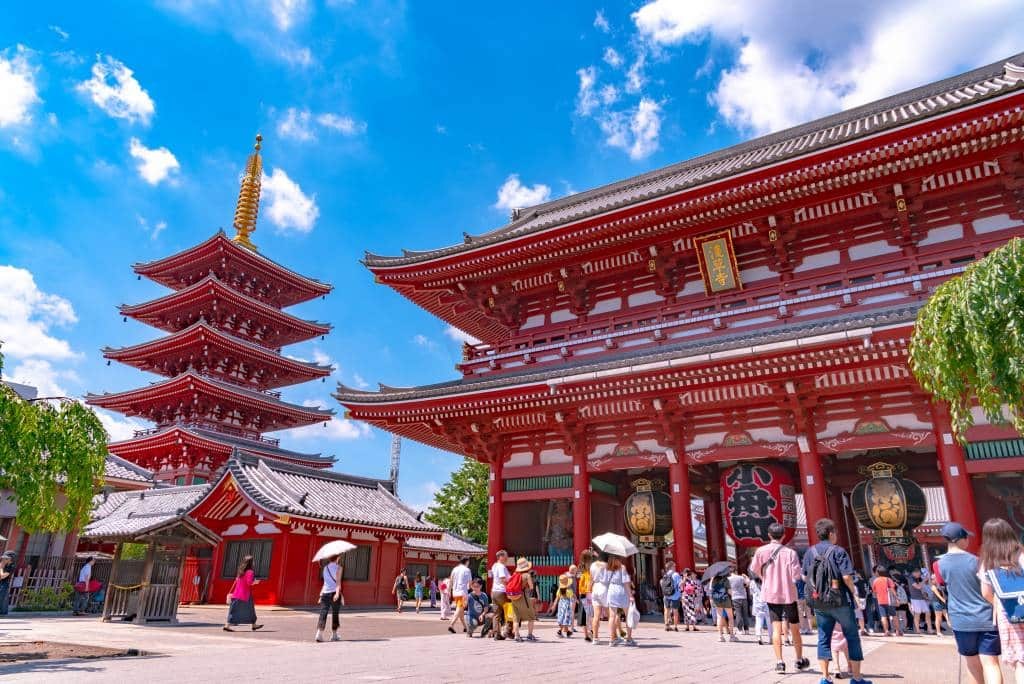 21 mi from YokohamaSenso-ji Temple
 18 mi from YokohamateamLab Borderless
 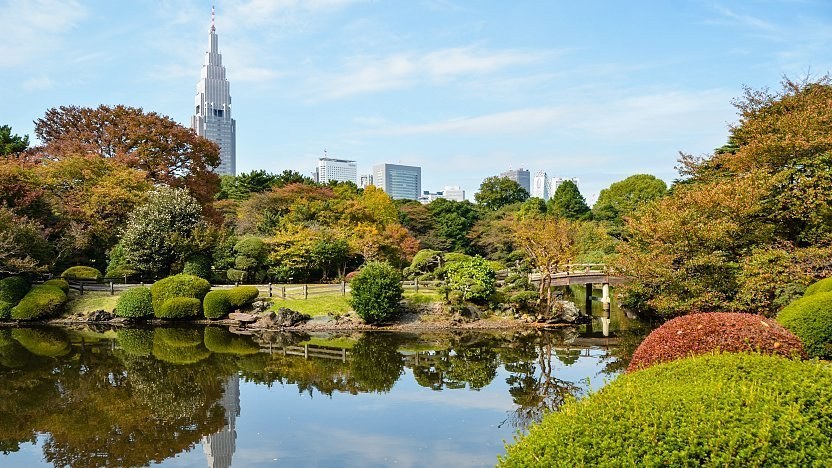 48 mi from Yokohama · land adventureTokyo's Secret Layers: Samurai Houses, Sunrise Crossings & Sake
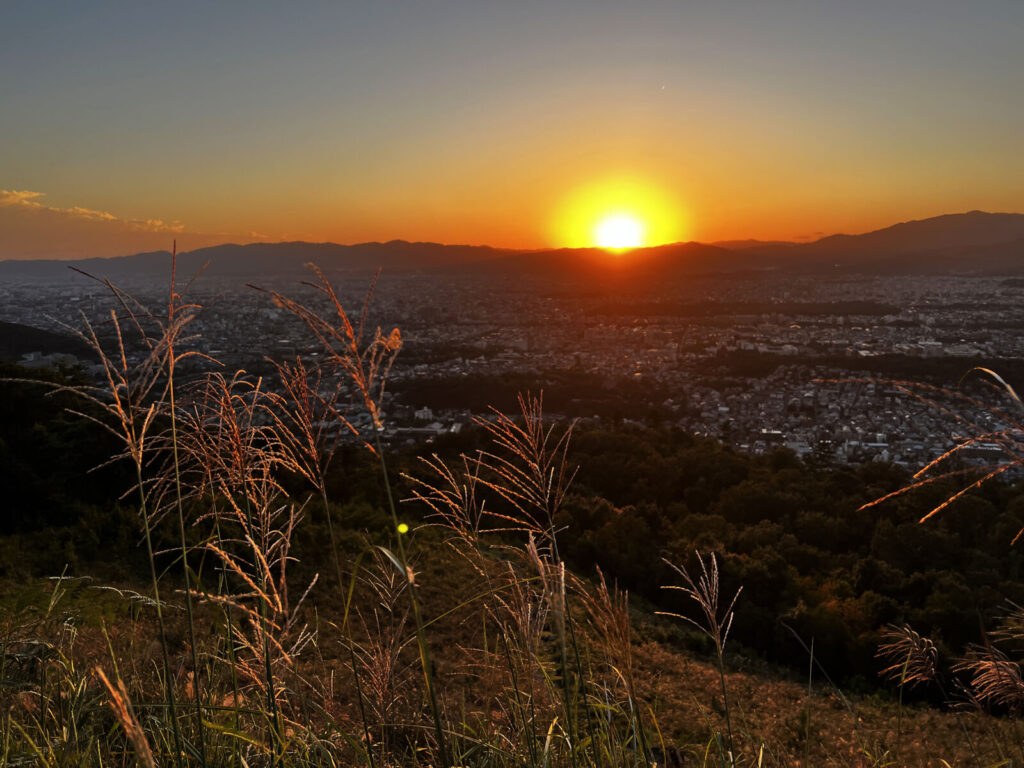 259 mi from Yokohama · land adventureKyoto After Dark: Firelight, Forest Paths & Ancient Craft
 The same trip, elevated
The same gateway on a more luxurious line — lead-in fare per person, same fare as booking direct.