Your cruise
Seven Seas Voyager · 15-night Africa cruise, Port Louis to Cape Town
Jan 17 – Feb 1 · 15 nights ·
Day 1 Port Louis (board) · Day 2 Pointe des Galets · Day 3 Willis Island · Day 4 Fort Dauphin · Day 5 Willis Island · Day 6 Toliara · Day 7 Willis Island · Day 8 Maputo · Day 9 Willis Island · Day 10–12 Durban · Day 13 East London · Day 14 Port Elizabeth · Day 15 Mossel Bay · Day 16 Cape Town (step off)
What you do Stand at the crater rim of one of Earth's most active volcanoes — a raw, lunar landscape of solidified lava fields and smoking vents that feels like another planet. This is Réunion's undisputed bucket-list centrepiece.
What to expect Your expert guide drives you up through cloud forest to the Plaine des Sables, a vast crimson desert that gives way to the Enclos Fouqué caldera. You trek to the crater rim of Dolomieu, where sulphurous vents and rivers of cooled lava stretch to the horizon. The guide narrates the island's fiery formation and points out the youngest flows, some just months old. Return via the Belvédère viewpoint as clouds part over the Indian Ocean far below.
Good to know Allow a full day (8–10 hrs from port). The summit road can close at short notice due to eruptions — your guide monitors conditions in real time. Wear sturdy hiking shoes and bring warm layers; summit temperatures can be 15°C cooler than the coast. Pre-book as far in advance as possible; private slots fill quickly on port days.
Versus the ship tour A fully private vehicle and certified local volcanologist-guide means you move at your own pace, linger at the Pas de Bellecombe viewpoint and descend into the caldera (when open) without crowds — an intimate encounter with living geology that large groups simply cannot replicate.
book direct with ToursByLocals – Réunion Private Guides → · the full guide →
What you do Plunge into the world's most dramatic caldera interior — the Cirque de Salazie — where waterfalls cascade down 1,000-metre amphitheatre walls and the Creole village of Hellbourg is classified among France's Most Beautiful Villages.
What to expect The winding descent into Salazie reveals layer upon layer of mist-shrouded peaks and the iconic Voile de la Mariée waterfall tumbling from sheer basalt cliffs. In Hellbourg you walk beneath centuries-old flamboyant trees past impeccably preserved colonial-Creole houses draped in bougainvillea. Your guide introduces you to locals and explains the cirque's unique micro-culture, isolation-bred patois, and indigenous plant life. Lunch at a family-run table d'hôte (bookable on request) showcases Creole cuisine at its most authentic.
Good to know Best light is mid-morning; aim to depart port by 07:30. Round trip is approximately 5–7 hours. The road into the cirque is narrow — a private transfer is far more comfortable than a coach. Confirm all-aboard time with your ship and buffer generously; coastal traffic near Saint-Denis can be slow.
Versus the ship tour A private driver-guide navigates the vertiginous hairpin road into the cirque and grants you unscripted time in Hellbourg — touring a restored Creole villa, strolling the village square, and pausing at every waterfall overlook — something large coach tours skip entirely.
book direct with ToursByLocals – Réunion Private Guides → · the full guide →
What you do At 2,205 metres, the Piton Maido viewpoint delivers what many consider the single most breathtaking panorama in the entire Indian Ocean — a sheer 1,500-metre drop into the roadless Cirque de Mafate, accessible only on foot or by helicopter.
What to expect You ascend through fragrant tamarind and cryptomeria forest as the coast glitters far below, arriving at the Maido plateau as morning mist burns away over the cirque. The view is staggering — sheer green walls, silver rivers, and tiny hamlet rooftops 1.5 km beneath you. A short signed walk along the ridge amplifies the perspective. Your guide can arrange a Creole breakfast picnic at the summit, served with local vanilla coffee and fresh tropical fruit.
Good to know Half-day tour; depart by 07:00 for best conditions (clouds build after 10:00). The summit is cool and sometimes windy — bring a layer. Pairs beautifully with an afternoon at Saint-Gilles beach if timing allows. Confirm the road is open (occasional maintenance closures) with your guide before departure.
Versus the ship tour A private car allows an early-morning departure timed for the most dramatic light and the least foot traffic at the summit. Your guide explains the geology, points out remote ilet villages invisible to the naked eye, and shares the mythology of Mafate's famously self-sufficient inhabitants.
book direct with ToursByLocals – Réunion Private Guides → · the full guide →
What you do See all three of Réunion's UNESCO-listed cirques, the Piton de la Fournaise crater, and the turquoise lagoon in a single 45-minute private helicopter flight — the only way to grasp the island's impossible vertical scale in a single shore day.
What to expect You lift off from Roland Garros / Saint-Denis helicopter pad and bank immediately over the coastal cliffs, then climb into the highlands. The pilot narrates in English or French as you hover above the smouldering Dolomieu crater, drift over the patchwork of Cilaos and Salazie, and follow glittering waterfalls to the reef-fringed west coast. The silence after landing — that stunned, breathless quiet — is part of the experience. Flights are smooth, safe, and certified to French civil aviation standards.
Good to know Book directly with Héli Réunion as far ahead as possible — volcanic overflight slots are strictly allocated. Weight limits apply (advised at booking). Transfer from Pointe des Galets to the helipad is ~25 minutes by private taxi; factor this in against your all-aboard time. Early-morning flights have the clearest visibility before coastal haze builds.
Versus the ship tour Réunion's terrain is so extreme that much of it is physically inaccessible by road; the helicopter is not a luxury add-on but the only means of witnessing Mafate's roadless villages, live lava fields, and all three cirques in one seamless arc of flight. Private cabin bookings available for couples.
What you do Réunion's sophisticated capital blends French grandeur with Creole exuberance — colonnaded Haussmann-style boulevards give way to incense-filled Tamil temples, Chinese herbalists, and the island's most vibrant covered market. A private guide unlocks all of it.
What to expect Your guide meets you dockside and drives to the Barachois seafront promenade, where busts of famous Réunionnais line the ocean wall. You walk the rue de Paris past the colonial Préfecture and ornate Creole villas to the Cathédrale Saint-Denis. The market visit is a full sensory immersion — turmeric, vanilla, smoked zebu, and fresh litchis — followed by a seated déjeuner Créole at a table your guide knows personally. The afternoon can be extended to include the Natural History Museum and the Garden of Etat.
Good to know Saint-Denis is within 15 minutes of the port — the most time-efficient excursion on the island. The market is busiest (and best) on Saturday mornings. Wear comfortable walking shoes; the city is very walkable but warm — light linen recommended. Excellent option to combine with a morning volcano or helicopter excursion.
Versus the ship tour A local expert guide with deep roots in Saint-Denis takes you beyond the main drag — into the Tamil Kovil on a puja morning, through the backstreets of the Chinatown quarter, and into the Marché du Chaudron for a guided tasting of rougail saucisse, bouchons, and achards that no self-navigated visit could replicate.
book direct with ToursByLocals – Réunion Private Guides → · the full guide →
What you do Réunion's luminous west-coast lagoon is one of the Indian Ocean's finest, its coral gardens protected by a UNESCO-listed fringing reef. Pair a private snorkel in the marine reserve with a tour of a historic Creole rum distillery for a perfect half-day.
What to expect Your driver delivers you to the Saint-Gilles marina, where a certified local dive guide briefs you on the reserve's marine life before leading a 90-minute snorkel along the coral bommies just inside the reef. The water is warm, clear, and sheltered. After rinsing off, you're driven to the Isautier estate in Saint-Pierre, the oldest family rum producer on the island, where five generations of craft are explained over a tutored tasting of agricultural and traditional rums, each paired with local vanilla and coconut preparations. The drive back along the coastal road at golden hour is spectacular.
Good to know Saint-Gilles is ~45 minutes south of the port. Confirm snorkel guide availability directly or via your private driver-guide. The lagoon is fully protected — no collecting or standing on coral. Isautier distillery tours run mornings and afternoons; pre-book by email (contact@isautier.com). Combine both elements into a 5–6 hour half-day excursion, leaving comfortable margin before all-aboard.
Versus the ship tour The combination of a guided snorkel in the Réserve Marine de La Réunion — where hawksbill turtles and parrotfish glide through pristine coral — followed by a private tasting of aged rums at the 180-year-old Isautier estate creates a distinctly Réunionnais afternoon that is intimate, unhurried, and deeply local.
book direct with Isautier Distillery (official operator) + local private guide for lagoon transfer → · the full guide →
What you do Sail a private catamaran to Mauritius's most breathtaking coral-fringed island, snorkelling turquoise lagoons and lunching on the beach. Bucket-list because the Indian Ocean light and emerald water here are simply incomparable.
What to expect Depart Port Louis harbour on a sleek catamaran, cocktail in hand, as the coastline unfolds toward the lagoon of Île aux Cerfs. Your crew drops anchor over a technicolour reef where sea turtles and parrotfish are frequent companions. After snorkelling, a beach barbecue of freshly caught fish, grilled lobster, and tropical fruit is served in the shade of casuarina trees. The return sail at golden hour, with rum punches flowing, is the definition of a perfect Indian Ocean day.
Good to know Full-day excursions typically run 8–9 hours; confirm all-aboard time and allow 30 minutes to return to the cruise terminal from the harbour. Pre-book the private charter well in advance — these fill quickly on port days. Snorkel equipment, towels, and lunch are included.
Versus the ship tour A fully private charter means your group owns the deck, the itinerary, and the pace — no crowds, a dedicated crew, and a freshly grilled Creole lunch served at anchor in an otherwise undisturbed lagoon.
What you do Journey into Mauritius's volcanic interior to witness the surreal multicoloured dunes of Chamarel Geopark and the island's grandest national park. A once-in-a-lifetime landscape found nowhere else on Earth.
What to expect Your private vehicle collects you at the terminal and winds up through sugar-cane plateaus into the lush highlands. At Chamarel, you stand before undulating dunes of rust, violet, green, and ochre — volcanic soils that refuse to mix even after rainfall. The adjacent Chamarel Waterfall, one of Mauritius's tallest, plunges into a jungle gorge below. A detour into Black River Gorges National Park offers macaque sightings, rare Mauritian fruit bats, and panoramic valley views. Lunch at a boutique Chamarel restaurant (Creole tasting menu, additional cost) completes the experience.
Good to know Allow 7–8 hours for a comfortable pace; ideal for a morning departure. Pre-book the Geopark entry online to avoid queues. The drive from Port Louis is approximately 1.5 hours each way — confirm your return time allows a 45-minute buffer before all-aboard.
Versus the ship tour A private driver-guide means you linger as long as you wish over the otherworldly dunes — no group herding, no rushed photo stops. Your guide weaves in the geology, Creole history, and hidden rum-distillery visits that a standard coach simply skips.
What you do Take to the skies with Mauritius's premier helicopter operator for a panoramic flight over turquoise lagoons, volcanic peaks, and sugar-cane plains. The island's beauty from 1,000 feet is genuinely life-changing.
What to expect Transfers from the cruise terminal to Corail's helipad take under 20 minutes. Aboard a modern helicopter with panoramic windows, you trace the electric-blue fringe of the barrier reef before banking over the volcanic spine of the island. Le Morne Brabant — a UNESCO World Heritage mountain — rises dramatically from the sea, and the pilot narrates each landmark with expert local knowledge. Private charters for couples or small groups are available, ensuring an intimate, unhurried flight.
Good to know Strict weight and luggage limits apply — confirm at booking. Flights are weather-dependent; early morning slots offer the clearest skies. Book directly with Corail well ahead of your port day as capacity is limited. Allow 2–3 hours total including transfers.
Versus the ship tour Rated a perfect 5.0 by guests, Corail operates the island's only dedicated helicopter touring fleet. The 45-minute Grand Tour covers the lagoon, Île aux Cerfs, Le Morne, Chamarel, and the northern islets in one sweep — a perspective no ground tour can replicate.
What you do Mauritius's most celebrated wildlife and adventure park offers walking with lions, rhino safaris on open 4x4s, and the island's longest zip-line circuit. Absolutely unmissable for those craving both wildlife and adrenaline.
What to expect Set against the dramatic backdrop of the Rempart mountain range, Casela spans 25 hectares of savanna-style parkland. The lion walk — led by expert handlers — sees you stroll alongside magnificent sub-adult lions at arm's length, an experience that never fails to stop the heart. The rhino safari aboard open 4x4s brings you face-to-face with white rhinos in a vast enclosure. Thrill-seekers can add the zip-line circuit soaring over gorges, or the Giant Swings above the canyon for an extra charge.
Good to know Book lion walk and rhino safari slots online in advance — they are strictly limited daily. Allow a minimum of 4–5 hours; a full day is better. Casela is approximately 45 minutes by private taxi from Port Louis (MUR 800–1,200 return, approx. USD 18–26). Bring sun protection and closed-toe shoes for the lion walk.
Versus the ship tour Casela is Mauritius's only venue for guided lion encounters and open-vehicle African safari — experiences utterly unique to this Indian Ocean island. Booking premium activity bundles directly unlocks combination pricing and guarantees your lion walk slot, which sells out fast on cruise days.
What you do Explore the vibrant markets, colonial architecture, and multi-ethnic flavours of Port Louis with a private local guide. From Aapravasi Ghat's UNESCO courtyards to the Central Market's sizzling Dholl Puri stalls — this is the city's real soul.
What to expect Your guide meets you steps from the cruise terminal and leads you through the Caudan Waterfront before plunging into the Central Market's extraordinary colour — fresh tropical fruits, hand-ground spices, and street vendors pressing sugar cane juice at hand-cranked mills. Aapravasi Ghat, the UNESCO-listed 19th-century immigration depot, delivers a deeply moving account of Mauritius's indentured-labour history. The food trail weaves through Chinatown and Little India, sampling Dholl Puri flatbreads, mine frite noodles, and gato piment chilli fritters. The tour closes at the Blue Penny Museum, home to the world's two rarest stamps.
Good to know The terminal is virtually in the city centre — no transfer needed. Tours run 3–4 hours, fitting comfortably within any port day. Pre-book your specific guide and confirm the exact meeting point. Wear light, breathable clothing and comfortable walking shoes; the market is partially uncovered.
Versus the ship tour A vetted, English- and French-speaking private local guide sets the pace entirely to your curiosity — lingering over a freshly made Alouda milk drink, ducking into a Tamil temple on a side street, or pausing for the story behind a crumbling colonial mansion that most visitors walk past without a glance.
book direct with ToursByLocals – Mauritius Private Guides → · the full guide →
What you do Wander one of the oldest and most celebrated botanical gardens in the Southern Hemisphere, a living treasury of giant Amazonian water lilies, towering palms, and endemic Mauritian species — best explored with a private horticultural guide.
What to expect Founded in 1770 under French colonial rule, the Pamplemousses Botanical Garden spans 37 hectares of meticulously curated parkland just 30 minutes north of Port Louis. Your guide opens with the talipot palm — which flowers once in a century — before leading you to the iconic Victoria amazonica pond, where enormous floating lily pads span over a metre wide. Ancient giant Aldabra tortoises amble freely through the grounds, utterly unperturbed by visitors. The spice garden reveals cinnamon, vanilla, and nutmeg in their living form, and your guide's stories of the French botanists who first catalogued them are both scholarly and captivating.
Good to know A private taxi from Port Louis to Pamplemousses costs approximately MUR 600–800 (USD 13–18) each way; round trip takes about 1.5 hours including transfers plus 2 hours in the garden. Visit in the morning when the Victoria lily pads are at their most photogenic. Combine with a stop at the nearby L'Aventure du Sucre sugar heritage museum for a full cultural half-day.
Versus the ship tour A specialist private guide transforms what can feel like a pleasant stroll into a deeply informed narrative about Mauritian natural history, colonial botany, and the sacred giant tortoises that still roam the garden — context that makes every specimen unforgettable.
book direct with Private-Guides.com – Port Louis Expert Guides → · the full guide →
What you do Stand at the crater rim of one of Earth's most active volcanoes — a raw, lunar landscape of solidified lava fields and smoking vents that feels like another planet. This is Réunion's undisputed bucket-list centrepiece.
What to expect Your expert guide drives you up through cloud forest to the Plaine des Sables, a vast crimson desert that gives way to the Enclos Fouqué caldera. You trek to the crater rim of Dolomieu, where sulphurous vents and rivers of cooled lava stretch to the horizon. The guide narrates the island's fiery formation and points out the youngest flows, some just months old. Return via the Belvédère viewpoint as clouds part over the Indian Ocean far below.
Good to know Allow a full day (8–10 hrs from port). The summit road can close at short notice due to eruptions — your guide monitors conditions in real time. Wear sturdy hiking shoes and bring warm layers; summit temperatures can be 15°C cooler than the coast. Pre-book as far in advance as possible; private slots fill quickly on port days.
Versus the ship tour A fully private vehicle and certified local volcanologist-guide means you move at your own pace, linger at the Pas de Bellecombe viewpoint and descend into the caldera (when open) without crowds — an intimate encounter with living geology that large groups simply cannot replicate.
book direct with ToursByLocals – Réunion Private Guides → · the full guide →
What you do Plunge into the world's most dramatic caldera interior — the Cirque de Salazie — where waterfalls cascade down 1,000-metre amphitheatre walls and the Creole village of Hellbourg is classified among France's Most Beautiful Villages.
What to expect The winding descent into Salazie reveals layer upon layer of mist-shrouded peaks and the iconic Voile de la Mariée waterfall tumbling from sheer basalt cliffs. In Hellbourg you walk beneath centuries-old flamboyant trees past impeccably preserved colonial-Creole houses draped in bougainvillea. Your guide introduces you to locals and explains the cirque's unique micro-culture, isolation-bred patois, and indigenous plant life. Lunch at a family-run table d'hôte (bookable on request) showcases Creole cuisine at its most authentic.
Good to know Best light is mid-morning; aim to depart port by 07:30. Round trip is approximately 5–7 hours. The road into the cirque is narrow — a private transfer is far more comfortable than a coach. Confirm all-aboard time with your ship and buffer generously; coastal traffic near Saint-Denis can be slow.
Versus the ship tour A private driver-guide navigates the vertiginous hairpin road into the cirque and grants you unscripted time in Hellbourg — touring a restored Creole villa, strolling the village square, and pausing at every waterfall overlook — something large coach tours skip entirely.
book direct with ToursByLocals – Réunion Private Guides → · the full guide →
What you do At 2,205 metres, the Piton Maido viewpoint delivers what many consider the single most breathtaking panorama in the entire Indian Ocean — a sheer 1,500-metre drop into the roadless Cirque de Mafate, accessible only on foot or by helicopter.
What to expect You ascend through fragrant tamarind and cryptomeria forest as the coast glitters far below, arriving at the Maido plateau as morning mist burns away over the cirque. The view is staggering — sheer green walls, silver rivers, and tiny hamlet rooftops 1.5 km beneath you. A short signed walk along the ridge amplifies the perspective. Your guide can arrange a Creole breakfast picnic at the summit, served with local vanilla coffee and fresh tropical fruit.
Good to know Half-day tour; depart by 07:00 for best conditions (clouds build after 10:00). The summit is cool and sometimes windy — bring a layer. Pairs beautifully with an afternoon at Saint-Gilles beach if timing allows. Confirm the road is open (occasional maintenance closures) with your guide before departure.
Versus the ship tour A private car allows an early-morning departure timed for the most dramatic light and the least foot traffic at the summit. Your guide explains the geology, points out remote ilet villages invisible to the naked eye, and shares the mythology of Mafate's famously self-sufficient inhabitants.
book direct with ToursByLocals – Réunion Private Guides → · the full guide →
What you do See all three of Réunion's UNESCO-listed cirques, the Piton de la Fournaise crater, and the turquoise lagoon in a single 45-minute private helicopter flight — the only way to grasp the island's impossible vertical scale in a single shore day.
What to expect You lift off from Roland Garros / Saint-Denis helicopter pad and bank immediately over the coastal cliffs, then climb into the highlands. The pilot narrates in English or French as you hover above the smouldering Dolomieu crater, drift over the patchwork of Cilaos and Salazie, and follow glittering waterfalls to the reef-fringed west coast. The silence after landing — that stunned, breathless quiet — is part of the experience. Flights are smooth, safe, and certified to French civil aviation standards.
Good to know Book directly with Héli Réunion as far ahead as possible — volcanic overflight slots are strictly allocated. Weight limits apply (advised at booking). Transfer from Pointe des Galets to the helipad is ~25 minutes by private taxi; factor this in against your all-aboard time. Early-morning flights have the clearest visibility before coastal haze builds.
Versus the ship tour Réunion's terrain is so extreme that much of it is physically inaccessible by road; the helicopter is not a luxury add-on but the only means of witnessing Mafate's roadless villages, live lava fields, and all three cirques in one seamless arc of flight. Private cabin bookings available for couples.
What you do Réunion's sophisticated capital blends French grandeur with Creole exuberance — colonnaded Haussmann-style boulevards give way to incense-filled Tamil temples, Chinese herbalists, and the island's most vibrant covered market. A private guide unlocks all of it.
What to expect Your guide meets you dockside and drives to the Barachois seafront promenade, where busts of famous Réunionnais line the ocean wall. You walk the rue de Paris past the colonial Préfecture and ornate Creole villas to the Cathédrale Saint-Denis. The market visit is a full sensory immersion — turmeric, vanilla, smoked zebu, and fresh litchis — followed by a seated déjeuner Créole at a table your guide knows personally. The afternoon can be extended to include the Natural History Museum and the Garden of Etat.
Good to know Saint-Denis is within 15 minutes of the port — the most time-efficient excursion on the island. The market is busiest (and best) on Saturday mornings. Wear comfortable walking shoes; the city is very walkable but warm — light linen recommended. Excellent option to combine with a morning volcano or helicopter excursion.
Versus the ship tour A local expert guide with deep roots in Saint-Denis takes you beyond the main drag — into the Tamil Kovil on a puja morning, through the backstreets of the Chinatown quarter, and into the Marché du Chaudron for a guided tasting of rougail saucisse, bouchons, and achards that no self-navigated visit could replicate.
book direct with ToursByLocals – Réunion Private Guides → · the full guide →
What you do Réunion's luminous west-coast lagoon is one of the Indian Ocean's finest, its coral gardens protected by a UNESCO-listed fringing reef. Pair a private snorkel in the marine reserve with a tour of a historic Creole rum distillery for a perfect half-day.
What to expect Your driver delivers you to the Saint-Gilles marina, where a certified local dive guide briefs you on the reserve's marine life before leading a 90-minute snorkel along the coral bommies just inside the reef. The water is warm, clear, and sheltered. After rinsing off, you're driven to the Isautier estate in Saint-Pierre, the oldest family rum producer on the island, where five generations of craft are explained over a tutored tasting of agricultural and traditional rums, each paired with local vanilla and coconut preparations. The drive back along the coastal road at golden hour is spectacular.
Good to know Saint-Gilles is ~45 minutes south of the port. Confirm snorkel guide availability directly or via your private driver-guide. The lagoon is fully protected — no collecting or standing on coral. Isautier distillery tours run mornings and afternoons; pre-book by email (contact@isautier.com). Combine both elements into a 5–6 hour half-day excursion, leaving comfortable margin before all-aboard.
Versus the ship tour The combination of a guided snorkel in the Réserve Marine de La Réunion — where hawksbill turtles and parrotfish glide through pristine coral — followed by a private tasting of aged rums at the 180-year-old Isautier estate creates a distinctly Réunionnais afternoon that is intimate, unhurried, and deeply local.
book direct with Isautier Distillery (official operator) + local private guide for lagoon transfer → · the full guide →
What you do Board a rigid inflatable Zodiac for a close-up circumnavigation of one of the Coral Sea's most remote specks of land. Drift alongside vast nesting colonies of red-footed boobies, frigatebirds and brown noddies — a wildlife spectacle almost no traveller on earth ever witnesses.
What to expect Your Zodiac departs the ship's swim platform and skirts the island's entire coastline at water level, giving you eye-to-eye encounters with seabird colonies that number in the tens of thousands. The guide pauses the engine so you can hear the cacophony of calls and photograph birds in undisturbed flight. Shallow coral gardens glow electric beneath the hull as you round each headland. The round trip typically takes 90–120 minutes, leaving ample buffer before all-aboard.
Good to know Pre-book directly via email well in advance — this is a tender-only island and Zodiac capacity is strictly capped. Wear non-marking soles, bring a hat and reef-safe sunscreen. Confirm your ship's all-aboard time and allow 30 minutes' return buffer.
Versus the ship tour An intimate, expert-led small-group Zodiac — never more than 12 guests — means you can idle silently within metres of nesting birds and low reef outcrops that larger vessels simply cannot access, guided by a marine biologist who narrates every species in real time.
What you do Slip beneath the surface of some of the least-dived water on the planet — the Coral Sea surrounding Willis Island, hundreds of kilometres from the nearest coast. Visibility regularly exceeds 30 metres, revealing walls of hard coral, reef sharks, giant trevally and undisturbed sea-turtle feeding grounds.
What to expect Guests kit up in a purpose-equipped dive room and giant-stride into waters of extraordinary clarity. The reef structures here are pristine — no bleaching, no crowds — and the sheer biomass of pelagic life reflects the island's status as a protected marine reserve. Drift snorkelling across shallow coral plateaus, you are likely to encounter hawksbill turtles grazing, schools of chevron barracuda and the flash of a reef whaler in the blue. Safety divers and guides remain in the water throughout.
Good to know Swimming competency is required; full snorkel equipment is provided. Confirm landing and in-water permissions with the Australian Bureau of Meteorology station keeper in advance — access can be subject to weather and conservation protocols. Bring a rash vest for UV protection.
Versus the ship tour Mike Ball operates the definitive liveaboard expeditions to the Coral Sea's outer reefs, with certified dive guides who have logged thousands of hours specifically on these formations. Group size is tightly managed, and every dive brief is site-specific — the antithesis of a mass-market snorkel.
book direct with Mike Ball Dive Expeditions (Townsville/Cairns — Coral Sea specialists) → · the full guide →
What you do Step ashore — one of only a handful of visitors ever permitted — and receive a private briefing inside Australia's most remote operational weather station. The data collected here has guided cyclone warnings across Queensland for over a century; it is a living piece of scientific history.
What to expect After a short Zodiac transfer to the beach, you walk across the coral-rubble islet — the entire thing is barely 400 metres across — to the weatherboard station compound. The duty meteorologist explains the island's role in tracking Coral Sea cyclogenesis, shows you the instrument arrays and balloon launch facilities, and fields questions with refreshing candour. The sense of absolute remoteness — no roads, no shops, just science and sea — is profoundly affecting. Visits are brief (30–45 minutes) out of respect for operations.
Good to know Landing is at the discretion of BOM and sea conditions; it is never guaranteed. Wear closed shoes for the coral-rubble foreshore. Do not touch or enter any instrument enclosures. This is one of cruising's rarest privileges — treat it accordingly.
Versus the ship tour Landing on Willis Island is granted to very few vessels per year and always requires advance coordination with the BOM. The briefing is delivered by the station's resident meteorologist — one of Australia's most isolated postings — lending an authenticity and depth no third-party guide could replicate.
What you do Join a dedicated marine naturalist on a slow, deliberate circuit of Willis Island's offshore waters — prime habitat for dwarf minke whales, spinner dolphins, red-tailed tropicbirds and occasional whale sharks. This is expedition-grade wildlife observation in one of Earth's most intact marine environments.
What to expect The excursion runs in the calm conditions that typically prevail in the lee of the island, with the naturalist briefing the group on cetacean behaviour before departure. Spinner dolphins frequently bow-ride the vessel's wake, while tropicbirds trace lazy arcs overhead trailing their extraordinary white tail streamers. In season (June–September), dwarf minke whales approach curious vessels with remarkable boldness. The naturalist's running identification and ecological commentary transforms an already astonishing scene into a masterclass in Coral Sea ecology.
Good to know Bring image-stabilised binoculars if you own them — loaner binoculars are available but limited. A polarised lens filter dramatically improves underwater wildlife sighting from the deck. Morning cruises yield the best light and the calmest seas.
Versus the ship tour Coral Expeditions' marine naturalists carry years of Coral Sea field experience and use hydrophones and binoculars to locate and interpret marine megafauna well beyond what a casual deck scan achieves. Groups are capped at 20, ensuring every guest has unobstructed sightlines and personalised commentary.
book direct with Coral Expeditions (Australia's premium expedition cruise specialist) → · the full guide →
What you do Combine world-class snorkelling with a dedicated underwater photography tuition session led by a professional marine photographer. The pellucid, undisturbed waters around Willis Island provide a studio backdrop that professionals travel half a year to reach — and you are already here.
What to expect After a 20-minute on-deck briefing covering exposure, buoyancy control for photography and coral-safe positioning, the group enters the water with the lead photographer. Each participant is given real-time feedback via underwater slates and post-dive screen reviews. The reef here hosts nudibranchs, juvenile turtles and extraordinary soft-coral detail that rewards close, patient framing. By the final dive, guests leave with a curated set of images that would pass muster in any travel magazine.
Good to know Bring your own mirrorless or compact camera with an underwater housing if possible; hire housings are limited. Basic snorkel competency required. Maximum group size of 6 is strictly enforced — book your place the moment you board the ship.
Versus the ship tour A professional marine photographer leads groups of no more than six, providing personalised composition coaching in real time — in the water, beside you. The combination of tuition and a location almost nobody else will ever photograph makes every frame genuinely irreplaceable.
What you do Rise before the rest of the ship and join an ornithologist-guide for a dawn landing on Willis Island — arguably the most exclusive birdwatching address in the Southern Hemisphere. The island hosts one of Australia's largest documented seabird colonies, and first light is when it erupts into extraordinary life.
What to expect The Zodiac lands on the coral-rubble beach just as the sky softens to indigo. Within seconds, frigatebirds begin their courtship displays, inflating scarlet throat pouches while brown boobies jostle on nesting scrapes metres from your feet. The ornithologist narrates the scene with infectious expertise, calling species by name as they lift and wheel overhead in their thousands. The island's absolute silence — broken only by wind and wings — produces a meditative quality that experienced travellers consistently describe as one of cruising's most affecting moments.
Good to know Landing is subject to BOM approval and sea-state — pre-register your interest at the expedition desk on day one of the voyage. Wear dark, non-reflective clothing to avoid disturbing nesting birds. Carry a long lens (200mm+ equivalent) for perched-bird shots. Soft-soled shoes protect both the coral-rubble substrate and your footing.
Versus the ship tour A qualified ornithologist leads a structured census-style walk, naming every species, explaining colony dynamics and pointing out nesting behaviours that an untrained eye would miss entirely. The pre-sunrise timing means you experience the island in its rawest, most atmospheric state — long before the day-trippers (there are none) arrive.
book direct with Coral Expeditions (Australia's premium expedition cruise specialist) → · the full guide →
What you do Venture into one of Madagascar's most biodiverse national parks, where spiny desert meets lush rainforest in a single wilderness. Track ring-tailed lemurs, chameleons, and rare birds with an expert naturalist guide — a true bucket-list encounter.
What to expect Your private 4x4 transfers you through the dramatic landscape south of Fort Dauphin to the park gates, where your bilingual naturalist takes over. Two ecosystems — the surreal succulent spiny thicket and humid rainforest canopy — unfold within kilometres of each other. Ring-tailed lemurs, radiated tortoises, and dozens of endemic reptile species reward patient eyes. The silence and scale of the wilderness feel genuinely remote, even from the port.
Good to know Andohahela is roughly 40–60 km from the port; allow a full day (depart by 7:30 am). Pre-arrange your private guide and 4x4 transfer before arrival — MTT Tours Fort Dauphin is the established local specialist (contact via TripAdvisor listing). Confirm all-aboard time carefully and build in a 2-hour buffer for the return drive.
Versus the ship tour A private vehicle and dedicated naturalist guide means you set the pace — lingering at a chameleon sighting or taking a detour to a hidden waterfall — rather than following a group itinerary. The spiny forest transition zone is found nowhere else on Earth, making every step genuinely rare.
What you do Glide by traditional pirogue into the breathtaking lagoon-and-peninsula landscape of Lokaro Bay, one of Madagascar's most spectacular and least-visited coastlines. Turquoise waters, towering dunes, and utter seclusion define this once-in-a-lifetime half-day.
What to expect The journey begins at the lagoon edge, where your boatman poles the traditional pirogue into the sheltered bay as herons fish along the mangrove fringe. Lokaro peninsula rises ahead — a narrow finger of forested headland flanked by Indian Ocean breakers on one side and the glassy lagoon on the other. A short forest walk to the summit delivers a panorama of extraordinary beauty. The return by pirogue at golden hour is simply unforgettable.
Good to know The trip to the lagoon launch point takes approximately 30–40 minutes by road from the port. Best arranged as a morning excursion to allow comfortable return before all-aboard. Bring reef-safe sunscreen, a hat, and water shoes. Book Dodi's Lemur Tours directly via the Cruise Critic forum contact thread.
Versus the ship tour A private pirogue with a local boatman allows you to stop at will — anchoring at a pristine sandbar, snorkelling a coral garden, or simply drifting in silence. The peninsula's interior walking trail to the viewpoint is included, rewarding you with panoramas that few visitors ever see.
book direct with Dodi's Lemur Tours (local Fort Dauphin specialist) → · the full guide →
What you do Walk through a lush private reserve just minutes from the port, where free-roaming lemurs leap to your shoulders amid rare tropical flora. The most iconic Fort Dauphin experience — and the one no Madagascar call should ever skip.
What to expect Just 6 km from the port, Nahampoana unfolds as a mosaic of rainforest paths, bamboo groves, and ornamental gardens, home to ring-tailed, brown, and bamboo lemurs among others. Habituated lemurs approach confidently and will sit on your arm — a moment that never loses its magic. Rare reptiles, crocodiles in the riverside enclosure, and a dazzling array of endemic orchids complete the picture. The reserve's expert guides narrate each encounter with genuine passion.
Good to know Only 10–15 minutes by taxi-brousse or private transfer from the cruise berth — ideal as a morning or post-lunch excursion. Arrive early for the calmest lemur activity. Wear closed shoes and neutral colours; avoid strong perfumes. Book the private guide option directly with the reserve for the best experience.
Versus the ship tour Arriving independently — or in a small private group — means you spend as long as you wish with the lemurs rather than moving with a crowd. The reserve's own naturalists provide deep contextual knowledge of each species, the medicinal plants, and the conservation story behind Madagascar's unique biodiversity.
book direct with Nahampoana Reserve (official reserve) → · the full guide →
What you do Conquer the dramatic granite peak that towers over the town and port, earning a 360° panorama that stretches from the Indian Ocean to the spiny forest interior. A genuine physical achievement with a view that frames the entire Madagascar south coast.
What to expect The trail begins at the base of a hulking granite massif, winding through scrub vegetation and exposed rock faces before opening to a broad ridgeline. Your guide identifies chameleons and endemic birds as you ascend. The summit plateau reveals a theatrical panorama: the bay and its islands glistening to the east, the Andohahela wilderness to the west, the town laid out below. The descent is equally rewarding, with different perspectives at every turn.
Good to know Allow approximately 3–4 hours round trip from the trailhead; add 20 minutes transfer from port. Best done early morning before midday heat peaks. Wear sturdy hiking shoes and carry 2 litres of water. Confirm your guide is certified and insured when booking via TourHQ. A morning departure by 7:00 am is strongly recommended.
Versus the ship tour A private local guide sets a pace that suits you — not a group — and navigates the trail's steeper sections with insider knowledge, pointing out endemic plants and birds en route. The summit is crowd-free on port days, making the silence and the view feel entirely yours.
book direct with TourHQ Fort Dauphin Local Guides (vetted private guides) → · the full guide →
What you do Journey to the legendary Berenty Private Reserve — the most celebrated lemur sanctuary in southern Madagascar — for an intimate guided wildlife walk among dancing sifaka lemurs and raucous ring-tailed troops in their natural gallery-forest habitat.
What to expect The 90-minute private drive south traverses a landscape of sisal plantations and spiny forest before the gallery forest of Berenty materialises like a green oasis. Verreaux's sifaka lemurs leap and 'dance' bipedally across open ground in their extraordinary fashion, indifferent to your presence. Ring-tailed troops groom and play at arm's reach. Your naturalist guide narrates the ecological and conservation context with authority. A lodge lunch in the reserve rounds off a day of wildlife encounters that defines the entire Madagascar experience.
Good to know This is a full-day excursion — depart by 7:00 am and return by approximately 4:30–5:00 pm. Verify your ship's all-aboard time and ensure at least a 90-minute buffer. Book well in advance as private vehicle availability is limited on port days. Bring a telephoto lens; wildlife photography here is world-class.
Versus the ship tour A private vehicle with MTT Tours means you depart and return on your own schedule, spend more time in the forest than a group tour allows, and benefit from a specialist guide who knows exactly where the sifaka troops roam on any given morning. Berenty's habituated lemurs are extraordinarily confiding — this is the finest lemur encounter in all of Madagascar.
book direct with MTT Tours Fort Dauphin (established local private tour specialist) → · the full guide →
What you do Combine a swim at Fort Dauphin's most beautiful white-sand beach with a visit to the original 17th-century French colonial fort, then linger over grilled lobster and zebu brochettes at a clifftop seafood table with the Indian Ocean as your backdrop.
What to expect Your guide walks you through the ruins of Fort Flacourt, built by the French East India Company in 1643 and one of the oldest surviving colonial structures in the Indian Ocean, framing Madagascar's layered history with vivid anecdotes. Minutes away, Libanona's arc of pale sand and warm turquoise water invites a proper swim. The afternoon closes at a cliff-perched seafood spot where the catch of the day — often lobster or reef fish — is grilled over charcoal as the sky turns copper and gold over the bay.
Good to know Libanona Beach is only 15 minutes' walk or a short tuk-tuk ride from the port — easily self-explored, but immeasurably richer with a guide for the fort. Ideal as a late-morning-into-afternoon programme. Confirm the seafood restaurant is open on your port day when booking the tour. Bring a beach towel, reef-safe sunscreen, and cash in Ariary for market stalls near the fort.
Versus the ship tour A private local guide brings Flacourt's colonial and Malagasy history to life with stories that go far beyond signage, and steers you to the finest, freshest seafood table — the kind of place only locals know. The timing is entirely yours, letting you stay for the sunset over the bay.
book direct with Dodi's Lemur Tours (local Fort Dauphin specialist) → · the full guide →
What you do Glide over one of the world's most biodiverse fringing reefs aboard a traditional Vezo outrigger dhow, then snorkel kaleidoscopic coral gardens teeming with parrotfish, lionfish, and hawksbill turtles. This is Madagascar's underwater bucket-list — unhurried, private, and utterly unforgettable.
What to expect Your Vezo fisherman-guide poles the hand-crafted outrigger silently over the lagoon until the reef wall appears beneath you in electric blue. You slip in and spend as long as you like drifting over staghorn coral heads and sea-grass meadows before the dhow returns you to a shaded stretch of white sand for grilled crayfish and cold Trois Chevaux beer. The return sail catches the afternoon trade wind, making it one of the most scenic hours in the Indian Ocean. Expect 4–5 hours on the water in total.
Good to know Ifaty is a 35–40 minute tuk-tuk or taxi ride north of the pier — allow at least 90 minutes before all-aboard. Pre-book at least 48 hours ahead; private dhow slots are limited, especially when multiple ships are in port. Bring reef-safe sunscreen and a rashguard; the equatorial sun is intense.
Versus the ship tour A private Vezo dhow means your own crew, your own pace, and access to shallower reef sections mass boats avoid — plus a freshly grilled seafood lunch on an empty beach that large groups simply cannot arrange.
book direct with Things to Do in Madagascar (Ifaty Snorkeling Day) → · the full guide →
What you do Step into a living laboratory of Madagascar's alien spiny forest — 900 endemic plant species, including towering Didierea 'octopus trees,' ancient pachypodiums, and psychedelic succulents found nowhere else on Earth. A private naturalist guide reveals the medicinal secrets and evolutionary oddities of this UNESCO-recognised ecosystem.
What to expect Walking paths wind through a cathedral of spiny giants, where your naturalist names each endemic species in Malagasy, French, and Latin while hunting chameleons the size of your thumbnail clinging to pencil-thin branches. The resident ring-tailed lemurs are wild but habituated, approaching close enough to photograph without a telephoto lens. The air smells of dry earth and wild jasmine, and the silence is extraordinary — this is the anti-jungle, a desert Eden. Allow 2–2.5 hours for the full circuit at a leisurely, luxury pace.
Good to know The arboretum is just 12 km from the port — a 20-minute taxi ride. Morning visits are cooler and better for wildlife activity. Pre-arrange your private guide via email ahead of the cruise call; entry tickets can be purchased at the gate. Return to port with ample time to spare.
Versus the ship tour A private guide unlocks behind-the-scenes sections of the research arboretum and spends as long as you wish at each specimen — including chameleon-spotting and lemur encounters in the wild section that self-guided visitors simply walk past.
What you do Venture into the sacred Mikea Forest — home to one of Madagascar's last semi-nomadic peoples — and then visit an authentic Vezo fishing village where pirogue-builders and octopus-divers welcome you into their world. This is rare, responsible, and revelatory cultural access.
What to expect Your bilingual guide navigates a red-dirt track into the dry deciduous forest, pausing to explain how Mikea hunter-gatherers read the spiny undergrowth for food, water, and medicine. At the Vezo village, fisherwomen sort the morning's catch on woven mats while craftsmen shape dugout pirogues with hand tools unchanged for centuries. You are invited to share roasted sweet potato and fresh coconut water with a family under a shade tree, conversation flowing through your guide. The human connection here is profound — this is Madagascar at its most authentic.
Good to know This excursion requires a private vehicle (arranged through your guide or local operator) and runs approximately 4–5 hours. Confirm the all-aboard time with the ship before departure and build in a 60-minute buffer. Dress modestly for village visits; a small gift of school supplies is appreciated and can be arranged through the guide.
Versus the ship tour Small-group or private access ensures the community receives a fair contribution and your guide can translate genuine conversations with village elders — an intimacy that transforms a sightseeing stop into a life-changing encounter.
book direct with Things to Do in Madagascar (Mikea Forest Experience) → · the full guide →
What you do Paddle a private canoe through the emerald corridors of the Honko Community-Based Mangrove Reserve — one of Africa's most successful marine conservation projects — guided by a local ranger who helped plant every tree. Birdlife, juvenile fish nurseries, and raw coastal beauty await.
What to expect The canoe slips silently between mangrove roots the width of anacondas, the water below revealing darting juvenile snapper and fiddle crabs in extraordinary numbers. Your ranger identifies the calls of the Madagascar kingfisher and the sacred ibis before pulling onto a raised boardwalk for a briefing on how the community reversed 40 years of deforestation in under a decade. The air is cool and cathedral-quiet, broken only by birdsong and the gentle drip of your paddle. Allow 2–3 hours for the full experience.
Good to know The reserve is located just south of Toliara town — approximately 15–20 minutes by taxi from the port. Advance booking via the Honko website ensures a dedicated ranger-guide and a reserved canoe. Wear light, quick-dry clothing and closed shoes; the boardwalk can be muddy after rain.
Versus the ship tour Direct booking puts your contribution straight into the community conservation fund; your ranger-guide is a reserve co-founder whose intimate knowledge of every channel and nesting site is simply irreplaceable.
What you do Unravel the layered soul of Toliara with a private local expert: the extraordinary Mahafaly ethnology collections, the colonial-era cathedral, and the sensory explosion of the Grand Marché Bazary Be. This is the complete cultural portrait of Madagascar's southwest — in one beautifully paced morning.
What to expect The morning begins at the Musée Régional de l'Université de Toliara (Musée Cedratom), where extraordinary Mahafaly funerary totems — aloalos — rise like abstract sculpture from another world, carved with scenes of daily life and spirit journeys. Your guide then walks you through the Bazary Be, the city's central market, where pyramids of dried fish, vanilla pods, and hand-woven lamba cloth create a tapestry of Malagasy commerce. The route continues past colonial-era buildings whose faded grandeur speaks of French Indochina and Swahili trade winds. You finish with fresh sugarcane juice at a pavement café watching Toliara wake up.
Good to know Pre-book your guide directly via the Private-Guides platform at least 72 hours before port day. The tour is 5–7 hours and easily completed before all-aboard. Bring small-denomination Ariary for market purchases; USD is accepted but change is difficult. Photographing market vendors: always ask first — your guide will facilitate introductions.
Versus the ship tour A one-to-one licensed local guide means the museum curator greets you personally, the market vendors open their storerooms, and the pace is entirely yours — lingering where it matters, skipping what doesn't.
book direct with Private-Guides.com — Rakotoson, Local Expert Guide, Toliara → · the full guide →
What you do Journey into Madagascar's iconic baobab heartland by private 4x4, standing beneath trees that are 800 years old and 25 metres tall — ancient sentinels of the spiny south that appear on no postcard, known only to those who seek them. This is the image of Madagascar that stays with you for life.
What to expect The red laterite road rolls through villages of thatched houses and zebu-drawn carts before the first baobab silhouettes appear on the horizon — enormous, bottle-shaped, and utterly alien against the cobalt sky. Your guide shares Mahafaly oral traditions: the baobab stores water for spirits, its bark heals wounds, its fruit feeds generations. You picnic in the shade of a grove accessible only by 4x4, sharing the silence with ring-tailed lemurs and Madagascar hoopoes. The late afternoon light turns the bark to burnished copper on the return drive — a photographer's dream. Expect a full 7–8 hour day.
Good to know This is a full-day excursion — confirm your ship's all-aboard time is late afternoon or evening before booking. The roads can be rough after the rainy season (January–March); the best conditions are April–November. Bring a hat, high-SPF sunscreen, and a light layer for the breeze. Pre-book directly with Great Madagascar Tours at least one week before your cruise call.
Versus the ship tour A private 4x4 with a specialist driver-guide reaches baobab groves beyond the tourist circuit — no crowds, no coaches, and a packed gourmet picnic lunch under the canopy of a millennium-old tree that once shaded Mahafaly kings.
book direct with Great Madagascar Tours → · the full guide →
What you do Venture into Mozambique's most accessible wilderness — the Maputo Special Reserve — on a private safari tracking elephants, hippos, crocodiles, and giraffes through pristine coastal bush. A bucket-list encounter with Africa's Big Wild, just 80 km from port.
What to expect Your private 4x4 departs Maputo port early, reaching the Reserve's game-rich interior within 90 minutes. Morning hours are prime for elephant and hippo sightings along the Futi Corridor wetlands. A light bush lunch is served in the field, often with birdsong as the only soundtrack. Your guide delivers the reserve's ecology and conservation story with genuine passion before returning you to port well before all-aboard.
Good to know Depart port by 07:00 to maximise game time; typical all-aboard for Maputo calls is 18:00, allowing a comfortable return. Pre-book private vehicle and guide at least 2 weeks ahead. Bring sun protection, binoculars, and layers — it can be cool in the early morning vehicle.
Versus the ship tour Fully private vehicle and guide means you linger at sightings as long as you wish — no rushing a herd of elephants so a group of 40 can catch the bus. Expert trackers bring the bush alive with detail no group tour can match.
What you do Walk the labyrinthine lanes of Mafalala — the cradle of Mozambican music, poetry, and resistance — guided by a community historian whose family has lived here for generations. This is the living heartbeat of Maputo that no vehicle tour can touch.
What to expect You'll weave through colourful corrugated-iron streets where Nobel laureate José Craveirinha once wrote his revolutionary verse and Eusébio — the great footballer — kicked his first ball. Stops include a traditional healer's workspace, a local music rehearsal space, and a home kitchen where matapa (cassava leaf stew) may be bubbling on the stove. The tour culminates at a community art wall that doubles as an open-air gallery, with works for sale directly from the artists.
Good to know Tours typically run 09:00–12:00; the port is a short taxi ride away. Wear comfortable closed-toe shoes and modest clothing. Book directly via the association's website or email at least one week in advance. Cash (Mozambican Metical or USD) welcomed for art purchases.
Versus the ship tour Small-group, community-led access to homes, studios, and gathering places that are simply closed to outsider vehicles. Your guide grew up here — the stories are first-hand, not scripted.
What you do Explore Maputo's astonishing layered identity — colonial Modernist boulevards, the Eiffel-attributed Iron House, the art-deco Railway Station, and the ancient Fortress — on a fully private, bespoke half-day city tour with a handpicked local expert guide.
What to expect Begin at the Maputo Central Railway Station, one of Africa's most beautiful buildings, its wedding-cake façade glowing in the morning light. Move to the Casa de Ferro (Iron House), allegedly pre-fabricated by Gustave Eiffel's atelier and shipped from Lisbon — a jaw-dropping curiosity. The Fortaleza de Nossa Senhora da Conceição reveals four centuries of maritime history through its cannon-lined ramparts. Your guide rounds the tour with a walk through Praça da Independência and the Cathedral before a stop at the FEIMA craft market for artisan shopping.
Good to know A half-day tour (4–5 hrs) fits comfortably within any port call. Request an 08:30 start to avoid midday heat. The guide meets you dockside. Pre-booking 1–2 weeks ahead is recommended; the platform holds payment securely and cancellation is flexible.
Versus the ship tour Every itinerary is yours alone — no strangers, no fixed script. Your local guide adjusts pace and depth to your interests, whether that's architectural detail, political history, or simply lingering over a bica at a pavement café on Avenida Julius Nyerere.
book direct with Tours by Locals – Maputo Private Guides → · the full guide →
What you do Cross the border into South Africa's legendary Kruger National Park for a full day of Big Five game viewing — lion, leopard, elephant, rhino, and buffalo — on a private open-sided safari vehicle with a professional ranger. The world's most famous safari reserve, accessed in a single port day.
What to expect Depart port at 05:30 for the 90-minute drive to the Kruger Komatipoort gate; the early start places you in the park at first light, when predators are most active. Your ranger reads tracks, dung, and broken branches to lead you to sightings the self-drive tourists drive straight past. A packed gourmet lunch is enjoyed at a waterhole picnic spot. Expect to re-enter Mozambique by late afternoon, arriving back at port by 19:00.
Good to know Confirm your ship's all-aboard time before booking — Maputo calls can vary. Bring your passport (border crossing required). An early 05:30 departure is non-negotiable for Kruger access; arrange a port-side car service the evening before. USD or ZAR cash useful for park curio shops.
Versus the ship tour A private or small-group open-backed safari vehicle with a qualified Kruger ranger — not a minibus — means you stop for every sighting, track animals off the main roads, and experience the silence of the bush between encounters.
book direct with Kruger Park Day Trips (Maputo-based specialist operator) → · the full guide →
What you do Zip through Maputo's sensory markets and street-food scenes aboard a classic tuk-tuk — from the chaotic, fragrant Mercado Central to the seafront Fish Market (Mercado de Peixe) — tasting piri-piri prawns, matapa, and freshly grilled espetada at each stop.
What to expect Your guide picks you up from the port and weaves immediately into the colour storm of the Mercado Central — piled high with tropical fruit, dried fish, and hand-dyed capulanas. The tuk-tuk threads down to the Mercado de Peixe on the seafront, where the morning's catch is grilled on open charcoal and the city's best piri-piri prawns are served at plastic tables with ice-cold 2M beer. A final swing past the Tunduru Botanical Gardens offers a moment of lush colonial-era calm before the return to port.
Good to know The Fish Market is most vibrant before noon — a 09:00 start is ideal. Tour runs approximately 3 hours. Wear light breathable clothing and bring small-denomination USD or Meticais for market purchases. The tuk-tuk is open-air; sun protection is essential.
Versus the ship tour The tuk-tuk format grants you access to narrow market lanes and waterfront alleys that a full-size coach can never reach, with a local guide narrating every stall, spice, and story in real time.
book direct with GetYourGuide – Tuk Tuk Maputo City Tour (local operator partner) → · the full guide →
What you do Discover Mozambique's natural world inside one of Africa's finest Manueline-style buildings — the Natural History Museum — then wander the fragrant colonial-era Tunduru Botanical Gardens with a private art and history guide. Intimate, intellectual, and utterly unhurried.
What to expect The Natural History Museum's magnificent 1913 Manueline façade — all maritime stonework and twisted columns — is one of Maputo's most photogenic buildings, and the interior doesn't disappoint: beautifully curated taxidermy, geological specimens, and ethnographic artefacts tell Mozambique's layered story. Your guide then leads you a short walk to the walled Tunduru Botanical Gardens, planted in 1885, where jacarandas and traveller's palms shade meandering paths and local artists sometimes set up easels in the dappled light. It is one of Maputo's most peaceful corners and a wonderful counterpoint to the city's kinetic energy.
Good to know The museum is typically closed on Mondays — confirm the day of your port call before booking. Allow 3–4 hours for both sites. The port is walkable (20 min) or a short taxi ride. Book your private guide via TourHQ at least one week ahead, specifying your language preference and focus (art, history, or natural history).
Versus the ship tour A private local guide with an art or natural-history specialism unlocks the museum's extraordinary diorama collection — including a full elephant skeleton and Mozambican fauna — with context and passion that a self-guided visit simply cannot deliver.
book direct with TourHQ – Maputo Private Local Guides → · the full guide →
What you do Conquer the legendary Sani Pass in a private 4x4, climbing to the highest pub in Africa at 2,874m on the Lesotho border. Breathtaking switchbacks, cascading mountain streams, and Basotho culture at the summit make this an unforgettable bucket-list ascent.
What to expect Depart Durban early for the 3-hour drive south to the base of the pass, then tackle 9km of legendary unpaved switchbacks in a high-clearance 4x4. At the top, visit the iconic Sani Mountain Lodge — the highest pub in Africa — for warming Basotho sorghum beer and panoramic Drakensberg views. A Basotho cultural encounter with local villagers adds rare authenticity before you wind back down the escarpment. Allow a full day; the drive alone rewards every minute.
Good to know This is a full-day excursion (approx. 12–14 hours); confirm your ship's all-aboard time carefully and book well in advance for port days. South African and Lesotho border crossings require your passport — carry it. Pre-book directly with Sani Pass Tours to secure a private vehicle.
Versus the ship tour Private 4x4 vehicle with an expert mountain guide means you stop where you want — for photography, wildlife, or Basotho village encounters — at a pace no large group can match. The summit moment, standing on the Lesotho plateau in thin mountain air, is genuinely once-in-a-lifetime.
book direct with Sani Pass Tours & Transfers → · the full guide →
What you do Explore South Africa's first UNESCO World Heritage Site — iSimangaliso Wetland Park — on a private guided safari blending big game, hippo-filled lakes, leatherback turtle shores, and the Indian Ocean in one spectacular landscape.
What to expect Head north from Durban through sugar-cane country to the park entrance at St Lucia, where the world's largest estuarine system unfolds. Open-vehicle game drives reveal elephant, buffalo, leopard, rhino, crocodile, and hundreds of bird species in a mosaic of wetland, forest, and savanna. An optional boat cruise on Lake St Lucia brings you nose-to-nose with hippos and Nile crocodiles. The return journey skirts the KwaZulu-Natal coast with views of the warm Indian Ocean all the way back to port.
Good to know Allow 10–12 hours for the full experience; confirm your all-aboard time before booking. The park entry fee (ZAR 232 per person) is typically included — confirm with the operator. Book the private vehicle option for maximum flexibility and quality guiding.
Versus the ship tour A private expert naturalist guide tailors every game drive to your interests — birding, big game, or the surreal sight of hippos wallowing metres from the Indian Ocean surf. Small groups mean unhurried stops and deeply informed wildlife commentary that transforms sightings into stories.
What you do Journey into the Valley of a Thousand Hills for an intimate Zulu cultural experience at PheZulu Safari Park — traditional dancing, village life, and a game drive through KwaZulu-Natal's rolling green heartland, all within easy reach of the port.
What to expect A scenic 45-minute drive from the port delivers you to a dramatic ridge overlooking the Valley of a Thousand Hills. The Zulu cultural village experience includes a high-energy traditional dance performance, a guided walk through a living homestead, and explanations of customs from beadwork to ancestor veneration. The reptile park introduces Africa's most iconic snakes and lizards up close, followed by an open-vehicle game drive alongside white rhino, zebra, and giraffe. The whole excursion runs 4–5 hours, making it perfect for port days.
Good to know Only 45 minutes from Durban's cruise terminal — ideal if you have a shorter port window. Book directly through PheZulu's website to confirm availability on your ship's port date. Combine with a Victoria Street Market stop en route back to the port for a perfect half-day.
Versus the ship tour PheZulu is run by a Zulu family with deep roots in the valley — the cultural presentations are genuine, not staged for mass tourism. The dramatic hilltop setting above the Valley of a Thousand Hills is one of the most visually arresting landscapes in KwaZulu-Natal.
What you do Soar above Durban's iconic arch at Moses Mabhida Stadium on the SkyRide gondola, then take the ultimate plunge — an abseil or Big Swing drop from 106m above the pitch for the most dramatic city panorama in South Africa.
What to expect The SkyRide gondola glides up the iconic white arch of the stadium, cresting at 106m above the pitch with 360-degree views of the city, harbour, and Indian Ocean coastline. Thrill-seekers can then strap in for the Big Swing — a 220m pendulum arc through the interior of the stadium arch — or opt for a controlled abseil down the outer curve. The stadium precinct itself is architecturally stunning, and a stroll through the People's Park alongside offers café stops and local artisan stalls.
Good to know Located just 2.5km from the cruise terminal — a short taxi or rideshare ride. Book the Big Swing or abseil directly on the stadium website well in advance, as slots fill on port days. Allow 2–3 hours for the full experience, easily combined with a Golden Mile beach walk.
Versus the ship tour Moses Mabhida's arch is Durban's defining landmark — a 2010 FIFA World Cup icon. The combination of the gondola's sweeping panorama of the Golden Mile, the Indian Ocean, and the Berea ridge, plus the optional adrenaline of the Big Swing, delivers a uniquely layered Durban experience unavailable anywhere else.
What you do Descend into the largest aquarium in the Southern Hemisphere and dive with ragged-tooth sharks, turtles, and rays in a 1.2-million-litre open-ocean tank — the most thrilling marine encounter in Durban, steps from the beach.
What to expect Check in at the spectacular shipwreck-themed entrance and descend through recreated hull sections to the open-ocean tank. Certified divers enter the 1.2-million-litre tank alongside ragged-tooth (sand tiger) sharks, green turtles, giant rays, and thousands of reef fish with expert Marine World divemasters at your side. Non-divers enjoy spectacular shark-tunnel walkways and the adjacent Wet 'n Wild water park — a full resort experience on Durban's Golden Mile beachfront. The dolphin and seal shows round out the day for families.
Good to know uShaka is 2km from the cruise terminal along the Golden Mile — walkable or a quick rideshare. Pre-book the Shark Dive experience directly on the uShaka website (PADI Open Water certification required); general admission is walk-up. Allow 4–6 hours for the full complex.
Versus the ship tour The chance to dive with ragged-tooth sharks in a controlled, expert-led environment — inside a shipwreck-themed aquarium built into a Bali Hai-style Durban beachfront complex — is genuinely unique to this destination. The scale and theatrical design of the venue elevate this far beyond a standard aquarium visit.
What you do Hop aboard Durban Tourism's iconic open-top Ricksha Bus to sweep through the city's most vivid neighbourhoods, then plunge into the aromatic labyrinth of Victoria Street Market — the greatest Indian spice bazaar in sub-Saharan Africa.
What to expect Board the distinctive open-top Ricksha Bus at the beachfront terminus for a hop-on, hop-off circuit of Durban's highlights — the Golden Mile, City Hall, the Indian Quarter, and the Botanic Gardens. Disembark at Victoria Street Market to wander a dazzling maze of 180 stalls piled with Durban curry spices, saffron, basmati, tropical fruits, and hand-carved curios. Lunch on a legendary Durban bunny chow — a hollowed-out loaf of bread filled with fragrant mutton or bean curry — at one of the market's original eateries. The bus returns you to the beachfront in time for a sunset stroll along the Golden Mile.
Good to know Tickets effective 1 July 2025–30 June 2026 at ZAR 110 adult / ZAR 56 child; book at visitdurban.travel or pay on board. The market is a 5-minute walk from the City Hall bus stop. This is a relaxed half-day excursion — ideal if your port window is shorter. Keep cash (Rands) handy for market purchases.
Versus the ship tour The Ricksha Bus is Durban Tourism's own curated circuit — it covers the Golden Mile, the Indian Quarter, the Berea, and the beachfront in a single elegant loop. Combining it with a self-guided deep-dive into Victoria Street Market, where third-generation spice merchants compete for your attention, delivers the authentic, layered soul of Durban that no coach tour can replicate.
book direct with Durban Tourism (Ricksha Bus) → · the full guide →
What you do Track lion, elephant, rhino, leopard and buffalo on a private game drive at Inkwenkwezi — East London's premier Big 5 reserve, just 30 minutes from port. This is Africa's most iconic bucket-list moment, tailored entirely to you.
What to expect Your private ranger collects you in a luxury Land Cruiser for an early-morning or late-afternoon drive through 1,400 hectares of pristine Eastern Cape bush. Expect intimate wildlife encounters — often within metres of the Big 5 — followed by sundowners on a riverine deck. A bush lunch at the lodge's thatched pavilion completes the experience. The reserve's ethos is conservation-first, so every visit funds anti-poaching patrols.
Good to know Reserve is 35 km from East London harbour — roughly 30 minutes. All-aboard times are typically 17:30–18:00; book the morning drive (departs 06:00) to be safely back by 13:00. Pre-book the private vehicle online — shared drives sell out first. Closed shoes and neutral-coloured clothing recommended.
Versus the ship tour A fully private open-safari vehicle means your guide sets the pace — lingering at a lion kill or tracking elephant on foot — rather than following a fixed group itinerary. Expert Zulu and Xhosa guides bring generations of bush knowledge; this is a world away from a shared coach experience.
What you do Kwandwe is one of South Africa's most acclaimed Big 5 malaria-free reserves — a 22,000-hectare wilderness of riverine thickets and open plains. A full-day private safari here is a masterclass in exclusive African luxury.
What to expect A scenic 90-minute private road transfer from East London drops you into a landscape sculpted by the Great Fish River. Two guided game drives, morning and afternoon, reveal remarkable biodiversity — rare black rhino, wild dog and aardwolf alongside the classic Big 5. Between drives, a sumptuous lodge lunch overlooks a waterhole busy with wildlife. The standard of guiding here attracts serious naturalists and first-time safari-goers alike.
Good to know Kwandwe is approximately 180 km from the port — a 2-hour drive; arrange a private charter vehicle (approx. ZAR 3,000–4,500 return). Confirm all-aboard time before booking and allow generous buffer. Day visits must be pre-arranged directly with the reserve — email reservations@kwandwe.com well in advance.
Versus the ship tour Kwandwe is the Eastern Cape's benchmark for ultra-luxury game viewing — a pristine private concession with no fences shared with state parks and a strict low-density policy ensuring you rarely encounter another vehicle. Legendary field guides with CG/FGASA credentials provide unparalleled ecological storytelling.
book direct with Kwandwe Private Game Reserve (Mantis Collection) → · the full guide →
What you do Step into a living Xhosa village at Khaya La Bantu — 'Home of the People' — for a private cultural encounter unlike anything else in the Eastern Cape. Storytelling, traditional dance, craft and cuisine reveal the soul of Nelson Mandela's heritage nation.
What to expect Arriving on a homestead of thatched mud-brick rondavels 20 km from town, you are welcomed with the Xhosa greeting ceremony before your host guides you through the story of clan identity, rites of passage and the philosophy of Ubuntu. Skilled artisans demonstrate beadwork and pottery; traditional drummers and dancers perform in the kraal. A private lunch of umngqusho (samp and beans) and braai finishes with rooibos and local honey. This is authenticity without contrivance.
Good to know Approximately 20 minutes from the harbour. Private bookings require at least 48 hours' notice — email or call the village directly. Wear comfortable shoes; the paths are unpaved. Photography is warmly welcomed but ask your host first. Easily combined with a beach stop on the return leg.
Versus the ship tour A private group booking unlocks a personalised programme — your own Xhosa host, unhurried storytelling sessions in the rondavel, a hands-on beadwork or spear-throwing workshop, and a traditional meal prepared in your honour. The experience is intimate, respectful and profoundly moving rather than performative.
What you do Nahoon Reef is one of South Africa's most celebrated point breaks and a protected marine area teeming with bottlenose dolphins and reef fish. A private surf guide or marine snorkel session here is a quintessential Eastern Cape bucket-list moment.
What to expect Nahoon Beach, consistently ranked among South Africa's Top 5 beaches, is a 10-minute drive from the port. Your instructor delivers a shore-side briefing before you paddle into the warm Indian Ocean swell. Even non-surfers can join a guided snorkel along the rocky reef edge, where sea urchins, octopus and colourful wrasse inhabit crystal-clear shallows. Post-session, unwind on powder-white sand with a cold drink from the beachfront café. The combination of wilderness beach and world-class surf energy is intoxicating.
Good to know Book directly via Surf Zone's website at least a week ahead for private tuition slots. Conditions are best morning (08:00–11:00); aim to be back at port by 14:00 comfortably. Rash vests and boards provided — bring reef-safe sunscreen. Non-surfers can simply walk the beach and dunes, one of the finest in the Eastern Cape.
Versus the ship tour Your session is one-on-one (or small group of your party only) with a qualified surf instructor and SAMSA-accredited water guide who reads the reef's moods perfectly. Dolphins routinely surf the same waves — encounters that a crowded group tour simply cannot replicate.
What you do The East London Museum houses the world's only display specimen of the coelacanth — a living fossil thought extinct for 65 million years, discovered off this very coastline in 1938. A private guided tour here is a genuine once-in-a-lifetime encounter with natural history.
What to expect Situated in the heart of East London, this elegant colonial-era museum is one of South Africa's finest regional natural history collections. Beyond the famous coelacanth specimen, galleries trace the Xhosa and colonial history of the Eastern Cape through rare artefacts, ethnographic collections and geological displays. The private guide connects the dots between deep time and living culture in a way that is both scholarly and wonderfully accessible. Allow 90 minutes to do it justice.
Good to know The museum is less than 5 km from the cruise terminal — a short taxi or Uber ride. Pre-arrange the private guided tour by emailing the museum directly. Combined perfectly with a walk through Oxford Street's boutiques or a harbour-view lunch at a nearby restaurant. Closed on certain public holidays — check the calendar online before arrival.
Versus the ship tour A private curator-led session unlocks stories no standard visit reveals — the drama of ichthyologist Marjorie Courtenay-Latimer's discovery, the scientific earthquake it caused, and the museum's ongoing role in marine conservation. You set the pace, ask the questions, and leave genuinely informed rather than merely having ticked a box.
book direct with East London Museum (Official) → · the full guide →
What you do Mpongo, a malaria-free Big 5 reserve just 35 minutes from the port, delivers heart-stopping big cat encounters in dense Eastern Cape valley bush — all before lunch. A small-group private game drive here is the most accessible safari luxury East London offers.
What to expect An open Land Rover collects your party from the reserve gate for a 3-hour morning drive across a mosaic of valley bushveld, open grassland and rocky ridges. Mpongo is particularly renowned for cheetah, lion and white rhino sightings, but leopard, buffalo and herds of elephant are regular visitors too. Your ranger narrates the ecological and conservation story with evident passion. Return to the lodge veranda for a bush breakfast of freshly brewed coffee, boerewors and eggs before heading back to port.
Good to know Reserve is approximately 35 km from the harbour — 30–35 minutes. Morning drives depart at 06:00 and return by 09:30–10:00, leaving ample time before all-aboard. Book the private vehicle option online for maximum flexibility. Neutral clothing preferred; the reserve provides blankets for the early-morning chill.
Versus the ship tour Mpongo limits its drives strictly to small groups and private vehicles, meaning your ranger tracks lion and cheetah at a considered, unhurried pace — stopping for 20 minutes at a pride if the moment demands it. The reserve's compactness (8,000 ha) and dense bush create theatrical, close-range sightings that are genuinely exceptional.
What you do Track the Big Five on a ranger-led 4x4 safari through Schotia — the Eastern Cape's most celebrated private reserve — then dine under the African stars. This is the rare Big Five experience within easy reach of the port, delivered in intimate small-group style.
What to expect Board an open Land Rover at the reserve gate and spend two game drives tracking lion prides, white rhino and tower-ing giraffe across 1,200 hectares of pristine bushveld. Between drives, a traditional bush dinner is served around a fire under a canopy of stars — a moment of genuine wilderness immersion. Rangers share deep ecological knowledge, making this as educational as it is thrilling. The reserve is just 72 km from the port, ensuring comfortable timing around your all-aboard.
Good to know Pre-book directly on the Schotia Safaris website. The drive from the port is approximately 70 minutes; arrange a private transfer for comfort. Full-day and half-day options exist — confirm the half-day for cruise itineraries. Closed footwear and neutral-coloured clothing recommended.
Versus the ship tour Schotia is a fully private, malaria-free reserve with resident lion, elephant, rhino, buffalo and leopard. Game drives are in open 4x4 vehicles with expert field rangers, limited to small groups — giving guests true predator sightings without the crowds of a national park.
What you do South Africa's third-largest national park and the only place on Earth where you can see the Big Seven in one region. A private guided safari puts you face-to-trunk with the world's densest elephant population plus lion, buffalo, rhino and leopard — a bucket-list wildlife encounter an hour from the ship.
What to expect Depart the port in a comfortable, air-conditioned safari vehicle for the scenic 70 km drive to Addo. Once inside the park, your dedicated naturalist guide navigates known elephant corridors and watering holes where mega-herds congregate. Lion, black rhino, spotted hyena and over 400 bird species round out a full morning of extraordinary wildlife theatre. A gourmet picnic lunch is included before a leisurely afternoon return, leaving ample time before all-aboard.
Good to know Book via Calabash Tours' website; private departures should be reserved at least 2–4 weeks in advance. The park entrance fee (~ZAR 392 per person) is additional. Wear light layers — mornings are cool, afternoons warm. Request the earliest possible departure to maximise game viewing in prime morning light.
Versus the ship tour Calabash is a long-established, award-winning Eastern Cape specialist offering fully private and small-group departures with expert naturalist guides. Their intimate approach — maximum 6 guests per vehicle — guarantees unhurried time at every sighting and personalised commentary that transforms a game drive into a masterclass.
What you do Algoa Bay is one of the world's premier marine wildlife spectacles — home to Southern right and humpback whales, vast superpods of bottlenose dolphins and the world's largest colony of African penguins on Bird Island. A zodiac-assisted landing on the island seals it as a true bucket-list moment.
What to expect Step aboard a sturdy yet comfortable rigid inflatable and head out into the shimmering bay where common and bottlenose dolphins regularly bow-ride alongside the vessel. Between October and January, humpback and Southern right whales breach spectacularly. Bird Island — a protected sanctuary — hosts up to 75,000 Cape gannets and thousands of endangered African penguins waddling the shoreline. An on-board marine biologist narrates every sighting with infectious expertise. The port is walkable from the quay, making logistics effortlessly simple.
Good to know Departs from the Shark Rock Pier, walking distance from the cruise terminal. Mornings typically offer the calmest seas — book the earliest available departure. Whales are seasonal (Oct–Jan peak); dolphins and penguins are year-round. Dress in windproof layers and apply sunscreen. Book directly via Raggy Charters' website.
Versus the ship tour Raggy Charters is the undisputed authority on Algoa Bay marine wildlife, operating for over two decades with marine biologists on board. Their small, purpose-built vessels allow intimate, low-impact encounters — guests often find themselves surrounded by hundreds of dolphins or just metres from breaching whales.
What you do A beautifully manicured, Big Five-stocked private reserve just 20 minutes from the port — ideal for guests seeking luxury wildlife encounters without a long drive. White rhino, giraffe, cheetah and over 400 species roam the park's lush terrain alongside prolific birdlife.
What to expect Your private ranger collects you at the gate and heads directly to the areas most active that morning — cheetah on open grassland, white rhino browsing in thicket, or a tower of giraffe against the blue sky. The reserve's compact size means sightings are virtually guaranteed within the first 30 minutes. A sumptuous bush breakfast is served in a scenic clearing, making this a sensory experience as much as a wildlife one. The relaxed pace means there is always time to step out and photograph before heading back to port with hours to spare.
Good to know Just 20 km from the cruise terminal; a taxi or Uber ride is under 20 minutes. Book the private guided safari (not the self-drive option) for the full luxury experience. Morning departures (7:30–8:00 am) coincide with peak animal activity. Book directly via the Kragga Kamma website.
Versus the ship tour Kragga Kamma's proximity to the port (20 minutes) combined with its well-maintained luxury safari infrastructure makes it the most time-efficient wildlife experience available — yet it never feels rushed. Private game drives with resident rangers offer front-row encounters with cheetah, white rhino and prolific plains game at close range.
book direct with Kragga Kamma Game Park → · the full guide →
What you do Port Elizabeth's Route 67 is one of South Africa's great public art trails — 67 monumental works celebrating Mandela's 67 years of service, winding through the city's historic heart to the iconic Donkin Reserve lighthouse and pyramid. A knowledgeable private guide transforms it into a profound cultural and historical journey.
What to expect Begin at the foot of the hill and ascend through 67 extraordinary artworks — mosaics, sculptures, weavings and murals — each narrating a chapter of South Africa's path to freedom. At the summit, the Donkin Reserve rewards you with panoramic views over Algoa Bay and the rust-red rooftops of the Victorian city. Your guide weaves personal stories, local legends and political history into every stop. The route concludes near the historic Port Elizabeth Opera House — one of Africa's oldest surviving theatres — and the colourful Victorian terraces of Donkin Street, perfect for a final photograph.
Good to know The Donkin Reserve is a short 10-minute taxi or Uber ride from the cruise terminal, or walkable (20 minutes) for energetic guests. Wear comfortable walking shoes — the route involves a steady uphill climb. Morning tours are cooler and the light is superb for photography. Book directly through Blue Pebbles Tours.
Versus the ship tour Blue Pebbles Tours specialises in authentic, small-group and private cultural tours of the Eastern Cape led by deeply passionate local guides. This is not a whistle-stop city overview — the guide connects each artwork, monument and street corner to the living history of South Africa's democratic journey, creating emotional resonance that lingers long after departure.
What you do The Eastern Cape coastline around Port Elizabeth is a sweep of pristine golden beaches, dramatic surf breaks and rich marine heritage. A private guided coastal tour takes in Hobie Beach, King's Beach, the iconic Campanile bell tower and the legends of the sardine run — a liquid spectacle unlike anywhere else on earth.
What to expect Your guide whisks you along the beachfront boulevard, pausing at Hobie Beach — famous for its calm, warm waters and vibrant kitesurfing scene — before continuing to the windswept drama of King's Beach with its sweeping views of Algoa Bay. A stop at the historic Campanile tower, built to commemorate the 1820 British Settlers, provides context for the city's colonial and multicultural heritage. The guide then reveals the extraordinary story of the annual sardine run — the greatest marine migration on the planet — which sees billions of sardines, followed by sharks, dolphins and whales, pass these very shores each June and July. The tour finishes with a walk along the famous Boardwalk promenade, ideal for a final espresso or sundowner.
Good to know The tour departs from and returns to the cruise terminal. Half-day format (3–4 hours) fits comfortably within a typical port call. For June–July arrivals, ask Calabash about sardine run viewing packages — they are extraordinary. Book directly via the Calabash Tours website.
Versus the ship tour Calabash's private coastal tours are personalised entirely around guest interests — whether that is lingering at a surf break, exploring the Victorian harbour precinct or hearing the jaw-dropping science behind the annual sardine run that turns the ocean silver. The small-group format and expert local guide elevate this far beyond a standard city drive.
What you do Descend into the deep blue off Mossel Bay and come face-to-face with a Great White Shark in a certified cage dive. This is one of the world's most thrilling wildlife encounters — raw, humbling, and utterly unforgettable.
What to expect Board a purpose-built vessel from the Mossel Bay harbour and motor out to prime shark grounds. A certified dive master briefs the group before you enter the steel cage, which is lowered alongside the boat as chum draws the sharks close. Non-divers can observe from the deck with excellent sightlines. The crew's running commentary on Great White ecology turns a thrill into a masterclass.
Good to know Departures are typically 07:00–09:00 — confirm timing against your all-aboard. Book directly at least 2–3 weeks ahead as slots sell out fast. No diving certification required. Bring a change of clothes and a waterproof camera.
Versus the ship tour White Shark Africa is the benchmark operator in Mossel Bay, rated 4.4 across 480+ reviews. Small, expert-led boats with marine biologists on board ensure both safety and extraordinary insight into Great White behaviour — a once-in-a-lifetime proximity no surface excursion can replicate.
What you do Walk through a cave system where Homo sapiens sheltered 164,000 years ago, eating shellfish and crafting the world's earliest known pigment. Rated 4.8 across 269 reviews, this is archaeology at its most visceral and profound.
What to expect A knowledgeable guide escorts you along a dramatic coastal boardwalk above sheer sea cliffs to Pinnacle Point Cave 13B, where ochre pigment use and heat-treated silcrete tools rewrote the timeline of human cognition. The guide contextualises each artefact layer with narrative that makes 164,000 years feel tangible. The return walk commands sweeping Indian Ocean panoramas, often with dolphins below.
Good to know The site is approximately 6 km from the harbour — a short taxi or pre-arranged transfer. Tours run at set intervals; arrive 15 minutes early. Wear comfortable closed-toe shoes for the boardwalk. Morning slots avoid afternoon heat and crowds.
Versus the ship tour Expert archaeologist-guides lead intimate groups through the actual excavation site — not a reconstruction. The clifftop setting above the Indian Ocean, with endemic fynbos underfoot and whales offshore in season, layers natural grandeur onto intellectual awe.
What you do Embark on a luxury open-vehicle game drive through one of the Garden Route's premier private reserves, tracking the Big Five in malaria-free wilderness just 45 minutes from the port. A genuine African safari without a long-haul flight.
What to expect Transfer through lush Garden Route scenery to a sweeping private reserve where lion, elephant, rhino, leopard and buffalo roam freely. Your ranger reads the bush with practiced precision, pausing at each encounter for photographs and storytelling. The lodge setting — with its panoramic koppie views — adds a cinematic quality to even a half-day visit. Refreshments are served in the bush.
Good to know Transfer time is approximately 45 minutes each way — factor this against all-aboard. Pre-book directly with the lodge to secure small-group vehicle allocation. Neutral-coloured clothing recommended. Binoculars worth bringing.
Versus the ship tour A private, malaria-free Big Five reserve with exclusive-feel game drives in small vehicles — the ranger-to-guest ratio means personalised tracking and unhurried time with each sighting, a world away from crowded park experiences.
What you do Glide through the indigenous forest canopy on a series of exhilarating ziplines, with sweeping views of the Garden Route coastline far below. Rated 4.7 across 67 reviews — an adrenaline highlight that doubles as a scenic masterpiece.
What to expect After a safety briefing and harness fitting by certified guides, you launch along a sequence of increasingly thrilling ziplines strung between towering trees and rocky outcrops. Midway platforms offer pauses to absorb the Garden Route forest stretching to the sea. Guides are expert, encouraging, and generous with local ecological knowledge. The finale line delivers a rush of speed with a perfect ocean backdrop.
Good to know Located within 20 minutes of the harbour — easy to manage against all-aboard. Book in advance as morning slots fill quickly. Minimum weight 30 kg, maximum 120 kg. Wear closed-toe shoes and comfortable active wear. Not recommended for guests with serious back or heart conditions.
Versus the ship tour SA Forest Adventures operates the only true forest canopy zipline in the area, threading cables through ancient indigenous trees. The combination of adrenaline, forest immersion and coastal panoramas — all within 20 minutes of the harbour — makes this an outsized adventure for the time invested.
book direct with SA Forest Adventures – Mossel Bay Zipline → · the full guide →
What you do Ascend to the historic Cape St. Blaize Lighthouse for panoramic Indian Ocean views, then descend for a curated craft gin tasting at the Cape St. Blaize Distillery — two of Mossel Bay's most iconic experiences, perfectly paired.
What to expect The lighthouse perches at the tip of the headland with jaw-dropping views across Mossel Bay, Diaz Beach and the open Indian Ocean — whale sightings are common in season. The distillery, a short walk away, pours a curated flight of four gins alongside expert tasting notes on the local botanicals. The setting is intimate and unhurried, perfect for a sophisticated mid-morning experience.
Good to know Both venues are within a 10-minute walk or short taxi from the harbour — extremely port-friendly. No advance booking required for the lighthouse. Distillery tastings benefit from a reservation, especially in peak season. Combine with the St. Blaize coastal trail for a fuller morning.
Versus the ship tour The distillery's small-batch gins are crafted from local fynbos botanicals — a distinctly South African product you can taste, understand and take home. Combined with the lighthouse's 360° coastal panorama, this pairing is a luxurious, leisurely way to absorb the essence of the Cape.
What you do Explore the world-class museum complex that houses a full-scale replica of Bartolomeu Dias's 15th-century caravel — the ship that rounded the Cape and changed history. Rated 4.5 across 731 reviews, this is Mossel Bay's cultural crown jewel.
What to expect Stroll through linked museum buildings that chart Portuguese exploration, Khoikhoi heritage and the natural history of the Garden Route coast. The centrepiece is a breathtaking replica caravel moored in its own great hall — you can board and stand on the deck that sailed from Lisbon in 1487. The iconic Post Office Tree in the gardens, used by sailors to leave messages for homebound ships, is one of the oldest landmarks in South Africa. A knowledgeable private guide weaves these threads into compelling narrative.
Good to know Located in the heart of the harbour precinct — an easy 5-minute walk from the cruise terminal. Book a private guide through the museum directly for the richest experience. Allow 1.5–2 hours. Combine with the nearby Diaz Beach for a complete morning of culture and coastline.
Versus the ship tour A private guide unlocks the layered story of the Age of Exploration from a distinctly African perspective — the indigenous Khoikhoi encounter, the Post Office Tree, the ancient shell midden — giving context that transforms a museum visit into a genuine historical revelation.
book direct with Bartolomeu Dias Museum Complex → · the full guide →
What you do Ascend one of the Seven Natural Wonders of the World with a private guide, ride the revolving cable car, and survey 1,000 km of coastline from the summit plateau. This is Cape Town's defining bucket-list moment.
What to expect Your guide collects you portside and drives via the scenic lower cable station approach. At the top, spend up to 90 minutes exploring the plateau's lunar rock formations and indigenous proteas, with Table Bay and Robben Island spread below. The revolving cable car provides 360° views on the descent. The whole experience is unhurried and entirely at your own pace.
Good to know Cable car operates weather-permitting — confirm on the morning. Book cable car tickets at tablemountain.net to avoid queues. Allow 3–4 hours total. The V&A Waterfront is a short drive back to port.
Versus the ship tour A private guide tailors the summit walk to your pace, shares the geology, fynbos ecology, and panoramic lore that a group tour rushes past — and knows exactly when to position you for the iconic Atlantic-and-City shot.
book direct with Cape Town Tour Guide (official private guide service) → · the full guide →
What you do Cross Table Bay to the island where Nelson Mandela was imprisoned for 18 years. A former political prisoner leads you through the maximum-security cellblock — one of the most profoundly moving experiences on the planet.
What to expect The 30-minute ferry departs the V&A Waterfront (a 10-minute walk from the cruise terminal) and crosses to the island. A bus tour covers the island's lime quarry and political exile sites before an ex-prisoner leads the cellblock tour, pausing at Nelson Mandela's actual cell. The emotional resonance is unlike anywhere else in Africa. The return ferry gives views of the full Cape Town mountain backdrop.
Good to know Ferries depart at set times (09:00, 11:00, 13:00); pre-book well in advance as tours sell out weeks ahead, especially on cruise days. Total duration is approximately 3.5 hours. Confirm your ship's all-aboard time — the 09:00 departure is safest.
Versus the ship tour The guides here are survivors, not historians — their personal testimony in Mandela's cell block transforms a museum visit into a living, breathing witness to the triumph of the human spirit.
book direct with Robben Island Museum (official operator) → · the full guide →
What you do A full-day private odyssey along one of the world's great coastal drives — Chapman's Peak, the Cape of Good Hope, and a penguin colony at Boulders Beach. This is the definitive Cape Town bucket-list route.
What to expect Depart the V&A Waterfront and wind south along the Atlantic Seaboard past Clifton's white-sand coves. Chapman's Peak Drive — a cliff-carved corniche — delivers jaw-dropping ocean panoramas. At Cape Point, hike to the lighthouse perch where two oceans meet. Then on to Simon's Town's Boulders Beach, where 3,000 African penguins waddle within arm's reach. The return leg traces the False Bay coastline through charming fishing villages.
Good to know Full-day tour — allow 8–9 hours. Cape Point entry is additional. Pre-book Boulders Beach (SANParks) online. Depart by 08:00 to make the most of the light and return comfortably before all-aboard.
Versus the ship tour Private vehicle means you linger at Chapman's Peak as long as the light is golden, skip the crowds at Boulders Beach, and stop spontaneously at Kalk Bay Harbour for a freshly grilled fish lunch — a pace no group coach can match.
book direct with Cape Town Tour Guide (official private guide service) → · the full guide →
What you do Journey 45 minutes into the Cape Winelands' UNESCO-listed landscape of oak-lined streets, Cape Dutch manor houses, and world-class Chenin Blanc and Pinotage estates — a sensory masterpiece for the discerning palate.
What to expect Your driver-guide whisks you through the Helshoogte Pass into Stellenbosch, where whitewashed Cape Dutch gables frame centuries of viticulture. Visit two to three handpicked estates — perhaps Meerlust, Rust en Vrede, or Delaire Graff — for tutored tastings of benchmark South African wines. Pair with artisan cheeseboards or a light estate lunch. The drive through vine-quilted valleys is as intoxicating as the wine itself.
Good to know A half-day tour (5 hours) fits comfortably within a port call. Pre-book estate tastings directly to secure a slot — Delaire Graff and Rust en Vrede are particularly sought-after. Stellenbosch is 50 km from the cruise terminal.
Versus the ship tour A private guide accesses first-growth estates not open to bus groups — think cellar-door tastings with the winemaker present, shaded terraces overlooking the Drakenstein Mountains, and itineraries built entirely around your wine preferences.
book direct with Cape Town Tour Guide (official private guide service) → · the full guide →
What you do The smartest independent way to see Cape Town's iconic landmarks — from the V&A Waterfront and Bo-Kaap to Kirstenbosch Gardens — with a premium combo ticket that includes the Table Mountain cable car ascent.
What to expect Buses depart the V&A Waterfront (a 10-minute walk from the cruise terminal) every 20 minutes on two routes covering 26 stops. The premium open-top double-decker comes with audio commentary in 16 languages. Hop off at the lower cable station for the Table Mountain ascent included in your combo ticket, then reboard for the Camps Bay and Sea Point route back. The Bo-Kaap stop delivers some of Cape Town's most photogenic streetscapes.
Good to know Buy tickets online in advance at citysightseeing.co.za to skip the queue. Cable car is weather-dependent — check the morning of. A full loop without stopping takes 2.5 hours; plan 5–6 hours for 4–5 hop-offs. Buses run until approximately 17:00.
Versus the ship tour Complete freedom to set your own agenda — step off at Bo-Kaap's cobblestoned rainbow houses for as long as you wish, linger over the Company's Garden's squirrels and roses, or spend an extra hour at Kirstenbosch. No fixed itinerary, no waiting for others.
book direct with City Sightseeing Cape Town (official operator) → · the full guide →
What you do Face the ocean's apex predator from inside a submerged cage off the world's most celebrated Great White hotspot, Dyer Island — a raw, adrenaline-charged bucket-list encounter that redefines your relationship with the sea.
What to expect A 2-hour transfer from Cape Town brings you to the small fishing harbour of Gansbaai. After a marine biologist briefing aboard a purpose-built shark vessel, you anchor at Shark Alley — a narrow channel between Dyer Island and Geyser Rock, home to 60,000 Cape fur seals. Wetsuits on, the cage is lowered, and Great Whites glide past within metres. Even observers on deck experience extraordinary close encounters. A warm lunch and debrief complete the expedition.
Good to know Full-day commitment: depart port by 06:00, return by 17:00 — verify against your ship's all-aboard time. Transfer from Cape Town adds ~2 hours each way. Pre-book directly with Marine Dynamics as capacity is strictly limited. No diving experience required; cage diving is surface-level.
Versus the ship tour Marine Dynamics is the scientific and conservation leader in Gansbaai — a team of researchers and marine biologists who turn the boat briefing into a masterclass on Great White behaviour, shark ID, and ocean ecology. The 45-person maximum boat keeps the experience intimate.
book direct with Marine Dynamics Shark Tours (official operator) → · the full guide →
Before you sail · near Port Louis
Fly in at least a day early — every seasoned cruiser does, so a delay never costs you the ship. This is what is worth that day within reach of the port.
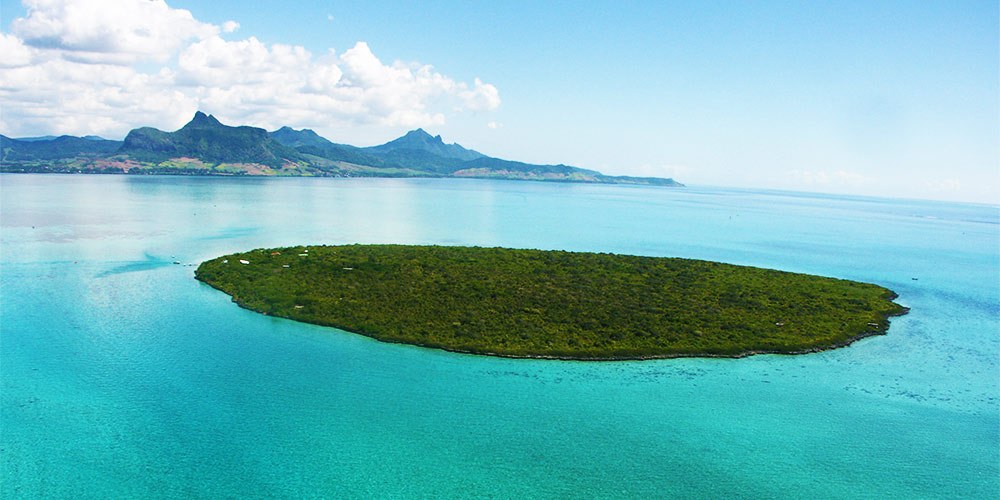 22 mi from Port LouisMauritian Wildlife Foundation - Île aux Aigrettes
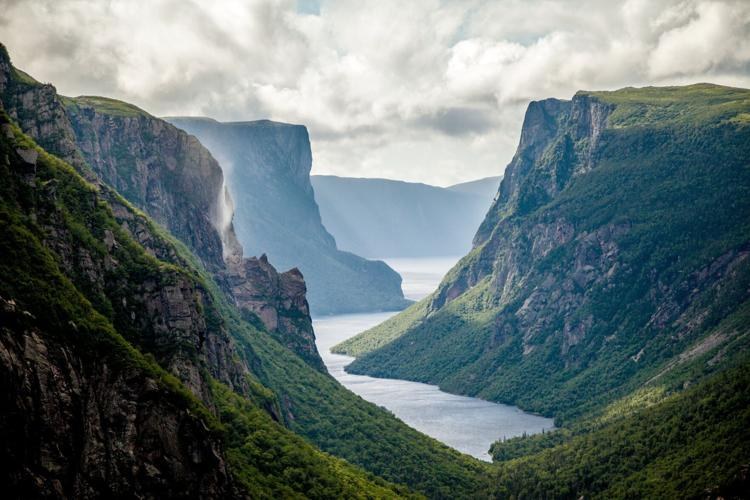 24 mi from Port LouisGrand Morne National Park
 After you step off · near Cape Town
You end in a different port — stay on, and add what is within reach before you fly home.