Your cruise
Oceania Sonata · 19-night Northern Europe cruise, Trieste to Southampton
Aug 21 – Sep 9 · 19 nights ·
Day 1 Trieste (board) · Day 2 Split · Day 3 Dubrovnik · Day 4 at sea · Day 5 Sorrento · Day 6 Civitavecchia (Rome) · Day 7 Bastia · Day 8 Florence · Day 9 Marseille · Day 10 Barcelona · Day 11 Palma de Mallorca · Day 12 at sea · Day 13 Seville · Day 14 Lisbon · Day 15 Leixoes (Oporto) · Day 16 La Coruna · Day 17 Bilbao · Day 18 Pauillac · Day 19 at sea · Day 20 Southampton (step off)
What you do Step inside one of the world's most remarkable Roman monuments — a 4th-century imperial palace that is still a living city. A private expert guide unlocks the labyrinthine underground cellars, the Peristyle courtyard, the Cathedral of Saint Domnius (built inside Diocletian's mausoleum), and the Golden Gate — layers of 1,700 years of history stacked on top of each other. This is the single most unmissable thing in Split: a UNESCO World Heritage Site where the Roman Empire never really left.
What to expect Your guide meets you dockside and weaves you through the warren of marble alleys, past residents hanging laundry next to Roman columns. The underground cellars are cool, atmospheric, and hauntingly preserved — the template George R.R. Martin used when designing Meereen. The Peristyle at golden hour is one of the great piazza moments in Europe. Groups are intimate (max 8–10 on private tours), so you can linger and ask questions freely.
Good to know The Palace is walkable from the cruise pier in under 5 minutes — no transport needed. Cellars open daily from 09:00; entry is included in most guided packages but can be purchased separately (HRK 45 / approx. EUR 6). Pre-book your private guide at least 48 hours in advance in high season (June–August). All-aboard is typically early evening, giving you ample time.
book direct with Split Walking Tours (official) → · the full guide →
What you do Board a sleek, crewed speedboat from Split harbour and carve across the Adriatic to the electric-blue waters of the Blue Lagoon (Budikovac Island), the lavender-scented streets of Hvar Town, and the wild Pakleni Islands — the Croatian Riviera at its most cinematic. This is the quintessential Dalmatian day: crystal water, ancient hilltop fortresses, rosé wine on deck, and a swim in a cove that looks computer-generated. It belongs on every luxury traveller's shortlist.
What to expect The boat departs Split's Riva promenade and within 45 minutes you're floating in the Blue Lagoon's turquoise shallows, surrounded by pine-clad islands. Hvar Town delivers a hilltop Venetian fortress (Fortica) with panoramic views, chic waterfront bars, and the oldest community theatre in Europe. The Pakleni Islands offer secluded coves for snorkelling and a long, leisurely lunch at a konoba (traditional tavern). The captain knows the hidden bays the big cruise tenders cannot reach.
Good to know Departs from Riva promenade, 3 minutes from the cruise terminal. Book a morning departure (08:00–09:00) to beat the afternoon summer crowds in Hvar Town and be comfortably back by 18:00. Pre-book at least 1 week ahead in summer — private charters sell out fast. Bring sunscreen, a hat, and a light layer for the return journey.
book direct with Hvar Boat Tours (official direct operator) → · the full guide →
What you do An hour from Split lies one of Europe's most spectacular national parks — Krka — where a series of travertine waterfalls cascade through a lush canyon and into an impossibly green river. The crown jewel, Skradinski Buk, is a tiered waterfall complex surrounded by wooden walkways, swimming holes, and absolute serenity. This is a landscape that feels genuinely untouched, and arriving by private car rather than a coach convoy transforms it into a contemplative luxury experience.
What to expect Your private driver collects you dockside and takes the scenic coastal road north, with optional stops at the medieval town of Šibenik and its UNESCO Cathedral. Inside the park, wooden boardwalks wind above and between the cascading falls — the sound and spray of Skradinski Buk is genuinely breathtaking up close. Swimming in the natural pools below the falls is permitted and utterly magical (check seasonal rules on the park website). The park café serves local cheese, prosciutto, and Dalmatian wine directly above the water.
Good to know Allow a full day: 1 hour each way by car plus 3–4 hours in the park. Depart by 08:30 to arrive before coach groups. Pre-purchase park tickets online at np-krka.hr to skip queues — essential in July and August. Confirm all-aboard time before departure; most Split calls allow a comfortable return by 17:30.
What you do Two UNESCO and Game-of-Thrones-grade landmarks in a single half-day: Trogir, a perfectly preserved Venetian island-city connected to the mainland by a single bridge, and Klis Fortress, the dramatic clifftop stronghold that Game of Thrones fans will recognise instantly as Meereen's slave city. Together they deliver the full sweep of Dalmatian history — Roman, Venetian, and Ottoman — in four hours of genuinely jaw-dropping scenery.
What to expect Klis Fortress sits on a sheer limestone crag above Split, offering vertiginous views of the Dalmatian coast — the medieval battlements are extraordinarily photogenic and the fortress café serves local spirits inside the walls. Trogir's old town is a single pedestrianised island: the 13th-century Cathedral portal by Master Radovan is considered the finest Romanesque sculpture in Croatia, and the Venetian loggia and clock tower are postcard perfection. Lunch at a waterfront konoba in Trogir with a glass of Pošip white wine is the ideal finale.
Good to know Trogir is only 27 km from Split (25-minute drive); Klis is just 13 km (15 minutes). Visit Klis first to beat midday heat, then Trogir for lunch and afternoon strolling. Both sites are open daily. Book your private driver in advance; the Split taxi association (Radio Taxi Split: +385 21 777 777) is a reliable direct option. Return comfortably before all-aboard.
book direct with Trogir Info (official tourism portal for Trogir) → · the full guide →
What you do Split's Diocletian's Palace is not just a UNESCO Roman monument — it doubled as the slave city of Meereen in Seasons 4 and 5 of Game of Thrones, and a knowledgeable local guide can overlay the filming locations on the living streets with cinematic precision. Even travellers who aren't die-hard fans find this a brilliant lens through which to understand the Palace's extraordinary spatial drama — the underground cellars in particular are guaranteed to send a chill down your spine.
What to expect Groups are kept small (max 10) and the guide carries an iPad with stills and clips to overlay on the exact spot where each scene was filmed. The underground cellars — used as Daenerys's dragon pens and the fighting pits — are the absolute highlight, eerie and theatrical in equal measure. The tour also covers the Peristyle square, the Golden Gate, and several hidden courtyard locations the casual visitor would never find. It ends with a recommended wine bar inside the Palace walls.
Good to know Tours depart from the Peristyle, in the heart of the Palace — a 7-minute walk from the cruise pier. Morning departures (09:30) are cooler and less crowded. Private tours can be customised to focus on Roman history, GoT, or both. Book at least 3 days ahead in peak season. The 90-minute duration fits easily into any port day.
What you do Croatia's Dalmatian coast has one of Europe's most underrated food and wine cultures — and a curated private tasting experience inside Split's old town or in a hillside konoba is a revelation. Think hand-cured Dalmatian prosciutto (pršut), aged Paški Sir sheep's cheese from Pag Island, fresh-grilled fish, black risotto with cuttlefish ink, and outstanding indigenous wines: Pošip, Grk, and Plavac Mali. This is the intimate, around-the-table luxury that no coach excursion can replicate.
What to expect Your host — typically a local food writer or sommelier — leads you through the Pazar open-air market, the fish market (one of the most theatrical in the Adriatic), and a sequence of three to four tasting stops: a cured-meat specialist, an indigenous wine bar, a olive oil producer, and a sit-down konoba for a final paired tasting plate. The pace is deliberately leisurely — this is meant to be savoured. You'll leave with producer contacts and wine labels you won't find in a supermarket.
Good to know Morning market tours (departing 09:00) are best — the fish market is at its most vibrant and the day's bread is freshest. Tours are 3 hours and easily completed before a 17:00 all-aboard. Private tours can accommodate dietary requirements with 48 hours' notice. Wear comfortable shoes — the old town's marble paving is beautiful but slippery. Book direct via tasteofsplit.com at least 72 hours ahead.
What you do Step inside the fairy-tale Castello di Miramare perched above the Adriatic, where Archduke Maximilian built his doomed imperial dream. A vetted local guide unlocks the castle's opulent rooms and tragic Habsburg story in a group of no more than 10.
What to expect Your guide meets you at the castle gate and escorts you through the sumptuous royal apartments, each room frozen in 19th-century imperial splendour. The sea-view terraces and romantic English garden surrounding the promontory reward unhurried exploration. You'll hear the extraordinary, melancholy tale of Maximilian and Carlota — ambition, madness, and execution — brought vividly to life. The cliff-top setting above the crystalline Adriatic is one of the most photogenic moments on the entire Adriatic coast.
Good to know Miramare is 8 km from the cruise terminal — take a taxi (≈15 min, EUR 15–20) or the city bus No. 36. Pre-book your small-group slot directly; timed-entry tickets sell out on busy port days. Allow 2.5–3 hrs total including travel. All-aboard friendly on a morning docking.
book direct with Trieste Tickets (official local operator) → · the full guide →
What you do Board a private train deep into the world's most spectacular karst cave system, then scale the cliff to a Renaissance castle built into a sheer rock face. This cross-border day trip to Slovenia is pure bucket-list theatre.
What to expect A vintage electric train whisks you 2 km into the illuminated underworld of Postojna — 24 km of stalactite cathedrals, vast concert halls, and a living olm (the 'human fish') vivarium. Just 9 km away, Predjama Castle clings impossibly to a 123-metre cliff, its secret tunnel system and outlaw-knight legend utterly captivating. The Slovenian countryside drive through the Karst plateau, dotted with vineyards and medieval villages, adds scenic beauty to the journey. A full-day experience that feels like two countries, two worlds.
Good to know Postojna is 50 km from Trieste port (approx. 50 min by private transfer or rental car). Pre-purchase combination tickets online — they include skip-the-queue access. Allow a full 7–8 hrs; confirm all-aboard time before booking. Wear layers — the cave is 10°C year-round.
book direct with Postojna Cave Park (official operator) → · the full guide →
What you do Drift on an iconic pletna wooden boat to the island church on emerald Lake Bled, then explore Ljubljana's baroque old town with a private local guide. Two UNESCO-worthy destinations in one glorious full day.
What to expect Your private driver-guide collects you dockside and heads into Slovenia's Julian Alps, arriving at Lake Bled's impossibly blue glacial waters. A hand-rowed pletna boat ferries you to the baroque Pilgrimage Church of the Assumption on the lake's tiny island — ring the wishing bell and savour the silence. After lunch (your guide knows the best konoba), Ljubljana reveals its pastel old town, dragon bridge, and lively riverside market. The return drive through the vine-striped Karst is a quiet, scenic finale.
Good to know Lake Bled is approx. 90 km from Trieste port (1 hr 20 min). This is a long day — 9–10 hrs — so confirm your ship's all-aboard time carefully. Private vehicle means flexible timing. Book your guide well in advance for summer port days.
book direct with ToursByLocals – Trieste Private Guides → · the full guide →
What you do Descend into the Guinness-certified world's largest tourist cave, just 20 minutes from the port — a colossal cathedral of stalactites that dwarfs St Peter's Basilica. An unforgettable, utterly manageable half-day wonder.
What to expect Stone steps descend 80 metres into a single cavern so vast its ceiling vanishes into darkness above you — the main hall is 98 m high, 167 m long, and home to two of the world's most sensitive seismograph pendulums. Expert guides illuminate the science of stalactite formation and the cave's role as a natural laboratory. The Karst plateau above offers a dramatic, otherworldly landscape of sinkholes and limestone scrub worth a short walk after your visit. Back in Trieste with hours to spare for an espresso on Piazza Unità d'Italia.
Good to know Located in Borgo Grotta Gigante, 13 km from port (20 min by taxi, ≈EUR 20). Guided tours run every 30 min; private tours must be pre-booked. Wear sturdy shoes and a light layer (cave stays at 11°C). Perfect half-day option leaving your afternoon free for Trieste's waterfront.
book direct with Grotta Gigante (official operator) → · the full guide →
What you do Trace Trieste's extraordinary layered identity — Roman, Byzantine, Habsburg, and literary — on a private walking tour with a vetted local historian, from the Roman theatre to the hilltop cathedral where civilisations literally overlap.
What to expect Begin at the atmospheric Piazza Unità d'Italia, Europe's largest sea-facing square, before climbing to the hilltop of San Giusto where a Roman basilica, a medieval castle, and a Venetian-era cathedral occupy the same windswept summit. Your guide brings alive Trieste's golden age as the Habsburg Empire's only seaport — the coffee-house culture, the Jewish merchants, the poets. A detour through the Cavana district uncovers crumbling Venetian alleyways, a functioning Roman theatre embedded in modern buildings, and the Grande Canal lined with Neoclassical palazzi. The city's melancholy beauty — half-Italian, half-Mitteleuropean — is unlike anywhere else in Italy.
Good to know Entirely walkable from the cruise terminal — no transfer needed. A 3-hr private tour fits comfortably within any docking window. Wear comfortable walking shoes; San Giusto hill involves some steep steps. Book the private format for a personalised literary or culinary focus.
book direct with GetYourGuide – Official Private Trieste Walking Tours → · the full guide →
What you do Wind through the UNESCO-listed Prosecco Hills of the Karst plateau to a secret osmizza — a family farmhouse open by law only a few weeks a year — for estate wines, prosciutto, and Karst cheeses poured by the growers themselves.
What to expect Your driver-guide picks you up at the port and climbs into the wild Karst limestone plateau, where the wind-sculpted bora landscape gives way to rows of Vitovska and Terrano vines. At the osmizza, you sit at rough wooden tables in a stone-walled cellar, pouring unlabelled house wine alongside platters of cured meats, hard cheeses, and pickled vegetables — exactly as Triestines have done for 500 years. The guide narrates the Karst's unique terroir, the Habsburg origins of the osmizza law, and the difference between Collio, Carso, and Friuli DOC wines. Return via the scenic Prosecco Hills viewpoint for the iconic vine-terrace panorama above the Adriatic.
Good to know Osmizza locations change weekly — only a local guide knows which is open on your port day. Half-day (4 hrs) fits comfortably within a standard docking window. Includes private vehicle; wine and food at the osmizza typically costs EUR 10–15 pp cash. Book the private tour format and confirm the osmizza visit when reserving.
book direct with ToursByLocals – Trieste Private Guides → · the full guide →
What you do Walk the ghost streets of a city frozen in 79 AD with a private archaeologist as your guide. This is one of the most viscerally moving archaeological sites on earth — and private access transforms it from a crowd-filled ruin into a deeply personal encounter with antiquity.
What to expect Your expert archaeologist meets you at Sorrento port and transfers you by private vehicle to Pompeii's Porta Marina entrance. Inside, you move fluidly through the forum, the lupanar, the baths and the haunting plaster-cast victims, with scholarly context that makes the tragedy breathtakingly real. The private format means you can ask questions freely and dwell wherever moves you most. Return transfer to Sorrento is included, leaving you time to explore the town before all-aboard.
Good to know Pompeii is approximately 30 minutes from Sorrento by private car. Pre-book at least 2–3 weeks ahead — private archaeologist slots are limited. Wear comfortable walking shoes and bring sun protection; the site is largely unshaded. Allow 4–5 hours total including transfers.
What you do Charter a private wooden gozzo or sleek motorboat from Sorrento's Marina Piccola, glide to Capri, slip inside the electric-blue sea cave, and anchor beside the iconic Faraglioni sea stacks for a private swim. This is the Amalfi Coast at its most glamorous.
What to expect Depart Marina Piccola aboard your private vessel as the morning light turns the sea gold. Your skipper navigates the spectacular coastline to Capri, where a rowboat tender ferries you inside the Blue Grotto as bioluminescent blue light floods the cave walls. Back on board, you anchor in a secluded cove beneath the Faraglioni for swimming and snorkelling. A cooler stocked with local wine, limoncello and Campanian snacks is typically included. The skipper brings you home with time to spare before all-aboard.
Good to know Capri is roughly 50 minutes by boat from Sorrento. Blue Grotto entry depends on sea conditions and tidal height — your skipper will advise on the day. Book at least 3–4 weeks in advance in high season (May–September). Departure from Marina Piccola, a short taxi ride from the port tender landing.
What you do Ride the world's most spectacular coastal road in a private luxury Mercedes, stopping for espresso in pastel-stacked Positano, hilltop garden concerts in Ravello, and an ancient cathedral in Amalfi. The views alone justify the journey.
What to expect Your private Mercedes departs Sorrento and immediately joins the SS163 — a ribbon of tarmac cut into vertical cliffs above a turquoise sea. In Positano you descend to the beach-front piazza for coffee and boutique browsing among the bougainvillea-draped lanes. Ravello rewards you with the Villa Cimbrone's 'Terrace of Infinity', an impossibly beautiful clifftop garden. In Amalfi town, the gilded Duomo di Sant'Andrea commands the main piazza. Your driver waits throughout and returns you to Sorrento port in time for all-aboard.
Good to know The coastal road is narrow and sometimes congested in peak summer — start early (by 8:00–8:30am) to beat traffic. Pre-book a restaurant in Positano or Ravello for lunch: Ristorante Max in Positano is a reliable luxury choice. The full circuit takes 7–8 hours; confirm your all-aboard time with the operator when booking.
What you do Plunge into the sun-warmed cobblestone lanes of Sorrento's centro storico with a local food guide, tasting gnocchi alla sorrentina, buffalo mozzarella, and hand-pressed olive oil before mastering limoncello from grove to glass. Southern Italy's flavours at their most authentic.
What to expect Begin in the vivid Mercato di Sorrento, where your guide navigates the stalls with the ease of a local, explaining seasonal produce and regional cured meats. Wind through Via San Cesareo's aromatic alleyways, pausing at a centuries-old pastificio for a freshly made gnocchi tasting with rich, slow-simmered tomato and fior di latte. A family-run limoncello distillery reveals the entire process — Sorrento's legendary sfusato lemons, cold-pressed zest, grain spirit — before you mix your own bottle to take home. Finish with a gelato from the old town's most revered gelateria.
Good to know The tour operates entirely on foot within Sorrento's centro storico — no transport needed from the port tender pier. The full experience runs 3–4 hours, leaving plenty of time for independent exploration or a second outing. Book the private format for the most flexible pacing. Comfortable walking shoes are essential on the cobblestones.
What you do Combine a guided walk through Pompeii's ruins with a summit ascent of the volcano that destroyed it — standing on the crater rim of Vesuvius is a primal, once-in-a-lifetime experience that perfectly bookends the ancient city below.
What to expect Your small-group departs Sorrento port by private minibus and reaches Pompeii for a 2-hour guided tour emphasising the most evocative stories — the gladiators, the bakeries, the heartbreaking casts. After a traditional Neapolitan lunch, you ascend the volcano's southern flank on a well-marked path through lava fields and sparse Mediterranean scrub. At the crater's edge — 1,281 metres above sea level — the view sweeps across the Bay of Naples and, on clear days, to Capri and Ischia. Your guide explains Vesuvius's geological history and its still-active status. Return to Sorrento allows a late-afternoon stroll before all-aboard.
Good to know The Vesuvius summit path is approximately 860 metres of well-maintained gravel track (30–40 minutes each way); sturdy shoes are essential and layers are recommended — the summit is significantly cooler and windier than the coast. The full day runs approximately 9 hours; confirm your all-aboard time is no earlier than 7:00pm. Book online with instant confirmation.
book direct with Viator (local operator: City Wonders / licensed Campania guides) → · the full guide →
What you do Follow a dramatic coastal path from Sorrento's cliffs to a natural sea pool set within the crumbling ruins of a Roman villa — the former pleasure baths of Queen Giovanna. Swim in translucent green water surrounded by 2,000-year-old stonework for an experience that feels entirely your own.
What to expect Your guide leads you westward along Sorrento's clifftop, past fragrant lemon groves and prickly pear hedges, with panoramic views opening across the Bay of Naples towards Vesuvius. The path descends to the Punta del Capo headland where the skeletal arches of the Villa di Pollio Felice frame the sea. A natural rock channel connects the open sea to the sheltered pool: the water here is strikingly clear, protected from swell, and perfect for snorkelling among the ancient foundations. A local expert provides historical context for both the Roman villa and the medieval legend of Queen Giovanna herself. Return on the same scenic path in roughly 2 hours total.
Good to know The trail is 3–4 km return with some uneven terrain and a stepped descent to the water — wear grippy shoes and bring a swimsuit, towel and water. There is no entry fee to the site itself; you pay for the guided walk. Best visited in the morning before the summer heat peaks. Departs directly from Sorrento town centre, a short walk from the port tender landing — no transport needed.
What you do This is the definitive Rome bucket-list day: Michelangelo's Sistine Chapel ceiling and Last Judgment, the Vatican Museums, St. Peter's Square, plus the Colosseum and Roman Forum — all in one 9-hour private run from the pier. Your driver collects you ship-side in a Mercedes and the 'privilege' skip-the-line tickets to both the Vatican and Colosseum mean you walk past the 2-hour queues that would otherwise eat your port day. Note this is a private-driver tour, not a guided one: you explore the interiors at your own pace (audio guides sold inside).
What to expect A private Mercedes collects you pier-side at Civitavecchia and you begin a 9-hour immersion in Rome's iconic landmarks, moving at your own pace rather than a group's rhythm. You skip past the 2-hour queues at the Vatican Museums to explore Michelangelo's Sistine Chapel ceiling and Last Judgment, then wander St. Peter's Square (basilica entry is free but has its own queue). After lunch flexibility, you drive to the Colosseum and Roman Forum, again with skip-the-line privilege tickets that let you move straight inside while standard visitors wait. Throughout, your private driver and personal vehicle—not a 50-person bus—keep you on your schedule, though you explore each site's interiors independently with optional audio guides available for purchase.
Good to know The full excursion runs 9 hours; plan to depart the pier by 8:00 AM at the latest to ensure a comfortable return before your ship's evening departure. Your private driver meets you ship-side at Civitavecchia—confirm the exact return-time guarantee and buffer window when booking, as this operator runs cruisers daily but you'll want that back-to-ship safety net in writing. Bring comfortable walking shoes, sunscreen, and cash or cards for lunch and optional audio guides inside the museums (not included in the EUR 187.50 price). Book skip-the-line tickets in advance as part of your package; they're your main time-saver advantage over the cruise line's group tours, which run $220–$320 per person for the same sites.
book direct with Discovery Guided Tours → · the full guide →
What you do The reason cruise lines stop here at all: a private deluxe vehicle whisks you from the pier to the Trevi Fountain, Pantheon, Spanish Steps, Piazza Navona, St. Peter's Square and the Colosseum, dropping you as close as Rome's traffic limits allow at each. It's the maximize-a-tight-window play — a first-timer who sails past Rome without standing at the Trevi would genuinely regret it. Be clear-eyed: this is a driver, not a licensed guide, so it's exterior views, photo stops and walk-up landmarks, no museum interiors.
What to expect Your driver collects you pier-side at 8:00 AM in a private deluxe vehicle and begins threading Rome's narrow streets, stopping at the Trevi Fountain, Pantheon, Spanish Steps, Piazza Navona, St. Peter's Square, and Colosseum views—you step out, snap photos, walk up to the exteriors and iconic squares, then move on. This is drive-and-stroll geography, not museum interiors: you'll see Rome's greatest hits from street level and courtyard vistas, with your driver dropping you as close as traffic allows at each landmark. The rhythm is constant but unhurried—a masterclass in first-timer coverage, punctuated by photo moments and the low hum of rolling between sites. You're back at the pier by 5:00–5:30 PM, having touched eight of Rome's most recognizable monuments without boarding a 50-seat coach.
Good to know Pickup is pier-side at 8:00 AM sharp with return by 5:00–5:30 PM, giving you roughly 8 hours door-to-door; factor in Rome's traffic and the driver will optimize stops, so expect less than 30 minutes at each landmark unless you request longer. No entrance tickets, meals, or guide services are included—this is a driver-only arrangement, so museum and basilica interiors are on your own dime and time; bring cash and book ahead if you want to step inside St. Peter's or the Colosseum. All tolls, parking, and taxes are covered in the quoted price (EUR 650–750 per vehicle for up to 7 guests, ~EUR 107–163 per person), and the driver speaks English. Book directly with RomeCabs in advance; a solo traveler or couple may find the ship's motorcoach tour or Trenitalia train equally priced or cheaper per head, so confirm group size before committing.
What you do For travelers who've already 'done' central Rome, this is the equally unforgettable alternative: Villa d'Este's 51 fountains, 64 waterfalls and 220 basins — all gravity-fed, not a single pump — paired with Emperor Hadrian's sprawling 2nd-century imperial estate. An expert private guide actually walks the gardens and ruins with you, and the crowds are a fraction of the Vatican's. A 9-hour day, pier to pier.
What to expect You'll spend the morning and early afternoon in two staggered acts: first, Villa d'Este's terraced Renaissance gardens, where your expert guide walks you through cascading fountains, 220 basins, and 64 waterfalls—all fed by gravity alone, no pumps needed—then a private car transfer inland to Emperor Hadrian's 2nd-century sprawl, where crumbling villas, temples, and theaters unfold across 30 acres of archaeological theatre. The rhythm is unhurried; you're with a licensed English-speaking expert, not herded through a coach crowd, so you'll actually absorb the history and architecture as you walk. By late afternoon, your driver returns you to the Civitavecchia pier, completing the 9-hour door-to-door arc.
Good to know Pickup from Civitavecchia pier is included; plan for a private car departure roughly 3–4 hours after ship arrival to allow for disembarkation and meet your guide. Both villas are outdoor, terraced sites with significant walking and uneven ground—wear comfortable shoes and bring sun protection and water. Book at least 48–72 hours ahead; the price (EUR 869 minimum, ~$475 per couple) drops per person as group size grows, and slots are limited to preserve the "expert guide + small party" promise. Confirm your ship's all-aboard time with the concierge and allow a 30–45-minute buffer before boarding to account for Civitavecchia pier return traffic.
book direct with Through Eternity Tours → · the full guide →
What you do Walk intact ancient streets, an amphitheater, taverns, bath-house mosaics and three-story Roman apartment blocks at the buried port city of Ostia Antica — the marquee 'lost Roman city' with a fraction of Rome's crowds. It's far closer to Civitavecchia than the actual Pompeii (which is impractical from this port), and this private full-day pairs it with the Etruscan necropolis at Cerveteri. Pier-side Mercedes pickup, full day, back in time for the ship.
What to expect You'll be picked up pier-side in a private deluxe Mercedes and driven to Ostia Antica, where you'll walk intact ancient streets lined with taverns, bath houses, and remarkably preserved three-story Roman apartment blocks, culminating at the amphitheater — a far less crowded alternative to Pompeii. The day then pivots to Cerveteri's Etruscan necropolis, where you explore burial sites and artifacts from Rome's pre-imperial neighbors. Throughout, you're moving at your own pace in private transport rather than herded with a group, though your driver handles logistics rather than narrating the ruins themselves. The rhythm is unhurried full-day immersion: ancient streets in the morning, a site transition at midday, and Etruscan tombs in the afternoon, returning to the pier in time to reboard.
Good to know Book ahead with Stefano Rome Tours and confirm pier pickup timing to ensure you clear the ship's all-aboard (driver will know the buffer). Entrance tickets to both Ostia Antica and Cerveteri are not included in the EUR 590 vehicle fee—budget ~EUR 18 per site and purchase at the gate or ahead online to save time. Bring a robust audio guide app (like the official Ostia Antica app) or printed site guide, since the driver is not a licensed in-site interpreter. With a full day in the field, wear comfortable walking shoes, sunscreen, and a hat; both sites are largely open-air and can be hot, especially in summer months.
What you do Skip the 1.5-hour each-way push to Rome and explore the port town nearly every cruiser blows past: Michelangelo's harbor fortress (Forte Michelangelo), one of Italy's largest open-air markets, fresh Tyrrhenian seafood and the seafront Pirgo promenade. A relaxed small-group walk with local tastings along the way — the low-stress, low-risk safety net when you want to be steps from the ship.
What to expect You'll join a small-group walk that begins steps from the pier and moves at a leisurely pace through Civitavecchia's historic center, anchored by visits to the Renaissance Forte Michelangelo and one of Italy's largest open-air markets alive with local vendors and produce. Along the way, you'll pause for fresh Tyrrhenian seafood tastings and other local bites, absorbing the rhythm of a working port town most cruisers skip. The walk concludes on the waterfront Pirgo promenade, where you'll have absorbed three hours of culture and flavor without the fatigue of a long coach transfer. It's the opposite of the Rome sprint—an immersive, low-pressure exploration of the places locals actually go.
Good to know The entire excursion unfolds within walking distance of your ship, so there's zero transfer time and minimal risk of running late; plan for the three-hour guided walk to fit comfortably in a 6–8 hour port window. Book ahead through DriverInRome to secure your spot in a small group, and wear comfortable walking shoes—you'll be on foot the whole time through cobblestone streets and market areas. Bring cash (EUR) for any additional purchases at the market or for tips, and check departure times with the operator to give yourself at least an hour buffer before all-aboard. The price of approximately EUR 75 per person (€82 USD) includes all tastings, so budget only for optional extras and gratuity.
What you do Blast across Corsica's turquoise west coast to Scandola — a UNESCO World Natural Heritage site of volcanic red cliffs — then lunch in the car-free village of Girolata. This is Corsica at its most impossibly beautiful, and it's only reachable by sea.
What to expect Depart from Ajaccio or Porto by powerful RIB, cutting through emerald water to the Scandola Reserve where osprey nest on blood-red volcanic peaks. The skipper idles into sea grottoes and below sheer cliffs before anchoring off Girolata — a perfect horseshoe bay with no road access. Lunch at a waterfront auberge on grilled fish and Corsican charcuterie, then a leisurely return cruise past the Calanques of Piana.
Good to know Scandola is on the west coast (~3 hrs from Bastia by road/transfer). Pre-arrange a private transfer or hire a car to reach the departure port. Book the private RIB charter well in advance as summer dates fill fast. Check your ship's all-aboard time — this is a full-day experience of 7–8 hrs.
book direct with Nave Va (Scandola Boat Tours, Corsica) → · the full guide →
What you do Witness the Calanques de Piana — UNESCO-listed orange granite needles plunging vertically into the sea — from a powerful RIB that threads through spires, arches, and hidden coves. One of the most dramatic coastal landscapes on the planet.
What to expect Departing from Porto's tiny harbour under the shadow of the Genoese tower, the RIB accelerates south along cliffs that shift from burnt orange to deep crimson as the light changes. Your expert skipper navigates into narrow chimneys of rock before opening up to the open sea at Capo Rosso. Swimming stops in translucent water are built into the itinerary, and the return leg bathes the spires in afternoon gold.
Good to know Porto is approximately 2.5 hrs by road from Bastia — a private car or taxi transfer is recommended for comfort. Half-day tours typically run 3–4 hrs; combine with Scandola for a full-day. Bring reef shoes, sunscreen, and a light windproof jacket for the RIB crossing.
What you do Circle the entire Cap Corse peninsula — Corsica's extraordinary 'finger' of wild mountains, Genoese towers, and fishing villages — in a private minibus with a specialist local guide. This is the island's most cinematic drive, and it starts right from Bastia port.
What to expect The route hugs 130 km of coastline through maquis-scented air, past 14th-century Genoese watchtowers, the ochre-painted harbour of Macinaggio, and the vertigo-inducing village of Nonza perched above a black-pebble beach. Your guide weaves in the history of Corsican independence, viticulture, and seafaring at every stop. A long lunch of terrine de figatellu and Cap Corse Mattei aperitif at a village auberge is the culinary highlight.
Good to know This is one of the very few bucket-list excursions that departs directly from Bastia port — no transfer needed. The full loop is 130 km and takes 7–8 hrs; confirm the itinerary covers both the eastern and western coasts. Booking directly with the operator secures a smaller group and more flexible stops.
book direct with CruiseSheet / Cap Corse Minibus Excursions (Bastia) → · the full guide →
What you do Unlock the layered history of Bastia's medieval old town and Genoese citadel with a private local historian as your guide — from the baroque splendour of Saint-Jean-Baptiste to the cliff-top Palais des Gouverneurs with its panoramic sea views.
What to expect Begin at the Vieux Port where centuries of seafaring history are written into the faded ochre facades, then climb into Terra Vecchia's labyrinth of Baroque oratories — the luminous Oratoire de l'Immaculée Conception is a particular highlight. Your guide leads you through the fortified gate into Terra Nova and up to the Palais des Gouverneurs, where the panorama across the Ligurian Sea on a clear day reaches the coast of Italy. The tour ends with a tasting of Mattei Cap Corse liqueur in its historic Bastia home.
Good to know Starts and ends at Bastia port — no transfer needed. Duration is typically 2.5–3 hrs, leaving generous time before all-aboard. Pre-book well in advance as private slots are limited. Wear comfortable walking shoes; the citadel streets are cobbled and steep in places.
book direct with ToursByLocals (Bastia Private Guides) → · the full guide →
What you do Combine the rose-granite beauty of Île Rousse with a private visit to a Patrimonio AOC estate — Corsica's oldest wine appellation — for a guided cellar tour and seated tasting of the island's finest Nielluccio reds and Vermentino whites.
What to expect The drive west from Bastia crosses the Col de Teghime — a ridge with dizzying views down to both coasts — before dropping into the amphitheatre of Patrimonio's limestone vineyards. Your estate visit begins with a walk through gnarly old-vine Nielluccio parcels, then moves to a cool barrel cellar for a structured tasting of four to six wines paired with Corsican charcuterie, brocciu cheese, and chestnut cake. The return leg detours through Île Rousse's pink granite piazza for a Corsican coffee and market browse.
Good to know Patrimonio is only 20 km from Bastia — one of the shortest transfers of any excursion. The full experience runs 5–6 hrs, comfortably within most port windows. Confirm with the operator which estate is visited; Domaine Gentile and Clos Marfisi are among the most acclaimed. Designated-driver arrangements are standard on private tours.
book direct with CruiseSheet / Île Rousse & Wine Excursions (Bastia) → · the full guide →
What you do Sail north from Bastia's Vieux Port on a luxury catamaran to the jewel-like fishing village of Erbalonga as the cliffs glow gold, sipping Corsican rosé with the scent of maquis on the sea breeze. An utterly romantic send-off from the island.
What to expect Glide out of the old port on a sleek catamaran as the afternoon sun softens, tracing the rocky shoreline north past ancient Genoese towers. The anchor drops off Erbalonga, a village of pastel houses stacked around a ruined tower on a rocky promontory, for a swim in glassy water before the canapés and Corsican wines are served on deck. The return sail into Bastia at dusk, with the lights of the citadel reflected on the water, is the perfect final frame for a day in Corsica.
Good to know Departs directly from Bastia's Vieux Port — a short walk from the cruise terminal. Evening departure typically at 17:30–18:00; confirm timing against your ship's all-aboard. This excursion is ideal on late-departure or overnight port calls. Dress with a light layer for the return sail as the sea breeze freshens after sunset.
What you do Step inside the world's greatest Renaissance art collection with a private expert guide who unlocks the stories behind Botticelli, Leonardo, and Michelangelo. Skip every queue and experience the Uffizi at a discerning, unhurried pace.
What to expect Your guide meets you at the Uffizi's private entrance and leads you through masterpieces including Botticelli's Birth of Venus and Primavera, Caravaggio's shadowy dramas, and Raphael's luminous portraits. The narrative goes deep into Renaissance patronage, politics, and technique — context that transforms paintings into stories. With a small private group, you choose the pace and can ask anything. The exit drops you onto the Piazzale degli Uffizi steps for a perfect Arno view.
Good to know Florence is about 80 km from Livorno cruise port — allow 1.5 hrs each way by private transfer. Pre-book the private transfer and museum entry simultaneously; last entry must be at least 2.5 hrs before your all-aboard time. The Uffizi is closed on Mondays.
book direct with Avventure Bellissime (Tours Italy) → · the full guide →
What you do Ascend Brunelleschi's impossible dome — the engineering marvel that defined the Renaissance — and emerge 463 steps later above the Florence skyline. One of the most visceral, bucket-list moments in all of Italy.
What to expect Begin at the Baptistery's gilded bronze doors — Michelangelo called them the 'Gates of Paradise' — before stepping inside the cathedral to tilt your head back at the Last Judgment fresco ringing the dome's interior. The climb winds through narrow double-shell passages Brunelleschi designed in 1420, with jaw-dropping close-up views of the frescoes before you emerge onto the lantern balcony. The 360° panorama of Florence's terracotta rooftops, the Arno, and the Tuscan hills is utterly unforgettable.
Good to know Timed-entry slots for the Dome sell out weeks in advance — book the moment your itinerary is confirmed. The PassePartout ticket covers the Baptistery, Museum, and Santa Reparata as well. Wear comfortable shoes; the spiral staircase is narrow. The Baptistery is a short walk from the Dome.
book direct with Opera di Santa Maria del Fiore (Official Duomo) → · the full guide →
What you do Stand before Michelangelo's David — the most celebrated sculpture in Western art — with a private guide who reveals what tourist crowds miss entirely. An intimate, deeply moving experience that justifies the voyage.
What to expect Pre-booked timed entry means you walk straight past the queue into the Accademia's barrel-vaulted Tribune, where David presides at the far end — the theatre of the approach is intentional and breathtaking. Your guide walks you around the full 360°, explaining the impossible technical feat of carving a 5-metre figure from a single 'ruined' block, and points to the details — the oversized hands, the taut neck veins — that signal imminent action. The unfinished 'Prisoners' lining the corridor provide unforgettable context: figures struggling to emerge from marble, as if Michelangelo left them as a philosophical statement.
Good to know The Accademia is closed on Mondays. Entry tickets must be pre-booked separately at tickets.uffizi.it; timed slots go fast in high season. Combine with Uffizi or the Duomo for a full Florence art day — the two are a 10-minute walk apart.
book direct with Silvia Segoni — Unconventional Florence Private Guide → · the full guide →
What you do The ultimate Tuscany port day: a private chauffeured tour that takes in Florence's Renaissance heart and Pisa's miraculous Campo dei Miracoli — two UNESCO World Heritage Sites in one extraordinary day.
What to expect Your private driver collects you dockside at Livorno and heads first to Pisa, arriving before the day-tripper crowds to see the Leaning Tower, the Duomo, and the ethereally beautiful Baptistery on the emerald lawn of the Campo dei Miracoli. Then it's on to Florence for a curated walk: Piazza della Signoria, Ponte Vecchio's medieval goldsmith shops, and the Duomo's façade, with time to enter a gallery of your choice. A stop for a proper Florentine lunch — ribollita, bistecca, Chianti Classico — is woven into the day at your guide's trusted local trattoria.
Good to know This is a full-day excursion — depart Livorno by 8:00 am and return by 6:00 pm. Confirm your all-aboard time before booking. All transfers are door-to-port, so there is zero risk of missing the ship. Pre-book Leaning Tower of Pisa entry (opapisa.it) if you wish to climb it.
book direct with Avventure Bellissime (Tours Italy) → · the full guide →
What you do Explore Florence's fortress-palace with a private guide through its secret corridors, then climb the medieval tower for a rooftop panorama that rivals the Duomo. The insider Medici experience that most visitors never discover.
What to expect Your licensed guide opens the door to Palazzo Vecchio's lesser-known story: the secret studiolo of Francesco I, the hidden staircase behind a painted wall panel, and the Medici's private apartments that were deliberately concealed from public view. The Salone dei Cinquecento — the vast hall decorated with Vasari's battle frescoes — is among the grandest interior spaces in Italy. The tower climb (200 steps) delivers a sensational close-up view over Piazza della Signoria and across the Florentine roofline, all the way to Fiesole's hills. Descend into the Piazza to admire the outdoor sculpture gallery — including a copy of David — at your leisure.
Good to know Palazzo Vecchio is open daily; the tower has restricted capacity so pre-book. Located in Piazza della Signoria, it is perfectly positioned as part of a broader Florence walking day. Combine with a Uffizi visit just steps away.
What you do Escape Florence for the vine-covered hills of Chianti Classico — a private estate visit with barrel-cellar tour, extra-virgin olive oil tasting, and a long Tuscan lunch paired with outstanding estate-bottled wines.
What to expect Your private vehicle glides through the postcard scenery of the Chianti Classico DOCG zone — cypress avenues, golden wheat fields, ancient stone farmhouses — to arrive at a storied estate where Sangiovese vines have been cultivated for generations. A guided cellar walk reveals the craft behind Chianti Classico, Riserva, and Gran Selezione designations, with comparative tastings straight from the barrel and bottle. The estate's olive press produces some of Tuscany's finest DOP extra-virgin oil, tasted alongside house-made bruschetta. Lunch is a leisurely, convivial affair: house-cured salumi, fresh pici pasta, and slow-roasted meats, paired with three or four estate wines. You leave with a very different understanding of — and palate for — Tuscany.
Good to know Half-day from Florence or full-day from Livorno port. If departing from Livorno, combine with a morning in Florence and head to Chianti for the afternoon. Confirm return timing against your all-aboard. Guests should advise dietary restrictions at booking; the estate accommodates gracefully.
book direct with Avventure Bellissime (Tours Italy) → · the full guide →
What you do Walk off the ship to Quai des Belges and board a National-Park-authorized boat that threads the 12-mile wall of blinding-white limestone cliffs plunging into fjord-like turquoise inlets: Sormiou, Morgiou, Sugiton, En-Vau, Port-Pin and Port-Miou. This is the one signature landscape Marseille is built around, and the boat departs the Vieux-Port itself, so there is no need to bus over to Cassis first. On a warm port day, pick the version with a swim stop and float in a cove no road reaches.
What to expect You walk straight off the ship to Quai des Belges and board a National-Park-authorized boat that launches directly from the Vieux-Port into one of Europe's most stunning seascapes. For the next three to three-and-a-half hours, you glide beneath a 12-mile chain of blinding-white limestone cliffs plunging into fjord-like turquoise inlets—Sormiou, Morgiou, Sugiton, En-Vau, Port-Pin, and Port-Miou—with panoramic deck commentary unfolding the geology and history. On warm days, the summer "Calanques & Baignade" version anchors in a pristine cove reachable only by water, where you float in crystalline turquoise that no road can touch.
Good to know Book Icard Maritime directly at the pier rather than through the cruise line—you'll pay €33–40 ($36–44) instead of $130–170, saving $90+ per person while skipping a Cassis coach transfer. The 3h15 and 3h30 cruises depart Quai des Belges (a five-minute walk from most ships) multiple times daily; confirm the final return slot leaves at least 90 minutes before your ship's all-aboard time. Bring sunscreen, a hat, and a swimsuit if opting for the baignade version; no need to book ahead—just show up at the departure quay and purchase tickets on-site.
book direct with Icard Maritime (Croisieres Marseille Calanques) → · the full guide →
What you do The gold-crowned Neo-Byzantine basilica 'La Bonne Mere' crowns the city's highest point at 162m, its Virgin statue the very symbol of Marseille you see from the sea sailing in. The open tourist train leaves the Vieux-Port, runs the seafront corniche past Vallon des Auffes and the Palais du Pharo, then grinds up to the summit for the definitive 360 panorama over the Old Port, the islands and Chateau d'If, with a ~20-min stop at the top. The steep climb on foot would eat half your port-day energy; the train is the smart cruiser move and the basilica itself is free to enter.
What to expect You board the open-air tourist train at Vieux-Port near Quai des Belges and glide past the seafront corniche, with views of Vallon des Auffes and the Palais du Pharo unfolding as you travel. The train then climbs steeply to the 162-meter summit where Notre-Dame de la Garde—the gold-crowned Neo-Byzantine basilica and Marseille's iconic symbol—crowns the highest point of the city. You'll have roughly 20 minutes at the summit to explore the basilica (free entry) and soak in the definitive 360-degree panorama: the Old Port, the islands, and Château d'If spread below you. The entire loop takes the physical toll out of what would otherwise be an exhausting uphill walk, letting you conserve energy for other port activities.
Good to know The €10 Circuit 1 ticket ($11 pp) departs directly from Vieux-Port near Quai des Belges—no need to book ahead, just walk over from the pier and queue; the journey and summit stop total roughly 45 minutes to 1 hour. Plan this excursion early in your port day (aim for the first 2–3 hours) to avoid afternoon crowds and ensure a comfortable buffer back to the ship. Bring water and sunscreen; the open train offers no shade and the summit stop is fully exposed. If you want historical context the train won't provide, pair this with a quick read on Notre-Dame's backstory beforehand, or combine it with a guided e-bike tour for deeper narrative.
book direct with Le Petit Train de Marseille → · the full guide →
What you do A 20-minute ferry from the Old Port lands you on the 16th-century island fortress made immortal as the inescapable prison in Dumas's 'The Count of Monte Cristo.' Walk the cells, the ramparts and the dungeon, then turn around for the one view you get nowhere else: Marseille and Notre-Dame seen from the open water. The fast, frequent ferry leaves straight from the Vieux-Port, making this a tidy half-day even on a short call.
What to expect You board the Frioul If Express ferry directly from the Vieux-Port—a brisk 20-minute crossing—and step onto a 16th-century island fortress that Dumas immortalized as the inescapable prison in *The Count of Monte Cristo*. Once ashore, you move at your own pace through the stark cells, walk the ramparts, and descend into the dungeon, each space thick with literary and historical weight. The payoff arrives when you turn toward the water: a view of Marseille and Notre-Dame receding across the open Mediterranean that you cannot get from anywhere else. The ferry rhythm is tight and frequent, making this a cleanly contained half-day even if your ship's call is short.
Good to know Depart the pier directly to Quai des Belges at the Vieux-Port (walk-on, no pre-booking required); confirm you board the Frioul If Express, as two competing ferry operators dock there with different timetables. Factor in €10.80–16.20 for the round-trip ferry plus €6 fortress entry (~$19–25 total pp), and note that the fortress closes mid-afternoon—check the last return departure and build in a 30-minute buffer before that boat to avoid being stranded. Bring sun protection and wear sturdy shoes for uneven rampart surfaces; the island has minimal facilities, so eat or drink before you go.
What you do For a single 6-8 hour port day this is the best 'see everything' move: one electric-bike loop strings together the Vieux-Port fish market, the lace-concrete MuCEM and Fort Saint-Jean, the Major cathedral, the ochre lanes of Le Panier, the Palais du Pharo, the seafront corniche and Vallon des Auffes, and the hard climb to Notre-Dame de la Garde, which the e-bike motor flattens to nothing. A local guide gives the context a self-guided wander misses, and the group caps at eight. It is the most efficient way to compress the whole bucket list into one very Marseillais experience.
What to expect Your morning departs from the Fada Bike Cafe near the Old Port on a guided e-bike loop through Marseille's essential sights: you'll glide through the Vieux-Port fish market and ochre lanes of Le Panier, visit the striking concrete MuCEM and Fort Saint-Jean, explore the Major cathedral, ride the seafront corniche and intimate Vallon des Auffes, then cruise up to Notre-Dame de la Garde—where the e-bike motor flattens what would be a brutal climb into an effortless ascent. A licensed local guide strings these landmarks together with context and stories, keeping your group intimate at just eight riders, so you absorb far more than a self-guided wander or a 40-person coach tour ever could.
Good to know The 3.5-hour, 23 km tour fits comfortably into a 6–8 hour port day; book directly with Fada Bike Cafe to secure your spot and confirm departure time from the cafe, a short walk from the Old Port pier. The ~€49 price includes the e-bike, helmet, and guide, so budget only for lunch or café stops. Allow a 90-minute buffer before all-aboard to account for the ride back to port and any unforeseen delays; the e-bike and guided pace are leisurely enough that you won't feel rushed, but maritime schedules demand respect.
book direct with Fada Bike Cafe, Tours & Rentals → · the full guide →
What you do If the Old Port boats are sold out or you'd rather pair the cliffs with the pastel fishing town of Cassis, take the bus or train out and buy a walk-up Calanques boat ticket at the harbor. The local boatmen's cooperative runs short circuits past 3 to 9 calanques (En-Vau, Port-Pin, Port-Miou and more) from 45 minutes to 2+ hours, and you can wander Cassis's quay before or after. It's a flexible, no-reservation fallback that still delivers the signature turquoise-cove scenery.
What to expect You'll take the M8 bus or train from central Marseille out to the pastel-painted fishing village of Cassis, where you walk directly to the harbor and join a walk-up boat tour. From there, a local boatman steers you through a circuit of 3–9 crystalline turquoise calanques—narrow limestone coves with names like En-Vau and Port-Pin—the boat cutting past dramatic cliff faces and rocky inlets for 45 minutes to 2+ hours depending on your ticket. Between or after the boat ride, you wander Cassis's waterfront quay, browsing the shuttered houses and harborside cafés before making the return journey back to the ship.
Good to know Plan for a 6–8 hour window: budget 30–45 minutes each way for the M8 bus (~€6) or train plus connection, 45 minutes to 2+ hours on the water, and 30–60 minutes to explore Cassis village. Walk-up boat tickets (€19–33 per person) are sold directly at the Cassis harbor by the local cooperative—no advance booking required, but availability is not guaranteed during peak hours. Plan a generous 90–120 minute return buffer to get back to the ship, as this DIY route involves two transfers with no guarantee of quick connections; on a tight port call, the ship-organized Cassis excursion or direct Old Port boats are lower-risk options. Bring euros for the bus, boat ticket, and harbor cafés, and wear slip-on shoes and a hat for sun exposure on the water.
What you do Step inside the most famous unfinished building on earth, where Gaudi's stone forest of columns explodes into a kaleidoscope of stained-glass light that moves across the floor through the day. Add the tower ticket to ride the lift up a spire and walk back down the dizzying spiral stair with the city at your feet. Buy a strict timed entry slot, go early in your port window, and you'll beat both the queue and the midday glare.
What to expect You'll enter Gaudí's masterpiece and encounter a forest of soaring stone columns that dissolve into kaleidoscopic stained-glass light, shifting across the basilica floor as the sun moves through the day. If you book tower access, you'll ride the lift up a spire and descend the dizzying spiral staircase with Barcelona spreading below you. The unfinished vastness—both earthbound and dreamlike—fills the space in a way photographs cannot capture, and the audioguide walks you through every sculptural detail as you move through the nave.
Good to know Book a strict timed entry slot directly from the official Basilica de la Sagrada Familia site before your port day and go early in your window to beat both queues and harsh midday glare. Basic entry (EUR 26) includes the audioguide app; add EUR 10 for tower access (EUR 36 total) if you want the climb. Get there by taxi, metro, or ship-organized transport—the official tickets skip the reseller markup and save you $40–130 per person versus ship packages. Allow 2–3 hours inside the basilica itself, plus buffer time for entry and return, leaving at least 30–45 minutes to get back to the pier before all-aboard.
book direct with Basilica de la Sagrada Familia (official) → · the full guide →
What you do Ride out of the city to the serrated, otherworldly rock massif of Montserrat, ride the rack railway up the cliff face, and stand before the Black Madonna in the Benedictine basilica. If your day lands on a weekday you may catch the Escolania boys' choir, one of Europe's oldest. A guided coach handles the logistics and the timing so you are not gambling your ship's all-aboard on Spanish regional rail.
What to expect You'll depart Barcelona Nord by guided coach around 9:00am and ride into the otherworldly rock massif of Montserrat, where jagged peaks rise like a serrated fortress. At the foot of the cliffs, you'll board the rack railway that climbs the steep face, delivering you to the Benedictine basilica where the Black Madonna awaits in her shrine. A guide walks you through the sacred basilica, and if your excursion lands on a weekday, you may catch the Escolania boys' choir—one of Europe's oldest—singing in the morning service. The return coach departs mid-afternoon, arriving back at the port by around 4:15pm, giving you time to decompress before all-aboard.
Good to know Book the EUR 68.40 online rate with Catalunya Bus Turistic (Barcelona Turisme) well ahead to lock savings over cruise-line pricing ($25–185 cheaper per person). Confirm your ship's all-aboard time before booking—this ~7.25-hour excursion ends mid-afternoon, and the guided coach is your guaranteed return to port, so no gambling on Spanish regional rail. Wear sturdy walking shoes and bring layers, as the monastery sits at altitude and morning temperatures vary; the rack railway is steep but brief. Meet at Barcelona Nord bus station; your operator handles all transport and timing from city to mountain and back to the pier.
book direct with Catalunya Bus Turistic (Barcelona Turisme) → · the full guide →
What you do Climb to Gaudi's fairytale hillside park where the famous serpentine bench snakes in broken-tile mosaic around a terrace with the whole city and the sea spread below. The gingerbread gatehouses, the mosaic lizard fountain and the columned Hypostyle Hall make this the most photographed open-air Gaudi work in Barcelona. Book a timed slot for the Monumental Zone and arrive within your 30-minute entry grace window.
What to expect You'll arrive at Park Güell's Monumental Zone within a timed 30-minute entry window and climb the hillside into Gaudí's dreamlike landscape of gingerbread gatehouses and winding mosaic pathways. The iconic serpentine bench—snaking in broken-tile mosaics—curves around a terrace with sweeping views of Barcelona and the sea below, a photographer's paradise at every turn. You'll wander through the columned Hypostyle Hall and encounter the whimsical mosaic lizard fountain, experiencing the most photographed open-air Gaudí work in the city. The rhythm builds from initial climb to breathless overlook moment, then the slower, meditative wandering among the ceramic-clad structures and panoramic terraces.
Good to know Book your timed slot for the Monumental Zone well ahead (€18pp includes all Gaudí works and terraces, VAT included). Budget a taxi or bus both ways from the pier—the site is uphill and slightly off the metro—and plan to spend 1.5–2 hours at the park itself, leaving 2–3 hours total for transport buffers in a 6–8 hour port window. Arrive at the pier-side transport with at least 90 minutes before your ship departure to clear the security buffer. Bring sun protection and comfortable climbing shoes; if Sagrada Familia is also on your list, prioritize that cathedral over this one due to time constraints.
book direct with Park Guell (official, Barcelona City Council) → · the full guide →
What you do Slip out of the old harbor under sail on a real catamaran and see Barcelona's skyline, the Barceloneta beaches and the working port from the water, with a full bar aboard if you want a vermouth in hand. It is the rare port-day activity that starts steps from where most ships dock, so there is almost no travel time eating into your clock. Quiet, scenic, and an easy reset between the heavier Gaudi and mountain days.
What to expect You slip out of Port Vell under sail on a real catamaran, watching Barcelona's skyline recede as you glide past the Barceloneta beaches and the working harbor—all from the water, in the rare quiet that comes when most port-goers are queuing for cable cars. The 1.5-hour sail (or longer for Jazz options) unfolds at the pace of the breeze, with an onboard bar letting you nurse a vermouth while the city rises behind you. This is atmosphere and scenery: the kind of reset day that earns its place *between* the heavier Gaudi museum runs and mountain climbs, not as a standalone centerpiece.
Good to know The catamaran departs directly from Colon/Port Vell—steps from where most cruise ships dock—so there is almost no travel time; you can be aboard within 10–15 minutes of leaving the ship. Book the 1.5-hour Catamaran Sail & Skyline (EUR 18.50pp) or upgrade to Jazz & Chill Out (EUR 22.50pp) or Sunset Jazz (EUR 28pp) directly with Catamaran Orsom to save 50–80% versus ship-sold harbor alternatives. Plan to return well within a 6–8 hour port window, leaving ample buffer for any delays; bring sunscreen, sunglasses, and a light layer for wind on the water, and confirm departure times when booking to align with your ship's all-aboard.
What you do Drive into the Penedes vineyards, taste across varieties at the Torreblanca winery, then get hands-on at ArtCava to riddle and cork your own bottle of cava to take home as the rare souvenir you actually made. It is Spain's sparkling-wine heartland and a genuine craft experience rather than a pour-and-go tasting. A real port-day alternative to another church or museum.
What to expect You'll board a coach at Barcelona Nord around 9:00am and drive into the Penedes vineyards, Spain's sparkling-wine heartland, for a vineyard walk and guided tasting across varieties at Torreblanca winery. From there, you'll move to ArtCava for a hands-on workshop where you'll ridge and cork your own bottle of cava—a genuine craft experience, not a pour-and-go tasting—before heading back to the pier by approximately 2:15pm with a bottle you've made yourself as your souvenir.
Good to know The entire excursion runs ~5.25 hours round-trip, departing Barcelona Nord and returning early afternoon, which fits comfortably within most all-aboard windows—but confirm your sailing time and treat the coach's return as your hard deadline. Price is EUR 104pp online (EUR 116 regular) and includes round-trip coach, vineyard walk, tastings at two wineries, the guided ArtCava tour, your make-your-own-cava workshop, and the bottle to take home. Book online in advance to lock in the EUR 104 rate rather than pay the regular price at the port. Bring comfortable walking shoes for the vineyard and ArtCava, stay hydrated between tastings, and allow 15–20 minutes buffer time to clear the coach and return to your ship.
book direct with Catalunya Bus Turistic (Barcelona Turisme) → · the full guide →
What you do Walk the famous La Boqueria market with a chef, then cook a real Catalan paella and a couple of tapas by hand before sitting down to eat what you made with sangria in hand. It's three hours, minutes off La Rambla, and a low-stress way to take Barcelona home in your hands rather than your camera roll. The near-port safety net if a long mountain or vineyard run feels too tight against your all-aboard.
What to expect You'll start at La Boqueria market with a chef guide introducing the vibrant produce and Catalan ingredients, then move to the kitchen to roll up your sleeves and cook a real paella and two tapas by hand under instruction. The rhythm flows from market sensory overload—color, noise, vendors—to focused, measured cooking where you learn technique in a small group. After three hours of chopping, stirring, and tasting, you sit down to eat what you've made with sangria in hand, transforming the morning's market finds into your own meal.
Good to know Sessions run at 10:30, 13:00, 16:00, and 18:45; a 10:30 start gives you a full 6+ hours back on ship before evening all-aboard, while the 13:00 slot works if your port window is shorter. The venue is central, just minutes off La Rambla near Liceu metro—walkable from the pier or a quick taxi, with minimal coach risk. Book ahead through Cook & Taste to secure your time slot and session; the EUR 72 price includes all instruction, equipment, recipes, and beverages, so there are no surprise costs. Plan to return to the ship by your all-aboard time with a 30–45 minute buffer built in; the class ends by its scheduled time (e.g., 13:45 for the 10:30 session), leaving you a safe window to walk or cab back to the pier.
book direct with Cook & Taste (Barcelona Cooking Classes) → · the full guide →
What you do Palma's defining sight: a colossal Gothic sandstone cathedral right on the waterfront, with one of the world's largest rose windows that throws a famous color-and-light show across the nave (Gaudi reworked the interior). The seasonal rooftop terrace tour (May-Oct, ~215 steps) walks you out among the flying buttresses and bells with the whole Bay of Palma spread below — the first-timer's signature Palma photo. It's a flat 10-15 min walk from the cruise shuttle drop.
What to expect You walk 10–15 minutes from the cruise shuttle drop straight to the waterfront cathedral, its colossal Gothic sandstone facade dominating the harbor view. Inside, Gaudí's reworked interior unfolds beneath one of the world's largest rose windows, which bathes the nave in a famous color-and-light show. If you've booked the rooftop terraces tour, you climb ~215 steps out among the flying buttresses and bells, with the entire Bay of Palma spreading below in that signature first-timer's photograph. A leisurely pace—cathedral interior plus rooftop—takes 1.5–2 hours total.
Good to know Book the rooftop terrace tour (EUR 20–30, May–Oct only) on the Cathedral of Mallorca's official website before sailing; summer slots sell out 2–3 weeks ahead. Standard cathedral admission alone is EUR 10 (plus museum access). The round trip walk from pier to cathedral and back is 20–30 minutes; allow 2–3 hours total for a full visit, leaving a comfortable 2-hour buffer before all-aboard. Bring water, sunscreen, and comfortable shoes for the 215 rooftop steps; the terraces are exposed, so dress for strong Mediterranean sun and occasional wind off the bay.
book direct with Cathedral of Mallorca (Catedral de Mallorca / La Seu) → · the full guide →
What you do Mallorca's most celebrated cavern near Porto Cristo: a vast illuminated forest of stalactites that opens onto Lake Martel, one of the largest underground lakes on earth. Every visit includes a live classical concert played by musicians on lantern-lit boats gliding across the water in the dark, then your own short boat ride. It's genuinely unlike anything else in the Med.
What to expect You'll journey to Porto Cristo on Mallorca's east coast to enter a cathedral of stone—a vast cavern ringed with illuminated stalactites that descend like a petrified forest. The experience pivots on an unforgettable moment: classical musicians glide across Lake Martel, one of earth's largest underground lakes, performing by lantern light while you watch from the cavern floor in near-total darkness. After their concert, you board your own small boat for a short float across the glassy black water, surrounded by the otherworldly glow of the cave's own geology. It is genuinely unlike anything else in the Mediterranean.
Good to know The cave is 1+ hour each way from Palma's port by taxi or transfer (EUR130–160 round trip split among your group, or ~EUR48–60pp via an independent transfer tour like No Frills); book entry online up to 30 days ahead to secure your time slot and lock in the EUR18 door price (~$20 adult). Budget 6–8 hours total: travel time both ways plus 45–60 minutes inside the cave itself. Bring a light jacket or sweater—underground caves run cool year-round. Skip the ship's tour ($89–108pp) unless you cannot gather a group for independent transport; the EUR18 entry fee means the ship charges ~5x markup, and even with a private transfer you'll save ~$40 per person.
What you do The signature scenic ride Mallorca is famous for: a polished-wood electric train running since 1912, climbing north out of Palma through almond and olive groves, 13 tunnels and the Serra de Tramuntana mountains into the orange-grove valley of Soller in about an hour. Connect to the open-sided vintage tram that rattles down to seaside Port de Soller. It boards at Plaza de Espana, a short taxi from the pier.
What to expect You'll board the polished-wood electric train at Plaza de Espana and climb north for roughly an hour through a dramatic landscape of almond and olive groves, threading through 13 mountain tunnels as you ascend toward the Serra de Tramuntana peaks. The train opens into the bright orange-grove valley of Soller, where you'll switch to an open-sided vintage tram—a delightful rattle downhill toward the glittering Mediterranean. After time to explore Port de Soller's seaside charm and perhaps a café break, you'll reverse the journey: tram back up, train back down through the tunnels into Palma. The rhythm is unhurried and picturesque, with natural breaks built in for photos and wandering.
Good to know Buy tickets online up to 7 days ahead to secure your preferred departure, ideally an early morning slot to maximize your Soller dwell time within a 6–8 hour port window. Take a taxi from the cruise pier to Plaza de Espana (a short ride), allowing 15–20 minutes to clear the ship and reach the station. The round-trip train alone takes roughly 2 hours; add 45 minutes for the tram and 1.5–2 hours in Port de Soller for a comfortable margin back to the ship. Off-peak pricing (EUR32, ~$35) may offer savings if your schedule allows; the combo ticket for train + Port de Soller tram is EUR40 (~$43).
book direct with Ferrocarril de Soller (Tren de Soller) → · the full guide →
What you do The Serra de Tramuntana is a UNESCO World Heritage landscape, and this is the classic Mallorca road trip a first-timer regrets skipping: Valldemossa (the honey-stone village where Chopin and George Sand wintered), the artists' clifftop hamlet of Deia, and citrus-scented Soller, strung along a dramatic coastal mountain road. A private guide with door-to-door Palma pickup makes the whole loop port-day-safe.
What to expect You'll be picked up at the pier or your hotel and driven into the Serra de Tramuntana, a UNESCO World Heritage landscape, beginning in Valldemossa—the honey-stone village where Chopin and George Sand once wintered. From there you'll wind a dramatic coastal mountain road to Deia, a clifftop artists' hamlet, then descend to citrus-scented Soller where the road flattens and the pace eases. The excursion strings these three villages together in one classic Mallorca loop, moving at your own rhythm in a private vehicle rather than jostling 40 others on a coach.
Good to know The excursion runs 6–6.5 hours total; book the private operator (not the ship's coach option) only if your ship guarantees return time, since you cannot afford delays on this length of tour. Door-to-door Palma pickup from the pier means no separate transport hassle, but confirm your exact pickup time and location with Premier Tours Mallorca the morning of departure. Optional lunch costs an additional €30 and should be arranged ahead. Bring sun protection and comfortable walking shoes for village exploration, and plan to be back at the pier with at least a 30–45 minute buffer before all-aboard.
book direct with Premier Tours Mallorca → · the full guide →
What you do Mallorca's turquoise coves and glass-clear water are the reason many people come, and the easiest way to reach them is by sea. This small-group sailing catamaran (max 12) departs La Lonja marina, a short walk from the cruise area — welcome drink, Mallorcan tapas, snorkel gear and SUP boards included — with swim stops in coves like Portals Vells that you can't reach on foot. A relaxed, scenic counterpoint to the city sights.
What to expect After a short walk from the cruise pier to La Lonja marina, you'll board an intimate catamaran with no more than 12 guests. The four-hour sail drifts you through Mallorca's turquoise coves with a welcome drink in hand and Mallorcan tapas to graze on—the boat becomes a floating social space as much as a vessel. The rhythm centers on swim and snorkel stops at secluded spots like Portals Vells, unreachable by foot, where you'll slip into glass-clear water with included snorkel gear or paddle out on a SUP board. It's a leisurely, scenic counterpoint to city exploration—more floating than rushing.
Good to know Book directly with SailPalma by Omare Yachting to confirm the exact rate (~$70–120 pp) and your back-aboard time before committing. The marina is a short walk from the cruise area, but allow buffer time to locate La Lonja and be on the boat 15 minutes early. A four-hour sail fits comfortably into a typical 6–8 hour port window; confirm your ship's all-aboard time and plan for at least 30–45 minutes to return to the pier. Bring reef-safe sunscreen, a light layer for the wind at sea, and a water shoe or sandal—snorkel gear and SUP boards are supplied.
book direct with SailPalma by Omare Yachting → · the full guide →
What you do A 14th-century hilltop fortress (begun 1300 by King Jaume II) that's unique in Spain for being entirely circular, ringed by a moat on a pine-covered hill above the bay. The rooftop walkway gives arguably the best panorama in Palma — old town, cathedral and harbor laid out below — and the inner two-tier arcaded courtyard is a striking medieval set piece. Cheap, quick (60-90 min), and a short taxi from the port.
What to expect You'll taxi up a pine-covered hill to a strikingly circular 14th-century fortress ringed by a moat, then climb to the rooftop walkway where the panorama unfolds: the old town, the cathedral, and the entire bay spread below. The inner courtyard—a two-tier arcaded medieval space—is a striking photogenic set piece worth lingering in. The visit itself is intimate and self-paced, rarely crowded, taking 60–90 minutes total. Finish at the City History Museum inside the castle to deepen the context before heading back to port.
Good to know Taxi from the cruise pier costs EUR 12–15 each way; the EUR 4 adult ticket requires no advance booking. Plan to leave the ship 3–3.5 hours before all-aboard to give yourself 90 minutes on-site plus travel buffer—the round trip taxi time is roughly 30–40 minutes total. Bring comfortable walking shoes for the hill and stairs, sunscreen for the rooftop, and small change or a card for the ticket window. Free admission on Sunday afternoons (EU citizens pay EUR 2 year-round), so timing your port day accordingly is a money-saver if available.
What you do Step inside one of the world's greatest royal palaces — still an official royal residence — with a private official guide who unlocks its labyrinthine Mudéjar halls, hidden gardens, and seven centuries of royal intrigue. An absolute bucket-list crown jewel of Andalusia.
What to expect Your private guide meets you at the Puerta del León and leads you through the Patio de las Doncellas, the opulent Salón de Embajadores, and the terraced gardens where peacocks roam freely. Hidden corners — the Baños de Doña María de Padilla, the secret garden pavilions — are revealed at your own rhythm. The guide contextualises centuries of conquests, dynasties, and architectural layering that self-guided visitors simply miss. Finish in the sun-drenched upper royal apartments for views over the orange-tree courtyards below.
Good to know Pre-book the guide AND timed-entry tickets well in advance — Alcázar slots sell out weeks ahead, especially on port days. Cadiz port is ~1.5 hrs each way to Seville; aim for a 08:00 departure to clear the morning crowds. Confirm your ship's all-aboard time before booking a return slot.
book direct with The Magic of Seville – Private Tours → · the full guide →
What you do Climb the mighty Giralda — a former 12th-century Moorish minaret — to gaze over Seville's golden roofscape, then descend into the world's largest Gothic cathedral to stand before Columbus's tomb. Utterly unmissable and visually staggering.
What to expect You ascend the Giralda's 35 brick ramps — no steps, by Moorish design — emerging onto the bell-tower terrace for a 360° panorama over the Alcázar, the River Guadalquivir, and the city's terracotta sea. Inside the cathedral, gilded altarpieces of staggering scale dwarf the faithful. The Treasury and Sacristy house Zurbarán and Murillo masterworks rarely highlighted on standard visits. The guide concludes at the tomb of Christopher Columbus, carried aloft by four royal heralds — a deeply moving finale.
Good to know Timed slots disappear fast on peak port days; book the earliest morning slot available. The cathedral is a 10-min walk from the Alcázar — combine both in a single morning. Dress code enforced: shoulders and knees covered.
book direct with Catedraldesevilla Official Tickets (Servitickets) → · the full guide →
What you do Cross the Guadalquivir into Triana — the gritty, soulful neighbourhood that gave flamenco to the world — and witness an intimate tablao performance by professional artists in a venue holding fewer than 50 guests. Raw, spine-tingling, and deeply authentic.
What to expect Your guide walks you across the Isabel II bridge into Triana, narrating the quarter's Romani heritage and its role in forging flamenco from Moorish, Jewish, and Andalusian roots. The performance seats you so close you see the dancer's expression shift with each compás. A guitarist, singer, and two dancers take turns leading — the duende (untranslatable 'spirit') rises as the show builds. Post-show, the guide points you toward Triana's famous ceramic tile workshops and a glass of manzanilla at a local bar.
Good to know Evening tablao shows are most atmospheric but may conflict with all-aboard times — confirm a matinée or late-afternoon performance. Book early as small venues fill quickly. Triana is a 20-min walk or short taxi from Santa Justa station.
book direct with Sevilla Official Tours (local official guides network) → · the full guide →
What you do Glide across the sweeping azulejo-tiled canals of Plaza de España by rowboat, then wind through the jasmine-scented lanes of the old Jewish Quarter with a private official guide who brings the neighbourhood's layered history vividly to life.
What to expect The tour opens at the semicircular Plaza de España, a jaw-dropping 1929 Exposition masterpiece of brick, azulejo tile alcoves, and bridged canals — each alcove representing a Spanish province. Your guide rows you gently across the moat as morning light turns the tilework gold. The itinerary then threads through the Santa Cruz labyrinth: whitewashed walls dripping with bougainvillea, hidden courtyards, the 14th-century Callejón del Agua. The guide reveals the neighbourhood's transformation from a medieval Jewish aljama, through expulsion, to today's most coveted address. Orange trees line every lane and the scent is extraordinary.
Good to know Plaza de España is a 15-min taxi from Santa Justa station. Combine this tour as a relaxed afternoon complement to a morning Alcázar/Cathedral visit. Wear comfortable walking shoes — cobblestones throughout.
book direct with The Magic of Seville – Private Tours → · the full guide →
What you do Board a boutique river cruiser on the Guadalquivir — the river that made Seville the gateway to the New World — and drift past the Torre del Oro, the Triana waterfront, and the historic bullfighting arena for a cinematic, feet-up perspective of the city.
What to expect Boarding at the Paseo de Cristóbal Colón quayside, the cruiser slips past the 13th-century Torre del Oro (Tower of Gold), named for the gilded azulejos that once covered it. Commentary traces Seville's role as monopoly port for all Spanish trade with the Americas. The Triana waterfront slides by — ceramic workshops, fishermen's bars, the bridge where gypsies once camped. Rounding the bend, the cathedral's Gothic mass and the Giralda dominate the skyline. Sunset departures turn the river copper-pink and are particularly magnificent.
Good to know Cruises depart regularly throughout the day; check the timetable against your all-aboard time — a 60-min cruise is easily slotted before or after a morning monuments visit. The quay is walkable from the Alcázar and cathedral. Book online in advance to guarantee a spot.
What you do Trail an official Seville food guide through the tapas bars of El Arenal and Triana, sampling jamón ibérico, Moorish-spiced cazuelas, and chilled fino sherry at bars where tourists rarely tread. The most delicious two hours Seville can offer.
What to expect The walk begins in El Arenal with a glass of chilled manzanilla and a plate of jamón cortado to order at a marble-topped bar established in the 1930s. The guide leads you to a tile-faced neighbourhood bodega for montaditos (small open sandwiches) topped with Iberian pork loin and roasted peppers. A mid-point stop at a back-street freiduría delivers crispy pescaíto frito — the city's beloved fried fish tradition — straight from the pan. The finale is a tableside tasting of three Jerez sherries, from bone-dry fino to rich, nutty oloroso, paired with aged Manchego. You will leave unable to look at an airport tapas bar the same way again.
Good to know Tours run at lunchtime (13:00) and are perfectly timed for a post-monuments afternoon slot. Group sizes are capped at 10 — book well ahead on port-call days. Inform the operator of any dietary requirements at booking; they accommodate with grace. Bodeguita Romero (Harinas 10, Seville) is also a celebrated standalone stop worth building time for.
book direct with Devour Seville Food Tours → · the full guide →
What you do Climb to the candy-colored Pena Palace, a Romanticist fairytale castle floating on a forested peak above Sintra, then stand at Cabo da Roca, the westernmost cliff of continental Europe, before the seaside polish of Cascais. It's a UNESCO-listed day you physically cannot do from Lisbon's center on foot, and the single experience a first-timer most regrets skipping. The guided van solves Sintra's brutal timed-entry queues and, critically, guarantees you back to the ship.
What to expect You'll ascend into the forested hills above Sintra to explore the candy-colored Pena Palace, a Romanticist fairytale castle perched on a peak with sweeping views across the landscape. From there, the van carries you to Cabo da Roca, the windswept westernmost cliff of continental Europe, where you can stand at the edge and take in the Atlantic. You'll finish in the seaside polish of Cascais before returning to the ship, completing a full arc of Sintra's dramatic geography in a single morning and afternoon—a journey impossible to accomplish on foot from Lisbon's center.
Good to know This 8-hour small-group van tour includes Pena Palace timed-entry tickets and Lisbon pickup/return from the pier, eliminating the brutal entry queues that plague independent visitors. Book this operator specifically because they guarantee return to the ship; the cruise line's own coach options run 5–7 hours at nearly double the price. Depart early enough to be back well before your ship's evening departure, and bring layers and comfortable walking shoes for steep palace grounds and coastal winds.
What you do Lisbon was built to be seen from its river, and a small boat delivers the money shot: the red 25 de Abril Bridge (the city's Golden Gate twin), the Cristo Rei statue on the far bank, Belem Tower and the pastel hills tumbling to the water. Two relaxed hours with a drink in hand is the perfect bookend before sailaway. Pick the sunset departure if your ship leaves late.
What to expect You'll board a small boat at the riverside dock near the city center and spend two hours on the water, drink in hand, as Lisbon unfolds in front of you. The route showcases the red 25 de Abril Bridge—Lisbon's iconic rival to the Golden Gate—then glides past the historic Belem Tower and the Christ the King statue (Cristo Rei) rising from the far bank. Pastel-colored hills tumble down to the waterline, and the boat's intimate scale delivers the views that made Lisbon built to be seen from its river. If your ship departs in the evening, the sunset tour transforms the same skyline into burnished gold and rose.
Good to know The dock sits right in town, minimizing back-to-ship risk; plan for a 2-hour cruise within a 6–8 hour port window, leaving time to return before sailaway. Book direct with Tagus Cruises (€38–€45 per person, depending on day or sunset slot) rather than through the ship's add-ons (which cost €73–€100), saving €30–€55 per person for the same experience. The tour is fully inclusive—skipper, drinks, and taxes are built in—and runs on fixed daily departures; reserve ahead to secure your preferred time slot, especially if timing a sunset departure with your ship's schedule.
What you do Alfama is the medieval Moorish heart of Lisbon, a tangle of staircases, laundry-strung alleys and miradouro viewpoints far too steep to cover on foot in a port-day window. An open electric tuk-tuk hauls you up to Castelo de Sao Jorge, Portas do Sol and Santa Luzia for the iconic red-roof-and-river panoramas. The cruise dock literally sits at the foot of Alfama, so this is the lowest-risk, walk-off-and-go option of the day.
What to expect You'll board an open electric tuk-tuk at the cruise dock—no shuttle, no fuss—and climb the steep medieval alleys of Alfama as the vehicle winds through a tangle of laundry-strung staircases and narrow cobbled streets. The route hauls you up to three iconic miradouro (viewpoint) stops: Castelo de Sao Jorge, Portas do Sol, and Santa Luzia, each delivering panoramic shots of Lisbon's signature red rooftops spilling down to the river. At each vantage, you'll have time to photo and breathe the sea-salt air before the tuk-tuk descends back through the Moorish quarter to the dock. The whole rhythm unfolds in 1–2 hours depending on which tour you choose, leaving you with hours to explore Belem or the city on foot.
Good to know The cruise dock sits at Alfama's literal foot, so you walk off the ship and onto a tuk-tuk—book direct with Tuk On Me (operator RNAAT 485/2014 registered with Turismo de Portugal) to lock in €15–€30 per person rather than the ship's €104.99 coach. In a 6–8 hour port window, the 1–2 hour tuk-tuk tour leaves ample buffer time; simply confirm your return time with the driver to ensure you're back at the dock with 30+ minutes before all-aboard. Wear comfortable shoes for the few steps between tuk-tuk stops, bring sunscreen and a hat for the open-air exposure at each viewpoint, and have small euro bills or a card ready for the operator if paying on-site rather than pre-booking.
What you do Portuguese food is a bucket-list draw in its own right, and a small-group walk is the fastest way to taste the canon: bacalhau (salt cod), petiscos (Portuguese tapas), a bifana pork sandwich, regional cheeses and a shot of sour-cherry ginjinha, learning the city through its makers. This operator works real everyday neighborhoods like Campo de Ourique and Mouraria rather than tourist traps, capped at 12 people. Best for travelers who want depth over a checklist.
What to expect You'll join a small group of no more than 12 people for a walking tour through authentic Lisbon neighborhoods—Campo de Ourique and Mouraria—guided by local food experts who know the real makers and spots. The tour flows as a series of tastings and stops: bacalhau (salt cod), petiscos (Portuguese tapas), a bifana pork sandwich, regional cheeses, and a shot of sour-cherry ginjinha, with drinks included throughout. Rather than hitting tourist checkboxes, you're learning the city's food culture through the people who've shaped it, moving at a conversational pace through working neighborhoods. The whole experience runs 3 to 3.5 hours—intimate, depth-focused, and flavored with real Lisbon rhythm.
Good to know This tour costs ~$76 per person and is offered by Taste of Lisboa Food Tours; book directly with the operator rather than through the cruise line to lock in the small-group cap and local-neighborhood routing. Plan for a 3–3.5 hour excursion, leaving you a comfortable 2.5–3 hour buffer to return to the ship within a typical 6–8 hour port window. Wear comfortable walking shoes suitable for navigating neighborhood streets, and bring cash or confirm card acceptance at each stop, as smaller vendors may have payment limitations. No special advance preparation is needed beyond booking, though arriving 10–15 minutes early at the meeting point in central Lisbon helps you settle in before the group departs.
book direct with Taste of Lisboa Food Tours → · the full guide →
What you do A fully private, chauffeur-guided exploration of Porto's UNESCO World Heritage Centre — from the gilded São Bento azulejo panels to a tutored tasting in a historic port wine lodge. The ultimate curated introduction to Portugal's second city.
What to expect Your guide meets you dockside at Leixões and whisks you into Porto's medieval core, pausing at Ribeira's colourful waterfront, the baroque Torre dos Clérigos, and the jaw-dropping azulejo murals of São Bento station. The grand finale is a private tasting room in a historic Vila Nova de Gaia lodge where a sommelier walks you through aged tawny and vintage ports with local charcuterie. With a private vehicle, you're back aboard with time to spare — stress-free and unhurried.
Good to know Book well in advance as private slots fill quickly on peak-season port days. Journey from Leixões to Porto centre is roughly 20–25 minutes by private car. Confirm your ship's all-aboard time with the operator so they can plan the return buffer.
What you do Journey into the UNESCO-listed Douro Valley — Europe's oldest demarcated wine region — for a guided quinta tour, terraced-vineyard walk, and a long, leisurely lunch paired with estate wines. A once-in-a-lifetime landscape best seen from inside it.
What to expect The drive east from Porto takes you through olive groves and into the dramatic schist terraces of the Douro gorge — one of the world's great wine landscapes. At a family-owned quinta you tour the adega (wine cellar), walk the vines with an estate guide, and sit down to a four-course regional lunch — bacalhau, roast kid, local cheeses — paired with whites, reds, and a late-harvest dessert wine. The return journey hugs the Douro riverside road as the afternoon light turns the terraces gold.
Good to know This is a full-day excursion — typically 8–9 hours. Confirm the operator's guaranteed return time relative to your all-aboard. The drive is approximately 1.5 hours each way; motion-sickness tablets are advisable for those sensitive on winding mountain roads. Pre-booking is essential.
What you do Step inside the world's most beautiful bookshop — Livraria Lello, the neo-Gothic 1906 masterpiece said to have inspired J.K. Rowling — then climb the baroque Torre dos Clérigos for a 360° panorama over Porto's terracotta rooftops and the Douro.
What to expect Livraria Lello's stained-glass ceiling and sweeping double staircase are as breathtaking in person as in every photograph — and the curated selection of Portuguese literature makes the EUR 8 voucher genuinely useful. A ten-minute stroll brings you to the Torre dos Clérigos, Porto's most recognisable silhouette; the 225-step climb rewards you with an unobstructed panorama stretching to the Atlantic on clear days. Together, these two icons make for a perfect self-guided half-morning in the Bairro das Artes.
Good to know Pre-book Lello timed-entry online — walk-up queues can exceed 45 minutes in high season. Both landmarks are within a 5-minute walk of each other in central Porto. Leixões to central Porto by taxi or Uber takes 20–25 minutes (approx. EUR 15–20 one way). Allow 3–4 hours total and return in good time for all-aboard.
book direct with Livraria Lello (official) → · the full guide →
What you do Board a sleek private or small-group yacht and sail beneath all six of Porto's iconic bridges on the Douro — sipping chilled Vinho Verde as the city's World Heritage hillsides unfold on both banks. The most elegant way to read Porto's skyline.
What to expect Departing from the Cais da Ribeira pontoon in Porto's historic waterfront, you glide beneath the iconic Dom Luís I iron bridge and onward through the dramatic gorge framed by port wine lodges on the Vila Nova de Gaia side. Your host provides a narrative of each bridge's engineering and history as you sip crisp local wine. The roundtrip cruise takes approximately 50 minutes, leaving ample time to explore Ribeira before returning to Leixões.
Good to know Douro Azul departures run throughout the day from Cais da Ribeira; the six-bridges route takes 50 minutes. Ribeira is 20–25 minutes from Leixões by taxi (approx. EUR 15–20). Book the morning departure to allow time for lunch and exploration before heading back to the port. Check seasonal schedules as winter timetables vary.
book direct with Douro Azul (official river cruises) → · the full guide →
What you do Follow a local food expert through Porto's Bolhão Market and hidden tascas, tasting the city's soul — from freshly baked pastéis de nata and presunto to petiscos and vintage port in a backstreet adega that tourists rarely find.
What to expect Your guide leads you through the beautifully restored Mercado do Bolhão — a 19th-century iron market hall reopened after a meticulous restoration — where you meet fishmongers, cheese vendors, and bakers. From there, a series of curated stops in the Baixa and Cedofeita neighbourhoods introduce you to bifanas (spiced pork rolls), bacalhau com natas, local cheeses, and a poured-to-order vintage port. The tour covers roughly 2 km on foot and finishes with a toast in a century-old adega.
Good to know Tours typically run 3–3.5 hours; check departure time to ensure comfortable return to Leixões before all-aboard. The tour starts in central Porto — approx. 20–25 min from Leixões by taxi. Dietary restrictions can usually be accommodated with advance notice. Pre-booking essential as the small-group format sells out days ahead.
book direct with Secret Food Tours Porto → · the full guide →
What you do A rare, private full-day journey south to fairy-tale Sintra — a UNESCO World Heritage mountain village of Romantic palaces, ancient Moorish ramparts, and wild Atlantic-facing gardens. The Pena Palace alone is worth crossing Portugal for.
What to expect Your private car collects you at Leixões and heads south, arriving in Sintra in approximately three hours. The morning is spent climbing to the wildly colourful Pena Palace — a 19th-century Romanticist confection of Moorish arches, Gothic towers, and Manueline portals perched above the clouds — with your guide providing rich historical context at every turn. The afternoon takes you to the ruined Moorish Castle for sweeping views, then through Sintra village for a pastel de Sintra (almond tart) at Piriquita before the scenic return. This excursion suits a port day of 10+ hours.
Good to know This is a very long day — plan only if your ship is in port for 10–12 hours. Confirm exact all-aboard time with the operator before booking so they can build in a safe return buffer. Pre-book Pena Palace timed-entry online (from EUR 20 per adult) to avoid the ticket queue. Wear comfortable shoes — the palace grounds involve significant uphill walking.
What you do Walk the cobblestones of one of Christianity's holiest cities with your own expert local guide. Stand beneath the gilded Baroque altar of the Cathedral, explore the Portico of Glory, and feel the electric atmosphere of the Pilgrim's Square — bucket-list by any measure.
What to expect Your private guide meets you at the pier and whisks you the 75 km inland to Santiago de Compostela in a premium vehicle. You'll enter the Cathedral of Santiago de Compostela ahead of the crowds, witnessing the iconic Botafumeiro incense-burner ritual if timing aligns with the Pilgrim's Mass. Afternoon is yours to explore the Archbishop's Palace, the medieval market squares, and atmospheric tapas bars before a relaxed return to the ship.
Good to know Santiago is ~75 km / 1 hr from the port. Full day runs roughly 8 hrs — confirm all-aboard time and build in 30 min buffer. Pre-book the guide at least 2 weeks ahead; private slots fill fast in summer. Cathedral entry is free; museum access ~EUR 12 extra.
book direct with ToursByLocals – La Coruña Local Guides → · the full guide →
What you do Climb the world's only functioning Roman lighthouse — a UNESCO World Heritage Site dating to the 2nd century AD — for 360° Atlantic panoramas. The surrounding Celtic sculpture park adds mythic drama to an already extraordinary ascent.
What to expect The 55-metre climb up the restored Roman core reveals successive layers of history: original Roman masonry, 18th-century restoration, and finally the lantern room with sweeping views across the Costa da Morte. The surrounding Monte dos Bicos sculpture park showcases giant Celtic stone carvings, a Viking-ship monument, and a Galician rose of the winds labyrinth — all free to explore. Allow 1.5–2 hrs for the full experience.
Good to know The Tower is a 15-min taxi ride or 25-min walk from the cruise pier along the coastal promenade. It opens at 10:00 (check seasonal hours). Arrive first thing for the best light and fewest visitors. Comfortable walking shoes essential for the cobbled spiral.
What you do Discover the Cidade Vella with a licensed local historian — from the Romanesque Church of Santiago to the iconic glass-galleried façades of Avenida da Mariña. Intimate, unhurried, and shaped entirely around your interests.
What to expect Begin at the medieval Puerta de Aires, threading through the labyrinthine lanes of the Old Town past the twin Romanesque churches of Santiago and Santa María del Campo. Your guide decodes the famous glazed white galería balconies — A Coruña's architectural fingerprint — as you emerge onto the sweeping Avenida da Mariña seafront. End with a coffee and a pastry at a historic café the tourists haven't found yet.
Good to know Meeting point is typically at the cruise terminal or Praza de María Pita (confirm with operator on booking). Tour is 2 hours — very manageable well within any all-aboard window. Book at least 48 hrs ahead for private slot. Flat terrain, suitable for most fitness levels.
book direct with VisitACity – Private La Coruña Walking Tours → · the full guide →
What you do Escape into Galicia's emerald wine country on a bespoke private tour of the Rías Baixas DO — vineyards, coastal fishing villages, and Albariño straight from the estate. A masterclass in Galician terroir matched to the wild Atlantic coast.
What to expect Your private guide drives you south into the heart of the Rías Baixas, stopping at a small family-owned Albariño bodega for a cellar tour and seated tasting of three to four estate wines. A second stop at a coastal village — think whitewashed granite, fishing boats, eucalyptus forests — delivers the sensory poetry of Galicia. Return includes a scenic coastal drive along the ría with commentary on Galician culture and cuisine.
Good to know Journey is approx. 1–1.5 hrs each way from the pier; confirm all-aboard time and plan for a 5-hr excursion minimum. Wine tastings are included; estate-bottle purchases available. Book 2+ weeks in advance — private routes are customised per group.
book direct with ToursByLocals – La Coruña Local Guides → · the full guide →
What you do Soar above A Coruña on the clifftop gardens of Monte de San Pedro, reached by a dramatic glass-and-steel elevator from sea level. The 360° panorama — coastline, city, harbour, and open Atlantic — is the finest urban viewpoint in Galicia.
What to expect The panoramic elevator ascends through the hillside to manicured clifftop gardens with sculpture installations, a café terrace, and sweeping 360° vistas. On clear days you can see Cape Finisterre — the ancient 'end of the world' — on the horizon. The park is lightly visited on weekday mornings, giving an almost private feel. Pair with a stroll along the Paseo Marítimo back toward the Old Town for a perfect half-day.
Good to know A 10-min taxi from the pier. Park opens from 09:00; elevator hours vary seasonally — check the Concello website. Best visited mid-morning for the clearest light. Combine with the Tower of Hercules (nearby) for a full coastal panorama morning.
What you do Explore A Coruña's 16th-century sea fortress — now the Archaeological and Maritime Museum — then ride a VIP private tuk-tuk along the harbour for a perfectly paced, cinematic introduction to the city. History, water, and Galician character all at once.
What to expect Begin inside the Castelo de San Antón, a star-shaped fortress built by Philip II, whose dungeon walls once held Galician independence heroes. The on-site museum displays Roman gold torques, pre-Celtic treasures, and Armada artefacts. Then your private tuk-tuk collects you for a 2-hour coastal circuit: the glass-galleried Mariña, the fishing quarter of Monte Alto, the Riazor beach esplanade, and Praza de María Pita — Galicia's grandest square — with commentary throughout.
Good to know The Castelo is a flat 15-min walk from the pier along the harbour front. Book the tuk-tuk tour in advance as VIP slots are limited. This combination works beautifully as a half-day (3–4 hrs total), leaving the afternoon free for lunch and independent exploration.
book direct with Expedia Local Expert A Coruña – VIP Tuk-Tuk Tours → · the full guide →
What you do Step inside Frank Gehry's titanium masterpiece with a private expert guide who unlocks the stories behind the world's most celebrated contemporary art museum. The outdoor sculptures — Koons' 'Puppy' and Bourgeois' 'Maman' — are as unmissable as the galleries within.
What to expect Your guide meets you at the titanium curves of the riverfront facade and leads you through the permanent collection's crown jewels — Richard Serra's immersive 'The Matter of Time' steel corridors, Rothko's colour fields, and rotating blockbuster temporary exhibitions. Outside, you circle the building to experience it as sculpture: the floral 'Puppy', the brooding spider 'Maman', and the fire-breathing 'Tulips'. Allow at least two hours inside; the museum café overlooking the Nervión is perfect for a post-tour coffee.
Good to know The Guggenheim is a 10-min taxi from the Getxo/Bilbao port tender point. Pre-book timed entry online — weekends and summer sell out. Museum closed Mondays (except July–Aug & holidays). All-aboard is typically early evening, giving ample time for a 3–4 hr visit.
book direct with Guggenheim Museum Bilbao (official) → · the full guide →
What you do Follow the rugged Basque coastline to the sea stack of Gaztelugatxe — 'Dragonstone' from Game of Thrones — then on to the sacred estuary town of Mundaka and Pablo Picasso's immortalised town of Guernica. This is the Basque soul in a single day.
What to expect The morning begins with the serpentine coastal road to Gaztelugatxe, where 241 stone steps wind to a Romanesque hermitage perched above crashing Atlantic waves — the view is simply jaw-dropping and unmistakably Game of Thrones. From there, the fishing village of Mundaka sits at the mouth of Europe's finest left-hand surf break, a natural UNESCO Biosphere. The afternoon is devoted to Guernica: the Basque parliament's 'sacred oak', the moving Peace Museum, and the reproduction of Picasso's mural that makes the horrors of 1937 viscerally real. Your guide contextualises Basque identity and history throughout.
Good to know Gaztelugatxe requires a pre-booked free access permit in peak season (Jun–Sep) — your guide arranges this. Full day runs 8–9 hrs; comfortable walking shoes essential for 241 steps. This is the single most-reviewed Bilbao shore excursion on Cruise Critic.
book direct with Food Tours Bilbao (Private Guide & Chauffeur) → · the full guide →
What you do Cross into the sun-drenched La Rioja Alavesa wine country — just 90 minutes from Bilbao — for a private tour of a celebrated bodega, barrel-room tastings of Reserva and Gran Reserva Riojas, and a leisurely wander through the walled medieval village of Laguardia.
What to expect Your private chauffeur-guide whisks you south through the Basque hills into the ochre vineyards of Rioja Alavesa, arriving at a family-owned bodega where the winemaker walks you through the estate, fermentation vats, and age-darkened barriquerias. A seated tasting of three to five wines — paired with local cheeses and charcuterie — follows. After lunch, the medieval walled town of Laguardia reveals its secrets: a 12th-century church, underground bodega tunnels carved beneath the houses, and panoramic views over the vine-striped plains to the Sierra Cantabria. The return drive follows the scenic river gorge.
Good to know Bodega visits are appointment-only and must be reserved in advance — your guide handles all logistics. The round trip is approx. 3 hrs driving; allow 6–7 hrs total. Ideal for wine lovers who want depth over breadth. Check all-aboard time and confirm departure by mid-afternoon.
book direct with Food Tours Bilbao (Private Guide & Chauffeur) → · the full guide →
What you do Ride the world's oldest transporter bridge — a UNESCO World Heritage Site — across the Nervión estuary, then retreat to a hillside Txakoli bodega for a private tasting of the Basque Country's electric, mineral white wine poured with theatrical flair.
What to expect Built in 1893, the Vizcaya Bridge at Portugalete is an engineering marvel: a gondola suspended from a high iron lattice carries cars and pedestrians across the estuary in 90 seconds. You can also walk the soaring high catwalk for extraordinary views of the Basque coastline and Bilbao's industrial heritage. From there, a short drive into the green hills of Getxo brings you to a boutique Txakoli estate, where the winemaker demonstrates the traditional high-pour technique that aerates the wine into a sparkling, tangy sip — the definitive Basque aperitif. Pair with pintxos on the estate terrace.
Good to know The Vizcaya Bridge is in Portugalete, 12 km from central Bilbao — take a taxi or the Metro Line 1 to Areeta (20 min). Combine both stops in a relaxed half-day (3–4 hrs), leaving time for the Guggenheim or Casco Viejo in the afternoon. The catwalk is not suitable for guests with vertigo.
What you do Travel the spectacular Basque coast east to San Sebastián — arguably Spain's most beautiful city — then on to the fortified fishing village of Hondarribia and the birthplace of Juan Sebastián Elcano, who completed the first circumnavigation of the globe.
What to expect The day opens with San Sebastián's theatrical La Concha bay — one of Europe's great urban beaches — before diving into the tangle of the Parte Vieja old town, where Michelin-starred chefs started their careers at hole-in-the-wall pintxos bars. Your guide steers you past the neo-Gothic cathedral, the Belle Époque Kursaal, and the fish auction house on the harbour. After a leisurely lunch, the drive continues to Hondarribia: a colour-washed fishing port with a 10th-century castle and a Basque-French border atmosphere. The final stop, Getaria, is a tiny clifftop village with the Cristóbal Balenciaga Museum and outstanding grilled fish over open coals.
Good to know San Sebastián is 100 km east of Bilbao (approx. 1 hr 15 min each way). This is a full-day excursion — plan 9–10 hrs. Pre-check your vessel's all-aboard time carefully. The Balenciaga Museum in Getaria (EUR 10) should be pre-booked. Comfortable flat shoes strongly recommended for cobblestone old towns.
book direct with Food Tours Bilbao (Private Guide & Chauffeur) → · the full guide →
What you do Plunge into Bilbao's atmospheric medieval quarter with a private expert food guide, bar-hopping through the Siete Calles (Seven Streets) for the city's finest pintxos — the Basque answer to tapas — paired with local Txakoli, cider, and aged Rioja.
What to expect The tour begins at the ornate iron-and-glass La Ribera Market, the largest covered market in Europe, where your guide introduces you to the ingredients that define Basque cuisine: salt cod, Idiazabal cheese, Gernika peppers, and anchovies from the Cantabrian Sea. You then weave through the Casco Viejo's medieval lanes, stopping at four to six hand-picked bars for a pintxo and a glass at each — the variety is extraordinary, from classic tortilla to avant-garde foie with Pedro Ximénez reduction. The guide contextualises every bite with Basque cultural history, finishing at a terrace on Plaza Nueva for a final Txakoli toast.
Good to know The Casco Viejo is a 15-min taxi from the port. Tours run late morning or at midday to coincide with the Basque pintxos culture (bars are at their best 12:00–15:00). Confirm dietary requirements when booking. Allow 3 hrs; easily combined with a Guggenheim visit in the afternoon before all-aboard.
What you do Step inside one of the world's most iconic wine estates — the only château ever elevated to Premier Grand Cru Classé. Tour the legendary cellars, the world-class wine museum, and taste the nectar of Pauillac royalty.
What to expect Your guide leads you through the monumental chai, where thousands of barrels rest in cathedral-like silence. The museum is extraordinary — original Picasso, Braque, and Dalí labels displayed alongside ancient drinking vessels. Tasting concludes in a private salon with a selection matched to the chosen experience tier. Every detail, from the engraved glassware to the quiet grandeur, is impeccably curated.
Good to know Pre-booking is essential — Mouton fills weeks in advance. The estate is a 10-minute taxi from Pauillac port. Confirm all-aboard time before booking and allow 2.5–3 hours on-site. Smart-casual dress is expected.
book direct with Château Mouton Rothschild (official) → · the full guide →
What you do The fairy-tale turreted château of Pichon Baron is the postcard image of the Médoc — and its cellar experience matches the grandeur outside. A top-rated estate (4.8★) steps from the port, producing Second Grand Cru Classé Pauillac.
What to expect Walk the immaculate château grounds before descending into the gravity-flow winery, one of the most technically impressive in the Médoc. Your host traces the estate's story from 17th-century origins to its current icon status. Tasting in the glass-walled chai offers dramatic views across the vines toward the Gironde estuary. Higher tiers include library vintages poured with food pairings.
Good to know Within easy taxi or even cycling distance of the port (3 km). Book the 'Prestige' or 'Grand Tasting' tier for the fullest experience. Allow 2–2.5 hours. Smart-casual attire; no stiletto heels in the cellars.
book direct with Château Pichon Baron (official) → · the full guide →
What you do A fully private, chauffeur-driven wine journey through the legendary Médoc appellation — visiting three classified châteaux with exclusive tastings and an expert guide who knows every cellarmaster by name.
What to expect Your private Mercedes minivan departs dockside and threads through the vine-carpeted D2 'Route des Châteaux'. Stops typically include a Second or Third Grand Cru Classé cellar tour, a smaller artisan domaine for contrast, and a gourmet lunch at a Médoc wine-country bistro if desired. Your guide contextualises every pour — terroir, vintage variation, château history — with the depth of a true local expert. The day feels like a private invitation rather than a tour.
Good to know Pick-up is directly at the port. Book well in advance as private slots fill quickly in summer. Clearly state your all-aboard time when booking so the guide builds in a comfortable buffer. Ophorus is well-versed in cruise logistics.
What you do Bordeaux is one of Europe's most beautiful 18th-century cities and a UNESCO World Heritage Site — the Mirror of Water, the Place de la Bourse, the Chartrons wine district, and Grand Théâtre all await on a private guided transfer from Pauillac.
What to expect The private transfer (~1 hour each way from Pauillac) delivers you to the cobblestoned heart of Bordeaux, where your guide reveals Haussmanian grandeur and medieval alleyways in equal measure. The gleaming Miroir d'Eau — the world's largest reflecting pool — is mesmerising at any hour. A walk through Saint-Pierre and the quais leads to optional wine tasting at a Chartrons négociant. Shopping, café stops, and the pace are entirely in your hands.
Good to know Bordeaux is approx. 1 hour from Pauillac; allow minimum 5 hours in city for a satisfying visit. Book private transfer to guarantee on-time return. The train from Pauillac (50 min) is an alternative for the independently minded but the private option eliminates timing risk on port days.
What you do Château Lafite Rothschild is the most coveted name in Bordeaux — a First Growth estate with a 300-year legacy, a circular cellar designed by Ricardo Bofill, and wines that command four-figure prices at auction. Visiting is a pilgrimage for any serious wine lover.
What to expect A château representative escorts you through the manicured grounds, the working chai, and down into Bofill's awe-inspiring circular cellar — arguably the most beautiful winery space in the world. The tasting, conducted in the private salon, centres on current Lafite releases and, at premium levels, older library vintages. The restraint and elegance of the estate — no gift shop fanfare, no crowds — reflects the wine itself. This is Bordeaux at its most rarefied.
Good to know Book months ahead — Lafite's appointment calendar is limited and fills rapidly, especially during cruise season. The estate is 5 km north of Pauillac; arrange private transfer. Dress impeccably. Confirm your all-aboard time when booking and factor in a generous buffer.
book direct with Château Lafite Rothschild (official) → · the full guide →
What you do Lynch-Bages is the great crowd-pleaser of Pauillac's Grands Crus — a 5th Growth that drinks like a 2nd, beloved worldwide. Its restored village of Bages, with artisan boutiques and Café Lavinal, makes it a full sensory experience beyond the cellar.
What to expect The guided cellar tour moves through the state-of-the-art vinification hall and into the barrel cellar, where your host decodes the philosophy behind Lynch-Bages' distinctively generous, fruit-forward style. Tasting covers current vintages in a relaxed, welcoming format — this estate is famous for its hospitality. Afterwards, the village of Bages is yours to wander: grab a glass at Café Lavinal, pick up a bottle in the wine shop, or simply absorb the atmosphere of a perfectly preserved wine hamlet.
Good to know Lynch-Bages is approx. 2 km from the port — an easy taxi or even a pleasant walk along the estuary path. Pre-book tastings online; walk-ins are sometimes possible but not guaranteed. Allow 2–3 hours including village time. Café Lavinal is excellent for a light lunch.
book direct with Château Lynch-Bages (official) → · the full guide →
What you do Just over an hour from the ship, walk up to the 5,000-year-old stone circle that is the most iconic prehistoric monument on Earth, then drive to Salisbury to stand before one of only four surviving 1215 originals of Magna Carta beneath Britain's tallest cathedral spire. This is the textbook Southampton port day and the single thing a first-timer would most regret skipping. English Heritage entry is timed-ticket only, so a direct operator who pre-books your slot and paces the day to your all-aboard time is what actually gets you inside.
What to expect You'll depart Southampton and drive just over an hour to Stonehenge, where you walk directly up to the 5,000-year-old stone circle—the most iconic prehistoric monument on Earth—with a guided perspective on this timeless landmark. From there, it's a short drive to Salisbury Cathedral, where you stand beneath Britain's tallest spire to view one of only four surviving original 1215 Magna Carta documents, a moment of profound historical weight. The pace is calibrated throughout to your all-aboard time, and your private vehicle with driver-guide ensures you move at your own rhythm rather than waiting for a 40-person coach to reassemble. You'll return to the ship with both major entries completed, the cultural textbook Southampton port day checked off.
Good to know English Heritage entry to Stonehenge is timed-ticket only; Southampton Tours pre-books your slot as part of the package, which is essential to guarantee access on busy days. The 6-hour tour window fits comfortably within a standard 8-hour port day, with your driver-guide coordinating return timing to your ship's all-aboard. Groups of 4–7 will pay £145–£199 per person (roughly $185–$203) with both entries and air-conditioned transport included; book ahead directly with Southampton Tours rather than through the ship's 40-person coach if your group meets the minimum. The operator offers a formal cruise-return guarantee in writing—they cover next-port travel if you ever miss the ship, providing peace of mind on timing.
What you do An entire UNESCO World Heritage city built around Britain's only natural hot springs, where you walk the same Roman baths still fed by steaming spring water, beneath honey-stone Georgian crescents straight out of Jane Austen and Bridgerton. Many rank it the most beautiful city in England. It is a longer day (~1.5 hrs each way) so an operator who paces the drive to your all-aboard time matters.
What to expect You'll drive roughly 1.5 hours inland to arrive in Bath's honey-stone heart, where you'll walk the Roman Baths—an ancient complex still fed by steaming natural hot springs—before ascending into Georgian crescents and terraces that look lifted from a Jane Austen novel. The city unfolds at a human pace: Roman history underfoot, Regency elegance overhead, and those iconic honey-coloured stone facades that have made Bath consistently ranked as England's most beautiful city. Your driver-guide controls the rhythm of the day, pacing the route and your time away from the pier so you make your all-aboard window without stress.
Good to know Confirm your ship's all-aboard time before booking—the Bath + Stonehenge 8-hour combo is tighter than the Bath + Cotswolds option, and a 1.5-hour return drive means no margin for error. Book the Roman Baths entry (~£28/$36) directly once you've secured your tour, as it's not bundled into the operator fee. Your private driver and vehicle are included in the ~$190–$250/pp cost, making this far cheaper and more flexible than ship-run premium combos at $300–$400+/pp. Factor 3 hours minimum for Bath itself (Roman Baths + walking the crescents), leaving 1.5 hours on each end for driving, ensuring you're back at the pier with a comfortable buffer before all-aboard.
What you do Southampton IS the Titanic's home port: she sailed from Berth 44 on 10 April 1912, and most of the crew who died were Sotonians. This award-winning guided walk leaves on foot right from Town Quay by the cruise terminals (no coach) and threads the White Star Line offices, the Grapes pub where firemen famously missed the sailing, and the memorials. For anyone who knows the story, walking the actual streets where it happened is moving and almost free on a tight port day.
What to expect You step off the gangway at Town Quay and begin walking immediately—no coach, no waiting—threading through Southampton's historic streets with your guide. You'll stand at the White Star Line offices where the Titanic's fate was managed, visit the Grapes pub where firemen fatefully missed the 10 April 1912 sailing, and pause at memorials dedicated to the local crew who perished. The walking route is intimate and grounded: you're tracing the actual streets where the story unfolded, hearing period details and crew narratives as you move through the port district. Over roughly two hours, the rhythm builds from administrative sites to human moments, ending with a deeper understanding of why this ship's story belongs so deeply to Southampton.
Good to know Book ahead online via Walsh Tours (use code DIRECT for 10% off) and choose either the 10:00am or 2:30pm departure; both fit comfortably within a 6–8 hour port day, leaving a 90-minute buffer before all-aboard. The tour departs directly from Town Quay beside the cruise terminal—no transport needed—and costs £16/pp (~$20), making it easy to return to the ship in time. Bring comfortable walking shoes and a camera; the tour includes photography privileges and offers pub/tavern discounts along the route. At roughly two hours, this excursion is one of the shortest and closest to the ship you can book, ideal if you're timing a tight turnaround or prefer to stay near your gangway.
book direct with Walsh Tours (guide Brian Walsh) → · the full guide →
What you do Southampton's own backyard wilderness: a 1,000-year-old royal hunting forest created by William the Conqueror, where wild ponies, deer and cattle roam free across heath and ancient oak, just minutes from the ship. The most quintessentially English countryside on a short port day, with a stop at Beaulieu on the river. Ideal for travelers who would rather see living landscape and free-roaming animals than monuments.
What to expect Your private coach departs the Southampton pier and within minutes enters the New Forest—William the Conqueror's ancient 1,000-year-old hunting domain—where wild ponies, deer, and cattle move freely across open heath and gnarled oak woodland. You'll spend the heart of the day immersed in this living landscape, observing free-roaming animals in their natural habitat, the rhythms of the English countryside unfolding at ground level rather than behind glass. A stop at Beaulieu on the river gives you a chance to step out and experience the waterside setting before the journey continues. The day winds down with a drive to Salisbury Cathedral (entry included), a chance to view one of England's finest Gothic monuments, before your driver-guide returns you to the ship with time built in for a safe turnaround.
Good to know Departures run on your group's schedule from the Southampton pier, with 6–8 hour tours giving you roughly 4–5 hours in the New Forest itself and 1–2 hours at Salisbury Cathedral; book the Beaulieu Motor Museum or Palace House in advance if those interest you, as they're separate admissions. Your private vehicle picks you up directly from the cruise terminal—no waiting for a coach—so factor in only a 15-minute buffer before the posted return time. Dress in layers and bring waterproof jackets; the New Forest is exposed moorland where weather changes quickly and there's no shelter while spotting wildlife. The cruise-return guarantee means if your ship departs early, the operator covers your transport back, so you can book with confidence even on a tight port schedule.
What you do The definitive Titanic museum, opened in 2012 for the disaster's centenary and built around the city's own loss. Its interactive 'Southampton's Titanic Story' uses real passenger and crew records, a vast working model of the ship, and the actual disaster-inquiry courtroom. Walkable from the port and the perfect rainy-day or short-window option that pairs with the Titanic walk to complete the story the city is famous for.
What to expect You walk out of the terminal and head straight into Southampton's city center—a 15–20 minute stroll that itself becomes part of the journey. Once inside SeaCity Museum, you're immersed in interactive stations built around real passenger and crew records, a sprawling working model of the Titanic, and the actual courtroom from the disaster inquiry, each exhibit drawing you deeper into the human story of the ship and the city that built and lost it. The rhythm is unhurried and self-paced; there's no coach departure window or strict schedule, so you move through at your own speed, lingering over the objects and stories that grip you. You exit with the definitive Titanic narrative, especially Southampton's own role—and you're minutes from the port the entire time.
Good to know In a 6–8 hour port day, allocate 2–2.5 hours for the museum itself, plus 30–40 minutes round-trip walking and buffer time, keeping you safely back at the ship 1.5–2 hours before departure. The museum sits at the Civic Centre, a walkable 15–20 minutes from the terminals, or take a short cab (£5–10) if time or mobility is tight. Admission is £14.50/adult (student and senior discounts available) and includes both the main Titanic exhibition and Southampton Stories; no advance booking is typically required, but arrive early in your port window to avoid any midday crowds. Dress for British weather and wear comfortable walking shoes—this is fundamentally a walk-and-explore day with zero risk of missing the ship.
book direct with SeaCity Museum (Southampton City Council) → · the full guide →
Before you sail · near Trieste
Fly in at least a day early — every seasoned cruiser does, so a delay never costs you the ship. This is what is worth that day within reach of the port.
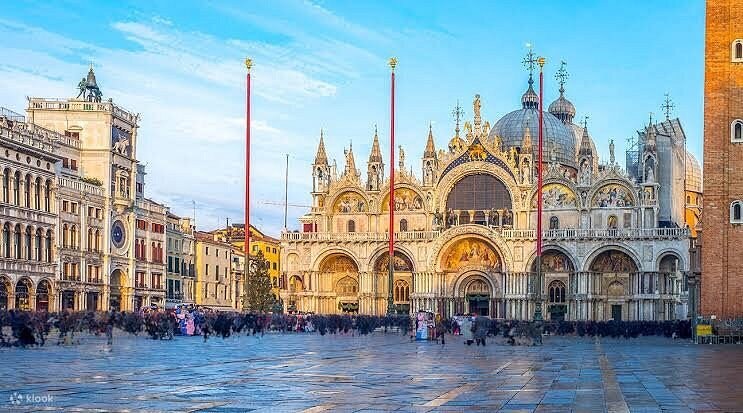 71 mi from TriesteSt. Mark's Basilica
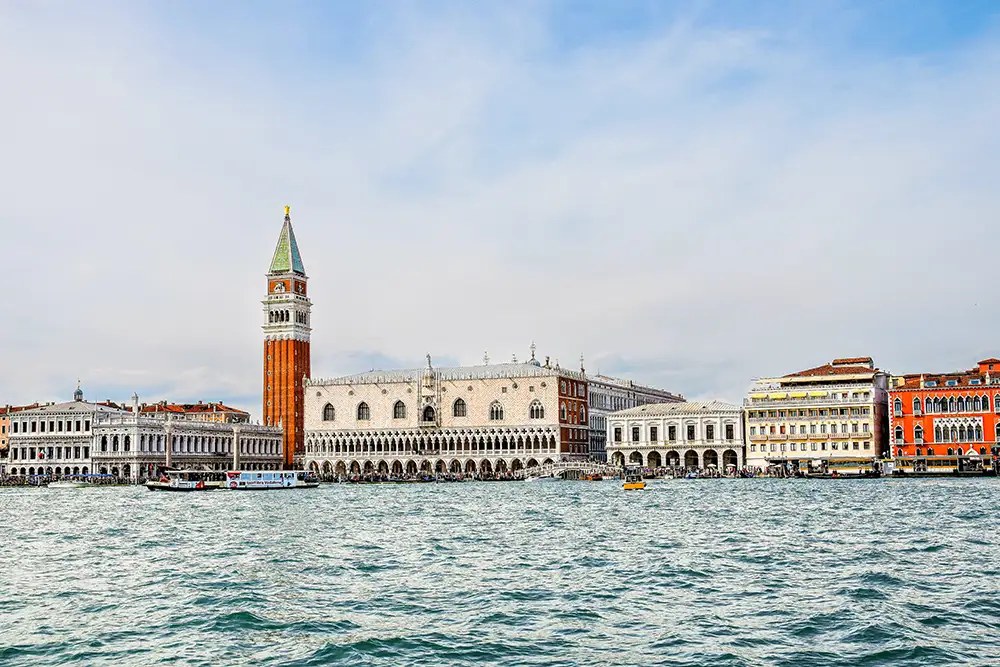 71 mi from TriesteDoge's Palace
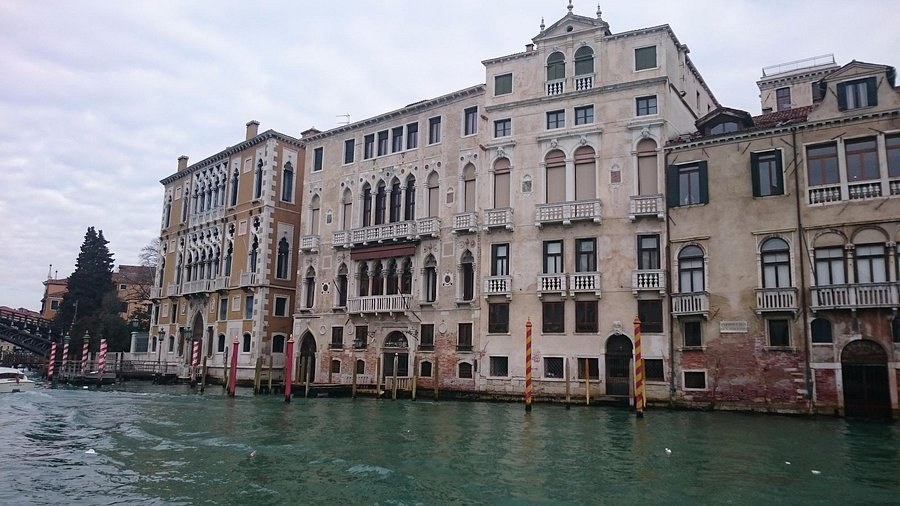 70 mi from Trieste · land adventurePalazzo Doors, Lagoon Vineyards: Venice Beyond the Crowd Line
 153 mi from Trieste · land adventureSalt, Stone and Grüner Veltliner: Salzburg Beyond Mozart
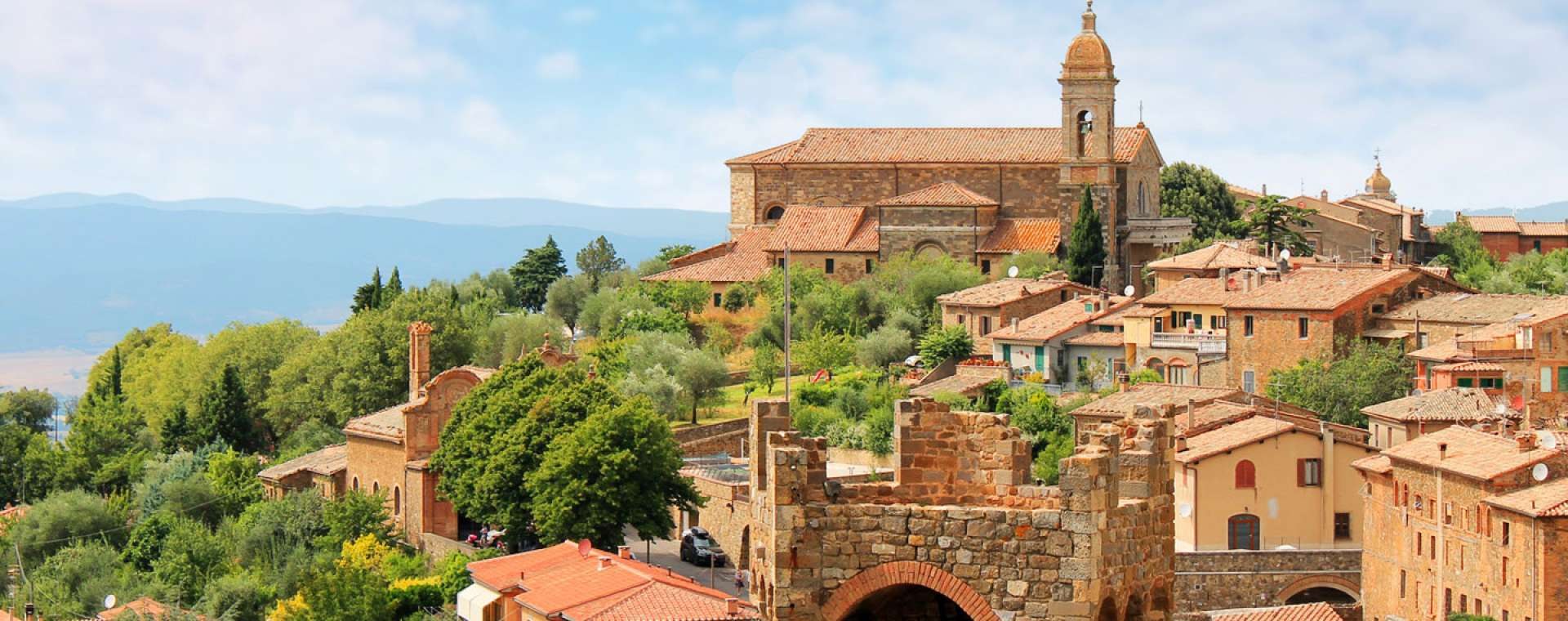 179 mi from Trieste · land adventureFlorence to Val d'Orcia: Wine, Frescoes & Thermal Springs
After you step off · near Southampton
You end in a different port — stay on, and add what is within reach before you fly home.
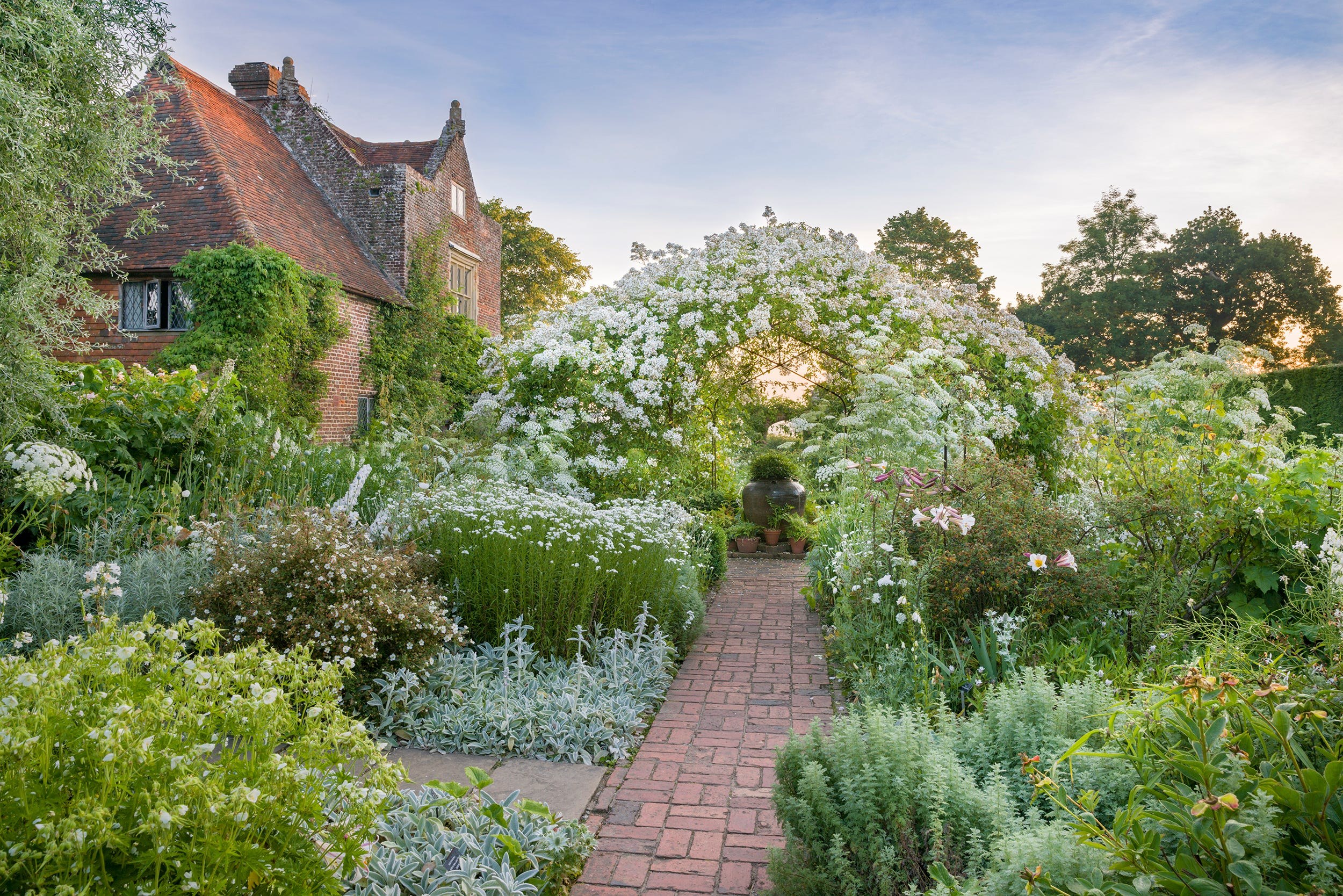 87 mi from SouthamptonSissinghurst Castle Garden: Room-by-Room Garden Design Masterclass
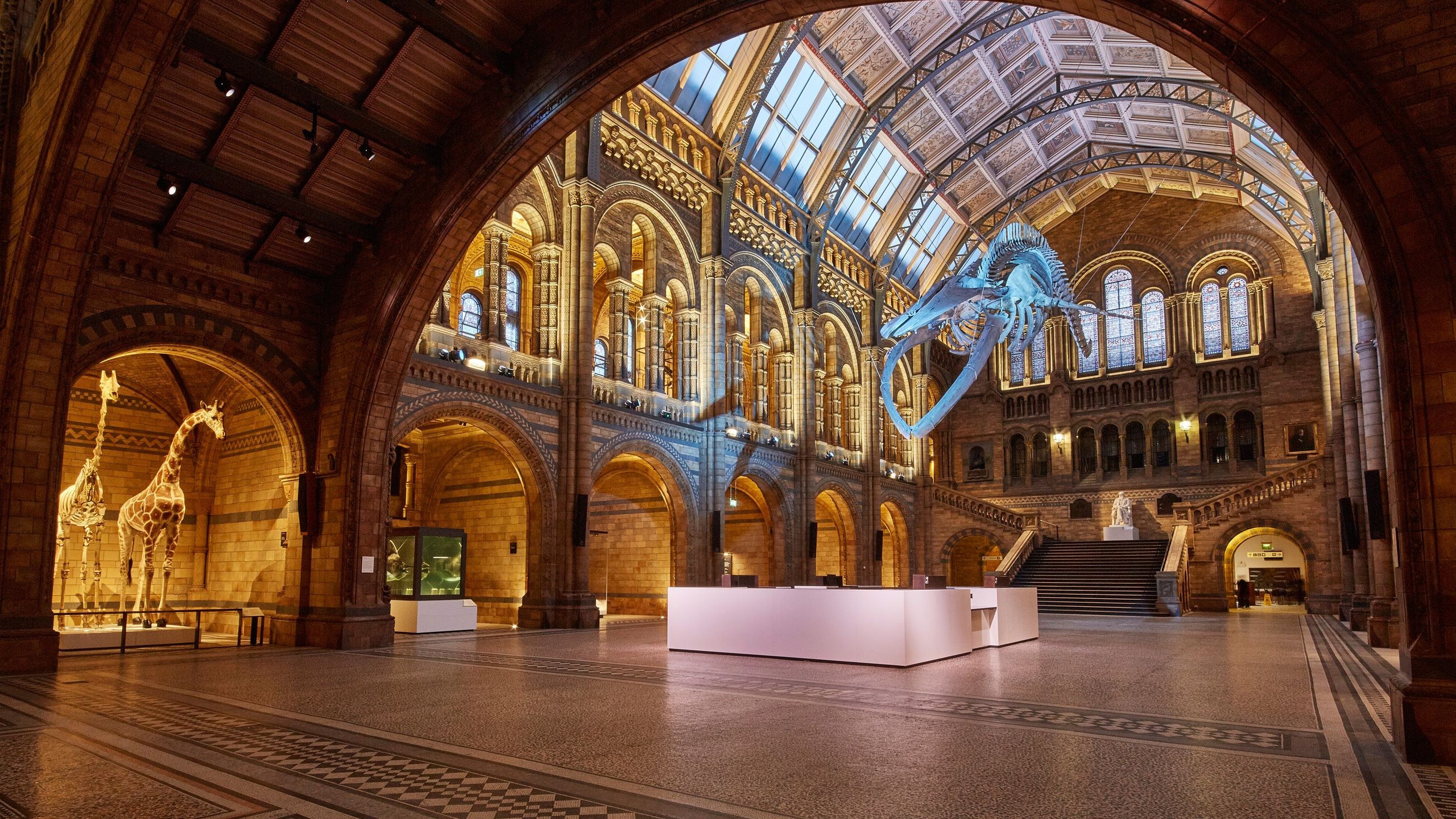 67 mi from SouthamptonNatural History Museum
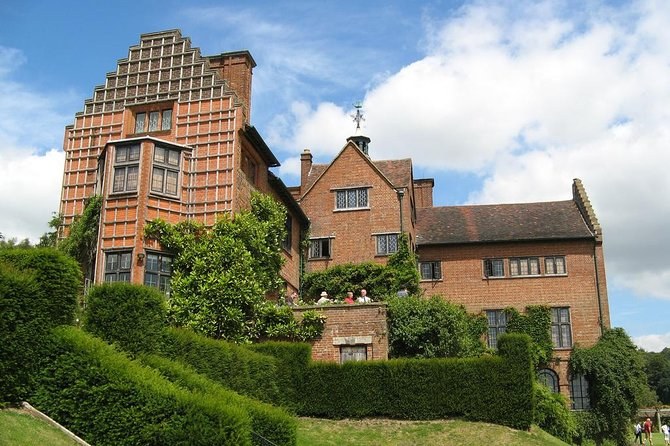 57 mi from Southampton · land adventureChurchill's Kent, Glyndebourne at Dusk & London's Secret Side
 57 mi from Southampton · land adventureCornwall's Wild Coast: Tin Mines, Tidal Castles & Beach Bars