Your cruise
Azamara Pursuit · 14-night Alaska cruise, Tokyo to Whittier
May 20 – Jun 3 · 14 nights ·
Day 1 Tokyo (board) · Day 2 Oarai · Day 3 Sendai · Day 4 Miyako · Day 5 Hakodate · Day 6–12 at sea · Day 13 Kodiak · Day 14 Seward · Day 15 Whittier (step off)
What you do Walk through Japan's most breathtaking seasonal garden — a rolling landscape of nemophila, kochia, and daffodils that shifts with the season. A private guide unlocks the park's hidden corners and best photography moments, making this a true bucket-list bloom experience.
What to expect Arrive at the 215-acre coastal park to find seas of blue nemophila in spring or fiery red kochia in autumn rolling down to the Pacific. Your private guide leads you to the finest vantage points and explains the horticultural artistry behind each seasonal display. Stroll the Miharashi Hill at sunrise or golden hour for a panorama that belongs on a screen-saver. The guide arranges timing to ensure you experience the park at its absolute quietest and most luminous.
Good to know The park is approximately 10 minutes from Hitachinaka Port by car. Pre-book well in advance for spring (late April–May nemophila) and autumn (mid-October kochia) as these windows are extremely popular. Park entry is JPY 450 (approx. USD 3) and is included in most private tour packages — confirm at booking. Allow 2.5–3 hours inside; the tour can be paired with Nakaminato Fish Market for a full-day experience.
book direct with Japan Shore Excursions (local expert, private guided) → · the full guide →
What you do Stroll the legendary Kairakuen, one of Japan's three greatest gardens, where over 3,000 plum trees create a fragrant, painterly landscape steeped in Edo-period elegance. A private expert guide brings the history of Lord Nariaki's vision to life in intimate detail.
What to expect Enter through the bamboo groves that frame the garden's historic gateway and step into a landscape unchanged since 1842. Your guide narrates the philosophy of Lord Tokugawa Nariaki, who designed Kairakuen to be open to all — a radical idea in feudal Japan. In plum blossom season (late February–March), the air is intoxicating; in other seasons, the ancient cedars and curated groves offer serene beauty. A short walk leads to the adjacent Senba Lake for panoramic reflections.
Good to know Kairakuen is approximately 30 minutes from Hitachinaka Port by private car. Garden entry is JPY 300 (approx. USD 2) during plum blossom festival; free at other times. The Kodokan school, a UNESCO candidate site, is adjacent and highly recommended as an add-on. Confirm all-aboard time with your ship and plan for a 4–5 hour excursion total.
book direct with GoWithGuide (private local guide, Ibaraki specialist) → · the full guide →
What you do Plunge into one of Ibaraki's most vibrant morning fish markets, where the catch of the day — anko (monkfish), hirame (flounder), and Pacific saury — is auctioned, grilled, and devoured dockside. This is Japan's seafood culture at its most raw and authentic.
What to expect The market buzzes from early morning as fishing boats unload their haul directly onto the quayside. Your guide explains the grading and auctioning process for Ibaraki's prized anko (monkfish), celebrated as the 'foie gras of the sea' in winter months. Sample grilled scallops, sea urchin, and fresh sashimi at the market's open-air stalls, with your guide curating the best vendors. The adjacent Minato Machi shopping street offers artisan ceramics and local produce to round out the experience.
Good to know Nakaminato Market is approximately 5–10 minutes from the cruise port — the most port-proximate excursion on this list. The market is most active before 10:00 am; aim for an early start. Winter visits (December–February) are best for monkfish season. Wear comfortable shoes and be prepared for a lively, aromatic environment. Pairs beautifully with Hitachi Seaside Park for a full-day itinerary.
book direct with Japan Shore Excursions (local expert, private guided) → · the full guide →
What you do Stand before one of Japan's most dramatic coastal shrines — Oarai Isosaki Jinja — where a vermilion torii gate rises from a jagged rock shelf jutting into the Pacific. This sacred site, dating to the 9th century, is a profound encounter with Shinto spirituality and oceanic power.
What to expect Walk down to the rocky shoreline at Kamiiso-no-Torii, where the iconic orange torii stands sentinel against the crashing Pacific surf — a scene that has drawn pilgrims and artists for over a millennium. Your guide recounts the legend of the deities Onamuchi-no-Mikoto and Sukunahikona-no-Mikoto, said to have appeared here on a boulder. Climb the stone steps through ancient cedar groves to the main shrine hall for a moment of quiet contemplation. At low tide, the rocks create tide pools teeming with life, adding a natural wonder dimension to the spiritual.
Good to know Oarai Isosaki Shrine is approximately 20 minutes from Hitachinaka Port by private car. Entry to the shrine grounds is free. The torii rock formation is best photographed at sunrise or against an incoming tide — confirm conditions with your guide in advance. This excursion pairs naturally with Aqua World Oarai Aquarium, which is a 5-minute drive away, for a half-day coastal circuit.
book direct with Japan Shore Excursions (local expert, private guided) → · the full guide →
What you do Explore Japan's largest shark aquarium, home to over 580 species of sea life including the awe-inspiring whale shark tank. Aqua World Oarai is a world-class facility — dramatic, educational, and utterly mesmerising for discerning travellers of any age.
What to expect Enter through the dramatic ocean-blue entrance hall and descend into a world of 68 tanks showcasing sharks, rays, sea turtles, and the centrepiece whale shark gliding in a colossal 1,500-tonne main tank. The otter and dolphin shows are polished and genuinely joyful, while the jellyfish gallery offers an almost meditative beauty. The facility's bilingual English signage and excellent café make for a seamless, unhurried visit. Arrive at opening (10:00 am) for the quietest, most luxurious experience.
Good to know Aqua World Oarai is approximately 20 minutes from Hitachinaka Port by taxi or private car. Open daily 10:00 am–6:00 pm (last entry 5:00 pm). Book tickets online in advance at aquaworld-oarai.com to avoid queues. Allow 2.5–3 hours for a full visit. Combines perfectly with Oarai Isosaki Shrine next door for a seamless morning ashore.
book direct with Aqua World Oarai (official) → · the full guide →
What you do Step inside a working century-old soy sauce brewery in rural Ibaraki for an extraordinary private immersion into the craft that underpins all Japanese cuisine. A rare, sensory journey through fermentation halls, aged cedar barrels, and a tasting that will permanently change how you appreciate Japanese food.
What to expect Your private guide leads you through the koji fermentation rooms, where the air is warm and heady with centuries of umami culture, and explains the painstaking 18-month natural brewing process. The master brewer (tōji) may be on hand to demonstrate traditional stirring techniques using long wooden paddles. A structured tasting session follows, comparing grades of shoyu from light and delicate to rich and complex, paired with local rice crackers and pickles. You leave with a hand-labelled bottle of premium single-barrel soy sauce — the finest possible souvenir.
Good to know The brewery is located within the greater Hitachinaka–Ibaraki region; your private guide handles all logistics and transport from the port. Pre-booking is essential as private access must be arranged in advance with the brewery. Allow 3–4 hours including travel. This excursion suits a morning or early-afternoon departure and pairs well with a Nakaminato Fish Market visit, using your premium soy sauce as seasoning context.
book direct with TripAdvisor Experiences / local Ibaraki brewery specialist (private guided) → · the full guide →
What you do Explore Tokyo's most iconic districts — Asakusa, Shibuya, Shinjuku and the Imperial Palace — guided by a nationally licensed, multilingual expert on an entirely private itinerary tailored to you. This is Tokyo at your pace, through a connoisseur's eyes.
What to expect Your guide meets you at the terminal and whisks you into Tokyo's layered world: the incense haze of Sensō-ji, the electric scramble at Shibuya Crossing, the raked gravel calm of Imperial Palace East Gardens. Lunch is arranged at a chef-selected restaurant befitting your taste. The day is a seamless private narrative rather than a checklist, ending with enough time to return comfortably before all-aboard.
Good to know Book well in advance — licensed private guides are in high demand. Confirm your ship's all-aboard time so your guide can plan the return; Tokyo International Cruise Terminal (Ariake) is roughly 30–40 min by taxi or direct Yurikamome rail from central Tokyo.
book direct with Japan Guide Association (JGA) – Official Licensed Guides → · the full guide →
What you do Ascend the world's second-tallest structure to 634 metres for a panorama stretching from Mount Fuji to Tokyo Bay. On a clear day the view is simply one of the great urban spectacles on earth.
What to expect A high-speed elevator whisks you to the Tembo Deck at 350 m in under 60 seconds. A second ascent takes you to the Tembo Galleria, a glass-walled spiral walkway at 450 m where the floor disappears beneath your feet over the Tokyo skyline. The adjacent Solamachi shopping and dining complex adds a refined post-visit option before heading back.
Good to know Pre-purchase timed-entry tickets online — they sell out days ahead, especially on weekends. From Tokyo International Cruise Terminal, take the Yurikamome line to Asakusa, then the Tobu Skytree Line — allow 50 min total. Allow 2 hrs for both decks. Confirm weather forecast: Mount Fuji views require clear skies.
book direct with Tokyo Skytree (Official) → · the full guide →
What you do Step inside teamLab Borderless — the world's most visited single-artist museum — where thousands of laser projections dissolve boundaries between art and visitor. There are no maps; every room is a living, breathing, bucket-list spectacle.
What to expect You wander freely through interconnected rooms where waterfalls, forests, and koi ponds exist entirely as light and projection — and shift when you touch them. The 'Athletic Forest' zone challenges the body as much as the mind. No two visits are identical; the art evolves in real time. Budget at least two hours, though most guests lose track of time entirely.
Good to know The new Azabudai Hills venue is a taxi/subway ride from the cruise terminal — allow 40 min. Wear comfortable shoes (some zones involve steps and uneven surfaces). Timed-entry tickets are date- and time-specific; book the earliest slot to leave the afternoon free for other stops. Avoid white clothing as projections can stain perception.
book direct with teamLab Borderless Tokyo (Official) → · the full guide →
What you do Explore the legendary Tsukiji Outer Market with a private chef guide who navigates the stalls, sources the finest morning catch, and explains the art of Edomae sushi — ending at a reserved counter for an unforgettable omakase breakfast.
What to expect The morning begins in the alley labyrinth of Tsukiji Outer Market as vendors arrange glistening tuna, sea urchin, and seasonal shellfish. Your chef-guide explains provenance, seasonality, and the knife traditions behind each cut. A tamagoyaki (rolled omelette) master lets you watch the craft up close. The tour culminates at a reserved sushi counter where the chef orders on your behalf — a succession of impossibly fresh nigiri paired with explanations of each piece.
Good to know Tsukiji Outer Market is most vibrant 7–10 am; an early start is essential and pairs well with an early all-aboard schedule. The market is approximately 30 min by taxi from Tokyo International Cruise Terminal. Confirm any dietary restrictions with Context Travel at booking. Sturdy shoes are advised — the alleys are narrow and sometimes wet.
book direct with Context Travel Tokyo – Expert-Led Food Tours → · the full guide →
What you do Walk the ancient cedar-forested approach to Tokyo's most sacred Shinto shrine, then emerge into Harajuku's kaleidoscopic street culture — a single morning that captures the full spiritual and creative soul of Tokyo.
What to expect The 700-metre forested gravel path to Meiji Jingu feels remote despite being at the heart of 14-million-person Tokyo — a genuine hush descends. Your guide explains the daily rituals, points out the sake-barrel wall offered by French wineries, and arranges a quiet moment at the inner shrine. The short walk to Harajuku delivers the visual shock of kawaii fashion and the understated elegance of Omotesandō boutiques — Dior, Louis Vuitton, and local ateliers alike.
Good to know Shoulders and knees should be covered or a scarf carried for the shrine approach. From the cruise terminal, take the Yurikamome to Shimbashi then JR Yamanote Line to Harajuku — approx. 50 min. The combined experience takes 3–4 hours; pairs perfectly with a lunch reservation on Omotesandō. Book your GoWithGuide guide at least 2 weeks ahead.
book direct with GoWithGuide – Private Tokyo Local Guides → · the full guide →
What you do Ascend the beloved iron icon of Tokyo at golden hour for the exclusive Diamond Tour — access to both the Main Deck at 150 m and the Top Deck at 250 m, limited to just 70 guests per day. A sunset over the Tokyo skyline from here is a memory for life.
What to expect Tokyo Tower glows tangerine and crimson at dusk — a deliberate nod to the Eiffel Tower's evening palette — and from the glass-floor panels of the Top Deck, the city grid fans out to Tokyo Bay and beyond. The Diamond Tour guide explains the tower's 1958 construction story and its role as Tokyo's emotional heartbeat. The lounge offers premium refreshments as the city lights ignite below you.
Good to know Book online the moment your itinerary is confirmed — the 70-person cap sells out fast, especially on weekends and holidays. Tokyo Tower is in Minato, roughly 40 min by taxi from the cruise terminal. Plan to arrive at least 30 min before your slot. A sunset slot (approximately 5–6 pm) is spectacular but confirm your ship's all-aboard time allows for it.
book direct with Tokyo Tower (Official) → · the full guide →
What you do Stand before one of Japan's most photographed torii gates — planted not in forest or hillside, but erupting dramatically from wave-lashed black volcanic rocks at the Pacific's edge. Oarai Isosaki-jinja is a Shinto shrine of profound spiritual and visual power.
What to expect The approach through ancient cedar-lined stone steps sets a meditative tone before the main hall comes into view. The real spectacle is the Kamiiso-no-torii, a twin torii gate perched on sea-swept rocks just offshore — one of Japan's most iconic Shinto images. Visit at low tide to walk the rock shelf as close as possible to the gate while waves crash around you. The shrine itself, said to have been established in the 8th century, is dedicated to the deity of the sea, making it deeply fitting for any ocean voyager. Collect a goshuin (red-ink shrine stamp) as a keepsake.
Good to know The shrine is a short taxi or local bus ride from the port — taxis take roughly 10 minutes. Low tide timings vary; check tide tables for your port day for the most dramatic rock-walk experience. No pre-booking required; early morning visits are least crowded.
book direct with Oarai Isosaki-jinja (Official Shrine) → · the full guide →
What you do Vast, sweeping meadows of nemophila (baby-blue-eyes) in spring and vivid red kochia in autumn make Hitachi Seaside Park one of Japan's most breathtaking natural spectacles — and it's just 20 minutes from Oarai port.
What to expect Rent a bicycle at the park entrance and glide through seemingly endless fields of blue nemophila (peak: mid-April to early May) or the fiery red kochia hills (peak: mid-October) — both have become internationally famous and genuinely earn the title 'bucket-list.' Beyond the flower fields, the park offers rose gardens, a seaside zone with ocean views, and quiet forested walking paths. The scale and colour saturation on a clear day is unlike anything in Europe or the Americas. A visit here rewards at least two to three hours of leisurely exploration.
Good to know Located in Hitachinaka, approx. 20 min by taxi from Oarai port (approx. JPY 2,500–3,500 one way). Seasonal blooms are the draw — confirm the peak period for your specific sailing month. No pre-booking needed for park entry, but arrive early on weekends. Budget 3–4 hrs round-trip minimum.
book direct with Hitachi Seaside Park (National Government Park, Official) → · the full guide →
What you do Aqua World Ibaraki Prefectural Oarai Aquarium is Japan's largest aquarium and home to the greatest variety of shark species in the country — a stunning, world-class facility that rivals any marine attraction in Asia.
What to expect Enter through a vast open-ocean tank where silhouetted sharks, rays, and schooling fish create a cinematic underwater panorama overhead. The shark zone — featuring over 20 species — is the centrepiece and the rarest such collection in Japan. Don't miss the sunfish (mola mola) tank, one of only a handful in the world, where these bizarre, disc-shaped giants drift slowly past the glass. Dolphin and seal performances add theatrical flair, while quieter jellyfish galleries offer meditative beauty. The gift shop offers exceptional marine-themed Japanese craft items.
Good to know Located walking distance or a short taxi ride from the port. Allow 2.5–3 hours for a thorough visit. Check the daily show schedule online before visiting — dolphin performances and sunfish feedings run at set times. No pre-booking required but tickets can be purchased online. English signage is excellent throughout.
book direct with Aqua World Oarai (Official Aquarium) → · the full guide →
What you do Nakaminato Fish Market (Minatomachi Uoichiba) is Ibaraki's finest wholesale seafood market, where local fishermen offload the morning's haul of ankou (monkfish), flounder, and Pacific shellfish — and the freshest sashimi breakfast of your life awaits.
What to expect Arrive by 9am to catch the market at its liveliest — stalls laden with glistening whole fish, live shellfish, and the region's prized ankou, a monkfish considered Japan's finest winter delicacy. Market-side restaurants serve impossibly fresh sashimi sets and grilled seafood directly from the morning's catch, best washed down with miso soup made from the day's scraps. Wander the outer stalls for premium dried seafood and local condiments — exceptional edible souvenirs impossible to find in Tokyo. The atmosphere is bustling but welcoming, and vendors are accustomed to curious visitors.
Good to know Located in Hitachinaka, approx. 15 min by taxi from Oarai port. Best visited between 8–11am — the market winds down by midday. No reservations needed; simply walk in, point, and eat. Bring cash (yen) as many stalls are cash-only. Pair with a visit to Hitachi Seaside Park for a perfect half-day.
What you do Oarai's landmark Marine Tower rises 60 metres above the Pacific coastline, delivering unobstructed 360-degree views stretching from the Kanto plains to the open ocean — the finest single vantage point in Ibaraki Prefecture.
What to expect The sleek white tower stands directly on Oarai's beachfront promenade, making it the area's most recognisable landmark and a natural centrepiece for a coastal walk. The glass-enclosed observation deck at 55 metres delivers panoramic views of the Pacific to the east, the Oarai fishing harbour and your ship to the south, and on clear days the distant peaks of the Nikkō mountains to the northwest. The tower visit takes 30–45 minutes and pairs naturally with a stroll along Oarai Sun Beach's black volcanic sand — dramatic, moody, and utterly Japanese in atmosphere. A small café at the base serves seasonal soft-serve ice cream made with local Ibaraki milk.
Good to know Walking distance from the port area — roughly 10–15 min on foot along the coastal promenade, or a very short taxi ride. No pre-booking required; simply pay at the door. Best combined with the Isosaki-jinja shrine visit and a beach walk for a leisurely half-day on foot. Open daily; hours approx. 9am–5pm (confirm seasonally).
book direct with Oarai Marine Tower (Official) → · the full guide →
What you do Glide across one of Japan's Three Scenic Views — 260 pine-clad islands rising from Matsushima Bay — aboard a private sightseeing vessel, then step inside a 17th-century tea pavilion for a moment of pure stillness.
What to expect Your government-licensed guide meets you at the port and transfers you to Matsushima, just 40 minutes away. A private or small sightseeing boat weaves between the 260 forested islets as your guide narrates centuries of poetry and painting inspired by this bay. Ashore, you enter Kanrantei ('Wind-in-Pines Pavilion'), a teahouse gifted by warlord Date Masamune, and take matcha overlooking the water. The return journey leaves generous buffer time before all-aboard.
Good to know Matsushima is ~40 min by road from Ishinomaki port or ~60 min from Sendai port. Book a private guide at least 2 weeks ahead. Kanrantei entry is JPY 200; tea ceremony is extra. Confirm all-aboard time and build in 90-min return buffer.
book direct with GoWithGuide Sendai Private Tour → · the full guide →
What you do Ascend a cedar-lined stairway to the ornate lacquered mausoleum of Date Masamune — the 'One-Eyed Dragon' warlord who shaped Tohoku. This is samurai Japan at its most theatrical and most intimate.
What to expect Cedar forest paths lead to three mausoleums — Date Masamune's, his son's, and his grandson's — each a riot of vermillion lacquer, gold leaf, and intricate carving. A licensed guide decodes the iconography and recounts Masamune's audacious bid to trade directly with Spain and the Vatican. The hilltop setting offers a sweeping view over Sendai's 'City of Trees' canopy. The atmosphere is contemplative and largely crowd-free in the mornings.
Good to know Located 20 min by taxi from Sendai city centre. Pair with Aoba Castle (5 min away) for an efficient morning. Open daily 09:00–16:30 (shorter hours Dec–Jan). No advance booking needed for entry; pre-book your private guide via GoWithGuide or TourHQ.
book direct with Zuihoden Mausoleum (Official) → · the full guide →
What you do Stand on the volcanic bluff where Sendai Castle once commanded all of Tohoku, don a replica of Date Masamune's iconic crescent-moon armour, and survey the city skyline from the ramparts of one of feudal Japan's most storied strongholds.
What to expect The hilltop park preserves stone walls, a shrine, and a bronze equestrian statue of Masamune gazing east toward the sea. Inside the small museum, artefacts and a digital reconstruction reveal the castle at its 16th-century peak. Staff at the adjacent experience corner help you into a full replica armour set for photographs. On clear days, the Pacific Ocean is visible on the horizon — the same sea Masamune dreamed of controlling.
Good to know Reachable by the Loople Sendai sightseeing bus (one-day pass JPY 650) or by taxi (10 min from city centre). Combine with Zuihoden Mausoleum nearby. Open year-round; museum 09:00–17:00. No advance booking for entry; private guide recommended.
book direct with Sendai City Tourism & Convention Association (Aoba Castle Ruins) → · the full guide →
What you do Pull up a counter seat at one of Sendai's revered gyutan specialist restaurants — birthplace of Japan's grilled beef tongue tradition since 1948 — for an omakase progression of cuts, preparations, and house-made barley rice.
What to expect Counter seating puts you inches from the charcoal grill as chefs work through multiple tongue cuts — some marinated, some salted, some thin-sliced. Each set arrives with麦ご飯 (mugi-gohan, barley rice), oxtail soup, and pickled cabbage — the canonical triad. The smoky, savoury perfume of the grill fills the intimate dining room. Staff are accustomed to international guests and will guide you through the menu warmly.
Good to know Multiple Tasuki branches in Sendai; the Kokubuncho flagship is 15 min by taxi from port transfer point. Lunch service typically 11:00–15:00 — ideal for a port-day midday stop. Queue can form; arrive at opening. No reservation required for lunch counter seats.
What you do Journey 30 minutes into the forested Natori River gorge to Akiu — one of Tohoku's three great hot spring towns — then walk the cedar trail to the thundering 55-metre Akiu Otaki Falls, one of Japan's Top 100 Waterfalls.
What to expect A 30-minute scenic drive deposits you at the trailhead above the Natori River gorge. A 20-minute cedar-shaded walk leads to the base of Akiu Otaki Falls, where 55 metres of white water crash into a mist-filled pool. Back in the onsen village, several ryokan welcome day visitors for ashiyu (open-air footbaths) — a restorative pause before the return drive. The surrounding valley blazes with maple colour in autumn and fresh green in spring.
Good to know About 30 km southwest of Sendai city centre; 30–40 min by private car. Best combined with a morning city stop (Zuihoden or Aoba Castle) for a full day. Footwear with grip recommended for the falls trail. Confirm your all-aboard time and allow 75 min return buffer.
book direct with Japan Shore Excursions → · the full guide →
What you do Duck beneath a tunnel of centuries-old cedars to reach Sendai's most dazzling shrine — a National Treasure of Momoyama-era architecture, its main hall cloaked in black lacquer and burnished gold, commissioned by Date Masamune himself in 1607.
What to expect A long, cedar-flanked stone stairway builds anticipation before the main gate reveals the hall's jaw-dropping façade: black lacquer pillars, gilded transoms alive with phoenixes and peonies, and sweeping cypress-bark roofs. The site is a living place of worship — you may witness a Shinto ceremony, adding an unrehearsed layer of authenticity. The forested precinct is supremely peaceful, birdsong replacing city noise. A knowledgeable private guide decodes every carved deity and heraldic Date crest.
Good to know 10 min by taxi from central Sendai; also on the Loople sightseeing bus route. Open daily; free to enter the grounds. Combine with Zuihoden Mausoleum (nearby) for a seamless Date clan heritage morning. No advance booking required for entry; pre-book a private guide for depth.
What you do Ride the Hakodate Ropeway to the summit of Mt. Hakodate for one of Japan's three great night views — a glittering hourglass of city lights between two bays. At 334 m, the 360° panorama is simply breathtaking and utterly bucket-list.
What to expect The gondola whisks you up 334 metres in just three minutes, arriving at a glass-walled observatory perched above the forested peak. As daylight fades, Hakodate's unique hourglass peninsula blazes gold and amber between Tsugaru Strait and Uchiura Bay. The summit also has a café and gift shop should you wish to linger. In autumn, the hillside maples frame the ascent in fiery crimson.
Good to know Ropeway runs daily; last gondola is around 22:00 (seasonal). Allow 90 min round-trip. It's 15 min by taxi from the pier. Pre-book a licensed guide via Japan Guide Association (j-g-a.org) to ensure a private summit experience matched to your ship's all-aboard time.
book direct with Hakodate Ropeway (Official) → · the full guide →
What you do Plunge into the legendary Hakodate Asaichi — one of Japan's great morning markets — guided by a local expert who unlocks the finest stalls for live uni, ikura, and hairy crab before the crowds arrive. End with a private omakase bowl that rivals any Michelin table.
What to expect The market opens at 05:00 and by 07:00 the stalls are at peak drama: crab claws waving from iced tanks, fishmongers calling their catch, vendors pressing samples of smoked scallop into your hands. Your guide curates a tasting circuit — squid ink, sea urchin, Hokkaido milk soft-serve — before settling you at a counter for a bespoke seafood rice bowl. Markets wind down by midday so a morning start is essential.
Good to know Market is a 5-min walk or short taxi from most Hakodate berths. Best experienced 07:00–10:00. Book a licensed English-speaking guide in advance; the Japan Shore Excursions team specialises in cruise-ready timing with guaranteed all-aboard returns.
book direct with Japan Shore Excursions (Licensed Local Guide) → · the full guide →
What you do Survey Japan's only Western-style star-shaped fortress — scene of the Boshin War's final battle — from the glass-floored Goryokaku Tower, then walk its cherry-blossom-lined moats with a licensed historian guide. A defining chapter of Japanese history made vivid.
What to expect Ascend Goryokaku Tower for a bird's-eye view of the perfect five-pointed star, its geometry still razor-sharp from above. Below, the moated grounds are a masterclass in 19th-century European military architecture transplanted to Japan. Sara leads you across the drawbridge and through the restored magistrate's office, narrating the tragic last stand of the Shinsengumi. In spring the fort's 1,600 cherry trees make this one of Hokkaido's most spectacular hanami sites.
Good to know Tower open daily 09:00–18:00 (to 19:00 in peak season). A 15-min tram ride from the pier on the City Tram (1-Day Pass JPY 800 — worth buying). Combine with nearby Kanemori Red Brick Warehouses for a full half-day. Pre-book your guide at least 2 weeks ahead.
book direct with Hakodate Guide Sara (Local Licensed Expert) → · the full guide →
What you do Escape the city entirely on a private guided foray to Onuma Quasi-National Park — a volcanic lake landscape where Mt. Komagatake's reflection shimmers on mirror-still water. Glide by kayak among forested islets in one of Japan's most serene national parks.
What to expect A 50-minute drive north of Hakodate deposits you in a landscape of extraordinary calm: 126 islets scattered across three interconnected lakes, all cast in the shadow of the still-active Mt. Komagatake. Your guide leads a lakeside boardwalk through ancient pines before you board a two-person kayak to explore the quieter western channels, rich with kingfishers and grey herons. Autumn turns the maples copper-gold; spring carpets the banks in cherry blossom.
Good to know Allow a full day: 50 min each way plus 3–4 hrs in the park. Confirm kayak availability seasonally (best May–Oct). Your guide ensures cruise-compatible return timing. Dress in layers — lake temperatures are significantly cooler than the city, especially in the morning.
book direct with Japan Shore Excursions (Licensed Local Guide) → · the full guide →
What you do Wander Hakodate's 19th-century foreign concession quarter — Orthodox churches, Gothic consulates, and wooden merchant mansions clinging to Mt. Hakodate's slopes — with a licensed guide who unlocks interiors closed to independent visitors.
What to expect The Motomachi hillside is a rare surviving pocket of Meiji-era cosmopolitanism: you'll peer inside the Old British Consulate's rose garden, climb to the vermilion Chinezan Josenji temple with its harbour panorama, and stand inside the onion-domed Hakodate Orthodox Church. Your guide contextualises the mid-19th-century treaty port history that made Hakodate Japan's gateway to the world. The cobblestone slopes and pastel clapboard facades are endlessly photogenic.
Good to know The quarter is walkable in 2–3 hrs with a guide; most sites open 09:00–17:00. Old Public Hall closed Mondays. A 10-min tram ride from the pier. Book a 4- or 6-hour guide slot to combine Motomachi with Goryokaku in a single seamless day.
book direct with Japan Guide Association — Hakodate Licensed Guides → · the full guide →
What you do Let a traditional rickshaw (jinrikisha) carry you through Hakodate's most photogenic streets — past red-brick warehouses, tram lines, and seaside promenades — while your puller doubles as an expert local storyteller. A uniquely intimate, beautifully paced way to see the city.
What to expect You recline on a lacquered seat beneath a fringed canopy as your jinrikisha runner navigates the Kanemori Warehouse waterfront, the Motomachi slopes, and the old tram boulevard. The pullers are remarkably well-informed, pointing out architectural curiosities and delivering anecdotes about the Meiji-era merchants who built this city. It's theatrical, intimate, and entirely unlike anything else in Japan's port cities.
Good to know Rickshaws depart from the Kanemori Red Brick Warehouse area, a 5-min walk from the main pier. No advance booking required for short rides, but reserve a 90-min private course ahead for a bespoke itinerary. Operates year-round (weather permitting); best in the golden hour before sunset.
book direct with Ebisuya Rickshaw Hakodate (えびすや) → · the full guide →
What you do Soar by floatplane into the remote wilderness of Kodiak Island for an intimate, up-close encounter with the world's largest brown bears in their natural habitat. A true once-in-a-lifetime Arctic wildlife moment.
What to expect Board a floatplane at the Kodiak waterfront and sweep over emerald valleys and glacial rivers to prime bear habitat far from any road. You'll spend approximately two full hours on location watching Kodiak brown bears — the world's largest terrestrial carnivore — fish, graze, and interact at breathtakingly close range. Your guide provides expert natural history narration throughout. The return flight offers sweeping aerial views of the island's rugged coastline and mountain spine.
Good to know Book well in advance — these tours sell out months ahead. Total duration is 3–4 hours; confirm departure time against your ship's all-aboard. Dress in waterproof layers; the remote sites can be wet and cool even in summer. Book directly at kingfisheraviation.com.
What you do Paddle Kodiak's glassy protected bays on a private, expert-led kayak expedition, discovering sea otters, eagles, and harbour seals from the waterline. An immersive wilderness encounter for up to eight guests.
What to expect Your experienced local guide selects the ideal launch site based on tides, weather, and wildlife activity — ensuring you're paddling the best water Kodiak has to offer that morning. You'll glide silently past kelp forests and rocky outcrops where sea otters float on their backs and bald eagles survey the scene from above. The small-group format means you can linger, photograph, and absorb the silence of a landscape that feels entirely yours. All equipment, safety briefing, and guiding is included.
Good to know Duration is 3 hours; plan to confirm it fits your all-aboard window. No prior kayak experience needed — guides handle all instruction. Waterproof clothing and layers essential; guides supply dry bags. Book via kayakingkodiak.com and request your preferred time slot.
What you do Explore Kodiak Island's most spectacular scenery, wildlife corridors, and historic landmarks on a private, custom-routed van tour with one of the island's most knowledgeable local guides. The most versatile and personal way to experience Kodiak.
What to expect Your guide meets you at the pier and shapes the entire experience around what you want to see — from the sweeping ocean panoramas of Pillar Mountain to the wildlife-rich margins of the Kodiak National Wildlife Refuge and the island's storied Russian colonial landmarks. Expect spontaneous stops for roadside bear sightings, eagle perches, and wildflower meadows. The conversational, unhurried pace means you leave with genuine insight into island life, not just photographs. Custom itineraries can blend hiking, culture, and scenic drives seamlessly.
Good to know Contact Kodiak Connections directly at 907-539-6772 or via kodiakwalkingtours.com to design your itinerary and confirm timing against your all-aboard. Half-day format typically runs 3–4 hours. Layers and waterproof footwear recommended. Book well ahead — this guide's private slots fill quickly on cruise-call days.
book direct with Kodiak Connections (Kodiak Walking Tours) → · the full guide →
What you do Cast into some of the most productive fishing grounds on earth aboard a private charter out of Kodiak, targeting trophy halibut, Pacific salmon, and lingcod in wild Alaskan waters. Legendary angling for discerning anglers.
What to expect Depart the historic Kodiak boat harbor aboard a fully equipped private charter vessel with a professional captain and first mate. Kodiak's nutrient-rich, cold-water channels are among Alaska's most productive fisheries — expect serious action targeting Pacific halibut (some exceeding 100 lbs), silver or king salmon, and hard-fighting lingcod. Your captain's local knowledge puts you on fish other anglers never find. Rod rental, bait, tackle, and fish processing/vacuum-packing arrangements are typically included or available.
Good to know A sport fishing licence is required — your charter captain can arrange this. Confirm fish processing and shipping logistics if you want to bring your catch home. Half-day charters run approximately 4–5 hours; verify timing against your all-aboard carefully. Book through the Kodiak Visitors Bureau charter directory at kodiak.org well in advance of your cruise date.
book direct with Discover Kodiak (Kodiak Visitors Bureau Charter Network) → · the full guide →
What you do Trace 7,500 years of Alutiiq Indigenous civilisation at the world-class Alutiiq Museum, then step inside the iconic Holy Resurrection Russian Orthodox Cathedral — the oldest Orthodox parish in North America. Kodiak's history is extraordinary.
What to expect Begin at the Alutiiq Museum, where masterfully curated galleries tell the story of one of the world's most resilient Indigenous cultures — from ancient stone tools and gut-skin parkas to contemporary Native art. Knowledgeable staff (often Alutiiq community members) bring the collection to life with personal narratives. From there, walk to the Holy Resurrection Russian Orthodox Cathedral, whose onion domes have presided over Kodiak since 1794 — the first Orthodox parish on American soil — and admire its remarkable interior of icons and ecclesiastical artefacts. Together, these two sites offer the most layered cultural experience on the island.
Good to know Both sites are within easy walking distance of the cruise pier — no transport required. The museum is open on most cruise-call days; verify hours at alutiiqmuseum.org before your visit. Allow 1.5–2 hours for both combined. Combine with the adjacent Baranov Museum (Erskine House) for a deeper Russian colonial layer.
book direct with Alutiiq Museum & Archaeological Repository → · the full guide →
What you do Explore a dramatic WWII coastal fortification perched above thundering Pacific surf, surrounded by old-growth Sitka spruce forest teeming with wildlife. Fort Abercrombie is history, scenery, and nature fused into one unforgettable experience.
What to expect Your guide drives you to Miller Point, where massive WWII-era gun emplacements and concrete bunkers cling to clifftops above the crashing North Pacific — part of the network built to defend Alaska from Japanese invasion in 1942. The surrounding park is a cathedral of ancient Sitka spruce draped in lichen, with trails weaving past tidal pools, whale-watching overlooks, and berry-laden meadows. Bald eagles are virtually guaranteed; Sitka black-tailed deer are frequently spotted in the forest margins. The combination of raw history and raw wilderness is uniquely Kodiak.
Good to know Fort Abercrombie is approximately 4 miles from the cruise pier — a guided tour is the most efficient way to visit and return comfortably within your port window. Tours typically run 2–3 hours. Wear sturdy, waterproof footwear for the trails and layer up for coastal wind. Book directly at headshakerskodiak.com, specifying your ship's all-aboard time.
book direct with Headshakers Kodiak (Cruise Shore Excursions & Island Tours) → · the full guide →
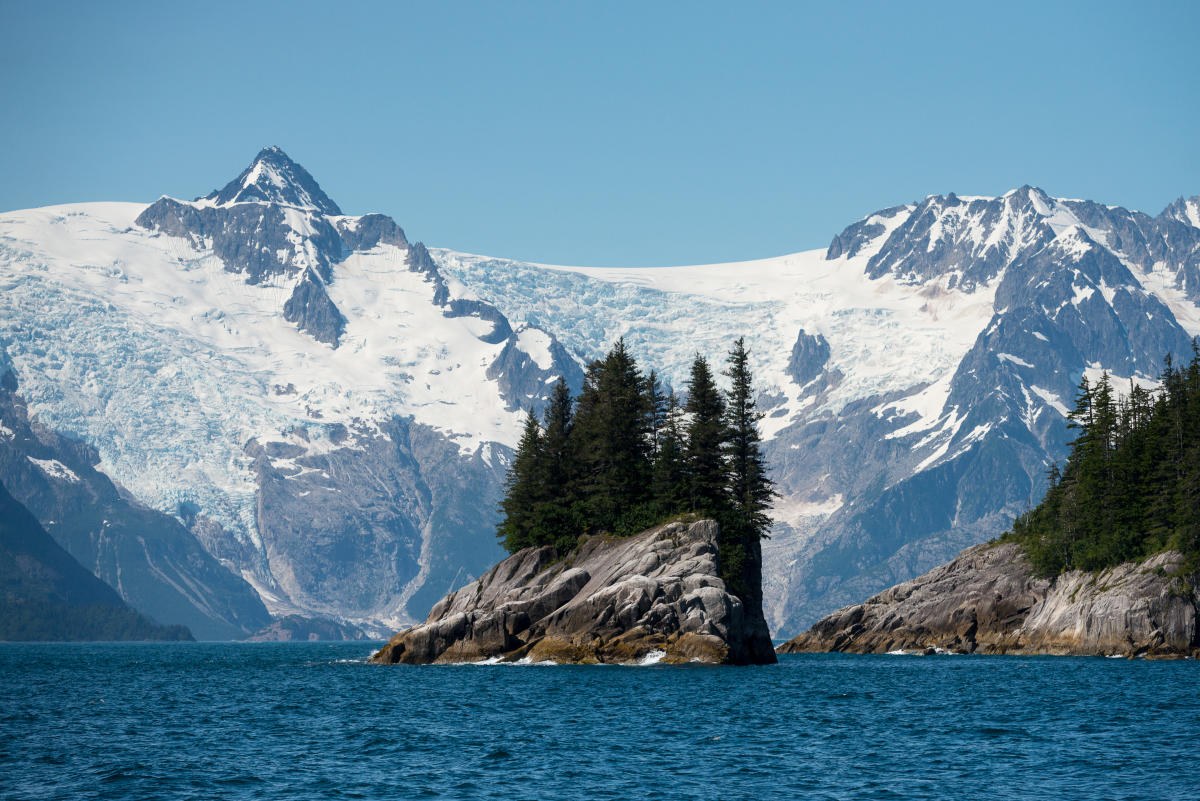
What you do Sail deep into Kenai Fjords National Park past calving tidewater glaciers, humpback whales, orcas, and puffin colonies — then feast on a salmon & steak BBQ on a remote island. This is Alaska at its most primal and spectacular.
What to expect Depart Seward's small-boat harbor and cruise past the granite walls of Resurrection Bay before entering the national park proper. A Park Service ranger provides expert narration as you drift alongside Holgate or Northwestern Glacier, watching house-sized ice calve into the sea. Wildlife sightings — orca pods, Steller sea lions, horned puffins, mountain goats — are virtually guaranteed. The day ends with a hot salmon and steak barbecue served on a wild Alaskan island.
Good to know Full-day tours run approximately 8–9 hours; confirm all-aboard time before booking. Pre-book well in advance — summer dates sell out weeks ahead. Dress in waterproof layers regardless of forecast; the fjords create their own weather.
What you do Lift off by helicopter over Resurrection Bay, land on a remote glacier, and mush a team of Iditarod-bred huskies across ancient blue ice. One of the most visceral, once-in-a-lifetime experiences Alaska offers.
What to expect Your pilot banks low over Seward's fjords before setting down on a high-altitude glacier where a working dog camp awaits. Professional mushers introduce you to the team — all rescued or bred Iditarod dogs — before you take the reins and glide across the ice. Time on the glacier also allows for short walks to peer into crevasses and hear the otherworldly silence of the icefield. The return flight offers unobstructed aerial views of the national park.
Good to know Weather-dependent; helicopter tours can be rescheduled or cancelled on short notice — always confirm before heading ashore. Weight limits typically apply (around 250 lbs per passenger). Book as early as possible; this is the fastest-selling experience in Seward.
book direct with Alaska Shore Excursions (Seward Glacier Dog Sledding) → · the full guide →
What you do A boutique 7-hour cruise into Kenai Fjords with an intimate group of no more than a handful of guests, guided by lifelong Alaskan captains who know exactly where the wildlife hides. The private-charter feel, without the private-charter price.
What to expect Departing Seward Small Boat Harbor at 9:00 am or 10:30 am, the vessel threads through Resurrection Bay and into the park's inner fjords. Expect prolonged encounters with Steller sea lion rookeries, tufted and horned puffins, and — with high frequency — humpback whales breaching close to the bow. The intimate setting means every passenger has unobstructed rail access and direct conversation with the captain throughout.
Good to know Tours run mid-May through mid-September, 7 days a week. Depart by 9:00 am for the best all-aboard buffer; confirm your ship's schedule carefully. Bring binoculars, a telephoto lens, and motion-sickness medication if prone — inner-fjord swells can be significant.
What you do Paddle among cathedral-blue icebergs calved from Bear Glacier, the longest glacier in Kenai Fjords National Park, in a landscape so raw it barely feels like Earth. This is the kayaking experience serious adventurers come to Alaska specifically for.
What to expect A water taxi whisks you along the coast to Bear Glacier Lagoon, where a certified guide fits you with a dry suit and paddles you through a surreal floating gallery of turquoise ice sculptures. Seals lounge on bergs just metres away, and the constant crack and groan of the living glacier forms a haunting soundtrack. Full-day options include a beach lunch and time to explore the moraine on foot.
Good to know Book the earliest available departure to maximise time before all-aboard. No prior kayaking experience required; guides handle safety briefings fully. Dry suits are provided, but bring a warm base layer — water temperatures are near freezing.
book direct with Miller's Landing Seward → · the full guide →
What you do Lace up crampons and walk on a living glacier inside Kenai Fjords National Park, tracing the ice's retreat through landscapes shaped over 10,000 years. Intimate, expert-led, and humbling in scale.
What to expect A comfortable vehicle collects you in town and delivers you to the Kenai Fjords National Park visitor area. Your guide leads the group along marked trails past the vivid blue-green meltwater streams and up onto the glacier's accessible lower tongue, crampons gripping the ancient ice. Historic markers along the trail chronicle the glacier's dramatic recession, providing visceral context for the landscape around you. The return leg includes a stop at a viewpoint over the Harding Icefield.
Good to know Round trip from Seward's small-boat harbour is approximately 4–5 hours — manageable within most port-day windows. Sturdy waterproof footwear and layered clothing are essential; crampons and poles are provided. Pre-booking is strongly advised as group sizes are capped.
What you do Go behind the scenes at Alaska's only public aquarium and ocean wildlife rescue centre, coming face-to-face with Steller sea lions, harbour seals, and seabirds in private keeper-led encounters unavailable to general visitors.
What to expect Begin in the main galleries, where floor-to-ceiling tanks showcase Alaska's extraordinary marine biodiversity — from giant Pacific octopus to puffins diving underwater in slow motion. The private encounter then takes you backstage to meet rescued Steller sea lions and harbour seals at close range, with the trainer explaining the rehabilitation science behind each animal's story. A marine biologist Q&A rounds out the experience, making this as intellectually rich as it is emotionally unforgettable.
Good to know The SeaLife Center is a 5-minute walk from the cruise tender dock — no transport required. Book the behind-the-scenes add-on directly on the Alaska SeaLife Center website well in advance; slots are extremely limited. General admission alone makes for an excellent 1.5–2 hour visit if encounter slots are full.
What you do Board a sleek three-deck catamaran and count glaciers — 26 of them — as you glide deep into Prince William Sound. Thundering calving ice, harbor seals hauled out on floes, and Kittiwake colonies make this the defining Alaskan day on water.
What to expect You depart directly from Whittier's small-boat harbor and within minutes Prince William Sound opens around you — a labyrinth of fjords, hanging glaciers, and snow-capped peaks. The catamaran pushes deep into College Fjord and Blackstone Bay, pausing for close approaches to tidewater glacier faces where you witness house-sized seracs crash into the sea. A narrated glacier count builds delicious anticipation, and a hot lunch is served on board as bald eagles patrol overhead. The return journey feels almost contemplative — the scale of what you've witnessed slowly sinking in.
Good to know The cruise runs approximately 4.5 hours; confirm departure time against your ship's all-aboard. Book directly via phillipscruises.com well in advance — this sells out in peak summer. Upper-deck reserved seating is strongly recommended for unobstructed glacier views.
book direct with Phillips Cruises & Tours → · the full guide →
What you do Charter an intimate private vessel exclusively for your group and venture into the wild heart of Prince William Sound — glaciers, sea otters, orcas, mountain goats, and black bears on your own unhurried schedule. This is Prince William Sound the way it should be experienced: yours alone.
What to expect Your captain and guide meets you dockside in Whittier for a quick pre-departure brief, then you slip out past the harbour breakwater into the Sound's glassy waters. Routes are chosen on the day based on recent wildlife activity and ice conditions — expect close drifts past the face of Blackstone or Beloit Glacier, scanning rocky shores for black bear and mountain goat, and lingering over sea otter rafts. The pace is entirely yours: stop for photographs, drop a kayak, or simply anchor in a deserted cove for a picnic. The captain's local knowledge makes every moment feel discovered rather than toured.
Good to know Charters depart directly from Whittier harbour — a two-minute walk from the cruise terminal. Book as far ahead as possible; private dates go quickly in July and August. Confirm charter duration carefully against your all-aboard time and build in a buffer.
What you do Journey through the legendary Anton Anderson Memorial Tunnel — the longest highway tunnel in North America — and emerge into the Portage Valley, where the lake-blue face of Portage Glacier commands the horizon. A profound Alaskan landscape just minutes from port.
What to expect The moment the tunnel opens and Portage Valley's snow-ringed peaks appear is genuinely cinematic. You arrive at Portage Lake with the glacier reflected in milky-blue water and mountains rising sheer on every side. The Begich Boggs Visitor Center provides excellent context on glacial dynamics with ranger-led exhibits, and the short lakeside trail offers extraordinary photographic compositions. If a cruise vessel is running on the lake that day, an optional glacier boat adds another dimension. The drive back through the tunnel — this time knowing what lies on either side — feels like crossing between worlds.
Good to know The tunnel operates on a timed alternating-direction schedule; your guide manages timing. Allow at least 2.5–3 hours for a meaningful visit. Pre-book with Alaska Shore Excursions to secure a confirmed departure slot aligned with your ship's schedule.
book direct with Alaska Shore Excursions → · the full guide →
What you do Paddle a stable sea kayak through the mirror-calm inlets of Prince William Sound, ghosting past iceberg fragments and otter-draped kelp beds to the face of a tidewater glacier. One of the most viscerally immersive ways to inhabit the Alaskan wilderness.
What to expect After a brief dry-land paddle instruction, you're fitted with a dry suit and launched from Whittier's protected waters. Your guide leads you through a sequence of sheltered bays, pointing out tidal zones, identifying bird species, and reading the ice. Paddling toward a glacier on your own power creates an intimacy with the landscape that no motor vessel can replicate — the creak of ice, the drip of meltwater, the occasional boom of calving are your soundtrack. The return paddle offers a gentle cool-down as you process the scale of what you've seen.
Good to know No kayaking experience is required; the Sound's inner bays are well-sheltered. Dry suits are provided. The tour runs approximately 3–3.5 hours, leaving comfortable time before all-aboard. Layers are essential — temperatures in the Sound feel markedly colder on the water.
book direct with Alaska Shore Excursions → · the full guide →
What you do Travel the storied Seward Highway — a National Scenic Byway — from Whittier to Anchorage, skirting Turnagain Arm's bore tides, Dall sheep cliffs, and bald eagle perches. A rolling gallery of Alaskan grandeur that doubles as a seamless disembarkation transfer.
What to expect The journey begins by threading the Anton Anderson Tunnel before the road opens onto the tidal flats of Turnagain Arm, where the world's second-largest bore tide can rear up to 10 feet. Dall sheep are frequently spotted on the roadside cliffs at Windy Corner, and bald eagles perch along the cottonwoods near Indian Creek. The Alaska Wildlife Conservation Center stop allows close encounters with brown bear, bison, and moose in a conservation setting. The tour concludes in downtown Anchorage, with guides offering restaurant and hotel recommendations for those continuing their Alaska adventure.
Good to know This is a one-way transfer — ideal for passengers ending their cruise in Whittier and flying home from Anchorage. The full journey takes 5–6 hours. Book directly through Alaska Shore Excursions to align pickup time with disembarkation. The AWCC stop adds approximately 45 minutes and is well worth it.
book direct with Alaska Shore Excursions → · the full guide →
What you do Peel back the extraordinary, slightly surreal history of Whittier — a former top-secret WWII and Cold War military port where nearly the entire population still lives in a single building. An offbeat, utterly unique slice of American history hiding in plain sight.
What to expect Your guide meets you dockside and immediately begins unpacking the layers of Whittier's bizarre, fascinating past — from its construction as a secret WWII supply port to its Cold War heyday when it housed thousands of soldiers and their families in total isolation. The walk passes the haunting hulk of the Buckner Building, once dubbed 'the city under one roof,' before moving to the still-inhabited Begich Towers where most of Whittier's residents live, work, go to school, and shop without ever needing to go outside. The Whittier Museum adds personal artefacts and photographs that bring the story to life. The scale of the Cold War infrastructure, slowly being reclaimed by the Alaskan forest, is unexpectedly moving.
Good to know This tour runs 1.5–2 hours and is easily completed before all-aboard — ideal as a complement to a morning on the water. Wear waterproof shoes; Whittier receives significant rainfall. The Buckner Building exterior can be viewed but the interior is not publicly accessible for safety reasons.
book direct with Alaska Shore Excursions → · the full guide →
Before you sail · near Tokyo
Fly in at least a day early — every seasoned cruiser does, so a delay never costs you the ship. This is what is worth that day within reach of the port.
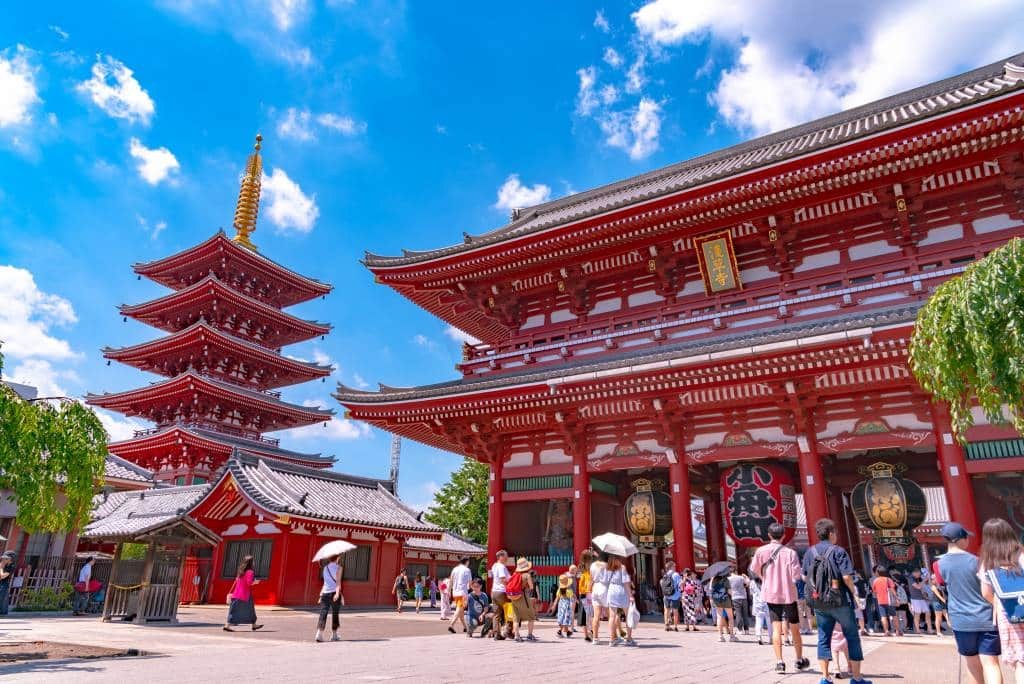 6 mi from TokyoSenso-ji Temple
 0 mi from TokyoteamLab Borderless
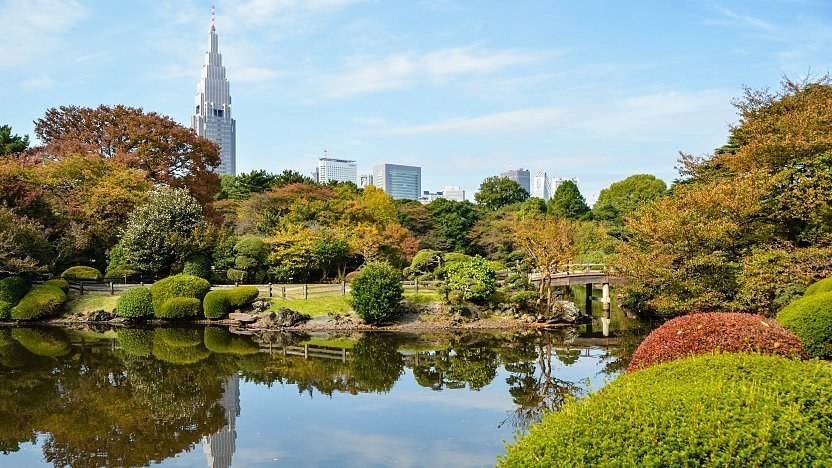 39 mi from Tokyo · land adventureTokyo's Secret Layers: Samurai Houses, Sunrise Crossings & Sake
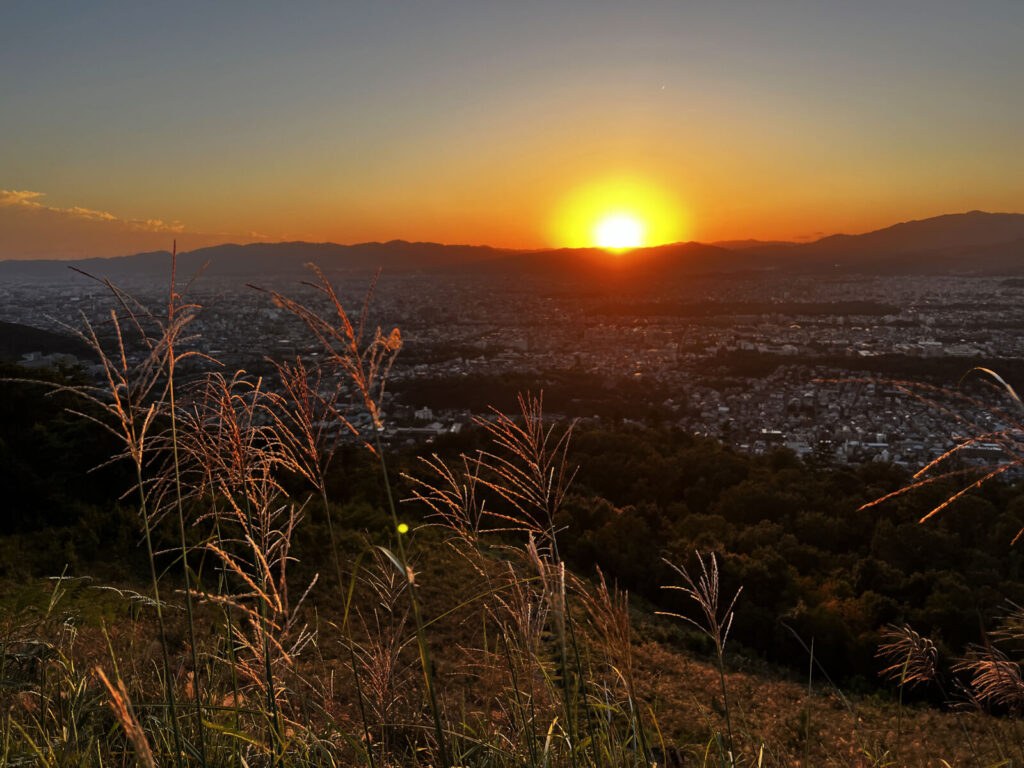 266 mi from Tokyo · land adventureKyoto After Dark: Firelight, Forest Paths & Ancient Craft
After you step off · near Whittier
You end in a different port — stay on, and add what is within reach before you fly home.