Your cruise
EXPLORA I · 17-night Mediterranean cruise, Rio de Janeiro to Lisbon
Feb 18 – Mar 6 · 17 nights ·
Day 1 Rio de Janeiro (board) · Day 2 Bozcaada · Day 3 at sea · Day 4 Bahia de Salvador · Day 5 Maceió · Day 6–11 at sea · Day 12 Santa Cruz de Tenerife · Day 13 Puerto del Rosario · Day 14 Lanzarote · Day 15 Agadir · Day 16 Casablanca · Day 17 at sea · Day 18 Lisbon (step off)
What you do Bozcaada's volcanic soil produces some of Turkey's most distinctive wines, and Corvus is the island's flagship estate. A private cellar tour and guided vertical tasting with the winemaker is a once-in-a-lifetime Aegean moment.
What to expect A short taxi ride (~10 min) takes you into the island's rolling vine-covered interior to Corvus's stone estate. You'll tour the fermentation cellar and barrel room before sitting down to a structured tasting of four to six wines — including their flagship Karalahna red and aromatic Çavuş white, both made from indigenous Anatolian grape varieties. The winemaker or estate sommelier narrates the terroir story. A platter of local cheeses and charcuterie accompanies the tasting. Bottles may be purchased and shipped.
Good to know Contact Corvus directly via their website to arrange a private estate session — these are separate from drop-in tastings and require advance booking. Taxi from port costs approx. TRY 200–300 each way. Allow 2 hours for the full experience.
What you do The definitive Bozcaada experience in a single bespoke day — a private expert guide escorts you from the medieval castle through the aromatic wine country to the Aegean's most beautiful beach. Nothing is rushed; everything is curated.
What to expect Your guide meets you dockside and begins with a deep dive into Bozcaada Castle, then drives you through the island's patchwork of rose gardens and vineyards to Corvus Winery for a tasting. After lunch at a harbourside meyhane (your guide recommends the freshest catch of the day), the afternoon is spent at Ayazma Beach — a long arc of golden sand backed by fragrant pine trees, with water so clear it reads turquoise from a distance. The guide returns you to the pier with time to spare.
Good to know Book directly via the Project Expedition link; the operator coordinates a licensed local guide and private vehicle. Full-day tours run approximately 6–7 hours — ideal for ports with a 7–8 hour call. Confirm all-aboard time at booking.
book direct with Project Expedition – Private Bozcaada Shore Excursion → · the full guide →
What you do Rio's three crown jewels — Christ the Redeemer, Sugarloaf Mountain, and the Selarón Steps — in a single, seamlessly paced private day. A licensed local expert curates every moment, from sunrise crowds to golden-hour cable car rides.
What to expect Your private air-conditioned vehicle collects you at the cruise terminal and whisks you to the iconic Selarón Steps, where the artist Jorge Selarón's 215 mosaic-tiled risers cascade down Lapa in a blaze of colour. From there, ascend Corcovado by rack railway to stand at the feet of the 38-metre Cristo Redentor as the city unfolds 710 metres below. The afternoon belongs to Sugarloaf, riding two consecutive gondolas to the 396-metre summit for a panorama that takes in Guanabara Bay, Copacabana, and the Atlantic horizon. Lunch at a curated local restaurant is included, and your guide personally adjusts the itinerary around your all-aboard time.
Good to know Pre-book well in advance — private days fill up fast in peak season (Dec–Mar). Confirm your all-aboard time with the guide at booking so the schedule is built around it. Christ the Redeemer tickets should be pre-purchased online to skip the booth queue. Comfortable walking shoes essential; the steps at Corcovado are steep.
What you do Trade the tourist rack railway for a lush 90-minute jungle trail through Tijuca Forest, arriving at Cristo Redentor breathless and triumphant — before the day-trippers arrive. One of Rio's great bucket-list physical experiences.
What to expect Your expert naturalist guide meets you at the port and transfers you to Parque Lage, a neo-romantic 19th-century estate at the forest's edge. The trail climbs steadily through dense canopy — strangler figs, bromeliads, and the calls of toucans accompany your ascent. At the summit, the outstretched arms of Cristo Redentor frame a 360-degree panorama: Guanabara Bay glittering to the east, Ipanema and Copacabana arcing south, and the Tijuca massif rolling away to the west. The descent is by rack railway, so your legs get the reward without the repeat effort.
Good to know Moderate fitness required — ~4 km uphill on uneven forest paths. Departs early morning (07:00 recommended) to beat both heat and crowds; confirm timing against your all-aboard. Wear trail shoes, bring a light rain layer, water, and sunscreen. Trail can be muddy after rain.
book direct with Do Brazil Right – Shore Excursions → · the full guide →
What you do Ascend Sugarloaf by gondola as the sun melts into the Atlantic and Rio's lights begin to glitter below — with a private guide, reserved cable car access, and chilled champagne on the summit. Simply one of the most spectacular sunsets on Earth.
What to expect Your private vehicle collects you from the pier and drives the scenic bayside road to Praia Vermelha, where the cable car base station sits against a dramatic granite wall. The first gondola glides to Morro da Urca (215 m) for cocktails on an open-air terrace with views of Botafogo Bay. The second gondola carries you to the Sugarloaf summit itself, where your guide points out every landmark — the twin humps of the Two Brothers, the long sweep of Ipanema beach, and the Cristo Redentor glowing on Corcovado opposite. As darkness falls, Rio transforms into a carpet of lights stretching to the horizon.
Good to know Sunset timing shifts seasonally — confirm exact departure time with your guide against your all-aboard (typically 17:30–18:30 ascent works for most ships). Pre-purchase cable car tickets online at bondinho.com.br to skip queues. Light jacket recommended at the summit — the Atlantic breeze picks up after dark.
book direct with Rio Private Guide – Alan Denis → · the full guide →
What you do Plunge into the world's largest urban rainforest on an open-top 4×4 Jeep, hunting hidden waterfalls, rare orchids, and monkeys in the canopy above Rio's skyline. Thrilling, beautiful, and utterly unlike any city tour.
What to expect The Jeep departs the port and within 20 minutes you're deep in Tijuca National Park — 32 square kilometres of restored Atlantic rainforest that once covered the entire city. Your naturalist driver-guide navigates steep cobbled tracks to the Cascatinha Taunay waterfall, where you can swim in a cool natural pool. The trail continues to the Vista Chinesa pagoda, an incongruous 1920s belvedere perched above the south zone with jaw-dropping views of Lagoa Rodrigo de Freitas and the beaches beyond. Look up: squirrel monkeys and toucans are reliable sightings year-round.
Good to know Half-day format (4 hrs) makes it very manageable against an all-aboard. Bring insect repellent, swimwear if you want to dip at the waterfall, and a light layer. Jeep seats are open-air — sunscreen essential. Available year-round but forest is most dramatic and green after rain.
book direct with Do Brazil Right – Shore Excursions → · the full guide →
What you do Explore the birthplace of samba and the heart of Afro-Brazilian heritage — the Saúde docklands 'Pequena África', the Valongo Wharf UNESCO site, and the bohemian arches of Lapa — with a cultural historian as your guide.
What to expect Your expert cultural guide leads you from the port through the revitalised Saúde neighbourhood — Rio's 'Little Africa' — where the Valongo Wharf, the largest disembarkation point for enslaved Africans in the Americas, is now a haunting and essential UNESCO World Heritage Site. The route winds through Gamboa to the Praça Mauá waterfront plaza, past the Museum of Tomorrow, then south into the Lapa arches district, where the Selarón Steps cascade down in their famous mosaic splendour. At every turn your guide connects architecture, music, and history — from candomblé to capoeira — with the living culture of modern Rio.
Good to know Entirely walkable — flat terrain, approximately 5 km total. Wear comfortable shoes and light, breathable clothing. Best done in the morning before heat peaks. The Selarón Steps are at the end of the route — a natural finale. Confirm all-aboard time with guide; the 4-hour format leaves a comfortable buffer.
What you do Walk the hallowed turf, dressing rooms, and players' tunnel of Maracanã — South America's most iconic football cathedral — with a private guide who unlocks areas closed to the public, and a lifetime of stories about the Maracanazo, Pelé, and the 2014 World Cup.
What to expect Your guide meets you at the port and transfers you directly to the Zona Norte neighbourhood where Maracanã rises like a concrete colosseum. Inside, the private route takes you through the players' dressing rooms (still bearing the scent of decades of drama), the athletes' tunnel where legends have walked, and out onto the pitch itself — 78,000 seats surrounding you in silence. Your guide narrates defining moments: the 1950 World Cup 'Maracanazo' defeat, Pelé's 1,000th goal, and the stadium's reinvention for 2014. A visit to the onsite Hall of Fame and the club merchandise boutique rounds out a deeply Rio experience.
Good to know Tours run most mornings when no match is scheduled — verify match schedule before booking as stadium access changes on game days. Allow 2.5–3 hours including transfer from port. The stadium is a 20-minute drive from the cruise terminal. Combine with a lunch stop in the Santa Teresa neighbourhood on the return for a perfect half-day.
book direct with Tours by Locals – Rio de Janeiro Private Guides → · the full guide →
What you do Bozcaada's volcanic soil produces some of Turkey's most distinctive wines, and Corvus is the island's flagship estate. A private cellar tour and guided vertical tasting with the winemaker is a once-in-a-lifetime Aegean moment.
What to expect A short taxi ride (~10 min) takes you into the island's rolling vine-covered interior to Corvus's stone estate. You'll tour the fermentation cellar and barrel room before sitting down to a structured tasting of four to six wines — including their flagship Karalahna red and aromatic Çavuş white, both made from indigenous Anatolian grape varieties. The winemaker or estate sommelier narrates the terroir story. A platter of local cheeses and charcuterie accompanies the tasting. Bottles may be purchased and shipped.
Good to know Contact Corvus directly via their website to arrange a private estate session — these are separate from drop-in tastings and require advance booking. Taxi from port costs approx. TRY 200–300 each way. Allow 2 hours for the full experience.
What you do The definitive Bozcaada experience in a single bespoke day — a private expert guide escorts you from the medieval castle through the aromatic wine country to the Aegean's most beautiful beach. Nothing is rushed; everything is curated.
What to expect Your guide meets you dockside and begins with a deep dive into Bozcaada Castle, then drives you through the island's patchwork of rose gardens and vineyards to Corvus Winery for a tasting. After lunch at a harbourside meyhane (your guide recommends the freshest catch of the day), the afternoon is spent at Ayazma Beach — a long arc of golden sand backed by fragrant pine trees, with water so clear it reads turquoise from a distance. The guide returns you to the pier with time to spare.
Good to know Book directly via the Project Expedition link; the operator coordinates a licensed local guide and private vehicle. Full-day tours run approximately 6–7 hours — ideal for ports with a 7–8 hour call. Confirm all-aboard time at booking.
book direct with Project Expedition – Private Bozcaada Shore Excursion → · the full guide →
What you do Wander Salvador's golden UNESCO World Heritage heart with a master local storyteller. Cobblestone squares, gilded baroque churches, and living Afro-Brazilian culture — all at your own pace, with zero crowds and total depth.
What to expect Ivan leads you through the labyrinthine cobblestone alleys of Pelourinho, the 17th-century colonial district that is the soul of Afro-Brazilian civilisation. You'll step inside the dazzling Church and Convent of São Francisco, said to hold the largest quantity of gold of any church in the Americas. Expect impromptu encounters: a mestre playing berimbau on a sunny square, a candomblé percussion circle, a local artist with a studio door ajar. The narrative covers the brutal history of slavery alongside the extraordinary cultural resilience that made Salvador what it is today.
Good to know Half-day tours fit comfortably within a port call; confirm your ship's all-aboard time and request a morning start to beat the midday heat. Ivan operates exclusively private and small-group experiences — book at least 2 weeks in advance. The Pelourinho district is a 10-minute taxi ride from the cruise terminal.
What you do Step inside what many call the most opulent church in the Americas — walls and ceilings smothered in over 800 kg of hand-carved, gilded jacaranda wood. A private guided visit unlocks every gilded detail and the story behind it.
What to expect The moment the heavy wooden door swings open, the interior hits you like a fever dream of gold — every surface carved with angels, vines, and saints, all leaf-gilded by enslaved artisans in the 18th century. Your guide contextualises the brutal paradox: this breathtaking beauty was financed entirely by colonial wealth and enslaved labour. The adjoining cloister features stunning azulejo tile panels depicting the life of São Francisco. Spend as long as you wish in the sacristy, where precious reliquaries and vestments are displayed.
Good to know Arrive at opening (07:00) for the fewest visitors and the best light streaming through the nave. Smart attire required — shoulders and knees covered. Located in the Pelourinho, 10 minutes by taxi from the port. Book your private guide via Ivan Bahia Guide or ToursByLocals in advance.
What you do The definitive private panoramic of Brazil's first colonial capital — from the clifftop Cidade Alta to the waterfront Cidade Baixa, riding the iconic Elevador Lacerda, visiting Bonfim Church and the Mercado Modelo.
What to expect Your day begins at the cruise terminal, where your guide collects you in a private air-conditioned vehicle. You ride the legendary Elevador Lacerda — the Art Deco cliff elevator linking the upper and lower cities — with your guide narrating 500 years of history from its panoramic platform. Stops include the Basílica do Senhor do Bonfim (Salvador's most beloved pilgrimage church), the Dique do Tororó lake with its towering orixá sculptures, and the Mercado Modelo, where you can taste acarajé — the famous black-eyed pea fritters declared Intangible Cultural Heritage by UNESCO. The afternoon is flexible: Rio Vermelho neighbourhood, Porto da Barra beach, or a final sundowner over the bay.
Good to know Full-day format works for calls of 8+ hours; confirm your all-aboard time so your guide can plan accordingly. Request a morning pickup directly from the cruise pier. Book at least 1–2 weeks ahead as Sayuri's calendar fills quickly.
book direct with ToursByLocals – Sayuri K. Private Salvador Guide → · the full guide →
What you do Sail the vast, turquoise Baía de Todos os Santos aboard a private catamaran to the emerald islands of Frades and Itaparica — crystalline natural pools, pristine beaches, and fresh seafood, all with live Bahian music on deck.
What to expect Cast off from the historic waterfront of Salvador's lower city and sail into the Baía de Todos os Santos, the largest bay in Brazil and one of the most beautiful in the world. As the city skyline fades, the crew pours caipirinha cocktails while a musician plays samba and forró on deck. On Ilha dos Frades, you'll swim in clear, warm natural pools with colourful fish below your feet. Itaparica offers a charming colonial village, hammock beaches, and a legendary riverside restaurant serving moqueca de peixe — Bahian fish stew — made with fresh catch and coconut milk. The return sail at golden hour, city silhouetted against a burning sky, is unforgettable.
Good to know The full island tour takes 7–8 hours; confirm with Saveiros that it aligns with your all-aboard time. A boarding fee of BRL 20 in Salvador plus a BRL 35 Ilha dos Frades entrance fee applies. The Saveiros dock is a 5-minute taxi from the cruise terminal at the Comércio waterfront.
book direct with Saveiros Tour Salvador (Official Boat Operator) → · the full guide →
What you do Drive the stunning Coconut Coast 80 km north of Salvador to Praia do Forte — a pristine village beach with the TAMAR Project's legendary sea-turtle conservation sanctuary and reef snorkelling in gin-clear water.
What to expect A private air-conditioned vehicle whisks you north along the Estrada do Coco — the Coconut Road — flanked by Atlantic rainforest and palm groves. Arriving in the car-free village of Praia do Forte, you'll visit the TAMAR base, where researchers share the work protecting five endangered sea-turtle species along 1,100 km of Brazilian coastline. Watch hatchlings in nursery pools and, seasonally (November–March), witness nesting or releases on the beach at dusk. After TAMAR, snorkel the natural reef pools, then settle into one of the village's open-air seafood restaurants for a long, languid lunch of grilled lobster and cold Brahma.
Good to know Allow at least 7–8 hours for the round trip; best for port calls with a late all-aboard (19:00 or later). Book your private vehicle via a certified local operator (tourHQ Salvador) to pair with the TAMAR visit. TAMAR is open daily 09:00–17:30; arrive before noon to avoid day-tripper crowds.
book direct with Projeto TAMAR (Official Sea Turtle Conservation Centre) → · the full guide →
What you do Learn the sacred Bahian kitchen — acarajé, moqueca, and vatapá — in the home of a Bahian culinary master, paired with an intimate introduction to the living rhythms and ritual of Candomblé, the heartbeat of Afro-Brazilian spirituality.
What to expect Your morning begins at the Mercado São Miguel, selecting fresh ingredients with your host — malagueta chillies, dried shrimp, fresh coconut, and dende palm oil — while she explains their Yoruba origins and ritual significance in Candomblé offerings. Back in her beautifully tiled kitchen, you cook from scratch: crispy acarajé stuffed with vatapá and caruru, a rich moqueca de camarão simmered in coconut milk and tomatoes, and a quindim egg-yolk coconut dessert. The class concludes with a long, convivial lunch at her table, accompanied by stories of the terreiros (Candomblé houses) and the extraordinary survival of West African spiritual traditions in Brazil. Optional afternoon: a respectful, invited visit to a local terreiro to hear the drums.
Good to know Classes run 09:00–13:30 and fit neatly into a standard port call. The market and kitchen are in the Barra/Rio Vermelho area, a 15-minute taxi from the cruise pier. Book at least 1 week ahead as groups are kept intentionally small (max 8 guests). Inform your host of any dietary restrictions at booking.
book direct with Cursos de Culinária Bahiana – Casa de Tereza (Official) → · the full guide →
What you do Ascend Spain's highest peak through a UNESCO World Heritage volcanic landscape, riding the Teide cable car to 3,555 m for panoramic views across all seven Canary Islands. An absolute bucket-list spectacle of raw, otherworldly beauty.
What to expect The ascent winds through pine forests and stark lava fields before reaching the Cañadas caldera — an alien plateau of red and ochre rock. The cable car lifts you above the clouds to the crater rim at 3,555 m, where the views on a clear day stretch to Morocco. With a summit permit you walk the final 200 m to the true peak — a moment few visitors ever reach. Allow a full morning; altitude can be felt, so take it slowly.
Good to know Cable car tickets and summit permits MUST be pre-booked online — they sell out days/weeks ahead. The drive from Santa Cruz port is ~1 h each way. All-aboard times typically allow a full day; confirm yours and hire a private driver or taxi for flexibility. Wear layers — it is cold and windy at altitude even in summer.
What you do Plunge into one of Europe's last primeval laurisilva forests — a UNESCO Biosphere Reserve of mist-draped ravines and Guanche-era trails just 30 minutes from the port. An intimate, expert-led private hike through living prehistory.
What to expect Your guide drives you up into the Macizo de Anaga massif, where ancient dragon trees and tree-heathers drip with mossy silence. Trails wind between hamlets of whitewashed houses that appear unchanged for centuries. Dramatic mirador viewpoints open onto jagged ridgelines plunging into the Atlantic. The return journey passes through the charming fishing village of San Andrés, with time to admire Playa de las Teresitas if you wish.
Good to know Book well in advance to secure your preferred date. The park is only ~30 min from the cruise terminal — ideal even on shorter port calls. Wear sturdy walking shoes and bring a light waterproof layer; the forest canopy can be damp. Confirm all-aboard time with your guide so they build in a buffer.
book direct with ToursByLocals — John R. (Santa Cruz de Tenerife private guide) → · the full guide →
What you do The channel between Tenerife and La Gomera is one of the world's premier cetacean corridors — home to resident pilot whales and bottlenose dolphins year-round. A private luxury catamaran delivers an intimate encounter that feels like the ocean belongs to you.
What to expect You depart from the sheltered marina, heading into the deep blue channel where pilot whales are spotted on the vast majority of trips. The crew are marine-biology trained and maintain respectful distances in line with Canarian law. Dolphins frequently bow-ride alongside the hull. Between sightings there is time to snorkel over volcanic rock gardens or simply recline on the deck with a chilled glass of wine as Teide rises behind you.
Good to know Los Cristianos is approximately 1 h from Santa Cruz port by taxi or car — factor this into your day. Half-day charters (3–4 h on the water) comfortably fit most port schedules. Book the charter at least 2–3 weeks ahead. Confirm all-aboard time with your charter captain before departure.
What you do The aristocratic town of La Orotava is Tenerife's most beautiful colonial gem — cobbled streets, baroque mansions and breath-taking views of the Orotava Valley and Teide. A private guided journey through the island's golden interior and north coast.
What to expect The drive north from Santa Cruz sweeps through the Esperanza forest and then descends into the lush Orotava Valley, where the scale of the banana and flower plantations is staggering. In town, a local guide leads you through the Casa de los Balcones, its carved wooden balconies an icon of Canarian architecture. The Hijuela del Botánico garden offers a moment of shaded tranquility. The journey back via the Mirador Humboldt offers arguably the finest vista on the island.
Good to know La Orotava is approximately 45 min–1 h from the Santa Cruz terminal. A full-day private tour comfortably covers the town, the viewpoints, and a leisurely lunch in a local restaurant. Confirm return timing with your guide to ensure you are back at the terminal with ample time before all-aboard.
book direct with Withlocals — Private Tour Guides Santa Cruz de Tenerife → · the full guide →
What you do Explore three of Santa Cruz's finest architectural and cultural landmarks on foot — Santiago Calatrava's swooping Auditorio, the vibrant colonial Mercado de Nuestra Señora de África, and the extraordinary Palmetum botanical garden. A sophisticated half-day in a city often overlooked.
What to expect Begin at the Auditorio — its white concrete shell is most dramatic in morning light and it is less than 10 minutes' walk from the cruise terminal. Head north to the Mercado de África, a covered colonial market buzzing with islanders buying tropical fruit, fresh fish, and artisan cheeses; the flower hall below is a riot of colour and scent. Finish at the Palmetum, a landscaped garden on reclaimed land housing one of the world's most complete palm collections, with lagoon views and shaded benches.
Good to know All three sites are within easy walking distance of each other and the cruise terminal — this excursion requires no transport. The market is most lively on Saturday mornings. Palmetum opens daily; arrive early to avoid midday heat. Allow 3–4 h total. A private city guide can be hired through Withlocals or ToursByLocals for added depth.
book direct with Jardín Botánico del Palmetum (official) & Mercado de Nuestra Señora de África → · the full guide →
What you do Step inside the finest museum in the Canary Islands, housed in a stunning 18th-century former civil hospital, to encounter the island's pre-Hispanic Guanche culture through remarkable mummies, ceramics and astronomical artefacts. A deeply moving and scholarly experience.
What to expect The permanent galleries trace Tenerife's natural history from its volcanic origins through its pre-Hispanic Guanche civilisation, displaying naturally mummified bodies, painted skulls, and finely incised pottery that speak to a sophisticated people erased by the Spanish conquest. The natural history wing showcases the extraordinary biodiversity of the Canary Islands — endemic species found nowhere else on Earth. The courtyard of the 18th-century building is a serene, photogenic retreat from the city.
Good to know MUNA is a 15-minute walk from the cruise terminal or a short taxi ride. Open Tue–Sun; confirm hours before your visit. Tickets can be purchased online via the official Volcano Teide ticketing platform. Allow 2–3 h for a thorough visit. Pair with the nearby Plaza de España and a coffee on the terrace for a perfect late-morning ashore.
book direct with Museo de Naturaleza y Arqueología (MUNA) — official → · the full guide →
What you do Traverse the wild, otherworldly landscapes of Fuerteventura in a private, air-conditioned minibus with a maximum of 8 guests. From volcanic badlands to hidden fishing coves, this is the island in its full, unfiltered glory — curated for those who refuse to settle for a windshield view.
What to expect Board a sleek, air-conditioned minibus at the port and spend roughly six hours looping the island's most dramatic and photogenic corners. Your guide narrates the geology, folklore, and living culture of Fuerteventura with genuine passion. Expect spontaneous detours to secret viewpoints and uncrowded beaches that most visitors never find. The intimate group size means genuine conversation and photography without crowds.
Good to know The full loop is approximately 6 hours — confirm your all-aboard time and select the morning departure to be safe. Pick-up is directly at Puerto del Rosario port. Pre-book well in advance as the 8-person cap fills quickly.
book direct with Don P. Tours Fuerteventura → · the full guide →
What you do Sail the electric-blue straits between Fuerteventura and the protected islet of Lobos aboard a private catamaran, anchoring for snorkeling, a fresh Canarian lunch, and quiet time on the dunes of Corralejo Natural Park. One of the Atlantic's most spectacular marine wildernesses, entirely at your own pace.
What to expect Set sail from Corralejo harbour (30 minutes by taxi or transfer from the port) into the glittering Bocaina Strait. Dolphins frequently escort the boat. On Lobos, disembark and walk a volcanic trail to a lighthouse with panoramic views — the island is so protected it feels entirely untouched. Drop anchor for snorkeling over pristine reef before a leisurely lunch of fresh fish and local wine on deck.
Good to know Corralejo is approximately 35–40 minutes north of Puerto del Rosario by taxi (around EUR 35–40 one way). Lobos Island entry permits are limited and must be arranged by the operator — book as early as possible. Full-day tours return by 17:00–18:00; check your all-aboard time carefully.
What you do Descend to Fuerteventura's ancient Atlantic coastline at Ajuy — one of the oldest geological formations in the Canary Islands — where cathedral-like sea caves carved by millennia of ocean surge open onto ink-black volcanic sand. A jaw-dropping, almost primal experience far from any tourist trail.
What to expect Your guide collects you from the port and drives west across the island's golden interior plateau, arriving at the tiny fishing village of Ajuy. A short coastal path leads to the cave mouth — step inside to find soaring volcanic chambers where the Atlantic surges in through natural arches. The black-pebble beach framing the scene is unlike anything else in the Canaries. Return via the historic village of Pájara and its ornate colonial church.
Good to know Wear sturdy non-slip shoes; the cave approach is uneven and can be wet. The drive from Puerto del Rosario is approximately 45–50 minutes. A half-day tour comfortably returns by early afternoon, leaving time to explore the port town. Pre-book your private guide — public access to the caves is unrestricted but the experience without local expertise is a fraction of the value.
book direct with Fuerteventura Guided Tours (local specialist) → · the full guide →
What you do Take the wheel of a powerful off-road buggy and tear through Fuerteventura's lunar southern landscapes — salt flats, rocky ravines, and open desert — on a guided small-group safari that balances adrenaline with genuine island discovery. Pure, exhilarating freedom under the Canarian sun.
What to expect Collect your buggy at Caleta de Fuste (15 minutes south of the port by taxi) after a full safety briefing. Set off in convoy through dramatic volcanic gullies, across cracked salt pans, and up to elevated viewpoints with sweeping Atlantic panoramas. Stops along the way let you photograph the otherworldly scenery and learn about the island's volcanic formation. Helmets and goggles provided; no prior off-road experience needed.
Good to know A valid driving licence is required to pilot the buggy. Caleta de Fuste is roughly 15 minutes from Puerto del Rosario — taxis are readily available at the port. The 2–3 hour duration fits comfortably into a port day; combine with a seafood lunch at the marina afterwards. Book direct with the operator to guarantee your buggy slot.
book direct with Buggy Safari Fuerteventura (Caleta de Fuste operator, est. 2003) → · the full guide →
What you do Step into the living history of Fuerteventura with a private tour to Betancuria — the island's ancient capital, founded in 1404 — and the craft village of Antigua, where Canarian weaving, pottery, and windmill culture have been preserved for centuries. For the intellectually curious traveller, this is the island's true heart.
What to expect Your driver-guide collects you from the port and heads inland through Fuerteventura's spine of eroded mountain ridges to the whitewashed marvel of Betancuria. Visit the 15th-century Cathedral of Santa María and the adjacent archaeological museum. Continue to the Molino de Antigua — a beautifully restored traditional windmill complex housing a craft museum and cactus garden. Local tastings of island goat's cheese (queso majorero) and bienmesabe are a highlight.
Good to know The Cathedral of Santa María in Betancuria charges a small entry fee (approx. EUR 3 per person). The full round trip from the port is comfortably achieved in 4–5 hours. Confirm the private vehicle booking well ahead of your cruise call date, as this operator is popular with discerning independent travellers.
book direct with Coast2Coast Fuerteventura (private excursion specialist) → · the full guide →
What you do Discover why Puerto del Rosario has earned its title as one of Spain's most surprising open-air art destinations — over 100 sculptures by internationally acclaimed artists animate every plaza and promenade, while the Casa-Museo Unamuno preserves the exile home of Spain's greatest 20th-century philosopher.
What to expect Begin at the Casa-Museo Unamuno, the modest residence where the philosopher Miguel de Unamuno was held under house arrest during the Primo de Rivera dictatorship — his personal library and correspondence are preserved here exactly as he left them. Then follow the official sculpture route through the city's boulevards and seafront, encountering major works by renowned Canarian and international sculptors at every turn. The urban murals layered throughout the old town add a vivid contemporary energy to the walk.
Good to know The museum and sculpture route are an easy 10-minute walk from the cruise pier — ideal for passengers who prefer to stay close to the ship. Download the official sculpture map from the Puerto del Rosario tourist office (located on Calle Primero de Mayo) or arrange a private English-speaking art guide in advance for deeper context. Allow 3–4 hours for the full route.
What you do Walk the surface of a sleeping giant — Timanfaya's 300 volcanic cones erupt with colour and raw power. Witness live geothermal demonstrations where the earth boils just inches below your feet. Utterly otherworldly and unmissable.
What to expect Your guide picks you up dockside and drives through the otherworldly 'Fire Mountains', stopping at geothermal pits where water poured into the earth erupts as a geyser within seconds. You'll feel the heat radiating through the ground at the famous restaurant grill demonstration. The coach-only 'Ruta de los Volcanes' is followed on foot where permitted, with time to absorb the lunar silence. The return route takes in Los Hervideros sea caves and the haunting green lagoon at El Golfo.
Good to know Arrecife port is roughly 25–30 minutes from Timanfaya. Pre-book the small-group tour directly with Lanzarote Experience Tours; spaces are strictly limited. Allow a full 5–6 hours; check your ship's all-aboard time and confirm departure no later than 4 hours before.
What you do Descend into a lava tube that stretches 1.5 km beneath the Atlantic, transformed by visionary artist César Manrique into a concert hall, lagoon garden, and art space. The only place on Earth home to the blind albino cave crab — a true bucket-list encounter.
What to expect At Jameos del Agua, follow Manrique's hand-crafted pathway down into an illuminated volcanic grotto where a saltwater lagoon harbours the tiny, translucent jameitos crabs found nowhere else on Earth. The auditorium carved into raw lava — used for world-class concerts — is breathtaking even in silence. At nearby Cueva de los Verdes, your guide leads you through 2 km of iridescent lava tunnels formed by a single eruption 3,000 years ago, culminating in a legendary optical illusion that startles even the most seasoned traveller.
Good to know Both sites are in the north of the island, approximately 30 minutes from Arrecife port. Book timed tickets in advance at entradaslanzarote.com — they sell out on busy cruise days. A private taxi or hire car is the most time-efficient way to combine both in one morning.
book direct with Centros de Arte, Cultura y Turismo de Lanzarote (CACT Lanzarote) — Official → · the full guide →
What you do Lanzarote's volcanic wine region is a UNESCO-protected landscape unlike anything in the wine world — individual vines cradled in black lapilli craters, hand-dug by generations of farmers. Taste the island's celebrated Malvasía in the place it was born.
What to expect You arrive at El Grifo's 18th-century estate surrounded by thousands of crater-vine hollows stretching across black volcanic soil — a sight so dramatic it has UNESCO landscape protection. A sommelier-led tour takes you through the historic bodega and underground barrel cellar before settling into a guided tasting of four to six wines, including the prized aged Malvasía. The on-site wine museum traces 250 years of island viticulture. Pair the tasting with a platter of local cheeses and Canarian mojo sauces for the full sensory experience.
Good to know La Geria is about 20 minutes from Arrecife port — easily reached by private taxi or hire car. Book the premium tasting directly at elgrifo.com to secure your slot. Combine with a stop at the green lagoon of El Golfo en route back to port for a perfect half-day.
book direct with Bodega El Grifo (oldest winery in the Canary Islands, est. 1775) → · the full guide →
What you do César Manrique built his home inside five connected volcanic lava bubbles — the result is one of the most extraordinary private houses ever created. Now a foundation and gallery, it perfectly fuses art, architecture, and the raw geology of Lanzarote.
What to expect Manrique's home unfolds as a series of white-walled galleries connected by ladders and tunnels to five volcanic bubbles below ground, each decorated in a different vivid colour and furnished with volcanic rock. Original paintings, sculptures, and mobiles are displayed exactly as Manrique intended. The rooftop terrace overlooks a surreal cactus garden and the entire volcanic north of the island. The adjacent studio holds rotating exhibitions of major Canarian artists rarely seen outside the archipelago.
Good to know The Foundation is in Tahíche, just 10 minutes from Arrecife port — making it one of the most time-efficient luxury stops on the island. Book timed entry online at fcmanrique.org to guarantee your slot on busy cruise days. Allow 90 minutes minimum.
book direct with Fundación César Manrique (Official) → · the full guide →
What you do The Papagayo peninsula shelters five pristine, golden-sand coves of impossible turquoise — accessible only by boat or a dusty track. Arrive by private catamaran, anchor in the bay, snorkel volcanic reefs, and swim in total seclusion.
What to expect You sail south along Lanzarote's volcanic coastline, watching the lunar landscape give way to the protected natural reserve of Los Ajaches. The catamaran anchors in a crystalline cove framed by golden cliffs where you snorkel over volcanic rock formations teeming with parrotfish, wrasse, and the occasional ray. A freshly prepared Canarian lunch — papas arrugadas, mojo, fresh fish — is served on deck as you drift in the bay. The return sail catches the afternoon breeze with optional paddleboarding off the stern.
Good to know Feeling Lanzarote Tours is cruise-specialist and departs from Arrecife port — no transfer required. Book directly via their website and specify your ship's all-aboard time; they design the itinerary around it. Confirm availability at least 48 hours in advance in high season.
book direct with Feeling Lanzarote Tours → · the full guide →
What you do César Manrique's crown jewel viewpoint sits 479 metres above a sheer cliff, revealing a panoramic sweep over the turquoise strait to the unspoilt island of La Graciosa below. Combine with a drive through the lush, palm-filled valley of Haría for a portrait of Lanzarote's secret, gentler side.
What to expect Your driver-guide winds north through dramatic volcanic terrain before arriving at Manrique's Mirador del Río — a curved, camouflaged observatory built into the cliff face. The 180-degree view over the Chinijo Archipelago, with La Graciosa shimmering in the strait below, is one of the great vistas of the Atlantic. The route continues to Haría, the 'Valley of a Thousand Palms', where a weekly artisan market and whitewashed village square invite a slow, authentic Canarian lunch. Return via the Famara escarpment for golden-hour cliffs above the wild northwestern coast.
Good to know The northern route is 40–50 minutes from Arrecife port. Book Mirador del Río entry in advance at entradaslanzarote.com (it's fast and cheap but worth pre-booking on busy days). Allow 5 hours for the full loop. Confirm all-aboard time with your private guide before departure.
What you do Venture into the emerald gorges and natural rock pools of Paradise Valley, a hidden Berber oasis carved into the Anti-Atlas Mountains. Swim under towering palms, meet Amazigh villagers, and lunch on a traditional tagine — Morocco's most breathtaking inland secret.
What to expect A licensed guide collects you at the port and drives through argan-tree groves and Berber villages before the valley reveals itself in a sweep of turquoise pools and pink granite. You swim, hike the terraced banks, and share mint tea with locals. A generous home-cooked lunch of slow-cooked lamb tagine and fresh salads is served under palm canopy. The return journey traces the Atlantic coastline for golden-hour views.
Good to know Full-day tour runs 8–9 hrs; confirm your ship's all-aboard time and request a port-departure pickup. Bring a swimsuit, reef shoes, and sun protection. Pre-book at least 48 hrs ahead — private slots fill fast on port days.
What you do Climb the floodlit ramparts of the 16th-century Kasbah of Agadir Oufella as the Atlantic catches fire below. Walk haunted lanes destroyed by the 1960 earthquake and hear the city's layered story — Berber, Portuguese, and Moroccan — from a licensed local historian.
What to expect Your guide meets you at the Kasbah gate and leads you through the reconstructed medina interior, pausing at the Arabic inscription above the original gate — 'Fear God and honour the King.' The terrace unveils a 180° panorama: the Atlantic, the port, and 10 km of crescent beach. At dusk the ramparts glow amber and the city lights begin to pulse below. The descent winds through argan scrub alive with birdsong.
Good to know The Kasbah is a 15-min taxi or private-car ride from the port (approx. MAD 30–50 each way). Sunset timing varies by season — check civil-twilight time vs your all-aboard. Wear flat, closed shoes; the cobblestones are uneven.
book direct with Agadir Oufella (official site) → · the full guide →
What you do Race a quad across coastal dunes north of Taghazout as the Saharan light turns gold, then swap wheels for a sandboard and carve the same slopes at speed. The evening closes around a candle-lit Moroccan dinner with live Gnawa music under the stars.
What to expect A 4x4 transfer whisks you north along the coast to the Taghazout dune belt, arriving as the afternoon light goes amber. A certified guide fits your quad helmet and walks you through handling before you set off across the ridgelines. Sandboards are waxed and ready on the steepest face. After the final run, lanterns mark the path to a low Berber tent where harira soup, b'stilla, slow lamb, and pastilla au lait are served course by course. Gnawa musicians close the evening.
Good to know Evening tour typically departs port at 4 pm and returns by 10 pm — verify against your ship's overnight schedule. Closed-toe shoes and long trousers recommended for quad riding. Book at least 3 days ahead; operators confirm port-pickup logistics on booking.
What you do Surrender to Morocco's oldest wellness ritual: a full black-soap kessa scrub, rose-water steam, and a 60-minute argan-oil massage performed by trained therapists in a marble-tiled hammam setting. Pure, unhurried luxury — the perfect counterpoint to a sea day.
What to expect Your driver collects you dockside and delivers you to a spa where cool zellij tiles and cedar woodwork set the mood immediately. A therapist guides you through the hammam sequence: warm room to open pores, a vigorous kessa exfoliation with savon beldi, a rhassoul clay mask, and finally the argan oil massage on a heated marble slab. Mint tea and Moroccan pastries are served in the relaxation lounge before the return transfer. You leave the port again feeling three years younger.
Good to know The full experience lasts approx. 2.5 hrs including transfers. Bring a swimsuit or hammam shorts (provided if forgotten). Avoid heavy eating immediately before. Book at least 48 hrs ahead so the spa can hold a private slot on port-call day.
book direct with Pure Morocco Tours (Agadir Luxury Hammam with Transfer) → · the full guide →
What you do Spend a luxurious half-day watching world-class surfers ride Atlantic swells from a cliffside café in Taghazout, then return to Agadir's vast Souk El Had for hand-ground spices, Amazigh jewellery, and argan oil direct from a cooperative.
What to expect Your private guide drives the spectacular coastal road north to Taghazout, stopping at the headland where a small café serves fresh-pressed orange juice and argan amlou (almond-honey dip) while surfers carve the famous Anchor Point break below. After a leisurely lunch of grilled fish at a harbourside restaurant, the afternoon is spent in Souk El Had — 6,000 stalls condensed into a labyrinth of colour, scent, and craft. Your guide negotiates fair prices and translates the stories behind each artisan's work.
Good to know Half-day tour (4–5 hrs) easily fits most port schedules; confirm your all-aboard and the guide will plan backward from it. The souk is busiest and most atmospheric on Sundays. Bring MAD cash for market purchases — most artisan stalls don't take cards.
book direct with ToursByLocals — Agadir Private Guides → · the full guide →
What you do Walk through a lush Andalusian garden where 300 Nile crocodiles bask alongside flamingos and exotic birds, then step into the Medina Polizzi — a hand-built artisan village that is itself a living work of art. Two of Morocco's most unexpected treasures, side by side.
What to expect Your guide opens with the Crocoparc, a surprisingly lush botanical garden where Nile crocodiles lounge on sun-warmed banks and a suspension bridge crosses directly above them — hearts will race. Flamingos, tortoises, and parrots fill the surrounding gardens. The Medina Polizzi next door was built entirely by Moroccan craftsmen using traditional techniques; its painted riads, mosaic fountains, and arched souks feel like a film set, except everything is real and for sale. A mint-tea tasting closes the loop before your return to port.
Good to know Both sites are in northern Agadir, approx. 20 min from the port by private car. Allow 3–4 hrs for a relaxed visit of both. Crocoparc feeding times (usually mid-morning) are the most spectacular — ask your guide to time the visit accordingly. Book the private guide 48 hrs ahead.
book direct with Withlocals — Private Agadir Tours → · the full guide →
What you do Step inside one of the world's great religious monuments with a private licensed guide — then explore the Art Deco boulevards, Royal Palace, and Quartier Habous at your own pace. An intimate, unhurried encounter with Casablanca's layered identity.
What to expect Your private guide meets you portside and whisks you first to the Hassan II Mosque, where official guided access takes you into the breathtaking prayer hall — the world's largest with an ocean-opening floor. From there, wind through the Quartier Habous, a 1930s Moroccan-French new medina of honey-coloured arches and artisan stalls, then sweep past the neo-Moorish facades of Mohammed V Square. The tour wraps in the Corniche, where the Atlantic horizon closes the story perfectly.
Good to know Hassan II Mosque is closed to non-Muslims on Fridays — plan accordingly. Mosque guided tours run roughly 09:00–10:30 and 14:00–15:30; book ahead on the official mosque site (fmh2.ma) to secure your slot. Allow ~5–6 hours total; well within typical all-aboard windows.
book direct with Tours By Locals – Casablanca Private Guides → · the full guide →
What you do The Hassan II Mosque rises over the Atlantic on a promontory built for eternity — its 210-metre minaret the tallest on earth. The official guided interior tour is the only way non-Muslims may enter, and it is genuinely unmissable.
What to expect An official foundation guide leads a small group through the vast prayer hall, its retractable roof open to the sky above 25,000 worshippers. Zellige tilework, hand-carved cedarwood, and Italian marble stretch in every direction; the glass floor panels reveal the Atlantic beneath your feet. The tour continues through the hammams, the ablution halls, and the museum-quality lower level. The experience closes with unobstructed views of the sea terrace — the most photogenic spot in Casablanca.
Good to know Tours depart at set times (typically 09:00, 10:00, 11:00, 14:00 & 15:00). Closed Fridays and during prayer times. Modest dress mandatory — shoulders and knees covered; scarves available at the entrance. Book your slot on fmh2.ma well in advance as timed entries sell out. Port to mosque is a ~15-minute taxi ride (approx. MAD 40).
book direct with Fondation de la Mosquée Hassan II (fmh2.ma — Official) → · the full guide →
What you do A private guided culinary walk through the Marché Central, the Habous souks, and hidden neighbourhood kitchens — tasting pastilla, msemen, argan-drizzled dishes, and Moroccan pastries at addresses only locals know. Casablanca on a plate.
What to expect The tour opens at Marché Central, Casablanca's beautiful 1930s covered market, where the guide introduces you to the spice merchants, fishmongers, and olive vendors who set the city's culinary tempo. You then thread through the Quartier Habous — stopping for hot harira soup, almond-stuffed briouat, and honeyed chebakia from family bakeries. A street corner serves the city's best msemen (griddle-fried flatbread) with argan oil and amlou paste. The finale is a glass of Moroccan mint tea with a pastry-maker who learned the craft from his grandfather.
Good to know Best undertaken in the morning when the market is at its freshest. Allow 3–4 hours. Inform your guide of any dietary restrictions at booking. The Marché Central is a short taxi ride from the port (MAD 30–40). The tour ends within easy reach of the port for all-aboard compliance.
book direct with GoWithGuide – Casablanca Local Food Guides → · the full guide →
What you do Casablanca holds one of the world's finest intact collections of 1920s–1940s Art Deco architecture — a secret rival to Miami's South Beach. A licensed architectural guide decodes this extraordinary streetscape alongside the neo-Moorish Habous quarter.
What to expect Beginning at Mohammed V Square, your guide unveils the neoclassical post office, the Mauresque courthouse, and the sweeping colonnaded facades that have earned Casablanca UNESCO recognition discussions. You move into the Quartier Habous — designed in the 1930s to blend French urban planning with traditional medina architecture — discovering a royal patisserie, a cedar-carved bookbinder, and the Royal Palace's ceremonial gates. The tour closes with an aperitif stop at one of the district's historic café terraces, surveying the cityscape over a glass of freshly squeezed orange juice.
Good to know A morning start (08:30–09:00) avoids midday heat and catches the best light on the pale stone facades. Allow 3–4 hours. Comfortable walking shoes essential — the route covers roughly 4 km on foot. Taxis from the port to Mohammed V Square cost approx. MAD 35–45.
book direct with Typically Morocco Tours (Tripadvisor-verified, official) → · the full guide →
What you do Cruise the sweeping Atlantic Corniche by private car with a local expert — past the sea-facing terraces of Ain Diab, the rock pools of the coastline, and the iconic silhouette of Hassan II Mosque reflected in the ocean. Casablanca's most cinematic vista.
What to expect Your driver-guide collects you from the port and heads straight for the Corniche de Casablanca — a palm-lined seafront boulevard that unfolds like a Moroccan Riviera. You pause at the best vantage point for the Hassan II Mosque framed by ocean spray, then continue to the Ain Diab beach clubs, where Casablanca's stylish set spend their weekends. A stop at a sea-terrace café for fresh seafood brochettes and Moroccan mint tea rounds out the coastal experience before a leisurely return to port.
Good to know Ideal in the afternoon when the western light catches the Atlantic. Allow 3–4 hours. The Corniche is roughly 5 km from the cruise terminal — easily combined with a morning mosque visit. Inform your guide of any café or restaurant preferences and they will pre-arrange a preferred table.
book direct with GoWithGuide – Casablanca Private Drivers & Guides → · the full guide →
What you do When Casablanca is your port but Marrakech is on your bucket list — this private full-day transfer makes it possible. The Pink City's labyrinthine medina, intoxicating souks, and the cobalt-blue Majorelle Garden await, just 2.5 hours away by train or private car.
What to expect Depart at dawn by private car for the Atlas foothills road to Marrakech, arriving in time to explore Djemaa el-Fna as the square awakens. Your guide navigates the souk labyrinth — spice stalls, lantern-makers, leatherworkers — then leads you to the cobalt serenity of the Majorelle Garden (entry ~MAD 150). A private rooftop riad lunch follows before a late-afternoon wander through the mellah (Jewish quarter) and the Ben Youssef Medersa. Return to Casablanca in comfortable time for all-aboard.
Good to know Majorelle Garden should be pre-booked online (jardinmajorelle.com) to guarantee entry — it sells out. Depart by 07:00 to maximise time in Marrakech. Return journey is approximately 2.5 hours; verify your all-aboard time and build in a 2-hour buffer. This is a full-day commitment — best for longer port calls (8+ hours in port).
book direct with Typically Morocco Tours (Tripadvisor-verified, official) → · the full guide →
What you do Climb to the candy-colored Pena Palace, a Romanticist fairytale castle floating on a forested peak above Sintra, then stand at Cabo da Roca, the westernmost cliff of continental Europe, before the seaside polish of Cascais. It's a UNESCO-listed day you physically cannot do from Lisbon's center on foot, and the single experience a first-timer most regrets skipping. The guided van solves Sintra's brutal timed-entry queues and, critically, guarantees you back to the ship.
What to expect You'll ascend into the forested hills above Sintra to explore the candy-colored Pena Palace, a Romanticist fairytale castle perched on a peak with sweeping views across the landscape. From there, the van carries you to Cabo da Roca, the windswept westernmost cliff of continental Europe, where you can stand at the edge and take in the Atlantic. You'll finish in the seaside polish of Cascais before returning to the ship, completing a full arc of Sintra's dramatic geography in a single morning and afternoon—a journey impossible to accomplish on foot from Lisbon's center.
Good to know This 8-hour small-group van tour includes Pena Palace timed-entry tickets and Lisbon pickup/return from the pier, eliminating the brutal entry queues that plague independent visitors. Book this operator specifically because they guarantee return to the ship; the cruise line's own coach options run 5–7 hours at nearly double the price. Depart early enough to be back well before your ship's evening departure, and bring layers and comfortable walking shoes for steep palace grounds and coastal winds.
What you do Lisbon was built to be seen from its river, and a small boat delivers the money shot: the red 25 de Abril Bridge (the city's Golden Gate twin), the Cristo Rei statue on the far bank, Belem Tower and the pastel hills tumbling to the water. Two relaxed hours with a drink in hand is the perfect bookend before sailaway. Pick the sunset departure if your ship leaves late.
What to expect You'll board a small boat at the riverside dock near the city center and spend two hours on the water, drink in hand, as Lisbon unfolds in front of you. The route showcases the red 25 de Abril Bridge—Lisbon's iconic rival to the Golden Gate—then glides past the historic Belem Tower and the Christ the King statue (Cristo Rei) rising from the far bank. Pastel-colored hills tumble down to the waterline, and the boat's intimate scale delivers the views that made Lisbon built to be seen from its river. If your ship departs in the evening, the sunset tour transforms the same skyline into burnished gold and rose.
Good to know The dock sits right in town, minimizing back-to-ship risk; plan for a 2-hour cruise within a 6–8 hour port window, leaving time to return before sailaway. Book direct with Tagus Cruises (€38–€45 per person, depending on day or sunset slot) rather than through the ship's add-ons (which cost €73–€100), saving €30–€55 per person for the same experience. The tour is fully inclusive—skipper, drinks, and taxes are built in—and runs on fixed daily departures; reserve ahead to secure your preferred time slot, especially if timing a sunset departure with your ship's schedule.
What you do Alfama is the medieval Moorish heart of Lisbon, a tangle of staircases, laundry-strung alleys and miradouro viewpoints far too steep to cover on foot in a port-day window. An open electric tuk-tuk hauls you up to Castelo de Sao Jorge, Portas do Sol and Santa Luzia for the iconic red-roof-and-river panoramas. The cruise dock literally sits at the foot of Alfama, so this is the lowest-risk, walk-off-and-go option of the day.
What to expect You'll board an open electric tuk-tuk at the cruise dock—no shuttle, no fuss—and climb the steep medieval alleys of Alfama as the vehicle winds through a tangle of laundry-strung staircases and narrow cobbled streets. The route hauls you up to three iconic miradouro (viewpoint) stops: Castelo de Sao Jorge, Portas do Sol, and Santa Luzia, each delivering panoramic shots of Lisbon's signature red rooftops spilling down to the river. At each vantage, you'll have time to photo and breathe the sea-salt air before the tuk-tuk descends back through the Moorish quarter to the dock. The whole rhythm unfolds in 1–2 hours depending on which tour you choose, leaving you with hours to explore Belem or the city on foot.
Good to know The cruise dock sits at Alfama's literal foot, so you walk off the ship and onto a tuk-tuk—book direct with Tuk On Me (operator RNAAT 485/2014 registered with Turismo de Portugal) to lock in €15–€30 per person rather than the ship's €104.99 coach. In a 6–8 hour port window, the 1–2 hour tuk-tuk tour leaves ample buffer time; simply confirm your return time with the driver to ensure you're back at the dock with 30+ minutes before all-aboard. Wear comfortable shoes for the few steps between tuk-tuk stops, bring sunscreen and a hat for the open-air exposure at each viewpoint, and have small euro bills or a card ready for the operator if paying on-site rather than pre-booking.
What you do Portuguese food is a bucket-list draw in its own right, and a small-group walk is the fastest way to taste the canon: bacalhau (salt cod), petiscos (Portuguese tapas), a bifana pork sandwich, regional cheeses and a shot of sour-cherry ginjinha, learning the city through its makers. This operator works real everyday neighborhoods like Campo de Ourique and Mouraria rather than tourist traps, capped at 12 people. Best for travelers who want depth over a checklist.
What to expect You'll join a small group of no more than 12 people for a walking tour through authentic Lisbon neighborhoods—Campo de Ourique and Mouraria—guided by local food experts who know the real makers and spots. The tour flows as a series of tastings and stops: bacalhau (salt cod), petiscos (Portuguese tapas), a bifana pork sandwich, regional cheeses, and a shot of sour-cherry ginjinha, with drinks included throughout. Rather than hitting tourist checkboxes, you're learning the city's food culture through the people who've shaped it, moving at a conversational pace through working neighborhoods. The whole experience runs 3 to 3.5 hours—intimate, depth-focused, and flavored with real Lisbon rhythm.
Good to know This tour costs ~$76 per person and is offered by Taste of Lisboa Food Tours; book directly with the operator rather than through the cruise line to lock in the small-group cap and local-neighborhood routing. Plan for a 3–3.5 hour excursion, leaving you a comfortable 2.5–3 hour buffer to return to the ship within a typical 6–8 hour port window. Wear comfortable walking shoes suitable for navigating neighborhood streets, and bring cash or confirm card acceptance at each stop, as smaller vendors may have payment limitations. No special advance preparation is needed beyond booking, though arriving 10–15 minutes early at the meeting point in central Lisbon helps you settle in before the group departs.
book direct with Taste of Lisboa Food Tours → · the full guide →
Before you sail · near Rio de Janeiro
Fly in at least a day early — every seasoned cruiser does, so a delay never costs you the ship. This is what is worth that day within reach of the port.
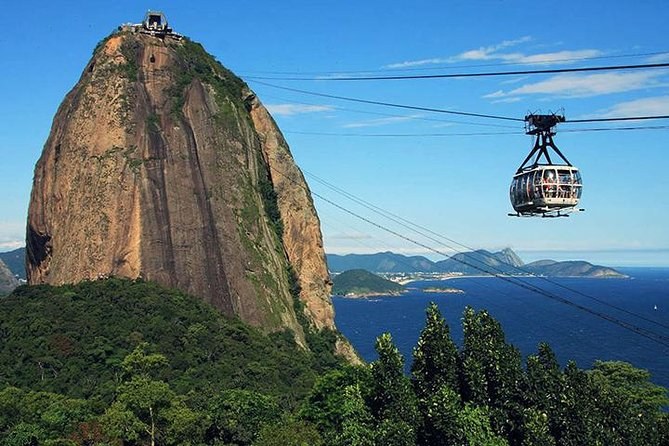 4 mi from Rio de JaneiroSugar Loaf Mountain (Pão de Açúcar)
 5 mi from Rio de JaneiroChrist the Redeemer
After you step off · near Lisbon
You end in a different port — stay on, and add what is within reach before you fly home.
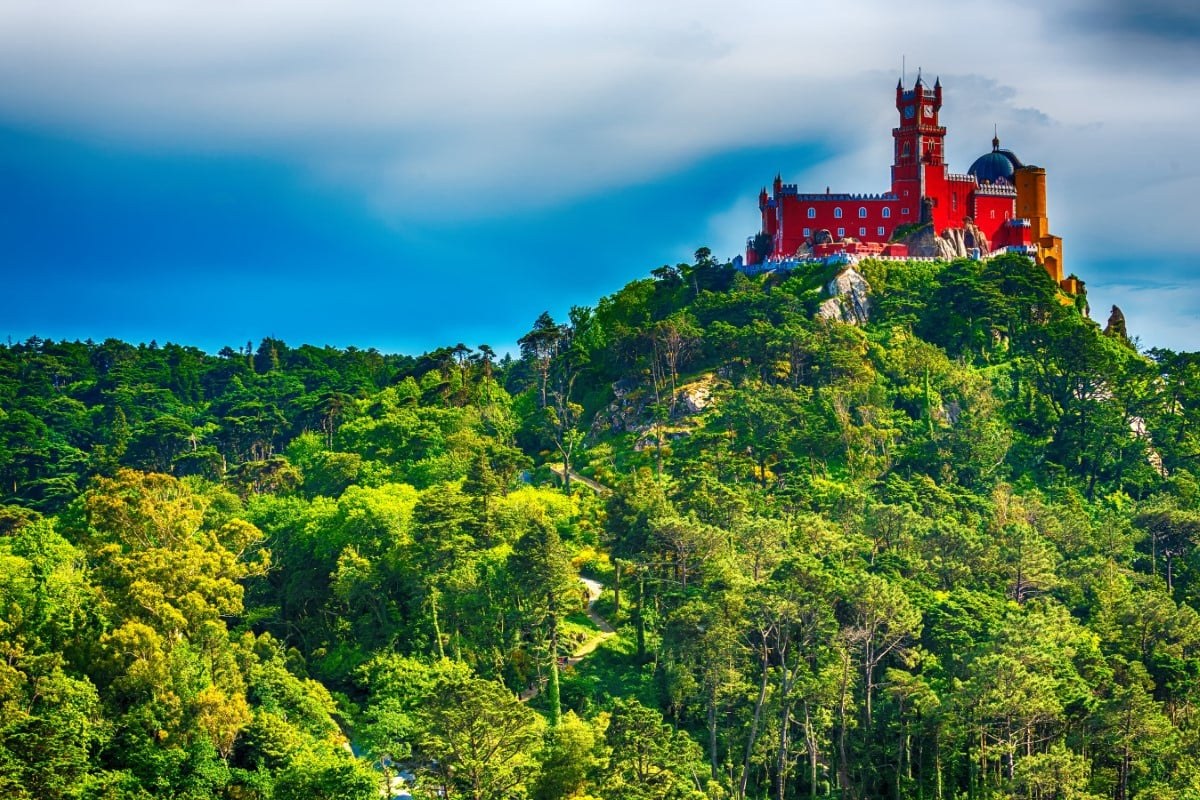 14 mi from LisbonSintra Day Trip - Pena Palace
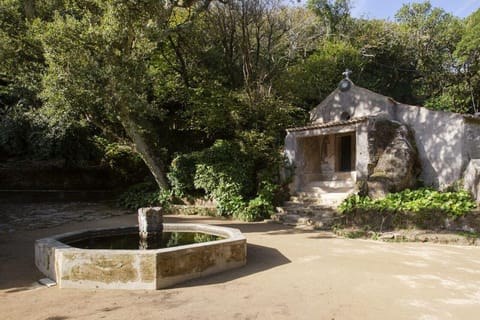 13 mi from LisbonConvent of the Capuchos Cork Lining & Underground Network
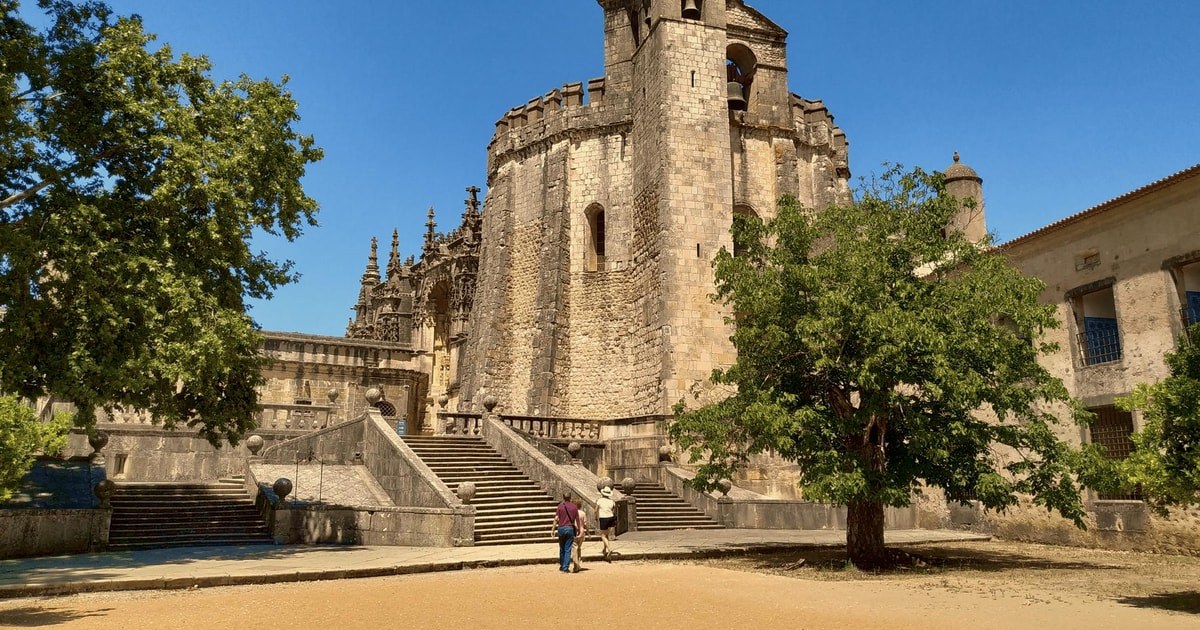 4 mi from Lisbon · land adventureTemplar Stone, Atlantic Cliffs, and Pastel Custard in Lisbon
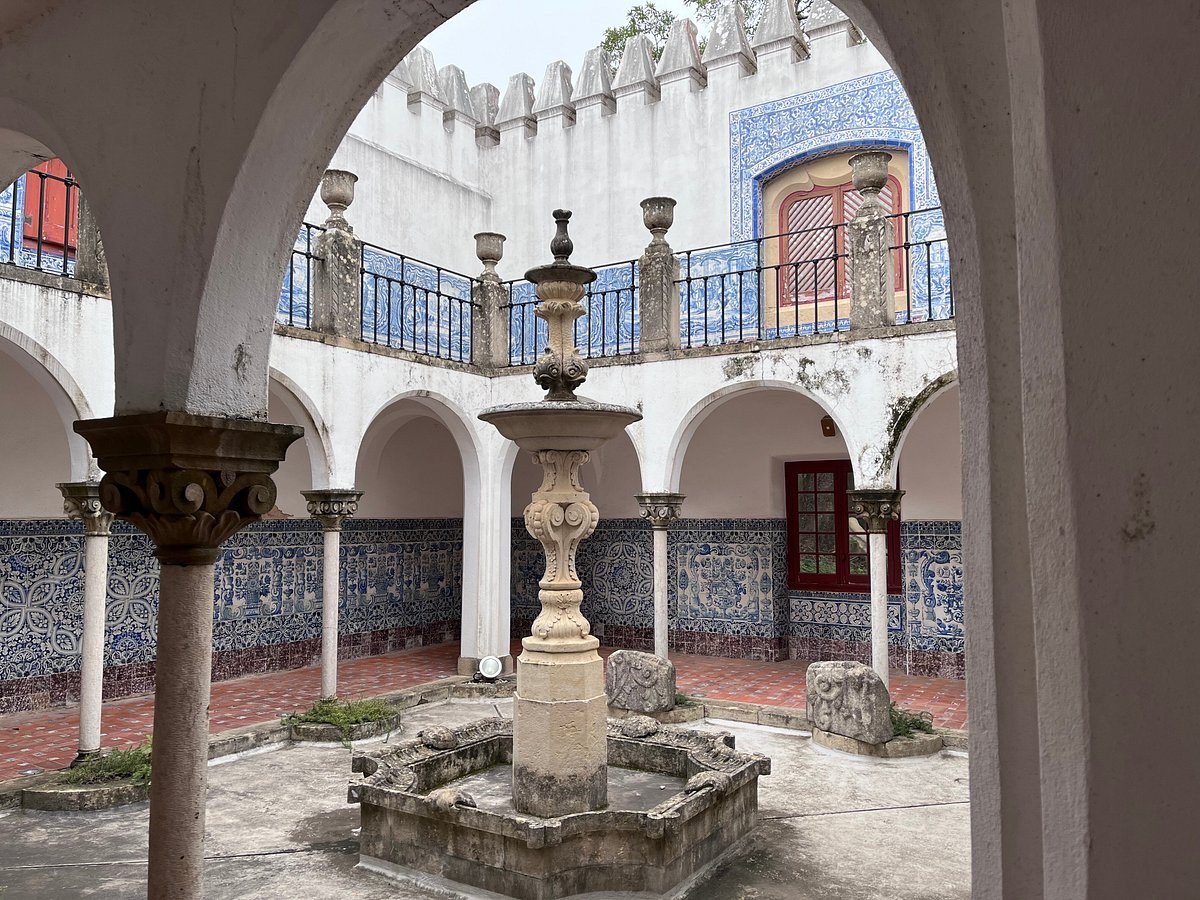 4 mi from Lisbon · land adventureSintra's Forests, Palaces & Coast: A Portuguese Masterpiece