Your cruise
Queen Elizabeth · 21-night Mediterranean cruise, Istanbul to Barcelona
Oct 8 – Oct 29 · 21 nights ·
Day 1 Istanbul (board) · Day 2 Dardanelles · Day 3 Ephesus · Day 4 Rhodes · Day 5 at sea · Day 6 Katakolon (Olympia) · Day 7 Messina · Day 8 Civitavecchia (Rome) · Day 9 at sea · Day 10 Palermo · Day 11 Messina · Day 12 Corfu · Day 13 Korcula · Day 14 Zadar · Day 15 Trieste · Day 16 at sea · Day 17 Kefalonia · Day 18 Katakolon (Olympia) · Day 19 Messina · Day 20 at sea · Day 21 Ibiza · Day 22 Barcelona (step off)
What you do Walk the sacred ground of Gallipoli with a private historian guide — ANZAC Cove, Lone Pine, Chunuk Bair — in a moving, unhurried journey through one of WWI's most defining campaigns. Bucket-list for history lovers and those tracing family heritage.
What to expect Your private guide collects you at the Çanakkale ferry terminal and crosses the strait to the Gallipoli Peninsula. You walk ANZAC Cove at the water's edge, stand at the Lone Pine Australian Memorial, ascend Chunuk Bair for panoramic views, and visit the New Zealand monument. The guide weaves personal soldier diaries and tactical maps into the narrative, making each ridge and gully viscerally real. The experience closes with a quiet moment at the Turkish Çanakkale Martyrs' Memorial overlooking the strait.
Good to know The ferry crossing takes roughly 25–30 minutes. The full private tour runs 6–7 hours — confirm your ship's all-aboard time before booking and request a custom finish time. Pre-book at least 3–4 weeks ahead; private historian guides fill fast. Wear comfortable walking shoes; terrain is uneven.
Versus the ship tour A private historian-led experience means you set the pace, linger at the memorials that move you, and receive deeply personalised commentary — impossible in a large group. Access to quieter moments at dawn-lit cemeteries is transformative.
book direct with ToursByLocals – Private Gallipoli Historian Guide → · the full guide →
What you do Stand inside the legendary walls of Troy — all nine stratified cities stacked across 4,000 years — guided privately by an archaeologist or specialist Aegean historian. The Trojan Horse, Schliemann's trenches, and Homeric myth come alive in stunning detail.
What to expect Your expert guide meets you at Çanakkale port for the short 30-minute drive to the UNESCO World Heritage Site of Troy (Truva). You enter the site before larger groups arrive and walk the well-preserved walls of Troy VI (the Homeric city), the Roman Odeon, the sacred temple precinct, and the reconstructed wooden Trojan Horse. The guide contextualises each layer — Neolithic through Byzantine — with vivid storytelling. A visit to the excellent on-site Troy Museum, whose collection includes gold jewellery and Schliemann artefacts, completes the experience.
Good to know Troy is approximately 30 km south of Çanakkale — about 30 minutes by private car. Allow 4–5 hours including the museum. Troy Museum entry is included when booking a private guided tour. Confirm all-aboard time with your ship; most itineraries allow a comfortable return. Book directly well in advance for private historian availability.
Versus the ship tour A private archaeologist guide unlocks the layered story of nine distinct Trojan civilisations with personalised depth — you linger at Schliemann's Great Tower, explore the Bronze Age walls, and hear the latest excavation findings, not a rehearsed script.
book direct with Turkey Travel Planner – Çanakkale & Troy Expert Tours → · the full guide →
What you do Board the legendary Nusret minelayer — the Ottoman vessel whose secret mine-laying mission turned the tide of the Dardanelles campaign — and explore the Çanakkale Naval Museum with a private expert maritime guide. A profoundly rare, hands-on WWI naval experience.
What to expect Your private guide meets you at the waterfront museum, a 10-minute walk from the cruise tender/ferry point. You explore the outdoor naval park with its formidable collection of cannons, mines, and torpedoes before boarding the Nusret minelayer herself — walking her decks as your guide recounts the audacious night mission that sank three Allied battleships. Inside the museum, glass cases hold recovered artefacts from HMS Ocean and HMS Irresistible. The guide then walks you along the Çanakkale waterfront clock tower for a perfect strait panorama.
Good to know The museum is walkable from the port — ideal if time is tight. Opening hours are generally 09:00–17:00; closed Mondays. Arrange private guide in advance via ToursByLocals. Combine with the Trojan Horse replica on the waterfront for photos. Allows a half-day, leaving time for Çanakkale's excellent bazaar.
Versus the ship tour Stepping aboard the actual Nusret — preserved in full — with a private naval historian who narrates the exact night of 8 March 1915 is an intimate, goosebump experience that no large-group visit can replicate. The museum's torpedo collection and period dioramas are world-class.
What you do The ultimate Dardanelles day — both the sacred Gallipoli battlefields and ancient Troy — in a single seamlessly managed private tour with a specialist guide and premium transport. For the discerning traveller who refuses to choose between Homer and history.
What to expect Departing Çanakkale port by private vehicle, you take the short ferry crossing to the Gallipoli Peninsula and visit ANZAC Cove, Lone Pine Memorial, and the Çanakkale Martyrs' Memorial at your own pace. After a waterfront lunch overlooking the strait, you recross by ferry and drive 30 minutes south to Troy, where you walk the Bronze Age walls, Homeric city layers, and the Troy Museum. Your guide narrates both chapters — Ottoman and ancient Greek — with equal command. Private vehicle returns you to port in time for all-aboard.
Good to know This is a long day (8–9 hours) — verify your ship's all-aboard time is 18:00 or later. Private tours can be tailored: if Troy matters more, weight the schedule accordingly. Book 4+ weeks ahead for private specialist guide availability. Comfortable walking shoes essential; both sites involve uneven ground.
Versus the ship tour A fully private vehicle and dual-site expert guide means you experience both UNESCO-listed Gallipoli and Troy without rushed turnarounds or shared coaches. Lunch at a hand-picked waterfront lokanta is woven in, and the itinerary flexes around your interests.
book direct with GetYourGuide – Private Gallipoli & Troy Full Day (local operator) → · the full guide →
What you do Glide the legendary Dardanelles Strait by private or small-group gulet, sailing beneath the fortress walls of Kilitbahir and Çimenlik Castles as Europe and Asia face each other across just 1.2 km of storied water. An utterly unique perspective on this world-changing waterway.
What to expect Your private gulet departs from Çanakkale's historic quay, gliding south toward the 1.2 km narrows where the Ottoman castles of Kilitbahir (Europe) and Çimenlik (Asia) face each other across the water, built by Mehmet II in 1452. The captain and guide narrate the naval history — from Xerxes' pontoon bridge to the 1915 Allied fleet assault — as you sail past the shoreline dotted with WWI monuments and the white cliffs of the Gallipoli Peninsula. A glass of Turkish tea or chilled wine is served on deck as you drift back to Çanakkale at golden hour.
Good to know Departures are typically 2–3 hours. Charter a private gulet for the most luxurious experience; confirm departure and return times against your all-aboard schedule. The strait can be breezy — bring a light layer. Bookings via local operators are best confirmed 2–3 weeks ahead, especially in peak summer season.
Versus the ship tour Experiencing the strait from the water — at your own speed, aboard a private gulet — reveals the military genius of the Dardanelles fortifications and the drama of the strait's narrowest point in a way no land tour can. Sunset departures are particularly magical.
book direct with Çanakkale Gulet & Boat Tours (local operator via GetYourGuide Çanakkale) → · the full guide →
What you do Discover Çanakkale's vibrant old bazaar, Ottoman han, and waterfront with a private local host, before sitting down to a curated meze table of Aegean specialities — stuffed mussels, fresh anchovy börek, local olive oils, and aged beyaz peynir — paired with regional wines.
What to expect Your local host meets you at the port and leads you through the labyrinthine Çanakkale covered bazaar, pausing at the spice sellers, the olive oil cooperative, and the 18th-century Büyük Han caravanserai. At a handpicked waterfront meyhane, you are seated to a curated parade of cold and hot meze — stuffed vine leaves, slow-cooked lamb liver, Aegean herb salads, and crispy hamsi börek. Local wines from the Gallipoli Peninsula appellation and an optional raki ceremony round out the table. Your host walks you back along the clock-tower promenade with the Çimenlik Castle glowing across the water.
Good to know The tour runs 3–4 hours and is perfectly suited to ships with a midday or early afternoon in port. The bazaar and old town are a 5-minute walk from the cruise pier. Dietary requirements (vegetarian, halal) accommodated with advance notice. Book 2–3 weeks ahead for private host availability.
Versus the ship tour A private local host takes you to family-run meyhanes and market stalls that have never seen a tourist group — tasting the real Aegean table, not a set menu. The pace is entirely yours; linger over raki and meze as long as you wish.
book direct with ToursByLocals – Çanakkale Private Local Food & Culture Guide → · the full guide →
What you do Stand beneath the largest free-standing dome of the ancient world inside a building that served as the planet's grandest cathedral for 900 years and its grandest mosque for 500 more. A licensed guide unlocks what the average visitor walks past: the 9th-century apse mosaics, the marble Omphalion where Byzantine emperors were crowned, and the layered Christian-and-Islamic iconography that exists nowhere else on earth. This is the single most consequential building in Istanbul and arguably in the eastern Mediterranean.
What to expect Foreign visitors use a dedicated tourist entrance separate from worshippers and pass through mandatory security screening. The main prayer floor is carpeted and partly screened for prayer; tourists are routed to the upper gallery for the famous Deesis and imperial mosaics. Shoulders and knees must be covered and women need a headscarf (free scarves are available at the door). Allow 60-90 minutes inside.
Good to know From Galataport the T1 tram from Tophane reaches Sultanahmet in ~15-20 minutes; Hagia Sophia is a 3-minute walk from the Sultanahmet stop. Buy the timed entry online in advance to avoid the queue. Closed to tourists during the five daily prayer windows and Friday midday prayer, so a licensed guide who times your visit around them is worth it. Comfortably back aboard for any all-aboard after ~16:00.
Versus the ship tour Cruise lines bundle Hagia Sophia into a full-day 'Classic Istanbul' tour at roughly USD 150-200 per person. Booking direct is dramatically cheaper: the EUR 25 entry plus a shared private guide for your party costs a fraction of that, and you skip the 40-person coach. Book direct here unless your ship's tender timing is unusually tight.
book direct with Hagia Sophia Grand Mosque (official ticketing, muze.gen.tr) → · the full guide →
What you do Cruise the only strait on earth that splits a city across two continents, gliding past the marble Dolmabahce Palace, the Ottoman waterfront mansions (yali), the fortress of Rumeli Hisari, and beneath two intercontinental bridges. On a private yacht you set the pace, the route and the soundtrack, with tea or champagne in hand as the minarets of the skyline drift by. Doing this on your own chartered boat rather than a packed 200-seat tour ferry is the difference between a postcard and a memory.
What to expect You board at a marina near the European shore; the captain runs the classic strait route and can pause for photos at the bridges and palaces. Crew serve refreshments; many operators allow you to bring your own champagne or arrange catering. Sunset departures are the prized slot and book out first. Two hours is enough to reach Rumeli Hisari and back at an unhurried pace.
Good to know Confirm the boarding marina relative to Galataport when you book; some launch points are a short taxi from the cruise terminal. Pre-book the exact departure time and request a sunset slot if your ship overnights. Bring layers, the strait is breezy even in summer. Galataport itself sits right at the mouth of the Bosphorus, so transfer times are short.
Versus the ship tour Cruise lines sell a shared Bosphorus 'cruise' as part of a coach tour, typically USD 80-120 per person on a large group boat. For a couple or a family, a private charter direct is a clear luxury upgrade and, split across your party, competitive per head while giving you the whole boat. Book direct.
book direct with Bosphorus Yacht (Zoe Yacht, official) → · the full guide →
What you do Walk the ceremonial spine of imperial Istanbul: the Sultanahmet (Blue) Mosque with its cascade of domes and 20,000 hand-painted Iznik tiles, the ancient Hippodrome where Byzantine chariots once raced around a 3,500-year-old Egyptian obelisk, and then descend into the Basilica Cistern, a sunken sixth-century forest of 336 columns lit like an underground cathedral with two enigmatic Medusa heads at its feet. Three civilizations, Roman, Byzantine and Ottoman, layered within a 10-minute walk.
What to expect The Blue Mosque is an active place of worship: shoes off, modest dress, headscarf for women, and it closes to tourists during the five daily prayers, so timing matters. The Basilica Cistern's atmospheric Night Shift (after 19:30) is the connoisseur's slot, quieter and more theatrically lit, but tickets are sold only same-day at the door. The Hippodrome is open public space between the two.
Good to know All three sit within a few minutes of each other in Sultanahmet, a 15-20 minute tram ride from Galataport via the Tophane T1 stop. Cistern accepts card or Istanbulkart only, no cash. Carry a scarf for the mosque. If your ship overnights, the Cistern Night Shift is a standout; otherwise do the cluster mid-morning before the mosque's midday prayer closure.
Versus the ship tour These exact sites form the backbone of the ship's USD 150-200 'Highlights of Istanbul' coach day. On your own the hard costs are tiny (the mosque is free, the cistern under EUR 40) and the walking distances are minimal, so book direct and pocket the difference. The ship tour only earns its markup if you have a very short port call and want the door-to-door coach.
What you do Walk the seat of Ottoman power for nearly 400 years, set on the point where the Bosphorus meets the Golden Horn. Beyond the four courtyards lie the two rooms that make it bucket-list: the Harem, the labyrinth of tiled private chambers where the sultan, his mother and his concubines lived, and the Imperial Treasury, home to the 86-carat Spoonmaker's Diamond and the emerald-studded Topkapi Dagger. The terrace views over the strait are the finest in the old city.
What to expect The palace is large and the Harem and Treasury draw the longest lines, so go early. Crucially, Topkapi is closed on Tuesdays, a frequent trap for cruise passengers, so check your port day. The Harem requires the combined ticket; don't assume your Museum Pass covers it (it doesn't). Budget 2-3 hours to do it justice.
Good to know Topkapi sits beside Hagia Sophia in Sultanahmet, so pair them in one morning, 15-20 minutes from Galataport by T1 tram. Pre-book the timed combined ticket online to skip the queue. Wear comfortable shoes; the courtyards are cobbled and spread out. Be back at the tram with a buffer for all-aboard.
Versus the ship tour Topkapi is the costliest single entry of the Sultanahmet sites, and ship tours fold it into the same USD 150-200 day. Buying direct at ~EUR 54 with the Harem included is far better value, and a private guide for the palace helps you prioritize in the limited port window. Book direct; only default to the ship tour in a very tight call.
book direct with Topkapi Palace Museum (official ticketing, muze.gen.tr) → · the full guide →
What you do Take the full hammam ritual in a 1556 bathhouse designed by the great Ottoman architect Mimar Sinan and commissioned by Suleiman the Magnificent's queen, Hurrem Sultan, on the ancient site of the Baths of Zeuxippus, steps from Hagia Sophia. You are scrubbed on a heated marble platform (gobektasi) beneath a star-pierced dome, foam-washed, and massaged in a 470-year-old monument. It is the single most sensory, most distinctly Ottoman experience in the city, and a sublime antidote to a day on your feet.
What to expect You're given a pestemal (cotton wrap) and slippers; the ritual moves from the warm dome to the heated marble slab where an attendant performs the kese exfoliation and an olive-oil-soap foam massage, finishing with a rinse and tea in the cool room. Separate men's and women's sections, same-sex attendants. The experience runs roughly 60-90 minutes depending on package. It is touristy but the building and the ritual are genuinely historic.
Good to know Located in Sultanahmet directly between Hagia Sophia and the Blue Mosque, easy to slot after morning sightseeing, 15-20 minutes from Galataport by tram. Book your time slot online in advance, especially on overnight port days. Bring nothing; towels, wrap and slippers are provided. Allow drying/relaxing time before heading back to the ship.
Versus the ship tour Cruise lines rarely offer a historic hammam as a standalone excursion, and when bundled it carries a steep per-person markup over the spa's own rates. Book direct with the bathhouse: you choose your ritual tier and time, and the heritage of this specific Sinan-built hamam is the whole point. There is no equivalent the ship can sell you better.
book direct with Ayasofya Hurrem Sultan Hamami (official) → · the full guide →
What you do Eat your way through Istanbul with the company that wrote the book on its food, tracing the Grand Bazaar and Spice Bazaar and then ferrying across the Bosphorus to the Asian-side market streets of Kadikoy. You meet the masters behind the counters, the kokorec grillers, the pickle makers, the borek bakers, and eat roughly a dozen specialties most cruise passengers never find. Crossing between continents for lunch is a bucket-list flourish only Istanbul can offer.
What to expect Expect a 6-hour-plus walk with a serious eater's pace, plenty of standing and walking, and a small group of fellow food travelers. The route weaves through the Grand Bazaar's 4,000 shops and the Spice Bazaar before a public-ferry hop to Kadikoy's market lanes. You will eat a lot; come hungry and wear walking shoes. Tours sell out, so book well ahead.
Good to know Confirm the meeting point relative to Galataport; the Grand Bazaar end is a short tram ride away. This is a full-day commitment, so it suits an overnight call or a long port day; check it fits inside your all-aboard before booking. Cancel up to 24 hours ahead for a full refund. The Grand Bazaar is closed Sundays, which affects scheduling.
Versus the ship tour Ship 'taste of Istanbul' excursions are large-group, lighter on access, and typically priced USD 120-180 per person. Culinary Backstreets caps groups at seven and delivers genuine local access, so booking direct buys you a smaller, deeper, better experience for a similar or lower price. Book direct.
book direct with Culinary Backstreets (official) → · the full guide →
What you do Walk the sacred ground of Gallipoli with a private historian guide — ANZAC Cove, Lone Pine, Chunuk Bair — in a moving, unhurried journey through one of WWI's most defining campaigns. Bucket-list for history lovers and those tracing family heritage.
What to expect Your private guide collects you at the Çanakkale ferry terminal and crosses the strait to the Gallipoli Peninsula. You walk ANZAC Cove at the water's edge, stand at the Lone Pine Australian Memorial, ascend Chunuk Bair for panoramic views, and visit the New Zealand monument. The guide weaves personal soldier diaries and tactical maps into the narrative, making each ridge and gully viscerally real. The experience closes with a quiet moment at the Turkish Çanakkale Martyrs' Memorial overlooking the strait.
Good to know The ferry crossing takes roughly 25–30 minutes. The full private tour runs 6–7 hours — confirm your ship's all-aboard time before booking and request a custom finish time. Pre-book at least 3–4 weeks ahead; private historian guides fill fast. Wear comfortable walking shoes; terrain is uneven.
Versus the ship tour A private historian-led experience means you set the pace, linger at the memorials that move you, and receive deeply personalised commentary — impossible in a large group. Access to quieter moments at dawn-lit cemeteries is transformative.
book direct with ToursByLocals – Private Gallipoli Historian Guide → · the full guide →
What you do Stand inside the legendary walls of Troy — all nine stratified cities stacked across 4,000 years — guided privately by an archaeologist or specialist Aegean historian. The Trojan Horse, Schliemann's trenches, and Homeric myth come alive in stunning detail.
What to expect Your expert guide meets you at Çanakkale port for the short 30-minute drive to the UNESCO World Heritage Site of Troy (Truva). You enter the site before larger groups arrive and walk the well-preserved walls of Troy VI (the Homeric city), the Roman Odeon, the sacred temple precinct, and the reconstructed wooden Trojan Horse. The guide contextualises each layer — Neolithic through Byzantine — with vivid storytelling. A visit to the excellent on-site Troy Museum, whose collection includes gold jewellery and Schliemann artefacts, completes the experience.
Good to know Troy is approximately 30 km south of Çanakkale — about 30 minutes by private car. Allow 4–5 hours including the museum. Troy Museum entry is included when booking a private guided tour. Confirm all-aboard time with your ship; most itineraries allow a comfortable return. Book directly well in advance for private historian availability.
Versus the ship tour A private archaeologist guide unlocks the layered story of nine distinct Trojan civilisations with personalised depth — you linger at Schliemann's Great Tower, explore the Bronze Age walls, and hear the latest excavation findings, not a rehearsed script.
book direct with Turkey Travel Planner – Çanakkale & Troy Expert Tours → · the full guide →
What you do Board the legendary Nusret minelayer — the Ottoman vessel whose secret mine-laying mission turned the tide of the Dardanelles campaign — and explore the Çanakkale Naval Museum with a private expert maritime guide. A profoundly rare, hands-on WWI naval experience.
What to expect Your private guide meets you at the waterfront museum, a 10-minute walk from the cruise tender/ferry point. You explore the outdoor naval park with its formidable collection of cannons, mines, and torpedoes before boarding the Nusret minelayer herself — walking her decks as your guide recounts the audacious night mission that sank three Allied battleships. Inside the museum, glass cases hold recovered artefacts from HMS Ocean and HMS Irresistible. The guide then walks you along the Çanakkale waterfront clock tower for a perfect strait panorama.
Good to know The museum is walkable from the port — ideal if time is tight. Opening hours are generally 09:00–17:00; closed Mondays. Arrange private guide in advance via ToursByLocals. Combine with the Trojan Horse replica on the waterfront for photos. Allows a half-day, leaving time for Çanakkale's excellent bazaar.
Versus the ship tour Stepping aboard the actual Nusret — preserved in full — with a private naval historian who narrates the exact night of 8 March 1915 is an intimate, goosebump experience that no large-group visit can replicate. The museum's torpedo collection and period dioramas are world-class.
What you do The ultimate Dardanelles day — both the sacred Gallipoli battlefields and ancient Troy — in a single seamlessly managed private tour with a specialist guide and premium transport. For the discerning traveller who refuses to choose between Homer and history.
What to expect Departing Çanakkale port by private vehicle, you take the short ferry crossing to the Gallipoli Peninsula and visit ANZAC Cove, Lone Pine Memorial, and the Çanakkale Martyrs' Memorial at your own pace. After a waterfront lunch overlooking the strait, you recross by ferry and drive 30 minutes south to Troy, where you walk the Bronze Age walls, Homeric city layers, and the Troy Museum. Your guide narrates both chapters — Ottoman and ancient Greek — with equal command. Private vehicle returns you to port in time for all-aboard.
Good to know This is a long day (8–9 hours) — verify your ship's all-aboard time is 18:00 or later. Private tours can be tailored: if Troy matters more, weight the schedule accordingly. Book 4+ weeks ahead for private specialist guide availability. Comfortable walking shoes essential; both sites involve uneven ground.
Versus the ship tour A fully private vehicle and dual-site expert guide means you experience both UNESCO-listed Gallipoli and Troy without rushed turnarounds or shared coaches. Lunch at a hand-picked waterfront lokanta is woven in, and the itinerary flexes around your interests.
book direct with GetYourGuide – Private Gallipoli & Troy Full Day (local operator) → · the full guide →
What you do Glide the legendary Dardanelles Strait by private or small-group gulet, sailing beneath the fortress walls of Kilitbahir and Çimenlik Castles as Europe and Asia face each other across just 1.2 km of storied water. An utterly unique perspective on this world-changing waterway.
What to expect Your private gulet departs from Çanakkale's historic quay, gliding south toward the 1.2 km narrows where the Ottoman castles of Kilitbahir (Europe) and Çimenlik (Asia) face each other across the water, built by Mehmet II in 1452. The captain and guide narrate the naval history — from Xerxes' pontoon bridge to the 1915 Allied fleet assault — as you sail past the shoreline dotted with WWI monuments and the white cliffs of the Gallipoli Peninsula. A glass of Turkish tea or chilled wine is served on deck as you drift back to Çanakkale at golden hour.
Good to know Departures are typically 2–3 hours. Charter a private gulet for the most luxurious experience; confirm departure and return times against your all-aboard schedule. The strait can be breezy — bring a light layer. Bookings via local operators are best confirmed 2–3 weeks ahead, especially in peak summer season.
Versus the ship tour Experiencing the strait from the water — at your own speed, aboard a private gulet — reveals the military genius of the Dardanelles fortifications and the drama of the strait's narrowest point in a way no land tour can. Sunset departures are particularly magical.
book direct with Çanakkale Gulet & Boat Tours (local operator via GetYourGuide Çanakkale) → · the full guide →
What you do Discover Çanakkale's vibrant old bazaar, Ottoman han, and waterfront with a private local host, before sitting down to a curated meze table of Aegean specialities — stuffed mussels, fresh anchovy börek, local olive oils, and aged beyaz peynir — paired with regional wines.
What to expect Your local host meets you at the port and leads you through the labyrinthine Çanakkale covered bazaar, pausing at the spice sellers, the olive oil cooperative, and the 18th-century Büyük Han caravanserai. At a handpicked waterfront meyhane, you are seated to a curated parade of cold and hot meze — stuffed vine leaves, slow-cooked lamb liver, Aegean herb salads, and crispy hamsi börek. Local wines from the Gallipoli Peninsula appellation and an optional raki ceremony round out the table. Your host walks you back along the clock-tower promenade with the Çimenlik Castle glowing across the water.
Good to know The tour runs 3–4 hours and is perfectly suited to ships with a midday or early afternoon in port. The bazaar and old town are a 5-minute walk from the cruise pier. Dietary requirements (vegetarian, halal) accommodated with advance notice. Book 2–3 weeks ahead for private host availability.
Versus the ship tour A private local host takes you to family-run meyhanes and market stalls that have never seen a tourist group — tasting the real Aegean table, not a set menu. The pace is entirely yours; linger over raki and meze as long as you wish.
book direct with ToursByLocals – Çanakkale Private Local Food & Culture Guide → · the full guide →
What you do Explore the entire ancient city of Ephesus — Library of Celsus, Great Theatre, Curetes Street — in a fully private, expert-led tour with your own licensed guide and Mercedes van, guaranteed back at port on time.
What to expect Your guide meets you dockside at Kusadasi Port and whisks you to Ephesus in a private air-conditioned van. Walking the marble-paved Curetes Street with no crowds around you, the scale of this 250,000-person Roman metropolis becomes visceral. Highlights include the soaring two-storey Library of Celsus facade, the 25,000-seat Great Theatre where St Paul preached, and the sacred Gate of Hercules. Your guide weaves mythology, early Christianity, and Roman imperial politics into every column and frieze.
Good to know Book directly via ephesusporttours.com well in advance — private slots fill fast on cruise days. Entrance to Ephesus Ancient City is EUR 40 pp (pay on-site). Wear comfortable flat shoes; the marble streets are uneven. All-aboard times are respected under their on-time guarantee.
Versus the ship tour Fully private — your own licensed archaeologist-guide, your own vehicle, your own pace. Linger at the Library of Celsus, step inside the Great Theatre, and skip every mass-tour bottleneck. The guaranteed port return means zero stress.
What you do Descend into Ephesus's 'Pompeii moment' — the Terrace Houses, where Roman aristocrats' frescoed mansions, mosaic floors, and underfloor heating are preserved in breathtaking detail under a climate-controlled canopy.
What to expect You enter via a raised boardwalk system threading through six insula apartments occupied from the 1st to 7th century AD. Intact mosaic floors glow with geometric precision; wall paintings depict mythological scenes still vivid after two millennia. Your guide explains the sophisticated hypocaust heating, private baths, and the graffiti scratched by servants — intimate details that make ancient life feel startlingly modern. Ongoing excavation means new discoveries appear each season.
Good to know Add the Terrace Houses to any private Ephesus tour; budget an extra 45–60 minutes inside. The EUR 15 pp surcharge is paid at the Terrace Houses ticket desk, separate from main site entry. Pre-book your guide — walk-in private guides at the gate are unvetted.
Versus the ship tour Access to the Terrace Houses is ticketed separately and often skipped by large groups. A private expert guide — such as licensed archaeologist Ertunga Ecir — reads the Latin inscriptions, identifies the fresco subjects, and gives you the full context that transforms painted walls into living Roman history.
book direct with Ertunga Ecir – Private Ephesus Tours → · the full guide →
What you do Visit Meryemana — the mountain-top stone house where the Virgin Mary is believed to have lived out her final years — then tour ancient Ephesus, combining sacred pilgrimage with one of antiquity's greatest cities.
What to expect The road to the House of the Virgin Mary winds through fragrant pine forest on Mount Koressos, arriving at a modest 1st-century stone chapel that has drawn Catholic, Orthodox, and Muslim pilgrims for centuries. Light a candle in the hushed interior, then tie a wish to the nearby 'Wall of Wishes.' Descend to Ephesus for the full archaeological circuit, understanding how this city — where St John brought Mary after the Crucifixion — sits at the crossroads of classical and Christian civilisation.
Good to know Dress modestly for the House of the Virgin Mary (shoulders and knees covered). The site is 9 km from Ephesus — a private vehicle is essential. Morning visits are cooler and quieter. Combine with St John's Basilica in Selçuk if time permits.
Versus the ship tour Arriving at Meryemana early in a private vehicle means you reach the sanctuary before the midday pilgrimage crowds. Your guide provides the theological history, the 19th-century rediscovery story, and the significance of the papal visits — depth impossible in a group setting.
What you do Stand at the ruins of the Temple of Artemis — one of the Seven Wonders of the Ancient World — then tour Ephesus with a specialist guide who stitches together what this vanished colossus meant to the ancient world.
What to expect You begin at the Temple of Artemis site on the edge of Selçuk — just one restored column remains of what was four times the size of the Parthenon. Your guide uses historical reconstructions to conjure the original structure before you drive to Ephesus itself, where the cult of Artemis permeates every frieze. The Ephesus Experience Museum inside the site displays digital reconstructions that make the connection between temple and city vivid. Finish on Curetes Street as the afternoon light turns the marble golden.
Good to know The Temple of Artemis is a 10-minute drive from the main Ephesus entrance — combine them in the same private tour itinerary. No shade at the temple site; bring a hat. The Ephesus Experience Museum is included in the EUR 40 pp entry ticket.
Versus the ship tour The single standing column and scattered marble drums of the Temple of Artemis look underwhelming without expert context. A specialist Ephesus guide reconstructs the temple's 127 Ionic columns, its gold-and-ivory cult statue, and why Alexander the Great offered to fund its rebuilding — turning a field into a Wonder.
book direct with Ephesus Travel Guide – Private Ephesus Tours → · the full guide →
What you do Pair the ruins of Ephesus with the world-class Selçuk Ephesus Museum — home to the twin Artemis statues, exquisite Roman sculpture, and treasures excavated from the site — for the complete, unmatched Ephesian experience.
What to expect Begin at Ephesus ancient city with a thorough guided walk through the main archaeological zone. Then drive five minutes to the Selçuk Ephesus Museum, where the Great Artemis and Beautiful Artemis statues dominate the hall — their dozens of egg-shaped protrusions (fertility symbols or bull testicles, your guide will explain the debate) are mesmerising up close. The gladiator collection — the only one of its kind — includes tombstones with portraits and medical evidence of arena injuries. A genuinely scholarly afternoon.
Good to know The museum is closed on Mondays — confirm before scheduling. Combine with a stop at the Isa Bey Mosque and the ruins of St John's Basilica, both within walking distance in Selçuk. Total time with both sites is approximately 5–6 hours from port.
Versus the ship tour The Selçuk Museum is the essential companion to the ruins, yet most tours skip it for time. With a private guide who knows every showcase, the famous multi-breasted Artemis statues, the Eros sarcophagus, and the gladiator grave stelae transform from objects into stories that reframe everything you saw in the ancient city.
book direct with Ertunga Ecir – Private Ephesus Tours → · the full guide →
What you do After exploring ancient Ephesus, wind up into the hills to Şirince — a perfectly preserved Ottoman Greek village famed for its fruit wines and stone houses — for a private tasting and leisurely lunch among the vines.
What to expect After a morning at Ephesus, your private van climbs 8 km into the hills to Şirince, a village of whitewashed stone houses draped in bougainvillea and grapevines. Local producers line the cobbled lanes with bottles of strawberry, peach, blackberry, and grape wine — idiosyncratic and delicious. Settle onto a shaded terrace for a mezze lunch of Aegean olives, stuffed vine leaves, and fresh bread, looking out over the valley. This is the unhurried, sensory counterpoint to the grandeur of the ruins below.
Good to know Şirince is 8 km from Selçuk — accessible only by private vehicle or local minibus (dolmuş); a private tour is by far the most comfortable option. The village gets busy midday in peak season; arriving by early afternoon from Ephesus is ideal. Confirm all-aboard time with your guide before departure.
Versus the ship tour Şirince is rarely included in standard excursions yet it is one of the Aegean's most photogenic and culturally layered villages. Arriving privately means you browse the family-run wine shops and terrace restaurants at leisure — not on a group schedule — and your guide provides the Greek-Orthodox history of the village's original inhabitants.
What you do A fully private, custom-paced journey to Rhodes' crown jewels — the whitewashed village of Lindos, its soaring Acropolis, and the medieval splendours of the Old Town — with a vetted local expert at your side all day.
What to expect Your private guide meets you at the port and whisks you south along the coastline to the stunning clifftop village of Lindos. You'll climb to the Acropolis of Lindos for panoramic Aegean views before wandering the labyrinthine whitewashed alleyways at leisure. The afternoon brings you back to Rhodes Old Town — a UNESCO World Heritage Site — for a deep-dive through the Street of the Knights and the Palace of the Grand Master. The experience finishes with time to explore medieval lanes and sip wine at a hand-picked taverna.
Good to know Book directly and confirm your all-aboard time so the guide builds the day around it. Lindos involves a donkey-path or a 15-min uphill walk to the Acropolis — wear comfortable shoes. Pre-booking essential; spaces are limited by design.
Versus the ship tour Fully bespoke itinerary set around your interests and pace — no fixed coach schedule, no shared commentary. Your licensed guide unlocks hidden corners and personal stories that group tours simply cannot offer.
book direct with Rhodes Islander (Licensed Private Guides) → · the full guide →
What you do Ascend to one of the ancient world's most dramatically sited acropolises — perched 116 m above a sapphire bay — with a specialist archaeologist guide bringing 2,400 years of history vividly to life.
What to expect The half-day begins with a scenic coastal drive south to Lindos. Your guide leads you up to the Acropolis — past the 4th-century BC Temple of Athena Lindia — pausing at every terrace for sweeping views over St Paul's Bay below. You'll then descend into the village itself: a maze of sea-captain mansions adorned with pebble-mosaic courtyards, bougainvillea, and artisan boutiques. Time is allowed for a Greek coffee or a fresh seafood meze in the village square before returning to port.
Good to know The Acropolis site is open from 08:30; arriving early (before coach parties) means cooler temperatures and empty columns. Wear sunscreen and sturdy shoes. Entry to the Acropolis of Lindos is approximately EUR 12 per adult and can be purchased on-site.
Versus the ship tour Small, intimate groups with a certified guide who weaves together Hellenistic, Byzantine and Crusader layers of the site — a depth of expertise and personal attention impossible in a large coach party.
book direct with Rhodes Shore Excursions → · the full guide →
What you do Step inside the most formidable medieval fortress in the eastern Mediterranean — the Palace of the Grand Master of the Knights of Rhodes — then lose yourself in the UNESCO-listed walled city surrounding it.
What to expect The Palace of the Grand Master is a 14th-century Hospitaller masterpiece — its towers, moat and colonnaded courtyards commanding the entire medieval city. Inside, ancient Hellenistic mosaics (relocated from Kos by the Italians) adorn the floors of state rooms that once hosted Crusader Grand Masters. Beyond the palace, the Street of the Knights — one of the best-preserved medieval thoroughfares in Europe — leads to the Archaeological Museum housed in a 15th-century hospital. The Old Town's 4 km of intact walls can also be walked at sunset for extraordinary views.
Good to know The palace is a short, easy 15-min walk from the Rhodes cruise port — no transport needed. Arrive at opening (08:30) to beat crowds. The site closes at 15:30 and is shut on Tuesdays; check your port day before booking. Comfortable, closed-toe shoes recommended for cobblestones.
Versus the ship tour Direct entry gives you unhurried access to the palace's extraordinary mosaic floors and vaulted halls at your own rhythm, with no group itinerary dictating your time. Pair with a private walking guide from Rhodes Shore Excursions for expert commentary.
book direct with Palace of the Grand Master of the Knights of Rhodes (Official) → · the full guide →
What you do A private boat charter along Rhodes' most celebrated coastline — crystal-clear bays immortalised by Hollywood, turquoise sea caves, and a sun-drenched BBQ lunch on the water. Pure Aegean luxury.
What to expect Your luxury catamaran or motor-sailer departs the marina and heads south along a coastline that has barely changed since Anthony Quinn filmed 'The Guns of Navarone' here in 1961. Swim stops include the dramatic Traganou Caves — shimmering turquoise grottoes accessible only by sea — then the legendary Antony Quinn Bay, sheltered and impossibly clear, and the quieter coves of Ladiko and Afantou. A freshly grilled BBQ lunch with local mezedes and chilled Greek wine is served on deck. Your captain and crew handle everything; you simply dive, swim and soak up the sun.
Good to know Full-day trips run approximately 5 hours; confirm departure and return times against your all-aboard. Bring reef-safe sunscreen, a hat and a cover-up. Snorkelling gear is typically provided. Pre-book well in advance — private charters fill months ahead in peak season (June–September).
Versus the ship tour A small, private or semi-private boat means you linger at each bay as long as you wish — snorkelling the Traganou sea caves, floating in Antony Quinn Bay, and toasting with chilled white wine while the coast drifts by at your pace.
book direct with Rhodes Shore Excursions → · the full guide →
What you do Discover the hauntingly beautiful Art Deco-Moorish spa complex at Kallithea Springs — used by Hippocrates himself — then unwind on the golden sands of Tsambika, one of the Aegean's most photogenic beaches.
What to expect Kallithea Springs (Thermes Kallithea) is a masterpiece of 1920s Italian Rationalist and Moorish architecture set directly on the sea — its domed pavilions, mosaic floors and carved arches reflected in tidal pools. Your guide explains its history as the ancient healing springs of Hippocrates before you explore independently and swim from the private rocky coves below. The tour then continues north to Tsambika Beach — a sweeping arc of fine golden sand backed by a hilltop monastery — for swimming and sunbathing with stunning panoramic views.
Good to know Kallithea entry is approximately EUR 4 per adult, payable on-site. Bring swimwear and a towel for both Kallithea's sea coves and Tsambika. The half-day returns to port with comfortable time before all-aboard. Tsambika gets busy at midday — earlier visits are quieter and more atmospheric.
Versus the ship tour A specialist-led small group gives you time to truly absorb the architecture and history of Kallithea — a site regularly skipped or rushed — before a genuinely relaxed, unhurried beach interlude at Tsambika.
book direct with Rhodes Shore Excursions → · the full guide →
What you do Venture into the sun-drenched interior of Rhodes to visit a family estate winery, taste indigenous Athiri and Mandilaria wines, and feast on a homemade meze lunch in a village taverna — the authentic Rhodes few cruise passengers ever find.
What to expect Your private driver-guide heads inland past ancient Kameiros and through fragrant valleys of olive groves and wildflowers to a family-owned estate in the island's wine country. The winemaker leads a personal tour of the vineyards and cellar, explaining the island's 2,500-year-old viticultural heritage, before guiding a seated tasting of estate whites, rosés and reds paired with local cheeses and honey. Lunch follows at a hand-picked traditional taverna — expect slow-cooked lamb, dolmades, fresh-caught fish and a procession of mezedes — before a scenic return through the hilltop ruins of Kritinia Castle with sweeping sea views across to Turkey.
Good to know This tour suits travelers who prefer culture and cuisine over beaches. Notify the operator of any dietary requirements at booking. Morning departure recommended to return comfortably before all-aboard. Rhodes Private Tours can tailor the itinerary to include additional stops such as Butterfly Valley (Petaloudes) or the ancient city of Kameiros.
Versus the ship tour Intimate access to a working Rhodian winery and a family-run village taverna — the kind of personal welcome, local knowledge and table-to-farm storytelling that only a small, expert-led private group experience can provide.
What you do Walk the sacred ground where the ancient Games were born, guided by a vetted local expert at your own pace. Stand in the original stadium, explore the Temple of Zeus, and unlock stories no audio guide can tell.
What to expect Your licensed local guide meets you at the port or the site entrance and leads you through the Archaeological Site and Museum of Ancient Olympia with skip-the-line access. You'll stand inside the original 5th-century BC stadium, explore the colossal Temple of Zeus, and view the peerless statue of Hermes of Praxiteles in the museum. The tour moves entirely at your pace — linger where you wish, ask every question that comes to mind, and enjoy a deeply personal connection with one of the ancient world's most sacred places.
Good to know Ancient Olympia is a 35–45 min drive from Katakolon port. Book well in advance for summer sailings as top guides fill quickly. Typical all-aboard times allow for 4–5 hours at the site comfortably; confirm your ship's schedule with your guide when booking. Entrance tickets (EUR 20 pp, combined site & museum) are paid separately on arrival.
Versus the ship tour Fully bespoke itinerary shaped entirely around your interests — no fixed script, no crowded coach, no rush. Your private guide adjusts the depth, pace, and focus to you, turning a sightseeing stop into a genuine scholarly encounter with antiquity.
book direct with ToursByLocals – Private Olympia Guides → · the full guide →
What you do A premium semi-private tour (maximum 25 guests) of Ancient Olympia with skip-the-line tickets included and an official licensed guide — the gold standard for those who want expert depth without going fully private.
What to expect Round-trip transfers from Katakolon port are included, making this seamlessly simple from the moment you step ashore. Your official licensed guide escorts you through the Archaeological Site — the Altis sanctuary, the ruins of the Temple of Hera, the Philippeion, and the ancient stadium — before moving into the outstanding Archaeological Museum to see the Hermes of Praxiteles and the breathtaking Zeus pediment sculptures. The intimate group size means genuine two-way dialogue with your guide throughout. A polished, comprehensive, fuss-free Olympia experience.
Good to know Skip-the-line tickets are pre-included — simply show up. Round-trip transfers from port are bundled in the price. Pre-book online as departures on busy port days sell out. Tour duration is approximately 5 hours, well within standard all-aboard windows.
Versus the ship tour Groups capped at just 25 people ensure an intimate, conversational experience with your guide — far removed from the mass-tour atmosphere. All-inclusive pricing with skip-the-line tickets means zero queuing and zero logistical faff on port day.
What you do Journey into the heart of the Peloponnese olive groves for an immersive agrotourism experience — tasting estate olive oil, local honey, and regional wine amid the ancient landscape that has nourished Greece for millennia.
What to expect After departing Katakolon, your small group is taken to a traditional Peloponnese estate where you'll tour the olive groves and production facilities, learning the art of cold-press extra-virgin olive oil from producers whose families have worked this land for generations. A guided tasting of olive oils, local thyme honey, and regional wines follows — paired with artisan breads and regional produce. The tour combines Ancient Olympia highlights with this authentic agrotourism dimension, giving the day both cultural and gastronomic richness. Approximately 5.5 hours total.
Good to know Departs from Katakolon port; max 19 persons so early booking is essential. Wear comfortable walking shoes for both the estate and the archaeological site. Check the tour's current departure schedule against your ship's all-aboard time when booking.
Versus the ship tour Capped at just 19 participants, this intimate small-group experience takes you off the tourist trail and onto a working estate — a rare sensory encounter with Peloponnesian food culture that most visitors entirely miss.
What you do Explore over 300 fully working reconstructions of ancient Greek machines — from Archimedes' screw to the Antikythera mechanism — in Katakolon's extraordinary, walkable museum. A jaw-dropping intellectual adventure steps from the port.
What to expect Step inside the Museum of Ancient Greek Technology and encounter a world where ancient ingenuity comes to life: functioning reconstructions of automata, musical instruments, astronomical devices, war machines, and domestic tools — all built to the exact ancient specifications documented by Hero of Alexandria, Archimedes, and Ktesibios. Rated 4.7 on TripAdvisor with over 240 reviews, it consistently surprises even seasoned travellers. The adjacent Museum of Ancient Greek Musical Instruments (also rated 4.5) is a perfect companion visit. Both museums together take around 1.5–2 hours and are an effortless, deeply rewarding port-day experience.
Good to know Located right in Katakolon village — a 5-minute walk from the cruise pier, no transfer needed. Open daily during cruise season. A private guided session can be arranged for small groups by contacting the museum directly. Ideal pairing: visit the museum in the morning, then take the scenic TRAINOSE heritage railway to Olympia (departures from Katakolon station).
Versus the ship tour This world-class museum is literally a 5-minute walk from the dock and requires no transfer — yet it contains one of the most intellectually dazzling collections in Greece. Its interactive, working reconstructions make it unlike any other museum experience in the Mediterranean.
book direct with Museum of Ancient Greek Technology (Kostas Kotsanas Museum) → · the full guide →
What you do Board the historic narrow-gauge railway directly from Katakolon port and ride through the olive-grove-carpeted Peloponnese countryside to Ancient Olympia — a scenic, romantic, and utterly unhurried way to reach one of the ancient world's great sites.
What to expect The narrow-gauge Katakolon–Pyrgos–Olympia railway is a living piece of Greek railway heritage, winding through the fertile western Peloponnese with views of olive groves, citrus orchards, and traditional villages. The journey to Olympia takes approximately 45–55 minutes and deposits you close to the archaeological site. Spend several hours exploring the ruins and museum at your own pace before boarding the return service. The leisurely rhythm of train travel gives the day an unhurried, exploratory feel that sets it apart entirely from a coach excursion.
Good to know The station is a short walk from the Katakolon cruise pier. Check the current seasonal timetable carefully — services are limited and coordinating return trains with your ship's all-aboard time is essential. Confirm schedules at the station or via Hellenic Train's website before sailing. Combine with a private licensed guide at the site for maximum depth.
Versus the ship tour Arriving at Olympia by the heritage railway — through rolling groves and quiet villages — is a poetic contrast to arriving by coach. It's one of the most atmospheric and distinctive ways to experience the Peloponnese landscape, beloved by independent travellers in the know.
book direct with Hellenic Train (TRAINOSE) – Katakolon–Pyrgos–Olympia Line → · the full guide →
What you do A rich 5.5-hour guided immersion combining Ancient Olympia's archaeological highlights with a curated tasting of the region's finest honey, wine, and olive oil — direct from the producers in the Peloponnese heartland.
What to expect The tour opens with a guided visit to the Archaeological Site and Museum of Ancient Olympia, covering the sacred Altis precinct, the iconic stadium, and the museum's masterworks. The experience then transitions to a local estate for guided tastings of the region's celebrated products: cold-pressed extra-virgin olive oil from century-old trees, raw thyme and wildflower honeys, and estate-bottled Peloponnese wines. Knowledgeable local guides contextualise each product within the history and geography of the region, making the tasting as educational as it is pleasurable. Duration approximately 5.5 hours.
Good to know At USD 80 all-inclusive this is excellent value for a full-day guided experience with tastings. Book in advance via Expedia's activities portal to secure your place. Comfortable flat shoes recommended for the archaeological site. Duration of 5.5 hours fits comfortably within most Katakolon all-aboard windows — always verify against your specific ship schedule.
Versus the ship tour This all-inclusive format removes every logistical headache — transfers, tastings, and guidance in a single price. The agrotourism element takes guests into a side of the Peloponnese that pure archaeological tours never reach: the living landscape of Greek food production.
book direct with Expedia Local Experiences – Olympia Agrotourism Tour → · the full guide →
What you do Climb to the 3rd-century BC Teatro Antico, carved into the hillside so its broken stage columns frame Etna's smoking cone and the Ionian Sea behind them — the single most photographed view in Sicily and the reason cruise lines stop in Messina at all. Reach it fully independently: ~45-60 min train from Messina Centrale (a flat 10-15 min walk from the pier) to Taormina-Giardini, then the local bus or ASM cable car up the cliff. Buy a timed entry ticket on the official park site to skip the queue, and leave time to walk Corso Umberto to the Piazza IX Aprile terrace.
What to expect Walk flat to Messina Centrale (10–15 min) and board a regional train to Taormina-Giardini (45–60 min), watching the Ionian coast unfold through the windows. From the station, ride the ASM cable car or local bus up the cliff to the ancient hilltop town, then climb into the 3rd-century BC Teatro Antico—a Greek amphitheatre carved into the mountainside where broken stage columns perfectly frame Mount Etna's smoking cone and the sea beyond, the single most photographed view in Sicily. Spend your middle hours walking the elegant Corso Umberto through town and lingering on the Piazza IX Aprile terrace for the same iconic vistas before reversing the journey back to the pier.
Good to know Buy a timed entry ticket (€14 adults, free under 18, €5 EU 18–25) on the official Parco Archeologico di Naxos e Taormina website before departure to skip queues; the site is open 9:00–16:00 daily. Plan for a 6–7 hour window: 10–15 min walk to the train station + 45–60 min train + cable car/bus + 2–3 hours exploring the theatre and town + reverse travel = roughly 5–6 hours, leaving a 1–2 hour buffer to dress, return to the pier, and re-board. Round-trip train costs €10–16; bring small cash or a card accepted in Italy, and wear comfortable shoes for the steep Taormina hillside and the theatre's ancient stone steps. Skip the cruise line's coached tours (€80–160) unless anxious about the train; this DIY route costs ~€30 total and delivers the same iconic experience.
Versus the ship tour Huge DIY win. The theatre ticket is €14 and the round-trip regional train is ~10-16 euro, so the whole marquee day runs ~$30 self-guided. The ship's 'Taormina On Your Own' coach transfer (free time, no guide, no theatre entry) is $80-110 pp, and its guided 'Best of Taormina' is $120-160 pp — roughly 4-10x the train-plus-ticket cost for the same sight. Only book the ship's version if you're anxious about the train and want the guaranteed coach back to the pier.
book direct with Parco Archeologico di Naxos e Taormina (official ticket office) → · the full guide →
What you do Stand on the smoking flanks of Europe's most active volcano: a Land Rover collects you at the Messina cruise terminal and grinds across old and new lava flows and ancient forest before you helmet up, flick on a flashlight and walk into a genuine lava cave. It's the visceral, hands-on counterpart to Taormina's man-made wonder — far more memorable than viewing Etna from a coach window, and the natural-wonder bucket-list moment of the whole port.
What to expect A Land Rover collects you directly at Messina cruise terminal and climbs across raw volcanic terrain—weaving through old and new lava flows and ancient forests before you arrive at Mount Etna's flanks. You'll helmet up, switch on a flashlight, and enter an authentic lava cave on foot, exploring the tunnels created by Europe's most active volcano. The experience unfolds as a visceral, hands-on journey across smoking slopes and through geological time, culminating in roughly 45 minutes of easy hiking and genuine cave immersion—far more intimate than viewing Etna from a coach window.
Good to know The full excursion runs 6–7 hours all-inclusive (round-trip pickup, guide, 4x4, helmet, flashlight, cave entry), with lunch not included—pack a snack. Book directly with Go-Etna and request written confirmation of the all-aboard time to ensure the operator commits to your ship's departure schedule. The small-group 4x4 format saves $55–120 per person versus the ship's larger coach tour while delivering superior access to the lava. Allow a 1–2 hour buffer before final ship departure when scheduling your return pickup time.
Versus the ship tour Direct wins on both price and intimacy. The ship's flagship full-day 'Mt. Etna & Taormina' combo runs $199-265 pp in a big coach group; Go-Etna's dedicated 4x4 with port pickup is ~$145 pp, saving roughly $55-120 pp while putting you on the lava in a small vehicle instead of a 50-seat bus. Confirm the all-aboard time when you book and ask them to commit to it in writing.
book direct with Go-Etna (Etna 4x4 Excursions) → · the full guide →
What you do A pilgrimage for any film lover: a minivan runs you from the pier into the medieval hilltop hamlets of Savoca and Forza d'Agro, which stood in for 'Corleone' in Coppola's trilogy. You sit at Bar Vitelli where Michael asks for Apollonia's hand, ride a three-wheeled Ape Calessino through Savoca's lanes, and — distinctively — go inside the privately owned Castello degli Schiavi, the Corleone residence that only a handful of operators are permitted to enter.
What to expect Your minivan departs the pier and climbs into the Sicilian hills toward the medieval stone villages of Savoca and Forza d'Agro, the actual film sets where Coppola shot scenes from *The Godfather* trilogy. You'll stop at Bar Vitelli to sit where Michael proposed to Apollonia, then ride a three-wheeled Ape Calessino through Savoca's narrow lanes before entering Castello degli Schiavi—the privately owned palace that served as the Corleone compound and is accessible only to a select few tour operators. The day unfolds as a blend of film pilgrimage and immersion in authentic medieval hillside hamlets, with a licensed English guide contextualizing each location.
Good to know Book directly with Sicily Active (not through your cruise line) to guarantee access to Castello degli Schiavi's interior; the standard ship version typically excludes the castle. The full excursion runs 8 hours including pier pickup and drop-off, with a stated safety-margin return well before all-aboard. Minivan capacity is small (minimum 4 passengers), so book ahead; the Ape Calessino ride through Savoca's tight streets requires reasonable mobility and comfort in tight spaces. Wear comfortable walking shoes for steep village lanes and bring sun protection and water—the hilltop locations offer limited shade.
Versus the ship tour This one is close — book direct for the access, not the price. Cruise lines (e.g. NCL) sell a Savoca/Forza d'Agro 'Godfather' coach tour in a similar band, but the standard ship version typically does NOT include going inside Castello degli Schiavi. Sicily Active's €169 buys the palace interior, the Ape ride and a max-flexible small group, with a stated safety-margin return before all-aboard. If you only want the villages and not the castle, the ship's group tour may edge it on raw cost.
What you do Glide around Isola Bella, the WWF-reserve islet known as the 'Pearl of the Ionian,' on a small boat capped at 12 guests — nosing into the Blue Grotto and Lovers' Cave, drink in hand, with a swim stop in glassy turquoise water under the Taormina cliffs. It's the relaxed, postcard counterpoint to a culture-heavy day and an easy add-on after a morning at the Greek Theatre, since it leaves from Giardini Naxos right below town.
What to expect You'll board a small boat (max 12 guests) at Giardini Naxos and spend roughly two hours gliding around Isola Bella, the protected WWF-reserve islet, nuzzling into the Blue Grotto and Lovers' Cave with a drink in hand. The rhythm is leisurely: navigate the sea caves, then drop anchor in glassy turquoise water beneath the Taormina cliffs for a swim stop where you can float under the dramatic limestone face. This is postcard-perfect relaxation, designed as the aesthetic counterweight to a heavier cultural morning—no rushing, no crowds beyond your small group, just the gentle rock of the boat and the Ionian light.
Good to know Departures run every hour from 10:00–18:00 March through November, so you can pair a morning at Taormina's Greek Theatre with a 14:00–16:00 boat slot and still make your ship. Get from the pier to Giardini Naxos by local train (cheap, direct, ~10 min downhill from town), and meet the operator at their departure point near Restaurant La Sirena; book the €25 pp boat segment locally rather than through the ship to save dramatically. Plan a 60–90 minute buffer back to the pier post-swim to account for the train journey and shower time—you'll be wet and sun-soaked.
Versus the ship tour Direct is dramatically cheaper. The ship's bundled 'Taormina by Land & Sea / Isola Bella' combo is $160-200 pp; booked locally the boat segment alone is just €25 pp, which you pair with the cheap train down to Giardini Naxos. You lose the ship's coach hand-holding, so this is best for confident DIY travelers — but on price it isn't close.
What you do If you'd rather not leave Messina, build your day around 12:00 noon in Piazza Duomo, a few minutes' walk from the pier. The Cathedral bell tower holds the largest mechanical-astronomical clock in the world (Ungerer of Strasbourg, 1933): on the stroke of noon a golden lion roars, a bronze rooster crows and flaps, and tiers of gilded figures wheel into a 12-minute spectacle set to Schubert's Ave Maria. Watch it free from the square, then climb inside to see the gears and a rooftop view over the Strait.
What to expect Walk straight from the cruise pier to Piazza Duomo in a few minutes and position yourself in the square by 11:45 a.m. to secure a good vantage point. At noon, watch the world's largest mechanical-astronomical clock spring to life: a golden lion roars, a bronze rooster crows and flaps its wings, and gilded figures wheel through a 12-minute spectacle choreographed to Schubert's Ave Maria. After the show concludes, climb the bell tower (€5 pp) to see the intricate gear mechanisms up close and enjoy a rooftop view across the Strait of Messina, or combine the tower with the Cathedral Treasury (€7.50) for deeper historical context.
Good to know The entire excursion is a zero-risk, near-port itinerary: the cathedral and noon show are a 5-minute walk from the cruise terminal, and you can return to the ship within minutes if needed. Arrive at the square by 11:45 a.m.—the free outdoor show requires no tickets or advance booking, but crowds gather quickly. Plan 30–45 minutes for the tower climb and gears viewing, or up to 90 minutes if adding the Treasury visit. Bring comfortable walking shoes, sunscreen, and a camera; no advance reservations are necessary for the free noon show, though groups may contact MessinArte directly if seeking a paid guide narration.
Versus the ship tour Skip the ship tour here. Cruise lines sell a 2.5-3 hr 'Messina City Highlights / Walking' tour at $60-90 pp, but the cathedral, the noon clock show and the lungomare are all an easy stroll from the dock and cost nothing to nothing-much. This is the zero-risk, can't-miss-the-ship fallback — pay a guide only if you specifically want the narration.
book direct with MessinArte soc. coop. (Cathedral bell tower & treasury) → · the full guide →
What you do This is the definitive Rome bucket-list day: Michelangelo's Sistine Chapel ceiling and Last Judgment, the Vatican Museums, St. Peter's Square, plus the Colosseum and Roman Forum — all in one 9-hour private run from the pier. Your driver collects you ship-side in a Mercedes and the 'privilege' skip-the-line tickets to both the Vatican and Colosseum mean you walk past the 2-hour queues that would otherwise eat your port day. Note this is a private-driver tour, not a guided one: you explore the interiors at your own pace (audio guides sold inside).
What to expect A private Mercedes collects you pier-side at Civitavecchia and you begin a 9-hour immersion in Rome's iconic landmarks, moving at your own pace rather than a group's rhythm. You skip past the 2-hour queues at the Vatican Museums to explore Michelangelo's Sistine Chapel ceiling and Last Judgment, then wander St. Peter's Square (basilica entry is free but has its own queue). After lunch flexibility, you drive to the Colosseum and Roman Forum, again with skip-the-line privilege tickets that let you move straight inside while standard visitors wait. Throughout, your private driver and personal vehicle—not a 50-person bus—keep you on your schedule, though you explore each site's interiors independently with optional audio guides available for purchase.
Good to know The full excursion runs 9 hours; plan to depart the pier by 8:00 AM at the latest to ensure a comfortable return before your ship's evening departure. Your private driver meets you ship-side at Civitavecchia—confirm the exact return-time guarantee and buffer window when booking, as this operator runs cruisers daily but you'll want that back-to-ship safety net in writing. Bring comfortable walking shoes, sunscreen, and cash or cards for lunch and optional audio guides inside the museums (not included in the EUR 187.50 price). Book skip-the-line tickets in advance as part of your package; they're your main time-saver advantage over the cruise line's group tours, which run $220–$320 per person for the same sites.
Versus the ship tour Direct wins decisively. The cruise lines' marquee 'Best of Rome / Ultimate Rome' Vatican+Colosseum day runs $220-$320 pp, and on premium lines higher — this private, skip-the-line equivalent is ~$205 pp with your own vehicle and no 50-person bus. You save roughly $50-$120 per person and skip the group-pace bottleneck. The one thing the ship guarantees that you're trading away: a step-on licensed guide inside the sites and a back-to-ship promise (this operator runs cruisers daily but confirm the return-time guarantee when booking).
book direct with Discovery Guided Tours → · the full guide →
What you do The reason cruise lines stop here at all: a private deluxe vehicle whisks you from the pier to the Trevi Fountain, Pantheon, Spanish Steps, Piazza Navona, St. Peter's Square and the Colosseum, dropping you as close as Rome's traffic limits allow at each. It's the maximize-a-tight-window play — a first-timer who sails past Rome without standing at the Trevi would genuinely regret it. Be clear-eyed: this is a driver, not a licensed guide, so it's exterior views, photo stops and walk-up landmarks, no museum interiors.
What to expect Your driver collects you pier-side at 8:00 AM in a private deluxe vehicle and begins threading Rome's narrow streets, stopping at the Trevi Fountain, Pantheon, Spanish Steps, Piazza Navona, St. Peter's Square, and Colosseum views—you step out, snap photos, walk up to the exteriors and iconic squares, then move on. This is drive-and-stroll geography, not museum interiors: you'll see Rome's greatest hits from street level and courtyard vistas, with your driver dropping you as close as traffic allows at each landmark. The rhythm is constant but unhurried—a masterclass in first-timer coverage, punctuated by photo moments and the low hum of rolling between sites. You're back at the pier by 5:00–5:30 PM, having touched eight of Rome's most recognizable monuments without boarding a 50-seat coach.
Good to know Pickup is pier-side at 8:00 AM sharp with return by 5:00–5:30 PM, giving you roughly 8 hours door-to-door; factor in Rome's traffic and the driver will optimize stops, so expect less than 30 minutes at each landmark unless you request longer. No entrance tickets, meals, or guide services are included—this is a driver-only arrangement, so museum and basilica interiors are on your own dime and time; bring cash and book ahead if you want to step inside St. Peter's or the Colosseum. All tolls, parking, and taxes are covered in the quoted price (EUR 650–750 per vehicle for up to 7 guests, ~EUR 107–163 per person), and the driver speaks English. Book directly with RomeCabs in advance; a solo traveler or couple may find the ship's motorcoach tour or Trenitalia train equally priced or cheaper per head, so confirm group size before committing.
Versus the ship tour Direct wins on access, ties or beats on price depending on group size. The ship's guided 'City in a Day / Panoramic Rome' coach tour is $110-$170 pp; split a EUR 650-750 car across 4-7 people and you land around $115-$175 pp with door-to-landmark drops a 50-seat bus can't do. For a solo or couple it's a wash on price — but you get a private car and your own timing. If you only want a cheap motorcoach drop-and-roam, the ship's 'Rome On Your Own' transfer ($60-100 pp) or the Trenitalia train (~$11 RT) is far cheaper than any private car — say so and don't overpay for a driver you don't need.
What you do For travelers who've already 'done' central Rome, this is the equally unforgettable alternative: Villa d'Este's 51 fountains, 64 waterfalls and 220 basins — all gravity-fed, not a single pump — paired with Emperor Hadrian's sprawling 2nd-century imperial estate. An expert private guide actually walks the gardens and ruins with you, and the crowds are a fraction of the Vatican's. A 9-hour day, pier to pier.
What to expect You'll spend the morning and early afternoon in two staggered acts: first, Villa d'Este's terraced Renaissance gardens, where your expert guide walks you through cascading fountains, 220 basins, and 64 waterfalls—all fed by gravity alone, no pumps needed—then a private car transfer inland to Emperor Hadrian's 2nd-century sprawl, where crumbling villas, temples, and theaters unfold across 30 acres of archaeological theatre. The rhythm is unhurried; you're with a licensed English-speaking expert, not herded through a coach crowd, so you'll actually absorb the history and architecture as you walk. By late afternoon, your driver returns you to the Civitavecchia pier, completing the 9-hour door-to-door arc.
Good to know Pickup from Civitavecchia pier is included; plan for a private car departure roughly 3–4 hours after ship arrival to allow for disembarkation and meet your guide. Both villas are outdoor, terraced sites with significant walking and uneven ground—wear comfortable shoes and bring sun protection and water. Book at least 48–72 hours ahead; the price (EUR 869 minimum, ~$475 per couple) drops per person as group size grows, and slots are limited to preserve the "expert guide + small party" promise. Confirm your ship's all-aboard time with the concierge and allow a 30–45-minute buffer before boarding to account for Civitavecchia pier return traffic.
Versus the ship tour Mixed verdict, lean ship for small parties. The cruise lines' 'Beauty of Tivoli / Villa d'Este' countryside tour runs $150-$260 pp and other independents (Discovery Guided Tours) sell a Tivoli day from ~$115 pp — so this premium private option is meaningfully pricier per head for a couple (~$475 pp). What you're buying is a genuine licensed guide actually leading you through both UNESCO sites and a private car, versus a coach. If budget is the driver, the ship tour or a cheaper shared independent is the honest call; book this only if private + expert-guided is the point.
book direct with Through Eternity Tours → · the full guide →
What you do Walk intact ancient streets, an amphitheater, taverns, bath-house mosaics and three-story Roman apartment blocks at the buried port city of Ostia Antica — the marquee 'lost Roman city' with a fraction of Rome's crowds. It's far closer to Civitavecchia than the actual Pompeii (which is impractical from this port), and this private full-day pairs it with the Etruscan necropolis at Cerveteri. Pier-side Mercedes pickup, full day, back in time for the ship.
What to expect You'll be picked up pier-side in a private deluxe Mercedes and driven to Ostia Antica, where you'll walk intact ancient streets lined with taverns, bath houses, and remarkably preserved three-story Roman apartment blocks, culminating at the amphitheater — a far less crowded alternative to Pompeii. The day then pivots to Cerveteri's Etruscan necropolis, where you explore burial sites and artifacts from Rome's pre-imperial neighbors. Throughout, you're moving at your own pace in private transport rather than herded with a group, though your driver handles logistics rather than narrating the ruins themselves. The rhythm is unhurried full-day immersion: ancient streets in the morning, a site transition at midday, and Etruscan tombs in the afternoon, returning to the pier in time to reboard.
Good to know Book ahead with Stefano Rome Tours and confirm pier pickup timing to ensure you clear the ship's all-aboard (driver will know the buffer). Entrance tickets to both Ostia Antica and Cerveteri are not included in the EUR 590 vehicle fee—budget ~EUR 18 per site and purchase at the gate or ahead online to save time. Bring a robust audio guide app (like the official Ostia Antica app) or printed site guide, since the driver is not a licensed in-site interpreter. With a full day in the field, wear comfortable walking shoes, sunscreen, and a hat; both sites are largely open-air and can be hot, especially in summer months.
Versus the ship tour Direct wins, with a caveat. Most ships barely offer Ostia Antica, and comparable 'scenic/ruins' ship days run $150-$260 pp — splitting EUR 590 across 4-7 people lands at ~$90-$160 pp plus ~EUR 18 site tickets. You get a near-empty Roman city and a private car well under the ship's countryside price. Trade-off: it's a driver, not a step-on guide inside the ruins, so bring a good audio guide or app if you want the narration the ship's guided tour would include.
What you do Skip the 1.5-hour each-way push to Rome and explore the port town nearly every cruiser blows past: Michelangelo's harbor fortress (Forte Michelangelo), one of Italy's largest open-air markets, fresh Tyrrhenian seafood and the seafront Pirgo promenade. A relaxed small-group walk with local tastings along the way — the low-stress, low-risk safety net when you want to be steps from the ship.
What to expect You'll join a small-group walk that begins steps from the pier and moves at a leisurely pace through Civitavecchia's historic center, anchored by visits to the Renaissance Forte Michelangelo and one of Italy's largest open-air markets alive with local vendors and produce. Along the way, you'll pause for fresh Tyrrhenian seafood tastings and other local bites, absorbing the rhythm of a working port town most cruisers skip. The walk concludes on the waterfront Pirgo promenade, where you'll have absorbed three hours of culture and flavor without the fatigue of a long coach transfer. It's the opposite of the Rome sprint—an immersive, low-pressure exploration of the places locals actually go.
Good to know The entire excursion unfolds within walking distance of your ship, so there's zero transfer time and minimal risk of running late; plan for the three-hour guided walk to fit comfortably in a 6–8 hour port window. Book ahead through DriverInRome to secure your spot in a small group, and wear comfortable walking shoes—you'll be on foot the whole time through cobblestone streets and market areas. Bring cash (EUR) for any additional purchases at the market or for tips, and check departure times with the operator to give yourself at least an hour buffer before all-aboard. The price of approximately EUR 75 per person (€82 USD) includes all tastings, so budget only for optional extras and gratuity.
Versus the ship tour No real ship equivalent, and that's the point. Cruise lines don't sell a Civitavecchia-town tour because they want you on the $60-320 Rome excursions — so this isn't a price-beat, it's a different (and far cheaper) day for travelers who don't want a 3-hour round-trip. At ~$82 pp with food included and zero risk of missing the ship, it's the honest pick for repeat Italy visitors, slow-pace travelers, or anyone who'd rather not gamble a tight Rome turnaround. If it's your first time in Italy, though, do Rome — this is the alternate, not the headline.
What you do Step into the 12th-century Palatine Chapel, where every inch of wall and ceiling is wrapped in shimmering Byzantine gold mosaics fused with Arab muqarnas woodwork and Norman stone — routinely called one of the most beautiful interiors on earth. It's a UNESCO site and a 10-minute walk or short cab from the cruise berth, so it fits any port day. Go early: the chapel closes for Sunday Mass (9:30-11:30) and the palace also holds the royal apartments and gardens.
What to expect You'll begin with a 10-minute walk or short cab ride from the cruise pier to the Norman Palace, emerging into its courtyards and gardens before stepping into the Palatine Chapel—a 12th-century sanctuary where Byzantine gold mosaics and Arab muqarnas woodwork shimmer across every wall and ceiling surface. After absorbing the chapel's ethereal light and intricate detail, you can linger in the Royal Apartments and explore the gardens and archaeological exhibitions at your own pace. The entire complex unfolds like a walk through crusader-era luxury: each room builds on the last, with the chapel as the crown jewel. Most visitors spend 2–3 hours here before heading back to the ship with time to spare.
Good to know Arrive early to beat crowds and avoid the Sunday Mass closure (9:30–11:30 a.m.); buy your €19 ticket (~$21) on-site or pre-book via Vivaticket to skip queues. Plan for a 2–3 hour visit within a 6–8 hour port window, leaving at least 90 minutes before all-aboard to account for the return cab or walk. The chapel and palace close on Mondays; Tue–Wed tickets are cheaper (€15.50) but exclude the Royal Apartments, so Thursday–Monday is recommended. Bring comfortable walking shoes, sunscreen, and a light layer—the chapel is cool and dark, but the gardens and palace courtyards are fully exposed.
Versus the ship tour Direct wins big. The ship doesn't sell the chapel as a standalone — it's bundled into a guided city walk at $49-$59 (Disney) up to ~$70-$90 on the mainstream lines. Walking in yourself on the official €19 ticket saves roughly $30-$70 per person. Only take the ship version if you specifically want a guide to narrate the mosaics; the entry itself needs no tour.
book direct with Fondazione Federico II (official site manager) → · the full guide →
What you do Twenty to thirty minutes uphill from the port, Monreale's cathedral holds the most complete cycle of Byzantine gold mosaics in Italy — 6,000+ square meters culminating in the colossal Christ Pantocrator that fills the apse. Pair it with the adjoining Arab-Norman cloister and its 228 carved twin columns, no two alike. This is the marquee half-day from Palermo and another UNESCO site; a guide genuinely helps decode the mosaic story panels.
What to expect You'll ascend twenty to thirty minutes uphill from the port into Monreale's cathedral, where your guide unfolds the narrative encoded in 6,000+ square meters of Byzantine gold mosaics—a visual bible culminating in the colossal Christ Pantocrator dominating the apse. After absorbing the cathedral's gilded cycles, you'll step into the adjoining Arab-Norman cloister, where 228 twin columns—no two carved alike—frame a serene courtyard and deepen the half-day's arc from spiritual grandeur to intimate craftsmanship. The rhythm is measured: roughly two hours total, with the guide decoding the mosaic story panels that make this UNESCO site genuinely coherent rather than overwhelming. A rooftop visit caps the cathedral portion, granting views that contextualize the vast interior you've just witnessed.
Good to know Book the €45 guided tour with round-trip bus transfer directly through Seecily Tourism Services (Info Point Palermo) to secure a dedicated Monreale guide and eliminate transfer logistics—critical for timing peace of mind within a 6–8 hour port window. The cloister entry (€8 additional) is separate and should be paid on-site; confirm whether it's included in your chosen operator's package before departure. Allocate roughly 2.5–3 hours port-to-port (30 min each direction via bus, 2 hrs on-site), leaving a comfortable one-hour buffer to clear security and rejoin your ship. Wear comfortable walking shoes for the uphill approach and bring sunscreen; the Byzantine mosaics are interior but the rooftop and cloister courtyard expose you to Mediterranean sun.
Versus the ship tour Direct wins. Disney's 'Old City and Monreale' is $59 adult and big-ship versions that add the catacombs or a panoramic loop run ~$90-$110. The €45 direct option (guide, entry, and bus) lands around $50 and saves $10-$60 per person while giving you a dedicated Monreale guide rather than a rushed combo stop. Note the ship handles the transfer logistics for you; if you're nervous about timing, that convenience is the ship's only real edge.
book direct with Seecily Tourism Services (Info Point Palermo) → · the full guide →
What you do Descend into corridors lined with roughly 8,000 mummified and skeletal Palermitans in period dress — monks, professionals, children — many still hauntingly intact, including the famously lifelike preserved toddler Rosalia Lombardo. There is nothing else like it on a Mediterranean itinerary, and it's about 10-15 minutes from the port. Photography is prohibited and it's not for the squeamish, but first-timers who go never forget it.
What to expect You descend into candlelit stone corridors lined with roughly 8,000 mummified and skeletal figures in period dress — monks, professionals, children — arranged in alcoves along the walls, many preserved with haunting lifelike detail, including the famously intact toddler Rosalia Lombardo. The catacomb unfolds as a walk through centuries of Palermitan death, quiet and meditative, with the physical and emotional weight building as you move deeper. Photography is prohibited, so the experience remains intimate and unmediated. This is singular on any Mediterranean itinerary — nothing else quite prepares you for the scale or the visceral presence of the dead.
Good to know The Capuchin friars sell tickets EXCLUSIVELY on-site (€5 full, €3 reduced) at their official office — do not book through third-party sellers or online aggregators, which the friars explicitly warn against; tickets are first-come basis. From the Palermo port, arrange a taxi directly (~€10–12 each way, 10–15 minutes) or book one in advance if you prefer certainty. Budget 2–3 hours total (taxi + catacombs + return cab), leaving you ample margin in a 6–8 hour port day; aim to be back at the pier 45 minutes before all-ashore. Wear comfortable shoes, bring small cash for the taxi and admission, and be prepared: this excursion is not for the squeamish, and the experience is unforgettable precisely because it is unfiltered.
Versus the ship tour Direct wins enormously on price but loses on transport. Disney's catacomb-focused 'Mysterious Palermo' is $59 adult; the €5 walk-in saves ~$54 per person. The catch: you must get there yourself (short taxi, ~€10-12 each way) since there's no legitimate way to pre-book. If you don't want to arrange a cab or you want the history narrated, the ship tour earns its premium here — otherwise pay the friars €5 directly.
book direct with Catacombe dei Frati Cappuccini (official Capuchin friars) → · the full guide →
What you do Eat your way through Palermo's raucous Arab-style markets — arancine, panelle, sfincione, crocchè, fresh cannoli — at family-run stalls and old inns you'd never find or order from alone. Palermo ranks among Europe's top street-food cities, and a local guide handling the chaos, the dialect, and the best stalls is the whole point. Small groups, roughly 3 hours, ending you back near the old town and a short walk from the pier.
What to expect You'll plunge into the sensory chaos of three legendary Arab-style markets—Capo, Ballarò, and Vucciria—where a local guide steers you through narrow, raucous stalls bursting with vendors and dialect. Your guide navigates the overwhelming choices and haggling tradition, pulling you into family-run eateries and unmarked inns to taste arancine, panelle, sfincione, crocchè, and fresh cannoli exactly as locals eat them. The walk flows as a tasting journey across roughly 3 hours, with the rhythm built around stopping at the best stalls your guide knows, tasting multiple dishes in rapid, joyful succession. You'll finish back near the old town, steps from a short walk to the pier.
Good to know The morning tour runs 3 hours; budget 5–5.5 hours total with return walk and pier buffer, leaving you 0.5–1.5 hours cushion in a typical 6–8 hour port day. Small groups are capped, so book ahead through the operator Streaty (direct booking beats ship packages and guarantees the dedicated food-specialist experience). The tour starts and ends near the old town within easy walking distance of the cruise pier; confirm exact meeting point when you book. Wear comfortable walking shoes and bring an appetite—multiple tastings are included, but no need to eat beforehand.
Versus the ship tour Roughly a wash to slight ship-disadvantage. Disney bundles market food into a $49 city walk; dedicated big-ship street-food/wine walks run ~$80-$110. Streaty's €59 direct tour beats those by $15-$45 and is a true food-focused small group, not a city tour with a snack. Honest note: bare-bones independent food walks start as low as ~€30-€35 — Streaty costs more because it's a capped, well-run specialist, so it's the quality pick rather than the cheapest.
book direct with Streaty (Italian street-food tour specialist) → · the full guide →
What you do Cefalù is the postcard of northern Sicily: a honey-stone medieval fishing town with a UNESCO Arab-Norman cathedral and its own glowing Christ Pantocrator mosaic, a golden crescent beach, and the towering La Rocca crag that backdropped 'Cinema Paradiso.' About an hour from Palermo, it's the most rewarding longer trip and pairs naturally with a Monreale stop. A private driver-guide does dockside pickup with a name sign and times the day around your ship.
What to expect Your private driver meets you dockside with a name sign and carries you north along the Sicilian coast toward Cefalù, arriving at this honey-stone medieval fishing village where you'll wander beneath the towering La Rocca crag—the dramatic backdrop from *Cinema Paradiso*—before exploring the UNESCO Arab-Norman cathedral and its luminous Christ Pantocrator mosaic. You'll have time to walk the golden crescent beach and absorb the postcard-perfect harbor, then continue to Monreale (pairing naturally with Cefalù on the same day) before your driver times the return journey to guarantee you're back at the ship on schedule. The rhythm alternates between guided discovery and unhurried wandering, with your English-speaking driver handling all logistics and navigation.
Good to know This is an 8-hour private vehicle tour (roughly one hour each way from Palermo), so confirm the written back-to-ship-on-time guarantee in advance—this operator provides it, which is mandatory for longer excursions. Plan for entry fees to the cathedral and any sites beyond the driver's scope to come separately; pricing starts at ~$82 per person but is per-vehicle (4+ travelers often undercut the ship's per-head rate). Bring sun protection, comfortable walking shoes for medieval streets and beach access, and bring cash or confirm card acceptance for tips and incidental purchases. As a solo traveler or couple, weigh the ship's group option (~$69 for 5 hours) as a safer, cheaper alternative; the private driver's flexibility is the trade-off.
Versus the ship tour Direction depends on group size. Disney's 'Village of Cefalù' is $69 (5 hrs) and Cefalù+Monreale combos run ~$92-$115. The private day starts near $82/pp but is per-vehicle pricing, so for 4+ travelers it undercuts the ship's per-head rate substantially while adding flexibility. MANDATORY for a private operator on an 8-hr/hour-each-way trip: confirm the written back-to-ship-on-time guarantee (this one provides it). Solo or as a couple, the ship's group bus is the safer, cheaper call. DIY note: the Palermo-Cefalù train is ~€6 each way if you'd rather go fully independent.
book direct with DriverInRome Tours and Transportation → · the full guide →
What you do If you'd rather swim than sightsee, Mondello has the prettiest white sand and clear, shallow turquoise water near Palermo, framed by Art Nouveau villas and the Monte Pellegrino headland about 20-30 minutes from the city. Rent two sunbeds and an umbrella at a seafront lido and spend the day, or use the free public stretch. It's the classic low-effort, low-risk Palermitan beach escape and an easy bail-out from museum-heavy itineraries.
What to expect You'll arrive at Mondello's white-sand crescent, hemmed by Belle Époque villas and the Monte Pellegrino headland, and claim a sunbed and umbrella at one of the seafront lidos or stake a spot on the free public stretch. The morning rhythm is leisurely—swim in the shallow turquoise water, doze under the umbrella, perhaps grab a casual lunch at a beachside bar—with the only real decision being whether to upgrade your sunbed comfort or embrace the sand. By mid-afternoon the lido energy peaks with families and locals, then mellows as you pack up for the bus ride back to port. It's the antidote to museum fatigue: low-friction, low-stakes beach time that feels authentically Palermitan rather than touristy.
Good to know Book sunbeds directly at Lido Valdesi (or any seafront stabilimento) upon arrival for ~€28–35 per set; after 2 p.m. rates drop to ~€10, ideal if your ship allows a flexible schedule. City bus #806 runs from central Palermo to Mondello in 20–30 minutes (~€1.40); confirm the route from the pier or grab a taxi if timing is tight (cost ~€15–25). Plan a 5.5–6 hour window on-shore to comfortably swim, rest, and return without cutting it close; factor in 20–30 minutes each way for transport. Bring sunscreen, a reusable water bottle, and euros or card for lido fees and food—the beach bars accept both—and always confirm the ship's all-aboard time before leaving the pier.
Versus the ship tour Direct wins on price and flexibility. Disney's 'Mondello Beach' is $79 adult (4.5 hrs) and other lines run $79-$149; a city bus to Mondello is ~€1.40 and a lido sunbed set is under $40, so a couple can spend the day for well under one ship ticket. The ship's only advantage is the door-to-sand transfer and a guaranteed ride back — worth it if you don't want to navigate buses or taxis. For most, go independent.
What you do Climb into a small 9-seat speedboat and skim the emerald cliffs of Paleokastritsa, Corfu's most celebrated coastline, nosing into the glowing Blue Caves and sea grottoes before swim stops at Paradise and Yali beaches. Cliffs, a 13th-century clifftop monastery overhead, and water so clear it looks lit from below — this is the island's single most photogenic stretch of sea. Two hours on the water; pair with a port taxi to fit a 6-8 hr window.
What to expect You'll board a sleek 9-seat speedboat and glide along Paleokastritsa's emerald cliffs for roughly two hours, with the 13th-century clifftop monastery framing the skyline overhead. The boat noses directly into the glowing Blue Caves and hidden sea grottoes—the water so clear it appears to glow from within—before the skipper drops anchor at Paradise and Yali beaches for swim stops where you can slip straight into the crystalline water. Between the cave passages and beach swims, you'll have plenty of time to photograph Corfu's most celebrated and photogenic coastline. The experience feels intimate and unhurried in a small boat rather than crowded into a wooden tour barge.
Good to know Book a departure time (10:00, 12:30, 15:00, or sunset) that allows 2 hours on the water plus a port taxi transfer each way—doable within a 6–8 hour window if you arrange transport immediately upon disembarking. The operator charges only €50 (~$54) per adult versus $104–166 on the cruise line's Paleokastritsa trip, but you must budget separately for a taxi from the pier to the speedboat dock. Bring swimwear, sunscreen, and a waterproof camera or phone case; the onboard shower and WC are basic but available if needed. Confirm your departure time and meet the operator on time, as this is a small private-feel boat with no backup tour slots.
Versus the ship tour Direct wins big. The cruise line's Paleokastritsa caves boat trip runs $104-166; Vive Corfu's private-feel speedboat into the same caves is ~$54 — roughly $50-110 less per person, in a 9-seat boat instead of a packed wooden tour barge. Honest caveat: if you only want the cave glimpse and not the swim, a walk-up wooden cave boat at Paleokastritsa beach is ~15 EUR ($16) — cheapest of all, but you'd need your own transport to the beach and there's no guaranteed seat.
What you do Walk the largest living medieval town in Greece: a UNESCO-listed warren of Venetian 'kantounia' lanes opening onto the French-built Liston arcade and the Spianada, the biggest square in the Balkans. Duck into the gold-and-silver St. Spyridon church holding the island's patron saint, then climb the Venetian Old Fortress on its sea-promontory for the postcard panorama back over the red roofs. The port is ~2 miles out; the #15 bus or a short taxi drops you in the heart of it.
What to expect You'll walk into a time-locked Venetian maze: narrow 'kantounia' lanes suddenly open onto the grand French-built Liston arcade and the Spianada—the Balkans' largest square. Step inside the glittering St. Spyridon church to see the relics of the island's patron saint gleaming in gold and silver. Climb the stone ramparts of the Venetian Old Fortress perched on its sea-promontory for postcard views back over the terracotta roofs and harbour. It's intimate, flat, and walkable in 2–3 hours, with no queues or crowds.
Good to know The port sits ~2 miles from the Old Town; catch the #15 bus or a 10-minute taxi to drop you in the heart of it. Most visitors skip guides entirely and self-navigate the compact, well-signposted lanes for free; if you want local history, Corfu Walking Tours offers a 2-hour cultural walk for ~EUR 35–50 (about half the ship's tour desk price). Old Fortress entry is EUR 6–10, paid at the gate. Budget 3–4 hours total to enjoy the town and fortress; allow 45 minutes to taxi back and clear the pier before all-aboard.
Versus the ship tour The honest answer: skip the tour desk entirely. The ship sells a Corfu Old Town walking tour for $79-99; the Old Town is compact, signposted and a flat 10-minute taxi from the pier, so most first-timers do it free and self-guided. If you want a licensed local guide for the history, Corfu Walking Tours is ~$40-55 — still about half the ship's price and not a bus-herd of 40.
What you do Stand at the tip of the Kanoni peninsula for the single most-photographed scene on Corfu: the tiny whitewashed 17th-century Vlacherna Monastery on its own islet at the end of a slim stone causeway, with cypress-covered Mouse Island (Pontikonisi) and its 13th-century chapel floating just beyond. Walk the causeway to the monastery for free, and a little shuttle boat ferries across to Mouse Island in about five minutes. It's only ~20 minutes from the port — an easy, low-risk independent stop.
What to expect You'll arrive at Kanoni's viewpoint and find yourself face-to-face with Corfu's most iconic postcard scene: the whitewashed 17th-century Vlacherna Monastery perched on its own islet, connected by a narrow stone causeway you can walk across for free. From there, a short shuttle boat ferries you out across calm blue water to Mouse Island in about five minutes, where a 13th-century chapel sits among cypress trees—a journey that feels suspended between sky and sea. The rhythm is unhurried: wander the monastery, take your photos, ferry out and back, then either taxi straight back to port or extend the morning into Old Town or an olive-grove tasting with a private guide. It's a low-intensity, high-reward stop that reads in photographs as though you've traveled far deeper into Greece than you actually have.
Good to know From the port, a taxi to Kanoni costs EUR 10–15 each way and takes roughly 20 minutes—budget 45 minutes to an hour round-trip for transport alone. The causeway walk and monastery are free; Mouse Island shuttle runs a few euros. If booking a private half-day through The Corfu Experience (€80–130 pp), include Old Town and oil tasting, and request pickup directly from your ship—this compresses your logistics and undercuts the ship's longer panoramic coach tour. Plan to depart port 2–2.5 hours into your port day and return by the 4–5 hour mark, leaving a safe 90-minute buffer before all-aboard.
Versus the ship tour Both directions matter. As a standalone view, do it yourself by taxi for the price of the fare — the ship folds Kanoni into a $79-139 panoramic bus tour where you get a brief photo stop. But if you want a guided half-day that also covers Old Town and a tasting with port pickup, The Corfu Experience's private tour (~$80-130) undercuts the ship's panoramic coach and you're in a private car, not a 40-seat bus.
What you do Sail south from Corfu to its sister islands: into the dramatic Ipapanti and Ahai sea caves of Paxos, a long swim stop off Antipaxos in some of the most luminous turquoise water in Greece, and free time in the pretty harbor village of Gaios. The boat leaves straight from the main Port of Corfu, so cruise passengers can walk on independently. This is the definitive Ionian-blue bucket-list day — but it's a full 9 hours, only viable on a long port call.
What to expect Depart Corfu Main Port at 08:20 and sail south to Paxos, entering the cathedral-like Ipapanti and Ahai sea caves—dramatic rock formations rising straight from the Ionian. You'll swim in luminous turquoise water off Antipaxos, one of the clearest bathing stops in Greece, with time to float and drift in the mineral-bright shallows. The rhythm then shifts to the pretty harbor village of Gaios for free time to explore tavernas, cafés, and waterfront shops. Return to port by 18:00, nine hours of island-hopping with an onboard multilingual guide and two cave-entry fees included.
Good to know This is a 9-hour commitment (08:20–18:00), so only book if your ship's all-aboard time is safely after 18:30; confirm the return time the morning of departure since it's an independent day cruise with no ship-side buffer. Walk straight from Corfu Main Port to the Ionian Cruises vessel—no coach transfer needed, though one is available for EUR 8 extra. Bring swimwear, sunscreen, a towel, and water; the boat provides the guide and cave access, but you'll want cash or cards for lunch and drinks in Gaios. Since this is a local operator, double-check your ship's phone number the night before so you can call if the boat runs late—you are entirely responsible for getting back in time.
Versus the ship tour Direct and cheap, with a clock warning. No cruise line sells this exact southern-islands day at a comparable price — Ionian Cruises departs the port itself at ~$49, and it's the biggest, longest-running local fleet. The catch: 08:20-18:00 is a 9-hour commitment. ONLY book this if your ship's all-aboard is comfortably after 18:30, and confirm the return time the day-of; a day cruise is independent, so there's no ship to hold the gangway for you.
What you do Thread the UNESCO Old Town's open market and family-run shops on a small-group tasting walk built around the flavors that make Corfu distinct from mainland Greece — above all the kumquat, the little citrus turned into liqueur and sweets you'll find nowhere else in Greece quite like this. Along the way: spinach-and-cheese pies, olive oil and honey, traditional butter pudding, halva and a Corfiot meze with ouzo, each stop chosen for its community story. It doubles as a cultural walk, so you get the Old Town and the island's taste in one outing.
What to expect You'll thread the UNESCO-listed Old Town's narrow streets and open market with your English-speaking local guide and up to 7 other guests, stopping at family-run shops to taste kumquat liqueur and sweets—the island's signature flavor you won't find elsewhere in Greece. At each stop you'll discover the community story: spinach-and-cheese pies, single-estate olive oils, local honey, traditional butter pudding, halva, and a Corfiot meze paired with ouzo. The rhythm alternates between walking and lingering—sensory pauses in intimate, heritage-listed shops rather than a rushed circuit. Over 2.5 hours, the Old Town's layered history and Corfu's distinct culinary identity unfold side by side.
Good to know Corfu Walking Tours operates this excursion daily; book ahead to secure a spot in the small semi-private group, as the 2.5-hour window fills quickly. The walk departs from the Old Town (a short walk or taxi ride from the cruise pier); plan to be back at the ship 30–45 minutes before departure to account for any delays. Wear comfortable walking shoes suitable for uneven Old Town cobblestones and narrow lanes, and bring a small bag if you plan to purchase kumquat liqueur or local products at the shops. The EUR 90 price includes all listed tastings; no additional spending is required during the tour itself.
Versus the ship tour The rare case where the gap is small. Old Town food-tasting walks run high on both sides — the ship's tasting/food tour is $87-139, and quality independent food walks land ~$97-125. So you're saving modestly (and getting a max-8 group instead of a larger ship party) rather than slashing the price. If saving money is the priority, do a free self-guided Old Town walk and buy kumquat liqueur at a market shop yourself; book this only if you specifically want a guided tasting.
What you do Corfu's most famous palace is the 1890 neoclassical summer villa of Empress Elisabeth ('Sissi') of Austria, set on a hill ~10 km south of the Old Town with the celebrated 'Dying Achilles' statue and gardens sweeping out over the Ionian. It's the classic first-timer marquee — but see the big caveat before you commit a half-day. Reachable by taxi or local bus as a short add-on rather than a destination in itself right now.
What to expect You'll take a taxi or hop the green local bus south from the Old Town, arriving at the hilltop palace within 15–20 minutes to explore the celebrated Imperial Gardens and the iconic 'Dying Achilles' statue overlooking the Ionian Sea. The palace itself—a neoclassical 1890 Austro-Hungarian retreat of Empress Sissi—remains closed for restoration with no confirmed reopening, so you're walking the grounds and exterior with sweeping views rather than touring interiors. Most visitors spend 45 minutes to an hour here before heading back to town, making this a quick, scenic add-on rather than a full half-day commitment. It's the marquee Corfu landmark, but best treated as a low-risk supplement to exploring the Old Town itself.
Good to know Gardens entry costs around EUR 8 per adult (roughly $9) at the gate; hours are daily 08:00–16:00. Taxi from the port runs EUR 25–35 round trip, or take the local green bus from the Old Town for less. Verify the palace interior is actually open before booking any ship excursion claiming "Achilleion Palace" tours (the flagship ship tours at $99–159 sell the same gardens-only experience)—independent operators run identical Old Town + gardens combos for EUR 46–75, making a DIY approach far cheaper. Build in at least 2–2.5 hours total (transit, entry, walk-around, return) to stay comfortably ahead of all-aboard.
Versus the ship tour Use this as the low-risk alternate, not the headliner. IMPORTANT 2026 CAVEAT: the palace interior has been closed for restoration since 2021 with no confirmed reopening date — currently only the Imperial Gardens, exterior and statues are open. The ship's flagship 'Achilleion & Corfu Town' tour ($99-159) is the single most-sold Corfu excursion, but it's selling you a palace whose inside you can't enter; independent operators run the same gardens-plus-Old-Town combo for ~$46-75. Verify the interior is actually open before paying anyone for it — otherwise treat it as a quick EUR 8 gardens stop, not a half-day.
book direct with Achilleion Palace (state museum) → · the full guide →
What you do Step inside Croatia's most perfectly preserved medieval walled town with a licensed local expert. Narrow herringbone-patterned lanes, Gothic palaces, and Marco Polo's alleged birthplace await — unhurried, in private.
What to expect Saša meets you at the town gate and threads you through the famous herringbone street grid — a medieval design to slow sea-borne invaders. You'll stand inside St. Mark's Cathedral with its Tintoretto altarpiece, peer into the Marco Polo House courtyard, and pause on the city walls above the Adriatic for views that have barely changed in 600 years. The tour adapts entirely to your curiosity — linger where you wish, duck into a local konoba for a glass of Pošip white wine, and leave with a genuine understanding of why Korčula is called the 'Little Dubrovnik'.
Good to know Old Town is a 5-minute walk from the main cruise tender/ferry pier — no transport needed. Book directly via TripAdvisor or email in advance as Saša's private slots fill quickly. All-aboard times are typically early evening; a 3-hour private tour fits comfortably.
Versus the ship tour A licensed, multilingual local guide — fluent in English, Spanish & Portuguese — leads you through Stari Grad at a genuinely unhurried pace, unlocking stories of the Venetian fortifications, the Marco Polo legend, and the living fabric of island life that a group tour simply cannot offer.
book direct with Korčula Tours with Saša (Licensed Local Guide) → · the full guide →
What you do Watch the Moreška — a centuries-old battle sword dance unique to Korčula — performed by costumed warriors in a thunderous outdoor spectacle. This living UNESCO-listed tradition is performed nowhere else on Earth.
What to expect Held in the open-air theatre just outside the Old Town walls, the Moreška tells the story of two kings fighting for the hand of a princess — and the full-contact choreography of clashing real swords is electrifying. Dancers in red and black costumes perform seven rounds of escalating intensity, accompanied by a live brass band. The atmosphere — warm Adriatic evening, stone walls glowing amber — is cinematic. Performances run on specific evenings (traditionally Thursdays in summer, with additional dates in peak season); your guide can confirm the schedule for your port day.
Good to know Check the exact performance date for your call date before sailing — performances are confirmed weekly. The theatre is a 5-minute walk from the pier. Arrive 20 minutes early for front-row seats even with a pre-booked ticket. Duration approximately 45 minutes.
Versus the ship tour Tickets booked direct give you priority front-row seating — the difference between watching clashing steel a metre from your face versus straining from the back. The Moreška is performed by the same families who have danced it for generations; this is living heritage, not a tourist show.
book direct with Moreška Cultural Society Korčula (Official) → · the full guide →
What you do Journey 6 km east to Lumbarda — the only place on Earth where the rare indigenous Grk white grape grows — for a private cellar tour and guided tasting of Korčula's celebrated Pošip and Grk wines amid centuries-old stone terraces.
What to expect A short taxi or private transfer drops you in Lumbarda's sun-drenched village, where Bire's fourth-generation family welcomes you into a working stone winery. You'll taste through four to six wines — crisp, mineral Pošip; the rare, full-bodied Grk (a grape that exists only here); and possibly a limited-release reserve. Paired with local prosciutto, sheep's cheese, and olive oil, the tasting is as much a lesson in Dalmatian terroir as it is a pleasure. The vineyard terrace looks back across the bay to Korčula's medieval skyline.
Good to know Arrange a private transfer from the pier (approx. EUR 20 return by taxi) or rent a bicycle for a scenic 30-minute ride. Pre-book the tasting directly via the Bire website to ensure the winemaker is present. Allow 2–2.5 hours; leaves ample time before all-aboard.
Versus the ship tour Bire is one of the island's most respected family estates, producing award-winning Pošip and Grk on sandy soils unlike anything in the Adriatic. A private tasting here — in the family cellar, with the winemaker present — is a genuine oenophile's privilege, not a coach-tour pit stop.
book direct with Bire Winery Lumbarda (Official) → · the full guide →
What you do Tear through Korčula's fragrant pine forests, hidden coves, and hilltop olive groves in a private off-road buggy — stopping for a swim at a secluded beach and a feast of local cheeses, prosciutto, and island wine.
What to expect Your guide hands you the keys to a two-seat off-road buggy and leads a convoy of no more than eight vehicles through the island's lush interior — past ancient dry-stone walls, through olive and fig groves, and up to panoramic hilltop viewpoints over the Pelješac Channel. A stop at a deserted pebble cove for a 30-minute swim is followed by a shaded terrace tasting of local Pošip wine, island prosciutto, and sheep's cheese. The finale is a descent through fragrant macchia scrubland back to the harbour. No off-road experience needed — the guides brief you thoroughly.
Good to know Meeting point is a short walk from the pier; the operator will confirm exact logistics on booking. Wear light, enclosed shoes and bring a swimsuit and towel. Morning departures are cooler and recommended. Duration: approximately 3–3.5 hours.
Versus the ship tour Small-group and fully private departures mean you're navigating pine-scented dirt tracks and cliff-top viewpoints that are simply inaccessible by coach — with a local guide who knows every hidden swimming cove and shepherd's track on the island.
What you do Paddle the crystal-clear Adriatic along Korčula's wild southern coastline in a private or small-group sea kayak, slipping into sea caves and hidden bays that no boat can reach — finishing with wine in a waterfront konoba.
What to expect Launching from the bay just outside the Old Town walls, your guide paddles you south along a coastline of sheer limestone cliffs draped in wild rosemary and sage. You duck into a cathedral-like sea cave, float over turquoise shallows above ancient posidonia meadows, and pull up on a private pebble beach for a swim and snorkel. The guide narrates the island's ecology and history as you glide — pointing out nesting falcons and the distant outline of Hvar on the horizon. The half-day tour ends back at the pier with a cold glass of Pošip at a waterfront table.
Good to know No kayaking experience required — all equipment and a safety briefing are provided. Morning slots (departing 08:00–09:00) offer glass-calm water and softer light for photography. Book private slots well in advance in July–August. Duration: 3.5–4 hours.
Versus the ship tour A certified sea-kayak guide takes you to sea caves, submerged rock arches, and secret swimming beaches that are physically unreachable by motorboat — the coastline from the water is a completely different island. The Cruise Critic community rates this one of Korčula's top shore experiences.
What you do Cross to the Pelješac Peninsula for the ultimate Dalmatian indulgence: plucking live oysters from the Renaissance saltpan waters of Ston, then touring the Dingač wine region — home of Croatia's most celebrated red — with a private sommelier guide.
What to expect A private transfer (arranged by Toni) whisks you across by ferry to the Pelješac Peninsula in under 20 minutes. In Mali Ston — Europe's oldest oyster-farming town — you wade to the wooden racks with the farming family and eat oysters plucked seconds from the sea, chased with chilled Pošip and local mussels. The afternoon pivots to the steep Dingač slopes, where Croatia's only geographically protected red wine grape grows on near-vertical terraces above the sea. A small-estate tasting of Plavac Mali completes a day that is entirely about the flavour of this coastline. Toni calibrates pace and stops entirely to your group.
Good to know The ferry to Orebic departs from the main Korčula pier (foot passengers; approx. EUR 2 each way). Toni handles all logistics including winery access. Confirm all-aboard time before departure — most itineraries allow a 7–8 hour port day, which is ideal for this full experience. Pre-book at least 2 weeks ahead in peak season.
Versus the ship tour Toni is a licensed private guide specialising in gourmet and cultural slow travel — his expertise means you taste oysters directly from the farmer at the Mali Ston estuary, not from a buffet line, and you access small-estate Dingač producers who don't advertise to walk-in visitors.
book direct with Explore Korcula with Toni — Private Tour Guide (ToursByLocals) → · the full guide →
What you do Sail through 89 otherworldly limestone islands of Kornati National Park and anchor in the dramatic cliffs of Telašćica Nature Park. This is Croatia's most spectacular seascape — raw, silent, and utterly bucket-list.
What to expect Depart Zadar's harbour on a sleek wooden or motor yacht and cruise south into the Kornati archipelago, a UNESCO-recognised chain of bare, sculpted islands rising from electric-blue water. Drop anchor at will in secret coves for swimming and snorkelling over Posidonia meadows. Continue to Telašćica to see the sheer 160-metre cliffs and the famous saltwater lake warmed to near-spa temperature. Return with local wine and grilled fish on deck as the sun drops toward the Adriatic.
Good to know Full-day tours run 8–10 hours; confirm all-aboard time and allow 30 minutes to return to the ship. Pre-book a private charter weeks in advance in peak season (July–August). National Park entrance fee ~EUR 17 pp is usually included — confirm when booking.
Versus the ship tour Small-group or fully private charter means you anchor where you choose, swim in turquoise coves in total silence, and spend as long as you like in the salt lake at Telašćica — with no crowds and a skipper who knows every hidden bay.
book direct with Zadar Tourist Board Licensed Excursion Operators → · the full guide →
What you do Walk the legendary boardwalks above and behind sixteen cascading turquoise lakes deep in Croatia's karst interior. Plitvice is a UNESCO World Heritage site and one of Europe's most breathtaking natural wonders — unmissable from Zadar.
What to expect A comfortable 1.5-hour drive through Dalmatian highlands brings you to the park entrance. Your expert guide leads you across the iconic wooden boardwalks suspended just above milky-turquoise water, past Veliki Slap — Croatia's tallest waterfall at 78 metres — and through beech forest alive with birdsong. A short boat ride crosses the largest lake before looping back through the upper terraces. Lunch at a local restaurant near the park is typically included on full-day private tours.
Good to know Round trip from Zadar is ~3 hrs driving; allow a full day (10–11 hrs total). Park entry is EUR 27 pp in peak season (June–Sept) — confirm inclusion. Book private transfers well in advance; this is Croatia's single most visited site.
Versus the ship tour A private or small-group transfer (max 8 guests) means a licensed naturalist guide walks every boardwalk with you, explains the living travertine formations, and keeps you away from the massed tour-bus crowds that flood the site midday.
book direct with Tour Travel & More (Private Zadar Excursions) → · the full guide →
What you do Unravel 3,000 years of layered history — Roman forum, Romanesque cathedrals, Venetian gates and Hitchcock's 'most beautiful sunset' — on a private walk through Zadar's extraordinary peninsula old town.
What to expect Begin at the magnificent Land Gate — Zadar's Venetian triumphal arch — and weave through marble-paved lanes past the 9th-century Church of St Donat, built directly atop Roman columns still visible inside. Your guide reveals the Forum's 2,000-year-old stones, the soaring bell tower of St Anastasia's Cathedral (climb for Adriatic panoramas), and the hidden squares locals love. End at the waterfront promenade where the Sea Organ plays its hauntingly beautiful wind-powered notes and the solar-powered Greeting to the Sun pulses with light.
Good to know The port is a 10-minute walk from the old town gate; no transfers needed. Cathedral tower climb ~EUR 3 extra. Morning start recommended to avoid midday heat. The tour is entirely flexible — tell your guide your interests in advance.
Versus the ship tour A fully private licensed guide tailors the pace, depth, and stories to you — ducking into the medieval church of St Donat, lingering at the Roman Forum, and timing the Sea Organ and Greeting to the Sun at the golden hour that Alfred Hitchcock famously called the world's finest sunset.
book direct with Tour Travel & More (Private Zadar Excursions) → · the full guide →
What you do Glide between the unspoiled islands of Ugljan, Osljak, and Pašman on a premium small-group yacht, snorkelling crystalline Adriatic coves and sipping unlimited local Croatian wine. Pure Dalmatian dolce vita.
What to expect Cast off from Zadar's old harbour and skim across the channel to the green island of Ugljan, stopping at a secluded cove for a first snorkel in gin-clear water over sea grass and colourful wrasse. Continue to tiny Osljak — Croatia's smallest inhabited island — for a stroll through its single village. Anchor again at a sheltered bay off Pašman for a long swim and an unhurried spread of local cheese, prosciutto, and as much Croatian white wine as you care to enjoy. Return to Zadar sun-warmed and deeply relaxed.
Good to know Typically 5–6 hours; confirm exact all-aboard time. Bring reef-safe sunscreen, a hat, and a light cover-up. Snorkelling gear is included; fins available on request. Book 2–3 weeks ahead in July and August.
Versus the ship tour With a maximum of 12 guests on a sleek private-style vessel, you get the intimate pace of a private charter: hidden coves the big boats can't reach, gear provided, and a skipper-guide who pours the local wine and tells you which underwater spot has the clearest vis.
book direct with Zadar Tourist Board Licensed Excursion Operators → · the full guide →
What you do Visit Croatia's oldest royal city — tiny, walled Nin — its miraculous white-sand beach, therapeutic salt pans, and Europe's smallest cathedral, then return through Zadar on an exclusive private tour steeped in early Croatian history.
What to expect Cross the historic stone bridge into walled Nin, a jewel-box island town encircled by glassy lagoons. Your guide walks you through the pre-Romanesque Church of the Holy Cross — 9th century and just 24 metres long, yet precisely aligned with the solstice sun — and the remains of a Roman temple. Wade barefoot through the healing salt-mud of Nin's lagoon, a tradition dating back centuries. Then continue into Zadar's old town for the Roman Forum, St Donat's Church, and the Sea Organ before returning to the ship.
Good to know Nin is 15 km north of Zadar — a 20-minute private transfer. Combine seamlessly with a Zadar old town walk in a single half-day. Bring a swimsuit if you want to try the salt-mud therapy. Allow 5–6 hours total.
Versus the ship tour A private expert guide connects Nin's status as Croatia's first royal city with the Zadar story — context and depth impossible in a group setting — and includes the therapeutic salt-mud lagoon, a stop that larger tours skip entirely.
book direct with Tour Travel & More (Private Zadar & Nin Tour) → · the full guide →
What you do Raft through the stunning limestone gorge of the Zrmanja River — one of Dalmatia's best-kept secrets — where emerald waterfalls, canyon walls, and total wilderness create a once-in-a-lifetime adrenaline experience.
What to expect A scenic 1-hour drive north of Zadar delivers you to the put-in point on the Zrmanja, where your expert river guide fits you with a wetsuit, helmet, and paddle. The river winds through soaring limestone walls draped in greenery, past the famous Bergud waterfall where you can leap into the pool below. Sections of gentle floating alternate with exhilarating small rapids, and the translucent turquoise water reveals the river bed metres below. A barbecue lunch on the canyon bank caps the experience before the drive back to Zadar.
Good to know Suitable for fit adults and teenagers; no prior rafting experience needed. Transfer + activity is approx. 6–7 hours total — check all-aboard time carefully. All equipment (wetsuit, helmet, paddle, life jacket) is included. Minimum age typically 12.
Versus the ship tour A small-group adventure with certified guides means you navigate wild canyon sections and hidden waterfalls entirely off the mass-tourism trail — Zrmanja is consistently rated Croatia's most dramatic river landscape and rarely visited by cruise passengers.
book direct with Zadar Tourist Board Licensed Excursion Operators → · the full guide →
What you do Step inside the fairy-tale Castello di Miramare perched above the Adriatic, where Archduke Maximilian built his doomed imperial dream. A vetted local guide unlocks the castle's opulent rooms and tragic Habsburg story in a group of no more than 10.
What to expect Your guide meets you at the castle gate and escorts you through the sumptuous royal apartments, each room frozen in 19th-century imperial splendour. The sea-view terraces and romantic English garden surrounding the promontory reward unhurried exploration. You'll hear the extraordinary, melancholy tale of Maximilian and Carlota — ambition, madness, and execution — brought vividly to life. The cliff-top setting above the crystalline Adriatic is one of the most photogenic moments on the entire Adriatic coast.
Good to know Miramare is 8 km from the cruise terminal — take a taxi (≈15 min, EUR 15–20) or the city bus No. 36. Pre-book your small-group slot directly; timed-entry tickets sell out on busy port days. Allow 2.5–3 hrs total including travel. All-aboard friendly on a morning docking.
Versus the ship tour A multilingual expert guide leads a maximum of 10 guests — no crowds, no rush — revealing the private apartments, the throne room, and the poignant story of Maximilian's ill-fated Mexican empire at a genuinely leisurely luxury pace.
book direct with Trieste Tickets (official local operator) → · the full guide →
What you do Board a private train deep into the world's most spectacular karst cave system, then scale the cliff to a Renaissance castle built into a sheer rock face. This cross-border day trip to Slovenia is pure bucket-list theatre.
What to expect A vintage electric train whisks you 2 km into the illuminated underworld of Postojna — 24 km of stalactite cathedrals, vast concert halls, and a living olm (the 'human fish') vivarium. Just 9 km away, Predjama Castle clings impossibly to a 123-metre cliff, its secret tunnel system and outlaw-knight legend utterly captivating. The Slovenian countryside drive through the Karst plateau, dotted with vineyards and medieval villages, adds scenic beauty to the journey. A full-day experience that feels like two countries, two worlds.
Good to know Postojna is 50 km from Trieste port (approx. 50 min by private transfer or rental car). Pre-purchase combination tickets online — they include skip-the-queue access. Allow a full 7–8 hrs; confirm all-aboard time before booking. Wear layers — the cave is 10°C year-round.
Versus the ship tour Booking direct with the official Postojna Cave Park gives you the freedom to time your cave train departure, linger in Predjama Castle's extraordinary cliff-side chambers, and avoid the large-coach bottlenecks — a genuinely independent, unhurried itinerary.
book direct with Postojna Cave Park (official operator) → · the full guide →
What you do Drift on an iconic pletna wooden boat to the island church on emerald Lake Bled, then explore Ljubljana's baroque old town with a private local guide. Two UNESCO-worthy destinations in one glorious full day.
What to expect Your private driver-guide collects you dockside and heads into Slovenia's Julian Alps, arriving at Lake Bled's impossibly blue glacial waters. A hand-rowed pletna boat ferries you to the baroque Pilgrimage Church of the Assumption on the lake's tiny island — ring the wishing bell and savour the silence. After lunch (your guide knows the best konoba), Ljubljana reveals its pastel old town, dragon bridge, and lively riverside market. The return drive through the vine-striped Karst is a quiet, scenic finale.
Good to know Lake Bled is approx. 90 km from Trieste port (1 hr 20 min). This is a long day — 9–10 hrs — so confirm your ship's all-aboard time carefully. Private vehicle means flexible timing. Book your guide well in advance for summer port days.
Versus the ship tour A dedicated private guide and vehicle means the itinerary bends entirely to your wishes — linger longer at Bled, take the funicular up to the castle, choose your Ljubljana lunch spot — with none of the compromise of a shared coach.
book direct with ToursByLocals – Trieste Private Guides → · the full guide →
What you do Descend into the Guinness-certified world's largest tourist cave, just 20 minutes from the port — a colossal cathedral of stalactites that dwarfs St Peter's Basilica. An unforgettable, utterly manageable half-day wonder.
What to expect Stone steps descend 80 metres into a single cavern so vast its ceiling vanishes into darkness above you — the main hall is 98 m high, 167 m long, and home to two of the world's most sensitive seismograph pendulums. Expert guides illuminate the science of stalactite formation and the cave's role as a natural laboratory. The Karst plateau above offers a dramatic, otherworldly landscape of sinkholes and limestone scrub worth a short walk after your visit. Back in Trieste with hours to spare for an espresso on Piazza Unità d'Italia.
Good to know Located in Borgo Grotta Gigante, 13 km from port (20 min by taxi, ≈EUR 20). Guided tours run every 30 min; private tours must be pre-booked. Wear sturdy shoes and a light layer (cave stays at 11°C). Perfect half-day option leaving your afternoon free for Trieste's waterfront.
Versus the ship tour The cave sits on the wild Karst plateau just outside Trieste — no long coach journey required. Booking a private guided visit through the official operator secures an expert speleologist guide who narrates the geology and folklore in intimate detail, unavailable on standard group entries.
book direct with Grotta Gigante (official operator) → · the full guide →
What you do Trace Trieste's extraordinary layered identity — Roman, Byzantine, Habsburg, and literary — on a private walking tour with a vetted local historian, from the Roman theatre to the hilltop cathedral where civilisations literally overlap.
What to expect Begin at the atmospheric Piazza Unità d'Italia, Europe's largest sea-facing square, before climbing to the hilltop of San Giusto where a Roman basilica, a medieval castle, and a Venetian-era cathedral occupy the same windswept summit. Your guide brings alive Trieste's golden age as the Habsburg Empire's only seaport — the coffee-house culture, the Jewish merchants, the poets. A detour through the Cavana district uncovers crumbling Venetian alleyways, a functioning Roman theatre embedded in modern buildings, and the Grande Canal lined with Neoclassical palazzi. The city's melancholy beauty — half-Italian, half-Mitteleuropean — is unlike anywhere else in Italy.
Good to know Entirely walkable from the cruise terminal — no transfer needed. A 3-hr private tour fits comfortably within any docking window. Wear comfortable walking shoes; San Giusto hill involves some steep steps. Book the private format for a personalised literary or culinary focus.
Versus the ship tour A private local historian sets the pace entirely to yours — ducking into the espresso bars where James Joyce wrote Ulysses, pausing at the Roman forum ruins, and revealing the hidden Cavana quarter's layers of Venetian and Habsburg architecture that a hurried group tour skims past.
book direct with GetYourGuide – Official Private Trieste Walking Tours → · the full guide →
What you do Wind through the UNESCO-listed Prosecco Hills of the Karst plateau to a secret osmizza — a family farmhouse open by law only a few weeks a year — for estate wines, prosciutto, and Karst cheeses poured by the growers themselves.
What to expect Your driver-guide picks you up at the port and climbs into the wild Karst limestone plateau, where the wind-sculpted bora landscape gives way to rows of Vitovska and Terrano vines. At the osmizza, you sit at rough wooden tables in a stone-walled cellar, pouring unlabelled house wine alongside platters of cured meats, hard cheeses, and pickled vegetables — exactly as Triestines have done for 500 years. The guide narrates the Karst's unique terroir, the Habsburg origins of the osmizza law, and the difference between Collio, Carso, and Friuli DOC wines. Return via the scenic Prosecco Hills viewpoint for the iconic vine-terrace panorama above the Adriatic.
Good to know Osmizza locations change weekly — only a local guide knows which is open on your port day. Half-day (4 hrs) fits comfortably within a standard docking window. Includes private vehicle; wine and food at the osmizza typically costs EUR 10–15 pp cash. Book the private tour format and confirm the osmizza visit when reserving.
Versus the ship tour An osmizza is not a restaurant — it's a licensed farmhouse cellar, open by ancient Habsburg law only when producers hang an ivy branch above the door to signal the wine is ready. A private guide who knows which osmizza is open on the day of your visit is the only way to experience this genuinely local, non-touristy ritual.
book direct with ToursByLocals – Trieste Private Guides → · the full guide →
What you do Drift by rowboat through Kefalonia's legendary underground sea cave, where a collapsed roof floods the cavern in surreal turquoise light. One of the world's most otherworldly natural wonders — utterly unmissable.
What to expect Your private guide collects you dockside and whisks you north to the Melissani Cave near Sami. You board a traditional wooden rowboat as your oarsman glides you across the sapphire-lit subterranean lake, where shafts of sunlight pierce the collapsed ceiling and paint the water an electric cobalt. The geology is staggering — a tidal sea cave fed by waters that travel underground across the entire island. Your guide weaves in ancient mythology linking the cave to the god Pan, adding a layer of wonder that transforms a scenic moment into a full story.
Good to know Pre-book directly with Kefalonia Tours (kefaloniatours.gr) to guarantee private departure timing. The cave is busiest 11am–2pm; request an early slot. Argostoli's all-aboard is typically 6pm — this excursion fits comfortably in a 5-hour window. Wear non-slip shoes; the cave entrance steps can be wet.
Versus the ship tour A private booking means you arrive at golden hour — before or after the main crowds — with a dedicated local expert who narrates the cave's mythology and geology. Unhurried, intimate, and genuinely awe-inspiring.
What you do Stand at the cliff-edge viewpoint above Myrtos — Greece's most photographed beach — then wind down to the ivory pebbles and luminous cyan sea below. Pair it with enchanting Assos village for a day that defines Kefalonia.
What to expect The dramatic hairpin descent to Myrtos rewards you with one of the Mediterranean's great beach arrivals — a crescent of chalk-white pebbles lapped by water in a dozen shades of blue-green. After a long, unhurried swim, your guide drives the coastal road north to Assos, a tiny peninsula village framed by a ruined Venetian fortress. Lunch at a harbour taverna with fresh catch and local Robola wine is the perfect intermission before the return drive through Kefalonia's wild, cedar-forested interior.
Good to know Book direct at kefaloniaexcursions.com. The Myrtos viewpoint is best before 11am (light and crowds). Bring a beach towel and reef-safe sunscreen. The road to Myrtos has sharp bends — motion-sickness patches recommended for sensitive travellers. Typical full-day duration: 7–8 hours, well within port day.
Versus the ship tour Small expert-led groups mean you linger at Myrtos' viewpoint for the money shot without the bus-tour stampede, and you have genuine free time to swim in waters so clear they look photoshopped. Assos' Venetian castle and pastel harbour are explored at your own leisurely pace.
What you do Two of Kefalonia's greatest natural wonders back-to-back — the cathedral-like Drogarati stalactite cave and the ethereal underground Melissani Lake — on one seamless private excursion. An island highlight reel in half a day.
What to expect Drogarati greets you with a vast, vaulted chamber dripping with 150-million-year-old stalactites and stalagmites — the acoustics are so perfect that Maria Callas once performed here. Your guide explains the seismic history that shaped the cave before you move to nearby Melissani, where a rowboat takes you across an underground tidal lake lit by a hole in the cave's ceiling. The two experiences together form one of the most memorable natural-history double-bills in the entire Ionian. The return to Argostoli takes under 30 minutes.
Good to know Pre-book at kefaloniatours.gr. Combined cave entry is included in the private tour rate. Drogarati maintains a cool 18°C year-round — bring a light layer. Comfortable walking shoes essential for uneven cave paths. Half-day format (5 hrs) allows afternoon leisure time before all-aboard.
Versus the ship tour With a private guide, both caves are framed with genuine geological and mythological context rather than a rushed commentary. You control the pace — spend longer inside Drogarati's vast chamber, which has hosted full orchestral concerts, before gliding onto Melissani's underground lake.
What you do Explore Fiscardo, Kefalonia's only village untouched by the 1953 earthquake, with its Venetian architecture and superyacht harbour. Continue to cliff-top Assos for views that belong on a painting. Quintessential Ionian elegance.
What to expect The scenic drive north passes Kefalonia's rugged spine before the road tumbles into Fiscardo's jewel-like harbour, ringed by 18th-century Venetian mansions painted in faded terracotta and ochre. Your guide walks you through the village's remarkable survival story and the Norman lighthouse ruins on the headland. Lunch is at leisure at the quayside — the grilled fresh fish and chilled Assyrtiko are non-negotiable. The afternoon stop at Assos delivers a postcard panorama of a turquoise bay wrapped around a Venetian fortress peninsula that is as dramatic as anything in Greece.
Good to know Book at kefaloniaexcursions.com. Fiscardo restaurants fill by 1pm in peak season — your guide can recommend and assist with reservations. Wear comfortable walking shoes for cobbled streets. Tour runs approximately 7 hours. Confirm all-aboard time when booking — Argostoli port is roughly 40 min from Fiscardo.
Versus the ship tour The small-group, expert-led format means you discover Fiscardo's back lanes and lesser-known Byzantine chapel — the insider detail that separates a real cultural encounter from a photo-stop tour. Ample time for a long, civilised lunch at one of the harbour's acclaimed seafood restaurants.
What you do A private day cruise along Kefalonia's wild coastline — secret sea caves, deserted swimming coves, and the elegant village of Fiscardo reached by sea as it was always meant to be. The ultimate Ionian luxury afloat.
What to expect Departing Argostoli harbour, your private vessel hugs the rugged northern coastline, pausing at sea-carved grottos where the water shifts from jade to deep sapphire inside the caverns. The captain anchors in secluded bays unreachable by road, perfect for swimming and snorkelling over posidonia meadows teeming with sea life. Arriving in Fiscardo by sea — the superyachts nodding at anchor, the Venetian facades shimmering in the afternoon light — is one of those travel moments that stays with you. The return cruise at golden hour, with Kefalonia's mountains flushing pink, is the finishing touch.
Good to know Book directly at kefaloniantours.com and specify a private boat charter for your group size. Vessels typically accommodate 2–12 guests. Depart early (8–9am) to maximise daylight and secure a Fiscardo anchorage before the afternoon rush. Bring sun protection, a hat, and non-slip deck shoes. Confirm all-aboard logistics — the operator will return you to Argostoli port.
Versus the ship tour A private charter means the itinerary is yours — linger in a hidden cove, snorkel a sea cave, anchor for lunch in Fiscardo's harbour. No shared deck, no fixed schedule, just your group and the Ionian Sea stretching to the horizon.
What you do Descend into the Omala Valley to visit Kefalonia's patron saint monastery and then taste the island's legendary Robola white wine at its source — a deeply local, sensory experience that few cruise visitors ever discover.
What to expect The ornate Monastery of St. Gerasimos, Kefalonia's most venerated religious site, is a place of genuine pilgrimage — your guide explains the island's deep spiritual traditions and the extraordinary annual festival that draws thousands. From there, the valley road leads to the Robola Cooperative Winery, where the crisp, mineral-driven Robola grape thrives at altitude in the rocky Ainos foothills. A guided tasting of the estate's flagship whites — with local cheese and honey accompaniments — is a refined, unhurried hour that any serious food-and-wine traveller will treasure. The drive back through the cedar-scented Ainos National Park is a bonus.
Good to know Book directly at unexplored.gr and request the private cultural and wine itinerary. The monastery requires shoulders and knees to be covered — bring a wrap. Robola Cooperative (robola-kefalonia.gr) is open daily in summer; your guide manages access and tasting arrangements. Half-day format fits neatly into a port day, leaving afternoon time for Argostoli's harbourfront.
Versus the ship tour This is insider Kefalonia — a contemplative monastery visit followed by a winery tasting with a guide who knows the producers personally. Far removed from the standard sightseeing circuit, it delivers the authentic cultural and culinary soul of the island.
What you do Hop the 30-minute fast ferry from the same harbor your ship is docked in to Formentera, then walk or rent a scooter to Playa de Ses Illetes, repeatedly voted the #1 beach in Europe. Shallow, glass-clear turquoise water and brilliant white sand inside the UNESCO-protected Ses Salines park make this the single most jaw-dropping thing within reach of the port. The 30-min crossing each way leaves 5+ hours on the island, so it fits a 6-8 hour port day with margin.
What to expect You'll make a quick 30-minute ferry crossing from the cruise terminal to Formentera, then walk or rent a scooter to Playa de Ses Illetes—the consistently ranked #1 beach in Europe. There you'll encounter the jaw-dropping reality: shallow, glass-clear turquoise water lapping against brilliant white sand within the UNESCO-protected Ses Salines park. With 5+ hours on the island before your return ferry, you'll have genuine time to swim, sunbathe, and soak in what feels like the Spanish Caribbean without the cruise-ship crowds.
Good to know Book the morning's first ferry departure (departing every ~30 minutes) and budget 1 hour total for the round-trip crossing, leaving 5–6 hours for beach time; confirm your ship's all-aboard time before committing, as this is the longest excursion window from port. Trasmapi fast-ferry tickets run ~$48–53 per adult ($27 child) foot-passenger—nearly half the price of ship-line Formentera catamaran excursions—and apply discount codes like 4MENTERA (up to 19% off) when booking online. The ferry terminal is in the same harbor as your cruise dock; bring cash or cards, reef-safe sunscreen, and water, as Ses Illetes has minimal facilities. Build in a 30–45 minute buffer before all-aboard to clear any ferry delays and walk back to your ship unrushed.
Versus the ship tour Direct wins decisively. Cruise-line Formentera catamaran/swim outings run $85-120pp; the bare ferry to the best beach in Europe is ~$50pp. You give up the open-bar boat ride, but you get the actual marquee beach for less than half the price. Buy the morning's first ferry and keep your all-aboard time in mind since this is the longest item on the list.
What you do Es Vedra is THE iconic Ibiza image: a 400m limestone monolith rising sheer from the sea off the southwest coast, wrapped in mariner legend and unreachable by land. This 4-hour boat circles Es Vedra and Vedranell, slips past sea caves and the 'Atlantis' quarry, and drops anchor for a ~50-minute swim and snorkel stop in the crystalline coves by Cala d'Hort. The only way to experience the island's most photographed landmark up close.
What to expect You'll depart Port of San Antonio at 10:00 on a boat that circles the monumental 400m limestone Es Vedra and its neighbor Vedranell, gliding past sea caves and the 'Atlantis' quarry to witness Ibiza's most iconic landmark rising sheer from the sea. The boat then anchors in the crystalline coves by Cala d'Hort for roughly 50 minutes of swimming and snorkeling in gin-clear water, with snorkel gear and floats provided. After you're back aboard and dried off, you'll enjoy a fruit-and-snacks aperitif as the boat returns to port. The entire arc—departure, exploration, swim, return—takes approximately 4 hours, leaving your afternoon free for the rest of your port day.
Good to know Budget 25–30 minutes by taxi or bus from the cruise dock to Port of San Antonio, plus return transfer time, so depart your ship no later than 9:15 to make the 10:00 departure comfortably. The 4-hour boat trip returns by early afternoon, giving you 2–3 hours on-ship before typical all-aboard times. Bring a towel, reef-safe sunscreen, and water shoes; snorkel gear is included, but consider booking ahead directly with Nautilus Ibiza ($48 adult / $25 child) rather than relying on ship-sold packages, which are more than double the price and don't reach the water. Allow buffer time for transport delays, especially if relying on public buses rather than a private taxi.
Versus the ship tour Direct wins. Ship-sold scenic island drives ($69-110pp) never get you near Es Vedra by water at all, and cruise catamaran outings cost $85-120pp. At $48 this is the cheapest way to the iconic view. Caveat: it leaves from San Antonio, ~25-30 min by taxi/bus from the cruise dock, so budget transfer time both ways.
What you do Paddle a small-group kayak along Ibiza's southwest cliffs into hidden sea caves and secluded coves you simply cannot reach any other way, then snorkel over protected Posidonia seagrass in some of the clearest water in the Mediterranean. It's the active, adventurous counterpart to a lazy beach day - and far more talk-worthy than a boat you only sit on. Locally run, capped at 14 people, with a guide who knows every cove.
What to expect You'll paddle your kayak in a small group of up to 14 people along Ibiza's dramatic southwest cliffs, weaving into hidden sea caves and secluded coves unreachable by any other means. After exploring the caves, you'll slip into some of the Mediterranean's clearest water to snorkel over protected Posidonia seagrass beds, with your knowledgeable local guide leading you to the best spots. Between paddle and snorkel, you'll refuel with fruit and dried-fruit snacks while floating in the coves. It's an active, immersive counterpart to passive beach time—the kind of day that sticks with you long after the ship sails.
Good to know Depart the cruise port with 25–30 minutes of transfer time to reach Cala Codolar near San Antonio, where the ~3-hour guided tour begins; this fits comfortably within a 6–8 hour port window if you leave early. All gear is provided—snorkel equipment, guide, and even photos captured during the activity—so you only need to bring a swimsuit, sunscreen, and a towel. Book directly with Fun Kayaks Ibiza in advance to secure your spot in the capped 14-person group and confirm the exact departure time. Plan to return to the ship with at least 30–45 minutes of buffer time before all-aboard.
Versus the ship tour Direct wins on experience and price. There is no cruise-line equivalent that actually puts a paddle in your hands and takes you into the caves; the ship's water options are sit-down catamarans at $85-120pp. At ~$54 with a 14-person cap and photos included, this is the adventurer's pick. Plan ~25-30 min transfer from the cruise port to Cala Codolar.
What you do Your ship docks directly below Dalt Vila, a 5-minute walk to the gates of a UNESCO World Heritage fortified old town that climbs 40m above the harbor - 16th-century Renaissance walls, cobbled lanes, the cathedral and castle, and ramparts with sweeping Mediterranean views. It's the historic soul of the island and impossible to regret. Walk it free, or take an official guided version that ends with a hands-on sangria workshop and tapas.
What to expect You dock directly at the harbor and walk 5 minutes uphill through cobbled lanes into Dalt Vila's 16th-century fortified old town—Renaissance walls rise 40m above the water, framing the cathedral and castle as you climb deeper into narrow streets. If you choose the guided option, a local guide leads you through the ramparts with sweeping Mediterranean vistas before ending at a hands-on sangria workshop where you craft and sip your own drink alongside tapas. Free explorers simply wander at their own pace, pausing at viewpoints and ducking into the cathedral; the rhythm is unhurried, with most visitors spending 1.5 to 3 hours taking in the architecture and views before returning to the pier.
Good to know The walk from ship to Dalt Vila's gates takes just 5 minutes, so even on a standard 6–8 hour port day, you have flexibility; budget 2.5 hours for the official guided tour (including sangria workshop and tapas) or 1.5–2 hours for independent exploration. Book the guided tour through Azuree Ibiza Events in advance if you want structure and the workshop experience, though walking free requires no reservation. Wear comfortable shoes—the cobbled lanes and rampart paths are steep and uneven—and bring sun protection, as the exposed walls and viewpoints offer little shade. Allow 30 minutes buffer before all-aboard to account for the walk back down to the pier.
Versus the ship tour Both directions matter here. The cruise-line guided Old Town walk runs $70-100pp; Azuree's official guided tour is similar or a touch less ($65-74) but adds a sangria workshop and tapas - better value if you want a guide. But the honest call for most first-timers: just walk up from the dock for $0. The walls, cathedral and viewpoints are free and a 5-minute stroll from the ship.
What you do The polished, sun-soaked side of Ibiza in one half-day: a pine-fringed white-sand bay with turquoise water, restaurants, daybeds and DJs at one of Europe's most celebrated beach clubs. Reserve a sunbed or Balinese bed directly in advance, then settle in for the glamorous-but-laid-back scene the island is famous for. A low-stress, near-island safety-net alternate if the boat trips are sold out or the seas are rough.
What to expect Arrive at Cala Bassa to a pine-sheltered white-sand crescent lapped by turquoise water—the polished, less-frenetic face of Ibiza. Claim your reserved sunbed or Balinese daybed, settle into the glamorous-but-relaxed rhythm: DJ sets, restaurant service, and the gentle geography of a celebrated European beach club unfold around you. The afternoon drifts between water, socialising, and food-and-drink service at your bed, with none of the logistical friction of organised boat excursions. You'll leave sun-saturated and grounded, having experienced the island's famous laid-back luxury without rushing.
Good to know Book a sunbed or Balinese bed directly with Cala Bassa in advance (€25–€100+ depending on zone); beach entry itself is free. Allow 25–30 minutes for a taxi from the cruise port to Cala Bassa (~€5–€10 per person), or mirror the ship's standard Playa d'en Bossa option for nearly the same taxi cost. Within a 6–8 hour port window, depart the ship early to maximise daylight and beach time; factor 90 minutes minimum for return taxi and security re-boarding. Bring sunscreen, a card or cash for food and drinks, and confirm your bed reservation is locked before you leave the ship.
Versus the ship tour Direct wins over the ship's beach-break transfer. Cruise 'Ibiza Beach Break' outings to Playa d'en Bossa are $45-60pp for what is essentially a paid round-trip transfer. Going direct to CBbC, you pay only for the bed/food you actually use and get a far nicer bay - but factor a ~25-30 min taxi from the cruise port (~$5-10pp to closer Playa d'en Bossa if you'd rather mirror the ship's beach for almost nothing).
What you do Step inside the most famous unfinished building on earth, where Gaudi's stone forest of columns explodes into a kaleidoscope of stained-glass light that moves across the floor through the day. Add the tower ticket to ride the lift up a spire and walk back down the dizzying spiral stair with the city at your feet. Buy a strict timed entry slot, go early in your port window, and you'll beat both the queue and the midday glare.
What to expect You'll enter Gaudí's masterpiece and encounter a forest of soaring stone columns that dissolve into kaleidoscopic stained-glass light, shifting across the basilica floor as the sun moves through the day. If you book tower access, you'll ride the lift up a spire and descend the dizzying spiral staircase with Barcelona spreading below you. The unfinished vastness—both earthbound and dreamlike—fills the space in a way photographs cannot capture, and the audioguide walks you through every sculptural detail as you move through the nave.
Good to know Book a strict timed entry slot directly from the official Basilica de la Sagrada Familia site before your port day and go early in your window to beat both queues and harsh midday glare. Basic entry (EUR 26) includes the audioguide app; add EUR 10 for tower access (EUR 36 total) if you want the climb. Get there by taxi, metro, or ship-organized transport—the official tickets skip the reseller markup and save you $40–130 per person versus ship packages. Allow 2–3 hours inside the basilica itself, plus buffer time for entry and return, leaving at least 30–45 minutes to get back to the pier before all-aboard.
Versus the ship tour Direct wins overwhelmingly. The ship charges $75-170pp for guided/skip-line Sagrada Familia + Park Guell combos; the official tower ticket is ~$40pp and the basic ~$28pp. Same building, same skip-the-queue timed entry, for a fraction of the price. You save roughly $40-130pp and keep the audioguide. The only thing the ship adds is a bus and a guide reciting what the EUR 26 audioguide already tells you.
book direct with Basilica de la Sagrada Familia (official) → · the full guide →
What you do Ride out of the city to the serrated, otherworldly rock massif of Montserrat, ride the rack railway up the cliff face, and stand before the Black Madonna in the Benedictine basilica. If your day lands on a weekday you may catch the Escolania boys' choir, one of Europe's oldest. A guided coach handles the logistics and the timing so you are not gambling your ship's all-aboard on Spanish regional rail.
What to expect You'll depart Barcelona Nord by guided coach around 9:00am and ride into the otherworldly rock massif of Montserrat, where jagged peaks rise like a serrated fortress. At the foot of the cliffs, you'll board the rack railway that climbs the steep face, delivering you to the Benedictine basilica where the Black Madonna awaits in her shrine. A guide walks you through the sacred basilica, and if your excursion lands on a weekday, you may catch the Escolania boys' choir—one of Europe's oldest—singing in the morning service. The return coach departs mid-afternoon, arriving back at the port by around 4:15pm, giving you time to decompress before all-aboard.
Good to know Book the EUR 68.40 online rate with Catalunya Bus Turistic (Barcelona Turisme) well ahead to lock savings over cruise-line pricing ($25–185 cheaper per person). Confirm your ship's all-aboard time before booking—this ~7.25-hour excursion ends mid-afternoon, and the guided coach is your guaranteed return to port, so no gambling on Spanish regional rail. Wear sturdy walking shoes and bring layers, as the monastery sits at altitude and morning temperatures vary; the rack railway is steep but brief. Meet at Barcelona Nord bus station; your operator handles all transport and timing from city to mountain and back to the pier.
Versus the ship tour Direct wins clearly. Cruise-line Montserrat tours run $98-149pp and one premium-line passenger reported $259pp; this licensed multi-year operator delivers the same mountain, basilica and museum for ~$74pp, saving $25-185pp. PORT-DAY FLAG: this is a half-day, ~7.25hr round trip ending mid-afternoon, so confirm it lands inside your all-aboard. If you want the absolute floor and can self-navigate, the official Tot Montserrat ticket (EUR 71.50, adds the cable-car/lunch buffet and all funiculars) does it DIY by train, but you lose the guide and the guaranteed coach back to the port.
book direct with Catalunya Bus Turistic (Barcelona Turisme) → · the full guide →
What you do Climb to Gaudi's fairytale hillside park where the famous serpentine bench snakes in broken-tile mosaic around a terrace with the whole city and the sea spread below. The gingerbread gatehouses, the mosaic lizard fountain and the columned Hypostyle Hall make this the most photographed open-air Gaudi work in Barcelona. Book a timed slot for the Monumental Zone and arrive within your 30-minute entry grace window.
What to expect You'll arrive at Park Güell's Monumental Zone within a timed 30-minute entry window and climb the hillside into Gaudí's dreamlike landscape of gingerbread gatehouses and winding mosaic pathways. The iconic serpentine bench—snaking in broken-tile mosaics—curves around a terrace with sweeping views of Barcelona and the sea below, a photographer's paradise at every turn. You'll wander through the columned Hypostyle Hall and encounter the whimsical mosaic lizard fountain, experiencing the most photographed open-air Gaudí work in the city. The rhythm builds from initial climb to breathless overlook moment, then the slower, meditative wandering among the ceramic-clad structures and panoramic terraces.
Good to know Book your timed slot for the Monumental Zone well ahead (€18pp includes all Gaudí works and terraces, VAT included). Budget a taxi or bus both ways from the pier—the site is uphill and slightly off the metro—and plan to spend 1.5–2 hours at the park itself, leaving 2–3 hours total for transport buffers in a 6–8 hour port window. Arrive at the pier-side transport with at least 90 minutes before your ship departure to clear the security buffer. Bring sun protection and comfortable climbing shoes; if Sagrada Familia is also on your list, prioritize that cathedral over this one due to time constraints.
Versus the ship tour Direct wins big. The ship folds Park Guell into Gaudi tours priced $75-170pp; the official monument ticket is ~$20pp. Even adding a EUR 13 taxi up the hill you are far under the ship rate, saving $50-150pp. Honest caveat: it's uphill and a bit off the metro, so budget a taxi/bus each way and a firm timed slot. If you only have time for one Gaudi stop, prioritize Sagrada Familia over this one.
book direct with Park Guell (official, Barcelona City Council) → · the full guide →
What you do Slip out of the old harbor under sail on a real catamaran and see Barcelona's skyline, the Barceloneta beaches and the working port from the water, with a full bar aboard if you want a vermouth in hand. It is the rare port-day activity that starts steps from where most ships dock, so there is almost no travel time eating into your clock. Quiet, scenic, and an easy reset between the heavier Gaudi and mountain days.
What to expect You slip out of Port Vell under sail on a real catamaran, watching Barcelona's skyline recede as you glide past the Barceloneta beaches and the working harbor—all from the water, in the rare quiet that comes when most port-goers are queuing for cable cars. The 1.5-hour sail (or longer for Jazz options) unfolds at the pace of the breeze, with an onboard bar letting you nurse a vermouth while the city rises behind you. This is atmosphere and scenery: the kind of reset day that earns its place *between* the heavier Gaudi museum runs and mountain climbs, not as a standalone centerpiece.
Good to know The catamaran departs directly from Colon/Port Vell—steps from where most cruise ships dock—so there is almost no travel time; you can be aboard within 10–15 minutes of leaving the ship. Book the 1.5-hour Catamaran Sail & Skyline (EUR 18.50pp) or upgrade to Jazz & Chill Out (EUR 22.50pp) or Sunset Jazz (EUR 28pp) directly with Catamaran Orsom to save 50–80% versus ship-sold harbor alternatives. Plan to return well within a 6–8 hour port window, leaving ample buffer for any delays; bring sunscreen, sunglasses, and a light layer for wind on the water, and confirm departure times when booking to align with your ship's all-aboard.
Versus the ship tour Direct wins, roughly half price. Ship-sold harbor sails run $60-80pp and multi-element 'land/sea/air' packages hit $214pp; ORSOM's direct sail is ~$20-31pp, a $40-180pp saving. It departs right at Port Vell so you skip the bus shuffle. Honest note: this is scenery and atmosphere, not a bucket-list 'must,' so slot it only after you've locked the marquee sights.
What you do Drive into the Penedes vineyards, taste across varieties at the Torreblanca winery, then get hands-on at ArtCava to riddle and cork your own bottle of cava to take home as the rare souvenir you actually made. It is Spain's sparkling-wine heartland and a genuine craft experience rather than a pour-and-go tasting. A real port-day alternative to another church or museum.
What to expect You'll board a coach at Barcelona Nord around 9:00am and drive into the Penedes vineyards, Spain's sparkling-wine heartland, for a vineyard walk and guided tasting across varieties at Torreblanca winery. From there, you'll move to ArtCava for a hands-on workshop where you'll ridge and cork your own bottle of cava—a genuine craft experience, not a pour-and-go tasting—before heading back to the pier by approximately 2:15pm with a bottle you've made yourself as your souvenir.
Good to know The entire excursion runs ~5.25 hours round-trip, departing Barcelona Nord and returning early afternoon, which fits comfortably within most all-aboard windows—but confirm your sailing time and treat the coach's return as your hard deadline. Price is EUR 104pp online (EUR 116 regular) and includes round-trip coach, vineyard walk, tastings at two wineries, the guided ArtCava tour, your make-your-own-cava workshop, and the bottle to take home. Book online in advance to lock in the EUR 104 rate rather than pay the regular price at the port. Bring comfortable walking shoes for the vineyard and ArtCava, stay hydrated between tastings, and allow 15–20 minutes buffer time to clear the coach and return to your ship.
Versus the ship tour Direct wins, ~$75-80pp. The cruise line's Cava + tapas + vineyard and Familia Torres winery tours run $186-195pp; this is ~$113pp for two wineries plus a hands-on workshop and a bottle, a saving of about $75pp. PORT-DAY FLAG: ~5.25hr round trip returning early afternoon, comfortably inside most all-aboards, but confirm against your sailing time and treat the coach's return as your hard deadline.
book direct with Catalunya Bus Turistic (Barcelona Turisme) → · the full guide →
What you do Walk the famous La Boqueria market with a chef, then cook a real Catalan paella and a couple of tapas by hand before sitting down to eat what you made with sangria in hand. It's three hours, minutes off La Rambla, and a low-stress way to take Barcelona home in your hands rather than your camera roll. The near-port safety net if a long mountain or vineyard run feels too tight against your all-aboard.
What to expect You'll start at La Boqueria market with a chef guide introducing the vibrant produce and Catalan ingredients, then move to the kitchen to roll up your sleeves and cook a real paella and two tapas by hand under instruction. The rhythm flows from market sensory overload—color, noise, vendors—to focused, measured cooking where you learn technique in a small group. After three hours of chopping, stirring, and tasting, you sit down to eat what you've made with sangria in hand, transforming the morning's market finds into your own meal.
Good to know Sessions run at 10:30, 13:00, 16:00, and 18:45; a 10:30 start gives you a full 6+ hours back on ship before evening all-aboard, while the 13:00 slot works if your port window is shorter. The venue is central, just minutes off La Rambla near Liceu metro—walkable from the pier or a quick taxi, with minimal coach risk. Book ahead through Cook & Taste to secure your time slot and session; the EUR 72 price includes all instruction, equipment, recipes, and beverages, so there are no surprise costs. Plan to return to the ship by your all-aboard time with a 30–45 minute buffer built in; the class ends by its scheduled time (e.g., 13:45 for the 10:30 session), leaving you a safe window to walk or cab back to the pier.
Versus the ship tour Direct wins, $50-115pp. The ship's tapas/food/wine tours run $128-195pp; this hands-on class is ~$79pp, a $50-115pp saving, and you actually cook rather than just follow a guide between bars. As a safety-net it is unbeatable for the clock: it's central, short, and books in fixed time slots, so you can pick the session that fits your remaining port hours with zero coach risk.
book direct with Cook & Taste (Barcelona Cooking Classes) → · the full guide →
Before you sail · near Istanbul
Fly in at least a day early — every seasoned cruiser does, so a delay never costs you the ship. This is what is worth that day within reach of the port.
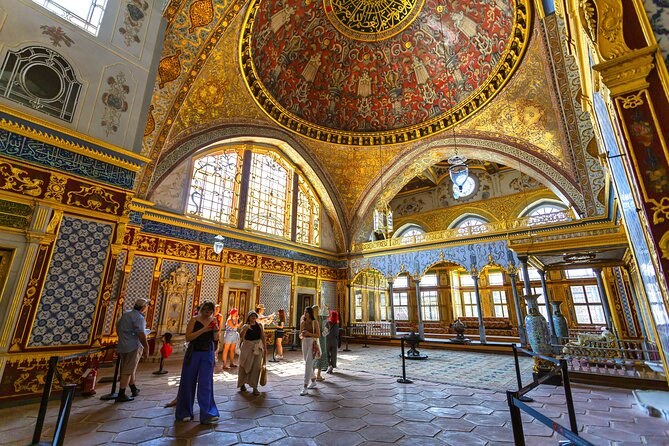 2 mi from IstanbulTopkapi Palace Secret Rooms + Palace Historian Guide
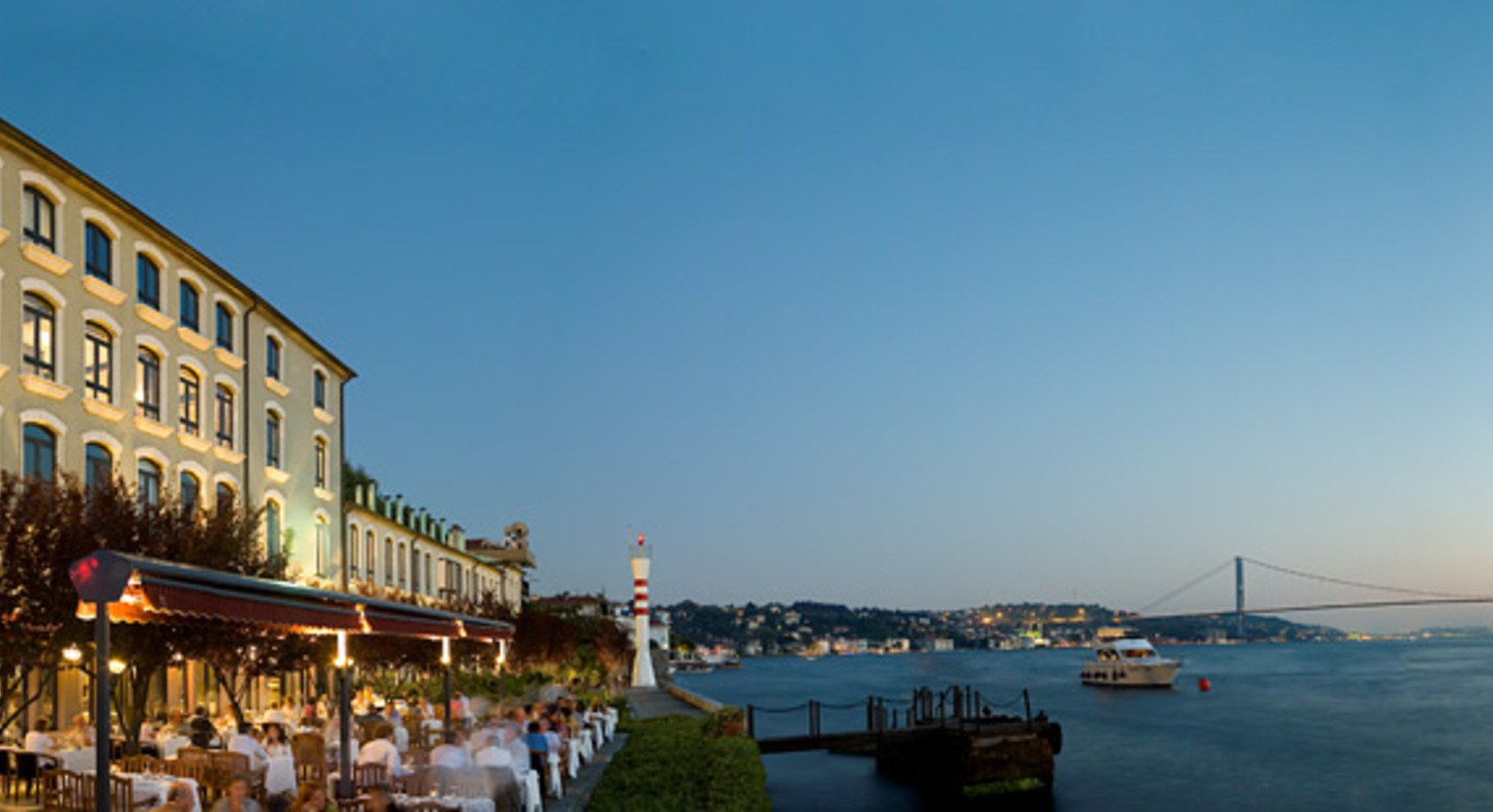 6 mi from IstanbulSumahan on the Water - Architectural Residency & Dinner
 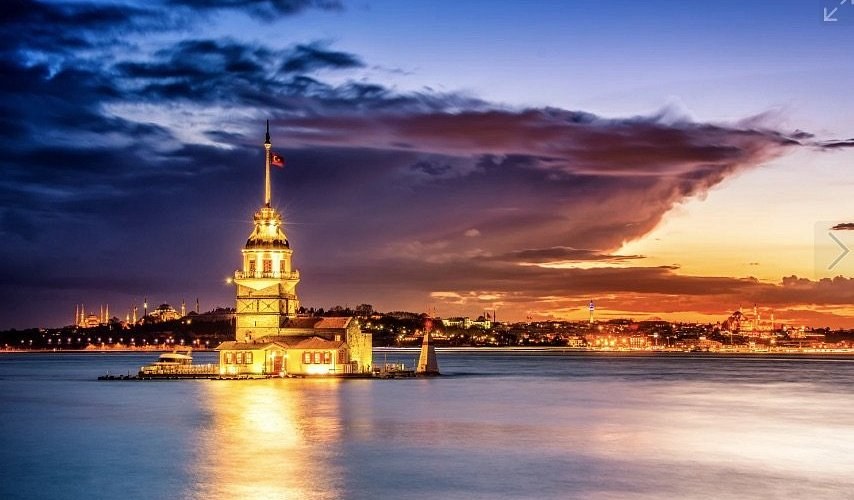 21 mi from Istanbul · land adventureBosphorus Currents: Fortresses, Kebab Masters and Island Ferries
 After you step off · near Barcelona
You end in a different port — stay on, and add what is within reach before you fly home.
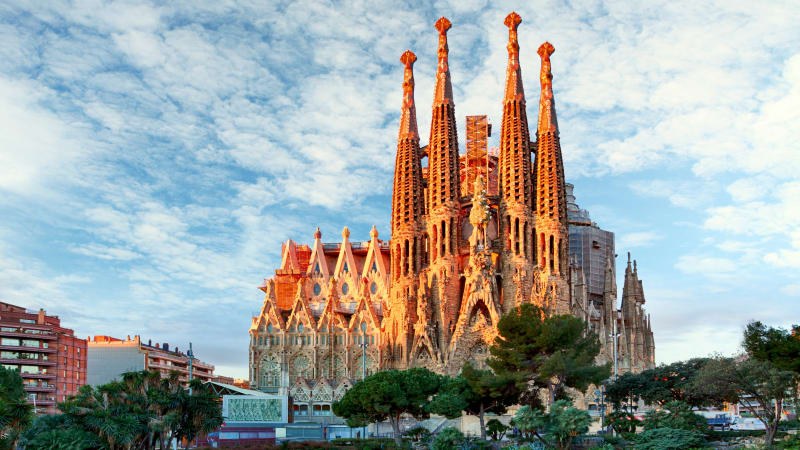 1 mi from BarcelonaSagrada Família
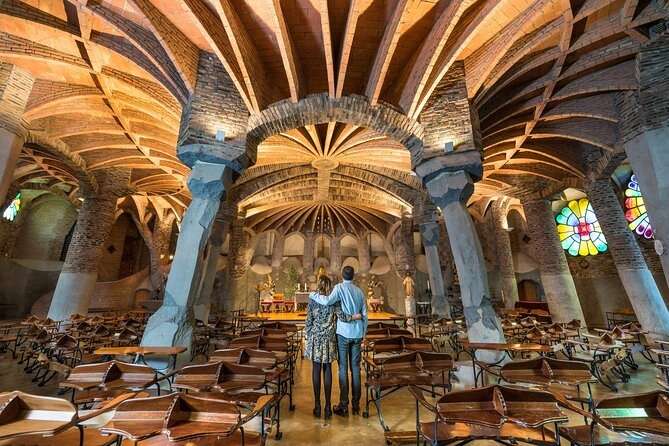 7 mi from BarcelonaColònia Güell Church (Crypt) & Modernist Industrial Site
 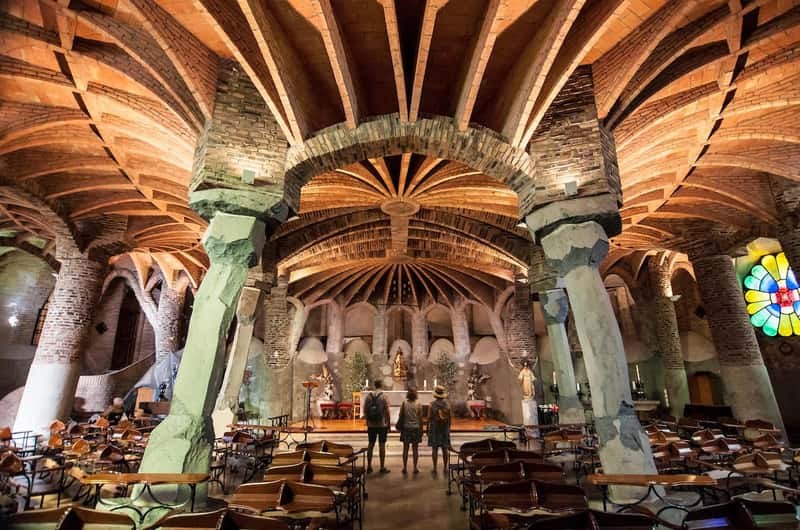 8 mi from Barcelona · land adventureBarcelona Beyond the Crowds: Gaudí, Galician Seafood & Montserrat
 210 mi from Barcelona · land adventureProvence by the Senses: Lavender, Truffles, and Roman Stone
 The same trip, elevated
The same gateway on a more luxurious line — lead-in fare per person, same fare as booking direct.