Your cruise
Seven Seas Splendor · 14-night Northern Europe cruise, Southampton to Copenhagen
Jun 27 – Jul 11 · 14 nights ·
Day 1 Southampton (board) · Day 2 Willis Island · Day 3 Newcastle-tyne · Day 4 Aberdeen · Day 5 Invergordon · Day 6 Torshavn · Day 7 Willis Island · Day 8 Alesund · Day 9 Olden · Day 10 Bergen · Day 11 Kristiansand · Day 12 Oslo · Day 13 Gothenburg · Day 14 Willis Island · Day 15 Copenhagen (step off)
What you do Board a rigid inflatable Zodiac for a close-up circumnavigation of one of the Coral Sea's most remote specks of land. Drift alongside vast nesting colonies of red-footed boobies, frigatebirds and brown noddies — a wildlife spectacle almost no traveller on earth ever witnesses.
What to expect Your Zodiac departs the ship's swim platform and skirts the island's entire coastline at water level, giving you eye-to-eye encounters with seabird colonies that number in the tens of thousands. The guide pauses the engine so you can hear the cacophony of calls and photograph birds in undisturbed flight. Shallow coral gardens glow electric beneath the hull as you round each headland. The round trip typically takes 90–120 minutes, leaving ample buffer before all-aboard.
Good to know Pre-book directly via email well in advance — this is a tender-only island and Zodiac capacity is strictly capped. Wear non-marking soles, bring a hat and reef-safe sunscreen. Confirm your ship's all-aboard time and allow 30 minutes' return buffer.
Versus the ship tour An intimate, expert-led small-group Zodiac — never more than 12 guests — means you can idle silently within metres of nesting birds and low reef outcrops that larger vessels simply cannot access, guided by a marine biologist who narrates every species in real time.
What you do Slip beneath the surface of some of the least-dived water on the planet — the Coral Sea surrounding Willis Island, hundreds of kilometres from the nearest coast. Visibility regularly exceeds 30 metres, revealing walls of hard coral, reef sharks, giant trevally and undisturbed sea-turtle feeding grounds.
What to expect Guests kit up in a purpose-equipped dive room and giant-stride into waters of extraordinary clarity. The reef structures here are pristine — no bleaching, no crowds — and the sheer biomass of pelagic life reflects the island's status as a protected marine reserve. Drift snorkelling across shallow coral plateaus, you are likely to encounter hawksbill turtles grazing, schools of chevron barracuda and the flash of a reef whaler in the blue. Safety divers and guides remain in the water throughout.
Good to know Swimming competency is required; full snorkel equipment is provided. Confirm landing and in-water permissions with the Australian Bureau of Meteorology station keeper in advance — access can be subject to weather and conservation protocols. Bring a rash vest for UV protection.
Versus the ship tour Mike Ball operates the definitive liveaboard expeditions to the Coral Sea's outer reefs, with certified dive guides who have logged thousands of hours specifically on these formations. Group size is tightly managed, and every dive brief is site-specific — the antithesis of a mass-market snorkel.
book direct with Mike Ball Dive Expeditions (Townsville/Cairns — Coral Sea specialists) → · the full guide →
What you do Step ashore — one of only a handful of visitors ever permitted — and receive a private briefing inside Australia's most remote operational weather station. The data collected here has guided cyclone warnings across Queensland for over a century; it is a living piece of scientific history.
What to expect After a short Zodiac transfer to the beach, you walk across the coral-rubble islet — the entire thing is barely 400 metres across — to the weatherboard station compound. The duty meteorologist explains the island's role in tracking Coral Sea cyclogenesis, shows you the instrument arrays and balloon launch facilities, and fields questions with refreshing candour. The sense of absolute remoteness — no roads, no shops, just science and sea — is profoundly affecting. Visits are brief (30–45 minutes) out of respect for operations.
Good to know Landing is at the discretion of BOM and sea conditions; it is never guaranteed. Wear closed shoes for the coral-rubble foreshore. Do not touch or enter any instrument enclosures. This is one of cruising's rarest privileges — treat it accordingly.
Versus the ship tour Landing on Willis Island is granted to very few vessels per year and always requires advance coordination with the BOM. The briefing is delivered by the station's resident meteorologist — one of Australia's most isolated postings — lending an authenticity and depth no third-party guide could replicate.
What you do Join a dedicated marine naturalist on a slow, deliberate circuit of Willis Island's offshore waters — prime habitat for dwarf minke whales, spinner dolphins, red-tailed tropicbirds and occasional whale sharks. This is expedition-grade wildlife observation in one of Earth's most intact marine environments.
What to expect The excursion runs in the calm conditions that typically prevail in the lee of the island, with the naturalist briefing the group on cetacean behaviour before departure. Spinner dolphins frequently bow-ride the vessel's wake, while tropicbirds trace lazy arcs overhead trailing their extraordinary white tail streamers. In season (June–September), dwarf minke whales approach curious vessels with remarkable boldness. The naturalist's running identification and ecological commentary transforms an already astonishing scene into a masterclass in Coral Sea ecology.
Good to know Bring image-stabilised binoculars if you own them — loaner binoculars are available but limited. A polarised lens filter dramatically improves underwater wildlife sighting from the deck. Morning cruises yield the best light and the calmest seas.
Versus the ship tour Coral Expeditions' marine naturalists carry years of Coral Sea field experience and use hydrophones and binoculars to locate and interpret marine megafauna well beyond what a casual deck scan achieves. Groups are capped at 20, ensuring every guest has unobstructed sightlines and personalised commentary.
book direct with Coral Expeditions (Australia's premium expedition cruise specialist) → · the full guide →
What you do Combine world-class snorkelling with a dedicated underwater photography tuition session led by a professional marine photographer. The pellucid, undisturbed waters around Willis Island provide a studio backdrop that professionals travel half a year to reach — and you are already here.
What to expect After a 20-minute on-deck briefing covering exposure, buoyancy control for photography and coral-safe positioning, the group enters the water with the lead photographer. Each participant is given real-time feedback via underwater slates and post-dive screen reviews. The reef here hosts nudibranchs, juvenile turtles and extraordinary soft-coral detail that rewards close, patient framing. By the final dive, guests leave with a curated set of images that would pass muster in any travel magazine.
Good to know Bring your own mirrorless or compact camera with an underwater housing if possible; hire housings are limited. Basic snorkel competency required. Maximum group size of 6 is strictly enforced — book your place the moment you board the ship.
Versus the ship tour A professional marine photographer leads groups of no more than six, providing personalised composition coaching in real time — in the water, beside you. The combination of tuition and a location almost nobody else will ever photograph makes every frame genuinely irreplaceable.
What you do Rise before the rest of the ship and join an ornithologist-guide for a dawn landing on Willis Island — arguably the most exclusive birdwatching address in the Southern Hemisphere. The island hosts one of Australia's largest documented seabird colonies, and first light is when it erupts into extraordinary life.
What to expect The Zodiac lands on the coral-rubble beach just as the sky softens to indigo. Within seconds, frigatebirds begin their courtship displays, inflating scarlet throat pouches while brown boobies jostle on nesting scrapes metres from your feet. The ornithologist narrates the scene with infectious expertise, calling species by name as they lift and wheel overhead in their thousands. The island's absolute silence — broken only by wind and wings — produces a meditative quality that experienced travellers consistently describe as one of cruising's most affecting moments.
Good to know Landing is subject to BOM approval and sea-state — pre-register your interest at the expedition desk on day one of the voyage. Wear dark, non-reflective clothing to avoid disturbing nesting birds. Carry a long lens (200mm+ equivalent) for perched-bird shots. Soft-soled shoes protect both the coral-rubble substrate and your footing.
Versus the ship tour A qualified ornithologist leads a structured census-style walk, naming every species, explaining colony dynamics and pointing out nesting behaviours that an untrained eye would miss entirely. The pre-sunrise timing means you experience the island in its rawest, most atmospheric state — long before the day-trippers (there are none) arrive.
book direct with Coral Expeditions (Australia's premium expedition cruise specialist) → · the full guide →
What you do Just over an hour from the ship, walk up to the 5,000-year-old stone circle that is the most iconic prehistoric monument on Earth, then drive to Salisbury to stand before one of only four surviving 1215 originals of Magna Carta beneath Britain's tallest cathedral spire. This is the textbook Southampton port day and the single thing a first-timer would most regret skipping. English Heritage entry is timed-ticket only, so a direct operator who pre-books your slot and paces the day to your all-aboard time is what actually gets you inside.
What to expect You'll depart Southampton and drive just over an hour to Stonehenge, where you walk directly up to the 5,000-year-old stone circle—the most iconic prehistoric monument on Earth—with a guided perspective on this timeless landmark. From there, it's a short drive to Salisbury Cathedral, where you stand beneath Britain's tallest spire to view one of only four surviving original 1215 Magna Carta documents, a moment of profound historical weight. The pace is calibrated throughout to your all-aboard time, and your private vehicle with driver-guide ensures you move at your own rhythm rather than waiting for a 40-person coach to reassemble. You'll return to the ship with both major entries completed, the cultural textbook Southampton port day checked off.
Good to know English Heritage entry to Stonehenge is timed-ticket only; Southampton Tours pre-books your slot as part of the package, which is essential to guarantee access on busy days. The 6-hour tour window fits comfortably within a standard 8-hour port day, with your driver-guide coordinating return timing to your ship's all-aboard. Groups of 4–7 will pay £145–£199 per person (roughly $185–$203) with both entries and air-conditioned transport included; book ahead directly with Southampton Tours rather than through the ship's 40-person coach if your group meets the minimum. The operator offers a formal cruise-return guarantee in writing—they cover next-port travel if you ever miss the ship, providing peace of mind on timing.
Versus the ship tour Direct wins clearly. The ship's Stonehenge & Salisbury coach tour runs $179-$229/pp, and you share a 40-person bus on its schedule. Here a group of 6-7 pays roughly $185-$203/pp for a private vehicle with both entries included and a written get-you-back guarantee. Solo or as a couple the ship coach is actually the better value, so this card is for groups of 4 or more.
What you do An entire UNESCO World Heritage city built around Britain's only natural hot springs, where you walk the same Roman baths still fed by steaming spring water, beneath honey-stone Georgian crescents straight out of Jane Austen and Bridgerton. Many rank it the most beautiful city in England. It is a longer day (~1.5 hrs each way) so an operator who paces the drive to your all-aboard time matters.
What to expect You'll drive roughly 1.5 hours inland to arrive in Bath's honey-stone heart, where you'll walk the Roman Baths—an ancient complex still fed by steaming natural hot springs—before ascending into Georgian crescents and terraces that look lifted from a Jane Austen novel. The city unfolds at a human pace: Roman history underfoot, Regency elegance overhead, and those iconic honey-coloured stone facades that have made Bath consistently ranked as England's most beautiful city. Your driver-guide controls the rhythm of the day, pacing the route and your time away from the pier so you make your all-aboard window without stress.
Good to know Confirm your ship's all-aboard time before booking—the Bath + Stonehenge 8-hour combo is tighter than the Bath + Cotswolds option, and a 1.5-hour return drive means no margin for error. Book the Roman Baths entry (~£28/$36) directly once you've secured your tour, as it's not bundled into the operator fee. Your private driver and vehicle are included in the ~$190–$250/pp cost, making this far cheaper and more flexible than ship-run premium combos at $300–$400+/pp. Factor 3 hours minimum for Bath itself (Roman Baths + walking the crescents), leaving 1.5 hours on each end for driving, ensuring you're back at the pier with a comfortable buffer before all-aboard.
Versus the ship tour Direct wins on access and pacing. Bath is rarely sold as a standalone ship excursion from Southampton and when bundled into premium full-day combos it runs $300-$400+/pp. A private Bath day at ~$190/pp plus your own Roman Baths ticket is both cheaper and far more flexible. Mind the 8-hour length: confirm your ship's all-aboard before booking the Stonehenge combo version.
What you do Southampton IS the Titanic's home port: she sailed from Berth 44 on 10 April 1912, and most of the crew who died were Sotonians. This award-winning guided walk leaves on foot right from Town Quay by the cruise terminals (no coach) and threads the White Star Line offices, the Grapes pub where firemen famously missed the sailing, and the memorials. For anyone who knows the story, walking the actual streets where it happened is moving and almost free on a tight port day.
What to expect You step off the gangway at Town Quay and begin walking immediately—no coach, no waiting—threading through Southampton's historic streets with your guide. You'll stand at the White Star Line offices where the Titanic's fate was managed, visit the Grapes pub where firemen fatefully missed the 10 April 1912 sailing, and pause at memorials dedicated to the local crew who perished. The walking route is intimate and grounded: you're tracing the actual streets where the story unfolded, hearing period details and crew narratives as you move through the port district. Over roughly two hours, the rhythm builds from administrative sites to human moments, ending with a deeper understanding of why this ship's story belongs so deeply to Southampton.
Good to know Book ahead online via Walsh Tours (use code DIRECT for 10% off) and choose either the 10:00am or 2:30pm departure; both fit comfortably within a 6–8 hour port day, leaving a 90-minute buffer before all-aboard. The tour departs directly from Town Quay beside the cruise terminal—no transport needed—and costs £16/pp (~$20), making it easy to return to the ship in time. Bring comfortable walking shoes and a camera; the tour includes photography privileges and offers pub/tavern discounts along the route. At roughly two hours, this excursion is one of the shortest and closest to the ship you can book, ideal if you're timing a tight turnaround or prefer to stay near your gangway.
Versus the ship tour Direct wins overwhelmingly. The ship's Southampton/Winchester city tour runs $80-$130/pp for a coach panoramic. This is the actual Titanic story, on foot, from beside your gangway, for about $20/pp. The only thing the ship adds is a bus seat you do not need here, since the whole walk starts at the terminal.
book direct with Walsh Tours (guide Brian Walsh) → · the full guide →
What you do Southampton's own backyard wilderness: a 1,000-year-old royal hunting forest created by William the Conqueror, where wild ponies, deer and cattle roam free across heath and ancient oak, just minutes from the ship. The most quintessentially English countryside on a short port day, with a stop at Beaulieu on the river. Ideal for travelers who would rather see living landscape and free-roaming animals than monuments.
What to expect Your private coach departs the Southampton pier and within minutes enters the New Forest—William the Conqueror's ancient 1,000-year-old hunting domain—where wild ponies, deer, and cattle move freely across open heath and gnarled oak woodland. You'll spend the heart of the day immersed in this living landscape, observing free-roaming animals in their natural habitat, the rhythms of the English countryside unfolding at ground level rather than behind glass. A stop at Beaulieu on the river gives you a chance to step out and experience the waterside setting before the journey continues. The day winds down with a drive to Salisbury Cathedral (entry included), a chance to view one of England's finest Gothic monuments, before your driver-guide returns you to the ship with time built in for a safe turnaround.
Good to know Departures run on your group's schedule from the Southampton pier, with 6–8 hour tours giving you roughly 4–5 hours in the New Forest itself and 1–2 hours at Salisbury Cathedral; book the Beaulieu Motor Museum or Palace House in advance if those interest you, as they're separate admissions. Your private vehicle picks you up directly from the cruise terminal—no waiting for a coach—so factor in only a 15-minute buffer before the posted return time. Dress in layers and bring waterproof jackets; the New Forest is exposed moorland where weather changes quickly and there's no shelter while spotting wildlife. The cruise-return guarantee means if your ship departs early, the operator covers your transport back, so you can book with confidence even on a tight port schedule.
Versus the ship tour Direct wins for groups. The ship's New Forest & Beaulieu scenic coach runs $130-$200/pp on its own schedule. A private vehicle at ~$134-$152/pp for 6-7 people undercuts that and adds Salisbury. As a solo traveler the per-head private price climbs, so the ship coach is the smarter buy for one or two; this card shines at 4+.
What you do The definitive Titanic museum, opened in 2012 for the disaster's centenary and built around the city's own loss. Its interactive 'Southampton's Titanic Story' uses real passenger and crew records, a vast working model of the ship, and the actual disaster-inquiry courtroom. Walkable from the port and the perfect rainy-day or short-window option that pairs with the Titanic walk to complete the story the city is famous for.
What to expect You walk out of the terminal and head straight into Southampton's city center—a 15–20 minute stroll that itself becomes part of the journey. Once inside SeaCity Museum, you're immersed in interactive stations built around real passenger and crew records, a sprawling working model of the Titanic, and the actual courtroom from the disaster inquiry, each exhibit drawing you deeper into the human story of the ship and the city that built and lost it. The rhythm is unhurried and self-paced; there's no coach departure window or strict schedule, so you move through at your own speed, lingering over the objects and stories that grip you. You exit with the definitive Titanic narrative, especially Southampton's own role—and you're minutes from the port the entire time.
Good to know In a 6–8 hour port day, allocate 2–2.5 hours for the museum itself, plus 30–40 minutes round-trip walking and buffer time, keeping you safely back at the ship 1.5–2 hours before departure. The museum sits at the Civic Centre, a walkable 15–20 minutes from the terminals, or take a short cab (£5–10) if time or mobility is tight. Admission is £14.50/adult (student and senior discounts available) and includes both the main Titanic exhibition and Southampton Stories; no advance booking is typically required, but arrive early in your port window to avoid any midday crowds. Dress for British weather and wear comfortable walking shoes—this is fundamentally a walk-and-explore day with zero risk of missing the ship.
Versus the ship tour Direct wins, and it is your low-risk safety net. The ship's city/panoramic tour is $80-$130/pp; here you self-walk to a world-class Titanic museum for about $18.50. No coach, no schedule, no risk of missing the ship since you are minutes from the port. The one thing the ship buys is transport you do not need for a near-port museum.
book direct with SeaCity Museum (Southampton City Council) → · the full guide →
What you do Board a rigid inflatable Zodiac for a close-up circumnavigation of one of the Coral Sea's most remote specks of land. Drift alongside vast nesting colonies of red-footed boobies, frigatebirds and brown noddies — a wildlife spectacle almost no traveller on earth ever witnesses.
What to expect Your Zodiac departs the ship's swim platform and skirts the island's entire coastline at water level, giving you eye-to-eye encounters with seabird colonies that number in the tens of thousands. The guide pauses the engine so you can hear the cacophony of calls and photograph birds in undisturbed flight. Shallow coral gardens glow electric beneath the hull as you round each headland. The round trip typically takes 90–120 minutes, leaving ample buffer before all-aboard.
Good to know Pre-book directly via email well in advance — this is a tender-only island and Zodiac capacity is strictly capped. Wear non-marking soles, bring a hat and reef-safe sunscreen. Confirm your ship's all-aboard time and allow 30 minutes' return buffer.
Versus the ship tour An intimate, expert-led small-group Zodiac — never more than 12 guests — means you can idle silently within metres of nesting birds and low reef outcrops that larger vessels simply cannot access, guided by a marine biologist who narrates every species in real time.
What you do Slip beneath the surface of some of the least-dived water on the planet — the Coral Sea surrounding Willis Island, hundreds of kilometres from the nearest coast. Visibility regularly exceeds 30 metres, revealing walls of hard coral, reef sharks, giant trevally and undisturbed sea-turtle feeding grounds.
What to expect Guests kit up in a purpose-equipped dive room and giant-stride into waters of extraordinary clarity. The reef structures here are pristine — no bleaching, no crowds — and the sheer biomass of pelagic life reflects the island's status as a protected marine reserve. Drift snorkelling across shallow coral plateaus, you are likely to encounter hawksbill turtles grazing, schools of chevron barracuda and the flash of a reef whaler in the blue. Safety divers and guides remain in the water throughout.
Good to know Swimming competency is required; full snorkel equipment is provided. Confirm landing and in-water permissions with the Australian Bureau of Meteorology station keeper in advance — access can be subject to weather and conservation protocols. Bring a rash vest for UV protection.
Versus the ship tour Mike Ball operates the definitive liveaboard expeditions to the Coral Sea's outer reefs, with certified dive guides who have logged thousands of hours specifically on these formations. Group size is tightly managed, and every dive brief is site-specific — the antithesis of a mass-market snorkel.
book direct with Mike Ball Dive Expeditions (Townsville/Cairns — Coral Sea specialists) → · the full guide →
What you do Step ashore — one of only a handful of visitors ever permitted — and receive a private briefing inside Australia's most remote operational weather station. The data collected here has guided cyclone warnings across Queensland for over a century; it is a living piece of scientific history.
What to expect After a short Zodiac transfer to the beach, you walk across the coral-rubble islet — the entire thing is barely 400 metres across — to the weatherboard station compound. The duty meteorologist explains the island's role in tracking Coral Sea cyclogenesis, shows you the instrument arrays and balloon launch facilities, and fields questions with refreshing candour. The sense of absolute remoteness — no roads, no shops, just science and sea — is profoundly affecting. Visits are brief (30–45 minutes) out of respect for operations.
Good to know Landing is at the discretion of BOM and sea conditions; it is never guaranteed. Wear closed shoes for the coral-rubble foreshore. Do not touch or enter any instrument enclosures. This is one of cruising's rarest privileges — treat it accordingly.
Versus the ship tour Landing on Willis Island is granted to very few vessels per year and always requires advance coordination with the BOM. The briefing is delivered by the station's resident meteorologist — one of Australia's most isolated postings — lending an authenticity and depth no third-party guide could replicate.
What you do Join a dedicated marine naturalist on a slow, deliberate circuit of Willis Island's offshore waters — prime habitat for dwarf minke whales, spinner dolphins, red-tailed tropicbirds and occasional whale sharks. This is expedition-grade wildlife observation in one of Earth's most intact marine environments.
What to expect The excursion runs in the calm conditions that typically prevail in the lee of the island, with the naturalist briefing the group on cetacean behaviour before departure. Spinner dolphins frequently bow-ride the vessel's wake, while tropicbirds trace lazy arcs overhead trailing their extraordinary white tail streamers. In season (June–September), dwarf minke whales approach curious vessels with remarkable boldness. The naturalist's running identification and ecological commentary transforms an already astonishing scene into a masterclass in Coral Sea ecology.
Good to know Bring image-stabilised binoculars if you own them — loaner binoculars are available but limited. A polarised lens filter dramatically improves underwater wildlife sighting from the deck. Morning cruises yield the best light and the calmest seas.
Versus the ship tour Coral Expeditions' marine naturalists carry years of Coral Sea field experience and use hydrophones and binoculars to locate and interpret marine megafauna well beyond what a casual deck scan achieves. Groups are capped at 20, ensuring every guest has unobstructed sightlines and personalised commentary.
book direct with Coral Expeditions (Australia's premium expedition cruise specialist) → · the full guide →
What you do Combine world-class snorkelling with a dedicated underwater photography tuition session led by a professional marine photographer. The pellucid, undisturbed waters around Willis Island provide a studio backdrop that professionals travel half a year to reach — and you are already here.
What to expect After a 20-minute on-deck briefing covering exposure, buoyancy control for photography and coral-safe positioning, the group enters the water with the lead photographer. Each participant is given real-time feedback via underwater slates and post-dive screen reviews. The reef here hosts nudibranchs, juvenile turtles and extraordinary soft-coral detail that rewards close, patient framing. By the final dive, guests leave with a curated set of images that would pass muster in any travel magazine.
Good to know Bring your own mirrorless or compact camera with an underwater housing if possible; hire housings are limited. Basic snorkel competency required. Maximum group size of 6 is strictly enforced — book your place the moment you board the ship.
Versus the ship tour A professional marine photographer leads groups of no more than six, providing personalised composition coaching in real time — in the water, beside you. The combination of tuition and a location almost nobody else will ever photograph makes every frame genuinely irreplaceable.
What you do Rise before the rest of the ship and join an ornithologist-guide for a dawn landing on Willis Island — arguably the most exclusive birdwatching address in the Southern Hemisphere. The island hosts one of Australia's largest documented seabird colonies, and first light is when it erupts into extraordinary life.
What to expect The Zodiac lands on the coral-rubble beach just as the sky softens to indigo. Within seconds, frigatebirds begin their courtship displays, inflating scarlet throat pouches while brown boobies jostle on nesting scrapes metres from your feet. The ornithologist narrates the scene with infectious expertise, calling species by name as they lift and wheel overhead in their thousands. The island's absolute silence — broken only by wind and wings — produces a meditative quality that experienced travellers consistently describe as one of cruising's most affecting moments.
Good to know Landing is subject to BOM approval and sea-state — pre-register your interest at the expedition desk on day one of the voyage. Wear dark, non-reflective clothing to avoid disturbing nesting birds. Carry a long lens (200mm+ equivalent) for perched-bird shots. Soft-soled shoes protect both the coral-rubble substrate and your footing.
Versus the ship tour A qualified ornithologist leads a structured census-style walk, naming every species, explaining colony dynamics and pointing out nesting behaviours that an untrained eye would miss entirely. The pre-sunrise timing means you experience the island in its rawest, most atmospheric state — long before the day-trippers (there are none) arrive.
book direct with Coral Expeditions (Australia's premium expedition cruise specialist) → · the full guide →
What you do Stand atop a volcanic crag above the North Sea inside one of England's most dramatic and best-preserved medieval fortresses. A private guide brings 1,400 years of Northumbrian royal history to vivid life — this is bucket-list Britain at its most cinematic.
What to expect Your private driver-guide collects you at the port and whisks you 60 miles north along the Northumberland coast. Inside Bamburgh's towering keep, you'll walk through lavishly furnished state rooms, a medieval great hall, and a remarkable armoury collection — all with your guide's undivided attention. The coastal battlements offer sweeping views across to the Farne Islands and Lindisfarne. Allow around 5 hours for the round trip including a leisurely explore.
Good to know Bamburgh is approx. 1 hr 15 min each way from the Port of Tyne. Book your private tour in advance; castle entry (approx. GBP 18 pp) is paid on the day. Confirm the all-aboard time with your ship and allow buffer — private operators will monitor timing for you.
Versus the ship tour Fully private, chauffeur-driven experience with a dedicated local expert — no coach crowds, your own pace inside the castle's state rooms, armoury, and panoramic battlements overlooking Holy Island.
book direct with Experience North Tours (Private Cruise Shore Excursions) → · the full guide →
What you do Walk the windswept ridge of the most dramatic stretch of Hadrian's Wall, guided by a specialist who decodes the empire's northern frontier. Housesteads is the most complete Roman fort in Britain — a UNESCO World Heritage Site unlike anything else in the UK.
What to expect Your expert guide drives you west into the Northumberland hills to the most evocative section of Hadrian's Wall, built in AD 122 to mark Rome's empire edge. At Housesteads you explore the garrison headquarters, granaries, and remarkably intact communal latrines, with the Wall stretching dramatically east and west across the moorland horizon. The on-site museum houses remarkable Roman finds including altars and cavalry tombstones. The round trip takes approximately 4.5–5 hours.
Good to know Housesteads is about 45 minutes from the Port of Tyne. Entry via English Heritage (approx. GBP 14 pp) paid on the day. Wear sturdy footwear — the Wall walk involves uneven terrain. Pre-book your private guide well ahead, especially in summer.
Versus the ship tour Private, small-group format with a history-specialist guide, meaning you linger at the barracks, latrines, and wall crests for as long as you wish — no waiting for a group, no rushed commentary.
book direct with Experience North Tours (Private Cruise Shore Excursions) → · the full guide →
What you do Step into a painstakingly reconstructed Edwardian town, colliery village, and working farm — the North of England's most celebrated living-history experience, where costumed interpreters make the past feel astonishingly real.
What to expect Spread across 350 acres of County Durham countryside, Beamish transports you wholesale into early-20th-century North East England. Board a period electric tram to the cobbled town street, complete with a working pub, dentist, and cooperative store. The colliery village recreates a pit community with genuine relocated cottages and a real underground mine tour. The farm features rare-breed animals and traditional crafts. Plan for at least 4–5 hours to do it justice.
Good to know Beamish is approximately 20–25 minutes by taxi or private transfer from the Port of Tyne (approx. GBP 25–30 each way). Book tickets online in advance to secure entry and save slightly. The site is large — comfortable walking shoes are essential. Fully accessible via the internal transport system.
Versus the ship tour Arrive independently with full flexibility to spend as long as you like — no group schedule. The 350-acre site rewards slow exploration: ride a vintage tram, taste freshly baked Geordie stottie cake, and descend into a drift mine.
What you do Descend beneath Newcastle's streets into a 19th-century wagonway repurposed as a WWII air-raid shelter — a pitch-dark, atmospheric guided tour that reveals the city's hidden underground history. Rated 4.9 stars and utterly unique.
What to expect Built in 1842 as a coal wagonway from Spital Tongues to the River Tyne, the Victoria Tunnel was converted during WWII to shelter up to 9,000 civilians from German bombing raids. Your guide leads you through the original brick-lined passages by torchlight, past preserved wartime fittings, first-aid bays, and blast walls, bringing Geordie resilience to life with vivid personal stories. The tunnel runs beneath the city for nearly a mile and maintains a constant cool temperature year-round — bring a layer.
Good to know Tours must be pre-booked online at the Ouseburn Trust website — they sell out quickly. The entrance is in the Ouseburn valley, a short taxi ride from the city centre or port. The tunnel involves uneven surfaces and low sections; not suitable for those with severe mobility issues or claustrophobia. Duration approx. 1¼ hours.
Versus the ship tour Small-group, torch-lit tours led by expert local guides with deep knowledge of wartime Newcastle — an immersive, storytelling experience impossible to replicate above ground.
book direct with Ouseburn Trust (Victoria Tunnel Tours) → · the full guide →
What you do Ascend the Norman keep that gave Newcastle its name, with a knowledgeable Newcastle City Guide unlocking 2,000 years of history — from Roman fort to medieval stronghold — with panoramic rooftop views over the Tyne.
What to expect The Castle Keep, built by Henry II in 1177, stands on the site of the Roman fort Pons Aelius and commands sweeping views over the Tyne Bridge and Quayside. Inside, you'll climb through the Great Hall, King's Chamber, and up to the battlements for one of the finest urban panoramas in northern England. The adjacent Black Gate — the 13th-century gatehouse — houses fascinating archaeological displays. Pair your visit with Newcastle City Guides for a richly narrated walking tour of the medieval Quarter and the iconic Quayside bridges.
Good to know The Castle is a 10–15 minute taxi ride from the Port of Tyne, or a short Metro ride to Monument station. Book entry tickets online in advance at newcastlecastle.co.uk. Newcastle City Guides walking tours depart from Grey's Monument — check schedules at northeastmuseums.org.uk. Allow 2–3 hours for castle plus a short quayside walk.
Versus the ship tour Combine self-paced castle exploration with an optional Newcastle City Guides walking tour for expert local storytelling — volunteer guides whose passion and knowledge of the city's layered history is exceptional.
book direct with Newcastle Castle / Newcastle City Guides (North East Museums) → · the full guide →
What you do Explore the magnificent medieval seat of the Dukes of Northumberland — filming location for Harry Potter and Downton Abbey — and wander one of England's most theatrical gardens, all on a private guided excursion from the port.
What to expect Alnwick Castle has loomed over the Northumberland landscape since Norman times and remains the Percy family's ancestral home, filled with Titians, Meissen porcelain, and medieval armour in its lavish State Rooms. Your guide brings both the history and the pop-culture layer to life — the very courtyard where Harry Potter first flew a broomstick is genuinely thrilling to stand in. Across the road, the Alnwick Garden stuns with its Grand Cascade, Poison Garden, and vast treehouse restaurant. Allow a full 5–6 hours for a leisurely private day.
Good to know Alnwick is approximately 45 minutes north of the Port of Tyne. Pre-book your private transfer and guide well in advance, especially May–September when the castle is busiest. Castle and Gardens have separate admission fees; confirm which you'd like to include when booking with Experience North Tours. Excellent on-site dining at The Treehouse restaurant — reserve ahead.
Versus the ship tour A private, door-to-door chauffeur experience with an expert local guide who navigates the castle's State Rooms and interweaves Northumbrian ducal history, film trivia, and garden highlights at your own pace.
book direct with Experience North Tours (Private Cruise Shore Excursions) → · the full guide →
What you do Journey deep into Royal Deeside for a private guided tour of Balmoral Castle — the Scottish retreat of the British Royal Family since Queen Victoria. Walk the same Highland landscapes that captivated monarchs for over 170 years, then explore the Cairngorms-framed valley at your own aristocratic pace.
What to expect Your private guide collects you at the port and whisks you westward along the Dee Valley, one of Scotland's most breathtaking river corridors. At Balmoral you'll explore the castle ballroom — the only room open to the public — stuffed with royal portraits, Landseer paintings, and Highland tartan. The gardens and estate grounds unfurl beneath the Cairngorm hills. The return journey winds through Ballater and Aboyne, with stops tailored entirely to your interests.
Good to know Balmoral Castle is open to visitors typically April–July; confirm seasonal dates before booking. Allow 8–9 hours in total. Pre-book the private guide well in advance as summer slots fill fast. Aberdeen harbour to Balmoral is approx. 1 hour each way — factor into all-aboard time.
Versus the ship tour Fully private vehicle and expert local guide means you set the pace — linger at Crathie Kirk, stop at whisky-steeped villages en route, and arrive at Balmoral with no crowds or coach-tour rush.
book direct with Grampian Escapes & Tours → · the full guide →
What you do Perched on a sheer 160-ft sea stack above the North Sea, Dunnottar is one of the most dramatic castle ruins on earth — the real hiding place of the Scottish Crown Jewels. Pair it with the charming harbour town of Stonehaven for a quintessential Aberdeenshire morning that belongs on every bucket list.
What to expect The 25-minute drive south from Aberdeen delivers you to a castle so cinematic it inspired the animated film Brave. A steep coastal path descends to the gatehouse, and from there you roam the sprawling ruins: the Watchtower, the drawing room where Mary Queen of Scots once slept, and the eerily intact chapel. Afterwards, wander Stonehaven's stone harbour, pick up a world-famous Stonehaven deep-fried Mars bar, and browse the independent boutiques at leisure.
Good to know Castle open year-round, but the coastal path can be slippery in wet weather — wear sturdy shoes. Dunnottar is 15 miles south of Aberdeen; allow 3–4 hours total. Taxis or private transfers are the smoothest option. Book entry tickets online to save queuing at the gate.
Versus the ship tour The clifftop approach on foot — wind in your face, waves crashing below — is an experience no coach window can replicate. Arrive early via private transfer to beat the day-trip crowds and have the ruins almost to yourself.
book direct with Dunnottar Castle (Official) → · the full guide →
What you do Aberdeenshire boasts more castles per square mile than anywhere in Scotland. This private expert-guided half-day sweeps you through the finest — Crathes, Drum, and Fraser — each a different century, each set in spectacular Highland scenery.
What to expect Crathes Castle is a National Trust for Scotland gem: a 16th-century tower house rising from ancient yew hedges, its painted ceilings among the finest in Scotland. Drum Castle nearby is one of the oldest tower houses in the country, with origins tracing to Robert the Bruce himself. Castle Fraser, a Z-plan masterpiece, rounds out the triumvirate with great hall grandeur and sweeping parkland. Your guide weaves in clan histories, Jacobite intrigue, and ghost stories throughout.
Good to know Crathes and Drum are National Trust for Scotland properties — NTS membership grants free entry. Half-day tours typically run 4–5 hours, making them comfortable within most port schedules. Book your private vehicle well ahead in peak summer season. Comfortable walking shoes recommended for garden grounds.
Versus the ship tour A dedicated local expert curates the itinerary around your group's passions — whether that's heraldry, gardens, or architecture — and grants the flexibility to linger wherever the magic happens, with no fixed coach schedule.
book direct with Grampian Escapes & Tours → · the full guide →
What you do The world's greatest whisky-producing region, Speyside, lies just 90 minutes from Aberdeen. A private luxury tour whisks you to iconic distilleries — Glenfiddich, The Macallan, or Cardhu — for rare behind-the-scenes access, expert tutored tastings, and the heady scent of angels' share in the air.
What to expect Your expert guide navigates the rolling Speyside glens, pausing at picturesque villages and cooperages along the way. At Glenfiddich you descend into the world's most-visited distillery for a warehouse tasting straight from the cask. The Macallan's stunning architectural visitor centre offers one of Scotland's most prestigious whisky experiences. Expert commentary on malt character, terroir, and the illicit whisky smuggling history of these hills makes every dram taste richer.
Good to know Distillery tours should be pre-booked directly — The Macallan Estate Experience from GBP 75pp; Glenfiddich from GBP 20pp. Speyside is approx. 90 mins from Aberdeen; allow a full day. Designated driver is included in all private tour packages. Buy bottles at distillery prices for significant savings on retail.
Versus the ship tour Private access means you can choose your own distilleries, book exclusive experiences like cask sampling or blending masterclasses unavailable on group tours, and travel in absolute comfort without a rigid timetable.
book direct with Grampian Escapes & Tours → · the full guide →
What you do The Moray Firth is home to the UK's largest resident population of bottlenose dolphins — some of the biggest in the world — plus harbour porpoises, grey seals, and abundant seabirds. A dedicated wildlife boat offers a privileged front-row seat to nature at its most exhilarating.
What to expect Based in Inverness (1.5 hrs from Aberdeen) or reachable via private coastal transfer, Dolphin Spirit's RIBs and wildlife vessels head into the sheltered Firth where dolphins bow-ride, breach, and socialise alongside the boat. Qualified marine biologists narrate every sighting with precision. On a good day, the leaping acrobatics of these massive bottlenoses — some over 12 feet long — are genuinely jaw-dropping. Seals haul out on sandbanks just metres from the bow.
Good to know Departures run April–October from Inverness Harbour; combine with a private transfer and a visit to Inverness or Culloden Battlefield for a full luxury day out. Book the boat directly online and secure a front-facing seat. Waterproof jacket and layers essential even in summer. Confirm all-aboard time allows for the 3-hour round transfer.
Versus the ship tour Small, purpose-built vessels carry far fewer passengers than any large charter, allowing naturalist guides to manoeuvre intimately alongside wildlife and deliver genuinely expert, personalised commentary — a world away from a crowded deck.
book direct with Dolphin Spirit (Official Moray Firth Wildlife Centre) → · the full guide →
What you do Aberdeen's own hidden treasures reward those who explore on foot with a knowledgeable local guide. Medieval Old Aberdeen, the world-class Maritime Museum, and the enchanting fishermen's village of Footdee (Fittie) deliver centuries of granite-city soul in a single immersive morning.
What to expect Your guide leads you first into cobblestoned Old Aberdeen, past the twin-towered St Machar's Cathedral (dating to 1136) and the magnificent crown-spired gateway of King's College, founded in 1495. The Aberdeen Maritime Museum — perched over the working harbour — tells the story of the North Sea oil boom and the city's fishing heritage through extraordinary artefacts and a towering oil platform model. The tour culminates in Footdee: a labyrinth of 19th-century fishermen's cottages whose residents still decorate their yards with extraordinary nautical folk art, just steps from where your ship is docked.
Good to know Footdee is a 10-minute walk from the cruise terminal — ideal for a swift independent visit if time is short. The full private walking tour is best done in the morning before the afternoon crowds. Aberdeen Maritime Museum is free and excellent; allow 45 minutes. Book your private guide at least one week ahead via the website.
Versus the ship tour A dedicated local expert shapes the entire experience around your group — skipping well-trodden routes, unlocking local stories, and moving at a sophisticated traveller's pace with no microphone-wielding crowd management.
book direct with Walking Tours in Aberdeen (WalkingtToursin.com – local private guides) → · the full guide →
What you do Cruise the legendary dark waters of Loch Ness by private boat, then explore the dramatic 13th-century ruins of Urquhart Castle on its cliff-edge perch. The most iconic Highland experience, done at a pace worthy of discerning travelers.
What to expect Your private driver navigates the sweeping A82 along Loch Ness's western shore, a jaw-dropping road with water views at every turn. At Urquhart Castle, a short Jacobite Cruises boat excursion on the loch is optional — scanning for the famous silhouette. The ruined towers of the castle frame one of Scotland's most photographed panoramas. Return through the Black Isle in time for all-aboard.
Good to know Urquhart Castle is 65 miles from Invergordon — allow 1.5 hrs each way. Pre-book castle entry online to skip queues. Confirm all-aboard time and build in 30 min buffer. Jacobite Cruises (jacobite.co.uk) runs 1-hr loch cruises for GBP 16 adult if desired.
Versus the ship tour A private chauffeur-guided transfer means no waiting and completely flexible pace — linger at the castle ramparts or pause for Scotch whisky en route, entirely on your terms.
book direct with Urquhart Castle (Historic Environment Scotland) → · the full guide →
What you do Stand on the haunting moor where Scotland's fate was sealed in 1746, guided by a specialist historian. Then step 4,000 years further back at the mystical Clava Cairns stone circle — two of the most emotionally powerful sites in Britain on one extraordinary day.
What to expect The award-winning NTS visitor centre immerses you in the Jacobite Rising before you step onto the moor itself, where clan grave markers still bear their names. Your guide brings the chaos of the 40-minute battle alive with forensic detail. Clava Cairns, just minutes away, is a perfectly preserved Bronze Age burial site of eerie quiet beauty — almost always crowd-free. The contrast of two civilizations, millennia apart, is unforgettable.
Good to know Culloden is 28 miles from Invergordon — about 40 mins by car. Combine easily in a half-day, leaving time for Inverness or Cawdor Castle. Pre-book NTS entry. Local expert guides can be arranged via Inverness-based Highland guides (visitinvernesslochness.com).
Versus the ship tour A specialist historian guide transforms Culloden from a battlefield walk into a deeply personal narrative — clan stories, tactical maps, and the emotional weight of individual graves that a self-guided visit simply cannot replicate.
book direct with Culloden Battlefield (National Trust for Scotland) → · the full guide →
What you do Marvel at the turreted grandeur of Dunrobin, Scotland's largest northern castle, with its 189 rooms, French-formal gardens, and live falconry displays. Sitting directly above the sea just 45 minutes north of port, this is the closest bucket-list castle to the ship.
What to expect The castle rises like a Loire château above its immaculate parterre gardens and the Dornoch Firth beyond. State rooms display Meissen porcelain, Louis XV furniture, and big-game trophies that speak to centuries of aristocratic excess. The falconry demonstration in the gardens is theatrical and surprisingly moving — birds of prey launched at speed over manicured hedgerows. Allow time to explore the private museum of Sutherland estate artefacts.
Good to know Only 45 miles north of Invergordon — one of the easiest high-reward excursions from port. Falconry shows run at 11:30 and 14:00 (check dunrobincastle.co.uk for seasonal schedule). Open April–October. Easy half-day, leaving afternoon free.
Versus the ship tour Dunrobin's intimate scale means even on busy days the gilded state rooms never feel crowded. The falconry display — hawks launched over the topiary gardens against a sea backdrop — is a moment you will not forget.
book direct with Dunrobin Castle & Gardens → · the full guide →
What you do Go behind the scenes at one of the Highlands' most prestigious single malt distilleries — Glen Ord (Diageo's hidden gem) or the ultra-luxurious Dalmore — for a private VIP tour and tutored tasting of rare expressions. The definitive Highland luxury experience.
What to expect Dalmore sits dramatically on the Cromarty Firth just 14 miles from port — one of Scotland's most beautifully located distilleries. The VIP experience takes you through the copper stills, bonded warehouses, and into a private tasting of 12, 18, and rare 25-year expressions. Your host explains the unique stag-crest heritage and sherry-cask maturation philosophy. Finish with a bespoke bottling option — your name on a bottle of single malt to take home.
Good to know Dalmore is 14 miles from Invergordon — approx 20 mins. Pre-book VIP experiences directly via thedalmore.com well in advance; they are limited. Glen Ord (malts.com) is 18 miles away and excellent as an alternative or second stop. Distilleries have on-site shops for bottle purchases.
Versus the ship tour Private and small-group VIP tasting sessions at Dalmore allow access to aged expressions and limited releases unavailable anywhere else — poured by a brand ambassador in the distillery's own atmospheric tasting room.
What you do Venture deep into Britain's largest national park on a private wildlife safari, scanning for red deer, osprey, red squirrel, and the rare Scottish wildcat across ancient Caledonian pine forest and open moorland. Raw Highland wilderness, utterly unspoiled.
What to expect Your expert guide drives a high-clearance 4WD into open moorland above the tree line, stopping at hides and viewpoints known only to local specialists. Binoculars and spotting scopes are provided — red kites, ospreys, and golden eagles are regular sightings. The silence and scale of the Cairngorm plateau is humbling. A picnic lunch in a pine-forest clearing, with no other visitors in sight, completes an immersion in truly wild Scotland.
Good to know Highland Safaris (Perthshire-based) can arrange meet-and-greet from Invergordon. Allow a full day for Cairngorms — approx 90 mins drive. Best wildlife hours are early morning; coordinate with all-aboard time carefully. Layered clothing essential year-round.
Versus the ship tour A dedicated wildlife guide with specialist optics, decades of field knowledge, and a private 4WD takes you to locations and elevations that standard tours never reach — the chance of seeing a red deer stag at close quarters is genuinely high.
What you do Explore the enchanting 14th-century Cawdor Castle — immortalised by Shakespeare as Macbeth's stronghold — set within three extraordinary private gardens. One of Scotland's most beautifully lived-in castles, still owned by the Cawdor family.
What to expect The castle's interior is a delight of Flemish tapestries, ancient weapons, and family portraits punctuated by witty hand-written commentary from the late Earl — unexpectedly charming and completely unlike a typical stately home. The Flower Garden, Walled Garden, and Wild Garden each have a distinct character; the latter a woodland walk of primroses and burn-side paths. The legendary hawthorn tree growing in the castle's dungeon — the reason, legend says, Cawdor was built — is a genuine curiosity. Finish with tea in the castle tearoom.
Good to know Cawdor is 32 miles from Invergordon — about 50 mins. Pairs beautifully with Culloden (10 miles apart) for a full Highland history day. Open May–October; confirm dates at cawdorcastle.com. No pre-booking required for entry but private driver should be arranged in advance.
Versus the ship tour Unlike state-run heritage sites, Cawdor is privately owned and deeply personal — the family's eccentrically decorated rooms, sardonic wall plaques, and immaculate walled garden create a sense of being a privileged guest rather than a tourist.
book direct with Cawdor Castle & Gardens → · the full guide →
What you do Reach the wildest island in the archipelago and walk cliff-edge paths where thousands of Atlantic puffins nest just metres away. A private guide unlocks the raw, elemental Faroe Islands most visitors never reach.
What to expect A ferry crossing to Mykines is followed by a guided hike along dramatic cliff-top trails to the lighthouse peninsula, where puffins, gannets and fulmars nest at arm's length. Your private guide shares the Norse mythology and ecological significance of this UNESCO-candidate island. The return hike gives you unhurried time to photograph the sheer basalt columns and the North Atlantic horizon. Numbers are strictly limited by the island's own visitor quota, making every placement genuinely exclusive.
Good to know The ferry from Sørvágur to Mykines can be cancelled in high winds — a risk inherent to the island. Pre-book the private excursion well before your cruise date as permits are capped. Allow a full day (6–7 hrs from Tórshavn); confirm all-aboard time with your ship before booking.
Versus the ship tour Private guiding keeps your group intimate on narrow cliff paths, and a local expert reads the weather and tides to ensure you reach the lighthouse headland — the money shot few visitors achieve.
book direct with Guide to Faroe Islands (guidetofaroeislands.fo) → · the full guide →
What you do Stand at the edge of the Faroe Islands' most iconic optical illusion — a lake that appears to hang above the open ocean — then watch Bøsdalafossur waterfall thunder directly into the Atlantic far below. This is the single most photographed landscape in the archipelago.
What to expect Your private guide collects you at the pier and transfers you to Vágur island via the sub-sea tunnel. A moderate 5 km return hike across open moorland leads to the elevated lake shore, where the horizon trick becomes viscerally real. At the cliff edge, Bøsdalafossur drops 30 metres straight into Atlantic surf below. Your guide narrates the Viking-age farming history of the valley before a comfortable return drive through the island's classic turf-roofed villages.
Good to know The hike is moderately strenuous on uneven terrain — wear waterproof hiking boots and a windproof layer regardless of forecast. Journey from Tórshavn is roughly 45 minutes each way; plan for a 5–6 hr total excursion. Pre-booking is essential as this route is capacity-controlled.
Versus the ship tour A private vehicle and guide means you set the pace at each viewpoint, linger for golden light, and receive a genuine geological briefing — not a rushed group stop. The hike to the waterfall ledge itself is only possible with a licensed local guide.
book direct with Guide to Faroe Islands (guidetofaroeislands.fo) → · the full guide →
What you do Explore the world's smallest capital at a refined, unhurried pace with a private expert guide — from the Viking-era parliament at Tinganes to Skansin Fortress and the turf-roofed old town lanes. Tórshavn rewards the curious, not the crowds.
What to expect Begin at the medieval Tinganes peninsula, the site of one of the world's oldest functioning parliaments, where 400-year-old red-painted timber warehouses lean over the harbour. Move through winding cobbled alleys to Skansin Fortress with its sweeping harbour views, before visiting Listasavn Føroya (the National Art Gallery) and the striking Nordic House cultural centre. Your guide weaves in the living Faroese language, independence movement and contemporary Nordic design ethos throughout. The tour ends in time for a solo espresso or a browse of local wool and craft shops.
Good to know This tour departs directly from the cruise pier — no transfer needed. The Nordic House and National Art Gallery are closed on Mondays; confirm opening days when booking. Cobblestones require flat, comfortable shoes. Duration: 2.5–3 hrs, well within a typical port day.
Versus the ship tour A private guide tailors the narrative to your interests — Viking law, Norse architecture, Faroese independence culture — and opens doors to artisan studios and the Nordic House that a standard group tour skips entirely.
book direct with Guide to Faroe Islands (guidetofaroeislands.fo) → · the full guide →
What you do Cover the archipelago's most breathtaking panoramas — Gjógv gorge village, Eiðisvatn lake, and the Norðadalsskarð viewpoint — in a single, expertly guided private day tour. This is the grand overview every discerning first-timer deserves.
What to expect A private vehicle whisks you north from Tórshavn into a landscape of impossible green valleys and cascading waterfalls. The natural harbour gorge at Gjógv — a Viking-age boat shelter carved into basalt cliffs — is among the most dramatic village settings in Northern Europe. The ascent to Norðadalsskarð offers a 360° panorama across multiple islands on a clear day. A stop in a traditional Faroese village includes a tasting of locally wind-dried lamb (skerpikjøt) and Faroese craft beer. The return route threads through sub-sea tunnels linking the island chain.
Good to know Full-day tour runs 6–7 hrs; confirm your ship's all-aboard time before booking to allow comfortable return. Packed lunch is typically included — confirm with operator at booking. Layered, waterproof clothing essential year-round. Best suited to April–September sailings for maximum daylight.
Versus the ship tour The private format means your guide adapts the itinerary to light conditions and weather — critical in the Faroes — pausing at viewpoints on your schedule, not a coach timetable.
book direct with Guide to Faroe Islands (guidetofaroeislands.fo) → · the full guide →
What you do Glide by small boat around Nólsoy island, home to one of the world's largest storm petrel colonies and dense puffin burrows on its northern headland. Spotting these charismatic birds from the water, with sheer basalt cliffs as backdrop, is an unmistakable Arctic bucket-list moment.
What to expect Departing directly from Tórshavn harbour, a small, nimble vessel crosses the narrow sound to Nólsoy in under 20 minutes. The boat traces the island's dramatic eastern cliffs, where puffins launch from grass-covered burrows and dive beneath the bow. Your guide provides a running wildlife commentary, identifying seabird species and pointing out Nólsoy's tiny, centuries-old fishing village clinging to the western shore. The 2-hour format is perfectly calibrated for a port day, leaving time to explore Tórshavn on your return.
Good to know Puffins are present May–August; confirm seasonality before booking. Small open boats are exposed to Atlantic wind and spray — bring a warm, waterproof layer and non-slip shoes. Departs from Tórshavn harbour, a short walk from the cruise pier. Book in advance as boats have limited capacity.
Versus the ship tour Small-boat access gets you intimate with the cliff faces and bird colonies in a way no larger vessel can — guides cut the engine to let you drift silently beneath nesting ledges.
book direct with Cruisesheet / Local Faroe Boat Operators (via Cruisesheet listing) → · the full guide →
What you do Cast a line into some of the world's most productive North Atlantic fishing grounds with a seasoned Faroese skipper. Fishing has defined these islands for a thousand years — to do it yourself, in this light and this seascape, is to understand the Faroes at their most elemental.
What to expect Board a traditional Faroese fishing vessel in Tórshavn harbour and head out into the sheltered fjords or deeper Atlantic waters, depending on conditions. Your skipper demonstrates traditional hand-line and rod techniques for cod, pollock, and mackerel while narrating the island's historic dependence on the sea. Catch is typically prepared on board or at a dockside spot — tasting your own fish against this backdrop is a genuinely rare privilege. The intimate group size (typically 2–6 guests) ensures personal attention and a relaxed, convivial atmosphere.
Good to know No fishing experience necessary — all equipment and instruction are provided. Dress in warm, waterproof layers; conditions on the water are cooler than on land. Duration approximately 3–4 hrs; departs from Tórshavn harbour. Confirm all-aboard time before booking to allow comfortable return to ship.
Versus the ship tour A private or small-group charter with a working Faroese fisherman — not a tourist skipper — means genuine technique, local knowledge of the best grounds, and the authentic camaraderie of the islands' most important tradition.
book direct with Guide to Faroe Islands (guidetofaroeislands.fo) → · the full guide →
What you do A private chauffeured day along Norway's most dramatic mountain road — 11 hairpin bends, cascading waterfalls, and a UNESCO fjord at the end. Pure Norwegian wilderness, no crowds, all yours.
What to expect Your private driver-guide collects you at the port gate and heads inland through the Sunnmøre Alps to Trollstigen, where 11 gravity-defying hairpin turns wind up a sheer cliff face past the thundering Stigfoss Waterfall. At the summit viewpoint you stand eye-level with peaks and plunging valleys that feel entirely untouched. The route then sweeps toward the UNESCO-listed Geirangerfjord for breathtaking views before a comfortable return to Ålesund well ahead of all-aboard.
Good to know Book directly with Royal Tur Reiser as early as possible — private vehicles fill up months before the cruise season peaks (May–September). Confirm your ship's all-aboard time so the guide can tailor the pace. The road has seasonal closures; the operator will advise on dates.
Versus the ship tour Fully private vehicle and guide exclusively for your group — no waiting, no fixed itinerary, and the ability to stop exactly where you want for photographs. The guide's deep local knowledge turns the landscape into a living story.
book direct with Royal Tur Reiser (local expert, Ålesund) → · the full guide →
What you do Glide silently into the world's most celebrated fjord aboard a hybrid-electric vessel, drifting beneath the Seven Sisters and Bridal Veil waterfalls in near-total quiet. A UNESCO World Heritage masterpiece seen from the water.
What to expect The 90-minute drive from Ålesund port through mountain passes already delivers extraordinary scenery before you even board. Once on the fjord, the boat slips beneath sheer 1,400-metre granite walls draped in ribbons of white water — the Seven Sisters on one side, the Suitor's solitary fall answering from the other. Farm hamlets cling impossibly to ledges above you, accessible only by rope in past centuries. The return journey is equally scenic, arriving back in Ålesund with time to spare.
Good to know The full Ålesund–Geiranger round trip takes approximately 7–8 hours; confirm against your ship's all-aboard time. Book the boat segment in advance for peak summer (June–August). Layers are essential — fjord air is cool even in midsummer.
Versus the ship tour A hybrid-electric boat means almost no engine noise — just water, waterfalls and silence. Small vessel capacity keeps the experience intimate, and the electric motor allows closer approaches to the cliff-face cascades than larger boats can manage.
What you do Climb 418 steps to Ålesund's iconic panoramic viewpoint, then descend into Europe's finest Art Nouveau streetscape with a specialist guide who knows every spire, dragon head and turret. The city from above and from within.
What to expect The guide meets you at the port and leads you through cobbled lanes where every façade is a fin-de-siècle fantasy of towers, ornamental ironwork and maritime motifs. At Fjellstua — reached via 418 stone steps through the hillside park — the reward is a 360-degree panorama over the archipelago, the open Atlantic and the snow-capped Sunnmøre Alps. Back at sea level the guide reveals hidden courtyards, the story of Norway's most dramatic urban renaissance, and the best spots for a coffee break in a beautifully restored Art Nouveau interior.
Good to know The walking tour departs from or near the cruise terminal; confirm the exact meeting point when booking. Wear comfortable, flat-soled shoes for the Fjellstua steps. Allow 3–4 hours total. The Jugendstil (Art Nouveau) Centre museum entry is a worthwhile add-on at approx. NOK 120 (~USD 11).
Versus the ship tour A small-group format (capped numbers) with an architectural specialist means you hear the extraordinary story of the 1904 fire that burned Ålesund to the ground and the Kaiser Wilhelm-funded Art Nouveau rebuild — in precisely the detail a discerning traveller deserves.
book direct with GetYourGuide – Small Group Walking Tour Ålesund (local expert guide) → · the full guide →
What you do Cross to the wild Atlantic island of Godøya for Ålesund's most photogenic lighthouse, dramatic cliff-top scenery and the chance to eat a traditional Norwegian svele pancake with the locals. Utterly untouristy and timelessly beautiful.
What to expect Your private guide collects you dockside and heads through the subsea tunnel to Godøya, a wind-sculpted island where sheep graze above Atlantic surf. The 1876 Alnes Lighthouse stands on a headland of jagged rock with sweeping views out to open ocean — utterly dramatic in any weather. The lighthouse keeper's café serves svele (thick Norwegian pancakes with butter and brown cheese), a local ritual worth savouring. On the return, the guide weaves through Ålesund's island bridges for a final view of the Art Nouveau skyline from the water's edge.
Good to know The round trip from port takes approximately 3–4 hours, making it ideal for pairing with an afternoon in the town centre. The lighthouse café can be busy on summer weekends — your guide will time the visit to avoid the rush. Book private guide in advance for cruise-season dates.
Versus the ship tour Godøya is bypassed by most large-group itineraries, making it genuinely off the beaten path. A private guide drives you across the underwater tunnel to the island, stops wherever the light is best, and introduces you to a Norway that feels entirely authentic.
book direct with ToursByLocals – Private Ålesund Local Guide → · the full guide →
What you do One of Europe's largest saltwater aquariums, set dramatically on the Atlantic shore — home to massive halibut, wolf fish, seals and the wild Norwegian coast in miniature. A world-class marine encounter for curious, unhurried travellers.
What to expect The park's centrepiece is a vast open tank where local Atlantic species — some of extraordinary size — swim at eye level through floor-to-ceiling glass. Seals bask on outdoor rocks with the real Atlantic horizon behind them, blurring the line between exhibit and wilderness. A private naturalist guide explains the fragile ecosystems of the Norwegian Sea with genuine passion. The coastal walking path surrounding the park adds a bracing, scenic bonus that few visitors take the time to explore.
Good to know The park is a 15-minute taxi or 30-minute walk from the cruise pier. Book private guided access directly through the park's website or by email well ahead of your port call. Open daily; feeding shows are timetabled — confirm times when booking. Pair with the Alnes Lighthouse excursion for a full island-and-sea day.
Versus the ship tour The park sits right on the open ocean, architecturally integrated into the rocky coastline — as much a landscape experience as an aquarium. A pre-arranged private guide gives behind-the-scenes access to feeding sessions and ecological context that standard entry does not include.
What you do Explore Ålesund's Art Nouveau highlights, waterfront and the extraordinary open-air Sunnmøre Museum at your own unhurried pace on the city's premium sightseeing bus — the perfect self-curated day for the independent luxury traveller.
What to expect The bus loops through the Art Nouveau town centre, up toward the Fjellstua viewpoint area, along the dramatic waterfront and out to the Sunnmøre Museum — Norway's finest open-air maritime and folk museum. Alight at the museum to walk among Viking-age boat replicas and stave-built farmhouses, then re-board for the coastal stretch back toward the port. The audio guide narrates the 1904 fire, the Art Nouveau rebuild and the city's deep seafaring heritage in seamless detail. The whole loop takes 80 minutes non-stop, but a full day of hopping delivers something far richer.
Good to know The service operates only during cruise ship port calls (April–September) and the first bus typically departs close to the pier. Validate your all-aboard time: the last return bus is timed to ship departures but always allow a buffer. Pre-purchase tickets online via Gray Line to skip any quayside queue.
Versus the ship tour Eight stops, multilingual audio commentary and the freedom to linger exactly where you choose — the Sunnmøre Museum stop rewards those who alight, with 55 historic wooden boats and 40 reconstructed medieval buildings on an open-air waterfront site that most visitors rush past.
book direct with Gray Line Norway / City Sightseeing Ålesund (official) → · the full guide →
What you do Hike to the electric-blue snout of Briksdalbreen, one of Norway's most dramatic glacial arms, with a certified mountain guide who reads the ice like a map. This is the definitive Olden bucket-list moment — raw, ancient, and utterly humbling.
What to expect A scenic 45-minute drive up the Oldedalen valley sets the mood before you step onto the trail flanked by tumbling waterfalls. The path winds through birch forest and moraine fields before the turquoise meltwater lake and towering ice face reveal themselves. Your guide contextualises the glacier's dramatic retreat over recent decades, making the beauty bittersweet and unforgettable. Allow approximately 3–4 hours door to dock.
Good to know Book directly via oldencruise.com to secure the glacier shuttle (trollcar) combo. Wear sturdy, waterproof hiking boots — the trail is rocky and often wet. Most ships allow 6–8 hours in Olden, giving comfortable time for this excursion plus a Skylift ride. Pre-book well ahead in summer; peak-season slots fill weeks out.
Versus the ship tour Small-group departures with a certified local glacier guide mean you pause at the viewpoints that matter, not the ones that suit a coach schedule. The guide's glaciology knowledge transforms blue ice into a living story.
book direct with Olden Cruise (oldencruise.com) → · the full guide →
What you do Ascend 1,011 metres in just 5 minutes aboard the world's steepest gondola, rising from the mirror-surface of Lake Lovatnet to the jagged summit of Mt. Hoven. The 360° panorama — fjords, glaciers, and eternal snowfields — is simply without equal in Western Norway.
What to expect The gondola climbs a near-vertical cliff face in a silent, glass-walled cabin — your stomach will flip pleasantly as the fjord shrinks beneath you. At the top, the Hoven restaurant serves locally sourced Norwegian cuisine with what may be the greatest dining view in the country. The marked ridge path to Ramnefjellet rewards those who walk 20 minutes further with absolute solitude and a photographer's dream. The descent is equally theatrical.
Good to know Loen village is 10 km from Olden pier; arrange a taxi or the Olden Adventure shuttle in advance. The Skylift is 10% discounted if you book through Olden Adventure (they handle the logistics). Arrive early — first gondolas are quieter and light is best in the morning. Last gondola down is critical: confirm times against your ship's all-aboard.
Versus the ship tour Booking direct means you choose your own gondola time, linger over the ridge-top infinity edge at your own pace, and combine the visit with the ridge hike or the Via Ferrata — none of which fit a regimented group timetable.
book direct with Loen Skylift AS (official) → · the full guide →
What you do Thunder across the steel-blue surface of Nordfjord at 50+ knots aboard a professional RIB, exploring cascading waterfalls, sheer cliff walls, and hidden coves inaccessible by any other means. The most visceral, adrenaline-charged way to feel the scale of a Norwegian fjord.
What to expect Kitted out in a weatherproof suit and life jacket, you'll sprint out of Olden harbour and into the broader expanse of Nordfjord, one of Norway's longest fjords at 108 km. The skipper cuts the engine beneath Laukifossen waterfall and lets the thundering cascade fill every sense. Rocky outcrops host cormorants and white-tailed eagles; the guide points out each with the ease of someone who has grown up on this water. The return leg hugs the cliff base for a final dramatic flourish.
Good to know Departs directly from Olden cruise pier — no transfer needed. Suits all weather conditions; the gear keeps you dry and warm. Not suitable for guests with severe back problems. Duration is approximately 2 hours, leaving ample time for other activities. Pre-booking essential as RIB capacity is strictly limited.
Versus the ship tour Small groups of 6–10 guests on a single, powerful craft mean the guide can stop precisely where the waterfall mist catches the light, nose the boat into a sea cave, and tailor the route on the fly — a degree of spontaneity impossible on a larger vessel.
What you do Journey by private minibus deep into the Lodalen valley to the emerald shores of Lake Lovatnet and the rarely visited Kjenndalsbreen glacier — a wilder, less-trodden cousin of Briksdal that rewards those willing to seek it out.
What to expect The valley road to Kjenndal is one of the most dramatic in Norway, clinging to the cliff above the impossibly green lake before opening onto a glacial plain. At the valley head, Kjenndalsbreen calves gently into a meltwater river, its crevassed blue face reflected in still water. The surrounding peaks rise over 2,000 metres, and golden eagles are frequently spotted on the thermals. Your guide provides geological and ecological commentary that makes the landscape come alive.
Good to know The Kjenndal road is narrow — only small vehicles can access the innermost valley, which is precisely why it stays uncrowded. Allow 4–5 hours total. Combine with the Loen Skylift on the same day if time permits (Loen is en route). Waterproof footwear recommended for glacier-edge walking. Olden Adventure handles logistics from pier to pier.
Versus the ship tour This is an intimate private valley experience — your own vehicle, your own pace, your own guide — allowing you to stop for photos at every waterfall, wade to the glacier's edge, and have the lakeside virtually to yourself while larger groups crowd Briksdal.
What you do Commission a fully private, bespoke tour of Oldedalen with a dedicated local guide in a premium vehicle — crafting your own itinerary across glacier, valley farm, and waterfall stops that no standard excursion can replicate.
What to expect Your guide meets you at the pier in a comfortable private vehicle and begins with a curated drive through Oldedalen, narrating the valley's Norse history and geological drama. Stops are calibrated to your interests: glacier access, wildflower meadows, the turquoise river at Brenndalselva, or a visit to a local farm producing traditional Norwegian food. The pace is entirely yours — this is bespoke Norway, not a tick-list tour.
Good to know Contact Private Guided Norway directly (via TripAdvisor listing) to discuss your preferences before arrival — they tailor routes specifically. Accommodates solo travellers, couples, and groups up to 7. Confirm the all-aboard time with your guide so the schedule is built around it from the start. Premium service warrants early booking, especially in July and August.
Versus the ship tour An entirely private vehicle and guide means the day bends entirely to your wishes — linger at Briksdal, detour to a mountain farm for local cheese, or simply sit in silence beside a waterfall. For couples, families, or small parties who value depth over breadth, this is the gold standard.
What you do Glide silently along the glassy shores of Lake Oldevatnet on a premium electric bike, with the valley's cathedral walls and cascading waterfalls as your constant companions — the most elegant and independent way to absorb Oldedalen's legendary beauty.
What to expect Modern, well-maintained e-bikes are fitted to each guest at the pier before a gentle warm-up along the riverbank. The route follows the lake's eastern shore, with the snow-capped peaks of Oldeskaret reflected in the water to the left and Laukifossen waterfall thundering into the valley from the right. The guide shares local folklore at natural pauses — the story of the 1936 Loen disaster and the valley's remarkable recovery is particularly poignant. The final stretch through riverside birch forest is serene.
Good to know No prior cycling experience required — the e-assist handles all gradients. Helmets provided. Appropriate for most fitness levels. The 3-hour tour fits comfortably within a standard Olden port call with time to spare. Departs from and returns to the cruise pier. Layers recommended; valley weather can be cooler than the fjord.
Versus the ship tour A small-group, guide-led e-bike format means you cover far more valley than a hiker while staying intimate with the landscape — stopping precisely where a photographer would, not where a coach can park. The electric assist makes the terrain effortless even for those who don't regularly cycle.
book direct with Olden Cruise (oldencruise.com) → · the full guide →
What you do Glide deep into the Osterfjord and the dramatic Mostraumen strait — one of Bergen's most iconic natural spectacles. Thundering waterfalls, soaring eagle nests, and mirror-still fjord waters make this the single most unmissable excursion from Bergen.
What to expect You board at the Fisketorget (Fish Market) and sail out through Byfjorden before threading into the Osterfjord's jaw-dropping scenery. The narrows at Mostraumen are dramatic — steep granite walls plunge into dark water while cascades drop from above. Wildlife spotting (white-tailed eagles, seals) is a highlight. The pace is unhurried, allowing long lingering views and photography without the crowds of larger boats.
Good to know Daily departures at 10 am, May through September; the half-day tour runs approximately 4 hours, returning well before typical all-aboard times. Pre-book directly online as departures fill quickly in high season. Warm, waterproof layers essential even in summer.
Versus the ship tour Departing directly from the Bergen Fish Market aboard the classic White Lady, this is a small, intimate vessel — not a mass-market ferry — letting you stand at the bow as you enter the narrow Mostraumen channel, spray on your face, eagles overhead. The naturalist commentary is deeply personal.
What you do Ascend Bergen's beloved mountain by the iconic Fløibanen funicular, then explore the summit trails with a private local expert who reveals the peaks, city panoramas, and forested paths that most visitors never find. Bergen laid entirely at your feet — bucket-list by definition.
What to expect The Fløibanen funicular whisks you 320 metres above sea level in under eight minutes, emerging into a world of spruce forest, rocky outcrops, and sweeping panoramas over the fjord and harbour below. Your private guide leads you beyond the main viewpoint into quieter trails, pointing out local flora, the city's medieval layout from above, and the best photography angles. A stop at the summit café for Norwegian waffles and hot coffee is customary.
Good to know Book the funicular directly at fløibanen.no (NOK 190 adult return); engage Norwegian Guide Service separately for a private guide. Allow a minimum of 3 hours for the full experience. The funicular lower station is a 10-minute walk from the cruise terminal at Skolten or Jekteviken.
Versus the ship tour A private authorized guide transforms this iconic ascent into a genuinely personal experience — hidden viewpoints, forested trails to Skomakerdiket lake, and storytelling about Bergen's seven mountains that a group tour simply cannot match. Your pace, your summit, your morning.
book direct with Norwegian Guide Service (visitBergen official guide partner) → · the full guide →
What you do Step inside Bergen's UNESCO-listed Bryggen wharf with a specialist private guide and the Hanseatic Museum, where 700 years of merchant history comes alive in one of Europe's most atmospheric timber-built streetscapes. Intimate access, scholarly depth, unforgettable.
What to expect Your guide leads you through the creaking, lantern-lit passages of Bryggen's wooden alleyways before entering the museum's extraordinarily preserved merchant quarters — sleeping bunks stacked to the ceiling, counting rooms with original ledgers, and smoky assembly halls. The adjacent Schøtstuene guild rooms reveal the social world of the Hanseatic traders. The contrast between the living city outside and the perfectly frozen interior is genuinely eerie and moving.
Good to know Pre-book directly with the museum for private or guided tours, especially in peak summer months. The museum is a 15-minute walk from the main cruise berths. Allow 2–3 hours for the full Bryggen and museum experience. Combine with a lunch reservation at a Bryggen-side restaurant for a complete cultural immersion.
Versus the ship tour The Hanseatic Museum is the only institution in the world preserving an intact Hanseatic merchant's house in situ, with original 18th-century interiors. A private booking secures exclusive after-hours or small-group access, and a museum specialist — not a generalist guide — narrates the lives of the German merchants who slept, traded, and died within these very walls.
book direct with The Hanseatic Museum and Schøtstuene (MuseumVest official) → · the full guide →
What you do Journey from Bergen into the heart of the Hardangerfjord region aboard the legendary Flåmsbana — consistently ranked among the world's most beautiful rail journeys — descending through cascading waterfalls, wild gorges, and snow-capped peaks to the tiny village of Flåm. Utterly unforgettable.
What to expect The train winds through 20 tunnels and past the thundering Kjosfossen waterfall — where the train pauses for a photography stop and, in summer, a theatrical nøkken folk performance. Descending into the Flåm valley, the scenery shifts from alpine tundra to lush green riverbanks. In Flåm, the tiny Æ waterfront, the Flåm Railway Museum, and the fjordside Ægir Bryggeri (a spectacular Viking-longhouse brewery) reward leisurely exploration.
Good to know Pre-book Flåmsbana tickets well in advance at visitflam.com — the train sells out weeks ahead in summer. A full day is required: Bergen–Myrdal by Bergensbanen (approx. 2 hrs), Myrdal–Flåm by Flåmsbana (1 hr), return same route. Confirm your ship's all-aboard time and allow 30–45 minutes' buffer back to the Bergen terminal.
Versus the ship tour This is one of those journeys that belongs on every serious traveller's lifetime list — 20 km of rack railway descending 863 metres through scenery that simply does not exist anywhere else on Earth. Booked independently, you control your time in Flåm village, choosing a private fjord kayak session, a restaurant lunch, or a quiet walk to the Brekke waterfall on your own terms.
book direct with Vy (Norwegian State Railway) — Flåmsbana official → · the full guide →
What you do Discover two of Bergen's most overlooked treasures on a private half-day: the hauntingly beautiful Fantoft Stave Church — a 12th-century Norse masterpiece — followed by Gamlehaugen, the Norwegian Royal Family's official Bergen residence, surrounded by parkland and fjord views. Rare, refined, and deeply Norwegian.
What to expect Your guide collects you at the pier and drives south to the Fantoft hillside, where the black-tarred stave church rises dramatically from the pine forest — its dragon-head roof finials and carved portals an authentic echo of Viking-age Norway. Next, Gamlehaugen's neo-Gothic manor and its sweeping Nordåsvatnet fjord gardens offer a glimpse of royal Norway at its most graceful. The park is open to the public and the setting is one of the most photogenic in the Bergen region.
Good to know Fantoft Stave Church is open May–September; confirm opening hours directly before visiting. A private vehicle is strongly recommended as public transport is time-consuming. The half-day circuit (3–4 hours) returns to the cruise terminal comfortably before all-aboard. Gamlehaugen's interior is open on selected dates — check visitbergen.com for the current season's schedule.
Versus the ship tour With a private English-speaking driver-guide, you skip all logistics — Fantoft is 6 km from the city centre and impractical without private transport — and gain insider access to the stories behind the church's dramatic 1992 arson and faithful reconstruction, and the royal history of Gamlehaugen's Belle Époque interiors. Intimate, unhurried, and completely tailored.
book direct with Bergen Driver Guide (Romain — authorized private guide & driver) → · the full guide →
What you do Walk inside one of Norway's oldest and best-preserved medieval fortresses — Bergenhus — and the country's oldest church, St. Mary's (Mariakirken), with a specialist private guide at the golden hour when the crowds have gone. Seven centuries of Norwegian power condensed into two hours of pure atmosphere.
What to expect Your guide meets you at the fortress gate and leads you first into Håkon's Hall, whose soaring Gothic interior has witnessed royal banquets from the 1260s to the present day. The adjacent Rosenkrantz Tower climbs through three eras of Norwegian architecture in a single building, emerging at rooftop battlements with sweeping harbour views. A short walk brings you to 12th-century St. Mary's Church — Bergen's oldest building — where Romanesque stone carving, a baroque altarpiece, and extraordinary silence create an experience worlds away from the busy quayside.
Good to know This excursion is ideal for late-afternoon port calls when cruise passengers have largely re-embarked, leaving the fortress peaceful. Håkon's Hall and Rosenkrantz Tower are open May–August (check Bymuseet Bergen for winter hours). Book your private guide at least 2 weeks ahead through Norwegian Guide Service. The fortress is walkable from all Bergen cruise berths.
Versus the ship tour Bergenhus sits at the entrance to Bergen harbour — literally a 5-minute walk from the Skolten cruise terminal — yet most visitors simply photograph it from outside. A private guide unlocks Håkon's Hall (a 13th-century royal banquet hall still used by Norway's royal family) and the Rosenkrantz Tower's rooftop battlements, with expert medieval and WWII history delivered with genuine passion.
book direct with Norwegian Guide Service (visitBergen official guide partner) → · the full guide →
What you do Skim across the glittering Skagerrak at speed on a private RIB, threading through the granite skerries of the southern Norwegian archipelago. Sea spray, jaw-dropping island scenery, and a skipper who knows every hidden cove — this is Norway at its most viscerally alive.
What to expect Board a rigid inflatable boat just a 5-minute walk from the cruise terminal and rocket out into the archipelago at exhilarating speed. Your expert skipper navigates between hundreds of small islands, pointing out wildlife, lighthouses, and centuries-old fishing hamlets. Depending on season, expect to spot cormorants, seals, and the occasional porpoise. The return run into Kristiansand harbour, with the city skyline opening up before you, is a perfect finale.
Good to know Tours depart 5 minutes from the port — ideal for tight all-aboard windows. A typical express tour runs 1.5–2 hours, leaving plenty of time to explore the city. Book a private charter well in advance in summer (June–August). Bring a windproof layer regardless of air temperature.
Versus the ship tour Fully private charter means the skipper adapts the route to your group — no fixed itinerary, no strangers. You reach island inlets and coastal rock formations that larger vessels simply cannot access, at a pace that feels genuinely thrilling.
book direct with Kristiansand RIB (local operator via GetYourGuide/Tripadvisor-listed) → · the full guide →
What you do Head inland to the wild Otra River in the Setesdal Valley for class III–IV white-water rafting through some of southern Norway's most dramatic highland scenery. An adrenaline-soaked half-day that takes you far beyond the typical port-side experience.
What to expect A scenic 1-hour drive from Kristiansand leads you into the Setesdal Valley, where the Otra River carves through ancient granite. After a professional safety briefing and full kit-up (wetsuit, helmet, paddle jacket), your guide leads your small group through exhilarating rapids interspersed with calm stretches where the valley scenery truly sinks in. Post-run, warm up with hot drinks at the base camp before the return transfer to port.
Good to know Total time from port is approximately 5–6 hours; confirm the all-aboard time with your ship before booking. The season runs May through September, with July–August offering the warmest water. Minimum age typically 14+; no prior rafting experience required. Waterproof camera recommended.
Versus the ship tour Small-group, expert-guided runs ensure personalised safety briefings and the freedom to choose your intensity level. The Setesdal Valley scenery — steep gorges, pine forests, crystal-clear water — is utterly inaccessible by bus tour and represents a completely different face of Norway.
What you do Descend into one of Nazi Germany's most formidable coastal fortresses — the Kristiansand Cannon Museum — where a 337-tonne Krupp gun still dominates the headland. A private guided visit turns this extraordinary WWII site into a deeply immersive history lesson.
What to expect Perched on the Møvik headland 10 km west of Kristiansand, the museum preserves an entire German battery in near-original condition — bunkers, rangefinders, barracks and the colossal 38 cm Krupp SK C/34 naval gun intact. Your private guide leads you through labyrinthine underground corridors, the fire-control tower, and the gun emplacement itself, painting a vivid picture of Norway under occupation. The headland views across the Skagerrak to Denmark add a powerful geographic context to the history.
Good to know A taxi or hire car from the port takes around 20 minutes each way; allow 2.5–3 hours on site for a private guided experience. Pre-arrange private guiding directly with the museum. Wear comfortable shoes — underground passages can be uneven and cool even in summer.
Versus the ship tour A private guide unlocks restricted underground bunker networks and command rooms not accessible on self-guided visits, and contextualises the occupation of Norway with stories that standard audio guides never reach.
What you do Sail the glittering southern archipelago to Lillesand, Norway's most perfectly preserved 18th-century coastal town, arriving as wealthy merchants once did — by sea. White clapboard houses, a picturesque harbour, and a leisurely private pace make this utterly magical.
What to expect The 45-minute boat journey from Kristiansand threads through hundreds of tiny skerries, past summer cabins, lobster pot buoys, and the occasional seal. Lillesand's harbour is one of the most photogenic on the Norwegian coast — tightly packed white wooden houses tumbling to the water's edge, unchanged in silhouette for centuries. Stroll the main street, linger over fresh shrimp at a harbourside restaurant, and explore the chandlery-turned-boutique lanes before the return sail. The light in the archipelago on a clear afternoon is extraordinary.
Good to know The scheduled M/S Øya service typically runs in summer (June–August); outside this window, arrange a private charter. Total return journey is approximately 4–5 hours — check sailing times carefully against your all-aboard. Pre-book a harbourside lunch table in Lillesand in peak season.
Versus the ship tour Arriving in Lillesand by private boat rather than coach preserves the romance of this storied town completely — the approach through the islands is itself the experience. You control the pace ashore, choosing your own café terrace and wandering the lanes without a group in tow.
What you do Wander the immaculately preserved 17th-century wooden streets of Posebyen with a local food guide, then feast on just-landed Norwegian seafood at the celebrated Fiskebrygga fish market. The freshest shrimp you will ever eat, in a setting that belongs on a postcard.
What to expect Posebyen — Norway's best-preserved wooden town quarter — is a UNESCO-recognised neighbourhood of low white houses, cobbled alleys, and rose gardens where time appears to have stopped in 1750. Your guide brings it to life with stories of Kristiansand's seafaring past before leading you to Fiskebrygga, the city's vibrant fish quay. Here you'll taste freshly boiled Skagerrak shrimp peeled at the stall, sample Norwegian fish cakes, and perhaps try the local speciality of 'sursild' (pickled herring). The whole experience is deeply local and genuinely unhurried.
Good to know Posebyen is a 10-minute walk from the cruise terminal. A private food walk typically runs 2.5–3 hours — highly manageable on any port call. Book your private guide at least 48 hours in advance. Fiskebrygga is busiest at lunchtime; arrive by 11:30 for the best selection of fresh catch.
Versus the ship tour A private local guide navigates you through Posebyen's hidden courtyards and explains the merchant history behind each painted facade, then escorts you to the market stalls the locals actually use at Fiskebrygga — not the tourist-facing counters. Tastings are chosen by the guide for quality, not footfall.
book direct with Visit Kristiansand / Local Guide Network (via TourHQ Kristiansand) → · the full guide →
What you do Visit Dyreparken — Norway's most-visited attraction — home to wolves, snow leopards, giraffes, and the legendary Cardamom Town storybook village. An extraordinary blend of world-class zoo and immersive Nordic storytelling that captivates adults as thoroughly as children.
What to expect Set in 750 acres of pine forest just 15 minutes from the port, Dyreparken is a genuinely world-class zoological park with a distinct Nordic character. Wander through the African savannah area where giraffes loom over your path, then into the Nordic Wolf Forest where a pack roams in a vast natural enclosure. The park's centrepiece, Cardamom Town, recreates the beloved Norwegian children's story in full-scale architecture — charming even for those unfamiliar with the tale. The Kaptein Sabeltann pirate show is a spectacular live production worth timing your visit around.
Good to know Dyreparken is approximately 15 minutes by taxi or the Hop-On Hop-Off bus from the port. Pre-book online for a discount and to guarantee entry during summer peak dates. Allow a full 5–6 hours to do the park justice. Check the all-aboard time carefully — this is a full-day commitment best suited to ships with a late departure.
Versus the ship tour Dyreparken's conservation credentials are exceptional — the zoo is a leading European breeding centre for endangered species. Pre-booking the 'Wild Encounter' keeper experience (available direct) grants behind-the-scenes access to animal care that standard visitors never see.
book direct with Dyreparken Kristiansand (official) → · the full guide →
What you do A 100% personalised private walking tour of Oslo's iconic landmarks and secret corners, guided by a licensed local expert who tailors every step to your interests. The city reveals itself at a pace — and depth — no group tour can match.
What to expect Your guide meets you at the pier and sets the day around your wishlist — grand architecture at the Oslo Opera House, the futuristic Deichman Library, the medieval Akershus Fortress, or whatever moves you. Conversations are candid, pace is leisurely, and detours are encouraged. Expect spontaneous stops at a bakery, a viewpoint, or a local market that only a resident would know about. You leave feeling like a temporary local, not a tourist.
Good to know Book at least 2–3 weeks ahead to secure your preferred guide and date. The tour departs from a central Oslo meeting point, roughly a 15-minute taxi or tram ride from the cruise terminal at Akershus Wharf (Revierkaia). Confirm all-aboard time before booking and allow 45 minutes' return buffer.
Versus the ship tour Fully private, just your group and a licensed Oslo guide — the itinerary bends to your curiosity, not a fixed script. Access to hidden courtyards, insider food stops, and real neighbourhood stories that no coach tour touches.
What you do Step aboard the Fram — the world's strongest wooden ship and the vessel that carried Nansen and Amundsen to the poles. A private guided visit transforms this extraordinary museum from a self-tour into an immersive polar adventure story.
What to expect You board the real Fram, walk her decks, duck into the cramped crew quarters, and feel the scale of what it meant to sail into the unknown pack ice. The museum's immersive polar panoramas and Gjøa (Amundsen's Northwest Passage ship) complete the picture. A knowledgeable guide contextualises every artefact — Nansen's skis, the ship's logbooks, the survival rations. The setting on the Bygdøy Peninsula is serene, a world away from the city bustle.
Good to know Bygdøy is a 20-minute ferry ride from Aker Brygge (City Hall Pier) — the ferry itself is a scenic mini-cruise. The Oslo Pass (NOK 580 / EUR 49 for 24 hrs) covers entry to multiple Bygdøy museums including the Kon-Tiki Museum and Norwegian Museum of Cultural History — excellent value for a full Bygdøy day. Confirm timings for the last return ferry.
Versus the ship tour Standing on the actual deck of the Fram — the ship that reached the furthest north AND furthest south any vessel had sailed — is a genuine once-in-a-lifetime moment. A private or small-group guide brings the heroic age of polar exploration to vivid life in a way audio guides simply cannot.
book direct with Fram Museum (Frammuseet) – Official → · the full guide →
What you do Glide through the stunning Oslofjord on a private or small-group boat charter, taking in the archipelago islands, forested shoreline, and the Oslo skyline from the water — the most cinematic perspective of the Norwegian capital.
What to expect Cast off from the quay just steps from the cruise terminal and within minutes you are weaving between the green islands of the inner Oslofjord — Hovedøya with its medieval monastery ruins, the beaches of Gressholmen, and the dramatic Oscarsborg Fortress where Norway sank the German cruiser Blücher in 1940. Seabirds escort the boat and the air is bracingly fresh. A knowledgeable skipper narrates the history and ecology while you relax on deck with a glass of something Norwegian.
Good to know Båtservice departs from Aker Brygge, a short walk or water-taxi ride from the main cruise quays. Book the private charter well in advance in summer (June–August). For scheduled cruises, the 2-hour fjord tour is the sweet spot — long enough to reach the outer islands, short enough to clear all-aboard comfortably.
Versus the ship tour A private charter puts you on an intimate, unhurried vessel where you set the pace — anchor for a swim, linger at a lighthouse island, or raise a glass as the city skyline turns gold at dusk. The fjord's island archipelago is simply inaccessible without a boat.
What you do Explore the world's largest sculpture park made by a single artist — 212 bronze, granite and cast-iron figures by Gustav Vigeland set in a 80-acre park — with a private art historian guide who unlocks the symbolism and stories behind every piece.
What to expect Walk the grand ceremonial axis from the main gate bridge — lined with 58 bronze figures of intertwined human forms — past the Fountain, up to the towering Monolith of 121 writhing figures, and on to the mesmerising Wheel of Life. Your guide weaves Vigeland's biography, his tumultuous relationship with Oslo city council, and the universal themes of the human life cycle into each stop. The surrounding Frogner neighbourhood, with its elegant early-20th-century apartment buildings and café terraces, makes the perfect conclusion.
Good to know The park is about a 20-minute tram ride (Tram 12) from the city centre, or a 25-minute taxi from the pier. It is open 24 hours year-round and most spectacular in morning light when crowds are thin. Combine with the nearby Oslo City Museum inside Frogner Manor for a deeper dive.
Versus the ship tour Vigeland Park is free and open to all, but the sculptures' layered symbolism — the Monolith, the Angry Boy, the Wheel of Life — demands expert interpretation to become truly moving. A private art-historian guide transforms a pleasant park stroll into a profound, bucket-list encounter with one of Europe's most original artistic visions.
What you do Wander a vast open-air museum of 160 historic Norwegian buildings — including a 12th-century stave church — and experience living demonstrations of Viking-age crafts, traditional costumes, and folk culture, guided by a private specialist.
What to expect Set on the lush Bygdøy Peninsula, the museum's 14-hectare open-air site unfolds across meadows and forest paths. Costumed interpreters demonstrate butter-churning, folk dancing and traditional weaving in period farmsteads. The indoor gallery houses Norway's finest collection of Sami culture, folk art, and the apartment of playwright Henrik Ibsen, reconstructed to the last detail. In summer, a festive atmosphere fills the site with music and craft markets — it feels genuinely alive.
Good to know Reach Bygdøy by the seasonal ferry from Aker Brygge (15 mins) — far more scenic than the bus. Combine with the Fram Museum and Kon-Tiki Museum on the same peninsula for a full Bygdøy cultural day. The Oslo Pass (NOK 580 / EUR 49) covers entry to all three museums and the ferry.
Versus the ship tour The Gol Stave Church alone — a magnificently preserved wooden church from c. 1200 CE, transported plank by plank to the museum — justifies the visit. A private guide brings the context that turns a walk through old buildings into a genuine encounter with a thousand years of Norwegian daily life.
book direct with Norsk Folkemuseum – Official → · the full guide →
What you do Gain rare access to the interior of the Norwegian Royal Palace on an official guided tour, then stroll the ramparts of the medieval Akershus Fortress overlooking the fjord — two of Oslo's most regal and historically charged experiences in one elegant half-day.
What to expect Inside the Palace, official guides lead you through the Council Chamber, the Bird Room, and the mirrored Banquet Hall — all still in active royal use. Stories of King Harald, Queen Sonja, and Norway's constitutional monarchy bring the ceremonial rooms to life. The walk to Akershus Fortress takes you along Karl Johans Gate, Oslo's grand boulevard, past the Storting (Parliament) and the National Theatre. At Akershus, medieval stone towers frame sweeping fjord panoramas — the same view that have guarded Oslo for 700 years.
Good to know Palace tours run late June to mid-August only — check the exact season each year and pre-book on the Royal Court website well in advance as allocations sell out fast. Akershus Fortress is a 10-minute walk from the cruise pier at Revierkaia and makes a perfect warm-up while waiting for a later Palace tour slot. Smart-casual attire is appropriate for the Palace.
Versus the ship tour The Palace opens its doors to guided tours for only a few weeks each summer — a rare, time-limited privilege. Rooms of state draped in silk, royal portraits, and the throne room make this unlike any other Scandinavian palace access. Paired with the medieval Akershus on the waterfront, it is an unbroken narrative of Norwegian power across eight centuries.
book direct with The Royal House of Norway – Official Palace Tours → · the full guide →
What you do Glide through a labyrinth of wild granite islands, fishing villages, and glittering sea channels on a private guided boat tour of the Southern Gothenburg Archipelago — Sweden's most breathtaking coastal escape.
What to expect Your skipper navigates a mosaic of over 20 islands southeast of the city, pausing at charming harbours where lobster boats bob in the swell. On Donsö or Styrsö, stroll cobbled lanes between painted timber cottages and sample shrimp bought directly from the quay. The return sail at golden hour, with the sun low over the Kattegat, is pure Scandinavia at its finest.
Good to know Public ferry departs from Saltholmen terminal (~25 min by tram from city centre). Private charters depart from the cruise port area — confirm exact pickup with Strömma. Allow a minimum 4 hours; a full day is ideal. Book private charters well in advance. All-aboard time is typically 17:00–18:00, so confirm your ship's schedule.
Versus the ship tour Private or small-group charter allows you to linger on car-free islands like Styrsö and Vrångö at your own pace — swimming off smooth rocks, lunching on the freshest west-coast seafood, and experiencing island life completely untouched by mass tourism.
book direct with Strömma Gothenburg (official archipelago operator) → · the full guide →
What you do Duck under 20 low bridges aboard Gothenburg's iconic open-top Paddan canal boat, weaving through the historic moat, canals, and harbour of a city best understood from the water.
What to expect Departing from Kungsportsplatsen in the heart of the city, you glide past the 17th-century Dutch-designed canals, the dramatic Feskekôrka fish market, and into the grand harbour. A knowledgeable English-speaking guide narrates the city's seafaring heritage with wit and warmth. The moment the boat squeezes under the infamous low-clearance bridges — requiring passengers to duck — is a quintessential Gothenburg memory.
Good to know Departs regularly from Kungsportsplatsen, approximately 20 minutes by taxi from the cruise terminal. Tours run May–September. No advance booking strictly required but recommended in peak summer. Easily combined with a stroll through nearby Haga district afterward.
Versus the ship tour The flat-bottomed Paddan is the only vessel that fits beneath Gothenburg's famously low bridges, including the legendary 'Cheese Slicer' — a perspective on the city's architecture, history, and engineering that no land tour can replicate.
What you do Wander Gothenburg's atmospheric 17th-century Haga neighbourhood with a private local expert, then visit the iconic Feskekôrka fish market for a tasting of the finest west-coast seafood Sweden has to offer.
What to expect Your guide leads you down Haga Nygata's cobblestoned lanes, past beautifully preserved wooden hus (houses) housing artisan boutiques and vintage coffee houses. The giant Haga cinnamon bun at Café Husaren is a non-negotiable stop. A short walk brings you to the Feskekôrka — the 'Fish Church' — a stunning 1874 Gothic market hall where vendors display langoustines, whole salmon, and smoked eel with fishmonger's pride. Finish with a tasting plate and a glass of local craft beer.
Good to know Haga is approximately 20 minutes by taxi from the cruise terminal. Book your private guide at least 48 hours in advance via Withlocals. The Feskekôrka is closed Sundays and Mondays — verify your port day. Tour typically 2.5–3 hours, leaving ample time before all-aboard.
Versus the ship tour A dedicated private local guide means the itinerary bends entirely to your curiosity — lingering over a kanelbulle (cinnamon bun) the size of your fist in a century-old bakery, hearing untold stories of the Dutch merchants who designed these streets, and selecting your own seafood tasting at the market.
book direct with Withlocals Gothenburg (private local guides) → · the full guide →
What you do Experience Liseberg, consistently voted Europe's best amusement park, with its world-class roller coasters, meticulously manicured gardens, and joyful Scandinavian atmosphere — a bucket-list thrill for guests of all ages.
What to expect From the moment you pass through the grand entrance, Liseberg enchants: flower-lined promenades, live entertainment stages, and the roar of Helix overhead. Thrill-seekers will want to conquer Helix (a world-class multi-launch coaster), Balder (a legendary wooden coaster), and AtmosFear (116-metre free-fall). Families will adore the immaculate gardens and gentler rides. Quality Swedish food and craft beer are available throughout — this is Gothenburg's living room, and it shows.
Good to know Liseberg is a 25-minute taxi ride from the cruise terminal, or reachable by tram. Buy entry tickets online in advance at liseberg.com to skip queues. Rides wristband is well worth it for a full day. Liseberg is open May–September and over Christmas. Allocate a minimum 4 hours; a full day is ideal. Check closing time against your all-aboard.
Versus the ship tour Liseberg is an immaculate, world-class park operating at a sophistication level far above ordinary amusement parks — its rides include the legendary Helix coaster (a global top-10) and the terrifying Atmophere drop tower. The park's floral displays and design set it apart as much as the adrenaline.
What you do Explore one of Scandinavia's finest art museums — the Gothenburg Museum of Art — on a private guided tour focusing on its extraordinary Nordic and international collections, housed in a stunning neoclassical landmark.
What to expect Your expert guide leads you through the grand galleries of this 1923 neoclassical palace at Götaplatsen, opening with the museum's celebrated Scandinavian collection — canvases that defined Nordic identity. Then into the international wing for French Impressionists and Old Masters. The rooftop terrace offers a sweeping view down the Avenyn boulevard — Gothenburg's Champs-Élysées. The pace is leisurely, the commentary exceptional, and the experience deeply civilised.
Good to know The museum is located at Götaplatsen, approximately 20 minutes by taxi from the cruise terminal — at the top of the famous Avenyn boulevard. Book private guided tours by contacting the museum directly via the website. General admission requires no booking. Open Tuesday–Sunday. Allow 2–3 hours for a private tour. Combine with a stroll down Avenyn to a harbour-side lunch.
Versus the ship tour A private museum educator unlocks the stories behind Gothenburg's crown jewels — Rembrandt, Rubens, Monet — alongside Scandinavia's greatest painters: Carl Larsson, Anders Zorn, and the radical 'Gothenburg Colourists.' This is an intimate, unhurried encounter with world-class art that a group tour cannot replicate.
book direct with Göteborgs Konstmuseum (Gothenburg Museum of Art, official) → · the full guide →
What you do Wander 175 hectares of one of Europe's most celebrated botanical gardens — ranked #2 on TripAdvisor's Gothenburg attractions — on a private expert-guided tour through ancient woodland, rock gardens, and rare global plant collections.
What to expect Your specialist guide leads you along winding paths through the spectacular rock garden — a cascade of alpine plants over sculpted granite — before entering the tranquil Japanese glade, serene and perfectly composed. The greenhouses shelter rare tropical and Mediterranean collections. In late spring and summer, the rhododendron valley erupts in extraordinary colour. The sense of space, beauty, and calm is profound — a world away from the city, yet just minutes from it.
Good to know Located in the Änggården district, approximately 30 minutes by taxi from the cruise terminal. Book private guided tours in advance directly via the garden's website or by phone. Outdoor areas are free to enter and open daily year-round; greenhouses have a separate admission fee. Best in May–June for peak blooms. Allow 2–3 hours. Wear comfortable walking shoes.
Versus the ship tour With 16,000 plant species and sweeping naturalistic landscapes designed to feel like a wilderness, this is no ordinary public park. A private botanist-guide reveals the garden's world-renowned Japanese glade, the ancient Swedish beech forest, and the sensational rock garden — one of Europe's finest — providing context that transforms a walk into an unforgettable, meditative experience.
What you do Explore Copenhagen's soul — Nyhavn, Christiansborg, hidden courtyards — with a passionate private guide who tailors every step to you. This is the city as only locals know it: unscripted, unhurried, unforgettable.
What to expect Your guide meets you at the pier and leads you through Nyhavn's candy-coloured townhouses, across the cobbled courtyards of Christiansborg Palace, and into the hidden backstreets of the Latin Quarter. Expect rich storytelling drawn from genuine local knowledge — architecture, royal history, Danish design philosophy, and the best smørrebrød spots. The tour adapts in real time to what captivates you most, making every minute count before all-aboard.
Good to know Book the private tour directly via copenhagenbymie.com well in advance — these slots fill fast in summer. The port (Langelinie or Nordhavn) is a short taxi or rideshare ride to Nyhavn. Tours typically run 2–3 hours, leaving ample time to return to ship.
Versus the ship tour A fully private, bespoke experience led by a deeply knowledgeable local — your pace, your interests, your Copenhagen. No crowds, no scripts, no compromises.
What you do Tour the most magnificent Renaissance castle in Scandinavia, set on three islands in a lake outside Copenhagen. Home to the Museum of National History, its gilded Great Hall and Chapel are utterly breathtaking.
What to expect A 45-minute S-train or private car ride north of Copenhagen delivers you to Hillerød, where Frederiksborg Castle rises from its lake like a fairy tale made stone. Wander through dozens of historically furnished rooms — from the opulent Knights' Hall to the intimate royal chambers — each hung with portraits of Danish monarchs spanning 500 years. The castle's baroque garden, restored to its 1725 layout, is one of Northern Europe's finest formal gardens. The neighbouring town of Hillerød adds a charming lunch stop.
Good to know Allow 4–5 hours round-trip from port. Take the S-train line A from Copenhagen Central Station to Hillerød (approx. 1 hour), or book a private car for comfort. Open daily; booking ahead is recommended in peak season. Check all-aboard time carefully.
Versus the ship tour Arrive at your own pace, linger in the rooms that move you, and explore the formal baroque garden without a group itinerary — this is a genuine royal palace with centuries of Danish history layered into every portrait and tapestry.
What you do See Copenhagen from the water on a private guided harbour cruise past Nyhavn's iconic coloured facades, the Opera House, and the Little Mermaid. The city's architecture is simply stunning from the canals.
What to expect Board at Nyhavn or Gammel Strand and slip beneath the city's iconic low bridges, weaving through canals lined with 17th-century merchants' houses. Your guide narrates the stories behind the Royal Library's 'Black Diamond', the sweeping curves of the Copenhagen Opera House, and the quiet story of the Little Mermaid perched on her harbour rock. On the private charter, you set the agenda — pause for photos, extend a stretch, or request a detour into the inner harbour. It's Copenhagen's best perspective, full stop.
Good to know Canal Tours Copenhagen departs from Nyhavn, a 20-minute walk or short taxi from Langelinie cruise pier. Pre-book the private charter directly via Stromma's website. The Grand Tour runs approx. 1 hour; allow 2.5 hours total including transit.
Versus the ship tour The private charter option delivers an intimate, commentary-rich experience — just your group, gliding beneath low bridges, into hidden canals, and around the harbour at your chosen pace with a knowledgeable skipper.
book direct with Canal Tours Copenhagen (official) → · the full guide →
What you do The seat of Danish democracy and the Royal Family, Christiansborg is one palace where you can climb the free tower, tour the opulent Throne Room, and descend to Viking-age ruins beneath your feet — all in one visit.
What to expect Enter beneath the equestrian statue and take the lift to the free tower for a 360-degree panorama over Copenhagen's copper spires, canals, and the Øresund strait. Descend through the medieval ruins revealing the 12th-century fortress foundations. The Royal Reception Rooms dazzle with monumental tapestries depicting 1,000 years of Danish history, commissioned for the Queen's silver jubilee. A guided tour of the kitchens and stables rounds out a genuinely layered royal visit.
Good to know Book guided tours of the Reception Rooms in advance at denkongeligesamling.dk — slots go quickly in summer. The palace is a 30-minute walk or short taxi from Langelinie pier. Allow 3 hours minimum. The tower is open daily and FREE — never skip it.
Versus the ship tour Christiansborg is the only building in the world housing all three branches of a nation's government, the royal family, AND a supreme court — a living, layered palace with a depth no guided group tour can match. The tower panorama over Copenhagen is unmissable.
book direct with Den Kongelige Samling – Christiansborg Palace (official) → · the full guide →
What you do The garden that inspired Walt Disney, open since 1843 — Tivoli is a living fairytale of illuminated pavilions, world-class restaurants, live music, and just enough theatrical thrill to remind you joy is ageless.
What to expect Step through the wrought-iron gates into a world of manicured gardens, Moorish pavilions, and the scent of roasting almonds. By day, the vintage wooden roller coaster and tranquil lake delight; by evening, 100,000 twinkling lights transform the gardens into pure magic. Dine at one of the park's renowned restaurants — from the legendary Nimb Hotel's brasserie to casual open-air smørrebrød — before catching a free concert at the open-air stage. The atmosphere, whether you're sipping champagne on a terrace or watching the fountain show, is ineffably romantic and sophisticated.
Good to know Tivoli is a 5-minute walk from Copenhagen Central Station, easily reached by taxi or S-train from any cruise pier. Opening hours vary by season — evening sessions (from 18:00) offer the most magical atmosphere. Pre-purchase entry tickets online at tivoli.dk to skip the queue. Check seasonal closure dates (closed Jan–Mar).
Versus the ship tour Tivoli is not a theme park — it's a 180-year-old cultural institution, a garden of lanterns and pantomime, Michelin-starred dining and brass bands, where the city comes to celebrate life. There is nothing else like it on earth.
book direct with Tivoli Gardens (official) → · the full guide →
What you do Dive into the city that rewrote the global food rulebook — from Torvehallerne's artisan stalls to smørrebrød masters and natural wine bars — guided by a local food expert who knows every chef by name.
What to expect Your private guide leads you into Torvehallerne — Copenhagen's stunning covered market — for tastings of smoked fish, seasonal open-faced sandwiches, and Danish craft coffee that will recalibrate your standards. The tour moves through the Meatpacking District (Kødbyen), where butcher-turned-restaurants serve the finest New Nordic small plates, and into a historic smørrebrød restaurant where the craft of the traditional Danish lunch has been elevated to an art form. Expect candid conversations about Danish food philosophy, foraging culture, and why Copenhagen became the world's most exciting culinary capital in barely a decade.
Good to know Book directly with Nordic Insite well in advance — private tours are limited and in high demand from May–September. Torvehallerne is a 20-minute taxi from Langelinie pier. The tour runs approximately 3 hours; build in time for a longer lunch if your all-aboard allows. Communicate any dietary restrictions when booking.
Versus the ship tour A private, expert-led deep-dive into the food culture that produced Noma and a dozen Michelin-starred successors — tasting, learning, and eating like a well-connected local rather than a tourist.
book direct with Nordic Insite – Private Guided Tours Copenhagen → · the full guide →
Before you sail · near Southampton
Fly in at least a day early — every seasoned cruiser does, so a delay never costs you the ship. This is what is worth that day within reach of the port.
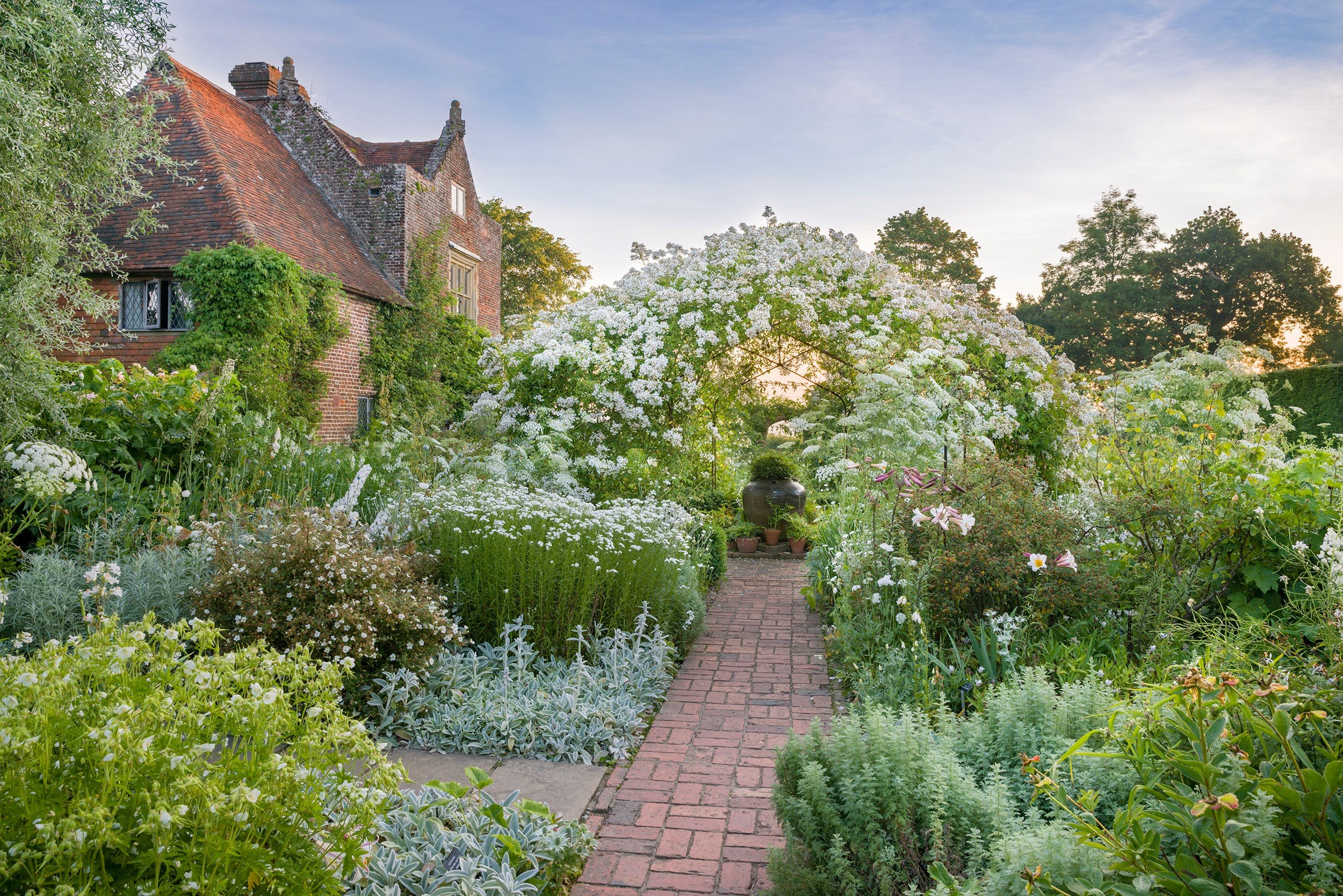 87 mi from SouthamptonSissinghurst Castle Garden: Room-by-Room Garden Design Masterclass
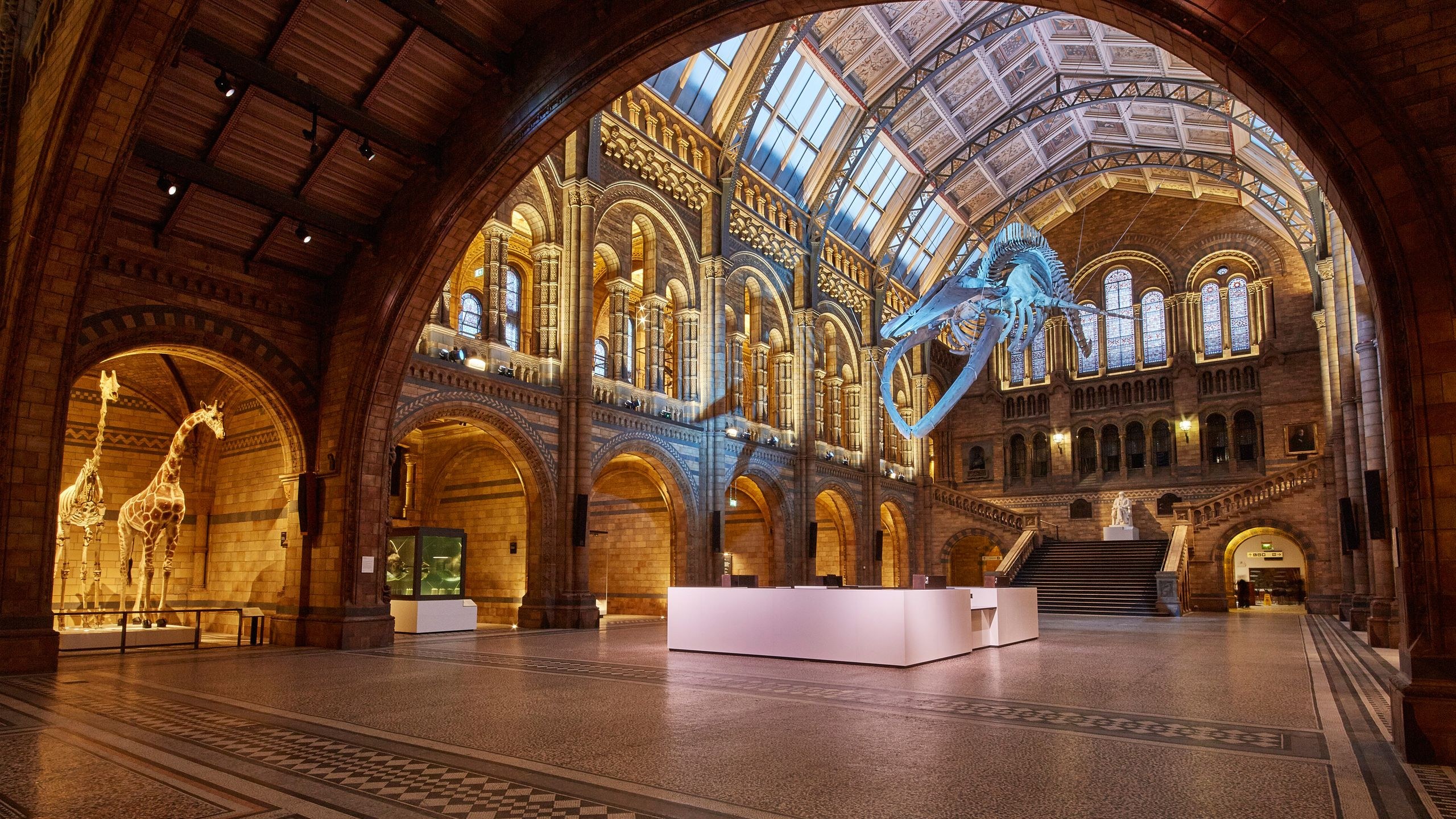 67 mi from SouthamptonNatural History Museum
 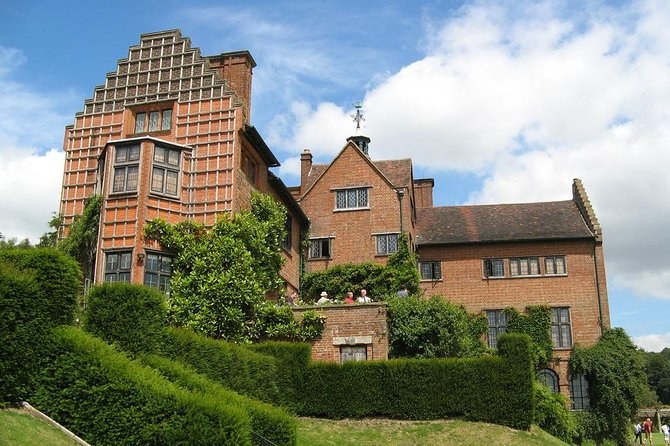 57 mi from Southampton · land adventureChurchill's Kent, Glyndebourne at Dusk & London's Secret Side
 57 mi from Southampton · land adventureCornwall's Wild Coast: Tin Mines, Tidal Castles & Beach Bars
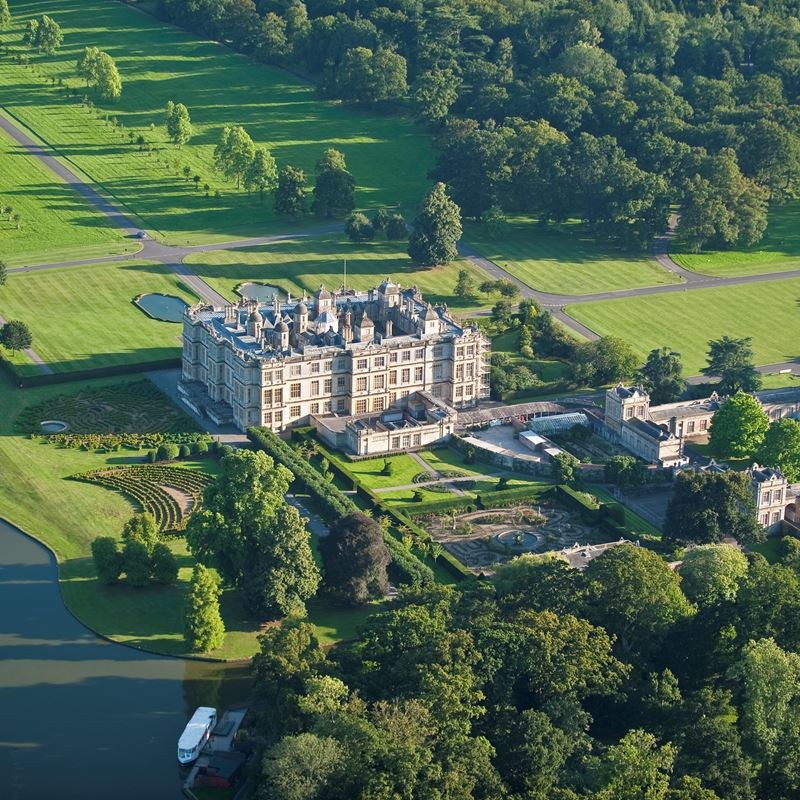 66 mi from Southampton · land adventureGeorgian Bath, Wild Somerset: Limestone, Lions and Lock Flights
 After you step off · near Copenhagen
You end in a different port — stay on, and add what is within reach before you fly home.
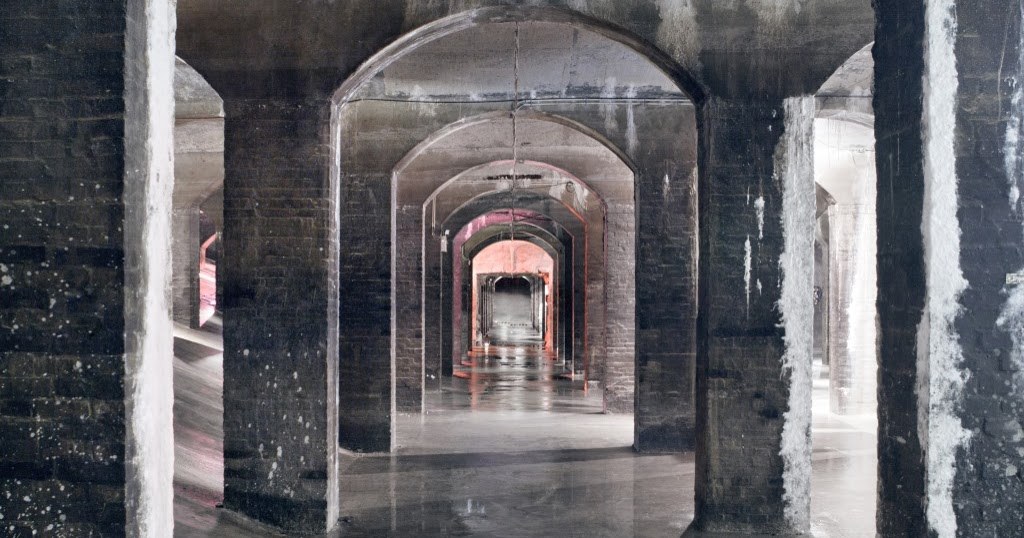 0 mi from CopenhagenCisternerne (The Cisterns) — Underground Art Space
 1 mi from CopenhagenFreetown Christiania Guided Tour
 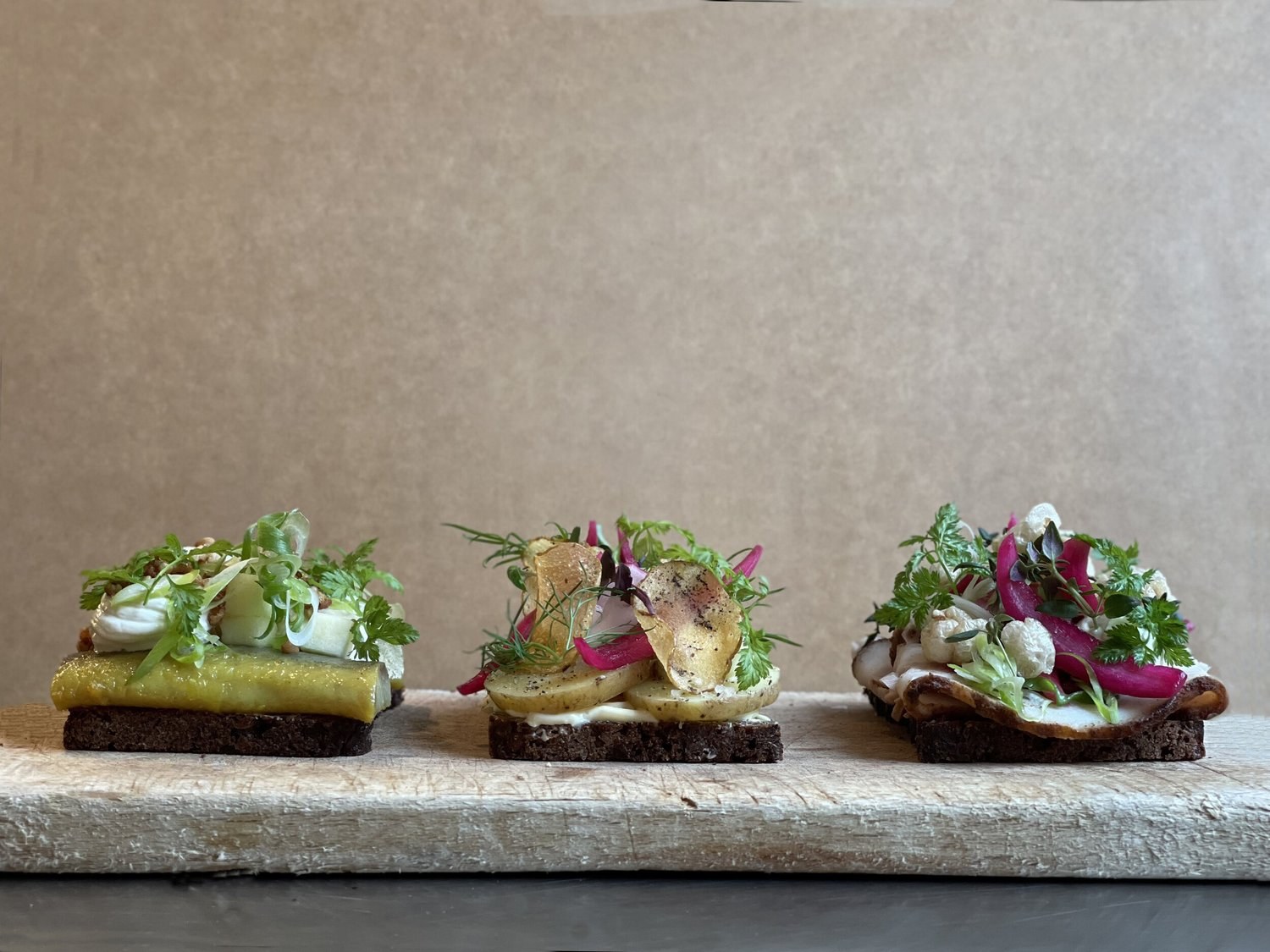 5 mi from Copenhagen · land adventureCopenhagen's Royal Canals, Underground Art & Nordic Feasts
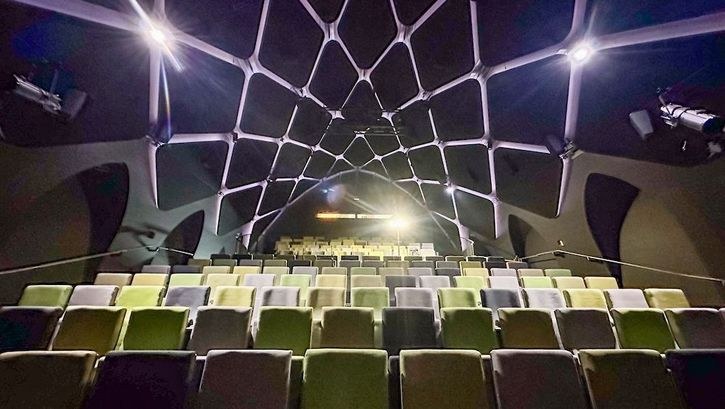 232 mi from Copenhagen · land adventureBerlin's Underground, Untold, and Unforgettable: An Adventure Guide