Your cruise
Sky Princess · 31-night Mediterranean round trip from Southampton
Sep 25 – Oct 26 · 31 nights ·
Day 1 Southampton (board) · Day 2 St. Peter Port (Guernsey) · Day 3–4 at sea · Day 5 Seville · Day 6 Malaga · Day 7 Cartagena · Day 8 Barcelona · Day 9 Toulon · Day 10 Florence · Day 11 Civitavecchia (Rome) · Day 12 Naples · Day 13–14 at sea · Day 15–16 Istanbul · Day 17 at sea · Day 18 Kusadasi (Ephesus) · Day 19 Mykonos · Day 20 Piraeus (Athens) · Day 21 Chania · Day 22 Katakolon (Olympia) · Day 23 Messina · Day 24 Valletta · Day 25 at sea · Day 26 Sardinia · Day 27 at sea · Day 28 Gibraltar · Day 29 at sea · Day 30 La Coruna · Day 31 at sea · Day 32 Southampton (step off)
What you do A fully private 4-hour chauffeured and guided sweep of Guernsey's most iconic coastal panoramas, fortifications, and hidden parishes — the definitive bucket-list introduction to this extraordinary Channel Island.
What to expect Your guide collects you directly from the cruise terminal and whisks you into Guernsey's lush interior and dramatic coastline by private vehicle. You'll take in sweeping clifftop views at Fermain Bay, marvel at the flower-covered lanes of the island's quieter parishes, and stop at viewpoints that coach groups never reach. Insider commentary covers the island's unique Channel Island culture, WWII occupation, and Norman heritage. The experience concludes back at the port with time to spare for a stroll along the harbour.
Good to know Book well in advance — private guides fill quickly on port days. Confirm your ship's all-aboard time with your guide so the itinerary is timed precisely. No per-person ticket extras required for this scenic route.
book direct with Tours by Locals – Guernsey Private Guides → · the full guide →
What you do Step inside one of the finest medieval sea castles in the British Isles — 800 years of fortress history, five museums, harbour ramparts, and a noon cannon firing that has echoed across St. Peter Port for generations.
What to expect You cross the cobbled causeway into a fortress that has guarded this harbour since 1206, its layers of history visible in every battlement and gatehouse. Five distinct museums — maritime, military, history, and natural history — are housed within the walls, so pace yourself and linger where curiosity leads. At noon precisely, the ceremonial cannon fires across the harbour in a tradition maintained for over 150 years. The ramparts offer arguably the finest 360° panorama of St. Peter Port, the Little Russel Channel, and the distant silhouette of Herm.
Good to know Castle Cornet is a short walk from the tender/pier landing — no vehicle needed. It opens at 10:00; the noon cannon is the must-see moment. Book a private guide through Guernsey Museums in advance to secure a dedicated storyteller for your group.
What you do Tour the astonishing, obsessively decorated home where Victor Hugo wrote Les Misérables — a house he transformed into a total work of art, every room a manifesto of genius, politics, and romanticism.
What to expect Hugo lived here for 15 years during his political exile from Napoleon III's France, and he didn't simply inhabit the house — he reinvented it floor by floor, room by room, carving, tiling, hanging tapestries, and painting furniture himself. The tapestry room, the red salon, the glass-roofed look-out study where he wrote at a standing desk every morning — each space is theatrical, personal, and unlike anything else in Europe. Your guide reveals the layers of symbolism Hugo embedded into every surface. The rooftop terrace, where Hugo surveyed the sea each day, offers a breathtaking view over St. Peter Port harbour.
Good to know Tours are given in small groups and timed tickets are mandatory — book directly on the official website before your cruise. It's a short, pleasant uphill walk from the waterfront. Photography restrictions apply inside; check current policy at booking.
book direct with Hauteville House (Maison de Victor Hugo – Official) → · the full guide →
What you do Walk the cobbled lanes and secret stairways of St. Peter Port with Annette Henry — Guernsey's most celebrated private guide and a one-woman masterclass in the island's layered history, folklore, and architecture.
What to expect Annette leads you off the tourist trail and into the real St. Peter Port: medieval alleyways called 'viaes', the Victorian market arcades, the clifftop churchyards with harbour views, and the lesser-known corners of a town that rewards the curious. Her storytelling is legendary — guests consistently describe it as more engaging than any guidebook or audio tour. You set the pace, ask every question you want, and leave with an understanding of Guernsey that most visitors never achieve. Expect to walk 3–5 km on mostly flat to gently hilly terrain.
Good to know Annette is in high demand on port days — email or call to book as far in advance as possible. Meeting point is at the cruise terminal. Wear comfortable walking shoes; the old town's cobbled lanes are charming but uneven. All-aboard timing is always respected.
What you do Descend into a German-built WWII fuel tunnel carved deep beneath St. Peter Port, then emerge to one of Guernsey's most magical natural bathing pools — a single visit that spans wartime shadow and sun-drenched leisure.
What to expect The tunnel was blasted from solid rock by forced labourers under Nazi orders to store U-boat fuel — walking its length today, lined with original German vehicles, weapons, and occupation artefacts, is a genuinely spine-tingling experience. The museum's curators are passionate and the collection is outstanding for its size. Stepping out into the sunshine, you'll find La Vallette's tiered sea-water bathing pools perched above the Channel — a Victorian gem still used by locals for wild swimming and contemplative sea-gazing. The contrast between the darkness of the tunnel and the luminous sea outside is unforgettable.
Good to know A pleasant 15-minute walk or short taxi ride from the cruise pier along the seafront promenade. The tunnel is cool (bring a layer) and can be dimly lit. Combine with a morning swim at the pools for the perfect half-day. Check seasonal opening hours on the official website.
What you do Wander Guernsey's most beautiful Victorian gardens — tropical planting, harbour panoramas, a Victorian bandstand — then dip into the award-winning Guernsey Museum & Art Gallery for a curated encounter with the island's art and identity.
What to expect Candie Gardens cascade down a south-facing hillside above St. Peter Port, planted with palms, agapanthus, and subtropical species that thrive in Guernsey's mild climate — a reminder that you are closer to France than to London. A bronze of Victor Hugo surveys the harbour from the upper terrace, a perfect photo moment. The museum itself tells Guernsey's story with wit and depth: prehistoric dolmens, the German Occupation, the unique Guernesiais dialect, and a rolling programme of contemporary Guernsey art. The Café Victoria terrace, with its sweeping garden and harbour views, is one of the loveliest spots for a coffee in the whole of the Channel Islands.
Good to know A gentle 15-minute uphill walk from the pier, or a 5-minute taxi ride. Flat, accessible paths wind through the gardens. Combine with the walk downhill through St. Peter Port's historic lanes back to the harbour for a beautifully paced half-day. Check for any special exhibitions on the museum website before your visit.
What you do Just over an hour from the ship, walk up to the 5,000-year-old stone circle that is the most iconic prehistoric monument on Earth, then drive to Salisbury to stand before one of only four surviving 1215 originals of Magna Carta beneath Britain's tallest cathedral spire. This is the textbook Southampton port day and the single thing a first-timer would most regret skipping. English Heritage entry is timed-ticket only, so a direct operator who pre-books your slot and paces the day to your all-aboard time is what actually gets you inside.
What to expect You'll depart Southampton and drive just over an hour to Stonehenge, where you walk directly up to the 5,000-year-old stone circle—the most iconic prehistoric monument on Earth—with a guided perspective on this timeless landmark. From there, it's a short drive to Salisbury Cathedral, where you stand beneath Britain's tallest spire to view one of only four surviving original 1215 Magna Carta documents, a moment of profound historical weight. The pace is calibrated throughout to your all-aboard time, and your private vehicle with driver-guide ensures you move at your own rhythm rather than waiting for a 40-person coach to reassemble. You'll return to the ship with both major entries completed, the cultural textbook Southampton port day checked off.
Good to know English Heritage entry to Stonehenge is timed-ticket only; Southampton Tours pre-books your slot as part of the package, which is essential to guarantee access on busy days. The 6-hour tour window fits comfortably within a standard 8-hour port day, with your driver-guide coordinating return timing to your ship's all-aboard. Groups of 4–7 will pay £145–£199 per person (roughly $185–$203) with both entries and air-conditioned transport included; book ahead directly with Southampton Tours rather than through the ship's 40-person coach if your group meets the minimum. The operator offers a formal cruise-return guarantee in writing—they cover next-port travel if you ever miss the ship, providing peace of mind on timing.
What you do An entire UNESCO World Heritage city built around Britain's only natural hot springs, where you walk the same Roman baths still fed by steaming spring water, beneath honey-stone Georgian crescents straight out of Jane Austen and Bridgerton. Many rank it the most beautiful city in England. It is a longer day (~1.5 hrs each way) so an operator who paces the drive to your all-aboard time matters.
What to expect You'll drive roughly 1.5 hours inland to arrive in Bath's honey-stone heart, where you'll walk the Roman Baths—an ancient complex still fed by steaming natural hot springs—before ascending into Georgian crescents and terraces that look lifted from a Jane Austen novel. The city unfolds at a human pace: Roman history underfoot, Regency elegance overhead, and those iconic honey-coloured stone facades that have made Bath consistently ranked as England's most beautiful city. Your driver-guide controls the rhythm of the day, pacing the route and your time away from the pier so you make your all-aboard window without stress.
Good to know Confirm your ship's all-aboard time before booking—the Bath + Stonehenge 8-hour combo is tighter than the Bath + Cotswolds option, and a 1.5-hour return drive means no margin for error. Book the Roman Baths entry (~£28/$36) directly once you've secured your tour, as it's not bundled into the operator fee. Your private driver and vehicle are included in the ~$190–$250/pp cost, making this far cheaper and more flexible than ship-run premium combos at $300–$400+/pp. Factor 3 hours minimum for Bath itself (Roman Baths + walking the crescents), leaving 1.5 hours on each end for driving, ensuring you're back at the pier with a comfortable buffer before all-aboard.
What you do Southampton IS the Titanic's home port: she sailed from Berth 44 on 10 April 1912, and most of the crew who died were Sotonians. This award-winning guided walk leaves on foot right from Town Quay by the cruise terminals (no coach) and threads the White Star Line offices, the Grapes pub where firemen famously missed the sailing, and the memorials. For anyone who knows the story, walking the actual streets where it happened is moving and almost free on a tight port day.
What to expect You step off the gangway at Town Quay and begin walking immediately—no coach, no waiting—threading through Southampton's historic streets with your guide. You'll stand at the White Star Line offices where the Titanic's fate was managed, visit the Grapes pub where firemen fatefully missed the 10 April 1912 sailing, and pause at memorials dedicated to the local crew who perished. The walking route is intimate and grounded: you're tracing the actual streets where the story unfolded, hearing period details and crew narratives as you move through the port district. Over roughly two hours, the rhythm builds from administrative sites to human moments, ending with a deeper understanding of why this ship's story belongs so deeply to Southampton.
Good to know Book ahead online via Walsh Tours (use code DIRECT for 10% off) and choose either the 10:00am or 2:30pm departure; both fit comfortably within a 6–8 hour port day, leaving a 90-minute buffer before all-aboard. The tour departs directly from Town Quay beside the cruise terminal—no transport needed—and costs £16/pp (~$20), making it easy to return to the ship in time. Bring comfortable walking shoes and a camera; the tour includes photography privileges and offers pub/tavern discounts along the route. At roughly two hours, this excursion is one of the shortest and closest to the ship you can book, ideal if you're timing a tight turnaround or prefer to stay near your gangway.
book direct with Walsh Tours (guide Brian Walsh) → · the full guide →
What you do Southampton's own backyard wilderness: a 1,000-year-old royal hunting forest created by William the Conqueror, where wild ponies, deer and cattle roam free across heath and ancient oak, just minutes from the ship. The most quintessentially English countryside on a short port day, with a stop at Beaulieu on the river. Ideal for travelers who would rather see living landscape and free-roaming animals than monuments.
What to expect Your private coach departs the Southampton pier and within minutes enters the New Forest—William the Conqueror's ancient 1,000-year-old hunting domain—where wild ponies, deer, and cattle move freely across open heath and gnarled oak woodland. You'll spend the heart of the day immersed in this living landscape, observing free-roaming animals in their natural habitat, the rhythms of the English countryside unfolding at ground level rather than behind glass. A stop at Beaulieu on the river gives you a chance to step out and experience the waterside setting before the journey continues. The day winds down with a drive to Salisbury Cathedral (entry included), a chance to view one of England's finest Gothic monuments, before your driver-guide returns you to the ship with time built in for a safe turnaround.
Good to know Departures run on your group's schedule from the Southampton pier, with 6–8 hour tours giving you roughly 4–5 hours in the New Forest itself and 1–2 hours at Salisbury Cathedral; book the Beaulieu Motor Museum or Palace House in advance if those interest you, as they're separate admissions. Your private vehicle picks you up directly from the cruise terminal—no waiting for a coach—so factor in only a 15-minute buffer before the posted return time. Dress in layers and bring waterproof jackets; the New Forest is exposed moorland where weather changes quickly and there's no shelter while spotting wildlife. The cruise-return guarantee means if your ship departs early, the operator covers your transport back, so you can book with confidence even on a tight port schedule.
What you do The definitive Titanic museum, opened in 2012 for the disaster's centenary and built around the city's own loss. Its interactive 'Southampton's Titanic Story' uses real passenger and crew records, a vast working model of the ship, and the actual disaster-inquiry courtroom. Walkable from the port and the perfect rainy-day or short-window option that pairs with the Titanic walk to complete the story the city is famous for.
What to expect You walk out of the terminal and head straight into Southampton's city center—a 15–20 minute stroll that itself becomes part of the journey. Once inside SeaCity Museum, you're immersed in interactive stations built around real passenger and crew records, a sprawling working model of the Titanic, and the actual courtroom from the disaster inquiry, each exhibit drawing you deeper into the human story of the ship and the city that built and lost it. The rhythm is unhurried and self-paced; there's no coach departure window or strict schedule, so you move through at your own speed, lingering over the objects and stories that grip you. You exit with the definitive Titanic narrative, especially Southampton's own role—and you're minutes from the port the entire time.
Good to know In a 6–8 hour port day, allocate 2–2.5 hours for the museum itself, plus 30–40 minutes round-trip walking and buffer time, keeping you safely back at the ship 1.5–2 hours before departure. The museum sits at the Civic Centre, a walkable 15–20 minutes from the terminals, or take a short cab (£5–10) if time or mobility is tight. Admission is £14.50/adult (student and senior discounts available) and includes both the main Titanic exhibition and Southampton Stories; no advance booking is typically required, but arrive early in your port window to avoid any midday crowds. Dress for British weather and wear comfortable walking shoes—this is fundamentally a walk-and-explore day with zero risk of missing the ship.
book direct with SeaCity Museum (Southampton City Council) → · the full guide →
What you do A fully private 4-hour chauffeured and guided sweep of Guernsey's most iconic coastal panoramas, fortifications, and hidden parishes — the definitive bucket-list introduction to this extraordinary Channel Island.
What to expect Your guide collects you directly from the cruise terminal and whisks you into Guernsey's lush interior and dramatic coastline by private vehicle. You'll take in sweeping clifftop views at Fermain Bay, marvel at the flower-covered lanes of the island's quieter parishes, and stop at viewpoints that coach groups never reach. Insider commentary covers the island's unique Channel Island culture, WWII occupation, and Norman heritage. The experience concludes back at the port with time to spare for a stroll along the harbour.
Good to know Book well in advance — private guides fill quickly on port days. Confirm your ship's all-aboard time with your guide so the itinerary is timed precisely. No per-person ticket extras required for this scenic route.
book direct with Tours by Locals – Guernsey Private Guides → · the full guide →
What you do Step inside one of the finest medieval sea castles in the British Isles — 800 years of fortress history, five museums, harbour ramparts, and a noon cannon firing that has echoed across St. Peter Port for generations.
What to expect You cross the cobbled causeway into a fortress that has guarded this harbour since 1206, its layers of history visible in every battlement and gatehouse. Five distinct museums — maritime, military, history, and natural history — are housed within the walls, so pace yourself and linger where curiosity leads. At noon precisely, the ceremonial cannon fires across the harbour in a tradition maintained for over 150 years. The ramparts offer arguably the finest 360° panorama of St. Peter Port, the Little Russel Channel, and the distant silhouette of Herm.
Good to know Castle Cornet is a short walk from the tender/pier landing — no vehicle needed. It opens at 10:00; the noon cannon is the must-see moment. Book a private guide through Guernsey Museums in advance to secure a dedicated storyteller for your group.
What you do Tour the astonishing, obsessively decorated home where Victor Hugo wrote Les Misérables — a house he transformed into a total work of art, every room a manifesto of genius, politics, and romanticism.
What to expect Hugo lived here for 15 years during his political exile from Napoleon III's France, and he didn't simply inhabit the house — he reinvented it floor by floor, room by room, carving, tiling, hanging tapestries, and painting furniture himself. The tapestry room, the red salon, the glass-roofed look-out study where he wrote at a standing desk every morning — each space is theatrical, personal, and unlike anything else in Europe. Your guide reveals the layers of symbolism Hugo embedded into every surface. The rooftop terrace, where Hugo surveyed the sea each day, offers a breathtaking view over St. Peter Port harbour.
Good to know Tours are given in small groups and timed tickets are mandatory — book directly on the official website before your cruise. It's a short, pleasant uphill walk from the waterfront. Photography restrictions apply inside; check current policy at booking.
book direct with Hauteville House (Maison de Victor Hugo – Official) → · the full guide →
What you do Walk the cobbled lanes and secret stairways of St. Peter Port with Annette Henry — Guernsey's most celebrated private guide and a one-woman masterclass in the island's layered history, folklore, and architecture.
What to expect Annette leads you off the tourist trail and into the real St. Peter Port: medieval alleyways called 'viaes', the Victorian market arcades, the clifftop churchyards with harbour views, and the lesser-known corners of a town that rewards the curious. Her storytelling is legendary — guests consistently describe it as more engaging than any guidebook or audio tour. You set the pace, ask every question you want, and leave with an understanding of Guernsey that most visitors never achieve. Expect to walk 3–5 km on mostly flat to gently hilly terrain.
Good to know Annette is in high demand on port days — email or call to book as far in advance as possible. Meeting point is at the cruise terminal. Wear comfortable walking shoes; the old town's cobbled lanes are charming but uneven. All-aboard timing is always respected.
What you do Descend into a German-built WWII fuel tunnel carved deep beneath St. Peter Port, then emerge to one of Guernsey's most magical natural bathing pools — a single visit that spans wartime shadow and sun-drenched leisure.
What to expect The tunnel was blasted from solid rock by forced labourers under Nazi orders to store U-boat fuel — walking its length today, lined with original German vehicles, weapons, and occupation artefacts, is a genuinely spine-tingling experience. The museum's curators are passionate and the collection is outstanding for its size. Stepping out into the sunshine, you'll find La Vallette's tiered sea-water bathing pools perched above the Channel — a Victorian gem still used by locals for wild swimming and contemplative sea-gazing. The contrast between the darkness of the tunnel and the luminous sea outside is unforgettable.
Good to know A pleasant 15-minute walk or short taxi ride from the cruise pier along the seafront promenade. The tunnel is cool (bring a layer) and can be dimly lit. Combine with a morning swim at the pools for the perfect half-day. Check seasonal opening hours on the official website.
What you do Wander Guernsey's most beautiful Victorian gardens — tropical planting, harbour panoramas, a Victorian bandstand — then dip into the award-winning Guernsey Museum & Art Gallery for a curated encounter with the island's art and identity.
What to expect Candie Gardens cascade down a south-facing hillside above St. Peter Port, planted with palms, agapanthus, and subtropical species that thrive in Guernsey's mild climate — a reminder that you are closer to France than to London. A bronze of Victor Hugo surveys the harbour from the upper terrace, a perfect photo moment. The museum itself tells Guernsey's story with wit and depth: prehistoric dolmens, the German Occupation, the unique Guernesiais dialect, and a rolling programme of contemporary Guernsey art. The Café Victoria terrace, with its sweeping garden and harbour views, is one of the loveliest spots for a coffee in the whole of the Channel Islands.
Good to know A gentle 15-minute uphill walk from the pier, or a 5-minute taxi ride. Flat, accessible paths wind through the gardens. Combine with the walk downhill through St. Peter Port's historic lanes back to the harbour for a beautifully paced half-day. Check for any special exhibitions on the museum website before your visit.
What you do Step inside one of the world's greatest royal palaces — still an official royal residence — with a private official guide who unlocks its labyrinthine Mudéjar halls, hidden gardens, and seven centuries of royal intrigue. An absolute bucket-list crown jewel of Andalusia.
What to expect Your private guide meets you at the Puerta del León and leads you through the Patio de las Doncellas, the opulent Salón de Embajadores, and the terraced gardens where peacocks roam freely. Hidden corners — the Baños de Doña María de Padilla, the secret garden pavilions — are revealed at your own rhythm. The guide contextualises centuries of conquests, dynasties, and architectural layering that self-guided visitors simply miss. Finish in the sun-drenched upper royal apartments for views over the orange-tree courtyards below.
Good to know Pre-book the guide AND timed-entry tickets well in advance — Alcázar slots sell out weeks ahead, especially on port days. Cadiz port is ~1.5 hrs each way to Seville; aim for a 08:00 departure to clear the morning crowds. Confirm your ship's all-aboard time before booking a return slot.
book direct with The Magic of Seville – Private Tours → · the full guide →
What you do Climb the mighty Giralda — a former 12th-century Moorish minaret — to gaze over Seville's golden roofscape, then descend into the world's largest Gothic cathedral to stand before Columbus's tomb. Utterly unmissable and visually staggering.
What to expect You ascend the Giralda's 35 brick ramps — no steps, by Moorish design — emerging onto the bell-tower terrace for a 360° panorama over the Alcázar, the River Guadalquivir, and the city's terracotta sea. Inside the cathedral, gilded altarpieces of staggering scale dwarf the faithful. The Treasury and Sacristy house Zurbarán and Murillo masterworks rarely highlighted on standard visits. The guide concludes at the tomb of Christopher Columbus, carried aloft by four royal heralds — a deeply moving finale.
Good to know Timed slots disappear fast on peak port days; book the earliest morning slot available. The cathedral is a 10-min walk from the Alcázar — combine both in a single morning. Dress code enforced: shoulders and knees covered.
book direct with Catedraldesevilla Official Tickets (Servitickets) → · the full guide →
What you do Cross the Guadalquivir into Triana — the gritty, soulful neighbourhood that gave flamenco to the world — and witness an intimate tablao performance by professional artists in a venue holding fewer than 50 guests. Raw, spine-tingling, and deeply authentic.
What to expect Your guide walks you across the Isabel II bridge into Triana, narrating the quarter's Romani heritage and its role in forging flamenco from Moorish, Jewish, and Andalusian roots. The performance seats you so close you see the dancer's expression shift with each compás. A guitarist, singer, and two dancers take turns leading — the duende (untranslatable 'spirit') rises as the show builds. Post-show, the guide points you toward Triana's famous ceramic tile workshops and a glass of manzanilla at a local bar.
Good to know Evening tablao shows are most atmospheric but may conflict with all-aboard times — confirm a matinée or late-afternoon performance. Book early as small venues fill quickly. Triana is a 20-min walk or short taxi from Santa Justa station.
book direct with Sevilla Official Tours (local official guides network) → · the full guide →
What you do Glide across the sweeping azulejo-tiled canals of Plaza de España by rowboat, then wind through the jasmine-scented lanes of the old Jewish Quarter with a private official guide who brings the neighbourhood's layered history vividly to life.
What to expect The tour opens at the semicircular Plaza de España, a jaw-dropping 1929 Exposition masterpiece of brick, azulejo tile alcoves, and bridged canals — each alcove representing a Spanish province. Your guide rows you gently across the moat as morning light turns the tilework gold. The itinerary then threads through the Santa Cruz labyrinth: whitewashed walls dripping with bougainvillea, hidden courtyards, the 14th-century Callejón del Agua. The guide reveals the neighbourhood's transformation from a medieval Jewish aljama, through expulsion, to today's most coveted address. Orange trees line every lane and the scent is extraordinary.
Good to know Plaza de España is a 15-min taxi from Santa Justa station. Combine this tour as a relaxed afternoon complement to a morning Alcázar/Cathedral visit. Wear comfortable walking shoes — cobblestones throughout.
book direct with The Magic of Seville – Private Tours → · the full guide →
What you do Board a boutique river cruiser on the Guadalquivir — the river that made Seville the gateway to the New World — and drift past the Torre del Oro, the Triana waterfront, and the historic bullfighting arena for a cinematic, feet-up perspective of the city.
What to expect Boarding at the Paseo de Cristóbal Colón quayside, the cruiser slips past the 13th-century Torre del Oro (Tower of Gold), named for the gilded azulejos that once covered it. Commentary traces Seville's role as monopoly port for all Spanish trade with the Americas. The Triana waterfront slides by — ceramic workshops, fishermen's bars, the bridge where gypsies once camped. Rounding the bend, the cathedral's Gothic mass and the Giralda dominate the skyline. Sunset departures turn the river copper-pink and are particularly magnificent.
Good to know Cruises depart regularly throughout the day; check the timetable against your all-aboard time — a 60-min cruise is easily slotted before or after a morning monuments visit. The quay is walkable from the Alcázar and cathedral. Book online in advance to guarantee a spot.
What you do Trail an official Seville food guide through the tapas bars of El Arenal and Triana, sampling jamón ibérico, Moorish-spiced cazuelas, and chilled fino sherry at bars where tourists rarely tread. The most delicious two hours Seville can offer.
What to expect The walk begins in El Arenal with a glass of chilled manzanilla and a plate of jamón cortado to order at a marble-topped bar established in the 1930s. The guide leads you to a tile-faced neighbourhood bodega for montaditos (small open sandwiches) topped with Iberian pork loin and roasted peppers. A mid-point stop at a back-street freiduría delivers crispy pescaíto frito — the city's beloved fried fish tradition — straight from the pan. The finale is a tableside tasting of three Jerez sherries, from bone-dry fino to rich, nutty oloroso, paired with aged Manchego. You will leave unable to look at an airport tapas bar the same way again.
Good to know Tours run at lunchtime (13:00) and are perfectly timed for a post-monuments afternoon slot. Group sizes are capped at 10 — book well ahead on port-call days. Inform the operator of any dietary requirements at booking; they accommodate with grace. Bodeguita Romero (Harinas 10, Seville) is also a celebrated standalone stop worth building time for.
book direct with Devour Seville Food Tours → · the full guide →
What you do Drive ~2 hours inland to the Alhambra, the UNESCO-listed Moorish palace-city that is the single most famous monument in Spain: the honeycombed Nasrid Palaces, the Court of the Lions, and the water-gardens of the Generalife terraced above Granada. A licensed guide walks you through the skip-the-line Nasrid entry (the tickets that sell out weeks ahead and are capacity-controlled by the half-hour), then you get free time in Granada's old town. This is the regret-if-you-miss-it day trip from Malaga.
What to expect You'll spend roughly two hours in an air-conditioned coach traveling inland from Málaga to Granada, then enter the Alhambra with a skip-the-line guide who navigates you through the honeycombed Nasrid Palaces and the iconic Court of the Lions before you explore the terraced water-gardens of the Generalife at your own pace. After the guided palace tour, you'll have free time to wander Granada's atmospheric old town—wandering narrow streets, browsing local shops, or grabbing tapas—before the coach returns you to the port. The rhythm is structured (guided palace tour in the morning, unstructured afternoon) with a full 10–11 hours allocated, giving you real breathing room to absorb both the monument and the city.
Good to know The skip-the-line Nasrid Palaces entry ticket (EUR 23 extra, ~$25) must be pre-booked weeks ahead and is capacity-controlled by half-hour time slots—don't assume walk-up availability. Port pickup and drop-off are included, and the operator guarantees 100% on-time return with no charge if the ship doesn't dock, so you're protected on timing. Bring comfortable walking shoes, sunscreen, and a hat: the palace interiors are cool but the Generalife gardens and Granada's old town are open-air and can be hot. Book your excursion directly with Spain Day Tours rather than through the cruise line to save $90–150 per person compared to ship-sold Alhambra tours.
book direct with Spain Day Tours (Malaga shore-excursion specialist, port pickup/drop-off) → · the full guide →
What you do Walk the boardwalk bolted to a vertical cliff face 100 meters above the Guadalhorce gorge -- once dubbed the most dangerous path in the world, now safely rebuilt into a one-way, ~3-hour, 7.7km clifftop traverse through the El Chorro canyon. It is the marquee adrenaline experience of Andalusia and the photo a thrill-seeker pictures when they think of inland Malaga. Children under 8 cannot enter; bring ID.
What to expect You'll depart the Malaga port and travel 58km inland through Andalusian countryside (roughly 1.5 hours each way) to arrive at El Chorro canyon. Once there, you'll join the one-way boardwalk bolted directly to a near-vertical cliff face 100 meters above the Guadalhorce gorge, traversing 7.7km of clifftop switchbacks through narrowing canyon walls over approximately 3 hours. The walkway—once infamously branded the world's most dangerous path—now feels secure and rebuilt, yet the exposure and soaring views remain visceral and unforgettable. By day's end you'll reverse the journey back to port, consuming your entire port day but delivering the singular adrenaline landmark of inland Malaga.
Good to know Book a guaranteed round-trip shuttle package (EUR 60–80) from a cruise operator or the official ticket office to lock in your on-time return to ship; the 1.5-hour each-way commute leaves zero margin for missing sail-away. Reserve entry tickets (EUR 10–18) weeks ahead, as they sell out regularly. Bring your passport or ID (required for entry), wear sturdy hiking shoes and sun protection, and confirm your shuttle departure time before boarding the tender—treat the return buffer as sacred, since missing the ship carries infinitely more risk than the reconstructed cliff itself. A full-day independent package (guides + transport) costs ~€77–81 per person versus ~€190 via cruise line.
book direct with Caminito del Rey official ticket office (UTE Caminito del Rey) → · the full guide →
What you do Climb Malaga's signature sight: a hilltop fortress-palace of horseshoe arches, courtyards, fountains and terraced gardens, crowned by the Gibralfaro castle ramparts with a 360-degree panorama over the city, the port and the Mediterranean. It is the one image a first-timer pictures when they think of Malaga, and it is a flat ~15-20 minute walk from the cruise terminal -- the perfect low-risk anchor for a port day. Buy at the gate, the ticket machines, or the official site on arrival.
What to expect From the cruise terminal, a flat 15–20 minute walk brings you to the Alcazaba's gates, where you'll climb through a fortress-palace of horseshoe arches, fountains, and terraced gardens layered up the hillside. If you continue to the Gibralfaro castle ramparts at the summit, you'll stand under 360-degree views of Malaga's city, port, and Mediterranean shoreline—the iconic image that defines the destination. The rhythm is self-paced: wander the courtyards and gardens, rest on terraces, take time at the top, then walk back down; budget 2–3 hours total, all on foot, with no guides or fixed schedules to follow.
Good to know Buy tickets on arrival at the gate, ticket machines, or the official website (EUR 7 for Alcazaba alone, EUR 10 for both Alcazaba + Gibralfaro); free entry every Sunday from 14:00 onward if your port day lands there. Summer hours are 9:00–20:00 (last entry 19:00), winter 9:00–18:00, so plan your walk to leave the ship by mid-morning in an 8-hour port window, giving you 2–3 hours inside, 45 minutes for transit to and from the terminal, and a safe 2-hour buffer to return before all-aboard. Bring water and comfortable walking shoes, as the climb to Gibralfaro is steady uphill terrain; no advance booking is needed for self-guided entry.
book direct with Alcazaba y Castillo de Gibralfaro (official municipal ticket office, Ayuntamiento de Malaga) → · the full guide →
What you do Andalusia is the cradle of flamenco, and Kelipe -- a working flamenco school and arts center open since 2001 -- is Malaga's most respected room for the genuine article: an intimate 90-minute show of live cante, guitar and improvised dance (full soleá and bulerías), not a tourist 'greatest hits' revue. Seeing flamenco performed in its homeland, steps from the Alcazaba, is a bucket-list cultural moment. Best for ships with a late departure or an overnight in port, since shows start at 20:00.
What to expect You'll have the afternoon and early evening free to explore Malaga's center on foot—wander the historic streets, visit the nearby Alcazaba, or grab a leisurely coffee before heading to Kelipe Centro de Arte Flamenco. At 19:30, you'll take your seat in an intimate 90-minute room where live cante (singing), guitar, and improvised dance unfold without artifice—full soleá and bulerías performed by working artists in their own school, not a polished tourist revue. The show runs 20:00–21:30, and one drink is included; the energy is concentrated and authentic, a cultural moment grounded in Andalusian tradition steps from the ancient Alcazaba.
Good to know Book your ticket directly on Kelipe's website ahead of time (€35 adults, €25 ages 13–18, €15 ages 4–12, one drink included); shows run Wednesday–Sunday, doors at 19:30. The venue is walkable from Malaga's city center and port—allow 15–20 minutes on foot from the pier. This excursion only works if your ship has a late departure or stays overnight; if you disembark at your scheduled time in the late afternoon or early evening, you'll miss the 20:00 start. Bring comfortable walking shoes for the afternoon and dress as you would for an evening cultural event; the venue is casual but genuine.
book direct with Kelipe Centro de Arte Flamenco (independent venue/school, book direct) → · the full guide →
What you do A guided 3.5-hour crawl through the walkable old town and the historic Atarazanas market, eating Malaga's regional signatures with a local insider -- fried pescaito, hand-cut Iberian ham, and the syrupy DO Malaga sweet Moscatel and Pedro Ximenez wines poured in family-run bars. It is the most efficient way to actually taste Andalusia on a tight port day instead of guessing at a menu, all within easy walking distance of the ship.
What to expect Your guide leads you on foot through Malaga's walkable old town and the historic Atarazanas market, stopping at family-run bars and bodegas for regional Andalusian tastings: fried pescaito, hand-cut Iberian ham, and the syrupy DO Malaga sweet wines (Moscatel and Pedro Ximenez) poured by locals. The 3.5-hour rhythm alternates between market exploration and intimate stops where you taste rather than order, letting you absorb the rhythm of how Malagueños actually eat and drink without the guesswork of a menu. This is the most efficient way to genuinely taste Andalusia on a port day while staying within easy walking distance of your ship.
Good to know Book direct on Spain Food Sherpas' site (no cruise-line aggregator) to save $45–50 per person versus ship-sold equivalents; the tour runs daily most days at 3.5 hours (EUR 73, ~$80 pp) and departs from the operator's meeting point near the old town, walkable from the pier. Plan for a 6–7 hour window shore-side to account for transit, the full tour, and a safety buffer back to the ship; bring comfortable walking shoes and small cash for any additional drinks, and note that this is a guided crawl where you taste at curated stops rather than a self-guided wander where drinks cost just a couple of euros.
book direct with Spain Food Sherpas (Malaga local operator since 2014, book direct) → · the full guide →
What you do Cartagena's first-century-BC Roman theatre lay hidden under the old town until 1988, and the only way in is a brilliant architectural sequence designed by Pritzker laureate Rafael Moneo: you pass through the Palacio Pascual de Riquelme, descend past Carthaginian and Roman strata, then emerge into the vast tiered cavea that once seated 6,000. It is the single most unmissable thing in the city and a five-minute walk from the pier. Few Roman theatres in the world are entered through a museum that tells the full layered story of the stone before you stand in it.
What to expect Allow 60-90 minutes for the full route through the museum's two buildings, the connecting tunnel under Calle Comedias, and out into the theatre itself. Interpretation is excellent and bilingual, with recovered marble, statuary and the reconstructed scaenae frons columns. The cavea is open-air and the pale stone throws heat, so morning light is kinder and better for photos. Wear proper shoes for the worn steps.
Good to know From the cruise terminal walk to Plaza del Ayuntamiento at the foot of Calle Mayor; the museum entrance is right there, about 400 m. Buy online or at the desk; queues are short outside July-August. Easily done independently with hours to spare against any all-aboard. Official tourist guides enter free, so a private guide adds no ticket cost.
book direct with Museo del Teatro Romano de Cartagena (official) → · the full guide →
What you do Beyond the theatre, Cartagena hides one of Europe's largest urban Roman archaeological parks at Cerro del Molinete, 26,000 sq m where you walk original Roman streets past the Forum, the thermal baths, the banqueting Atrium with surviving wall paintings, and a rare Sanctuary of Isis. Paired with the Punic Wall, this is the only place in Spain telling the Carthaginian-to-Roman story on its own ground. A licensed local guide turns scattered ruins into the living capital of Hannibal's Iberia and Augustus's Carthago Nova.
What to expect The Molinete museum's three floors of 300-plus artefacts set up the open-air park, where elevated walkways let you look down on streets, mosaics and the baths. It is genuinely atmospheric and far quieter than the theatre. A good guide ties Molinete, the Punic Wall and the Decumanus together into one walk of about two hours, mostly flat with some ramps. Shade is limited, so carry water in summer.
Good to know All sites are within the compact old town, 5-10 minutes on foot from the pier. Pre-book a licensed guide in advance (Cartagena's official guide association or a reputable operator such as Mediterranean Cartagena Tours); confirm they hold the regional guide licence so they enter the monuments free. Comfortably finished within a half-day port call.
book direct with Cartagena Puerto de Culturas (official site & ticketing) + a licensed private guide → · the full guide →
What you do Cartagena is one of the Mediterranean's great natural war harbours, ringed by coastal batteries, and the most evocative way to feel that is the official harbour boat out to the Fuerte de Navidad, a beautifully restored 1860s casemated fort guarding the harbour mouth. You cruise past the Spanish Navy arsenal and the gun batteries on the headlands, then disembark to walk the bunkers, handle a period cannon and stand on the terrace where the whole bay opens beneath you. It is the city's military soul, reachable only by water.
What to expect The boat moves at an easy 2.5 knots with multilingual narration, passing castles, lighthouses, the Navy arsenal and the cruise terminal itself from the water. At the fort you get roughly 45 minutes to explore casemates, an interactive artillery display and the panoramic terrace before the return leg. The whole round trip with the fort visit runs about 1.5-2 hours. Sea conditions inside the sheltered bay are usually calm.
Good to know The departure quay on Gisbert Street is a 3-4 minute walk from the cruise terminal. Sailings are roughly hourly in summer (11:00-19:30) and reduced off-season, so check the day's timetable on arrival and reserve via reservas@puertoculturas.com or +34 968 500 093 if your call is short. Confirm a return slot that clears your all-aboard with margin.
book direct with Cartagena Puerto de Culturas - Barco Turístico (official) → · the full guide →
What you do When Cartagena's mining wealth peaked around 1900, architect Víctor Beltrí lined Calle Mayor with riotous Art Nouveau facades, and walking it is like strolling a small Barcelona: the Gran Hotel, the Casino, Casa Cervantes, Casa Maestre and the Palacio Aguirre. Pair the architecture with a guided tapas crawl through the historic bars for the region's catch and the famed huerta de Europa produce, and you have the city's living present rather than only its Roman past. This is the elegant, sensory side of Cartagena most cruisers miss.
What to expect Calle Mayor is pedestrianised and flat, an easy 1-2 hour amble past the showpiece facades, with the Gran Hotel's corner dome the standout. A good tapas tour threads emblematic bars near San Francisco square for things like local prawns, marinated fish and the Murcian michirones, paired with Jumilla or Bullas wines. Pace is leisurely and social. Midday is liveliest; some bars rest mid-afternoon.
Good to know Everything is within the old town, a few minutes from the pier; no transport needed. Pick up the free modernista route map at the City Hall tourist office on arrival. Pre-book the tapas tour as small-group slots sell out on cruise days, and confirm the finish time against all-aboard. Cartagena lunches start late by northern standards, so an early-afternoon slot suits a port call best.
book direct with Local licensed gastronomy operator (e.g. the Cartagena guided tapas & modernista walk) - book the official tour direct → · the full guide →
What you do The hill above the old town has been fortified since Roman times, and the medieval Castillo de la Concepción crowns it inside the green Parque Torres. A glass-fronted panoramic lift saves the 45-metre climb and delivers you to the single best viewpoint in Cartagena: the Roman theatre below, the modernista rooftops, the Navy arsenal and the whole amphitheatre of the bay laid out at once. It is the photograph that explains why every empire wanted this harbour.
What to expect The panoramic lift rises in a minute from Gisbert Street to a footbridge into Parque Torres, where peacocks roam the gardens. The castle keep houses a compact Interpretation Centre on the city's 13-century military story, with preserved Roman cisterns and capitals. Most visitors spend 45-60 minutes including time on the ramparts for the views. The terraces are open and breezy, ideal near sunset if your ship sails late.
Good to know The lift's lower station on Gisbert Street is a few minutes from the cruise terminal and sits right beside the harbour-boat quay, so the two pair perfectly in one outing. Buy the combined lift-plus-castle ticket. The walk down through the park back to the old town is pleasant and downhill if you'd rather not lift both ways.
book direct with Cartagena Puerto de Culturas - Castillo de la Concepción & Ascensor Panorámico (official) → · the full guide →
What you do Forty minutes north-east of the port lies the Mar Menor, the largest saltwater lagoon in Europe, a warm shallow inland sea fringed by the La Manga sandbar and the wetlands of San Pedro del Pinatar, where for centuries people have coated themselves in the mineral-rich mud said to ease aches and skin. Floating in water so dense and calm it feels otherworldly, with flamingos in the nearby salt pans, is a genuinely different Spanish coast from the cruise-port bustle. It is the one bucket-list experience here that the distance makes worth a ship excursion.
What to expect Expect about 40 minutes each way by road, then time at La Manga's twin seafronts or at the Lo Pagán / San Pedro del Pinatar salt-marsh boardwalks for the mud baths and birdlife. The lagoon water is bath-warm, very shallow and extraordinarily buoyant; the grey mud is smeared on, dried in the sun, then rinsed in the sea. Bring a swimsuit you don't mind staining and water shoes for the muddy shallows. Note the lagoon has faced ecological stress in recent years, so conditions vary by season.
Good to know Because of the drive and tight cruise timing, this is the one excursion to pre-book rather than improvise. If going independent, arrange a private driver-guide in advance and build in a generous return buffer; do not attempt it by taxi-and-hope on a short call. Pack a towel, sun protection and a change of clothes, and combine with the Roman theatre on the way back as the ship itinerary does.
book direct with Norwegian Cruise Line (and most lines) - 'La Manga & Roman Theatre' shore excursion, or a private licensed driver-guide → · the full guide →
What you do Step inside the most famous unfinished building on earth, where Gaudi's stone forest of columns explodes into a kaleidoscope of stained-glass light that moves across the floor through the day. Add the tower ticket to ride the lift up a spire and walk back down the dizzying spiral stair with the city at your feet. Buy a strict timed entry slot, go early in your port window, and you'll beat both the queue and the midday glare.
What to expect You'll enter Gaudí's masterpiece and encounter a forest of soaring stone columns that dissolve into kaleidoscopic stained-glass light, shifting across the basilica floor as the sun moves through the day. If you book tower access, you'll ride the lift up a spire and descend the dizzying spiral staircase with Barcelona spreading below you. The unfinished vastness—both earthbound and dreamlike—fills the space in a way photographs cannot capture, and the audioguide walks you through every sculptural detail as you move through the nave.
Good to know Book a strict timed entry slot directly from the official Basilica de la Sagrada Familia site before your port day and go early in your window to beat both queues and harsh midday glare. Basic entry (EUR 26) includes the audioguide app; add EUR 10 for tower access (EUR 36 total) if you want the climb. Get there by taxi, metro, or ship-organized transport—the official tickets skip the reseller markup and save you $40–130 per person versus ship packages. Allow 2–3 hours inside the basilica itself, plus buffer time for entry and return, leaving at least 30–45 minutes to get back to the pier before all-aboard.
book direct with Basilica de la Sagrada Familia (official) → · the full guide →
What you do Ride out of the city to the serrated, otherworldly rock massif of Montserrat, ride the rack railway up the cliff face, and stand before the Black Madonna in the Benedictine basilica. If your day lands on a weekday you may catch the Escolania boys' choir, one of Europe's oldest. A guided coach handles the logistics and the timing so you are not gambling your ship's all-aboard on Spanish regional rail.
What to expect You'll depart Barcelona Nord by guided coach around 9:00am and ride into the otherworldly rock massif of Montserrat, where jagged peaks rise like a serrated fortress. At the foot of the cliffs, you'll board the rack railway that climbs the steep face, delivering you to the Benedictine basilica where the Black Madonna awaits in her shrine. A guide walks you through the sacred basilica, and if your excursion lands on a weekday, you may catch the Escolania boys' choir—one of Europe's oldest—singing in the morning service. The return coach departs mid-afternoon, arriving back at the port by around 4:15pm, giving you time to decompress before all-aboard.
Good to know Book the EUR 68.40 online rate with Catalunya Bus Turistic (Barcelona Turisme) well ahead to lock savings over cruise-line pricing ($25–185 cheaper per person). Confirm your ship's all-aboard time before booking—this ~7.25-hour excursion ends mid-afternoon, and the guided coach is your guaranteed return to port, so no gambling on Spanish regional rail. Wear sturdy walking shoes and bring layers, as the monastery sits at altitude and morning temperatures vary; the rack railway is steep but brief. Meet at Barcelona Nord bus station; your operator handles all transport and timing from city to mountain and back to the pier.
book direct with Catalunya Bus Turistic (Barcelona Turisme) → · the full guide →
What you do Climb to Gaudi's fairytale hillside park where the famous serpentine bench snakes in broken-tile mosaic around a terrace with the whole city and the sea spread below. The gingerbread gatehouses, the mosaic lizard fountain and the columned Hypostyle Hall make this the most photographed open-air Gaudi work in Barcelona. Book a timed slot for the Monumental Zone and arrive within your 30-minute entry grace window.
What to expect You'll arrive at Park Güell's Monumental Zone within a timed 30-minute entry window and climb the hillside into Gaudí's dreamlike landscape of gingerbread gatehouses and winding mosaic pathways. The iconic serpentine bench—snaking in broken-tile mosaics—curves around a terrace with sweeping views of Barcelona and the sea below, a photographer's paradise at every turn. You'll wander through the columned Hypostyle Hall and encounter the whimsical mosaic lizard fountain, experiencing the most photographed open-air Gaudí work in the city. The rhythm builds from initial climb to breathless overlook moment, then the slower, meditative wandering among the ceramic-clad structures and panoramic terraces.
Good to know Book your timed slot for the Monumental Zone well ahead (€18pp includes all Gaudí works and terraces, VAT included). Budget a taxi or bus both ways from the pier—the site is uphill and slightly off the metro—and plan to spend 1.5–2 hours at the park itself, leaving 2–3 hours total for transport buffers in a 6–8 hour port window. Arrive at the pier-side transport with at least 90 minutes before your ship departure to clear the security buffer. Bring sun protection and comfortable climbing shoes; if Sagrada Familia is also on your list, prioritize that cathedral over this one due to time constraints.
book direct with Park Guell (official, Barcelona City Council) → · the full guide →
What you do Slip out of the old harbor under sail on a real catamaran and see Barcelona's skyline, the Barceloneta beaches and the working port from the water, with a full bar aboard if you want a vermouth in hand. It is the rare port-day activity that starts steps from where most ships dock, so there is almost no travel time eating into your clock. Quiet, scenic, and an easy reset between the heavier Gaudi and mountain days.
What to expect You slip out of Port Vell under sail on a real catamaran, watching Barcelona's skyline recede as you glide past the Barceloneta beaches and the working harbor—all from the water, in the rare quiet that comes when most port-goers are queuing for cable cars. The 1.5-hour sail (or longer for Jazz options) unfolds at the pace of the breeze, with an onboard bar letting you nurse a vermouth while the city rises behind you. This is atmosphere and scenery: the kind of reset day that earns its place *between* the heavier Gaudi museum runs and mountain climbs, not as a standalone centerpiece.
Good to know The catamaran departs directly from Colon/Port Vell—steps from where most cruise ships dock—so there is almost no travel time; you can be aboard within 10–15 minutes of leaving the ship. Book the 1.5-hour Catamaran Sail & Skyline (EUR 18.50pp) or upgrade to Jazz & Chill Out (EUR 22.50pp) or Sunset Jazz (EUR 28pp) directly with Catamaran Orsom to save 50–80% versus ship-sold harbor alternatives. Plan to return well within a 6–8 hour port window, leaving ample buffer for any delays; bring sunscreen, sunglasses, and a light layer for wind on the water, and confirm departure times when booking to align with your ship's all-aboard.
What you do Drive into the Penedes vineyards, taste across varieties at the Torreblanca winery, then get hands-on at ArtCava to riddle and cork your own bottle of cava to take home as the rare souvenir you actually made. It is Spain's sparkling-wine heartland and a genuine craft experience rather than a pour-and-go tasting. A real port-day alternative to another church or museum.
What to expect You'll board a coach at Barcelona Nord around 9:00am and drive into the Penedes vineyards, Spain's sparkling-wine heartland, for a vineyard walk and guided tasting across varieties at Torreblanca winery. From there, you'll move to ArtCava for a hands-on workshop where you'll ridge and cork your own bottle of cava—a genuine craft experience, not a pour-and-go tasting—before heading back to the pier by approximately 2:15pm with a bottle you've made yourself as your souvenir.
Good to know The entire excursion runs ~5.25 hours round-trip, departing Barcelona Nord and returning early afternoon, which fits comfortably within most all-aboard windows—but confirm your sailing time and treat the coach's return as your hard deadline. Price is EUR 104pp online (EUR 116 regular) and includes round-trip coach, vineyard walk, tastings at two wineries, the guided ArtCava tour, your make-your-own-cava workshop, and the bottle to take home. Book online in advance to lock in the EUR 104 rate rather than pay the regular price at the port. Bring comfortable walking shoes for the vineyard and ArtCava, stay hydrated between tastings, and allow 15–20 minutes buffer time to clear the coach and return to your ship.
book direct with Catalunya Bus Turistic (Barcelona Turisme) → · the full guide →
What you do Walk the famous La Boqueria market with a chef, then cook a real Catalan paella and a couple of tapas by hand before sitting down to eat what you made with sangria in hand. It's three hours, minutes off La Rambla, and a low-stress way to take Barcelona home in your hands rather than your camera roll. The near-port safety net if a long mountain or vineyard run feels too tight against your all-aboard.
What to expect You'll start at La Boqueria market with a chef guide introducing the vibrant produce and Catalan ingredients, then move to the kitchen to roll up your sleeves and cook a real paella and two tapas by hand under instruction. The rhythm flows from market sensory overload—color, noise, vendors—to focused, measured cooking where you learn technique in a small group. After three hours of chopping, stirring, and tasting, you sit down to eat what you've made with sangria in hand, transforming the morning's market finds into your own meal.
Good to know Sessions run at 10:30, 13:00, 16:00, and 18:45; a 10:30 start gives you a full 6+ hours back on ship before evening all-aboard, while the 13:00 slot works if your port window is shorter. The venue is central, just minutes off La Rambla near Liceu metro—walkable from the pier or a quick taxi, with minimal coach risk. Book ahead through Cook & Taste to secure your time slot and session; the EUR 72 price includes all instruction, equipment, recipes, and beverages, so there are no surprise costs. Plan to return to the ship by your all-aboard time with a 30–45 minute buffer built in; the class ends by its scheduled time (e.g., 13:45 for the 10:30 session), leaving you a safe window to walk or cab back to the pier.
book direct with Cook & Taste (Barcelona Cooking Classes) → · the full guide →
What you do Soar above Toulon's grand naval harbour by cable car to the 584m summit of Mont Faron — a sensational Provençal panorama, rare big cats at the zoo, and a moving WWII liberation museum, all in one dramatic morning.
What to expect Board the historic cable car at the base station just 10 minutes from the port for a near-vertical, 6-minute ascent to the limestone summit plateau. The views over Toulon's vast natural harbour, the Îles d'Hyères and the Massif des Maures are among the finest on the entire Côte d'Azur. Explore the summit zoo — home to lions, tigers and leopards in spacious Provençal scrubland — and spend quiet, unhurried time in the WWII Provence Landing memorial. Descend in time for a long, relaxed port-side lunch.
Good to know Cable car opens daily from 10:00; first ride up by 10:30 gives you the summit virtually to yourself. The base station is a short taxi or 20-min walk from the cruise terminal. No pre-booking required for the cable car, but check seasonal closure dates on the official website. All-aboard is typically 17:00–18:00 — you'll be back with hours to spare.
What you do Slip into turquoise fjord-like inlets that can only be reached by sea — crystal-clear, UNESCO-protected waters framed by white limestone cliffs plunging 400 metres into the Mediterranean. A private charter is the only way to linger here without the crowds.
What to expect Board your chartered vessel from La Seyne-sur-Mer or Toulon marina and cruise west along the Var coastline before entering the Calanques National Park, where the sea turns an almost implausible shade of cobalt. The skipper drops anchor inside towering chalk walls and you swim, snorkel or simply float above posidonia seagrass meadows teeming with sea bream and octopus. A gourmet charcuterie and cheese board with chilled local Bandol rosé is served on deck. The return leg hugs the dramatic corniche coast back to port.
Good to know Book the private charter well in advance — peak-season dates fill quickly. The boat departs from Toulon Vieille Darse or La Seyne, roughly 5–10 minutes from the cruise terminal by taxi. Bring reef-safe sun cream; the park enforces environmental rules. Half-day returns you to port by early afternoon with time to explore Toulon's old town.
What you do The world's most glamorous fishing village, up close and personal — luminous harbour, ochre lanes, the Musée de l'Annonciade Impressionist collection, and the legendary Place des Lices market, all explored privately at a discerning pace.
What to expect Your bilingual private guide and driver collects you from the cruise terminal for the scenic 60-km coastal transfer to St. Tropez. Stroll the Vieux Port at its photogenic best, watching the superyachts jostle with centuries-old fishing boats. Enter the Musée de l'Annonciade — housed in a converted chapel — for an intimate viewing of one of France's finest Post-Impressionist collections. Wander the cobbled alleys of La Ponche, discover hidden chapels and artisan boutiques, and lunch at a guide-recommended bistro on the port before the scenic return drive.
Good to know Departure from Toulon port by 09:00 is recommended to beat tourist coaches into the village. The Musée de l'Annonciade is closed on Tuesdays — confirm your port day before booking. Return journey to the terminal takes approximately 75 minutes. Pre-book via Provence Private Tour with your exact port date to secure your preferred guide.
What you do Europe's most spectacular canyon — 700-metre limestone walls, a river of impossible emerald green, and hairpin corniche roads above the void. A private guided day here is a once-in-a-lifetime Provençal landscape experience that most Mediterranean cruisers never even attempt.
What to expect Your private driver-guide collects you at the port early for the 1.5-hour transfer north into the Var hinterland and up to the Verdon plateau. Drive the legendary Route des Crêtes along the southern rim of the gorge, stopping at the Belvédère de la Mescla and the Palud-sur-Verdon viewpoints for photography that needs no filter. A leisurely Provençal lunch at a farmhouse auberge with local wine is included. In the afternoon, walk a short section of the Sentier Martel trail above the canyon floor before the scenic return to Toulon.
Good to know This is a full-day excursion — depart by 08:30 and return to port by 17:30–18:00. Comfortable walking shoes and a light layer (the plateau is cooler than the coast) are essential. Pre-booking directly with Bonjour Provence is required; availability is limited for private departures. Best April–October.
book direct with Bonjour Provence Tours → · the full guide →
What you do Perched on a rocky hilltop above the vines, Le Castellet is one of Provence's most perfectly preserved medieval villages — stone ramparts, a Romanesque chapel, and sweeping views to the sea — paired with a private tasting at a celebrated Bandol domaine.
What to expect Depart the port on a 30-minute private transfer inland to the Bandol wine country, arriving at Le Castellet village as morning mist lifts off the vines. Your guide leads you through the 11th-century ramparts, the Place de la Mairie with its plane trees, and the ancient chapel with its carved Provençal altar. Then descend to a family-owned Bandol domaine for an exclusive cellar tour and tasting of their aged reds, elegant whites and celebrated rosé, accompanied by local charcuterie and tapenade. Return to the port in time for a Toulon harbour lunch.
Good to know Le Castellet is just 30 km from the port — an easy half-day. The Circuit Paul Ricard racing track is nearby if your group includes motorsport enthusiasts (can be added). Bandol wine is not widely exported, so this is a genuine chance to buy at cellar-door prices. Book directly with Bonjour Provence well in advance for domaine access.
book direct with Bonjour Provence Tours → · the full guide →
What you do Delve into the sun-drenched soul of Toulon — a private walking tour through the authentic Basse-Ville, the Cours Lafayette provençal market, the naval cathedral, and a curated sequence of artisan food tastings that reveal this proudly local city at its most delicious.
What to expect Begin steps from the cruise terminal at Toulon's magnificent Arsenal Vieux Port — your guide sets the scene with the city's four centuries of naval dominance. Thread through the aromatic lanes of the Basse-Ville to the Cours Lafayette, where your guide introduces you to stallholders offering tastings of Provençal olives, tapenade, cured meats and lavender honey. Visit the Cathédrale Sainte-Marie-de-la-Seds and the beautifully restored Place Puget with its dolphin fountain before finishing with a pastis or chilled rosé at a terrace café. The city feels entirely your own.
Good to know The Cours Lafayette market operates every morning and is at its vibrant peak 08:00–12:00 — this tour is best started at 09:00. The terminal is a 5-minute walk from the start point. Wear comfortable shoes; the old-town lanes are cobbled. Bring a small bag — your guide will help you select the perfect Provençal picnic or gifts to take back aboard.
What you do Step inside the world's greatest Renaissance art collection with a private expert guide who unlocks the stories behind Botticelli, Leonardo, and Michelangelo. Skip every queue and experience the Uffizi at a discerning, unhurried pace.
What to expect Your guide meets you at the Uffizi's private entrance and leads you through masterpieces including Botticelli's Birth of Venus and Primavera, Caravaggio's shadowy dramas, and Raphael's luminous portraits. The narrative goes deep into Renaissance patronage, politics, and technique — context that transforms paintings into stories. With a small private group, you choose the pace and can ask anything. The exit drops you onto the Piazzale degli Uffizi steps for a perfect Arno view.
Good to know Florence is about 80 km from Livorno cruise port — allow 1.5 hrs each way by private transfer. Pre-book the private transfer and museum entry simultaneously; last entry must be at least 2.5 hrs before your all-aboard time. The Uffizi is closed on Mondays.
book direct with Avventure Bellissime (Tours Italy) → · the full guide →
What you do Ascend Brunelleschi's impossible dome — the engineering marvel that defined the Renaissance — and emerge 463 steps later above the Florence skyline. One of the most visceral, bucket-list moments in all of Italy.
What to expect Begin at the Baptistery's gilded bronze doors — Michelangelo called them the 'Gates of Paradise' — before stepping inside the cathedral to tilt your head back at the Last Judgment fresco ringing the dome's interior. The climb winds through narrow double-shell passages Brunelleschi designed in 1420, with jaw-dropping close-up views of the frescoes before you emerge onto the lantern balcony. The 360° panorama of Florence's terracotta rooftops, the Arno, and the Tuscan hills is utterly unforgettable.
Good to know Timed-entry slots for the Dome sell out weeks in advance — book the moment your itinerary is confirmed. The PassePartout ticket covers the Baptistery, Museum, and Santa Reparata as well. Wear comfortable shoes; the spiral staircase is narrow. The Baptistery is a short walk from the Dome.
book direct with Opera di Santa Maria del Fiore (Official Duomo) → · the full guide →
What you do Stand before Michelangelo's David — the most celebrated sculpture in Western art — with a private guide who reveals what tourist crowds miss entirely. An intimate, deeply moving experience that justifies the voyage.
What to expect Pre-booked timed entry means you walk straight past the queue into the Accademia's barrel-vaulted Tribune, where David presides at the far end — the theatre of the approach is intentional and breathtaking. Your guide walks you around the full 360°, explaining the impossible technical feat of carving a 5-metre figure from a single 'ruined' block, and points to the details — the oversized hands, the taut neck veins — that signal imminent action. The unfinished 'Prisoners' lining the corridor provide unforgettable context: figures struggling to emerge from marble, as if Michelangelo left them as a philosophical statement.
Good to know The Accademia is closed on Mondays. Entry tickets must be pre-booked separately at tickets.uffizi.it; timed slots go fast in high season. Combine with Uffizi or the Duomo for a full Florence art day — the two are a 10-minute walk apart.
book direct with Silvia Segoni — Unconventional Florence Private Guide → · the full guide →
What you do The ultimate Tuscany port day: a private chauffeured tour that takes in Florence's Renaissance heart and Pisa's miraculous Campo dei Miracoli — two UNESCO World Heritage Sites in one extraordinary day.
What to expect Your private driver collects you dockside at Livorno and heads first to Pisa, arriving before the day-tripper crowds to see the Leaning Tower, the Duomo, and the ethereally beautiful Baptistery on the emerald lawn of the Campo dei Miracoli. Then it's on to Florence for a curated walk: Piazza della Signoria, Ponte Vecchio's medieval goldsmith shops, and the Duomo's façade, with time to enter a gallery of your choice. A stop for a proper Florentine lunch — ribollita, bistecca, Chianti Classico — is woven into the day at your guide's trusted local trattoria.
Good to know This is a full-day excursion — depart Livorno by 8:00 am and return by 6:00 pm. Confirm your all-aboard time before booking. All transfers are door-to-port, so there is zero risk of missing the ship. Pre-book Leaning Tower of Pisa entry (opapisa.it) if you wish to climb it.
book direct with Avventure Bellissime (Tours Italy) → · the full guide →
What you do Explore Florence's fortress-palace with a private guide through its secret corridors, then climb the medieval tower for a rooftop panorama that rivals the Duomo. The insider Medici experience that most visitors never discover.
What to expect Your licensed guide opens the door to Palazzo Vecchio's lesser-known story: the secret studiolo of Francesco I, the hidden staircase behind a painted wall panel, and the Medici's private apartments that were deliberately concealed from public view. The Salone dei Cinquecento — the vast hall decorated with Vasari's battle frescoes — is among the grandest interior spaces in Italy. The tower climb (200 steps) delivers a sensational close-up view over Piazza della Signoria and across the Florentine roofline, all the way to Fiesole's hills. Descend into the Piazza to admire the outdoor sculpture gallery — including a copy of David — at your leisure.
Good to know Palazzo Vecchio is open daily; the tower has restricted capacity so pre-book. Located in Piazza della Signoria, it is perfectly positioned as part of a broader Florence walking day. Combine with a Uffizi visit just steps away.
What you do Escape Florence for the vine-covered hills of Chianti Classico — a private estate visit with barrel-cellar tour, extra-virgin olive oil tasting, and a long Tuscan lunch paired with outstanding estate-bottled wines.
What to expect Your private vehicle glides through the postcard scenery of the Chianti Classico DOCG zone — cypress avenues, golden wheat fields, ancient stone farmhouses — to arrive at a storied estate where Sangiovese vines have been cultivated for generations. A guided cellar walk reveals the craft behind Chianti Classico, Riserva, and Gran Selezione designations, with comparative tastings straight from the barrel and bottle. The estate's olive press produces some of Tuscany's finest DOP extra-virgin oil, tasted alongside house-made bruschetta. Lunch is a leisurely, convivial affair: house-cured salumi, fresh pici pasta, and slow-roasted meats, paired with three or four estate wines. You leave with a very different understanding of — and palate for — Tuscany.
Good to know Half-day from Florence or full-day from Livorno port. If departing from Livorno, combine with a morning in Florence and head to Chianti for the afternoon. Confirm return timing against your all-aboard. Guests should advise dietary restrictions at booking; the estate accommodates gracefully.
book direct with Avventure Bellissime (Tours Italy) → · the full guide →
What you do This is the definitive Rome bucket-list day: Michelangelo's Sistine Chapel ceiling and Last Judgment, the Vatican Museums, St. Peter's Square, plus the Colosseum and Roman Forum — all in one 9-hour private run from the pier. Your driver collects you ship-side in a Mercedes and the 'privilege' skip-the-line tickets to both the Vatican and Colosseum mean you walk past the 2-hour queues that would otherwise eat your port day. Note this is a private-driver tour, not a guided one: you explore the interiors at your own pace (audio guides sold inside).
What to expect A private Mercedes collects you pier-side at Civitavecchia and you begin a 9-hour immersion in Rome's iconic landmarks, moving at your own pace rather than a group's rhythm. You skip past the 2-hour queues at the Vatican Museums to explore Michelangelo's Sistine Chapel ceiling and Last Judgment, then wander St. Peter's Square (basilica entry is free but has its own queue). After lunch flexibility, you drive to the Colosseum and Roman Forum, again with skip-the-line privilege tickets that let you move straight inside while standard visitors wait. Throughout, your private driver and personal vehicle—not a 50-person bus—keep you on your schedule, though you explore each site's interiors independently with optional audio guides available for purchase.
Good to know The full excursion runs 9 hours; plan to depart the pier by 8:00 AM at the latest to ensure a comfortable return before your ship's evening departure. Your private driver meets you ship-side at Civitavecchia—confirm the exact return-time guarantee and buffer window when booking, as this operator runs cruisers daily but you'll want that back-to-ship safety net in writing. Bring comfortable walking shoes, sunscreen, and cash or cards for lunch and optional audio guides inside the museums (not included in the EUR 187.50 price). Book skip-the-line tickets in advance as part of your package; they're your main time-saver advantage over the cruise line's group tours, which run $220–$320 per person for the same sites.
book direct with Discovery Guided Tours → · the full guide →
What you do The reason cruise lines stop here at all: a private deluxe vehicle whisks you from the pier to the Trevi Fountain, Pantheon, Spanish Steps, Piazza Navona, St. Peter's Square and the Colosseum, dropping you as close as Rome's traffic limits allow at each. It's the maximize-a-tight-window play — a first-timer who sails past Rome without standing at the Trevi would genuinely regret it. Be clear-eyed: this is a driver, not a licensed guide, so it's exterior views, photo stops and walk-up landmarks, no museum interiors.
What to expect Your driver collects you pier-side at 8:00 AM in a private deluxe vehicle and begins threading Rome's narrow streets, stopping at the Trevi Fountain, Pantheon, Spanish Steps, Piazza Navona, St. Peter's Square, and Colosseum views—you step out, snap photos, walk up to the exteriors and iconic squares, then move on. This is drive-and-stroll geography, not museum interiors: you'll see Rome's greatest hits from street level and courtyard vistas, with your driver dropping you as close as traffic allows at each landmark. The rhythm is constant but unhurried—a masterclass in first-timer coverage, punctuated by photo moments and the low hum of rolling between sites. You're back at the pier by 5:00–5:30 PM, having touched eight of Rome's most recognizable monuments without boarding a 50-seat coach.
Good to know Pickup is pier-side at 8:00 AM sharp with return by 5:00–5:30 PM, giving you roughly 8 hours door-to-door; factor in Rome's traffic and the driver will optimize stops, so expect less than 30 minutes at each landmark unless you request longer. No entrance tickets, meals, or guide services are included—this is a driver-only arrangement, so museum and basilica interiors are on your own dime and time; bring cash and book ahead if you want to step inside St. Peter's or the Colosseum. All tolls, parking, and taxes are covered in the quoted price (EUR 650–750 per vehicle for up to 7 guests, ~EUR 107–163 per person), and the driver speaks English. Book directly with RomeCabs in advance; a solo traveler or couple may find the ship's motorcoach tour or Trenitalia train equally priced or cheaper per head, so confirm group size before committing.
What you do For travelers who've already 'done' central Rome, this is the equally unforgettable alternative: Villa d'Este's 51 fountains, 64 waterfalls and 220 basins — all gravity-fed, not a single pump — paired with Emperor Hadrian's sprawling 2nd-century imperial estate. An expert private guide actually walks the gardens and ruins with you, and the crowds are a fraction of the Vatican's. A 9-hour day, pier to pier.
What to expect You'll spend the morning and early afternoon in two staggered acts: first, Villa d'Este's terraced Renaissance gardens, where your expert guide walks you through cascading fountains, 220 basins, and 64 waterfalls—all fed by gravity alone, no pumps needed—then a private car transfer inland to Emperor Hadrian's 2nd-century sprawl, where crumbling villas, temples, and theaters unfold across 30 acres of archaeological theatre. The rhythm is unhurried; you're with a licensed English-speaking expert, not herded through a coach crowd, so you'll actually absorb the history and architecture as you walk. By late afternoon, your driver returns you to the Civitavecchia pier, completing the 9-hour door-to-door arc.
Good to know Pickup from Civitavecchia pier is included; plan for a private car departure roughly 3–4 hours after ship arrival to allow for disembarkation and meet your guide. Both villas are outdoor, terraced sites with significant walking and uneven ground—wear comfortable shoes and bring sun protection and water. Book at least 48–72 hours ahead; the price (EUR 869 minimum, ~$475 per couple) drops per person as group size grows, and slots are limited to preserve the "expert guide + small party" promise. Confirm your ship's all-aboard time with the concierge and allow a 30–45-minute buffer before boarding to account for Civitavecchia pier return traffic.
book direct with Through Eternity Tours → · the full guide →
What you do Walk intact ancient streets, an amphitheater, taverns, bath-house mosaics and three-story Roman apartment blocks at the buried port city of Ostia Antica — the marquee 'lost Roman city' with a fraction of Rome's crowds. It's far closer to Civitavecchia than the actual Pompeii (which is impractical from this port), and this private full-day pairs it with the Etruscan necropolis at Cerveteri. Pier-side Mercedes pickup, full day, back in time for the ship.
What to expect You'll be picked up pier-side in a private deluxe Mercedes and driven to Ostia Antica, where you'll walk intact ancient streets lined with taverns, bath houses, and remarkably preserved three-story Roman apartment blocks, culminating at the amphitheater — a far less crowded alternative to Pompeii. The day then pivots to Cerveteri's Etruscan necropolis, where you explore burial sites and artifacts from Rome's pre-imperial neighbors. Throughout, you're moving at your own pace in private transport rather than herded with a group, though your driver handles logistics rather than narrating the ruins themselves. The rhythm is unhurried full-day immersion: ancient streets in the morning, a site transition at midday, and Etruscan tombs in the afternoon, returning to the pier in time to reboard.
Good to know Book ahead with Stefano Rome Tours and confirm pier pickup timing to ensure you clear the ship's all-aboard (driver will know the buffer). Entrance tickets to both Ostia Antica and Cerveteri are not included in the EUR 590 vehicle fee—budget ~EUR 18 per site and purchase at the gate or ahead online to save time. Bring a robust audio guide app (like the official Ostia Antica app) or printed site guide, since the driver is not a licensed in-site interpreter. With a full day in the field, wear comfortable walking shoes, sunscreen, and a hat; both sites are largely open-air and can be hot, especially in summer months.
What you do Skip the 1.5-hour each-way push to Rome and explore the port town nearly every cruiser blows past: Michelangelo's harbor fortress (Forte Michelangelo), one of Italy's largest open-air markets, fresh Tyrrhenian seafood and the seafront Pirgo promenade. A relaxed small-group walk with local tastings along the way — the low-stress, low-risk safety net when you want to be steps from the ship.
What to expect You'll join a small-group walk that begins steps from the pier and moves at a leisurely pace through Civitavecchia's historic center, anchored by visits to the Renaissance Forte Michelangelo and one of Italy's largest open-air markets alive with local vendors and produce. Along the way, you'll pause for fresh Tyrrhenian seafood tastings and other local bites, absorbing the rhythm of a working port town most cruisers skip. The walk concludes on the waterfront Pirgo promenade, where you'll have absorbed three hours of culture and flavor without the fatigue of a long coach transfer. It's the opposite of the Rome sprint—an immersive, low-pressure exploration of the places locals actually go.
Good to know The entire excursion unfolds within walking distance of your ship, so there's zero transfer time and minimal risk of running late; plan for the three-hour guided walk to fit comfortably in a 6–8 hour port window. Book ahead through DriverInRome to secure your spot in a small group, and wear comfortable walking shoes—you'll be on foot the whole time through cobblestone streets and market areas. Bring cash (EUR) for any additional purchases at the market or for tips, and check departure times with the operator to give yourself at least an hour buffer before all-aboard. The price of approximately EUR 75 per person (€82 USD) includes all tastings, so budget only for optional extras and gratuity.
What you do Walk the stone streets of a complete Roman city flash-frozen by Vesuvius in 79 AD: the forum, frescoed villas, the brothel, and the haunting plaster casts of the dead. This is the single reason this port exists, and a licensed archaeologist is what turns acres of rubble into a vivid murder-mystery of the ancient world. Pompeii is ~30-40 min from the terminal by direct Circumvesuviana train or transfer, so it fits a 6-8 hr window with margin; the 2-hr guided slot leaves time for the train both ways.
What to expect You'll walk the stone streets of Pompeii as they were in 79 AD—through the forum, past frescoed villas, the brothel, and the haunting plaster casts of bodies caught mid-life when Vesuvius erupted. Your licensed archaeologist guide transforms acres of rubble into a vivid forensic narrative, making the ancient world click into place over two focused hours. The group stays small (max 20 people), and if you're 10 or more, everyone gets a headset so even the back rows catch every detail. You'll move at the pace of someone who understands what you're seeing, not rushing—the difference between walking through a ruin and reading a murder mystery written in stone.
Good to know Book directly on Askos's FareHarbor site and meet at Porta Marina Superiore; the Pompeii Express skip-the-line ticket is included in the €49.50 price, saving you entry fees. Allow 30–40 minutes by direct Circumvesuviana train each way from the terminal (~€3 return), plus the 2-hour guided tour, leaving comfortable margin in a 6–8 hour port window. Your only logistical job is booking the train or arranging a private transfer yourself—the ship's Pompeii tours cost $100–160 pp for the same archaeologist experience, making direct booking roughly half the price and worth the self-transfer effort. Build in at least a 30-minute buffer before all-aboard; trains are frequent and reliable, but the walk back to the pier matters.
What you do Climb the only active volcano on mainland Europe and look straight down into the steaming crater, with the whole Bay of Naples spread out behind you. Pair it with Pompeii and you see the killer and its victim in a single day -- the definitive Naples story. The walk from the bus drop-off to the crater rim is a moderate 20-40 min on a well-graded gravel path; entry is a fixed timed slot that genuinely sells out.
What to expect You'll shuttle from Ercolano or Pompeii up the volcanic slope to the Parco Nazionale del Vesuvio trailhead, then walk a moderate 20–40 minutes on a well-graded gravel path toward the crater rim. As you climb, the Bay of Naples spreads out behind you; when you reach the rim at your assigned timed slot, you'll stand on the edge and gaze straight down into the steaming crater of mainland Europe's only active volcano. The view backward anchors the entire Naples story—the killer and its victim in one frame, Vesuvius and the cities it buried now visible in a single glance.
Good to know Pre-booking on the official Vivaticket system is COMPULSORY—slots cap at 60 people per 10 minutes and routinely sell out; do not rely on gate sales. The EUR 10 official Gran Cono crater-trail ticket plus booking fee (~EUR 11.68 total) is far cheaper than ship bundled excursions at $150+, but add ~EUR 22 for the shuttle from Ercolano/Pompeii station. Plan arrival at your assigned timed slot with at least 2–3 hours buffer before all-aboard; shuttle transit and the 20–40 minute walk must fit within a realistic 6–8 hour port window. Wear sturdy shoes suitable for gravel paths and bring water and sun protection—the crater rim is fully exposed.
book direct with Parco Nazionale del Vesuvio (official ticket via Vivaticket) → · the full guide →
What you do Circle the Bay's glamour island by boat -- past the towering Faraglioni rock stacks, with swim stops in impossibly blue water -- then slip into the Blue Grotto, a sea cave where light refracts through an underwater opening to glow electric blue. It's a genuine once-in-a-lifetime sight, plus free time in Capri town. Honest caveat: the Grotto is the most weather-dependent thing on this list and can close on rough seas; tours run from Sorrento (hydrofoil from Naples), so this is a fuller-day commitment with a tighter return.
What to expect You'll board a small boat from Sorrento (accessible by hydrofoil from Naples) and cruise the Bay of Naples past the dramatic Faraglioni rock stacks rising from impossibly blue water, with planned swim stops to snorkel in those electric-colored seas. The journey culminates in a slip into the Blue Grotto, a sea cave where refracted light transforms the water into an otherworldly glow—a sight rarely forgotten. After the grotto, you'll have free time to explore the charming piazzas and boutiques of Capri town before returning. The rhythm is unhurried but full: roughly 7–8 hours door-to-door, with the boat's English-speaking skipper setting the pace and prosecco or soft drinks on hand.
Good to know Depart early enough to catch the hydrofoil from Naples to Sorrento (book this leg yourself or confirm timing with MBS directly), as the excursion is a full-day commitment with a tight return window to your ship. Budget EUR 18 for Blue Grotto entry and EUR 15 for an assistance fee—both paid on-site upon arrival, not upfront. Book directly through mbsblucharter.com rather than third-party portals: you'll save roughly EUR 50 per person compared to capri.com or cruise-line intermediaries. Essential caveat: the Blue Grotto closes on rough seas, so confirm weather and grotto access 24 hours before departure; bring a light layer, reef-safe sunscreen, and a waterproof phone pouch for snorkel stops.
What you do Ride one of the world's most spectacular roads: cliffside hairpins above the Tyrrhenian Sea, the pastel cascade of Positano, the cathedral square of Amalfi, the gardens of Ravello. A licensed local driver who specializes in cruisers is the right way to do this independently -- they guarantee you back to the ship on time, which the public SITA bus cannot. Best for travelers who prize scenery and photo stops over deep on-foot exploration, since road time is significant.
What to expect Your private driver collects you from the Naples pier in a comfortable vehicle and navigates the Amalfi Coast's famous cliffside hairpins—a white-knuckle ribbon of road hugging the Tyrrhenian Sea—stopping as you choose in pastel-tiered Positano for photos, the cathedral square of Amalfi for wandering, and the terraced gardens of Ravello for views that justify every hairpin turn. Road time is substantial, so the rhythm favors scenic pauses and photo stops over lengthy on-foot exploration; you're trading deep walking for the thrill of one of the world's most visually spectacular drives, with a licensed local specialist handling every curve. The day unfolds at your pace: pick villages, pick lunch spots, linger where the light is best—then your driver guarantees you back at the ship on time, a promise the public SITA buses cannot make.
Good to know Book directly with AmalfiDriver.com (Josef, +39 338 545 3310 or booking@amalfidriver.com) well ahead of your Naples port day; a full-day (8-hour) private vehicle runs approximately €600–750 (~$90–130 per person for a family or small group), split among your party. Expect pickup within 30–45 minutes of your pier arrival; budget your return to the ship with a 90-minute buffer before departure to account for Naples traffic. Bring sun protection, comfortable walking shoes for the village stops (though less critical than on a hiking excursion), and cash or cards for lunch and café stops—the operator handles only the car and driving. Explicitly confirm the on-time-return guarantee when you book; this cruise-specialist operator's promise to land you back on schedule is the competitive edge over cheaper or ad-hoc options.
book direct with AmalfiDriver.com (Taurino Transfer Tour) → · the full guide →
What you do Drop 40 meters beneath the chaos of the old city into 2,400 years of hidden Naples: Greco-Roman aqueducts and cisterns, a buried Roman theater, and WWII bomb shelters, explored by narrow candle-lit passages. It's the city's signature 'secret,' completely weather-proof, and pairs perfectly with a pizza lunch above ground. Fully walkable from the port -- no transfer, no train, hard to mess up your all-aboard time.
What to expect You descend 40 meters into candlelit passages beneath Naples' old city, moving through 2,400 years of layered history: Greco-Roman aqueducts and cisterns that still hold their original stone, a buried Roman theater emerging from the dark, and concrete WWII bomb shelters where locals sheltered during air raids. The roughly 90-minute guided walk is fully navigable—narrow but walkable—and afterward you resurface into the modern chaos of the centro storico, ideally heading straight to a nearby pizzeria while the underground air still clings to your clothes. It's completely weather-proof, so rain or scorching sun above ground doesn't matter; the temperature below stays stable year-round.
Good to know Book directly with Associazione Napoli Sotterranea (official state concession No. 2524) rather than street resellers, as other "underground" tickets offer inferior or duplicate routes; departures run roughly hourly in English and Italian, so you can flexibly slip away from the pier for a 90-minute visit and still have time for lunch and shopping. The meeting point—Piazza San Gaetano 68-69, Via dei Tribunali, beside Basilica di San Paolo Maggiore—is a five-minute walk from the cruise port with zero transfers or trains needed. At ~EUR 15 per person, plan for a 2.5–3 hour total absence from the ship (visit + walk back + buffer), leaving you 3–4 hours for the surface city if your port window is 6–8 hours; wear comfortable, flat shoes suitable for narrow stone passages and carry a light layer, as the underground is cool and damp even in summer.
book direct with Associazione Napoli Sotterranea (official, Concession No. 2524) → · the full guide →
What you do Naples invented pizza, and this is the one place on Earth you can eat a true wood-fired Margherita in the city UNESCO honored for the art of the 'pizzaiuolo.' A local guide leads a crawl through the UNESCO historic center -- Piazza Bellini, Piazza Dante, family-run Pizzeria Attanasio -- with six-plus pizza styles and drinks along the way. Zero transfer, fully walkable from the port: the highest-reward, lowest-logistics option for cruisers who want to stay in the city.
What to expect You'll walk through the UNESCO-designated historic center of Naples with a local guide, moving between family-run pizzerias and piazzas—Piazza Bellini, Piazza Dante, Pizzeria Attanasio—stopping to eat and drink your way through six-plus authentic wood-fired pizza styles. Between stops, you're immersed in the streets where pizza was invented, learning the tradition of the 'pizzaiuolo' while tasting each pie fresh from the oven. Along the way you'll drink two cocktails (limoncello spritz and classic spritz) plus wine or beer and finish with chocolate dessert—this is a full seated meal, not a tasting crawl. The entire experience is fully walkable from the port with zero transfers, keeping logistics simple and time in the city unbroken.
Good to know The standard departure is 5:00 pm, so confirm this clears your all-aboard time before booking—if your ship's final boarding is tight, choose the cruise line's daytime food tour instead. The tour is 3.5 hours, meaning you'll return to the port around 8:30 pm; plan your port day accordingly and allow buffer time for the walk back to the pier. Direct booking is required through Eating Europe's website, not the ship; groups max out at 12 people, so book early if traveling with others. Bring only what you need (light wallet, phone, comfortable walking shoes) since you'll be navigating narrow historic streets and stopping frequently to eat and drink.
What you do Stand beneath the largest free-standing dome of the ancient world inside a building that served as the planet's grandest cathedral for 900 years and its grandest mosque for 500 more. A licensed guide unlocks what the average visitor walks past: the 9th-century apse mosaics, the marble Omphalion where Byzantine emperors were crowned, and the layered Christian-and-Islamic iconography that exists nowhere else on earth. This is the single most consequential building in Istanbul and arguably in the eastern Mediterranean.
What to expect Foreign visitors use a dedicated tourist entrance separate from worshippers and pass through mandatory security screening. The main prayer floor is carpeted and partly screened for prayer; tourists are routed to the upper gallery for the famous Deesis and imperial mosaics. Shoulders and knees must be covered and women need a headscarf (free scarves are available at the door). Allow 60-90 minutes inside.
Good to know From Galataport the T1 tram from Tophane reaches Sultanahmet in ~15-20 minutes; Hagia Sophia is a 3-minute walk from the Sultanahmet stop. Buy the timed entry online in advance to avoid the queue. Closed to tourists during the five daily prayer windows and Friday midday prayer, so a licensed guide who times your visit around them is worth it. Comfortably back aboard for any all-aboard after ~16:00.
book direct with Hagia Sophia Grand Mosque (official ticketing, muze.gen.tr) → · the full guide →
What you do Cruise the only strait on earth that splits a city across two continents, gliding past the marble Dolmabahce Palace, the Ottoman waterfront mansions (yali), the fortress of Rumeli Hisari, and beneath two intercontinental bridges. On a private yacht you set the pace, the route and the soundtrack, with tea or champagne in hand as the minarets of the skyline drift by. Doing this on your own chartered boat rather than a packed 200-seat tour ferry is the difference between a postcard and a memory.
What to expect You board at a marina near the European shore; the captain runs the classic strait route and can pause for photos at the bridges and palaces. Crew serve refreshments; many operators allow you to bring your own champagne or arrange catering. Sunset departures are the prized slot and book out first. Two hours is enough to reach Rumeli Hisari and back at an unhurried pace.
Good to know Confirm the boarding marina relative to Galataport when you book; some launch points are a short taxi from the cruise terminal. Pre-book the exact departure time and request a sunset slot if your ship overnights. Bring layers, the strait is breezy even in summer. Galataport itself sits right at the mouth of the Bosphorus, so transfer times are short.
book direct with Bosphorus Yacht (Zoe Yacht, official) → · the full guide →
What you do Walk the ceremonial spine of imperial Istanbul: the Sultanahmet (Blue) Mosque with its cascade of domes and 20,000 hand-painted Iznik tiles, the ancient Hippodrome where Byzantine chariots once raced around a 3,500-year-old Egyptian obelisk, and then descend into the Basilica Cistern, a sunken sixth-century forest of 336 columns lit like an underground cathedral with two enigmatic Medusa heads at its feet. Three civilizations, Roman, Byzantine and Ottoman, layered within a 10-minute walk.
What to expect The Blue Mosque is an active place of worship: shoes off, modest dress, headscarf for women, and it closes to tourists during the five daily prayers, so timing matters. The Basilica Cistern's atmospheric Night Shift (after 19:30) is the connoisseur's slot, quieter and more theatrically lit, but tickets are sold only same-day at the door. The Hippodrome is open public space between the two.
Good to know All three sit within a few minutes of each other in Sultanahmet, a 15-20 minute tram ride from Galataport via the Tophane T1 stop. Cistern accepts card or Istanbulkart only, no cash. Carry a scarf for the mosque. If your ship overnights, the Cistern Night Shift is a standout; otherwise do the cluster mid-morning before the mosque's midday prayer closure.
What you do Walk the seat of Ottoman power for nearly 400 years, set on the point where the Bosphorus meets the Golden Horn. Beyond the four courtyards lie the two rooms that make it bucket-list: the Harem, the labyrinth of tiled private chambers where the sultan, his mother and his concubines lived, and the Imperial Treasury, home to the 86-carat Spoonmaker's Diamond and the emerald-studded Topkapi Dagger. The terrace views over the strait are the finest in the old city.
What to expect The palace is large and the Harem and Treasury draw the longest lines, so go early. Crucially, Topkapi is closed on Tuesdays, a frequent trap for cruise passengers, so check your port day. The Harem requires the combined ticket; don't assume your Museum Pass covers it (it doesn't). Budget 2-3 hours to do it justice.
Good to know Topkapi sits beside Hagia Sophia in Sultanahmet, so pair them in one morning, 15-20 minutes from Galataport by T1 tram. Pre-book the timed combined ticket online to skip the queue. Wear comfortable shoes; the courtyards are cobbled and spread out. Be back at the tram with a buffer for all-aboard.
book direct with Topkapi Palace Museum (official ticketing, muze.gen.tr) → · the full guide →
What you do Take the full hammam ritual in a 1556 bathhouse designed by the great Ottoman architect Mimar Sinan and commissioned by Suleiman the Magnificent's queen, Hurrem Sultan, on the ancient site of the Baths of Zeuxippus, steps from Hagia Sophia. You are scrubbed on a heated marble platform (gobektasi) beneath a star-pierced dome, foam-washed, and massaged in a 470-year-old monument. It is the single most sensory, most distinctly Ottoman experience in the city, and a sublime antidote to a day on your feet.
What to expect You're given a pestemal (cotton wrap) and slippers; the ritual moves from the warm dome to the heated marble slab where an attendant performs the kese exfoliation and an olive-oil-soap foam massage, finishing with a rinse and tea in the cool room. Separate men's and women's sections, same-sex attendants. The experience runs roughly 60-90 minutes depending on package. It is touristy but the building and the ritual are genuinely historic.
Good to know Located in Sultanahmet directly between Hagia Sophia and the Blue Mosque, easy to slot after morning sightseeing, 15-20 minutes from Galataport by tram. Book your time slot online in advance, especially on overnight port days. Bring nothing; towels, wrap and slippers are provided. Allow drying/relaxing time before heading back to the ship.
book direct with Ayasofya Hurrem Sultan Hamami (official) → · the full guide →
What you do Eat your way through Istanbul with the company that wrote the book on its food, tracing the Grand Bazaar and Spice Bazaar and then ferrying across the Bosphorus to the Asian-side market streets of Kadikoy. You meet the masters behind the counters, the kokorec grillers, the pickle makers, the borek bakers, and eat roughly a dozen specialties most cruise passengers never find. Crossing between continents for lunch is a bucket-list flourish only Istanbul can offer.
What to expect Expect a 6-hour-plus walk with a serious eater's pace, plenty of standing and walking, and a small group of fellow food travelers. The route weaves through the Grand Bazaar's 4,000 shops and the Spice Bazaar before a public-ferry hop to Kadikoy's market lanes. You will eat a lot; come hungry and wear walking shoes. Tours sell out, so book well ahead.
Good to know Confirm the meeting point relative to Galataport; the Grand Bazaar end is a short tram ride away. This is a full-day commitment, so it suits an overnight call or a long port day; check it fits inside your all-aboard before booking. Cancel up to 24 hours ahead for a full refund. The Grand Bazaar is closed Sundays, which affects scheduling.
book direct with Culinary Backstreets (official) → · the full guide →
What you do Walk the marble streets of one of antiquity's greatest cities — Library of Celsus, Great Theatre, Temple of Artemis — then ascend to the sacred House of the Virgin Mary, all at your own pace with a licensed private guide.
What to expect Your guide meets you dockside in Kusadasi and escorts you directly into Ephesus before the crowds peak. You'll stroll Curetes Street, enter the awe-inspiring Library of Celsus, and take in the 25,000-seat Great Theatre where St. Paul once preached. The Terrace Houses — Roman mansions with intact frescoes and mosaics under a climate-controlled canopy — are a genuine highlight rarely given enough time on group tours. The morning closes with a serene visit to the hilltop Shrine of the Virgin Mary, where pilgrims have prayed for two millennia.
Good to know Pre-book Terrace Houses separately (EUR 15 pp) — they sell out. Kusadasi port is roughly 3 km from the city centre; transfer is included with most private operators. Confirm your all-aboard time and share it with your guide — they pride themselves on guaranteed returns.
book direct with Ephesus Travel Guide – Private Ephesus Tours → · the full guide →
What you do Step inside the UNESCO-listed 'Houses on the Slope' — Roman aristocratic villas with floor mosaics, wall frescoes and underfloor heating still intact — with a specialist archaeologist guide for an immersive, unhurried experience.
What to expect The Terrace Houses are a city within the city: six lavish Roman dwellings excavated and covered by a vast modern shelter that lets you walk elevated walkways over intact living rooms, bathing chambers and Byzantine chapels. Your specialist guide reads the frescoes like an open book, pointing out Greco-Roman mythology scenes and ancient graffiti. Light filters theatrically through the canopy, making every photograph extraordinary. You emerge back onto Curetes Street with a far deeper understanding of who actually lived in ancient Ephesus.
Good to know Tickets for the Terrace Houses must be purchased in addition to the main Ephesus ticket; buy both online in advance to avoid queues at the gate. Wear comfortable, flat-soled shoes — the marble walkways can be uneven. Allow at least 90 minutes inside the houses alone.
What you do Join top-rated local expert Levent Solmaz for a bespoke full-day private tour blending Ephesus' ancient grandeur with Kusadasi's Ottoman castle, authentic bazaar, and a Turkish lunch at a family restaurant — the true luxury of insider access.
What to expect Levent greets you at the pier and the day unfolds on your terms: the grandeur of ancient Ephesus, the intimate spirituality of the House of the Virgin Mary, then a wander through Kusadasi's pigeon island castle and the bustling covered bazaar. Lunch is at a carefully chosen local restaurant — expect slow-braised lamb, fresh meze and strong Turkish tea. Levent's storytelling is vivid and scholarly without being academic, making 2,000 years feel immediate and personal.
Good to know Book well in advance — Levent is in high demand during cruise season (April–October). Share your ship's all-aboard time; he guarantees port return. Pre-tour email correspondence to customise the itinerary is part of the service.
book direct with Ephesus Private Tour Guide – Levent Solmaz (TripAdvisor verified) → · the full guide →
What you do Seek out the ghostly single column of one of the Seven Wonders of the Ancient World, then follow St. John's footsteps to his hilltop basilica in charming Selçuk — a deeply moving morning beyond the main Ephesus circuit.
What to expect The Temple of Artemis, once four times the size of the Parthenon, now stands as a single haunting column rising from a marshy field — a poetic, meditative site that rewards quiet contemplation. A short drive uphill brings you to the Byzantine Basilica of St. John, built over the apostle's tomb, where sweeping views of the Selçuk plain unfold below. A stroll through Selçuk's traditional market — figs, olives, handwoven textiles — completes the morning before your private transfer back to port.
Good to know Combine this with an afternoon at Ephesus main site for a full-day itinerary. Selçuk is 3 km from Ephesus — easily done by private vehicle. Early morning is best to avoid heat and crowds at both sites.
book direct with Ephesus Travel Guide – Private Ephesus Tours → · the full guide →
What you do Surrender to the centuries-old Ottoman hammam ritual — full-body marble steam, kese exfoliation and foam massage — at one of Kusadasi's finest historic bath houses, emerging renewed before reboarding.
What to expect You enter through a domed stone antechamber and change into a traditional pestemal (cotton wrap) before being led into the warm marble central hall. The tellak (bath attendant) works systematically — steam opens the pores, the kese mitt sloughs away layers of skin, then a cascade of soapy foam and firm massage loosens every joint. The final cool-water rinse is electric. You emerge onto a marble slab for tea and rest, glowing and utterly relaxed — the perfect counterpoint to a morning at ancient ruins.
Good to know Most Kusadasi hammams are within 10 minutes' walk of the pier. Book a 90-minute slot to avoid rushing. Wear or bring a swimsuit underneath; towels and pestemal are provided. Avoid heavy meals immediately before. This pairs beautifully as an afternoon experience after a morning at Ephesus.
book direct with Kusadasi Kaleiçi Hamamı (local hammam operators in Kusadasi old town) → · the full guide →
What you do Escape to the enchanting hilltop village of Şirince — a Greek-Ottoman gem of whitewashed houses and vine-draped terraces — for private wine tasting, artisan fruit wines, fresh mezze and hand-embroidered treasures.
What to expect The 8 km drive into the hills rewards you with a village that feels like a film set: cobbled lanes, Ottoman-Greek houses draped in bougainvillea, and the smell of baking bread. Local producers offer tastings of peach, pomegranate, blackberry and grape wines — sweet, unusual and utterly regional. Lunch at a terrace taverna means dolma stuffed with herbs, grilled village cheese, lamb köfte and fresh-baked bread. Artisan embroidery, olive oil soaps and handmade ceramics make for meaningful gifts. Return to Kusadasi port with plenty of time to spare.
Good to know Şirince is 8 km from Selçuk and about 30 km from Kusadasi port — allow 35–40 minutes each way by private vehicle. Combine with a morning at Ephesus for a complete full-day itinerary. Village gets busy by 11am in peak season — arrive by 9:30am for the best experience.
book direct with Turkey Travel Tours – Ephesus & Şirince Private Tours → · the full guide →
What you do A 30-minute boat from the Old Port lands you on uninhabited Delos, an entire UNESCO World Heritage island that is one vast archaeological site -- the mythological birthplace of Apollo and the sacred heart of the ancient Cyclades. You walk the Terrace of the Lions, mosaic-floored merchant villas, the theatre and temples with the Aegean all around, led by a certified archaeologist on a wireless headset. This is the single regret-if-you-miss-it thing in Mykonos, and the ~10:00 departure returning ~13:30 fits a port window with margin.
What to expect A 30-minute boat ride from Mykonos's Old Port delivers you to the uninhabited island of Delos, where you step directly into an open-air museum spanning temples, the iconic Terrace of the Lions, and mosaic-floored merchant villas—all set against the Aegean backdrop. Your certified archaeologist guide, reachable via wireless headset, walks you through the birthplace of Apollo and the sacred heart of the ancient Cyclades, making the scattered stone and marble come alive with myth and trade-route history. The rhythm is unhurried: excavated streets reveal theatres and sanctuaries in layers, with time to linger at the most striking mosaics and sculptures. You return by approximately 13:30, leaving the afternoon for Mykonos town or the ship.
Good to know Depart around 10:00 from the Old Port to fit comfortably within a typical 6–8 hour port window with a safety margin back to the ship. Book directly with Delos Tours (not the ship's concierge desk) for €79 adult tickets—a savings of roughly $49 per person versus the ship's €134 option, and the certified guide justifies the cost over a DIY boat-only visit. The round-trip boat and UNESCO site entry with museum access and skip-the-line access are all included; bring sun protection, water, and comfortable walking shoes for uneven archaeological terrain. Plan to be back at the Old Port by 13:30, allowing 45 minutes to return to the ship before a typical 14:00–14:30 departure buffer.
book direct with Delos Tours (Passenger Vessels of Mykonos-Delos JV) → · the full guide →
What you do A half-day catamaran (roughly 09:30-14:30) that swims and snorkels the empty turquoise coves of uninhabited Rhenia, sails scenically past Delos with captain commentary, and serves a cooked lunch on deck. Semi-private (small group) keeps the deep-blue Cycladic sailing-day feeling that no land tour delivers, with port pickup included. This is the quintessential Greek-islands-on-the-water day if you'd rather sail and swim than walk ruins.
What to expect You'll board a semi-private catamaran at 09:30 for a half-day sailing adventure across the Cycladic waters. The boat glides scenically past the ancient ruins of Delos while the captain shares its history, then anchors in the turquoise coves of uninhabited Rhenia for swimming and snorkeling in crystalline water—far from the crowds at Mykonos's shore beaches. Around midday, the crew serves a cooked lunch on deck as you sail back, giving you the deep-blue Greek-islands-on-the-water experience that land tours simply cannot match. You'll return to port by 14:30, having swum pristine waters and absorbed the rhythm of a traditional sailing day.
Good to know Departure is 09:30, so plan port pickup from the pier (transfer included) with a buffer of at least 30 minutes before departure to reach the operator's location in Mykonos town. The half-day duration wraps by 14:30, giving you a 6–8 hour window and a comfortable margin before the ship's all-aboard; confirm exact return time with the operator. Bring swimwear, a towel, sunscreen, and water shoes for rocky cove entry; a waterproof bag for valuables is practical since you'll be in the water. Email Mykonos Dolphin directly to verify the specifics of lunch and any open-bar inclusions, as these details vary by boat size (Lagoon 38/40 at €120 or Lagoon 44 at €140 per person).
book direct with Mykonos Dolphin (Dolphin Navigation) → · the full guide →
What you do Mykonos's south coast is the famous beach scene -- Paradise and Super Paradise's legendary party sands, the calmer golden bays of Elia and Agrari -- and the scenic local way to reach them is the little wooden caiques, not a road taxi. One flat all-day pass hops you boat-to-boat between Ornos, Platis Gialos, Paraga, Paradise, Super Paradise, Agrari and Elia, boarding every 10-15 minutes with no booking needed. Base yourself at the Platis Gialos dock (easy bus from town).
What to expect You'll arrive at the Platis Gialos dock via a short local bus ride from town and board one of Mykonos's iconic wooden caiques—small, characterful water taxis that have ferried island-goers since 1968. With your all-day pass, you become the architect of your own beach day: hop on every 10-15 minutes to island-hop between seven legendary south-coast stops, from the party sands of Paradise and Super Paradise to the serene golden bays of Elia and Agrari. Each caique crossing is brief and scenic, letting you spend as little or as long as you want at each beach—working your way through multiple swimming spots, tavernas, and coastal moods all in one day. The rhythm is entirely yours: swim, move, explore, repeat, with no tour guide clock dictating when you leave.
Good to know Catch a local bus from the ship's town drop-off to Platis Gialos dock (the main hub and easiest boarding point) and buy your EUR 20 all-day pass directly at the pier—no advance booking needed. Plan to depart the dock with at least 90 minutes before all-aboard to account for the return bus ride and any final swim. Bring cash (euros) for the pass, sunscreen, a lightweight cover-up, and a waterproof bag, as the wooden boats are open-air and direct sun exposure is relentless between stops. The caiques run on local rhythm, so confirm the last return departure from your final beach to avoid cutting the buffer too close.
book direct with Mykonos Sea Transfer (the island's original sea-taxi family, since 1968) → · the full guide →
What you do Out in Ano Mera, VIOMA is Mykonos's organic farm-and-vineyard (since 1994), where you sit among vine-covered fields for a guided tasting of the house wines paired with aged Gruyere, olives and bread. A free guided vineyard walk at 14:15 takes you through the aromatic gardens, wood-fired oven house and animal pens before the tasting. It's the calm, rooted, food-and-wine counterpoint to the beach-club scene.
What to expect You'll head out to Ano Mera and step into a working Cycladic vineyard where the pace slows immediately—walk through aromatic gardens and past the wood-fired oven house and animal pens on a guided tour at 14:15, then settle among the vine-covered fields for a guided tasting of three house wines paired with aged Gruyere, olives, and bread. The experience is rooted and unhurried, a deliberate contrast to Mykonos's beach-club energy. You're tasting wines in the place they're grown, with the vines and the terroir physically around you.
Good to know VIOMA is open May–October except Wednesdays, 12:00–17:00; call or book ahead to confirm the per-person tasting price and secure your spot. Arrange a taxi from the pier to Ano Mera (roughly 15–20 minutes); plan to arrive by 14:00 to join the guided vineyard walk at 14:15, then allow 90 minutes for the tasting and meze. Budget 5–6 hours total if using SeaBus + self-guided town exploration to round out your port day, leaving a 2-hour buffer before all-aboard. For larger groups (up to 6), private farm tours are available from EUR 100—confirm when you call.
book direct with Mykonos Vioma Organic Farm → · the full guide →
What you do The irreducible Mykonos that lives on every postcard -- the 16th-century Kato Mili windmills on the hill, the colorful overhanging houses of Little Venice, the sculptural white Panagia Paraportiani church, and the bougainvillea maze of Chora. From the Tourlos cruise terminal the SeaBus drops you at the Old Port in about 8-12 minutes, and the wandering itself is free. This is the low-risk near-port fallback that fits any clock and never leaves you stranded from the ship.
What to expect You'll ride the SeaBus from Tourlos cruise terminal to Mykonos's Old Port in 8-12 minutes, arriving in the heart of Chora. From there, the wandering is yours: climb toward the iconic Kato Mili windmills on the hill, lose yourself in the narrow whitewashed lanes lined with bougainvillea, pause at the sculptural white Panagia Paraportiani church, and absorb the candy-colored overhanging houses of Little Venice that define every postcard image of the island. The rhythm is entirely self-directed—there are no admission fees to Chora itself, so you move at your own pace, lingering where the light hits or the mood strikes.
Good to know The SeaBus departs every 15 minutes on ship arrival and costs just EUR 2 (~$2.20) each way, making a round trip roughly EUR 4; budget 4-5 hours total to explore Chora without rushing, leaving comfortable buffer time to catch a return bus back to Tourlos before all-aboard. Wear sturdy walking shoes for the steep hill to the windmills and narrow, uneven Venetian streets; bring sun protection and water, as the white stone reflects intense midday heat and there's little shade in the maze. Skip the ship's $57 Old Town walking tour—you'll see the same landmarks independently for a fraction of the cost, and a guide adds negligible value in a town with no paid entry and straightforward navigation.
What you do Climb the Sacred Rock with a licensed Athens guide and stand beneath the Parthenon, the single most iconic monument of Western civilization, while the marble turns into the living story of Pericles, Athena and the birth of democracy. Skip-the-line entry is the whole game on a port day, sparing you the brutal midday ticket queue. Pair it with the Bernard Tschumi-designed Acropolis Museum at the foot of the hill, where the original Caryatids and Parthenon frieze sit under glass with the temple in view.
What to expect You arrive at the Acropolis via a 30–45 minute metro or taxi ride from Piraeus and walk straight past the ticket queues with your skip-the-line pass—a critical edge on a port day. Your licensed guide leads you up the Sacred Rock, the marble facades shifting beneath your feet as the Parthenon rises above you, the physical anchor of Western democracy. You stand beneath the temple while its architects, Athena's priests, and Pericles become tangible; the tour typically runs 2–2.5 hours on the hill. If time permits, descend to the Bernard Tschumi-designed Acropolis Museum at the foot, where the original Caryatids and Parthenon frieze rest under glass with the temple framed in the window behind them—the monument visible from the artifact's own display case.
Good to know Book your skip-the-line guided tour (EUR 110–119 all-in) or self-guided entry (EUR 30 site pass only) in advance to lock pace and avoid midday queues. From Piraeus, allow 45 minutes each way by taxi (EUR ~30) or metro; budget 2.5–3 hours on the Acropolis itself, plus museum time if included, leaving a 1.5–2 hour safety buffer before all-aboard. Wear sun protection and comfortable shoes on marble stone; bring water and consider a light jacket if museum time is planned. Confirm your tour operator's meeting point and boarding time the evening before to eliminate port-day confusion.
What you do Drive the turquoise Athens Riviera south to the very tip of Attica, where a gleaming white 5th-century-BC Doric temple stands on a cliff dropping straight into the Aegean. Lord Byron carved his name into a column here; the columns framing the open sea are one of Greece's signature images and the best 'escape the city crowds' move that still fits a half-day. About 4 hours door to door.
What to expect You drive south along the turquoise Athens Riviera, the coastal sprawl gradually giving way to open sea views as you approach the tip of Attica. At Cape Sounion, a gleaming white 5th-century-BC Doric temple materializes on a cliff edge, its columns framing a sheer drop into the Aegean—the view that inspired Lord Byron to carve his name into the stone. You'll have time to walk among those iconic columns, absorb the wind and the signature Greek light, and understand why this is the escape-the-city move that doesn't require a full day. The whole experience moves door-to-door in approximately 4 hours, with the bulk of time at the temple itself.
Good to know Book transfers direct with Athens Walking Tours (~EUR 46 pp) and add temple entry separately (~EUR 10) to avoid cruise-line bundling that inflates the cost to $209–240 for a half-day outing. Aim for a departure within the first 2 hours of your port window to secure the 4-hour round trip plus buffer time before all-aboard. Temple entry is not included in transfer pricing, so bring cash or be prepared to purchase on-site. The coastal drive means no special gear required, but bring sunscreen and a hat—you'll be exposed on the cliff top, with few shade options at the temple itself.
What you do Trade marble and crowds for the Aegean blue: a half-day catamaran along the Athens Riviera and Saronic coast with swim-and-snorkel stops, a meal and wine aboard. Boats leave from Alimos and Flisvos marinas close to Piraeus, making this the rare genuinely premium on-the-water experience that comfortably fits a port-day clock. Pick an operator that guarantees you back before all-aboard.
What to expect You'll board a semi-private catamaran at Alimos or Flisvos marina—a short ride from Piraeus—and spend your half-day gliding along the Aegean's brilliant blue coastline, pausing at protected swim-and-snorkel spots where the water is clear and calm. Between swims, you'll lounge on deck with wine and a meal included, absorbing the Athens Riviera and Saronic coast views at a pace only a small catamaran allows. Unlike the ship's mega-boat island circuit, this is genuinely intimate: no crowds, no forced itinerary, just the rhythm of the sea. You'll be back at the pier with time to spare before all-aboard.
Good to know Departures are half-day sails (check your operator's exact schedule to confirm return time fits your ship's all-aboard). Alimos and Flisvos marinas are close to Piraeus but you'll need a quick taxi or arranged transfer from the port—factor 15–20 minutes each way. Book semi-private slots ahead, especially June–August, as they fill quickly and pricing rises (EUR 125–135 pp depending on season). Bring reef-safe sunscreen, water shoes, and a light layer; snorkel gear is provided, and meal + wine are aboard.
What you do Thread the historic Plaka backstreets into the roaring Varvakios Agora meat-and-fish market, stopping for spanakopita, loukoumades, Greek coffee, cheeses, olive oil, honey and wine. Repeatedly rated among Europe's best culinary experiences, it delivers the flavors-and-neighborhood immersion a first-timer remembers as vividly as the ruins, all on foot in the old town. ~4 hrs, small group, tastings included.
What to expect You'll spend roughly 4 hours threading through the narrow, winding backstreets of historic Plaka on foot, pausing at local favorites for spanakopita, loukoumades, Greek coffee, and tastings of cheeses, olive oil, honey, and wine. The real anchor is the Varvakios Agora—the roaring central meat-and-fish market—where vendors call out their wares and you'll sample directly in the chaos of neighborhood commerce. Rather than stand-and-listen, you move continuously through old-town streets, tasting as you go, absorbing the rhythm of daily Athenian life in a small group setting. It's the kind of immersive, on-foot culinary walk that stays vivid in memory alongside the ruins.
Good to know Book directly with Athens Walks before the port day to secure your spot in the small group and confirm start time—all tastings are included in the ~$75 pp price, so no hidden costs. Plan on a 4-hour window starting within 1–2 hours of disembark to leave a comfortable buffer (the Plaka walk is entirely walkable from Piraeus pier, though confirm exact meeting point when you book). Wear comfortable walking shoes and bring a small daypack or crossbody bag for any purchases or water; the market and Plaka streets are pedestrian-only and shaded, but summer heat can build. Return to the pier with at least 90 minutes before all-aboard to account for the walk back and any lingering in the market.
What you do Three classic Saronic Gulf islands in one day, including car-free, donkey-and-cobblestone Hydra, one of the most photogenic harbors in Greece. Swimming, Greek music and a buffet lunch aboard deliver the 'Greek islands' taste without flying to the Cyclades. CLOCK WARNING: this is an ~11-hour day departing ~08:15 from Piraeus, so it only works if your ship has a very long call or overnights, and only with an operator that guarantees you back to the ship.
What to expect You'll depart Piraeus around 08:15 on a full-day voyage across the Saronic Gulf, visiting three islands in succession: first the car-free, donkey-cobbled harbor of Hydra, one of Greece's most photogenic ports, where narrow whitewashed streets climb steeply from the waterfront; then Poros, where you'll have time to explore; and finally Aegina. The day anchors around a leisurely Greek buffet lunch served aboard the boat, punctuated by swimming stops and live Greek music that delivers the classic island experience without the flight to the Cyclades. You'll return to Piraeus in late afternoon, having absorbed the full sensory rhythm of island life—water, light, local flavor, and Greek hospitality—all from a single excursion boat.
Good to know This is an ~11-hour commitment departing ~08:15, so it only works if your ship has a very long port call or overnight stay; on a standard 8-hour call, the risk of missing the ship outweighs the ~$40–70 savings versus booking through your cruise line. Book ahead with Athens One Day Cruise (direct ~EUR 131/$142 pp with lunch, versus ship ~$179–199) or confirm your operator guarantees return to the pier with time to spare. Bring sun protection, swimwear, and cash for any extras; wear comfortable walking shoes for Hydra's steep cobblestones. The departure point is directly from Piraeus; allow buffer time to clear the pier and reach the boat dock, and verify exact embarkation details with your chosen operator 24 hours before.
What you do The low-risk fallback if a long excursion feels too tight: a fixed-fare taxi or the metro straight to the Acropolis, self-guided entry to the Parthenon, then an easy downhill wander through Plaka's old-town lanes. No tour commitment, no fixed return time, and you control exactly when you head back to Piraeus, which is the safest play for a short port call.
What to expect You'll take a fixed-fare taxi or the metro from Piraeus straight to the Acropolis, where you'll climb through the ancient Parthenon and surrounding monuments at your own pace with a self-guided audio tool or printed map. From the summit, you'll head downhill into Plaka's narrow, winding old-town lanes—a maze of tavernas, neoclassical townhouses, and small shops—wandering for as long as you'd like before strolling back to the port on your own timeline. The whole rhythm is yours: no group delays, no narrated patter, just you, 2,500-year-old stone, and the freedom to linger or move on whenever you choose.
Good to know For a 6–8 hour port call, budget ~45 minutes each way for transit (taxi or metro), 2–2.5 hours at the Acropolis, and 1.5–2 hours wandering Plaka, leaving a 60–90 minute buffer to return to Piraeus before all-aboard. Book your taxi in advance or use the metro (€4 round trip); Acropolis entry is €30 (expect a queue, especially mid-morning). Wear comfortable walking shoes, bring water, and download a self-guided audio app or grab a printed site map beforehand. Plan to be back at the pier at least an hour before your ship's departure time—this is not a ship-sponsored excursion, so you alone are responsible for making the sailing.
book direct with Athens Half-Day Sightseeing (Athens Walking Tours - audio/self-guided) → · the full guide →
What you do Descend 16km through Europe's longest gorge — a cathedral of soaring limestone walls, wild flowers, and the iconic Iron Gates narrows. A private guide turns this into a masterclass in Cretan wilderness.
What to expect You descend from the Omalos plateau at 1,230m into a gorge carved over millennia, flanked by 600m cliffs. The Iron Gates narrows — just 3m wide — are genuinely jaw-dropping. The trail exits at Agia Roumeli on the Libyan Sea, where a cold Mythos awaits before a scenic ferry ride. Your private guide manages logistics, pace and picnic provisions so every moment is effortless.
Good to know The gorge is open May–October. The hike takes 5–7 hours; allow a full day. Pre-book the private guide well in advance of your port call. Check all-aboard time — the ferry and return transfer must be coordinated precisely. Wear proper hiking footwear; the trail is rocky.
What you do Wade into the legendary rose-tinted lagoon of Elafonissi — one of Europe's most extraordinary beaches — on a private chauffeured transfer that spares you every logistical headache.
What to expect The 75km drive southwest from Chania winds through the White Mountains and olive-grove villages, a scenic journey in itself. The beach is a shallow pink-and-white sandbar dissolving into a warm lagoon — surreal and photogenic beyond imagination. Your chauffeur manages return timing to port so you linger as long as possible. En route, stop at a family-run kafeneion for Cretan coffee and loukoumades.
Good to know Journey time is approx. 90 min each way — build in 3–4 hours at the beach. Coordinate return with your all-aboard time; a 16:00 all-aboard is tight. Sunscreen and a hat are essential. Pre-book your private vehicle well ahead — summer slots fill quickly.
What you do Walk Chania's impossibly romantic Venetian harbour, lighthouse and minareted lanes with a vetted local expert who weaves 5,000 years of Minoan, Venetian and Ottoman history into every cobblestone.
What to expect Start at the iconic lighthouse at the harbour mouth as fishing boats bob in the morning calm. Explore the Venetian arsenals, the domed Küçük Hasan Mosque and the Municipal Market's fragrant stalls. Weave through Splantzia quarter's mulberry-shaded square and the handcrafted-knife workshops of Sifakas Street. Your guide ends the walk at a carefully chosen taverna for a Cretan mezze tasting.
Good to know Souda port is 7km from Chania Old Town — arrange a taxi or private transfer (approx. EUR 15–20 each way). The walk covers uneven cobblestones; comfortable flat shoes are a must. 3–4 hours is ideal. No pre-booking required for the harbour itself, but book your guide at least 2 weeks ahead.
book direct with Tours by Locals – Chania → · the full guide →
What you do Board a private skippered yacht and spend an afternoon sailing the sapphire waters off the Chania coast — snorkelling secluded coves, swimming off wild beaches, and toasting sunset with Cretan wine.
What to expect The skipper navigates west from Chania harbour towards the wild, roadless bays of the Rodopou Peninsula — waters of an impossible electric blue rarely touched by mass tourism. Drop anchor in a hidden cove for a long, lazy snorkel among sea bream and octopus. The crew prepares a Cretan mezze on deck as you sail back at golden hour, the White Mountains glowing pink on the horizon.
Good to know Chania Dive Center operates pick-up from Souda port — confirm logistics when booking. Half-day charters run approximately 4 hours; ideal for afternoon port calls. Pre-book at least 3–4 weeks ahead in summer. Bring reef-safe sunscreen and a light layer for the return sail.
What you do Journey deep into the Cretan countryside on a private food odyssey — olive groves, family dairies, mountain villages and a feast of authentic dishes that tell the story of the world's most studied diet.
What to expect Leave the coastal tourist trail behind and drive into the hinterland of Apokoronas or the Akrotiri peninsula. Taste freshly pressed extra-virgin olive oil poured over warm bread, sample aged graviera cheese straight from the barrel, and sip raki with the maker. Lunch is a slow, multi-course affair at a family taverna invisible to guidebooks. Your guide contextualises every bite — from Minoan food ritual to the modern Mediterranean diet.
Good to know Full day runs 7–8 hours; confirm all-aboard time when booking. Private vehicle departs from Souda port or Chania Old Town — specify at booking. Vegetarian and dietary needs accommodated with advance notice. Book at least 3 weeks ahead; Maria at Diktynna Travel is highly recommended by in-the-know travellers.
What you do Explore the breathtaking ruins of Aptera — a Minoan-era city overlooking Souda Bay — then visit the frescoed Byzantine monasteries of the Akrotiri peninsula, guided by a private Cretan historian.
What to expect Aptera was continuously inhabited from 1600 BC to 700 AD — your guide brings this layered timeline to vivid life among its marble columns, giant cisterns and clifftop theatre. The drive continues across the wild Akrotiri peninsula to the 17th-century Agia Triada Monastery, its honey-coloured façade gleaming against the blue sky. At Gouverneto, descend a gorge path to a cave-chapel carved from living rock and a ruined Byzantine monastery on the sea cliff. Pure, moving antiquity.
Good to know Souda port is just 3km from Aptera — an ideal first stop before continuing to Akrotiri. Allow 5–6 hours total. Aptera is open daily; entry approx. EUR 8. Monastery dress code: covered shoulders and knees required. Gouverneto gorge descent is steep — wear sturdy shoes. Pre-book guide at least 2 weeks ahead.
What you do Walk the sacred ground where the ancient Games were born, guided by a vetted local expert at your own pace. Stand in the original stadium, explore the Temple of Zeus, and unlock stories no audio guide can tell.
What to expect Your licensed local guide meets you at the port or the site entrance and leads you through the Archaeological Site and Museum of Ancient Olympia with skip-the-line access. You'll stand inside the original 5th-century BC stadium, explore the colossal Temple of Zeus, and view the peerless statue of Hermes of Praxiteles in the museum. The tour moves entirely at your pace — linger where you wish, ask every question that comes to mind, and enjoy a deeply personal connection with one of the ancient world's most sacred places.
Good to know Ancient Olympia is a 35–45 min drive from Katakolon port. Book well in advance for summer sailings as top guides fill quickly. Typical all-aboard times allow for 4–5 hours at the site comfortably; confirm your ship's schedule with your guide when booking. Entrance tickets (EUR 20 pp, combined site & museum) are paid separately on arrival.
book direct with ToursByLocals – Private Olympia Guides → · the full guide →
What you do A premium semi-private tour (maximum 25 guests) of Ancient Olympia with skip-the-line tickets included and an official licensed guide — the gold standard for those who want expert depth without going fully private.
What to expect Round-trip transfers from Katakolon port are included, making this seamlessly simple from the moment you step ashore. Your official licensed guide escorts you through the Archaeological Site — the Altis sanctuary, the ruins of the Temple of Hera, the Philippeion, and the ancient stadium — before moving into the outstanding Archaeological Museum to see the Hermes of Praxiteles and the breathtaking Zeus pediment sculptures. The intimate group size means genuine two-way dialogue with your guide throughout. A polished, comprehensive, fuss-free Olympia experience.
Good to know Skip-the-line tickets are pre-included — simply show up. Round-trip transfers from port are bundled in the price. Pre-book online as departures on busy port days sell out. Tour duration is approximately 5 hours, well within standard all-aboard windows.
What you do Journey into the heart of the Peloponnese olive groves for an immersive agrotourism experience — tasting estate olive oil, local honey, and regional wine amid the ancient landscape that has nourished Greece for millennia.
What to expect After departing Katakolon, your small group is taken to a traditional Peloponnese estate where you'll tour the olive groves and production facilities, learning the art of cold-press extra-virgin olive oil from producers whose families have worked this land for generations. A guided tasting of olive oils, local thyme honey, and regional wines follows — paired with artisan breads and regional produce. The tour combines Ancient Olympia highlights with this authentic agrotourism dimension, giving the day both cultural and gastronomic richness. Approximately 5.5 hours total.
Good to know Departs from Katakolon port; max 19 persons so early booking is essential. Wear comfortable walking shoes for both the estate and the archaeological site. Check the tour's current departure schedule against your ship's all-aboard time when booking.
What you do Explore over 300 fully working reconstructions of ancient Greek machines — from Archimedes' screw to the Antikythera mechanism — in Katakolon's extraordinary, walkable museum. A jaw-dropping intellectual adventure steps from the port.
What to expect Step inside the Museum of Ancient Greek Technology and encounter a world where ancient ingenuity comes to life: functioning reconstructions of automata, musical instruments, astronomical devices, war machines, and domestic tools — all built to the exact ancient specifications documented by Hero of Alexandria, Archimedes, and Ktesibios. Rated 4.7 on TripAdvisor with over 240 reviews, it consistently surprises even seasoned travellers. The adjacent Museum of Ancient Greek Musical Instruments (also rated 4.5) is a perfect companion visit. Both museums together take around 1.5–2 hours and are an effortless, deeply rewarding port-day experience.
Good to know Located right in Katakolon village — a 5-minute walk from the cruise pier, no transfer needed. Open daily during cruise season. A private guided session can be arranged for small groups by contacting the museum directly. Ideal pairing: visit the museum in the morning, then take the scenic TRAINOSE heritage railway to Olympia (departures from Katakolon station).
book direct with Museum of Ancient Greek Technology (Kostas Kotsanas Museum) → · the full guide →
What you do Board the historic narrow-gauge railway directly from Katakolon port and ride through the olive-grove-carpeted Peloponnese countryside to Ancient Olympia — a scenic, romantic, and utterly unhurried way to reach one of the ancient world's great sites.
What to expect The narrow-gauge Katakolon–Pyrgos–Olympia railway is a living piece of Greek railway heritage, winding through the fertile western Peloponnese with views of olive groves, citrus orchards, and traditional villages. The journey to Olympia takes approximately 45–55 minutes and deposits you close to the archaeological site. Spend several hours exploring the ruins and museum at your own pace before boarding the return service. The leisurely rhythm of train travel gives the day an unhurried, exploratory feel that sets it apart entirely from a coach excursion.
Good to know The station is a short walk from the Katakolon cruise pier. Check the current seasonal timetable carefully — services are limited and coordinating return trains with your ship's all-aboard time is essential. Confirm schedules at the station or via Hellenic Train's website before sailing. Combine with a private licensed guide at the site for maximum depth.
book direct with Hellenic Train (TRAINOSE) – Katakolon–Pyrgos–Olympia Line → · the full guide →
What you do A rich 5.5-hour guided immersion combining Ancient Olympia's archaeological highlights with a curated tasting of the region's finest honey, wine, and olive oil — direct from the producers in the Peloponnese heartland.
What to expect The tour opens with a guided visit to the Archaeological Site and Museum of Ancient Olympia, covering the sacred Altis precinct, the iconic stadium, and the museum's masterworks. The experience then transitions to a local estate for guided tastings of the region's celebrated products: cold-pressed extra-virgin olive oil from century-old trees, raw thyme and wildflower honeys, and estate-bottled Peloponnese wines. Knowledgeable local guides contextualise each product within the history and geography of the region, making the tasting as educational as it is pleasurable. Duration approximately 5.5 hours.
Good to know At USD 80 all-inclusive this is excellent value for a full-day guided experience with tastings. Book in advance via Expedia's activities portal to secure your place. Comfortable flat shoes recommended for the archaeological site. Duration of 5.5 hours fits comfortably within most Katakolon all-aboard windows — always verify against your specific ship schedule.
book direct with Expedia Local Experiences – Olympia Agrotourism Tour → · the full guide →
What you do Climb to the 3rd-century BC Teatro Antico, carved into the hillside so its broken stage columns frame Etna's smoking cone and the Ionian Sea behind them — the single most photographed view in Sicily and the reason cruise lines stop in Messina at all. Reach it fully independently: ~45-60 min train from Messina Centrale (a flat 10-15 min walk from the pier) to Taormina-Giardini, then the local bus or ASM cable car up the cliff. Buy a timed entry ticket on the official park site to skip the queue, and leave time to walk Corso Umberto to the Piazza IX Aprile terrace.
What to expect Walk flat to Messina Centrale (10–15 min) and board a regional train to Taormina-Giardini (45–60 min), watching the Ionian coast unfold through the windows. From the station, ride the ASM cable car or local bus up the cliff to the ancient hilltop town, then climb into the 3rd-century BC Teatro Antico—a Greek amphitheatre carved into the mountainside where broken stage columns perfectly frame Mount Etna's smoking cone and the sea beyond, the single most photographed view in Sicily. Spend your middle hours walking the elegant Corso Umberto through town and lingering on the Piazza IX Aprile terrace for the same iconic vistas before reversing the journey back to the pier.
Good to know Buy a timed entry ticket (€14 adults, free under 18, €5 EU 18–25) on the official Parco Archeologico di Naxos e Taormina website before departure to skip queues; the site is open 9:00–16:00 daily. Plan for a 6–7 hour window: 10–15 min walk to the train station + 45–60 min train + cable car/bus + 2–3 hours exploring the theatre and town + reverse travel = roughly 5–6 hours, leaving a 1–2 hour buffer to dress, return to the pier, and re-board. Round-trip train costs €10–16; bring small cash or a card accepted in Italy, and wear comfortable shoes for the steep Taormina hillside and the theatre's ancient stone steps. Skip the cruise line's coached tours (€80–160) unless anxious about the train; this DIY route costs ~€30 total and delivers the same iconic experience.
book direct with Parco Archeologico di Naxos e Taormina (official ticket office) → · the full guide →
What you do Stand on the smoking flanks of Europe's most active volcano: a Land Rover collects you at the Messina cruise terminal and grinds across old and new lava flows and ancient forest before you helmet up, flick on a flashlight and walk into a genuine lava cave. It's the visceral, hands-on counterpart to Taormina's man-made wonder — far more memorable than viewing Etna from a coach window, and the natural-wonder bucket-list moment of the whole port.
What to expect A Land Rover collects you directly at Messina cruise terminal and climbs across raw volcanic terrain—weaving through old and new lava flows and ancient forests before you arrive at Mount Etna's flanks. You'll helmet up, switch on a flashlight, and enter an authentic lava cave on foot, exploring the tunnels created by Europe's most active volcano. The experience unfolds as a visceral, hands-on journey across smoking slopes and through geological time, culminating in roughly 45 minutes of easy hiking and genuine cave immersion—far more intimate than viewing Etna from a coach window.
Good to know The full excursion runs 6–7 hours all-inclusive (round-trip pickup, guide, 4x4, helmet, flashlight, cave entry), with lunch not included—pack a snack. Book directly with Go-Etna and request written confirmation of the all-aboard time to ensure the operator commits to your ship's departure schedule. The small-group 4x4 format saves $55–120 per person versus the ship's larger coach tour while delivering superior access to the lava. Allow a 1–2 hour buffer before final ship departure when scheduling your return pickup time.
book direct with Go-Etna (Etna 4x4 Excursions) → · the full guide →
What you do A pilgrimage for any film lover: a minivan runs you from the pier into the medieval hilltop hamlets of Savoca and Forza d'Agro, which stood in for 'Corleone' in Coppola's trilogy. You sit at Bar Vitelli where Michael asks for Apollonia's hand, ride a three-wheeled Ape Calessino through Savoca's lanes, and — distinctively — go inside the privately owned Castello degli Schiavi, the Corleone residence that only a handful of operators are permitted to enter.
What to expect Your minivan departs the pier and climbs into the Sicilian hills toward the medieval stone villages of Savoca and Forza d'Agro, the actual film sets where Coppola shot scenes from *The Godfather* trilogy. You'll stop at Bar Vitelli to sit where Michael proposed to Apollonia, then ride a three-wheeled Ape Calessino through Savoca's narrow lanes before entering Castello degli Schiavi—the privately owned palace that served as the Corleone compound and is accessible only to a select few tour operators. The day unfolds as a blend of film pilgrimage and immersion in authentic medieval hillside hamlets, with a licensed English guide contextualizing each location.
Good to know Book directly with Sicily Active (not through your cruise line) to guarantee access to Castello degli Schiavi's interior; the standard ship version typically excludes the castle. The full excursion runs 8 hours including pier pickup and drop-off, with a stated safety-margin return well before all-aboard. Minivan capacity is small (minimum 4 passengers), so book ahead; the Ape Calessino ride through Savoca's tight streets requires reasonable mobility and comfort in tight spaces. Wear comfortable walking shoes for steep village lanes and bring sun protection and water—the hilltop locations offer limited shade.
What you do Glide around Isola Bella, the WWF-reserve islet known as the 'Pearl of the Ionian,' on a small boat capped at 12 guests — nosing into the Blue Grotto and Lovers' Cave, drink in hand, with a swim stop in glassy turquoise water under the Taormina cliffs. It's the relaxed, postcard counterpoint to a culture-heavy day and an easy add-on after a morning at the Greek Theatre, since it leaves from Giardini Naxos right below town.
What to expect You'll board a small boat (max 12 guests) at Giardini Naxos and spend roughly two hours gliding around Isola Bella, the protected WWF-reserve islet, nuzzling into the Blue Grotto and Lovers' Cave with a drink in hand. The rhythm is leisurely: navigate the sea caves, then drop anchor in glassy turquoise water beneath the Taormina cliffs for a swim stop where you can float under the dramatic limestone face. This is postcard-perfect relaxation, designed as the aesthetic counterweight to a heavier cultural morning—no rushing, no crowds beyond your small group, just the gentle rock of the boat and the Ionian light.
Good to know Departures run every hour from 10:00–18:00 March through November, so you can pair a morning at Taormina's Greek Theatre with a 14:00–16:00 boat slot and still make your ship. Get from the pier to Giardini Naxos by local train (cheap, direct, ~10 min downhill from town), and meet the operator at their departure point near Restaurant La Sirena; book the €25 pp boat segment locally rather than through the ship to save dramatically. Plan a 60–90 minute buffer back to the pier post-swim to account for the train journey and shower time—you'll be wet and sun-soaked.
What you do If you'd rather not leave Messina, build your day around 12:00 noon in Piazza Duomo, a few minutes' walk from the pier. The Cathedral bell tower holds the largest mechanical-astronomical clock in the world (Ungerer of Strasbourg, 1933): on the stroke of noon a golden lion roars, a bronze rooster crows and flaps, and tiers of gilded figures wheel into a 12-minute spectacle set to Schubert's Ave Maria. Watch it free from the square, then climb inside to see the gears and a rooftop view over the Strait.
What to expect Walk straight from the cruise pier to Piazza Duomo in a few minutes and position yourself in the square by 11:45 a.m. to secure a good vantage point. At noon, watch the world's largest mechanical-astronomical clock spring to life: a golden lion roars, a bronze rooster crows and flaps its wings, and gilded figures wheel through a 12-minute spectacle choreographed to Schubert's Ave Maria. After the show concludes, climb the bell tower (€5 pp) to see the intricate gear mechanisms up close and enjoy a rooftop view across the Strait of Messina, or combine the tower with the Cathedral Treasury (€7.50) for deeper historical context.
Good to know The entire excursion is a zero-risk, near-port itinerary: the cathedral and noon show are a 5-minute walk from the cruise terminal, and you can return to the ship within minutes if needed. Arrive at the square by 11:45 a.m.—the free outdoor show requires no tickets or advance booking, but crowds gather quickly. Plan 30–45 minutes for the tower climb and gears viewing, or up to 90 minutes if adding the Treasury visit. Bring comfortable walking shoes, sunscreen, and a camera; no advance reservations are necessary for the free noon show, though groups may contact MessinArte directly if seeking a paid guide narration.
book direct with MessinArte soc. coop. (Cathedral bell tower & treasury) → · the full guide →
What you do A 5-10 minute walk from the cruise terminal opens onto the most gob-smacking high-Baroque interior in the Mediterranean: every surface drips carved gold, the floor is a carpet of 400 inlaid-marble knight tombs, and the Oratory holds the only painting Caravaggio ever signed -- the monumental 'Beheading of Saint John the Baptist.' Skipping this is effectively skipping Valletta. Buy the timed ticket online to skip the line; closed Sundays, last admission ~16:15, no flip-flops or sleeveless tops.
What to expect A 5–10 minute walk from the cruise terminal deposits you directly into the Mediterranean's most opulent high-Baroque interior, where every wall surface glows with carved gilt and the floor unfolds as a 400-tomb marble knight cemetery beneath your feet. The Oratory—the cathedral's crown jewel—holds Caravaggio's only signed painting, the monumental 'Beheading of Saint John the Baptist,' a work of such scale and darkness it stops visitors mid-breath. You'll move through the museum galleries and side chapels at your own pace (audio guide included), absorbing gold, frescoed vaults, and religious devotion rendered in stone and paint. Total immersion time is typically 90 minutes to 2.5 hours, depending on your appetite for the collections and crowds.
Good to know Buy your timed-entry ticket online via showshappening.com before the ship docks to skip queues; the cathedral closes Sundays and stops admissions around 16:15, so morning visits are safest. Allow 3–4 hours round-trip including the walk and 90–150 minutes inside; you'll be back aboard with a comfortable buffer in a standard 6–8 hour port window. Dress code: no flip-flops or sleeveless tops (bring a light cover-up). At EUR 15 (~USD 16) per adult with audio guide and Oratory entry included, this self-guided option saves USD 45–75 per person versus the ship's bundled walking tour.
book direct with St John's Co-Cathedral Foundation (official, books direct via its showshappening.com ticketing) → · the full guide →
What you do Glide beneath the colossal honey-coloured bastions of Valletta and the Three Cities in a brightly painted, gondola-like dghajsa -- a boat design tracing to Phoenician times. The Grand Harbour is one of the world's great natural deep-water harbours and the stage of the 1565 Great Siege; seeing it from the water at the foot of the fortifications, with the Three Cities marina and Fort St Angelo sliding past, is the single image the port is famous for.
What to expect You board a brightly painted dghajsa—a traditional gondola-like boat whose design traces back to Phoenician times—and glide slowly beneath the colossal honey-coloured bastions of Valletta and the Three Cities. The Grand Harbour unfolds around you: Fort St Angelo and the Three Cities marina slide past as you see the very stage of the 1565 Great Siege from the water, at the foot of the fortifications. The ~35-minute private tour captures the single image the port is famous for—the world's great natural deep-water harbour seen from the intimate vantage of a traditional wooden boat, not a modern tour launch. If you extend with the EUR 8 water-taxi crossing, you can drift across to Birgu or Senglea and wander the quieter Three Cities on your own pace.
Good to know Book the dghajsa direct with Grand Harbour Tours Malta (family-run operator based in Senglea) to save ~$20–$50pp versus the ship's 'Two Harbours' cruise, and budget ~EUR 25–28 (~USD 28–31pp) for the full private 35-minute tour, or ~EUR 8pp for the heritage water-taxi crossing alone. The operator is walkable from the cruise pier; confirm exact meeting point and departure time when booking to ensure a 30–45 minute buffer before all-aboard. Wear sun protection and bring cash (EUR preferred) as the family-run operator may not accept cards; the boat is open-air and the harbour crossing takes 35 minutes, so plan accordingly for your 6–8 hour port window.
book direct with Grand Harbour Tours Malta (family-run dghajsa operator, Senglea) → · the full guide →
What you do A small traditional fishing boat threads into a string of natural sea caves on the south coast where sunlight refracts off the white sandy seabed and turns the water an electric, almost luminous blue. It's one of Malta's signature natural wonders; pair the ~20-25 min ride with the clifftop Blue Grotto viewpoint for the classic photo. Go in the morning for the best light and calmest sea -- about 25-30 min from the port, easy to combine with Hagar Qim temples or Marsaxlokk.
What to expect You'll board a small traditional fishing boat and thread into a succession of natural sea caves along Malta's south coast, where sunlight refracts off the white sandy seabed and transforms the water into an almost luminous electric blue—one of Malta's signature sights. The boat ride lasts 20–25 minutes and moves at a gentle pace that lets you absorb the strange, otherworldly light show as it bounces off the cave walls. After returning to the harbor, climb to the clifftop Blue Grotto viewpoint for the classic postcard perspective of the same caves from above. The whole experience unfolds in roughly an hour, leaving time to either relax at the harbor kiosk or combine it with nearby Hagar Qim temples or the Marsaxlokk fishing village.
Good to know Depart the pier early in the morning for the best sunlight and calmest sea conditions; the boat ride takes about 25–30 minutes to reach from the port. Buy tickets on-site at the Wied iz-Zurrieq harbor kiosk in cash only (€10 per adult, €5–6 for children)—do not pre-book, as weather can cancel departures without refund. Allow 2–2.50 euros for a public bus return to the port if doing this independently, and factor in a comfortable 90-minute buffer before ship departure to account for buses and harbor congestion. Bring cash, sunscreen, and a light waterproof layer if sensitive to spray; the boat has no canopy.
book direct with Licensed fishermen's boat co-operative at Wied iz-Zurrieq (tickets at the harbour kiosk) → · the full guide →
What you do Malta's spell-binding former capital is a walled, car-free medieval-and-Baroque hilltown of golden limestone, hushed alleys, and a dramatic bastion belvedere looking out over half the island (the Game of Thrones gate is here too). About 30 min from the port; a local guide unlocks the Knights' history, the cathedral, and neighbouring Rabat with St Paul's Catacombs. Unforgettable in the early evening once the coach crowds clear -- which suits a cruise day perfectly.
What to expect You'll ascend into Malta's former capital through narrow, hushed alleyways of golden limestone, passing the iconic Game of Thrones gate as your guide unlocks centuries of Knights' history within cathedral walls. The rhythm builds toward the dramatic bastion belvedere—a sudden opening where half the island spreads beneath you. You'll drift into neighbouring Rabat to explore St Paul's Catacombs, then drift back through medieval streets that empty of coach crowds by evening, giving you that magical "Silent City" moment the tour is named for. The whole flow is unhurried walking and history, ideally timed for late afternoon when day-trippers thin out.
Good to know From the port, a EUR 2–2.50 public bus reaches Mdina in about 30 minutes; book a local guide like Colour my Travel (€25–35pp) ahead to guarantee unlocked sites and context, or navigate free. Cathedral entry runs about €10, St Paul's Catacombs costs extra, but the walled town itself is free to roam. Plan for 4–5 hours in Mdina and Rabat to avoid rushing the experience, leaving 90 minutes to return to the ship. Wear comfortable walking shoes (medieval streets are cobbled and hilly) and bring water; the ship's guided tour costs nearly triple the DIY approach but includes door-to-door transport if schedule is tight.
book direct with Colour my Travel (award-winning local walking-tour operator) → · the full guide →
What you do Descend into a 5,000-year-old underground temple and necropolis carved out of solid rock -- a UNESCO World Heritage site and one of the rarest things you can do on Earth, including the eerie acoustic 'Oracle Room.' Just outside Valletta in Paola; flat closed shoes required. Only 80 visitors are admitted per day to protect the microclimate, so it is genuinely once-in-a-lifetime.
What to expect You descend into a 5,000-year-old underground temple carved from solid rock, moving through passages and chambers of a UNESCO World Heritage site while the acoustic properties of the "Oracle Room" envelope you in an eerie, almost sacred silence. The Hypogeum functions as both temple and necropolis, and the layered stone walls, shaped entirely by hand millennia ago, create an intimate sense of stepping directly into Neolithic history. With only 80 visitors admitted daily, the experience avoids the crush of mass tourism—you move at a measured pace with a small group, absorbing the raw power of one of Earth's rarest archaeological spaces. Paola lies just outside Valletta, making the journey short, but the psychological weight of standing underground in a 5,000-year-old chamber lingers long after you ascend back into daylight.
Good to know Book immediately once your itinerary is confirmed through Heritage Malta directly (the sole authorised seller); standard admission is EUR 35 per adult, but same-day last-minute tickets (EUR 50) are sold from Fort St Elmo on arrival if advance slots are sold out. Wear flat, closed shoes with good grip, as the carved stone floors can be uneven and damp; the site is climate-controlled to preserve the microclimate, so layers are useful despite the Mediterranean setting. Allow 2–2.5 hours at the site itself, but factor in 30–45 minutes each way for transport from the cruise pier to Paola, plus 30 minutes arrival buffer—aim to depart the ship no more than 5–6 hours before your return time. Do not rely on cruise-line excursions; no ship operator can secure tickets due to the 80-per-day cap, making this a direct-book-only experience.
book direct with Heritage Malta (national agency; the ONLY authorised seller -- book direct, never via resellers) → · the full guide →
What you do The Caribbean-in-the-Med: a sheltered cove off tiny Comino with blindingly white sand and surreal turquoise shallows -- the most photographed swim spot in the Maltese islands and the bucket-list snorkel for anyone who wants beach-paradise scenery. A full-fleet day cruise sails you out, anchors for swimming, and brings you back.
What to expect You'll join Captain Morgan Cruises' full-fleet day boat for a scenic sail to tiny Comino, where the ship anchors in the sheltered cove of the Blue Lagoon—a postcard-perfect swim spot with blindingly white sand and surreal turquoise shallows that look more Caribbean than Mediterranean. The rhythm is unhurried: board in Valletta, sail out (long transfer), anchor and swim or snorkel among the most photographed waters in the Maltese islands, then sail back. Bring an underwater camera; this is the bucket-list snorkel stop, and the clarity and color are surreal. Lunch and bar service are available onboard depending on your package tier.
Good to know This excursion requires a long in-port window (8+ hours minimum) because Comino is a lengthy transfer and the lagoon becomes crushingly crowded by midday. Book direct with Captain Morgan (roughly EUR 30–50 / USD 33–55 per person) rather than through the ship's organized tour (USD 120–180pp) for significant savings, but confirm return timing to ensure you're back well before all-aboard. Bring reef-safe sunscreen, a rash guard or wetsuit, and secure any valuables in your cabin; the boat has an onboard bar but limited shade. If your ship's port window is under 8 hours or tight for timing, consider the Grand Harbour dghajsa or Blue Grotto instead, with an operator that guarantees your return before departure.
What you do Glide through the crystalline turquoise waters of Maddalena National Park aboard a private vessel, anchoring at secret coves inaccessible by land. This is Sardinia at its most untouched — a UNESCO-protected paradise of pink granite, white sand, and color-shifting sea.
What to expect Your private captain navigates the 60-island archipelago, stopping at legendary spots like Cala Corsara and Spiaggia Rosa. Snorkelling gear is provided to explore reefs teeming with sea life. You'll picnic on deck with local charcuterie and chilled wine as granite headlands glow amber in the sun. The return journey skirts the coastline of Caprera, where Garibaldi's villa still stands.
Good to know Departs from Palau harbour, approx. 30 min drive from Olbia port. Book well in advance — private charters in peak season (June–Sept) sell out months ahead. Confirm all-aboard time and build in a 90-min buffer for the return transfer.
book direct with Classic Sardinia by Bellarome Travel → · the full guide →
What you do Descend through ancient macchia scrubland to Cala Goloritzè, a UNESCO Natural Monument where a soaring limestone pinnacle plunges into jade-green water. Access is strictly limited — making every visit feel like a genuine privilege.
What to expect The trail descends roughly 400 metres through juniper and wild rosemary, with panoramic Gulf of Orosei views unfolding at every switchback. Your expert guide narrates the geology of the karst pinnacle and the Nuragic history of the region. At the beach, the water is a theatrical sequence of emerald, aquamarine and cobalt — perfect for a cooling swim. The ascent back is unhurried, with natural shade and stops for wild herbs and views.
Good to know Access to Cala Goloritzè is strictly permit-controlled; your guide handles this. Departs from Baunei/Santa Maria Navarrese, approx. 1.5 hrs from Cagliari. Wear proper trail shoes and bring sunscreen. Best suited for all-aboard times no earlier than 19:00.
book direct with Classic Sardinia by Bellarome Travel → · the full guide →
What you do Board a boat from Alghero to the dramatic limestone cliffs of Capo Caccia, then descend into Neptune's Grotto — a vast sea cave cathedral of stalactites and underground lagoons that has awed visitors since Roman times.
What to expect The 45-minute boat crossing from Alghero's Banchina dei Mille hugs the rugged northwestern coastline, passing sea-carved arches and nesting griffon vultures. Inside, a guided walkway winds for 2.5 km through chambers of extraordinary formations, their reflections shimmering in the underground lake. The temperature drops to a refreshing 14°C — a welcome respite in summer. Boats depart regularly, giving you full flexibility to time your visit.
Good to know Boats depart from Alghero's port (Banchina dei Mille); Alghero is the nearest cruise port. Pre-book grotto entry online to avoid queuing. The cave can be closed in rough seas — check conditions the morning of. Combine with a Catalan-quarter aperitivo in Alghero before returning to port.
book direct with Navisarda (official boat service to Grotta di Nettuno) → · the full guide →
What you do Delve into Europe's most mysterious Bronze Age civilisation with a private archaeologist guide at Su Nuraxi di Barumini — a UNESCO World Heritage Site and the finest nuragic complex on the island. An experience that reframes everything you thought you knew about ancient Europe.
What to expect Su Nuraxi's central tower dates to 1500 BCE and the surrounding village to 1000 BCE, yet its construction techniques remain only partially understood. Your specialist guide brings the stones to life: defensive sightlines, communal meeting chambers, ritual wells. A visit to the on-site Barumini museum adds context with artefacts recovered during excavations. The surrounding Marmilla plateau is hauntingly beautiful — rolling hills, ancient olive groves, and almost no other tourists outside peak hours.
Good to know Departs from Cagliari port; approx. 50 min drive. Best booked as a morning excursion to arrive before midday heat and tour groups. Book private guide well in advance — English-speaking archaeologist guides are limited. Entry to Su Nuraxi is managed by Fondazione Barumini Sistema Cultura (fondazionebarumini.it).
book direct with Classic Sardinia by Bellarome Travel → · the full guide →
What you do Journey through the layers of Sardinian cuisine with a private food historian and chef — from the ancient grain traditions of the island's interior to the saffron-scented seafood of the coast. Eat and drink like an islander, not a tourist.
What to expect The experience begins in Cagliari's covered San Benedetto Market — the largest in Southern Italy — where your guide navigates the dizzying abundance of bottarga, mirto liqueur, wild herbs, and artisanal cheeses. A series of carefully selected tastings follows through the Castello and Marina quarters. You'll sit down to a curated table of traditional dishes — su porceddu roast pork, culurgiones pasta, seadas pastry drizzled with bitter honey — paired with local Vermentino and Cannonau. Every stop has a story; every bite has centuries behind it.
Good to know Departs from and returns to Cagliari port — maximum 10-min transfer. Inform the operator of any dietary restrictions at booking. Morning departures (09:00–09:30) are ideal for market visits when produce is freshest. The full private experience runs 4–5 hrs, comfortably within a standard port day.
What you do Ride in a private air-conditioned minivan along the legendary Emerald Coast, stopping at the jet-set harbour of Porto Cervo, secret viewpoints over turquoise bays, and secluded beaches that only locals know. Glamour, wilderness, and Sardinian light — all in one day.
What to expect The day opens with the panoramic drive along the SS125, the granite coastline unfolding in a theatre of colour — the sea shifts from chartreuse to cobalt as the road climbs and dips. Porto Cervo's Piazzetta del Cervo is a spectacle of understated superyacht wealth, boutique windows, and perfectly brewed espresso. From there, your guide takes you off-road to Capriccioli or Liscia Ruja beach — powder sand, gin-clear water, zero development. Lunch is at a family-run agriturisimo or harbourside restaurant, chosen by your guide, not a guidebook.
Good to know Departs from Olbia cruise port — approx. 30 min to the heart of Costa Smeralda. Book the private option for complete flexibility and the best beach-to-harbour ratio. Confirm all-aboard time with your guide; the Olbia port is straightforward to return to with no traffic concerns outside August.
book direct with Classic Sardinia by Bellarome Travel → · the full guide →
What you do A private licensed-guide taxi whisks you to every iconic summit stop — St. Michael's Cave, the Ape's Den, the Great Siege Tunnels, and a sweeping panorama spanning two continents. Gibraltar's legendary Rock, explored in total comfort at your own pace.
What to expect Your driver-guide collects you at the port and pilots you in a private air-conditioned taxi to the Upper Rock's headline attractions. At St. Michael's Cave you descend into a cathedral of stalactites lit in spectral colours; at the Ape's Den you come face-to-face with Europe's only wild primates. The Great Siege Tunnels reveal 18th-century military ingenuity carved into living rock. Every viewpoint — Africa visible across just 14 kilometres of shimmering Strait — feels personal rather than packaged.
Good to know Pre-book directly via toursofgibraltar.com to secure your preferred departure time. The Upper Rock opens at 09:00; aim for an early slot to beat the midday heat. Nature Reserve entry is included in the taxi-tour rate. The full circuit takes roughly 2.5–3 hours, leaving ample time before all-aboard.
book direct with Tours of Gibraltar (official licensed operators) → · the full guide →
What you do Glide 412 metres above sea level in a modern cable car, then stand on the Rock's summit with Spain behind you and Morocco ahead — a perspective that has awed explorers for centuries. Europe and Africa, framed in one extraordinary viewpoint.
What to expect The sleek gondola lifts you from the town centre terminus in just six minutes, trading the bustle of Main Street for 360-degree silence at the summit. On a clear day the Atlas Mountains of Morocco hang on the horizon and the Costa del Sol curves away to the north-east. Barbary macaques roam freely near the top station — calm, curious, and utterly memorable. Descend on foot via the Nature Reserve paths or ride back down and explore the cable car's mid-station Ape's Den.
Good to know The cable car operates from approximately 09:30; first cars fill quickly on cruise days, so arrive early. Buy tickets in advance at naturereserve.gi to skip the queue. The summit can be breezy — bring a light layer. Allow at least 1.5–2 hours for the full experience.
book direct with Gibraltar Cable Car (official operator) → · the full guide →
What you do Venture deep into 50+ km of tunnels blasted through the Rock — used in both the Great Siege of Gibraltar (1779–83) and WWII — with a private expert guide illuminating stories of strategy, courage, and engineering genius.
What to expect You enter the Upper Rock's military network through passages that feel unchanged since 1782, the cool darkness broken only by period artillery still trained on phantom siege lines. Your guide connects the 18th-century Great Siege galleries to the vast WWII extension — 50 km of secret infrastructure that housed an entire underground garrison. The infamous WWII 'Fortress Gibraltar' command rooms, bakeries, and hospitals carved into solid limestone make this one of the most astonishing subterranean sites in Europe. Emerge blinking into sunlight with a profoundly different sense of why this tiny territory has been contested for three centuries.
Good to know Wear comfortable, enclosed shoes — the rock floor is uneven. The tunnels maintain a constant cool temperature (~18°C), so a light jacket is worthwhile. Book a morning slot to beat tour groups; toursofgibraltar.com allows customisation of the full itinerary around the tunnels.
book direct with Tours of Gibraltar (official licensed operators) → · the full guide →
What you do The Strait of Gibraltar is home to three resident dolphin species year-round — join a small-boat safari into the Bay of Algeciras for intimate, unhurried encounters with common, bottlenose, and striped dolphins in their open-water habitat.
What to expect Departing from Gibraltar's marina, the boat crosses into the protected waters of the Strait — one of the world's most reliable dolphin corridors. Common and bottlenose dolphins regularly bow-ride and leap alongside; on lucky days striped and pilot whales are also spotted. The naturalist on board provides live commentary on dolphin behaviour, feeding strategies, and the extraordinary oceanography of the Strait. The return journey offers superb sea-level views of the Rock's southern face, rarely seen from land.
Good to know Departure times vary by cruise call; pre-book via naturereserve.gi as soon as your itinerary is confirmed — these small-boat safaris sell out quickly on busy port days. Bring sunscreen and a windproof layer; the Strait can be brisk even in summer. Duration approximately 1.5 hours.
book direct with Gibraltar Nature Reserve (official dolphin safari partner) → · the full guide →
What you do Conquer Gibraltar's legendary terrain on a premium electric bike — sweeping from sea-level fortifications to Upper Rock viewpoints, through the Nature Reserve and down to Europa Point, Africa shimmering just across the water.
What to expect Premium Bosch-motor e-bikes are fitted and briefed at the start point before your small group sets off with a knowledgeable local guide. The route threads through Gibraltar's historic fortifications, climbs into the Nature Reserve past Barbary macaque territory, and rolls out to Europa Point — the southernmost tip of Europe — with its red-and-white lighthouse and mesmerising strait panorama. The electric assist means even the steep rock roads feel effortless, leaving energy to absorb every detail of this extraordinary microstate. The three-hour circuit covers the island's greatest hits without the crowds.
Good to know Tours operate in small groups; book directly at buytickets.gi to secure your slot. Wear comfortable clothing and closed-toe shoes. Helmets are provided. A reasonable level of fitness is helpful but the e-assist makes this accessible for most travellers. Departs from the town centre — a short walk or taxi from the port.
book direct with Gibraltar EBike Tours (official operator) → · the full guide →
What you do From the ancient Moorish Castle — a Berber watchtower guarding Gibraltar since the 8th century — to Europa Point's lighthouse at the edge of the known world, this private guided journey weaves 1,400 years of Phoenician, Moorish, Spanish, and British history into one unforgettable afternoon.
What to expect The tour opens at the Moorish Castle, whose Tower of Homage has dominated Gibraltar's skyline since 711 AD — your guide unpacks the Reconquista sieges, the Ottoman threat, and the remarkable preservation story. The route continues south through the winding streets of the Upper Town before arriving at Europa Point, where the Ibrahim-al-Ibrahim Mosque (a gift from King Fahd of Saudi Arabia) and the striped Trinity Lighthouse stand side by side — an extraordinary tableau of faith and navigation. Your guide closes with the view: on a clear day Morocco is close enough to feel touchable across the cobalt Strait. Few experiences in the Mediterranean deliver this density of living history in under three hours.
Good to know Request a morning departure to enjoy Europa Point before the southerly wind picks up. The Moorish Castle exterior is always accessible; interior access is subject to opening hours — your guide will confirm. Tours of Gibraltar can combine this cultural circuit with the Great Siege Tunnels or St. Michael's Cave for a full-day private programme.
book direct with Tours of Gibraltar (official licensed operators) → · the full guide →
What you do Walk the cobblestones of one of Christianity's holiest cities with your own expert local guide. Stand beneath the gilded Baroque altar of the Cathedral, explore the Portico of Glory, and feel the electric atmosphere of the Pilgrim's Square — bucket-list by any measure.
What to expect Your private guide meets you at the pier and whisks you the 75 km inland to Santiago de Compostela in a premium vehicle. You'll enter the Cathedral of Santiago de Compostela ahead of the crowds, witnessing the iconic Botafumeiro incense-burner ritual if timing aligns with the Pilgrim's Mass. Afternoon is yours to explore the Archbishop's Palace, the medieval market squares, and atmospheric tapas bars before a relaxed return to the ship.
Good to know Santiago is ~75 km / 1 hr from the port. Full day runs roughly 8 hrs — confirm all-aboard time and build in 30 min buffer. Pre-book the guide at least 2 weeks ahead; private slots fill fast in summer. Cathedral entry is free; museum access ~EUR 12 extra.
book direct with ToursByLocals – La Coruña Local Guides → · the full guide →
What you do Climb the world's only functioning Roman lighthouse — a UNESCO World Heritage Site dating to the 2nd century AD — for 360° Atlantic panoramas. The surrounding Celtic sculpture park adds mythic drama to an already extraordinary ascent.
What to expect The 55-metre climb up the restored Roman core reveals successive layers of history: original Roman masonry, 18th-century restoration, and finally the lantern room with sweeping views across the Costa da Morte. The surrounding Monte dos Bicos sculpture park showcases giant Celtic stone carvings, a Viking-ship monument, and a Galician rose of the winds labyrinth — all free to explore. Allow 1.5–2 hrs for the full experience.
Good to know The Tower is a 15-min taxi ride or 25-min walk from the cruise pier along the coastal promenade. It opens at 10:00 (check seasonal hours). Arrive first thing for the best light and fewest visitors. Comfortable walking shoes essential for the cobbled spiral.
What you do Discover the Cidade Vella with a licensed local historian — from the Romanesque Church of Santiago to the iconic glass-galleried façades of Avenida da Mariña. Intimate, unhurried, and shaped entirely around your interests.
What to expect Begin at the medieval Puerta de Aires, threading through the labyrinthine lanes of the Old Town past the twin Romanesque churches of Santiago and Santa María del Campo. Your guide decodes the famous glazed white galería balconies — A Coruña's architectural fingerprint — as you emerge onto the sweeping Avenida da Mariña seafront. End with a coffee and a pastry at a historic café the tourists haven't found yet.
Good to know Meeting point is typically at the cruise terminal or Praza de María Pita (confirm with operator on booking). Tour is 2 hours — very manageable well within any all-aboard window. Book at least 48 hrs ahead for private slot. Flat terrain, suitable for most fitness levels.
book direct with VisitACity – Private La Coruña Walking Tours → · the full guide →
What you do Escape into Galicia's emerald wine country on a bespoke private tour of the Rías Baixas DO — vineyards, coastal fishing villages, and Albariño straight from the estate. A masterclass in Galician terroir matched to the wild Atlantic coast.
What to expect Your private guide drives you south into the heart of the Rías Baixas, stopping at a small family-owned Albariño bodega for a cellar tour and seated tasting of three to four estate wines. A second stop at a coastal village — think whitewashed granite, fishing boats, eucalyptus forests — delivers the sensory poetry of Galicia. Return includes a scenic coastal drive along the ría with commentary on Galician culture and cuisine.
Good to know Journey is approx. 1–1.5 hrs each way from the pier; confirm all-aboard time and plan for a 5-hr excursion minimum. Wine tastings are included; estate-bottle purchases available. Book 2+ weeks in advance — private routes are customised per group.
book direct with ToursByLocals – La Coruña Local Guides → · the full guide →
What you do Soar above A Coruña on the clifftop gardens of Monte de San Pedro, reached by a dramatic glass-and-steel elevator from sea level. The 360° panorama — coastline, city, harbour, and open Atlantic — is the finest urban viewpoint in Galicia.
What to expect The panoramic elevator ascends through the hillside to manicured clifftop gardens with sculpture installations, a café terrace, and sweeping 360° vistas. On clear days you can see Cape Finisterre — the ancient 'end of the world' — on the horizon. The park is lightly visited on weekday mornings, giving an almost private feel. Pair with a stroll along the Paseo Marítimo back toward the Old Town for a perfect half-day.
Good to know A 10-min taxi from the pier. Park opens from 09:00; elevator hours vary seasonally — check the Concello website. Best visited mid-morning for the clearest light. Combine with the Tower of Hercules (nearby) for a full coastal panorama morning.
What you do Explore A Coruña's 16th-century sea fortress — now the Archaeological and Maritime Museum — then ride a VIP private tuk-tuk along the harbour for a perfectly paced, cinematic introduction to the city. History, water, and Galician character all at once.
What to expect Begin inside the Castelo de San Antón, a star-shaped fortress built by Philip II, whose dungeon walls once held Galician independence heroes. The on-site museum displays Roman gold torques, pre-Celtic treasures, and Armada artefacts. Then your private tuk-tuk collects you for a 2-hour coastal circuit: the glass-galleried Mariña, the fishing quarter of Monte Alto, the Riazor beach esplanade, and Praza de María Pita — Galicia's grandest square — with commentary throughout.
Good to know The Castelo is a flat 15-min walk from the pier along the harbour front. Book the tuk-tuk tour in advance as VIP slots are limited. This combination works beautifully as a half-day (3–4 hrs total), leaving the afternoon free for lunch and independent exploration.
book direct with Expedia Local Expert A Coruña – VIP Tuk-Tuk Tours → · the full guide →
We don't hold nightly rates for St. Peter Port (Guernsey), England yet, so the stay and the car are links rather than numbers. The flight is priced live.
Before you sail · near Southampton
Fly in at least a day early — every seasoned cruiser does, so a delay never costs you the ship. This is what is worth that day within reach of the port.
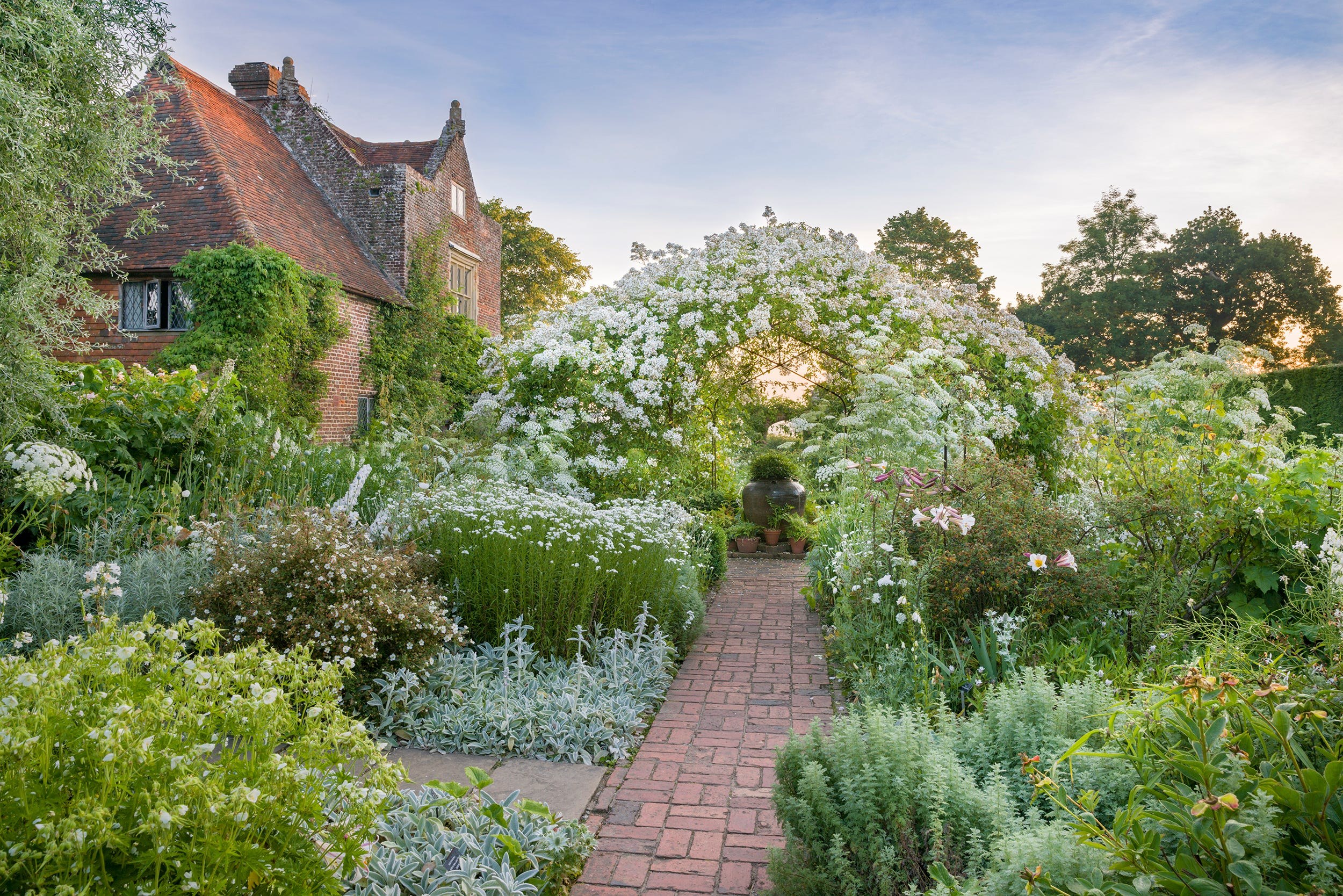 87 mi from SouthamptonSissinghurst Castle Garden: Room-by-Room Garden Design Masterclass
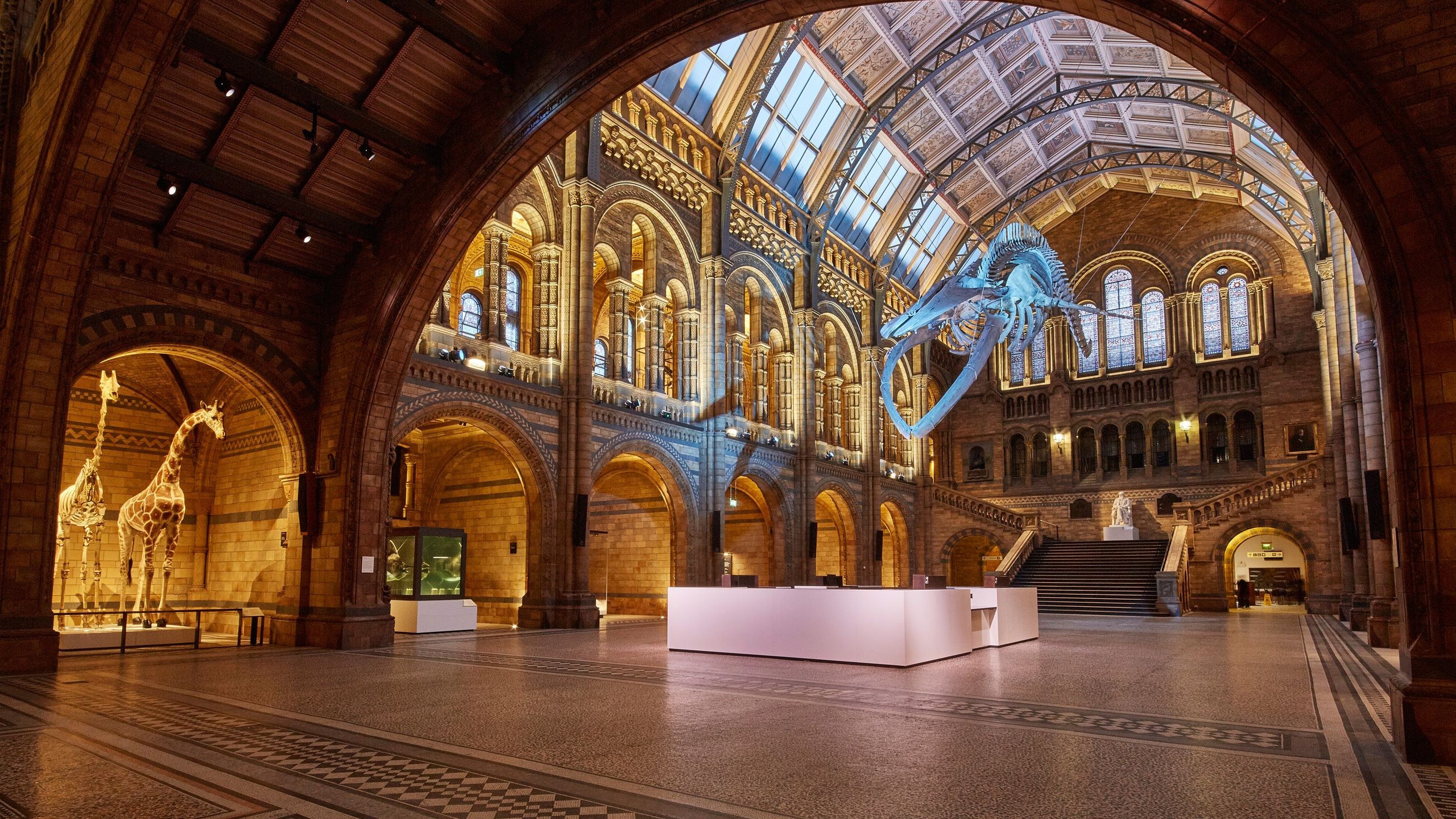 67 mi from SouthamptonNatural History Museum
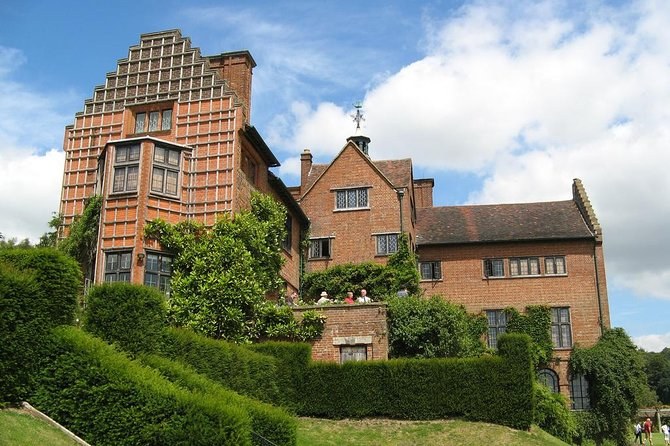 57 mi from Southampton · land adventureChurchill's Kent, Glyndebourne at Dusk & London's Secret Side
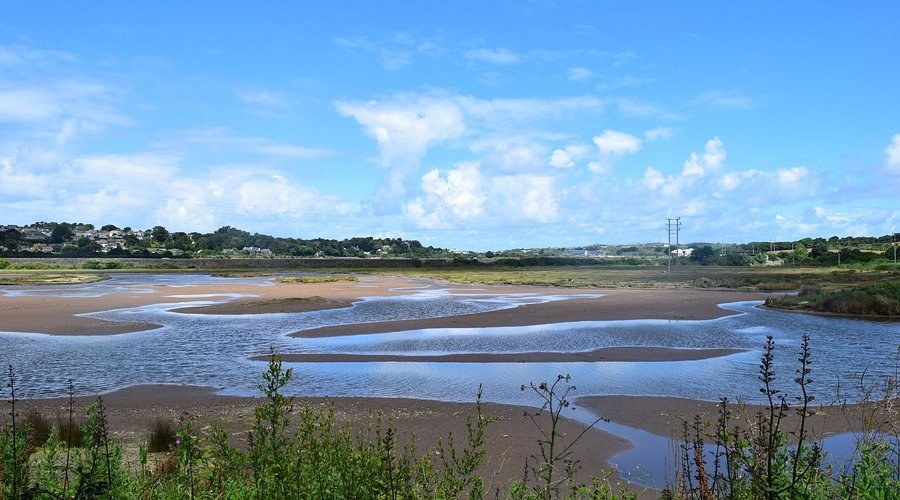 57 mi from Southampton · land adventureCornwall's Wild Coast: Tin Mines, Tidal Castles & Beach Bars
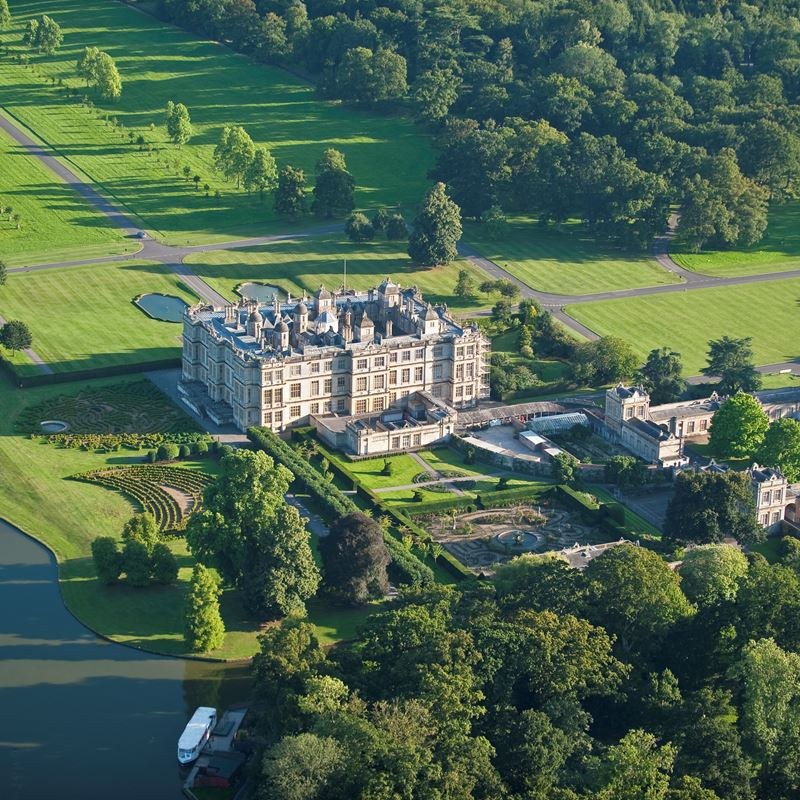 66 mi from Southampton · land adventureGeorgian Bath, Wild Somerset: Limestone, Lions and Lock Flights
The same trip, elevated
The same gateway on a more luxurious line — lead-in fare per person, same fare as booking direct.