Your cruise
Avalon Envision · 21-night Mediterranean cruise, Basel to Bordeaux
Oct 13 – Nov 3 · 21 nights ·
Day 1 Basel (board) · Day 2 Breisach am Rhein · Day 3 A Grand Cathedral and La Petite France<SPAN CLASS=active>ACTIVE Discover Strasbourg by bike with your Adventure Host · Day 4 Mainz · Day 5 Eat · Day 6 Cologne · Day 7 Amsterdam · Day 8 This morning · Day 9 Vernon · Day 10 Caudebec-les-Elbeuf · Day 11 Heroic Bravery on Normandy Beaches and French Farming Traditions <SPAN CLASS=classic>CLASSIC Join a Guided Tour of Normandy’s WWII landing beaches · Day 12 Rouen · Day 13 Conflans-Sainte-Honorine · Day 14 Paris · Day 15 Your Suite Ship® is Ready for BoardingThis morning · Day 16 On the Steps of Montesquieu<SPAN CLASS=discovery>DISCOVERY Join a delicious onboard experience in Bordeaux wines with a presentation by a worldclass wine sommelier. · Day 17 Cussac-Fort-Medoc · Day 18 Blaye · Day 19 The Village Amid the Vineyards<SPAN CLASS=discovery>DISCOVERY Enjoy a guided visit to Saint-Émilion to discover one Bordeaux’ must-see wine-growing towns and celebrate your day with a wine tasting · Day 20 Bordeaux · Day 21 Seas · Day 22 Bordeaux (step off)
What you do Cross the Rhine into France for the single most famous thing you can do from Breisach: Colmar's pastel half-timbered houses and flower-draped canals ('La Petite Venise'), strung together with the storybook wine-route villages of Eguisheim, Riquewihr and Kaysersberg. A private driver-guide meets you at the gangway, watches the all-aboard clock, and lets you skip the coach-herd — this is the fairytale-Alsace day a first-timer would regret trading for a generic bus.
What to expect Your private driver-guide meets you at the Breisach gangway and whisks you across the Rhine into Alsace, starting in Colmar where pastel half-timbered houses line flower-draped canals in La Petite Venise—no coach herds, just your group moving at your own pace. From there you drift through three storybook wine villages: Eguisheim, Riquewihr, and Kaysersberg, each a step deeper into fairytale Alsace, with time to wander, shop, photograph, and explore. Your driver watches the all-aboard clock throughout, so you're never rushed and always back with a buffer. The rhythm is intimate and flexible—village stops, Colmar's canal walks, and vineyard scenery stitched together without the constraint of a fixed bus schedule.
Good to know Your private minivan departs the Breisach dock on a schedule timed to your ship's all-aboard; plan on a full 6–8 hour window for the complete Colmar & villages circuit. Pickup is dock-side and drop-off returns you to the same spot, eliminating any tender or transportation uncertainty. Lunch and wine tastings in the villages are not included and should be booked or budgeted separately. Wear comfortable walking shoes, bring a camera, and confirm your excursion booking in advance with Ophorus Tours—for groups of 2 or more, the per-person cost (~$38–$58 depending on party size) undercuts the ship's per-person rate decisively.
Versus the ship tour Direct wins decisively for any group of 2+. The ship's Colmar coach tour runs ~$99-$169 PER PERSON; Ophorus is ~$230 for the whole van. A party of 2 already roughly breaks even, and a group of 4 pays ~$58/pp vs ~$130/pp on the ship — and you get three villages plus Colmar, not just Colmar. If you're a solo traveler, the ship's per-person price is actually the cheaper way to reach Colmar.
What you do A 12th-century pink-sandstone fortress dramatically rebuilt for Kaiser Wilhelm II, perched on a ridge with drawbridges, ramparts, a great keep and a 360-degree sweep over the vineyards to the Black Forest. It's the most cinematic 'real medieval castle' moment in the region, and pairing it with Colmar and a wine-route village on one private full-day is the marquee France-and-castles combination this port can offer.
What to expect You'll start with a private-van pickup at the Breisach dock and cross into Alsace for an immersive day across three distinct stops: first the fairytale wine-route village of Riquewihr with its half-timbered streets, then the larger medieval town of Colmar to wander and lunch, and finally the showstopper—Château du Haut-Koenigsbourg, a 12th-century pink-sandstone fortress rebuilt for Kaiser Wilhelm II that crowns a ridge with drawbridges, ramparts, and a keep offering 360-degree views over vineyards to the Black Forest. You control how long you linger at the castle itself, unlike a coach tour, and the full routing delivers the quintessential France-and-castles experience this port can offer.
Good to know This is a full-day mainland excursion crossing an international border, so book the Ophorus Alsace Highlights private routing in advance and insist on guaranteed back-to-ship timing—allow a 6–8 hour window and confirm the operator's commitment to get you back for your ship's departure. Bring your passport; castle admission (~€12 per adult) is paid at the gate, not included in the €155/group tour price. Wear comfortable walking shoes for village exploration and the castle grounds, and pack sunscreen and water for exposed ridge-top exposure. A group of four splits costs to roughly €54 per person all-in (tour + admission), versus €130+ per person on a comparable ship-sold coach tour.
Versus the ship tour Lines rarely sell Haut-Koenigsbourg standalone — it's usually bundled into a $99-$169/pp coach. Doing it privately via Ophorus is ~$165/group + ~$13/pp admission, so a group of 4 pays ~$54/pp all-in vs ~$130/pp on a comparable ship tour, and you control the castle dwell time. Note this is a long mainland day across an international border: insist on the operator's guaranteed back-to-ship timing.
book direct with Ophorus Tours (Alsace Highlights private excursion; castle admission paid on site) → · the full guide →
What you do The iconic reason most lines stop at Breisach: a dock-to-dock private day into the real Schwarzwald with Triberg's 163m cascades (Germany's highest waterfalls outside the Alps), an authentic cuckoo-clock workshop, and a slice of genuine Schwarzwälder Kirschtorte in its homeland. Run by native-German, Black-Forest-Park-certified guides who meet you at the ship and bring you back — the quintessential 'I went into the real Black Forest' day.
What to expect Your guide meets you at the Breisach dock and drives your small group straight into the genuine Black Forest. First stop: Triberg's 163-meter cascades—Germany's highest waterfalls outside the Alps—where you walk among misty drops and dense forest canopy. Next, you step into an authentic cuckoo-clock workshop to watch craftspeople at their benches, then settle into a café with a slice of Schwarzwälder Kirschtorte in its birthplace, tasting why this cake defines the region. The rhythm is unhurried: nature, craft, tradition, taste—then your guide brings you back to the ship with time to spare.
Good to know Book your private group price directly with Simone (Black Forest Tours) before committing; confirm whether it beats the ship's full-day upgrade rate for your party size. Plan for a 6-hour minimum; the full-day option gives you more breathing room between stops. Wear waterproof shoes or boots for the waterfall walk and bring a light rain layer—you'll be under spray and among forest mist. Entry to Triberg Waterfalls is ~€9 (~$10) per person; the cuckoo-clock workshop is free to browse, and Schwarzwälder Kirschtorte is ordered à la carte at the café—budget accordingly and confirm all extras are settled before you depart the dock.
Versus the ship tour The ship's short ~4-hr Black Forest drive is often the INCLUDED tour ($0) — if you only want a taste, take it. The full-day upgrade runs ~$99-$159/pp on board. Going private with Simone gets you a customizable small-group day and a real guide for roughly the same per-person money at 4+ guests, with no coach of 40. Confirm her group price before booking; if it lands above the ship's full-day rate for your party size, the ship is the better value.
book direct with Black Forest Tours (owner: Simone) → · the full guide →
What you do Breisach sits right on the edge of the volcanic Kaiserstuhl, Germany's warmest, sunniest growing area and a Spätburgunder (Pinot Noir) powerhouse. Taste world-class Pinot among the terraced volcanic vineyards a 10-minute drive from the gangway, led by the region's official, history-versed local guides with a cellar stop at an Ihringen estate — a distinctly-here experience you cannot replicate anywhere else on a Rhine itinerary.
What to expect You board a short 10-minute drive inland to the volcanic slopes of Kaiserstuhl, where a licensed local guide leads you through terraced vineyards in Germany's warmest, sunniest growing region. You'll walk among the vines that produce world-class Spätburgunder (Pinot Noir), learning the volcanic terroir's history and influence on the wine's character. The excursion culminates at a cellar stop at an Ihringen estate—typically Dr. Heger or a Winzergenossenschaft co-op—where you taste premium Pinot flights (€15–25 per person) in the working winery itself. The half-day rhythm is unhurried and intimate, built around the region's signature varietal rather than a generic tasting menu.
Good to know The guided half-day runs ~3–4 hours from the Breisach gangway; book directly with Freiburg Kultour or via your cruise line to secure an official licensed guide and cellar slot. A party of 4 pays roughly €50–65 per person all-in (guide + tasting), versus €110+ per person for onboard wine excursions—and you'll need to return with a 30–45 minute buffer before all-aboard. Wear comfortable walking shoes for the terraced vineyard slopes, bring sun protection (the region lives up to its sunny reputation), and book your tasting flights ahead if visiting during peak season; a walk-in alternative at the Badischer Winzerkeller in Breisach town itself costs only €10–15 if you prefer to skip the guide.
Versus the ship tour Direct wins. The ship's wine option (Geldermann Sekt cellar or an Alsace wine day) runs ~$79-$149/pp. Freiburg Kultour's guide is ~$145 for the whole group plus ~$15-30/pp for the pours, so a party of 4 pays ~$50-65/pp all-in vs ~$110+/pp on board — and you taste the region's signature volcanic Pinot rather than a generic flight. A walk-in tasting at the Badischer Winzerkeller in Breisach itself is only ~EUR 10-15 if you skip the guide entirely.
book direct with Freiburg Kultour (official licensed guides) + Winzergenossenschaft Ihringen for the cellar/tasting → · the full guide →
What you do Float up Germany's longest circulating cable car for 20 minutes to the 1,284m Schauinsland summit, where on a clear day the panorama opens across the Black Forest to the Rhine plain, the Vosges and even the Alps. It's the easy 'top of the Black Forest' payoff a valley-level tour can only hint at, and it pairs naturally with a half-day in Freiburg just below.
What to expect You'll descend from your ship at Breisach and board a regional train toward Freiburg, then transfer to tram and bus to reach the Schauinslandbahn's valley station nestled below the Black Forest canopy. The 20-minute cable car ascent unfolds as a gentle float upward, the view expanding from forested ridges to the Rhine plain stretching below. At 1,284m, you emerge onto the Schauinsland summit where the panorama opens across the Black Forest, the Alsatian Vosges, and—on a clear day—the Alps distant on the horizon. The return cable car descent mirrors the journey down, delivering you back to the valley with plenty of daylight and time to reverse the transit chain to your ship.
Good to know Allow 3–3.5 hours total for the excursion (30 min train, 20 min ascent, summit time, 20 min descent, 30 min return transit), leaving a comfortable 2.5–3 hour buffer before all-aboard in a 6–8 hour port window. Regional trains run frequently enough that you won't need to book ahead, but confirm the tram/bus connection at Freiburg station upon arrival. Cost is minimal—EUR 15 for the cable car round-trip plus a few euros for train and tram—so carry small bills and coins. Wear layers and bring a camera; summit weather can shift rapidly, and visibility determines whether you see the Alps, so avoid this excursion if morning fog or rain is forecast.
Versus the ship tour No real ship equivalent — scenic/summit views are usually buried inside a $69-$109/pp coach add-on. Doing it yourself is EUR 15 plus a few euros of train/tram, so well under $30/pp total for the marquee panorama. The only catch is logistics: it's DIY public transit, so build in margin and don't attempt it on a short port day with an early all-aboard.
book direct with Schauinslandbahn (operated by VAG Freiburg) → · the full guide →
What you do You don't need a bus for this one: a five-minute climb up the Münsterberg rock right above the dock reaches the Romanesque-Gothic St. Stephen's Minster (12th-13th c.) with its celebrated medieval frescoes and a Martin Schongauer mural, plus a cathedral-square terrace sweeping over the Rhine, the river island, France and the Black Forest. For a first-timer with limited time or an early all-aboard, it's the highest-reward, no-risk way to feel the medieval-frontier character of the town itself.
What to expect Step off the gangway and climb the Münsterberg rock for five minutes to reach the soaring Romanesque-Gothic St. Stephen's Minster, where 12th- and 13th-century frescoes and a Martin Schongauer mural anchor you in medieval history. Pause in the cathedral square to absorb the panoramic sweep of the Rhine valley, the river island, the Alsatian frontier, and the Black Forest beyond—this is the heartland view that defines Breisach's character. Wander the old town's medieval streets at your own pace, or join an official guided walk to deepen the stories behind the architecture and riverside fortifications. The entire rhythm—climb, cathedral, terrace, stroll—unfolds in under an hour, leaving you time to rest at a riverside café before the all-aboard.
Good to know The cathedral and Münsterberg viewpoint are free and lie just a 5-minute walk directly from the ship, making this ideal for a tight all-aboard window or inclement weather. A self-guided digital town tour (~€5.99) extends your exploration if desired, while official guided old-town walks are bookable through Touristik Breisach am Rhein at modest group rates—reserve ahead if you want a guide. With a standard 6–8-hour port call, you can easily complete the cathedral and panorama in 45 minutes and still have 5–6 hours to explore the old town, eat, or simply sit; plan a minimum 30-minute return-to-ship buffer. Bring comfortable walking shoes for the rock climb and cobblestones, and a camera or phone for the Rhine vistas—no special gear or advance bookings are required for the core experience.
Versus the ship tour This is the safety-net alternate and a near-total win on price. Some lines include the Breisach walk free; where it's sold it's ~$45-$60/pp for a 2-hr guided stroll. The cathedral and panorama are free and self-guided in under an hour — keep this in your back pocket if a mainland tour falls through, weather turns, or you simply want a low-stress port day steps from the gangway.
book direct with Touristik Breisach am Rhein (official tourist office) — self-guided & guided walks → · the full guide →
What you do Seal your clothes and phone inside a fish-shaped dry bag, slip into the Rhine upstream by the Tinguely Museum, and let the strong current carry you a gentle ~3 km past the red-sandstone Minster and the Old Town to the Johanniterbrücke. It's the quintessential Basel summer ritual locals do after work, and no other European city lets you swim through its historic core like this. Only do it as a confident swimmer with at least one buddy; the current is fast.
What to expect You'll walk to Basel Tourist Information at Stadtcasino to collect or rent your Wickelfisch—a fish-shaped dry bag that seals your clothes and phone—then make your way upstream to the Tinguely Museum and slip into the Rhine. The current sweeps you gently downstream for roughly 3 kilometers past the medieval red-sandstone Minster and the colorful facades of the Old Town, a view most visitors never see. You float suspended in the cool water, watching historic spires and bridges slide past at the river's pace, until you drift toward the Johanniterbrücke where you exit and recover your gear. It's the quintessential Basel summer ritual—intimate, meditative, and entirely unique to this city.
Good to know Rent or buy your Wickelfisch at Stadtcasino (open Jun–Sep) at least an hour before your swim to avoid queues; the rental costs roughly $12/day with a refundable deposit. Plan a 4–5 hour window from the Schifflände dock: 15 minutes to Stadtcasino, 30 minutes to the Tinguely entry point, 30 minutes of drift time, plus 15 minutes to walk back to the dock from Johanniterbrücke. Bring a buddy and confirm you're a confident swimmer—the Rhine's current is fast and non-negotiable. Pack a small towel and secure any valuables; the Wickelfisch holds phones and essentials, but nothing else needs to float with you.
Versus the ship tour No cruise line sells this, and none ever will -- it's the single most talk-worthy thing you can do in Basel and it costs about $12. Direct wins by default; there is no ship equivalent. Just confirm it back to the boat: the drift ends at Johanniterbrücke, a 15-min walk from the Schifflände dock.
book direct with Wickelfisch AG (rentals via Basel Tourist Information at Stadtcasino, Jun-Sep) → · the full guide →
What you do The red-sandstone Gothic-Romanesque Minster is Basel's defining landmark. Climb the 250 steps up St. George's or St. Martin's tower for a sweeping panorama over the Old Town rooftops, the curving Rhine, and across into both Germany and France. Below, the free Pfalz terrace behind the cathedral is the city's postcard viewpoint, and cathedral entry itself is free.
What to expect You'll start with your ship's included city walk, which typically stops at the cathedral threshold to set the scene—red sandstone Gothic-Romanesque beauty, centuries of history—then splits off. From there, you climb either St. George's or St. Martin's tower: 250 steps up a narrow spiral staircase, each step bringing the views larger until you emerge onto a high terrace overlooking Basel's Old Town rooftops, the Rhine's lazy curve below, and the rolling landscape of Germany and France spreading across the horizon. After catching your breath and taking in the panorama, you can descend and linger on the free Pfalz terrace behind the cathedral—the city's famous postcard viewpoint—before a flat, easy walk of roughly a mile back to the dock.
Good to know The tower climb takes about 10 minutes and costs ~$7 (CHF 6 adult), but tower entry closes roughly 30 minutes before the cathedral itself, so plan your ascent for mid-day to avoid a last-minute squeeze. The dock to Minster is a flat, walkable mile—no shuttle needed unless you prefer one—giving you flexibility to do the ship's included walk first, climb independently after, and still have comfortable breathing room before all-aboard. Bring comfortable walking shoes and small change (CHF preferred for tower admission, though some vendors take cards). The climb requires a minimum of two people, so pair up with another passenger or your travel companion before you start.
Versus the ship tour Most lines fold the Minster into their INCLUDED city walk, but the guided walk usually stops at the cathedral door and skips the paid tower climb. Going up yourself is $7 and 10 minutes -- so do the included ship walk for context, then climb the tower on your own afterward. Don't pay a line $75-95 for an a-la-carte 'city walk' just to reach this; it's a flat, walkable mile from the dock.
book direct with Basler Münster (Münsterbauverein / parish) → · the full guide →
What you do Routinely ranked among the best small museums on earth: a Renzo Piano glass pavilion set among century-old trees and water-lily ponds (echoing the Monets hung inside), holding 400+ masterworks by Picasso, Cézanne, Monet, Rothko and Giacometti, plus a rotating blockbuster show. For an art-loving cruiser it's the one Basel-area collection you'd most regret skipping, and it's open 365 days a year. Budget ~2-3 hours including the 10-minute tram each way.
What to expect You'll ride the free tram 6 for roughly 10 minutes into Riehen, arriving at a serene Renzo Piano glass pavilion nestled among century-old trees and water-lily ponds that mirror the Monets inside. Once through the doors, you're face-to-face with over 400 masterworks—Picasso, Cézanne, Monet, Rothko, Giacometti—arranged in light-flooded galleries that feel less like a museum than a pilgrimage. Between the permanent collection and rotating blockbuster exhibition, plan 2–3 hours to move at a pace that honors the art. The park itself—with its water features and mature landscaping—becomes part of the contemplative experience, a living frame around world-class modern art.
Good to know Get your free BaselCard from the ship if you're an overnight guest, which covers the round-trip tram 6 fare; without it, budget about $5–6 each way. The museum is open 365 days a year, so no closure risk, and ticket prices drop to CHF 20 (roughly $22) all day Tuesday if your port timing allows. Allocate 4–5 hours total port time (10 min tram each way, 2–3 hours in the collection, plus buffer for queues or a café pause); aim to leave the ship within the first two hours to ensure a comfortable return. Bring comfortable shoes and a light layer, as the glass pavilion and surrounding park expose you to weather; no advance booking required, but early morning visit beats afternoon crowds in peak season.
Versus the ship tour Lines almost never offer Beyeler as an excursion, so there's no direct dollar match -- but it's the rare 'museum' that's a genuine marquee, not a skippable town gallery. At ~$28 self-guided it beats any generic art-themed optional, and the tram is free with your overnight BaselCard. Only worth it if you actually love modern art; otherwise spend the day on the river.
book direct with Fondation Beyeler (Beyeler Museum AG), Riehen → · the full guide →
What you do A once-in-a-trip pilgrimage for design and architecture lovers: a single open campus just over the German border holding buildings by Frank Gehry, Zaha Hadid, Tadao Ando, SANAA, Herzog & de Meuron and Álvaro Siza, plus Carsten Höller's 30 m spiral-slide viewing tower. Nowhere else can you walk between this many architectural icons in one afternoon. Take the guided architecture tour to actually get inside the landmark structures.
What to expect You'll take bus 55 from Claraplatz (roughly 20 minutes) across the German border to Weil am Rhein, stepping onto a single open campus where you walk between architectural masterworks by Gehry, Hadid, Ando, Herzog & de Meuron, and others—a sequence of landmark structures impossible to experience anywhere else in one afternoon. Inside the Design Museum and Schaudepot, you'll encounter the stories behind these iconic buildings, their materials and concepts revealed through curated collections. The optional 2-hour guided architecture tour gets you inside the landmark structures themselves, moving from one sculptural vision to the next. Between tours, you can ride Carsten Höller's 30-meter spiral-slide viewing tower for free, descending with a view of the entire campus below.
Good to know The trip requires 5–6 hours minimum to justify the journey; book the 2-hr architecture tour in advance to secure entry into buildings and avoid gaps in your schedule. Pay your own bus 55 fare from Claraplatz (roughly €2–3 each way)—your Basel transit pass doesn't cover German territory. Plan to leave the ship by early afternoon to allow a comfortable return by evening; aim to be back at the pier 45 minutes before all-aboard. Bring comfortable walking shoes, a light layer for the open campus in cool weather, and consider packing a small bag—the campus is spread out and there's limited shelter between buildings.
Versus the ship tour No river line runs this, so direct is the only way. Important: it's in GERMANY, so your free Basel transit pass does NOT cover the trip -- pay the bus 55 fare or taxi over. Genuinely niche; skip it unless design is your thing, in which case nothing on the ship's menu comes close.
book direct with Vitra Design Museum (Weil am Rhein, Germany) → · the full guide →
What you do The relaxed, sit-down counterpoint to the Rhine swim: a local-run boat from the Schifflände dock by the Mittlere Brücke glides past the Old Town houses, the Minster and the futuristic Roche towers on a city-and-harbour loop, or runs a longer trip up to medieval Rheinfelden through a working lock. It's the easiest low-effort way to see Basel's whole riverfront comfortably in a couple of hours, and the dock is steps from where most river ships tie up.
What to expect You board a classic Basel riverboat at the nearby Schifflände dock—just steps from where your ship ties up—and settle in for a leisurely 2-hour glide through the heart of the city. The boat drifts past the timber-framed Old Town mansions lining the riverbank, passes under the iconic Mittlere Brücke, and glides beneath the soaring Gothic spire of the Minster. On longer itineraries, you'll navigate through a working lock en route to the medieval village of Rheinfelden, experiencing the Rhine's industrial pulse alongside its romantic architecture. It's low-effort sightseeing: no walking required, no rushing—just watching Basel unfold from the water.
Good to know The dock is a 5-minute walk from your ship at the Schifflände, making this one of the easiest turnarounds for a standard 6–8 hour port day; book either the city/port loop (about 1.5–2 hours) or the longer Basel-Rheinfelden lock cruise (approximately 2–3 hours) directly with Basler Personenschifffahrt to save $25–40 per person versus cruise-line packages. Bring the BaselCard if offered by your line (25% discount available) and wear layers, as river breezes can cool quickly even in warm months. Because the boat departs and returns from the same dock near your ship, you have a generous safety buffer; plan to be back at the Schifflände 30 minutes before all-aboard.
Versus the ship tour When a line tacks on a short Basel sightseeing-boat add-on it runs ~$40-60 pp; booking BPG directly is ~$18 -- roughly a $25-40 saving per person for the same river view, dropping to ~$13 with the BaselCard discount. Low-risk near-port safety-net: it leaves and returns at the Schifflände, so you're never far from your ship.
What you do A charming Basel institution: wooden ferries with no motor, strung from an overhead cable and driven purely by the river current as the ferryman angles a rudder. The Münster ferry ('Leu') gives the single best on-the-water view of the red-sandstone cathedral rising off the bank. It's under two francs, runs all day, and is the most authentically local way to touch the Rhine in five minutes flat.
What to expect You'll walk from the pier into Basel's Old Town, find your way to the Münster ferry dock, and step aboard the Leu—a wooden cable ferry with no motor. As you push off, the Rhine's current does the work while the ferryman tilts the rudder to angle across; in five minutes of gentle drift, you'll have an unobstructed view of the cathedral's red-sandstone walls rising sheer from the opposite bank, one of the finest vantage points on the water. You can linger on deck, photograph, or simply stand in the current's rhythm—then either cross back or continue exploring the far bank before returning to the ship.
Good to know The ferry runs all day with no booking required; pay the ferryman onboard (CHF 1.60 adults, CHF 0.80 children). Factor 45–60 minutes door-to-door from the pier to the Leu dock, plus 5–10 minutes on the water, leaving comfortable buffer time in a 6–8 hour port window. Bring cash in Swiss francs or euros; no card readers are posted. Pair this with a free Pfalz-terrace walk on either bank above the cathedral for a complete local experience without booking ahead.
Versus the ship tour Here the cheap option flat-out wins -- this is a sub-$2 experience no excursion desk can improve on, and you don't need the boat cruise to feel the river. If you only want a quick, photogenic, genuinely-local Rhine moment between Old Town sights, take the Leu instead of paying for any add-on. Pair it with a free Pfalz-terrace stroll above the cathedral.
book direct with Fähri-Verein Basel (four ferries: Wild Maa, Leu, Vogel Gryff, Ueli) → · the full guide →
What you do Cross the Rhine into France for the single most famous thing you can do from Breisach: Colmar's pastel half-timbered houses and flower-draped canals ('La Petite Venise'), strung together with the storybook wine-route villages of Eguisheim, Riquewihr and Kaysersberg. A private driver-guide meets you at the gangway, watches the all-aboard clock, and lets you skip the coach-herd — this is the fairytale-Alsace day a first-timer would regret trading for a generic bus.
What to expect Your private driver-guide meets you at the Breisach gangway and whisks you across the Rhine into Alsace, starting in Colmar where pastel half-timbered houses line flower-draped canals in La Petite Venise—no coach herds, just your group moving at your own pace. From there you drift through three storybook wine villages: Eguisheim, Riquewihr, and Kaysersberg, each a step deeper into fairytale Alsace, with time to wander, shop, photograph, and explore. Your driver watches the all-aboard clock throughout, so you're never rushed and always back with a buffer. The rhythm is intimate and flexible—village stops, Colmar's canal walks, and vineyard scenery stitched together without the constraint of a fixed bus schedule.
Good to know Your private minivan departs the Breisach dock on a schedule timed to your ship's all-aboard; plan on a full 6–8 hour window for the complete Colmar & villages circuit. Pickup is dock-side and drop-off returns you to the same spot, eliminating any tender or transportation uncertainty. Lunch and wine tastings in the villages are not included and should be booked or budgeted separately. Wear comfortable walking shoes, bring a camera, and confirm your excursion booking in advance with Ophorus Tours—for groups of 2 or more, the per-person cost (~$38–$58 depending on party size) undercuts the ship's per-person rate decisively.
Versus the ship tour Direct wins decisively for any group of 2+. The ship's Colmar coach tour runs ~$99-$169 PER PERSON; Ophorus is ~$230 for the whole van. A party of 2 already roughly breaks even, and a group of 4 pays ~$58/pp vs ~$130/pp on the ship — and you get three villages plus Colmar, not just Colmar. If you're a solo traveler, the ship's per-person price is actually the cheaper way to reach Colmar.
What you do A 12th-century pink-sandstone fortress dramatically rebuilt for Kaiser Wilhelm II, perched on a ridge with drawbridges, ramparts, a great keep and a 360-degree sweep over the vineyards to the Black Forest. It's the most cinematic 'real medieval castle' moment in the region, and pairing it with Colmar and a wine-route village on one private full-day is the marquee France-and-castles combination this port can offer.
What to expect You'll start with a private-van pickup at the Breisach dock and cross into Alsace for an immersive day across three distinct stops: first the fairytale wine-route village of Riquewihr with its half-timbered streets, then the larger medieval town of Colmar to wander and lunch, and finally the showstopper—Château du Haut-Koenigsbourg, a 12th-century pink-sandstone fortress rebuilt for Kaiser Wilhelm II that crowns a ridge with drawbridges, ramparts, and a keep offering 360-degree views over vineyards to the Black Forest. You control how long you linger at the castle itself, unlike a coach tour, and the full routing delivers the quintessential France-and-castles experience this port can offer.
Good to know This is a full-day mainland excursion crossing an international border, so book the Ophorus Alsace Highlights private routing in advance and insist on guaranteed back-to-ship timing—allow a 6–8 hour window and confirm the operator's commitment to get you back for your ship's departure. Bring your passport; castle admission (~€12 per adult) is paid at the gate, not included in the €155/group tour price. Wear comfortable walking shoes for village exploration and the castle grounds, and pack sunscreen and water for exposed ridge-top exposure. A group of four splits costs to roughly €54 per person all-in (tour + admission), versus €130+ per person on a comparable ship-sold coach tour.
Versus the ship tour Lines rarely sell Haut-Koenigsbourg standalone — it's usually bundled into a $99-$169/pp coach. Doing it privately via Ophorus is ~$165/group + ~$13/pp admission, so a group of 4 pays ~$54/pp all-in vs ~$130/pp on a comparable ship tour, and you control the castle dwell time. Note this is a long mainland day across an international border: insist on the operator's guaranteed back-to-ship timing.
book direct with Ophorus Tours (Alsace Highlights private excursion; castle admission paid on site) → · the full guide →
What you do The iconic reason most lines stop at Breisach: a dock-to-dock private day into the real Schwarzwald with Triberg's 163m cascades (Germany's highest waterfalls outside the Alps), an authentic cuckoo-clock workshop, and a slice of genuine Schwarzwälder Kirschtorte in its homeland. Run by native-German, Black-Forest-Park-certified guides who meet you at the ship and bring you back — the quintessential 'I went into the real Black Forest' day.
What to expect Your guide meets you at the Breisach dock and drives your small group straight into the genuine Black Forest. First stop: Triberg's 163-meter cascades—Germany's highest waterfalls outside the Alps—where you walk among misty drops and dense forest canopy. Next, you step into an authentic cuckoo-clock workshop to watch craftspeople at their benches, then settle into a café with a slice of Schwarzwälder Kirschtorte in its birthplace, tasting why this cake defines the region. The rhythm is unhurried: nature, craft, tradition, taste—then your guide brings you back to the ship with time to spare.
Good to know Book your private group price directly with Simone (Black Forest Tours) before committing; confirm whether it beats the ship's full-day upgrade rate for your party size. Plan for a 6-hour minimum; the full-day option gives you more breathing room between stops. Wear waterproof shoes or boots for the waterfall walk and bring a light rain layer—you'll be under spray and among forest mist. Entry to Triberg Waterfalls is ~€9 (~$10) per person; the cuckoo-clock workshop is free to browse, and Schwarzwälder Kirschtorte is ordered à la carte at the café—budget accordingly and confirm all extras are settled before you depart the dock.
Versus the ship tour The ship's short ~4-hr Black Forest drive is often the INCLUDED tour ($0) — if you only want a taste, take it. The full-day upgrade runs ~$99-$159/pp on board. Going private with Simone gets you a customizable small-group day and a real guide for roughly the same per-person money at 4+ guests, with no coach of 40. Confirm her group price before booking; if it lands above the ship's full-day rate for your party size, the ship is the better value.
book direct with Black Forest Tours (owner: Simone) → · the full guide →
What you do Breisach sits right on the edge of the volcanic Kaiserstuhl, Germany's warmest, sunniest growing area and a Spätburgunder (Pinot Noir) powerhouse. Taste world-class Pinot among the terraced volcanic vineyards a 10-minute drive from the gangway, led by the region's official, history-versed local guides with a cellar stop at an Ihringen estate — a distinctly-here experience you cannot replicate anywhere else on a Rhine itinerary.
What to expect You board a short 10-minute drive inland to the volcanic slopes of Kaiserstuhl, where a licensed local guide leads you through terraced vineyards in Germany's warmest, sunniest growing region. You'll walk among the vines that produce world-class Spätburgunder (Pinot Noir), learning the volcanic terroir's history and influence on the wine's character. The excursion culminates at a cellar stop at an Ihringen estate—typically Dr. Heger or a Winzergenossenschaft co-op—where you taste premium Pinot flights (€15–25 per person) in the working winery itself. The half-day rhythm is unhurried and intimate, built around the region's signature varietal rather than a generic tasting menu.
Good to know The guided half-day runs ~3–4 hours from the Breisach gangway; book directly with Freiburg Kultour or via your cruise line to secure an official licensed guide and cellar slot. A party of 4 pays roughly €50–65 per person all-in (guide + tasting), versus €110+ per person for onboard wine excursions—and you'll need to return with a 30–45 minute buffer before all-aboard. Wear comfortable walking shoes for the terraced vineyard slopes, bring sun protection (the region lives up to its sunny reputation), and book your tasting flights ahead if visiting during peak season; a walk-in alternative at the Badischer Winzerkeller in Breisach town itself costs only €10–15 if you prefer to skip the guide.
Versus the ship tour Direct wins. The ship's wine option (Geldermann Sekt cellar or an Alsace wine day) runs ~$79-$149/pp. Freiburg Kultour's guide is ~$145 for the whole group plus ~$15-30/pp for the pours, so a party of 4 pays ~$50-65/pp all-in vs ~$110+/pp on board — and you taste the region's signature volcanic Pinot rather than a generic flight. A walk-in tasting at the Badischer Winzerkeller in Breisach itself is only ~EUR 10-15 if you skip the guide entirely.
book direct with Freiburg Kultour (official licensed guides) + Winzergenossenschaft Ihringen for the cellar/tasting → · the full guide →
What you do Float up Germany's longest circulating cable car for 20 minutes to the 1,284m Schauinsland summit, where on a clear day the panorama opens across the Black Forest to the Rhine plain, the Vosges and even the Alps. It's the easy 'top of the Black Forest' payoff a valley-level tour can only hint at, and it pairs naturally with a half-day in Freiburg just below.
What to expect You'll descend from your ship at Breisach and board a regional train toward Freiburg, then transfer to tram and bus to reach the Schauinslandbahn's valley station nestled below the Black Forest canopy. The 20-minute cable car ascent unfolds as a gentle float upward, the view expanding from forested ridges to the Rhine plain stretching below. At 1,284m, you emerge onto the Schauinsland summit where the panorama opens across the Black Forest, the Alsatian Vosges, and—on a clear day—the Alps distant on the horizon. The return cable car descent mirrors the journey down, delivering you back to the valley with plenty of daylight and time to reverse the transit chain to your ship.
Good to know Allow 3–3.5 hours total for the excursion (30 min train, 20 min ascent, summit time, 20 min descent, 30 min return transit), leaving a comfortable 2.5–3 hour buffer before all-aboard in a 6–8 hour port window. Regional trains run frequently enough that you won't need to book ahead, but confirm the tram/bus connection at Freiburg station upon arrival. Cost is minimal—EUR 15 for the cable car round-trip plus a few euros for train and tram—so carry small bills and coins. Wear layers and bring a camera; summit weather can shift rapidly, and visibility determines whether you see the Alps, so avoid this excursion if morning fog or rain is forecast.
Versus the ship tour No real ship equivalent — scenic/summit views are usually buried inside a $69-$109/pp coach add-on. Doing it yourself is EUR 15 plus a few euros of train/tram, so well under $30/pp total for the marquee panorama. The only catch is logistics: it's DIY public transit, so build in margin and don't attempt it on a short port day with an early all-aboard.
book direct with Schauinslandbahn (operated by VAG Freiburg) → · the full guide →
What you do You don't need a bus for this one: a five-minute climb up the Münsterberg rock right above the dock reaches the Romanesque-Gothic St. Stephen's Minster (12th-13th c.) with its celebrated medieval frescoes and a Martin Schongauer mural, plus a cathedral-square terrace sweeping over the Rhine, the river island, France and the Black Forest. For a first-timer with limited time or an early all-aboard, it's the highest-reward, no-risk way to feel the medieval-frontier character of the town itself.
What to expect Step off the gangway and climb the Münsterberg rock for five minutes to reach the soaring Romanesque-Gothic St. Stephen's Minster, where 12th- and 13th-century frescoes and a Martin Schongauer mural anchor you in medieval history. Pause in the cathedral square to absorb the panoramic sweep of the Rhine valley, the river island, the Alsatian frontier, and the Black Forest beyond—this is the heartland view that defines Breisach's character. Wander the old town's medieval streets at your own pace, or join an official guided walk to deepen the stories behind the architecture and riverside fortifications. The entire rhythm—climb, cathedral, terrace, stroll—unfolds in under an hour, leaving you time to rest at a riverside café before the all-aboard.
Good to know The cathedral and Münsterberg viewpoint are free and lie just a 5-minute walk directly from the ship, making this ideal for a tight all-aboard window or inclement weather. A self-guided digital town tour (~€5.99) extends your exploration if desired, while official guided old-town walks are bookable through Touristik Breisach am Rhein at modest group rates—reserve ahead if you want a guide. With a standard 6–8-hour port call, you can easily complete the cathedral and panorama in 45 minutes and still have 5–6 hours to explore the old town, eat, or simply sit; plan a minimum 30-minute return-to-ship buffer. Bring comfortable walking shoes for the rock climb and cobblestones, and a camera or phone for the Rhine vistas—no special gear or advance bookings are required for the core experience.
Versus the ship tour This is the safety-net alternate and a near-total win on price. Some lines include the Breisach walk free; where it's sold it's ~$45-$60/pp for a 2-hr guided stroll. The cathedral and panorama are free and self-guided in under an hour — keep this in your back pocket if a mainland tour falls through, weather turns, or you simply want a low-stress port day steps from the gangway.
book direct with Touristik Breisach am Rhein (official tourist office) — self-guided & guided walks → · the full guide →
What you do Unlock Mainz's 2,000-year Roman legacy on a private guided walk through its cathedral quarter, Roman ruins, and medieval lanes — with a local expert entirely at your pace and command.
What to expect Your expert guide meets you dockside and leads you through the towering Mainzer Dom, across the reconstructed Roman-era market square, past the haunting Temple of Isis & Mater Magna, and through the blossom-lined lanes of Kirschgarten. Conversation is unhurried and richly layered — expect to field every question you have about this 2,000-year-old city. Groups stay small by design, so you linger where curiosity leads. The tour can be shaped around your interests, from Roman history to Carnival culture to Baroque architecture.
Good to know Book at least 2–3 weeks ahead to secure your preferred guide and date. The Old Town is entirely walkable from the cruise terminal. Most tours run 2–3 hours, leaving ample time before all-aboard.
Versus the ship tour Fully private, so the pace, depth, and focus are entirely yours — from Roman layers beneath the city to Baroque splendour above it. A genuine local scholar unlocks stories no audio-guide ever could.
book direct with Mainz Tours (local expert guide) → · the full guide →
What you do Step into the workshop where the modern world began — a private, hands-on session at the Gutenberg Museum, printing with a replica Gutenberg press alongside a specialist curator.
What to expect A specialist guide escorts your group through the museum's crown jewels, including original Gutenberg Bibles displayed in a darkened vault, before taking you behind the velvet rope into the working print workshop. Under expert instruction, you operate a replica 15th-century press, inking the type and pulling the lever — feeling exactly what Gutenberg's craftsmen felt in 1450. The curator contextualises the invention with wit and scholarship, making this as intellectually thrilling as it is theatrical. You leave with a freshly printed keepsake and a story for the dinner table.
Good to know The museum is a 10-minute walk from the Rhine embankment. Pre-arrange the private workshop experience by emailing the museum directly — standard admission is walk-in, but bespoke sessions require advance booking. Allow 2 hours for the full experience.
Versus the ship tour Private access to the press workshop transforms this from a museum visit into a living, tactile encounter with the invention that changed civilisation. You print your own broadsheet — a genuinely unrepeatable souvenir.
What you do Glide through the UNESCO Rhine Gorge, past legendary Lorelei Rock, fortress-crowned crags, and vine-draped valleys on a classic river day cruise — Germany's most cinematic waterway, seen from the water.
What to expect Board an elegant KD Rhine vessel in Mainz and settle on the open upper deck as the city's skyline gives way to the legendary Rhine Gorge. Castle after castle crowns the cliffs — Rheinstein, Gutenfels, the intact Marksburg — while the famous Lorelei rock looms dramatically mid-river. The onboard restaurant serves regional wines and classic German cuisine, making this as much a culinary as a scenic journey. At St. Goar, you can step ashore to explore the ruins of Rheinfels Castle before boarding the return sailing.
Good to know KD Rhine departs from Mainz's central Rhine landing stages, minutes from the cruise terminal. Confirm morning departure times to allow for a return by late afternoon. Pre-booking in peak summer (June–August) is strongly advised.
Versus the ship tour The Middle Rhine Gorge is a UNESCO World Heritage site that can only be properly absorbed from the river itself — the perspective is irreplaceable, with over 40 castles visible from the deck on a single sailing.
book direct with Köln-Düsseldorfer (KD Rhine) River Cruises → · the full guide →
What you do Witness Marc Chagall's breathtaking blue stained-glass windows — created as an act of Franco-German reconciliation — glowing in a near-thousand-year-old church, ideally in the golden morning light.
What to expect The hilltop Gothic church of St. Stephan stands in quiet streets above the Old Town, its exterior giving little hint of the wonder within. As you enter, Chagall's luminous windows transform the space — biblical scenes rendered in the artist's signature cobalt and azure, the light shifting with the clouds and the hour. A knowledgeable guide explains the windows' extraordinary backstory: Chagall, a Jewish artist, chose to create them for a German church as a gesture of healing after the Holocaust. The effect is profound and lingering, with the church rarely crowded.
Good to know A 15-minute walk uphill from the cathedral quarter; comfortable shoes recommended. The church is open daily and walk-in visits are free, but pre-arranging a private guided tour vastly deepens the experience. Morning visits offer the best light through the windows.
Versus the ship tour Nine windows by Chagall himself, installed between 1978 and 1985, flood the Romanesque nave in an unearthly cobalt blue — it is one of the most emotionally powerful encounters in all of European sacred art, and almost universally unknown to first-time visitors.
What you do Spend a sun-drenched afternoon among the Riesling vines of the Rheingau, Germany's most prestigious wine region, on a private estate tour and cellar tasting — just minutes from Mainz.
What to expect A short taxi or private car ride from Mainz delivers you to the Rheingau's sun-soaked slopes, where Gunderloch's estate sits amid century-old Riesling vines overlooking the Rhine. Your host walks you through the vine rows before descending into the cool, barrel-lined cellar for a tutored tasting of the estate's finest Spätlese, Auslese, and Trockenbeerenauslese expressions. The wines are poured slowly, with detailed commentary on terroir, vintage, and food pairing — this is an education as much as a pleasure. The estate shop allows you to ship bottles home directly.
Good to know Arrange private tastings directly with the estate well in advance — group and private appointments are taken by email or phone. Allow approximately 3 hours for travel, tasting, and return. A private car or taxi from the cruise terminal is recommended for comfort.
Versus the ship tour An intimate private tasting on a celebrated estate, poured by the winemaker or a senior estate guide, is a fundamentally different experience from any group tour — you taste from barrel and bottle, ask every question, and buy direct from source.
book direct with Gunderloch Winery (official) → · the full guide →
What you do Descend into the world's finest collection of Roman warships — preserved 4th-century vessels excavated from the Rhine riverbed — on a private expert-led tour that brings Rome's frontier fleet back to life.
What to expect The RGZM's spectacular hall houses the preserved remains of five Roman military vessels — liburnians and patrol boats — discovered beneath Mainz in the 1980s and painstakingly conserved. A specialist guide walks you around the ghostly skeletal hulls, explaining how these ships enforced Rome's northernmost border and what life aboard them was like for a legionary sailor. The collection also features full-size reconstructions you can examine at close quarters, and interactive displays bring Roman naval engineering to vivid life. The hall itself — vast, luminous, and almost cathedral-like — adds to the drama.
Good to know A 20-minute walk from the cruise terminal or a short taxi ride. The museum is free to enter, but a private guided tour (bookable via the RGZM directly) transforms the experience. Allow 1.5–2 hours. Pairs beautifully with the Temple of Isis nearby for a full Roman Mainz morning.
Versus the ship tour These are not replicas — the actual Roman warships are displayed in a breathtaking industrial space, and a private guide unlocks the full military, technological, and human story of Rome's Rhine frontier in a way a self-guided visit never can.
What you do Cologne's two-spired UNESCO Gothic cathedral is the first thing you see from the dock and the one sight no first-timer should skip. The interior (with the gilded Shrine of the Three Kings, the largest reliquary in the Western world) is free; the rite-of-passage is the 533-step spiral climb up the South Tower, squeezing past the colossal St. Peter's Bell — the largest free-swinging church bell on earth — to a platform staring straight down the Rhine. The Dom and the cruise landing stage are a ~5-minute walk apart, so it slots into any port window.
What to expect Walk five minutes from the cruise landing stage and you're at the base of Cologne Cathedral—a UNESCO Gothic landmark with twin spires that dominate the Rhine skyline. Pay EUR 8 at the south tower entrance and begin the 533-step spiral climb, squeezing past St. Peter's Bell, the largest free-swinging church bell on earth, as the stairwell tightens around you. Emerge onto the observation platform to stand directly above the Rhine with a panoramic view that justifies every step. Before or after the climb, explore the cathedral's soaring interior for free—the gilded Shrine of the Three Kings, the largest reliquary in the Western world, is the centerpiece that has drawn pilgrims for centuries.
Good to know The cathedral and pier are only ~5 minutes apart on foot, making this excursion flexible within any 6–8 hour port window; allow 1.5–2 hours total (15 min walk each way, 30–45 min for the tower climb, 30 min for the interior). Tickets for the South Tower climb (EUR 8 adult, EUR 4 child) are purchased on-site at the south tower entrance with no advance booking required. Build in at least 30–45 minutes of buffer before all-aboard to account for queuing at the tower entrance and the walk back to the ship. Wear comfortable shoes—the spiral climb is tight and demanding, and the five-minute walk from the pier crosses cobblestone streets.
Versus the ship tour Direct wins overwhelmingly. Viking's guided 'Top of Cologne' tower tour runs ~$75 pp; doing it yourself for EUR 8 saves ~$66 pp and you skip nothing essential. The free included river-cruise walking tour only shows the cathedral exterior — pay the EUR 8 yourself for the climb the ship charges $75 to escort.
book direct with Hohe Domkirche zu Köln (Cologne Cathedral / Dombauhütte) → · the full guide →
What you do The postcard view of Cologne — the cathedral, the pastel Old Town facades and the lock-draped Hohenzollern Bridge — only assembles itself from the water. KD (Köln-Düsseldorfer) is the 200-year-old local operator whose landing stage sits right in the Old Town, with up to six one-hour departures a day. It's the low-effort, high-reward scenic hit for a port day: a unique river-city silhouette you simply can't get on foot.
What to expect You board at the KD landing stage in the heart of the Old Town and settle in for a one-hour circular panorama cruise along the Rhine. As the boat pushes off, Cologne's iconic cathedral, pastel-hued medieval facades, and the lock-draped Hohenzollern Bridge assemble themselves into the postcard skyline that's impossible to capture from street level—this is the view the city was made for. The rhythm is pure leisure: you glide past the river's full architectural drama, with the boat returning you to the same Old Town quay where you started, leaving the afternoon open for further exploration or a riverside café.
Good to know Departures run up to six times daily, so a one-hour cruise fits easily into a 6–8 hour port window; arrive 10–15 minutes early to secure tickets directly at the KD quay (€18–20 adults, €10 children). The landing stage sits in the Old Town itself, so if your ship is docked at the nearby cruise terminal, it's a 10–15 minute walk—build in 20 minutes buffer before your ship's all-aboard. No advance booking is necessary; tickets are sold on-site and move quickly, though midday departures in peak season may fill. Bring sunscreen and a light layer, as you'll be on the open deck for the full hour with minimal shelter.
Versus the ship tour Direct wins on ocean itineraries: sold as an ocean-line shore excursion this runs ~$38-49 pp, so booking KD directly saves ~$18-29 pp for the identical boat. NOTE FOR RIVER-CRUISE GUESTS: your own ship already sails the Rhine, so this is redundant for you — skip it unless you want the in-town circular loop on a port afternoon.
book direct with Köln-Düsseldorfer (KD) Deutsche Rheinschiffahrt → · the full guide →
What you do Kölsch is a protected designation brewed only in Cologne and served in slim 0.2L 'stange' glasses by blue-aproned Köbes waiters who keep swapping full for empty until you cap your glass with a coaster. The Kölsch Crew's public tour walks you through 3-5 historic Old Town brewhouses (the Früh am Dom / Päffgen / Gaffel orbit) — the city's living culture in a glass, entirely walkable from the dock. This is the most talk-worthy, social port-day experience here.
What to expect You'll walk through Cologne's Old Town brewhouses—typically Früh am Dom, Päffgen, and Gaffel—sampling the city's signature Kölsch beer served in slim 0.2L glasses by blue-aproned Köbes waiters who swap full for empty until you cap your glass with a coaster. The tour moves at a social pace across the historic riverfront quarter, entirely walkable from the dock, with your guide explaining the protected brewing culture behind each stop. You'll taste the same Kölsch in multiple settings, each with its own character—a living masterclass in how one beer defines a city's identity. The rhythm alternates between short walks and brewery stops, with one Kölsch included and the option to order more at your own expense.
Good to know The public tour runs ~2.5 hours and departs from the Old Town near the dock; confirm exact meeting time when booking, as this leaves plenty of buffer within a 6–8 hour port window. The EUR 20 price (~$22 pp) includes one Kölsch, so bring additional cash or a card if you want to sample at other brewhouses—drinks beyond the first are on you. Book directly with The Kölsch Crew rather than through the ship's EUR 95 culinary tour or $96 dinner option unless you specifically want a sit-down meal; the walking public tour delivers the same brewhouse circuit for a fraction of the cost and stays well clear of tight ship-return deadlines. Wear comfortable walking shoes and dress for Cologne's weather—you'll be on your feet moving between venues in the compact Old Town.
Versus the ship tour Direct wins big. Viking's 'Beer Culture & Dinner' version is ~$96 pp (a shorter tasting-only ship option ~$31 pp); the EUR 20 Kölsch Crew public tour delivers the same brewhouse circuit for a fraction, saving ~$74 vs the dinner tour. If you specifically want the guided sit-down dinner, the ship's $96 and the Crew's EUR 95 culinary tour are a wash — pick on schedule.
What you do Fifteen minutes by regional train from Köln Hbf sits Augustusburg, Germany's most lavish Rococo palace and a UNESCO site, famous for Balthasar Neumann's dizzying ceremonial staircase, set in formal French gardens with the intimate Falkenlust hunting lodge a stroll away. It's the one genuine 'bucket-list day-trip' beyond the cathedral skyline. Augustusburg interior is guided-tour only (60 min); Falkenlust you roam yourself.
What to expect You'll board a regional train for a relaxed 15-minute journey from Köln Hbf to Brühl, arriving at Augustusburg—Germany's most opulent Rococo palace, now a UNESCO site. A 60-minute guided tour leads you through the palace interior, crowned by Balthasar Neumann's famed ceremonial staircase with its dizzying trompe-l'oeil ceiling, before you wander the formal French gardens at your own pace. A short stroll brings you to the intimate Falkenlust hunting lodge, where you roam freely through its intimate rooms and manicured grounds. The return train journey lets the experience settle as the Rhine Valley unfolds outside your window.
Good to know Plan for 4 hours door-to-door including the timed 60-minute guided tour at Augustusburg, which may have a wait during peak times—book your visit slot ahead via Schlösser Brühl if possible. Regional trains depart regularly from Köln Hbf (12–16 minutes walk or tram from the cruise pier); round-trip fares run €12–16 and a combined ticket to both palaces costs €17 adult (under-25s free). Unlike the ship's escorted option, you carry your own back-to-ship risk: if your port window is 6–8 hours or tighter, build in a 30–45 minute buffer before departure to account for train delays or tour queues. Bring a printed or screenshot copy of your ticket and wear comfortable shoes for the palace stairs and garden paths.
Versus the ship tour Direct wins ~$30+ pp: Viking's escorted Brühl excursion is ~$64 pp vs ~$33 DIY. PORT-DAY CLOCK: budget ~4 hrs door-to-door (train + the timed 60-min guided tour at Augustusburg can have a wait). With no escort you carry the back-to-ship risk yourself — if your margin is tight, this is the one case where paying the ship for the guaranteed-return coach is the safer call.
book direct with Schlösser Brühl (Augustusburg & Falkenlust / UNESCO Welterbe) → · the full guide →
What you do Set in a glass ship-prow of a building jutting into the Rhine in the Rheinauhafen, the Schokoladenmuseum runs you past a working production line to a 3m golden chocolate fountain where staff hand out fresh-dipped waffle samples. It's a short, scenic riverside walk from the Old Town — Cologne's most beloved family-friendly anchor and the obvious rain-day fallback steps from the dock.
What to expect You'll walk the short scenic riverside path from the dock into the Old Town, then enter the striking glass ship-prow building jutting into the Rhine. Inside, the flow moves you past a working chocolate production line where you see the craft in real time, then culminates at the iconic 3-meter golden chocolate fountain where staff hand you fresh-dipped waffle samples—a sensory climax that justifies the visit. The whole experience runs 1 to 1.5 hours, designed to be tight, focused, and deeply satisfying without the risk of a longer all-day excursion.
Good to know Book directly online or at the gate (EUR 15.50 adult weekday, EUR 17 weekend; EUR 9–10.50 child); the museum is a 10–15 minute walk from the pier, fully weatherproof, and impossible to miss your all-aboard. With a 6–8 hour window, budget 2 hours door-to-door (walk + visit) and return comfortably 2 hours before sailing. Bring comfortable walking shoes for the riverside path; the museum itself is entirely indoors and climate-controlled, making it the ideal rain-day backstop when tighter schedules or weather knock out longer regional day-trips.
Versus the ship tour Not a ship excursion — no comparison needed; book direct. This is the low-risk near-port alternate: fully walkable, weatherproof, and impossible to miss your sailing over. Use it as the backstop if weather or a tight all-aboard kills the Brühl day-trip.
book direct with Schokoladenmuseum Köln (Imhoff Foundation) → · the full guide →
What you do Step through the actual swinging bookcase into the cramped, blacked-out rooms where Anne Frank, her family and four others hid for two years before betrayal. You climb the same steep stairs, see Anne's movie-star magazine clippings still pinned to her bedroom wall, and stand in the very space she wrote the diary in - the single most emotionally powerful 90 minutes anywhere in Amsterdam, and the one site a first-timer regrets missing forever.
What to expect You enter the Anne Frank House through the front door and then step through the actual swinging bookcase that once concealed the hiding place, descending into the cramped, light-blocked rooms where eight people sheltered for two years. You climb the same steep wooden stairs Anne climbed daily, passing her bedroom where her movie-star magazine clippings still cling to the walls, and arrive in the small back room where she wrote her diary—the intimate, confining space that makes the historical weight suddenly visceral. The visit unfolds over 90 minutes of close quarters and emotional intensity, with the physical reality of the hiding place far more powerful than any photograph or film.
Good to know Tickets are released only online every Tuesday at 10am CET for visits exactly six weeks later, and slots sell out quickly—you must book directly at the official annefrank.org the moment your six-week window opens, as the ship cannot secure group slots and lookalike resale sites charge double or deliver nothing. The visit runs 1–1.5 hours, so plan for a 3–4 hour excursion window from the pier including transit time; get there early on port day to avoid the afternoon crowds that build by mid-afternoon. Book any optional 30-minute intro program when you purchase tickets to deepen your understanding of the historical context before entering.
Versus the ship tour Tickets are individual-only, online-only (never sold at the door), released every Tuesday 10am CET for a visit exactly six weeks later. The ship cannot get you a guaranteed group slot here - so direct booking isn't just cheaper, it's the ONLY way in. Book the instant the window opens and use the real annefrank.org; lookalike scam-resale URLs charge double for the same seat or sell nothing.
book direct with Anne Frank House (Anne Frank Stichting) → · the full guide →
What you do Glide the UNESCO-listed 17th-century canal ring on a vintage 1928 electric saloon boat - not a crowded glass-roof barge - with a storytelling local captain narrating the gabled merchant houses, leaning facades, houseboats and 1,500 bridges. Seeing Amsterdam from the water is THE thing the city is famous for, and a small open boat lets you actually hear the stories and slip down canals the big barges can't enter.
What to expect You'll board a intimate 1928 vintage electric saloon boat—never a crowded glass-roofed barge—and glide for 90 minutes through Amsterdam's UNESCO-listed 17th-century canal ring with a local captain who narrates the architecture, history, and waterside life as you pass gabled merchant houses, leaning facades, historic houseboats, and slip under 1,500 bridges. The small boat's open design lets you actually hear the stories and access narrow side canals the mass barges can't fit through, giving you intimate angles on the city that make canal-side Amsterdam real rather than scenic. You'll see why "the water" is what Amsterdam is famous for, moving at the rhythm of the city itself instead of a tour-bus schedule.
Good to know The 90-minute cruise departs from Captain Dave Amsterdam's direct booking site (not the ship); plan to leave the pier 90 minutes before your booked time to allow for transit to the canal dock, with a 45-minute buffer before all-aboard. The early-morning option (EUR 39) includes coffee, tea, and sugar bread; the standard daytime cruise (EUR 42) includes drinks—both max 12 guests, so book directly on their site in advance rather than assuming walk-up availability. Wear layers and bring a camera; Amsterdam's canal breezes cut cooler than on-deck, and the open-boat format means you'll want to move around to find sun or shelter.
Versus the ship tour Direct wins big. The ship sells the canal-boat portion at an effective ~$40-$90/pp - and that's the crowded mass barge. A plain 1-hour walk-up barge is just ~$20 (Stromma/Lovers/Blue Boat leave constantly from Centraal), so if you only want the view, skip the ship and walk up to save 50-75%. For the bucket-list version - tiny historic boat, real local captain - Captain Dave at $46 still beats or matches the ship and is a far better experience.
book direct with Captain Dave Amsterdam → · the full guide →
What you do Pedal an e-bike out of the city through the green polder lowlands of Waterland to Zaanse Schans, where working 17th/18th-century windmills still turn over the river and artisans demo wooden clog-carving and farmhouse cheese-making. It's a double bucket-list hit - the postcard image of Holland plus the iconic 'Dutch travel by bike' experience - all led by a local guide and done comfortably in a half day.
What to expect You'll pedal an e-bike out of Amsterdam's city streets into the serene green polder landscape of Waterland, gliding smoothly through quintessential Dutch countryside before arriving at Zaanse Schans, where 17th and 18th-century windmills still turn over the river in the iconic postcard image of Holland. There you'll watch artisans carve wooden clogs and demonstrate traditional farmhouse cheese-making—dual bucket-list moments—all guided by a local expert who navigates the route and brings the landscape to life. The e-bike does the legwork, making the half-day feel unhurried and immersive rather than rushed, and you'll experience what makes cycling so central to Dutch identity without the fitness barrier of a muscle-powered bike. It's a half-day rhythm: depart, ride, arrive, explore, return—comfortable and compact.
Good to know Book directly with Mike's Bike Tours Amsterdam (operating since 1997) to secure the morning slot and confirm it returns you with a safe margin before all-aboard; the operator will specify exact departure and return times needed for your ship. The tour costs ~€42 including e-bike, guide, ferry, and windmill-village entry, with an additional ~€17.50 site fee (spring 2026 onwards), totaling ~€60–€65 all-in. Wear comfortable clothes and closed-toe shoes suitable for cycling; bring sunscreen and a light layer since the polder winds can be cool even on clear days. Plan for a 6-hour window from pier to pier, departing within 2–3 hours of port arrival to ensure a full experience and safe return buffer before departure.
Versus the ship tour Direct wins. The ship's 'Windmills & Edam' / 'Zaanse Schans, Volendam & Marken' half-day runs ~$125-$160/pp on a coach. The e-bike version direct lands near ~$46 plus the ~$19 site fee (~$65 all-in) - roughly half - and you get the cycling experience the bus tour can't. Cheapest of all if you skip the guide: DIY by train (Centraal to Zaandijk Zaanse Schans, ~17 min, ~EUR 6 each way). Pick a guaranteed-return-time operator since this leaves the port area.
book direct with Mike's Bike Tours Amsterdam → · the full guide →
What you do Tour the original 1867 Heineken brewery on the Amstel - the exact spot this globally famous beer was born - on a self-paced, hands-on journey through the brewing heritage, the immersive motion 'Brew Ride' simulator, tastings, and a rooftop bar overlooking the city. A relaxed, fun, crowd-pleasing port-day icon that pairs perfectly with a canal stroll afterward.
What to expect You'll enter the original 1867 Heineken brewery on the Amstel at your timed slot and move at your own pace through the brewing heritage exhibits, then climb into the immersive motion 'Brew Ride' simulator for a visceral take on the brewing process. Beer tastings punctuate the journey, and if you've booked the rooftop upgrade, you'll finish with a drink in hand overlooking Amsterdam's cityscape. The whole experience unfolds over roughly two hours, giving you time to either linger over another beer or head straight out to pair it with a leisurely canal stroll before returning to the ship.
Good to know Book your timed ticket ahead online during cruise season—it sells out by midday—either direct at Heineken Experience's own site (~€24.95–€29.95) or avoid ship resellers. The brewery is walkable from Amsterdam's port, though confirm the exact pier-to-venue distance with your port agent; allow 15–20 minutes each way plus buffer time. With a 6–8 hour port window, a 2-hour tour leaves comfortable breathing room for transit, a pre-tour coffee, and a 30+ minute canal-side wind-down before heading back; aim to be back at the pier 30 minutes before all-aboard. The experience is fun and photogenic but brand-focused rather than a must-see landmark, so slot it as an add-on around your bigger port plans, not your sole commitment.
Versus the ship tour Direct or nothing - the ship rarely sells this, so booking it yourself at ~$27-$33 is the move (no reseller markup possible). Honest caveat: it's a brand attraction, not a regret-if-you-miss-it landmark, so slot it as a fun add-on around your canal cruise, not your one big port-day commitment. Buy the timed ticket ahead in cruise season; it sells out midday.
What you do Cycle the canals, bridges, Jordaan lanes and Vondelpark with a local guide on the world's premier cycling city's own terms - rolling past the Anne Frank House, Rijksmuseum and hidden courtyards while covering far more ground than walking. It's the most authentic, lowest-stress way to 'get' Amsterdam when you have one port day and don't want to gamble on timed-ticket queues.
What to expect You'll roll through Amsterdam's network of canals and bridges on two wheels with a local guide, pedaling past iconic landmarks—the Anne Frank House, Rijksmuseum, and hidden Jordaan courtyards—at a pace that covers far more ground than walking. The rhythm alternates between gliding along waterfront paths and weaving through narrow lanes, with the guide pointing out the city's authentic character rather than rushing between museum queues. You'll loop through Vondelpark and take in the layered architecture of the city's golden-age buildings reflected in the water. Over ~2.5 hours, you'll experience Amsterdam on its own terms—as locals do—rather than from a coach window.
Good to know Tours depart multiple times daily from the city center near the cruise terminal, a short tram or walk from the pier, allowing you flexibility within a typical 6–8 hour port window; book directly with Mike's Bike Tours Amsterdam (operating since 1997) to secure your spot and bike. The EUR ~37 cost includes the guided tour, bike rental, and local guide—no hidden fees or separate museum-ticket gambles. Plan to return to the ship with at least 90 minutes buffer before all-aboard, giving you time to walk or tram back unhurried. Wear comfortable clothes and flat shoes (cycling in Amsterdam is relaxed), bring a light layer for weather changes, and note that helmets are typically provided or available—confirm when booking if you prefer your own.
Versus the ship tour Direct wins, and it's the safe fallback. The ship's coach 'Panoramic Amsterdam' city orientation runs ~$130-$160/pp (often bundled with a barge cruise); this guided bike tour delivers more of the real city for ~$40 and keeps you a short tram/walk from the ship. If museum tickets sold out before your sailing, this is the no-regret way to still see the headline sights honestly and cheaply.
book direct with Mike's Bike Tours Amsterdam → · the full guide →
What you do Walk the legendary gardens that inspired Impressionism's greatest canvases, then step inside Monet's ochre-and-blue house. The famous water-lily pond and Japanese bridge are bucket-list moments you cannot unsee.
What to expect Stroll two hectares of colour-sequenced flower beds in full bloom (April–October peak), cross the iconic green bridge above the water-lily pond, and tour the Norman farmhouse with its vivid Japanese print collection and famous yellow dining room. Multilingual audio guides deepen the artistic context at every turn. Allow at least 2 hours to do it justice.
Good to know Open April–November; closed Mondays. Book timed-entry online well in advance in high season. Vernon is a 5–7 min taxi or a free seasonal shuttle bus from the cruise dock to Giverny. All-aboard is typically late afternoon — morning arrival is ideal.
Versus the ship tour Giverny is just 5 km from Vernon dock — the closest world-class cultural landmark to any river cruise port in Normandy. Arriving early on a timed ticket lets you experience the gardens in near-silence before coach groups arrive, with space to linger at the Japanese bridge exactly as Monet painted it.
What you do Stand on Omaha Beach, walk through the Normandy American Cemetery, and descend into the Atlantic Wall bunkers with an expert historian. One of the most emotionally profound experiences available from any European cruise port.
What to expect Depart Vernon early by private vehicle to cover the 90-minute drive west. Visit Pointe du Hoc (the scarred clifftop ranger objective), Omaha Beach and the Colleville-sur-Mer American Cemetery with its 9,388 white marble crosses, and Utah Beach with its museum and preserved landing craft. The afternoon covers Sainte-Mère-Église, where paratroopers landed by night. Your guide weaves personal soldier stories throughout. Return to Vernon by early evening.
Good to know Book at least 4–6 weeks ahead in summer. The full day is approximately 10–11 hours; confirm your ship's all-aboard time and share it with the operator when booking. Comfortable walking shoes essential — terrain at Pointe du Hoc is uneven.
Versus the ship tour A dedicated specialist historian guides your private group — not a generalist driver — ensuring the narrative is personal, unhurried, and adapted to your interests. You choose the pace at each site, with no waiting for a larger group.
What you do Climb to Richard the Lionheart's 12th-century clifftop stronghold above the Seine and gaze across one of the most dramatic river panoramas in France. A genuine medieval jewel, almost unknown to non-specialist visitors.
What to expect The ruined white-chalk fortress built by Richard I in under a year (1196–1197) crowns a 90-metre escarpment. Wander the inner keep, the distinctive triangular outer bailey, and the siege-tunnel network. The viewing platform delivers a sweeping 180° loop of the Seine that is among the finest river views in northern France. The twin-church village of Les Andelys below invites a leisurely café stop.
Good to know Open April to mid-November; closed Tuesday. Best reached by taxi or hire car (approx. EUR 30 each way from Vernon). Allow 2–3 hours on site. Wear sturdy footwear — chalky grass paths can be slippery after rain.
Versus the ship tour Château Gaillard sits just 20 km upriver from Vernon — a short, scenic drive or an exhilarating private hire. The site rewards those who arrive independently: you set the pace on the rampart walk, photograph the Seine bends without a crowd, and lunch in the village below at your leisure.
What you do Explore Vernon's beautifully preserved medieval quarter — the Romanesque Collegiate Church, the iconic half-timbered Old Mill straddling the Seine, and the Musée de Vernon with its rare Monet originals — on an expert-led private walk.
What to expect Your guide leads you along cobbled lanes past Renaissance timber-framed houses to the 12th-century Collegiate Notre-Dame with its soaring Gothic nave. The Vieux-Moulin — a medieval mill house balanced on the old bridge piers above the river — is one of France's most-photographed scenes. The Musée de Vernon houses a collection including Monet's own paintings of the Seine at dawn. Finish with a riverside Calvados tasting at a local épicerie.
Good to know The town is walkable from the cruise dock in under 10 minutes — perfect for combining with a morning at Giverny. Book guided walks via the Tourist Office at least a week ahead in summer. Museum closed Mondays.
Versus the ship tour Vernon itself is one of the most photogenic river towns in Normandy, and its own museum holds original Monet canvases — a discovery most visitors miss entirely in their rush to Giverny. A private guide brings centuries of Seine Valley history to life at an unhurried, luxury pace.
What you do Pedal effortlessly along the Seine's lush right bank on a premium e-bike, threading through orchards, half-timbered hamlets, and riverside meadows that look unchanged since the Impressionists painted them.
What to expect Set off on smooth dedicated cycle paths hugging the Seine, crossing flower-filled meadows to reach Giverny from the riverside rather than the main road — the most scenic and peaceful approach possible. Continue through the hamlet of La Roque and double back via the forested bluffs for elevated valley views. Many routes pass working apple orchards where cider and Calvados are made — stop for a dégustation. Total loop options of 20–40 km suit every pace.
Good to know E-bikes available from operators near the Vernon dock; book ahead in July–August. Helmet, map, and lock typically included. Suitable from late March to October. Giverny is 5 km from Vernon — allow 3–5 hours for the full riverside loop excursion.
Versus the ship tour The La Véloroute de la Vallée de la Seine cycling path runs directly from Vernon to Giverny and beyond — a car-free ribbon of countryside inaccessible to coaches. An electric bike means the full distance is effortless for any fitness level, and the pace is entirely yours.
What you do Discover the Gothic masterpiece that Monet painted 30 times at different lights, wander the best-preserved medieval streetscape in France, and stand at the site of Joan of Arc's martyrdom — all in one extraordinary day from Vernon.
What to expect Your guide meets you at the cathedral's ornate western façade and traces Monet's shifting viewpoints through the changing hours. The Gros-Horloge — a Renaissance astronomical clock spanning a cobbled arch — leads into the medieval quarter where every timber-framed house tells a story. The Musée des Beaux-Arts holds the world's finest concentration of Monet's Cathedral series. Conclude at the Place du Vieux-Marché, where Joan of Arc was burned in 1431 and a striking modern church marks the spot.
Good to know Direct train from Vernon to Rouen takes approx. 50–55 minutes (from EUR 15 each way); private transfer approx. EUR 120 each way. Allow a full day (6–7 hours in Rouen). Book private guided tours via Rouen Tourisme at least 2 weeks in advance. Cathedral and Gros-Horloge area is fully walkable.
Versus the ship tour Rouen is 70 km from Vernon — easily reached by a private transfer or direct train — and its private guided art-and-history tours are led by certified art historians who connect Monet's light studies to the physical façade you stand before. The pace is intimate and deeply scholarly, a world away from a standard walking tour.
What you do Step inside the living canvas that inspired Impressionism — Monet's water-lily pond, the Japanese bridge, and the painter's candy-pink house await. A private guide unlocks the story behind every brushstroke in the garden that changed art history.
What to expect Wander the Grande Allée of nasturtiums and the famous Clos Normand flower garden before crossing to the water garden, where weeping willows trail over the lily pond immortalised on canvas. Inside the ochre-yellow house, Monet's personal Japanese print collection lines every wall. Your guide sets the scene of the artist's extraordinary 43 years here, turning a garden visit into an immersive art history lesson.
Good to know Giverny is approximately 75 km south of Caudebec-les-Elbeuf (about 1 hr by private car). Book entry tickets directly on the Fondation Monet website well in advance — timed slots sell out weeks ahead in peak season. Gardens open April–November; aim for a morning arrival. Confirm all-aboard time before booking and allow 3–4 hours total.
Versus the ship tour A private, unhurried visit timed to arrive before the coach crowds — your guide personalises the narrative to your interest in art, horticulture or 19th-century France, lingering in the most photogenic corners at your own pace.
What you do Rouen's medieval skyline, crowned by the Gothic spire of Notre-Dame Cathedral (Monet's other obsession), hides a warren of half-timbered streets and the haunting square where Joan of Arc was burned. A private expert guide brings every cobblestone to life.
What to expect Begin beneath the soaring western facade of Cathédrale Notre-Dame de Rouen, whose shifting stone tones mesmerised Monet through 30 paintings. Thread through Rue du Gros-Horloge, past the Renaissance astronomical clock, to the Place du Vieux-Marché, where a striking modern church marks Joan of Arc's 1431 martyrdom. Explore the Gros-Horloge belfry for panoramic views, then lose yourself in the Vieux Rouen quarter's medieval timber-framed architecture, guided by compelling local expertise.
Good to know Rouen is approximately 25 km north-east of Caudebec-les-Elbeuf — roughly 30 minutes by private car, making it the closest major city excursion. Pre-book your private guide. Cathedral entry is free; belfry tickets around EUR 5. Allow 4–5 hours comfortably.
Versus the ship tour A small private group with a specialist local historian allows spontaneous detours — into a hidden courtyards, a master-glassmaker's atelier, or the atmospheric covered market — at a refined, unhurried pace impossible in a large coach group.
book direct with Ophorus Private Shore Excursions → · the full guide →
What you do Walk the sands of Omaha Beach, stand at the clifftop Pointe du Hoc craters, and pause at the immaculate American Cemetery above the sea — this is one of humanity's most moving pilgrimage landscapes, best absorbed with a dedicated private historian.
What to expect Your private historian-driver collects you at the port and heads west along the Norman countryside to the D-Day coast. At Pointe du Hoc, bomb craters and bunkers remain exactly as the Rangers left them in June 1944. Omaha Beach stretches wide and wind-swept — extraordinarily peaceful today, extraordinarily hard to comprehend. The Normandy American Cemetery's 9,388 white marble crosses above the bluffs deliver a silence that needs no commentary. Your guide weaves tactical history, personal soldiers' stories, and emotional context throughout.
Good to know The D-Day beaches are approximately 120–140 km north-west of Caudebec-les-Elbeuf (roughly 1.5 hrs). A full day (8–9 hrs) is needed; confirm all-aboard time carefully. The American Cemetery at Colleville-sur-Mer is free to enter. Pre-booking a private guide is essential — demand from cruise ports is high all season.
Versus the ship tour A private, expert-led day allows you to linger at the sites that move you most — no herding, no rushed photo stops — with a guide who can answer every question and personalise the itinerary around your own family or historical connections.
book direct with Ophorus Private Shore Excursions → · the full guide →
What you do Rising from tidal flats like a stone mirage, Mont-Saint-Michel is France's most dramatic silhouette. A private guide takes you inside the medieval abbey at the summit — one of Gothic architecture's supreme achievements — away from the selfie crowds.
What to expect Approach along the causeway as the island's silhouette grows ever more theatrical, its ramparts and spire reflected in the bay's mirror-flat tidal pools. Inside the village, your guide leads you up the Grande Rue — past artisan shops and centuries-old taverns — to the abbey church at the summit, where Romanesque solidity meets soaring Gothic choir. The cloisters, refectory, and crypts each tell a different chapter of 1,300 years of worship. On the way down, a table at La Mère Poulard for the famous omelette is a ritual not to be skipped.
Good to know Mont-Saint-Michel is approximately 200 km south-west of Caudebec-les-Elbeuf (about 2.5 hrs each way). This is a full-day commitment — start early and verify all-aboard time meticulously. Timed entry for the abbey is bookable on the official CMN site; book weeks ahead in summer. Wear comfortable flat shoes — the ascent involves steep cobbled steps.
Versus the ship tour Arriving with a private guide who knows the abbey's rhythms — tides, crowd patterns, hidden cloisters — transforms a monument visit into an intimate medieval journey through centuries of monastic and military history.
book direct with Centre des Monuments Nationaux — Mont-Saint-Michel (official) → · the full guide →
What you do Victor Hugo called it the most beautiful ruin in France. Jumièges Abbey's roofless twin towers rise ghost-white from orchards just a short drive from port — a hauntingly beautiful and almost crowd-free encounter with Normandy's Benedictine soul.
What to expect Wander through the shell of the 11th-century nave, open to the sky, where Romanesque arches frame glimpses of the wooded Seine valley. The twin towers of Notre-Dame, still standing 43 metres tall, are among the finest Norman architecture anywhere. In the adjacent Charles VII wing — intact — your guide traces the abbey's royal connections and the monks' extraordinary resilience across invasions and reformations. The surrounding orchard and gardens invite a reflective, unhurried finale.
Good to know Jumièges is approximately 30 km north-west of Caudebec-les-Elbeuf (under 40 minutes by car) — ideal for a half-day excursion leaving plenty of buffer before all-aboard. The abbey is open daily; book timed entry online at the official site. Combine with a lunch stop in nearby La Bouille for a quintessential Norman riverside meal.
Versus the ship tour This is a rare, proximity gem — one of Europe's most atmospheric medieval ruins sitting virtually on your doorstep. With a private historian you go beyond the aesthetic drama to the abbey's extraordinary 1,400-year story of foundation, Viking destruction, and Revolution-era demolition.
What you do Hidden in chalk cliffs above the Seine loop minutes from port, the troglodyte cave village of Orival and the dramatic Roches d'Orival white-cliff viewpoint offer a secret Normandy that almost no cruise traveller ever finds — geology, medieval hermit history, and panoramic river views in one walk.
What to expect Your expert local guide leads you along chalk paths above the Seine to the Roches d'Orival — towering white cliffs offering sweeping views across the river's great meander. Cut into the same chalk, a network of cave dwellings and a hermit's chapel evoke centuries of solitary medieval life. The forested clifftop walk through the Forêt de Londe-Rouvray is genuinely wild and beautiful, with birdsong, wildflowers, and total tranquillity. A brief, humbling contrast to grand monuments — and all within 15 minutes of the port.
Good to know Orival is approximately 5–10 km from Caudebec-les-Elbeuf — reachable by taxi or short private car transfer. Wear sturdy walking shoes; the cliff paths involve some uneven terrain. This is a half-day excursion (2–3 hours), ideal to combine with a Rouen afternoon. Contact the Tourisme Seine-Eure office ahead of your visit to arrange a private guided walk.
Versus the ship tour This is the ultimate 'hidden local secret' just steps from the ship — a place of extraordinary natural drama and medieval mystery that rewards the curious traveller who wants to experience the Seine Valley as the Normans lived it, not just pass through it.
book direct with Tourisme Seine-Eure (official local tourism authority) → · the full guide →
What you do Walk the sands of Omaha Beach, stand above the vast American Cemetery, and trace the story of liberation with a dedicated private historian-guide. One of history's most moving pilgrimages, told intimately.
What to expect Your private driver-guide collects you at the Rouen port and heads west into the Calvados countryside. The day takes in the American Cemetery at Colleville-sur-Mer, Omaha and Pointe du Hoc, and the German gun batteries — each site contextualised with first-hand accounts and archival detail. Lunch is taken at a local Norman restaurant before the afternoon beaches. You return to Rouen with time to spare before all-aboard.
Good to know The round trip from Rouen is approximately 3–3.5 hours driving; plan on a 7–8 hour port day minimum. Pre-book well in advance — private D-Day guides fill months ahead, especially in summer. Confirm your all-aboard time with the operator so the return is scheduled with buffer.
Versus the ship tour A fully private vehicle and expert guide means you linger where you feel moved — at a lone grave, a bullet-scarred bunker — rather than following a flag on a fixed schedule. The narrative is calibrated to your group's depth of knowledge and emotion.
book direct with Loire Secrets – Rouen Shore Excursions → · the full guide →
What you do Rise above the tidal flats to the abbey that has crowned its granite island for over a thousand years — in complete privacy, at your own pace. Mont-Saint-Michel is one of Europe's supreme sights, and a private day from Rouen is the way to experience it.
What to expect Your guide collects you at port and makes the roughly 2-hour drive south-west to the bay. On the island you ascend through medieval streets to the Benedictine abbey, with your guide illuminating the monastery's Romanesque and Gothic layers. The drama of the bay — the fastest-rising tide in Europe — is woven into the storytelling. A Norman lunch (famous omelettes at La Mère Poulard or a quieter local table) is factored into the day before the return journey.
Good to know Allow a minimum 9-hour port day. Tidal conditions affect access to the surrounding sands — your guide will advise on the best approach on the day. Abbey entry is EUR 13 per adult (direct at abbey-mont-saint-michel.fr), not always included in tour price — confirm at booking.
Versus the ship tour A private driver-guide navigates the approach before the crowds arrive and tailors the abbey visit to your pace — spending as long as you wish in the cloisters or on the ramparts watching the tide race in across the bay.
book direct with Loire Secrets – Rouen Shore Excursions → · the full guide →
What you do Step inside the pink-shuttered farmhouse where Impressionism was lived and breathe the gardens that gave the world the Water Lilies. Combine with Rouen's medieval heart for a day of sublime beauty.
What to expect Giverny's Fondation Claude Monet sits an easy 75 minutes from Rouen by private car. You arrive early when the gardens are at their most serene and the Japanese bridge is free of crowds. Your guide reads the garden as a living artwork, connecting every flower bed to a specific canvas in the Orangerie or Musée d'Orsay. The afternoon is spent in Rouen itself — the Cathedral that Monet painted 30 times, the Gros-Horloge, and the medieval lanes of Vieux-Rouen.
Good to know Fondation Monet is open April–November; peak season (May–June) sees queues — pre-book timed entry online at fondation-monet.com. The garden is at its most spectacular in May–June (wisteria, tulips) and July (water lilies in full bloom). Confirm all-aboard time; the return from Giverny to Rouen port is approximately 1.5 hours.
Versus the ship tour A private guide with an art-history background transforms the garden visit from a stroll into a revelation — pointing out the exact angles Monet painted, the seasonal plantings he obsessed over, and the Japanese bridge in the water garden exactly as it appears on canvas.
book direct with Loire Secrets – Rouen Shore Excursions → · the full guide →
What you do Uncover 2,000 years of hidden Rouen with a passionate local guide — from Viking origins and Joan of Arc's martyrdom to the plague cemetery that still bears its macabre carvings. The medieval city at its most intimate.
What to expect The tour weaves through the Aître Saint-Maclou — the only surviving medieval plague cemetery in France, its timber galleries carved with skulls and gravediggers' tools — then on to the Place du Vieux-Marché where Joan of Arc was burned in 1431. The Historial Jeanne d'Arc and the soaring Gothic nave of the Cathédrale Notre-Dame complete the circuit. Stories are layered, local, and often deliberately left off mainstream itineraries.
Good to know Tours typically run 2–2.5 hours, making them ideal for the morning before exploring on your own. The Cathédrale Notre-Dame is free to enter; the Historial Jeanne d'Arc charges EUR 10 adult. The Aître Saint-Maclou audio-guide entry is EUR 5 (included in the Rouen Pass at en.visiterouen.com). Book directly via WhatsApp to confirm departure time aligned to your all-aboard.
Versus the ship tour Groups are kept deliberately small so every question is answered and no moment is rushed. Ludovic has lived in Rouen for 30 years and leads in English, French and Spanish — his insider knowledge of back-alleys and overlooked carvings is simply unavailable on any bus tour.
book direct with Guided Tour Rouen (Ludovic – local expert guide) → · the full guide →
What you do Inside the Archbishop's Palace where Joan of Arc was sentenced, a state-of-the-art immersive museum brings the trial — and the woman — to extraordinary life. One of France's most original historical experiences.
What to expect Costumed guides and immersive projections place you inside the chamber where Joan was interrogated and condemned. Six successive rooms trace her military campaigns, capture, trial and burning, using original trial transcripts as the script. The building itself — ancient stone vaulting, original Gothic windows — is part of the drama. The adjacent Cathédrale Notre-Dame and the Place du Vieux-Marché are steps away for a natural continuation.
Good to know Timed-entry tickets sell out in high season — pre-book at historial-jeannedarc.fr. Visits last approximately 1 hour. The museum is a 10-minute walk from the Rouen port shuttle drop-off. Combine with the Gros-Horloge belfry (EUR 7.70 direct, included in the Rouen Pass) and the plague cemetery for a full half-day in the medieval city.
Versus the ship tour The Historial is a theatrical journey through six rooms of the original 15th-century Archbishop's Palace — using actors, projection and spatial sound rather than glass cases — making Joan's story visceral rather than academic. It cannot be replicated anywhere else on earth.
book direct with Historial Jeanne d'Arc (official) → · the full guide →
What you do Drink golden Calvados in the orchards that produce it, taste five AOC Norman cheeses at a working fermier, and sit down to a long lunch of sole normande and tarte aux pommes. Normandy's table is one of France's great pleasures.
What to expect The route winds through the Pays d'Auge — the heartland of Camembert, Livarot, Calvados and Pommeau — stopping at a heritage apple orchard to learn the pressing and distillation process, then at a fifth-generation cheese farm for a guided tasting straight from the cave. Lunch is a leisurely Norman affair at a ferme-auberge. The afternoon may include the charming harbour town of Honfleur before the return to Rouen — a perfect, unhurried immersion in one of France's richest gastronomic landscapes.
Good to know Confirm all-aboard time carefully — the Pays d'Auge loop from Rouen is approximately 1.5 hours each way. Tell the operator upfront about any dietary restrictions so farm and restaurant selections can be adjusted. This tour is best from spring through autumn when the orchards and farms are in full operation.
Versus the ship tour Access to working farms, cideries and private artisan producers not open to the general public — your guide has the relationships built over years. You eat where the producers eat, not at a tourist restaurant, and the pace is set entirely by your appetite.
book direct with Loire Secrets – Rouen Shore Excursions → · the full guide →
What you do Step inside the Sun King's legendary palace on a private guided tour of the gilded State Apartments, Hall of Mirrors, and immaculate formal gardens. Just 25 km from Conflans, this is the defining royal spectacle of France — utterly unmissable from this port.
What to expect You arrive at the Cour Royale before the crowds thicken, greeted by your guide at the gilded gate. The Hall of Mirrors stuns even seasoned travellers at this pace — no shuffling hordes, just space to absorb 357 mirrors reflecting the gardens of Le Nôtre. Post-palace, a slow walk through the Grand Canal gardens or a golf-cart hire lets you reach the Petit Trianon and Marie Antoinette's Hamlet at leisure. Time your departure to enjoy a café lunch in the town of Versailles before returning to port.
Good to know Versailles is 30–35 min by car from Conflans (approx. EUR 60–80 one-way private transfer). Pre-book timed-entry tickets on the official site — they sell out weeks ahead in peak season. Allow 4–5 hours minimum. All-aboard times of 17:00–18:00 are comfortably met with a morning departure.
Versus the ship tour A licensed art historian guide — arranged directly through the palace's recommended guide network — keeps your group to six or fewer, bypasses the main queue via pre-booked timed entry, and lingers in the King's Private Apartments that most visitors skip entirely.
book direct with Palace of Versailles (official) → · the full guide →
What you do Ascend Paris's iron icon to its glass-floored summit, then drift back toward Conflans on a private chauffeured Seine cruise past Notre-Dame, the Musée d'Orsay and the Pont Alexandre III. Two of the world's most coveted views in a single, perfectly paced day.
What to expect A private transfer (approx. 40 min from Conflans) deposits you at the Champ-de-Mars entrance, tickets in hand. The lift whisks you past the first-floor glass floor to the summit at 276 m for a panorama stretching to La Défense and beyond. Descend for a leisurely walk to Pont d'Iéna where your private river boat awaits. A three-course French lunch with wine is served as the city's greatest monuments glide past the windows. The boat can drop you at a quay convenient for a brief stroll before your return transfer.
Good to know Book summit tickets on the official Tour Eiffel site the moment your cruise itinerary is confirmed — availability is extremely limited. Paris is roughly 40 km from Conflans; allow a full day. Private transfers from Conflans cost approx. EUR 80–120 each way.
Versus the ship tour Pre-booked summit tickets with lift access eliminate the notorious queues entirely; pairing with a private, silver-service Seine lunch cruise creates a seamless, unhurried Parisian afternoon rather than a rushed group march.
book direct with Tour Eiffel (official booking) + Bateaux Parisiens (private charter) → · the full guide →
What you do The world's greatest Impressionist collection and Paris's most glamorous opera house in one expertly curated private day. Stand before Monet, Renoir and Van Gogh, then sweep through the gilded salons and Grand Staircase of the Palais Garnier — Paris at its most refined.
What to expect Your expert guide meets you in the Musée d'Orsay's soaring former railway station, where natural light pours over Rodin bronzes and a Degas dancer. An unhurried two hours moves from the ground-floor Realists upstairs to the Impressionists and Post-Impressionists — Monet's blue-toned cathedrals, Van Gogh's swirling self-portrait — ending on the café terrace with its iconic clock-face view over the Seine. A short taxi to the 9th arrondissement delivers you to the Palais Garnier, where the Grand Foyer's gilded mirrors and Chagall's ceiling fresco over the auditorium make for extraordinary photographs.
Good to know Timed-entry slots at the Musée d'Orsay must be pre-booked online; Mondays are closed. Palais Garnier morning visits (10:00–12:30) offer the least congestion. Both are approx. 40 km from Conflans; a private driver for the day runs approx. EUR 350–450 and removes all logistical stress.
Versus the ship tour A private art historian narrates the Impressionist masterworks in context — not as a checklist but as a story — and your small group enjoys timed entry that sidesteps the ticket hall queue entirely. The Palais Garnier visit is timed to the quieter late-morning window before afternoon tour groups arrive.
book direct with Musée d'Orsay (official) + Opéra National de Paris – Palais Garnier (official) → · the full guide →
What you do Discover the magnificent 17th-century Château de Maisons-Laffitte, a masterpiece by François Mansart and one of France's most perfectly preserved Grand Siècle palaces — just 8 km from Conflans. Combine it with a visit to the legendary national racing stables for an unrivalled equestrian experience.
What to expect A short private transfer from your ship (under 15 minutes) arrives at a château whose silhouette over the Seine has barely changed since Louis XIV admired it as the model for Versailles. Your guide unlocks the history of Mansart's revolutionary stone-vaulted staircase and the apartments that once housed the Prince of Conti. Afterwards, stroll to the adjacent hippodrome perimeter where thoroughbreds from the nearby training yards canter past in the morning mist — an accidental, magical scene. Lunch at a riverside brasserie in the charming town completes the excursion before a leisurely return to port.
Good to know The château is closed on Tuesdays. Morning visits (10:00 opening) are ideal — you'll be back aboard by early afternoon with time to spare. No pre-booking is strictly required for individual entry, but a private group visit warrants advance reservation via the monument's contact page.
Versus the ship tour Because this jewel sits on most visitors' blind spot — overshadowed by Versailles — your group has the château almost to itself. Its perfect classical proportions, original stone staircases and unaltered state rooms offer an intimacy that the great royal palaces simply cannot match.
book direct with Centre des Monuments Nationaux – Château de Maisons-Laffitte (official) → · the full guide →
What you do Conflans-Sainte-Honorine is the inland waterways capital of France — explore its soul aboard the Story Boat, a beautifully restored barge, then dive into the Musée de la Batellerie et des Voies Navigables for a vivid portrait of the river life that shaped this remarkable town.
What to expect Step aboard the Story Boat moored at the quai, where multimedia storytelling and original artefacts bring the lives of the Mariniers — France's inland boating families — vividly to life. The restored barge interior is atmospheric and intimate, and the crew's passion for the subject is infectious. A short walk along the waterfront leads to the Musée de la Batellerie, housed in a former château, where scale models, painted barges and navigational instruments span three centuries of river trade. The confluence of the Seine and the Oise, visible from the museum terrace, is one of the most quietly dramatic river scenes in the Île-de-France.
Good to know Both attractions are within easy walking distance of the cruise quai — no transfer required. Check Story Boat session times in advance as they operate on a schedule. This excursion pairs well with a morning stroll along Conflans's barge-lined quays before the afternoon session.
Versus the ship tour This is the one experience unique to this port — a living, breathing encounter with the barge culture that has defined Conflans for centuries, told by operators who live and breathe the river. No other port on any itinerary offers this.
What you do Walk the very fields, church and inn where Van Gogh spent his last 70 days and painted over 80 canvases. Auvers-sur-Oise is one of the most emotionally resonant art pilgrimages in Europe — and it lies just 20 km from Conflans along the Oise river.
What to expect Your expert guide leads you first to the Auberge Ravoux, where you ascend to the tiny attic room in which Van Gogh died — a place of extraordinary stillness. The walk then follows a self-guided 'Van Gogh circuit' through the village, pausing at painted viewpoints where reproductions of the original canvases are mounted beside the living landscapes that inspired them. The Gothic church of Notre-Dame d'Auvers, immortalised in one of his most famous works, is the emotional centrepiece. Lunch at the Auberge Ravoux's atmospheric restaurant — serving traditional French cuisine in the very room where Vincent dined — makes the experience complete.
Good to know The Auberge Ravoux attic room has timed entry slots that sell out; book online in advance. Auvers is approx. 25 min by private car from Conflans (around EUR 50 each way). The village is compact and walkable — comfortable shoes essential. Ideal as a morning excursion before a leisurely lunch.
Versus the ship tour A private art-history guide traces the exact locations where Van Gogh's greatest late works were painted — wheat fields, the Gothic church, the Oise riverbank — bringing the canvases to life against the real landscape in a way no museum can replicate.
book direct with Maison de Van Gogh – Auberge Ravoux (official) → · the full guide →
What you do Ascend Paris's most iconic iron lady to the very summit, then toast the City of Light with a glass of Champagne as the skyline sprawls endlessly below. A private guide ensures you skip queues and savour every moment.
What to expect Your private guide whisks you through the priority lane and up to the second floor before continuing to the glass-floored summit — 276 metres above Paris. Champagne flutes appear as the Sacré-Cœur, Notre-Dame and the Seine ribbon below you. The guide narrates Gustave Eiffel's audacious engineering gamble and the tower's colourful cultural history. Descend at your own pace, pausing on the second floor terrace for golden-hour photography.
Good to know Book summit tickets online well in advance — they sell out weeks ahead, especially in peak season. Le Havre to Paris is ~2.5 hours by road or ~2 hours by train from Paris Saint-Lazare; allow a full day. All-aboard times at Le Havre are typically 18:00–20:00, so aim to be back at the port by 17:30.
Versus the ship tour Pre-reserved summit entry eliminates the infamous hours-long queue; a dedicated private guide provides architectural and historical storytelling unavailable on a group transfer, and the champagne moment on the top platform is genuinely irreplaceable.
book direct with Eiffel Tower (official) – summit tickets via toureiffel.paris → · the full guide →
What you do Step inside the Sun King's breathtaking palace and lose yourself in 2,000 acres of sculpted gardens, fountains and the Grand Canal. With a private guide and the all-access Passport ticket, you move at your own pace through gilded state apartments most visitors only glimpse.
What to expect Arrive early to walk the Hall of Mirrors before the midday crowds. Your guide reveals the diplomatic theatre staged in every gilded room, from Louis XIV's lever ceremonies to the signing of the Treaty of Versailles. Stroll the geometric Le Nôtre gardens, pausing at the Neptune Fountain, then explore Marie-Antoinette's fairytale hamlet. On musical fountain days (spring–autumn), the gardens erupt into choreographed water spectacle set to baroque music.
Good to know Versailles is ~1 hour from Paris by RER C train (EUR 7 return) or ~40 minutes by private car. Musical Fountain Shows run select Tuesdays, Saturdays and Sundays April–October — check the official calendar. Pre-book timed palace entry; the Passport ticket is available online.
Versus the ship tour The Passport ticket unlocks every corner of the estate — including the Grand Trianon, Petit Trianon and Marie-Antoinette's Estate — rarely covered on group itineraries. A private art-historian guide transforms the Hall of Mirrors from a photo opportunity into a living political theatre.
book direct with Château de Versailles (official) – en.chateauversailles.fr → · the full guide →
What you do Navigate the world's largest art museum with a private art historian who curates your two-hour journey through the Louvre's most transcendent masterpieces — from the Venus de Milo to the Winged Victory and the Mona Lisa — without a single wasted step.
What to expect Meet your guide beneath I.M. Pei's glass pyramid before sliding into the museum's morning calm. The guide decodes da Vinci's sfumato technique standing before the Mona Lisa, then leads you through the breathtaking Denon Wing to Delacroix's Liberty Leading the People. Quiet corridors of Greek and Roman antiquity feel like a private collection. The session ends with a moment of reflection in the Richelieu Wing's glazed courtyard.
Good to know Timed entry tickets must be booked in advance at louvre.fr; the museum closes on Tuesdays. The Louvre is a 2.5-hour drive from Le Havre or ~2 hours by train from Paris Saint-Lazare to Gare du Louvre-Rivoli (Metro line 1). Allow at least 30 minutes transit buffer on the return.
Versus the ship tour A private art historian tailors the visit entirely to your interests — whether Renaissance painting, Egyptian antiquities or Greek sculpture — and navigates the museum's labyrinthine 60,600 m² with ease, ensuring you never feel rushed or lost.
book direct with Paris and Beyond Tours – parisandbeyondtours.net → · the full guide →
What you do Drift past Notre-Dame, the Musée d'Orsay and the Eiffel Tower on a private gourmet lunch cruise along the Seine — the most elegant way to absorb Paris's grand riverside architecture while sipping premier cru Burgundy.
What to expect Board at the foot of the Eiffel Tower at Port de la Bourdonnais and settle into your reserved window table as the barge glides eastward. Sommelier-paired wines accompany starters of foie gras terrine before a perfectly seared duck breast arrives as the Île de la Cité slides into view. The Cathédrale Notre-Dame — freshly restored after the 2019 fire — rises magnificently off the port bow. Dessert and café arrive as you drift back toward the tower at golden hour.
Good to know Lunch cruises depart around 12:30 and last ~2.5 hours. Book a window table specifically when reserving online — they are limited and highly sought after. Combine with an Eiffel Tower visit in the same day; the boarding point is steps from the tower's South Pillar.
Versus the ship tour Bateaux Parisiens' glass-hulled vessels offer panoramic views from every seat, with a three-course French menu prepared on board and live commentary on every landmark. Securing a window table at a premium setting turns a city transfer into the day's defining memory.
book direct with Bateaux Parisiens (official) – bateauxparisiens.com → · the full guide →
What you do Wander the cobbled village of Montmartre with a local artist-guide who brings to life the bohemian quarter where Picasso, Renoir and Toulouse-Lautrec lived, painted and argued — culminating in the gleaming white Sacré-Cœur basilica at its crown.
What to expect Begin at the base of the Butte Montmartre and wind through hidden passages your guide has known for decades. Pause at the Bateau-Lavoir, where Picasso painted Les Demoiselles d'Avignon in a ramshackle studio. Browse original canvases at Place du Tertre before climbing to the Sacré-Cœur's ivory-domed terrasse for one of the finest panoramas in all of Paris. The tour ends at a legendary crêperie, croissant or wine bar of your guide's personal choosing.
Good to know Montmartre is easily reached from central Paris via Metro line 2 (Anvers) or line 12 (Abbesses). The climb to Sacré-Cœur involves steep streets and steps — the funicular (EUR 1.90, Navigo pass accepted) is a charming alternative. Allow a full Paris day from Le Havre.
Versus the ship tour A private local guide leads you off the tourist trail into the hidden vineyard, the secret garden stairways and the Place du Tertre's working artists — revealing the neighbourhood's living creative identity rather than a surface-level snapshot.
book direct with Flore Gurrey – Private Tour Guide in Paris (tours-in-paris.com) → · the full guide →
What you do Descend 20 metres below the streets of Paris for an exclusive after-hours exploration of the Catacombs — six million souls interred in candlelit limestone galleries, narrated by a specialist historian in near-private silence.
What to expect Descend the 130 spiral steps as the last day-visitors depart, entering a silence broken only by your guide's measured narration. The ossuary's carefully arranged bones stretch for corridor after corridor — skulls and femurs stacked in ornate patterns by 18th-century workers who transferred millions from the city's overflowing cemeteries. Your historian contextualises the French Revolution's chaotic aftermath and the Resistance fighters who used these tunnels in WWII. Emerge onto the Left Bank streets with a profound new perspective on the city above.
Good to know Standard timed-entry tickets (EUR 31) sell out weeks in advance and must be booked online at catacombes.paris.fr — do not arrive without a reservation. The entrance is at 1 Avenue du Colonel Henri Rol-Tanguy, 14th arrondissement (Metro: Denfert-Rochereau). The temperature underground is a constant 14°C — bring a layer. Not recommended for guests with claustrophobia or mobility limitations.
Versus the ship tour The Catacombs draw thousands of visitors daily; an after-hours or early-access private booking transforms the experience into something genuinely spine-tingling — your own footsteps echoing through 2 km of ossuary galleries with a historian whose knowledge of Parisian underground history is forensic.
book direct with Les Catacombes de Paris (official) – catacombes.paris.fr → · the full guide →
What you do A private, full-day immersion into the Médoc's most prestigious appellations — exclusive château visits, classified-growth tastings, and a gourmet picnic amid the vines. The ultimate Bordeaux bucket-list day.
What to expect Your private driver-guide collects you at the port and whisks you along the legendary D2 'Route des Châteaux,' stopping at Classified Growth estates across Saint-Julien, Pauillac, and Margaux appellations. Cellar tours reveal the craft behind some of the world's most coveted labels, while guided tastings place each wine in its terroir context. A beautifully prepared gourmet picnic — local charcuterie, cheese, bread, and Médoc wines — is laid out in a vineyard setting. The day closes with a final tasting at a boutique estate before returning to port well before all-aboard.
Good to know Book well in advance as private departures fill quickly in high season. The tour departs from and returns to the Cussac-Fort-Médoc cruise dock. Confirm your all-aboard time with the operator when booking so the itinerary is timed precisely.
Versus the ship tour Entirely private, with a hand-picked local expert guide, bespoke château access not available to standard groups, and a luxurious alfresco picnic among the vines — a curated pace that lets you linger where it matters most.
What you do Glide through the Médoc's golden vineyard landscape in a vintage classic car with a private guide, arriving at Château Margaux's iconic gates in style. A deeply romantic, utterly unique wine-country experience.
What to expect Step into a beautifully restored classic car and roll through rows of vines with the windows down and a knowledgeable local guide narrating the landscape. The route winds through the prestigious Margaux appellation, pausing for a private château visit and an intimate tasting of celebrated Bordeaux reds. The pace is entirely your own — linger at a château gate for photos, stop at a village square for an espresso, or simply savour the scenery from the leather seat. A memory that far outlasts the wine.
Good to know Rated 5.0 on TripAdvisor. Half-day format fits comfortably within a port call — typically 3–4 hours. Confirm departure point at the pier when booking. Flat shoes recommended; some château courtyards have uneven cobblestones.
Versus the ship tour The classic car format transforms a wine tour into a cinematic road-trip — intimate, unhurried, and photographically spectacular. With only your private party aboard, every stop and every sip is on your schedule.
What you do Combine a visit to the UNESCO-listed Fort Médoc with a private cellar tour and tasting at the storied Château Lanessan — two of the Médoc's greatest treasures in one unforgettable morning.
What to expect Begin at Fort Médoc, the 17th-century Vauban fortification built to defend the Gironde estuary — its star-shaped ramparts and riverside views are breathtaking and largely crowd-free. A short drive or stroll brings you to Château Lanessan, a Cru Bourgeois estate whose impressive Victorian château and working cellars are open for guided visits. Your tasting spans several vintages of Haut-Médoc, poured by estate staff who know each wine's story intimately. With a 4.7-star rating and just minutes from the dock, this is the quintessential Cussac-Fort-Médoc experience.
Good to know Fort Médoc is literally steps from the cruise pier — ideal for independent exploration first. Pre-book the château tasting directly to secure a private or small-group slot. Allow 2.5–3 hours for both sites combined.
Versus the ship tour Château Lanessan sits within walking distance of the cruise dock, making it the port's most intimate and storied estate visit. The combination with Fort Médoc — a Vauban masterpiece — gives this excursion genuine historical depth alongside the wine.
book direct with Château Lanessan (official) → · the full guide →
What you do A rare, intimate guided visit inside one of Saint-Julien's greatest classified estates — Château Branaire-Ducru — culminating in a seated tasting of its celebrated Grand Cru Classé wines. Pure Bordeaux prestige.
What to expect A short scenic drive from the dock brings you to the Saint-Julien appellation and the elegant Château Branaire-Ducru, ranked a 4th Grand Cru Classé in the legendary 1855 Bordeaux classification. A knowledgeable château guide leads you through the immaculate vat room and barrel cellars, explaining the estate's philosophy of precision winemaking. The tour concludes with a seated tasting of current-release wines, each paired with context about the vintage and terroir. This is Bordeaux winemaking at its most authentic — no theatre, just excellence.
Good to know Afternoon visits typically run around 2:00 PM — confirm timing fits your all-aboard. Pre-booking directly with the château is strongly advised. The estate is roughly 15–20 minutes from the Cussac-Fort-Médoc pier by taxi or hired car.
Versus the ship tour Access to a 4th Grand Cru Classé estate at this price point is exceptional value for a luxury traveller — the visit is intimate, the guides are château staff with generational knowledge, and the wines are poured with pride in the very cellars where they were made.
book direct with Château Branaire-Ducru (official) → · the full guide →
What you do Explore one of the Médoc's most photogenic Grand Cru Bourgeois estates — Château Lamothe-Bergeron — on a guided tour of its magnificent grounds and atmospheric barrel cellars, finishing with a curated tasting.
What to expect Château Lamothe-Bergeron's turreted manor rises dramatically above its vineyards, offering some of the most iconic photography in the Haut-Médoc. The guided tour takes you through the working winery, into the grand barrel chai where thousands of oak barrels rest in cathedral-like silence, and across the beautifully kept estate grounds. Expert staff lead the tasting, walking you through the appellation's character and the estate's signature style. As one of TripAdvisor's top-rated attractions in Cussac-Fort-Médoc, it combines grandeur with genuine warmth.
Good to know Among the closest Grand Cru estates to the pier — arrange a private car or taxi for the short transfer. Book in advance for private group access. The château is listed as the #1 attraction in Cussac-Fort-Médoc on TripAdvisor.
Versus the ship tour The château's striking 19th-century architecture, manicured park, and vast barrel cellars make it among the most visually spectacular estate visits in the entire Médoc — and it's right on the doorstep of the cruise dock.
What you do Escape the vines for a full-day private journey to Arcachon Bay — Europe's tallest sand dune, world-famous fresh oysters eaten dockside, and the sweeping Atlantic panorama that defines southwest France.
What to expect A private driver-guide collects you from the pier and heads south toward the shimmering Arcachon Basin, where oyster farmers have worked the tidal flats for generations. Taste plump, briny Arcachon oysters at a waterside shack, paired with chilled white wine and crusty bread. Then tackle the Dune du Pilat — 110 metres of golden sand rising from the pine forest to a panorama of ocean, dune, and sky that stops every visitor in their tracks. The return journey skirts the Médoc's southern vineyards, making this a perfectly rounded day of sea, sand, and gastronomy.
Good to know Arcachon is approximately 75 minutes from Cussac-Fort-Médoc — a full-day excursion is essential. Confirm your all-aboard time so the return is scheduled with ample buffer. Wear comfortable shoes for the dune climb; the descent is steep.
Versus the ship tour A private guide means you ascend the Dune du Pilat at your own pace, linger over a dozen freshly shucked oysters with a glass of Entre-Deux-Mers, and avoid the coach-tour crowds entirely — a genuinely breathtaking contrast to the wine route.
What you do Walk the ramparts of Vauban's 17th-century masterpiece, a UNESCO World Heritage citadel commanding the Gironde estuary. Descend into secret underground passages with a private English-speaking guide for an intimate, unhurried exploration of one of France's great military fortresses.
What to expect Meet your guide at Place d'Armes inside the citadel walls, then descend into a labyrinth of 17th-century underground galleries that once sheltered an entire garrison. Emerge onto the massive star-shaped ramparts for sweeping views over the Gironde towards the Médoc vineyards. The guide weaves together military history, Vauban's engineering genius, and the stories of the noblewomen imprisoned here. The entire circuit takes around 90 minutes, leaving time to explore the village-within-a-fortress at leisure.
Good to know The citadel is a 5-minute walk from the port — no transfer needed. Pre-book the guided underground tour directly with the Blaye Tourist Office, especially in summer. Wear comfortable shoes for uneven cobblestones. Check all-aboard time: the tour fits easily within a half-day call.
Versus the ship tour The official guided underground-passage tour unlocks corridors and casemates closed to self-guided visitors — your expert leads you through Vauban's subterranean world at your own pace, with panoramic estuary views reserved for those who linger.
book direct with Office de Tourisme de Blaye (official guided tours) → · the full guide →
What you do Go behind the gates of a working Côtes de Blaye château for a private cellar tour and barrel tasting led by the winemaker — the kind of access that never appears on a public menu. The limestone plateau terroir produces some of Bordeaux's most expressive Merlots, poured where they were born.
What to expect Your host walks you through the vineyard rows explaining the interplay of estuary mists, clay-limestone soils, and old-vine Merlot. In the cool of the barrel cellar, you taste straight from the cask before moving to a formal flight of the estate's bottled wines — white, red, and sometimes a rare rosé. Cheese and charcuterie pairings are typically offered, and bottles can be purchased and packed for travel. The setting is quintessentially rural Bordelais: no crowds, no rush.
Good to know Several châteaux are within 10–15 minutes of the port by taxi or arranged transfer. Book directly with the BBTE to request an English-speaking winemaker. Confirm your all-aboard time and allow 30 minutes return travel. A small private car or taxi is the most elegant option.
Versus the ship tour Arranged directly through the official appellation body, this puts you in conversation with the estate owner or winemaker rather than a tour group — tasting unreleased barrel samples and walking the vines with genuine insider commentary on each vintage.
book direct with Blaye Bourg Terres d'Estuaire (official appellation tourism body) → · the full guide →
What you do A private English-speaking driver-guide collects you from the port, weaves through the citadel's hidden corners, and takes you along the breathtaking Corniche route above the Gironde — France's widest estuary, shimmering silver between two great wine regions.
What to expect Your guide meets you dockside and begins with the most photogenic angles of Vauban's star fortress before heading out along the Corniche, a clifftop road with cinematic views of the estuary and its oyster beds. Stops may include the Gallo-Roman villa ruins at Saint-Ciers-sur-Gironde and the belvedere above Blaye where the river bends dramatically toward Bordeaux. Commentary is rich with local lore — smugglers, Bordeaux merchants, estuary wildlife. The private format means a flexible return in time for all-aboard.
Good to know Pick-up is from the cruise port; confirm exact docking berth when booking. The tour does not include entrance fees, which are minimal. Ideal for 2–6 passengers sharing a private vehicle. Book well in advance for peak river cruise season (April–October).
Versus the ship tour Fully private — your guide, your pace, your itinerary. The Corniche de la Gironde is one of Bordeaux's great scenic secrets, and a private car means spontaneous stops at the best viewpoints, villages, and photo moments that a group coach simply drives past.
What you do Cross the Gironde aboard the historic Bac Blaye–Lamarque ferry — a 25-minute estuary crossing used by wine merchants for centuries — then step directly into the Médoc, home of the world's greatest Cabernet Sauvignons and storied grand cru estates.
What to expect Board the flat-bottomed ferry at Blaye's historic port, watching the citadel shrink behind you as the silver Gironde opens up. Disembark at Lamarque village, within walking distance of several Médoc châteaux. A pre-arranged private tasting at a cru bourgeois or cru classé estate typically includes a cellar tour, barrel tasting, and a flight of vintages poured by the estate's own team. Return on the afternoon ferry in easy time for all-aboard. The crossing alone is unforgettable at golden hour.
Good to know The ferry runs multiple times daily; check the current timetable on the Transgironde website and plan around your all-aboard. Pre-arrange the Médoc château visit before sailing day — email the château directly. Blaye port is a 2-minute walk to the ferry dock. Combine with a riverside lunch in Lamarque village for a full half-day.
Versus the ship tour The ferry crossing itself is a bucket-list moment — a working estuary boat, osprey overhead, two wine regions framing the horizon. Arriving by ferry at the Médoc shore and walking into a château tasting room feels entirely authentic, not tourist-packaged.
What you do One of Blaye's most celebrated and highest-rated estates opens its doors for a private visit — vines, vat room, cellar, and a sit-down tasting of their prestige cuvées. Château Monconseil-Gazin is a local legend, adored for its mineral Merlots and warm, family welcome.
What to expect Arrive at the handsome estate just outside Blaye town to be greeted by the family or their trusted team. Walk the vineyard to understand the unique estuary microclimate before entering the vat room to see the artisanal winemaking process. In the cool, stone-walled cellar, settle in for a structured tasting of white, red, and prestige cuvées — each glass contextualized with the story of that vintage. Direct purchase is available, with professional packing for travel. The atmosphere is genuinely warm and unhurried.
Good to know Located approximately 5–10 minutes from the Blaye port by taxi. Email or phone the château to arrange a private English-language visit — they welcome individual guests warmly. Allow 1.5–2 hours. Confirm all-aboard and allow ample return time. Pairs beautifully with a pre-tasting walk around the citadel.
Versus the ship tour With a 4-star+ rating from over 80 genuine visitor reviews, this is Blaye's most-loved wine estate — yet it receives guests personally, not in coach-tour volumes. The family pours wines they are proud of, in a setting that feels like a privileged friend's château rather than a visitor attraction.
What you do Journey north from Blaye into the Cognac heartland for a private behind-the-scenes distillery experience — an exclusive immersion into the alchemical world of Charentais eau-de-vie, aged in Limousin oak and blended by a Maître de Chai. Passengers who've done this excursion still dream about it years later.
What to expect A private, air-conditioned vehicle collects you from the port and heads north through sun-drenched Charente vineyards to a family Cognac producer. The Maître de Chai leads you through the chai (aging warehouse), where thousands of barrels perfume the air with the 'angel's share.' You taste a progressive flight from VS through to a rare vintage Cognac, learning the blender's art firsthand. A light Charentais lunch — rillettes, pineau des Charentes aperitif, local cheese — often completes the experience. Return transfer to port is included.
Good to know The drive to the Cognac region is approximately 1–1.5 hours from Blaye; this excursion requires a full-day port call. Confirm your all-aboard time carefully and communicate it to the operator. Book well in advance as private distillery sessions with the Maître de Chai are limited. This is the experience most remembered by returning passengers — do not miss it if time allows.
Versus the ship tour This is a fully private, expert-led immersion — not a public distillery walk-through. Your guide arranges access to a family Cognac house or négociant where the Maître de Chai personally explains blending, aging, and the hierarchy of XO to Hors d'Age expressions, with rare pours unavailable in any shop.
book direct with A la Francaise (private guided experiences, Bordeaux–Cognac region) → · the full guide →
What you do Journey into the UNESCO-listed village of Saint-Émilion and taste coveted Grand Cru Classé wines inside private château cellars with an expert sommelier guide — a genuinely bucket-list afternoon in the world's most storied wine country.
What to expect Your small group winds through vine-draped hillsides to arrive at classified Saint-Émilion estates, where the winemaker or estate host walks you through the terroir, barrel room, and their philosophy before pouring four to six exceptional vintages. Lunch is often arranged at a stone-walled château table. The medieval village itself — a labyrinth of golden limestone lanes, underground catacombs, and a monolithic church carved into the rock — deserves an hour of wandering before or after. The entire day feels curated, unhurried, and deeply personal.
Good to know Saint-Émilion is approximately 45 minutes by car from Bordeaux port. Book at least 4–6 weeks ahead for private departures. Confirm your all-aboard time (typically 18:00–19:00) and ensure you depart the estate by 16:30. Pre-booking directly with Bordeaux Wine Trails allows full itinerary flexibility.
Versus the ship tour Bordeaux Wine Trails is led by local expert guides who gain private access to family-owned estates rarely open to large groups — unhurried cellar tours, barrel tastings, and personal conversations with winemakers that no bus tour can replicate.
What you do Drive the legendary D2 'Route des Châteaux' through the Médoc, entering the gates of First and Second Growth estates for private tastings — the definitive Bordeaux wine pilgrimage, and utterly unmissable for any serious wine lover.
What to expect The morning opens with a scenic drive north along the Gironde estuary, the vines of the Médoc rolling past your window in perfectly ordered rows. You'll enter two or three château properties where an estate guide leads you through vine-to-bottle story, underground vat rooms, and an intimate seated tasting of three to five classified wines per château. The names on the labels — Mouton, Latour, Léoville — are ones you've read about for years; standing in the chai breathing in barrel-aged Cabernet brings them fully to life. Return to port with time to spare and a well-curated wine selection to ship home.
Good to know The Médoc is 30–60 minutes north of Bordeaux port depending on the château. Half-day tours typically return by 13:00; full-day by 17:00 — well inside any 18:00 all-aboard. Book directly with À La Française; private minibus rates include hotel or port pickup.
Versus the ship tour À La Française limits groups to a genuine small-group experience in a minibus, granting access to prestigious Classified Growths — Pauillac, Margaux, Saint-Julien — that large coaches simply cannot enter. The pace is yours; tastings are never rushed.
book direct with À La Française – Bordeaux Small-Group Wine Tours → · the full guide →
What you do Explore the world's greatest wine civilisation museum inside Bordeaux's iconic wave-shaped landmark, then ascend to the 8th-floor Belvédère for a panoramic glass of fine Bordeaux — a sensory, architectural, and cultural triple hit.
What to expect The Cité du Vin is a shape-shifting architectural marvel on the Garonne's banks — its gold-and-glass form evoking swirling wine in a glass. Inside, 20 themed interactive stations take you from ancient Egypt's wine jars to the Napa Valley, with multi-sensory displays, documentary films, and a spectacular wine-map room. Allow two hours for the full journey before ascending to the glass-walled Belvédère, where your complimentary tasting of a selected wine frames a 360° view of Bordeaux's skyline and river. The museum café and wine shop are excellent for a refined midday pause.
Good to know La Cité du Vin is a 20-minute walk or short taxi/tram ride from the cruise terminal. Tram line B stops directly outside. Pre-purchase tickets on the official website to guarantee entry and skip queues. Open daily from 10:00; plan 2.5–3 hours total.
Versus the ship tour Book skip-the-line tickets directly through the official site and arrive at opening for a crowd-free, self-paced immersion. The Belvédère panorama over the Garonne at golden hour is one of the most photographed moments in Bordeaux — and entirely at your own leisure.
What you do Step inside a vast wartime submarine base transformed into Europe's largest digital art centre — monumental projections of Klimt, Cézanne, or Monet cascading across 12,000 m² of dark water and concrete for a truly otherworldly experience.
What to expect The former German submarine pens of Bordeaux — vast, brutalist, and eerily beautiful — have been reinvented by Culturespaces as a digital art basilica. The main show projects the complete works of a major artist (past editions: Klimt, Monet, Cézanne, Banksy) across walls, floor, and the black mirror of still water below, with music composed to match. The scale is staggering: projections climb 8 metres above reflections that double them. A second, smaller 'Aquarium Numérique' experience runs concurrently. Budget 90 minutes minimum; many visitors stay for two full cycles of the show.
Good to know Bassins de Lumières is located in the Bacalan district, a 5-minute taxi ride or 25-minute walk from the cruise dock. Book tickets online in advance as peak sessions sell out. Check the current exhibition programme on the official site before you go.
Versus the ship tour This is one of Europe's most extraordinary cultural spaces and demands to be experienced without a group schedule. Arriving independently lets you linger inside the cathedral-like bunker as the immersive soundscape and light show wash over you at a contemplative, personal pace.
book direct with Bassins de Lumières (Official – Culturespaces) → · the full guide →
What you do Walk the golden 18th-century streetscape of UNESCO-listed Bordeaux with a vetted private guide — tracing Place de la Bourse, the Miroir d'Eau, Saint-André Cathedral, and the Golden Triangle at your own pace with real insider commentary.
What to expect Your guide meets you dockside or at a central landmark and leads you through Bordeaux's World Heritage streetscape: the theatrical colonnades of Place de la Bourse mirrored in the 3,450 m² Miroir d'Eau; the soaring Gothic nave of Cathédrale Saint-André; the intimate Place du Parlement with its Baroque mansions; and the elegant boutiques of the Quartier des Chartrons. Stories range from Montaigne and Montesquieu to the wine négociants who built this city's fortune. The pace is entirely yours, with time for a café stop and a glass of Bordeaux blanc at a local bar. A stop at the Marché des Capucins can be included for a sensory morning market experience.
Good to know Tours by Locals vets all guides independently; browse Bordeaux profiles and read reviews before booking. Most tours begin at the cruise dock or Place de la Bourse (5-minute taxi). Book at least 1–2 weeks ahead. 3-hour tours fit comfortably within any port day.
Versus the ship tour Every tour is one-on-one with a vetted Bordelais local — a private conversation about the city's mercantile grandeur, slave-trade history, Belle Époque theatre, and contemporary food scene that no script-reading guide can offer. The itinerary bends entirely to your interests.
book direct with Tours by Locals – Bordeaux Private Guides → · the full guide →
What you do Taste Grand Cru Classé de Graves wines at Château Pape Clément — one of the world's oldest continuously producing wine estates, founded in 1300, just 10 minutes from Bordeaux city — a rare blend of history, architecture, and exceptional viticulture.
What to expect The estate's ornate iron gates open onto manicured gardens and a turreted manor where the tour begins with the extraordinary founding story: these vines were planted by Bertrand de Goth, who became Pope Clement V in 1305. A château guide leads you through the barrel cellars, the sculptural chai, and the sensory room before settling you at an oak table for a structured tasting of Grand Cru Classé de Graves reds and the estate's rare white. The prestige experience adds aged vertical vintages and a private reception room. The estate's epicurean shop allows you to take bottles home, beautifully gift-wrapped.
Good to know Château Pape Clément is in Pessac, approximately 10–12 minutes by taxi from the Bordeaux cruise terminal — the closest Grand Cru to port. Book estate tours directly on the château website; prestige tasting slots are limited. Excellent for half a morning, leaving the afternoon free for the city.
Versus the ship tour Pape Clément is the only Grand Cru Classé estate reachable by taxi in under 15 minutes from the Bordeaux cruise terminal — no long coach ride required. The estate's lavish château gardens, working cooperage, and cellar library of rare back-vintages make this a full sensory luxury experience.
book direct with Château Pape Clément (Official) → · the full guide →
Before you sail · near Basel
Fly in at least a day early — every seasoned cruiser does, so a delay never costs you the ship. This is what is worth that day within reach of the port.
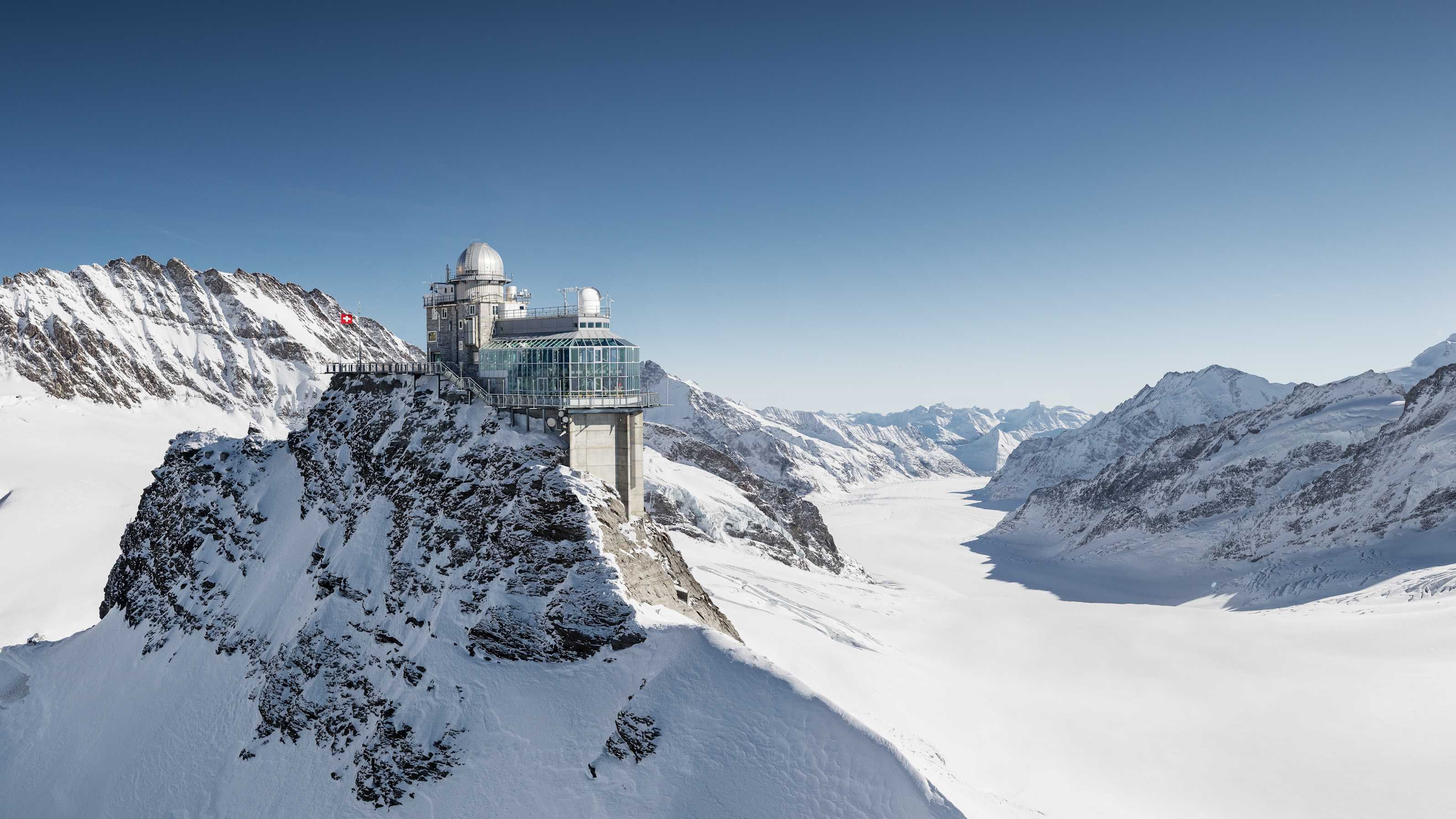 62 mi from BaselJungfraujoch - Top of Europe
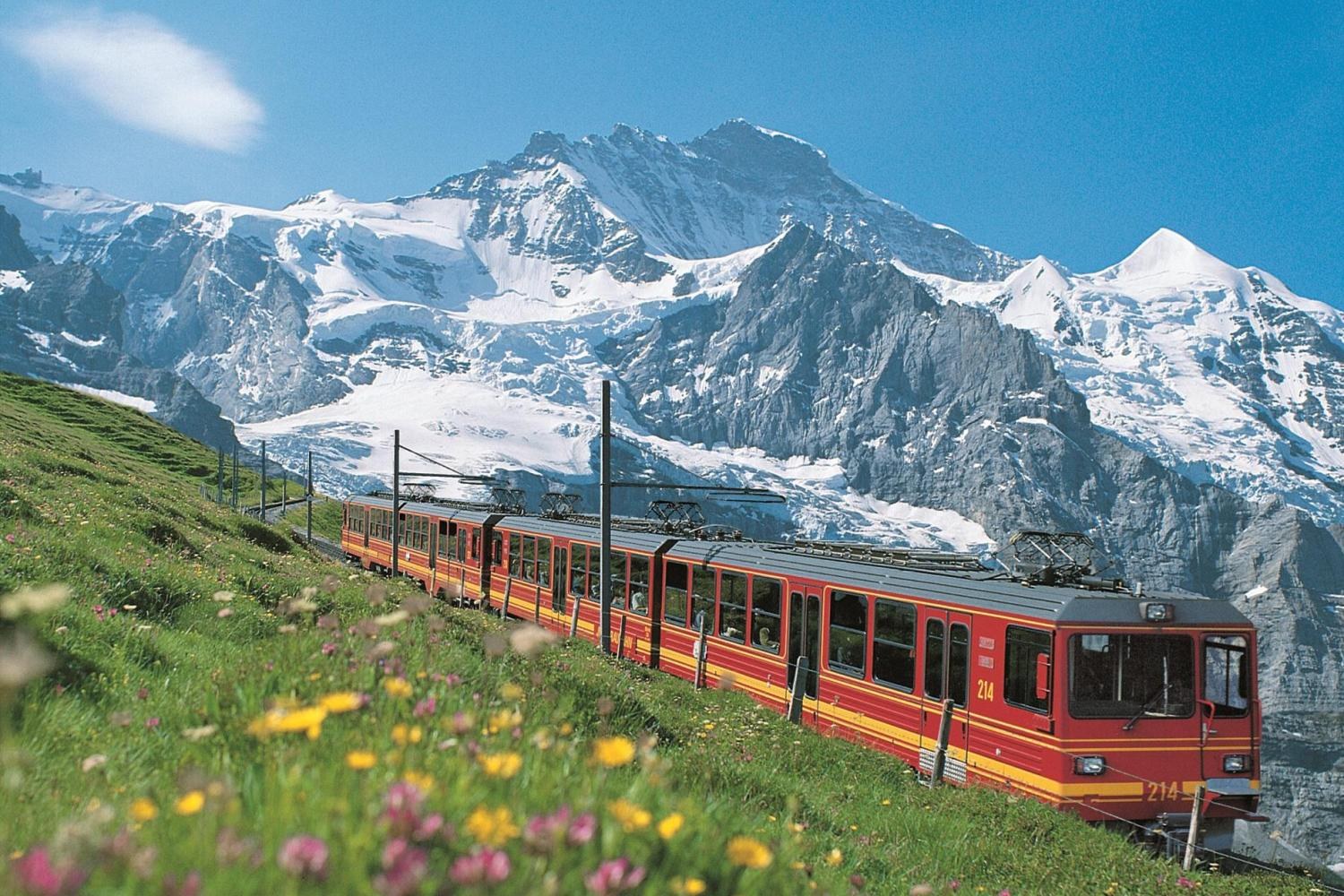 48 mi from BaselJungfraujoch Day Trip
  46 mi from Basel · land adventureLucerne: Alpine Culture, Sacred Art & a Lake Worth Crossing
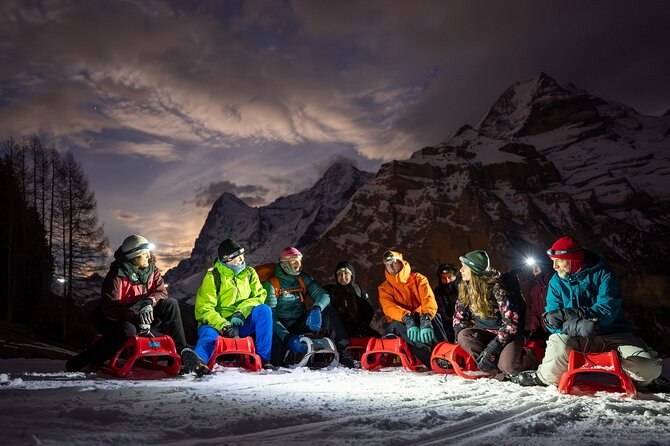 46 mi from Basel · land adventureInterlaken Between Two Lakes: Alps, Cliffs, and Fondue Above the Clouds
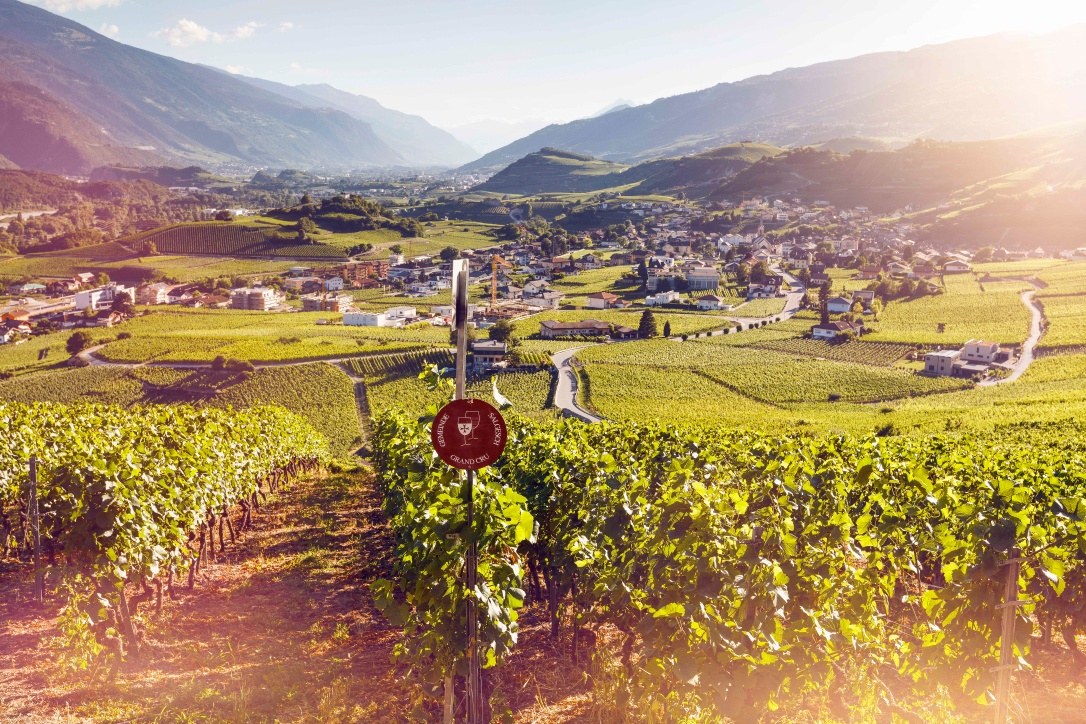 46 mi from Basel · land adventureMatterhorn at Your Feet: A Zermatt Guide Worth Its Altitude
 After you step off · near Bordeaux
You end in a different port — stay on, and add what is within reach before you fly home.
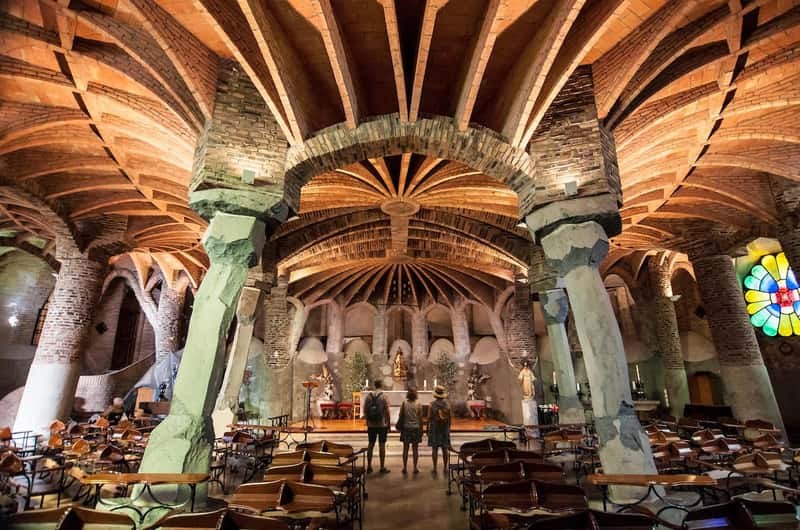 279 mi from Bordeaux · land adventureBarcelona Beyond the Crowds: Gaudí, Galician Seafood & Montserrat
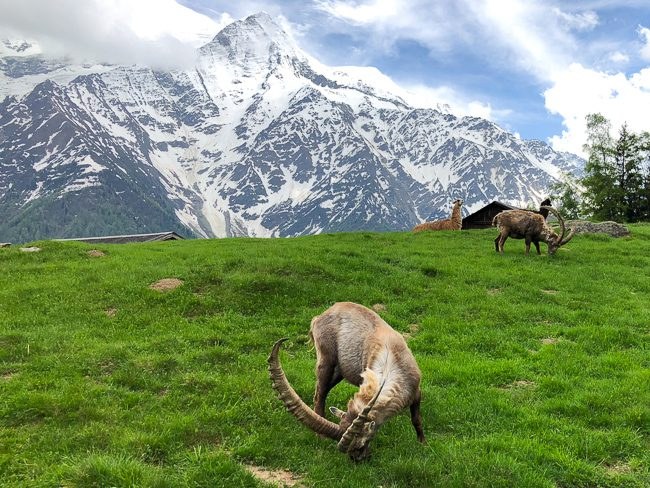 282 mi from Bordeaux · land adventureAlpine Wildlife, Glacier Treks & Savoyard Spirits in Chamonix
 The same trip, elevated
The same gateway on a more luxurious line — lead-in fare per person, same fare as booking direct.