Your cruise
Azamara Journey · 19-night Panama Canal cruise, San Antonio to Miami
Mar 10 – Mar 29 · 19 nights ·
Day 1 San Antonio (board) · Day 2 Coquimbo (La Serena) · Day 3 at sea · Day 4 Iquique · Day 5 Arica · Day 6 at sea · Day 7 Pisco (Puerto San Martin) · Day 8–9 Callao (Lima) · Day 10–12 at sea · Day 13 Panama City · Day 14 Panama Canal · Day 15 Puerto Limon · Day 16 San Andres Island · Day 17 at sea · Day 18 Cozumel · Day 19 at sea · Day 20 Miami (step off)
What you do Journey into the mystical Elqui Valley — birthplace of pisco — for a private tour of artisan distilleries, sun-drenched vineyards, and an evening under one of Earth's clearest skies. A once-in-a-lifetime sensory immersion in Chile's most storied valley.
What to expect Your driver-guide collects you at Coquimbo port and winds east into the Elqui Valley, where dramatic granite peaks frame rows of Muscat vines. You tour the Pisco Capel or equivalent artisan distillery — fermentation tanks, copper pot stills, aging cellars — with a guided tasting flight. A vineyard lunch featuring local empanadas and valley wine follows before an optional late-afternoon visit to a certified dark-sky observatory (Mamalluca or Pangue) where a professional astronomer guides you through the southern constellations.
Good to know Full day — confirm all-aboard time before booking; the valley is ~1.5 hrs each way. Pre-book the observatory segment as capacity is capped. Wear layers — valley evenings drop sharply even in summer.
Versus the ship tour A private or intimate small-group experience that moves at your pace — you linger at the distillery copper stills, taste barrel-aged pisco straight from the source, and end beneath a sky so dark the Milky Way is a solid band of light. This is the Elqui Valley the way it deserves to be experienced.
book direct with Tangol Tours La Serena → · the full guide →
What you do Coquimbo sits in the Atacama's southern halo — one of the world's top two stargazing regions. At Mamalluca or Pangue Observatory, a certified astronomer turns a professional telescope on nebulae, star clusters, and planets invisible to northern-hemisphere eyes.
What to expect A 4WD transfer ascends the dark hillside above La Serena to the observatory, arriving at dusk. Your astronomer begins with the naked-eye orientation — the Magellanic Clouds, the Southern Cross — before moving to twin computerised telescopes. You observe Jupiter's moons, the Eta Carinae nebula, and globular clusters in real time, with astrophotography guidance available on request. Hot herbal tea and local sweets are served under the open dome.
Good to know Sessions typically begin after sunset — verify your ship's all-aboard time is late enough. Book at least 2 weeks in advance; private sessions sell out. Wear warm layers and bring a red-light torch.
Versus the ship tour Pangue is a private mountain sanctuary — attendance is strictly limited so there is zero light pollution and no crowd. A resident astrophysicist leads the session with research-grade equipment, explaining the southern-sky mythology of the Andean people alongside the science. Utterly unlike any mass-market stargazing experience.
book direct with Sanctuary Pangue Observatory → · the full guide →
What you do A fully private, door-to-door immersion in two cities that span 400 years of colonial, Diaguita, and republican history — including the Archaeological Museum, neoclassical stone churches, and a long, reef-fringed seafront promenade. The gold standard for first-time visitors.
What to expect Your bilingual private guide meets you at the pier and escorts you through Coquimbo's historic quarter, pointing out the eclectic Cruz del Tercer Milenio monument towering above the bay. In La Serena you step inside several of its famous colonial stone churches, visit the Museo Arqueológico — home to the finest Diaguita ceramics collection in Chile — and stroll the Plaza de Armas fountain gardens. Lunch at a curated seafront restaurant follows, with pisco sours and ceviche, before a coastal drive along Avenida del Mar back to port.
Good to know 6–7 hours; comfortably fits within a standard port day. Hotel/port pickup included — confirm exact pier meeting point when booking. Available daily.
Versus the ship tour The tour is 100% private — your guide tailors pace, depth, and stops to you. A sommelier-selected Chilean lunch at a La Serena restaurant is included, and the Archaeological Museum visit is guided by an expert, not a pamphlet. No queuing, no group herding.
book direct with Project Expedition (local operator: private guide from Coquimbo port) → · the full guide →
What you do Board a zodiac-style vessel to Isla Damas inside the Humboldt Penguin National Reserve — a UNESCO-candidate marine sanctuary where penguins, sea otters, dolphins, and (seasonally) blue whales share crystalline waters. One of South America's great wildlife spectacles.
What to expect Transfer north along the Pan-American Highway to Punta de Choros, where a licensed zodiac departs for the reserve. En route you scan for Chilean dolphins riding the bow wave and bottle-nosed dolphins; the boat pauses at sea-lion colonies on offshore islets. On Isla Damas you walk a short guided trail past nesting Humboldt penguins — so accustomed to visitors you can photograph them at arm's length — and observe Peruvian pelicans and red-legged cormorants overhead. The return journey hugs the coastline for seascape photography.
Good to know This is a long full day (8–10 hours round-trip from Coquimbo); confirm your ship's all-aboard allows it. Permits are strictly limited — book weeks in advance. Bring sunscreen, windproof jacket, and binoculars.
Versus the ship tour Access to Isla Damas is strictly controlled by CONAF (Chile's national parks authority) — only licensed operators with limited daily permits may land. A small, expert-led zodiac group gets you close to Humboldt penguins on their nesting rocks in a way no large tour can replicate.
What you do Trade the crowds for two of Chile's most pristine hidden coves — Totoralillo and Guanaqueros — where turquoise Pacific waters lap near-empty white-sand beaches backed by dramatic desert bluffs. A quintessential Chilean Riviera experience.
What to expect Your private driver heads south of La Serena along the coastal highway, descending to Totoralillo — a nearly enclosed turquoise bay ringed by volcanic rock, beloved by snorkellers. You continue to Guanaqueros, a charming fishing village with one of the flattest, widest beaches in Chile, ideal for a long walk or simply watching pelicans drift overhead. Optional fresh-catch lunch at a family-run cevichería in Tongoy is the culinary highlight before a relaxed return to Coquimbo port.
Good to know Approximately 5–6 hours; fits a half-day port call comfortably. Bring reef shoes for Totoralillo's rocky entry, high-SPF sunscreen, and a hat — UV intensity at this latitude is extreme. Confirm the guide speaks English at the time of booking.
Versus the ship tour A private driver-guide means you arrive at Guanaqueros and Totoralillo well ahead of any group, choosing your own patch of the beach. The stops are curated — a seafood lunch at the Tongoy harbour fish market is optionally included — and you return whenever you like. Pure, unhurried luxury with deserted Pacific coastline.
book direct with ToursByLocals La Serena Private Guides → · the full guide →
What you do Dive deep into La Serena's living culture with a private walking exploration of the colonial La Recova artisan market and the city's celebrated ring of neoclassical stone churches — each one a different architectural gem built from the same local granite.
What to expect Meeting at the port, your guide walks you into La Recova's two-storey neomoorish market hall, introducing you to artisan vendors of lapis lazuli (mined just hours north), hand-woven textiles, and the region's famed papaya jam. You then set a leisurely pace through the historic centre, entering up to five of La Serena's 29 colonial churches — the Cathedral, La Merced, San Francisco — for architecture, sacred art, and the stories of the priests who shaped the city. The tour ends with a pisco sour tasting at a celebrated bar on the Plaza de Armas.
Good to know 3–4 hours; ideal for a shorter port call or as a morning warm-up before an afternoon beach excursion. Wear comfortable walking shoes — the historic centre is flat but cobbled. Lapis lazuli makes a magnificent and authentically Chilean gift — your guide will steer you to genuine artisans.
Versus the ship tour With a private local expert as your guide, La Recova transforms from a souvenir market into a masterclass in Diaguita weaving, lapis lazuli jewellery, and regional gastronomy — you taste pisco-soaked chirimoya and fresh papaya preserves that never reach export shelves. The churches are unlocked in sequence with insider commentary on their construction and the city's colonial past.
book direct with ToursByLocals La Serena Private Guides → · the full guide →
What you do A fully private, chauffeur-driven day into Chile's sophisticated capital — from the grand Plaza de Armas and La Moneda Palace to the bohemian Lastarria district and a pisco sour at a celebrated local restaurant. Pure bucket-list immersion in one day.
What to expect Your private guide meets you at the San Antonio cruise terminal and whisks you north in a premium vehicle. You'll walk the historic centre, admire the neoclassical architecture of La Moneda, browse the storied Mercado Central seafood hall, and explore the hillside neighbourhood of Bellavista with its vivid murals and Pablo Neruda associations. The day wraps with a drop-off at Santiago airport or back at the port — perfectly timed to your schedule.
Good to know San Antonio to Santiago is roughly 100 km (90 min drive). Confirm your all-aboard time before booking and communicate it to your guide — most private operators build in buffer. Pre-book well in advance; private guides in Santiago fill up fast on port days.
Versus the ship tour Entirely private — your itinerary, your pace, your guide's undivided expertise. Linger at the Mercado Central over king crab, duck into a neighbourhood wine bar, or add a detour to the Bellavista street-art quarter. No shared coach, no herded groups.
book direct with Tours by Locals – Santiago Private Guides → · the full guide →
What you do Ride the century-old ascensores (funicular lifts) to Valparaíso's painted cerros, walk alleyways dripping in world-class murals, and lunch on freshly caught locos (Chilean abalone) above the Pacific. A UNESCO-listed port city unlike anywhere on earth.
What to expect You board a historic funicular from the Barrio Puerto waterfront and ascend to the candy-coloured streets of Cerro Alegre. Your guide interprets the layers of street art — from politically charged murals to intimate tiles — and the city's maritime heritage as a 19th-century trade giant. A leisurely seafood lunch at a clifftop restaurant overlooks the Pacific before you descend to explore the bohemian galleries and antique bookshops of Cerro Concepción. The port of San Antonio is just 30 minutes south, making timing effortless.
Good to know Valparaíso is 30 minutes from San Antonio port — easily reached by private transfer or taxi (approx. USD 20 each way). Wear comfortable shoes; the cerros involve cobblestones and stairs. Book the private option to guarantee your preferred departure time from the port.
Versus the ship tour A true local expert navigates Valparaíso's labyrinthine hillside neighbourhoods — Cerro Alegre and Cerro Concepción — stopping at artist studios, hidden miraderos, and family-run picadas that no coach tour ever reaches.
book direct with Amigo Walking Tours – Valparaíso Private → · the full guide →
What you do Chile's coolest (literally) wine valley sits between San Antonio and Santiago, producing world-class Sauvignon Blanc and Pinot Noir. A private guided wine safari through boutique estates with barrel-hall tours, vertical tastings, and a vineyard lunch is the ultimate indulgence.
What to expect A private transfer collects you from San Antonio and winds through coastal hills into the morning-fog-shrouded Casablanca Valley. At Emiliana's certified biodynamic estate you walk the vines with a sommelier-guide, learning how Atlantic breezes shape the terroir. The barrel hall tasting progresses through estate Sauvignon Blancs, Chardonnays, and a structured Pinot Noir reserve. Lunch is served in the vineyard restaurant with seasonal Chilean produce paired to the wines you've just tasted — an experience that anchors the entire port day in luxury.
Good to know Casablanca Valley is approx. 60 km from San Antonio (50-min drive). Combine with a Valparaíso morning or a Santiago drop-off for a seamless full day. Pre-book the private tasting experience directly with the estate — walk-ins are not guaranteed. Confirm your all-aboard time and allow 90 min return to port.
Versus the ship tour Casablanca is Chile's most celebrated white-wine appellation — and Emiliana is its organic and biodynamic flagship. A private estate visit grants cellar access, meet-the-winemaker moments, and a multi-course lunch paired to library wines rarely poured on group tours.
book direct with Viña Emiliana – Casablanca Estate → · the full guide →
What you do Chile's 'Garden City' glitters just 40 minutes from port — belle époque mansions, manicured clifftop parks, the world-famous Flower Clock, and a haunting Easter Island Moai statue. A sophisticated coastal escape that rewards the curious traveller.
What to expect Your private vehicle departs San Antonio along the coastal Ruta 68, arriving in Viña del Mar's resort centre in under 40 minutes. You'll photograph the iconic Reloj de Flores (Flower Clock) beside the Estero de Marga Marga, stroll the palm-lined Casino Terrace, and visit the Fonck Museum to stand face-to-face with a genuine rapa nui Moai — one of very few outside Easter Island. The guide then drives the spectacular clifftop Avenida Perú above crashing Pacific surf before dropping you back at the port with time to spare.
Good to know Viña del Mar and neighbouring Valparaíso can be combined into a single full-day private itinerary — ask your guide to extend the tour. The Fonck Museum (CLP 2,500 entry) is worth every peso for Easter Island artefact lovers. Half-day tours comfortably clear most all-aboard times.
Versus the ship tour A knowledgeable local guide leads a small, private group through Viña's leafy boulevards, the clifftop Cerro Castillo presidential palace grounds, and the Fonck Museum's extraordinary Easter Island collection — at a pace that lets you linger where you wish.
book direct with SeeSight Tours – San Antonio & Viña del Mar Private → · the full guide →
What you do Nobel laureate Pablo Neruda's Santiago home — a surrealist labyrinth of secret passageways, ship-themed rooms, and priceless art — is one of Latin America's most intimate cultural experiences. A private guided visit here is pure literary magic.
What to expect Tucked into a Bellavista alleyway at the foot of Cerro San Cristóbal, La Chascona is a maze of irregularly shaped rooms built for Neruda's muse and third wife, Matilde Urrutia. Your private guide narrates the poet's genius and contradictions as you pass through the library-bar, the bedroom suspended above a dining room, and the secret wine cellar. The surrounding Bellavista neighbourhood rewards post-visit wandering — artisan shops, empanada bakeries, and the best craft-cocktail bars in Santiago are steps away.
Good to know La Chascona is in Santiago's Bellavista district, approx. 100 km from San Antonio (90-min drive). Pair with a Plaza de Armas and Mercado Central visit for a rich full-day Santiago itinerary. Book timed entry online in advance — morning slots sell out on busy port days. A private vehicle ensures you make all-aboard with ease.
Versus the ship tour A specialist literature or architecture guide brings the house alive — decoding Neruda's obsessive collections of figureheads, coloured glass, and maritime maps, and placing the poet's turbulent life against Chile's political history. Intimate, intellectual, and utterly original.
book direct with Fundación Pablo Neruda – La Chascona Official → · the full guide →
What you do Ride through ancient Chilean valleys in the coastal Andes foothills on a curated hacienda experience — cantering past vineyards, river gorges, and Andean condor territory before a traditional asado under eucalyptus trees. The most visceral connection to Chilean land imaginable.
What to expect A private transfer from San Antonio delivers you to a hacienda in the coastal Andean foothills, where well-schooled criollos horses and a huaso guide await. You ride through native Chilean scrub and riverine valleys, pausing on ridgelines for panoramic Pacific views before descending into a sheltered valley for a wood-fired asado of chorizo, ribs, and empanadas. The afternoon concludes with a slow return ride and pisco sour by the hacienda fire — an experience that belongs on every serious traveller's list.
Good to know Best suited to riders with at least basic experience; inform your guide of your level when booking. Full-day options allow combination with a coastal or wine-valley stop. Transfer from San Antonio to the hacienda is typically 30–50 minutes. Confirm all-aboard time with your guide before departure — private operators are diligent about timing.
Versus the ship tour This is not a resort horse-ride — it's a genuine working-hacienda experience in the Chilean huaso (cowboy) tradition, guided by local experts who know the trails, the condors, and the terroir. Maximum intimacy: private or groups of two to four only.
book direct with Tours by Locals – Andes & Coastal Range Private Rides → · the full guide →
What you do Journey into the mystical Elqui Valley — birthplace of pisco — for a private tour of artisan distilleries, sun-drenched vineyards, and an evening under one of Earth's clearest skies. A once-in-a-lifetime sensory immersion in Chile's most storied valley.
What to expect Your driver-guide collects you at Coquimbo port and winds east into the Elqui Valley, where dramatic granite peaks frame rows of Muscat vines. You tour the Pisco Capel or equivalent artisan distillery — fermentation tanks, copper pot stills, aging cellars — with a guided tasting flight. A vineyard lunch featuring local empanadas and valley wine follows before an optional late-afternoon visit to a certified dark-sky observatory (Mamalluca or Pangue) where a professional astronomer guides you through the southern constellations.
Good to know Full day — confirm all-aboard time before booking; the valley is ~1.5 hrs each way. Pre-book the observatory segment as capacity is capped. Wear layers — valley evenings drop sharply even in summer.
Versus the ship tour A private or intimate small-group experience that moves at your pace — you linger at the distillery copper stills, taste barrel-aged pisco straight from the source, and end beneath a sky so dark the Milky Way is a solid band of light. This is the Elqui Valley the way it deserves to be experienced.
book direct with Tangol Tours La Serena → · the full guide →
What you do Coquimbo sits in the Atacama's southern halo — one of the world's top two stargazing regions. At Mamalluca or Pangue Observatory, a certified astronomer turns a professional telescope on nebulae, star clusters, and planets invisible to northern-hemisphere eyes.
What to expect A 4WD transfer ascends the dark hillside above La Serena to the observatory, arriving at dusk. Your astronomer begins with the naked-eye orientation — the Magellanic Clouds, the Southern Cross — before moving to twin computerised telescopes. You observe Jupiter's moons, the Eta Carinae nebula, and globular clusters in real time, with astrophotography guidance available on request. Hot herbal tea and local sweets are served under the open dome.
Good to know Sessions typically begin after sunset — verify your ship's all-aboard time is late enough. Book at least 2 weeks in advance; private sessions sell out. Wear warm layers and bring a red-light torch.
Versus the ship tour Pangue is a private mountain sanctuary — attendance is strictly limited so there is zero light pollution and no crowd. A resident astrophysicist leads the session with research-grade equipment, explaining the southern-sky mythology of the Andean people alongside the science. Utterly unlike any mass-market stargazing experience.
book direct with Sanctuary Pangue Observatory → · the full guide →
What you do A fully private, door-to-door immersion in two cities that span 400 years of colonial, Diaguita, and republican history — including the Archaeological Museum, neoclassical stone churches, and a long, reef-fringed seafront promenade. The gold standard for first-time visitors.
What to expect Your bilingual private guide meets you at the pier and escorts you through Coquimbo's historic quarter, pointing out the eclectic Cruz del Tercer Milenio monument towering above the bay. In La Serena you step inside several of its famous colonial stone churches, visit the Museo Arqueológico — home to the finest Diaguita ceramics collection in Chile — and stroll the Plaza de Armas fountain gardens. Lunch at a curated seafront restaurant follows, with pisco sours and ceviche, before a coastal drive along Avenida del Mar back to port.
Good to know 6–7 hours; comfortably fits within a standard port day. Hotel/port pickup included — confirm exact pier meeting point when booking. Available daily.
Versus the ship tour The tour is 100% private — your guide tailors pace, depth, and stops to you. A sommelier-selected Chilean lunch at a La Serena restaurant is included, and the Archaeological Museum visit is guided by an expert, not a pamphlet. No queuing, no group herding.
book direct with Project Expedition (local operator: private guide from Coquimbo port) → · the full guide →
What you do Board a zodiac-style vessel to Isla Damas inside the Humboldt Penguin National Reserve — a UNESCO-candidate marine sanctuary where penguins, sea otters, dolphins, and (seasonally) blue whales share crystalline waters. One of South America's great wildlife spectacles.
What to expect Transfer north along the Pan-American Highway to Punta de Choros, where a licensed zodiac departs for the reserve. En route you scan for Chilean dolphins riding the bow wave and bottle-nosed dolphins; the boat pauses at sea-lion colonies on offshore islets. On Isla Damas you walk a short guided trail past nesting Humboldt penguins — so accustomed to visitors you can photograph them at arm's length — and observe Peruvian pelicans and red-legged cormorants overhead. The return journey hugs the coastline for seascape photography.
Good to know This is a long full day (8–10 hours round-trip from Coquimbo); confirm your ship's all-aboard allows it. Permits are strictly limited — book weeks in advance. Bring sunscreen, windproof jacket, and binoculars.
Versus the ship tour Access to Isla Damas is strictly controlled by CONAF (Chile's national parks authority) — only licensed operators with limited daily permits may land. A small, expert-led zodiac group gets you close to Humboldt penguins on their nesting rocks in a way no large tour can replicate.
What you do Trade the crowds for two of Chile's most pristine hidden coves — Totoralillo and Guanaqueros — where turquoise Pacific waters lap near-empty white-sand beaches backed by dramatic desert bluffs. A quintessential Chilean Riviera experience.
What to expect Your private driver heads south of La Serena along the coastal highway, descending to Totoralillo — a nearly enclosed turquoise bay ringed by volcanic rock, beloved by snorkellers. You continue to Guanaqueros, a charming fishing village with one of the flattest, widest beaches in Chile, ideal for a long walk or simply watching pelicans drift overhead. Optional fresh-catch lunch at a family-run cevichería in Tongoy is the culinary highlight before a relaxed return to Coquimbo port.
Good to know Approximately 5–6 hours; fits a half-day port call comfortably. Bring reef shoes for Totoralillo's rocky entry, high-SPF sunscreen, and a hat — UV intensity at this latitude is extreme. Confirm the guide speaks English at the time of booking.
Versus the ship tour A private driver-guide means you arrive at Guanaqueros and Totoralillo well ahead of any group, choosing your own patch of the beach. The stops are curated — a seafood lunch at the Tongoy harbour fish market is optionally included — and you return whenever you like. Pure, unhurried luxury with deserted Pacific coastline.
book direct with ToursByLocals La Serena Private Guides → · the full guide →
What you do Dive deep into La Serena's living culture with a private walking exploration of the colonial La Recova artisan market and the city's celebrated ring of neoclassical stone churches — each one a different architectural gem built from the same local granite.
What to expect Meeting at the port, your guide walks you into La Recova's two-storey neomoorish market hall, introducing you to artisan vendors of lapis lazuli (mined just hours north), hand-woven textiles, and the region's famed papaya jam. You then set a leisurely pace through the historic centre, entering up to five of La Serena's 29 colonial churches — the Cathedral, La Merced, San Francisco — for architecture, sacred art, and the stories of the priests who shaped the city. The tour ends with a pisco sour tasting at a celebrated bar on the Plaza de Armas.
Good to know 3–4 hours; ideal for a shorter port call or as a morning warm-up before an afternoon beach excursion. Wear comfortable walking shoes — the historic centre is flat but cobbled. Lapis lazuli makes a magnificent and authentically Chilean gift — your guide will steer you to genuine artisans.
Versus the ship tour With a private local expert as your guide, La Recova transforms from a souvenir market into a masterclass in Diaguita weaving, lapis lazuli jewellery, and regional gastronomy — you taste pisco-soaked chirimoya and fresh papaya preserves that never reach export shelves. The churches are unlocked in sequence with insider commentary on their construction and the city's colonial past.
book direct with ToursByLocals La Serena Private Guides → · the full guide →
What you do Walk the haunted streets of the world's best-preserved saltpeter boom town — a UNESCO World Heritage Site frozen in the 1930s. Private guiding unlocks the human stories behind the nitrate era that once fertilised the world.
What to expect Your private guide meets you at the port and transfers you 45 km inland into the Atacama. At Humberstone you wander the intact company town: the grand theatre, the market square, the workers' housing and the iconic swimming pool. A short walk connects you to Santa Laura's skeletal industrial plant, where original crushing machinery still stands. The return journey includes a stop for panoramic desert photography.
Good to know Allow 4–5 hours return from port; confirm all-aboard time before booking. Pre-book at least 48 hours ahead to secure a private English-speaking guide. UNESCO entry is included in most packaged rates — confirm when booking.
Versus the ship tour A private expert guide gives you the full narrative — the workers' theatre, the swimming pool in the desert, the rusting machinery at Santa Laura — at your own pace, with no mass-tourism crowds diluting the eerie atmosphere.
What you do Ascend from Pacific coast to 4,000 m altiplano in a single day — flamingo lagoons, a living Aymara village, and the smouldering cone of Volcán Isluga await. One of South America's most dramatic vertical journeys.
What to expect Departing early from port in a luxury 4WD, you climb through successive desert ecosystems — coastal fog, cactus scrub, puna grassland — before reaching the volcanic plateau. At Laguna Arabilla, three species of flamingo feed in rose-pink shallows. The intact village of Isluga, with its colonial church and llama herds, offers a rare window into living Aymara culture. Lunch is a picnic among the geysers before a dramatic descent back to the coast.
Good to know This is a long day — up to 14 hours — so only suited to ships with a late all-aboard. Altitude acclimatisation snacks and water are essential; a good operator provides these. Warm layers required even in summer; temperatures drop sharply above 3,500 m.
Versus the ship tour A dedicated private 4WD vehicle and specialist naturalist guide means you stop wherever the landscape demands — at flamingo feeding grounds, Aymara hot springs, and high-altitude bofedales — rather than following a set coach itinerary.
What you do Hurtle down the world's largest urban sand dune on a board, with the Pacific glittering below — an adrenaline set-piece that is utterly unique to Iquique. A bucket-list pairing of desert and ocean in one frame.
What to expect Your guide transports you to the base of Cerro Dragón, a colossal dune that rises directly above the city grid. After a briefing and equipment fitting, you hike to a chosen ridgeline with panoramic ocean views. Multiple descents are included, each more confident than the last. The guide photographs and films your runs, and transfers you back to port with time to spare.
Good to know The activity takes 2–3 hours from port; easily combined with a city tour. Wear sunscreen and bring sunglasses — the desert sun and reflected sand are intense. Closed-toe shoes and a change of clothes recommended (sand gets everywhere).
Versus the ship tour A certified local instructor coaches your technique on a private session, choosing the best face of the dune for conditions on the day — steeper runs for the daring, gentler slopes for first-timers — and carries premium boards so you spend time riding, not hiring.
What you do Launch from the clifftop above the city and soar on world-class thermals above the Atacama coast — one of the planet's premier paragliding corridors — with the ocean, dunes and terracotta rooftops laid out beneath you.
What to expect Transfer to the launch point on the escarpment above the city, where your CIVL-certified pilot harnesses you in and briefs you in minutes. The thermal lifts you effortlessly skyward; on a clear day you can see the curvature of the Atacama coast stretching north into Peru. Flights typically last 15–25 minutes of pure soaring before a smooth beach landing. HD video of the full flight is included.
Good to know Flights are weather-dependent — operators reschedule rather than cancel in poor conditions. Activity takes approximately 2 hours from port. Maximum weight limits apply (typically 100 kg); confirm at booking. Morning flights offer the calmest air; afternoons have stronger thermals for more dynamic rides.
Versus the ship tour Iquique is in the top tier of global paragliding destinations due to its reliable coastal thermals — conditions that allow extended, graceful flights rather than brief hops. A certified tandem pilot with international credentials handles everything; you simply enjoy the view.
What you do Explore Iquique's gilded nitrate-era heritage — Georgian clock towers, pastel Georgiana mansions on Paseo Baquedano, and the legendary ironclad Corbeta Esmeralda — with a scholar-guide who brings the city's golden age vividly alive.
What to expect Begin on the photogenic timber-paved Paseo Baquedano, lined with restored Georgian mansions that once housed nitrate barons. Your guide leads you through Astoreca Palace, the Municipal Theatre (modelled on La Scala), and the Mineralogical Museum before boarding the Corbeta Esmeralda — Chile's most revered warship, now a floating museum in the harbour. The tour concludes at Playa Cavancha with time for a pisco sour at a seafront café.
Good to know Tour runs approximately 3.5 hours from port, well within typical all-aboard windows. The Esmeralda buoy navigation version adds a zodiac approach to the anchored ship for a unique perspective. Book a morning departure for the best light on the Georgian façades of Baquedano.
Versus the ship tour A private expert guide personalises the narrative — tailoring depth on architecture, naval history, or local gastronomy to your interests — and takes you into the Corbeta Esmeralda's below-decks where the hero of the 1879 Battle of Iquique made his last stand.
What you do Journey deep into the Atacama to Pica — a lush, improbable oasis of lime groves, hot springs and colonial plazas hidden in one of Earth's driest landscapes. A sensory contrast that travellers call the most surprising moment of the entire voyage.
What to expect The road inland cuts through a monochrome mineral landscape before Pica appears without warning — an emerald splash of mango trees and bougainvillea. Your guide walks you through the colonial church, the artisan market, and into the hidden thermal spring grotto of La Cocha for a soak. Lunch features cured meats, Pica limes, and the region's legendary chirimoya fruit. The return passes Humberstone for a late-afternoon visit when golden light floods the ghost town.
Good to know Full-day excursion of 8–10 hours; verify all-aboard before booking. The Pica thermal pool is warm year-round — pack a swimsuit. Private 4WD is strongly recommended over shared transport for the unpaved approach roads. Combine with Humberstone for the ultimate Atacama day.
Versus the ship tour A private vehicle allows leisurely stops at roadside altars, pre-Columbian geoglyphs, and the thermal pool of Cocha Resbaladero — experiences that no group tour pauses for — before a long, languid lunch of Piqueño cuisine at a family restaurant in Pica's plaza.
What you do Ascend to 4,500 m above sea level to witness the mirror-like Chungará Lake framed by twin Parinacota volcanoes in one of South America's most otherworldly altiplano landscapes. Viscachas, vicuñas and flamingos share this UNESCO-recognised biosphere — a true bucket-list Andean panorama.
What to expect Depart Arica and climb dramatically through the pre-cordillera, passing geoglyphs and colonial tambo ruins before reaching Lauca National Park at 4,000 m. Visit the whitewashed Parinacota village church, spot herds of vicuña on the pampas, and arrive at Chungará Lake for breathtaking views of the Parinacota and Pomerape volcanoes reflected in its glassy waters. A hearty included lunch fuels the return descent, with stops at key viewpoints along the Pan-American highland route.
Good to know Full day runs approximately 10–12 hours; ensure you are back well before all-aboard. Altitude can affect even fit travellers — acclimatise with coca tea, stay hydrated, and avoid alcohol the evening before. Warm layers are essential as temperatures drop sharply above 4,000 m even in summer.
Versus the ship tour A private or small-group vehicle means you set the pace at each viewpoint — no rushing past Parinacota village or the high-altitude wetlands. Expert local naturalist guides interpret the flora, fauna and Aymara culture in depth, turning a scenic drive into a profound altiplano immersion.
What you do Encounter the world's oldest artificially mummified human remains — 7,000 years old, predating Egypt's mummies by 2,000 years — at the UNESCO-listed San Miguel de Azapa Museum in a lush desert valley just outside Arica. An unmissable window into one of humanity's most extraordinary funerary traditions.
What to expect Your expert private guide meets you at the port and whisks you into the sun-soaked Azapa Valley, stopping first at roadside geoglyphs etched into hillsides thousands of years ago. The San Miguel de Azapa Museum holds the world's premier Chinchorro mummy collection, displayed with scholarly rigour and extraordinary preservation. Stroll through the museum's gardens and the valley's ancient agricultural terraces before returning through Arica's vibrant market streets for a taste of local life.
Good to know Museum entry is included in most private tour rates; confirm when booking. The valley is a 20-minute drive from port — easily manageable before all-aboard. Pre-book a private guide well in advance for peak cruise season (November–March) as expert English-speaking archaeologist-guides are limited.
Versus the ship tour A dedicated private guide with deep archaeological expertise brings the Chinchorro culture to life with personal commentary unavailable in a large-group setting. You linger as long as you wish among the mummy collections and ancient petroglyphs, then explore the valley's olive groves and geoglyphs at your own rhythm.
book direct with Top Private Tours Arica → · the full guide →
What you do Scale the iconic 139-metre clifftop fortress of El Morro — the dramatic centrepiece of Arica's skyline — for sweeping Pacific and Andean panoramas, then explore the remarkable iron cathedral designed by Gustave Eiffel himself. A half-day that encapsulates 10,000 years of layered history in a single compelling narrative.
What to expect Begin with a scenic ascent to the summit of El Morro, where Arica's defining 1880 battle unfolded; the on-site museum houses weaponry, uniforms and vivid dioramas of the War of the Pacific. Descend to the city's historic core to admire the prefabricated iron Cathedral of San Marcos, shipped from Paris and assembled without a single brick. Stroll the bougainvillea-draped Plaza Colón, browse the artisan market for Aymara textiles, and savour an ocean view from the clifftop promenade before returning to port.
Good to know Tour duration is approximately 4 hours — ideal for a port call. The Morro summit road is accessible by taxi or guided vehicle; walking the steep path takes 20–30 minutes. Pre-book your private guide through Nomades to secure an English-speaking expert.
Versus the ship tour A private, expert-led tour moves fluidly between Morro's military museum, the Eiffel-designed San Marcos Cathedral, and the city's colourful mercado, with your guide tailoring the narrative to your interests rather than following a fixed script for dozens of passengers.
What you do A rare multi-landscape odyssey through the Chilean altiplano, taking in a colonial highland village, a vast flamingo-studded salt flat, and the highest navigable lake in the world — all in a single extraordinary journey above the clouds. For those who want the definitive Andean experience from Arica.
What to expect Wind through the pre-Cordillera to Putre, a centuries-old Aymara village at 3,500 m lined with adobe houses and wildflower gardens. Continue to the Salar de Surire — a blinding white salt flat where three species of flamingo feed in mineral-rich lagoons against a backdrop of snow-capped volcanoes. The day culminates at Chungará Lake, whose glassy surface mirrors the perfect cones of Parinacota and Pomerape. All meals, naturalist guide, and 4WD transport are included.
Good to know For the single-day version, allow 10–12 hours total; confirm all-aboard time with your ship before booking. The 3D/2N format requires disembarking and rejoining the ship at a later port — verify with your cruise line. Altitude medication (acetazolamide) is worth discussing with your physician before travel above 3,500 m.
Versus the ship tour The full multi-day format (available if your cruise schedule permits an overnight) transforms a scenic drive into a genuine expedition — overnighting in the highland town of Putre, waking to Andean silence, and reaching the Salar de Surire well before day-tripper crowds arrive. Even on the single-day format, small private groups enjoy unhurried access at each stop.
What you do Paddle through dramatic volcanic sea caves carved into Arica's rugged Pacific coastline, where ancient rock art meets turquoise swells and Humboldt penguins nest on sea-spray ledges. One of Chile's most visually arresting and least-visited coastal experiences — utterly unlike anything else at this port.
What to expect Launch from a sheltered cove south of Arica and paddle along basalt cliffs sculpted by millions of years of wave action into arches, tunnels and chambers. Glide through the Cuevas de Anzota sea caves, listening to waves echo around ancient walls etched with petroglyphs. Sea lions bask on rocky outcrops and cormorants dive around your kayak as your guide points out endemic coastal flora. The return paddle offers sweeping views of El Morro's silhouette against the Atacama sky.
Good to know All equipment and safety briefing are included; no prior kayaking experience necessary. Wear quick-dry clothing and apply high-SPF sunscreen — the Atacama sun is intense even near the water. Tour duration is 2.5–3 hours, making it easily combinable with a morning city visit before all-aboard.
Versus the ship tour Sea-level access by kayak reveals cave formations, tide pools and nesting seabirds that are simply invisible from clifftop viewpoints. A private local guide navigates you safely through the cave systems while narrating the area's Chinchorro-era coastal history — an intimate, active encounter with the wild Pacific.
book direct with TourHQ Arica Local Guides → · the full guide →
What you do Decode millennia of Andean civilisation across a single epic landscape: pre-Inca hilltop fortresses, colossal hillside geoglyphs visible only from above, and a UNESCO-listed mummy collection — all narrated by a specialist who brings the ancient Chinchorro and Tiwanaku worlds vividly to life.
What to expect Your archaeologist guide drives you through the Atacama-edge landscape to the Pukará of Copaquilla, a pre-Inca defensive settlement perched on a volcanic ridge with commanding valley views. Descend to scan the Azapa Valley hillsides where giant geoglyphs of llama caravans and human figures were created by ancient Andean traders as navigational markers. Visit the Tambo of Zapahuira, a well-preserved Inca way-station, before culminating at the San Miguel de Azapa Museum to examine the Chinchorro mummies up close with expert commentary. Return to Arica through the sunbaked Atacama foothills as the afternoon light turns the desert gold.
Good to know Tour runs 5–6 hours; confirm timing against your all-aboard. Museum entry fees are typically included in the private tour rate — verify at booking. Bring a hat, sunglasses, and comfortable walking shoes for uneven archaeological terrain. Pre-booking at least 48 hours in advance is strongly recommended.
Versus the ship tour Private, expert-archaeologist-led format means you have dedicated access to a guide who can answer every question in depth, linger at the geoglyphs of the Azapa Valley's hillsides, and interpret the Pukará of Copaquilla fortress without the background noise of a large group. The knowledge density is extraordinary.
book direct with Top Private Tours Arica → · the full guide →
What you do Glide through the Pacific on a private speedboat to the 'Peruvian Galápagos' — the Ballestas Islands — where sea lions, Humboldt penguins, and tens of thousands of seabirds crowd dramatic rock arches. A bucket-list encounter with Peru's wildest coast.
What to expect Your bilingual naturalist guide meets you dockside at San Martín Port and escorts you aboard a private vessel. En route, you pass the enormous Candelabro geoglyph etched into a cliffside hillside — mysterious, Nazca-adjacent, and rarely lingered over on group tours. At the islands, you circle sea-lion rookeries, penguin colonies, and sky-filling flocks of Peruvian boobies and cormorants. The 2-hour on-water experience is unhurried, with the guide contextualising the extraordinary biodiversity of the Humboldt Current ecosystem.
Good to know Tour departs at 08:30 from San Martín Port — no shuttle needed. The full excursion runs 3–4 hours, well within a typical all-aboard window. Pre-book directly; private departures fill quickly on port days. Bring a light layer — the Pacific breeze is cool even in summer.
Versus the ship tour A private, expert-guided speedboat departure means you set the pace, stay longer at the best wildlife outcrops, and avoid the crowded open-group ferries — your naturalist guide narrates every sighting up close.
What you do Board a small private aircraft over the UNESCO-listed Nazca Desert and trace the colossal geoglyphs — the Hummingbird, the Spider, the Astronaut — etched into the earth 2,000 years ago. One of the planet's great unexplained wonders, seen from the only vantage point that reveals them.
What to expect Transfer from San Martín Port to the small aerodrome (approx. 45 min), where your private Cessna awaits. The pilot and bilingual guide narrate as you bank low over the Nazca Pampa, identifying each figure — the 293-metre Pelican, the precise 46-metre Spider, the enigmatic Astronaut. The round-trip from port runs 4.5–5 hours, so timing is critical. The moment the lines appear beneath the wings is genuinely jaw-dropping — nothing in travel prepares you for the scale.
Good to know This is a tight but doable excursion on a port day — confirm your ship's all-aboard time before booking and alert the operator. Flights depend on weather; book a morning slot for the clearest conditions. Those sensitive to motion should take precautions — light aircraft over desert thermals can be bumpy.
Versus the ship tour A chartered flight — not a shared scenic flight — means you choose your seat at every window, the pilot banks for your angles, and the rhythm of the flight is yours. No elbowing for a view of the Monkey geoglyph.
book direct with Aeroparacas (Aeródromo de Pisco / Nazca) → · the full guide →
What you do Traverse one of the world's most dramatic coastal deserts by private 4×4 — red-sand dunes plunging into turquoise Pacific coves, fossil-studded cliffs, and panoramic viewpoints inside Peru's only marine national reserve. Raw, cinematic, and almost entirely crowd-free.
What to expect Your driver-guide collects you at the port and enters the reserve through the official checkpoint. The route winds past the ancient Candelabro viewpoint, along the windswept coast to the geological marvel of La Catedral (before its 2007 collapse, now dramatically reduced — still stunning), and to Lagunillas Cove, where sea lions haul out on the rocks below. The guide explains the reserve's extraordinary geology — a desert shaped by the cold Humboldt Current — and its importance as a UNESCO World Heritage site buffer zone. The palette of terracotta, white salt flats, and cobalt ocean is unlike anywhere else on earth.
Good to know The reserve entrance fee (approx. PEN 11 / USD 3) is paid on entry — bring small local currency or USD cash. The half-day itinerary (4–5 hours) is comfortable for most port schedules. Dust can be significant — a light scarf is useful. Roads inside are gravel and 4×4 is genuine.
Versus the ship tour A private 4×4 with a dedicated naturalist guide means you stop wherever the landscape demands it — at the ochre Cathedral rock arch, the rust-red Playa Roja, and the cliff-edge mirador where condors sometimes drift overhead.
What you do Speed through the world's highest sand dunes in a custom dune buggy, then surf the slopes of a giant dune above Huacachina — a fairy-tale oasis of emerald water ringed by 100-metre sand mountains. Peru's most exhilarating full-day adventure.
What to expect The 1.5-hour drive to Ica passes vineyard country — Peru's pisco-producing heartland — and your guide narrates the landscape. At Huacachina, your private buggy tears up the mega-dunes at sunset angles, crests the ridgelines, and parks at the top so you can board down on sandboards (instruction provided). Back at the oasis, time to stroll the palm-fringed waterfront before transfer to a local bodega for a private pisco tasting — the spirit was born in this valley. Return to port by mid-evening.
Good to know This is a full-day excursion (8–10 hours) — only viable when the ship has a late all-aboard (7 pm or later). Confirm your port schedule before booking. Sunscreen and sunglasses are essential; the dune UV is intense. Closed shoes required for sandboarding.
Versus the ship tour A private vehicle and guide means your dune-buggy session is arranged exclusively for your group, and you choose how aggressive or gentle the ride. The oasis itself rewards those who linger — a private guide gives you the history of this astonishing geological anomaly.
What you do Explore one of the Inca Empire's best-preserved adobe palace complexes — Tambo Colorado — with a private archaeologist guide. Rarely visited by cruise passengers, this vivid red-and-white ceremonial citadel was a key administrative hub on the Royal Inca Road.
What to expect An hour's drive from the port through the Pisco Valley's vine-covered quebradas brings you to the foothills of the Andes, where the terracotta-and-cream palace complex emerges dramatically from the desert. Your archaeologist guides you through the trapezoidal gateways, the military barracks, the royal halls, and the Inca sun-ritual platforms — all retaining vivid original pigment, astonishing after 500 years. The valley setting, with Andean condors occasionally wheeling above, is quietly spectacular. This is archaeology without crowds, rope barriers, or gift shops.
Good to know Site entrance fee is approx. PEN 15 (USD 4) — payable on arrival in cash. Round trip from port is approximately 4–5 hours, fitting most half-day port windows. The drive follows the Pisco River valley — photogenic in its own right. Wear sturdy walking shoes; surfaces are uneven ancient adobe.
Versus the ship tour Because almost no shore excursion itinerary includes Tambo Colorado, this is a genuinely exclusive experience — you will likely have the site nearly to yourself. A private archaeologist (not a generic guide) unlocks the ceremonial significance of each chamber.
What you do Trace the origins of Peru's national spirit through private visits to an artisan pisco distillery and a historic Ica Valley winery — tasting copper-pot pisco in the valley where it was born, paired with local antipasti and chicha morada. The most flavour-packed half-day on the coast.
What to expect Your guide collects you at the port and drives through the valley's pisco-grape vineyards — Quebranta, Italia, and Torontel varieties — explaining the denominación de origen that makes Peruvian pisco legally unique in the world. At the distillery, the maestro demonstrates the full artisan production process and leads a structured tasting of three single-varietal piscos. A short drive to the neighbouring winery includes a cellar tour and pairing of the region's white wines with local olives, fresh cheese, and sweet potato. You'll return to the port with a bottle of the estate's reserve pisco — a genuinely luxurious souvenir.
Good to know Half-day format (3.5–4.5 hours) suits most port schedules. Confirm the distillery visit is included when booking — not all operators offer full production access. Non-drinkers are well accommodated with chicha morada (purple corn drink) and grape juice pairings. The valley roads are paved and comfortable.
Versus the ship tour Private distillery access — not a tourist-trail bodega — means the maestro pisquero walks you through the grape-pressing, copper-alembic distillation, and barrel-aging process personally, followed by a properly hosted tasting rather than a rushed group pour.
What you do Boat out to the wild Palomino Islands just off Callao and slip into the Pacific alongside a colony of 8,000 sea lions. This intimate, small-group marine encounter is one of the most extraordinary wildlife moments in all of South America.
What to expect A swift motorboat whisks you from Callao harbor out to four rugged Pacific islands, alive with barking sea lions. After briefing, you don a wetsuit and slide into crystal-cold water as curious sea lions spiral around you — bumping, twirling and staring you down. On the crossing you'll also spot Humboldt penguins and seabirds on the guano-white rocks. The entire outing lasts roughly four hours, returning you to port in good time.
Good to know Departs from the Callao fishing dock, less than 10 minutes from the cruise terminal — no transfer needed. Pre-book directly as space on small vessels fills weeks in advance. All-aboard times are typically respected with a 4-hour total run time. Bring a dry bag for your valuables and a warm layer for the boat ride back.
Versus the ship tour Limited to a small vessel so you're genuinely in the water with the animals — not watching from a large boat. Expert naturalist guides provide deep marine context, and the wetsuit swim is an adrenaline-edged, unforgettable bucket-list moment steps from the port.
What you do Journey four hours south of Lima into a landscape of flamingo-fringed bays, prehistoric Nazca-era history and a turquoise desert oasis ringed by towering sand dunes. One of Peru's most visually astonishing day trips, bookable from the port.
What to expect Depart Callao early and drive south through Peru's coastal desert to Paracas, where wind-sculpted red cliffs plunge into an azure bay thick with flamingos and pelicans. Board a speedboat to the Ballestas Islands ('the poor man's Galápagos') to witness sea lions, Peruvian boobies and penguins on volcanic arches. After lunch in Paracas, continue inland to Huacachina — a true desert oasis — where you board a dune buggy for the breathtaking ride up towering dunes before sandboarding back down at sunset.
Good to know This is a 17–18 hour excursion; confirm your ship's all-aboard time carefully — best suited to ships with a late-night or overnight Callao call. Departs 06:00–07:00 from the port. Bring sunscreen, a windbreaker and sea-sickness tablets for the Ballestas boat. Pre-booking essential; spaces extremely limited on private departures.
Versus the ship tour The luxury private-vehicle option means your own bilingual guide, your own pace at the Paracas National Reserve viewpoints and a genuinely personal sandboarding descent into Huacachina — not a rushed group convoy. Sunset over the oasis is the defining image of coastal Peru.
What you do Step inside a Miraflores culinary studio and master Peru's three most iconic dishes under the tutelage of a professional Lima chef. Peruvian cuisine is ranked among the world's best — this is the most direct way to own a piece of it.
What to expect The class opens at a local market where your chef narrates the kaleidoscopic world of Peruvian chillies, purple corn and exotic fruits — then you head to a beautifully equipped kitchen in Miraflores. You'll cure fresh corvina for leche de tigre ceviche, layer causa limeña with avocado and ají amarillo, and shake the city's most celebrated cocktail. The meal you've cooked becomes your lunch, served with Peruvian wine. A recipe booklet and a new passport-stamp skill go home with you.
Good to know Miraflores is approximately 30 minutes from Callao by taxi or Uber (approx. USD 8–12 each way). Classes typically run 3–3.5 hours, leaving comfortable time before all-aboard. Vegetarian adaptations available on request. Book at least two weeks ahead as this is Lima's most reviewed culinary experience.
Versus the ship tour A boutique kitchen, never more than 12 guests, with a chef who sources ingredients that morning from Surquillo market. You don't watch — you cook, plate and eat. Pisco Sours are shaken tableside, and recipes travel home with you.
book direct with Peruvian Cooking Classes Lima (La Floresta Culinary Studio) → · the full guide →
What you do Explore the grandest Spanish colonial fortress in South America, then step into Monumental Callao — a once-derelict neighbourhood reborn as Peru's most extraordinary open-air street-art district. History and living culture, minutes from the pier.
What to expect Begin at the Real Felipe Fortress, whose star-shaped walls once guarded Lima's silver trade against pirate fleets and independence armies. Your historian guide walks you through cannon-lined bastions, the eerie 'room of bones' and sweeping views of the Pacific. From there, enter Monumental Callao's labyrinthine patios splashed with floor-to-ceiling murals by international and Peruvian artists — boutique shops, artisan coffee and a rooftop lookout complete the picture. The tour finishes a short walk from the cruise terminal.
Good to know Real Felipe is open Tuesday–Sunday; confirm your port day falls on an open day. The fortress entry fee (approx. PEN 15 / USD 4) is typically separate. Monumental Callao is walkable from the fortress. Total duration 3–4 hours. Flat, paved surfaces throughout; suitable for all mobility levels.
Versus the ship tour A private guide grants access to Real Felipe's military museum and ramparts at your own pace, with storytelling that brings 18th-century sieges to life. Monumental Callao's muralled courtyards, boutique galleries and rooftop bars are the kind of off-itinerary discovery that defines a genuine luxury journey.
What you do Glide through Lima's most beautiful clifftop neighbourhoods and into the world's finest private collection of pre-Columbian gold, textiles and erotic pottery. A half-day that distils 5,000 years of Andean civilisation into one elegant arc.
What to expect Your private guide collects you from the terminal and drives south to Miraflores, stopping at the clifftop Larcomar complex for Pacific views before descending to bohemian Barranco — its painted bridges, colonial mansions and vibrant café scene feel like a Peruvian Montmartre. The centrepiece is the Larco Museum, a converted 18th-century vice-regal mansion housing the world's most important collection of pre-Columbian gold and ceramics, including the famous 'erotic gallery'. Lunch is optionally taken at the museum's garden restaurant.
Good to know Museo Larco is open daily 09:00–22:00; book timed entry at larcomuseum.org (USD 25 adult). Combined private guide + transport via ToursByLocals from approx. USD 83 pp. Miraflores is 30 min from port. Allow 5–6 hours total. The Larco garden restaurant is one of Lima's most acclaimed — reserve ahead for lunch.
Versus the ship tour A vetted private ToursByLocals guide tailors the itinerary to your interests — whether that is pre-Inca goldwork, Belle Époque Barranco architecture or the cliffside Parque del Amor at sunset. The Larco Museum's storage vaults (open to the public — a world rarity) hold 45,000 artefacts; your guide reads the room, spending time on what captivates you.
book direct with Museo Larco (official entry) + ToursByLocals private guide → · the full guide →
What you do Pedal Lima's dramatic Pacific Rim coastline on a curated small-group cycling tour, weaving from the clifftop promenades of Miraflores past a genuine pre-Inca adobe pyramid to the art-gallery lanes of Barranco. The city's most exhilarating half-day.
What to expect High-quality hybrid bikes are fitted to you in Miraflores before you roll onto the Malecón — Lima's Corniche — with the Pacific glittering hundreds of feet below the cliffs. The route threads past Parque del Amor's mosaic lover sculpture, descends to Barranco's coloured bridges and street-art alleyways, and detours through the grounds of Huaca Pucllana, an archaeological pyramid from 400 AD still being excavated. Guides share neighbourhood stories, stop for freshly squeezed lucuma juice and pace everything to ensure you never feel rushed.
Good to know Departs Miraflores (30 min taxi from port, approx. USD 8–12). Tour runs 3–3.5 hours; comfortable timing before most all-aboard calls. Helmets, locks and safety briefing included. The route is largely flat to gently rolling along the cliff edge — suitable for confident recreational cyclists. Wear comfortable clothing and bring a light layer for the coastal breeze.
Versus the ship tour Small groups of maximum 8 riders mean the guide sets a relaxed, commentary-rich pace — stopping for ceviche tastings, ocean viewpoints and hidden street art rather than rushing past them. The Huaca Pucllana adobe pyramid, rising incongruously from upscale Miraflores, is a moment no larger tour bus can replicate.
What you do Watch colossal ships navigate the engineering marvel of the 20th century from the Miraflores Locks Visitor Centre — up close, with a private expert guide decoding every moment. This is the definitive Panama bucket-list experience.
What to expect Stand metres from the lock gates as Panamax and New Panamax vessels — some longer than three football fields — glide silently through. Your guide explains the lock's water-recycling chambers, the history of the canal's construction, and the geopolitical impact it still carries today. The four-level visitor centre includes an IMAX-style film, scale models, and a rooftop terrace that delivers the most visceral perspective of all. Time your visit for a scheduled transit and the spectacle is unforgettable.
Good to know Transit schedules are published by the ACP and peak lockings often happen mid-morning — ideal for a port day. Pre-book a private guide via the official visitor centre or a vetted local operator to avoid queues. Allow 2.5–3 hours; Miraflores is 10 km from the cruise terminal, approx. 20 min by private transfer.
Versus the ship tour A private bilingual guide means you understand exactly what you're watching — the lock mechanics, the engineering history, the tonnage of each vessel — rather than absorbing it from a distance. Small-group access to the upper observation deck gives unobstructed, photography-perfect sightlines.
book direct with Miraflores Visitor's Center (Panama Canal Authority – ACP) → · the full guide →
What you do Wander the cobbled lanes of Panama City's UNESCO-listed old quarter — baroque churches, French colonial mansions, rooftop bars overlooking the Pacific — with a private cultural historian who brings every crumbling façade to life.
What to expect Begin at Plaza de la Independencia, the heart of Panama's 1821 independence proclamation, before weaving through plazas framed by restored French and Spanish colonial buildings. Your guide leads you to hidden viewpoints where the glittering skyscrapers of the banking district rise behind colonial rooftops — one of the most photogenic juxtapositions in all of Latin America. Seek out the hauntingly beautiful ruins of the old Santo Domingo Church, where a flat arch has stood without a keystone for over 300 years. End with a private tasting of ceviche and patacones at a curated local spot.
Good to know Casco Viejo is approx. 8 km from the Balboa cruise terminal — 15 min by private car. Morning light is ideal for photography and temperatures are cooler; aim to finish by noon. Book a private guide directly through a certified local operator to ensure access to interior landmark sites.
Versus the ship tour Moving at your own pace through this intimate neighbourhood — pausing for a cortado at a boutique café, stepping inside the gilded Metropolitan Cathedral, lingering on a terrace above the skyline — is a world away from a coach tour. A private guide offers the political and cultural backstory that transforms a pretty stroll into genuine understanding.
book direct with Panama Tour Site – Casco Viejo Private Tour → · the full guide →
What you do Glide deep into Gatún Lake — the vast artificial reservoir at the heart of the Panama Canal — on a private boat, spotting howler monkeys, sloths, toucans and caimans in one of the most biodiverse jungles on Earth.
What to expect Board a sleek, private launch from the shores of Gatún Lake and motor into jungle-fringed channels created when the canal was flooded in 1913. Howler monkeys crash through the canopy overhead while white-faced capuchins eye you curiously from the branches. Your naturalist guide scans the waterline for caimans and freshwater turtles while toucans and kingfishers flash between the trees. On Monkey Island — a forest fragment surrounded by the lake — three species of primate have created one of the most accessible wildlife-watching sites in Central America.
Good to know Gatún Lake is on the Atlantic side of the canal — best suited for ships transiting or docking at Cristóbal/Colón, though reachable by private transfer (approx. 1.5 hrs from Panama City). Bring binoculars, reef-safe sunscreen, and light rain gear. Book a private naturalist boat in advance; morning departures see the most wildlife activity.
Versus the ship tour A private naturalist-guided boat — not a crowded pontoon — means you drift silently into channels where wildlife is undisturbed. Your guide identifies species by sound before you see them, and the itinerary flexes around each sighting rather than a rigid schedule.
book direct with AdventureSmith Explorations – Panama Private Tours → · the full guide →
What you do Explore the hauntingly beautiful ruins of the original Panama City — founded in 1519, it was the oldest continuously inhabited European settlement on the Pacific coast of the Americas, destroyed by Henry Morgan in 1671.
What to expect Stand inside the crumbling stone cathedral tower that still dominates the skyline, the same tower from which fleeing residents watched Henry Morgan's buccaneers set fire to the city in 1671. Your private guide traces the city's street plan through the excavated foundations, revealing the King's Bridge — once the departure point for gold-laden mule trains heading to the Atlantic — and the remnants of convents, slave quarters, and merchant houses. The adjacent museum provides exquisite context with artefacts, maps, and colonial-era art. The Pacific Bay backdrop and dramatic ruins make this one of the most photogenic sites in all of the Americas.
Good to know Panamá Viejo is 7 km east of the city centre — 15 min by private transfer from the Balboa terminal. The site is open from 8:00 AM; visit early before heat builds. Pre-book a certified guide through the official site foundation for the deepest historical expertise. Allow 2–2.5 hours.
Versus the ship tour A private archaeologist-led tour of these UNESCO World Heritage ruins transforms weathered stone towers into vivid storytelling — the pirate raid, the gold convoys, the birth of a transcontinental trade route — in a way that self-guided visits simply cannot match.
book direct with Panama Interoceanic Canal Museum / Panama Viejo Archaeological Site → · the full guide →
What you do Trek the forested trails of Ancon Hill — rising directly above Panama City — with a private naturalist guide at golden hour, emerging above the canopy to a panorama of the canal, the Pacific, and the glittering skyline below.
What to expect Begin your ascent through dense tropical forest alive with the calls of toucans and parakeets, your guide pausing to spotlight a sloth camouflaged in the cecropia trees or a troupe of tamarins threading the understorey. The trail rises steeply but rewards you within 45 minutes with a summit panorama that defies belief: the full sweep of the Panama Canal entrance, the Bridge of the Americas arcing over the Pacific approach, and the glass towers of Panama City glittering in the morning light. Ancon Hill is also a site of political significance — it was the last piece of the former Canal Zone returned to Panamanian sovereignty in 1999.
Good to know The hill is 2 km from the Balboa cruise terminal — walkable or a very short transfer. Start by 6:30 AM for sunrise and wildlife at peak activity, and to be back aboard with time to spare. Wear trail shoes and light breathable layers. Entrance is free; a private guide fee applies.
Versus the ship tour Ancon Hill is a protected reserve that rewards those who go with a naturalist — harpy eagles, Geoffrey's tamarins, and three-toed sloths inhabit this urban jungle, and knowing where to look is everything. The sunrise panorama — canal, Pacific, skyline, rainforest — is one of the most layered and extraordinary views in all of Central America.
book direct with AdventureSmith Explorations – Panama Private Tours → · the full guide →
What you do The complete Panama City private immersion: Miraflores Locks, Casco Viejo's colonial streets, Panamá Viejo's ruins, and a curated lunch — crafted as a bespoke, unhurried journey for discerning travelers who want the full picture in a single day.
What to expect Your private air-conditioned vehicle and expert guide collect you dockside and deliver a perfectly paced arc through Panama City's greatest hits. Watch a Panamax freighter squeeze through the Miraflores Locks with inches to spare, then step back five centuries amid the stone ruins of Panamá Viejo. Lunch at a handpicked Casco Viejo restaurant — perhaps a terrace overlooking the Pacific — before a golden-hour stroll through the quarter's restored plazas, boutique art galleries, and baroque churches. Your guide threads the political, architectural, and human stories into a single compelling narrative that spans 500 years of history.
Good to know Ideal for first-time visitors who want depth rather than breadth on a single port day. Private format means the pace is entirely yours — linger where you love it, move on when you're ready. Book well in advance as private vehicles fill quickly on busy port days. Confirm all-aboard time with your guide and build in a 90-minute buffer.
Versus the ship tour This is Panama City distilled into one seamless, private narrative — a bilingual expert guide, a dedicated vehicle, and an itinerary that bends to your interests rather than a preset timetable. Three of the city's defining UNESCO and heritage sites in one elegant arc.
book direct with The Panama Tour Site – Private City & Canal Tour → · the full guide →
What you do Board a private yacht and lock through all six chambers of the canal — from the Pacific Miraflores Locks to Gatun on the Atlantic side. Watching 50,000-ton vessels rise and fall beside you is one of the great engineering spectacles on Earth.
What to expect You'll cruise through the Miraflores and Pedro Miguel Locks, across the lush Culebra Cut, and into the vast Gatun Lake before locking down to the Caribbean. Expert English-speaking guides narrate every stage — the engineering triumphs, the human cost, and the geopolitical drama that shaped the canal. Lunch is served on board as you glide through the jungle-flanked waterway. Frigate birds and pelicans escort the boat as Panamax vessels loom just metres away.
Good to know Full transit runs roughly 8–10 hours; departs early morning from Balboa pier. Pre-book well in advance — departures are limited and sell out months ahead. Confirm the all-aboard time with your ship and choose the partial transit if docking time is tight.
Versus the ship tour A full transit places you inside the locks — not watching from a visitor centre — sailing the same route as the world's largest container ships. The intimate scale of a tour vessel next to the Panamax giants is jaw-dropping and simply cannot be replicated from land.
book direct with Canal & Bay Tours (official Panama Canal boat transit operator) → · the full guide →
What you do Soar above the rainforest canopy in an open gondola inside Soberanía National Park — one of the most biodiverse patches of jungle on the planet. Toucans, sloths, howler monkeys, and 400 bird species inhabit the treetops around you.
What to expect The gondola rises through four distinct forest layers, from the leaf-litter floor to the emergent canopy, with sweeping views of the Chagres River and Gatun Lake shimmering below. Your naturalist guide uses binoculars and a scope to pin down toucans, mot-mots, and troops of Geoffrey's tamarins on the wing. After the tram, a guided nature trail leads through orchid-draped trees to a butterfly garden with 40 native species. The resort's open-air restaurant serves a superb jungle-view lunch before you return to port.
Good to know Gamboa is 45 minutes from Fuerte Amador by private transfer. Wear lightweight long sleeves and closed shoes; bring insect repellent and a zoom lens. Tram seats are limited — reserve your slot and private guide directly via the resort's website.
Versus the ship tour The tram glides silently over eight towers of untouched primary forest — you're eye-level with harpy eagle territory. A resident naturalist guide reads the jungle in real time, pointing out camouflaged species most visitors walk straight past.
book direct with Gamboa Rainforest Resort (official aerial tram operator) → · the full guide →
What you do Stroll the cobbled streets of Casco Viejo — Panama City's UNESCO World Heritage old town — with a private local historian. Colonial churches, Art Deco balconies, and rooftop views over the Pacific skyline make this the most photogenic morning in Central America.
What to expect Your guide leads you through the Arco Chato arch, the gold-laden altar of the Iglesia de San José, and the Plaza Bolívar where Simón Bolívar dreamed of a united Latin America. The narrative weaves pirates, canal diplomacy, and the neighbourhood's remarkable modern renaissance. The tour ends with a tasting of Panamanian coffee and fresh ceviche at a chef-owned café tucked behind a 17th-century façade. The contrast of crumbling colonial ruins against gleaming glass towers is endlessly photogenic.
Good to know Casco Viejo is 20 minutes from Fuerte Amador by taxi or private car (approx. USD 15–20 each way). Morning tours are cooler and have better light for photography. Book your private guide directly; allow 3–4 hours including the café stop, well within typical all-aboard windows.
Versus the ship tour A private guide opens doors that group tours never reach — a hidden convent courtyard, a chef's family kitchen, a rooftop terrace above the Plaza de Francia with unobstructed Pacific views. The pace is entirely yours.
What you do Stand at the best vantage point on Earth to watch Panamax and New Panamax ships squeeze through the Miraflores Locks — then explore the world-class four-storey museum that tells the full story of the canal's creation. The definitive land-based canal encounter.
What to expect Four observation platforms overlook the locks at different heights; the top deck is level with a Panamax ship's bridge. The museum traces everything from the French failure of the 1880s to the Panamanian handover of 1999 and the USD 5.4 billion expansion completed in 2016. A scale model of the entire 80 km waterway lets you trace the exact route ships travel. The on-site Miraflores Restaurant serves a buffet lunch with lock views — reserve the window table for a front-row seat to passing vessels.
Good to know Miraflores is 10 minutes from Fuerte Amador by taxi or private car (approx. USD 10 each way). Check the ACP ship schedule at micanaldepanama.com for optimal lock-transit times — aim to arrive when large container ships or LNG tankers are scheduled. Allow 2.5–3 hours total.
Versus the ship tour The upper observation deck puts you just metres from the lock walls as ships lock through — you feel the rumble of 80,000 tonnes of steel and the surge of millions of litres of water. A specialist guide decodes what you're seeing in real time, turning spectacle into deep understanding.
book direct with Autoridad del Canal de Panamá – Miraflores Visitor Center (official) → · the full guide →
What you do Dugout canoe up the Chagres River into Soberanía jungle to visit an authentic Emberá village. This is the Panama that existed long before the canal — a living culture of handwoven baskets, plant medicine, and extraordinary craftsmanship.
What to expect A 4x4 transfer brings you to the Chagres riverbank where carved dugout canoes wait. The 30-minute upriver journey passes kingfishers, herons, and the occasional caiman before the village appears on the bank, adorned with hand-painted faces and traditional dress. Village elders demonstrate the use of jungle plants for medicine and dye; artisans create intricate tagua-nut carvings and woven baskets you can purchase direct. A lunch of fresh fish, plantain, and heart-of-palm is served communally in the open-air meeting house. The return journey at golden hour is quietly magical.
Good to know Transfer to the Chagres trailhead is approx. 45–60 minutes from Fuerte Amador. Wear quick-dry clothing and waterproof sandals; bring sunscreen and a small daypack. The full experience runs 5–6 hours — verify your ship's all-aboard time and book with buffer. Confirm availability directly with the village operator.
Versus the ship tour Community-operated and led exclusively by Emberá hosts — every dollar funds the village directly. The experience is unhurried and genuinely reciprocal: elders share plant knowledge, women teach traditional weaving, and the welcome meal is cooked from the forest itself.
book direct with Emberá Drua Village Tours (official community-operated tourism) → · the full guide →
What you do Ride the historic Panama Canal Railway in a private dome car from Panama City to Colón — 77 km across the isthmus in 60 minutes, flanked by jungle and Gatun Lake. One of the world's great short rail journeys, virtually unchanged since 1855.
What to expect The train departs Panama City's Corozal station and almost immediately plunges into lush rainforest, crossing trestle bridges above Gatun Lake's island-studded expanse. The dome car's 270-degree glass ceiling floods the carriage with soft green light as spider monkeys work the canopy above. A local historian-guide aboard the private car narrates the railway's extraordinary role in both the Gold Rush and the canal construction. In Colón, a waiting private vehicle returns you to Fuerte Amador — you've crossed an entire continent in an hour.
Good to know The train departs Corozal at 07:15 and arrives Colón by 08:15; the return departs Colón at 17:15. For cruise passengers, the one-way dome charter with a private return transfer is ideal. Book the dome car directly with Panama Canal Railway Company at least 4–6 weeks ahead. Private car transfers Fuerte Amador–Corozal approx. USD 25 each way.
Versus the ship tour The private dome car is pure Golden Age of Travel — panoramic glass ceiling, white-glove service, and champagne as jungle gives way to glassy Gatun Lake. It's a journey that predates the canal itself; you're retracing the route that sparked the whole trans-oceanic dream.
What you do Soar through the forest canopy on an open-air aerial tram inside a private 4,000-acre reserve, then descend into a living rainforest lab teeming with poison-dart frogs, sloths, and vipers. One of Costa Rica's most complete, awe-inspiring nature experiences.
What to expect Your open gondola glides above the forest canopy, dropping into river gorges and mist-shrouded ravines before guides lead you through climate-controlled exhibits. The research-grade frog and snake vivaria are a genuine highlight. Allow at least 4–5 hours on-site; transport from the port takes roughly 45 minutes each way.
Good to know Book directly on the Veragua website and arrange private round-trip transfer from the cruise terminal (add ~USD 30–40 pp via your hotel or a local driver). Confirm all-aboard time and allow a 90-minute buffer for the return drive. Closed-toe shoes and insect repellent essential.
Versus the ship tour A private, self-contained 4,000-acre reserve means virtually no crowds; expert naturalist guides open the research station's live exhibits — venomous snake enclosures, butterfly observatory, frog pods — that you simply cannot access on a generic group tour.
book direct with Veragua Rainforest Park (official) → · the full guide →
What you do Glide in a private vessel through mirror-still jungle canals where caimans bask, howler monkeys crash through the canopy, and great green macaws flash overhead. This is the Amazon of Central America, and a private boat puts every sighting on your schedule.
What to expect Your bilingual guide poles silently through the narrow waterways, spotting wildlife with an expert eye. Expect close encounters with caimans, river turtles, and an extraordinary array of herons, kingfishers, and anhingas. The journey from Puerto Limón is roughly 30–40 minutes, keeping port logistics simple.
Good to know Greenway Nature Tours is a port-based operator accustomed to cruise schedules — confirm your all-aboard time when booking. Bring binoculars, sun protection, and a quality camera with zoom. Mornings deliver the best wildlife activity, so book the earliest available departure.
Versus the ship tour A private or small-group boat with a specialist naturalist guide means you linger at every sighting — a sleeping sloth, a basilisk lizard sprinting across the water — without a crowd of 40 passengers dictating the pace.
What you do Journey into the Talamanca mountains to spend time with the Bribri, one of Costa Rica's most intact indigenous communities. Participate in cacao ceremony, traditional medicine walks, and storytelling guided by community elders — a rare window into a living culture.
What to expect A scenic 1.5-hour drive brings you to the foothills of the Talamancas; from there, a short hike leads into the village. Elders lead a ceremonial cacao ritual from raw pod to drinking chocolate, shamanic plant knowledge is shared on a guided forest walk, and time is left for questions and conversation. Return to port with ample buffer before sail-away.
Good to know Book well in advance — these private visits are limited in availability. Wear comfortable walking shoes and modest, light clothing. The tour is structured around cruise port schedules; confirm your all-aboard time with your guide at booking.
Versus the ship tour Every visit is entirely private — just your group and your local guide — and income flows directly to the Bribri community. This is not a staged show; it is a genuine exchange facilitated by a community member who calls the village home.
book direct with Tours by Locals — Limón Local Experts → · the full guide →
What you do Charge through dramatic jungle gorges on one of Central America's finest white-water rivers, the Reventazón, on a thrilling Class III–IV run past lush rainforest walls and crashing cascades. Adrenaline and scenery in perfect, wild proportion.
What to expect After a professional safety briefing and gear fitting, you launch into the river for a 2–3 hour run through a succession of named rapids interspersed with serene jungle stretches. Guides are bilingual, CPR-certified, and deeply knowledgeable about riverside wildlife. A riverside snack or fruit stop is typically included.
Good to know The Reventazón is approximately 1.5 hours from the cruise terminal; plan for a 6–7 hour excursion in total. Secure all belongings in dry bags provided. Not recommended for guests with back, heart, or neck conditions. Book directly with Willie's and confirm cruise-friendly timing.
Versus the ship tour Small-group departures — rarely more than 8–10 rafters — mean your expert guide can tailor the run to your group's confidence level, pausing in calm pools for rainforest spotting between the rapids.
book direct with Willie's Tours Costa Rica → · the full guide →
What you do Explore Cahuita's UNESCO-recognised coral reef — Costa Rica's largest — by snorkel, then walk the park's sun-dappled coastal trail where sloths, white-faced capuchins, and rainbow-billed toucans are virtually guaranteed. Sea and jungle in one seamless morning.
What to expect The 45-minute drive south along the Caribbean coast is itself scenic. At Cahuita, a local park guide leads the coastal trail — sloths are reliably spotted in the almond trees, and capuchin troops often approach the path. The reef snorkel reveals parrotfish, eagle rays, and nurse sharks in crystalline turquoise water. A fresh tropical fruit break is typically included.
Good to know Cahuita is approximately 45 minutes south of Puerto Limón. Pack reef-safe sunscreen, a rash guard, and a dry bag. The park trail is flat and accessible. Confirm snorkel equipment is included when booking and allow a 30-minute all-aboard buffer for the return drive.
Versus the ship tour A small-group format with a resident naturalist guide means wildlife sightings are narrated in real time, and the snorkel component uses quality equipment with a boat captain who knows every coral formation intimately.
What you do The ultimate curated Caribbean day: a working banana and cacao plantation, a river boat through Tortuguero canals, a local Caribbean lunch, a tropical garden, and panoramic coastal views — all in one expertly paced private-style tour from the pier.
What to expect You'll walk active banana and cacao plantations with a knowledgeable local guide explaining the full farm-to-export cycle, then board a canal boat for jungle wildlife spotting. A traditional Caribbean rice-and-beans lunch with fresh coconut milk follows, before a stop at a tropical botanical garden and a scenic seafront drive back to port. Groups are intentionally kept small for a personal experience.
Good to know This tour is purpose-built for cruise passengers and departs from the terminal — no transfer logistics required. Duration is approximately 6–7 hours. Book directly on Willie's Tours website. Wear light, breathable clothing and bring good walking shoes and sunscreen.
Versus the ship tour Willie's 6-in-1 is a port-specialist operator's flagship product, designed specifically around cruise schedules with decades of experience. The itinerary moves at a relaxed pace and includes authentic local lunch — a genuine taste of Afro-Caribbean Limón culture rather than a tourist buffet.
book direct with Willie's Tours Costa Rica → · the full guide →
What you do Glide across San Andrés' legendary Sea of Seven Colors on a private boat to Johnny Cay and Cayo Acuario — two jewel-like islets ringed by kaleidoscopic reef. Snorkel with sergeant majors, angelfish, and sea turtles in waters that shift from jade to electric turquoise.
What to expect Your captain navigates the dazzling multi-hued shallows between San Andrés' northern cays, dropping anchor at Johnny Cay's powder-white beach for swimming under coconut palms. From there it's a short hop to Cayo Acuario (the Aquarium), where the reef is so teeming with tropical fish that snorkeling feels like floating inside a living exhibit. A cooler of cold drinks and fresh fruit is standard on private departures. The return leg skims the open Caribbean at golden hour — an Instagram moment that needs no filter.
Good to know Johnny Cay charges an entrance fee of approx. COP 8,000 per person. Book the private charter directly with North End Tours; confirm all-aboard time with your ship and allow a 30-minute buffer — the boat ride each way is roughly 15–20 minutes from the North End pier. Bring reef-safe sunscreen, a dry bag, and cash for the park fee.
Versus the ship tour A private or semi-private boat means you set the pace, linger at the snorkel sites as long as you like, and reach the islets ahead of the day-tripper crowds — the difference between a serene coral garden and a busy swim lane.
book direct with North End Tours (San Andrés) → · the full guide →
What you do Descend into one of the Caribbean's most biodiverse marine reserves — the San Andrés Seaflower Biosphere Reserve — on a guided small-group scuba dive. Drift through coral archways, encounter nurse sharks, eagle rays, and hawksbill turtles on walls that plunge to 30 m.
What to expect Kitting up at the waterfront shop, you'll receive a thorough site briefing before boarding the dedicated dive boat. The first tank takes you to a signature coral wall, vivid with sea fans and black coral, while the second may explore a shallow wreck or a labyrinthine reef garden. Dive masters point out cryptic critters — flamingo tongues, arrow crabs, moray eels — that most snorkelers would swim straight past. Post-dive, rinse off and review your GoPro footage over a cold Colombian beer at the dock.
Good to know PADI Open Water certification required for wall dives; a Discover Scuba intro dive is available for beginners at a similar price. Reserve your spot 24–48 hours ahead — morning slots (departing ~8 am) are best for visibility and beat the afternoon chop. Allow 3–3.5 hours total; confirm your ship's all-aboard time before booking.
Versus the ship tour Banda is San Andrés' most respected PADI dive centre, with certified dive masters who know every pinnacle and swim-through of the local reserve. Groups are kept deliberately small — typically no more than four divers per guide — so you get genuine one-on-one attention underwater.
book direct with Banda Dive Shop (San Andrés) → · the full guide →
What you do Command a beach buggy around the entire 27 km perimeter of San Andrés with a knowledgeable local guide riding shotgun. From the 'blowhole' sea arch to Morgan's Cave and La Piscinita's natural pool, every viewpoint is yours to savour at your own unhurried pace.
What to expect Hop into an open-air buggy and trace the coastal road clockwise, pausing at the dramatic blowhole where Atlantic swells cannon through a sea arch in a curtain of spray. A short hike leads into Morgan's Cave, the legendary pirate haunt where Henry Morgan supposedly stashed his treasure, its chambers eerily lit by bioluminescent algae. La Piscinita — a sheltered natural tidal pool on the island's calmer west side — invites a spontaneous swim among reef fish. The guide winds up the journey with a stop at a seafront spot for fresh coconut water straight from the husk.
Good to know Book the private version directly to avoid sharing the experience with strangers. Depart early (8–9 am) to reach Morgan's Cave before the day-trip boats arrive. The full loop takes 2.5–3 hours; factor in swim stops and you'll want 4 hours to do it justice. Closed-toe shoes recommended for the cave walk.
Versus the ship tour This is the only way to see every corner of the island — the blowhole, the cave, the natural pools, the rastafarianbeach bars, and the Coconut coconut grove — without being tied to a group itinerary. Your guide curates stops around your interests and adjusts the route in real time.
book direct with San Andrés Island Private Sightseeing Tour (local operator via direct booking) → · the full guide →
What you do La Piscinita ('the little pool') is a sheltered rocky inlet on San Andrés' western shore where crystal-clear water, coral heads, and a dazzling parade of reef fish create a natural aquarium accessible from the shore — no boat required. Pair it with a walk to Rocky Cay, a postcard islet just offshore.
What to expect Your guide leads you to the western shoreline where volcanic rock has created a series of sheltered pools open to the sea. Slip in and within seconds you're surrounded by entire schools of blue tang and sergeant major fish barely an arm's length away. After snorkeling, stroll five minutes along the shore to Rocky Cay — wade the shallow sandbar at low tide to reach its shaded beach and look back at San Andrés town framed by coconut palms. It's one of those 'pinch yourself' Caribbean tableaux. A local seafood shack nearby serves ceviche and patacones to round off the morning.
Good to know Best visited in the morning when water clarity is highest and light hits the pools at a dramatic angle. The site is on the island's less-trafficked western side — factor 20 minutes by taxi or buggy from the cruise pier. Entry is informal (no formal gate fee); a local guide adds context and safety. Bring water shoes — the volcanic rock edges are sharp.
Versus the ship tour La Piscinita is one of San Andrés' most photogenic and least-crowded snorkel spots — a natural formation rather than a managed site — meaning those who arrive early with a private guide enjoy the pools almost entirely to themselves, surrounded by parrotfish, wrasse, and the occasional green turtle.
book direct with GetYourGuide San Andrés — Mangroves, Johnny Cay & La Piscinita Combo (local operators) → · the full guide →
What you do Paddle a sea kayak through San Andrés' ethereal mangrove channels at dusk, where roots arch over glass-calm water and herons ghost overhead. Transition to a sunset catamaran sail across the Sea of Seven Colors as the sky turns amber — the island's most cinematic finale.
What to expect Launching from a sheltered mangrove channel on the island's southern end, a naturalist guide identifies the three native mangrove species and points out roosting frigate birds, land crabs, and juvenile reef fish nursed in the roots. After 90 minutes of quiet paddling, you transfer to a sleek catamaran anchored in the lagoon. As the afternoon light softens, the sea lives up to its name — jade, turquoise, cobalt, and indigo all visible simultaneously. Rum punch, fresh fruit, and Colombian snacks are served as the crew sails a slow loop back toward the North End pier under a sherbet sky.
Good to know Departures typically 3–3.5 hours before sunset; confirm exact timing against your ship's all-aboard. The kayak segment requires moderate paddling fitness — no prior experience needed but inform the operator of any mobility constraints. Book the private catamaran directly for the most luxurious experience; the shared sunset sail is still small-group (max 12 pax).
Versus the ship tour The kayak-to-sunset-sail sequence is San Andrés' most atmospheric half-day — the mangroves offer a hushed, wildlife-rich contrast to the open sea, and the private catamaran charter ensures you're raising a glass of rum punch as the sun melts into seven shades of Caribbean water with nobody else on deck.
book direct with GetYourGuide San Andrés — Mangroves & Sea of 7 Colors Combo (local specialist operators) → · the full guide →
What you do Venture to the village of San Luis on the island's tranquil eastern shore for an intimate encounter with the Raizal people — the island's Afro-Caribbean indigenous community — culminating in a private lunch of freshly caught Caribbean lobster, rondón stew, and coconut rice prepared by a Raizal host family.
What to expect A local cultural guide meets you at the pier and transfers you by private vehicle to the fishing village of San Luis, where brightly painted wooden houses line the lagoon and the pace of life has barely changed in 50 years. Your Raizal host — often a grandmother or community elder — walks you through a traditional kitchen garden before cooking begins: lobster grilled over charcoal, rondón (a rich coconut-milk stew of breadfruit, yam, and fish), and johnnycakes fresh off the griddle. Over lunch, stories of pirate history, Colombian politics, and island identity unfold organically. A brief walk along San Luis' calm beach — arguably the island's prettiest stretch — closes the experience on a reflective, unhurried note.
Good to know Lobster availability is seasonal — most plentiful May–November. Confirm the lunch menu when booking and flag any dietary requirements 48 hours ahead. The round trip from the pier takes approximately 4 hours; ideal for passengers with a late all-aboard. Tipping the host family directly (COP 20,000–40,000) is warmly appreciated and culturally appropriate.
Versus the ship tour This is the experience that transforms San Andrés from 'beautiful Caribbean island' to something genuinely rare: a living culture lesson with a family table, storytelling about Raizal history, Creole language, and music — the kind of authentic access that simply cannot be replicated in a group coach tour.
book direct with Tours Gone Wild — San Andrés Cultural & Food Experiences → · the full guide →
What you do One small-boat ~4.5hr tour hitting the island's three marquee spots: snorkel the coral canyons, turtles and parrotfish of Palancar Gardens and Columbia Shallows inside the protected Cozumel Marine Park, then stand waist-deep on the El Cielo sandbar surrounded by giant orange starfish for the iconic Cozumel photo.
What to expect Your small boat departs for three distinct snorkel zones across the Cozumel Marine Park: first into Palancar Gardens where coral canyons rise around you alongside sea turtles and parrotfish, then Columbia Shallows for similar reef-life immersion, and finally to El Cielo—a shallow sandbar where you'll stand waist-deep surrounded by giant orange starfish, the signature Cozumel moment you'll photograph. The entire loop takes roughly 4.5 hours on the water with your guide, the Novelo family operators who've held their Marine Park permit for over 20 years. Between snorkel stops, your boat moves you through the protected park's clearest waters, giving you both underwater time and a rhythmic pace of descent, explore, resurface, move.
Good to know Plan for a 5-6 hour commitment pier-to-pier (4.5 hours on water plus boarding and return buffer); arrange pickup directly from the cruise pier—El Cielo Cozumel Tours handles transport logistics as the permitted operator. Bring reef-safe sunscreen, a rash guard or light shirt for UV protection, and a waterproof phone case for El Cielo photos; book this excursion 24–48 hours ahead through the operator's established reputation rather than onboard desks to lock in the $69/$59 rate and guarantee small-group capacity. The Marine Park fee is included in your quoted price, so no surprises at checkout.
Versus the ship tour Ship's reef snorkel runs $89-109 for one generic reef. Direct gets three named signature reefs + El Cielo, a permit-holder, small group -- about $20-40 less per person. Win on price and access.
book direct with El Cielo Cozumel Tours (Novelo family, 20+ yrs, Marine Park permit) → · the full guide →
What you do Roll off a small boat into Cozumel's world-top-5 drift diving: fly along towering coral pinnacles, swim-throughs and a sheer wall into the blue with 100ft+ visibility -- turtles, eagle rays, nurse sharks, the endemic splendid toadfish. Two morning tank dives fit the port window.
What to expect Roll off a small boat into Cozumel's world-ranked drift dives along Palancar and Columbia walls—you'll fly through towering coral pinnacles and swim-throughs with 100+ feet of visibility, spotting turtles, eagle rays, nurse sharks, and the endemic splendid toadfish. Two back-to-back morning tank dives fit cleanly into the port window, letting you cover the sheer walls that drop into the blue without rushing. The rhythm is intimate: small-group diving with a certified operator since 1992, not the crowded cattle-call typical of cruise-line diving. Expect the reef itself to be the main event—world top-5 walls are a rare category.
Good to know Arrive early (recommend 7–7:30 a.m.) to meet Dive Palancar at the pier or prearranged location, allowing time to clear your certification and gear check before the first dive. Two morning tanks mean you'll be back on the dock by early afternoon, easily clearing an 6–8 hour port window with a safe buffer to reboard. Bring your PADI certification card, underwater camera if you want it, and cash or card for the ~$15 Marine Park fee (payable separately on-site). Book directly with the operator rather than through your cruise line—certified 2-tank drift equivalents aren't offered by ship concierge, and small-group access to these walls is a who-do-I-call category they simply can't match.
Versus the ship tour Cruise lines have no clean certified 2-tank equivalent. Small-group, top-5-in-the-world walls are a who-do-I-call category the ship can't match -- book direct.
book direct with Dive Palancar (Mexican-owned, PADI, since 1992) → · the full guide →
What you do The wild southern tip in one ticket: climb the 19th-c. Celarain lighthouse for a 360 view, spot wild crocodiles and iguanas on the mangrove trail (go before 11:30am), see the tiny El Caracol Maya shrine, finish at a near-empty white-sand beach with some of the island's best shore snorkeling. Taxi there and book at the park's own gate.
What to expect You'll taxi south to Cozumel's wild tip, where you start by climbing the historic Celarain lighthouse for sweeping 360-degree views of the island and Caribbean. The mangrove trail reveals crocodiles and iguanas in their natural habitat—go early, ideally before 11:30am, when wildlife is most active. You'll visit the tiny, atmospheric El Caracol Maya shrine, then end at a nearly empty white-sand beach with some of the island's clearest snorkeling waters just offshore. The day flows from culture and nature spotting to pure beach time, all without the crowds of busier tour groups.
Good to know Arrange a taxi at the pier for roughly $40–60 round-trip; take it directly to Punta Sur's gate and buy your ticket ($25 adult, $17 child) on arrival—no pre-booking needed. Prioritize the mangrove trail and lighthouse in your first 2–3 hours to catch wildlife before midday heat and activity drops. Budget at least 5–6 hours total (taxi + full park visit), leaving time to be back at the ship 30–45 minutes before all-aboard. Bring reef-safe sunscreen, water, and snorkel gear if you have it, or plan to rent at the beach.
Versus the ship tour No honest ship equivalent at this price -- the closest is a $119-159 jeep tour that only sometimes reaches the south end. Runaway value.
book direct with Cozumel Parks (official) -- taxi yourself, no aggregator → · the full guide →
What you do A 35-45 min catamaran crossing puts you in front of Tulum -- the only major Maya city built on a sea cliff above a turquoise beach -- ideally paired with a swim in a sacred jungle cenote (Cenote Azul, ~20 min from the ferry). The talk-about-it-later day. The catch is the clock: plan 6hr+ off the ship and use a cruise-tailored operator who guarantees your return.
What to expect You'll board a 35–45 minute catamaran crossing from Cozumel to Tulum, arriving at the only major Maya city perched on a sea cliff above turquoise water—a sight that justifies the journey alone. After exploring the ruins with a guide, you'll head inland (~20 min) to Cenote Azul, a sacred jungle cenote where you'll swim in crystalline freshwater surrounded by limestone walls and jungle. The rhythm moves from archaeological immersion to natural wonder, punctuated by the ferry crossing both ways. It's a full sensory day that rewards the 6+ hours off the ship.
Good to know Book Leon Tours 'Tulum Express' in advance—it's purpose-built for Cozumel cruise guests and guarantees your return time, critical for a port day with firm all-aboard. The total clock is 6+ hours minimum; factor in catamaran queues, guide time at Tulum, the drive to Cenote Azul, and transit back to the pier with a solid buffer before departure. Bring reef-safe sunscreen, water shoes for the cenote, and a dry bag; the cenote water is cool and you'll want to change out of wet clothes before reboarding. If budget is tight, independent groups (~$60pp) or splitting a private van beat both the ship's coach fare and premium operators on cost.
Versus the ship tour Honest call: the ship's coach (~$143) undercuts the private tier on price. Leon wins on private pace + return guarantee, not cost. If price matters, a group independent tour (~$60pp) or splitting a van beats the ship. Don't pay $230 for convenience unless that's what you want.
book direct with Leon Tours 'Tulum Express' (built for Cozumel cruise guests; transport + ferry + guide) → · the full guide →
What you do Glide out onto Biscayne Bay aboard a double-decker boat for a fully-narrated 90-minute loop past the downtown skyline, Fisher Island and the palm-studded mansions of Star Island, with the captain calling out celebrity-owned homes tied to names like Gloria Estefan and Shaquille O'Neal. It departs from Bayside Marketplace, minutes from PortMiami, so you're on the water almost as soon as you step off the ship. This is the postcard Miami-from-the-water image first-timers come for, and the short run leaves the rest of the day wide open.
What to expect You board a double-decker vessel at Bayside Marketplace and spend 90 minutes gliding across Biscayne Bay while a bilingual narrator points out downtown Miami's skyline, Fisher Island, and the iconic palm-lined mansions of Star Island—including celebrity homes tied to Gloria Estefan and Shaquille O'Neal. The climate-controlled interior and open-air upper deck let you choose your vantage; many guests spend the voyage shifting between both to capture the postcard Miami-from-the-water views. The captain's real-time commentary transforms what could be a passive boat ride into a guided tour of architectural and cultural landmarks. By trip's end, you've absorbed the essential Miami skyline and still have most of your port day free.
Good to know Arrive at Miamarina (401 Biscayne Blvd, Bayside Marketplace) 30–45 minutes early to check in; the site sits only minutes from PortMiami, so budget 10–15 minutes walking from the cruise terminal. The 90-minute cruise fits easily into a 6–8 hour port window, leaving you 4+ hours for lunch or additional exploring. Bring cash if you want onboard drinks from the mojito bar, and wear sunscreen or a hat since the open-air upper deck offers full sun exposure. Book this excursion direct through Miami Skyline Cruises rather than your cruise line to save ~$23 per person versus the bundled ship price.
Versus the ship tour Direct wins big. The cruise line sells the bay sightseeing piece bundled around ~$51 per person (and up to $114 in airboat combos). The exact same Millionaire's Row bay cruise is $28 direct here, roughly $23 per person saved with no aggregator markup.
What you do Skim across the open sawgrass on an airboat hunting for wild alligators, herons and egrets in the one truly world-unique landscape on Miami's doorstep. Back on land your ticket adds an alligator/wildlife show, a jungle trail and observation exhibits, so it fills a real chunk of the day. This is the South Florida moment cruisers most regret skipping, run by an authorized Everglades National Park concession operating since 1968.
What to expect You'll skiff across open sawgrass on a 30–40 minute airboat hunt for wild alligators, herons, and egrets in the Everglades' one-of-a-kind landscape. Once back on land, you'll step into a live alligator and wildlife show, then explore a jungle trail and observation exhibits—a full immersion into South Florida's most iconic ecosystem. The day pulses between adrenaline on the water and intimate wildlife encounters on foot, filling a substantial chunk of your port time with the authentic Everglades moment most cruisers regret missing.
Good to know Plan 5–6 hours door-to-door; the park sits 45 minutes west of port with no public transit, so book a private driver or rideshare before you go and budget $60–$90 round-trip (direct booking beats the ship's price only if you split transportation among 3–4 people). Secure a driver who guarantees your return time to avoid missing the ship, and confirm your rideshare pickup well before your airboat slot to avoid delay on the way back. Bring sunscreen, a hat, and closed-toe shoes for the boat and jungle trail; water shoes or sandals that won't fly off in the wind are ideal.
Versus the ship tour Mixed. On the ride alone, direct ($49) beats Carnival's $64.99 airboat. BUT the ship's price includes round-trip transport; book direct and you must add a rideshare/car each way (the park is 45 min out with no transit). Budget about $60-$90 round-trip in rideshare on top, so direct only wins if you split a car among 3-4 people. PORT-DAY FLAG: plan ~5-6 hrs door-to-door; use a private driver who guarantees you back to the ship.
book direct with Everglades Safari Park → · the full guide →
What you do Most visitors never realize there's a national park snorkeling reef right at Miami's edge. Sail out over the northernmost Florida Keys reefs to drift among tropical fish, rays and sea turtles in turquoise shallows, with a guide teaching the park's habitats and history. The Coconut Grove departure keeps you closer to the port than the Homestead trips, making it the port-day-friendly way to get one genuine on-the-water adventure.
What to expect You'll depart from Dinner Key Marina in Coconut Grove and sail out over the northernmost Florida Keys reefs, where you'll drift among tropical fish, rays, and sea turtles in turquoise shallows while a guide interprets the park's habitats and marine life. The 3.5-hour experience includes your choice of reef, shipwreck, or mangrove snorkel sites—each revealing a different slice of Biscayne National Park's ecosystem. Most of the action happens in the water; expect calm instruction-based snorkeling rather than a rushed tour, with time to orient yourself to the underwater landscape before exploring freely. You'll return to Coconut Grove with the salt still on your skin and a genuine national park experience—not a cruise-line bay jaunt—under your belt.
Good to know Book directly with the Biscayne National Park Institute (not through an aggregator) to secure the 3.5-hour Snorkeling from Coconut Grove trip at $115 per person—this duration and departure point are designed to fit a port day, with transfers included. Plan for 3.5 hours on the water plus 1–1.5 hours for transfers from the cruise pier to Dinner Key Marina, leaving you a comfortable buffer for a typical 6–8 hour port window; skip the full-day option unless snorkeling is your only priority. Bring reef-safe sunscreen, a rash guard or lightweight cover-up, a towel, and water shoes or reef booties; the park and operator will provide snorkel gear but confirm ahead if you need prescription mask options. Return timing is tight on a short port day, so confirm the exact departure time when booking and plan to be back at the pier with 30–45 minutes to spare.
Versus the ship tour No true ship equivalent. The cruise lines don't sell an in-park national-park reef snorkel from Miami at all, their water tours top out at bay sightseeing and airboat combos. This is the one signature snorkel here, and the only way to do it is direct with the park's own concessionaire. PORT-DAY FLAG: the 3.5-hr trip plus transfers fits a port day; skip the 6-hr full-day option unless this is your only outing.
book direct with Biscayne National Park Institute → · the full guide →
What you do Eat your way through the cultural heart of Cuban Miami: a real Cuban sandwich, a jolt of cafecito and a mojito, while you watch cigars hand-rolled and dominoes slammed down in Maximo Gomez Park. A guide threads the history of exile, music and food through every stop along Calle Ocho. The tastings add up to a full meal plus drinks, an immersive, distinctly-Miami experience you can't replicate anywhere else, and it's an easy ride from the port.
What to expect Your guide escorts you through the vibrant streets of Calle Ocho, stopping to taste authentic Cuban sandwiches, croquetas, and pastries that build into a full meal—all while live music and the clatter of dominoes frame the scene at Maximo Gomez Park. You'll watch cigar rollers at work, their hands moving with practiced precision, before pausing for shots of cafecito and sipping a mojito at a neighborhood spot where locals gather. The walk threads Miami's Cuban exile history and food culture through each block, turning lunch into an immersive lesson on why this neighborhood is the real heart of Cuban America. Roughly 2.5 to 3 hours of steady walking and tasting, paced to savor both the food and the stories.
Good to know Book directly with Miami Culinary Tours (not the cruise line) to save $60+ per person—tours run roughly $69 versus $132+ through the ship. Calle Ocho is an easy, short ride from the port, so plan to depart within an hour of disembark and return comfortably 30–45 minutes before all-aboard. Bring small cash for tips and incidentals, wear comfortable walking shoes, and eat lightly before departure since the tastings amount to a full meal. Confirm your exact tour time and departure point with the operator when booking, as walking tours run on tight schedules and late arrivals will cost you stops.
Versus the ship tour Direct wins decisively. The cruise line charges $132+ for its Little Havana/mojito outing (and private versions run $162). The same Calle Ocho food-and-culture walk with the original operator is ~$69 direct, well over $60 per person saved.
What you do Tour the most opulent historic estate in Miami: an early-20th-century Italian Renaissance-style villa built as industrialist James Deering's winter home, with lavishly furnished rooms opening onto formal European gardens that run down to Biscayne Bay. A National Historic Landmark and one of the city's most photogenic spots, it's self-paced and close to the port near Coconut Grove, so it slots neatly into a half-day on shore.
What to expect You'll arrive at an early-20th-century Italian Renaissance villa—James Deering's former winter palace—where lavishly appointed rooms open directly onto formal European gardens that descend to Biscayne Bay, giving you a tangible sense of early-Miami opulence. The self-paced experience lets you linger in ornate interiors or photograph the manicured grounds at your own tempo. A short walk from Coconut Grove and the port itself, the estate unfolds as a series of intimate spaces rather than a sprawling museum; you'll move between decorated rooms and out onto the bayfront gardens in a natural rhythm. This is a half-day anchor—intimate, photogenic, and complete within 2–3 hours if you're deliberate.
Good to know Book timed-entry tickets direct on Vizcaya's official site before you dock to guarantee your preferred window and avoid queues. The estate sits close to the port near Coconut Grove, making it walkable or a quick taxi ride—buying direct at $25 per adult cuts the cruise-line markup entirely and gives you full control over timing. Plan for 2–3 hours on-site within your 6–8 hour port window, leaving a solid 90-minute buffer before all-aboard. Bring sunscreen and comfortable shoes for the gardens; there's no air conditioning between outdoor rooms, so dress for tropical sun.
Versus the ship tour Direct is the only sensible route. Cruise lines rarely package Vizcaya, and when a city tour drives past it you'd still pay $35-$70 for sightseeing that may not include entry. At $25 booked direct you control your own timing and skip the bus markup entirely.
book direct with Vizcaya Museum and Gardens → · the full guide →
What you do Walk the world's largest concentration of 1920s-40s Art Deco architecture with a guide from the nonprofit that literally saved and landmarked the district. Over two hours along Ocean Drive you learn to actually read the pastel hotels and neon instead of just photographing them, ending right in the heart of South Beach for lunch and beach time. It's the low-risk, easy-to-reach alternate if the bay, Everglades or reef don't fit your day.
What to expect You'll spend two immersive hours walking Ocean Drive with a trained guide from the Miami Design Preservation League—the nonprofit that saved these buildings—learning to decode the geometric patterns, pastel façades, and neon signage of the world's largest Art Deco district instead of just snapping photos. The walk moves at a contemplative pace through 1920s-40s hotels and landmarks, ending at the Art Deco Museum before you're released into the heart of South Beach for lunch, shopping, and beach time. The rhythm feels like a masterclass rather than a tourist blur: you're stationary for observation, walking short blocks for transition, absorbing stories that transform what you see into architecture you actually understand. This is the substance play—manageable distance, genuine expertise, and the flexibility to linger at the beach afterward or grab food on your own terms.
Good to know The 10:30am daily departure from the Art Deco Welcome Center (1001 Ocean Drive) gives you a tight but workable 6–7 hour window: book a rideshare from the port now (15–20 minutes, ~$15–20 each way), arrive by 10:15am, walk until 12:30pm, then own your afternoon. Plan to be back at the pier by 5:30–6pm for a typical evening departure, leaving 3+ hours of buffer for beach/lunch, transit back, and security. Bring sunscreen, comfortable walking shoes, and a light layer—you're outside for two straight hours on exposed Ocean Drive. Book direct through MDPL online ($35 adults, $30 seniors/students/veterans with ID); no need to pre-book the walk itself, but confirming your rideshare timing the morning of prevents last-minute scrambling.
Versus the ship tour Direct wins on substance and price. The ship's Miami city/hop-on tour is $69.99 and just rolls past the district; this definitive 2-hour guided Deco walk from the people who landmarked it is $35 direct, half the cost and far more depth, though you arrange your own ride to South Beach (short rideshare from the port).
book direct with Miami Design Preservation League (MDPL) → · the full guide →
We don't hold nightly rates for Coquimbo (La Serena), Chile yet, so the stay and the car are links rather than numbers. The flight is priced live.
Before you sail · near San Antonio
Fly in at least a day early — every seasoned cruiser does, so a delay never costs you the ship. This is what is worth that day within reach of the port.
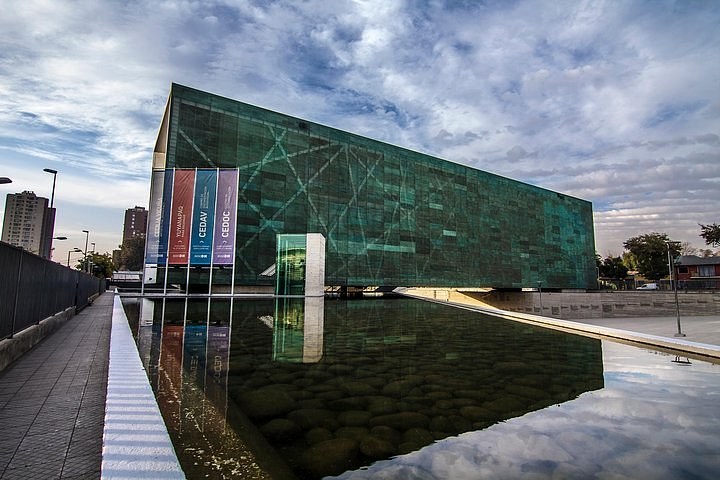 55 mi from San AntonioMuseo de la Memoria y los Derechos Humanos
 56 mi from San AntonioMuseo Chileno de Arte Precolombino
 After you step off · near Miami
You end in a different port — stay on, and add what is within reach before you fly home.