Your cruise
Seabourn Encore · 14-night Asia round trip from Tokyo
Oct 23 – Nov 6 · 14 nights ·
Day 1 Tokyo (board) · Day 2–3 at sea · Day 4 Sokcho · Day 5 at sea · Day 6–7 Kanazawa · Day 8 Niigata · Day 9 Akita · Day 10 Aomori · Day 11 Hakodate · Day 12 Miyako · Day 13 Sendai · Day 14 Hitachinaka · Day 15 Tokyo (step off)
What you do Explore South Korea's most dramatic alpine landscape on a private guided journey through Seoraksan — ancient granite peaks, Sinheungsa Temple, and Korea's finest mountain air. A true bucket-list encounter with raw, UNESCO-recognised wilderness.
What to expect Your private bilingual guide meets you dockside and whisks you straight into Seoraksan National Park, bypassing the day-tripper chaos. You'll trek to Sinheungsa Temple — a stunning 7th-century Buddhist sanctuary ringed by towering peaks — then push toward the dramatic granite columns of Ulsanbawi Rock if fitness allows. Lunch is taken at a mountain restaurant favoured by locals, featuring the region's celebrated dakgalbi (spicy chicken) or mountain herbs. The return journey offers scenic coastal views as Sokcho's dramatic skyline comes into view from the mountain road.
Good to know Book directly through Shore Excursions Group well in advance — this is the port's most in-demand private experience. Wear sturdy walking shoes; the trails are well-maintained but uneven. Allow at least 6–7 hours. The operator coordinates timing with your vessel's all-aboard.
book direct with Shore Excursions Group → · the full guide →
What you do Conquer the legendary six-pinnacle granite crown of Seoraksan on a private guided trek to Ulsanbawi Rock — one of Korea's most iconic and visually spectacular hikes. The panoramic views over the East Sea are simply unforgettable.
What to expect Starting from the national park entrance, your private guide leads you up the well-marked but exhilarating trail to Ulsanbawi's six towering granite spires, rising 873 m above sea level. The ascent winds through fragrant pine forest and past ancient Buddhist shrines etched into the rock face. At the summit platform, 360° views of Seoraksan's ridgelines and the glittering East Sea coast leave even seasoned travellers speechless. After descending, you'll restore with a steaming bowl of samgyetang — whole chicken slow-braised in ginseng broth — a restorative Korean classic served at a traditional restaurant.
Good to know Allow 5–6 hours for the round-trip hike (approx. 4 km each way). Best suited to travellers with a moderate-to-good fitness level. Pre-book as private slots fill quickly. Confirm your vessel's all-aboard time with the operator at booking — they are experienced with cruise port logistics.
book direct with Viator (Private Mt. Seorak National Park Tour) → · the full guide →
What you do Step onto the tensest frontier on earth — the Demilitarized Zone dividing North and South Korea — on a private guided tour designed specifically for cruise travellers docking at Sokcho. Rare, sobering, and utterly unmissable.
What to expect Departing directly from Sokcho port, your private vehicle heads north toward the DMZ — the heavily fortified 4 km-wide buffer zone that has divided the Korean peninsula since 1953. Your expert guide provides rich historical and geopolitical context as you approach the restricted zone. At the front-line observation post, binoculars reveal North Korean villages, guard posts, and the utterly still landscape beyond the wire — a sight that never loses its power. The visit typically includes the Unification Observatory and related museum exhibits, offering a nuanced, human portrait of a divided nation.
Good to know Passport required for DMZ entry — do not forget it. The DMZ is approximately 50 km from Sokcho port. Allow 5–6 hours total. This tour is specifically offered for cruise travellers from Sokcho and is timed to all-aboard. Book well ahead; capacity is controlled by military permit.
book direct with Visit A City / Local Sokcho DMZ Tour Operator → · the full guide →
What you do Glide above the ancient peaks of Seoraksan on the iconic Seorak Cable Car, then find Korea's legendary 'rocking stone' — a 5-tonne boulder that wobbles at a touch yet has never fallen. Dramatic scenery, zero strenuous hiking required.
What to expect The eight-minute cable car ascent lifts you 1,100 m above sea level, the valley floor dropping away beneath you to reveal a sea of jagged granite ridgelines stretching to the horizon. At the upper station, a short rocky walk leads to Heundeulbawi — a 5-tonne boulder perched impossibly on a cliff edge that has been 'rocking' for centuries. Nearby, a Buddhist hermitage clings to the cliff face, offering a meditative moment amid the drama. On clear days, the East Sea shimmers on one side and the park's interior peaks layer endlessly on the other.
Good to know Cable car operates daily; queues build quickly after 10 am — arrive early. Sokcho port is approximately 12 km from the cable car base; taxis and private transfers are readily available (approx. KRW 15,000–20,000 one-way). Combined with a market visit, this is an excellent half-day itinerary. Allow 2.5–3 hours total.
What you do Plunge into Sokcho's legendary Jungang Market — the beating culinary heart of Korea's East Sea coast — on a private guided tasting tour led by a local food expert. Graze on live squid, odeng fish cake, and freshly grilled flatfish steps from the boats that caught them.
What to expect Sokcho's Jungang (Central) Market is one of Korea's most vibrant coastal food markets, its lanes piled with the freshest haul from the East Sea — live abalone, king crab, snow crab, and the famed Sokcho flatfish (gajami). Your guide introduces you to odeng (fish cake skewers) simmering in fragrant broth, freshly grilled hairtail fish, and the local speciality of Abai sausage — a smoky, chewy delicacy brought to Sokcho by North Korean refugees. You'll also cross on the hand-pulled Gaetbae cable ferry to nearby Abai Village, a poignant community with a remarkable culinary story. The market is a 10-minute taxi ride from the cruise terminal.
Good to know The market is most alive in the morning — aim to arrive by 9–10 am for the freshest produce and most authentic atmosphere. Wear comfortable shoes; the lanes are narrow and lively. Cash (Korean Won) is useful for smaller vendors. The Gaetbae ferry costs approximately KRW 500 and is a charming experience in itself.
book direct with Shore Excursions Group → · the full guide →
What you do Greet dawn from Yeonggeumjeong Pavilion — a jewel-box traditional gazebo perched directly above the East Sea — then walk the pine-shaded coastal trail to the historic Sokcho Lighthouse. One of Korea's most quietly spectacular morning rituals.
What to expect Yeonggeumjeong Pavilion sits on a rocky promontory at Sokcho Beach, its elegant curved eaves framing the horizon like a painted scroll — at sunrise, the sky turns molten gold and pink behind fishing boats returning from their night haul. Your private guide explains the Joseon-era tradition of poets and scholars gathering here to compose verse at dawn. From the pavilion, a pine-lined coastal path leads uphill to Sokcho Lighthouse, a century-old white beacon perched above dramatic sea cliffs where the views extend north toward the DMZ coastline. The return stroll along Sokcho Beach — with fresh Americano in hand from a cliffside café — is the perfect way to ease into a port day.
Good to know Best experienced on arrival morning if your vessel docks early; the pavilion is a 15-minute taxi ride from the cruise terminal. Showaround connects you directly with vetted local guides — message your preferred guide in advance to confirm availability and tailor the itinerary. Dress in layers; the East Sea coast can be breezy at dawn even in summer.
book direct with Showaround (Local Private Sokcho Guide) → · the full guide →
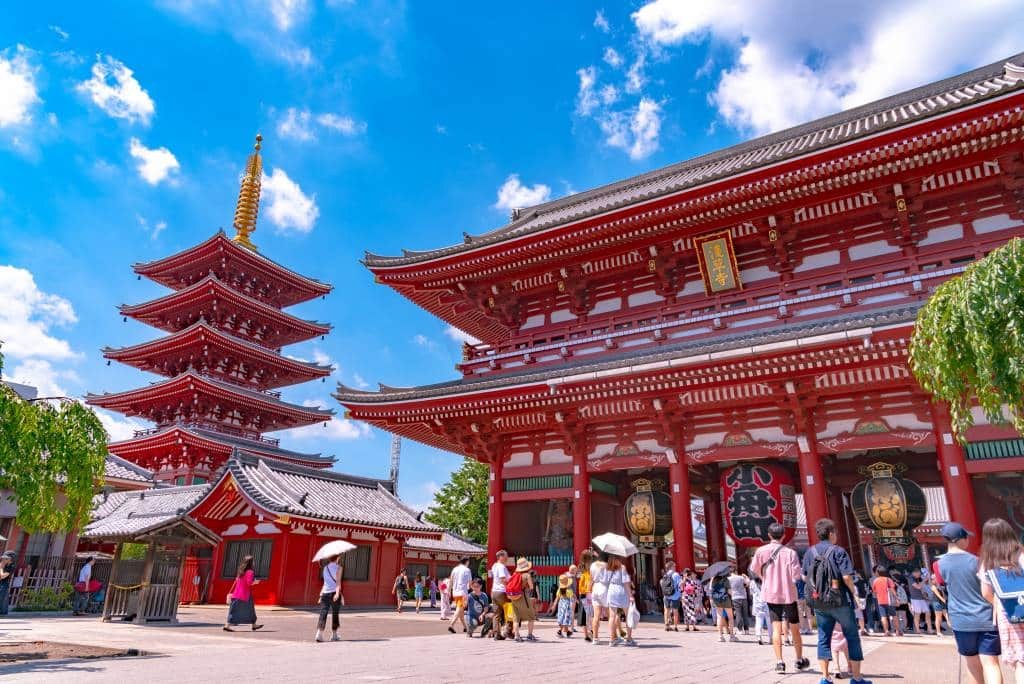
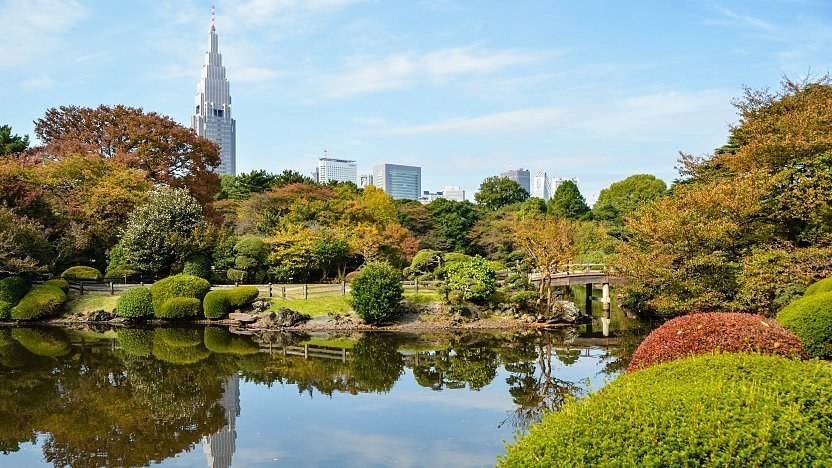
What you do Explore Tokyo's most iconic districts — Asakusa, Shibuya, Shinjuku and the Imperial Palace — guided by a nationally licensed, multilingual expert on an entirely private itinerary tailored to you. This is Tokyo at your pace, through a connoisseur's eyes.
What to expect Your guide meets you at the terminal and whisks you into Tokyo's layered world: the incense haze of Sensō-ji, the electric scramble at Shibuya Crossing, the raked gravel calm of Imperial Palace East Gardens. Lunch is arranged at a chef-selected restaurant befitting your taste. The day is a seamless private narrative rather than a checklist, ending with enough time to return comfortably before all-aboard.
Good to know Book well in advance — licensed private guides are in high demand. Confirm your ship's all-aboard time so your guide can plan the return; Tokyo International Cruise Terminal (Ariake) is roughly 30–40 min by taxi or direct Yurikamome rail from central Tokyo.
book direct with Japan Guide Association (JGA) – Official Licensed Guides → · the full guide →
What you do Ascend the world's second-tallest structure to 634 metres for a panorama stretching from Mount Fuji to Tokyo Bay. On a clear day the view is simply one of the great urban spectacles on earth.
What to expect A high-speed elevator whisks you to the Tembo Deck at 350 m in under 60 seconds. A second ascent takes you to the Tembo Galleria, a glass-walled spiral walkway at 450 m where the floor disappears beneath your feet over the Tokyo skyline. The adjacent Solamachi shopping and dining complex adds a refined post-visit option before heading back.
Good to know Pre-purchase timed-entry tickets online — they sell out days ahead, especially on weekends. From Tokyo International Cruise Terminal, take the Yurikamome line to Asakusa, then the Tobu Skytree Line — allow 50 min total. Allow 2 hrs for both decks. Confirm weather forecast: Mount Fuji views require clear skies.
book direct with Tokyo Skytree (Official) → · the full guide →
What you do Step inside teamLab Borderless — the world's most visited single-artist museum — where thousands of laser projections dissolve boundaries between art and visitor. There are no maps; every room is a living, breathing, bucket-list spectacle.
What to expect You wander freely through interconnected rooms where waterfalls, forests, and koi ponds exist entirely as light and projection — and shift when you touch them. The 'Athletic Forest' zone challenges the body as much as the mind. No two visits are identical; the art evolves in real time. Budget at least two hours, though most guests lose track of time entirely.
Good to know The new Azabudai Hills venue is a taxi/subway ride from the cruise terminal — allow 40 min. Wear comfortable shoes (some zones involve steps and uneven surfaces). Timed-entry tickets are date- and time-specific; book the earliest slot to leave the afternoon free for other stops. Avoid white clothing as projections can stain perception.
book direct with teamLab Borderless Tokyo (Official) → · the full guide →
What you do Explore the legendary Tsukiji Outer Market with a private chef guide who navigates the stalls, sources the finest morning catch, and explains the art of Edomae sushi — ending at a reserved counter for an unforgettable omakase breakfast.
What to expect The morning begins in the alley labyrinth of Tsukiji Outer Market as vendors arrange glistening tuna, sea urchin, and seasonal shellfish. Your chef-guide explains provenance, seasonality, and the knife traditions behind each cut. A tamagoyaki (rolled omelette) master lets you watch the craft up close. The tour culminates at a reserved sushi counter where the chef orders on your behalf — a succession of impossibly fresh nigiri paired with explanations of each piece.
Good to know Tsukiji Outer Market is most vibrant 7–10 am; an early start is essential and pairs well with an early all-aboard schedule. The market is approximately 30 min by taxi from Tokyo International Cruise Terminal. Confirm any dietary restrictions with Context Travel at booking. Sturdy shoes are advised — the alleys are narrow and sometimes wet.
book direct with Context Travel Tokyo – Expert-Led Food Tours → · the full guide →
What you do Walk the ancient cedar-forested approach to Tokyo's most sacred Shinto shrine, then emerge into Harajuku's kaleidoscopic street culture — a single morning that captures the full spiritual and creative soul of Tokyo.
What to expect The 700-metre forested gravel path to Meiji Jingu feels remote despite being at the heart of 14-million-person Tokyo — a genuine hush descends. Your guide explains the daily rituals, points out the sake-barrel wall offered by French wineries, and arranges a quiet moment at the inner shrine. The short walk to Harajuku delivers the visual shock of kawaii fashion and the understated elegance of Omotesandō boutiques — Dior, Louis Vuitton, and local ateliers alike.
Good to know Shoulders and knees should be covered or a scarf carried for the shrine approach. From the cruise terminal, take the Yurikamome to Shimbashi then JR Yamanote Line to Harajuku — approx. 50 min. The combined experience takes 3–4 hours; pairs perfectly with a lunch reservation on Omotesandō. Book your GoWithGuide guide at least 2 weeks ahead.
book direct with GoWithGuide – Private Tokyo Local Guides → · the full guide →
What you do Ascend the beloved iron icon of Tokyo at golden hour for the exclusive Diamond Tour — access to both the Main Deck at 150 m and the Top Deck at 250 m, limited to just 70 guests per day. A sunset over the Tokyo skyline from here is a memory for life.
What to expect Tokyo Tower glows tangerine and crimson at dusk — a deliberate nod to the Eiffel Tower's evening palette — and from the glass-floor panels of the Top Deck, the city grid fans out to Tokyo Bay and beyond. The Diamond Tour guide explains the tower's 1958 construction story and its role as Tokyo's emotional heartbeat. The lounge offers premium refreshments as the city lights ignite below you.
Good to know Book online the moment your itinerary is confirmed — the 70-person cap sells out fast, especially on weekends and holidays. Tokyo Tower is in Minato, roughly 40 min by taxi from the cruise terminal. Plan to arrive at least 30 min before your slot. A sunset slot (approximately 5–6 pm) is spectacular but confirm your ship's all-aboard time allows for it.
book direct with Tokyo Tower (Official) → · the full guide →
What you do Explore South Korea's most dramatic alpine landscape on a private guided journey through Seoraksan — ancient granite peaks, Sinheungsa Temple, and Korea's finest mountain air. A true bucket-list encounter with raw, UNESCO-recognised wilderness.
What to expect Your private bilingual guide meets you dockside and whisks you straight into Seoraksan National Park, bypassing the day-tripper chaos. You'll trek to Sinheungsa Temple — a stunning 7th-century Buddhist sanctuary ringed by towering peaks — then push toward the dramatic granite columns of Ulsanbawi Rock if fitness allows. Lunch is taken at a mountain restaurant favoured by locals, featuring the region's celebrated dakgalbi (spicy chicken) or mountain herbs. The return journey offers scenic coastal views as Sokcho's dramatic skyline comes into view from the mountain road.
Good to know Book directly through Shore Excursions Group well in advance — this is the port's most in-demand private experience. Wear sturdy walking shoes; the trails are well-maintained but uneven. Allow at least 6–7 hours. The operator coordinates timing with your vessel's all-aboard.
book direct with Shore Excursions Group → · the full guide →
What you do Conquer the legendary six-pinnacle granite crown of Seoraksan on a private guided trek to Ulsanbawi Rock — one of Korea's most iconic and visually spectacular hikes. The panoramic views over the East Sea are simply unforgettable.
What to expect Starting from the national park entrance, your private guide leads you up the well-marked but exhilarating trail to Ulsanbawi's six towering granite spires, rising 873 m above sea level. The ascent winds through fragrant pine forest and past ancient Buddhist shrines etched into the rock face. At the summit platform, 360° views of Seoraksan's ridgelines and the glittering East Sea coast leave even seasoned travellers speechless. After descending, you'll restore with a steaming bowl of samgyetang — whole chicken slow-braised in ginseng broth — a restorative Korean classic served at a traditional restaurant.
Good to know Allow 5–6 hours for the round-trip hike (approx. 4 km each way). Best suited to travellers with a moderate-to-good fitness level. Pre-book as private slots fill quickly. Confirm your vessel's all-aboard time with the operator at booking — they are experienced with cruise port logistics.
book direct with Viator (Private Mt. Seorak National Park Tour) → · the full guide →
What you do Step onto the tensest frontier on earth — the Demilitarized Zone dividing North and South Korea — on a private guided tour designed specifically for cruise travellers docking at Sokcho. Rare, sobering, and utterly unmissable.
What to expect Departing directly from Sokcho port, your private vehicle heads north toward the DMZ — the heavily fortified 4 km-wide buffer zone that has divided the Korean peninsula since 1953. Your expert guide provides rich historical and geopolitical context as you approach the restricted zone. At the front-line observation post, binoculars reveal North Korean villages, guard posts, and the utterly still landscape beyond the wire — a sight that never loses its power. The visit typically includes the Unification Observatory and related museum exhibits, offering a nuanced, human portrait of a divided nation.
Good to know Passport required for DMZ entry — do not forget it. The DMZ is approximately 50 km from Sokcho port. Allow 5–6 hours total. This tour is specifically offered for cruise travellers from Sokcho and is timed to all-aboard. Book well ahead; capacity is controlled by military permit.
book direct with Visit A City / Local Sokcho DMZ Tour Operator → · the full guide →
What you do Glide above the ancient peaks of Seoraksan on the iconic Seorak Cable Car, then find Korea's legendary 'rocking stone' — a 5-tonne boulder that wobbles at a touch yet has never fallen. Dramatic scenery, zero strenuous hiking required.
What to expect The eight-minute cable car ascent lifts you 1,100 m above sea level, the valley floor dropping away beneath you to reveal a sea of jagged granite ridgelines stretching to the horizon. At the upper station, a short rocky walk leads to Heundeulbawi — a 5-tonne boulder perched impossibly on a cliff edge that has been 'rocking' for centuries. Nearby, a Buddhist hermitage clings to the cliff face, offering a meditative moment amid the drama. On clear days, the East Sea shimmers on one side and the park's interior peaks layer endlessly on the other.
Good to know Cable car operates daily; queues build quickly after 10 am — arrive early. Sokcho port is approximately 12 km from the cable car base; taxis and private transfers are readily available (approx. KRW 15,000–20,000 one-way). Combined with a market visit, this is an excellent half-day itinerary. Allow 2.5–3 hours total.
What you do Plunge into Sokcho's legendary Jungang Market — the beating culinary heart of Korea's East Sea coast — on a private guided tasting tour led by a local food expert. Graze on live squid, odeng fish cake, and freshly grilled flatfish steps from the boats that caught them.
What to expect Sokcho's Jungang (Central) Market is one of Korea's most vibrant coastal food markets, its lanes piled with the freshest haul from the East Sea — live abalone, king crab, snow crab, and the famed Sokcho flatfish (gajami). Your guide introduces you to odeng (fish cake skewers) simmering in fragrant broth, freshly grilled hairtail fish, and the local speciality of Abai sausage — a smoky, chewy delicacy brought to Sokcho by North Korean refugees. You'll also cross on the hand-pulled Gaetbae cable ferry to nearby Abai Village, a poignant community with a remarkable culinary story. The market is a 10-minute taxi ride from the cruise terminal.
Good to know The market is most alive in the morning — aim to arrive by 9–10 am for the freshest produce and most authentic atmosphere. Wear comfortable shoes; the lanes are narrow and lively. Cash (Korean Won) is useful for smaller vendors. The Gaetbae ferry costs approximately KRW 500 and is a charming experience in itself.
book direct with Shore Excursions Group → · the full guide →
What you do Greet dawn from Yeonggeumjeong Pavilion — a jewel-box traditional gazebo perched directly above the East Sea — then walk the pine-shaded coastal trail to the historic Sokcho Lighthouse. One of Korea's most quietly spectacular morning rituals.
What to expect Yeonggeumjeong Pavilion sits on a rocky promontory at Sokcho Beach, its elegant curved eaves framing the horizon like a painted scroll — at sunrise, the sky turns molten gold and pink behind fishing boats returning from their night haul. Your private guide explains the Joseon-era tradition of poets and scholars gathering here to compose verse at dawn. From the pavilion, a pine-lined coastal path leads uphill to Sokcho Lighthouse, a century-old white beacon perched above dramatic sea cliffs where the views extend north toward the DMZ coastline. The return stroll along Sokcho Beach — with fresh Americano in hand from a cliffside café — is the perfect way to ease into a port day.
Good to know Best experienced on arrival morning if your vessel docks early; the pavilion is a 15-minute taxi ride from the cruise terminal. Showaround connects you directly with vetted local guides — message your preferred guide in advance to confirm availability and tailor the itinerary. Dress in layers; the East Sea coast can be breezy at dawn even in summer.
book direct with Showaround (Local Private Sokcho Guide) → · the full guide →
What you do A bespoke, private full-day immersion into Kanazawa's feudal soul — Kenrokuen Garden, the Nagamachi Samurai District, and the golden lantern-lit Higashi Chaya geisha quarter — guided by an award-winning local expert at your own pace.
What to expect Your guide meets you directly at the port or your chosen start point and tailors the route to your interests from the first step. Kenrokuen unfolds at a meditative pace — moss, stone lanterns, and seasonal colour — before the tour winds through the earthen-walled lanes of the Nagamachi Samurai District. The afternoon takes you into the preserved wooden machiya teahouses of Higashi Chaya, where your guide unlocks context no signboard can offer. Transfers, commentary, and honest local recommendations for lunch are all woven in seamlessly.
Good to know Pre-book well in advance — private slots fill quickly. Kanazawa Port (Kanazawa Futo) is approximately 30–40 minutes by taxi or arranged transfer from the city centre. Confirm all-aboard time with the ship and build in a 90-minute buffer for the return journey to port.
book direct with Kanazawa Tours (Private Guided Tours) → · the full guide →
What you do Step into one of Japan's three great gardens at its most magical — dawn light, near-empty paths, and a licensed guide to reveal 300 years of Maeda clan artistry across six landscape principles of perfection.
What to expect Kenrokuen's six defining attributes — spaciousness, seclusion, artifice, antiquity, abundant water, and panoramic views — reveal themselves in sequence as your guide narrates the garden's 300-year evolution. You'll linger at the iconic Kotoji stone lantern reflected in Kasumiga-ike Pond, trace the centuries-old irrigation channel, and discover corners most visitors rush past. In spring, cherry blossoms crown the paths; in winter, yukitsuri rope sculptures protect the pine trees in a visual that defines Japan. The pace is entirely yours.
Good to know Garden opens at 07:00 (early morning hours operate seasonally — confirm dates). Arrive by 07:30 to beat group arrivals. Pre-book your licensed guide via GoWithGuide; Kenrokuen entry is pay-at-gate. Taxi from port to garden takes approx. 35 minutes.
book direct with Kenrokuen Garden (Official) via GoWithGuide private licensed guides → · the full guide →
What you do Work alongside a master artisan in Kanazawa's centuries-old Kaga Yuzen silk-dyeing tradition — one of Japan's most refined textile arts — in a private atelier session reserved for a handful of guests at most.
What to expect Your private guide escorts you into a working Kaga Yuzen atelier in the heart of Kanazawa, where a master dyer explains the five characteristic hues and meticulous resist-dyeing technique that have defined the art for over 300 years. You'll try your hand at painting a silk handkerchief under direct instruction — a focused, unhurried creative ritual. The session is bookended by context from your guide on how the Maeda clan's patronage made Kanazawa Japan's greatest craft city outside Kyoto. Your finished piece is wrapped and ready to travel home.
Good to know Wear clothes you don't mind staining lightly. Session duration approx. 1.5–2 hours within a full private day tour. Pre-book the full private tour package through Michi Travel Japan well ahead of your port call. Port to city centre by taxi approx. 30–40 minutes.
book direct with Michi Travel Japan (Private Guided Tours, Kanazawa) → · the full guide →
What you do Kanazawa is Japan's undisputed seafood capital outside Hokkaido — this small-group gourmet walk through the historic Omicho Market and Higashi Chaya geisha district lets you eat, sip, and discover exactly why locals are so proud of their city.
What to expect Your guide leads you through the labyrinthine stalls of Omicho — Kanazawa's 'kitchen' since the Edo period — introducing the vendors behind the day's sea bream, snow crab, and gold-leaf-dusted wagashi sweets. You'll taste as you walk: fresh oysters, steamed crab claw, local sake, and hand-rolled sushi at a counter that hasn't changed in decades. The walk then transitions into Higashi Chaya's atmospheric wooden streetscape, where your guide decodes the world of the geiko (geisha) and steers you into a tea-ceremony room for a ceremonial matcha and sweet pairing. The entire experience moves at a convivial, unhurried rhythm.
Good to know Tour duration approx. 3–4 hours. Confirm departure point — most operators meet at or near Kanazawa Station, a 35-minute taxi from port. Dietary requirements (shellfish allergies in particular) must be flagged at booking. Book at least 2 weeks ahead; morning departures recommended to catch the market at its freshest.
book direct with Japan Shore Excursions (Kanazawa Cultural Food Tour) → · the full guide →
What you do Escape the city on this private full-day drive up the wild Noto Peninsula — UNESCO-recognised satoyama farmscapes, crashing Sea of Japan cliffs, and a visit to Wajima's legendary morning market and lacquerware workshops.
What to expect A private, English-speaking guide-driver collects you from port and heads north along the rugged Noto coastline, pausing at the extraordinary Senmaida — over a thousand tiny rice paddies cascading to the sea, listed among Japan's most beautiful rural landscapes. Wajima's 1,000-year-old morning market fills a street with local farmers and artisans; your guide introduces you to a Wajima-nuri lacquer workshop where the 124-stage production process is still carried out by hand. The return journey traces the peninsula's inner coast through thatched-roof hamlets and roadside oyster shacks. This is Japan entirely off the tourist trail.
Good to know Full day: approx. 9–10 hours. This excursion requires an early start — confirm all-aboard time carefully and build in 60–90 minutes return buffer. Private vehicle departs from port directly. Pre-book weeks in advance; this is the most popular private excursion from Kanazawa and availability is limited.
book direct with Kanazawa Tours – Noto Peninsula Private Day Tour → · the full guide →
What you do Kanazawa's architectural icon — a perfectly circular, glass-walled museum — houses some of the most playful and profound contemporary art in Japan, best experienced with a private guide who unlocks the conceptual depth behind its landmark installations.
What to expect The museum's SANAA-designed circular building is itself a work of art — no front, no back, every wall transparent, the city and gallery in constant dialogue. Your guide navigates you through Leandro Erlich's celebrated 'The Swimming Pool' (the installation you can look up through from below), James Turrell's light rooms, and the rotating contemporary collection with fluent curatorial commentary. The surrounding free-access zones — outdoor installations, reflecting pools, the rooftop — are woven into the tour. It is an experience that rewards curiosity and rewards it handsomely.
Good to know Museum opens at 10:00; weekday morning visits are quietest. Pre-book timed-entry tickets for the collection online via the official museum site. Private guide booked separately via GoWithGuide. Museum is a 10-minute walk from Kanazawa Station (35 minutes by taxi from port). Allow 2–3 hours minimum.
book direct with 21st Century Museum of Contemporary Art, Kanazawa (Official) / GoWithGuide private guide → · the full guide →
What you do Explore Niigata's most iconic sites — sake breweries, samurai residences, and hidden shrines — guided by an officially licensed expert who tailors every hour to you. A deeply personal, unhurried immersion into Japan's rice-and-sake heartland.
What to expect Your licensed guide meets you portside and whisks you through a day shaped entirely around your passions — be it historic sake breweries, elegant Meiji-era merchant houses, or serene Shinto shrines. Expect thoughtful commentary, seamless logistics, and an insider's perspective on Niigata's layered identity as Japan's sake and rice capital. Every stop is chosen with care, every moment unhurried. This is Japan at its most authentic and personal.
Good to know Book well in advance — private licensed guides fill fast on cruise call days. The tour is flexible enough to respect all-aboard times; confirm your ship's schedule when booking. Pickup directly from the cruise pier is standard.
book direct with Japan Shore Excursions (Government-Licensed Guide Private Tour) → · the full guide →
What you do Step inside one of Niigata's most storied sake breweries, founded in 1767, for an expert-led cellar walk and curated tasting of award-winning junmai daiginjo. The finest expression of Japan's sake capital in a single, exquisite experience.
What to expect Imayo Tsukasa sits a short taxi ride from the port in the heart of Niigata city. Guides lead you through centuries-old fermentation rooms, explaining how Niigata's pristine snowmelt water and locally grown Gohyakumangoku rice create Japan's most refined sake style. The tasting culminates in a flight of their finest junmai daiginjo, sipped slowly in a beautifully preserved Meiji-era storehouse. A boutique shop offers exclusive bottlings to take home.
Good to know Tours run throughout the day; no advance booking strictly required but recommended for private sessions. A 10-minute taxi from Niigata port. Allow 60–90 minutes. Purchase exclusive bottles before returning to ship — they wrap them beautifully for travel.
book direct with Imayo Tsukasa Sake Brewery (今代司酒造) → · the full guide →
What you do Walk through the magnificent estate of Niigata's most powerful Meiji-era merchant family — a sublime fusion of Japanese and Western architecture, set in a manicured garden. One of Japan's finest preserved merchant residences, virtually unknown to international visitors.
What to expect The Saito family built their fortune trading rice and petroleum, and their residence — completed in 1920 — is a testament to Meiji Japan's gilded ambitions. Your guide leads you through tatami reception rooms, an ornate Western-style parlour, and a tranquil stroll garden that changes beautifully with the seasons. The level of architectural detail is breathtaking: hand-carved transoms, lacquered corridors, and a garden composed with near-mathematical precision. This is Niigata's most under-the-radar cultural jewel.
Good to know Located about 20 minutes by taxi from the cruise pier. Admission to the residence itself is JPY 300; guide fees are separate. Book Edge of Niigata in advance for a private expert-guided session. Allow 1.5–2 hours on site.
book direct with Edge of Niigata (Local Expert Guided Tours) → · the full guide →
What you do Discover the breathtaking Northern Culture Museum — a vast feudal landlord's estate with 65 rooms, priceless art, and a celebrated moss garden — on a private guided experience deep in Niigata's countryside. One of Japan's most atmospheric historic homes.
What to expect Set 30 minutes from the port, the Ito family's estate was once the heart of a rice-farming empire covering hundreds of hectares. Its 65 rooms are filled with hanging scrolls, ceramics, lacquerware, and samurai artefacts, displayed exactly as they were in the family's heyday. The inner garden — with its centuries-old mossy stones and koi-filled pond — is one of the most peaceful, beautiful spaces in all of Niigata. A private guide transforms a museum visit into a story of power, culture, and impermanence.
Good to know Arrange private guide through Edge of Niigata or GoWithGuide in advance. The museum is about 30 minutes by taxi from the cruise pier. Allow 2 hours minimum. The estate is particularly beautiful in autumn (October–November) and during cherry blossom season.
What you do Ascend to Niigata's most iconic viewpoint atop the Befco Bakauke building for sweeping 360° views across the city, the Shinano River delta, and the shimmering Sea of Japan. A sublime, effortless moment of perspective over Japan's rice coast.
What to expect Located in the heart of Niigata's Bandai City district, the Bakauke Observatory sits atop the city's beloved rice-cracker emporium and offers an entirely unobstructed panorama. On clear days, the distant outline of Sado Island floats on the Sea of Japan — hauntingly beautiful. The Shinano River snakes through the city below, and the port where your ship lies is perfectly visible. Pair it with a tasting of Niigata's celebrated senbei (rice crackers) in the shop below — a genuine local ritual.
Good to know A 15-minute taxi from the cruise pier. Combine with Pia Bandai market and the Imayo Tsukasa Brewery for a perfect half-day in the city centre. No booking required — simply arrive and ascend. Best visited in morning light for views toward Sado Island.
book direct with Befco Bakauke Observatory (万代シテイバスセンタービル展望台) — Direct → · the full guide →
What you do Plunge into Pia Bandai, Niigata's legendary fresh market, on an expert-led culinary walk sampling the finest local seafood, rice, and sake — the full flavour of Japan's most fertile prefecture in one gloriously indulgent morning.
What to expect Pia Bandai sprawls along the Shinano River waterfront and is the beating heart of Niigata's food identity — fish direct from the Sea of Japan, the finest Koshihikari rice, artisan tofu, and locally pressed sake fill stall after stall. Your guide navigates it all with precision, arranging tastings at handpicked vendors and sitting you down for a market-fresh seafood breakfast or lunch of extraordinary quality. Niigata's snow crab, salmon, and yellowtail are legendary; eating them here, steps from where they were landed, is a memory that endures.
Good to know Book Edge of Niigata in advance for a guided session; the market itself is open daily from early morning. Located 10 minutes by taxi from the cruise pier. Morning visits offer the freshest produce and the most atmospheric atmosphere. Allow 2–2.5 hours. Confirm all-aboard time when booking.
book direct with Edge of Niigata (Local Expert Guided Tours) → · the full guide →
What you do Step inside Japan's most perfectly preserved samurai quarter — blackened cedar fences, centuries-old bukeyashiki mansions — then toast the day at a historic sake brewery. This is feudal Japan at its most tangible.
What to expect Your guide meets you at the port and whisks you 90 minutes inland to Kakunodate, often called 'Little Kyoto of the Tohoku.' Stroll the Uchimachi samurai district past weeping cherry trees and step inside the Aoyagi and Ishiguro bukeyashiki residences, whose family heirlooms have been preserved for 300 years. Afterwards, a fifth-generation brewer at one of Akita's acclaimed sake kuras walks you through the craft of nihonshu, from polished Akita Komachi rice to barrel-aged treasures, with a seated tasting paired with local accompaniments. The drive back via countryside rice paddies gives you a sense of the vastness and quiet beauty of the Tohoku.
Good to know Kakunodate is approximately 85 km from Akita port — allow 3 hours at the district plus 1 hour at the brewery; depart by 09:00 to be back comfortably before all-aboard. Pre-book the private guide at least 2 weeks ahead; sake breweries may require advance reservation.
book direct with Japan Shore Excursions (Private Guide) → · the full guide →
What you do Encounter the fearsome Namahage demons — Akita's most iconic UNESCO-listed folk tradition — at their sacred mountain stronghold on the dramatic Oga Peninsula, with sea-carved cliffs as your backdrop.
What to expect The Oga Peninsula juts into the Sea of Japan just 50 km from port — a landscape of pine-forested ridges plunging into volcanic sea stacks. At the Namahage Museum and adjacent Oga Shinzan Folklore Museum, a theatrical performance brings to life the midwinter demon ritual where oni-masked villagers visit homes to discipline idle children and bless households — a tradition now inscribed on UNESCO's Intangible Cultural Heritage list. Your guide then leads you along the Kannonyama coastal promenade to the Godzilla Rock formation and the panoramic Mt. Kanpuzan summit, where the Sea of Japan stretches to the horizon. A lunch of freshwater crab and Akita-style kiritanpo hot pot at a local inn can be arranged on request.
Good to know Oga Peninsula is 50–60 km from Akita port; allow roughly 4–5 hours total. Namahage Museum entry is approximately JPY 550 per person on top of the guide fee. Confirm all-aboard time and factor in a 60-minute return drive.
book direct with Japan Shore Excursions (Private Guide) → · the full guide →
What you do Slip into a centuries-old outdoor hot spring deep in a beech forest at Nyuto Onsen, one of Japan's most revered onsen villages, where milky, mineral-rich waters have healed pilgrims since the Edo period.
What to expect Hidden in the mountains above Lake Tazawa, Nyuto Onsen village is a cluster of eight historic bathhouses accessible only by a forest road — arrival itself feels like entering another century. Tsuru-no-yu's celebrated konyoku (mixed outdoor bath) is a milky white sulfurous pool beneath ancient cryptomeria trees, steam rising against forest silence. The inn's thatched farmhouse buildings and paper-screened rooms are National Registered Tangible Cultural Properties. If booked in advance, a private rotenburo gives your party an exclusive woodland bath with a dedicated attendant. Combine with a stop at nearby Lake Tazawa — Japan's deepest lake, a cobalt sapphire ringed by mountains — to complete the scenery.
Good to know Nyuto Onsen is approximately 100 km from Akita port (about 1 hr 30 min drive); pair with a private car and guide booked via Japan Shore Excursions or GoWithGuide. Depart port by 08:00 to allow 2+ hours soaking time and a comfortable return. Bring or purchase a small onsen towel. Private rotenburo bookings must be made well in advance — call the inn directly.
book direct with Tsuru-no-yu Onsen (Official Ryokan) → · the full guide →
What you do Gaze into the impossible cobalt depths of Lake Tazawa — Japan's deepest lake at 423 metres — and stroll its forest shoreline beside the golden statue of Princess Tatsuko, a scene of rare, mythic beauty.
What to expect Lake Tazawa's colour is so saturated it verges on surreal — a deep caldera lake that never freezes, its shores fringed with birch and cherry. Your guide takes you to the gilded bronze statue of Princess Tatsuko, a Tohoku legend who drank from a sacred spring and transformed into a dragon goddess to keep the lake from freezing. An optional pleasure-boat cruise circles the deepest reaches of the lake with narrated local lore in English. In autumn, the hillsides blaze with foliage that doubles in the still water; in spring, the cherry trees on the eastern shore are among Akita's finest. The area's fresh mountain air and profound quiet are the antithesis of big-city Japan.
Good to know Lake Tazawa is approximately 80 km (1 hr 15 min) from Akita port. Boat cruises are seasonal (April–November) and tickets are approx. JPY 800 per person. Combine with Nyuto Onsen on a full-day itinerary — depart port no later than 08:30. Book private transport in advance via Japan Awaits or Japan Shore Excursions.
What you do Spend a curated half-day in Akita city itself — the cherry-blossom moat of Kubota Castle ruins, the gravity-defying Kanto lantern festival performance, and a Hiroshi Sugimoto–designed art museum in a single elegant circuit.
What to expect Senshu Park, built on the ruins of Kubota Castle, is Akita's green heart — its moat, earthworks, and reconstruction turret set against cedar groves have the quiet gravitas of a place that shaped 270 years of Satake domain history. A short walk brings you to the Neburi Nagashi Hall (Kanto Festival Museum), where you can try balancing a towering bamboo pole hung with 46 paper lanterns on your forehead — the very feat that defines Akita's famous August festival. The afternoon culminates at the Akita Museum of Art, a building designed by Tadao Ando collaborator Tadashi Kajima, housing Fujita Tsuguharu's monumental panoramic painting 'Akita Customs' in a purpose-built gallery of hushed grandeur. Finish with coffee or Akita craft sake at the museum's café overlooking the park.
Good to know All three sites are within 10–15 minutes of Akita port by car — ideal if time ashore is limited or sea conditions affect the schedule. Book a private guide via GoWithGuide at least one week in advance. Museum closed Mondays. Kanto Museum entry approx. JPY 100 extra for the hands-on balancing experience.
book direct with GoWithGuide – Akita Local Private Guides → · the full guide →
What you do Wander the extraordinarily preserved homes of Akita's Meiji-era merchant elite in Yokote — three grand mansions open exclusively to visitors who know to seek them out, each a time capsule of wealth and Japanese craft.
What to expect The Masuda district of Yokote, south of Akita city, harbours three extraordinary early-20th-century merchant mansions — the Mochizuki, Yamamoto, and Ando residences — whose owners grew wealthy on Akita's silk and rice trades. Your guide narrates the social and economic history of Meiji Japan through the architecture itself: ornate ranma carved transoms, lacquered tokonoma alcoves, secret storage rooms, and private tea ceremony gardens designed to impress visiting dignitaries. The human scale of the walking tour — never more than a handful of guests — means you can ask questions freely, photograph at leisure, and absorb the silence of spaces most visitors never find. Combine with a stroll through Yokote's castle town streets and a stop for Yokote yakisoba, a regional noodle dish that locals are fiercely proud of.
Good to know Yokote is approximately 55 km south of Akita port (about 50 minutes by private car). Allow 2 hours for the walking tour plus transit time; ideal as a half-day excursion paired with a port-side sake experience on your return. Book the small-group tour directly via GetYourGuide well in advance as spaces are very limited.
book direct with GetYourGuide – Masuda Walking Tour (Small Group) → · the full guide →
What you do A private, government-licensed guide whisks you to feudal Hirosaki Castle, the ethereal surrounding park, and the Nebuta Museum — Aomori's crown jewels in one seamless, unhurried day.
What to expect Your guide meets you dockside and transfers you in a private vehicle to Hirosaki, roughly one hour south. Stroll the castle grounds — one of Japan's only original 17th-century keeps — then cross into the manicured Fujita Memorial Garden. Back toward port, you step inside the Nebuta Museum Wa Rasse, where monumental, luminous festival floats fill a dramatic waterfront hall. The guide narrates the spiritual and artistic depth behind each float, something a solo visit cannot replicate.
Good to know Hirosaki is ~60 km from port; allow 8–8.5 hours total. Pre-book well ahead for cherry-blossom season (late April–early May) when the castle park is world-famous. All-aboard must be confirmed with your ship before booking. Hirosaki Castle entry: JPY 320 adults; Nebuta Museum Wa Rasse: JPY 620 adults.
book direct with Japan Shore Excursions (Aomori Private Tours) → · the full guide →
What you do Walk a primeval forest path beside the crystalline Oirase Stream, then emerge onto the caldera shores of sacred Lake Towada — one of Japan's most breathtaking natural tableaux, best savored in private.
What to expect Your guide collects you at the pier and drives south into the Towada-Hachimantai National Park. You walk a curated 2 km stretch of the Oirase Gorge trail, where 14 named waterfalls tumble through ancient beech forest and the air is thick with negative ions. Arriving at Lake Towada, you cruise along the shoreline road to the Nenokuchi viewpoint, where two rivers appear to meet a volcanic caldera of impossible blue. A seasonal bento lunch can be arranged with local wagyu and Aomori apple cider vinegar dishes.
Good to know Round trip is approximately 3.5 hours driving; budget 7–8 hours total including walking. Autumn foliage (mid-October) is sublime and sells out fast — reserve 3+ months ahead. Flat, well-maintained trail suits most fitness levels; wear comfortable shoes. No entry fee for the gorge trail; Lake Towada cruise optional at JPY 1,400 per person.
book direct with Japan Shore Excursions (Aomori Private Tours) → · the full guide →
What you do Before the public arrives, experience the Nebuta Museum's colossal illuminated festival floats in near-silence, then try your hand at the traditional washi-paper and wire craft that creates them — a deeply intimate encounter with Aomori's soul.
What to expect The museum sits steps from the cruise terminal, making it the most time-efficient bucket-list experience in port. Inside, five towering Nebuta floats — some over 5 metres tall, blazing with painted warriors and mythological beasts — fill the darkened hall with a theatrical glow. A cultural interpreter explains the 300-year history of the Nebuta Matsuri, one of Japan's Top 3 festivals. In the workshop area, you shape wire, layer washi paper, and paint a miniature float panel to take home as a one-of-a-kind keepsake.
Good to know The museum is a 5-minute walk from the port — ideal if time is short. Open 9:00–18:00 (May–Aug); 9:00–17:00 (Sep–Apr). Workshop sessions should be booked directly with the museum at least 2 weeks ahead. Allow 2–3 hours for entry + workshop combined.
book direct with Nebuta Museum Wa Rasse (Official) → · the full guide →
What you do Soar above ancient Hakkoda volcano on Japan's largest gondola-type ropeway to a wild alpine plateau — a landscape of primordial forest, volcanic vents, and 360° panoramas that feels like the edge of the earth.
What to expect A 10-minute gondola ride lifts you from the cedar treeline into a sculpted alpine world of dwarf pines, volcanic rock gardens, and in winter, the famed 'snow monsters' — trees encased in surreal ice sculptures. Summit boardwalks wind through steaming fumaroles and across tundra meadows alive with alpine wildflowers in summer. On clear days, the Tsugaru Strait and Hokkaido shimmer on the horizon. Your private driver waits below, and a detour to the historic Sukayu Onsen hot springs on the descent is easily arranged.
Good to know Hakkoda is ~30 minutes from port by private car. The ropeway runs daily (weather permitting) from approximately 9:00; first gondola is 9:10. Strong winds occasionally suspend operations — check the day before. Sukayu Onsen (konyoku mixed bathing) entry is JPY 1,000; bring or rent a towel. Total excursion: 4–5 hours.
book direct with Hakkoda Ropeway (Official) → · the full guide →
What you do Explore Japan's most significant prehistoric settlement — a UNESCO World Heritage Site where 5,500 years of Jōmon civilisation are revealed by a licensed guide who brings the ancient pit dwellings and ritual objects vividly to life.
What to expect Just 20 minutes from port, Sannai-Maruyama is one of the largest Jōmon-period (14,000–300 BCE) sites ever excavated in Japan, declared a UNESCO World Heritage Site in 2021. Your guide leads you through reconstructed longhouses, a ceremonial road flanked by clan burials, and the iconic six-pillar raised tower whose alignment mirrors the summer solstice sunrise. In the superb on-site museum, obsidian trade goods, lacquerware, and haunting clay figurines paint a picture of a sophisticated, peaceful society that challenges every assumption about prehistoric Japan.
Good to know Open 9:00–17:00; closed Tuesdays. The site is a 20-minute taxi or private car ride from the pier. Combine with the nearby Aomori Museum of Art (admission JPY 510) — home to Marc Chagall's monumental Aleko panels — for a rich cultural half-day. Pre-book your licensed guide via GoWithGuide (gowithguide.com/japan/aomori) or JGA (j-g-a.org/aomori).
What you do Build your own legendary Nokkedon rice bowl — piling Mutsu Bay scallops, uni, and ikura onto steaming rice at Aomori's beloved fish market — then sip artisan Aomori apple cider pressed steps from the ship.
What to expect At Aomori Gyosai Center's famous Nokkedon counter, you purchase a cup of warm rice and a book of tickets, then wander the stalls where fishmongers heap your bowl with the morning's catch — glistening Mutsu Bay scallops, briny sea urchin roe, fat salmon eggs, and silky local tuna. It is interactive, joyful, and deeply local. A short stroll brings you to A-FACTORY, a sleek glass-and-timber building on the waterfront, where Aomori's apple harvest is transformed into nuanced craft ciders. A flight of three regional varieties paired with Aomori cheese is the perfect finale before returning aboard.
Good to know Gyosai Center opens at 9:00; arrive early for the best topping selection. A-FACTORY opens at 9:00 and stays open until 20:00. Both are within easy walking distance of the Aomori Ferry/Cruise Terminal. No pre-booking required; cash and IC cards accepted at the market. Allow 2–3 hours total — a perfect half-morning ashore before a longer afternoon excursion.
What you do Ride the Hakodate Ropeway to the summit of Mt. Hakodate for one of Japan's three great night views — a glittering hourglass of city lights between two bays. At 334 m, the 360° panorama is simply breathtaking and utterly bucket-list.
What to expect The gondola whisks you up 334 metres in just three minutes, arriving at a glass-walled observatory perched above the forested peak. As daylight fades, Hakodate's unique hourglass peninsula blazes gold and amber between Tsugaru Strait and Uchiura Bay. The summit also has a café and gift shop should you wish to linger. In autumn, the hillside maples frame the ascent in fiery crimson.
Good to know Ropeway runs daily; last gondola is around 22:00 (seasonal). Allow 90 min round-trip. It's 15 min by taxi from the pier. Pre-book a licensed guide via Japan Guide Association (j-g-a.org) to ensure a private summit experience matched to your ship's all-aboard time.
book direct with Hakodate Ropeway (Official) → · the full guide →
What you do Plunge into the legendary Hakodate Asaichi — one of Japan's great morning markets — guided by a local expert who unlocks the finest stalls for live uni, ikura, and hairy crab before the crowds arrive. End with a private omakase bowl that rivals any Michelin table.
What to expect The market opens at 05:00 and by 07:00 the stalls are at peak drama: crab claws waving from iced tanks, fishmongers calling their catch, vendors pressing samples of smoked scallop into your hands. Your guide curates a tasting circuit — squid ink, sea urchin, Hokkaido milk soft-serve — before settling you at a counter for a bespoke seafood rice bowl. Markets wind down by midday so a morning start is essential.
Good to know Market is a 5-min walk or short taxi from most Hakodate berths. Best experienced 07:00–10:00. Book a licensed English-speaking guide in advance; the Japan Shore Excursions team specialises in cruise-ready timing with guaranteed all-aboard returns.
book direct with Japan Shore Excursions (Licensed Local Guide) → · the full guide →
What you do Survey Japan's only Western-style star-shaped fortress — scene of the Boshin War's final battle — from the glass-floored Goryokaku Tower, then walk its cherry-blossom-lined moats with a licensed historian guide. A defining chapter of Japanese history made vivid.
What to expect Ascend Goryokaku Tower for a bird's-eye view of the perfect five-pointed star, its geometry still razor-sharp from above. Below, the moated grounds are a masterclass in 19th-century European military architecture transplanted to Japan. Sara leads you across the drawbridge and through the restored magistrate's office, narrating the tragic last stand of the Shinsengumi. In spring the fort's 1,600 cherry trees make this one of Hokkaido's most spectacular hanami sites.
Good to know Tower open daily 09:00–18:00 (to 19:00 in peak season). A 15-min tram ride from the pier on the City Tram (1-Day Pass JPY 800 — worth buying). Combine with nearby Kanemori Red Brick Warehouses for a full half-day. Pre-book your guide at least 2 weeks ahead.
book direct with Hakodate Guide Sara (Local Licensed Expert) → · the full guide →
What you do Escape the city entirely on a private guided foray to Onuma Quasi-National Park — a volcanic lake landscape where Mt. Komagatake's reflection shimmers on mirror-still water. Glide by kayak among forested islets in one of Japan's most serene national parks.
What to expect A 50-minute drive north of Hakodate deposits you in a landscape of extraordinary calm: 126 islets scattered across three interconnected lakes, all cast in the shadow of the still-active Mt. Komagatake. Your guide leads a lakeside boardwalk through ancient pines before you board a two-person kayak to explore the quieter western channels, rich with kingfishers and grey herons. Autumn turns the maples copper-gold; spring carpets the banks in cherry blossom.
Good to know Allow a full day: 50 min each way plus 3–4 hrs in the park. Confirm kayak availability seasonally (best May–Oct). Your guide ensures cruise-compatible return timing. Dress in layers — lake temperatures are significantly cooler than the city, especially in the morning.
book direct with Japan Shore Excursions (Licensed Local Guide) → · the full guide →
What you do Wander Hakodate's 19th-century foreign concession quarter — Orthodox churches, Gothic consulates, and wooden merchant mansions clinging to Mt. Hakodate's slopes — with a licensed guide who unlocks interiors closed to independent visitors.
What to expect The Motomachi hillside is a rare surviving pocket of Meiji-era cosmopolitanism: you'll peer inside the Old British Consulate's rose garden, climb to the vermilion Chinezan Josenji temple with its harbour panorama, and stand inside the onion-domed Hakodate Orthodox Church. Your guide contextualises the mid-19th-century treaty port history that made Hakodate Japan's gateway to the world. The cobblestone slopes and pastel clapboard facades are endlessly photogenic.
Good to know The quarter is walkable in 2–3 hrs with a guide; most sites open 09:00–17:00. Old Public Hall closed Mondays. A 10-min tram ride from the pier. Book a 4- or 6-hour guide slot to combine Motomachi with Goryokaku in a single seamless day.
book direct with Japan Guide Association — Hakodate Licensed Guides → · the full guide →
What you do Let a traditional rickshaw (jinrikisha) carry you through Hakodate's most photogenic streets — past red-brick warehouses, tram lines, and seaside promenades — while your puller doubles as an expert local storyteller. A uniquely intimate, beautifully paced way to see the city.
What to expect You recline on a lacquered seat beneath a fringed canopy as your jinrikisha runner navigates the Kanemori Warehouse waterfront, the Motomachi slopes, and the old tram boulevard. The pullers are remarkably well-informed, pointing out architectural curiosities and delivering anecdotes about the Meiji-era merchants who built this city. It's theatrical, intimate, and entirely unlike anything else in Japan's port cities.
Good to know Rickshaws depart from the Kanemori Red Brick Warehouse area, a 5-min walk from the main pier. No advance booking required for short rides, but reserve a 90-min private course ahead for a bespoke itinerary. Operates year-round (weather permitting); best in the golden hour before sunset.
book direct with Ebisuya Rickshaw Hakodate (えびすや) → · the full guide →
What you do Glide across one of Japan's Three Scenic Views — 260 pine-clad islands rising from Matsushima Bay — aboard a private sightseeing vessel, then step inside a 17th-century tea pavilion for a moment of pure stillness.
What to expect Your government-licensed guide meets you at the port and transfers you to Matsushima, just 40 minutes away. A private or small sightseeing boat weaves between the 260 forested islets as your guide narrates centuries of poetry and painting inspired by this bay. Ashore, you enter Kanrantei ('Wind-in-Pines Pavilion'), a teahouse gifted by warlord Date Masamune, and take matcha overlooking the water. The return journey leaves generous buffer time before all-aboard.
Good to know Matsushima is ~40 min by road from Ishinomaki port or ~60 min from Sendai port. Book a private guide at least 2 weeks ahead. Kanrantei entry is JPY 200; tea ceremony is extra. Confirm all-aboard time and build in 90-min return buffer.
book direct with GoWithGuide Sendai Private Tour → · the full guide →
What you do Ascend a cedar-lined stairway to the ornate lacquered mausoleum of Date Masamune — the 'One-Eyed Dragon' warlord who shaped Tohoku. This is samurai Japan at its most theatrical and most intimate.
What to expect Cedar forest paths lead to three mausoleums — Date Masamune's, his son's, and his grandson's — each a riot of vermillion lacquer, gold leaf, and intricate carving. A licensed guide decodes the iconography and recounts Masamune's audacious bid to trade directly with Spain and the Vatican. The hilltop setting offers a sweeping view over Sendai's 'City of Trees' canopy. The atmosphere is contemplative and largely crowd-free in the mornings.
Good to know Located 20 min by taxi from Sendai city centre. Pair with Aoba Castle (5 min away) for an efficient morning. Open daily 09:00–16:30 (shorter hours Dec–Jan). No advance booking needed for entry; pre-book your private guide via GoWithGuide or TourHQ.
book direct with Zuihoden Mausoleum (Official) → · the full guide →
What you do Stand on the volcanic bluff where Sendai Castle once commanded all of Tohoku, don a replica of Date Masamune's iconic crescent-moon armour, and survey the city skyline from the ramparts of one of feudal Japan's most storied strongholds.
What to expect The hilltop park preserves stone walls, a shrine, and a bronze equestrian statue of Masamune gazing east toward the sea. Inside the small museum, artefacts and a digital reconstruction reveal the castle at its 16th-century peak. Staff at the adjacent experience corner help you into a full replica armour set for photographs. On clear days, the Pacific Ocean is visible on the horizon — the same sea Masamune dreamed of controlling.
Good to know Reachable by the Loople Sendai sightseeing bus (one-day pass JPY 650) or by taxi (10 min from city centre). Combine with Zuihoden Mausoleum nearby. Open year-round; museum 09:00–17:00. No advance booking for entry; private guide recommended.
book direct with Sendai City Tourism & Convention Association (Aoba Castle Ruins) → · the full guide →
What you do Pull up a counter seat at one of Sendai's revered gyutan specialist restaurants — birthplace of Japan's grilled beef tongue tradition since 1948 — for an omakase progression of cuts, preparations, and house-made barley rice.
What to expect Counter seating puts you inches from the charcoal grill as chefs work through multiple tongue cuts — some marinated, some salted, some thin-sliced. Each set arrives with麦ご飯 (mugi-gohan, barley rice), oxtail soup, and pickled cabbage — the canonical triad. The smoky, savoury perfume of the grill fills the intimate dining room. Staff are accustomed to international guests and will guide you through the menu warmly.
Good to know Multiple Tasuki branches in Sendai; the Kokubuncho flagship is 15 min by taxi from port transfer point. Lunch service typically 11:00–15:00 — ideal for a port-day midday stop. Queue can form; arrive at opening. No reservation required for lunch counter seats.
What you do Journey 30 minutes into the forested Natori River gorge to Akiu — one of Tohoku's three great hot spring towns — then walk the cedar trail to the thundering 55-metre Akiu Otaki Falls, one of Japan's Top 100 Waterfalls.
What to expect A 30-minute scenic drive deposits you at the trailhead above the Natori River gorge. A 20-minute cedar-shaded walk leads to the base of Akiu Otaki Falls, where 55 metres of white water crash into a mist-filled pool. Back in the onsen village, several ryokan welcome day visitors for ashiyu (open-air footbaths) — a restorative pause before the return drive. The surrounding valley blazes with maple colour in autumn and fresh green in spring.
Good to know About 30 km southwest of Sendai city centre; 30–40 min by private car. Best combined with a morning city stop (Zuihoden or Aoba Castle) for a full day. Footwear with grip recommended for the falls trail. Confirm your all-aboard time and allow 75 min return buffer.
book direct with Japan Shore Excursions → · the full guide →
What you do Duck beneath a tunnel of centuries-old cedars to reach Sendai's most dazzling shrine — a National Treasure of Momoyama-era architecture, its main hall cloaked in black lacquer and burnished gold, commissioned by Date Masamune himself in 1607.
What to expect A long, cedar-flanked stone stairway builds anticipation before the main gate reveals the hall's jaw-dropping façade: black lacquer pillars, gilded transoms alive with phoenixes and peonies, and sweeping cypress-bark roofs. The site is a living place of worship — you may witness a Shinto ceremony, adding an unrehearsed layer of authenticity. The forested precinct is supremely peaceful, birdsong replacing city noise. A knowledgeable private guide decodes every carved deity and heraldic Date crest.
Good to know 10 min by taxi from central Sendai; also on the Loople sightseeing bus route. Open daily; free to enter the grounds. Combine with Zuihoden Mausoleum (nearby) for a seamless Date clan heritage morning. No advance booking required for entry; pre-book a private guide for depth.
What you do Walk through Japan's most breathtaking seasonal garden — a rolling landscape of nemophila, kochia, and daffodils that shifts with the season. A private guide unlocks the park's hidden corners and best photography moments, making this a true bucket-list bloom experience.
What to expect Arrive at the 215-acre coastal park to find seas of blue nemophila in spring or fiery red kochia in autumn rolling down to the Pacific. Your private guide leads you to the finest vantage points and explains the horticultural artistry behind each seasonal display. Stroll the Miharashi Hill at sunrise or golden hour for a panorama that belongs on a screen-saver. The guide arranges timing to ensure you experience the park at its absolute quietest and most luminous.
Good to know The park is approximately 10 minutes from Hitachinaka Port by car. Pre-book well in advance for spring (late April–May nemophila) and autumn (mid-October kochia) as these windows are extremely popular. Park entry is JPY 450 (approx. USD 3) and is included in most private tour packages — confirm at booking. Allow 2.5–3 hours inside; the tour can be paired with Nakaminato Fish Market for a full-day experience.
book direct with Japan Shore Excursions (local expert, private guided) → · the full guide →
What you do Stroll the legendary Kairakuen, one of Japan's three greatest gardens, where over 3,000 plum trees create a fragrant, painterly landscape steeped in Edo-period elegance. A private expert guide brings the history of Lord Nariaki's vision to life in intimate detail.
What to expect Enter through the bamboo groves that frame the garden's historic gateway and step into a landscape unchanged since 1842. Your guide narrates the philosophy of Lord Tokugawa Nariaki, who designed Kairakuen to be open to all — a radical idea in feudal Japan. In plum blossom season (late February–March), the air is intoxicating; in other seasons, the ancient cedars and curated groves offer serene beauty. A short walk leads to the adjacent Senba Lake for panoramic reflections.
Good to know Kairakuen is approximately 30 minutes from Hitachinaka Port by private car. Garden entry is JPY 300 (approx. USD 2) during plum blossom festival; free at other times. The Kodokan school, a UNESCO candidate site, is adjacent and highly recommended as an add-on. Confirm all-aboard time with your ship and plan for a 4–5 hour excursion total.
book direct with GoWithGuide (private local guide, Ibaraki specialist) → · the full guide →
What you do Plunge into one of Ibaraki's most vibrant morning fish markets, where the catch of the day — anko (monkfish), hirame (flounder), and Pacific saury — is auctioned, grilled, and devoured dockside. This is Japan's seafood culture at its most raw and authentic.
What to expect The market buzzes from early morning as fishing boats unload their haul directly onto the quayside. Your guide explains the grading and auctioning process for Ibaraki's prized anko (monkfish), celebrated as the 'foie gras of the sea' in winter months. Sample grilled scallops, sea urchin, and fresh sashimi at the market's open-air stalls, with your guide curating the best vendors. The adjacent Minato Machi shopping street offers artisan ceramics and local produce to round out the experience.
Good to know Nakaminato Market is approximately 5–10 minutes from the cruise port — the most port-proximate excursion on this list. The market is most active before 10:00 am; aim for an early start. Winter visits (December–February) are best for monkfish season. Wear comfortable shoes and be prepared for a lively, aromatic environment. Pairs beautifully with Hitachi Seaside Park for a full-day itinerary.
book direct with Japan Shore Excursions (local expert, private guided) → · the full guide →
What you do Stand before one of Japan's most dramatic coastal shrines — Oarai Isosaki Jinja — where a vermilion torii gate rises from a jagged rock shelf jutting into the Pacific. This sacred site, dating to the 9th century, is a profound encounter with Shinto spirituality and oceanic power.
What to expect Walk down to the rocky shoreline at Kamiiso-no-Torii, where the iconic orange torii stands sentinel against the crashing Pacific surf — a scene that has drawn pilgrims and artists for over a millennium. Your guide recounts the legend of the deities Onamuchi-no-Mikoto and Sukunahikona-no-Mikoto, said to have appeared here on a boulder. Climb the stone steps through ancient cedar groves to the main shrine hall for a moment of quiet contemplation. At low tide, the rocks create tide pools teeming with life, adding a natural wonder dimension to the spiritual.
Good to know Oarai Isosaki Shrine is approximately 20 minutes from Hitachinaka Port by private car. Entry to the shrine grounds is free. The torii rock formation is best photographed at sunrise or against an incoming tide — confirm conditions with your guide in advance. This excursion pairs naturally with Aqua World Oarai Aquarium, which is a 5-minute drive away, for a half-day coastal circuit.
book direct with Japan Shore Excursions (local expert, private guided) → · the full guide →
What you do Explore Japan's largest shark aquarium, home to over 580 species of sea life including the awe-inspiring whale shark tank. Aqua World Oarai is a world-class facility — dramatic, educational, and utterly mesmerising for discerning travellers of any age.
What to expect Enter through the dramatic ocean-blue entrance hall and descend into a world of 68 tanks showcasing sharks, rays, sea turtles, and the centrepiece whale shark gliding in a colossal 1,500-tonne main tank. The otter and dolphin shows are polished and genuinely joyful, while the jellyfish gallery offers an almost meditative beauty. The facility's bilingual English signage and excellent café make for a seamless, unhurried visit. Arrive at opening (10:00 am) for the quietest, most luxurious experience.
Good to know Aqua World Oarai is approximately 20 minutes from Hitachinaka Port by taxi or private car. Open daily 10:00 am–6:00 pm (last entry 5:00 pm). Book tickets online in advance at aquaworld-oarai.com to avoid queues. Allow 2.5–3 hours for a full visit. Combines perfectly with Oarai Isosaki Shrine next door for a seamless morning ashore.
book direct with Aqua World Oarai (official) → · the full guide →
What you do Step inside a working century-old soy sauce brewery in rural Ibaraki for an extraordinary private immersion into the craft that underpins all Japanese cuisine. A rare, sensory journey through fermentation halls, aged cedar barrels, and a tasting that will permanently change how you appreciate Japanese food.
What to expect Your private guide leads you through the koji fermentation rooms, where the air is warm and heady with centuries of umami culture, and explains the painstaking 18-month natural brewing process. The master brewer (tōji) may be on hand to demonstrate traditional stirring techniques using long wooden paddles. A structured tasting session follows, comparing grades of shoyu from light and delicate to rich and complex, paired with local rice crackers and pickles. You leave with a hand-labelled bottle of premium single-barrel soy sauce — the finest possible souvenir.
Good to know The brewery is located within the greater Hitachinaka–Ibaraki region; your private guide handles all logistics and transport from the port. Pre-booking is essential as private access must be arranged in advance with the brewery. Allow 3–4 hours including travel. This excursion suits a morning or early-afternoon departure and pairs well with a Nakaminato Fish Market visit, using your premium soy sauce as seasoning context.
book direct with TripAdvisor Experiences / local Ibaraki brewery specialist (private guided) → · the full guide →
Before you sail · near Tokyo
Fly in at least a day early — every seasoned cruiser does, so a delay never costs you the ship. This is what is worth that day within reach of the port.