Your cruise
Seven Seas Explorer · 12-night Asia cruise, Seoul (Inchon) to Tokyo
Apr 25 – May 7 · 12 nights ·
Day 1 Seoul (Inchon) (board) · Day 2 Willis Island · Day 3 Tianjin (Beijing) · Day 4 Willis Island · Day 5–6 Shanghai · Day 7 Willis Island · Day 8 Kagoshima · Day 9 Hososhima · Day 10 Hiroshima · Day 11 Kochi · Day 12 Nagoya · Day 13 Tokyo (step off)
What you do Board a rigid inflatable Zodiac for a close-up circumnavigation of one of the Coral Sea's most remote specks of land. Drift alongside vast nesting colonies of red-footed boobies, frigatebirds and brown noddies — a wildlife spectacle almost no traveller on earth ever witnesses.
What to expect Your Zodiac departs the ship's swim platform and skirts the island's entire coastline at water level, giving you eye-to-eye encounters with seabird colonies that number in the tens of thousands. The guide pauses the engine so you can hear the cacophony of calls and photograph birds in undisturbed flight. Shallow coral gardens glow electric beneath the hull as you round each headland. The round trip typically takes 90–120 minutes, leaving ample buffer before all-aboard.
Good to know Pre-book directly via email well in advance — this is a tender-only island and Zodiac capacity is strictly capped. Wear non-marking soles, bring a hat and reef-safe sunscreen. Confirm your ship's all-aboard time and allow 30 minutes' return buffer.
What you do Slip beneath the surface of some of the least-dived water on the planet — the Coral Sea surrounding Willis Island, hundreds of kilometres from the nearest coast. Visibility regularly exceeds 30 metres, revealing walls of hard coral, reef sharks, giant trevally and undisturbed sea-turtle feeding grounds.
What to expect Guests kit up in a purpose-equipped dive room and giant-stride into waters of extraordinary clarity. The reef structures here are pristine — no bleaching, no crowds — and the sheer biomass of pelagic life reflects the island's status as a protected marine reserve. Drift snorkelling across shallow coral plateaus, you are likely to encounter hawksbill turtles grazing, schools of chevron barracuda and the flash of a reef whaler in the blue. Safety divers and guides remain in the water throughout.
Good to know Swimming competency is required; full snorkel equipment is provided. Confirm landing and in-water permissions with the Australian Bureau of Meteorology station keeper in advance — access can be subject to weather and conservation protocols. Bring a rash vest for UV protection.
book direct with Mike Ball Dive Expeditions (Townsville/Cairns — Coral Sea specialists) → · the full guide →
What you do Step ashore — one of only a handful of visitors ever permitted — and receive a private briefing inside Australia's most remote operational weather station. The data collected here has guided cyclone warnings across Queensland for over a century; it is a living piece of scientific history.
What to expect After a short Zodiac transfer to the beach, you walk across the coral-rubble islet — the entire thing is barely 400 metres across — to the weatherboard station compound. The duty meteorologist explains the island's role in tracking Coral Sea cyclogenesis, shows you the instrument arrays and balloon launch facilities, and fields questions with refreshing candour. The sense of absolute remoteness — no roads, no shops, just science and sea — is profoundly affecting. Visits are brief (30–45 minutes) out of respect for operations.
Good to know Landing is at the discretion of BOM and sea conditions; it is never guaranteed. Wear closed shoes for the coral-rubble foreshore. Do not touch or enter any instrument enclosures. This is one of cruising's rarest privileges — treat it accordingly.
What you do Join a dedicated marine naturalist on a slow, deliberate circuit of Willis Island's offshore waters — prime habitat for dwarf minke whales, spinner dolphins, red-tailed tropicbirds and occasional whale sharks. This is expedition-grade wildlife observation in one of Earth's most intact marine environments.
What to expect The excursion runs in the calm conditions that typically prevail in the lee of the island, with the naturalist briefing the group on cetacean behaviour before departure. Spinner dolphins frequently bow-ride the vessel's wake, while tropicbirds trace lazy arcs overhead trailing their extraordinary white tail streamers. In season (June–September), dwarf minke whales approach curious vessels with remarkable boldness. The naturalist's running identification and ecological commentary transforms an already astonishing scene into a masterclass in Coral Sea ecology.
Good to know Bring image-stabilised binoculars if you own them — loaner binoculars are available but limited. A polarised lens filter dramatically improves underwater wildlife sighting from the deck. Morning cruises yield the best light and the calmest seas.
book direct with Coral Expeditions (Australia's premium expedition cruise specialist) → · the full guide →
What you do Combine world-class snorkelling with a dedicated underwater photography tuition session led by a professional marine photographer. The pellucid, undisturbed waters around Willis Island provide a studio backdrop that professionals travel half a year to reach — and you are already here.
What to expect After a 20-minute on-deck briefing covering exposure, buoyancy control for photography and coral-safe positioning, the group enters the water with the lead photographer. Each participant is given real-time feedback via underwater slates and post-dive screen reviews. The reef here hosts nudibranchs, juvenile turtles and extraordinary soft-coral detail that rewards close, patient framing. By the final dive, guests leave with a curated set of images that would pass muster in any travel magazine.
Good to know Bring your own mirrorless or compact camera with an underwater housing if possible; hire housings are limited. Basic snorkel competency required. Maximum group size of 6 is strictly enforced — book your place the moment you board the ship.
What you do Rise before the rest of the ship and join an ornithologist-guide for a dawn landing on Willis Island — arguably the most exclusive birdwatching address in the Southern Hemisphere. The island hosts one of Australia's largest documented seabird colonies, and first light is when it erupts into extraordinary life.
What to expect The Zodiac lands on the coral-rubble beach just as the sky softens to indigo. Within seconds, frigatebirds begin their courtship displays, inflating scarlet throat pouches while brown boobies jostle on nesting scrapes metres from your feet. The ornithologist narrates the scene with infectious expertise, calling species by name as they lift and wheel overhead in their thousands. The island's absolute silence — broken only by wind and wings — produces a meditative quality that experienced travellers consistently describe as one of cruising's most affecting moments.
Good to know Landing is subject to BOM approval and sea-state — pre-register your interest at the expedition desk on day one of the voyage. Wear dark, non-reflective clothing to avoid disturbing nesting birds. Carry a long lens (200mm+ equivalent) for perched-bird shots. Soft-soled shoes protect both the coral-rubble substrate and your footing.
book direct with Coral Expeditions (Australia's premium expedition cruise specialist) → · the full guide →
What you do A bespoke private guided day in Seoul — Gyeongbokgung Palace, Bukchon Hanok Village, and Insadong's artisan lanes — with a certified local expert who tailors every hour to you. The ultimate bucket-list introduction to Korea's 600-year-old capital.
What to expect Your guide meets you dockside at Incheon Port and whisks you to Gyeongbokgung for the Changing of the Royal Guard ceremony before the crowds arrive. You'll stroll the stone-paved alleys of Bukchon, peering over tiled rooftops at a skyline unchanged for centuries. Lunch is a curated royal-court banchan spread at a historic hanok restaurant. The afternoon belongs to Insadong's galleries and Cheonggyecheon Stream before a seamless return to the ship.
Good to know Seoul is roughly 60–90 min from Incheon Port by private car. Confirm all-aboard time with your ship and book a guide who guarantees port drop-off. Pre-book at least 2 weeks in advance; private dates fill quickly on peak cruise days.
book direct with GoWithGuide Korea (certified private local guides) → · the full guide →
What you do Stand inside the Joint Security Area at Panmunjom — one of the world's most charged geopolitical flashpoints — and gaze across the Military Demarcation Line into North Korea. A once-in-a-lifetime encounter with living Cold War history, just 90 minutes from Incheon.
What to expect Departing from Incheon, you pass through checkpoints and into the 4km-wide Demilitarized Zone, visiting the hauntingly quiet 3rd Infiltration Tunnel dug by North Korea in the 1970s. At the JSA, a UN Command soldier escorts you to the iconic blue conference buildings straddling the border — you can literally step across into North Korean territory inside the room. The Dorasan Observatory offers sweeping views of the ghost city of Kijong-dong across the wire. History becomes viscerally, unforgettably real.
Good to know Passport required — no exceptions. Strict dress code enforced (no ripped jeans, sleeveless tops). JSA slots are limited and sell out weeks ahead; book immediately. Must depart Incheon by 07:00 to make JSA entry time; confirm against your ship's all-aboard.
What you do Glide along an open-air rail bike track suspended above the Yellow Sea tidal flats of Yeongjong Island — dramatic sea vistas, sea breeze, and a thrillingly unusual way to experience Korea's coastline just minutes from the cruise port.
What to expect You board a four-seat pedal rail car at the station and set off along a dedicated coastal track with unobstructed views of glittering mudflats and distant islands. The 3.5km outbound journey ends at a scenic turnaround with a small observation platform; the return is motor-assisted so no one arrives breathless. Combine with a stop at Eurwangni Beach for a restorative seafood lunch of fresh clams and grilled fish at the waterfront stalls.
Good to know Located on Yeongjong Island — same island as Incheon International Airport, roughly 20 min by taxi from the cruise terminal (approx. KRW 15,000–20,000). Book rail bike slots online in advance as weekend sessions sell out. Ideal as a half-day activity, leaving ample time to return before all-aboard.
What you do Explore Korea's only remaining Chinatown — a vivid quarter of painted archways, hand-pulled noodle masters, and century-old treaty-port architecture — then lose yourself in the labyrinthine Sinpo International Market, Korea's oldest indoor market. A sensory feast steps from the pier.
What to expect Stroll through the scarlet and gold Paeiru Gate into a neighbourhood where Chinese and Korean cultures have merged for over 130 years. Lunch at one of the legendary black-bean noodle (jajangmyeon) restaurants whose recipes date to the 1880s. Cross the street into Sinpo Market's covered maze for hotteok (sweet filled pancakes), fresh makgeolli rice wine, and stalls piled with dried seafood. The adjacent Freedom Park and its bronze statues of General MacArthur complete the afternoon with sweeping harbour views.
Good to know Incheon Chinatown is a 10-min taxi ride from the cruise terminal (approx. KRW 8,000–12,000). No advance booking needed for self-guided exploration; for a private food guide, book via GoWithGuide or similar at least one week ahead. Easily achievable in 3–4 hours, ideal for pairing with a morning rail bike or afternoon return.
book direct with Incheon City Tour (official Incheon Tourism Organisation) → · the full guide →
What you do Escape to Ganghwado, Korea's fifth-largest island and a cradle of civilisation, where prehistoric UNESCO-listed dolmen tombs rise from misty hillsides beside one of Korea's oldest Buddhist temples. A profoundly serene counterpoint to Seoul's electricity.
What to expect Cross the Ganghwa Bridge onto an island where ox-drawn carts once shared roads with royal refugees. The UNESCO Gochang-Hwasun-Ganghwa Dolmen Sites present massive capstone burial monuments framed by rolling green hills — an eerie, atmospheric encounter with Korea's Bronze Age. Jeondeungsa Temple's stone walls and bronze bell, dating to the Goryeo dynasty, invite quiet reflection in a mountain forest. The island's tidal mudflats, visible from the Ganghwa Peace Observatory, offer a final, haunting view toward North Korea across the Han River estuary.
Good to know Ganghwado is approx. 40–50 min by car from Incheon cruise terminal. Pre-book a guided tour to include transport; self-driving is possible but signage is limited in English. Full day recommended — allow 7–8 hours. Confirm all-aboard time and factor in the return transfer.
book direct with Klook Korea – Ganghwa Island Day Tour (local licensed operator) → · the full guide →
What you do Tour Songdo International Business District — one of the world's first purpose-built smart cities, rising from reclaimed land beside Incheon — culminating in a 33rd-floor sky-lounge ascent at G-Tower for dazzling 360° views of the Yellow Sea and Seoul's skyline. The city of the future, today.
What to expect A private guide collects you at the terminal and introduces Songdo's masterplan as the city's canal-laced grid appears on the horizon. Stroll Central Park's waterfront — deliberately modelled on New York's Central Park, with paddle boats and open-air sculpture — before ascending G-Tower's glass-walled observation floor, where floor-to-ceiling windows frame the Incheon Bridge's graceful arc and the Yellow Sea beyond. A curated stop at the Hyundai Premium Outlet Songdo completes the experience for those wishing to take home a piece of Korean luxury design.
Good to know Songdo is only 20–30 min by taxi from the Incheon cruise terminal (approx. KRW 15,000–20,000) — the closest world-class destination to the port. G-Tower is open daily; no ticket required for the observation floor. Ideal as a half-day excursion, easily combined with a morning at Chinatown or Sinpo Market.
What you do Board a rigid inflatable Zodiac for a close-up circumnavigation of one of the Coral Sea's most remote specks of land. Drift alongside vast nesting colonies of red-footed boobies, frigatebirds and brown noddies — a wildlife spectacle almost no traveller on earth ever witnesses.
What to expect Your Zodiac departs the ship's swim platform and skirts the island's entire coastline at water level, giving you eye-to-eye encounters with seabird colonies that number in the tens of thousands. The guide pauses the engine so you can hear the cacophony of calls and photograph birds in undisturbed flight. Shallow coral gardens glow electric beneath the hull as you round each headland. The round trip typically takes 90–120 minutes, leaving ample buffer before all-aboard.
Good to know Pre-book directly via email well in advance — this is a tender-only island and Zodiac capacity is strictly capped. Wear non-marking soles, bring a hat and reef-safe sunscreen. Confirm your ship's all-aboard time and allow 30 minutes' return buffer.
What you do Slip beneath the surface of some of the least-dived water on the planet — the Coral Sea surrounding Willis Island, hundreds of kilometres from the nearest coast. Visibility regularly exceeds 30 metres, revealing walls of hard coral, reef sharks, giant trevally and undisturbed sea-turtle feeding grounds.
What to expect Guests kit up in a purpose-equipped dive room and giant-stride into waters of extraordinary clarity. The reef structures here are pristine — no bleaching, no crowds — and the sheer biomass of pelagic life reflects the island's status as a protected marine reserve. Drift snorkelling across shallow coral plateaus, you are likely to encounter hawksbill turtles grazing, schools of chevron barracuda and the flash of a reef whaler in the blue. Safety divers and guides remain in the water throughout.
Good to know Swimming competency is required; full snorkel equipment is provided. Confirm landing and in-water permissions with the Australian Bureau of Meteorology station keeper in advance — access can be subject to weather and conservation protocols. Bring a rash vest for UV protection.
book direct with Mike Ball Dive Expeditions (Townsville/Cairns — Coral Sea specialists) → · the full guide →
What you do Step ashore — one of only a handful of visitors ever permitted — and receive a private briefing inside Australia's most remote operational weather station. The data collected here has guided cyclone warnings across Queensland for over a century; it is a living piece of scientific history.
What to expect After a short Zodiac transfer to the beach, you walk across the coral-rubble islet — the entire thing is barely 400 metres across — to the weatherboard station compound. The duty meteorologist explains the island's role in tracking Coral Sea cyclogenesis, shows you the instrument arrays and balloon launch facilities, and fields questions with refreshing candour. The sense of absolute remoteness — no roads, no shops, just science and sea — is profoundly affecting. Visits are brief (30–45 minutes) out of respect for operations.
Good to know Landing is at the discretion of BOM and sea conditions; it is never guaranteed. Wear closed shoes for the coral-rubble foreshore. Do not touch or enter any instrument enclosures. This is one of cruising's rarest privileges — treat it accordingly.
What you do Join a dedicated marine naturalist on a slow, deliberate circuit of Willis Island's offshore waters — prime habitat for dwarf minke whales, spinner dolphins, red-tailed tropicbirds and occasional whale sharks. This is expedition-grade wildlife observation in one of Earth's most intact marine environments.
What to expect The excursion runs in the calm conditions that typically prevail in the lee of the island, with the naturalist briefing the group on cetacean behaviour before departure. Spinner dolphins frequently bow-ride the vessel's wake, while tropicbirds trace lazy arcs overhead trailing their extraordinary white tail streamers. In season (June–September), dwarf minke whales approach curious vessels with remarkable boldness. The naturalist's running identification and ecological commentary transforms an already astonishing scene into a masterclass in Coral Sea ecology.
Good to know Bring image-stabilised binoculars if you own them — loaner binoculars are available but limited. A polarised lens filter dramatically improves underwater wildlife sighting from the deck. Morning cruises yield the best light and the calmest seas.
book direct with Coral Expeditions (Australia's premium expedition cruise specialist) → · the full guide →
What you do Combine world-class snorkelling with a dedicated underwater photography tuition session led by a professional marine photographer. The pellucid, undisturbed waters around Willis Island provide a studio backdrop that professionals travel half a year to reach — and you are already here.
What to expect After a 20-minute on-deck briefing covering exposure, buoyancy control for photography and coral-safe positioning, the group enters the water with the lead photographer. Each participant is given real-time feedback via underwater slates and post-dive screen reviews. The reef here hosts nudibranchs, juvenile turtles and extraordinary soft-coral detail that rewards close, patient framing. By the final dive, guests leave with a curated set of images that would pass muster in any travel magazine.
Good to know Bring your own mirrorless or compact camera with an underwater housing if possible; hire housings are limited. Basic snorkel competency required. Maximum group size of 6 is strictly enforced — book your place the moment you board the ship.
What you do Rise before the rest of the ship and join an ornithologist-guide for a dawn landing on Willis Island — arguably the most exclusive birdwatching address in the Southern Hemisphere. The island hosts one of Australia's largest documented seabird colonies, and first light is when it erupts into extraordinary life.
What to expect The Zodiac lands on the coral-rubble beach just as the sky softens to indigo. Within seconds, frigatebirds begin their courtship displays, inflating scarlet throat pouches while brown boobies jostle on nesting scrapes metres from your feet. The ornithologist narrates the scene with infectious expertise, calling species by name as they lift and wheel overhead in their thousands. The island's absolute silence — broken only by wind and wings — produces a meditative quality that experienced travellers consistently describe as one of cruising's most affecting moments.
Good to know Landing is subject to BOM approval and sea-state — pre-register your interest at the expedition desk on day one of the voyage. Wear dark, non-reflective clothing to avoid disturbing nesting birds. Carry a long lens (200mm+ equivalent) for perched-bird shots. Soft-soled shoes protect both the coral-rubble substrate and your footing.
book direct with Coral Expeditions (Australia's premium expedition cruise specialist) → · the full guide →
What you do Walk the most dramatic, least-crowded section of the Great Wall on a fully private tour from Tianjin Port — cable car up, toboggan run down. A once-in-a-lifetime encounter with China's greatest monument, at your own pace.
What to expect A luxury sedan or MPV collects you dockside at Tianjin cruise terminal and whisks you up to the Mutianyu section, renowned for its watchtowers, original Ming-dynasty stonework, and forested ridgeline views. Your private English-speaking historian-guide brings the Wall to life with tales of emperors, invaders, and 2,000 years of geopolitics. Ascend by cable car and walk as far as your legs desire, with the guide tailoring the route to your fitness and interests. Descend via the famous toboggan run before a relaxed return transfer, timed precisely to your ship's all-aboard.
Good to know Mutianyu is ~130 km from Tianjin Port — allow 3 hrs each way. A full-day departure (7 am from port) gives 3–4 hrs on the Wall comfortably. Book at least 7 days ahead; confirm all-aboard time with your guide. Cable car & toboggan tickets included in most private packages.
What you do Step inside the world's largest imperial palace complex on a private full-day tour from Tianjin — 9,000 rooms, vermilion walls, and golden rooftops unchanged since the Ming dynasty. The ultimate expression of Chinese imperial power.
What to expect Depart Tianjin Port in a private luxury vehicle and arrive at the vast expanse of Tiananmen Square before entering the Meridian Gate into the Forbidden City. Your guide narrates the lives of 24 emperors across the Hall of Supreme Harmony, the Imperial Garden, and the hidden residential courtyards. After the palace, stroll or photograph Tiananmen Square at your leisure. A private lunch at a curated Beijing restaurant is typically included before your return transfer. The entire day moves entirely at your group's rhythm.
Good to know Online timed-entry tickets are mandatory and must be booked 3–7 days in advance — your operator handles this. The Forbidden City is closed Mondays. Allow ~1.5 hrs each way from Tianjin. Confirm ship all-aboard time so return is scheduled with buffer.
What you do Combine Beijing's three UNESCO-listed cultural jewels — the Temple of Heaven, the Summer Palace, and an ancient hutong neighbourhood — in a single, unhurried private day from Tianjin Port. Imperial ritual, lakeside beauty, and living history in one sweep.
What to expect Your private driver-guide collects you at the Tianjin cruise terminal and heads to the Temple of Heaven, where emperors once performed sacred rites to ensure good harvests — the circular Hall of Prayer for Good Harvests is one of the most photographed buildings on earth. Next, the Summer Palace's Longevity Hill and Long Corridor provide a breathtaking imperial lakeside escape. After a private lunch, your guide takes you into a historic Beijing hutong by rickshaw, weaving through courtyard homes and ancient alleyways before the scenic return drive to port.
Good to know This is a long day — depart by 7 am from port for comfortable return before all-aboard. Pre-booking entry tickets is essential, especially in peak season (May–Oct). Wear comfortable walking shoes; the Temple of Heaven complex alone involves ~2 km of walking.
What you do Skip the tourist crowds entirely and discover the wild, unrestored Huangyaguan (Yellow Cliff Pass) Great Wall — a dramatic Ming-dynasty fortification just 90 minutes from Tianjin Port. Pair it with the ancient Dule Temple, one of China's oldest timber structures.
What to expect This tour stays closer to Tianjin — Huangyaguan is only ~90 km from port — making it ideal for passengers who want Great Wall drama with a more relaxed schedule. The wall here snakes spectacularly over steep ridges with original stonework and sweeping valley views. Your English-speaking guide provides rich historical context at every watchtower. The Dule Temple visit adds an extraordinary 1,000-year-old Buddhist sanctuary with a 16-metre Guanyin statue — a serene and rarely seen treasure.
Good to know Closer to port than Beijing — can be completed comfortably in 8 hours. Ideal for passengers with an earlier all-aboard time. Sturdy footwear essential; sections of Huangyaguan Wall are steep and uneven. Book in advance during Golden Week (Oct 1–7) as capacity is limited.
book direct with GetYourGuide (Tianjin Shore Excursion: Huangyaguan Great Wall & Dule Temple) → · the full guide →
What you do Explore Tianjin itself on a private curated city tour — European-style art deco mansions on the Five Great Avenues, the jaw-dropping mosaic Porcelain House, and the living heritage bazaar of Ancient Culture Street. A fascinating port city hiding in plain sight.
What to expect Begin on the celebrated Five Great Avenues (Wu Dadao), a leafy neighbourhood of 2,000+ European-style mansions — Baroque, Italian, and British colonial — built during the foreign concession era. Your guide brings the political intrigue of early 20th-century China to life at every corner. The Porcelain House stuns with its exterior completely encrusted in antique porcelain shards, jade, and Ming dynasty artefacts — an eccentric private collector's life work. Finish at Ancient Culture Street, where artisans sell traditional crafts, calligraphy, and clay figurines in a Qing-dynasty streetscape.
Good to know This is a half-day tour (4–5 hours), perfect for passengers who prefer not to travel to Beijing. No long drives — everything is within Tianjin city. Ancient Culture Street is busiest on weekends; a guide helps you navigate and negotiate with artisan vendors. Light, flat walking throughout.
What you do Go behind the scenes of Beijing's culinary soul — tour a bustling wet market with a local chef, then hand-fold dumplings in a private cooking class and eat every single one. An intimate, delicious deep-dive into Chinese food culture.
What to expect Transfer from Tianjin Port to Beijing (approx. 1.5 hrs by private vehicle) and meet your host chef at a local wet market, where you'll learn to select fresh pork, cabbage, ginger, and aromatics like a local. Back in the cooking studio, you'll learn the art of making dumpling dough from scratch, crafting the folds, and achieving the perfect pleated seal. The class is hands-on, laughter-filled, and ends with a communal feast of everything you've made — steamed, pan-fried, and boiled. A recipe card goes home with you.
Good to know Classes typically run 3–4 hours; combined with transfers, allow a full day. Book at least 5 days in advance — class sizes are capped. Dietary requirements (vegetarian dumplings, no pork) can usually be accommodated with advance notice. Comfortable, casual clothing recommended — aprons provided.
book direct with GetYourGuide (Beijing: Dumpling-Making Class with Wet Market Visit) → · the full guide →
What you do Shanghai's most iconic mile, the Bund, transforms at dusk into one of the world's great spectacles. A private guide leads you along the floodlit promenade as Pudong's towers ignite across the Huangpu River — bucket-list Shanghai at its most cinematic.
What to expect Your guide meets you and whisks you along the 1.5 km Bund promenade past the neoclassical HSBC building and the Customs House, timing arrival at the riverfront rail for the exact moment the Pudong skyline lights up. Cross on the historic ferry for a Lujiazui-side view of the Bund in reverse — a perspective most visitors never get. End with a nightcap recommendation at a Bund rooftop bar before your private transfer back to port.
Good to know Sunset times vary by season — confirm departure time with Jenny's so you arrive 45 minutes before dusk. The cruise terminal at Wusongkou is roughly 40 minutes by car from the Bund; factor that into your all-aboard window. Pre-book at least two weeks ahead for private vehicle inclusion.
book direct with Jenny's Shanghai Tours → · the full guide →
What you do Soar to the 118th floor of the world's second-tallest building for a vertiginous 360° panorama that spans the entire Yangtze Delta. On a clear day the view from 546 m is utterly otherworldly — a must for any discerning visitor to Shanghai.
What to expect Ride the record-breaking elevator to the sky lobby, then step onto the glass-floored observation gallery to look straight down onto the Shanghai World Financial Center and Jin Mao Tower below you. Interactive exhibits chronicle Shanghai's vertical ambition across three decades. On clear mornings visibility stretches to Suzhou; afternoon light turns the Huangpu River to hammered gold.
Good to know Pre-book timed tickets online to avoid walk-up waits. Wusongkou cruise terminal is ~50 minutes from Lujiazui by car or Metro Line 6 + Line 2; allow 3 hours minimum including transit. Combine with a Pudong riverside walk back to the ferry crossing for maximum impact.
What you do Step inside a sublime Ming Dynasty sanctuary hidden within the city's buzzing heart. Rockeries, koi ponds, latticed pavilions, and 400-year-old ginkgo trees make Yu Garden one of China's most exquisite classical gardens — pure bucket-list when explored privately.
What to expect Enter through the dragon-crested walls into six distinct garden courtyards, each a miniature universe of classical Chinese design. Your guide narrates the garden's turbulent history from 16th-century mandarin retreat to wartime refuge. Afterwards, weave through the Yuyuan Bazaar's timber-framed lanes to a century-old dim sum house for xiaolongbao before returning to port.
Good to know Yu Garden is busiest 10am–2pm; request an early-morning start (opens 9am) for a serene experience. Allow 30–40 minutes transit from Wusongkou Cruise Terminal. Book the private guide in advance; garden entry tickets can be purchased on arrival but fast-track options are available via the official WeChat mini-program.
book direct with Jenny's Shanghai Tours → · the full guide →
What you do Drift through 1,700 years of history on a private gondola along willow-draped canals, stone-arch bridges, and Ming-Qing Dynasty merchant houses just 40 km from Shanghai. Zhujiajiao is China's most atmospheric water town — and infinitely more tranquil than the city.
What to expect Glide beneath 36 stone arch bridges on a wooden gondola poled by a local boatman, passing women washing vegetables at the water's edge and incense drifting from canal-side temples. Walk the cobbled Xijing Street market for hand-pulled rice cakes and ink-stone carvings. Visit the magnificent 5-span Fangsheng Bridge, the grandest in the region, for a panoramic view of the entire townscape.
Good to know Zhujiajiao is ~60–70 minutes by private car from Wusongkou. A half-day (morning) excursion is tightest; a full-day is ideal — confirm your all-aboard time and book accordingly. Gondola rides sell out by late morning on weekends; pre-arrange through your guide.
book direct with Jenny's Shanghai Tours → · the full guide →
What you do Shanghai's most seductive neighborhood — leafy plane-tree avenues, 1920s art deco villas, and a world-class dining scene — comes alive on a private walking tour through the Former French Concession, capped with a reserved table at a celebrated Michelin-recognized restaurant.
What to expect Stroll Wukang Road, named one of the world's great urban streets, past the Normandie Building and celebrity villas converted into boutique concept stores. Duck into Tianzifang's labyrinthe of shikumen alleyways for artisan chocolatiers and independent galleries. Your guide reserves a coveted lunch table at a Xintiandi-area Michelin-listed restaurant for signature Shanghainese red-braised pork and crab roe tofu.
Good to know The French Concession is ~45 minutes from Wusongkou by private car or Metro Line 6 + Line 1. Request lunch reservation details when booking your guide — top tables need 2–3 weeks' notice. Tianzifang is best explored before noon; afternoons get crowded.
book direct with Tours by Locals – Shanghai → · the full guide →
What you do Two of China's most revered Buddhist sanctuaries in a single private half-day — the ancient Longhua Pagoda rising above its peach-blossom gardens, and the Jade Buddha Temple housing two breathtaking Burmese jade Buddhas carved from a single stone. Spiritual, beautiful, and utterly authentic.
What to expect Begin at Longhua Temple (3rd century AD), Shanghai's oldest and largest, where monks in saffron robes tend incense coils and the seven-storey pagoda casts long shadows over blooming gardens. Your guide explains the significance of the 100-bell ceremony unique to Longhua. Continue to the Jade Buddha Temple to stand before the 1.9-metre seated Buddha, its serene face carved from a single piece of Burmese jade — one of the most revered objects in Chinese Buddhism.
Good to know Dress modestly (shoulders and knees covered) for both temples; scarves available at the gate. Longhua is ~50 minutes from Wusongkou; Jade Buddha Temple a further 20 minutes. Morning visits (before 10am) are quietest and most atmospheric. Pre-book with China Shore Excursion to secure private vehicle and timed entry.
What you do Cross Kagoshima Bay by private ferry to Japan's most active volcano, Sakurajima. Walk the ancient lava fields, stand at the Arimura Lava Observatory, and witness raw volcanic power up close — a bucket-list encounter with living geology.
What to expect The 15-minute ferry crossing delivers your first jaw-dropping view: Sakurajima's cone looming over the bay, often trailing a plume of ash. Your guide leads you through the eerie, obsidian-black lava fields that buried an entire village in 1914. At the Arimura Lava Observatory, panoramic views stretch back across the water to Kagoshima city. End at one of the rim viewpoints for an intimate encounter with an actively rumbling crater.
Good to know Ferries run every 15 minutes from Kagoshima Port (5-min walk from the cruise pier); first departure ~06:30. Pre-book your private guide well in advance for port days. Allow 4–5 hours; confirm your all-aboard time and build in a 45-minute buffer for the return ferry.
book direct with GoWithGuide Kagoshima Private Tours → · the full guide →
What you do Explore the stunning 17th-century seaside estate of the Shimadzu clan — feudal lords of Satsuma — with Sakurajima as your dramatic garden backdrop. A masterpiece of Japanese landscape design and aristocratic history.
What to expect Enter through the ancient stone torii and step into a landscape unchanged for 350 years, with Sakurajima's volcanic cone perfectly framed across the bay — the garden was deliberately designed to 'borrow' the volcano as a scenic element. Wander moss-covered paths past koi-filled streams, plum orchards and a 19th-century Shoko Shuseikan industrial complex (a UNESCO World Heritage site). The villa interior reveals lacquerwork, ceramics and personal artefacts of the Shimadzu lords. Your guide brings alive the dramatic Satsuma role in Japan's Meiji Restoration.
Good to know Sengan-en is 5 km north of the cruise pier; a taxi takes ~10 minutes (approx. JPY 1,200). Book timed villa entry online in advance. Allow 2–3 hours; easily combined with a Sakurajima morning for a full-day itinerary.
What you do Journey south through the Satsuma countryside to Chiran — Japan's finest intact samurai town — then pay solemn respects at the Chiran Peace Museum, home to the world's most significant collection of kamikaze pilot artefacts and letters.
What to expect Seven centuries of samurai culture are preserved along Chiran's 700-metre main street, where seven immaculate clan gardens (all registered Special Places of Scenic Beauty) cascade behind white-walled residences. Your guide interprets the dry-stone garden compositions — each a microcosm of Japanese aesthetics. At the Peace Museum, personal letters, photographs and flight suits of the young tokko (special attack) pilots create a profoundly affecting experience; your guide provides essential historical context. The drive through tea fields and cedar forests is scenic in its own right.
Good to know Approximately 50–60 minutes each way from the cruise pier by private vehicle. Chiran gardens open at 09:00; Peace Museum at 09:00. Allow 4–5 hours total. Pre-arrange pickup at the pier and confirm return timing against your all-aboard.
book direct with GoWithGuide Kagoshima Private Tours → · the full guide →
What you do Surrender to one of Japan's most extraordinary wellness rituals — being buried to the neck in naturally geothermally heated black volcanic sand on the shores of Ibusuki, followed by a refined kaiseki lunch showcasing Kagoshima's black pork and local seafood.
What to expect Ibusuki sits at the southern tip of the Satsuma Peninsula, 50 km from Kagoshima, where geothermal heat warms the beach sand to a perfect 50–55°C. Attendants in traditional dress shovel the fine black sand over your prone body; the warmth penetrates deep into muscles and joints within minutes. The sensation is extraordinarily restorative — a natural onsen unlike any other. Afterwards, a light outdoor shower and the ryokan baths refresh you completely before a beautifully presented kaiseki meal showcasing Kagoshima kurobuta (black Berkshire pork) and locally caught sea bream.
Good to know Approximately 60–70 minutes from the cruise pier by private car. Saraku opens at 08:30; arrive early to avoid midday queues. Bring a change of undergarments; sand gets everywhere. Allow 4–5 hours including lunch. Book the kaiseki restaurant and private vehicle well in advance.
What you do Discover why Kagoshima's Satsuma warriors were the hidden engine of modern Japan at this world-class, theatrical museum — featuring life-size dioramas, a dramatic wax-figure show and rare Meiji-era artefacts, guided in depth by a licensed local expert.
What to expect Set inside a lovingly restored castle complex in central Kagoshima, the Reimeikan traces the Satsuma domain's extraordinary role in overthrowing the Tokugawa shogunate and launching Japan's modernisation. Life-size wax recreations of the key Meiji figures — Saigo Takamori, Okubo Toshimichi and Kuroda Kiyotaka — are staged in immersive, theatrically lit scenes. The robotic diorama show is surprisingly moving. Your private guide layers context onto every exhibit, from Satsuma's secret overseas student missions to the blood-soaked Seinan War of 1877.
Good to know Located in central Kagoshima, 10 minutes by tram from the port (JPY 170 single, or JPY 1,300 for the CUTE all-day pass). Open Tue–Sun 09:00–18:00. Allow 2–2.5 hours. An ideal half-day option that pairs beautifully with a Sengan-en visit in the afternoon.
book direct with Reimeikan / Kagoshima Prefectural Museum of Culture (official) → · the full guide →
What you do Ascend the forested hill of Shiroyama — site of Saigo Takamori's last stand — for the finest panorama in Kagoshima: city, bay, and the smoking cone of Sakurajima at dawn. Follow with an intimate private Satsuma tea ceremony in a hillside garden.
What to expect The forested trail to Shiroyama's 107-metre summit takes just 20 minutes and passes the cave where the Meiji rebel hero Saigo Takamori made his final stand in 1877 — your guide narrates this poignant story as you climb. At the top, the observation deck reveals a sweeping 270-degree panorama: Kagoshima's terracotta rooftops, the glittering arc of the bay, and Sakurajima dramatically punctuating the horizon, often releasing lazy plumes of ash at first light. Descend to a private hillside garden where a practitioner of Urasenke-style tea ceremony prepares matcha with locally grown Satsuma leaves, served with seasonal wagashi confections.
Good to know Shiroyama is a 20-minute walk or 5-minute taxi from the cruise pier. The observation deck is accessible 24/7. Aim for a 07:00–08:00 arrival for the best light and minimal crowds. Pre-book the tea ceremony host with your guide at the time of reservation. Best as a morning excursion before the day warms up.
book direct with GoWithGuide Kagoshima Private Tours → · the full guide →
What you do Drift beneath towering basalt columns on a private rowboat through Japan's most mythic gorge, then enter the sacred cave shrine where the gods of Japan are said to have gathered. A once-in-a-lifetime encounter with living Shinto mythology.
What to expect Your private guide collects you at the pier and transfers you inland through Miyazaki's lush mountain valleys to Takachiho Gorge. You step into a flat-bottomed rowboat and glide past 80-metre sheer columns of columnar basalt draped in waterfalls, the water an otherworldly shade of turquoise. After the gorge, a short walk leads to Amano Yasugawara, a river-mouth cave blanketed in thousands of hand-stacked stone cairns, where the air itself feels charged with centuries of prayer. Your guide brings the ancient Kojiki creation myths to life, making every rock and waterfall feel like a living legend.
Good to know Takachiho is approximately 80–90 km from Hososhima pier — allow 1.5 hrs each way. A full-day private car is essential; pre-book rowboats via the gorge office (Takachiho-kyo Tourist Association) for the first slot. Confirm all-aboard time with your ship and plan for a 7–8 hour excursion minimum.
book direct with GoWithGuide – Miyazaki Private Tour → · the full guide →
What you do Hososhima's wild rock oysters — fattened by the nutrient-rich Kuroshio Current — are among Japan's finest, eaten grilled minutes from the sea. Join a local fishing family for a private dockside shucking and grilling session that no restaurant menu can replicate.
What to expect You arrive at a working section of Hososhima harbour where a local oyster family has set a charcoal grill over the dock. Thick-shelled, creamy rock oysters are placed directly on the grate, cracking open in a plume of steam, their liquor caramelising at the edges. Your guide translates as the fisher explains the seasonal cycle of the Kuroshio and why Hososhima oysters are prized across Kyushu. Local accompaniments — pickled daikon, miso soup, and steamed rice — complete a feast that is simultaneously rustic and deeply luxurious. The session ends with a walk through the old Hososhima fishing quarter.
Good to know Oyster season peaks October–April; summer visits may feature grilled hamaguri clams and sazae (turban shell) instead. The harbour is walkable from the cruise pier. Inform your guide of any shellfish allergies well in advance. A two-hour experience; easily combined with an afternoon visit to Omi Shrine.
book direct with Japan Shore Excursions → · the full guide →
What you do Explore Omi Shrine, a serene Shinto sanctuary dedicated to Emperor Jimmu, Japan's legendary first emperor, with a private guide who unlocks the rituals, symbolism, and local lore that ordinary visitors never encounter. This is Miyazaki's spiritual soul in intimate focus.
What to expect You arrive at Omi Shrine via a forested approach path lined with ancient cedar, the air cool and fragrant. Your guide walks you through the harae purification ritual at the temizuya water pavilion before entering the main hall, where the enshrined spirit of Emperor Jimmu — the divine founder of Japan — is honoured. The guide narrates the Nihon Shoki mythology that places Japan's creation story on this very coast, and you watch as shrine priests in white robes prepare offerings for the afternoon ceremony. A short walk through the surrounding parkland reveals a secondary shrine devoted to matchmaking, beloved by locals, before you stroll back through Miyazaki's old quarter.
Good to know Omi Shrine is approximately 35 km south of the pier in Miyazaki City — 45 minutes by private car. The shrine is open daily and free to enter. Dress modestly: covered shoulders and knees are respectful. Combine with a stop at the Horikawa Stone Bridge en route for a seamless half-day cultural circuit. Pre-arrange the guide through the Miyazaki Prefectural Tourism Association for the best-matched expertise.
book direct with JNTO Volunteer Guide Network – Miyazaki → · the full guide →
What you do Aoshima is a tiny sacred island ringed by the extraordinary 'Devil's Washboard' — vast tessellated rock formations sculpted by the sea — and crowned by a vibrant subtropical shrine draped in hibiscus and palms. An utterly unique coastal sanctuary just south of the port.
What to expect A short drive south from the pier brings you to the causeway crossing to Aoshima, a 1.5 km island encircled by the most dramatic tidal rock formations in southern Japan: perfectly layered shelves of alternating hard and soft sandstone eroded into an almost otherworldly rippled geometry. At low tide you walk out across these platforms as the Pacific surges into the channels on either side. At the island's heart, Aoshima Shrine bursts with colour — red torii gates, golden statues, and subtropical gardens of cycads and hibiscus that belong more to the tropics than to Japan. Your guide explains the island's role as a sea-god shrine for Miyazaki's fishing communities and arranges a blessing ceremony if desired.
Good to know Aoshima is approximately 25 km south of Hososhima pier — 35 minutes by private car. Entry to the island and shrine is free. Check tide tables with your guide before booking: low tide is essential for the rock platform walk. The subtropical garden is open daily year-round; the island is at its most vivid April–October. A half-day excursion with comfortable time to return before all-aboard.
book direct with Japan Shore Excursions → · the full guide →
What you do A fully private, expert-led day uniting Hiroshima's two UNESCO World Heritage sites — the Peace Memorial Park & Atomic Bomb Dome and the iconic floating Torii Gate of Itsukushima Shrine on Miyajima Island. The ultimate bucket-list pairing in a single shore day.
What to expect Your licensed private guide meets you at the port and whisks you first to the Peace Memorial Park, where you linger at the Cenotaph, Children's Peace Monument and the haunting Atomic Bomb Dome at your own pace. A focused visit to the Peace Memorial Museum follows — your guide provides layered historical context that transforms exhibits from information into lived understanding. You then ferry across to Miyajima Island, walking the ancient cedar-lined path to the vermilion Itsukushima Shrine and its legendary floating Torii at the water's edge. The day ends with a quiet moment on the island before your private transfer back to port.
Good to know Full-day tours run approximately 8–9 hours — confirm your ship's all-aboard time and communicate it to Michi Travel at booking to ensure a tailored return schedule. Pre-book as far in advance as possible; private licensed guides fill quickly on port days. Ferry to Miyajima takes ~10 min from Miyajima-guchi; included in most private tour packages. Book direct via michitravel.com.
book direct with Michi Travel Japan (Private Licensed Guides) → · the full guide →
What you do Walk the epicentre of 6 August 1945 with a Hiroshima Peace Volunteer guide through the Park and Museum, then stand face-to-face with the Atomic Bomb Dome — the only structure left standing at the hypocentre. Profoundly moving and utterly irreplaceable.
What to expect Certified Hiroshima Peace Volunteers lead a 90-minute English walking tour of the Peace Memorial Park, pausing at each monument to explain its significance with striking personal anecdotes and historical precision. Inside the museum, the East Building's timeline and West Building's human-scale testimonies — melted watches stopped at 8:15 a.m., a child's scorched tricycle — are given meaning far beyond what signage alone conveys. The reconstructed Atomic Bomb Dome, designated a UNESCO World Heritage Site, is approached last, its skeletal iron dome reflected in the Motoyasu River — a moment of absolute stillness. Allow a minimum of three to four hours for the full experience.
Good to know Peace Volunteer tours depart from the museum front at set times (typically 10:00 & 14:00); no advance booking required but arrive early. Museum opens 08:30 (Mar–Jul & Sep–Nov), 08:00 (Aug). Closed the last Mon of Dec. From the cruise port, take the Hiroshima Electric Railway (tram) to Genbaku-dome-mae — approx. 30–40 min, JPY 190. Allow ample buffer before all-aboard.
book direct with Hiroshima Peace Memorial Museum (Official) → · the full guide →
What you do Ride the ropeway to the summit of sacred Mt. Misen (535 m) for panoramic Seto Inland Sea views, then descend to the water-lapped Itsukushima Shrine and its legendary floating Torii Gate — a single excursion that delivers both spiritual grandeur and breathtaking natural beauty.
What to expect A short JR ferry crossing (included in JR Pass or JPY 180 one-way) brings you to the island, where free-roaming sika deer greet you on the stone-paved lanes. The ropeway whisks you up through dense forest to獅子岩 (Shishi-iwa) Station and a short trail leads to Misen's summit — commanding views across the island-studded Seto Sea reward every step. Back at sea level, Itsukushima Shrine's vermilion corridors appear to float on the tidal flats, and at high tide the great Torii Gate rises from open water in one of Japan's most iconic vistas. Oysters grilled on the waterfront and freshly made momiji-manju (maple-leaf cakes) make the perfect island farewell.
Good to know Check tide tables before departure — the floating Torii effect is best at high tide (check visit-miyajima.com). The ropeway can have queues on busy port days; arrive by 09:00–09:30 to beat the midday rush. From Hiroshima port, take a taxi or tram to Hiroden-Miyajima-guchi and board the JR Ferry (~50 min total travel). Allow at least 5–6 hours on the island. Pre-purchase ropeway tickets online to save time.
book direct with Miyajima Ropeway (Hiroshima Prefecture Official) → · the full guide →
What you do Explore the beautifully restored 16th-century 'Carp Castle' — Hiroshima's feudal centrepiece — with its five-storey keep housing immersive samurai-era exhibits, then ascend to the top floor for sweeping views over the city and distant Inland Sea.
What to expect Originally built in 1589 by feudal lord Mori Terumoto and faithfully reconstructed after 1945, the castle keep contains five floors of absorbing exhibits tracing Hiroshima's samurai heritage — armour, swords, maps and scale models bring the Edo period vividly to life. The top floor observation deck frames the Peace Memorial Park and Chugoku mountains in a single vista that is surprisingly affecting given the city's history. Immediately adjacent, the 400-year-old Shukkei-en strolling garden offers tea-pavilion tranquillity beside a miniature lake — a moment of calm between landmarks. Local volunteers occasionally offer free English commentary at the garden.
Good to know Hiroshima Castle is a 15-minute tram ride (Hiroden Line 9) from Hiroshima Station, or a short taxi from the Peace Park area. Opening hours 09:00–18:00 (Mar–Nov), 09:00–17:00 (Dec–Feb). Combine with Peace Memorial Park for an efficient cultural full morning — they are just 1.5 km apart. No advance booking required; buy tickets at the gate.
book direct with Hiroshima Castle (Official City Museum) → · the full guide →
What you do Learn to make Hiroshima-style okonomiyaki — the city's beloved layered savoury pancake, wildly different from Osaka's version — in a hands-on class at Okonomi-mura, the legendary three-storey 'village' of 25 competing family stalls that has fed locals since 1945.
What to expect Your class begins with a briefing on how Hiroshima-style okonomiyaki differs from all others — the layers of cabbage, pork belly, yakisoba noodles and egg are built on a flat teppan griddle with the precision of a craft. Under a local chef's guidance, you master the technique yourself, flipping and layering until your own perfect version is ready to eat. The class wraps with sake or Japanese craft beer pairing and recommendations for the city's best street-food. Afterwards, Okonomi-mura's atmospheric stalls — each a tiny, smoky theatre of cast-iron — beckon for a second course or a Hiroshima lemon chuhai.
Good to know Classes are small-group (typically 6–10 people) and run in English; book at least 2 weeks ahead as they sell out on port days. Okonomi-mura is in central Hiroshima — a 10-min tram ride from the Peace Park area. The experience takes 2–2.5 hours, making it an ideal complement to a morning at the Peace Memorial. Vegetarian and gluten-free adaptations available on request.
What you do Step inside the beating heart of Hiroshima's greatest industrial legacy on an exclusive factory floor tour at the MAZDA Museum — tracing the brand's rise from near-atomic-bomb destruction to global automotive icon, with live assembly-line access unavailable to the general public.
What to expect Your guided tour (approximately 90 minutes, English available) opens in the heritage showroom where the original three-wheeled Mazda-Go of 1931 stands alongside rotary-engine legends and concept vehicles. You then step onto the Ujina Plant assembly floor — robots and humans working in choreographed precision building the latest models in real time, a spectacle of engineering that even non-car enthusiasts find mesmerising. The tour concludes with the brand's powerful post-war narrative: MAZDA's Ujina plant was one of only a handful of Hiroshima buildings to survive the blast, and the company became a cornerstone of the city's remarkable reconstruction. A visit to the showroom boutique rounds out the experience.
Good to know Reservations are mandatory and must be made in advance via the MAZDA Museum website (mazda.com/en/about/museum/). English tours are offered on select days — check the calendar carefully. The factory is in Fuchu-cho, approximately 20–25 min by taxi from the city centre or Hiroshima port. Photography is restricted on the factory floor. Tours fill weeks in advance on cruise port days; book the moment your itinerary is confirmed.
book direct with MAZDA Motor Corporation (Official Museum Tours) → · the full guide →
What you do A bespoke, fully private full-day journey through Kochi's greatest highlights — Fort Kochi, Mattancherry Palace, spice markets and more — guided by a government-licensed expert who brings the city's layered history to vivid life.
What to expect Your government-licensed guide meets you at the port and whisks you through the atmospheric streets of Fort Kochi, pausing at the iconic Chinese Fishing Nets at their most photogenic hour. You'll explore Mattancherry Palace's stunning Kerala murals, wander the lanes of Jew Town, and browse fragrant spice warehouses that have perfumed this coast for centuries. The pace is entirely yours — linger where you choose, skip what you don't, and enjoy a curated lunch at a heritage restaurant.
Good to know Book directly through Japan Shore Excursions with cruise port pickup included. Confirm all-aboard time with your ship and build in 30 min buffer. Pre-book at least 2 weeks ahead for private guide availability.
book direct with Japan Shore Excursions → · the full guide →
What you do Paddle through the impossibly turquoise waters of Japan's Niyodo River on a small-group stand-up paddleboarding adventure — arguably the most pristine and beautiful river in all of Japan, rated a bucket-list natural wonder.
What to expect Kochi Prefecture, Japan's Shikoku island, is home to the Niyodo River — consistently rated Japan's clearest river, its waters an ethereal shade of aquamarine fed by pristine mountain springs. Your certified guide equips you with a paddle board and leads the small group downstream through forested gorges, past mossy boulders and under cedar canopies. Calm stretches invite you to peer through the glass-clear water to the riverbed below; gentle rapids add a pulse of excitement. A riverside bento lunch and post-paddle onsen option complete the experience.
Good to know The Niyodo River is approximately 60–90 minutes from Kochi Port by private car or taxi — factor in travel time and book an early-morning slot to return comfortably before all-aboard. Book directly via Visit Kochi Japan's official tour portal. Suitable for all fitness levels; no prior SUP experience necessary.
book direct with Visit Kochi Japan – Official Tours → · the full guide →
What you do Step inside one of Japan's most storied fortresses and its painstakingly restored Honmaru Palace — a gilded masterpiece unseen by most visitors. Gold tiger-fish finials glint above you as expert guides reveal four centuries of samurai power.
What to expect Your guide leads you through the outer moat and into the castle grounds, pausing at the towering stone ramparts built by Tokugawa Ieyasu's allied lords in 1610. Inside Honmaru Palace, you walk shoeless across gleaming cypress floors beneath ceiling paintings of tigers and leopards by Kano school masters. The castle tower's top floor delivers a panoramic sweep over greater Nagoya, and your guide contextualises the entire Owari Tokugawa dynasty with stories unavailable in any guidebook.
Good to know Nagoya Castle is approximately 30–40 min by taxi or subway from Nagoya Port. Pre-arrange a licensed guide through JNTO or GoWithGuide. Allow 2.5–3 hrs. Check all-aboard time and depart the castle no later than 90 min before sailing.
book direct with Nagoya Castle Official (City of Nagoya) → · the full guide →
What you do Walk the ancient cryptomeria forest paths of Japan's second most sacred Shinto shrine, home to the legendary Kusanagi sword — one of the three Imperial Treasures. A private guide unlocks ceremonies and symbolism invisible to the uninitiated eye.
What to expect You enter beneath a towering stone torii and immediately the city noise fades into a canopy of 1,000-year-old camphor trees. Your guide explains the shrine's 1,900-year history and walks you past the Treasure Museum housing over 4,000 artefacts. If timing aligns, you may witness a morning Shinto ritual procession in full ceremonial dress — a genuinely rare privilege. The tranquil Kakugyoen garden within the grounds is a perfect final pause.
Good to know Atsuta Jingu is about 20 min by taxi from Nagoya Port or direct on the Meijo subway line. Dress modestly. An early arrival (before 9 am) ensures the serenest atmosphere. Half-day tour fits comfortably within most port calls.
book direct with GoWithGuide – Nagoya Private Guides → · the full guide →
What you do Explore the birthplace of Toyota in a private expert-led tour of the world's finest automotive manufacturing museum — from hand-loom textile machines to the robots that build today's Lexus. An unmissable pilgrimage for anyone who appreciates precision and design.
What to expect Your private guide meets you dockside and whisks you to the brick-clad 1911 factory where Sakichi Toyoda's automatic loom quietly launched a global empire. Working looms clatter magnificently in the textile hall before you cross into the automotive wing, tracing prototype engines, concept vehicles, and the kanban production philosophy that changed manufacturing forever. The guide's insider commentary transforms exhibits from displays into a living industrial epic.
Good to know The museum is in Nishi Ward, about 30–40 min from Nagoya Port. Book the private shore excursion package directly with Japan Shore Excursions to include door-to-door transfer. Allow 3–4 hrs at the museum alone; pair with the Railway Park if your port call exceeds 8 hrs.
book direct with Japan Shore Excursions → · the full guide →
What you do Experience Japan's most electrifying sport from premium reserved seats at the Nagoya Tournament — held each July at IG Arena — with an expert guide decoding centuries of ritual, rank, and raw power happening just metres away.
What to expect You arrive at IG Arena to the hypnotic sounds of the yobidashi announcer calling wrestlers by name. Your guide explains the significance of the shimenawa rope, the salt-throwing purification, and why certain wrestlers command reverential silence. Bouts escalate in prestige through the afternoon, culminating in the yokozuna grand champions' matches under deafening applause. The atmosphere — part religious ceremony, part primal combat — is unlike anything else in world sport.
Good to know The Nagoya Grand Sumo Tournament runs annually in July (approx. July 12–26). Verify your cruise port date aligns with tournament dates before booking. Book directly with Sunrise Tours well in advance — premium seats sell out quickly. IG Arena is approximately 20–25 min from Nagoya Port by taxi.
What you do Discover the century-old Noritake factory estate — a lush urban park housing elegant museums, a working craft centre, and a shop of museum-grade porcelain. A private guide and hands-on painting session make this a truly refined, one-of-a-kind luxury keepsake experience.
What to expect You enter the handsome red-brick former factory campus, now a verdant garden estate in the heart of Nagoya. The Craft Center lets you watch master painters apply gold and enamel to bone-china blanks with extraordinary delicacy. Your own painting session — guided by a studio artisan — yields a personalised piece fired and ready to collect or shipped to your cabin. The museum galleries display rare Noritake pieces dating to 1904, rivalling the finest European porcelain collections.
Good to know Noritake Garden is 35–45 min by taxi from Nagoya Port, or accessible via Sakurayama subway line. Pre-book the craft experience online or via your guide as slots are limited. Allow 2.5–3 hrs total. Shop purchases can be beautifully gift-boxed for travel.
book direct with Noritake Garden (Official) → · the full guide →
What you do Plunge into Nagoya's most vibrant neighbourhood — a dazzling collision of a 700-year-old Buddhist temple, 1,200 covered-arcade shops, and the city's most adventurous street food — guided by a private local expert who knows every hidden stall.
What to expect Your guide opens with incense and temple bells at Osu Kannon, one of Japan's three great Kannon temples, before plunging you into the covered shotengai arcades. Stalls burst with vintage kimono, handmade ceramics, retro electronics, and cosplay boutiques. Food stops are expertly chosen: a legendary miso-nikomi udon shop, a tebasaki stand that has been frying Nagoya-style wings for 50 years, and a kissaten (old-school coffee shop) for the city's iconic ogura cream toast. The energy is infectious, the flavours unforgettable.
Good to know Osu is approximately 25–35 min from Nagoya Port by taxi or via Tsuruma subway line to Osu Kannon Station. Best experienced mid-morning when stalls are fully open. Wear comfortable shoes for cobblestones and arcade walking. Allow 3 hrs minimum.
book direct with Japan Shore Excursions → · the full guide →
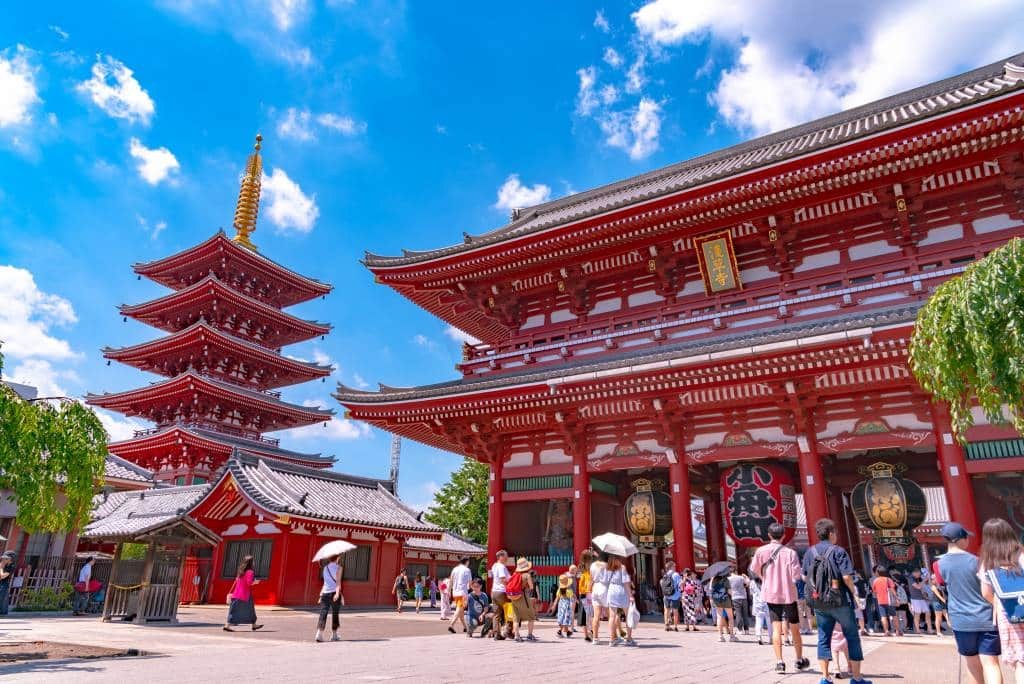
What you do Explore Tokyo's most iconic districts — Asakusa, Shibuya, Shinjuku and the Imperial Palace — guided by a nationally licensed, multilingual expert on an entirely private itinerary tailored to you. This is Tokyo at your pace, through a connoisseur's eyes.
What to expect Your guide meets you at the terminal and whisks you into Tokyo's layered world: the incense haze of Sensō-ji, the electric scramble at Shibuya Crossing, the raked gravel calm of Imperial Palace East Gardens. Lunch is arranged at a chef-selected restaurant befitting your taste. The day is a seamless private narrative rather than a checklist, ending with enough time to return comfortably before all-aboard.
Good to know Book well in advance — licensed private guides are in high demand. Confirm your ship's all-aboard time so your guide can plan the return; Tokyo International Cruise Terminal (Ariake) is roughly 30–40 min by taxi or direct Yurikamome rail from central Tokyo.
book direct with Japan Guide Association (JGA) – Official Licensed Guides → · the full guide →
What you do Ascend the world's second-tallest structure to 634 metres for a panorama stretching from Mount Fuji to Tokyo Bay. On a clear day the view is simply one of the great urban spectacles on earth.
What to expect A high-speed elevator whisks you to the Tembo Deck at 350 m in under 60 seconds. A second ascent takes you to the Tembo Galleria, a glass-walled spiral walkway at 450 m where the floor disappears beneath your feet over the Tokyo skyline. The adjacent Solamachi shopping and dining complex adds a refined post-visit option before heading back.
Good to know Pre-purchase timed-entry tickets online — they sell out days ahead, especially on weekends. From Tokyo International Cruise Terminal, take the Yurikamome line to Asakusa, then the Tobu Skytree Line — allow 50 min total. Allow 2 hrs for both decks. Confirm weather forecast: Mount Fuji views require clear skies.
book direct with Tokyo Skytree (Official) → · the full guide →
What you do Step inside teamLab Borderless — the world's most visited single-artist museum — where thousands of laser projections dissolve boundaries between art and visitor. There are no maps; every room is a living, breathing, bucket-list spectacle.
What to expect You wander freely through interconnected rooms where waterfalls, forests, and koi ponds exist entirely as light and projection — and shift when you touch them. The 'Athletic Forest' zone challenges the body as much as the mind. No two visits are identical; the art evolves in real time. Budget at least two hours, though most guests lose track of time entirely.
Good to know The new Azabudai Hills venue is a taxi/subway ride from the cruise terminal — allow 40 min. Wear comfortable shoes (some zones involve steps and uneven surfaces). Timed-entry tickets are date- and time-specific; book the earliest slot to leave the afternoon free for other stops. Avoid white clothing as projections can stain perception.
book direct with teamLab Borderless Tokyo (Official) → · the full guide →
What you do Explore the legendary Tsukiji Outer Market with a private chef guide who navigates the stalls, sources the finest morning catch, and explains the art of Edomae sushi — ending at a reserved counter for an unforgettable omakase breakfast.
What to expect The morning begins in the alley labyrinth of Tsukiji Outer Market as vendors arrange glistening tuna, sea urchin, and seasonal shellfish. Your chef-guide explains provenance, seasonality, and the knife traditions behind each cut. A tamagoyaki (rolled omelette) master lets you watch the craft up close. The tour culminates at a reserved sushi counter where the chef orders on your behalf — a succession of impossibly fresh nigiri paired with explanations of each piece.
Good to know Tsukiji Outer Market is most vibrant 7–10 am; an early start is essential and pairs well with an early all-aboard schedule. The market is approximately 30 min by taxi from Tokyo International Cruise Terminal. Confirm any dietary restrictions with Context Travel at booking. Sturdy shoes are advised — the alleys are narrow and sometimes wet.
book direct with Context Travel Tokyo – Expert-Led Food Tours → · the full guide →
What you do Walk the ancient cedar-forested approach to Tokyo's most sacred Shinto shrine, then emerge into Harajuku's kaleidoscopic street culture — a single morning that captures the full spiritual and creative soul of Tokyo.
What to expect The 700-metre forested gravel path to Meiji Jingu feels remote despite being at the heart of 14-million-person Tokyo — a genuine hush descends. Your guide explains the daily rituals, points out the sake-barrel wall offered by French wineries, and arranges a quiet moment at the inner shrine. The short walk to Harajuku delivers the visual shock of kawaii fashion and the understated elegance of Omotesandō boutiques — Dior, Louis Vuitton, and local ateliers alike.
Good to know Shoulders and knees should be covered or a scarf carried for the shrine approach. From the cruise terminal, take the Yurikamome to Shimbashi then JR Yamanote Line to Harajuku — approx. 50 min. The combined experience takes 3–4 hours; pairs perfectly with a lunch reservation on Omotesandō. Book your GoWithGuide guide at least 2 weeks ahead.
book direct with GoWithGuide – Private Tokyo Local Guides → · the full guide →
What you do Ascend the beloved iron icon of Tokyo at golden hour for the exclusive Diamond Tour — access to both the Main Deck at 150 m and the Top Deck at 250 m, limited to just 70 guests per day. A sunset over the Tokyo skyline from here is a memory for life.
What to expect Tokyo Tower glows tangerine and crimson at dusk — a deliberate nod to the Eiffel Tower's evening palette — and from the glass-floor panels of the Top Deck, the city grid fans out to Tokyo Bay and beyond. The Diamond Tour guide explains the tower's 1958 construction story and its role as Tokyo's emotional heartbeat. The lounge offers premium refreshments as the city lights ignite below you.
Good to know Book online the moment your itinerary is confirmed — the 70-person cap sells out fast, especially on weekends and holidays. Tokyo Tower is in Minato, roughly 40 min by taxi from the cruise terminal. Plan to arrive at least 30 min before your slot. A sunset slot (approximately 5–6 pm) is spectacular but confirm your ship's all-aboard time allows for it.
book direct with Tokyo Tower (Official) → · the full guide →
After you step off · near Tokyo
You end in a different port — stay on, and add what is within reach before you fly home.