Your cruise
Seven Seas Splendor · 16-night Australia & South Pacific cruise, Sydney to Melbourne
Feb 18 – Mar 5 · 16 nights ·
Day 1 Sydney (board) · Day 2–3 Willis Island · Day 4 Bay of Islands (Paihia) · Day 5 Auckland · Day 6 Tauranga · Day 7 Willis Island · Day 8 Wellington · Day 9 Akaroa · Day 10 Timaru · Day 11 Dunedin · Day 12–14 Willis Island · Day 15 Hobart · Day 16 Willis Island · Day 17 Melbourne (step off)
What you do Board a rigid inflatable Zodiac for a close-up circumnavigation of one of the Coral Sea's most remote specks of land. Drift alongside vast nesting colonies of red-footed boobies, frigatebirds and brown noddies — a wildlife spectacle almost no traveller on earth ever witnesses.
What to expect Your Zodiac departs the ship's swim platform and skirts the island's entire coastline at water level, giving you eye-to-eye encounters with seabird colonies that number in the tens of thousands. The guide pauses the engine so you can hear the cacophony of calls and photograph birds in undisturbed flight. Shallow coral gardens glow electric beneath the hull as you round each headland. The round trip typically takes 90–120 minutes, leaving ample buffer before all-aboard.
Good to know Pre-book directly via email well in advance — this is a tender-only island and Zodiac capacity is strictly capped. Wear non-marking soles, bring a hat and reef-safe sunscreen. Confirm your ship's all-aboard time and allow 30 minutes' return buffer.
Versus the ship tour An intimate, expert-led small-group Zodiac — never more than 12 guests — means you can idle silently within metres of nesting birds and low reef outcrops that larger vessels simply cannot access, guided by a marine biologist who narrates every species in real time.
What you do Slip beneath the surface of some of the least-dived water on the planet — the Coral Sea surrounding Willis Island, hundreds of kilometres from the nearest coast. Visibility regularly exceeds 30 metres, revealing walls of hard coral, reef sharks, giant trevally and undisturbed sea-turtle feeding grounds.
What to expect Guests kit up in a purpose-equipped dive room and giant-stride into waters of extraordinary clarity. The reef structures here are pristine — no bleaching, no crowds — and the sheer biomass of pelagic life reflects the island's status as a protected marine reserve. Drift snorkelling across shallow coral plateaus, you are likely to encounter hawksbill turtles grazing, schools of chevron barracuda and the flash of a reef whaler in the blue. Safety divers and guides remain in the water throughout.
Good to know Swimming competency is required; full snorkel equipment is provided. Confirm landing and in-water permissions with the Australian Bureau of Meteorology station keeper in advance — access can be subject to weather and conservation protocols. Bring a rash vest for UV protection.
Versus the ship tour Mike Ball operates the definitive liveaboard expeditions to the Coral Sea's outer reefs, with certified dive guides who have logged thousands of hours specifically on these formations. Group size is tightly managed, and every dive brief is site-specific — the antithesis of a mass-market snorkel.
book direct with Mike Ball Dive Expeditions (Townsville/Cairns — Coral Sea specialists) → · the full guide →
What you do Step ashore — one of only a handful of visitors ever permitted — and receive a private briefing inside Australia's most remote operational weather station. The data collected here has guided cyclone warnings across Queensland for over a century; it is a living piece of scientific history.
What to expect After a short Zodiac transfer to the beach, you walk across the coral-rubble islet — the entire thing is barely 400 metres across — to the weatherboard station compound. The duty meteorologist explains the island's role in tracking Coral Sea cyclogenesis, shows you the instrument arrays and balloon launch facilities, and fields questions with refreshing candour. The sense of absolute remoteness — no roads, no shops, just science and sea — is profoundly affecting. Visits are brief (30–45 minutes) out of respect for operations.
Good to know Landing is at the discretion of BOM and sea conditions; it is never guaranteed. Wear closed shoes for the coral-rubble foreshore. Do not touch or enter any instrument enclosures. This is one of cruising's rarest privileges — treat it accordingly.
Versus the ship tour Landing on Willis Island is granted to very few vessels per year and always requires advance coordination with the BOM. The briefing is delivered by the station's resident meteorologist — one of Australia's most isolated postings — lending an authenticity and depth no third-party guide could replicate.
What you do Join a dedicated marine naturalist on a slow, deliberate circuit of Willis Island's offshore waters — prime habitat for dwarf minke whales, spinner dolphins, red-tailed tropicbirds and occasional whale sharks. This is expedition-grade wildlife observation in one of Earth's most intact marine environments.
What to expect The excursion runs in the calm conditions that typically prevail in the lee of the island, with the naturalist briefing the group on cetacean behaviour before departure. Spinner dolphins frequently bow-ride the vessel's wake, while tropicbirds trace lazy arcs overhead trailing their extraordinary white tail streamers. In season (June–September), dwarf minke whales approach curious vessels with remarkable boldness. The naturalist's running identification and ecological commentary transforms an already astonishing scene into a masterclass in Coral Sea ecology.
Good to know Bring image-stabilised binoculars if you own them — loaner binoculars are available but limited. A polarised lens filter dramatically improves underwater wildlife sighting from the deck. Morning cruises yield the best light and the calmest seas.
Versus the ship tour Coral Expeditions' marine naturalists carry years of Coral Sea field experience and use hydrophones and binoculars to locate and interpret marine megafauna well beyond what a casual deck scan achieves. Groups are capped at 20, ensuring every guest has unobstructed sightlines and personalised commentary.
book direct with Coral Expeditions (Australia's premium expedition cruise specialist) → · the full guide →
What you do Combine world-class snorkelling with a dedicated underwater photography tuition session led by a professional marine photographer. The pellucid, undisturbed waters around Willis Island provide a studio backdrop that professionals travel half a year to reach — and you are already here.
What to expect After a 20-minute on-deck briefing covering exposure, buoyancy control for photography and coral-safe positioning, the group enters the water with the lead photographer. Each participant is given real-time feedback via underwater slates and post-dive screen reviews. The reef here hosts nudibranchs, juvenile turtles and extraordinary soft-coral detail that rewards close, patient framing. By the final dive, guests leave with a curated set of images that would pass muster in any travel magazine.
Good to know Bring your own mirrorless or compact camera with an underwater housing if possible; hire housings are limited. Basic snorkel competency required. Maximum group size of 6 is strictly enforced — book your place the moment you board the ship.
Versus the ship tour A professional marine photographer leads groups of no more than six, providing personalised composition coaching in real time — in the water, beside you. The combination of tuition and a location almost nobody else will ever photograph makes every frame genuinely irreplaceable.
What you do Rise before the rest of the ship and join an ornithologist-guide for a dawn landing on Willis Island — arguably the most exclusive birdwatching address in the Southern Hemisphere. The island hosts one of Australia's largest documented seabird colonies, and first light is when it erupts into extraordinary life.
What to expect The Zodiac lands on the coral-rubble beach just as the sky softens to indigo. Within seconds, frigatebirds begin their courtship displays, inflating scarlet throat pouches while brown boobies jostle on nesting scrapes metres from your feet. The ornithologist narrates the scene with infectious expertise, calling species by name as they lift and wheel overhead in their thousands. The island's absolute silence — broken only by wind and wings — produces a meditative quality that experienced travellers consistently describe as one of cruising's most affecting moments.
Good to know Landing is subject to BOM approval and sea-state — pre-register your interest at the expedition desk on day one of the voyage. Wear dark, non-reflective clothing to avoid disturbing nesting birds. Carry a long lens (200mm+ equivalent) for perched-bird shots. Soft-soled shoes protect both the coral-rubble substrate and your footing.
Versus the ship tour A qualified ornithologist leads a structured census-style walk, naming every species, explaining colony dynamics and pointing out nesting behaviours that an untrained eye would miss entirely. The pre-sunrise timing means you experience the island in its rawest, most atmospheric state — long before the day-trippers (there are none) arrive.
book direct with Coral Expeditions (Australia's premium expedition cruise specialist) → · the full guide →
What you do Scale the iconic steel arches of Sydney Harbour Bridge on foot and stand atop one of the world's greatest structures. At dawn or dusk, the harbour, Opera House, and city skyline ignite in extraordinary colour — a once-in-a-lifetime panorama.
What to expect After a thorough induction and suiting-up in the BridgeClimb boiler suit, you ascend through the inner arch, across the upper chord, and onto the very summit 134 metres above Sydney Harbour. Your guide weaves stories of the bridge's construction and the city's history throughout the 2–3.5 hour climb. At the summit, panoramic views stretch from the Blue Mountains to the Pacific Ocean. Twilight and Dawn climbs reward you with the sky transforming from gold to deep purple over the Opera House sails.
Good to know Departs from 3 Cumberland Street, The Rocks — a short 10-minute walk or 5-minute taxi from the Overseas Passenger Terminal (OPT). Pre-book well in advance (at least 2–3 weeks); popular climb times sell out fast. All-aboard times are tight; choose a morning summit climb to allow ample buffer. Alcohol restrictions apply 8 hours before climbing. Lockers provided for belongings.
Versus the ship tour Small groups of just 12 climbers per guide mean you move at a considered pace with expert commentary, and the exclusive Summit and BridgeClimb Express options give private or semi-private experiences unavailable anywhere else on earth.
book direct with BridgeClimb Sydney (official) → · the full guide →
What you do Go beyond the sails and into the beating heart of Jørn Utzon's masterpiece. The premium backstage experience reveals grand concert halls, hidden green rooms, and the engineering genius behind the world's most recognisable building.
What to expect Your expert guide escorts you through the stage door and behind the velvet curtains, tracing the building's turbulent conception and Utzon's revolutionary geometric tile system. You'll stand on the Concert Hall stage gazing out into 2,700 empty seats, explore the intimate Joan Sutherland Theatre, and hear tales of the world's greatest performers who have graced these boards. The tour culminates with champagne and harbour views from the exclusive Green Room terrace. Even the standard guided tour, with its superb docents, far exceeds a self-guided walk.
Good to know The Opera House is a 5-minute walk from the OPT at Circular Quay. Backstage Tours depart at 7:00 am daily (before public opening) — ideal for early port arrivals. Standard guided tours run throughout the day; book the 10:00 am slot to maintain an all-aboard buffer. Pre-booking is essential; backstage slots are extremely limited. Smart-casual attire encouraged.
Versus the ship tour The Backstage Tour is strictly limited to 10 guests and grants access to rehearsal studios, the stars' dressing rooms, and the Concert Hall stage itself — spaces closed to the general public entirely.
book direct with Sydney Opera House (official) → · the full guide →
What you do Trade the megaship for a sleek private yacht and sail Sydney Harbour at your own pace, threading between the Opera House, Harbour Bridge, and hidden coves. This is Sydney as only a privileged few experience it — from the water, in silence.
What to expect You board from the National Maritime Museum at Darling Harbour and glide onto one of the world's great natural harbours. Under full sail (when winds allow) or motor, the skipper navigates past Fort Denison, Double Bay, Watsons Bay, and the dramatic Heads where the Pacific meets the harbour. Onboard, locally sourced antipasto, chilled wines, and Champagne are served on the sundeck. The perspective from the water onto the city's skyline — with the Bridge and Opera House framed together — is simply unmatched.
Good to know Darling Harbour is approximately 15 minutes by taxi or a scenic 20-minute walk from the OPT. Private charters can be tailored to depart from and return to Circular Quay, directly adjacent to the OPT — confirm at booking. Request a morning or mid-morning departure to allow a generous all-aboard buffer. Book 2–4 weeks ahead for private charters, especially on weekends.
Versus the ship tour A private charter means the skipper shapes the itinerary entirely around you — a longer linger beneath the Bridge, a swim stop in a secluded bay, or a chilled Champagne moment framed perfectly by the Opera House.
What you do Venture 90 minutes west into a UNESCO World Heritage wilderness of sheer sandstone cliffs, eucalyptus forest, and cascading waterfalls. The iconic Three Sisters rock formation and valley views from Echo Point are genuinely awe-inspiring.
What to expect Your guide collects you in a luxury vehicle from the OPT and narrates the drive through western Sydney suburbs as the landscape transforms dramatically into rugged wilderness. At Katoomba, you're rewarded with the Three Sisters and the vast 1,000-metre-deep Jamison Valley. A guided forest walk reveals ancient Aboriginal rock art and extraordinary birdlife. Lunch is taken at a renowned Blue Mountains restaurant or the grand Hydro Majestic Hotel, with sweeping valley panoramas. The scenic railway (the world's steepest) or Scenic Skyway glass-floored cable car are optional thrills.
Good to know Allow a full day — departure by 8:00 am and return by 5:00 pm is typical, so confirm your all-aboard time before booking; this excursion is best suited to ports with a late afternoon or evening departure. Your Sydney Guide offers guaranteed on-time return. Layers are essential — the mountains run 5–8°C cooler than Sydney city. Book at least 2 weeks ahead for private vehicles.
Versus the ship tour A private or small-group local expert crafts the day around your interests — whether that means a guided bush walk to secluded lookouts, a heritage lunch at Hydro Majestic, or time in the charming village of Leura — with the flexibility no large coach tour can offer.
book direct with Your Sydney Guide (official) → · the full guide →
What you do Walk Australia's most celebrated coastal trail — six kilometres of dramatic cliff tops, secret coves, and ocean pools between Bondi and Coogee — then settle into a private chef-curated picnic overlooking the Pacific. Iconic, elemental, unforgettable.
What to expect Your guide accompanies you from Bondi Beach — with its famous sweep of white sand and the bronzed surf culture that defines Sydney — south along cliff-top paths that reveal jaw-dropping views at every turn. Rest at the serene Gordons Bay and the historic Clovelly Beach ocean pool before descending to Coogee's broad bay. En route, a cliff-top picnic is laid out: locally smoked salmon, artisan cheeses, seasonal fruit, and chilled Hunter Valley whites or sparkling water, with nothing but ocean horizon before you. The guide shares stories of the Gadigal and Bidjigal peoples whose land this has always been.
Good to know Transfer from the OPT to Bondi takes approximately 25–30 minutes by taxi or private car. The full walk takes 3–4 hours at a relaxed pace; plan for a 9:00 am departure to allow an easy return by 3:00 pm. Wear comfortable walking shoes and sunscreen; the exposed headlands offer no shade. Daily Sydney Tours can arrange private transport for the return journey from Coogee.
Versus the ship tour A private guide calibrates the pace and depth of the experience — sharing the history of the ocean baths, the Aboriginal heritage of the headlands, and the living culture of Bondi — while a local chef picnic elevates it far beyond a simple walk.
book direct with Daily Sydney Tours (official) → · the full guide →
What you do Sydney's world-class zoo sits on a harbourside escarpment with views that rival the city's finest restaurants. Go beyond the gates with a VIP Wildlife Retreat experience for intimate, expert-led encounters with koalas, wombats, and iconic Australian fauna.
What to expect A short, scenic 12-minute Taronga Ferry from Circular Quay delivers you directly to the lower wharf, already with stunning harbour views. The VIP keeper-led experience takes you into animal areas closed to the public — hand-feeding a koala, walking among free-range kangaroos, and learning the rehabilitation stories of each resident. The zoo's elevated setting means the Harbour Bridge and Opera House form a backdrop to almost every enclosure. Afterwards, lunch at the Harbourview Café — with arguably the finest unobstructed harbour panorama in Sydney — is the perfect finale.
Good to know The Taronga Ferry departs Circular Quay (Wharf 2), a 5-minute walk from the OPT — ferry journey is 12 minutes and is itself a scenic delight. Book VIP experiences directly with Taronga well in advance (2–3 weeks minimum); these sell out quickly. General admission is available on the day but VIP experiences are not. Allow at least 4 hours; last ferry back to Circular Quay runs early evening.
Versus the ship tour The VIP 'Wild Australia' and 'Keeper for a Day' experiences are strictly limited to 6–8 guests and place you inside enclosures with koalas and nocturnal animals under the guidance of specialist keepers — access simply not available on any standard visit.
book direct with Taronga Zoo Sydney (official) → · the full guide →
What you do Board a rigid inflatable Zodiac for a close-up circumnavigation of one of the Coral Sea's most remote specks of land. Drift alongside vast nesting colonies of red-footed boobies, frigatebirds and brown noddies — a wildlife spectacle almost no traveller on earth ever witnesses.
What to expect Your Zodiac departs the ship's swim platform and skirts the island's entire coastline at water level, giving you eye-to-eye encounters with seabird colonies that number in the tens of thousands. The guide pauses the engine so you can hear the cacophony of calls and photograph birds in undisturbed flight. Shallow coral gardens glow electric beneath the hull as you round each headland. The round trip typically takes 90–120 minutes, leaving ample buffer before all-aboard.
Good to know Pre-book directly via email well in advance — this is a tender-only island and Zodiac capacity is strictly capped. Wear non-marking soles, bring a hat and reef-safe sunscreen. Confirm your ship's all-aboard time and allow 30 minutes' return buffer.
Versus the ship tour An intimate, expert-led small-group Zodiac — never more than 12 guests — means you can idle silently within metres of nesting birds and low reef outcrops that larger vessels simply cannot access, guided by a marine biologist who narrates every species in real time.
What you do Slip beneath the surface of some of the least-dived water on the planet — the Coral Sea surrounding Willis Island, hundreds of kilometres from the nearest coast. Visibility regularly exceeds 30 metres, revealing walls of hard coral, reef sharks, giant trevally and undisturbed sea-turtle feeding grounds.
What to expect Guests kit up in a purpose-equipped dive room and giant-stride into waters of extraordinary clarity. The reef structures here are pristine — no bleaching, no crowds — and the sheer biomass of pelagic life reflects the island's status as a protected marine reserve. Drift snorkelling across shallow coral plateaus, you are likely to encounter hawksbill turtles grazing, schools of chevron barracuda and the flash of a reef whaler in the blue. Safety divers and guides remain in the water throughout.
Good to know Swimming competency is required; full snorkel equipment is provided. Confirm landing and in-water permissions with the Australian Bureau of Meteorology station keeper in advance — access can be subject to weather and conservation protocols. Bring a rash vest for UV protection.
Versus the ship tour Mike Ball operates the definitive liveaboard expeditions to the Coral Sea's outer reefs, with certified dive guides who have logged thousands of hours specifically on these formations. Group size is tightly managed, and every dive brief is site-specific — the antithesis of a mass-market snorkel.
book direct with Mike Ball Dive Expeditions (Townsville/Cairns — Coral Sea specialists) → · the full guide →
What you do Step ashore — one of only a handful of visitors ever permitted — and receive a private briefing inside Australia's most remote operational weather station. The data collected here has guided cyclone warnings across Queensland for over a century; it is a living piece of scientific history.
What to expect After a short Zodiac transfer to the beach, you walk across the coral-rubble islet — the entire thing is barely 400 metres across — to the weatherboard station compound. The duty meteorologist explains the island's role in tracking Coral Sea cyclogenesis, shows you the instrument arrays and balloon launch facilities, and fields questions with refreshing candour. The sense of absolute remoteness — no roads, no shops, just science and sea — is profoundly affecting. Visits are brief (30–45 minutes) out of respect for operations.
Good to know Landing is at the discretion of BOM and sea conditions; it is never guaranteed. Wear closed shoes for the coral-rubble foreshore. Do not touch or enter any instrument enclosures. This is one of cruising's rarest privileges — treat it accordingly.
Versus the ship tour Landing on Willis Island is granted to very few vessels per year and always requires advance coordination with the BOM. The briefing is delivered by the station's resident meteorologist — one of Australia's most isolated postings — lending an authenticity and depth no third-party guide could replicate.
What you do Join a dedicated marine naturalist on a slow, deliberate circuit of Willis Island's offshore waters — prime habitat for dwarf minke whales, spinner dolphins, red-tailed tropicbirds and occasional whale sharks. This is expedition-grade wildlife observation in one of Earth's most intact marine environments.
What to expect The excursion runs in the calm conditions that typically prevail in the lee of the island, with the naturalist briefing the group on cetacean behaviour before departure. Spinner dolphins frequently bow-ride the vessel's wake, while tropicbirds trace lazy arcs overhead trailing their extraordinary white tail streamers. In season (June–September), dwarf minke whales approach curious vessels with remarkable boldness. The naturalist's running identification and ecological commentary transforms an already astonishing scene into a masterclass in Coral Sea ecology.
Good to know Bring image-stabilised binoculars if you own them — loaner binoculars are available but limited. A polarised lens filter dramatically improves underwater wildlife sighting from the deck. Morning cruises yield the best light and the calmest seas.
Versus the ship tour Coral Expeditions' marine naturalists carry years of Coral Sea field experience and use hydrophones and binoculars to locate and interpret marine megafauna well beyond what a casual deck scan achieves. Groups are capped at 20, ensuring every guest has unobstructed sightlines and personalised commentary.
book direct with Coral Expeditions (Australia's premium expedition cruise specialist) → · the full guide →
What you do Combine world-class snorkelling with a dedicated underwater photography tuition session led by a professional marine photographer. The pellucid, undisturbed waters around Willis Island provide a studio backdrop that professionals travel half a year to reach — and you are already here.
What to expect After a 20-minute on-deck briefing covering exposure, buoyancy control for photography and coral-safe positioning, the group enters the water with the lead photographer. Each participant is given real-time feedback via underwater slates and post-dive screen reviews. The reef here hosts nudibranchs, juvenile turtles and extraordinary soft-coral detail that rewards close, patient framing. By the final dive, guests leave with a curated set of images that would pass muster in any travel magazine.
Good to know Bring your own mirrorless or compact camera with an underwater housing if possible; hire housings are limited. Basic snorkel competency required. Maximum group size of 6 is strictly enforced — book your place the moment you board the ship.
Versus the ship tour A professional marine photographer leads groups of no more than six, providing personalised composition coaching in real time — in the water, beside you. The combination of tuition and a location almost nobody else will ever photograph makes every frame genuinely irreplaceable.
What you do Rise before the rest of the ship and join an ornithologist-guide for a dawn landing on Willis Island — arguably the most exclusive birdwatching address in the Southern Hemisphere. The island hosts one of Australia's largest documented seabird colonies, and first light is when it erupts into extraordinary life.
What to expect The Zodiac lands on the coral-rubble beach just as the sky softens to indigo. Within seconds, frigatebirds begin their courtship displays, inflating scarlet throat pouches while brown boobies jostle on nesting scrapes metres from your feet. The ornithologist narrates the scene with infectious expertise, calling species by name as they lift and wheel overhead in their thousands. The island's absolute silence — broken only by wind and wings — produces a meditative quality that experienced travellers consistently describe as one of cruising's most affecting moments.
Good to know Landing is subject to BOM approval and sea-state — pre-register your interest at the expedition desk on day one of the voyage. Wear dark, non-reflective clothing to avoid disturbing nesting birds. Carry a long lens (200mm+ equivalent) for perched-bird shots. Soft-soled shoes protect both the coral-rubble substrate and your footing.
Versus the ship tour A qualified ornithologist leads a structured census-style walk, naming every species, explaining colony dynamics and pointing out nesting behaviours that an untrained eye would miss entirely. The pre-sunrise timing means you experience the island in its rawest, most atmospheric state — long before the day-trippers (there are none) arrive.
book direct with Coral Expeditions (Australia's premium expedition cruise specialist) → · the full guide →
What you do Sail through 144 subtropical islands to the iconic Piercy Island sea arch, pass the historic Cape Brett Lighthouse, and encounter wild dolphins en route. The definitive Bay of Islands experience — dramatic geology, wildlife, and open Pacific in a single voyage.
What to expect Board at Paihia Wharf and spend the day weaving between lush green islands at a leisurely pace. As you round Cape Brett, Piercy Island's sea arch — the Hole in the Rock — emerges dramatically from the Pacific swell; conditions permitting, the vessel passes right through. Bottlenose and common dolphins frequently bow-ride alongside. A stop at Otehei Bay on Urupukapuka Island allows you to swim, snorkel, or simply absorb the silence of a near-deserted island beach. Return around 4 pm, rested and sunlit.
Good to know Departs Paihia Wharf daily at 10:00 am; returns ~4:00 pm — comfortably within any all-aboard window. Pre-book online; peak season fills fast. Russell passengers can join via a short ferry transfer included in the ticket.
Versus the ship tour Expert local crew with deep knowledge of every island, rock stack, and marine mammal hotspot; the vessel is purpose-built for these waters and unscheduled dolphin encounters are the norm, not the exception.
book direct with Fullers GreatSights Bay of Islands → · the full guide →
What you do Walk the birthplace of the New Zealand nation — the very site where the Treaty of Waitangi was signed in 1840. A world-class cultural centre with a living Māori marae, war canoe, and museum narrated by expert Māori guides.
What to expect Your Māori guide leads you through the Treaty House, the whare rūnanga (carved meeting house), and onto the sweeping lawns overlooking the bay where the signing took place. The 35-metre waka taua (war canoe) — the largest in the world — sits in its own purpose-built boathouse and commands complete awe. A cultural performance of haka, waiata, and poi anchors the history in living tradition. The museum's interactive displays and original treaty documents bring the story of Aotearoa's founding to vivid life.
Good to know A 10-minute walk or short taxi ride from Paihia Wharf. Allow 2–3 hours minimum. The cultural performance schedule aligns well with morning arrivals. Book tickets online to secure the guided session of your choice.
Versus the ship tour Entry includes a Māori cultural performance and an immersive guided narrative you simply cannot replicate independently — living history told by those who lived it, on the exact ground where it happened.
book direct with Waitangi Treaty Grounds (official) → · the full guide →
What you do Journey to the sacred northern tip of New Zealand where the Tasman Sea and Pacific Ocean collide in a visible rip — a place Māori believe is where souls depart to the afterlife. Traverse the legendary Ninety Mile Beach on the return.
What to expect Your air-conditioned coach heads north through Northland's rolling hills and kauri forests, stopping at roadside stalls for fresh produce and local commentary along the way. At Cape Reinga, stand beside the ancient pōhutukawa tree at the lighthouse and watch the two oceans wrestle at the horizon — a genuinely spiritual moment. The return leg runs along the hard sand of Ninety Mile Beach; your guide narrates Māori legend and points out toheroa clams beneath the surf. Lunch is included mid-journey at a local café.
Good to know Full-day tour — departs Paihia at approximately 7:30 am, returns ~6:30 pm. Confirm your ship's all-aboard time carefully; this tour is best suited to ships with a late departure or overnight call. Book well in advance during summer.
Versus the ship tour A knowledgeable local guide delivers rich Māori and colonial history en route; small-group departures mean you linger as long as the moment deserves — at the lighthouse, in the dunes, and on the vast open beach.
book direct with Awesome NZ (Bay of Islands Tours) → · the full guide →
What you do Descend into an ancient limestone cave system illuminated by thousands of native Arachnocampa luminosa glowworms — a surreal, otherworldly experience unique to New Zealand found just 45 minutes from the port.
What to expect A short scenic drive through Northland countryside brings you to the cave entrance, where a local expert guide sets the scene on the geology and the extraordinary bioluminescent worms overhead. Inside the cave, the ceiling transforms into a galaxy of cool blue-green light — thousands of glowworms no bigger than a match head, each spinning silk threads to catch prey. The silence and the spectacle are genuinely humbling. Above ground, native bush surrounds the property; look and listen for tūī and kererū in the canopy.
Good to know The shore excursion package price of NZD 245 includes return transfers from Paihia — essential as the caves are inland. Tours run at set times; pre-booking is mandatory. Comfortable walking shoes and a light layer recommended inside the cave.
Versus the ship tour Access is strictly limited to small guided groups to protect the ecosystem — meaning intimate, unhurried time beneath a living constellation of blue-green light that photography barely captures. A private-feeling experience by design.
What you do Cross the glittering bay to Russell — New Zealand's first European settlement, sometimes called the 'hell-hole of the Pacific' — for a self-guided ramble through colonial streets, flagstaff hill, and the country's oldest stone building.
What to expect The ferry takes just 15 minutes and docks right on the Russell waterfront, steps from Pompallier Mission (1842), Christ Church (1836, New Zealand's oldest surviving church), and the charming main street of Victorian-era buildings. Climb to Flagstaff Hill, where Hone Heke famously felled the British flagstaff four times, for sweeping panoramic views of the bay. Lunch at the Duke of Marlborough Hotel — New Zealand's oldest licensed premises — on the sun-drenched waterfront terrace is an effortless indulgence. Return ferries run every 30 minutes.
Good to know Ferries run frequently from Paihia Wharf; no advance booking needed for the ferry itself. The crossing is 15 minutes each way. Allow at least 3 hours in Russell. The Duke of Marlborough restaurant is popular — reserve a lunch table online before your port day.
Versus the ship tour The short ferry crossing delivers you directly into Russell's historic waterfront — unhurried, independent, and deeply authentic. No group schedule, no coach: just you and a genuinely preserved 19th-century township at your own pace.
book direct with Fullers GreatSights Bay of Islands (Russell Ferry) → · the full guide →
What you do Lift off over Paihia for a breathtaking aerial perspective of all 144 islands, the Hole in the Rock, Cape Brett Lighthouse, and the jade-green coastline — the single most dramatic view the Bay of Islands offers, reserved for those who seek it.
What to expect Your pilot-guide lifts off from Paihia's waterfront helipad and banks south over the shimmer of the inner bay, narrating each landmark below. Piercy Island's Hole in the Rock is sensational from the air — the sea arch framed by open Pacific on all sides. On the extended flight, Cape Brett Lighthouse perches impossibly on its narrow headland, and the outer islands glow emerald against sapphire water. Landings on remote beaches or island hilltops can be arranged on private charters for the ultimate private moment. Every seat is a window seat.
Good to know Helipad is a short walk from Paihia Wharf — minimal transfer time. Flights run weather-permitting; Salt Air has excellent availability flexibility. Book the 45-minute option for the full coastal arc. Pre-book directly as seats are strictly limited and demand is high in summer.
Versus the ship tour Strictly limited to 3–5 passengers per flight, this is as private and intimate as scenic aviation gets — a bespoke, door-open window on a coastline that reveals its full magnificence only from altitude.
What you do Glide by ferry to Waiheke — Auckland's sun-drenched 'Island of Wine' — for an intimate private tour through four world-class vineyards, paired with a long, leisurely beachfront lunch. This is the definitive New Zealand wine experience, just 35 minutes from the city.
What to expect Your private guide meets you off the Fullers ferry and whisks you across Waiheke's rolling olive groves and vine-draped hills in a comfortable vehicle. At each of the four boutique estates — think Cable Bay, Mudbrick, Man O' War and Tantalus — you receive personalised tastings guided by the winemakers themselves. A long, sun-drenched lunch on the waterfront with matched wines is the centrepiece of the day. Your guide ensures you're back at the ferry with time to spare for all-aboard.
Good to know Book well in advance — Waiheke private tours fill fast in high season. The Fullers ferry departs from the downtown Ferry Building (5 min walk from cruise terminal). Confirm all-aboard time and share it with your guide; the ferry ride is 35 min each way. Private departures can be timed precisely around your ship's schedule.
Versus the ship tour A strictly private, small-group format with a passionate local wine guide means you linger at each cellar door as long as you like — no coach, no crowds, no rush. The beachfront lunch pairing is curated specifically for the group, something no mass tour can replicate.
What you do Step inside the most beloved film set on earth — the Shire from The Lord of the Rings — then descend into the otherworldly Waitomo Caves, where thousands of glowworms illuminate an underground cathedral. A true once-in-a-lifetime New Zealand double-header.
What to expect A private vehicle collects you from the port and heads south through the lush Waikato countryside to the Alexander family farm. Your official Hobbiton guide leads you through all 44 Hobbit Holes, the Green Dragon Inn and the Party Tree, with an included ale or cider at the bar. After lunch, you continue to Waitomo where a guided boat glides silently beneath a galaxy of native glowworms (Arachnocampa luminosa). Your driver monitors the all-aboard time throughout, ensuring a relaxed and punctual return to Auckland.
Good to know Hobbiton sells out months ahead — book the official tour directly at hobbitontours.com immediately after confirming your cruise port day. Waitomo tickets at waitomo.com. Journey from Auckland is approx 2 hrs each way; this excursion requires a full port day (8–9 hrs ashore). Pre-book both attractions and arrange private transport as a package for seamless logistics.
Versus the ship tour Combining both icons in a single private day — with a dedicated driver-guide who manages every transfer — delivers an immersive, unhurried experience. The official Hobbiton tour is the only authorised entry to the working farm set, and pairing it with Waitomo on the same day is achievable only with expert private logistics.
book direct with Hobbiton Movie Set Tours (official) + Waitomo Glowworm Caves (official) → · the full guide →
What you do Leap from 192 metres above Auckland in a controlled base-jump style descent from the iconic Sky Tower — the tallest freestanding structure in the Southern Hemisphere — then ascend to the open-air observation deck for 360° panoramic views across the city, harbour and volcanic cones.
What to expect Arrive at the base of the 328-metre Sky Tower in the heart of the CBD and take the express lift to the jump platform. Fully trained AJ Hackett instructors brief you with calm precision before you step to the edge of Auckland's skyline. The 11-second freefall descent at 85 km/h is followed by a graceful slow-down — knees never buckle, heart never forgets. Afterwards, ride up to the open glass-floor observation deck for a celebratory drink and sweeping 80-km views across the Hauraki Gulf, Rangitoto Island and the city spread below.
Good to know Weight limit 35–150 kg; minimum age 10 years. Book the SkyJump directly at skyjump.co.nz — slots are timed and limited. The Sky Tower is a 10-minute walk from the cruise terminal at Princes Wharf. Allow 2–3 hours total; ideal as a morning excursion before exploring the waterfront. Closed in severe weather.
Versus the ship tour The SkyJump is the world's highest urban wire-controlled descent — an AJ Hackett signature experience that is entirely exclusive to this tower. Combining it with a champagne summit visit makes for an exhilarating, story-worthy morning that is quintessentially Auckland.
What you do Hike the perfectly symmetrical cone of Rangitoto — Auckland's youngest and most iconic volcano, rising straight from the Hauraki Gulf — with a private guide who brings the geology, Māori history and unique lava-field ecology to life. The 360° summit view is unforgettable.
What to expect Board the Fullers ferry from the downtown terminal for the scenic 25-minute crossing to Rangitoto Wharf. Your guide meets you on the island and leads you through ancient lava fields carpeted in the world's largest wild pohutukawa forest. The 2.5-hour return trail to the 259-metre summit is moderately challenging — lava rock underfoot, open skies above. At the top, a jaw-dropping panorama takes in Auckland's 53 volcanic cones, the Waitemata and Manukau harbours, and on clear days, the Coromandel Peninsula. Your guide shares the island's Māori significance and its 600-year geological story.
Good to know Wear sturdy walking shoes — lava rock is uneven. Bring sun protection and water; the island has no shops. Fullers ferries depart from the Ferry Building (5 min from cruise terminal); check the timetable at fullers.co.nz and match the return crossing to your all-aboard time. The hike takes approx 2.5–3 hrs return from the wharf.
Versus the ship tour A private guide transforms what would be a solo walk into a rich, interpretive journey through lava tubes, rare pohutukawa forest and the volcanic history of Tāmaki Makaurau. You set the pace, linger at the summit, and explore the hidden lava caves that most visitors walk straight past.
What you do Step inside the world of the All Blacks — New Zealand's legendary national rugby team — at this world-class, technology-driven attraction in the heart of Auckland's Viaduct Harbour. Perform the haka, feel the weight of a black jersey, and understand why rugby is New Zealand's soul.
What to expect Your expert guide leads you through a series of cinematic, technology-rich galleries that trace the All Blacks' history from the 1905 'Originals' tour to World Cup glory. You stand in a full-scale replica changing room, listen to spine-tingling pre-match speeches, and attempt your own haka in the performance studio — a surprisingly moving and joyful experience. The final gallery, dedicated to Māori culture and its inseparability from the team's identity, provides genuine cultural depth. The attraction is just a 10-minute stroll from Princes Wharf.
Good to know Pre-book timed entry tickets at allblacksexperience.com to guarantee your slot — peak cruise season sells out. Allow 1.5–2 hours; perfectly paired with a waterfront lunch at the adjacent Viaduct Harbour before returning to the ship. Open daily; located at 102 Quay Street, a flat 10-min walk from the cruise terminal.
Versus the ship tour The All Blacks Experience is the only place in the world where you receive a guided, immersive walk-through of the entire All Blacks legacy — from Māori warrior culture and the origins of the haka to behind-the-scenes coaching simulations and the emotion of match-day dressing rooms. It is deeply cultural, not merely a sports museum.
What you do Explore New Zealand's finest museum — a magnificent neoclassical landmark in the Auckland Domain — with a private expert guide who unlocks the world's greatest collection of Māori taonga (treasures) and Polynesian artefacts, plus the nation's most moving military memorial galleries.
What to expect Your private guide meets you at the grand portico of this 1929 heritage building, set above the Domain's sweeping parklands with views back to the harbour. The tour opens in the Māori Court, home to Te Ao Hou — a magnificent carved wharenui — and a 21-metre war canoe (waka taua), with your guide interpreting the carvings and oral histories that most visitors pass without understanding. The Pacific galleries, the largest such collection in the world, and the deeply affecting Hall of Memories war memorial follow. The experience is intimate, slow-paced and intellectually rich.
Good to know Request a private guided tour when booking at aucklandmuseum.com — or contact the museum directly by phone/email for bespoke arrangements. The museum is a 20-minute taxi or 30-minute walk from the cruise terminal, set in the Auckland Domain parklands. Allow 2–3 hours. A Māori cultural performance (additional cost) can be added. Open daily.
Versus the ship tour The museum's official private guides are curators and cultural specialists — Māori and Pākehā scholars who provide access to stories and artefacts not covered in any self-guided visit. The depth of cultural context they provide for the wharenui (carved meeting house) and war galleries is profound and exclusive to this format.
book direct with Auckland War Memorial Museum (official) → · the full guide →
What you do Step inside the world's most beloved film set — the Shire from The Lord of the Rings and The Hobbit — on a private guided tour from Tauranga. Walk the rolling green hills of Matamata, peer into Hobbit holes, and raise a toast at the Green Dragon Inn. Utterly bucket-list.
What to expect Your guide walks you through all 12 acres of the working farm-turned-film-set, past 44 Hobbit holes of varying scale, the Party Tree, and the mill pond. The 2-hour guided tour culminates at the Green Dragon Inn, where an included beverage — ale, cider, or ginger beer — is served. Private transport from Tauranga cruise terminal takes approximately 75–80 minutes each way, so plan your timing carefully relative to all-aboard.
Good to know All-aboard is typically 5–6 pm; allow 5–6 hours total. Book the movie set entry directly at hobbitontours.com well in advance — tours sell out weeks ahead. Pair with a pre-booked private driver from Independent Tours Tauranga or Tours by Locals (toursbylocals.com) for seamless port-to-port logistics.
Versus the ship tour A private transfer means you set your own pace and avoid the bus-tour crowds — arrive as the morning light hits the Shire for truly cinematic photos, and linger at the Green Dragon for a second ale.
book direct with Hobbiton Movie Set Tours (official) → · the full guide →
What you do Witness Pohutu — the Southern Hemisphere's most powerful active geyser — erupting up to 30 metres skyward in Rotorua's Te Puia geothermal valley. Combine razor-sharp geysers, boiling mud pools, and New Zealand's living Māori arts academy in one breathtaking half-day.
What to expect Walk the steaming boardwalks of Whakarewarewa Thermal Valley, pausing at bubbling silica terraces and the thunderous Pohutu geyser. The New Zealand Māori Arts & Crafts Institute — housed within the grounds — allows you to watch tohunga whakairo (master carvers) and weavers at work in their studio. Evening packages include a traditional hāngi feast and kapa haka performance, though the daytime experience is ideal for cruise schedules.
Good to know Rotorua is approximately 60–75 minutes from Tauranga port by road. Book entry tickets directly at tepuia.com; arrive early to catch Pohutu at its most active in the morning. Combine with a private driver for flexibility and ensure you're back at port with at least 90 minutes to spare before all-aboard.
Versus the ship tour Te Puia is the only place in the world where you can watch master carvers and weavers practise their ancestral crafts inside a living geothermal landscape — a combination of culture and raw Earth power that is entirely unrepeatable anywhere else.
What you do Glide through lush native bush on the glassy Wairoa River aboard a kayak at the award-winning Waimarino Adventure Park — just 20 minutes from the Tauranga cruise terminal. A perfect blend of serenity and gentle adventure in one of New Zealand's most scenic waterways.
What to expect Paddling on the calm, spring-fed Wairoa River, you'll drift past towering native trees draped in ferns, listening for tūī and kererū overhead. The park's experienced guides set a leisurely pace, pointing out local flora, fauna, and Māori cultural history along the river banks. Sessions range from 1.5 to 3 hours, making it one of the most time-efficient yet deeply immersive options from the port. The park also offers giant water slides and SUP for those wanting extra thrills.
Good to know Waimarino is approximately 20 minutes from the Tauranga cruise terminal — easily reached by taxi or Uber. Book directly at waimarino.com and request a morning slot to maximise time before all-aboard. Wear quick-dry clothing and bring sunscreen; lockers are available on site.
Versus the ship tour Waimarino keeps groups deliberately small and the atmosphere relaxed — no conveyor-belt tourism here. The riverside setting, native birdlife, and expert local guides create an experience that feels genuinely exploratory rather than orchestrated.
book direct with Waimarino Adventure Park → · the full guide →
What you do Conquer the sacred volcanic peak of Mauao (Mount Maunganui) for jaw-dropping 360° views of the Bay of Plenty, then descend to one of New Zealand's most beautiful surf beaches for a swim or a soak in the famous Mount Hot Pools. A perfect pairing of panorama and indulgence.
What to expect The summit loop track (approximately 45 minutes at a comfortable pace) winds through pohutukawa trees with ever-expanding ocean views unfolding at every switchback. At the top, your guide shares the legend of Mauao — the mountain that ran to the sea — against a backdrop of island-studded bay. Descend to the famous golden beach for a swim in the Pacific, then unwind in the outdoor Mount Hot Pools, fed by natural geothermal water, before your private vehicle whisks you back to the terminal.
Good to know The Tauranga cruise terminal is approximately 5–10 minutes from the Mount by car. The summit hike involves moderate incline — wear comfortable walking shoes. Book Independent Tours Tauranga via TripAdvisor or direct enquiry; add the Mount Hot Pools (mounthotpools.co.nz) as a ticketed add-on. Hot Pools are open from 6 am daily.
Versus the ship tour A private minivan guide narrates the cultural and geological story of Mauao — a peak of deep significance to the local Māori iwi — then gives you the freedom to linger at the beach or hot pools rather than watching the clock for a bus departure.
book direct with Independent Tours Tauranga → · the full guide →
What you do Surrender to the ancient healing power of Rotorua's world-famous geothermal waters at the iconic Polynesian Spa — perched on the edge of Lake Rotorua with private lake-view pools unique in all of New Zealand. A deeply restorative, genuinely luxurious half-day for discerning travellers.
What to expect Choose from the private Deluxe Lake Spa (the pinnacle — your own pool cantilevered over the lake with waiter service) or the exclusive adults-only lake pools with their extraordinary open-water setting. The mineral-rich waters range from 36°C to 42°C, and the backdrop of steaming Lake Rotorua with the Māori village of Ohinemutu across the water is simply surreal. A range of massage and beauty therapies can be added to extend the luxury.
Good to know Rotorua is 60–75 minutes from Tauranga port. Book spa pools and treatments well in advance directly at polynesianspa.co.nz — private Deluxe Lake Spa slots are limited. Combine with Te Puia for a full Rotorua cultural-and-thermal day. Bring a towel (or rent one on site) and allow 2–3 hours at the spa itself.
Versus the ship tour The adults-only lake pools sit directly over the lake shore, fed by two distinct mineral springs — acidic alum for skin, alkaline priest for muscles — delivering a therapeutic experience backed by over 150 years of history that no other spa on Earth can replicate.
book direct with Polynesian Spa (official) → · the full guide →
What you do Float in silence through an ancient underground cave system lit by thousands of luminescent glowworms — one of New Zealand's most otherworldly spectacles — on the legendary Black Labyrinth blackwater rafting experience at Waitomo. A once-in-a-lifetime underground odyssey.
What to expect Kitted out in wetsuits, helmets, and rubber tubes, you and a small group follow expert guides through the cave system's underground streams — including a thrilling leap-of-faith waterfall jump. The centrepiece is the silent float: lights off, tubes linked, drifting beneath a ceiling ablaze with thousands of glowworms in absolute, reverential quiet. After surfacing, a hot soup and bagel await. The full experience runs approximately 3 hours underground.
Good to know Waitomo is approximately 2 hours from Tauranga port — this is a full-day excursion and requires an early departure from the ship. Confirm all-aboard time carefully and arrange private return transport. Book directly at waitomo.com well in advance; the Black Labyrinth operates in small groups and sells out quickly. Minimum age 12; must be comfortable in water.
Versus the ship tour The Black Labyrinth is the original and definitive glowworm cave adventure — tubing down a subterranean river, leaping waterfalls, and drifting beneath a living constellation of Arachnocampa luminosa bioluminescence that exists nowhere else on the planet at this scale.
book direct with Waitomo Adventures (official) → · the full guide →
What you do Step inside the legendary creative studio behind Middle-earth, Avatar, and Marvel. This immersive, expert-led tour of Wētā Workshop is the closest any fan gets to the art of world-class filmmaking — a true bucket-list encounter.
What to expect Your expert guide — an active member of Wētā's creative team — walks you through the workshop's jaw-dropping collection of armour, weapons, and miniatures, explaining exactly how fantasy worlds are built from scratch. You'll handle artefacts from blockbuster productions, watch craftspeople sculpting and painting in real time, and hear behind-the-scenes stories that never make it into a DVD extra. The on-site Wētā Cave shop carries exclusive collectibles unavailable anywhere else in the world. Groups are intentionally small, ensuring a personal, unhurried dialogue with your guide throughout.
Good to know Pre-book directly on the Wētā website — tours sell out weeks in advance, especially on port days. The workshop is a short drive from Wellington's cruise terminal; the guided transfer from the city centre is included. Allow 2.5–3 hours door-to-door, comfortably clear of most all-aboard times.
Versus the ship tour A small-group, studio-floor experience led by practising Wētā artists — not a cinema exhibit but a living, working creative studio where you handle real props and see artisans at work. The depth of insider access is unmatched anywhere on earth.
book direct with Wētā Workshop Experiences (official) → · the full guide →
What you do Inside a predator-free valley just minutes from the city, Zealandia is the world's first urban ecosanctuary — home to tuatara, kākāpō relatives, and the rarest birds on earth. The twilight guided tour is extraordinarily rare access to wildlife found nowhere else.
What to expect After dusk, your naturalist guide leads you through the sanctuary's 225-hectare valley where tuatara emerge from burrows, little blue penguins shuffle along the stream bank, and rare kiwi can sometimes be heard — or seen — in the undergrowth. The guide uses red-light torches to protect night vision and narrate the extraordinary recovery story of species once thought doomed. The sanctuary's forest canopy, silent except for birdsong, creates an atmosphere unlike any wildlife experience in the world. Daytime self-guided entry (from NZD 21) is also available if timing requires a daytime visit.
Good to know The twilight tour departs at dusk — confirm your ship's all-aboard time before booking. Zealandia is a 10-minute drive or a short cable car ride + walk from the waterfront. Wear warm layers; the valley is noticeably cooler than the city. Book directly on the Zealandia website well in advance.
Versus the ship tour A small-group night walk led by a specialist naturalist, entering a living ark of species that vanished from mainland New Zealand centuries ago. The intimate group size and expert commentary transform wildlife spotting into a profound conservation story.
book direct with Zealandia Te Māra a Tāne (official) → · the full guide →
What you do The original and most acclaimed Lord of the Rings location experience in Wellington — a half-day private journey through the real landscapes of Middle-earth, combining iconic film sites with a Wētā Workshop tour led by a passionate local expert.
What to expect Board a premium, small-group vehicle and head to Harcourt Park (Rivendell approaches), Dry Creek Quarry, and Mount Victoria's pine forest — the Shire's very own Hobbiton-like woodland. Your guide screens HD footage on location so you can align the real landscape with the film frame by frame, a genuinely spine-tingling moment. The tour rolls into Wētā Workshop for a guided studio experience before returning you to the waterfront. Every stop is accompanied by deep cinematic knowledge and personal anecdotes from the Wellington film community.
Good to know Half-day format (approx. 4.5 hours) fits neatly within most port schedules. Book directly through Flat Earth; tours depart from central Wellington, close to the cruise pier. Confirm your ship's all-aboard time when booking — the team is experienced with cruise passengers and will tailor accordingly.
Versus the ship tour Wellington's original LOTR specialist, running small groups of no more than 11 guests in luxury vehicles. Your guide delivers cinematic trivia, on-location storytelling, and personal insights drawn from years of immersion in New Zealand's film industry — a world away from a generic bus tour.
book direct with Flat Earth New Zealand (official LOTR tour operator) → · the full guide →
What you do Ride Wellington's iconic heritage cable car to the city's highest ridgeline, then wander the stunning Botanic Garden before sweeping panoramic viewpoints reveal the harbour in all its glory — a private, expertly guided introduction to the capital at its most photogenic.
What to expect The antique red cable car, running since 1902, lifts you above the city's rooftops to the Kelburn lookout, where Wellington's harbour, the Kāpiti Coast, and on clear days the South Island unfold in a single breathtaking panorama. Your guide navigates the 25-hectare Botanic Garden — roses, native bush, and the historic Carter Observatory — with the unhurried rhythm of a private experience. Stops at Mount Victoria's summit add a second, even more dramatic viewpoint favoured by landscape photographers. The tour threads in the history of Wellington's bold decision to become a planned capital city, bringing the urban landscape to life.
Good to know The cable car base station is a short, flat walk from the cruise terminal along the waterfront. Pre-book your private guide via Tours by Locals; cable car tickets can be purchased on the day but arrive early on busy port days. Allow 3–4 hours. Entirely manageable before a late-afternoon all-aboard.
Versus the ship tour Fully private, shaped entirely around your pace and curiosity. Your local guide curates the narrative — from colonial history to Māori culture — at the hilltop garden viewpoints that most visitors rush through. No fixed itinerary, no waiting for a group.
book direct with Tours by Locals – Wellington Private Guides (official) → · the full guide →
What you do New Zealand's world-ranked national museum sits directly on the Wellington waterfront — and a private curator-led tour transforms it from impressive to unforgettable, unlocking Māori taonga (treasures), natural history, and Pacific art with expert depth unavailable on a self-guided visit.
What to expect Your private guide navigates the museum's six floors with a curator's eye, pausing at the soaring carved wharenui (meeting house), the earthquake house, the colossal squid specimen, and the Pacific gallery — each stop layered with cultural and scientific context that reframes New Zealand's story. The museum sits on the waterfront reclamation, and your guide will explain how even the building's location is a statement of bicultural identity. Allow time at the end to explore independently; the exhibitions repay unhurried attention. The on-site Espresso bar and museum shop are both excellent.
Good to know Te Papa is a 5-minute walk from the cruise terminal — no transfer needed. Contact Te Papa's visitor experience team directly to arrange a private guided session, ideally 4–6 weeks ahead of your port call. General admission is free if you prefer to explore independently after the guided portion.
Versus the ship tour Te Papa's own specialist guides — curators and cultural educators — open conversations about Māori cosmology, colonial history, and Pacific identity that a self-guided wander simply cannot replicate. Access to the museum's marae (meeting house) and taonga collections in this context is genuinely privileged.
book direct with Museum of New Zealand Te Papa Tongarewa (official) → · the full guide →
What you do Slip out of Wellington's working harbour aboard a crewed luxury sailing vessel, trading the city skyline for open water, fresh southerly breezes, and the panorama that made this one of the great harbour capitals of the Pacific — paired with local craft beer and wine.
What to expect Wellington Harbour is one of the world's finest natural deep-water ports, and the perspective from the water — skyscrapers backed by steep bush-clad hills, the Interislander ferry threading the narrows to the South Island — is spectacular in a way the waterfront walk simply cannot match. Your skipper shares the harbour's maritime stories while you settle onto the deck with local craft beers from Garage Project or a Marlborough Sauvignon Blanc. On calmer days the boat heads toward the harbour's outer bays, where fur seals occasionally bask on rocky outcrops. The city's wind-sculpted reputation means sailing here is genuinely exhilarating.
Good to know Departs from Queens Wharf, steps from the cruise terminal. Wellington is famously windy — embrace it, it makes for brilliant sailing. Pre-book a private charter well in advance for the full luxury experience; confirm departure times against your ship's all-aboard. Dress in warm, windproof layers even in summer.
Versus the ship tour A private crewed charter means the route, the pace, and the experience are entirely yours — drop anchor off a deserted beach, sail past the red-roofed Massey Memorial, or simply drift with a glass of Martinborough Pinot Noir as the city glitters behind you. Intimate, unhurried, and utterly unlike anything on a larger vessel.
What you do Slip into the crystal-clear waters of Akaroa Harbour alongside the world's rarest and smallest dolphin — the endemic Hector's dolphin. This guided swim is a once-in-a-lifetime wildlife encounter found nowhere else on Earth.
What to expect Don a wetsuit provided on board and enter the calm harbour waters as the crew guides you alongside playful Hector's dolphins. The small vessel ensures every guest has front-row access whether swimming or observing from the deck. Expert marine naturalists provide rich commentary on the dolphins' ecology and conservation status. Seals, penguins, and seabirds frequently make guest appearances along the volcanic harbour walls.
Good to know Book well in advance — swim spots sell out weeks ahead. Tender port: allow 20–25 min each way. Tour is ~2 hours; confirm all-aboard time and build in buffer. Minimum age 8 for swimmers; all non-swimmers are welcome on deck.
Versus the ship tour A strictly limited number of swimmers per departure means true intimacy with wild Hector's dolphins in their natural habitat — no crowds, no barriers, just you and the ocean's rarest cetacean.
What you do Watch the world's smallest penguins waddle ashore at dusk at Pohatu — New Zealand's largest mainland white-flippered penguin colony. An intimate, conservation-led evening guided by the family who has protected this colony for decades.
What to expect A scenic 4WD drive through the Banks Peninsula farm brings you to Pohatu Bay, one of Canterbury's most pristine coves. As twilight falls, dozens of little blue penguins emerge from the surf and march past just metres away. The Helps family share decades of hands-on conservation knowledge, making this as educational as it is magical. The remote coastal setting, with no light pollution, adds a dramatic atmosphere unlike any zoo or aquarium encounter.
Good to know This is a 3-hour experience best suited for the evening — coordinate carefully with your ship's all-aboard time if tendering late. Wear warm layers; coastal evenings are cool. Transfer from Akaroa township is included. Pre-booking is essential as group sizes are strictly capped.
Versus the ship tour Guided by the Helps family — the dedicated conservationists who literally live among these penguins — this is expert, deeply personal access to a protected sanctuary that mass tourism cannot replicate.
book direct with Pohatu Penguins (Flea Bay) → · the full guide →
What you do Explore Akaroa's unique Franco-Māori heritage with Marie Haley — a seventh-generation French descendant and the peninsula's most authoritative local guide. This exclusive private tour reveals the stories no guidebook tells.
What to expect Marie leads you through the French colonial streetscapes, historic cemeteries, Māori cultural sites, and hidden harbour viewpoints that define Banks Peninsula's layered past. Every stop comes alive with first-hand family anecdotes spanning 180 years of settlement. The tour is fully bespoke to your group's interests — from architecture and horticulture to Māori legend and colonial politics. Expect unhurried, intelligent conversation with one of New Zealand's most compelling human treasures.
Good to know Private tour — vehicle and guide exclusively for your party. Book directly via the NZ Tourism listing or contact Marie to confirm availability. Tour duration is flexible (typically 2–4 hours). Akaroa is a tender port; allow transfer time and discuss all-aboard logistics with Marie when booking.
Versus the ship tour Marie Haley is the only seventh-generation French-Akaroa descendant guiding here — her family stories, ancestral connections, and insider access to heritage sites are entirely exclusive and cannot be replicated by any group tour.
book direct with The Seventh Generation (Marie Haley) → · the full guide →
What you do Combine a rugged 4WD ascent of the ancient volcanic Banks Peninsula crater rim with a guided sea-kayak glide along the harbour's dramatic basalt sea cliffs. Two bucket-list experiences, one extraordinary half-day.
What to expect Your 4WD climbs to panoramic ridgelines high above Akaroa Harbour, where the full sweep of the ancient caldera, Pacific coastline, and distant Southern Alps unfolds. Expert guides interpret the volcanic geology and local ecology at each viewpoint. You then descend to the water's edge for a guided kayak session, paddling beneath towering basalt cliffs frequented by shags, seals, and the occasional Hector's dolphin. The combination of altitude and ocean gives you Akaroa at its most cinematic.
Good to know A moderate level of fitness is helpful for the kayaking segment. All equipment and safety gear provided. Allow 4–5 hours total; confirm your ship's all-aboard time before booking. Tender port — factor in 20–25 min each way on the water shuttle.
Versus the ship tour Small groups and a dual-adventure format — ridge-top panoramas followed by sea-level intimacy with sea caves and wildlife — create a pace and depth of discovery that large-format tours simply cannot achieve.
What you do Cruise the full length of one of the Southern Hemisphere's most spectacular drowned volcanic harbours, scanning volcanic sea cliffs, hidden coves, and wildlife-rich shores from a comfortable boutique vessel.
What to expect The cruise glides past the colourful French-colonial waterfront before heading into the open harbour, where sheer basalt cliffs drop into deep blue water. Fur seals haul out on rocky outcrops, little blue penguins bob in kelp beds, and Hector's dolphins frequently bow-ride alongside. A knowledgeable guide provides natural history commentary throughout, and the vessel's spacious upper deck ensures every guest has an unobstructed view. The return journey traces the harbour's sheltered western shore, revealing its full volcanic grandeur.
Good to know Departs from Akaroa's main wharf — a short walk from the tender landing. Duration approximately 2 hours; check departure times against your all-aboard. Booking ahead is strongly recommended in peak season (Nov–Mar). Dress in warm, windproof layers even on sunny days.
Versus the ship tour Black Cat's dedicated Akaroa harbour vessels are purpose-built for wildlife spotting with large viewing decks and expert marine guides — delivering uninterrupted, 360° engagement with the harbour's scenery and wildlife.
What you do Under some of the Southern Hemisphere's darkest skies, a dedicated astronomer guides you through a live tour of the Milky Way, southern constellations, and deep-space objects through powerful dual telescopes.
What to expect Your host — a passionate local astronomer — sets up twin telescopes on a hilltop site with sweeping 360° dark-sky views, introducing you to the Southern Cross, the Magellanic Clouds, and constellations invisible from the Northern Hemisphere. You take turns at the eyepiece, gazing at star clusters, nebulae, and planets in vivid detail. The experience is narrated with compelling storytelling that blends Māori astronomical tradition with modern astrophysics. Souvenir photos of your night sky sightings are included.
Good to know Evening tour — best suited to ships with a late all-aboard (typically 9–10pm or overnight calls). Dress warmly; hilltop temperatures drop significantly after dark. Maximum group sizes are kept small for a premium, interactive experience. Pre-booking essential. Confirm ship schedule before reserving.
Versus the ship tour Akaroa's rural hillside location, far from city light pollution, paired with a passionate expert astronomer and professional-grade telescopes, delivers a genuinely rare and deeply immersive encounter with the southern night sky.
What you do Journey deep into New Zealand's most breathtaking alpine heartland — turquoise glacial lakes, the Church of the Good Shepherd, and the towering majesty of Aoraki/Mount Cook, all in a private vehicle with a dedicated local expert.
What to expect Your private guide collects you dockside and sweeps you inland across the Canterbury Plains as the Southern Alps grow impossibly large on the horizon. At Lake Tekapo you photograph the legendary Church of the Good Shepherd framed by lupins or snow depending on the season. Further into Mackenzie Country, Aoraki/Mount Cook — New Zealand's highest peak at 3,724 m — dominates the skyline with glaciers spilling down its flanks. The return route offers golden-hour light across the tussock grasslands that few visitors ever witness.
Good to know Duration is approximately 8 hours — confirm all-aboard time with the ship and discuss departure time with the operator at booking. Full refund is guaranteed if the port stop is cancelled or the ship cannot dock. Pre-book well in advance as private slots fill quickly on cruise days.
Versus the ship tour Fully private vehicle, maximum 4 guests, with a knowledgeable local guide who tailors the pace to you — linger at the lakeside, walk the Hooker Valley Trail, and experience the silence of the Southern Alps on your own terms.
book direct with Top Private Tours (Aoraki Adventure Private Tour) → · the full guide →
What you do Encounter ancient Māori rock art hidden inside limestone caves and overhangs near Timaru — one of the most significant repositories of indigenous art in the Southern Hemisphere, brought to life by expert Ngāi Tahu cultural guides.
What to expect Your Ngāi Tahu guide opens the stories behind charcoal and ochre figures painted by Waitaha and Māori ancestors centuries ago — birds, humans, and mythological creatures frozen in time on limestone canvases. At the centre in central Timaru you are given rich cultural context before venturing out to the actual sites, where the silence and scale of the backcountry amplify the experience. The guide weaves oral tradition, whakapapa (genealogy), and ecological knowledge into every image, making this far more than a sightseeing stop. It is genuinely one of New Zealand's most underrated cultural treasures.
Good to know The centre itself is a 10-minute walk or short taxi ride from the port. Backcountry rock art site tours require advance booking and involve a short drive — confirm timing carefully against your all-aboard. Wear comfortable walking shoes and bring a layer; limestone gorges can be cool.
Versus the ship tour Access to the actual limestone rock art sites in the backcountry is led exclusively by Ngāi Tahu guides — only small groups are permitted, ensuring an intimate and deeply respectful encounter with pre-European New Zealand.
book direct with Te Ana Māori Rock Art Centre (Ngāi Tahu Tourism) → · the full guide →
What you do Step inside one of South Canterbury's most storied heritage estates and walk out to the historic Jack's Point Lighthouse — a rare private-access experience blending colonial grandeur, sweeping coastal panoramas, and fascinating local history.
What to expect The drive to Harlau House takes you through rolling South Canterbury farmland before the elegant Victorian homestead comes into view, set against a backdrop of sea and sky. Your host narrates the estate's history — from pioneering settlers to the region's wool and grain boom — with original artefacts and furnishings providing vivid period detail. From the grounds, a short coastal walk leads to Jack's Point Lighthouse, where the Southern Ocean stretches uninterrupted to the horizon and the drama of Timaru's early seafaring history becomes viscerally real. On clear days the snow-capped Southern Alps complete a panorama that is genuinely unforgettable.
Good to know Jack's Point is approximately 15 minutes by car from the port. Coastal paths can be exposed and breezy — a windproof layer is recommended. Confirm availability and group size directly with Harlau House well before your cruise date, as it is a private property with limited openings.
Versus the ship tour Access to this privately owned heritage property is rare and intimate — small groups only, with a host who brings genuine personal connection to the estate's story and the lighthouse's maritime legacy.
book direct with Harlau House (direct; as featured in Holland America Shore Excursions) → · the full guide →
What you do An immersive eco-adventure through the Mackenzie Basin's hydroelectric lakes — vivid turquoise water, massive alpine dams, and the raw grandeur of the Southern Alps — with an expert guide who brings the region's natural and engineering heritage to life.
What to expect Leaving Timaru's coast behind, the tour sweeps inland to the vast Mackenzie Basin, where a chain of dazzlingly turquoise hydro lakes — Tekapo, Pukaki, and Ohau — mirror the snowfields above. Your guide explains the extraordinary engineering of the Upper Waitaki Hydro Scheme alongside the ecological story of braided rivers, rare black stilts, and merino high-country farming. Stopping points are chosen for maximum drama: a dam wall with a sheer drop to glacial water, a lakeside merino station, and a ridgeline viewpoint where the full sweep of the Alps unfolds. The return coastal approach to Timaru, with the Pacific glinting to the east, brings the scale of South Island's geography into beautiful perspective.
Good to know Duration is approximately 6–7 hours — check your all-aboard time carefully and confirm with the operator that the tour returns with comfortable margin. Small group maximum ensures departure flexibility. Layered clothing is essential; alpine conditions can shift quickly even in summer.
Versus the ship tour Small-group format with an expert naturalist-guide means you stop where others don't — at hidden viewpoints, beside glacier-fed canals, and at working high-country stations — for an authentic Mackenzie experience far beyond the roadside.
What you do Discover the genuine cultural soul of Timaru through two of South Island's most rewarding institutions — a world-class regional museum and a beautiful Edwardian art gallery surrounded by sculpture gardens — on a private guided walk through the historic town centre.
What to expect Begin at the South Canterbury Museum, where highlights include a full-scale replica of Richard Pearse's pioneering aircraft — the Canterbury farmer who may have beaten the Wright Brothers to powered flight — alongside superb Māori taonga and colonial settler artefacts. A short stroll brings you to the Aigantighe (pronounced 'egg-and-tie') Art Gallery, housed in a 1908 Edwardian villa set in one of New Zealand's finest small sculpture gardens. The permanent collection spans New Zealand and international works, and the garden — with its bronze figures, rose beds, and giant oaks — is a sanctuary of quiet luxury. The historic downtown streetscape connecting both sites, with its bluestone buildings and Victorian arcades, is itself a beautiful living gallery.
Good to know Both institutions are within easy walking distance of the port — approximately 20 minutes on foot or a short taxi ride. The museum is open daily; the gallery is closed Mondays. For a private curator-led experience, contact Timaru i-SITE Visitor Centre in advance to arrange a local guide. This excursion pairs beautifully with the Timaru Discovery Walking Tour.
Versus the ship tour Combine both institutions with a self-guided or locally arranged private curator walk for an unhurried, deeply personal encounter with South Canterbury's Māori, colonial, and contemporary art heritage — no coach, no schedule, pure discovery.
book direct with Timaru District (South Canterbury Museum & Aigantighe Art Gallery — direct entry) → · the full guide →
What you do Watch wild little blue penguins — the world's smallest penguin species — waddle ashore at dusk on Timaru's own Caroline Bay, a magical wildlife encounter just minutes from the ship that feels almost surreally intimate.
What to expect Caroline Bay is a sweeping, sheltered crescent of sand just a short stroll from the Timaru cruise berth, framed by Norfolk pines and backed by manicured gardens. In the late afternoon, as the light turns golden over the Pacific, little blue penguins begin arriving from their day's fishing — small, comically determined creatures navigating the shore with great purpose. The bay itself is lovely for a leisurely walk, with historic aviaries, a working carousel, and the iconic Caroline Bay Trust recreation area adding colour and charm. Time it right and the experience costs nothing but is genuinely unforgettable — a luxury of a different kind, defined entirely by proximity, timing, and wonder.
Good to know Penguin arrivals are most reliable at dusk — check local timing with the i-SITE Visitor Centre on the day. Caroline Bay is approximately a 10–15 minute walk from the ship. Keep a respectful distance from wildlife and avoid flash photography. Best combined with an afternoon stroll through Timaru Botanic Gardens, which are also free and within easy walking distance.
Versus the ship tour This is one of the very few places in New Zealand where you can observe wild little blue penguins coming ashore in an open, publicly accessible setting — no tour bus, no floodlights, just you, the Southern Ocean breeze, and a colony of waddling wildlife at their most natural.
book direct with Caroline Bay / Timaru i-SITE Visitor Centre (self-guided with local ranger timing advice) → · the full guide →
What you do Watch wild royal albatross soar at Taiaroa Head, then descend into a purpose-built underground hide at dusk to watch the world's smallest penguins waddle ashore. This is New Zealand wildlife at its most intimate and utterly irreplaceable.
What to expect Your naturalist guide drives the peninsula's single dramatic road, pausing at every viewpoint as royal albatross ride thermals overhead. At Taiaroa Head you watch the world's only mainland albatross colony from a purpose-built observatory. As evening falls, you move to the Pukekura hide — set flush with the beach — and watch little blue penguins emerge silently from the surf just metres away. The setting is hushed, almost sacred, and no flash photography or crowds intrude.
Good to know The evening penguin session typically ends around 9–10 pm; confirm your ship's all-aboard time before booking. Pre-book as far in advance as possible — hide capacity is strictly limited. Transport from the Port Chalmers cruise terminal can be arranged directly with Elm Wildlife Tours.
Versus the ship tour Small groups of no more than 10 guests per guide mean genuine one-on-one time with expert naturalists, unhurried stops at every headland, and a guaranteed seat in the private underground viewing hide — an experience that simply cannot be replicated at scale.
book direct with Pukekura / Elm Wildlife Tours → · the full guide →
What you do Board a restored heritage train from Dunedin Railway Station and ride through one of the most dramatic gorges in the Southern Hemisphere — sheer schist cliffs, Victorian viaducts, and wild tussock high country. A bucket-list rail journey by any measure.
What to expect The journey begins at Dunedin's magnificent 1906 Flemish Renaissance railway station — itself a listed landmark. The train winds through 22 tunnels and across four viaducts, the most spectacular being the Wingatui and Flat Stream spans suspended high above the gorge floor. Attentive on-board staff serve New Zealand wine and local snacks as the high-country scenery unfolds. The return journey offers a completely different play of light across the schist and tussock.
Good to know The Partial Gorge return (approx. 3.5 hrs) suits most cruise schedules; the full Middlemarch trip (6 hrs) is only viable with a late all-aboard. Dunedin Station is a 25-minute taxi or shuttle from Port Chalmers. Book the open-air observation car seats at time of reservation — they sell out first.
Versus the ship tour Booking directly with Dunedin Railways secures the best available carriage, including the open-air observation car — the only way to fully feel the gorge air and photograph the viaducts without glass between you and the landscape.
book direct with Dunedin Railways (official) → · the full guide →
What you do Explore New Zealand's only castle — a Victorian Gothic masterpiece crowning the Otago Peninsula — with access to the private family rooms, the battlement turret, and the award-winning 35-acre garden. Romance, history, and staggering harbour panoramas combine in one estate.
What to expect The castle was built in 1871 by merchant-banker William Larnach, and its interior brims with Victorian opulence — Italian marble fireplaces, hand-crafted kauri ceilings, and a jaw-dropping three-storey staircase. The turret climb rewards with a 360-degree panorama that stretches from the Pacific to the Southern Alps on clear days. The gardens, awarded New Zealand's Garden of International Significance, unfold across terraced slopes with rare southern-hemisphere plantings. The castle café serves excellent cabinet food and local wines for a leisurely post-tour pause.
Good to know Larnach Castle is 20 km from Port Chalmers (approx. 30 min by taxi or private hire). Pre-book turret access online as it sells out on cruise days. Combine with the Otago Peninsula wildlife loop for a full-day itinerary.
Versus the ship tour Arriving by private car rather than coach means you reach the estate before the main crowds, giving you the castle's grand staircase, hand-carved ceilings, and turret balcony almost entirely to yourself — the view across Otago Harbour from the battlements is the definitive Dunedin panorama.
book direct with Larnach Castle & Gardens (official) → · the full guide →
What you do Stand at the windswept tip of Taiaroa Head and watch royal albatross — the world's largest seabirds — launch and land just metres away at the only mainland breeding colony on earth. A wildlife encounter that exists nowhere else on the planet.
What to expect A dedicated naturalist guide leads you through the purpose-built observatory, where floor-to-ceiling windows frame nesting and soaring albatross at remarkably close range. The guide narrates in real time — identifying individual birds by name, explaining their extraordinary 11,000 km migration circuits, and pointing out courtship displays if the season allows. The headland itself is wildly dramatic: raw Pacific wind, crashing surf below, and gannet colonies on the cliffs. The optional penguin add-on includes a sheltered viewing area above a known little-blue-penguin burrow field.
Good to know Taiaroa Head is 30 km from Port Chalmers (approx. 35 min). Book the combined albatross + penguin experience for maximum value. Morning sessions offer the best light for photography. Pre-booking is essential on cruise-ship days as observatory numbers are capped.
Versus the ship tour The Centre's own expert guides deliver a depth of knowledge about albatross behaviour, breeding cycles, and conservation that transforms a wildlife sighting into a genuinely moving encounter — these birds have a wingspan of up to 3.3 metres and live over 60 years.
book direct with Royal Albatross Centre (official) → · the full guide →
What you do Join a maximum of 8 guests for a curated full-day journey through Dunedin's Victorian architecture, Baldwin Street, the Botanic Garden, and the Otago Peninsula's wild southern coast — guided by a passionate local expert who reveals the city's hidden character.
What to expect The day opens with a walk through Dunedin's remarkable Victorian and Edwardian streetscapes, pausing at the 1906 railway station's mosaic floors, the Gothic-revival University of Otago campus, and the Octagon civic heart. Your guide then drives south to the Otago Peninsula's less-visited southern coast — Sandfly Bay's wild dunes, Lovers Leap's cliff-edge panorama, and Sandymount's tussock ridge. The return sweep through Tunnel Beach, with its dramatic hand-carved sea arch and sandstone stacks, provides a cinematic finale. Local artisan coffee and produce stops are woven throughout.
Good to know Pickup available from Port Chalmers cruise terminal. Full-day tours run approximately 7–8 hours; confirm timing against your all-aboard. Booking via the Fantail Tours website is direct; small group sizes mean dates sell out weeks in advance on cruise-call days.
Versus the ship tour Groups capped at 8 guarantee a genuinely personal rhythm — you stop where you want, linger at what captivates you, and receive the kind of local insight and candid story-telling that a larger coach tour simply cannot offer.
book direct with Fantail Tours New Zealand → · the full guide →
What you do Step inside the 1876 Speight's stone brewery — a Dunedin institution and a masterpiece of Victorian industrial heritage — for a guided tour of the working brew-house followed by a tutored tasting of the full range, including limited-release and seasonal ales.
What to expect The 90-minute tour begins in the 1876 Grade I-listed brewhouse, where your guide walks you through 150 years of uninterrupted brewing history and explains the cold-water geology that made Dunedin perfect for lager fermentation. You move through the working malt store, fermenting cellars, and cooperage before arriving in the Alehouse for a tutored tasting flight of 8 beers, with food-pairing notes provided. The heritage taproom — all kauri timber, brass fittings, and stained glass — is an experience in itself and an ideal setting to purchase bottles to take aboard.
Good to know The brewery is on Rattray Street in central Dunedin, a 25-minute taxi from Port Chalmers. Tours run at set times; book the first morning session to maximise your day. The premium tasting experience includes food pairings and is worth the upgrade. Minimum age 18 for tasting sessions.
Versus the ship tour The guided tour format — limited groups led by a head-brewer or senior guide — goes deep behind the copper kettles and mash tuns into the heritage fabric of the building itself, with genuine brewing expertise and a generous pour of beers unavailable outside the tap room.
What you do Skim past towering sea cliffs, sea caves, and colonies of seabirds and seals aboard a high-speed Zodiac on one of the world's great wildlife cruises. Bruny Island's wild southern coastline is as raw and remote as anywhere on Earth.
What to expect Board a purpose-built adventure vessel from Bruny Island's Adventure Bay and spend three hours threading through sea caves, beneath 300-metre dolerite cliffs, and around colonies of Australian fur seals and little penguins. Your guide narrates the ecology, geology, and Aboriginal history with genuine authority. Spot white-bellied sea eagles wheeling overhead and dolphins surfing the bow wake. The pace is exhilarating but the stops are generous — cameras out for every dramatic formation.
Good to know Bruny Island is a 35-minute drive from Hobart then a short ferry crossing — allow 30 minutes each way for transfers. The cruise itself runs approximately 3 hours. Pre-book well in advance as this tour sells out quickly. Confirm your all-aboard time and build in buffer for the ferry; departures are timed for morning sailings.
Versus the ship tour Small-group Zodiac with a maximum of 22 guests and a specialist naturalist guide — an intimate, expert-led encounter with the Roaring Forties coastline that large vessels simply cannot access.
book direct with Pennicott Wilderness Journeys → · the full guide →
What you do Glide through the pristine waters of Freycinet National Park aboard a luxury vessel, landing on the powder-white crescent of Wineglass Bay — one of the world's top ten beaches. Untouched wilderness, turquoise water, and absolute silence await.
What to expect Board a sleek, small expedition vessel and cruise past dramatic pink granite headlands draped in native bush. Your naturalist guide shares the ecology and geology of Freycinet as dolphins frequently bow-ride alongside. Step ashore onto the impossibly white sand of Wineglass Bay for a private beach landing, swimming, and unhurried exploration. Return journey includes sparkling Tasmanian wine and local produce on deck.
Good to know Freshwater Cove is the gateway port for Freycinet Peninsula — allow 15 minutes transfer to the Freycinet Adventure wharf. Half-day tours run approximately 3.5 hours; pre-book directly as small-group spaces sell out weeks in advance. All-aboard is typically generous from this port.
Versus the ship tour Small-vessel access lands you directly on Wineglass Bay's sand — a perspective only possible by sea. Intimate group sizes (max 12) mean you experience one of Australia's most iconic beaches in near-solitude, guided by a Freycinet naturalist.
What you do Descend into David Walsh's subterranean masterpiece — the southern hemisphere's most provocative private art museum, carved into a Triassic sandstone cliff above the Derwent River. A world-class cultural encounter unlike any other museum on Earth.
What to expect Arrive by the MONA ROMA ferry — a sleek catamaran departing from Brooke Street Pier — and spend at least three hours navigating three floors of subterranean galleries via the 'O' app, your personalised digital guide that lets you love or 'art wank' each piece. The permanent collection alone spans ancient Egyptian mummies, provocative contemporary installations, and a machine that produces and eats its own faeces. Book a private guided experience for curatorial insight and behind-the-scenes access. End with lunch at The Source restaurant, where seasonal Tasmanian produce meets the drama of the riverside setting.
Good to know Brooke Street Pier is a 15-minute walk from the cruise terminal — very manageable. Allow a minimum of 4 hours total including the ferry (25 mins each way). Ferries run regularly; the last return is mid-afternoon so confirm timing against your all-aboard. Book private guided sessions directly through the MONA website well ahead.
Versus the ship tour MONA is entirely unique — a billionaire's personal collection of art about sex and death, staged in jaw-dropping underground galleries. There is no comparable museum experience in the Southern Hemisphere, and the ferry journey up the Derwent is itself part of the spectacle.
book direct with Museum of Old and New Art (MONA) → · the full guide →
What you do A private guided walk through Freycinet National Park along the Hazards Beach Circuit — ancient pink granite peaks, hidden coves, and wallabies grazing at your feet. This is Tasmania's most spectacular coastal wilderness, walked at your own pace.
What to expect Your guide leads you through heath and coastal eucalypt forest to the summit lookout over Wineglass Bay — the postcard panorama every photographer chases. Descend to Hazards Beach, a remote shoreline where Australian fur seals and shorebirds share the white sand. A lavish Tasmanian picnic — local cheeses, smoked salmon, Pinot Noir — is served at a clifftop perch. The return loop reveals ever-changing granite scenery and abundant wildlife.
Good to know Moderate fitness required; approximately 5–6 km on well-maintained National Park trails. Wear sturdy walking shoes and sun protection. Pre-book at least 2–3 weeks ahead; private departures leave from the park's main car park, a short taxi ride from the pier.
Versus the ship tour Exclusively private or micro-group (2–4 guests) with a certified Tasmanian wilderness guide, granting unhurried access to viewpoints and secluded beaches that large walking groups never reach. Gourmet Tasmanian picnic included at a clifftop location selected for the best views.
book direct with Freycinet Experience Walk (official) → · the full guide →
What you do Step inside the most intact convict settlement in the world — a UNESCO World Heritage site of breathtaking beauty and haunting history set on the wild Tasman Peninsula. One of the world's great heritage experiences.
What to expect Your private vehicle departs Hobart and winds along the dramatic Tasman Peninsula, stopping at the tessellated pavement and the blowhole for a taste of the wild coastline before arriving at Port Arthur. Your expert guide brings the convict era to life in vivid, unfiltered detail — the discipline, the despair, and the extraordinary architecture. Explore the Penitentiary, the church ruins, and the haunting Separate Prison at your own pace. A harbour cruise to the Isle of the Dead is included in site admission. The return journey via the Coal Mines Historic Site adds a rarely visited layer.
Good to know Port Arthur is a 1.5-hour drive from Hobart. Plan for a full day — 8 to 9 hours from the cruise terminal. Confirm your all-aboard time carefully; most itineraries allow for this on full port days. Book Tasmanian Private Tours directly; groups are capped at 8 for genuine exclusivity.
Versus the ship tour A fully accredited private guide of up to 8 guests means you move at your own pace through the ruins, chapel, and solitary confinement cells without a crowd — a genuinely contemplative encounter with one of history's most compelling stories.
book direct with Tasmanian Private Tours → · the full guide →
What you do Drift across the glittering Great Oyster Bay on a private charter, tasting freshly harvested Freycinet Peninsula oysters paired with award-winning Tasmanian cool-climate wines — a floating feast in one of Australia's most breathtaking settings.
What to expect Board a private vessel directly from the farm's jetty on the shores of Great Oyster Bay, framed by the Hazards Mountains. Your host dives down to pull fresh Pacific oysters from the leases as you watch, then teaches you to shuck at the rail. A guided tasting follows — matched with Tasmanian Riesling, Pinot Gris, and Sparkling — as you drift over mirror-flat water. Platters of smoked salmon, local cheeses, and sourdough round out the experience.
Good to know The farm is approximately 20 minutes' drive from Freshwater Cove; a private transfer can be arranged directly with the operator. Confirm your all-aboard time and allow 3 hours for the full experience. Book well in advance for cruise-day availability.
Versus the ship tour Direct access to a working oyster farm run by the same family for two generations — you shuck and taste oysters minutes from harvest. Paired with curated Tasmanian wines by a dedicated sommelier guide, this is a provenance-to-palate luxury that no group tour replicates.
book direct with Freycinet Marine Farm (official) → · the full guide →
What you do Ride to the summit of the 1,270-metre peak that watches over Hobart like a guardian — the panorama from the top spans the Derwent estuary, the patchwork of the city, and on a clear day, the distant peaks of the Tasmanian wilderness. Utterly unforgettable.
What to expect Your guide collects you from the pier in a premium vehicle and winds up the 22-kilometre mountain road through eucalyptus forest and alpine scrub, narrating the cultural and geological story of 'kunanyi' as you climb. At the summit the view is staggering — the entire Derwent Valley unfolds below while Antarctic winds race across the dolerite plateau. Descend into the Battery Point precinct for a walk through Hobart's Georgian streetscapes, then finish at Salamanca Place for a perfectly timed coffee or a glass of Tasmanian sparkling. The mountain can wear cloud at the summit — your guide will advise in real time on conditions.
Good to know The summit can be 10–15°C cooler than Hobart's waterfront; bring a warm layer even in summer. Half-day tours run approximately 4 hours from the pier — ideal for ships with a lunchtime all-aboard. Book directly with Tours Around Tasmania and specify your all-aboard time so the itinerary is planned around it.
Versus the ship tour A private luxury vehicle with a knowledgeable local guide allows you to linger at the summit lookout, stop at the Organ Pipes rock formation, and tailor the pace entirely to you — no group schedule, no rushed turnaround.
What you do Paddle a two-person sea kayak through glassy, gin-clear bays at the base of the Hazards — Freycinet's signature pink granite range — at the magical golden hour when the park belongs entirely to you and the wildlife.
What to expect Glide silently through Coles Bay at first light as the Hazards blush pink and gold above you. Your guide leads you through sheltered coves and around granite headlands, pointing out wildlife and geological features that hikers above never see. You land on a secluded pocket beach for a Tasmanian breakfast spread — local honey, smoked meats, fruit, and coffee from a thermos — then paddle back through warming morning light. The experience is as meditative as it is spectacular.
Good to know No kayaking experience needed; full safety briefing and gear provided. Sunrise tours depart early — confirm timing with the operator to align with port arrival. A short transfer from Freshwater Cove pier to the launch point takes approximately 15 minutes.
Versus the ship tour A fully private, expert-guided kayak from the park's most scenic launch point, with no other groups on the water. Your guide — a certified sea-kayak leader with deep marine ecology knowledge — positions you for encounters with little penguins, dolphins, and sea eagles from water level.
What you do Explore Hobart's Georgian sandstone waterfront, the vibrant Salamanca arts precinct, and the intimate laneways of Battery Point with a private expert guide who has lived and breathed this city for decades. Stylish, unhurried, and deeply local.
What to expect Begin at the waterfront where your guide sets the scene: Hobart is Australia's second-oldest city, and its compact streets are layered with Indigenous, convict, and maritime history. Stroll through Salamanca Place — arguably Australia's finest row of colonial sandstone warehouses — now alive with galleries, distilleries, and artisan food producers. Weave into Battery Point's crooked Georgian lanes, pausing at Arthur's Circus and the village green. Sample Tasmanian cheeses, whisky, or fresh oysters at a hand-picked local producer. End at a rooftop bar with harbour views for a glass of Tassie pinot — the perfect finale.
Good to know The cruise terminal at Macquarie Wharf is a 10-minute walk from Salamanca Place — this tour is perfectly calibrated for a port day. Half-day format (3–4 hours) suits most port schedules comfortably. If your ship is in on a Saturday, Salamanca Market (one of Australia's finest) coincides beautifully — mention this when booking.
Versus the ship tour A fully private tour with a passionate local expert — not a scripted group walk — meaning you discover the hidden laneways, the best artisan producers, and the real stories behind Hobart's convict-built sandstone that no standard tour reveals.
What you do A bespoke private vehicle tour combining Freycinet National Park's wildlife — kangaroos, wallabies, wombats, and sea eagles — with a curated tasting at one of Tasmania's acclaimed cool-climate East Coast wineries.
What to expect Your private vehicle collects you dockside and sweeps along the stunning Tasman Highway toward the Freycinet Peninsula, pausing at known wildlife clearings where Bennett's wallabies and wombats are regularly spotted in daylight hours. A stop at a lookout above the Great Oyster Bay is followed by an intimate hosted tasting at a boutique East Coast winery, where the winemaker often pours personally. The return journey includes commentary on Tasmania's remarkable geological and convict history.
Good to know Fully flexible — the itinerary adapts to your all-aboard time. Ideal for guests who want comfort, air-conditioned transport, and no walking commitment. Book as a private group (up to 6) for best value and exclusive access. Pre-booking essential.
Versus the ship tour A bespoke itinerary crafted around your schedule, with a private driver-guide who has spent decades navigating this stretch of the East Coast. Access to wildlife hotspots off the public trail and a hosted tasting at a boutique winery — not open to walk-ins — sets this apart entirely.
book direct with East Coast Wine Tours Tasmania (official) → · the full guide →
What you do Come face-to-face with the Tasmanian Devil — the world's largest surviving carnivorous marsupial — at the island's leading wildlife rescue sanctuary, just 25 minutes from the pier. A genuine conservation encounter that no zoo in the world can replicate.
What to expect A guided walking tour of this 30-hectare sanctuary introduces you to Tasmania's iconic fauna — Tasmanian Devils snarling and wrestling over food, free-roaming eastern grey kangaroos that approach for a scratch, echidnas snuffling through leaf litter, and rare eastern quolls. Opt for the private keeper experience and you'll enter the Devil enclosure for a one-on-one briefing from a wildlife carer who knows each animal by name. The sanctuary's conservation mission is front and centre — this is storytelling about survival as much as it is wildlife watching. Wombat cuddle sessions (subject to availability) are a highlight for many guests.
Good to know Bonorong is 25 km north of Hobart — approximately a 25-minute drive. Take a taxi or pre-book a private transfer from the pier. The general guided tour runs 1.5 hours; the keeper experience adds additional time. Allow 3.5 hours return for the full experience including travel, leaving ample buffer for most port schedules. Book the keeper experience directly on the Bonorong website well in advance — places are very limited.
Versus the ship tour Bonorong is a genuine working rescue centre for injured and orphaned native wildlife — not a performance venue. The private keeper experience gives you personal, unhurried time with Tasmanian Devils, wombats, and eastern quolls guided by the sanctuary's own wildlife specialists.
book direct with Bonorong Wildlife Sanctuary → · the full guide →
What you do Walk the ancient country of the Oyster Bay Tribespeople with a culturally informed guide, uncovering 40,000 years of Indigenous connection to the Freycinet Peninsula — middens, ochre sites, and Dreamtime stories woven into the granite and sea.
What to expect Your culturally trained guide leads a small group (max 8) through coastal heath and shoreline, pausing at ancient shell middens that mark thousands of years of habitation. Stories of the Oyster Bay people — their seasonal movements, their intimate knowledge of this coastline — bring the landscape to life in ways that no geology or wildlife tour can. The walk concludes at a sheltered bay with Tasmanian bush tea and local damper bread, shared in contemplative quiet.
Good to know Approximately 2.5–3 hours duration on easy, flat terrain. A short transfer from Freshwater Cove pier is required. This experience operates in small groups only — pre-booking several weeks ahead is strongly advised. Respectful attire and listening are encouraged; photography at certain sites may be restricted out of cultural respect.
Versus the ship tour Guided by a specialist with deep knowledge of Palawa (Tasmanian Aboriginal) heritage, this walk reframes the landscape entirely — you see it not as a postcard but as living Country. Access to interpretation sites and storytelling unavailable on any standard nature tour makes this profoundly moving.
book direct with Freycinet National Park — Parks & Wildlife Tasmania (official) → · the full guide →
What you do Ride one of the world's great coastal drives in a private vehicle, arriving at the 12 Apostles at golden hour when the limestone stacks glow amber above the Southern Ocean. This is the definitive Victorian bucket-list day.
What to expect Your private driver-guide collects you dockside and heads west along the cliff-hugging Shipwreck Coast. You'll walk the rainforest boardwalk at Kennett River to spot wild koalas, then stand on the platform at the 12 Apostles as the stacks emerge from morning mist. Lunch is taken at a locally loved restaurant in Lorne or Apollo Bay rather than a tourist canteen. The return run north through the Otway Ranges gives you rolling green hills, Cape Otway Lighthouse, and a glass of regional wine on the way back.
Good to know The Great Ocean Road runs roughly 220 km west of Port Melbourne — allow a full day (10–11 hrs). Melbourne's cruise terminal is at Station Pier, Port Melbourne; pre-book the pick-up directly for dockside collection. Confirm all-aboard time with your ship and build in a 90-min buffer for the return leg.
Versus the ship tour A fully private vehicle means you stop at every viewpoint — Loch Ard Gorge, Gibson Steps, London Arch — on your own schedule, with a dedicated local guide whose commentary goes far beyond the standard script. No waiting, no crowds.
book direct with Melbourne Private Tours → · the full guide →
What you do Watch hundreds of Little Penguins waddle ashore at dusk on Phillip Island — one of Australia's most extraordinary wildlife spectacles — then encounter koalas and wallabies in the wild on the same day.
What to expect The island sits roughly 90 minutes southeast of Melbourne, and the journey itself delivers sweeping views of Westernport Bay. Arrive in time to explore the Koala Conservation Reserve, where treetop boardwalks bring you eye-to-eye with wild koalas. As the sun sets over Summerlands Beach, the first penguins surface from the surf — then hundreds follow in wave after wave, shuffling past your boots to their burrows. Guides narrate the science and conservation story in real time.
Good to know Photography with flash is strictly prohibited — a phone-torch mode is fine. Book the Ranger Guided Sunset Tour well in advance as capacity is tiny. Phillip Island is about 140 km from Station Pier; pair with a private transfer for door-to-door comfort and to guarantee all-aboard timing.
Versus the ship tour The Ranger Guided Sunset Tour is capped at a tiny group of just 15 guests, placing you on a private boardwalk section away from the main stand. You'll be close enough to hear the penguins breathe — an intimacy impossible in the larger arena.
book direct with Phillip Island Nature Parks (official) → · the full guide →
What you do Victoria's premier cool-climate wine region unfolds just 60 minutes from the dock — Pinot Noir, Chardonnay, and sparkling Blanc de Blancs poured against a backdrop of rolling vine-covered hills and misty mountain ranges.
What to expect A luxury vehicle collects you at Station Pier and heads into the Dandenong Ranges and on to the Yarra Valley floor. Three or four handpicked estates await, each with a dedicated tasting hosted by the winemaker or cellar-door expert. Lunch is a long table affair at a vineyard restaurant, with matched wines and local produce — think truffle, farmhouse cheese, and smoked duck. The late-afternoon return passes through Healesville township, with time to browse if you wish.
Good to know The Yarra Valley is approximately 75 km northeast of Port Melbourne — typically a 60–75 min drive. An all-day private tour comfortably returns before standard all-aboard times; confirm your ship's schedule when booking. Cellar doors at top estates can sell out; the operator pre-books all tasting slots.
Versus the ship tour Private bookings allow you to choose boutique family estates — De Bortoli, Healesville's TarraWarra, Yering Station — rather than high-volume cellar doors. Your guide tailors the itinerary around your palate, and a gourmet winery lunch is a leisurely, unhurried affair.
book direct with Melbourne Private Tours → · the full guide →
What you do Step inside the Melbourne Cricket Ground — the spiritual home of Australian sport and one of the world's greatest stadiums — for an expert-led behind-the-scenes tour of spaces that are closed on match days.
What to expect You enter the ground through the members' gates and are led by an expert guide — many are former players or lifelong MCG insiders — deep into the stadium's working heart. The Long Room is lined with Victorian-era cricket portraits; the players' rooms still carry the electric feeling of a dressing room on game day. The Australian Sports Museum, included in the premium experience, houses the Ashes Urn, Don Bradman's baggy green, and Cathy Freeman's Sydney 2000 Olympic torch suit. The 100,024-seat bowl seen from the boundary is staggering.
Good to know Tours depart daily and run approximately 75 minutes (standard) or 2 hours (premium). The MCG is a 20-minute tram ride from the CBD and about 35 minutes from Station Pier via taxi or rideshare. Pre-book online — popular time slots sell out. If the ship calls during the AFL season (March–September), try to coincide with a match-day afternoon for the full atmosphere.
Versus the ship tour Access to the player change rooms, the MCC Long Room (one of cricket's most hallowed spaces), the boundary rope, and the coaches' race is available only on guided tours — areas the general public never enters on event days. A small-group format means personal access and real conversation with your guide.
book direct with Melbourne Cricket Ground (official) → · the full guide →
What you do Duck into the graffiti-splashed secret laneways that made Melbourne famous, sampling world-class espresso, hawker-style dumplings, and craft chocolate with a local foodie guide who knows every hidden door.
What to expect The walk threads through Degraves Street, AC/DC Lane, and Caledonian Lane — Melbourne's famous outdoor gallery — before surfacing at the Queen Victoria Market for its extraordinary multicultural food hall. You'll pull espresso at a third-wave roastery, fold your own bao, spoon through a Cantonese dumpling tasting, and finish with single-origin chocolate in a hidden arcade. Your guide weaves in the city's gold-rush history, its immigrant food culture, and the civic pride that makes Melbourne consistently rank as one of the world's most liveable cities.
Good to know The walk covers approximately 3–4 km over 3.5 hours and is mostly flat — comfortable walking shoes required. Station Pier is a 15-minute taxi or rideshare to the CBD start point. Ideal for half-day port calls; the morning departure is best before the markets grow busy. Book directly with Local Way Tours to secure small-group placement.
Versus the ship tour Small groups of eight or fewer mean you slip through Hosier Lane and Centre Place without the tour-bus scrum. The guide is a Melbourne local with genuine relationships at each stop — you taste what the city's residents actually eat, not the tourist-facing version.
What you do Ride to Level 88 of the Eureka Tower and step onto The Edge — a glass cube that cantilevers you 300 metres above Melbourne's glittering skyline — for a perspective on the city that simply cannot be replicated at street level.
What to expect The lift rockets to Level 88 in under 40 seconds, its interior darkened; the doors open to a 360-degree panorama of Melbourne laid out in every direction. Interactive displays map every neighbourhood, from the Royal Botanic Gardens to the MCG. The Edge cube slides out on the south face — the floor, walls, and ceiling are pure glass, offering an unobstructed view straight down to the Yarra River below. Allow an hour here, then combine with the walkable Southbank Promenade, Crown entertainment precinct, and Federation Square steps away.
Good to know Pre-book The Edge online as timed sessions sell out, especially on clear days and weekends. The Eureka Tower is on Riverside Quay, Southbank — 35 minutes from Station Pier via taxi or rideshare, and easily walkable from the CBD. Combine with the Laneways Food Walk (morning) for a superb full-day itinerary. Not suitable for those with severe vertigo.
Versus the ship tour The Edge experience — a solid glass room that slides out from the building's face — gives you the sensation of standing in mid-air above the entire Port Phillip Basin. On a clear day you can see the mouth of the bay, the Dandenong Ranges, and your ship at Station Pier below. It is visceral, intimate, and unforgettable.
book direct with Melbourne Skydeck at Eureka Tower (official) → · the full guide →
Before you sail · near Sydney
Fly in at least a day early — every seasoned cruiser does, so a delay never costs you the ship. This is what is worth that day within reach of the port.
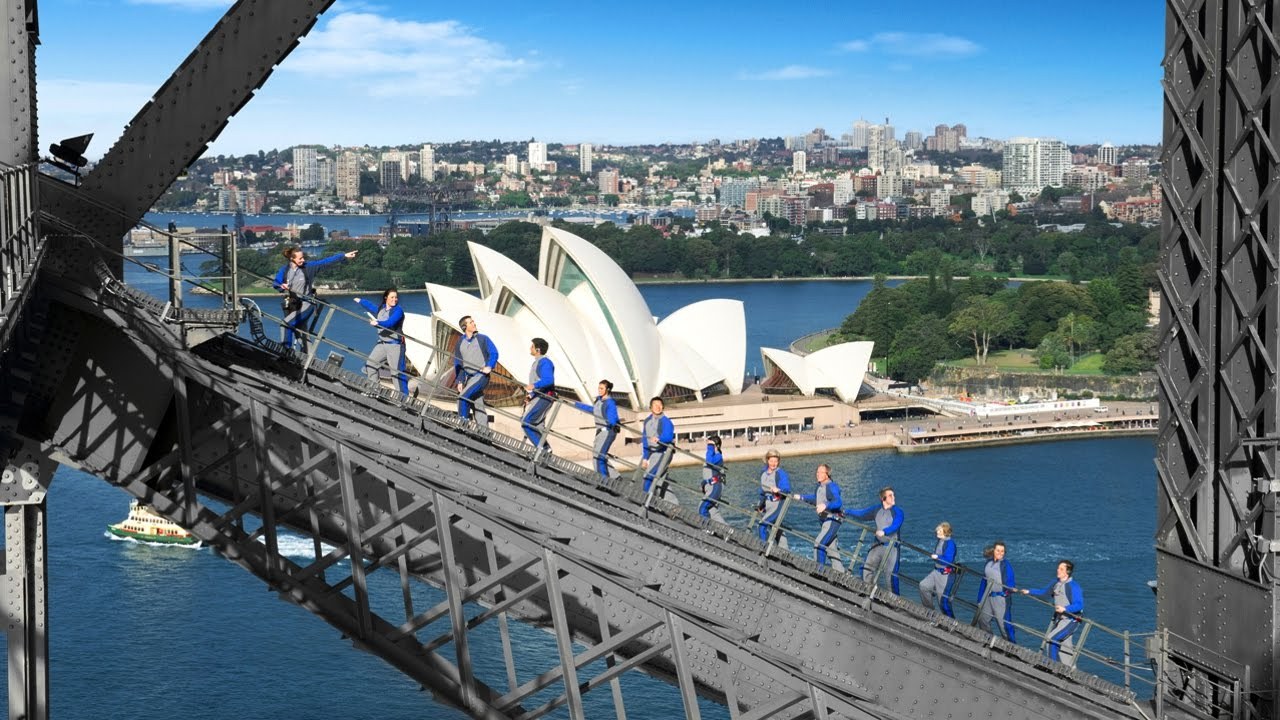
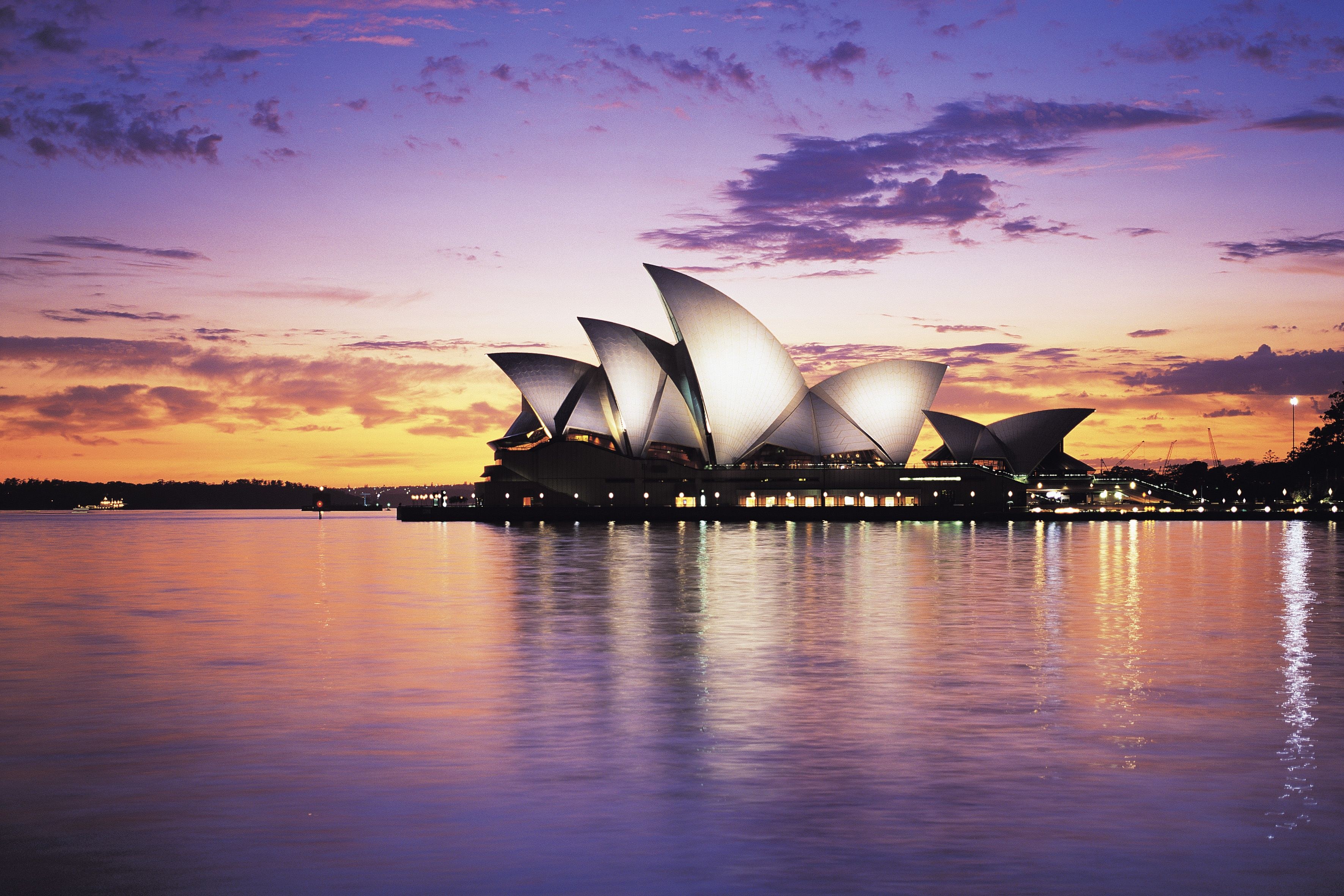
After you step off · near Melbourne
You end in a different port — stay on, and add what is within reach before you fly home.