Your cruise
Silver Wind · 14-night Northern Europe cruise, Leith/Edinburgh to Reykjavik
Jun 11 – Jun 25 · 14 nights ·
Day 1 Leith/Edinburgh (board) · Day 2 Isle Of May · Day 3 Invergordon · Day 4 Fair Isle · Day 5 Noss · Day 6 Runavík · Day 7 Vestmanna (faroe Islands) · Day 8 Seydisfjordur · Day 9 Rauðanes · Day 9 Raufarhofn · Day 10 Husavik · Day 11 Hofsos · Day 11 Drangey Island · Day 12 Djupavik · Day 12 Grimsey · Day 13 Vigur Island · Day 13 Bolungarvik · Day 14 Dynjandi · Day 15 Reykjavik (step off)
What you do Land by rib on Scotland's premier seabird sanctuary and walk cliff-top paths thick with puffins, guillemots and razorbills in season. Few places put you this close to a wild colony without a fence in sight.
What to expect You board a 12-seat rib at Anstruther harbour for a scenic 45-minute crossing across the Firth of Forth, often spotting seals and dolphins en route. Once landed, you have 2-3 hours to wander cliff-top trails past thousands of nesting seabirds, with puffins waddling within feet of the path April-July. There's also a small visitor centre and the ruins of a 12th-century priory to explore.
Good to know Book weeks ahead in peak puffin season (May-July); trips are weather-dependent and can be cancelled at short notice, so don't schedule this for your last possible sailing day. Bring waterproofs for the rib crossing regardless of forecast.
Versus the ship tour A small open rib (not a big tour boat) gets you close to the cliffs on the crossing, then you're free to roam the island's paths at your own pace rather than herded in a group.
book direct with Isle of May Boat Trips (Anstruther) → · the full guide →
What you do Charter the whole boat with a specialist naturalist guide for an unhurried, exclusive landing — no strangers, no fixed schedule, just you, the puffins and an expert who knows every ledge.
What to expect Your chartered rib departs on your schedule from the mainland, with the guide adjusting the route to chase the best wildlife sightings — seals hauled out on skerries, minke whales offshore, or dense puffin activity near the cliffs. On the island, the guide walks with your group at whatever pace you like, pointing out lighthouse history, the priory ruins, and seabird behaviour most day-trippers miss entirely.
Good to know Best value for a family or small group of 6-8 splitting the charter cost; book well ahead as availability is limited and weather windows are tight. Tide and swell conditions dictate exact landing times, so build in flexibility around your ship's all-aboard.
Versus the ship tour This is a private vessel, not a shared trip — you set the pace, linger where the wildlife is best, and have a dedicated guide narrating history and ecology just for your party.
What you do A fast, exhilarating non-landing rib circuit around the island's dramatic cliffs and skerries, ideal if time ashore is tight but you still want the wildlife and the scenery up close.
What to expect The rib skirts the full circumference of the island, weaving close to sea caves, stacks and seal haul-outs that landing trips don't always reach on foot. Guides point out nesting colonies from the water at eye level with the cliffs, a genuinely different vantage from the walking paths above. The pace is brisk and the sea spray is part of the experience.
Good to know Shortest option time-wise, useful if your call is brief — confirm departure point (Anstruther vs North Berwick) matches your transfer logistics. Dress warmly; open ribs are exposed even in summer.
Versus the ship tour No landing formalities or queuing to disembark — you get the coastal wildlife spectacle from the water in a tight window, which suits a shorter call at port.
book direct with Isle of May Boat Trips (Anstruther) → · the full guide →
What you do Skip the crowds and spend an hour wandering the working harbour and stone lanes of Anstruther, the real fishing village gateway to the Isle of May, before or after your boat.
What to expect You wander past working fishing boats, the harbour wall, and independent shops and cafes in a village that still runs on the tides and the catch, not tourism. The Scottish Fisheries Museum sits right on the harbour if you want context on the industry that built these coastal towns. It's unhurried, genuine, and pairs naturally with waiting for your boat departure.
Good to know Time this around your boat trip's departure or return slot rather than as a separate outing; the harbour is small and best appreciated on foot in under an hour.
Versus the ship tour This is the unscripted Fife you'd never see on a brochure stop — a working harbour, not a themed attraction, showing what this coast actually is when the tour boats aren't running.
book direct with Self-guided (Anstruther village, no operator required) → · the full guide →
What you do Join the reserve's own ranger-led walk once ashore for expert context on the seabird colonies, seal populations and the island's centuries of lighthouse and monastic history.
What to expect A ranger or warden walks the group along the main paths, stopping at key colony sites to explain breeding behaviour, population trends, and the island's unusual dual history as both monastery and lighthouse station. You'll see the visitor centre exhibits on the island's ecology and past keepers. It's informal and paced to the group's interest rather than a fixed script.
Good to know Availability of a guided walk depends on which boat operator and sailing you book, and on ranger presence that day — ask when booking your crossing. Combine with free time to explore independently afterward.
Versus the ship tour The reserve rangers are the actual scientists monitoring these colonies — their commentary goes well beyond what any general boat operator's crew can offer.
book direct with NatureScot (Isle of May National Nature Reserve) → · the full guide →
What you do An alternative departure point for Isle of May trips, pairing the crossing with a look at North Berwick's own dramatic coastline and the Scottish Seabird Centre before or after sailing.
What to expect You depart from North Berwick's harbour, passing the striking volcanic plug of the Bass Rock with its own vast gannet colony en route to the Isle of May, effectively doubling the wildlife spectacle in one crossing. Landing time on the island itself mirrors the Anstruther trips. Before or after, the Scottish Seabird Centre's live cameras and exhibits add context if weather curtails the landing.
Good to know Check current sailing schedules as North Berwick departures are seasonal and less frequent than Anstruther; this route suits those also touring East Lothian rather than Fife. Confirm return timing carefully against your ship's departure.
Versus the ship tour North Berwick's crossing is shorter and less crowded than the Anstruther route in peak season, giving you a quieter departure experience with the same island payoff.
book direct with Scottish Seabird Centre boat partners (North Berwick) → · the full guide →
What you do Stand inside Scotland's most iconic fortress, see the Stone of Destiny and dazzling Crown Jewels, then walk the Royal Mile with a private expert guide. A living millennium of Scottish history, all in one extraordinary morning.
What to expect Your guide collects you dockside at Leith and whisks you to the Castle Esplanade, where the fortress rises on its volcanic crag above the city. Inside, you'll explore the Great Hall, St Margaret's Chapel (Edinburgh's oldest building), and the Crown Room housing the Stone of Destiny and Crown Jewels of Scotland. Descend through centuries of cobbled history along the Royal Mile, pausing at closes and kirks your guide knows intimately. Return transfer to the ship is timed precisely to your all-aboard.
Good to know Edinburgh Castle is a 25-minute drive from Leith; book the private transfer to avoid taxi queues. Pre-book castle tickets directly at edinburghcastle.scot to skip ticket lines. Allow at least 3.5–4 hours total. Confirm all-aboard time with your guide on the day.
Versus the ship tour A private, door-to-door luxury vehicle from the cruise pier with a dedicated guide means no queues, no crowds, and total flexibility — linger over the Honours of Scotland as long as you wish, then descend the Royal Mile at your own pace.
book direct with Experienced Tours – Port of Leith Private Shore Excursions → · the full guide →
What you do Step aboard the Queen's beloved floating palace — the Royal Yacht Britannia — moored just minutes from your cruise ship in Leith. Walk the State Rooms, the Sun Lounge, and the royal bedchambers in extraordinary intimate detail.
What to expect Board via the same gangway used by five decades of royal guests and world leaders, audio guide in hand. The self-guided tour reveals the Working Deck engine rooms, the Admiral's Quarters, the State Dining Room where Churchill and Mandela once dined, and the intimate royal family sitting rooms — touching in their simplicity. The on-board Royal Deck Tea Room serves champagne afternoon tea with panoramic views over the Forth. The entire experience feels personal and unhurried.
Good to know Located at Ocean Terminal, Leith — approximately 10 minutes by taxi from the cruise berth. Open daily; last entry 3:30 pm. Pre-book afternoon tea well in advance as it sells out. Allow 2–3 hours for the full experience.
Versus the ship tour Britannia is walkable from the cruise terminal — no bus required. Book the exclusive Royal Deck Tea Room afternoon tea in advance for a truly luxurious, unhurried experience that transforms a museum visit into a royal occasion.
book direct with Royal Yacht Britannia (Official) → · the full guide →
What you do Descend beneath the Royal Mile into a labyrinth of 17th-century streets, homes, and plague-era tenements sealed underground for 300 years. Guided by costumed storytellers, this is Edinburgh's most atmospheric and spine-tingling hidden world.
What to expect Your costumed guide leads you through a series of atmospheric underground closes — alleyways and rooms frozen in time since the 1600s — bringing to life the plague, the merchants, the children, and the secrets buried beneath the city's feet. The stonework, low ceilings, and eerie silence create an immersive experience unlike any conventional museum. Exclusive evening bookings add candlelight, rare archive access, and extended storytelling. Emerging back onto the Royal Mile, Edinburgh feels permanently transformed.
Good to know Located on the Royal Mile, a short walk from Edinburgh Castle — combine both on the same excursion. Pre-booking is essential; timed entry slots fill weeks in advance. Not suitable for guests with severe mobility issues. Allow 75 minutes for the standard tour, 2+ hours for the exclusive experience.
Versus the ship tour The exclusive evening experience offers a private atmospheric descent with a specialist guide, candlelit storytelling, and access to normally closed sections — a genuinely rare encounter with Edinburgh's hidden history that no standard group tour can replicate.
book direct with The Real Mary King's Close (Official) → · the full guide →
What you do Immerse yourself in the world of Scotch whisky at the iconic Experience on the Royal Mile — from a sensory 'ghost of whisky past' barrel ride to a tutored nosing and tasting of the finest single malts. The ultimate dram for connoisseurs.
What to expect Begin with an immersive barrel-ride journey through Scotch whisky's 500-year history before your Ambassador guides you through a curated flight of the four whisky regions — Highlands, Lowlands, Speyside, and Islay. The Platinum experience extends into private tastings from rare expressions, with expert commentary on nose, palate, and finish. The on-site Amber Restaurant pairs seasonal Scottish cuisine with whisky flights, making for a perfectly rounded afternoon.
Good to know Located at the top of the Royal Mile, adjacent to Edinburgh Castle — combine both in a half-day. Leith to Royal Mile is approximately 25 minutes by taxi. Pre-book the Platinum masterclass well in advance. Allow 2 hours for the Gold/Platinum experience. Excellent gift shop for taking home rare bottles.
Versus the ship tour The Platinum private masterclass is led by a Scotch Whisky Ambassador in an intimate setting, with access to the world's largest Scotch whisky collection (over 3,500 bottles). No blended tourist drams — this is single-malt education at its finest.
book direct with The Scotch Whisky Experience (Official) → · the full guide →
What you do Conquer the ancient volcanic summit of Arthur's Seat — Edinburgh's wild mountain in the city — with a private guide who weaves geology, myth, and Jacobite history into every step. The 360° panorama over the city, the Firth of Forth, and beyond is breathtaking.
What to expect Your guide meets you at the base of Holyrood Park, where 350 million years of volcanic geology meet Edinburgh's skyline. The ascent via the Salisbury Crags ridge reveals increasingly spectacular vistas over the Old Town, Arthur's Seat looming above. At the 251-metre summit, the panorama stretches from the Bass Rock to the Pentland Hills, the Firth of Forth shimmering below. Your guide's geological and historical storytelling transforms what looks like a simple hill walk into a genuinely memorable adventure.
Good to know Holyrood Park is a 20-minute taxi from Leith. Wear comfortable walking shoes and a windproof layer — the summit can be breezy even in summer. The full round trip is approximately 2.5–3 hours. Combine with a visit to the adjacent Palace of Holyroodhouse for a full day.
Versus the ship tour A private guide tailors the ascent to your pace and fitness level, choosing the most dramatic route via the Salisbury Crags for jaw-dropping views — and times the summit for the golden hour light that no fixed-departure group tour can guarantee.
book direct with Go Scotland Tours – Walking Tours Edinburgh → · the full guide →
What you do Explore Leith's remarkable transformation from Scotland's great trading port to one of Europe's most celebrated food and culture neighbourhoods — led by local expert Paul on a vivid, story-rich walk from the docks to the Shore. Taste, discover, and fall in love.
What to expect Starting at the cruise pier, Paul walks you along The Shore — Leith's historic waterfront — past 17th-century merchant houses, the old Customs House, and Trinity House, pausing to reveal the port's extraordinary role in Scotland's trading history. The route winds through the craft distillery and brewery quarter, with tastings at artisan producers, before arriving at the neighbourhood's celebrated restaurant strip where Michelin stars cluster alongside legendary seafood shacks. Paul's local knowledge turns every unremarkable corner into a revelation.
Good to know This tour departs directly from the cruise pier — no transfer needed. Allow 2.5–3 hours. Confirm food allergy requirements with the operator at booking. Wear comfortable walking shoes; the route is mostly flat. Perfect as a morning warm-up before heading up to Edinburgh Castle in the afternoon.
Versus the ship tour Led by local Leith guide Paul — who has lived and breathed this neighbourhood for decades — this is an insider's journey through hidden closes, warehouse conversions, and Michelin-starred dining streets that no coach excursion ever reaches.
book direct with Go Scotland Tours – Leith Walking Tour → · the full guide →
What you do Land by rib on Scotland's premier seabird sanctuary and walk cliff-top paths thick with puffins, guillemots and razorbills in season. Few places put you this close to a wild colony without a fence in sight.
What to expect You board a 12-seat rib at Anstruther harbour for a scenic 45-minute crossing across the Firth of Forth, often spotting seals and dolphins en route. Once landed, you have 2-3 hours to wander cliff-top trails past thousands of nesting seabirds, with puffins waddling within feet of the path April-July. There's also a small visitor centre and the ruins of a 12th-century priory to explore.
Good to know Book weeks ahead in peak puffin season (May-July); trips are weather-dependent and can be cancelled at short notice, so don't schedule this for your last possible sailing day. Bring waterproofs for the rib crossing regardless of forecast.
Versus the ship tour A small open rib (not a big tour boat) gets you close to the cliffs on the crossing, then you're free to roam the island's paths at your own pace rather than herded in a group.
book direct with Isle of May Boat Trips (Anstruther) → · the full guide →
What you do Charter the whole boat with a specialist naturalist guide for an unhurried, exclusive landing — no strangers, no fixed schedule, just you, the puffins and an expert who knows every ledge.
What to expect Your chartered rib departs on your schedule from the mainland, with the guide adjusting the route to chase the best wildlife sightings — seals hauled out on skerries, minke whales offshore, or dense puffin activity near the cliffs. On the island, the guide walks with your group at whatever pace you like, pointing out lighthouse history, the priory ruins, and seabird behaviour most day-trippers miss entirely.
Good to know Best value for a family or small group of 6-8 splitting the charter cost; book well ahead as availability is limited and weather windows are tight. Tide and swell conditions dictate exact landing times, so build in flexibility around your ship's all-aboard.
Versus the ship tour This is a private vessel, not a shared trip — you set the pace, linger where the wildlife is best, and have a dedicated guide narrating history and ecology just for your party.
What you do A fast, exhilarating non-landing rib circuit around the island's dramatic cliffs and skerries, ideal if time ashore is tight but you still want the wildlife and the scenery up close.
What to expect The rib skirts the full circumference of the island, weaving close to sea caves, stacks and seal haul-outs that landing trips don't always reach on foot. Guides point out nesting colonies from the water at eye level with the cliffs, a genuinely different vantage from the walking paths above. The pace is brisk and the sea spray is part of the experience.
Good to know Shortest option time-wise, useful if your call is brief — confirm departure point (Anstruther vs North Berwick) matches your transfer logistics. Dress warmly; open ribs are exposed even in summer.
Versus the ship tour No landing formalities or queuing to disembark — you get the coastal wildlife spectacle from the water in a tight window, which suits a shorter call at port.
book direct with Isle of May Boat Trips (Anstruther) → · the full guide →
What you do Skip the crowds and spend an hour wandering the working harbour and stone lanes of Anstruther, the real fishing village gateway to the Isle of May, before or after your boat.
What to expect You wander past working fishing boats, the harbour wall, and independent shops and cafes in a village that still runs on the tides and the catch, not tourism. The Scottish Fisheries Museum sits right on the harbour if you want context on the industry that built these coastal towns. It's unhurried, genuine, and pairs naturally with waiting for your boat departure.
Good to know Time this around your boat trip's departure or return slot rather than as a separate outing; the harbour is small and best appreciated on foot in under an hour.
Versus the ship tour This is the unscripted Fife you'd never see on a brochure stop — a working harbour, not a themed attraction, showing what this coast actually is when the tour boats aren't running.
book direct with Self-guided (Anstruther village, no operator required) → · the full guide →
What you do Join the reserve's own ranger-led walk once ashore for expert context on the seabird colonies, seal populations and the island's centuries of lighthouse and monastic history.
What to expect A ranger or warden walks the group along the main paths, stopping at key colony sites to explain breeding behaviour, population trends, and the island's unusual dual history as both monastery and lighthouse station. You'll see the visitor centre exhibits on the island's ecology and past keepers. It's informal and paced to the group's interest rather than a fixed script.
Good to know Availability of a guided walk depends on which boat operator and sailing you book, and on ranger presence that day — ask when booking your crossing. Combine with free time to explore independently afterward.
Versus the ship tour The reserve rangers are the actual scientists monitoring these colonies — their commentary goes well beyond what any general boat operator's crew can offer.
book direct with NatureScot (Isle of May National Nature Reserve) → · the full guide →
What you do An alternative departure point for Isle of May trips, pairing the crossing with a look at North Berwick's own dramatic coastline and the Scottish Seabird Centre before or after sailing.
What to expect You depart from North Berwick's harbour, passing the striking volcanic plug of the Bass Rock with its own vast gannet colony en route to the Isle of May, effectively doubling the wildlife spectacle in one crossing. Landing time on the island itself mirrors the Anstruther trips. Before or after, the Scottish Seabird Centre's live cameras and exhibits add context if weather curtails the landing.
Good to know Check current sailing schedules as North Berwick departures are seasonal and less frequent than Anstruther; this route suits those also touring East Lothian rather than Fife. Confirm return timing carefully against your ship's departure.
Versus the ship tour North Berwick's crossing is shorter and less crowded than the Anstruther route in peak season, giving you a quieter departure experience with the same island payoff.
book direct with Scottish Seabird Centre boat partners (North Berwick) → · the full guide →
What you do Cruise the legendary dark waters of Loch Ness by private boat, then explore the dramatic 13th-century ruins of Urquhart Castle on its cliff-edge perch. The most iconic Highland experience, done at a pace worthy of discerning travelers.
What to expect Your private driver navigates the sweeping A82 along Loch Ness's western shore, a jaw-dropping road with water views at every turn. At Urquhart Castle, a short Jacobite Cruises boat excursion on the loch is optional — scanning for the famous silhouette. The ruined towers of the castle frame one of Scotland's most photographed panoramas. Return through the Black Isle in time for all-aboard.
Good to know Urquhart Castle is 65 miles from Invergordon — allow 1.5 hrs each way. Pre-book castle entry online to skip queues. Confirm all-aboard time and build in 30 min buffer. Jacobite Cruises (jacobite.co.uk) runs 1-hr loch cruises for GBP 16 adult if desired.
Versus the ship tour A private chauffeur-guided transfer means no waiting and completely flexible pace — linger at the castle ramparts or pause for Scotch whisky en route, entirely on your terms.
book direct with Urquhart Castle (Historic Environment Scotland) → · the full guide →
What you do Stand on the haunting moor where Scotland's fate was sealed in 1746, guided by a specialist historian. Then step 4,000 years further back at the mystical Clava Cairns stone circle — two of the most emotionally powerful sites in Britain on one extraordinary day.
What to expect The award-winning NTS visitor centre immerses you in the Jacobite Rising before you step onto the moor itself, where clan grave markers still bear their names. Your guide brings the chaos of the 40-minute battle alive with forensic detail. Clava Cairns, just minutes away, is a perfectly preserved Bronze Age burial site of eerie quiet beauty — almost always crowd-free. The contrast of two civilizations, millennia apart, is unforgettable.
Good to know Culloden is 28 miles from Invergordon — about 40 mins by car. Combine easily in a half-day, leaving time for Inverness or Cawdor Castle. Pre-book NTS entry. Local expert guides can be arranged via Inverness-based Highland guides (visitinvernesslochness.com).
Versus the ship tour A specialist historian guide transforms Culloden from a battlefield walk into a deeply personal narrative — clan stories, tactical maps, and the emotional weight of individual graves that a self-guided visit simply cannot replicate.
book direct with Culloden Battlefield (National Trust for Scotland) → · the full guide →
What you do Marvel at the turreted grandeur of Dunrobin, Scotland's largest northern castle, with its 189 rooms, French-formal gardens, and live falconry displays. Sitting directly above the sea just 45 minutes north of port, this is the closest bucket-list castle to the ship.
What to expect The castle rises like a Loire château above its immaculate parterre gardens and the Dornoch Firth beyond. State rooms display Meissen porcelain, Louis XV furniture, and big-game trophies that speak to centuries of aristocratic excess. The falconry demonstration in the gardens is theatrical and surprisingly moving — birds of prey launched at speed over manicured hedgerows. Allow time to explore the private museum of Sutherland estate artefacts.
Good to know Only 45 miles north of Invergordon — one of the easiest high-reward excursions from port. Falconry shows run at 11:30 and 14:00 (check dunrobincastle.co.uk for seasonal schedule). Open April–October. Easy half-day, leaving afternoon free.
Versus the ship tour Dunrobin's intimate scale means even on busy days the gilded state rooms never feel crowded. The falconry display — hawks launched over the topiary gardens against a sea backdrop — is a moment you will not forget.
book direct with Dunrobin Castle & Gardens → · the full guide →
What you do Go behind the scenes at one of the Highlands' most prestigious single malt distilleries — Glen Ord (Diageo's hidden gem) or the ultra-luxurious Dalmore — for a private VIP tour and tutored tasting of rare expressions. The definitive Highland luxury experience.
What to expect Dalmore sits dramatically on the Cromarty Firth just 14 miles from port — one of Scotland's most beautifully located distilleries. The VIP experience takes you through the copper stills, bonded warehouses, and into a private tasting of 12, 18, and rare 25-year expressions. Your host explains the unique stag-crest heritage and sherry-cask maturation philosophy. Finish with a bespoke bottling option — your name on a bottle of single malt to take home.
Good to know Dalmore is 14 miles from Invergordon — approx 20 mins. Pre-book VIP experiences directly via thedalmore.com well in advance; they are limited. Glen Ord (malts.com) is 18 miles away and excellent as an alternative or second stop. Distilleries have on-site shops for bottle purchases.
Versus the ship tour Private and small-group VIP tasting sessions at Dalmore allow access to aged expressions and limited releases unavailable anywhere else — poured by a brand ambassador in the distillery's own atmospheric tasting room.
What you do Venture deep into Britain's largest national park on a private wildlife safari, scanning for red deer, osprey, red squirrel, and the rare Scottish wildcat across ancient Caledonian pine forest and open moorland. Raw Highland wilderness, utterly unspoiled.
What to expect Your expert guide drives a high-clearance 4WD into open moorland above the tree line, stopping at hides and viewpoints known only to local specialists. Binoculars and spotting scopes are provided — red kites, ospreys, and golden eagles are regular sightings. The silence and scale of the Cairngorm plateau is humbling. A picnic lunch in a pine-forest clearing, with no other visitors in sight, completes an immersion in truly wild Scotland.
Good to know Highland Safaris (Perthshire-based) can arrange meet-and-greet from Invergordon. Allow a full day for Cairngorms — approx 90 mins drive. Best wildlife hours are early morning; coordinate with all-aboard time carefully. Layered clothing essential year-round.
Versus the ship tour A dedicated wildlife guide with specialist optics, decades of field knowledge, and a private 4WD takes you to locations and elevations that standard tours never reach — the chance of seeing a red deer stag at close quarters is genuinely high.
What you do Explore the enchanting 14th-century Cawdor Castle — immortalised by Shakespeare as Macbeth's stronghold — set within three extraordinary private gardens. One of Scotland's most beautifully lived-in castles, still owned by the Cawdor family.
What to expect The castle's interior is a delight of Flemish tapestries, ancient weapons, and family portraits punctuated by witty hand-written commentary from the late Earl — unexpectedly charming and completely unlike a typical stately home. The Flower Garden, Walled Garden, and Wild Garden each have a distinct character; the latter a woodland walk of primroses and burn-side paths. The legendary hawthorn tree growing in the castle's dungeon — the reason, legend says, Cawdor was built — is a genuine curiosity. Finish with tea in the castle tearoom.
Good to know Cawdor is 32 miles from Invergordon — about 50 mins. Pairs beautifully with Culloden (10 miles apart) for a full Highland history day. Open May–October; confirm dates at cawdorcastle.com. No pre-booking required for entry but private driver should be arranged in advance.
Versus the ship tour Unlike state-run heritage sites, Cawdor is privately owned and deeply personal — the family's eccentrically decorated rooms, sardonic wall plaques, and immaculate walled garden create a sense of being a privileged guest rather than a tourist.
book direct with Cawdor Castle & Gardens → · the full guide →
What you do Step inside one of the world's most celebrated ornithological stations for a private guided session with resident ornithologists. Watch rare migrants being ringed and released in hand — a once-in-a-lifetime encounter on this legendary flyway.
What to expect You are met at the observatory by a resident ornithologist who walks you through the mist-net rides and heligoland traps set across the island. Birds caught overnight — perhaps a Siberian vagrant or a rare Scandinavian warbler — are weighed, measured, ringed, and released directly into your hands. The experience concludes with a tour of the observatory's century-spanning log books and a look at the day's sightings board. The intimacy of the setting, with the Atlantic visible on all sides, is profoundly moving.
Good to know Pre-book directly with the observatory well in advance — ringing sessions depend on migration conditions and researcher availability. The observatory is a short walk from the landing jetty. Allow 2–3 hours. All-aboard timing is tight; confirm session length when booking.
Versus the ship tour Access is strictly limited by the observatory's own schedule and researcher availability — only tiny groups ever witness live ringing up close. The resident ornithologists share decades of field knowledge unavailable anywhere else on earth.
book direct with Fair Isle Bird Observatory → · the full guide →
What you do Meet one of Fair Isle's handful of remaining traditional knitters in their own studio for a private demonstration and the chance to commission a bespoke piece. The island's geometric colour-work patterns are UNESCO-recognised and globally coveted.
What to expect Mati Ventrillon, the island's most internationally celebrated designer-knitter, welcomes guests into her studio overlooking the sea. She explains the historical roots of each motif, demonstrates the two-colour stranded technique on original hand-frames, and walks you through her archive of pattern notebooks. You may handle and try on finished garments, discuss a bespoke commission, and leave with a signed, numbered piece that carries a certificate of Fair Isle provenance. The setting — a working croft with Atlantic light flooding through the windows — is as memorable as the craft itself.
Good to know Contact Mati directly via her website well before your cruise date. Studio visits are by appointment only and limited to small groups of 4–6. The studio is a 10-minute walk from the South Harbour. Allow 1.5–2 hours.
Versus the ship tour Fewer than a dozen traditional knitters remain on the island. A private studio visit is not a craft demonstration but a rare cultural transmission — you are watching a living tradition that has survived on this remote rock for centuries.
What you do Traverse Fair Isle's dramatic sea-cliff edges with a local naturalist guide on a private half-day walk past vast seabird colonies. Puffins, gannets, skuas and guillemots nest within metres of the path in one of Britain's most spectacular wildlife spectacles.
What to expect Your guide meets you at the pier and leads you north along the cliff path to Malcolm's Head and the Sheep Rock viewpoint, pausing at active puffin colonies where birds return to burrows just feet away. Arctic skuas perform their spectacular aerial pursuits overhead while gannets plunge-dive in the waters below. The guide provides high-quality binoculars and a species checklist, and interprets the island's geology and history as you walk. The finale is a panoramic viewpoint over Sheep Rock — one of the most photogenic seascapes in the British Isles.
Good to know Book Shetland Wildlife well in advance; they operate bespoke Fair Isle guiding tied to vessel arrivals. Wear layered waterproofs and sturdy footwear. The walk covers approximately 5–6 km on uneven cliff-top terrain. Allow 3–4 hours. Confirm all-aboard time when booking.
Versus the ship tour Shetland Wildlife's naturalist guides hold deep specialist knowledge of Fair Isle's ecology and can read the cliffs like a map — locating Arctic skua display grounds, pointing out colour-ringed individuals, and timing your arrival at puffin burrows for the best light.
book direct with Shetland Wildlife (official operator) → · the full guide →
What you do Gain rare private access to Fair Isle's North and South Lighthouses — two of Scotland's most remote and historically significant beacons — with a guided tour arranged through the Northern Lighthouse Board. An extraordinary immersion in maritime history at the edge of the world.
What to expect The South Lighthouse, built by the legendary Stevenson family (of Robert Louis Stevenson fame), perches on the island's southern tip above sheer 90-metre cliffs. A private guide walks you through the engine rooms, lens chamber, and keepers' quarters — machinery still gleaming from the age of manned operation. The North Lighthouse offers a contrasting perspective across the Roost, Fair Isle's notorious tidal race. Your guide recounts shipwrecks, the island's wartime role, and the extraordinary lives of the lighthouse families who lived here in total isolation for years at a time.
Good to know Arrange access in advance by contacting the NLB or the NTS Fair Isle ranger (nts.org.uk/visit/places/fair-isle). The two lighthouses are at opposite ends of the island — a vehicle or pony track walk is required. Allow a full half-day. Sturdy footwear essential.
Versus the ship tour Access to the lighthouse interiors is not open to the general public — it requires advance coordination with the Northern Lighthouse Board and is available only to small, pre-arranged groups. This is one of Britain's most exclusive heritage experiences.
book direct with Northern Lighthouse Board (official) → · the full guide →
What you do Join Fair Isle's resident National Trust for Scotland ranger for a private guided walk encompassing the island's geology, Norse heritage, wartime history, and breathtaking landscapes. Entry to NTS lands is free; the depth of knowledge is priceless.
What to expect Your ranger leads you from the South Harbour across the island's central ridge, pausing at the remains of a Norse longhouse, a WWII radar station, and the island's ancient field systems. The views from Ward Hill — Fair Isle's highest point at 217 metres — encompass both coastlines simultaneously on clear days, with Shetland faintly visible to the north. The ranger points out endemic plant species in the island's distinctive limestone heathland and explains the fragile community of just 55 permanent residents who maintain this extraordinary place. The walk concludes near the island's community hall, where you may browse the local craft shop.
Good to know Contact the NTS Fair Isle ranger via nts.org.uk well before your port call. Walks are tailored to group fitness and time available. The terrain is hilly and uneven — robust footwear and waterproofs required. Ward Hill summit adds elevation; request a shorter route if needed. Allow 2.5–3.5 hours.
Versus the ship tour The island ranger lives and breathes Fair Isle year-round, with an intimate knowledge of every croft, ruin, geo (sea inlet), and archaeological site. A private walk unlocks stories and viewpoints no map can reveal.
book direct with National Trust for Scotland – Fair Isle → · the full guide →
What you do Step onto a working Fair Isle croft for a private guided experience tracing the island's sheep-farming and wool heritage from fleece to finished yarn. Meet the native Shetland sheep whose fleece underpins the island's world-famous textile tradition.
What to expect A crofting family welcomes your small group to their working land, introducing you to their native Shetland sheep — a small, hardy, multicoloured breed producing some of the finest natural fibre in Britain. You learn how the annual clip is sorted by colour for natural dyeing, watch a spinning demonstration, and handle raw fleece, singles, and plied yarn. The crofter explains the economics of island life, the NTS stewardship model, and the generational knowledge embedded in every stitch of a Fair Isle pattern. The whole experience is framed by staggering coastal scenery just beyond the dry-stone walls.
Good to know Arrange through the NTS Fair Isle ranger or directly via the island community well in advance of your port call. The experience suits small groups of 2–8. Flat, accessible terrain on croft land. Allow 1.5–2 hours. Combine with the NTS ranger walk for a full-day Fair Isle immersion.
Versus the ship tour With only around 20 working crofts on the entire island, access to a private farm visit is genuinely exclusive. The connection between the native sheep breed, the wool clip, and the world-famous knitwear tradition is explained from the inside — by the people who live it.
book direct with Fair Isle (via NTS Fair Isle community liaison / local croft arrangement) → · the full guide →
What you do Sail beneath towering 180m cliffs on Noss teeming with gannets, puffins and skuas — one of Britain's great seabird spectacles, seen from the water at eye level with the colonies.
What to expect You board a rigid-hull boat from Lerwick harbour and cruise across Bressay Sound to the base of the Noss cliffs. The skipper cuts the engine near the Cradle Holm gannetry so you can watch thousands of birds wheeling and diving in near silence. Seals often haul out nearby, and on calm days you can get remarkably close to the rock face. It's a bracing, wide-open-air experience best in a warm layer and waterproofs.
Good to know Runs weather-dependent April–August (peak seabird season); book the earliest sailing to allow flexibility if it's cancelled and rescheduled before your ship departs. Departs from Lerwick's small boat harbour, a short walk from the cruise berth.
Versus the ship tour A small open-boat outing (max 12 guests) with a local skipper-naturalist who knows every ledge and nesting pair by name, timed to the light and the tides rather than a fixed coach schedule.
book direct with Shetland Seabird Tours → · the full guide →
What you do Cross by inflatable dinghy to Noss itself and walk the clifftop path with a Scottish Natural Heritage ranger, standing feet from puffins and bonxies on their own turf.
What to expect You take a small dinghy across the narrow sound from Bressay to Noss, landing on a shingle beach. The resident ranger leads a circular walk (roughly 4-5 miles) around the island's clifftops, stopping at the great gannetry and skua moorland, explaining the ecology and history of the abandoned sheep farm on the island. Great skuas ('bonxies') may swoop close if you stray near nests, which the ranger will manage. It is wild, weather-exposed, and unforgettable.
Good to know Reserve is only accessible May to August, weather permitting, and the dinghy doesn't run in high wind or swell — check with wardens on arrival day. Requires a ferry to Bressay first (short, frequent, from Lerwick), then the ranger dinghy; allow a full morning or afternoon and confirm return timing against your ship's all-aboard.
Versus the ship tour This is the walk that shows you what Noss actually is — a working nature reserve, not a photo stop — led by the wardens who monitor these colonies year-round, at a pace set by the birds, not a bus timetable.
book direct with NatureScot (Noss National Nature Reserve wardens) → · the full guide →
What you do Wander the flagstone lanes, closes and stone piers of Lerwick's old town with a local historian — the real texture of a Shetland town, not a souvenir strip.
What to expect Starting at Fort Charlotte, the 17th-century artillery fort overlooking the harbour, your guide leads you down through the narrow lodberries (merchant houses built directly over the water) and into the old town's maze of closes. You'll hear about Shetland's Norse heritage, the herring boom years, and life during WWII's 'Shetland Bus' resistance operations. The walk ends near the harbourfront, timed for a coffee before returning to the ship.
Good to know Tours run on request for cruise call days, typically 90 minutes; book ahead by email as group sizes are kept small. Fort Charlotte itself is a two-minute walk from the cruise tender pier.
Versus the ship tour A small-group walk led by a Shetlander steeped in local history, moving through working lanes and the harbour rather than a scripted highlight reel.
book direct with Shetland Amenity Trust Guided Walks → · the full guide →
What you do Step into a restored 19th-century thatched croft and meet a working Shetland crofter for an honest look at island life, far from any tour-bus itinerary.
What to expect You explore the low, thatched croft house and its watermill along the Boddam burn, seeing box beds, peat fires and the tools of a self-sufficient 19th-century household. With the private add-on, a local crofter joins you to talk through real seasonal work — shearing, peat, and Shetland pony husbandry — and answers questions candidly over a cup of tea. It's a quiet, human-scale counterpoint to Lerwick's harbour bustle.
Good to know About 25 minutes' drive south of Lerwick; arrange a taxi or private driver for the round trip and factor in transit time against your ship's departure. Private crofter add-on must be booked at least a few days ahead.
Versus the ship tour The private add-on gets you time one-on-one with a crofter still working land like this, talking sheep, peat-cutting and Shetland wool rather than a museum placard.
book direct with Shetland Croft House Museum → · the full guide →
What you do Sail to Mousa to climb Scotland's best-preserved Iron Age broch, a 2,000-year-old drystone tower still standing 13 metres high on its own islet.
What to expect The boat departs from Sandsayre pier in Sandwick, about 30 minutes south of Lerwick, crossing calm water to Mousa. You land beside the broch and can climb its internal stone staircase to the wallhead for views over the sound. The island's beaches often have basking seals, and outside daytime sailings, evening trips bring the added spectacle of storm petrels returning to nest inside the broch's walls at dusk.
Good to know Requires a taxi or transfer to Sandwick pier before boarding; check tide-dependent sailing times the morning of your call. Evening storm petrel sailings (June–July) are magical but won't fit a same-day cruise call — the daytime crossing is the realistic option.
Versus the ship tour A small-boat crossing to an uninhabited island with one structure on it, giving you the broch and its beaches essentially to yourselves rather than as one stop among many.
What you do Learn a few stitches of genuine Shetland lace or fair isle knitting from a local knitter in a small workshop, tied to the islands' centuries-old wool tradition.
What to expect The museum, housed in a restored watermill at Weisdale, displays fine examples of Fair Isle and Shetland lace so delicate it can pass through a wedding ring. In the small-group workshop, a local knitter teaches basic lace or colourwork techniques using traditional Shetland wool, explaining how patterns were historically passed down through families. You leave with a swatch of your own work and a genuine sense of a craft still practised daily on the islands.
Good to know About 20 minutes' drive from Lerwick; book the workshop slot in advance as space is limited to small tables. Combine with the on-site café for lunch before heading back to the ship.
Versus the ship tour A hands-on session with a working Shetland knitter in a converted 19th-century mill, giving real skill and context rather than a shop full of finished sweaters.
book direct with Shetland Textile Museum, Weisdale Mill → · the full guide →
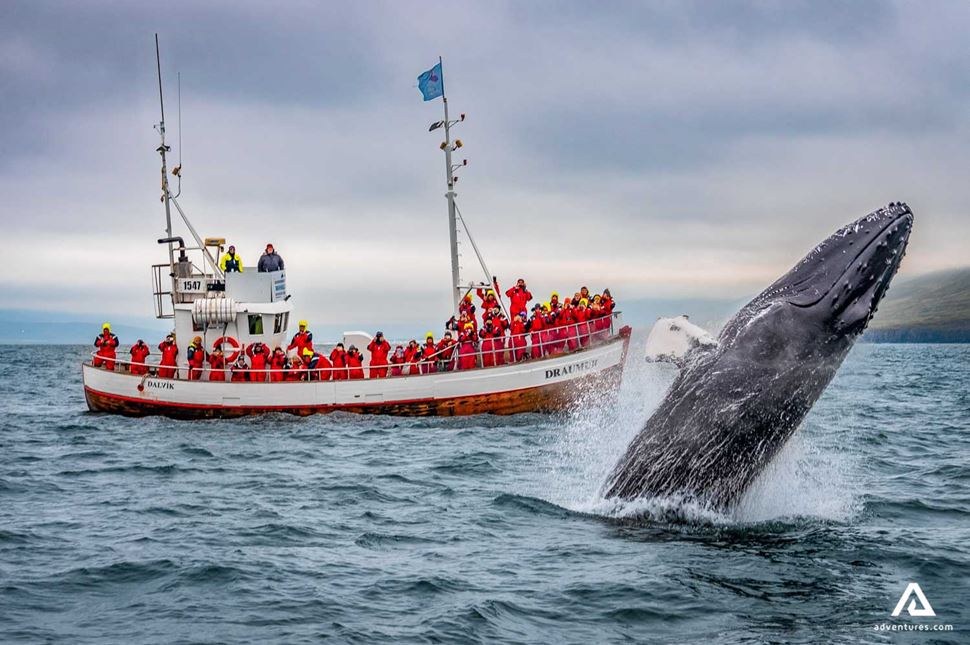
What you do Blast across Skjálfandi Bay in a high-powered RIB to meet humpbacks up close and circle the puffin colonies of Lundey Island. This is Iceland's whale-watching capital at full throttle — raw, exhilarating, and utterly unforgettable.
What to expect Dressed head-to-toe in a thermal survival suit provided on board, you speed out into Skjálfandi Bay with an expert naturalist guide who reads whale behaviour in real time. Humpbacks are the star, regularly breaching and fluking within metres of the RIB. A detour to Lundey Island reveals thousands of Atlantic puffins nesting on the cliffs. The return run at speed across the bay, with the snow-capped Víknafjöll mountains as backdrop, is a photographer's dream.
Good to know Tours run March–November and last approximately 2.5 hours; depart from Húsavík harbour, a 2-minute walk from the cruise tender dock. Pre-book directly with Gentle Giants to secure your slot — departures fill fast on port days. Check your all-aboard time carefully; allow at least 30 minutes back at the harbour before departure.
Versus the ship tour A small, fast RIB places you at water level — not on a crowded deck — giving you intimate, heart-pounding proximity to breaching humpbacks and dense puffin colonies that larger vessels simply cannot reach.
book direct with Gentle Giants Whale Watching Húsavík → · the full guide →
What you do Drift silently through Skjálfandi Bay aboard the historic oak sailing vessel Opal — a zero-emission whale-watching voyage that lets you hear every blow and splash without engine noise. The gold standard of mindful luxury wildlife encounters in Iceland.
What to expect North Sailing's Opal is one of Iceland's most storied whale-watching vessels, crewed by marine biologists and seasoned local sailors. As the sails are raised, the bay falls quiet and humpback whales, minke, and occasionally blue whales surface around you with no disturbance. Hot chocolate and cinnamon rolls are served on deck as the crew narrate each sighting with expert precision. The panoramic views of Húsavík's painted harbour and the surrounding mountains make every moment frame-worthy.
Good to know Tours depart from Húsavík Old Harbour — steps from the cruise pier. Duration is approximately 3 hours; book the earliest available departure to protect your all-aboard window. North Sailing's eco-credentials are certified — this is the responsible luxury choice. Book directly at northsailing.is.
Versus the ship tour Sailing under canvas on a traditional oak vessel means near-silence on the water — whales approach the boat naturally, unhurried by engine noise, delivering encounters of extraordinary intimacy that motorised tours simply cannot replicate.
What you do Sink into mineral-rich geothermal seawater in infinity pools perched on a lava headland with unbroken views over Skjálfandi Bay. GeoSea is Iceland's most dramatic bathing experience — pure, unhurried, and utterly restorative.
What to expect The pools are fed directly by geothermal seawater at 36–39°C and sit on a dramatic cliff edge overlooking Skjálfandi Bay, where you may spot the distant spouts of whales you watched earlier. The design is understated Icelandic luxury — natural stone, clean lines, a swim-up bar serving Icelandic craft beer and wine. Arrive just after opening or in the late afternoon when the golden Arctic light turns the bay into hammered copper. The on-site café serves light bites and local spirits.
Good to know GeoSea is a 10-minute walk or 5-minute taxi from the cruise harbour. Pre-book tickets online to guarantee entry on busy port days. Allow 1.5–2 hours to truly unwind. Bring a swimsuit; towels and robes can be rented on arrival. Book at geosea.is.
Versus the ship tour Unlike the famous Blue Lagoon, GeoSea remains authentically local and far less crowded — you bathe in real geothermal seawater, not a manufactured pool, with Arctic bay vistas and almost no tourist theatre.
book direct with GeoSea Geothermal Sea Baths → · the full guide →
What you do Traverse the entire Diamond Circle — Europe's most powerful waterfall, a horseshoe-shaped glacial canyon, and the otherworldly lava fields of Lake Mývatn — with an expert local guide in a premium small-group setting. Iceland's north at its most magnificent.
What to expect Your day opens at Dettifoss, Europe's most powerful waterfall, where 193 cubic metres of glacial water per second thunders into the Jökulsárgljúfur canyon — the raw force is staggering. The horseshoe-shaped Ásbyrgi canyon follows, formed (according to Norse legend) by the hoof of Odin's eight-legged horse Sleipnir. After a locally sourced lunch, the afternoon is devoted to Lake Mývatn: Námaskarð mud pools, Grjótagjá lava cave, and the Hverfjall crater. Your guide weaves geology, folklore, and Norse mythology throughout.
Good to know Full-day tour runs approximately 10–11 hours; confirm departure against your ship's all-aboard time before booking. Departs directly from Húsavík cruise port. Dress in layers — Mývatn can be significantly colder than the harbour. Book directly with BusTravel Iceland at bustravel.is.
Versus the ship tour A knowledgeable local guide curates the stops, the stories, and the pacing — spending meaningful time at each site rather than rushing through — transforming a long drive into a deeply immersive journey through Iceland's volcanic heartland.
book direct with BusTravel Iceland – Shore Excursions from Húsavík → · the full guide →
What you do Stand at Goðafoss — the 'Waterfall of the Gods,' where Iceland's pagan idols were cast into the torrent in the year 1000 AD — then explore the volcanic wonderland of Lake Mývatn in a single immersive half-day journey. History, geology, and spectacle combined.
What to expect Goðafoss greets you first — a sweeping horseshoe of cascading glacial water framed by black basalt, carrying the extraordinary historical weight of Iceland's conversion to Christianity. Your guide recounts the chieftain Þorgeir's decision that changed the nation. Lake Mývatn follows, a UNESCO-protected geothermal wonderland of pseudo-craters, steaming Námaskarð fumaroles, and the jagged Dimmuborgir lava formations. The five-and-a-half-hour tour is perfectly paced for a port day — impactful without being rushed.
Good to know Tour duration is 5.5 hours, departing from Húsavík harbour. Dress warmly in wind-proof layers; lake-shore wind can be piercing even in summer. Pre-book early as cruise-day slots are limited. Confirm exact all-aboard time with the ship before departure.
Versus the ship tour The itinerary is purpose-designed for cruise passengers — timed precisely to port schedules — with a small group and a specialist guide who brings the Viking-age history of Goðafoss to vivid life before immersing you in Mývatn's volcanic geology.
book direct with Guide to Iceland – Shore Excursions → · the full guide →
What you do Explore one of the world's finest whale museums with full-skeleton exhibitions, interactive science displays, and a depth of cetacean knowledge that transforms what you witnessed on the water into a profound understanding of these ancient giants.
What to expect Housed in a beautifully converted harbour warehouse, the Húsavík Whale Museum displays articulated skeletons of 10 different whale species suspended dramatically overhead — the 25-metre blue whale skeleton alone is worth the visit. Interactive exhibits explore whale biology, migration, acoustic communication, and the history of Icelandic whaling with unflinching honesty. The museum's research team regularly updates displays with findings from ongoing fieldwork in Skjálfandi Bay. A well-curated gift shop carries books and artwork that make for refined souvenirs.
Good to know The museum is located directly on Húsavík harbour front — a 1-minute walk from the cruise tender dock. Allow 1–1.5 hours; plan it as a companion to your whale-watching tour for maximum impact. Open daily; no pre-booking required but tickets can be reserved online at whalemuseum.is for skip-the-line entry on busy port days.
Versus the ship tour The museum offers an intimate, self-paced intellectual complement to any whale-watching tour — with real articulated skeletons of over 10 species, including a rare blue whale specimen, and curated science that makes the encounter on the bay truly meaningful.
What you do Walk the crumbling herring factory at dawn light with the family who still lives in this near-abandoned fjord village, hearing the boom-to-bust story firsthand.
What to expect You enter through rusting machine halls that once processed more herring than any factory in Europe, climbing past silent turbines and abandoned control rooms. Your guide, tied by family history to the village, explains the sudden collapse of the herring stocks that emptied the town almost overnight. Light pours through broken windows onto decades-old equipment left exactly where it stopped. It's eerie, intimate, and unlike anywhere else in Iceland.
Good to know Book the 10:00 departure directly from the hotel reception or by email in advance — it's the only guaranteed slot for small groups; the 14:00 tour needs four people minimum. Wear sturdy shoes; parts of the factory are uneven and unheated.
Versus the ship tour This is run by the very family who kept Djúpavík alive after everyone else left — you're getting their personal memory of the place, not a script, and the tour size is capped by the building's own safety limits, not marketing.
book direct with Hótel Djúpavík (official) → · the full guide →
What you do A quiet, guide-led walk above the village to the waterfall tumbling into Reykjarfjörður, with sweeping views few cruise passengers ever see.
What to expect You climb a grassy track behind the hotel, the fjord opening beneath you in complete silence but for wind and water. The falls drop directly toward the sea, framed by the same mountains that shelter the abandoned factory below. Your guide points out old herring-boat mooring stones and talks about the harshness and beauty of life on the Strandir Coast. It's contemplative rather than adrenaline-driven — Iceland at its rawest.
Good to know Best done right after the 10:00 factory tour, before ship departure; allow 90 minutes round trip. Bring wind-proof layers even in summer.
Versus the ship tour No path signage, no crowd — this is a local walking you along a route the hotel's own family has used for generations, timed to the light and tide.
book direct with Hótel Djúpavík (official guides) → · the full guide →
What you do A private car journey along one of Iceland's most remote coastal roads to a cliffside geothermal pool used by locals, not tourists.
What to expect You wind north along gravel roads hugging black cliffs and turquoise water, passing near-empty farms and fishing hamlets. At Krossneslaug, a geothermal pool built into the rocks above the sea, you swim while waves crash just beyond a low wall. Your guide shares stories of the tiny communities strung along this coast. The return drive gives time to stop wherever the light or wildlife demands.
Good to know Confirm the tour timing against your ship's all-aboard — this excursion needs roughly 4-5 hours round trip from Djúpavík. Bring swimwear and a towel.
Versus the ship tour A private driver takes you where public buses never reach; you soak in a working village's own pool, not a tour-bus attraction, with total flexibility on timing to make it back for the ship.
book direct with Iceland Tours (Westfjords private guide) → · the full guide →
What you do The classic small-group walk through the herring factory's cavernous halls, Iceland's largest concrete building when built, with a guide explaining its rise and fall.
What to expect You step from bright fjord light into echoing dark machine halls, following narrow stairwells past turbines and empty oil tanks. The guide's telling is personal, sometimes emotional, given the village's near-total dependence on the factory before its collapse. Photographs on peeling walls show the boomtown years when hundreds worked here. It ends outside, looking back at the looming concrete shell against the mountains.
Good to know 60–90 minutes; wear closed shoes, bring a torch/phone light for darker corners. Reserve ahead by phone/email since minimum numbers apply.
Versus the ship tour Daily and capped at a handful of people, this is the same tour cruise guests might see advertised, but booked direct with the family who actually runs the site, at the door of history rather than through a tour desk.
book direct with Hótel Djúpavík (official) → · the full guide →
What you do A slow, expert-led walk along the fjord's shoreline to spot arctic terns, eiders, and seals in one of Iceland's least-visited wildlife corridors.
What to expect You walk quietly along tidal flats and low cliffs as your guide points out nesting sites and seal colonies visible from shore. The pace is unhurried, built around patience and observation rather than covering ground. Between wildlife stops, there's context on how the fjord's ecology shaped the herring boom and the village's survival since. It's a gentle, meditative counterpoint to the industrial history nearby.
Good to know Bring binoculars if you have them; the hotel has a few to lend. Best light and bird activity is mid-morning.
Versus the ship tour This coastline sees a fraction of Iceland's tourist traffic — your guide knows exactly where the seals haul out and the terns nest, without a boardwalk or crowd in sight.
book direct with Hótel Djúpavík (local naturalist guide) → · the full guide →
What you do A self-paced but guide-supported wander through the tiny village itself — its handful of houses, the rusting herring boat wreck, and the fjord backdrop.
What to expect You stroll past a scattering of houses, an old church, and the beached wreck of a herring boat rusting in the shallows, all beneath the dramatic backdrop of the factory and mountains. Locals may be out tending gardens or chatting outside the hotel. It's unpolished and real, the opposite of a curated attraction, and best experienced slowly with a camera in hand.
Good to know Everything is within a 15-minute walk of the pier; combine with the factory tour for a full morning. No booking needed for the free walk.
Versus the ship tour The village itself, population under ten, is the real attraction — a lived-in ghost town rather than a preserved one, and there's no charge to simply walk it and absorb what remains.
book direct with Hótel Djúpavík (official) → · the full guide →
What you do Soar over the spectacular North Iceland fjords and land on Grímsey — the only Icelandic territory that straddles the Arctic Circle. Step off the plane and onto one of the world's most dramatic geographical thresholds.
What to expect Board a small charter aircraft in Akureyri and trace the coastline northward before descending dramatically onto the tiny island airstrip. Your private guide walks you to the iconic Arctic Circle marker, then leads you along the sea-cliff edge where thousands of puffins nest. You'll receive the coveted official Arctic Circle crossing diploma — proof of a genuinely rare geographical achievement. The return flight at golden-hour light turns the fjords into pure theatre.
Good to know Flight time is approximately 20 minutes each way; allow 2.5–3 hrs total. Pre-book well in advance in summer — the single airstrip has limited slots. Ideal for ships calling at Akureyri or anchoring off Grímsey directly. Check all-aboard time and confirm with operator on scheduling flexibility.
Versus the ship tour A fully private charter with a dedicated pilot-guide means the entire flight and landing experience is yours alone — no shared cabin, no fixed schedule. The aerial view of the fjords and the dramatic approach to Grímsey's cliffs is a cinematic moment that cannot be replicated on the ground.
What you do Walk Grímsey's wind-sculpted cliffs with the island's most celebrated local guide, Halla of Arctic Trip, for an intimate encounter with Iceland's largest accessible puffin colony and the Arctic Circle stone.
What to expect Halla meets you the moment you step ashore and leads you along dramatic basalt cliff paths where Atlantic puffins, Arctic terns, and guillemots nest within arm's reach. You'll stand on the exact line of the Arctic Circle, receive your official diploma, and hear first-hand stories of life at 66°N. The pace is leisurely, with plenty of time for photography and genuine conversation with a true islander.
Good to know Tours run year-round and are timed to meet the ferry Sæfari on arrival. If your ship anchors directly at Grímsey, confirm tender timing with the operator. Diplomas are included for tour guests. Bring wind-proof layers and sturdy shoes — the cliff paths can be blustery even in summer.
Versus the ship tour Halla is one of the island's 65 residents — her knowledge of nesting sites, bird behaviour, and island lore is unmatched by any mainland operator. Groups are kept intimate, so you're steps from puffins in their burrows rather than watching from a distance.
book direct with Arctic Trip (Grímsey Island) → · the full guide →
What you do Don a dry suit and slip beneath the surface of the Arctic Ocean off Grímsey — one of the most extreme and exhilarating snorkeling experiences on earth, guided by Arctic Trip's certified local instructors.
What to expect After a full dry-suit briefing and fitting, you enter the crystalline Arctic Ocean alongside experienced local guides. Visibility is remarkable — the sub-polar waters are strikingly clear — and the sensation of floating at the very edge of the Arctic is genuinely awe-inspiring. Sea birds dive overhead as you float; below, the kelp forests and rock formations are otherworldly. Post-snorkel, warm up with hot drinks and stories from your guides.
Good to know No prior snorkeling experience required; dry suits are provided and keep you warm. Minimum age typically 12; guests with certain health conditions should consult the operator. Allow approximately 2.5 hours including gear-up and debrief. Pre-book immediately upon confirming your ship's Grímsey call — slots are very limited.
Versus the ship tour Snorkeling at the Arctic Circle is an almost singular experience on the planet — the same geological drama that gives Silfra its fame, but in open Arctic waters at 66°N, with sea life that almost no traveler ever encounters. Arctic Trip provides premium dry suits and maintains tiny group sizes for safety and intimacy.
book direct with Arctic Trip (Grímsey Island) → · the full guide →
What you do Tee off on Grímsey's legendary 9-hole course — one of the world's most remote and dramatic golf experiences — with fairways perched on sea cliffs and the midnight sun blazing overhead.
What to expect The course sits on the island's western plateau, its fairways edged by sheer sea-cliffs dropping to the North Atlantic. Wind is a constant hazard and Arctic terns are notorious for dive-bombing players near their nesting areas — helmets are sometimes worn in earnest. The surreal quality of playing in full daylight at midnight during the summer solstice period is something golfers speak of for decades. Locals are welcoming and the informal clubhouse adds to the charm.
Good to know Hire of clubs is available on the island; call ahead or arrange via the ferry operator. The course is accessible on foot from the harbour within 10 minutes. Best played late evening for the midnight sun effect in June–July. Confirm availability and club hire directly with the island via grimsey.is or through Arctic Trip as a local contact.
Versus the ship tour This is bucket-list golf in the most literal sense — a working course at 66°N where Arctic terns defend their nests, puffins watch from the rough, and the sun never fully sets in June and July. No other course on earth offers this latitude, this wildlife, and this light simultaneously.
What you do Circumnavigate Grímsey's volcanic sea-cliffs by Zodiac with Arctic Sea Tours, getting eye-level with nesting puffins, razorbills, and guillemots on sheer basalt columns rising straight from the Arctic Ocean.
What to expect Arctic Sea Tours operates from Dalvík near Akureyri and runs specialist wildlife expeditions into the waters around Grímsey. The rigid inflatable allows the guide to manoeuvre right to the cliff face, where tens of thousands of seabirds nest in spring and summer. A knowledgeable naturalist guide narrates the ecology, geology, and island history throughout. On lucky days, white-beaked dolphins and minke whales are spotted in the surrounding waters.
Good to know Dry suits or high-spec flotation gear is provided. Departs from Dalvík harbour, approximately 35 minutes from Akureyri by car. Pre-arrange a taxi or private transfer from Akureyri. Confirm all-aboard time carefully — factor in travel each way. Best combined with a land visit to Grímsey if time allows.
Versus the ship tour A Zodiac allows access to sea-cave arches, rock stacks, and cliff bases that are entirely unreachable on foot — you're photographing puffins from metres away as they perch on ledges above the waterline, a perspective no land tour can deliver.
What you do Explore the full human story of Grímsey — Iceland's most remote inhabited island — on an expert-guided cultural walk through the fishing hamlet, 12th-century church, and edge-of-the-world lighthouse.
What to expect Your local guide leads you through the tiny harbour village, past colourful fish-drying racks and traditional wooden homes, to the historic Grímseyjarkirkja church dating to the 12th century. You'll visit the lighthouse on the island's northern tip, stare into the Arctic Ocean, and hear stories of the island's seafaring heritage and its curious chess obsession. Coffee and local refreshments are typically included, and the pace allows genuine conversation and unhurried photography.
Good to know This tour pairs perfectly with the Arctic Circle Diploma visit and can be combined with the wildlife walk in a single half-day. Timed to ferry arrival; confirm directly with Arctic Trip if your ship tenders directly to Grímsey. Wear layers — even in summer, wind-chill at the lighthouse can be sharp. The church may require advance arrangement to view the interior.
Versus the ship tour Only a resident islander can walk you through the chess-obsessed cultural history of Grímsey (the island became famous for chess after an American donated a chess set in the 19th century), introduce you to the 65-person community, and show you what life truly means at 66°N — this is genuine immersion, not a briefing.
book direct with Arctic Trip (Grímsey Island) → · the full guide →
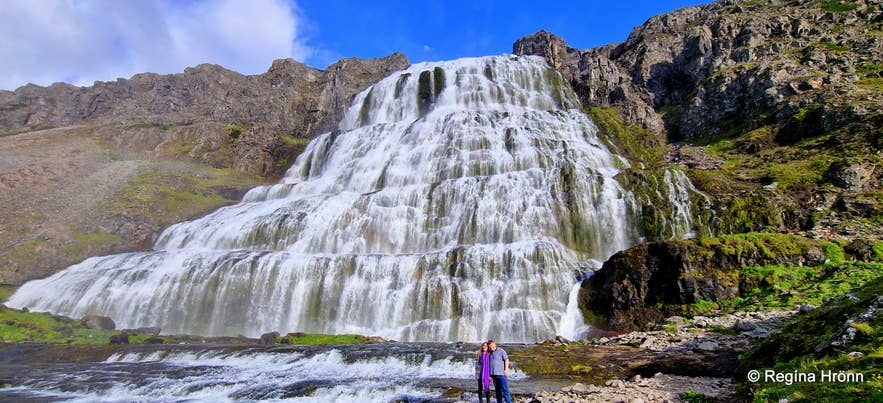
What you do Thunder across the Westfjords in a monster Super Jeep to reach Iceland's most majestic tiered waterfall. Stand beneath 100 metres of cascading bridal-veil falls and explore secret viewpoints only a local guide knows.
What to expect Your local guide — equally fluent in geology, Norse folklore and the art of the perfect shot — pilots the Super Jeep along vertiginous single-track roads above mirror-still fjords. At Dynjandi you walk the tiered trail, pausing at each of the seven named waterfalls before the grand reveal of Fjallfoss itself. Bonus scenic stops en route let you absorb the haunting, other-worldly silence of the Westfjords Highland interior. Small group size means unhurried access with no crowds jostling for the same angle.
Good to know Book directly via Saga Travel. Tour departs from Ísafjörður port — confirm exact departure time and all-aboard margin when booking. Allow 5 hours total. Pre-booking essential; spaces are very limited on the Super Jeep.
Versus the ship tour A high-clearance Super Jeep unlocks backcountry Westfjords roads inaccessible to standard coaches, delivering you to intimate vantage points and guaranteeing a small-group, expert-led experience through Iceland's most remote fjord landscape.
What you do A curated 5–6 hour shore excursion combining the iconic Dynjandi waterfall cascade with a high panoramic viewpoint above the fjords and a drive through the charming fishing village of Bolungarvík — the full Westfjords story in one journey.
What to expect Departing directly from the cruise pier, you wind through the dramatic Westfjords topography past shimmering inlets before reaching Bolungarvík, a perfectly preserved fishing community at Iceland's northwestern edge. The road then climbs to a staggering aerial viewpoint — on a clear day the panorama stretches across multiple fjords — before descending to Dynjandi. You walk the trail upward past a cascade of seven smaller falls, each named, each beautiful, arriving finally at the 100-metre fan of Fjallfoss. The pace is leisurely, with generous time at every stop.
Good to know Purpose-built for cruise guests, so timings are calibrated against all-aboard. The elevated viewpoint is weather-dependent — your guide will decide on the day. Book directly and confirm the meeting point at port.
Versus the ship tour The extended 5–6 hour format is specifically designed for cruise guests who want depth, not a dash — including a weather-permitting visit to one of Iceland's most breathtaking elevated viewpoints that shorter tours skip entirely.
book direct with Tinggly / Local Westfjords Operator → · the full guide →
What you do Commission a fully private vehicle and expert local guide for a bespoke day through the Westfjords — Dynjandi waterfall, Hrafnseyri heritage farm, fjordside villages, and any detour your curiosity demands. Entirely on your schedule.
What to expect Your private guide meets you at the gangway and the day unfolds entirely at your pace. The route traces the inner fjords of the Westfjords peninsula, with rich commentary on local history, the Norse sagas, and Iceland's unique geology. At Hrafnseyri — birthplace of Jón Sigurðsson, Iceland's independence hero — you explore the turf-farm museum before continuing to Dynjandi. The full trail to the top of the waterfall series is yours to walk without another group in sight. Return timing is agreed in advance to suit your ship's schedule.
Good to know Contact the operator directly to design your itinerary and confirm pricing for your group size. Private tours offer the most flexibility for families or groups of 4+. Pre-booking well in advance is strongly recommended.
Versus the ship tour Travelling privately means the itinerary bends to you — linger as long as you like at Dynjandi, detour to a hidden cove, or stop wherever the light is perfect. A genuine local friend-as-guide rather than a scripted group experience.
book direct with Your Friend in Reykjavik → · the full guide →
What you do Pair the thundering grandeur of Dynjandi waterfall with a visit to the oldest bookstore in Iceland — a quirky, storied institution in the remote Westfjords that perfectly encapsulates Icelandic literary and cultural identity.
What to expect Beginning at Ísafjörður, your guide introduces the Westfjords as Iceland's last true wilderness — sparsely populated, fiercely independent in character. En route to Dynjandi you stop at the legendary local bookshop, where hand-picked Icelandic titles, sagas, and rare editions line the shelves. The owner's stories of keeping a bookshop alive at the edge of the inhabited world are themselves remarkable. Then it's on to Dynjandi — the tiered walk to the waterfall summit is genuinely awe-inspiring — before a scenic return along the fjord.
Good to know Confirm tour departure time against your all-aboard. This tour is ideally suited to culturally curious travellers who want context as well as scenery. Book directly through Guide to Iceland's website.
Versus the ship tour The cultural pairing is unique: this is the only tour in the Westfjords that weaves Iceland's literary heritage into a waterfall excursion, offering a layered, intellectual experience that goes far beyond landscape photography.
What you do Glide by private boat to Vigur Island — a tiny gem in Ísafjörður fjord — for an intimate encounter with Atlantic puffins, eider ducks, Arctic terns, and seals in their undisturbed natural habitat.
What to expect The short boat crossing from Ísafjörður town sets the scene: surrounded by still fjord water and dramatic peaks, you arrive on an island barely 2 km long. Puffins nest within arm's reach of the walking path, entirely unbothered by respectful visitors. Eider ducks are harvested here for the world's finest down — the farm family demonstrates the traditional collection process. Arctic terns swoop overhead (bring a hat!) while the island's only bicycle-accessible lanes take you past a 19th-century windmill. The silence is profound.
Good to know Vigur tours depart from Ísafjörður town — factor in a short taxi or walk from the cruise pier. Season runs late May to August. Pre-book directly with West Tours; this is a popular outing and fills quickly.
Versus the ship tour Vigur is accessible only by boat, which keeps visitor numbers naturally low. The island's working eider-down farm — one of the last in Iceland — offers a living-history dimension that pure waterfall tours cannot match.
What you do A small-group guided journey to Dynjandi with a local expert who reveals a 'secret' hidden landscape stop unknown to standard itineraries — the definitive introduction to the raw, unfiltered beauty of Iceland's Westfjords.
What to expect Your knowledgeable local guide leads a tight-knit group — never more than a minibus-full — along the fjordside road toward Dynjandi. En route, an unannounced detour reveals a hidden viewpoint or natural feature your guide keeps deliberately off standard maps; past guests have described it as the unexpected highlight of their entire cruise call. At Dynjandi itself you walk the full cascade trail at leisure, with the guide interpreting the geology and folklore of each waterfall. The return journey follows a different route for fresh perspectives.
Good to know The 3.5-hour duration is crafted with cruise all-aboard times in mind — confirm your ship's schedule with the operator when booking. The 'secret stop' varies by season and conditions. Spaces are strictly limited; early booking is essential.
Versus the ship tour The strict small-group cap and a guide who both drives and narrates means a deeply personal experience — with the added thrill of a 'secret stop' that only locals know, making this genuinely different from every other Dynjandi tour on offer.
book direct with Local Westfjords Guide (Tripadvisor-verified small-group operator) → · the full guide →
What you do Descend 120 metres into a dormant volcano's magma chamber — one of the only places on Earth where you can stand inside a volcano. A raw, otherworldly bucket-list moment found nowhere else on the planet.
What to expect A guided hike across a lava field leads to the cable lift platform at the volcano's lip. You descend slowly into a chamber vast enough to fit the Statue of Liberty, its walls streaked with mineral colours left by cooling magma millennia ago. Expert volcanologist guides explain the geological story surrounding you. The ascent back to the surface feels like returning from another world.
Good to know The tour operates May through October only — confirm your port date falls within this window. Pre-booking is essential as daily capacity is strictly limited. The hike to the lift is approximately 3 km each way over uneven lava fields; sturdy walking shoes are required. Allow a full day: total experience runs 6–7 hours from Reykjavik.
Versus the ship tour Only a handful of visitors are permitted inside the volcano each day, making this an extraordinarily rare and intimate encounter with Iceland's volcanic soul. The open cable lift descent into a cathedral-sized magma chamber — painted in vivid reds, purples and golds — is a moment no photograph fully captures.
book direct with Reykjavik Excursions (RE) → · the full guide →
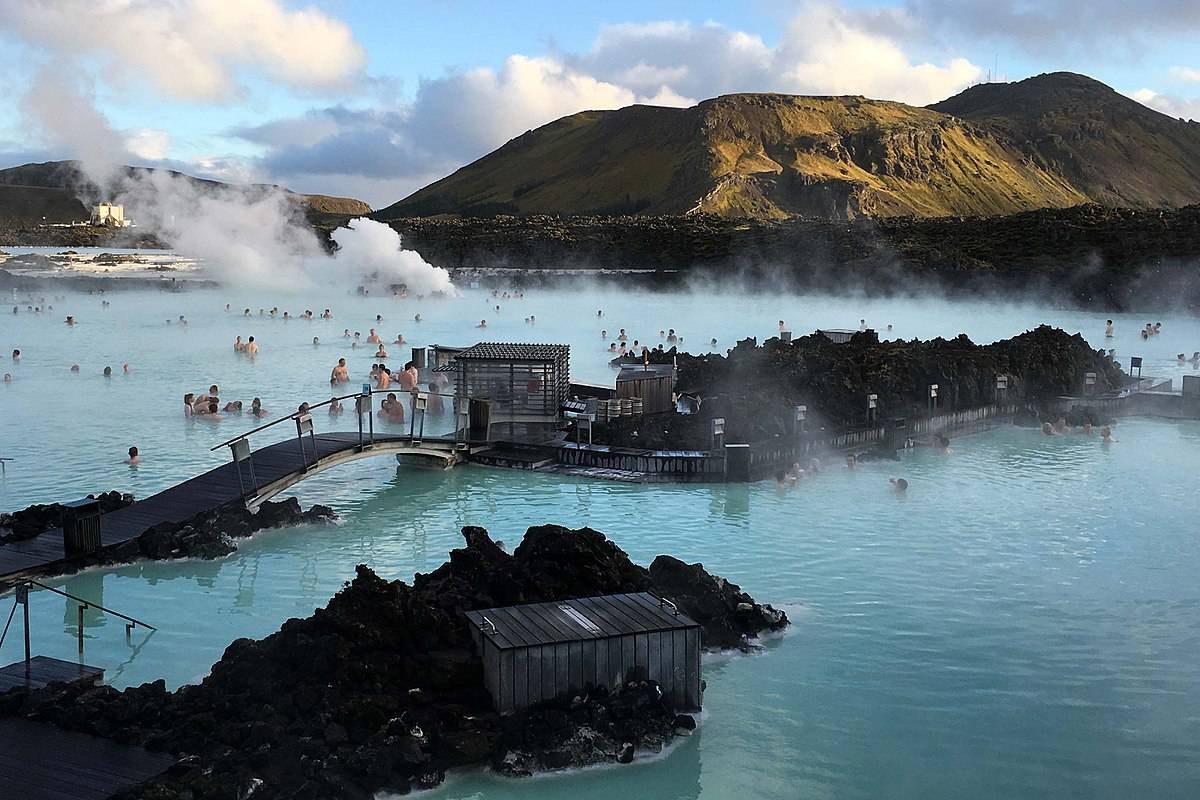
What you do Soak in Iceland's iconic milky-blue geothermal waters surrounded by black lava fields, with silica mud masks and mineral-rich steam — a sensory ritual unlike any other on Earth.
What to expect You arrive to find steam rising from vivid turquoise water set against a stark black lava landscape — the contrast is visually arresting and deeply calming. Premium packages include a silica mud mask, algae mask, and a SKJÓL ritual wrap delivered poolside by attendants. The Lava Restaurant, perched on the lagoon's edge, serves refined New Nordic cuisine mid-soak. The thermal waters stay at a constant 37–39°C year-round.
Good to know The Blue Lagoon is located 45 minutes from Reykjavik near Keflavik — confirm your all-aboard time allows at least 5 hours ashore. Pre-booking a specific timed entry is mandatory; walk-ins are not accepted. Direct booking online at bluelagoon.com secures the best time slots. Pack a hair tie, as the silica minerals can tangle hair.
Versus the ship tour Booking the Premium or Signature entry — with private in-water massage add-ons, algae face masks, and Lava Restaurant dining — transforms the Blue Lagoon from a tourist tick into a genuine luxury wellness ritual. Early-morning time slots, bookable direct, offer near-solitude in the waters before the day crowds arrive.
book direct with Blue Lagoon Iceland (official) → · the full guide →
What you do Iceland's legendary Golden Circle links tectonic plate rift valleys, a thundering waterfall, and a geyser that erupts every 5 minutes — the country's single most iconic route, all within reach of Reykjavik.
What to expect Þingvellir National Park reveals a dramatic rift valley that is also the birthplace of the world's oldest parliament. At the Geysir geothermal area, Strokkur erupts with a satisfying roar every 5–8 minutes, shooting boiling water 20–30 metres skyward. Gullfoss waterfall thunders down two cascading tiers into a glacial canyon, often wreathed in rainbow mist. A knowledgeable local guide weaves geology, Norse mythology, and Icelandic history through every stop.
Good to know The full circuit is approximately 8–9 hours — verify your port's all-aboard allows sufficient time. Private tours should be pre-booked through icelandpersonaltours.is for full flexibility. Layers are essential regardless of season; Gullfoss is notoriously windswept. The Silfra snorkelling add-on requires a dry-suit briefing and minimum comfort in water.
Versus the ship tour Opt for a private guided Golden Circle with Iceland Personal Tours for a fully bespoke pace — lingering at Þingvellir's tectonic rift where you can walk between the North American and Eurasian plates, or snorkelling the crystal-clear Silfra fissure as an add-on. No fixed-schedule coach stops; your guide shapes the day around your interests.
book direct with Reykjavik Excursions (RE) → · the full guide →
What you do Skim Faxaflói Bay at speed on a rigid inflatable Zodiac for an exhilarating close-encounter whale-watching safari — minke whales, humpbacks, and white-beaked dolphins are the prize.
What to expect Kitted out in a full flotation survival suit, you board the sleek Zodiac at the Old Harbour and race out into Faxaflói Bay. The guide — a marine biologist or trained naturalist — scans for blows and dorsal fins, positioning the boat for intimate observations without disturbing the animals. Minke whales are sighted on roughly 90% of summer sailings; humpbacks appear with increasing frequency. The return sprint back across the bay in the Arctic wind is a genuine adrenaline finale.
Good to know Tours depart multiple times daily and last approximately 2.5 hours — ideal for cruise schedules. The Old Harbour departure point is a 10-minute walk from the main cruise terminal. Pre-book online at specialtours.is to secure a Zodiac slot, which fills quickly in summer. The survival suits make this comfortable even in cold or wet weather.
Versus the ship tour The Express Zodiac departures carry a maximum of 12 passengers and depart from Reykjavik's Old Harbour — minutes from the cruise pier. The small vessel gets close to wildlife in ways a large whale-watching boat simply cannot, and the sheer speed and spray of the Zodiac between sightings is a thrill in itself. All guests receive full survival-suit outfitting.
book direct with Special Tours Iceland (official) → · the full guide →
What you do Soak in a dramatic infinity-edge geothermal lagoon where the water appears to merge with the North Atlantic horizon — then complete the seven-step Skjól ritual for a full Icelandic wellness experience.
What to expect The centrepiece is a vast 70-metre infinity pool where 38–40°C geothermal water flows over a dramatic edge toward the open ocean. The Skjól ritual guides you through a cold freshwater plunge pool, a dry Finnish sauna, a fog steam room, and a mineral body scrub applied in the cave-like mist chamber. The on-site Smakk Bar serves Icelandic craft beers, small plates, and aquavit — perfect post-ritual. The entire experience is calm, curated, and deeply restorative.
Good to know Sky Lagoon is located in Kársnes Harbour, approximately 7 km (15 minutes) from the Reykjavik cruise pier by taxi or rideshare. Pre-book a timed entry at skylagoon.com — the Sky package includes the full Skjól ritual and is strongly recommended over basic entry. Allow 2–3 hours minimum; 4 hours is ideal. Towels and robes are provided with all packages.
Versus the ship tour Sky Lagoon is newer, more architecturally refined, and deliberately less crowded than older geothermal facilities. The seven-step ritual — geothermal pool, cold plunge, sauna, steam, body scrub, and the iconic infinity edge — is a complete sensory journey. The location, perched on a rocky oceanfront promontory, delivers panoramic views of the Atlantic and, on clear days, the Snæfellsjökull glacier across the water.
What you do Explore Reykjavik's colourful Old Town, soaring Hallgrímskirkja church, and the glass-faceted Harpa Concert Hall with a private local guide — punctuated by stops for iconic Icelandic hot dogs, skyr, and New Nordic bites.
What to expect The walk threads through Reykjavik's painted corrugated-iron old town, past the Sun Voyager sculpture on the waterfront, up the sloping spine of Skólavörðustígur street to the soaring rocket-like silhouette of Hallgrímskirkja. The church tower offers a panoramic view over the city's colourful rooftops and out to the mountains and sea. Harpa Concert Hall's shimmering honeycomb glass facade — designed by Henning Larsen and Olafur Eliasson — is a jaw-dropping finale. Food stops are woven throughout at the guide's personally vetted spots.
Good to know The cruise pier is within easy walking distance of the Old Town — no transfers needed. Half-day tours run 3–4 hours, comfortably fitting most port schedules. Pre-book through yourfriendinreykjavik.com with your port date; the team is highly responsive and can customise around dietary preferences or specific interests. Hallgrímskirkja tower access costs approximately ISK 1,000 (~USD 7) extra, paid on site — well worth it.
Versus the ship tour Your Friend in Reykjavik pairs you with a passionate local expert — not a script-reading guide — who tailors the route to your interests, whether that's architecture, street art, Viking history, or the city's booming food scene. The unhurried, private format means you linger over a lamb soup at Matur og Drykkur, pick up a cinnamon bun still warm from Brauð & Co, and have genuine conversations about modern Icelandic life.
book direct with Your Friend in Reykjavik (official) → · the full guide →
Before you sail · near Leith/Edinburgh
Fly in at least a day early — every seasoned cruiser does, so a delay never costs you the ship. This is what is worth that day within reach of the port.
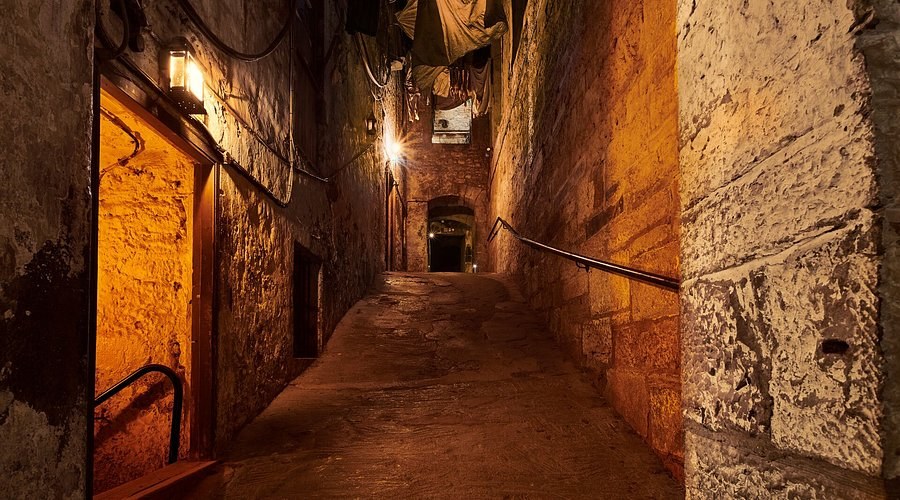 0 mi from Leith/EdinburghThe Vault at Real Mary King's Close
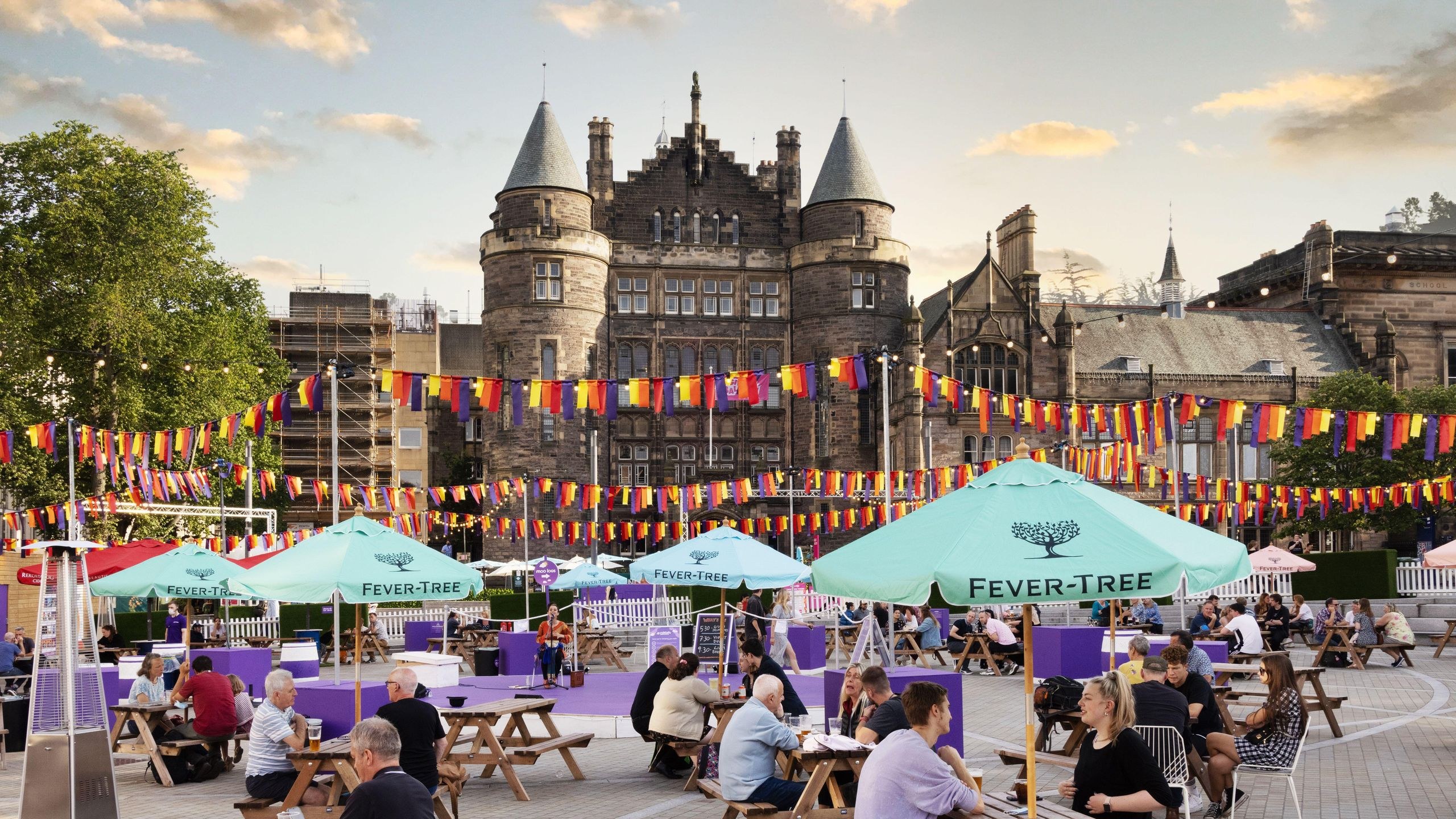 0 mi from Leith/EdinburghEdinburgh Fringe Festival
 After you step off · near Reykjavik
You end in a different port — stay on, and add what is within reach before you fly home.