Your cruise
Oceania Sirena · 10-night Mediterranean cruise, Istanbul to Venice
Jun 2 – Jun 12 · 10 nights ·
Day 1 Istanbul (board) · Day 2 Lemnos · Day 3 Kusadasi (Ephesus) · Day 4 Piraeus (Athens) · Day 5 Monemvasia · Day 6 Argostoli · Day 7 Tirana · Day 8 Korcula · Day 9 Ancona · Day 10 Rijeka · Day 11 Venice (step off)
What you do A fully private, chauffeured grand tour of Lemnos — Myrina Castle, ancient Poliochni, Kotsinas, and stone-built Kontias — with a local expert historian. The island's 7,000-year story unfolds at your own pace.
What to expect Your private English-speaking guide meets you dockside at Myrina port and whisks you into a comfortable air-conditioned vehicle. You ascend to the dramatic Kastro of Myrina for panoramic Aegean views, then trace the coast to Kotsinas and its legendary statue of Maroula. The afternoon takes you inland to atmospheric stone-built Kontias and the Bronze-Age wonder of Poliochni — one of Europe's oldest cities. The day ends with a glass of local Muscat at a family-run winery before your return to port.
Good to know Book at least 2 weeks in advance; guide confirms all-aboard time and plans the itinerary around it. A private vehicle is included. Most Lemnos calls are 8–10 hours, comfortably accommodating this full-day tour.
Versus the ship tour Entirely private — your guide, your vehicle, your itinerary. Flexible pace means you linger at Myrina Castle's Venetian ramparts or a hidden Kontias kafeneion as long as you wish, with no shared coach or fixed timeline.
book direct with ToursByLocals – Lemnos Private Guides → · the full guide →
What you do Explore Lemnos's astonishing volcanic landscape — the golden sand dunes of Ammothines and the otherworldly basalt formations of Falakro Geopark. A natural wonder unlike anything else in the Aegean.
What to expect Depart Myrina port in a private 4×4 and head into Lemnos's striking interior. At Ammothines, vast ochre dunes ripple toward a turquoise lagoon — a landscape so improbable it feels like the Sahara dropped into Greece. Your guide leads you through the geology as you walk the dune crests. At Falakro Geopark, cooled lava pillars and sea-sculpted basalt columns rise dramatically from the shoreline — the legacy of ancient volcanic eruptions. Return via the salt lakes of Chortarolimni, alive with flamingos in season.
Good to know Wear comfortable walking shoes and bring sun protection — shade is minimal. Best light for photography is morning. Confirm the flamingo season (spring) with your guide when booking.
Versus the ship tour The dunes of Ammothines are utterly deserted on a private visit — no crowds, no rush. A knowledgeable local geologist-guide explains the volcanic origins of Falakro's lava formations in vivid detail you simply won't get on a group transfer.
book direct with ToursByLocals – Lemnos Private Guides → · the full guide →
What you do Lemnos produces some of Greece's most distinctive wines — aromatic Muscat of Lemnos and rare Limnio, the grape mentioned by Aristotle. A private tour of three family wineries offers intimate access that money rarely buys.
What to expect Your guide collects you from Myrina port and drives into the island's vine-covered hills. At the first estate, the owner walks you through the vineyard rows, explaining how the volcanic soil shapes the character of Lemnos Muscat. At each of the three wineries you taste carefully paired selections — crisp whites, amber Muscats, and the rare red Limnio — alongside local meze: Lemnos PDO cheese, olives, and house-cured meats. The final winery includes a barrel-cellar tour before you return along the coast road at golden hour.
Good to know Pre-book directly via the link above; the local operator confirms all three estates and schedules around your all-aboard time. Comfortable footwear recommended for vineyard walking. Best enjoyed on an afternoon port call.
Versus the ship tour Three winery visits with private tastings, a guided walk through working vineyards, and direct conversation with the winemakers. This is privileged, unhurried access to an island wine culture most visitors never discover.
book direct with Lemnos Wine Tour – Private (via TripAdvisor/local operator) → · the full guide →
What you do Climb to Lemnos's most mystical site — the 14th-century cave church of Panagia Kakaviotissa, embedded into a volcanic clifftop — then descend to Myrina's Kastro for sweeping views over twin bays. Rated 4.7★ by over 160 visitors.
What to expect You ascend through the rocky volcanic landscape to a cave sanctuary carved directly into the clifftop, where candlelit icons and Byzantine frescoes glow against ancient stone — one of the most atmospheric sacred spaces in Greece. Your guide narrates the legend of the wonder-working icon and the centuries of pilgrimage to this remote spot. Descending, you walk the ramparts of Myrina's imposing Venetian-Ottoman Kastro, with the Aegean glittering on both sides of the island below you. You finish with Greek coffee in the elegant harbour-front of Myrina town.
Good to know The path to Kakaviotissa involves uneven volcanic rock; wear closed shoes with grip. The hike is moderate. The site is free to enter; the guide fee covers both sites and the Myrina Kastro visit.
Versus the ship tour A private guide unlocks the cultural and spiritual context of both sites — Byzantine iconography, the legend of the miraculous icon, and the Venetian-Ottoman history of the Kastro — transforming a scenic walk into a genuinely moving cultural experience.
book direct with ToursByLocals – Lemnos Private Guides → · the full guide →
What you do Thanos Beach — ranked Lemnos's most beautiful — combines volcanic headlands, powder sand, and impossibly clear water. Linked by a short coast path to intimate Mikro Fanaraki, this back-to-back beach day is the Aegean at its most unspoiled.
What to expect Your private driver collects you at Myrina port and follows the southern coast road to Thanos, where dramatic dark volcanic cliffs frame a long arc of blonde sand meeting electric-blue shallows. Sun-loungers and parasols are available from the beach taverna (payable locally, approx EUR 10–12 per set). A short walk along the headland path leads to Mikro Fanaraki, a tucked-away cove beloved by snorkellers for its glassy clarity and abundant sea-life. A leisurely taverna lunch of freshly grilled fish and Lemnos salad rounds out the morning before your return transfer.
Good to know Snorkelling gear can be rented at the beach (approx EUR 5). Book a morning departure to maximise beach time before all-aboard. Sun protection and a beach bag are essential; taverna at Thanos accepts cash and cards.
Versus the ship tour A private vehicle means you arrive at Thanos before the day-trippers and claim the best position on a beach that can genuinely feel like your own. Your driver-guide returns on your schedule, not a coach timetable.
book direct with ToursByLocals – Lemnos Private Guides → · the full guide →
What you do Poliochni on Lemnos's eastern coast predates Troy — a 5,000-year-old Bronze-Age settlement and one of the most important prehistoric sites in the Aegean. Paired with the Archaeological Museum of Lemnos in Myrina, this is a world-class history immersion.
What to expect You cross the island to the windswept eastern cape where the ruins of Poliochni spread across a low promontory above the sea. Your guide — a specialist in Aegean prehistory — brings the excavated streets, granaries, and assembly hall to life, explaining why Italian archaeologists have worked here for nearly a century. Back in Myrina, the Archaeological Museum houses the exquisite gold jewellery, ceramics, and artefacts unearthed here, including pieces that rival finds from Mycenae. The combination of site and museum takes roughly four hours and leaves a lasting impression of Greece's deep, largely unsung prehistory.
Good to know The site is remote and sun-exposed; bring water and a hat. Museum is closed on Tuesdays — confirm your port day before booking. Site entry is payable at the gate (approx EUR 4 per person). Allow 4–5 hours total for both sites.
Versus the ship tour A private expert guide transforms these ruins — which are poorly labelled on-site — into a vivid, living city. You'll understand exactly what you're seeing: the world's oldest known parliament hall, the jewellery hoards, the streets of 3000 BCE. A museum visit paired directly with the site cements the story.
book direct with ToursByLocals – Lemnos Private Guides → · the full guide →
What you do Stand beneath the largest free-standing dome of the ancient world inside a building that served as the planet's grandest cathedral for 900 years and its grandest mosque for 500 more. A licensed guide unlocks what the average visitor walks past: the 9th-century apse mosaics, the marble Omphalion where Byzantine emperors were crowned, and the layered Christian-and-Islamic iconography that exists nowhere else on earth. This is the single most consequential building in Istanbul and arguably in the eastern Mediterranean.
What to expect Foreign visitors use a dedicated tourist entrance separate from worshippers and pass through mandatory security screening. The main prayer floor is carpeted and partly screened for prayer; tourists are routed to the upper gallery for the famous Deesis and imperial mosaics. Shoulders and knees must be covered and women need a headscarf (free scarves are available at the door). Allow 60-90 minutes inside.
Good to know From Galataport the T1 tram from Tophane reaches Sultanahmet in ~15-20 minutes; Hagia Sophia is a 3-minute walk from the Sultanahmet stop. Buy the timed entry online in advance to avoid the queue. Closed to tourists during the five daily prayer windows and Friday midday prayer, so a licensed guide who times your visit around them is worth it. Comfortably back aboard for any all-aboard after ~16:00.
Versus the ship tour Cruise lines bundle Hagia Sophia into a full-day 'Classic Istanbul' tour at roughly USD 150-200 per person. Booking direct is dramatically cheaper: the EUR 25 entry plus a shared private guide for your party costs a fraction of that, and you skip the 40-person coach. Book direct here unless your ship's tender timing is unusually tight.
book direct with Hagia Sophia Grand Mosque (official ticketing, muze.gen.tr) → · the full guide →
What you do Cruise the only strait on earth that splits a city across two continents, gliding past the marble Dolmabahce Palace, the Ottoman waterfront mansions (yali), the fortress of Rumeli Hisari, and beneath two intercontinental bridges. On a private yacht you set the pace, the route and the soundtrack, with tea or champagne in hand as the minarets of the skyline drift by. Doing this on your own chartered boat rather than a packed 200-seat tour ferry is the difference between a postcard and a memory.
What to expect You board at a marina near the European shore; the captain runs the classic strait route and can pause for photos at the bridges and palaces. Crew serve refreshments; many operators allow you to bring your own champagne or arrange catering. Sunset departures are the prized slot and book out first. Two hours is enough to reach Rumeli Hisari and back at an unhurried pace.
Good to know Confirm the boarding marina relative to Galataport when you book; some launch points are a short taxi from the cruise terminal. Pre-book the exact departure time and request a sunset slot if your ship overnights. Bring layers, the strait is breezy even in summer. Galataport itself sits right at the mouth of the Bosphorus, so transfer times are short.
Versus the ship tour Cruise lines sell a shared Bosphorus 'cruise' as part of a coach tour, typically USD 80-120 per person on a large group boat. For a couple or a family, a private charter direct is a clear luxury upgrade and, split across your party, competitive per head while giving you the whole boat. Book direct.
book direct with Bosphorus Yacht (Zoe Yacht, official) → · the full guide →
What you do Walk the ceremonial spine of imperial Istanbul: the Sultanahmet (Blue) Mosque with its cascade of domes and 20,000 hand-painted Iznik tiles, the ancient Hippodrome where Byzantine chariots once raced around a 3,500-year-old Egyptian obelisk, and then descend into the Basilica Cistern, a sunken sixth-century forest of 336 columns lit like an underground cathedral with two enigmatic Medusa heads at its feet. Three civilizations, Roman, Byzantine and Ottoman, layered within a 10-minute walk.
What to expect The Blue Mosque is an active place of worship: shoes off, modest dress, headscarf for women, and it closes to tourists during the five daily prayers, so timing matters. The Basilica Cistern's atmospheric Night Shift (after 19:30) is the connoisseur's slot, quieter and more theatrically lit, but tickets are sold only same-day at the door. The Hippodrome is open public space between the two.
Good to know All three sit within a few minutes of each other in Sultanahmet, a 15-20 minute tram ride from Galataport via the Tophane T1 stop. Cistern accepts card or Istanbulkart only, no cash. Carry a scarf for the mosque. If your ship overnights, the Cistern Night Shift is a standout; otherwise do the cluster mid-morning before the mosque's midday prayer closure.
Versus the ship tour These exact sites form the backbone of the ship's USD 150-200 'Highlights of Istanbul' coach day. On your own the hard costs are tiny (the mosque is free, the cistern under EUR 40) and the walking distances are minimal, so book direct and pocket the difference. The ship tour only earns its markup if you have a very short port call and want the door-to-door coach.
What you do Walk the seat of Ottoman power for nearly 400 years, set on the point where the Bosphorus meets the Golden Horn. Beyond the four courtyards lie the two rooms that make it bucket-list: the Harem, the labyrinth of tiled private chambers where the sultan, his mother and his concubines lived, and the Imperial Treasury, home to the 86-carat Spoonmaker's Diamond and the emerald-studded Topkapi Dagger. The terrace views over the strait are the finest in the old city.
What to expect The palace is large and the Harem and Treasury draw the longest lines, so go early. Crucially, Topkapi is closed on Tuesdays, a frequent trap for cruise passengers, so check your port day. The Harem requires the combined ticket; don't assume your Museum Pass covers it (it doesn't). Budget 2-3 hours to do it justice.
Good to know Topkapi sits beside Hagia Sophia in Sultanahmet, so pair them in one morning, 15-20 minutes from Galataport by T1 tram. Pre-book the timed combined ticket online to skip the queue. Wear comfortable shoes; the courtyards are cobbled and spread out. Be back at the tram with a buffer for all-aboard.
Versus the ship tour Topkapi is the costliest single entry of the Sultanahmet sites, and ship tours fold it into the same USD 150-200 day. Buying direct at ~EUR 54 with the Harem included is far better value, and a private guide for the palace helps you prioritize in the limited port window. Book direct; only default to the ship tour in a very tight call.
book direct with Topkapi Palace Museum (official ticketing, muze.gen.tr) → · the full guide →
What you do Take the full hammam ritual in a 1556 bathhouse designed by the great Ottoman architect Mimar Sinan and commissioned by Suleiman the Magnificent's queen, Hurrem Sultan, on the ancient site of the Baths of Zeuxippus, steps from Hagia Sophia. You are scrubbed on a heated marble platform (gobektasi) beneath a star-pierced dome, foam-washed, and massaged in a 470-year-old monument. It is the single most sensory, most distinctly Ottoman experience in the city, and a sublime antidote to a day on your feet.
What to expect You're given a pestemal (cotton wrap) and slippers; the ritual moves from the warm dome to the heated marble slab where an attendant performs the kese exfoliation and an olive-oil-soap foam massage, finishing with a rinse and tea in the cool room. Separate men's and women's sections, same-sex attendants. The experience runs roughly 60-90 minutes depending on package. It is touristy but the building and the ritual are genuinely historic.
Good to know Located in Sultanahmet directly between Hagia Sophia and the Blue Mosque, easy to slot after morning sightseeing, 15-20 minutes from Galataport by tram. Book your time slot online in advance, especially on overnight port days. Bring nothing; towels, wrap and slippers are provided. Allow drying/relaxing time before heading back to the ship.
Versus the ship tour Cruise lines rarely offer a historic hammam as a standalone excursion, and when bundled it carries a steep per-person markup over the spa's own rates. Book direct with the bathhouse: you choose your ritual tier and time, and the heritage of this specific Sinan-built hamam is the whole point. There is no equivalent the ship can sell you better.
book direct with Ayasofya Hurrem Sultan Hamami (official) → · the full guide →
What you do Eat your way through Istanbul with the company that wrote the book on its food, tracing the Grand Bazaar and Spice Bazaar and then ferrying across the Bosphorus to the Asian-side market streets of Kadikoy. You meet the masters behind the counters, the kokorec grillers, the pickle makers, the borek bakers, and eat roughly a dozen specialties most cruise passengers never find. Crossing between continents for lunch is a bucket-list flourish only Istanbul can offer.
What to expect Expect a 6-hour-plus walk with a serious eater's pace, plenty of standing and walking, and a small group of fellow food travelers. The route weaves through the Grand Bazaar's 4,000 shops and the Spice Bazaar before a public-ferry hop to Kadikoy's market lanes. You will eat a lot; come hungry and wear walking shoes. Tours sell out, so book well ahead.
Good to know Confirm the meeting point relative to Galataport; the Grand Bazaar end is a short tram ride away. This is a full-day commitment, so it suits an overnight call or a long port day; check it fits inside your all-aboard before booking. Cancel up to 24 hours ahead for a full refund. The Grand Bazaar is closed Sundays, which affects scheduling.
Versus the ship tour Ship 'taste of Istanbul' excursions are large-group, lighter on access, and typically priced USD 120-180 per person. Culinary Backstreets caps groups at seven and delivers genuine local access, so booking direct buys you a smaller, deeper, better experience for a similar or lower price. Book direct.
book direct with Culinary Backstreets (official) → · the full guide →
What you do A fully private, chauffeured grand tour of Lemnos — Myrina Castle, ancient Poliochni, Kotsinas, and stone-built Kontias — with a local expert historian. The island's 7,000-year story unfolds at your own pace.
What to expect Your private English-speaking guide meets you dockside at Myrina port and whisks you into a comfortable air-conditioned vehicle. You ascend to the dramatic Kastro of Myrina for panoramic Aegean views, then trace the coast to Kotsinas and its legendary statue of Maroula. The afternoon takes you inland to atmospheric stone-built Kontias and the Bronze-Age wonder of Poliochni — one of Europe's oldest cities. The day ends with a glass of local Muscat at a family-run winery before your return to port.
Good to know Book at least 2 weeks in advance; guide confirms all-aboard time and plans the itinerary around it. A private vehicle is included. Most Lemnos calls are 8–10 hours, comfortably accommodating this full-day tour.
Versus the ship tour Entirely private — your guide, your vehicle, your itinerary. Flexible pace means you linger at Myrina Castle's Venetian ramparts or a hidden Kontias kafeneion as long as you wish, with no shared coach or fixed timeline.
book direct with ToursByLocals – Lemnos Private Guides → · the full guide →
What you do Explore Lemnos's astonishing volcanic landscape — the golden sand dunes of Ammothines and the otherworldly basalt formations of Falakro Geopark. A natural wonder unlike anything else in the Aegean.
What to expect Depart Myrina port in a private 4×4 and head into Lemnos's striking interior. At Ammothines, vast ochre dunes ripple toward a turquoise lagoon — a landscape so improbable it feels like the Sahara dropped into Greece. Your guide leads you through the geology as you walk the dune crests. At Falakro Geopark, cooled lava pillars and sea-sculpted basalt columns rise dramatically from the shoreline — the legacy of ancient volcanic eruptions. Return via the salt lakes of Chortarolimni, alive with flamingos in season.
Good to know Wear comfortable walking shoes and bring sun protection — shade is minimal. Best light for photography is morning. Confirm the flamingo season (spring) with your guide when booking.
Versus the ship tour The dunes of Ammothines are utterly deserted on a private visit — no crowds, no rush. A knowledgeable local geologist-guide explains the volcanic origins of Falakro's lava formations in vivid detail you simply won't get on a group transfer.
book direct with ToursByLocals – Lemnos Private Guides → · the full guide →
What you do Lemnos produces some of Greece's most distinctive wines — aromatic Muscat of Lemnos and rare Limnio, the grape mentioned by Aristotle. A private tour of three family wineries offers intimate access that money rarely buys.
What to expect Your guide collects you from Myrina port and drives into the island's vine-covered hills. At the first estate, the owner walks you through the vineyard rows, explaining how the volcanic soil shapes the character of Lemnos Muscat. At each of the three wineries you taste carefully paired selections — crisp whites, amber Muscats, and the rare red Limnio — alongside local meze: Lemnos PDO cheese, olives, and house-cured meats. The final winery includes a barrel-cellar tour before you return along the coast road at golden hour.
Good to know Pre-book directly via the link above; the local operator confirms all three estates and schedules around your all-aboard time. Comfortable footwear recommended for vineyard walking. Best enjoyed on an afternoon port call.
Versus the ship tour Three winery visits with private tastings, a guided walk through working vineyards, and direct conversation with the winemakers. This is privileged, unhurried access to an island wine culture most visitors never discover.
book direct with Lemnos Wine Tour – Private (via TripAdvisor/local operator) → · the full guide →
What you do Climb to Lemnos's most mystical site — the 14th-century cave church of Panagia Kakaviotissa, embedded into a volcanic clifftop — then descend to Myrina's Kastro for sweeping views over twin bays. Rated 4.7★ by over 160 visitors.
What to expect You ascend through the rocky volcanic landscape to a cave sanctuary carved directly into the clifftop, where candlelit icons and Byzantine frescoes glow against ancient stone — one of the most atmospheric sacred spaces in Greece. Your guide narrates the legend of the wonder-working icon and the centuries of pilgrimage to this remote spot. Descending, you walk the ramparts of Myrina's imposing Venetian-Ottoman Kastro, with the Aegean glittering on both sides of the island below you. You finish with Greek coffee in the elegant harbour-front of Myrina town.
Good to know The path to Kakaviotissa involves uneven volcanic rock; wear closed shoes with grip. The hike is moderate. The site is free to enter; the guide fee covers both sites and the Myrina Kastro visit.
Versus the ship tour A private guide unlocks the cultural and spiritual context of both sites — Byzantine iconography, the legend of the miraculous icon, and the Venetian-Ottoman history of the Kastro — transforming a scenic walk into a genuinely moving cultural experience.
book direct with ToursByLocals – Lemnos Private Guides → · the full guide →
What you do Thanos Beach — ranked Lemnos's most beautiful — combines volcanic headlands, powder sand, and impossibly clear water. Linked by a short coast path to intimate Mikro Fanaraki, this back-to-back beach day is the Aegean at its most unspoiled.
What to expect Your private driver collects you at Myrina port and follows the southern coast road to Thanos, where dramatic dark volcanic cliffs frame a long arc of blonde sand meeting electric-blue shallows. Sun-loungers and parasols are available from the beach taverna (payable locally, approx EUR 10–12 per set). A short walk along the headland path leads to Mikro Fanaraki, a tucked-away cove beloved by snorkellers for its glassy clarity and abundant sea-life. A leisurely taverna lunch of freshly grilled fish and Lemnos salad rounds out the morning before your return transfer.
Good to know Snorkelling gear can be rented at the beach (approx EUR 5). Book a morning departure to maximise beach time before all-aboard. Sun protection and a beach bag are essential; taverna at Thanos accepts cash and cards.
Versus the ship tour A private vehicle means you arrive at Thanos before the day-trippers and claim the best position on a beach that can genuinely feel like your own. Your driver-guide returns on your schedule, not a coach timetable.
book direct with ToursByLocals – Lemnos Private Guides → · the full guide →
What you do Poliochni on Lemnos's eastern coast predates Troy — a 5,000-year-old Bronze-Age settlement and one of the most important prehistoric sites in the Aegean. Paired with the Archaeological Museum of Lemnos in Myrina, this is a world-class history immersion.
What to expect You cross the island to the windswept eastern cape where the ruins of Poliochni spread across a low promontory above the sea. Your guide — a specialist in Aegean prehistory — brings the excavated streets, granaries, and assembly hall to life, explaining why Italian archaeologists have worked here for nearly a century. Back in Myrina, the Archaeological Museum houses the exquisite gold jewellery, ceramics, and artefacts unearthed here, including pieces that rival finds from Mycenae. The combination of site and museum takes roughly four hours and leaves a lasting impression of Greece's deep, largely unsung prehistory.
Good to know The site is remote and sun-exposed; bring water and a hat. Museum is closed on Tuesdays — confirm your port day before booking. Site entry is payable at the gate (approx EUR 4 per person). Allow 4–5 hours total for both sites.
Versus the ship tour A private expert guide transforms these ruins — which are poorly labelled on-site — into a vivid, living city. You'll understand exactly what you're seeing: the world's oldest known parliament hall, the jewellery hoards, the streets of 3000 BCE. A museum visit paired directly with the site cements the story.
book direct with ToursByLocals – Lemnos Private Guides → · the full guide →
What you do Walk the marble streets of one of antiquity's greatest cities — Library of Celsus, Great Theatre, Temple of Artemis — then ascend to the sacred House of the Virgin Mary, all at your own pace with a licensed private guide.
What to expect Your guide meets you dockside in Kusadasi and escorts you directly into Ephesus before the crowds peak. You'll stroll Curetes Street, enter the awe-inspiring Library of Celsus, and take in the 25,000-seat Great Theatre where St. Paul once preached. The Terrace Houses — Roman mansions with intact frescoes and mosaics under a climate-controlled canopy — are a genuine highlight rarely given enough time on group tours. The morning closes with a serene visit to the hilltop Shrine of the Virgin Mary, where pilgrims have prayed for two millennia.
Good to know Pre-book Terrace Houses separately (EUR 15 pp) — they sell out. Kusadasi port is roughly 3 km from the city centre; transfer is included with most private operators. Confirm your all-aboard time and share it with your guide — they pride themselves on guaranteed returns.
Versus the ship tour A dedicated licensed guide crafts the itinerary entirely around your group — no queuing behind dozens of strangers, no rushed schedule. You linger at the Library of Celsus or the Terrace Houses as long as you wish, and the guide's scholarly depth turns stones into stories.
book direct with Ephesus Travel Guide – Private Ephesus Tours → · the full guide →
What you do Step inside the UNESCO-listed 'Houses on the Slope' — Roman aristocratic villas with floor mosaics, wall frescoes and underfloor heating still intact — with a specialist archaeologist guide for an immersive, unhurried experience.
What to expect The Terrace Houses are a city within the city: six lavish Roman dwellings excavated and covered by a vast modern shelter that lets you walk elevated walkways over intact living rooms, bathing chambers and Byzantine chapels. Your specialist guide reads the frescoes like an open book, pointing out Greco-Roman mythology scenes and ancient graffiti. Light filters theatrically through the canopy, making every photograph extraordinary. You emerge back onto Curetes Street with a far deeper understanding of who actually lived in ancient Ephesus.
Good to know Tickets for the Terrace Houses must be purchased in addition to the main Ephesus ticket; buy both online in advance to avoid queues at the gate. Wear comfortable, flat-soled shoes — the marble walkways can be uneven. Allow at least 90 minutes inside the houses alone.
Versus the ship tour Most visitors spend only minutes in the Terrace Houses because their guide must keep the group moving. A private archaeologist-led session means you examine each room, understand whose home it was, and truly absorb the extraordinary preservation — a bucket-list encounter that demands time.
What you do Join top-rated local expert Levent Solmaz for a bespoke full-day private tour blending Ephesus' ancient grandeur with Kusadasi's Ottoman castle, authentic bazaar, and a Turkish lunch at a family restaurant — the true luxury of insider access.
What to expect Levent greets you at the pier and the day unfolds on your terms: the grandeur of ancient Ephesus, the intimate spirituality of the House of the Virgin Mary, then a wander through Kusadasi's pigeon island castle and the bustling covered bazaar. Lunch is at a carefully chosen local restaurant — expect slow-braised lamb, fresh meze and strong Turkish tea. Levent's storytelling is vivid and scholarly without being academic, making 2,000 years feel immediate and personal.
Good to know Book well in advance — Levent is in high demand during cruise season (April–October). Share your ship's all-aboard time; he guarantees port return. Pre-tour email correspondence to customise the itinerary is part of the service.
Versus the ship tour Levent is consistently rated one of the finest guides in the Aegean — responsive, deeply knowledgeable and personally invested in every guest's experience. The itinerary is yours to shape, and his local relationships open doors — and restaurants — most visitors never find.
book direct with Ephesus Private Tour Guide – Levent Solmaz (TripAdvisor verified) → · the full guide →
What you do Seek out the ghostly single column of one of the Seven Wonders of the Ancient World, then follow St. John's footsteps to his hilltop basilica in charming Selçuk — a deeply moving morning beyond the main Ephesus circuit.
What to expect The Temple of Artemis, once four times the size of the Parthenon, now stands as a single haunting column rising from a marshy field — a poetic, meditative site that rewards quiet contemplation. A short drive uphill brings you to the Byzantine Basilica of St. John, built over the apostle's tomb, where sweeping views of the Selçuk plain unfold below. A stroll through Selçuk's traditional market — figs, olives, handwoven textiles — completes the morning before your private transfer back to port.
Good to know Combine this with an afternoon at Ephesus main site for a full-day itinerary. Selçuk is 3 km from Ephesus — easily done by private vehicle. Early morning is best to avoid heat and crowds at both sites.
Versus the ship tour These two landmarks are frequently skipped or rushed on standard itineraries, yet they are among the most historically resonant sites in the Christian and classical worlds. A private half-day lets you approach both slowly, with context, and explore Selçuk's authentic market town atmosphere.
book direct with Ephesus Travel Guide – Private Ephesus Tours → · the full guide →
What you do Surrender to the centuries-old Ottoman hammam ritual — full-body marble steam, kese exfoliation and foam massage — at one of Kusadasi's finest historic bath houses, emerging renewed before reboarding.
What to expect You enter through a domed stone antechamber and change into a traditional pestemal (cotton wrap) before being led into the warm marble central hall. The tellak (bath attendant) works systematically — steam opens the pores, the kese mitt sloughs away layers of skin, then a cascade of soapy foam and firm massage loosens every joint. The final cool-water rinse is electric. You emerge onto a marble slab for tea and rest, glowing and utterly relaxed — the perfect counterpoint to a morning at ancient ruins.
Good to know Most Kusadasi hammams are within 10 minutes' walk of the pier. Book a 90-minute slot to avoid rushing. Wear or bring a swimsuit underneath; towels and pestemal are provided. Avoid heavy meals immediately before. This pairs beautifully as an afternoon experience after a morning at Ephesus.
Versus the ship tour A hammam is not a spa add-on — it is a living cultural institution practiced in Turkey for 600 years. The combination of heated marble, vigorous scrubbing and skilled massage is transformative, and doing it in a genuine Ottoman-era bath house rather than a hotel spa is the authentic version.
book direct with Kusadasi Kaleiçi Hamamı (local hammam operators in Kusadasi old town) → · the full guide →
What you do Escape to the enchanting hilltop village of Şirince — a Greek-Ottoman gem of whitewashed houses and vine-draped terraces — for private wine tasting, artisan fruit wines, fresh mezze and hand-embroidered treasures.
What to expect The 8 km drive into the hills rewards you with a village that feels like a film set: cobbled lanes, Ottoman-Greek houses draped in bougainvillea, and the smell of baking bread. Local producers offer tastings of peach, pomegranate, blackberry and grape wines — sweet, unusual and utterly regional. Lunch at a terrace taverna means dolma stuffed with herbs, grilled village cheese, lamb köfte and fresh-baked bread. Artisan embroidery, olive oil soaps and handmade ceramics make for meaningful gifts. Return to Kusadasi port with plenty of time to spare.
Good to know Şirince is 8 km from Selçuk and about 30 km from Kusadasi port — allow 35–40 minutes each way by private vehicle. Combine with a morning at Ephesus for a complete full-day itinerary. Village gets busy by 11am in peak season — arrive by 9:30am for the best experience.
Versus the ship tour Şirince is one of the most atmospheric villages in the Aegean and frequently missed by cruise passengers focused solely on Ephesus. A private driver-guide means you arrive when the village is quiet, linger at the family wineries that have made fruit wines for generations, and leave before the day-tripper coaches arrive.
book direct with Turkey Travel Tours – Ephesus & Şirince Private Tours → · the full guide →
What you do Climb the Sacred Rock with a licensed Athens guide and stand beneath the Parthenon, the single most iconic monument of Western civilization, while the marble turns into the living story of Pericles, Athena and the birth of democracy. Skip-the-line entry is the whole game on a port day, sparing you the brutal midday ticket queue. Pair it with the Bernard Tschumi-designed Acropolis Museum at the foot of the hill, where the original Caryatids and Parthenon frieze sit under glass with the temple in view.
What to expect You arrive at the Acropolis via a 30–45 minute metro or taxi ride from Piraeus and walk straight past the ticket queues with your skip-the-line pass—a critical edge on a port day. Your licensed guide leads you up the Sacred Rock, the marble facades shifting beneath your feet as the Parthenon rises above you, the physical anchor of Western democracy. You stand beneath the temple while its architects, Athena's priests, and Pericles become tangible; the tour typically runs 2–2.5 hours on the hill. If time permits, descend to the Bernard Tschumi-designed Acropolis Museum at the foot, where the original Caryatids and Parthenon frieze rest under glass with the temple framed in the window behind them—the monument visible from the artifact's own display case.
Good to know Book your skip-the-line guided tour (EUR 110–119 all-in) or self-guided entry (EUR 30 site pass only) in advance to lock pace and avoid midday queues. From Piraeus, allow 45 minutes each way by taxi (EUR ~30) or metro; budget 2.5–3 hours on the Acropolis itself, plus museum time if included, leaving a 1.5–2 hour safety buffer before all-aboard. Wear sun protection and comfortable shoes on marble stone; bring water and consider a light jacket if museum time is planned. Confirm your tour operator's meeting point and boarding time the evening before to eliminate port-day confusion.
Versus the ship tour DIRECT WINS. The ship's 'Acropolis & Plaka' half-day runs ~$159.99 pp (Carnival; RCI/Celebrity $150-180). A guided skip-the-line tour books direct at ~$110-119 all-in, and a self-guided half-day (taxi ~EUR 30 each way + EUR 30 entry) lands under $70. Savings of roughly $40-50 pp guided, ~$90 if you DIY the entry and just want the rock.
What you do Drive the turquoise Athens Riviera south to the very tip of Attica, where a gleaming white 5th-century-BC Doric temple stands on a cliff dropping straight into the Aegean. Lord Byron carved his name into a column here; the columns framing the open sea are one of Greece's signature images and the best 'escape the city crowds' move that still fits a half-day. About 4 hours door to door.
What to expect You drive south along the turquoise Athens Riviera, the coastal sprawl gradually giving way to open sea views as you approach the tip of Attica. At Cape Sounion, a gleaming white 5th-century-BC Doric temple materializes on a cliff edge, its columns framing a sheer drop into the Aegean—the view that inspired Lord Byron to carve his name into the stone. You'll have time to walk among those iconic columns, absorb the wind and the signature Greek light, and understand why this is the escape-the-city move that doesn't require a full day. The whole experience moves door-to-door in approximately 4 hours, with the bulk of time at the temple itself.
Good to know Book transfers direct with Athens Walking Tours (~EUR 46 pp) and add temple entry separately (~EUR 10) to avoid cruise-line bundling that inflates the cost to $209–240 for a half-day outing. Aim for a departure within the first 2 hours of your port window to secure the 4-hour round trip plus buffer time before all-aboard. Temple entry is not included in transfer pricing, so bring cash or be prepared to purchase on-site. The coastal drive means no special gear required, but bring sunscreen and a hat—you'll be exposed on the cliff top, with few shade options at the temple itself.
Versus the ship tour DIRECT WINS BIG. Cruise lines almost never sell Sounion standalone, burying it inside a $209-240 full-day package. Booked direct the coastal half-day is ~$61 all-in (group versions elsewhere ~$77). If your ship only offers it bundled, you're paying a $130+ premium for the convenience of one bus.
What you do Trade marble and crowds for the Aegean blue: a half-day catamaran along the Athens Riviera and Saronic coast with swim-and-snorkel stops, a meal and wine aboard. Boats leave from Alimos and Flisvos marinas close to Piraeus, making this the rare genuinely premium on-the-water experience that comfortably fits a port-day clock. Pick an operator that guarantees you back before all-aboard.
What to expect You'll board a semi-private catamaran at Alimos or Flisvos marina—a short ride from Piraeus—and spend your half-day gliding along the Aegean's brilliant blue coastline, pausing at protected swim-and-snorkel spots where the water is clear and calm. Between swims, you'll lounge on deck with wine and a meal included, absorbing the Athens Riviera and Saronic coast views at a pace only a small catamaran allows. Unlike the ship's mega-boat island circuit, this is genuinely intimate: no crowds, no forced itinerary, just the rhythm of the sea. You'll be back at the pier with time to spare before all-aboard.
Good to know Departures are half-day sails (check your operator's exact schedule to confirm return time fits your ship's all-aboard). Alimos and Flisvos marinas are close to Piraeus but you'll need a quick taxi or arranged transfer from the port—factor 15–20 minutes each way. Book semi-private slots ahead, especially June–August, as they fill quickly and pricing rises (EUR 125–135 pp depending on season). Bring reef-safe sunscreen, water shoes, and a light layer; snorkel gear is provided, and meal + wine are aboard.
Versus the ship tour DIRECT-ONLY niche. Cruise lines rarely offer a small-catamaran sail here; their on-water option is the big Saronic island bus-boat. At ~$135 pp semi-private this is a premium experience, not a savings play, but it's the only way to get the relaxed Aegean-blue day, and it beats the ship's ~$180-200 mega-boat island cruise on quality if not headline price.
What you do Thread the historic Plaka backstreets into the roaring Varvakios Agora meat-and-fish market, stopping for spanakopita, loukoumades, Greek coffee, cheeses, olive oil, honey and wine. Repeatedly rated among Europe's best culinary experiences, it delivers the flavors-and-neighborhood immersion a first-timer remembers as vividly as the ruins, all on foot in the old town. ~4 hrs, small group, tastings included.
What to expect You'll spend roughly 4 hours threading through the narrow, winding backstreets of historic Plaka on foot, pausing at local favorites for spanakopita, loukoumades, Greek coffee, and tastings of cheeses, olive oil, honey, and wine. The real anchor is the Varvakios Agora—the roaring central meat-and-fish market—where vendors call out their wares and you'll sample directly in the chaos of neighborhood commerce. Rather than stand-and-listen, you move continuously through old-town streets, tasting as you go, absorbing the rhythm of daily Athenian life in a small group setting. It's the kind of immersive, on-foot culinary walk that stays vivid in memory alongside the ruins.
Good to know Book directly with Athens Walks before the port day to secure your spot in the small group and confirm start time—all tastings are included in the ~$75 pp price, so no hidden costs. Plan on a 4-hour window starting within 1–2 hours of disembark to leave a comfortable buffer (the Plaka walk is entirely walkable from Piraeus pier, though confirm exact meeting point when you book). Wear comfortable walking shoes and bring a small daypack or crossbody bag for any purchases or water; the market and Plaka streets are pedestrian-only and shaded, but summer heat can build. Return to the pier with at least 90 minutes before all-aboard to account for the walk back and any lingering in the market.
Versus the ship tour DIRECT WINS. The ship's food/wine tour runs ~$134.99 pp (Carnival) and independent group food walks elsewhere run $135-183. This direct small-group market-and-Plaka walk at ~$75 pp undercuts the ship by roughly $60 for a far more authentic, on-foot experience. (If you only want a quick pour, a basic Piraeus wine tasting is ~$30-35 and beats everything on price alone.)
What you do Three classic Saronic Gulf islands in one day, including car-free, donkey-and-cobblestone Hydra, one of the most photogenic harbors in Greece. Swimming, Greek music and a buffet lunch aboard deliver the 'Greek islands' taste without flying to the Cyclades. CLOCK WARNING: this is an ~11-hour day departing ~08:15 from Piraeus, so it only works if your ship has a very long call or overnights, and only with an operator that guarantees you back to the ship.
What to expect You'll depart Piraeus around 08:15 on a full-day voyage across the Saronic Gulf, visiting three islands in succession: first the car-free, donkey-cobbled harbor of Hydra, one of Greece's most photogenic ports, where narrow whitewashed streets climb steeply from the waterfront; then Poros, where you'll have time to explore; and finally Aegina. The day anchors around a leisurely Greek buffet lunch served aboard the boat, punctuated by swimming stops and live Greek music that delivers the classic island experience without the flight to the Cyclades. You'll return to Piraeus in late afternoon, having absorbed the full sensory rhythm of island life—water, light, local flavor, and Greek hospitality—all from a single excursion boat.
Good to know This is an ~11-hour commitment departing ~08:15, so it only works if your ship has a very long port call or overnight stay; on a standard 8-hour call, the risk of missing the ship outweighs the ~$40–70 savings versus booking through your cruise line. Book ahead with Athens One Day Cruise (direct ~EUR 131/$142 pp with lunch, versus ship ~$179–199) or confirm your operator guarantees return to the pier with time to spare. Bring sun protection, swimwear, and cash for any extras; wear comfortable walking shoes for Hydra's steep cobblestones. The departure point is directly from Piraeus; allow buffer time to clear the pier and reach the boat dock, and verify exact embarkation details with your chosen operator 24 hours before.
Versus the ship tour DIRECT WINS on price, SHIP WINS on safety. Booked direct this is ~$142 pp with lunch (some local operators ~$99-130) versus the ship's ~$179-199 for the identical boat and islands - a ~$40-70 saving. BUT on a standard port call the 11-hour runtime risks missing the ship; if you're not overnighting, the cruise line's version (or skipping it) is the safer call despite the markup.
What you do The low-risk fallback if a long excursion feels too tight: a fixed-fare taxi or the metro straight to the Acropolis, self-guided entry to the Parthenon, then an easy downhill wander through Plaka's old-town lanes. No tour commitment, no fixed return time, and you control exactly when you head back to Piraeus, which is the safest play for a short port call.
What to expect You'll take a fixed-fare taxi or the metro from Piraeus straight to the Acropolis, where you'll climb through the ancient Parthenon and surrounding monuments at your own pace with a self-guided audio tool or printed map. From the summit, you'll head downhill into Plaka's narrow, winding old-town lanes—a maze of tavernas, neoclassical townhouses, and small shops—wandering for as long as you'd like before strolling back to the port on your own timeline. The whole rhythm is yours: no group delays, no narrated patter, just you, 2,500-year-old stone, and the freedom to linger or move on whenever you choose.
Good to know For a 6–8 hour port call, budget ~45 minutes each way for transit (taxi or metro), 2–2.5 hours at the Acropolis, and 1.5–2 hours wandering Plaka, leaving a 60–90 minute buffer to return to Piraeus before all-aboard. Book your taxi in advance or use the metro (€4 round trip); Acropolis entry is €30 (expect a queue, especially mid-morning). Wear comfortable walking shoes, bring water, and download a self-guided audio app or grab a printed site map beforehand. Plan to be back at the pier at least an hour before your ship's departure time—this is not a ship-sponsored excursion, so you alone are responsible for making the sailing.
Versus the ship tour DIRECT WINS on price and flexibility. The ship's escorted Acropolis & Plaka half-day is ~$159.99 pp; doing it yourself is ~$50-70 pp and you keep full control of your return time. Trade-off: no guide narration and you carry your own clock - acceptable for the Acropolis, which is straightforward to navigate solo.
book direct with Athens Half-Day Sightseeing (Athens Walking Tours - audio/self-guided) → · the full guide →
What you do Step into Greece's most perfectly preserved Byzantine fortress-town on a private guided walk through vaulted alleys, the clifftop Agia Sofia church, and the panoramic Upper Town. A true bucket-list immersion into 13th-century Byzantium.
What to expect Your private guide meets you at the causeway gate and leads you through the Lower Town's labyrinthine cobblestone lanes, past the magnificent 13th-century Cathedral of Christ Elkomenos and its Byzantine icons. You then climb the steep zigzag path to the abandoned Upper Town, arriving at the iconic Agia Sofia church perched on the cliff edge with vertiginous views over the Aegean. The guide weaves in Venetian, Byzantine and Ottoman history, transforming the ruins into a living story. The tour ends with time to browse Anastasia Livieratou's handcrafted jewellery studio before you return at your own leisure.
Good to know Monemvasia's causeway is a short walk or taxi from the tender pier. The Upper Town climb involves uneven ancient steps — wear sturdy footwear. Book well in advance as this operator's private slots fill quickly. Allow 3–4 hours; easily back for all-aboard.
Versus the ship tour Fully private, just your party and an expert local historian-guide. You set the pace — linger at the clifftop Agia Sofia while others rush past, and access the Upper Town's hidden viewpoints that larger groups never reach.
What you do Combine a guided tour of Monemvasia Castle with an exclusive visit to the Liotrivi Historical Estate — an 18th-century olive press estate — finishing with a lavish Peloponnesian feast and local Malvasia wine. The ultimate land-to-table luxury day.
What to expect A private vehicle collects you at the pier for a guided walkthrough of the medieval castle town, including the Cathedral of Christ Elkomenos and the Byzantine streets of the Lower Town. You then transfer to the Liotrivi Historical Estate, a beautifully restored 18th-century complex set among olive groves and vineyards. Your host explains the estate's centuries of olive oil and wine production before guiding you through a tasting of estate Malvasia wines. The day culminates in a generous Peloponnesian lunch — local cheeses, grilled meats, seasonal vegetables — served al fresco with sweeping countryside views. A leisurely 9-hour programme with private car throughout.
Good to know Pick-up is arranged directly from the tender/cruise pier. The 9-hour duration fits most port calls — confirm your all-aboard time with the operator at booking. Dietary requirements accommodated on request. Book at least 2–3 weeks ahead.
Versus the ship tour This is the rare experience that pairs genuine heritage access — a working historical estate rarely open to casual visitors — with a private guide and a sit-down gourmet lunch using estate-grown produce and the region's celebrated Malvasia wine.
book direct with Liotrivi Historical Estate (via Expedia direct activity) → · the full guide →
What you do Lace up for a private 3-hour guided hiking adventure along ancient cobbled paths to the forgotten watermills hidden in the valley above Monemvasia. Raw Peloponnesian wilderness with a knowledgeable local guide all to yourself.
What to expect Your private guide meets you at the causeway and leads you along a traditional cobbled kalderimi path that winds up through wild thyme and olive groves above the fortress rock. You pass through terraced hillsides before arriving at a series of centuries-old stone watermills, some still partially intact, hidden in a lush creek valley. The guide explains the mills' role in the medieval town's grain economy as you rest at the water's edge. The return descent offers stunning aerial perspectives of the 'Gibraltar of Greece' emerging from the sea — one of the most photogenic views in the Peloponnese.
Good to know Sturdy hiking shoes are essential; the trail is uneven and moderately strenuous. The 3-hour duration is well-suited to most port schedules. Departs from the causeway entrance. Pre-book directly through KimKim to secure your private guide slot.
Versus the ship tour A completely private off-the-beaten-path experience that goes beyond the castle walls into the unspoiled natural landscape — the ancient watermill trail is unknown to most visitors and inaccessible without a local expert.
book direct with KimKim – Private Monemvasia Watermill Hiking Tour → · the full guide →
What you do Journey by private car to Mystras, the hauntingly beautiful UNESCO-listed Byzantine ghost city built on a mountain spur near ancient Sparta — a once-in-a-lifetime immersion into frescoed churches and crumbling palace ruins that shaped the Renaissance.
What to expect A private air-conditioned vehicle collects you at the pier and transfers you through dramatic Laconian mountain scenery to the fortified ghost city of Mystras. Your historian guide unlocks the layers of this extraordinary site — Byzantine emperor's palaces, frescoed churches rivalling those of Ravenna, and the ruined city that Goethe immortalised in Faust. You explore at a thoughtful, unhurried pace, ending at the working Pantanassa Convent for a moment of rare tranquillity. The drive back via the olive-clad Eurotas valley allows a stop for traditional loukoumades (honey fritters) at a local kafeneio before returning to the ship.
Good to know Mystras is approximately 90 km from Monemvasia (c. 90 min drive). Confirm your all-aboard time carefully — a full-day excursion. Modest dress required at the convent (shoulders and knees covered). Site entry fee: EUR 12 per adult. Book well in advance as private slots are limited.
Versus the ship tour Access to Mystras is by private vehicle from Monemvasia — roughly 90 minutes each way. A private expert historian-guide ensures you see the Pantanassa Convent (still inhabited by nuns), the Despot's Palace and the finest frescoes without the pressure of a group schedule.
What you do Reserve a terrace table at Matoula, the oldest taverna in Monemvasia (since 1950), perched on the main street with a breathtaking terrace overlooking the Aegean. Savouring slow-cooked Laconian cuisine here is one of the most atmospheric meals in all of Greece.
What to expect You walk the medieval main street of the Lower Town and arrive at Matoula, its whitewashed façade unchanged for decades. The terrace tables hang over the edge of the rock with unobstructed views of the shimmering Laconian Gulf — one of the most dramatic restaurant settings in Greece. The menu reads like a Peloponnesian grandmother's repertoire: slow-braised lamb, grilled fresh-caught fish, giant beans in tomato, and the region's legendary honey-drizzled cheeses. Pair it with a carafe of chilled local Malvasia and let the afternoon light do its work.
Good to know Matoula is on the main street of the Lower Town, roughly a 10-minute walk from the causeway gate. Arrive early (12:30–13:00) to secure a terrace seat — they are not reservable. Dress smart-casual. Closed some winter months; confirm hours if visiting off-season.
Versus the ship tour A living institution with 70+ years of history, Matoula is where locals and discerning travellers eat — not a tourist trap. The terrace tables are coveted, the recipes unchanged for generations, and the Malvasia wine poured here is the real Peloponnesian article.
book direct with Matoula Restaurant Monemvasia → · the full guide →
What you do Explore Monemvasia's intimate Archaeological Collection with a private expert guide, uncovering Byzantine sculptures, ceramics and coins recovered from the fortress rock — the perfect intellectual complement to wandering the ruins outside.
What to expect Your private guide leads you into the restored 16th-century mosque that houses Monemvasia's archaeological treasures — a deliberate architectural counterpoint to the Byzantine churches outside. The collection spans the Hellenistic, Byzantine and Venetian periods, with carved marble reliefs, intricate glazed pottery, and Byzantine coins that trace Monemvasia's role as the Peloponnese's most important medieval trading port. Your guide contextualises each piece against the architecture you've seen in the town, making the stones speak. The visit takes about 45–60 minutes, leaving ample time to continue through the Lower Town.
Good to know The museum is inside the Lower Town, a short walk from the main gate. Winter hours: 08:30–15:30, closed Tuesdays. Summer hours are extended — check the official site before your visit. Combine with the Castle walk for a seamless full morning. Book your private guide through The Travel Insiders or KimKim.
Versus the ship tour The collection is housed in a beautifully restored medieval mosque — one of the few surviving in Greece — and most visitors walk past without entering. A private guide transforms this tiny, gem-like museum into a profound hour of Byzantine and Venetian storytelling.
book direct with Archaeological Collection of Monemvasia (Official) → · the full guide →
What you do A chauffeur-guided private odyssey to Kefalonia's two crown jewels — the otherworldly turquoise arc of Myrtos Beach and the cathedral-like Melissani Cave Lake — at your own pace, without a crowd in sight.
What to expect Your private guide collects you dockside and whisks you north along the island's spine, pausing at panoramic clifftop overlooks before descending to the iconic white-pebble crescent of Myrtos. You then journey east to Melissani, where a wooden rowboat carries you into a collapsed-roof cave filled with sapphire light refracting off the lake. The afternoon is yours to fill — a village kafeneion, a wine stop, or simply more beach — before a relaxed return to port. Transfers are in a private, air-conditioned vehicle throughout.
Good to know Pre-book well in advance; private guides fill up fast on busy cruise days. Melissani Cave entry (EUR 7 pp) is paid on-site. Myrtos has no shade infrastructure — bring sunscreen and a hat. Allow 7–8 hours; confirm all-aboard time with your guide at the outset.
Versus the ship tour Fully private vehicle and local expert guide; itinerary shaped entirely around you — linger at Myrtos as long as you wish, skip the coach-tour crowds, and access insider stops no group bus ever makes.
book direct with ToursByLocals – Kefalonia Private Guide → · the full guide →
What you do Kefalonia's three greatest natural wonders in one expertly paced small-group day: a subterranean lake glowing with refracted sunlight, a vast stalactite concert hall, and the Ionian's most photographed beach.
What to expect The morning opens at the photogenic Drogarati Cave, a vast chamber whose acoustics are so perfect it has hosted live concerts — your guide recounts the mythology as you walk among 150-million-year-old stalactites. Next comes Melissani, where a silent rowboat glides you across an electric-blue underground lake open to the sky. A long lunch break at a locally owned taverna in Sami precedes the afternoon drive to Myrtos, where the white-marble pebbles and impossible colour of the Ionian Sea complete a day of pure sensory wonder. Groups are capped to ensure you always feel like a privileged guest, never a tourist number.
Good to know Departs from Argostoli port; meet your guide on the quayside. Wear non-slip, closed-toe shoes for cave floors. Book directly via GetYourGuide for free cancellation up to 24 hours before. Tour runs approximately 8 hours — verify against your ship's all-aboard time.
Versus the ship tour Intentionally small groups (max 12) with an island-born naturalist guide who explains the geology, mythology and ecology behind each site — a depth of storytelling that larger coaches simply cannot match.
book direct with GetYourGuide – Kefalonia: Melissani, Drogarati & Beach Small-Group Tour → · the full guide →
What you do Conquer Kefalonia's wildest peak in an open 4×4, rolling through the ancient Abies cephalonica fir forest — one of only two in all of Greece — before descending to a private Robola wine tasting at golden hour.
What to expect A rugged 4×4 convoy climbs the switchbacks of Mount Ainos National Park, where Kefalonian fir trees — found nowhere else on earth in such concentration — create a cool, pine-scented cathedral. At the summit ridge (1,628 m), the entire Ionian archipelago fans out below you. As the light softens, the convoy descends to a boutique Robola estate, where the winemaker leads a seated tasting of Kefalonia's celebrated crisp white varietal paired with local charcuterie. The combination of wild nature and refined flavour is completely unique to this island.
Good to know Afternoon departures align well with morning port arrivals — confirm pick-up at Argostoli port when booking. Not suitable for guests with severe mobility restrictions due to uneven mountain terrain. Light layers recommended; summit temperatures are notably cooler than sea level. Duration approximately 5–6 hours.
Versus the ship tour Off-road 4×4 access to terrain no coach can reach; the rare endemic fir forest and panoramic summit are combined with a curated Robola tasting — the kind of unhurried, sensory double-header that defines a bucket-list afternoon.
book direct with GetYourGuide – Mount Ainos 4×4 Sunset Adventure with Wine Tasting → · the full guide →
What you do Sail Kefalonia's coastline aboard a classic wooden caïque, anchoring in hidden coves of impossible blue, snorkelling over pristine reef, and toasting the Ionian with local wine and mezze on the open deck.
What to expect You board a lovingly maintained traditional Ionian caïque right from Argostoli harbour, easing past the De Bosset Bridge and out into open turquoise water. The captain navigates to secret coves along the peninsula's southern coast for swim stops in water so clear you can count the pebbles at 5 m depth. A generous spread of local cheeses, olives, bread and Kefalonian wine is laid out on deck as you drift under the Ionian sun. Keep your eyes open for Caretta caretta loggerhead turtles, which feed in these very waters — an unrepeatable wildlife encounter just minutes from the port.
Good to know Departs from Argostoli harbour — no transfer needed, simply walk from the dock. Bring reef-safe sunscreen, a towel and a change of clothes. Snorkelling equipment is provided. Duration is approximately 6–7 hours; confirm the return time against your all-aboard. Free cancellation if booked directly up to 24 hours prior.
Versus the ship tour An intimate wooden vessel — never more than a small party aboard — that reaches sea caves, deserted coves and loggerhead-turtle feeding grounds that larger vessels cannot access. The pace is languid and the experience entirely seafaring.
book direct with GetYourGuide – Argostoli: Full-Day Traditional Boat Cruise → · the full guide →
What you do Kefalonia's spiritual heart, its celebrated wine terroir and a primeval stalactite cave — three defining island experiences woven into one deeply local, unhurried half-day.
What to expect The morning begins at the golden-domed Monastery of Agios Gerasimos, patron saint of Kefalonia, where monks will show you the saint's silver reliquary and the subterranean chapel carved into the rock. A short drive into the Omala Valley brings you to the Robola Cooperative, a hillside winery responsible for Kefalonia's only PDO wine — you'll taste three expressions alongside local honey and walnuts with the winemaker on hand to answer questions. The finale is Drogarati Cave, a vast naturally air-conditioned chamber (17 °C year-round) whose stalactites and stalagmites have been forming for millennia. It's a perfectly sequenced arc from sacred to sensory to geological wonder.
Good to know Arrange a licensed island guide and private transfer from Argostoli port (see ToursByLocals or local operators). Modest dress required at the monastery — covered shoulders and knees. The cave's constant 17 °C is a welcome relief in summer; bring a light layer. Allow 4–5 hours total.
Versus the ship tour The Robola Cooperative is a direct-from-producer tasting, not a tourist show — your glass is poured by the people who made the wine, in the valley where the grapes grow. Combined with the island's patron saint monastery and an ancient cave, this is the authentic Kefalonian trinity.
book direct with Robola Wine Cooperative of Kefalonia (direct cellar-door experience) → · the full guide →
What you do Pedal the lagoon shore and backstreets of Argostoli on a premium e-bike with a local foodie guide, grazing on Kefalonian meat pie, local honey, Robola wine and fresh seafood while spotting loggerhead turtles from the quay.
What to expect You set off on whisper-quiet e-bikes along the De Bosset Bridge and the Koutavos Lagoon, where loggerhead sea turtles glide beneath the surface — one of the most startling wildlife encounters in the Mediterranean, literally in the town centre. The route winds through the morning produce market where your guide introduces you to local farmers and their seasonal harvest, then through the old quarter for a tasting of kreatopita (Kefalonian spiced meat pie) baked in a wood-fired bakery. A stop at a family-run deli for aged local cheese and thyme honey is followed by a glass of chilled Robola at a harbourside wine bar. The pace is entirely leisurely and perfectly suited to those who want depth over distance.
Good to know Meets at Argostoli port — no transfer required, ideal for guests who prefer to stay close to the ship. E-bikes are suitable for all fitness levels. Duration approximately 3–4 hours, leaving ample time before all-aboard. Pre-book as group sizes are kept deliberately small. Wear comfortable shoes and bring a small daypack.
Versus the ship tour A slow-travel, human-scale exploration of the town most passengers only glimpse through a bus window — e-bikes mean zero sweat, the guide is a passionate local, and every tasting is sourced directly from the producer or market stall, not a tourist-facing restaurant.
book direct with GetYourGuide – Argostoli Taste & Bike Tour → · the full guide →
What you do Descend into Enver Hoxha's vast Cold War nuclear bunker — 106 rooms of chilling communist history — then ride the Dajti Express cable car for panoramic views over Tirana and, on clear days, the Adriatic. Two unmissable icons in one seamless private day.
What to expect Your private English-speaking guide meets you at Durres port and transfers you in a comfortable vehicle to the foot of Mount Dajti, where Bunk'Art 1 — housed inside Hoxha's secret 1978 nuclear shelter — reveals room after room of Cold War propaganda, military ops rooms and haunting personal quarters. The scale and eeriness of the bunker is genuinely jaw-dropping. Afterwards, the Dajti Express gondola lifts you 1,613 metres above Tirana for sweeping mountain-and-city vistas over coffee or raki at the summit restaurant. Your guide ensures you are back at port well ahead of all-aboard.
Good to know Durres port is roughly 35–40 minutes from Tirana by private car. Pre-book your guide directly and confirm pick-up time to allow at least 5 hours. Bunk'Art 1 is 10 km outside the city; the cable car is a short drive away. Wear comfortable shoes — the bunker involves considerable walking on uneven surfaces.
Versus the ship tour A licensed local expert leads you through the labyrinthine tunnels with insider narrative on Albanian communism that no audio guide can replicate, then whisks you via private vehicle to the cable car — no queues, no crowds, your own pace entirely.
What you do Explore Albania's two most spine-tingling Cold War museums back to back: Bunk'Art 2, built beneath the Interior Ministry, and the House of Leaves — the former secret-police surveillance HQ that monitored every citizen. Unforgettable, deeply moving history.
What to expect Tucked beneath Tirana's central boulevard, Bunk'Art 2's 24 rooms tell the story of the Albanian Interior Ministry and the brutal political police from 1912 to 1991 — through artefacts, personal testimonies and reconstructed interrogation cells. Just minutes away, the neoclassical House of Leaves conceals a warren of listening rooms, wiretapping equipment and darkroom labs used to monitor the Albanian population for decades. Your guide provides essential human context that transforms these spaces from museum exhibits into visceral living history. A short walk between sites keeps the pace comfortable and reflective.
Good to know Both museums are in central Tirana, easily combined in a 3–4 hour morning excursion. Book your private guide in advance to secure an early start. Neither site is suitable for visitors with mobility difficulties. Photography is permitted in most areas.
Versus the ship tour A private guide contextualises the surveillance state, the terror of the Sigurimi secret police, and the personal stories of victims — turning what could be a self-guided wander into a profoundly emotional and intellectually rich experience.
What you do Stroll the grand Skanderbeg Square, step inside the jewel-like Et'hem Bey Mosque, climb the Ottoman Clock Tower, then discover the once-forbidden Blloku district — communist elite enclave turned Tirana's coolest neighbourhood. The city's full story in one elegant walk.
What to expect Begin at the vast, pedestrianised Skanderbeg Square — one of Europe's largest — beneath the towering equestrian monument to Albania's national hero. Enter the exquisite 18th-century Et'hem Bey Mosque with its rare frescoes of trees and waterfalls (unusual in Islamic art), then ascend the 35-metre Ottoman Clock Tower for rooftop views across the capital. Your guide then leads you into Blloku, once sealed off for the communist nomenklatura and now a buzzing grid of boutique cafés, street art and design shops. Stop for a perfectly pulled espresso — Albanians take their coffee seriously — before returning to the vehicle.
Good to know This tour works best as a morning excursion before Tirana heats up. The walk is mostly flat and paved. Shoulders and knees should be covered to enter the mosque. Ask your guide to include the Pyramid of Tirana (Enver Hoxha's former mausoleum, now a creative hub) en route — it adds only 10 minutes.
Versus the ship tour Entirely private and bespoke — your guide sets the pace to your curiosity, diving into stories of Ottoman heritage, communist urbanism and Albania's explosive post-1991 transformation that only a local expert can bring to life.
What you do Journey to Kruja — the mountain citadel where Gjergj Kastrioti Skanderbeg defied the Ottoman Empire for 25 years — exploring the castle, the National Skanderbeg Museum and a perfectly preserved Ottoman bazaar. Albania's most stirring historical excursion.
What to expect A 45-minute scenic drive from Durres takes you up into the mountains to Kruja, perched dramatically at 568 metres with views across the Albanian plain to the Adriatic. Inside the castle walls, the National Skanderbeg Museum — designed by Enver Hoxha's own daughters — houses armour, manuscripts and dramatic frescoes celebrating Albania's greatest hero. Descend through the cobbled Ottoman bazaar, one of the Balkans' most authentic, where artisans still produce hand-crafted silver jewellery, kilims and antiques. Your guide weaves together 15th-century military history with living Albanian identity in a way that stays with you long after sailing.
Good to know Kruja is approximately 45 minutes from Durres. Allow a full day (6–7 hours). The castle involves uphill cobblestone paths — sturdy footwear essential. Lunch at a traditional guesthouse restaurant near the bazaar is easily arranged by your guide. Confirm all-aboard time and build in a 90-minute buffer for the return drive.
Versus the ship tour The private format means you arrive before the day-trippers, linger in the museum's extraordinary mediaeval weaponry collection, and have time to bargain for hand-embroidered textiles in the old bazaar — an experience impossible to rush.
What you do Behind Skanderbeg Square's famous socialist-realist mosaic facade lies Albania's greatest treasure house — from Illyrian gold and Byzantine icons to communist-era relics. A private guided visit turns a museum into an immersive civilisation-spanning odyssey.
What to expect Albania's largest museum sprawls across eight permanent galleries tracing the country's history from prehistoric settlements and Illyrian tribes through Greek and Roman occupation, the Byzantine and Ottoman periods, the National Renaissance and communist dictatorship to modern independence. Highlights include a remarkable Illyrian gold and bronze collection, exquisite Byzantine icons saved from destruction, and the Pavilion of Independence — a stirring tableau of the 1912 declaration. Your private guide selects the unmissable rooms and brings the personalities of Albanian history alive, pacing the visit to your appetite for detail. End with coffee at one of the square's elegant terraces.
Good to know The museum is centrally located on Skanderbeg Square — a short walk from any parking point in central Tirana. Plan 2–3 hours. Combine with the Clock Tower and Et'hem Bey Mosque next door for a full morning. The museum is air-conditioned — a welcome retreat on summer days. Closed Mondays.
Versus the ship tour A specialist guide unlocks the collection's highlights — including priceless Illyrian artefacts, mediaeval icons and the moving Pavilion of Independence — with narrative depth impossible to achieve from a label or audio tour.
What you do Escape the city on the Dajti Express gondola — Central Europe's longest cable car — to the forested summit of Mount Dajti National Park, with Adriatic-to-mountain panoramas, pine-scented trails and a long, indulgent lunch of slow-cooked Albanian mountain cuisine.
What to expect The Dajti Express gondola ascends 1,613 metres in just 15 minutes, offering cinematic views over Tirana's colourful rooftops and, on clear days, the glittering Adriatic. At the summit, Dajti National Park's beech and pine forests invite gentle walks along well-marked trails to panoramic viewpoints. A traditional Albanian restaurant at the top serves slow-cooked lamb (tavë kosi), grilled byrek pastries and house-made raki — the perfect unhurried mountain lunch. Your private guide ensures you catch the gondola back with ample time for the return drive to Durres.
Good to know The Dajti Express terminal is approximately 10 km from central Tirana (20-minute drive from Durres port). Pre-book your private guide and vehicle; the cable car itself does not require advance booking but queues form mid-morning in summer — aim for an early start. Wear layers; the summit is noticeably cooler than the coast. Confirm your all-aboard time and allow at least 90 minutes for the return journey.
Versus the ship tour The combination of the gondola spectacle, genuine Albanian mountain hospitality and a private guide who knows the best forest viewpoints and the most authentic summit restaurant makes this a sensory half-day that feels a world away from cruise-ship tourism.
book direct with Dajti Ekspres (Official Operator) → · the full guide →
What you do Step inside Croatia's most perfectly preserved medieval walled town with a licensed local expert. Narrow herringbone-patterned lanes, Gothic palaces, and Marco Polo's alleged birthplace await — unhurried, in private.
What to expect Saša meets you at the town gate and threads you through the famous herringbone street grid — a medieval design to slow sea-borne invaders. You'll stand inside St. Mark's Cathedral with its Tintoretto altarpiece, peer into the Marco Polo House courtyard, and pause on the city walls above the Adriatic for views that have barely changed in 600 years. The tour adapts entirely to your curiosity — linger where you wish, duck into a local konoba for a glass of Pošip white wine, and leave with a genuine understanding of why Korčula is called the 'Little Dubrovnik'.
Good to know Old Town is a 5-minute walk from the main cruise tender/ferry pier — no transport needed. Book directly via TripAdvisor or email in advance as Saša's private slots fill quickly. All-aboard times are typically early evening; a 3-hour private tour fits comfortably.
Versus the ship tour A licensed, multilingual local guide — fluent in English, Spanish & Portuguese — leads you through Stari Grad at a genuinely unhurried pace, unlocking stories of the Venetian fortifications, the Marco Polo legend, and the living fabric of island life that a group tour simply cannot offer.
book direct with Korčula Tours with Saša (Licensed Local Guide) → · the full guide →
What you do Watch the Moreška — a centuries-old battle sword dance unique to Korčula — performed by costumed warriors in a thunderous outdoor spectacle. This living UNESCO-listed tradition is performed nowhere else on Earth.
What to expect Held in the open-air theatre just outside the Old Town walls, the Moreška tells the story of two kings fighting for the hand of a princess — and the full-contact choreography of clashing real swords is electrifying. Dancers in red and black costumes perform seven rounds of escalating intensity, accompanied by a live brass band. The atmosphere — warm Adriatic evening, stone walls glowing amber — is cinematic. Performances run on specific evenings (traditionally Thursdays in summer, with additional dates in peak season); your guide can confirm the schedule for your port day.
Good to know Check the exact performance date for your call date before sailing — performances are confirmed weekly. The theatre is a 5-minute walk from the pier. Arrive 20 minutes early for front-row seats even with a pre-booked ticket. Duration approximately 45 minutes.
Versus the ship tour Tickets booked direct give you priority front-row seating — the difference between watching clashing steel a metre from your face versus straining from the back. The Moreška is performed by the same families who have danced it for generations; this is living heritage, not a tourist show.
book direct with Moreška Cultural Society Korčula (Official) → · the full guide →
What you do Journey 6 km east to Lumbarda — the only place on Earth where the rare indigenous Grk white grape grows — for a private cellar tour and guided tasting of Korčula's celebrated Pošip and Grk wines amid centuries-old stone terraces.
What to expect A short taxi or private transfer drops you in Lumbarda's sun-drenched village, where Bire's fourth-generation family welcomes you into a working stone winery. You'll taste through four to six wines — crisp, mineral Pošip; the rare, full-bodied Grk (a grape that exists only here); and possibly a limited-release reserve. Paired with local prosciutto, sheep's cheese, and olive oil, the tasting is as much a lesson in Dalmatian terroir as it is a pleasure. The vineyard terrace looks back across the bay to Korčula's medieval skyline.
Good to know Arrange a private transfer from the pier (approx. EUR 20 return by taxi) or rent a bicycle for a scenic 30-minute ride. Pre-book the tasting directly via the Bire website to ensure the winemaker is present. Allow 2–2.5 hours; leaves ample time before all-aboard.
Versus the ship tour Bire is one of the island's most respected family estates, producing award-winning Pošip and Grk on sandy soils unlike anything in the Adriatic. A private tasting here — in the family cellar, with the winemaker present — is a genuine oenophile's privilege, not a coach-tour pit stop.
book direct with Bire Winery Lumbarda (Official) → · the full guide →
What you do Tear through Korčula's fragrant pine forests, hidden coves, and hilltop olive groves in a private off-road buggy — stopping for a swim at a secluded beach and a feast of local cheeses, prosciutto, and island wine.
What to expect Your guide hands you the keys to a two-seat off-road buggy and leads a convoy of no more than eight vehicles through the island's lush interior — past ancient dry-stone walls, through olive and fig groves, and up to panoramic hilltop viewpoints over the Pelješac Channel. A stop at a deserted pebble cove for a 30-minute swim is followed by a shaded terrace tasting of local Pošip wine, island prosciutto, and sheep's cheese. The finale is a descent through fragrant macchia scrubland back to the harbour. No off-road experience needed — the guides brief you thoroughly.
Good to know Meeting point is a short walk from the pier; the operator will confirm exact logistics on booking. Wear light, enclosed shoes and bring a swimsuit and towel. Morning departures are cooler and recommended. Duration: approximately 3–3.5 hours.
Versus the ship tour Small-group and fully private departures mean you're navigating pine-scented dirt tracks and cliff-top viewpoints that are simply inaccessible by coach — with a local guide who knows every hidden swimming cove and shepherd's track on the island.
What you do Paddle the crystal-clear Adriatic along Korčula's wild southern coastline in a private or small-group sea kayak, slipping into sea caves and hidden bays that no boat can reach — finishing with wine in a waterfront konoba.
What to expect Launching from the bay just outside the Old Town walls, your guide paddles you south along a coastline of sheer limestone cliffs draped in wild rosemary and sage. You duck into a cathedral-like sea cave, float over turquoise shallows above ancient posidonia meadows, and pull up on a private pebble beach for a swim and snorkel. The guide narrates the island's ecology and history as you glide — pointing out nesting falcons and the distant outline of Hvar on the horizon. The half-day tour ends back at the pier with a cold glass of Pošip at a waterfront table.
Good to know No kayaking experience required — all equipment and a safety briefing are provided. Morning slots (departing 08:00–09:00) offer glass-calm water and softer light for photography. Book private slots well in advance in July–August. Duration: 3.5–4 hours.
Versus the ship tour A certified sea-kayak guide takes you to sea caves, submerged rock arches, and secret swimming beaches that are physically unreachable by motorboat — the coastline from the water is a completely different island. The Cruise Critic community rates this one of Korčula's top shore experiences.
What you do Cross to the Pelješac Peninsula for the ultimate Dalmatian indulgence: plucking live oysters from the Renaissance saltpan waters of Ston, then touring the Dingač wine region — home of Croatia's most celebrated red — with a private sommelier guide.
What to expect A private transfer (arranged by Toni) whisks you across by ferry to the Pelješac Peninsula in under 20 minutes. In Mali Ston — Europe's oldest oyster-farming town — you wade to the wooden racks with the farming family and eat oysters plucked seconds from the sea, chased with chilled Pošip and local mussels. The afternoon pivots to the steep Dingač slopes, where Croatia's only geographically protected red wine grape grows on near-vertical terraces above the sea. A small-estate tasting of Plavac Mali completes a day that is entirely about the flavour of this coastline. Toni calibrates pace and stops entirely to your group.
Good to know The ferry to Orebic departs from the main Korčula pier (foot passengers; approx. EUR 2 each way). Toni handles all logistics including winery access. Confirm all-aboard time before departure — most itineraries allow a 7–8 hour port day, which is ideal for this full experience. Pre-book at least 2 weeks ahead in peak season.
Versus the ship tour Toni is a licensed private guide specialising in gourmet and cultural slow travel — his expertise means you taste oysters directly from the farmer at the Mali Ston estuary, not from a buffet line, and you access small-estate Dingač producers who don't advertise to walk-in visitors.
book direct with Explore Korcula with Toni — Private Tour Guide (ToursByLocals) → · the full guide →
What you do Descend into one of Europe's largest cave systems — a cathedral of stalactites and stalagmites carved over five million years. This private guided experience from the port is utterly unforgettable and totally unique to the Marche region.
What to expect A licensed geologist-guide leads you through 1.4 km of illuminated galleries past the Ancona Abyss — a 240m-deep chasm — and the breathtaking Sala delle Candeline, where calcite formations resemble a frozen forest. The cave maintains a constant 14°C, so a light layer is essential. Private transfers from Ancona port take approximately 75 minutes through rolling Marche countryside, and the experience runs roughly 4–5 hours door-to-door. The adventure upgrade pairs you with specialist guides who take you beyond the tourist route into raw, unlit chambers.
Good to know Pre-book timed entry online; the cave sells out on summer weekends. Allow 75 min each way from port. Wear closed-toe shoes and bring a light jacket. Check all-aboard time carefully — a 5-hour return trip is tight on a short port call; confirm departure before booking.
Versus the ship tour The official site offers intimate small-group guided tours in multiple languages, with the option to upgrade to an adventure speleological experience deep into unlit passages — far beyond what any large-group coach visit can access.
book direct with Grotte di Frasassi (Official Visitor Centre) → · the full guide →
What you do Step inside one of the world's best-preserved Renaissance cities, birthplace of Raphael and Bramante, with a private local expert guiding you through ducal palaces and galleries few tourists fully appreciate. A UNESCO World Heritage Site that rewards an unhurried, expert eye.
What to expect Your private guide meets you at the port for the 90-minute scenic drive west through the Apennine foothills to Urbino. Inside the magnificent Palazzo Ducale, you'll stand before Piero della Francesca's 'Ideal City' and Federico da Montefeltro's extraordinary studiolo — an inlaid wood masterpiece of perspective. The medieval streets are virtually traffic-free, so you wander at will between Raphael's birth house and the panoramic Fortezza Albornoz ramparts. Lunch at a white-tablecloth osteria within the city walls is easily arranged by your guide.
Good to know Urbino is approximately 90 minutes from Ancona port. A full excursion runs 7–8 hours; confirm all-aboard time allows this. Palazzo Ducale closes Mondays — verify opening days before booking. Private guide and private car/minivan strongly recommended for this distance.
Versus the ship tour A vetted, art-historian guide who lives and breathes the Renaissance gives you privileged context — Raphael's childhood home, the studiolo's trompe-l'oeil marquetry, the Galleria Nazionale delle Marche — at a pace that allows genuine contemplation rather than a rushed group sweep.
book direct with Guides of Italia (Private Licensed Guides) → · the full guide →
What you do Sail the dazzling white limestone cliffs of the Conero Riviera aboard a traditional wooden sailboat, dropping anchor in turquoise coves inaccessible by land. The Adriatic's most dramatic coastline, yours alone on a private charter.
What to expect Cast off from Portonovo, just 12 km south of Ancona port, and glide beneath the sheer white cliffs of Monte Conero — a landscape more Amalfi than Adriatic. The skipper navigates to the Due Sorelle beach, accessible only by sea, where the water is a vivid cerulean blue. Onboard, a cold antipasto spread and chilled Verdicchio dei Castelli di Jesi white wine await. Swimming and snorkelling stops in the marine reserve complete a deeply restorative half-day. The pace is entirely yours to set.
Good to know Portonovo is about 20 minutes by taxi from Ancona cruise terminal. Book a private charter directly for maximum flexibility. Half-day charters (4 hours) work well for a port day; confirm all-aboard time. Bring sunscreen, a towel, and a change of clothes. Sailboats operate weather-permitting.
Versus the ship tour A private charter means no crowds, no schedule beyond your own — you choose which sea caves and secret beaches to anchor in. The captain-guide is a local mariner with decades of knowledge of the Conero Marine Protected Area's most hidden inlets.
What you do Visit the Santuario della Santa Casa — one of Catholicism's most venerated sites — where the Holy House of Nazareth is said to rest inside a sumptuous basilica. With a private art-historian guide, the spiritual and artistic layers of this extraordinary place are fully revealed.
What to expect The hilltop town of Loreto is just 25 km south of Ancona — a 30-minute drive through gentle Marche countryside. Your guide leads you inside the Renaissance basilica to stand within the Holy House itself, enclosed in its extraordinary carved marble 'wrapper' designed by Bramante. The Museo Antico Tesoro preserves papal gifts spanning five centuries, from Byzantine reliquaries to Flemish tapestries. The Piazza della Madonna, framed by Sangallo's arcaded palazzo, is one of the most harmonious squares in Italy. The excursion runs 5–6 hours comfortably, leaving time for an espresso in the piazza.
Good to know Modest dress required (shoulders and knees covered) inside the basilica; scarves available at the entrance. Loreto is 30 minutes from port. Easily combined with a Recanati visit (birthplace of poet Leopardi) for a full cultural day. Pre-book your private guide.
Versus the ship tour A private expert guide unlocks the political, artistic, and spiritual narrative behind Bramante's marble screen, Sangallo's architecture, and the votive offerings of kings and popes — context that transforms a beautiful church visit into a profound cultural experience.
book direct with Guides of Italia (Private Licensed Guides) → · the full guide →
What you do Ride a private car to the dramatic clifftop citadel of San Marino — the world's oldest surviving republic, founded in 301 AD — and explore its three medieval towers with a local expert above a sea of clouds. A genuinely other-worldly UNESCO destination.
What to expect The 90-minute drive southwest from Ancona rises through Romagna's rolling hills before the three medieval towers of San Marino appear, impossibly perched on the sheer limestone pinnacle of Monte Titano. Your guide leads you through the Città di San Marino's cobbled streets to the Guaita fortress — the oldest, dating to the 11th century — where panoramic views stretch to the Adriatic on one side and the Apennines on the other. The Cesta tower houses a remarkable museum of medieval arms. Lunch in a family-run restaurant inside the walls caps a genuinely fairy-tale morning. The full excursion runs approximately 7–8 hours.
Good to know San Marino is about 90 minutes from Ancona port — this is a full-day excursion; verify all-aboard time carefully. San Marino has its own currency (euro accepted) and duty-free status. Avoid midday in peak summer — arrive at opening (8:30 am) with a private guide to beat crowds. Book your private guide and car well in advance.
Versus the ship tour A private local guide navigates the labyrinthine alleys and fortifications with deep historical knowledge, gets you to the towers at opening to beat the coach-tour crowds, and ensures a leisurely lunch at a proper San Marinese restaurant — not a tourist trap.
book direct with tourHQ Private Guides — Ancona & San Marino → · the full guide →
What you do Uncover Roman arches, Byzantine mosaics, and medieval hilltop cathedrals in the intimate company of a private local art historian, finishing with a curated tasting of Marche's finest wines and cured meats. The ideal immersive introduction to a city most travellers completely overlook.
What to expect Begin at the majestic Arch of Trajan on the ancient harbour mole — one of the Roman Empire's finest surviving triumphal arches — before ascending through the Parco del Cardeto to the Cathedral of San Ciriaco, whose rose window commands one of the Adriatic's most sweeping panoramas. Your guide threads in stories of Ancona's Greek founders, its Crusader-era role, and its WWII scars. The tour concludes in a historic enoteca in the Piazza del Plebiscito, where a curated flight of Verdicchio and Rosso Conero wines arrives alongside local salumi and pecorino. The whole experience runs 4–5 hours — perfectly calibrated for a port day.
Good to know The port is walking distance from the Arch of Trajan — no transfer needed. Book your private guide directly via tourHQ to guarantee an English-speaking art historian. The Cathedral of San Ciriaco may have restricted access during Mass (mornings). Wear comfortable walking shoes — the old city is hilly.
Versus the ship tour A private art historian moves at your pace through layers of history — the Arch of Trajan, the Romanesque-Byzantine Cathedral of San Ciriaco, the Mole Vanvitelliana — with time for questions, detours, and genuine discovery rather than a timed group march.
book direct with tourHQ Private Guides — Ancona → · the full guide →
What you do Descend into the largest cave system in Europe — 24km of subterranean cathedrals alive with stalactites — then visit a castle literally built into a cliff face. An otherworldly double-bill that simply cannot be replicated anywhere else on earth.
What to expect Board a miniature electric train that whisks you deep into a glittering underworld of 5-metre stalactites and 100,000-year-old formations. Your guide narrates the cave's wartime and scientific history at a pace you set. Emerging back into daylight, a 15-minute drive brings you to Predjama Castle, a Renaissance fortress wedged dramatically into a 123-metre cliff — the world's largest cave castle. Finish with a glass of local Teran wine before the return journey to Rijeka.
Good to know Postojna is approximately 1 hour 15 minutes from Rijeka port by private car. Book the combo ticket online in advance — cave timed-entry slots sell out weeks ahead in summer. Allow 4–5 hours on site; total excursion is 7–8 hours. Check your ship's all-aboard time carefully and build in a 90-minute buffer.
Versus the ship tour Arriving early via private transfer means beating the day-tour crowds into the cave's electric railway. A private licensed guide unlocks the geology and the legend of the cave's human cannonfish — detail lost entirely on a large coach excursion.
book direct with Postojna Cave Park (official) → · the full guide →
What you do Croatia's crown jewel — 16 turquoise terraced lakes linked by thundering waterfalls and ancient boardwalks through primeval forest. A UNESCO World Heritage Site so impossibly beautiful it feels painted. A non-negotiable bucket-list experience from Rijeka.
What to expect After a scenic 2-hour private transfer through the Lika highlands, you step onto the world-famous boardwalks that skim the surface of electric-blue Jezero Prošćansko. An electric boat glides you silently across the Great Lake as waterfalls cascade on all sides. The panoramic train sweeps you through forest between the upper and lower lake clusters. Your private guide reads the ecosystem — pointing out endemic trout hovering in crystal water, the tufa-building algae that creates new waterfalls over decades. Back in Rijeka by early evening.
Good to know Approximately 2 hours from Rijeka by private transfer. Full excursion is 10 hours — confirm all-aboard time before booking. Park entry tickets must be booked online in advance (summer slots sell out 2–3 weeks ahead). Wear comfortable walking shoes; some sections involve steps and uneven terrain. The Tripadvisor-listed day tour from Rijeka starts from approx. USD 131/person.
Versus the ship tour A private vehicle means you depart the port at dawn, arriving before the main coach wave — golden-hour light on the lower lakes is transformative. Your guide tailors the route to your pace, lingering where the photography or the stillness demands it.
book direct with Plitvice Lakes National Park (official) → · the full guide →
What you do Croatia's largest island is a sun-drenched labyrinth of hidden coves, a luminous Blue Cave, and medieval Venetian hilltowns. A private boat excursion weaves through four islands in a single gilded day — the definitive Kvarner Bay experience.
What to expect Your private captain departs Rijeka's waterfront and sets course across the deep blue Kvarner Gulf, pulling into the glowing sea-cave known as the Blue Cave on Krk's coastline — bioluminescent light turns the water an electric cobalt. You anchor in secret pebble bays, snorkel over Posidonia meadows, and dock briefly in Krk Town's Venetian walled harbour for coffee and local honey liqueur. The return leg hugs uninhabited islets where falcons nest in the karst cliffs.
Good to know Departs directly from Rijeka cruise port area — minimal transit time. Private boat tours should be arranged directly with the operator in advance; availability is limited in peak July–August. Confirm exact all-aboard time with your ship; most itineraries run 6–8 hours. Bring sunscreen, a hat and a light layer — sea breeze can be cool even in summer.
Versus the ship tour Private skippered vessel means the captain anchors in bays no larger vessel can reach, adjusting the route to wind, light and your wishes. Swim stops, snorkel breaks and a seafood lunch on deck are decided by you — the consummate private maritime experience.
book direct with Captain Bobo Private Boat Tours (Rijeka) → · the full guide →
What you do The Venetian-pink hilltop town of Rovinj and the 1st-century Roman arena at Pula — two icons of the Istrian Riviera — in one breathtaking private day. A collision of la dolce vita and ancient empire on the Adriatic.
What to expect Your guide collects you dockside and drives the scenic Istrian coast to Rovinj, where cobblestone lanes scented with lavender wind up to the Church of St Euphemia — panoramas across 14 offshore islands reward the climb. Lunch at a curated konoba features hand-rolled fuži pasta with black truffle and local Malvazija wine. The afternoon pivots to Pula's astonishing 1st-century amphitheatre — sixth largest in the Roman world — where your guide resurrects gladiatorial combat in vivid detail. Return along the Kvarner coast as the Adriatic turns to copper.
Good to know Rovinj is approximately 1.5 hours from Rijeka; Pula adds another 30 minutes. Full day is 9–10 hours — verify all-aboard time. Book ToursByLocals guide at least 2–3 weeks ahead in summer. Pula Arena entry is separate; book timed tickets online at arena-pula.hr to skip queues.
Versus the ship tour A licensed private guide fluent in Istrian history navigates both towns on foot at your pace — no marshalling, no waiting. Access to a table at a family-run konoba in Rovinj's old town for a truffle-laced lunch is arranged in advance, impossible to replicate on a group excursion.
book direct with ToursByLocals – Licensed Istria Guides (Ivana D. & associates) → · the full guide →
What you do Croatia's grandest 19th-century resort town meets wild Kvarner coastline: stroll the imperial Lungomare promenade past Habsburg villas, then paddle kayaks through sea caves and beneath limestone cliffs — all within 20 minutes of the port.
What to expect Begin the morning with a leisurely stroll along Opatija's legendary 12km Lungomare — a Habsburg-era seafront path edged with magnolias, grand hotels and the iconic bronze 'Maiden with the Seagull' sculpture. After coffee at a terrace café overlooking the Kvarner Bay, your certified kayak guide fits you out and leads a small group beneath dramatic limestone cliffs, through sea caves dripping with mineral formations and into hidden emerald bays inaccessible by foot. The return paddle hugs the coastline as yachts glide past the Učka mountain backdrop.
Good to know Opatija is just 15 minutes by taxi or local bus from Rijeka cruise terminal — one of the closest excursions on this list. Kayak tours run approximately 3 hours; pair with the Lungomare walk for a relaxed 5-hour morning. No experience required, but a moderate fitness level is recommended. Book kayak slots in advance via GetYourGuide — summer dates fill quickly.
Versus the ship tour Small-group kayaking (max 8 paddlers) with a certified sea guide means you squeeze through sea arches and into hidden grottos that rigid-hull vessels cannot enter — intimate, thrilling and wildly photogenic. The proximity to port makes this uniquely flexible for cruise timetables.
book direct with GetYourGuide – Opatija Cliffs & Caves Kayak (local operator) → · the full guide →
What you do Plunge into the ancient oak forests of Motovun with a third-generation truffle hunter and trained Lagotto hounds to unearth the 'white diamond' of gastronomy — the Istrian white truffle. End around a farmhouse table with a feast you will talk about for years.
What to expect Your private guide drives you through the rolling Istrian hills to the medieval hilltop village of Motovun, where a truffle-hunting family meets you at the forest edge with their Lagotto Romagnolo hounds. The dogs work the undergrowth with extraordinary focus while your hunter explains centuries of tradition, ecology and the global truffle economy. When the dog freezes and begins to scrape — you kneel, dig and hold a truffle worth its weight in silver. Back at the family farmhouse, the matriarch transforms your finds into a multi-course seasonal lunch paired with Motovun Teran red wine poured freely from a ceramic jug.
Good to know Motovun is approximately 1.5–2 hours from Rijeka by private car. Plan for a full day of 8–9 hours including lunch — confirm all-aboard time before booking. Truffle season peaks October–January (white) and May–November (black), though tours run year-round. Book your ToursByLocals guide at least 3–4 weeks ahead; this experience has very limited private slots.
Versus the ship tour Completely private, family-hosted experience — you are not one of 40 tourists watching a demonstration. You hold the lead, follow the dog's nose into the forest, and dig up your own truffle. The farmhouse meal that follows is off any public menu: eggs with fresh-shaved white truffle, truffle-infused olive oil, and aged sheep's cheese with honey.
book direct with ToursByLocals – Licensed Istria Guides (Truffle Experience) → · the full guide →
What you do Step behind the velvet rope into rooms closed to ordinary visitors — the Inquisitors' Chamber, the torture chamber, the Bridge of Sighs from the inside. Venice's power, secrets, and splendour unfold in one extraordinary private tour.
What to expect Your guide leads a small group through the ornate Council of Ten chambers before descending into the infamous Piombi prison beneath the lead roof, where Casanova famously escaped. You cross the Bridge of Sighs from inside — the only visitors who do — looking down onto the canal tourists photograph from below. The tour concludes in the Grand Council Hall, where Tintoretto's Paradise, the world's largest oil painting, fills an entire wall.
Good to know Secret Itineraries tours are capped at ~20 guests and sell out weeks ahead — pre-book online immediately after boarding. The palace is a 15-minute water taxi or vaporetto ride from the cruise terminal (Piazzale Roma or Marittima). All-aboard times vary; confirm with your ship and plan to depart the palace by 90 minutes before all-aboard.
Versus the ship tour The 'Secret Itineraries' tour accesses rooms permanently closed to self-guided visitors — the Doge's private apartments, the lead-roofed prisons, and Casanova's actual cell — with an expert guide keeping the group intimate and the storytelling cinematic.
book direct with Palazzo Ducale – Musei Civici Veneziani (official) → · the full guide →
What you do Enter one of the world's most ravishing opera houses — rebuilt three times yet still dripping in gold-leaf and velvet — for a live performance or a privileged guided tour of its storied interior. La Fenice is Venice's soul made audible.
What to expect The gilded, horseshoe-shaped auditorium — destroyed by fire in 1996 and painstakingly restored — seats just 1,000 guests, making every seat intimate. A daytime guided tour reveals the royal box, backstage machinery, and the Archive of Venice's operatic history; an evening performance wraps you in live orchestra, aria, and candlelight reflected off centuries of gold leaf. The house that premiered Verdi's Rigoletto and La Traviata remains one of the most emotionally charged rooms on earth.
Good to know Evening performances are ideal for overnight port calls; daytime tours (approx. 45 min) suit a single-day call — check the schedule at teatrolafenice.it and book tickets directly. La Fenice is a 10-minute water taxi from Piazzale Roma. Smart-casual dress minimum; black tie welcomed for evening performances.
Versus the ship tour A live evening at La Fenice — Venice's legendary opera house — is a once-in-a-lifetime cultural moment. The official box office gives access to premium seats and private box bookings unavailable through any packaged tour.
book direct with Fondazione Teatro La Fenice (official) → · the full guide →
What you do Glide across the Venetian Lagoon to Murano's legendary glass furnaces and Burano's riot of candy-coloured fishermen's houses on a fully private boat — no queues, no crowds, your own pace. Two islands, one unforgettable morning on the water.
What to expect Your skipper threads the lagoon past fishing islands and open water before docking at Murano, where a master glassblower at a historic fornace demonstrates the ancient art of Venetian glass — and you may purchase directly from the artisans, bypassing tourist shops entirely. Burano follows: 45 minutes on its wildly photogenic lanes, pastel houses reflected in still canals, perhaps a plate of risotto di gò at a waterfront trattoria. The return journey hugs the northern lagoon, the Venice skyline glittering ahead.
Good to know Book the water taxi directly via motoscafivenezia.it, specifying your cruise terminal (Stazione Marittima or San Basilio). A 4-hour round trip is comfortable; 5 hours gives leisure on both islands. Confirm all-aboard time before booking — lagoon travel is weather-dependent.
Versus the ship tour A private water taxi means you depart when you choose, linger at each island as long as you like, and return directly to the cruise terminal — no scheduled coach, no group herding. The boat itself, a gleaming mahogany Riva-style vessel, is half the experience.
What you do The shimmering, Byzantine heart of Venice — 8,000 square metres of gold mosaic ceiling, the Pala d'Oro altarpiece, and the stolen bones of St. Mark himself — seen at your own pace with expert skip-the-line entry. Essential, extraordinary, irreplaceable.
What to expect You step from the chaos of Piazza San Marco into a hushed cavern of candlelight and gold — nearly every surface above you ablaze with mosaic narrative spanning 900 years of Byzantine craftsmanship. The Pala d'Oro, an altarpiece encrusted with 1,927 precious gems and 255 enamel panels, stuns even the most well-travelled guest. Climbing to the Loggia dei Cavalli places you eye-to-eye with the famous gilded bronze horses and rewards you with the most photographed view in Venice: the entire piazza laid out below.
Good to know Shoulders and knees must be covered — carry a scarf. Bags larger than A4 must be checked (free) at the Ateneo San Basso nearby. Timed entry slots sell out days in advance in summer; book the moment your itinerary is confirmed. St. Mark's Square is a 15-min walk or 5-min water taxi from Piazzale Roma.
Versus the ship tour Booking directly through the official portal secures timed, priority entry — avoiding the legendary queue that can stretch two hours in peak season. The treasury and Pala d'Oro add-ons reveal artefacts most visitors never see.
book direct with Basilica di San Marco (official ticket portal) → · the full guide →
What you do Escape Venice into the rolling UNESCO-listed Conegliano Valdobbiadene hills for a private guided drive through ancient Prosecco estates, cellar tours, and vineyard lunches poured straight from the source. This is Italian la dolce vita at its most authentic.
What to expect A private air-conditioned vehicle collects you at the terminal and ascends into the Valdobbiadene hills, where the vine-draped terraces are so steep they are worked by hand. A family-run producer opens their cantina exclusively for your group — oak-barrel ageing rooms, riddling racks, the cellar cool against the summer heat — before you sit down to a tasting of five or six cuvées alongside local charcuterie and cheese. Lunch at a hilltop agriturismo follows, with panoramic views across the Dolomite foothills. You are back at the terminal well before all-aboard.
Good to know Book via discoveryguidedtours.com specifying your all-aboard time; they specialise in cruise-timed itineraries and monitor ship schedules. The round trip is approximately 2 hrs driving total; allow 5–6 hours door-to-door. Flat, comfortable shoes recommended for cellar floors.
Versus the ship tour This is a fully private, chauffeured experience that takes you deep into UNESCO-listed wine country just 80 km from Venice — an utterly different landscape to the city, and one almost never seen by cruise passengers.
book direct with Discovery Guided Tours Venice → · the full guide →
What you do Peel back the tourist surface of Venice with a private local guide navigating the sestieri most visitors never reach — unmarked campi, Gothic courtyards, the Jewish Ghetto, and bacari where Venetians drink ombra wine at noon. The real Venice, exclusively yours.
What to expect You meet your guide at a quiet campo away from the cruise crowds and immediately step off the map — into Cannaregio's lace-curtained calli, the medieval Jewish Ghetto (the world's oldest, established 1516), and hidden Renaissance courtyards where locals hang laundry above carved stone wellheads. A mid-morning sosta at a standing bacaro introduces you to cicchetti — Venice's answer to tapas — and a glass of local Soave. The tour threads back through Castello and Dorsoduro, revealing architectural details and neighbourhood gossip that no app or audio guide could deliver.
Good to know Private tours are fully customisable — request a focus on art, architecture, food, or history when booking at venicewalksandtours.it. Venice's cobbled calli require comfortable walking shoes; avoid luggage. Tours depart from agreed central meeting points a short vaporetto ride from the cruise terminals.
Versus the ship tour Lucia is a licensed Venetian guide and passionate local who designs entirely bespoke routes — no set script, no tourist trail. The experience is calibrated to your interests, your pace, and the neighbourhoods that genuinely move you.
book direct with Venice Walks & Tours (Lucia – local expert guide) → · the full guide →
Before you sail · near Istanbul
Fly in at least a day early — every seasoned cruiser does, so a delay never costs you the ship. This is what is worth that day within reach of the port.
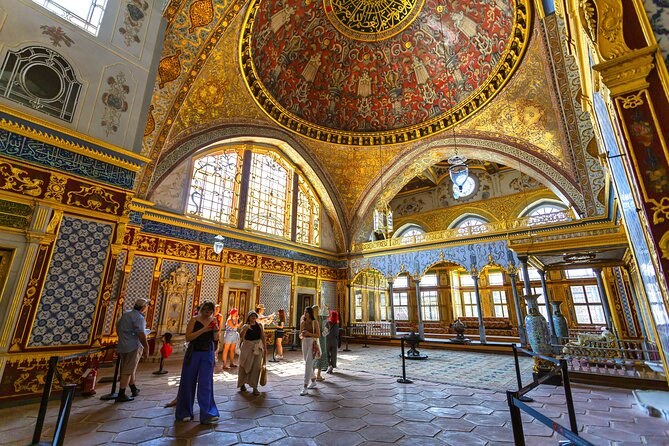 2 mi from IstanbulTopkapi Palace Secret Rooms + Palace Historian Guide
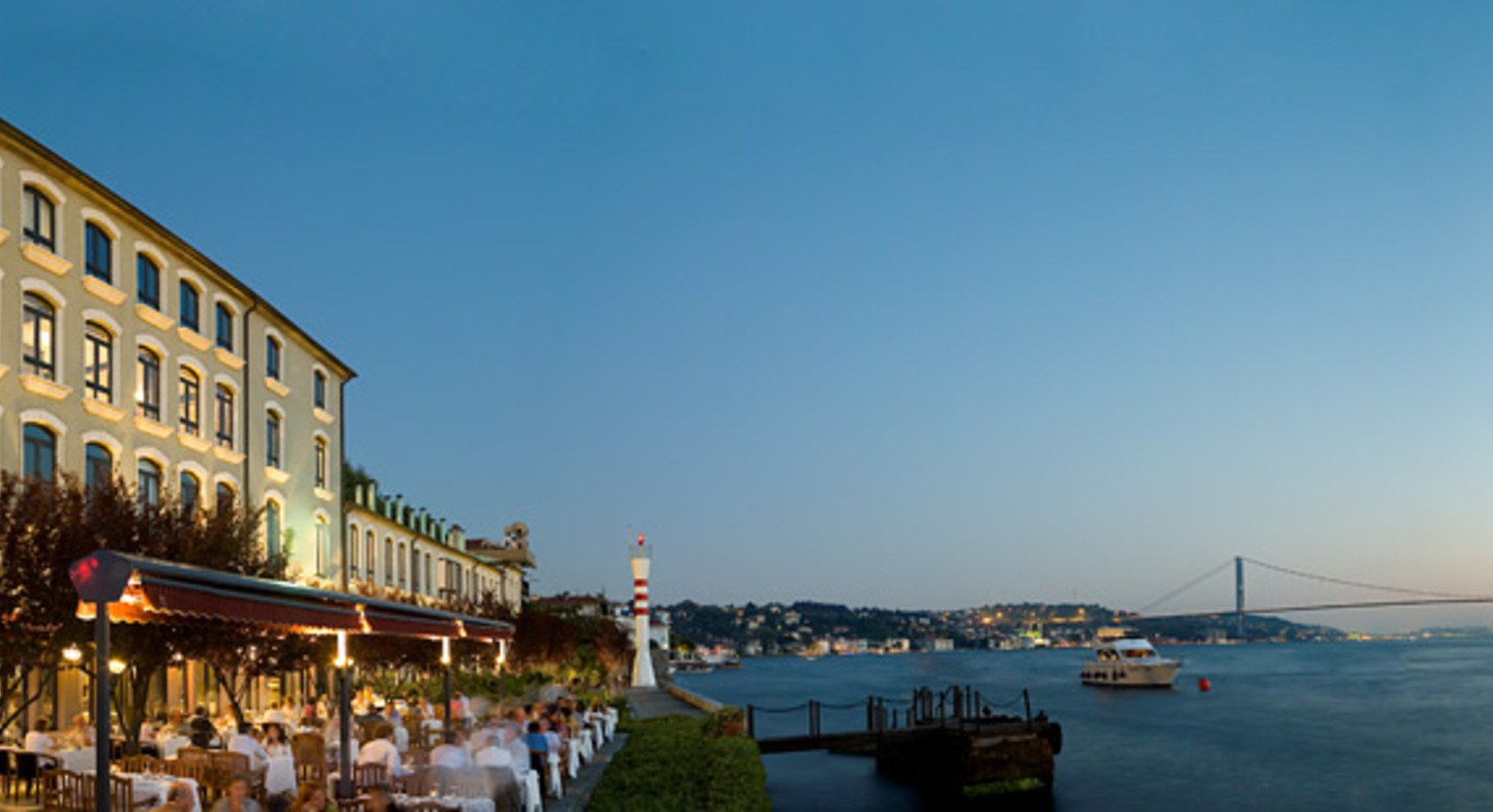 6 mi from IstanbulSumahan on the Water - Architectural Residency & Dinner
 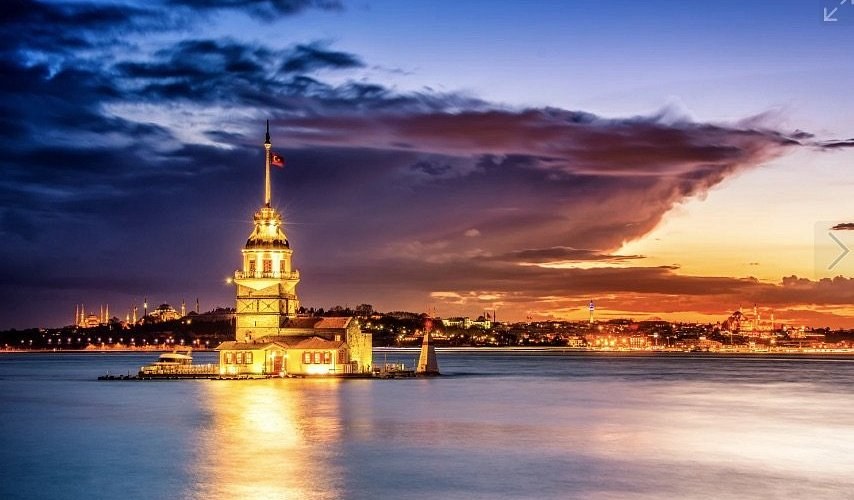 21 mi from Istanbul · land adventureBosphorus Currents: Fortresses, Kebab Masters and Island Ferries
 After you step off · near Venice
You end in a different port — stay on, and add what is within reach before you fly home.
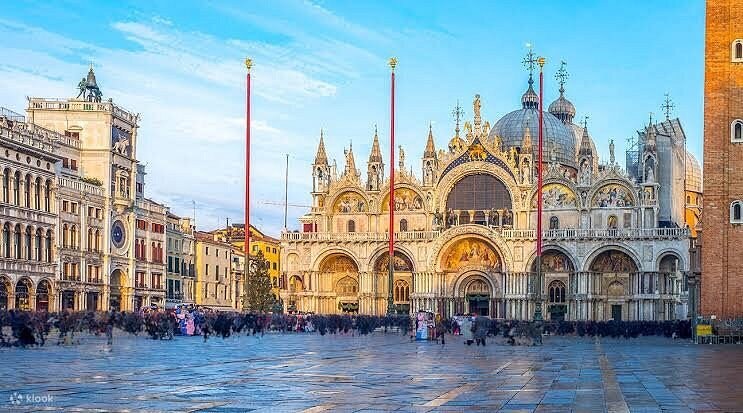 0 mi from VeniceSt. Mark's Basilica
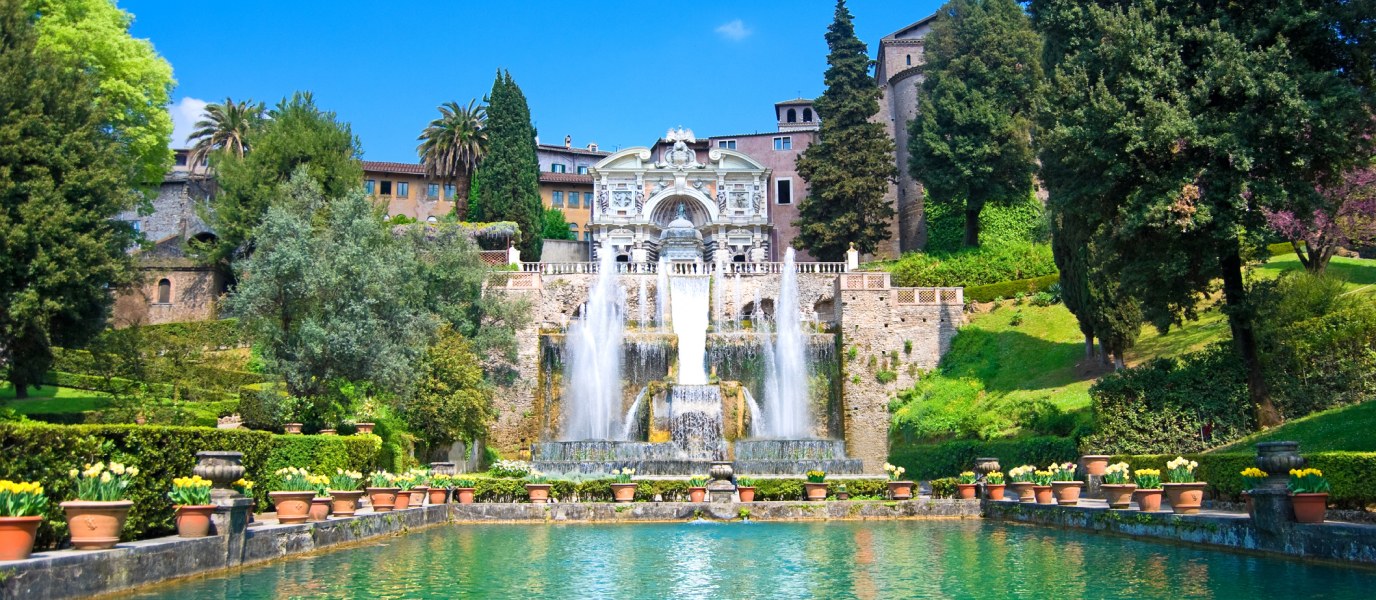 126 mi from VeniceVilla d'Este - Tivoli Fountains & Mannerist Gardens (Day Trip)
 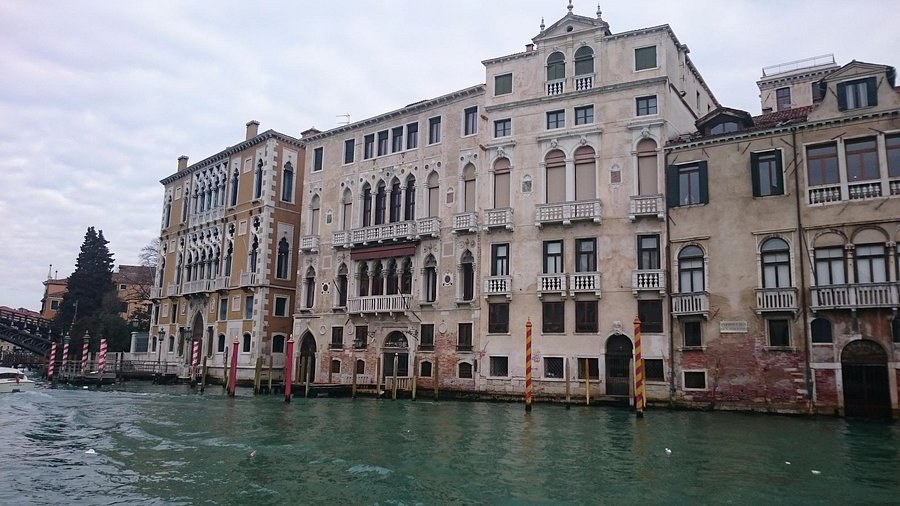 5 mi from Venice · land adventurePalazzo Doors, Lagoon Vineyards: Venice Beyond the Crowd Line
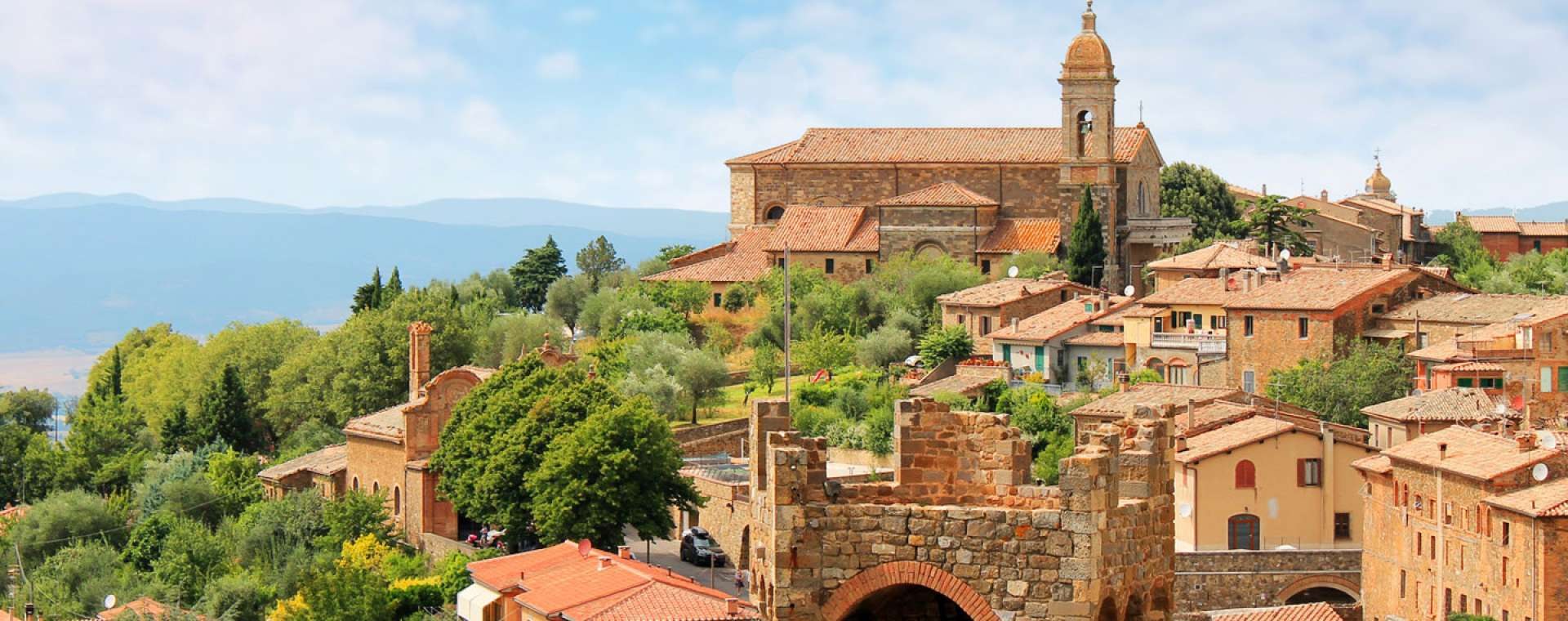 125 mi from Venice · land adventureFlorence to Val d'Orcia: Wine, Frescoes & Thermal Springs