Your cruise
Sapphire Princess · 10-night Asia round trip from Tokyo
Sep 4 – Sep 14 · 10 nights ·
Day 1 Tokyo (board) · Day 2 Toba · Day 3 Wakayama · Day 4 Miyazaki (Aburatsu) - Japan · Day 5 Yatsushiro · Day 6 Busan (Kyongju) · Day 7 Kanmon Straits · Day 8 Hiroshima · Day 9 Kochi · Day 10 Shimizu · Day 11 Tokyo (step off)
What you do Walk the sacred gravel paths of Japan's most revered Shinto shrine — rebuilt every 20 years for 1,300 years. A private, English-speaking guide unlocks the ritual, symbolism, and silence that mass visitors never grasp.
What to expect Begin at the Geku outer sanctuary, home of the food goddess Toyouke, before transferring through cedar forest to the Naiku inner sanctuary — the spiritual heart of Japan, enshrining Amaterasu. Cross the Uji Bridge over the Isuzu River, purify your hands at the sacred stream, and absorb the profound stillness of cypress-scented gravel paths. Finish with a stroll through the Okage Yokocho lantern-lit Edo-era merchant street for seasonal Ise udon and red-bean sweets.
Good to know Ise Jingu is approximately 30–40 minutes by car from Toba port. Pre-book a private guide via tourHQ.com Toba listings or ToursByLocals at least 2 weeks ahead. Allow 4–5 hours total. Confirm your all-aboard time and factor in the tender back to ship.
Versus the ship tour A private guide controls the pace entirely — lingering at the Uji Bridge at dawn, entering the forested inner precinct before crowds arrive, and explaining the 20-year Shikinen Sengu rebuilding ceremony in depth. Unhurried access to both Geku (Outer) and Naiku (Inner) sanctuaries in a single morning.
book direct with Jingu (Ise Grand Shrine Official) → · the full guide →
What you do Stand on the very island where Kokichi Mikimoto created the world's first cultured pearl in 1893. Watch white-robed Ama women free-dive for oysters, then access the museum and jewellery house at your own luxurious pace.
What to expect Cross the small bridge from central Toba onto the island and enter a world of oyster-laden floating rafts and pearl-sorting workshops. The highlight is the Ama demonstration: robed divers plunge into the bay without equipment, surfacing with oysters as they have for centuries. Inside the museum, trace the full arc from grain of sand to finished strand, and see historic ceremonial pieces including a pearl-encrusted replica of the Liberty Bell. Browse the flagship Mikimoto boutique for pieces unavailable elsewhere.
Good to know Mikimoto Pearl Island is a 5-minute walk from Toba Station and about 10 minutes by taxi from the pier. Ama dive shows run at 10:00, 11:30, and 14:00 — time your visit around a show. The island can be done in 1.5–2 hours, leaving time to pair it with Toba Aquarium nearby.
Versus the ship tour The Ama diving demonstration — three times daily — is one of Japan's rarest living traditions, performed by women who have free-dived these waters for generations. The on-site Pearl Museum holds Mikimoto's original cultivation experiments and the world's largest pearl collection, with no time pressure to rush through.
What you do The ultimate Toba day — a fully bespoke 8-hour private tour with an English-speaking local expert, weaving Mikimoto, Ise Jingu, Okage Yokocho, and hidden coastal viewpoints into a seamless, unhurried itinerary tailored entirely to you.
What to expect Your guide meets you dockside and navigates the entire day — from Mikimoto's pearl legacy to the forest cathedral of Ise Jingu and the atmospheric Okage Yokocho stone-paved lane. Stops, sequence, and pace are adjusted in real time to your interests: history, food, photography, or all three. A private air-conditioned vehicle handles all transfers, and the guide handles every detail from parking to temple etiquette. Expect unhurried conversations, insider commentary, and the kind of local knowledge that only comes from someone who grew up here.
Good to know Book at least 3–4 weeks in advance as private full-day guides in Toba are limited. Clarify your all-aboard time at booking — the operator is experienced with cruise schedules. Gratuity is appreciated but not expected.
Versus the ship tour Total flexibility — if you want to spend an extra hour at the Inner Shrine or detour to a clifftop Ise-Shima viewpoint, you do. One guide, one vehicle, your agenda. Lunch at a locally chosen seafood restaurant (not a tourist canteen) is built into the pace.
book direct with Toba Private Tour Specialists via TripAdvisor Experiences → · the full guide →
What you do One of Japan's finest aquariums and one of only a handful worldwide to exhibit the elusive dugong. With 12 zones and over 1,200 species, this is a genuine marine science encounter, not a theme park.
What to expect Move through 12 themed zones spanning tropical reefs, Antarctic ice, and the abyssal deep. The dugong feeding session (usually 10:30 and 15:30) is genuinely moving — these gentle, sea-grass-grazing mammals are critically endangered and almost never seen in captivity. The deep-sea zone, home to giant isopods and oarfish specimens, is hauntingly beautiful. The aquarium also holds research exhibits on Ise-Shima's marine ecosystem that reward curious, unhurried visitors.
Good to know The aquarium is within walking distance (5–10 min) of the Toba pier — no transfer needed. Check the dugong feeding schedule on the official website before your visit. Allow 2–2.5 hours. Combine with Mikimoto Pearl Island (a 5-min walk away) for an efficient half-day pairing.
Versus the ship tour Toba Aquarium's living collection is extraordinary by any global standard — rare giant isopods from the deep Ise-Shima seabed, polar zone walruses, and the star attraction: Fu-chan, the beloved dugong, one of fewer than ten in human care worldwide. A self-paced visit allows you to linger in the extraordinary 'Coral Sea of Ise-Shima' zone as long as you wish.
book direct with Toba Aquarium (Official) → · the full guide →
What you do Paddle through the jewel-green islets of Ise-Shima National Park on a guided sea kayak adventure — the only way to reach hidden coves, sea arches, and Ama fishing grounds invisible from any road or ferry.
What to expect After a brief safety and paddling orientation, launch into the calm, sheltered waters of Toba Bay and weave between dozens of small islands fringed with black pine. Your guide points out active Ama diving spots, pearl cultivation rafts, and coastal bird life along the way. The water clarity in Ise-Shima is exceptional — look down to see sea urchins and starfish on the sandy floor. Suitable for fit beginners; no prior kayaking experience required.
Good to know Duration is 1.5 hours, making it ideal as a morning activity before an afternoon at Mikimoto or the Aquarium. Waterproof dry bags are provided for cameras and valuables. Wear quick-dry clothing and water shoes. Book directly via the CruiseSheet Toba port listings, specifying your ship's date.
Versus the ship tour The Rias coastline of Ise-Shima — a UNESCO Geopark candidate — is a labyrinth of pine-clad islets and emerald inlets that only a kayak can access. You'll glide past working Ama ama diving floats and rocky sea arches in a small, expert-led group, with the silence broken only by oar strokes and osprey calls.
book direct with CruiseSheet Toba Shore Excursion Operators → · the full guide →
What you do Witness the Meoto-Iwa — two sacred rocks lashed together by a 35-metre Shinto rope — rising from the Pacific in the golden light of morning. This legendary site frames the summer solstice sunrise perfectly, and is one of Japan's most photographed spiritual landscapes.
What to expect Walk the pine-shaded approach to the shoreline shrine, where the sacred 'husband and wife' rocks stand 9 and 4 metres tall, connected by a thick shimenawa rope renewed in a grand ceremony three times yearly. At low tide, torii gates seem to float on the reef between them. The surrounding shrine complex features dozens of hand-carved frog statues — the frog (kaeru) symbolising safe return — gifted by pilgrims over centuries. A short stroll leads to the seafront Ise-Shima coast path and a traditional tea house for matcha.
Good to know Futami is approximately 15 minutes by local train from Toba Station (Kintetsu Toba Line) or 20 minutes by private taxi. Arrive by 08:00 for the quietest experience. The rope-changing ceremony (Oshimenawa) occurs in May, September, and December — an extraordinary spectacle if your sailing date aligns. Combine with an Ise Jingu visit the same day as both are on the same train line.
Versus the ship tour Few images capture the spiritual soul of Japan as completely as the Meoto-Iwa at first light. Arriving early — before tour buses — means sharing this moment with only a handful of worshippers, the crash of Pacific surf, and hundreds of stone frog guardians watching from the shore. The experience is contemplative, cinematic, and completely free.
What you do Explore Tokyo's most iconic districts — Asakusa, Shibuya, Shinjuku and the Imperial Palace — guided by a nationally licensed, multilingual expert on an entirely private itinerary tailored to you. This is Tokyo at your pace, through a connoisseur's eyes.
What to expect Your guide meets you at the terminal and whisks you into Tokyo's layered world: the incense haze of Sensō-ji, the electric scramble at Shibuya Crossing, the raked gravel calm of Imperial Palace East Gardens. Lunch is arranged at a chef-selected restaurant befitting your taste. The day is a seamless private narrative rather than a checklist, ending with enough time to return comfortably before all-aboard.
Good to know Book well in advance — licensed private guides are in high demand. Confirm your ship's all-aboard time so your guide can plan the return; Tokyo International Cruise Terminal (Ariake) is roughly 30–40 min by taxi or direct Yurikamome rail from central Tokyo.
Versus the ship tour A nationally licensed guide — not a megaphone-and-flag group leader — curates every hour around your interests, from Sensō-ji temple rituals at dawn to an omakase lunch in a hidden alley. The group is yours alone, pace is entirely flexible, and the depth of cultural insight is unmatched.
book direct with Japan Guide Association (JGA) – Official Licensed Guides → · the full guide →
What you do Ascend the world's second-tallest structure to 634 metres for a panorama stretching from Mount Fuji to Tokyo Bay. On a clear day the view is simply one of the great urban spectacles on earth.
What to expect A high-speed elevator whisks you to the Tembo Deck at 350 m in under 60 seconds. A second ascent takes you to the Tembo Galleria, a glass-walled spiral walkway at 450 m where the floor disappears beneath your feet over the Tokyo skyline. The adjacent Solamachi shopping and dining complex adds a refined post-visit option before heading back.
Good to know Pre-purchase timed-entry tickets online — they sell out days ahead, especially on weekends. From Tokyo International Cruise Terminal, take the Yurikamome line to Asakusa, then the Tobu Skytree Line — allow 50 min total. Allow 2 hrs for both decks. Confirm weather forecast: Mount Fuji views require clear skies.
Versus the ship tour Skip the intermediary and book direct on the official site for guaranteed timed-entry tickets — the queue for walk-ups can swallow an hour. Pairing both decks gives you the full 634-metre summit glass-floored walkway, a genuinely vertiginous bucket-list moment inaccessible on a standard visit.
book direct with Tokyo Skytree (Official) → · the full guide →
What you do Step inside teamLab Borderless — the world's most visited single-artist museum — where thousands of laser projections dissolve boundaries between art and visitor. There are no maps; every room is a living, breathing, bucket-list spectacle.
What to expect You wander freely through interconnected rooms where waterfalls, forests, and koi ponds exist entirely as light and projection — and shift when you touch them. The 'Athletic Forest' zone challenges the body as much as the mind. No two visits are identical; the art evolves in real time. Budget at least two hours, though most guests lose track of time entirely.
Good to know The new Azabudai Hills venue is a taxi/subway ride from the cruise terminal — allow 40 min. Wear comfortable shoes (some zones involve steps and uneven surfaces). Timed-entry tickets are date- and time-specific; book the earliest slot to leave the afternoon free for other stops. Avoid white clothing as projections can stain perception.
Versus the ship tour teamLab Borderless is the most talked-about cultural experience in Tokyo and tickets routinely sell out weeks ahead — direct booking guarantees your slot. The experience is entirely self-paced and intimate in scale despite the venue's size; no group itinerary can replicate the personal sense of wonder as the art responds to your movement.
book direct with teamLab Borderless Tokyo (Official) → · the full guide →
What you do Explore the legendary Tsukiji Outer Market with a private chef guide who navigates the stalls, sources the finest morning catch, and explains the art of Edomae sushi — ending at a reserved counter for an unforgettable omakase breakfast.
What to expect The morning begins in the alley labyrinth of Tsukiji Outer Market as vendors arrange glistening tuna, sea urchin, and seasonal shellfish. Your chef-guide explains provenance, seasonality, and the knife traditions behind each cut. A tamagoyaki (rolled omelette) master lets you watch the craft up close. The tour culminates at a reserved sushi counter where the chef orders on your behalf — a succession of impossibly fresh nigiri paired with explanations of each piece.
Good to know Tsukiji Outer Market is most vibrant 7–10 am; an early start is essential and pairs well with an early all-aboard schedule. The market is approximately 30 min by taxi from Tokyo International Cruise Terminal. Confirm any dietary restrictions with Context Travel at booking. Sturdy shoes are advised — the alleys are narrow and sometimes wet.
Versus the ship tour Context Travel pairs you with a culinary scholar or professional chef — not a generic guide — for an intellectually rich deep-dive into Japan's seafood culture. The private format means you linger at the stalls that captivate you, taste what the guide selects, and sit down to sushi chosen that morning, not a set tourist menu.
book direct with Context Travel Tokyo – Expert-Led Food Tours → · the full guide →
What you do Walk the ancient cedar-forested approach to Tokyo's most sacred Shinto shrine, then emerge into Harajuku's kaleidoscopic street culture — a single morning that captures the full spiritual and creative soul of Tokyo.
What to expect The 700-metre forested gravel path to Meiji Jingu feels remote despite being at the heart of 14-million-person Tokyo — a genuine hush descends. Your guide explains the daily rituals, points out the sake-barrel wall offered by French wineries, and arranges a quiet moment at the inner shrine. The short walk to Harajuku delivers the visual shock of kawaii fashion and the understated elegance of Omotesandō boutiques — Dior, Louis Vuitton, and local ateliers alike.
Good to know Shoulders and knees should be covered or a scarf carried for the shrine approach. From the cruise terminal, take the Yurikamome to Shimbashi then JR Yamanote Line to Harajuku — approx. 50 min. The combined experience takes 3–4 hours; pairs perfectly with a lunch reservation on Omotesandō. Book your GoWithGuide guide at least 2 weeks ahead.
Versus the ship tour A private local guide from GoWithGuide provides personal context for Shinto ritual — the purification ceremony, the prayer technique, the symbolism of the torii gate — that transforms a walk through a forest into a deeply moving cultural encounter. The segue into Harajuku's Takeshita Street and Omotesandō's luxury flagship stores is seamlessly curated.
book direct with GoWithGuide – Private Tokyo Local Guides → · the full guide →
What you do Ascend the beloved iron icon of Tokyo at golden hour for the exclusive Diamond Tour — access to both the Main Deck at 150 m and the Top Deck at 250 m, limited to just 70 guests per day. A sunset over the Tokyo skyline from here is a memory for life.
What to expect Tokyo Tower glows tangerine and crimson at dusk — a deliberate nod to the Eiffel Tower's evening palette — and from the glass-floor panels of the Top Deck, the city grid fans out to Tokyo Bay and beyond. The Diamond Tour guide explains the tower's 1958 construction story and its role as Tokyo's emotional heartbeat. The lounge offers premium refreshments as the city lights ignite below you.
Good to know Book online the moment your itinerary is confirmed — the 70-person cap sells out fast, especially on weekends and holidays. Tokyo Tower is in Minato, roughly 40 min by taxi from the cruise terminal. Plan to arrive at least 30 min before your slot. A sunset slot (approximately 5–6 pm) is spectacular but confirm your ship's all-aboard time allows for it.
Versus the ship tour The Diamond Tour's 70-person daily cap makes this one of the most exclusive urban viewpoints in Asia. Unlike the open-access main deck, the Top Deck tour includes a dedicated lounge, unhurried time at each level, and a guide — transforming a landmark tick into a genuinely rarefied experience.
book direct with Tokyo Tower (Official) → · the full guide →
What you do Walk the sacred gravel paths of Japan's most revered Shinto shrine — rebuilt every 20 years for 1,300 years. A private, English-speaking guide unlocks the ritual, symbolism, and silence that mass visitors never grasp.
What to expect Begin at the Geku outer sanctuary, home of the food goddess Toyouke, before transferring through cedar forest to the Naiku inner sanctuary — the spiritual heart of Japan, enshrining Amaterasu. Cross the Uji Bridge over the Isuzu River, purify your hands at the sacred stream, and absorb the profound stillness of cypress-scented gravel paths. Finish with a stroll through the Okage Yokocho lantern-lit Edo-era merchant street for seasonal Ise udon and red-bean sweets.
Good to know Ise Jingu is approximately 30–40 minutes by car from Toba port. Pre-book a private guide via tourHQ.com Toba listings or ToursByLocals at least 2 weeks ahead. Allow 4–5 hours total. Confirm your all-aboard time and factor in the tender back to ship.
Versus the ship tour A private guide controls the pace entirely — lingering at the Uji Bridge at dawn, entering the forested inner precinct before crowds arrive, and explaining the 20-year Shikinen Sengu rebuilding ceremony in depth. Unhurried access to both Geku (Outer) and Naiku (Inner) sanctuaries in a single morning.
book direct with Jingu (Ise Grand Shrine Official) → · the full guide →
What you do Stand on the very island where Kokichi Mikimoto created the world's first cultured pearl in 1893. Watch white-robed Ama women free-dive for oysters, then access the museum and jewellery house at your own luxurious pace.
What to expect Cross the small bridge from central Toba onto the island and enter a world of oyster-laden floating rafts and pearl-sorting workshops. The highlight is the Ama demonstration: robed divers plunge into the bay without equipment, surfacing with oysters as they have for centuries. Inside the museum, trace the full arc from grain of sand to finished strand, and see historic ceremonial pieces including a pearl-encrusted replica of the Liberty Bell. Browse the flagship Mikimoto boutique for pieces unavailable elsewhere.
Good to know Mikimoto Pearl Island is a 5-minute walk from Toba Station and about 10 minutes by taxi from the pier. Ama dive shows run at 10:00, 11:30, and 14:00 — time your visit around a show. The island can be done in 1.5–2 hours, leaving time to pair it with Toba Aquarium nearby.
Versus the ship tour The Ama diving demonstration — three times daily — is one of Japan's rarest living traditions, performed by women who have free-dived these waters for generations. The on-site Pearl Museum holds Mikimoto's original cultivation experiments and the world's largest pearl collection, with no time pressure to rush through.
What you do The ultimate Toba day — a fully bespoke 8-hour private tour with an English-speaking local expert, weaving Mikimoto, Ise Jingu, Okage Yokocho, and hidden coastal viewpoints into a seamless, unhurried itinerary tailored entirely to you.
What to expect Your guide meets you dockside and navigates the entire day — from Mikimoto's pearl legacy to the forest cathedral of Ise Jingu and the atmospheric Okage Yokocho stone-paved lane. Stops, sequence, and pace are adjusted in real time to your interests: history, food, photography, or all three. A private air-conditioned vehicle handles all transfers, and the guide handles every detail from parking to temple etiquette. Expect unhurried conversations, insider commentary, and the kind of local knowledge that only comes from someone who grew up here.
Good to know Book at least 3–4 weeks in advance as private full-day guides in Toba are limited. Clarify your all-aboard time at booking — the operator is experienced with cruise schedules. Gratuity is appreciated but not expected.
Versus the ship tour Total flexibility — if you want to spend an extra hour at the Inner Shrine or detour to a clifftop Ise-Shima viewpoint, you do. One guide, one vehicle, your agenda. Lunch at a locally chosen seafood restaurant (not a tourist canteen) is built into the pace.
book direct with Toba Private Tour Specialists via TripAdvisor Experiences → · the full guide →
What you do One of Japan's finest aquariums and one of only a handful worldwide to exhibit the elusive dugong. With 12 zones and over 1,200 species, this is a genuine marine science encounter, not a theme park.
What to expect Move through 12 themed zones spanning tropical reefs, Antarctic ice, and the abyssal deep. The dugong feeding session (usually 10:30 and 15:30) is genuinely moving — these gentle, sea-grass-grazing mammals are critically endangered and almost never seen in captivity. The deep-sea zone, home to giant isopods and oarfish specimens, is hauntingly beautiful. The aquarium also holds research exhibits on Ise-Shima's marine ecosystem that reward curious, unhurried visitors.
Good to know The aquarium is within walking distance (5–10 min) of the Toba pier — no transfer needed. Check the dugong feeding schedule on the official website before your visit. Allow 2–2.5 hours. Combine with Mikimoto Pearl Island (a 5-min walk away) for an efficient half-day pairing.
Versus the ship tour Toba Aquarium's living collection is extraordinary by any global standard — rare giant isopods from the deep Ise-Shima seabed, polar zone walruses, and the star attraction: Fu-chan, the beloved dugong, one of fewer than ten in human care worldwide. A self-paced visit allows you to linger in the extraordinary 'Coral Sea of Ise-Shima' zone as long as you wish.
book direct with Toba Aquarium (Official) → · the full guide →
What you do Paddle through the jewel-green islets of Ise-Shima National Park on a guided sea kayak adventure — the only way to reach hidden coves, sea arches, and Ama fishing grounds invisible from any road or ferry.
What to expect After a brief safety and paddling orientation, launch into the calm, sheltered waters of Toba Bay and weave between dozens of small islands fringed with black pine. Your guide points out active Ama diving spots, pearl cultivation rafts, and coastal bird life along the way. The water clarity in Ise-Shima is exceptional — look down to see sea urchins and starfish on the sandy floor. Suitable for fit beginners; no prior kayaking experience required.
Good to know Duration is 1.5 hours, making it ideal as a morning activity before an afternoon at Mikimoto or the Aquarium. Waterproof dry bags are provided for cameras and valuables. Wear quick-dry clothing and water shoes. Book directly via the CruiseSheet Toba port listings, specifying your ship's date.
Versus the ship tour The Rias coastline of Ise-Shima — a UNESCO Geopark candidate — is a labyrinth of pine-clad islets and emerald inlets that only a kayak can access. You'll glide past working Ama ama diving floats and rocky sea arches in a small, expert-led group, with the silence broken only by oar strokes and osprey calls.
book direct with CruiseSheet Toba Shore Excursion Operators → · the full guide →
What you do Witness the Meoto-Iwa — two sacred rocks lashed together by a 35-metre Shinto rope — rising from the Pacific in the golden light of morning. This legendary site frames the summer solstice sunrise perfectly, and is one of Japan's most photographed spiritual landscapes.
What to expect Walk the pine-shaded approach to the shoreline shrine, where the sacred 'husband and wife' rocks stand 9 and 4 metres tall, connected by a thick shimenawa rope renewed in a grand ceremony three times yearly. At low tide, torii gates seem to float on the reef between them. The surrounding shrine complex features dozens of hand-carved frog statues — the frog (kaeru) symbolising safe return — gifted by pilgrims over centuries. A short stroll leads to the seafront Ise-Shima coast path and a traditional tea house for matcha.
Good to know Futami is approximately 15 minutes by local train from Toba Station (Kintetsu Toba Line) or 20 minutes by private taxi. Arrive by 08:00 for the quietest experience. The rope-changing ceremony (Oshimenawa) occurs in May, September, and December — an extraordinary spectacle if your sailing date aligns. Combine with an Ise Jingu visit the same day as both are on the same train line.
Versus the ship tour Few images capture the spiritual soul of Japan as completely as the Meoto-Iwa at first light. Arriving early — before tour buses — means sharing this moment with only a handful of worshippers, the crash of Pacific surf, and hundreds of stone frog guardians watching from the shore. The experience is contemplative, cinematic, and completely free.
What you do Ascend to Japan's most sacred mountain — a UNESCO World Heritage site — where 1,200 years of esoteric Buddhism breathe through moss-draped lanterns, towering cryptomeria and the eternal flame at Okunoin's inner sanctum. Utterly bucket-list.
What to expect A scenic cable-car ride crests the mountain as cedar forests part to reveal a monastery town frozen in the Heian era. Your guide leads you through Okunoin's 200,000-tomb cemetery at dawn-quiet pace, past the tombs of samurai lords and warlords, to the flickering inner sanctum where Kobo Daishi is said to remain in eternal meditation. Kongobuji's rock garden — Japan's largest — provides a moment of pure Zen stillness. Shojin-ryori (Buddhist vegetarian cuisine) can be arranged at a temple lodge for a supremely refined finish.
Good to know Koyasan is roughly 2 hours from Wakayama port by private car or Nankai Railway. Book well in advance — private guide slots fill quickly. Confirm your ship's all-aboard time and allow a 30-min buffer; a 6–7 hour excursion comfortably fits a standard port call.
Versus the ship tour Private, licensed local guide who is a practising Koyasan Buddhist community member — you move at your own pace, linger inside Kongobuji's sand garden, and enter Okunoin's lantern hall at a contemplative moment most groups rush past.
What you do Walk a UNESCO-listed stone-paved pilgrimage route through ancient cedar forest — one of only two World Heritage trails on earth — alongside a scholarly local guide who illuminates 1,000 years of imperial and spiritual history. Profoundly moving.
What to expect Mossy stone paths, the scent of ancient cedar and the distant sound of temple bells define this legendary trail once walked by emperors and samurai seeking spiritual cleansing. Your guide decodes the centuries of ritual meaning encoded in every carved stone and shrine torii. The route culminates at one of the Grand Kumano Taisha shrines, where you receive a traditional pilgrim's stamp in your nōkyōchō. The intimacy of a private walk turns a hike into a genuine rite of passage.
Good to know The Nakahechi route is most accessible from Wakayama port (approx. 1.5–2 hrs by private transfer). Wear comfortable walking shoes and layer up — forest trails are cool and occasionally steep. Pre-book private guide and return transfer together for seamless logistics.
Versus the ship tour A private, certified Kumano Kodo specialist guide means the experience is tailored entirely to your fitness and interest — you choose which section of the trail to walk, with no crowds and no fixed schedule, stopping at wayside oji shrines and teahouses at will.
What you do Stand before Japan's tallest single-drop waterfall — 133 metres of thundering silver — framed by a vermilion pagoda and backed by primeval forest. The adjacent Kumano Nachi Taisha is among Japan's most venerated Shinto shrines. Jaw-dropping.
What to expect The approach up stone-lantern-lined steps through ancient cedar sets an atmosphere of reverence before the falls even come into view. The moment the 133-metre cascade appears alongside the three-storey orange pagoda is among the most photographed — and most genuinely breathtaking — scenes in all Japan. Your guide narrates the mythology of Nachi-no-Hi Matsuri, the fire festival, as you explore the main shrine complex and the quieter Hirou Jinja perched above the falls. A tasting of local Kumano specialities rounds out the experience.
Good to know Nachi is approximately 2.5 hrs from Wakayama port; best suited to a full-day port call. Comfortable walking shoes essential — the approach involves 400+ stone steps. Pre-arrange a private vehicle for the full day to maximise time at the site.
Versus the ship tour A private licensed guide ensures you arrive at the falls and shrine before the tour-bus crowds, with deep context on the Kumano faith that turns an iconic photograph into a genuine cultural epiphany.
book direct with GoWithGuide – Wakayama Private Tours → · the full guide →
What you do Explore one of Japan's finest hilltop castles — built by the mighty Tokugawa clan — then stroll the exquisite Nishi-no-Maru Garden, where a wisteria-draped tea arbour overlooks sculpted pines and koi-filled ponds. Quintessential feudal Japan.
What to expect Wakayama Castle crowns a forested hill in the city's heart, its white-walled tenshu gleaming against the sky. Inside, armour, swords and lacquerware trace the Kishu-Tokugawa domain's three centuries of rule. The Nishi-no-Maru Garden, once the domain lord's private pleasure ground, unfolds in manicured layers of maple, pine and seasonal bloom, with a 17th-century tea arbour offering the option of a formal matcha ceremony. The pace is entirely yours — linger over any detail that captivates you.
Good to know The castle is 15 minutes by taxi from Wakayama port — the most port-convenient excursion on this list. Ideal for a half-day with time remaining for local ramen or seafood. Book your private guide directly through GoWithGuide to confirm an English-speaking expert.
Versus the ship tour A private licensed guide reveals the Tokugawa family's political genius encoded in the castle's architecture and the garden's designed viewpoints — depth of storytelling that transforms a sightseeing stop into a living history lesson.
book direct with GoWithGuide – Wakayama Private Tours → · the full guide →
What you do Dive into one of the Kansai coast's most exhilarating seafood spectacles — live tuna auctions, grilled whole fish on the quayside, and the theatrical Kuroshio Market show — then explore the fantastical Porto Europa waterfront. Pure coastal indulgence.
What to expect The moment you step into Kuroshio Market, vendors are already grilling whole lobster, scallops and spiny lobster over open charcoal — the salt-and-smoke aromas are intoxicating. The tuna-cutting ceremony draws a theatrical crowd as a swordsman breaks down a whole bluefin with swift, ceremonial strokes. Porto Europa's faux-European architecture provides a whimsical backdrop for a post-feast stroll. The adjacent sea-fishing park is available for those who want to try catching their own lunch — a delightful option for adventurous palates.
Good to know Marina City is 20 minutes by taxi from Wakayama port — very manageable independently. The tuna-cutting show runs at set times (check the website before you go). Go hungry and eat immediately — freshness is the whole point. Arrive by 11:00 for the best produce selection.
Versus the ship tour Arriving independently gives you the freedom to linger at the live-fire grilling stalls, bid on market produce, and dine at the waterside counter of your choice — a spontaneous, sensory-rich experience impossible to replicate on a fixed group tour.
book direct with Wakayama Marina City (Kuroshio Market – Official) → · the full guide →
What you do Board the whimsical Strawberry or Toy Train on one of Japan's most charming rural railways — made world-famous by Tama, the cat stationmaster — on a private guided experience celebrating Japanese 'kawaii' culture at its most authentic and heartwarming.
What to expect The Kishigawa Line winds through rice paddies and tangerine orchards aboard one of four artistically designed trains — each a rolling gallery of Japanese craft. At Kishi Station, the shrine to the original Tama (now a 'Meowing God') draws pilgrims from across Japan, and her successor Nitama continues the tradition as resident stationmaster. The surrounding village of Kinokawa is pastoral and peaceful, a world away from Osaka's crowds. Your guide narrates the line's unlikely revival story — a masterclass in Japanese community spirit.
Good to know Kishi Station is approximately 30 minutes from central Wakayama by train. Combine with Wakayama Castle for a perfectly paced full half-day. The themed trains run on a set timetable — check the official website and plan around a Strawberry or Toy Train departure for the most memorable carriage. Pre-book your guide for the best experience.
Versus the ship tour A private guide who knows the line's lore — from Tama's remarkable impact on rural Japan's economy to the artisanal design of each themed train carriage — turns a novelty ride into a genuinely moving cultural story about a community's ingenuity and pride.
book direct with Wakayama Electric Railway (Kishigawa Line – Official) → · the full guide →
What you do Descend into a dramatic Pacific-facing sea cave to reach one of Japan's most extraordinary Shinto shrines. Udo Jingu is literally built inside a cliff grotto — ochre-red lacquer against dripping stalactites — and is considered a power spot for fertility, safe childbirth, and good fortune. An utterly bucket-list encounter with living Japanese spirituality in a breathtaking natural setting.
What to expect Your private English-speaking guide collects you dockside and drives south along the stunning Nichinan Coast to Udo Jingu. You descend a dramatic clifftop staircase to the cave entrance, where the shrine's crimson halls emerge from the rock face above the crashing Pacific. Your guide explains the ritual of throwing 'undama' clay balls — balancing them on a rock for luck — and leads you through the proper Shinto approach before returning along the scenic Oni-no-Washboard coastline.
Good to know Udo Jingu is approximately 40 minutes from Aburatsu Port. Pre-book your private guide well in advance (at least 2–4 weeks). The stairway descent involves around 200 steps — sturdy shoes are essential. Allows comfortable return to ship by all-aboard with a private driver.
Versus the ship tour A private guide meets you directly at Aburatsu Port, sets the pace entirely around your group, and provides deep cultural and spiritual context that transforms a sightseeing stop into a true pilgrimage. Small group means no queuing, no rushing — just the shrine, the sea and your guide's expert storytelling.
book direct with Tours by Locals – Miyazaki Local Guides → · the full guide →
What you do Step inside Japan's 'Little Kyoto of Kyushu' — the exquisitely preserved castle town of Obi, where samurai streets, moss-draped castle ruins and merchant quarters survive almost entirely intact. A living, breathing Edo-period townscape just an hour from the port, almost entirely undiscovered by international tourism.
What to expect Explore the atmospheric ruins of Obi Castle and its sweeping grounds before threading through the preserved samurai and merchant quarters on foot with your guide. Visit the elegant Yoshokan samurai residence — still furnished as it was centuries ago — and pause at local crafts workshops. Your guide contextualises the Ito clan's rule and the town's remarkable survival through the Meiji era, making history viscerally real. The visit concludes with a tasting of Obi's signature flavours: thick sweet atsuyaki tamago and golden tempura.
Good to know Obi is approximately 60 minutes by road from Aburatsu Port. Castle grounds open 9:00 AM–5:00 PM. Pre-book a private guide for flexible timing. Comfortable flat walking shoes recommended; the town is very walkable. Plan to depart Obi by early afternoon to ensure relaxed return to ship.
Versus the ship tour Expert local guides keep the group intimate and move at a pace that allows genuine discovery — pausing inside the samurai residence gardens, tasting 'Obi Tempura' at an authentic local shop, and taking lanes that larger group tours bypass entirely.
book direct with Japan Shore Excursions → · the full guide →
What you do Walk the extraordinary 'Oni-no-Sentakuita' — the Devil's Washboard — a vast rippled plateau of ancient wave-cut rock encircling a palm-fringed island shrine. Aoshima Jinja rises from a jungle island accessible only by footbridge, a collision of tropical lushness and Shinto ceremony utterly unlike anywhere else in Japan.
What to expect Your guide drives you north along the Nichinan Coast to Aoshima, timing the visit to catch the washboard rock formations at their most dramatic exposure. You cross the footbridge onto the island, circumnavigate it through tropical garden paths, and enter the ancient shrine precincts. Your guide explains the mythology of Yamasachi-hiko, the deity enshrined here, and points out the sacred 'meoto' rock pair in the inner garden. Afterwards, browse the charming beachside market stalls for Miyazaki mango confections.
Good to know Aoshima is approximately 25 minutes from Aburatsu Port — the closest major attraction. Tidal exposure of the rock formations is best at low tide; a good guide will plan timing accordingly. Shrine grounds open daily. The island walk is flat and easy. Very manageable as part of a half-day excursion.
Versus the ship tour A private expert guide provides geological and spiritual commentary that transforms the washboard rocks and shrine precincts from a photo stop into a genuinely memorable experience — including lesser-visited inner sanctum areas and optimal tide-timing for the rock formations.
book direct with Japan Expo Tours – Miyazaki Shore Excursion → · the full guide →
What you do Row a wooden boat beneath a shimmering curtain waterfall in the gorge where Japanese mythology was born. Takachiho is where the Sun Goddess Amaterasu is said to have hidden in a cave, plunging the world into darkness — the primordial story of Japan, told in a landscape of impossible beauty: hexagonal basalt columns, emerald water and mist.
What to expect Your private driver-guide collects you at the port for the scenic two-hour inland drive through the Kyushu highlands to Takachiho. At the gorge, you board a flat-bottomed wooden rowboat and drift beneath the 17-metre Manai Falls as it spills directly into the jade-coloured river — one of the most iconic views in all of Japan. Afterwards, visit Takachiho Shrine, where ancient 'Yokagura' sacred dances were performed, and your guide illuminates the Kojiki creation myths that make every stone here resonate. Lunch at a local highland restaurant is included.
Good to know Takachiho is approximately 2 hours inland from Aburatsu — plan for a full-day excursion. Rowboat slots must be pre-booked online through Takachiho Town and fill extremely quickly; confirm your guide will secure these in advance. Best visibility on clear days. Depart port by 8:00 AM to ensure comfortable all-aboard return.
Versus the ship tour This is a full-day, private luxury deep-dive — your guide handles all logistics, secures your rowboat slot (often sold out without advance reservation), and narrates the profound mythology of the site with academic depth. No coach tours, no crowds, just you and one of Japan's most sacred landscapes.
book direct with GoWithGuide – Miyazaki Private Tours → · the full guide →
What you do Ride in private comfort along one of Japan's most spectacular Pacific coastlines — the Nichinan Kaigan — a UNESCO-recognised geopark of volcanic sea cliffs, wave-sculpted platforms and emerald coves. Stop at panoramic clifftop viewpoints found on no standard itinerary, then descend to the thunderous Kadokawa coast for intimate encounters with raw, untouched Japan.
What to expect Your local guide takes you south from Aburatsu along Route 220, one of Japan's great coastal roads, with the Pacific glittering to the east. Stops include the sweeping panorama from Cape Toi — wild horses still roam the headland here — plus the geological wonder of the wave-cut basalt platforms near Koshikibana. Your guide explains the volcanic origins of the landscape and shares stories of the fishing communities clinging to these spectacular shores. Photography opportunities are exceptional throughout.
Good to know Cape Toi (Toi Misaki) is approximately 75 minutes south of Aburatsu. The wild Misaki horse herd is free-roaming — sightings are not guaranteed but likely in morning hours. This excursion works as a half or full day depending on stops chosen. Confirm all-aboard time with your guide and build in a buffer.
Versus the ship tour The itinerary is crafted around viewpoints and timing inaccessible to large coaches — hidden pull-offs, a clifftop picnic setup, and a guide who knows exactly where the light is best in the morning. Unhurried, unscripted and visually extraordinary.
book direct with Japan Shore Excursions → · the full guide →
What you do Taste the extraordinary hyper-local food culture of southern Miyazaki — from the famously thick, sweet 'Obi Atsuyaki' egg pastry and golden fried 'Obi Tempura' to wagyu skewers and cold Hyuga Natsudaidai citrus sorbet. A private, guided culinary walk through Obi's merchant quarter pairs each bite with centuries of castle-town history.
What to expect Begin at the historic Obi merchant quarter, where your guide introduces the town's culinary heritage over freshly fried Obi Tempura at a local stall that has served the recipe for over 150 years. Move to a confectionery workshop for atsuyaki tamago — the thick, golden, custard-rich egg cake unique to this town — followed by a tasting of cold Miyazaki mango desserts at a specialist producer. The walk weaves between the samurai residence and castle grounds, pausing for a soy-glazed chicken skewer (Miyazaki's beloved 'jidori') before returning to port.
Good to know Obi is approximately 60 minutes from Aburatsu Port. Notify the operator of any dietary restrictions when booking. Food portions at each stop are tasting-sized — arrive with a healthy appetite. This experience pairs beautifully as a morning excursion before an afternoon coastal drive. Book at least 2 weeks in advance for private configuration.
Versus the ship tour Food stops are curated at family-run establishments that have traded in Obi's streets for generations — not tourist restaurants. Your guide translates menus, explains ingredients and connects you with the artisans producing these dishes using techniques unchanged since the Edo period. Entirely private, entirely personal.
book direct with Japan Shore Excursions → · the full guide →
What you do Journey deep into Gokanosho, Japan's most remote hidden valley, where descendants of the defeated Heike clan took refuge 800 years ago. Ancient thatched farmhouses, sacred shrines, and a landscape frozen in time make this one of Kyushu's most extraordinary cultural secrets.
What to expect Wind through dramatic mountain roads to arrive at Gokanosho, a valley so isolated it preserved Heike clan culture for centuries. Explore ancient thatched-roof homesteads, hear your guide recount the legendary Battle of Dan-no-ura, and visit the Otohime Shrine, said to enshrine a Heike princess. The sheer stillness of the valley — waterfall mist, cedar forest, no crowds — feels like stepping into another era entirely.
Good to know Full-day excursion; pickup directly from Kumamon Port Yatsushiro. Journey takes roughly 1.5 hrs each way — plan for an early start. Pre-book well in advance as private vehicles are limited. Guaranteed on-time return to port.
Versus the ship tour A private, expert-guided deep dive into a UNESCO-listed cultural landscape that most visitors never discover — your guide brings the 12th-century Genpei War legends alive on-site, and the itinerary is timed precisely to your ship's all-aboard.
book direct with Japan Adventure Club (japanexpotours.com) → · the full guide →
What you do Cross Japan's longest and highest pedestrian suspension bridge, suspended 173 m above a roaring twin-waterfall gorge in the Kuju Highlands. The 390-metre span delivers a heart-stopping bird's-eye panorama of ancient cedar forest and volcanic peaks — one of Kyushu's most exhilarating vistas.
What to expect A private vehicle whisks you north through the volcanic Kuju landscape to the Kokonoe 'Yume' Otsurihashi Bridge. Step onto the glass-floored observation panels above the gorge for an almost surreal perspective over the twin waterfalls below. Crisp highland air and sweeping views of the Kuju mountain range surround you. Afterwards, stroll the forested boardwalks fringing the gorge before returning at your own unhurried pace.
Good to know Bridge entry is included in the private excursion package. Wear comfortable walking shoes — there are steps at both bridge approaches. The highland altitude means temperatures can be cooler than the port; bring a light layer. Approximately 1 hr 40 min drive from port.
Versus the ship tour Private vehicle and guide throughout, with flexible pacing so you can linger for photographs and take in the twin Shindome and Nanatsuganemata waterfalls without a group rush. The bridge is spectacular at any time of day — your guide times arrival to avoid peak tourist congestion.
book direct with Japan Adventure Club (japanexpotours.com) → · the full guide →
What you do Board the legendary Hisatsu Orange Railway — one of Japan's most scenic rural lines — hugging the Yatsushiro Sea coast through fishing villages and citrus groves. The slow-travel experience offers unforgettable panoramas of turquoise water and green hillsides that no road journey can replicate.
What to expect Your private guide accompanies you to the station and sets context as you board the charming Hisatsu Orange Railway. As the train winds along the Yatsushiro Sea shoreline, waves break just metres from the tracks and rice paddies give way to citrus orchards — a classically Japanese pastoral panorama. At a carefully chosen stop your guide leads you into a local seaside community for a taste of daily life rarely seen by foreign visitors. The return is by private vehicle, ensuring a stress-free connection back to the ship.
Good to know Part of a combined full-day itinerary — confirm the rail segment timing with the operator at booking. Train carriages are compact; travel light. Ideal in any season but especially scenic in spring blossom and autumn golden light. Guaranteed all-aboard return.
Versus the ship tour This is an authentic, off-the-beaten-path Japanese rail experience — not a tourist train but a real local line beloved by Japanese travellers for its coastal scenery. Combined with private expert guiding before and after, it delivers a layered, insider perspective on rural Kyushu.
book direct with Japan Adventure Club (japanexpotours.com) → · the full guide →
What you do Explore the magnificent, partially-restored Kumamoto Castle — one of Japan's three great castles — then dive into the city's vibrant street-food culture with a private guide who knows every hidden lane. This is samurai heritage and modern Japanese gastronomy in one deeply satisfying day.
What to expect A private vehicle collects you from the port for the 40-minute run to Kumamoto City. Inside the dramatic reconstructed castle complex, your guide traces the 2016 earthquake's impact and the ongoing restoration — a compelling story of cultural resilience. Afterwards, wander the stone-walled Ninomaru gardens before your guide leads you into the covered Shimotori shopping arcades and their backstreet izakayas for a curated tasting of Kumamoto's finest local dishes. Every stop is chosen for quality and authenticity, not tourist footfall.
Good to know Book the private option specifically — it allows fully flexible timing. Castle grounds: open daily; main keep approx ¥800 adult entry. Allow 5–6 hours total. The drive from Yatsushiro is approx 40 min each way; confirm pick-up logistics with operator at booking.
Versus the ship tour A private, customisable itinerary led by a local Kumamoto expert — you set the pace through the castle grounds, and your guide personally selects the hidden eateries for seasonal specialities like horse sashimi (basashi) and Kumamoto ramen that no tourist map lists.
book direct with GetYourGuide (local private operator via platform) → · the full guide →
What you do Wander the hauntingly beautiful stone ramparts of Yatsushiro Castle — once one of Kyushu's most formidable strongholds — on a private walking tour that also uncovers the city's Meiji-era merchant quarter, sacred shrines, and the literary trail of haiku master Taneda Santoka.
What to expect Your expert guide meets you steps from the gangway and leads you on foot into Yatsushiro's historic core. The castle ruins — all sweeping stone walls and centuries-old moats — sit at the city's quiet heart alongside a Shinto shrine that has occupied the grounds since the Meiji era. Your guide weaves together the castle's feudal lords, the city's silk-trade past, and the wandering poet Santoka, whose celebrated haiku were composed on these very streets. The walk concludes with matcha and wagashi (Japanese sweets) at a traditional tearoom.
Good to know Castle ruins are free to enter; tearoom experience is included in the private tour price. Wear comfortable walking shoes — cobblestone and uneven stone paths throughout. Tour departs from port and returns with ample time before all-aboard. Ideal as a half-day option if combining with Hinagu Onsen in the afternoon.
Versus the ship tour An intimate, unhurried walking experience led by a local historian — far fewer than ten guests means you hear every story, ask every question, and photograph every moss-covered stone without jostling. The castle ruins remain profoundly atmospheric and almost entirely crowd-free.
book direct with Japan Shore Excursions (japanshoreexcursions.com) → · the full guide →
What you do Slip into the silky alkaline waters of Hinagu Onsen, a beloved hot spring village perched beside the Yatsushiro Sea — immortalised by wandering haiku poet Taneda Santoka. A private day-use reservation at a riverside ryokan delivers pure, unhurried Japanese restorative luxury.
What to expect Just 20 minutes south of the port, Hinagu's cluster of traditional inns lines the banks of a clear river where it meets the sea. Your ryokan host greets you in yukata (cotton kimono) before guiding you to a cedar-scented indoor or open-air rotenburo bath. The sodium-bicarbonate waters are famously gentle on the skin and deeply relaxing. A seasonal kaiseki lunch — small, exquisite courses of local seafood and mountain vegetables — follows before a gentle stroll along the onsen promenade past the stone monuments to Santoka.
Good to know Book the day-use (higaeri) ryokan package in advance — availability is limited and the finest rooms are reserved quickly. Towels and yukata provided. Tattoo policies vary by ryokan; confirm at booking if relevant. A comfortable, relaxed half-day — pair with the Yatsushiro Castle walk for a full and beautifully balanced day ashore.
Versus the ship tour A pre-arranged private ryokan reservation means you arrive to a prepared private or semi-private bath, seasonal kaiseki lunch, and the rare chance to live — if only for a morning — exactly as a discerning Japanese traveller would. No queues, no groups, no rush.
book direct with Japan Shore Excursions (japanshoreexcursions.com) → · the full guide →
What you do Journey to Korea's ancient capital — the 'museum without walls' — exploring royal Silla tombs, Bulguksa Temple, and the Seokguram Grotto in total privacy. A bucket-list immersion into 1,000 years of dynasty, art, and spiritual wonder.
What to expect Your guide collects you from the port and drives through rolling hills to Gyeongju, once the radiant capital of the Silla Kingdom. Stand inside Bulguksa Temple's stone pagodas — a masterwork of Buddhist architecture — then ascend to the Seokguram Grotto, where a granite Buddha gazes serenely over the East Sea. Stroll the Daereungwon Royal Tomb Park, a dreamlike landscape of grassy burial mounds, before visiting Cheomseongdae, Asia's oldest surviving observatory. The pace is unhurried, the storytelling rich, and every stop feels genuinely discovered.
Good to know Gyeongju is 1.5 hours from Busan port — confirm your all-aboard time and choose the earliest departure. Pre-book directly; the tour departs daily and sells out in peak season. Allow a full 8–9 hours for the complete itinerary.
Versus the ship tour Small-group departures capped for an intimate experience, led by expert English-speaking local guides who go deep into dynastic history — with unhurried time at each UNESCO site rather than a rushed group sweep.
What you do Visit Busan's most dramatic coastal temple — Haedong Yonggungsa — built directly on seaside cliffs above crashing waves, then unwind on legendary Haeundae Beach. A singular fusion of spiritual grandeur and Korea's most glamorous shoreline.
What to expect Step through stone dragon gates as Haedong Yonggungsa Temple reveals itself perched on wave-lashed granite — one of Korea's only coastal Buddhist temples, and breathtakingly photogenic at any hour. Your guide explains the 600-year-old history and the rituals still practised here daily. Continue to Haeundae Beach, Busan's iconic 1.5 km crescent of white sand framed by a glittering high-rise skyline, for a leisurely stroll, fresh seafood at the nearby market, and a panoramic coffee stop. The afternoon is yours to savour at whatever pace feels right.
Good to know The temple is busiest mid-morning; aim to arrive before 10 am for the best light and fewer visitors. Haeundae is 30 minutes from port by private car. Comfortable walking shoes essential — temple steps are steep and uneven.
Versus the ship tour A licensed local expert curates the pacing — sunrise light at the temple, private transport between sites, and genuine insider commentary on Korean Buddhist tradition that no large-group format can replicate.
What you do Wander Busan's 'Machu Picchu of Korea' — the pastel-painted hillside labyrinth of Gamcheon Culture Village — then dive into the raw theatre of Jagalchi Fish Market, Korea's largest. Colour, creativity, and culinary adventure in one unforgettable morning.
What to expect Gamcheon was born from a 1950s refugee settlement that artists and community groups transformed into a warren of vivid murals, sculpture, and tiny galleries spilling down a hillside above the harbour — it rewards slow, curious wandering. Your guide leads you to the best viewpoints and quieter corners before the day-trip crowds arrive. Then it's down to Jagalchi, a vast covered market buzzing with halmeoni (grandmothers) in rubber aprons, tanks of live octopus, and the salty perfume of the sea. Sample freshly shucked oysters, watch the expert filleting, and choose your own catch for a same-table lunch upstairs.
Good to know Gamcheon is a 15-minute taxi ride from port; arrive early (before 9:30 am) for the best light and quiet lanes. The market is open from 5 am daily — a morning visit is ideal. Wear comfortable shoes; the village involves significant uphill walking.
Versus the ship tour A private local guide navigates the village's hidden alleys and rooftop murals that no map reveals, then negotiates the market's vendors on your behalf — ensuring genuine tastings and zero tourist-trap moments.
book direct with GoWithGuide – Local Busan Expert → · the full guide →
What you do Glide above the East Sea in a sky-blue glass capsule on the Haeundae Blueline Park — the most Instagrammable 4.8 km coastal rail in Korea. Transparent cabins float over cliffs and turquoise water for views that stop time.
What to expect Board your glass Sky Capsule at Mipo Station and glide south along a clifftop rail line, hovering above dramatic rocky coastline and brilliant blue water with the city skyline dissolving behind you. The 30-minute ride passes hidden coves, fishing villages, and pine-forested bluffs inaccessible by road. Disembark at Cheongsapo — a charming traditional fishing port with twin lighthouses — for coffee and fresh donut-shaped hotteok from a harbourside stall. Return via the vintage-style Beach Train for a completely different coastal perspective. Tickets book out weeks ahead in peak season.
Good to know Pre-book Sky Capsule tickets online well in advance — they sell out fast, especially on weekends. The park is 30 minutes from port by taxi. Allow 2–3 hours for the full experience including time at Cheongsapo. Last capsule is early evening.
Versus the ship tour The Sky Capsule is a private four-seat glass pod — no guides, no crowds, just your group suspended above the sea. An utterly unique Korean experience that exists nowhere else on earth.
book direct with Haeundae Blueline Park (Official) → · the full guide →
What you do Ascend Mount Toham to Bulguksa — Korea's most revered Buddhist temple complex and a UNESCO World Heritage Site — then discover the Seokguram Grotto's sublime stone Buddha above the clouds. The spiritual and artistic pinnacle of Korean civilisation.
What to expect Bulguksa's stone staircases — the Cheongungyo and Baegungyo bridges — have been photographed a million times, yet nothing prepares you for the hush of the inner courtyard at first light, where two treasured pagodas face each other across polished granite. Your licensed guide unpacks eight centuries of Silla-era symbolism encoded in every carved lotus and bronze bell. Then wind up through birch forest to Seokguram, where a perfectly proportioned granite Buddha sits inside a domed grotto — positioned to greet the first rays of the rising sun over the East Sea. It is one of the most quietly moving sights in all of Asia.
Good to know Bulguksa is 1.5 hours from Busan port — essential to confirm your all-aboard time. A private guide is strongly recommended to decode the UNESCO significance. Combine with a Gyeongju half-day for maximum depth. Temple open daily from 7 am.
Versus the ship tour Arriving independently with a private guide means lingering in the Blue Bridge courtyard at dawn, before tour groups arrive — a moment of genuinely rare serenity at one of Asia's most iconic sacred sites.
What you do The definitive Busan day in a maximum six-person group — Gamcheon, the coastal temples, Gwangalli Beach, and a panoramic sky-high finale — led by an expert local who treats every stop as a genuine discovery. The perfect introduction to Korea's second city.
What to expect Begin in the colourful alleys of Gamcheon Culture Village before the crowds arrive, your guide narrating its remarkable community art story. Continue to the cliff-top Haedong Yonggungsa Sea Temple, then sweep along the coast to the shimmering arc of Gwangalli Beach with its steel-cable bridge views. A fresh seafood lunch at a locally loved restaurant follows, then ascend to BUSAN X the SKY — one of Korea's highest observation decks — for a 360° panorama across the harbour, mountains, and coastline. Your guide is available throughout for questions, restaurant recommendations, and spontaneous detours.
Good to know Maximum 6 guests ensures a genuinely private feel — book well ahead as these spots go fast. Full-day tours run 8–9 hours; confirm your all-aboard time before booking. Pickup directly from the cruise terminal available on request.
Versus the ship tour Capped at six guests — genuinely small-group — with a licensed local guide who adapts the itinerary to your pace and interests, pausing at viewpoints and markets that larger groups simply bypass.
book direct with GoWithGuide – Local Busan Expert → · the full guide →
What you do A fully private, expert-led day uniting Hiroshima's two UNESCO World Heritage sites — the Peace Memorial Park & Atomic Bomb Dome and the iconic floating Torii Gate of Itsukushima Shrine on Miyajima Island. The ultimate bucket-list pairing in a single shore day.
What to expect Your licensed private guide meets you at the port and whisks you first to the Peace Memorial Park, where you linger at the Cenotaph, Children's Peace Monument and the haunting Atomic Bomb Dome at your own pace. A focused visit to the Peace Memorial Museum follows — your guide provides layered historical context that transforms exhibits from information into lived understanding. You then ferry across to Miyajima Island, walking the ancient cedar-lined path to the vermilion Itsukushima Shrine and its legendary floating Torii at the water's edge. The day ends with a quiet moment on the island before your private transfer back to port.
Good to know Full-day tours run approximately 8–9 hours — confirm your ship's all-aboard time and communicate it to Michi Travel at booking to ensure a tailored return schedule. Pre-book as far in advance as possible; private licensed guides fill quickly on port days. Ferry to Miyajima takes ~10 min from Miyajima-guchi; included in most private tour packages. Book direct via michitravel.com.
Versus the ship tour Completely private and customisable itinerary — your guide adjusts pace, depth and focus to you. No coach, no crowds, no compromise. Licensed government guide with deep contextual knowledge of both World Heritage sites.
book direct with Michi Travel Japan (Private Licensed Guides) → · the full guide →
What you do Walk the epicentre of 6 August 1945 with a Hiroshima Peace Volunteer guide through the Park and Museum, then stand face-to-face with the Atomic Bomb Dome — the only structure left standing at the hypocentre. Profoundly moving and utterly irreplaceable.
What to expect Certified Hiroshima Peace Volunteers lead a 90-minute English walking tour of the Peace Memorial Park, pausing at each monument to explain its significance with striking personal anecdotes and historical precision. Inside the museum, the East Building's timeline and West Building's human-scale testimonies — melted watches stopped at 8:15 a.m., a child's scorched tricycle — are given meaning far beyond what signage alone conveys. The reconstructed Atomic Bomb Dome, designated a UNESCO World Heritage Site, is approached last, its skeletal iron dome reflected in the Motoyasu River — a moment of absolute stillness. Allow a minimum of three to four hours for the full experience.
Good to know Peace Volunteer tours depart from the museum front at set times (typically 10:00 & 14:00); no advance booking required but arrive early. Museum opens 08:30 (Mar–Jul & Sep–Nov), 08:00 (Aug). Closed the last Mon of Dec. From the cruise port, take the Hiroshima Electric Railway (tram) to Genbaku-dome-mae — approx. 30–40 min, JPY 190. Allow ample buffer before all-aboard.
Versus the ship tour The Peace Volunteers are local citizens — many with direct family connections to the bombing — who give deeply personal, nuanced tours unavailable anywhere else. The combination of expert human storytelling and unhurried time in the museum's most powerful galleries is what makes this genuinely unmissable.
book direct with Hiroshima Peace Memorial Museum (Official) → · the full guide →
What you do Ride the ropeway to the summit of sacred Mt. Misen (535 m) for panoramic Seto Inland Sea views, then descend to the water-lapped Itsukushima Shrine and its legendary floating Torii Gate — a single excursion that delivers both spiritual grandeur and breathtaking natural beauty.
What to expect A short JR ferry crossing (included in JR Pass or JPY 180 one-way) brings you to the island, where free-roaming sika deer greet you on the stone-paved lanes. The ropeway whisks you up through dense forest to獅子岩 (Shishi-iwa) Station and a short trail leads to Misen's summit — commanding views across the island-studded Seto Sea reward every step. Back at sea level, Itsukushima Shrine's vermilion corridors appear to float on the tidal flats, and at high tide the great Torii Gate rises from open water in one of Japan's most iconic vistas. Oysters grilled on the waterfront and freshly made momiji-manju (maple-leaf cakes) make the perfect island farewell.
Good to know Check tide tables before departure — the floating Torii effect is best at high tide (check visit-miyajima.com). The ropeway can have queues on busy port days; arrive by 09:00–09:30 to beat the midday rush. From Hiroshima port, take a taxi or tram to Hiroden-Miyajima-guchi and board the JR Ferry (~50 min total travel). Allow at least 5–6 hours on the island. Pre-purchase ropeway tickets online to save time.
Versus the ship tour Going independently by JR ferry and ropeway lets you linger on the summit at sunrise or golden hour — timing that mass groups never achieve. The combination of the World Heritage shrine at water level and the 360° panorama from Misen is the kind of double reward that defines a bucket-list day.
book direct with Miyajima Ropeway (Hiroshima Prefecture Official) → · the full guide →
What you do Explore the beautifully restored 16th-century 'Carp Castle' — Hiroshima's feudal centrepiece — with its five-storey keep housing immersive samurai-era exhibits, then ascend to the top floor for sweeping views over the city and distant Inland Sea.
What to expect Originally built in 1589 by feudal lord Mori Terumoto and faithfully reconstructed after 1945, the castle keep contains five floors of absorbing exhibits tracing Hiroshima's samurai heritage — armour, swords, maps and scale models bring the Edo period vividly to life. The top floor observation deck frames the Peace Memorial Park and Chugoku mountains in a single vista that is surprisingly affecting given the city's history. Immediately adjacent, the 400-year-old Shukkei-en strolling garden offers tea-pavilion tranquillity beside a miniature lake — a moment of calm between landmarks. Local volunteers occasionally offer free English commentary at the garden.
Good to know Hiroshima Castle is a 15-minute tram ride (Hiroden Line 9) from Hiroshima Station, or a short taxi from the Peace Park area. Opening hours 09:00–18:00 (Mar–Nov), 09:00–17:00 (Dec–Feb). Combine with Peace Memorial Park for an efficient cultural full morning — they are just 1.5 km apart. No advance booking required; buy tickets at the gate.
Versus the ship tour Pairing the castle with the serene Shukkei-en Garden next door creates an elegantly paced cultural half-day that is self-guided yet deeply rewarding — no bus, no group, just Hiroshima's feudal soul at your own rhythm.
book direct with Hiroshima Castle (Official City Museum) → · the full guide →
What you do Learn to make Hiroshima-style okonomiyaki — the city's beloved layered savoury pancake, wildly different from Osaka's version — in a hands-on class at Okonomi-mura, the legendary three-storey 'village' of 25 competing family stalls that has fed locals since 1945.
What to expect Your class begins with a briefing on how Hiroshima-style okonomiyaki differs from all others — the layers of cabbage, pork belly, yakisoba noodles and egg are built on a flat teppan griddle with the precision of a craft. Under a local chef's guidance, you master the technique yourself, flipping and layering until your own perfect version is ready to eat. The class wraps with sake or Japanese craft beer pairing and recommendations for the city's best street-food. Afterwards, Okonomi-mura's atmospheric stalls — each a tiny, smoky theatre of cast-iron — beckon for a second course or a Hiroshima lemon chuhai.
Good to know Classes are small-group (typically 6–10 people) and run in English; book at least 2 weeks ahead as they sell out on port days. Okonomi-mura is in central Hiroshima — a 10-min tram ride from the Peace Park area. The experience takes 2–2.5 hours, making it an ideal complement to a morning at the Peace Memorial. Vegetarian and gluten-free adaptations available on request.
Versus the ship tour A small-group cooking class with a local instructor who explains the dish's post-war origins — okonomiyaki stalls were some of the first businesses to reopen after the bombing — gives this humble pancake extraordinary cultural weight. You eat what you make, then explore the stalls of Okonomi-mura independently.
What you do Step inside the beating heart of Hiroshima's greatest industrial legacy on an exclusive factory floor tour at the MAZDA Museum — tracing the brand's rise from near-atomic-bomb destruction to global automotive icon, with live assembly-line access unavailable to the general public.
What to expect Your guided tour (approximately 90 minutes, English available) opens in the heritage showroom where the original three-wheeled Mazda-Go of 1931 stands alongside rotary-engine legends and concept vehicles. You then step onto the Ujina Plant assembly floor — robots and humans working in choreographed precision building the latest models in real time, a spectacle of engineering that even non-car enthusiasts find mesmerising. The tour concludes with the brand's powerful post-war narrative: MAZDA's Ujina plant was one of only a handful of Hiroshima buildings to survive the blast, and the company became a cornerstone of the city's remarkable reconstruction. A visit to the showroom boutique rounds out the experience.
Good to know Reservations are mandatory and must be made in advance via the MAZDA Museum website (mazda.com/en/about/museum/). English tours are offered on select days — check the calendar carefully. The factory is in Fuchu-cho, approximately 20–25 min by taxi from the city centre or Hiroshima port. Photography is restricted on the factory floor. Tours fill weeks in advance on cruise port days; book the moment your itinerary is confirmed.
Versus the ship tour Access to a live automobile assembly line inside a world-class factory is extraordinarily rare — and the MAZDA Museum's bilingual guided tour includes it. Combine that with the brand's deeply personal story of rebuilding Hiroshima after 1945, and this is a genuinely unique industrial and human story told from the inside.
book direct with MAZDA Motor Corporation (Official Museum Tours) → · the full guide →
What you do A bespoke, fully private full-day journey through Kochi's greatest highlights — Fort Kochi, Mattancherry Palace, spice markets and more — guided by a government-licensed expert who brings the city's layered history to vivid life.
What to expect Your government-licensed guide meets you at the port and whisks you through the atmospheric streets of Fort Kochi, pausing at the iconic Chinese Fishing Nets at their most photogenic hour. You'll explore Mattancherry Palace's stunning Kerala murals, wander the lanes of Jew Town, and browse fragrant spice warehouses that have perfumed this coast for centuries. The pace is entirely yours — linger where you choose, skip what you don't, and enjoy a curated lunch at a heritage restaurant.
Good to know Book directly through Japan Shore Excursions with cruise port pickup included. Confirm all-aboard time with your ship and build in 30 min buffer. Pre-book at least 2 weeks ahead for private guide availability.
Versus the ship tour Entirely private, self-paced, and tailored to your interests — a licensed local expert navigates you beyond the tourist circuit to hidden laneways, authentic tea stalls, and stories no group tour has time to tell.
book direct with Japan Shore Excursions → · the full guide →
What you do Paddle through the impossibly turquoise waters of Japan's Niyodo River on a small-group stand-up paddleboarding adventure — arguably the most pristine and beautiful river in all of Japan, rated a bucket-list natural wonder.
What to expect Kochi Prefecture, Japan's Shikoku island, is home to the Niyodo River — consistently rated Japan's clearest river, its waters an ethereal shade of aquamarine fed by pristine mountain springs. Your certified guide equips you with a paddle board and leads the small group downstream through forested gorges, past mossy boulders and under cedar canopies. Calm stretches invite you to peer through the glass-clear water to the riverbed below; gentle rapids add a pulse of excitement. A riverside bento lunch and post-paddle onsen option complete the experience.
Good to know The Niyodo River is approximately 60–90 minutes from Kochi Port by private car or taxi — factor in travel time and book an early-morning slot to return comfortably before all-aboard. Book directly via Visit Kochi Japan's official tour portal. Suitable for all fitness levels; no prior SUP experience necessary.
Versus the ship tour The Niyodo's water clarity is legendary — a vivid, mineral-rich blue-green that must be seen to be believed — and a small-group SUP tour lets you float through ancient cedar forests and limestone gorges in near-perfect solitude.
book direct with Visit Kochi Japan – Official Tours → · the full guide →
What you do A bespoke private full-day journey to Japan's most iconic landscape — Mt. Fuji and the volcanic wonders of Hakone. Your licensed guide collects you dockside for an unhurried, deeply personal encounter with Japan's sacred peak.
What to expect Your guide meets you directly at Shimizu Port and escorts you in a private vehicle through the Fuji Five Lakes region, stopping at the most photogenic viewpoints of the sacred volcano. You'll visit the torii gate of Hakone Shrine rising from Lake Ashi before exploring the sulphurous steam vents of Owakudani. The pace is entirely yours — a genuine luxury rarely available on group excursions. Every detail, from entry tickets to insider commentary on Shinto traditions, is handled for you.
Good to know Book well in advance — private guides fill quickly on cruise call days. Confirm your ship's all-aboard time with your guide (typically 17:00–18:00); the tour is designed to return you with ample time. Fuji visibility is weather-dependent; a morning departure maximises clear views before afternoon cloud build-up.
Versus the ship tour Fully private vehicle and nationally-licensed multilingual guide tailored entirely to your group — no fixed itinerary, no shared coach, and the flexibility to linger at Fuji viewpoints or Hakone Shrine as long as you wish.
book direct with Japan Guide Agency (J-G-A) → · the full guide →
What you do Glide across mirror-calm Lake Ashi with Mt. Fuji as your backdrop, pass beneath Hakone Shrine's iconic water torii, then feel the earth's raw power at Owakudani's steaming volcanic vents. A quintessential Japan bucket-list day.
What to expect Depart Shimizu Port and ascend into the Hakone caldera, where the air cools and the landscape shifts to cedar forests and steaming vents. At Owakudani, try the legendary black eggs (kuro-tamago) said to add seven years to your life, cooked in the sulphurous springs. A scenic ropeway or sightseeing cruise on Lake Ashi brings you face-to-face with Hakone Shrine's red torii rising from the water — one of Japan's most photographed moments. Your guide ensures you understand the deep spiritual significance of this UNESCO-recognised landscape.
Good to know Owakudani access can be restricted during elevated volcanic activity — your operator will have an alternative plan. Lake Ashi cruises and ropeway tickets are typically included; confirm at booking. Allow a 2–2.5 hour return transfer from Hakone to Shimizu Port.
Versus the ship tour Small-group atmosphere with an expert local guide who weaves Shinto spirituality, volcanic geology, and samurai history into every stop — giving profound context that transforms sightseeing into genuine understanding.
book direct with Japan Shore Excursions → · the full guide →
What you do Ascend to Japan's most ornate Toshogu Shrine — a National Treasure perched atop Mt. Kunozan overlooking Suruga Bay — via a dramatic 1,159-step staircase or scenic ropeway. This is Ieyasu Tokugawa's first resting place, and it is breathtaking.
What to expect The ropeway glides up over forested slopes to reveal sweeping panoramas of Suruga Bay and, on clear days, the full cone of Mt. Fuji beyond. The shrine complex itself is a masterpiece of Momoyama-era architecture — vivid vermilion lacquer, intricate wood carvings, and gilded gates that rival Nikko's famous Toshogu. Inside the treasure museum, Ieyasu's personal armour and artefacts offer a direct line to the samurai age. The descent by stairs through towering cryptomeria forest is a meditative, unforgettable finale.
Good to know Shimizu Station is the nearest hub; combine with a private guide for context. The ropeway closes periodically for maintenance — check ahead. The shrine is just 20–30 minutes from the port by taxi, making it ideal even on a tighter schedule. Wear comfortable shoes for the steps.
Versus the ship tour Arriving independently or with a private guide means you experience the shrine at your own pace — pausing in the incense-hazed silence of its gilded halls, far removed from the rush of timed group visits.
book direct with Kunozan Toshogu Shrine (Official) → · the full guide →
What you do Walk Japan's longest pedestrian suspension bridge — 400 metres of heart-stopping views over Mt. Fuji — then decompress in Shuzenji, Izu's most elegant ancient hot-spring town. Drama and serenity in one extraordinary day.
What to expect The Mishima Skywalk bridge sways gently 70 metres above a river gorge, with Fuji's perfect cone framed ahead of you on clear days — a photograph you will show for the rest of your life. From there, your journey continues to Shuzenji, a hot-spring town that has drawn Zen monks, poets, and nobility for over 1,200 years. Stroll the willow-lined Katsura River, visit the ancient Shuzenji Temple, and enjoy a private kaiseki lunch or onsen footbath at a traditional ryokan. The bamboo grove path is a serene, Instagram-worthy finale.
Good to know Shuzenji is approximately 60–70 minutes from Shimizu Port by private vehicle. Book a private guide to connect both experiences seamlessly and ensure you return to port comfortably. Mishima Skywalk can be busy on weekends — a morning start is strongly advised.
Versus the ship tour The pairing of Mishima Skywalk's adrenaline-laced bridge walk with the refined tranquility of Shuzenji's bamboo groves and ryokan culture is a contrast no standard itinerary offers — curated specifically for discerning travellers.
book direct with Japan Shore Excursions → · the full guide →
What you do Trace the journey of Mt. Fuji's ancient snowmelt from the ethereal curtain of Shiraito Falls — a UNESCO World Heritage site — to the crystal-clear sacred springs of Oshino Hakkai. Nature at its most transcendent, just beyond Fuji's skirts.
What to expect Shiraito Falls cascades in a 150-metre-wide lace curtain of crystalline water — not from a river above, but directly from Fuji's volcanic rock, filtered over centuries through the mountain's ancient lava layers. The sound and sight are otherworldly. From there, Oshino Hakkai's eight ponds each shimmer with impossibly clear Fuji snowmelt, the mountain reflected in their glassy surfaces. Local artisans and food stalls offer Fuji-region delicacies, and your guide provides deep cultural context about Japan's reverence for this living volcano.
Good to know Both sites are approximately 75–90 minutes from Shimizu Port by private vehicle. Shiraito Falls is a short walk from the car park; Oshino Hakkai is flat and easy. Book early morning departures to coincide with the clearest Fuji views. Confirm your all-aboard time when booking — guides here are accustomed to cruise schedules.
Versus the ship tour Small-group or private expert-led access to two of Fuji's most spiritually significant natural sites, with a guide who articulates the profound cultural relationship between Japan and its sacred mountain.
book direct with GetYourGuide (local licensed operator) → · the full guide →
What you do Stand atop Nihondaira — the summit voted Japan's most beautiful viewpoint — and look out over Suruga Bay, Mt. Fuji, and the Izu Peninsula, then walk the ancient pine grove of Miho-no-Matsubara, a UNESCO World Heritage shore of ethereal beauty.
What to expect The Nihondaira Yume Terrace's dramatic cantilevered observation deck delivers a 360-degree panorama that stops even seasoned travellers in their tracks — Fuji to the north, the Pacific to the south, and Shimizu's bay sparkling below. A short ropeway descends to Kunozan Toshogu Shrine if time allows. Then your driver takes you to Miho-no-Matsubara, where 30,000 ancient pine trees line a curved white-sand shore, the air scented with salt and resin. Mt. Fuji rises above the blue bay beyond the pines — the scene immortalised in countless woodblock prints by Hokusai and Hiroshige.
Good to know Both sites are within 20–40 minutes of Shimizu Port, making this ideal for half-day or flexible itineraries. Miho-no-Matsubara is a UNESCO World Heritage component of the 'Fujisan' inscription — bring a camera and allow time to walk its full length. The Yume Terrace is best visited early morning before haze develops.
Versus the ship tour Combining two UNESCO and nationally treasured sites within easy reach of the port — with a guide who brings to life the legend of the celestial maiden (tennyo) said to have danced beneath Miho's pines — makes this a culturally rich, uniquely local experience.
book direct with Japan Shore Excursions → · the full guide →
Before you sail · near Tokyo
Fly in at least a day early — every seasoned cruiser does, so a delay never costs you the ship. This is what is worth that day within reach of the port.
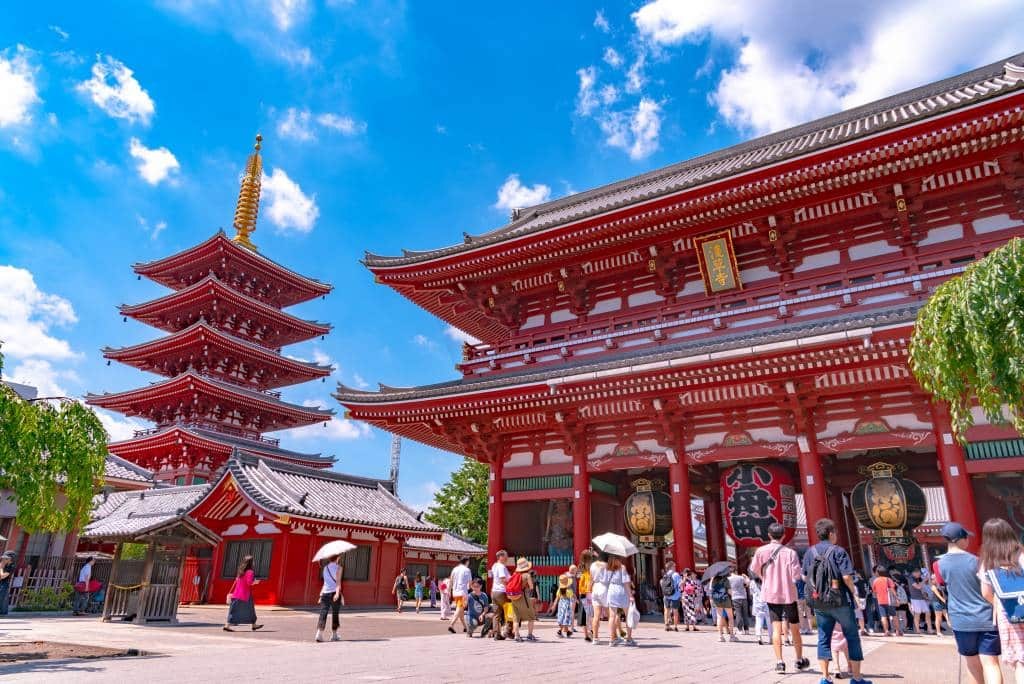 6 mi from TokyoSenso-ji Temple
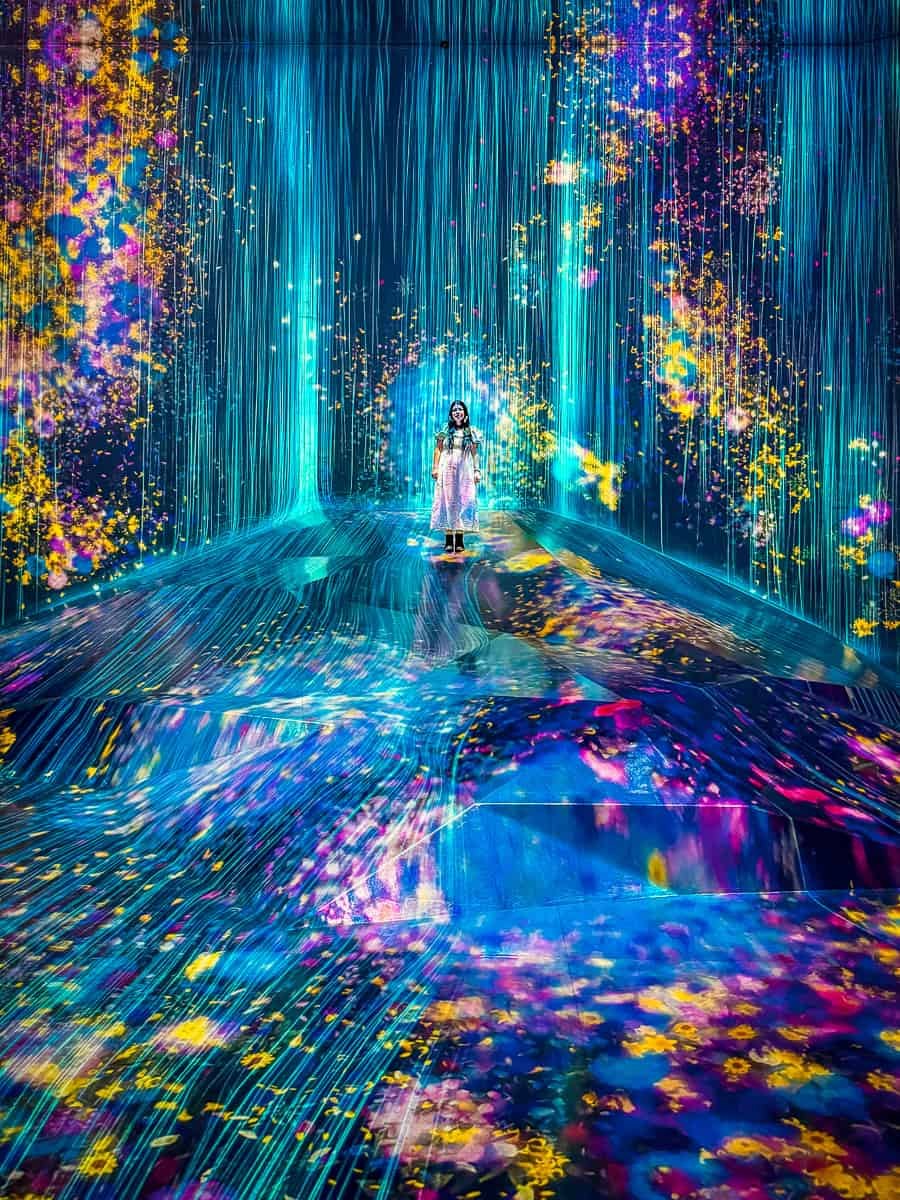 0 mi from TokyoteamLab Borderless
 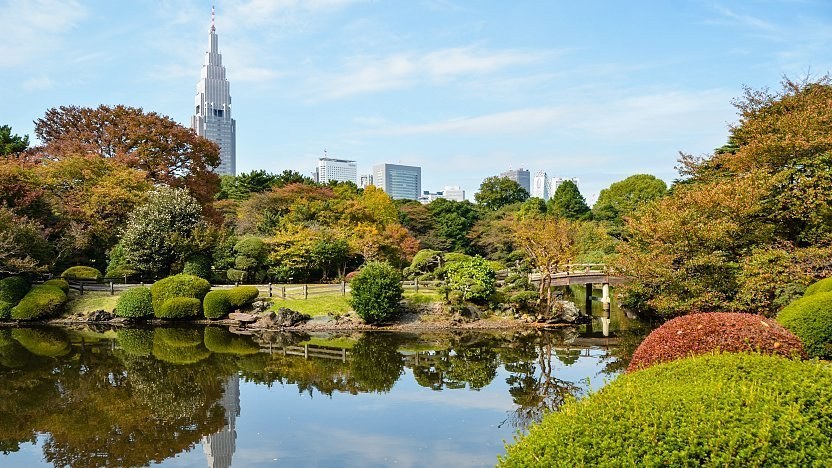 39 mi from Tokyo · land adventureTokyo's Secret Layers: Samurai Houses, Sunrise Crossings & Sake
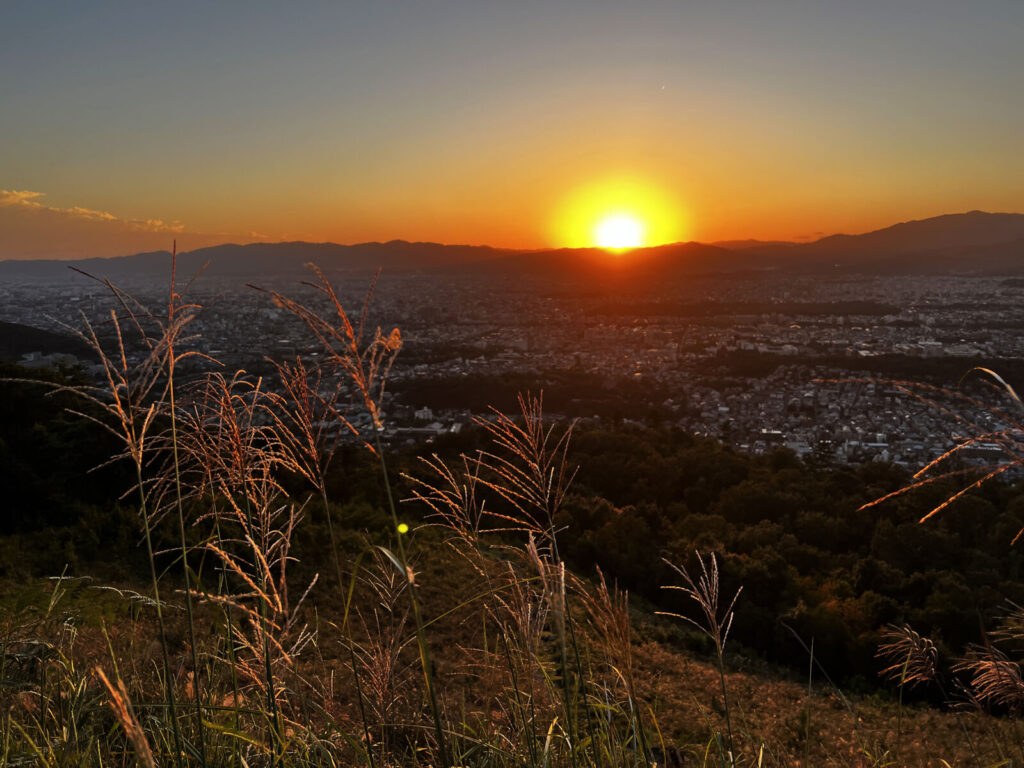 266 mi from Tokyo · land adventureKyoto After Dark: Firelight, Forest Paths & Ancient Craft
 The same trip, elevated
The same gateway on a more luxurious line — lead-in fare per person, same fare as booking direct.