Your cruise
Seabourn Encore · 14-night Asia cruise, Hong Kong to Tokyo
Feb 12 – Feb 26 · 14 nights ·
Day 1 Hong Kong (board) · Day 2 at sea · Day 3 Tainan · Day 4 Taichung · Day 5 Keelung (Taipei) · Day 6 Ishigaki · Day 7 Okinawa (Naha) · Day 8 at sea · Day 9 Miyazaki (Aburatsu) - Japan · Day 10 Kochi · Day 11–12 Osaka (Kyoto and Nara) · Day 13 Shingu · Day 14 Shimizu · Day 15 Tokyo (step off)
What you do Walk through 400 years of Tainan's layered history — from Dutch-built Fort Zeelandia to the surreal Anping Tree House, where banyan roots have swallowed a 19th-century warehouse whole. This is the living, breathing heart of Taiwan's oldest city.
What to expect Your private guide meets you at the pier and whisks you first to Fort Zeelandia (Anping Fort), where you climb the 17th-century Dutch ramparts for sweeping views of the Tainan coastline. Next, the Anping Tree House stuns — enormous banyan roots cascade over the old Tait & Co. merchant warehouse like a slow-motion tsunami of living wood. Your guide narrates the merchant history, colonial trade wars, and the eerie beauty of nature reclaiming stone. A stroll along Anping Old Street closes the morning with century-old shrimp paste shops and handcrafted sword-lion talismans.
Good to know Book at least 2 weeks ahead for a fully private itinerary. Anping Fort entry is TWD 50; Tree House is TWD 50. Both sites are 20–30 min by private car from Tainan Port. Confirm your ship's all-aboard time and allow 90 min buffer — the guide will build this into your schedule.
Versus the ship tour A bespoke, English-speaking private guide immerses you in the Dutch colonial era and Qing dynasty layers that most visitors rush past — with curated access, unhurried pacing, and insider commentary no group bus can offer.
What you do Stand atop the Dutch-built Fort Provintia — now a Chinese-style tower complex draped in legend — with a dedicated local historian who brings the Dutch, Ming, and Qing layers spectacularly to life. One of Taiwan's most iconic landmarks, experienced with genuine depth.
What to expect Your expert guide leads you through the ornate Chihkan Tower complex, pointing out the famous stone tablets carried by divine turtles — each inscribed with Qing Emperor Qianlong's calligraphy — and the rooftop views over Tainan's temple-dense skyline. The story of Dutch surrender to Ming loyalist Koxinga in 1662 comes alive in the very place it happened. Nearby, the Tainan Confucius Temple (Taiwan's oldest, founded 1665) is a serene coda — incense drifting through centuries-old courtyards where scholars once sat imperial exams.
Good to know Chihkan Tower and Confucius Temple are within easy walking distance of each other in central Tainan, roughly 30 min from the port by private car. Mornings are cooler and less crowded. Full-day private bookings allow flexible pacing — essential for a port call.
Versus the ship tour A private scholar-guide decodes the tortoiseshell inscriptions, the nine divine turtle steles, and the Koxinga legend with scholarly detail — transforming what could be a quick photo stop into a genuinely moving encounter with Taiwan's founding story.
What you do Discover one of Asia's finest private art museums — a Versailles-inspired palace housing Old Masters, Greek sculpture casts, natural history treasures, and the world's most extraordinary collection of antique violins. An utterly unexpected cultural jewel.
What to expect The approach alone is theatrical: a colonnaded neo-classical façade reflected in an ornamental lake sets the tone for what awaits inside. Galleries span Renaissance and Baroque paintings, ancient Greek and Roman sculpture replicas, an armour hall, and — most remarkably — the Musical Instrument Gallery, home to over 1,000 instruments including multiple Stradivarius violins. With a private docent, you'll hear the provenance of each storied instrument and, on select days, live demonstrations. The beautifully manicured grounds invite a leisurely post-gallery stroll.
Good to know Chimei Museum is approximately 25 min by private car from Tainan Port. Pre-book tickets online at chimeimuseum.org to avoid queues. Allow at least 3 hours for a meaningful visit. The museum café and gift shop are of genuine quality — budget time accordingly. Confirm all-aboard and work backward.
Versus the ship tour The museum's legendary musical instrument collection — Stradivarius and Guarneri violins that have been played by the world's greatest soloists — is accessible only here, and a private docent experience reveals the acoustic science and provenance stories behind each instrument in ways a self-guided visit cannot.
book direct with Chimei Museum (Official) → · the full guide →
What you do Drift by traditional wooden boat through Tainan's magical Sicao Green Tunnel — a cathedral of interlocking mangrove canopies arching over a mirror-still waterway. One of Taiwan's most photogenic and peaceful natural experiences, beloved by both locals and discerning travellers.
What to expect Board a flat-bottomed wooden boat at the Sicao Dock, where the boatman poles you into a tunnel of grey mangrove (Avicennia marina) so dense that the sky disappears. Dappled light plays on the still water; egrets and kingfishers thread between the roots. The 30-minute glide through the tunnel is followed by an open-water section across the Sicao Lagoon, offering views of Black-faced Spoonbills in season (October–April). The adjacent Taijiang National Park wetlands extend the experience for those who wish to walk the boardwalks.
Good to know Sicao is approximately 20 min by private car from Tainan Port — conveniently close. Boats run throughout the day but can be busy on weekends; a private charter guarantees departure time. Bring a light layer — the canopy is shaded and can be breezy on the water. Pair with Anping Fort for a superb half-day combination.
Versus the ship tour The experience of gliding silently beneath an unbroken canopy of grey mangroves, their roots rising from the tidal water like sculpture, is elemental and meditative — a world away from the city's temples and streets, and simply not replicable anywhere else in Taiwan.
book direct with Sicao Green Tunnel Boat Tour (Official Tainan City-managed operator) → · the full guide →
What you do Guided by a Michelin-recognised culinary expert, taste your way through Tainan's legendary food scene — from knife-cut milkfish soup at a century-old stall to Michelin Bib Gourmand beef soup at dawn and hand-made taro balls in a heritage lane. This is the meal Taiwan talks about.
What to expect Your culinary guide navigates you through Shennong Street's heritage coffee houses and herbal medicine lanes, then into the hidden courtyards of West Central District for milkfish congee, oyster omelette, and coffin bread (棺材板) — Tainan's quirky beloved invention. A stop at a Michelin Bib Gourmand beef soup restaurant (open from 5am) is followed by hand-torn noodles at a third-generation family shop. The guide contextualises every bite within Tainan's 400-year food history: Dutch sugar trade, Japanese izakaya culture, and the influx of 1949 mainland flavours. A final tasting of Tainan's famous Aiguo Road mochi rounds the morning beautifully.
Good to know Morning departures (pre-8am) catch the legendary beef soup at its peak — coordinate with your ship's gangway opening. All dietary requirements accommodated with advance notice. The private format means you set the pace; no rushing for a group. Book well in advance as guides fill quickly for port-call days.
Versus the ship tour Access to vendors and family kitchens that do not appear on any tourist map, with a guide fluent in the cultural context of each dish — why Tainan's food is sweeter than the north, what the Dutch and the Japanese left behind in the local larder, and where to find the single best bowl of each dish.
What you do Journey to one of Asia's most magnificent Buddhist complexes — Fo Guang Shan, a vast monastery founded in 1967 — where golden Buddhas, serene gardens, and a working monastic community create an experience of extraordinary spiritual grandeur. An unmissable icon of southern Taiwan.
What to expect Approximately one hour by private car from Tainan Port (or the Kaohsiung pier if calling there), Fo Guang Shan announces itself dramatically: a colossal white Great Buddha statue visible from the highway draws you into a complex of temples, pagodas, vegetarian restaurants, and meditation halls. Your private guide leads you through the Main Shrine's golden triple-Buddha altar, the atmospheric Buddha Memorial Centre (a separate vast campus opened 2011 housing sacred relics), and the monastery's serene walking gardens. Resident monks in saffron robes move through the complex; chanting from the main hall drifts across the stone courtyards. A complimentary vegetarian lunch in the monastery dining hall is an authentic highlight.
Good to know Allow at least 4–5 hours for a meaningful visit across both the monastery and Buddha Memorial Centre. Modest dress is required — covered shoulders and knees. Confirm exact driving time from your specific Tainan berth as it varies. Book private transport in advance; this is best combined into a full-day itinerary given the distance.
Versus the ship tour A private, English-speaking guide who understands both Buddhist philosophy and Taiwanese cultural history transforms the monastery's scale — 480 acres, hundreds of buildings, the 36-metre Great Buddha — into an intimate, comprehensible, and genuinely moving encounter rather than an overwhelming spectacle.
book direct with Fo Guang Shan Monastery (Official) → · the full guide →
What you do Ride the legendary Peak Tram to Hong Kong's most iconic viewpoint and stand on Sky Terrace 428 as the city's skyline ignites at dusk — a panorama that defines the word 'bucket-list.'
What to expect The 125-year-old funicular climbs at a thrilling 27-degree angle through the Mid-Levels jungle before delivering you to Sky Terrace 428 — the highest viewing platform on the Peak at 428 metres. Victoria Harbour stretches below you in every direction, skyscrapers glinting gold and then neon. Linger for the full colour change from sunset to city-glow before descending to Central for dinner. The Peak Tower complex also houses upscale dining for a post-view sundowner.
Good to know Trams run daily 07:00–23:00; the last return tram is 23:30. Book online in advance to skip the physical ticket queue — walk-up waits can exceed 45 min at peak times. Central Star Ferry pier is a 10-min taxi from the Ocean Terminal (Harbour City), giving you maximum time ashore. Factor ~3 hours return.
Versus the ship tour Booking the priority online ticket lets you bypass queues and time your ascent for the golden hour, so you're on the terrace the moment the harbour lights flicker on — an unhurried, magazine-cover moment impossible on a group coach.
book direct with The Peak Tram (Hong Kong & Shanghai Hotels, official) → · the full guide →
What you do Board a traditional Chinese junk decked in teak and lanterns for a private sunset-to-nightfall voyage across Victoria Harbour, watching the world's largest permanent light show paint 44 skyscrapers in laser and neon.
What to expect Step aboard one of Aqua Luna's iconic red-sailed wooden junks at Tsim Sha Tsui for a private voyage timed to the 20-minute Symphony of Lights show (nightly 20:00). The crew serves Champagne and canapés as the Kowloon and Hong Kong Island skylines synchronise in coloured lights and lasers to a soundtrack. After the show, your junk glides close to the Star Ferry crossing for a final iconic photo. The harbour breeze and zero light pollution at water level make the spectacle vastly more immersive than any shoreside vantage.
Good to know Charter departs from Central Pier 9 or Tsim Sha Tsui Pier; confirm your pickup point at booking. All-aboard times at Hong Kong cruise terminals vary — Symphony of Lights starts at 20:00 sharp, so confirm your ship's overnight schedule before booking an evening charter. Minimum 2 hrs ashore after 19:30 recommended.
Versus the ship tour A private charter means your own deck, your own timeline, and Champagne chilling on the bow — no sharing with 200 strangers. Aqua Luna's scarlet-sailed junks are themselves a living piece of Hong Kong heritage.
What you do Journey to Lantau Island by ferry or cable car, climb 268 steps to the world's largest outdoor seated bronze Buddha, then glide through Tai O — Hong Kong's last stilt-house fishing village — on a sampan boat.
What to expect The Ngong Ping 360 gondola soars above emerald ridges before depositing you at the monastery village. At 34 metres, Tian Tan Buddha commands the hilltop with quiet authority — your guide shares the Buddhist symbolism while the incense smoke curls below. The drive to Tai O feels like stepping back a century: weathered stilts over tidal channels, dried seafood hung like garlands, and pink dolphins sometimes spotted on the sampan. A private seafood lunch in the village rounds out an extraordinary day.
Good to know Lantau is ~45 min by ferry from Central Pier 6 or via MTR to Tung Chung for the cable car. Book the Ngong Ping 360 cable car separately in advance at np360.com.hk (HKD 235 standard return adult). The full circuit takes 7–8 hours; confirm all-aboard time before booking. Closed-toe shoes recommended for the 268 Buddha steps.
Versus the ship tour A private English-speaking guide calibrates every stop to your pace — meditating at Po Lin Monastery without a crowd, tasting fresh shrimp paste at a family stall in Tai O, and riding the cable car with panoramic pods rather than rushing to catch a coach.
book direct with Hello! Hong Kong Private Tours (official) → · the full guide →
What you do Let a private expert guide lead you through Kowloon's layered soul — incense-wreathed Wong Tai Sin Temple, the Jade Market, and hidden dai pai dong alleyways for a chef-curated dim sum and roast goose tasting.
What to expect Begin at the ornate Wong Tai Sin Temple, where fortune-tellers have practised their craft for generations and the air is thick with incense sticks. Wind through the Jade Market's covered stalls where connoisseurs tap rings to test quality. Descend into a Sham Shui Po wet market for a sensory awakening of live seafood and exotic spices. The tour climaxes at a neighbourhood roast-goose specialist and a century-old yum cha teahouse where bamboo steamers arrive in towers — dishes chosen by your guide for genuine authenticity.
Good to know Tsim Sha Tsui (Kowloon) is a 5-min walk or free shuttle from Ocean Terminal — ideal for half-day forays. The tour operates rain or shine; bring a compact umbrella. Confirm dietary restrictions in advance. A half-day tour (4 hrs) leaves ample time for independent exploration of Harbour City or a Star Ferry crossing before all-aboard.
Versus the ship tour Stephen's tours are famously intimate — never more than a private group — and he customises the route around your interests, unlocking local history and flavours that a bus simply cannot access. His decades of local knowledge turn a street corner into a story.
book direct with Hong Kong With Stephen Private Tours (official) → · the full guide →
What you do Cross Victoria Harbour on the legendary Star Ferry, then walk the layered colonial heart of Central — the Court of Final Appeal, Pottinger Street, and Man Mo Temple — guided by a private expert historian.
What to expect The Star Ferry crossing itself is a rite of passage — the 7-minute ride with the skyline bearing down is one of travel's great theatrical moments. On Hong Kong Island, your guide leads you through the granite neo-classical buildings of Central, up the steep stone steps of Pottinger Street to Sheung Wan, and into the incense-blackened interior of Man Mo Temple (1847), one of Hong Kong's oldest. Stories of British governors, Chinese merchant dynasties, and wartime resistance unfold at every corner. The walk ends with a glass of chilled Champagne at a rooftop bar overlooking the harbour.
Good to know Star Ferry departs from Tsim Sha Tsui Pier every 6–10 minutes (HKD 3.40 lower deck — collector's experience). The heritage walk covers ~4 km on gentle gradients with rest stops. Allow 4–5 hours total. Wear comfortable walking shoes. This tour can pair beautifully with a Victoria Peak visit in the same day if you have an overnight call.
Versus the ship tour A private historian-guide unlocks layers invisible to the casual visitor — the bullet holes still visible from WWII, the opium merchants who built Man Mo Temple, the neo-classical facades hiding 21st-century courts. The pace is entirely yours.
book direct with Hello! Hong Kong Private Tours (official) → · the full guide →
What you do Glide across two iconic routes on an open-top double-decker — past the neon-lit temples of Wan Chai, the waterfront of Kowloon, and up through Victoria Peak Road — with hop-on, hop-off freedom and a live commentary.
What to expect The red double-deckers cover both Hong Kong Island and Kowloon on colour-coded routes, with 24 stops including the Star Ferry, Man Mo Temple, the Peak, and the Temple Street Night Market. Live English commentary brings context to every neighbourhood. The optional harbour junk cruise can be added for a water-level contrast. The night route (departs ~18:00) transforms the city into a neon dreamscape viewed from above — one of the most photogenic ways to experience Hong Kong after dark.
Good to know Tickets bought online (bigbustours.com) save ~15% vs. at the kiosk. The nearest stop to the Ocean Terminal cruise port is Tsim Sha Tsui (Star Ferry), a 5-min walk. Day tours start ~09:00; night tours ~18:00. A 1-day pass covers both; ideal if your ship has an evening departure. Download the Big Bus app for live bus tracking and stop audio guides.
Versus the ship tour Big Bus is the city's premium hop-on hop-off operator with air-conditioned lower decks and open-top upper decks — choose your pace and linger at any stop. The night route is the showpiece: neon-drenched streets seen from an open roof are pure cinematic Hong Kong.
book direct with Big Bus Tours Hong Kong (official) → · the full guide →
What you do Walk through 400 years of Tainan's layered history — from Dutch-built Fort Zeelandia to the surreal Anping Tree House, where banyan roots have swallowed a 19th-century warehouse whole. This is the living, breathing heart of Taiwan's oldest city.
What to expect Your private guide meets you at the pier and whisks you first to Fort Zeelandia (Anping Fort), where you climb the 17th-century Dutch ramparts for sweeping views of the Tainan coastline. Next, the Anping Tree House stuns — enormous banyan roots cascade over the old Tait & Co. merchant warehouse like a slow-motion tsunami of living wood. Your guide narrates the merchant history, colonial trade wars, and the eerie beauty of nature reclaiming stone. A stroll along Anping Old Street closes the morning with century-old shrimp paste shops and handcrafted sword-lion talismans.
Good to know Book at least 2 weeks ahead for a fully private itinerary. Anping Fort entry is TWD 50; Tree House is TWD 50. Both sites are 20–30 min by private car from Tainan Port. Confirm your ship's all-aboard time and allow 90 min buffer — the guide will build this into your schedule.
Versus the ship tour A bespoke, English-speaking private guide immerses you in the Dutch colonial era and Qing dynasty layers that most visitors rush past — with curated access, unhurried pacing, and insider commentary no group bus can offer.
What you do Stand atop the Dutch-built Fort Provintia — now a Chinese-style tower complex draped in legend — with a dedicated local historian who brings the Dutch, Ming, and Qing layers spectacularly to life. One of Taiwan's most iconic landmarks, experienced with genuine depth.
What to expect Your expert guide leads you through the ornate Chihkan Tower complex, pointing out the famous stone tablets carried by divine turtles — each inscribed with Qing Emperor Qianlong's calligraphy — and the rooftop views over Tainan's temple-dense skyline. The story of Dutch surrender to Ming loyalist Koxinga in 1662 comes alive in the very place it happened. Nearby, the Tainan Confucius Temple (Taiwan's oldest, founded 1665) is a serene coda — incense drifting through centuries-old courtyards where scholars once sat imperial exams.
Good to know Chihkan Tower and Confucius Temple are within easy walking distance of each other in central Tainan, roughly 30 min from the port by private car. Mornings are cooler and less crowded. Full-day private bookings allow flexible pacing — essential for a port call.
Versus the ship tour A private scholar-guide decodes the tortoiseshell inscriptions, the nine divine turtle steles, and the Koxinga legend with scholarly detail — transforming what could be a quick photo stop into a genuinely moving encounter with Taiwan's founding story.
What you do Discover one of Asia's finest private art museums — a Versailles-inspired palace housing Old Masters, Greek sculpture casts, natural history treasures, and the world's most extraordinary collection of antique violins. An utterly unexpected cultural jewel.
What to expect The approach alone is theatrical: a colonnaded neo-classical façade reflected in an ornamental lake sets the tone for what awaits inside. Galleries span Renaissance and Baroque paintings, ancient Greek and Roman sculpture replicas, an armour hall, and — most remarkably — the Musical Instrument Gallery, home to over 1,000 instruments including multiple Stradivarius violins. With a private docent, you'll hear the provenance of each storied instrument and, on select days, live demonstrations. The beautifully manicured grounds invite a leisurely post-gallery stroll.
Good to know Chimei Museum is approximately 25 min by private car from Tainan Port. Pre-book tickets online at chimeimuseum.org to avoid queues. Allow at least 3 hours for a meaningful visit. The museum café and gift shop are of genuine quality — budget time accordingly. Confirm all-aboard and work backward.
Versus the ship tour The museum's legendary musical instrument collection — Stradivarius and Guarneri violins that have been played by the world's greatest soloists — is accessible only here, and a private docent experience reveals the acoustic science and provenance stories behind each instrument in ways a self-guided visit cannot.
book direct with Chimei Museum (Official) → · the full guide →
What you do Drift by traditional wooden boat through Tainan's magical Sicao Green Tunnel — a cathedral of interlocking mangrove canopies arching over a mirror-still waterway. One of Taiwan's most photogenic and peaceful natural experiences, beloved by both locals and discerning travellers.
What to expect Board a flat-bottomed wooden boat at the Sicao Dock, where the boatman poles you into a tunnel of grey mangrove (Avicennia marina) so dense that the sky disappears. Dappled light plays on the still water; egrets and kingfishers thread between the roots. The 30-minute glide through the tunnel is followed by an open-water section across the Sicao Lagoon, offering views of Black-faced Spoonbills in season (October–April). The adjacent Taijiang National Park wetlands extend the experience for those who wish to walk the boardwalks.
Good to know Sicao is approximately 20 min by private car from Tainan Port — conveniently close. Boats run throughout the day but can be busy on weekends; a private charter guarantees departure time. Bring a light layer — the canopy is shaded and can be breezy on the water. Pair with Anping Fort for a superb half-day combination.
Versus the ship tour The experience of gliding silently beneath an unbroken canopy of grey mangroves, their roots rising from the tidal water like sculpture, is elemental and meditative — a world away from the city's temples and streets, and simply not replicable anywhere else in Taiwan.
book direct with Sicao Green Tunnel Boat Tour (Official Tainan City-managed operator) → · the full guide →
What you do Guided by a Michelin-recognised culinary expert, taste your way through Tainan's legendary food scene — from knife-cut milkfish soup at a century-old stall to Michelin Bib Gourmand beef soup at dawn and hand-made taro balls in a heritage lane. This is the meal Taiwan talks about.
What to expect Your culinary guide navigates you through Shennong Street's heritage coffee houses and herbal medicine lanes, then into the hidden courtyards of West Central District for milkfish congee, oyster omelette, and coffin bread (棺材板) — Tainan's quirky beloved invention. A stop at a Michelin Bib Gourmand beef soup restaurant (open from 5am) is followed by hand-torn noodles at a third-generation family shop. The guide contextualises every bite within Tainan's 400-year food history: Dutch sugar trade, Japanese izakaya culture, and the influx of 1949 mainland flavours. A final tasting of Tainan's famous Aiguo Road mochi rounds the morning beautifully.
Good to know Morning departures (pre-8am) catch the legendary beef soup at its peak — coordinate with your ship's gangway opening. All dietary requirements accommodated with advance notice. The private format means you set the pace; no rushing for a group. Book well in advance as guides fill quickly for port-call days.
Versus the ship tour Access to vendors and family kitchens that do not appear on any tourist map, with a guide fluent in the cultural context of each dish — why Tainan's food is sweeter than the north, what the Dutch and the Japanese left behind in the local larder, and where to find the single best bowl of each dish.
What you do Journey to one of Asia's most magnificent Buddhist complexes — Fo Guang Shan, a vast monastery founded in 1967 — where golden Buddhas, serene gardens, and a working monastic community create an experience of extraordinary spiritual grandeur. An unmissable icon of southern Taiwan.
What to expect Approximately one hour by private car from Tainan Port (or the Kaohsiung pier if calling there), Fo Guang Shan announces itself dramatically: a colossal white Great Buddha statue visible from the highway draws you into a complex of temples, pagodas, vegetarian restaurants, and meditation halls. Your private guide leads you through the Main Shrine's golden triple-Buddha altar, the atmospheric Buddha Memorial Centre (a separate vast campus opened 2011 housing sacred relics), and the monastery's serene walking gardens. Resident monks in saffron robes move through the complex; chanting from the main hall drifts across the stone courtyards. A complimentary vegetarian lunch in the monastery dining hall is an authentic highlight.
Good to know Allow at least 4–5 hours for a meaningful visit across both the monastery and Buddha Memorial Centre. Modest dress is required — covered shoulders and knees. Confirm exact driving time from your specific Tainan berth as it varies. Book private transport in advance; this is best combined into a full-day itinerary given the distance.
Versus the ship tour A private, English-speaking guide who understands both Buddhist philosophy and Taiwanese cultural history transforms the monastery's scale — 480 acres, hundreds of buildings, the 36-metre Great Buddha — into an intimate, comprehensible, and genuinely moving encounter rather than an overwhelming spectacle.
book direct with Fo Guang Shan Monastery (Official) → · the full guide →
What you do Wade into Taiwan's most photogenic coastal wonder — where windmills spin over mirror-flat tidal flats that glow amber at dusk. A private guide decodes the fragile ecosystem while you walk barefoot through shallow water as the sun drops into the Taiwan Strait.
What to expect Your private air-conditioned vehicle collects you dockside at Taichung Port and whisks you 40 minutes north to Gaomei. Your guide leads a barefoot walk across the shallow tidal flats as the wind-farm silhouettes frame every shot. The guide narrates the migratory bird species and the unique ecology of this protected coastal reserve. You linger until the light peaks, then return in comfort with time to spare before all-aboard.
Good to know Sunset timing is crucial — book the afternoon slot (depart ~15:00). Bring sandals you can remove, a light wrap for the coastal breeze, and a wide-angle lens. Pre-book directly via justaiwantour.com to lock the private vehicle. Confirm your ship's all-aboard time when booking; the operator guarantees port return.
Versus the ship tour A dedicated private naturalist guide, no coach crowds, and timing perfectly engineered around the golden-hour light that turns the wetlands into a living mirror — an image that will define your Taiwan voyage.
book direct with JustTaiwanTour (Private Shore Excursion) → · the full guide →
What you do Step inside one of the world's most daring buildings — Toyo Ito's curvaceous National Taichung Theater, a UNESCO-shortlisted marvel of 'sound cave' architecture. A specialist arts guide unlocks backstage spaces and rooftop terraces closed to general visitors.
What to expect Your guide meets you at the Grand Lobby, immediately drawing your eye to the seamless curved concrete 'tubes' that form every wall, floor, and ceiling. You descend into the intimate 'Black Box' experimental theatre, then ascend to the rooftop sky-garden with panoramic city views. The backstage tour reveals the counterweight rigging and wing spaces of the Grand Theatre. The building's philosophy — architecture as living organism — becomes viscerally clear by the end.
Good to know The theater is a 20-minute taxi ride from Taichung Port (approx. TWD 250). Official guided architecture tours run at 11:00 and 14:00; pre-book online at npac-ntt.org. Smart-casual dress recommended. Allow 2.5 hours. Combine with a Miyahara ice cream stop (5 min walk) en route back.
Versus the ship tour Expert-led access to backstage corridors, fly towers, and the sky garden rooftop — areas never seen on a standard visit — with a certified architectural guide who studied under the theatre's curatorial team.
book direct with National Taichung Theater (Official) → · the full guide →
What you do Glide across the jade waters of Sun Moon Lake — Taiwan's most revered alpine reservoir — by private boat, then hike the serene Ci'en Pagoda ridge for views that have inspired poets for centuries. This is Taiwan's grand natural centrepiece, experienced without the crowds.
What to expect A luxury MPV collects you from port for the scenic 90-minute mountain drive to the lake. Your private boat departs from Shuishe pier, cruising past Lalu Island (sacred to the Thao indigenous people) before landing at Xuanguang Temple. A ridgeline walk to Ci'en Pagoda rewards with panoramic lake-and-mountain vistas. Your guide shares the Thao people's legends, the Japanese colonial history, and the role the lake plays in Taiwanese spiritual life. Return via the indigenous market for Thao sun cakes and tea.
Good to know Full-day commitment (8–9 hours); confirm all-aboard time is 18:00 or later. The mountain road can be misty — bring a light layer. Private boat charter is pre-bookable via justaiwantour.com. Entrance to Ci'en Pagoda area is TWD 65 pp (included in most private packages). Book at least 72 hours in advance.
Versus the ship tour A private chartered boat — no group ferry timetables — letting you pause mid-lake in silence, request your own landing points, and absorb the mountain mist at your own pace with a dedicated bilingual guide.
book direct with JustTaiwanTour (Private Shore Excursion) → · the full guide →
What you do From a 90-year-old veteran's technicolour hand-painted village to a Japanese-era ice cream emporium housed in a 1927 ophthalmology clinic, this is Taichung's most joyful and photogenic half-day — curated for those who want beauty, story, and exceptional flavour.
What to expect You arrive at Rainbow Village as morning light illuminates the explosive murals that cover every surface — painted by former soldier Huang Yung-Fu, now in his late 90s, to save his home from demolition. Your guide tells his extraordinary story as you explore the lanes. You then transfer to Miyahara in the historic centre: a brilliantly restored 1927 Japanese opthalmology clinic now housing artisan ice cream, pineapple cakes, and a chocolate library. You select from over 20 flavours under soaring colonial arches. A stroll along the Calligraphy Greenway rounds out the morning.
Good to know Combine morning (09:00–13:00) departure to beat coach groups at Rainbow Village. Miyahara queues grow after noon — your private guide times the visit perfectly. Both sites are 25–30 min from Taichung Port by private car. Pre-book the private vehicle; walk-up at both attractions is free or low-cost. Pineapple cake gift boxes make exceptional souvenirs.
Versus the ship tour A private local storyteller guide who contextualises Grandpa Rainbow's remarkable history and the colonial-era rebirth of Miyahara — transforming what could be a photo-stop into a genuinely moving cultural narrative.
book direct with JustTaiwanTour (Private Shore Excursion) → · the full guide →
What you do Confront the raw power of the 1999 earthquake that reshaped Taiwan — and the nation's spirit — inside a museum built around the actual fault rupture, then explore one of Asia's finest natural science collections in a single profound half-day.
What to expect Your private guide meets you at the 921 Museum, where entire school gymnasiums and running tracks are preserved mid-rupture, exactly as the earthquake left them in September 1999. Standing on the fault ridge inside the Fault Preservation Hall is a visceral, humbling moment. Your guide contextualises Taiwan's tectonic position and the reconstruction story that followed. The afternoon at the National Museum of Natural Science — a world-class institution — showcases Taiwan's biodiversity, space science, and indigenous ecology across five immersive halls. A seamless private transfer connects both sites.
Good to know The 921 Museum is in Nantun District, 30 min from port; the Natural Science Museum is 15 min further north. Both are open Tuesday–Sunday; closed Mondays — check your port day. Private guide essential for the 921 Museum: arrange via tourhq.com Taichung guides or justaiwantour.com. Allow 4.5 hours total. Excellent air-conditioned interiors — ideal for hotter port days.
Versus the ship tour The 921 Museum is one of the only places on earth where you walk directly over a preserved fault scarp — the actual ground that ruptured — with an expert seismologist guide who brings the science and human story to life.
What you do Ascend to Taiwan's most breathtaking high-altitude farm at 1,740m — where apple orchards cling to impossibly steep slopes, Formosan salmon swim in crystal streams, and mountain vistas rival the Alps. This is Taiwan's pristine, uncrowded rooftop, reached in private luxury.
What to expect Your private SUV or luxury MPV climbs Taiwan's spine along the Central Cross-Island Highway, one of Asia's most spectacular mountain roads, with sheer gorges and cloud-wreathed peaks at every turn. At Wuling Farm you walk the Taoshan River trail to spot the world's only surviving wild population of Formosan landlocked salmon in their natural habitat. Apple, pear, and peach orchards terrace the slopes; seasonal fruit tasting is arranged by your guide. The return journey at golden hour turns the mountain faces copper. This is Taiwan's finest landscape experience — raw, grand, and profoundly peaceful.
Good to know Full-day excursion — allow 9–10 hours; best suited to port days with 18:30+ all-aboard. Mountain weather changes fast: bring a warm layer and waterproof shell. The road is not suitable for those with severe motion sickness. Pre-book your private vehicle at least one week ahead via justaiwantour.com. Cherry blossom season (late January–February) makes this the single most spectacular day in all of Taiwan — book months in advance if visiting then.
Versus the ship tour The sheer scale and altitude of Wuling — 1,740m above sea level, 2.5 hours through dramatic mountain scenery — places it entirely beyond a typical port-day horizon. A private vehicle means you stop at every viewpoint that takes your breath away.
What you do Wander the lantern-lit stone alleyways of Jiufen — the hillside village that inspired Studio Ghibli's aesthetic — then descend to the surreal golden cascade of the Gold Waterfall. A private car and guide mean your pace, your photos, your Taiwan.
What to expect Your driver meets you dockside at Keelung and whisks you 45 minutes into the mountains to Jiufen, arriving before the midday crowds. Explore the cascading red lantern-strewn alleyways and sip oolong in a clifftop teahouse with panoramic sea views. From there, continue to the ethereal Gold Waterfall at Jinguashi, where mineral-rich waters stain the rocks vivid amber. Finish with a stroll around the haunting ruins of the Crown Prince Chalet before returning to port.
Good to know Allow 6–7 hours; Jiufen is 45 min from Keelung port. Book the teahouse (A-MEI Tea House) in advance on weekends. Confirm all-aboard time with your ship and ask your guide to track it — most private drivers are expert at port timings.
Versus the ship tour Private car and English-speaking guide means you linger at the teahouses, skip the crowds with strategic timing, and reach the Gold Waterfall — a site most group tours skip — for a near-exclusive experience.
book direct with Taiwan Private Tours (local licensed guide service) → · the full guide →
What you do Home to the world's greatest collection of Chinese imperial art — over 700,000 artifacts — the National Palace Museum is one of Asia's true cultural crown jewels. A private expert guide transforms it from overwhelming to utterly absorbing.
What to expect Your private guide meets you at the museum entrance in Shilin and immediately navigates you past the queues to the Northern Court's most treasured galleries. You'll spend unhurried time with the famous Jadeite Cabbage and marvel at the astronomical precision of Qing-dynasty enamelware. The guide weaves stories of imperial intrigue, wartime evacuation from Beijing, and the cultural stakes of these objects that no audio guide can match. End with a refined lunch at the museum's Palace Café overlooking the classical gardens.
Good to know Keelung to NPM is about 50 min by taxi or private car (approx. TWD 800 one-way). Museum opens at 09:00; book guide at least 1 week ahead. Allow 4.5–5 hours door-to-door. Online ticket booking at npm.gov.tw reduces queuing.
Versus the ship tour A private art historian-level guide focuses your 3 hours on the 20 masterpieces that matter — the Jadeite Cabbage, the Meat-Shaped Stone, Song dynasty ceramics — rather than rushing a vast floor plan. Access to the rarely-visited Southern Branch galleries on request.
What you do Combine a spectacular helicopter flight over the marble-walled Taroko Gorge with a private guided walk through its jade-green river canyons — one of Asia's most dramatic natural wonders, seen from above and within on the same day.
What to expect An early-morning high-speed train or private car (2.5 hrs) delivers you to Hualien, gateway to Taroko. A short helicopter transfer lifts you above the sheer 1,000-metre marble cliffs and turquoise Liwu River — a jaw-dropping 15-minute panorama. On the valley floor, your naturalist guide leads you through the Shakadang Trail and Swallow Grotto, pointing out marble formations millions of years in the making and sharing the heritage of the Truku aboriginal people. Return by train to Keelung in the late afternoon.
Good to know This is a FULL-DAY commitment — depart port by 07:00, return by 19:00; confirm ship's all-aboard carefully. Book helicopter well in advance (weather cancellations possible; have a backup plan). Taroko Park entry is free. Train: Keelung→Hualien approx. TWD 340.
Versus the ship tour Virtually no group tour offers the helicopter-plus-gorge-walk combination. The aerial perspective of the 19-km marble canyon is transformative — and the valley floor walk with a licensed park naturalist delivers expert geological and indigenous Truku cultural context.
book direct with Formosa Airlines Helicopter Tours / Taroko National Park licensed guide → · the full guide →
What you do Taiwan is Asia's undisputed street-food capital AND a Michelin destination. This private evening food journey pairs a reservation at a starred or Bib Gourmand restaurant with an insider's tour of Ningxia or Shilin Night Market, guided by a passionate local food expert.
What to expect Your guide meets you in central Taipei and begins with an orientation over freshly brewed oolong at a century-old tea merchant. You're escorted to a pre-booked lunch — perhaps the legendary Din Tai Fung on Xinyi Road for its benchmark xiao long bao, or the innovative tasting menu at RAW by chef André Chiang. As dusk falls, Ningxia Night Market comes alive: oyster vermicelli, pineapple cake sampling, bubble tea at its birthplace, and stinky tofu for the brave. The guide curates every bite with cultural context, history, and perfect Mandarin ordering.
Good to know Keelung to central Taipei is 40 min by Taiwan Railways (TRA) from Keelung Station — very convenient. Evening tours suit ships with late all-aboard; confirm timing. Book Din Tai Fung (Xinyi) or RAW well in advance — weeks ahead in peak season. Tasting Taiwan recommends groups of 2–8.
Versus the ship tour A dedicated food guide with pre-booked tables at sought-after spots (Din Tai Fung flagship, Michelin-starred RAW, or Bib Gourmand beef noodle institutions) — impossible to replicate independently in a single port day.
What you do Soak in the world-renowned radium-rich hot springs of Beitou in a private onsen suite at a Japanese-era luxury ryokan — a rare geothermal phenomenon found in only two places on earth, right on Taipei's doorstep.
What to expect A 40-minute taxi or MRT ride from Keelung delivers you to Beitou, a leafy thermal valley where Japanese colonial spa culture survives beautifully intact. Check into a private tatami-floored suite at Spring City Resort, where milky jade-green spring water flows directly into your stone soaking tub. Between soaks, stroll to the stunning 1913 Beitou Hot Spring Museum — a Hokkaido-style wooden library built over a stream — and browse the preserved Japanese-era Bathhouse District. Emerge glowing for an unhurried lunch of Taiwanese bento at a valley teahouse before returning to port.
Good to know Private suite bookings at Spring City Resort fill fast on weekends — book at least 1–2 weeks ahead online. Keelung to Beitou: ~40 min by taxi (TWD 500–600) or TRA + MRT (TWD 50). Allow 4–5 hours. Bring a swimsuit for public areas; private suites require no swimwear.
Versus the ship tour Spring City Resort's private spring-fed suites use the rare green-sulphur 'Radium Spring' water (pH 1.2–1.6) — one of only three such springs globally. The setting, in a forested valley with Japanese Meiji-era architecture, is deeply serene and entirely exclusive.
What you do Stand amid the alien moonscape of Yehliu Geopark's wind-sculpted sandstone 'mushroom rocks' and Queen's Head formation, then sail the golden-hour waterfront of historic Tamsui — Taiwan's two most photogenic coastal icons in one elegant half-day.
What to expect Departing Keelung port, your private driver heads 30 minutes up the rugged Northeast Coast to Yehliu, where millennia of sea erosion have carved sandstone into extraordinary organic forms. Your guide navigates the restricted inner zone where the Queen's Head and Fairy's Shoe await — dramatic formations most visitors photograph from afar. After Yehliu, the scenic coastal road leads 45 minutes to Tamsui's colonial waterfront: Fort San Domingo (1629), the Customs Officer's House, and the legendary 'a-gei' fish cake at old street vendors. Watch the sun dip behind the mountains over the Tamsui River estuary before your 30-minute return to port.
Good to know Yehliu is just 30 min from Keelung port — the closest bucket-list site to the ship. Arrive at Yehliu before 09:30 to beat crowds. Tamsui Fort entry TWD 80. Easy half-day (4–5 hrs total); suitable for guests who prefer a lighter pace. Pre-book the private car to avoid taxi queues at port.
Versus the ship tour A private guide explains the 4,000-year geological story of these formations — information missing from every sign — and times your visit to reach the famous Queen's Head before the coach groups arrive. Tamsui's sunset waterfront, with its Dutch-era Fort and night market, is a perfect finale at your own pace.
What you do Glide over Kabira Bay's legendary coral gardens in a glass-bottom boat, then snorkel its protected turquoise shallows — home to black pearls and some of Japan's most biodiverse reef life. The bay's swimming ban makes this boat-only access genuinely exclusive.
What to expect You board a low-slung glass-bottom boat and drift over electric-blue water above brain corals, sea turtles, and schools of tropical fish. The bay is legally off-limits to swimmers, so this vessel is your only window into its underwater world. Opt for the snorkel extension at a nearby cove for a hands-on reef encounter. The whole experience unfolds against a backdrop of jungle-draped hills and pearl farm buoys that have graced this bay for centuries.
Good to know Kabira Bay is a 30-min taxi ride from the cruise pier (approx. JPY 3,000 each way). Book the private snorkel slot directly by email or phone at least 48 hours in advance. Confirm your all-aboard time and allow 90 minutes for the return journey.
Versus the ship tour Small, locally-run boats carry just 6–8 guests at a time, giving you unhurried time over the coral with a knowledgeable Okinawan guide — a pace and intimacy impossible on a larger group outing.
What you do A speedboat whisks you to Hamajima — 'Phantom Island' — a sandbar that vanishes with the tide, encircled by coral so vivid it barely looks real. Snorkel its pristine reef with a certified guide in a group of just 8–10.
What to expect Your speedboat skims 20 minutes across the East China Sea to a luminous sandbar that appears only at low tide — an almost surreal arrival. Fins on, you enter water so clear that visibility stretches beyond 30 metres, with coral towers rising from a white sandy floor. Your guide points out nudibranchs and resident sea turtles before you surface to a boxed Okinawan lunch on the sand. The return journey hugs the island coastline for panoramic views of Ishigaki's volcanic peaks.
Good to know Departs from Aza Misakicho pier, a 10-min walk from the cruise terminal. Tour duration is approximately 3.5 hours — confirm your sailing time and build in a comfortable buffer. Wetsuit rental available; reef-safe sunscreen mandatory.
Versus the ship tour Strictly capped at 10 guests per boat, with a bilingual marine biologist on board who names every species — manta rays, Nemo clownfish, hawksbill turtles — turning the reef into a living classroom rather than a spectacle.
book direct with Ishigaki Island Snorkeling Tours (サンゴのいのち) → · the full guide →
What you do Paddle a private kayak through the largest mangrove forest in Japan on neighbouring Iriomote Island, then trek into primary jungle to stand beneath the thundering Pinaisara Falls — Okinawa's tallest. Truly bucket-list wilderness, 30 minutes by ferry.
What to expect The Uehara ferry delivers you to Japan's last great wilderness island in just 40 minutes. You slip into sit-on-top kayaks and glide silently through cathedral mangroves, roots arching into jade-green water alive with fiddler crabs and kingfishers. Pulling ashore, you lace up for a jungle trail that winds past strangler figs to the base of Pinaisara Falls — a 55-metre curtain of white water in a hidden amphitheatre. Lunch is a packed bento on the riverbank, serenaded by subtropical birdsong.
Good to know Ishigaki–Iriomote ferry (Anei Kanko or Yaeyama Kanko Ferry) departs Ishigaki Port; adult return approx. JPY 4,000. Full-day duration means an early departure is essential — verify the first ferry and your all-aboard time carefully. Confirm availability directly with the operator at least one week ahead.
Versus the ship tour Guides here are licensed Iriomote naturalists with deep expertise in the island's endemic Iriomote cat habitat, rare orchids, and tidal ecosystem — a level of ecological storytelling that elevates this beyond any standard nature tour.
book direct with Iriomote Nature Guide Service (西表島ネイチャーガイドサービス) → · the full guide →
What you do Step back 300 years on coral-walled Taketomi Island — 10 minutes by ferry — riding a traditional water-buffalo rickshaw through lanes of bougainvillea and star-sand beaches, then sit with a master weaver at a Minsa textile atelier. A living time capsule.
What to expect The ferry from Ishigaki takes just 10 minutes, depositing you on an island where the loudest sound is the clip of buffalo hooves on coral-stone paths. Your driver-singer narrates in lilting Japanese and English, pausing at the lookout tower for sweeping views over Kondoi Beach and its famous star-shaped sand. Afterwards, at a heritage textile studio, an Okinawan artisan guides your hands on a backstrap loom to create an inch of authentic Minsa fabric — yours to keep. The return ferry leaves plenty of time before all-aboard.
Good to know Yaeyama Kanko Ferry or Anei Kanko serve Taketomi; adult return approx. JPY 1,340. Rickshaw tours run continuously 9 am–5 pm — no advance booking required, but weaving workshops should be reserved 48 hours ahead. Flat terrain, suitable for all mobility levels.
Versus the ship tour The island has no cars and fewer than 350 residents; the rickshaw driver sings traditional Yaeyama folk songs live as you roll through a UNESCO-nominated village — an intimate, acoustically unforgettable moment.
book direct with Taketomi Suikyu (竹富島水牛車観光) → · the full guide →
What you do A dedicated local expert drives you in a private vehicle to Tamatorizaki Observatory, Yonehara Reef, Hirakubo Lighthouse, and Miyara Dunchi samurai residence — the island's greatest hits on your schedule, at your pace, with no crowds.
What to expect You're collected at the pier and immediately whisked north along the coast road to Tamatorizaki, where coral peninsulas fan out below a flower-lined hilltop — a view that defines Ishigaki. Yonehara Beach follows: wade the shallows above a reef that rivals any in Okinawa without lifting a fin. The car swings to the remote Hirakubo cape, where a candy-striped lighthouse overlooks open Pacific and grazing water buffalo. The afternoon brings Miyara Dunchi, a 19th-century samurai garden — the only Ryukyuan aristocratic residence still standing in the Yaeyamas.
Good to know Book directly via GoWithGuide at least 5–7 days ahead; guide profiles show languages and specialisms. Confirm all-aboard and work backwards — most full-day itineraries run 8 hours. The guide will time the return to the pier with a comfortable margin.
Versus the ship tour Your guide is a vetted, English-fluent Ishigaki local who customises every stop on the fly — lingering at the coral-fringed Yonehara tide pools if you love marine life, or diverting to a family-run Orion brewery if you prefer craft beer and conversation.
book direct with GoWithGuide Ishigaki Private Tours → · the full guide →
What you do Paddle a sea kayak into Ishigaki's celebrated Blue Cave, where refracted sunlight turns the water an electric cobalt, then snorkel a sheltered outer reef teeming with Moorish idols and parrotfish — all within a 3-hour small-group adventure from the pier.
What to expect A short boat transfer delivers your group to the cave entrance, where you transition to nimble kayaks and glide single-file into a vaulted sea grotto. Sunlight refracts through the underwater arch, flooding the cavern with an otherworldly sapphire glow that reflects on the limestone ceiling above. Outside, you swap paddle for mask and snorkel a coral garden populated by clouds of sergeant-major fish and the occasional curious octopus. Your bilingual instructor ensures safe cave entry and exits, and the whole adventure wraps in time for a leisurely lunch ashore.
Good to know Meeting point is a 10-min taxi from the cruise pier. Morning departures (9–10 am) catch the optimal light angle inside the cave — book the earliest slot. Wetsuits and reef-safe sunscreen provided. Not suitable for non-swimmers; moderate kayak fitness required.
Versus the ship tour Groups are capped at 8 guests and guided by a certified cave-dive instructor who positions each kayak for the perfect light window — the electric-blue interior glows brightest at mid-morning, and only a small boat can time the entry precisely.
book direct with Ishigaki Blue Cave Diving & Snorkeling (石垣島ブルーケイブ) → · the full guide →
What you do Step inside the flame-red fortress that was the seat of the Ryukyu Kingdom for 500 years. A private expert guide unlocks the political intrigues, spiritual ceremonies, and architectural genius of a civilization unlike any other in Asia.
What to expect Ascend the stone-paved approach through successive vermilion gates, each marking a shift in rank and ritual. Inside the Seiden main hall, your guide decodes the Chinese-Japanese-Ryukyuan fusion of lacquerwork, textiles, and royal regalia. The panoramic view over Naha from the castle walls is breathtaking. Allow 2–3 hours for a genuinely immersive visit.
Good to know Shuri Castle is 30 min by taxi from Naha Cruise Terminal (approx. JPY 1,500–2,000). Book your private guide in advance through a licensed Okinawa guide association. Restoration of the Seiden is ongoing after the 2019 fire; outer structures and grounds are fully open. All-aboard is typically 5–6 pm — a morning start is ideal.
Versus the ship tour A private licensed Ryukyuan-history guide provides depth impossible in a group setting — including access to inner sanctuaries, ceremonial explanation of the Seiden throne room, and unhurried time in the garden courtyards before crowds arrive.
book direct with Shuri Castle (Official / Japan Heritage Site) → · the full guide →
What you do The Kerama Islands — a UNESCO-recognized marine sanctuary 35 km offshore — hold some of the clearest waters on Earth (Kerama Blue) and coral gardens teeming with manta rays, sea turtles, and tropical fish. A private boat charter puts you there in complete exclusivity.
What to expect Your charter departs early from Tomari Port, reaching the Kerama Shoto in under an hour. Anchor at Nishibama Beach or the outer reef at Zamami for snorkelling in visibility exceeding 30–40 metres. Hawksbill turtles are virtually guaranteed year-round. On deck between dives, cold Orion beer and a bento lunch from a local shokudo are de rigueur.
Good to know Tomari Port is a 10-minute taxi from Naha Cruise Terminal. Book the charter well in advance — summer months fill fast. Confirm your ship's all-aboard time carefully; the ferry schedule is fixed but a private charter offers full flexibility. Best April–October for calm seas.
Versus the ship tour A private charter means you choose your reefs, stay as long as you like, and avoid the snorkel-tour flotillas entirely. The boat crew are Kerama-born marine experts who know every coral head and turtle cleaning station by name.
book direct with Zamami Village Tourism Association (Official Kerama Operator) → · the full guide →
What you do The Okinawa Churaumi Aquarium is home to the world's largest acrylic panel and one of only a handful of places on Earth housing whale sharks in captivity. Pair it with the dramatic coral-limestone cliffs of Cape Manzamo for an iconic Okinawa half-day.
What to expect The drive north through central Okinawa passes sugarcane fields and traditional red-tiled villages. At Churaumi, the Kuroshio Tank's 7.5-metre-deep acrylic wall frames whale sharks, manta rays, and reef species in a single breathtaking panorama. Cape Manzamo's clifftop path delivers sweeping East China Sea views and the scent of subtropical wild herbs underfoot.
Good to know Allow 90 min drive each way from Naha. A full day ashore (8 am–5 pm) is essential. Hire a private English-speaking driver/guide through a licensed Okinawa guiding service. Pre-purchase aquarium tickets online to skip queues. Smart-casual attire; bring a hat and sunscreen.
Versus the ship tour Arriving with a private driver means you reach Churaumi at opening — whale shark feeding (11 am & 3 pm) without the tour-bus crowds — and linger at Cape Manzamo for the golden-hour light on those iconic elephant-trunk cliffs.
book direct with Ocean Expo Park – Churaumi Aquarium (Official) → · the full guide →
What you do Ryukyuan cuisine — shaped by 500 years of trade with China, Japan, and Southeast Asia — is one of Japan's most distinctive food cultures. A private chef-led market tour and hands-on cooking class in a traditional Naha machiya townhouse makes this a deeply personal encounter.
What to expect Begin at Makishi Public Market, Naha's vivid two-story food hall, where your guide navigates the surreal display of purple taro, Okinawan sea grapes (umi-budo), mozuku seaweed, and whole turmeric. Then move to a private kitchen to prepare champuru stir-fry, rafute braised pork belly, and umibudo with ponzu. Sit down to eat what you've made, paired with Okinawan awamori rice spirit.
Good to know Makishi Market is 15 min on foot or 5 min by taxi from Naha Cruise Terminal. Book your private culinary guide at least 2 weeks ahead. Dietary requirements accommodated with advance notice. Session runs approx. 3–4 hours, comfortably fitting a morning ashore.
Versus the ship tour This is an intimate, hands-on session — never more than 6 guests — led by a chef fluent in the medicinal philosophy behind Ryukyuan 'nuchi gusui' (food as medicine). You cook, you eat, you understand the culture.
book direct with Naha City Tsuboya & Makishi Public Market (with licensed private culinary guide) → · the full guide →
What you do Yachimun — Okinawan folk pottery — has been fired in the Tsuboya district of Naha for over 350 years. A private workshop with a master potter offers a hands-on, intimate window into one of Japan's most vibrant regional craft traditions.
What to expect The Tsuboya lane is a living craft district: kilns still smoke, studios open onto the street, and potters throw bowls for daily use. Your private session begins with a brief museum orientation on Ryukyuan glaze traditions (the lion-dog shisa, the bold cobalt-and-cream palette), then moves to a working studio. Throw your own piece on the wheel, glaze it, and arrange to have it shipped home after firing.
Good to know Tsuboya is a 20-minute walk or 5-minute taxi from Naha Cruise Terminal — one of the most walkable excursions from the port. Allow 2.5–3 hours. Wear clothes you don't mind getting clay on. Shipping your finished piece internationally typically costs JPY 2,000–5,000 depending on destination.
Versus the ship tour Working one-on-one (or in a pair) with a fourth-generation Tsuboya potter — not a demonstration, but genuine hands-on instruction — and walking the cobbled kiln lane where craftspeople have worked for centuries is an irreplaceable cultural memory.
What you do Nakagusuku Castle, a hauntingly beautiful UNESCO World Heritage ruin perched above the Pacific, and the vast Gyokusendo stalactite cave system at Okinawa World together reveal 6,000 years of island history in a single magnificent day.
What to expect Begin at Nakagusuku Castle at sunrise — its coral-limestone ramparts glowing orange, the Pacific shimmering below on both sides of the peninsula. Your guide reads the stones: the arrow slits, the sacred utaki grove, the unfinished wall that marks where the kingdom fell. After lunch in a local soba shop, descend into Gyokusendo — 890 metres of illuminated stalactites and underground rivers, the longest cave system in East Asia. Emerge into Okinawa World's traditional village for a private habu-snake show and awamori tasting.
Good to know Both sites are 30–45 min drive from Naha Cruise Terminal. A full day ashore is required; depart no later than 8:30 am. The cave maintains a cool 21°C year-round — bring a light layer. Pre-book your private guide to ensure English-language expertise at both sites.
Versus the ship tour A private guide connects the dots between prehistoric cave dwellers, the Ryukyuan lords who built these stone walls, and the living craftspeople at Okinawa World — turning what could be a tick-box tour into a coherent, moving narrative.
What you do Descend into a dramatic Pacific-facing sea cave to reach one of Japan's most extraordinary Shinto shrines. Udo Jingu is literally built inside a cliff grotto — ochre-red lacquer against dripping stalactites — and is considered a power spot for fertility, safe childbirth, and good fortune. An utterly bucket-list encounter with living Japanese spirituality in a breathtaking natural setting.
What to expect Your private English-speaking guide collects you dockside and drives south along the stunning Nichinan Coast to Udo Jingu. You descend a dramatic clifftop staircase to the cave entrance, where the shrine's crimson halls emerge from the rock face above the crashing Pacific. Your guide explains the ritual of throwing 'undama' clay balls — balancing them on a rock for luck — and leads you through the proper Shinto approach before returning along the scenic Oni-no-Washboard coastline.
Good to know Udo Jingu is approximately 40 minutes from Aburatsu Port. Pre-book your private guide well in advance (at least 2–4 weeks). The stairway descent involves around 200 steps — sturdy shoes are essential. Allows comfortable return to ship by all-aboard with a private driver.
Versus the ship tour A private guide meets you directly at Aburatsu Port, sets the pace entirely around your group, and provides deep cultural and spiritual context that transforms a sightseeing stop into a true pilgrimage. Small group means no queuing, no rushing — just the shrine, the sea and your guide's expert storytelling.
book direct with Tours by Locals – Miyazaki Local Guides → · the full guide →
What you do Step inside Japan's 'Little Kyoto of Kyushu' — the exquisitely preserved castle town of Obi, where samurai streets, moss-draped castle ruins and merchant quarters survive almost entirely intact. A living, breathing Edo-period townscape just an hour from the port, almost entirely undiscovered by international tourism.
What to expect Explore the atmospheric ruins of Obi Castle and its sweeping grounds before threading through the preserved samurai and merchant quarters on foot with your guide. Visit the elegant Yoshokan samurai residence — still furnished as it was centuries ago — and pause at local crafts workshops. Your guide contextualises the Ito clan's rule and the town's remarkable survival through the Meiji era, making history viscerally real. The visit concludes with a tasting of Obi's signature flavours: thick sweet atsuyaki tamago and golden tempura.
Good to know Obi is approximately 60 minutes by road from Aburatsu Port. Castle grounds open 9:00 AM–5:00 PM. Pre-book a private guide for flexible timing. Comfortable flat walking shoes recommended; the town is very walkable. Plan to depart Obi by early afternoon to ensure relaxed return to ship.
Versus the ship tour Expert local guides keep the group intimate and move at a pace that allows genuine discovery — pausing inside the samurai residence gardens, tasting 'Obi Tempura' at an authentic local shop, and taking lanes that larger group tours bypass entirely.
book direct with Japan Shore Excursions → · the full guide →
What you do Walk the extraordinary 'Oni-no-Sentakuita' — the Devil's Washboard — a vast rippled plateau of ancient wave-cut rock encircling a palm-fringed island shrine. Aoshima Jinja rises from a jungle island accessible only by footbridge, a collision of tropical lushness and Shinto ceremony utterly unlike anywhere else in Japan.
What to expect Your guide drives you north along the Nichinan Coast to Aoshima, timing the visit to catch the washboard rock formations at their most dramatic exposure. You cross the footbridge onto the island, circumnavigate it through tropical garden paths, and enter the ancient shrine precincts. Your guide explains the mythology of Yamasachi-hiko, the deity enshrined here, and points out the sacred 'meoto' rock pair in the inner garden. Afterwards, browse the charming beachside market stalls for Miyazaki mango confections.
Good to know Aoshima is approximately 25 minutes from Aburatsu Port — the closest major attraction. Tidal exposure of the rock formations is best at low tide; a good guide will plan timing accordingly. Shrine grounds open daily. The island walk is flat and easy. Very manageable as part of a half-day excursion.
Versus the ship tour A private expert guide provides geological and spiritual commentary that transforms the washboard rocks and shrine precincts from a photo stop into a genuinely memorable experience — including lesser-visited inner sanctum areas and optimal tide-timing for the rock formations.
book direct with Japan Expo Tours – Miyazaki Shore Excursion → · the full guide →
What you do Row a wooden boat beneath a shimmering curtain waterfall in the gorge where Japanese mythology was born. Takachiho is where the Sun Goddess Amaterasu is said to have hidden in a cave, plunging the world into darkness — the primordial story of Japan, told in a landscape of impossible beauty: hexagonal basalt columns, emerald water and mist.
What to expect Your private driver-guide collects you at the port for the scenic two-hour inland drive through the Kyushu highlands to Takachiho. At the gorge, you board a flat-bottomed wooden rowboat and drift beneath the 17-metre Manai Falls as it spills directly into the jade-coloured river — one of the most iconic views in all of Japan. Afterwards, visit Takachiho Shrine, where ancient 'Yokagura' sacred dances were performed, and your guide illuminates the Kojiki creation myths that make every stone here resonate. Lunch at a local highland restaurant is included.
Good to know Takachiho is approximately 2 hours inland from Aburatsu — plan for a full-day excursion. Rowboat slots must be pre-booked online through Takachiho Town and fill extremely quickly; confirm your guide will secure these in advance. Best visibility on clear days. Depart port by 8:00 AM to ensure comfortable all-aboard return.
Versus the ship tour This is a full-day, private luxury deep-dive — your guide handles all logistics, secures your rowboat slot (often sold out without advance reservation), and narrates the profound mythology of the site with academic depth. No coach tours, no crowds, just you and one of Japan's most sacred landscapes.
book direct with GoWithGuide – Miyazaki Private Tours → · the full guide →
What you do Ride in private comfort along one of Japan's most spectacular Pacific coastlines — the Nichinan Kaigan — a UNESCO-recognised geopark of volcanic sea cliffs, wave-sculpted platforms and emerald coves. Stop at panoramic clifftop viewpoints found on no standard itinerary, then descend to the thunderous Kadokawa coast for intimate encounters with raw, untouched Japan.
What to expect Your local guide takes you south from Aburatsu along Route 220, one of Japan's great coastal roads, with the Pacific glittering to the east. Stops include the sweeping panorama from Cape Toi — wild horses still roam the headland here — plus the geological wonder of the wave-cut basalt platforms near Koshikibana. Your guide explains the volcanic origins of the landscape and shares stories of the fishing communities clinging to these spectacular shores. Photography opportunities are exceptional throughout.
Good to know Cape Toi (Toi Misaki) is approximately 75 minutes south of Aburatsu. The wild Misaki horse herd is free-roaming — sightings are not guaranteed but likely in morning hours. This excursion works as a half or full day depending on stops chosen. Confirm all-aboard time with your guide and build in a buffer.
Versus the ship tour The itinerary is crafted around viewpoints and timing inaccessible to large coaches — hidden pull-offs, a clifftop picnic setup, and a guide who knows exactly where the light is best in the morning. Unhurried, unscripted and visually extraordinary.
book direct with Japan Shore Excursions → · the full guide →
What you do Taste the extraordinary hyper-local food culture of southern Miyazaki — from the famously thick, sweet 'Obi Atsuyaki' egg pastry and golden fried 'Obi Tempura' to wagyu skewers and cold Hyuga Natsudaidai citrus sorbet. A private, guided culinary walk through Obi's merchant quarter pairs each bite with centuries of castle-town history.
What to expect Begin at the historic Obi merchant quarter, where your guide introduces the town's culinary heritage over freshly fried Obi Tempura at a local stall that has served the recipe for over 150 years. Move to a confectionery workshop for atsuyaki tamago — the thick, golden, custard-rich egg cake unique to this town — followed by a tasting of cold Miyazaki mango desserts at a specialist producer. The walk weaves between the samurai residence and castle grounds, pausing for a soy-glazed chicken skewer (Miyazaki's beloved 'jidori') before returning to port.
Good to know Obi is approximately 60 minutes from Aburatsu Port. Notify the operator of any dietary restrictions when booking. Food portions at each stop are tasting-sized — arrive with a healthy appetite. This experience pairs beautifully as a morning excursion before an afternoon coastal drive. Book at least 2 weeks in advance for private configuration.
Versus the ship tour Food stops are curated at family-run establishments that have traded in Obi's streets for generations — not tourist restaurants. Your guide translates menus, explains ingredients and connects you with the artisans producing these dishes using techniques unchanged since the Edo period. Entirely private, entirely personal.
book direct with Japan Shore Excursions → · the full guide →
What you do A bespoke, fully private full-day journey through Kochi's greatest highlights — Fort Kochi, Mattancherry Palace, spice markets and more — guided by a government-licensed expert who brings the city's layered history to vivid life.
What to expect Your government-licensed guide meets you at the port and whisks you through the atmospheric streets of Fort Kochi, pausing at the iconic Chinese Fishing Nets at their most photogenic hour. You'll explore Mattancherry Palace's stunning Kerala murals, wander the lanes of Jew Town, and browse fragrant spice warehouses that have perfumed this coast for centuries. The pace is entirely yours — linger where you choose, skip what you don't, and enjoy a curated lunch at a heritage restaurant.
Good to know Book directly through Japan Shore Excursions with cruise port pickup included. Confirm all-aboard time with your ship and build in 30 min buffer. Pre-book at least 2 weeks ahead for private guide availability.
Versus the ship tour Entirely private, self-paced, and tailored to your interests — a licensed local expert navigates you beyond the tourist circuit to hidden laneways, authentic tea stalls, and stories no group tour has time to tell.
book direct with Japan Shore Excursions → · the full guide →
What you do Paddle through the impossibly turquoise waters of Japan's Niyodo River on a small-group stand-up paddleboarding adventure — arguably the most pristine and beautiful river in all of Japan, rated a bucket-list natural wonder.
What to expect Kochi Prefecture, Japan's Shikoku island, is home to the Niyodo River — consistently rated Japan's clearest river, its waters an ethereal shade of aquamarine fed by pristine mountain springs. Your certified guide equips you with a paddle board and leads the small group downstream through forested gorges, past mossy boulders and under cedar canopies. Calm stretches invite you to peer through the glass-clear water to the riverbed below; gentle rapids add a pulse of excitement. A riverside bento lunch and post-paddle onsen option complete the experience.
Good to know The Niyodo River is approximately 60–90 minutes from Kochi Port by private car or taxi — factor in travel time and book an early-morning slot to return comfortably before all-aboard. Book directly via Visit Kochi Japan's official tour portal. Suitable for all fitness levels; no prior SUP experience necessary.
Versus the ship tour The Niyodo's water clarity is legendary — a vivid, mineral-rich blue-green that must be seen to be believed — and a small-group SUP tour lets you float through ancient cedar forests and limestone gorges in near-perfect solitude.
book direct with Visit Kochi Japan – Official Tours → · the full guide →
What you do Walk the sacred mountain of 10,000 vermilion torii gates before the crowds arrive. A private licensed guide leads you through misty forest shrines at the most ethereal hour of the day — a truly bucket-list Kyoto moment.
What to expect Your private, government-licensed guide meets you dockside and transfers you by private vehicle to Fushimi Inari Taisha, arriving as lanterns still glow in the pre-dawn light. You ascend the Senbon Torii tunnels at your own pace, pausing at hidden sub-shrines and fox deity altars draped in offerings. The guide weaves Shinto cosmology and personal storytelling into every step. You descend refreshed with time to spare for the rest of Kyoto.
Good to know Pre-book well in advance for early-morning slots. Allow 3–4 hours for Fushimi Inari alone. Confirm your all-aboard time and request a return window when booking — the operator is experienced with cruise schedules.
Versus the ship tour A private guide tailors the pace entirely to your group, departing early enough from Osaka port to reach Fushimi Inari before mass tourism descends — an access and atmosphere that a large coach simply cannot replicate.
book direct with Japan Shore Excursions → · the full guide →
What you do Glide through Kyoto's iconic bamboo cathedral and stroll the UNESCO-listed Zen garden of Tenryu-ji on a fully private tour. The rustling canopy, koi ponds and mountain-framed raked gravel make this one of Japan's most sublime sensory experiences.
What to expect Door-to-door private transfer from Osaka cruise port delivers you to Arashiyama as the morning mist clings to the bamboo. You weave through the grove's emerald tunnels, then enter Tenryu-ji — a 14th-century Zen masterpiece whose 'borrowed scenery' garden frames the Arashiyama mountains. Your guide explains the garden's dry-landscape symbolism before you stroll along the Oi River at leisure. Optional rickshaw ride can be arranged for an extra layer of indulgence.
Good to know Rickshaw rides fill quickly; ask your operator to pre-arrange. The grove is a 75-minute drive from Osaka port — plan departure by 8:00 am for a relaxed morning. Tenryu-ji opens at 8:30 am.
Versus the ship tour A private vehicle and guide mean you arrive at the grove before tour buses, walk at a contemplative pace, and linger in Tenryu-ji's garden without a schedule. The guide's knowledge of Rinzai Zen philosophy transforms a walk into a meditation.
book direct with Japan Shore Excursions → · the full guide →
What you do Command the full sweep of Japan's ancient capitals in a single day: Golden Pavilion, Bamboo Grove, Nara's sacred deer park, and Todai-ji's colossal Buddha — all on your own private itinerary with a licensed expert guide.
What to expect Your guide meets you at the port and whisks you north to Kyoto, where Kinkakuji's gold-leaf reflection shimmers on the mirror pond. The bamboo grove and Fushimi Inari are woven in based on your priorities, before the route sweeps east to Nara. In Nara Park, wild Sika deer bow for rice crackers against the backdrop of Todai-ji, home to Japan's largest bronze Buddha. The guide narrates 1,300 years of capital history with the ease of a storyteller, not a lecturer.
Good to know Confirm all-aboard time upfront — the operator is cruise-savvy and will build a return buffer. All major entry tickets (Kinkakuji, Tenryu-ji, Todai-ji) are typically included; verify at booking. Group size capped at 6 for genuine privacy.
Versus the ship tour Fully customisable itinerary, private vehicle, and a single expert guide who knows your preferences before you step ashore. You choose the sites, the sequence, and the pace — no fixed stops, no strangers, no rush.
book direct with GetYourGuide (Kyoto/Osaka: Kyoto and Nara Customized Private Guided Tour) → · the full guide →
What you do Spend an immersive half-day in Japan's first permanent capital — feeding sacred free-roaming deer, entering the world's largest wooden building, and uncovering 8th-century imperial history with a government-licensed expert guide.
What to expect A licensed guide meets you with private transport and introduces you to Nara's 1,200 wild Sika deer — designated national treasures — who roam freely through parkland and even bow for shika senbei crackers. Inside Todai-ji's Great Buddha Hall, you stand beneath the 15-metre bronze Daibutsu, one of the most awe-inspiring interiors in Asia. The guide contextualises Nara as Japan's first Buddhist capital, tracing the political intrigue behind each monument. A walk through lantern-hung Kasuga Taisha shrine closes the experience in quiet reverence.
Good to know Osaka to Nara is approx. 45 minutes by private car. Book 6-hour window to allow unhurried exploration. Deer crackers sold at park entrances (approx. JPY 200). Wear comfortable shoes — the park path from gate to Todai-ji is 1 km of gentle gravel.
Versus the ship tour Government-licensed guides carry the deepest accreditation in Japan's tourism system. This private format lets you linger at Kasuga Taisha's lantern-lined pathways or Isuien Garden without a clock ticking — a depth of access large groups simply cannot achieve.
book direct with Viator (Nara 6hr Private Tour with Government-Licensed Guide) → · the full guide →
What you do Two of Kyoto's most transcendent UNESCO sites back-to-back on a private tour: the gold-leafed temple floating on its mirror lake, and the world's most contemplated Zen rock garden — 15 stones, infinite interpretation.
What to expect Your private driver delivers you to Kinkakuji as morning light ignites the gold-leaf exterior above its still pond — one of the world's great visual moments. Your guide explains how Shogun Ashikaga Yoshimitsu commissioned this paradise as a retirement villa in 1397. The journey continues to Ryoan-ji, where you sit before 15 rocks arranged in raked white gravel, and your guide invites you to find all 15 from any single vantage point (you cannot). The profound silence of the karesansui garden is deeply restorative before returning to port.
Good to know Kinkakuji opens at 9:00 am — arrive early to beat school groups. Both sites are in northwest Kyoto and pair efficiently. Total time from Osaka port: allow 6–7 hours. Request a bilingual guide specialising in Zen Buddhism for maximum depth.
Versus the ship tour A private expert guide gives each site the dedicated time it deserves, explaining the Muromachi-era shogun's vision for Kinkakuji and the unresolved mystery of Ryoan-ji's rock arrangement — conversations impossible in a 40-person coach.
What you do Explore Kyoto's 400-year-old 'Kitchen of Japan' food market with a culinary guide, tasting tofu, pickles, wagashi sweets and dashi broths stall by stall — then sit down to a refined seasonal kaiseki lunch in a Gion machiya townhouse.
What to expect Your private culinary guide meets you in central Kyoto and leads you into the covered lanes of Nishiki Ichiba, where 100+ vendors have traded since the 1600s. You sample house-made yudofu, brine-cured Kyoto-style tsukemono pickles, freshly pounded mochi, and aged Nishiki miso straight from the barrel. The guide weaves food history and Buddhist dietary philosophy throughout. The morning culminates in a quietly spectacular kaiseki lunch — Japan's most refined culinary tradition — served course by seasonal course in a restored Gion machiya.
Good to know Nishiki Market is busiest after 11:00 am; an early start is ideal. Confirm kaiseki restaurant reservation at time of booking — tables in top Gion establishments require advance notice. Wear comfortable walking shoes; the market is pedestrianised. Allow 5–6 hours total from Osaka port.
Versus the ship tour A food-specialist guide unlocks vendors who don't speak English, translates centuries-old preservation techniques, and has a reserved table at a Gion kaiseki restaurant that requires introduction — a genuine insider experience unavailable to independent visitors.
book direct with Japan Shore Excursions → · the full guide →
What you do Stand before Japan's tallest single-drop waterfall (133 m) enshrined as a deity, paired with the vermilion Kumano Nachi Taisha Grand Shrine — a UNESCO World Heritage site of breathtaking spiritual power.
What to expect Your guide leads you up the stone-lantern-lined approach through ancient cedar forest to the Grand Shrine complex. You'll receive a blessing overview at the main hall before descending to the waterfall viewing terrace, where the roar of 13 million litres per hour is felt as much as heard. The striking Seiganto-ji Buddhist pagoda — one of Japan's most photographed compositions — frames the falls perfectly. Allow time to visit the treasure house and collect a goshuin (red-seal stamp) as a sacred souvenir.
Good to know Nachi Katsuura is 30–35 minutes by road from Shingu Port. Pre-book a private guide via Kumano Travel to secure morning timing well ahead of all-aboard (typically 17:00–18:00). Wear comfortable shoes — there are around 450 stone steps. The Seiganto-ji pagoda photo spot is free to access.
Versus the ship tour A private local guide unlocks the layered mythology of the site — why the falls are worshipped as the god Hiryu Gongen — and times your arrival before the day-trip crowds, letting you linger at the three-tiered pagoda framing the falls for a truly cinematic moment.
What you do Tread the same mossy, cedar-shaded stone path that Japanese emperors and samurai walked for over 1,000 years — the Nakahechi route of the Kumano Kodo, one of only two UNESCO-listed pilgrimage trails on Earth.
What to expect The Daimon-saka section is the most dramatic: a steep avenue of towering 800-year-old cryptomeria cedars with original stone paving underfoot. Your guide explains the concept of 'Yomigaeri no Chi' (Land of Rebirth) that draws millions of pilgrims. You'll pause at moss-covered Go-oji shrines to leave offerings, and emerge at Kumano Nachi Taisha if doing a combined route. The silence of the forest broken only by birdsong is genuinely transformative.
Good to know Daimon-saka is a 20-minute drive from Shingu Port. Stout walking shoes or trail runners are essential — stones can be slippery. Book a certified Kumano Kodo guide through Kumano Travel well in advance as availability is limited. Combine with Nachi Falls for a full-day circuit if the port schedule allows.
Versus the ship tour An expert Kumano guide — certified in the trail's spiritual history — walks at your pace, narrating the Go-oji wayside shrines, ancient inns, and the rituals pilgrims performed here. This is unhurried immersion, not a timed march.
What you do Explore Shingu's own grand shrine — one of the three sacred Kumano Sanzan — set dramatically at the confluence of the Kumano River, housing ancient nagi trees and a treasure house of priceless imperial offerings.
What to expect The approach through towering stone torii gates sets a mood of profound antiquity. Inside, the main hall's gilded carvings and sacred mirror represent one of Japan's oldest Shinto traditions. The nagi (Nageia nagi) tree in the precincts is believed to be over 1,000 years old and considered a deity in its own right. The Treasure House displays remarkable imperial gifts and sacred Kumano relics. The riverside setting — where the Kumano River meets the sea — makes the atmosphere uniquely serene.
Good to know Approx. 10-minute walk or 5-minute taxi from Shingu Port — highly manageable even with a late all-aboard. The Treasure House opens 09:00–16:00. An on-site goshuin stamp (approx. JPY 300) from the shrine office makes a distinguished keepsake. Early morning visits are most atmospheric.
Versus the ship tour Walking distance from the port, this is the one sacred site you can experience deeply on your own terms — yet pairing it with a certified Kumano guide (bookable via Kumano Travel) reveals the imperial pilgrimage rituals, the significance of the 1,000-year-old nagi tree, and the secret symbolism of the carved deities that most visitors walk past.
What you do Drift downstream through the UNESCO-listed Kumano River gorge in a traditional wooden 'Hayatama' boat — a journey that emperors of the Heian period made as part of the sacred Kumano pilgrimage.
What to expect You board a flat-bottomed wooden boat at Hitari and are guided downstream by skilled boatmen using long poles, exactly as depicted in 1,000-year-old scroll paintings. The Kumano River gorge reveals sheer cliffs draped in moss, sacred Shinto rock formations, and schools of river fish darting beneath the hull. Your guide narrates the river's spiritual significance as the 'route of the gods.' The journey ends near Shingu, making logistics simple. Rated 5.0 by recent guests.
Good to know Tours depart at 10:00 (March–November); pre-book directly via Kumano Travel as the boat has limited capacity. The Hitari launch point is approx. 45 minutes by road from Shingu — factor this into your all-aboard timing. A light jacket is recommended even in summer as the gorge creates cool river breezes.
Versus the ship tour This is one of Japan's most exclusive river journeys — poled by trained boatmen in traditional dress along a route once reserved for imperial pilgrims. The 90-minute float through emerald gorges and sacred rock formations is utterly without parallel.
What you do Climb 538 steep, ancient stone steps to Shingu's most dramatic Shinto site — the primordial Gotobiki-iwa rock formation where the gods of Kumano are said to have first descended to Earth.
What to expect The stone stairway is steep and demands sure footing — this is an active, rewarding ascent rather than a gentle stroll. At the summit, the giant Gotobiki-iwa ('toad rock') boulders loom over a small shrine where the sense of primordial power is palpable. Your guide explains the annual Oto Matsuri fire festival, one of Japan's most dramatic, held here each February. The forest canopy opens to sweeping Pacific Ocean views that reward every step of the climb.
Good to know Located just 10 minutes by taxi from Shingu Port — one of the most accessible bucket-list experiences from the pier. Wear sturdy non-slip footwear; the stone steps are uneven and can be damp. Not suitable for those with mobility concerns. Morning visits in clear weather offer the best coastal views. Allow 1.5–2 hours round-trip.
Versus the ship tour This raw, unpolished sacred mountain — no handrails, uneven stone steps, dense forest — is Kumano at its most elemental. A private guide adds deep mythological context to what is otherwise an extraordinary but enigmatic site. The panoramic view of Shingu, the Kumano River delta, and the Pacific from the summit rocks is among the finest in the Kii Peninsula.
What you do Discover the world's most comprehensive whale and dolphin museum in the historic fishing village of Taiji — home to 4,000 years of whaling heritage — with live cetacean encounters and a remarkable collection of traditional hunting artefacts.
What to expect The museum displays full whale skeletons, traditional harpoons, and centuries of whaling art alongside modern marine biology exhibits. Live bottlenose dolphins and pilot whales are kept in a sea pen adjacent to the museum with supervised touch-pool experiences. The village of Taiji itself — with its whale-bone monuments, ancient shrines, and the dramatic headland over Moriura Bay — merits a short walk. Rated 4.5 stars by over 50 independent reviewers.
Good to know Taiji is approximately 30–40 minutes by road south of Shingu Port — factor in travel time carefully against your all-aboard. Combine with a walk through Taiji village and a stop at the historic Kujira-no-Hama (Whale Beach) for a full half-day. The museum opens from 09:00. Visitors with ethical concerns about cetacean captivity should research before visiting.
Versus the ship tour Taiji is a place of genuine complexity and cultural depth — Japan's most storied whaling village, and the world's foremost institution dedicated to the relationship between humans and cetaceans. This is cultural immersion that no other port in Japan can replicate.
book direct with Taiji Whale Museum (Official) → · the full guide →
What you do A bespoke private full-day journey to Japan's most iconic landscape — Mt. Fuji and the volcanic wonders of Hakone. Your licensed guide collects you dockside for an unhurried, deeply personal encounter with Japan's sacred peak.
What to expect Your guide meets you directly at Shimizu Port and escorts you in a private vehicle through the Fuji Five Lakes region, stopping at the most photogenic viewpoints of the sacred volcano. You'll visit the torii gate of Hakone Shrine rising from Lake Ashi before exploring the sulphurous steam vents of Owakudani. The pace is entirely yours — a genuine luxury rarely available on group excursions. Every detail, from entry tickets to insider commentary on Shinto traditions, is handled for you.
Good to know Book well in advance — private guides fill quickly on cruise call days. Confirm your ship's all-aboard time with your guide (typically 17:00–18:00); the tour is designed to return you with ample time. Fuji visibility is weather-dependent; a morning departure maximises clear views before afternoon cloud build-up.
Versus the ship tour Fully private vehicle and nationally-licensed multilingual guide tailored entirely to your group — no fixed itinerary, no shared coach, and the flexibility to linger at Fuji viewpoints or Hakone Shrine as long as you wish.
book direct with Japan Guide Agency (J-G-A) → · the full guide →
What you do Glide across mirror-calm Lake Ashi with Mt. Fuji as your backdrop, pass beneath Hakone Shrine's iconic water torii, then feel the earth's raw power at Owakudani's steaming volcanic vents. A quintessential Japan bucket-list day.
What to expect Depart Shimizu Port and ascend into the Hakone caldera, where the air cools and the landscape shifts to cedar forests and steaming vents. At Owakudani, try the legendary black eggs (kuro-tamago) said to add seven years to your life, cooked in the sulphurous springs. A scenic ropeway or sightseeing cruise on Lake Ashi brings you face-to-face with Hakone Shrine's red torii rising from the water — one of Japan's most photographed moments. Your guide ensures you understand the deep spiritual significance of this UNESCO-recognised landscape.
Good to know Owakudani access can be restricted during elevated volcanic activity — your operator will have an alternative plan. Lake Ashi cruises and ropeway tickets are typically included; confirm at booking. Allow a 2–2.5 hour return transfer from Hakone to Shimizu Port.
Versus the ship tour Small-group atmosphere with an expert local guide who weaves Shinto spirituality, volcanic geology, and samurai history into every stop — giving profound context that transforms sightseeing into genuine understanding.
book direct with Japan Shore Excursions → · the full guide →
What you do Ascend to Japan's most ornate Toshogu Shrine — a National Treasure perched atop Mt. Kunozan overlooking Suruga Bay — via a dramatic 1,159-step staircase or scenic ropeway. This is Ieyasu Tokugawa's first resting place, and it is breathtaking.
What to expect The ropeway glides up over forested slopes to reveal sweeping panoramas of Suruga Bay and, on clear days, the full cone of Mt. Fuji beyond. The shrine complex itself is a masterpiece of Momoyama-era architecture — vivid vermilion lacquer, intricate wood carvings, and gilded gates that rival Nikko's famous Toshogu. Inside the treasure museum, Ieyasu's personal armour and artefacts offer a direct line to the samurai age. The descent by stairs through towering cryptomeria forest is a meditative, unforgettable finale.
Good to know Shimizu Station is the nearest hub; combine with a private guide for context. The ropeway closes periodically for maintenance — check ahead. The shrine is just 20–30 minutes from the port by taxi, making it ideal even on a tighter schedule. Wear comfortable shoes for the steps.
Versus the ship tour Arriving independently or with a private guide means you experience the shrine at your own pace — pausing in the incense-hazed silence of its gilded halls, far removed from the rush of timed group visits.
book direct with Kunozan Toshogu Shrine (Official) → · the full guide →
What you do Walk Japan's longest pedestrian suspension bridge — 400 metres of heart-stopping views over Mt. Fuji — then decompress in Shuzenji, Izu's most elegant ancient hot-spring town. Drama and serenity in one extraordinary day.
What to expect The Mishima Skywalk bridge sways gently 70 metres above a river gorge, with Fuji's perfect cone framed ahead of you on clear days — a photograph you will show for the rest of your life. From there, your journey continues to Shuzenji, a hot-spring town that has drawn Zen monks, poets, and nobility for over 1,200 years. Stroll the willow-lined Katsura River, visit the ancient Shuzenji Temple, and enjoy a private kaiseki lunch or onsen footbath at a traditional ryokan. The bamboo grove path is a serene, Instagram-worthy finale.
Good to know Shuzenji is approximately 60–70 minutes from Shimizu Port by private vehicle. Book a private guide to connect both experiences seamlessly and ensure you return to port comfortably. Mishima Skywalk can be busy on weekends — a morning start is strongly advised.
Versus the ship tour The pairing of Mishima Skywalk's adrenaline-laced bridge walk with the refined tranquility of Shuzenji's bamboo groves and ryokan culture is a contrast no standard itinerary offers — curated specifically for discerning travellers.
book direct with Japan Shore Excursions → · the full guide →
What you do Trace the journey of Mt. Fuji's ancient snowmelt from the ethereal curtain of Shiraito Falls — a UNESCO World Heritage site — to the crystal-clear sacred springs of Oshino Hakkai. Nature at its most transcendent, just beyond Fuji's skirts.
What to expect Shiraito Falls cascades in a 150-metre-wide lace curtain of crystalline water — not from a river above, but directly from Fuji's volcanic rock, filtered over centuries through the mountain's ancient lava layers. The sound and sight are otherworldly. From there, Oshino Hakkai's eight ponds each shimmer with impossibly clear Fuji snowmelt, the mountain reflected in their glassy surfaces. Local artisans and food stalls offer Fuji-region delicacies, and your guide provides deep cultural context about Japan's reverence for this living volcano.
Good to know Both sites are approximately 75–90 minutes from Shimizu Port by private vehicle. Shiraito Falls is a short walk from the car park; Oshino Hakkai is flat and easy. Book early morning departures to coincide with the clearest Fuji views. Confirm your all-aboard time when booking — guides here are accustomed to cruise schedules.
Versus the ship tour Small-group or private expert-led access to two of Fuji's most spiritually significant natural sites, with a guide who articulates the profound cultural relationship between Japan and its sacred mountain.
book direct with GetYourGuide (local licensed operator) → · the full guide →
What you do Stand atop Nihondaira — the summit voted Japan's most beautiful viewpoint — and look out over Suruga Bay, Mt. Fuji, and the Izu Peninsula, then walk the ancient pine grove of Miho-no-Matsubara, a UNESCO World Heritage shore of ethereal beauty.
What to expect The Nihondaira Yume Terrace's dramatic cantilevered observation deck delivers a 360-degree panorama that stops even seasoned travellers in their tracks — Fuji to the north, the Pacific to the south, and Shimizu's bay sparkling below. A short ropeway descends to Kunozan Toshogu Shrine if time allows. Then your driver takes you to Miho-no-Matsubara, where 30,000 ancient pine trees line a curved white-sand shore, the air scented with salt and resin. Mt. Fuji rises above the blue bay beyond the pines — the scene immortalised in countless woodblock prints by Hokusai and Hiroshige.
Good to know Both sites are within 20–40 minutes of Shimizu Port, making this ideal for half-day or flexible itineraries. Miho-no-Matsubara is a UNESCO World Heritage component of the 'Fujisan' inscription — bring a camera and allow time to walk its full length. The Yume Terrace is best visited early morning before haze develops.
Versus the ship tour Combining two UNESCO and nationally treasured sites within easy reach of the port — with a guide who brings to life the legend of the celestial maiden (tennyo) said to have danced beneath Miho's pines — makes this a culturally rich, uniquely local experience.
book direct with Japan Shore Excursions → · the full guide →
What you do Explore Tokyo's most iconic districts — Asakusa, Shibuya, Shinjuku and the Imperial Palace — guided by a nationally licensed, multilingual expert on an entirely private itinerary tailored to you. This is Tokyo at your pace, through a connoisseur's eyes.
What to expect Your guide meets you at the terminal and whisks you into Tokyo's layered world: the incense haze of Sensō-ji, the electric scramble at Shibuya Crossing, the raked gravel calm of Imperial Palace East Gardens. Lunch is arranged at a chef-selected restaurant befitting your taste. The day is a seamless private narrative rather than a checklist, ending with enough time to return comfortably before all-aboard.
Good to know Book well in advance — licensed private guides are in high demand. Confirm your ship's all-aboard time so your guide can plan the return; Tokyo International Cruise Terminal (Ariake) is roughly 30–40 min by taxi or direct Yurikamome rail from central Tokyo.
Versus the ship tour A nationally licensed guide — not a megaphone-and-flag group leader — curates every hour around your interests, from Sensō-ji temple rituals at dawn to an omakase lunch in a hidden alley. The group is yours alone, pace is entirely flexible, and the depth of cultural insight is unmatched.
book direct with Japan Guide Association (JGA) – Official Licensed Guides → · the full guide →
What you do Ascend the world's second-tallest structure to 634 metres for a panorama stretching from Mount Fuji to Tokyo Bay. On a clear day the view is simply one of the great urban spectacles on earth.
What to expect A high-speed elevator whisks you to the Tembo Deck at 350 m in under 60 seconds. A second ascent takes you to the Tembo Galleria, a glass-walled spiral walkway at 450 m where the floor disappears beneath your feet over the Tokyo skyline. The adjacent Solamachi shopping and dining complex adds a refined post-visit option before heading back.
Good to know Pre-purchase timed-entry tickets online — they sell out days ahead, especially on weekends. From Tokyo International Cruise Terminal, take the Yurikamome line to Asakusa, then the Tobu Skytree Line — allow 50 min total. Allow 2 hrs for both decks. Confirm weather forecast: Mount Fuji views require clear skies.
Versus the ship tour Skip the intermediary and book direct on the official site for guaranteed timed-entry tickets — the queue for walk-ups can swallow an hour. Pairing both decks gives you the full 634-metre summit glass-floored walkway, a genuinely vertiginous bucket-list moment inaccessible on a standard visit.
book direct with Tokyo Skytree (Official) → · the full guide →
What you do Step inside teamLab Borderless — the world's most visited single-artist museum — where thousands of laser projections dissolve boundaries between art and visitor. There are no maps; every room is a living, breathing, bucket-list spectacle.
What to expect You wander freely through interconnected rooms where waterfalls, forests, and koi ponds exist entirely as light and projection — and shift when you touch them. The 'Athletic Forest' zone challenges the body as much as the mind. No two visits are identical; the art evolves in real time. Budget at least two hours, though most guests lose track of time entirely.
Good to know The new Azabudai Hills venue is a taxi/subway ride from the cruise terminal — allow 40 min. Wear comfortable shoes (some zones involve steps and uneven surfaces). Timed-entry tickets are date- and time-specific; book the earliest slot to leave the afternoon free for other stops. Avoid white clothing as projections can stain perception.
Versus the ship tour teamLab Borderless is the most talked-about cultural experience in Tokyo and tickets routinely sell out weeks ahead — direct booking guarantees your slot. The experience is entirely self-paced and intimate in scale despite the venue's size; no group itinerary can replicate the personal sense of wonder as the art responds to your movement.
book direct with teamLab Borderless Tokyo (Official) → · the full guide →
What you do Explore the legendary Tsukiji Outer Market with a private chef guide who navigates the stalls, sources the finest morning catch, and explains the art of Edomae sushi — ending at a reserved counter for an unforgettable omakase breakfast.
What to expect The morning begins in the alley labyrinth of Tsukiji Outer Market as vendors arrange glistening tuna, sea urchin, and seasonal shellfish. Your chef-guide explains provenance, seasonality, and the knife traditions behind each cut. A tamagoyaki (rolled omelette) master lets you watch the craft up close. The tour culminates at a reserved sushi counter where the chef orders on your behalf — a succession of impossibly fresh nigiri paired with explanations of each piece.
Good to know Tsukiji Outer Market is most vibrant 7–10 am; an early start is essential and pairs well with an early all-aboard schedule. The market is approximately 30 min by taxi from Tokyo International Cruise Terminal. Confirm any dietary restrictions with Context Travel at booking. Sturdy shoes are advised — the alleys are narrow and sometimes wet.
Versus the ship tour Context Travel pairs you with a culinary scholar or professional chef — not a generic guide — for an intellectually rich deep-dive into Japan's seafood culture. The private format means you linger at the stalls that captivate you, taste what the guide selects, and sit down to sushi chosen that morning, not a set tourist menu.
book direct with Context Travel Tokyo – Expert-Led Food Tours → · the full guide →
What you do Walk the ancient cedar-forested approach to Tokyo's most sacred Shinto shrine, then emerge into Harajuku's kaleidoscopic street culture — a single morning that captures the full spiritual and creative soul of Tokyo.
What to expect The 700-metre forested gravel path to Meiji Jingu feels remote despite being at the heart of 14-million-person Tokyo — a genuine hush descends. Your guide explains the daily rituals, points out the sake-barrel wall offered by French wineries, and arranges a quiet moment at the inner shrine. The short walk to Harajuku delivers the visual shock of kawaii fashion and the understated elegance of Omotesandō boutiques — Dior, Louis Vuitton, and local ateliers alike.
Good to know Shoulders and knees should be covered or a scarf carried for the shrine approach. From the cruise terminal, take the Yurikamome to Shimbashi then JR Yamanote Line to Harajuku — approx. 50 min. The combined experience takes 3–4 hours; pairs perfectly with a lunch reservation on Omotesandō. Book your GoWithGuide guide at least 2 weeks ahead.
Versus the ship tour A private local guide from GoWithGuide provides personal context for Shinto ritual — the purification ceremony, the prayer technique, the symbolism of the torii gate — that transforms a walk through a forest into a deeply moving cultural encounter. The segue into Harajuku's Takeshita Street and Omotesandō's luxury flagship stores is seamlessly curated.
book direct with GoWithGuide – Private Tokyo Local Guides → · the full guide →
What you do Ascend the beloved iron icon of Tokyo at golden hour for the exclusive Diamond Tour — access to both the Main Deck at 150 m and the Top Deck at 250 m, limited to just 70 guests per day. A sunset over the Tokyo skyline from here is a memory for life.
What to expect Tokyo Tower glows tangerine and crimson at dusk — a deliberate nod to the Eiffel Tower's evening palette — and from the glass-floor panels of the Top Deck, the city grid fans out to Tokyo Bay and beyond. The Diamond Tour guide explains the tower's 1958 construction story and its role as Tokyo's emotional heartbeat. The lounge offers premium refreshments as the city lights ignite below you.
Good to know Book online the moment your itinerary is confirmed — the 70-person cap sells out fast, especially on weekends and holidays. Tokyo Tower is in Minato, roughly 40 min by taxi from the cruise terminal. Plan to arrive at least 30 min before your slot. A sunset slot (approximately 5–6 pm) is spectacular but confirm your ship's all-aboard time allows for it.
Versus the ship tour The Diamond Tour's 70-person daily cap makes this one of the most exclusive urban viewpoints in Asia. Unlike the open-access main deck, the Top Deck tour includes a dedicated lounge, unhurried time at each level, and a guide — transforming a landmark tick into a genuinely rarefied experience.
book direct with Tokyo Tower (Official) → · the full guide →
Before you sail · near Hong Kong
Fly in at least a day early — every seasoned cruiser does, so a delay never costs you the ship. This is what is worth that day within reach of the port.
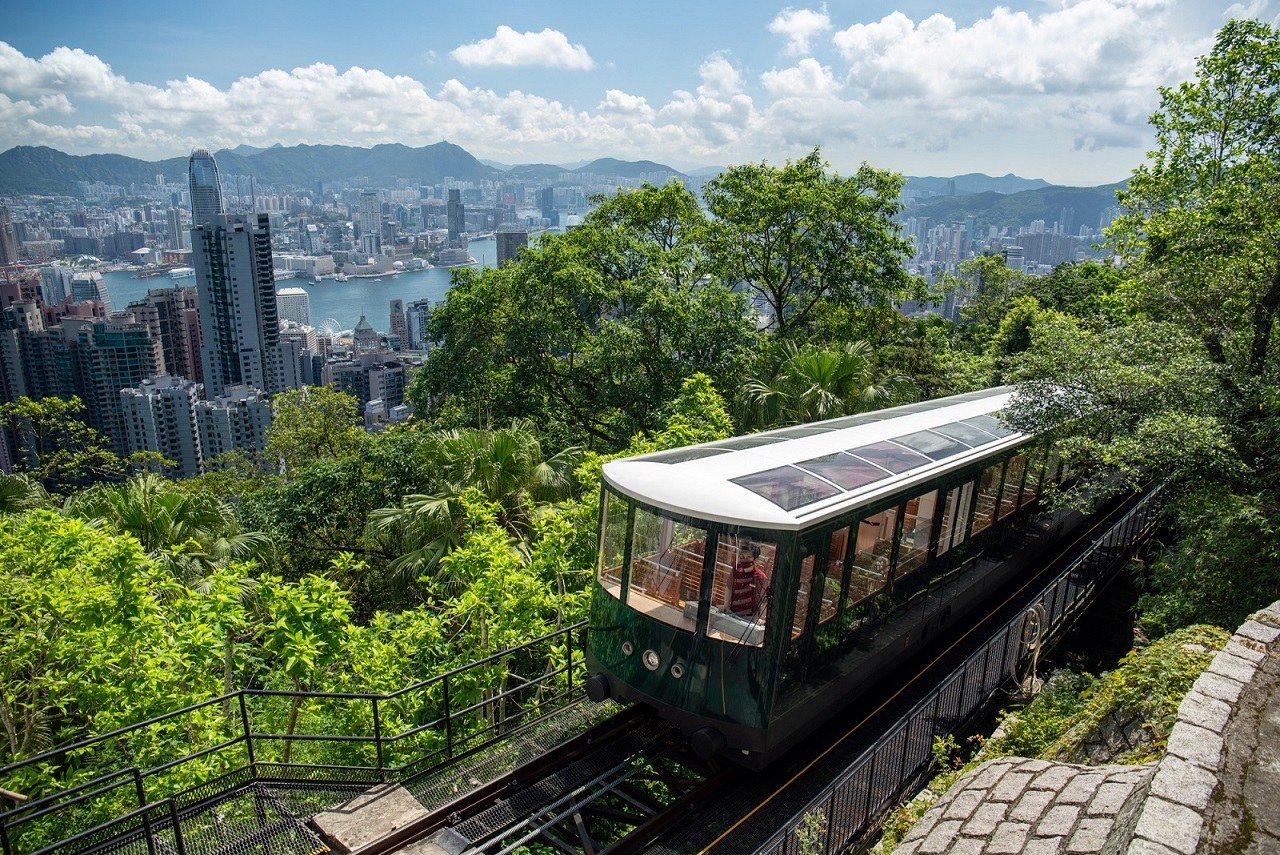
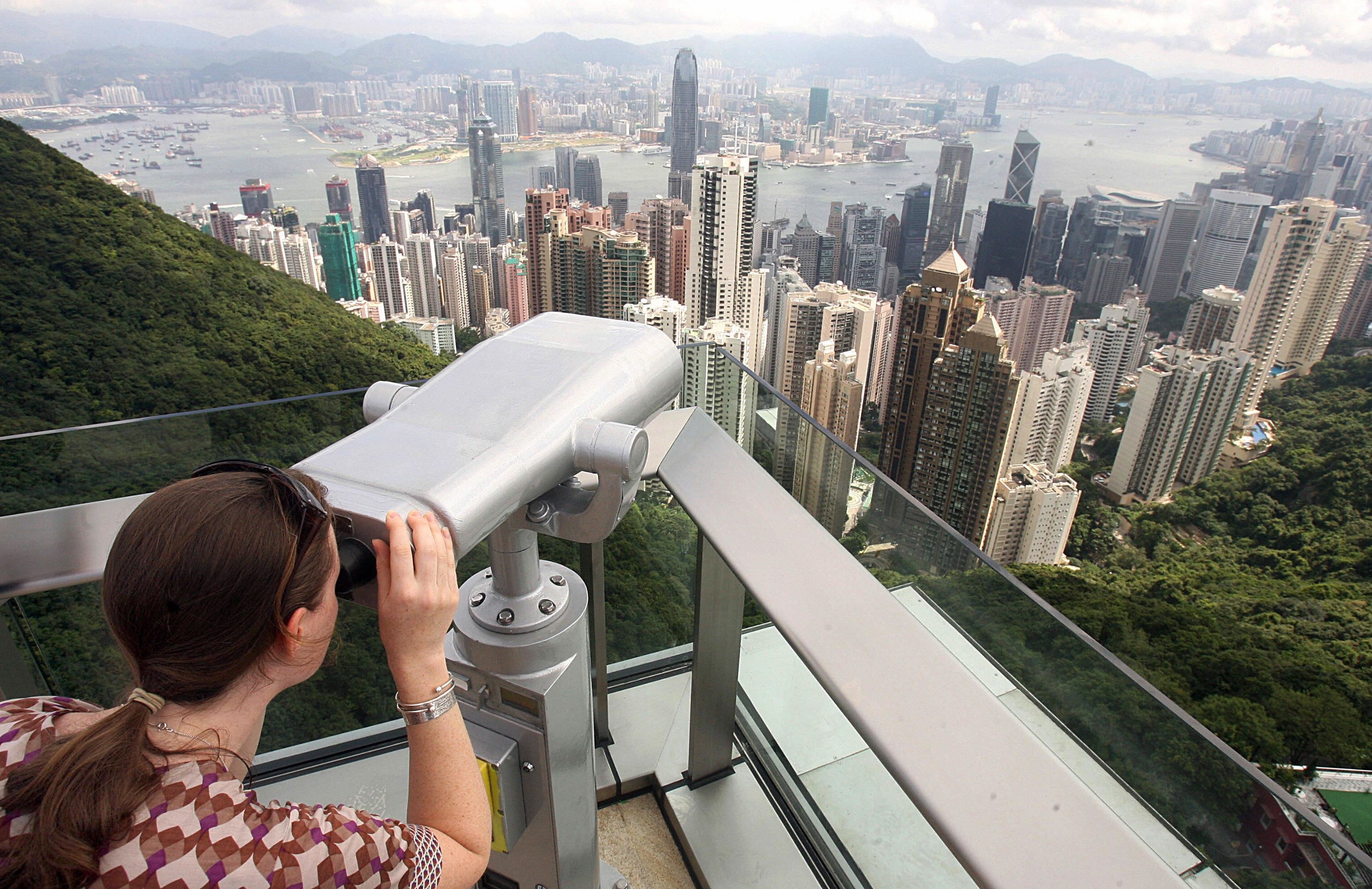
After you step off · near Tokyo
You end in a different port — stay on, and add what is within reach before you fly home.