Your cruise
Seven Seas Grandeur · 14-night Mediterranean cruise, Miami to Panama City
Feb 23 – Mar 9 · 14 nights ·
Day 1 Miami (board) · Day 2 Willis Island · Day 3 Costa Maya · Day 4 Harvest Caye · Day 5 Roatan · Day 6 Willis Island · Day 7 Georgetown · Day 8 Ocho Rios · Day 9 Willis Island · Day 10 Puerto Limon · Day 11 Willis Island · Day 12 Cartagena · Day 13 Colon · Day 14 Panama Canal · Day 14–15 Panama City (step off)
What you do Board a rigid inflatable Zodiac for a close-up circumnavigation of one of the Coral Sea's most remote specks of land. Drift alongside vast nesting colonies of red-footed boobies, frigatebirds and brown noddies — a wildlife spectacle almost no traveller on earth ever witnesses.
What to expect Your Zodiac departs the ship's swim platform and skirts the island's entire coastline at water level, giving you eye-to-eye encounters with seabird colonies that number in the tens of thousands. The guide pauses the engine so you can hear the cacophony of calls and photograph birds in undisturbed flight. Shallow coral gardens glow electric beneath the hull as you round each headland. The round trip typically takes 90–120 minutes, leaving ample buffer before all-aboard.
Good to know Pre-book directly via email well in advance — this is a tender-only island and Zodiac capacity is strictly capped. Wear non-marking soles, bring a hat and reef-safe sunscreen. Confirm your ship's all-aboard time and allow 30 minutes' return buffer.
Versus the ship tour An intimate, expert-led small-group Zodiac — never more than 12 guests — means you can idle silently within metres of nesting birds and low reef outcrops that larger vessels simply cannot access, guided by a marine biologist who narrates every species in real time.
What you do Slip beneath the surface of some of the least-dived water on the planet — the Coral Sea surrounding Willis Island, hundreds of kilometres from the nearest coast. Visibility regularly exceeds 30 metres, revealing walls of hard coral, reef sharks, giant trevally and undisturbed sea-turtle feeding grounds.
What to expect Guests kit up in a purpose-equipped dive room and giant-stride into waters of extraordinary clarity. The reef structures here are pristine — no bleaching, no crowds — and the sheer biomass of pelagic life reflects the island's status as a protected marine reserve. Drift snorkelling across shallow coral plateaus, you are likely to encounter hawksbill turtles grazing, schools of chevron barracuda and the flash of a reef whaler in the blue. Safety divers and guides remain in the water throughout.
Good to know Swimming competency is required; full snorkel equipment is provided. Confirm landing and in-water permissions with the Australian Bureau of Meteorology station keeper in advance — access can be subject to weather and conservation protocols. Bring a rash vest for UV protection.
Versus the ship tour Mike Ball operates the definitive liveaboard expeditions to the Coral Sea's outer reefs, with certified dive guides who have logged thousands of hours specifically on these formations. Group size is tightly managed, and every dive brief is site-specific — the antithesis of a mass-market snorkel.
book direct with Mike Ball Dive Expeditions (Townsville/Cairns — Coral Sea specialists) → · the full guide →
What you do Step ashore — one of only a handful of visitors ever permitted — and receive a private briefing inside Australia's most remote operational weather station. The data collected here has guided cyclone warnings across Queensland for over a century; it is a living piece of scientific history.
What to expect After a short Zodiac transfer to the beach, you walk across the coral-rubble islet — the entire thing is barely 400 metres across — to the weatherboard station compound. The duty meteorologist explains the island's role in tracking Coral Sea cyclogenesis, shows you the instrument arrays and balloon launch facilities, and fields questions with refreshing candour. The sense of absolute remoteness — no roads, no shops, just science and sea — is profoundly affecting. Visits are brief (30–45 minutes) out of respect for operations.
Good to know Landing is at the discretion of BOM and sea conditions; it is never guaranteed. Wear closed shoes for the coral-rubble foreshore. Do not touch or enter any instrument enclosures. This is one of cruising's rarest privileges — treat it accordingly.
Versus the ship tour Landing on Willis Island is granted to very few vessels per year and always requires advance coordination with the BOM. The briefing is delivered by the station's resident meteorologist — one of Australia's most isolated postings — lending an authenticity and depth no third-party guide could replicate.
What you do Join a dedicated marine naturalist on a slow, deliberate circuit of Willis Island's offshore waters — prime habitat for dwarf minke whales, spinner dolphins, red-tailed tropicbirds and occasional whale sharks. This is expedition-grade wildlife observation in one of Earth's most intact marine environments.
What to expect The excursion runs in the calm conditions that typically prevail in the lee of the island, with the naturalist briefing the group on cetacean behaviour before departure. Spinner dolphins frequently bow-ride the vessel's wake, while tropicbirds trace lazy arcs overhead trailing their extraordinary white tail streamers. In season (June–September), dwarf minke whales approach curious vessels with remarkable boldness. The naturalist's running identification and ecological commentary transforms an already astonishing scene into a masterclass in Coral Sea ecology.
Good to know Bring image-stabilised binoculars if you own them — loaner binoculars are available but limited. A polarised lens filter dramatically improves underwater wildlife sighting from the deck. Morning cruises yield the best light and the calmest seas.
Versus the ship tour Coral Expeditions' marine naturalists carry years of Coral Sea field experience and use hydrophones and binoculars to locate and interpret marine megafauna well beyond what a casual deck scan achieves. Groups are capped at 20, ensuring every guest has unobstructed sightlines and personalised commentary.
book direct with Coral Expeditions (Australia's premium expedition cruise specialist) → · the full guide →
What you do Combine world-class snorkelling with a dedicated underwater photography tuition session led by a professional marine photographer. The pellucid, undisturbed waters around Willis Island provide a studio backdrop that professionals travel half a year to reach — and you are already here.
What to expect After a 20-minute on-deck briefing covering exposure, buoyancy control for photography and coral-safe positioning, the group enters the water with the lead photographer. Each participant is given real-time feedback via underwater slates and post-dive screen reviews. The reef here hosts nudibranchs, juvenile turtles and extraordinary soft-coral detail that rewards close, patient framing. By the final dive, guests leave with a curated set of images that would pass muster in any travel magazine.
Good to know Bring your own mirrorless or compact camera with an underwater housing if possible; hire housings are limited. Basic snorkel competency required. Maximum group size of 6 is strictly enforced — book your place the moment you board the ship.
Versus the ship tour A professional marine photographer leads groups of no more than six, providing personalised composition coaching in real time — in the water, beside you. The combination of tuition and a location almost nobody else will ever photograph makes every frame genuinely irreplaceable.
What you do Rise before the rest of the ship and join an ornithologist-guide for a dawn landing on Willis Island — arguably the most exclusive birdwatching address in the Southern Hemisphere. The island hosts one of Australia's largest documented seabird colonies, and first light is when it erupts into extraordinary life.
What to expect The Zodiac lands on the coral-rubble beach just as the sky softens to indigo. Within seconds, frigatebirds begin their courtship displays, inflating scarlet throat pouches while brown boobies jostle on nesting scrapes metres from your feet. The ornithologist narrates the scene with infectious expertise, calling species by name as they lift and wheel overhead in their thousands. The island's absolute silence — broken only by wind and wings — produces a meditative quality that experienced travellers consistently describe as one of cruising's most affecting moments.
Good to know Landing is subject to BOM approval and sea-state — pre-register your interest at the expedition desk on day one of the voyage. Wear dark, non-reflective clothing to avoid disturbing nesting birds. Carry a long lens (200mm+ equivalent) for perched-bird shots. Soft-soled shoes protect both the coral-rubble substrate and your footing.
Versus the ship tour A qualified ornithologist leads a structured census-style walk, naming every species, explaining colony dynamics and pointing out nesting behaviours that an untrained eye would miss entirely. The pre-sunrise timing means you experience the island in its rawest, most atmospheric state — long before the day-trippers (there are none) arrive.
book direct with Coral Expeditions (Australia's premium expedition cruise specialist) → · the full guide →
What you do Glide out onto Biscayne Bay aboard a double-decker boat for a fully-narrated 90-minute loop past the downtown skyline, Fisher Island and the palm-studded mansions of Star Island, with the captain calling out celebrity-owned homes tied to names like Gloria Estefan and Shaquille O'Neal. It departs from Bayside Marketplace, minutes from PortMiami, so you're on the water almost as soon as you step off the ship. This is the postcard Miami-from-the-water image first-timers come for, and the short run leaves the rest of the day wide open.
What to expect You board a double-decker vessel at Bayside Marketplace and spend 90 minutes gliding across Biscayne Bay while a bilingual narrator points out downtown Miami's skyline, Fisher Island, and the iconic palm-lined mansions of Star Island—including celebrity homes tied to Gloria Estefan and Shaquille O'Neal. The climate-controlled interior and open-air upper deck let you choose your vantage; many guests spend the voyage shifting between both to capture the postcard Miami-from-the-water views. The captain's real-time commentary transforms what could be a passive boat ride into a guided tour of architectural and cultural landmarks. By trip's end, you've absorbed the essential Miami skyline and still have most of your port day free.
Good to know Arrive at Miamarina (401 Biscayne Blvd, Bayside Marketplace) 30–45 minutes early to check in; the site sits only minutes from PortMiami, so budget 10–15 minutes walking from the cruise terminal. The 90-minute cruise fits easily into a 6–8 hour port window, leaving you 4+ hours for lunch or additional exploring. Bring cash if you want onboard drinks from the mojito bar, and wear sunscreen or a hat since the open-air upper deck offers full sun exposure. Book this excursion direct through Miami Skyline Cruises rather than your cruise line to save ~$23 per person versus the bundled ship price.
Versus the ship tour Direct wins big. The cruise line sells the bay sightseeing piece bundled around ~$51 per person (and up to $114 in airboat combos). The exact same Millionaire's Row bay cruise is $28 direct here, roughly $23 per person saved with no aggregator markup.
What you do Skim across the open sawgrass on an airboat hunting for wild alligators, herons and egrets in the one truly world-unique landscape on Miami's doorstep. Back on land your ticket adds an alligator/wildlife show, a jungle trail and observation exhibits, so it fills a real chunk of the day. This is the South Florida moment cruisers most regret skipping, run by an authorized Everglades National Park concession operating since 1968.
What to expect You'll skiff across open sawgrass on a 30–40 minute airboat hunt for wild alligators, herons, and egrets in the Everglades' one-of-a-kind landscape. Once back on land, you'll step into a live alligator and wildlife show, then explore a jungle trail and observation exhibits—a full immersion into South Florida's most iconic ecosystem. The day pulses between adrenaline on the water and intimate wildlife encounters on foot, filling a substantial chunk of your port time with the authentic Everglades moment most cruisers regret missing.
Good to know Plan 5–6 hours door-to-door; the park sits 45 minutes west of port with no public transit, so book a private driver or rideshare before you go and budget $60–$90 round-trip (direct booking beats the ship's price only if you split transportation among 3–4 people). Secure a driver who guarantees your return time to avoid missing the ship, and confirm your rideshare pickup well before your airboat slot to avoid delay on the way back. Bring sunscreen, a hat, and closed-toe shoes for the boat and jungle trail; water shoes or sandals that won't fly off in the wind are ideal.
Versus the ship tour Mixed. On the ride alone, direct ($49) beats Carnival's $64.99 airboat. BUT the ship's price includes round-trip transport; book direct and you must add a rideshare/car each way (the park is 45 min out with no transit). Budget about $60-$90 round-trip in rideshare on top, so direct only wins if you split a car among 3-4 people. PORT-DAY FLAG: plan ~5-6 hrs door-to-door; use a private driver who guarantees you back to the ship.
book direct with Everglades Safari Park → · the full guide →
What you do Most visitors never realize there's a national park snorkeling reef right at Miami's edge. Sail out over the northernmost Florida Keys reefs to drift among tropical fish, rays and sea turtles in turquoise shallows, with a guide teaching the park's habitats and history. The Coconut Grove departure keeps you closer to the port than the Homestead trips, making it the port-day-friendly way to get one genuine on-the-water adventure.
What to expect You'll depart from Dinner Key Marina in Coconut Grove and sail out over the northernmost Florida Keys reefs, where you'll drift among tropical fish, rays, and sea turtles in turquoise shallows while a guide interprets the park's habitats and marine life. The 3.5-hour experience includes your choice of reef, shipwreck, or mangrove snorkel sites—each revealing a different slice of Biscayne National Park's ecosystem. Most of the action happens in the water; expect calm instruction-based snorkeling rather than a rushed tour, with time to orient yourself to the underwater landscape before exploring freely. You'll return to Coconut Grove with the salt still on your skin and a genuine national park experience—not a cruise-line bay jaunt—under your belt.
Good to know Book directly with the Biscayne National Park Institute (not through an aggregator) to secure the 3.5-hour Snorkeling from Coconut Grove trip at $115 per person—this duration and departure point are designed to fit a port day, with transfers included. Plan for 3.5 hours on the water plus 1–1.5 hours for transfers from the cruise pier to Dinner Key Marina, leaving you a comfortable buffer for a typical 6–8 hour port window; skip the full-day option unless snorkeling is your only priority. Bring reef-safe sunscreen, a rash guard or lightweight cover-up, a towel, and water shoes or reef booties; the park and operator will provide snorkel gear but confirm ahead if you need prescription mask options. Return timing is tight on a short port day, so confirm the exact departure time when booking and plan to be back at the pier with 30–45 minutes to spare.
Versus the ship tour No true ship equivalent. The cruise lines don't sell an in-park national-park reef snorkel from Miami at all, their water tours top out at bay sightseeing and airboat combos. This is the one signature snorkel here, and the only way to do it is direct with the park's own concessionaire. PORT-DAY FLAG: the 3.5-hr trip plus transfers fits a port day; skip the 6-hr full-day option unless this is your only outing.
book direct with Biscayne National Park Institute → · the full guide →
What you do Eat your way through the cultural heart of Cuban Miami: a real Cuban sandwich, a jolt of cafecito and a mojito, while you watch cigars hand-rolled and dominoes slammed down in Maximo Gomez Park. A guide threads the history of exile, music and food through every stop along Calle Ocho. The tastings add up to a full meal plus drinks, an immersive, distinctly-Miami experience you can't replicate anywhere else, and it's an easy ride from the port.
What to expect Your guide escorts you through the vibrant streets of Calle Ocho, stopping to taste authentic Cuban sandwiches, croquetas, and pastries that build into a full meal—all while live music and the clatter of dominoes frame the scene at Maximo Gomez Park. You'll watch cigar rollers at work, their hands moving with practiced precision, before pausing for shots of cafecito and sipping a mojito at a neighborhood spot where locals gather. The walk threads Miami's Cuban exile history and food culture through each block, turning lunch into an immersive lesson on why this neighborhood is the real heart of Cuban America. Roughly 2.5 to 3 hours of steady walking and tasting, paced to savor both the food and the stories.
Good to know Book directly with Miami Culinary Tours (not the cruise line) to save $60+ per person—tours run roughly $69 versus $132+ through the ship. Calle Ocho is an easy, short ride from the port, so plan to depart within an hour of disembark and return comfortably 30–45 minutes before all-aboard. Bring small cash for tips and incidentals, wear comfortable walking shoes, and eat lightly before departure since the tastings amount to a full meal. Confirm your exact tour time and departure point with the operator when booking, as walking tours run on tight schedules and late arrivals will cost you stops.
Versus the ship tour Direct wins decisively. The cruise line charges $132+ for its Little Havana/mojito outing (and private versions run $162). The same Calle Ocho food-and-culture walk with the original operator is ~$69 direct, well over $60 per person saved.
What you do Tour the most opulent historic estate in Miami: an early-20th-century Italian Renaissance-style villa built as industrialist James Deering's winter home, with lavishly furnished rooms opening onto formal European gardens that run down to Biscayne Bay. A National Historic Landmark and one of the city's most photogenic spots, it's self-paced and close to the port near Coconut Grove, so it slots neatly into a half-day on shore.
What to expect You'll arrive at an early-20th-century Italian Renaissance villa—James Deering's former winter palace—where lavishly appointed rooms open directly onto formal European gardens that descend to Biscayne Bay, giving you a tangible sense of early-Miami opulence. The self-paced experience lets you linger in ornate interiors or photograph the manicured grounds at your own tempo. A short walk from Coconut Grove and the port itself, the estate unfolds as a series of intimate spaces rather than a sprawling museum; you'll move between decorated rooms and out onto the bayfront gardens in a natural rhythm. This is a half-day anchor—intimate, photogenic, and complete within 2–3 hours if you're deliberate.
Good to know Book timed-entry tickets direct on Vizcaya's official site before you dock to guarantee your preferred window and avoid queues. The estate sits close to the port near Coconut Grove, making it walkable or a quick taxi ride—buying direct at $25 per adult cuts the cruise-line markup entirely and gives you full control over timing. Plan for 2–3 hours on-site within your 6–8 hour port window, leaving a solid 90-minute buffer before all-aboard. Bring sunscreen and comfortable shoes for the gardens; there's no air conditioning between outdoor rooms, so dress for tropical sun.
Versus the ship tour Direct is the only sensible route. Cruise lines rarely package Vizcaya, and when a city tour drives past it you'd still pay $35-$70 for sightseeing that may not include entry. At $25 booked direct you control your own timing and skip the bus markup entirely.
book direct with Vizcaya Museum and Gardens → · the full guide →
What you do Walk the world's largest concentration of 1920s-40s Art Deco architecture with a guide from the nonprofit that literally saved and landmarked the district. Over two hours along Ocean Drive you learn to actually read the pastel hotels and neon instead of just photographing them, ending right in the heart of South Beach for lunch and beach time. It's the low-risk, easy-to-reach alternate if the bay, Everglades or reef don't fit your day.
What to expect You'll spend two immersive hours walking Ocean Drive with a trained guide from the Miami Design Preservation League—the nonprofit that saved these buildings—learning to decode the geometric patterns, pastel façades, and neon signage of the world's largest Art Deco district instead of just snapping photos. The walk moves at a contemplative pace through 1920s-40s hotels and landmarks, ending at the Art Deco Museum before you're released into the heart of South Beach for lunch, shopping, and beach time. The rhythm feels like a masterclass rather than a tourist blur: you're stationary for observation, walking short blocks for transition, absorbing stories that transform what you see into architecture you actually understand. This is the substance play—manageable distance, genuine expertise, and the flexibility to linger at the beach afterward or grab food on your own terms.
Good to know The 10:30am daily departure from the Art Deco Welcome Center (1001 Ocean Drive) gives you a tight but workable 6–7 hour window: book a rideshare from the port now (15–20 minutes, ~$15–20 each way), arrive by 10:15am, walk until 12:30pm, then own your afternoon. Plan to be back at the pier by 5:30–6pm for a typical evening departure, leaving 3+ hours of buffer for beach/lunch, transit back, and security. Bring sunscreen, comfortable walking shoes, and a light layer—you're outside for two straight hours on exposed Ocean Drive. Book direct through MDPL online ($35 adults, $30 seniors/students/veterans with ID); no need to pre-book the walk itself, but confirming your rideshare timing the morning of prevents last-minute scrambling.
Versus the ship tour Direct wins on substance and price. The ship's Miami city/hop-on tour is $69.99 and just rolls past the district; this definitive 2-hour guided Deco walk from the people who landmarked it is $35 direct, half the cost and far more depth, though you arrange your own ride to South Beach (short rideshare from the port).
book direct with Miami Design Preservation League (MDPL) → · the full guide →
What you do Board a rigid inflatable Zodiac for a close-up circumnavigation of one of the Coral Sea's most remote specks of land. Drift alongside vast nesting colonies of red-footed boobies, frigatebirds and brown noddies — a wildlife spectacle almost no traveller on earth ever witnesses.
What to expect Your Zodiac departs the ship's swim platform and skirts the island's entire coastline at water level, giving you eye-to-eye encounters with seabird colonies that number in the tens of thousands. The guide pauses the engine so you can hear the cacophony of calls and photograph birds in undisturbed flight. Shallow coral gardens glow electric beneath the hull as you round each headland. The round trip typically takes 90–120 minutes, leaving ample buffer before all-aboard.
Good to know Pre-book directly via email well in advance — this is a tender-only island and Zodiac capacity is strictly capped. Wear non-marking soles, bring a hat and reef-safe sunscreen. Confirm your ship's all-aboard time and allow 30 minutes' return buffer.
Versus the ship tour An intimate, expert-led small-group Zodiac — never more than 12 guests — means you can idle silently within metres of nesting birds and low reef outcrops that larger vessels simply cannot access, guided by a marine biologist who narrates every species in real time.
What you do Slip beneath the surface of some of the least-dived water on the planet — the Coral Sea surrounding Willis Island, hundreds of kilometres from the nearest coast. Visibility regularly exceeds 30 metres, revealing walls of hard coral, reef sharks, giant trevally and undisturbed sea-turtle feeding grounds.
What to expect Guests kit up in a purpose-equipped dive room and giant-stride into waters of extraordinary clarity. The reef structures here are pristine — no bleaching, no crowds — and the sheer biomass of pelagic life reflects the island's status as a protected marine reserve. Drift snorkelling across shallow coral plateaus, you are likely to encounter hawksbill turtles grazing, schools of chevron barracuda and the flash of a reef whaler in the blue. Safety divers and guides remain in the water throughout.
Good to know Swimming competency is required; full snorkel equipment is provided. Confirm landing and in-water permissions with the Australian Bureau of Meteorology station keeper in advance — access can be subject to weather and conservation protocols. Bring a rash vest for UV protection.
Versus the ship tour Mike Ball operates the definitive liveaboard expeditions to the Coral Sea's outer reefs, with certified dive guides who have logged thousands of hours specifically on these formations. Group size is tightly managed, and every dive brief is site-specific — the antithesis of a mass-market snorkel.
book direct with Mike Ball Dive Expeditions (Townsville/Cairns — Coral Sea specialists) → · the full guide →
What you do Step ashore — one of only a handful of visitors ever permitted — and receive a private briefing inside Australia's most remote operational weather station. The data collected here has guided cyclone warnings across Queensland for over a century; it is a living piece of scientific history.
What to expect After a short Zodiac transfer to the beach, you walk across the coral-rubble islet — the entire thing is barely 400 metres across — to the weatherboard station compound. The duty meteorologist explains the island's role in tracking Coral Sea cyclogenesis, shows you the instrument arrays and balloon launch facilities, and fields questions with refreshing candour. The sense of absolute remoteness — no roads, no shops, just science and sea — is profoundly affecting. Visits are brief (30–45 minutes) out of respect for operations.
Good to know Landing is at the discretion of BOM and sea conditions; it is never guaranteed. Wear closed shoes for the coral-rubble foreshore. Do not touch or enter any instrument enclosures. This is one of cruising's rarest privileges — treat it accordingly.
Versus the ship tour Landing on Willis Island is granted to very few vessels per year and always requires advance coordination with the BOM. The briefing is delivered by the station's resident meteorologist — one of Australia's most isolated postings — lending an authenticity and depth no third-party guide could replicate.
What you do Join a dedicated marine naturalist on a slow, deliberate circuit of Willis Island's offshore waters — prime habitat for dwarf minke whales, spinner dolphins, red-tailed tropicbirds and occasional whale sharks. This is expedition-grade wildlife observation in one of Earth's most intact marine environments.
What to expect The excursion runs in the calm conditions that typically prevail in the lee of the island, with the naturalist briefing the group on cetacean behaviour before departure. Spinner dolphins frequently bow-ride the vessel's wake, while tropicbirds trace lazy arcs overhead trailing their extraordinary white tail streamers. In season (June–September), dwarf minke whales approach curious vessels with remarkable boldness. The naturalist's running identification and ecological commentary transforms an already astonishing scene into a masterclass in Coral Sea ecology.
Good to know Bring image-stabilised binoculars if you own them — loaner binoculars are available but limited. A polarised lens filter dramatically improves underwater wildlife sighting from the deck. Morning cruises yield the best light and the calmest seas.
Versus the ship tour Coral Expeditions' marine naturalists carry years of Coral Sea field experience and use hydrophones and binoculars to locate and interpret marine megafauna well beyond what a casual deck scan achieves. Groups are capped at 20, ensuring every guest has unobstructed sightlines and personalised commentary.
book direct with Coral Expeditions (Australia's premium expedition cruise specialist) → · the full guide →
What you do Combine world-class snorkelling with a dedicated underwater photography tuition session led by a professional marine photographer. The pellucid, undisturbed waters around Willis Island provide a studio backdrop that professionals travel half a year to reach — and you are already here.
What to expect After a 20-minute on-deck briefing covering exposure, buoyancy control for photography and coral-safe positioning, the group enters the water with the lead photographer. Each participant is given real-time feedback via underwater slates and post-dive screen reviews. The reef here hosts nudibranchs, juvenile turtles and extraordinary soft-coral detail that rewards close, patient framing. By the final dive, guests leave with a curated set of images that would pass muster in any travel magazine.
Good to know Bring your own mirrorless or compact camera with an underwater housing if possible; hire housings are limited. Basic snorkel competency required. Maximum group size of 6 is strictly enforced — book your place the moment you board the ship.
Versus the ship tour A professional marine photographer leads groups of no more than six, providing personalised composition coaching in real time — in the water, beside you. The combination of tuition and a location almost nobody else will ever photograph makes every frame genuinely irreplaceable.
What you do Rise before the rest of the ship and join an ornithologist-guide for a dawn landing on Willis Island — arguably the most exclusive birdwatching address in the Southern Hemisphere. The island hosts one of Australia's largest documented seabird colonies, and first light is when it erupts into extraordinary life.
What to expect The Zodiac lands on the coral-rubble beach just as the sky softens to indigo. Within seconds, frigatebirds begin their courtship displays, inflating scarlet throat pouches while brown boobies jostle on nesting scrapes metres from your feet. The ornithologist narrates the scene with infectious expertise, calling species by name as they lift and wheel overhead in their thousands. The island's absolute silence — broken only by wind and wings — produces a meditative quality that experienced travellers consistently describe as one of cruising's most affecting moments.
Good to know Landing is subject to BOM approval and sea-state — pre-register your interest at the expedition desk on day one of the voyage. Wear dark, non-reflective clothing to avoid disturbing nesting birds. Carry a long lens (200mm+ equivalent) for perched-bird shots. Soft-soled shoes protect both the coral-rubble substrate and your footing.
Versus the ship tour A qualified ornithologist leads a structured census-style walk, naming every species, explaining colony dynamics and pointing out nesting behaviours that an untrained eye would miss entirely. The pre-sunrise timing means you experience the island in its rawest, most atmospheric state — long before the day-trippers (there are none) arrive.
book direct with Coral Expeditions (Australia's premium expedition cruise specialist) → · the full guide →
What you do Stand beneath the towering Gran Basamento pyramid at the most-visited Maya city in the region, swallowed by rainforest about 50 minutes inland. It's an easy 4-hour round trip, and your guide is from the actual village of Chacchoben, so you get living Maya interpretation instead of a memorized aggregator script.
What to expect You'll ride 50 minutes inland in an air-conditioned minibus through rainforest to Chacchoben, where a Maya guide from the village itself walks you through the jungle-swallowed ruins and leads you to the towering Gran Basamento pyramid—the centerpiece of the most-visited Maya city in the region—with living interpretation rather than rote script. The 4-hour round trip includes the transport, site entry, and guided exploration at an easy pace, letting you stand beneath ancient stone while the canopy closes in around you. You return to the pier with time to spare, staying well within a typical 6–8 hour port day.
Good to know Book direct with The Native Choice ($69 adult, $59 child) at least 24 hours ahead to secure your spot and guarantee return-to-ship timing; the operator will confirm your departure slot and ensure you're back before the ship's all-aboard. Depart the pier immediately after disembark to maximize time at the ruins—the 50-minute each-way drive eats most of your morning or early afternoon. Wear closed-toe shoes (jungle paths), sunscreen, and insect repellent, and bring a refillable water bottle; the site itself has minimal amenities. Confirm your ship's all-aboard time and allow a 30-minute buffer back at the pier to clear any traffic delays.
Versus the ship tour The ship's flagship Chacchoben tour runs $89.99-$99.99 (Carnival $89.99; RCI/Princess/NCL $90-$110). Booking direct at $69 saves roughly $20-$30 pp and upgrades you from a 40-person bus to a Maya-owned small group. Direct wins. Use an operator that guarantees you back to the ship, which The Native Choice does.
What you do Costa Maya sits right on the Mesoamerican Barrier Reef, the largest in the Western Hemisphere, with the reef wall just a 10-minute boat ride from shore. Slip into ~81F water over turtles, rays, eels and walls of tropical fish. This is the single thing first-time Caribbean cruisers most regret skipping, and it barely dents your day.
What to expect After a quick 10-minute boat ride from shore, you'll slip into 81°F water over the Mesoamerican Barrier Reef—the Western Hemisphere's largest—where turtles, rays, eels, and vibrant walls of tropical fish move beneath you. The guided snorkel itself runs approximately 1.5 hours with PADI/SSI certified captains leading the way, giving you unhurried time to explore the reef at your own pace. The rhythm is straightforward: board, ride out, gear up, and descend into one of the Caribbean's most pristine underwater ecosystems—manageable enough to fit comfortably into a port day with time to spare before all-aboard.
Good to know Book directly with Doctor Dive Costa Maya (~$40 per person) rather than through the ship's excursion desk ($60–$99) for roughly half the price and a smaller, less crowded group. The 1.5-hour tour leaves ample time even in a standard 6–8 hour port window, so you can easily make back-to-ship departure. Bring reef-safe sunscreen, a rash guard or shirt for UV protection, and your own snorkel gear if you prefer, though rentals are included; book ahead if visiting peak season to confirm availability and departure times.
Versus the ship tour The ship's reef/beach snorkel runs $60-$80, and its group catamaran sail-and-snorkel $75-$99. Booking direct with the shop that actually runs the boats is ~$40, roughly half price, and you skip the crowded mega-group. Direct wins decisively on both price and access.
book direct with Doctor Dive Costa Maya → · the full guide →
What you do Bacalar's freshwater lagoon glows from pale aqua to deep blue-green over white sand and ancient stromatolites, one of Mexico's most photographed natural wonders. This version pairs a lakeshore swim and kayak with a real Maya family's home for a tortilla-and-tamale demo and a cooked-from-scratch lunch, so the prettiest water at the port comes with a genuine cultural day.
What to expect You'll be driven inland to Bacalar's legendary freshwater lagoon, where pale aqua waters shift to deep blue-green over white sand—one of Mexico's most photographed natural wonders. After a lakeside swim and kayak, you're guided to a real Maya family's home for a hands-on tortilla-and-tamale demonstration followed by a cooked-from-scratch lunch with two complimentary drinks (for guests 21+). The rhythm moves from the surreal water colors and natural stromatolites to intimate cultural immersion, ending with the flavors of authentic Maya cooking made in front of you.
Good to know Plan for a full ~5.5-hour inland day with round-trip transport from the pier; factor in both the scenic drive and real time with the Maya family to avoid rushing. The Native Choice operator guarantees return to the ship before all-aboard, critical for a deep-interior excursion. Book directly at $95 per adult (13+) rather than the ship's premium $130–$180 option to save $35–$85 per person and gain the family meal the ship version omits. Bring sunscreen and a swimsuit; the cultural portion requires comfortable, respectful clothing.
Versus the ship tour The ship's Bacalar day is a premium $130-$180. Direct at $95 saves $35-$85 pp and adds the Maya-family meal the ship version doesn't have. This is a long inland day (~5.5 hrs) with a real drive each way, so book an operator that guarantees you back to the ship before all-aboard. The Native Choice does. Direct wins, but mind the clock.
What you do The port's marquee adrenaline hit is a ~10-minute walk (free trolley) from the pier, so zero inland drive. Fire down eight waterslides off a pyramid tower, drift the lazy river, cross a high-ropes course, then ride the 800-ft Kukulcan zip-coaster twisting over the rainforest with Caribbean views. Maximum fun, minimum travel time, the easy pick for families and thrill-seekers.
What to expect You'll walk straight from the pier (or catch a free trolley for ~10 minutes) and step into a water-park jungle—no long drive, no time wasted. Kick off with eight waterslides plunging from a pyramid tower, then float the lazy river before testing your nerve on the high-ropes course. Cap it with the signature 800-foot Kukulcan zip-coaster, a twisting flight over rainforest canopy with Caribbean views below. It's a pure adrenaline arc: climb, splash, swing, soar—all within the same compact park.
Good to know Book directly at the gate (~$120 per person, kids 15 and under often free with a paying adult) rather than through the cruise line (~$139) to save ~$20 and skip the ship's bus schedule. Since the park sits just a 10-minute walk from the pier, plan for a full 5–6 hours of play and still catch your ship comfortably; aim to return at least 90 minutes before all-aboard. Bring reef-safe sunscreen, a waterproof phone case, and a light cover-up for between slides. No advance booking needed—the queue moves quickly and capacity rarely fills on port days.
Versus the ship tour The cruise line sells the same park for ~$139. Buying direct at the gate is ~$120, saving ~$20 pp, and because it's a walk from the pier you don't need the ship's bus or its schedule. Direct wins; the only thing the ship adds here is a markup.
What you do The cruiser cult-favorite beach day: a calm, shallow, palm-fringed private cove with your own reserved palapa, an all-you-can-eat Maya buffet, all-day open bar, glass-bottom kayaks and snorkel gear, all in. Family-owned and not tied to any cruise line, it's the low-risk, do-nothing-but-relax fallback if the inland tours feel like too much for your one port day.
What to expect You arrive at a sheltered private cove fringed with palms and claim your reserved palapa for the day. From there, the rhythm is yours: float between the shallow, calm turquoise water with snorkel gear and glass-bottom kayaks, retreat to your shaded palapa when the sun peaks, and graze the all-day Maya buffet whenever hunger strikes. The open bar runs continuously, so cold drinks are always steps away as you drift between lounging, light water play, and food—it's designed as a zero-friction beach day where everything is already here.
Good to know Book at least 3 days ahead as the beach controls numbers and fills up; round-trip transport from the pier is included, though confirm pickup times when you book to ensure a comfortable buffer back to the ship. Bring reef-safe sunscreen and a light cover-up, as the palapa offers shade but the reflection off the water is intense. With a 6–8 hour port window, you'll have roughly 4–5 hours of actual beach time after transport, which is ample for this all-in model; just plan to be back at the pier 30–45 minutes before all-aboard.
Versus the ship tour Honest both ways. The ship's beach break is $45-$70, and bare-bones walk-in clubs (Blue Kay $25, YaYa $35) plus a $5 taxi are genuinely cheaper if you just want a chair. But for a true all-inclusive full beach day with food and open bar included, $59 direct beats the ship's stripped-down version on value, with no cruise-line affiliation. Choose this for the all-in day; skip it if you only want a cheap lounger.
book direct with Maya Chan Beach / Costa Maya Beach Resort → · the full guide →
What you do Glide deep into the Belizean jungle by riverboat to reach Lamanai, one of the longest-continuously-occupied Mayan sites in the world. Climb towering temples above the rainforest canopy for views that genuinely stop time.
What to expect Board a private water taxi from the Placencia peninsula ferry dock and wind 26 miles up the New River Lagoon, spotting crocodiles, howler monkeys, and exotic birds en route. Arrive at Lamanai before the day-tripper crowds and climb the 108-ft High Temple with your expert guide narrating the site's 3,000-year history. Lunch is served riverside at the Lamanai Outpost Lodge before a leisurely return through the lagoon. The combination of wildlife, jungle river, and genuine Maya archaeology is simply unmatched in Southern Belize.
Good to know Ferry from Harvest Caye to Placencia village runs approximately USD 20–25 round-trip per person; allow 20 minutes. Full-day tour runs 8–9 hours — confirm all-aboard time with your ship and book early as private slots fill fast. Pre-book directly with the operator at least 2 weeks ahead.
Versus the ship tour Fully private or small-group departures mean you linger as long as you like at each temple, guided by a licensed Belizean archaeologist — no herd mentality, no rushed photo stops.
What you do Sail to the UNESCO-listed Belize Barrier Reef — the second-largest coral reef system on the planet — on a private charter for an intimate encounter with nurse sharks, eagle rays, and kaleidoscopic coral gardens.
What to expect Your private skipper departs from the Harvest Caye dock and motors out to pristine sections of the reef within 20–40 minutes. Slip into gin-clear Caribbean water above staghorn and brain coral teeming with parrotfish, angelfish, and the occasional spotted eagle ray. Multiple snorkel stops are chosen by your local expert based on conditions that day. Cold Belikin beers and fresh fruit are served on deck between dives, with the jungle coast of Southern Belize as your backdrop.
Good to know Book a fully private charter for your group — do not share a boat. Confirm the operator meets you dockside at Harvest Caye to avoid the ferry to Placencia. Bring reef-safe sunscreen only; reefs are protected. Ideal for groups of 2–8.
Versus the ship tour A private vessel means your group chooses the snorkel sites, sets the pace, and avoids the crowded reef zones — your guide knows the untouched coral heads that large groups never reach.
book direct with ToursByLocals – Harvest Caye Local Expert Guides → · the full guide →
What you do Enter the world's first jaguar preserve — Cockscomb Basin Wildlife Sanctuary — on a private guided trek through ancient rainforest where tapir, pumas, and over 300 bird species roam. An utterly rare wildlife immersion.
What to expect Transfer by private vehicle (~45 min from Placencia ferry) into the Maya Mountains and enter Cockscomb at dawn when wildlife is most active. Your expert guide leads you along river trails beneath a cathedral canopy of cohune palms and ceiba trees, pausing to identify tracks, medicinal plants, and troops of howler monkeys overhead. Cool off with a natural swim in a crystal jungle pool. Though jaguars are elusive, the resident wildlife, ancient-forest atmosphere, and expert narration make this a once-in-a-lifetime experience.
Good to know Take the ferry to Placencia first (~USD 20–25 pp round-trip), then arrange a private vehicle transfer. Wear long sleeves, closed shoes, and insect repellent. Start early — depart Harvest Caye by 8 am — to complete the trek and return before all-aboard. Pre-book your private guide through a Placencia-based operator.
Versus the ship tour A private naturalist guide reads the forest like a book — fresh jaguar tracks, tapir wallows, calls of the keel-billed toucan — revealing a living wilderness that a group tour simply rushes past.
What you do Wander the narrow sandy lanes of Placencia — Belize's most charming fishing village — with a private local guide, tasting Creole street food, sipping fresh coconut rum, and meeting the artisans behind the scenes.
What to expect The 5-minute ferry from Harvest Caye deposits you in Placencia village, where your guide is waiting. Stroll the world's narrowest main street (a Guinness record holder) lined with painted wooden shops and bougainvillea. Sample Belizean ceviche, johnny cakes, and salbutes from vendors who know your guide by name. Visit a Garifuna drum-making workshop, taste single-estate cacao chocolate, and finish with a craft rum tasting at a local bar overlooking the Caribbean. Intimate, unhurried, and utterly authentic.
Good to know Ferry from Harvest Caye to Placencia: approx. USD 20–25 round-trip per person, 5 minutes. Tour runs 3–4 hours, leaving ample time before all-aboard. Bring USD cash for small vendors. Confirm your guide meets you at the Placencia ferry dock.
Versus the ship tour A one-on-one private guide unlocks the real Placencia: the grandmother's kitchen serving hudut (coconut fish stew), the rum shack with homemade cashew wine, and the gallery of a Garifuna painter — experiences invisible to standard group tours.
book direct with ToursByLocals – Harvest Caye Local Expert Guides → · the full guide →
What you do Glide silently through the glassy Placencia Lagoon by private guided kayak, drifting through mangrove tunnels alive with exotic birds and into the feeding grounds of wild West Indian manatees.
What to expect Launch from the Placencia peninsula into the calm lagoon, paddling through cathedral arches of red mangrove roots that shelter juvenile fish, herons, and roseate spoonbills. Your naturalist guide navigates to the manatee feeding zones — shallow sea-grass beds where these 1,000-lb gentle giants surface to breathe beside your kayak. The silence, the wildlife, and the mirror-flat water create a meditative, extraordinary experience. Return paddle takes in a sunset-lit view of the Maya Mountains rising above the lagoon.
Good to know Ferry from Harvest Caye to Placencia: approx. USD 20–25 pp round-trip. Tour duration: ~2.5–3 hours. No kayaking experience required. Book directly with Toadal Adventure and confirm morning departure slots. Manatees are most reliably sighted October–May.
Versus the ship tour Non-motorized kayaks are essential here — engine noise drives manatees away. A small private group with a specialist naturalist guide maximizes your chances of drifting within arm's length of these gentle giants.
What you do Board a private skiff and motor up the wild Monkey River into untouched rainforest, coming face-to-face with troops of howler monkeys, basilisk lizards, and ancient riverside Maya ruins in one breathtaking half-day.
What to expect Depart by private boat from the Placencia dock, skimming south along the Caribbean coast before turning up the dark, tea-coloured Monkey River. Your boatman-guide cuts the engine as you enter dense jungle, where troops of black howler monkeys — Belize's largest land mammal — crash through the canopy overhead and call with an otherworldly roar. Spot green iguanas, Jesus Christ lizards (they run on water), jabiru storks, and crocodiles on the banks. A short jungle walk reveals tropical hardwood trees and medicinal plants before you boat back with the breeze in your face.
Good to know Ferry to Placencia from Harvest Caye: approx. USD 20–25 pp round-trip. Tour runs approximately 3.5–4 hours total. Request a private boat (not a shared tour). Bring binoculars, a hat, and reef-safe insect repellent. Best in the morning when wildlife is active.
Versus the ship tour A private skiff lets your guide cut the engine and drift silently beneath the treetops — the only way to get close enough to howler monkeys that you can see the expression on their faces without them retreating.
book direct with Monkey River Tours – Belize (Placencia-based) → · the full guide →
What you do This is THE Roatan experience and the single reason most cruisers come ashore here: you cradle a two-toed sloth, let capuchin and spider monkeys climb onto your shoulders, and have scarlet macaws perch on your arm. It's a hands-on exotic-animal encounter you genuinely cannot do at most Caribbean ports, and the 'sloth selfie' is the photo everyone on the ship comes home with. A first-timer with one port day would deeply regret skipping it.
What to expect You'll arrive at Daniel Johnson's Monkey & Sloth Hangout and move directly into hands-on encounters: cradling a two-toed sloth while capuchin and spider monkeys climb onto your shoulders, and posing for the iconic "sloth selfie" with scarlet macaws perched on your arm. The experience is tactile and immersive—a genuine exotic-animal encounter you cannot replicate at most Caribbean ports. If you book a packaged 4-hour island tour or monkey-and-snorkel combo, you'll combine the hangout with additional activities before returning to port. The entire rhythm centers on animal interaction and photo opportunities, with the hangout itself allowing you to move at your own pace through the exhibits.
Good to know Book direct by calling +504 3174-5185 or emailing djmonkeyandslothhangout@gmail.com to secure the $12pp gate fee, or arrange a transport package ($30–$55pp) that includes round-trip pickup from the pier—essential for guaranteeing your return to the ship. Arrange transport through an operator who tracks sailing times, especially if booking independently; this excursion demands a solid buffer (plan 5–6 hours maximum ashore, leaving 1–2 hours before all-aboard). Bring reef-safe sunscreen, a waterproof phone case or dry bag for your camera, and small bills for tips and any add-ons; booking ahead via email or phone is strongly recommended to confirm availability and secure your preferred tour option.
Versus the ship tour Direct wins big. Carnival's monkey-and-sloth city tour is $44.99pp; the ship's sloth + chocolate + beach combos run $75-$85pp. Walk in by taxi and the same animal encounter is $12pp, and even a full transported package tops out around $40-$55pp -- roughly half the ship combo. Only edge for the ship: it guarantees you back to the vessel, so if you book direct, use an operator that does port pickup and tracks your sailing.
book direct with Daniel Johnson's Monkey & Sloth Hangout → · the full guide →
What you do Roatan sits on the Mesoamerican Barrier Reef -- the second-largest reef on Earth -- and the wall drops off just a short swim from West Bay Beach. You drift over coral canyons alive with sea turtles, eagle rays, parrotfish and angelfish in 80-plus feet of visibility. It's the postcard Roatan image and the single most accessible world-class snorkel of any Western Caribbean port. This card doubles as the low-risk near-port safety net: even if everything else falls through, you can taxi to West Bay and be in the water.
What to expect You'll taxi or be transported to West Bay Beach and board a guided boat that motors minutes offshore to the Mesoamerican Barrier Reef Wall, where you slip into 80-plus-foot visibility to drift above living coral canyons. Sea turtles, eagle rays, parrotfish, and angelfish drift past as you float weightless over the drop-off—the iconic postcard version of Roatan materialized beneath you. The divemaster guides you through the reef system with water and fresh fruit on board, the whole rhythm unhurried and built around what the reef reveals that day. Back onshore, you'll have time to rinse off, grab lunch at West Bay, and still have hours before all-aboard.
Good to know Book West Bay Divers directly (dive@westbaydivers.com or 888-348-3923) for the $40pp guided boat trip or $105pp cruise package with port pickup—the latter handles transport and gives you two separate snorkel rotations, crucial if your ship window is 6-8 hours. DIY shore-snorkeling off West Bay costs ~$20 all-in (park fee + gear rental) but requires self-navigation and zero transport buffer; the boat option builds in a safety net for tight all-aboard times. Bring reef-safe sunscreen, wear a rash guard, and confirm pickup location and timing 24 hours ahead—West Bay is close to the pier but taxi coordination matters when the ship is in port. All gear is provided on the boat trip, but pack a small dry bag for valuables and plan 3-4 hours total if you book the full package.
Versus the ship tour Direct wins. Carnival's snorkel + island sightseeing is $59.99pp and ship snorkel-combos run $79-$90pp. West Bay Divers' guided boat trip is $40pp, and a DIY shore snorkel off the same reef is ~$20 all-in -- 30-65% cheaper for arguably better reef access. The ship's only advantage is the back-to-boat guarantee; the $105 cruise package closes that gap if you want transport handled.
book direct with West Bay Divers (PADI 5-Star) → · the full guide →
What you do Roatan's hilly rainforest is built for ziplining, and South Shore Adventures strings lines and suspension bridges across its eco park with jungle-and-ocean views the whole way. The signature 'Zuperman' line flies you face-down and superman-style toward the sea. It's the classic high-adrenaline Roatan adventure and, at this price, one of the best-value marquee excursions on the island.
What to expect You'll be transported into Roatan's hilly rainforest eco park, where you'll launch across a series of ziplines and suspension bridges strung between the canopy with jungle and ocean views opening up beneath you the entire way. The signature "Zuperman" line is the crescendo—a face-down, superman-style flight that propels you toward the sea in a pure adrenaline rush. Between lines, you'll pause at platforms to catch your breath and take in the landscape, building momentum toward that final, unforgettable dive. The whole experience is designed as a high-octane jungle flight, with the rhythm moving from anticipation to action to that iconic moment most people come for.
Good to know Book directly through southshorezipline.com/shop at $40–$45pp to save $20–$25 compared to the ship's $65pp option; confirm port pickup from the pier and your sail-back time before booking. Plan for a 6–8 hour window with travel time factored in—bring water, sunscreen, and secure shoes; the operator provides harnesses and safety gear. If you want to add sloth encounters or a beach break, book them as direct add-ons rather than bundled through the ship to maximize savings. Verify transportation logistics (especially your return window to the pier) directly with South Shore Adventures when you book.
Versus the ship tour Direct wins. Carnival's jungle zipline is $65pp and ship zipline + sloth + beach combos hit $89-$99pp. The core zipline direct is $40-$45pp -- about $20-$25pp less for the same flying lines. If you want the wildlife and beach stops the ship bundles, build them as direct add-ons and you'll still come out ahead, just confirm port pickup and your sail-back time.
book direct with South Shore Adventures (South Shore Zipline) → · the full guide →
What you do This is one of the only places on Earth where a member of the public can personally descend into the genuine deep sea. Captain Karl Stanley's hand-built sub Idabel takes three passengers down the Cayman Trench past bioluminescent creatures, glass sponges and -- on the deeper baited dives -- six-gill sharks. Nothing else like it exists for civilians anywhere in the Caribbean. It is the most extraordinary one-off on the island, full stop.
What to expect You descend into the Cayman Trench aboard Captain Karl Stanley's hand-built submarine Idabel in a pressurized capsule with two fellow passengers, descending past bioluminescent creatures and glass sponges as the sunlit waters fade to deep ocean darkness. The 1.5-hour expedition reaches 1,000 feet; deeper dives (2,000+ feet) extend the experience to 3–4 hours, offering the rare possibility of encountering six-gill sharks on baited dives. This is one of the few places on Earth where civilians can personally experience genuine deep sea—nothing comparable exists in the Caribbean. The rhythm is intimate and unhurried: descent, observation of alien marine life, optional shark encounter (if booked), ascent.
Good to know The 1.5-hour/$500pp standard expedition fits comfortably into a 6–8 hour port window; book the earliest available slot and coordinate directly with Captain Karl (subkarl@gmail.com, +504 3359-2887) to confirm all-aboard timing and ensure a safe back-to-ship buffer. Deeper 2,000 ft trips cost ~$1,200/hr split among up to three passengers and consume 3–4 hours total, leaving minimal margin; reserve these only if your port window is genuinely wide. Bring minimal personal items (the sub is compact); book your spot ahead directly—cruise lines do not sell this excursion—and add 19% Honduran tax to all quoted prices. Optional six-gill shark bait drop is +$500 if desired.
Versus the ship tour No honest comparison exists -- cruise lines do not sell this; it's a direct-only, bucket-list splurge. Port-day note: the 1.5 hr/$500pp expedition fits a port day with margin, but the longer deep trips eat most of your day, so book the earliest slot, coordinate directly with Karl on your ship's all-aboard time, and treat the deeper tiers as 'only if your port window is wide.'
book direct with Roatan Institute of Deepsea Exploration (R.I.D.E.) / Captain Karl Stanley → · the full guide →
What you do You ride along a secluded stretch of beach and then walk your horse straight into the warm Caribbean for a swim while still in the saddle -- a tropical-island image few travelers ever actually get to live. Small groups, local family wranglers, and round-trip port transport make it a relaxed, photogenic alternative to the adrenaline tours. A perennial Roatan favorite for a reason.
What to expect You'll begin with round-trip transport from the cruise port to Hamilton Ranch in Flowers Bay, where a local family wrangler greets your small group and matches you with a horse. The ride flows along a secluded stretch of beach, the Caribbean breeze carrying the scent of salt and vegetation as the sand firms beneath the hooves. Then comes the signature moment: you guide your horse directly into the warm turquoise water, still in the saddle, feeling the weightless swim while mounted—the kind of scene that defines tropical island travel. The return ride and transport back to the pier brings you full circle, unhurried and unhurded.
Good to know Book directly through Mena's / Bodden Horseback Riding to secure a small-group departure and confirm your guaranteed return time to the ship before committing. Plan for 4–5 hours door-to-door, including transport from the pier to Hamilton Ranch in Flowers Bay and back. Bring a swimsuit under your clothes, reef-safe sunscreen, and a secure bag for valuables during the water portion; bring cash (USD) for tipping the wranglers. Confirm the operator will have you back at the cruise pier with at least 30 minutes to spare before all-aboard.
Versus the ship tour Roughly a wash on price, direct edges it on experience. Cruise lines list comparable beach-ride excursions around $79-$99pp; the local family operators run essentially the same ride at $70-$79pp with smaller groups. The saving is modest -- the real reason to go direct is the smaller, less-herded group. Confirm the operator guarantees you back to the ship before booking.
book direct with Mena's / Bodden Horseback Riding (Hamilton Ranch, Flowers Bay) → · the full guide →
What you do At the 'Cara a Cara' (face-to-face) site you kneel on the reef at 60-70 ft while a dozen-plus 6-9 ft Caribbean reef sharks circle close around you -- a rare daytime schooling behavior seen at almost nowhere else. It's one of the most adrenaline-charged legal shark dives in the Caribbean and a true diver's bucket-list tick. This is the marquee item for experienced divers, not first-timers.
What to expect You begin with a safety briefing at the dive center before heading to the Cara a Cara site, where you'll descend to 60-70 feet and kneel on the reef as a dozen-plus Caribbean reef sharks—each 6-9 feet long—circle closely around you in rare daytime schooling behavior seen almost nowhere else in the Caribbean. The sharks pass within arm's reach as you remain still on the bottom, creating an intense, adrenaline-charged encounter that defines this bucket-list dive. After the shark dive concludes, you'll transition to a calmer post-shark reef dive to decompress and observe other marine life. The entire rhythm moves from controlled intensity to gradual decompression, ending back at the dive center before transport to the pier.
Good to know Book directly with Waihuka Adventure Diving (info@caribbeanadventuresroatan.com or their website) well ahead—this is not sold through the cruise line and requires proof of active certification, 20+ logged dives, and 2 dives within the last 6 months. The 9:00am or 11:30am daily departures (closed Sundays) allow a comfortable 6-8 hour port window; arrange transport from the Coxen Hole pier with the operator when booking. The 'No Port No Pay' guarantee covers cancellation within 48+ hours, protecting your excursion if the ship is delayed, and the operator coordinates back-to-ship logistics to ensure you return with time before departure. Bring your dive certifications and log book in waterproof form; the $115 all-inclusive price covers tank, weights, transport, and supervision.
Versus the ship tour Direct-only marquee. Cruise lines rarely sell a true caged-free shark dive, so there's no clean ship price to undercut -- this is a specialist, book-direct experience. The operator's 'No Port No Pay' guarantee and named back-to-ship logistics make it the safe direct choice for divers who already hold the certification and dive count required.
book direct with Waihuka Adventure Diving (Coxen Hole) → · the full guide →
What you do Slip into the warm, gin-clear shallows of the North Sound and swim alongside dozens of friendly southern stingrays at the world-famous Stingray City Sandbar — one of the most extraordinary wildlife encounters on the planet.
What to expect A short catamaran ride across the turquoise North Sound delivers you to the legendary sandbar, where wild Atlantic southern stingrays circle your legs in knee-deep water. Expert guides place rays in your arms for that unforgettable photo moment, sharing the marine biology and lore behind these gentle giants. After the sandbar, most charters pause at a pristine snorkel site on the coral gardens. The boat is well-appointed with cold towels, fresh fruit and rum punch for the return.
Good to know Georgetown tenders dock at the pier; Captain Marvin's dock is a short taxi ride away. Book the private charter well in advance — it sells out weeks ahead. Allow 3–4 hours total; check all-aboard time and confirm departure with the operator.
Versus the ship tour Captain Marvin's is the original Stingray City operator — family-run since the 1950s — offering small, intimate groups led by guides who have worked this sandbar for generations. You feed, hold and glide alongside the rays with expert naturalists rather than in a large crowd.
book direct with Captain Marvin's Watersports → · the full guide →
What you do Descend on the deliberately sunk 76-metre US Navy submarine rescue vessel USS Kittiwake — the Caribbean's most celebrated modern wreck dive and a bucket-list entry for divers of any level.
What to expect You gear up at the beachside dive shack and boat out to the Kittiwake, resting in just 19 metres of water off Seven Mile Beach — perfectly accessible for Advanced Open Water divers and beyond. Guide-led penetration dives take you through the engine room, decompression chambers and crew quarters, all colonised by vibrant coral and Caribbean reef fish. Between tanks, surface in sun-warmed waters and debrief over cold refreshments on the dive boat. Visibility regularly exceeds 30 metres.
Good to know Must hold a minimum Open Water certification; Advanced OW recommended for wreck penetration. Book the private small-group dive at least 2 weeks ahead. Dive site is a short boat ride from the shop near Seven Mile Beach; factor in a 15-minute taxi from the tender pier.
Versus the ship tour Don Foster's is one of Grand Cayman's most decorated independent dive operators, with PADI Five-Star credentials and guides who know every chamber and corridor of the Kittiwake intimately. Small groups of six or fewer divers mean unhurried, personalised exploration with expert commentary.
What you do Float above Grand Cayman's spectacular barrier reef at Coral Gardens, then marvel at the naturally occurring red-cushion sea stars carpeting the crystal shallows of secluded Starfish Point — two of the island's most photogenic and serene marine experiences in one morning.
What to expect Your small group departs by speedboat, arriving first at the Coral Gardens where staghorn and brain corals shelter eagle rays, sea turtles and parrotfish in dazzling clarity. Your guide narrates the reef ecosystem as you snorkel, pointing out camouflaged creatures a solo explorer would miss. The boat then sweeps east to Starfish Point — a shallow, sheltered cove studded with vivid orange and red sea stars — ideal for photos and calm-water exploration. Cold water and fresh fruit await on the return journey.
Good to know No snorkel experience required; all equipment including prescription masks available on request. Tour runs approximately 3.5 hours. Departs from a private dock near the North Sound — short taxi from the tender pier. Pre-book directly to secure a morning departure that comfortably beats all-aboard.
Versus the ship tour Cayman Watersports runs intimate boats with a maximum of 12 guests and certified marine guides who identify every species you encounter. The pace is unhurried — you linger at each site as long as you wish rather than moving to a schedule.
What you do Stake your claim on one of the most celebrated stretches of sand in the Caribbean — powdery, ivory Seven Mile Beach — with a reserved luxury cabana, butler service and calm, azure water steps away.
What to expect A five-minute taxi from the tender pier deposits you at one of the world's most iconic hotel frontages, where a beach butler escorts you to your shaded cabana on the soft, raked sand. Order hand-crafted rum cocktails and Cayman lobster from the beach menu while the translucent, flat-calm water gleams before you. The beach is wide and uncrowded at the resort end; gentle snorkelling straight off the shore often rewards with reef fish and the odd sea turtle. The resort's freshwater infinity pool is equally inviting.
Good to know Reserve your cabana directly with the hotel's concierge team at least 1–2 weeks ahead — walk-in availability is not guaranteed. Taxi from George Town tender pier to the Ritz is approximately USD 10–12. Allow 90 minutes back to the pier; the beach butler can arrange a taxi call.
Versus the ship tour The Ritz-Carlton's private beach club offers day-guest privileges to non-staying guests — a rare luxury on this coast. Dedicated beach butlers, chilled towels, curated cocktails and access to the resort's pool elevate this far beyond a standard beach day.
What you do Go beyond the visitor path at the world's only green sea turtle farm and conservation facility, handling hatchlings, learning from marine biologists and witnessing the island's most important conservation success story up close.
What to expect Your private marine biologist guide opens the gates to the research wing, where you observe — and gently handle — weeks-old green turtle hatchlings destined for open-ocean release. The tour traces the full conservation lifecycle, from nesting through rearing to tagging, with frank, expert commentary on the threats facing Caribbean sea turtles. A walk through the saltwater lagoon exhibits introduces nurse sharks, rays and reef fish in naturalistic pools. The visit ends at the outdoor tank where you may snorkel alongside yearling turtles.
Good to know Located on the northwest coast, about a 15-minute taxi from the Georgetown tender pier (approx. USD 20 each way). Private tours must be pre-arranged by emailing the centre's guest services team. Combine with a Seven Mile Beach stop on the same taxi run. Allow 2–2.5 hours on-site.
Versus the ship tour The centre's specialist-led private tours grant access to hatchling nurseries, research labs and the release programmes that are off-limits to general visitors — a privileged, immersive conservation experience with the scientists who run it.
book direct with Cayman Turtle Conservation & Education Centre → · the full guide →
What you do Explore Grand Cayman's most serene natural sanctuary — a 65-acre UNESCO-recognised garden and woodland trail teeming with endemic Blue Iguanas, native orchids and rare Cayman parrots — on an expert-guided private walk.
What to expect Your park naturalist meets you at the gate and guides you through the Heritage Garden, Native Plant Trail and the tranquil Woodland Trail — a shaded, birdsong-filled canopy walk unique in the Cayman Islands. The Blue Iguana programme's free-roaming iguanas are often spotted basking along the path; your guide knows exactly where to look. Brilliant native orchids and bromeliads line the trail, and the park's lily pond provides a serene moment of stillness mid-walk. It is the most peaceful, unhurried two hours available on the island.
Good to know Located in the island's interior, approximately 20–25 minutes by taxi from the Georgetown pier (USD 25–30 each way). Private guided walk must be reserved in advance by phone or email with the park's visitor services team. Morning visits are cooler and the iguanas are most active. Allow 2 hours on-site.
Versus the ship tour Private park naturalists lead you through areas inaccessible on self-guided walks, track down endangered Grand Cayman Blue Iguanas in the recovery programme, and share the deep ecological story of this island ecosystem at a genuinely leisurely pace.
book direct with Queen Elizabeth II Botanic Park → · the full guide →
What you do Plunge into Jamaica's most electric secret: a series of turquoise freshwater pools hidden deep in the rainforest. Cliff-jump, rope-swing, and swim beneath cascading falls — untouched, electric, unforgettable.
What to expect Your guide leads you along a jungle path to a series of vivid-blue freshwater pools fed by underground springs and a 25-ft waterfall. You'll cliff-jump from mossy ledges, swing on a rope into the deepest pool, and swim through a natural grotto. The water is a jaw-dropping cobalt that no photograph truly captures. Early arrival means the forest is still quiet and the light is filtered gold through the canopy.
Good to know Blue Hole is about 20 minutes from the cruise pier — arrange a private driver or a local guide who includes transfers. Wear a swimsuit under clothes, bring water shoes, and go early (depart pier by 8 am) to beat midday crowds and ensure a comfortable return before all-aboard.
Versus the ship tour A private or small-group booking with a dedicated local guide means you arrive early — before the midday crowds — with your own transport, your own pace, and a guide who knows every jump point and hidden pool by heart.
book direct with Blue Hole Mineral Spring (official site) → · the full guide →
What you do Scale one of the Caribbean's most iconic natural staircases — 180 metres of cascading terraced limestone — hand-in-hand with a certified guide through the roaring white water. A true Jamaica rite of passage.
What to expect Certified guides lead you up the natural limestone terraces in small groups, steadying hands across the more powerful cascades and pausing at natural rock pools for a cool-water rest. The falls are flanked by dense tropical vegetation, and the sound of the water is thunderous and joyful. At the summit, you're rewarded with panoramic views back down through the forest to the Caribbean Sea. The park's well-maintained boardwalks and changing facilities make this genuinely accessible for most fitness levels.
Good to know The falls open at 8 am — arrive early for the best experience. Water shoes are essential (rentable on-site). Bring a waterproof phone case. It's 10 minutes by taxi from the pier. Pre-book a private guide directly via the official park website to secure your slot.
Versus the ship tour Booking a private certified guide directly through the park means an unhurried, expert-led climb — your guide shares the geology, the folklore, and the best photo stops — with a pace entirely dictated by your group.
book direct with Dunn's River Falls & Park (official) → · the full guide →
What you do Glide silently over the Jamaican rainforest canopy on an open gondola tram, then hurtle down the mountain on a gravity-defying bobsled track inspired by Jamaica's legendary 1988 Olympic team. Thrills and beauty in one perch above the Caribbean.
What to expect The Sky Explorer gondola lifts you silently through the humid, bird-filled canopy with a naturalist guide narrating the ecosystems below — look out for the endemic Jamaican Tody. At the summit, a panoramic infinity pool offers staggering views of Ocho Rios Bay and the Caribbean. The Rainforest Bobsled then sends you careening down a 1 km stainless-steel track through the trees — exhilarating, family-friendly, and completely unique to Jamaica. A zip-line option adds an extra adrenaline layer.
Good to know The attraction is set back from the cruise pier — a short taxi ride. Book the combo or full package online in advance to guarantee availability. Allow 3–4 hours minimum; depart the pier no later than 9 am for a comfortable all-aboard return.
Versus the ship tour Rainforest Adventures operates exclusively on-site, and booking the full adventure package directly guarantees priority boarding — no queuing behind large groups — plus access to the infinity pool overlooking the canopy and the sea.
What you do A beautifully curated private garden park wrapping around four tiers of cascading falls, Konoko is Ocho Rios' most serene natural attraction — a meditative counterpoint to the region's more crowded landmarks.
What to expect Your guide leads you through immaculately kept botanical gardens — heliconia, ginger lily, orchids, and towering bamboo — before the path opens onto a series of four dramatically different waterfall tiers. Swim in a natural pool at the base of the main cascade, then ascend to hilltop terraces with sweeping views across the Saint Ann hills and a glimpse of the sea. Resident animals — iguanas, parrots, and Jamaican boas — share the grounds. The whole experience feels like a private estate.
Good to know Konoko is just 10 minutes from the pier. Water shoes and a towel are recommended for the swim. Mornings are quietest — aim to arrive by 9 am. The VIP guided option should be requested directly via email or phone at booking.
Versus the ship tour Konoko sees a fraction of Dunn's River's footfall, meaning you experience authentic Jamaican rainforest in near-seclusion. The VIP guided tour adds a knowledgeable botanist-led walk through the heritage gardens and a private waterfall dip.
book direct with Konoko Falls & Park (official) → · the full guide →
What you do Wade into a sheltered natural Caribbean cove for an intimate, expert-led dolphin encounter — touch, play, and swim alongside bottle-nose dolphins in their open-water home, guided by trained marine biologists.
What to expect The Dorsal Ride VIP experience begins with a 20-minute briefing from your marine biologist guide, covering dolphin behaviour, communication, and conservation. You're then in the water with just 4–6 guests alongside resident Atlantic bottle-nose dolphins. You'll receive a dorsal-fin ride across the cove, exchange behaviours, and have ample time for photography. Alongside the dolphin area, Shark Encounters and stingray touch pools add to the breadth of the experience. The cove setting — surrounded by mangrove and tropical greenery — feels genuinely wild.
Good to know Dolphin Cove is 5 minutes from the cruise pier by taxi. The VIP Dorsal Ride experience sells out weeks in advance — book directly on the official website as early as possible. Aqua shoes and a rash guard are recommended. Allow 2.5–3 hours.
Versus the ship tour Dolphin Cove is set within a genuine natural cove — not a tank — and the premium tiers offer a small-group setting with a certified marine biologist as your personal guide throughout, ensuring a meaningful and unhurried animal experience.
book direct with Dolphin Cove Ocho Rios (official) → · the full guide →
What you do Drift silently along the White River on a hand-crafted bamboo raft, poled by a Jamaican captain with stories as deep as the river. End with a private tasting at a rum bar deep in the valley — pure, unhurried Caribbean grace.
What to expect Your raft captain poles you upstream through a cathedral of overhanging bamboo and tropical hardwoods, the only sounds the dip of the pole and birdsong overhead. The river is jade-green, warm, and clear enough to see the sandy bottom. Mid-float, the captain anchors in a shallow pool for a swim stop and a freshly cracked coconut. At the rum bar, a selection of aged Jamaican rums — paired with local fruit and jerk bites — rounds out an experience that feels like a private corner of Jamaica few visitors ever find.
Good to know White River is approximately 15 minutes east of the pier — arrange a private transfer as part of your booking. The experience runs 2–2.5 hours; depart the pier by 9 am for a relaxed return. Private bookings for two are possible; contact the operator directly for exclusive-use pricing.
Versus the ship tour A private raft — just two guests per craft — means your captain tailors the journey entirely to you: stopping at hidden swimming holes, pointing out kingfishers and herons, and sharing the oral history of the valley at a pace the river itself sets.
What you do Soar through the forest canopy on an open-air aerial tram inside a private 4,000-acre reserve, then descend into a living rainforest lab teeming with poison-dart frogs, sloths, and vipers. One of Costa Rica's most complete, awe-inspiring nature experiences.
What to expect Your open gondola glides above the forest canopy, dropping into river gorges and mist-shrouded ravines before guides lead you through climate-controlled exhibits. The research-grade frog and snake vivaria are a genuine highlight. Allow at least 4–5 hours on-site; transport from the port takes roughly 45 minutes each way.
Good to know Book directly on the Veragua website and arrange private round-trip transfer from the cruise terminal (add ~USD 30–40 pp via your hotel or a local driver). Confirm all-aboard time and allow a 90-minute buffer for the return drive. Closed-toe shoes and insect repellent essential.
Versus the ship tour A private, self-contained 4,000-acre reserve means virtually no crowds; expert naturalist guides open the research station's live exhibits — venomous snake enclosures, butterfly observatory, frog pods — that you simply cannot access on a generic group tour.
book direct with Veragua Rainforest Park (official) → · the full guide →
What you do Glide in a private vessel through mirror-still jungle canals where caimans bask, howler monkeys crash through the canopy, and great green macaws flash overhead. This is the Amazon of Central America, and a private boat puts every sighting on your schedule.
What to expect Your bilingual guide poles silently through the narrow waterways, spotting wildlife with an expert eye. Expect close encounters with caimans, river turtles, and an extraordinary array of herons, kingfishers, and anhingas. The journey from Puerto Limón is roughly 30–40 minutes, keeping port logistics simple.
Good to know Greenway Nature Tours is a port-based operator accustomed to cruise schedules — confirm your all-aboard time when booking. Bring binoculars, sun protection, and a quality camera with zoom. Mornings deliver the best wildlife activity, so book the earliest available departure.
Versus the ship tour A private or small-group boat with a specialist naturalist guide means you linger at every sighting — a sleeping sloth, a basilisk lizard sprinting across the water — without a crowd of 40 passengers dictating the pace.
What you do Journey into the Talamanca mountains to spend time with the Bribri, one of Costa Rica's most intact indigenous communities. Participate in cacao ceremony, traditional medicine walks, and storytelling guided by community elders — a rare window into a living culture.
What to expect A scenic 1.5-hour drive brings you to the foothills of the Talamancas; from there, a short hike leads into the village. Elders lead a ceremonial cacao ritual from raw pod to drinking chocolate, shamanic plant knowledge is shared on a guided forest walk, and time is left for questions and conversation. Return to port with ample buffer before sail-away.
Good to know Book well in advance — these private visits are limited in availability. Wear comfortable walking shoes and modest, light clothing. The tour is structured around cruise port schedules; confirm your all-aboard time with your guide at booking.
Versus the ship tour Every visit is entirely private — just your group and your local guide — and income flows directly to the Bribri community. This is not a staged show; it is a genuine exchange facilitated by a community member who calls the village home.
book direct with Tours by Locals — Limón Local Experts → · the full guide →
What you do Charge through dramatic jungle gorges on one of Central America's finest white-water rivers, the Reventazón, on a thrilling Class III–IV run past lush rainforest walls and crashing cascades. Adrenaline and scenery in perfect, wild proportion.
What to expect After a professional safety briefing and gear fitting, you launch into the river for a 2–3 hour run through a succession of named rapids interspersed with serene jungle stretches. Guides are bilingual, CPR-certified, and deeply knowledgeable about riverside wildlife. A riverside snack or fruit stop is typically included.
Good to know The Reventazón is approximately 1.5 hours from the cruise terminal; plan for a 6–7 hour excursion in total. Secure all belongings in dry bags provided. Not recommended for guests with back, heart, or neck conditions. Book directly with Willie's and confirm cruise-friendly timing.
Versus the ship tour Small-group departures — rarely more than 8–10 rafters — mean your expert guide can tailor the run to your group's confidence level, pausing in calm pools for rainforest spotting between the rapids.
book direct with Willie's Tours Costa Rica → · the full guide →
What you do Explore Cahuita's UNESCO-recognised coral reef — Costa Rica's largest — by snorkel, then walk the park's sun-dappled coastal trail where sloths, white-faced capuchins, and rainbow-billed toucans are virtually guaranteed. Sea and jungle in one seamless morning.
What to expect The 45-minute drive south along the Caribbean coast is itself scenic. At Cahuita, a local park guide leads the coastal trail — sloths are reliably spotted in the almond trees, and capuchin troops often approach the path. The reef snorkel reveals parrotfish, eagle rays, and nurse sharks in crystalline turquoise water. A fresh tropical fruit break is typically included.
Good to know Cahuita is approximately 45 minutes south of Puerto Limón. Pack reef-safe sunscreen, a rash guard, and a dry bag. The park trail is flat and accessible. Confirm snorkel equipment is included when booking and allow a 30-minute all-aboard buffer for the return drive.
Versus the ship tour A small-group format with a resident naturalist guide means wildlife sightings are narrated in real time, and the snorkel component uses quality equipment with a boat captain who knows every coral formation intimately.
What you do The ultimate curated Caribbean day: a working banana and cacao plantation, a river boat through Tortuguero canals, a local Caribbean lunch, a tropical garden, and panoramic coastal views — all in one expertly paced private-style tour from the pier.
What to expect You'll walk active banana and cacao plantations with a knowledgeable local guide explaining the full farm-to-export cycle, then board a canal boat for jungle wildlife spotting. A traditional Caribbean rice-and-beans lunch with fresh coconut milk follows, before a stop at a tropical botanical garden and a scenic seafront drive back to port. Groups are intentionally kept small for a personal experience.
Good to know This tour is purpose-built for cruise passengers and departs from the terminal — no transfer logistics required. Duration is approximately 6–7 hours. Book directly on Willie's Tours website. Wear light, breathable clothing and bring good walking shoes and sunscreen.
Versus the ship tour Willie's 6-in-1 is a port-specialist operator's flagship product, designed specifically around cruise schedules with decades of experience. The itinerary moves at a relaxed pace and includes authentic local lunch — a genuine taste of Afro-Caribbean Limón culture rather than a tourist buffet.
book direct with Willie's Tours Costa Rica → · the full guide →
What you do Cartagena's first-century-BC Roman theatre lay hidden under the old town until 1988, and the only way in is a brilliant architectural sequence designed by Pritzker laureate Rafael Moneo: you pass through the Palacio Pascual de Riquelme, descend past Carthaginian and Roman strata, then emerge into the vast tiered cavea that once seated 6,000. It is the single most unmissable thing in the city and a five-minute walk from the pier. Few Roman theatres in the world are entered through a museum that tells the full layered story of the stone before you stand in it.
What to expect Allow 60-90 minutes for the full route through the museum's two buildings, the connecting tunnel under Calle Comedias, and out into the theatre itself. Interpretation is excellent and bilingual, with recovered marble, statuary and the reconstructed scaenae frons columns. The cavea is open-air and the pale stone throws heat, so morning light is kinder and better for photos. Wear proper shoes for the worn steps.
Good to know From the cruise terminal walk to Plaza del Ayuntamiento at the foot of Calle Mayor; the museum entrance is right there, about 400 m. Buy online or at the desk; queues are short outside July-August. Easily done independently with hours to spare against any all-aboard. Official tourist guides enter free, so a private guide adds no ticket cost.
Versus the ship tour Cruise lines fold the theatre into a guided 'Roman Cartagena' walking tour at roughly EUR 50-80 per person. The site itself is EUR 7 and a five-minute stroll from the ship, so booking direct is the clear winner; the only thing the ship adds is a guide's narration, which a EUR 7 audio guide or a private guide (below) replaces for a fraction of the group-tour price.
book direct with Museo del Teatro Romano de Cartagena (official) → · the full guide →
What you do Beyond the theatre, Cartagena hides one of Europe's largest urban Roman archaeological parks at Cerro del Molinete, 26,000 sq m where you walk original Roman streets past the Forum, the thermal baths, the banqueting Atrium with surviving wall paintings, and a rare Sanctuary of Isis. Paired with the Punic Wall, this is the only place in Spain telling the Carthaginian-to-Roman story on its own ground. A licensed local guide turns scattered ruins into the living capital of Hannibal's Iberia and Augustus's Carthago Nova.
What to expect The Molinete museum's three floors of 300-plus artefacts set up the open-air park, where elevated walkways let you look down on streets, mosaics and the baths. It is genuinely atmospheric and far quieter than the theatre. A good guide ties Molinete, the Punic Wall and the Decumanus together into one walk of about two hours, mostly flat with some ramps. Shade is limited, so carry water in summer.
Good to know All sites are within the compact old town, 5-10 minutes on foot from the pier. Pre-book a licensed guide in advance (Cartagena's official guide association or a reputable operator such as Mediterranean Cartagena Tours); confirm they hold the regional guide licence so they enter the monuments free. Comfortably finished within a half-day port call.
Versus the ship tour The ship's archaeology-focused walking tours run about EUR 60-80 per person. For a couple or a family a privately hired licensed guide at ~EUR 130 plus EUR 10 of tickets each often costs less per head and is infinitely more flexible on pace and depth; book direct. The ship only earns its markup here for solo travellers who want company.
book direct with Cartagena Puerto de Culturas (official site & ticketing) + a licensed private guide → · the full guide →
What you do Cartagena is one of the Mediterranean's great natural war harbours, ringed by coastal batteries, and the most evocative way to feel that is the official harbour boat out to the Fuerte de Navidad, a beautifully restored 1860s casemated fort guarding the harbour mouth. You cruise past the Spanish Navy arsenal and the gun batteries on the headlands, then disembark to walk the bunkers, handle a period cannon and stand on the terrace where the whole bay opens beneath you. It is the city's military soul, reachable only by water.
What to expect The boat moves at an easy 2.5 knots with multilingual narration, passing castles, lighthouses, the Navy arsenal and the cruise terminal itself from the water. At the fort you get roughly 45 minutes to explore casemates, an interactive artillery display and the panoramic terrace before the return leg. The whole round trip with the fort visit runs about 1.5-2 hours. Sea conditions inside the sheltered bay are usually calm.
Good to know The departure quay on Gisbert Street is a 3-4 minute walk from the cruise terminal. Sailings are roughly hourly in summer (11:00-19:30) and reduced off-season, so check the day's timetable on arrival and reserve via reservas@puertoculturas.com or +34 968 500 093 if your call is short. Confirm a return slot that clears your all-aboard with margin.
Versus the ship tour Cruise-line 'panoramic harbour cruise' excursions are typically EUR 50-70 per person for essentially this same bay loop with commentary. The official boat at EUR 10 including fort entry is one of the best-value bucket-list experiences in any Spanish port; book direct without hesitation.
book direct with Cartagena Puerto de Culturas - Barco Turístico (official) → · the full guide →
What you do When Cartagena's mining wealth peaked around 1900, architect Víctor Beltrí lined Calle Mayor with riotous Art Nouveau facades, and walking it is like strolling a small Barcelona: the Gran Hotel, the Casino, Casa Cervantes, Casa Maestre and the Palacio Aguirre. Pair the architecture with a guided tapas crawl through the historic bars for the region's catch and the famed huerta de Europa produce, and you have the city's living present rather than only its Roman past. This is the elegant, sensory side of Cartagena most cruisers miss.
What to expect Calle Mayor is pedestrianised and flat, an easy 1-2 hour amble past the showpiece facades, with the Gran Hotel's corner dome the standout. A good tapas tour threads emblematic bars near San Francisco square for things like local prawns, marinated fish and the Murcian michirones, paired with Jumilla or Bullas wines. Pace is leisurely and social. Midday is liveliest; some bars rest mid-afternoon.
Good to know Everything is within the old town, a few minutes from the pier; no transport needed. Pick up the free modernista route map at the City Hall tourist office on arrival. Pre-book the tapas tour as small-group slots sell out on cruise days, and confirm the finish time against all-aboard. Cartagena lunches start late by northern standards, so an early-afternoon slot suits a port call best.
Versus the ship tour The ship's 'Taste of Tapas' style tours run roughly EUR 70-90 per person. A direct-booked local gastronomy walk at EUR 45-60 covers the same modernista landmarks with better food stops and smaller groups; book direct. If you only want the architecture, do it free and self-guided and spend the savings on a long lunch.
book direct with Local licensed gastronomy operator (e.g. the Cartagena guided tapas & modernista walk) - book the official tour direct → · the full guide →
What you do The hill above the old town has been fortified since Roman times, and the medieval Castillo de la Concepción crowns it inside the green Parque Torres. A glass-fronted panoramic lift saves the 45-metre climb and delivers you to the single best viewpoint in Cartagena: the Roman theatre below, the modernista rooftops, the Navy arsenal and the whole amphitheatre of the bay laid out at once. It is the photograph that explains why every empire wanted this harbour.
What to expect The panoramic lift rises in a minute from Gisbert Street to a footbridge into Parque Torres, where peacocks roam the gardens. The castle keep houses a compact Interpretation Centre on the city's 13-century military story, with preserved Roman cisterns and capitals. Most visitors spend 45-60 minutes including time on the ramparts for the views. The terraces are open and breezy, ideal near sunset if your ship sails late.
Good to know The lift's lower station on Gisbert Street is a few minutes from the cruise terminal and sits right beside the harbour-boat quay, so the two pair perfectly in one outing. Buy the combined lift-plus-castle ticket. The walk down through the park back to the old town is pleasant and downhill if you'd rather not lift both ways.
Versus the ship tour This is rarely sold as a standalone ship excursion; when bundled into a city tour the lift and castle are a minor add-on to a EUR 50-80 package. Independently it is EUR 6 and a short walk, so there is no reason not to do it direct. No remote-access or timing argument favours the ship here.
book direct with Cartagena Puerto de Culturas - Castillo de la Concepción & Ascensor Panorámico (official) → · the full guide →
What you do Forty minutes north-east of the port lies the Mar Menor, the largest saltwater lagoon in Europe, a warm shallow inland sea fringed by the La Manga sandbar and the wetlands of San Pedro del Pinatar, where for centuries people have coated themselves in the mineral-rich mud said to ease aches and skin. Floating in water so dense and calm it feels otherworldly, with flamingos in the nearby salt pans, is a genuinely different Spanish coast from the cruise-port bustle. It is the one bucket-list experience here that the distance makes worth a ship excursion.
What to expect Expect about 40 minutes each way by road, then time at La Manga's twin seafronts or at the Lo Pagán / San Pedro del Pinatar salt-marsh boardwalks for the mud baths and birdlife. The lagoon water is bath-warm, very shallow and extraordinarily buoyant; the grey mud is smeared on, dried in the sun, then rinsed in the sea. Bring a swimsuit you don't mind staining and water shoes for the muddy shallows. Note the lagoon has faced ecological stress in recent years, so conditions vary by season.
Good to know Because of the drive and tight cruise timing, this is the one excursion to pre-book rather than improvise. If going independent, arrange a private driver-guide in advance and build in a generous return buffer; do not attempt it by taxi-and-hope on a short call. Pack a towel, sun protection and a change of clothes, and combine with the Roman theatre on the way back as the ship itinerary does.
Versus the ship tour This is the honest exception to the book-direct rule. The Mar Menor is 40 minutes out with no quick public-transport link from the pier, so the ship's coach handles the distance and, crucially, guarantees you are back before all-aboard. Take the ship tour for peace of mind, or hire a private licensed driver-guide direct if you want flexibility and there are 3-4 of you to share the car. Either way the transport markup is genuinely earned here.
book direct with Norwegian Cruise Line (and most lines) - 'La Manga & Roman Theatre' shore excursion, or a private licensed driver-guide → · the full guide →
What you do Board a small vessel and transit the full Panama Canal — from Caribbean to Pacific — passing through Gatun, Pedro Miguel and Miraflores locks. One of the great engineering wonders of the world, experienced from the water itself.
What to expect Depart Colón's Cristobal Pier and enter the Gatun Locks as water thunders around you, rising 26 metres in three chambers. Glide across the freshwater Gatun Lake — the largest man-made lake of its era — before descending the Pedro Miguel and Miraflores locks toward Panama City. Your guide traces the canal's extraordinary 10-year construction, the yellow-fever crisis and the lives of the 75,000 workers who built it. A transfer back to Colón by road completes the circuit in time for all-aboard.
Good to know Full-transit days operate on select dates — book at least 60 days ahead as capacity is strictly limited. Transfer back to Colón takes ~90 min; confirm all-aboard time before booking. Wear sun protection; open decks throughout.
Versus the ship tour A small, intimate vessel means you are right at the lock walls as 26 million gallons of water lift your boat — not watching from a distant terrace. The full Pacific-to-Caribbean (or reverse) narrative is unrivalled, with expert naturalist/historian commentary throughout.
What you do Kayak the mirror-still waters of Gatun Lake inside the Canal Zone, paddling among submerged Spanish-colonial tree tops while watching Panamax vessels slide silently past. A truly singular juxtaposition of wilderness and megaengineering.
What to expect A 20-minute transfer from the Colón pier delivers you to Gatun Lake, where guides fit you with kit and brief you on the route. You'll paddle through flooded rainforest channels, spotting howler monkeys, toucans and caimans, before emerging into open water to watch a container ship pass within metres. The Gatun Lock visitor platform forms a dramatic backdrop as you return. Cold drinks and tropical fruit await at the put-out point.
Good to know Groups capped at 8 paddlers — book well in advance. No kayaking experience required; guides are trained rescue paddlers. Finishes with ample time for all-aboard. Bring reef-safe sunscreen and a dry bag for valuables.
Versus the ship tour Kayaking the actual waterway of the Canal Zone — rather than observing from a visitor terrace — is an experience almost no traveller achieves. Small groups of 8 or fewer guarantee a wildlife-rich, unhurried paddle with a bilingual naturalist guide.
What you do Explore one of the New World's oldest and best-preserved Spanish fortresses, perched on a clifftop above the Caribbean where the Chagres River meets the sea. A UNESCO World Heritage site wrapped in primary rainforest — history and wildlife in one breath-taking setting.
What to expect Your private driver-guide collects you dockside and transports you 30 km west to the Chagres National Park. At the fort's cannon-crowned ramparts the Caribbean views are staggering — jungle meeting turquoise sea 30 metres below. Your guide animates the 1671 sacking by Henry Morgan, the iron-ring cannonball story and the fort's role in protecting Spain's gold route. On the return, a short forest trail offers near-certain howler monkey sightings and often sloths in the canopy.
Good to know Fort is open daily; entry fee is approximately USD 10 per person (included by most operators — confirm when booking). Half-day format leaves plenty of time before all-aboard. Wear closed-toe shoes and insect repellent; the jungle path can be muddy after rain.
Versus the ship tour Private guiding by Joshua Nathanael Castillo Guerra (a widely recommended Panama specialist) means the fortress is yours without crowds; you learn the strategic story of Drake, Morgan and Nelson's battles here, then walk rainforest trails for sloths, toucans and howler monkeys at your own pace.
book direct with Go Highlands Tours Panama → · the full guide →
What you do A private chauffeured day sweeps you across the isthmus to Panama City: the atmospheric cobblestones of UNESCO-listed Casco Viejo, the glittering skyline of a booming financial capital, and a front-row seat at the Miraflores Locks visitor centre to watch megaships navigate the canal.
What to expect Your guide meets you at the pier and the two-hour highway run to Panama City is itself a journey through Panama's economic story. In Casco Viejo you'll weave through colonial plazas, the ruins of the original cathedral, and the rooftop bar district before reaching the Miraflores Locks. The four-storey observation deck puts you level with the bridge of a Panamax vessel — a perspective you'll never forget. A leisurely lunch at a curated local restaurant follows before the return drive.
Good to know Round trip is approximately 5–6 hours driving; allow 8–9 hours total. Confirm your all-aboard time carefully — depart Colón by 07:30 for comfort. Miraflores Locks visitor centre charges approximately USD 20 per person entry (confirm inclusion with guide when booking).
Versus the ship tour A private vehicle and certified local guide means you set the pace, linger in Casco Viejo's boutique galleries and artisan markets, and choose your own lunch restaurant (ceviche and patacones at a rooftop overlooking the bay) — none of which is possible on a group coach.
book direct with GoWithGuide Panama – Colón Private Guides → · the full guide →
What you do Travel by dugout canoe deep into Chagres National Park to visit the Emberá Drua, an indigenous community that has lived in this rainforest for centuries. Share their cuisine, watch master artisans weave, and learn how a people thrive where a jungle meets a canal.
What to expect After a 45-minute transfer from Colón, you board a hand-carved piragua canoe and glide upriver into the jungle, kingfishers darting overhead. In the village, elders demonstrate medicinal plant knowledge; women weave intricate baskets from chunga palm you can purchase directly. A traditional lunch of fresh tilapia, patacones and heart-of-palm salad is served on banana leaves. An optional traditional body-painting ceremony (using jagua plant ink) is offered before the return journey.
Good to know Advance booking essential — the community limits daily visitors to protect the experience. Wear light, quick-dry clothing and waterproof sandals for the canoe. The visit pairs perfectly with a Fort San Lorenzo stop on the same day if time allows. No valuables in the canoe.
Versus the ship tour Tourism revenue goes directly to the Emberá Drua community, and because visitor numbers are capped by the community itself, this is a genuinely intimate cultural exchange — not a staged performance. The 30-minute dugout canoe journey through primary forest alone is worth the trip.
What you do Sail a luxury catamaran along Panama's unspoiled Caribbean coast to the historic harbour of Portobelo, snorkel over coral gardens teeming with tropical fish, and indulge in a gourmet open-air lunch anchored in a UNESCO bay. The ultimate blue-water day.
What to expect Cast off from Colón's marina in the early morning, sails filling as the city skyline recedes. The catamaran reaches Portobelo — where Spanish galleons once loaded silver from Peru — in about an hour; a brief shoreside visit takes in the cannon-studded Spanish forts, another UNESCO World Heritage site. Back aboard, snorkel gear is distributed and the captain anchors over a coral reef: parrotfish, angelfish and the occasional sea turtle are regulars here. Lunch is served at anchor — fresh ceviche, grilled snapper, tropical salad — as the afternoon sun turns the Caribbean jade-green.
Good to know Confirm all-aboard time before booking — most full-day sails return to dock by 16:30–17:00. Sea conditions on the Caribbean coast can be choppy November–February; check with operator. Bring reef-safe sunscreen; it is required on board. Seasickness patches recommended for sensitive travellers.
Versus the ship tour A maximum of 16 guests on a premium catamaran — not a party boat — means silence, space and genuine Caribbean solitude. The snorkel sites are chosen by the captain on the day for visibility and marine life, and the open-bar, freshly prepared lunch is a full gourmet spread, not a packed box.
book direct with Panama Sailing & Charters (Full-Day Catamaran Caribbean Beaches) → · the full guide →
What you do Board a private yacht and lock through all six chambers of the canal — from the Pacific Miraflores Locks to Gatun on the Atlantic side. Watching 50,000-ton vessels rise and fall beside you is one of the great engineering spectacles on Earth.
What to expect You'll cruise through the Miraflores and Pedro Miguel Locks, across the lush Culebra Cut, and into the vast Gatun Lake before locking down to the Caribbean. Expert English-speaking guides narrate every stage — the engineering triumphs, the human cost, and the geopolitical drama that shaped the canal. Lunch is served on board as you glide through the jungle-flanked waterway. Frigate birds and pelicans escort the boat as Panamax vessels loom just metres away.
Good to know Full transit runs roughly 8–10 hours; departs early morning from Balboa pier. Pre-book well in advance — departures are limited and sell out months ahead. Confirm the all-aboard time with your ship and choose the partial transit if docking time is tight.
Versus the ship tour A full transit places you inside the locks — not watching from a visitor centre — sailing the same route as the world's largest container ships. The intimate scale of a tour vessel next to the Panamax giants is jaw-dropping and simply cannot be replicated from land.
book direct with Canal & Bay Tours (official Panama Canal boat transit operator) → · the full guide →
What you do Soar above the rainforest canopy in an open gondola inside Soberanía National Park — one of the most biodiverse patches of jungle on the planet. Toucans, sloths, howler monkeys, and 400 bird species inhabit the treetops around you.
What to expect The gondola rises through four distinct forest layers, from the leaf-litter floor to the emergent canopy, with sweeping views of the Chagres River and Gatun Lake shimmering below. Your naturalist guide uses binoculars and a scope to pin down toucans, mot-mots, and troops of Geoffrey's tamarins on the wing. After the tram, a guided nature trail leads through orchid-draped trees to a butterfly garden with 40 native species. The resort's open-air restaurant serves a superb jungle-view lunch before you return to port.
Good to know Gamboa is 45 minutes from Fuerte Amador by private transfer. Wear lightweight long sleeves and closed shoes; bring insect repellent and a zoom lens. Tram seats are limited — reserve your slot and private guide directly via the resort's website.
Versus the ship tour The tram glides silently over eight towers of untouched primary forest — you're eye-level with harpy eagle territory. A resident naturalist guide reads the jungle in real time, pointing out camouflaged species most visitors walk straight past.
book direct with Gamboa Rainforest Resort (official aerial tram operator) → · the full guide →
What you do Stroll the cobbled streets of Casco Viejo — Panama City's UNESCO World Heritage old town — with a private local historian. Colonial churches, Art Deco balconies, and rooftop views over the Pacific skyline make this the most photogenic morning in Central America.
What to expect Your guide leads you through the Arco Chato arch, the gold-laden altar of the Iglesia de San José, and the Plaza Bolívar where Simón Bolívar dreamed of a united Latin America. The narrative weaves pirates, canal diplomacy, and the neighbourhood's remarkable modern renaissance. The tour ends with a tasting of Panamanian coffee and fresh ceviche at a chef-owned café tucked behind a 17th-century façade. The contrast of crumbling colonial ruins against gleaming glass towers is endlessly photogenic.
Good to know Casco Viejo is 20 minutes from Fuerte Amador by taxi or private car (approx. USD 15–20 each way). Morning tours are cooler and have better light for photography. Book your private guide directly; allow 3–4 hours including the café stop, well within typical all-aboard windows.
Versus the ship tour A private guide opens doors that group tours never reach — a hidden convent courtyard, a chef's family kitchen, a rooftop terrace above the Plaza de Francia with unobstructed Pacific views. The pace is entirely yours.
What you do Stand at the best vantage point on Earth to watch Panamax and New Panamax ships squeeze through the Miraflores Locks — then explore the world-class four-storey museum that tells the full story of the canal's creation. The definitive land-based canal encounter.
What to expect Four observation platforms overlook the locks at different heights; the top deck is level with a Panamax ship's bridge. The museum traces everything from the French failure of the 1880s to the Panamanian handover of 1999 and the USD 5.4 billion expansion completed in 2016. A scale model of the entire 80 km waterway lets you trace the exact route ships travel. The on-site Miraflores Restaurant serves a buffet lunch with lock views — reserve the window table for a front-row seat to passing vessels.
Good to know Miraflores is 10 minutes from Fuerte Amador by taxi or private car (approx. USD 10 each way). Check the ACP ship schedule at micanaldepanama.com for optimal lock-transit times — aim to arrive when large container ships or LNG tankers are scheduled. Allow 2.5–3 hours total.
Versus the ship tour The upper observation deck puts you just metres from the lock walls as ships lock through — you feel the rumble of 80,000 tonnes of steel and the surge of millions of litres of water. A specialist guide decodes what you're seeing in real time, turning spectacle into deep understanding.
book direct with Autoridad del Canal de Panamá – Miraflores Visitor Center (official) → · the full guide →
What you do Dugout canoe up the Chagres River into Soberanía jungle to visit an authentic Emberá village. This is the Panama that existed long before the canal — a living culture of handwoven baskets, plant medicine, and extraordinary craftsmanship.
What to expect A 4x4 transfer brings you to the Chagres riverbank where carved dugout canoes wait. The 30-minute upriver journey passes kingfishers, herons, and the occasional caiman before the village appears on the bank, adorned with hand-painted faces and traditional dress. Village elders demonstrate the use of jungle plants for medicine and dye; artisans create intricate tagua-nut carvings and woven baskets you can purchase direct. A lunch of fresh fish, plantain, and heart-of-palm is served communally in the open-air meeting house. The return journey at golden hour is quietly magical.
Good to know Transfer to the Chagres trailhead is approx. 45–60 minutes from Fuerte Amador. Wear quick-dry clothing and waterproof sandals; bring sunscreen and a small daypack. The full experience runs 5–6 hours — verify your ship's all-aboard time and book with buffer. Confirm availability directly with the village operator.
Versus the ship tour Community-operated and led exclusively by Emberá hosts — every dollar funds the village directly. The experience is unhurried and genuinely reciprocal: elders share plant knowledge, women teach traditional weaving, and the welcome meal is cooked from the forest itself.
book direct with Emberá Drua Village Tours (official community-operated tourism) → · the full guide →
What you do Ride the historic Panama Canal Railway in a private dome car from Panama City to Colón — 77 km across the isthmus in 60 minutes, flanked by jungle and Gatun Lake. One of the world's great short rail journeys, virtually unchanged since 1855.
What to expect The train departs Panama City's Corozal station and almost immediately plunges into lush rainforest, crossing trestle bridges above Gatun Lake's island-studded expanse. The dome car's 270-degree glass ceiling floods the carriage with soft green light as spider monkeys work the canopy above. A local historian-guide aboard the private car narrates the railway's extraordinary role in both the Gold Rush and the canal construction. In Colón, a waiting private vehicle returns you to Fuerte Amador — you've crossed an entire continent in an hour.
Good to know The train departs Corozal at 07:15 and arrives Colón by 08:15; the return departs Colón at 17:15. For cruise passengers, the one-way dome charter with a private return transfer is ideal. Book the dome car directly with Panama Canal Railway Company at least 4–6 weeks ahead. Private car transfers Fuerte Amador–Corozal approx. USD 25 each way.
Versus the ship tour The private dome car is pure Golden Age of Travel — panoramic glass ceiling, white-glove service, and champagne as jungle gives way to glassy Gatun Lake. It's a journey that predates the canal itself; you're retracing the route that sparked the whole trans-oceanic dream.
What you do Watch colossal ships navigate the engineering marvel of the 20th century from the Miraflores Locks Visitor Centre — up close, with a private expert guide decoding every moment. This is the definitive Panama bucket-list experience.
What to expect Stand metres from the lock gates as Panamax and New Panamax vessels — some longer than three football fields — glide silently through. Your guide explains the lock's water-recycling chambers, the history of the canal's construction, and the geopolitical impact it still carries today. The four-level visitor centre includes an IMAX-style film, scale models, and a rooftop terrace that delivers the most visceral perspective of all. Time your visit for a scheduled transit and the spectacle is unforgettable.
Good to know Transit schedules are published by the ACP and peak lockings often happen mid-morning — ideal for a port day. Pre-book a private guide via the official visitor centre or a vetted local operator to avoid queues. Allow 2.5–3 hours; Miraflores is 10 km from the cruise terminal, approx. 20 min by private transfer.
Versus the ship tour A private bilingual guide means you understand exactly what you're watching — the lock mechanics, the engineering history, the tonnage of each vessel — rather than absorbing it from a distance. Small-group access to the upper observation deck gives unobstructed, photography-perfect sightlines.
book direct with Miraflores Visitor's Center (Panama Canal Authority – ACP) → · the full guide →
What you do Wander the cobbled lanes of Panama City's UNESCO-listed old quarter — baroque churches, French colonial mansions, rooftop bars overlooking the Pacific — with a private cultural historian who brings every crumbling façade to life.
What to expect Begin at Plaza de la Independencia, the heart of Panama's 1821 independence proclamation, before weaving through plazas framed by restored French and Spanish colonial buildings. Your guide leads you to hidden viewpoints where the glittering skyscrapers of the banking district rise behind colonial rooftops — one of the most photogenic juxtapositions in all of Latin America. Seek out the hauntingly beautiful ruins of the old Santo Domingo Church, where a flat arch has stood without a keystone for over 300 years. End with a private tasting of ceviche and patacones at a curated local spot.
Good to know Casco Viejo is approx. 8 km from the Balboa cruise terminal — 15 min by private car. Morning light is ideal for photography and temperatures are cooler; aim to finish by noon. Book a private guide directly through a certified local operator to ensure access to interior landmark sites.
Versus the ship tour Moving at your own pace through this intimate neighbourhood — pausing for a cortado at a boutique café, stepping inside the gilded Metropolitan Cathedral, lingering on a terrace above the skyline — is a world away from a coach tour. A private guide offers the political and cultural backstory that transforms a pretty stroll into genuine understanding.
book direct with Panama Tour Site – Casco Viejo Private Tour → · the full guide →
What you do Glide deep into Gatún Lake — the vast artificial reservoir at the heart of the Panama Canal — on a private boat, spotting howler monkeys, sloths, toucans and caimans in one of the most biodiverse jungles on Earth.
What to expect Board a sleek, private launch from the shores of Gatún Lake and motor into jungle-fringed channels created when the canal was flooded in 1913. Howler monkeys crash through the canopy overhead while white-faced capuchins eye you curiously from the branches. Your naturalist guide scans the waterline for caimans and freshwater turtles while toucans and kingfishers flash between the trees. On Monkey Island — a forest fragment surrounded by the lake — three species of primate have created one of the most accessible wildlife-watching sites in Central America.
Good to know Gatún Lake is on the Atlantic side of the canal — best suited for ships transiting or docking at Cristóbal/Colón, though reachable by private transfer (approx. 1.5 hrs from Panama City). Bring binoculars, reef-safe sunscreen, and light rain gear. Book a private naturalist boat in advance; morning departures see the most wildlife activity.
Versus the ship tour A private naturalist-guided boat — not a crowded pontoon — means you drift silently into channels where wildlife is undisturbed. Your guide identifies species by sound before you see them, and the itinerary flexes around each sighting rather than a rigid schedule.
book direct with AdventureSmith Explorations – Panama Private Tours → · the full guide →
What you do Explore the hauntingly beautiful ruins of the original Panama City — founded in 1519, it was the oldest continuously inhabited European settlement on the Pacific coast of the Americas, destroyed by Henry Morgan in 1671.
What to expect Stand inside the crumbling stone cathedral tower that still dominates the skyline, the same tower from which fleeing residents watched Henry Morgan's buccaneers set fire to the city in 1671. Your private guide traces the city's street plan through the excavated foundations, revealing the King's Bridge — once the departure point for gold-laden mule trains heading to the Atlantic — and the remnants of convents, slave quarters, and merchant houses. The adjacent museum provides exquisite context with artefacts, maps, and colonial-era art. The Pacific Bay backdrop and dramatic ruins make this one of the most photogenic sites in all of the Americas.
Good to know Panamá Viejo is 7 km east of the city centre — 15 min by private transfer from the Balboa terminal. The site is open from 8:00 AM; visit early before heat builds. Pre-book a certified guide through the official site foundation for the deepest historical expertise. Allow 2–2.5 hours.
Versus the ship tour A private archaeologist-led tour of these UNESCO World Heritage ruins transforms weathered stone towers into vivid storytelling — the pirate raid, the gold convoys, the birth of a transcontinental trade route — in a way that self-guided visits simply cannot match.
book direct with Panama Interoceanic Canal Museum / Panama Viejo Archaeological Site → · the full guide →
What you do Trek the forested trails of Ancon Hill — rising directly above Panama City — with a private naturalist guide at golden hour, emerging above the canopy to a panorama of the canal, the Pacific, and the glittering skyline below.
What to expect Begin your ascent through dense tropical forest alive with the calls of toucans and parakeets, your guide pausing to spotlight a sloth camouflaged in the cecropia trees or a troupe of tamarins threading the understorey. The trail rises steeply but rewards you within 45 minutes with a summit panorama that defies belief: the full sweep of the Panama Canal entrance, the Bridge of the Americas arcing over the Pacific approach, and the glass towers of Panama City glittering in the morning light. Ancon Hill is also a site of political significance — it was the last piece of the former Canal Zone returned to Panamanian sovereignty in 1999.
Good to know The hill is 2 km from the Balboa cruise terminal — walkable or a very short transfer. Start by 6:30 AM for sunrise and wildlife at peak activity, and to be back aboard with time to spare. Wear trail shoes and light breathable layers. Entrance is free; a private guide fee applies.
Versus the ship tour Ancon Hill is a protected reserve that rewards those who go with a naturalist — harpy eagles, Geoffrey's tamarins, and three-toed sloths inhabit this urban jungle, and knowing where to look is everything. The sunrise panorama — canal, Pacific, skyline, rainforest — is one of the most layered and extraordinary views in all of Central America.
book direct with AdventureSmith Explorations – Panama Private Tours → · the full guide →
What you do The complete Panama City private immersion: Miraflores Locks, Casco Viejo's colonial streets, Panamá Viejo's ruins, and a curated lunch — crafted as a bespoke, unhurried journey for discerning travelers who want the full picture in a single day.
What to expect Your private air-conditioned vehicle and expert guide collect you dockside and deliver a perfectly paced arc through Panama City's greatest hits. Watch a Panamax freighter squeeze through the Miraflores Locks with inches to spare, then step back five centuries amid the stone ruins of Panamá Viejo. Lunch at a handpicked Casco Viejo restaurant — perhaps a terrace overlooking the Pacific — before a golden-hour stroll through the quarter's restored plazas, boutique art galleries, and baroque churches. Your guide threads the political, architectural, and human stories into a single compelling narrative that spans 500 years of history.
Good to know Ideal for first-time visitors who want depth rather than breadth on a single port day. Private format means the pace is entirely yours — linger where you love it, move on when you're ready. Book well in advance as private vehicles fill quickly on busy port days. Confirm all-aboard time with your guide and build in a 90-minute buffer.
Versus the ship tour This is Panama City distilled into one seamless, private narrative — a bilingual expert guide, a dedicated vehicle, and an itinerary that bends to your interests rather than a preset timetable. Three of the city's defining UNESCO and heritage sites in one elegant arc.
book direct with The Panama Tour Site – Private City & Canal Tour → · the full guide →
Before you sail · near Miami
Fly in at least a day early — every seasoned cruiser does, so a delay never costs you the ship. This is what is worth that day within reach of the port.
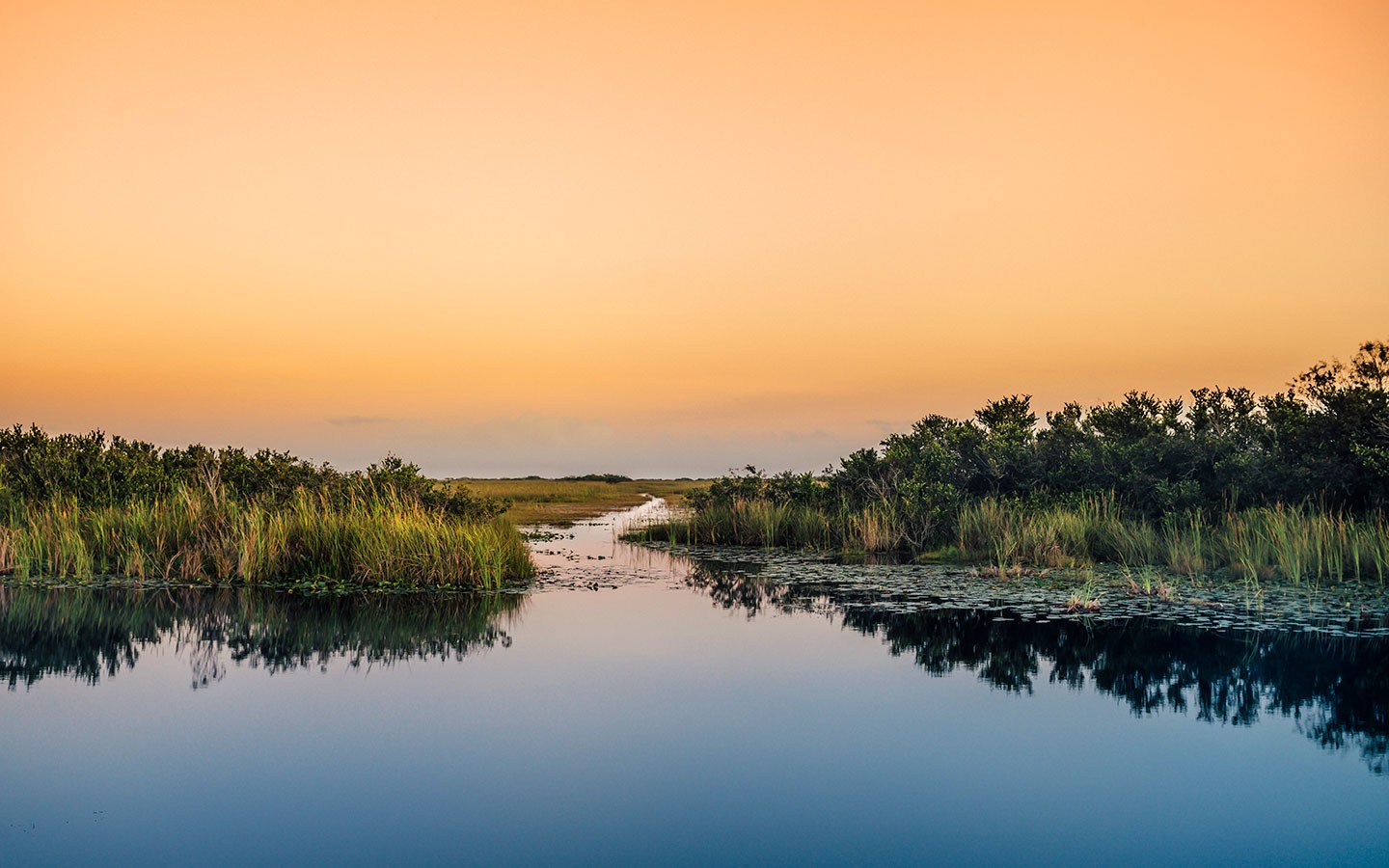 43 mi from MiamiThe Everglades National Park
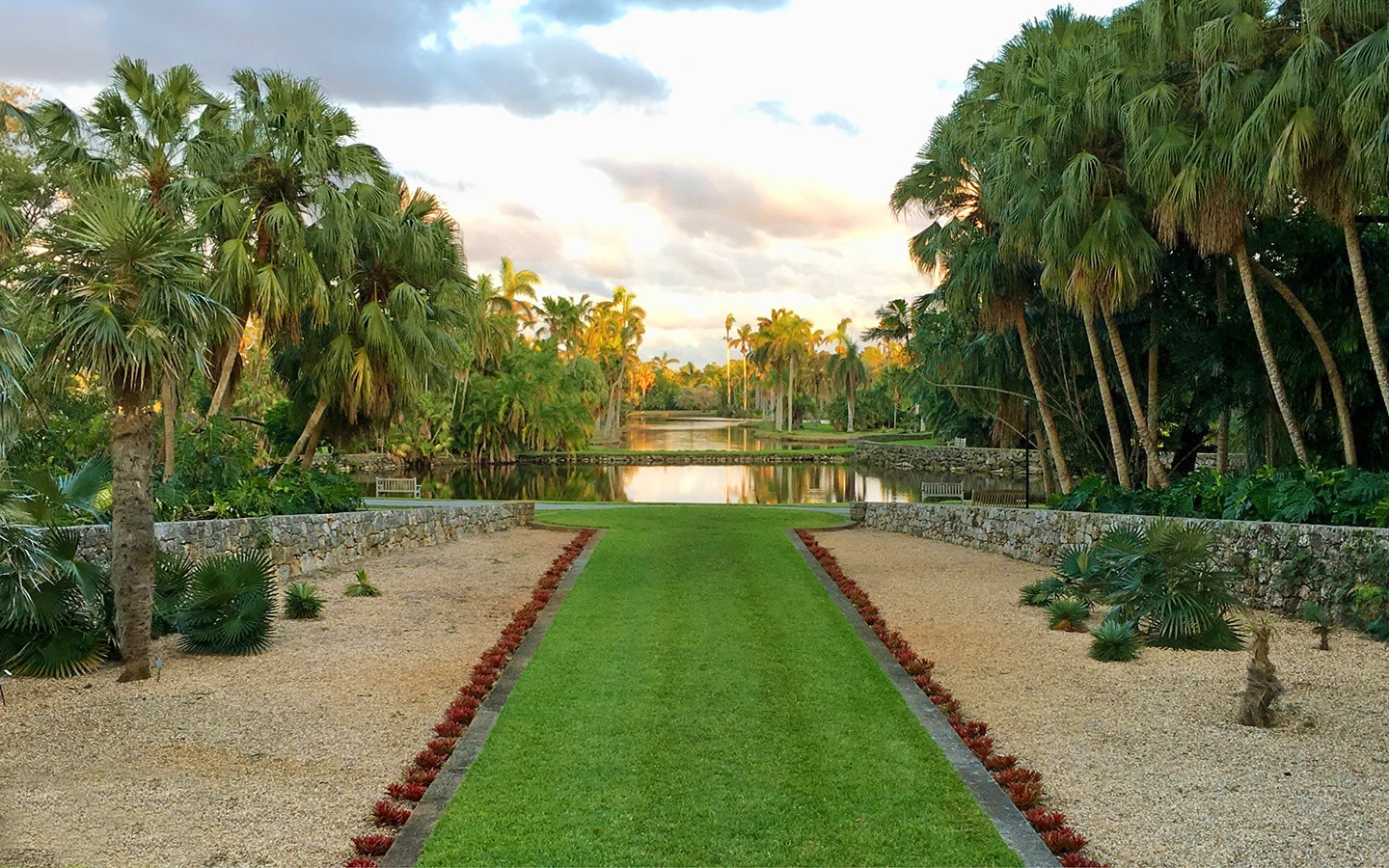 10 mi from MiamiFairchild Tropical Botanic Garden
 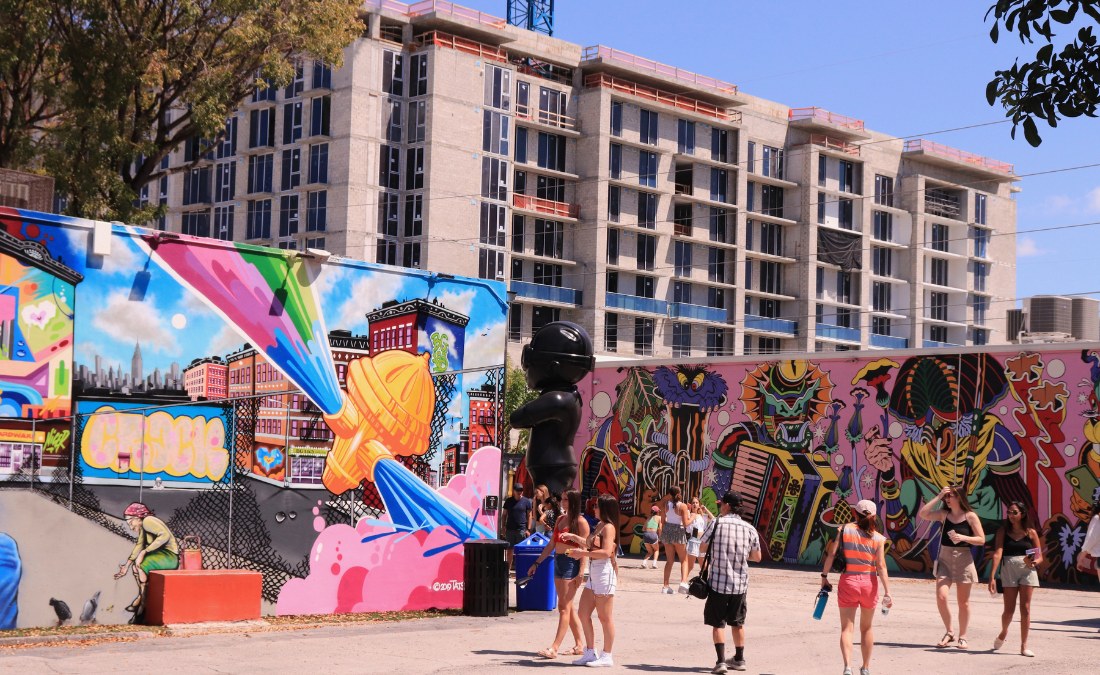 6 mi from Miami · land adventureMiami Beach: Art, Everglades & Cuban Soul at a Smart Price
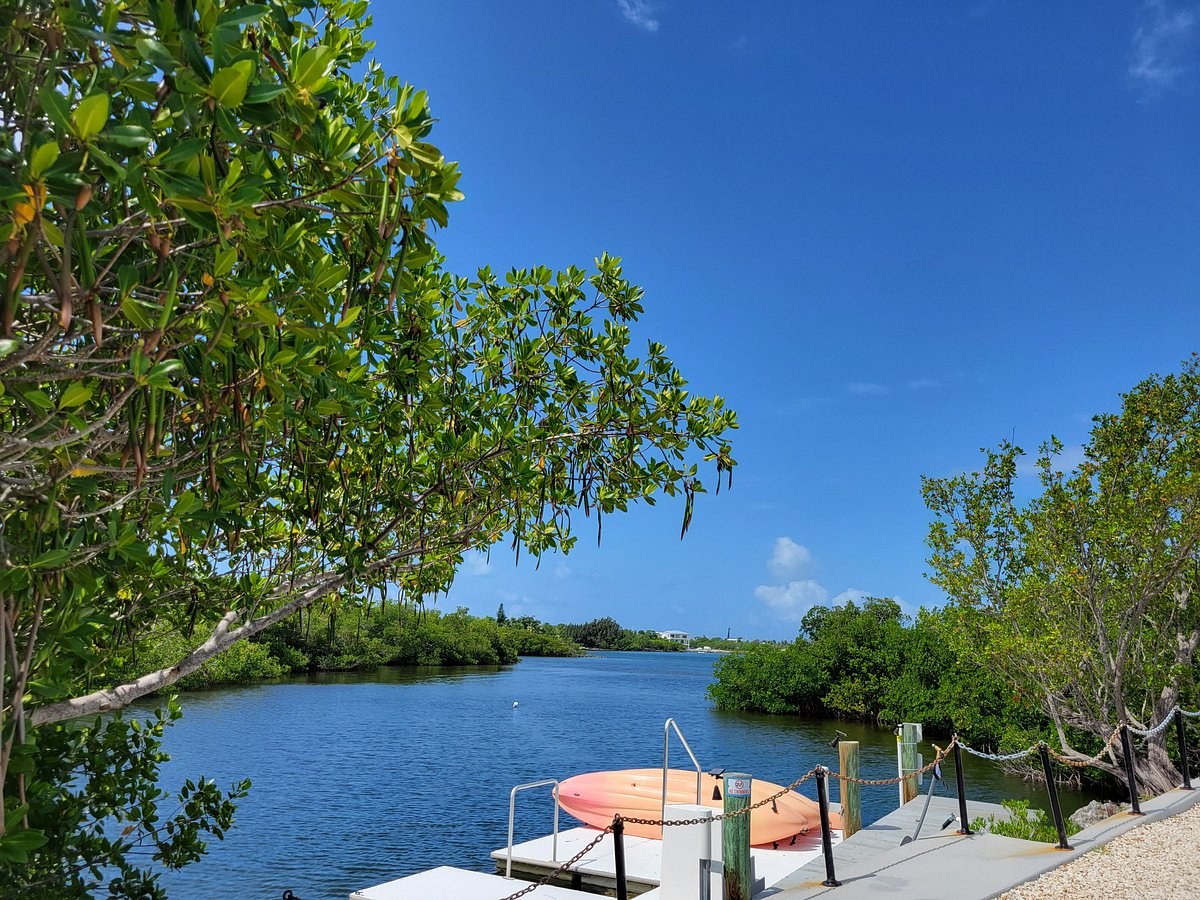 129 mi from Miami · land adventureSalt Air & Secrets: A Key West Road Trip Worth Lingering Over
 After you step off · near Panama City
You end in a different port — stay on, and add what is within reach before you fly home.