Your cruise
Star Pride · 14-night North America round trip from Montreal
Sep 27 – Oct 11 · 14 nights ·
Day 1 Montreal (board) · Day 2 Tad · Day 3 224 · Day 3 Saguenay Fjord · Day 4 at sea · Day 5 Cap-Aux-Meules · Day 6 S49 · Day 7–8 St. Johns · Day 9 St. Anthony · Day 10 Red Bay · Day 11 Bonne Bay · Day 12 Havre St. Pierre · Day 13 at sea · Day 14 200 · Day 14 Quebec City · Day 15 Montreal (step off)
What you do Enter Belém's breathtaking neoclassical opera house — a rival to Manaus's Teatro Amazonas — on a private guided tour of its gilded halls, painted ceilings, and storied rubber-boom stage. One of the Amazon's most dazzling monuments to 19th-century wealth.
What to expect Your guide meets you beneath the grand neoclassical portico and leads you through the foyer adorned with Italian marble and hand-painted allegories of the Amazon. The main auditorium reveals tiered balconies, a cast-iron stage, and a ceiling fresco depicting the four continents. Backstage, original rigging and dressing rooms evoke the era when European opera stars performed here for rubber barons. The surrounding Praça da República is equally grand — a shaded square perfect for reflection.
Good to know Teatro da Paz is open Tuesday–Friday 09:00–17:00, Saturday–Sunday 09:00–13:00. Located in the historic centre, a 10–15 min taxi from the port. Book private visits directly by phone or email in advance. Allow 1.5 hours. Check performance schedules — an evening concert is the ultimate upgrade if your ship overnights.
Versus the ship tour A private or expert-led visit grants access to backstage areas, the original royal box, and curatorial insight into Belém's extraordinary rubber-boom history that shaped this entire building — context that transforms a pretty room into a revelation.
What you do Explore the Museu Paraense Emílio Goeldi — one of the world's great Amazonian scientific institutions — with a private naturalist guide decoding 160 years of rainforest discovery. A living zoo, botanical garden, and world-class museum in one extraordinary compound.
What to expect Walk through a fragment of genuine Amazon rainforest in the heart of Belém, where free-roaming scarlet macaws share the canopy with capuchin monkeys. Your naturalist guide explains the museum's globally significant ethnobotanical and archaeological collections, then takes you through the aquatic area where Amazonian manatees glide beneath lily pads. The on-site anthropology museum houses extraordinary indigenous artefacts and pre-Columbian ceramics from the Marajó island culture. Unhurried, scholarly, and genuinely moving.
Good to know Open Tuesday–Sunday 09:00–17:00. Located in the Nazaré district, about 15 min by taxi from the port. Allow 2.5–3 hours with a private guide. Lightweight, breathable clothing and insect repellent are essential. Pre-arrange your naturalist guide via ToursByLocals at least 2 weeks before sailing.
Versus the ship tour A credentialed naturalist guide transforms the museum's Amazonian zoological park — home to manatees, giant river otters, harpy eagles, and anacondas — into a masterclass in Amazonian ecology, with scientific depth unavailable on a standard group visit.
What you do Discover Belém's most beloved landmark — the magnificent Basílica de Nossa Senhora de Nazaré — with a private cultural guide who unlocks its stunning Italian marble interior, golden altars, and its role as the heart of the Amazon's greatest festival. Rated 4.8 stars by thousands of visitors.
What to expect Arrive at the sweeping neoclassical façade of this 1909 basilica, modelled on St. Peter's in Rome, as morning light floods its twin bell towers. Inside, your guide navigates gilded chapels, Byzantine mosaics, and the sacred image of Nossa Senhora de Nazaré, the focus of two million pilgrims each October. The adjacent Museu do Círio displays the enormous rope used in the procession and centuries of votive offerings — miniature silver body parts, paintings, and written miracles — that form one of Brazil's most extraordinary folk-art collections. Serene, opulent, and profoundly human.
Good to know Open daily; best visited 08:00–11:00 before tour buses arrive. A 15-minute taxi from the pier. Dress modestly (shoulders and knees covered). The surrounding Praça Justo Chermont is a lovely post-visit coffee stop. Pre-book your private guide 2 weeks ahead.
Versus the ship tour A private guide reveals the extraordinary narrative of Círio de Nazaré — the world's largest Catholic procession — and interprets the ex-voto room (miraculous offering room), a deeply moving collection of offerings left by the faithful, that group visitors simply walk past.
book direct with Basílica Santuário de Nazaré (official) + private guide via ToursByLocals → · the full guide →
What you do Dine in style at Belém's iconic restored 19th-century iron dock warehouses on the Amazon River — a UNESCO-listed cultural space where Amazonian gastronomy meets art, music, and spectacular river views. The essential luxury Belém experience.
What to expect Three 19th-century iron-framed dock warehouses have been transformed into an airy riverside complex of restaurants, craft boutiques, and a microbrewery. At Lá em Casa, the landmark regional restaurant, you'll taste maniçoba (slow-cooked manioc-leaf stew), pato no tucupi (duck in Amazonian yellow broth), and Brazil's finest açaí-based desserts. The riverside promenade offers unobstructed views of river traffic, pink dolphins occasionally surfacing, and the distant green wall of the Amazon basin. A craft and cultural market runs through the complex most days.
Good to know Open daily from midday; busiest at lunch (12:30–14:30). A 5-minute walk or short taxi from the pier — one of the most port-convenient options on this list. Reserve a riverside table at Lá em Casa in advance via their website. Allow 2–2.5 hours. Ideal for those who want an exceptional, unhurried experience close to the ship.
Versus the ship tour The open-air riverside terrace at dusk — with the vast mouth of the Amazon stretching to the horizon and live choro or jazz playing in the dock — is one of South America's great dining moments, at a pace entirely your own.
What you do Wander Belém's exquisite riverside ecological park — a lush sanctuary of Amazonian birds, butterflies, and manatees at the confluence of the Guamá and Pará rivers — then climb the colonial lighthouse for one of the great panoramic views of the Amazon estuary.
What to expect Enter through gardens bursting with heliconias and Victoria amazonica water lilies as egrets and ibis stalk the banks. The walk-through bird sanctuary places you among free-flying macaws, toucans, and Amazon kingfishers with no barrier between you and the wildlife. A manatee rehabilitation pool lets you observe these gentle giants up close. Climb the 1867 Mangal lighthouse for a sweeping panorama of the Amazon estuary at its widest — an unforgettable geographical spectacle. The riverside restaurant serves cold fresh coconut water and regional snacks in a beautifully shaded setting.
Good to know Open Tuesday–Sunday 10:00–18:00. Located along the Estrada Nova waterfront, 15 minutes by taxi from the pier. Mornings are cooler and bird activity is highest before noon — aim to arrive at opening. Lightweight clothing, sun hat, and binoculars strongly recommended. Allow 2–2.5 hours. Pre-arrange a private naturalist guide via ToursByLocals for maximum wildlife insight.
Versus the ship tour The aviary houses over 30 species of Amazonian birds in a walk-through enclosure — scarlet macaws, herons, and roseate spoonbills at arm's length — while the butterfly house immerses you in iridescent species found nowhere else on Earth. Unhurried, intimate, and breathtakingly beautiful.
What you do Step inside one of North America's most breathtaking Gothic Revival interiors — gilded in cobalt, gold, and crimson — then witness AURA, an immersive nocturnal sound-and-light spectacular that transforms the basilica into pure magic.
What to expect A certified guide leads you through the basilica's jaw-dropping nave, explaining the symbolism of each hand-carved detail and the storied history of the parish. The AURA show then unfolds as projections ripple across altars, columns, and vaulted ceilings to an original orchestral score. The combination of intimate history and theatrical spectacle is unlike anything else in Montréal. Dress elegantly — the setting commands it.
Good to know The basilica is a 5-minute walk from the cruise terminal at the Iberville Passenger Terminal. Pre-book AURA well in advance — it regularly sells out. All-aboard times are typically evening; confirm your sailing's schedule before booking the AURA show.
Versus the ship tour Exclusive after-hours access to one of the world's most ornate interiors — 10,000 painted figures, soaring vaulted ceilings — transformed by a bespoke multimedia spectacle that feels entirely private once the public is gone.
What you do Descend beneath the streets of Old Montréal to the actual birthplace of the city — a UNESCO-recognized archaeological site where the layered foundations of four centuries of civilization lie perfectly preserved underfoot.
What to expect Your expert guide leads you through actual excavated ruins — Indigenous settlements, French colonial infrastructure, and 19th-century market foundations — all preserved beneath a striking contemporary museum building. Multimedia installations bring each era vividly to life without overwhelming the authenticity of the archaeology. The experience moves from ancient river channels to rooftop panoramas over the Old Port. It is equal parts scholarship and wonder.
Good to know Located in the heart of Old Montréal, approximately 10 minutes on foot from the cruise pier. Book private group experiences directly via the museum's event team. General admission requires no advance booking but private guided options must be pre-arranged.
Versus the ship tour A rare chance to walk through the literal underground birthplace of Montréal — ancient sewer systems, Indigenous trading posts, and colonial fortifications — guided by the museum's own expert archaeologists at an unhurried, discerning pace.
book direct with Pointe-à-Callière Cité d'archéologie et d'histoire de Montréal (official) → · the full guide →
What you do Explore cobblestone streets, 17th-century stone architecture, and hidden courtyards in the company of a passionate local expert who reveals the layers of French, British, and Indigenous history woven into every façade.
What to expect Your certified, bilingual MTL Détours guide meets you steps from the waterfront and leads you through Place d'Armes, Rue Saint-Paul, and the atmospheric lanes of Vieux-Montréal at a genuinely leisurely luxury pace. Stories range from Samuel de Champlain's founding vision to the Prohibition-era underground. The route adapts entirely to your curiosity — gastronomy, art, architecture, or intrigue. You leave with a sense of the city that no guidebook can replicate.
Good to know Old Montréal begins within walking distance of the cruise pier — no transport needed. Confirm the private rate and itinerary directly with MTL Détours by email before sailing. Wear comfortable shoes; cobblestones are beautiful but uneven.
Versus the ship tour Groups are strictly limited — often just your own party — so your guide calibrates every story to your interests, unlocking hidden courtyards, artisan workshops, and architectural gems that larger groups simply cannot access.
What you do Glide silently through Frederick Law Olmsted's masterwork park on a private e-bike, ascending to the famous belvedere lookout for a sweeping 360° panorama over the entire island of Montréal and the St. Lawrence River.
What to expect Pick up your premium e-bike steps from the Old Port and follow your guide up tree-lined paths past beaver ponds, historic monuments, and fragrant pine groves. The summit belvedere delivers one of the great urban views in North America — the skyscrapers of downtown framed by the vast St. Lawrence. Your guide shares the park's Olmsted design philosophy and Montréal's Indigenous and colonial history along the way. Descending is as joyful as the climb.
Good to know Ca Roule is located at 27 Rue de la Commune Est, Old Port — an easy 5-minute walk from the cruise terminal. Book private guided tours in advance by contacting the operator directly. The ride takes approximately 2.5–3 hours; allow extra time for the summit views.
Versus the ship tour An effortlessly elegant way to experience the mountain — no shuttle, no crowds, just you and a knowledgeable local guide summiting the park's wooded trails to a viewpoint that locals consider the soul of the city.
book direct with Ca Roule Montréal / Montréal on Wheels → · the full guide →
What you do Glide silently across the Old Port waterfront aboard a sleek electric boat, watching the iconic skyline of Vieux-Montréal unfold from the water — the perspective every photographer and romantic dreams of.
What to expect Departing from the Old Port's historic quays, your intimate electric vessel glides past the Clock Tower, Île Sainte-Hélène, and the striking panorama of Old Montréal's rooftops and church spires from the water. The guide narrates the city's river trade history, the fur-trade era, and the engineering marvels of the St. Lawrence Seaway. Champagne and light refreshments can be arranged for private charters. The golden hour light on the stone façades is simply unforgettable.
Good to know AML departs from the Old Port, steps from the cruise terminal. Pre-book a private charter for the most exclusive experience. Departures run throughout the day; select a morning slot to ensure you're back well before all-aboard.
Versus the ship tour A boutique, small-vessel experience on the very river that gave Montréal its raison d'être — silent electric propulsion means no engine noise, just the lap of water, the city's skyline, and the stories of your expert guide.
What you do Journey into the Laurentian wilderness for a safari-style drive through Parc Oméga — wolves, bears, elk, and woodland caribou roaming free — then restore at the legendary Fairmont Le Château Montebello, the world's largest log château.
What to expect Your private guide collects you from the pier in a premium vehicle and drives you 90 minutes into the Outaouais region, where Parc Oméga's 2,200 acres of boreal forest shelter over 400 free-roaming animals. You drive the 15km safari circuit at your own pace, windows down, feeding deer and watching wolf packs. Lunch at the Fairmont Montebello's storied log dining room follows — a Québécois culinary experience in a UNESCO-recognized architectural landmark. The return journey offers time to reflect on what is, simply, a supremely Canadian day.
Good to know This is a full-day excursion (approximately 9–10 hours); confirm your all-aboard time carefully before booking. ToursByLocals provides hotel/pier pick-up and drop-off. Parc Oméga and Montebello are approximately 135km from Montréal; best as a dedicated port day.
Versus the ship tour A fully private, door-to-door wilderness and heritage experience that puts you inside a living Canadian boreal ecosystem — hand-feeding deer from your vehicle window — before retreating to one of North America's grandest historic lodges for lunch.
book direct with ToursByLocals – Montréal Private Guides → · the full guide →
What you do A guided, small-group gastronomic odyssey across the Magdalen Islands — cheese factories, smoked fish smokehouses, and local microbreweries. The rarest way to taste the soul of this remote archipelago in a single day.
What to expect Your small group is collected at the port and whisked across the red-sand causeways connecting the islands. At each stop — a working cheese dairy, a traditional fish smokehouse, a microbrewery — you taste with the makers themselves. Expect warm baguette paired with Pied-de-Vent cheese, house-smoked herring, and a pint of local craft ale. The pace is unhurried; every meal doubles as a cultural masterclass in Acadian island life.
Good to know Book directly via the Tourisme Îles de la Madeleine guided-tours page well in advance — summer departures fill quickly. Tours typically run 4–5 hours, leaving comfortable buffer before all-aboard. Wear layers; sea breezes are brisk even in summer.
Versus the ship tour Expert Madelinot guides curate stops unavailable on any mass itinerary — artisan fromageries, family-run smoke-houses, and craft brewery tastings paced for genuine conversation with the producers, not a crowd.
book direct with Tourisme Îles de la Madeleine – Guided Tours → · the full guide →
What you do Board a small expedition vessel with Excursions en Mer for an intimate, naturalist-led voyage through the Gulf of St. Lawrence. Grey seals, harbour seals, gannets, and migrating whales are regular companions on these legendary waters.
What to expect The skipper and on-board naturalist know every rock, sandbar, and feeding channel in these waters intimately. Expect binoculars, expert commentary, and genuine wildlife encounters — grey seals hauled out on sandbars, gannets diving like arrows, and if timing is right, minke whales breaching in the distance. The vessel is small enough to pivot instantly toward any sighting. Hot drinks are served on cooler mornings.
Good to know Pre-book directly; departures can sell out days ahead in season. Bring a windproof jacket — even July mornings on the Gulf are fresh. Duration is approximately 2.5 hours, making it easy to combine with a port-side lunch before all-aboard.
Versus the ship tour Departing from Cap-aux-Meules harbour on a small, nimble vessel with a passionate local marine naturalist, you get close encounters that a large group simply cannot access — including drifting silently alongside seal colonies on isolated sandbanks.
What you do Soar tandem above the Magdalen Islands' iconic red sandstone cliffs and endless dune systems with Aerosport, the islands' premier aerial adventures specialist. Nothing rivals the view of this remote archipelago from 300 metres up.
What to expect After a brief ground briefing with your ACPQ-certified pilot, you launch from a clifftop or dune ridge and ride the thermals above the archipelago. The flight typically lasts 15–25 minutes, delivering sweeping views of Cap-aux-Meules, the lagoon sandbars, and the open Gulf. Landing is smooth and soft on the beach below. Your instructor narrates the landscape throughout — a living aerial map of the islands.
Good to know Weight limits apply (typically 40–100 kg); confirm at booking. Flights are weather-dependent — the operator communicates same-morning go/no-go. Located a short taxi ride from the port. Book in advance and allow 2 hours total including transfer and briefing.
Versus the ship tour A certified, experienced tandem instructor takes you solo — just you, them, and the sky. The aerial perspective of the islands' crimson cliffs curving into turquoise sea is utterly unique and completely impossible to experience from the ground.
book direct with Aerosport Îles de la Madeleine → · the full guide →
What you do Take a small ferry to Entry Island — the only English-speaking island of the Magdalen archipelago, with a population under 100 — and hike its dramatic headlands for panoramic views of the entire island chain. Remote, raw, and utterly unforgettable.
What to expect The CTMA ferry departs Cap-aux-Meules harbour for the 45-minute crossing to Entry Island. Ashore, you are greeted by wildflower meadows, free-roaming horses, and the warmth of a tiny, tight-knit Anglophone community. The trail to Big Hill winds through heather and coastal scrub before opening to one of Atlantic Canada's most spectacular vistas. The island has one small café for post-hike refreshment before the return crossing.
Good to know Ferry timetables are limited — check the CTMA schedule the moment you arrive in port and plan your return crossing with generous buffer time before all-aboard. Wear sturdy walking shoes and bring water; the island has no shops. This excursion suits independent, active travellers.
Versus the ship tour Entry Island receives almost no organised tourism — you arrive as a true independent explorer. The hike to Big Hill (174m, the highest point in the archipelago) rewards with a 360° panorama of the entire Magdalen chain that few travellers in the world have ever seen.
What you do Explore the dramatic coastal park on Cap-aux-Meules Island where crimson sandstone cliffs plunge into turquoise Gulf waters and hidden sea caves wait at low tide. This is the Magdalen Islands' most photogenic natural landmark, walking distance from the port.
What to expect The trail at Gros-Cap threads along clifftops of vivid red and ochre sandstone sculpted by wind and sea over millennia. At low tide, you can descend to the base and enter the sea caves, their walls streaked with mineral hues of amber, rust, and cream. The views across the lagoon toward the dune systems of Havre-aux-Maisons are spectacular. Birdlife — cormorants, kittiwakes, and petrels — nest in the cliff faces throughout summer.
Good to know The park is a short taxi or bicycle ride from the cruise pier — taxis are readily available at the port gate. Check the tide table before you go; cave access requires low tide. Allow 2–3 hours for a leisurely exploration. Bring a camera: the golden-hour light on those red cliffs is extraordinary.
Versus the ship tour Walking independently through this stunning coastal park at your own pace — pausing at the cliff edge, descending to the sea caves, lingering over every view — is a level of freedom and spontaneity that defines the Magdalen experience.
book direct with Parc de Gros-Cap (Municipalité des Îles-de-la-Madeleine) → · the full guide →
What you do Visit the Magdalen Islands' celebrated artisan fromagerie for a guided behind-the-scenes tour of its award-winning raw-milk cheese production, paired with an exclusive tasting of cheeses only available here, made from the dairy's own island-grazed herd.
What to expect Your artisan guide walks you through every stage of production — from the pasture where the island's own Canadienne-cross cattle graze on salt-tinged grasses, to the aging caves where wheels of Pied-de-Vent and Tomme des Demoiselles develop their complex island terroir. The tasting session that follows is generous and unhurried, accompanied by local bread and preserves. The farm shop offers bottles of local wine and charcuterie to take back aboard.
Good to know Located in Havre-aux-Maisons, roughly 15–20 minutes by taxi from Cap-aux-Meules port. Tour availability is seasonal (typically June–September); pre-book directly via their website or by phone. Combine with a stop at Dune du Sud beach on the return for a perfect half-day pairing.
Versus the ship tour Pied-de-Vent is not just a cheese producer — it is a living piece of Madelinot cultural identity. This small-group, expert-led tour takes you into the working dairy, introduces you to the herd, and lets you taste cheeses that are literally impossible to buy anywhere else on earth.
What you do Stand metres from 60,000 nesting gannets, murres, and kittiwakes on a dramatic sea stack — one of the most accessible seabird colonies on Earth. A raw, thunderous, utterly unforgettable natural spectacle.
What to expect Your expert guide collects you dockside and drives the scenic Avalon Peninsula, pausing at barrens and coastal viewpoints en route. At the Reserve, a short coastal walk delivers you to Bird Rock — a towering sea stack literally white with nesting northern gannets at arm's reach. The sound, the smell, the sheer density of life is overwhelming in the best possible way. Return journey includes a stop at a local seafood shack for fresh-caught crab.
Good to know Cape St. Mary's is roughly 2.5 hours each way from St. John's — allow a full day; confirm all-aboard time before booking. Best May–August. Pre-book your guide weeks in advance; slots fill fast.
Versus the ship tour A private naturalist guide narrates the ecology and bird behaviour up close; small vehicle, your own pace, none of the herding that large groups require on the narrow clifftop trail.
book direct with Destination St. John's – Guided Tours → · the full guide →
What you do Climb the windswept hill where Marconi received the first transatlantic wireless signal in 1901, with a private historian at your side and panoramic views of the narrows below. A genuinely world-changing spot, charged with atmosphere.
What to expect Your guide meets you at the base of Signal Hill and leads you up past 18th-century battery fortifications to Cabot Tower, unpacking 500 years of colonial, military, and technological history with storytelling flair. At the summit, the view over the Narrows — one of the most dramatic harbour entrances in the world — is breathtaking in any weather. Quirky Newfoundland lore and genuine wit keep even the most well-travelled guests thoroughly entertained. The descent winds through the historic Battery neighbourhood, a riot of colourful clapboard houses clinging to the cliff.
Good to know Signal Hill is a 15-minute taxi ride from the cruise terminal. Wear layers — it's reliably windy at the summit. Book private group slots directly via the website; public tour times also available daily.
Versus the ship tour Award-winning local guides deliver quirky facts and hidden stories you simply won't find in a guidebook — the Signal Hill chapter alone reframes the entire history of global communication.
book direct with St. John's Walking Tours → · the full guide →
What you do Newfoundland's flagship cultural institution houses world-class natural history, indigenous heritage, and contemporary art under one soaring roof — a sophisticated, unhurried immersion into the soul of the island.
What to expect Set on a commanding hill above downtown, The Rooms is architecturally striking — its form echoes the 'rooms' where fishermen once processed their catch. Inside, three floors range from Ice Age fauna to Inuit and Mi'kmaq artefacts, rare cartographic treasures, and bold contemporary Newfoundland art. A private curator opens restricted collections and contextualises the province's often-overlooked place in North Atlantic history. The panoramic terrace view over St. John's harbour is a quiet, unexpected highlight. The on-site café serves locally sourced lunch worth lingering over.
Good to know The Rooms is a 10-minute walk or 5-minute taxi from the cruise pier. Open Tuesday–Sunday. Book private curator sessions well in advance via therooms.ca. Allow 2–3 hours minimum.
Versus the ship tour A private curator-led session unlocks stories behind the collections that general admission visitors never hear — including the province's Norse, Beothuk, and Grand Banks fishing heritage told with genuine depth.
What you do Board a small, expert-crewed vessel to seek out drifting icebergs calved from Greenland glaciers and humpback whales feeding in Iceberg Alley — one of the planet's great wildlife spectacles, right off St. John's harbour.
What to expect Departing from the historic St. John's harbour, your captain — a seasoned marine naturalist — reads the sea for humpbacks, minke whales, and the ghostly blue-white towers of icebergs drifting south on the Labrador Current. In peak season (May–July) it's common to drift alongside 10,000-year-old ice the size of a townhouse while humpbacks breach just metres away. Puffins and gannets wheel overhead, adding to the sense of otherworldly abundance. Hot beverages and local expertise are on board throughout.
Good to know Iceberg season peaks May–early July; whales are most active June–September. Departure is from Harbour Drive, walking distance from the cruise pier. Dress in serious warm layers regardless of air temperature — the Labrador Current makes it cold at sea. Book private charters well ahead.
Versus the ship tour A small, manoeuvrable vessel gets dramatically closer to ice and wildlife than larger boats allow, and a private charter means the captain adapts the entire route to what's active that day — no fixed itinerary, just pure expedition energy.
book direct with Iceberg Quest Ocean Tours → · the full guide →
What you do Hike dramatic sea-cliff trails above crashing North Atlantic surf with a specialist guide — towering headlands, hidden sea stacks, and the raw, ancient beauty of the Avalon coastline, all within minutes of the ship.
What to expect Sections such as the Sugarloaf Path or the Deadman's Bay Path deliver vertiginous sea-cliff panoramas, fossil-rich rock faces, and views of Cape St. Francis that stretch to the horizon on clear days. Your guide shares the ecology, folklore, and geology of this ancient Precambrian coastline with genuine passion. Icebergs are frequently visible offshore in spring. Trailheads are accessible by taxi from the pier in under 20 minutes, making this a perfectly timed half-day adventure. Difficulty is adjustable — your guide will match the route to the group.
Good to know Wear sturdy walking shoes and waterproof layers. Confirm trail section and difficulty with the guide when booking. Half-day options (3–4 hours) fit comfortably within a typical port call. Book private guided hikes directly via eastcoasttrail.com.
Versus the ship tour The ECT guides are genuine trail experts who know every geological feature, wildflower, and seabird nesting site — this is not a scenic stroll but an immersive, expert-narrated encounter with one of Canada's most spectacular coastlines.
book direct with East Coast Trail Association → · the full guide →
What you do Wander the famously vivid 'Jellybean Row' Victorian streetscapes with a local guide, then settle into St. John's most celebrated tables for a curated tasting journey through wild Newfoundland ingredients — cod, seal, bakeapple, and beyond.
What to expect The walk begins on the iconic slope of Gower Street, where rows of candy-coloured Victorian townhouses have made St. John's one of Canada's most photogenic cities. Your guide explains the social history behind every facade — merchant families, fish barons, and the great fire of 1892 — with wit and warmth. Lunch or a curated tasting at a top-rated downtown restaurant follows, showcasing NL classics: pan-fried cod tongues, toutons with partridgeberry jam, and locally distilled Iceberg vodka. The whole experience feels like having a brilliant local friend show you their city. Water Street and Duckworth Street boutiques are nearby for browsing.
Good to know The walking tour departs from downtown, a 10-minute taxi from the pier. Combine the heritage walk (morning) with a restaurant reservation (lunch) for the ideal half-day. Book restaurant tables in advance — top spots like Raymond's and Raymonds fill quickly in summer.
Versus the ship tour An award-winning local guide unlocks the architectural history, neighbourhood gossip, and cultural quirks of downtown St. John's, then connects you with the chefs and producers behind Newfoundland's quietly brilliant food scene — impossible to replicate independently.
book direct with St. John's Walking Tours → · the full guide →
What you do Drift alongside colossal icebergs calved from Greenland glaciers and watch humpback whales breach in the Labrador Current. This is the single most iconic experience the Strait of Belle Isle offers — raw, primal, and utterly unforgettable.
What to expect Board a purpose-built expedition vessel right from the St. Anthony waterfront. Your naturalist guide reads the water for whale spouts and positions the boat for optimal sightings of humpbacks, minke whales, and the occasional fin whale. Towering blue-white bergs dwarf the craft as you drift close enough to hear the ice crackle and groan. Seabirds — gannets, puffins, murres — wheel overhead completing a sensory feast that defines sub-Arctic adventure.
Good to know Tours run approximately 2–2.5 hours; book the first morning departure to maximise iceberg light. Pre-booking is essential in July–August — spaces sell out weeks in advance. The pier is a short, flat walk from the cruise dock. Dress in windproof, waterproof layers regardless of air temperature; the Labrador Current keeps the strait cold.
Versus the ship tour Small-vessel, expert-guided tours with naturalist commentary put you feet from the ice and the whales — a scale and intimacy that a large tender simply cannot replicate. The Zodiac-style craft navigates right into iceberg bays for photographs that look like fine-art prints.
What you do Stand on the only authenticated Norse settlement in the Americas — where Leif Eriksson's crew camped 1,000 years before Columbus. Reconstructed longhouses, original excavation pits, and a world-class interpretive centre make this one of the great historical pilgrimages on earth.
What to expect The site sits at the tip of the Great Northern Peninsula, a windswept headland that looks much as it did when Norse explorers dragged their knarr ashore circa 1000 CE. Costumed interpreters in the reconstructed sod longhouses demonstrate iron-smelting and boat repair while archaeologists' original excavation trenches remain visible nearby. The Parks Canada interpretive centre displays genuine Norse artefacts and explains how the site was discovered by Helge and Anne Ingstad in 1960. On clear days the views across the Strait of Belle Isle to Labrador are breathtaking.
Good to know L'Anse aux Meadows is approximately 45 km from St. Anthony — allow at least 4 hours return including time on site. Confirm your ship's all-aboard time carefully and build in a buffer; arrange a private driver rather than relying on shared shuttles to protect your schedule. The site is open late May to mid-October; peak season guides are on-site daily.
Versus the ship tour Arrange a private vehicle with a knowledgeable local driver-guide and you control the pace entirely — lingering inside the longhouses, engaging costumed interpreters one-on-one, and arriving before the coach crowds. The 45-minute drive through the Northern Peninsula barrens is itself a dramatic landscape experience.
What you do Walk the dramatic headland trails of Fishing Point Municipal Park to the iconic red-and-white lighthouse — a clifftop perch where humpback whales surface in the bay below and icebergs parade past the point. One of the most photogenic walks in Atlantic Canada.
What to expect The trail system winds through boreal coastal heath to the Fox Point Lighthouse, perched above crashing Atlantic surf. Interpretive panels explain the ecology of the Labrador Current, and benches are perfectly placed for whale-watching without binoculars. The Santana Trail climbs 476 steps to panoramic views over the entire bay — a satisfying workout rewarded with one of Newfoundland's finest vistas. Wildflowers, bald eagles, and the smell of salt spray accompany every step.
Good to know The park entrance is approximately a 15-minute walk from the cruise pier — flat and easy. Allow 1.5–2 hours for the lighthouse loop; add an hour for the Santana Trail climb. Wear sturdy walking shoes; the trails are well-maintained but rocky in sections. No pre-booking required — simply walk in.
Versus the ship tour Self-guided or privately guided, you walk at your own pace, stopping as long as you like at every clifftop viewpoint. The park is an easy stroll from the cruise dock — no bus required — giving you complete flexibility to linger when a whale surfaces or an iceberg drifts into the cove.
What you do Explore the remarkable legacy of Sir Wilfred Grenfell — the English physician who transformed the entire Labrador and Northern Peninsula coast — through his beautifully preserved home, hospital, and the extraordinary Jordi Bonet murals. A deeply moving, world-class heritage experience.
What to expect Begin at the Grenfell Interpretation Centre to understand the medical mission that defined northern Newfoundland for a century. Step inside Grenfell House — a National Historic Site — furnished exactly as it was when the doctor lived and worked here. The highlight for many is the stunning triptych of ceramic tile murals by Jordi Bonet in the International Grenfell Association building, depicting the history of the Labrador coast in extraordinary detail. Guided tours run regularly and are intimate in size, allowing genuine conversation with knowledgeable staff.
Good to know The properties are a short, flat walk from the cruise pier through the heart of St. Anthony. Allow 2–2.5 hours to do all three sites justice. Open late spring through early autumn; guided tours run on a schedule — check current times on the website and arrive early to secure a spot. Combination tickets offer the best value and coverage.
Versus the ship tour An expert local guide brings Sir Wilfred's story vividly to life — the Arctic medicine, the dogsled rescues, the industrial and craft legacies he left behind. The Jordi Bonet murals alone, a monumental Catalan-Canadian artwork, are reason enough to visit; few travellers outside Newfoundland have ever seen them.
book direct with Grenfell Historic Properties → · the full guide →
What you do Conquer the Dare Devil Trail — St. Anthony's most exhilarating hike — for sweeping panoramic views over iceberg-scattered St. Anthony Bight, the town, and the vast boreal interior. Rated 4.7 stars, this trail delivers the kind of horizon that re-calibrates your sense of scale.
What to expect The trail ascends steeply through boreal forest before breaking onto open, lichen-covered rock ridges with 360-degree views. On a clear day you can see icebergs drifting through St. Anthony Bight and, on the best days, the Labrador coast across the strait. Arctic hares are frequently spotted on the upper slopes, and the silence broken only by wind and distant surf is profound. The descent back into town feels like returning from a different world.
Good to know Allow 2–2.5 hours for the full trail. Wear proper hiking boots — the ridge sections are rocky and can be wet. Bring water and a windproof layer; ridge temperatures drop sharply even in August. The trailhead is accessible from central St. Anthony; ask at the pier for current directions. No booking required.
Versus the ship tour A self-guided adventure on a well-marked, dramatic ridge trail — no crowds, no commentary, just raw Newfoundland wilderness. The elevation gain and exposed ridgeline give an exhilarating sense of true sub-Arctic landscape that few cruise travellers ever experience.
What you do Join Iceberg Alley Boat Tours for an intimate evening voyage through St. Anthony Bight, where the golden sub-Arctic light transforms drifting bergs into luminous sculptures and whales feed in the calm evening waters. An atmosphere unlike anywhere else on Earth.
What to expect Depart from the St. Anthony harbour on a purpose-rigged tour vessel and head into the Bight where icebergs from the Greenland ice sheet have drifted south on the Labrador Current. Your experienced skipper narrates the natural history of the region while manoeuvring close to the great bergs — some the size of office buildings. Humpback whales are frequently encountered feeding on capelin in the evening hours, and the sub-Arctic light at golden hour gives the whole scene an otherworldly, painterly quality.
Good to know Check departure times against your ship's all-aboard schedule — evening sailings may be tight depending on your port call length. Pre-booking is strongly recommended, especially in peak season (July–August). The harbour is a short, flat walk from the cruise pier. Dress warmly in layers; evening temperatures on the water can be surprisingly cold even in summer.
Versus the ship tour A small, locally operated vessel with a maximum of a few dozen guests — not hundreds — guided by a skipper whose family has worked these waters for generations. The local knowledge of where the bergs drift and where the whales feed is irreplaceable, and the evening light on the ice is a photographer's dream.
book direct with Iceberg Alley Boat Tours → · the full guide →
What you do Step aboard a Parks Canada guided tour to the world's best-preserved 16th-century Basque whaling station — a UNESCO World Heritage Site. Cross by ferry to Saddle Island to walk among skeletal chalupa boats, a sunken galleon, and centuries-old tryworks.
What to expect A knowledgeable Parks Canada interpreter leads your small group on a 1-hour guided walk and ferry crossing to Saddle Island, where the remains of the San Juan galleon lie preserved in the icy harbour shallows. You'll examine the excavated chalupa (whaling boat) — the oldest and best-preserved craft of its kind anywhere — and stand inside reconstructed tryworks ovens where whale oil was rendered in the 1560s. The on-site Visitor Interpretation Centre houses extraordinary artifacts, including a near-complete chalupa and the skeletal remains of Basque whalers, presented with genuine scholarly depth. The entire experience rewards slow, contemplative exploration — this is living archaeology, not a theme park.
Good to know Tours depart from the Red Bay NHS Visitor Centre on Main Street, a short walk from the pier. The guided walk and ferry tour runs approximately 1 hour; allow 2–2.5 hours total with the interpretation centre. Pre-booking is strongly advised in summer — call Parks Canada (1-888-773-8888) or book via the Parks Canada reservation portal. Confirm all-aboard time and leave at least 45 minutes buffer.
Versus the ship tour Parks Canada interpreters are among North America's most authoritative guides on Basque maritime heritage — this is expert-led, small-group access to a UNESCO site most of the world has never heard of, at an unhurried, discerning pace.
book direct with Parks Canada – Red Bay National Historic Site → · the full guide →
What you do Commission a private, expert-led interpretation session at Saddle Island with a specialist Parks Canada archaeologist-interpreter — the ultimate deep-dive into the UNESCO Basque whaling heritage site. Reserved for travelers who want exclusive scholarly access.
What to expect Your private interpreter meets you at the Visitor Centre and escorts your exclusive group by ferry to Saddle Island, walking you through the exact excavation trenches where 16th-century Basque whalers lived, worked, and were buried. You'll handle replica artifacts, learn the techniques of 500-year-old whale-oil production, and hear the remarkable story of how this remote Labrador bay supplied Europe's lamp oil for decades. The interpreter tailors the narrative to your group's interests — maritime history, archaeology, or the human stories of the whalers themselves. Back at the centre, a private viewing of the chalupa and skeletal remains rounds out an experience that feels closer to a private museum opening than a public tour.
Good to know Private programming must be arranged well in advance — contact Parks Canada directly at 1-888-773-8888 or via the Red Bay NHS contact form. Wear sturdy, waterproof footwear; Saddle Island terrain is uneven. The ferry crossing takes approximately 5 minutes. Factor in 3+ hours for the full private experience and confirm departure timing against your ship's all-aboard.
Versus the ship tour Private group programming with a dedicated interpreter means your party has the archaeologist — and effectively the island — to yourselves. Depth of scholarship, unhurried access, and the ability to ask expert questions at every stop make this genuinely irreplaceable.
book direct with Parks Canada – Red Bay National Historic Site (private programming) → · the full guide →
What you do Ascend Labrador's iconic Point Amour Lighthouse — the tallest in Atlantic Canada — for panoramic views across the Strait of Belle Isle. A private guide unlocks the tower's full history and military past for an unforgettable vantage point over iceberg waters.
What to expect Your private transport takes you along the dramatic Labrador coastline to Point Amour, where the 33-metre stone lighthouse has guided mariners through iceberg-laden waters since 1857. Climbing the 122 spiral steps to the lantern room rewards you with staggering 360-degree views across the Strait of Belle Isle — on clear days, Newfoundland is visible on the horizon. Your guide narrates the keeper's quarters, the lighthouse's role in both World Wars, and the remarkable story of HMS Raleigh, a British cruiser that foundered nearby in 1922. The adjacent keeper's dwelling is an immaculately restored museum, and the surrounding barrens are alive with seabirds.
Good to know Point Amour is approximately 20 km from Red Bay — private transport is essential. The lighthouse opens seasonally (mid-June to early September); confirm hours before your visit. The 122-step climb is steep but manageable for most guests; not suitable for those with severe mobility limitations. Return to pier takes under 30 minutes, making this comfortably achievable within a half-day port call.
Versus the ship tour The lighthouse is only accessible by a 20-minute drive from Red Bay — making private transport essential. A knowledgeable local guide brings the 1857 Imperial lighthouse and its WWII submarine-detection history vividly to life in a way a solo visit cannot.
What you do Embark on an exhilarating small-group Zodiac expedition through the Strait of Belle Isle — prime habitat for humpback whales, minke whales, and drifting icebergs — with an expert naturalist guide narrating every encounter.
What to expect Your expert naturalist skipper launches from Red Bay's protected harbour into the Strait of Belle Isle, one of the most productive whale-feeding corridors in the western North Atlantic. Humpback and minke whales are frequently encountered at close range between June and September, while towering icebergs drift south from Greenland through the strait well into summer. The Zodiac's agility allows the guide to position you for extraordinary photography — close enough to hear a humpback exhale. Seabirds including gannets, murres, and puffins escort the boat, and the dramatic Labrador coastline provides a spectacular backdrop throughout.
Good to know Zodiac tours are highly weather-dependent — sea conditions in the Strait of Belle Isle can change rapidly. Book as early in your port call as possible to allow flexibility if a morning departure is postponed. Wear full waterproofs and warm layers — even in July, temperatures on the water can be bracingly cold. The Labrador Straits Regional Tourism Association can connect you with the right local operator; call ahead or email via labradorstraits.net to confirm availability.
Versus the ship tour Small Zodiac vessels get dramatically closer to wildlife and icebergs than large tender boats — you'll feel the spray, hear the whale song, and touch the ice in a way that simply isn't possible from a larger vessel.
What you do Walk the haunting Boney Shore — where centuries of whale bones and Basque artifacts litter the tideline — and visit the excavated whalers' graveyard with a private historian for an intimate encounter with 16th-century life and death on the Labrador coast.
What to expect Your private Parks Canada interpreter meets you at the Red Bay NHS Visitor Centre and leads you along the Boney Shore, where the bleached remains of bowhead, right, and sperm whales — processed here 500 years ago — are still visible in the shallows and along the beach. The whalers' graveyard contains the excavated and respectfully presented remains of young Basque sailors, many in their teens, who died far from the Basque country of Spain and France in pursuit of whale oil fortunes. Your historian brings individual names and stories to life using archival records, creating an unexpectedly moving experience. The walk concludes with a private viewing of the Visitor Centre's extraordinary chalupa and artifact collections.
Good to know This walk is entirely at sea level and relatively flat — suitable for most guests. Allow 1.5–2 hours for the full private walk and museum viewing. The shoreline can be slippery — sturdy waterproof footwear is essential. Arrange private programming well in advance through Parks Canada (1-888-773-8888). The Visitor Centre is a 5-minute walk from the cruise pier, making this the most logistically straightforward excursion available in Red Bay.
Versus the ship tour The Boney Shore is one of the most evocative and undervisited stretches of coastline in Canada — walking it with a private historian who can identify specific whale species from bone fragments and recount individual whalers' stories transforms it from a curiosity into a profound human experience.
book direct with Parks Canada – Red Bay National Historic Site (interpretive programming) → · the full guide →
What you do Glide by boat through a landlocked fjord walled by 700m cliffs and waterfalls, carved by glaciers inside Gros Morne National Park.
What to expect You'll walk about 3km from the highway parking lot across boreal bog on a boardwalk trail to reach the dock. The boat then cruises the full length of the fjord, passing sheer rock walls, hanging valleys, and cascading waterfalls, with a guide narrating the geology and wildlife. Bald eagles and black bears are sometimes spotted along the shoreline. It's widely considered the single most dramatic scenery in Atlantic Canada.
Good to know Book the 10am sailing (call 1-888-458-2016) to leave the afternoon free; the trailhead is roughly 25-30 minutes' drive from Norris Point, so arrange a taxi/rental in advance and allow the walk-in time before departure.
Versus the ship tour Small boat capacity and a 45-minute walk-in trail keep this uncrowded and unhurried, unlike a bus-tour crowd scene — the fjord feels genuinely remote.
What you do Sail Bonne Bay aboard a catamaran while a guide explains how the ochre, barren Tablelands are exposed 450-million-year-old earth mantle — one of only a few places on the planet where you can walk on it.
What to expect The EMM-CAT departs from Norris Point and cruises past Woody Point toward the Tablelands, with the captain and crew pointing out the stark, rust-coloured peridotite mountains that support almost no plant life. Onboard commentary covers the region's Gondwana-era origins and the fjord's formation. Some sailings include a tongue-in-cheek Screech-In ceremony inducting passengers as honorary Newfoundlanders.
Good to know Confirm the 2pm departure (the most popular) against your all-aboard time; book directly with Bon Tours as sailings fill quickly in peak season.
Versus the ship tour An expert-led sail paired with an optional Screech-In ceremony gives real local flavour and geology context rather than a generic harbour cruise.
book direct with Bon Tours (EMM-CAT catamaran) → · the full guide →
What you do A short, self-guided walk across an otherworldly orange-brown landscape of exposed mantle rock, utterly unlike anywhere else accessible on foot.
What to expect The trail begins at a small parking area off Route 431 and follows a gentle gravel path along a stream valley into the barren Tablelands massif. Peridotite rock, toxic to most plants, creates a rust-red desert-like scene in stark contrast to the green fjords nearby. Interpretive panels explain plate tectonics and the rare pitcher plants that do survive here. Most visitors walk 40-60 minutes round trip to the base of the massif.
Good to know Wear sturdy shoes — no shade and uneven ground; pair it with the catamaran tour or Woody Point visit since it's just outside town, and buy the day pass at the visitor centre or self-serve kiosk.
Versus the ship tour No ticket, no crowd control — just a well-maintained trail across a UNESCO-listed geological rarity, best walked slowly at your own pace with an interpretive pamphlet.
book direct with Parks Canada / Gros Morne National Park (self-guided, official trail) → · the full guide →
What you do A small-group Zodiac ride along Gros Morne's coastline with a local guide tracking whales, seabirds, and the fishing outport communities most visitors never reach.
What to expect You'll depart by inflatable Zodiac, low and fast on the water, threading along cliffs and coves inaccessible to larger boats. The guide points out minke and humpback whale activity, bald eagles, and seabird colonies, while sharing history of the small fishing communities dotting the shoreline. The open-air, close-to-water perspective feels far more immersive than a standard tour boat.
Good to know Bring a windproof layer — Zodiacs move quickly and spray is common; book ahead as groups are deliberately kept small and fill early in cruise season.
Versus the ship tour Capped-capacity Zodiacs and a guide who grew up in these outports mean genuine storytelling and closer wildlife approach than any larger vessel allows.
book direct with Gros Morne Adventures (Zodiac Tours) → · the full guide →
What you do Wander the small, weather-worn fishing village of Woody Point at golden hour — heritage buildings, an old theatre, and Bonne Bay Inn's ocean-view deck where whales sometimes surface just offshore.
What to expect A gentle stroll along the waterfront reveals brightly painted heritage homes, the old courthouse, and the restored Heritage Theatre, which hosts local storytelling and music. Locals are generally happy to chat, and the pace here is unhurried compared to anywhere else on the itinerary. Many visitors linger at Bonne Bay Inn's deck with a coffee or seafood plate watching for whales, dolphins, or the occasional shark fin in the bay.
Good to know Time your visit for late afternoon light; the village is walkable in under an hour but the Inn's deck rewards lingering — check theatre schedule ahead if a show coincides with your call.
Versus the ship tour This is the unscripted Newfoundland experience — a real outport with 300 residents, not a curated stop, where a meal with a view can turn into a whale sighting.
What you do A small, science-driven aquarium and touch-tank centre run by Memorial University researchers, offering real insight into the marine life of the fjord just outside your window.
What to expect Inside, touch tanks let visitors handle sea stars, urchins, and other local marine species while researchers or students explain the fjord's unusual ecosystem, where deep, cold Atlantic water meets a landlocked-feeling bay. Exhibits cover Bonne Bay's unique oceanography, formed by its narrow, glacially-carved entrance. It's compact but genuinely informative, appealing to curious travelers rather than families with young children alone.
Good to know Located in Norris Point, an easy walk from the Bon Tours dock — pair it with the catamaran or Zodiac tour on the same afternoon; check seasonal hours as they can be limited outside peak summer.
Versus the ship tour A working research station, not a tourist aquarium — touch tanks and exhibits are curated by the marine biologists actually studying these waters.
book direct with Bonne Bay Marine Station (Memorial University) → · the full guide →
What you do Glide by private boat through Canada's most otherworldly seascape — the Mingan Archipelago — where colossal limestone monoliths rise from the Gulf and puffins skim the waves. This is bucket-list Quebec at its most raw and magnificent.
What to expect Board a nimble zodiac or covered tour vessel at the Havre-Saint-Pierre marina and set out across the turquoise Gulf of St. Lawrence toward the park reserve's inner islands. Your bilingual naturalist guide narrates the geology, Innu history, and wildlife at every stop. You'll walk the flower-carpeted island interiors, photograph puffins and common eiders at close range, and stand beside the towering limestone pillars that have defined this coastline for millennia. The return crossing delivers a sweeping panorama of the Côte-Nord shore.
Good to know Departures are morning-heavy; book the earliest slot to maximise island time before all-aboard. Pre-book directly — tours sell out weeks ahead in summer. Wear layers; Gulf breezes are cool even in July. Transfer: 5-minute walk from cruise pier to marina.
Versus the ship tour Small-boat intimacy with a local marine naturalist guide who reads the tides and wildlife patterns — you land on islands inaccessible to larger vessels, getting up-close to nesting seabirds, seals hauled out on rock shelves, and the famous sculpted monoliths in near-private silence.
What you do Step ashore the jewel of the Mingan Archipelago — Petite Île au Marteau — where a lovingly restored 19th-century lighthouse stands sentinel over Gulf waters teeming with whales and seabirds. History, wilderness, and silence in one extraordinary stop.
What to expect After a scenic Gulf crossing, step onto the wooden dock of Petite Île au Marteau and enter a perfectly preserved 19th-century lightkeeper's world. Parks Canada heritage interpreters lead you through the keeper's dwelling, the fog-alarm building, and the tower itself, recounting the isolation and drama of life on this exposed promontory. Outside, the boardwalk winds past carpets of Arctic flora and overlooks a favourite seal haul-out. Whales — minke and fin — are commonly spotted from the island's southern tip between July and September.
Good to know Combine with the Services Maritimes Boréale island-hopping tour, which includes this island on select itineraries. Confirm the stop when booking. Sturdy shoes essential — dock landing can be slippery. All-aboard timing: allow at least 4 hours total including transit.
Versus the ship tour Parks Canada's resident heritage interpreters bring the lighthouse keeper's life vividly to life inside the original structures — a depth of historical storytelling you simply cannot get passing by on a larger vessel. The island's rare flora and resident seal colony make every minute ashore count.
What you do Follow a dramatic coastal trail to the wild headland of Cap Ferré, where limestone sea caves, sunbathing grey seals, and unbroken panoramas of the Gulf of St. Lawrence reward every step. Quebec's north shore at its most primal.
What to expect The trail from the trailhead near town winds through boreal forest before breaking onto exposed limestone cliffs high above the Gulf. The cave section — where the sea has sculpted chambers and arches into the rock face — is a highlight that astonishes even seasoned hikers. Further along, the headland's lower ledges host a resident grey seal colony visible at close range from the clifftop path. Views on a clear day extend 30 kilometres across the Gulf toward the outer Mingan islands. A guided option pairs the walk with expert commentary on the area's geology and Innu heritage.
Good to know Moderate fitness required; trail is approximately 8 km return. Allow 3–4 hours. Wear hiking shoes and carry water — there are no facilities on trail. Tourist office is a 10-minute walk from the cruise pier and can arrange local guides on short notice.
Versus the ship tour A genuinely off-the-beaten-path natural spectacle that remains uncrowded: ancient sea caves carved by the Gulf, wild berry meadows, and seals basking just metres away on the rocks below the clifftops. The pace is entirely your own.
book direct with Tourisme Côte-Nord / Bureau d'Information Touristique de Havre-Saint-Pierre → · the full guide →
What you do Cross into the living territory of the Innu Nation at Ekuanitshit — the Indigenous community of Mingan — for an intimate, guide-led encounter with one of Canada's oldest continuous cultures, their relationship to this land, and their magnificent artistic traditions.
What to expect The Innu community of Ekuanitshit sits just 10 minutes by road from Havre-Saint-Pierre, on land their people have inhabited for thousands of years. Community guides lead visitors through the cultural centre, explain traditional hunting and fishing practices, and introduce the vibrant visual art and beadwork for which this community is celebrated across Quebec. Conversations are unhurried and personal — elders sometimes join to share oral histories of the Gulf coast and the archipelago the Innu call home. The experience closes with a tasting of traditional foods including bannock and smoked fish.
Good to know Arrange in advance through the council's cultural office — walk-in capacity is limited out of respect for the community. A short taxi or rental car ride from the pier (approx. 10 min). Dress modestly and follow all community guidelines on photography.
Versus the ship tour An authentically community-run experience in which Innu members — not outside operators — share their own stories, traditions, and relationship to the Mingan coast on their own terms. Rare, respectful, and profoundly moving.
What you do Step inside Havre-Saint-Pierre's finest cultural treasure — a heritage home turned museum where the Acadians and Channel Islanders who forged this remote fishing capital left behind a breathtaking archive of Gulf Coast life. Small, superb, and entirely authentic.
What to expect This beautifully restored heritage house chronicles the settlement of the Côte-Nord by Madelinot fishermen and their descendants from the early 19th century onward. Artefacts, photographs, navigational charts, and personal testimonies fill each room, painting a vivid portrait of life at the Gulf's edge — the cod fishery, the seal hunts, the devastating isolation of winter. A knowledgeable guide (French and English available) contextualises the objects with stories that bring the settlers' tenacity and ingenuity to life. The building itself, with its period-accurate interiors, is an architectural gem worth savouring room by room.
Good to know Located in the heart of Havre-Saint-Pierre, a 10-minute walk from the cruise pier. Open daily in summer; visits last 45–75 minutes. Combine with a stroll along the waterfront promenade and a stop at the local artisan market for a full morning ashore.
Versus the ship tour One of Quebec's most intimate and genuinely personal regional museums — curated not for mass tourism but for people who want the real story of an extraordinary community at the edge of the known world. The guided interpretation is exceptional and deeply local.
What you do Cruise the sweeping coastal road of the Côte-Nord on an electric bike, pausing at viewpoints, wild beaches, and artisan stops that reward those who explore at their own pace. Quebec's most remote shore, effortlessly conquered.
What to expect Pick up your premium electric bike from the Becyk outfitter near the waterfront and set off along the Route 138 coastal corridor and its quieter offshoots. The terrain is gentle but the scenery is spectacular — boreal forest gives way to wide Gulf vistas at every rise, and the scale of the sky over the Mingan coast is humbling. Pause at the marina to watch fishing boats unload their catch, ride out to a deserted pebble beach for a private Gulf moment, or follow the signs toward the Chute waterfall trail. The e-bike range allows for 30–50 km of exploration with ease.
Good to know Reserve in advance during summer — fleet is limited. Helmets provided. Bring a light waterproof layer. Plan your route with the outfitter to include a coastal viewpoint, the marina, and at least one trail stop. Allow a comfortable buffer before all-aboard — confirm exact timing at rental pick-up.
Versus the ship tour Total freedom of pace and itinerary — you stop when the view demands it, linger at a wild cove, or detour to a local smokehouse entirely on your own terms. The e-bike's range means you comfortably reach coastal viewpoints and beaches well beyond walking distance of the pier.
book direct with Becyk (local e-bike rental, Havre-Saint-Pierre) → · the full guide →
What you do Step inside North America's only walled city with a private, expert guide who brings 400 years of French-Canadian history vividly to life. Cobblestone lanes, ramparts, and storied squares — at your own unhurried pace.
What to expect Your guide meets you steps from the cruise pier and leads you through the UNESCO-listed fortified city, weaving military history, architectural drama, and local legend into every alley. You'll pause on the iconic Dufferin Terrace for sweeping St. Lawrence River views, descend into the storied Petit-Champlain quarter, and linger at Place Royale — the cradle of French civilisation in North America. The private format means you dictate the tempo: slow down for photography, ask unscripted questions, or detour on a whim.
Good to know Book well in advance — Tommy's calendar fills fast. Old Québec is roughly a 10-minute walk or quick taxi from the cruise pier at the Port of Québec. Allow 3–4 hours. Check your ship's all-aboard time and factor in a buffer.
Versus the ship tour Fully private — just your party and a trilingual expert guide (French/English/Spanish). Completely customised route, no crowds, no fixed commentary script — the guide adapts every story to your interests in real time.
book direct with Urban Guide Quebec (Tommy Deschamps) → · the full guide →
What you do Standing 30 metres taller than Niagara, Montmorency Falls is Québec's most dramatic natural spectacle. Cross the suspension bridge above the thundering cascade, then ascend via ferrata or soar over the gorge on the zipline.
What to expect The park sits just 12 km from the cruise pier, making it an easy taxi or rideshare away. Begin with the panoramic cable car ride to the clifftop for the full aerial perspective of the 83-metre cascade. The suspension bridge puts you directly over the gorge — mist on your face, thunder in your ears. Via ferrata climbers clip into secured iron rungs along the cliff face for a guided vertical ascent, while zipline riders launch across the canyon at exhilarating speed. The surrounding old-growth forest is equally spectacular.
Good to know Pre-book via ferrata and zipline slots on the Sépaq website — they sell out on high-season port days. Wear sturdy footwear. The site is stroller/wheelchair accessible for the bridge and viewpoints. Taxi from port roughly CAD 25 each way; return in time for all-aboard.
Versus the ship tour Book the via ferrata or zipline slots directly with Sépaq and bypass any group queue. You control your arrival time and can combine activities as you wish — a freedom that timed group departures rarely allow.
book direct with Parc de la Chute-Montmorency (Sépaq) → · the full guide →
What you do The only fortified city still garrisoned in North America, La Citadelle crowns the Cape Diamant promontory with star-shaped bastions and sweeping river views. The VIP tour grants privileged access and an expert military historian guide.
What to expect A uniformed regimental guide escorts your private group through the 1820s star fortress, revealing the Citadelle's role from the Napoleonic era through two World Wars to the present day. The legendary Changing of the Guard ceremony (summer mornings) adds a pageant of scarlet tunics and bearskin caps that few visitors plan around. From the ramparts, the panorama over the St. Lawrence and Île d'Orléans is among the finest in eastern Canada. The on-site museum houses regimental silver, battle trophies, and rare 18th-century cartography.
Good to know Changing of the Guard runs daily at 10:00 am from late June to Labour Day — time your visit to catch it before your private tour begins. La Citadelle is a short uphill walk or taxi from the pier. Book the VIP tour by phone or email in advance.
Versus the ship tour The VIP tour is reservation-only and capped at a small private group, giving you access to areas and stories unavailable on the standard public walkthrough — including the regimental museum's rarest artefacts and the Governor General's summer residence grounds.
book direct with La Citadelle de Québec (Royal 22e Régiment) → · the full guide →
What you do Just minutes from the city, Île d'Orléans is Québec's 'Garden of Eden' — a pastoral island of heritage farmsteads, artisan cider makers, and award-winning producers. A private guided food and wine circuit is a masterclass in terroir.
What to expect Cross the only bridge to Île d'Orléans and immediately enter a landscape that looks — and tastes — like rural France transplanted to the St. Lawrence. Your guide leads you to hand-picked estates: a heritage apple orchard producing ice cider that has won international awards, a fromagerie aging raw-milk cheeses in stone cellars, a chocolatier working single-origin Québec cacao, and a micro-vineyard pouring barrel samples. Producers are passionate storytellers, and conversations flow as freely as the tastings. Views of Montmorency Falls and the distant Laurentian Mountains frame every farm stop.
Good to know The island is approximately 30 minutes from the cruise pier by private transfer (included in most private tour packages). Bring a small cooler bag for perishable purchases. Tours Voir Québec can arrange bilingual (French/English) guides. Confirm all-aboard time when booking — most circuits run 4–5 hours.
Versus the ship tour Small-group and private formats mean you linger at each producer for genuine conversation with the artisan, taste at leisure, and purchase bottles to take aboard — a relaxed, immersive rhythm impossible on larger bus tours.
What you do Where French and British empires collided in 1759 and North America's fate was decided in 15 minutes — the Plains of Abraham is one of history's most consequential landscapes, reimagined as a world-class museum and urban national park.
What to expect Begin inside the striking museum with 'Odyssey,' an immersive multi-room show using projection, sound design, and artefacts to reconstruct the 1759 siege and the 20-minute battle that transferred a continent. Step outside onto the sweeping 108-hectare park where the battle unfolded, now laced with interpretive markers and panoramic St. Lawrence vistas. Ascend a Martello tower — one of four circular stone defensive structures dating to 1808 — for a bird's-eye view over the old city. The park doubles as one of the finest picnic and promenade spaces in Québec, ideal for a leisurely finale.
Good to know The museum and park are a 15-minute walk from the Citadelle along the ramparts, or a short taxi from the pier. 'Odyssey' runs on a schedule — check session times on arrival and book the discovery tour in advance via the museum website. Allow 3 hours minimum.
Versus the ship tour The museum's theatrical multimedia re-enactment — 'Odyssey: A Journey Through History' — is a cinematic experience that contextualises the battlefield in a way no walking commentary alone can achieve. Combine it with a guided discovery tour for the full expert layer.
What you do Perched above the St. Lawrence, Strøm Nordic Spa is Canada's premier thermotherapy destination — a choreographed cycle of hot pools, steam caves, cold plunges, and silent relaxation pavilions with one of the most breathtaking river panoramas in North America.
What to expect Arrive to a serene Nordic landscape of cedar pavilions and infinity-edge thermal pools cantilevered over the river cliff. The circuit guides you through the classic Scandinavian rhythm: hot Finnish sauna, steam grotto infused with eucalyptus, outdoor hot pool (38°C), cold plunge waterfall (12°C), and a heated relaxation terrace where you dry in silence under wool blankets. Expert massage therapists offer river-view treatment rooms for deep-tissue, hot-stone, or signature Scandinavian rituals. The organic café serves local seasonal plates — ideal for a leisurely post-circuit lunch.
Good to know Pre-booking is essential — Strøm manages guest numbers strictly to preserve the tranquil atmosphere, and port-day slots sell out fast. Located a 10-minute taxi from the cruise pier. Bring only your swimsuit; robes, sandals, and towels are provided. Silence is observed in most areas — a rare and restorative luxury.
Versus the ship tour Strøm is the definition of elevated pause: no commentary, no schedule, no crowds beyond the spa's own carefully managed capacity. The thermal circuit follows Scandinavian hydrotherapy principles — your body genuinely recovers from days at sea while your eyes rest on the river and the Laurentians beyond.
Before you sail · near Montreal
Fly in at least a day early — every seasoned cruiser does, so a delay never costs you the ship. This is what is worth that day within reach of the port.
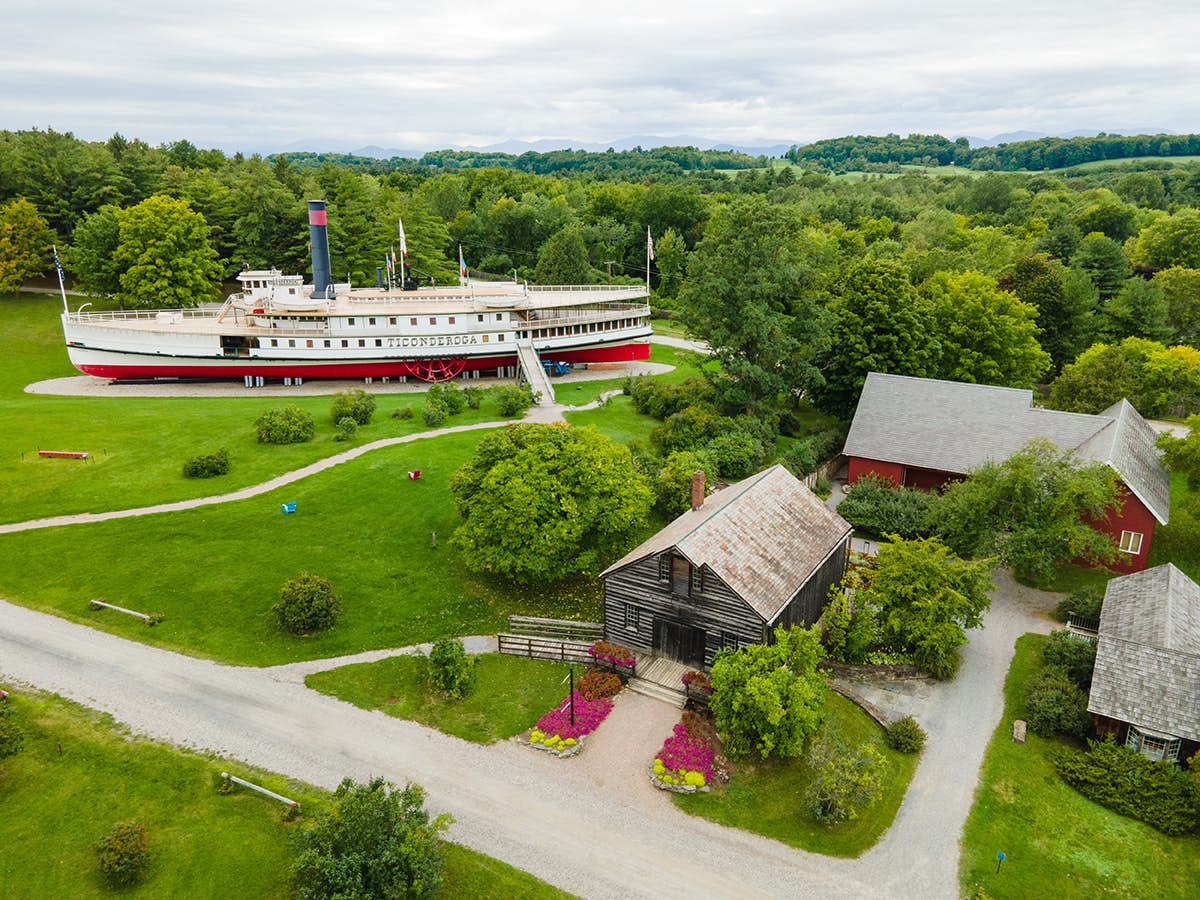 77 mi from MontrealShelburne Museum
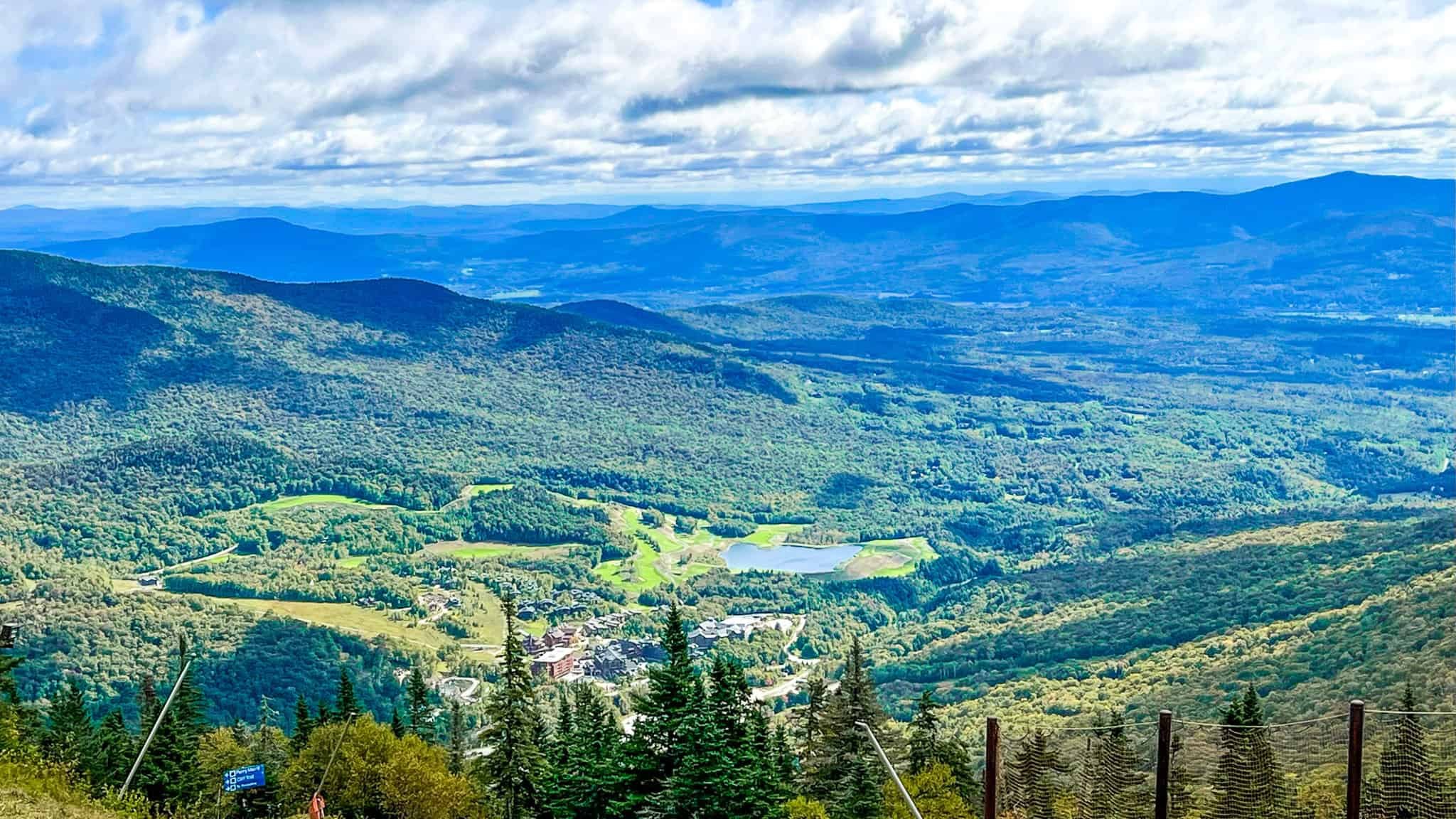 84 mi from MontrealStowe Village and Mount Mansfield
 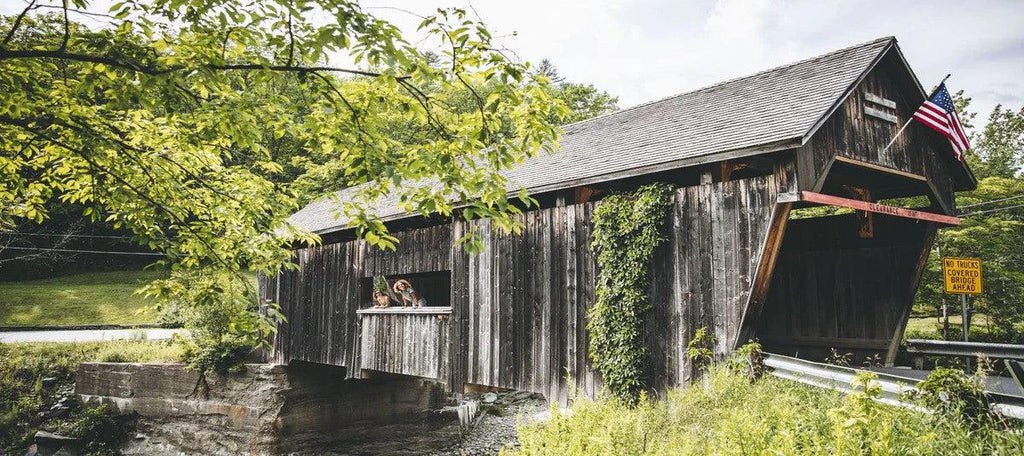 75 mi from Montreal · land adventureVermont's Green Mountains, Great Cheese, and Gilded Castles
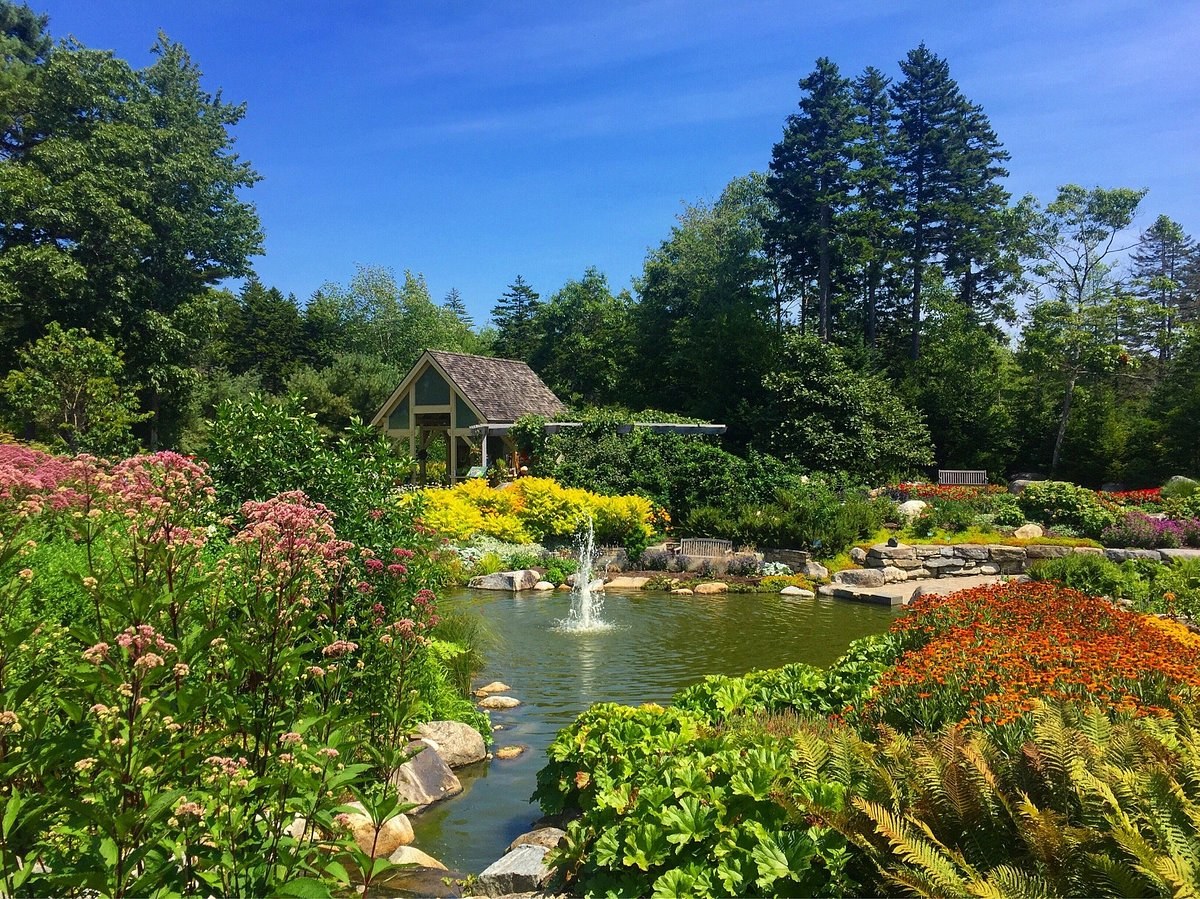 252 mi from Montreal · land adventureSalt Air and Sophistication on Portland, Maine's Peninsula
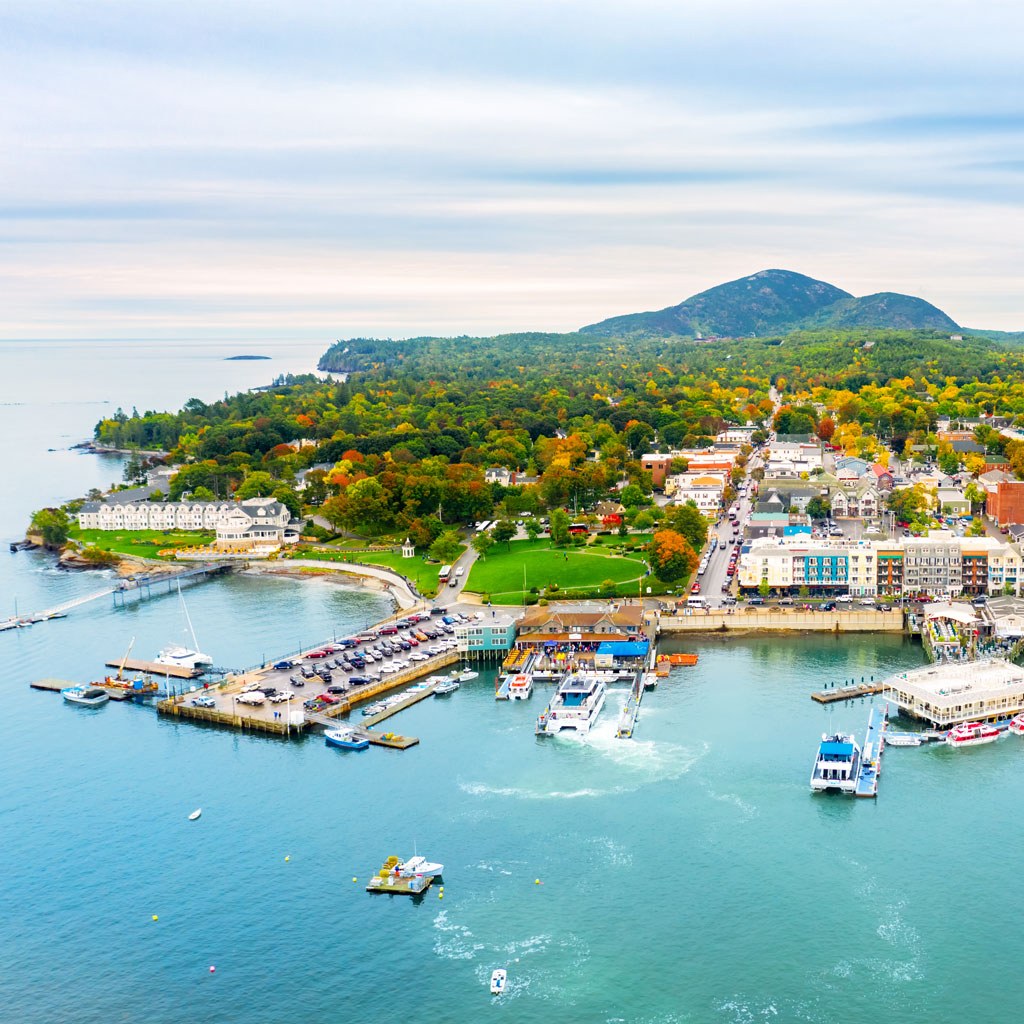 266 mi from Montreal · land adventureSalt Air and Spirits: A Bar Harbor Adventure Worth Every Mile