Your cruise
Oceania Insignia · 14-night Northern Europe cruise, Southampton to Stockholm
May 27 – Jun 10 · 14 nights ·
Day 1 Southampton (board) · Day 2 Zeebrugge (Bruges) · Day 3 Amsterdam · Day 4 at sea · Day 5 Kiel · Day 6 Berlin · Day 7 Szczecin · Day 8 Ronne · Day 9 Klaipeda · Day 10 Visby · Day 11 Riga · Day 12 at sea · Day 13 Kotka · Day 14 Tallinn · Day 15 Stockholm (step off)
What you do A bespoke, fully private day in medieval Bruges with a vetted local guide, gliding along the mirror-still canals before exploring cobbled lanes, hidden almshouses and grand squares at your own pace.
What to expect Your private, English-speaking guide meets you dockside and whisks your group directly into Bruges in a premium vehicle. Morning is spent wandering the Markt, Burg Square and the Begijnhof before a leisurely open-top canal boat glides beneath weeping willows and medieval bridges. Afternoons can be shaped around chocolate ateliers, a Belfry Tower climb or a quiet terrace tasting local Trappist ales — entirely on your terms. Your guide manages every minute against your ship's all-aboard time so you never feel rushed.
Good to know Book direct via Vexperio's website and specify your ship's all-aboard time at checkout. Bruges is roughly 15–20 minutes from the port by private car. Pre-book the canal cruise add-on when reserving, as afternoon slots fill fast in summer.
Versus the ship tour Completely private — your guide, your itinerary, your pace. No timed-entry queues, no coach crowds. Vexperio specialises exclusively in cruise port departures, so logistics from the ship to the city are seamless and all-aboard timing is guaranteed.
book direct with Vexperio Private Shore Excursions → · the full guide →
What you do Ascend 366 worn medieval steps inside Bruges' iconic 13th-century Belfry for a panoramic sweep over the entire city's Flemish skyline — one of the most dramatic viewpoints in Northern Europe.
What to expect The climb begins in the medieval treasury rooms where ancient guild chests and civic silver are displayed, before the stairs spiral up through the carillon chamber — you can peer at the enormous bronze bells at close range. At the summit, the full panorama of Bruges unfolds: a sea of orange rooftops, winding canals and the distant flat Flemish countryside stretching to the horizon. Allow 45–60 minutes for the full experience, ideally timed for late morning light.
Good to know Pre-book timed-entry online — walk-up tickets are rarely available in summer. The climb is steep and narrow; not suitable for those with limited mobility. Bruges is 15–20 min from Zeebrugge port by taxi or private transfer.
Versus the ship tour Timed-entry tickets sell out weeks ahead in peak season; booking direct guarantees your slot and means you step straight past any queue. The Belfry's 47-bell carillon, ringing out over medieval rooftops, is a sound that stays with you long after the ship has sailed.
What you do Float through the 'Venice of the North' on a guided open-top canal boat, drifting beneath willow-draped stone bridges with a knowledgeable local skipper narrating eight centuries of Flemish history.
What to expect You board at one of several historic quayside landings — Rozenhoedkaai is the most photogenic — and immediately slip into a quieter, watery version of Bruges invisible from the streets above. The skipper points out the Hospital of St John's medieval watergate, the former Hanseatic trading houses and the swans that have graced these canals by royal decree since the 15th century. The 30-minute route feels far longer, each bend revealing a new postcard view.
Good to know Boat landings open from approximately 10:00–17:00; queues peak between 11:00–14:00 so aim for an early or late slot. Private charter bookings (highly recommended for groups of 4+) can be arranged directly via the Visit Bruges concierge service. Zeebrugge to Bruges is 15–20 minutes by taxi.
Versus the ship tour The low, open boats pass beneath arches too tight for larger vessels, revealing intimate courtyard gardens, private medieval façades and reflections that no walking tour can match. A private charter means the skipper pauses at your chosen spots and tells stories on request.
book direct with Bruges Canal Cruises – Rederij Brugge (Official Bruges Boat Operators) → · the full guide →
What you do Go behind the marble counter at a celebrated Bruges chocolatier for a private hands-on masterclass, crafting and tasting pralines made to 19th-century Belgian recipes — the sweetest two hours in Northern Europe.
What to expect A master chocolatier leads your private group through tempering, moulding and hand-decorating ganache-filled pralines using single-origin cacao and unexpected Belgian flavour pairings — think yuzu, aged Genever or smoked sea salt. The workshop culminates in a curated tasting flight paired with Belgian craft beer or champagne. You leave with a beautifully packaged box of your own creations. The atelier is in the heart of Bruges' historic centre, a short walk from the Markt.
Good to know Private workshops must be pre-booked directly via The Chocolate Line website well in advance — they sell out quickly, especially May–September. Confirm your ship's all-aboard time when booking; the 2-hour workshop comfortably fits within a half-day visit to Bruges. Transfer from Zeebrugge by taxi takes 15–20 minutes.
Versus the ship tour The Chocolate Line is the creation of Bruges' most acclaimed chocolatier, Dominique Persoone — the man who made a chocolate-sniffing device for the Rolling Stones. A private session here is not a tourist demo; it is craft, theatre and gastronomy in one.
book direct with The Chocolate Line (Official Bruges Chocolatier) → · the full guide →
What you do Spend a privileged morning inside Bruges' world-renowned Groeningemuseum, home to the greatest concentration of Flemish Primitive paintings on earth, guided by an art historian who brings Van Eyck and Memling to life.
What to expect Your private guide meets you at the museum entrance and leads you directly to the Flemish Primitives galleries, pausing at Jan van Eyck's 'Madonna with Canon van der Paele' — arguably the most technically perfect painting of the 15th century — and Hans Memling's luminous triptychs. The guide contextualises each work within Bruges' extraordinary medieval wealth as Europe's foremost trading city. After the collection, you can continue the conversation over coffee in a quiet Bruges café, or extend the tour to the nearby St John's Hospital Memling Museum.
Good to know Book your museum entry online via Musea Brugge to guarantee timed entry; book your private guide separately via Tours by Locals, specifying 'Groeningemuseum focus'. The museum is a 20-minute walk or short taxi from the Markt. All-aboard from Zeebrugge is easily met with a 14:00 departure from Bruges.
Versus the ship tour A vetted art-historian guide from Tours by Locals delivers a deeply personal narrative — the court intrigue behind Van Eyck's portraits, the symbolic language hidden in altarpieces — that standard audio guides simply cannot replicate. Small-group or fully private means no interruptions.
book direct with Musea Brugge + Tours by Locals (Private Art Historian Guides) → · the full guide →
What you do Descend into the cellars of one of Bruges' working breweries for an expert-led tasting of rare Belgian ales — including the city's celebrated Zot — paired with artisan bar snacks in a medieval setting.
What to expect The 45-minute guided tour descends through the copper brew kettles and fermentation caves, with your guide explaining centuries of Bruges brewing tradition and the audacious 3.2 km underground beer pipeline, completed in 2016. The tour culminates on the rooftop terrace with a glass of Bruges Zot blond or dubbel, and sweeping 360° views over the city's spires and canals. A curated tasting of seasonal and reserve ales can be arranged for private groups. The brewery is a short stroll from the Begijnhof.
Good to know Tours run throughout the day; pre-book online directly via De Halve Maan to secure your preferred time and avoid the queue at the door. Combine with a morning canal cruise or Belfry visit for a perfect full day. Zeebrugge to Bruges by taxi is 15–20 minutes; all-aboard timing is comfortably managed with a 14:30 Bruges departure.
Versus the ship tour De Halve Maan is Bruges' only remaining family brewery, operating since 1564 and pumping its beer via a unique underground pipeline directly to the bottling plant — a feat of engineering as remarkable as any medieval monument. The rooftop panorama over Bruges rivals the Belfry.
book direct with Brouwerij De Halve Maan (Half Moon Brewery – Official) → · the full guide →
What you do Just over an hour from the ship, walk up to the 5,000-year-old stone circle that is the most iconic prehistoric monument on Earth, then drive to Salisbury to stand before one of only four surviving 1215 originals of Magna Carta beneath Britain's tallest cathedral spire. This is the textbook Southampton port day and the single thing a first-timer would most regret skipping. English Heritage entry is timed-ticket only, so a direct operator who pre-books your slot and paces the day to your all-aboard time is what actually gets you inside.
What to expect You'll depart Southampton and drive just over an hour to Stonehenge, where you walk directly up to the 5,000-year-old stone circle—the most iconic prehistoric monument on Earth—with a guided perspective on this timeless landmark. From there, it's a short drive to Salisbury Cathedral, where you stand beneath Britain's tallest spire to view one of only four surviving original 1215 Magna Carta documents, a moment of profound historical weight. The pace is calibrated throughout to your all-aboard time, and your private vehicle with driver-guide ensures you move at your own rhythm rather than waiting for a 40-person coach to reassemble. You'll return to the ship with both major entries completed, the cultural textbook Southampton port day checked off.
Good to know English Heritage entry to Stonehenge is timed-ticket only; Southampton Tours pre-books your slot as part of the package, which is essential to guarantee access on busy days. The 6-hour tour window fits comfortably within a standard 8-hour port day, with your driver-guide coordinating return timing to your ship's all-aboard. Groups of 4–7 will pay £145–£199 per person (roughly $185–$203) with both entries and air-conditioned transport included; book ahead directly with Southampton Tours rather than through the ship's 40-person coach if your group meets the minimum. The operator offers a formal cruise-return guarantee in writing—they cover next-port travel if you ever miss the ship, providing peace of mind on timing.
Versus the ship tour Direct wins clearly. The ship's Stonehenge & Salisbury coach tour runs $179-$229/pp, and you share a 40-person bus on its schedule. Here a group of 6-7 pays roughly $185-$203/pp for a private vehicle with both entries included and a written get-you-back guarantee. Solo or as a couple the ship coach is actually the better value, so this card is for groups of 4 or more.
What you do An entire UNESCO World Heritage city built around Britain's only natural hot springs, where you walk the same Roman baths still fed by steaming spring water, beneath honey-stone Georgian crescents straight out of Jane Austen and Bridgerton. Many rank it the most beautiful city in England. It is a longer day (~1.5 hrs each way) so an operator who paces the drive to your all-aboard time matters.
What to expect You'll drive roughly 1.5 hours inland to arrive in Bath's honey-stone heart, where you'll walk the Roman Baths—an ancient complex still fed by steaming natural hot springs—before ascending into Georgian crescents and terraces that look lifted from a Jane Austen novel. The city unfolds at a human pace: Roman history underfoot, Regency elegance overhead, and those iconic honey-coloured stone facades that have made Bath consistently ranked as England's most beautiful city. Your driver-guide controls the rhythm of the day, pacing the route and your time away from the pier so you make your all-aboard window without stress.
Good to know Confirm your ship's all-aboard time before booking—the Bath + Stonehenge 8-hour combo is tighter than the Bath + Cotswolds option, and a 1.5-hour return drive means no margin for error. Book the Roman Baths entry (~£28/$36) directly once you've secured your tour, as it's not bundled into the operator fee. Your private driver and vehicle are included in the ~$190–$250/pp cost, making this far cheaper and more flexible than ship-run premium combos at $300–$400+/pp. Factor 3 hours minimum for Bath itself (Roman Baths + walking the crescents), leaving 1.5 hours on each end for driving, ensuring you're back at the pier with a comfortable buffer before all-aboard.
Versus the ship tour Direct wins on access and pacing. Bath is rarely sold as a standalone ship excursion from Southampton and when bundled into premium full-day combos it runs $300-$400+/pp. A private Bath day at ~$190/pp plus your own Roman Baths ticket is both cheaper and far more flexible. Mind the 8-hour length: confirm your ship's all-aboard before booking the Stonehenge combo version.
What you do Southampton IS the Titanic's home port: she sailed from Berth 44 on 10 April 1912, and most of the crew who died were Sotonians. This award-winning guided walk leaves on foot right from Town Quay by the cruise terminals (no coach) and threads the White Star Line offices, the Grapes pub where firemen famously missed the sailing, and the memorials. For anyone who knows the story, walking the actual streets where it happened is moving and almost free on a tight port day.
What to expect You step off the gangway at Town Quay and begin walking immediately—no coach, no waiting—threading through Southampton's historic streets with your guide. You'll stand at the White Star Line offices where the Titanic's fate was managed, visit the Grapes pub where firemen fatefully missed the 10 April 1912 sailing, and pause at memorials dedicated to the local crew who perished. The walking route is intimate and grounded: you're tracing the actual streets where the story unfolded, hearing period details and crew narratives as you move through the port district. Over roughly two hours, the rhythm builds from administrative sites to human moments, ending with a deeper understanding of why this ship's story belongs so deeply to Southampton.
Good to know Book ahead online via Walsh Tours (use code DIRECT for 10% off) and choose either the 10:00am or 2:30pm departure; both fit comfortably within a 6–8 hour port day, leaving a 90-minute buffer before all-aboard. The tour departs directly from Town Quay beside the cruise terminal—no transport needed—and costs £16/pp (~$20), making it easy to return to the ship in time. Bring comfortable walking shoes and a camera; the tour includes photography privileges and offers pub/tavern discounts along the route. At roughly two hours, this excursion is one of the shortest and closest to the ship you can book, ideal if you're timing a tight turnaround or prefer to stay near your gangway.
Versus the ship tour Direct wins overwhelmingly. The ship's Southampton/Winchester city tour runs $80-$130/pp for a coach panoramic. This is the actual Titanic story, on foot, from beside your gangway, for about $20/pp. The only thing the ship adds is a bus seat you do not need here, since the whole walk starts at the terminal.
book direct with Walsh Tours (guide Brian Walsh) → · the full guide →
What you do Southampton's own backyard wilderness: a 1,000-year-old royal hunting forest created by William the Conqueror, where wild ponies, deer and cattle roam free across heath and ancient oak, just minutes from the ship. The most quintessentially English countryside on a short port day, with a stop at Beaulieu on the river. Ideal for travelers who would rather see living landscape and free-roaming animals than monuments.
What to expect Your private coach departs the Southampton pier and within minutes enters the New Forest—William the Conqueror's ancient 1,000-year-old hunting domain—where wild ponies, deer, and cattle move freely across open heath and gnarled oak woodland. You'll spend the heart of the day immersed in this living landscape, observing free-roaming animals in their natural habitat, the rhythms of the English countryside unfolding at ground level rather than behind glass. A stop at Beaulieu on the river gives you a chance to step out and experience the waterside setting before the journey continues. The day winds down with a drive to Salisbury Cathedral (entry included), a chance to view one of England's finest Gothic monuments, before your driver-guide returns you to the ship with time built in for a safe turnaround.
Good to know Departures run on your group's schedule from the Southampton pier, with 6–8 hour tours giving you roughly 4–5 hours in the New Forest itself and 1–2 hours at Salisbury Cathedral; book the Beaulieu Motor Museum or Palace House in advance if those interest you, as they're separate admissions. Your private vehicle picks you up directly from the cruise terminal—no waiting for a coach—so factor in only a 15-minute buffer before the posted return time. Dress in layers and bring waterproof jackets; the New Forest is exposed moorland where weather changes quickly and there's no shelter while spotting wildlife. The cruise-return guarantee means if your ship departs early, the operator covers your transport back, so you can book with confidence even on a tight port schedule.
Versus the ship tour Direct wins for groups. The ship's New Forest & Beaulieu scenic coach runs $130-$200/pp on its own schedule. A private vehicle at ~$134-$152/pp for 6-7 people undercuts that and adds Salisbury. As a solo traveler the per-head private price climbs, so the ship coach is the smarter buy for one or two; this card shines at 4+.
What you do The definitive Titanic museum, opened in 2012 for the disaster's centenary and built around the city's own loss. Its interactive 'Southampton's Titanic Story' uses real passenger and crew records, a vast working model of the ship, and the actual disaster-inquiry courtroom. Walkable from the port and the perfect rainy-day or short-window option that pairs with the Titanic walk to complete the story the city is famous for.
What to expect You walk out of the terminal and head straight into Southampton's city center—a 15–20 minute stroll that itself becomes part of the journey. Once inside SeaCity Museum, you're immersed in interactive stations built around real passenger and crew records, a sprawling working model of the Titanic, and the actual courtroom from the disaster inquiry, each exhibit drawing you deeper into the human story of the ship and the city that built and lost it. The rhythm is unhurried and self-paced; there's no coach departure window or strict schedule, so you move through at your own speed, lingering over the objects and stories that grip you. You exit with the definitive Titanic narrative, especially Southampton's own role—and you're minutes from the port the entire time.
Good to know In a 6–8 hour port day, allocate 2–2.5 hours for the museum itself, plus 30–40 minutes round-trip walking and buffer time, keeping you safely back at the ship 1.5–2 hours before departure. The museum sits at the Civic Centre, a walkable 15–20 minutes from the terminals, or take a short cab (£5–10) if time or mobility is tight. Admission is £14.50/adult (student and senior discounts available) and includes both the main Titanic exhibition and Southampton Stories; no advance booking is typically required, but arrive early in your port window to avoid any midday crowds. Dress for British weather and wear comfortable walking shoes—this is fundamentally a walk-and-explore day with zero risk of missing the ship.
Versus the ship tour Direct wins, and it is your low-risk safety net. The ship's city/panoramic tour is $80-$130/pp; here you self-walk to a world-class Titanic museum for about $18.50. No coach, no schedule, no risk of missing the ship since you are minutes from the port. The one thing the ship buys is transport you do not need for a near-port museum.
book direct with SeaCity Museum (Southampton City Council) → · the full guide →
What you do A bespoke, fully private day in medieval Bruges with a vetted local guide, gliding along the mirror-still canals before exploring cobbled lanes, hidden almshouses and grand squares at your own pace.
What to expect Your private, English-speaking guide meets you dockside and whisks your group directly into Bruges in a premium vehicle. Morning is spent wandering the Markt, Burg Square and the Begijnhof before a leisurely open-top canal boat glides beneath weeping willows and medieval bridges. Afternoons can be shaped around chocolate ateliers, a Belfry Tower climb or a quiet terrace tasting local Trappist ales — entirely on your terms. Your guide manages every minute against your ship's all-aboard time so you never feel rushed.
Good to know Book direct via Vexperio's website and specify your ship's all-aboard time at checkout. Bruges is roughly 15–20 minutes from the port by private car. Pre-book the canal cruise add-on when reserving, as afternoon slots fill fast in summer.
Versus the ship tour Completely private — your guide, your itinerary, your pace. No timed-entry queues, no coach crowds. Vexperio specialises exclusively in cruise port departures, so logistics from the ship to the city are seamless and all-aboard timing is guaranteed.
book direct with Vexperio Private Shore Excursions → · the full guide →
What you do Ascend 366 worn medieval steps inside Bruges' iconic 13th-century Belfry for a panoramic sweep over the entire city's Flemish skyline — one of the most dramatic viewpoints in Northern Europe.
What to expect The climb begins in the medieval treasury rooms where ancient guild chests and civic silver are displayed, before the stairs spiral up through the carillon chamber — you can peer at the enormous bronze bells at close range. At the summit, the full panorama of Bruges unfolds: a sea of orange rooftops, winding canals and the distant flat Flemish countryside stretching to the horizon. Allow 45–60 minutes for the full experience, ideally timed for late morning light.
Good to know Pre-book timed-entry online — walk-up tickets are rarely available in summer. The climb is steep and narrow; not suitable for those with limited mobility. Bruges is 15–20 min from Zeebrugge port by taxi or private transfer.
Versus the ship tour Timed-entry tickets sell out weeks ahead in peak season; booking direct guarantees your slot and means you step straight past any queue. The Belfry's 47-bell carillon, ringing out over medieval rooftops, is a sound that stays with you long after the ship has sailed.
What you do Float through the 'Venice of the North' on a guided open-top canal boat, drifting beneath willow-draped stone bridges with a knowledgeable local skipper narrating eight centuries of Flemish history.
What to expect You board at one of several historic quayside landings — Rozenhoedkaai is the most photogenic — and immediately slip into a quieter, watery version of Bruges invisible from the streets above. The skipper points out the Hospital of St John's medieval watergate, the former Hanseatic trading houses and the swans that have graced these canals by royal decree since the 15th century. The 30-minute route feels far longer, each bend revealing a new postcard view.
Good to know Boat landings open from approximately 10:00–17:00; queues peak between 11:00–14:00 so aim for an early or late slot. Private charter bookings (highly recommended for groups of 4+) can be arranged directly via the Visit Bruges concierge service. Zeebrugge to Bruges is 15–20 minutes by taxi.
Versus the ship tour The low, open boats pass beneath arches too tight for larger vessels, revealing intimate courtyard gardens, private medieval façades and reflections that no walking tour can match. A private charter means the skipper pauses at your chosen spots and tells stories on request.
book direct with Bruges Canal Cruises – Rederij Brugge (Official Bruges Boat Operators) → · the full guide →
What you do Go behind the marble counter at a celebrated Bruges chocolatier for a private hands-on masterclass, crafting and tasting pralines made to 19th-century Belgian recipes — the sweetest two hours in Northern Europe.
What to expect A master chocolatier leads your private group through tempering, moulding and hand-decorating ganache-filled pralines using single-origin cacao and unexpected Belgian flavour pairings — think yuzu, aged Genever or smoked sea salt. The workshop culminates in a curated tasting flight paired with Belgian craft beer or champagne. You leave with a beautifully packaged box of your own creations. The atelier is in the heart of Bruges' historic centre, a short walk from the Markt.
Good to know Private workshops must be pre-booked directly via The Chocolate Line website well in advance — they sell out quickly, especially May–September. Confirm your ship's all-aboard time when booking; the 2-hour workshop comfortably fits within a half-day visit to Bruges. Transfer from Zeebrugge by taxi takes 15–20 minutes.
Versus the ship tour The Chocolate Line is the creation of Bruges' most acclaimed chocolatier, Dominique Persoone — the man who made a chocolate-sniffing device for the Rolling Stones. A private session here is not a tourist demo; it is craft, theatre and gastronomy in one.
book direct with The Chocolate Line (Official Bruges Chocolatier) → · the full guide →
What you do Spend a privileged morning inside Bruges' world-renowned Groeningemuseum, home to the greatest concentration of Flemish Primitive paintings on earth, guided by an art historian who brings Van Eyck and Memling to life.
What to expect Your private guide meets you at the museum entrance and leads you directly to the Flemish Primitives galleries, pausing at Jan van Eyck's 'Madonna with Canon van der Paele' — arguably the most technically perfect painting of the 15th century — and Hans Memling's luminous triptychs. The guide contextualises each work within Bruges' extraordinary medieval wealth as Europe's foremost trading city. After the collection, you can continue the conversation over coffee in a quiet Bruges café, or extend the tour to the nearby St John's Hospital Memling Museum.
Good to know Book your museum entry online via Musea Brugge to guarantee timed entry; book your private guide separately via Tours by Locals, specifying 'Groeningemuseum focus'. The museum is a 20-minute walk or short taxi from the Markt. All-aboard from Zeebrugge is easily met with a 14:00 departure from Bruges.
Versus the ship tour A vetted art-historian guide from Tours by Locals delivers a deeply personal narrative — the court intrigue behind Van Eyck's portraits, the symbolic language hidden in altarpieces — that standard audio guides simply cannot replicate. Small-group or fully private means no interruptions.
book direct with Musea Brugge + Tours by Locals (Private Art Historian Guides) → · the full guide →
What you do Descend into the cellars of one of Bruges' working breweries for an expert-led tasting of rare Belgian ales — including the city's celebrated Zot — paired with artisan bar snacks in a medieval setting.
What to expect The 45-minute guided tour descends through the copper brew kettles and fermentation caves, with your guide explaining centuries of Bruges brewing tradition and the audacious 3.2 km underground beer pipeline, completed in 2016. The tour culminates on the rooftop terrace with a glass of Bruges Zot blond or dubbel, and sweeping 360° views over the city's spires and canals. A curated tasting of seasonal and reserve ales can be arranged for private groups. The brewery is a short stroll from the Begijnhof.
Good to know Tours run throughout the day; pre-book online directly via De Halve Maan to secure your preferred time and avoid the queue at the door. Combine with a morning canal cruise or Belfry visit for a perfect full day. Zeebrugge to Bruges by taxi is 15–20 minutes; all-aboard timing is comfortably managed with a 14:30 Bruges departure.
Versus the ship tour De Halve Maan is Bruges' only remaining family brewery, operating since 1564 and pumping its beer via a unique underground pipeline directly to the bottling plant — a feat of engineering as remarkable as any medieval monument. The rooftop panorama over Bruges rivals the Belfry.
book direct with Brouwerij De Halve Maan (Half Moon Brewery – Official) → · the full guide →
What you do Step through the actual swinging bookcase into the cramped, blacked-out rooms where Anne Frank, her family and four others hid for two years before betrayal. You climb the same steep stairs, see Anne's movie-star magazine clippings still pinned to her bedroom wall, and stand in the very space she wrote the diary in - the single most emotionally powerful 90 minutes anywhere in Amsterdam, and the one site a first-timer regrets missing forever.
What to expect You enter the Anne Frank House through the front door and then step through the actual swinging bookcase that once concealed the hiding place, descending into the cramped, light-blocked rooms where eight people sheltered for two years. You climb the same steep wooden stairs Anne climbed daily, passing her bedroom where her movie-star magazine clippings still cling to the walls, and arrive in the small back room where she wrote her diary—the intimate, confining space that makes the historical weight suddenly visceral. The visit unfolds over 90 minutes of close quarters and emotional intensity, with the physical reality of the hiding place far more powerful than any photograph or film.
Good to know Tickets are released only online every Tuesday at 10am CET for visits exactly six weeks later, and slots sell out quickly—you must book directly at the official annefrank.org the moment your six-week window opens, as the ship cannot secure group slots and lookalike resale sites charge double or deliver nothing. The visit runs 1–1.5 hours, so plan for a 3–4 hour excursion window from the pier including transit time; get there early on port day to avoid the afternoon crowds that build by mid-afternoon. Book any optional 30-minute intro program when you purchase tickets to deepen your understanding of the historical context before entering.
Versus the ship tour Tickets are individual-only, online-only (never sold at the door), released every Tuesday 10am CET for a visit exactly six weeks later. The ship cannot get you a guaranteed group slot here - so direct booking isn't just cheaper, it's the ONLY way in. Book the instant the window opens and use the real annefrank.org; lookalike scam-resale URLs charge double for the same seat or sell nothing.
book direct with Anne Frank House (Anne Frank Stichting) → · the full guide →
What you do Glide the UNESCO-listed 17th-century canal ring on a vintage 1928 electric saloon boat - not a crowded glass-roof barge - with a storytelling local captain narrating the gabled merchant houses, leaning facades, houseboats and 1,500 bridges. Seeing Amsterdam from the water is THE thing the city is famous for, and a small open boat lets you actually hear the stories and slip down canals the big barges can't enter.
What to expect You'll board a intimate 1928 vintage electric saloon boat—never a crowded glass-roofed barge—and glide for 90 minutes through Amsterdam's UNESCO-listed 17th-century canal ring with a local captain who narrates the architecture, history, and waterside life as you pass gabled merchant houses, leaning facades, historic houseboats, and slip under 1,500 bridges. The small boat's open design lets you actually hear the stories and access narrow side canals the mass barges can't fit through, giving you intimate angles on the city that make canal-side Amsterdam real rather than scenic. You'll see why "the water" is what Amsterdam is famous for, moving at the rhythm of the city itself instead of a tour-bus schedule.
Good to know The 90-minute cruise departs from Captain Dave Amsterdam's direct booking site (not the ship); plan to leave the pier 90 minutes before your booked time to allow for transit to the canal dock, with a 45-minute buffer before all-aboard. The early-morning option (EUR 39) includes coffee, tea, and sugar bread; the standard daytime cruise (EUR 42) includes drinks—both max 12 guests, so book directly on their site in advance rather than assuming walk-up availability. Wear layers and bring a camera; Amsterdam's canal breezes cut cooler than on-deck, and the open-boat format means you'll want to move around to find sun or shelter.
Versus the ship tour Direct wins big. The ship sells the canal-boat portion at an effective ~$40-$90/pp - and that's the crowded mass barge. A plain 1-hour walk-up barge is just ~$20 (Stromma/Lovers/Blue Boat leave constantly from Centraal), so if you only want the view, skip the ship and walk up to save 50-75%. For the bucket-list version - tiny historic boat, real local captain - Captain Dave at $46 still beats or matches the ship and is a far better experience.
book direct with Captain Dave Amsterdam → · the full guide →
What you do Pedal an e-bike out of the city through the green polder lowlands of Waterland to Zaanse Schans, where working 17th/18th-century windmills still turn over the river and artisans demo wooden clog-carving and farmhouse cheese-making. It's a double bucket-list hit - the postcard image of Holland plus the iconic 'Dutch travel by bike' experience - all led by a local guide and done comfortably in a half day.
What to expect You'll pedal an e-bike out of Amsterdam's city streets into the serene green polder landscape of Waterland, gliding smoothly through quintessential Dutch countryside before arriving at Zaanse Schans, where 17th and 18th-century windmills still turn over the river in the iconic postcard image of Holland. There you'll watch artisans carve wooden clogs and demonstrate traditional farmhouse cheese-making—dual bucket-list moments—all guided by a local expert who navigates the route and brings the landscape to life. The e-bike does the legwork, making the half-day feel unhurried and immersive rather than rushed, and you'll experience what makes cycling so central to Dutch identity without the fitness barrier of a muscle-powered bike. It's a half-day rhythm: depart, ride, arrive, explore, return—comfortable and compact.
Good to know Book directly with Mike's Bike Tours Amsterdam (operating since 1997) to secure the morning slot and confirm it returns you with a safe margin before all-aboard; the operator will specify exact departure and return times needed for your ship. The tour costs ~€42 including e-bike, guide, ferry, and windmill-village entry, with an additional ~€17.50 site fee (spring 2026 onwards), totaling ~€60–€65 all-in. Wear comfortable clothes and closed-toe shoes suitable for cycling; bring sunscreen and a light layer since the polder winds can be cool even on clear days. Plan for a 6-hour window from pier to pier, departing within 2–3 hours of port arrival to ensure a full experience and safe return buffer before departure.
Versus the ship tour Direct wins. The ship's 'Windmills & Edam' / 'Zaanse Schans, Volendam & Marken' half-day runs ~$125-$160/pp on a coach. The e-bike version direct lands near ~$46 plus the ~$19 site fee (~$65 all-in) - roughly half - and you get the cycling experience the bus tour can't. Cheapest of all if you skip the guide: DIY by train (Centraal to Zaandijk Zaanse Schans, ~17 min, ~EUR 6 each way). Pick a guaranteed-return-time operator since this leaves the port area.
book direct with Mike's Bike Tours Amsterdam → · the full guide →
What you do Tour the original 1867 Heineken brewery on the Amstel - the exact spot this globally famous beer was born - on a self-paced, hands-on journey through the brewing heritage, the immersive motion 'Brew Ride' simulator, tastings, and a rooftop bar overlooking the city. A relaxed, fun, crowd-pleasing port-day icon that pairs perfectly with a canal stroll afterward.
What to expect You'll enter the original 1867 Heineken brewery on the Amstel at your timed slot and move at your own pace through the brewing heritage exhibits, then climb into the immersive motion 'Brew Ride' simulator for a visceral take on the brewing process. Beer tastings punctuate the journey, and if you've booked the rooftop upgrade, you'll finish with a drink in hand overlooking Amsterdam's cityscape. The whole experience unfolds over roughly two hours, giving you time to either linger over another beer or head straight out to pair it with a leisurely canal stroll before returning to the ship.
Good to know Book your timed ticket ahead online during cruise season—it sells out by midday—either direct at Heineken Experience's own site (~€24.95–€29.95) or avoid ship resellers. The brewery is walkable from Amsterdam's port, though confirm the exact pier-to-venue distance with your port agent; allow 15–20 minutes each way plus buffer time. With a 6–8 hour port window, a 2-hour tour leaves comfortable breathing room for transit, a pre-tour coffee, and a 30+ minute canal-side wind-down before heading back; aim to be back at the pier 30 minutes before all-aboard. The experience is fun and photogenic but brand-focused rather than a must-see landmark, so slot it as an add-on around your bigger port plans, not your sole commitment.
Versus the ship tour Direct or nothing - the ship rarely sells this, so booking it yourself at ~$27-$33 is the move (no reseller markup possible). Honest caveat: it's a brand attraction, not a regret-if-you-miss-it landmark, so slot it as a fun add-on around your canal cruise, not your one big port-day commitment. Buy the timed ticket ahead in cruise season; it sells out midday.
What you do Cycle the canals, bridges, Jordaan lanes and Vondelpark with a local guide on the world's premier cycling city's own terms - rolling past the Anne Frank House, Rijksmuseum and hidden courtyards while covering far more ground than walking. It's the most authentic, lowest-stress way to 'get' Amsterdam when you have one port day and don't want to gamble on timed-ticket queues.
What to expect You'll roll through Amsterdam's network of canals and bridges on two wheels with a local guide, pedaling past iconic landmarks—the Anne Frank House, Rijksmuseum, and hidden Jordaan courtyards—at a pace that covers far more ground than walking. The rhythm alternates between gliding along waterfront paths and weaving through narrow lanes, with the guide pointing out the city's authentic character rather than rushing between museum queues. You'll loop through Vondelpark and take in the layered architecture of the city's golden-age buildings reflected in the water. Over ~2.5 hours, you'll experience Amsterdam on its own terms—as locals do—rather than from a coach window.
Good to know Tours depart multiple times daily from the city center near the cruise terminal, a short tram or walk from the pier, allowing you flexibility within a typical 6–8 hour port window; book directly with Mike's Bike Tours Amsterdam (operating since 1997) to secure your spot and bike. The EUR ~37 cost includes the guided tour, bike rental, and local guide—no hidden fees or separate museum-ticket gambles. Plan to return to the ship with at least 90 minutes buffer before all-aboard, giving you time to walk or tram back unhurried. Wear comfortable clothes and flat shoes (cycling in Amsterdam is relaxed), bring a light layer for weather changes, and note that helmets are typically provided or available—confirm when booking if you prefer your own.
Versus the ship tour Direct wins, and it's the safe fallback. The ship's coach 'Panoramic Amsterdam' city orientation runs ~$130-$160/pp (often bundled with a barge cruise); this guided bike tour delivers more of the real city for ~$40 and keeps you a short tram/walk from the ship. If museum tickets sold out before your sailing, this is the no-regret way to still see the headline sights honestly and cheaply.
book direct with Mike's Bike Tours Amsterdam → · the full guide →
What you do A chauffeured, private full-day journey from Kiel to Hamburg — Germany's grandest port city. Explore the legendary Speicherstadt warehouse district, Elbphilharmonie, and Reeperbahn with a dedicated local expert at your own unhurried pace.
What to expect Your guide meets you directly at the cruise terminal and whisks you to Hamburg in a private vehicle. Wander the UNESCO-listed Speicherstadt canals, ascend the Elbphilharmonie Plaza for panoramic harbour views, and savour a leisurely lunch in the Portugiesenviertel. The return is timed precisely to your vessel's all-aboard, so there is never any stress.
Good to know Hamburg is approx. 90 minutes from Kiel port by car. Depart no later than 08:30 to maximise time; confirm all-aboard time and allow a 30-min buffer. Pre-book the private vehicle and guide at least 2 weeks ahead. The Elbphilharmonie Plaza is free but timed-entry tickets should be reserved online in advance.
Versus the ship tour Fully private, door-to-door chauffeured experience with a fluent English-speaking local expert who tailors every stop to your interests — no fixed itinerary, no waiting for a group, and intimate access to Hamburg's iconic neighbourhoods.
book direct with Kiel Walking Tours (private guiding) → · the full guide →
What you do Step inside a UNESCO World Heritage medieval city just 60 minutes from Kiel. A passionate private guide unlocks the secrets of Lübeck's Hanseatic merchant palaces, Gothic brick cathedrals, and the legendary Niederegger Marzipan shop.
What to expect Stroll beneath the iconic twin-towered Holstentor gate, then thread through cobblestone lanes past the seven-spired skyline to the cathedral quarter. Your guide narrates the rise of the Hanseatic League with vivid detail, pausing at the Buddenbrookhaus (Thomas Mann's family home). End at Café Niederegger for a guided tasting of hand-crafted marzipan — a Lübeck art form since 1806.
Good to know Lübeck is approx. 60 km south of Kiel (about 55–60 min by car or train). Trains run regularly from Kiel Hbf; allow 15 min to reach the station from the cruise terminal. A half-day tour (5–6 hrs) fits comfortably within a typical port call. Book the private guide via Kiel Walking Tours in advance; reserve Niederegger café table separately.
Versus the ship tour A bespoke private tour led by a local storyteller who brings Lübeck's Hanseatic golden age to life — including hidden courtyards and almshouses most visitors never find — combined with an indulgent marzipan tasting at the historic Niederegger flagship salon.
book direct with Kiel Walking Tours (private guiding) → · the full guide →
What you do Glide across the shimmering Kiel Fjord aboard a classic harbour vessel, watching tall ships, naval yards, and the engineering marvel of the Kiel Canal locks unfold from the water. The definitive Kiel experience, seen from its natural vantage point.
What to expect Depart from Kiel's historic Bahnhofsbrücke quay and cruise northward along the fjord, passing the graceful Kiellinie promenade, the German Naval base, and working container ships. The commentary (in German, with signage) explains the strategic importance of the Kiel Canal — the world's busiest artificial waterway. Arrive back at the quay refreshed and wonderfully oriented to the city.
Good to know Departures run multiple times daily from Bahnhofsbrücke, a 5–10 min taxi or walk from the cruise terminal. The 90-minute round trip fits easily into any port call. No pre-booking required but arrive 15 min early in peak season. Bring a light layer — the fjord breeze is brisk even in summer.
Versus the ship tour Sailing the fjord yourself — aboard a local passenger vessel from the very quay where tall ships have departed for centuries — delivers an authentic maritime perspective and a front-row view of the Kiel-Holtenau canal locks that no land excursion can replicate.
What you do Board a real WWII Type VIIC U-boat and climb the soaring Laboe Naval Memorial tower for a panoramic sweep over the Baltic Sea. One of Europe's most poignant — and most immersive — maritime history experiences.
What to expect Travel 18 km north along the fjord to the small resort village of Laboe, where the dramatic 72-metre tower rises above the Baltic shoreline. Ascend to the observation deck for sweeping sea views, then descend into the adjacent U-995 submarine, preserved exactly as it was in wartime service. The audio guide (available in English) narrates harrowing patrol stories and explains every piece of equipment in the cramped interior.
Good to know Laboe is roughly 30 min by ferry from Kiel's Bahnhofsbrücke (Förde Reederei Seetouristik), or 25 min by taxi/rideshare — the ferry journey itself is a scenic bonus. The site is open daily; combined tickets (memorial + submarine) purchased at the entrance. Allow 2.5–3 hours on site. Easy to combine with a fjord ferry ride for a full half-day.
Versus the ship tour Crawling through the authentic, claustrophobic interior of U-995 — one of only a handful of surviving WWII U-boats in the world — is a visceral, unforgettable history lesson that goes far beyond any museum display or guided bus tour.
What you do A relaxed, story-rich private walking tour of Kiel's Old Town with a passionate local guide — uncovering the wartime history, Hanseatic heritage, and hidden courtyards of this spirited Baltic port city.
What to expect Your guide meets you dockside and leads you through the pedestrian heart of Kiel: the ornate Rathaus (City Hall), the haunting bronze 'Swimmer' monument inside St. Nikolai Church, the Fischhalle maritime museum, and the elegant Kiellinie waterfront promenade. Anecdotes about the devastating WWII bombing that reshaped the city make the modern skyline suddenly deeply meaningful. The pace is yours — linger, photograph, or divert wherever curiosity leads.
Good to know Guide meets you at the cruise terminal gate — no transfer needed. Ideal for those who want depth in port without travelling far afield. 2–3 hour duration leaves ample time to explore independently afterward. Book directly via Kiel Walking Tours website well in advance as private slots fill quickly on port-call days.
Versus the ship tour An exclusive private tour led by a fluent, humorous local guide who meets you directly at the cruise terminal — designed entirely around your pace and curiosity, with access to off-the-beaten-path lanes, the St. Nikolai Church, and the Rathaus that mass groups simply rush past.
What you do Kiel's only hop-on hop-off sightseeing bus loops past the Baltic fjord, the Kiel-Holtenau canal locks, the Botanic Garden, and the historic city centre — the perfect luxury-paced way to curate your own afternoon in port.
What to expect Board at the stop nearest the cruise terminal and settle onto the open-top deck as the bilingual audio guide narrates the city's story. The route sweeps along the glittering Kiellinie promenade, past the grand Kiel Opera House, up to the spectacular Kiel-Holtenau canal locks (where vast ocean-going ships squeeze through a narrow waterway), and into the leafy Schlossgarten park. Hop off, explore, and rejoin the next bus at leisure.
Good to know Buses depart approximately every 30–45 minutes; the full loop takes about 75 minutes without hopping off. Tickets can be purchased at the bus stop or online. The Kiel-Holtenau locks stop is the most spectacular — allow at least 30 minutes there if a large vessel is transiting. Check the seasonal schedule as frequency varies; confirm the last return time relative to your all-aboard.
Versus the ship tour The open-top double-decker format gives unobstructed panoramic views of the fjord and canal that simply cannot be replicated from street level, and the freedom to hop off at Schlossgarten, the Botanic Garden, or Kiel-Holtenau locks means you set the rhythm of your own discovery.
book direct with City Sightseeing Kiel (Hop-On Hop-Off) → · the full guide →
What you do A bespoke, private full-day tour of Berlin's most iconic historic sites — Brandenburg Gate, Reichstag, Holocaust Memorial, Checkpoint Charlie — led by a PhD-level local expert. The ultimate bucket-list deep-dive into the city that shaped the 20th century.
What to expect Your expert guide meets you at a central Berlin landmark and leads you through the city's defining chapters: the fall of the Wall, the Third Reich, the Cold War divide, and reunification. You'll stand at the Brandenburg Gate as your guide brings its layered history to life, descend into the sobering landscape of the Holocaust Memorial, and cross into the former East at Checkpoint Charlie. The day unfolds at your pace, with private access to the stories behind the stones.
Good to know Berlin is approximately 2.5–3 hours by train from Warnemünde port. Pre-book the tour well in advance and confirm your all-aboard time with your ship. Allow at least 9–10 hours in the city. The guide can meet you directly at Berlin Hauptbahnhof.
Versus the ship tour A fully private experience with a credentialed local expert — no crowds, no fixed script, and a pace set entirely by you. Your guide tailors every stop to your interests, offering historian-grade context unavailable on any group tour.
book direct with Original Berlin Tours – Private Group Tours → · the full guide →
What you do Ascend the iconic glass dome of the Reichstag — Germany's seat of parliament — for a breathtaking 360° panorama of Berlin, with an expert-guided rooftop experience. One of Europe's most architecturally stunning buildings, and a symbol of democracy reborn.
What to expect After pre-registration, you'll pass through security and ride the lift to the spectacular Norman Foster–designed glass dome, where a mirrored cone floods the plenary chamber below with natural light. A free audio guide (available in multiple languages) leads you on a spiralling walk to the roof terrace, where Berlin unfolds in every direction — the Tiergarten, the TV Tower, the Brandenburg Gate. The experience is both architecturally thrilling and profoundly symbolic.
Good to know Registration must be completed online weeks in advance at bundestag.de — slots fill extremely fast. Bring your passport for security checks. Combine with a stroll through the Regierungsviertel (Government Quarter) along the Spree riverbank. Allow 1.5–2 hours on site.
Versus the ship tour Access to the Reichstag Dome is strictly by pre-registration only — walk-ins are not permitted. Securing your slot in advance puts you inside one of the world's most famous parliamentary buildings, a privilege many visitors miss entirely.
book direct with Deutscher Bundestag (Official Reichstag) → · the full guide →
What you do Step onto UNESCO-listed Museum Island for a private expert-led journey through the Pergamon, Neues Museum, and Berlin Cathedral — some of the world's greatest collections of antiquity under one dramatic skyline. An unmissable cultural landmark of global stature.
What to expect Your private guide leads you across the bridge to the island where five world-class museums cluster on a single strip of the Spree. Inside the Neues Museum, you'll come face to face with the 3,300-year-old bust of Nefertiti — one of the most iconic objects in human history. The Pergamon's monumental Greek altar and Babylonian Ishtar Gate are awe-inspiring in scale. Conclude at the magnificent Berlin Cathedral (Berliner Dom) and climb its dome for sweeping city views.
Good to know Book the Museumsinsel-Ticket online in advance at smb.museum to avoid queues. The Pergamon main hall is under partial renovation until 2027 — confirm current access before visiting. Museum Island is a 10-minute taxi or U-Bahn ride from Berlin Hauptbahnhof.
Versus the ship tour A private, small-group experience led by an art historian or cultural expert who grants you privileged context — the stories of Nefertiti, the Ishtar Gate, and the Pergamon Altar told with academic depth in an intimate setting, not a lecture hall.
What you do Walk the most powerful stretch of the Berlin Wall — the East Side Gallery, the Wall Memorial on Bernauer Strasse, and the haunting death strip — with an expert local guide in a small group. The story of the Cold War's most defining symbol, told on the very ground where history was made.
What to expect Your guide leads you from the longest surviving stretch of the Wall — the East Side Gallery, vivid with murals and political art — to the sobering Berlin Wall Memorial on Bernauer Strasse, where the full anatomy of the border regime is preserved: the death strip, the guard tower, and the Wall itself. Hear first-hand accounts of daring escapes, tragic losses, and the extraordinary night of 9 November 1989. The tour concludes with time to reflect at the Chapel of Reconciliation, built on the footprint of a church demolished by the East German regime.
Good to know Tours depart from central Berlin meeting points — confirm the exact location when booking. Wear comfortable walking shoes; the route covers 2–3 km. An excellent complement to the Reichstag visit. Allow 3–4 hours for the full experience.
Versus the ship tour Insider Tour's guides are celebrated for their storytelling depth and passion — small groups of rarely more than 15 ensure genuine engagement. The Bernauer Strasse memorial, with its preserved guard tower and open-air exhibition, delivers an emotional resonance no bus tour can replicate.
What you do Rocket 203 metres above Berlin in the iconic Fernsehturm TV Tower — the GDR's greatest monument and the tallest structure in Germany — then dine in the revolving restaurant at the top for a 360° panorama over the entire city. Unmissably theatrical, unmissably Berlin.
What to expect A high-speed lift whisks you to the observation deck in just 40 seconds, where floor-to-ceiling glass frames the full sweep of Berlin — from the green lung of the Tiergarten to the glittering sprawl of the former East. In the revolving Sphere Restaurant one floor above, the room completes a full rotation every 30 minutes while you dine on elevated German and continental cuisine. At 368 metres, the Fernsehturm remains a Cold War icon with extraordinary contemporary theatre.
Good to know Book Fast-View tickets and restaurant reservations well in advance at tv-turm.de — both sell out, especially in summer. The tower is at Alexanderplatz, one of Berlin's great central squares. Allow 1.5–2 hours total. Pair with a walk around Alexanderplatz and the historic Neptune Fountain.
Versus the ship tour A pre-booked Fast-View ticket lets you bypass the often long public queues entirely — arriving at the summit on your own schedule. Reserve a window table at the revolving restaurant in advance and the entire city rotates past you over a leisurely lunch.
book direct with TV Tower Berlin (Berliner Fernsehturm – Official) → · the full guide →
What you do A profoundly moving private day combining the Sachsenhausen Concentration Camp Memorial — just north of Berlin — with a panoramic sweep of the capital's greatest landmarks. Among the most historically significant and emotionally powerful experiences in all of Europe.
What to expect Your private guide and vehicle collect you in central Berlin and drive the 35 km north to Sachsenhausen, established in 1936 as one of the first Nazi concentration camps. Walking the vast roll-call ground, the surviving barracks, and the eerily calm execution trench with a knowledgeable guide turns historical facts into deeply personal understanding. The afternoon pivots to Berlin itself — Brandenburg Gate, the Holocaust Memorial, and the Topography of Terror — weaving Sachsenhausen's story into the broader arc of the 20th century.
Good to know Sachsenhausen is a place of immense solemnity — dress respectfully and allow at least 2.5–3 hours on site alone. The full day runs 9–10 hours, so confirm your ship's all-aboard time carefully. Pre-book the private tour well ahead; this is consistently one of the most sought-after Berlin day experiences.
Versus the ship tour A private vehicle and dedicated expert guide means you move at a human pace through Sachsenhausen — never rushed, never anonymous in a crowd. Your guide provides historical framing that transforms a visit into a genuine act of witness and remembrance.
book direct with Original Berlin Tours – Private Group Tours → · the full guide →
What you do Step inside the crown jewel of Szczecin — a Renaissance castle rebuilt by the Pomeranian Griffins dynasty. A private guide unlocks its crypts, courtyards, and tower with rich dynastic storytelling that group tours simply cannot match.
What to expect Your dedicated castle guide meets you at the Gothic-Renaissance gateway and leads you through centuries of Pomeranian history. You descend into the hauntingly atmospheric ducal crypts, climb the tower for sweeping views over the Oder River, and linger in the arcaded courtyard where Pomeranian rulers once held court. Stories of Swedish sieges, Prussian occupation, and postwar reconstruction bring every stone to life.
Good to know Book in advance by emailing cikit@zamek.szczecin.pl — bookings are only confirmed after the Castle replies. The Castle is a short taxi ride or brisk 20-minute walk from the cruise terminal. Allow 2–2.5 hours. Szczecin's all-aboard times vary; confirm with the purser and depart the ship early.
Versus the ship tour A fully private group booking directly with the Castle's own guides, giving you unhurried access to the ducal crypts, the bell tower panorama, and the castle's inner courtyard — a pace and depth of storytelling impossible in a large group.
book direct with Zamek Książąt Pomorskich (Pomeranian Dukes' Castle Official) → · the full guide →
What you do Discover Szczecin's layered Old Town — its Gothic cathedral, Baroque townhouses, and the haunting outline of the rebuilt Old Town Hall — with a private, English-speaking local expert who tailors every step to your curiosity.
What to expect You begin at the iconic Pomeranian Dukes' Castle gateway and wind through medieval lanes to the soaring Gothic Cathedral of St. James the Apostle, one of the largest brick churches in Northern Europe. Your guide shares the Cathedral's moving post-war restoration story and points out original medieval vaulting. You then drift through the reconstructed Old Town to the ornate Old Town Hall, finishing on the panoramic Wały Chrobrego embankment terrace overlooking the Oder River.
Good to know Tours run 2–4 hours; choose the 4-hour version to include Cathedral entry. The Old Town is walkable from the cruise terminal (approx. 20 minutes on foot) or a short taxi ride. Pre-book at least 48 hours ahead to secure your preferred guide and time slot.
Versus the ship tour A private guide adjusts pace, language, and depth entirely for your party — lingering inside the Cathedral of St. James the Apostle, ducking into hidden courtyards, and revealing the city's WWII destruction and meticulous rebuilding story that larger tours gloss over.
book direct with GetYourGuide (local Szczecin private guide operators) → · the full guide →
What you do Board a private boat and glide along Szczecin's grand Oder River, past the illuminated Wały Chrobrego terraces and the famous 'Cranosaurus' port cranes, out to the serene expanse of Dąbie Lake — Poland's largest urban lake.
What to expect You depart directly from Szczecin's historic waterfront and slip past the grand Neo-Baroque Wały Chrobrego embankment, best appreciated from the river. Your skipper navigates toward the Dąbie Lake, a hauntingly beautiful inland sea fringed by reeds and waterbirds. Along the way, commentary covers the port's storied Hanseatic and industrial past. The return trip offers sunset-lit views of the city skyline that few visitors ever witness.
Good to know Boat tours depart from the Łasztownia island waterfront, very close to the cruise terminal. A 2-hour private charter is ideal for port-day timing. Book in advance; request sunset timing if your ship's all-aboard permits — the light on the Chrobry Embankment is extraordinary.
Versus the ship tour A privately chartered vessel means you set the pace, choose the route, and have the deck entirely to yourselves — with unobstructed photography of the Chrobry Embankment's grand Neo-Baroque facade and the iconic triple port cranes from the water.
book direct with GetYourGuide (Szczecin boat tour operators) → · the full guide →
What you do Dive into the soul of Polish gastronomy with a private culinary guide — pierogi, żurek, smoked fish from the Oder, and a curated vodka tasting in a historic Old Town cellar. This is Poland on a plate, intimately and expertly presented.
What to expect Your private guide leads you through Szczecin's Old Town to three carefully chosen local establishments: a traditional milk bar turned artisanal kitchen, a cellar restaurant serving slow-cooked Polish classics, and a specialist vodka bar where a sommelier walks you through regional infusions and the ritual of the proper Polish toast. Portions are generous and the stories behind each dish — from communist-era staples to modern Pomeranian revival cuisine — are genuinely fascinating.
Good to know The 3-hour private format is ideal for port days. Tours operate within the Old Town, easily reached by taxi from the terminal. Book the private group option for the most exclusive experience. Inform the operator of any dietary restrictions at time of booking.
Versus the ship tour Three hand-selected, non-touristy local venues chosen by a culinary insider — a level of authentic, off-the-beaten-track access and personal hosting that transforms eating into a cultural masterclass.
book direct with Viator (local Szczecin private food tour operators) → · the full guide →
What you do The Mieczysław Karłowicz Szczecin Philharmonic is one of Europe's most acclaimed concert halls — a crystalline architectural masterpiece that won the EU's Mies van der Rohe Award. A guided visit here is a genuine bucket-list cultural moment.
What to expect You approach the Philharmonic's iconic faceted glass facade, which shimmers like a glacier above the city streetscape. Inside, your guide explains the building's extraordinary acoustic engineering and its symbolism for Polish cultural renewal. The main concert hall, clad in warm timber, stuns in both scale and intimacy. If timing aligns with a matinée, attending a live performance elevates this to a truly once-in-a-lifetime port-day experience.
Good to know Check the Philharmonic's official concert calendar before your port call — matinée concerts occasionally fall on days ships are in port. The building is a 20-minute walk or short taxi from the terminal. Pre-book guided architectural tours by email via the official website.
Versus the ship tour Access to one of the most celebrated pieces of contemporary European architecture — a building that astonishes architects and music lovers equally — combined with the possibility of attending a live concert, which very few cruise visitors manage to arrange independently.
book direct with Filharmonia im. Mieczysława Karłowicza w Szczecinie (Official) → · the full guide →
What you do Descend into Szczecin's little-known network of medieval and wartime underground passages — an eerie, atmospheric world beneath the city that reveals layers of history invisible to most visitors.
What to expect Equipped with a torch and led by a specialist local guide, your small group enters the underground passages beneath the Old Town — vaulted medieval cellars that date to Szczecin's Hanseatic trading heyday, connected by wartime reinforced tunnels used during WWII bombardments. Your guide narrates the city's tumultuous passage from Stettin to Szczecin, from German to Polish, with artefacts and atmospheric lighting making history viscerally immediate. Emerging back into daylight, the city above feels entirely transformed.
Good to know Tours run in small groups and should be pre-booked via the City Tourist Office. Wear comfortable closed-toe shoes and bring a light layer — underground temperatures stay cool year-round. The entrance is in the Old Town, 20–25 minutes from the cruise terminal by taxi. Allow 1.5–2 hours.
Versus the ship tour This is genuinely one of Szczecin's best-kept secrets — a subterranean labyrinth of medieval cellars, wartime bunkers, and escape tunnels that only small guided groups can enter, offering an utterly unique historical perspective unavailable above ground.
book direct with Urząd Miasta Szczecin – Trasy Turystyczne (Szczecin City Tourist Routes Official) → · the full guide →
What you do A fully tailored private island circuit — round churches, sea-carved cliffs, smoked herring villages — curated around your ship's schedule. The definitive Bornholm day, without compromise.
What to expect Your local expert guide meets you dockside in a private vehicle and leads you through Bornholm's greatest hits — and hidden corners — in a single seamless day. Expect stops at the iconic round churches at Østerlars, the dramatic clifftop fortress ruin of Hammershus, the pastel fishing village of Gudhjem, and the white-sand beach at Dueodde. Pace is entirely yours: linger over a smoked herring lunch at a harbour smokehouse, or push on to squeeze in one more viewpoint. The guide's deep local knowledge elevates every stop from sightseeing to genuine storytelling.
Good to know Book directly via the Visit Bornholm link well in advance — cruise-season slots fill quickly. The tour is structured around your ship's all-aboard time, so share that detail at booking. Groups of up to 8 share the private vehicle.
Versus the ship tour Completely private group of up to 8, pick-up and drop-off at Rønne port, itinerary shaped entirely around your interests and all-aboard time — a rare level of flexibility and personalisation.
book direct with Visit Bornholm (official tourism authority) → · the full guide →
What you do Clamber through northern Europe's largest medieval castle ruin, perched on sheer Baltic cliffs. Hammershus is a jaw-dropping time-capsule of 13th-century power — utterly bucket-list.
What to expect Rising from a 74-metre basalt cliff above crashing Baltic surf, Hammershus is the largest castle ruin in Scandinavia — and one of the most dramatically sited in all of Europe. A private historian guide leads you through the great gate tower, the residential keep, and the curtain walls, painting a vivid picture of medieval sieges, royal exiles, and Hanseatic trade wars. The clifftop trail around the headland rewards with sweeping sea views back toward Sweden on a clear day. The on-site visitor centre offers further context through archaeological finds.
Good to know Hammershus is approx. 35 km north of Rønne — arrange private transfer or combine with a full-island tour. The ruins involve uneven medieval stonework; wear sturdy shoes. Open year-round, no timed entry required. Allow 2–3 hours on site.
Versus the ship tour Walking the windswept ramparts of Hammershus with a specialist historian guide, in a small private group, gives you the freedom to spend as long as you like inside the towers and to hear the stories the standard signage never tells.
What you do Step inside the largest and most spectacular of Bornholm's legendary round churches — a 12th-century whitewashed fortress-church unlike anything else in Scandinavia. Pure cultural magic.
What to expect Bornholm's four round churches are its most iconic symbol, and Østerlars, built around 1150 AD, is the crown jewel. The soaring whitewashed rotunda with its massive central pillar, secret vaulted chambers, and vivid medieval frescoes is both architecturally extraordinary and deeply atmospheric. Your guide explains how local parishioners once stored livestock and provisions — and took armed shelter — inside these very walls during Baltic pirate raids. The surrounding churchyard, dotted with Viking-era rune stones, adds another layer of discovery.
Good to know Located approx. 20 km northeast of Rønne; combine with a private island tour for maximum efficiency. Open May–October, generally 09:00–17:00. The site is compact — allow 45–60 minutes here. Pre-arrange a private guide via Visit Bornholm or a local tour operator.
Versus the ship tour Arriving with a private expert guide who reads the rare Romanesque frescoes and explains the church's dual role as place of worship and military refuge gives you a depth of understanding impossible in a larger group.
book direct with Østerlars Rundkirke (official church) → · the full guide →
What you do Watch centuries-old smoking traditions at a working Bornholm smokehouse, then sit down to a legendary 'Sol over Gudhjem' — a smoked herring dish that is pure Baltic soul on a plate.
What to expect Gudhjem is arguably the most beautiful village on Bornholm: pastel half-timbered houses tumble down a volcanic hillside to a miniature harbour. The Gudhjem Røgeri smokehouse has been curing Baltic herring over alder-wood fires for generations. A guided tour of the smoking chambers reveals the exact art — the timing, the wood, the fish — before you sit down to the house speciality: 'Sol over Gudhjem' (Sun over Gudhjem), a dish of smoked herring, a raw egg yolk, radishes, and chives on rye that has become a national Danish icon. Pair it with a local Bornholmer craft beer or schnapps.
Good to know Gudhjem is approx. 25 km north of Rønne — arrange private transfer or combine with a round-church and Hammershus circuit. The smokehouse is busiest at midday; aim for a late-morning visit. Confirm smokehouse tour availability in advance by email or phone.
Versus the ship tour A private, behind-the-scenes tour of an authentic, multigenerational smokehouse in one of Denmark's most beautiful harbour villages — then eating the freshest smoked herring in the world at a harbourside table is an experience no group excursion can replicate.
What you do Walk barefoot on the finest, whitest sand in the Baltic — Dueodde's legendary beach — then climb Denmark's tallest lighthouse for a panorama stretching to Poland. Breathtaking simplicity.
What to expect Dueodde sits at Bornholm's southernmost tip, where the Baltic's winds have deposited millennia of quartz grains so fine they were historically exported for use in hourglasses. The beach stretches for kilometres, backed by whispering pine forest, with translucent water in shades of Baltic blue. After a barefoot stroll, the red-brick lighthouse rewards the 196-step climb with a 360-degree panorama across the sea. On a clear day Sweden's coast is visible to the north and the German island of Rügen to the south. Simple, glorious, unforgettable.
Good to know Dueodde is approx. 40 km southeast of Rønne — the furthest point on the island, so factor in transfer time. Arrange a private vehicle with driver to manage timing comfortably. The lighthouse is open seasonally (May–October); confirm opening hours in advance. Bring a towel — the swimming is excellent.
Versus the ship tour The combination of a private chauffeured transfer to the island's southern tip and unlimited time on the most extraordinary stretch of sand in the Baltic — with a lighthouse tower to yourself — is the definition of understated luxury.
book direct with Dueodde Fyr (Dueodde Lighthouse — Danish Coastal Authority) → · the full guide →
What you do Bornholm is Denmark's art island, and its glass-blowing ateliers are world-class. A private master class with a resident glass artist — blowing your own Baltic-inspired piece — is a truly unique keepsake.
What to expect Bornholm has been a magnet for Scandinavian artists and craftspeople for over a century, and its glass-blowing tradition is internationally renowned. At Pernille Bülow's sun-drenched studio, you are welcomed into a working atelier rather than a tourist attraction. The master artist guides you — hands-on — through gathering molten glass on the blowpipe, shaping, colouring, and finishing your own piece inspired by the island's sea and light. The studio's gallery of finished works is a feast of colour and form, and your own creation is carefully packed for the journey home.
Good to know The studio is located in Melsted, approx. 25 km from Rønne — combine with the Gudhjem smokehouse lunch for a perfect art-and-food day. Book the private master class well in advance by contacting the studio directly; they are in high demand during cruise season. Closed glass-blowing area is warm — dress in light layers.
Versus the ship tour A private session with one of Bornholm's most celebrated glass artists, working molten glass at a 1,100 °C furnace, is an intimate creative encounter that produces a one-of-a-kind piece you designed yourself — the ultimate luxury souvenir.
book direct with Pernille Bülow Glas (Bornholm glass art studio) → · the full guide →
What you do Journey across the ferry to the Curonian Spit — a razor-thin UNESCO World Heritage peninsula of towering amber sand dunes, ancient fishing villages, and primeval pine forests. Stand atop the Great Dune at Nida and watch two worlds collide: the Curonian Lagoon on one side, the Baltic Sea on the other.
What to expect Your guide meets you dockside and boards the short ferry with you to the Spit. The drive south hugs the lagoon edge, stopping at the Parnidis Dune in Nida — a 52-metre wall of living sand with a monumental sundial at its crest. You'll explore the Thomas Mann Memorial House, stroll cobbled Nida fishing lanes, and taste local smoked fish before returning with time to spare. The light on the lagoon in the afternoon is extraordinary.
Good to know Ferry crossing from Klaipeda to Smiltynė takes ~8 minutes. Allow 6–7 hours for the full Nida run; confirm all-aboard time with your guide upfront. Pre-book well in advance — private vehicles on the Spit require a permit and availability fills fast in season.
Versus the ship tour A fully private vehicle and a vetted local guide mean you linger at the dunes exactly as long as you wish, access quieter viewpoints, and have the story of the Spit told to you personally — no queues, no coach commentary, no compromises on pace.
book direct with ToursByLocals – Klaipeda Private Guides → · the full guide →
What you do Deep in the Lithuanian forest lies a perfectly preserved Soviet-era nuclear missile base — launch pads, bunkers, silos and all — that once held warheads capable of reaching Western Europe. A chilling, utterly unforgettable half-day that exists nowhere else on a Baltic itinerary.
What to expect The drive takes roughly 30 minutes from Klaipeda port into dense forest, where the site emerges without warning — all concrete and camouflage. Your guide walks you through the missile storage tunnels, the command centre, and the eerie open launch pads still pointed skyward. The site is dramatically authentic; nothing has been sanitised for tourists. Decommissioned warhead casings, Soviet-era maps, and declassified briefing documents complete the picture.
Good to know The site is approximately 35 km from Klaipeda; allow 4–5 hours including transfer. Wear comfortable walking shoes — ground is uneven. Confirm availability directly with Nordic Experience and specify your all-aboard time so they can tailor timing accordingly.
Versus the ship tour Access is via private transfer with an expert Cold War historian-guide who brings the bunkers to life with first-hand geopolitical context — far beyond a standard audio tour. Small groups mean you can descend into the actual launch control room and handle period artefacts.
book direct with Nordic Experience Klaipeda Tours → · the full guide →
What you do On the forested dunes of Juodkrantė stands one of the Baltic's most enchanting open-air galleries: over 80 hand-carved wooden sculptures of Lithuanian mythological figures — witches, devils, fairies and giants — hidden among the pines above the lagoon. Surreal, atmospheric, and completely unique.
What to expect After the ferry crossing, you enter the Curonian Spit National Park and wind through Juodkrantė village — famous for its heron and cormorant colony — before ascending the forested Hill of Witches. Each sculpture is a masterwork of chainsaw artistry referencing a specific legend; your guide narrates them with the same drama the stories deserve. The lagoon glitters below through the tree canopy — bring a camera. The pace is leisurely, reflective, and deeply memorable.
Good to know Juodkrantė is 25 km north of Nida, easily combined with a Nida visit for a full-day itinerary. The trail is mostly shaded but the ground is sandy — flat shoes or light trainers are ideal. Morning departures are best to avoid afternoon crowds on the ferry.
Versus the ship tour A small-group or private format with a local guide who knows the folklore behind every carving transforms this from a pleasant woodland walk into a genuine immersion in Lithuanian mythology and Baltic animist tradition — stories that most visitors never hear.
book direct with GetYourGuide – Curonian Spit Day Group Tour (EN) → · the full guide →
What you do Explore the only German-heritage old town in Lithuania — a maze of half-timbered courtyards, Baroque facades, and hidden sculptural treasures like the famous Black Ghost — with a private expert guide, culminating in an intimate amber connoisseur experience at the Amber Queen Museum.
What to expect Your guide begins at Theatre Square, framed by its dramatic statue of Ännchen von Tharau, then weaves through Pilies gatvė's ornate townhouses and the brooding sculpture of the Black Ghost — Klaipeda's beloved mythical protector of sailors. The Castle Museum ruins are visited en route before you step inside the Amber Queen Museum for a curated tasting session of inclusions, jewellery-grade pieces, and cognac-coloured rarities. There is time to purchase direct from the artisans at museum prices.
Good to know Old Town is a 10-minute walk from the cruise terminal — no transfer needed. Allow 3–4 hours for a relaxed private tour. The Amber Queen Museum is best visited on weekdays when the master craftspeople are working. Pre-book your private guide to guarantee English fluency and local expertise.
Versus the ship tour Private pace means you spend as long as you wish in the atmospheric courtyards, hear the full story of Memel (Klaipeda's German past), and receive a personal amber consultation — how to authenticate it, the finest Baltic grades, and the history of the 'Baltic gold' trade — rather than a rushed group walkthrough.
book direct with ToursByLocals – Klaipeda Private Guides → · the full guide →
What you do Lithuania's finest museum lives inside a 19th-century sea fortress on the Curonian Spit — home to dolphins, seals, penguins, and a world-class aquarium. An unmissable spectacle in a jaw-dropping historic setting.
What to expect Set inside a magnificently restored 19th-century sea fortress on the tip of the Curonian Spit, the Lithuanian Sea Museum is the country's most visited attraction — and for excellent reason. Penguins, Baltic seals, a spectacular dolphinarium with resident bottlenose dolphins, and a vast aquarium housing Baltic and tropical species all inhabit the fortress ramparts and moat. The dolphins perform in the open-air pool within the fortress walls — a theatrical setting unlike any standard aquarium. Children and adults alike leave genuinely moved by the closeness of the encounters. Allow at least 2.5 hours to do it justice.
Good to know Take the Smiltynė ferry from the Old Ferry Terminal (5 min, runs every 30 min; passenger ferry is free southbound). The museum is a 10-min walk from the ferry landing. Dolphin shows run at set times — check juru-muziejus.lt for the schedule and pre-book online in peak season. Allow 3 hours total including ferry and walk.
Versus the ship tour Arriving independently gives you the freedom to time the dolphin show, linger at the seal feeding pools, and explore at your own pace — without the choreographed rush of a large coach group. The fortress architecture alone is worth the crossing.
What you do In a palatial 19th-century Neo-Gothic manor set within a vast landscaped botanical park on the Baltic coast, Palanga's Amber Museum houses over 28,000 amber specimens — including extraordinary pieces with 40-million-year-old inclusions. This is amber as high art, housed in surroundings of aristocratic grandeur.
What to expect The 30-minute drive north from Klaipeda delivers you to Palanga, Lithuania's most elegant coastal resort. The Tiškevičiai Palace sits at the end of an avenue of ancient linden trees; inside, amber glows in museum-lit cases — some pieces holding perfectly preserved prehistoric insects, leaves, and even lizards. Your guide interprets the finest specimens and then leads you through the 100-hectare botanical park toward the Baltic shore. Palanga's famous amber beach offers a final, bracing Baltic moment before the return drive.
Good to know Palanga is 28 km north of Klaipeda — approximately 35 minutes by private vehicle. Combine with a Klaipeda Old Town stop on the return for a full-day itinerary. Book your private guide via Nordic Experience and confirm all-aboard time; most cruise calls allow enough time for a 5-hour Palanga excursion.
Versus the ship tour A private guide provides deep curatorial context — the geological story of Baltic amber, the royal courts that prized it, and the science behind the extraordinary insect and plant inclusions — turning a museum visit into a masterclass. The botanical park walk afterwards, with its seafront rose gardens, is a serene luxury conclusion.
book direct with Nordic Experience Klaipeda Tours → · the full guide →
What you do Walk the crown jewel of Visby — 3.6 km of UNESCO-listed medieval ramparts, then weave through hauntingly beautiful church ruins frozen in time since the 13th century. A private local expert brings every mossy stone to vivid life.
What to expect Your guide meets you dockside and leads you along the remarkably intact 13th-century ring wall, pausing at its 44 towers for sweeping Baltic views. You then descend into the old town's web of cobbled lanes to stand inside the roofless, rose-covered ruins of Visby's medieval churches — an atmosphere unlike anywhere else in Scandinavia. The pace is leisurely and conversational, never rushed, and the itinerary bends to your curiosity. Expect roughly 2–3 hours of deeply immersive storytelling through one of Europe's greatest medieval time capsules.
Good to know Book well in advance — private guides in Visby fill up quickly on port days. The pier is a short, flat walk into the old town; no transfer needed. Confirm your ship's all-aboard time with your guide so the tour ends comfortably with 30–45 minutes to spare.
Versus the ship tour A fully private, bespoke itinerary paced entirely around you — linger at the ruins of St. Karin or St. Nicolai for as long as you wish, with a vetted local historian who knows stories no guidebook carries.
book direct with ToursByLocals – Visby Private Guides → · the full guide →
What you do Home to the world's largest collection of Viking silver hoards and Gotland's iconic picture stones, Gotlands Museum is among Scandinavia's most extraordinary regional museums. A private guided visit transforms artefacts into living history.
What to expect The museum's crown jewels are its astonishing Viking-age silver hoards — more buried treasure has been found on Gotland than anywhere else on earth — displayed in dramatic vaulted rooms. Carved picture stones dating to 400–1100 AD narrate Norse mythology in striking detail, and the medieval art wing showcases painted wooden sculptures of rare quality. A specialist guide deciphers the iconography and weaves in Gotland's extraordinary trading-empire history. Allow 2 hours minimum; a private session with a guide makes every artefact resonate.
Good to know The museum is a 10-minute walk from the cruise pier through the old town. Pre-book a guided session directly with the museum's education department. Open daily; summer hours are generous. Factor in at least 30 minutes' walk back to the ship after your visit.
Versus the ship tour Skip the crowds and experience the Viking treasure rooms and medieval sculpture hall at your own pace with a museum specialist — the kind of intimate access that turns a collection into a conversation.
book direct with Gotlands Museum (official) → · the full guide →
What you do Descend into one of Sweden's most spectacular limestone cave systems, roughly 11 miles north of Visby, where stalactites, underground rivers, and cathedral-like chambers create an otherworldly spectacle that took 5 million years to form.
What to expect A knowledgeable cave guide leads you through a network of illuminated passages into chambers studded with stalactites and stalagmites sculpted over millennia by an underground stream. The caves maintain a cool, dramatic atmosphere year-round, and the deepest accessible sections feel genuinely remote and awe-inspiring. En route from Visby, the limestone plateau landscape of northern Gotland — juniper plains and ancient windmills — is itself deeply scenic. The guided tour lasts approximately 45–60 minutes underground; combine with a stop at the adjacent Krusmyntagården herb garden for a complete half-day excursion.
Good to know Hire a private driver or taxi from the cruise pier (approx. 20–25 minutes each way) to reach Lummelunda; book in advance on a port day. Wear flat, closed-toe shoes — the path inside is uneven and can be slippery. The caves are cool (around 8°C/46°F) year-round; bring a light layer. Check all-aboard time carefully — allow 3.5–4 hours total for a comfortable return.
Versus the ship tour A rare natural wonder entirely off Visby's beaten tourist path — the underground formations and subterranean river passage are genuinely jaw-dropping, and a small-group guided descent keeps the experience atmospheric and unhurried.
book direct with Lummelunda Grottan (official cave site) → · the full guide →
What you do Wander one of Scandinavia's most romantic botanical gardens, where medieval ruins rise from rose beds and exotic species thrive in Gotland's unusually mild microclimate. Adjoining Almedalen park adds a sweep of Baltic sea views and ancient history.
What to expect Established in 1855, the Botanical Garden is framed by two soaring medieval church ruins — St. Göran and St. Per — that serve as living walls for climbing roses and creeping flora. Over 3,000 plant species flourish here, including rare Mediterranean herbs that take advantage of Gotland's sun-warmed limestone soil. A botanical guide illuminates the extraordinary horticultural story and the medieval ruins that give the garden its theatrical character. Adjoining Almedalen, the old harbour park, offers sweeping views over the Baltic and the medieval silhouette of the city wall — a perfect contemplative finale.
Good to know The garden is a flat, easy 10-minute walk from the pier — ideal after a morning of heavier sightseeing. Peak bloom for roses is typically June–July, perfectly timed for summer Baltic cruises. Entry is free; arrange a private guided walk by contacting the Botanical Society in advance. No strenuous walking required.
Versus the ship tour The garden's unique microclimate nurtures species found nowhere else in Sweden, and its backdrop of roofless medieval ruins draped in climbing roses is one of the most photogenic scenes in all of Scandinavia — best savoured slowly, not as part of a rushing group.
What you do Escape the medieval city walls and explore Gotland's haunting interior — Iron Age farmsteads, Bronze Age burial cairns, sea-stack rock formations called raukar, and flower-carpeted limestone plains that feel utterly timeless and untouched.
What to expect Your private guide collects you dockside and heads out along Gotland's limestone plateau, pausing at Fröjel or Tofta for dramatic raukar sea-stack formations carved by the ancient Baltic. The island's Iron Age ring forts (fornborgar) and Bronze Age stone-ship settings appear seemingly in the middle of flower meadows, lending the landscape a mythic, end-of-the-world quality. Gotland is home to 35 of Sweden's 50 wild orchid species, and in summer the roadsides bloom extravagantly. Your guide tailors the route to your interests — archaeology, nature, photography — and returns you to the pier with time to spare.
Good to know Confirm your preferred focus (nature, archaeology, scenic photography) when booking so the guide can plan the optimal route. A half-day (4 hours) is the sweet spot for a port day. Comfortable walking shoes recommended for stopping at natural sites. Private Shore Trips offers flexible return timing — always align with your ship's all-aboard.
Versus the ship tour A fully private vehicle and guide means you stop exactly where you want — at a Bronze Age cairn, a field of wild orchids, or a deserted beach — without ever being herded back to a coach. The island's ancient landscapes reward those who take time to step out and stand in them.
book direct with Private Shore Trips – Visby Shore Excursions → · the full guide →
What you do Visby's soaring St. Mary's Cathedral — the only medieval church on the island still in active use — anchors a leisurely expert-led walk through the old town's cobbled alleys, merchant houses, and rose-garlanded ruins that earned the city its UNESCO World Heritage status.
What to expect The route begins at the 12th-century Cathedral of St. Mary, whose three distinctive towers preside over the medieval skyline; your guide decodes its Romanesque and Gothic layers and the centuries of Hanseatic wealth that funded its grandeur. From there, the walk winds through Visby's picturesque lanes — Strandgatan, Mellangatan — past Hanseatic warehouses, guild halls, and garden walls dripping with roses in summer. Your guide pauses at the finest surviving ruins — St. Karin, St. Lars — to narrate the catastrophic 1361 Danish conquest that left so much of the city frozen in medieval amber. Finish with a quiet moment in Almedalen park overlooking the Baltic. Total time: approximately 2–2.5 hours.
Good to know The cathedral and old town are within easy walking distance of the pier — no transfer required. Dress modestly for the cathedral (shoulders and knees covered). Pre-book your private guide well ahead of your port call, especially during Medieval Week (early August) when Visby is at its most atmospheric but also its busiest.
Versus the ship tour A private local historian navigates the UNESCO old town's hidden layers — Hanseatic merchant politics, plague-era tragedy, and the extraordinary survival story of the cathedral itself — at a pace and depth that a larger group simply cannot match.
book direct with ToursByLocals – Visby Private Guides → · the full guide →
What you do Sweep through Latvia's 'Switzerland' — medieval castle ruins, the legendary Turaida Rose tomb, and the primeval Gauja River valley — in a private vehicle with a local expert. One of the Baltic's most cinematic landscapes, all to yourself.
What to expect Your private guide collects you at the port and whisks you 50 km east into the Gauja National Park. You explore the red-brick Turaida Castle complex and its museum reserve, descend into the valley for the iconic Gutmanis Cave (Latvia's largest), and take in sweeping views of the meandering Gauja. The return journey passes the charming spa town of Sigulda before you arrive back dockside with time to spare.
Good to know Book well in advance for summer calls; confirm all-aboard time with the guide so the itinerary is tailored accordingly. Full-day trip runs approx. 6–7 hours. Pre-book directly via riga-sightseeing.com. Turaida Museum Reserve open daily 10:00–18:00.
Versus the ship tour A fully private itinerary paced entirely to you — linger at the 13th-century Turaida Castle, walk the valley trails, and hear the folklore of the Turaida Rose from a guide who knows these legends intimately. No commentary-in-a-box, no convoy of coaches.
book direct with Riga-Sightseeing.com (Santa Ogrina, vetted local guide) → · the full guide →
What you do Unlock the world's densest Art Nouveau district and a UNESCO-listed medieval core with a private architectural historian. Riga's staggering 800-plus Jugendstil façades — sphinxes, screaming masks, goddesses — demand an expert eye to truly see.
What to expect Beginning in the Alberta Street corridor, your guide narrates Mikhail Eisenstein's flamboyant masterpieces and explains how Riga became Europe's Art Nouveau capital virtually overnight in the early 1900s. You continue into the medieval core, ducking through guild-hall alleyways and pausing at St. Peter's Church for context on the Hanseatic legacy. The tour concludes at Freedom Monument, leaving you well-oriented for independent exploration before all-aboard.
Good to know Request an architect or art historian guide at booking. Three hours covers both districts comfortably; add a House of the Blackheads entry (approx. USD 12 pp) if desired. Wear comfortable shoes — cobblestones throughout. Port is a short taxi ride to the Old Town start point.
Versus the ship tour Your vetted local guide — an architectural specialist — hand-picks the finest Jugendstil façades on Alberta iela, then leads you through cobblestoned Old Town to the House of the Blackheads and the soaring medieval skyline. The pace is yours; the depth is unmatched.
book direct with ToursByLocals – Private Riga Guides → · the full guide →
What you do Cross into Lithuania to witness the Hill of Crosses — 200,000+ crucifixes on a single mound, one of the world's most otherworldly sacred sites — then return via baroque Jelgava Palace. A day that genuinely defies description.
What to expect Departing the port by private or small-group vehicle, you cross the Latvian–Lithuanian border and arrive at the Hill of Crosses near Šiauliai — where generations of pilgrims have placed crucifixes as acts of faith and political resistance. Your guide shares the site's remarkable history of Soviet bulldozers and nocturnal restoration. On the return, you pause at the grandly baroque Jelgava Palace, now the Latvia University of Agriculture but hauntingly beautiful. The route along the Latvian countryside is scenic and relaxed.
Good to know Ensure your passport is accessible — border crossing required. Round trip is approx. 6–7 hours; confirm departure time against your all-aboard. Hill of Crosses entry is free. Best booked as a private tour for a truly unhurried experience; request via Project Expedition's private tour enquiry.
Versus the ship tour The Hill of Crosses is one of Catholic Europe's most visceral, spiritually charged landscapes, and seeing it with a knowledgeable guide who contextualises its defiant Soviet-era history transforms it from curiosity into a profound, once-in-a-lifetime moment.
book direct with Project Expedition – Deluxe Riga Shore Excursions → · the full guide →
What you do Walk a floating boardwalk above a primeval raised bog — a mirror-still, cloud-reflected wilderness — then promenade through Jūrmala's legendary 19th-century wooden villa resort strip. Latvia's wild and cultured sides in a single, unforgettable day.
What to expect A scenic 45-minute drive west brings you to Kemeri National Park, where a 3.4 km wooden boardwalk winds through the Great Kemeri Bog. The raised bog's eerie beauty — sphagnum moss, amber pools, bog pines — is extraordinary in any season. Afterwards, you descend to the Baltic shore at Jūrmala, a 33 km crescent of white-sand beach fringed by elaborately carved wooden villas and fin-de-siècle sanatoria. A stroll along the pedestrian Jomas iela rounds out the afternoon.
Good to know Wear sturdy, waterproof footwear for the boardwalk. The bog walk is approximately 1.5 hours at a gentle pace. Jūrmala is only 25 km from the port, making return logistics simple. Book private transport for the most flexible day; confirm timing against all-aboard.
Versus the ship tour The Kemeri National Park bog boardwalk is one of Latvia's true natural wonders — a surreal, silent landscape of open-water pools and twisted pines — experienced at a leisurely, contemplative pace far removed from city tourism.
book direct with Project Expedition – Riga Shore Excursions → · the full guide →
What you do Descend into the world's largest market under five repurposed Zeppelin hangars with a private food guide — sampling smoked fish, artisan rye bread, forest honey, and amber-coloured Latvian beer. A UNESCO-heritage foodie experience with serious depth.
What to expect Your private guide meets you and leads you through the five pavilions — fish, meat, dairy, vegetables, and the bazaar — explaining how this Soviet-era institution became a living culinary archive. You taste wild-caught smoked sprats, aged Latvian cheese, forest mushroom pickles, dense Rupjmaize rye bread with butter, and sample local Kvass or a well-chosen Latvian beer. The guide contextualises Latvia's food heritage, from its peasant roots to its modern Slow Food revival.
Good to know Market open daily from 07:00; arrive early for peak atmosphere and the freshest fish. Located a 10-minute taxi from the port. Alert your guide to any dietary restrictions at booking. Combine with a brief Old Town stroll — they are adjacent. Allow 2.5–3 hours total.
Versus the ship tour A private guide who knows every vendor — the elderly woman with the best smoked eel, the bakery with 100-year-old rye recipes — turns Riga Central Market from a sightseeing tick into a genuine, flavour-led immersion in Latvian food culture.
book direct with ToursByLocals – Private Riga Guides → · the full guide →
What you do Glide through Riga's historic canal and along the broad Daugava River aboard a private boat, reading the city's medieval skyline, Art Nouveau rooftops, and 19th-century parks from the water — the only vantage point that ties it all together.
What to expect Boarding near the Old Town, your boat traces the elegant arc of the Riga Canal through the verdant Bastion Hill park — beloved by locals — before emerging onto the wide, muscular Daugava. The guide narrates the city's Hanseatic merchant past and points out key landmarks: the Dome Cathedral, the Swedish Gate, the National Library. The 45–60 minute cruise is supremely relaxed, with the Old Town skyline reflected in the water on a clear Baltic day.
Good to know Standard departures run throughout the day; private charters require advance arrangement directly with the operator. The boarding point is a short walk or taxi from the port. Ideal as a first-hour orientation upon arrival, or a golden-hour finale before returning to ship. Layer up — the river breeze is cool even in summer.
Versus the ship tour Seeing Riga from the water is the city's best-kept secret — the Three Brothers medieval ensemble, the Dome Cathedral towers, and the sweeping riverside promenade reveal an entirely different grandeur. A private charter means your own pace, your own commentary, champagne if you wish.
What you do Step inside the untouched wilderness retreat of Tsar Alexander III, where Russia's most powerful ruler escaped to fish the Kymi River. This storied log lodge in an ancient rapid landscape is one of Finland's most atmospheric imperial sites.
What to expect Your expert guide leads you through the beautifully preserved 19th-century log lodge, its rooms left almost exactly as the imperial family knew them. Outside, ancient rapids thunder past pine forest in a UNESCO-recognised landscape. In season, salmon still surge through the same waters the tsar fished. The atmosphere — remote, silent, regal — is utterly unlike anything else in the Baltic.
Good to know Langinkoski is around 5 km from Kotka port — a short taxi or arranged transfer. The lodge museum is seasonal (typically May–September). Pre-book a guided slot with Eramys for the full private experience. Ample time to return well before all-aboard.
Versus the ship tour Eramys is the on-the-ground expert for Langinkoski, offering guided experiences that combine the imperial lodge museum with the surrounding rapid landscape — the kind of intimate, unhurried access that lets you absorb the tsar's world rather than rush through it.
book direct with Eramys – Keisarin Kosket (Official Site) → · the full guide →
What you do Vellamo is one of Scandinavia's most architecturally dramatic museums — a wave-shaped titanium hull rising from the harbour. Inside, Finland's seafaring and river heritage unfolds across world-class permanent and rotating exhibitions.
What to expect The Maritime Museum and the Kymenlaakso Regional Museum share this soaring, light-filled space. Highlights include a full-scale replica of a historical riverboat, immersive sea-route navigation displays, and the museum icebreaker Tarmo — one of the world's oldest surviving icebreakers — moored just outside for boarding. A knowledgeable guide brings the stories of Finnish mariners and rivermen vividly to life. Finish with coffee in the harbourside café with panoramic sea views.
Good to know Literally steps from the cruise berth at Kantasatama — no transfer needed. Open daily in summer. Private guided visits can be arranged directly with the museum. Allow 2–3 hours for a thorough visit.
Versus the ship tour Vellamo sits directly at the Kantasatama cruise terminal — zero transfer time, maximum time inside. The building itself is a bucket-list architectural moment, and the collections range from hands-on seafaring galleries to the legendary icebreaker Tarmo moored alongside.
What you do Sapokka is Finland's most celebrated urban water garden — a cascade of illuminated waterfalls, sculpted bridges, and lush plantings beside a luminous harbour. Paired with the adjacent Katariina Seaside Park, it forms an unmissable coastal promenade.
What to expect Begin at the dramatic waterfall centrepiece of Sapokka, where the garden descends in terraces to a serene harbour inlet. Your guide explains the remarkable story of how this former industrial wasteland became a European garden design award-winner. Moving along the coast to Katariina, rocky shoreline gives way to manicured lawns and sea vistas across the Gulf of Finland archipelago. The pace is leisurely, the scenery constantly changing, and the air is pure Baltic freshness.
Good to know Both parks are a short, flat walk from the cruise terminal. Best experienced in morning light. A private Kymenmatkat guide can be booked for small groups. The gardens are at their peak from late May through August. Easily completed in 2–3 hours.
Versus the ship tour A private local guide from Kymenmatkat weaves the story of Kotka's transformation from industrial port to award-winning garden city, revealing hidden corners of Sapokka and Katariina that independent visitors walk straight past.
book direct with Kymenmatkat (Local Expert Tours, Kotka) → · the full guide →
What you do Accessible only by boat, Varissaari's 18th-century sea fortress and wild island scenery make it the most exclusive excursion in Kotka's archipelago. Rated 4.8 on Tripadvisor, it rewards those willing to venture beyond the harbour.
What to expect Your private charter weaves through the stunning Kotka inner archipelago, past islets draped in pine and granite, before landing at Varissaari. The ruins of the 18th-century Russian sea fortress Fort Elisabeth crown the island's rocky heights, offering sweeping views across the Gulf of Finland. Wild flowers carpet the open meadows in summer; the silence is broken only by seabirds. Time on the island feels genuinely remote and privileged. Return by sea as the Kotka skyline re-emerges on the horizon.
Good to know Charters depart from Kotka guest harbour, a short walk from the cruise terminal. Season runs May–September; weather-dependent. Book well in advance for private charter. A half-day return, leaving generous time before all-aboard.
Versus the ship tour Arrival by private charter to a fortress island that most visitors never reach gives you the run of Fort Elisabeth's ramparts, wildflower meadows, and panoramic Baltic views in near-solitude — the definition of exclusive access.
What you do Maretarium is Finland's only inland aquarium dedicated to native freshwater and Baltic species — a uniquely Finnish institution where you can watch salmon, pike, perch, and Baltic seal in immersive naturalistic tanks.
What to expect The centrepiece is a dramatic walk-through underwater tunnel where large Baltic and freshwater fish move silently above and around you. Themed tanks recreate different river and coastal habitats — from the rushing Kymi River rapids to the open sea — with expert multilingual signage throughout. The resident Baltic ringed seals are a particular highlight, especially during scheduled feeding sessions. The experience is calm, cool, and endlessly photogenic.
Good to know Located in Kantasatama, directly at the harbour — no transfer required. Open daily in summer. Allow 1–1.5 hours. Check the maretarium.fi website for feeding times to plan your visit around the seal demonstration.
Versus the ship tour Maretarium offers something found nowhere else on a Baltic itinerary: a floor-level view into the pristine underwater world of Finnish rivers and the Gulf of Finland, including the chance to walk through a transparent tunnel as massive salmon and Baltic species glide overhead.
What you do When Helsinki is the destination your heart is set on, a fully private transfer and guided day lets you experience Finland's magnificent capital — Senate Square, the Market Hall, Suomenlinna Fortress — on your own terms, returning to Kotka in comfort.
What to expect Your private guide-driver collects you dockside and the approximately 1.5-hour scenic coastal drive to Helsinki is itself a pleasure. In the capital, you move seamlessly through Senate Square and the Lutheran Cathedral, the colourful Old Market Hall for a gourmet lunch, and — if time allows — a ferry crossing to the UNESCO-listed Suomenlinna sea fortress. The pace is entirely yours. The return journey is timed precisely to your all-aboard, with your guide monitoring any traffic.
Good to know Helsinki is approximately 130 km (1.5 hrs) from Kotka port. A full-day excursion requires an early departure — ideally within 30 minutes of docking. Pre-book your private guide through ToursByLocals and confirm the all-aboard time so the return schedule is built in. Highly recommended only for full-day port calls.
Versus the ship tour A private vehicle and expert local guide means Helsinki at your pace — no group waiting, no rushed schedule. Your guide tailors the day to your interests, whether that's design districts, Michelin-starred market lunches, or art museums, with a guaranteed return to port.
book direct with ToursByLocals – Private Kotka/Helsinki Shore Excursion → · the full guide →
What you do A bespoke private tour through Tallinn's UNESCO-listed medieval Old Town with a dedicated local expert — Town Hall Square, Toompea Castle, Alexander Nevsky Cathedral and hidden courtyards most visitors never find. The ultimate way to absorb 800 years of living history at your own pace.
What to expect Your private guide meets you and whisks you through the Great Coastal Gate and along the medieval town wall, pausing at Kiek in de Kök tower and the atmospheric Bastion Passages beneath. You ascend to Toompea Hill for sweeping panoramas over the terracotta rooftops of the Lower Old Town. The pace is entirely yours — unhurried, insightful and deeply personal, culminating in a walk through St Catherine's Passage with its centuries-old tombstone reliefs.
Good to know Book directly on the Nordic Experience website and request a port pick-up; the Old Town is a 20–30 min taxi ride from the cruise terminal. Pre-book well ahead in summer. Confirm all-aboard time and allow at least 30 min return transfer buffer.
Versus the ship tour Fully private — your guide, your pace, your itinerary. Skip the crowds entirely; linger in St Catherine's Passage or the Masters' Courtyard for as long as you wish. An expert local curates every step, weaving in stories no group tour ever tells.
book direct with Nordic Experience Private Tallinn Tours → · the full guide →
What you do Descend into the eerie, preserved KGB surveillance floor atop the iconic Hotel Viru — Tallinn's chilling Soviet-era secret hidden in plain sight. One of the most hauntingly unique experiences in all of the Baltic States, completely unlike anything else in the city.
What to expect Your guide leads you up to the secret 23rd floor of Hotel Viru, a floor that doesn't officially exist on any hotel plan. The original KGB listening equipment, coded files, and agent paraphernalia remain exactly as they were left when Soviet operatives abandoned the post in 1991. Atmosphere is electric — the combination of dark humour and genuine menace makes for an unforgettable hour. Combine this with the nearby Tallinn Old Town for a full, layered day.
Good to know Tours run at fixed times (typically 14:00 daily; check the Sokos website for current schedule). Book online in advance as group size is strictly limited. Hotel Viru is a 5-min walk from the Old Town — allow 30 min taxi from the cruise port. Cross-reference your all-aboard time carefully.
Versus the ship tour Access to the authentically preserved 23rd floor KGB listening post — still fitted with original surveillance equipment — guided by a specialist historian. This is a small-group, expert-led experience with genuine Cold War artefacts that cannot be replicated anywhere else in Estonia.
What you do The gold-standard small-group shore excursion crafted specifically for cruise guests — seamless port-to-port transfers, a 3-hour expert guided walking tour of Old Town highlights, and 2 hours of curated free time. Polished, punctual and purpose-built for discerning travellers.
What to expect Your guide collects you directly from the cruise terminal and orients you en route to the Old Town. Over three richly narrated hours, you'll walk the medieval town wall, Town Hall Square, Toompea Hill and the Alexander Nevsky Cathedral. Two hours of independent free time follow — perfect for a long lunch at Olde Hansa or a wander through the artisan boutiques of the Masters' Courtyard. Return transfer ensures you're back aboard with time to spare.
Good to know Book directly via Vexperio's website. Tour is designed around cruise ship schedules — confirm your all-aboard time at booking so the operator calibrates the return. Summer availability fills fast; reserve as early as possible.
Versus the ship tour True small-group format with a passionate local expert — never more than a handful of guests, so you get genuine conversation, spontaneous detours and the flexibility to pause at what moves you. Round-trip port transfers included, keeping logistics effortless.
What you do Commission a bespoke private tour with one of Tallinn's most celebrated personal guides — praised effusively by Rick Steves travellers — for an intimate, story-rich exploration of medieval Tallinn tailored entirely to your interests. The most personalised expert lens available in the city.
What to expect Your guide meets you at the port and crafts each moment around your passions — whether that's Estonian history, architecture, Soviet legacy or culinary culture. Expect rich storytelling at every cobblestoned corner, from the haunting Bastion Passages to the gilded onion domes of Alexander Nevsky Cathedral. Private guides at this level open doors — literal and metaphorical — that group tours simply cannot. Every question is welcomed and every detour is possible.
Good to know Contact the operator directly via privatetoursinestonia.com to book and brief them on your interests before arrival. Confirm port pick-up logistics and all-aboard time in advance. Half-day tours (4 hrs) work perfectly for most cruise port calls.
Versus the ship tour A one-on-one or small private-party experience with a deeply knowledgeable local historian-guide who shapes the entire day around you. No fixed script, no rushed itinerary — just genuine, scholarly insight delivered with warmth and flexibility.
book direct with Private Tours in Estonia (Personal Local Guide Service) → · the full guide →
What you do Pair Tallinn's medieval splendour with its thriving craft beer scene on this expertly guided small-group culture and brewery tour — the most convivial and flavour-rich way to experience the city's living culture beyond the postcard sights.
What to expect Your guide walks you through the essential Old Town highlights — Town Hall Square, Toompea, the town wall — before steering you to the bars and taprooms where Tallinn's craft beer revolution is happening. You'll sample distinctive Estonian ales and lagers with expert commentary on local brewing culture and ingredients. The atmosphere shifts from awe-inspiring medieval grandeur to warm, buzzing neighbourhood hospitality — a perfect counterpoint that reveals the city's full character.
Good to know Book directly via the Shore Excursions Group Tallinn page. Confirm group size at booking — smaller groups give a far more premium experience. The tour includes Old Town walking and brewery stops; wear comfortable shoes. Check all-aboard time and confirm the tour return schedule with the operator.
Versus the ship tour An immersive, small-group experience combining expert-guided Old Town highlights with tastings at authentic local craft breweries — giving you the cultural and gastronomic soul of contemporary Tallinn alongside its medieval heritage. Unhurried, convivial and genuinely local.
book direct with Shore Excursions Group — Tallinn Craft Brewery & City Tour → · the full guide →
What you do Ascend the 14th-century Gothic Town Hall Tower — one of the most iconic silhouettes in the entire Baltic — for a breathtaking panoramic reward over Tallinn's terracotta rooftops, spires and medieval skyline. A compact, standalone bucket-list moment in the heart of Old Town.
What to expect Step inside the only surviving Gothic town hall in northern Europe and explore its solemn, medieval-vaulted interior before climbing the narrow tower staircase to emerge onto a dizzying open platform. The 360-degree panorama over the copper spires, pastel facades and winding cobblestone lanes of Old Town is nothing short of spectacular — a postcard come to life. Linger as long as you wish; the square below buzzes with Tallinn's daily theatre of street musicians, flower stalls and café terraces.
Good to know Book online via raekoda.tallinn.ee or purchase tickets on arrival at the Town Hall (Raekoja Plats 1). The square is a 25–30 min taxi ride from the cruise port. Tower access may be seasonal — verify opening hours before your call date. Allow at least 1.5 hrs total; combine easily with a long lunch at Olde Hansa directly on the square.
Versus the ship tour Direct, independent access to a centuries-old Gothic masterpiece at a fraction of any group tour cost — with none of the crowds or time pressure. The tower climb is a rare, unhurried vantage point that frames Tallinn as few visitors ever see it.
book direct with Tallinn Town Hall (Official) → · the full guide →
What you do Stand face-to-face with the world's best-preserved 17th-century warship — 98% original timber — aboard an expert-led private tour. An utterly unmissable, jaw-dropping encounter with Swedish imperial history.
What to expect You enter a cathedral-like hall where the 69-metre warship towers six storeys above you, cannons still in their ports. Your private guide decodes every gilded figurehead and forensic reconstruction. Smaller rooms display the sailors' personal belongings — dice, combs, a leather shoe — making the 1628 sinking achingly human. Finish on the upper gallery walkway for a panoramic view of the entire hull.
Good to know The museum is on Djurgården island — a short taxi or ferry from the Stockholm Frihamnen cruise terminal. Pre-book your private guide directly on the museum site; slots fill quickly in summer. Allow 90–120 min inside; well within a typical all-aboard window.
Versus the ship tour A private certified guide means unlimited depth — the ship's carved stern galleries, the haunting human skeletons, and the story of Gustav II Adolf's fatal ambition unfold at your pace with no crowd pressure.
book direct with Vasa Museum (official) → · the full guide →
What you do Glide through 30,000 islands of pine-clad skerries on a private charter, toasting with champagne as seals bask and painted wooden cottages drift past. The definitive Stockholm experience — utterly impossible to replicate on land.
What to expect Your chartered boat departs from the heart of Stockholm, passing under historic bridges and out into the open archipelago water. The skipper navigates to lesser-known outer islands where tourist crowds vanish entirely. Lunch can be arranged aboard using seasonal Swedish ingredients — gravlax, crispbread, västerbotten cheese. The return journey offers golden-hour views of the city skyline rising from the water.
Good to know Strömma operates from Strandvägen quay — about 20 min by taxi from Frihamnen terminal. Arrange your charter directly by phone or email well in advance; private charters require at least 48 hours' notice. Confirm your all-aboard time and build in a 90-min buffer for the return transfer.
Versus the ship tour A fully private vessel — your schedule, your pace, your anchorage. Stop to swim off the stern in a secret bay, step ashore on an uninhabited skerry, or simply drift with a glass of Swedish sparkling wine as the skipper shares local lore.
What you do Wander Stockholm's impossibly photogenic medieval island with a local expert guide who unlocks hidden courtyards, royal secrets, and Viking-era street plans invisible to the casual visitor.
What to expect Begin at the Nobel Prize Museum on Stortorget square, where your scholar-guide frames Stockholm's rise as a Baltic power. Wind through Mårten Trotzigs Gränd — Sweden's narrowest alley at just 90 cm — and into quiet inner courtyards where time stands still. Hear the story of the Stockholm Bloodbath of 1520 on the very cobblestones where it unfolded. End at the Royal Palace's outer courtyard in time for the Changing of the Guard.
Good to know Gamla Stan is a 15-min taxi or metro ride from Frihamnen port. Tours run 2–2.5 hours; book the private option for full flexibility. Nobel Prize Museum adult admission is SEK 160, payable separately on arrival.
Versus the ship tour Context scholars are credentialed historians and architects — not tour-script readers. You explore on foot at an intimate pace, ducking into alleys, handling history, and asking every question you've ever wanted answered about Scandinavian medieval life.
book direct with Context Travel (Stockholm expert-led walks) → · the full guide →
What you do Ascend the iconic Blue Tower for a 360° panorama of Stockholm's waterways, then step inside the Gold Hall where Nobel Prize banquets dazzle with 18 million mosaic tiles — a once-in-a-lifetime civic spectacle.
What to expect Your expert municipal guide leads you through the ceremonial Blue Hall — an open-air courtyard of Venetian-inspired brick — where the Nobel Banquet is held each December. The Golden Hall's Byzantine mosaics depict Swedish history floor to ceiling in shimmering gold leaf. Then climb 106 metres up the tower spiral staircase to emerge onto the open terrace with panoramic views across Lake Mälaren and the Old Town rooftops. On a clear day, the archipelago islands shimmer on the horizon.
Good to know City Hall is on Kungsholmen island — a 10-min taxi from the cruise terminal. Tower tours run only in summer (June–August, 9:00–17:15); the interior guided tour runs year-round. Buy tickets at the City Hall Shop on arrival or book ahead online. Allow 90 min in total.
Versus the ship tour Only guided tours access the frescoed interiors — the Blue Hall, the Gold Hall, and the private council chambers. Tower access is separately ticketed and strictly limited by capacity, rewarding those who pre-book with utterly crowd-free rooftop views.
book direct with Stockholm City Hall (Stadshuset) — official → · the full guide →
What you do Step inside the world's most interactive music museum and live out your ABBA fantasy — record with the band, sit in their original costumes, and understand why this small Nordic nation rewired global pop culture.
What to expect Immersive rooms recreate the Polar Music Studios where Waterloo was born, complete with original mixing desks and handwritten lyrics under glass. A hologram stage lets you perform alongside Agnetha, Björn, Benny, and Anni-Frid in real time. The Costume Hall displays 60+ sequinned stage outfits; the attention to Swedish craftsmanship is extraordinary. The adjacent Swedish Music Hall of Fame places ABBA in the broader story of Swedish pop genius.
Good to know Located on Djurgården, a short taxi or hop-on hop-off boat from Frihamnen terminal. Standard tickets can be purchased at the door, but private evening experiences require advance enquiry via the museum's event team. Allow 2 hours for a thorough visit.
Versus the ship tour The museum's private after-hours booking transforms a world-class exhibition into an exclusive personal concert: the dancefloor and hologram stage are yours alone, with a curator guide unlocking behind-the-scenes archives and original stage costumes.
book direct with ABBA The Museum (official) → · the full guide →
What you do Explore one of the world's premier photography museums in a converted art nouveau harbour building, then indulge in a celebrated Nordic brunch — a sensory pairing of visual art and sustainable gastronomy.
What to expect The neoclassical customs house on Södermalm's waterfront opens onto four floors of changing major exhibitions — past shows have featured Annie Leibovitz, Helmut Newton, and Sebastião Salgado. The curation is fearless and emotionally charged; plan to be moved. The rooftop bistro serves a lavish weekend brunch using hyper-local ingredients with sweeping views over Saltsjön bay. The building's design itself — exposed brick, steel staircases, harbour light pouring in — is a masterpiece.
Good to know Fotografiska is on Södermalm's Stadsgårdshamnen quay — roughly 20 min by taxi from Frihamnen terminal. Pre-book the restaurant, especially on weekends; it fills fast. Admission to the gallery can be purchased at the door. Allow 2–3 hours for gallery plus dining.
Versus the ship tour Fotografiska pairs gallery-grade rotating exhibitions by the world's most provocative photographers with a rooftop restaurant that has earned a cult following for its plant-forward Nordic cuisine — an effortlessly sophisticated half-day for the discerning traveller.
book direct with Fotografiska Stockholm (official) → · the full guide →
We don't hold nightly rates for Zeebrugge (Bruges), Belgium yet, so the stay and the car are links rather than numbers. The flight is priced live.
Before you sail · near Southampton
Fly in at least a day early — every seasoned cruiser does, so a delay never costs you the ship. This is what is worth that day within reach of the port.
 87 mi from SouthamptonSissinghurst Castle Garden: Room-by-Room Garden Design Masterclass
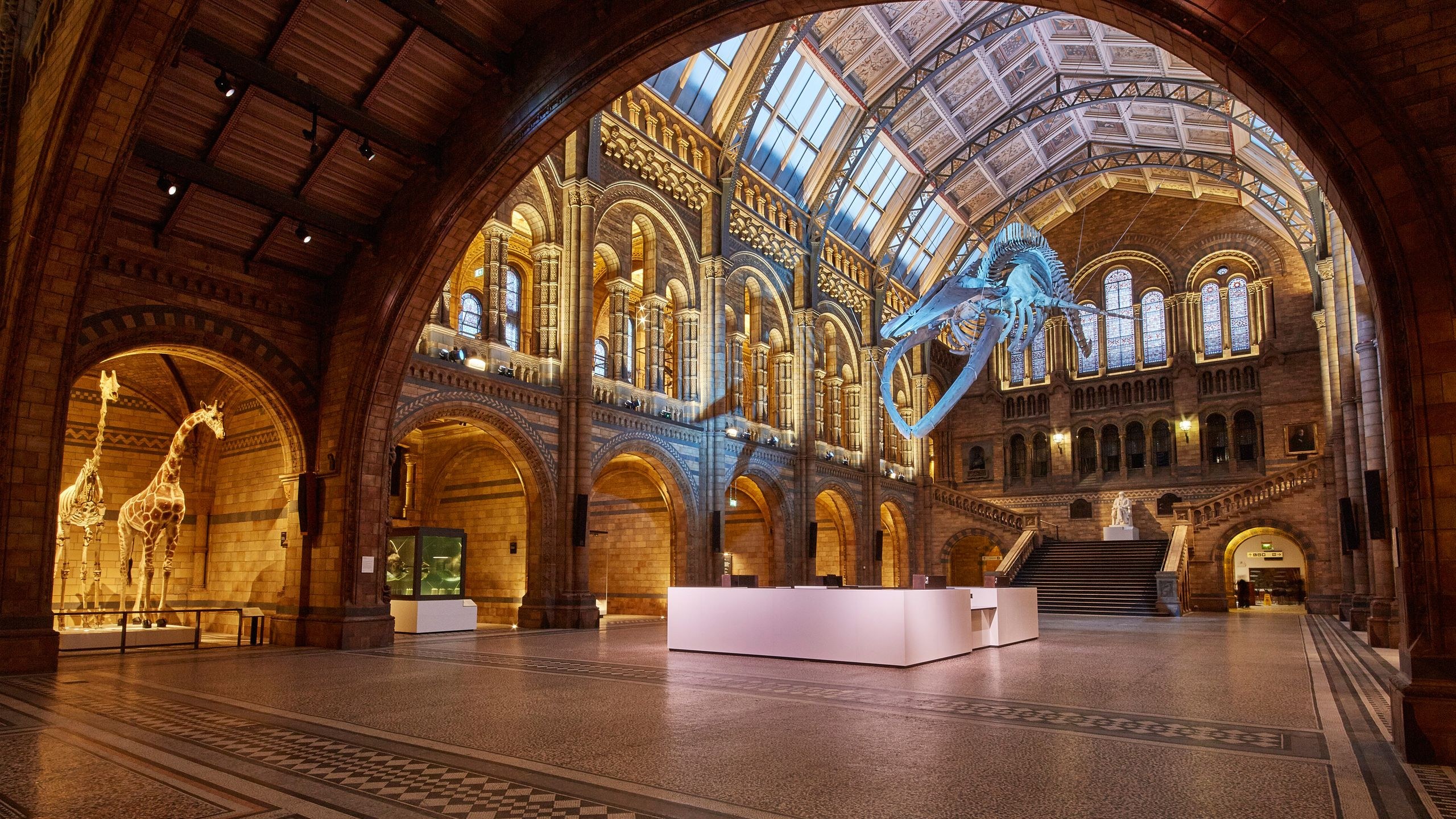 67 mi from SouthamptonNatural History Museum
 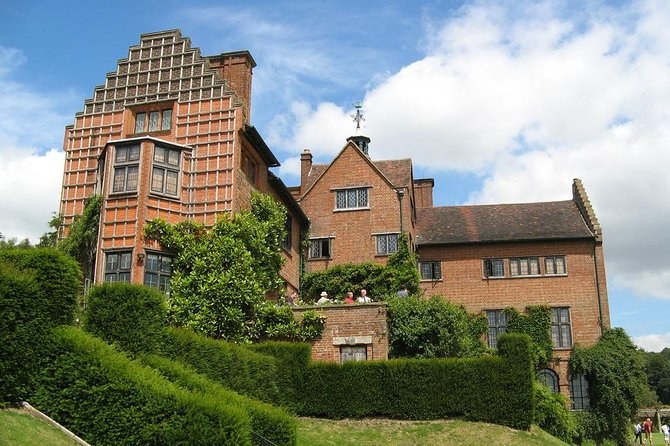 57 mi from Southampton · land adventureChurchill's Kent, Glyndebourne at Dusk & London's Secret Side
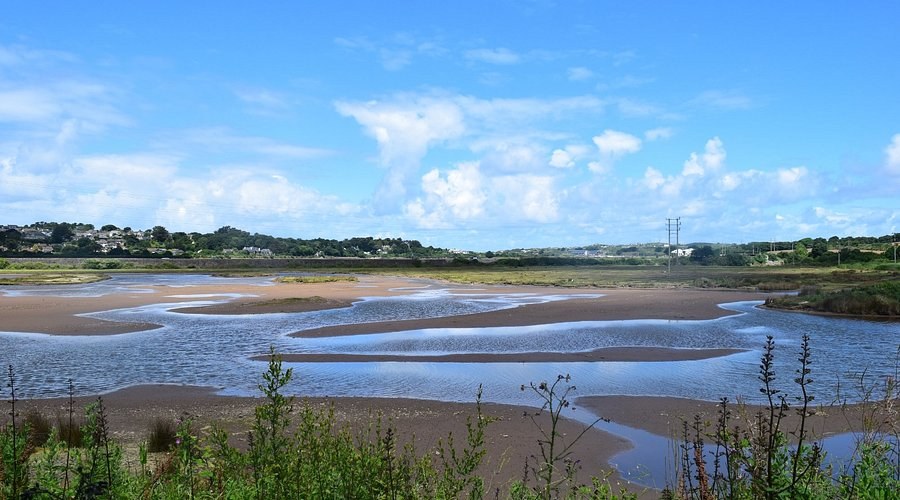 57 mi from Southampton · land adventureCornwall's Wild Coast: Tin Mines, Tidal Castles & Beach Bars
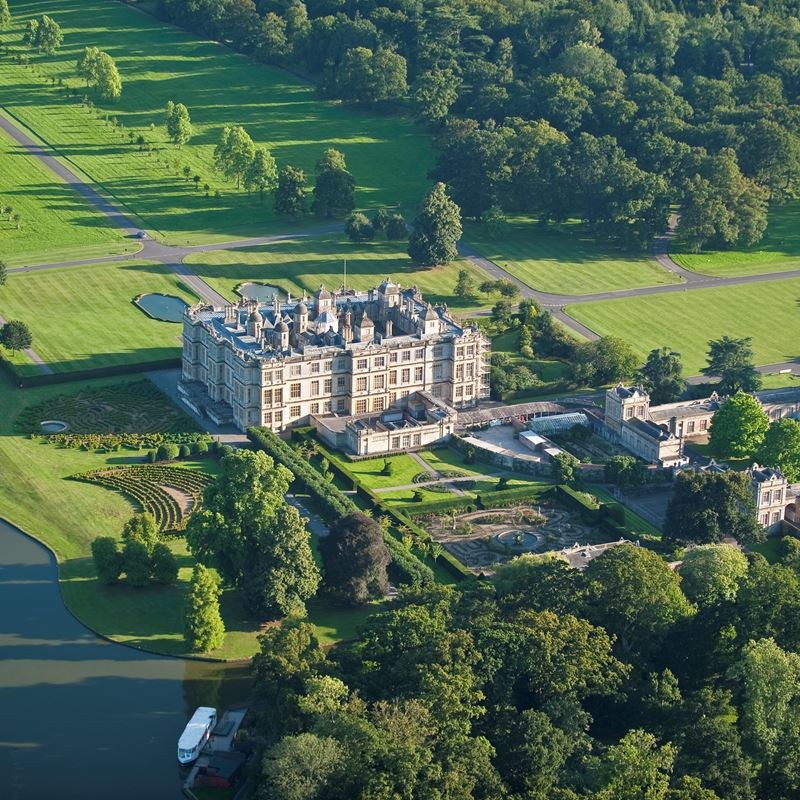 66 mi from Southampton · land adventureGeorgian Bath, Wild Somerset: Limestone, Lions and Lock Flights
 After you step off · near Stockholm
You end in a different port — stay on, and add what is within reach before you fly home.