Your cruise
Seabourn Ovation · 21-night Mediterranean cruise, Dubrovnik to Barcelona
Sep 4 – Sep 25 · 21 nights ·
Day 1 Dubrovnik (board) · Day 2 at sea · Day 3 Koper · Day 4 Rijeka · Day 5 Zadar · Day 6 Split · Day 7 Kotor · Day 8 Dubrovnik · Day 9 Korcula · Day 10 Kotor · Day 11 at sea · Day 12 Giardini Naxos · Day 13 Lipari · Day 14 Salerno · Day 15 Civitavecchia (Rome) · Day 16 Portofino · Day 17 Monte Carlo · Day 18 Marseille · Day 19 Port Vendres (Carcassonne) · Day 20 at sea · Day 21 Valencia · Day 22 Barcelona (step off)
What you do Descend into Europe's most dramatic underground world — 24km of cathedral-like caverns — then stand before Predjama, a medieval castle impossibly built into a clifftop cave. A once-in-a-lifetime double act that defines Slovenia.
What to expect A scenic 45-minute drive through the Karst plateau delivers you to Postojna, where an electric train whisks you deep underground into a glittering labyrinth of galleries. Your expert guide points out the resident olm — the pale, cave-dwelling 'human fish' — before you surface for lunch. The afternoon is spent at Predjama Castle, a 16th-century fortress wedged into a 123-metre cliff face, with secret tunnels and bandit-lord legends at every turn.
Good to know Caves are a constant 8°C — bring a layer. Allow 5–6 hours total; most ships offer an all-aboard of 18:00–19:00, giving comfortable return time. Pre-book your private guide slot well in advance in peak summer.
Versus the ship tour Private or small-group departure means your own pace inside the caves, your own guide narrating the stalactite formations, and no jostling with mass-market crowds at one of Europe's most-visited underground wonders.
book direct with Koper Tours (kopertours.eu) → · the full guide →
What you do Iconic emerald-green lake with a fairytale island church, then a stroll through Ljubljana's baroque riverside — Slovenia's two crown jewels in one sweeping private day. Genuinely among the most photogenic landscapes in Europe.
What to expect The two-hour drive northwest into the Julian Alps is a destination in itself, revealing karst gorges and alpine meadows. At Bled, a traditional wooden pletna boat rows you to the island church where you ring the wishing bell. In Ljubljana, your guide navigates the car-free Old Town — dragon bridges, open-air market, and castle funicular — before a leisurely lunch on the Ljubljanica riverbank.
Good to know Ljubljana is approx. 120km from Koper; allow a full 9–10 hours. Traffic through Ljubljana can be heavy in summer afternoons — a private driver allows route flexibility. Confirm all-aboard time with your ship before booking.
Versus the ship tour A private vehicle and dedicated local guide means you arrive at Bled before the tour-bus surge, take a gondola (pletna) to the island at your leisure, and linger over Ljubljana's Triple Bridge as long as you wish — no fixed group timings.
book direct with Koper Tours (kopertours.eu) → · the full guide →
What you do Walk suspended bridges over an underground canyon so vast it dwarfs any cathedral — Škocjan's Silent Cave and Murmuring Cave are a UNESCO World Heritage marvel and, for many, the more breathtaking of Slovenia's two great cave systems.
What to expect A knowledgeable park ranger leads you through the Dry Cave's extraordinary stalactite chambers before the path descends dramatically into the Murmuring Cave — a 2km underground canyon with the Reka River roaring 150 metres below. The swinging Hanke Bridge above the gorge is genuinely vertiginous and utterly exhilarating. The tour ends in sunlight via a natural collapsed doline, a finale as theatrical as the caves themselves.
Good to know Tours depart at fixed times (check official site for schedule); cave temperature is 12°C — bring a light jacket. The park is a 45-minute drive from Koper port; combine with a Lipica Stud Farm visit for a full Karst day. Book official entry tickets in advance in July–August.
Versus the ship tour Škocjan admits visitors only in small guided groups, ensuring an intimate, almost sacred atmosphere inside the caverns. At just 45 minutes from Koper's port, it is also the most time-efficient world-class experience available from this port.
book direct with Škocjan Caves Park (Official) → · the full guide →
What you do The birthplace of the legendary white Lipizzaner horses — the same bloodline that performs in Vienna — set on a 300-year-old estate in the stony Karst plateau, just 25 minutes from Koper port. An equestrian bucket-list experience with deep Habsburg soul.
What to expect Step into a world of Habsburg splendour as pure-white horses train in an open-air arena framed by ancient oak forest. The guided stable tour reveals the meticulous breeding records dating to 1580 and introduces you to foals at various training stages. If timed with a Classical Riding Show, you witness the choreographed haute école movements — pirouettes, levades, and caprioles — that made Vienna's Spanish Riding School world-famous.
Good to know Check the official website for the Classical Riding Show calendar (shows are not daily). The farm is 25km from Koper — easily paired with Škocjan Caves for a full Karst region day. Book show tickets in advance online; the farm sells out on cruise-port days.
Versus the ship tour The official stud farm offers private riding lessons and behind-the-scenes stable access that goes far beyond the standard visitor circuit — you can arrange a personal introduction to trainers and the horses in their stalls, a truly exclusive equestrian encounter.
book direct with Kobilarna Lipica (Official Stud Farm) → · the full guide →
What you do Venetian-Gothic architecture spilling down a perfect Adriatic promontory — Piran is arguably the most beautiful small town on the entire northern Adriatic. A private expert-led walk through its labyrinthine medieval streets is the finest way to experience it.
What to expect The 30-minute coastal drive south from Koper already charms, arriving at the tip of Piran's slim peninsula. Your guide leads you through impossibly narrow alleys — impossibly narrow, yet lined with ochre-washed Renaissance facades — to the clifftop Church of St George for panoramic Adriatic views. Tartini Square, one of the most elegant piazzas in Central Europe, is the centrepiece, before a tasting of local Malvazija wine and Piranese prosciutto at a family-run konoba.
Good to know Piran is 30km from Koper port (approx. 30–35 min). Combine with Portorož's salt pans for a full coastal half-day. All-aboard allows a comfortable morning departure. Parking in Piran is restricted — a guided transfer is strongly advisable.
Versus the ship tour A private guide unlocks the stories behind the lion-carved palazzi, the Tartini Square fountains, and the ancient salt-pans of Sečovlje — context that transforms a pretty town into a living chapter of Venetian maritime history.
book direct with Koper Tours (kopertours.eu) → · the full guide →
What you do Taste award-winning Refošk and Malvazija wines at Vinakoper's cellars — the finest winery on the Slovenian coast — then walk five minutes to Koper's magnificent Venetian Praetorian Palace and medieval Tito Square. The ultimate port-day luxury for the time-conscious.
What to expect Vinakoper's sommelier-guided tasting showcases the distinctive mineral terroir of Istrian Refošk (a bold, earthy red) alongside the coastal Malvazija — both produced from vines grown on the sun-baked red Karst soil just kilometres away. The premium reserve flight includes aged expressions rarely seen outside Slovenia. After the tasting, your guide walks you through Koper's Old Town — the Byzantine Cathedral of the Assumption, the arcade-lined Praetorian Palace, and the Renaissance Loggia — all within a self-contained UNESCO-worthy quarter.
Good to know Vinakoper is walkable from the port terminal. Book the cellar tour in advance, especially on summer cruise days. Pairing this with a Piran afternoon makes an excellent full-day itinerary. The Koper Old Town walk adds just 1–1.5 hours and requires no transfer.
Versus the ship tour Vinakoper sits within a 10-minute walk of the cruise pier, making this a rare opportunity to enjoy an unhurried, expert-led wine tasting in a working cooperative cellar without burning a single hour of your port day on transfers.
What you do Descend into Europe's most dramatic underground world — 24km of cathedral-like caverns — then stand before Predjama, a medieval castle impossibly built into a clifftop cave. A once-in-a-lifetime double act that defines Slovenia.
What to expect A scenic 45-minute drive through the Karst plateau delivers you to Postojna, where an electric train whisks you deep underground into a glittering labyrinth of galleries. Your expert guide points out the resident olm — the pale, cave-dwelling 'human fish' — before you surface for lunch. The afternoon is spent at Predjama Castle, a 16th-century fortress wedged into a 123-metre cliff face, with secret tunnels and bandit-lord legends at every turn.
Good to know Caves are a constant 8°C — bring a layer. Allow 5–6 hours total; most ships offer an all-aboard of 18:00–19:00, giving comfortable return time. Pre-book your private guide slot well in advance in peak summer.
Versus the ship tour Private or small-group departure means your own pace inside the caves, your own guide narrating the stalactite formations, and no jostling with mass-market crowds at one of Europe's most-visited underground wonders.
book direct with Koper Tours (kopertours.eu) → · the full guide →
What you do Iconic emerald-green lake with a fairytale island church, then a stroll through Ljubljana's baroque riverside — Slovenia's two crown jewels in one sweeping private day. Genuinely among the most photogenic landscapes in Europe.
What to expect The two-hour drive northwest into the Julian Alps is a destination in itself, revealing karst gorges and alpine meadows. At Bled, a traditional wooden pletna boat rows you to the island church where you ring the wishing bell. In Ljubljana, your guide navigates the car-free Old Town — dragon bridges, open-air market, and castle funicular — before a leisurely lunch on the Ljubljanica riverbank.
Good to know Ljubljana is approx. 120km from Koper; allow a full 9–10 hours. Traffic through Ljubljana can be heavy in summer afternoons — a private driver allows route flexibility. Confirm all-aboard time with your ship before booking.
Versus the ship tour A private vehicle and dedicated local guide means you arrive at Bled before the tour-bus surge, take a gondola (pletna) to the island at your leisure, and linger over Ljubljana's Triple Bridge as long as you wish — no fixed group timings.
book direct with Koper Tours (kopertours.eu) → · the full guide →
What you do Walk suspended bridges over an underground canyon so vast it dwarfs any cathedral — Škocjan's Silent Cave and Murmuring Cave are a UNESCO World Heritage marvel and, for many, the more breathtaking of Slovenia's two great cave systems.
What to expect A knowledgeable park ranger leads you through the Dry Cave's extraordinary stalactite chambers before the path descends dramatically into the Murmuring Cave — a 2km underground canyon with the Reka River roaring 150 metres below. The swinging Hanke Bridge above the gorge is genuinely vertiginous and utterly exhilarating. The tour ends in sunlight via a natural collapsed doline, a finale as theatrical as the caves themselves.
Good to know Tours depart at fixed times (check official site for schedule); cave temperature is 12°C — bring a light jacket. The park is a 45-minute drive from Koper port; combine with a Lipica Stud Farm visit for a full Karst day. Book official entry tickets in advance in July–August.
Versus the ship tour Škocjan admits visitors only in small guided groups, ensuring an intimate, almost sacred atmosphere inside the caverns. At just 45 minutes from Koper's port, it is also the most time-efficient world-class experience available from this port.
book direct with Škocjan Caves Park (Official) → · the full guide →
What you do The birthplace of the legendary white Lipizzaner horses — the same bloodline that performs in Vienna — set on a 300-year-old estate in the stony Karst plateau, just 25 minutes from Koper port. An equestrian bucket-list experience with deep Habsburg soul.
What to expect Step into a world of Habsburg splendour as pure-white horses train in an open-air arena framed by ancient oak forest. The guided stable tour reveals the meticulous breeding records dating to 1580 and introduces you to foals at various training stages. If timed with a Classical Riding Show, you witness the choreographed haute école movements — pirouettes, levades, and caprioles — that made Vienna's Spanish Riding School world-famous.
Good to know Check the official website for the Classical Riding Show calendar (shows are not daily). The farm is 25km from Koper — easily paired with Škocjan Caves for a full Karst region day. Book show tickets in advance online; the farm sells out on cruise-port days.
Versus the ship tour The official stud farm offers private riding lessons and behind-the-scenes stable access that goes far beyond the standard visitor circuit — you can arrange a personal introduction to trainers and the horses in their stalls, a truly exclusive equestrian encounter.
book direct with Kobilarna Lipica (Official Stud Farm) → · the full guide →
What you do Venetian-Gothic architecture spilling down a perfect Adriatic promontory — Piran is arguably the most beautiful small town on the entire northern Adriatic. A private expert-led walk through its labyrinthine medieval streets is the finest way to experience it.
What to expect The 30-minute coastal drive south from Koper already charms, arriving at the tip of Piran's slim peninsula. Your guide leads you through impossibly narrow alleys — impossibly narrow, yet lined with ochre-washed Renaissance facades — to the clifftop Church of St George for panoramic Adriatic views. Tartini Square, one of the most elegant piazzas in Central Europe, is the centrepiece, before a tasting of local Malvazija wine and Piranese prosciutto at a family-run konoba.
Good to know Piran is 30km from Koper port (approx. 30–35 min). Combine with Portorož's salt pans for a full coastal half-day. All-aboard allows a comfortable morning departure. Parking in Piran is restricted — a guided transfer is strongly advisable.
Versus the ship tour A private guide unlocks the stories behind the lion-carved palazzi, the Tartini Square fountains, and the ancient salt-pans of Sečovlje — context that transforms a pretty town into a living chapter of Venetian maritime history.
book direct with Koper Tours (kopertours.eu) → · the full guide →
What you do Taste award-winning Refošk and Malvazija wines at Vinakoper's cellars — the finest winery on the Slovenian coast — then walk five minutes to Koper's magnificent Venetian Praetorian Palace and medieval Tito Square. The ultimate port-day luxury for the time-conscious.
What to expect Vinakoper's sommelier-guided tasting showcases the distinctive mineral terroir of Istrian Refošk (a bold, earthy red) alongside the coastal Malvazija — both produced from vines grown on the sun-baked red Karst soil just kilometres away. The premium reserve flight includes aged expressions rarely seen outside Slovenia. After the tasting, your guide walks you through Koper's Old Town — the Byzantine Cathedral of the Assumption, the arcade-lined Praetorian Palace, and the Renaissance Loggia — all within a self-contained UNESCO-worthy quarter.
Good to know Vinakoper is walkable from the port terminal. Book the cellar tour in advance, especially on summer cruise days. Pairing this with a Piran afternoon makes an excellent full-day itinerary. The Koper Old Town walk adds just 1–1.5 hours and requires no transfer.
Versus the ship tour Vinakoper sits within a 10-minute walk of the cruise pier, making this a rare opportunity to enjoy an unhurried, expert-led wine tasting in a working cooperative cellar without burning a single hour of your port day on transfers.
What you do Descend into the largest cave system in Europe — 24km of subterranean cathedrals alive with stalactites — then visit a castle literally built into a cliff face. An otherworldly double-bill that simply cannot be replicated anywhere else on earth.
What to expect Board a miniature electric train that whisks you deep into a glittering underworld of 5-metre stalactites and 100,000-year-old formations. Your guide narrates the cave's wartime and scientific history at a pace you set. Emerging back into daylight, a 15-minute drive brings you to Predjama Castle, a Renaissance fortress wedged dramatically into a 123-metre cliff — the world's largest cave castle. Finish with a glass of local Teran wine before the return journey to Rijeka.
Good to know Postojna is approximately 1 hour 15 minutes from Rijeka port by private car. Book the combo ticket online in advance — cave timed-entry slots sell out weeks ahead in summer. Allow 4–5 hours on site; total excursion is 7–8 hours. Check your ship's all-aboard time carefully and build in a 90-minute buffer.
Versus the ship tour Arriving early via private transfer means beating the day-tour crowds into the cave's electric railway. A private licensed guide unlocks the geology and the legend of the cave's human cannonfish — detail lost entirely on a large coach excursion.
book direct with Postojna Cave Park (official) → · the full guide →
What you do Croatia's crown jewel — 16 turquoise terraced lakes linked by thundering waterfalls and ancient boardwalks through primeval forest. A UNESCO World Heritage Site so impossibly beautiful it feels painted. A non-negotiable bucket-list experience from Rijeka.
What to expect After a scenic 2-hour private transfer through the Lika highlands, you step onto the world-famous boardwalks that skim the surface of electric-blue Jezero Prošćansko. An electric boat glides you silently across the Great Lake as waterfalls cascade on all sides. The panoramic train sweeps you through forest between the upper and lower lake clusters. Your private guide reads the ecosystem — pointing out endemic trout hovering in crystal water, the tufa-building algae that creates new waterfalls over decades. Back in Rijeka by early evening.
Good to know Approximately 2 hours from Rijeka by private transfer. Full excursion is 10 hours — confirm all-aboard time before booking. Park entry tickets must be booked online in advance (summer slots sell out 2–3 weeks ahead). Wear comfortable walking shoes; some sections involve steps and uneven terrain. The Tripadvisor-listed day tour from Rijeka starts from approx. USD 131/person.
Versus the ship tour A private vehicle means you depart the port at dawn, arriving before the main coach wave — golden-hour light on the lower lakes is transformative. Your guide tailors the route to your pace, lingering where the photography or the stillness demands it.
book direct with Plitvice Lakes National Park (official) → · the full guide →
What you do Croatia's largest island is a sun-drenched labyrinth of hidden coves, a luminous Blue Cave, and medieval Venetian hilltowns. A private boat excursion weaves through four islands in a single gilded day — the definitive Kvarner Bay experience.
What to expect Your private captain departs Rijeka's waterfront and sets course across the deep blue Kvarner Gulf, pulling into the glowing sea-cave known as the Blue Cave on Krk's coastline — bioluminescent light turns the water an electric cobalt. You anchor in secret pebble bays, snorkel over Posidonia meadows, and dock briefly in Krk Town's Venetian walled harbour for coffee and local honey liqueur. The return leg hugs uninhabited islets where falcons nest in the karst cliffs.
Good to know Departs directly from Rijeka cruise port area — minimal transit time. Private boat tours should be arranged directly with the operator in advance; availability is limited in peak July–August. Confirm exact all-aboard time with your ship; most itineraries run 6–8 hours. Bring sunscreen, a hat and a light layer — sea breeze can be cool even in summer.
Versus the ship tour Private skippered vessel means the captain anchors in bays no larger vessel can reach, adjusting the route to wind, light and your wishes. Swim stops, snorkel breaks and a seafood lunch on deck are decided by you — the consummate private maritime experience.
book direct with Captain Bobo Private Boat Tours (Rijeka) → · the full guide →
What you do The Venetian-pink hilltop town of Rovinj and the 1st-century Roman arena at Pula — two icons of the Istrian Riviera — in one breathtaking private day. A collision of la dolce vita and ancient empire on the Adriatic.
What to expect Your guide collects you dockside and drives the scenic Istrian coast to Rovinj, where cobblestone lanes scented with lavender wind up to the Church of St Euphemia — panoramas across 14 offshore islands reward the climb. Lunch at a curated konoba features hand-rolled fuži pasta with black truffle and local Malvazija wine. The afternoon pivots to Pula's astonishing 1st-century amphitheatre — sixth largest in the Roman world — where your guide resurrects gladiatorial combat in vivid detail. Return along the Kvarner coast as the Adriatic turns to copper.
Good to know Rovinj is approximately 1.5 hours from Rijeka; Pula adds another 30 minutes. Full day is 9–10 hours — verify all-aboard time. Book ToursByLocals guide at least 2–3 weeks ahead in summer. Pula Arena entry is separate; book timed tickets online at arena-pula.hr to skip queues.
Versus the ship tour A licensed private guide fluent in Istrian history navigates both towns on foot at your pace — no marshalling, no waiting. Access to a table at a family-run konoba in Rovinj's old town for a truffle-laced lunch is arranged in advance, impossible to replicate on a group excursion.
book direct with ToursByLocals – Licensed Istria Guides (Ivana D. & associates) → · the full guide →
What you do Croatia's grandest 19th-century resort town meets wild Kvarner coastline: stroll the imperial Lungomare promenade past Habsburg villas, then paddle kayaks through sea caves and beneath limestone cliffs — all within 20 minutes of the port.
What to expect Begin the morning with a leisurely stroll along Opatija's legendary 12km Lungomare — a Habsburg-era seafront path edged with magnolias, grand hotels and the iconic bronze 'Maiden with the Seagull' sculpture. After coffee at a terrace café overlooking the Kvarner Bay, your certified kayak guide fits you out and leads a small group beneath dramatic limestone cliffs, through sea caves dripping with mineral formations and into hidden emerald bays inaccessible by foot. The return paddle hugs the coastline as yachts glide past the Učka mountain backdrop.
Good to know Opatija is just 15 minutes by taxi or local bus from Rijeka cruise terminal — one of the closest excursions on this list. Kayak tours run approximately 3 hours; pair with the Lungomare walk for a relaxed 5-hour morning. No experience required, but a moderate fitness level is recommended. Book kayak slots in advance via GetYourGuide — summer dates fill quickly.
Versus the ship tour Small-group kayaking (max 8 paddlers) with a certified sea guide means you squeeze through sea arches and into hidden grottos that rigid-hull vessels cannot enter — intimate, thrilling and wildly photogenic. The proximity to port makes this uniquely flexible for cruise timetables.
book direct with GetYourGuide – Opatija Cliffs & Caves Kayak (local operator) → · the full guide →
What you do Plunge into the ancient oak forests of Motovun with a third-generation truffle hunter and trained Lagotto hounds to unearth the 'white diamond' of gastronomy — the Istrian white truffle. End around a farmhouse table with a feast you will talk about for years.
What to expect Your private guide drives you through the rolling Istrian hills to the medieval hilltop village of Motovun, where a truffle-hunting family meets you at the forest edge with their Lagotto Romagnolo hounds. The dogs work the undergrowth with extraordinary focus while your hunter explains centuries of tradition, ecology and the global truffle economy. When the dog freezes and begins to scrape — you kneel, dig and hold a truffle worth its weight in silver. Back at the family farmhouse, the matriarch transforms your finds into a multi-course seasonal lunch paired with Motovun Teran red wine poured freely from a ceramic jug.
Good to know Motovun is approximately 1.5–2 hours from Rijeka by private car. Plan for a full day of 8–9 hours including lunch — confirm all-aboard time before booking. Truffle season peaks October–January (white) and May–November (black), though tours run year-round. Book your ToursByLocals guide at least 3–4 weeks ahead; this experience has very limited private slots.
Versus the ship tour Completely private, family-hosted experience — you are not one of 40 tourists watching a demonstration. You hold the lead, follow the dog's nose into the forest, and dig up your own truffle. The farmhouse meal that follows is off any public menu: eggs with fresh-shaved white truffle, truffle-infused olive oil, and aged sheep's cheese with honey.
book direct with ToursByLocals – Licensed Istria Guides (Truffle Experience) → · the full guide →
What you do Sail through 89 otherworldly limestone islands of Kornati National Park and anchor in the dramatic cliffs of Telašćica Nature Park. This is Croatia's most spectacular seascape — raw, silent, and utterly bucket-list.
What to expect Depart Zadar's harbour on a sleek wooden or motor yacht and cruise south into the Kornati archipelago, a UNESCO-recognised chain of bare, sculpted islands rising from electric-blue water. Drop anchor at will in secret coves for swimming and snorkelling over Posidonia meadows. Continue to Telašćica to see the sheer 160-metre cliffs and the famous saltwater lake warmed to near-spa temperature. Return with local wine and grilled fish on deck as the sun drops toward the Adriatic.
Good to know Full-day tours run 8–10 hours; confirm all-aboard time and allow 30 minutes to return to the ship. Pre-book a private charter weeks in advance in peak season (July–August). National Park entrance fee ~EUR 17 pp is usually included — confirm when booking.
Versus the ship tour Small-group or fully private charter means you anchor where you choose, swim in turquoise coves in total silence, and spend as long as you like in the salt lake at Telašćica — with no crowds and a skipper who knows every hidden bay.
book direct with Zadar Tourist Board Licensed Excursion Operators → · the full guide →
What you do Walk the legendary boardwalks above and behind sixteen cascading turquoise lakes deep in Croatia's karst interior. Plitvice is a UNESCO World Heritage site and one of Europe's most breathtaking natural wonders — unmissable from Zadar.
What to expect A comfortable 1.5-hour drive through Dalmatian highlands brings you to the park entrance. Your expert guide leads you across the iconic wooden boardwalks suspended just above milky-turquoise water, past Veliki Slap — Croatia's tallest waterfall at 78 metres — and through beech forest alive with birdsong. A short boat ride crosses the largest lake before looping back through the upper terraces. Lunch at a local restaurant near the park is typically included on full-day private tours.
Good to know Round trip from Zadar is ~3 hrs driving; allow a full day (10–11 hrs total). Park entry is EUR 27 pp in peak season (June–Sept) — confirm inclusion. Book private transfers well in advance; this is Croatia's single most visited site.
Versus the ship tour A private or small-group transfer (max 8 guests) means a licensed naturalist guide walks every boardwalk with you, explains the living travertine formations, and keeps you away from the massed tour-bus crowds that flood the site midday.
book direct with Tour Travel & More (Private Zadar Excursions) → · the full guide →
What you do Unravel 3,000 years of layered history — Roman forum, Romanesque cathedrals, Venetian gates and Hitchcock's 'most beautiful sunset' — on a private walk through Zadar's extraordinary peninsula old town.
What to expect Begin at the magnificent Land Gate — Zadar's Venetian triumphal arch — and weave through marble-paved lanes past the 9th-century Church of St Donat, built directly atop Roman columns still visible inside. Your guide reveals the Forum's 2,000-year-old stones, the soaring bell tower of St Anastasia's Cathedral (climb for Adriatic panoramas), and the hidden squares locals love. End at the waterfront promenade where the Sea Organ plays its hauntingly beautiful wind-powered notes and the solar-powered Greeting to the Sun pulses with light.
Good to know The port is a 10-minute walk from the old town gate; no transfers needed. Cathedral tower climb ~EUR 3 extra. Morning start recommended to avoid midday heat. The tour is entirely flexible — tell your guide your interests in advance.
Versus the ship tour A fully private licensed guide tailors the pace, depth, and stories to you — ducking into the medieval church of St Donat, lingering at the Roman Forum, and timing the Sea Organ and Greeting to the Sun at the golden hour that Alfred Hitchcock famously called the world's finest sunset.
book direct with Tour Travel & More (Private Zadar Excursions) → · the full guide →
What you do Glide between the unspoiled islands of Ugljan, Osljak, and Pašman on a premium small-group yacht, snorkelling crystalline Adriatic coves and sipping unlimited local Croatian wine. Pure Dalmatian dolce vita.
What to expect Cast off from Zadar's old harbour and skim across the channel to the green island of Ugljan, stopping at a secluded cove for a first snorkel in gin-clear water over sea grass and colourful wrasse. Continue to tiny Osljak — Croatia's smallest inhabited island — for a stroll through its single village. Anchor again at a sheltered bay off Pašman for a long swim and an unhurried spread of local cheese, prosciutto, and as much Croatian white wine as you care to enjoy. Return to Zadar sun-warmed and deeply relaxed.
Good to know Typically 5–6 hours; confirm exact all-aboard time. Bring reef-safe sunscreen, a hat, and a light cover-up. Snorkelling gear is included; fins available on request. Book 2–3 weeks ahead in July and August.
Versus the ship tour With a maximum of 12 guests on a sleek private-style vessel, you get the intimate pace of a private charter: hidden coves the big boats can't reach, gear provided, and a skipper-guide who pours the local wine and tells you which underwater spot has the clearest vis.
book direct with Zadar Tourist Board Licensed Excursion Operators → · the full guide →
What you do Visit Croatia's oldest royal city — tiny, walled Nin — its miraculous white-sand beach, therapeutic salt pans, and Europe's smallest cathedral, then return through Zadar on an exclusive private tour steeped in early Croatian history.
What to expect Cross the historic stone bridge into walled Nin, a jewel-box island town encircled by glassy lagoons. Your guide walks you through the pre-Romanesque Church of the Holy Cross — 9th century and just 24 metres long, yet precisely aligned with the solstice sun — and the remains of a Roman temple. Wade barefoot through the healing salt-mud of Nin's lagoon, a tradition dating back centuries. Then continue into Zadar's old town for the Roman Forum, St Donat's Church, and the Sea Organ before returning to the ship.
Good to know Nin is 15 km north of Zadar — a 20-minute private transfer. Combine seamlessly with a Zadar old town walk in a single half-day. Bring a swimsuit if you want to try the salt-mud therapy. Allow 5–6 hours total.
Versus the ship tour A private expert guide connects Nin's status as Croatia's first royal city with the Zadar story — context and depth impossible in a group setting — and includes the therapeutic salt-mud lagoon, a stop that larger tours skip entirely.
book direct with Tour Travel & More (Private Zadar & Nin Tour) → · the full guide →
What you do Raft through the stunning limestone gorge of the Zrmanja River — one of Dalmatia's best-kept secrets — where emerald waterfalls, canyon walls, and total wilderness create a once-in-a-lifetime adrenaline experience.
What to expect A scenic 1-hour drive north of Zadar delivers you to the put-in point on the Zrmanja, where your expert river guide fits you with a wetsuit, helmet, and paddle. The river winds through soaring limestone walls draped in greenery, past the famous Bergud waterfall where you can leap into the pool below. Sections of gentle floating alternate with exhilarating small rapids, and the translucent turquoise water reveals the river bed metres below. A barbecue lunch on the canyon bank caps the experience before the drive back to Zadar.
Good to know Suitable for fit adults and teenagers; no prior rafting experience needed. Transfer + activity is approx. 6–7 hours total — check all-aboard time carefully. All equipment (wetsuit, helmet, paddle, life jacket) is included. Minimum age typically 12.
Versus the ship tour A small-group adventure with certified guides means you navigate wild canyon sections and hidden waterfalls entirely off the mass-tourism trail — Zrmanja is consistently rated Croatia's most dramatic river landscape and rarely visited by cruise passengers.
book direct with Zadar Tourist Board Licensed Excursion Operators → · the full guide →
What you do Hike the ~1,350 ancient stone steps that zig-zag up the mountainside to the fortress at roughly 1,200 ft, where the whole red-roofed UNESCO Old Town and the fjord-like bay open up beneath you. This is THE iconic Kotor image and the single thing first-timers most regret skipping. The trailhead is inside the walled town a few minutes from the ship, so it's fully independent of the cruise line; allow 1.5-2.5 hrs round trip and go early to beat the heat and crowds.
What to expect You'll walk straight out of the pier through the UNESCO Old Town's cobbled streets toward the North Gate, where the ancient stone staircase suddenly reveals itself—1,350 steps zig-zagging steeply up the mountainside. As you climb, the red-roofed town shrinks beneath you and the fjord-like bay opens wider with each switchback, the final push rewarding you with the San Giovanni Fortress at roughly 1,200 feet, where the entire Kotor landscape spreads below in one breathtaking vista. The descent mirrors the ascent in reverse, and the whole circuit—climb, rest at the fortress, descent—flows naturally over 1.5 to 2.5 hours depending on your pace and photography stops.
Good to know Start within the first 90 minutes of docking to beat the heat and crowds on the exposed staircase; the trailhead sits just 5 minutes from the ship inside the walled town, with no booking needed—simply pay 8–15 EUR at the official municipal booths near the North Gate or behind St. Mary's church when you arrive. Bring plenty of water, sunscreen, and sturdy shoes with good grip for the stone steps, and plan to be back at the pier with a comfortable 30-minute buffer before all-aboard. Skip the cruise line's Old Town walking tours ($72–74, which don't even include the walls) and handle this entirely on your own for $9–17 total, walking directly from the ship with no intermediaries.
Versus the ship tour The ship's Old Town walking tours run $72-74 and DON'T even include the wall climb. The walls are a pay-at-the-gate $9-17 do-it-yourself climb 5 minutes from the pier, so there's nothing to book and nothing the cruise line can sell you here. Direct wins outright: save the full $72+ and just walk over.
book direct with Kotor City Walls / San Giovanni Fortress (official municipal ticket booths in the Old Town) → · the full guide →
What you do A fast open-boat run down Boka Bay to swim inside the Blue Cave (Plava Spilja), where sunlight refracts up through the water into an electric glow, with a stop at the islet church of Our Lady of the Rocks. It's the marquee on-water experience of the bay and fits a port-day window easily. Book the early slot to leave buffer before all-aboard.
What to expect You'll board a speedboat at the Central Park dock and make a fast, open-air run down Boka Bay toward the Blue Cave (Plava Spilja), where you'll slip into the grotto and swim in water that glows with an electric blue refracted light from the sun—the signature moment of the bay. From there, the boat carries you to the islet church of Our Lady of the Rocks for a second stop, then completes the circuit with a pass-by of the submarine base. The full loop runs 3 hours, with the rhythm of transit punctuated by two distinct water stops and the maritime scenery of the bay as your constant backdrop.
Good to know Book the early excursion slot to give yourself a comfortable buffer before all-aboard; the 3-hour duration fits easily into a 6–8-hour port day. The dock is a 5-minute walk from the cruise terminal, so you can time your departure independently without waiting for a ship shuttle. Bring swimwear under your clothes, reef shoes or water sandals, sunscreen, and a towel; safety gear is provided. Book directly with Montenegro Submarine ($49 per person) rather than through the ship ($89–100) to save $40–50 per person while controlling your own schedule.
Versus the ship tour The ship sells the identical Blue Cave run for $89-100. This Kotor-based operator does the same route, 3 min from the terminal, for $49 -- you save roughly $40-50 per person and depart on your own schedule.
What you do Cruise up the bay to Perast, the most beautiful Baroque village on Boka -- a car-free waterfront of Venetian palazzos -- then hop the short boat out to Our Lady of the Rocks, a man-made island church built by sailors over centuries and lined with votive silver tablets. It's the bay's signature culture-over-swimming outing and a gentler, lower-risk alternative to the full Blue Cave run, with a short, near-port itinerary that's easy to fit before all-aboard.
What to expect You depart from Njegoseva 34 in the Old Town and cruise up the Bay of Kotor to Perast, a car-free waterfront village of honey-colored Venetian palazzos rising from the Adriatic. Once there, you have time to wander the narrow streets and absorb the Baroque architecture before a short boat hop takes you out to Our Lady of the Rocks, a man-made island church where centuries of seafaring tradition manifest in glimmering votive silver tablets lining the walls. The rhythm is unhurried—boat, village stroll, island visit, boat back—making it feel less like a checklist and more like a local's afternoon discovery.
Good to know The entire excursion runs ~3 hours, easily fitting into a 6–8 hour port day; depart early to avoid a tight turnaround. The departure point is walking distance from the Old Town pier, but confirm exact directions with Sea Stars when you book (small groups up to 12 mean you can call ahead). Budget ~3 EUR in cash for island-church entry, paid on-site. Book direct with Sea Stars rather than through the ship—you'll pay $22–35 per person instead of $100–112, saving $70–90 and gaining flexibility with a local licensed skipper.
Versus the ship tour The ship charges $100 (by land) or $112 (by sea) for this same Perast / Our Lady of the Rocks visit. Booked direct it's a ~$22-35 boat trip -- you save roughly $70-90 per person for an experience that's a short hop from the pier.
What you do Paddle the glassy, mountain-walled bay at water level -- past the village of Muo, hidden swim coves and old stone churches -- the most active, low-key-adventurous way to feel the fjord-like setting Kotor is famous for. No experience needed, launches minutes from the Old Town, and easily fits a half-day port window for travelers who'd rather be on the water under their own power than packed into a tour boat.
What to expect You'll launch from the Kotor waterfront minutes from the Old Town and paddle at water level through the glassy, mountain-walled bay—the fjord-like setting Kotor is famous for—passing the village of Muo, hidden swim coves, and old stone churches. The rhythm is deliberate and active: you control the pace under your own power, spotting details and choosing where to linger that a motorboat simply won't allow. No experience is needed; a local guide can lead the way for the full immersion, or go self-guided if you prefer total freedom. It's a low-key adventure that feels intimate with the landscape rather than rushed through it.
Good to know The $44 guided trip or ~$11 self-guided rental fits easily into a half-day port window (6–8 hours); plan 2–3 hours on the water and account for a buffer to return to the pier well before all-aboard. Both options include kayak, paddle, and safety gear provided at launch. Book the guided tour ahead if possible to secure a local guide and avoid wait times during peak cruise arrivals. Wear water shoes or sandals you can paddle in, bring sun protection and a light layer, and expect to get wet—though the protected bay conditions are calm and forgiving for beginners.
Versus the ship tour Cruise lines rarely offer a true small-group kayak here -- their water excursions are the $89-100 motorboat runs. At $44 direct this is a different, more active experience the ship doesn't really replicate, and it's cheaper than the ship's boat tours to boot.
What you do The definitive 'see the real Montenegro in one day' loop: up the famous 25-hairpin serpentine for the most dramatic bay panorama in the country, into Lovcen National Park, the old royal capital Cetinje, and the birthplace village of Njegusi for farm-smoked prsut, cheese and rakija. Best for travelers who want mountains, history and a culinary stop over the water -- but it's a long inland day, so this is for ports with a late all-aboard only.
What to expect You'll ascend the famous 25-hairpin serpentine road with jaw-dropping views of Kotor Bay unfolding beneath you, then enter Lovcen National Park to explore Montenegro's dramatic mountain landscape. From there, the tour routes through Cetinje, the old royal capital, before descending into Njegusi—a birthplace village where you'll taste farm-smoked prsut, local cheese, and rakija in their source. The rhythm is mountains-to-history-to-table: a full sensory loop through inland Montenegro that brings the country's geography, heritage, and culinary tradition into sharp focus in a single day.
Good to know Departs Kotor Old Town at 9:00 AM and returns around 7:30 PM (roughly 13 hours total), so book only if your ship's all-aboard is significantly later and the operator guarantees return timing to the pier. Budget ~$18 cash for park and mausoleum entries plus ~€20 for lunch, which are not included in the $76 per-person tour price. Mini-bus transport and English guide are included, as is a Lake Skadar boat ride. This is an inland mountain day—not a casual excursion—so wear sturdy shoes, bring sun protection, and confirm your ship's evening schedule before committing.
Versus the ship tour TIME WARNING: this tour returns ~7:30 PM (up to 13 hrs) -- only book it if your ship's all-aboard is well after that, and use an operator that guarantees you back to the ship. On price the ship charges $59 for a partial version and $120+ for the full day; this direct full-day is ~$76, saving $40+ on the comparable flagship tour while covering more ground.
book direct with 360 Monte (Gray Line Montenegro) → · the full guide →
What you do Step inside Croatia's most perfectly preserved medieval walled town with a licensed local expert. Narrow herringbone-patterned lanes, Gothic palaces, and Marco Polo's alleged birthplace await — unhurried, in private.
What to expect Saša meets you at the town gate and threads you through the famous herringbone street grid — a medieval design to slow sea-borne invaders. You'll stand inside St. Mark's Cathedral with its Tintoretto altarpiece, peer into the Marco Polo House courtyard, and pause on the city walls above the Adriatic for views that have barely changed in 600 years. The tour adapts entirely to your curiosity — linger where you wish, duck into a local konoba for a glass of Pošip white wine, and leave with a genuine understanding of why Korčula is called the 'Little Dubrovnik'.
Good to know Old Town is a 5-minute walk from the main cruise tender/ferry pier — no transport needed. Book directly via TripAdvisor or email in advance as Saša's private slots fill quickly. All-aboard times are typically early evening; a 3-hour private tour fits comfortably.
Versus the ship tour A licensed, multilingual local guide — fluent in English, Spanish & Portuguese — leads you through Stari Grad at a genuinely unhurried pace, unlocking stories of the Venetian fortifications, the Marco Polo legend, and the living fabric of island life that a group tour simply cannot offer.
book direct with Korčula Tours with Saša (Licensed Local Guide) → · the full guide →
What you do Watch the Moreška — a centuries-old battle sword dance unique to Korčula — performed by costumed warriors in a thunderous outdoor spectacle. This living UNESCO-listed tradition is performed nowhere else on Earth.
What to expect Held in the open-air theatre just outside the Old Town walls, the Moreška tells the story of two kings fighting for the hand of a princess — and the full-contact choreography of clashing real swords is electrifying. Dancers in red and black costumes perform seven rounds of escalating intensity, accompanied by a live brass band. The atmosphere — warm Adriatic evening, stone walls glowing amber — is cinematic. Performances run on specific evenings (traditionally Thursdays in summer, with additional dates in peak season); your guide can confirm the schedule for your port day.
Good to know Check the exact performance date for your call date before sailing — performances are confirmed weekly. The theatre is a 5-minute walk from the pier. Arrive 20 minutes early for front-row seats even with a pre-booked ticket. Duration approximately 45 minutes.
Versus the ship tour Tickets booked direct give you priority front-row seating — the difference between watching clashing steel a metre from your face versus straining from the back. The Moreška is performed by the same families who have danced it for generations; this is living heritage, not a tourist show.
book direct with Moreška Cultural Society Korčula (Official) → · the full guide →
What you do Journey 6 km east to Lumbarda — the only place on Earth where the rare indigenous Grk white grape grows — for a private cellar tour and guided tasting of Korčula's celebrated Pošip and Grk wines amid centuries-old stone terraces.
What to expect A short taxi or private transfer drops you in Lumbarda's sun-drenched village, where Bire's fourth-generation family welcomes you into a working stone winery. You'll taste through four to six wines — crisp, mineral Pošip; the rare, full-bodied Grk (a grape that exists only here); and possibly a limited-release reserve. Paired with local prosciutto, sheep's cheese, and olive oil, the tasting is as much a lesson in Dalmatian terroir as it is a pleasure. The vineyard terrace looks back across the bay to Korčula's medieval skyline.
Good to know Arrange a private transfer from the pier (approx. EUR 20 return by taxi) or rent a bicycle for a scenic 30-minute ride. Pre-book the tasting directly via the Bire website to ensure the winemaker is present. Allow 2–2.5 hours; leaves ample time before all-aboard.
Versus the ship tour Bire is one of the island's most respected family estates, producing award-winning Pošip and Grk on sandy soils unlike anything in the Adriatic. A private tasting here — in the family cellar, with the winemaker present — is a genuine oenophile's privilege, not a coach-tour pit stop.
book direct with Bire Winery Lumbarda (Official) → · the full guide →
What you do Tear through Korčula's fragrant pine forests, hidden coves, and hilltop olive groves in a private off-road buggy — stopping for a swim at a secluded beach and a feast of local cheeses, prosciutto, and island wine.
What to expect Your guide hands you the keys to a two-seat off-road buggy and leads a convoy of no more than eight vehicles through the island's lush interior — past ancient dry-stone walls, through olive and fig groves, and up to panoramic hilltop viewpoints over the Pelješac Channel. A stop at a deserted pebble cove for a 30-minute swim is followed by a shaded terrace tasting of local Pošip wine, island prosciutto, and sheep's cheese. The finale is a descent through fragrant macchia scrubland back to the harbour. No off-road experience needed — the guides brief you thoroughly.
Good to know Meeting point is a short walk from the pier; the operator will confirm exact logistics on booking. Wear light, enclosed shoes and bring a swimsuit and towel. Morning departures are cooler and recommended. Duration: approximately 3–3.5 hours.
Versus the ship tour Small-group and fully private departures mean you're navigating pine-scented dirt tracks and cliff-top viewpoints that are simply inaccessible by coach — with a local guide who knows every hidden swimming cove and shepherd's track on the island.
What you do Paddle the crystal-clear Adriatic along Korčula's wild southern coastline in a private or small-group sea kayak, slipping into sea caves and hidden bays that no boat can reach — finishing with wine in a waterfront konoba.
What to expect Launching from the bay just outside the Old Town walls, your guide paddles you south along a coastline of sheer limestone cliffs draped in wild rosemary and sage. You duck into a cathedral-like sea cave, float over turquoise shallows above ancient posidonia meadows, and pull up on a private pebble beach for a swim and snorkel. The guide narrates the island's ecology and history as you glide — pointing out nesting falcons and the distant outline of Hvar on the horizon. The half-day tour ends back at the pier with a cold glass of Pošip at a waterfront table.
Good to know No kayaking experience required — all equipment and a safety briefing are provided. Morning slots (departing 08:00–09:00) offer glass-calm water and softer light for photography. Book private slots well in advance in July–August. Duration: 3.5–4 hours.
Versus the ship tour A certified sea-kayak guide takes you to sea caves, submerged rock arches, and secret swimming beaches that are physically unreachable by motorboat — the coastline from the water is a completely different island. The Cruise Critic community rates this one of Korčula's top shore experiences.
What you do Cross to the Pelješac Peninsula for the ultimate Dalmatian indulgence: plucking live oysters from the Renaissance saltpan waters of Ston, then touring the Dingač wine region — home of Croatia's most celebrated red — with a private sommelier guide.
What to expect A private transfer (arranged by Toni) whisks you across by ferry to the Pelješac Peninsula in under 20 minutes. In Mali Ston — Europe's oldest oyster-farming town — you wade to the wooden racks with the farming family and eat oysters plucked seconds from the sea, chased with chilled Pošip and local mussels. The afternoon pivots to the steep Dingač slopes, where Croatia's only geographically protected red wine grape grows on near-vertical terraces above the sea. A small-estate tasting of Plavac Mali completes a day that is entirely about the flavour of this coastline. Toni calibrates pace and stops entirely to your group.
Good to know The ferry to Orebic departs from the main Korčula pier (foot passengers; approx. EUR 2 each way). Toni handles all logistics including winery access. Confirm all-aboard time before departure — most itineraries allow a 7–8 hour port day, which is ideal for this full experience. Pre-book at least 2 weeks ahead in peak season.
Versus the ship tour Toni is a licensed private guide specialising in gourmet and cultural slow travel — his expertise means you taste oysters directly from the farmer at the Mali Ston estuary, not from a buffet line, and you access small-estate Dingač producers who don't advertise to walk-in visitors.
book direct with Explore Korcula with Toni — Private Tour Guide (ToursByLocals) → · the full guide →
What you do Stand inside one of the ancient world's most dramatically sited theatres — a 3rd-century BC Greek stage framing live views of Etna and the Ionian Sea. A private expert guide unlocks the full story, from Greek origins to Roman conversion, with no crowds and no rush.
What to expect Your guide meets you dockside in Giardini Naxos and transfers you the short 5-minute drive up to Taormina. Inside the theatre you move at your own pace, pausing at the best photo vantage points while your guide narrates 2,300 years of history. After the theatre, a leisurely stroll along the Corso Umberto and a stop at Piazza IX Aprile round out the experience. You're back aboard with time to spare.
Good to know Book the private option directly on sicilyactive.com. The theatre opens at 09:00; arrive early to beat tour buses. Giardini Naxos port to Taormina is under 10 minutes by car. Confirm all-aboard time with the port agent and allow 30 minutes' buffer.
Versus the ship tour A dedicated private guide means unhurried, in-depth storytelling at each stone tier — plus freedom to linger at the panoramic stage backdrop of Etna at the exact moment the light turns golden.
book direct with Sicily Active (Private Shore Excursions) → · the full guide →
What you do Ride a private 4x4 to Europe's highest active volcano, trekking the lunar craterscape at 2,900 m with a licensed volcanologist guide. The sheer scale of Etna's lava fields and the sulphurous summit craters makes this the most viscerally unforgettable experience in all of Sicily.
What to expect Transfer from the port takes around 40 minutes through the dramatic lava-field landscapes of the Etna DOC wine belt. At the mountain, you board a dedicated 4x4 and ascend to the 2,900 m authorised trekking zone. Your volcanologist narrates the geology, recent eruption history, and ecological curiosities of the summit. On the descent, an optional stop at a family-run Etna winery adds a sensory counterpoint to the raw volcanic drama above.
Good to know Excursion runs 6–7 hours total — check your all-aboard time carefully. Bring a warm layer (summit temperatures can be 10–15°C cooler than the port). Closed-toe shoes are mandatory. Book the private 4x4 version directly via etnaexperience.com well in advance in peak season.
Versus the ship tour A licensed volcanologist — not a generalist guide — leads you. Private 4x4 access takes you well beyond the cable-car tourist zone to craters most visitors never reach, at a pace suited entirely to your group.
book direct with Etna Experience (official volcanological guide service) → · the full guide →
What you do Descend into the jet-black basalt columns of the Alcantara Gorges — a cathedral of volcanic rock carved by the clearest glacial river in Sicily. Combine it with the Etna foothills' terraced vineyards for a half-day of extraordinary geological theatre.
What to expect A private driver-guide collects you dockside and whisks you inland through citrus and olive groves to the gorge entrance. Descend by lift or stairway to the river-level canyon, where hexagonal basalt columns tower overhead and the ice-cold water swirls in deep blue pools. Your guide explains how ancient Etna lava flows sculpted this landscape over millennia. The return route passes Etna-side farms where wild pistachios and Nerello Mascalese vines grow in volcanic soil.
Good to know Bring a swimsuit if you want to wade into the rock pools (water is cold even in summer). Waterproof sandals are available for hire at the park. Round-trip from port is under 3 hours, making this perfect if you also want time in Taormina. Book the private transfer in advance through a local operator or directly with sicilyactive.com.
Versus the ship tour The gorges are only 25 minutes from port, yet most visitors skip them entirely. A private guide contextualises the extraordinary geology and ensures you arrive at opening time, before day-trippers crowd the canyon floor.
book direct with Gole Alcantara Botanical and Geological Park (official) → · the full guide →
What you do Glide along the Ionian coastline on a private skippered boat, looking up at Taormina's cliff-top theatre from the sea — the perspective no land-based visitor ever gets. Anchor at Isola Bella's crystalline reserve for snorkelling above posidonia meadows.
What to expect Depart from Giardini Naxos marina on a sleek motorboat, rounding the headland to reveal the full Taormina cliff face with the ancient theatre silhouetted above. The skipper anchors off Isola Bella's protected lagoon, where you snorkel over extraordinary rock formations and schools of Mediterranean fish. A chilled Sicilian wine and arancini are served on deck before the return. The whole excursion takes 2.5–3 hours, leaving ample time ashore.
Good to know Private charter: book as far in advance as possible via GetYourGuide's local Naxos operators. Snorkelling equipment is provided. Isola Bella is a nature reserve — swimming is restricted to designated zones; the skipper knows exactly where. Departures from the main Giardini Naxos harbour, steps from the cruise tender/pier.
Versus the ship tour A private skippered charter means the itinerary bends entirely to your group — longer at Isola Bella's marine reserve, a prosecco stop in a sea-cave, or simply drifting with Etna on the horizon. No timetable, no strangers.
book direct with Naxos Boat Tours (local private charter) → · the full guide →
What you do Taste Etna's most celebrated volcanic wines — Nerello Mascalese and Carricante — at Gambino, a fourth-generation estate rated 4.8/5 on Tripadvisor with over 1,000 reviews. A private sommelier-led tasting in the cellar, paired with local cheeses and antipasti, is pure Sicilian luxury.
What to expect A private transfer (40 minutes) carries you into the vine-quilted slopes of Etna Nord, arriving at the estate's elegant stone cantina. Your sommelier walks the terraced vineyards, explaining how altitude, volcanic minerals, and the scirocco wind shape each vintage. Back in the barrel cellar, four to six wines are poured — from the bright mineral Carricante white to a structured aged Nerello Mascalese — paired with local charcuterie, caciocavallo cheese, and Sicilian olives. You depart with a curated bottle selection, packed for travel.
Good to know Book the private tasting directly at gambinowinery.com, requesting the 'private reserve experience'. Allow 3–3.5 hours including transfers. Combine perfectly with an Alcantara Gorges visit on the same day. Confirm the winery's current seasonal opening hours when booking.
Versus the ship tour Gambino is one of only a handful of Etna estates with centuries-old pre-phylloxera vines at altitude. A private reserve tasting unlocks library vintages and direct conversation with the winemaking family — an access level simply unavailable on group excursions.
book direct with Gambino Vini (official winery) → · the full guide →
What you do Ascend beyond Taormina to the medieval eagle's-nest village of Castelmola, perched at 550 m with the most breathtaking panorama in all of eastern Sicily. Sip the legendary almond wine at Caffè San Giorgio before descending through Taormina's Baroque streets with a private historian guide.
What to expect Your private guide and driver collect you at the port and ascend by private car to Castelmola, bypassing the tourist coach queues entirely. At the summit castle ruins, the guide narrates the strategic history of this Arab-Norman stronghold while you take in the panoramic sweep from Etna to the Calabrian coast. Descend to Caffè San Giorgio for the unmissable ritual glass of almond wine. The afternoon is spent weaving through Taormina's Corso Umberto, pausing at the ancient theatre exterior, the Duomo, and the cliffside gardens of the Villa Comunale. You're returned to the port with stories and a bag of almond confections.
Good to know Book directly with italyvacationspecialists.com, specifying the Castelmola + Taormina private itinerary. The full experience runs 5–6 hours. Castelmola's lanes are steep cobblestones — wear comfortable shoes. The Villa Comunale gardens are free to enter and a perfect final stop before the drive back.
Versus the ship tour A private historian guide reveals the Norman, Arab, and Byzantine layers woven into every cobblestone — context that transforms a pretty hilltop village into a living millennium of Sicilian civilisation. The pace is entirely yours.
book direct with Italy Vacation Specialists (private Sicily specialist) → · the full guide →
What you do Trek to the summit crater of Europe's most active volcano as darkness amplifies every fiery eruption. Watch rivers of molten lava cascade down the Sciara del Fuoco — a once-in-a-lifetime spectacle only the brave earn.
What to expect After a safety briefing and equipment check, your licensed guide leads the group up the volcanic flanks as the sun sets, helmets and headlamps on. At the summit viewpoint, timed to nightfall, Stromboli's explosions light up the sky every 15–20 minutes and molten rock streams down the Sciara del Fuoco below you. The descent by torchlight is dramatic and memorable. Total trek duration is approximately 5–6 hours round-trip from the port.
Good to know Stromboli is reached by hydrofoil from Lipari (approx. EUR 25–35 return). Night treks must be pre-booked directly with Magmatrek as permits are strictly limited. Confirm your ship's all-aboard time and plan for a full-day excursion (depart Lipari by midday). Sturdy hiking boots and long trousers are mandatory.
Versus the ship tour Magmatrek holds the official Stromboli Guides Association licence — their volcanologist-led small groups (max 20) reach the 400 m crater-rim viewpoint, where you stand metres from live lava flows pouring into the sea. This is raw, expert-curated access to one of the planet's great natural spectacles.
book direct with Magmatrek (official Stromboli trekking operator) → · the full guide →
What you do Glide the electric-blue waters of the Aeolian archipelago aboard a gleaming private wooden gozzo or mahogany cruiser. Drift through sea caves, anchor off snow-white pumice beaches, and island-hop to glamorous Panarea — all at your own pace.
What to expect Your skipper collects you directly from Lipari's Marina Corta and whisks you along the coastline at leisure. The pumice-dusted white cliffs near Cave di Pomice are photographed from the water, then you slip into a jade-green sea cave for a swim. En route to Panarea, prosecco and local Aeolian antipasti appear on deck. Arriving at Panarea by private boat lets you anchor in prime position and explore the Prehistoric Village on foot before heading back in golden-hour light.
Good to know Book at least 2–4 weeks in advance in peak summer (June–September). Half-day (4h) options from approx. EUR 400 if a full day doesn't suit your port schedule. Confirm all-aboard time with your skipper at booking — most operators are expert at working around cruise schedules.
Versus the ship tour A fully private vessel means you set the itinerary — linger at the Grotta del Bue Marino sea cave, snorkel the pumice walls of Acquacalda, and moor off Panarea's jet-set harbour for a long Sicilian lunch. No fixed route, no strangers, no crowds.
book direct with Aeolian Luxury Boat Charter Lipari (local private charter) → · the full guide →
What you do With a vetted local expert as your sole guide, unlock the layered 3,000-year history of Lipari — from the Norman castle ramparts to the finest Aeolian archaeological collection in the world, plus secret belvederes the tour buses never reach.
What to expect Beginning at Marina Corta, you ascend into the medieval Lipari Castle complex through ancient Greek and Roman layers still visible in the rampart walls. Inside the Luigi Bernabò Brea Archaeological Museum, your guide narrates the island's role as the prehistoric obsidian-trade hub of the Mediterranean, bringing remarkable artefacts to life. From the Belvedere Quattrocchi viewpoint, four volcanic sea stacks frame one of the most photographed vistas in Italy. The pace is entirely yours — pause, linger, ask anything.
Good to know The Archaeological Museum entry is approx. EUR 6 per person (paid locally). First Sundays of the month are free. The full tour fits comfortably within a 3–4 hour port call. Pre-book your private guide as Lipari's licensed guides are limited in number.
Versus the ship tour Every tour is entirely private — just you and your personal expert guide, adapting pace and depth to your interests. Your guide has access to specialist knowledge of the Bernabò Brea Museum's Hellenistic vases and Neolithic obsidian that a group tour simply cannot provide.
book direct with Tours by Locals – Lipari Private Guides → · the full guide →
What you do Conquer the steaming rim of Vulcano's Gran Cratere, then plunge into the island's famous sulphur mud pools — a surreal, skin-renewing ritual that has drawn travellers since antiquity. Two utterly contrasting Aeolian experiences in one extraordinary day.
What to expect A private speedboat from Marina Corta delivers you to Vulcano Porto in under 30 minutes. Your guide leads the 45-minute crater ascent through lunar sulphur-yellow terrain, rewarding you at the top with panoramic views across the entire Aeolian archipelago and billowing fumarole vents. Back at the waterfront, you immerse in the famous Pozze di Fanghi sulphur mud pools — volcanic geothermal at its most indulgent — before rinsing off in the warm, naturally carbonated sea. Lunch at a harbourfront restaurant before the boat returns to Lipari.
Good to know Wear clothes and swimwear you don't mind staining — sulphur mud is permanent on fabric. Crater hiking shoes essential. The round trip to Vulcano and back fits well into a half-day (4h), making it ideal for ships with afternoon all-aboard times. Hydrofoils also run regularly from Lipari to Vulcano (approx. EUR 10–15 return).
Versus the ship tour Vulcano sits just 30 minutes from Lipari by boat and is best explored with a private guide who can time the crater climb for the magical golden hour, keeping you well away from the midday heat and tour-group rush. The mud baths are a primal, therapeutic experience unlike anything else in the Mediterranean.
book direct with Volcano Island Private Boat Tour (via Lipari local operators / Aeolian Boat Experience) → · the full guide →
What you do Journey to the lush sister island of Salina — the green jewel of the Aeolians — to taste its legendary Malvasia delle Lipari DOC, one of Italy's most prized and ancient amber dessert wines, poured by the family producers who make it.
What to expect The hydrofoil from Lipari to Santa Marina Salina takes just 20 minutes, and a short taxi ride brings you to Capofaro's sun-drenched terraced vineyards overlooking the sea. Your host pours three to four expressions of Malvasia delle Lipari alongside Aeolian capers, local cheeses, and sun-dried tomatoes. The estate's sommelier explains why volcanic soil and sea winds create this wine's uniquely aromatic, golden character. Time permitting, stroll the vine rows and enjoy the jaw-dropping view over Panarea and Stromboli.
Good to know Salina is served by regular hydrofoil from Lipari (approx. EUR 10–15 return; journey 20–40 min). Book estate tastings directly with Capofaro well in advance — this is a boutique property with limited daily slots. Allow at least 3.5–4 hours for the round-trip island visit. Pairs beautifully with a pre-booked lunch at the estate's restaurant.
Versus the ship tour Capofaro is a Tasca d'Almerita estate — one of Sicily's most acclaimed wine dynasties — set dramatically among lighthouse-flanked Malvasia vines above the sea. A private tasting here is an intimate, world-class wine experience on an island that feels entirely removed from ordinary tourism.
book direct with Capofaro Malvasia & Resort (official estate) → · the full guide →
What you do Slip beneath the glittering surface of the Aeolian Marine Reserve to explore sea caves, ancient obsidian outcrops and thriving Posidonia meadows teeming with Mediterranean marine life — guided by a local marine naturalist on a private small-group boat.
What to expect Departing from Marina Corta on a private rigid inflatable, your marine guide navigates to the Grotta del Bue Marino — a cathedral-like sea cave glowing cobalt from within — where you snorkel through kaleidoscopic rock formations. Next, the boat moves to the obsidian coastline where ancient black volcanic glass forms the seabed, a surreal and uniquely Aeolian experience. The guide identifies sea bream, octopus, star coral and Posidonia sea grass throughout. High-quality mask, fin and snorkel sets are provided; wetsuits available.
Good to know No scuba certification required — strong swimmers of any age can participate. Book directly with Da Massimo in advance, especially July–August. Half-day excursions (3–4 hours) work perfectly for cruise schedules. All equipment is top-quality; personal underwater cameras are welcome. Check sea conditions the day before — excursions may be rescheduled in high winds.
Versus the ship tour Da Massimo is Lipari's longest-established and most respected water-sports centre, run by local marine experts who know every submerged cave, obsidian reef and hidden sea arch around the island. A private guided snorkel with their naturalist is the only way to access the more remote grottoes safely and with authoritative ecological context.
book direct with Da Massimo Diving Centre Lipari (official local dive & snorkel operator) → · the full guide →
What you do Glide along the world's most dramatic coastline aboard a private luxury vessel, anchoring at Positano's pastel cliffs, swimming in hidden sea caves, and toasting with Aperol spritz as the Tyrrhenian sun sets. The Amalfi Coast from the water is simply unmissable.
What to expect Step aboard a classic wooden gozzo or sleek motorboat from Salerno's marina and trace the jaw-dropping limestone cliffs of the Amalfi Coast. Your skipper navigates into the Grotta dello Smeraldo, stops at secluded coves for snorkeling, and moors at Positano's beach for a long, unhurried lunch. The return sail at golden hour, with the coast glowing amber, is the defining image of any Italy trip.
Good to know Departs from Salerno's Piazza della Concordia ferry dock, a 10-minute walk from the cruise terminal. Full-day charters run 8–9 hours; half-day options available. Book at least 3–4 weeks ahead in peak season. Confirm all-aboard time and build in 30 minutes' buffer for the return.
Versus the ship tour A fully private or intimate small-group charter means you set the pace — linger in a sea cave, anchor for a swim wherever the water glitters, and dine at a harbourside trattoria in Amalfi on your own schedule, with no crowds and no coach transfers.
book direct with Salerno Incoming (official local boat operator) → · the full guide →
What you do Walk the ghostly streets of Pompeii with a practicing archaeologist after the main crowds have left — an extraordinary, almost cinematic encounter with the Roman world frozen in 79 AD. Limited entry makes this the rarest ticket on the Amalfi circuit.
What to expect A private car or minivan collects you from the cruise pier for the 45-minute drive north. Roberto opens the experience with context at the Forum before moving through the Villa of the Mysteries, the Lupanar, and the House of the Faun — sites often rushed on group tours. He reads original Latin inscriptions aloud and reconstructs daily Roman life with vivid, peer-reviewed detail. You return with a completely different understanding of antiquity.
Good to know Pompeii Archaeological Park tickets must be pre-booked online at pompeiisites.org; timed entry slots sell out weeks ahead. Allow 4–5 hours on site plus 1.5 hours' total transfer. Check all-aboard time carefully — depart the site no later than 2 hours before ship departure.
Versus the ship tour Roberto is a practicing archaeologist and Salerno native — he interprets the frescoes, the graffiti, the plaster casts, and the urban layout at a depth that transforms a visit into genuine scholarship. Private access means you linger where you choose, not where a group flag waves.
book direct with Guides of Italia (Roberto, licensed archaeologist-guide) → · the full guide →
What you do Stand before three of the best-preserved Greek temples on Earth — older and more intact than the Parthenon — then retire to a working buffalo farm for a private mozzarella tasting paired with local wines. This is Campania at its most gloriously uncrowded.
What to expect Your private car heads south along the Tyrrhenian coast to the UNESCO-listed ruins of Paestum, arriving early before the heat and day-trip coaches. Roberto brings the Temple of Neptune (c. 450 BC) to life through myth, politics, and architectural analysis. The National Museum of Paestum, with its stunning Tomb of the Diver fresco, follows. Lunch is a private tour of a Mozzarella di Bufala Campana DOP farm — you watch the cheese pulled by hand and taste it warm with local EVOO, prosciutto di Parma, and Fiano di Avellino.
Good to know Half-day excursion, approximately 5–6 hours total. Pre-book the farm visit separately as availability is limited. Comfortable walking shoes essential — the archaeological site has uneven stone paths. Paestum is in the opposite direction from the Amalfi Coast, so this excursion works best for guests who want to avoid the coast-road traffic entirely.
Versus the ship tour Paestum is only 40 minutes south of Salerno — closer than Pompeii, far less visited, and arguably more beautiful. The private buffalo-farm tasting after the temples is an experience outsiders almost never access, arranged only through well-connected local guides.
book direct with Guides of Italia (Roberto, licensed archaeologist-guide) → · the full guide →
What you do Scale the Lombard-era Castello di Arechi for panoramic views over the Gulf of Salerno, then descend into a medieval old town of Norman cathedrals, ancient apothecary gardens, and poetry-lined alleyways. Salerno's own treasures are shockingly underrated.
What to expect Your guide meets you steps from the pier. The morning begins at the Castello di Arechi, a 8th-century hilltop fortress with sweeping Gulf views, reached by a short taxi or private car. You descend into the labyrinthine old town — through the Arco Catalano, past the Museo della Scuola Medica Salernitana, and into the Giardino della Minerva, a terraced hillside garden of medicinal herbs with Gulf vistas. The Duomo di Salerno (Cathedral of St Matthew) crowns the route, its Byzantine mosaics and Norman bronze doors among southern Italy's finest. A coffee stop at a historic bar on Corso Vittorio Emanuele ends the morning on a perfectly Italian note.
Good to know Meeting point is the cruise terminal or Piazza della Concordia — confirm with your guide at booking. Duration: 3.5–4.5 hours. The Giardino della Minerva charges EUR 3 entry; the Duomo is free. Wear comfortable walking shoes; the old town is hilly and cobbled. This excursion is walkable from the ship, making it the lowest-logistics option on port day.
Versus the ship tour A private local guide unlocks access and narrative that no self-guided walk can match — from the hidden Giardino della Minerva (Europe's first botanical-medical garden, dating to the 11th century) to the jewel-encrusted crypt of Salerno Cathedral, with context woven from the city's remarkable medieval medical school heritage.
book direct with GetYourGuide – Salerno Private Custom Tour with a Local Guide → · the full guide →
What you do Attend a chamber concert in the Villa Rufolo's clifftop gardens — inspiration for Wagner's Parsifal — then walk the ancient Marine Republic of Amalfi and explore its Arab-Norman cathedral. Culture, scenery, and music fused in one extraordinary day.
What to expect A private car winds up the vertiginous corniche to Ravello, 350 metres above the sea, arriving at the 11th-century Villa Rufolo in time to stroll the terraced gardens before the concert begins. Strings and piano carry across the Gulf in the open air — one of Italy's most purely cinematic musical experiences. Afterwards, the car descends to Amalfi for a long lunch of sfogliatella and fresh-caught pesce at a harbourside restaurant, followed by the Cathedral of Sant'Andrea with its gilded Byzantine mosaics and dramatic black-and-white striped façade.
Good to know Concerts at Villa Rufolo typically run June–September; check the schedule at ravelloarts.org and book tickets well in advance as they sell out. Drive time from Salerno to Ravello is approximately 45–60 minutes depending on coastal traffic. Allow at least 6 hours for the full combined experience. Evening concerts require careful checking against all-aboard time — afternoon matinée performances are the safer option for cruise guests.
Versus the ship tour The Ravello Concert Society has staged world-class classical performances on Villa Rufolo's belvedere since 1953 — this is not a tourist show but a serious cultural institution. Pairing it with a private car so you dictate the itinerary, not a bus timetable, turns it into an entirely personal grand-tour moment.
What you do Shop Salerno's Mercato del Carmine with a local chef, then cook a four-course Campanian feast in a private kitchen — from hand-rolled pasta to limoncello semifreddo. Eat what you cook over a long, convivial lunch with local wine pairings.
What to expect Your chef-host meets you at Salerno's covered morning market, guiding you through stalls of San Marzano tomatoes, local provola cheese, fresh anchovies from Cetara, and bundles of wild herbs. Back in the kitchen, you make fresh paccheri pasta from scratch, a slow-cooked ragù napoletano, a traditional caprese with buffalo mozzarella, and a lemon dessert using Amalfi Coast sfusato lemons. The meal is eaten together around the family table with a curated selection of Campanian whites and reds, with the chef narrating the history and lore behind every dish.
Good to know Classes typically run 4–5 hours. The kitchen is a short taxi ride or 15-minute walk from the cruise terminal. Book the private option well ahead for a truly bespoke experience — small-group classes fill quickly in summer. Advise the operator of any dietary restrictions at booking. Ideal for morning port calls where you want to be back aboard by mid-afternoon.
Versus the ship tour A small-group or private cooking class in a Salernitano home kitchen is the most intimate way to understand why Campania — the birthplace of pizza and the Mediterranean diet — is considered Italy's greatest food region. You leave with recipes, full, and genuinely connected to the place.
book direct with GetYourGuide – Salerno Cooking Class → · the full guide →
What you do This is the definitive Rome bucket-list day: Michelangelo's Sistine Chapel ceiling and Last Judgment, the Vatican Museums, St. Peter's Square, plus the Colosseum and Roman Forum — all in one 9-hour private run from the pier. Your driver collects you ship-side in a Mercedes and the 'privilege' skip-the-line tickets to both the Vatican and Colosseum mean you walk past the 2-hour queues that would otherwise eat your port day. Note this is a private-driver tour, not a guided one: you explore the interiors at your own pace (audio guides sold inside).
What to expect A private Mercedes collects you pier-side at Civitavecchia and you begin a 9-hour immersion in Rome's iconic landmarks, moving at your own pace rather than a group's rhythm. You skip past the 2-hour queues at the Vatican Museums to explore Michelangelo's Sistine Chapel ceiling and Last Judgment, then wander St. Peter's Square (basilica entry is free but has its own queue). After lunch flexibility, you drive to the Colosseum and Roman Forum, again with skip-the-line privilege tickets that let you move straight inside while standard visitors wait. Throughout, your private driver and personal vehicle—not a 50-person bus—keep you on your schedule, though you explore each site's interiors independently with optional audio guides available for purchase.
Good to know The full excursion runs 9 hours; plan to depart the pier by 8:00 AM at the latest to ensure a comfortable return before your ship's evening departure. Your private driver meets you ship-side at Civitavecchia—confirm the exact return-time guarantee and buffer window when booking, as this operator runs cruisers daily but you'll want that back-to-ship safety net in writing. Bring comfortable walking shoes, sunscreen, and cash or cards for lunch and optional audio guides inside the museums (not included in the EUR 187.50 price). Book skip-the-line tickets in advance as part of your package; they're your main time-saver advantage over the cruise line's group tours, which run $220–$320 per person for the same sites.
Versus the ship tour Direct wins decisively. The cruise lines' marquee 'Best of Rome / Ultimate Rome' Vatican+Colosseum day runs $220-$320 pp, and on premium lines higher — this private, skip-the-line equivalent is ~$205 pp with your own vehicle and no 50-person bus. You save roughly $50-$120 per person and skip the group-pace bottleneck. The one thing the ship guarantees that you're trading away: a step-on licensed guide inside the sites and a back-to-ship promise (this operator runs cruisers daily but confirm the return-time guarantee when booking).
book direct with Discovery Guided Tours → · the full guide →
What you do The reason cruise lines stop here at all: a private deluxe vehicle whisks you from the pier to the Trevi Fountain, Pantheon, Spanish Steps, Piazza Navona, St. Peter's Square and the Colosseum, dropping you as close as Rome's traffic limits allow at each. It's the maximize-a-tight-window play — a first-timer who sails past Rome without standing at the Trevi would genuinely regret it. Be clear-eyed: this is a driver, not a licensed guide, so it's exterior views, photo stops and walk-up landmarks, no museum interiors.
What to expect Your driver collects you pier-side at 8:00 AM in a private deluxe vehicle and begins threading Rome's narrow streets, stopping at the Trevi Fountain, Pantheon, Spanish Steps, Piazza Navona, St. Peter's Square, and Colosseum views—you step out, snap photos, walk up to the exteriors and iconic squares, then move on. This is drive-and-stroll geography, not museum interiors: you'll see Rome's greatest hits from street level and courtyard vistas, with your driver dropping you as close as traffic allows at each landmark. The rhythm is constant but unhurried—a masterclass in first-timer coverage, punctuated by photo moments and the low hum of rolling between sites. You're back at the pier by 5:00–5:30 PM, having touched eight of Rome's most recognizable monuments without boarding a 50-seat coach.
Good to know Pickup is pier-side at 8:00 AM sharp with return by 5:00–5:30 PM, giving you roughly 8 hours door-to-door; factor in Rome's traffic and the driver will optimize stops, so expect less than 30 minutes at each landmark unless you request longer. No entrance tickets, meals, or guide services are included—this is a driver-only arrangement, so museum and basilica interiors are on your own dime and time; bring cash and book ahead if you want to step inside St. Peter's or the Colosseum. All tolls, parking, and taxes are covered in the quoted price (EUR 650–750 per vehicle for up to 7 guests, ~EUR 107–163 per person), and the driver speaks English. Book directly with RomeCabs in advance; a solo traveler or couple may find the ship's motorcoach tour or Trenitalia train equally priced or cheaper per head, so confirm group size before committing.
Versus the ship tour Direct wins on access, ties or beats on price depending on group size. The ship's guided 'City in a Day / Panoramic Rome' coach tour is $110-$170 pp; split a EUR 650-750 car across 4-7 people and you land around $115-$175 pp with door-to-landmark drops a 50-seat bus can't do. For a solo or couple it's a wash on price — but you get a private car and your own timing. If you only want a cheap motorcoach drop-and-roam, the ship's 'Rome On Your Own' transfer ($60-100 pp) or the Trenitalia train (~$11 RT) is far cheaper than any private car — say so and don't overpay for a driver you don't need.
What you do For travelers who've already 'done' central Rome, this is the equally unforgettable alternative: Villa d'Este's 51 fountains, 64 waterfalls and 220 basins — all gravity-fed, not a single pump — paired with Emperor Hadrian's sprawling 2nd-century imperial estate. An expert private guide actually walks the gardens and ruins with you, and the crowds are a fraction of the Vatican's. A 9-hour day, pier to pier.
What to expect You'll spend the morning and early afternoon in two staggered acts: first, Villa d'Este's terraced Renaissance gardens, where your expert guide walks you through cascading fountains, 220 basins, and 64 waterfalls—all fed by gravity alone, no pumps needed—then a private car transfer inland to Emperor Hadrian's 2nd-century sprawl, where crumbling villas, temples, and theaters unfold across 30 acres of archaeological theatre. The rhythm is unhurried; you're with a licensed English-speaking expert, not herded through a coach crowd, so you'll actually absorb the history and architecture as you walk. By late afternoon, your driver returns you to the Civitavecchia pier, completing the 9-hour door-to-door arc.
Good to know Pickup from Civitavecchia pier is included; plan for a private car departure roughly 3–4 hours after ship arrival to allow for disembarkation and meet your guide. Both villas are outdoor, terraced sites with significant walking and uneven ground—wear comfortable shoes and bring sun protection and water. Book at least 48–72 hours ahead; the price (EUR 869 minimum, ~$475 per couple) drops per person as group size grows, and slots are limited to preserve the "expert guide + small party" promise. Confirm your ship's all-aboard time with the concierge and allow a 30–45-minute buffer before boarding to account for Civitavecchia pier return traffic.
Versus the ship tour Mixed verdict, lean ship for small parties. The cruise lines' 'Beauty of Tivoli / Villa d'Este' countryside tour runs $150-$260 pp and other independents (Discovery Guided Tours) sell a Tivoli day from ~$115 pp — so this premium private option is meaningfully pricier per head for a couple (~$475 pp). What you're buying is a genuine licensed guide actually leading you through both UNESCO sites and a private car, versus a coach. If budget is the driver, the ship tour or a cheaper shared independent is the honest call; book this only if private + expert-guided is the point.
book direct with Through Eternity Tours → · the full guide →
What you do Walk intact ancient streets, an amphitheater, taverns, bath-house mosaics and three-story Roman apartment blocks at the buried port city of Ostia Antica — the marquee 'lost Roman city' with a fraction of Rome's crowds. It's far closer to Civitavecchia than the actual Pompeii (which is impractical from this port), and this private full-day pairs it with the Etruscan necropolis at Cerveteri. Pier-side Mercedes pickup, full day, back in time for the ship.
What to expect You'll be picked up pier-side in a private deluxe Mercedes and driven to Ostia Antica, where you'll walk intact ancient streets lined with taverns, bath houses, and remarkably preserved three-story Roman apartment blocks, culminating at the amphitheater — a far less crowded alternative to Pompeii. The day then pivots to Cerveteri's Etruscan necropolis, where you explore burial sites and artifacts from Rome's pre-imperial neighbors. Throughout, you're moving at your own pace in private transport rather than herded with a group, though your driver handles logistics rather than narrating the ruins themselves. The rhythm is unhurried full-day immersion: ancient streets in the morning, a site transition at midday, and Etruscan tombs in the afternoon, returning to the pier in time to reboard.
Good to know Book ahead with Stefano Rome Tours and confirm pier pickup timing to ensure you clear the ship's all-aboard (driver will know the buffer). Entrance tickets to both Ostia Antica and Cerveteri are not included in the EUR 590 vehicle fee—budget ~EUR 18 per site and purchase at the gate or ahead online to save time. Bring a robust audio guide app (like the official Ostia Antica app) or printed site guide, since the driver is not a licensed in-site interpreter. With a full day in the field, wear comfortable walking shoes, sunscreen, and a hat; both sites are largely open-air and can be hot, especially in summer months.
Versus the ship tour Direct wins, with a caveat. Most ships barely offer Ostia Antica, and comparable 'scenic/ruins' ship days run $150-$260 pp — splitting EUR 590 across 4-7 people lands at ~$90-$160 pp plus ~EUR 18 site tickets. You get a near-empty Roman city and a private car well under the ship's countryside price. Trade-off: it's a driver, not a step-on guide inside the ruins, so bring a good audio guide or app if you want the narration the ship's guided tour would include.
What you do Skip the 1.5-hour each-way push to Rome and explore the port town nearly every cruiser blows past: Michelangelo's harbor fortress (Forte Michelangelo), one of Italy's largest open-air markets, fresh Tyrrhenian seafood and the seafront Pirgo promenade. A relaxed small-group walk with local tastings along the way — the low-stress, low-risk safety net when you want to be steps from the ship.
What to expect You'll join a small-group walk that begins steps from the pier and moves at a leisurely pace through Civitavecchia's historic center, anchored by visits to the Renaissance Forte Michelangelo and one of Italy's largest open-air markets alive with local vendors and produce. Along the way, you'll pause for fresh Tyrrhenian seafood tastings and other local bites, absorbing the rhythm of a working port town most cruisers skip. The walk concludes on the waterfront Pirgo promenade, where you'll have absorbed three hours of culture and flavor without the fatigue of a long coach transfer. It's the opposite of the Rome sprint—an immersive, low-pressure exploration of the places locals actually go.
Good to know The entire excursion unfolds within walking distance of your ship, so there's zero transfer time and minimal risk of running late; plan for the three-hour guided walk to fit comfortably in a 6–8 hour port window. Book ahead through DriverInRome to secure your spot in a small group, and wear comfortable walking shoes—you'll be on foot the whole time through cobblestone streets and market areas. Bring cash (EUR) for any additional purchases at the market or for tips, and check departure times with the operator to give yourself at least an hour buffer before all-aboard. The price of approximately EUR 75 per person (€82 USD) includes all tastings, so budget only for optional extras and gratuity.
Versus the ship tour No real ship equivalent, and that's the point. Cruise lines don't sell a Civitavecchia-town tour because they want you on the $60-320 Rome excursions — so this isn't a price-beat, it's a different (and far cheaper) day for travelers who don't want a 3-hour round-trip. At ~$82 pp with food included and zero risk of missing the ship, it's the honest pick for repeat Italy visitors, slow-pace travelers, or anyone who'd rather not gamble a tight Rome turnaround. If it's your first time in Italy, though, do Rome — this is the alternate, not the headline.
What you do Glide along the Ligurian Riviera aboard a private luxury yacht, anchoring at the breathtaking 13th-century San Fruttuoso Abbey — only accessible by sea. This is Portofino at its most cinematic and exclusive.
What to expect Board your private yacht from Portofino's iconic harbour and cruise the rugged Ligurian coastline at your own pace. Drop anchor in emerald coves inaccessible by land for a swim, then glide into the tranquil bay of San Fruttuoso to explore its medieval Benedictine abbey. Your captain doubles as a local guide, sharing the coast's history and pointing out the villas of celebrities who have long claimed this riviera as their playground. Return to port with golden-hour light on the pastel harbour — one of Italy's most photographed scenes.
Good to know Book well in advance — private charters fill fast in season (May–Sept). Confirm all-aboard time with your ship and build in a 90-min buffer; the return sail takes roughly 30 mins. Bring sunscreen, a hat, and a light layer for the open water.
Versus the ship tour A fully private vessel with just your group — no crowds, no fixed itinerary. Swim off the stern in hidden coves, moor directly at San Fruttuoso, and have a captain who knows every secret inlet along this coastline.
What you do Ascend to Castello Brown, the medieval fortress presiding over Portofino's harbour, for the most celebrated panorama on the Italian Riviera. Explore rooms that once hosted Empress Elisabeth of Austria in timeless, unhurried luxury.
What to expect Wind up the cypress-lined path from the piazzetta to this 16th-century fortification, passing through bougainvillea-draped terraces that cascade down toward the sea. Inside, the castle's elegantly preserved rooms reveal layers of history from Genoese watchtower to private English residence. The garden terraces deliver the signature Portofino postcard view — emerald water, coloured fishing houses, and superyachts — from above. Linger over an aperitivo on the ramparts as the light turns golden over the Ligurian gulf.
Good to know Castello Brown is a steep 15-min walk from the harbour — wear comfortable shoes. Opens from 10:00; arrive early to avoid midday heat and crowds. Book private guided access directly via the official site. Easily combined with the hike to the Faro lighthouse (add 45 mins).
Versus the ship tour A knowledgeable local guide unlocks the castle's private gardens and lesser-seen salons, narrating centuries of Ligurian history while the harbour shimmers below — an intimate experience impossible in a large group.
book direct with Castello Brown (official) → · the full guide →
What you do Learn the ancient art of hand-pounded Genovese pesto from a local Ligurian chef, using a marble mortar and the DOP basil that grows only in this corner of Italy — then sit down to a seafood feast by the water.
What to expect Your chef-guide meets you at the marina and leads you through the philosophy of Ligurian cucina povera before you take mortar and pestle in hand. You'll grind fragrant Genovese basil, pine nuts, aged Parmigiano, and local olive oil into the region's most iconic sauce — entirely by hand, as tradition demands. The lesson flows naturally into a leisurely lunch at a harbour-view table, where your pesto crowns hand-rolled trofie pasta alongside grilled branzino and a crisp Pigato wine. A recipe card and the memory of your first proper pesto travel home with you.
Good to know Confirm dietary requirements when booking — the menu adapts. Sessions typically run 3–4 hours; plan around your all-aboard time. This experience is entirely private, so the schedule is yours to set. Pre-booking is essential.
Versus the ship tour A genuinely private, all-inclusive culinary experience with a local chef — not a demonstration but hands-on instruction, followed by a real Ligurian sit-down lunch with paired Ligurian whites. Groups are kept intimate so every guest participates.
book direct with Portofino Private Shore Trips (local culinary specialists) → · the full guide →
What you do Trek through the wild, fragrant macchia of the Portofino Natural Park along a cliff-edge path to the 1900 lighthouse at Punta del Capo — one of the most dramatic coastal panoramas in the Mediterranean.
What to expect The trail begins at the edge of the village and enters a canopy of stone pines and Mediterranean scrub. Your private guide points out endemic flora and the ruined watchtowers that once guarded this coastline from Saracen raids. At Punta del Capo, the lighthouse commands an uninterrupted horizon — one of the most photographed natural viewpoints on the Riviera. The return path winds back through olive terraces with the pastel village and its harbour yachts laid out below you.
Good to know Round trip is approx 5 km / 2–2.5 hours at a relaxed pace. Wear proper walking shoes — the path is rocky in sections. Best in morning before heat builds; carry water. Easily combined with Castello Brown (en route). No entry fee for the park itself.
Versus the ship tour A private, licensed local guide tailors the pace and commentary entirely to your group — sharing the park's ecology, hidden viewpoints, and the stories of the Riviera's most celebrated coastline that no signpost ever tells.
book direct with Portofino Private Walking Tour with a Local Guide (Project Expedition) → · the full guide →
What you do Take a scenic boat across the gulf to the aristocratic resort town of Rapallo, then ride an antique funicular up to the golden-domed Sanctuary of Montallegro perched 612 metres above the sea — a deeply Italian, deeply moving experience.
What to expect A short, scenic ferry crossing from Portofino harbour delivers you to the elegant promenade of Rapallo, where Liberty-style villas and a 16th-century seafront castle set a refined tone. From the upper town, step into the original 1934 funicular cabin for a nine-minute ascent through chestnut forest and vertiginous ravines. At the summit, the sanctuary's Byzantine-influenced interior glitters with ex-votos and silver offerings left by centuries of grateful seafarers. The terrace outside commands a sweeping panorama of the entire Gulf of Tigullio — Portofino, Santa Margherita, and the open Mediterranean in one breathtaking sweep.
Good to know Ferries run regularly between Portofino and Rapallo; check Tigullio ferry schedules seasonally. The funicular runs approximately every 30 minutes. Allow 4–5 hours total including the ferry crossing and a lunch in Rapallo. Book return ferry in advance in peak season.
Versus the ship tour Arriving by private ferry rather than coach means you see the Riviera as it was meant to be seen — from the water — and the funicular itself is a living antique, unchanged since 1934 and beloved by locals who make this pilgrimage annually.
What you do Sail into the Pelagos Cetacean Sanctuary — a protected marine reserve the size of a small country — aboard a dedicated research vessel for encounters with fin whales, sperm whales, and dolphins in their natural habitat.
What to expect Depart from Santa Margherita Ligure and head into the deep blue corridor where the Ligurian seabed plunges to 2,500 metres — prime feeding ground for some of Europe's largest cetaceans. A resident marine biologist briefs guests on the Pelagos Sanctuary's ecology and what to look for on the horizon. Fin whale sightings — the second-largest animals on earth — are common from June through October, and pods of striped dolphins frequently bow-ride alongside the vessel. Sperm whales, Cuvier's beaked whales, and even the occasional blue whale have been recorded in these waters.
Good to know Best season: June–October for fin and sperm whales. Depart from Santa Margherita Ligure (15 min by taxi from Portofino). Bring motion-sickness remedy if prone at sea — open-water swells can be lively. Book directly with Whale Watch Liguria well in advance; departures fill quickly in summer. Allow 5–6 hours total.
Versus the ship tour Guided by marine biologists who contribute sightings to the Pelagos Sanctuary research programme — this is citizen science at sea, with expert commentary on behaviour, biology, and conservation that transforms a boat trip into a genuine encounter.
book direct with Whale Watch Liguria (official cetacean research & tours) → · the full guide →
What you do Step inside the gilded heart of the Belle Époque, where European royalty and screen legends have staked fortunes. The Casino de Monte-Carlo is the definitive Monte Carlo icon — opulent, theatrical, and utterly bucket-list.
What to expect The ornate atrium sets the tone immediately: gilded ceiling mosaics, sculpted nymphs, and the faint click of chips. The Grands Salons Européens open for daytime tours, revealing neoclassical interiors unchanged since Charles Garnier's era. From 2 PM the roulette wheels spin, and the Salons Privés — reserved for serious players — provide an atmosphere of hushed, high-stakes theatre. Dress code is strictly smart-elegant; jackets are the norm after dusk.
Good to know The Casino is a short walk from Port Hercule up the hill via Casino Square. Daytime visits require a passport (no Monaco residents admitted). Pre-book private salon access via SBM concierge. All-aboard times in Monaco are typically early evening, giving ample time for a pre-dinner session.
Versus the ship tour Entering through the same bronze doors as Grace Kelly and James Bond, then lingering in the jewel-box Salle Médecin with a private croupier, is something no group coach tour can replicate — here you set the pace entirely.
book direct with Casino de Monte-Carlo (Société des Bains de Mer — official) → · the full guide →
What you do Ascend the Rock of Monaco to the Grimaldi family's fortress-palace, inhabited for seven centuries. Tour the gilded State Apartments, gaze across the harbour, and witness the daily Changing of the Guard — a living piece of royal pageantry.
What to expect A cobbled lane leads you through the medieval fortifications to the sun-drenched Palace Square, where the principality's flag snaps above cannon mounts and a panorama of terracotta rooftops meets the glittering Mediterranean. At 11:55 AM sharp, the Carabiniers du Prince perform the colour-change in full dress uniform — a genuinely moving ceremony. Inside, the Grand Apartments reveal Flemish tapestries, Louis XV furniture, and the ornate throne canopied in crimson velvet used by Prince Albert II today. The Napoleon Museum wing displays personal relics of the Emperor, donated by Prince Louis II.
Good to know Arrive by 11:30 AM to secure a good vantage point for the guard change. The Rock is a short taxi or shuttle ride from port — roughly 10 minutes. State Apartments are open April–October only; book timed entry online to avoid queues. Allow 2 hours total for palace + museum.
Versus the ship tour Access to the actual throne room, the frescoed Hall of Mirrors, and the gallery of Grimaldi portraits — combined with the drama of the guard ceremony on the palace square — gives you an intimate encounter with 700 years of living monarchy.
book direct with Palais Princier de Monaco (official) → · the full guide →
What you do Prince Albert I built this cliff-edge citadel of marine science in 1910, and Jacques Cousteau once directed it. Spectacular aquariums, a shark lagoon, and a rooftop terrace commanding the entire Riviera make this a world-class, bucket-list institution.
What to expect You enter through monumental bronze doors engraved with marine motifs into halls where real deep-sea submersibles hang from the rafters beside whale skeletons. Below, the basement aquarium holds 6,000 specimens — including a purpose-built shark lagoon circled by black-tip reef sharks. Restored historic galleries upstairs showcase Prince Albert I's original oceanographic instruments and rare specimens from his pioneering expeditions. The rooftop terrace rewards visitors with a 360-degree panorama: the Rock of Monaco below, Cap Ferrat in the distance, and the Alps still snow-capped on the horizon in spring.
Good to know Located at the foot of the Palace on the Rock — combine with a palace visit for a perfect morning on the Rock. Allow 2.5 to 3 hours. Timed tickets bookable online; weekends fill quickly in summer. The museum's clifftop café is perfect for a mid-visit espresso with a sea view.
Versus the ship tour The sheer scale — a 100-metre clifftop façade plunging straight into the sea — is breathtaking, and the rooftop terrace offers arguably the finest panoramic view in all of Monaco. The living coral lagoon and touch pools bring rare intimacy with marine life.
What you do Perched 430 metres above the Med on a near-vertical crag, Èze is the most dramatically beautiful medieval village on the entire Côte d'Azur. Combine cobblestone lanes, a cacti garden with panoramic views, and an artisan perfume creation at the legendary Fragonard distillery.
What to expect The drive up the Moyenne Corniche alone is cinematic — hairpin bends, limestone cliffs, and sudden flashes of cobalt sea. In the village, your private guide leads you through vaulted passageways lined with honey-coloured stone, past art galleries and artisan workshops, to the summit Jardin Exotique where towering cacti frame a view that stretches from Corsica to the Italian Alps on a clear day. At Fragonard's Èze distillery, a guided tour reveals the ancient art of Grasse-style perfumery, and a personalised 'nose test' lets you identify the floral and citrus notes in the house's signature Riviera scents.
Good to know Èze is approximately 15 km from Monaco port — around 25 minutes by private car. The village is pedestrian only and involves steep cobblestone climbs; flat shoes essential. Book the private guide well in advance in high season. Half-day tour easily returns before a 6 PM all-aboard.
Versus the ship tour A private vehicle means you linger where you like — at the château garden belvedere as the light turns golden, inside the perfumer's laboratory where a master 'nose' explains how Riviera botanicals become fragrance — rather than being shepherded to a photo stop.
book direct with Provence Private Tour (official local guide, Monaco-based) → · the full guide →
What you do One of the world's finest private automobile collections, amassed by Prince Rainier III — over 100 vehicles from an 1896 De Dion-Bouton to Grace Kelly's personal Rolls-Royce. For any automotive enthusiast, this is a pilgrimage site unlike any other.
What to expect The collection unfolds chronologically across a purpose-built gallery just below the palace, beginning with spindly Edwardian motor-cars that look closer to bicycles than automobiles. Mid-century highlights include a 1929 Bugatti Type 35 and a 1955 Lancia D24 — the very model Fangio raced on these very streets during the Monaco Grand Prix. Grace Kelly's 1963 Rolls-Royce Silver Cloud occupies its own glass case, complete with the royal family's monogram on the doors. Racing cars used in the Monaco Grand Prix itself — including a 1984 McLaren MP4/2 — are displayed alongside the grandstand photographs from the race, adding extraordinary context.
Good to know Located at Terrasses de Fontvieille, a short taxi ride from port. Rarely crowded — even in peak season, most visitors head straight to the casino. Allow 1.5 hours. Buy the combined ticket for the Palace State Apartments for outstanding value. Audio guides available in 8 languages.
Versus the ship tour This is not a curated 'best of' selection — it is the entire, obsessive, deeply personal royal collection: Formula 1 cars that raced the streets outside, early horseless carriages, and Hollywood glamour all under one roof, with almost no crowds.
book direct with Collection de Voitures Anciennes de S.A.S. le Prince de Monaco (official) → · the full guide →
What you do See Monaco as billionaires see it — from the water. A private half-day motor yacht charter reveals the principality's extraordinary cliff-hugging skyline, the Grand Prix circuit from the harbour, and the hidden sea caves and beaches of Cap Martin and Cap Ferrat.
What to expect Your charter departs from Port Hercule itself, meaning zero transfer time. The captain navigates east along the coastline toward Roquebrune and Cap Martin, revealing secluded limestone coves inaccessible from land, before swinging west past Nice's Belle Époque promenade and the lighthouse at Cap Ferrat. On the return, the captain circles Monaco's harbour so you can appreciate the full, improbable drama of the principality — 2 km² of skyscrapers, gardens, and royal palace crammed onto a cliff face. A chilled bottle of Provençal rosé, a cheese and charcuterie platter, and the warm Riviera sun complete the picture.
Good to know Book well in advance — particularly during the Monaco Grand Prix week (May) and Monaco Yacht Show (September) when charter slots are extremely scarce. Confirm your ship's all-aboard time carefully; plan to return to port 90 minutes before departure. All charters include a licensed captain; no sailing experience required.
Versus the ship tour Arriving back into Monaco's port on a private yacht — passing the Grand Prix circuit's harbourside barriers, the superyacht quays, and the Palace Rock in golden afternoon light — is a perspective that is simply unavailable any other way.
book direct with Monaco Yacht Charter (Yacht Club de Monaco partner operators) → · the full guide →
What you do Walk off the ship to Quai des Belges and board a National-Park-authorized boat that threads the 12-mile wall of blinding-white limestone cliffs plunging into fjord-like turquoise inlets: Sormiou, Morgiou, Sugiton, En-Vau, Port-Pin and Port-Miou. This is the one signature landscape Marseille is built around, and the boat departs the Vieux-Port itself, so there is no need to bus over to Cassis first. On a warm port day, pick the version with a swim stop and float in a cove no road reaches.
What to expect You walk straight off the ship to Quai des Belges and board a National-Park-authorized boat that launches directly from the Vieux-Port into one of Europe's most stunning seascapes. For the next three to three-and-a-half hours, you glide beneath a 12-mile chain of blinding-white limestone cliffs plunging into fjord-like turquoise inlets—Sormiou, Morgiou, Sugiton, En-Vau, Port-Pin, and Port-Miou—with panoramic deck commentary unfolding the geology and history. On warm days, the summer "Calanques & Baignade" version anchors in a pristine cove reachable only by water, where you float in crystalline turquoise that no road can touch.
Good to know Book Icard Maritime directly at the pier rather than through the cruise line—you'll pay €33–40 ($36–44) instead of $130–170, saving $90+ per person while skipping a Cassis coach transfer. The 3h15 and 3h30 cruises depart Quai des Belges (a five-minute walk from most ships) multiple times daily; confirm the final return slot leaves at least 90 minutes before your ship's all-aboard time. Bring sunscreen, a hat, and a swimsuit if opting for the baignade version; no need to book ahead—just show up at the departure quay and purchase tickets on-site.
Versus the ship tour Biggest markup of the day, direct wins decisively. The cruise line's Cassis/Calanques boat excursion runs $130-170 pp (RCI's was reported at $133) for essentially this same boat ride after a coach transfer to Cassis. Booking Icard direct from the Old Port is ~$36-44 pp: you save roughly $90-130 per person AND skip the Cassis bus. Just confirm the last return slot leaves you 90+ min of margin before all-aboard.
book direct with Icard Maritime (Croisieres Marseille Calanques) → · the full guide →
What you do The gold-crowned Neo-Byzantine basilica 'La Bonne Mere' crowns the city's highest point at 162m, its Virgin statue the very symbol of Marseille you see from the sea sailing in. The open tourist train leaves the Vieux-Port, runs the seafront corniche past Vallon des Auffes and the Palais du Pharo, then grinds up to the summit for the definitive 360 panorama over the Old Port, the islands and Chateau d'If, with a ~20-min stop at the top. The steep climb on foot would eat half your port-day energy; the train is the smart cruiser move and the basilica itself is free to enter.
What to expect You board the open-air tourist train at Vieux-Port near Quai des Belges and glide past the seafront corniche, with views of Vallon des Auffes and the Palais du Pharo unfolding as you travel. The train then climbs steeply to the 162-meter summit where Notre-Dame de la Garde—the gold-crowned Neo-Byzantine basilica and Marseille's iconic symbol—crowns the highest point of the city. You'll have roughly 20 minutes at the summit to explore the basilica (free entry) and soak in the definitive 360-degree panorama: the Old Port, the islands, and Château d'If spread below you. The entire loop takes the physical toll out of what would otherwise be an exhausting uphill walk, letting you conserve energy for other port activities.
Good to know The €10 Circuit 1 ticket ($11 pp) departs directly from Vieux-Port near Quai des Belges—no need to book ahead, just walk over from the pier and queue; the journey and summit stop total roughly 45 minutes to 1 hour. Plan this excursion early in your port day (aim for the first 2–3 hours) to avoid afternoon crowds and ensure a comfortable buffer back to the ship. Bring water and sunscreen; the open train offers no shade and the summit stop is fully exposed. If you want historical context the train won't provide, pair this with a quick read on Notre-Dame's backstory beforehand, or combine it with a guided e-bike tour for deeper narrative.
Versus the ship tour Direct wins big. The ship's 'Marseille & Notre-Dame de la Garde' coach excursion is $90-120 pp, and it is mostly charging you for a bus to a free church. The Euro 10 tourist train (or local bus 60 for a couple euros) gets you the same basilica and the corniche drive for a fraction of the price, saving ~$80-110 pp. Only downside vs the ship: no live guide narration, so read up first or pair it with the e-bike tour.
book direct with Le Petit Train de Marseille → · the full guide →
What you do A 20-minute ferry from the Old Port lands you on the 16th-century island fortress made immortal as the inescapable prison in Dumas's 'The Count of Monte Cristo.' Walk the cells, the ramparts and the dungeon, then turn around for the one view you get nowhere else: Marseille and Notre-Dame seen from the open water. The fast, frequent ferry leaves straight from the Vieux-Port, making this a tidy half-day even on a short call.
What to expect You board the Frioul If Express ferry directly from the Vieux-Port—a brisk 20-minute crossing—and step onto a 16th-century island fortress that Dumas immortalized as the inescapable prison in *The Count of Monte Cristo*. Once ashore, you move at your own pace through the stark cells, walk the ramparts, and descend into the dungeon, each space thick with literary and historical weight. The payoff arrives when you turn toward the water: a view of Marseille and Notre-Dame receding across the open Mediterranean that you cannot get from anywhere else. The ferry rhythm is tight and frequent, making this a cleanly contained half-day even if your ship's call is short.
Good to know Depart the pier directly to Quai des Belges at the Vieux-Port (walk-on, no pre-booking required); confirm you board the Frioul If Express, as two competing ferry operators dock there with different timetables. Factor in €10.80–16.20 for the round-trip ferry plus €6 fortress entry (~$19–25 total pp), and note that the fortress closes mid-afternoon—check the last return departure and build in a 30-minute buffer before that boat to avoid being stranded. Bring sun protection and wear sturdy shoes for uneven rampart surfaces; the island has minimal facilities, so eat or drink before you go.
Versus the ship tour Direct is the only sane way, the cruise lines rarely package this well and a guided version isn't worth it for a self-explanatory island. All-in you're at ~$19-25 pp. Heads-up: two competing ferry companies dock at the Old Port with different boats and timetables, so confirm you're on the Frioul If Express vessel and note the last return time, the fortress closes mid-afternoon and you do not want to miss the boat back.
What you do For a single 6-8 hour port day this is the best 'see everything' move: one electric-bike loop strings together the Vieux-Port fish market, the lace-concrete MuCEM and Fort Saint-Jean, the Major cathedral, the ochre lanes of Le Panier, the Palais du Pharo, the seafront corniche and Vallon des Auffes, and the hard climb to Notre-Dame de la Garde, which the e-bike motor flattens to nothing. A local guide gives the context a self-guided wander misses, and the group caps at eight. It is the most efficient way to compress the whole bucket list into one very Marseillais experience.
What to expect Your morning departs from the Fada Bike Cafe near the Old Port on a guided e-bike loop through Marseille's essential sights: you'll glide through the Vieux-Port fish market and ochre lanes of Le Panier, visit the striking concrete MuCEM and Fort Saint-Jean, explore the Major cathedral, ride the seafront corniche and intimate Vallon des Auffes, then cruise up to Notre-Dame de la Garde—where the e-bike motor flattens what would be a brutal climb into an effortless ascent. A licensed local guide strings these landmarks together with context and stories, keeping your group intimate at just eight riders, so you absorb far more than a self-guided wander or a 40-person coach tour ever could.
Good to know The 3.5-hour, 23 km tour fits comfortably into a 6–8 hour port day; book directly with Fada Bike Cafe to secure your spot and confirm departure time from the cafe, a short walk from the Old Port pier. The ~€49 price includes the e-bike, helmet, and guide, so budget only for lunch or café stops. Allow a 90-minute buffer before all-aboard to account for the ride back to port and any unforeseen delays; the e-bike and guided pace are leisurely enough that you won't feel rushed, but maritime schedules demand respect.
Versus the ship tour Direct wins on both price and quality. The ship's half-day 'Marseille City Highlights' walking tour is $80-110 pp and covers far less ground on foot. Fada's ~$53 e-bike loop is cheaper, reaches Notre-Dame and the corniche the walking tour can't, and keeps you in a group of 8 instead of a coach of 40, saving ~$30-55 pp for a markedly better experience.
book direct with Fada Bike Cafe, Tours & Rentals → · the full guide →
What you do If the Old Port boats are sold out or you'd rather pair the cliffs with the pastel fishing town of Cassis, take the bus or train out and buy a walk-up Calanques boat ticket at the harbor. The local boatmen's cooperative runs short circuits past 3 to 9 calanques (En-Vau, Port-Pin, Port-Miou and more) from 45 minutes to 2+ hours, and you can wander Cassis's quay before or after. It's a flexible, no-reservation fallback that still delivers the signature turquoise-cove scenery.
What to expect You'll take the M8 bus or train from central Marseille out to the pastel-painted fishing village of Cassis, where you walk directly to the harbor and join a walk-up boat tour. From there, a local boatman steers you through a circuit of 3–9 crystalline turquoise calanques—narrow limestone coves with names like En-Vau and Port-Pin—the boat cutting past dramatic cliff faces and rocky inlets for 45 minutes to 2+ hours depending on your ticket. Between or after the boat ride, you wander Cassis's waterfront quay, browsing the shuttered houses and harborside cafés before making the return journey back to the ship.
Good to know Plan for a 6–8 hour window: budget 30–45 minutes each way for the M8 bus (~€6) or train plus connection, 45 minutes to 2+ hours on the water, and 30–60 minutes to explore Cassis village. Walk-up boat tickets (€19–33 per person) are sold directly at the Cassis harbor by the local cooperative—no advance booking required, but availability is not guaranteed during peak hours. Plan a generous 90–120 minute return buffer to get back to the ship, as this DIY route involves two transfers with no guarantee of quick connections; on a tight port call, the ship-organized Cassis excursion or direct Old Port boats are lower-risk options. Bring euros for the bus, boat ticket, and harbor cafés, and wear slip-on shoes and a hat for sun exposure on the water.
Versus the ship tour Direct wins on price; the ship's Cassis/Calanques excursion is $130-170 pp. Buying the ~$21-36 boat ticket at the dock plus a ~$6 bus saves ~$90-130 pp. BUT be honest about the trade-off: this is the DIY route with two transfers and no guaranteed return, so on a tight port call the ship-organized version (or the direct Old-Port boat above) is the lower-risk choice. Use this as your backup, not your first pick, and leave generous margin to get back to the ship.
What you do Walk the battlements of Europe's greatest medieval fortress, then descend into sun-drenched Languedoc vineyards for private cellar tastings. History, terroir, and Cathar legend in one extraordinary day.
What to expect Your private guide collects you dockside in Port Vendres and transfers you inland through the dramatic Corbières landscape to Carcassonne's UNESCO-listed La Cité — double-walled, turreted, and jaw-dropping at close range. After an expert-led walk of the ramparts and Château Comtal, you head to a select Languedoc domaine for a hosted tasting of the region's bold Grenaches and mineral whites. The return drive traces the coast, arriving comfortably before all-aboard.
Good to know Carcassonne is roughly 90 minutes from Port Vendres by private car. Pre-book well in advance — private vehicles are limited. Confirm all-aboard time with your concierge and share it with the operator at booking.
Versus the ship tour Fully private from port to port — your own vehicle, your own licensed guide, and the flexibility to linger inside La Cité or at the cellar door exactly as long as you wish. No coach, no queue, no compromise.
What you do Step inside the largest medieval fortress in Europe with a licensed expert guide who unlocks the Cathar wars, Crusader sieges, and Viollet-le-Duc's 19th-century restoration. A living history lesson on the ramparts of La Cité.
What to expect You pass through the Narbonnaise Gate into a walled city that has stood for over 2,500 years — Roman foundations, Visigoth towers, and medieval keeps layered one atop the other. Your guide traces the full circuit of the double ramparts, pausing at the Château Comtal's great hall and the barbican with its panoramic view over the Aude valley. The visit flows at a considered pace, with time to absorb the sheer scale of 52 towers and 3 kilometres of walls. Finish with a quiet walk through the medieval lanes of the Cité before the coach transfer returns you to port.
Good to know Combine with a private transfer from Port Vendres (approx. 90 min each way) booked separately. The monument opens at 9:30 am; aim to arrive early to beat peak-day crowds. Pre-book the discovery tour online to secure entry.
Versus the ship tour Official monument entry with a specialist guide drawn from the Centre des Monuments Nationaux — the authority on this site. Access to the inner castle, watchtower walkways, and the Gallo-Roman wall sections rarely explained in depth on larger tours.
book direct with Château et Remparts de la Cité de Carcassonne (official site) → · the full guide →
What you do Hidden in a wild Corbières gorge, Fontfroide Abbey is one of France's most hauntingly beautiful Cistercian monasteries — rose-pink cloister, stained-glass glory, and total medieval silence just 45 minutes from port.
What to expect A scenic 45-minute drive through the scrubby, sun-baked garrigue deposits you at a valley that seems to belong to another century entirely. The Romanesque cloister — its columns draped in climbing roses — is among the most photographed in southern France, and rightly so. Your guide leads you through the chapter house, monks' dormitory, and the jewel-box 20th-century stained-glass chapel. The surrounding estate produces its own Corbières AOC wines, and a tasting can be arranged as an elegant conclusion.
Good to know Just 40–45 minutes by private car from Port Vendres, making this ideal for a half-day that still leaves afternoon time in the port town itself. Book private guided visit directly with the abbey by email or phone well ahead of your cruise date.
Versus the ship tour Fontfroide is intimate, uncrowded, and achingly atmospheric — an insider choice that rewards the curious traveler far more than better-known landmarks. The abbey's own guides reveal the Cathar connection and the extraordinary private wine estate that surrounds it.
book direct with Abbaye de Fontfroide (official) → · the full guide →
What you do Abseil into one of the Pyrenees' most dramatic river gorges — sheer limestone walls, emerald pools, and a hermitage clinging to the cliff face. The ultimate adrenaline-and-awe experience within reach of port.
What to expect After a short briefing and kit-up at the meeting point, you descend into the Galamus Gorge — one of the deepest river canyons in the Pyrenean foothills — via a series of abseils, natural water slides, and cliff jumps into crystal pools. The hermitage of Saint-Antoine de Galamus, built directly into the rock face high above the river, is a surreal mid-gorge sight. Guides manage pace and difficulty to suit the group, making this suitable for fit adults with a spirit of adventure. The gorge rewards with scenery that no coach tour could ever access.
Good to know Approximately 50 minutes from Port Vendres by private car. Bring a swimsuit under your wetsuit and secure footwear. Half-day format means you're back at port with hours to spare before all-aboard. Book directly and confirm fitness requirements in advance.
Versus the ship tour Led by certified French mountain guides (BPJEPS qualified), this is a genuine outdoor adventure with maximum safety and minimum crowds — groups are kept deliberately small so the gorge feels like your own discovery.
What you do The fishing village that bewitched Matisse and Derain sits just 5 km from port — its medieval royal castle, candy-coloured quayside, and legendary Banyuls wine make it the most seductive half-day imaginable.
What to expect Stroll or take the Petit Train the short distance into Collioure's old quarter, where pastel facades reflected in the harbour have inspired artists for over a century. The Château Royal unfolds across three courtyards — Aragonese keep, Knights Templar tower, and Vauban additions — with interpretive displays on its remarkable multi-layered history. Afterward, walk to one of the négociant cellars cut directly into the hillside for a hosted tasting of Grenache-based reds and the unctuous, amber Banyuls fortified wine. A leisurely lunch at a quayside restaurant caps the morning perfectly.
Good to know Collioure is 5 km from Port Vendres — walkable in 45 min, 10 min by taxi, or reachable by the Petit Train. No advance transfer booking needed. Pre-book cellar tastings directly with your chosen domaine. Easy half-day that leaves the afternoon free.
Versus the ship tour Collioure is walkable from port — no transfer required — yet most cruisers miss the depth of this place. The royal castle is a Knights Templar and Aragonese fortress with extraordinary coastal views; pair it with a private tasting of Collioure AOC red or the rare, oxidative Banyuls Grand Cru.
What you do Perched on vertiginous Corbières ridgelines, these twin Cathar castles are among the most dramatic fortifications in Europe — clouds below, the Pyrenees above, and 800 years of heretic history beneath your feet.
What to expect Your licensed guide picks you up at port and drives through the wild, aromatic garrigue of the Corbières toward the castle of Quéribus — last stronghold of the Cathars, it clings to a 728-metre pinnacle with a keep that seems to grow from the rock itself. The drive then curves to Peyrepertuse, even more vast: a 'sky fortress' stretching 300 metres along a knife-edge ridge with two separate castle complexes joined by a vertiginous stairway. Your guide explains the brutal Crusade that ended a civilisation, while the panorama — sea to south, Pyrenees to west, Corbières wilderness all around — is simply unforgettable. A picnic lunch with local Corbières wine can be arranged en route.
Good to know Both castles involve steep, uneven terrain — sturdy footwear is essential. Allow a full day: approximately 60–75 min from Port Vendres to Quéribus. Peyrepertuse and Quéribus are approx. 30 min apart. Book private transfer and guide well in advance; summer dates fill quickly.
Versus the ship tour A specialist Occitanie guide brings the Albigensian Crusade and Cathar faith vividly to life amid the actual ruins — this is the difference between reading history and standing inside it. Small or private groups move at their own pace on exposed ridges where the views alone justify the journey.
book direct with Ophorus Languedoc Tours → · the full guide →
What you do Step inside Santiago Calatrava's blinding-white, sci-fi City of Arts and Sciences and into the Oceanografic, the biggest aquarium in Europe, where a glass tunnel puts sharks and rays gliding over your head and beluga whales, sea lions and a dolphin lagoon fill nine themed marine worlds. It is the single most photographed image of Valencia and the closest marquee sight to the cruise terminal, about 12-20 minutes by bus line 95 or a ~12-15 euro taxi. For a first-timer with one port day, this is the regret-if-you-miss-it stop.
What to expect You arrive at Santiago Calatrava's gleaming City of Arts and Sciences and step into the Oceanografic, Europe's largest aquarium, where a glass tunnel frames sharks and rays gliding silently overhead. From there you move through nine themed marine worlds—beluga whales, sea lions, and a dolphin lagoon punctuate the journey—each zone a deeper plunge into underwater spectacle. The dolphin and sea-lion shows provide the natural rhythm breaks and peak photo moments. It's an immersive, self-paced flow from zone to zone, capped by the single most photographed image Valencia offers.
Good to know Book your ticket direct online (EUR 35.90–43.05 adult; combo packages with Hemisferic IMAX and Science Museum run EUR 44–51.25) and allow 2.5–4 hours inside the aquarium to cover all zones and catch both shows comfortably. From the cruise terminal, take line 95 bus (12–20 minutes) or a taxi (~EUR 12–15) directly to the City of Arts and Sciences; the walk from either drop-off to Oceanografic is short and self-evident. Plan to be back at the pier 90 minutes before all-aboard, and bring a camera—the underwater glass tunnels and Calatrava architecture demand it.
Versus the ship tour DIRECT WINS BIG. Lines like Celebrity and Royal Caribbean sell a city-visit-plus-Oceanografic tour at $95-130 pp; the aquarium ticket booked direct is only ~$39-46, so even with a taxi you save roughly $50-80 pp and skip the bus-herd pacing. The only thing the ship adds is guided transfer, which the line-95 bus or a short cab replaces for a few euros.
book direct with Oceanografic Valencia (Ciutat de les Arts i les Ciencies) → · the full guide →
What you do Glide out across the mirror-still freshwater lagoon in a traditional flat-bottomed albuferenc wooden boat, poled and motored past herons, reed beds and the rice paddies that actually gave the world paella, best at the golden-hour light Valencia is famous for. This is the postcard the cathedral and aquarium can't replicate, and at roughly 25 minutes from the port it pairs perfectly with an authentic paella lunch in the El Palmar village beside the dock.
What to expect You'll travel roughly 25 minutes from the port to El Palmar village and board a traditional flat-bottomed wooden boat, poled and motored across the mirror-still freshwater Albufera Lagoon. As you glide past herons, reed beds, and the rice paddies that gave paella to the world, golden-hour light transforms the landscape into postcard perfection—a natural experience the cathedral and aquarium cannot match. The shared lagoon ride lasts about 45 minutes, immersing you in the serene working wetlands that define this region. Pair it seamlessly with an authentic paella lunch at a village restaurant beside the dock, creating a complete sensory journey of Valencia's most authentic culinary and natural heritage.
Good to know Book directly with Paseos en Barca El Besso (WhatsApp/phone +34 678 336 181 or their website) for a standard ~45-minute ride at EUR 5 adult/EUR 3 child, or opt for a sunset/longer ride at EUR 7—a fraction of cruise-line bundled tour pricing. From the pier, take a taxi to El Palmar dock (roughly 25 minutes); consider hiring the same taxi to wait, or arrange round-trip transport through an independent port-gate operator for ~€75–85 to include boat and paella. Book your boat slot and paella restaurant reservation in advance to secure timing, and budget 4–5 hours total (transport, boat, meal, return) to maintain a safe buffer before all-aboard. Bring sun protection and a camera for golden-hour shots, and note that the boat is weather-dependent; confirm departures the morning of your port day.
Versus the ship tour DIRECT IS A FRACTION OF THE PRICE. The boat ride itself is ~5 euros booked directly with the barquero; cruise lines bundle it into 'Old Quarter and Albufera with paella' tours at $90-130 pp. If you want the whole package handled, an independent port-gate operator does boat + paella + round-trip transport for ~$82-92 pp and still beats the ship by $20-50. But the boat alone, self-driven by taxi, is the budget bucket-list steal of the port.
book direct with Paseos en Barca El Besso → · the full guide →
What you do Shop for ingredients at the 1928 Modernista Central Market with a Valencian chef, then learn to build the genuine article over fire, rice, chicken, rabbit and garrofo beans, never chorizo, and eat your own creation with regional wine and tapas. It is a hands-on, take-home-a-skill experience run by a real local operator, and the ~3.5-hour morning format slots cleanly inside a 6-8 hour port day for foodies who want to do more than sightsee.
What to expect You'll start with a guided walk through the soaring Modernista halls of the 1928 Central Market, learning to spot authentic paella ingredients alongside your Valencian chef before heading to the cooking space. There you'll work hands-on—building genuine paella over fire with rice, chicken, rabbit, and garrofo beans (never the tourist shortcut of chorizo). As the dish comes together, you'll taste regional wine and tapas, then sit down to eat the paella you've just made. The morning format flows as a natural arc from market discovery to skill-building to meal, completing in roughly 3.5 hours.
Good to know The ~3.5-hour morning class fits neatly into a 6–8 hour port day, leaving buffer time for tender queues and the walk back to the pier. Book directly with Sea Saffron (not the cruise line) to confirm pickup logistics from the Valencia port and confirm whether transportation is included. Wear closed-toe shoes suitable for standing in a market and near an open fire, and bring an appetite—you'll finish with your own cooked paella plus wine service. Reserve ahead, especially for weekend calls, since local operators fill faster than ship-sponsored alternatives.
Versus the ship tour DIRECT WINS. Cruise-line culinary excursions run $130-225 pp (tapas-and-wine city tours up to $221-226, cooking classes ~$139); Sea Saffron's hands-on class with market tour is ~$80 booked direct, saving $50-145 pp, and you deal with a genuinely Valencian operator instead of a contracted group bus.
What you do In its own Gothic side chapel the cathedral guards the agate cup the Vatican recognizes as the most credible candidate for the Holy Grail of the Last Supper, the spiritual heart of the Old Town. Then climb the 207 spiraling steps of the Miguelete bell tower for the definitive 360-degree panorama over Valencia's terracotta rooftops and domes. Compact, walkable and self-paced, it anchors any Old Town port-day plan.
What to expect You'll start in Valencia's compact Old Town, entering the Gothic cathedral to view the agate Holy Grail cup in its own chapel—a profound, quieter moment amid the architectural grandeur—before moving through the Treasury and museum at your own pace with an audioguide. Then you'll face the decision: take the 207 spiraling steps of the Miguelete bell tower for an unobstructed 360-degree panorama of terracotta rooftops and domes, or linger in the historic center's walkable streets. The rhythm is entirely self-directed; you move when you want, rest when you want, and the compact geography keeps you anchored without feeling rushed.
Good to know The cathedral and tower entry (~$12–14 total) should be booked direct at the official site or purchased at the door to avoid ship markups. Budget 2.5–3 hours for the full cathedral experience plus the tower climb; the Old Town is a flat, easy 10–15 minute walk from the cruise pier, leaving you 2–3 hours for additional wandering or a cafe stop. Build in a 30-minute buffer to return to the ship; bring comfortable walking shoes, sunscreen, and a small day bag, as the tower climb is tight and steep. Book ahead online only if you're visiting during peak season (May–September) to guarantee entry slots.
Versus the ship tour DIRECT WINS, AND IT'S SELF-GUIDED. Lines sell a Valencia City Highlights / panoramic Old Town tour at $70-95 pp; the cathedral and tower booked direct total ~$12-14 pp, and the historic center is an easy self-guided walk. The ship only adds a guide and coach transfer, worth it solely if you want zero logistics, otherwise you're paying $60+ extra for narration.
book direct with Catedral de Valencia (Basilica Metropolitana) → · the full guide →
What you do After a 1957 flood Valencia rerouted its river and turned the 9 km dry riverbed into one of Europe's great urban parks, a green ribbon winding under the city's historic stone bridges from the Old Town all the way to the City of Arts and Sciences. Rent a bike and ride the traffic-free corridor to string nearly every major sight together, the smartest, most local way to cover a lot of Valencia on a short port day.
What to expect You'll rent a bike at Valencia Bikes and pedal the 9 km traffic-free ribbon of the Turia Gardens, a green corridor that winds under historic stone bridges from the Old Town through the city's lush heart straight to the City of Arts and Sciences. Along the way you'll string together nearly every major sight—medieval plazas, arched architecture, and Calatrava's futuristic complex—without fighting traffic or crowds. The route flows as a seamless scenic loop, each landmark appearing naturally as you glide beneath centuries-old bridges and through sun-dappled parks. It's the closest thing to a personal-guided tour you'll get without paying for one, but entirely at your own pace and on your own discovery.
Good to know Rent your bike early to maximize daylight and give yourself 4–5 hours to ride the gardens, explore the Old Town, and visit the City of Arts and Sciences without rushing. The rental fee (~$13–16 including helmet and lock) is non-negotiable, so budget that upfront; guided tours are available at higher rates if you prefer narration. Allow at least 90 minutes buffer to return the bike, walk back to the pier, and clear security before all-aboard. Bring water, sunscreen, and check that the bike's brakes and tires work before leaving the rental shop—the route is flat and safe, but you'll be exposed to Valencia's sun for hours.
Versus the ship tour DIRECT WINS for the self-reliant. The ship's panoramic city tours run $70-110 pp; a half-day bike for ~$15 lets you self-connect the Old Town, Turia park and the Calatrava complex in one scenic loop, saving $55+ pp. Choose the ship only if you can't ride or want a guided narrative; otherwise the bike is the better-value, more memorable way to see the city.
What you do When you want an easy, low-stress port day, Malvarrosa and Las Arenas beaches sit minutes from the cruise terminal: a wide golden-sand strip backed by a palm-lined promenade of paella-and-seafood chiringuitos, with the America's Cup marina alongside. It is the closest open-water relaxation to the ship, no operator or booking needed, and you can be back aboard fast if the clock gets tight.
What to expect You arrive at a wide, palm-lined golden-sand beach moments from the cruise terminal, where the shoreline stretches lazily between the chiringuitos (casual seafood bars) lining the promenade and the sleek white yachts of the America's Cup marina. The rhythm is unhurried: claim a spot on the sand or rent a sunbed, order fresh paella or grilled fish from one of the beachfront shacks, and drift between the water and a cold horchata as the Mediterranean wind dries your shoulders. The Malvarrosa and Las Arenas beaches feel both Mediterranean-postcard authentic and entirely low-key—no crowds, no tours, just sand, salt water, and the gentle hum of port-city life just behind you.
Good to know A taxi from the terminal costs $12–15 each way, or take the city tram for a few euros—both get you beachside in minutes, leaving a full 5–6 hours to swim, eat, and lounge within a 6–8 hour port window. Sunbed and parasol rentals (around $5–10) are available on-site and require no advance booking. Build in a 30–45 minute buffer before all-aboard to account for a taxi queue or tram wait on the return trip, and bring cash or a card accepted at the chiringuitos if you plan to eat; sunscreen and a light cover-up are essential, as the beach offers limited shade beyond parasol rentals.
Versus the ship tour SKIP THE SHIP HERE. Cruise lines sell a Valencia Beaches / scenic coastal drive at $70-110 pp, but Malvarrosa is essentially in the port's backyard and free to enjoy; a taxi or tram gets you there for under $20 round trip. This is the no-regret fallback if a marquee tour sells out or you simply want sand and a cold horchata without spending a cent on an excursion.
What you do Step inside the most famous unfinished building on earth, where Gaudi's stone forest of columns explodes into a kaleidoscope of stained-glass light that moves across the floor through the day. Add the tower ticket to ride the lift up a spire and walk back down the dizzying spiral stair with the city at your feet. Buy a strict timed entry slot, go early in your port window, and you'll beat both the queue and the midday glare.
What to expect You'll enter Gaudí's masterpiece and encounter a forest of soaring stone columns that dissolve into kaleidoscopic stained-glass light, shifting across the basilica floor as the sun moves through the day. If you book tower access, you'll ride the lift up a spire and descend the dizzying spiral staircase with Barcelona spreading below you. The unfinished vastness—both earthbound and dreamlike—fills the space in a way photographs cannot capture, and the audioguide walks you through every sculptural detail as you move through the nave.
Good to know Book a strict timed entry slot directly from the official Basilica de la Sagrada Familia site before your port day and go early in your window to beat both queues and harsh midday glare. Basic entry (EUR 26) includes the audioguide app; add EUR 10 for tower access (EUR 36 total) if you want the climb. Get there by taxi, metro, or ship-organized transport—the official tickets skip the reseller markup and save you $40–130 per person versus ship packages. Allow 2–3 hours inside the basilica itself, plus buffer time for entry and return, leaving at least 30–45 minutes to get back to the pier before all-aboard.
Versus the ship tour Direct wins overwhelmingly. The ship charges $75-170pp for guided/skip-line Sagrada Familia + Park Guell combos; the official tower ticket is ~$40pp and the basic ~$28pp. Same building, same skip-the-queue timed entry, for a fraction of the price. You save roughly $40-130pp and keep the audioguide. The only thing the ship adds is a bus and a guide reciting what the EUR 26 audioguide already tells you.
book direct with Basilica de la Sagrada Familia (official) → · the full guide →
What you do Ride out of the city to the serrated, otherworldly rock massif of Montserrat, ride the rack railway up the cliff face, and stand before the Black Madonna in the Benedictine basilica. If your day lands on a weekday you may catch the Escolania boys' choir, one of Europe's oldest. A guided coach handles the logistics and the timing so you are not gambling your ship's all-aboard on Spanish regional rail.
What to expect You'll depart Barcelona Nord by guided coach around 9:00am and ride into the otherworldly rock massif of Montserrat, where jagged peaks rise like a serrated fortress. At the foot of the cliffs, you'll board the rack railway that climbs the steep face, delivering you to the Benedictine basilica where the Black Madonna awaits in her shrine. A guide walks you through the sacred basilica, and if your excursion lands on a weekday, you may catch the Escolania boys' choir—one of Europe's oldest—singing in the morning service. The return coach departs mid-afternoon, arriving back at the port by around 4:15pm, giving you time to decompress before all-aboard.
Good to know Book the EUR 68.40 online rate with Catalunya Bus Turistic (Barcelona Turisme) well ahead to lock savings over cruise-line pricing ($25–185 cheaper per person). Confirm your ship's all-aboard time before booking—this ~7.25-hour excursion ends mid-afternoon, and the guided coach is your guaranteed return to port, so no gambling on Spanish regional rail. Wear sturdy walking shoes and bring layers, as the monastery sits at altitude and morning temperatures vary; the rack railway is steep but brief. Meet at Barcelona Nord bus station; your operator handles all transport and timing from city to mountain and back to the pier.
Versus the ship tour Direct wins clearly. Cruise-line Montserrat tours run $98-149pp and one premium-line passenger reported $259pp; this licensed multi-year operator delivers the same mountain, basilica and museum for ~$74pp, saving $25-185pp. PORT-DAY FLAG: this is a half-day, ~7.25hr round trip ending mid-afternoon, so confirm it lands inside your all-aboard. If you want the absolute floor and can self-navigate, the official Tot Montserrat ticket (EUR 71.50, adds the cable-car/lunch buffet and all funiculars) does it DIY by train, but you lose the guide and the guaranteed coach back to the port.
book direct with Catalunya Bus Turistic (Barcelona Turisme) → · the full guide →
What you do Climb to Gaudi's fairytale hillside park where the famous serpentine bench snakes in broken-tile mosaic around a terrace with the whole city and the sea spread below. The gingerbread gatehouses, the mosaic lizard fountain and the columned Hypostyle Hall make this the most photographed open-air Gaudi work in Barcelona. Book a timed slot for the Monumental Zone and arrive within your 30-minute entry grace window.
What to expect You'll arrive at Park Güell's Monumental Zone within a timed 30-minute entry window and climb the hillside into Gaudí's dreamlike landscape of gingerbread gatehouses and winding mosaic pathways. The iconic serpentine bench—snaking in broken-tile mosaics—curves around a terrace with sweeping views of Barcelona and the sea below, a photographer's paradise at every turn. You'll wander through the columned Hypostyle Hall and encounter the whimsical mosaic lizard fountain, experiencing the most photographed open-air Gaudí work in the city. The rhythm builds from initial climb to breathless overlook moment, then the slower, meditative wandering among the ceramic-clad structures and panoramic terraces.
Good to know Book your timed slot for the Monumental Zone well ahead (€18pp includes all Gaudí works and terraces, VAT included). Budget a taxi or bus both ways from the pier—the site is uphill and slightly off the metro—and plan to spend 1.5–2 hours at the park itself, leaving 2–3 hours total for transport buffers in a 6–8 hour port window. Arrive at the pier-side transport with at least 90 minutes before your ship departure to clear the security buffer. Bring sun protection and comfortable climbing shoes; if Sagrada Familia is also on your list, prioritize that cathedral over this one due to time constraints.
Versus the ship tour Direct wins big. The ship folds Park Guell into Gaudi tours priced $75-170pp; the official monument ticket is ~$20pp. Even adding a EUR 13 taxi up the hill you are far under the ship rate, saving $50-150pp. Honest caveat: it's uphill and a bit off the metro, so budget a taxi/bus each way and a firm timed slot. If you only have time for one Gaudi stop, prioritize Sagrada Familia over this one.
book direct with Park Guell (official, Barcelona City Council) → · the full guide →
What you do Slip out of the old harbor under sail on a real catamaran and see Barcelona's skyline, the Barceloneta beaches and the working port from the water, with a full bar aboard if you want a vermouth in hand. It is the rare port-day activity that starts steps from where most ships dock, so there is almost no travel time eating into your clock. Quiet, scenic, and an easy reset between the heavier Gaudi and mountain days.
What to expect You slip out of Port Vell under sail on a real catamaran, watching Barcelona's skyline recede as you glide past the Barceloneta beaches and the working harbor—all from the water, in the rare quiet that comes when most port-goers are queuing for cable cars. The 1.5-hour sail (or longer for Jazz options) unfolds at the pace of the breeze, with an onboard bar letting you nurse a vermouth while the city rises behind you. This is atmosphere and scenery: the kind of reset day that earns its place *between* the heavier Gaudi museum runs and mountain climbs, not as a standalone centerpiece.
Good to know The catamaran departs directly from Colon/Port Vell—steps from where most cruise ships dock—so there is almost no travel time; you can be aboard within 10–15 minutes of leaving the ship. Book the 1.5-hour Catamaran Sail & Skyline (EUR 18.50pp) or upgrade to Jazz & Chill Out (EUR 22.50pp) or Sunset Jazz (EUR 28pp) directly with Catamaran Orsom to save 50–80% versus ship-sold harbor alternatives. Plan to return well within a 6–8 hour port window, leaving ample buffer for any delays; bring sunscreen, sunglasses, and a light layer for wind on the water, and confirm departure times when booking to align with your ship's all-aboard.
Versus the ship tour Direct wins, roughly half price. Ship-sold harbor sails run $60-80pp and multi-element 'land/sea/air' packages hit $214pp; ORSOM's direct sail is ~$20-31pp, a $40-180pp saving. It departs right at Port Vell so you skip the bus shuffle. Honest note: this is scenery and atmosphere, not a bucket-list 'must,' so slot it only after you've locked the marquee sights.
What you do Drive into the Penedes vineyards, taste across varieties at the Torreblanca winery, then get hands-on at ArtCava to riddle and cork your own bottle of cava to take home as the rare souvenir you actually made. It is Spain's sparkling-wine heartland and a genuine craft experience rather than a pour-and-go tasting. A real port-day alternative to another church or museum.
What to expect You'll board a coach at Barcelona Nord around 9:00am and drive into the Penedes vineyards, Spain's sparkling-wine heartland, for a vineyard walk and guided tasting across varieties at Torreblanca winery. From there, you'll move to ArtCava for a hands-on workshop where you'll ridge and cork your own bottle of cava—a genuine craft experience, not a pour-and-go tasting—before heading back to the pier by approximately 2:15pm with a bottle you've made yourself as your souvenir.
Good to know The entire excursion runs ~5.25 hours round-trip, departing Barcelona Nord and returning early afternoon, which fits comfortably within most all-aboard windows—but confirm your sailing time and treat the coach's return as your hard deadline. Price is EUR 104pp online (EUR 116 regular) and includes round-trip coach, vineyard walk, tastings at two wineries, the guided ArtCava tour, your make-your-own-cava workshop, and the bottle to take home. Book online in advance to lock in the EUR 104 rate rather than pay the regular price at the port. Bring comfortable walking shoes for the vineyard and ArtCava, stay hydrated between tastings, and allow 15–20 minutes buffer time to clear the coach and return to your ship.
Versus the ship tour Direct wins, ~$75-80pp. The cruise line's Cava + tapas + vineyard and Familia Torres winery tours run $186-195pp; this is ~$113pp for two wineries plus a hands-on workshop and a bottle, a saving of about $75pp. PORT-DAY FLAG: ~5.25hr round trip returning early afternoon, comfortably inside most all-aboards, but confirm against your sailing time and treat the coach's return as your hard deadline.
book direct with Catalunya Bus Turistic (Barcelona Turisme) → · the full guide →
What you do Walk the famous La Boqueria market with a chef, then cook a real Catalan paella and a couple of tapas by hand before sitting down to eat what you made with sangria in hand. It's three hours, minutes off La Rambla, and a low-stress way to take Barcelona home in your hands rather than your camera roll. The near-port safety net if a long mountain or vineyard run feels too tight against your all-aboard.
What to expect You'll start at La Boqueria market with a chef guide introducing the vibrant produce and Catalan ingredients, then move to the kitchen to roll up your sleeves and cook a real paella and two tapas by hand under instruction. The rhythm flows from market sensory overload—color, noise, vendors—to focused, measured cooking where you learn technique in a small group. After three hours of chopping, stirring, and tasting, you sit down to eat what you've made with sangria in hand, transforming the morning's market finds into your own meal.
Good to know Sessions run at 10:30, 13:00, 16:00, and 18:45; a 10:30 start gives you a full 6+ hours back on ship before evening all-aboard, while the 13:00 slot works if your port window is shorter. The venue is central, just minutes off La Rambla near Liceu metro—walkable from the pier or a quick taxi, with minimal coach risk. Book ahead through Cook & Taste to secure your time slot and session; the EUR 72 price includes all instruction, equipment, recipes, and beverages, so there are no surprise costs. Plan to return to the ship by your all-aboard time with a 30–45 minute buffer built in; the class ends by its scheduled time (e.g., 13:45 for the 10:30 session), leaving you a safe window to walk or cab back to the pier.
Versus the ship tour Direct wins, $50-115pp. The ship's tapas/food/wine tours run $128-195pp; this hands-on class is ~$79pp, a $50-115pp saving, and you actually cook rather than just follow a guide between bars. As a safety-net it is unbeatable for the clock: it's central, short, and books in fixed time slots, so you can pick the session that fits your remaining port hours with zero coach risk.
book direct with Cook & Taste (Barcelona Cooking Classes) → · the full guide →
Before you sail · near Dubrovnik
Fly in at least a day early — every seasoned cruiser does, so a delay never costs you the ship. This is what is worth that day within reach of the port.
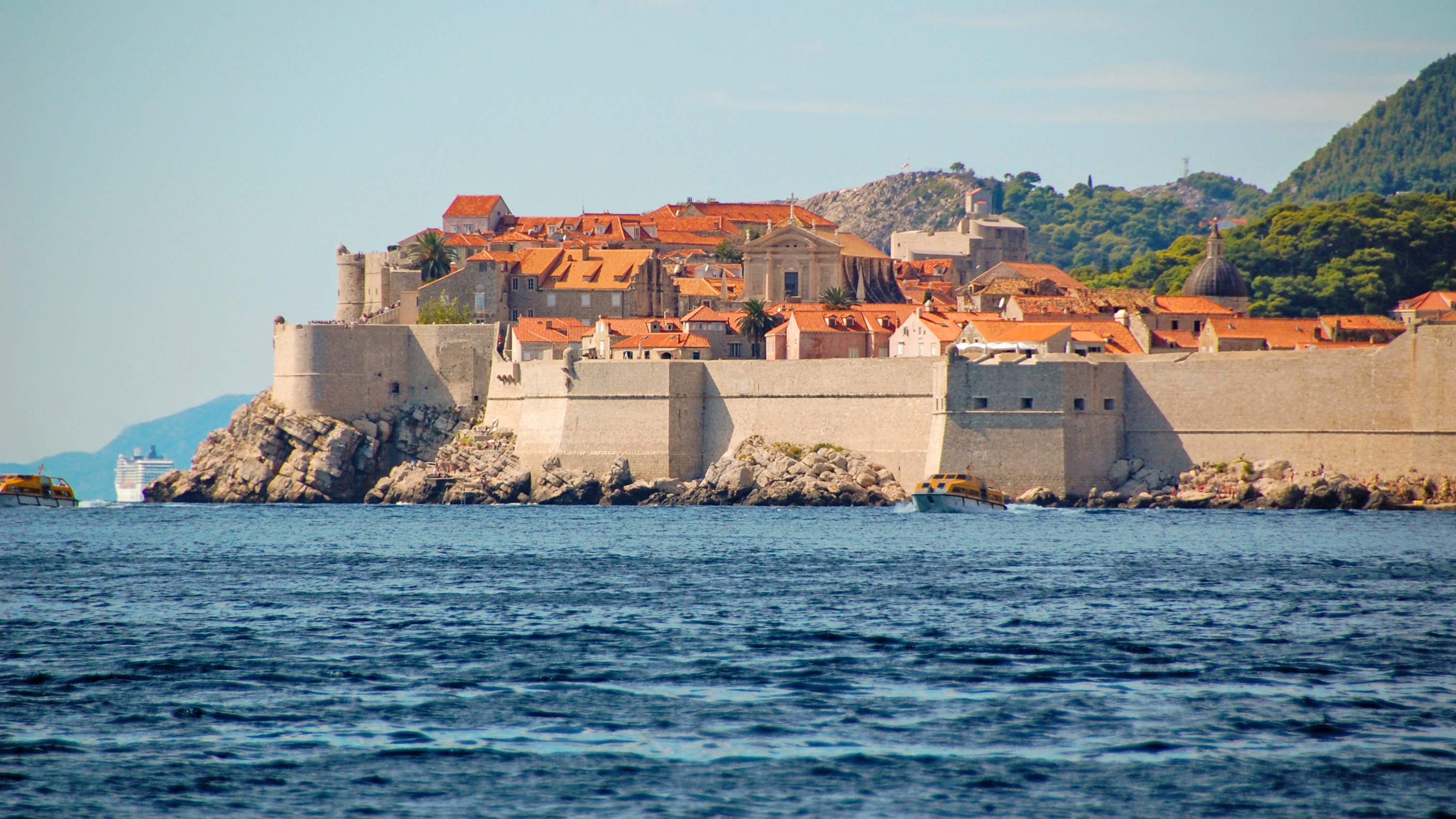 0 mi from DubrovnikDubrovnik City Walls
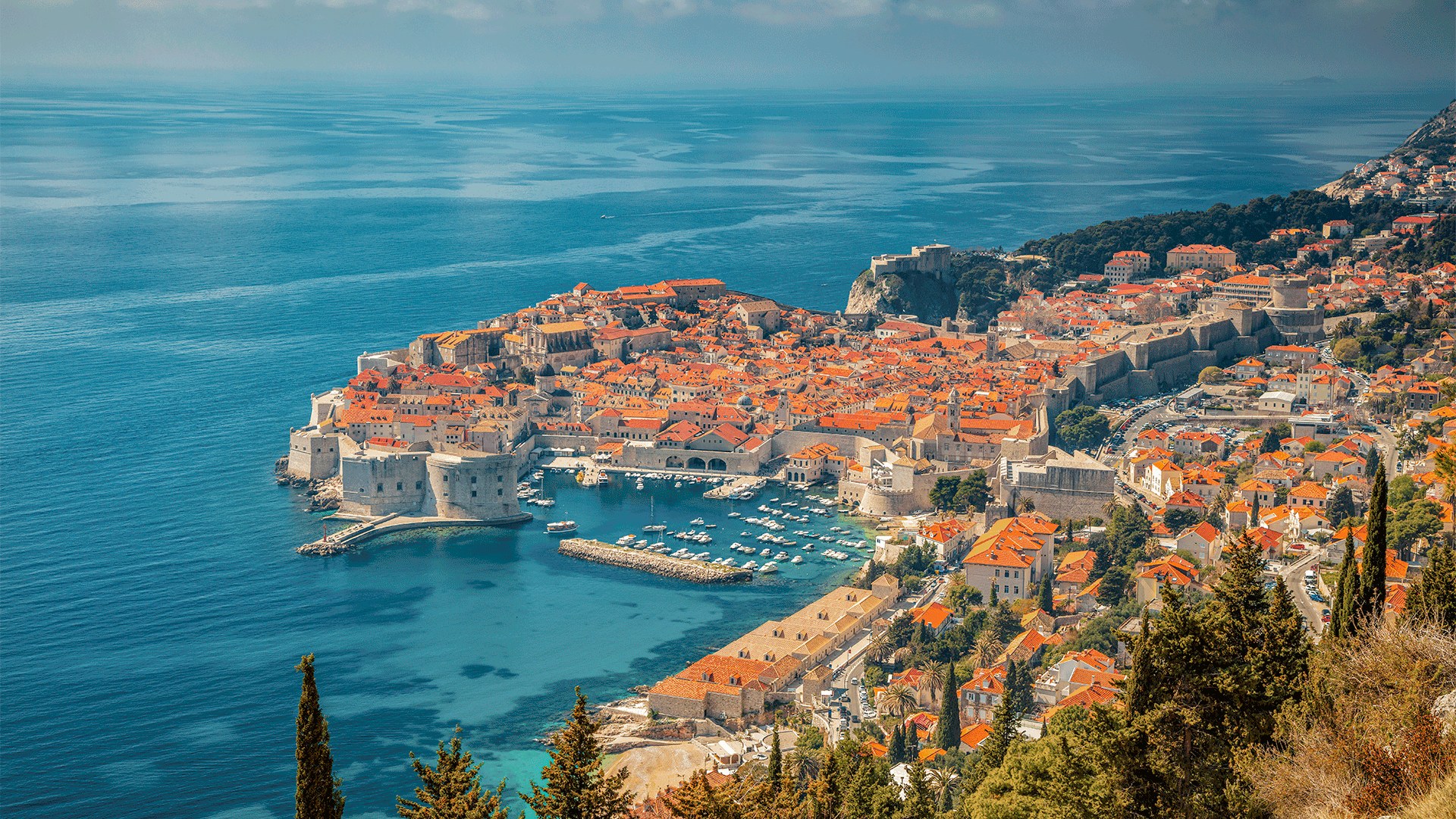 0 mi from DubrovnikOld Town Dubrovnik
 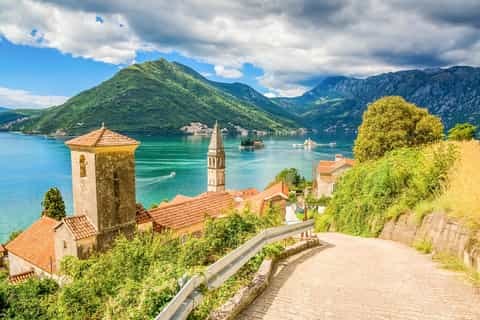 10 mi from Dubrovnik · land adventureDubrovnik Beyond the Walls: Stone, Sea, and Slow Mornings
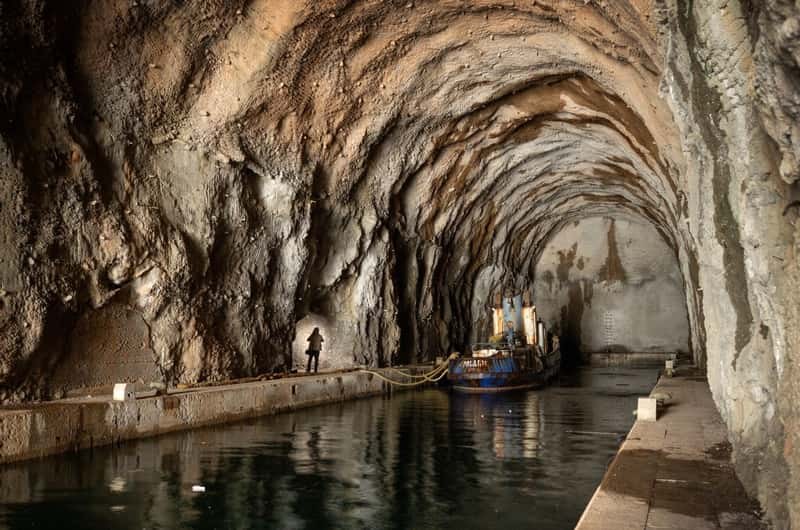 61 mi from Dubrovnik · land adventureKotor's Stone Labyrinth: Medieval Walls, Mountain Smoke, & Bay Light
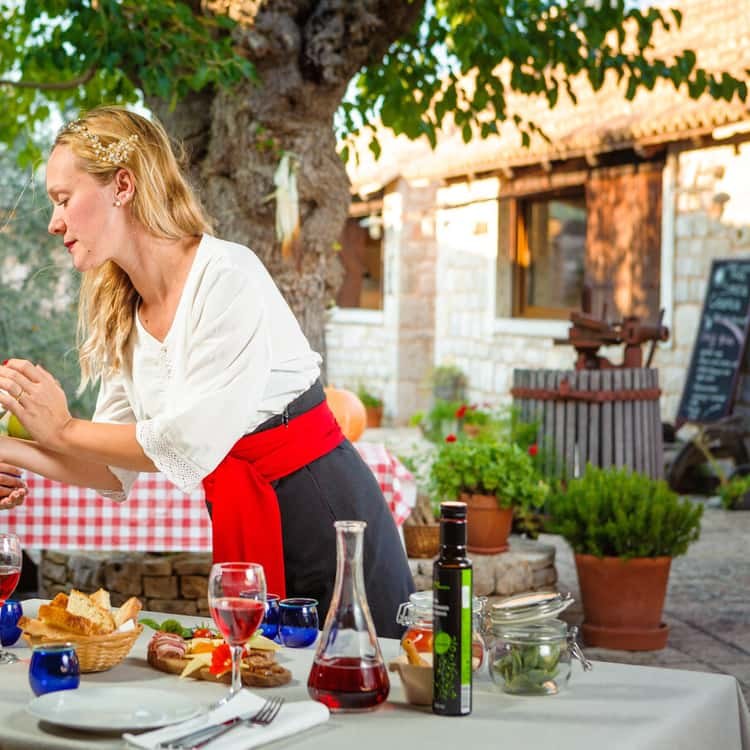 110 mi from Dubrovnik · land adventureSplit Wide Open: Ruins, Vineyards, and Adriatic Cliffs
 After you step off · near Barcelona
You end in a different port — stay on, and add what is within reach before you fly home.
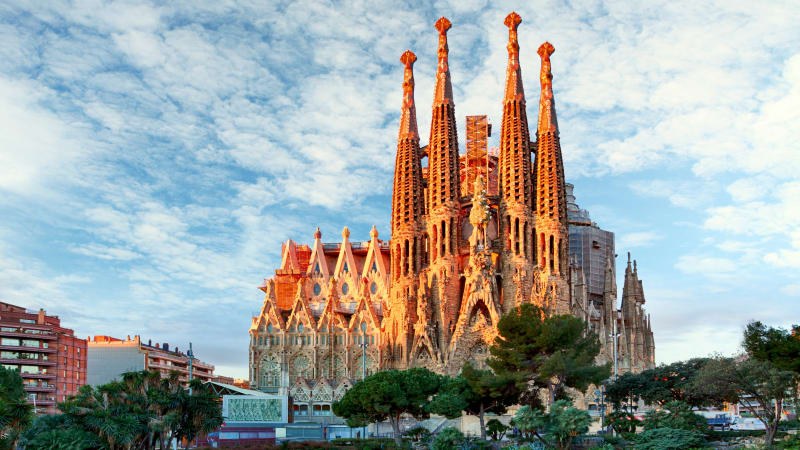 1 mi from BarcelonaSagrada Família
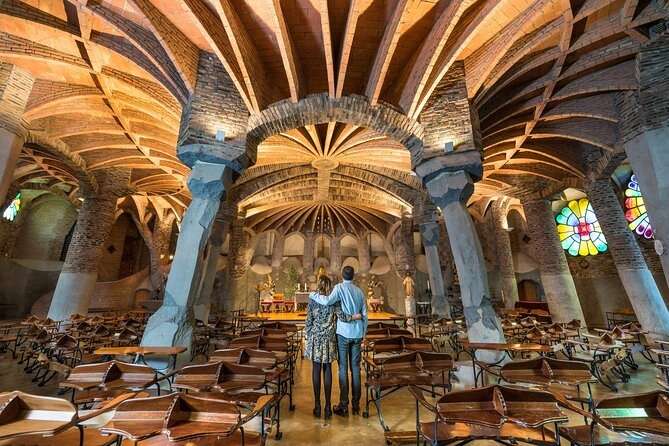 7 mi from BarcelonaColònia Güell Church (Crypt) & Modernist Industrial Site
 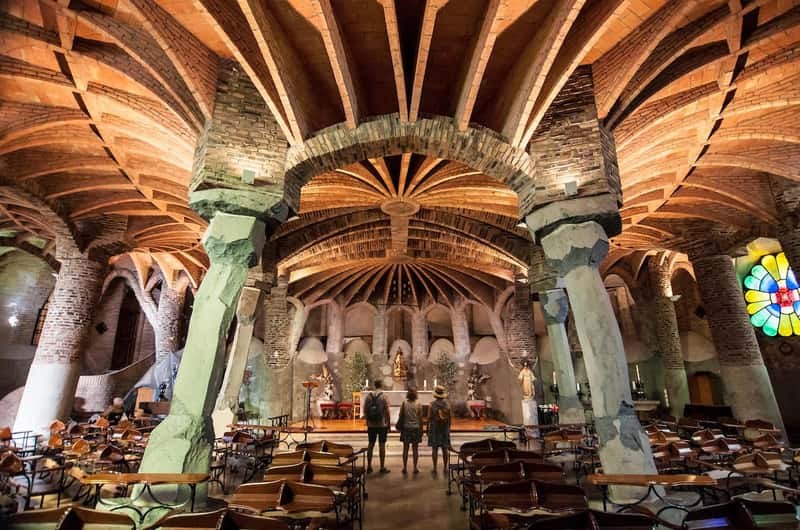 8 mi from Barcelona · land adventureBarcelona Beyond the Crowds: Gaudí, Galician Seafood & Montserrat
 210 mi from Barcelona · land adventureProvence by the Senses: Lavender, Truffles, and Roman Stone